85 items
4.4/5 based on 1407 reviews collected online and in stores

SCUBA DIVING GEAR FAQS

How do I maintain visibility when exploring deep Atlantic reef walls and shipwrecks?

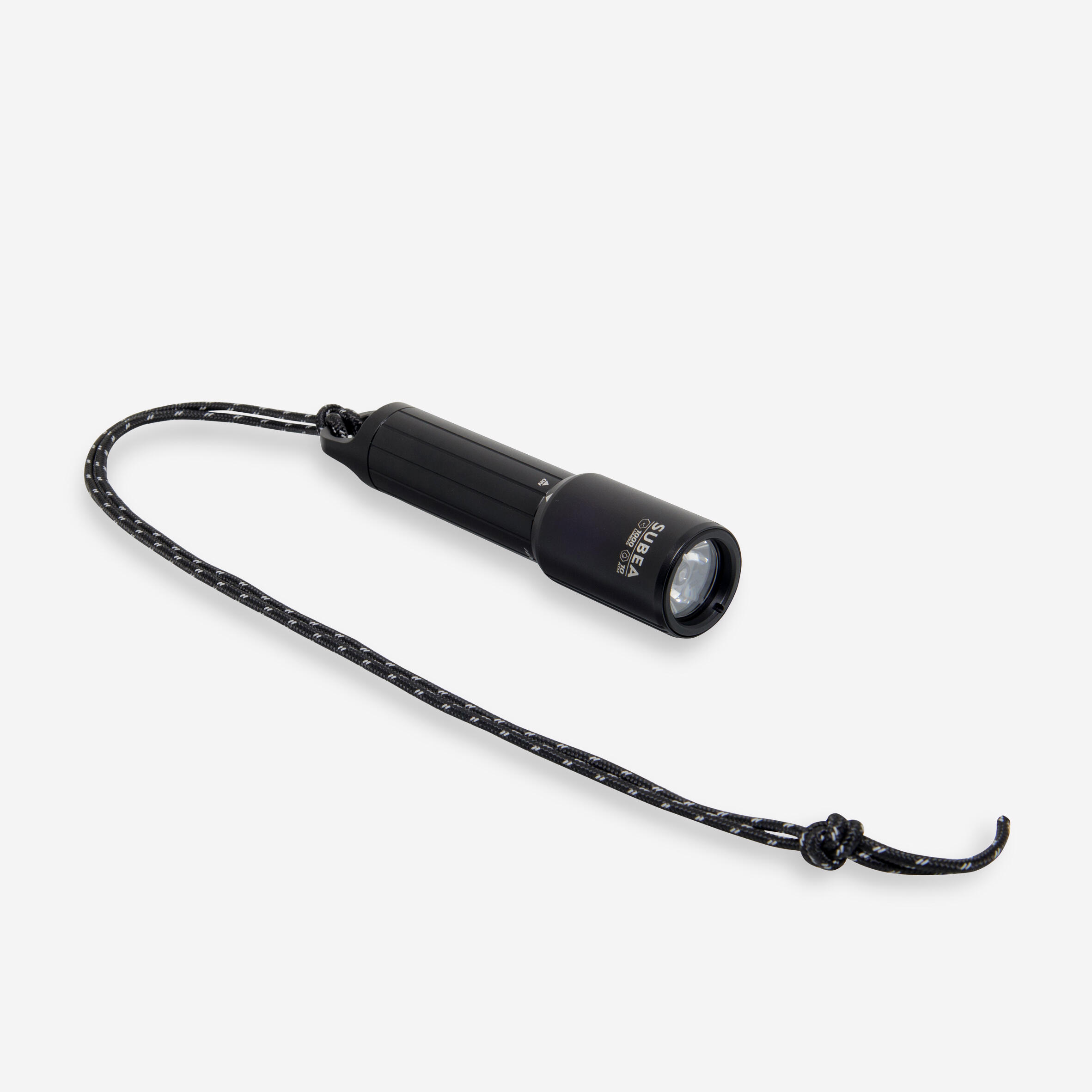
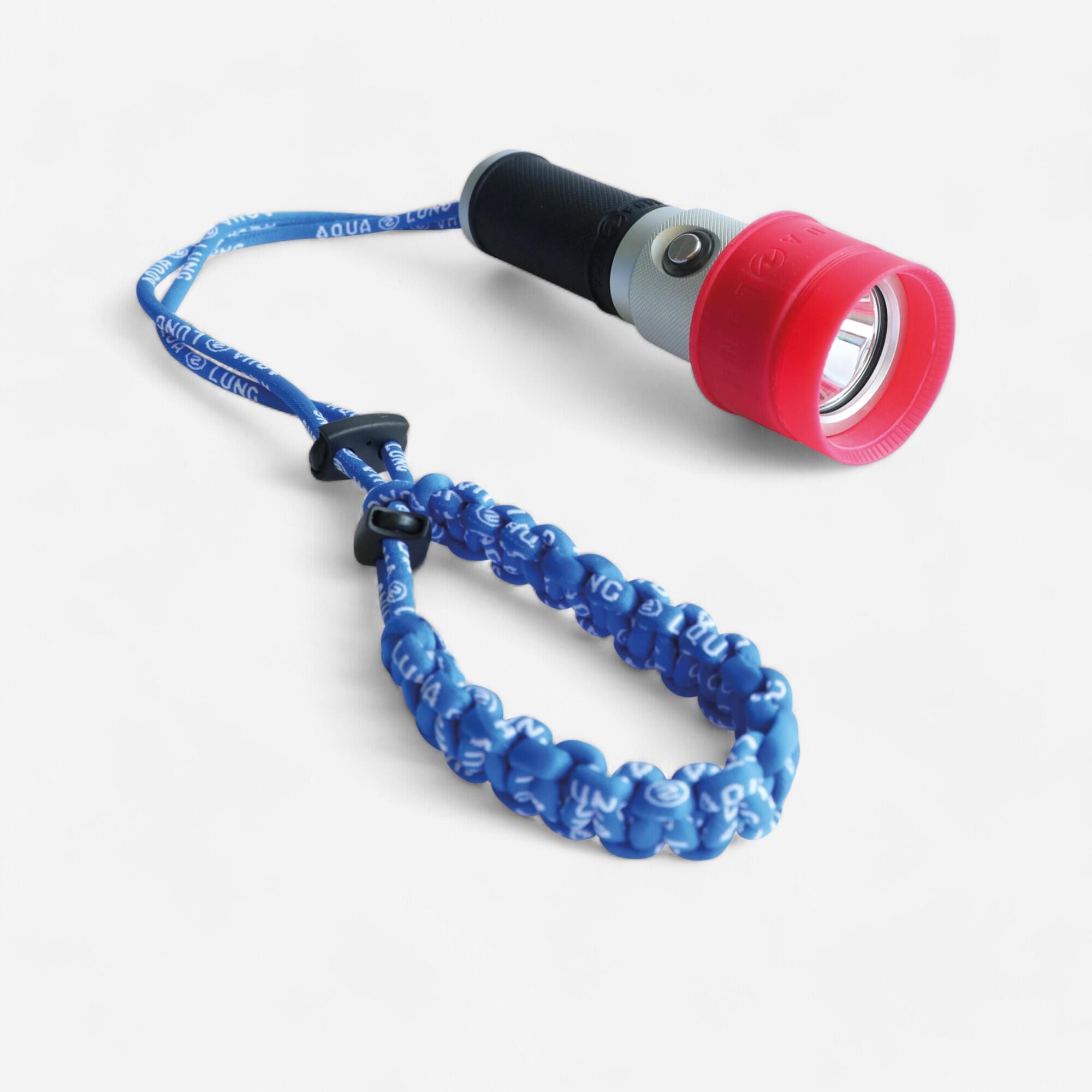
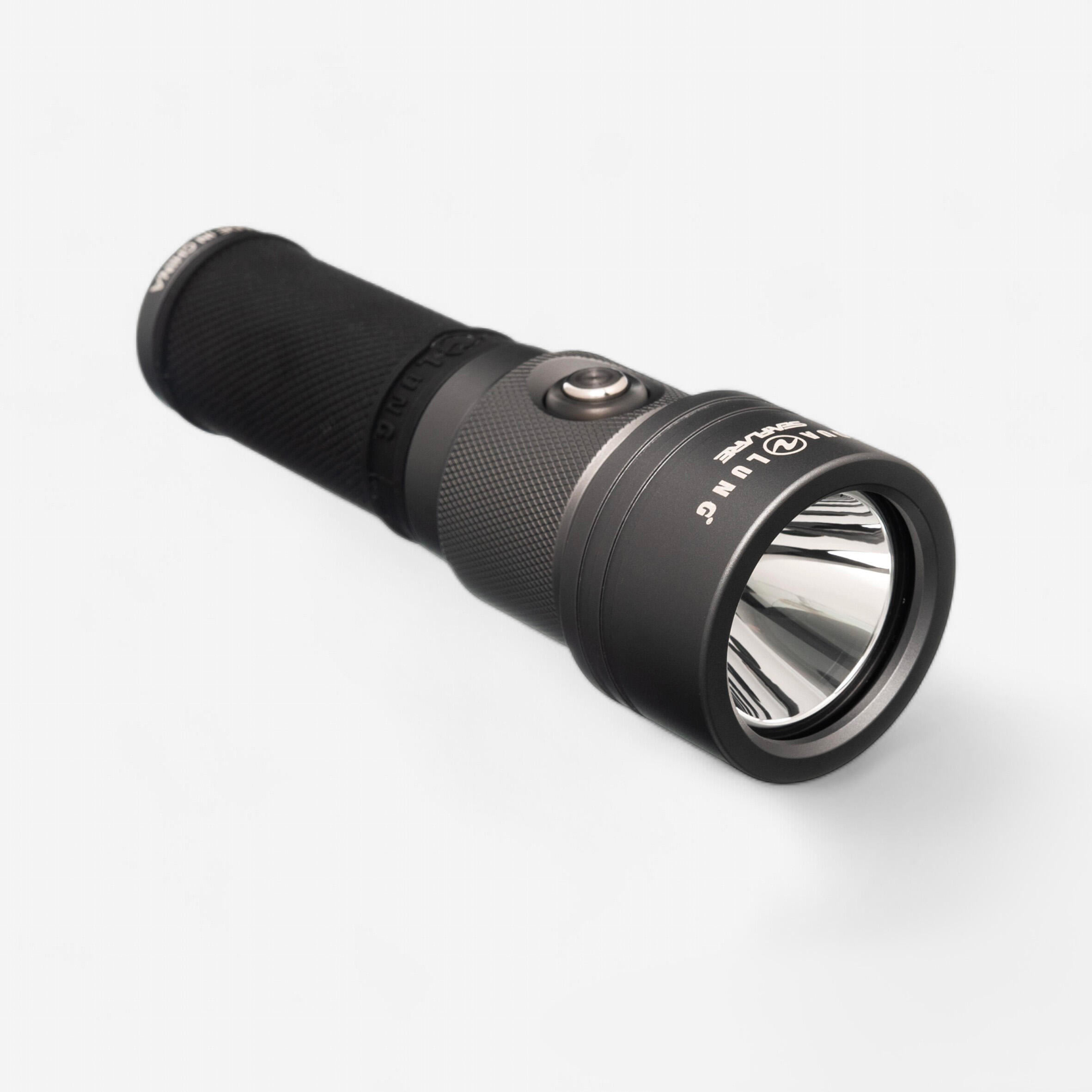
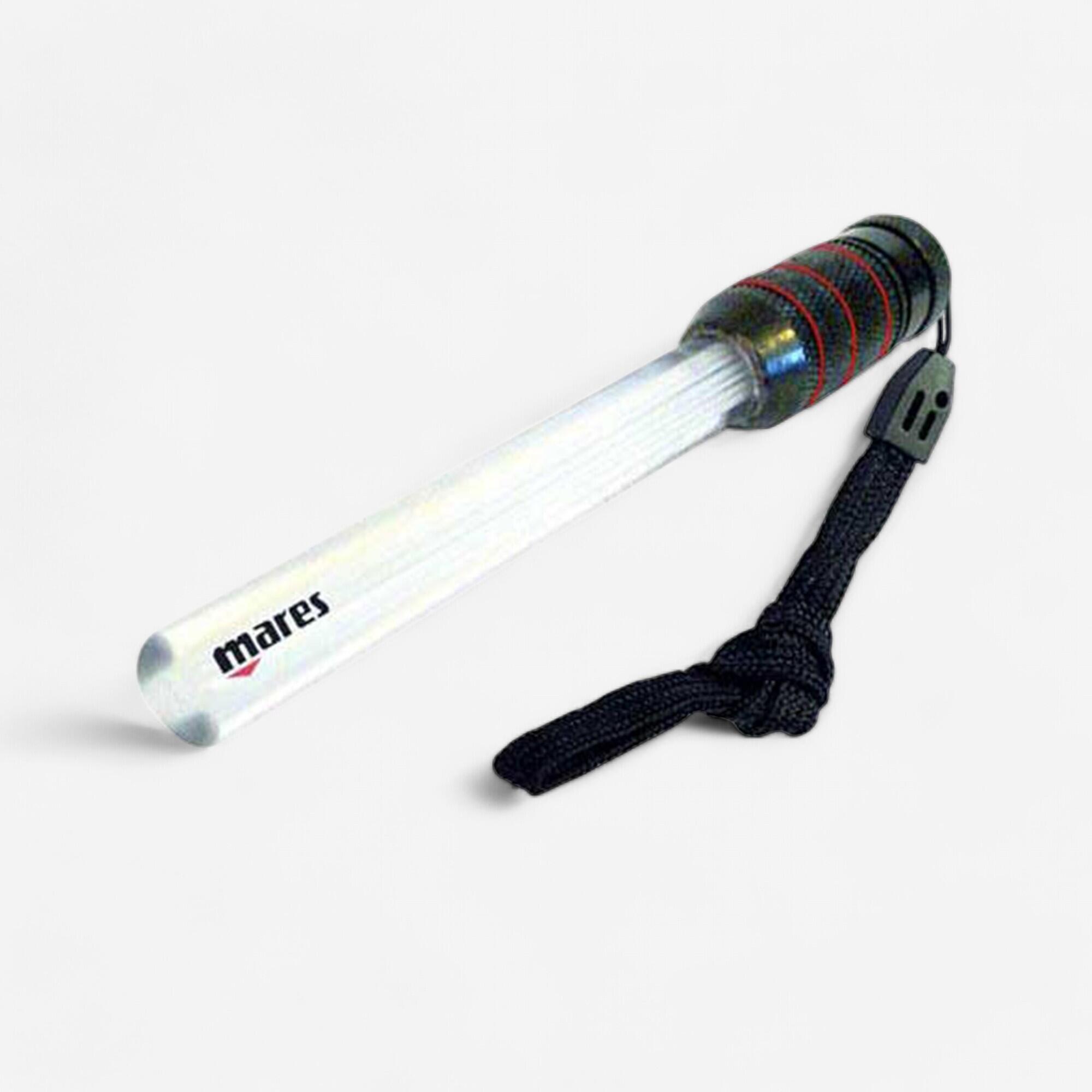
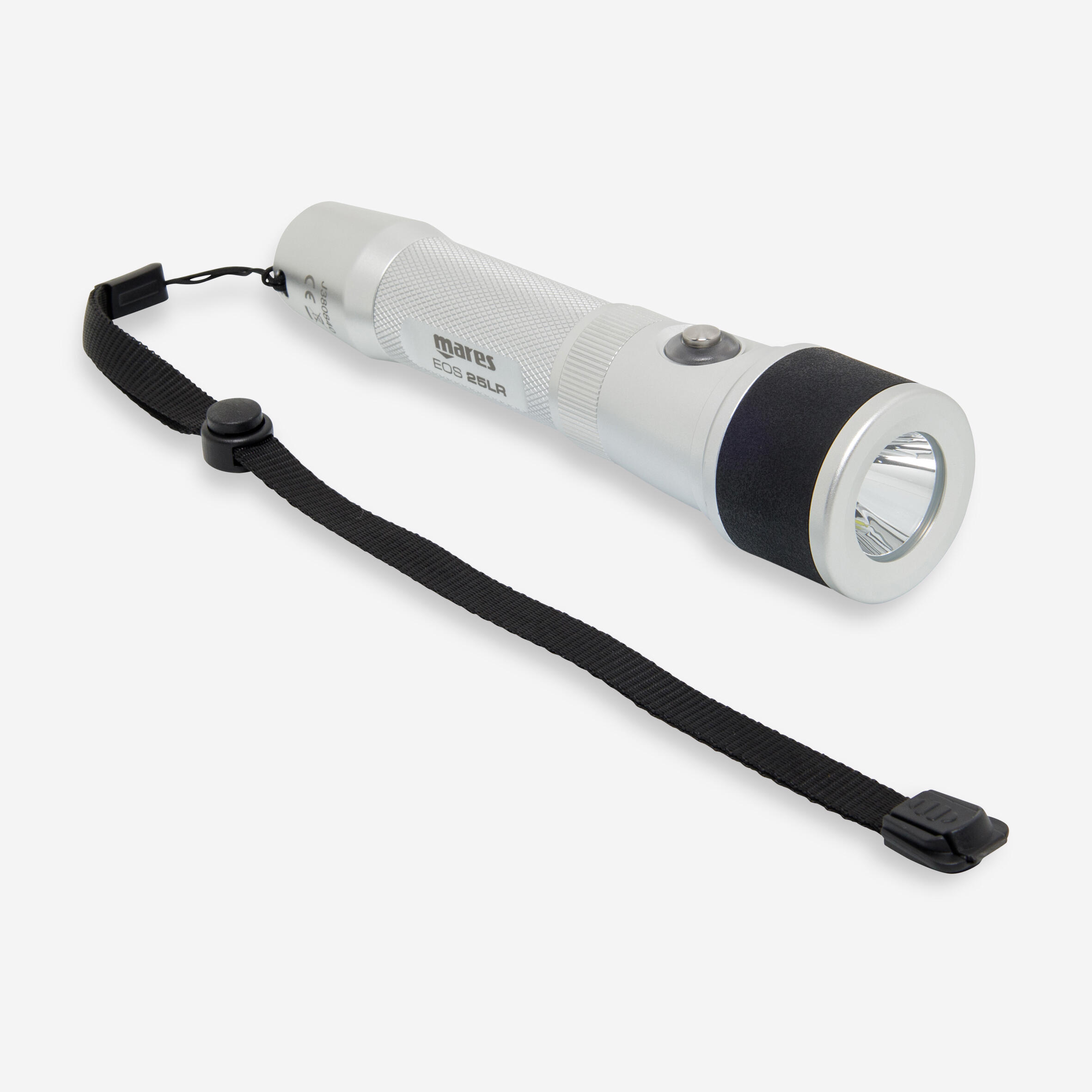
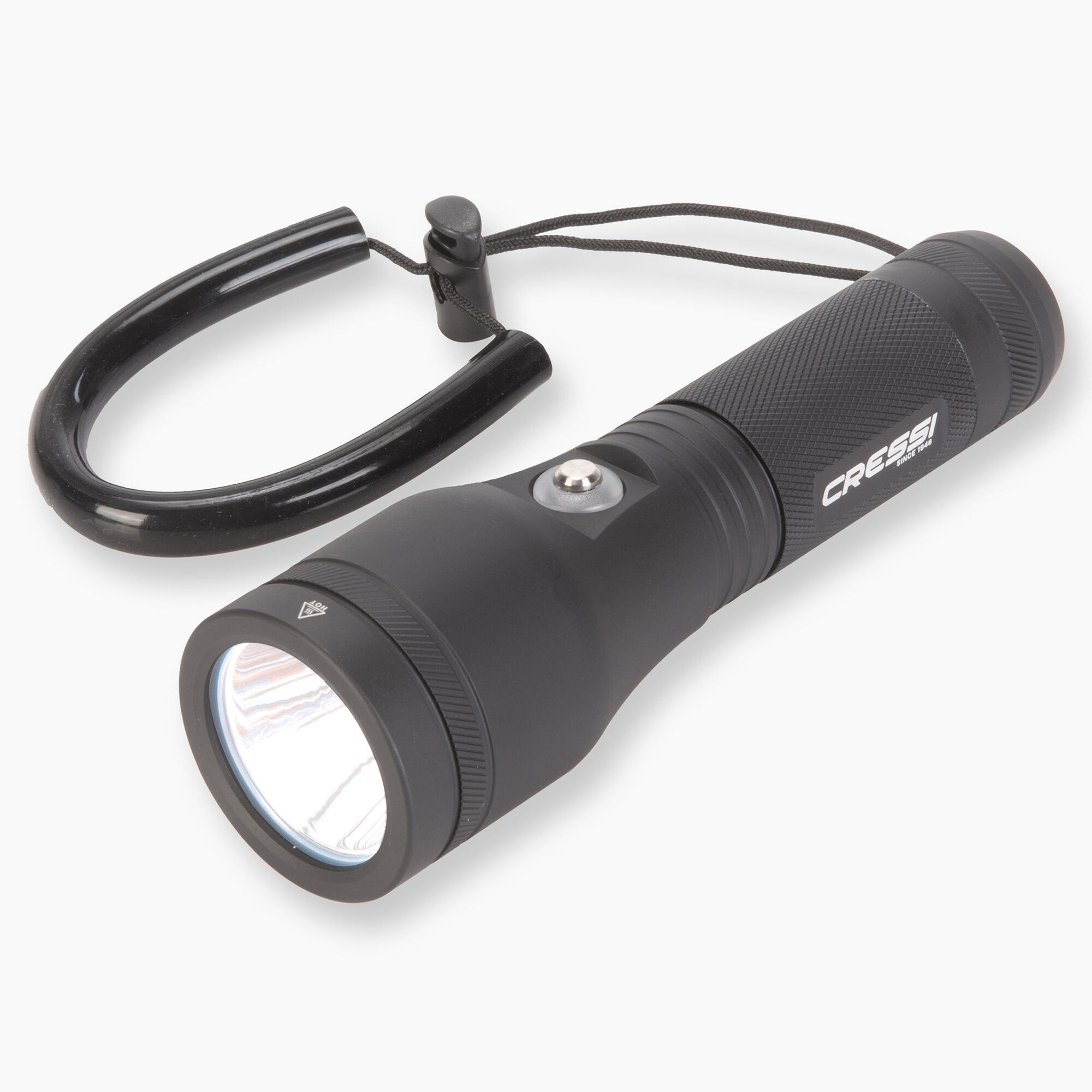
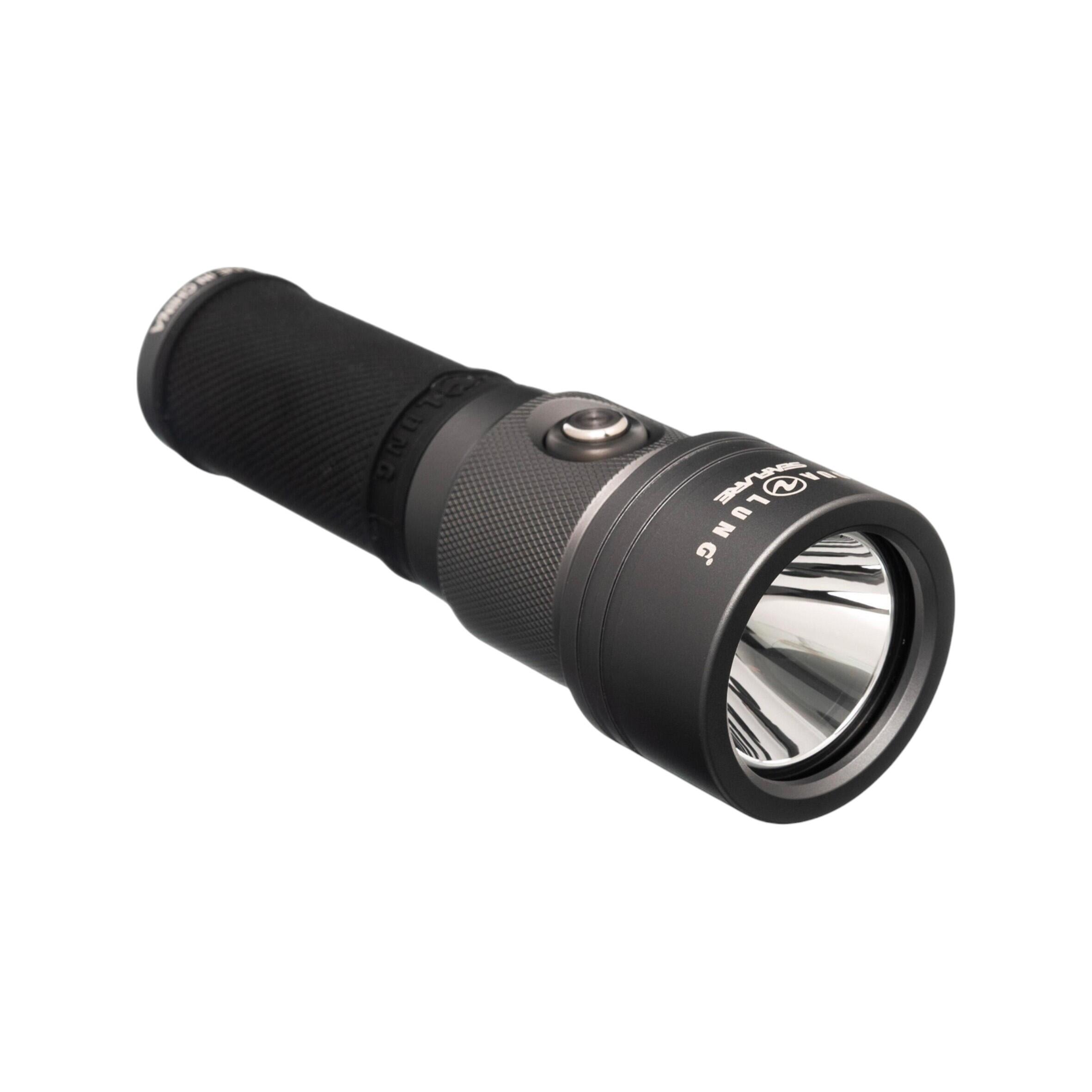
Navigating the dark, cold waters off the western coast requires heavy-duty illumination to counteract extreme light absorption at depth. Utilising high-lumen, waterproof scuba diving lights with narrow beam angles cut through suspended particles and plankton blooms effectively. The technical reason for choosing hard-anodised aluminium housings is their ability to withstand immense pressure changes while providing optimal heat dissipation for high-output LED bulbs during long submersions. Pro tip: A secondary compact torch should always be clipped to your harness as a redundant safety backup in overhead environments.

What metrics are essential for tracking decompression safety during deep submersions?

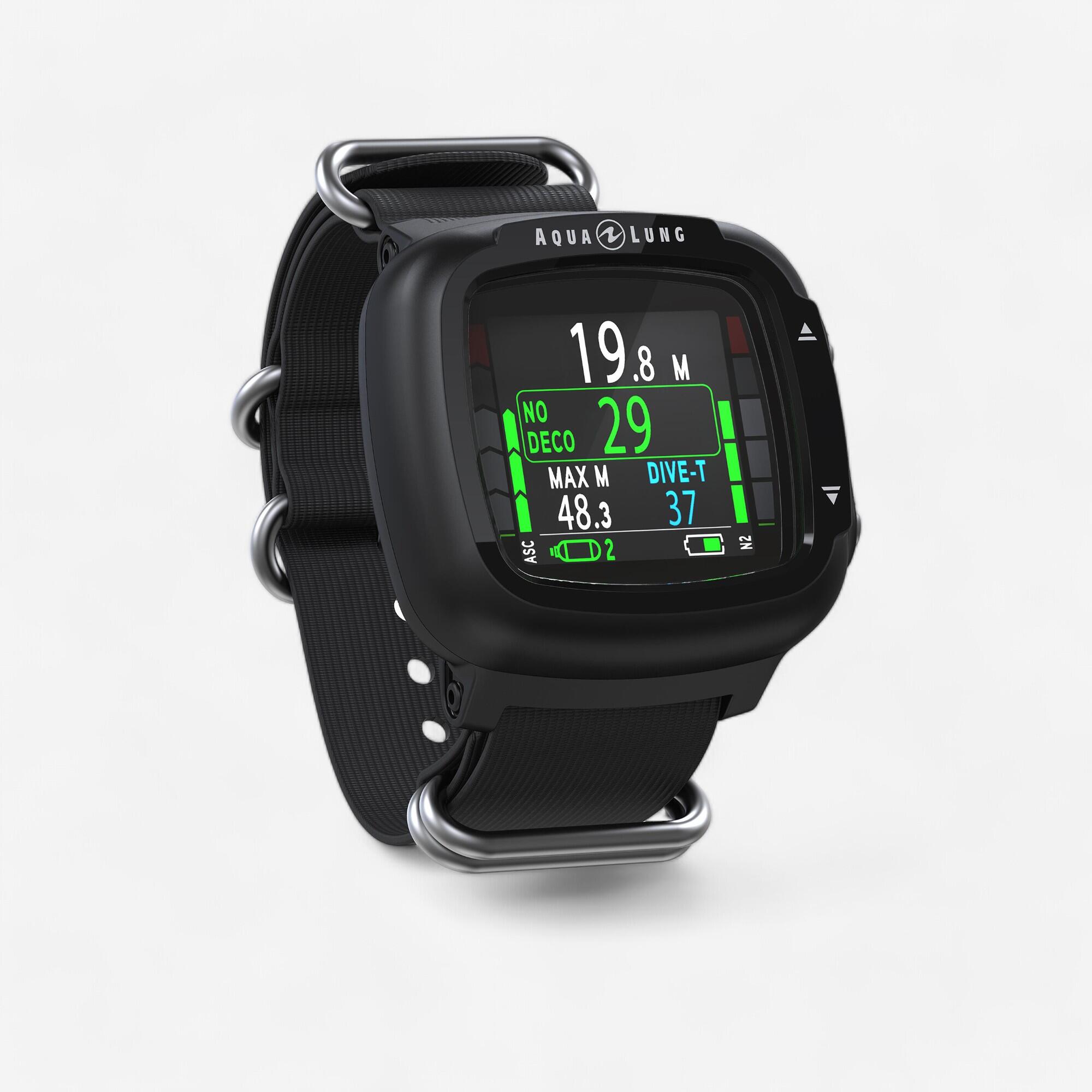
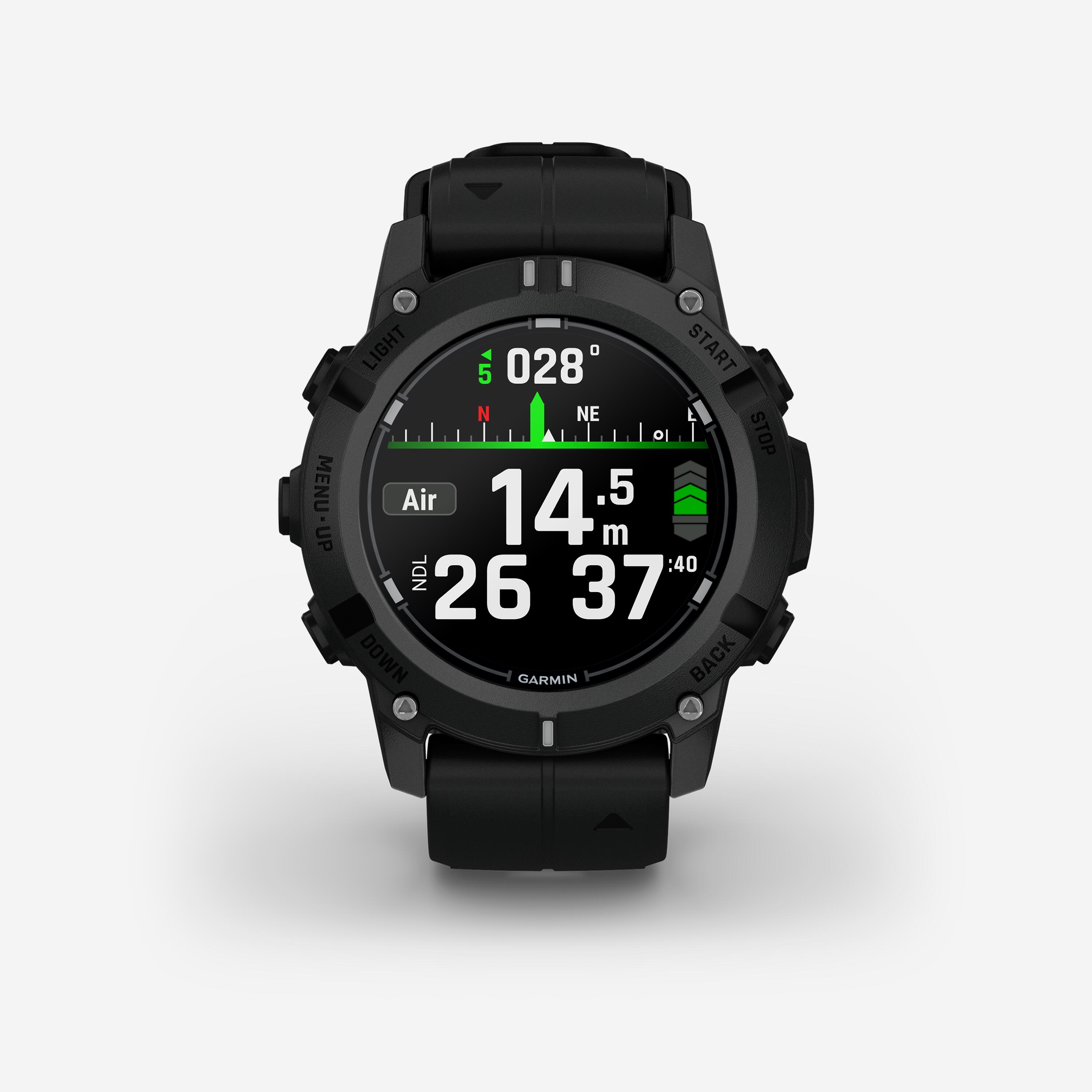
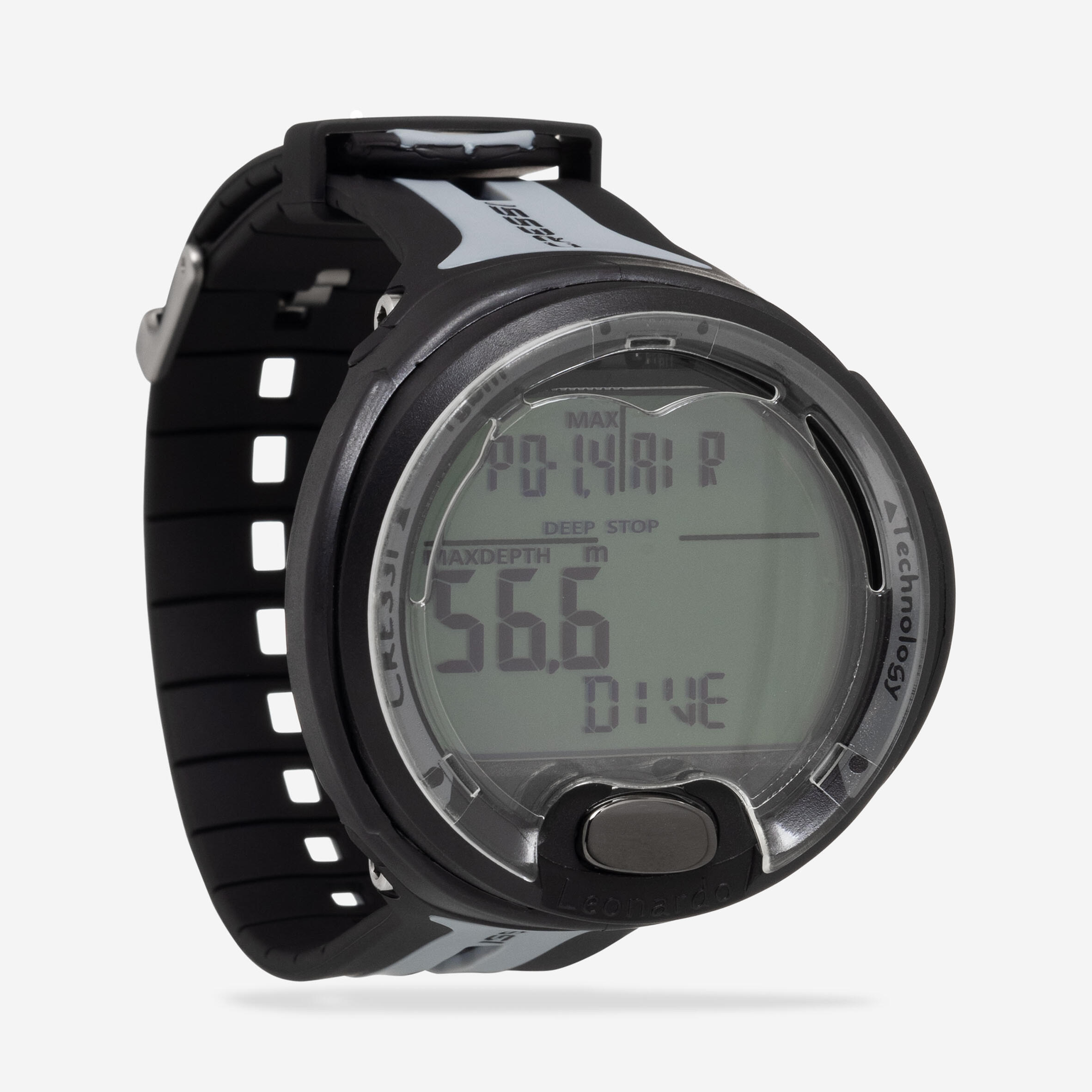
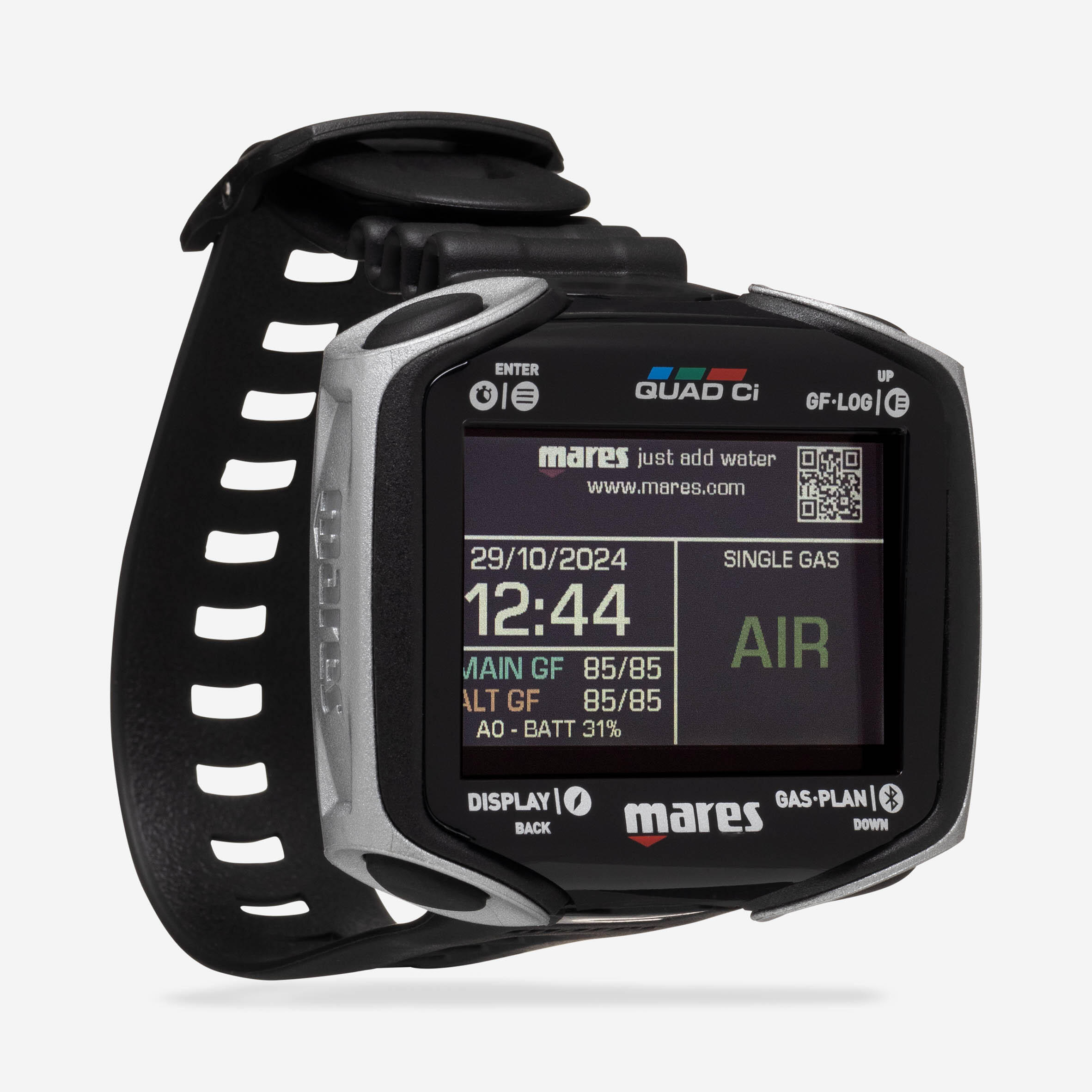
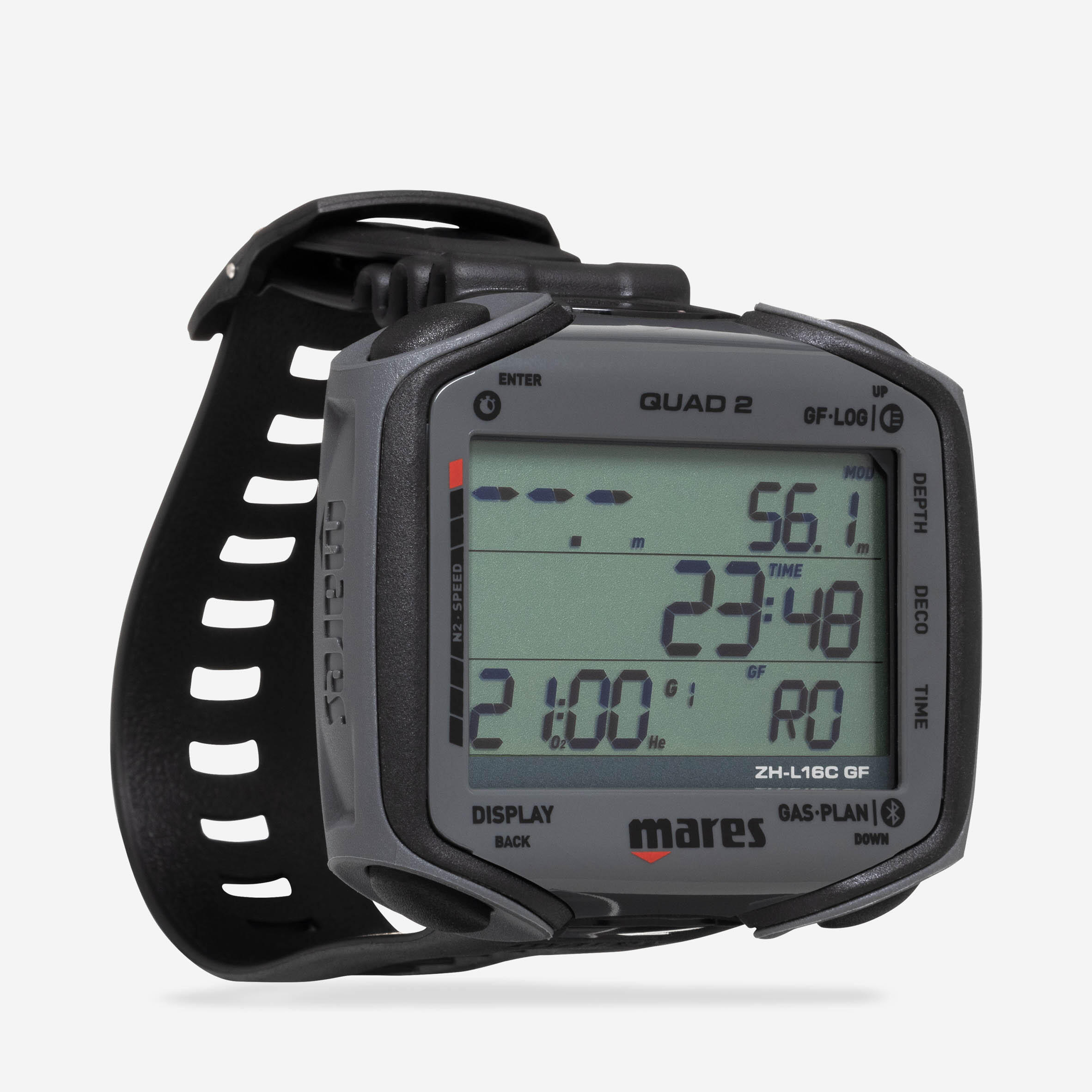
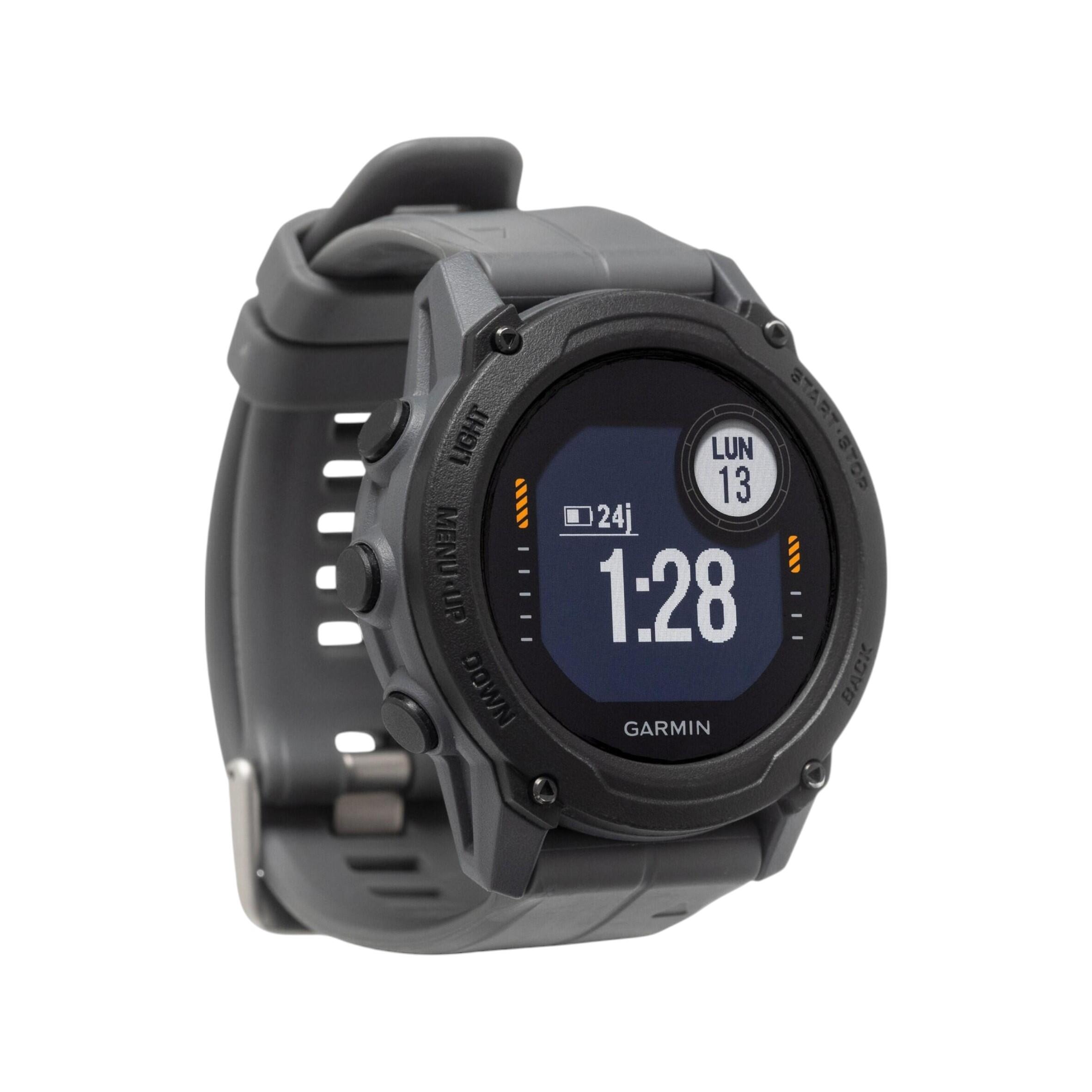
Monitoring nitrogen absorption levels and ascent rates is critical to preventing decompression sickness when executing multi-level profiles. Modern wrist-mounted scuba diving computers track real-time depth data, water temperature variations, and residual tissue loading using advanced decompression algorithms. The high-contrast screens remain perfectly legible inside gloomy shipwrecks, alerting you instantly via vibrating pulses or audio chirps if your ascent velocity exceeds safe parameters. Choosing a model with wireless tank integration allows immediate tracking of remaining gas pressure directly from your wrist display.

Which life-support assemblies ensure reliable breathing gas delivery in freezing marine conditions?

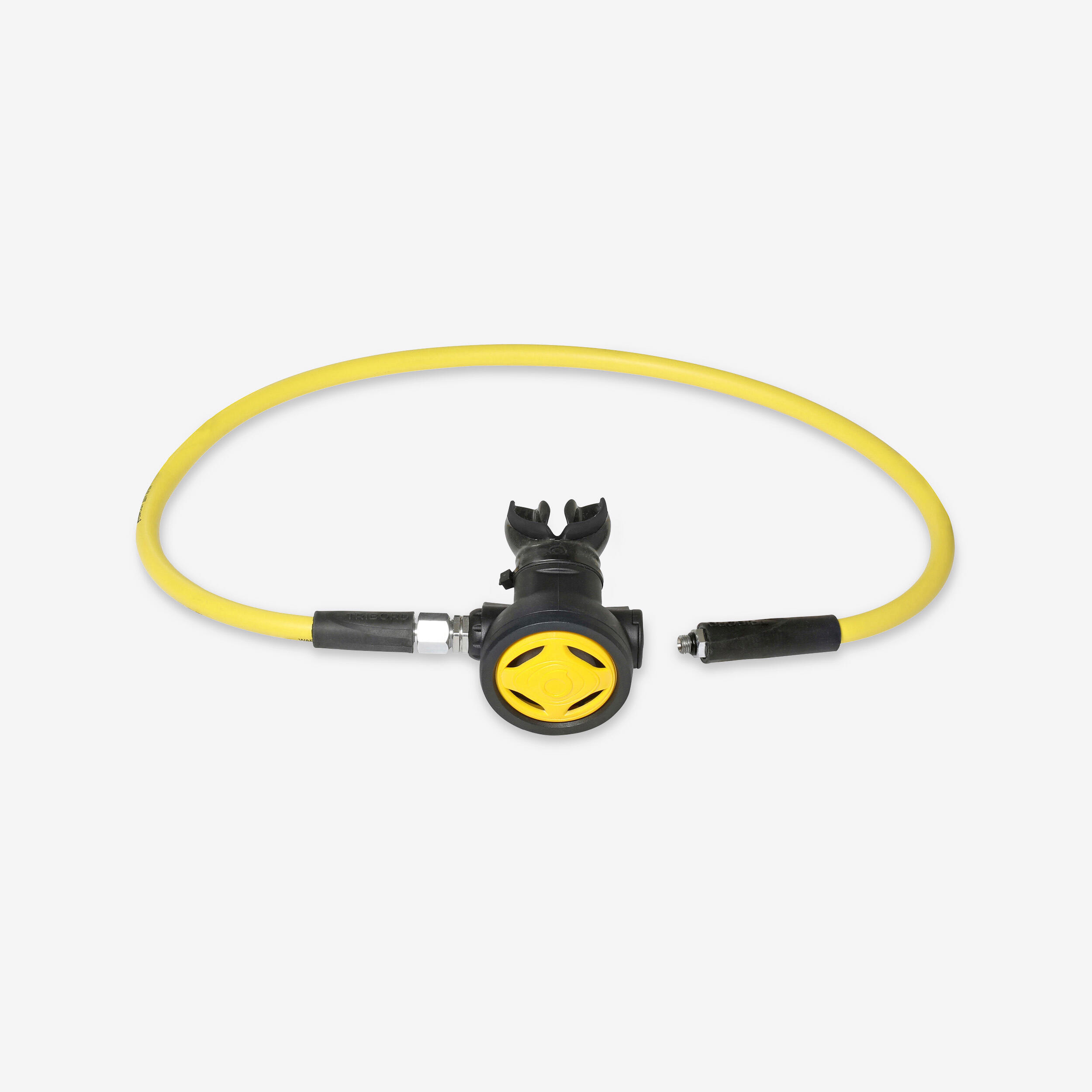
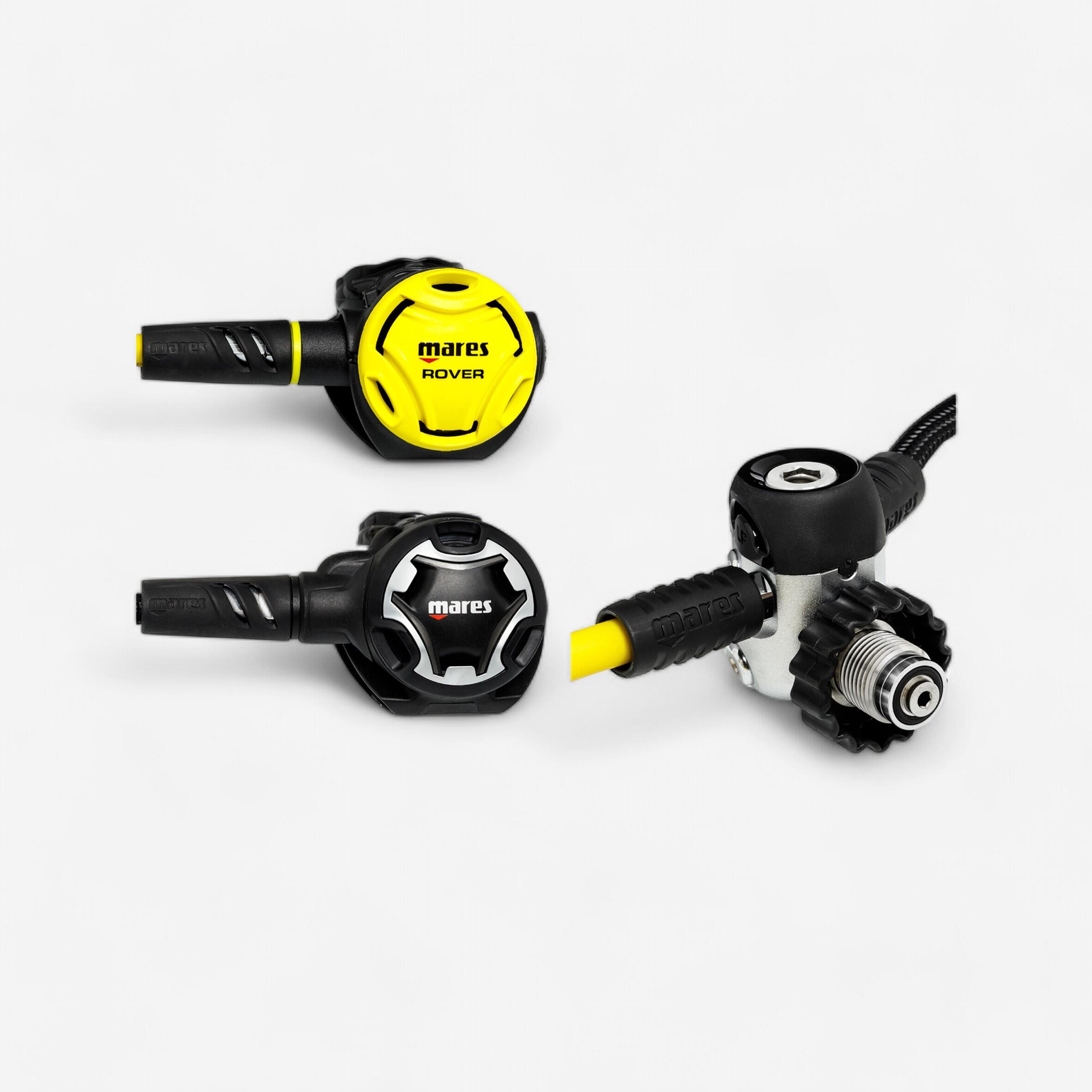
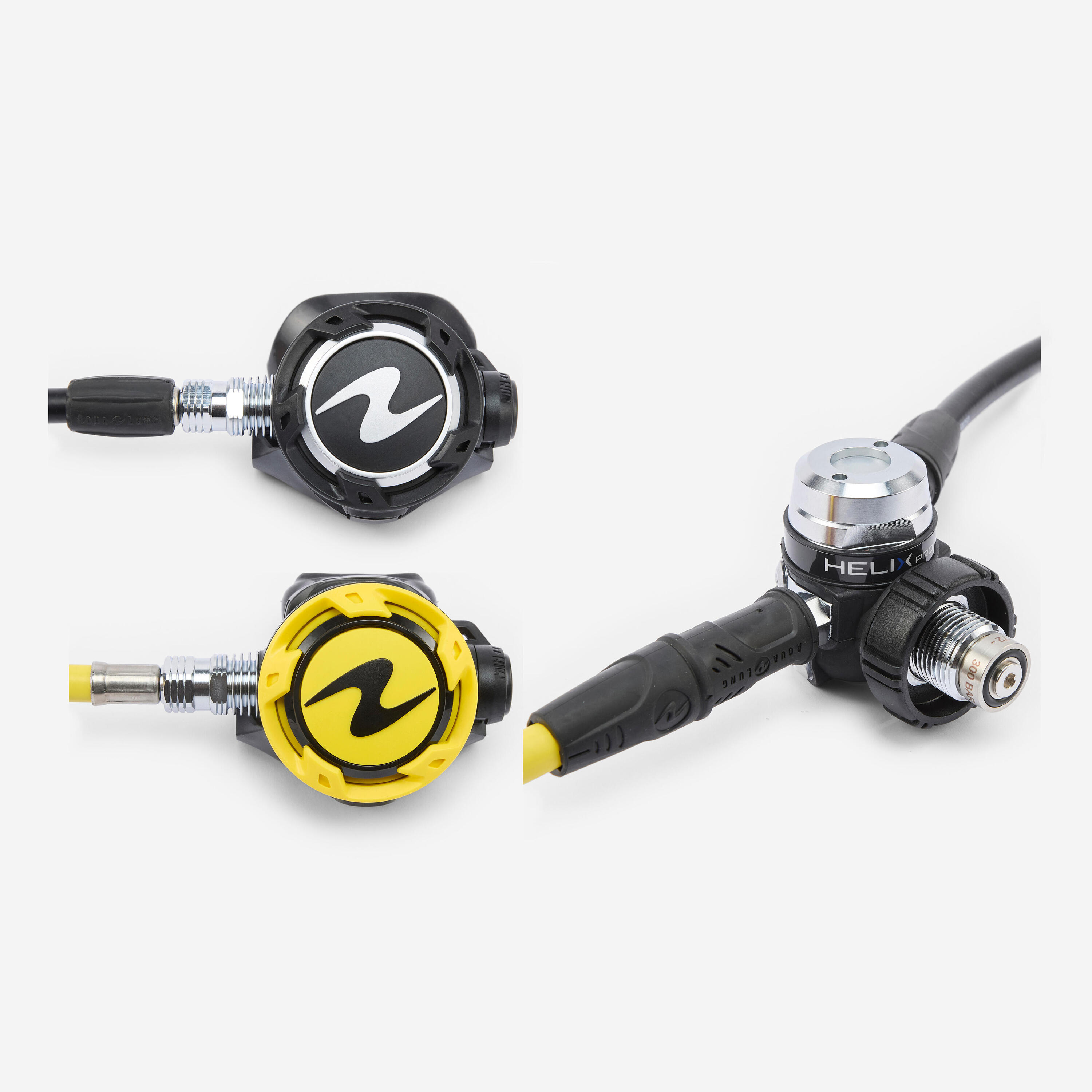
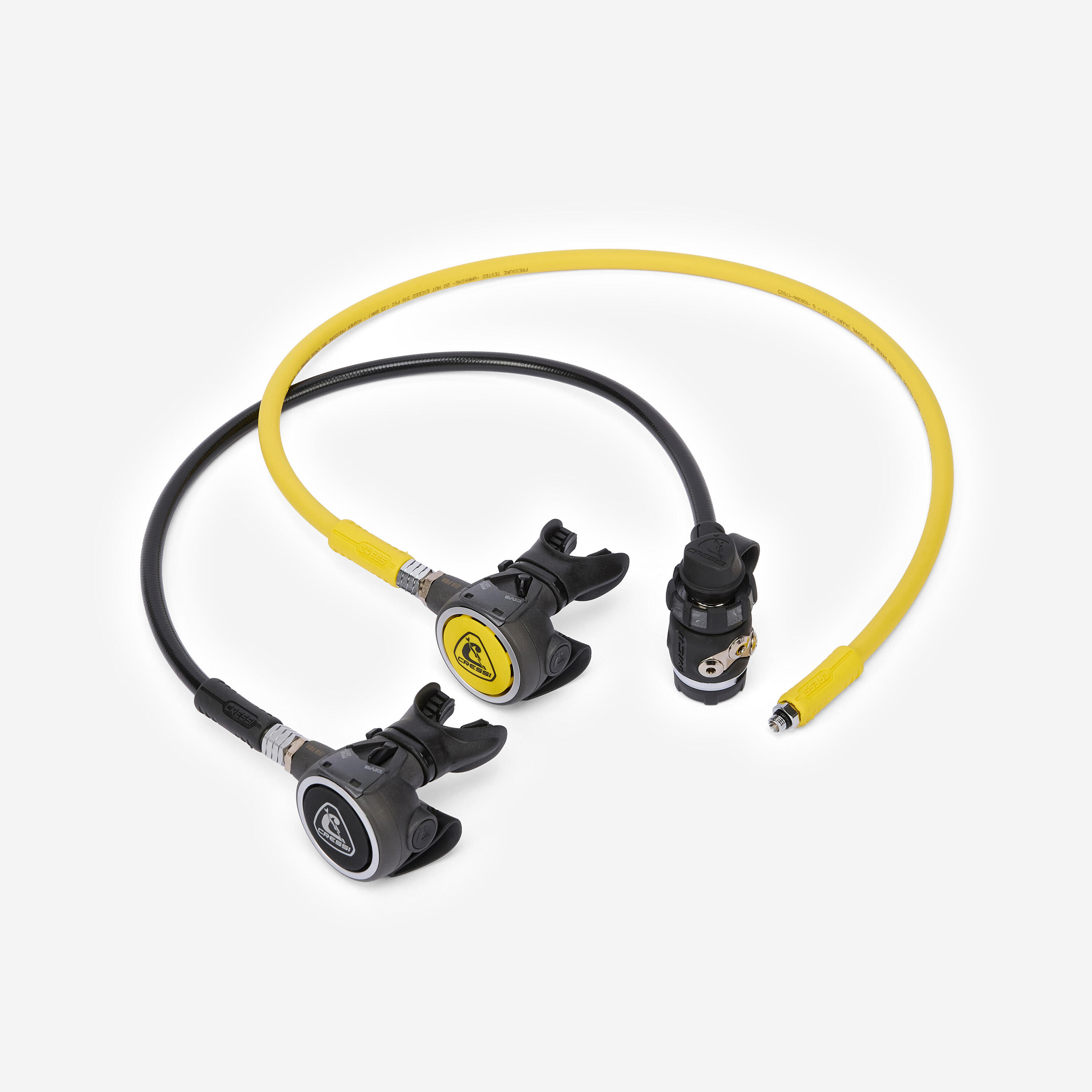
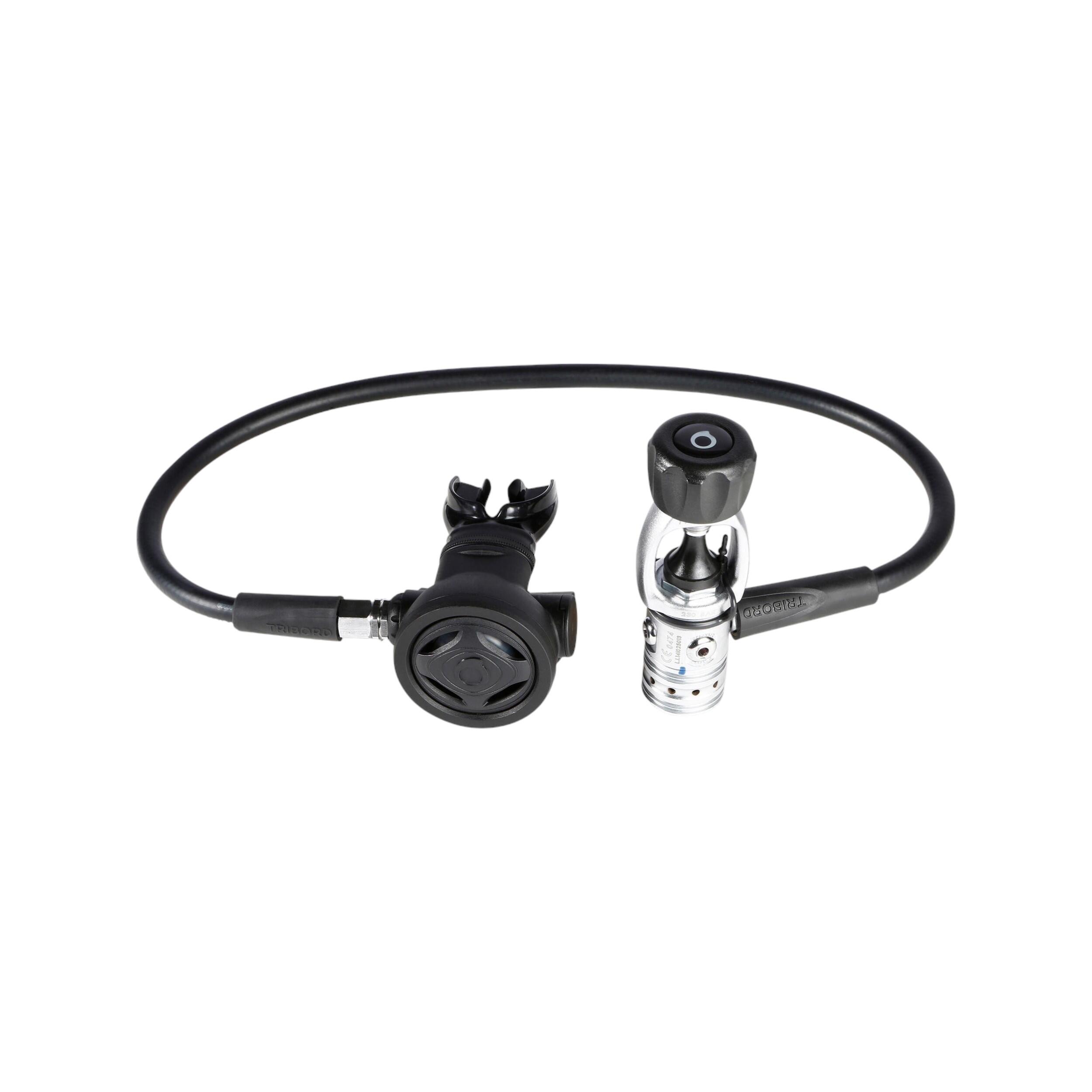
Cold-water submersions demand high-performance breathing systems certified to resist freezing in water temperatures dropping below 10 degrees Celsius. Deploying balanced diaphragm scuba diving regulators and octopus setups prevents dry air expansion from causing catastrophic first-stage free-flows. The internal environmental seal keeps freezing ambient seawater away from the main spring mechanism, guaranteeing smooth, effortless air delivery even at maximum recreational depths. Always verify that your alternate air source is coloured bright yellow for rapid buddy identification during unexpected out-of-air scenarios.

How can I replace worn high-pressure hoses and ageing console attachments safely?

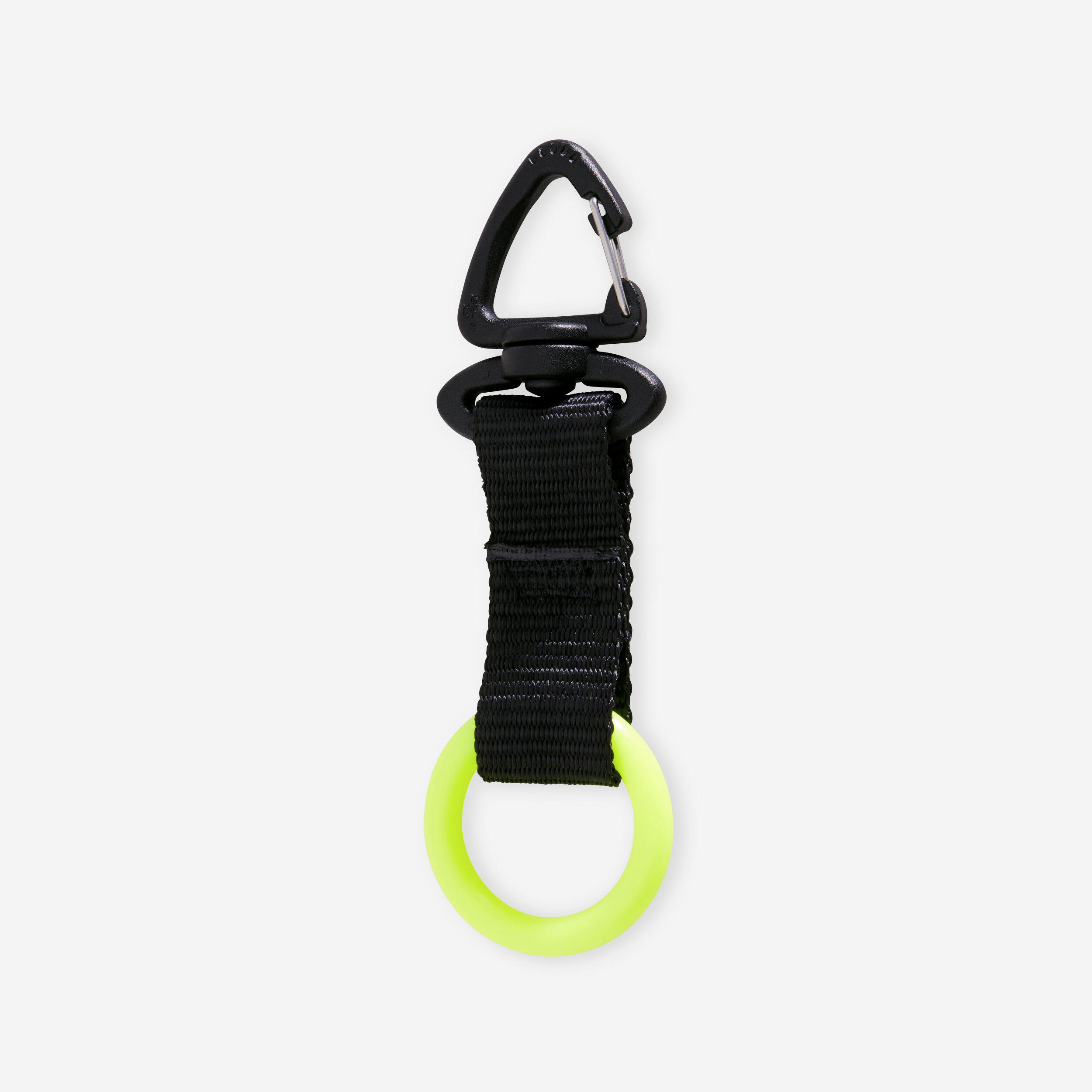
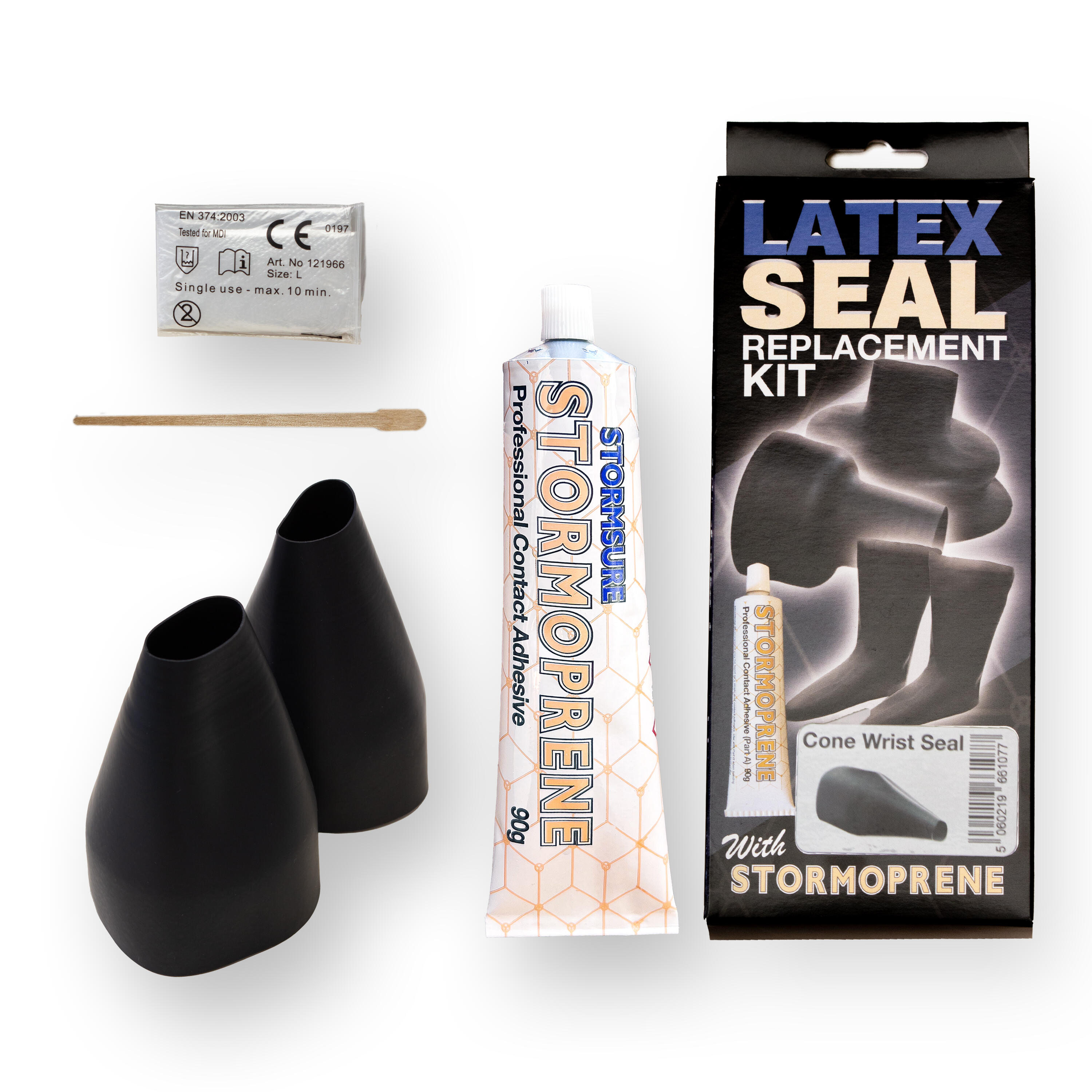
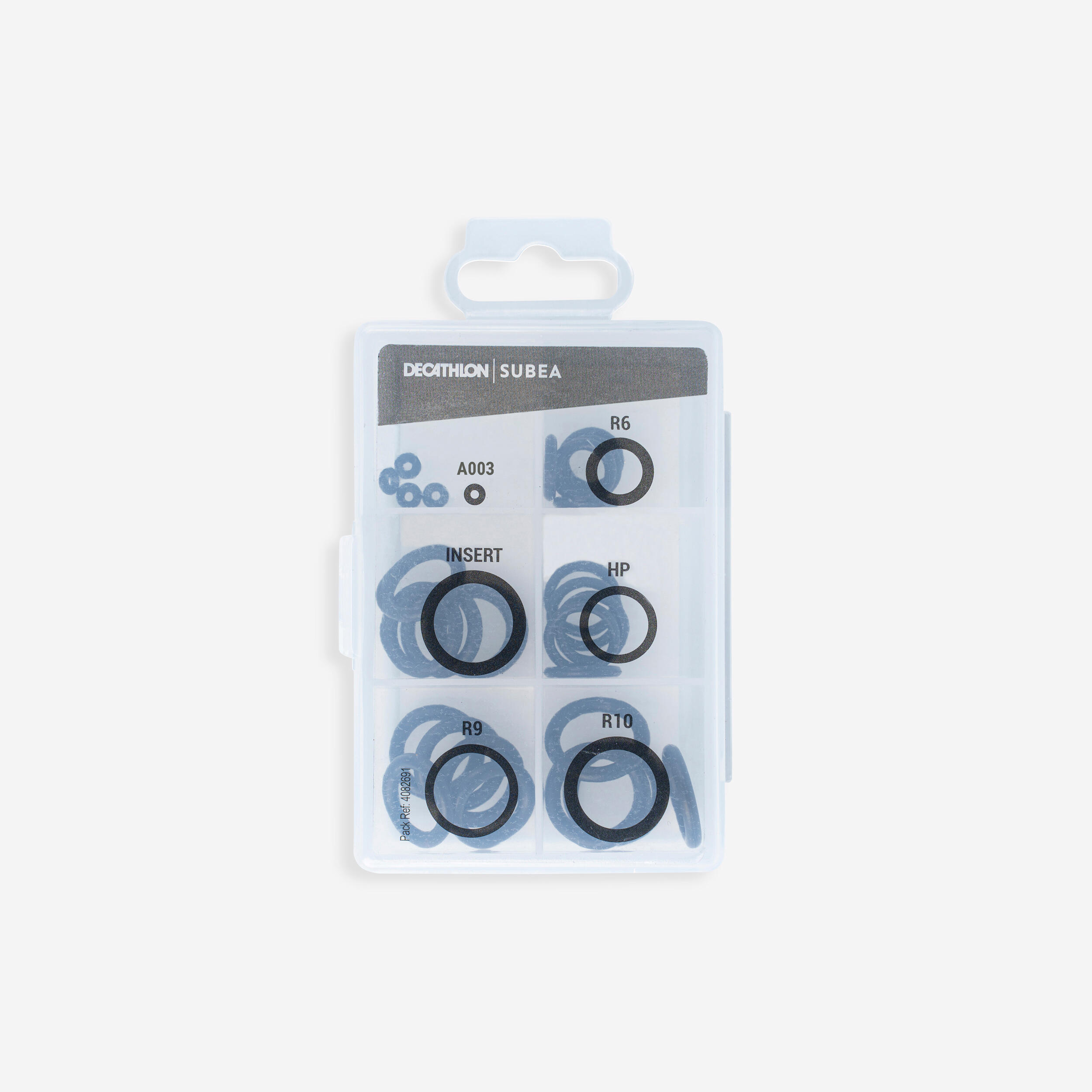
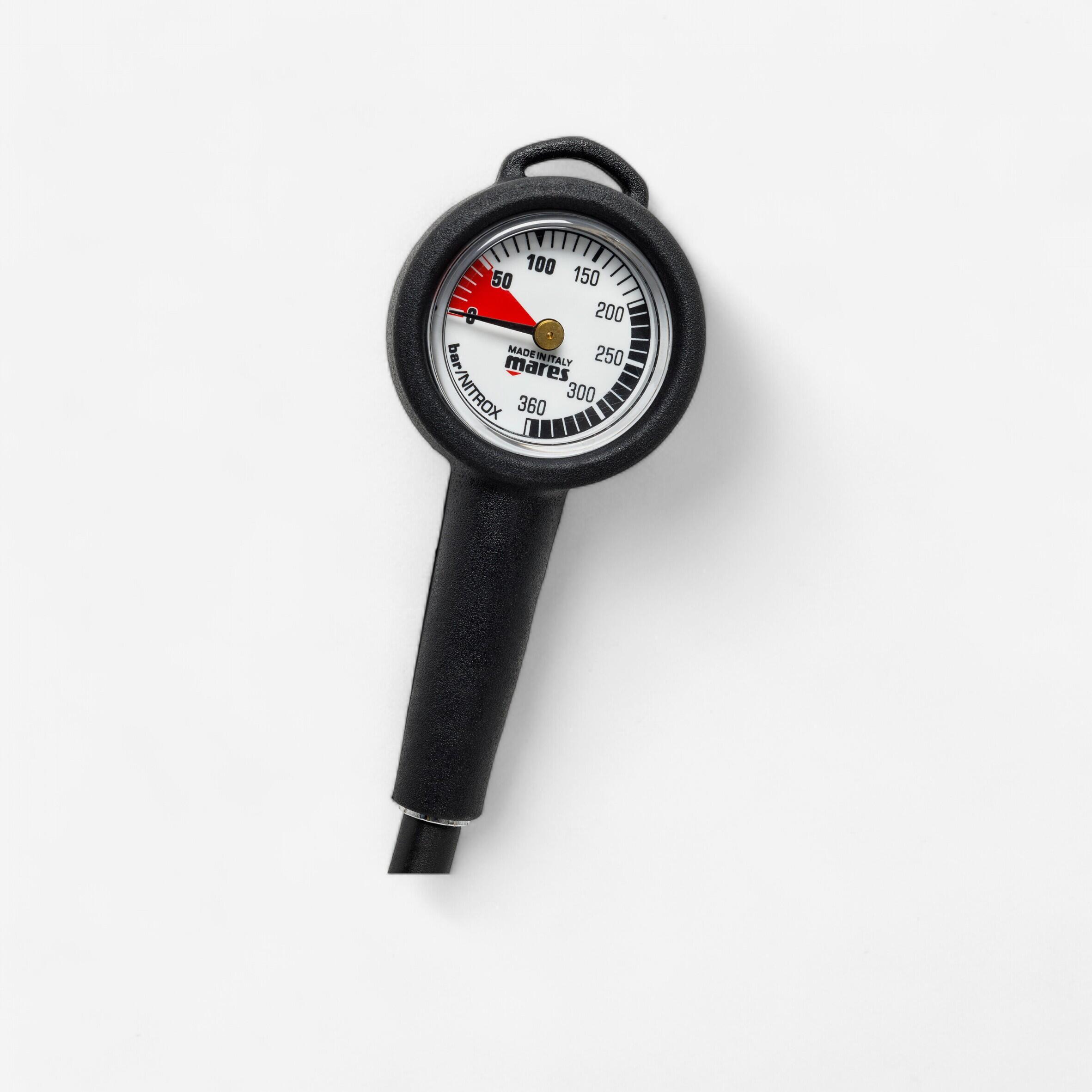
Upgrading degraded o-rings, split mouthpieces, and frayed pressure lines is essential for preserving structural integrity across your entire life-support configuration. Stoking a personal save-a-dive kit with authentic scuba diving spare parts ensures quick component swaps can be completed on the boat deck before dropping below the swell. Utilising marine-grade Viton seals rather than standard nitrile variations provides superior resistance to high-oxygen gas mixtures, preventing premature brittleness and sudden pressure leaks within your instrument console connections.

Why is analogue navigation equipment necessary when electronic dive instrumentation fails?

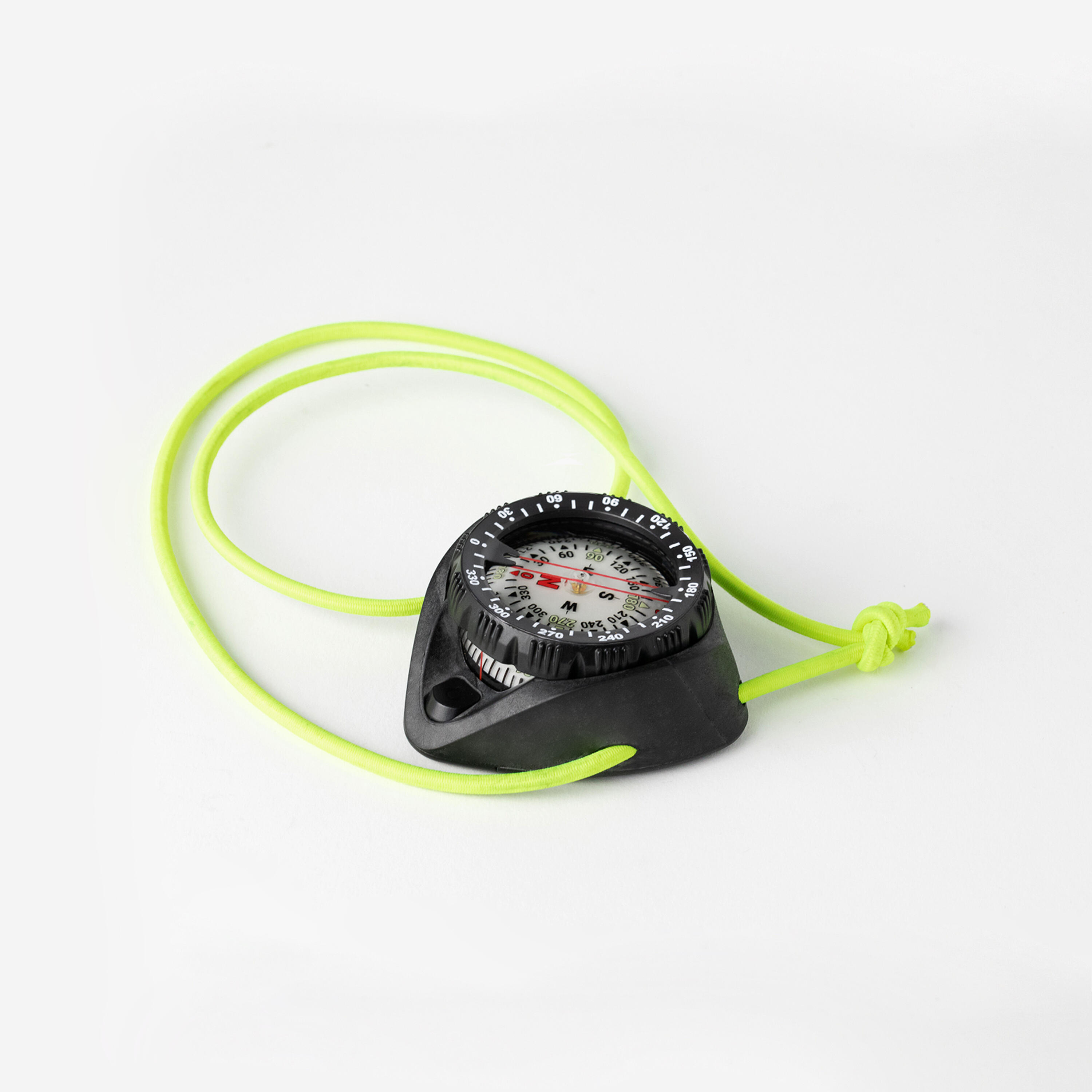
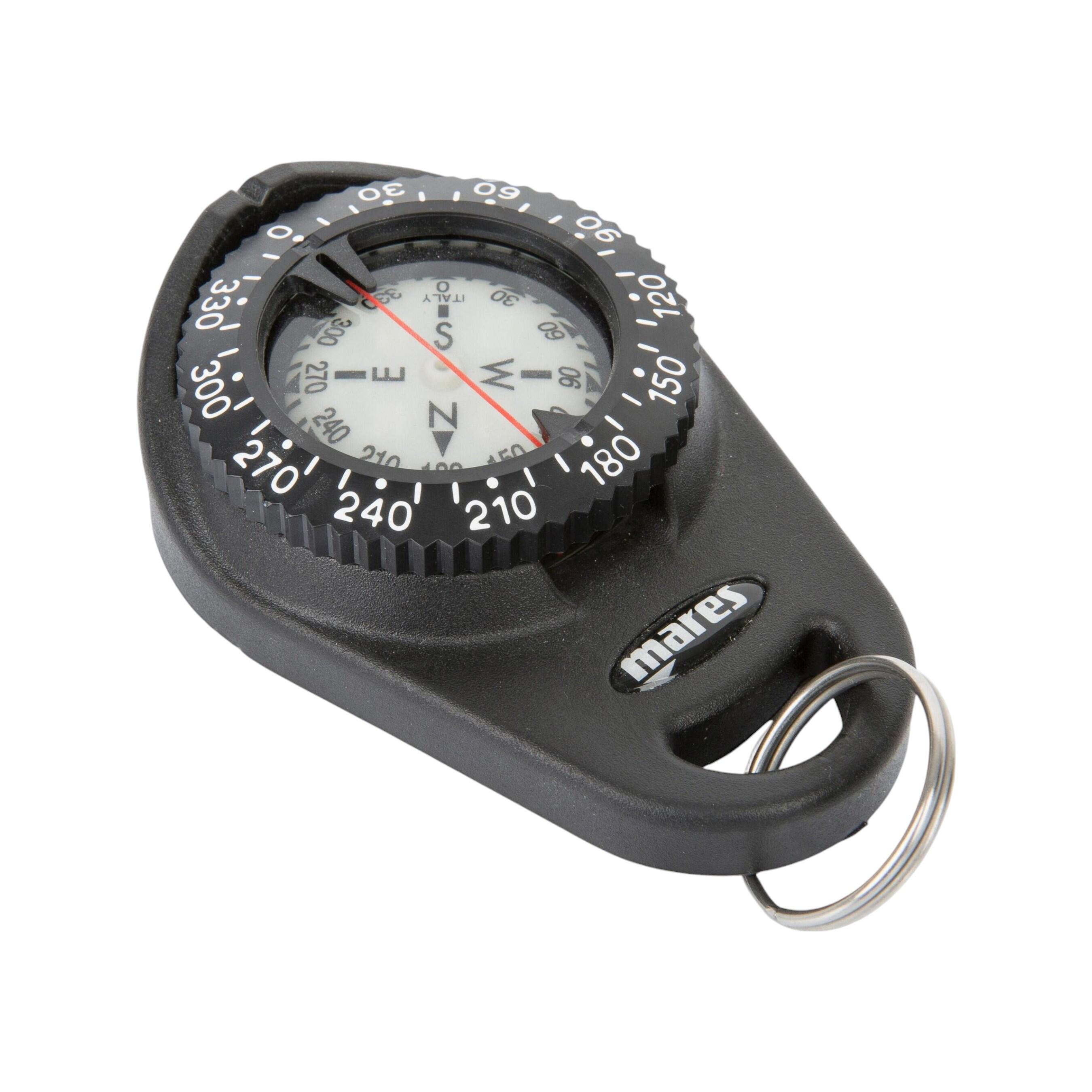
Heavy silt, complex magnetic hull structures, and low ambient sunlight can severely disorient sub-surface teams working along the seabed. Relying on a fluid-filled, high-luminescent scuba diving compass allows accurate tracking of return headings to the boat anchor line when electronic telemetry experiences battery failure. The technical benefit of a top-and-side reading window is the ability to maintain a perfectly level posture while swimming against strong lateral currents, ensuring your navigation tracks remain completely accurate across sandy bottom topography.