27 items
4.6/5 based on 679 reviews collected online and in stores

Freediving Fins FAQs

How do I choose between plastic, fibre, and carbon freediving fins?

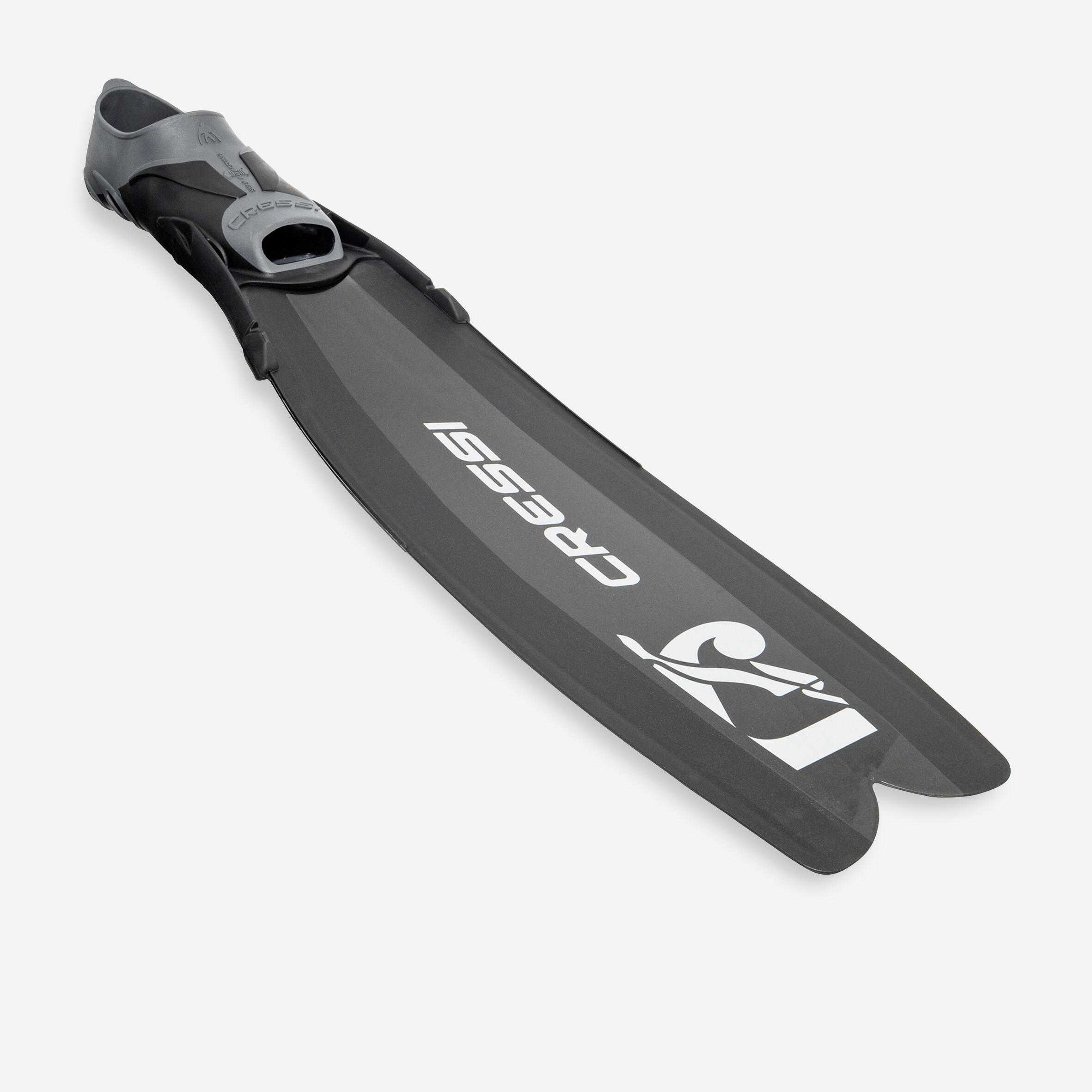
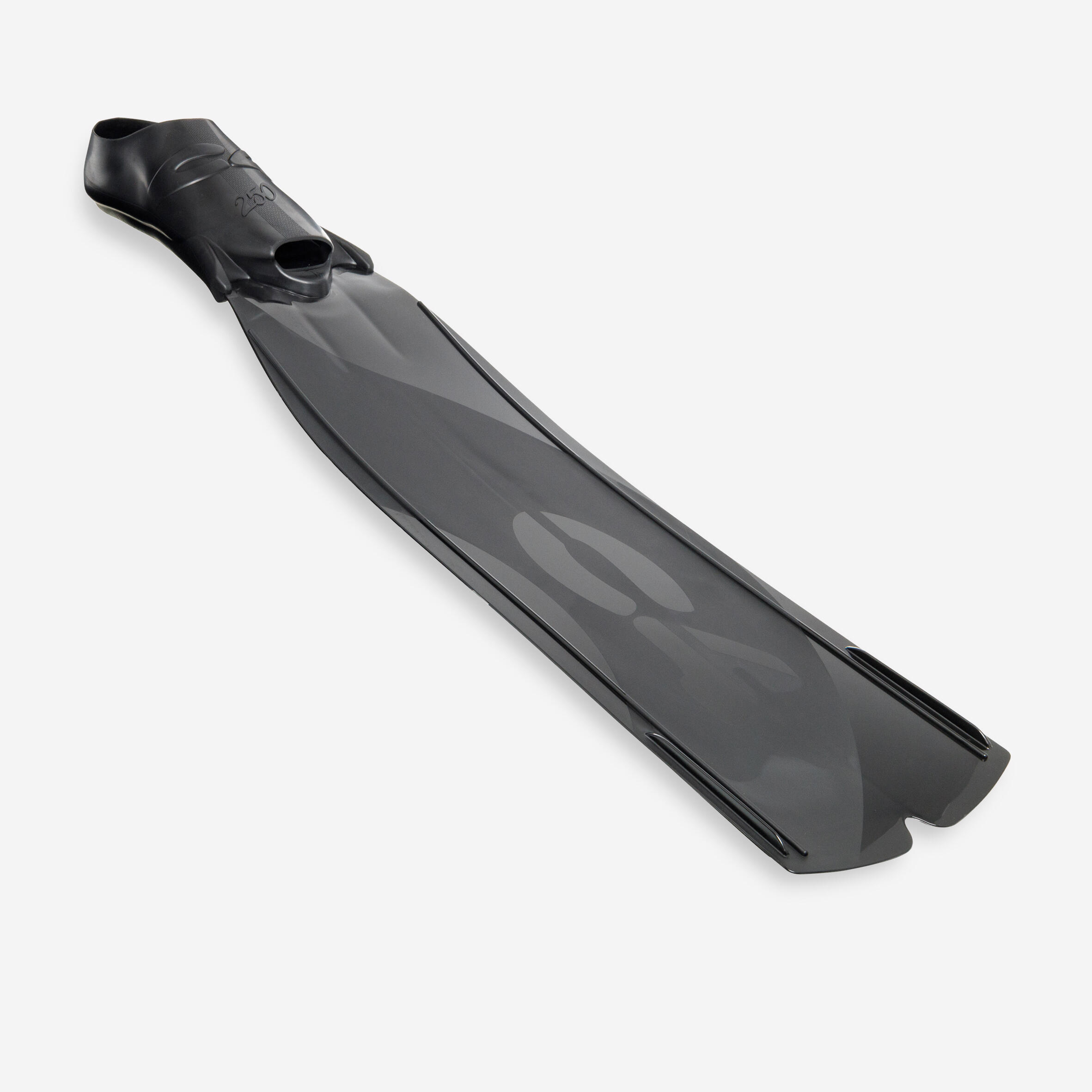
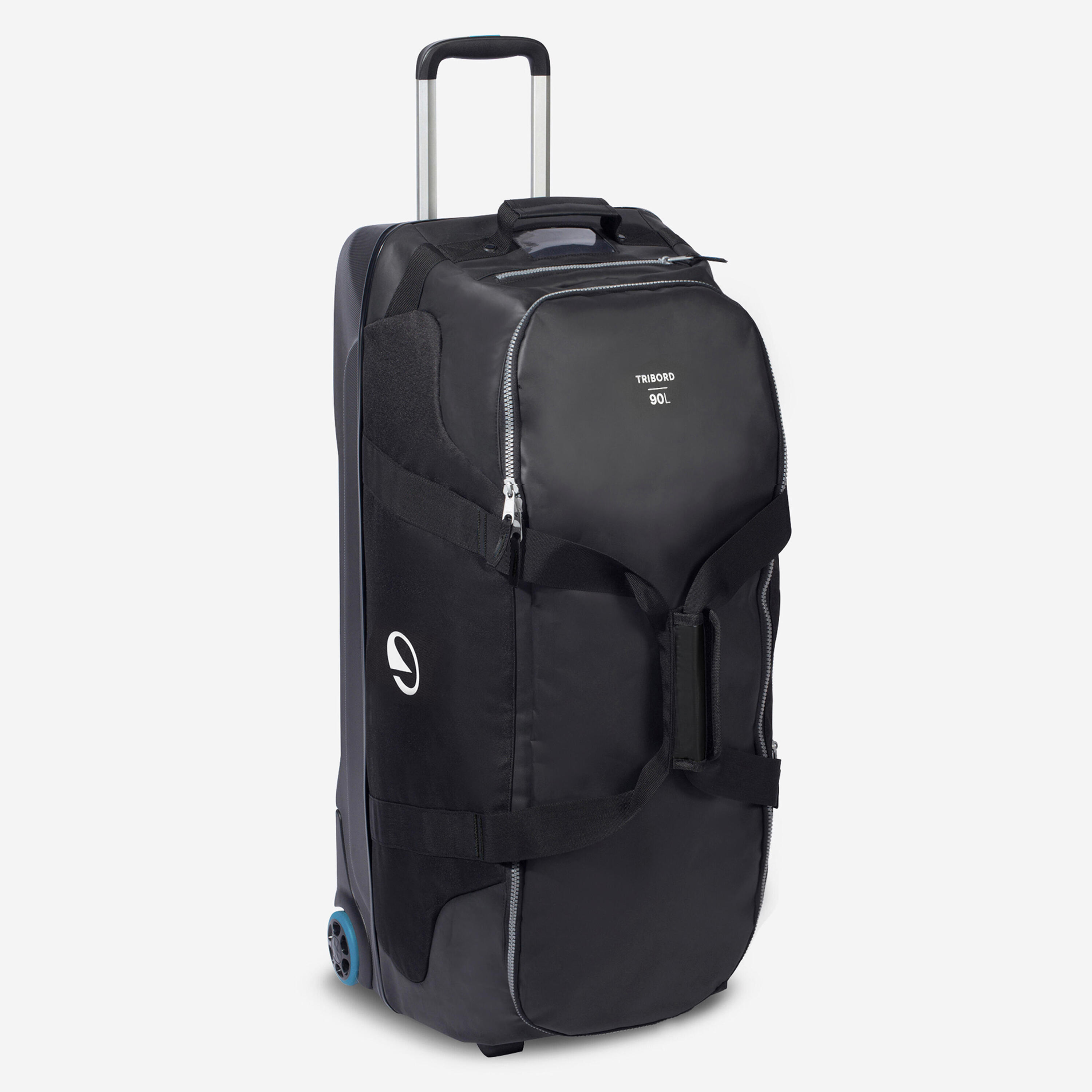
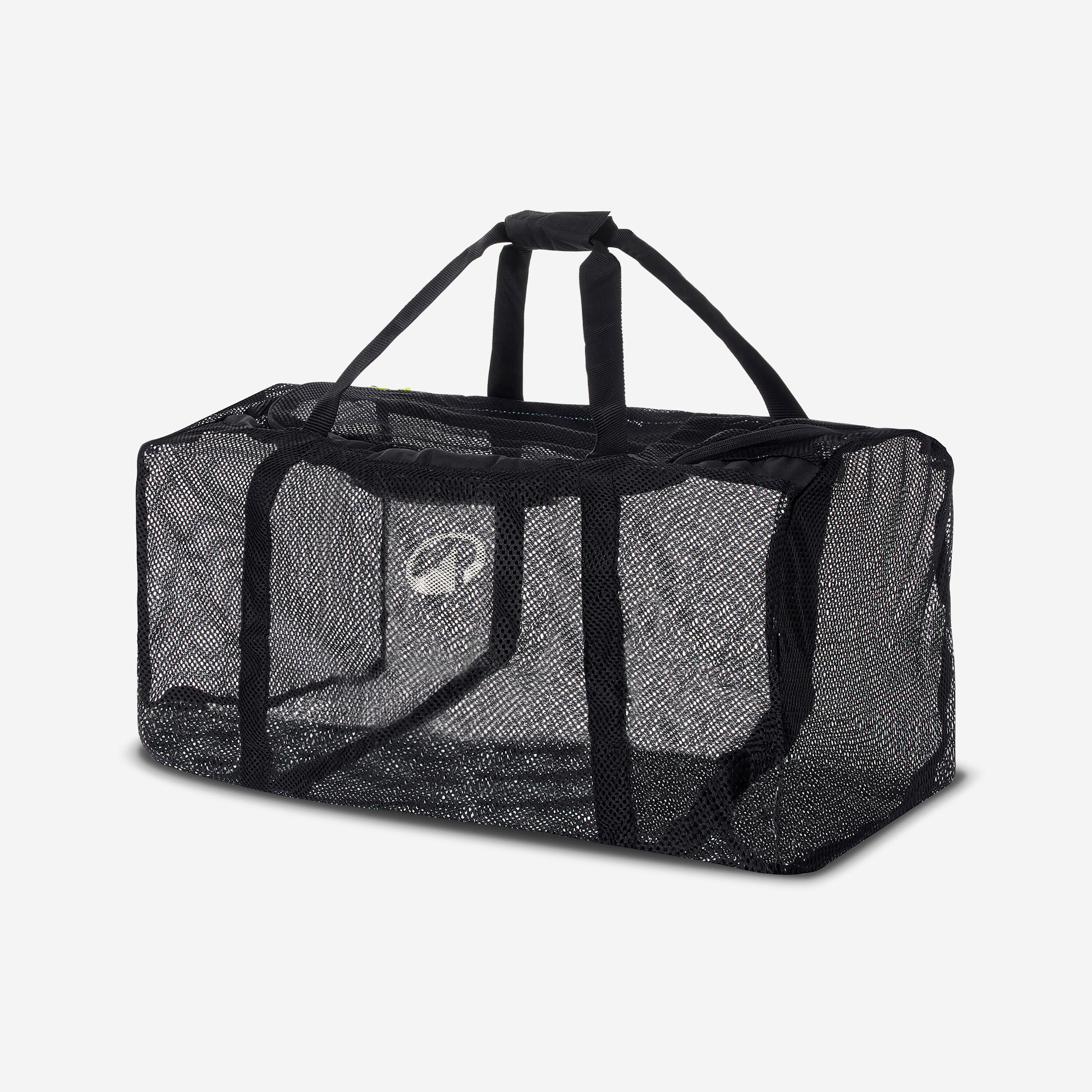
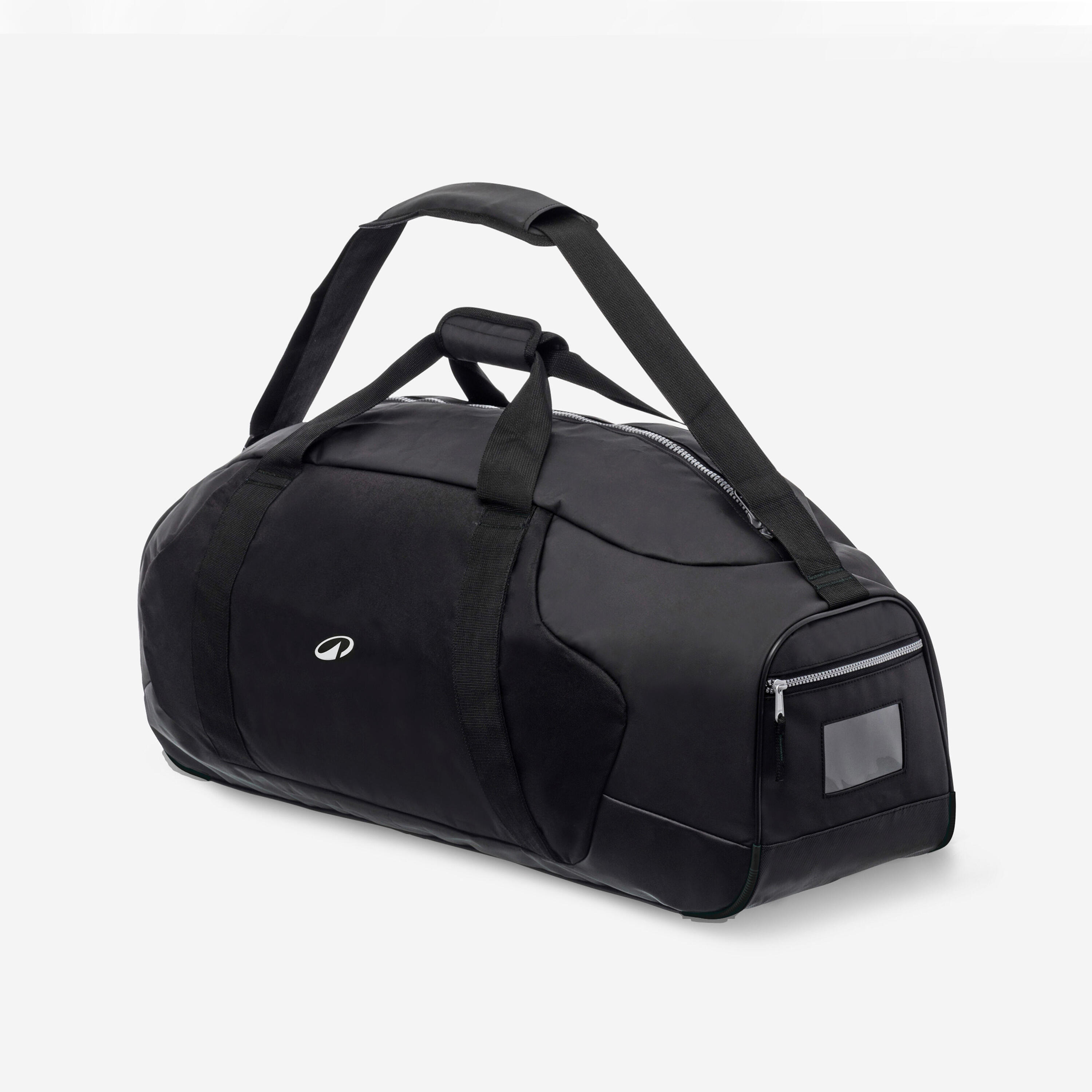
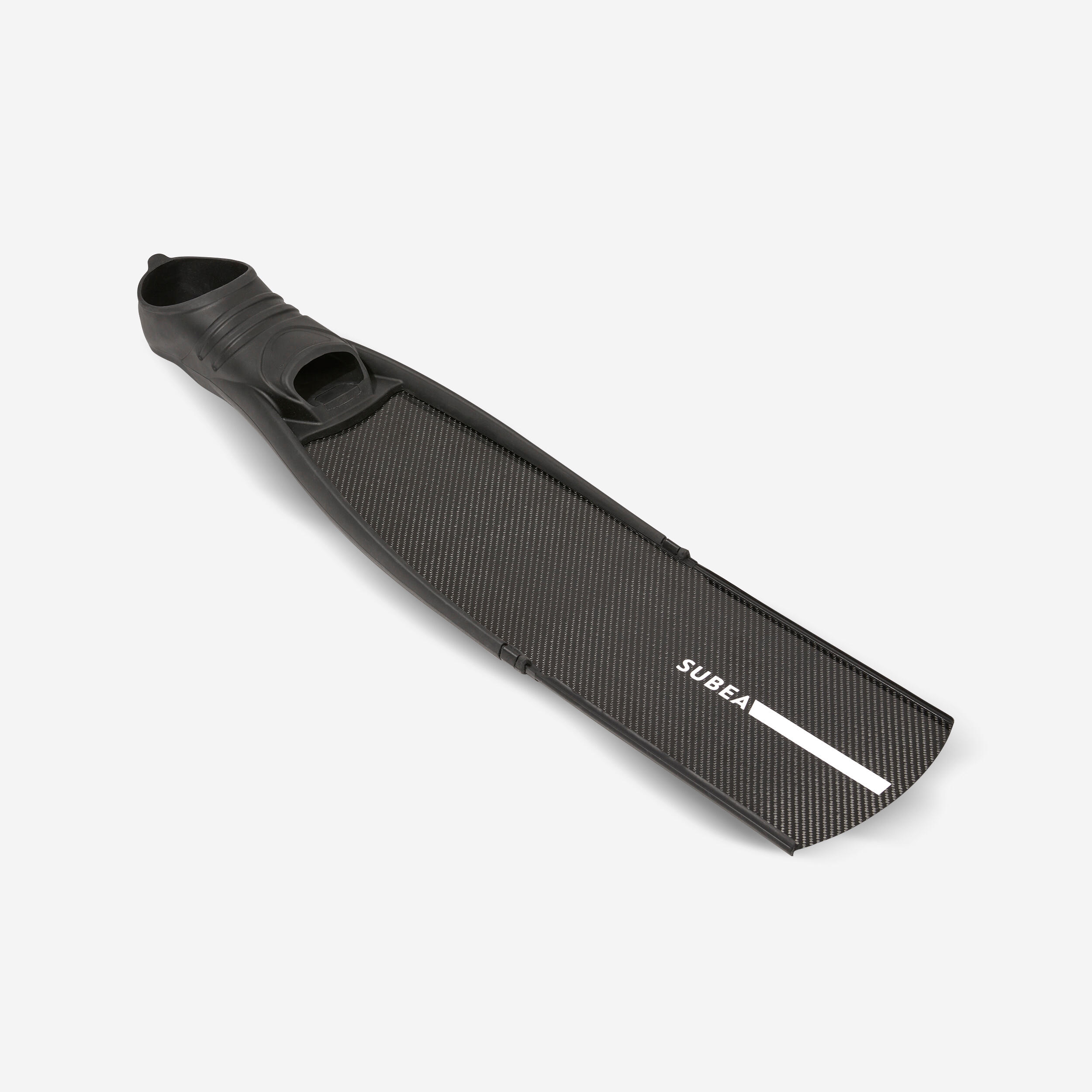
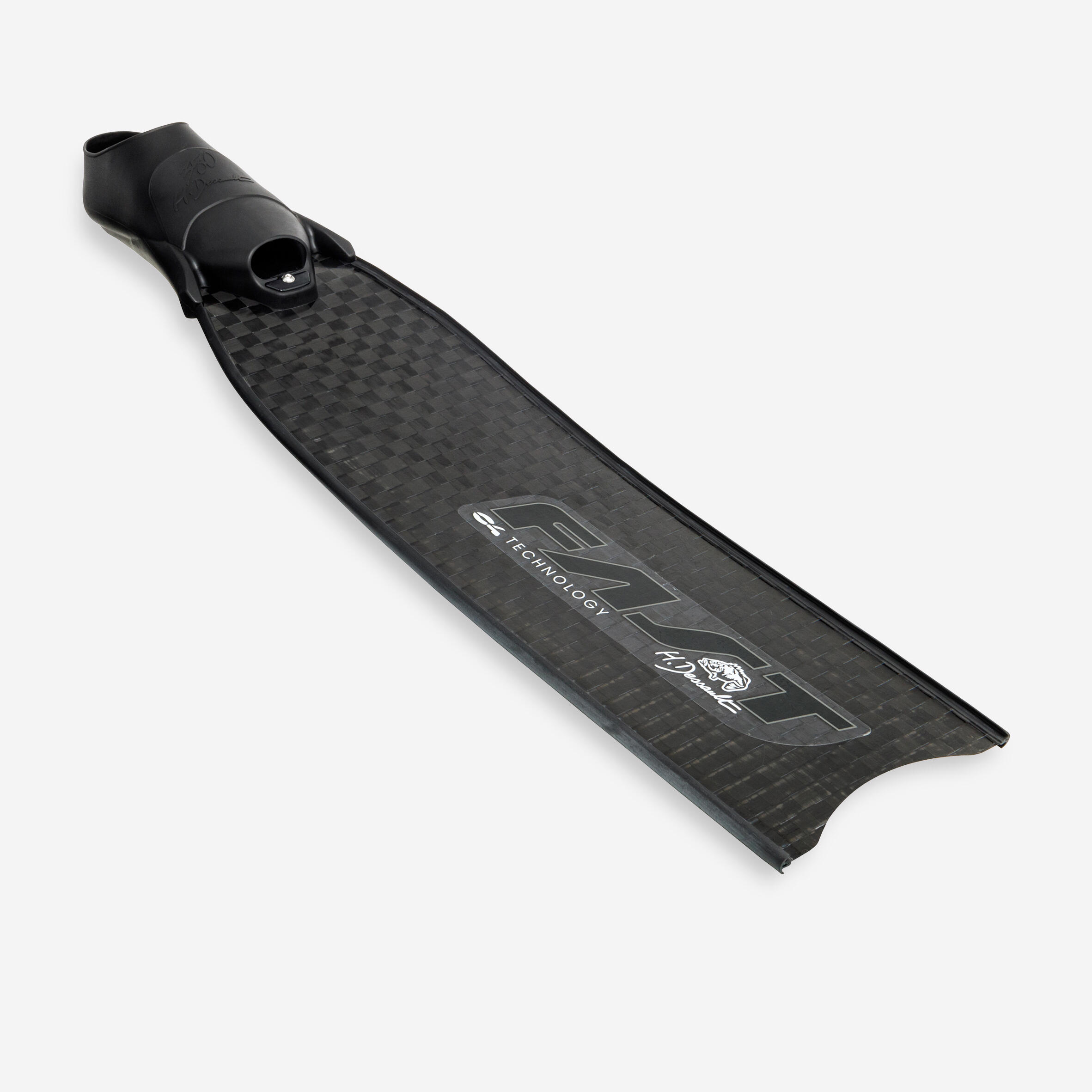
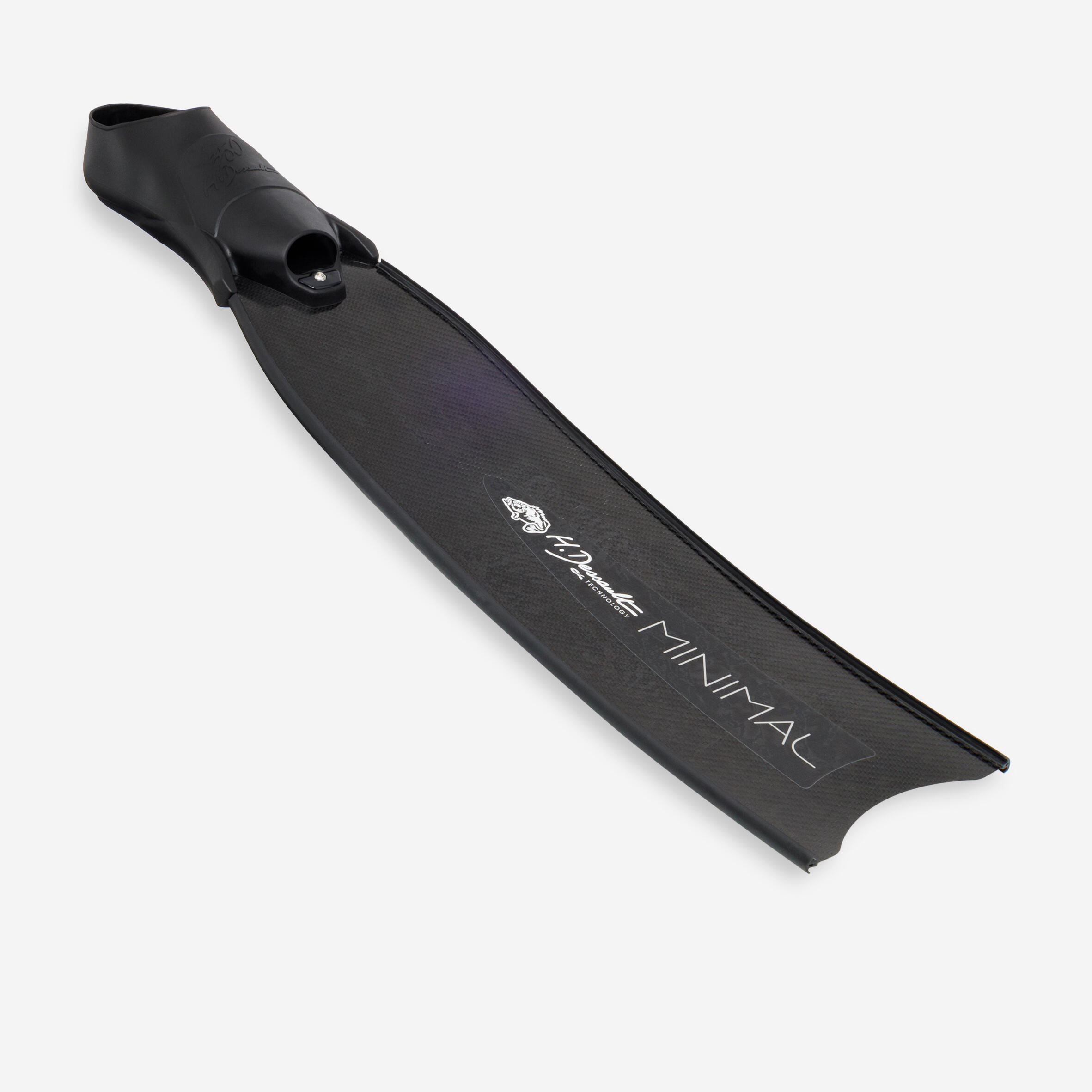
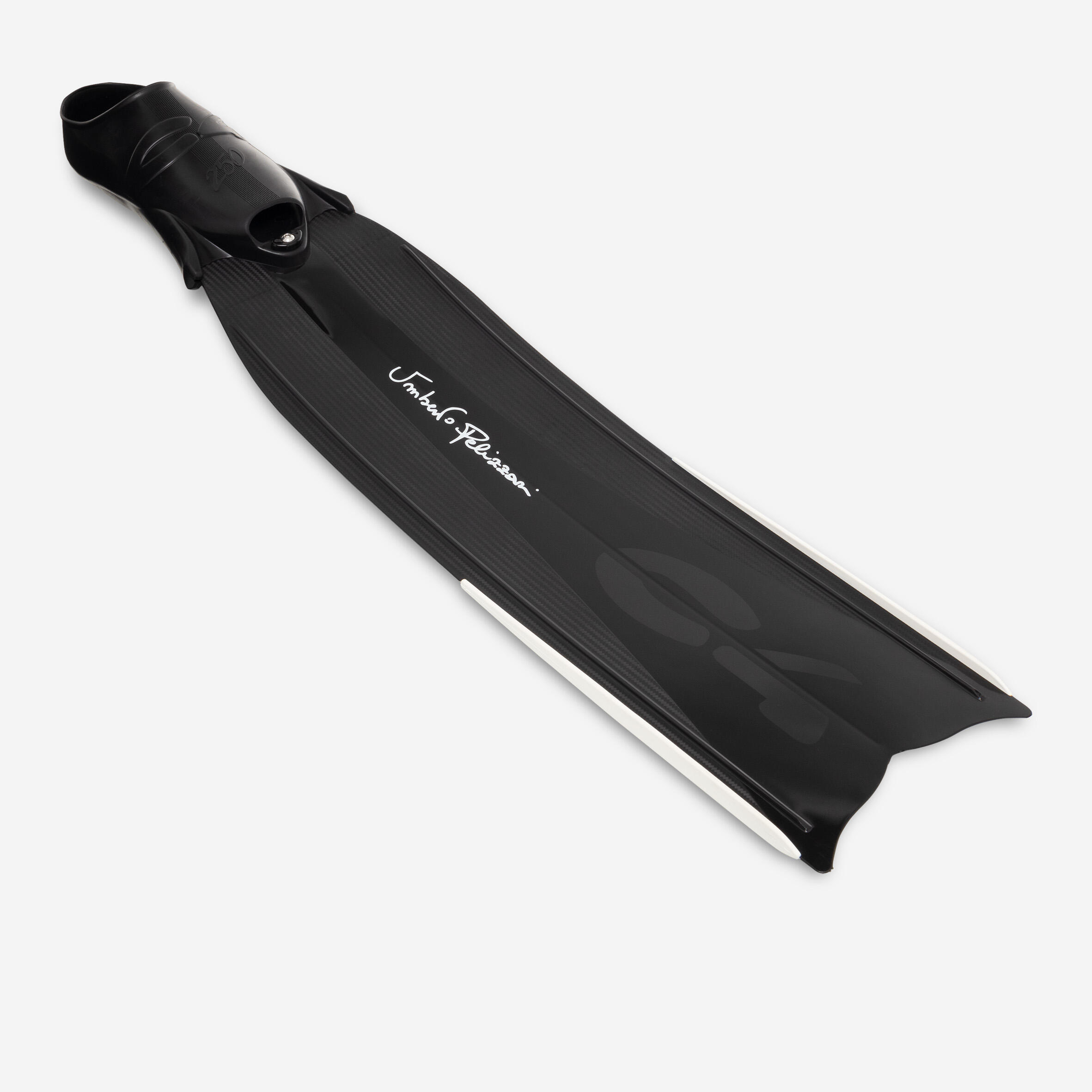
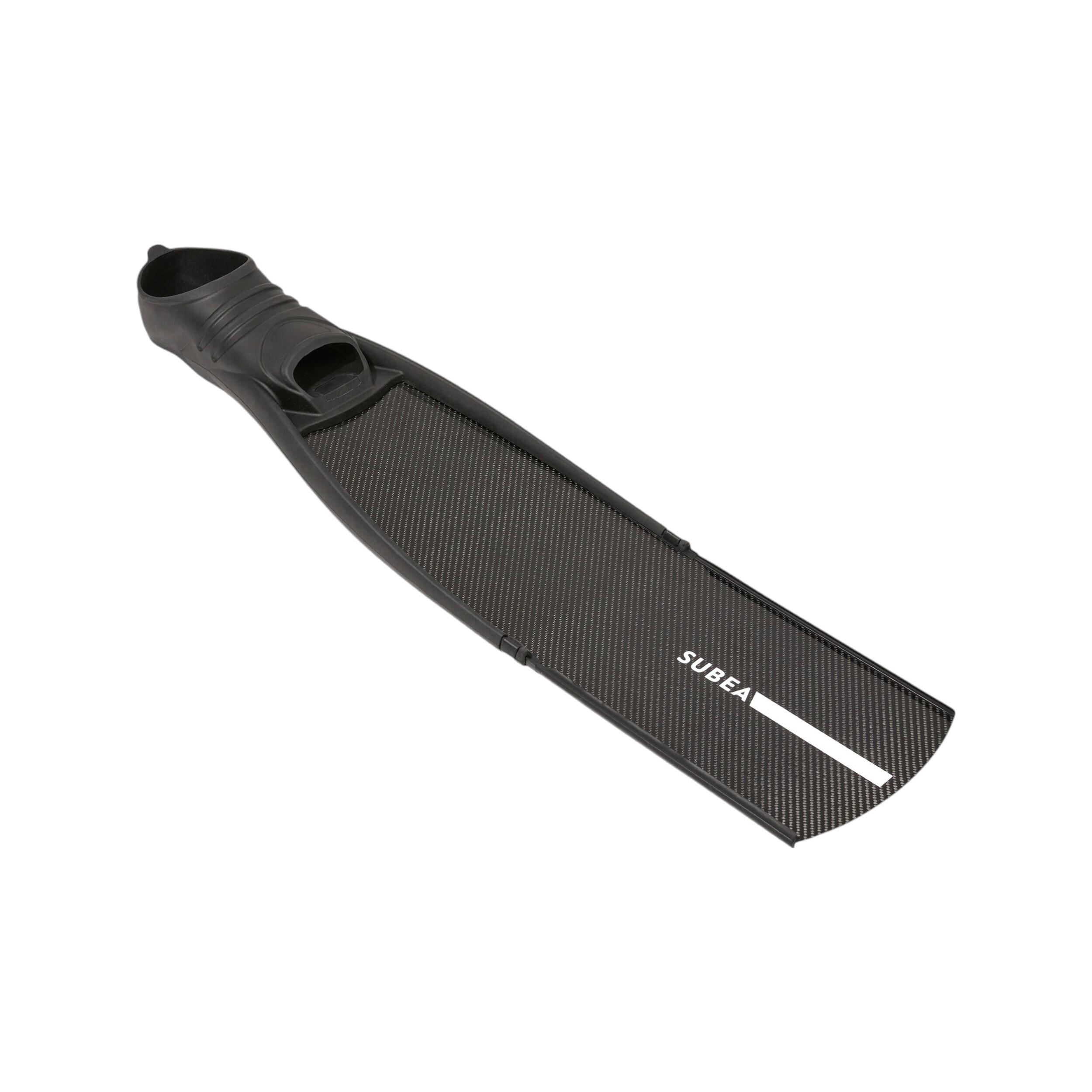
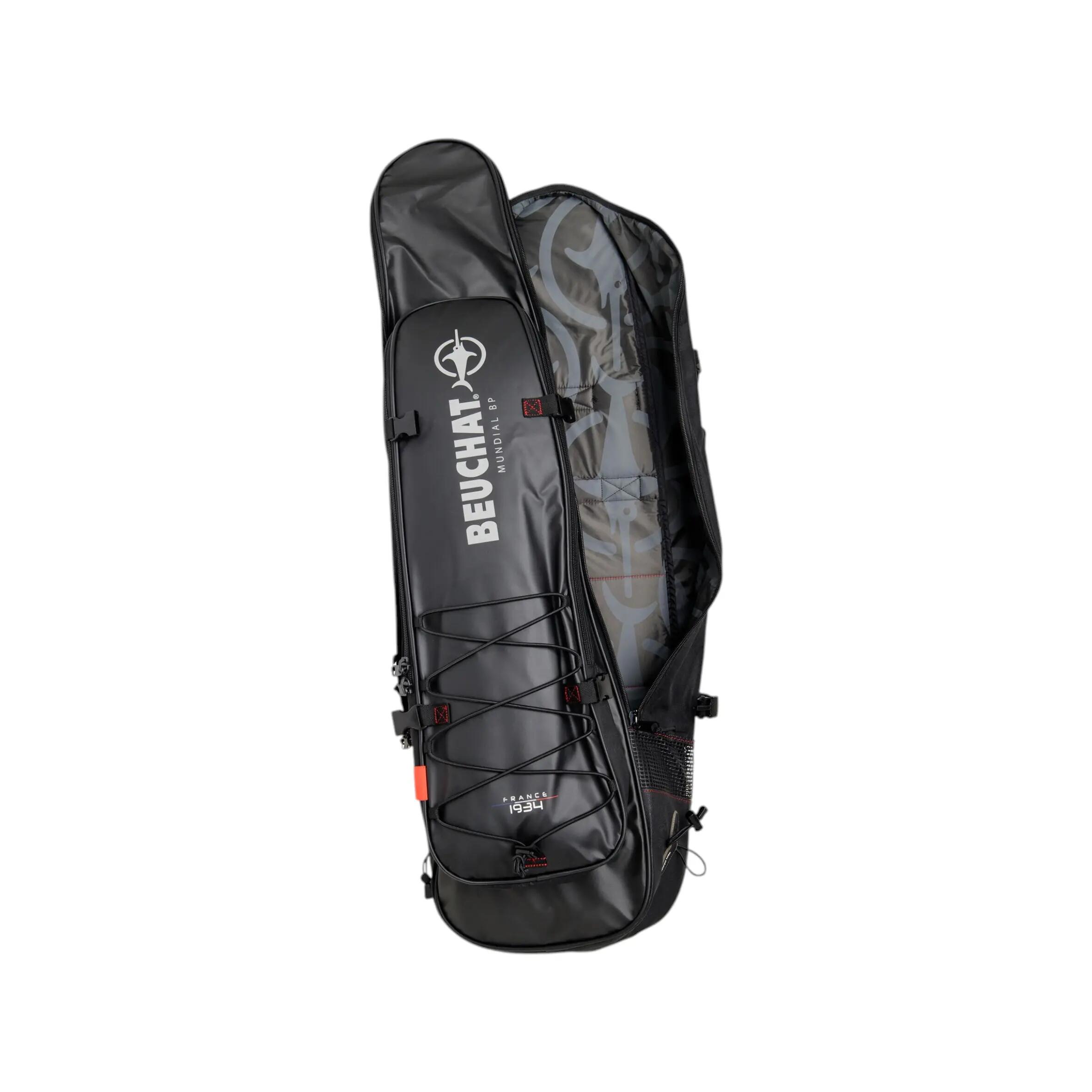
Selecting the right blade material depends on your depth goals and leg endurance. Beginners usually start with durable polymer blades because they resist scratches against rocks during shore entries. Advanced divers looking for maximum energy transfer prefer carbon freediving fins because the material springs back instantly with minimal muscle effort. This rapid response allows you to descend deeper on a single breath. Fibre freediving fins provide a brilliant middle ground, delivering more reactive propulsion than plastic without the high cost of premium composites. Specialised C4 carbon freediving fins utilise high-tensile carbon weave patterns that eliminate lateral twisting during the kick cycle. Protecting long blades during transport is easier with a freediving bag fins bag, helping prevent impact damage to composite materials during transit.

What are the benefits of using a monofin for freediving?

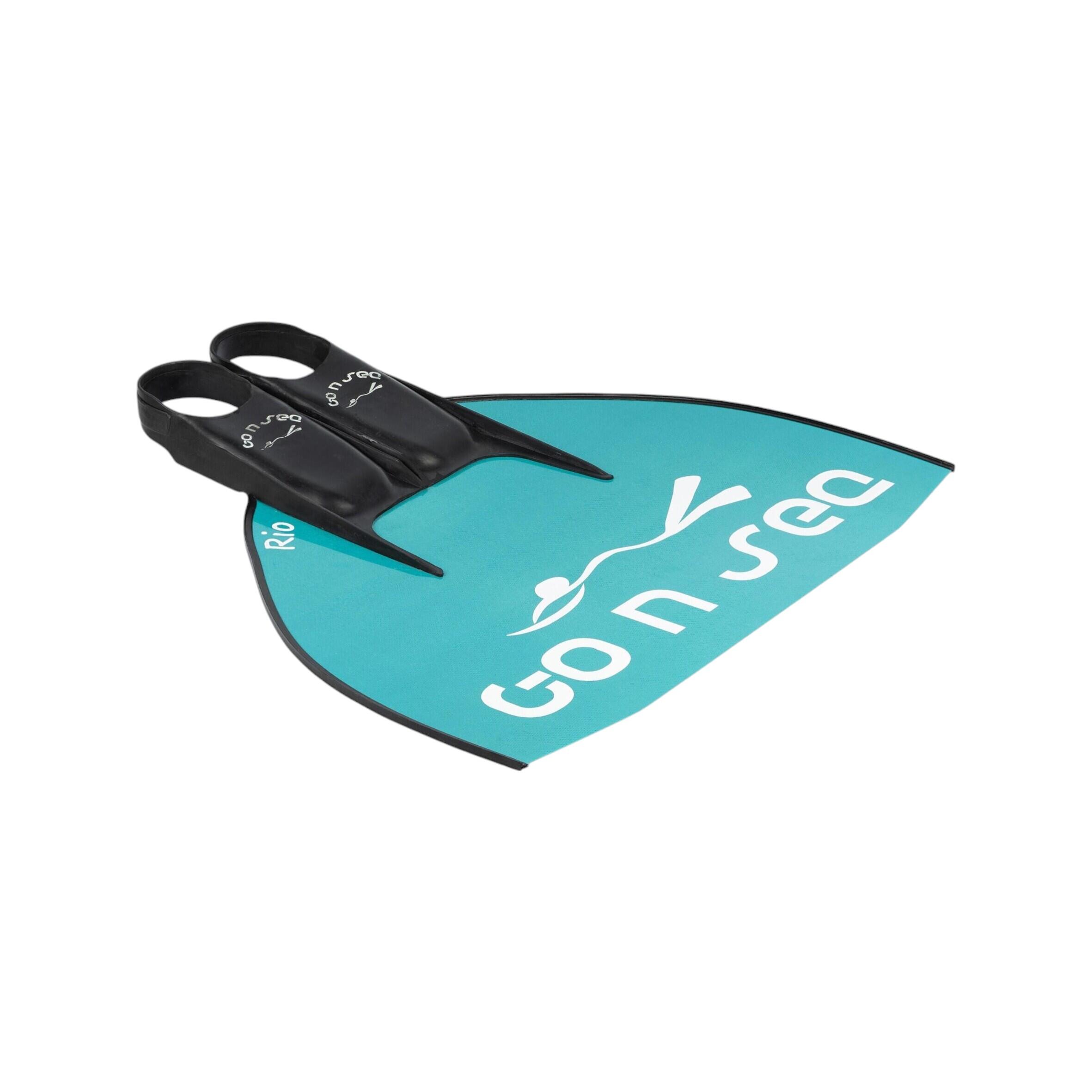
Bifins offer superior manoeuvrability and control when navigating tight underwater spaces or changing direction quickly. However, freediving monofins allow you to use your entire core and lower body in a unified dolphin kick. This movement mimics marine mammals and provides exceptional hydrodynamic efficiency. The unified blade surface moves a larger volume of water with each stroke, helping lower heart rate and oxygen consumption. It is ideal for making the most of straight-line horizontal distances or deep constant-weight disciplines where conserving every breath matters.

Why is foot pocket fit so important for long-blade freediving fins?

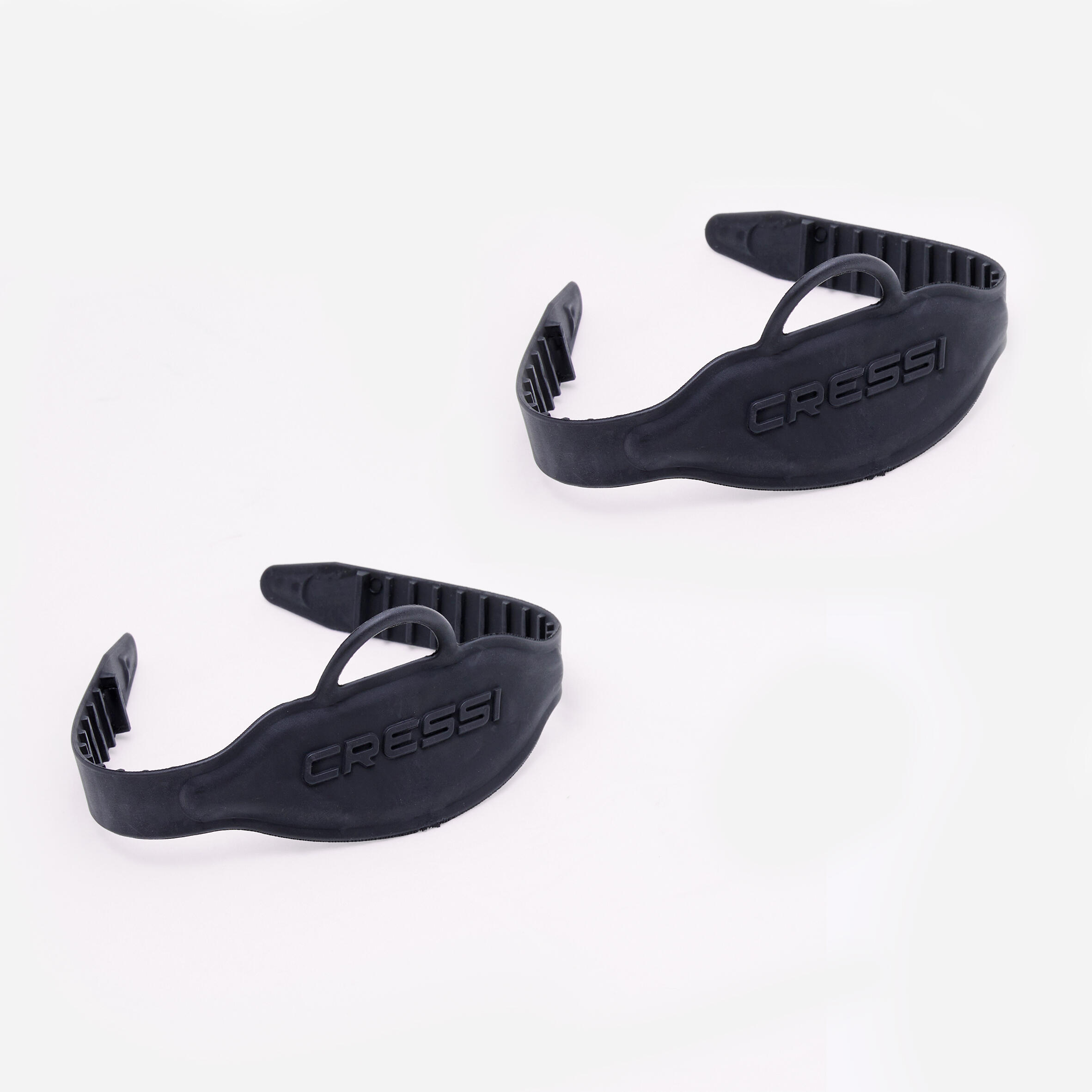
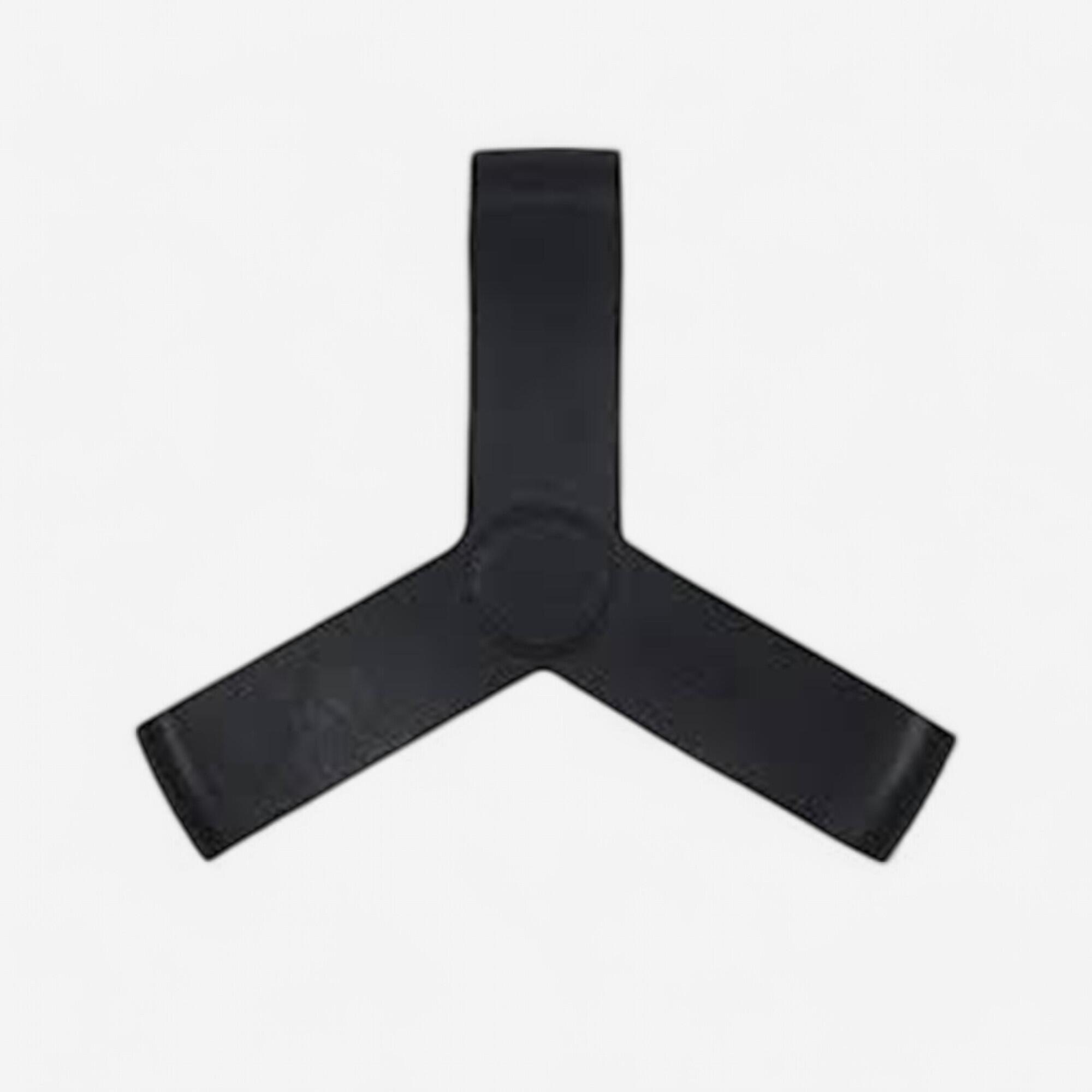
A loose foot pocket causes energy loss because your foot slides inside the rubber before transferring power to the blade. This friction quickly creates painful blisters. When wearing thinner boots, installing flexible freediving accessories such as silicone freediving fin grips helps secure the heel firmly in place. These three-point straps fit comfortably over the ankle and prevent the pocket from slipping off during heavy vertical acceleration. Correct sizing ensures every muscle movement transfers power directly to the blade for efficient propulsion.

Which gear options optimise horizontal breath-hold performance?

Training for pool disciplines like dynamic freediving removes the challenge of currents, allowing full focus on technique, streamlined glide phases and neutral buoyancy. Plastic blades work well for basic lap conditioning, while flexible composite materials reduce leg fatigue during long-distance attempts. Choosing softer blades for pool sessions helps maintain a steady, relaxed heart rate. A relaxed state prevents premature lactic acid build-up in your thighs, allowing you to focus on internal calm and stroke efficiency instead of fighting heavy physical resistance.

How do long-blade freediving fins improve underwater efficiency?

Long blades extend your bodyline and help keep you balanced in the water column. Unlike standard scuba options, these waterproof freediving fins feature low-profile side rails that channel water along the blade instead of letting it spill over the edges. This tracking prevents your legs from swaying side to side. Pairing long-blade fins with low-volume freediving masks and snorkels reduces drag around your face, helping you glide smoothly through the water with minimal resistance.