46 items
4.4/5 based on 5932 reviews collected online and in stores

Freediving Masks and Snorkels FAQs

How does internal air volume affect the performance of adult freediving masks?

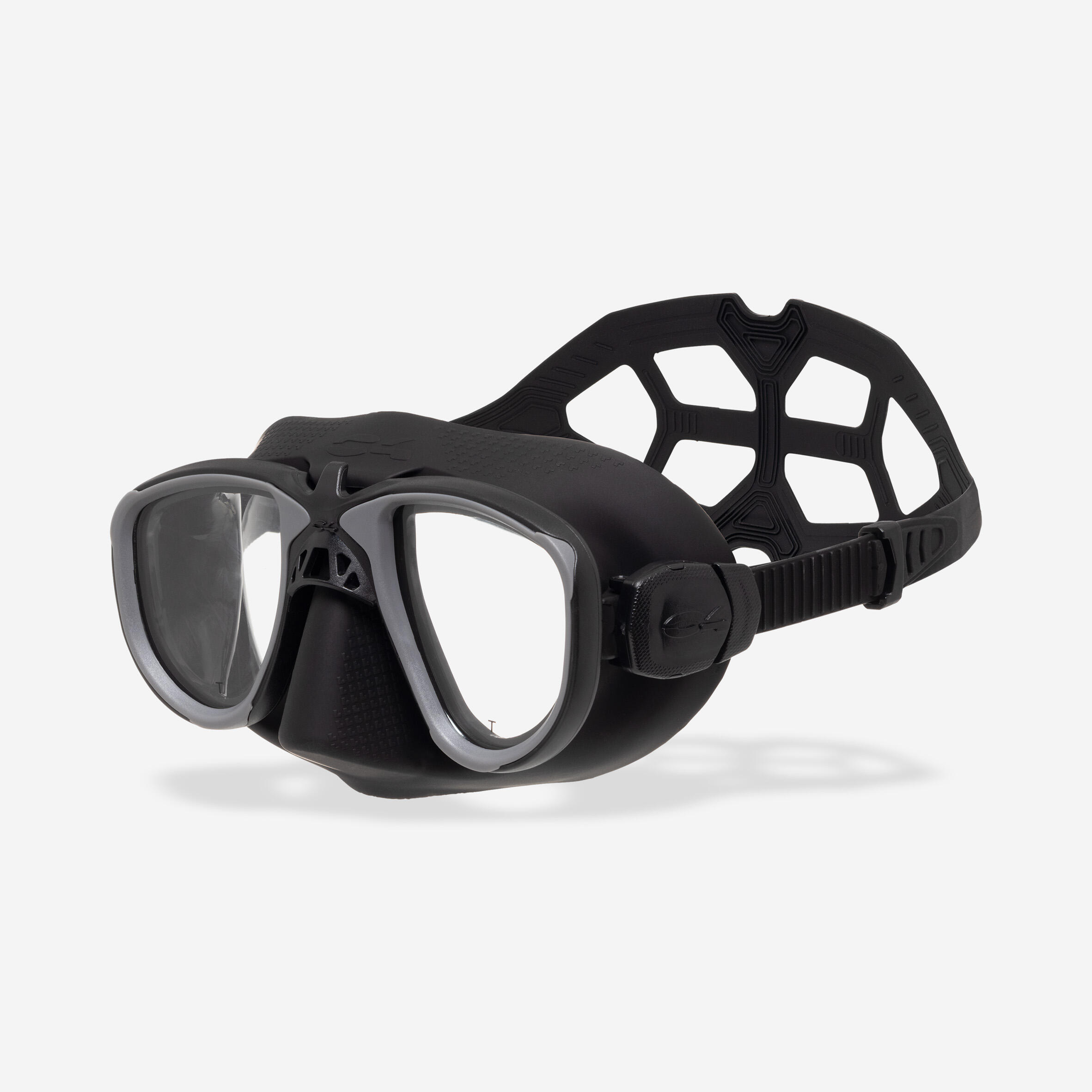
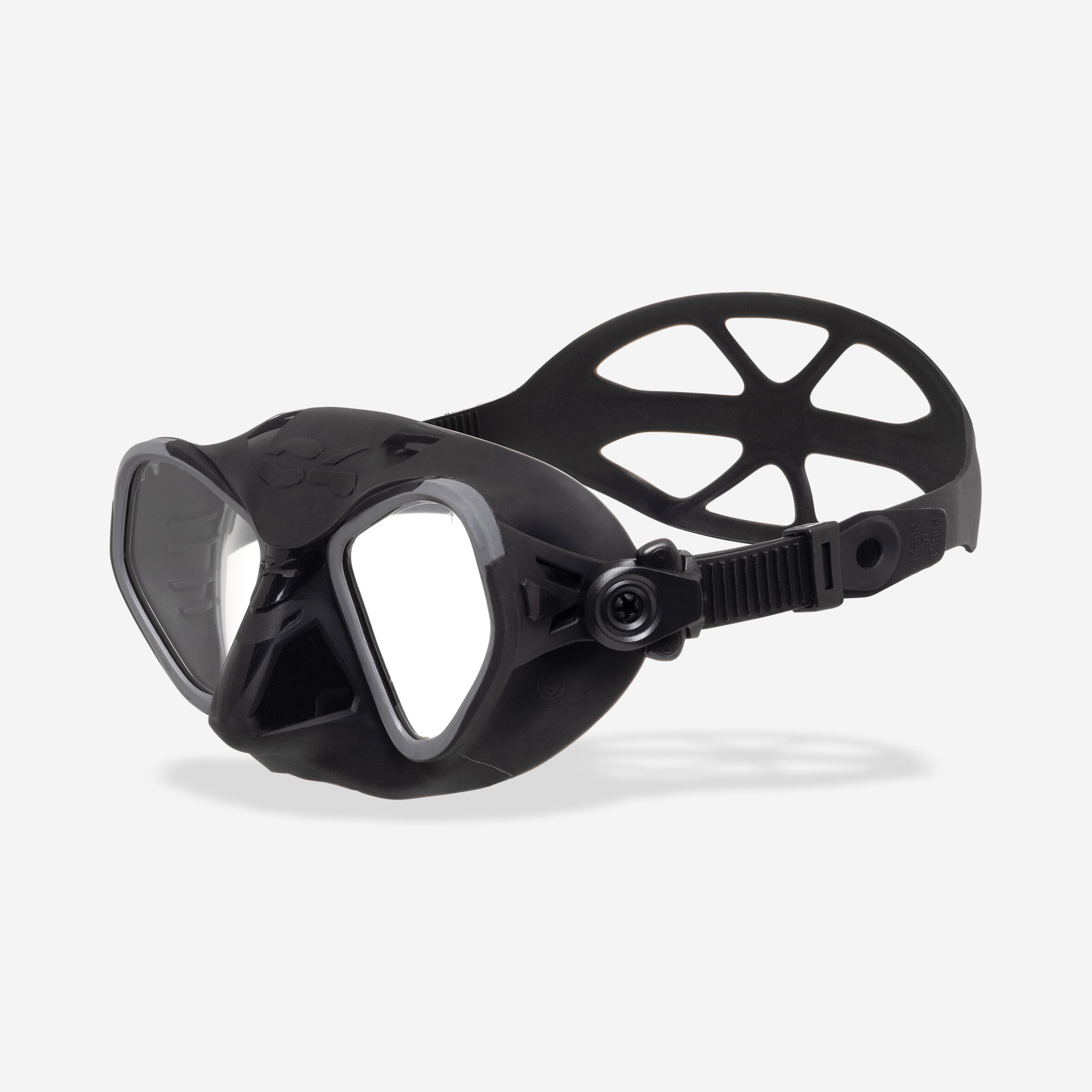
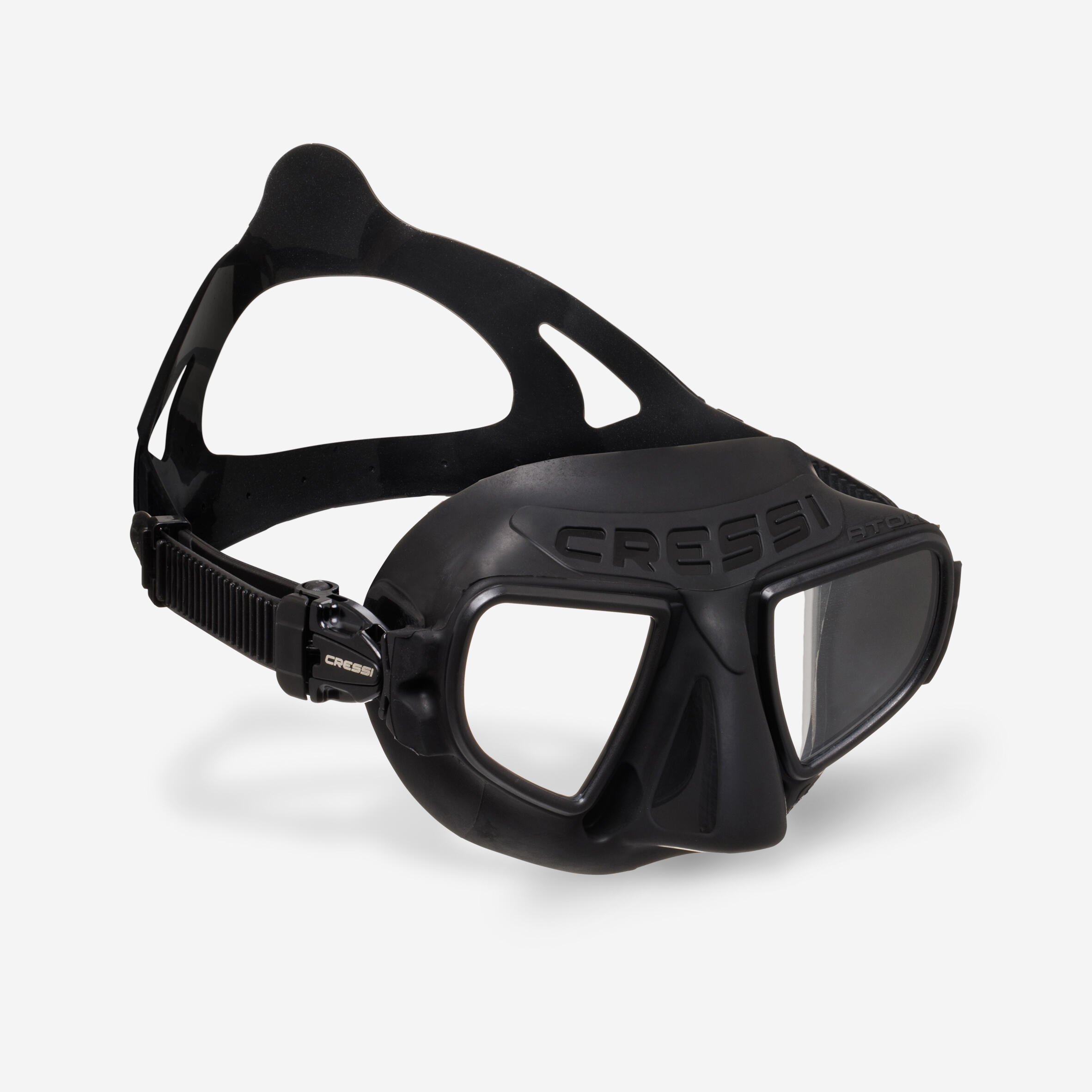
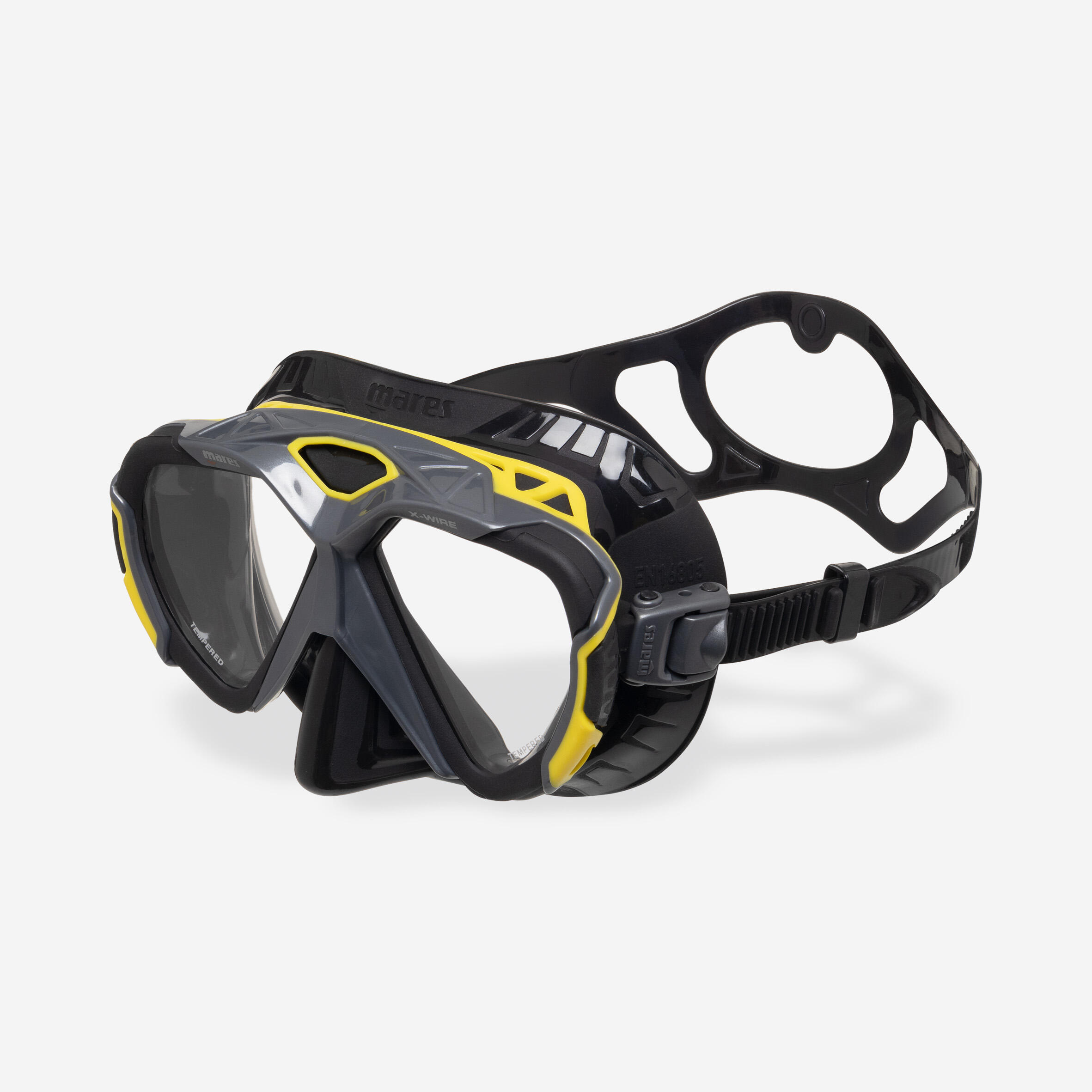
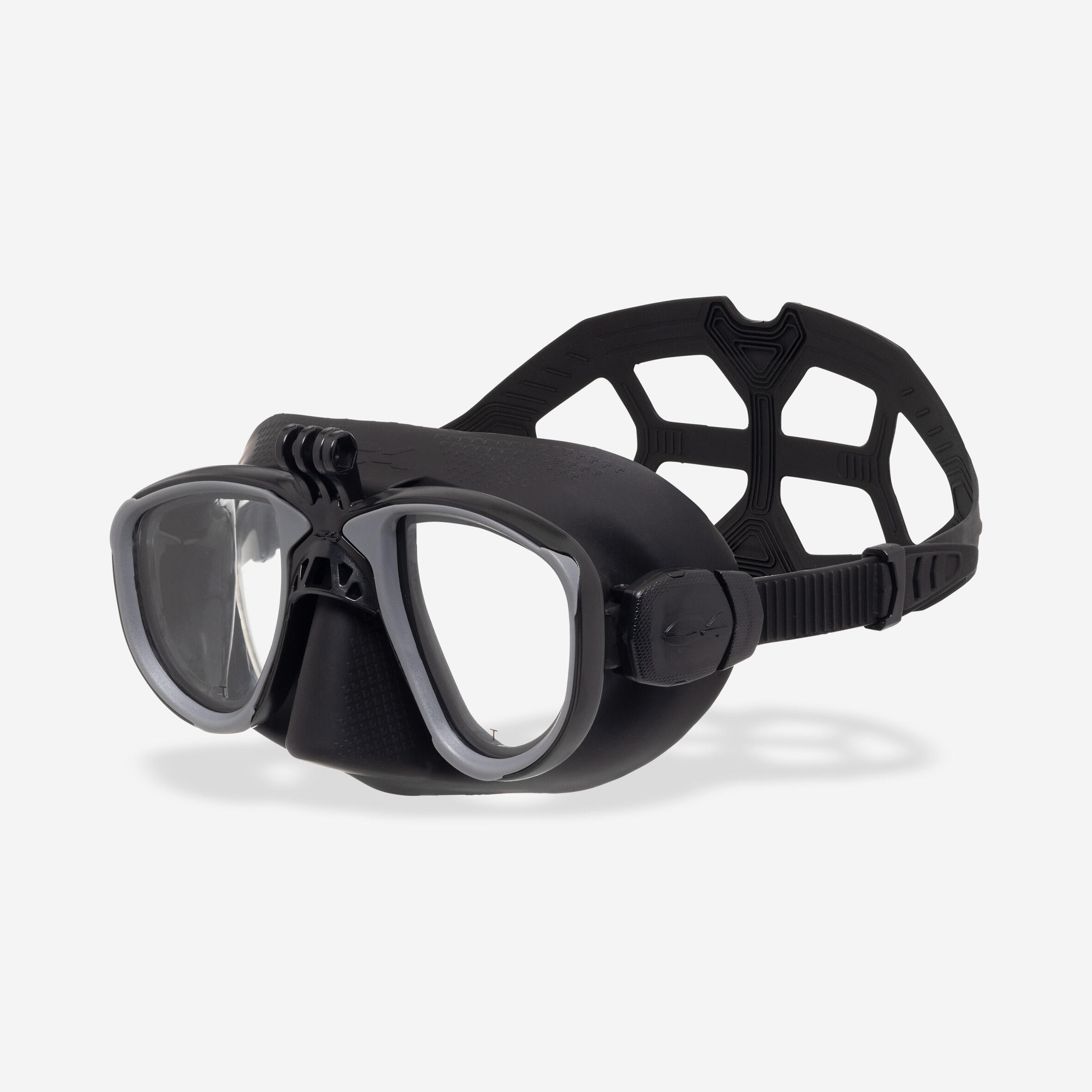
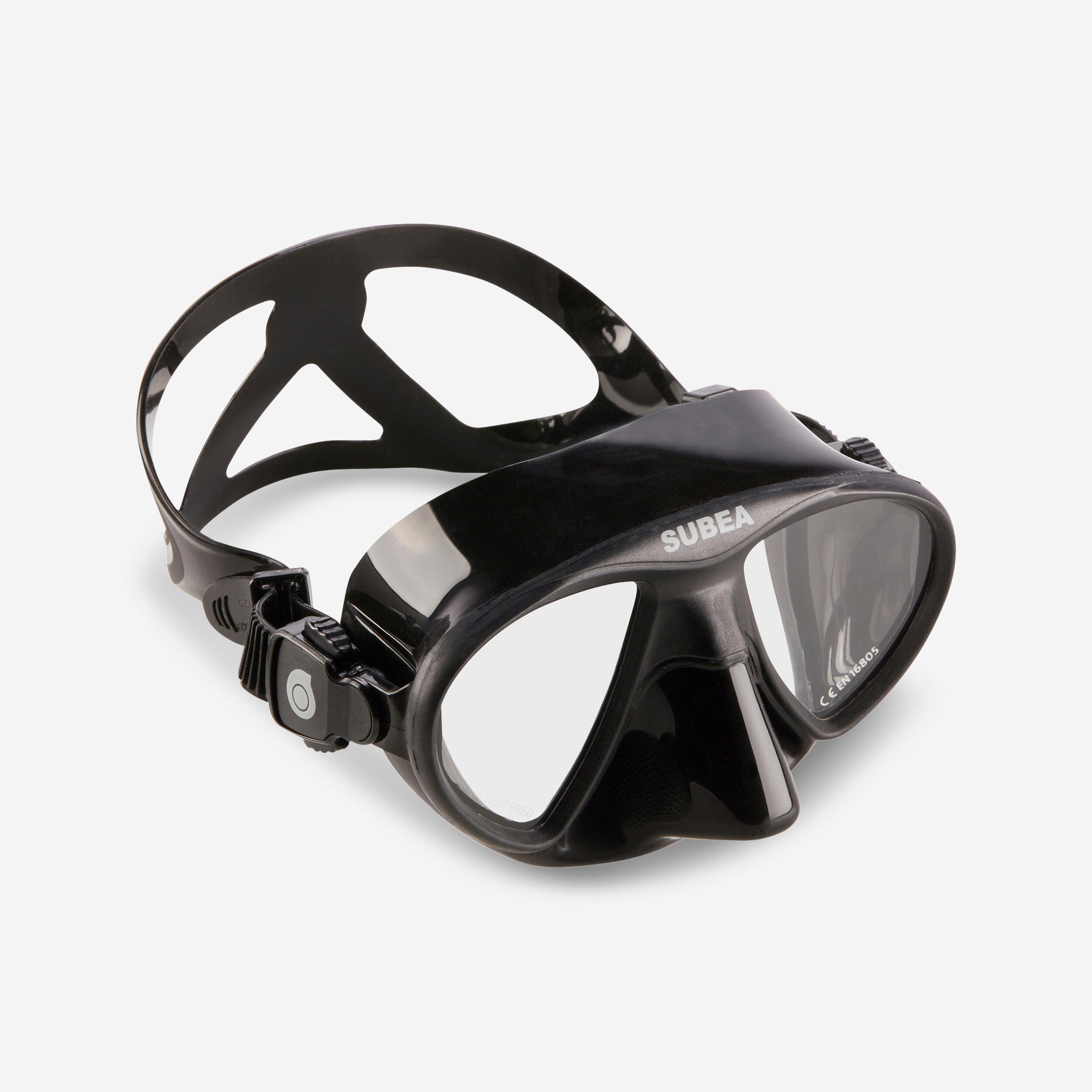
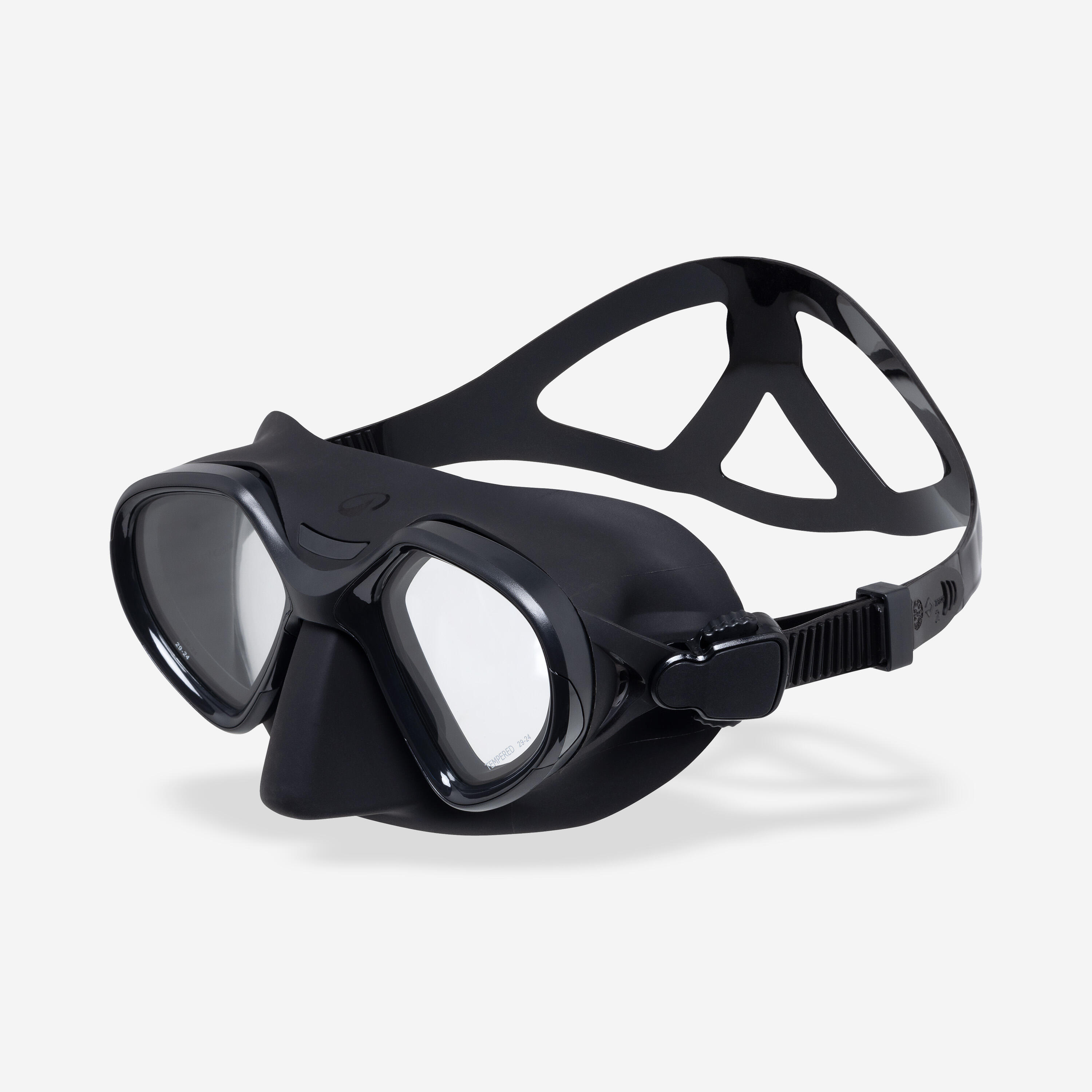
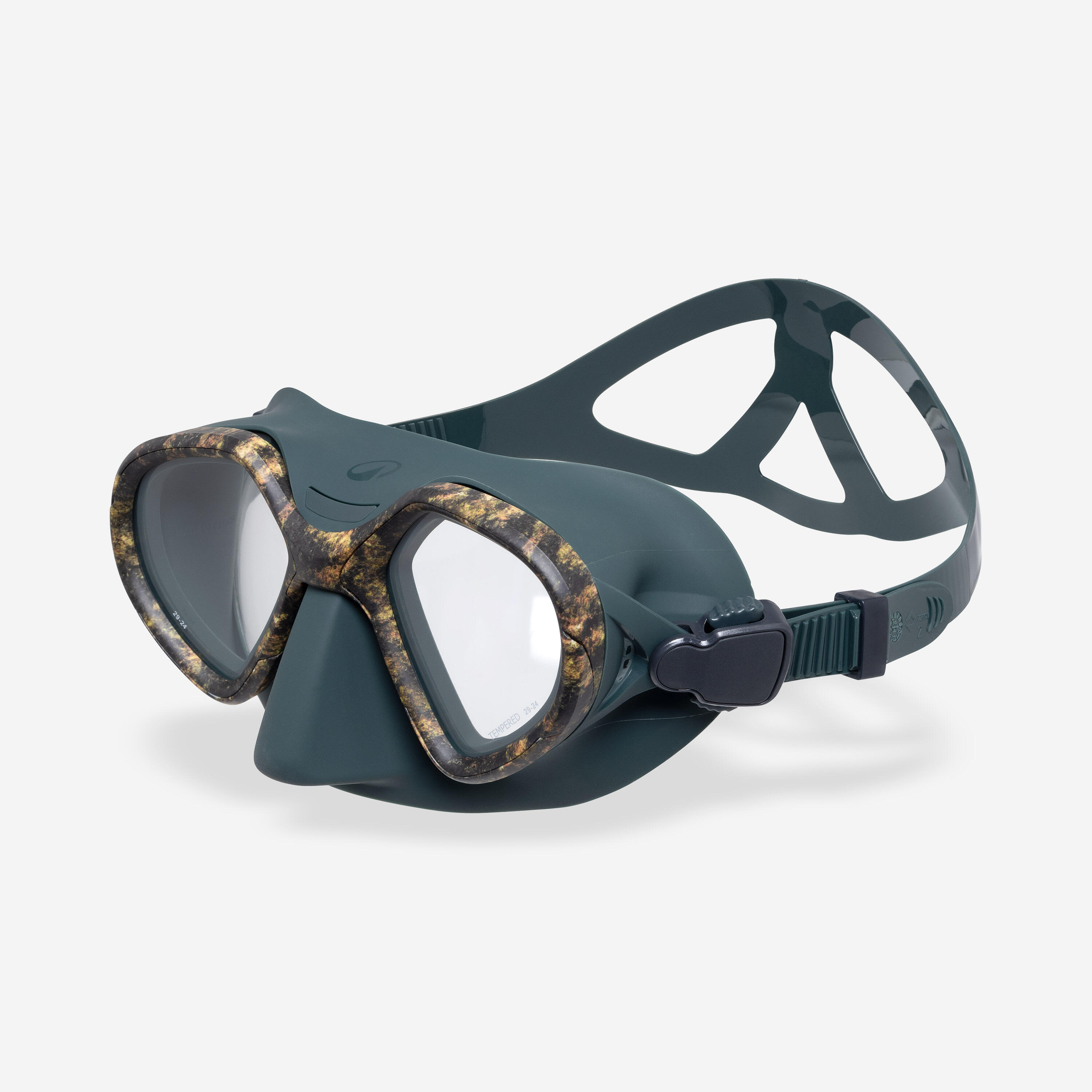
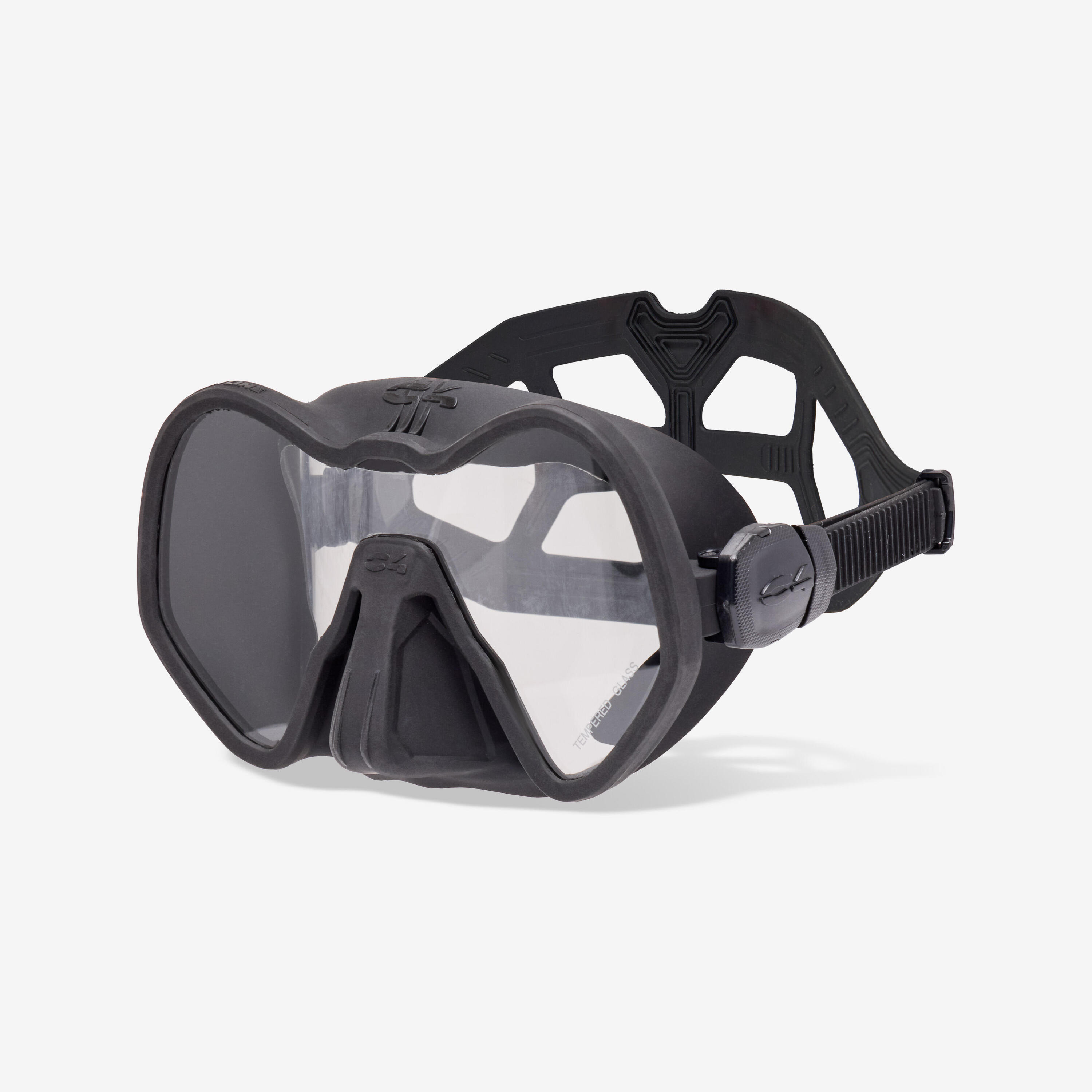
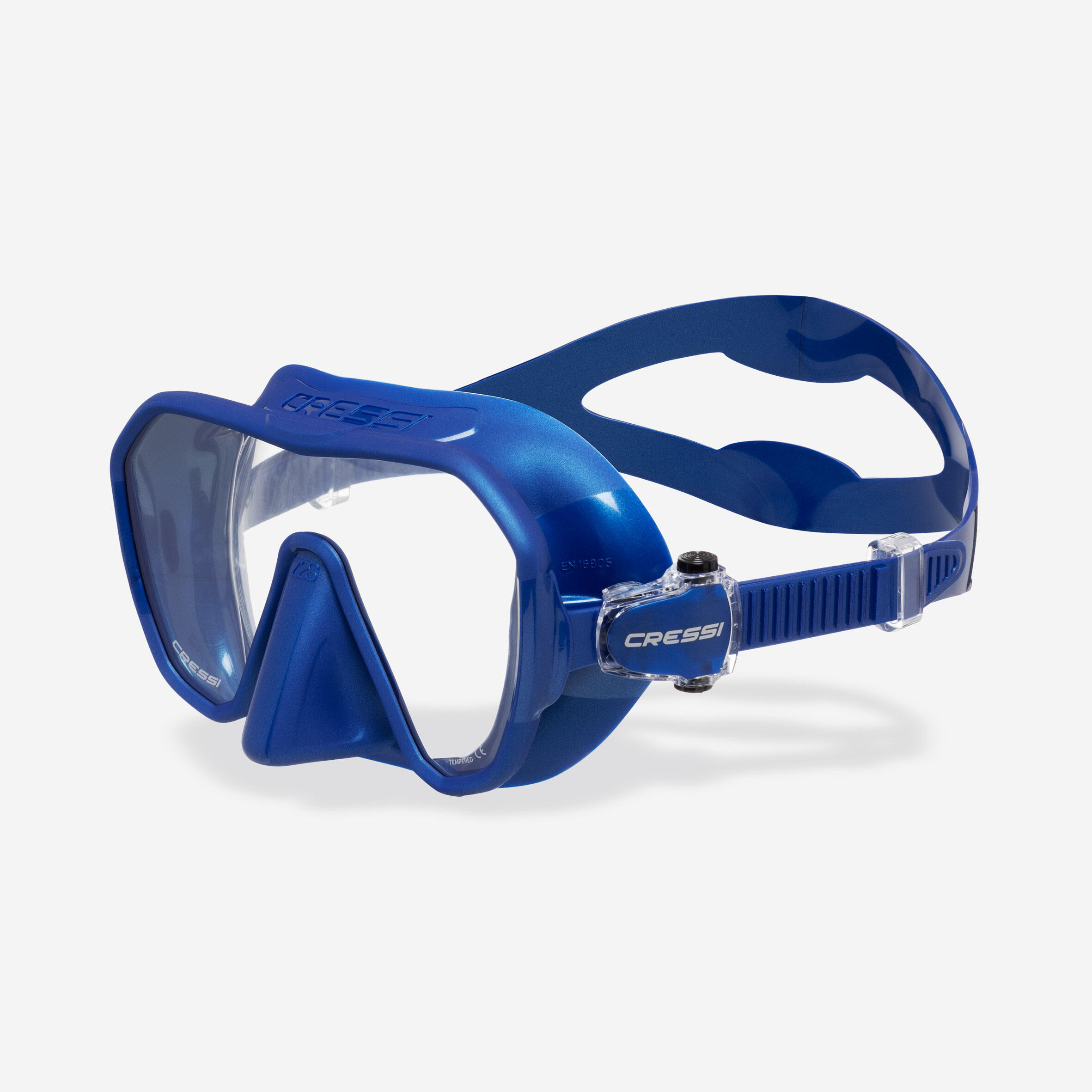
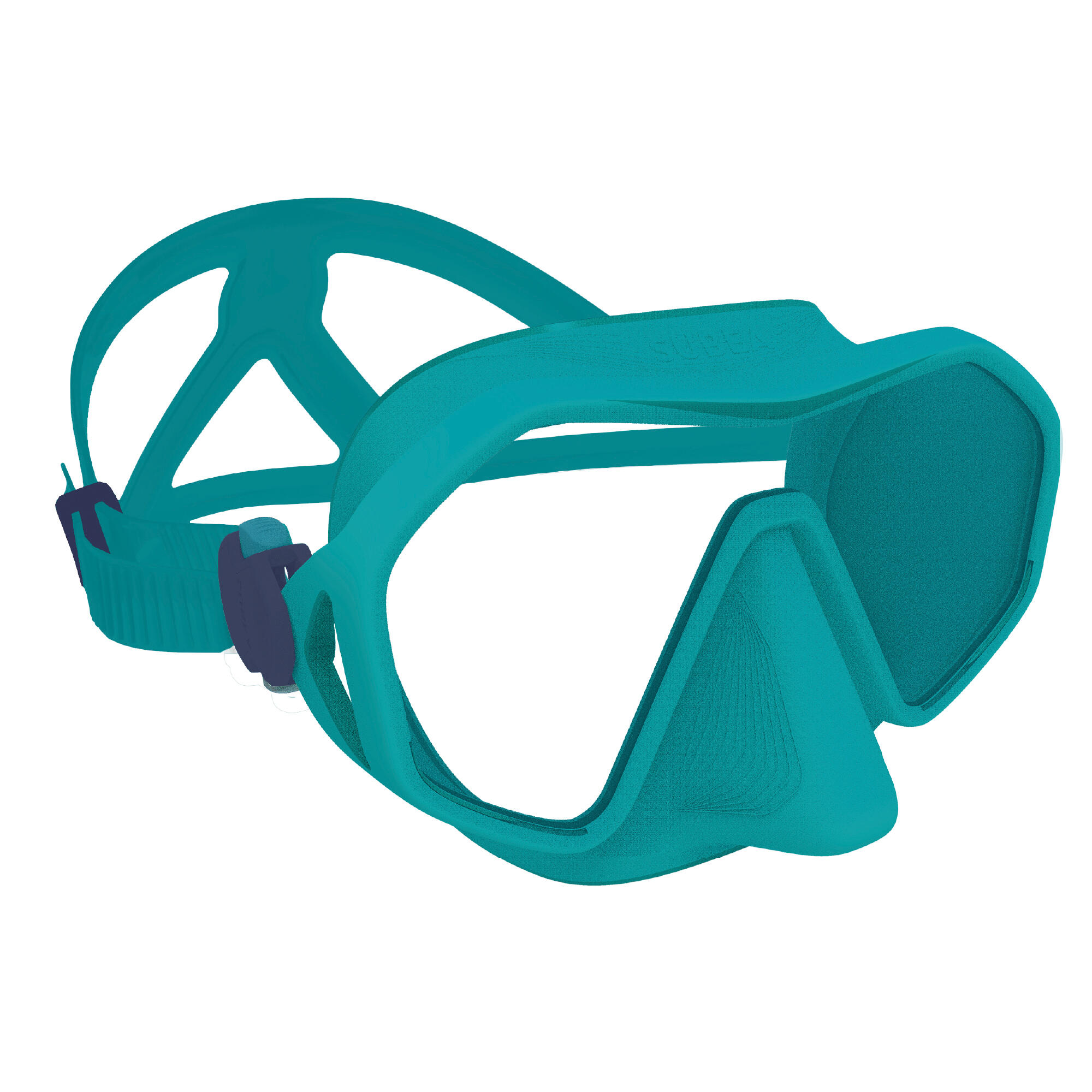
Internal air volume dictates how much breath must be exhaled through the nose to equalise internal pressure during deep descents. Choosing ultra-low volume freediving masks minimises this air waste, leaving more oxygen in your lungs for extended bottom times. The technical reason for this design is the proximity of the lenses to the eyes, which simultaneously improves the peripheral field of view. High-volume models trap excess air, forcing you to compensate frequently as hydrostatic pressure increases. Soft matte finishes on the inner borders also minimise skin friction when cold water alters natural facial circulation.
What structural benefits separate freediving single-lens masks from dual-lens options?

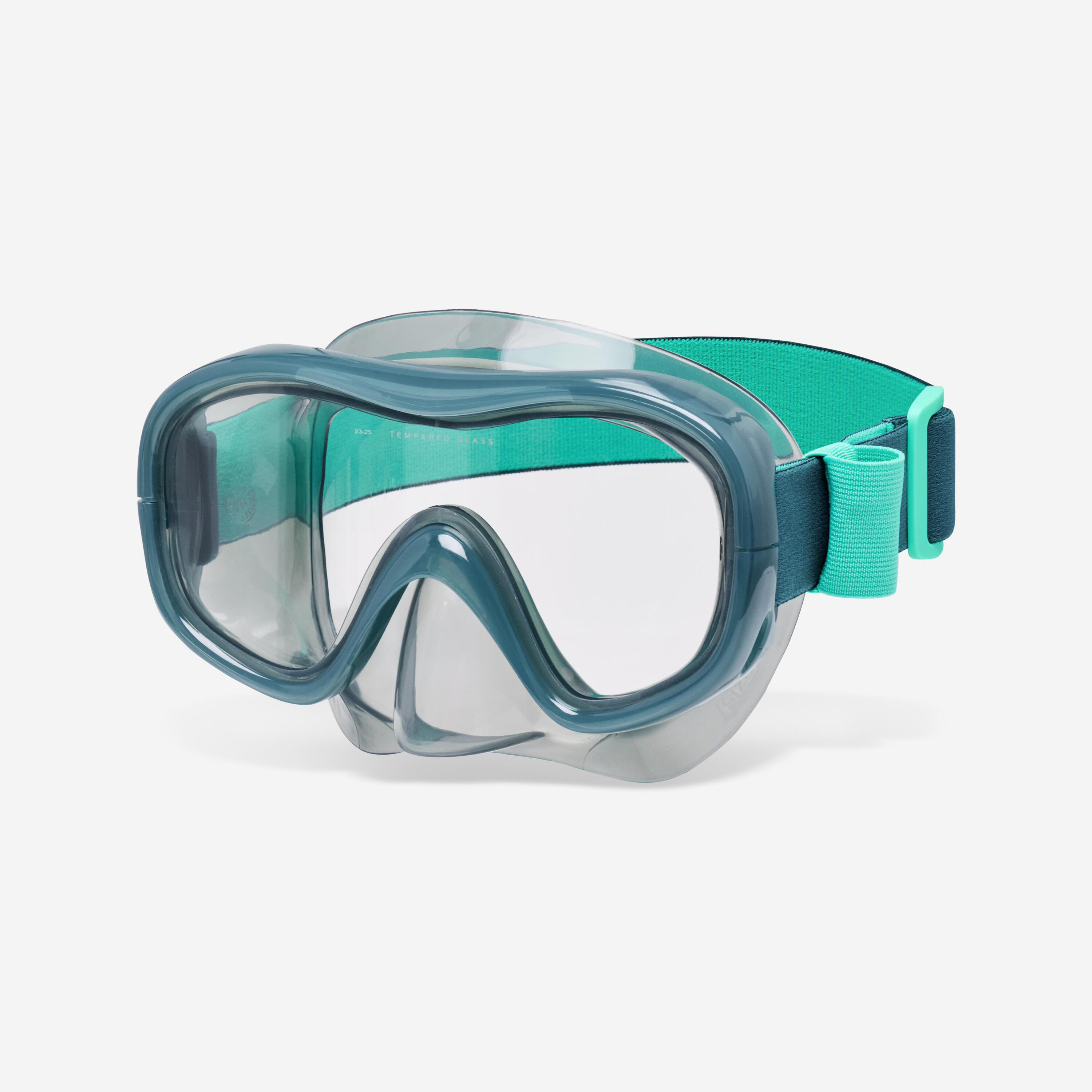
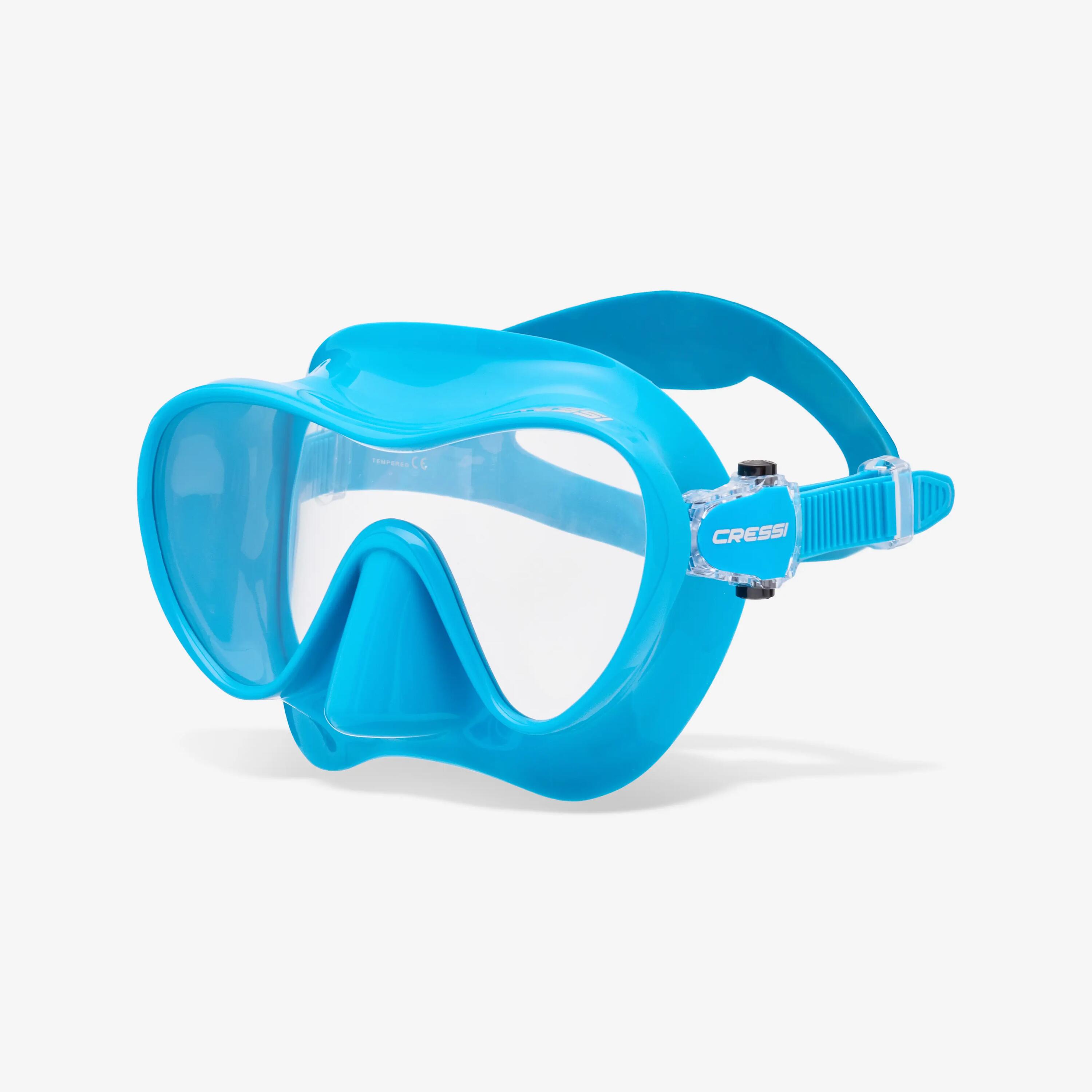
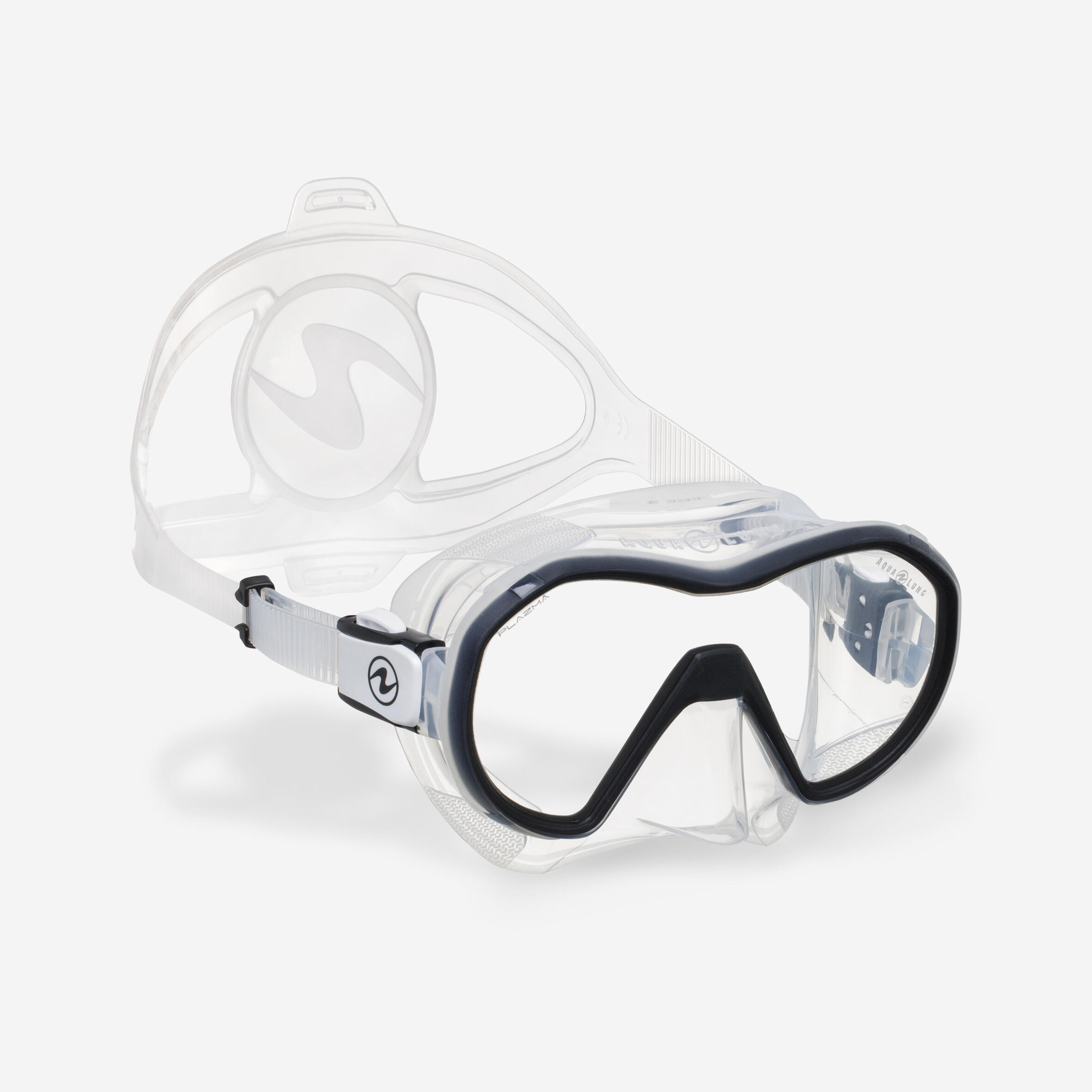
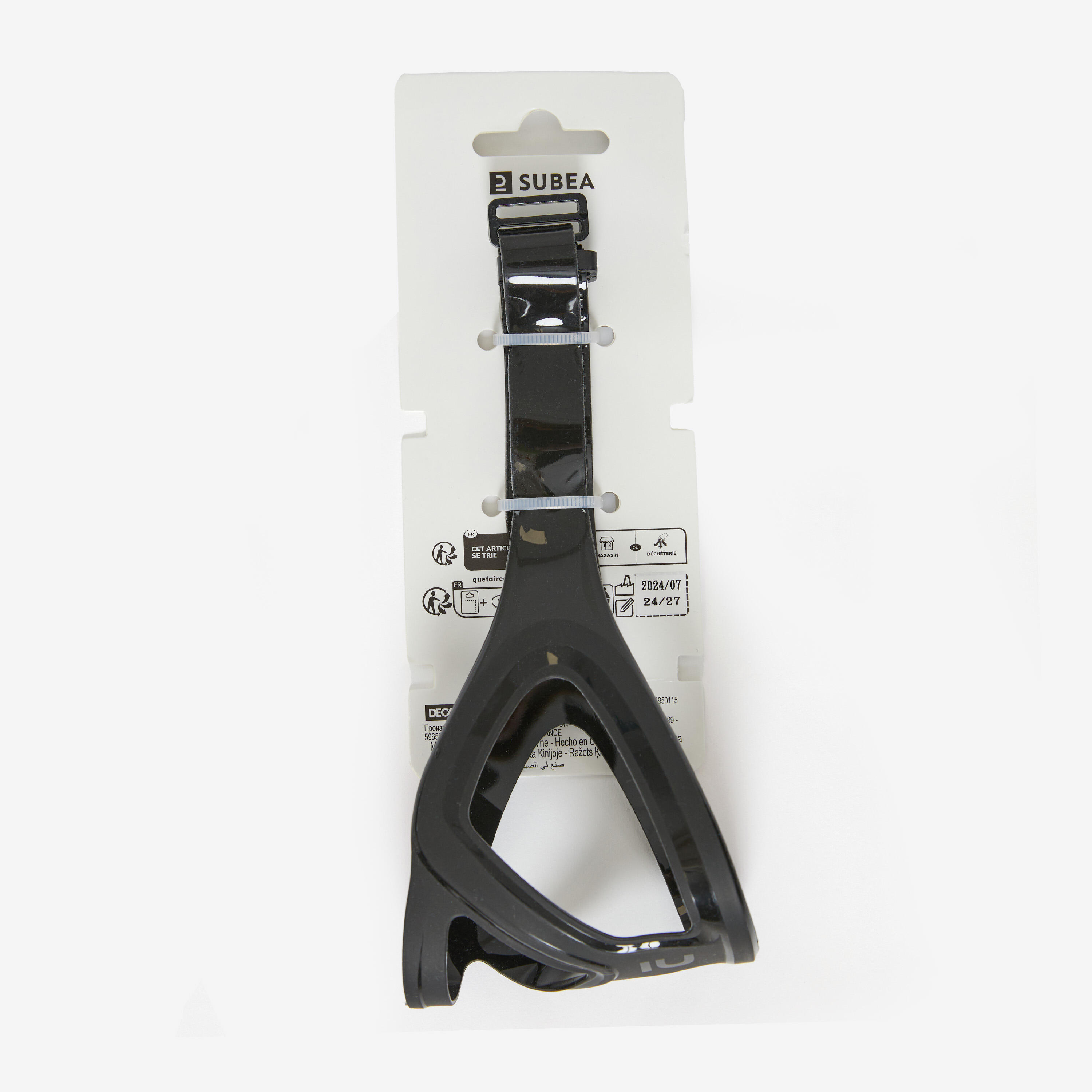
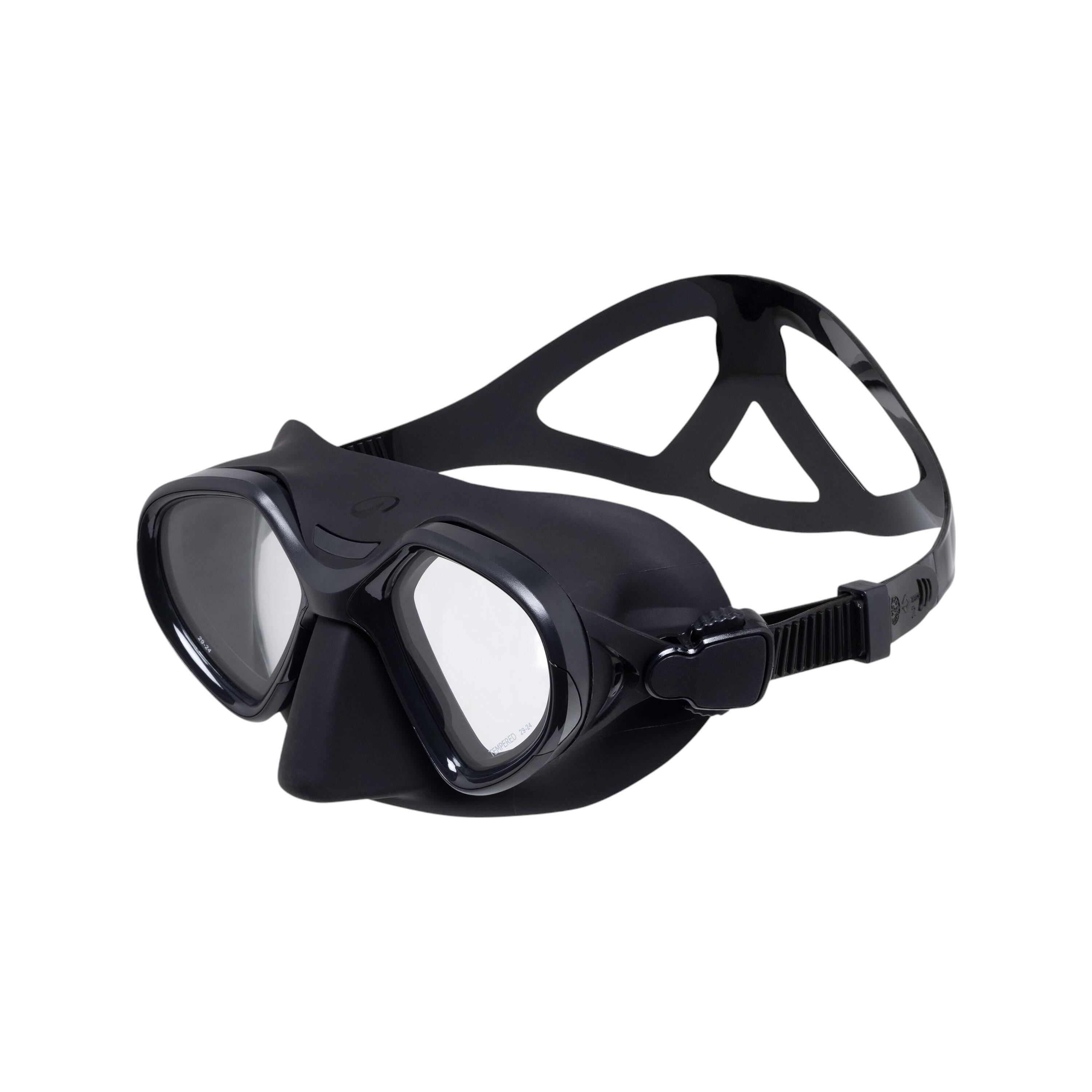
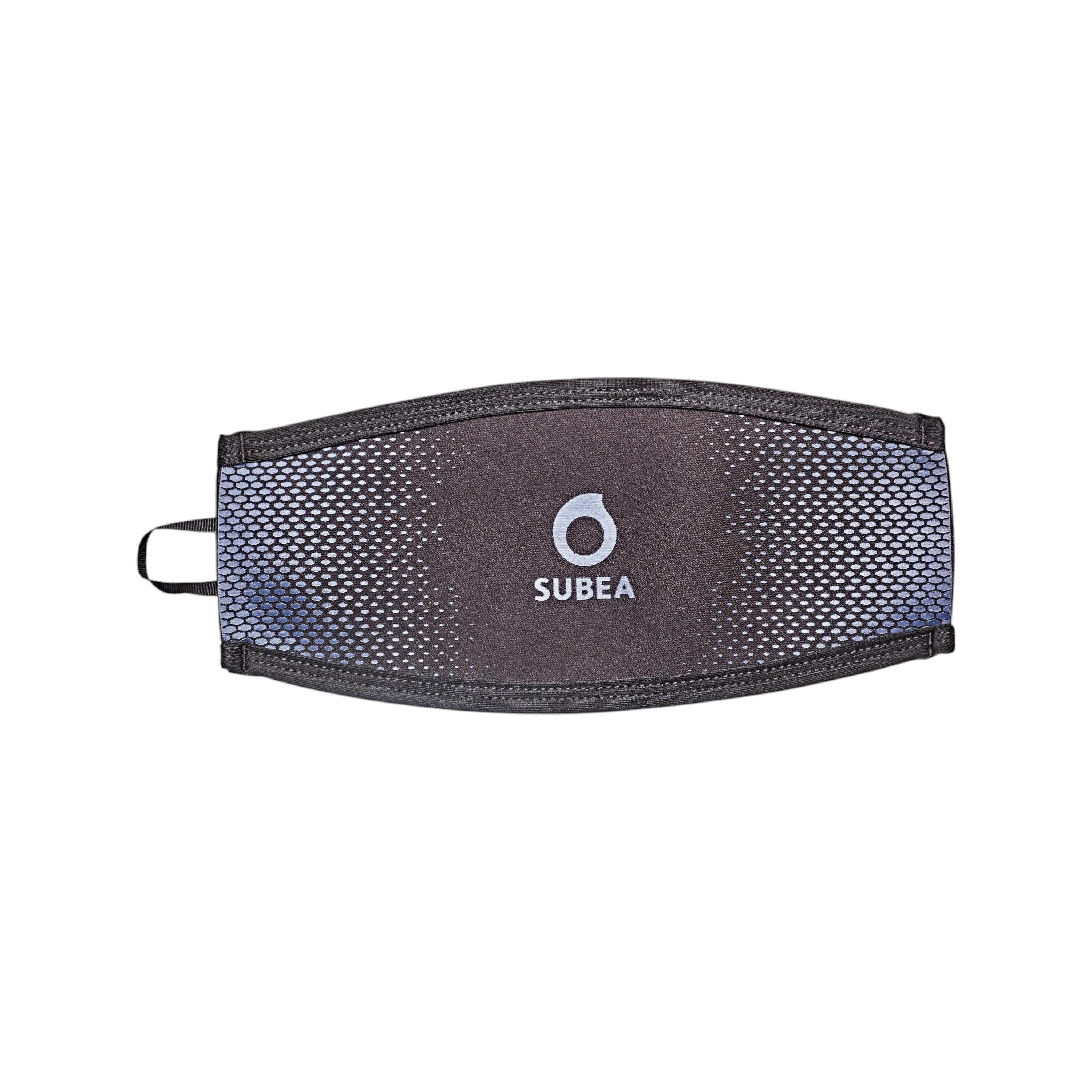
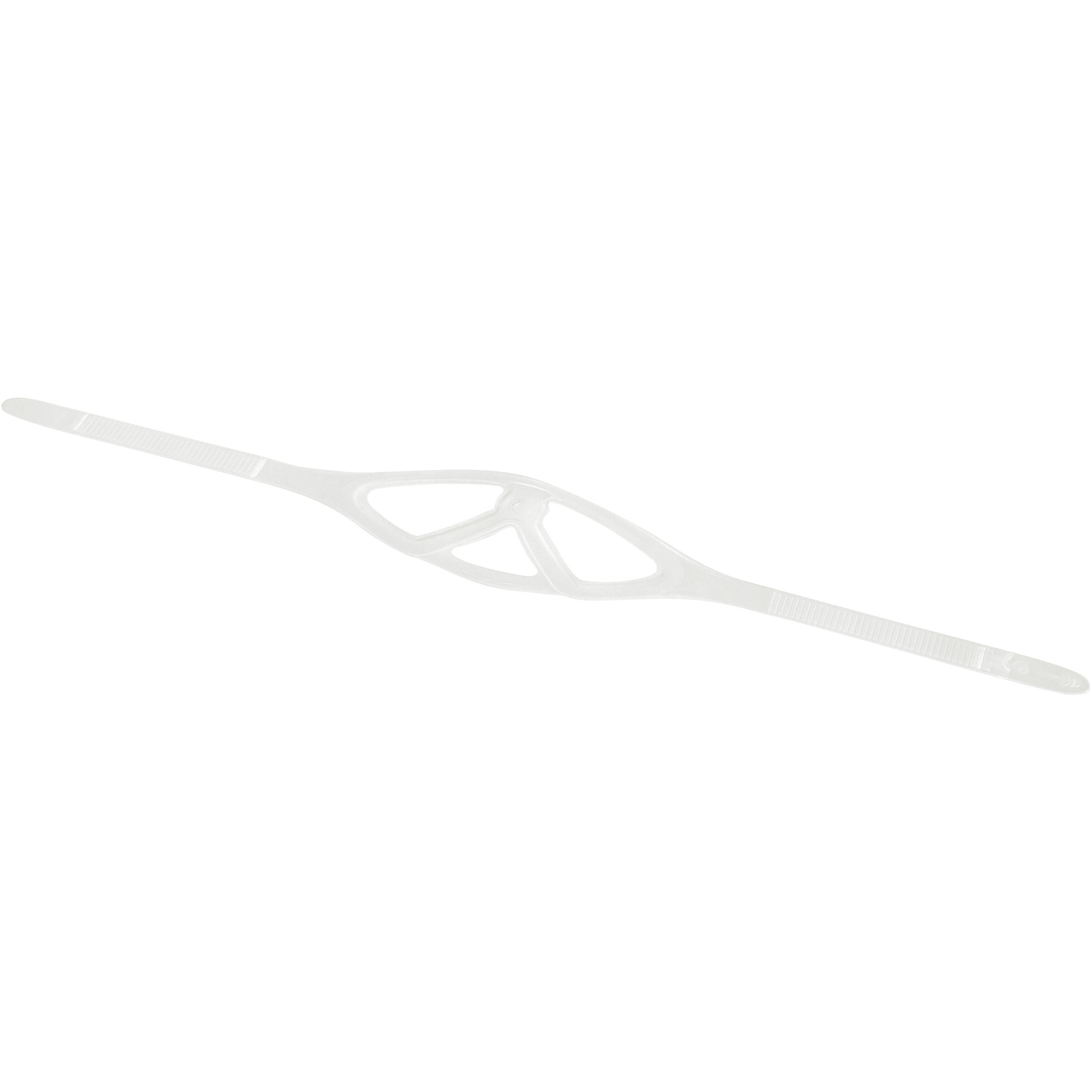
Single lens variations feature a continuous pane of tempered glass across the bridge of the nose, providing an uninterrupted view of underwater topography. While ideal for horizontal underwater tracking, they naturally possess a higher internal volume than dual-lens counterparts. To ensure a completely watertight seal against strong currents, upgrading to a wide, flexible neoprene or silicone freediving mask strap distributes pressure evenly across the cranium, stopping the skirt from buckling under tension. Technical freediving masks often employ dual-lens architecture with separate frames for each eye to push the glass closer to the face, reducing the internal air pocket to the absolute minimum.

Why are flexible, valve-free tubes preferred for deep breath-hold diving?

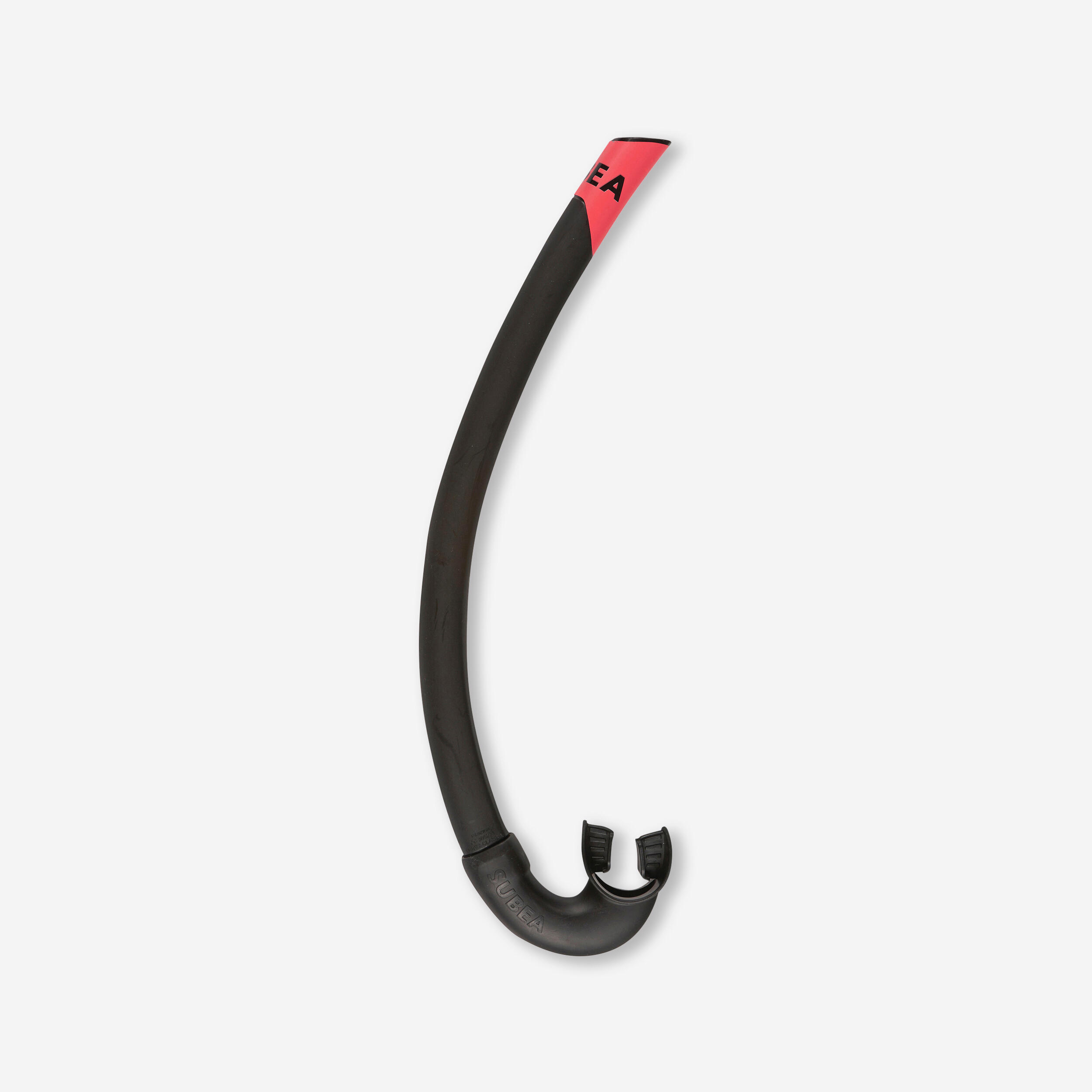
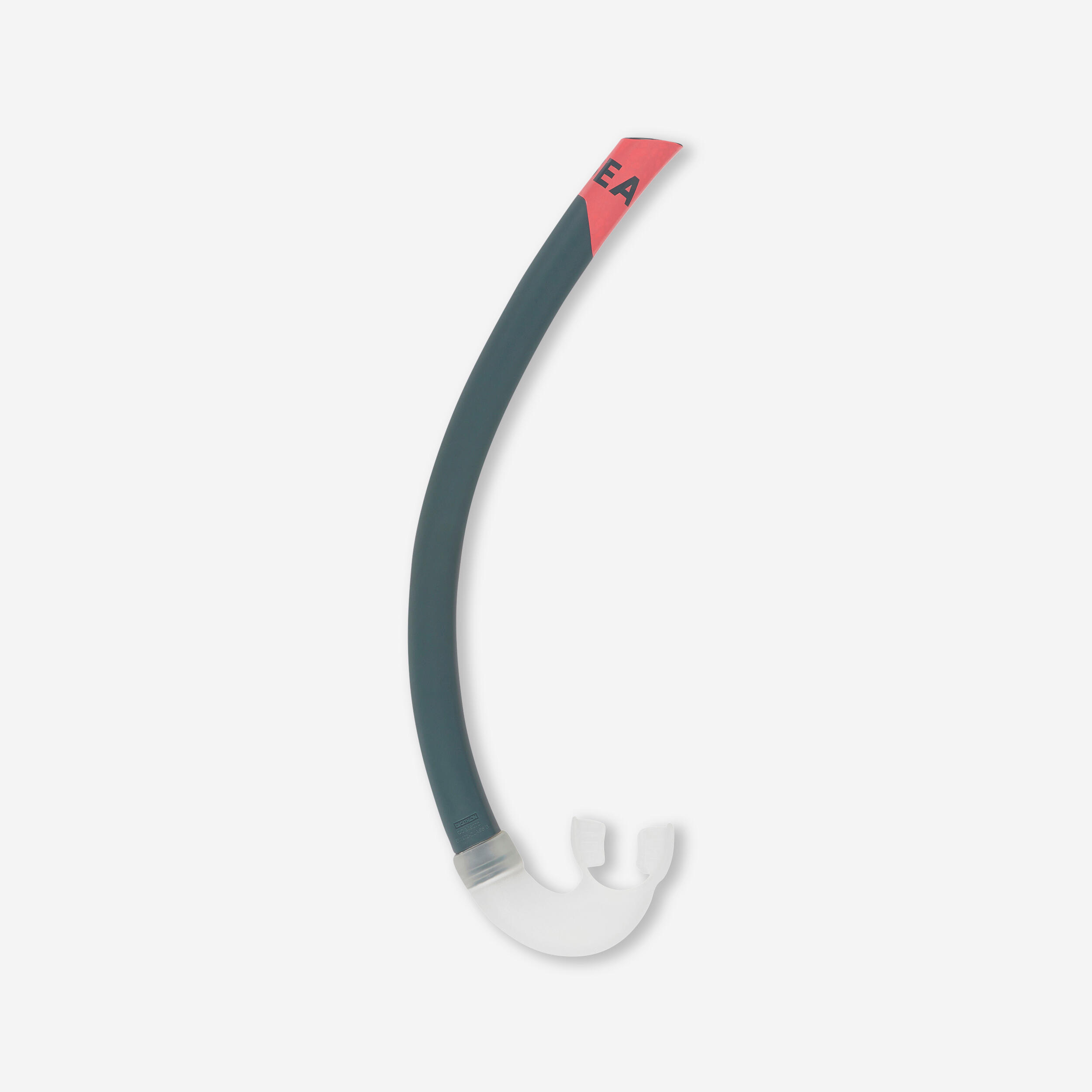
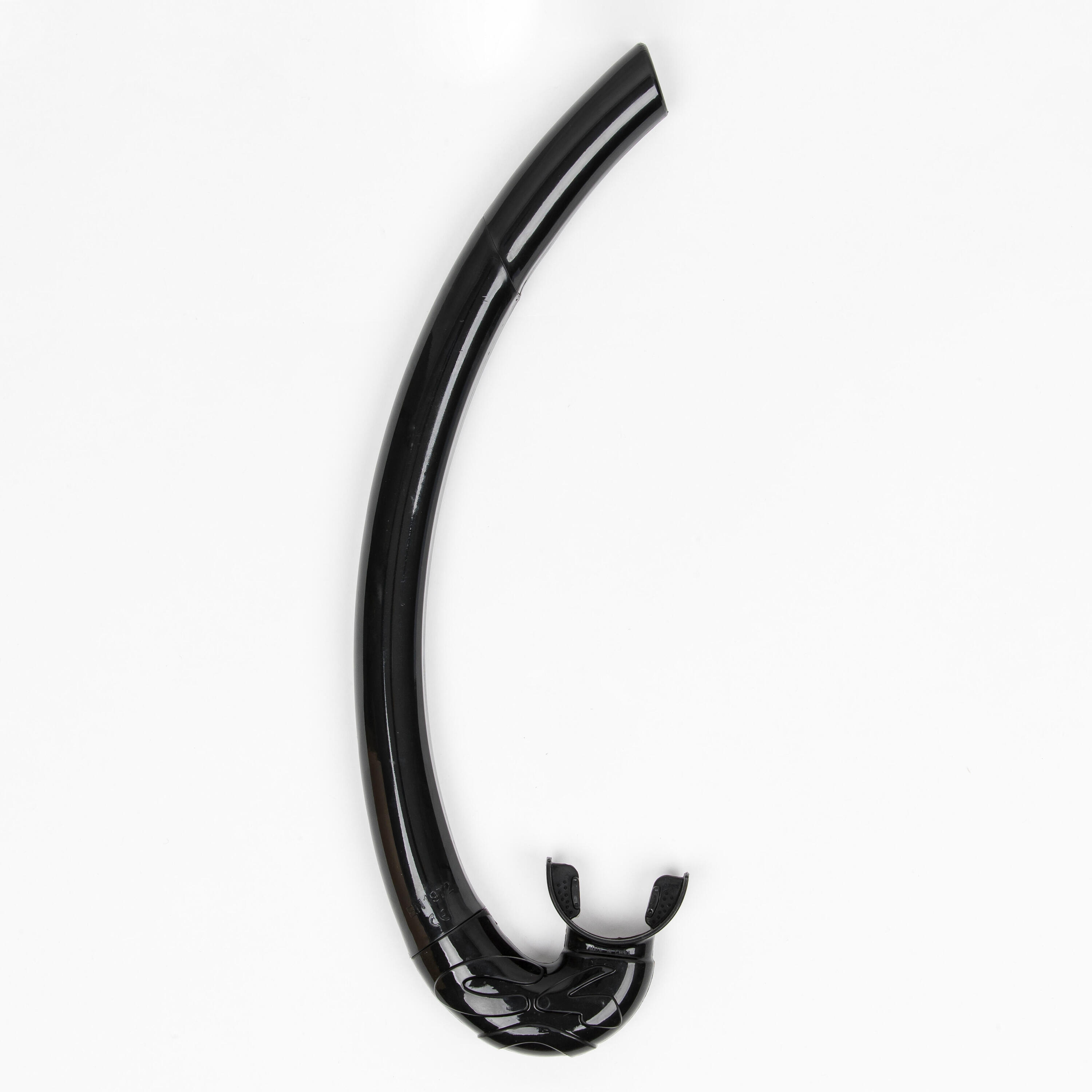
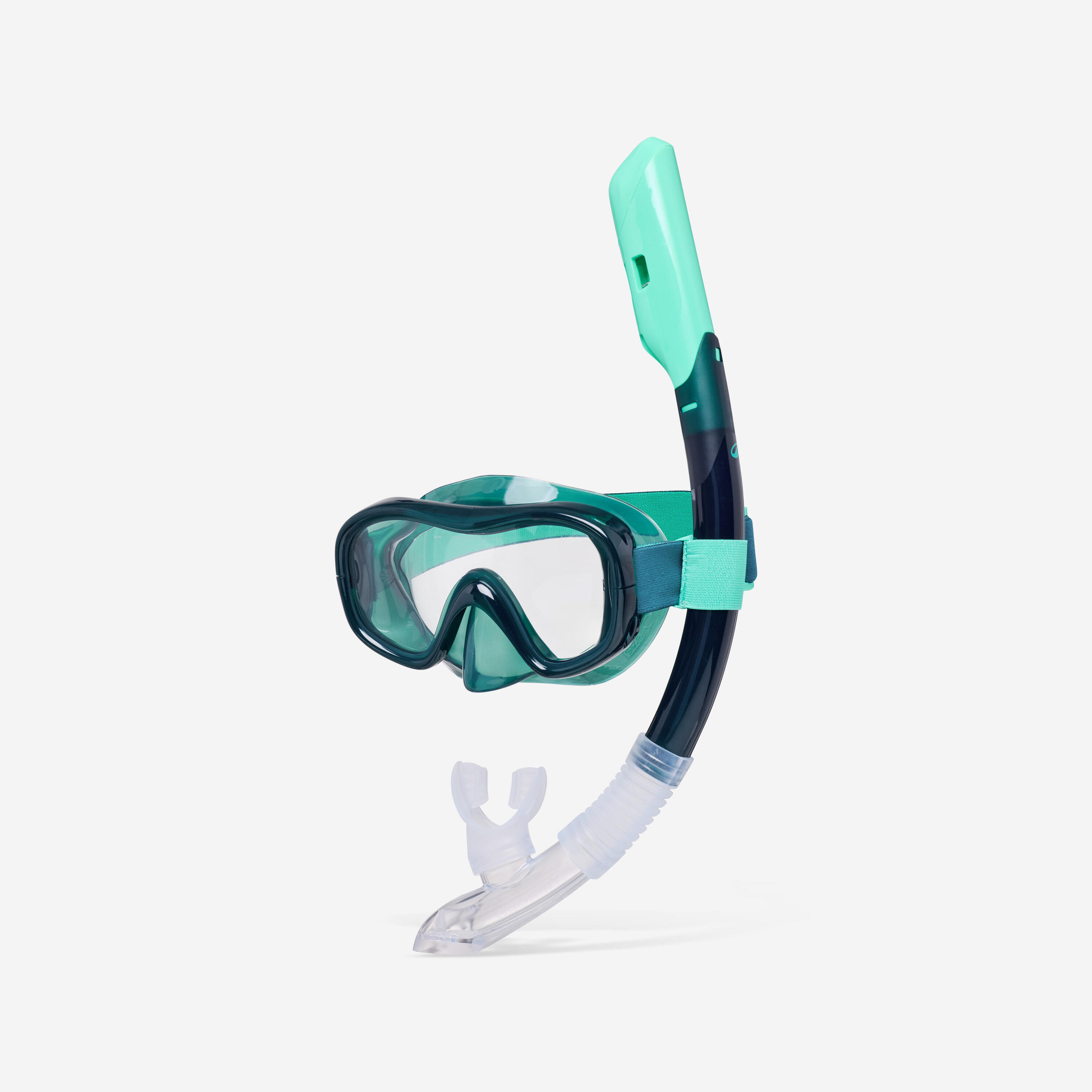
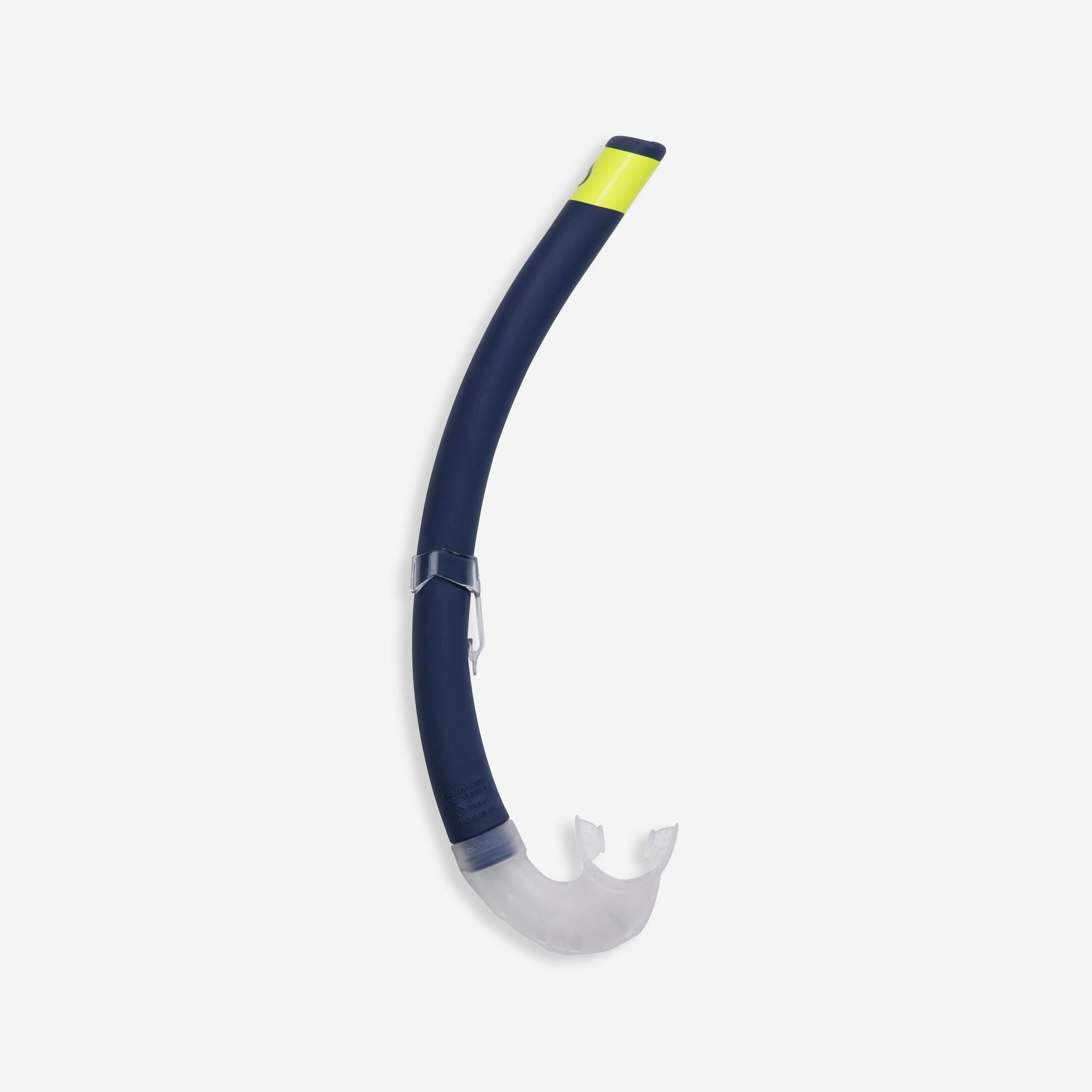
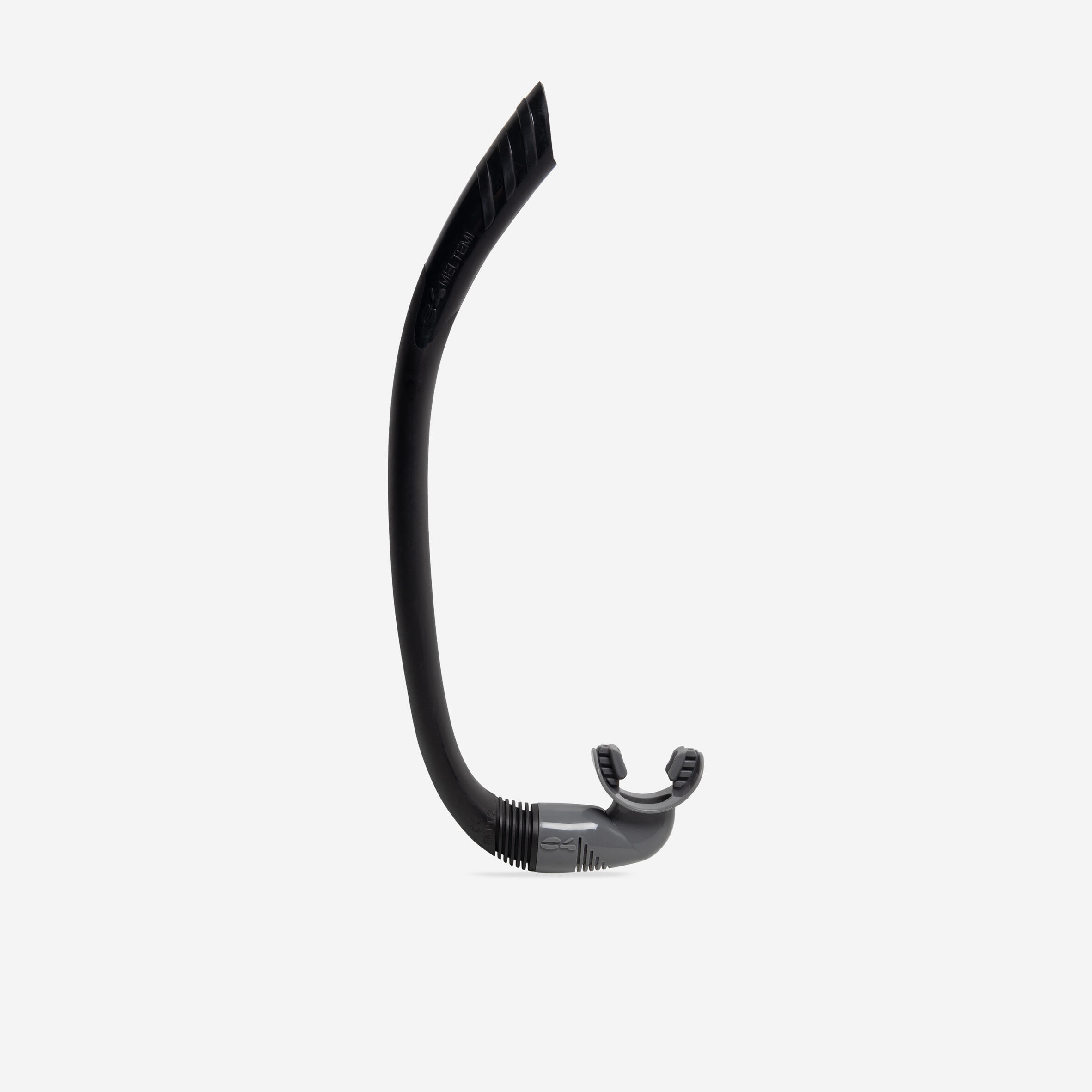
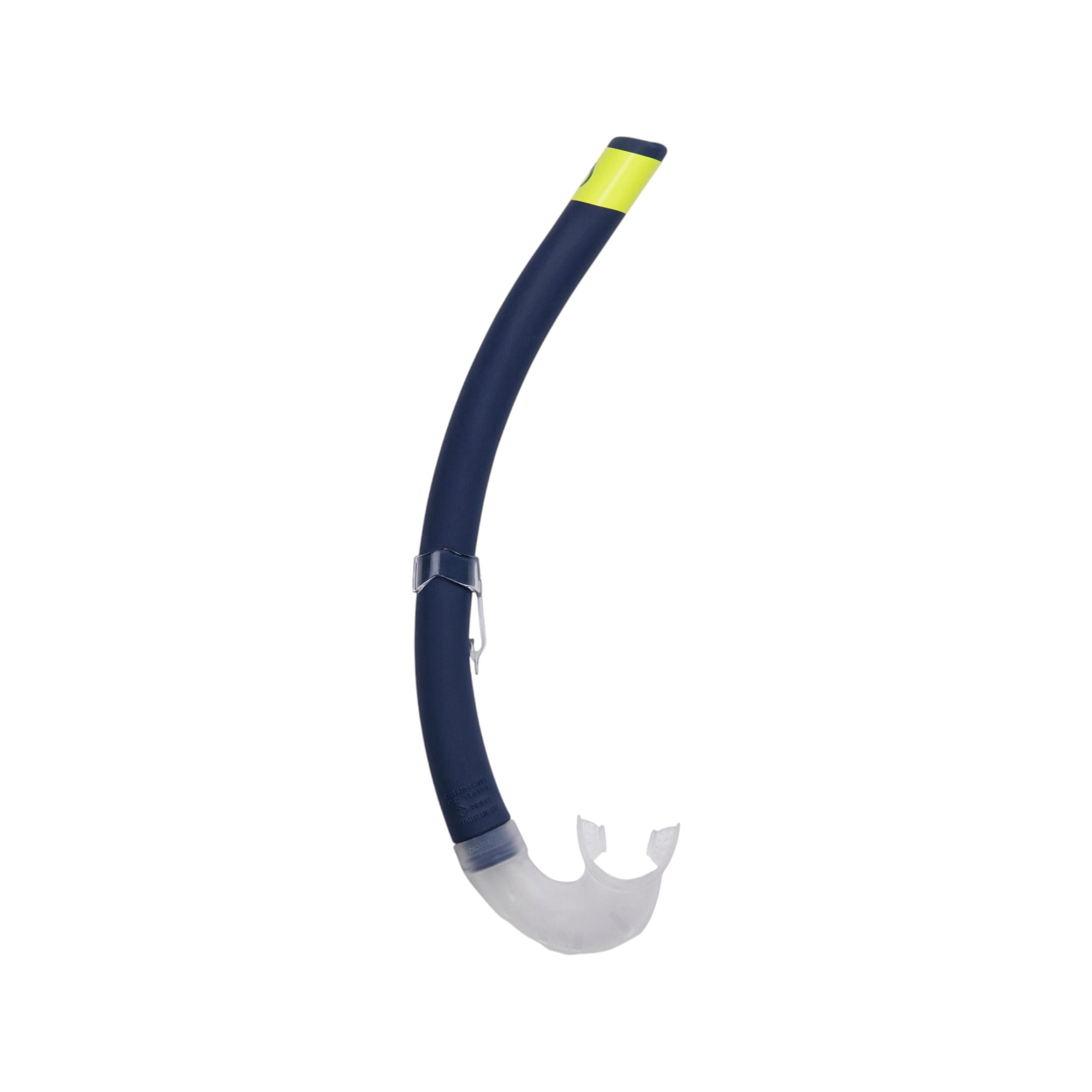
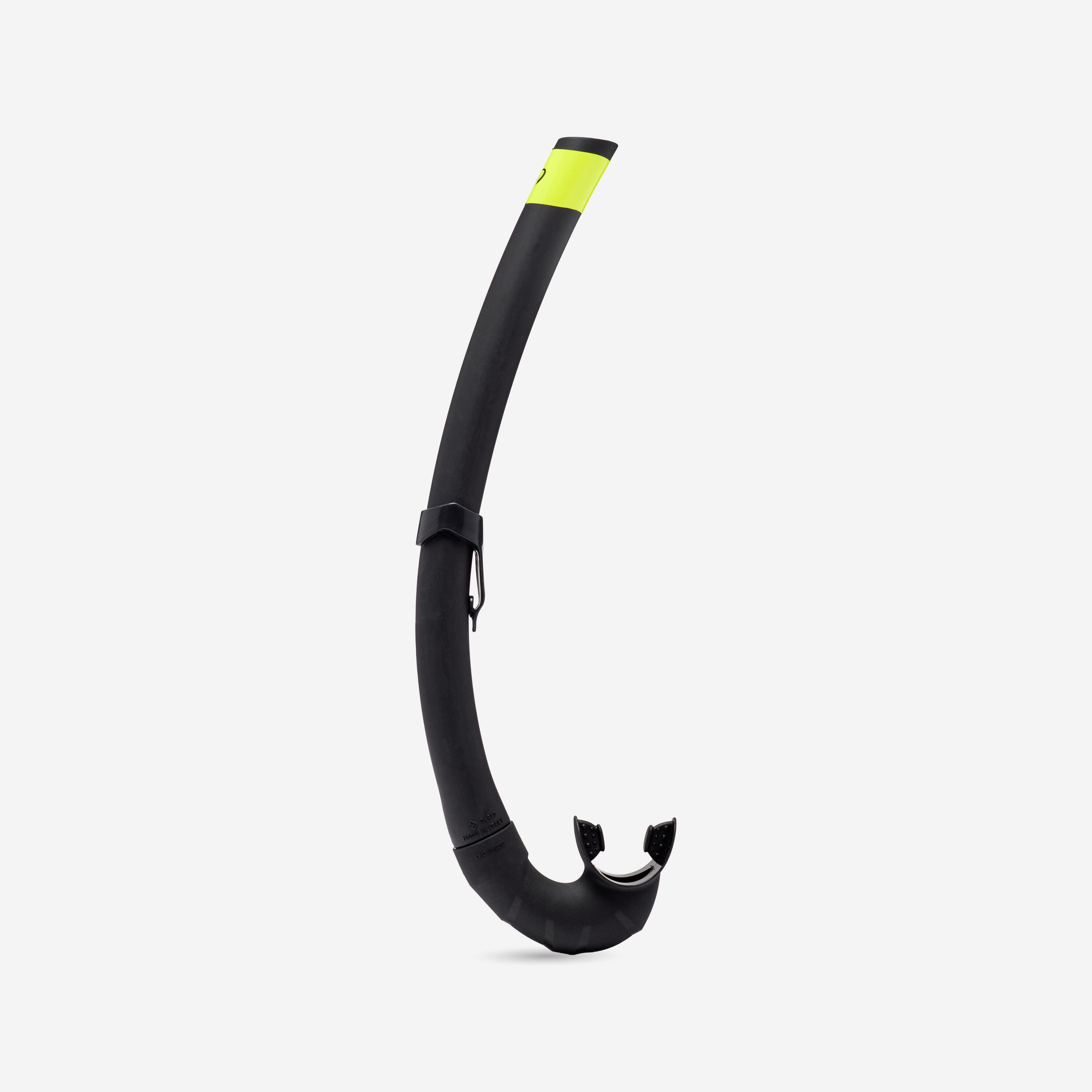
Traditional surface swimming tubes often feature complex purge valves and splash guards that create significant hydrodynamic drag when descending. Switching to hydrodynamic, flexible freediving snorkels allows the tube to wrap tightly against the curvature of the head, reducing water resistance during vertical ascents. The absence of mechanical valves prevents water from tracking backwards under immense pressure, while the pliable material ensures the mouthpiece pops clear instantly if it catches on submerged seaweed. Simple, wide-bore paths facilitate rapid, quiet ventilation cycles before you submerge.

Which equipment alternatives prevent mask squeeze during hands-free ascents?

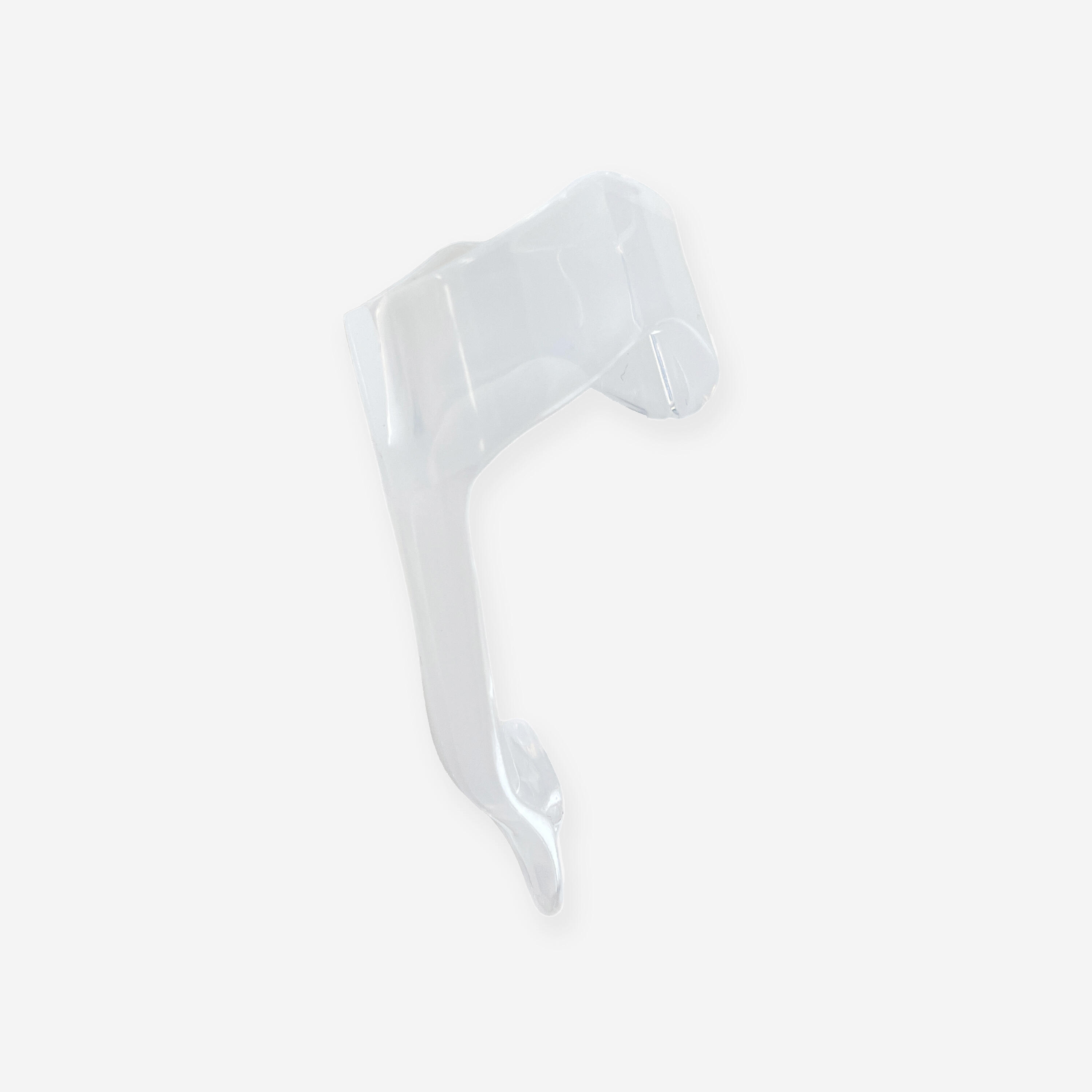
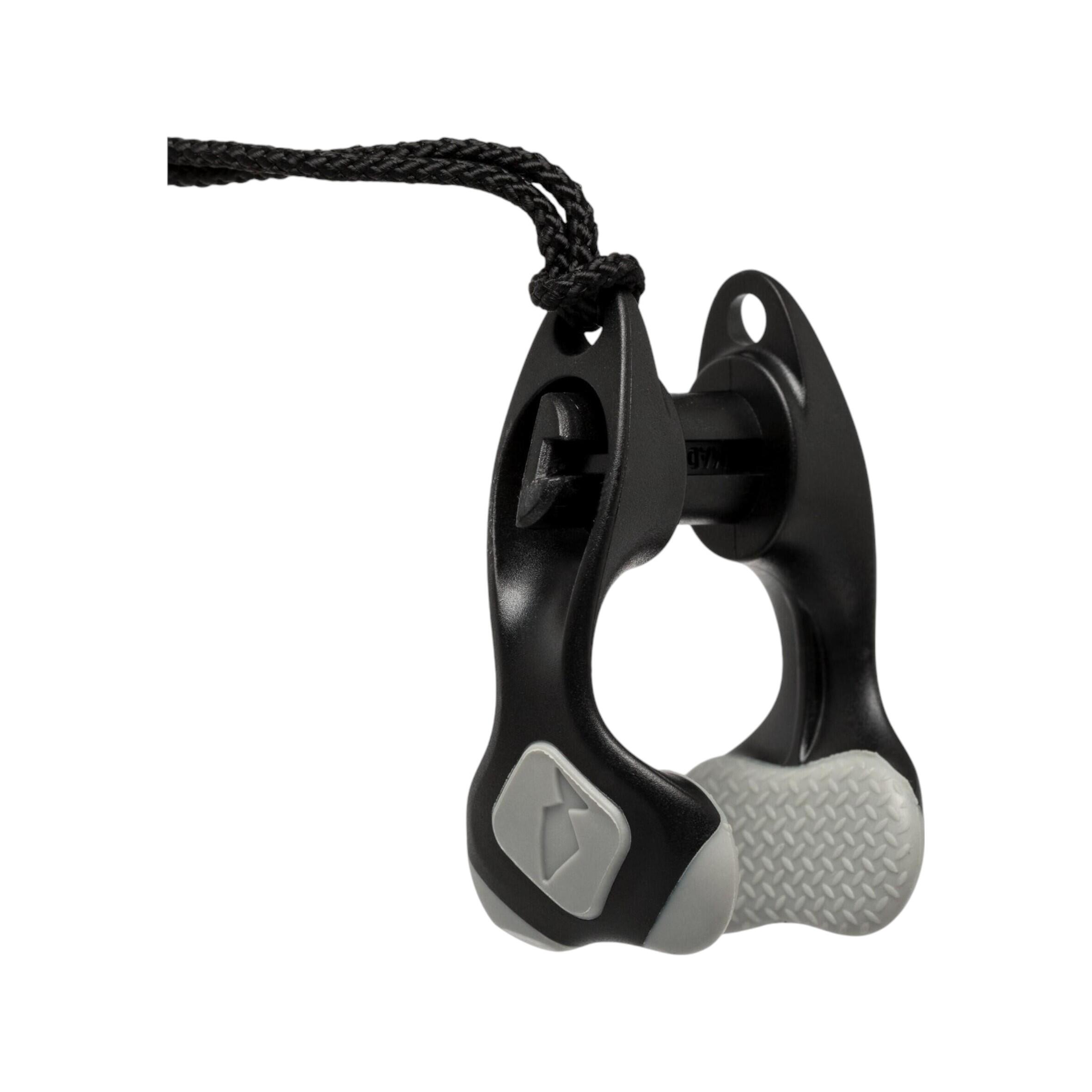
Equalising the ears and mask simultaneously becomes difficult when using thick gloves or handling line reels. Using precision-engineered freediving nose clips blocks airflow entirely through the nostrils externally, allowing you to compress the nasal cavity and open the Eustachian tubes without using your fingers. This mechanical restriction permits continuous equalisation of the middle ear space while leaving your hands completely free to manage buoyancy equipment. These compact alloy or carbon tools fit securely over the exterior nose pocket of low-profile skirts to maintain a rigid, slip-free hold.

How do seasonal water temperature variations alter facial skirt seal selections?

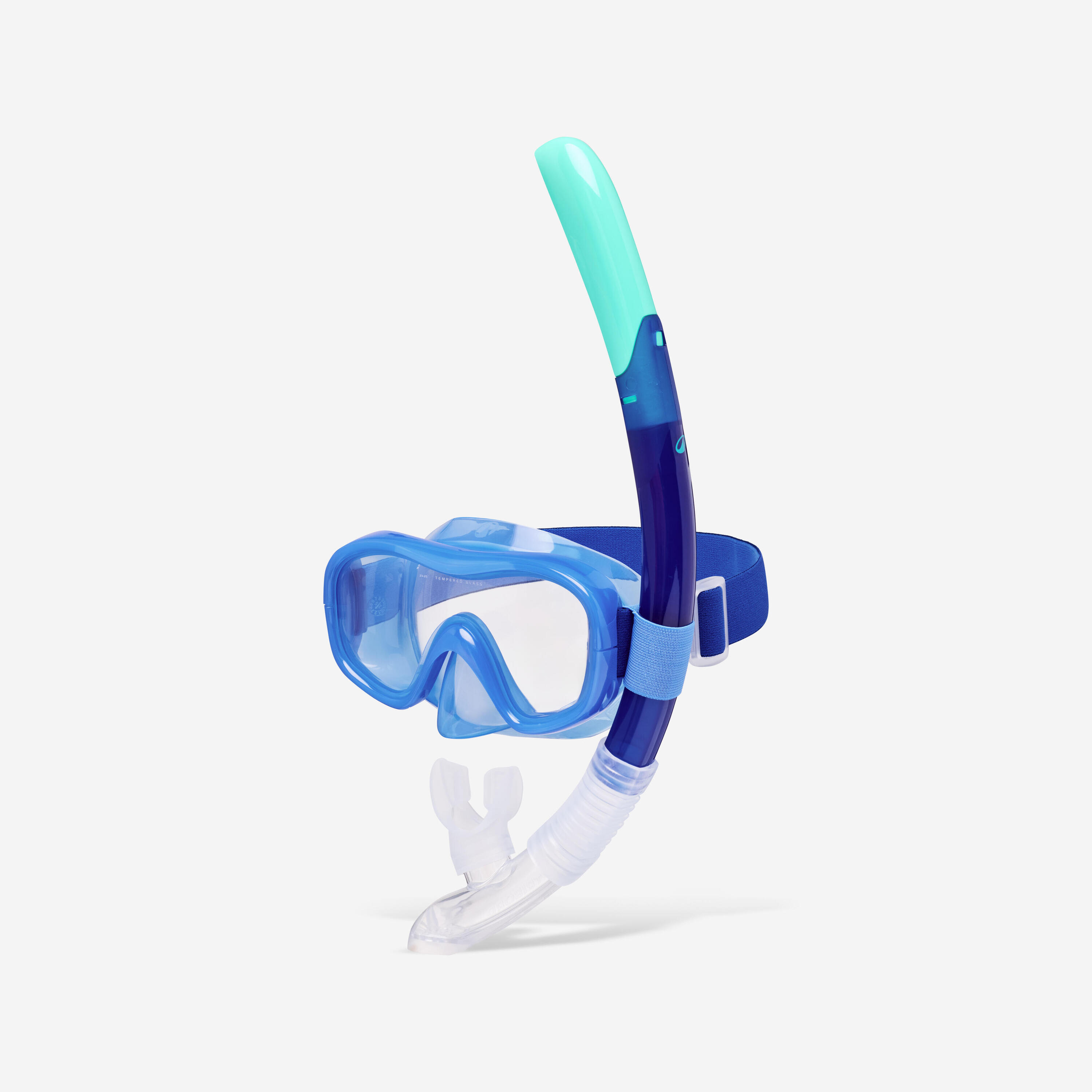
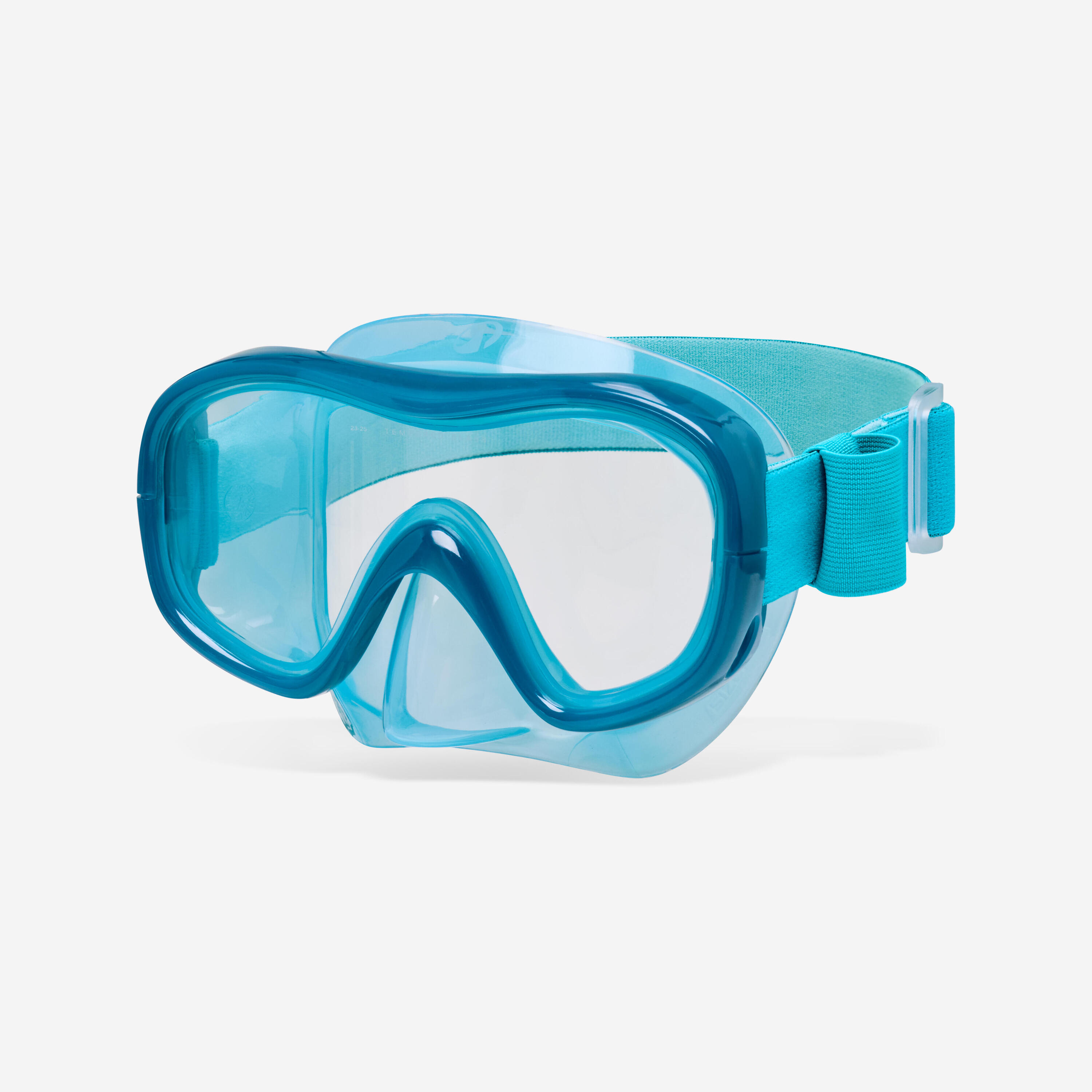
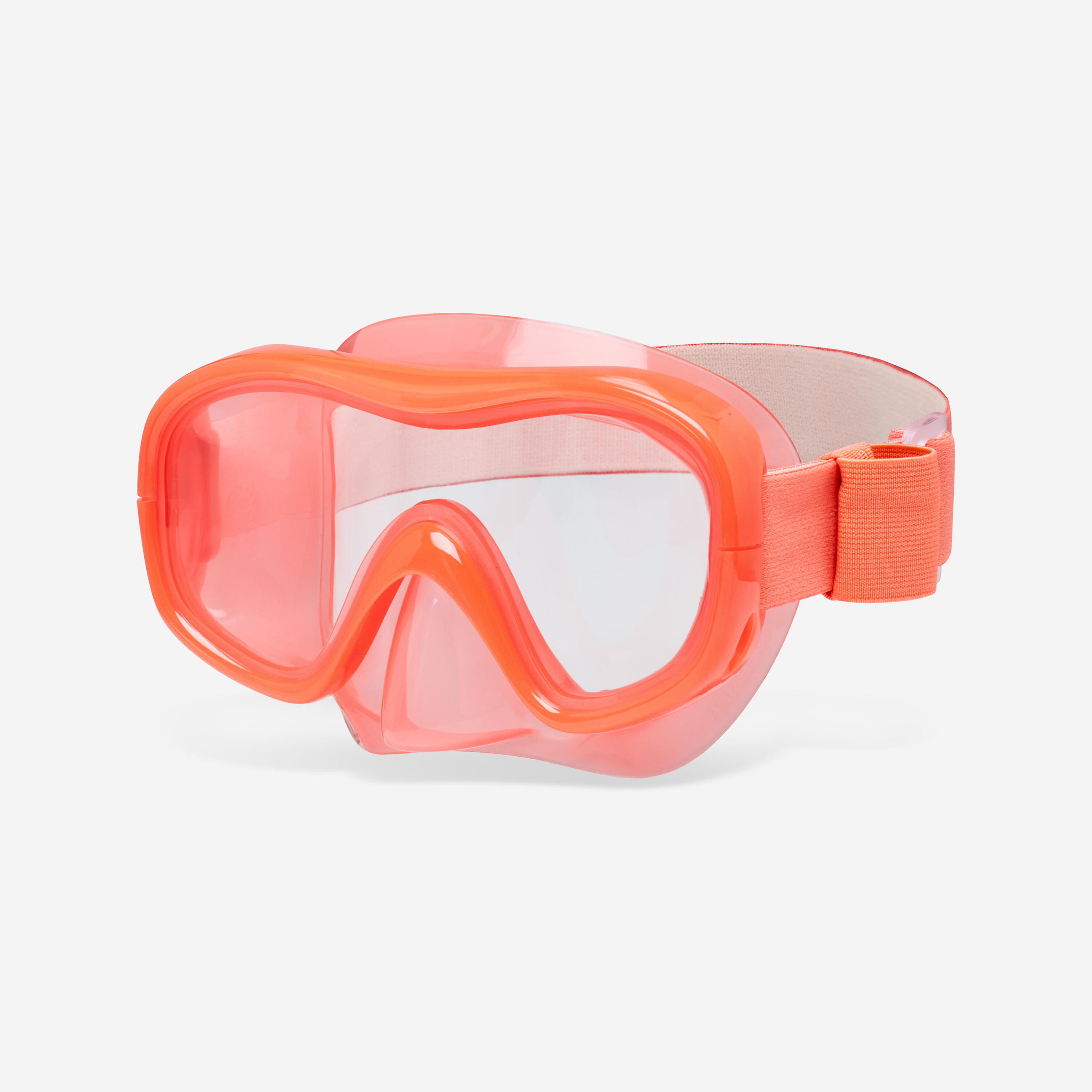
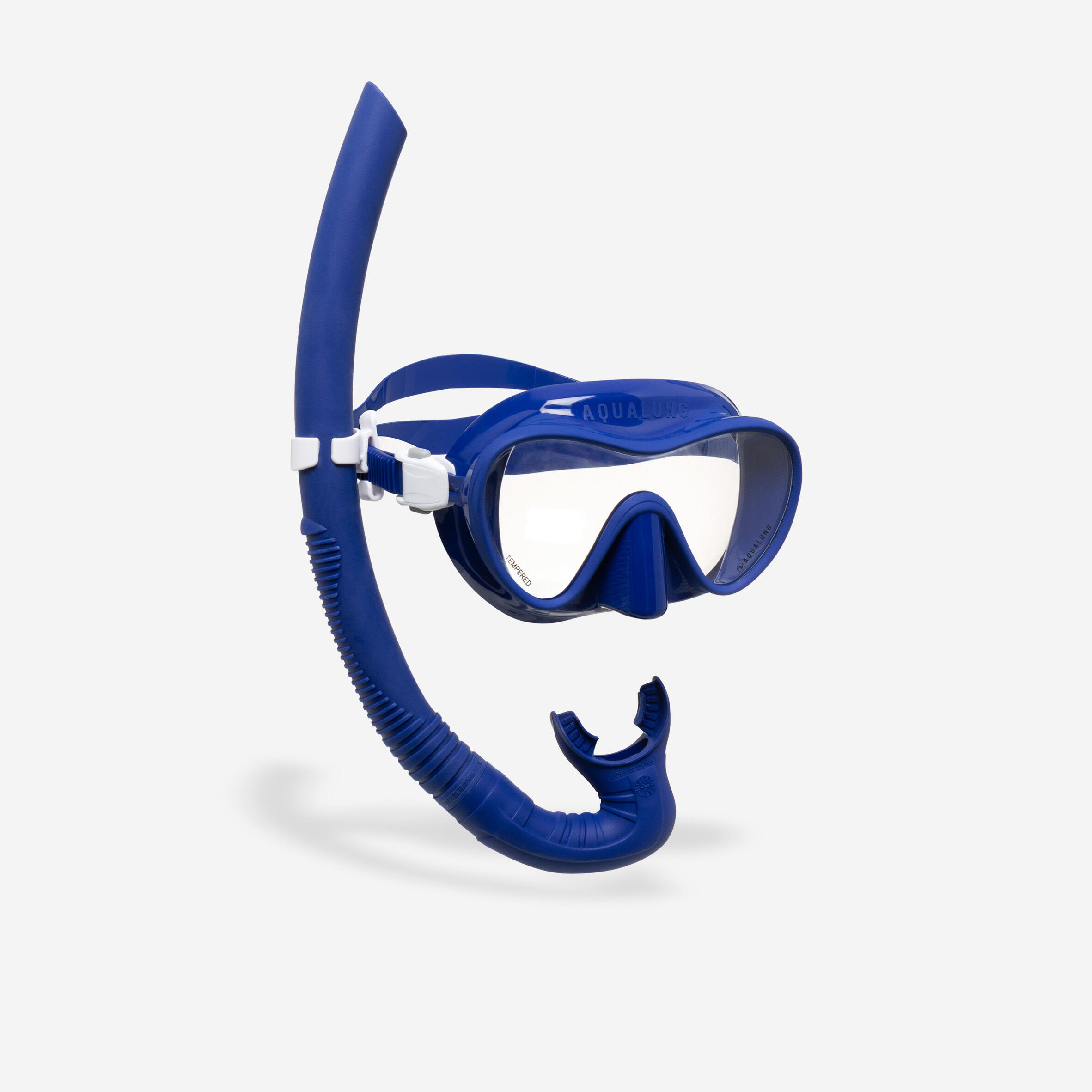
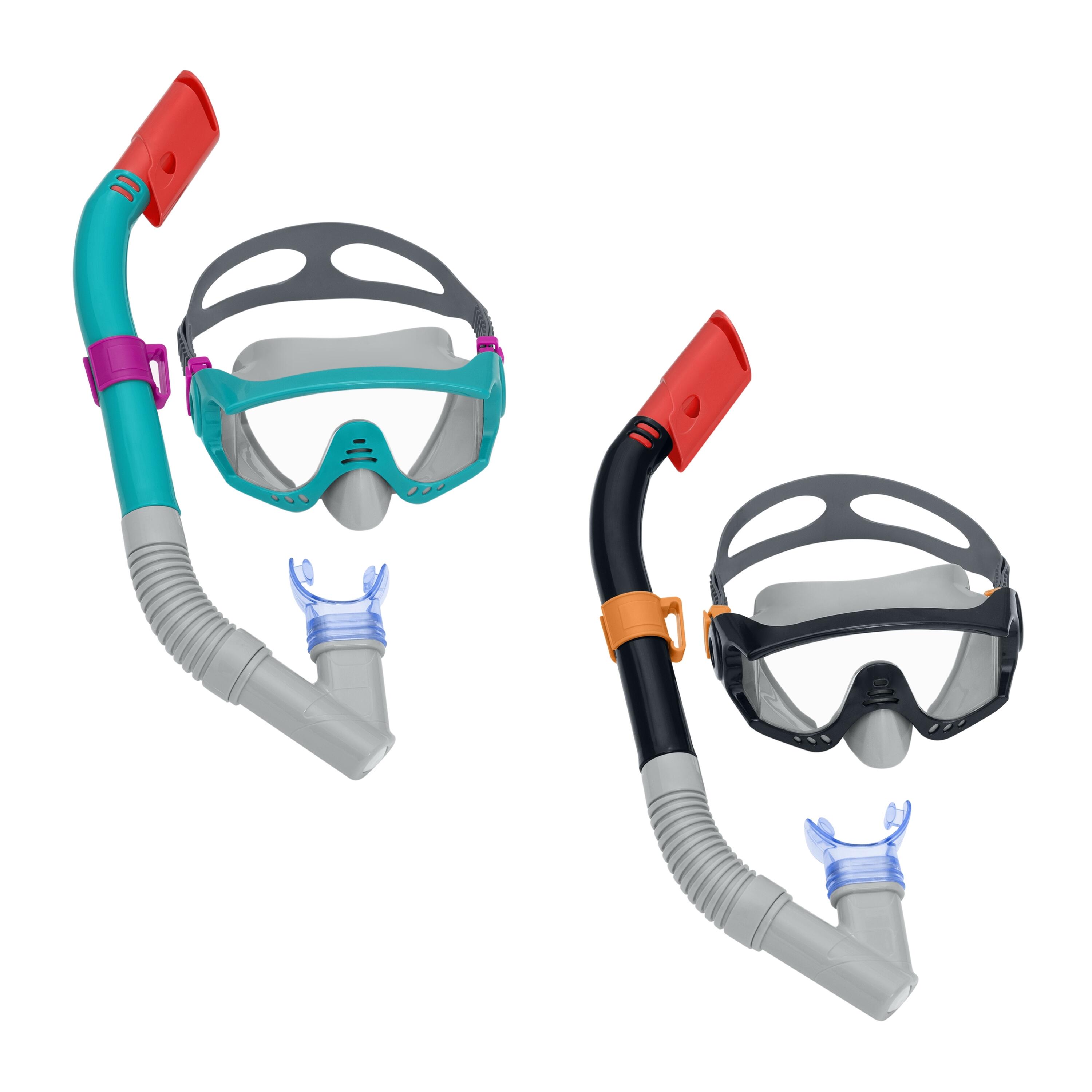
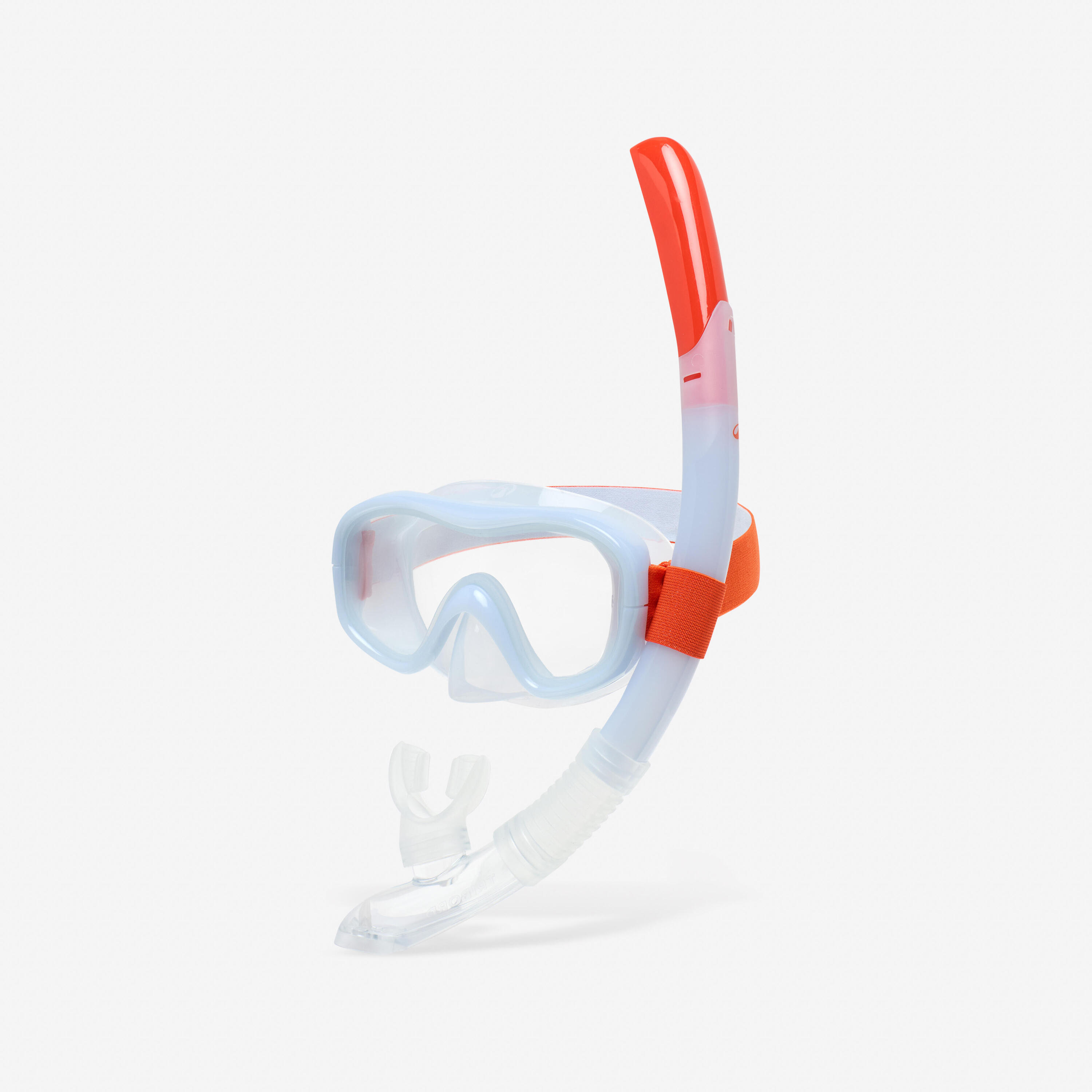
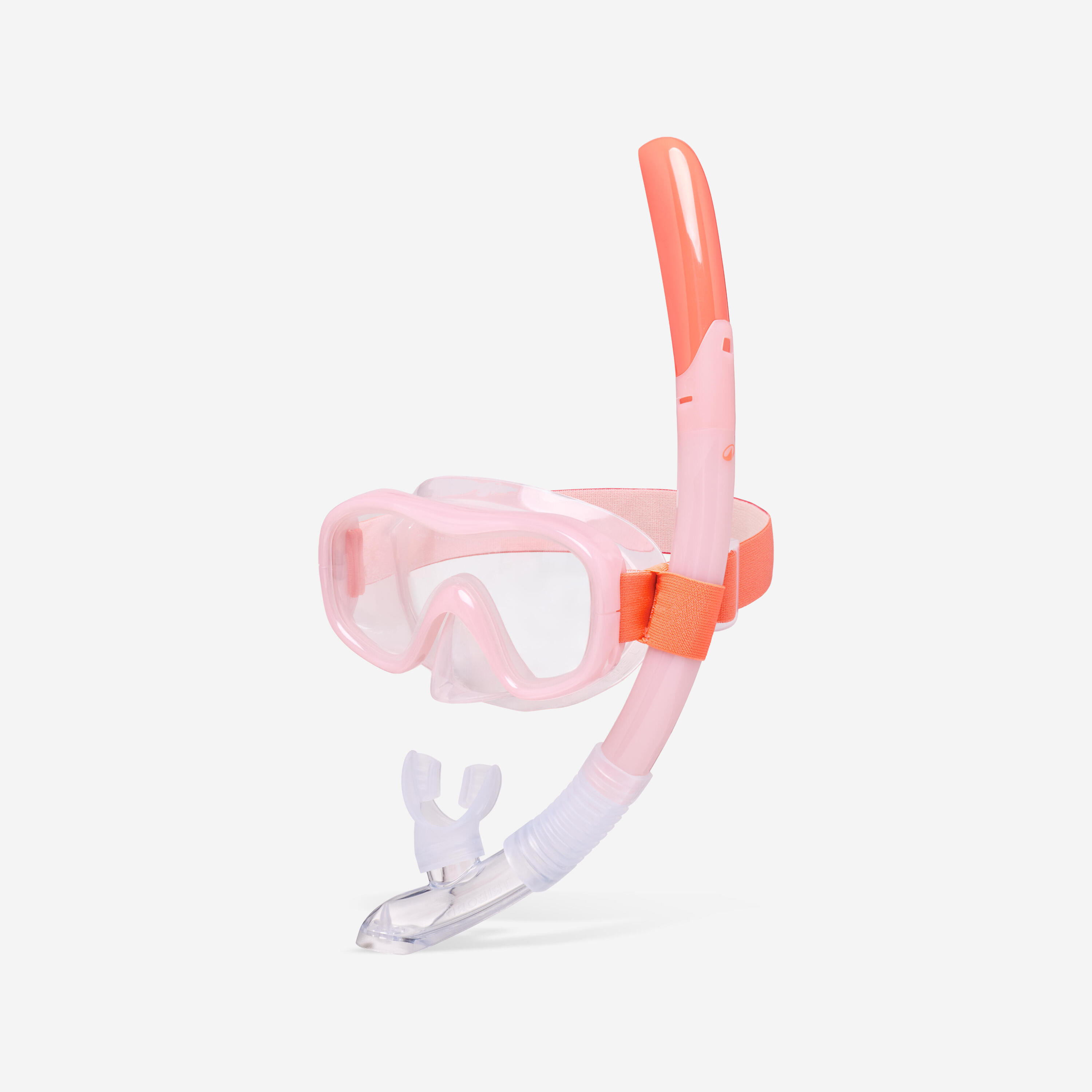
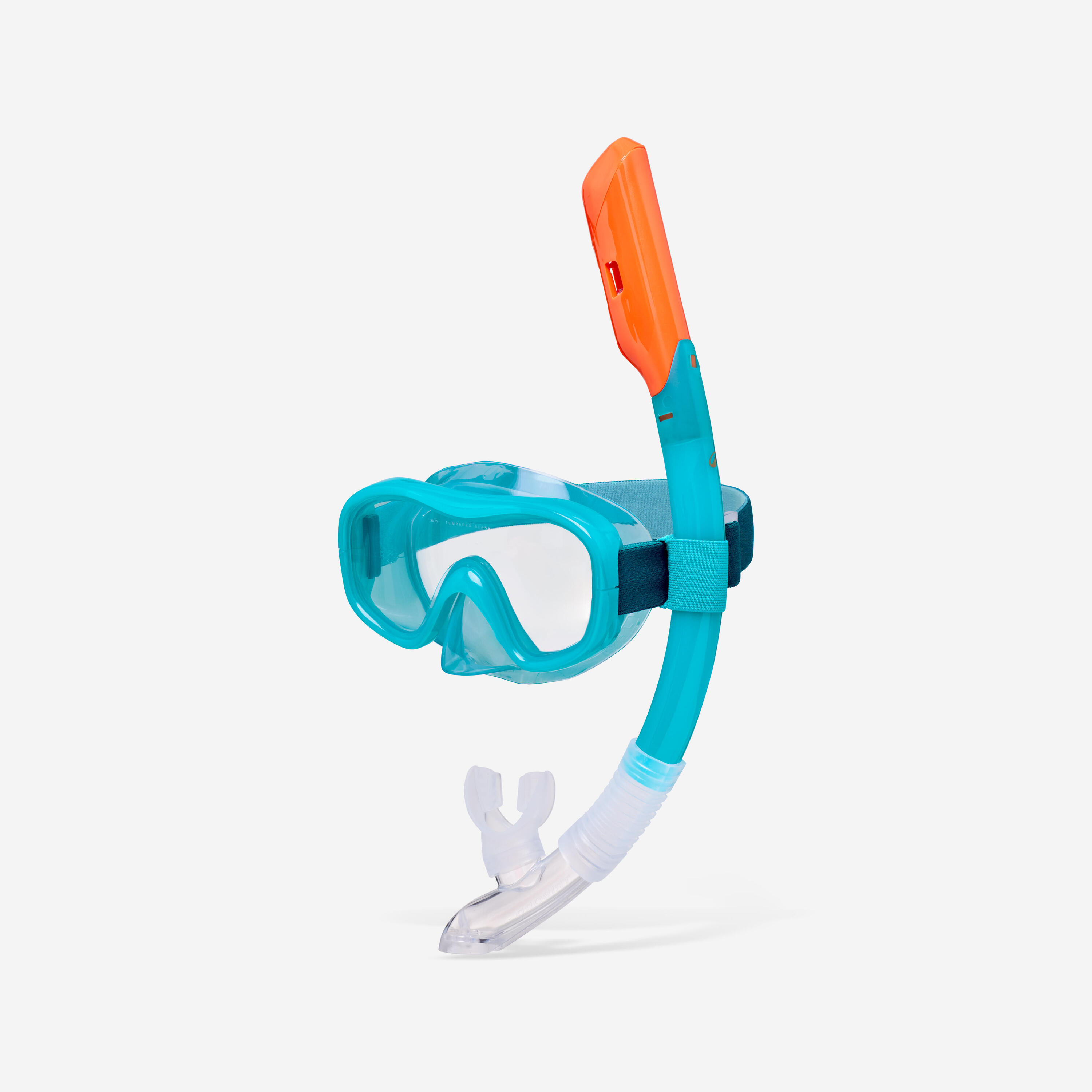
Sub-surface temperatures along windward coastlines drop rapidly below thermoclines, causing standard plastics to stiffen and lose flexibility. Premium adult and kids' snorkelling masks utilise liquid silicone injection moulding because the compound remains completely pliable in near-freezing environments, ensuring the seal contours perfectly around moving facial muscles. Adding high-grade modular components found in freediving accessories allows you to swap to thicker hood linings without causing the skirt edges to lift and leak, preserving the thermal barrier during longer winter sessions.