102 items
4.5/5 based on 1992 reviews collected online and in stores

Carp Fishing Equipment FAQs

Which equipment is important most for an overnight carp fishing rig?

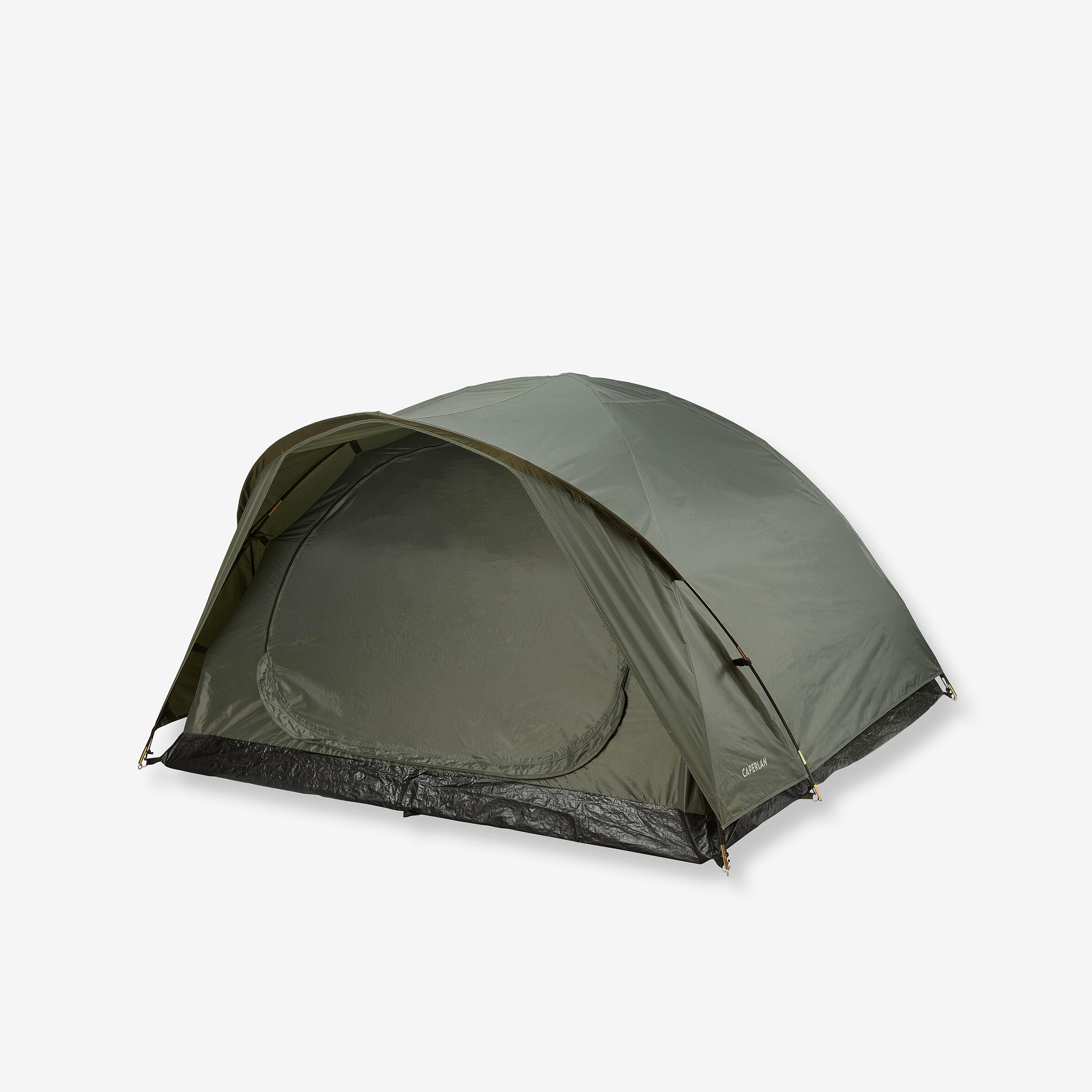
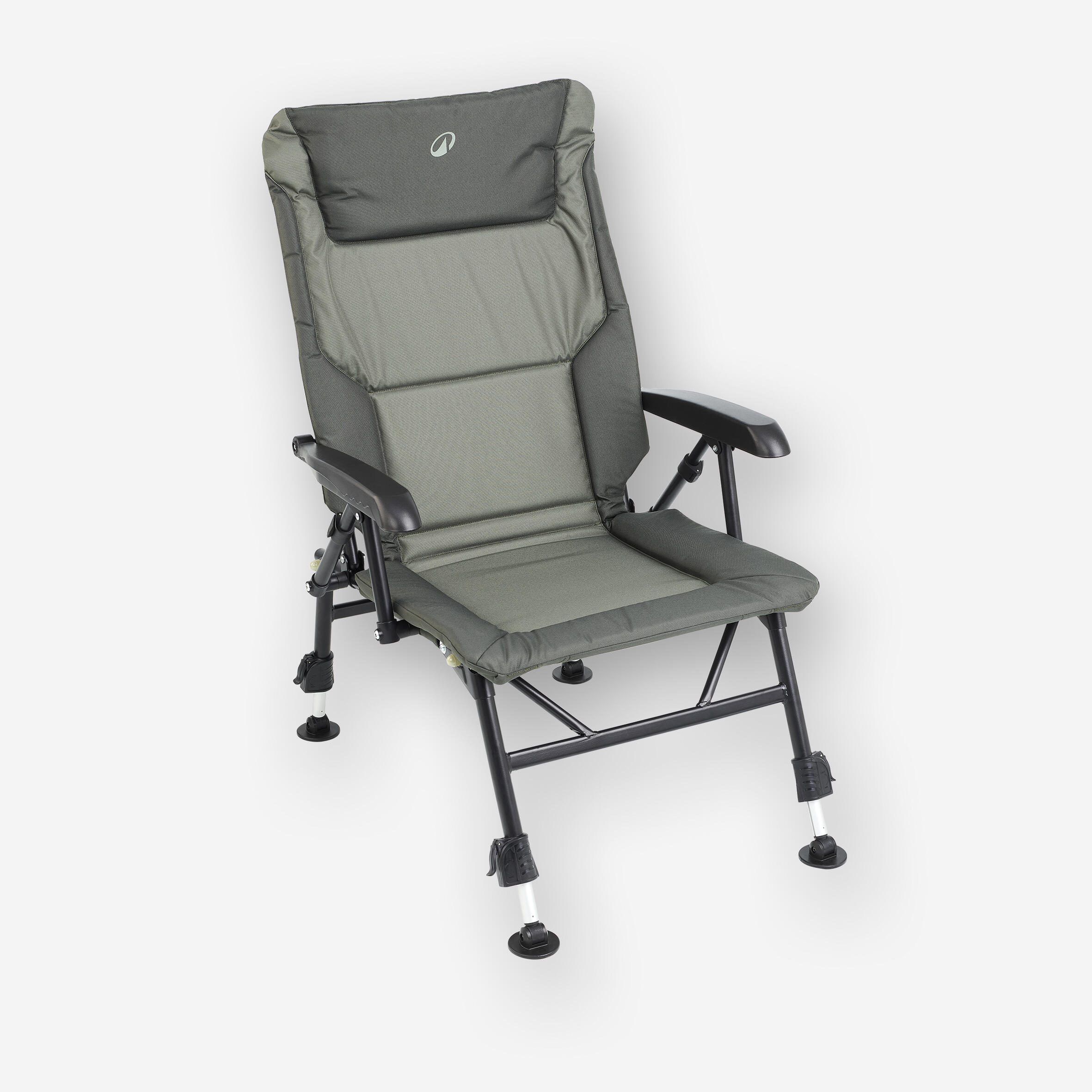
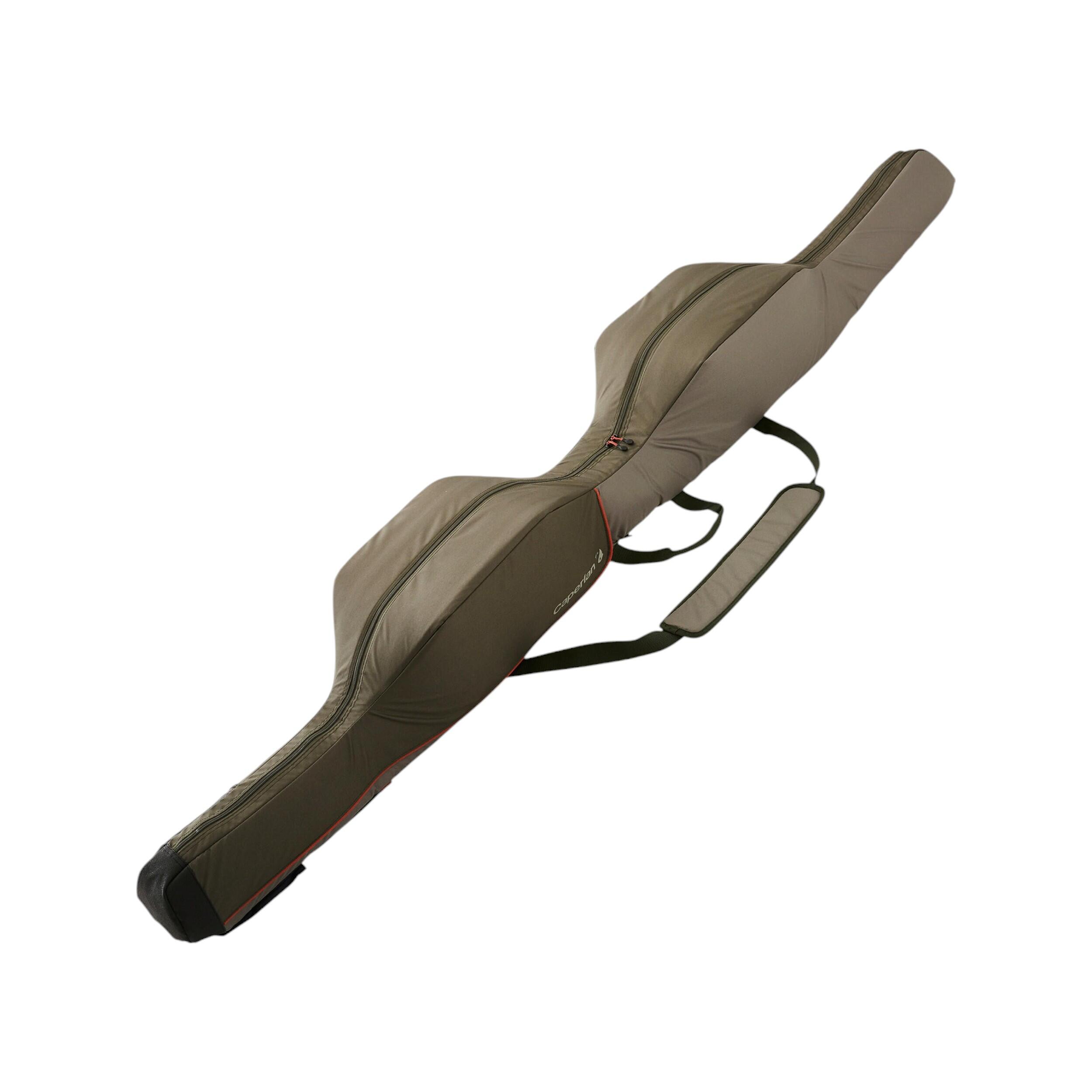
An overnight session brings together shelter, sleeping comfort, fish-care equipment and organised storage, so each piece needs a clear job. The carp fishing bivouac category covers the part of the configuration that protects you and your gear once a session extends into the evening or overnight. Caperlan's equipment is built around practical bank use, including compact transport, adjustable feet for uneven ground and repairable components on selected shelters and furniture. Think about how far you need to carry everything as well as how long you plan to stay. A lighter chair or compact shelter can reduce transport bulk, while longer sessions may justify more padding, adjustment and covered storage space.

How can a compact bivvy still provide practical space at the bank?

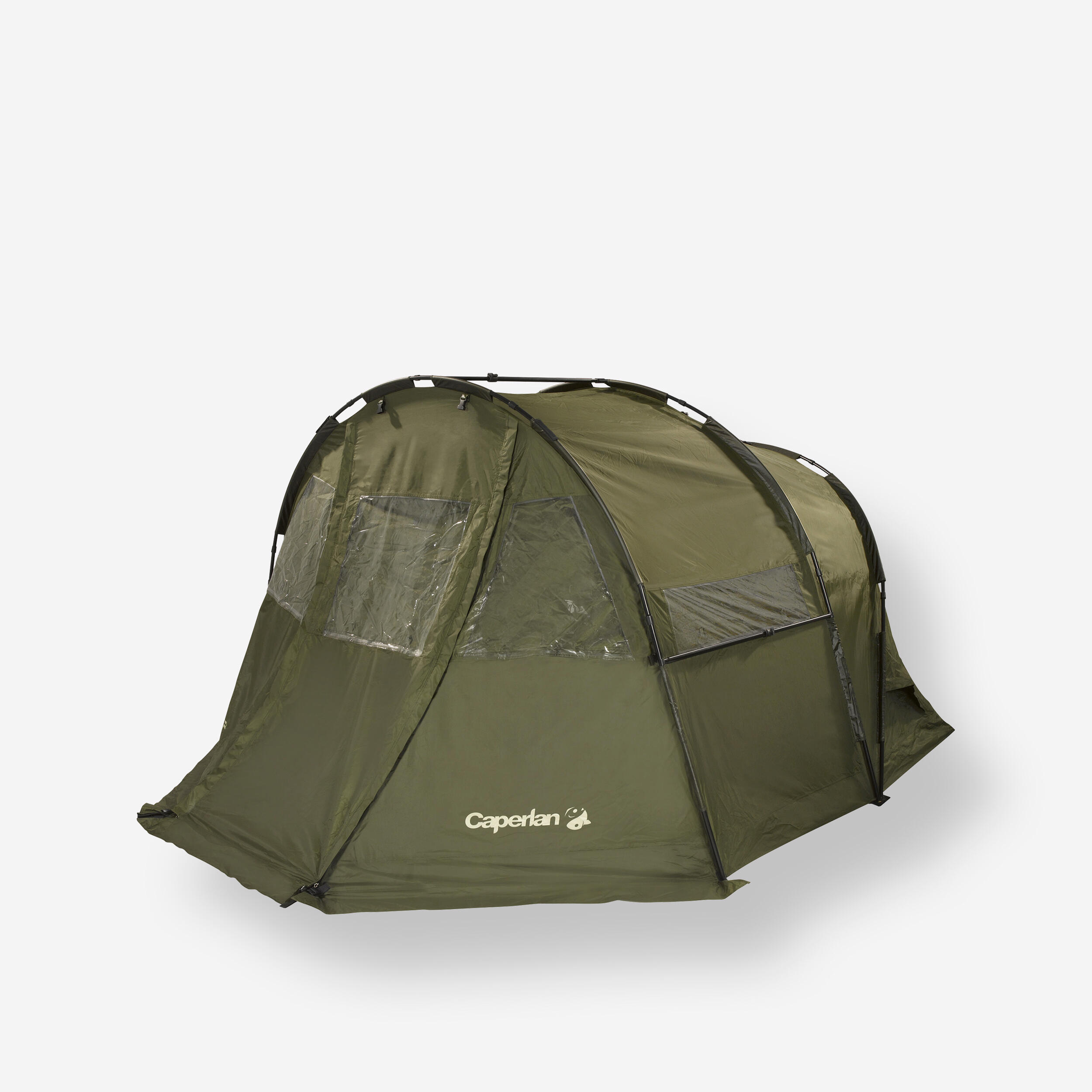
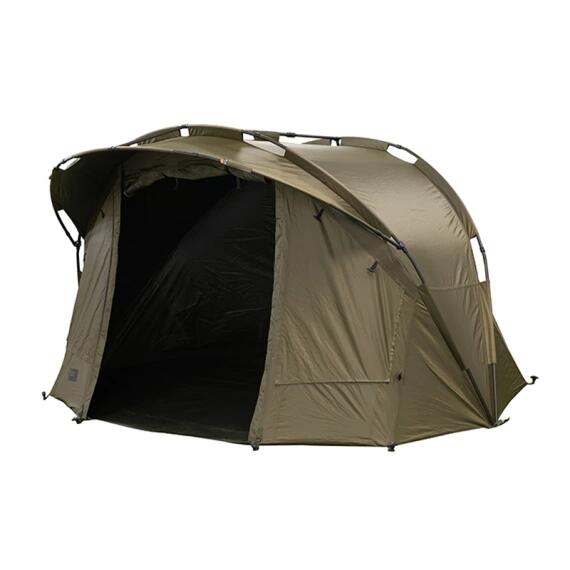
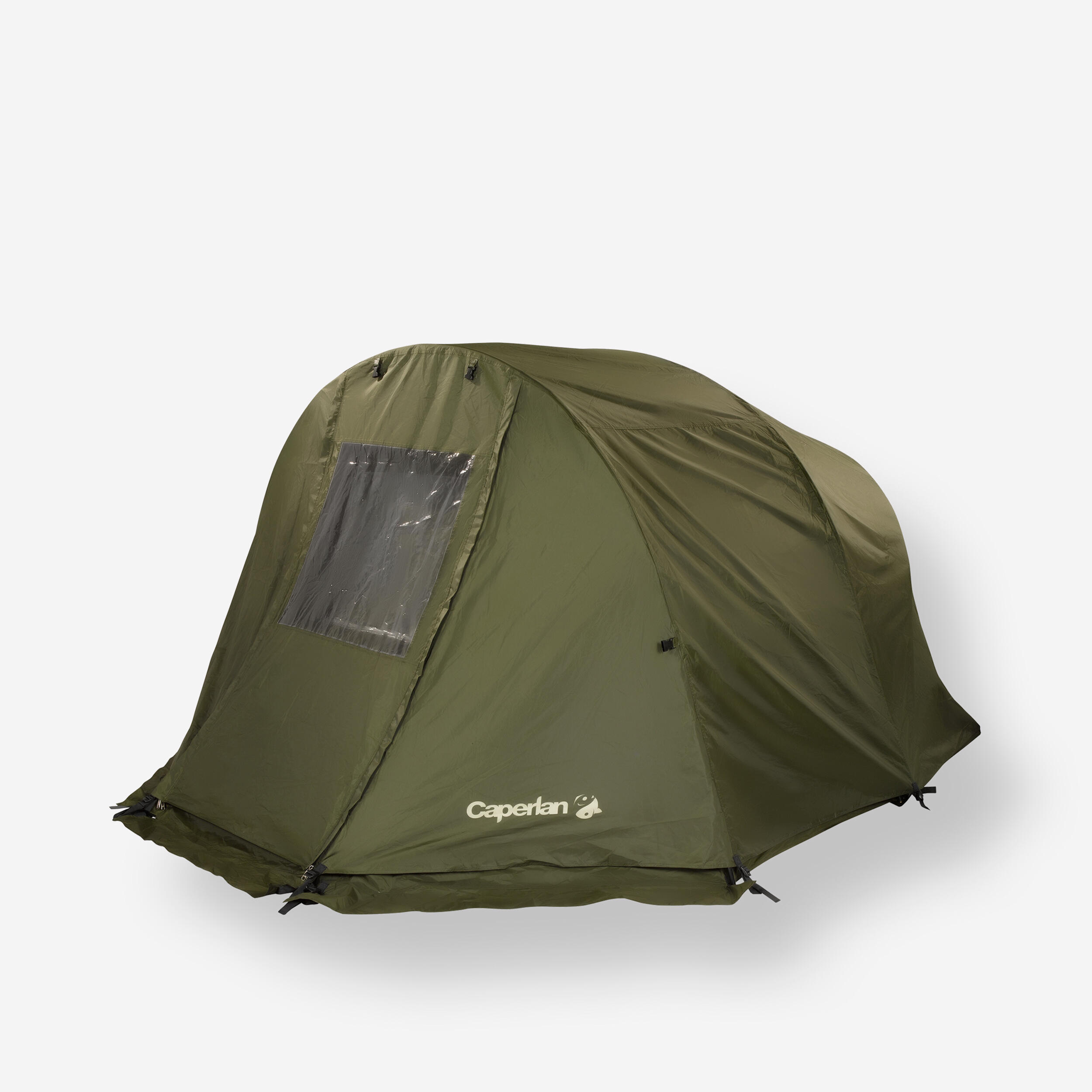
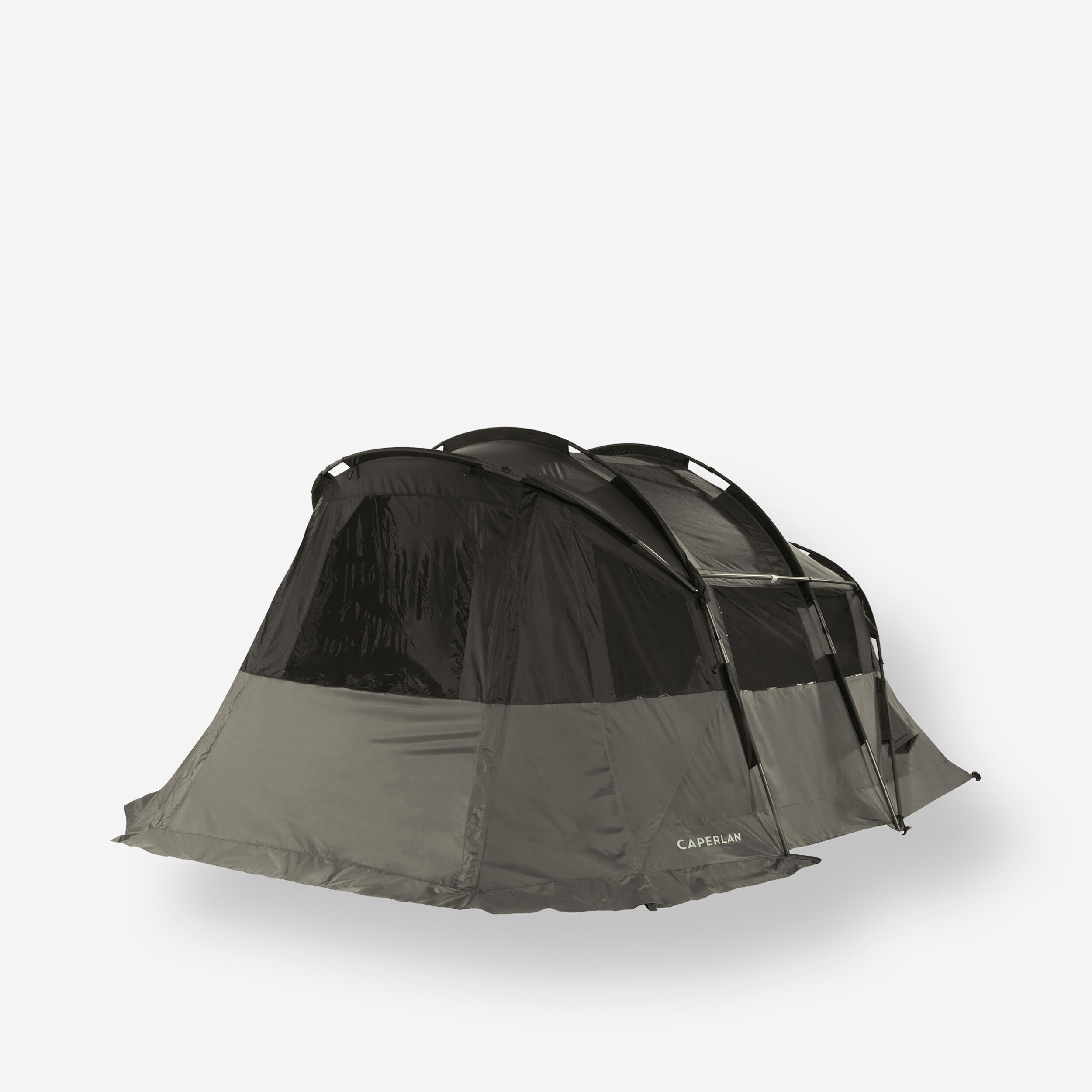
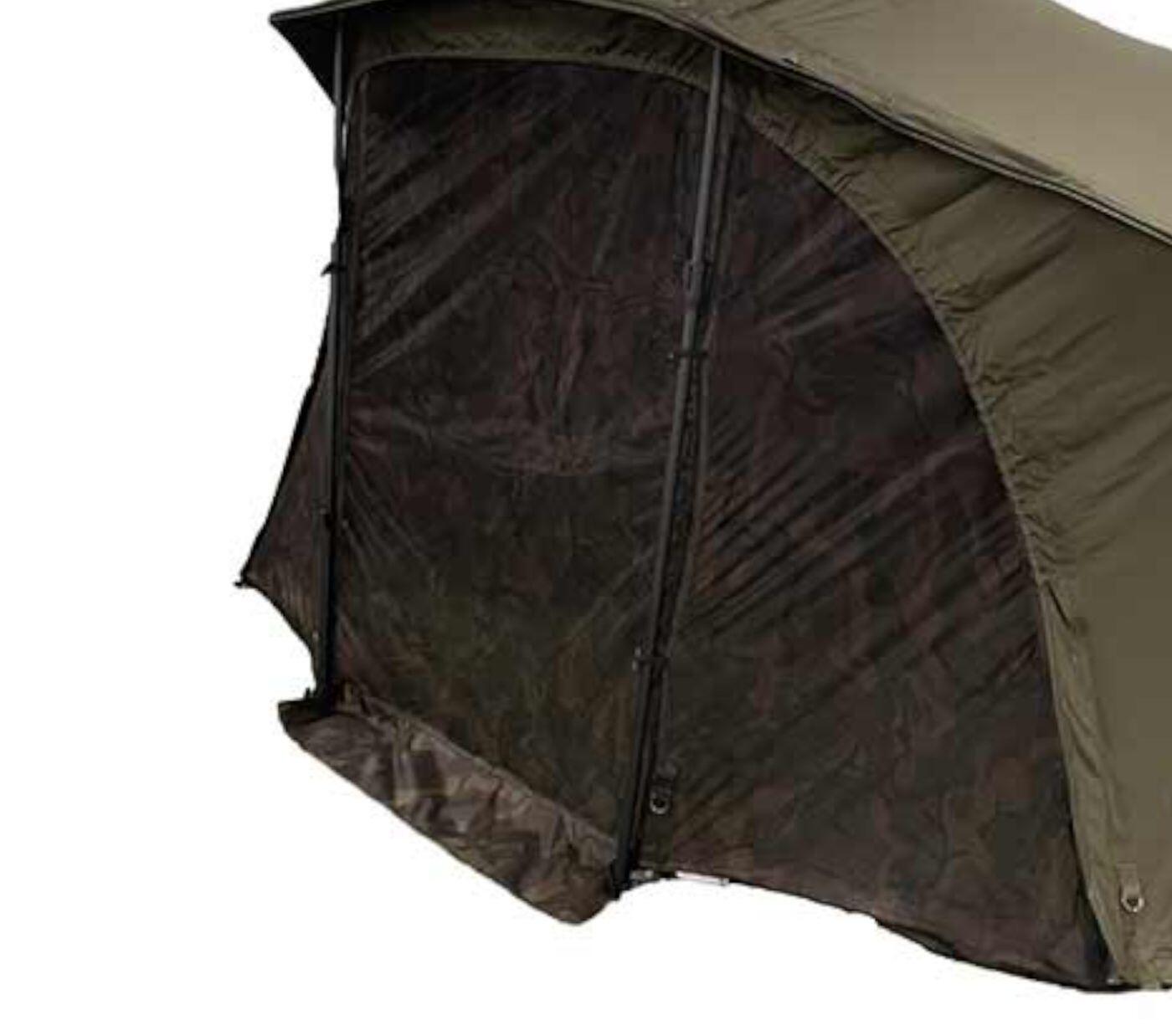
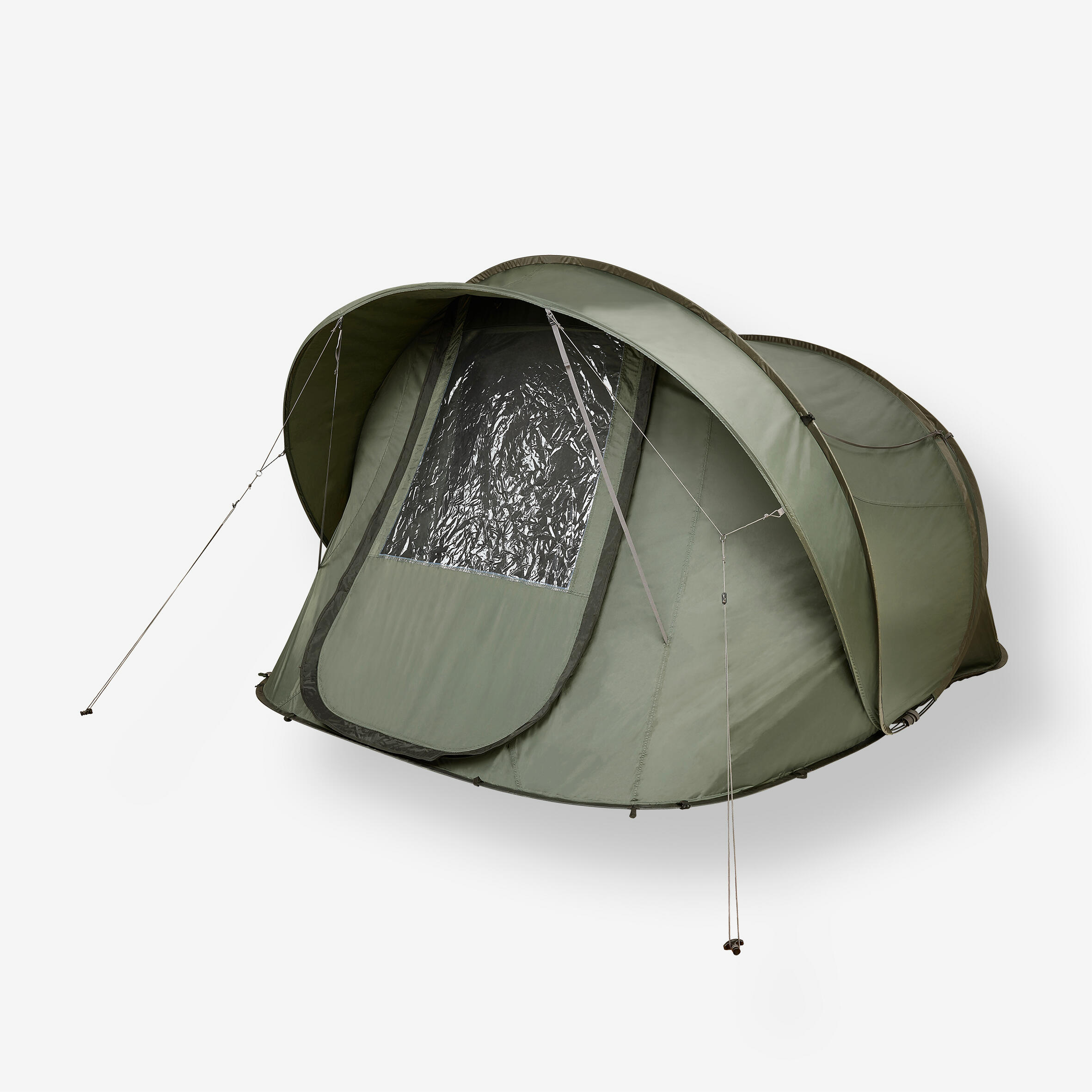
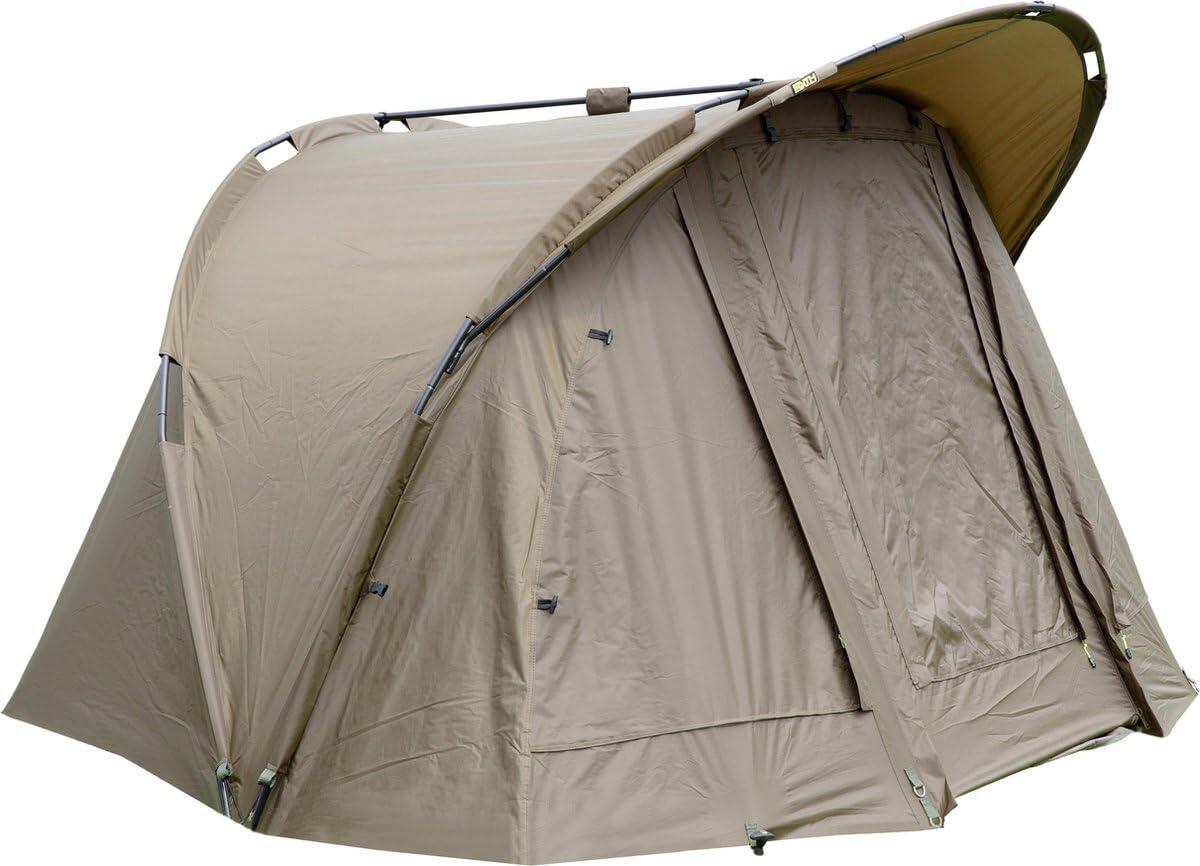
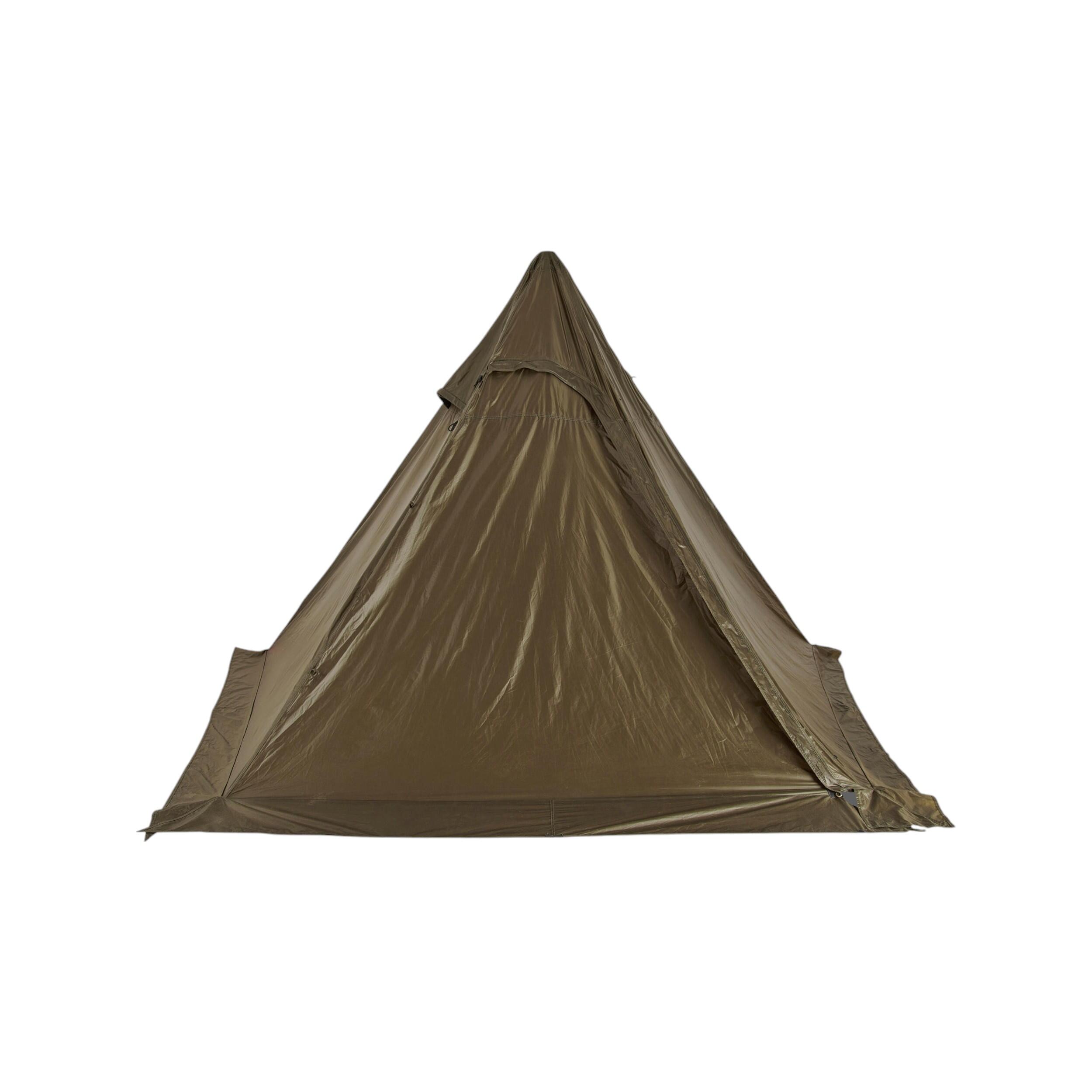
A shelter can pack down small without leaving you short of usable room once it is pitched. Caperlan's carp fishing bivvy Tanker 100 folds to roughly 60 x 20 x 20 cm, weighs around 5.4 kg and uses three structural poles, yet it can accommodate two standard bedchairs. Repeated setup testing produced an average pitching time below five minutes, while laboratory rain testing exposed the shelter to 200 litres per square metre per hour. An internal sleeping area helps reduce condensation, and the front awning adds covered space for equipment. Replacement poles and attachment parts are also available, giving the shelter a more repairable construction for repeated use.
What qualifies a bedchair more suitable for longer carp sessions?

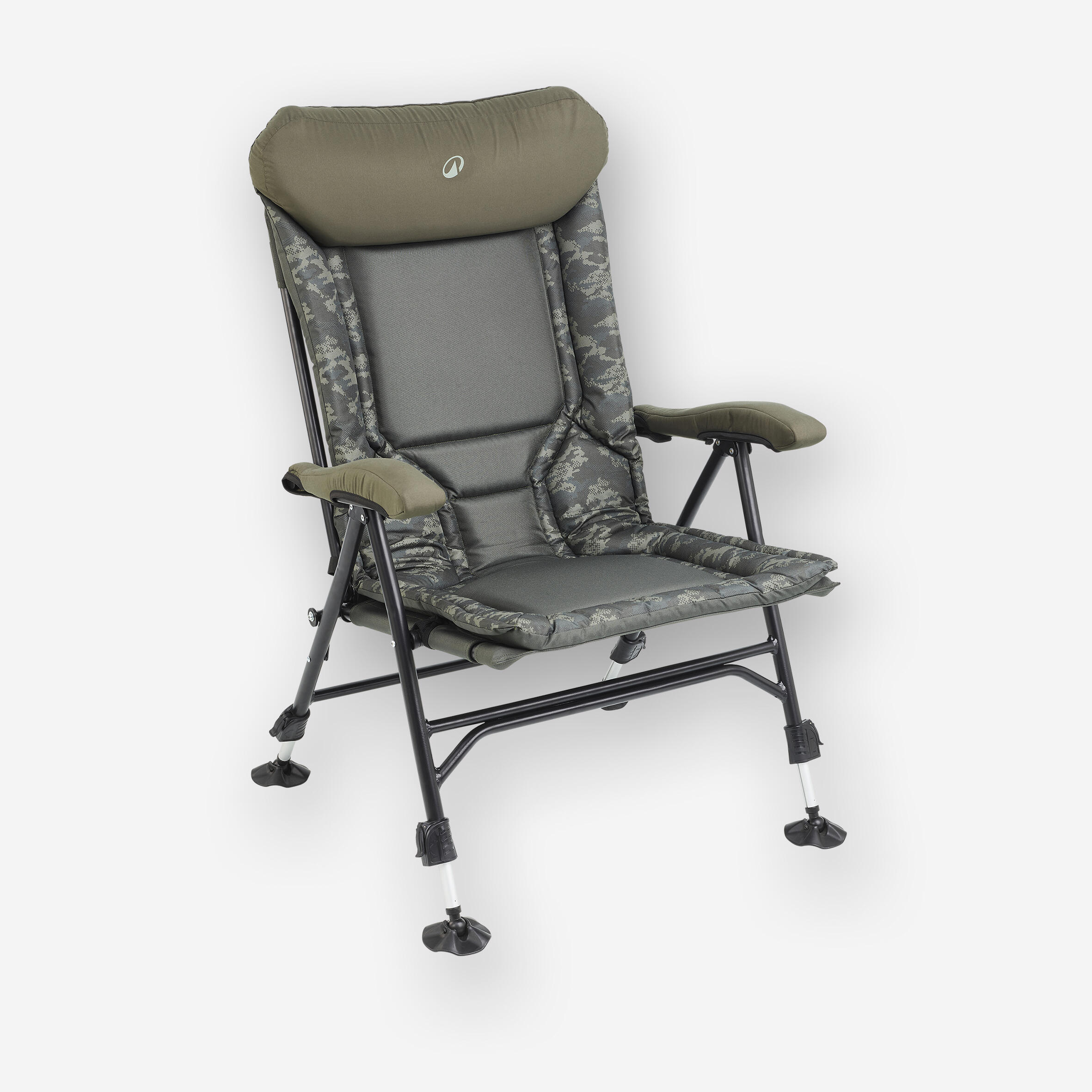
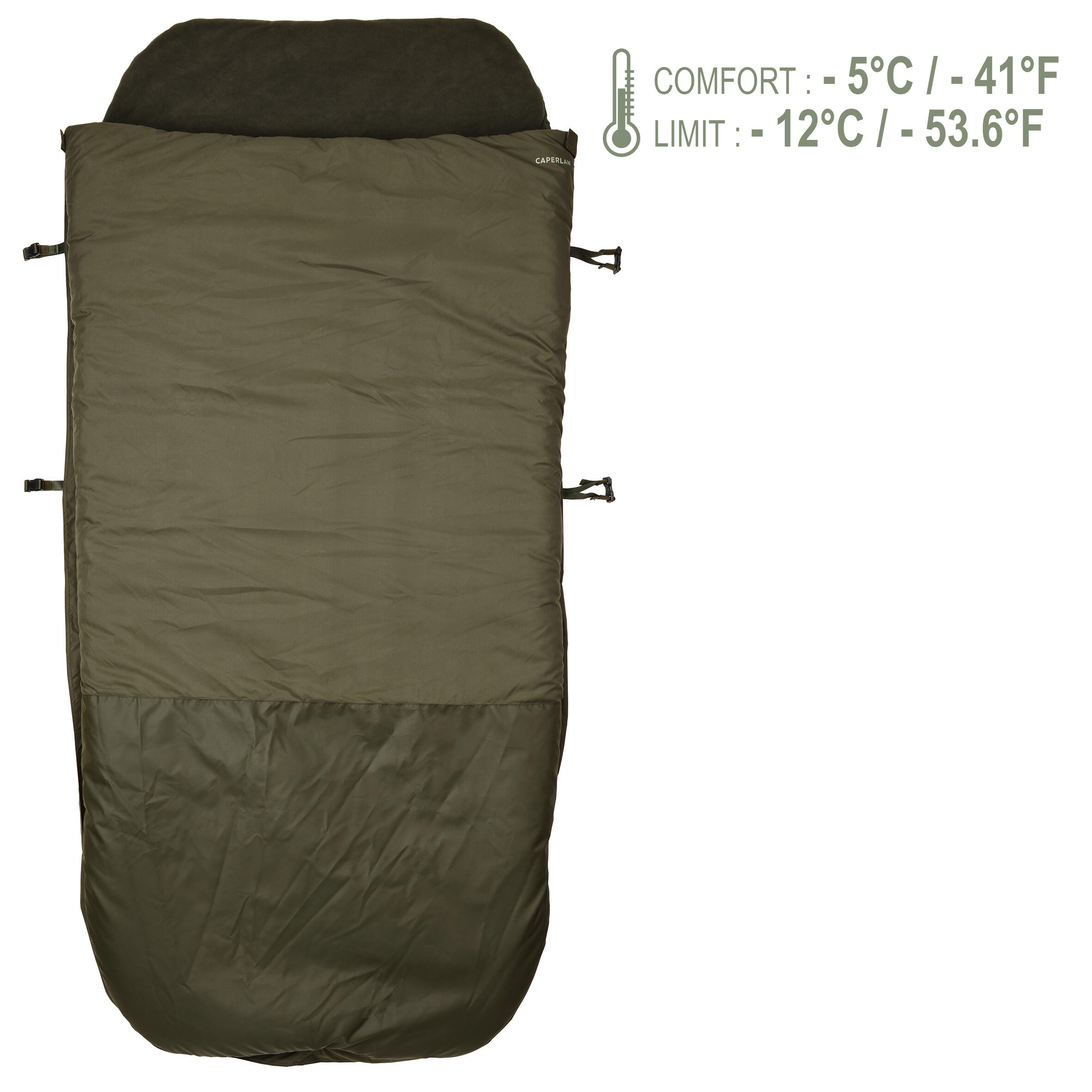
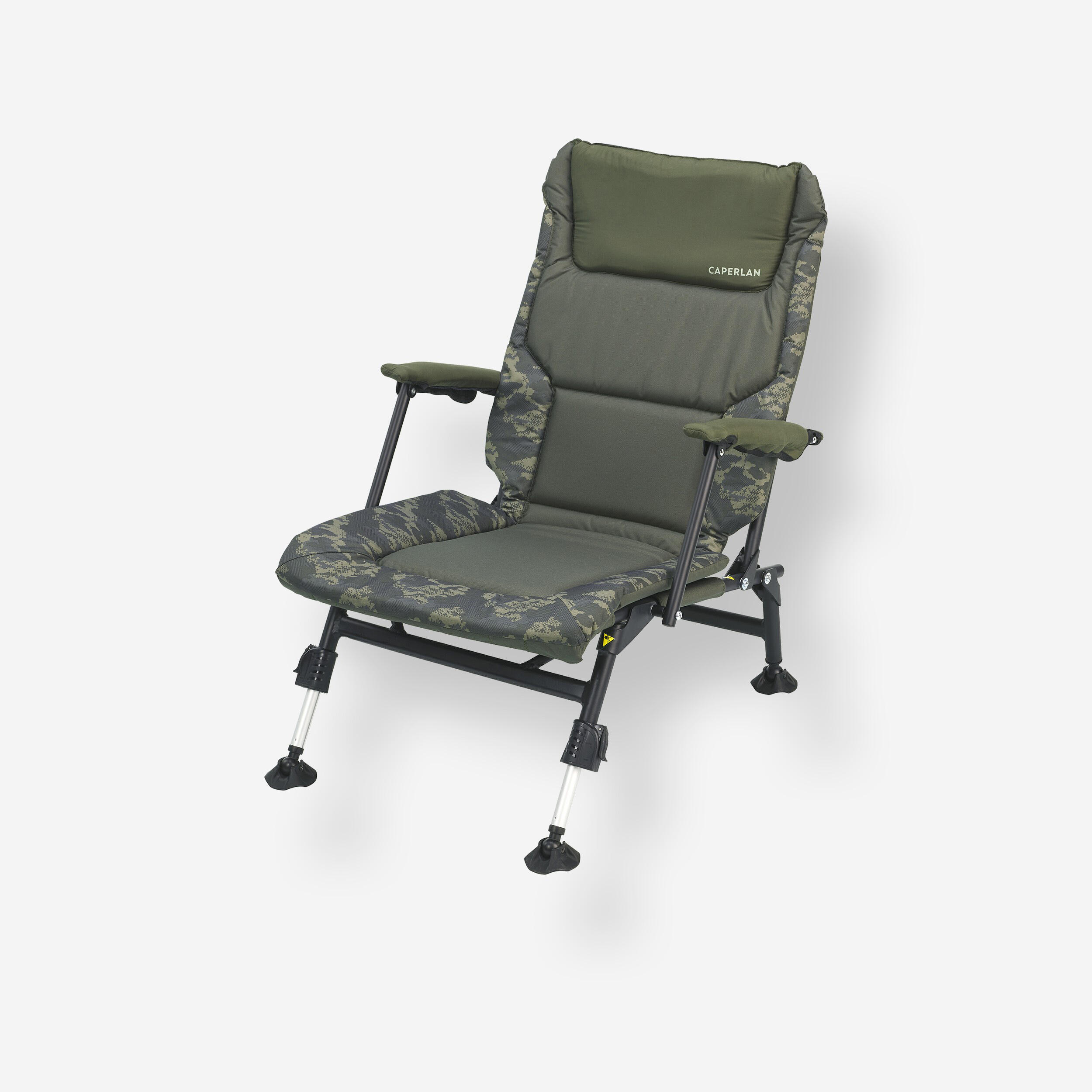
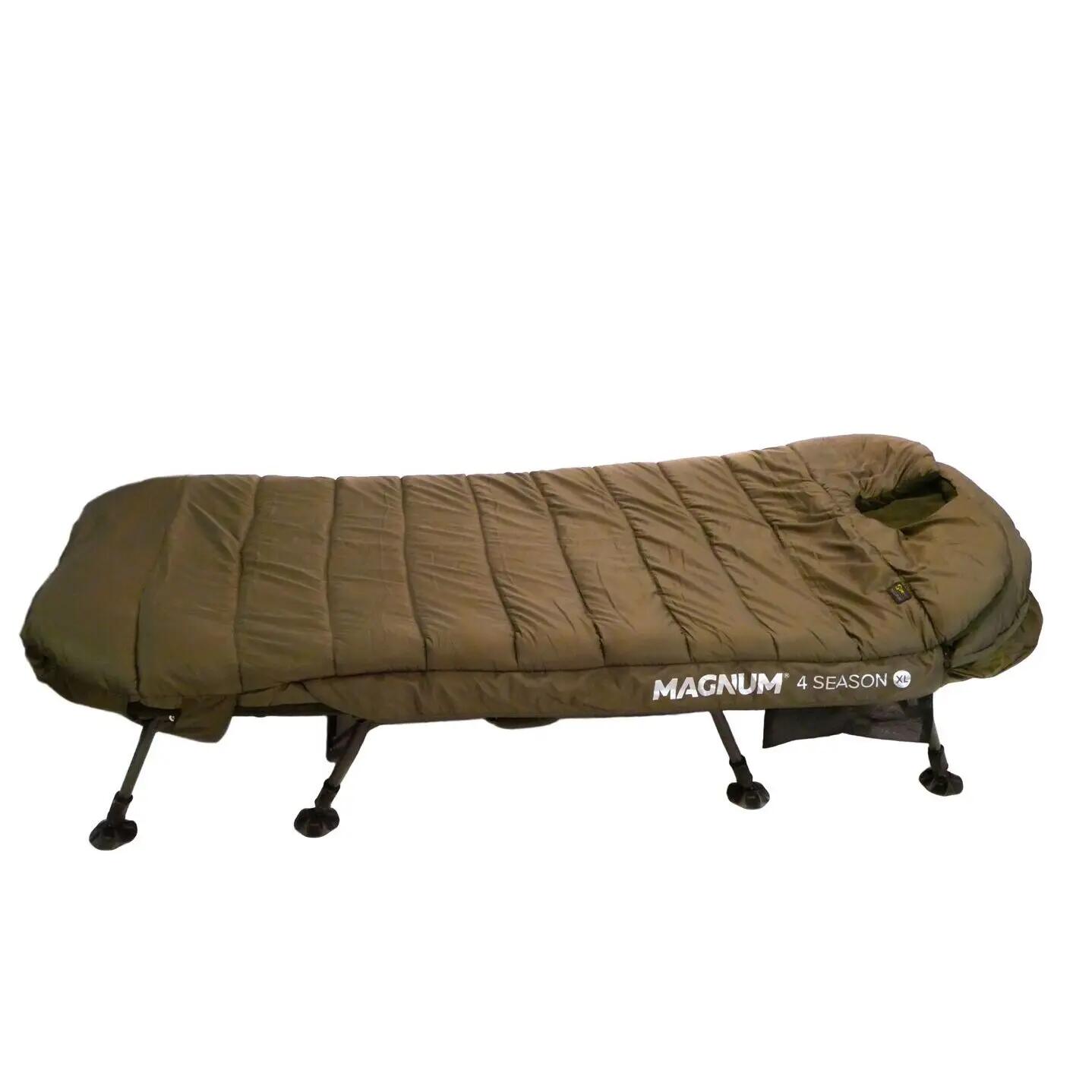
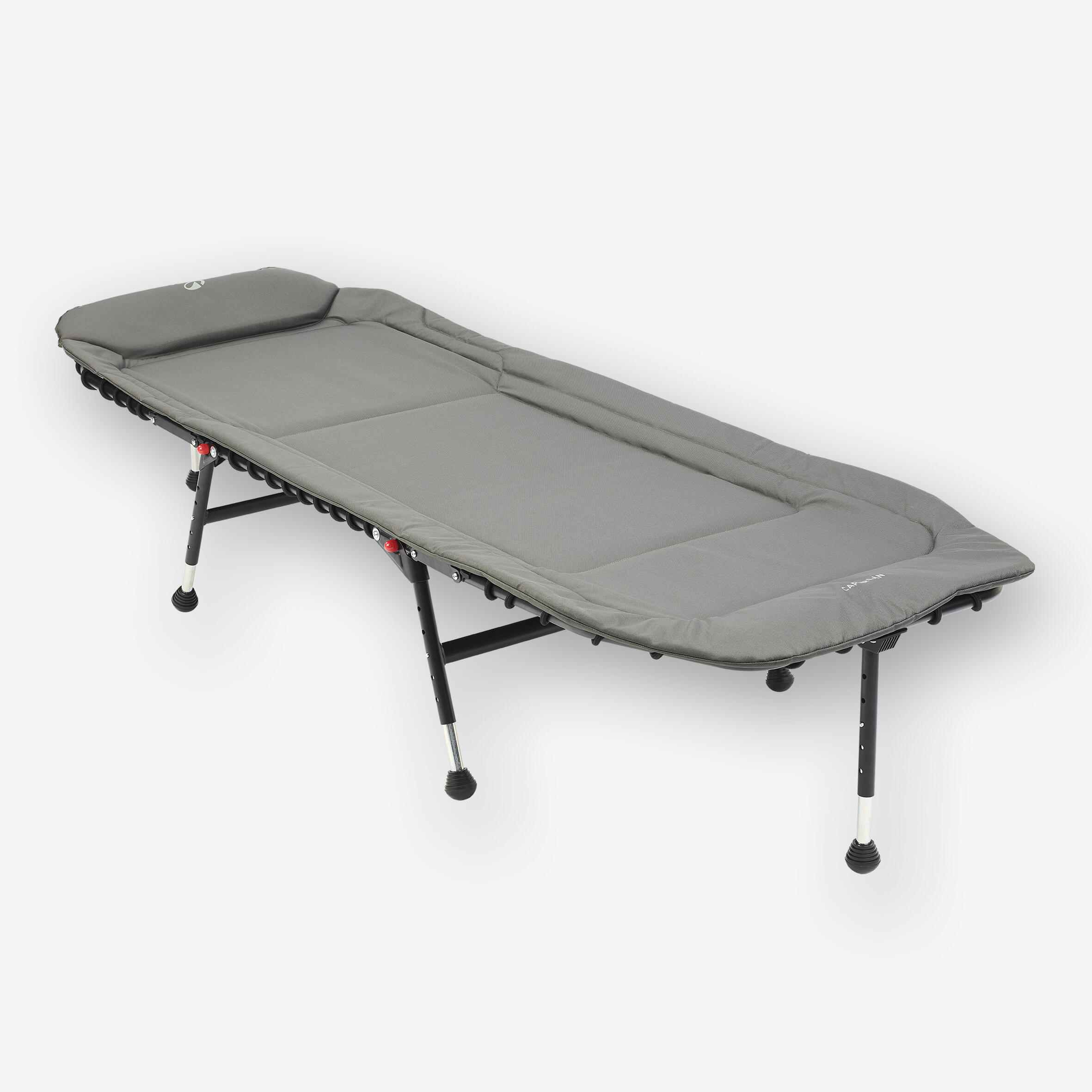
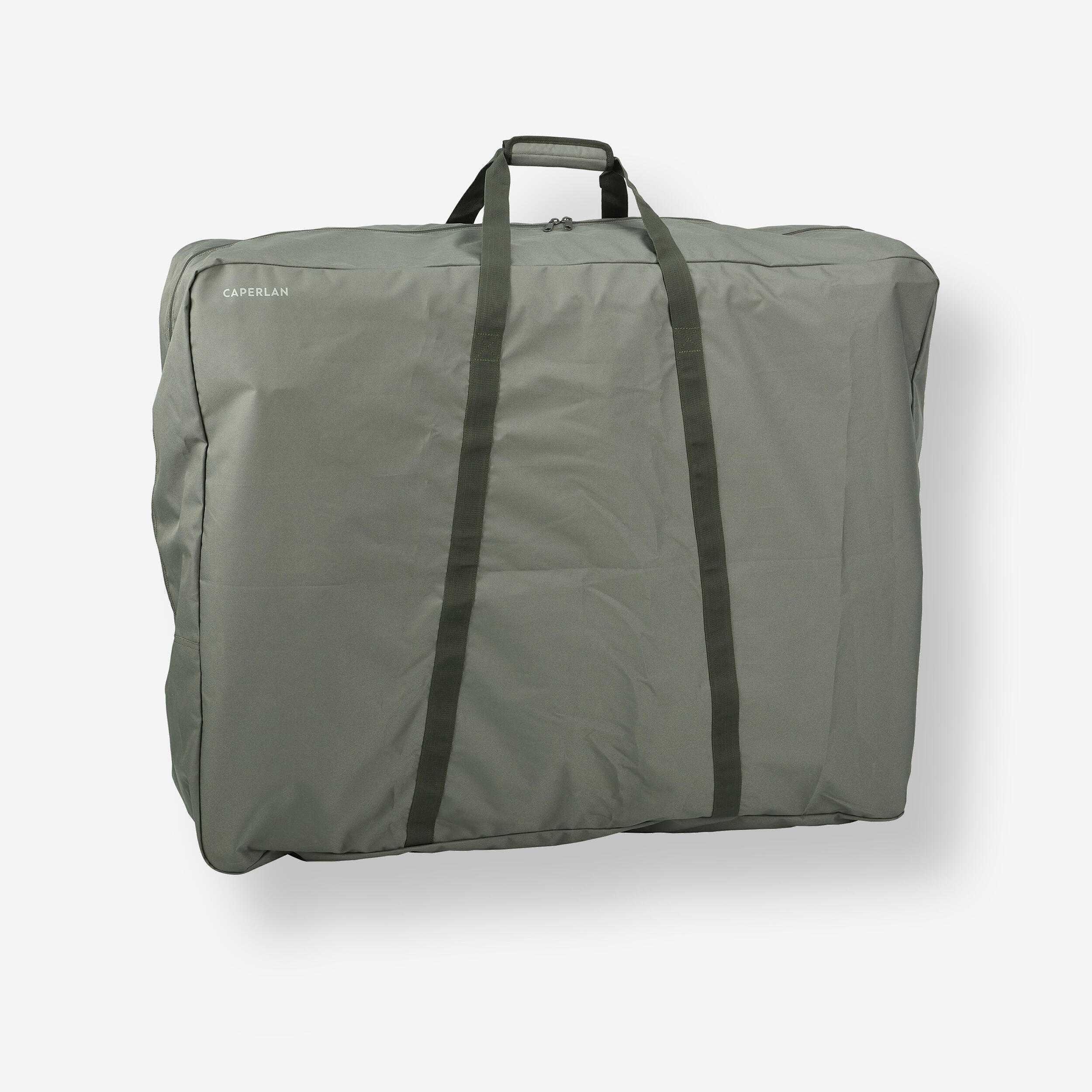
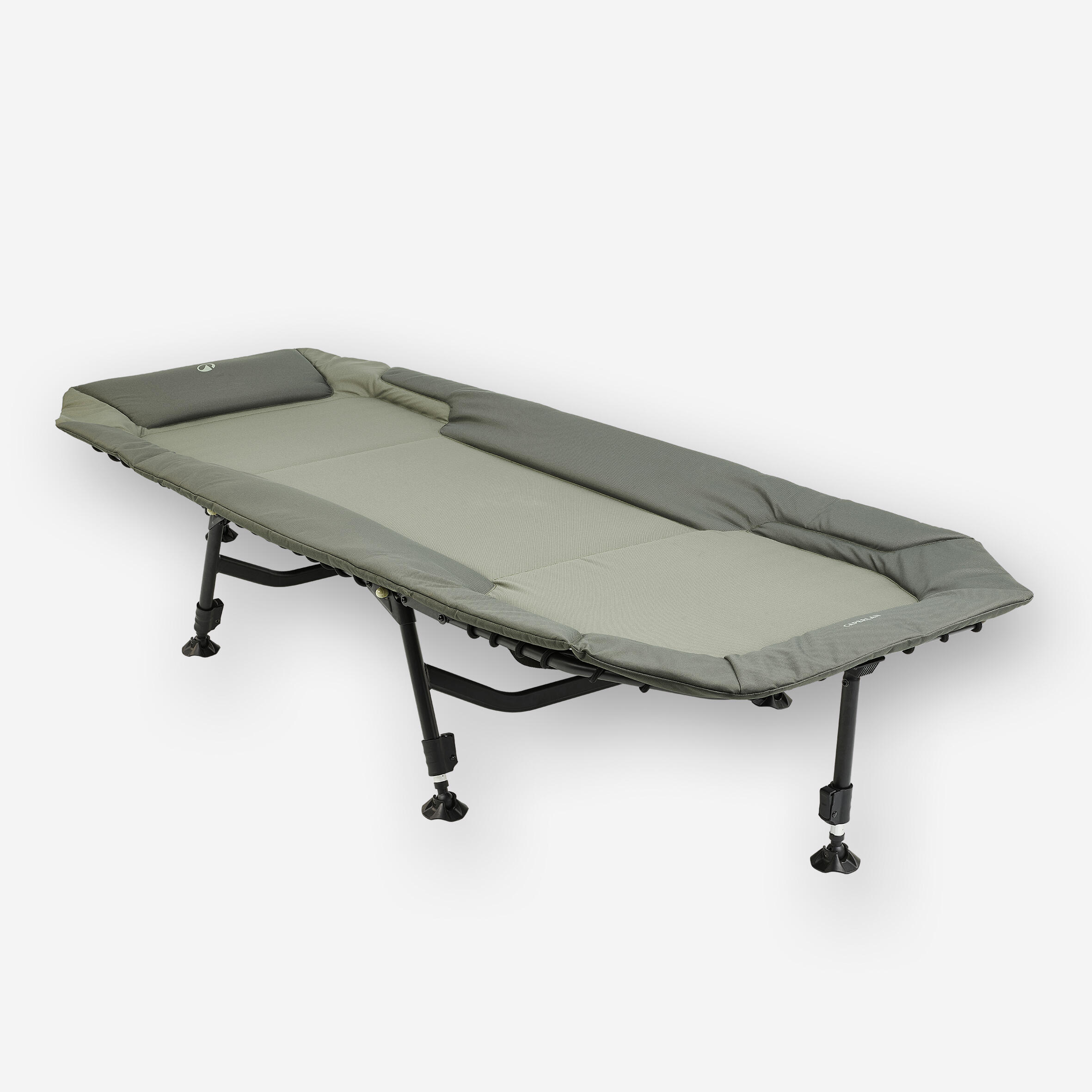
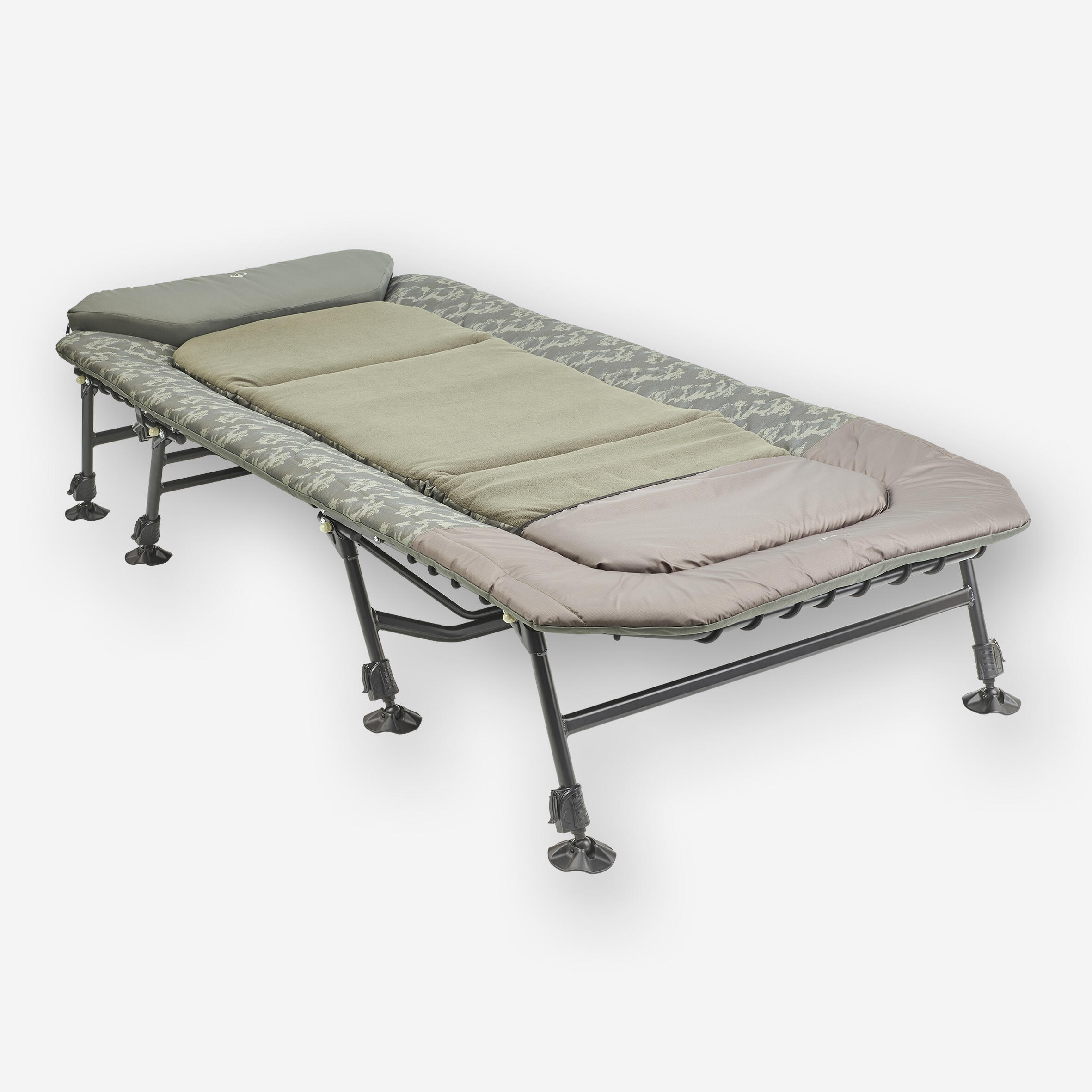
Sleeping comfort becomes more important as a session extends beyond a few hours, especially on uneven ground where a conventional camp bed may not sit level. A higher-spec carp fishing bedchair uses adjustable legs and broad feet to create a more stable sleeping platform around the swim. Across Caperlan's bedchair family, models vary according to session length rather than dimensions alone. More advanced versions add thicker padding, extra leg adjustment and reversible seasonal surfaces, including fleece for colder conditions and a different fabric face for warmer weather. Dry the bedchair before storage and check hinges, leg locks and feet after muddy sessions so the adjustment system remains easy to use on the next trip.

Why is fish-care equipment an important part of the setup?

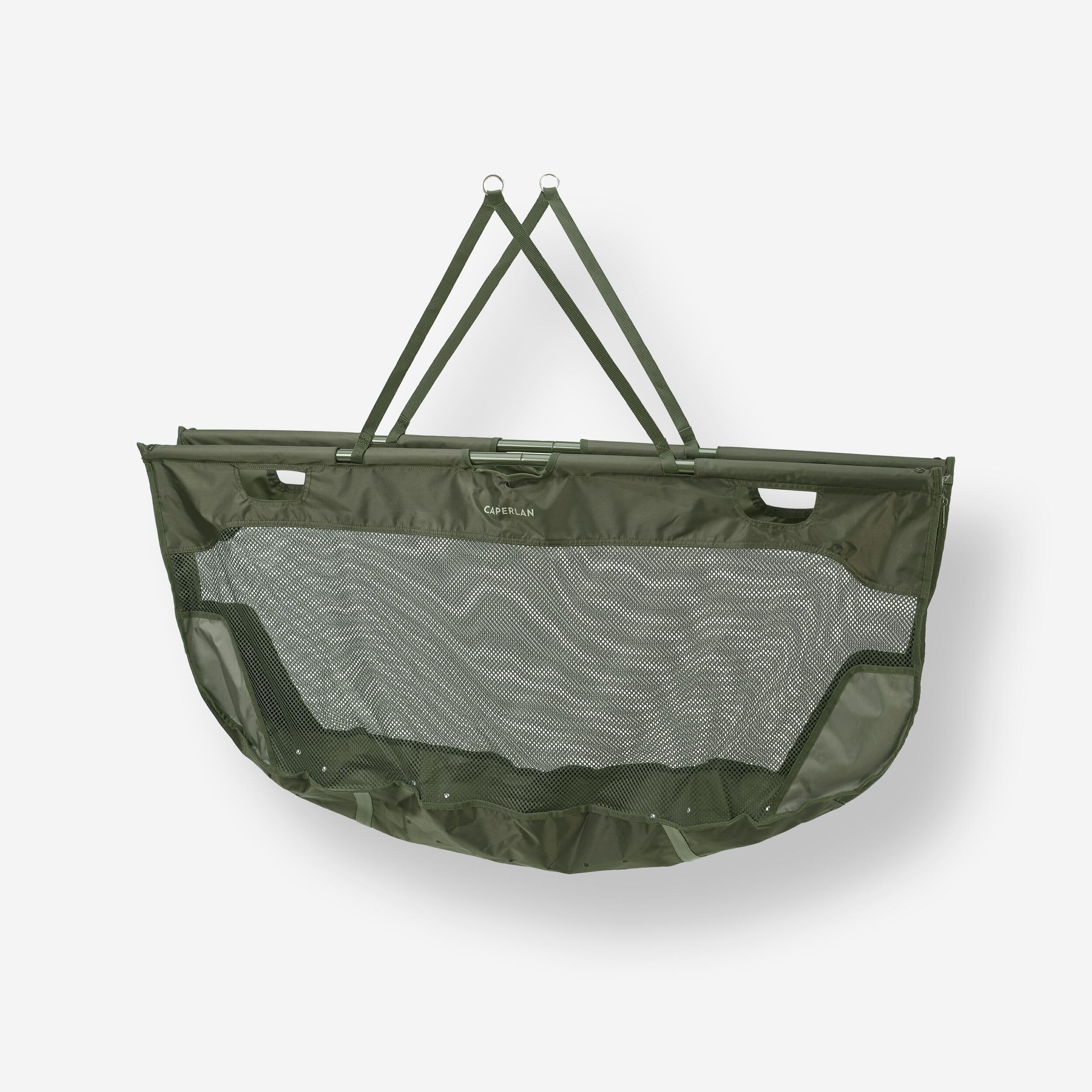
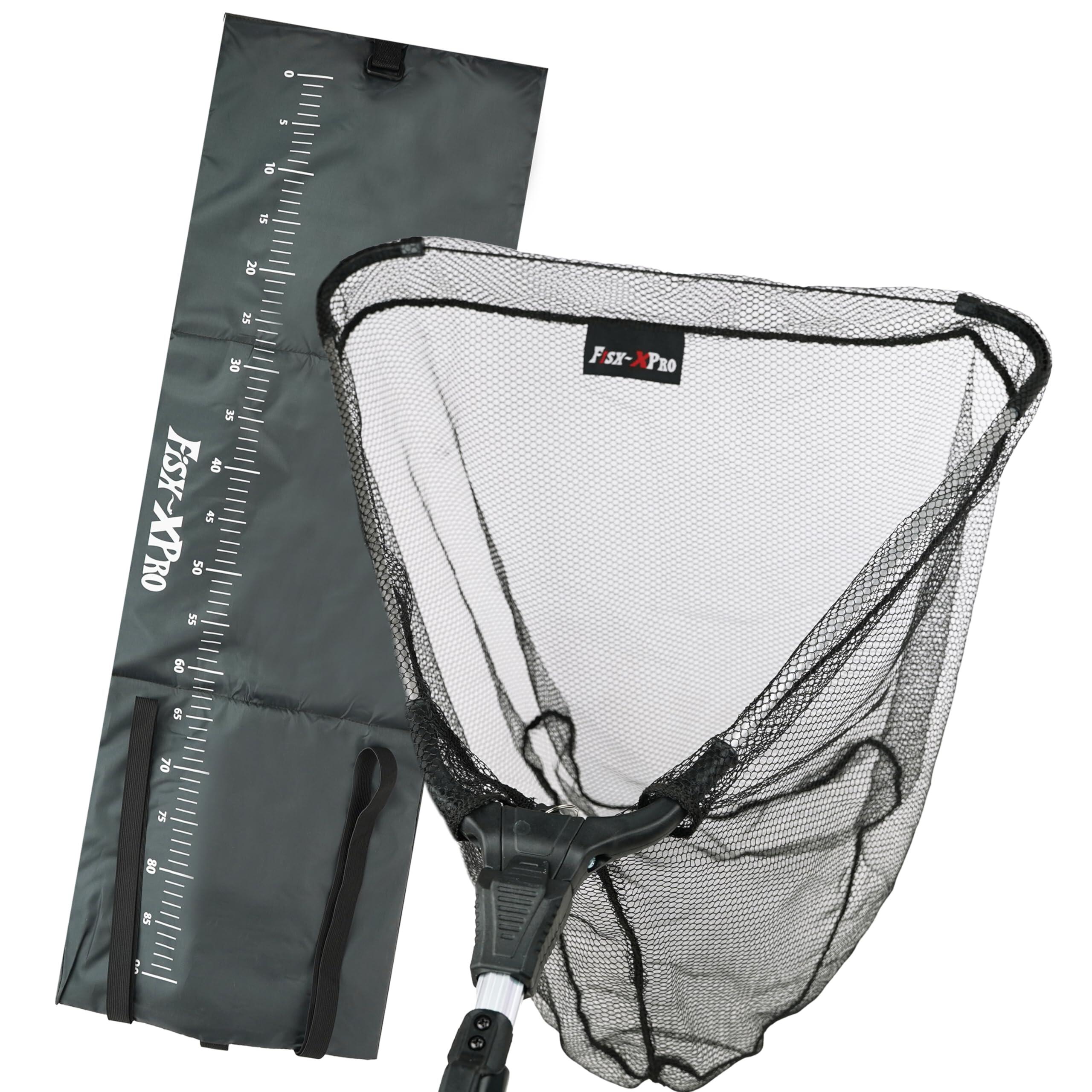
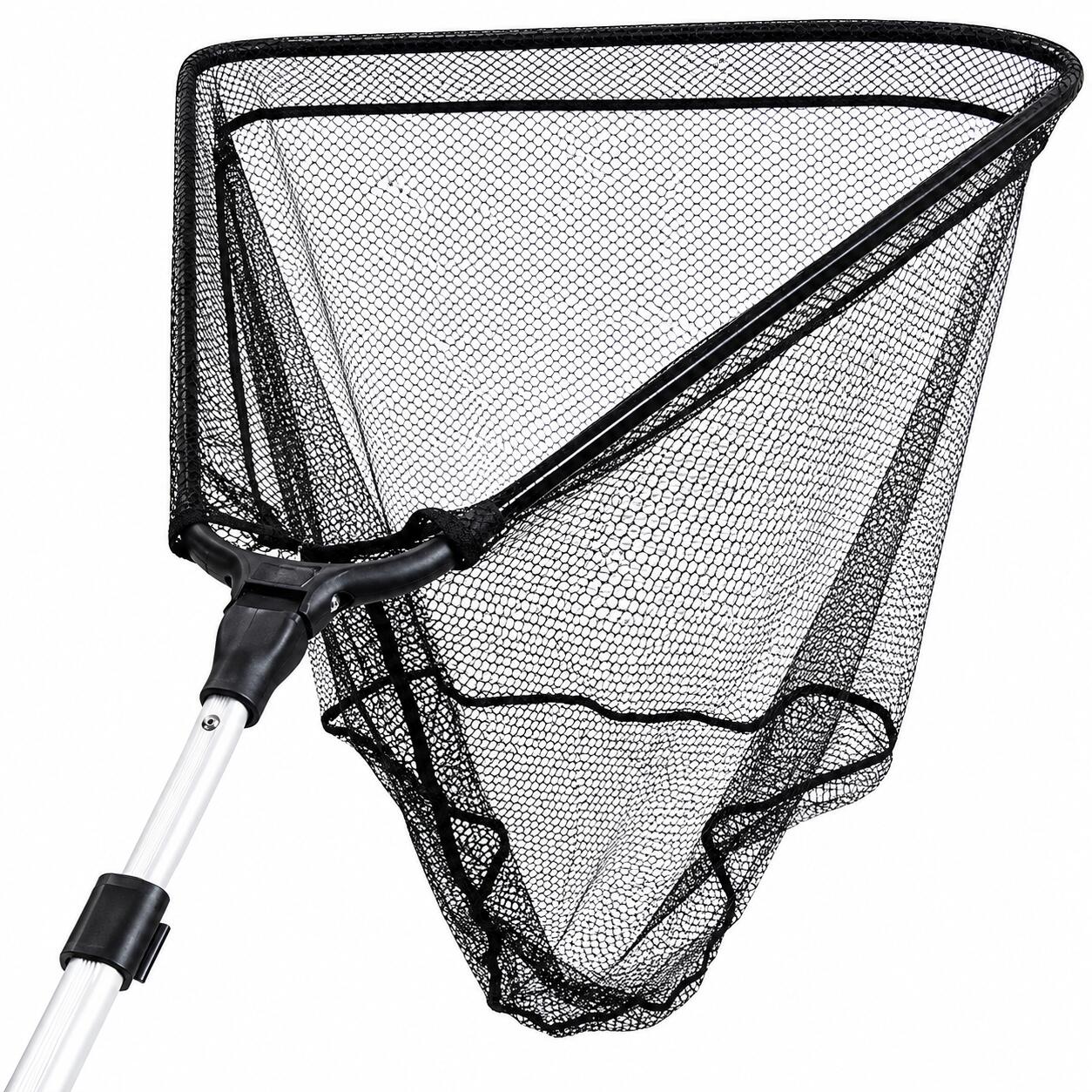
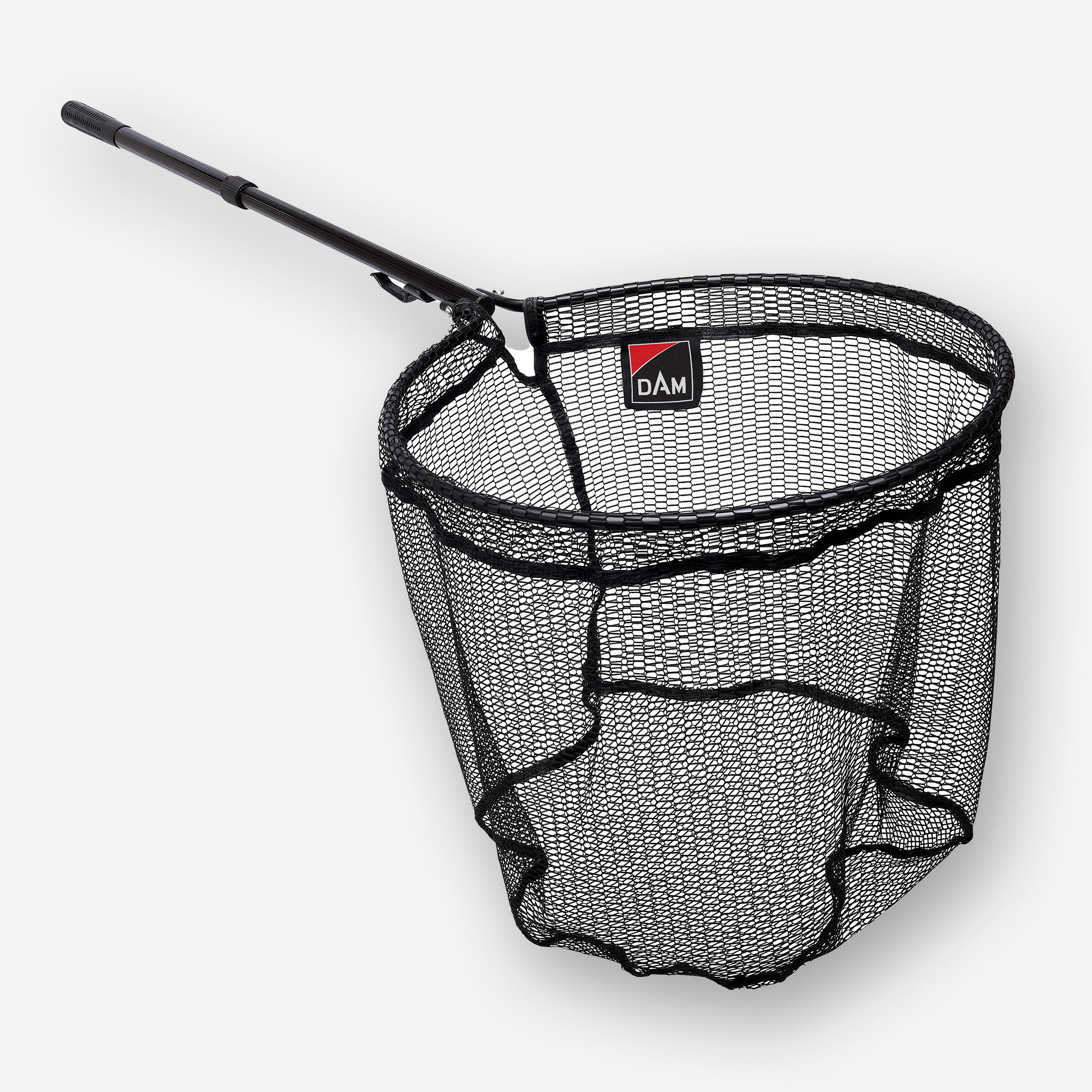
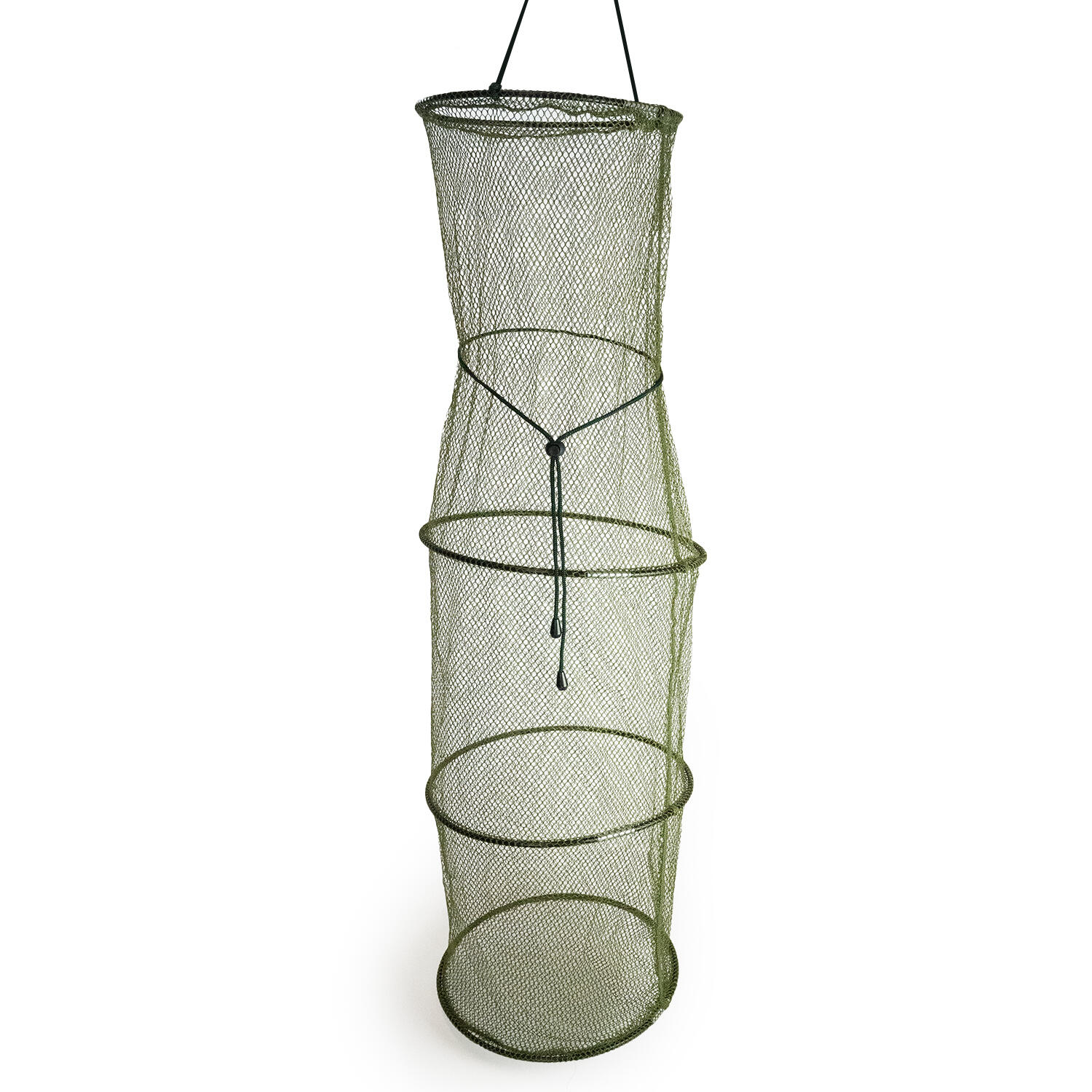
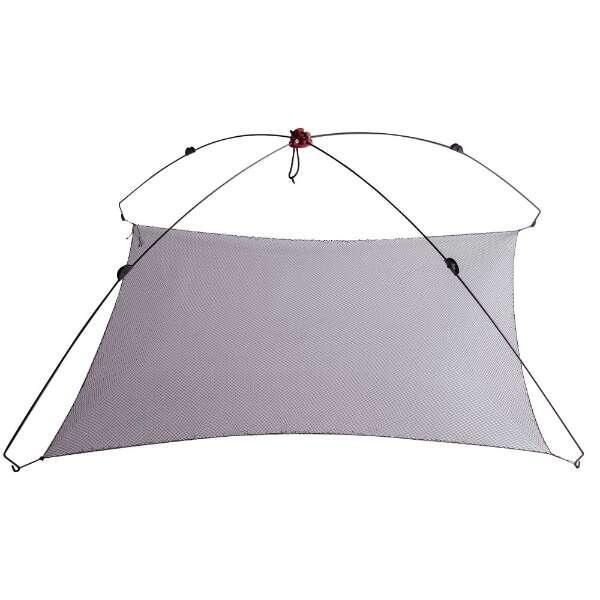
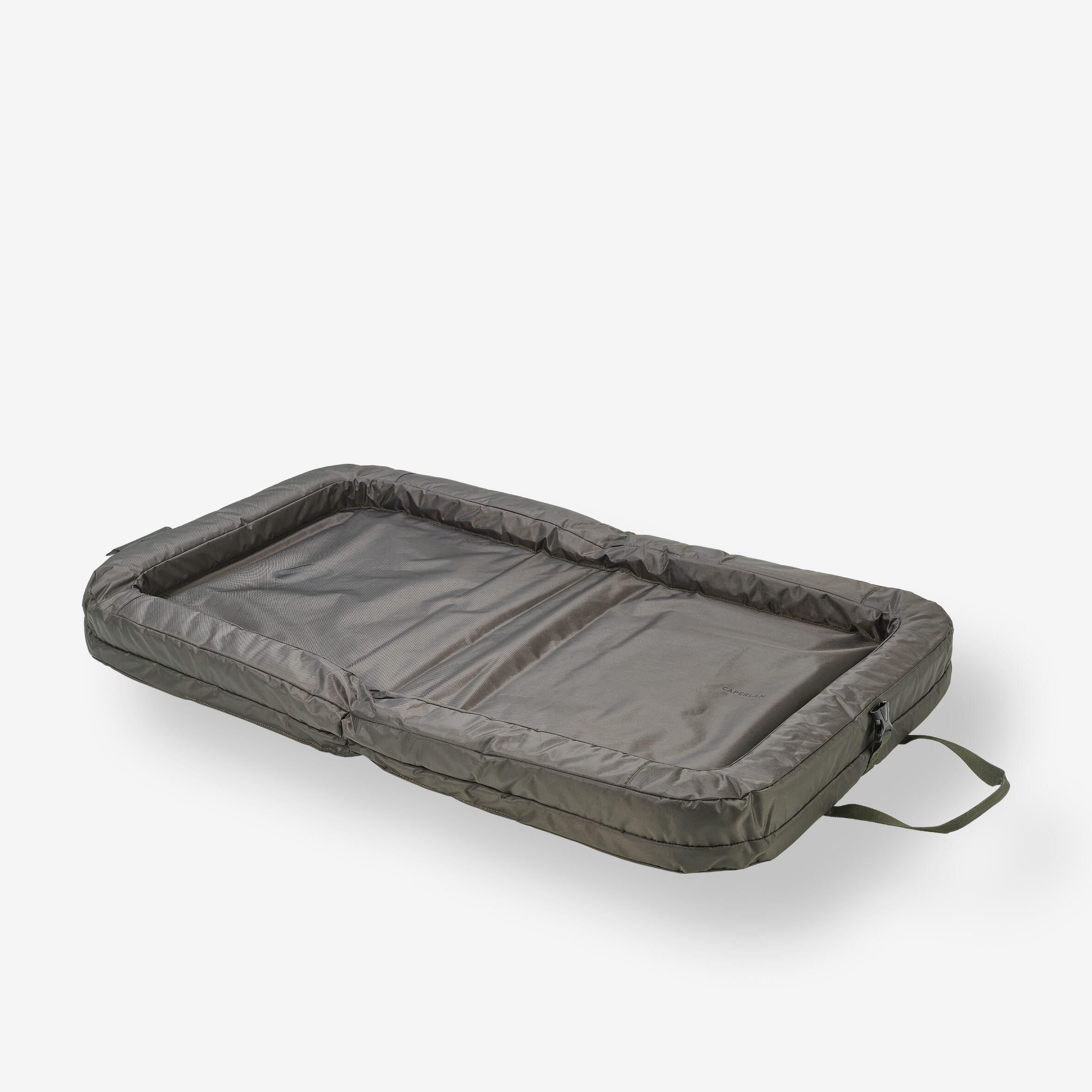
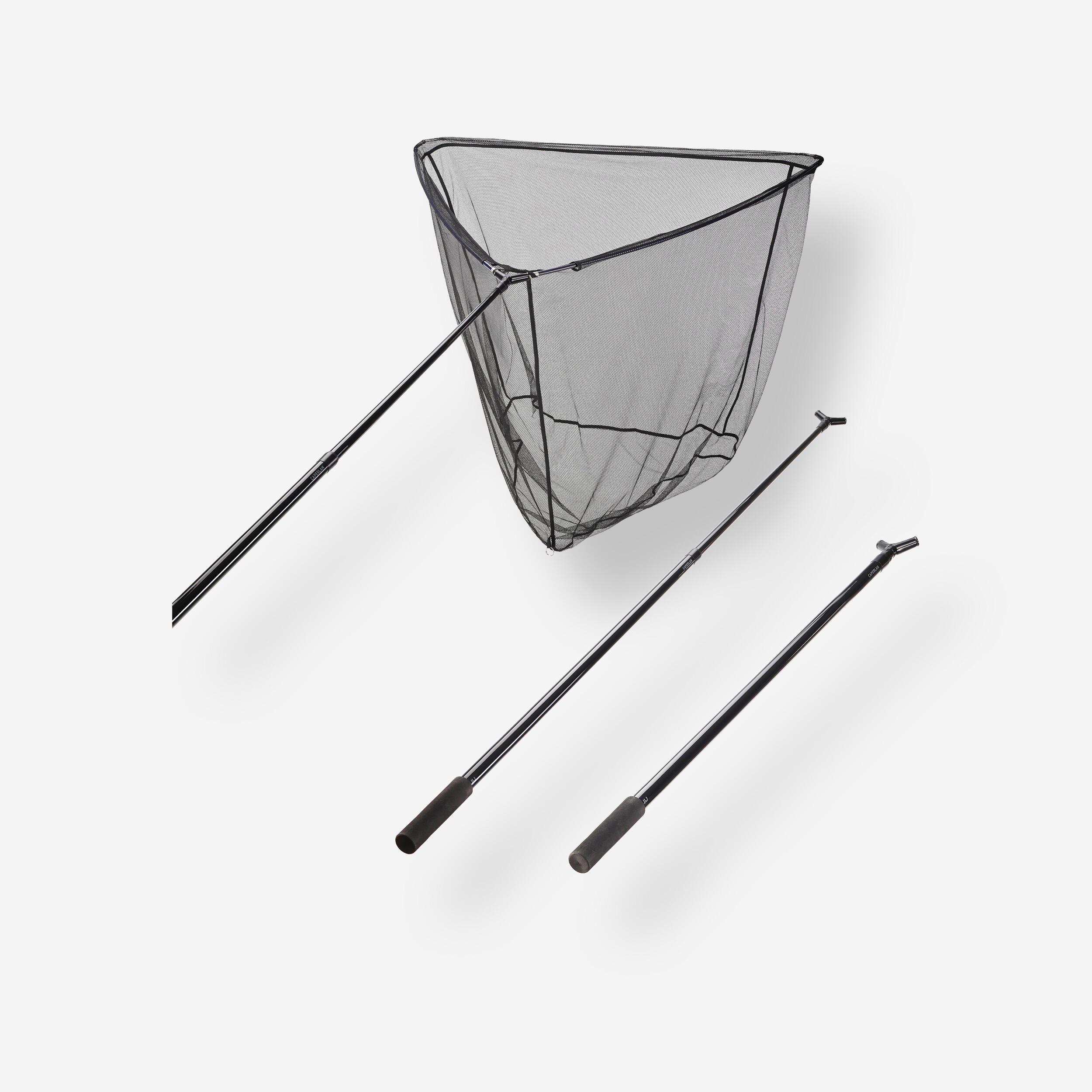
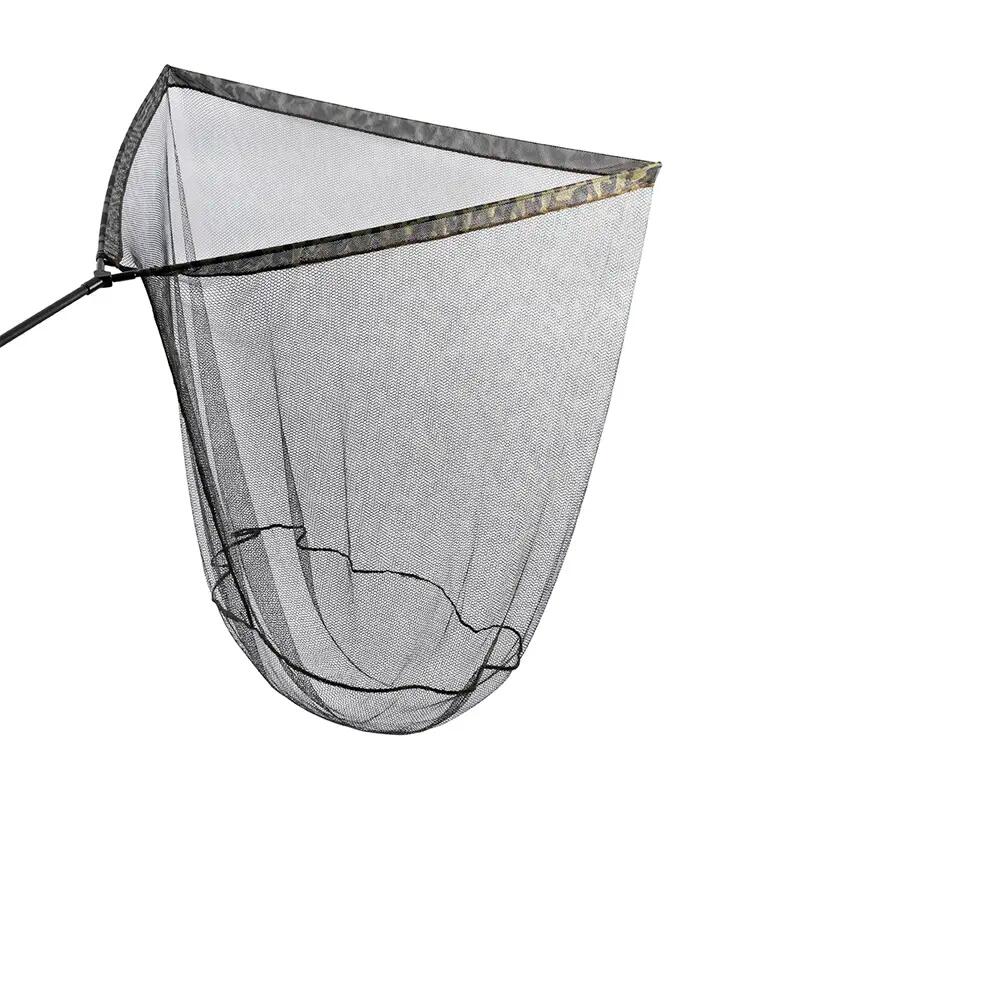
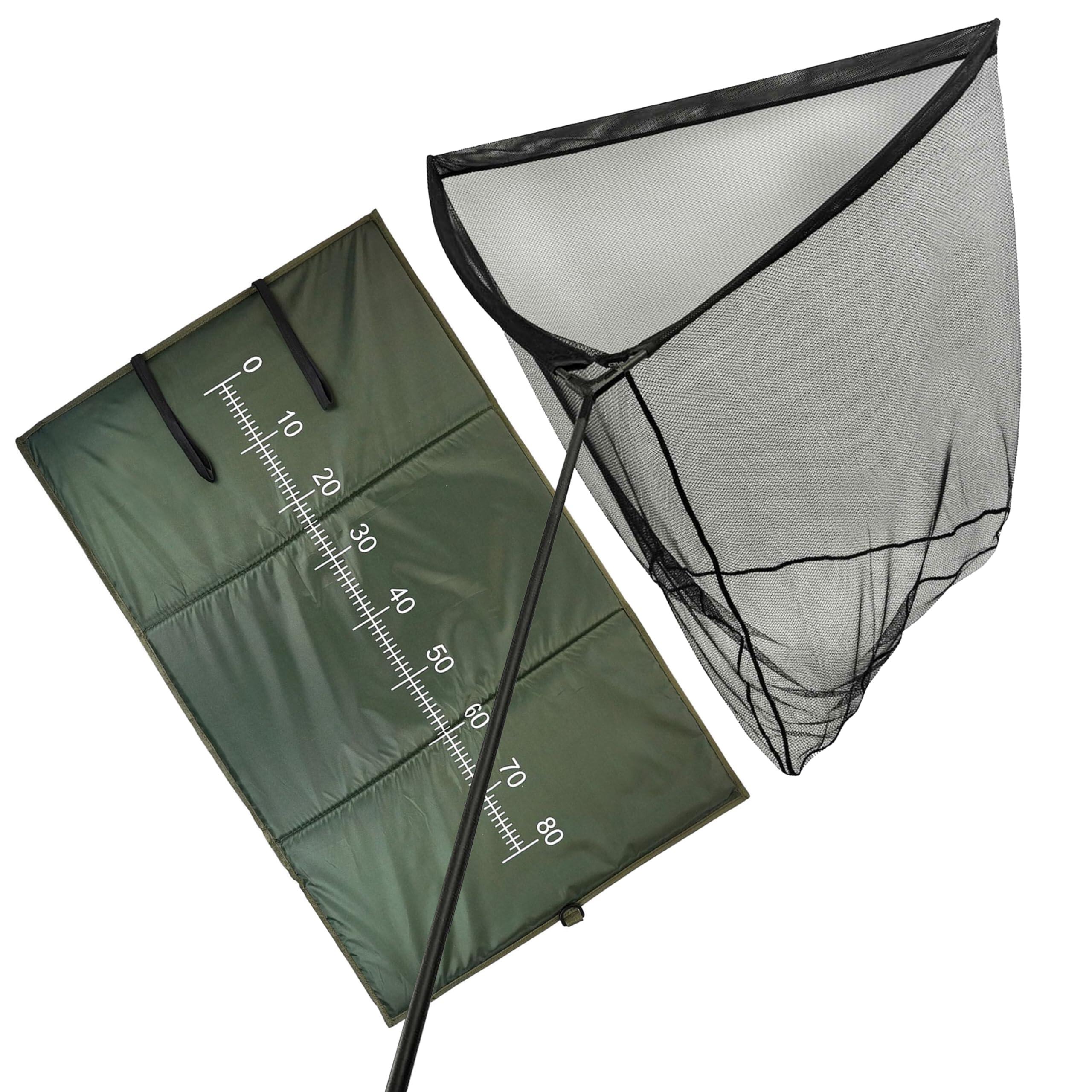
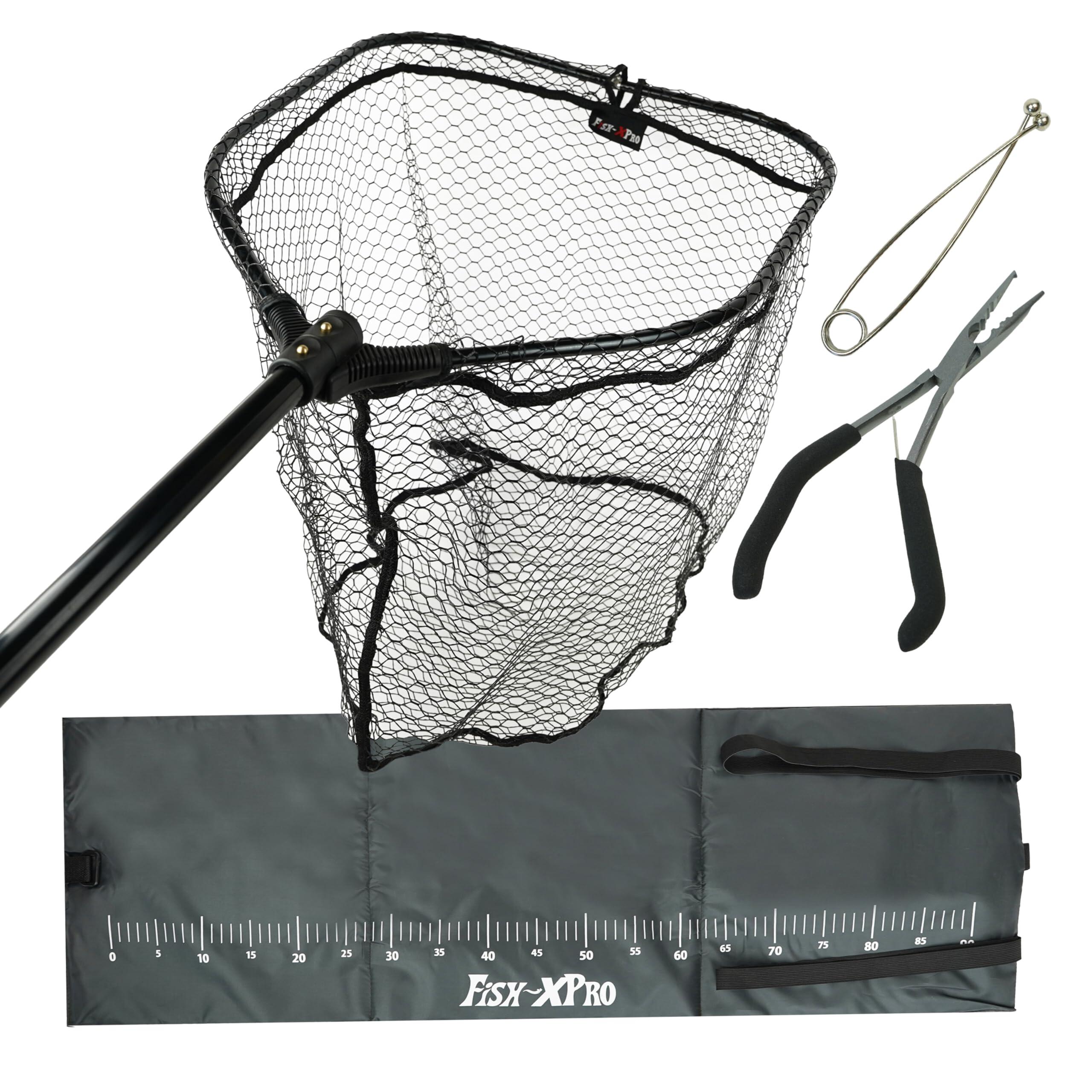
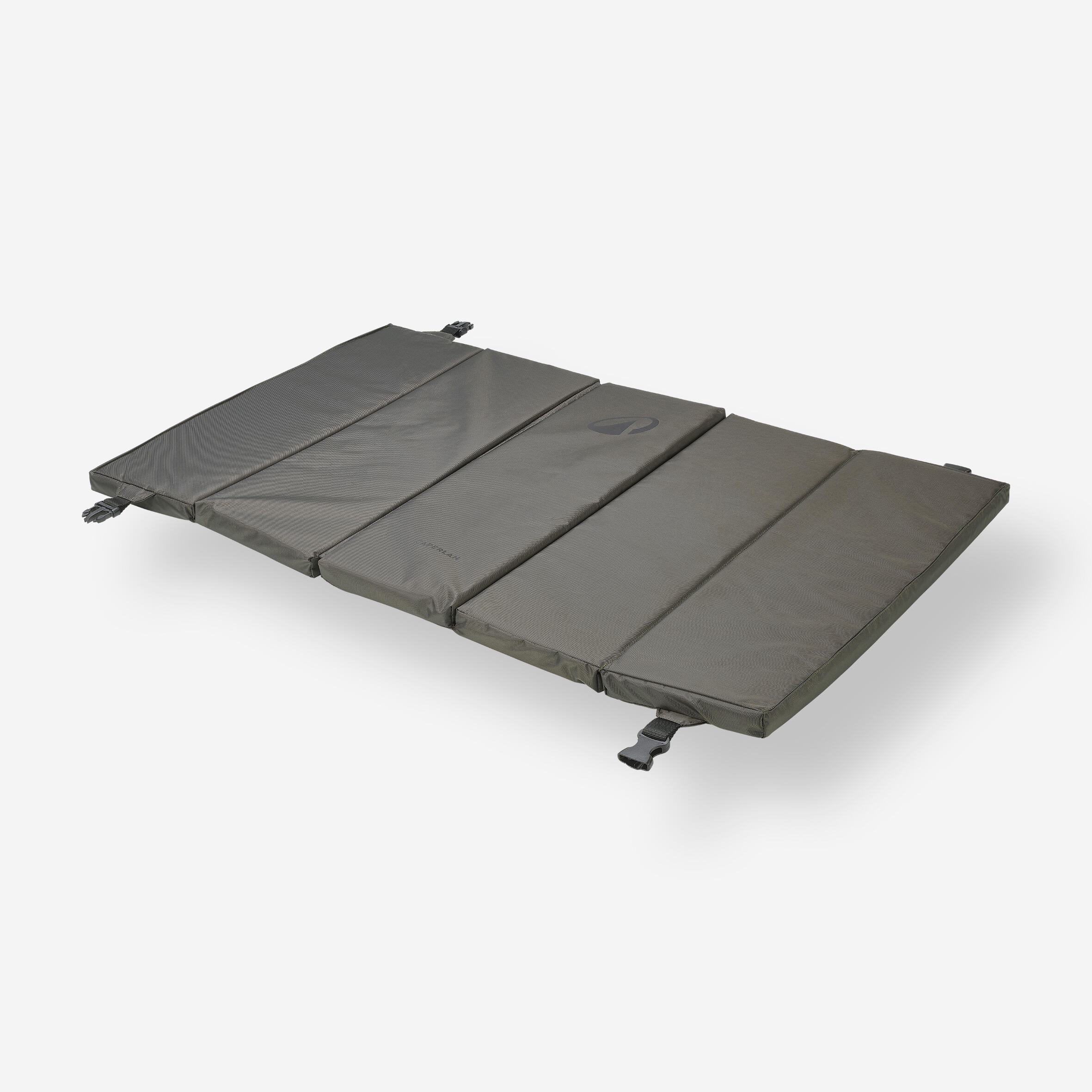
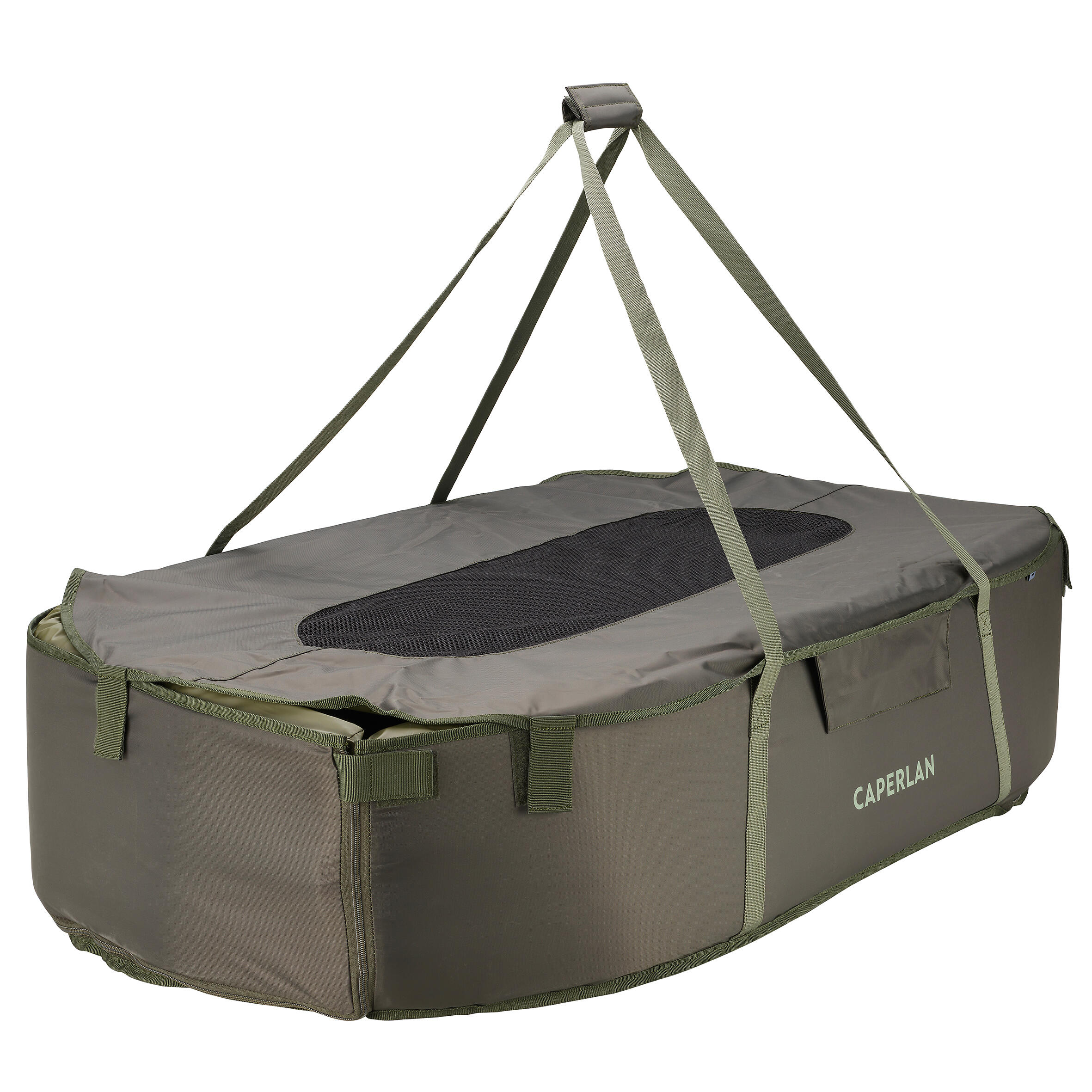
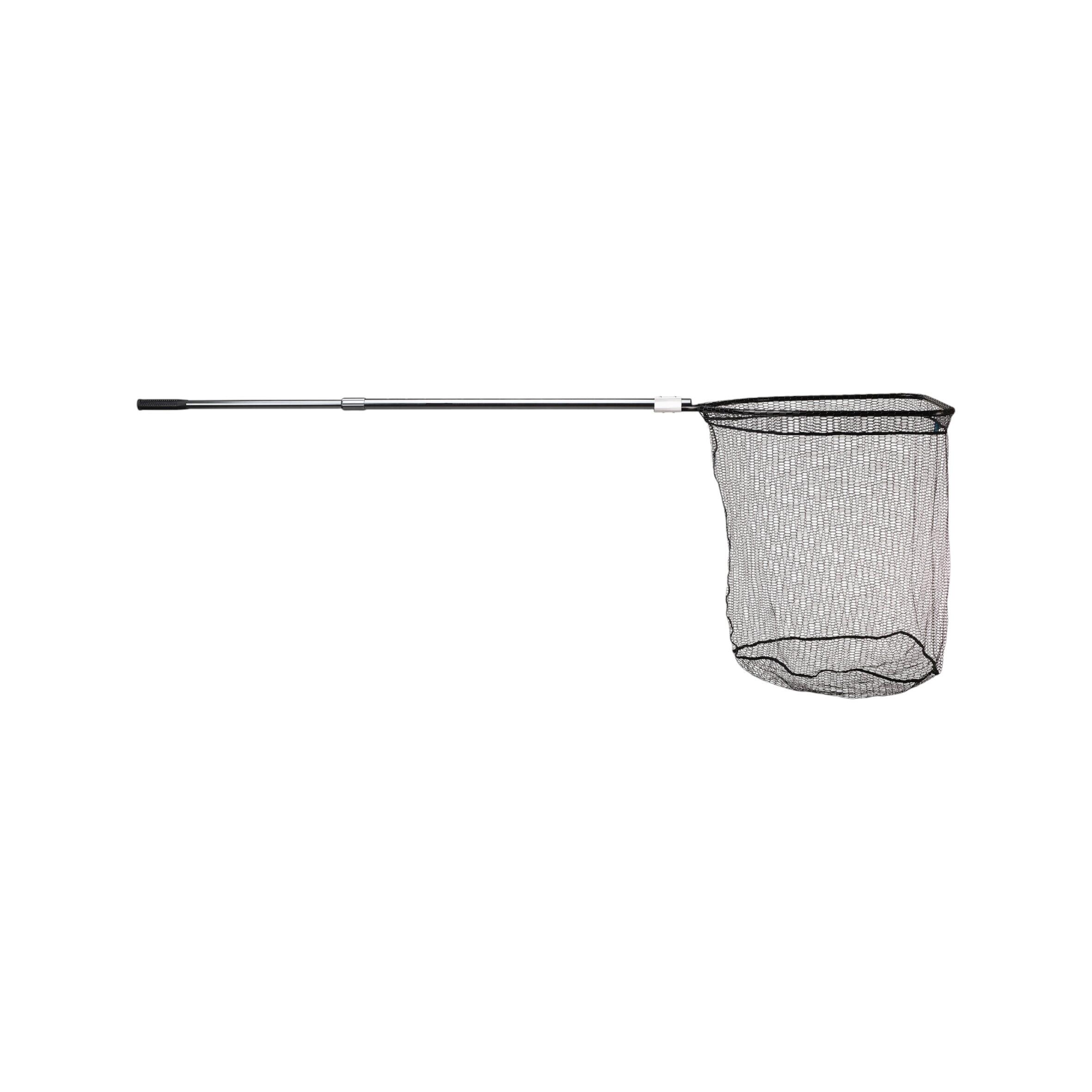
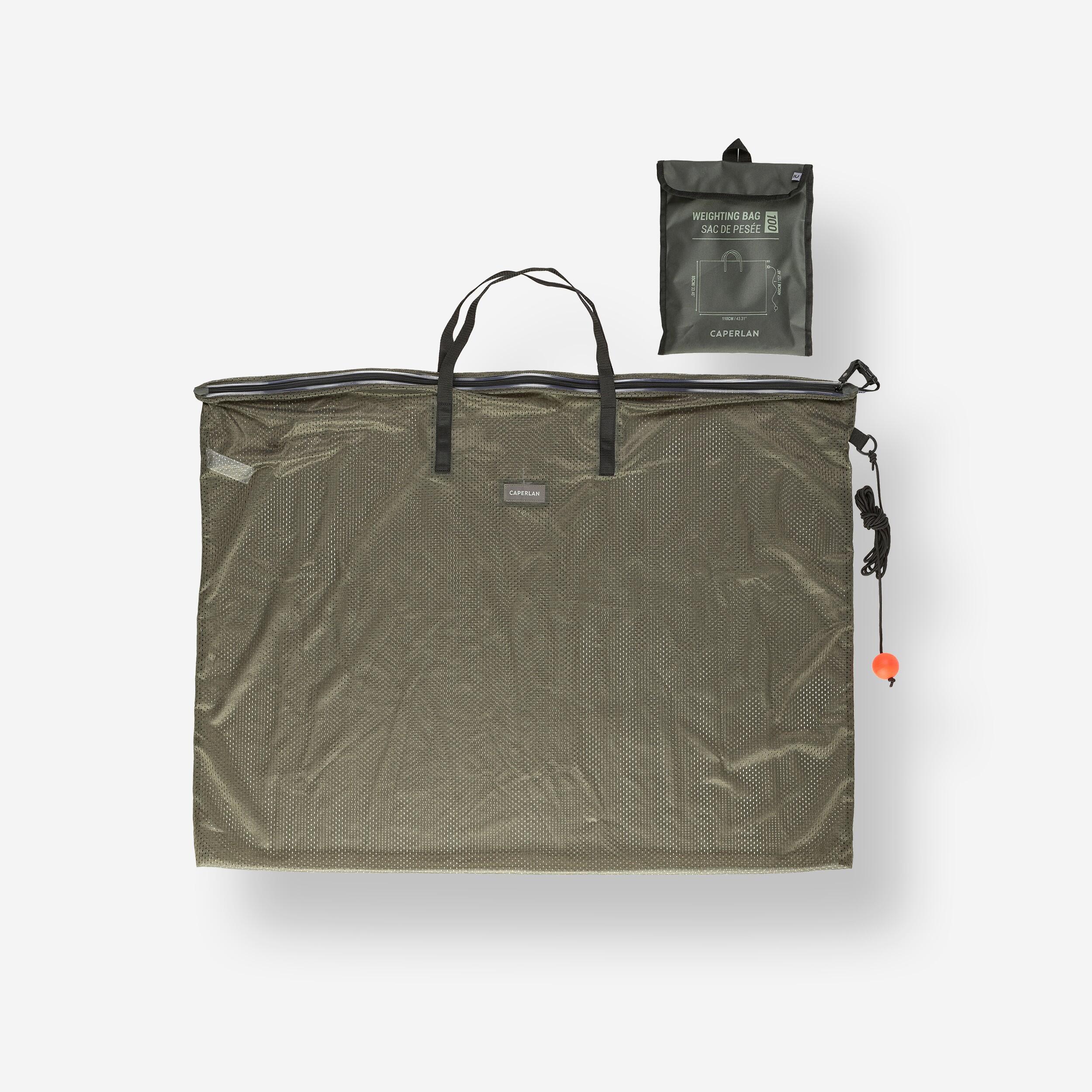
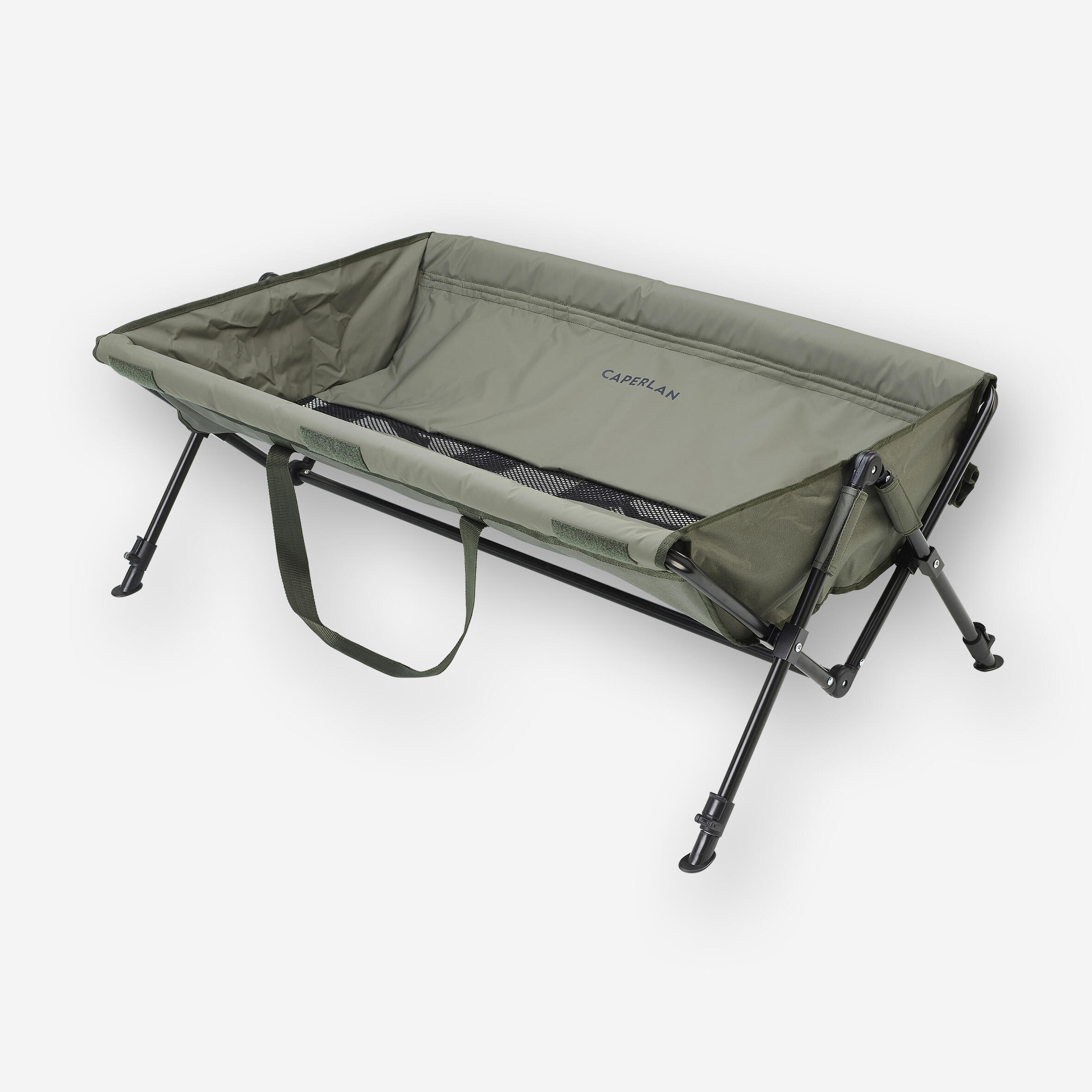
Landing and unhooking gear protects the carp during the short period between bringing it to the bank and returning it to the water. Caperlan uses fine mesh, padded surfaces and stable frames across this part of its equipment. Its higher-level landing mat raises the fish off the ground on four adjustable feet, while a securing flap helps contain a restless carp during unhooking. The dedicated carp fishing landing nets also include models with fine 3 x 3 mm mesh and retractable handles for confined or open swims. Keep fish-contact surfaces wet, leave the carp in the water until the unhooking area is ready and lift a heavy fish using the net and arms rather than raising it by the landing-net handle.

When can navigation equipment become useful during carp fishing?

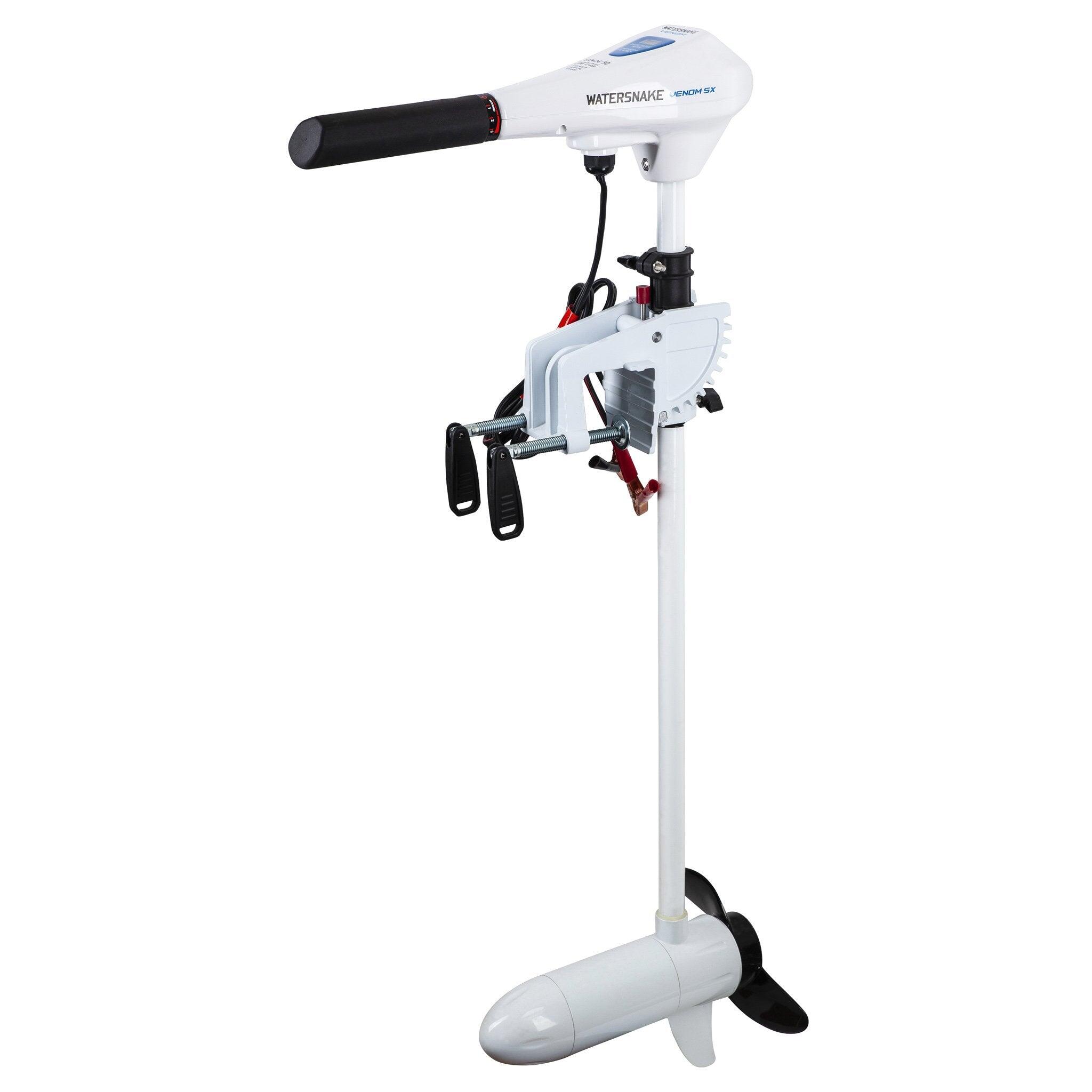
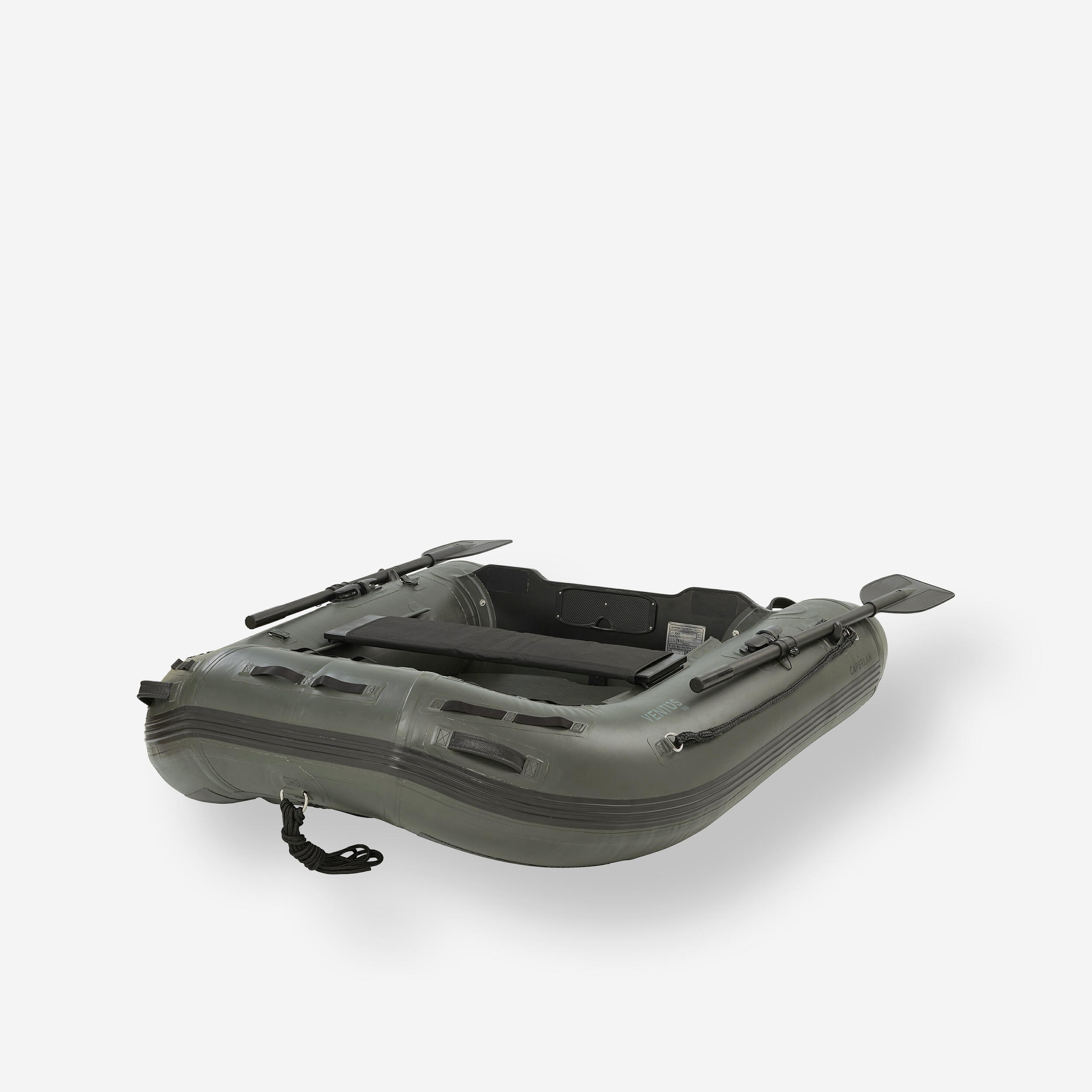
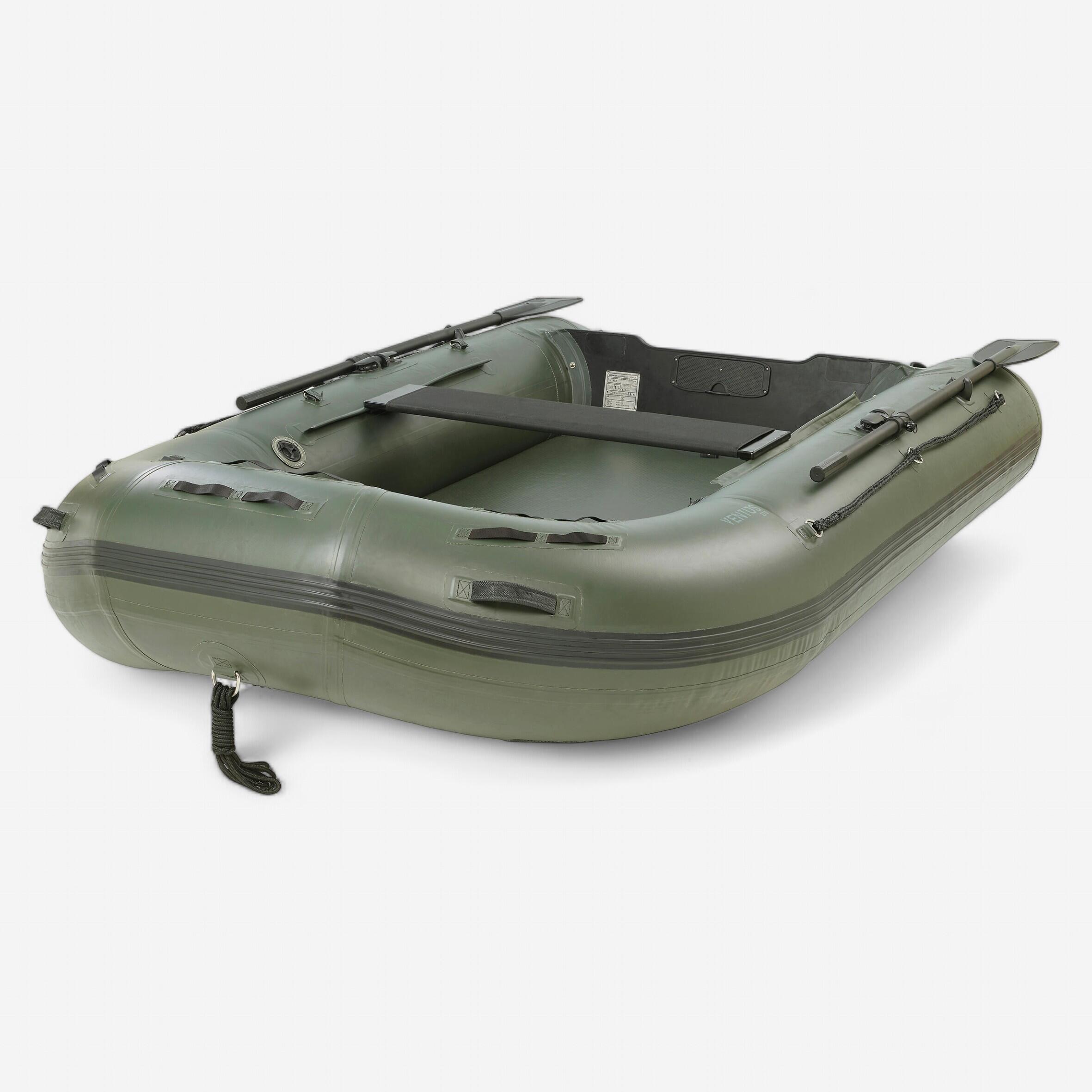
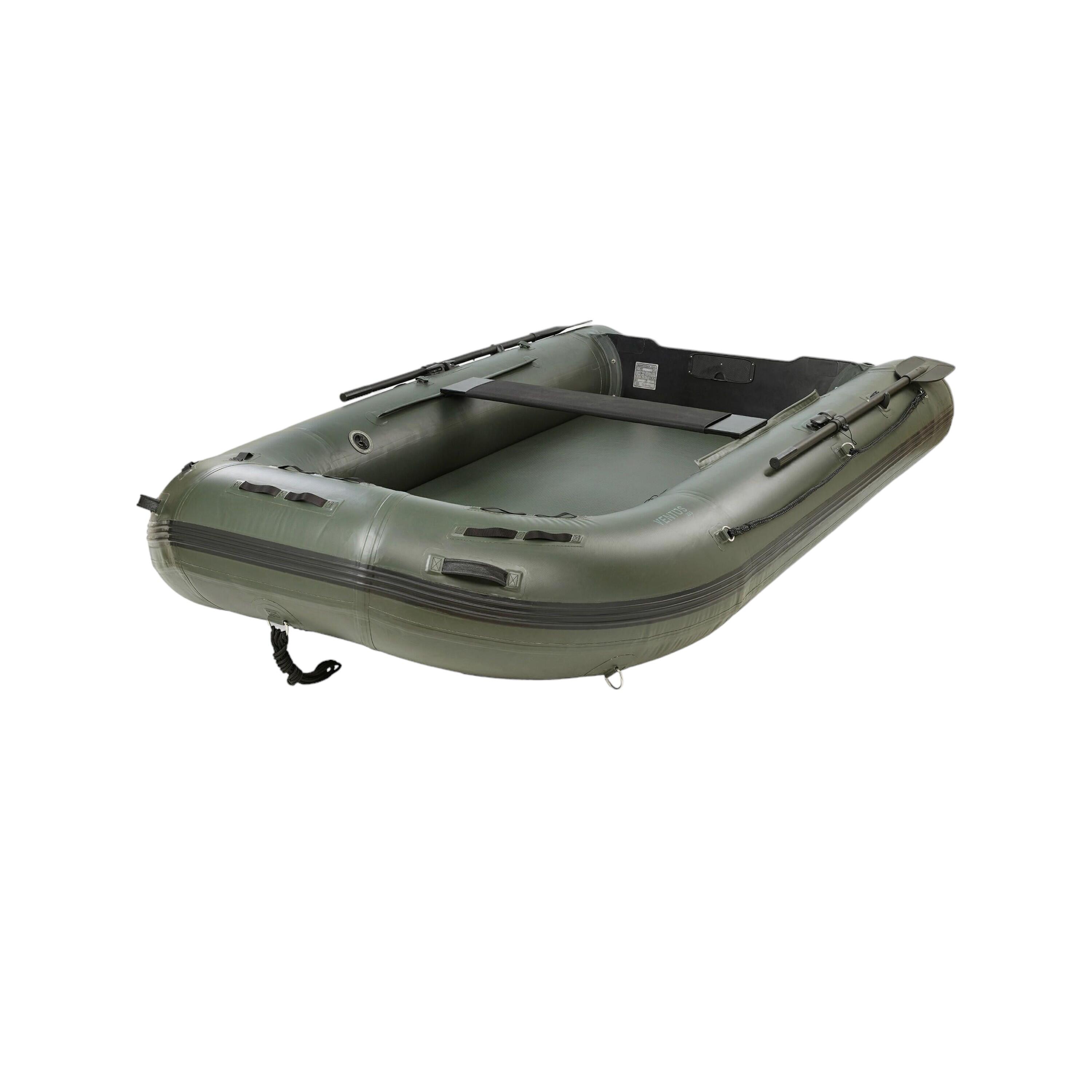
Large waters can make accurate positioning harder, particularly when baiting, placing rigs or returning to a previously identified area. This is where carp fishing navigation equipment can support the wider setup, especially when you fish from a boat or need to move gear around an extensive venue. Before leaving the bank, organise the equipment you will need on the water so essential fish-care and safety items remain accessible rather than buried beneath luggage. Weight and storage space also matter because bulky chairs, bedchairs and shelters can quickly fill a transport area. Keeping navigation, landing equipment and overnight gear in separate groups makes arrangements faster and helps prevent wet or muddy equipment from being packed directly against clean bedding or electronic items.