149 items
4.7/5 based on 8222 reviews collected online and in stores

Carp Fishing Accessories FAQs

How can adjustable tackle boxes keep carp rig parts organised?

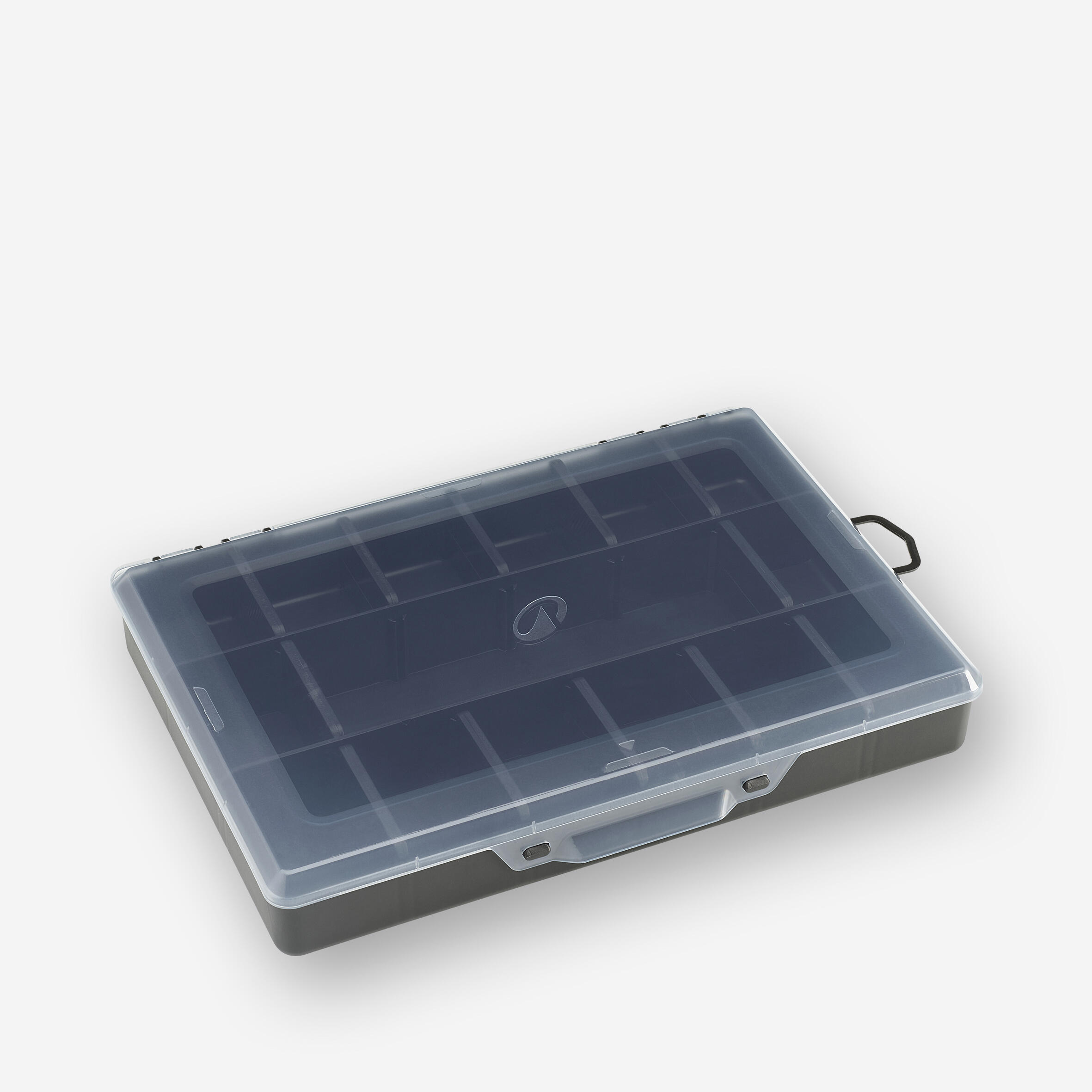
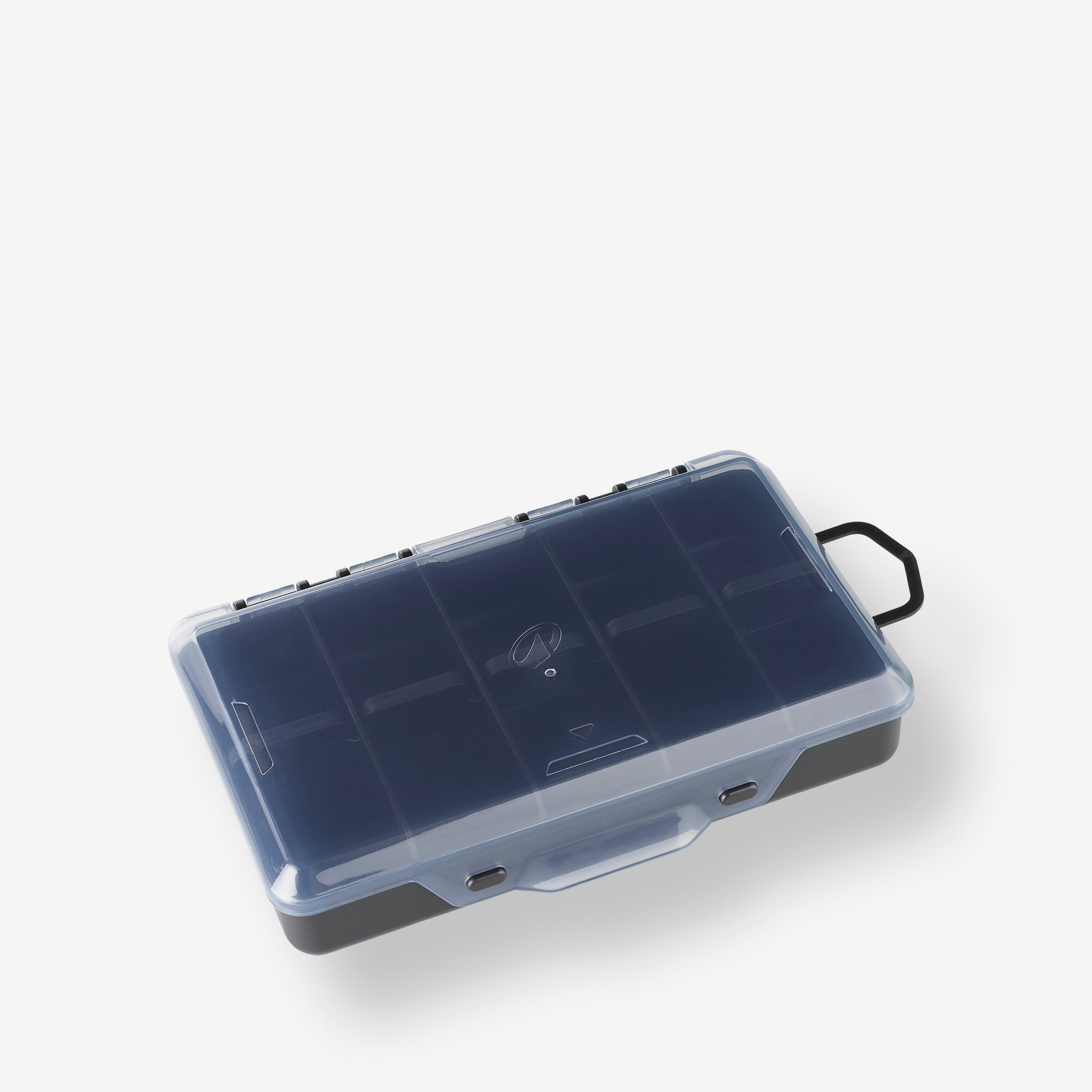
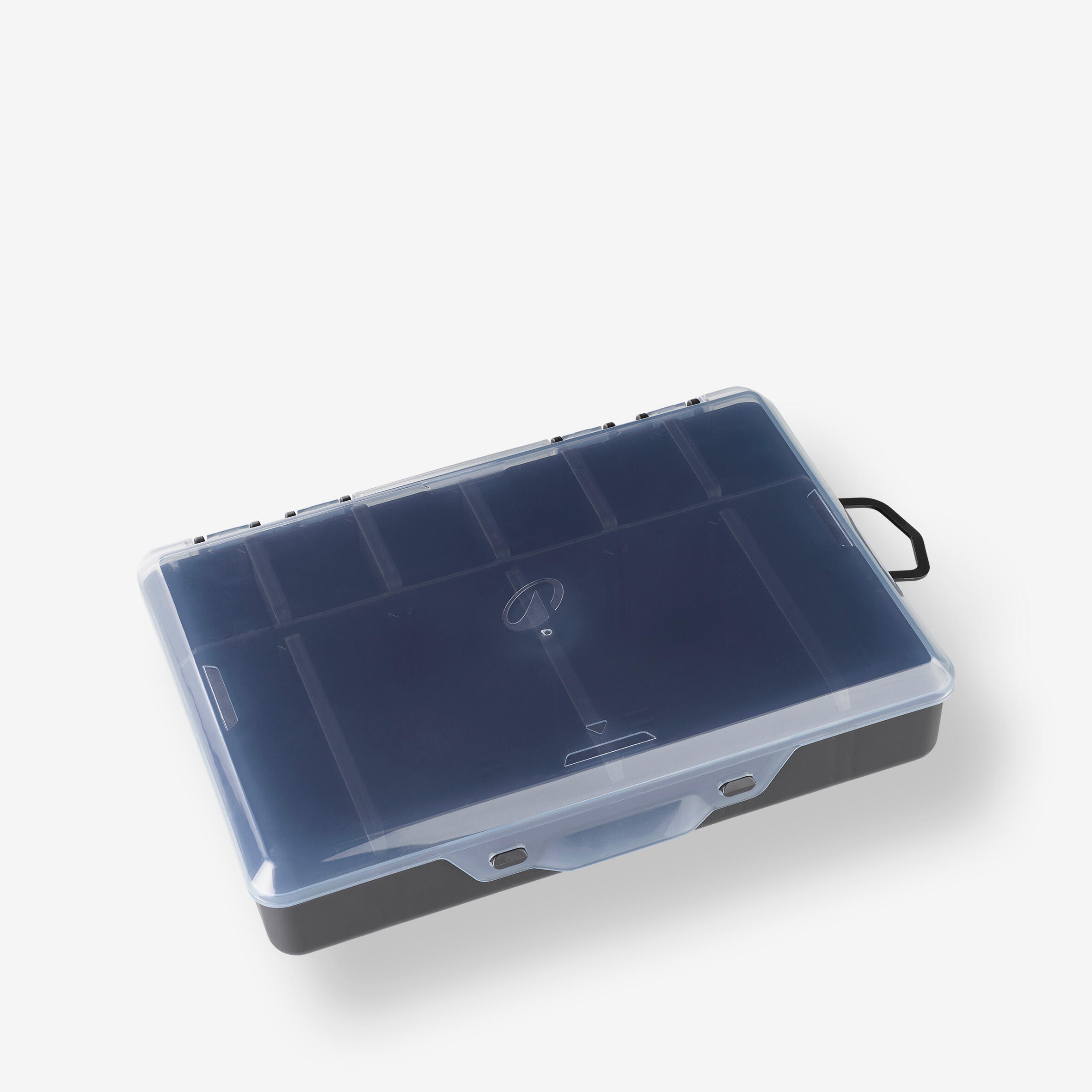
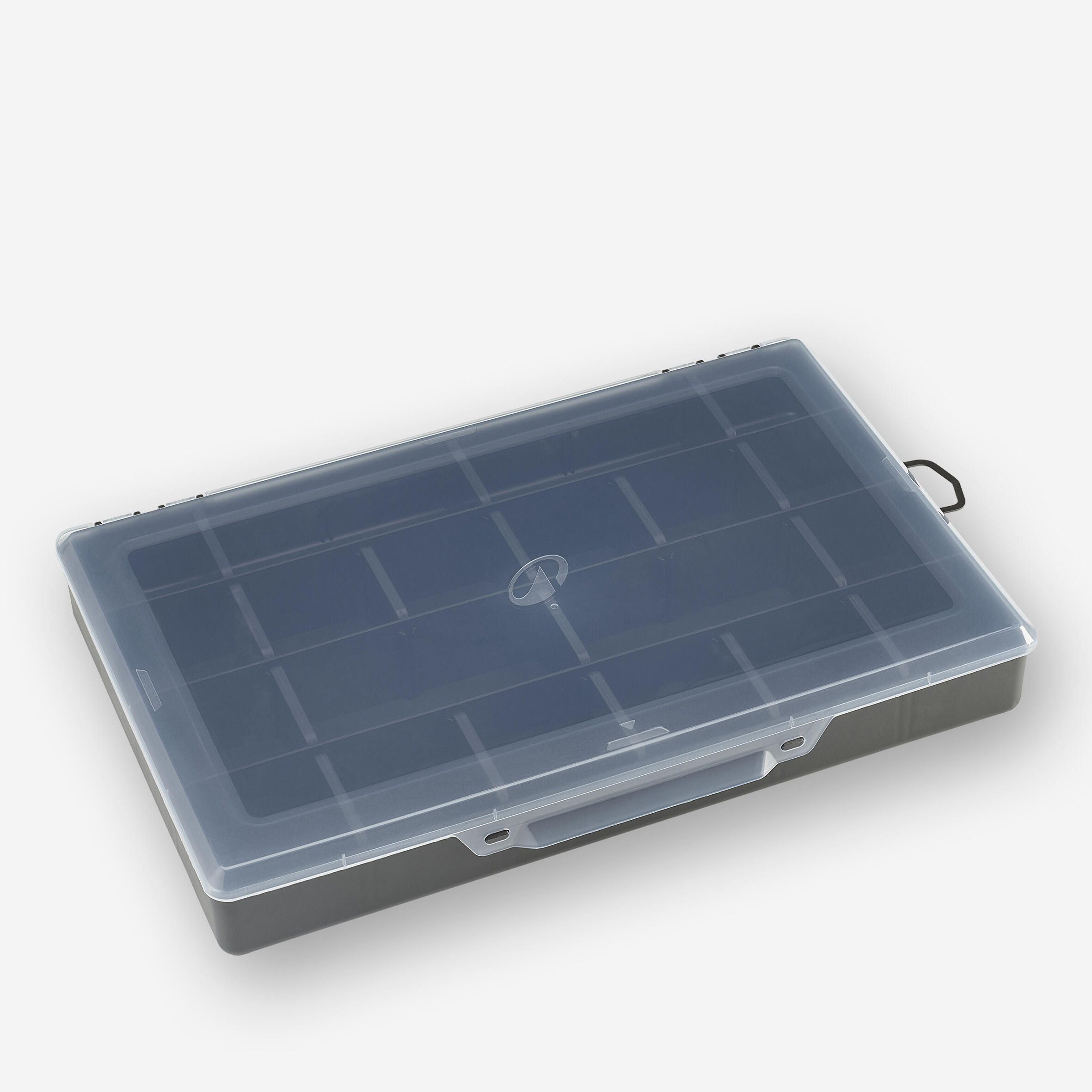
Small hooks, swivels, clips and leads become easier to manage when the storage layout can change with the tackle you carry. Caperlan tackle boxes use movable dividers rather than fixed sections, with layouts extending from five compartments in compact formats to as many as 24 in larger boxes. Transparent lids on selected organisers also let you identify components before opening them. A trip through carp line accessories can involve several small rig parts, so separating them by function or size reduces time spent searching at the bank. Caperlan tests selected boxes through repeated 180-degree opening cycles and 1 m drops onto concrete, giving the storage system a practical durability focus as well as flexible organisation.
Which small tools are useful when rebuilding a carp rig?

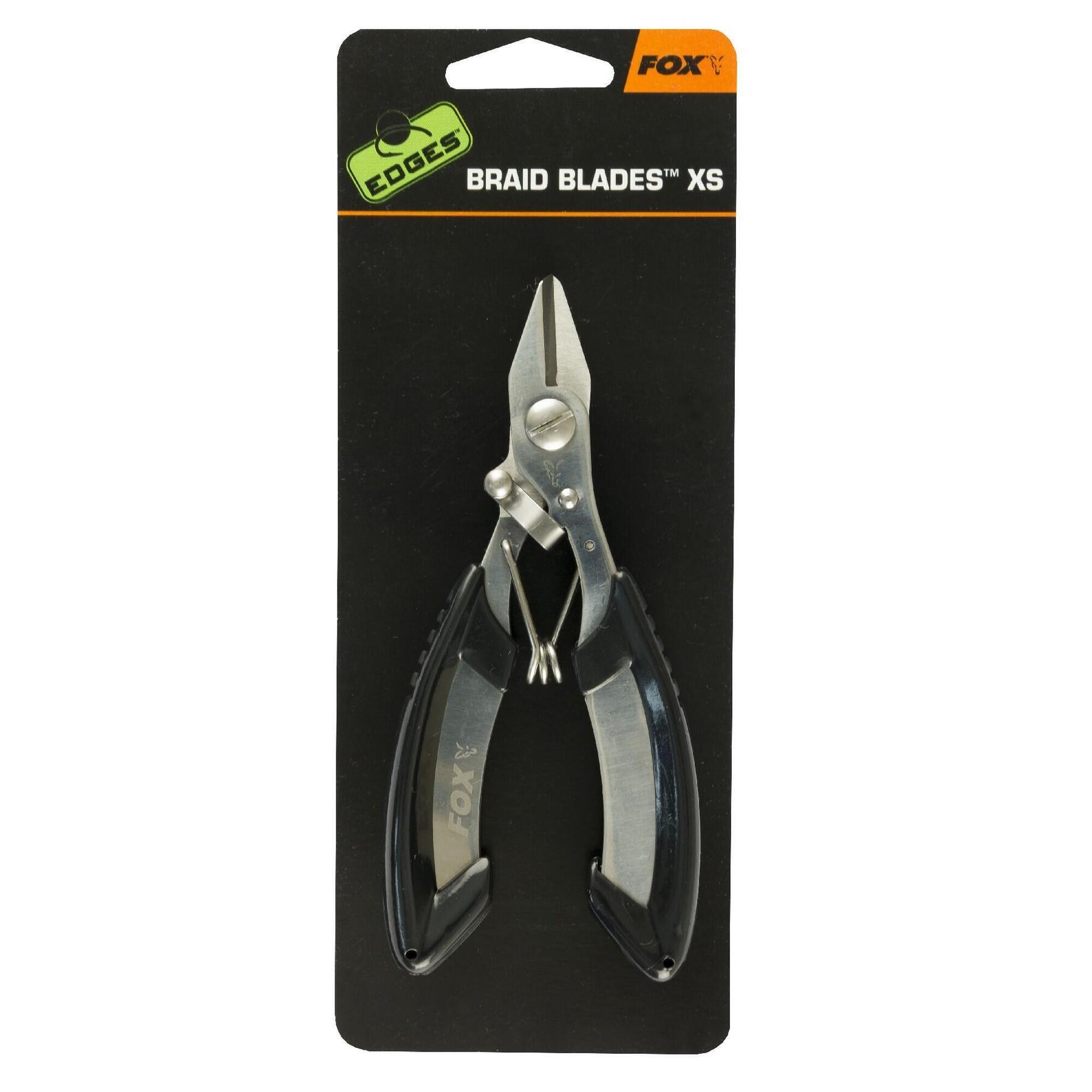
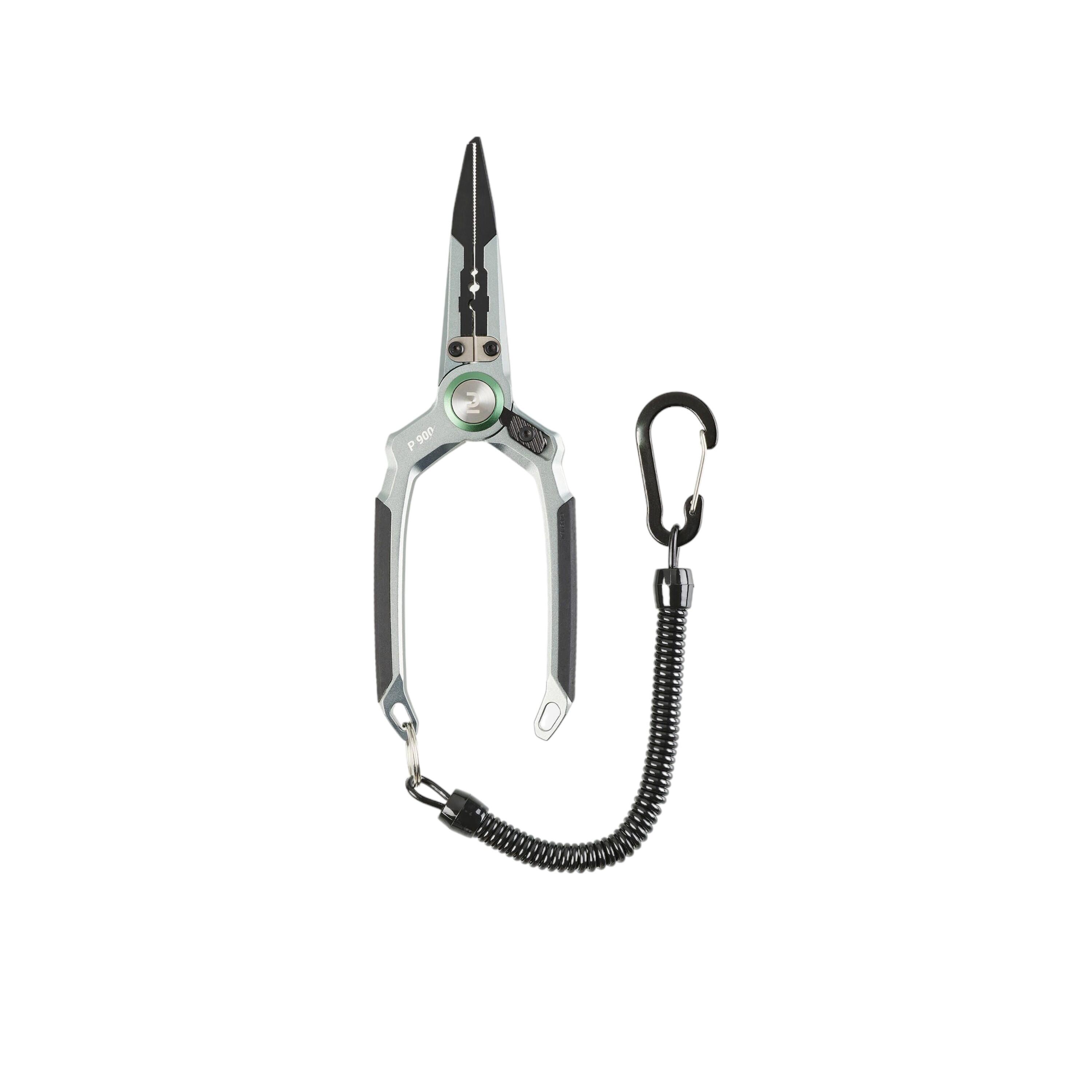
Rig preparation can involve tightening knots, trimming line, adjusting terminal components or changing small parts, so keeping the necessary equipment together avoids breaking up the installation process. Dedicated carp tools can sit alongside swivels, clips and spare rig components in a compartmented organiser rather than loose inside a larger carryall. Caperlan's four-box carp organiser supports this approach with separate 2, 4, 6 and 8-compartment layouts, all sized to fit compatible Caperlan storage systems. Arrange frequently used items where they remain visible and easy to reach, then return sharp or delicate pieces to their own sections after use so they do not damage line or softer accessories during transport.

How does sinker shape affect casting and rig position?

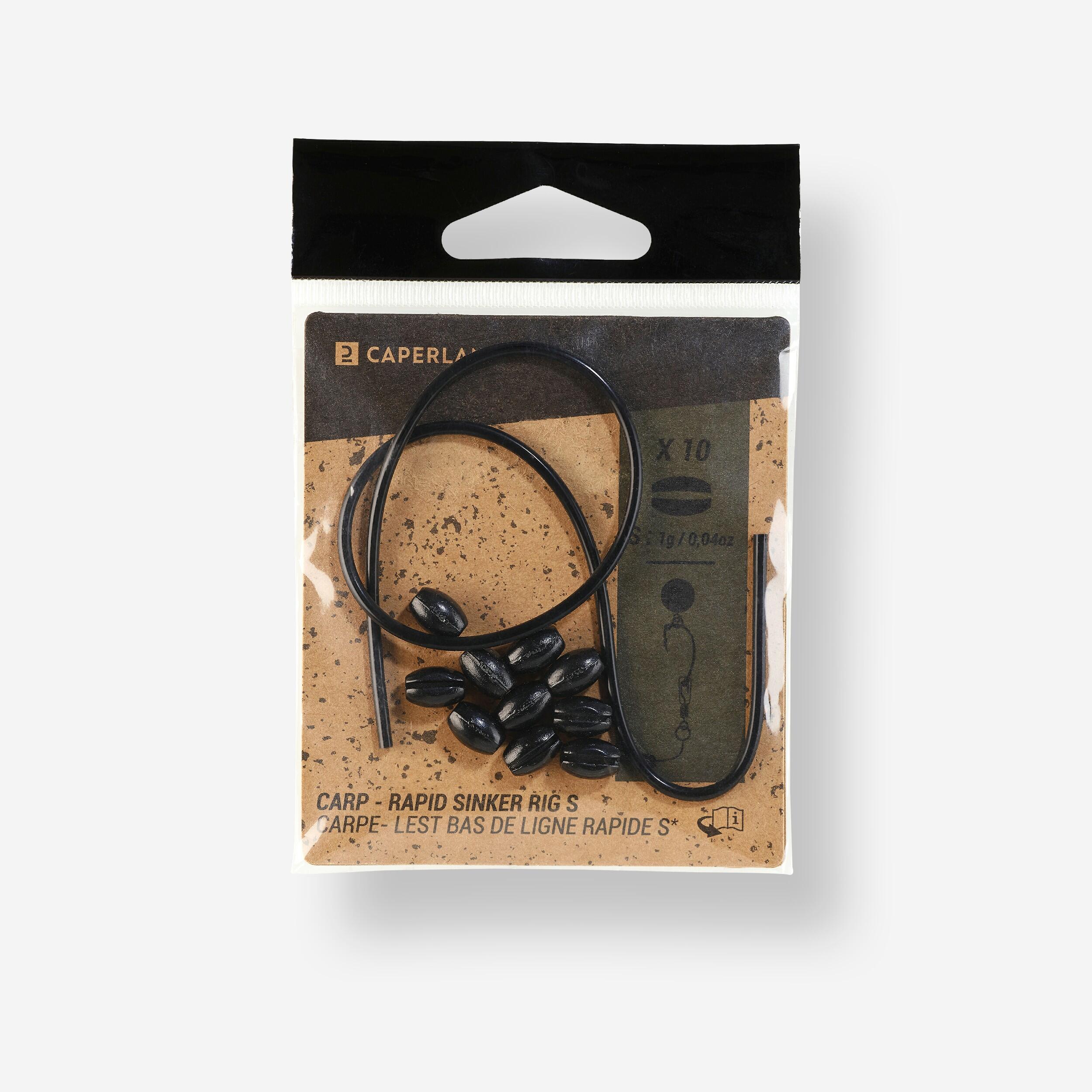
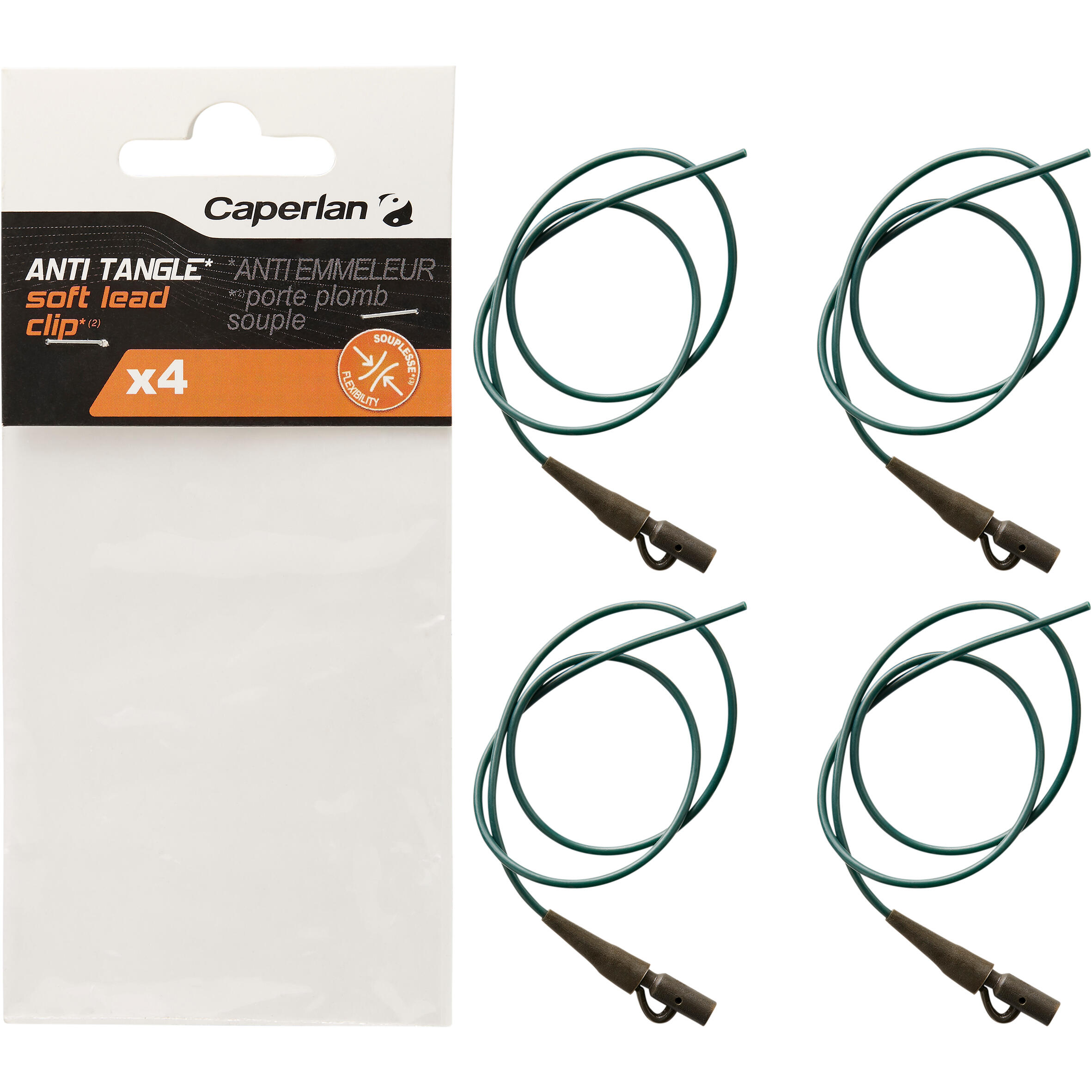
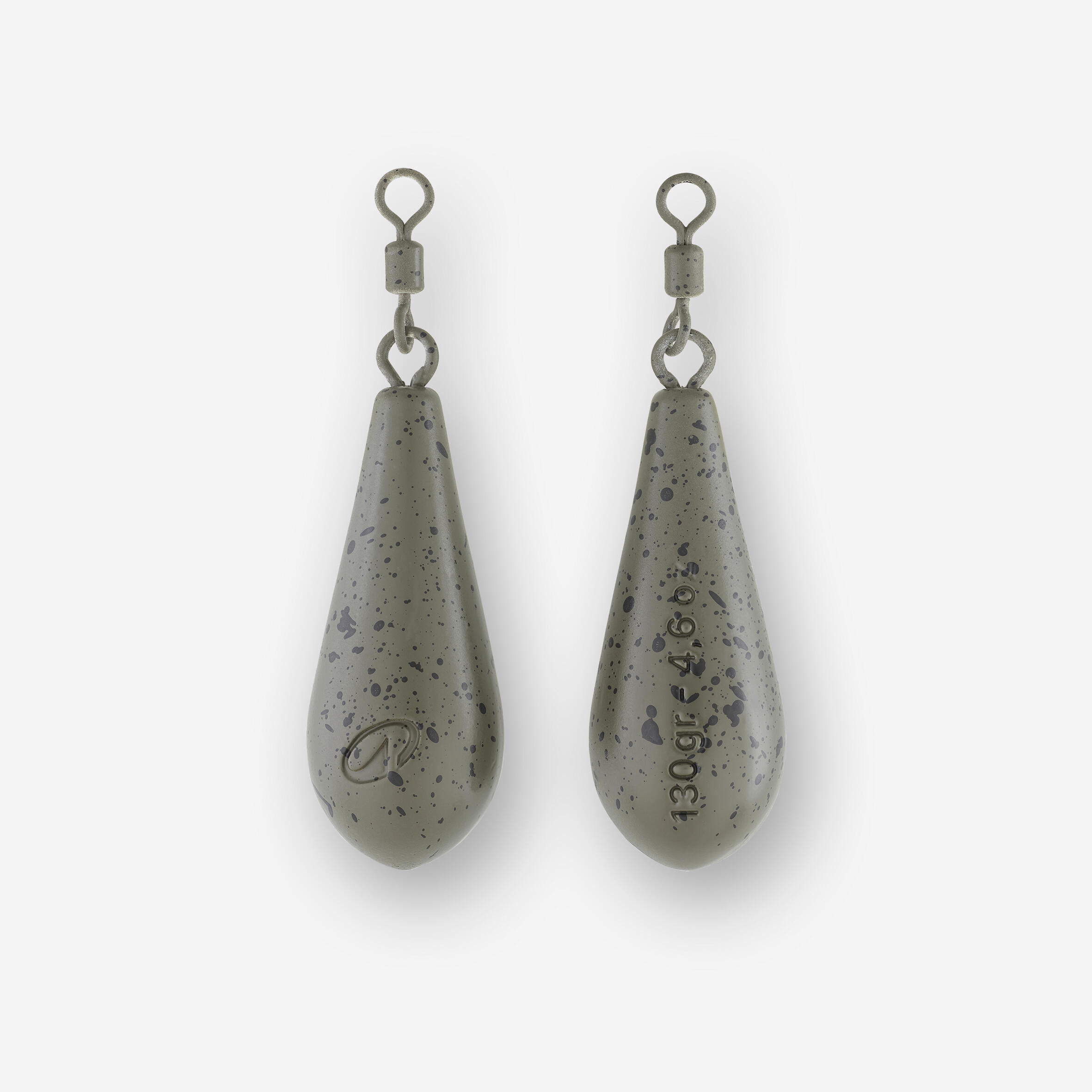
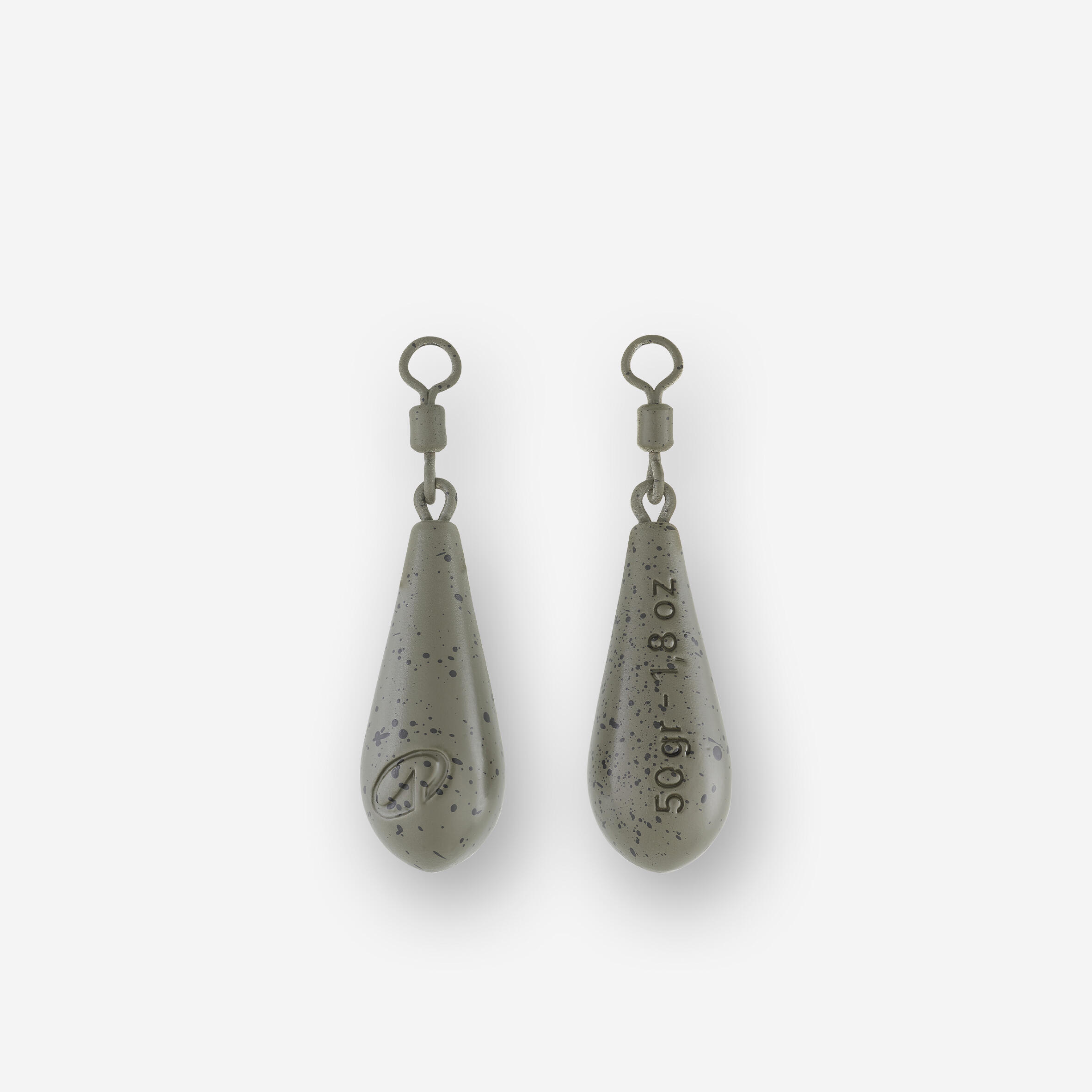
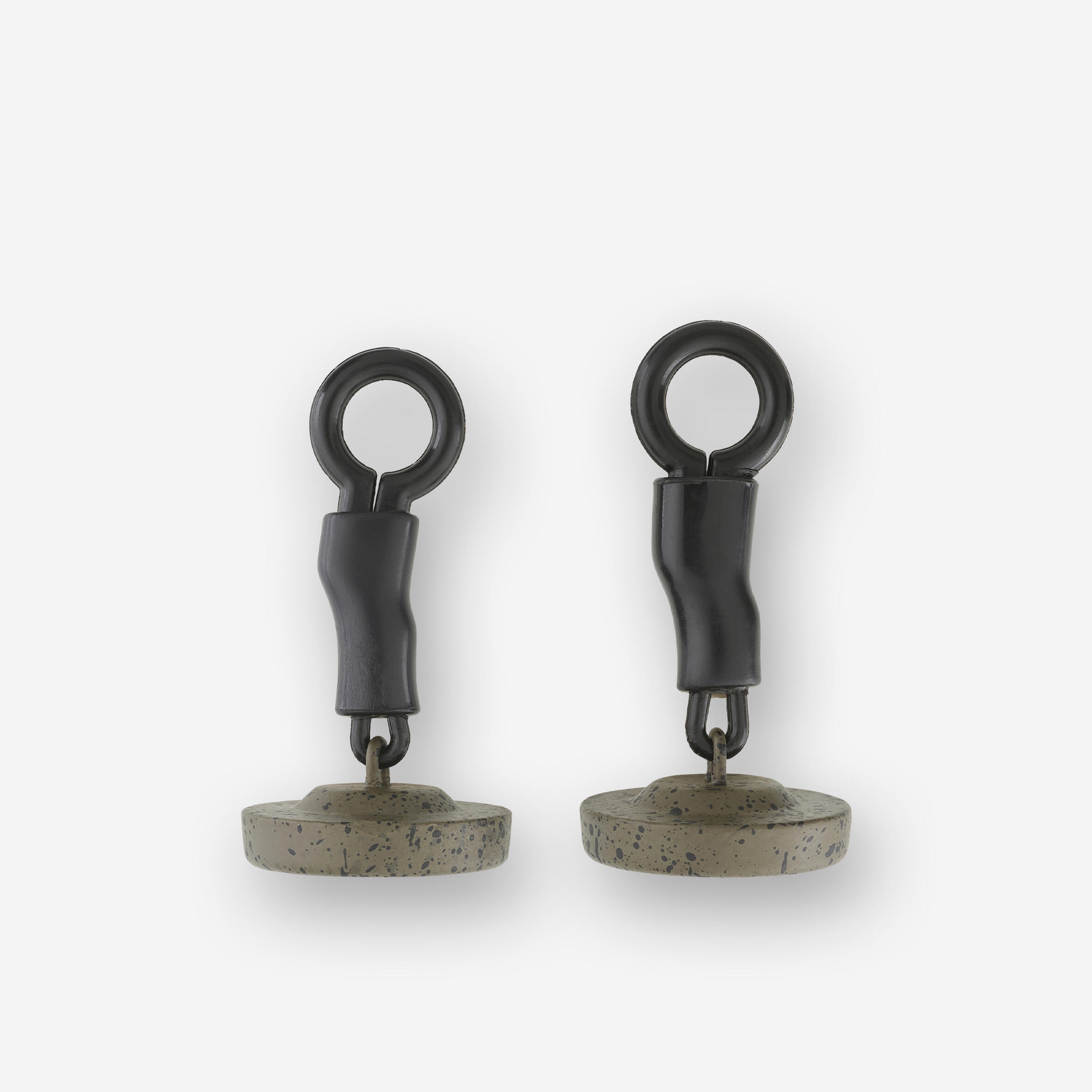
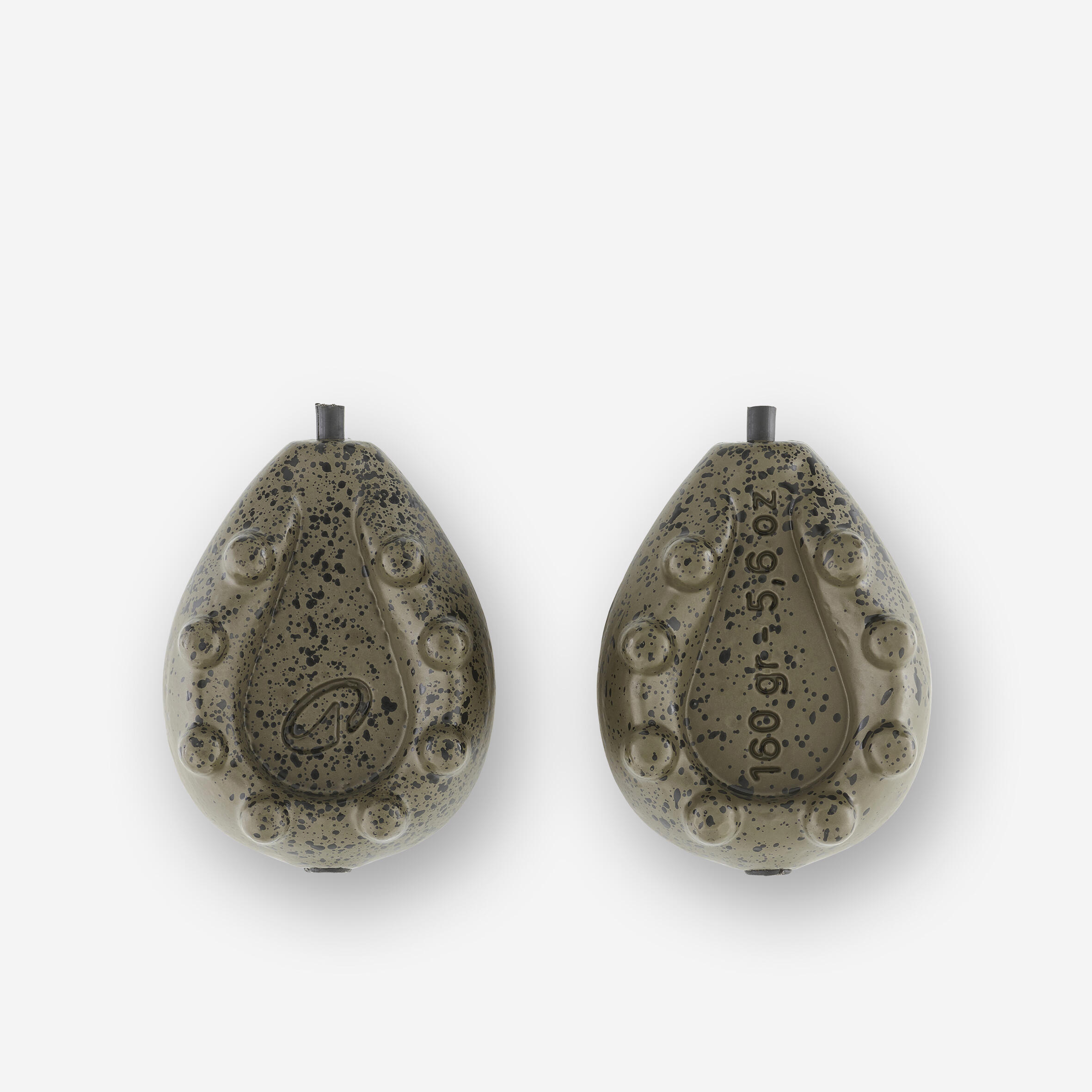
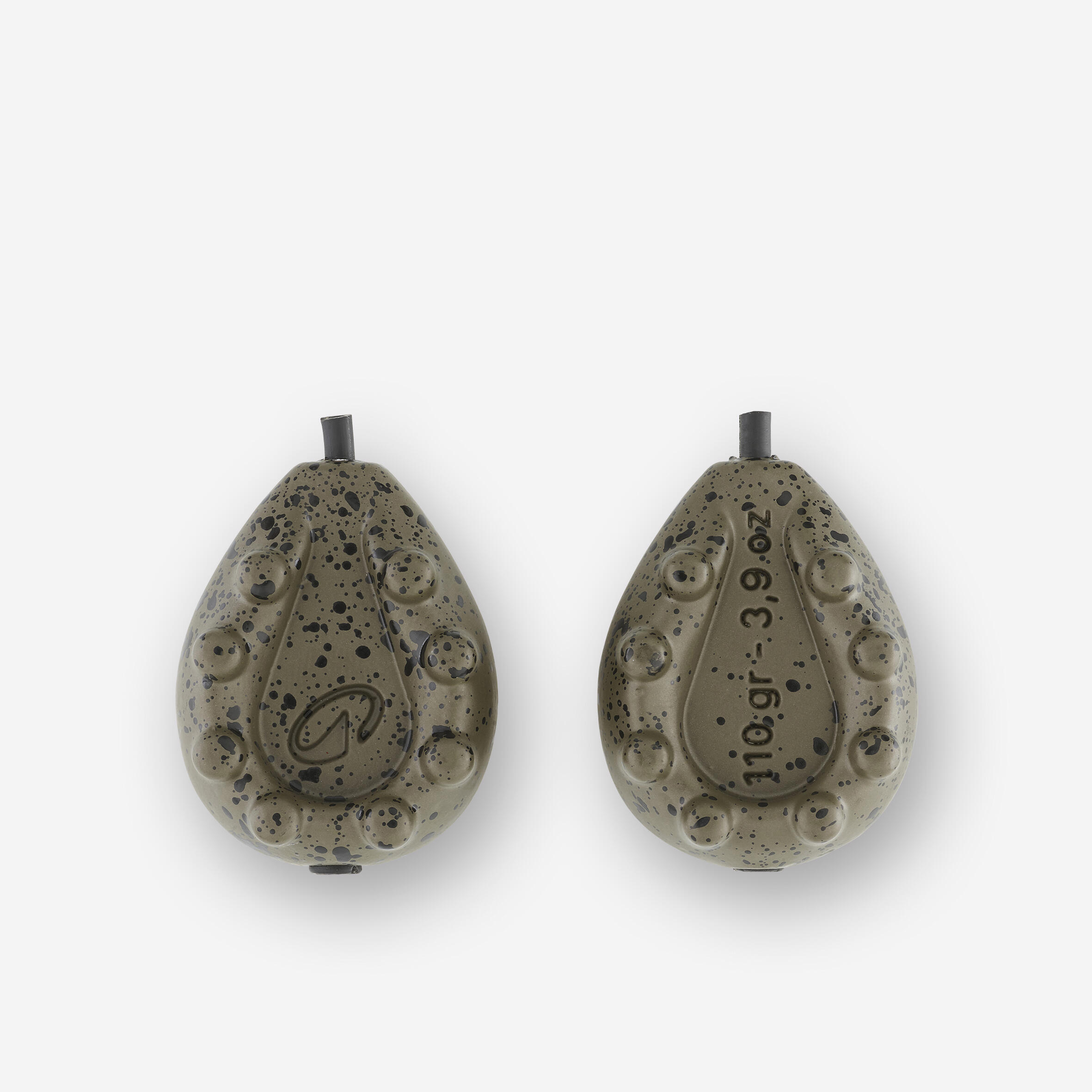
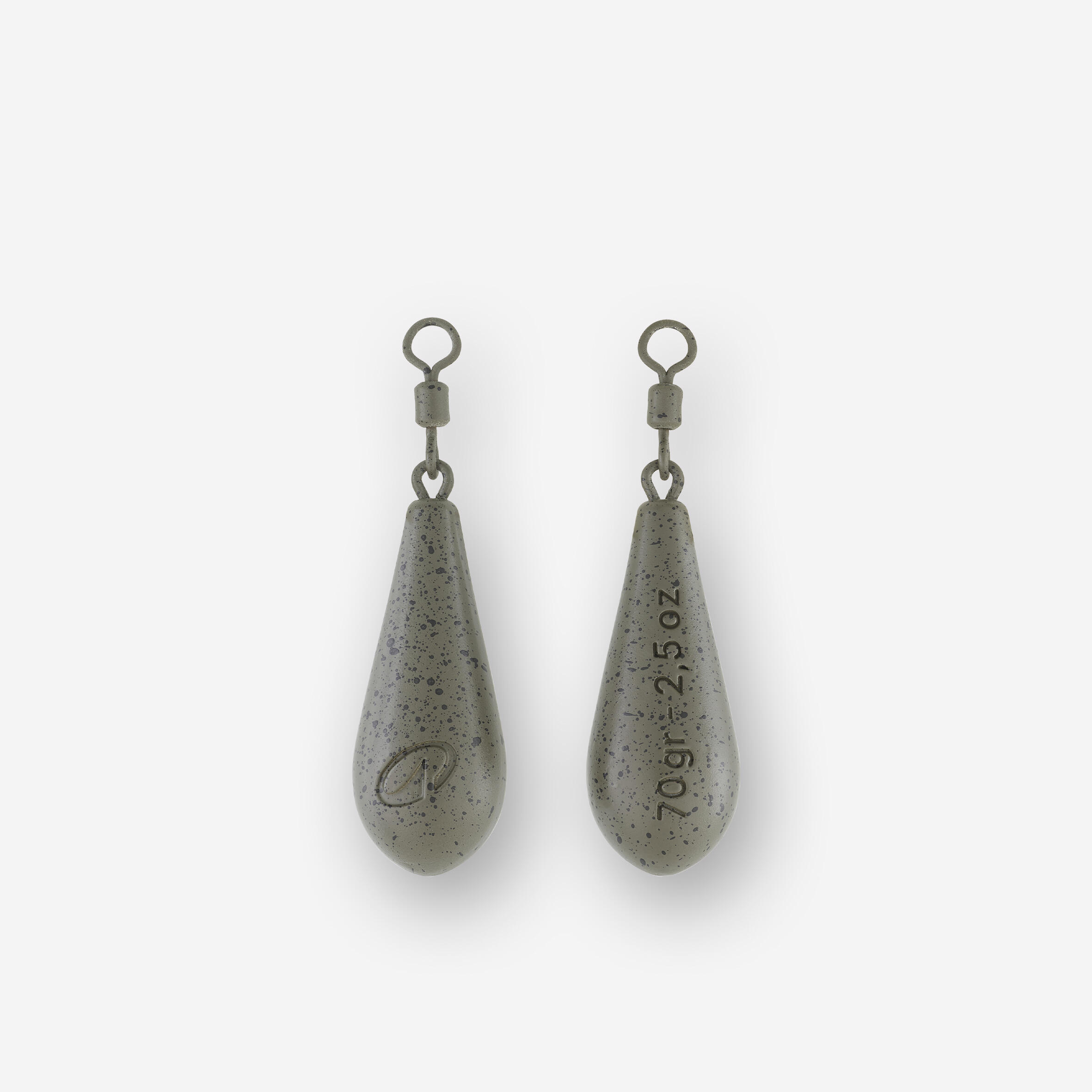
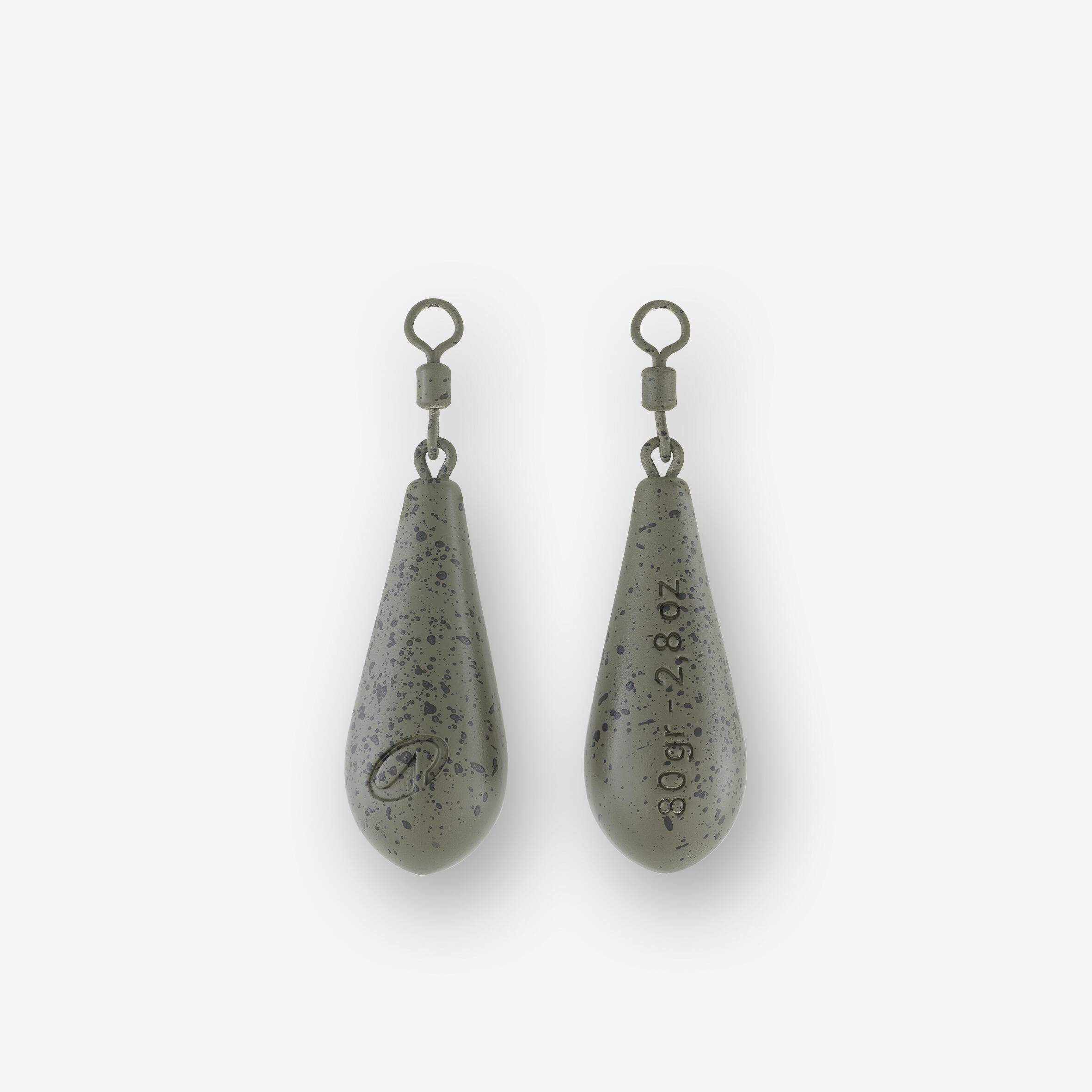
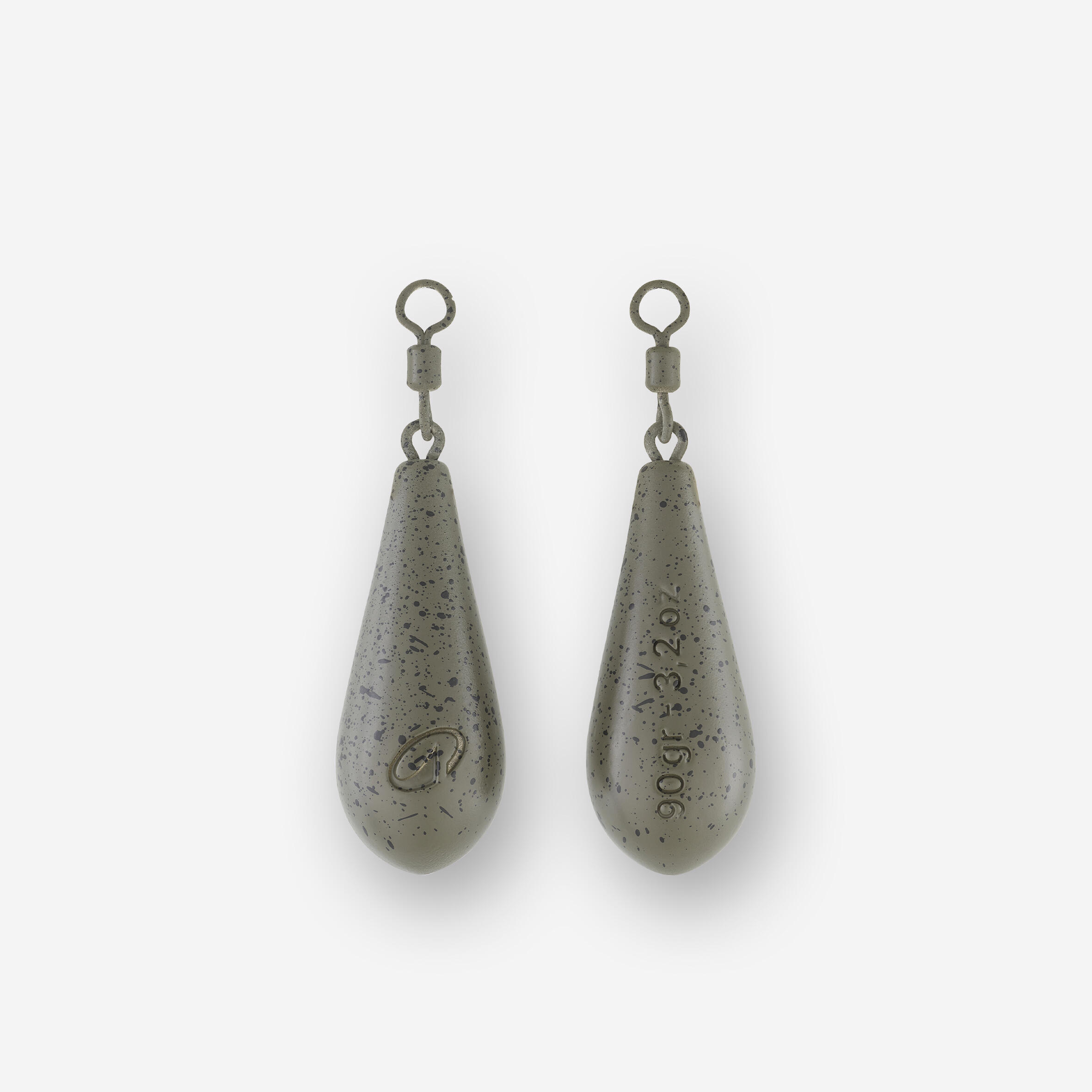
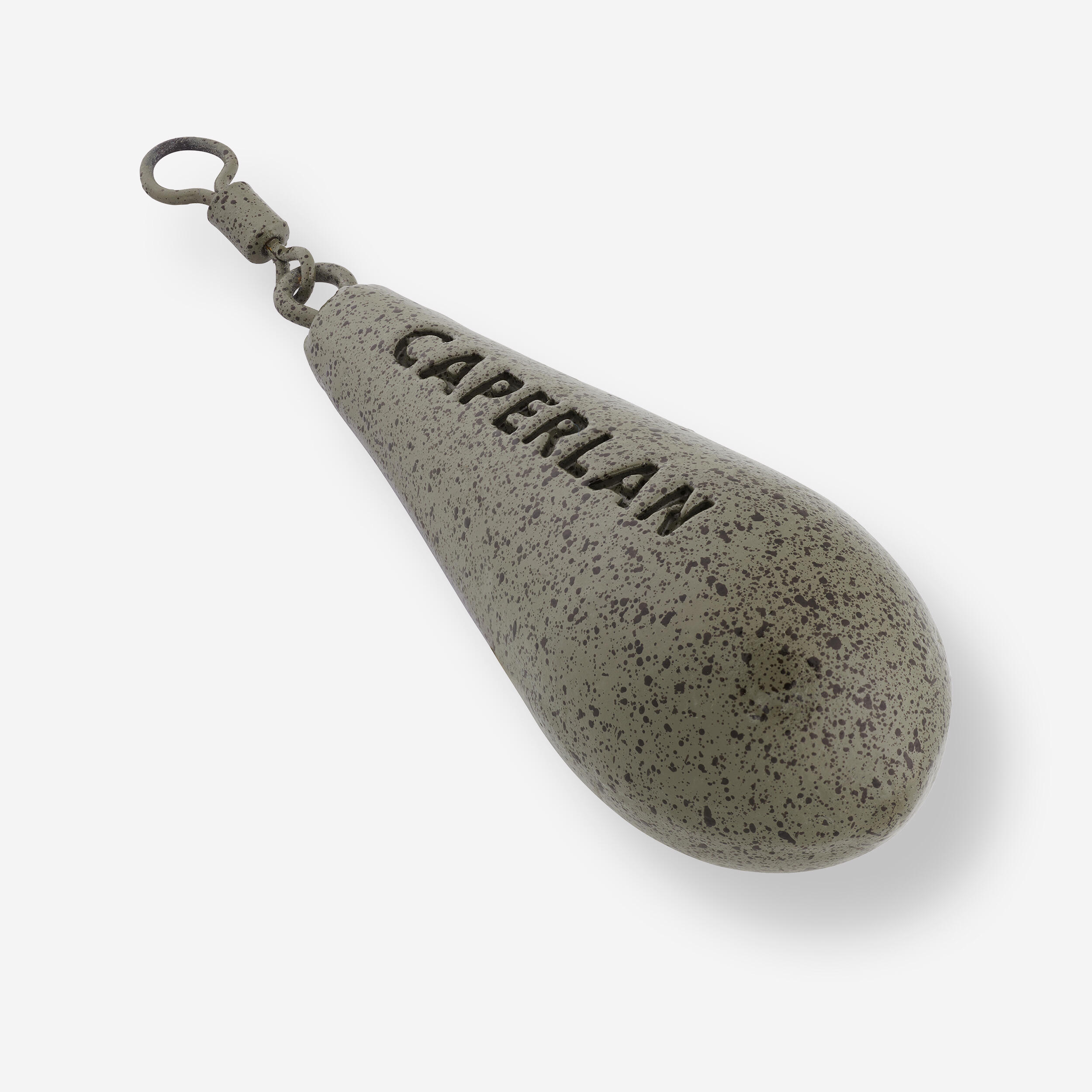
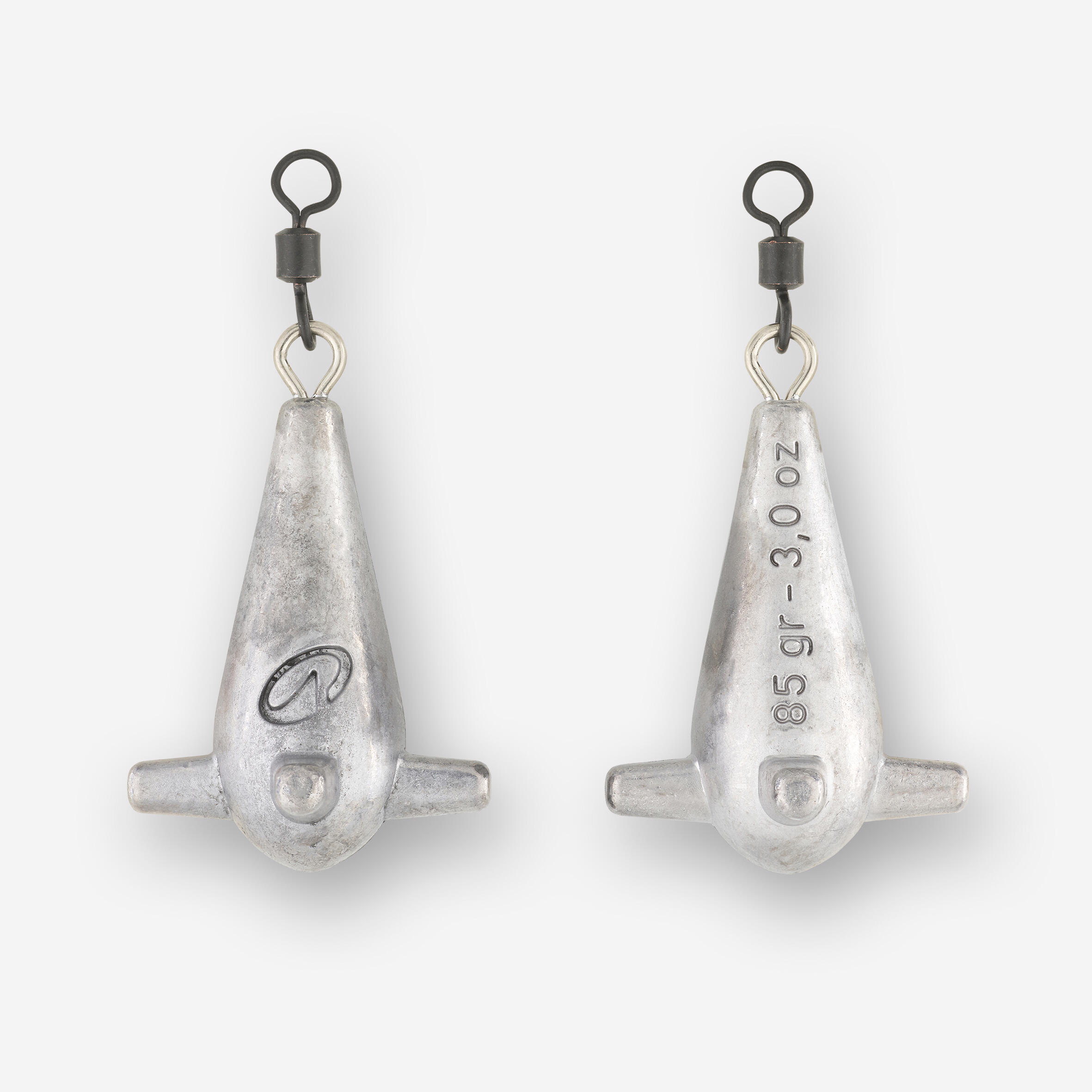
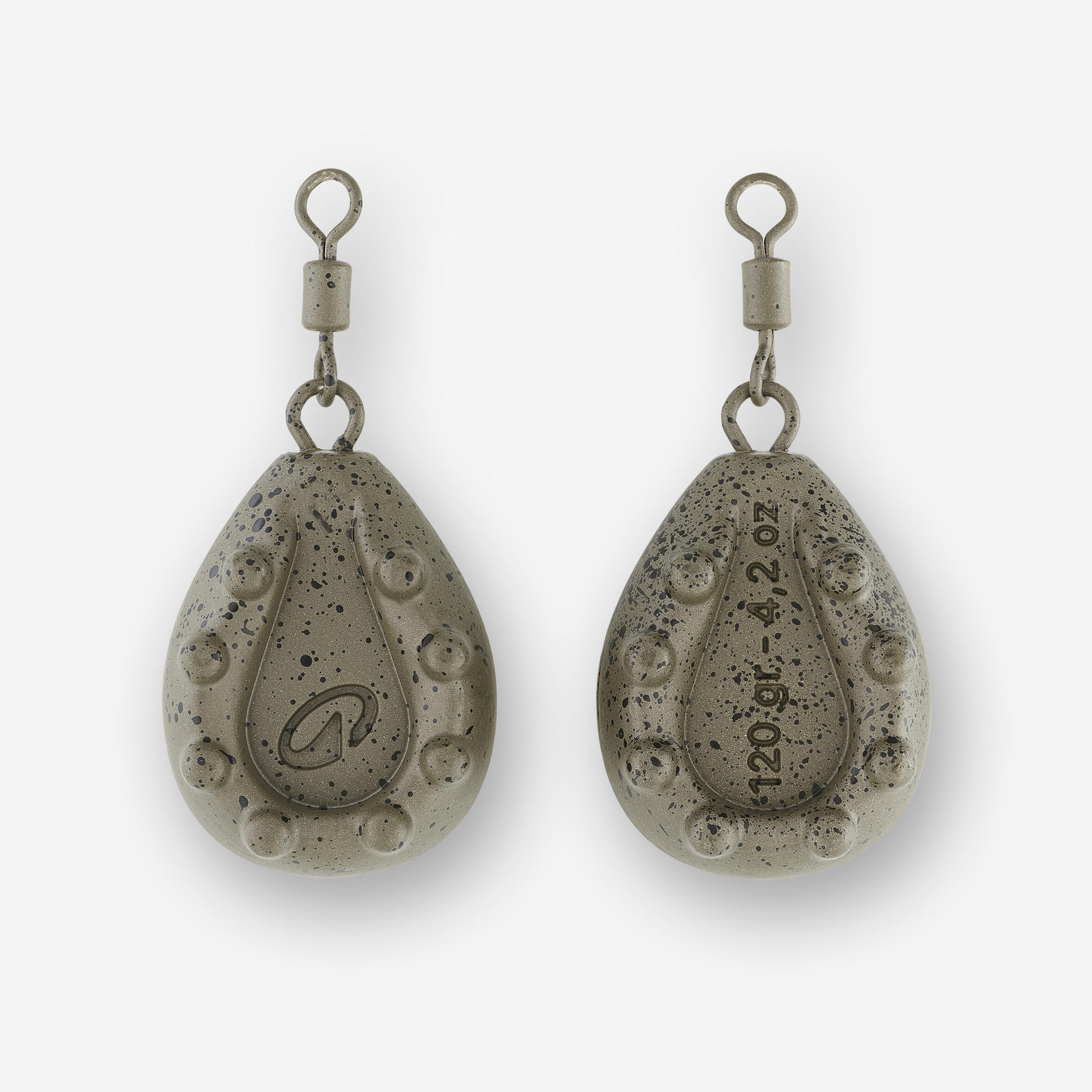
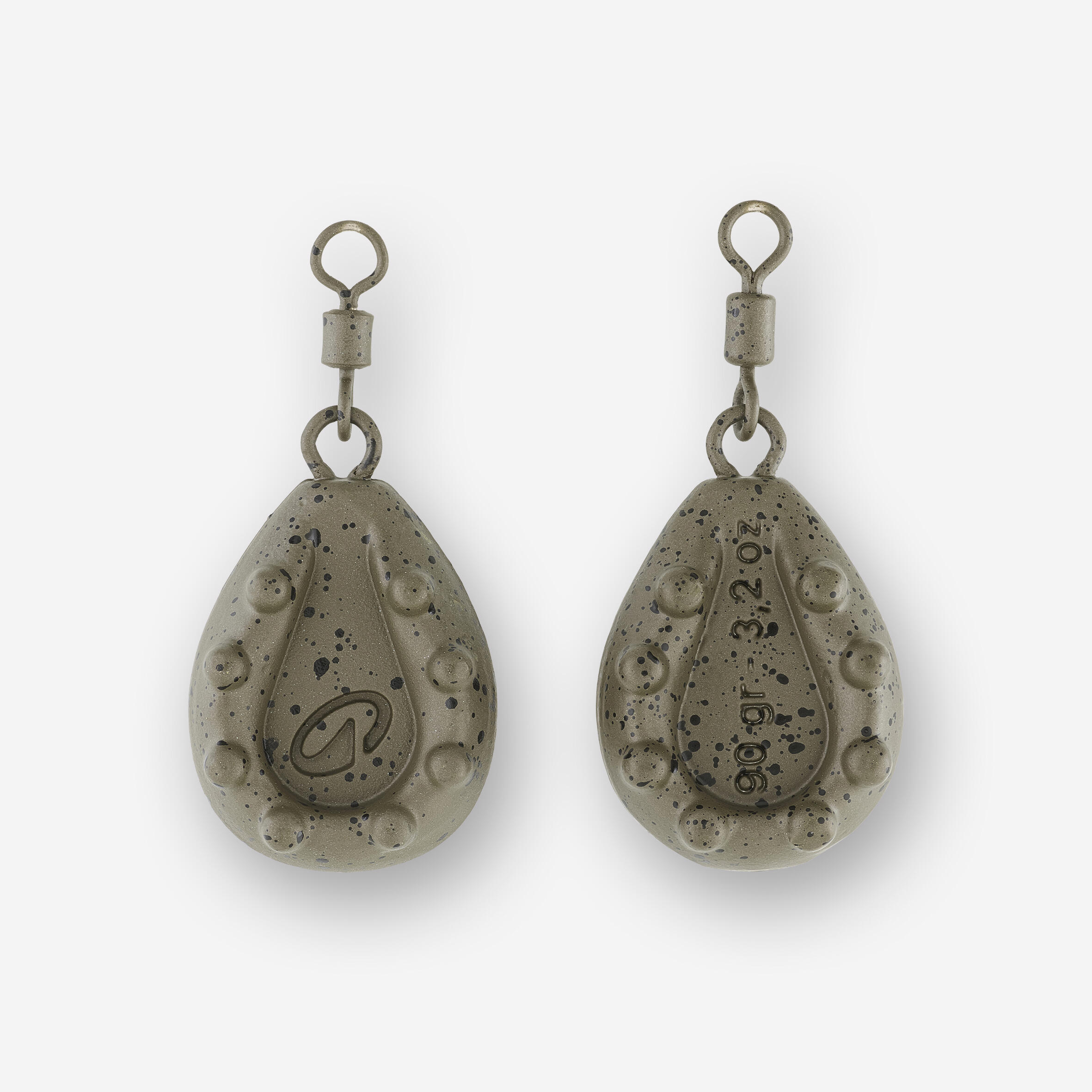
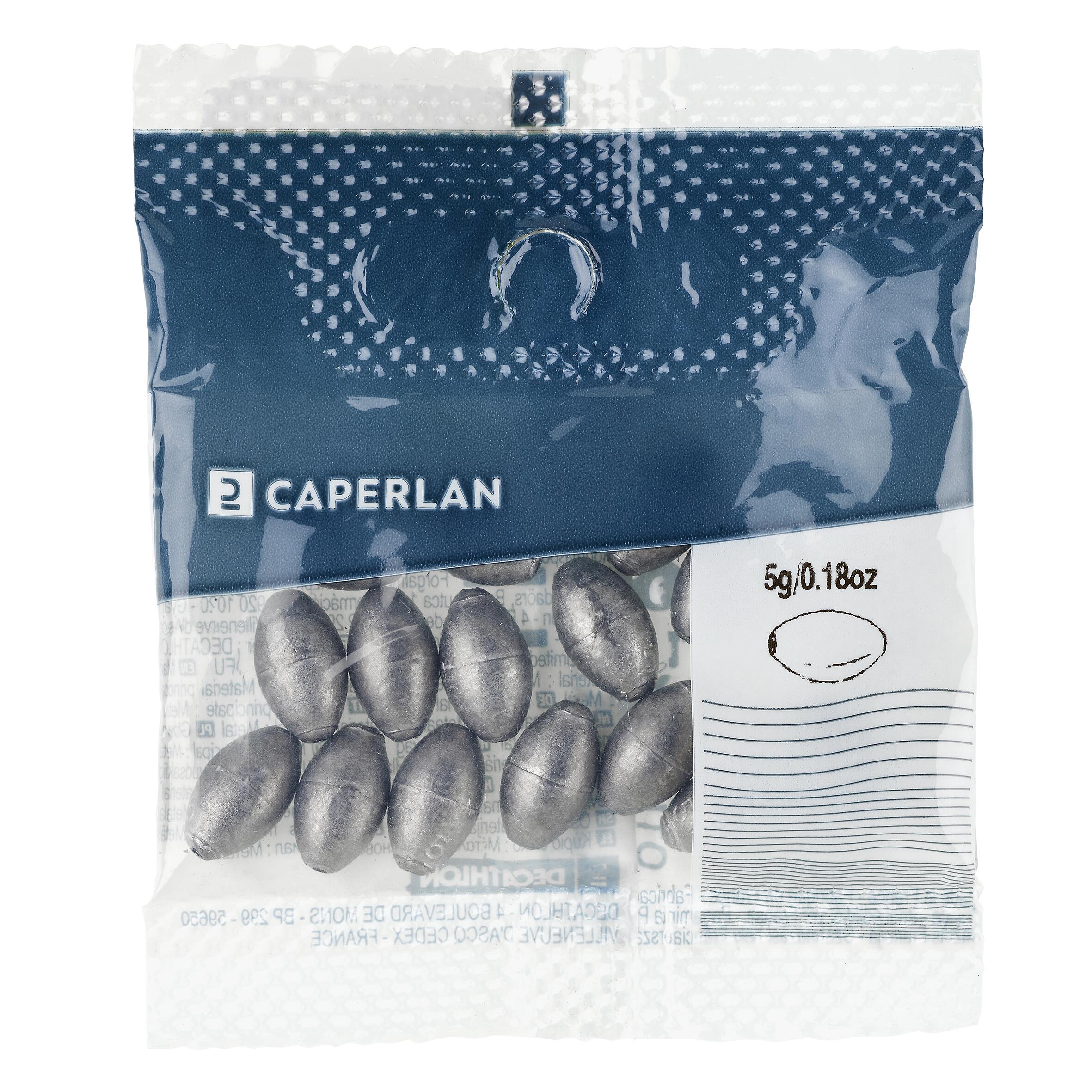
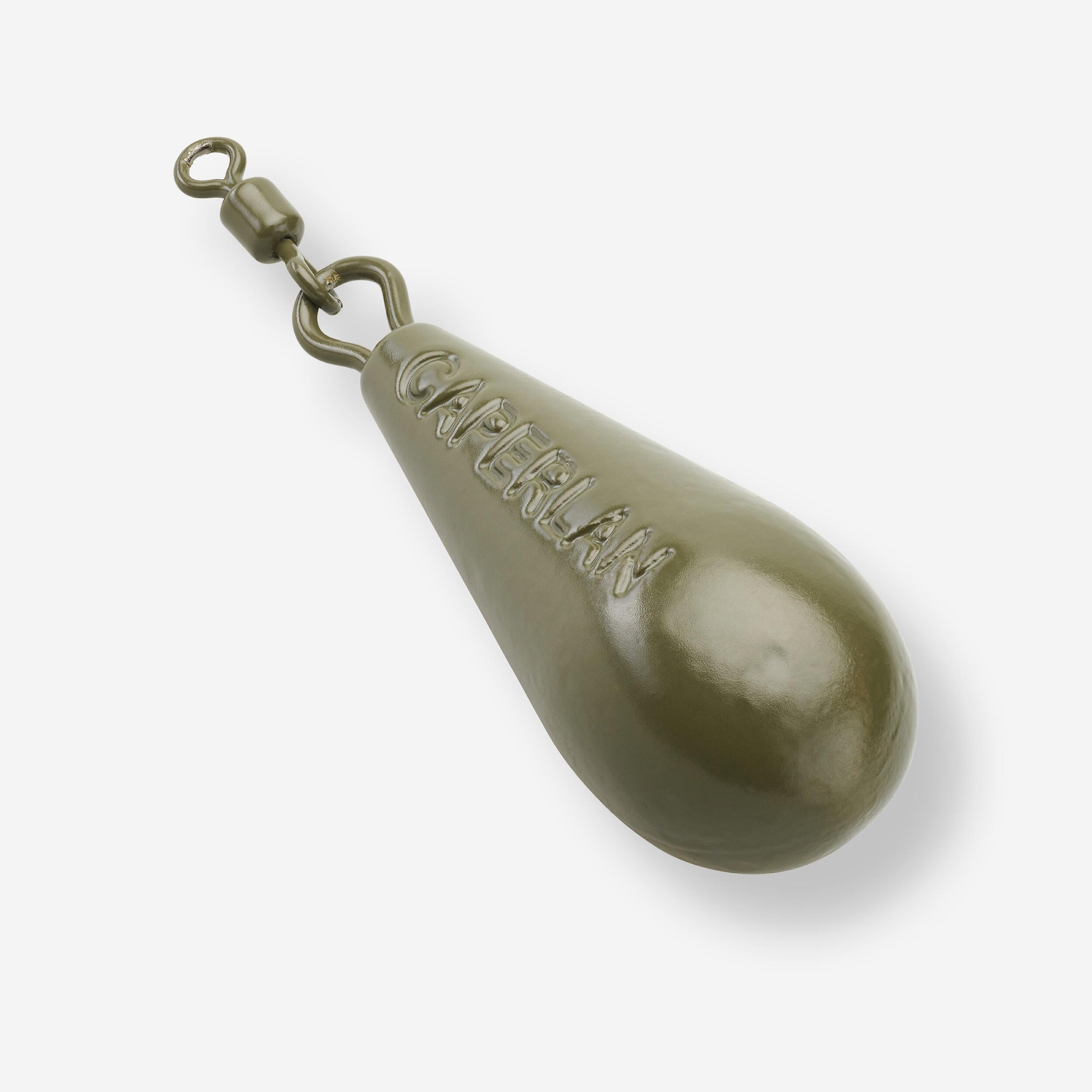
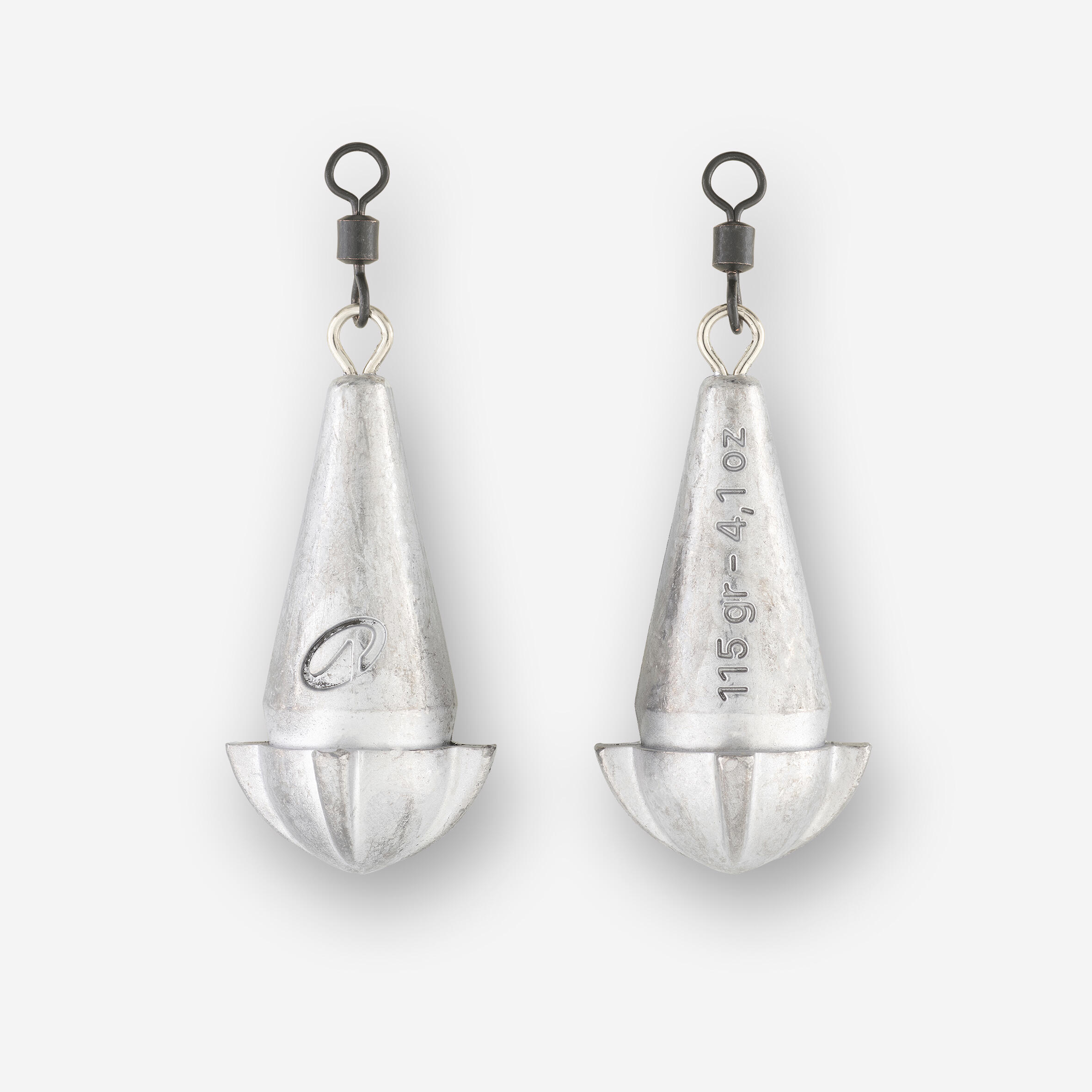
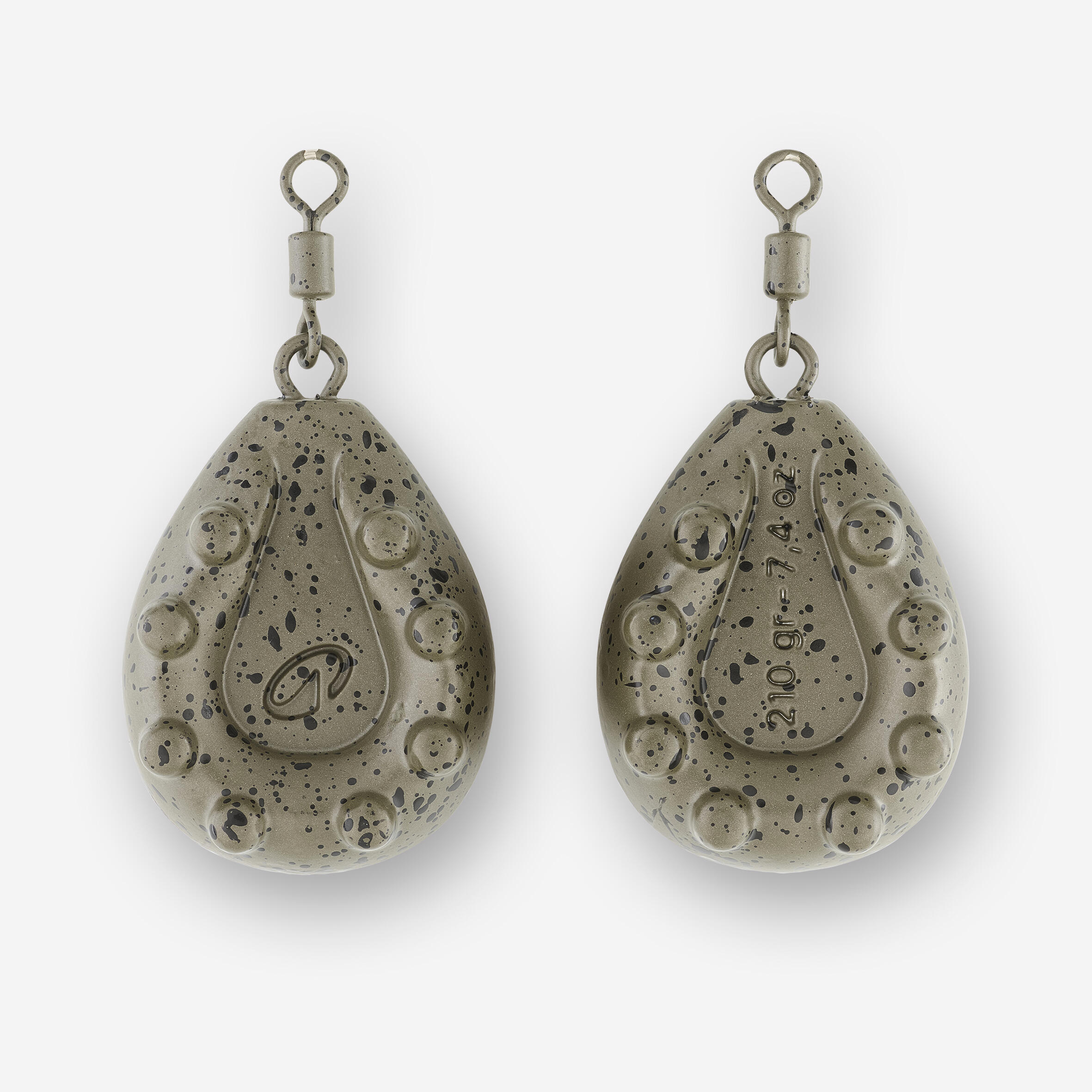
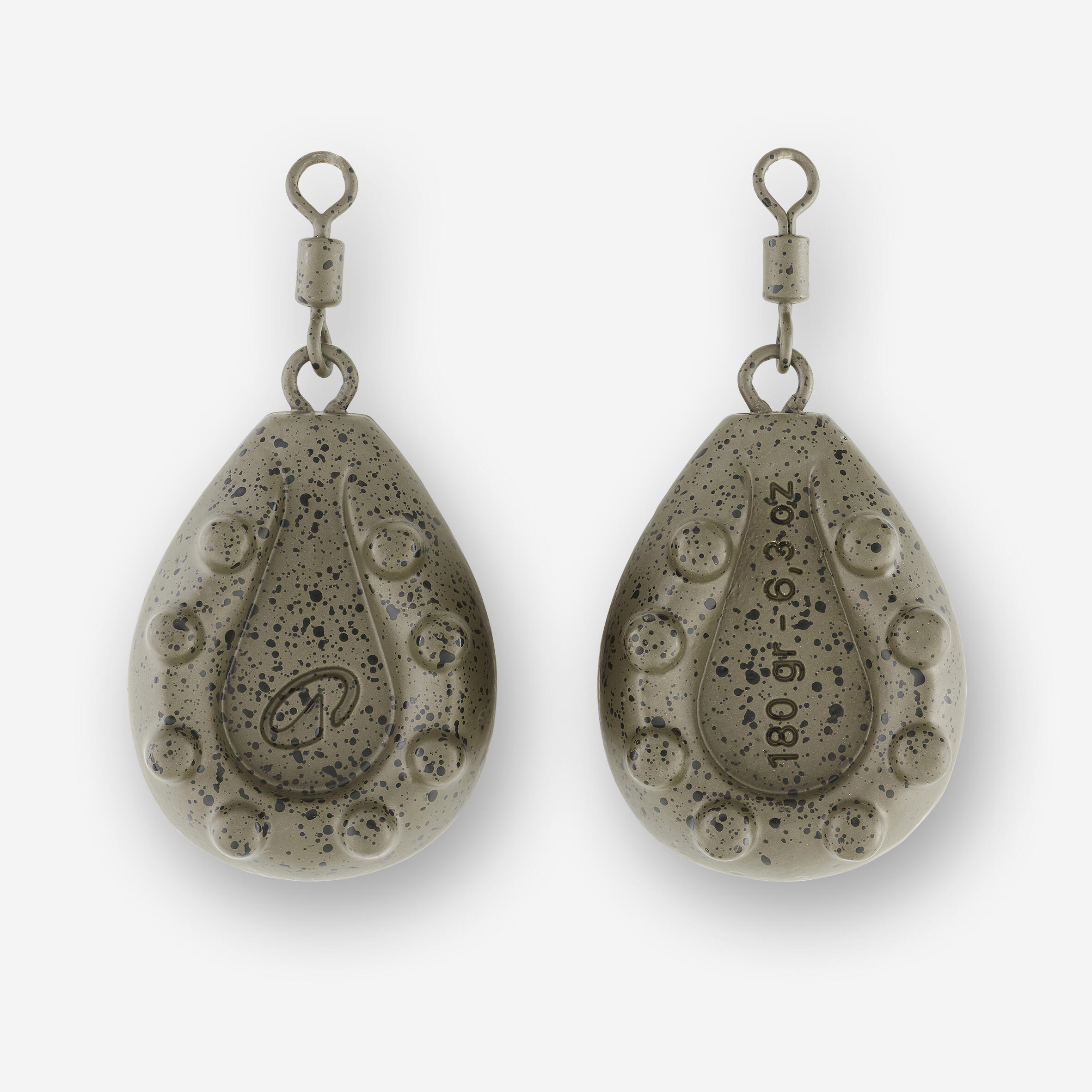
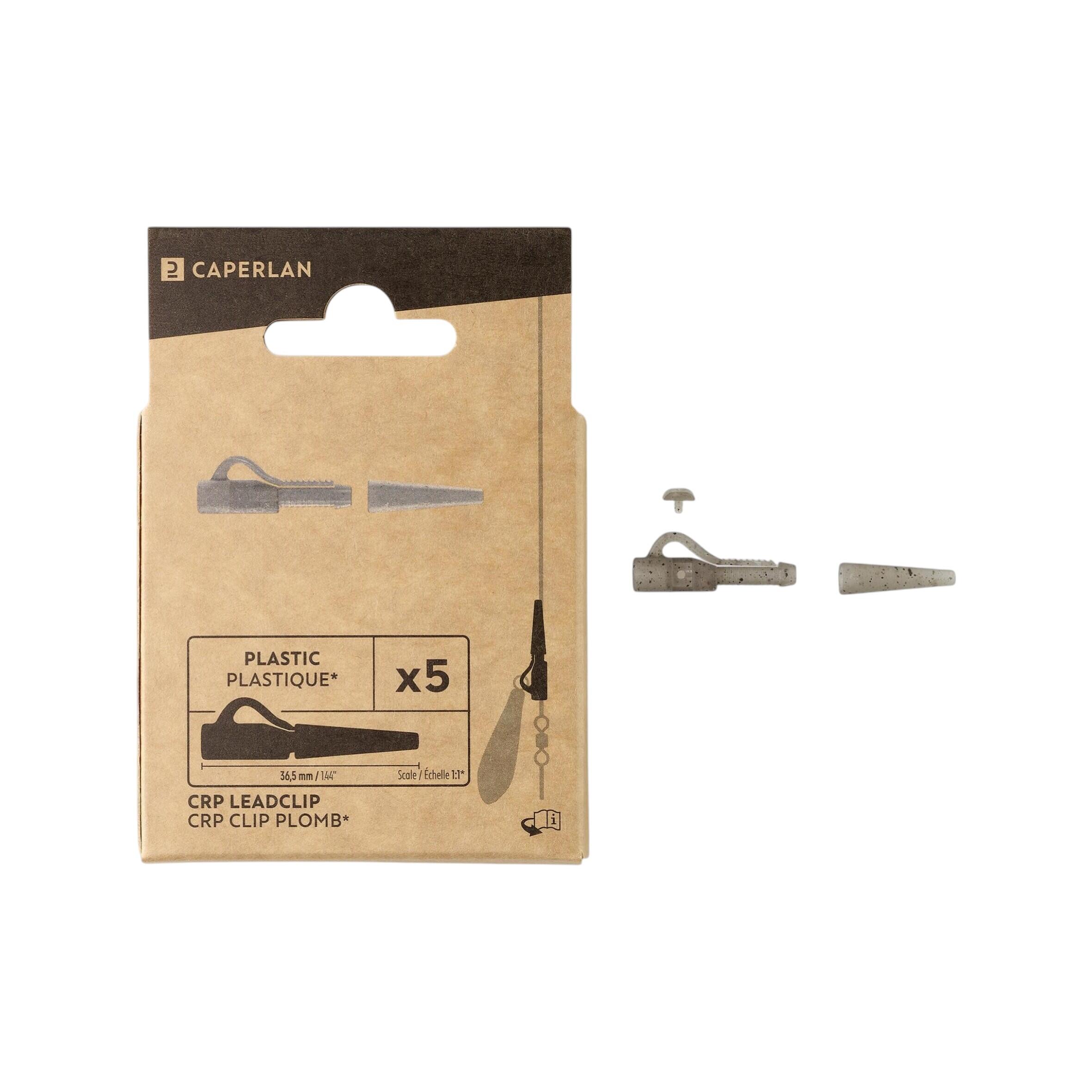
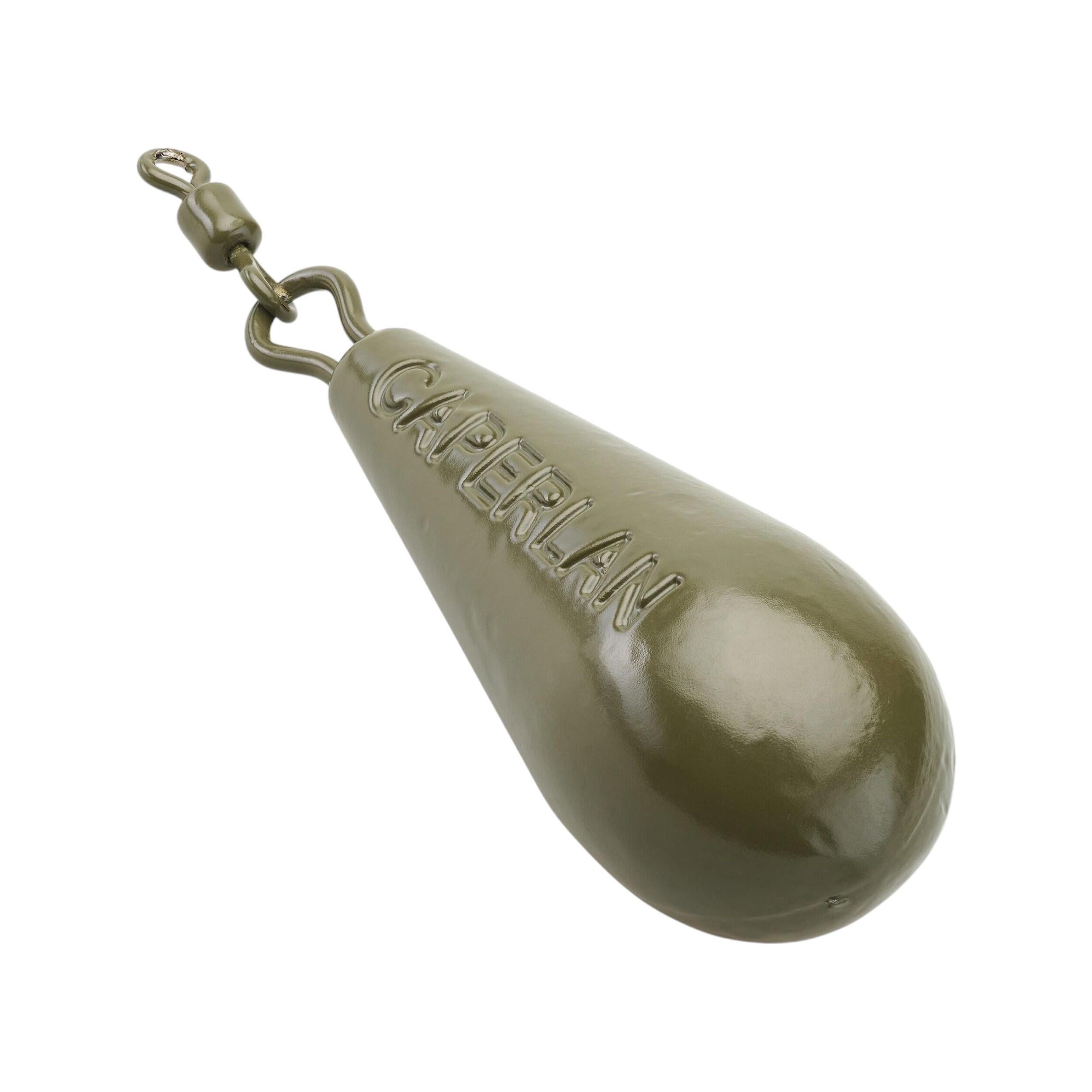
Different leads can change both how a rig flies and how it settles after reaching the water. Caperlan distance sinkers use an offset centre of gravity and aerodynamic profile to support long, precise casts, with the same shape offered from around 50 g to 150 g. The 5 mm attachment ring also fits standard lead clips, helping the sinker integrate into familiar terminal designs. Selecting suitable carp weights therefore involves more than picking a number in grams. Consider rod rating, fishing distance and the type of presentation you want on the bottom. Caperlan also uses camouflaged finishes across the lead, swivel and clip, reducing bright reflections around the complete terminal connection.

Why do non-reflective hooks and swivels matter in a carp rig?

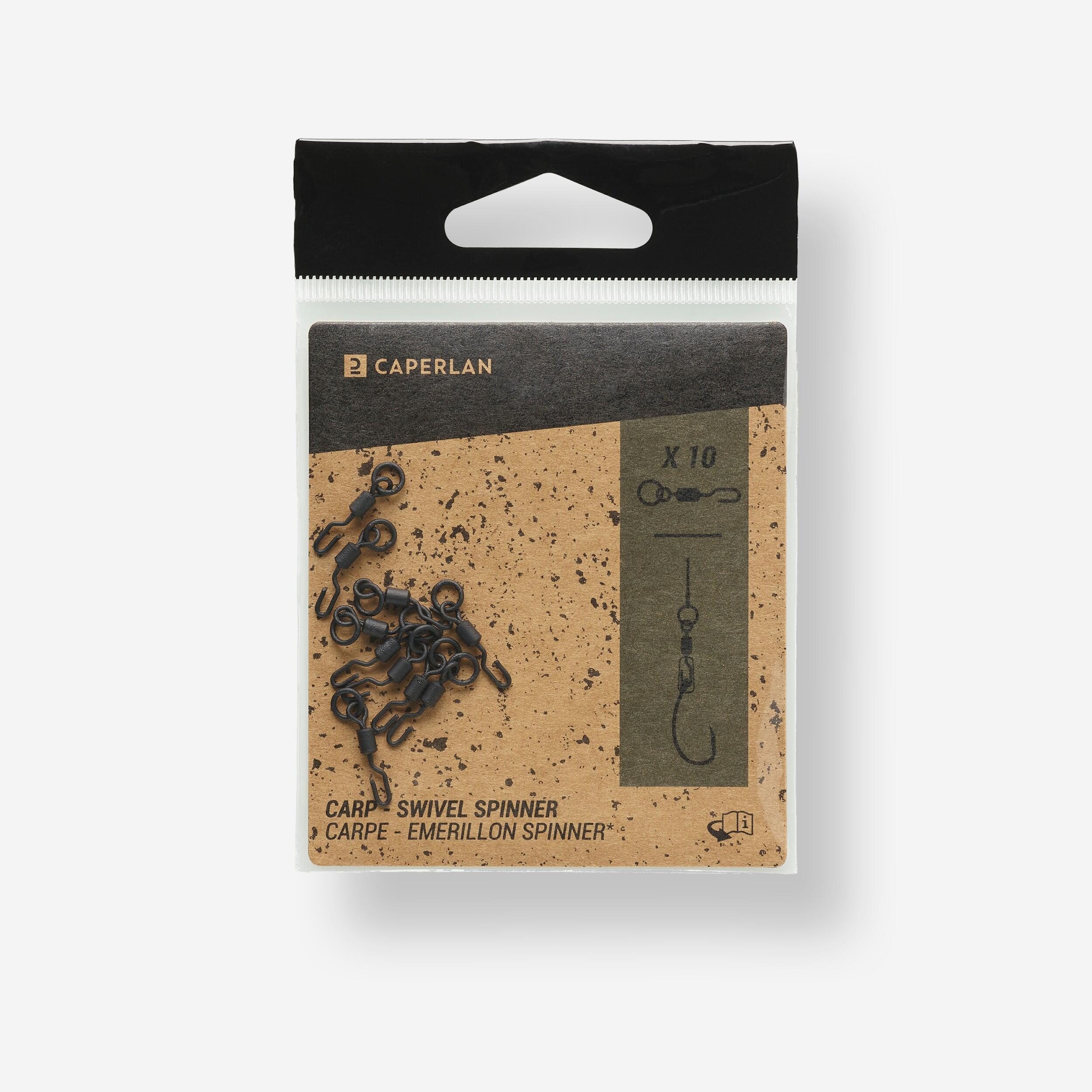
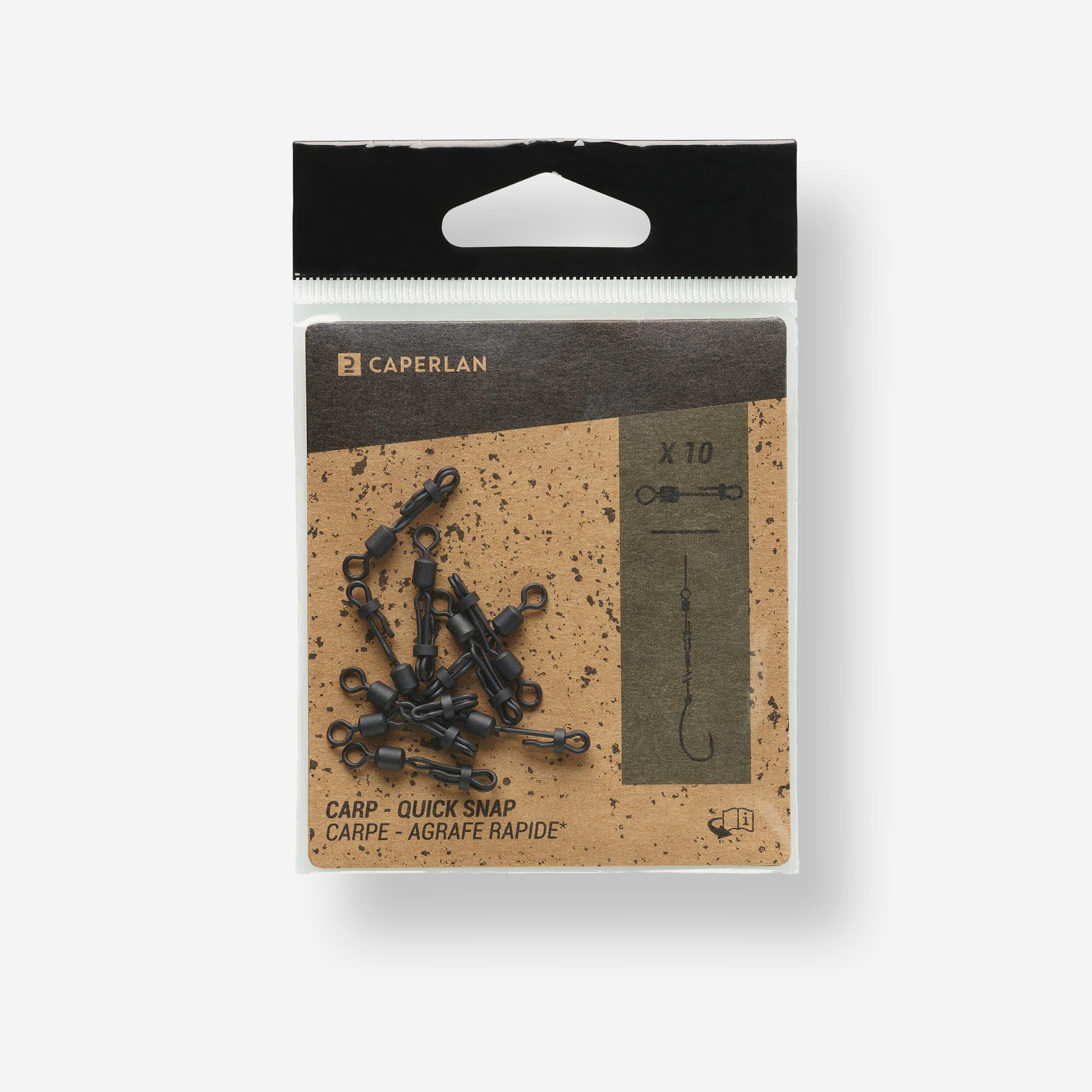
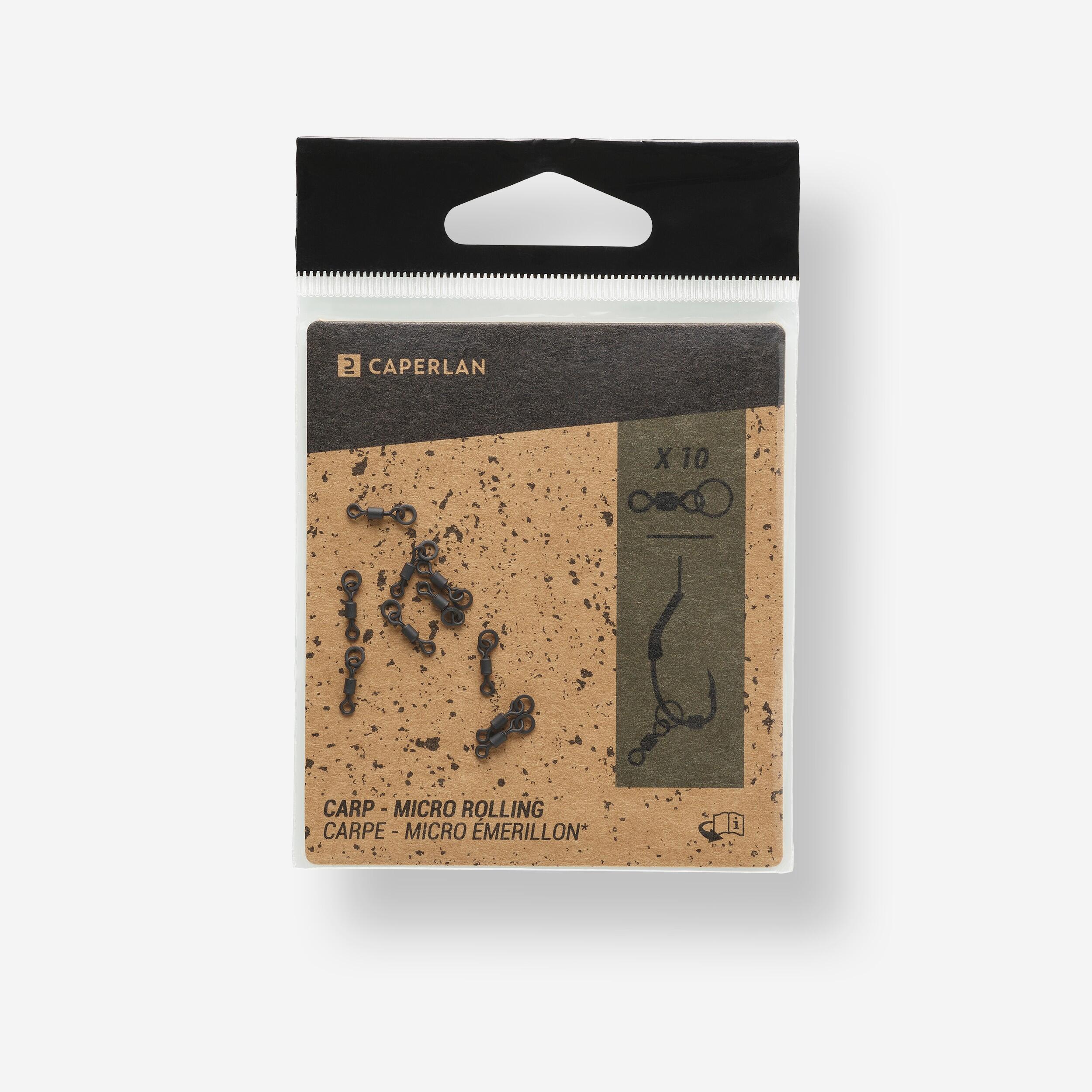
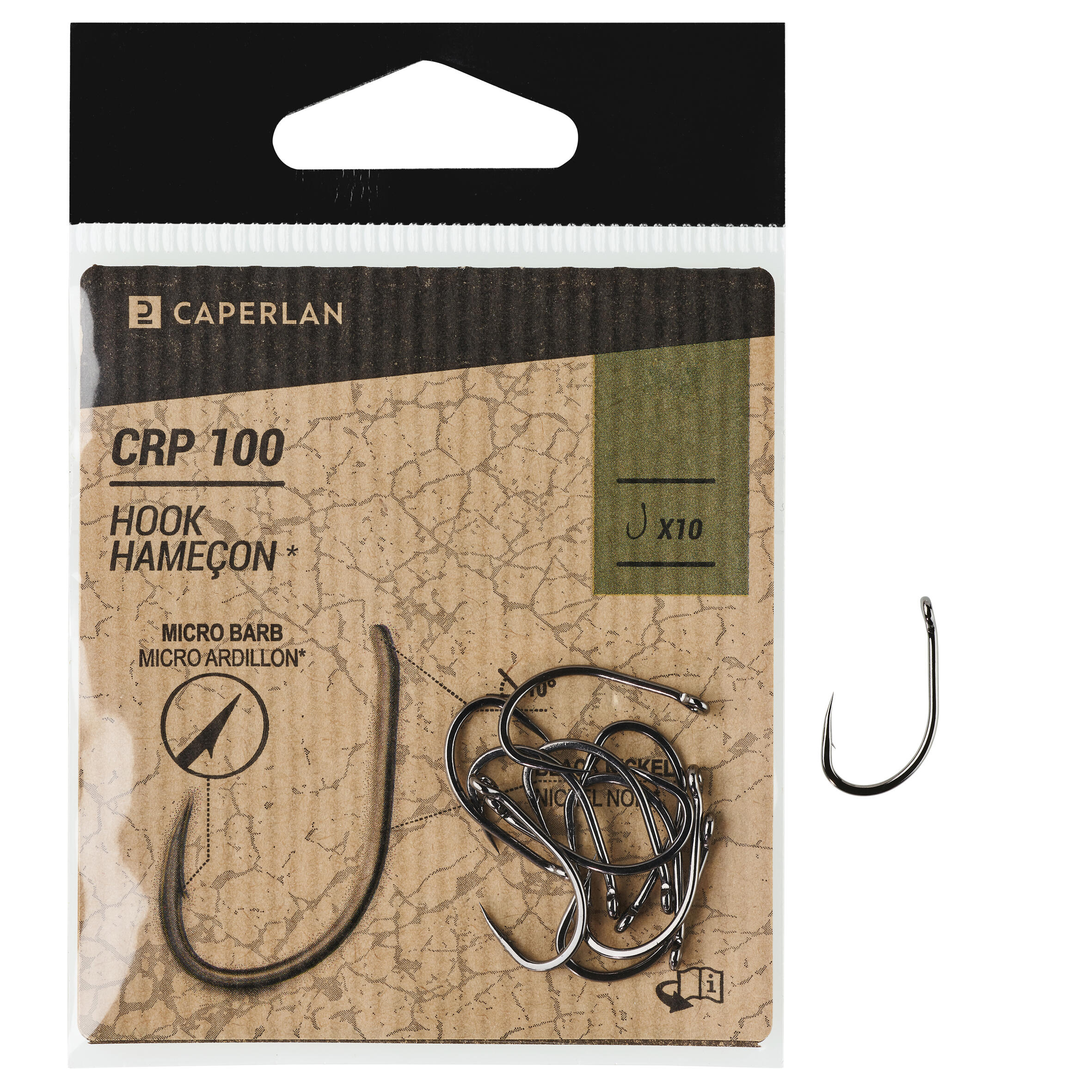
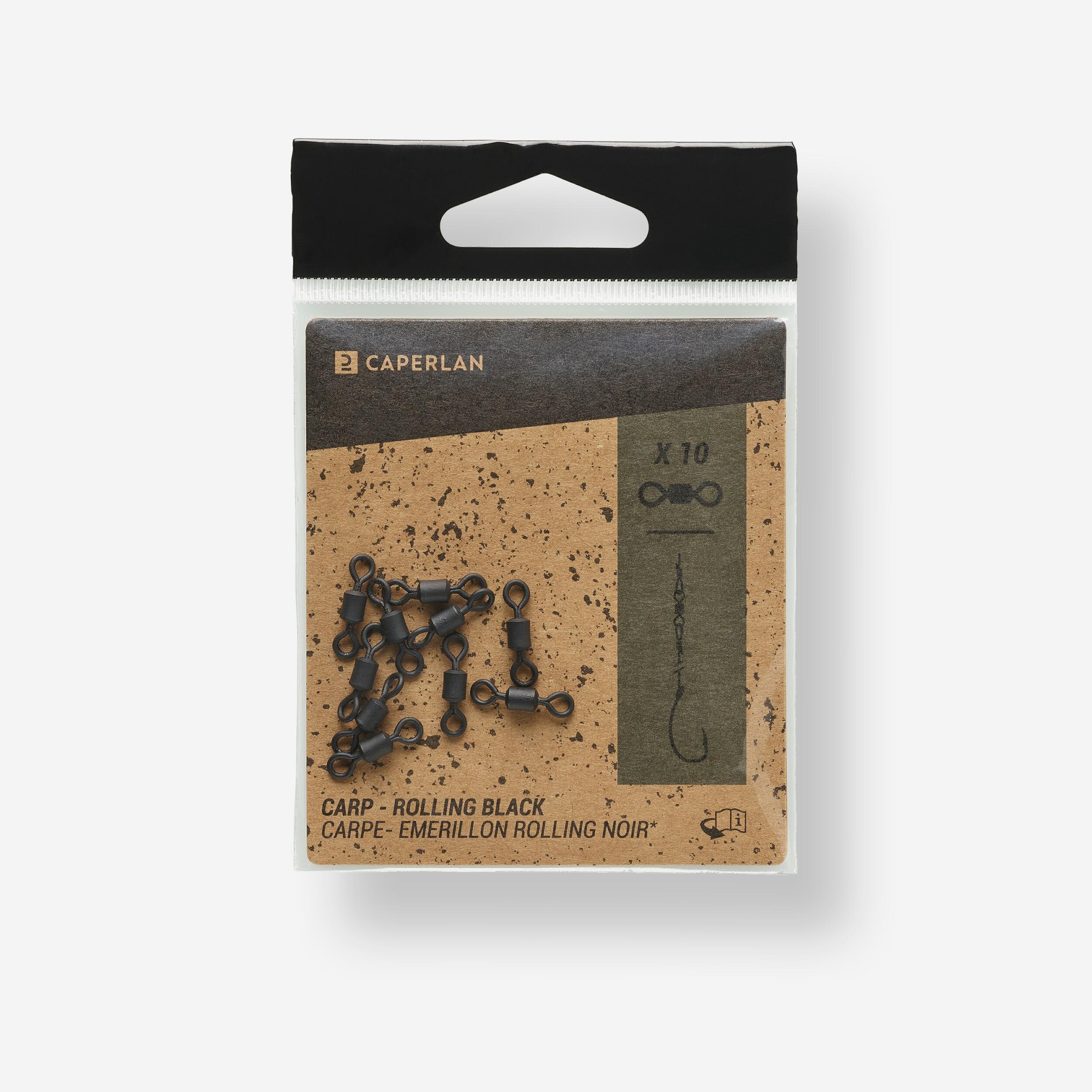
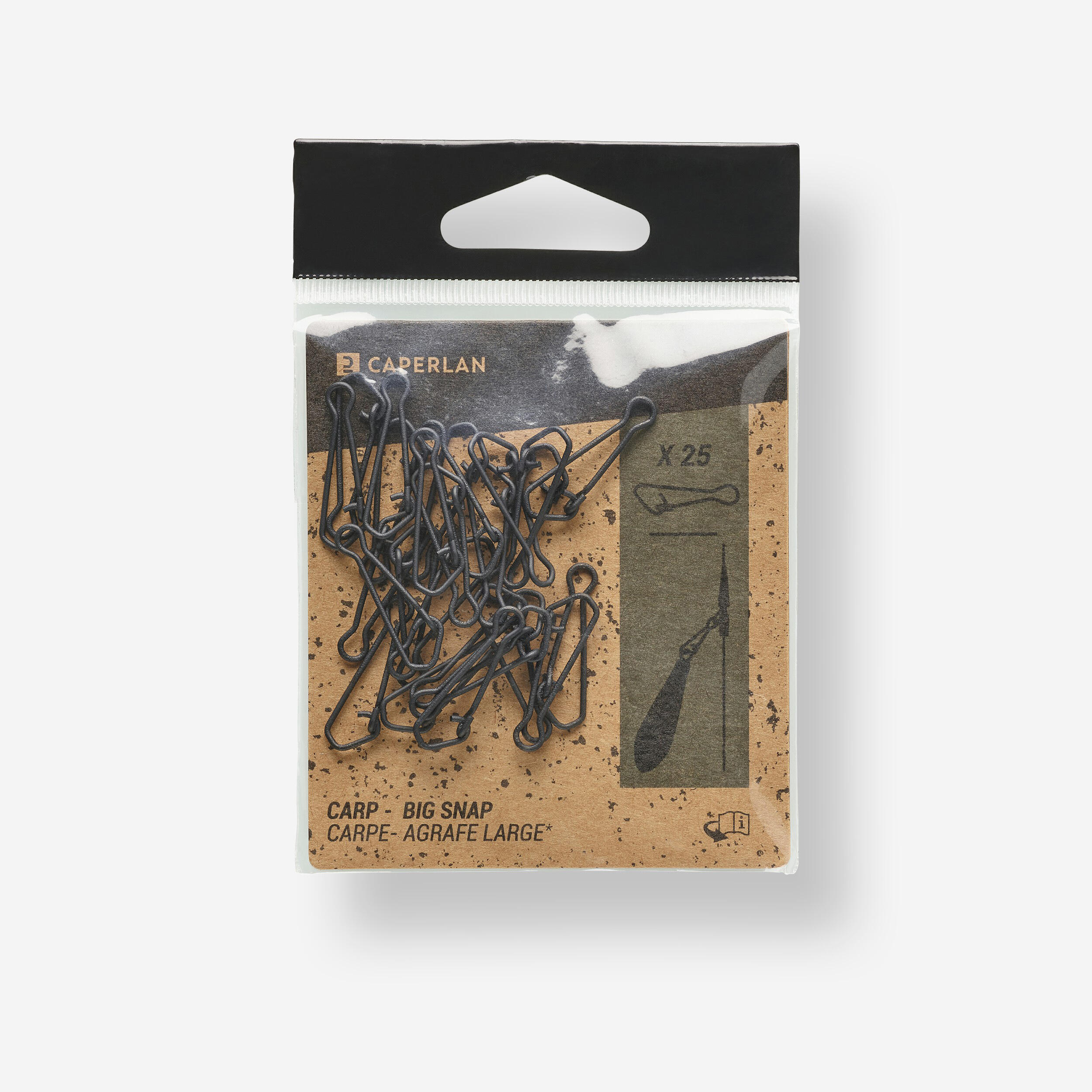
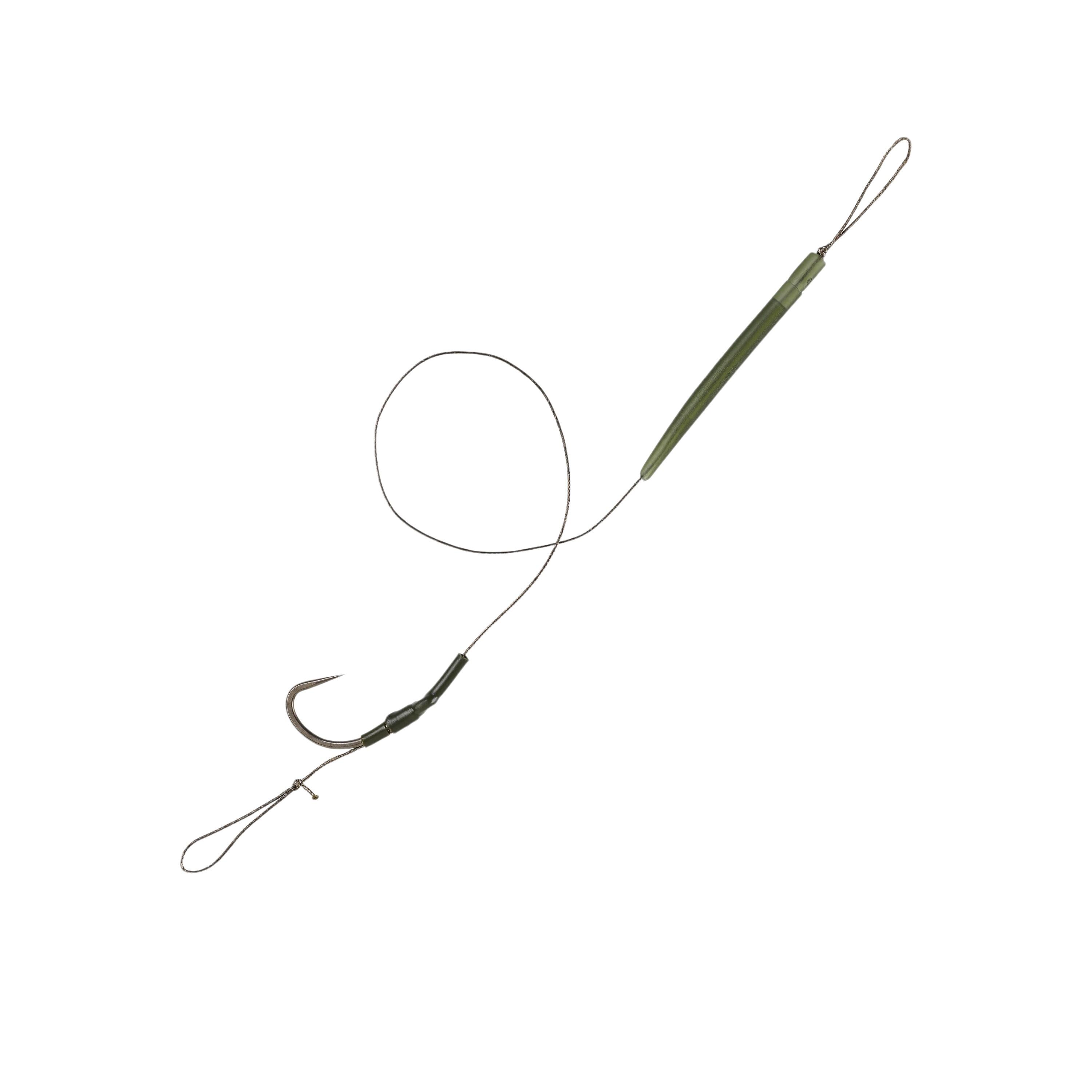
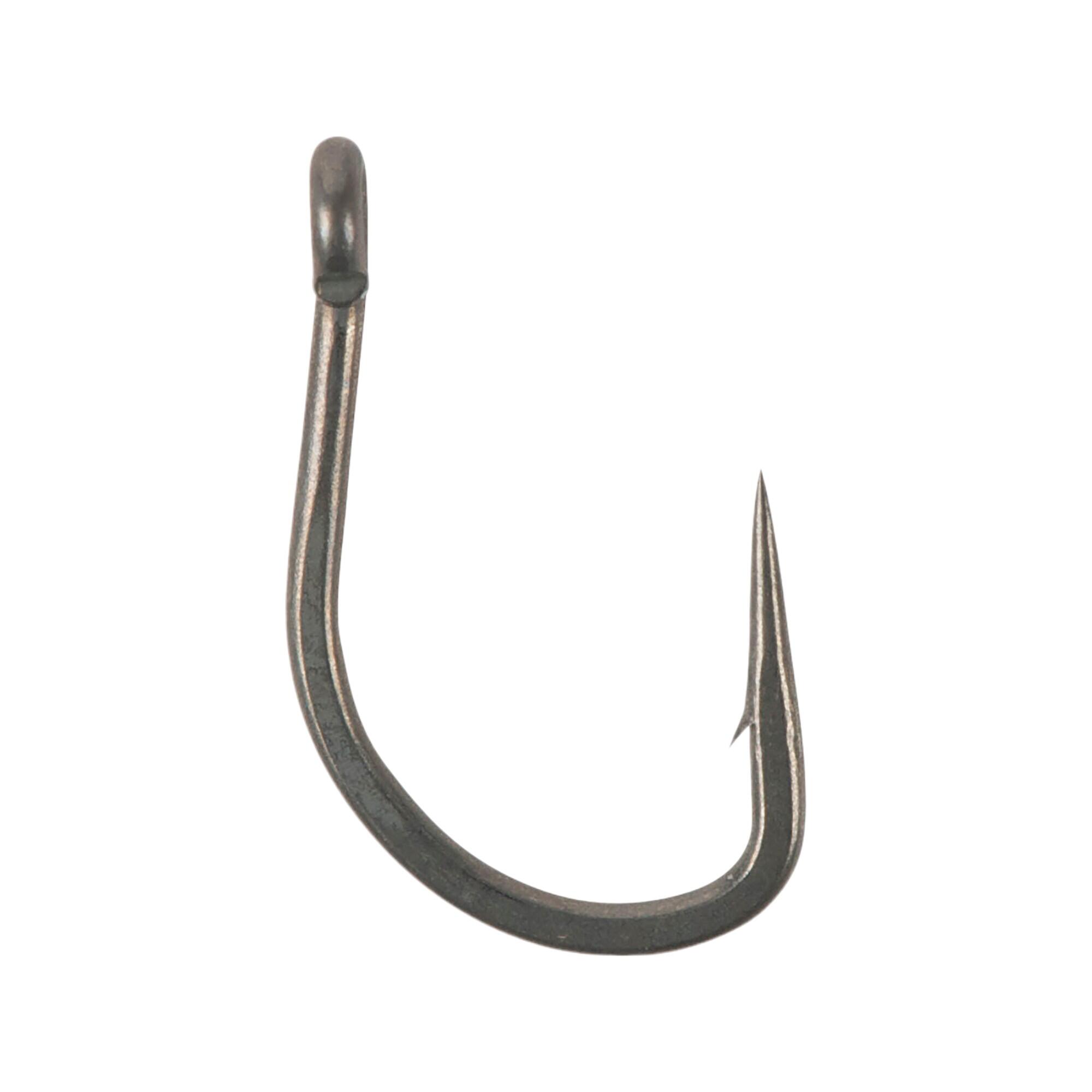
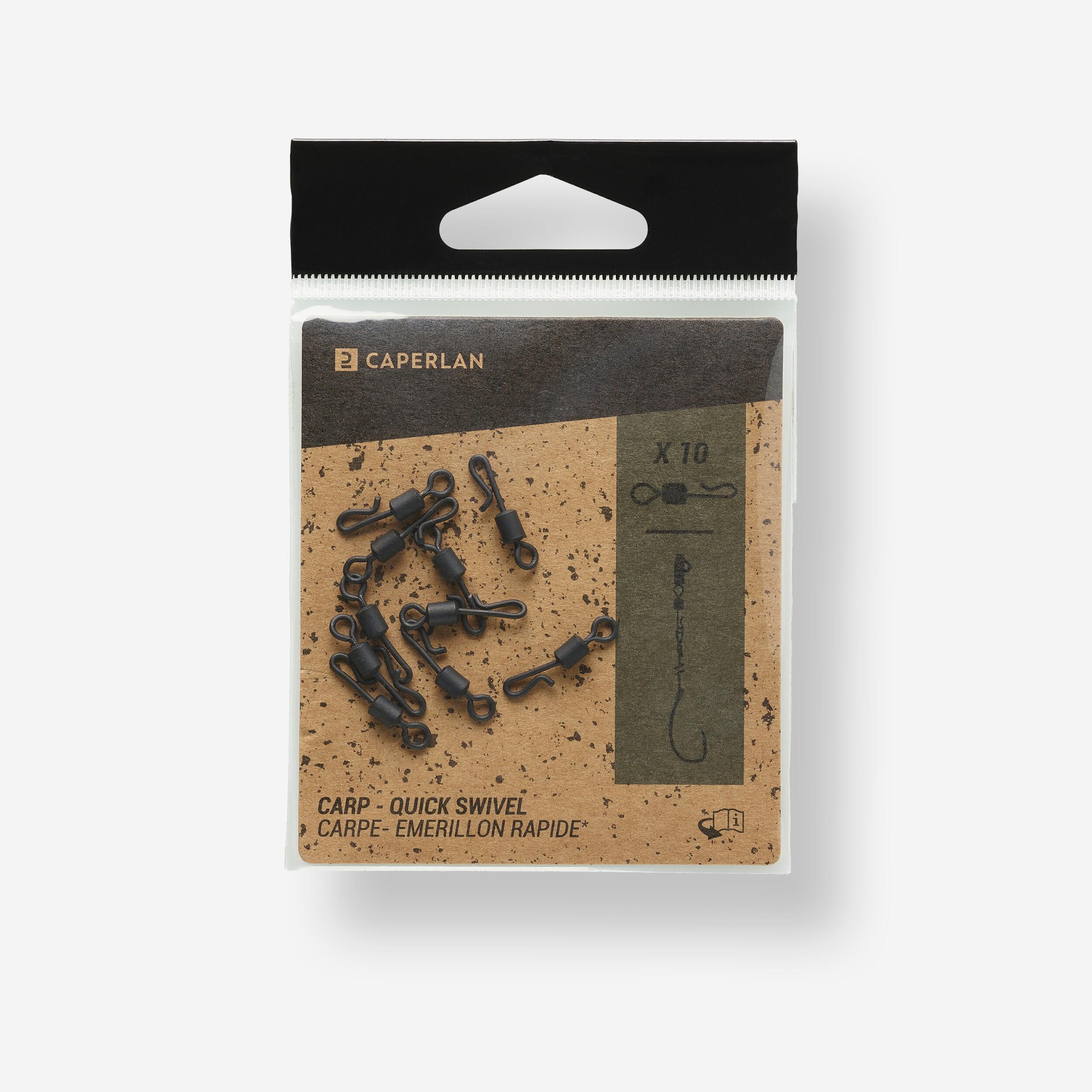
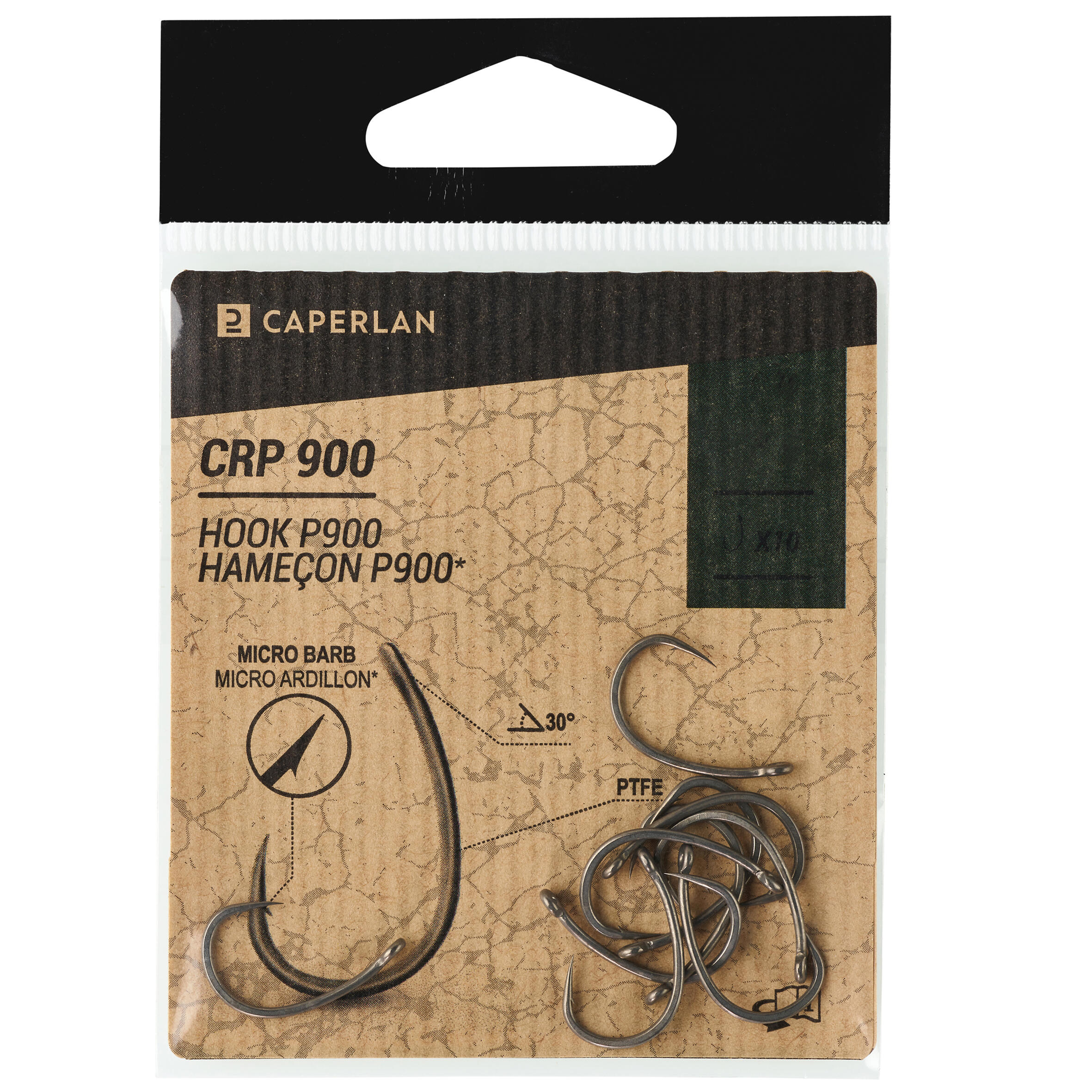
Shiny metal around the hookbait can make terminal tackle more visible, particularly in clear or shallow water. Caperlan addresses this with matte finishes on several small components. Its size 8 rolling swivel uses a black carbon coating that reduces reflections while improving resistance to rust, and selected hooks use a PTFE finish for the same discreet effect. Hook choice sits in the same terminal chain, so carp hooks need to suit the rig style, bait size and line strength rather than being selected only by colour. Inspect hook points, swivel movement and clip condition before casting, replacing any part that has become bent, blunt or difficult to rotate freely.

How should you store carp accessories between fishing sessions?

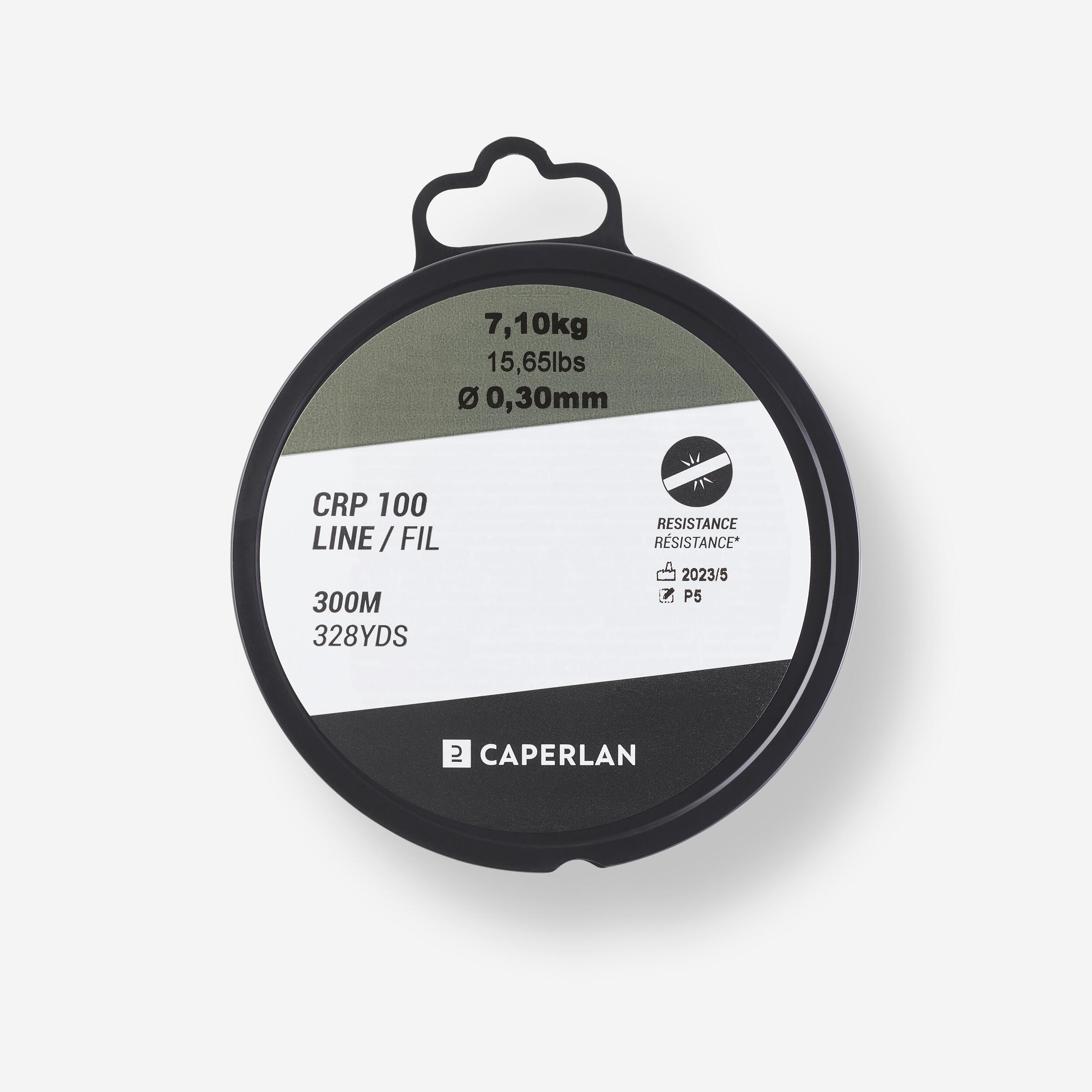
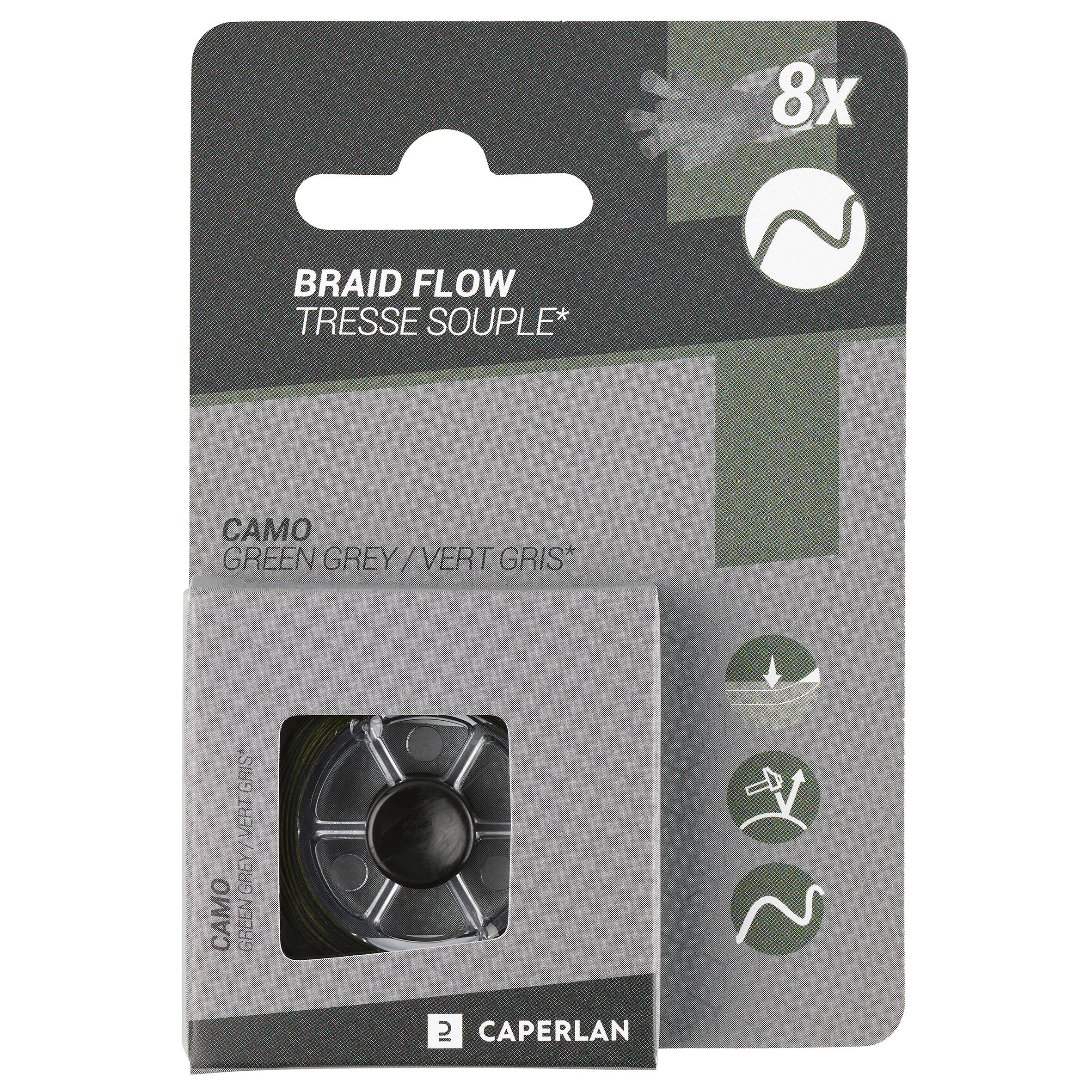
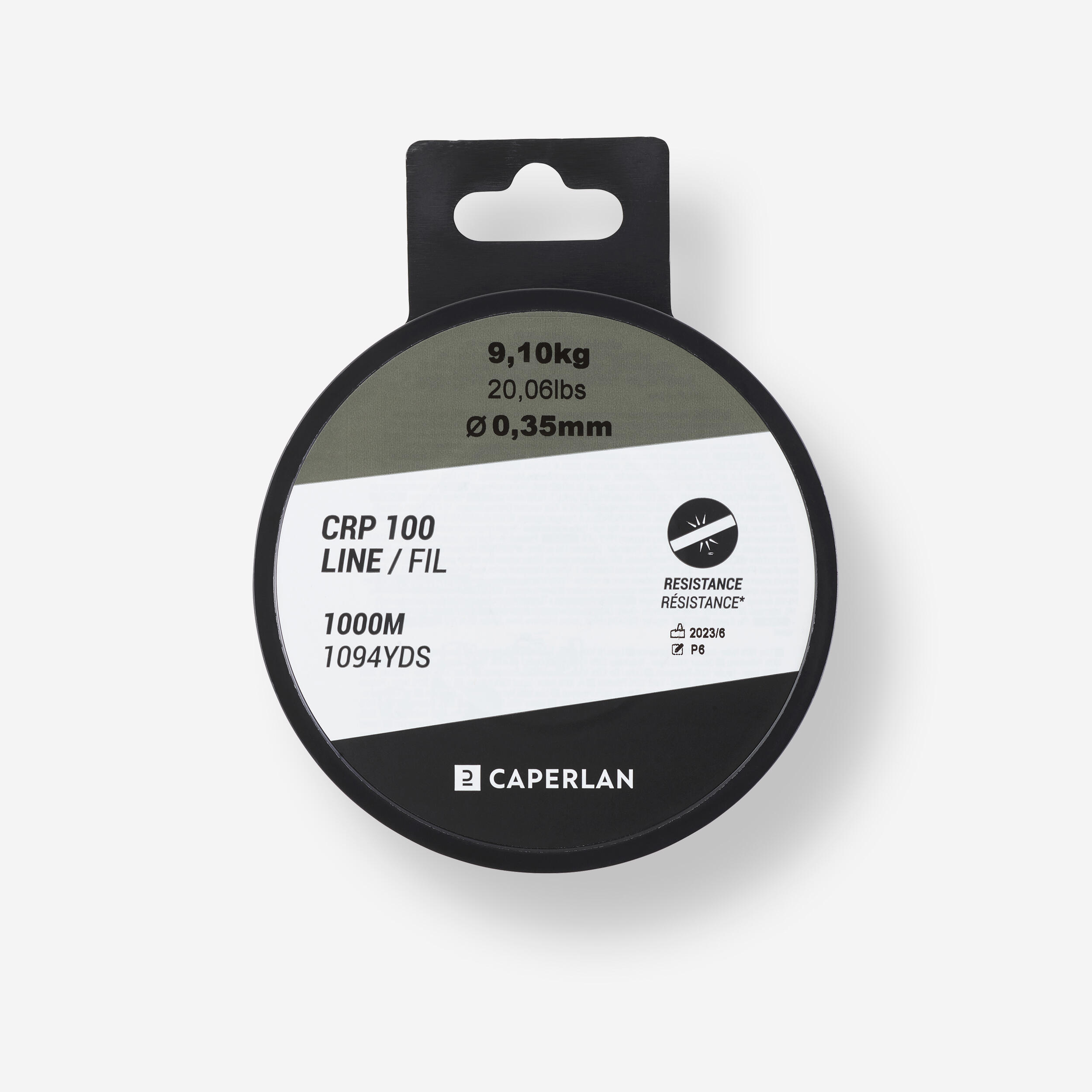
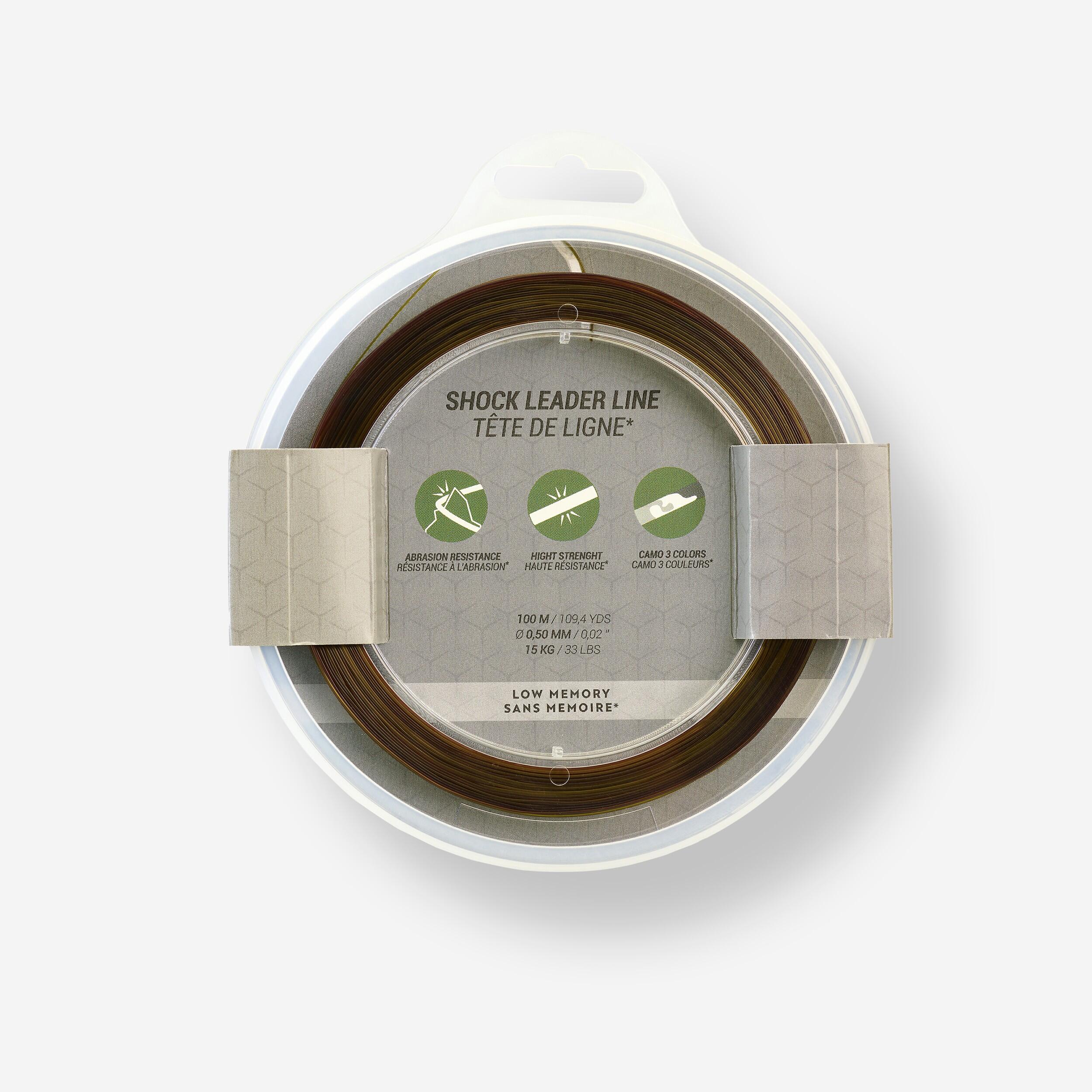
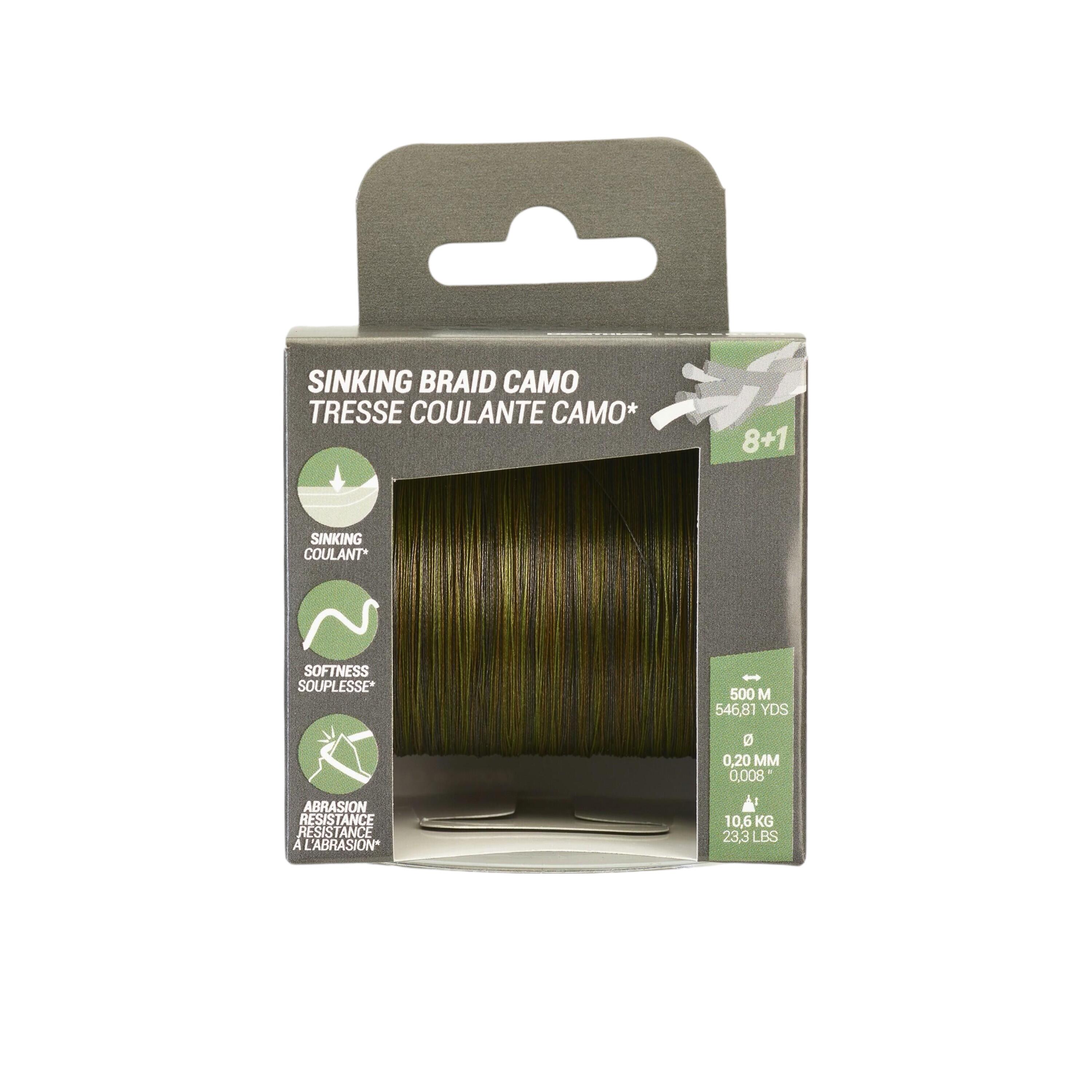
Dry storage helps protect metal fittings, line and tackle-box components from unnecessary wear. Caperlan advises keeping polypropylene boxes away from excessive heat and humidity, while lead weights are stored dry inside a box and handled with care. Wash your hands after touching lead sinkers, then keep them separated from softer materials that can be crushed or marked during transport. Line also deserves its own inspection before it goes back into storage. Abrasion near knots or terminal tackle can weaken a rig even when the remainder looks sound, so reviewing your carp lines and braids at the same time as hooks, swivels and leads creates a more complete end-of-session check. Dry everything fully before closing the tackle box.