33 items
4.6/5 based on 1429 reviews collected online and in stores

Bivouac FAQs

What defines a fishing bivvy suitable for longer carp sessions?

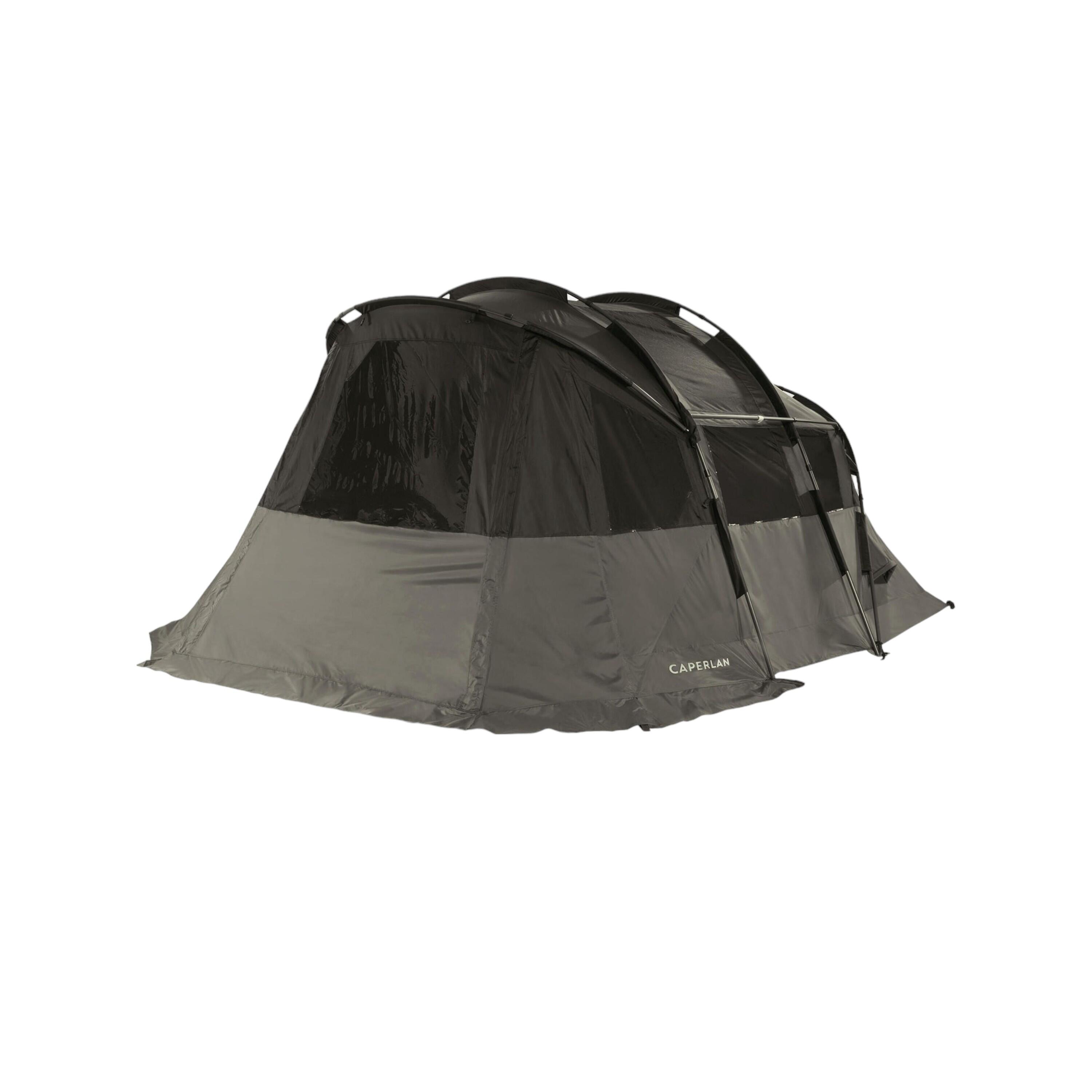
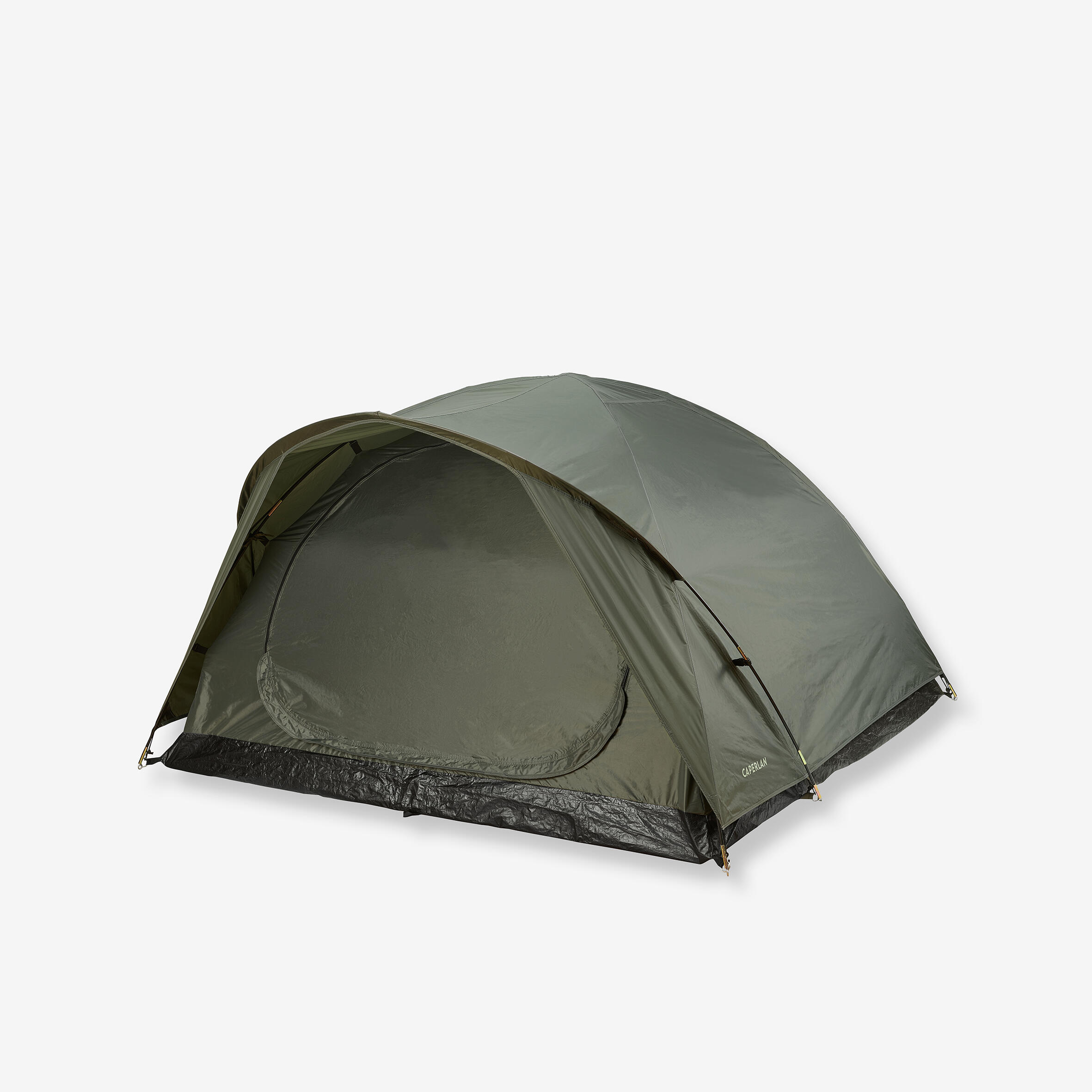
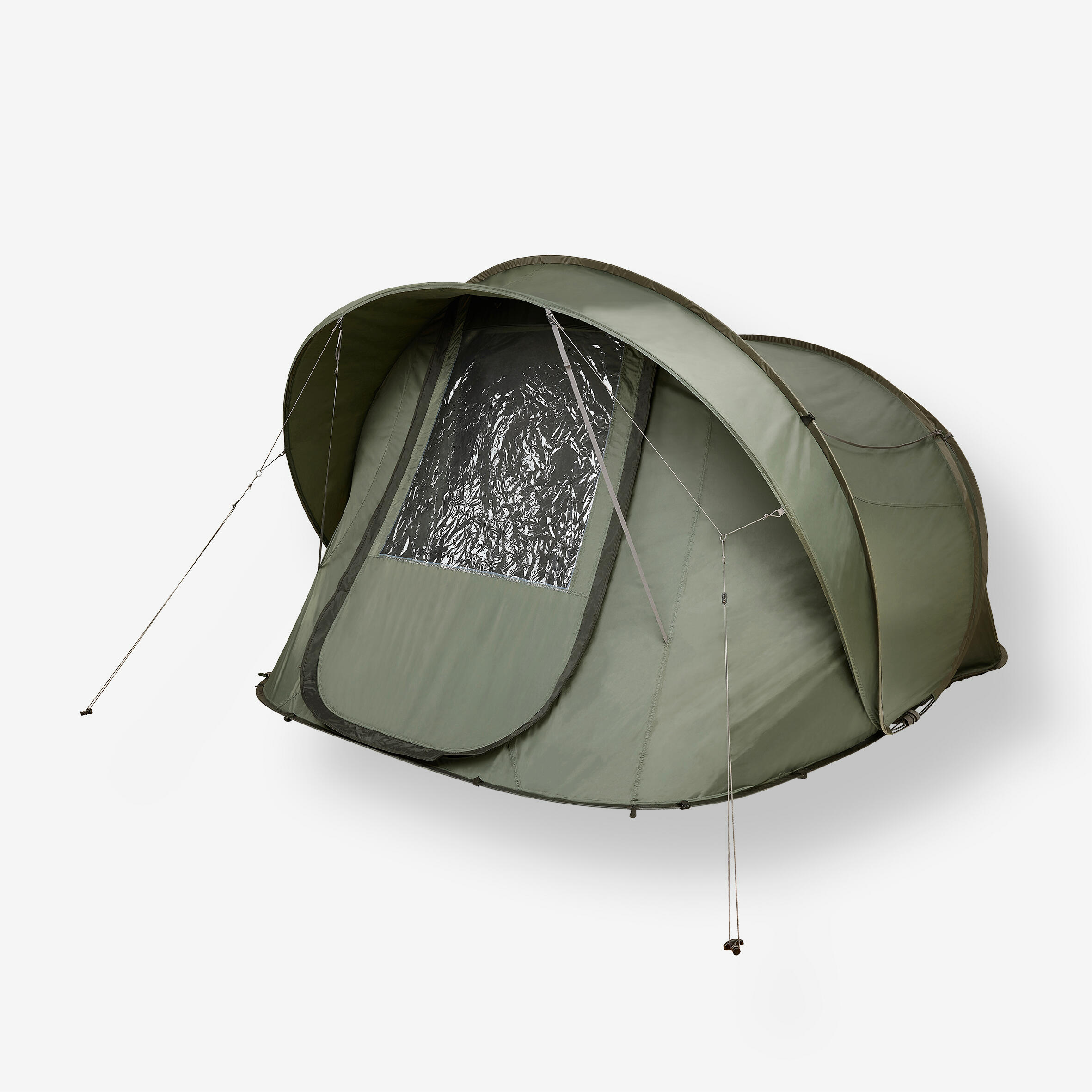
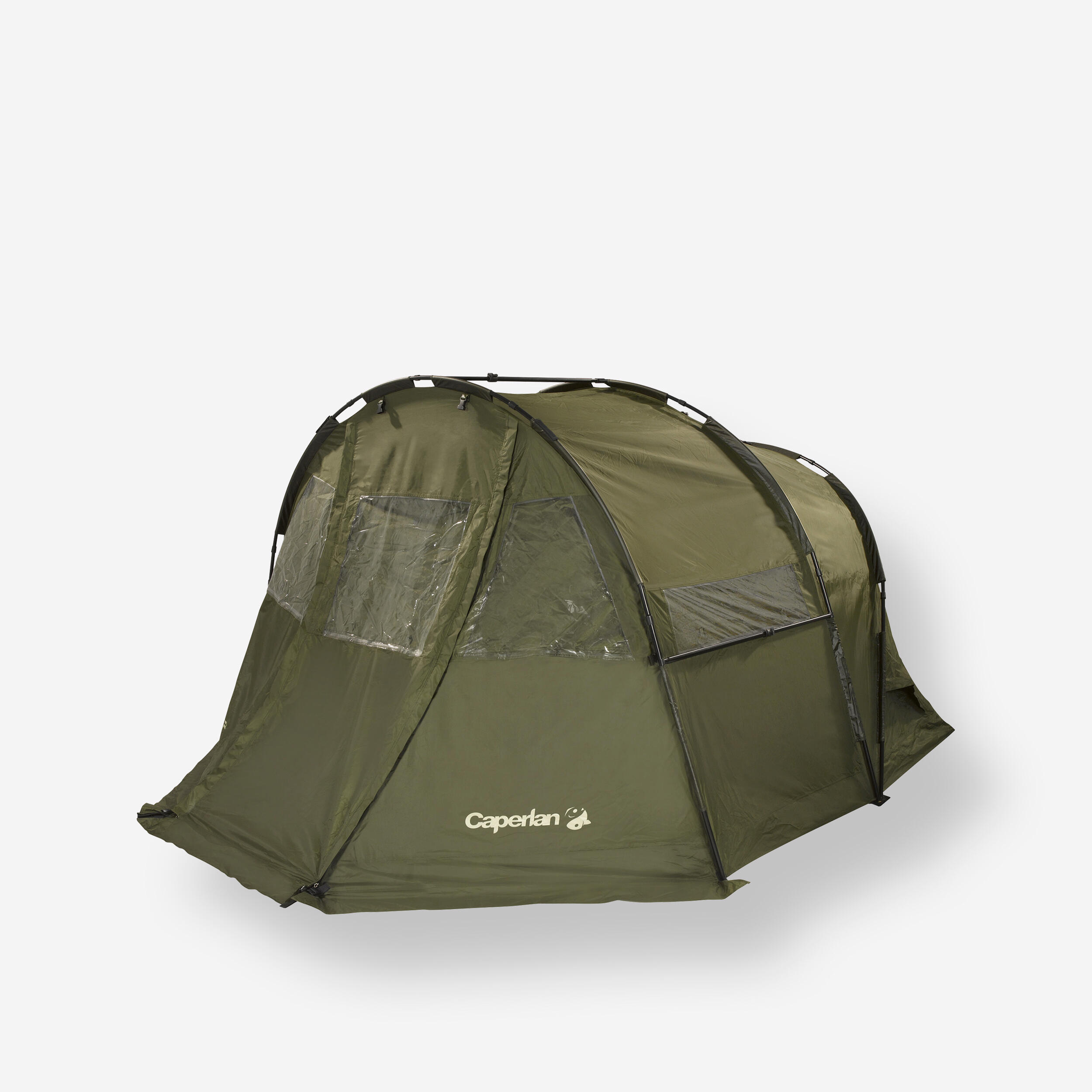
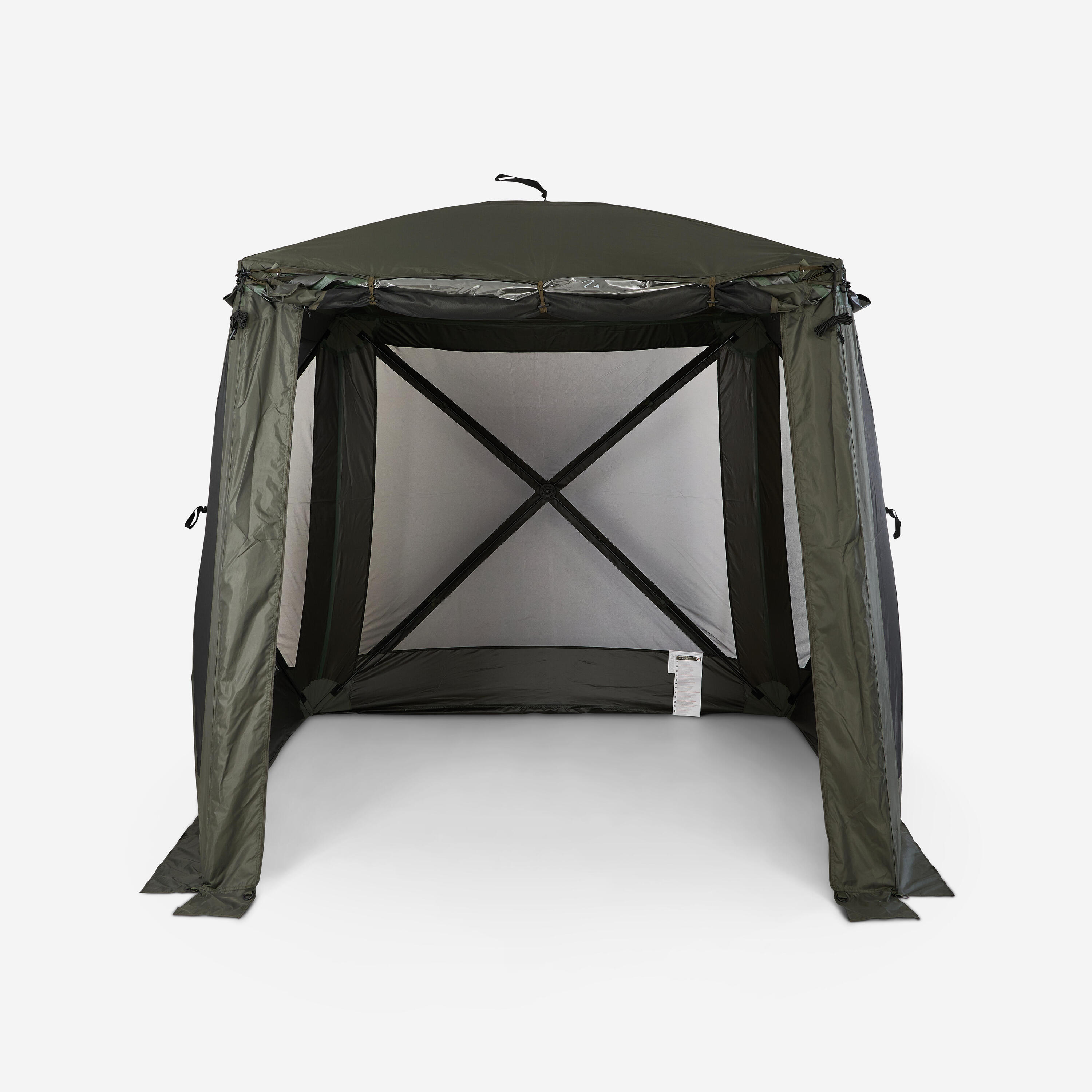
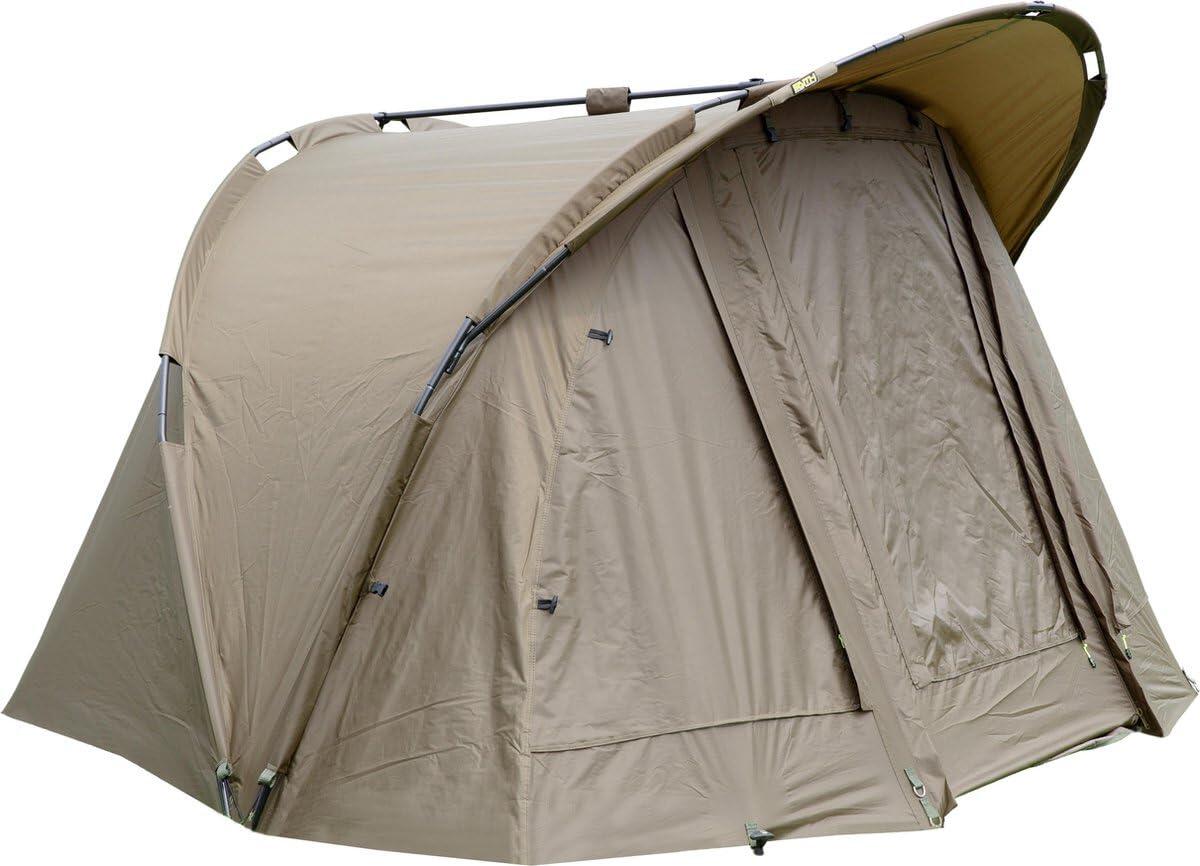
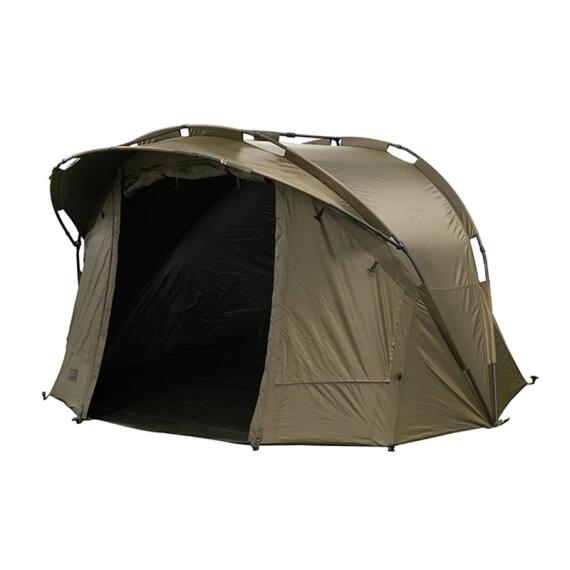
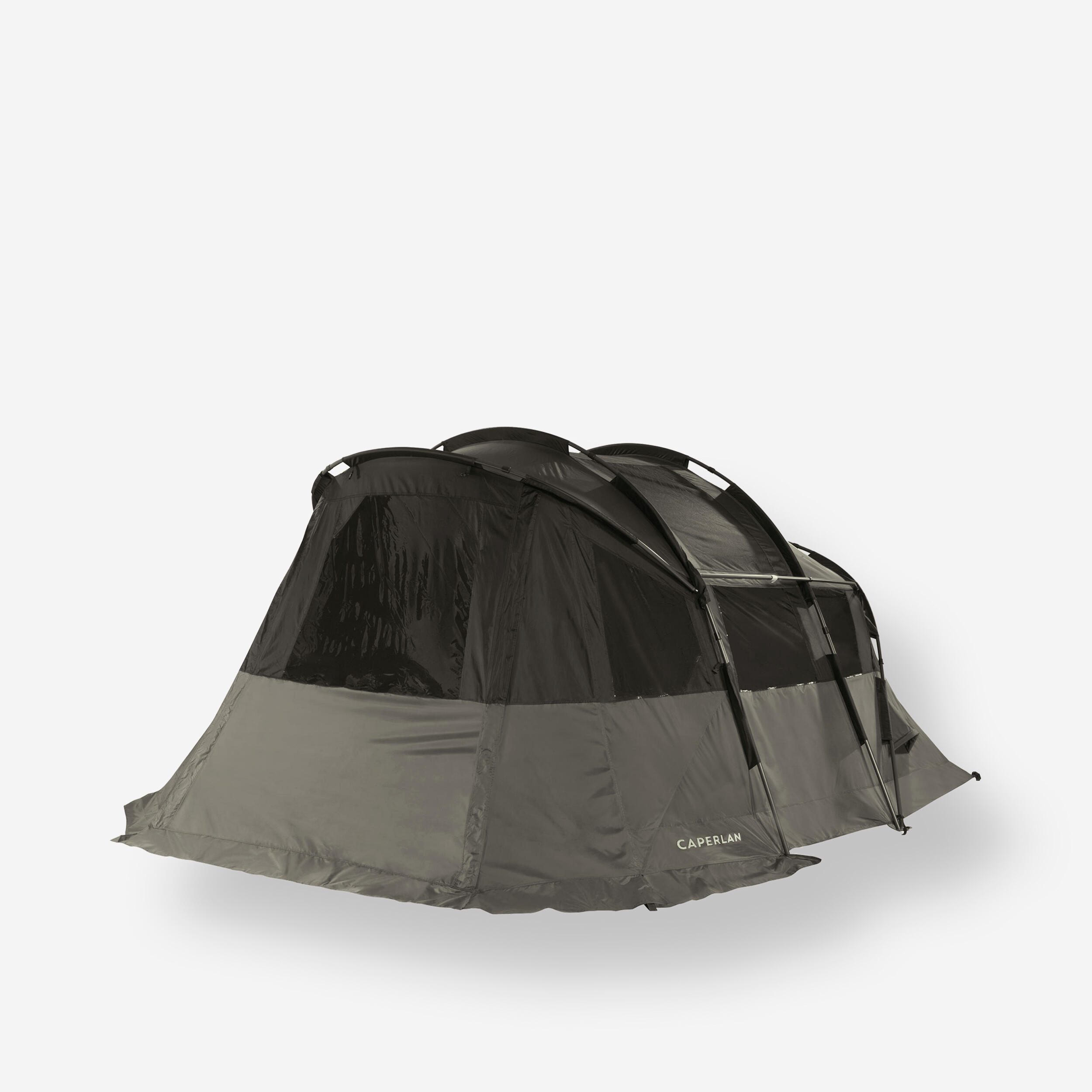
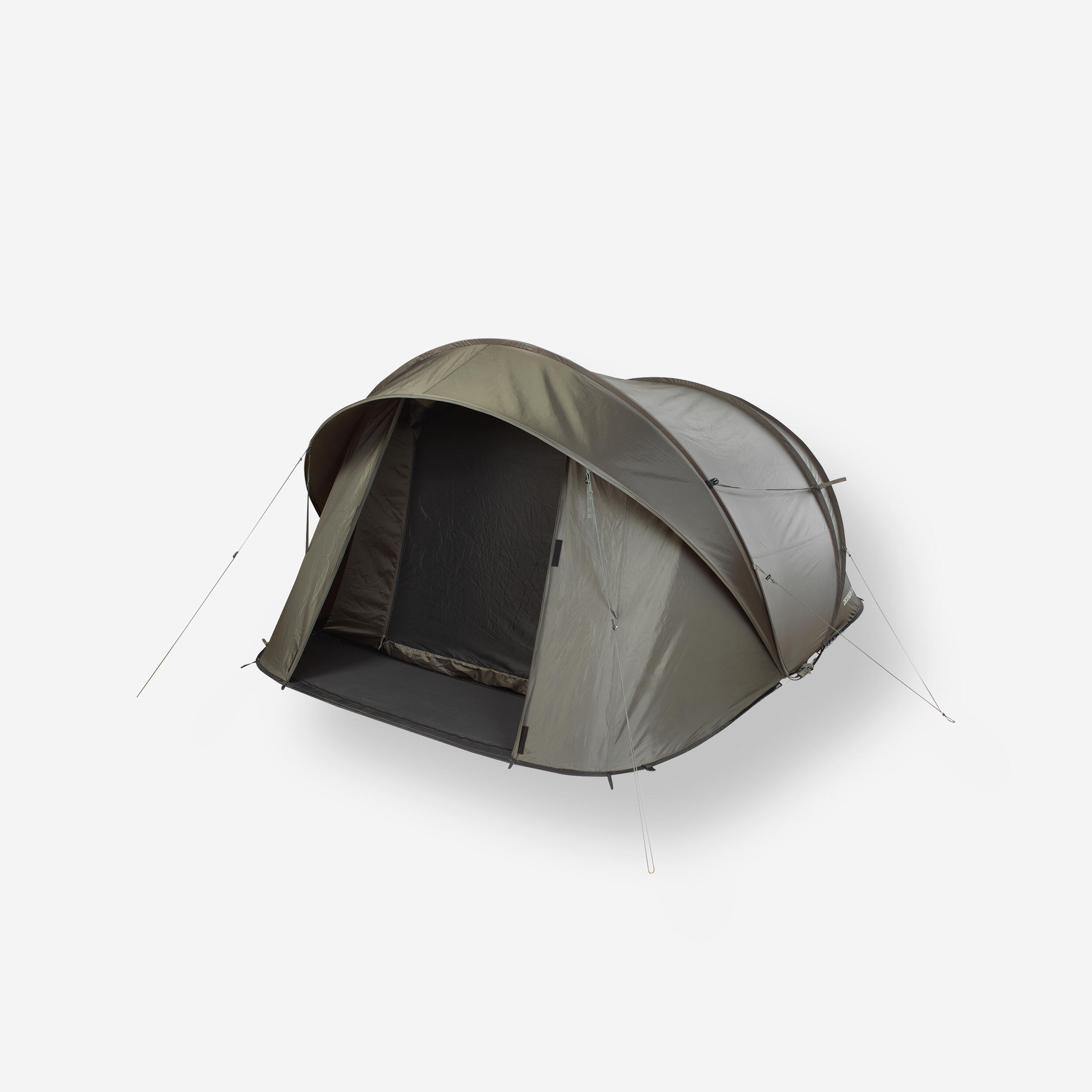
A carp shelter needs to fit sleeping equipment, protect gear and remain practical when you have to react quickly to a bite. Caperlan builds this type of bivvy around fishing-specific use rather than ordinary campsite living. The compact Tanker 100, for example, uses three structural poles, packs to about 60 x 20 x 20 cm and still accommodates two standard bedchairs. Repeated pitching tests produced an average installation time of around four to five minutes, while laboratory waterproofing tests use simulated rainfall of 200 litres per square metre per hour. Internal sleeping areas, awnings and replaceable structural parts also help the shelter work across longer sessions and changing weather.

How can a levelchair stay stable on an uneven fishing bank?

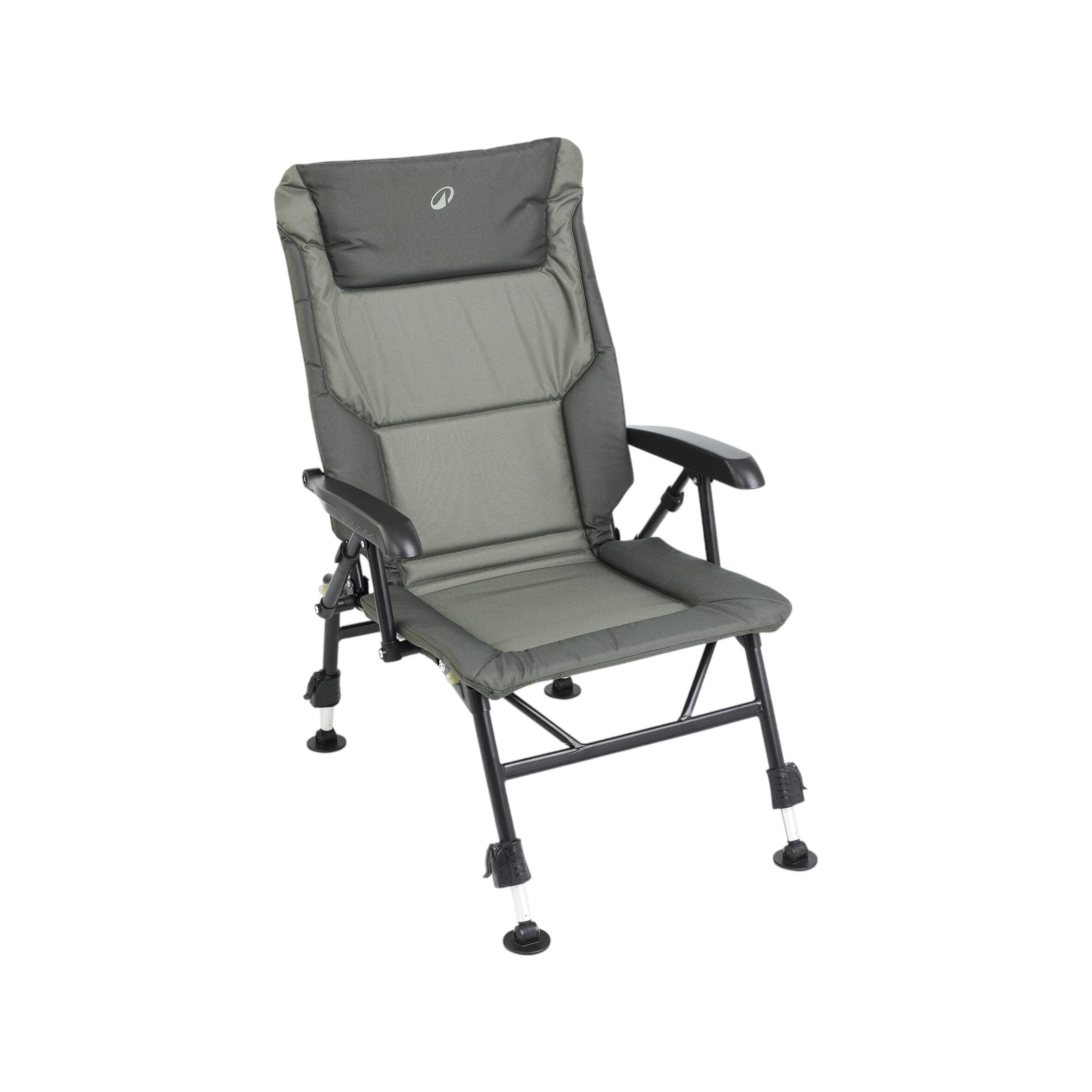
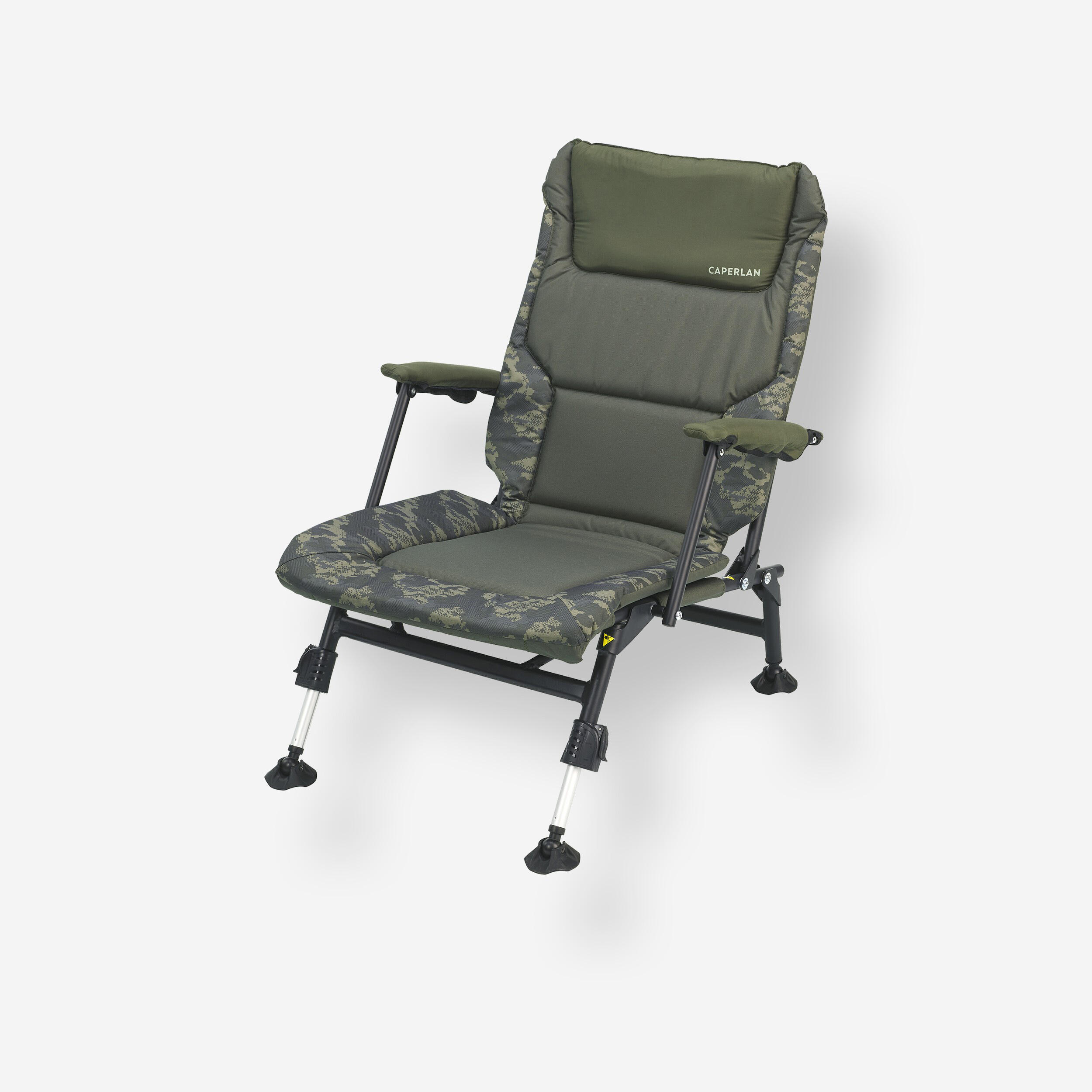
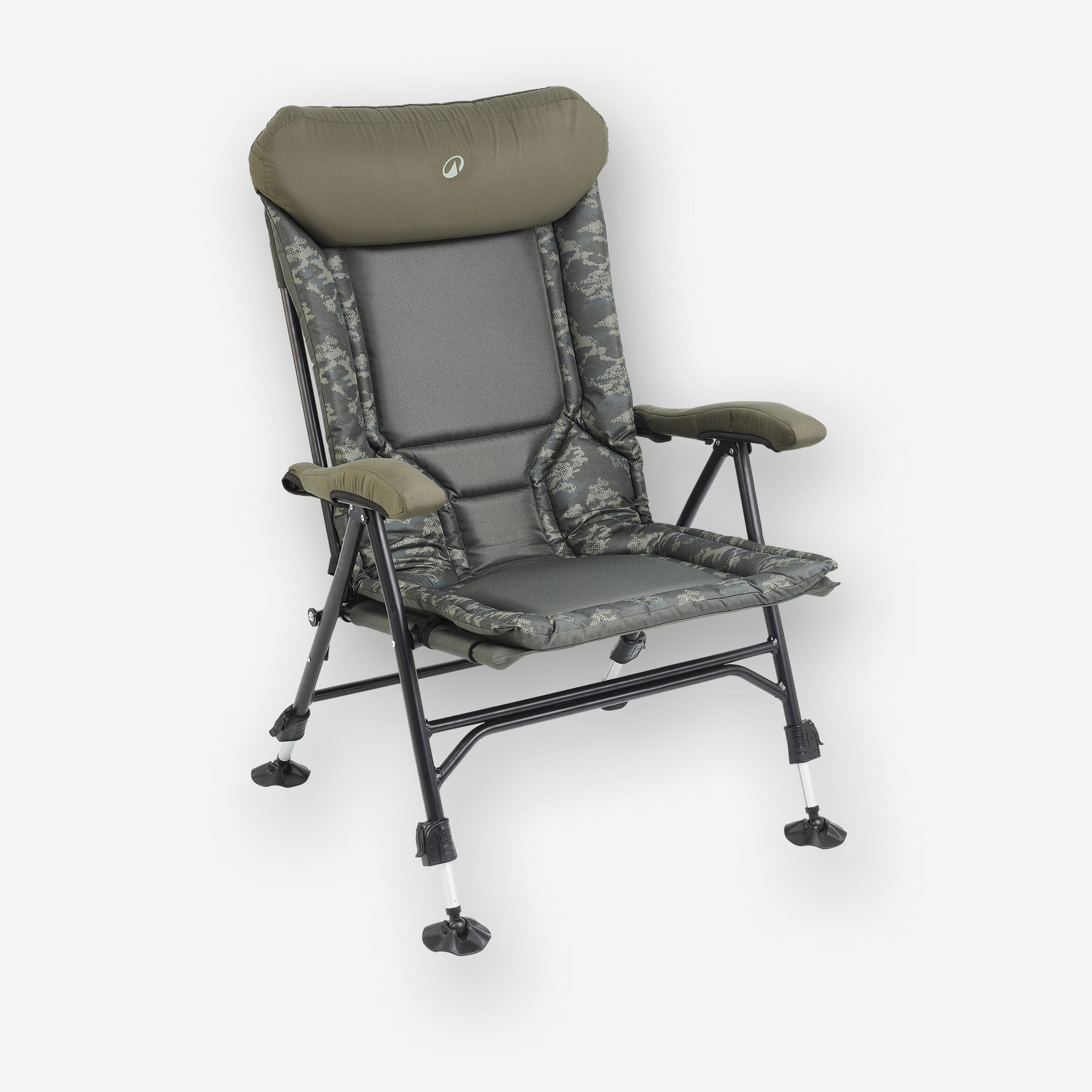
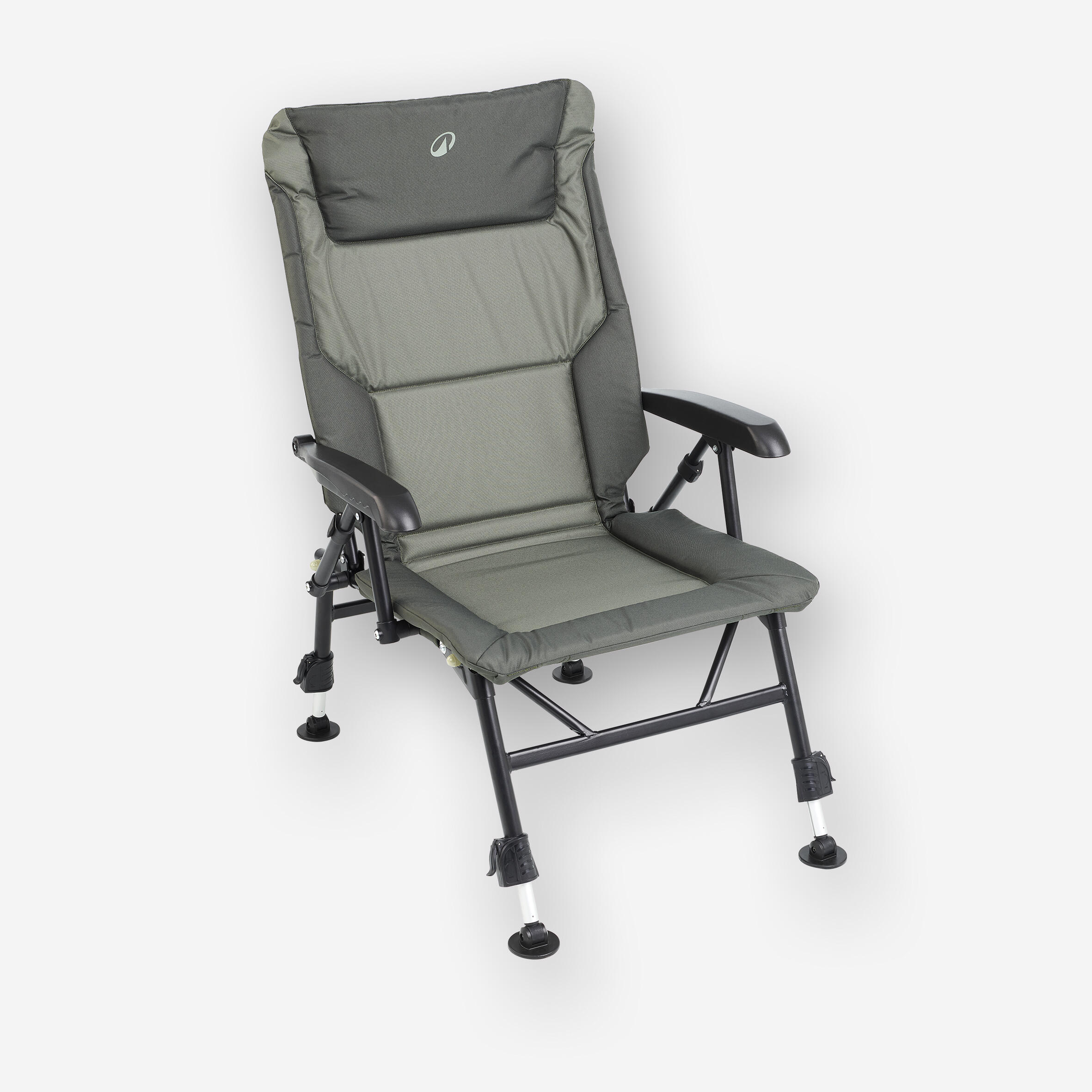
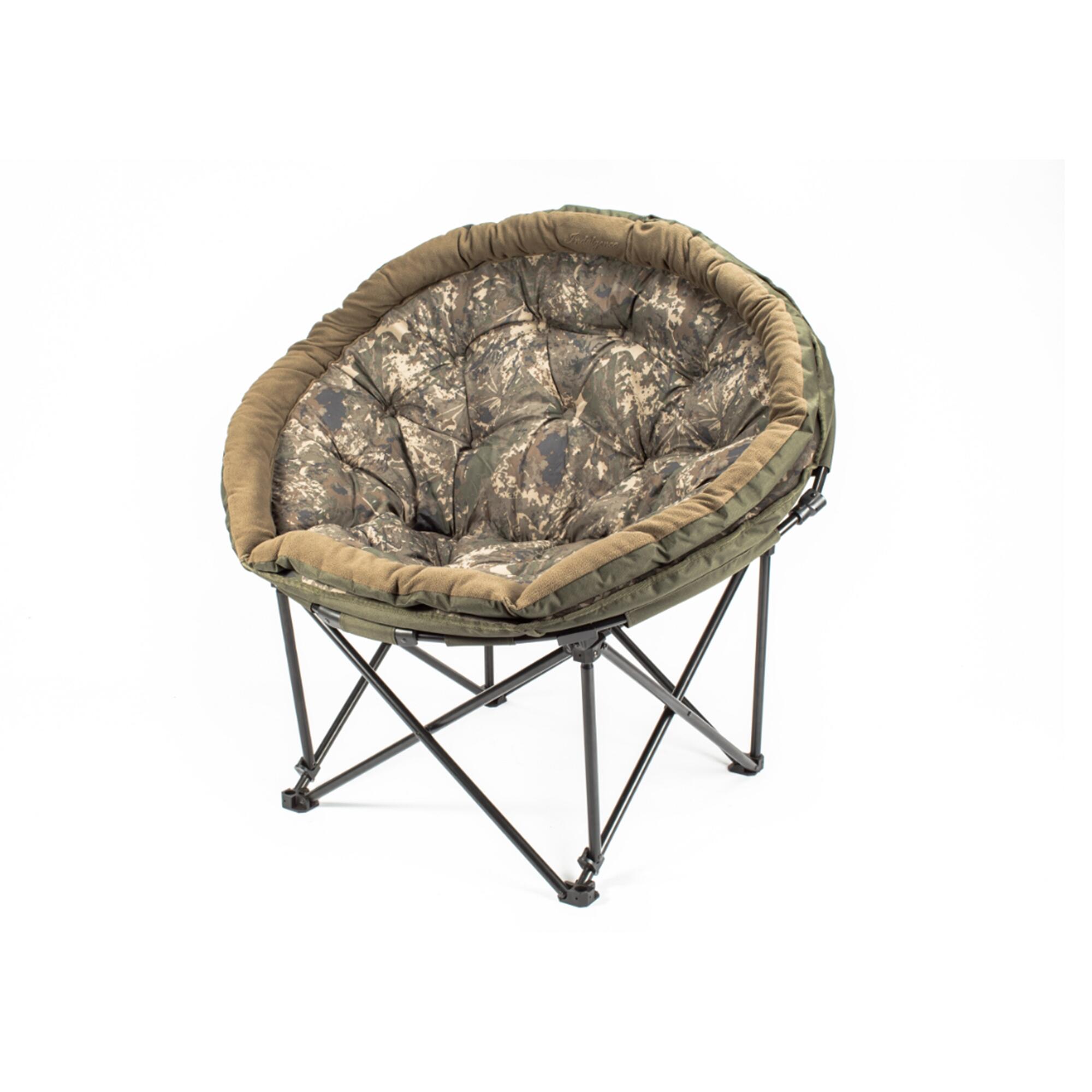
Soft ground and sloping swims can make a conventional chair uncomfortable or unstable, so leg adjustment and foot shape matter. Caperlan's seating uses individually adjustable legs and broad mudguard feet to spread the load over softer ground. The dedicated levelchair options include a lighter 100 model at around 3 kg and a more comfort-focused 900 version with a seven-position reclining backrest, padded armrests and an 80 mm memory-foam cushion. The 100 is tested to 110 kg, while the 900 Comfort is rated to 140 kg under EN 581-1 and EN 581-2. Set each leg independently until the seat feels level rather than trying to compensate by moving the whole chair around the swim.

Which bedchair features are essential during overnight carp fishing?

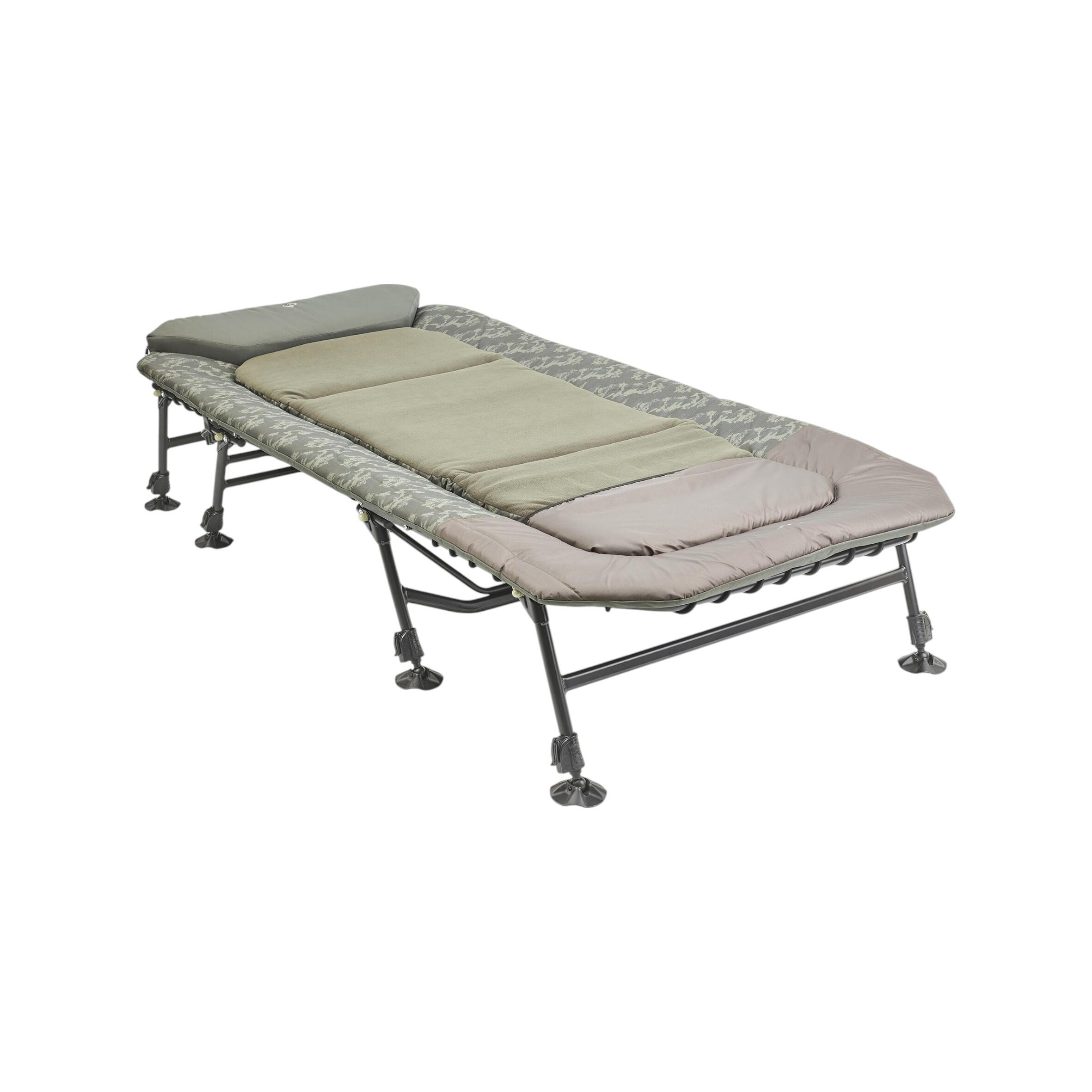
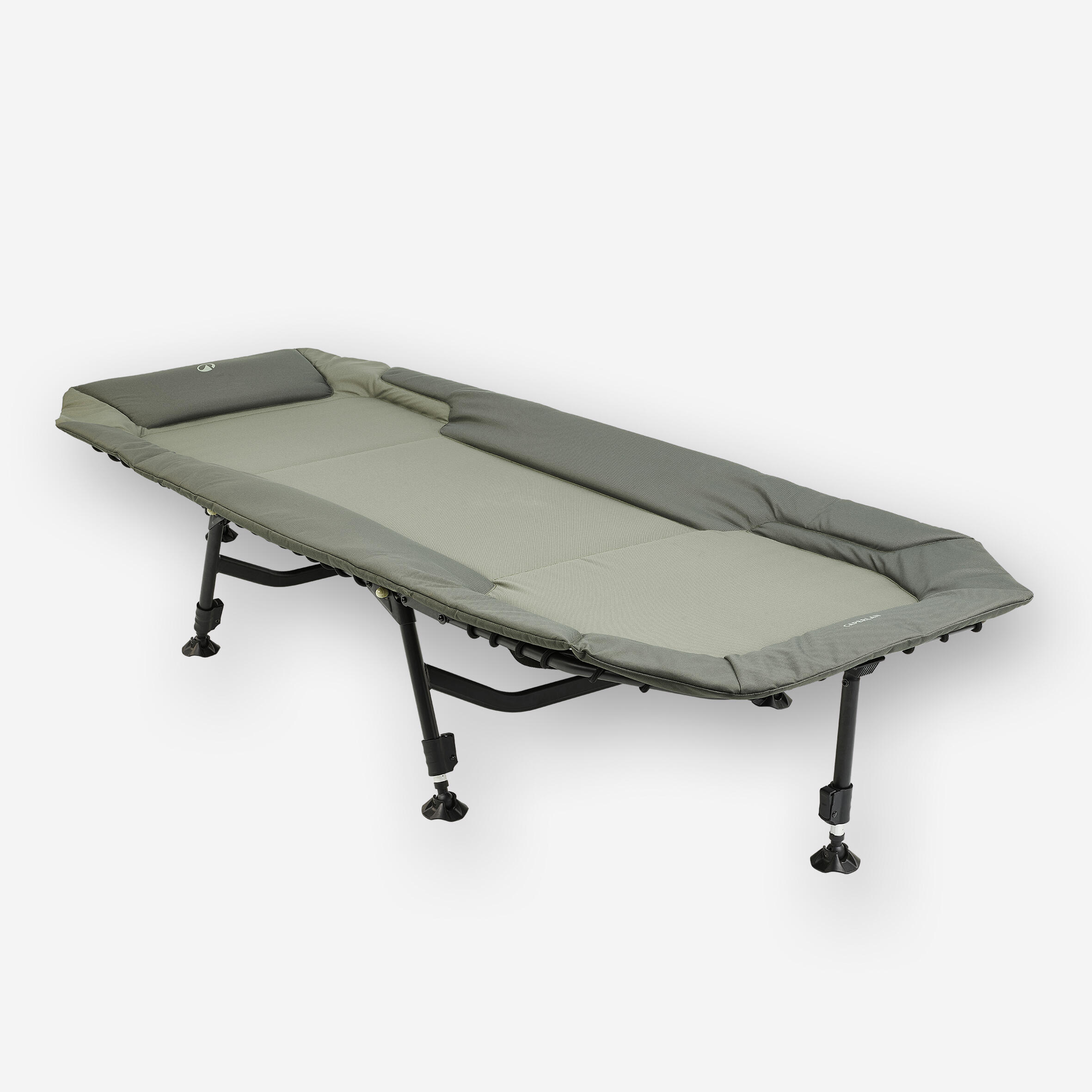
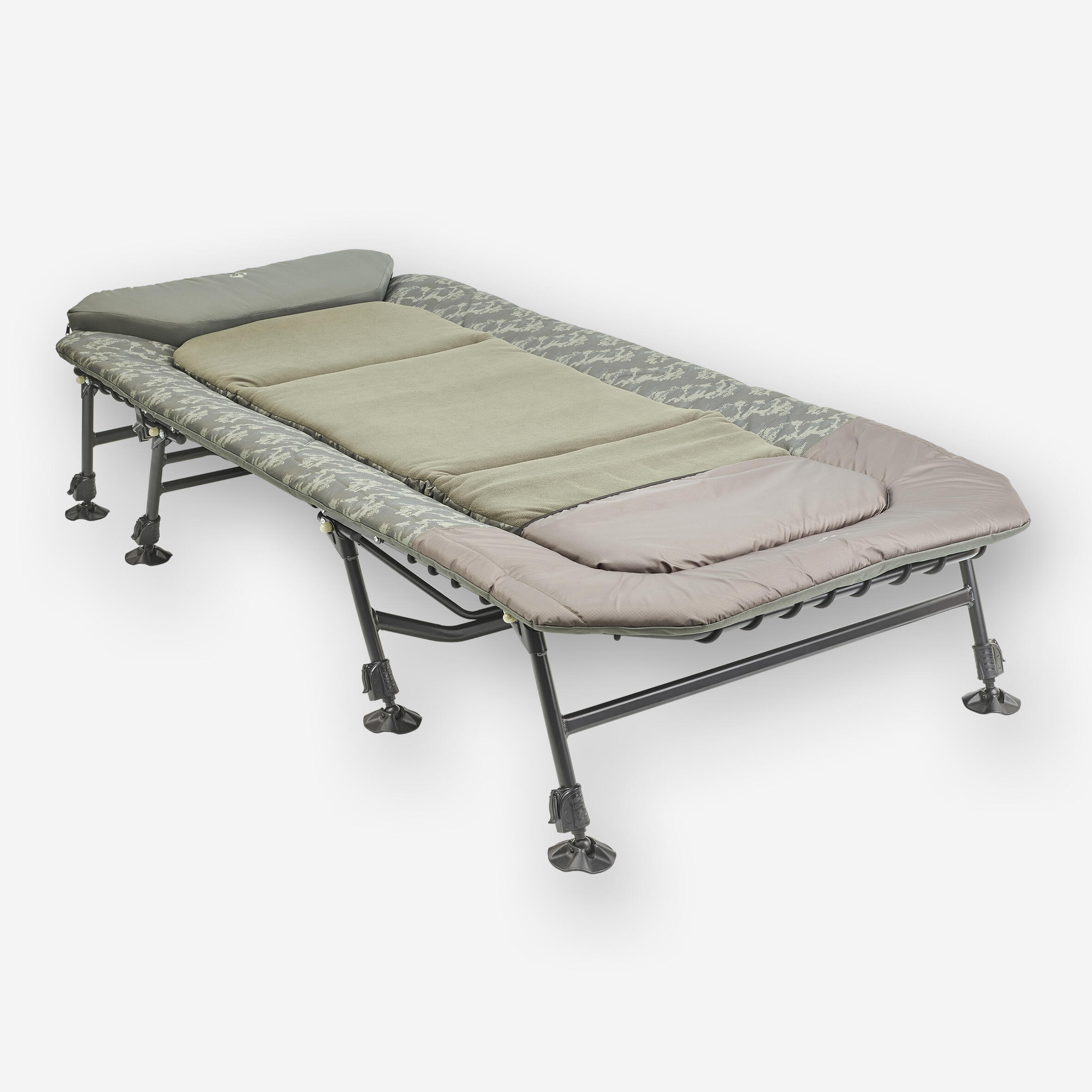
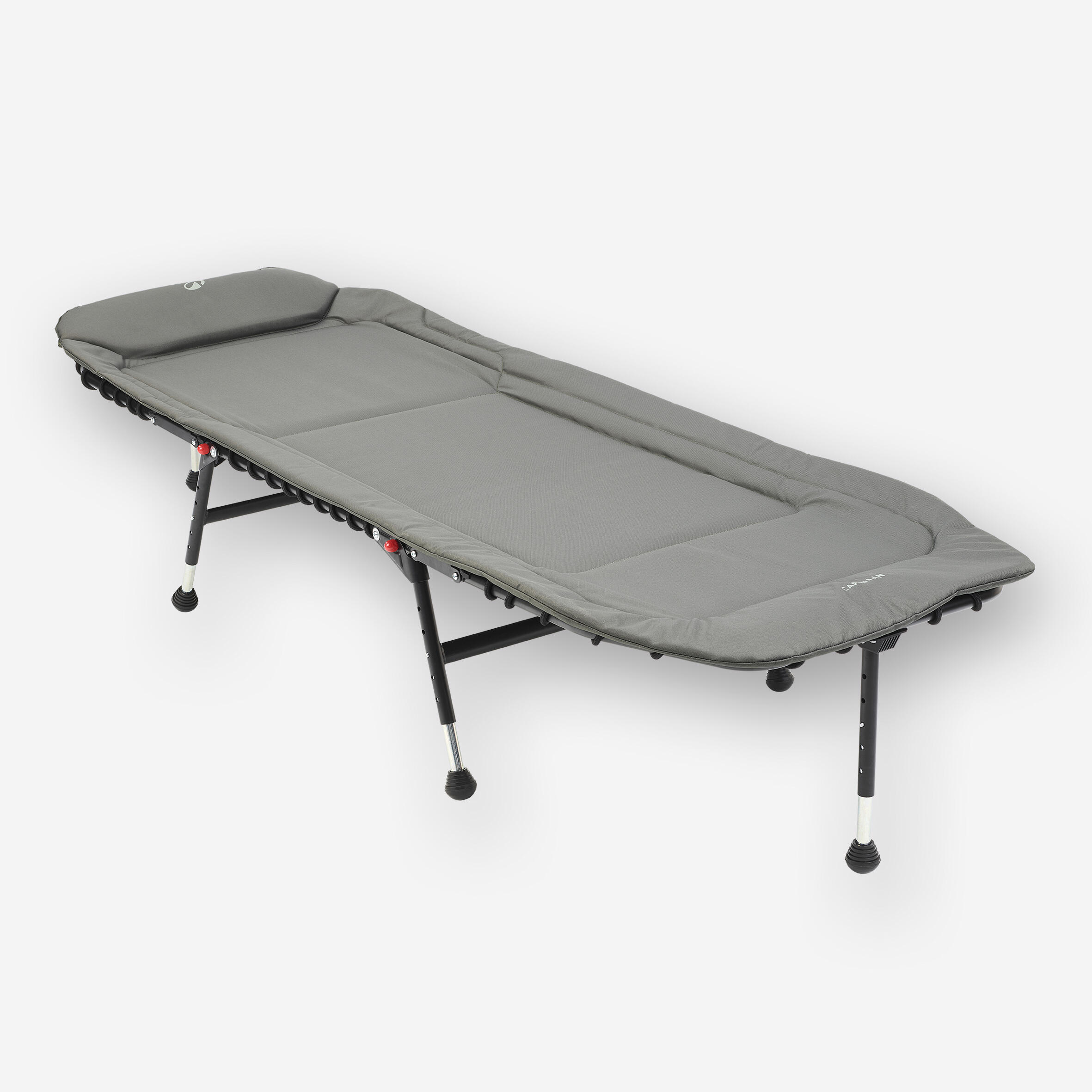
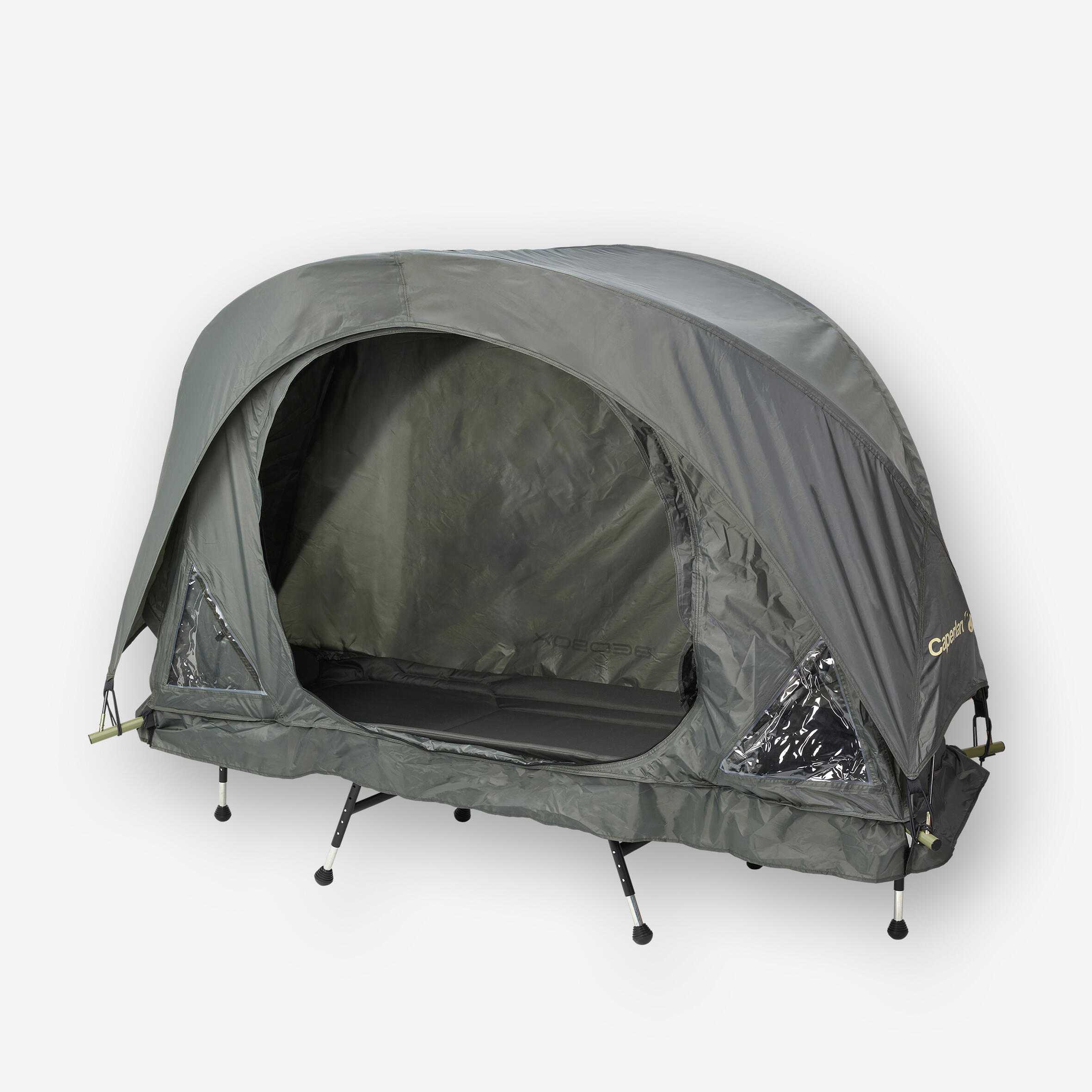
Sleeping on an uneven bank becomes easier when the bed can be levelled without adding loose supports beneath the frame. Caperlan bedchairs use several adjustable feet with broad bases, and some models let you alter the height with one hand. The Bedchair 500 can also fold while a sleeping bag remains attached, reducing the amount of bedding you need to dismantle before leaving. More advanced models add a reversible seasonal mattress, thicker padding and a memory-foam pillow. A separate bedchair selection therefore lets you balance transport size against overnight comfort. Check hinges, leg locks and feet before setting up, particularly after previous sessions on muddy ground where debris may affect the adjustment mechanism.

Which setup keeps shelter and sleeping gear ready for changing weather conditions?

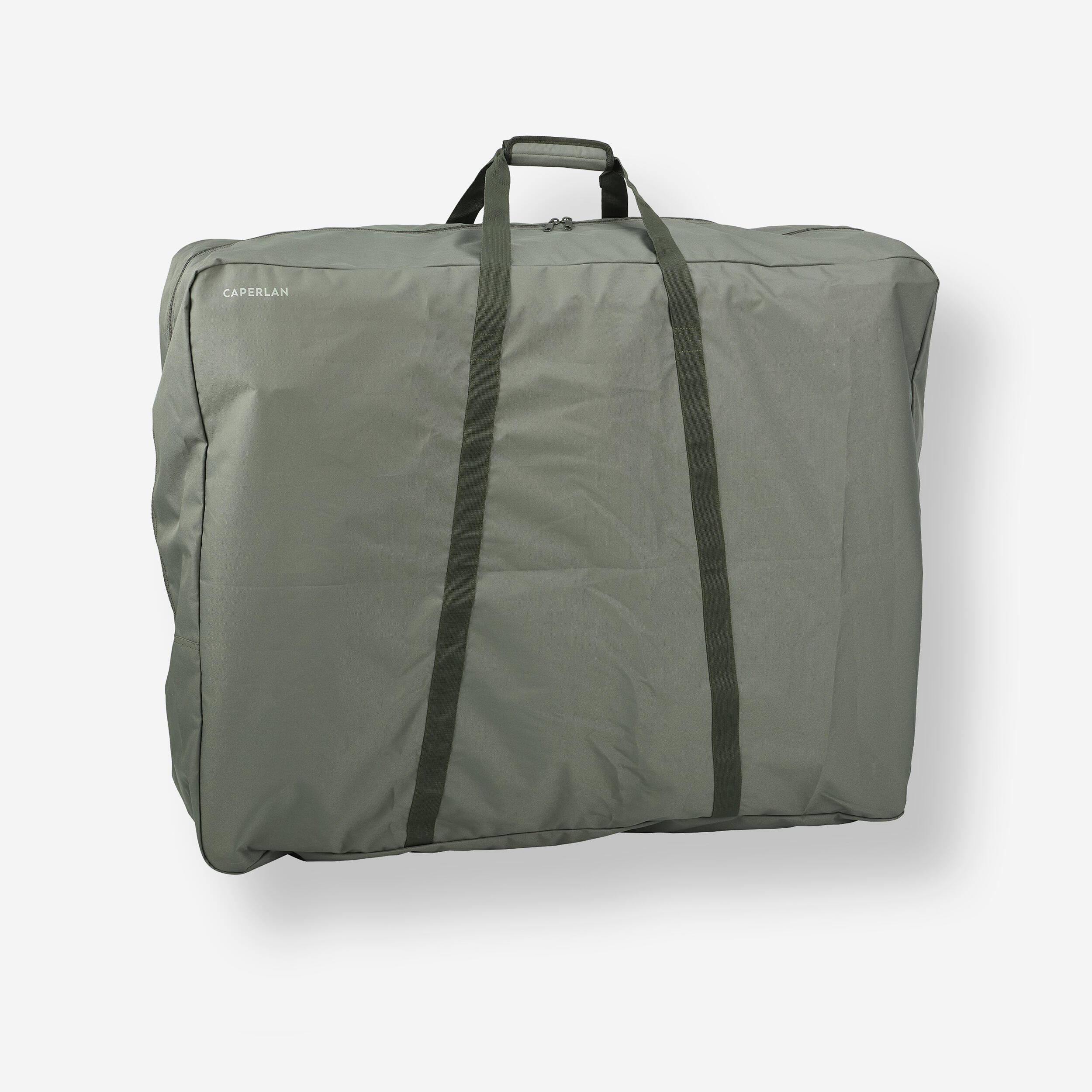
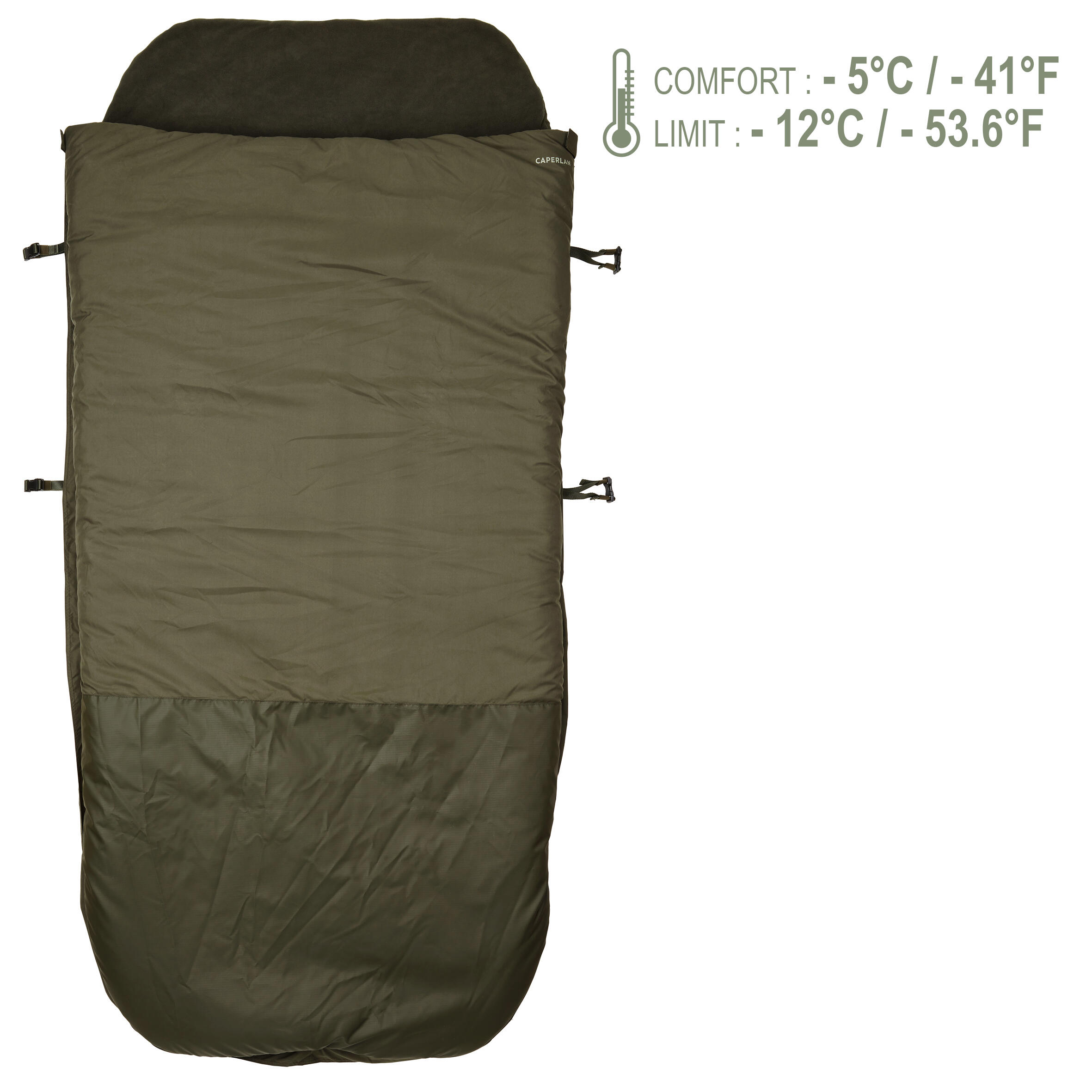
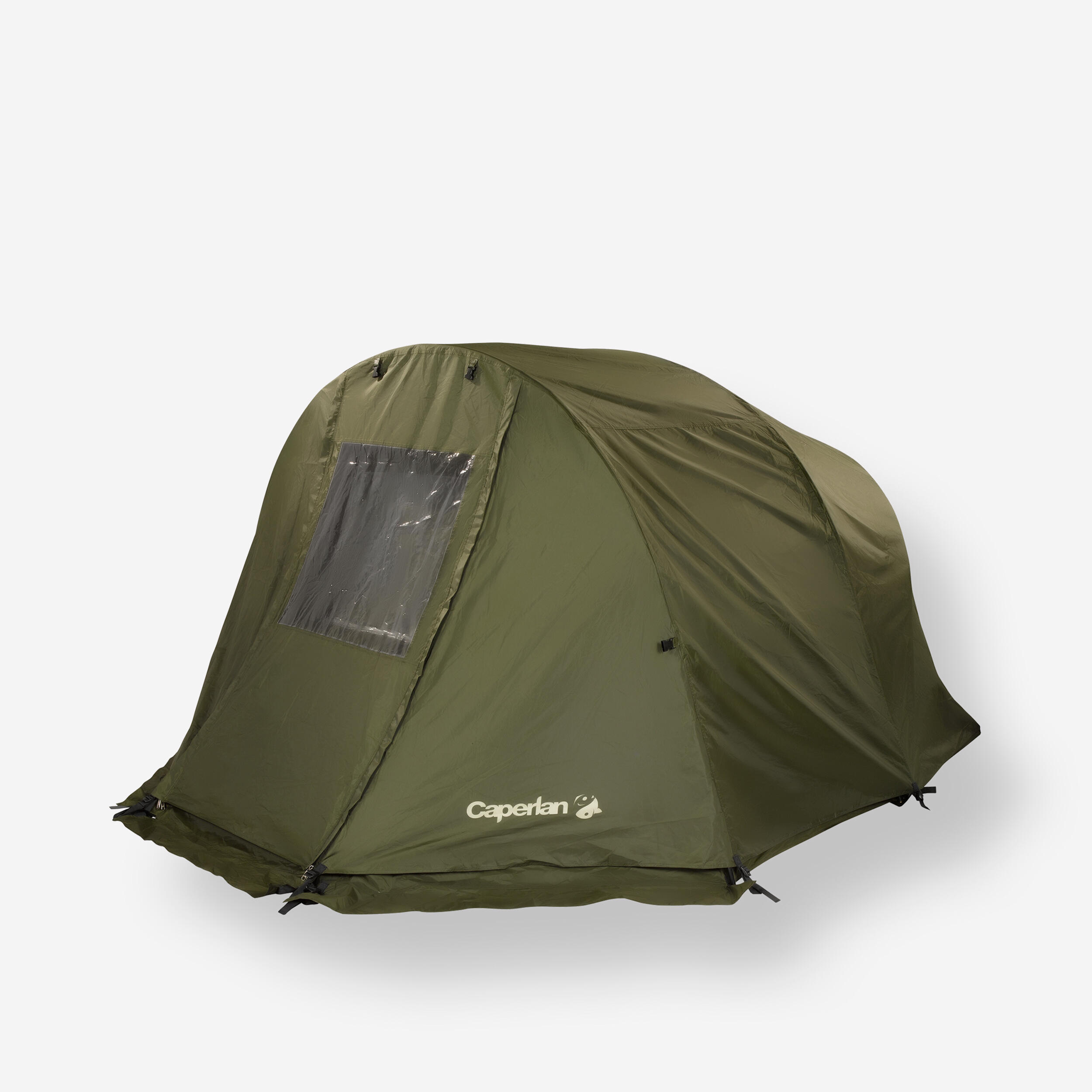
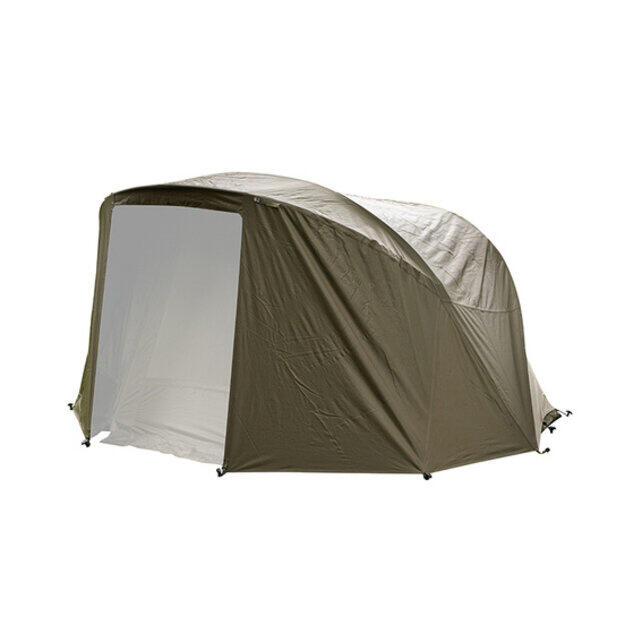
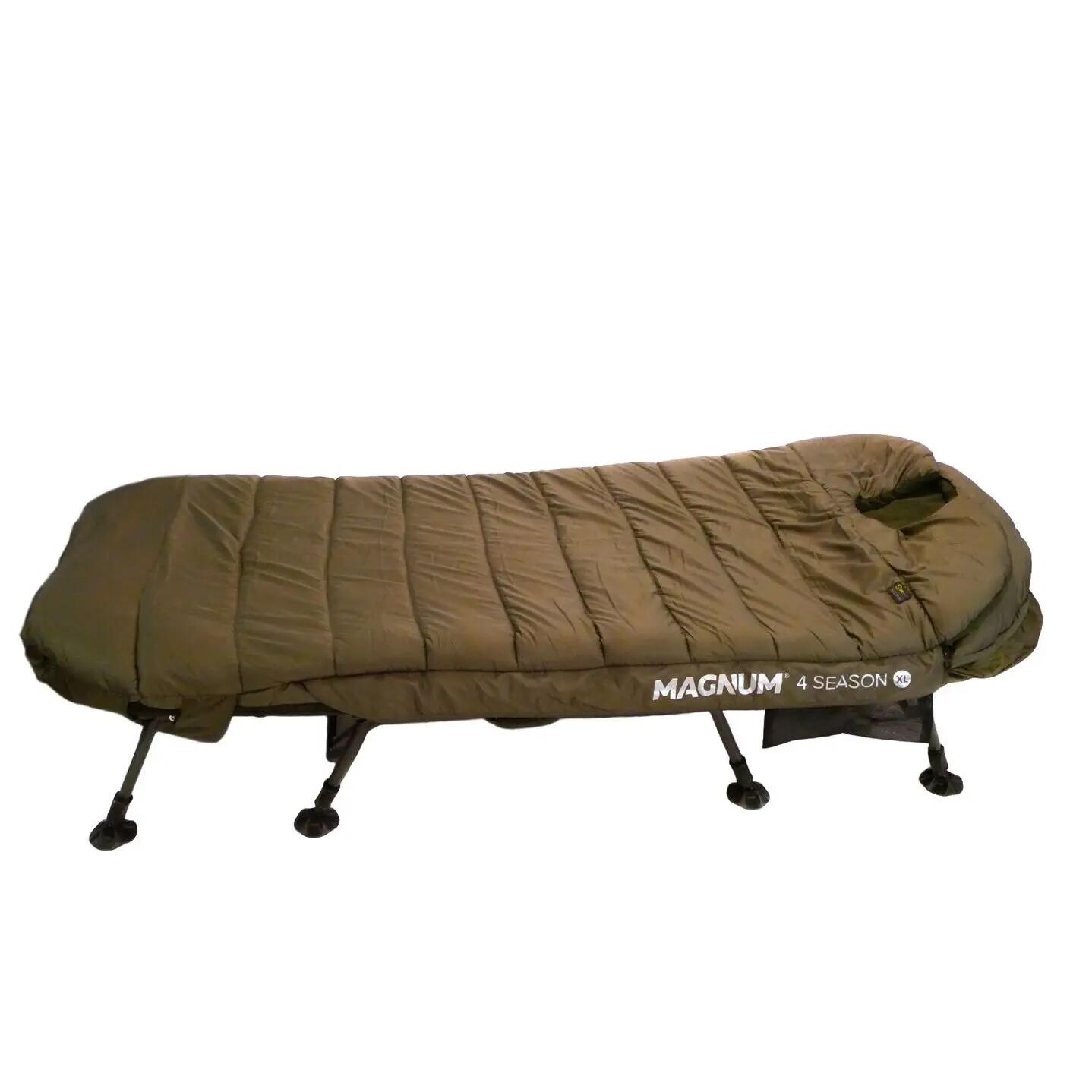
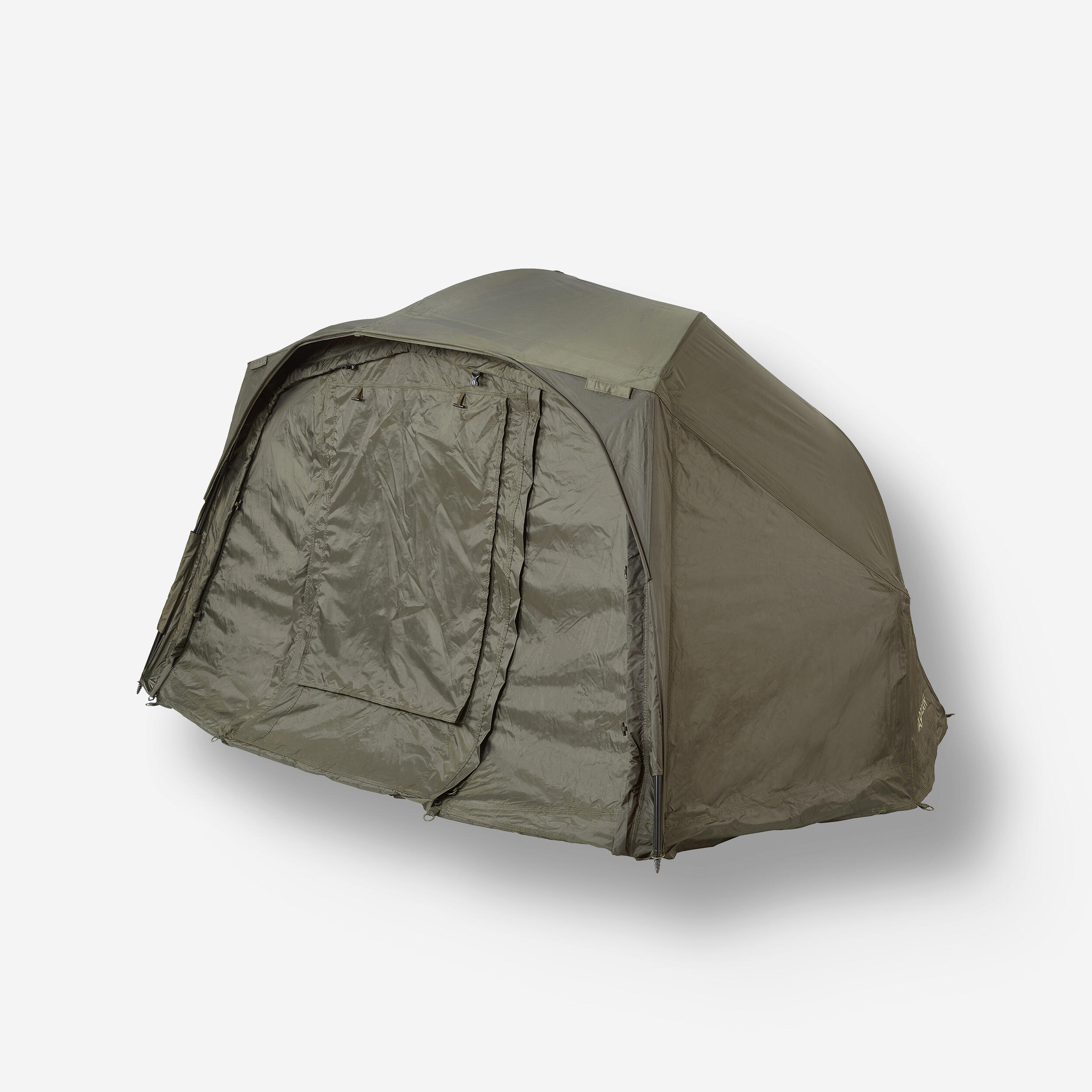
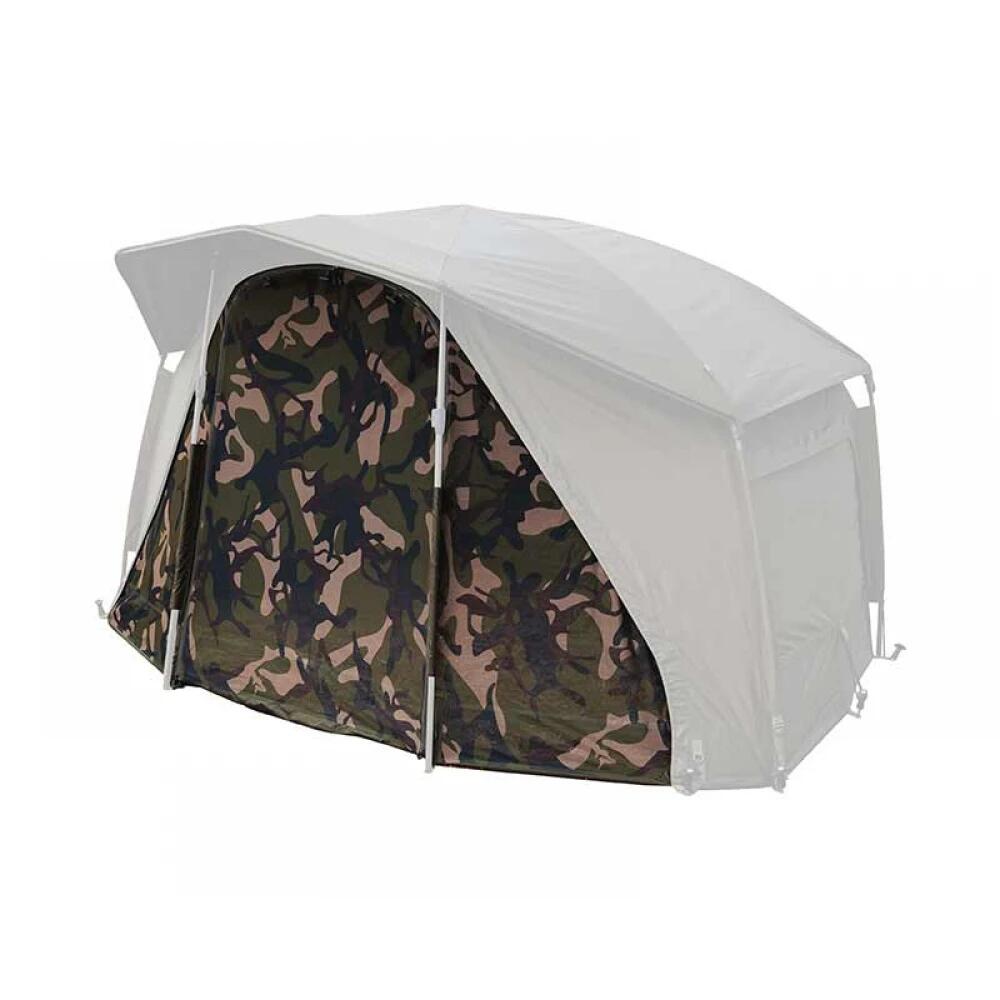
Longer sessions often move through colder nights, rain, condensation and warmer daytime conditions, so adaptable equipment can reduce the need to carry completely separate sleeping systems. Caperlan fly covers add another weather barrier and can also reduce condensation inside compatible bivvies. Its four-season sleeping bag takes a similar modular approach with two removable insulation layers, giving approximately -5 degrees Celsius comfort and -12 degrees Celsius limit guidance in its colder configuration. Those pieces sit alongside chairs, shelters and transport items within the wider carp fishing equipment setup. Pack wet outer layers separately from bedding, and allow bivvy fabric to dry fully before storage because closing damp canvas for long periods can encourage mould.

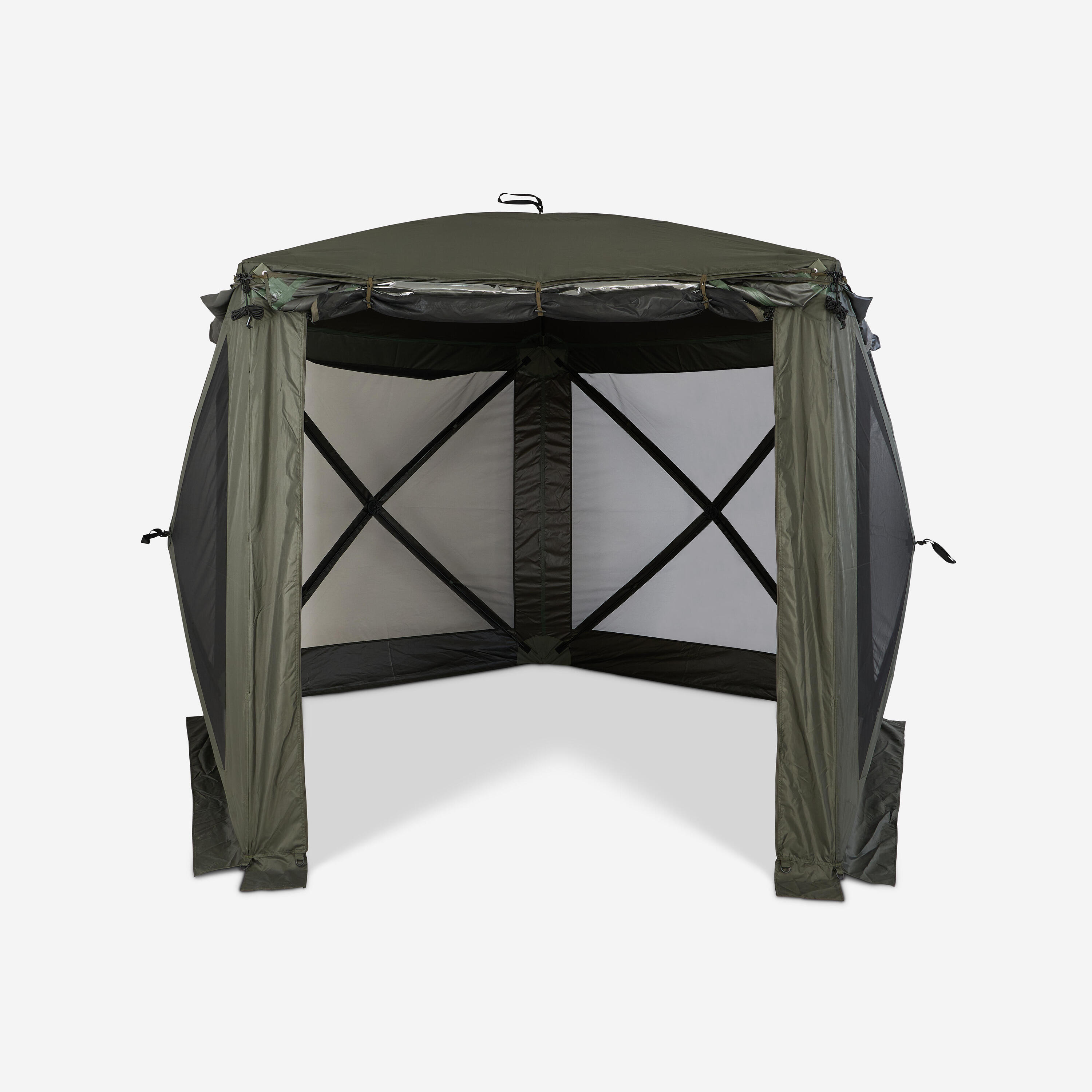
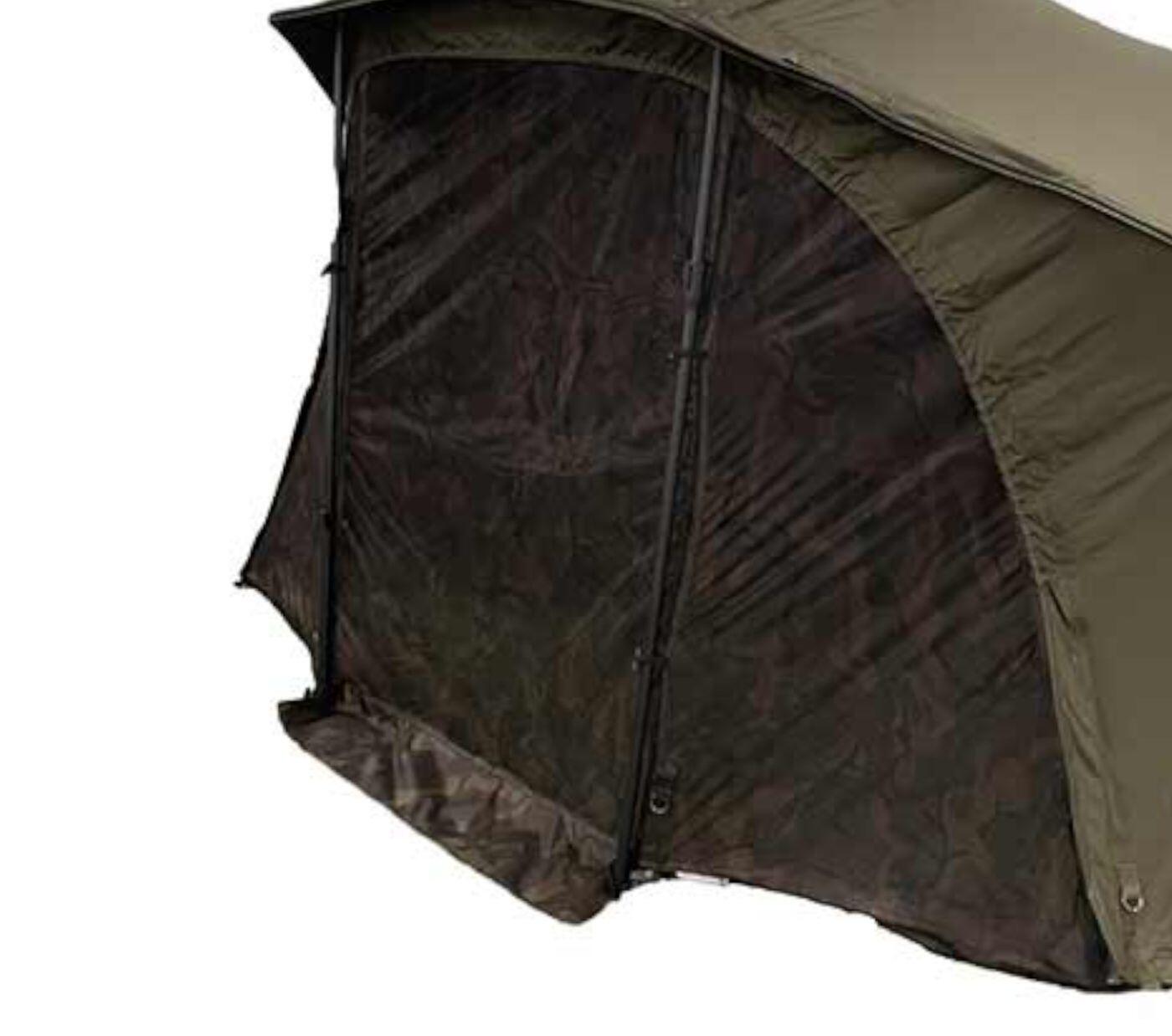
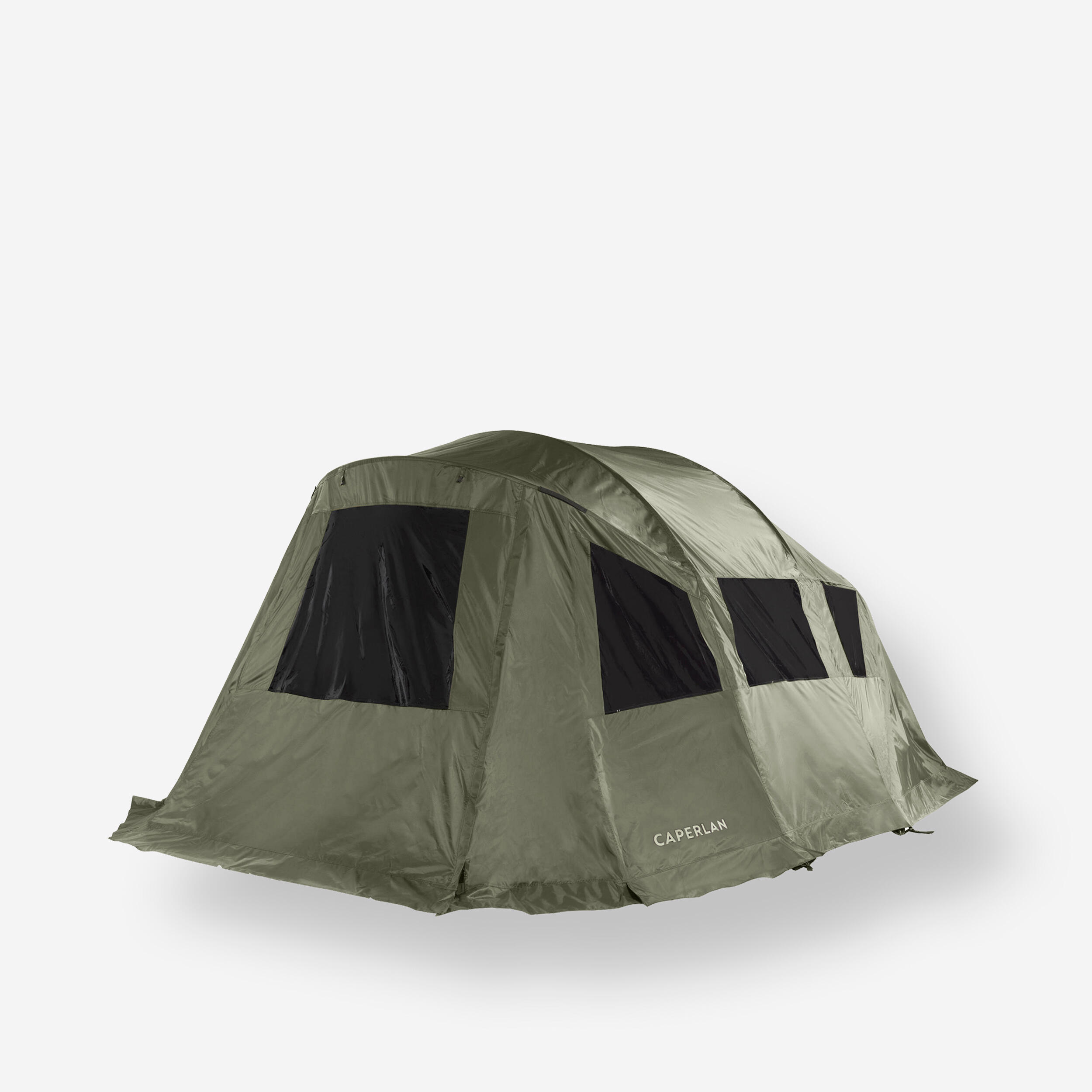
Which shelter features save time when a fish bites?

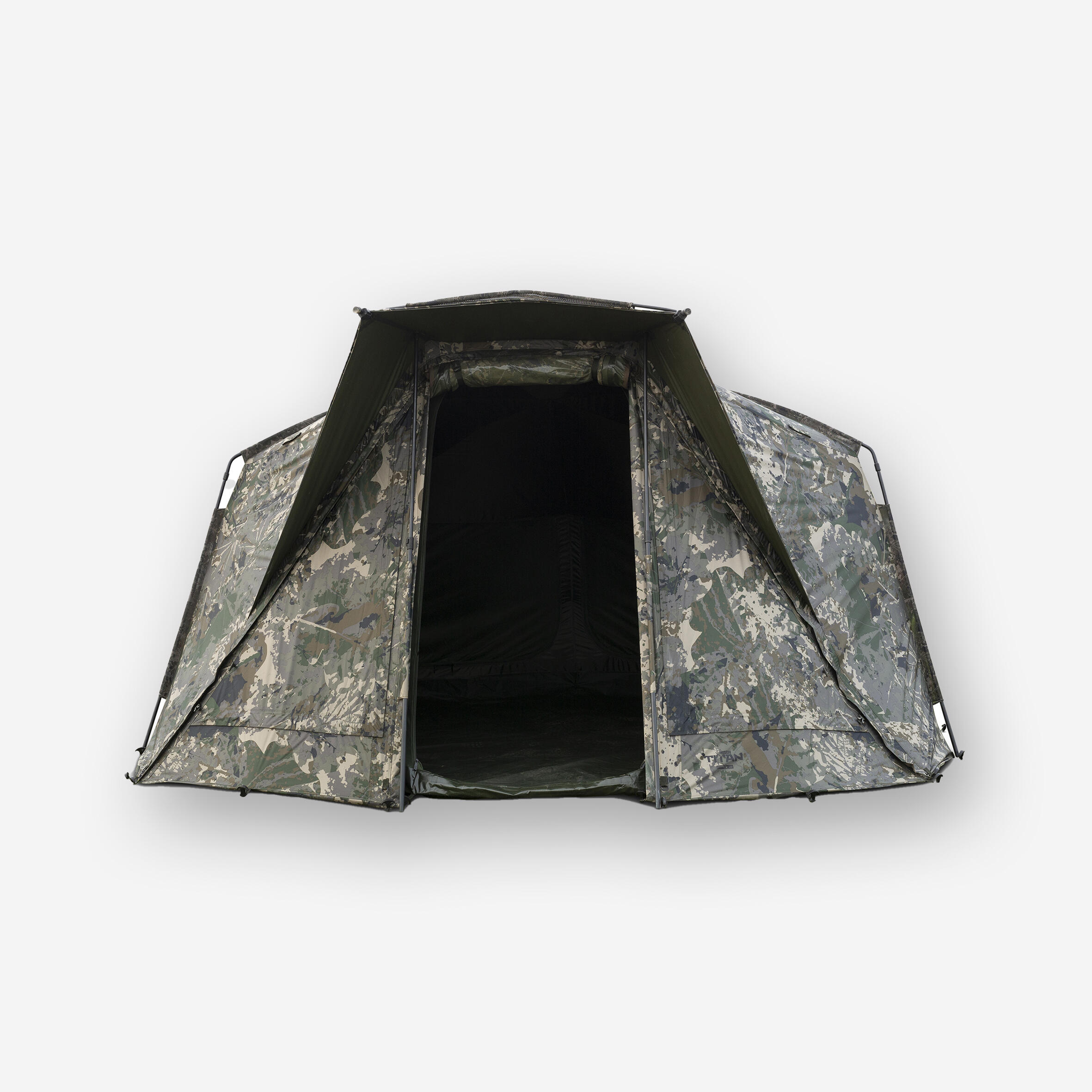
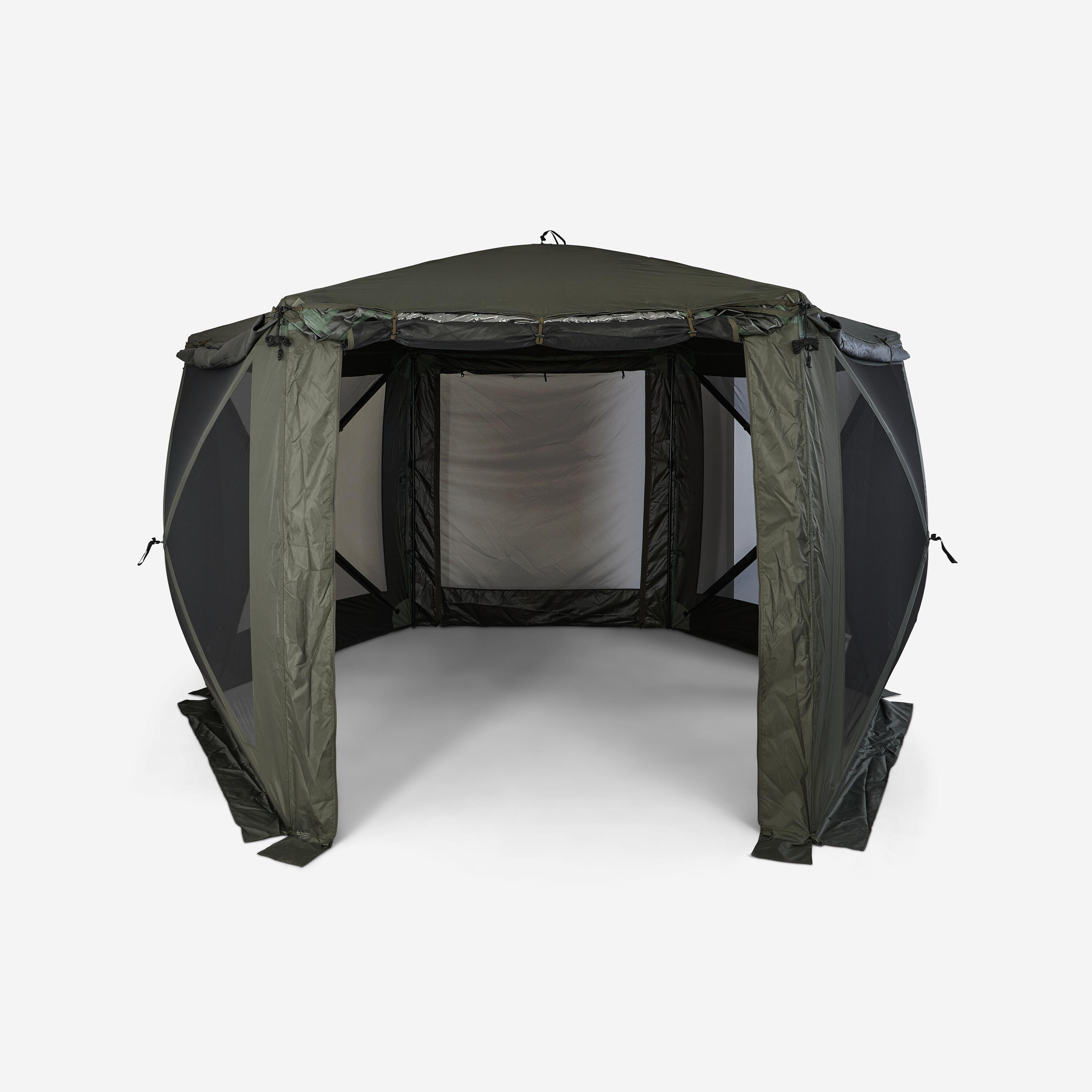
Fishing shelter features become most useful when they reduce the steps between resting and reaching your rods. Caperlan's larger Panoramax Tanker uses a magnetic entrance that opens quickly, while one-way tinted windows let you monitor the water from inside. A small porch strap can hold a rod upright during bait or rig changes, keeping it off wet ground. Bedchair sleeping bags can also attach through multiple straps so they remain in place when you get up suddenly. Building these details into your carp fishing system helps the bivouac support the session rather than becoming an obstacle between you and the rods. Keep the path to your alarms and rods clear, particularly at night, and avoid leaving loose equipment where you need to move quickly.