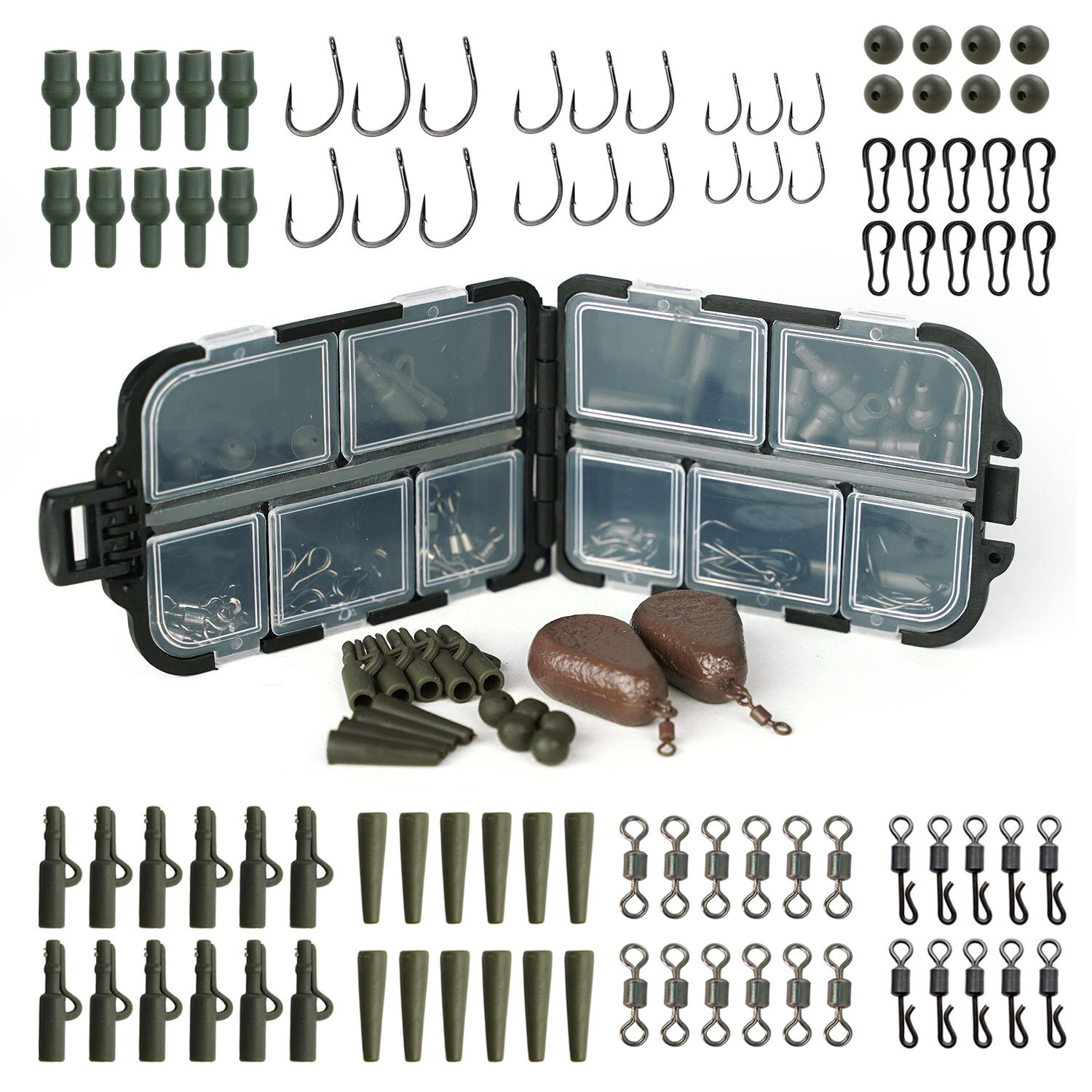
56 items
4.6/5 based on 964 reviews collected online and in stores

Match Fishing FAQs

How do pre-weighted floats make match fishing setup more precise?

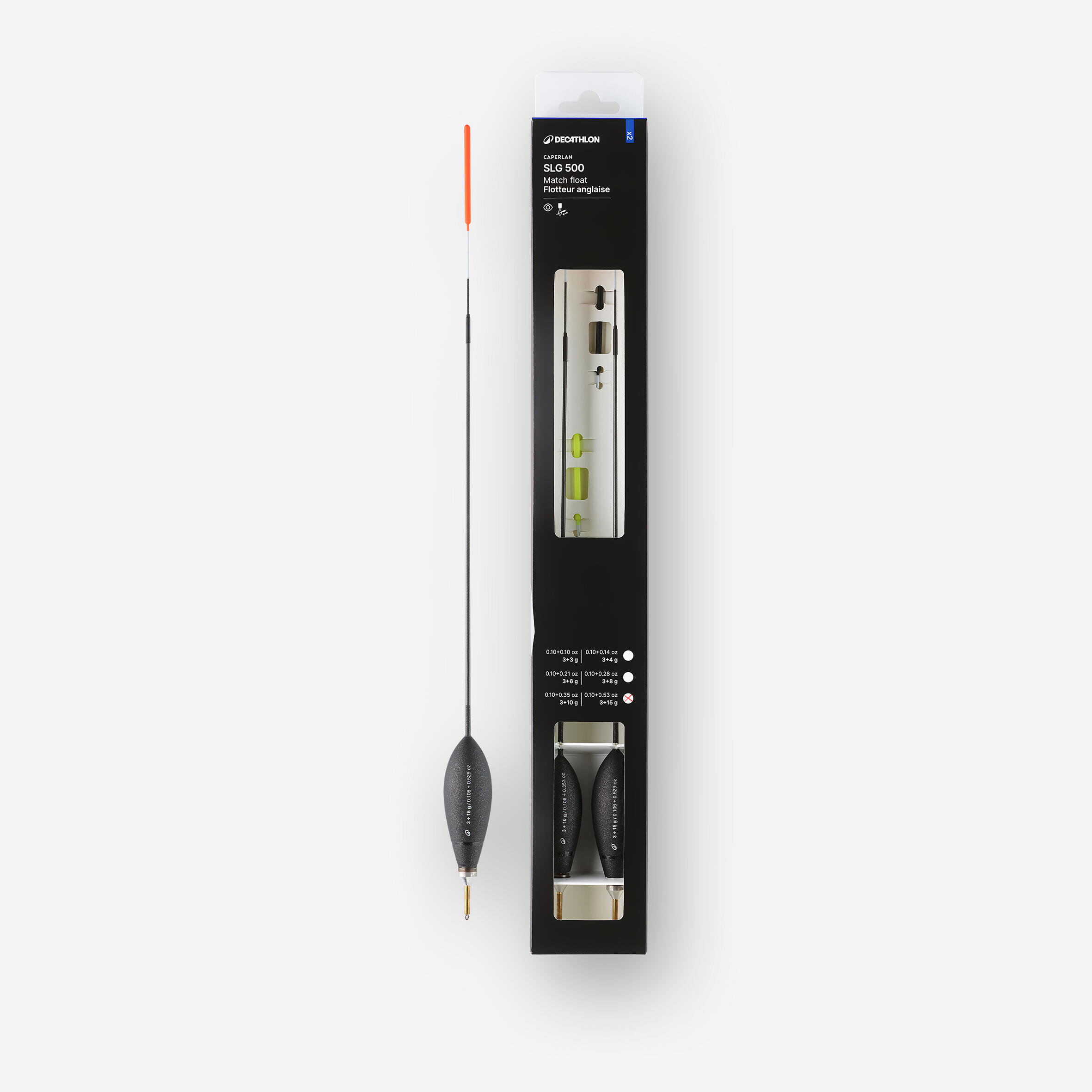
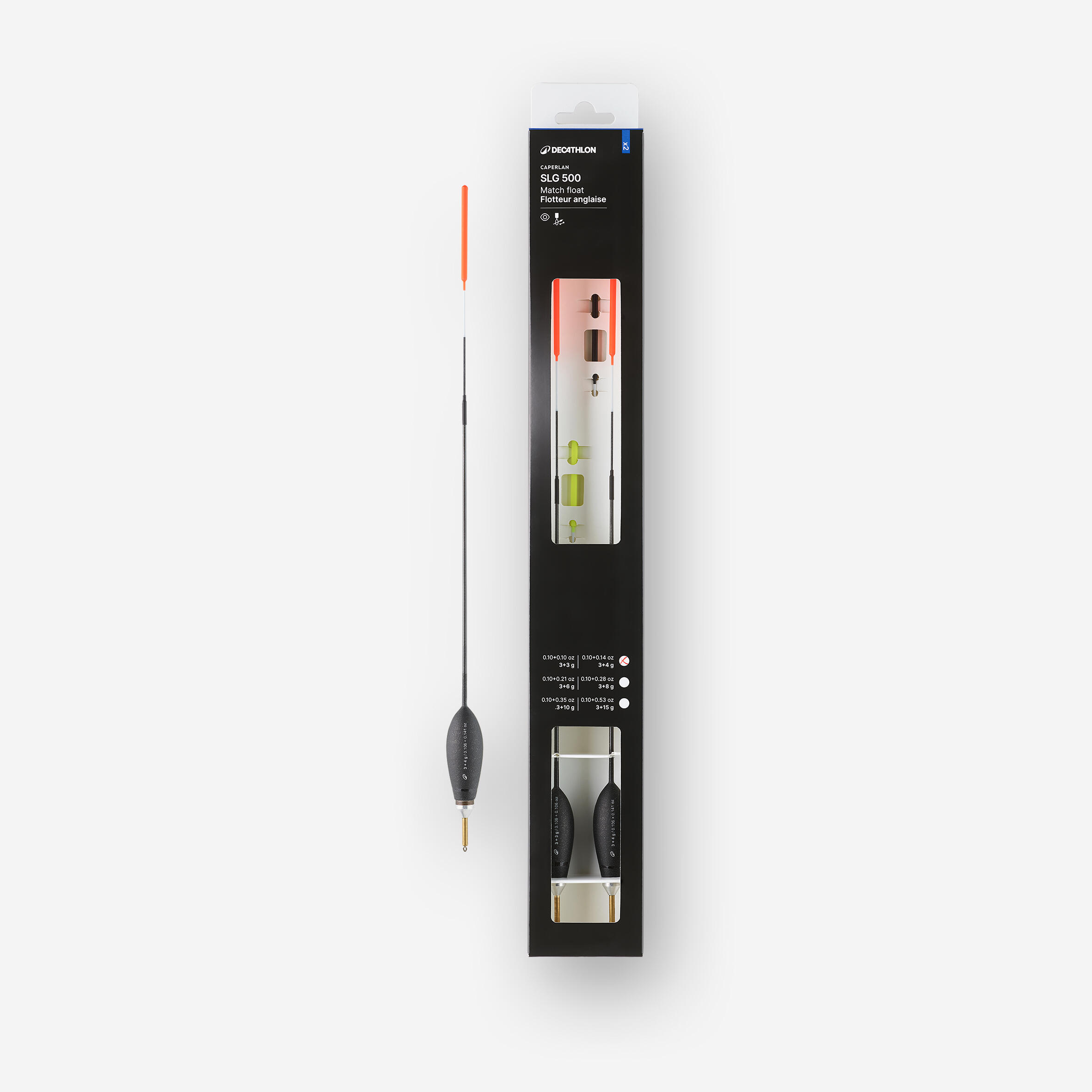
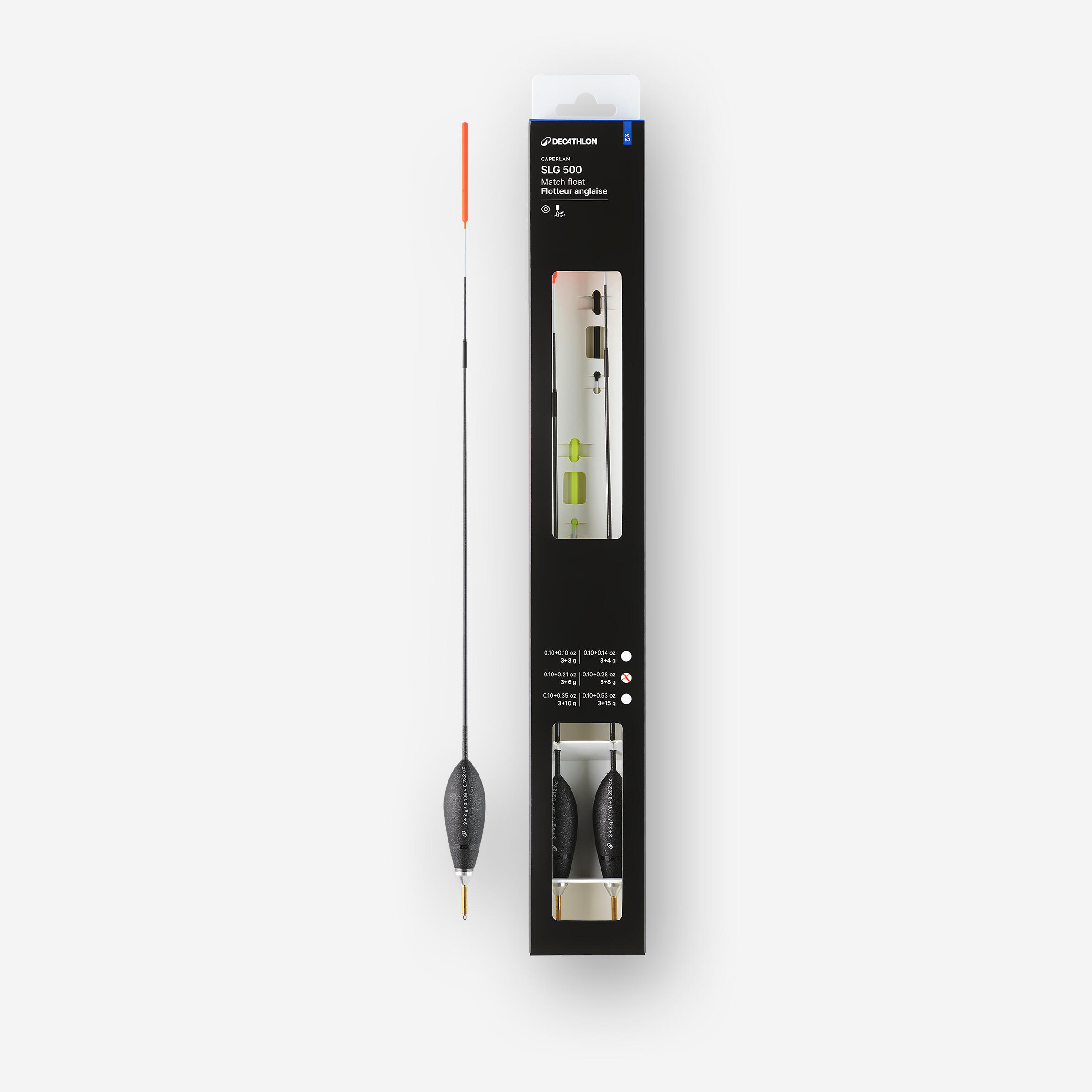
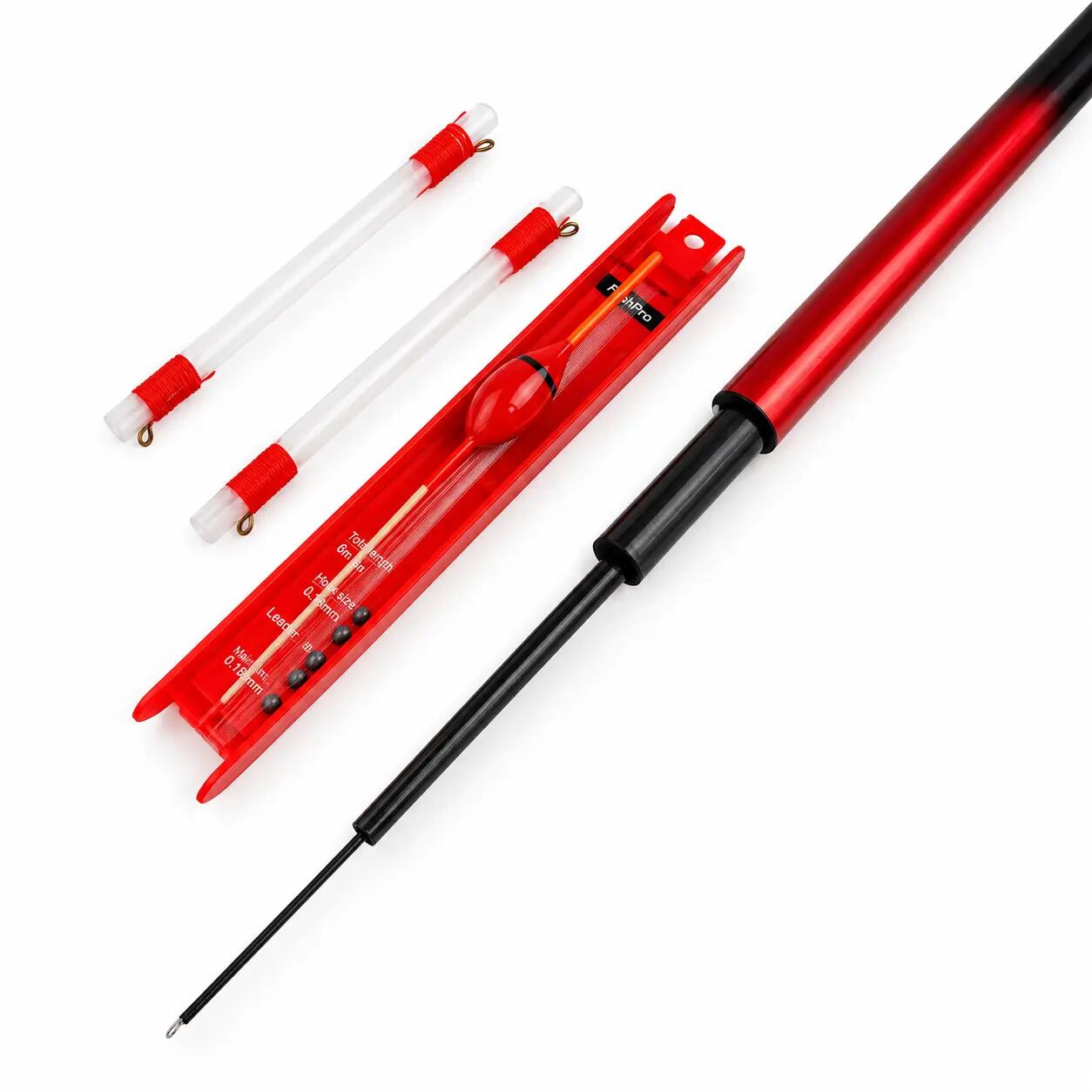
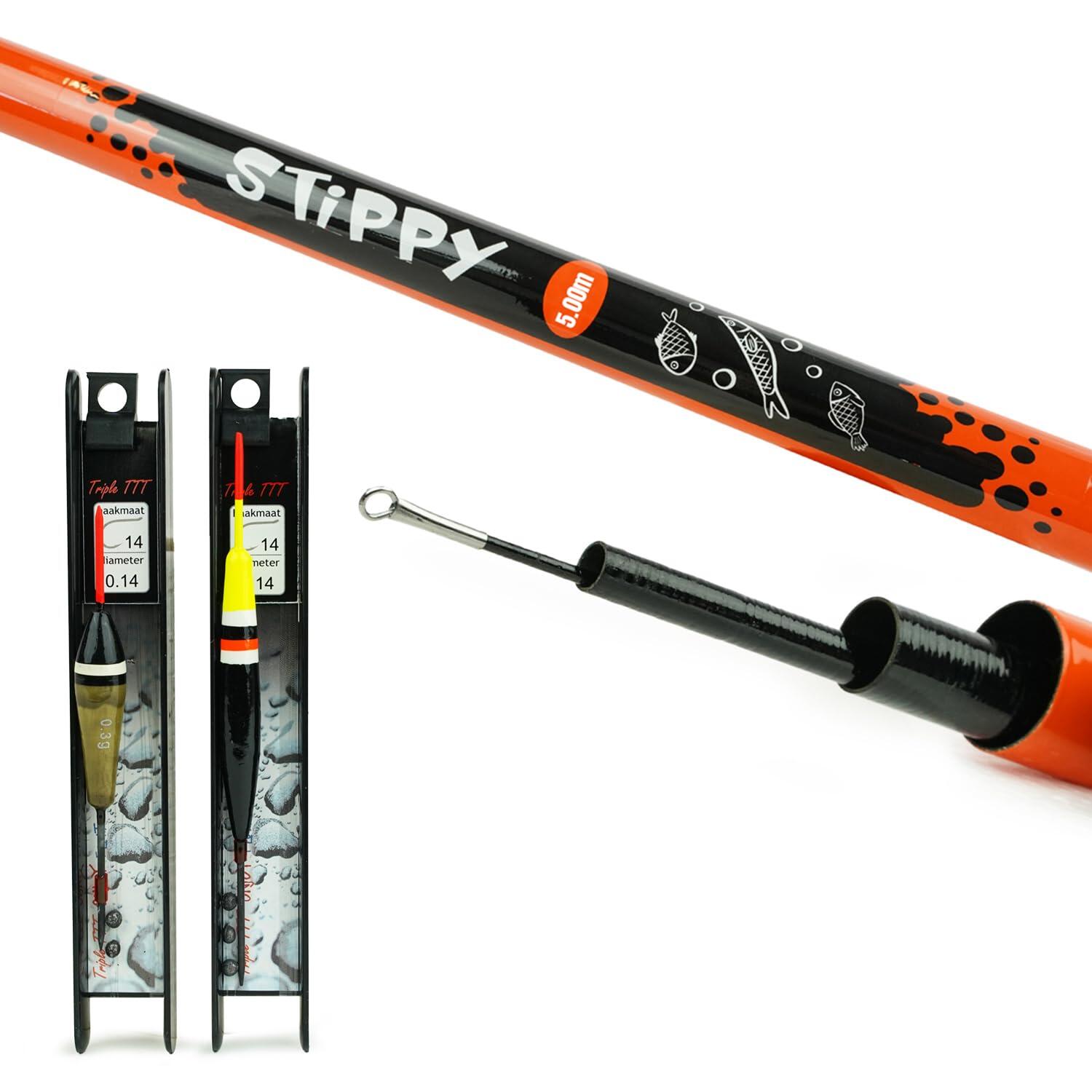
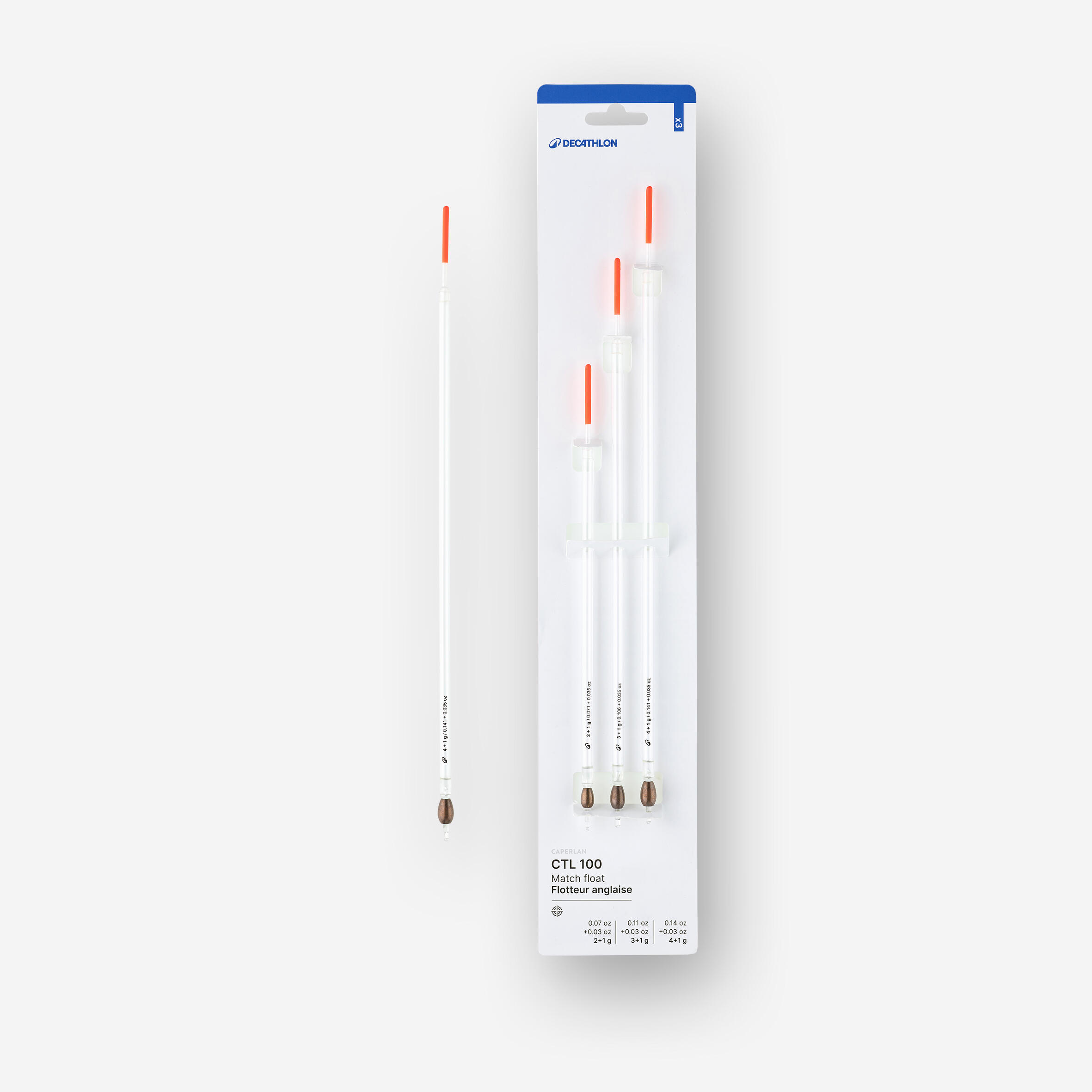
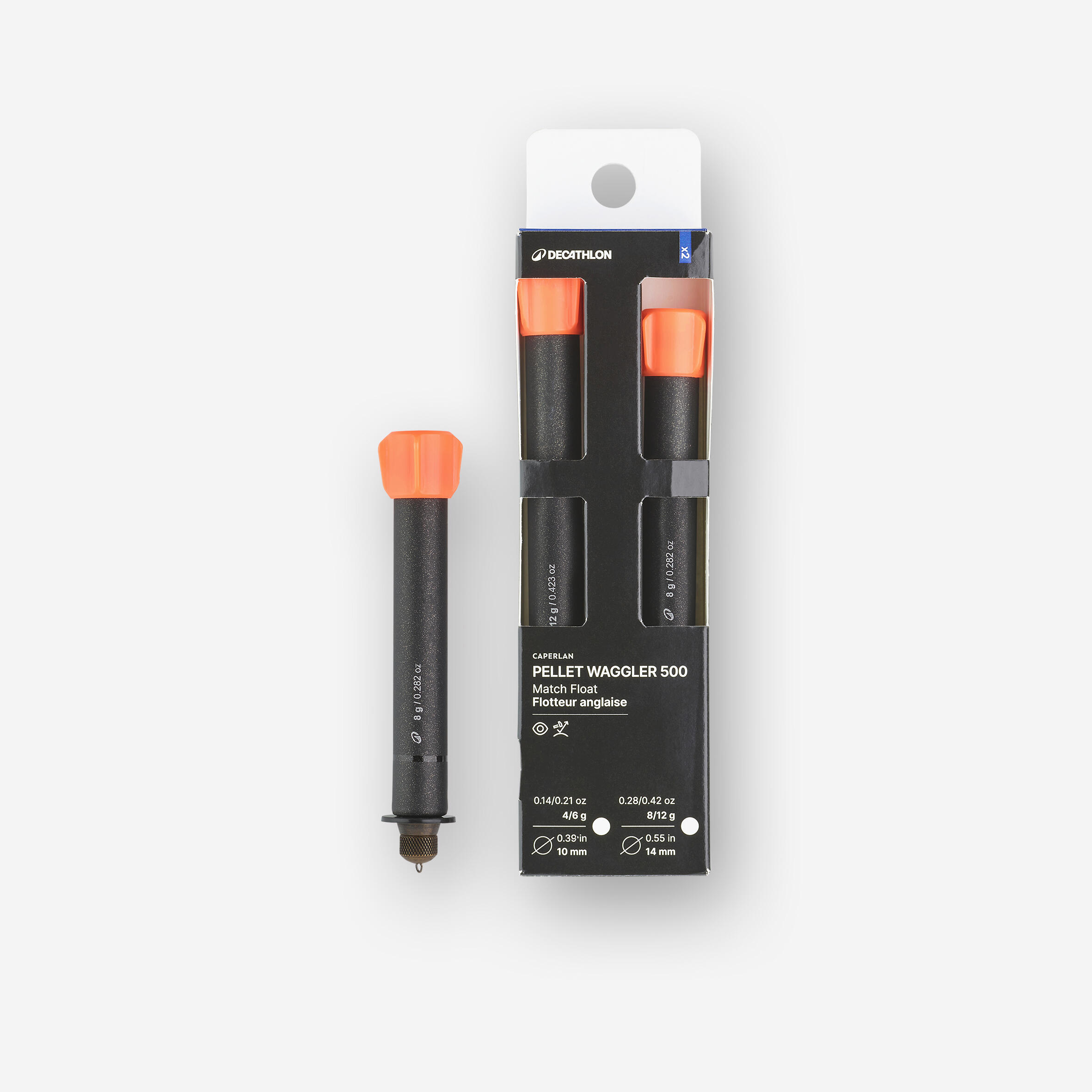
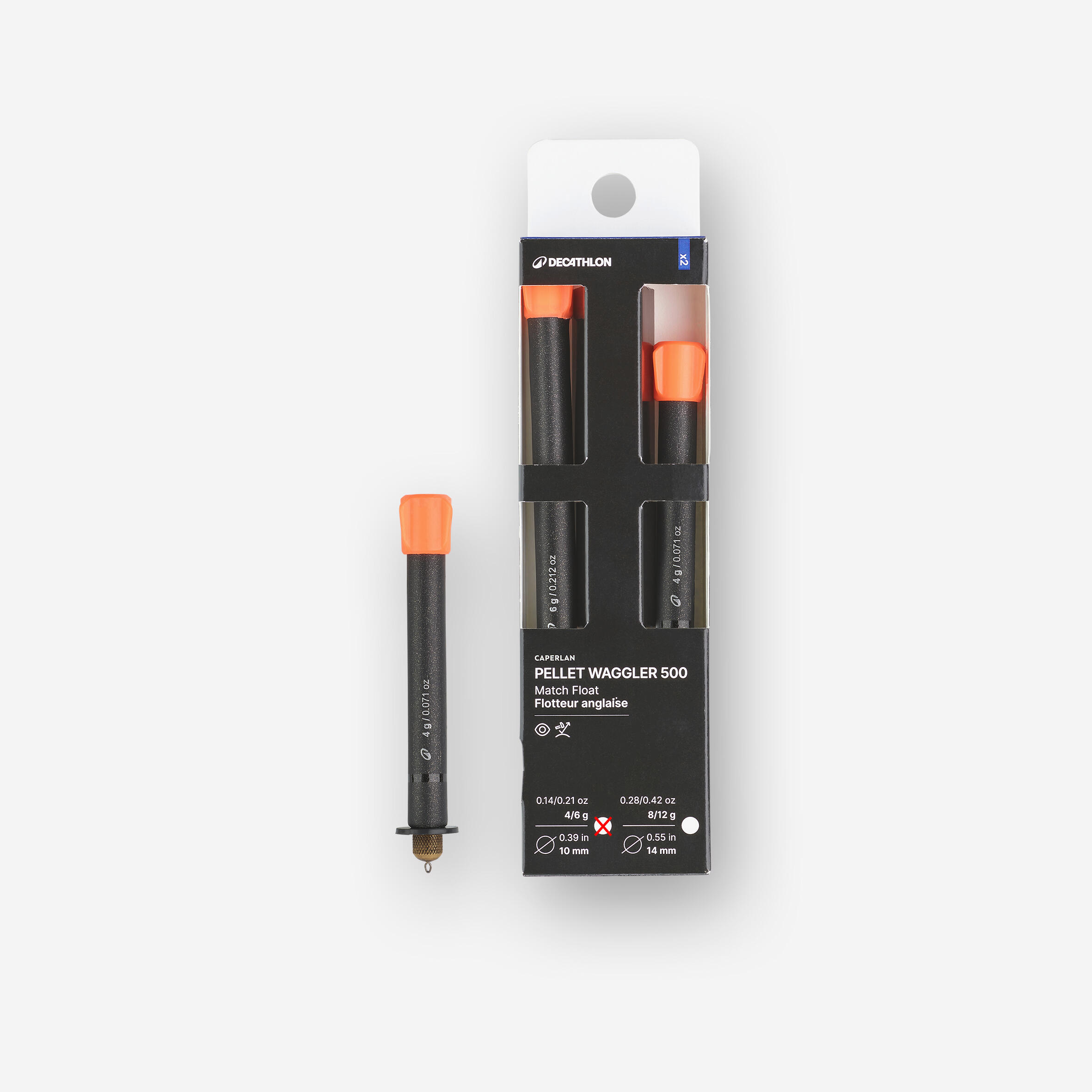
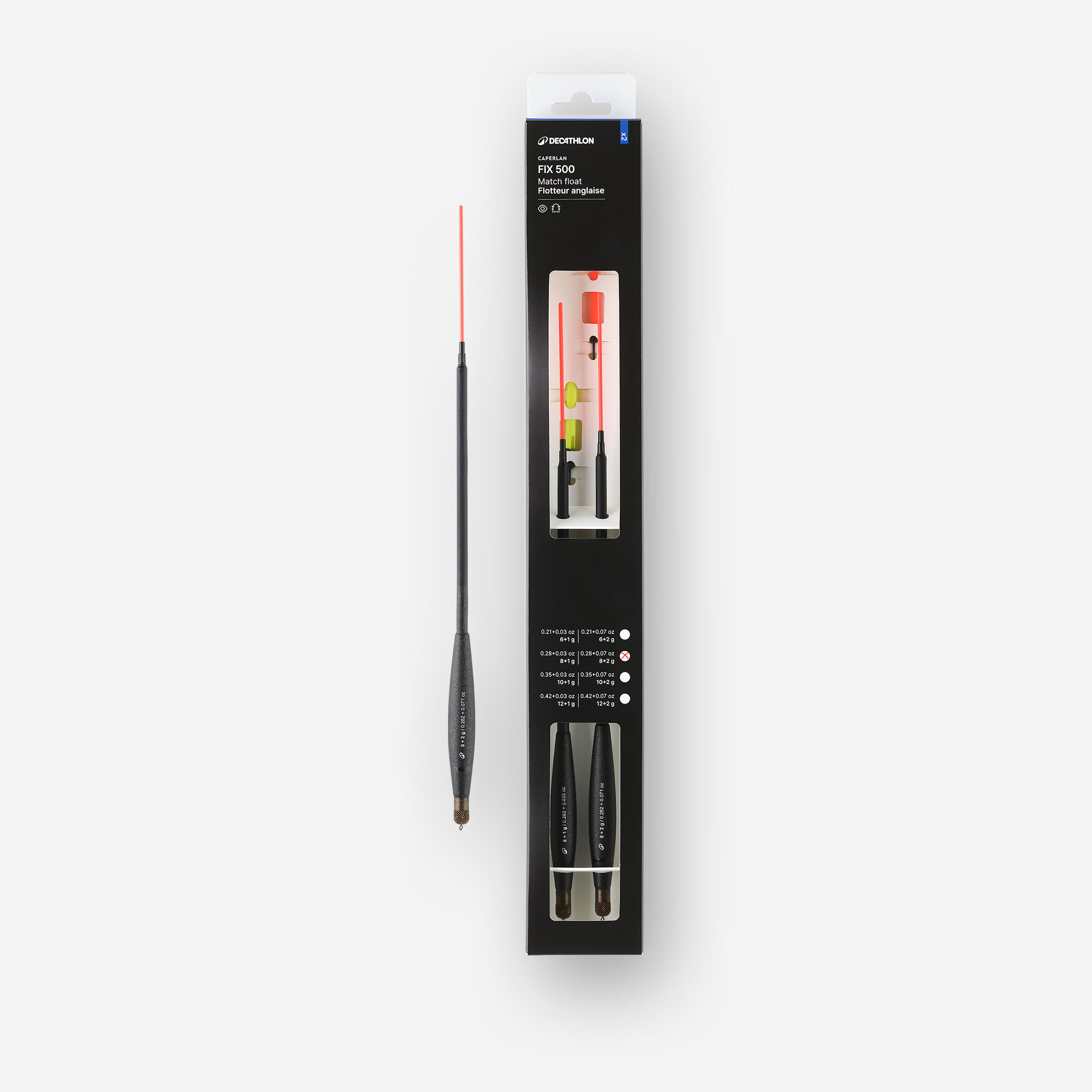
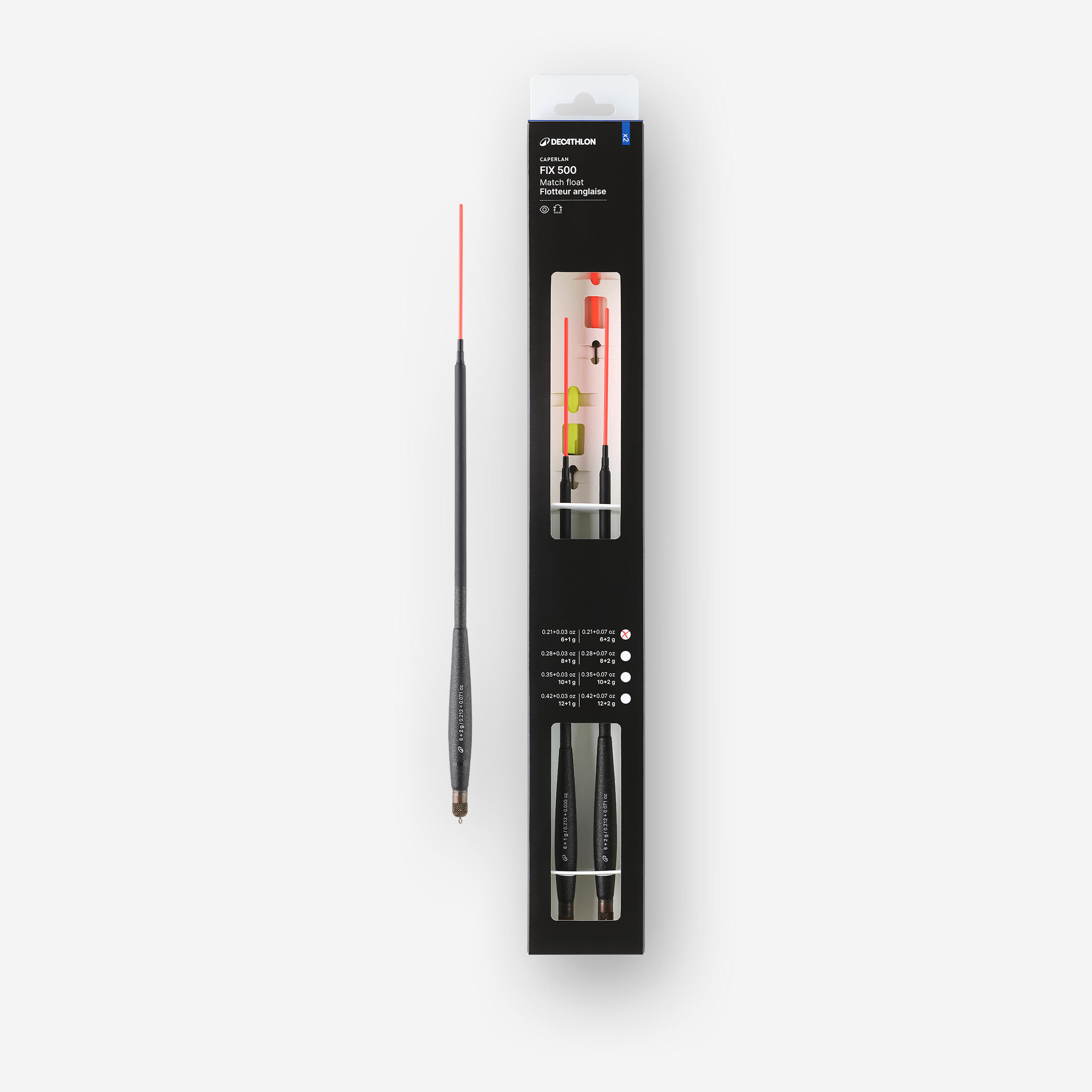
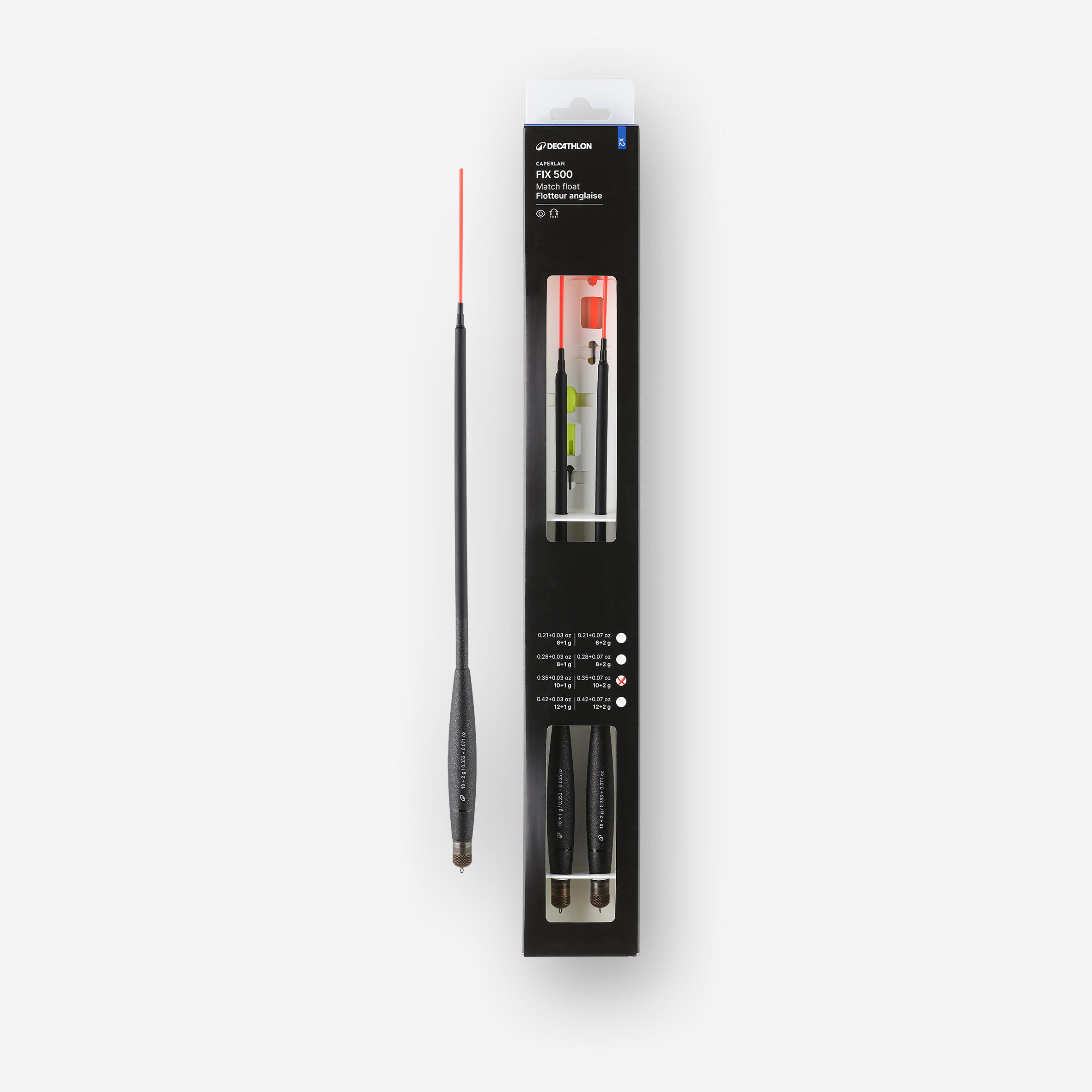
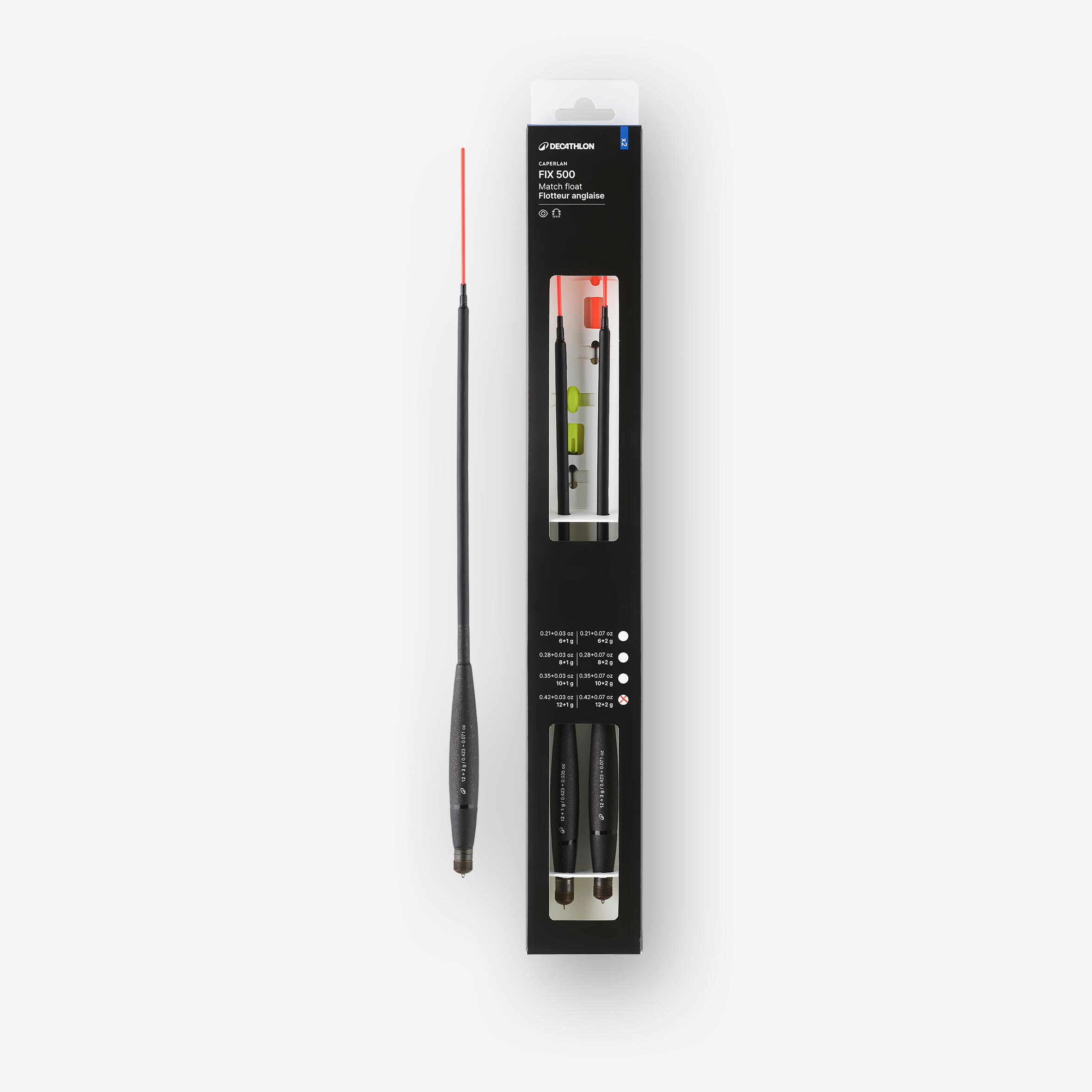
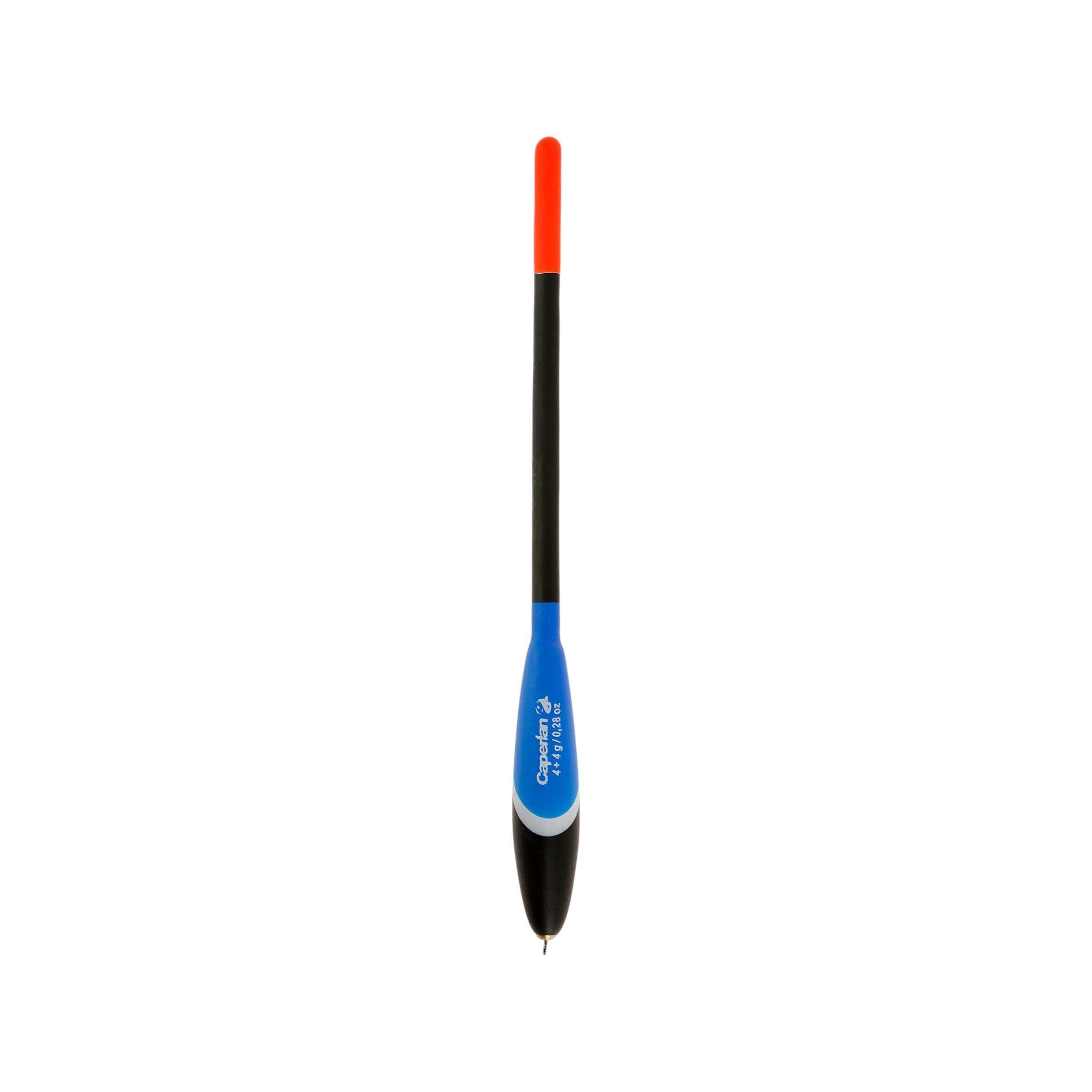
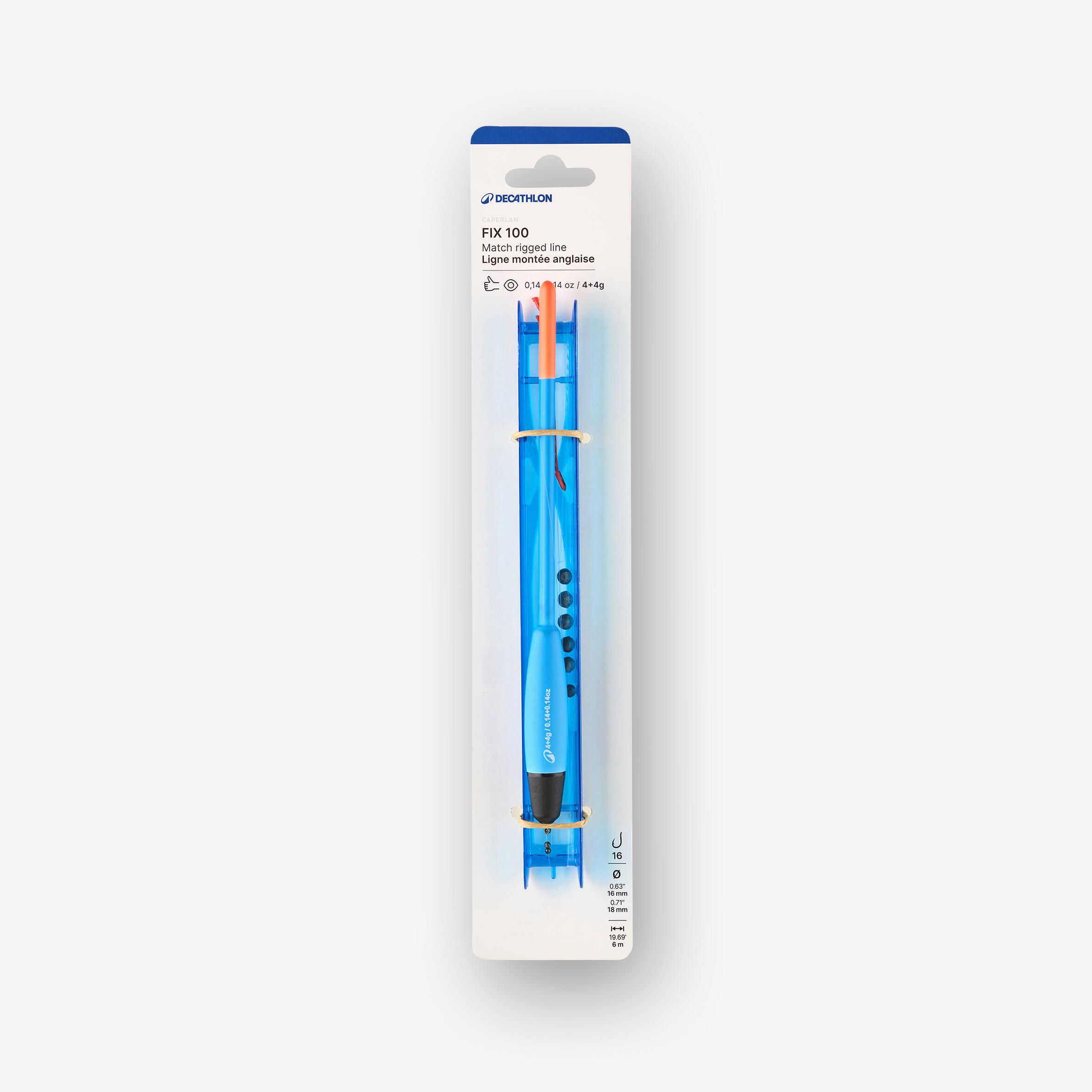
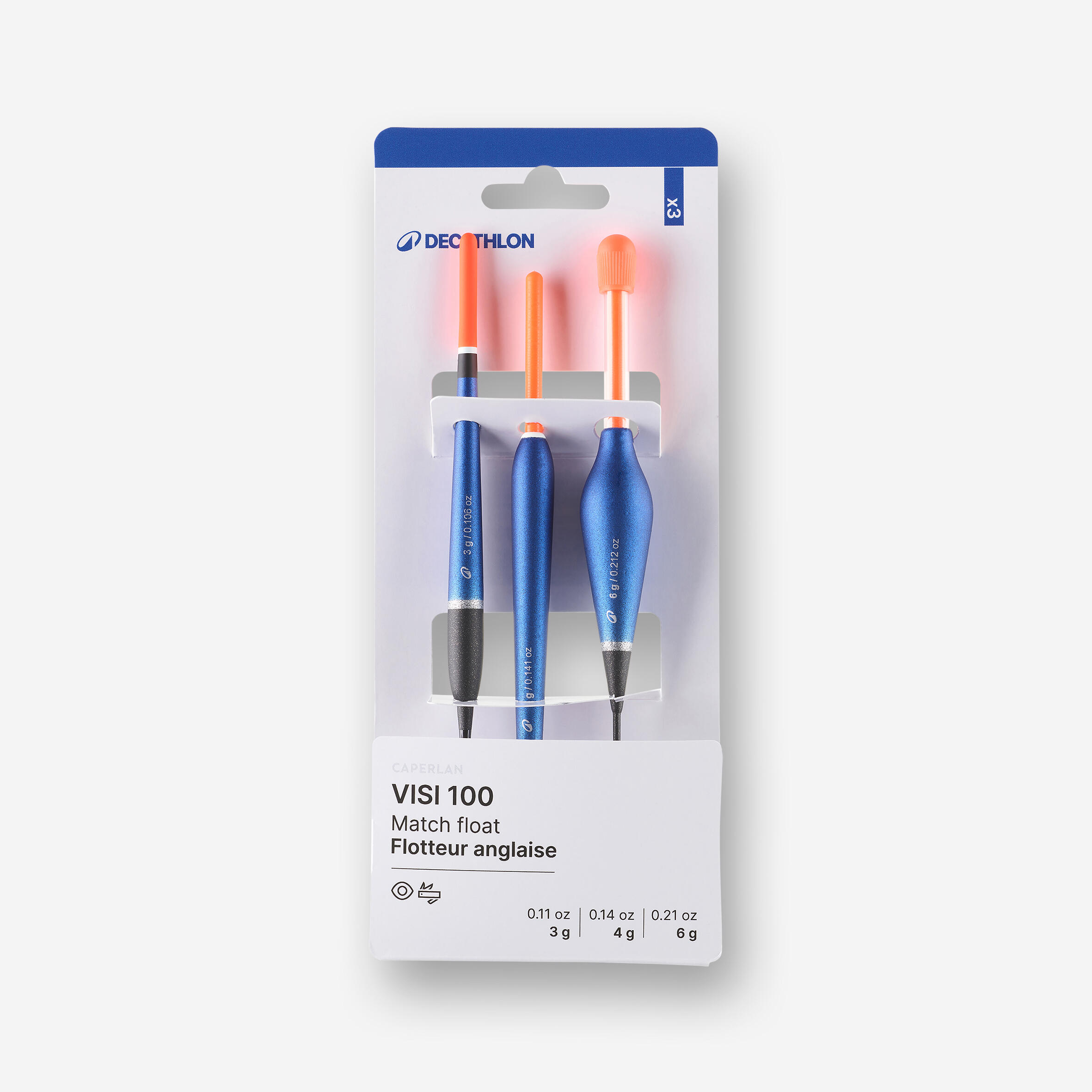
Pre-weighting puts much of the required mass inside the float, leaving you to add a smaller amount of shot when finishing the rig. Caperlan uses this approach across several match fishing floats and accessories, including models with removable brass washers for finer adjustment. The translucent MATCH 100 floats need only about 1 g of extra sinker weight, while F 500 models let you remove washers to alter the final balance. Interchangeable antennas in colours such as orange, yellow and black also help maintain visibility against different backgrounds. This means you can adjust buoyancy and sighting without replacing the complete float each time light, depth or casting distance changes.
When does a sliding match float work better than a fixed float?

Water depth is the main reason to change between the two systems. Caperlan positions its fixed F 500 floats for roughly 1 to 3 m of water, while sliding versions suit depths beyond 3 m where a fixed rig becomes awkward to cast and control. The sliding models use a balsa body with a carbon upper section and need more additional line weight, which helps the hook travel down through deeper water. Pairing the float with suitable match fishing rods and combos also matters because long casts depend on both the float profile and the rod's casting action. Keep the final rig inside the rod's stated casting weight for comfortable repeated casting.

What rod features help with long-distance match fishing?

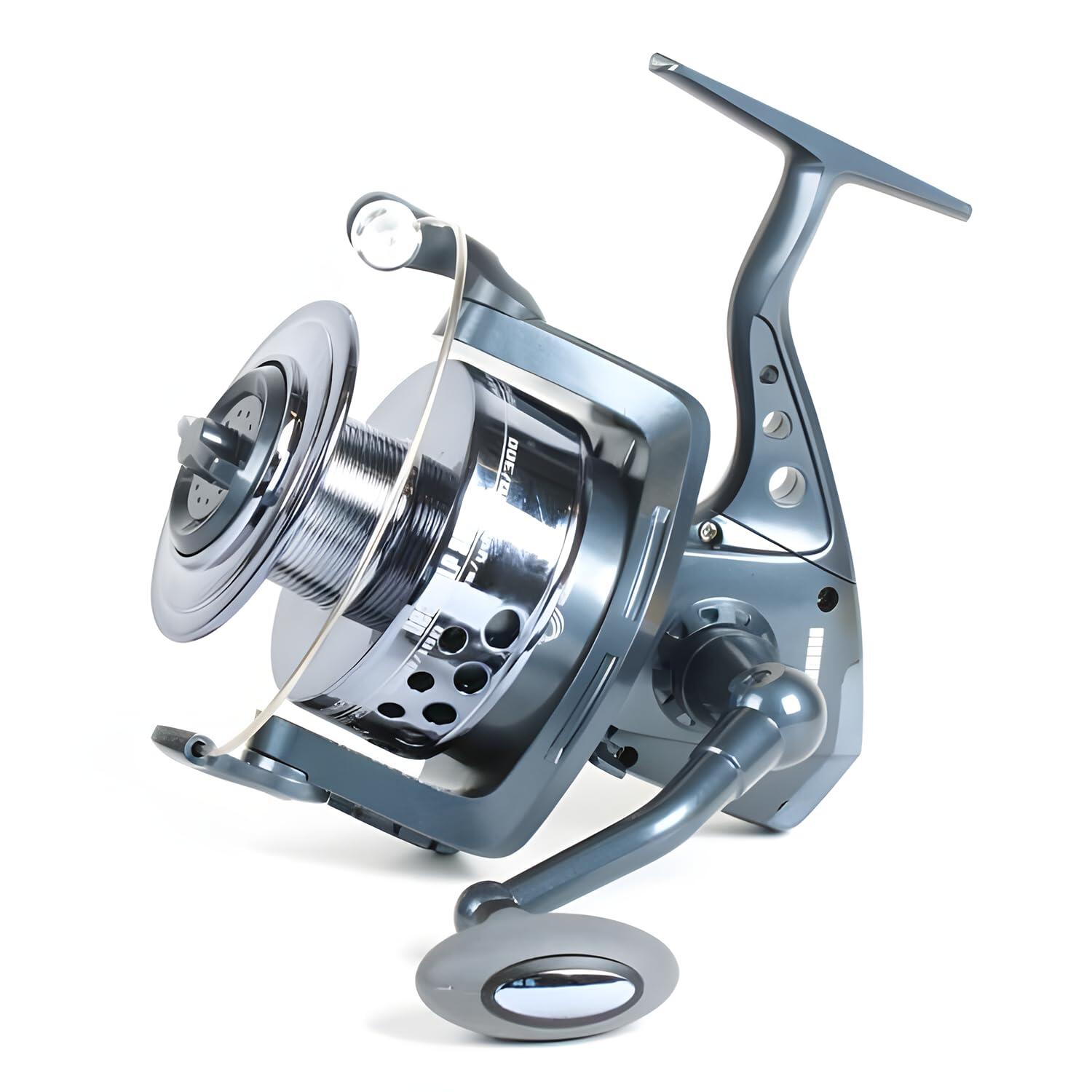
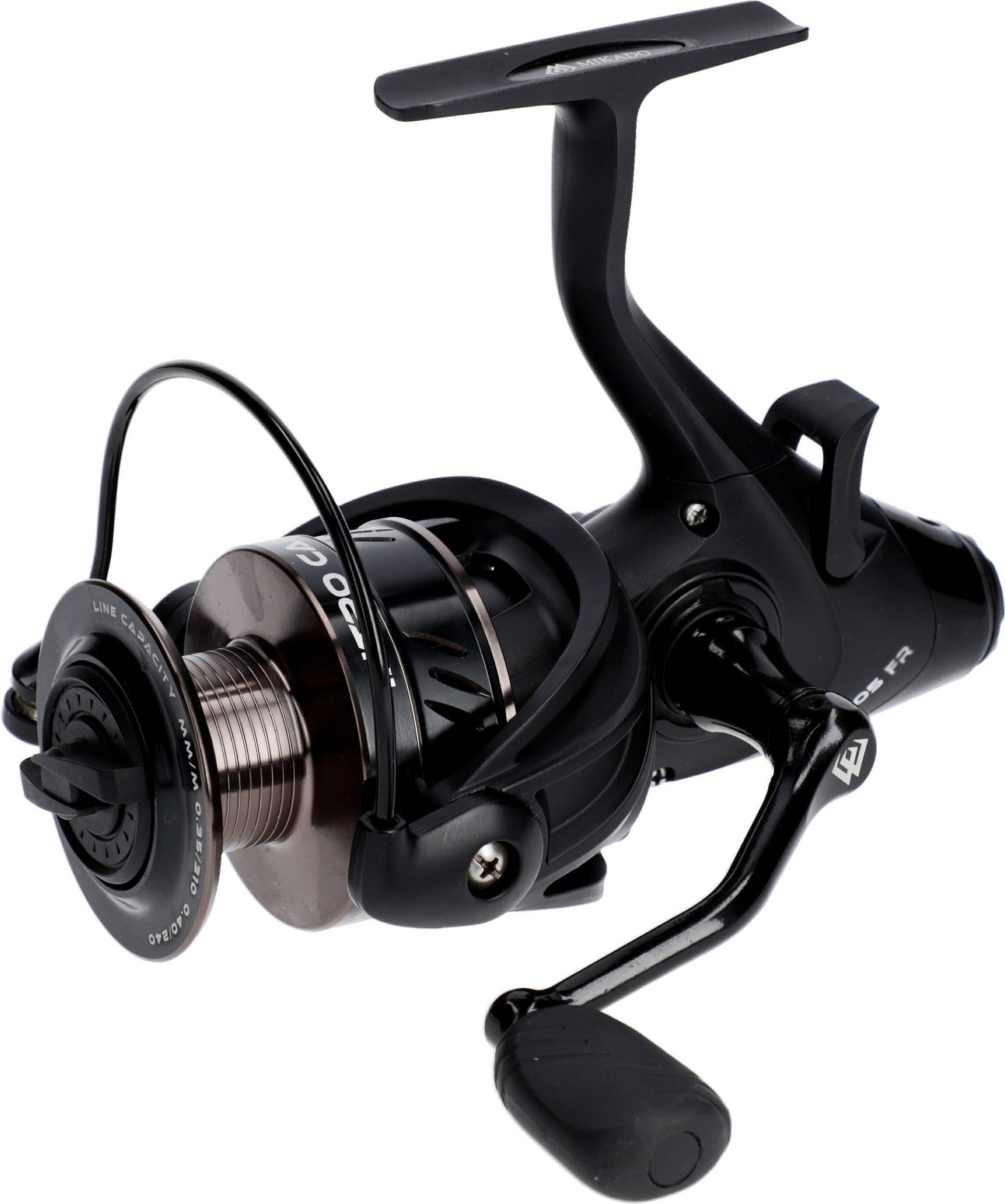
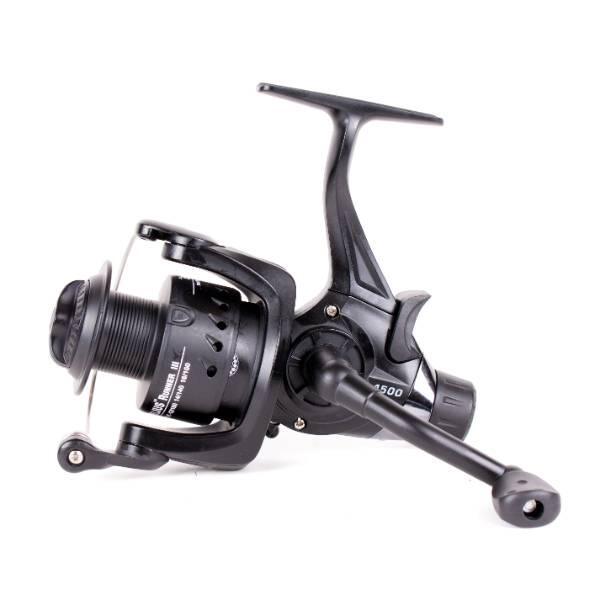
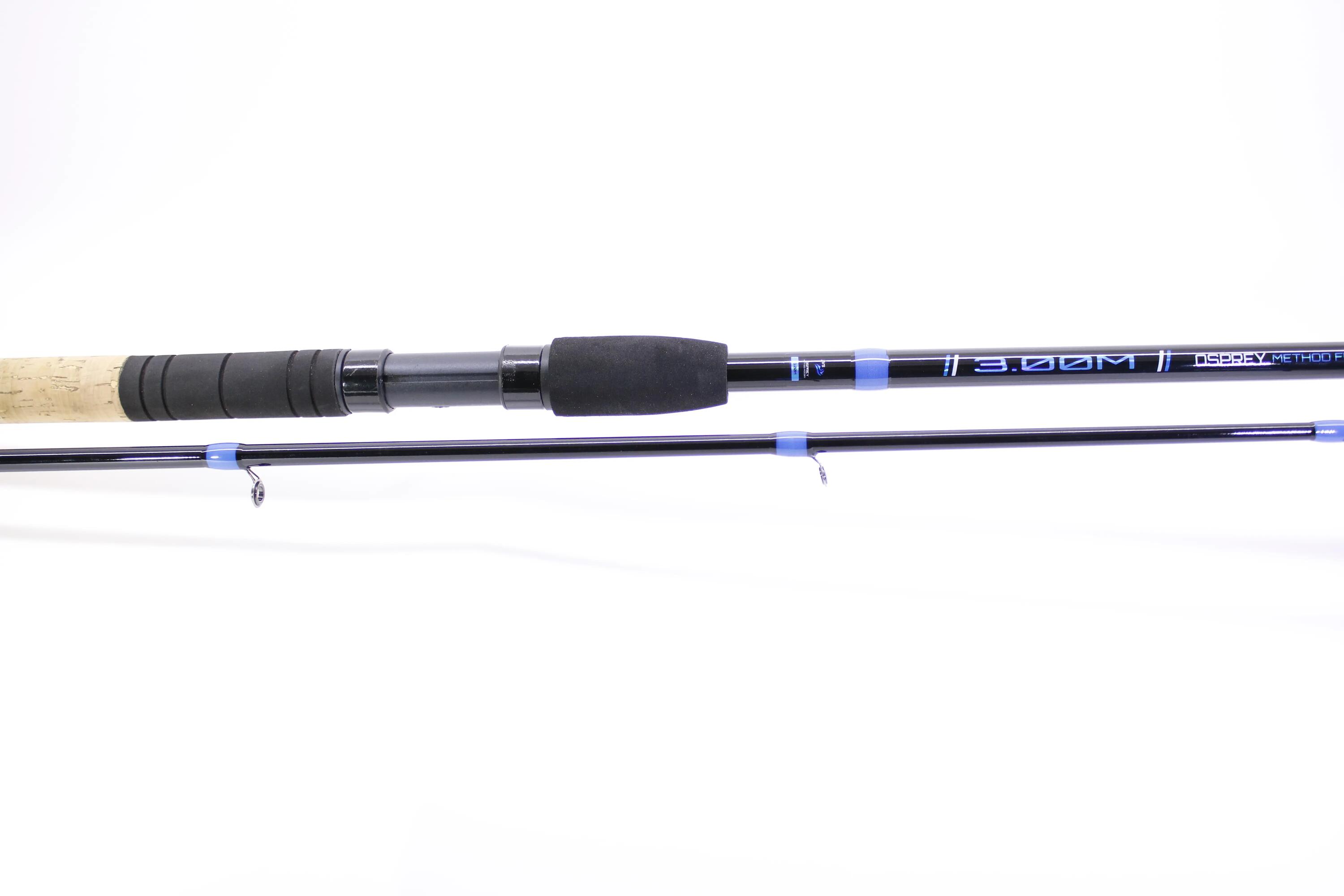
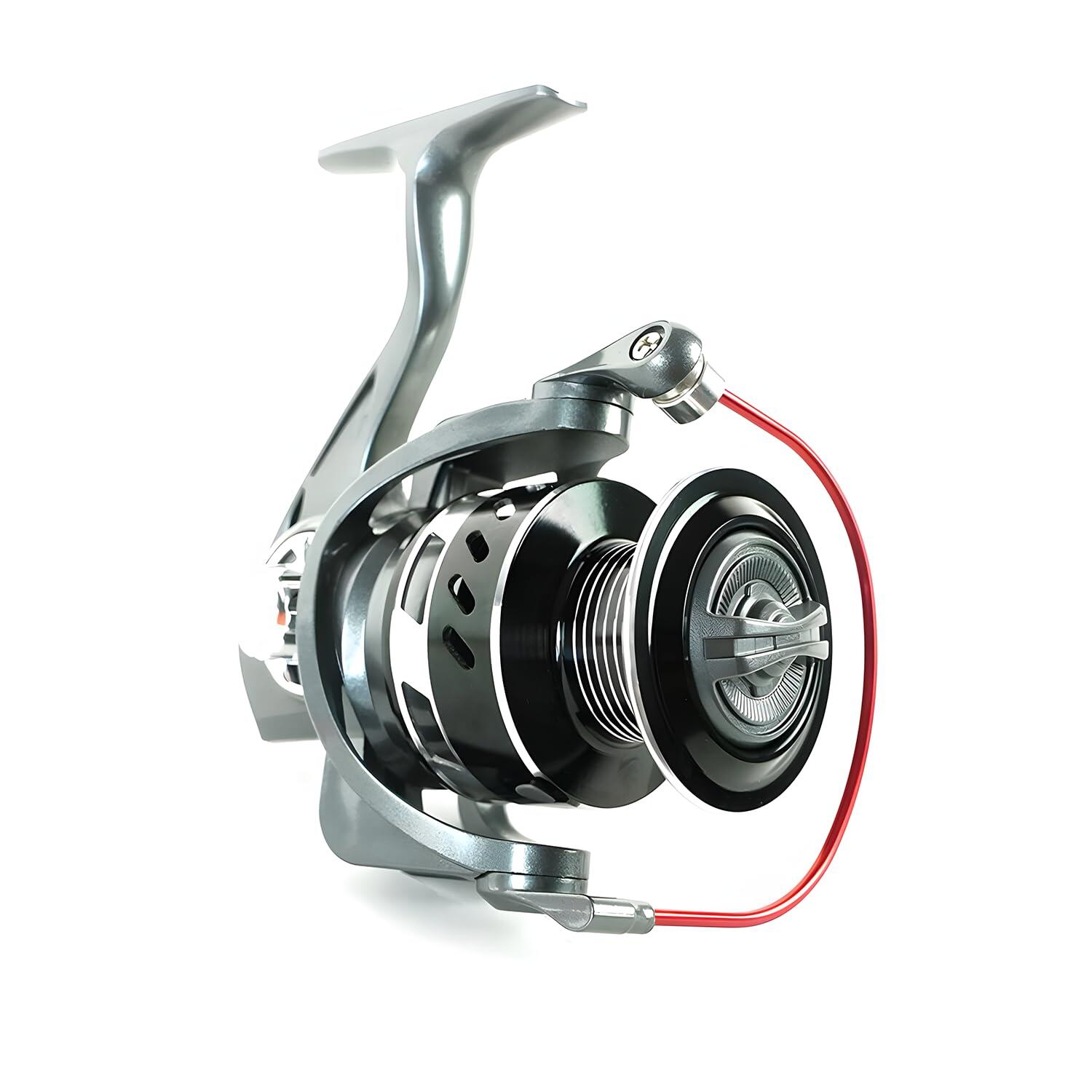
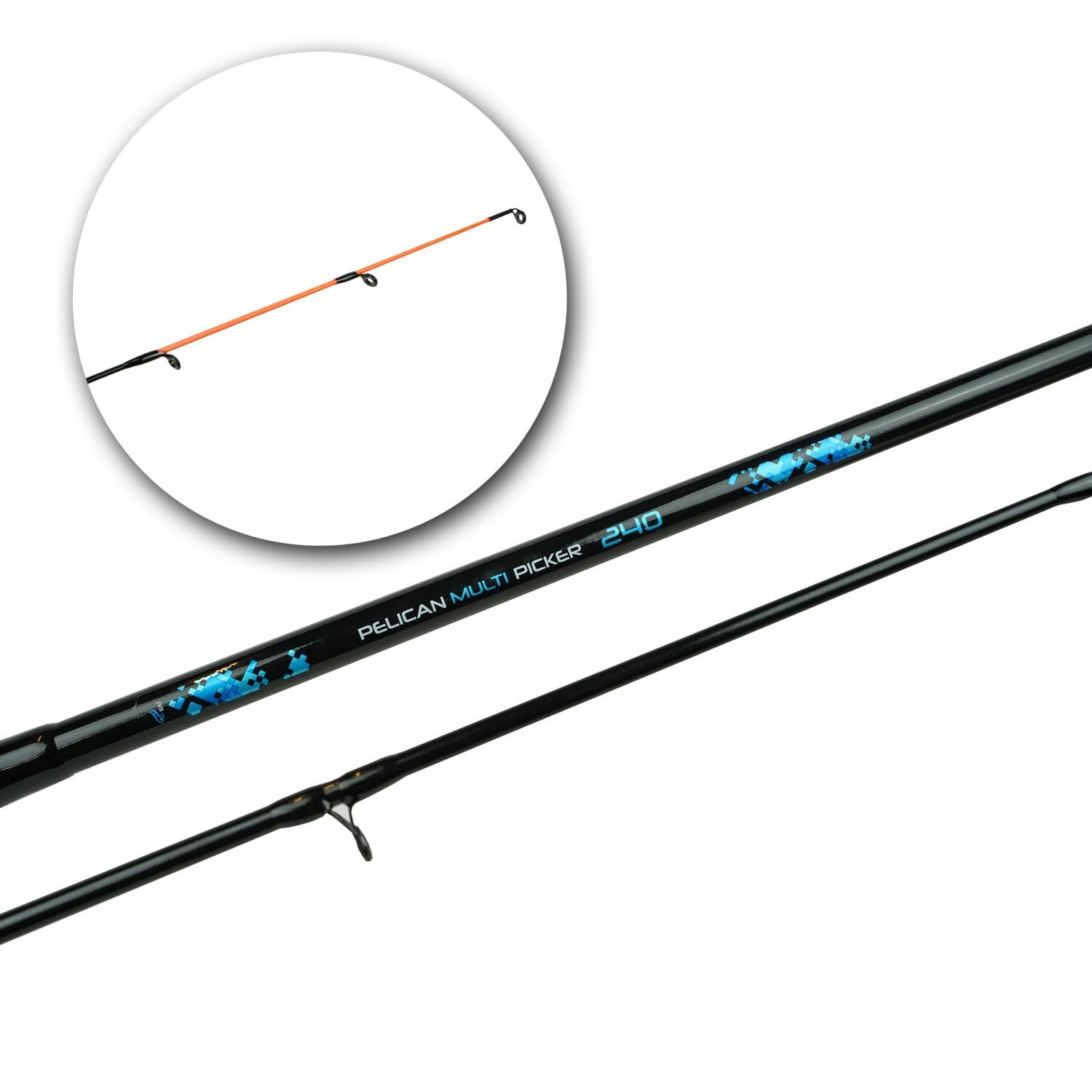
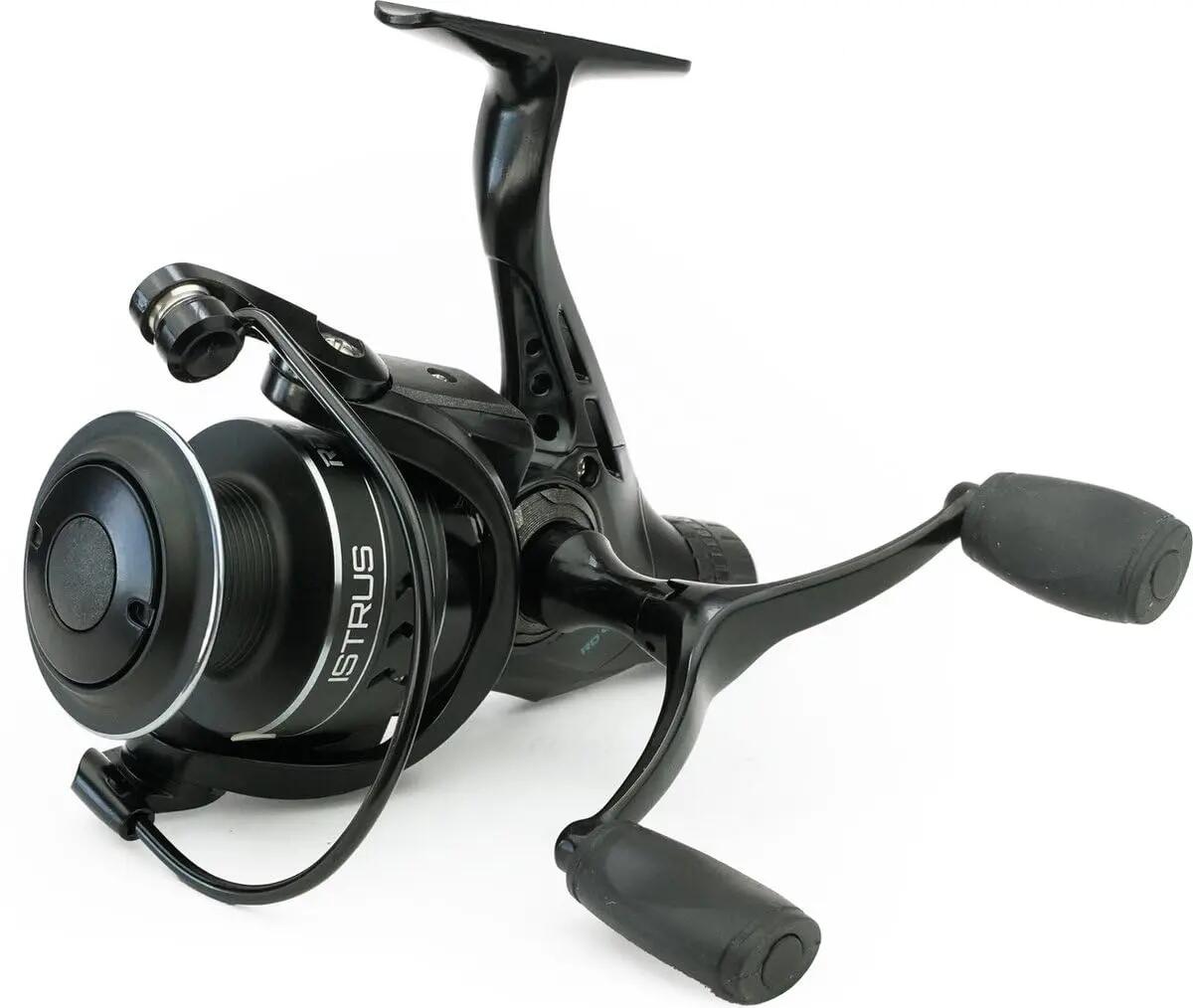
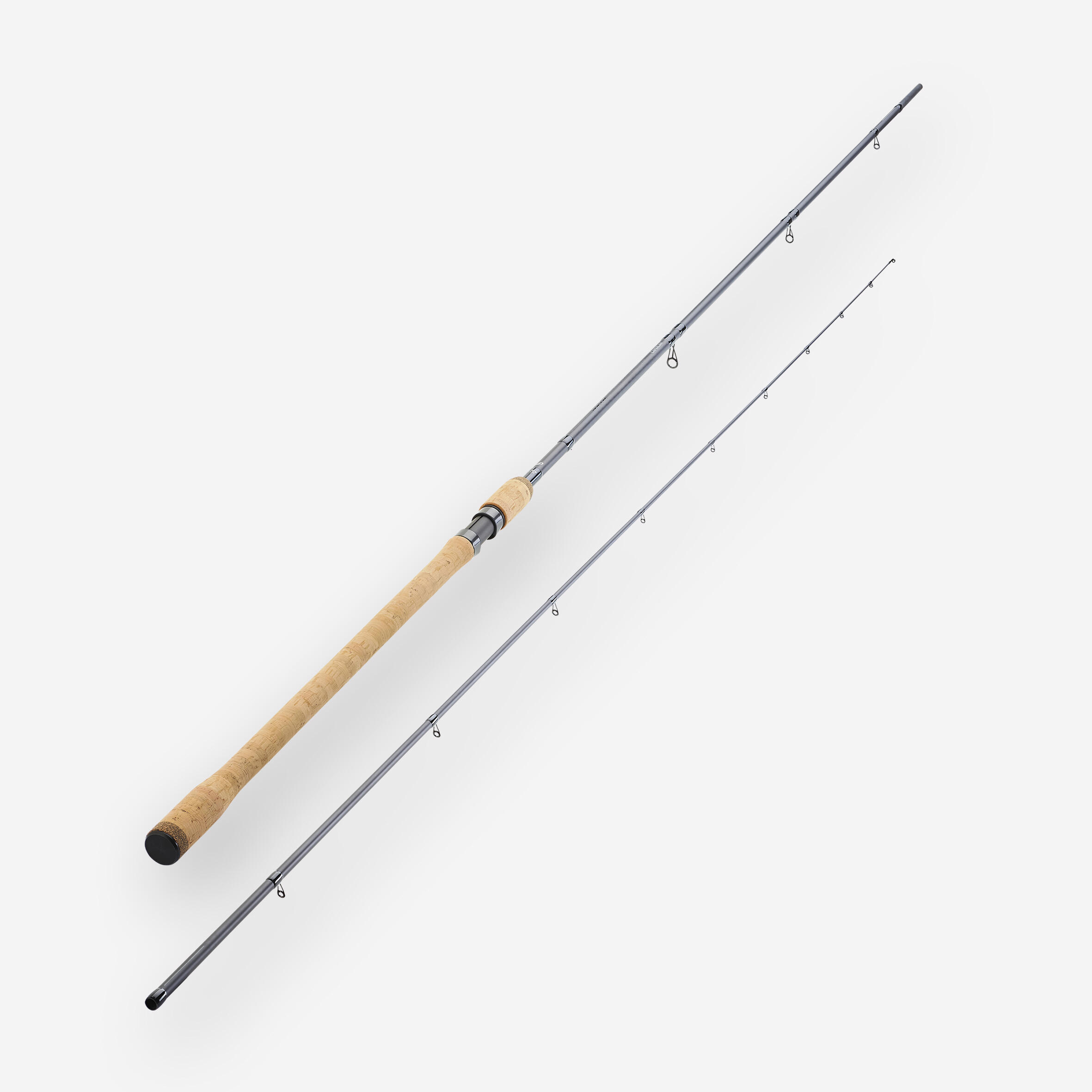
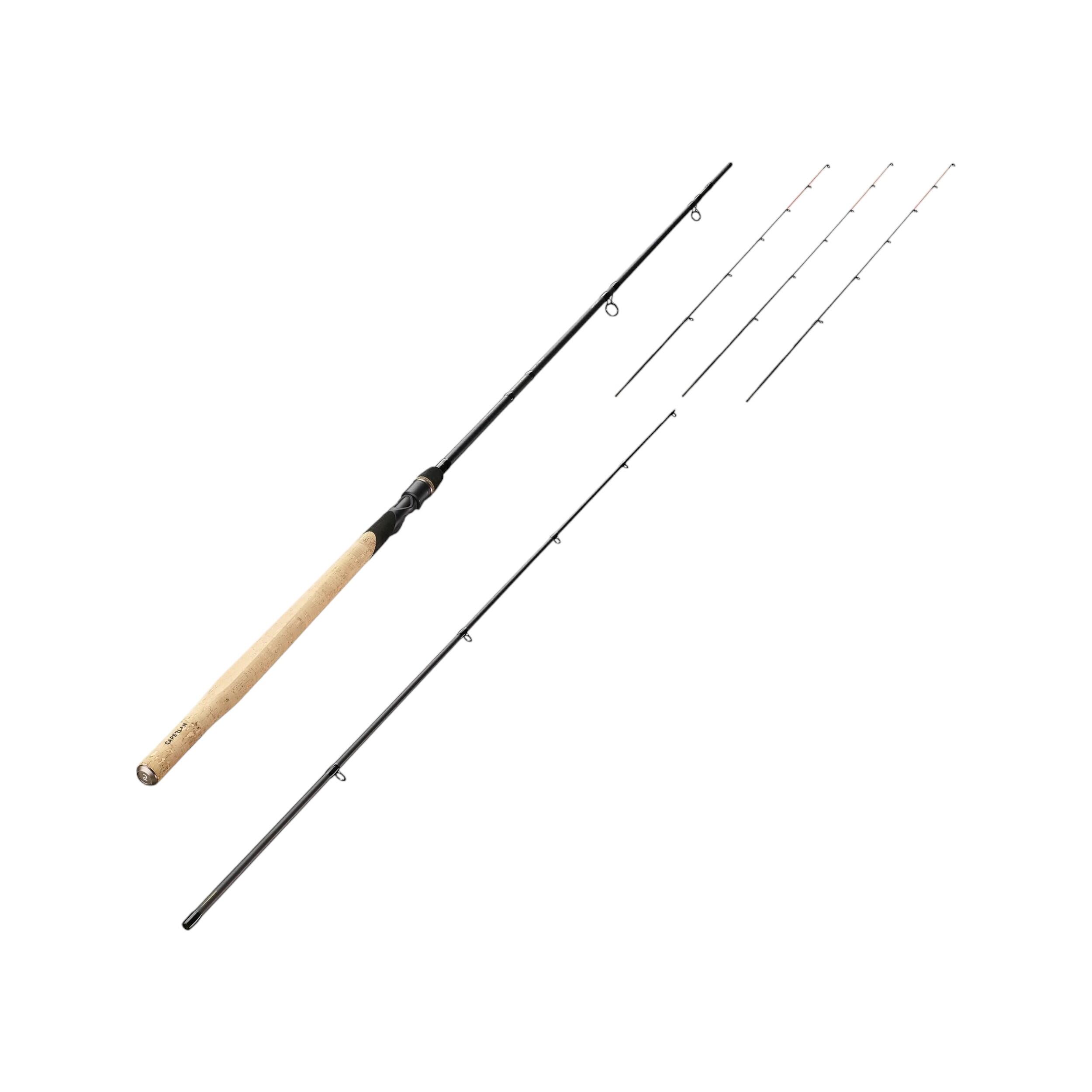
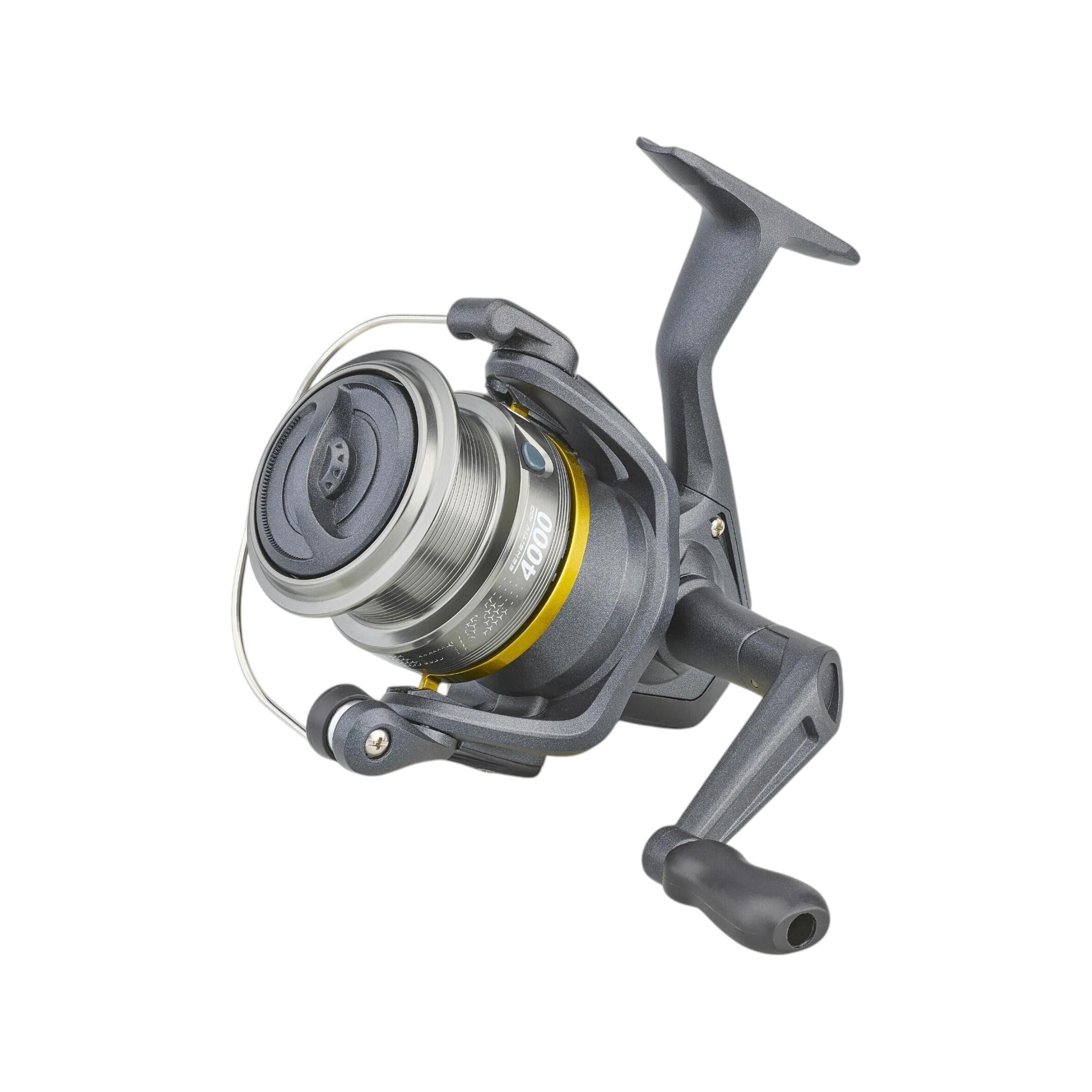
Distance work asks the rod to cast a weighted float efficiently while still cushioning lighter lines when a fish pulls close to the net. Caperlan's NRTH 500 Match uses high-modulus carbon, weighs about 170 g and has a semi-parabolic action that absorbs movement during the fight. Its multiple guides support line control, while the Fuji reel seat and cork/EVA butt add secure handling during repeated casts. Reel setup also affects how smoothly line leaves and returns to the spool, so the dedicated match fishing reels category can help complete a balanced casting setup. Caperlan also tests one match reel through 500,000 crank rotations to assess endurance over repeated use.

How can interchangeable antennas help in changing light?

A float can remain correctly balanced yet become difficult to see when the background or light changes. Caperlan tackles this by supplying interchangeable antenna colours and different antenna formats on several F 500 floats. Orange or yellow can stand out against darker water, while black may give stronger contrast against glare or pale reflections. The MTCH 100 VISI goes further by allowing two of its large antennae to accept a 4.5 mm glow stick for low-light fishing. These details make visual adaptation part of the wider coarse fishing setup rather than forcing you to rebuild the terminal rig whenever visibility changes. Keep spare antennae protected from bending during transport so they remain easy to fit.

How do you keep match fishing tackle ready between sessions?

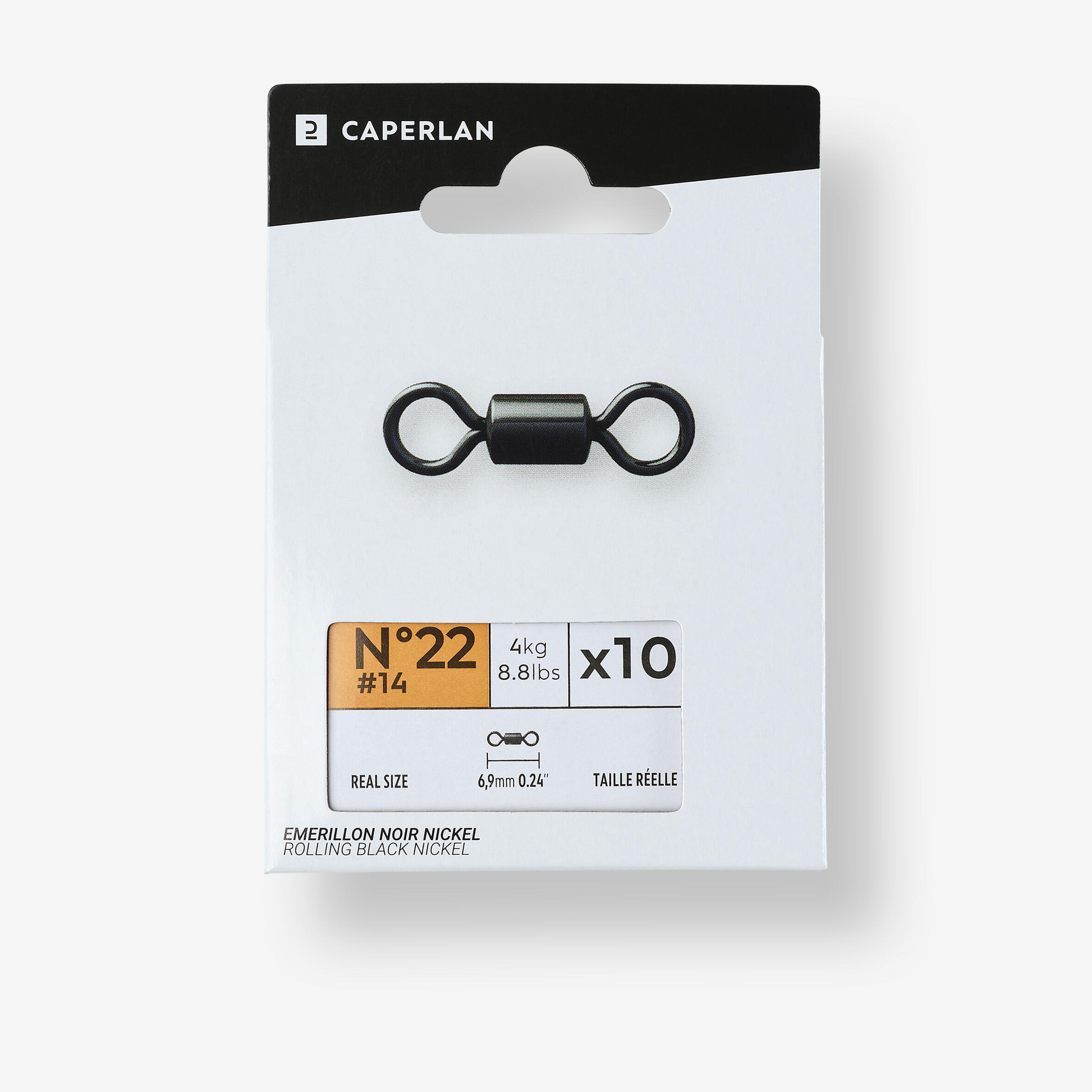
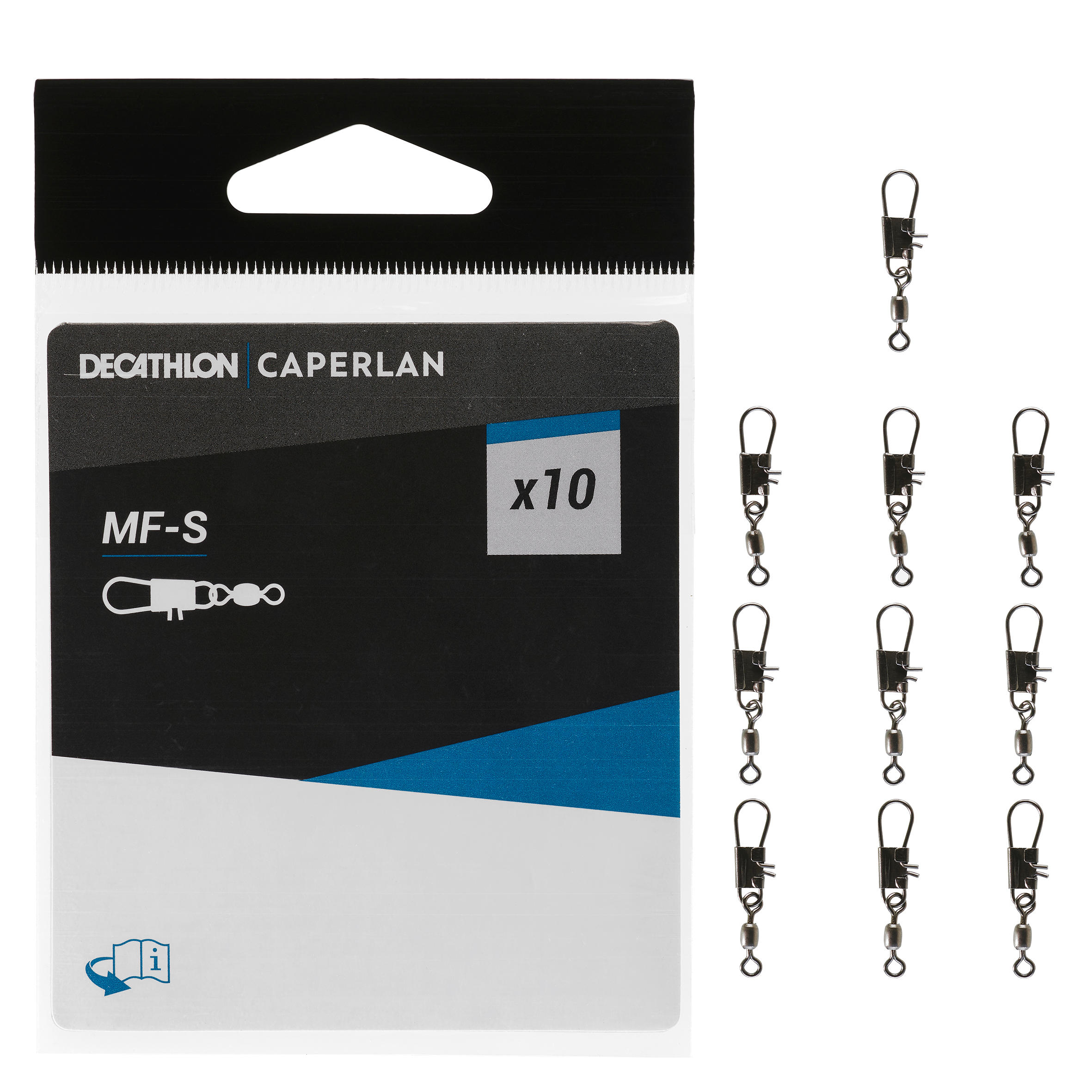
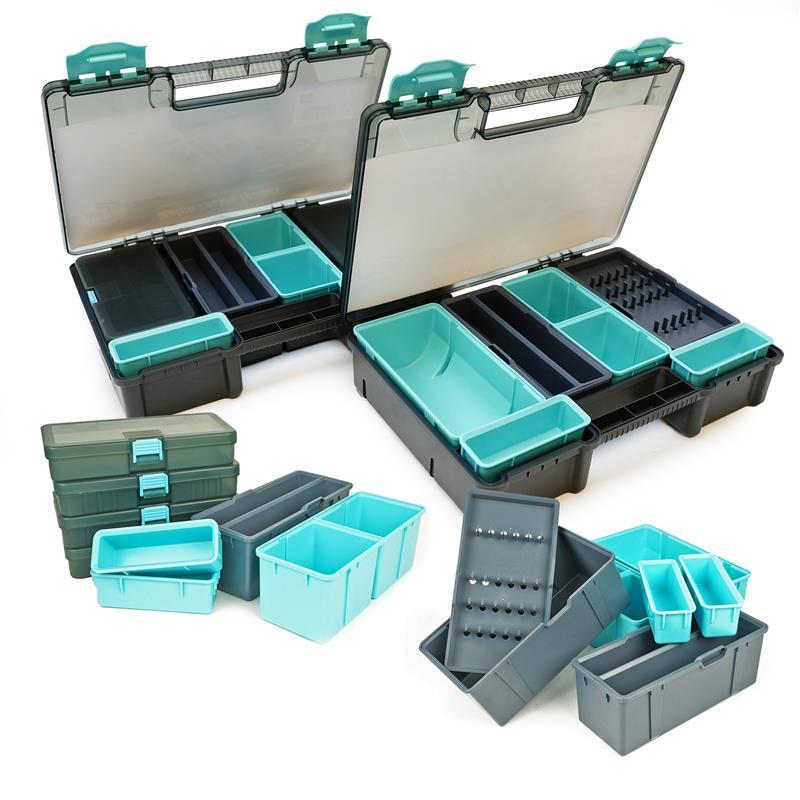
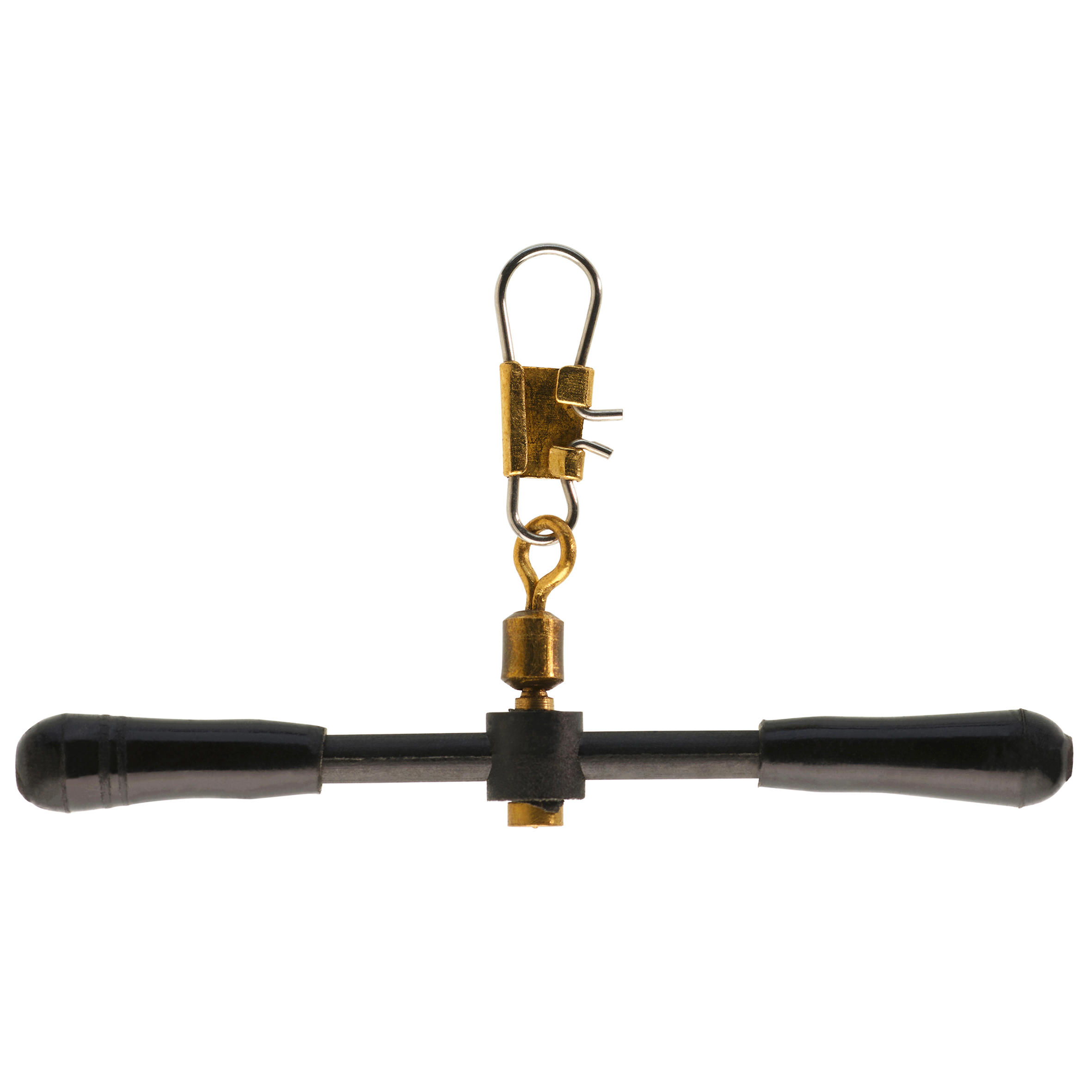
Float bodies, rod sections and small swivels can all suffer if they remain damp, crushed or exposed to unnecessary heat. Store match floats away from strong sunlight and excessive heat, and allow rods to dry before putting them into sleeves or cases. Caperlan also provides replacement tips and second rod sections on selected match models, which can extend the useful life of the rod after localised damage. Small BLACK NICKEL rolling swivels and quick-change clips benefit from being kept free of grit so they continue rotating and opening smoothly. Making these checks part of your wider fishing routine keeps delicate float tackle separate from heavier equipment that could deform antennas, damage balsa bodies or mark lighter rod sections during transport.