21 items
4.6/5 based on 920 reviews collected online and in stores

Match Fishing Floats and Accessories FAQs

How does water depth affect the match fishing float you use?

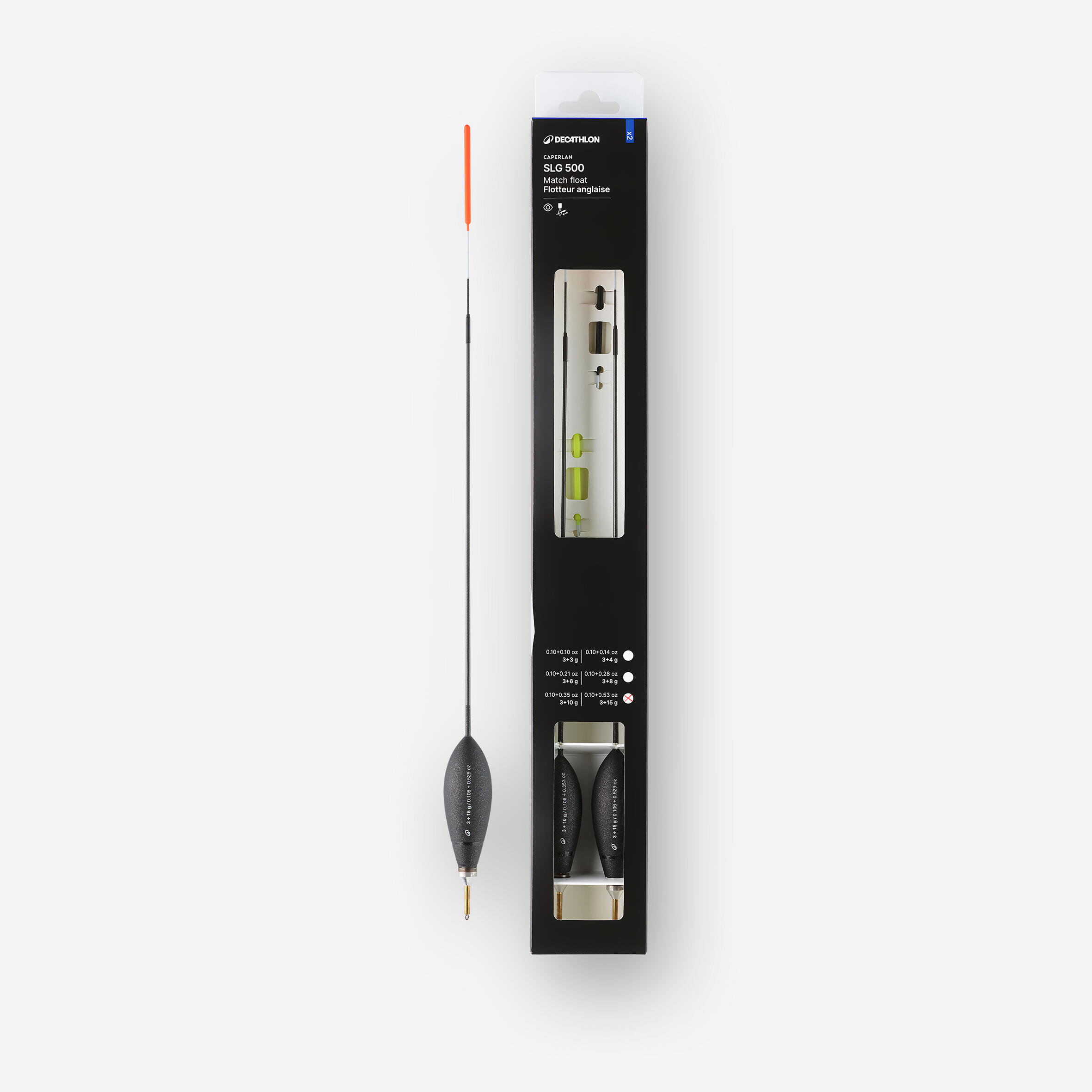
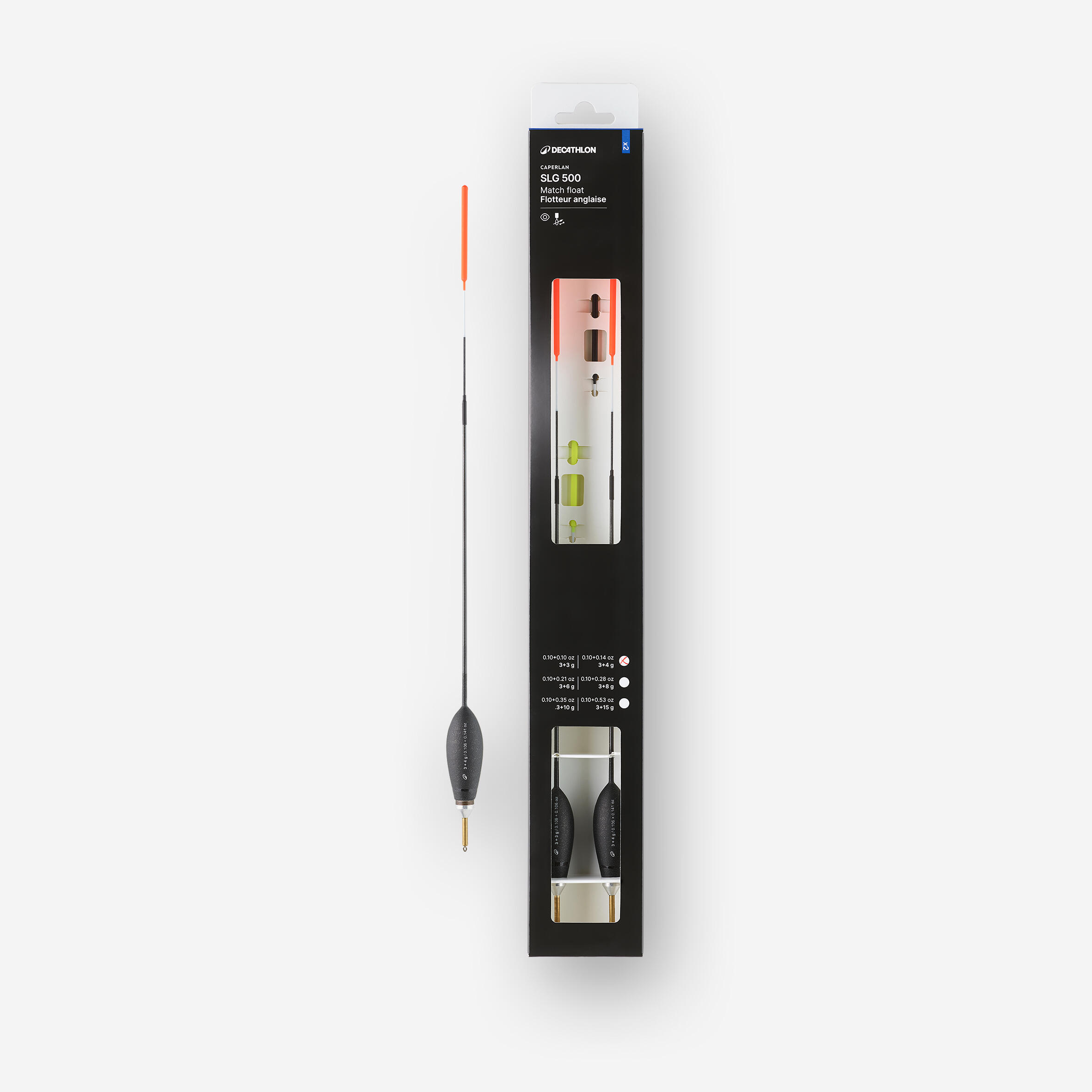
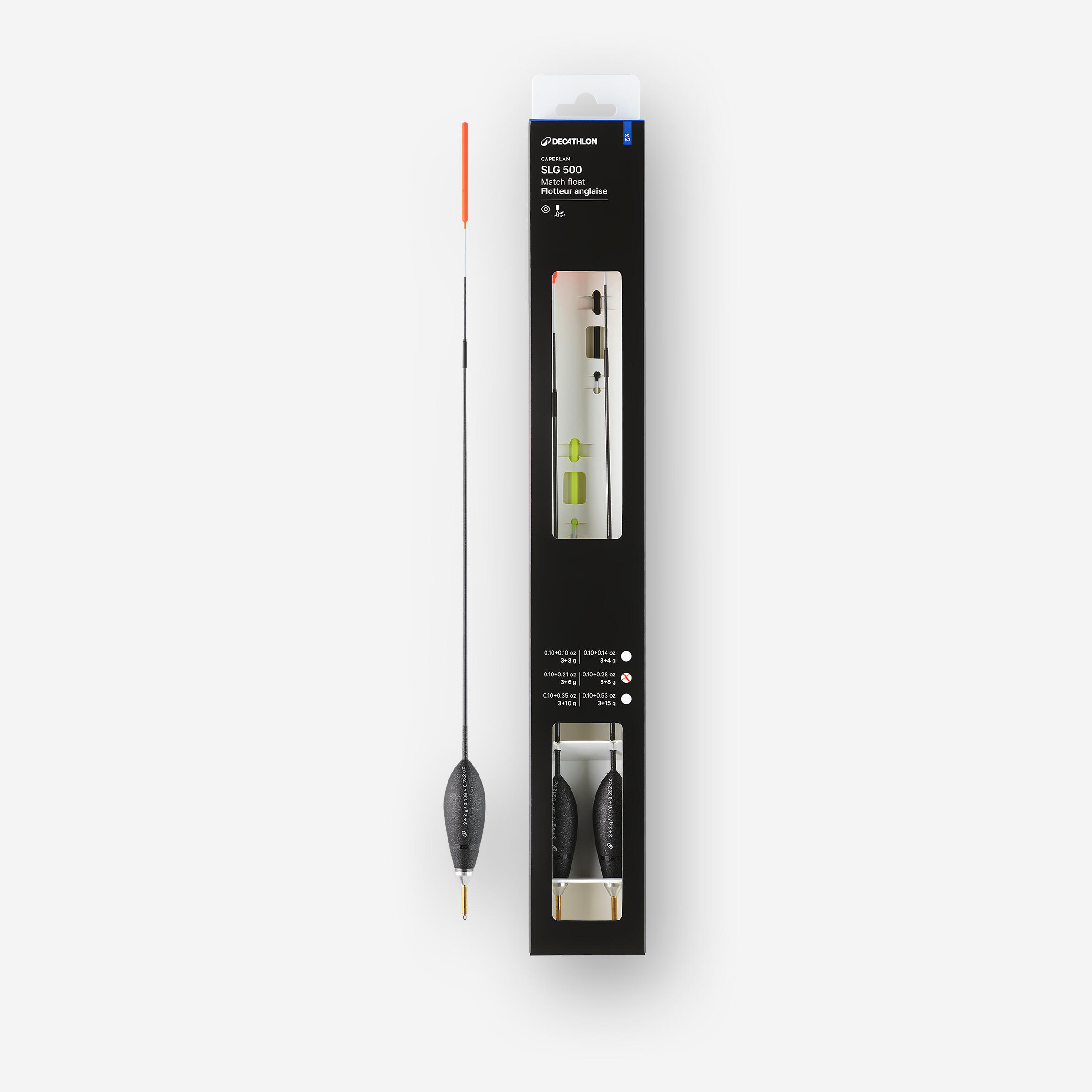
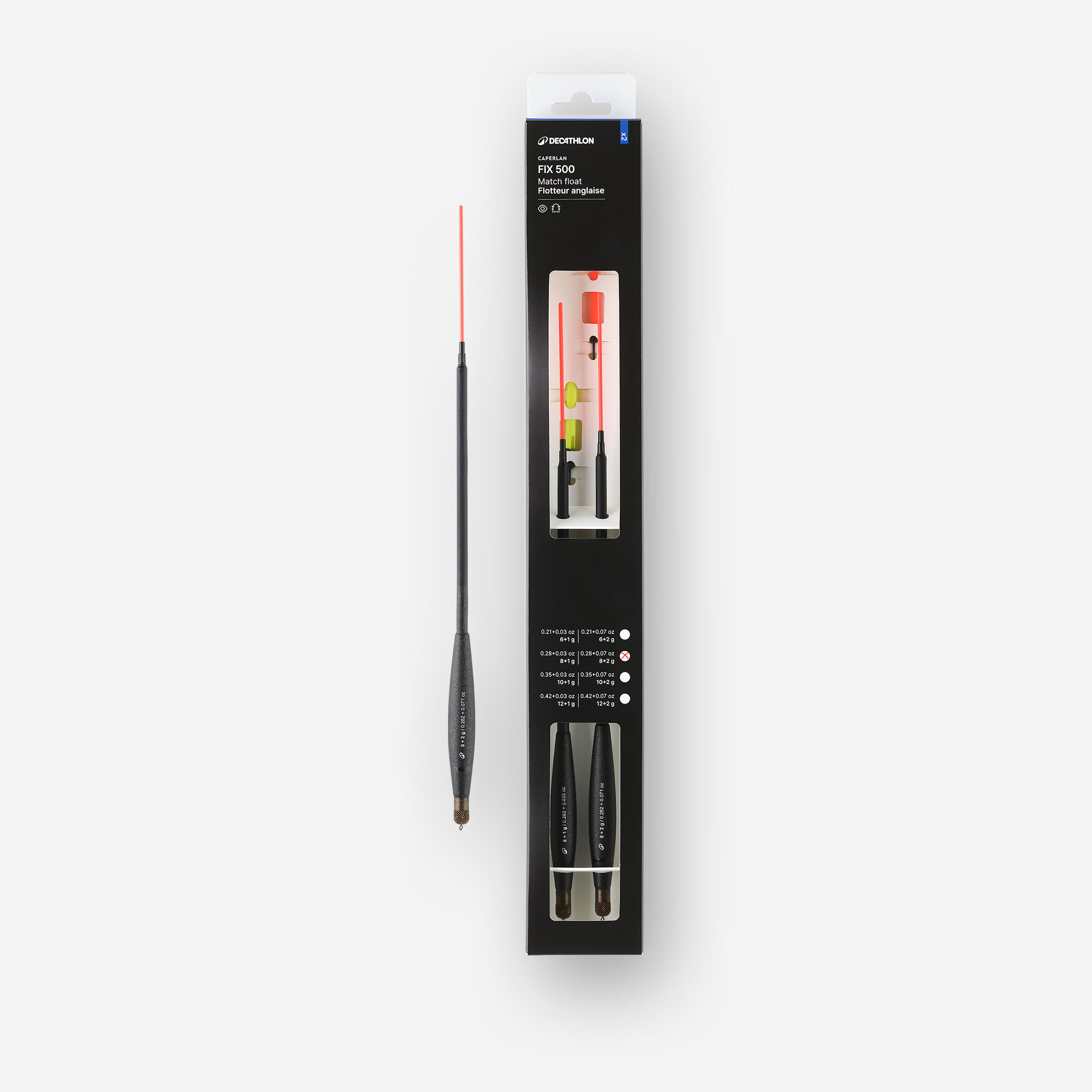
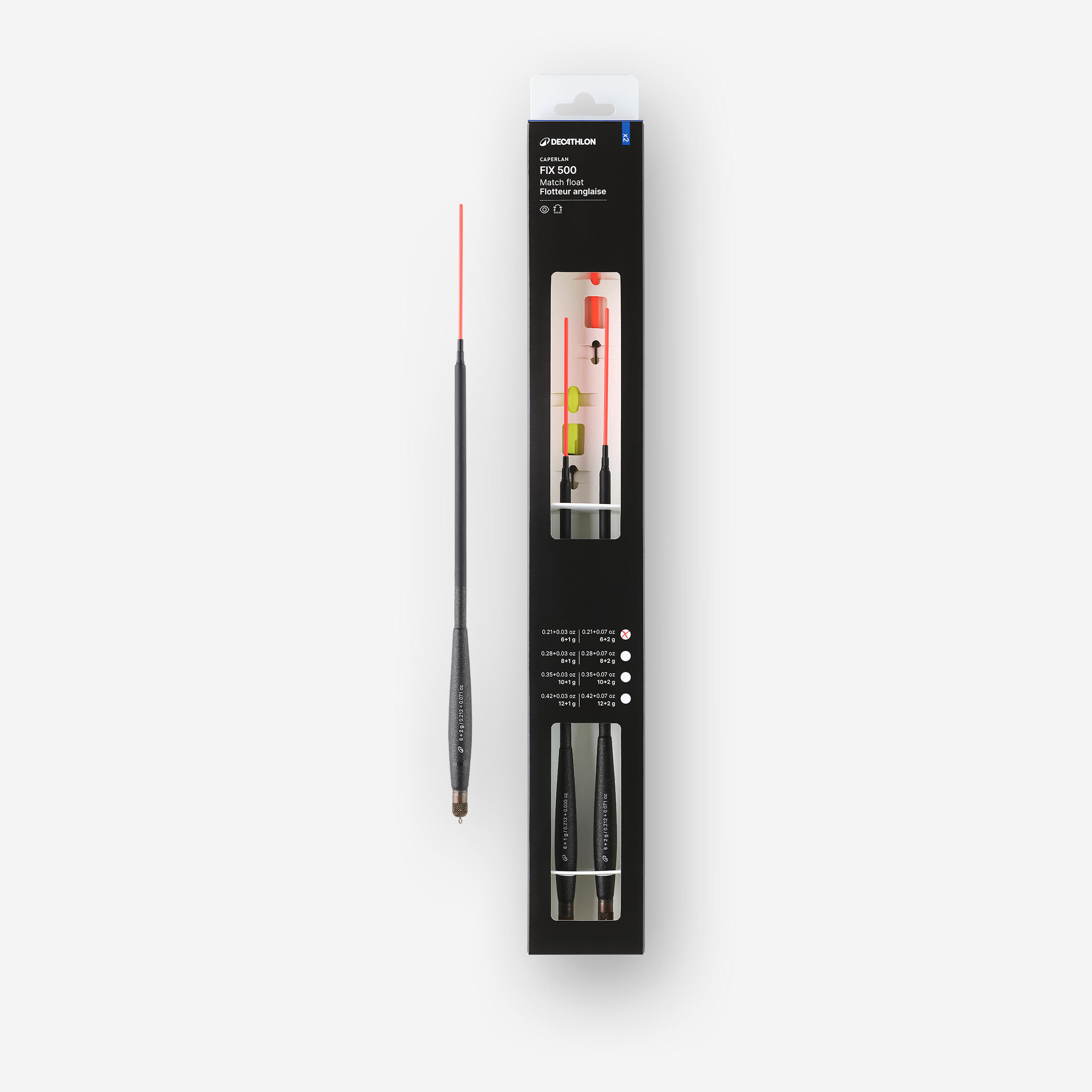
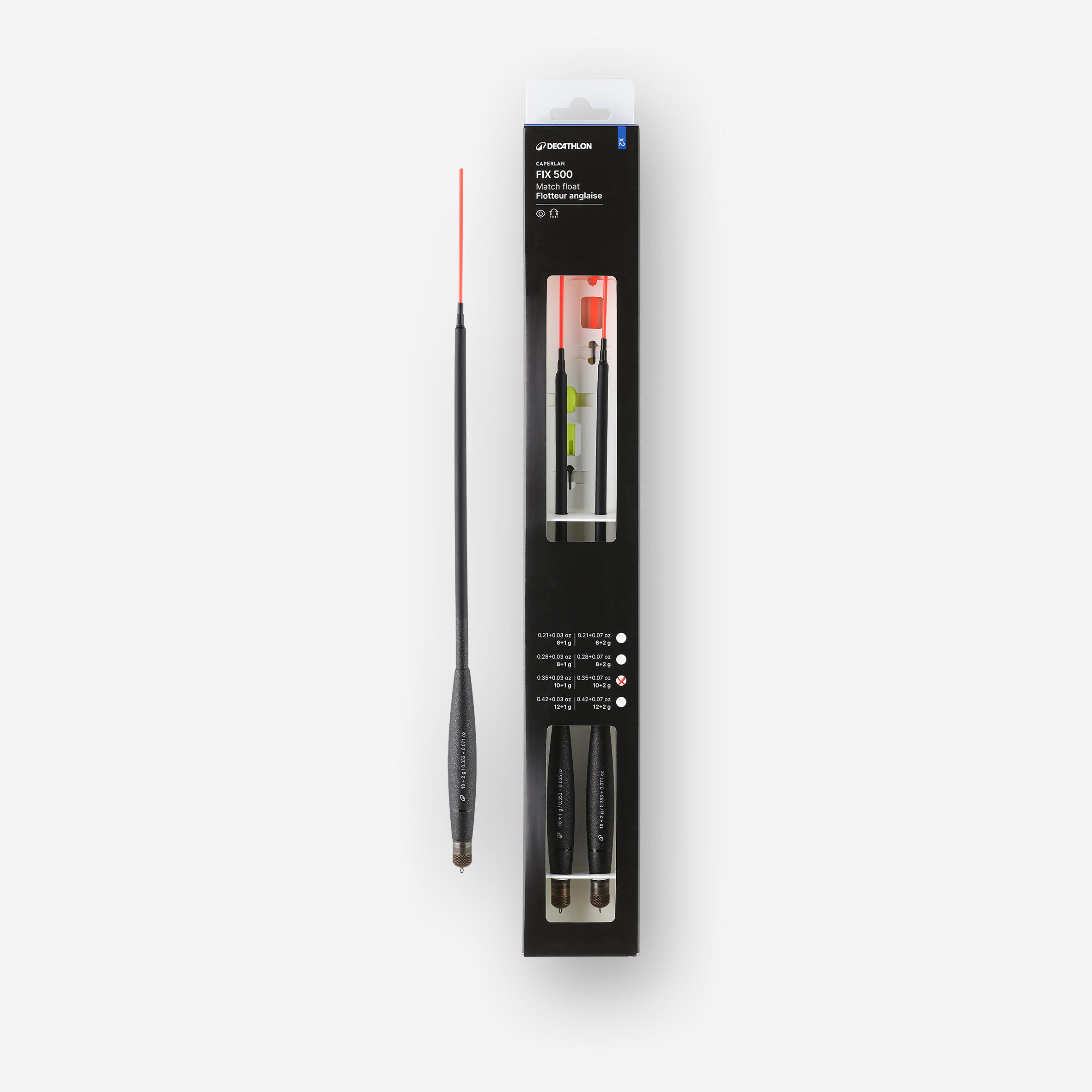
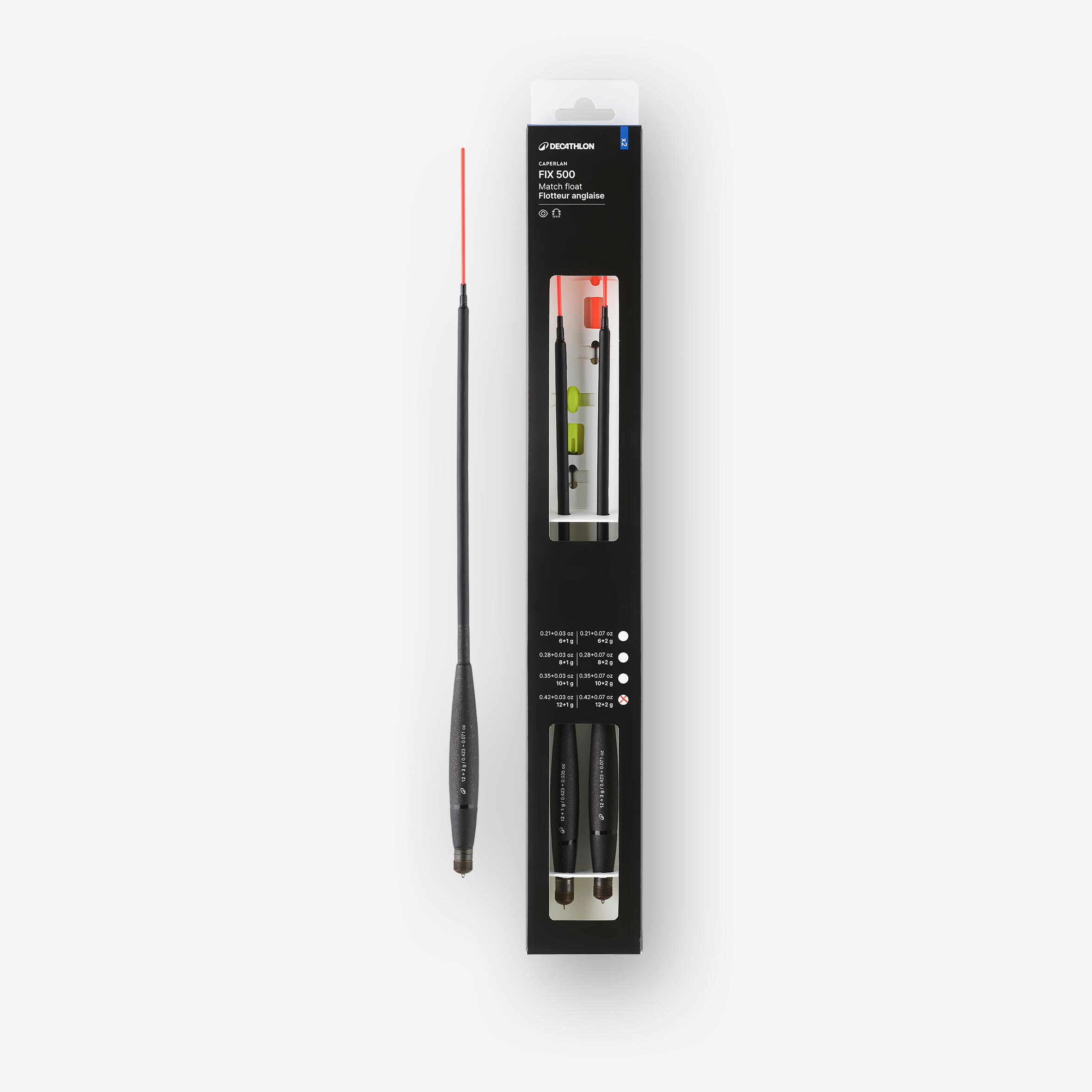
Water depth changes how easily you can set the float and present the bait at the intended level. Fixed Caperlan MTCH F 500 floats suit fixed rigs in water around 1 m to 3 m deep, where the line can be set directly to the required fishing depth. Deeper swims often make a sliding setup more practical because the float can travel along the line during the cast before stopping at the depth you set. Caperlan sliding floats target water deeper than 3 m and use heavier line weighting to help the hook descend and keep the float stable. A match fishing sliding float set gives you different loading options when depth, distance or conditions change.

Why do pre-weighted floats make rig balancing easier?

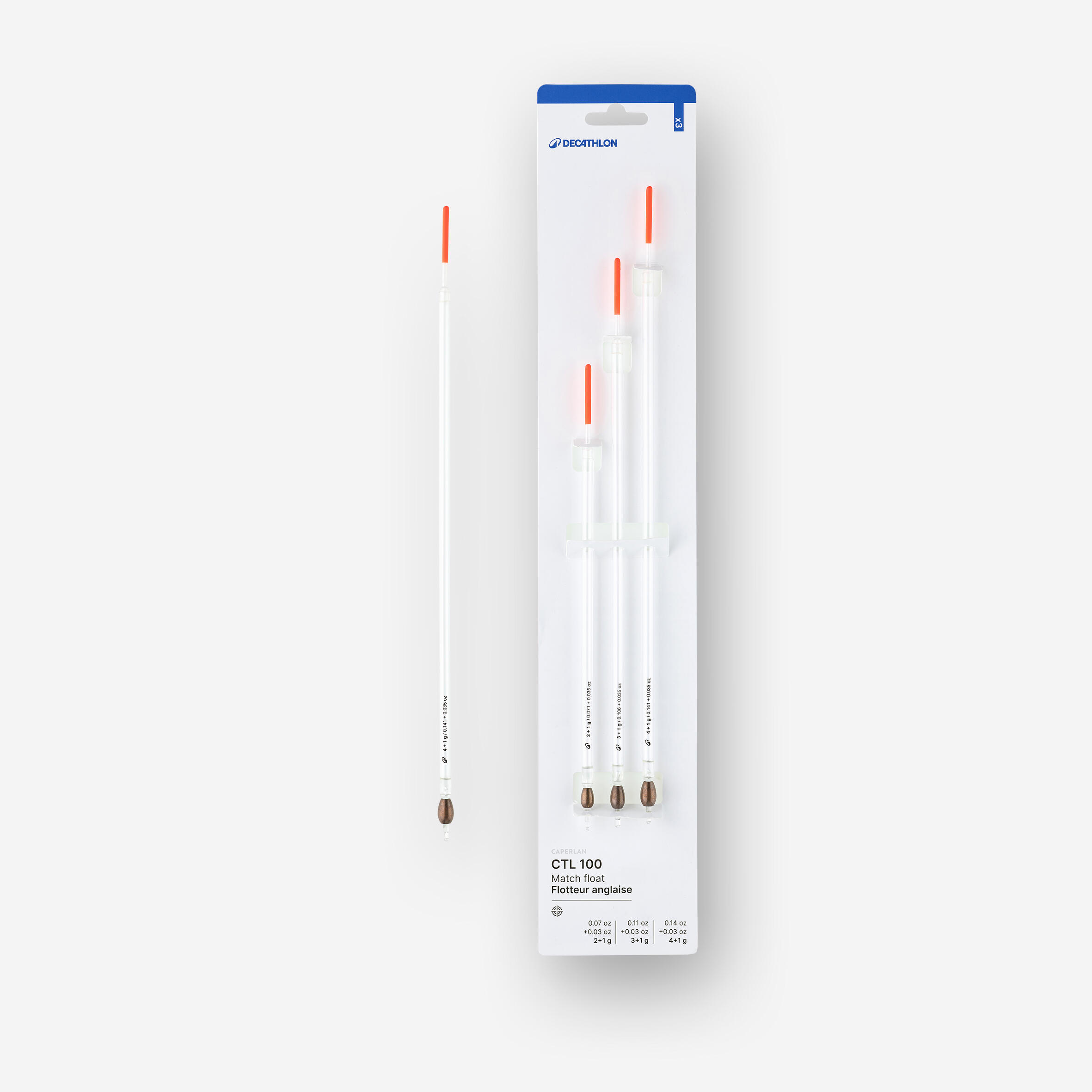
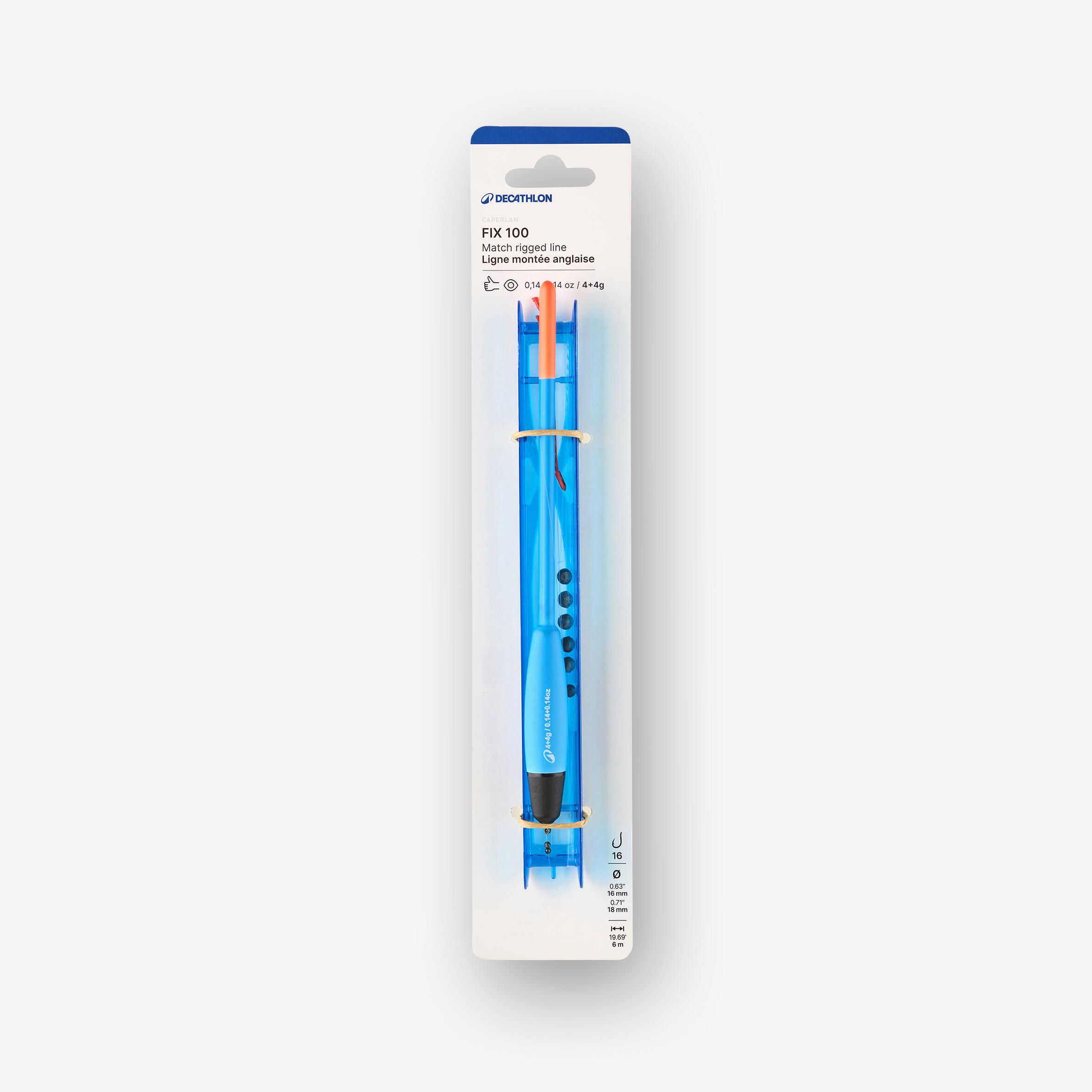
Pre-weighting reduces the amount of separate shot needed on the line, so you can reach a usable balance with fewer adjustments. Some Caperlan floats arrive partly loaded and need only a small additional sinker, while selected F 500 models use brass ballast and removable washers for finer changes. Removing or replacing a washer changes how much extra weight the rig needs and can help you tune how much antenna shows above the surface. The translucent match fishing floats are pre-weighted and require only a 1 g sinker for balance, giving a straightforward setup for different fishing conditions.

How do antennae and float shape affect bite visibility?

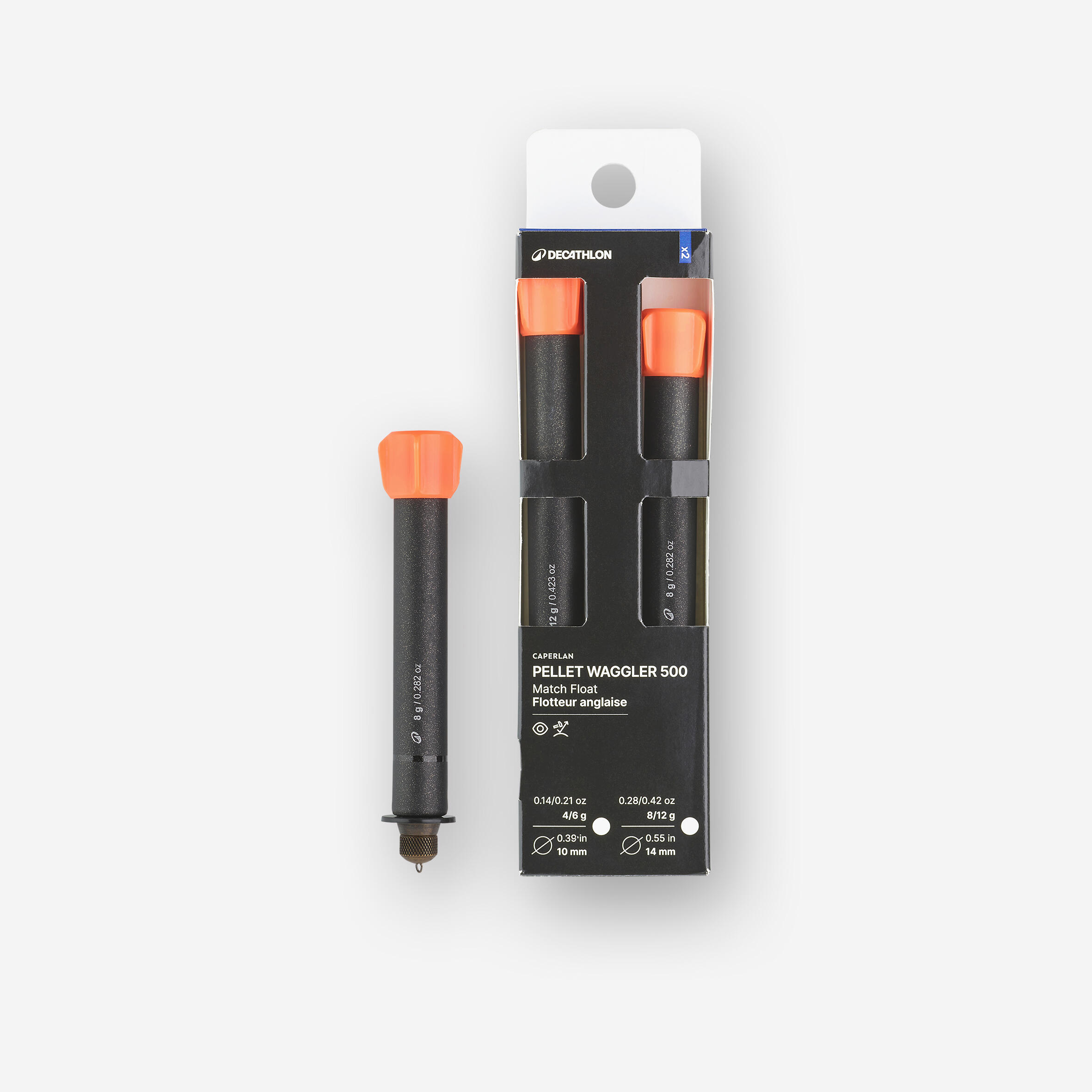
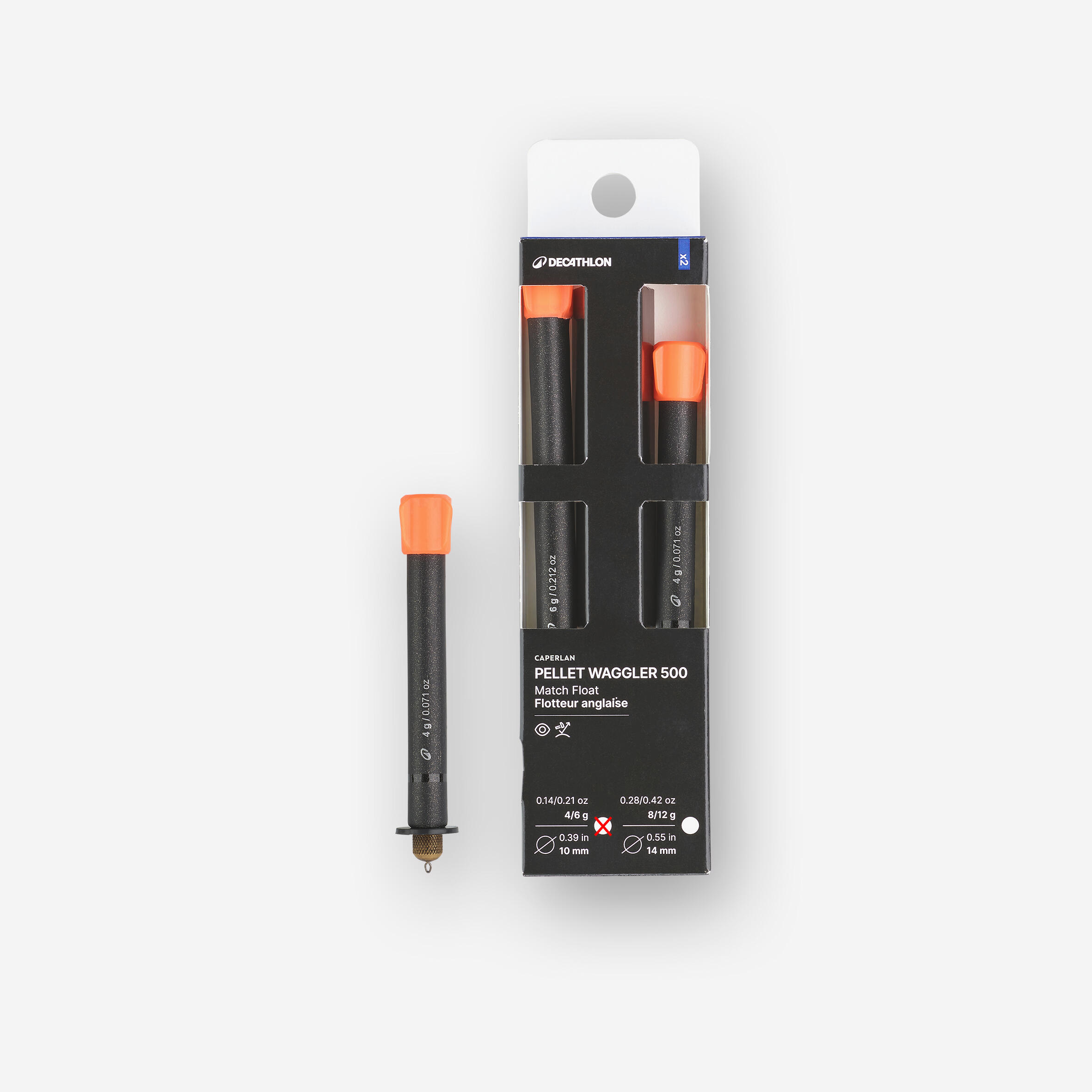
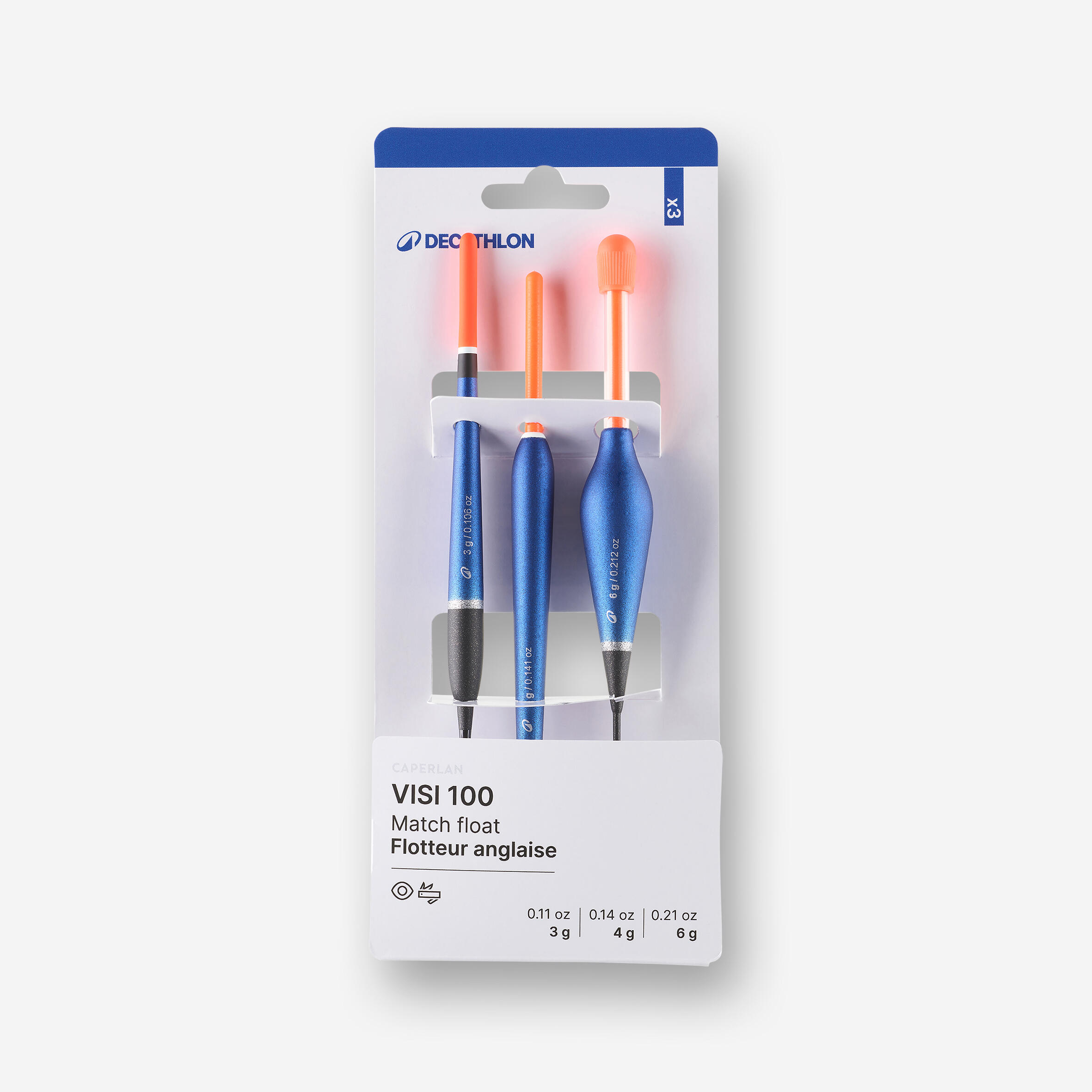
A float needs to remain visible without becoming too difficult for a fish to move when it takes the bait. Caperlan uses several approaches across its match floats, including orange-painted tips, interchangeable fibre antennae and larger high-visibility caps. Selected F 500 floats include orange, yellow and alternative antenna profiles, letting you adjust the visible tip for distance, background and light. Their balsa bodies also combine low weight with shapes intended for longer casting. These details become especially useful when your match fishing session moves between close swims, longer casts or changing surface light. Keep enough antenna visible to read small dips without overloading the float.

How can a swivel and clip make float changes quicker?

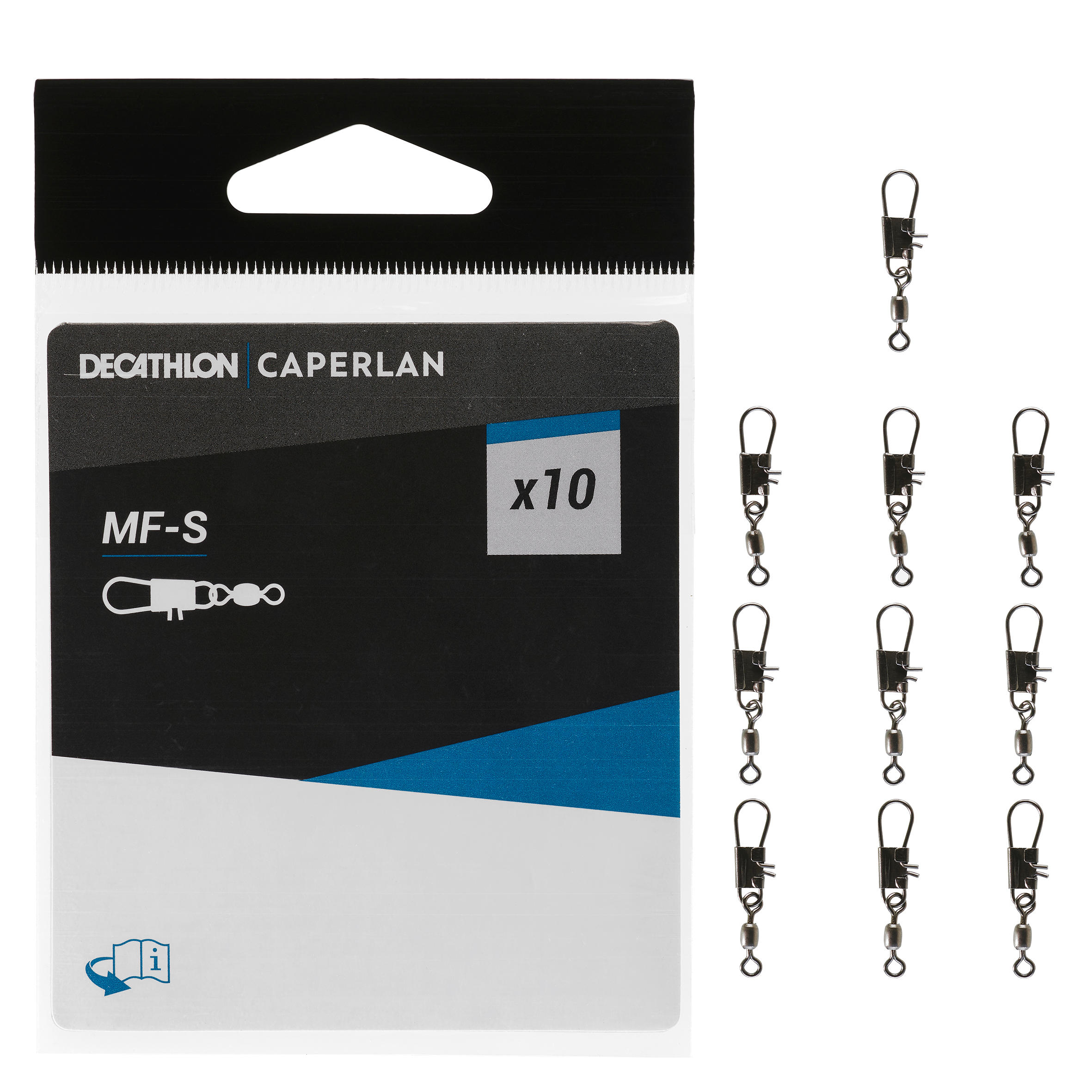
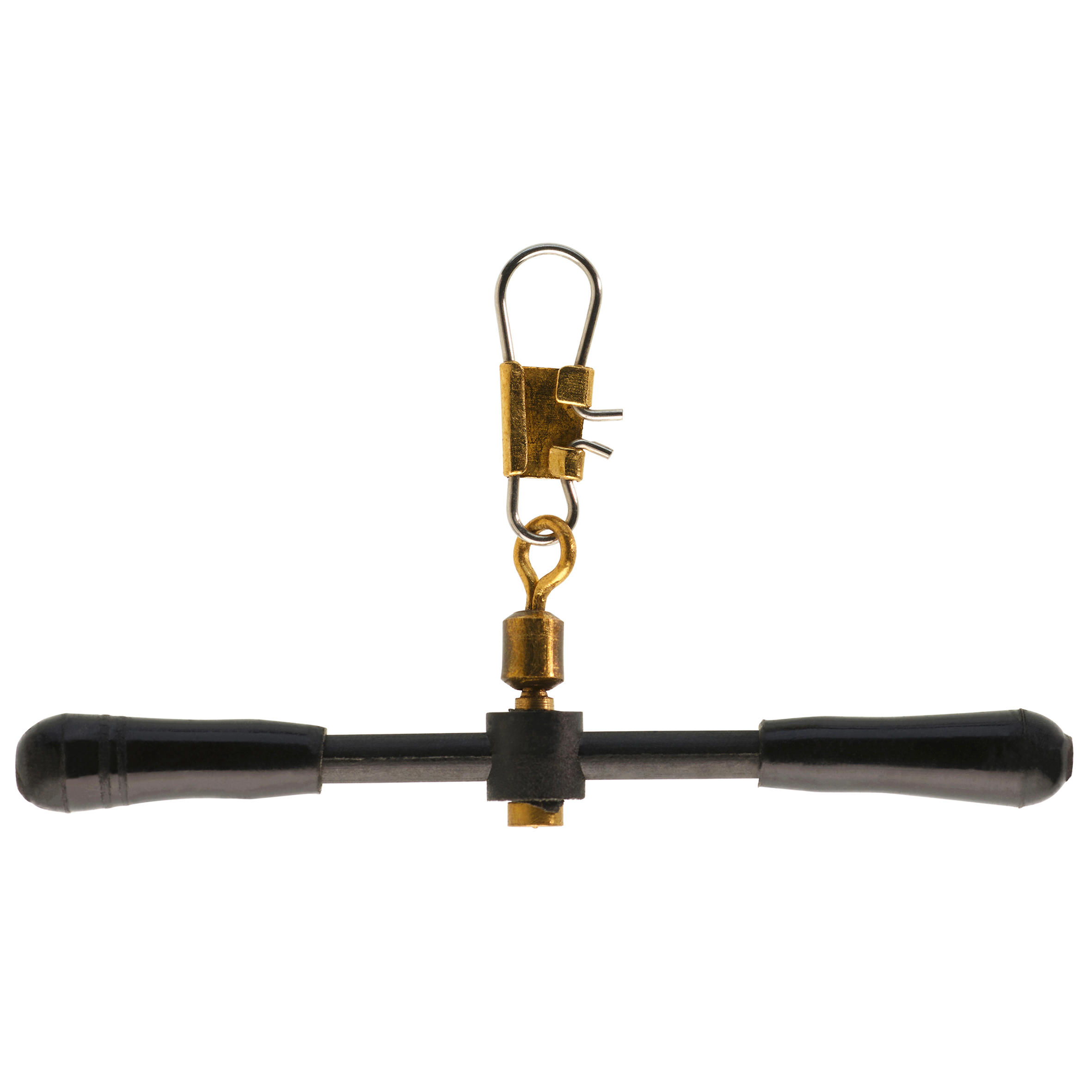
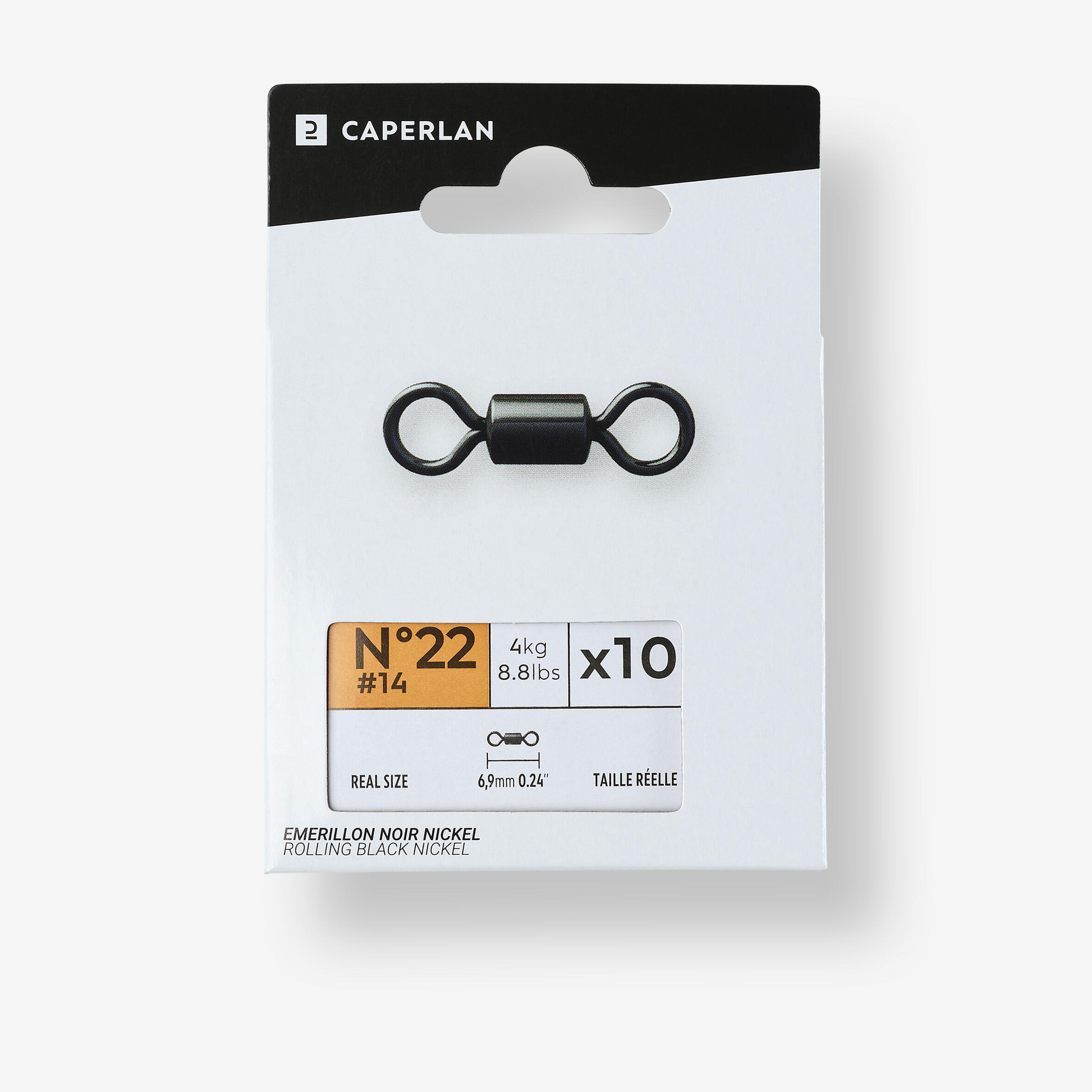
Changing a float does not always require dismantling the complete rig. A clip connection lets you open the attachment, remove one float and fit another while leaving the main line arrangement largely in place. That can be useful when wind strengthens, casting distance changes, or you need a different float weight during the same session. Caperlan's swivel and clip match float accessory uses an opening clip to connect a float or leader and comes in a pack of ten. The stainless-steel construction also gives you a simple, compact connection point. Inspect the clip regularly so it still closes securely before casting.

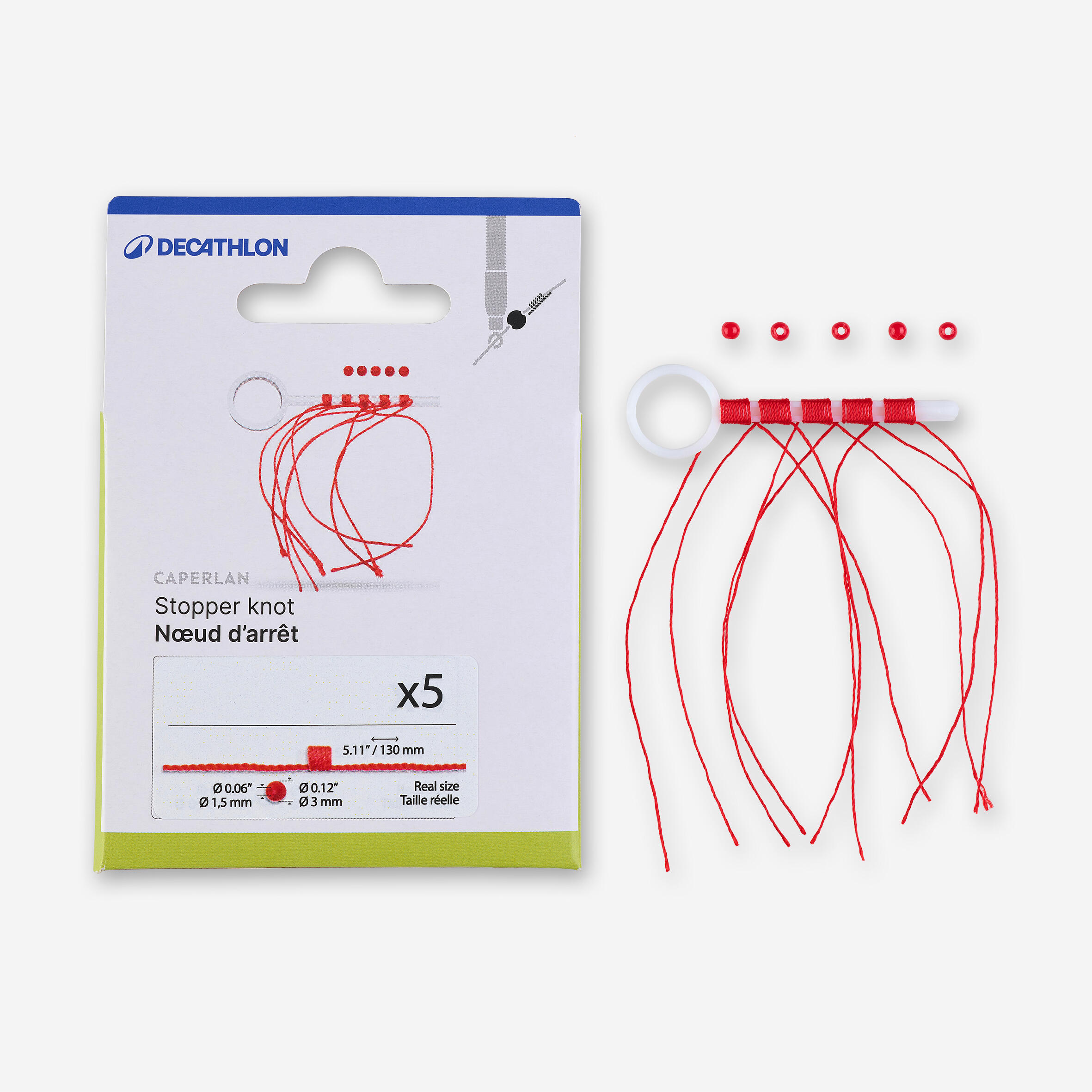
How do you store match fishing floats and accessories between sessions?

Protecting the body, antenna and small connection parts helps keep a float working consistently. Caperlan advises storing several of its match floats away from direct sunlight, and some models also need protection from excessive heat. Use a compartmented box or float tube so long antennae cannot bend under heavier tackle, and keep removable washers, clips and stops together rather than loose in the bag. Look over the stem, ballast and attachment point before the next session, particularly after a float has struck the bank or another hard surface. The same organised approach works across your wider coarse fishing tackle, where small terminal pieces can easily become mixed or damaged during transport.