10 items

Match Fishing Reels FAQs

What matters when selecting a reel for match fishing?

A suitable reel needs to balance line control, casting comfort and drag adjustment without making the rod feel unnecessarily heavy. Start by considering the type of match fishing you plan to do, including casting distance, float weight and the size of fish you expect to encounter. Spool size affects how line leaves the reel during a cast, while the drag needs to release line progressively when a fish pulls strongly. Reel weight also matters because repeated casting can make an unbalanced rod-and-reel combination tiring to use. The current category does not provide Caperlan-specific technical specifications, so reel selection is better based on these general practical factors rather than assumed Decathlon features.

How does spool size affect casting and line management?

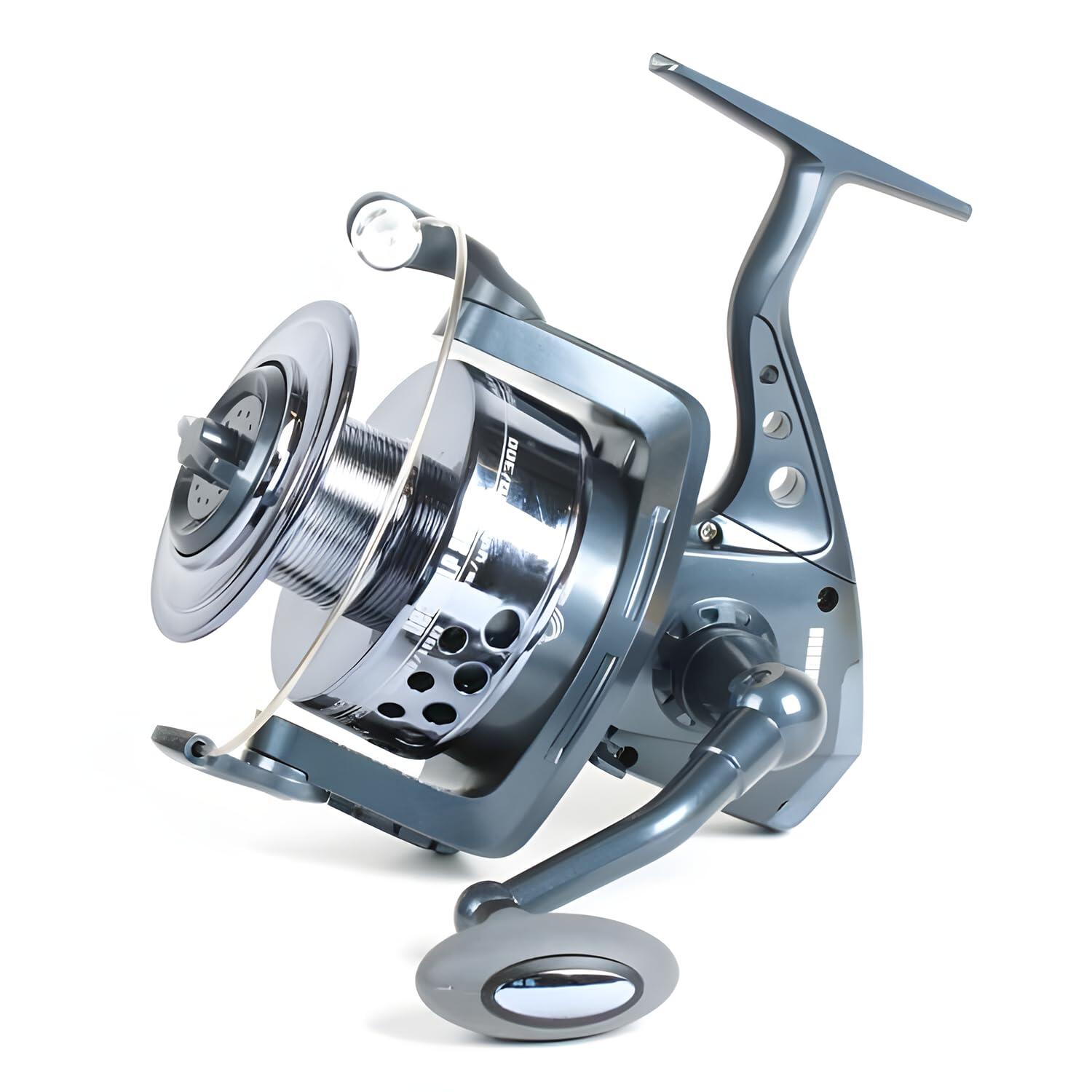
A larger spool can reduce the number of tight coils formed by the line, which may help it leave the reel more freely during repeated casts. Smaller spools can keep the reel more compact but may create tighter line memory depending on the line being used. Match the spool capacity to the diameter and length of line you genuinely need rather than filling a very deep spool unnecessarily. This becomes especially useful within coarse fishing, where different methods can call for different casting distances and line strengths. Check that the line lies evenly across the spool after retrieval, since poor line lay can make subsequent casts less consistent and increase the chance of loose coils or tangles.

How can reel balance improve repeated casting?

Match fishing often involves frequent recasting, so the combined feel of the rod and reel matters over a full session. A reel that is disproportionately heavy can make the setup feel rear-weighted, while one that is too small may not provide the spool capacity or retrieval characteristics needed for longer casts. Hold the assembled rod naturally around the reel seat and assess whether the setup remains comfortable when lifting, casting and retrieving. The same principle applies across wider fishing equipment because individual components work best when their size and weight suit the rest of the tackle. Prioritise practical balance and line control instead of selecting a reel from spool material or appearance alone.