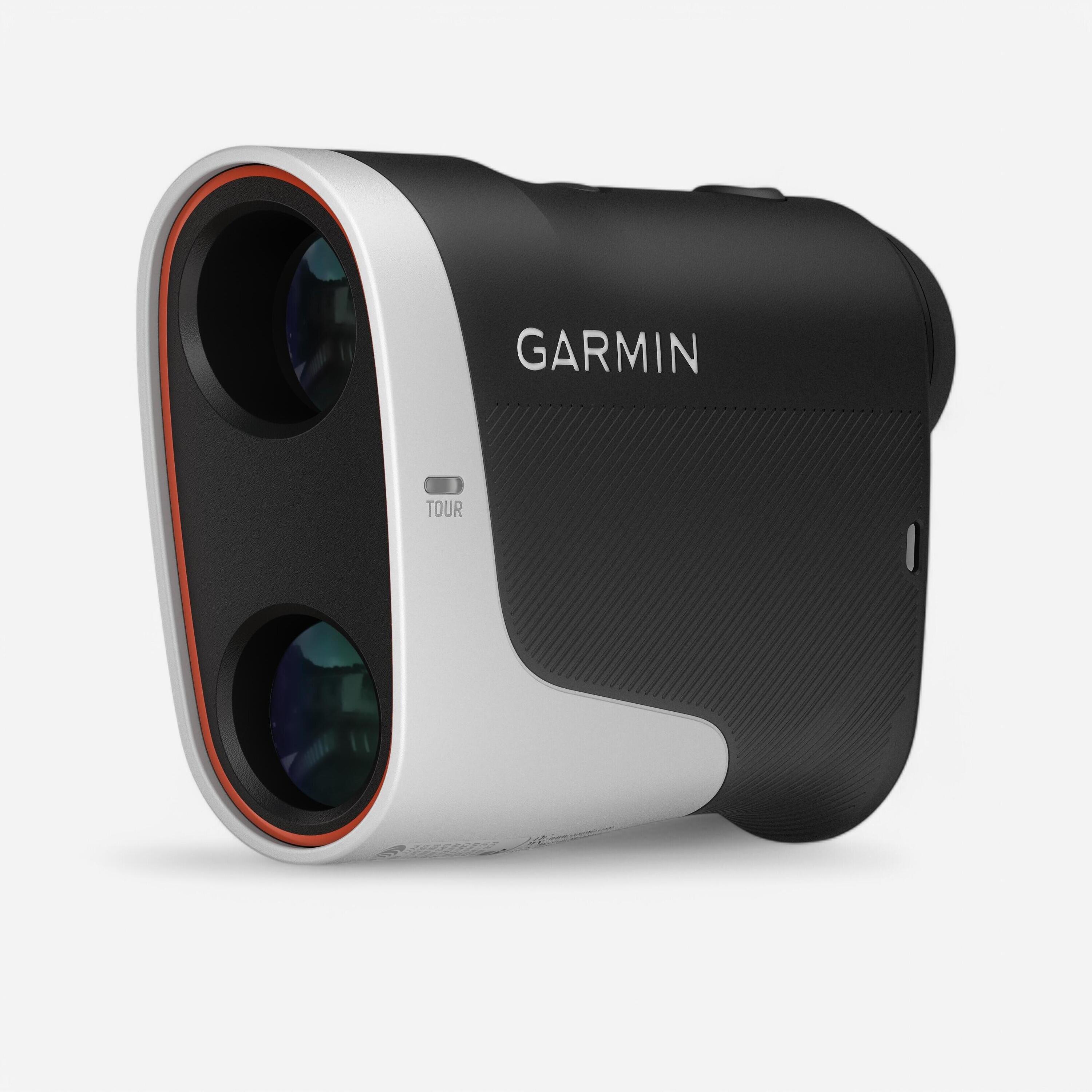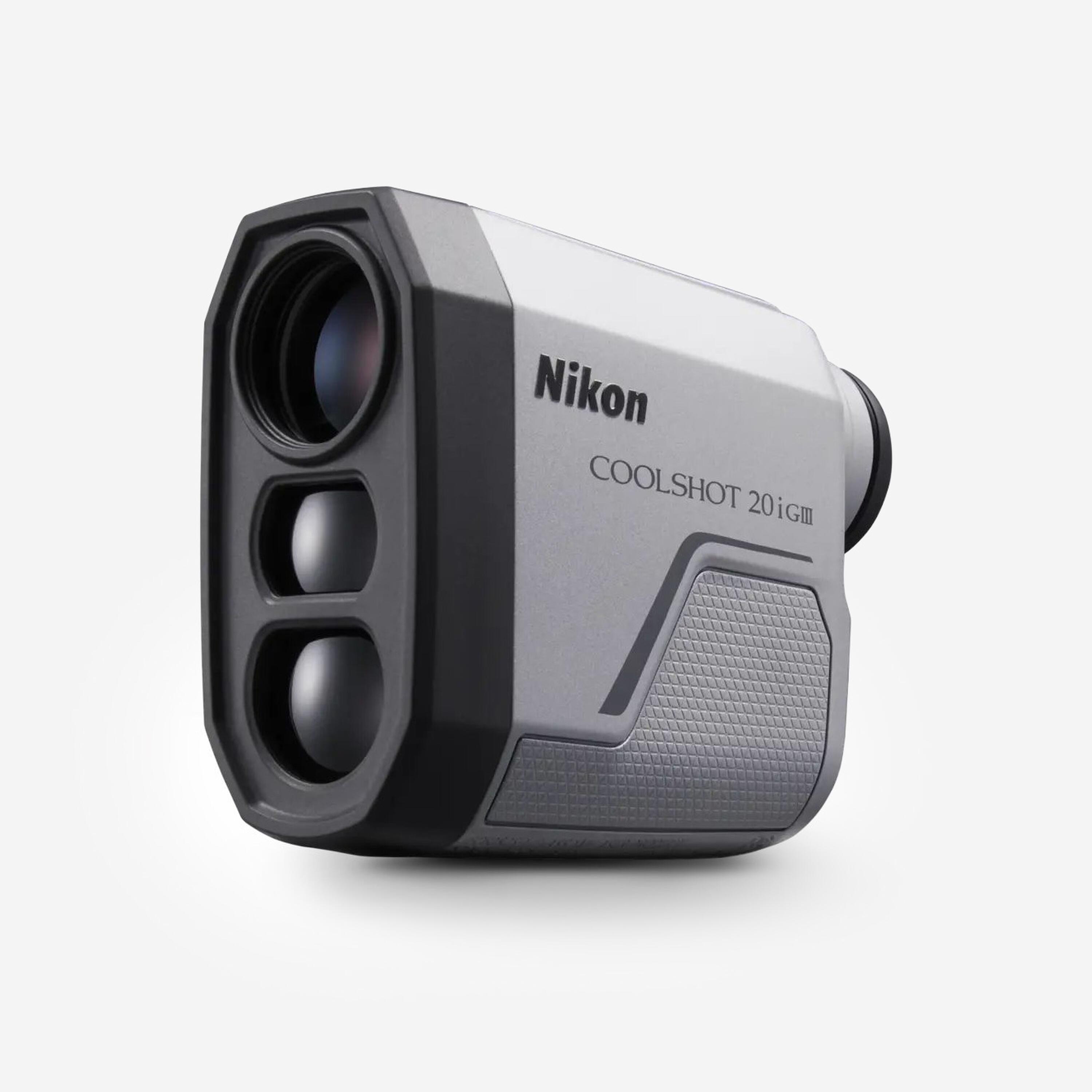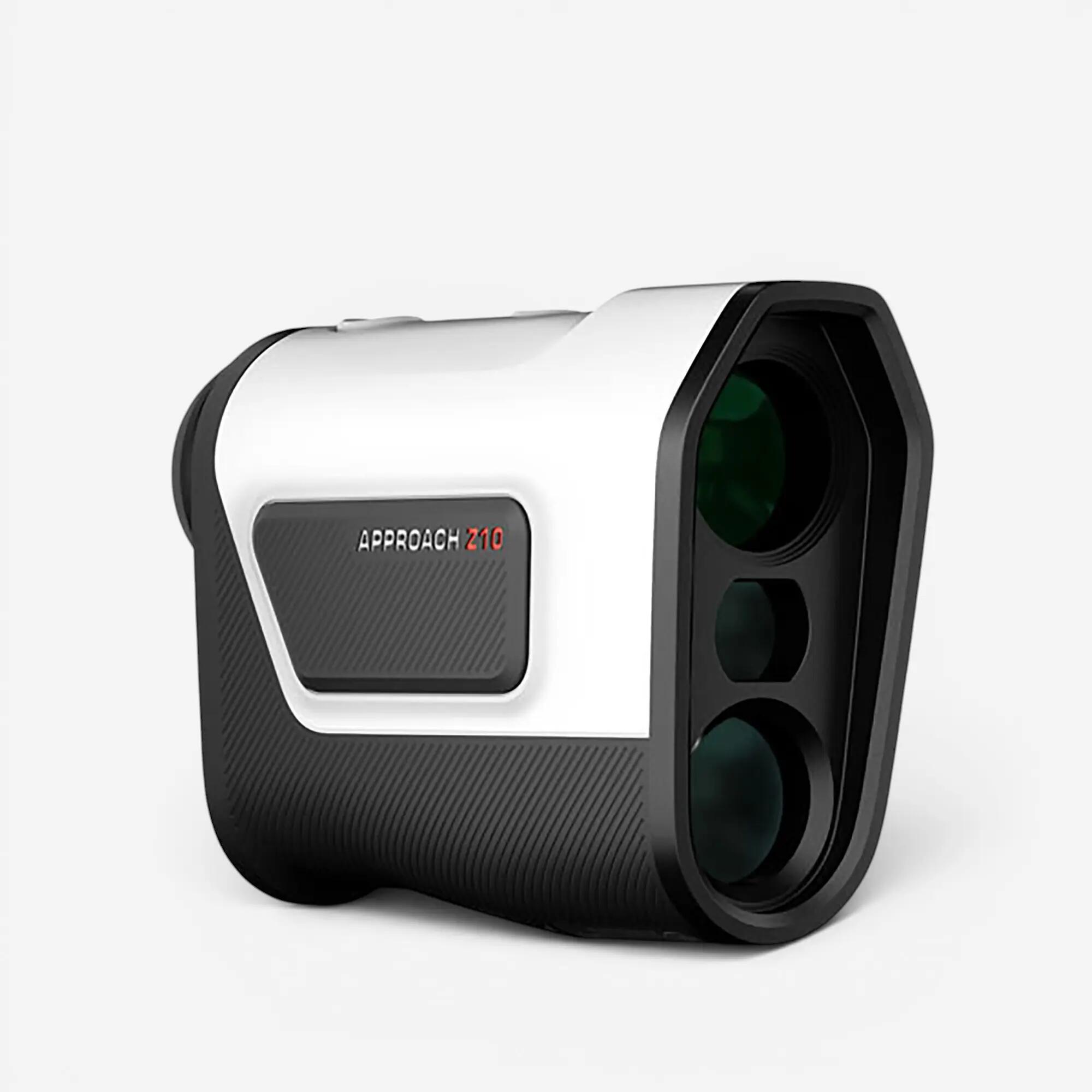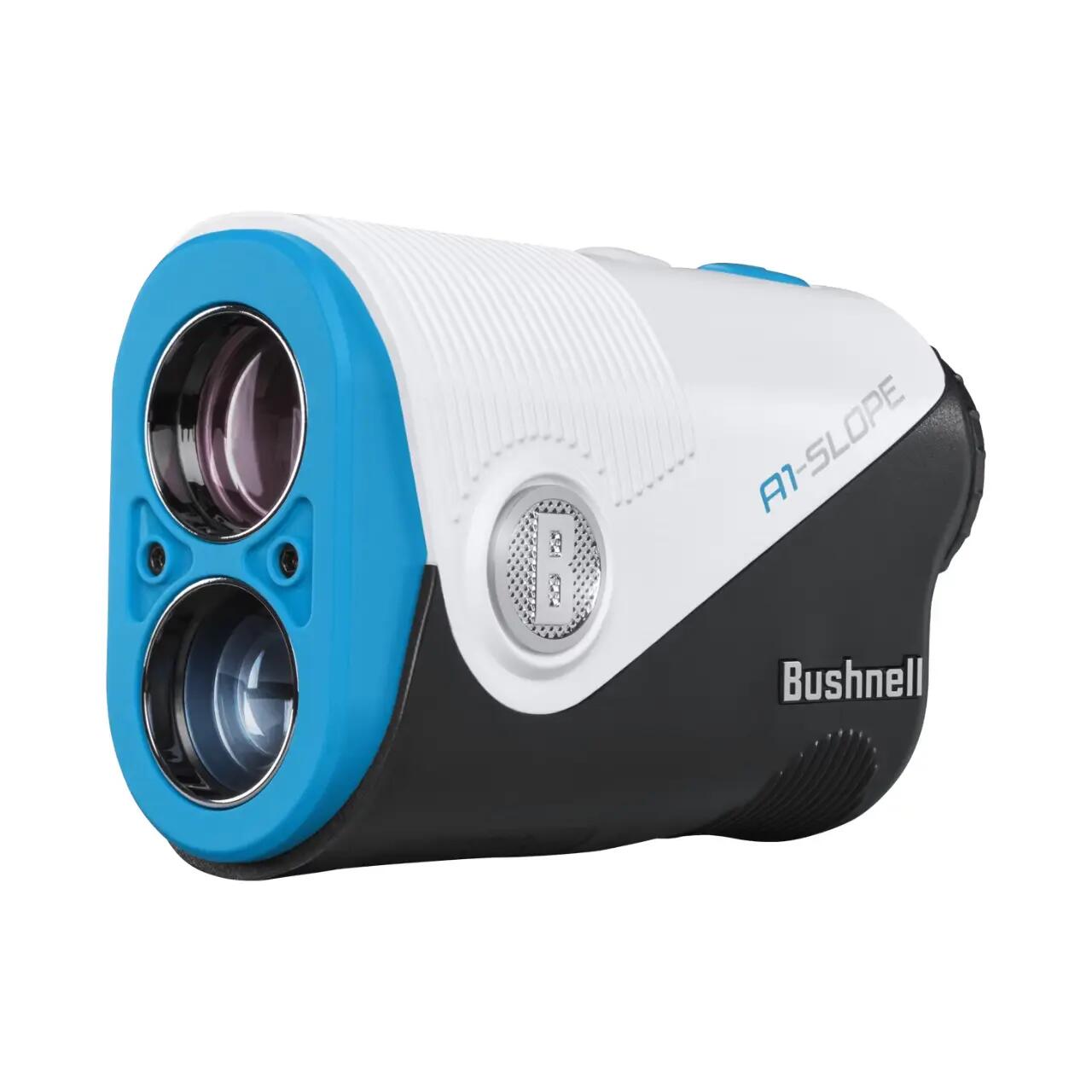
11 items
4.8/5 based on 30 reviews collected online and in stores

Golf Rangefinders FAQs

What can a golf rangefinder measure?

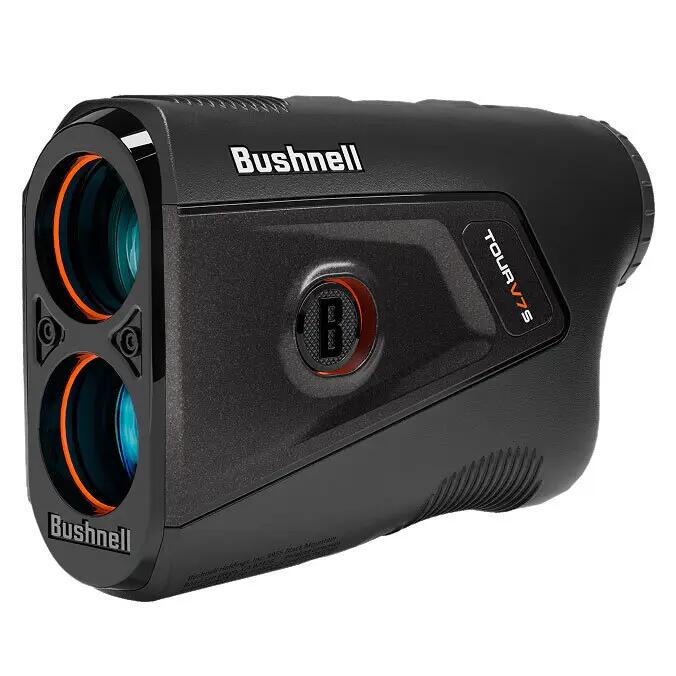
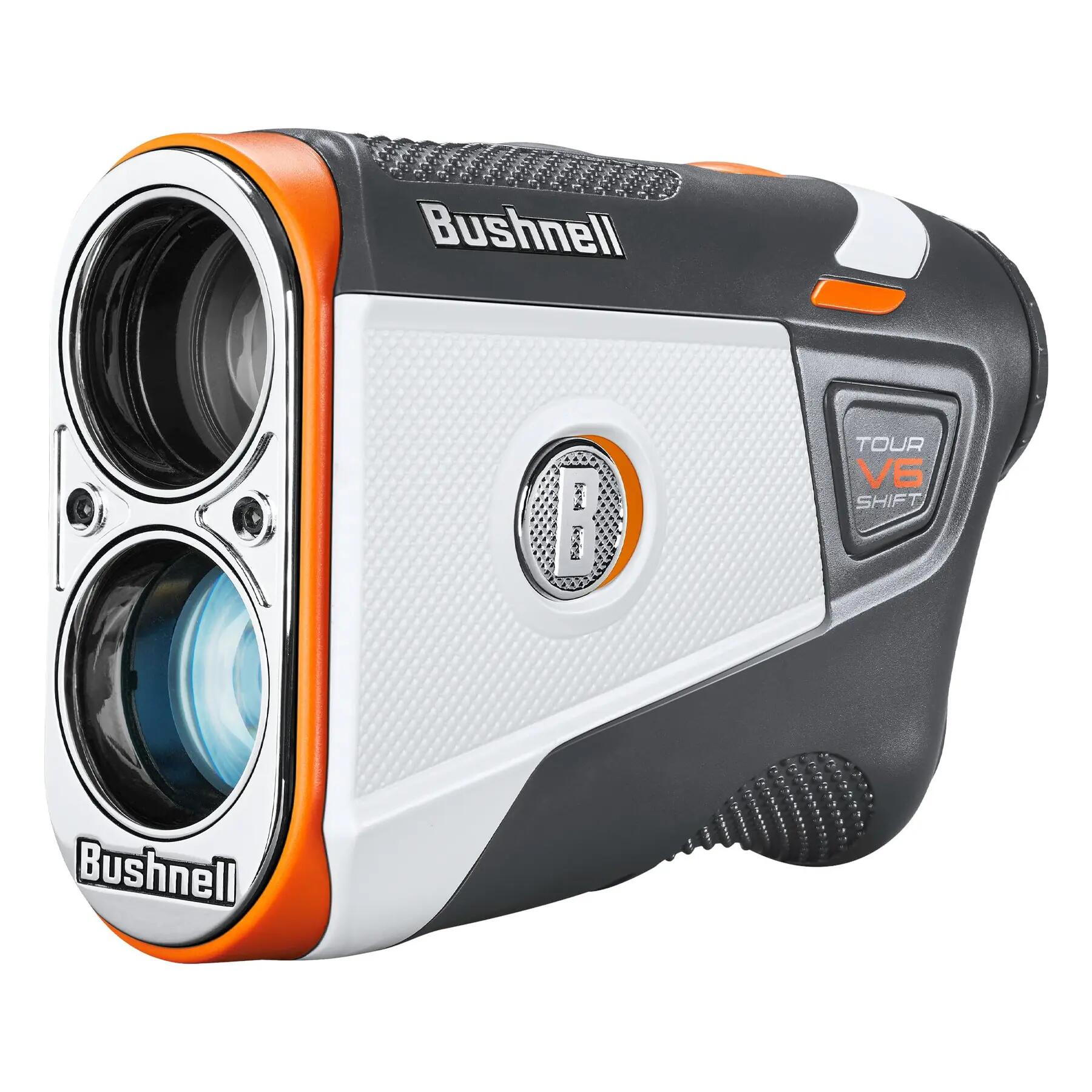
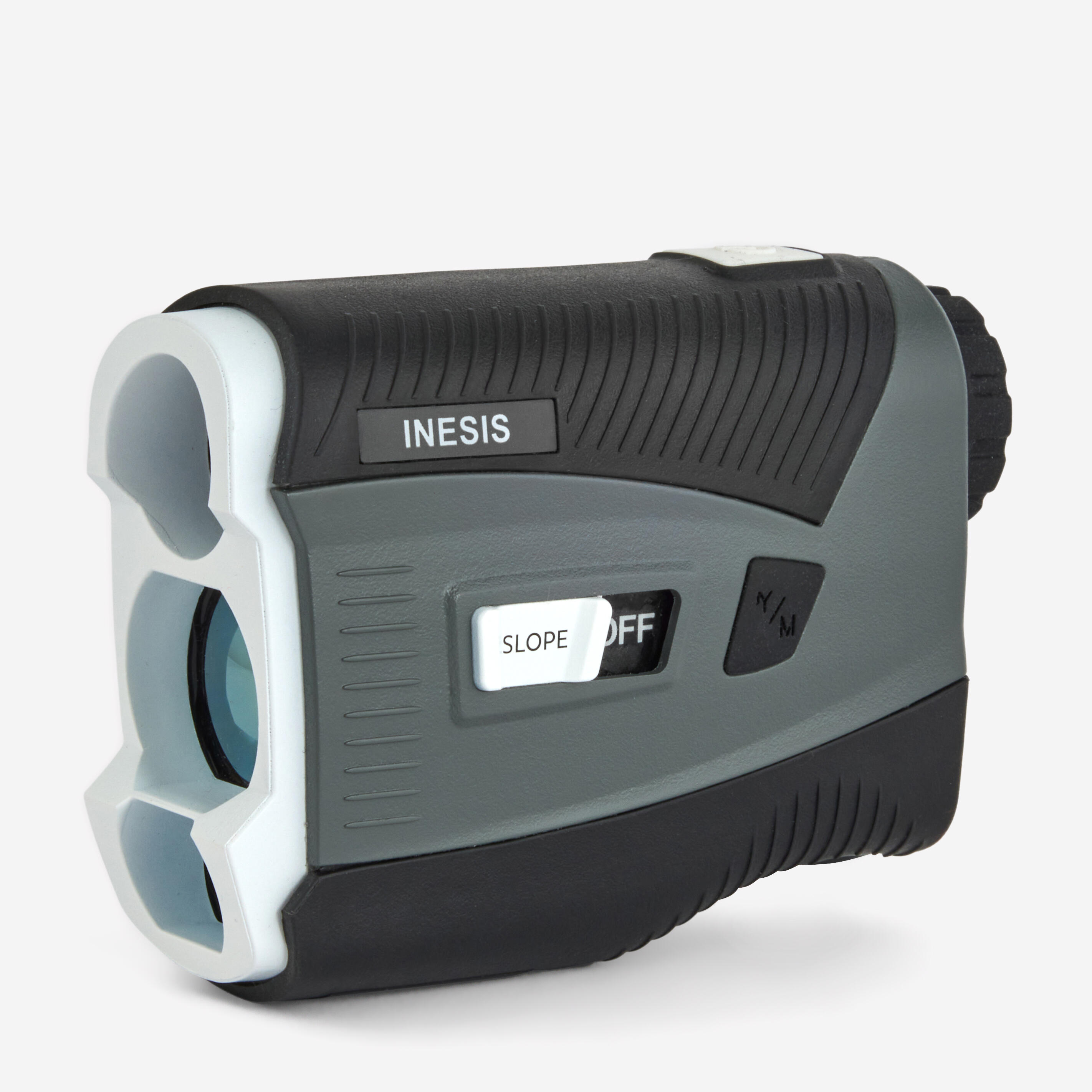
A handheld rangefinder can measure the straight-line distance to flags, bunkers, doglegs and other visible course targets. The available laser golf rangefinder provides readings in metres or yards, with a published maximum range of 900 yards, or approximately 820 metres. Its stated accuracy is plus or minus 1 metre or yard. Aim at a clearly visible part of the target and hold the device steady until the measurement is confirmed. A rangefinder can support club selection, but the reading does not account for wind, temperature, ground firmness or how far you normally strike each club unless those factors are considered separately.

When is slope mode useful on the course?

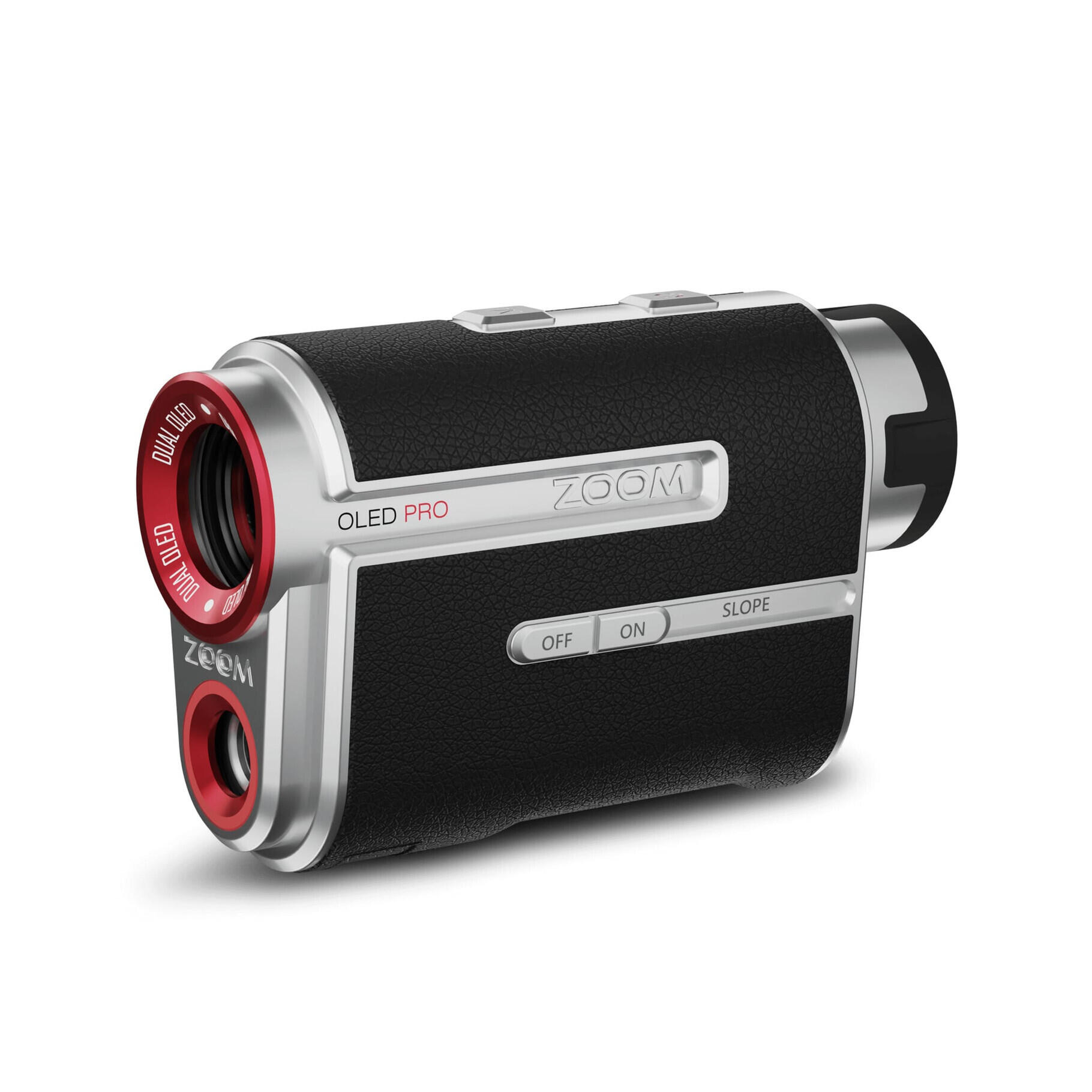
Slope mode calculates a compensated playing distance by considering whether the target is uphill or downhill. An uphill shot may play longer than the direct measurement, while a downhill target may require less club. This feature can be useful during practice rounds or casual course preparation because it helps you understand how elevation changes affect club selection. Some models, including a pro golf rangefinder, may provide their own slope controls and measurement functions, so review the individual specification carefully. Compensated-distance assistance is not permitted in many competitions. Disable slope mode and confirm the rules of the specific event before using the device during competitive play.

Can a rangefinder improve club-distance practice?

Repeated measurements can help you build a clearer picture of how far each club travels. Measure a target before the shot, note the club used and compare the intended distance with the finishing position. Over several sessions, this can reveal realistic carry and total-distance patterns rather than relying on a single well-struck ball. Combine the device with suitable golf training accessories when practising alignment, strike or distance control. Use the same ball type and similar weather conditions where possible, as wind and ground firmness can alter the result. A rangefinder measures the target accurately, but consistent practice is still required to turn that information into reliable club selection.

Which features make distant targets easier to identify?

A 6x magnification viewfinder enlarges the flag and surrounding course features, while a dioptre adjustment lets you alter the eyepiece focus for your eyesight. First-target priority helps separate the flag from trees or objects behind it, reducing the chance of measuring the background. Vibration feedback confirms when a reading has been captured and can be switched off when preferred. Keep a cleaning cloth with your other golf accessories so dust, fingerprints and moisture can be removed gently from the lenses. Fog can prevent reliable target measurement because the laser cannot identify the distant object clearly. Avoid guessing from an unstable or unclear reading when visibility is poor.

How should you carry and protect a golf rangefinder?

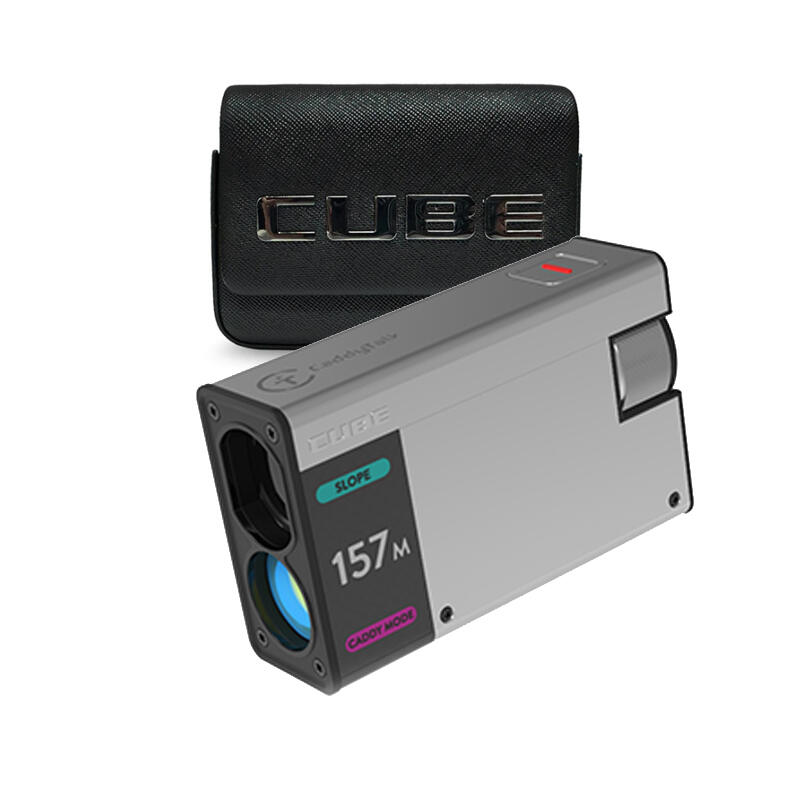
The reviewed device measures 105 x 73 x 39 mm and weighs 178 g, making it compact enough for a pocket or protective case. Its semi-rigid case includes a snap hook that can attach to compatible golf bags, helping keep the rangefinder accessible between shots. The zip may remain open while an elastic retaining band holds the device in place, but close the case fully during transport or when crossing rough ground. An IPX2 rating supports use in light rain, not prolonged exposure to heavy weather or immersion. Dry the outer casing after damp rounds, protect the lenses from loose tees and tools, and avoid leaving the device unprotected inside a crowded equipment pocket.