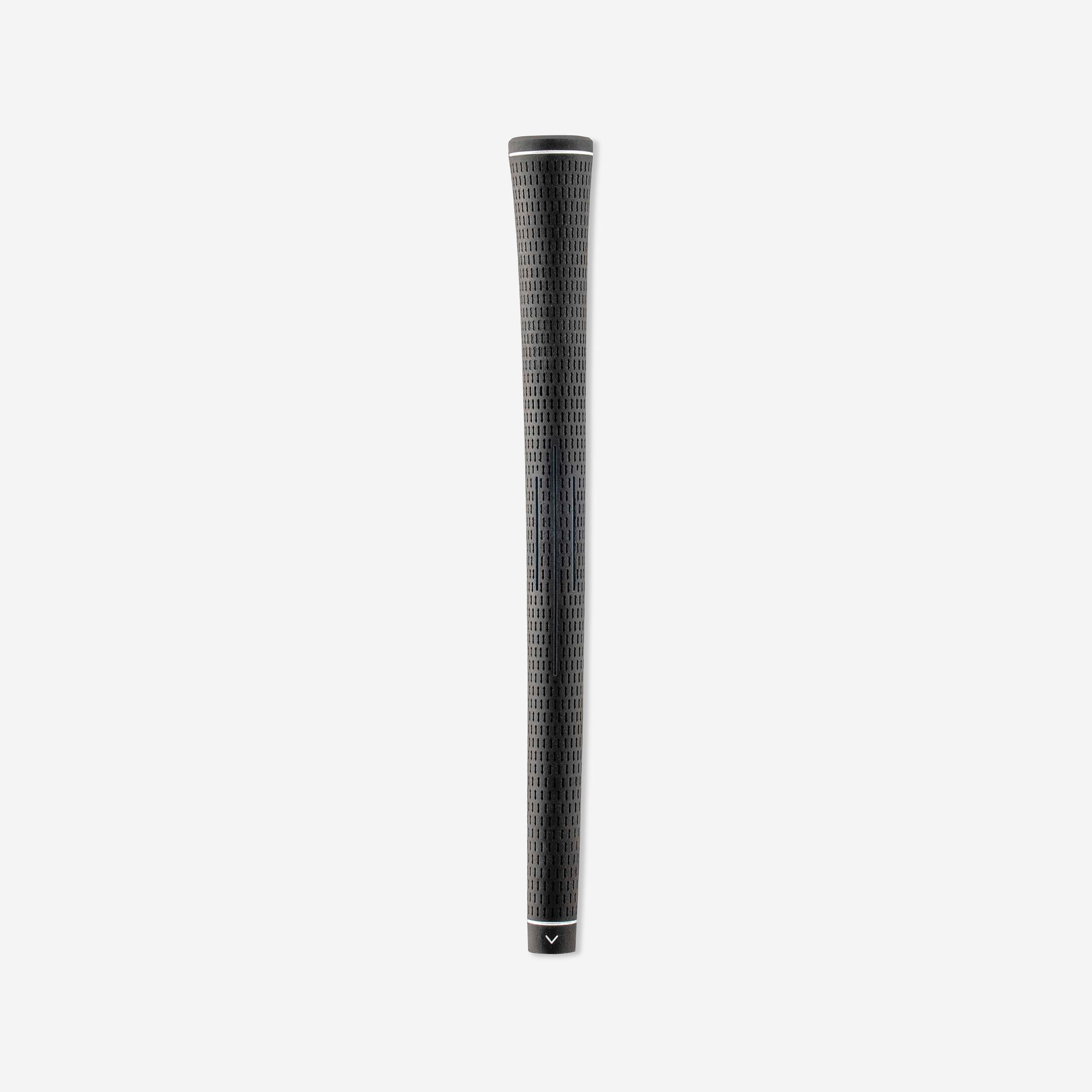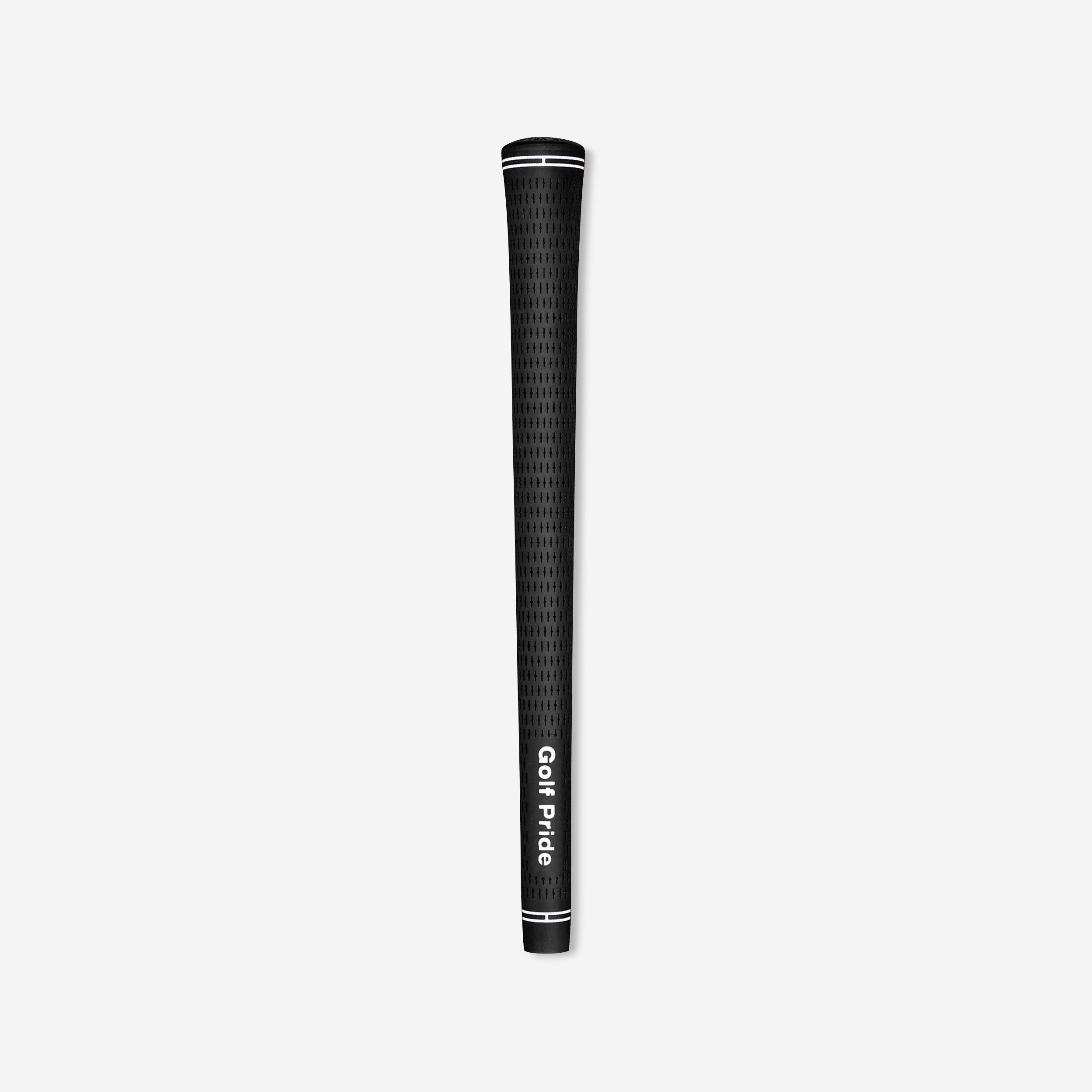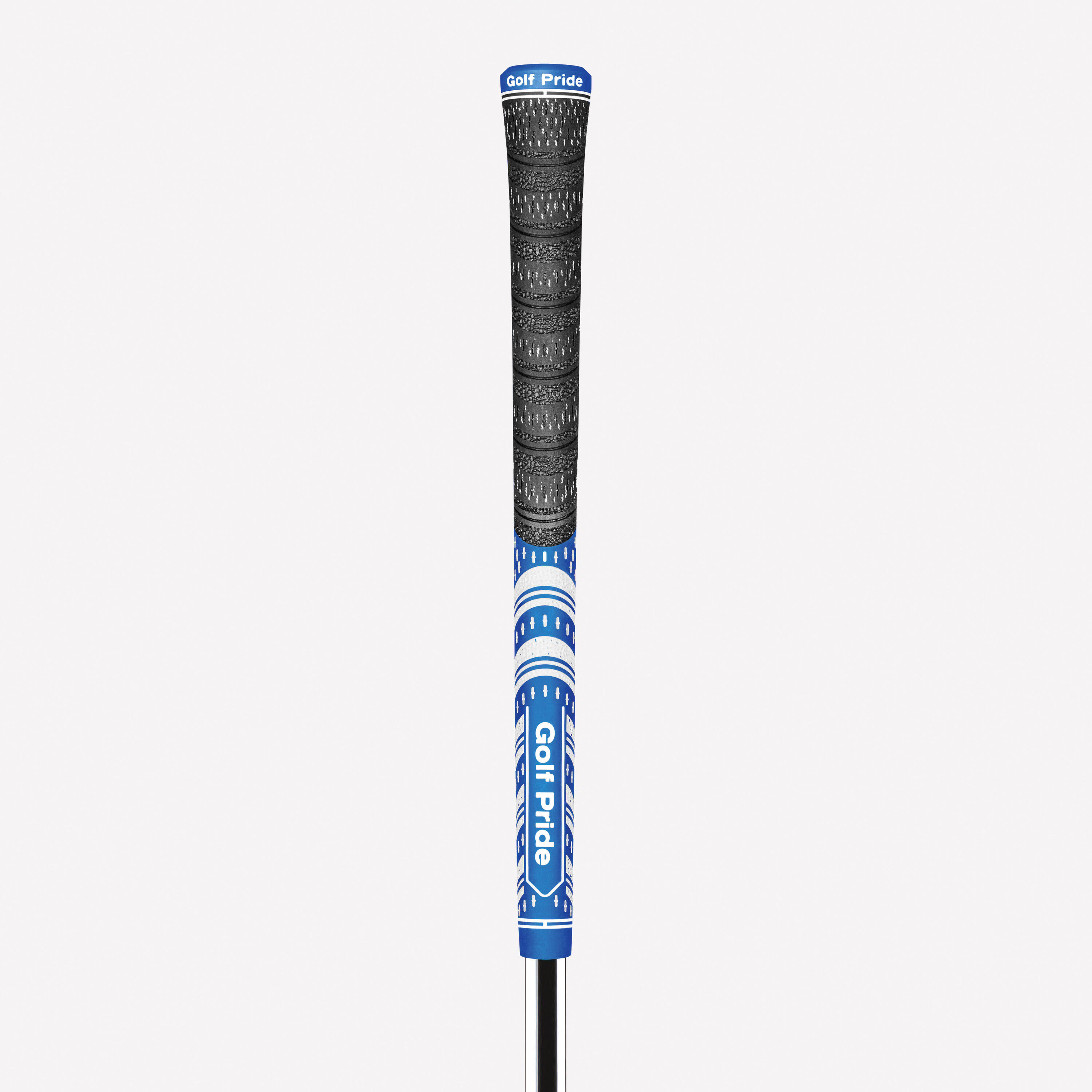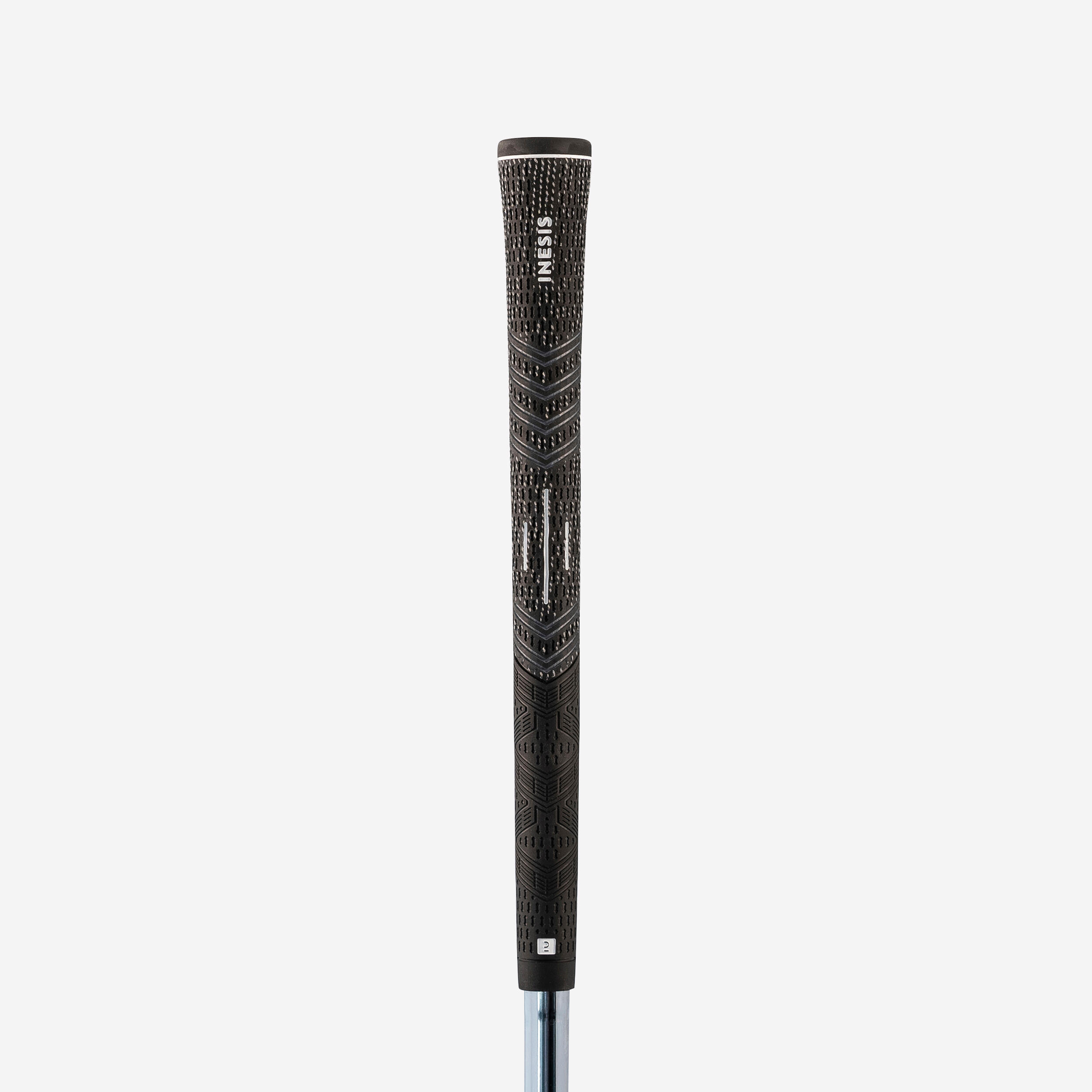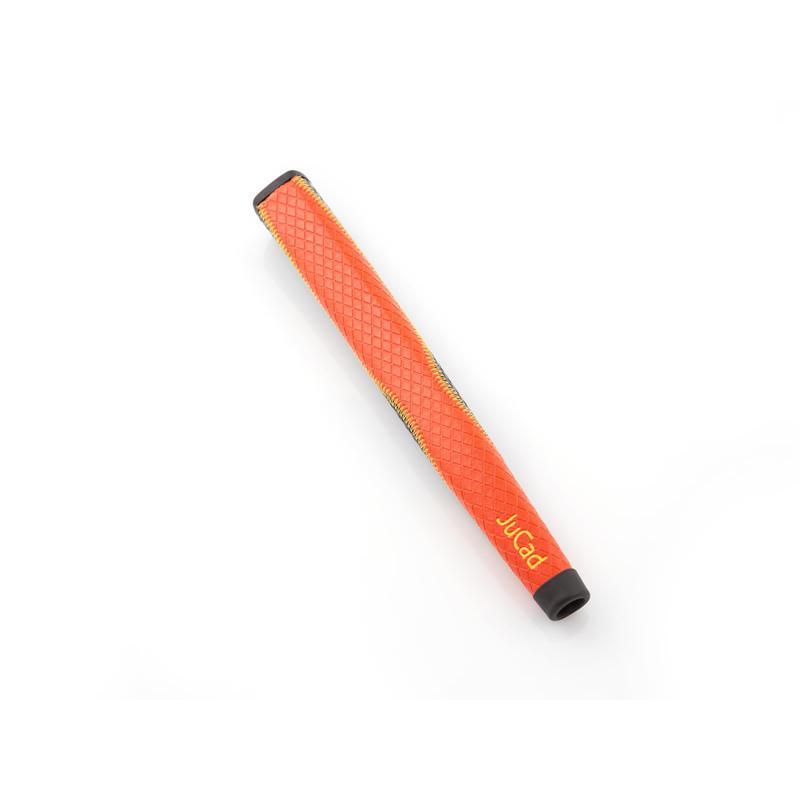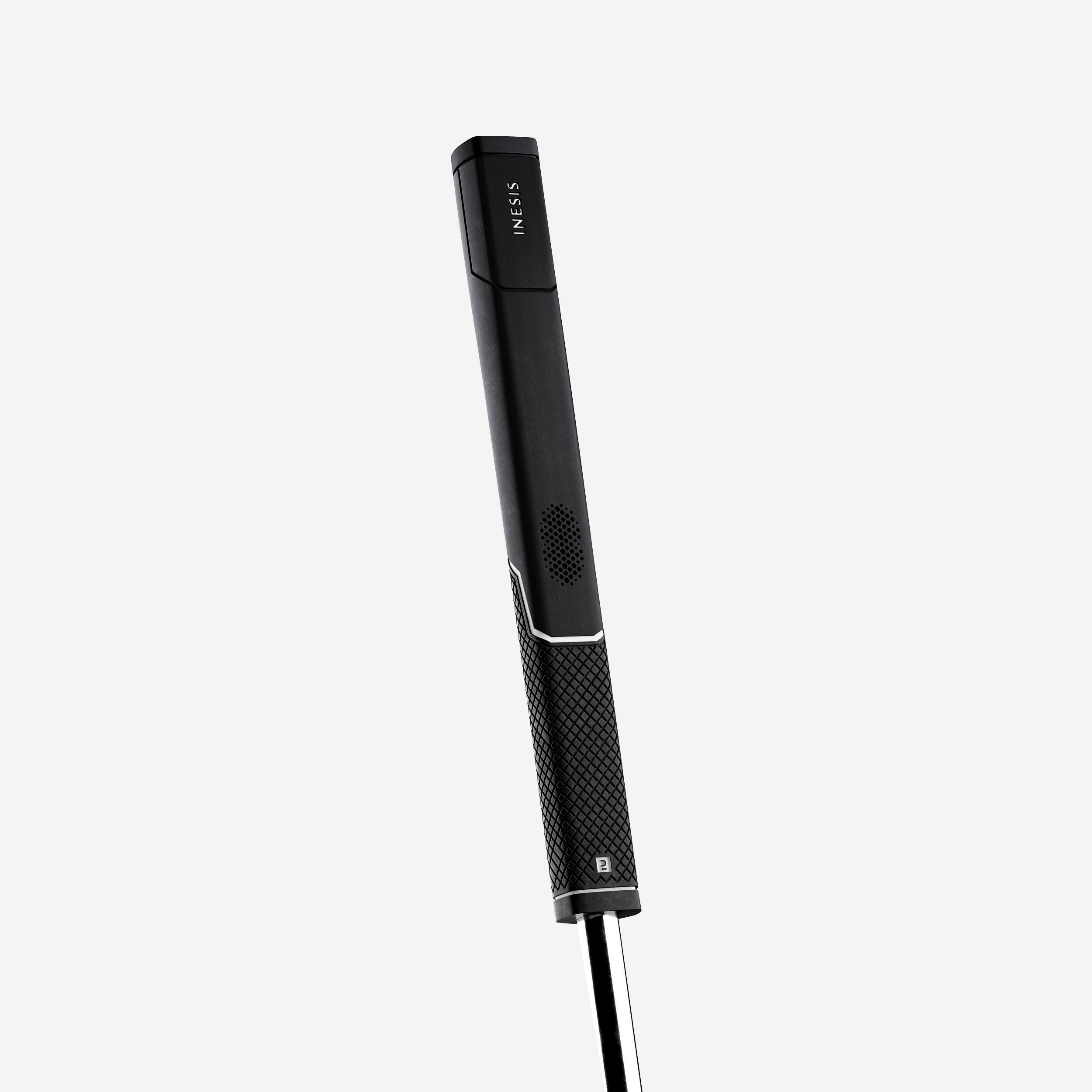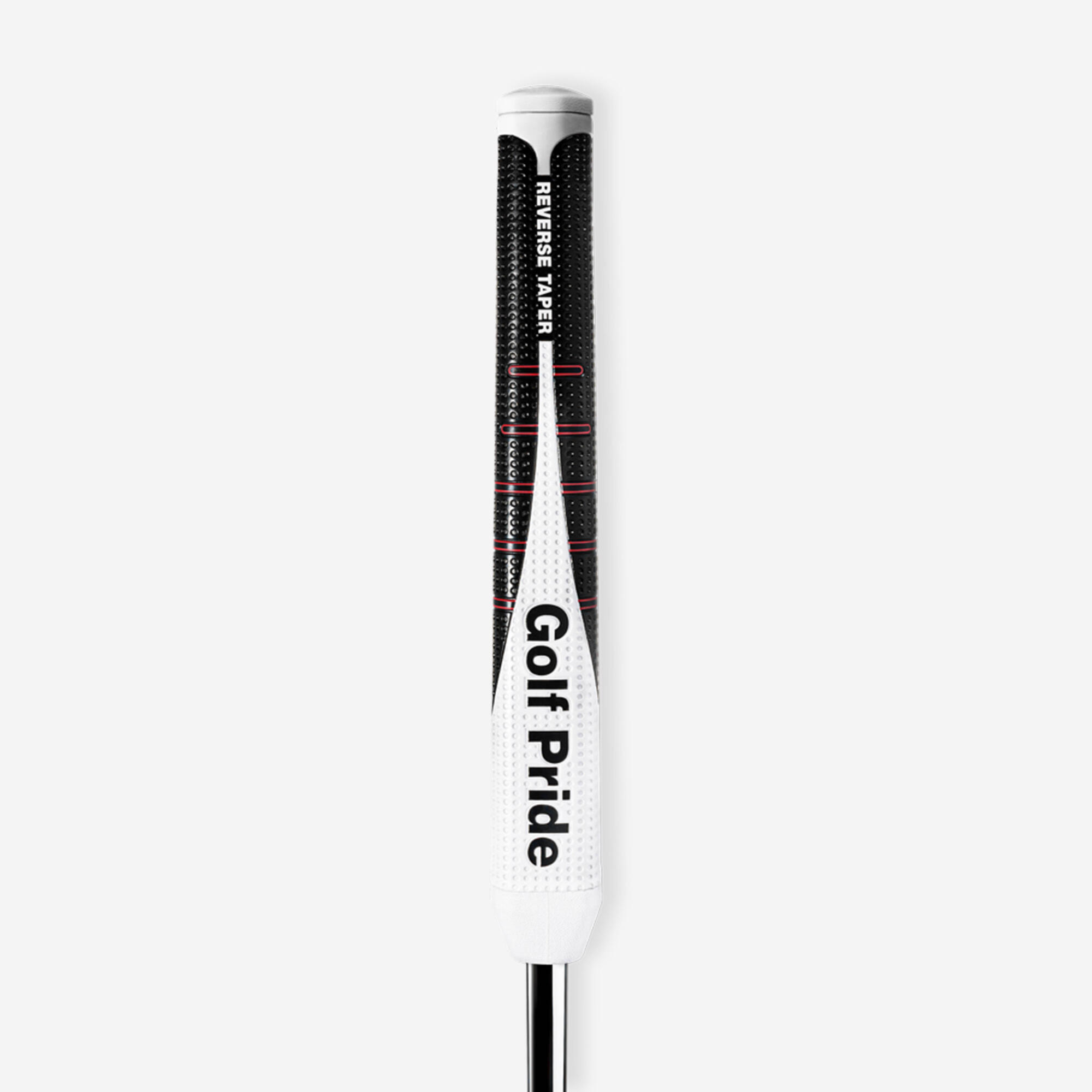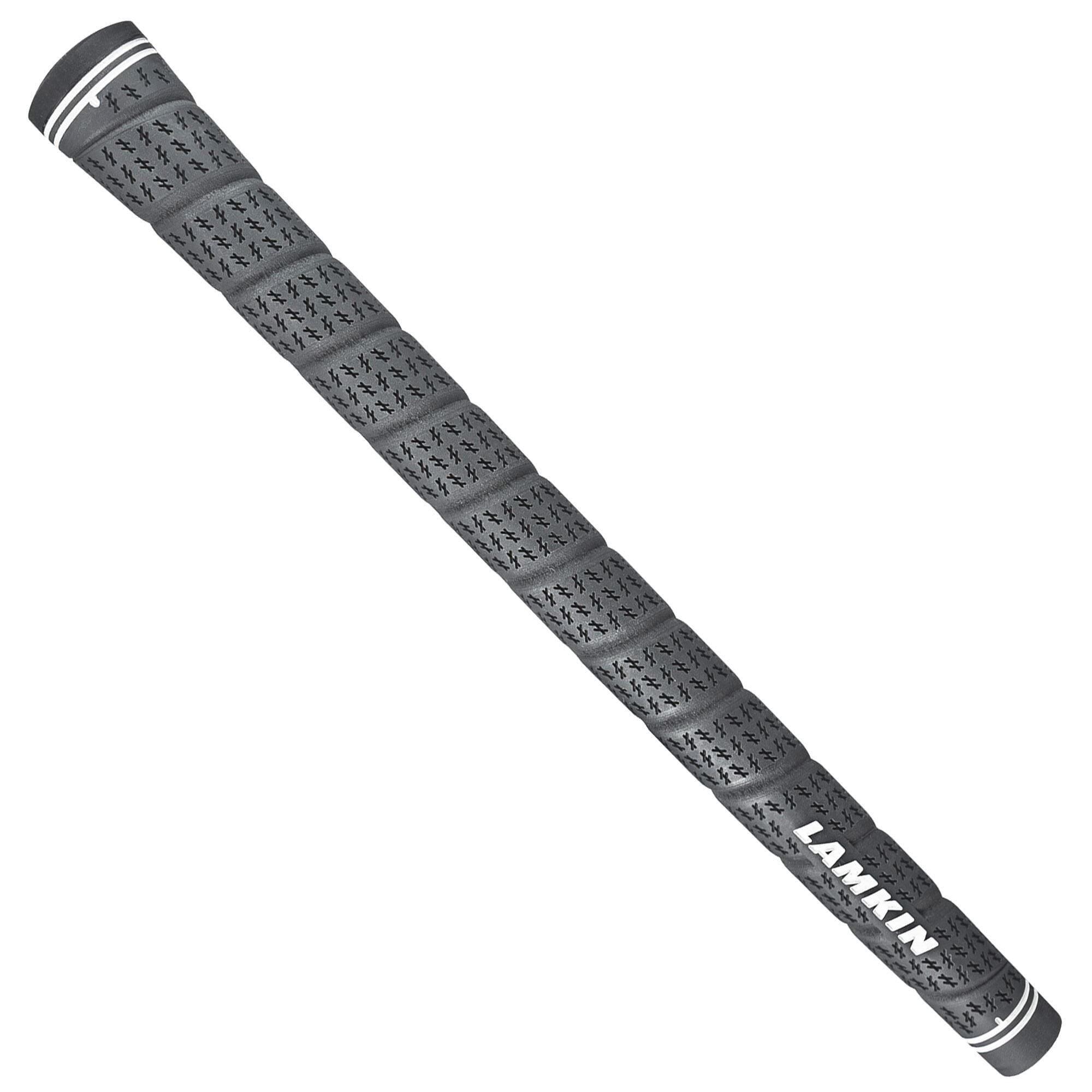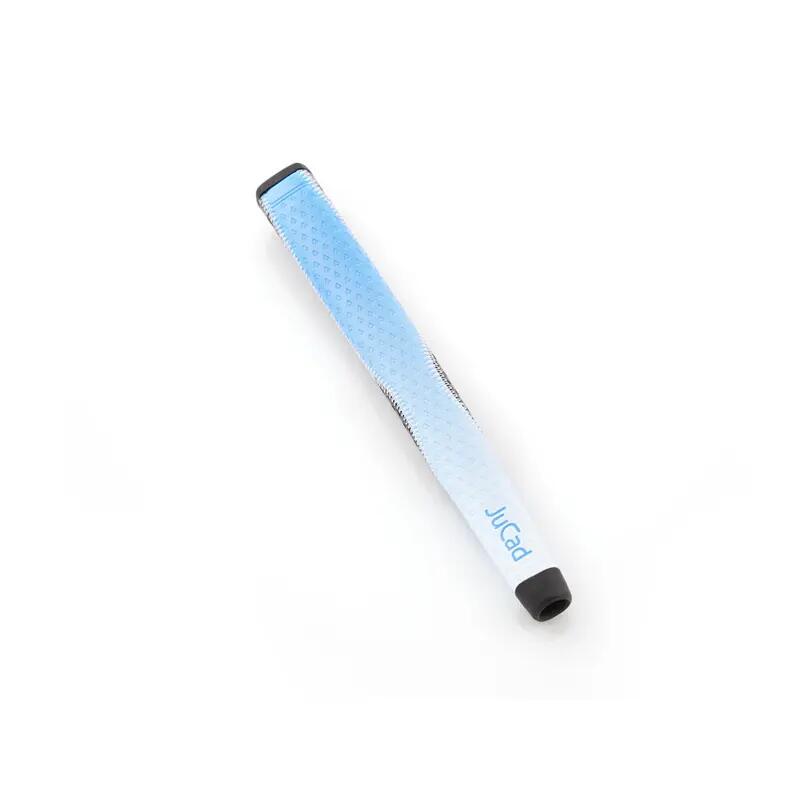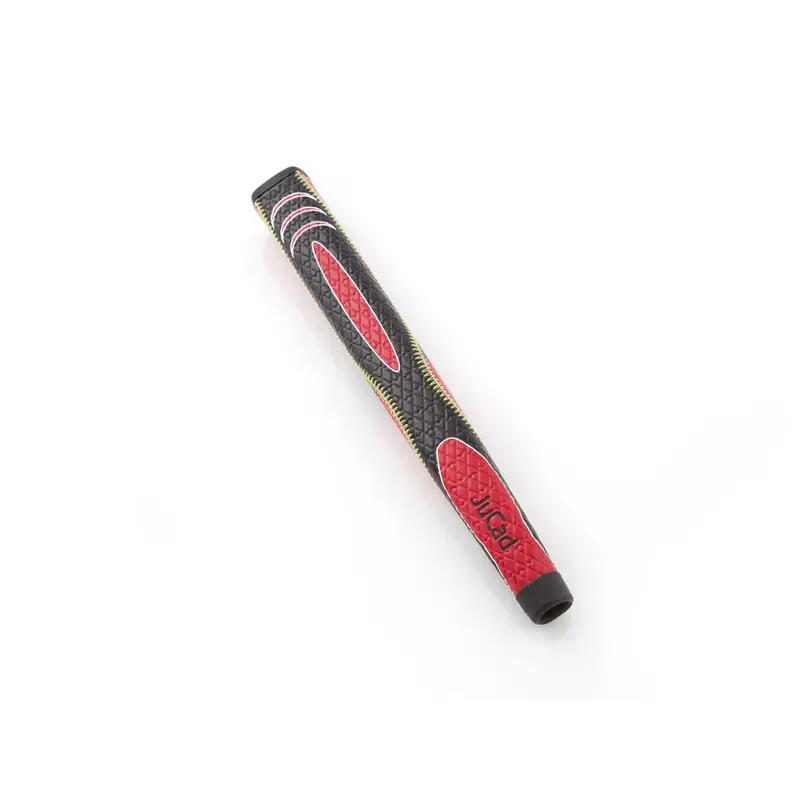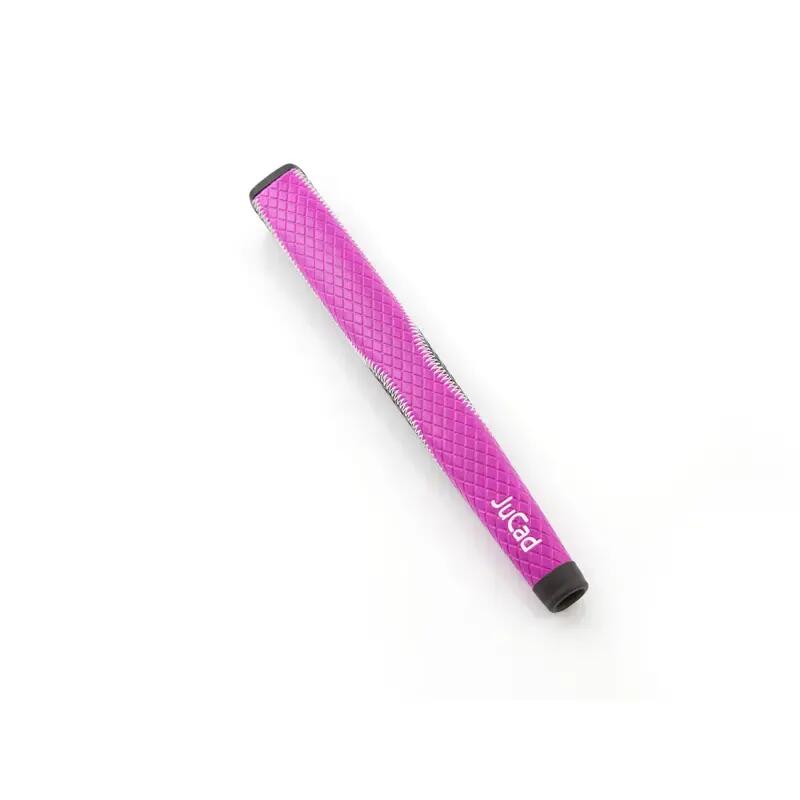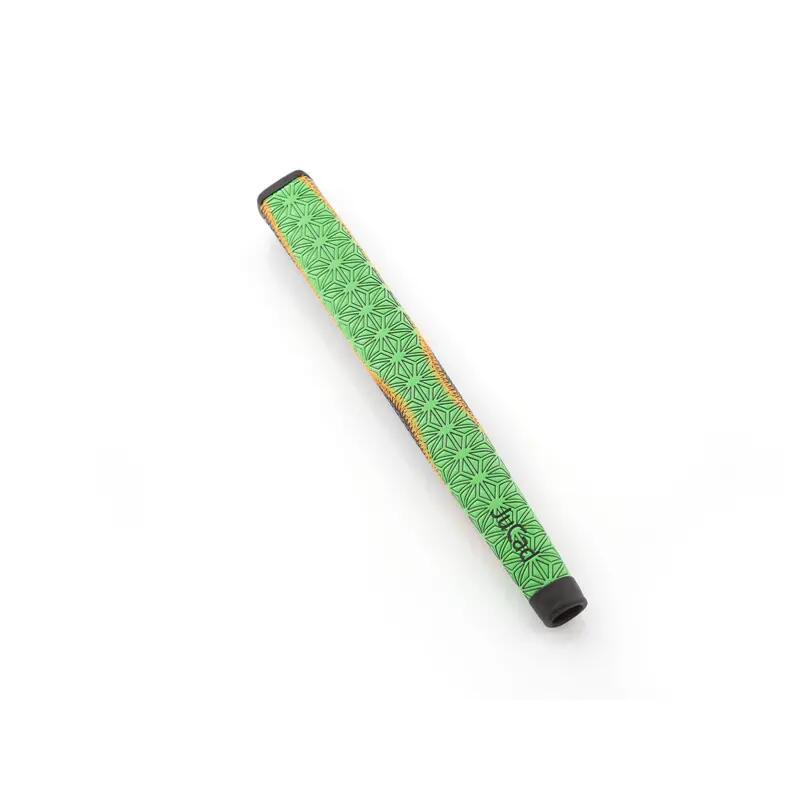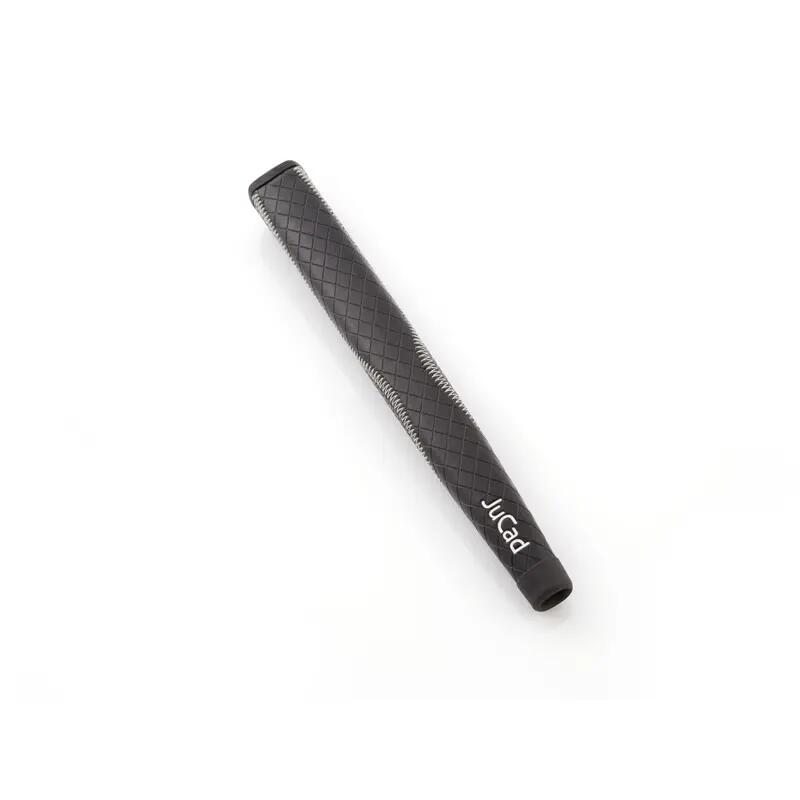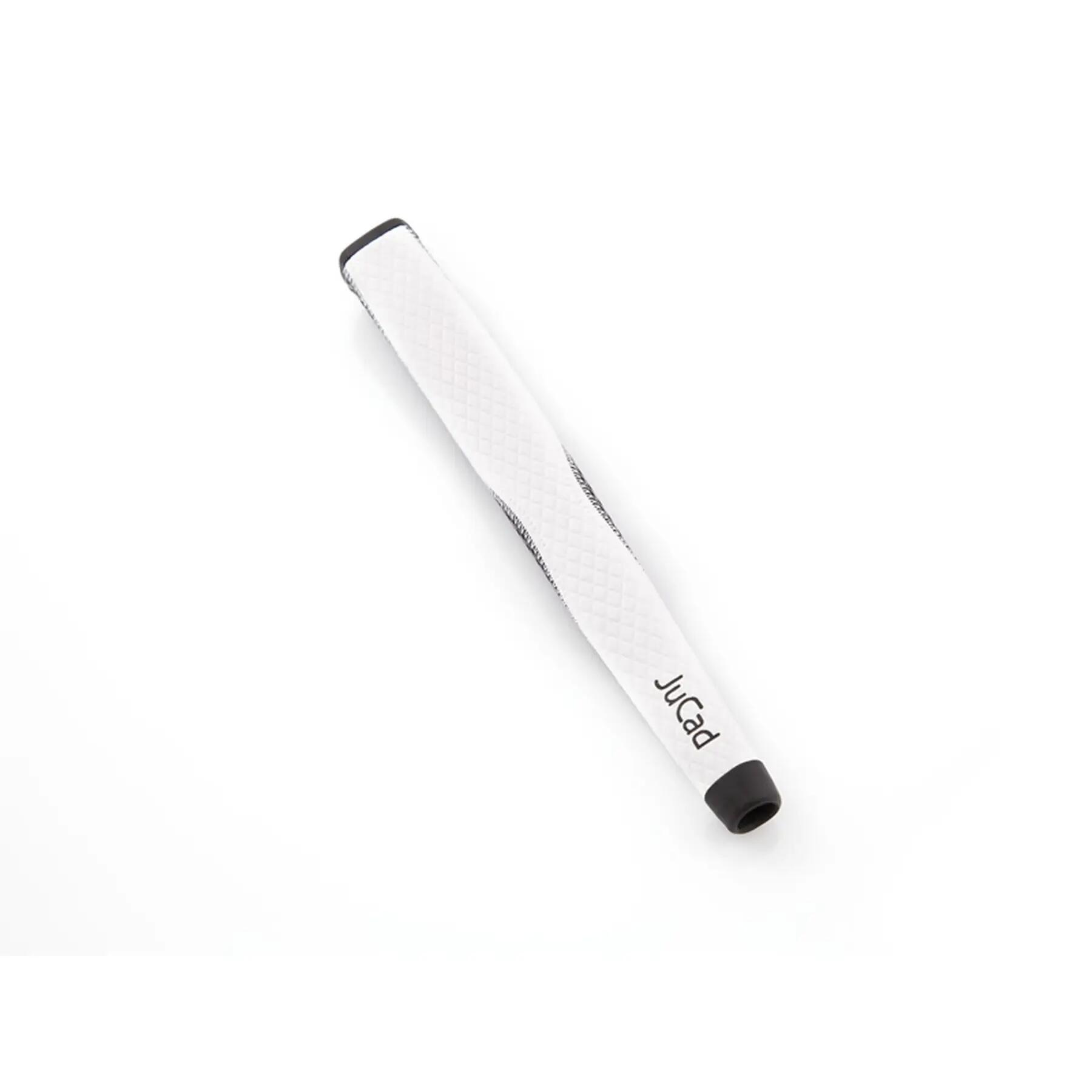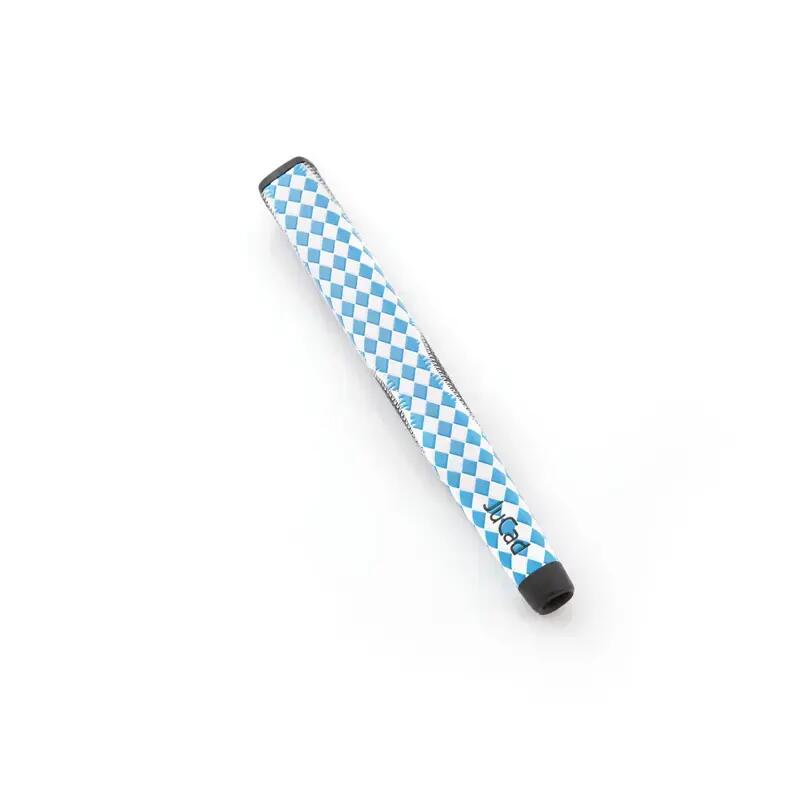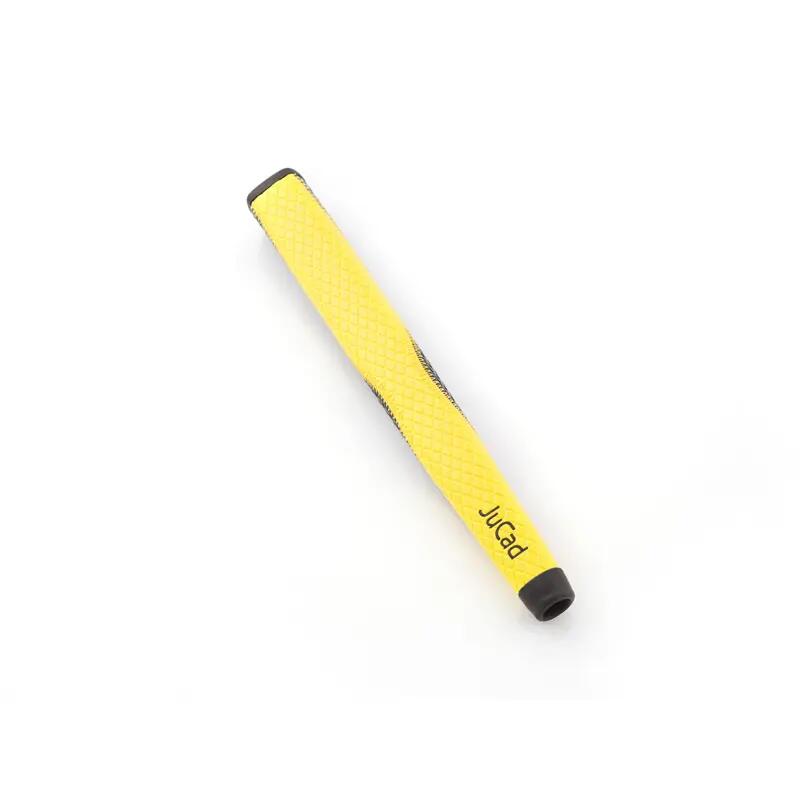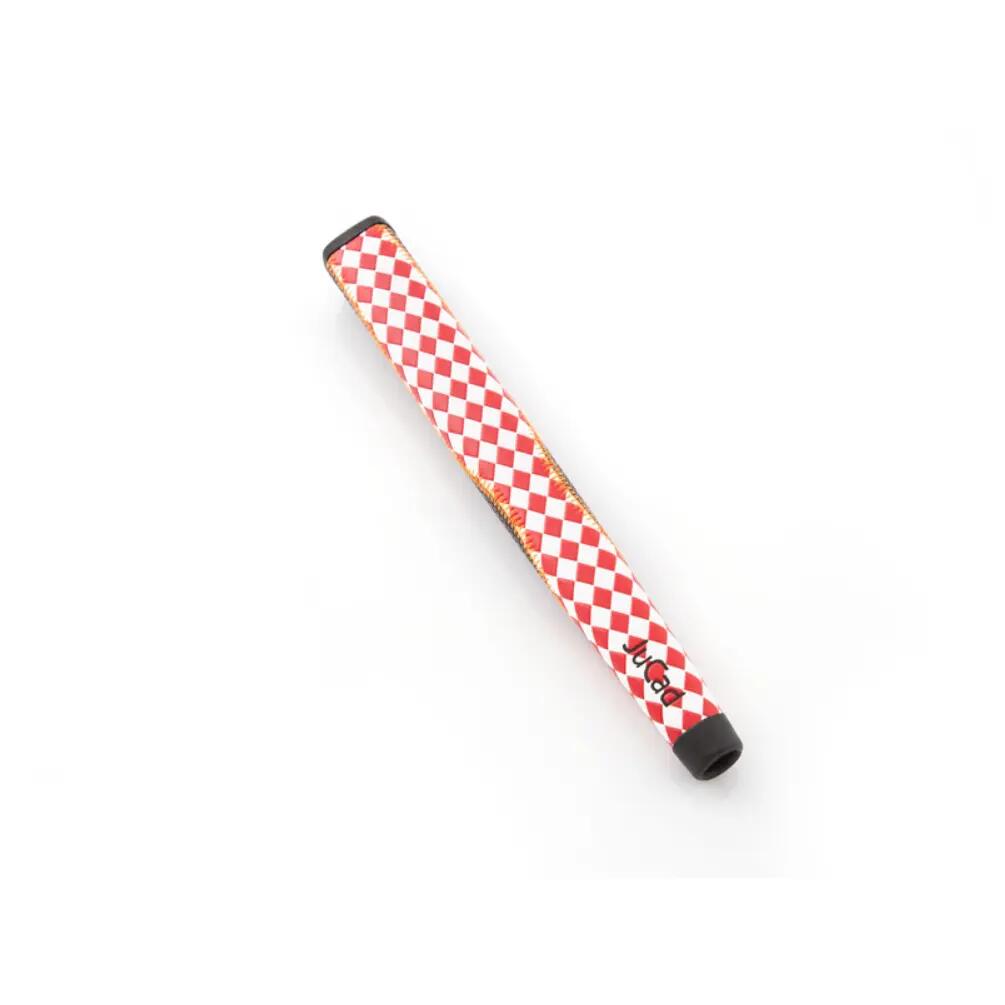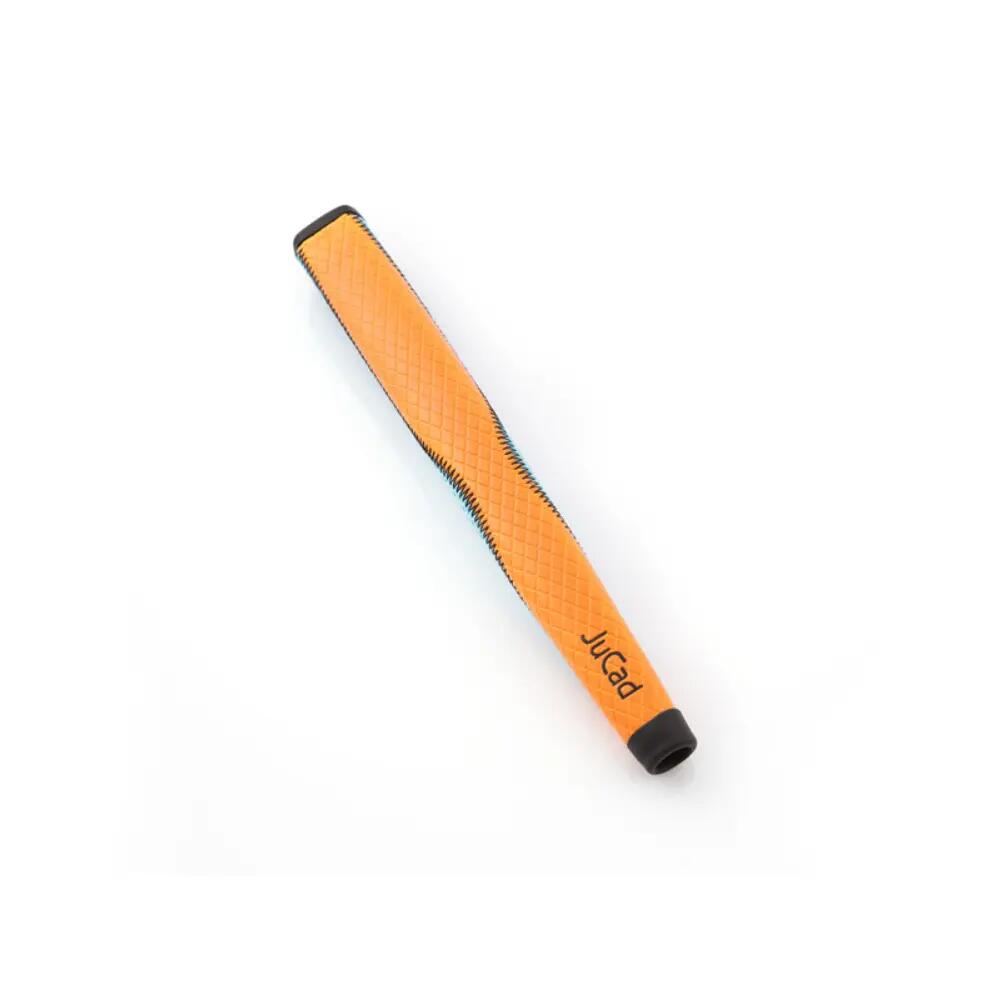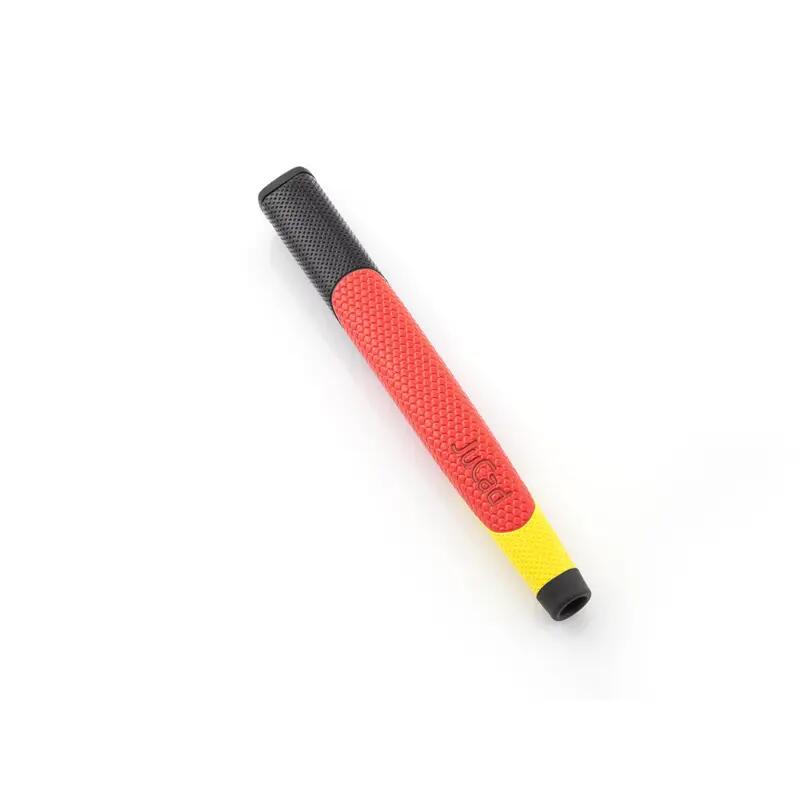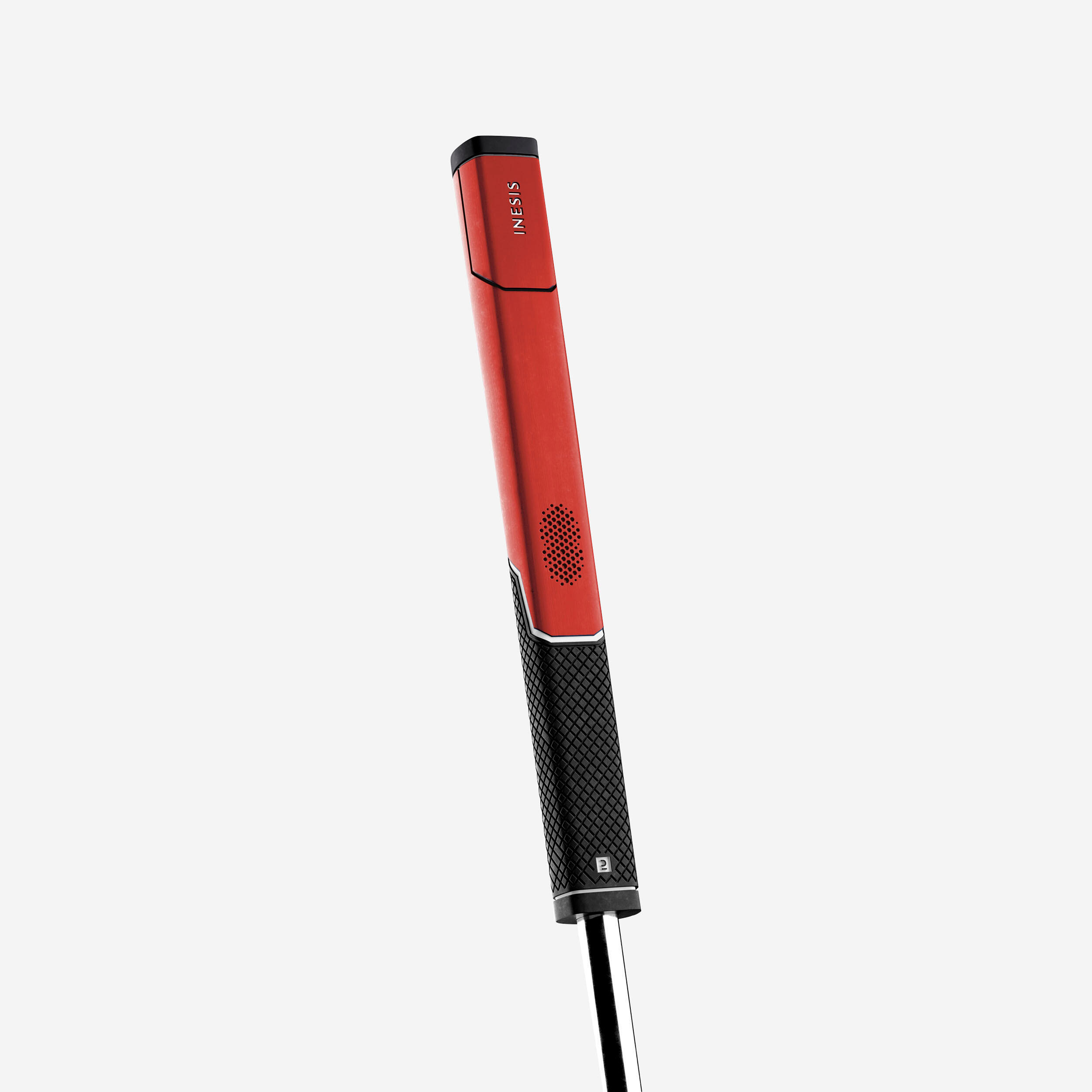
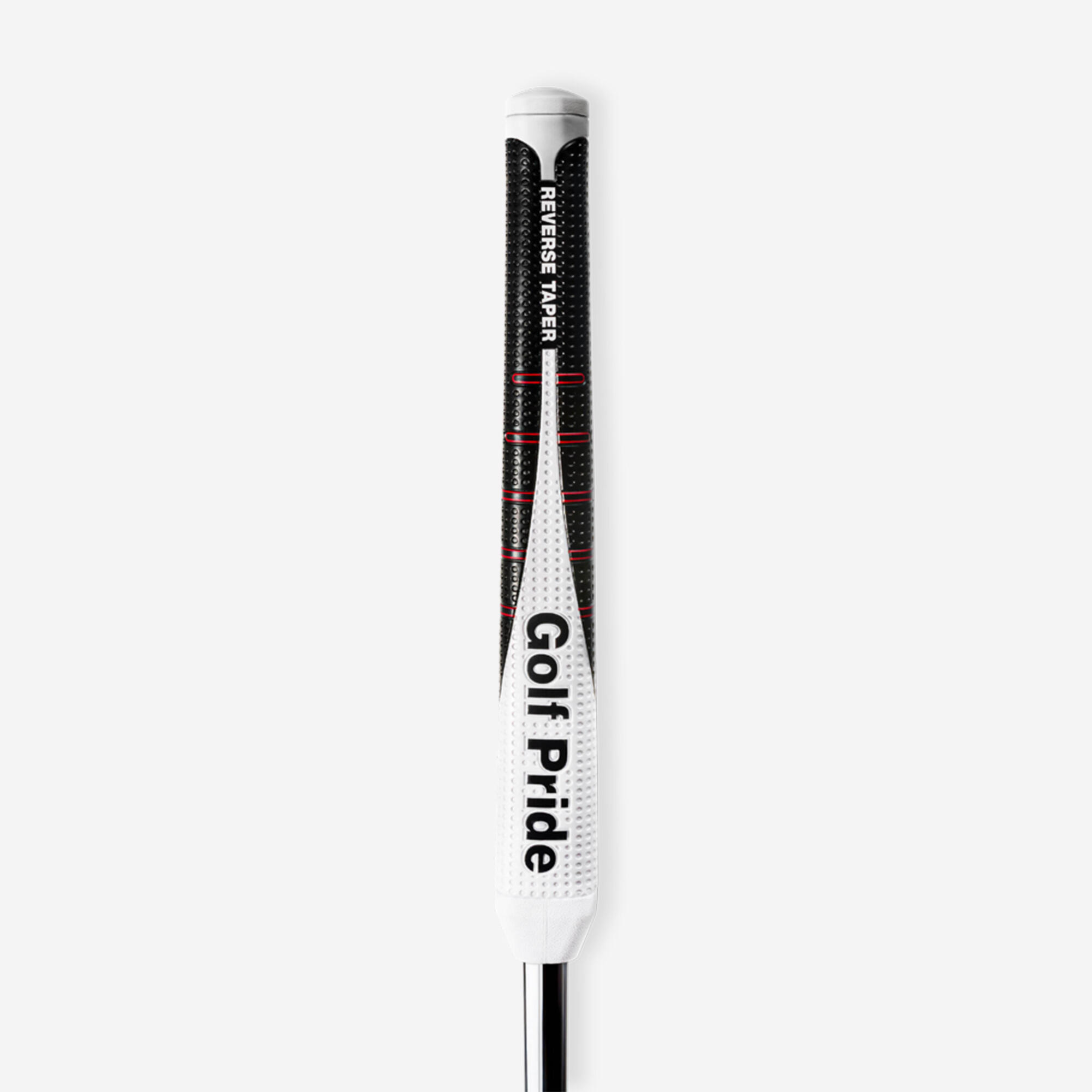
Current price {{currentPrice}} €30.00
Golf Grips
Worn club handles can make familiar swings feel less secure during a weekend round. Read more Golf grips restore a more dependable contact point between the hands and club, while suitable sizing supports natural pressure. Replace slick or damaged pieces before they affect comfort, control or confidence on the course.
- Reviews.votesAriaCurrent price {{currentPrice}} €6.00
- Reviews.votesAriaCurrent price {{currentPrice}} €6.00
- Reviews.votesAriaCurrent price {{currentPrice}} €12.00
- Reviews.votesAriaCurrent price {{currentPrice}} €6.00
- Reviews.votesAriaCurrent price {{currentPrice}} €15.00
- Reviews.votesAriaCurrent price {{currentPrice}} €13.00
- Marketplace -Online OnlyCurrent price {{currentPrice}} €25.67Sold and shipped by Sport & Go EU
- Reviews.votesAria2 coloursCurrent price {{currentPrice}} €16.00
- Reviews.votesAriaCurrent price {{currentPrice}} €15.00
- Current price {{currentPrice}} €30.00
- Marketplace -Online OnlyCurrent price {{currentPrice}} €17.05 €0.15 offLowest price: €17.20Starting on 4/10/2026 and valid for the entire duration of the promoSold and shipped by Sports Lab IE
- Marketplace -Online OnlyCurrent price {{currentPrice}} €33.00Sold and shipped by Sport is good
- Marketplace -Online OnlyCurrent price {{currentPrice}} €33.00Sold and shipped by Sport is good
- Marketplace -Online OnlyCurrent price {{currentPrice}} €33.00Sold and shipped by Sport is good
- Marketplace -Online Only2 coloursCurrent price {{currentPrice}} €33.00Sold and shipped by Sport is good
- Marketplace -Online Only2 coloursCurrent price {{currentPrice}} €33.00Sold and shipped by Sport is good
- Marketplace -Online OnlyCurrent price {{currentPrice}} €33.00Sold and shipped by Sport is good
- Marketplace -Online OnlyReviews.votesAriaCurrent price {{currentPrice}} €33.00Sold and shipped by Sport is good
- Marketplace -Online OnlyCurrent price {{currentPrice}} €33.00Sold and shipped by Sport is good
- Marketplace -Online OnlyCurrent price {{currentPrice}} €33.00Sold and shipped by Sport is good
- Marketplace -Online OnlyCurrent price {{currentPrice}} €33.00Sold and shipped by Sport is good
- Marketplace -Online OnlyCurrent price {{currentPrice}} €33.00Sold and shipped by Sport is good
- Reviews.votesAria2 coloursCurrent price {{currentPrice}} €16.00Out of stock