102 items
4.6/5 based on 2906 reviews collected online and in stores

Golf Gloves FAQs

Which hand does a golf glove go on?

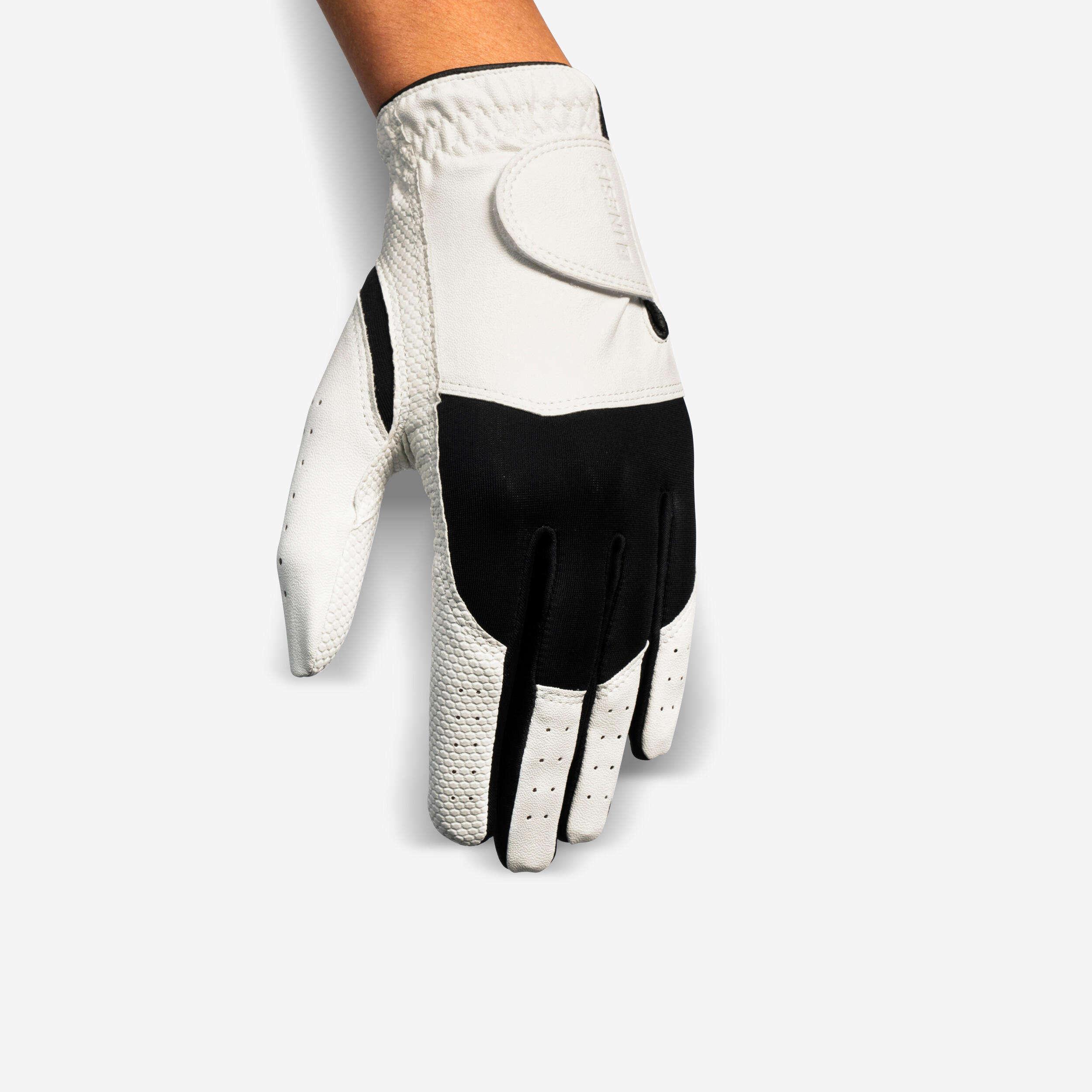
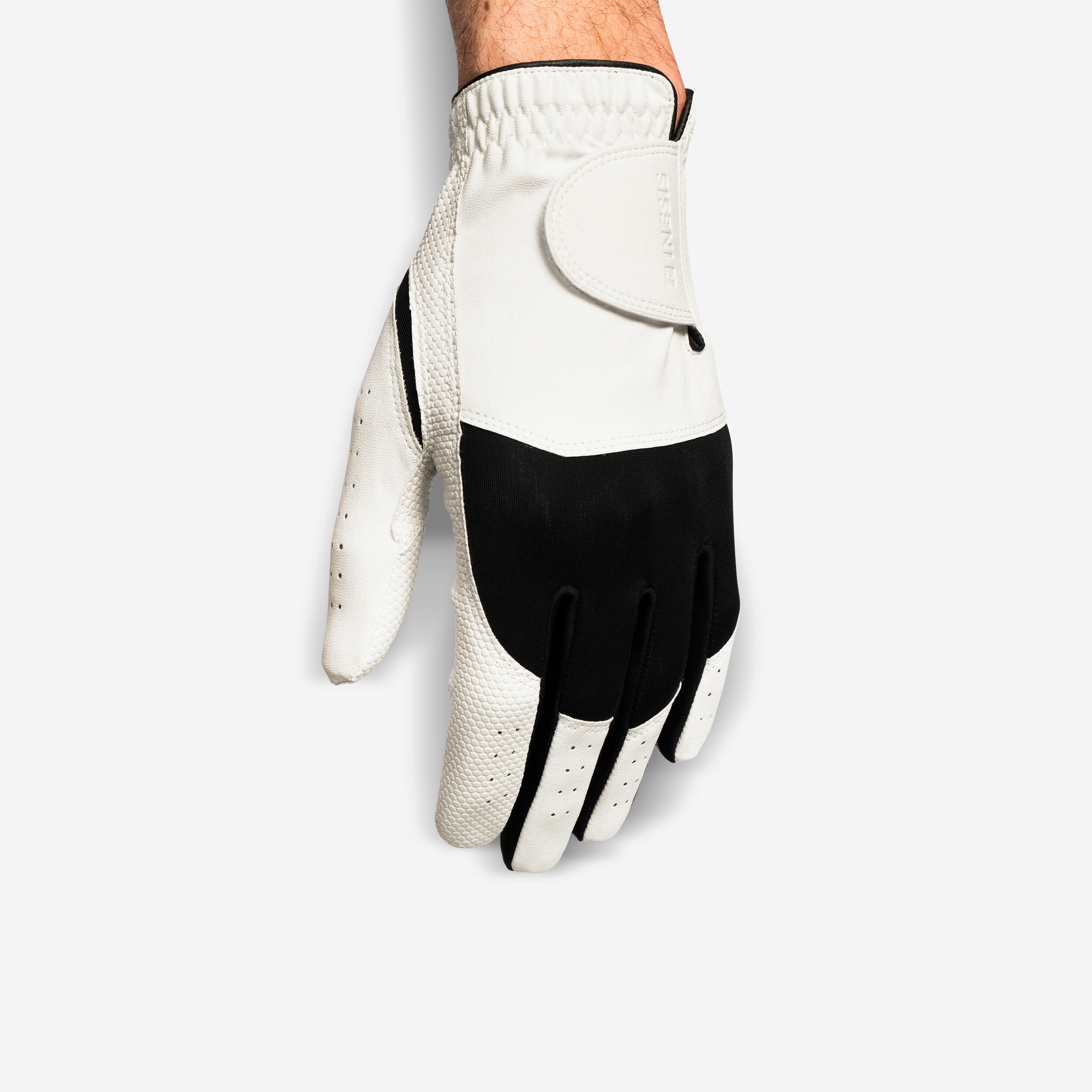
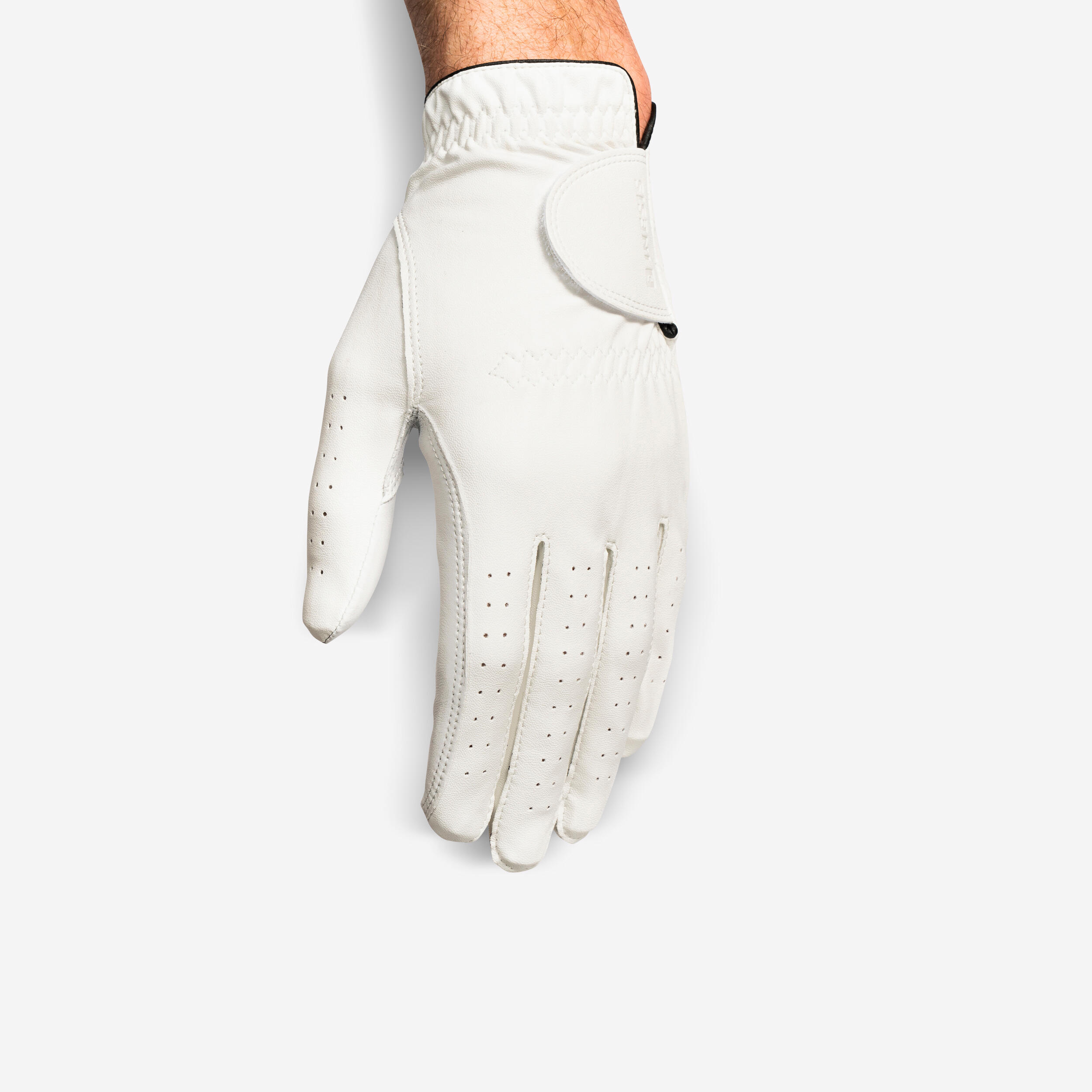
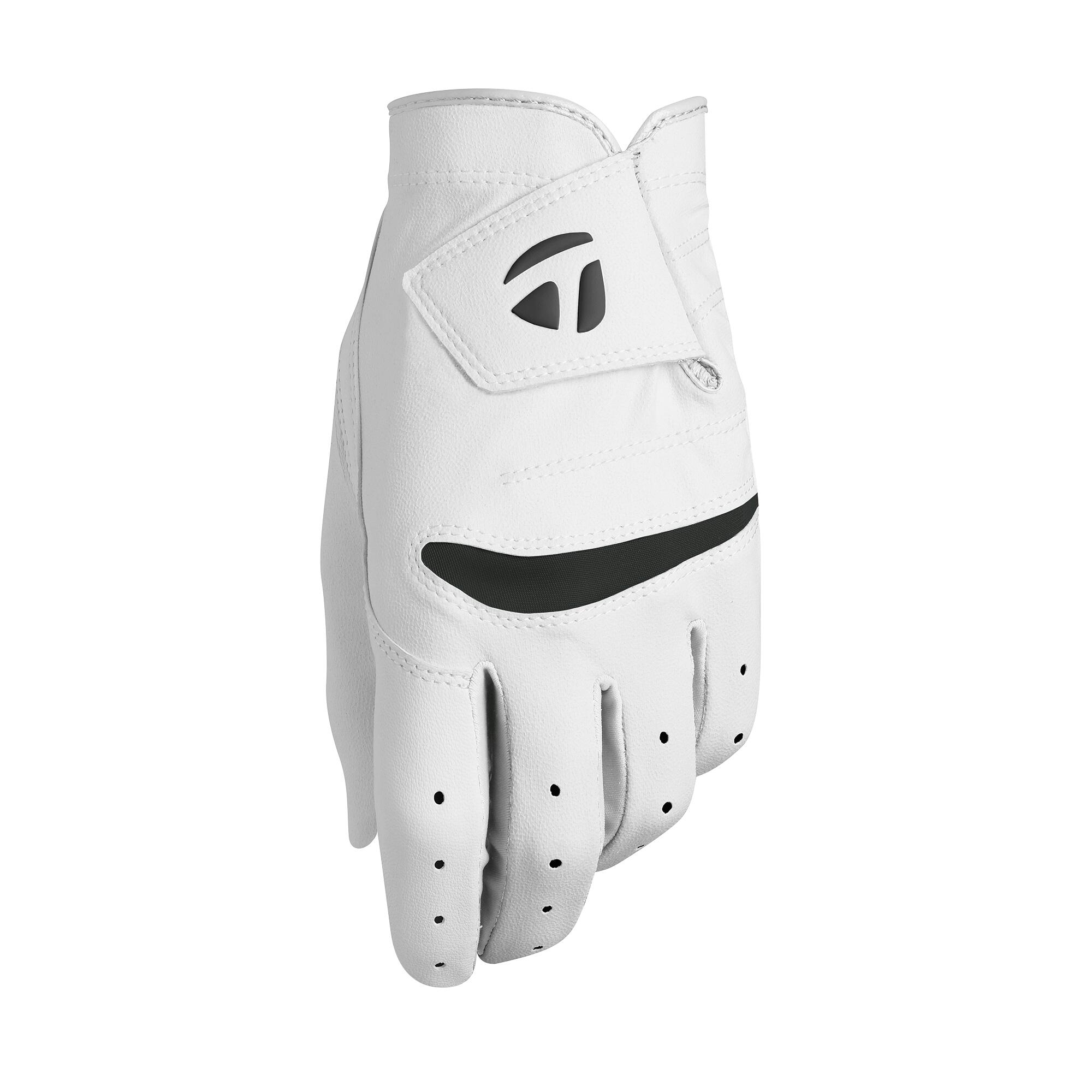
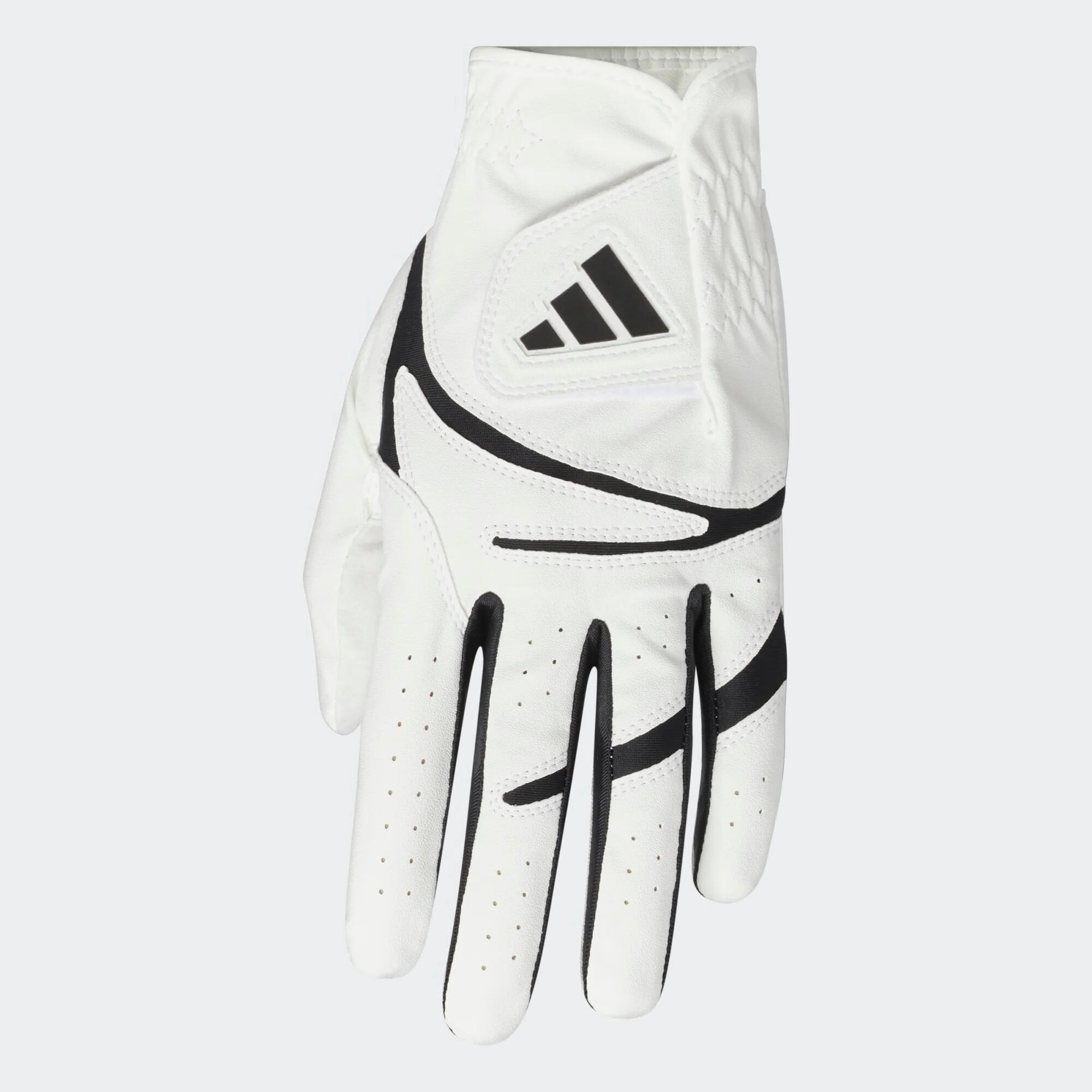
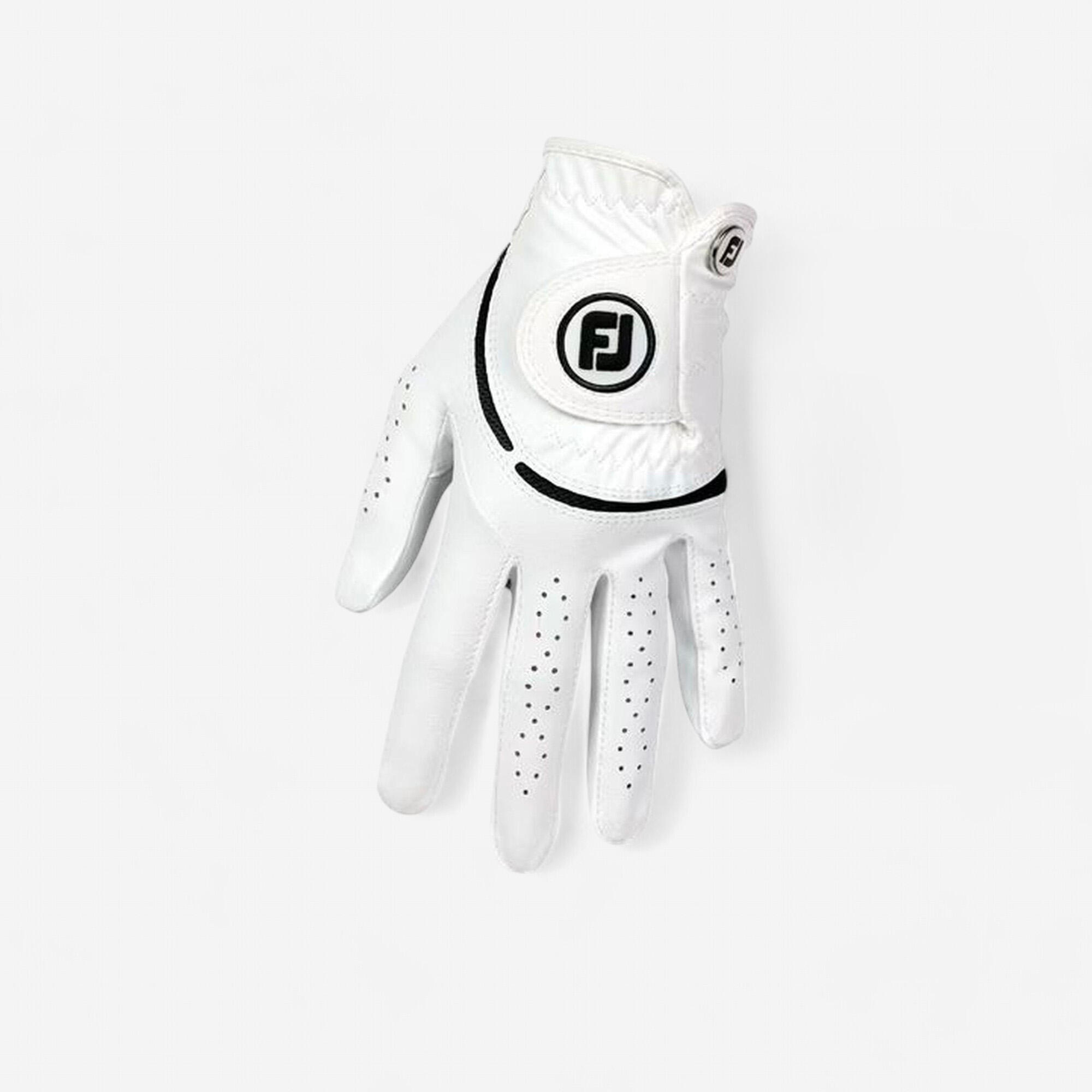
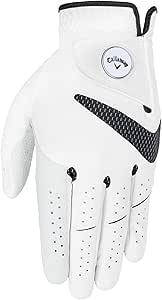
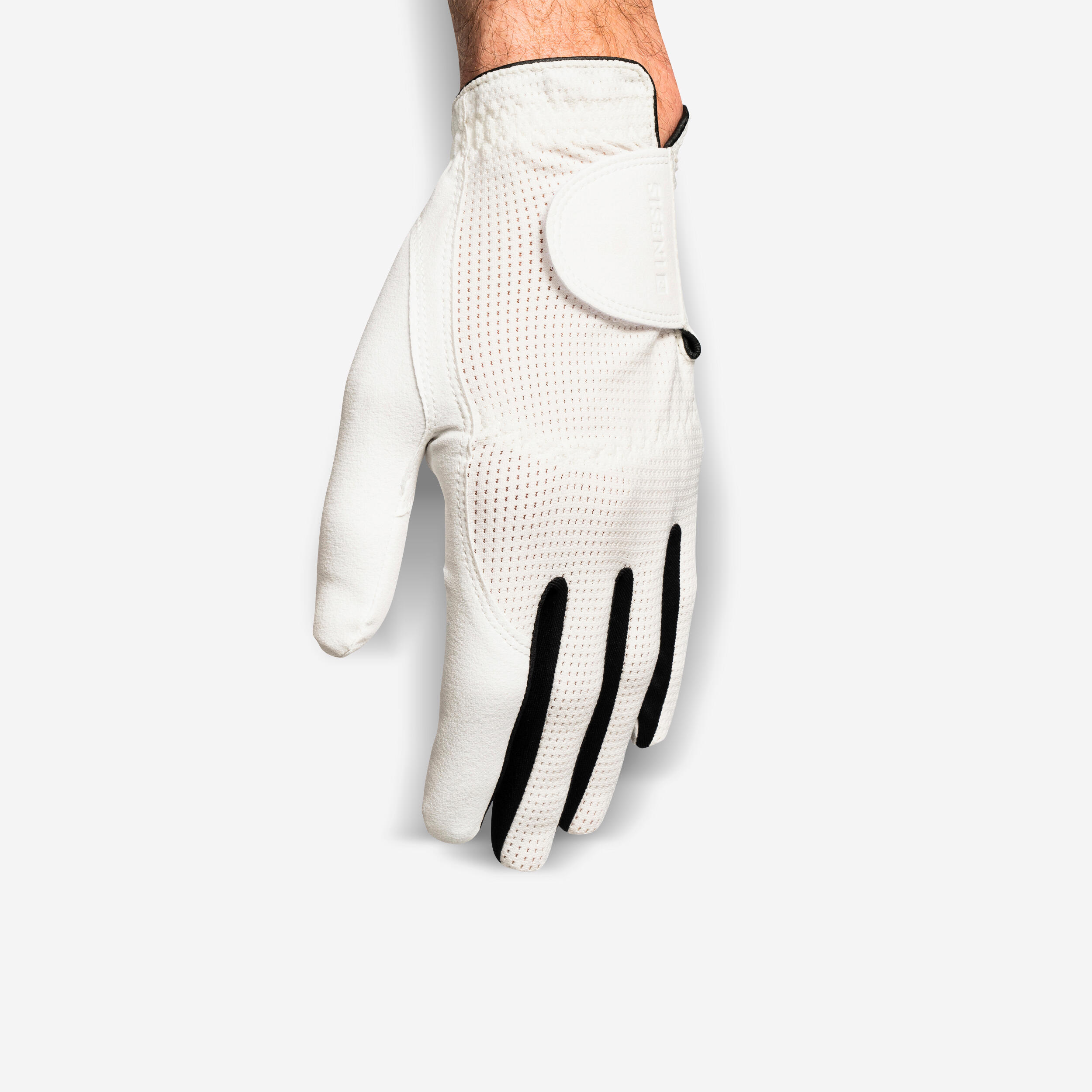
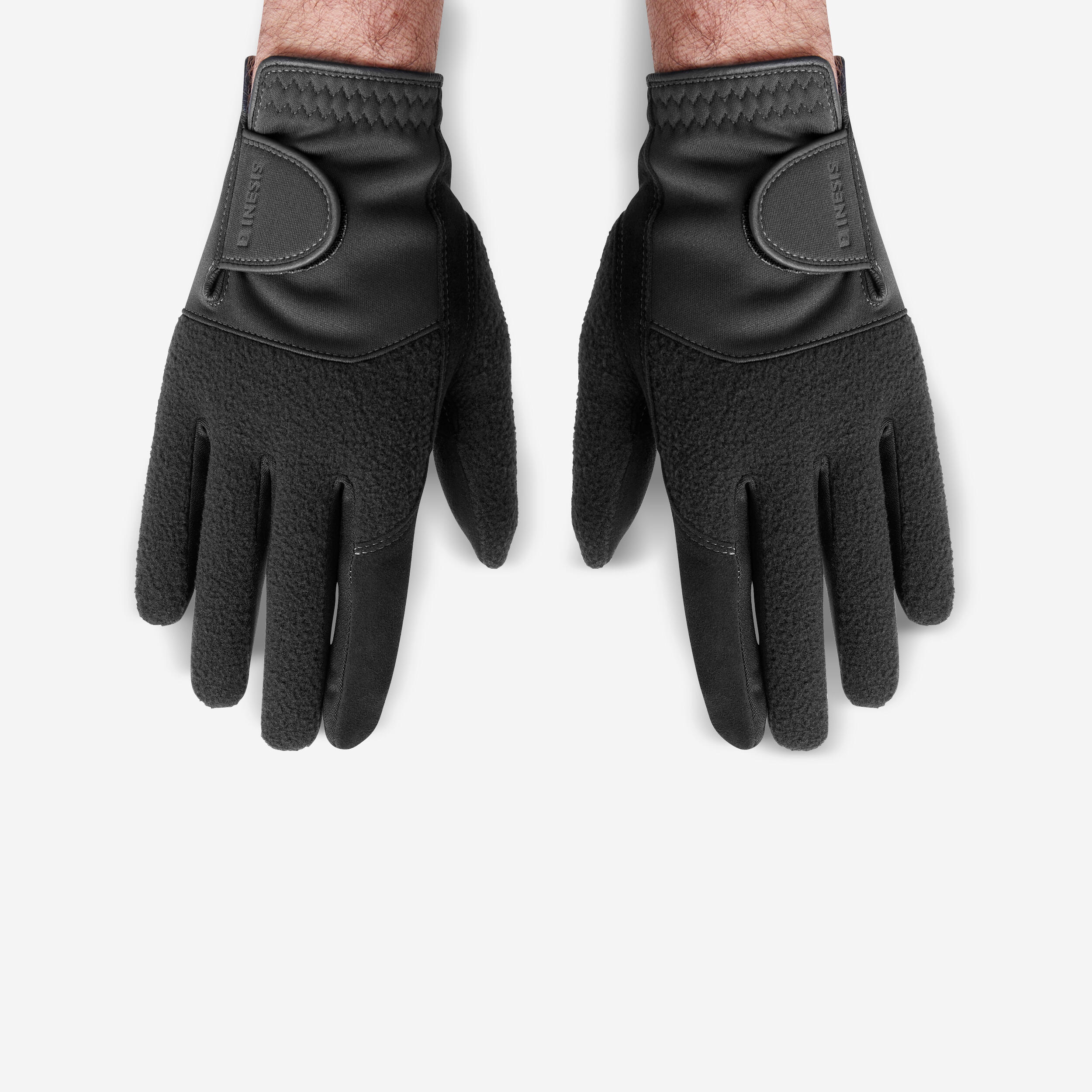
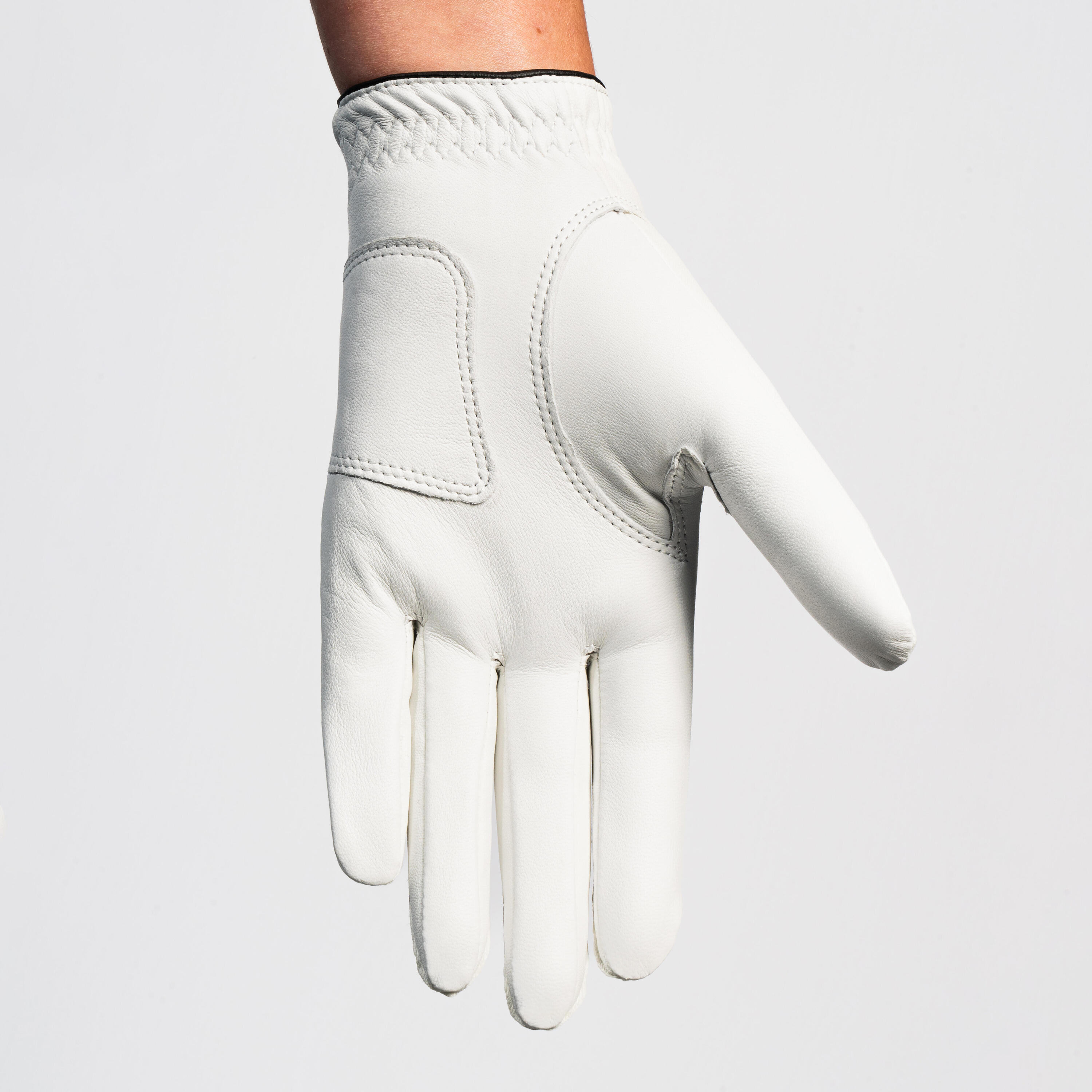
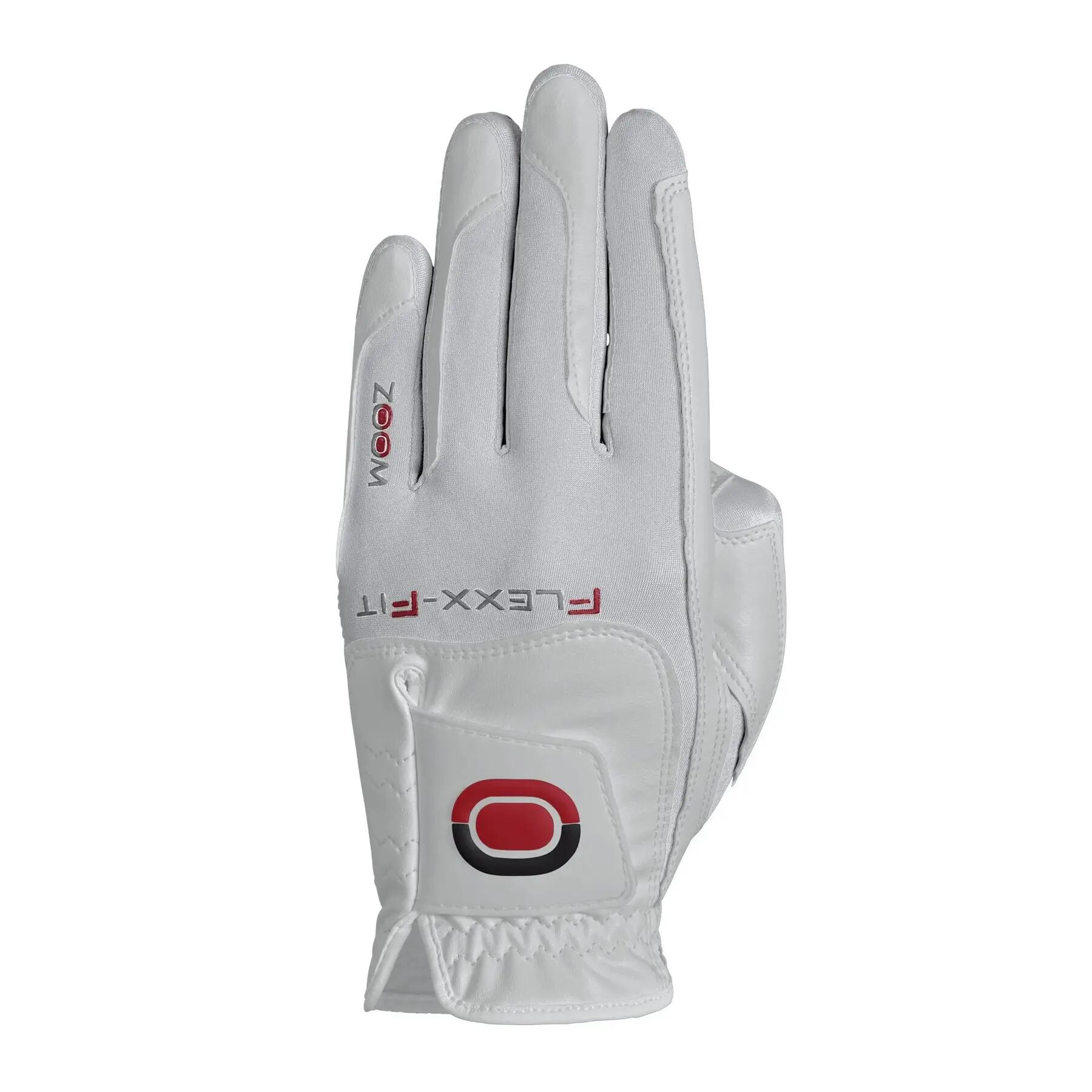
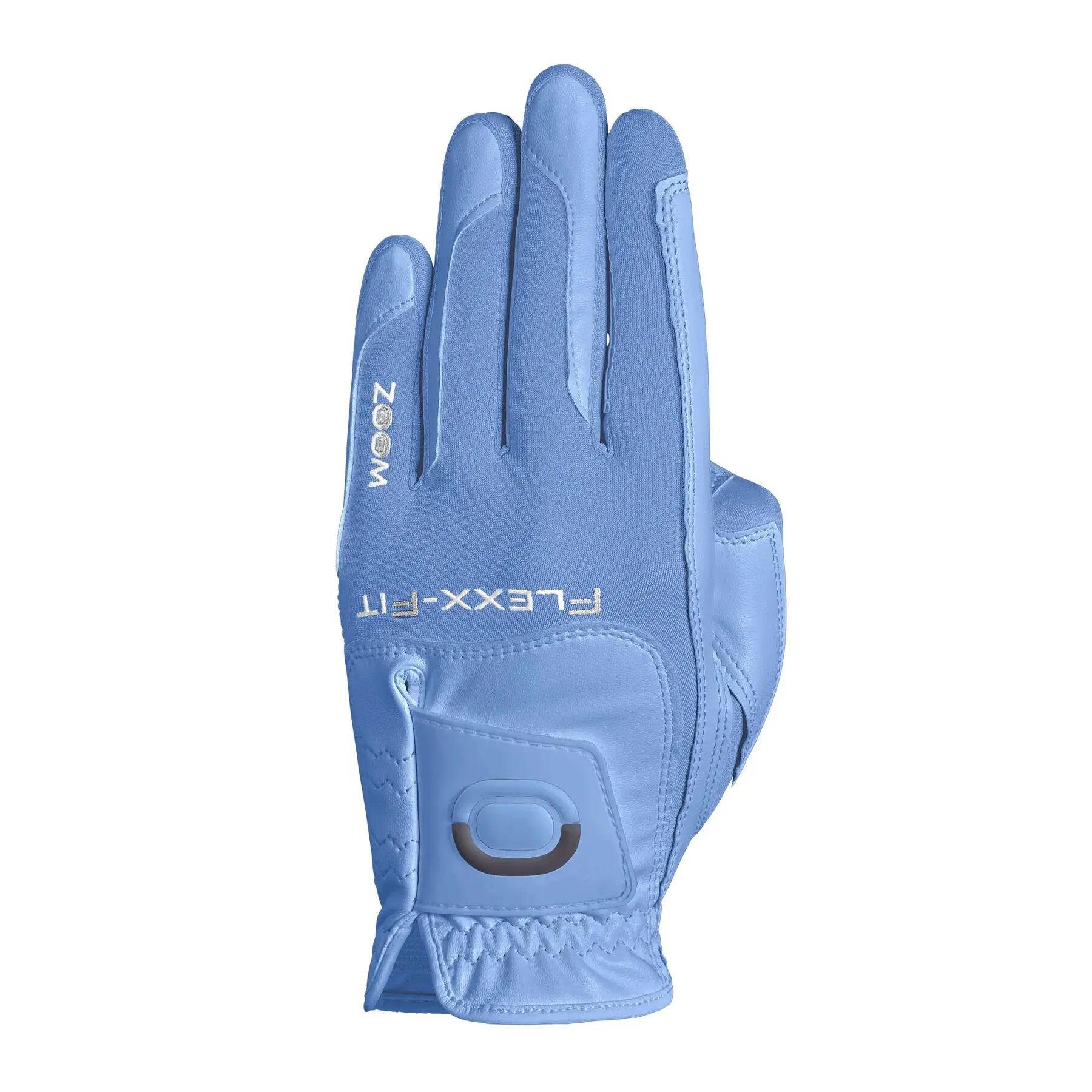
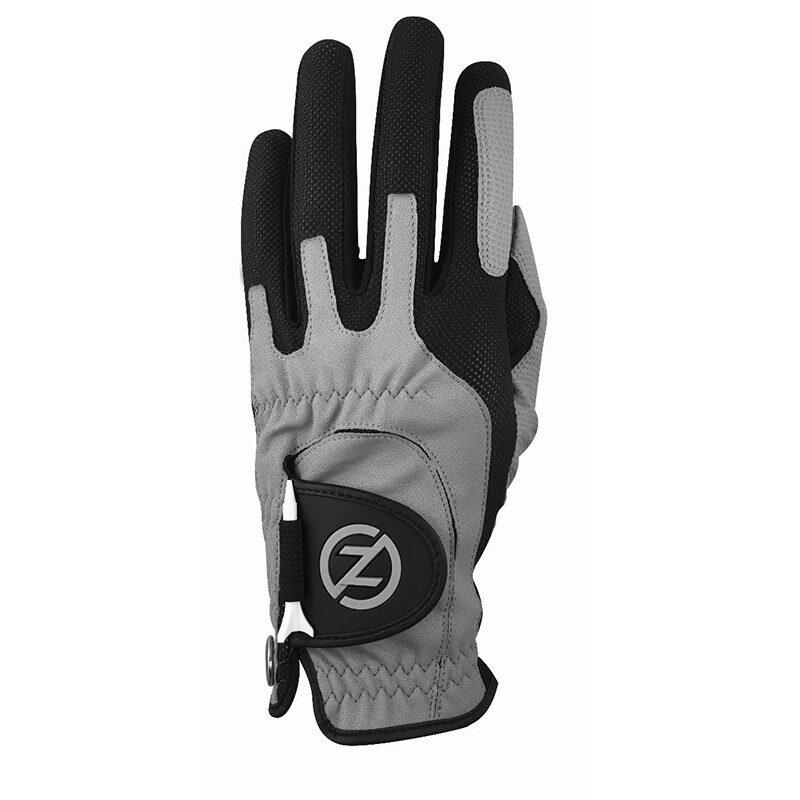
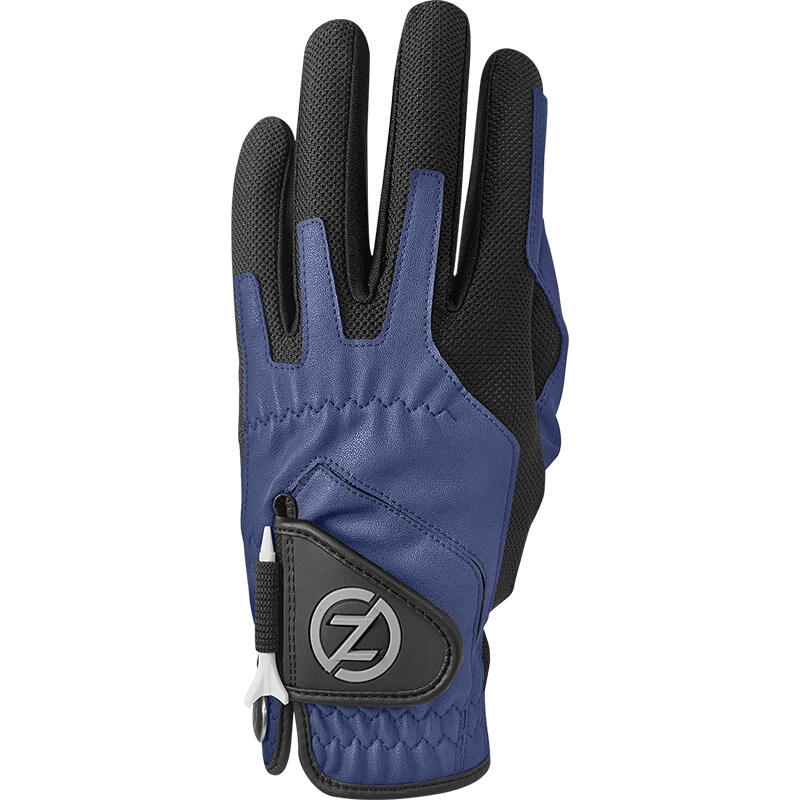
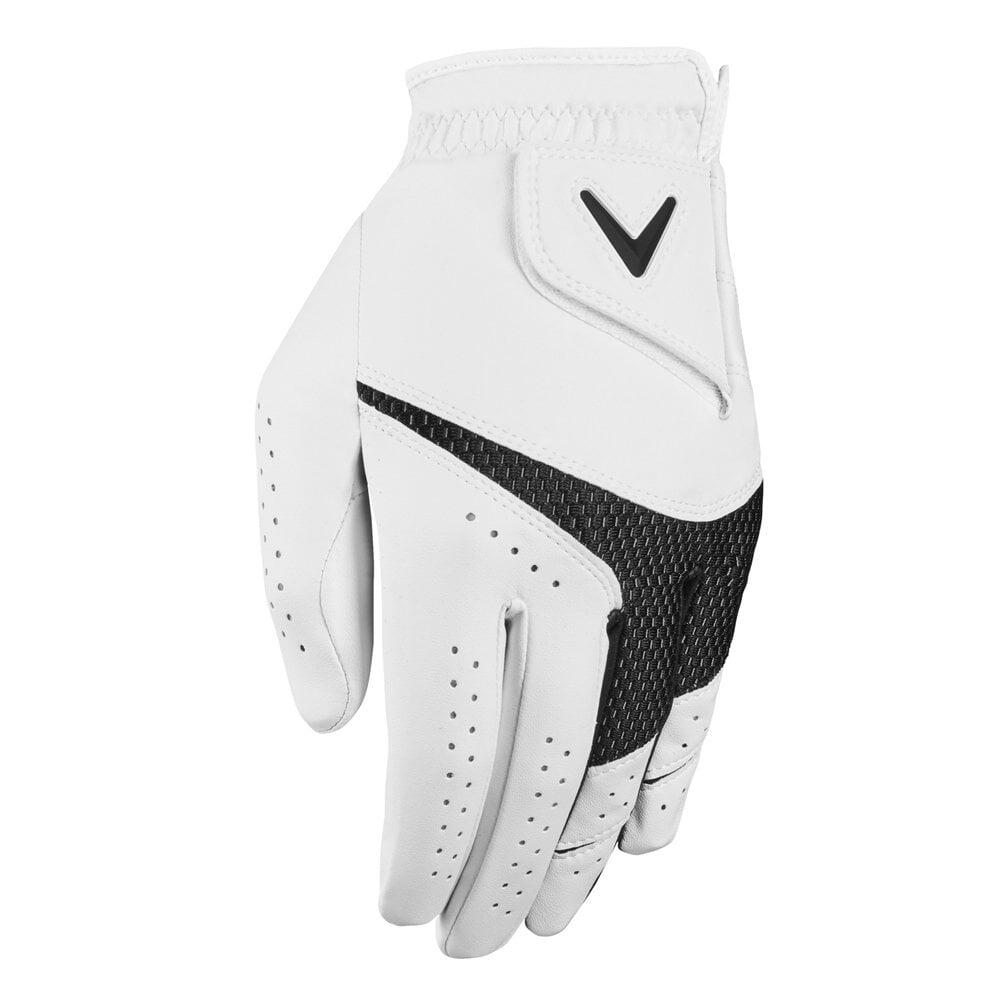
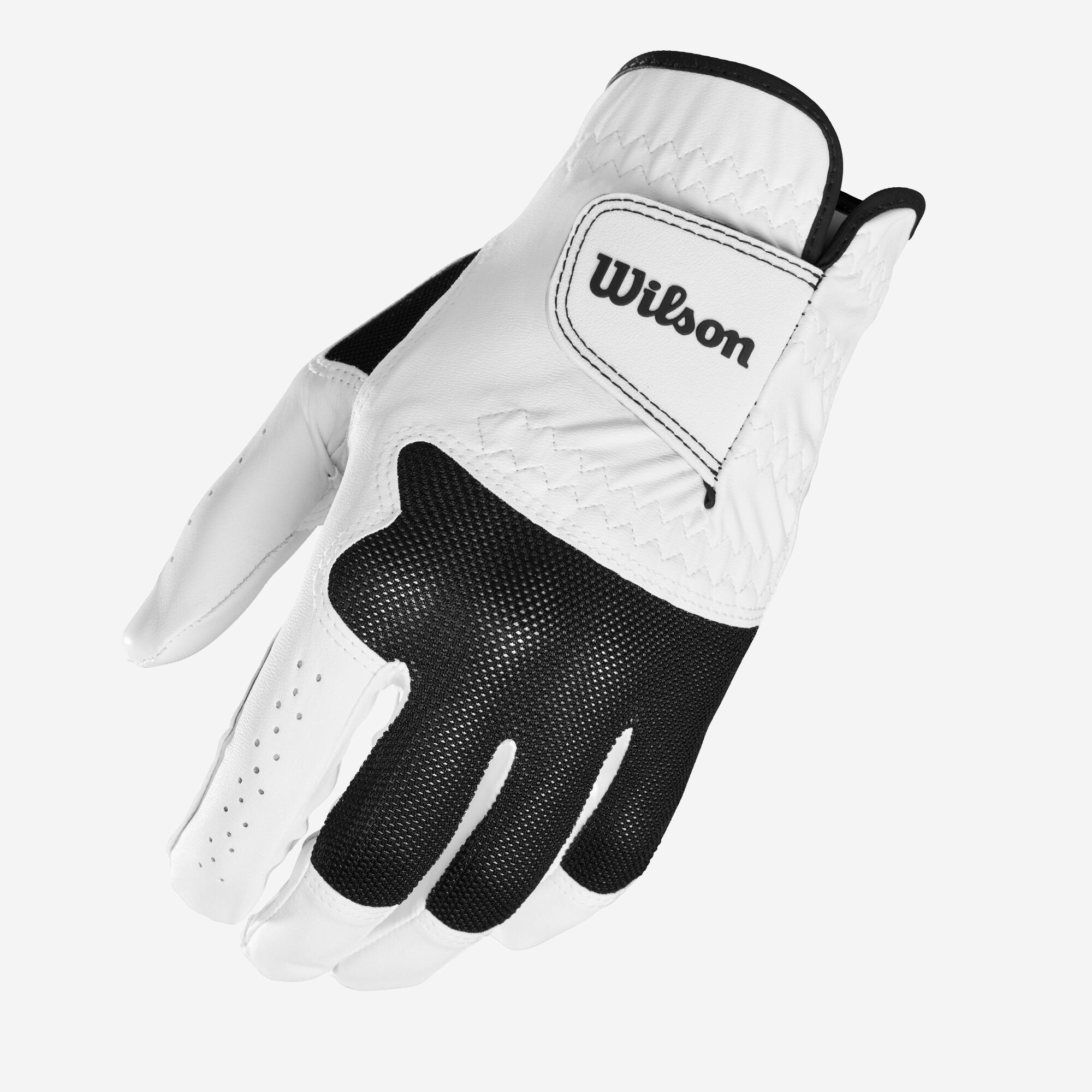
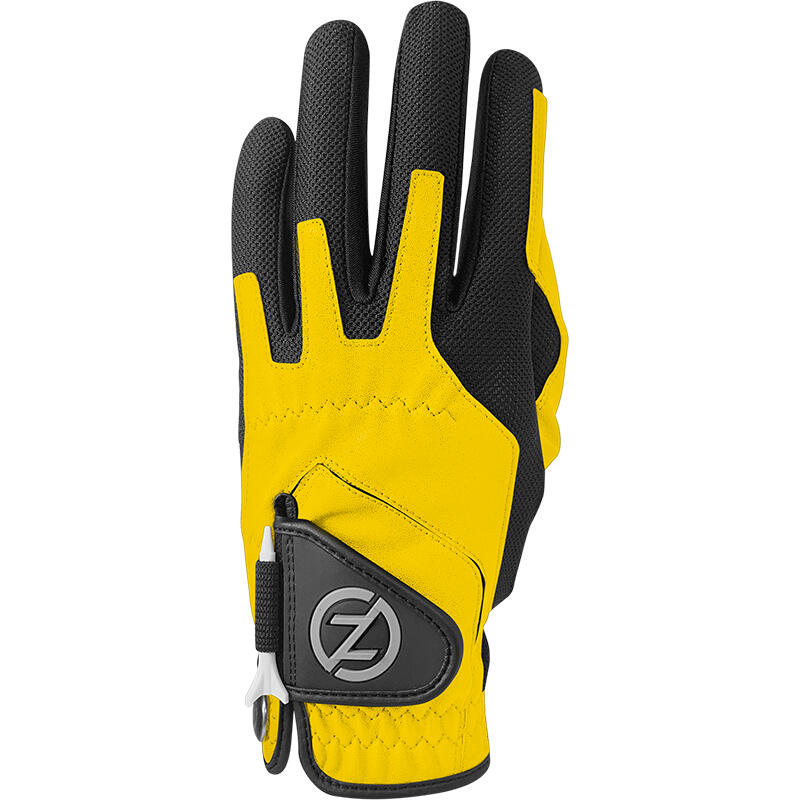
Most golfers wear a glove on the lead hand, which sits highest on the club grip. A right-handed golfer normally wears a left-hand glove, while a left-handed golfer normally wears one on the right hand. Product names can appear confusing because the listed hand refers to the glove itself, not the golfer's playing direction. For example, these men's golf gloves fit the left hand of a right-handed player. The glove helps maintain contact with the grip and reduces rubbing during repeated swings. Fasten the wrist tab firmly enough to prevent movement without restricting circulation or creating pressure across the back of the hand.
Which fit works well for a young golfer?

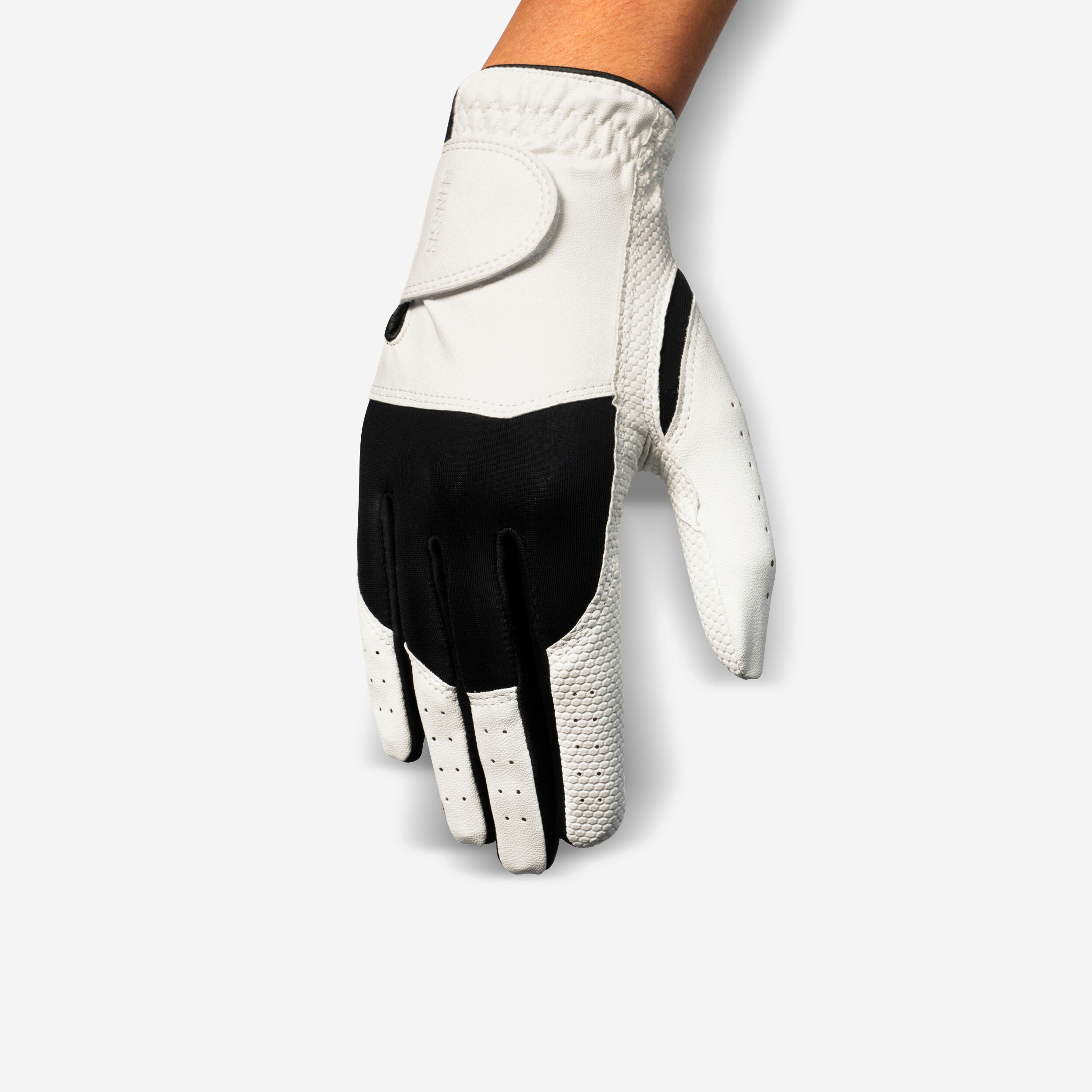
A junior glove needs to sit close to the fingers and palm without loose folds around the fingertips. Excess material can move against the grip, while a glove that is too small may pull across the knuckles when the child closes their hand. Available kids golf gloves combine an elastane section with reinforcement across the main palm friction area. Ask the child to hold a club normally and check that the material follows the hand without bunching. Reassess the size regularly because growing hands can make a previously comfortable glove feel tight. A junior model also needs to match the child's lead hand rather than being selected by age alone.

When does a soft leather golf glove suit play?

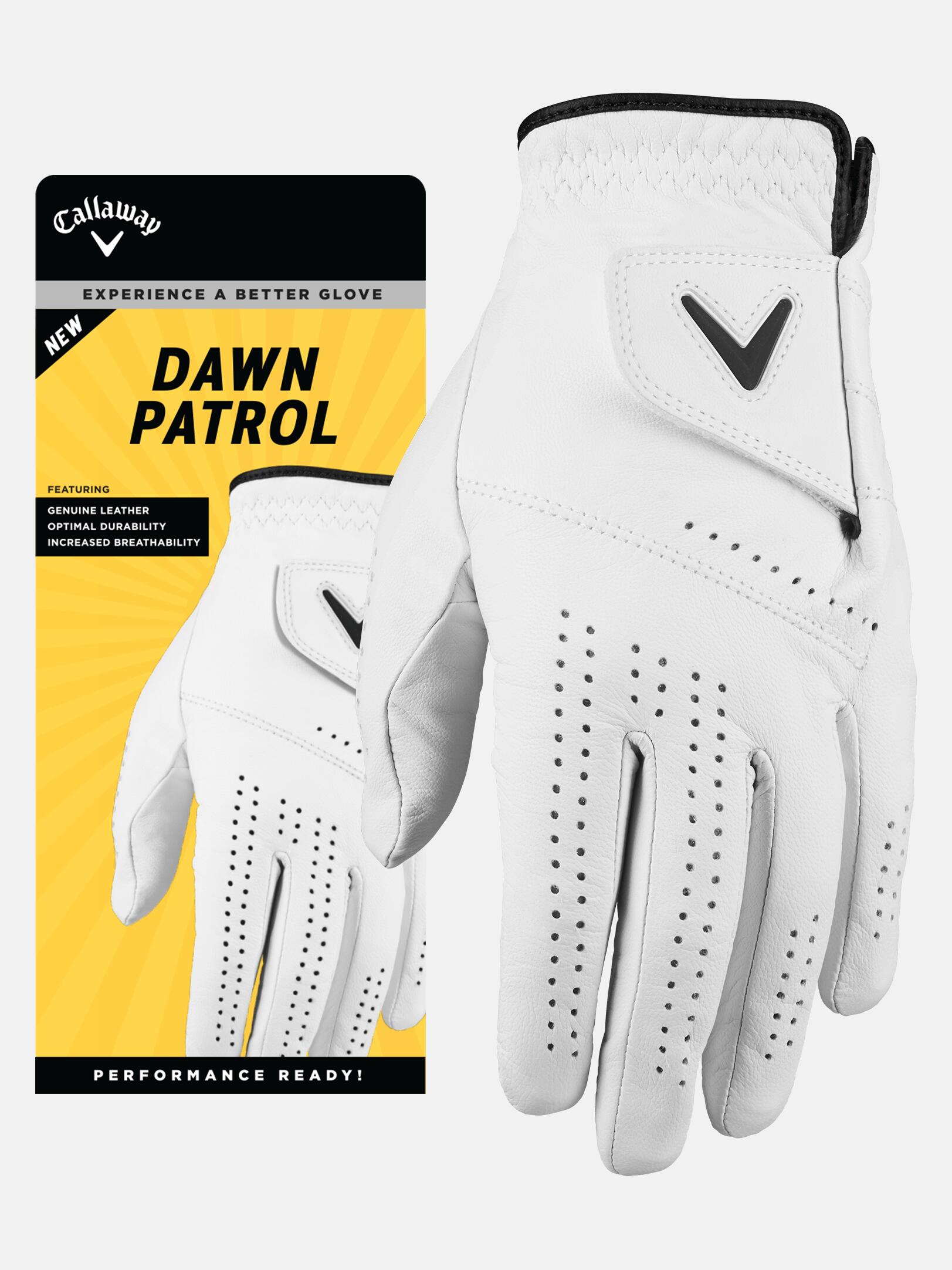
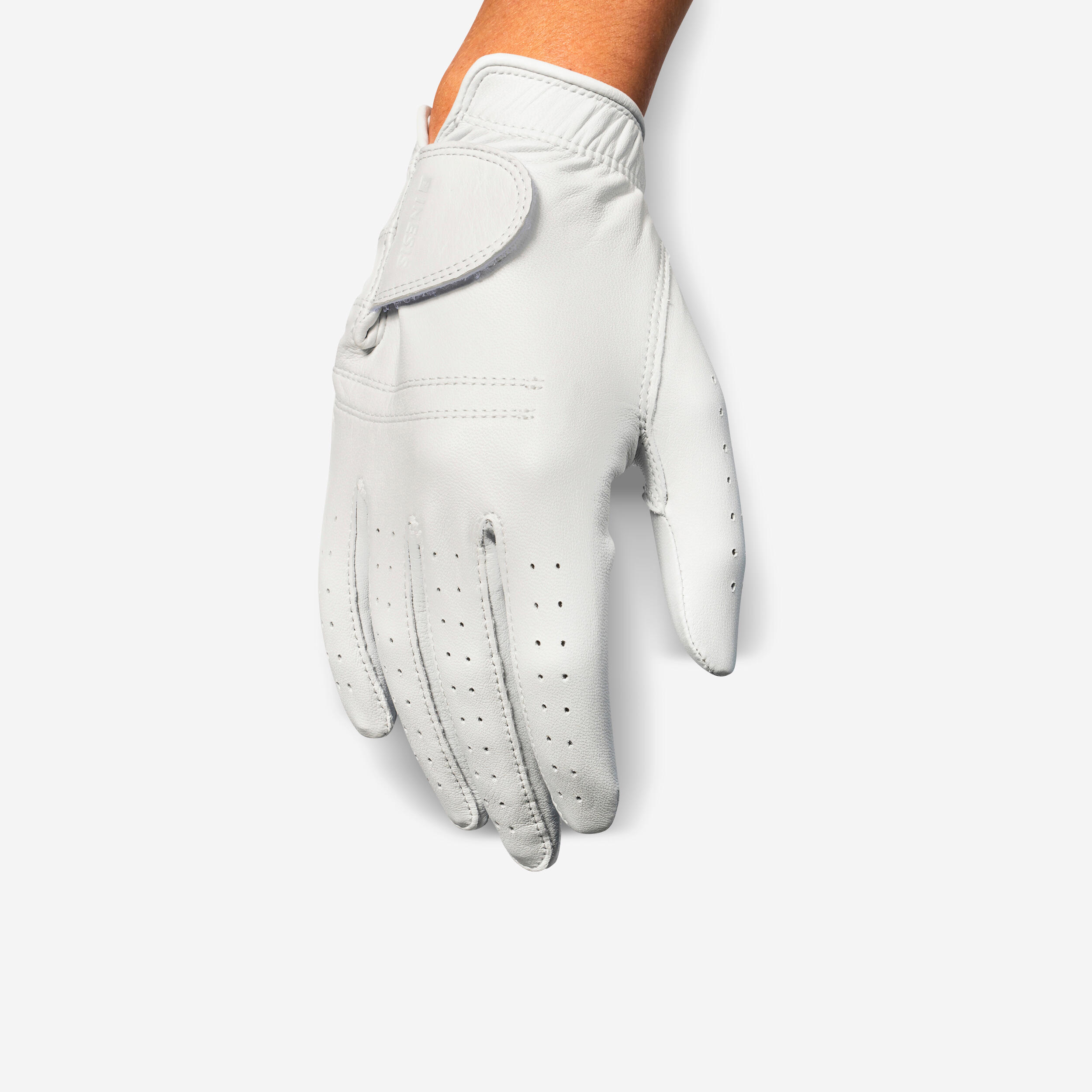
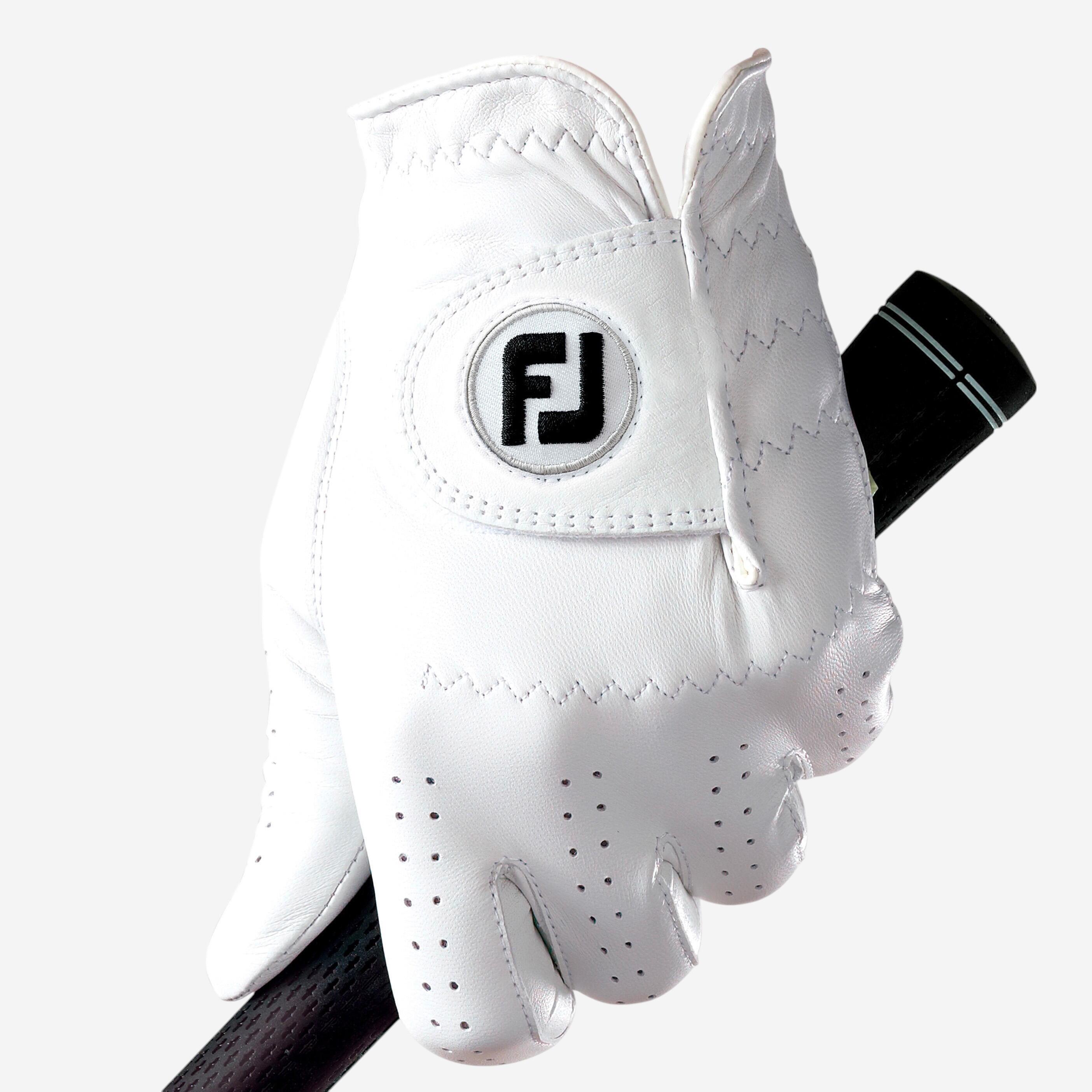
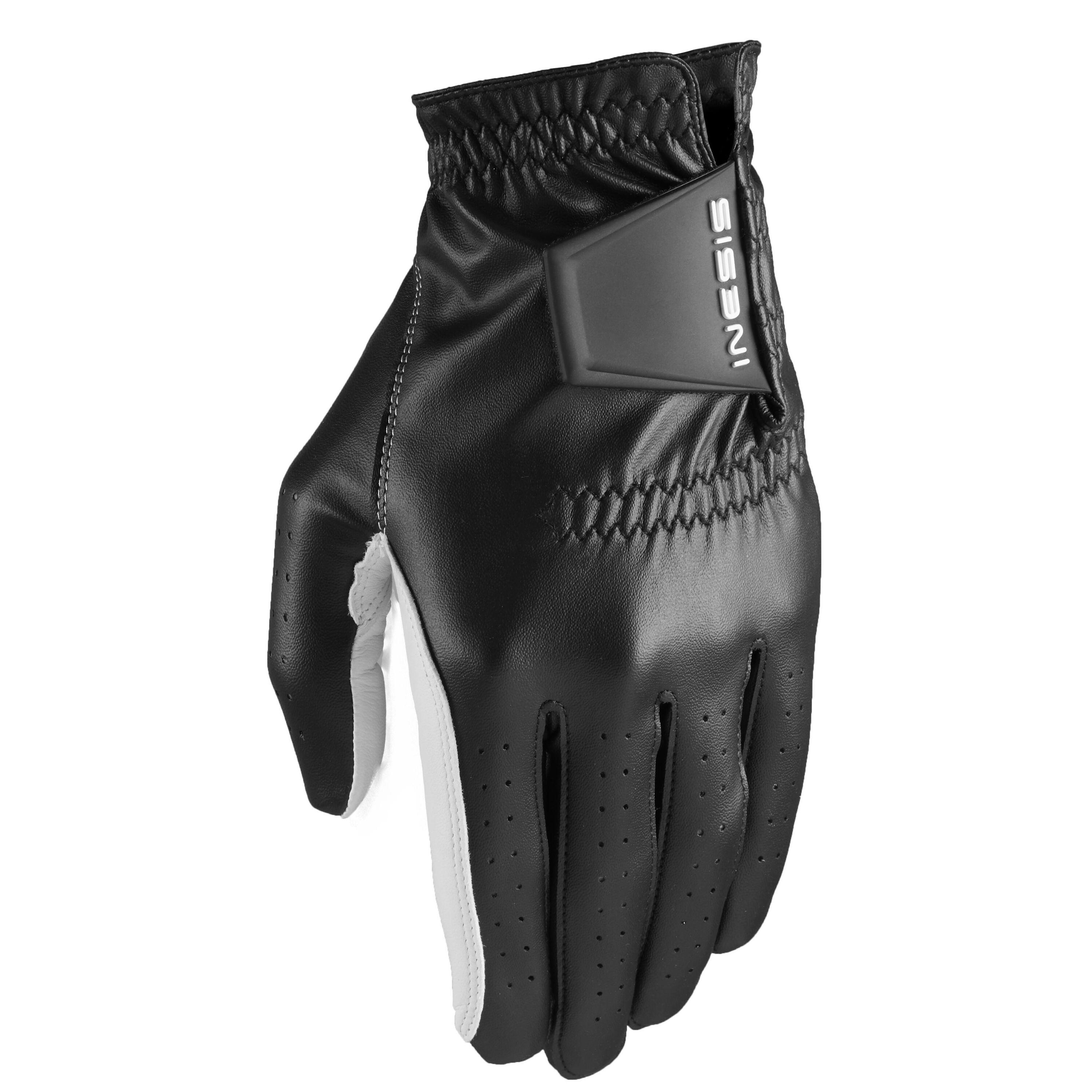
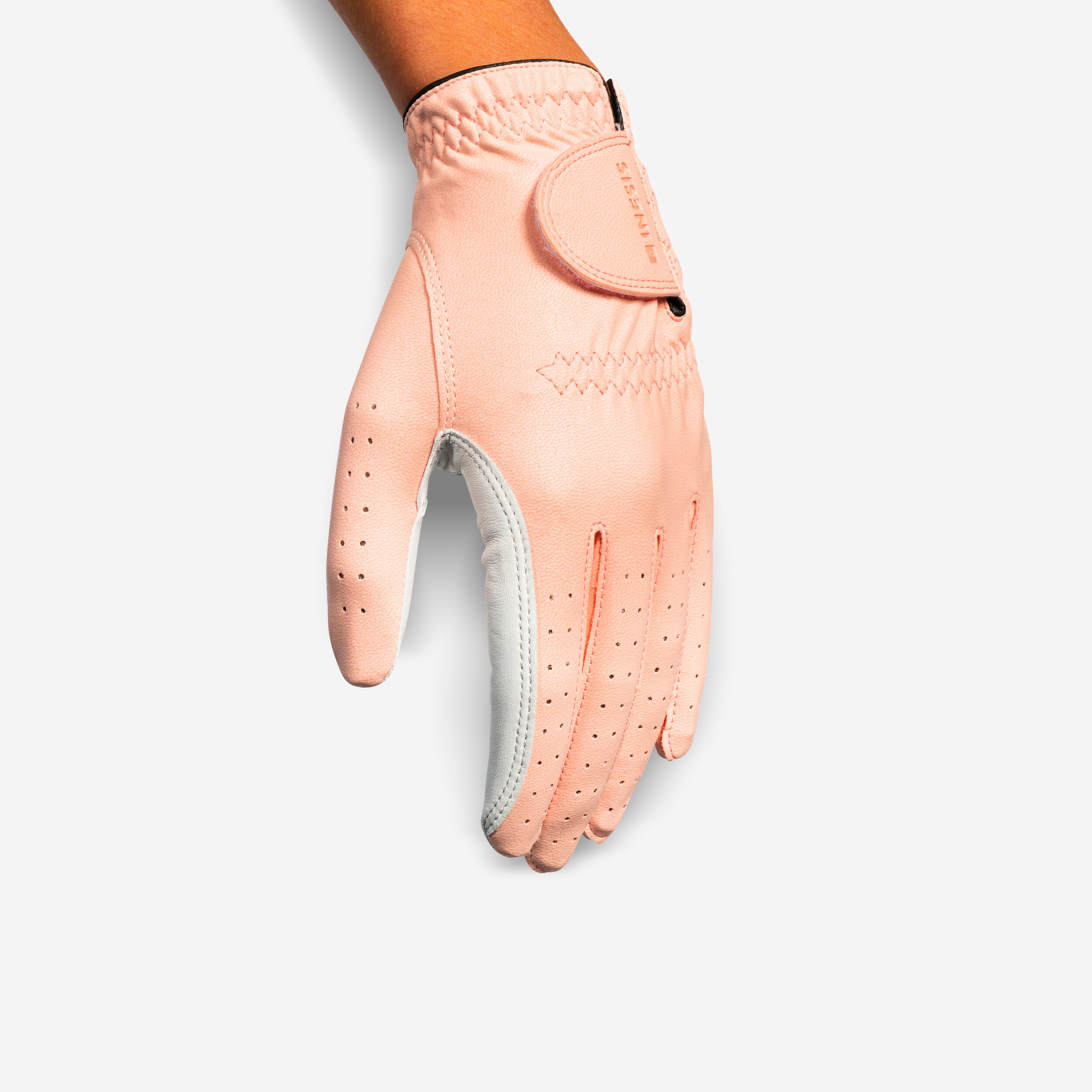
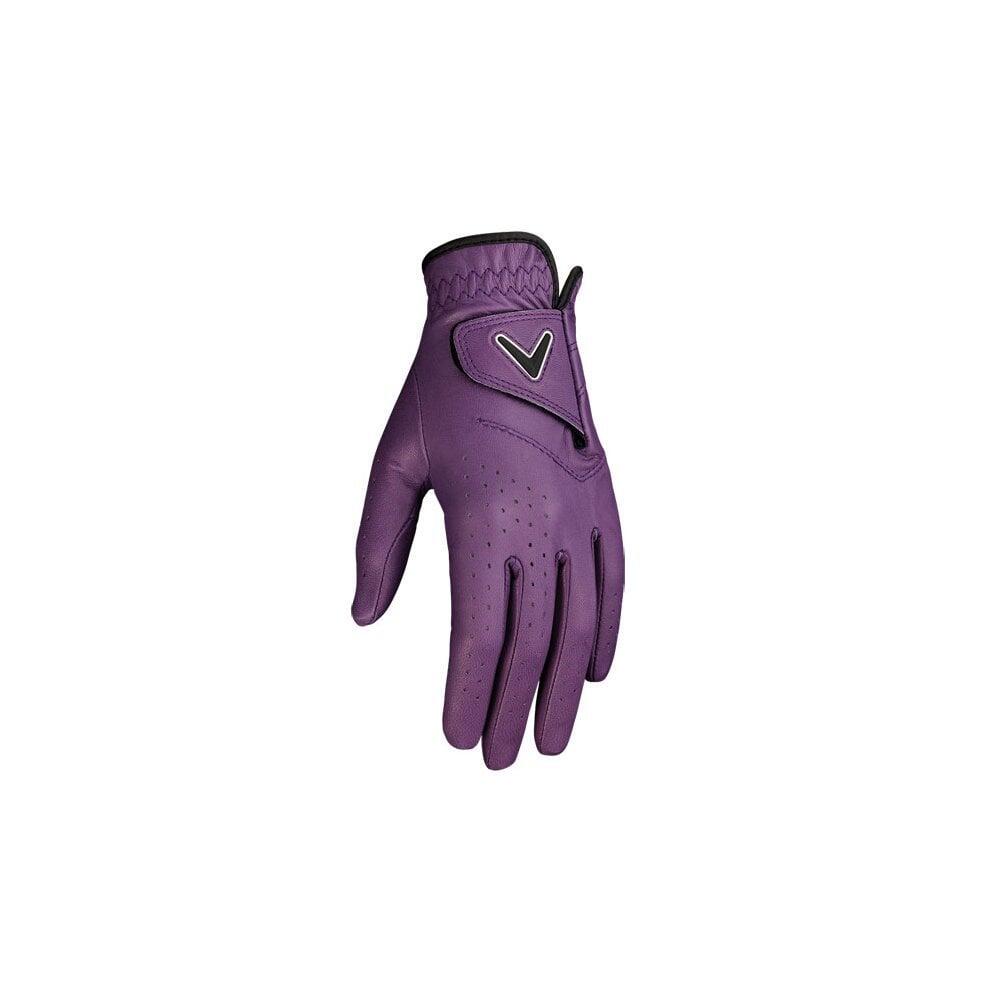
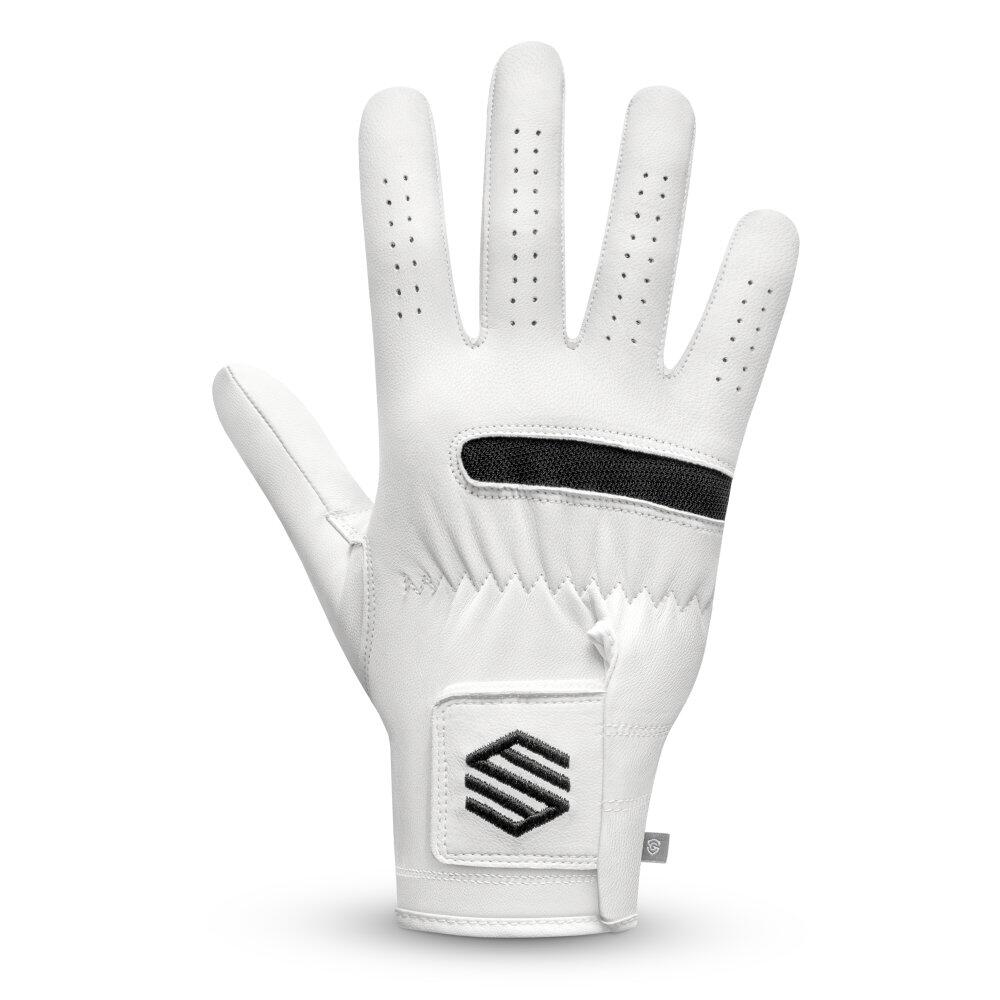
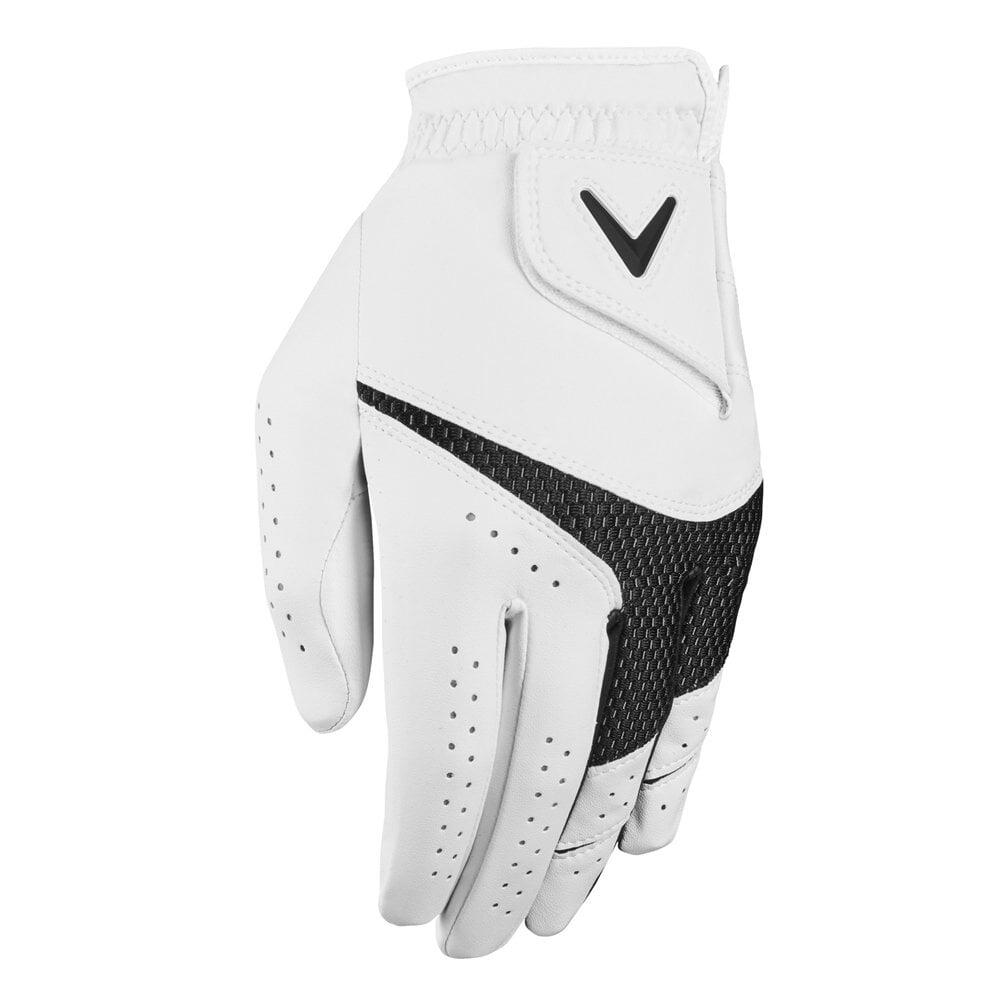
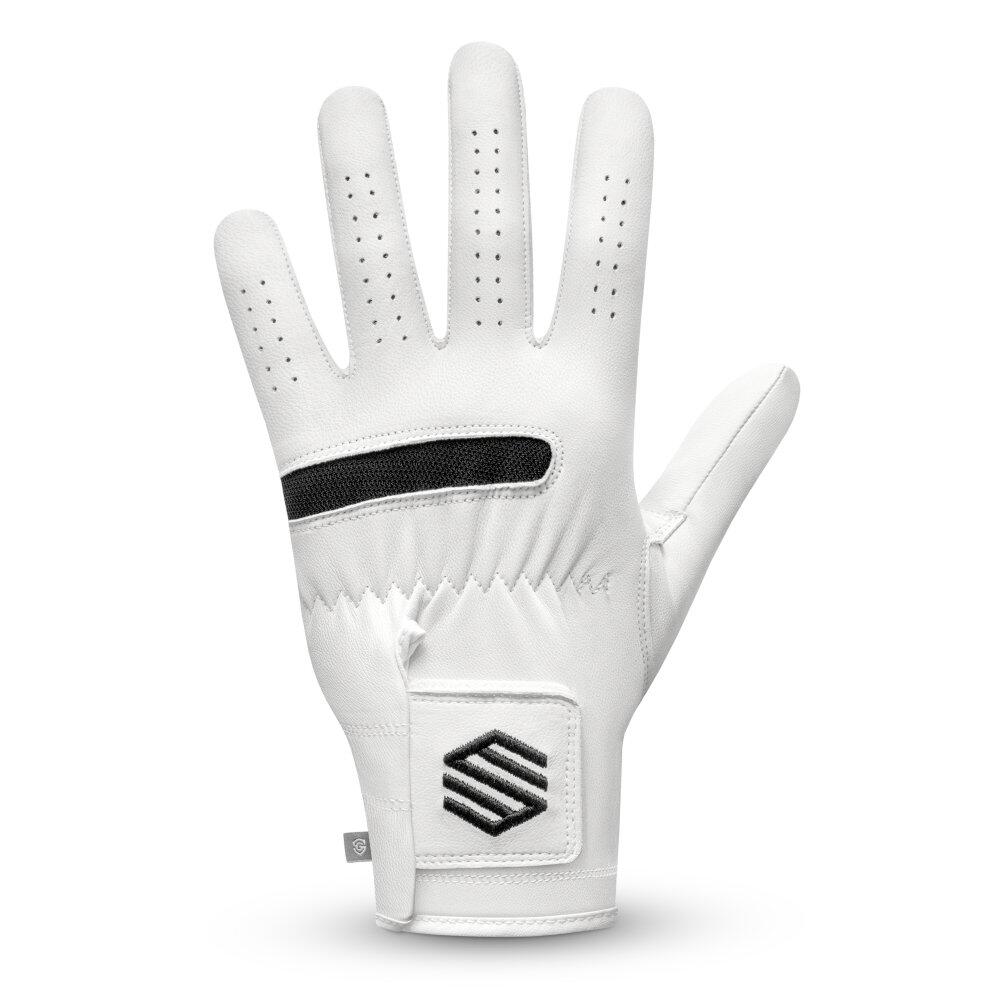
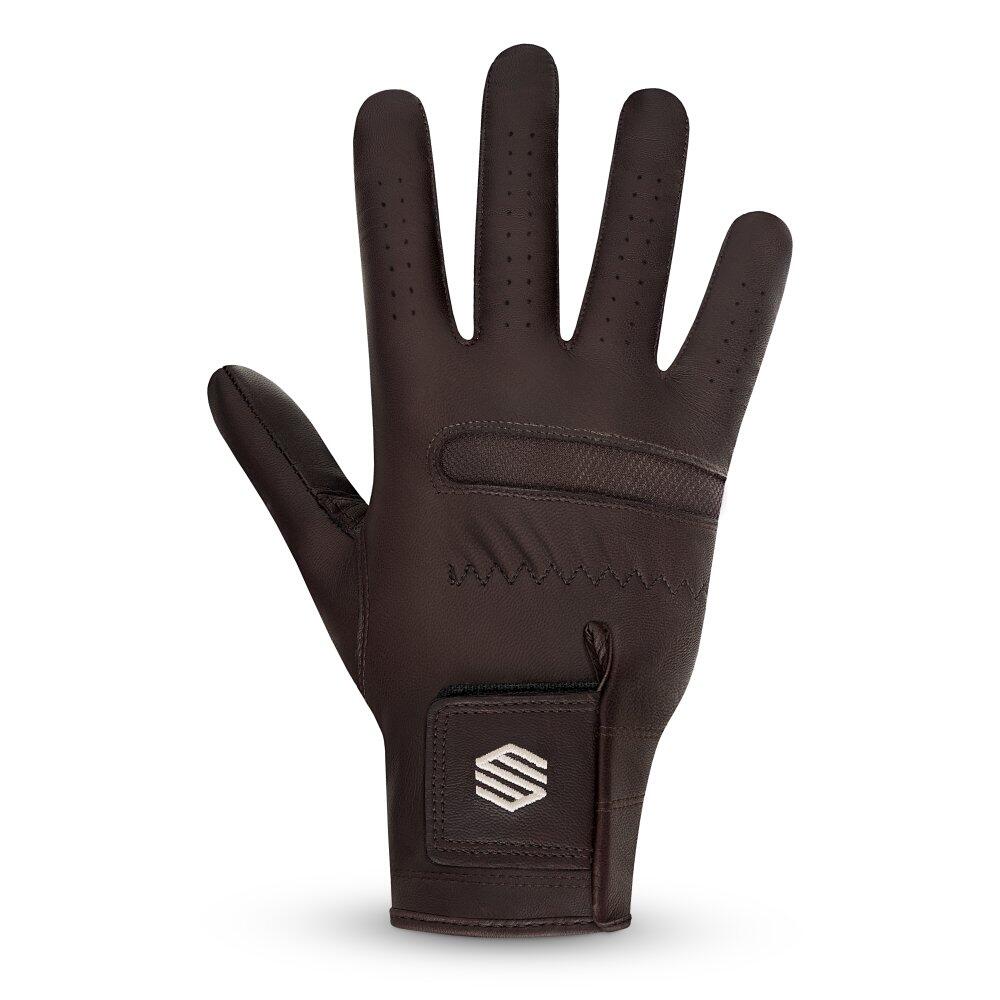
Leather can provide a close, flexible feel for golfers who value detailed feedback through the club grip. A soft model may combine natural leather across the palm with synthetic material on the back, balancing direct grip contact with structure and freedom of movement. When looking at women's golf gloves, consider playing frequency, weather and preferred feel alongside size. Leather gloves are generally better suited to dry conditions and must not be washed unless the individual care instructions specifically permit it. After a damp round, lay the glove flat and let it dry naturally away from radiators. Hand warmth can help soften leather that feels slightly firm before the next round.

How do wet-weather golf gloves improve grip in the rain?

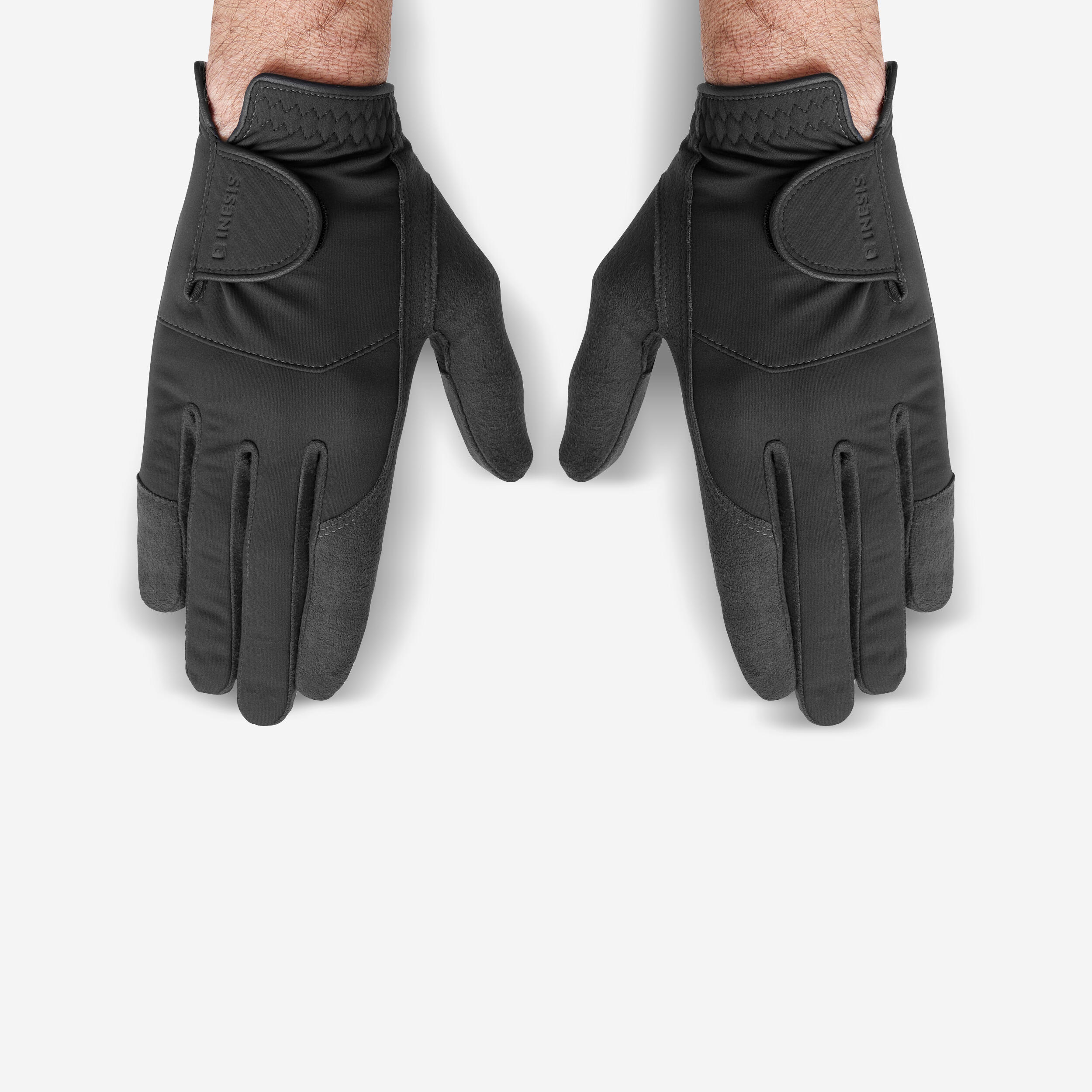
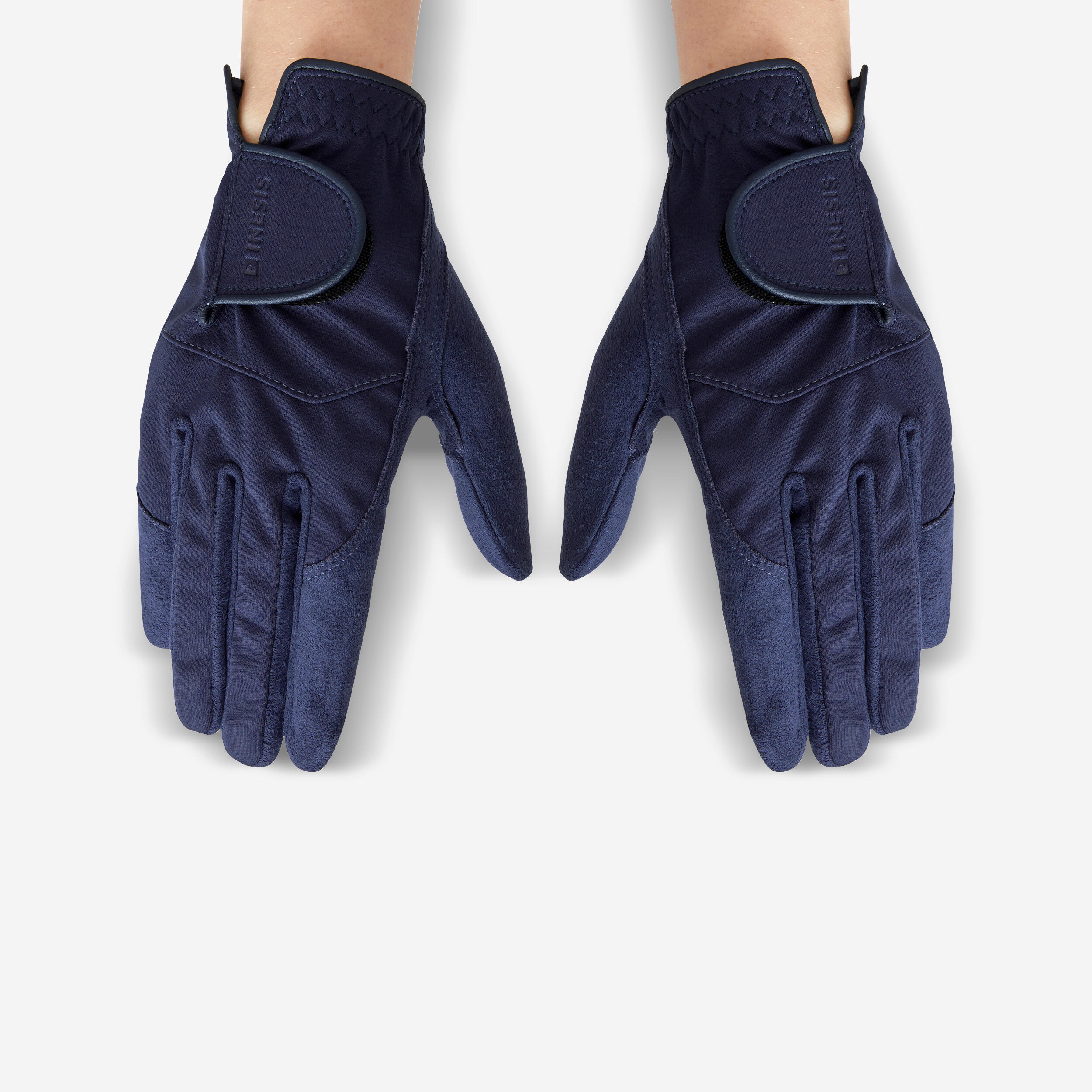
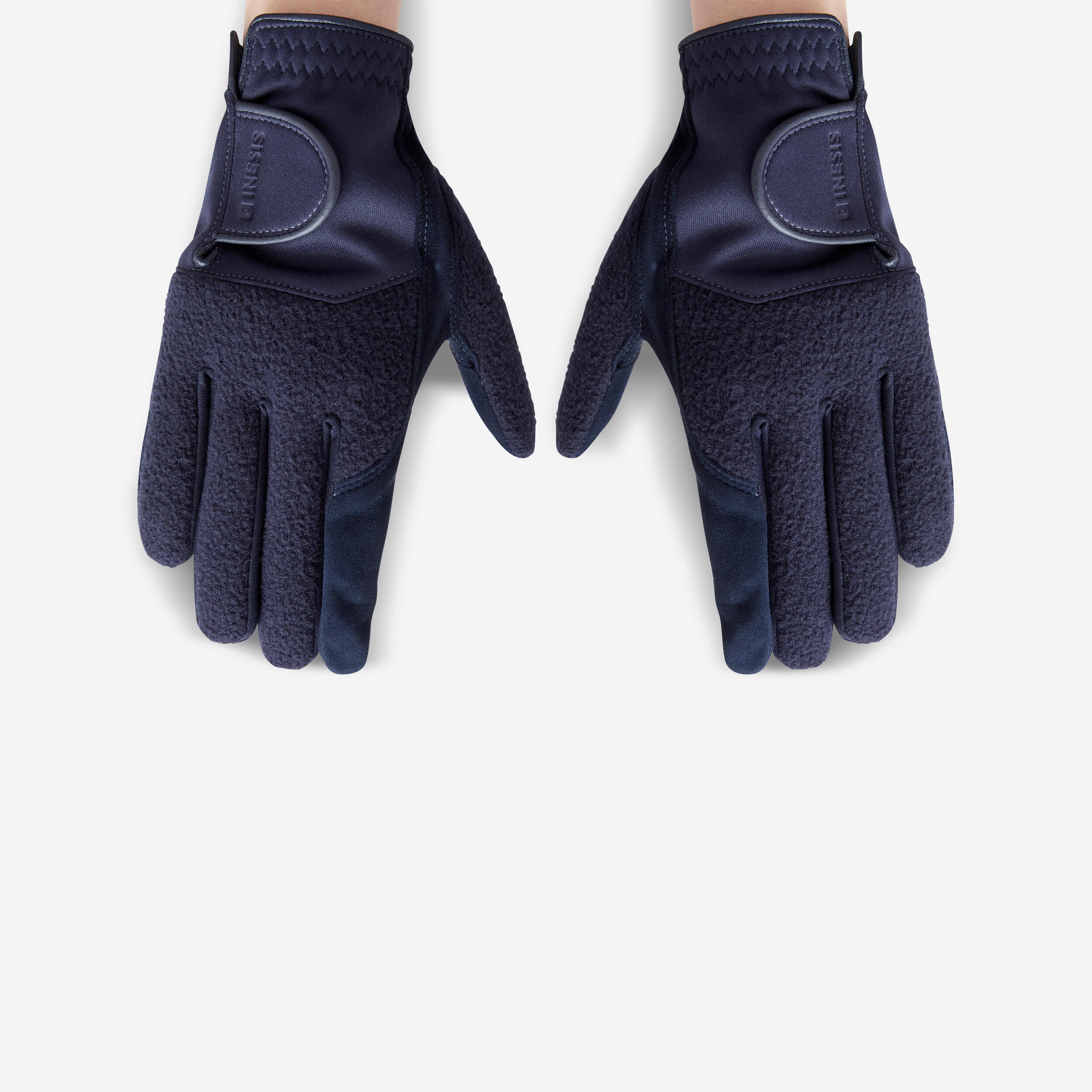
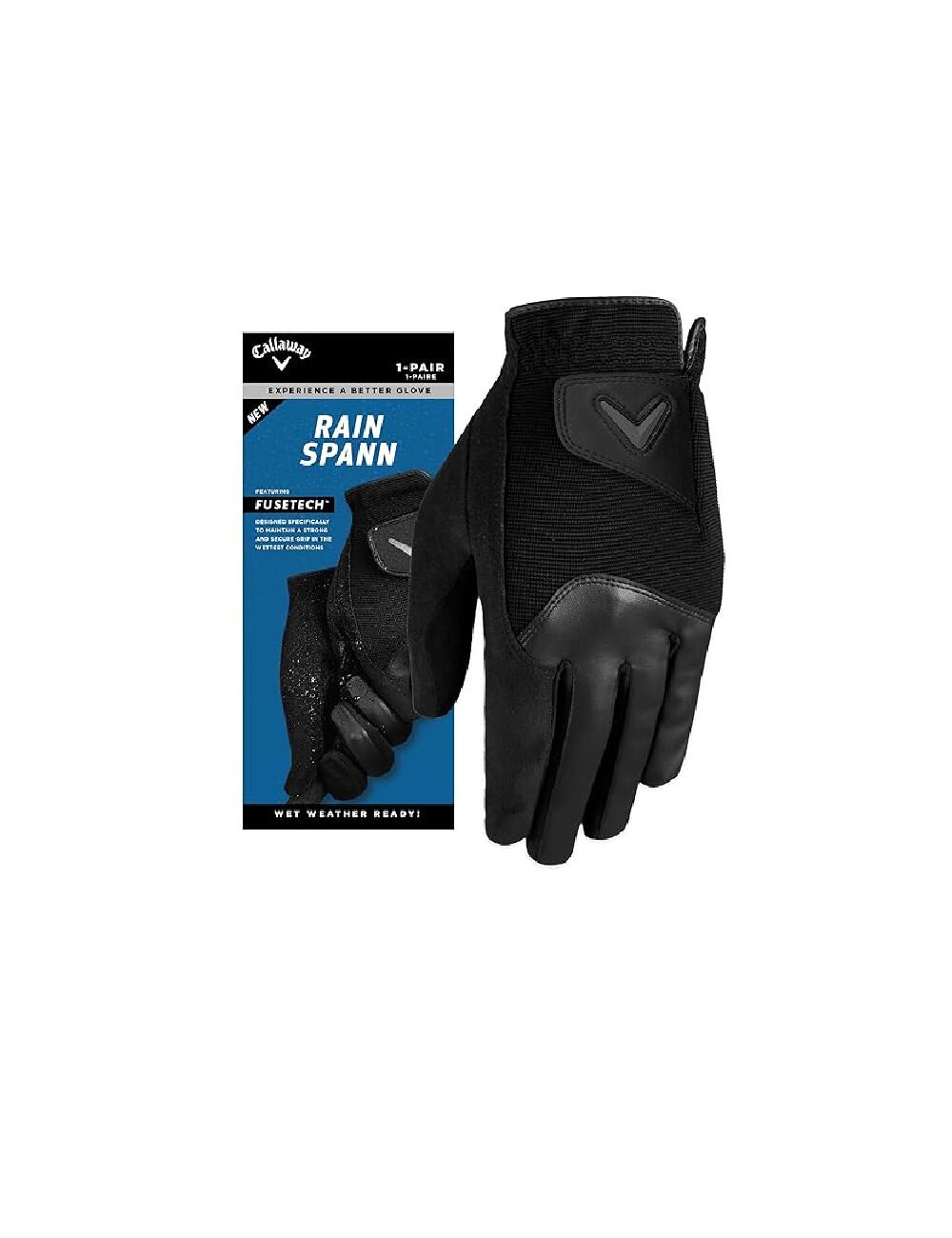
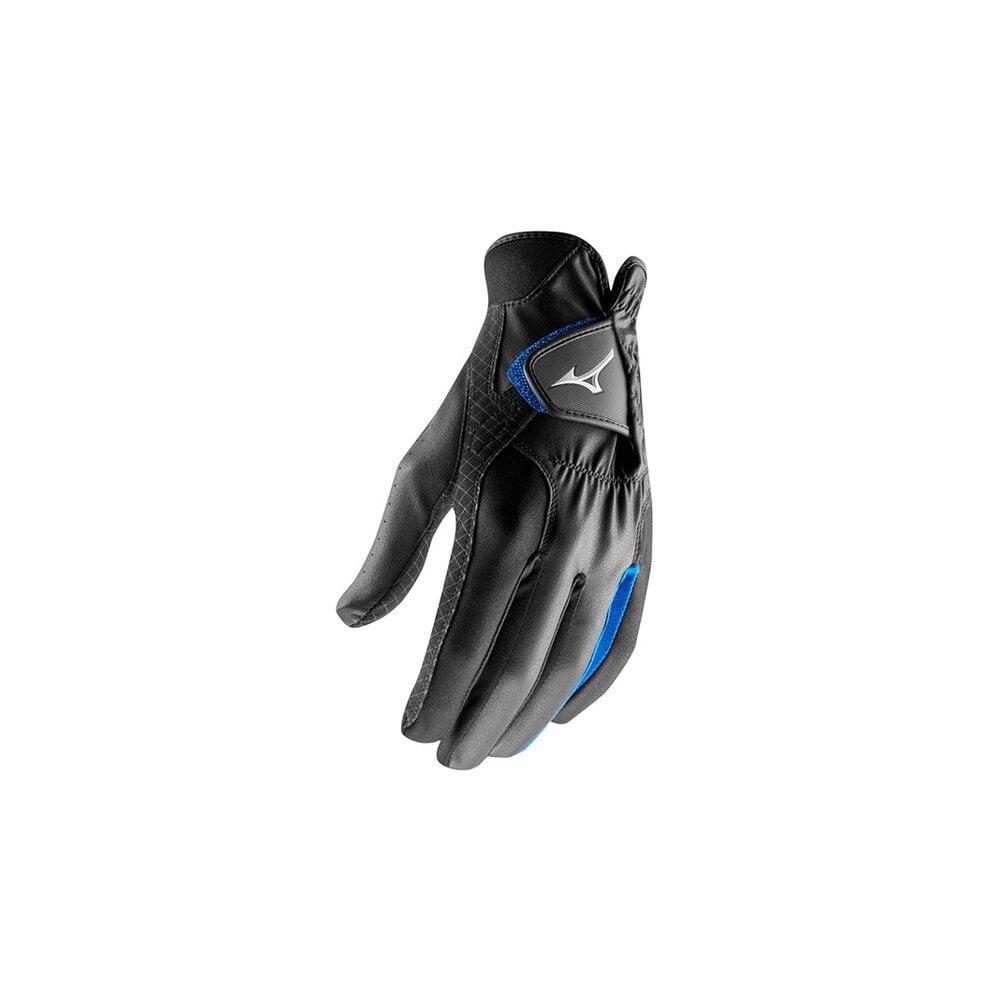
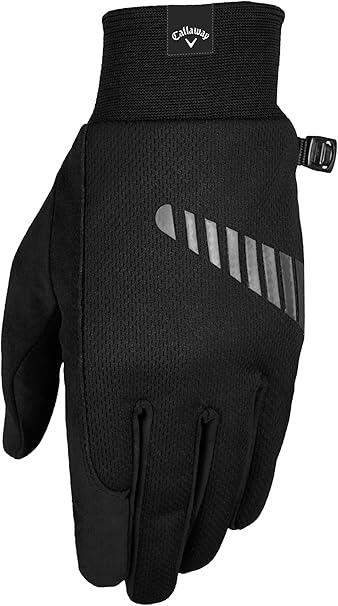
Wet-weather golf gloves use synthetic suede palms that develop more traction when damp, helping both hands maintain a secure hold on the club during rainy rounds. Lightly moistening the palms before play can help the material provide its intended grip from the first shot. Store them with your other golf accessories so they are easy to reach when conditions change. After use, remove the gloves from your bag, reshape them and leave them flat in a ventilated place until completely dry. Avoid placing damp gloves in a closed pocket, as trapped moisture may lead to odour, stiffness and premature material wear. Follow the care label supplied with the individual pair before washing.

When does a golf glove need cleaning or replacement?

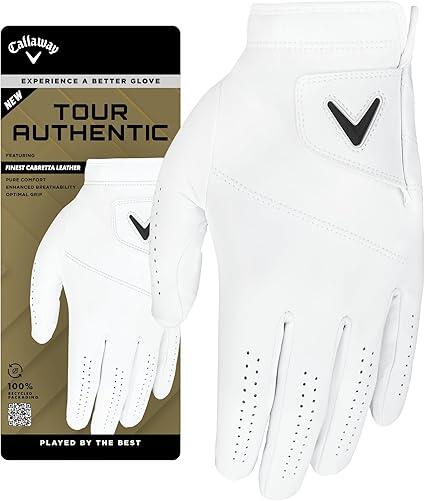
Replace a glove when the palm becomes polished, the fastening no longer holds, seams begin to separate or the material develops holes around common friction points. Selected synthetic gloves can be hand-washed gently, while soft leather and Cabretta models must remain unwashed. Never apply one cleaning method to every construction. During sessions with golf training accessories, rotate between gloves when repeated swings create heavy perspiration. Allowing one glove to dry while another is used can reduce prolonged moisture exposure. Some models have a theoretical service life of about two months when used twice each week, but actual wear depends on grip condition, swing frequency, weather and hand pressure. Inspect the palm after every few rounds instead of relying only on a fixed replacement date.