31 items
4.7/5 based on 536 reviews collected online and in stores

Golf Training Accessories FAQs

Which golf training accessories suit home practice?

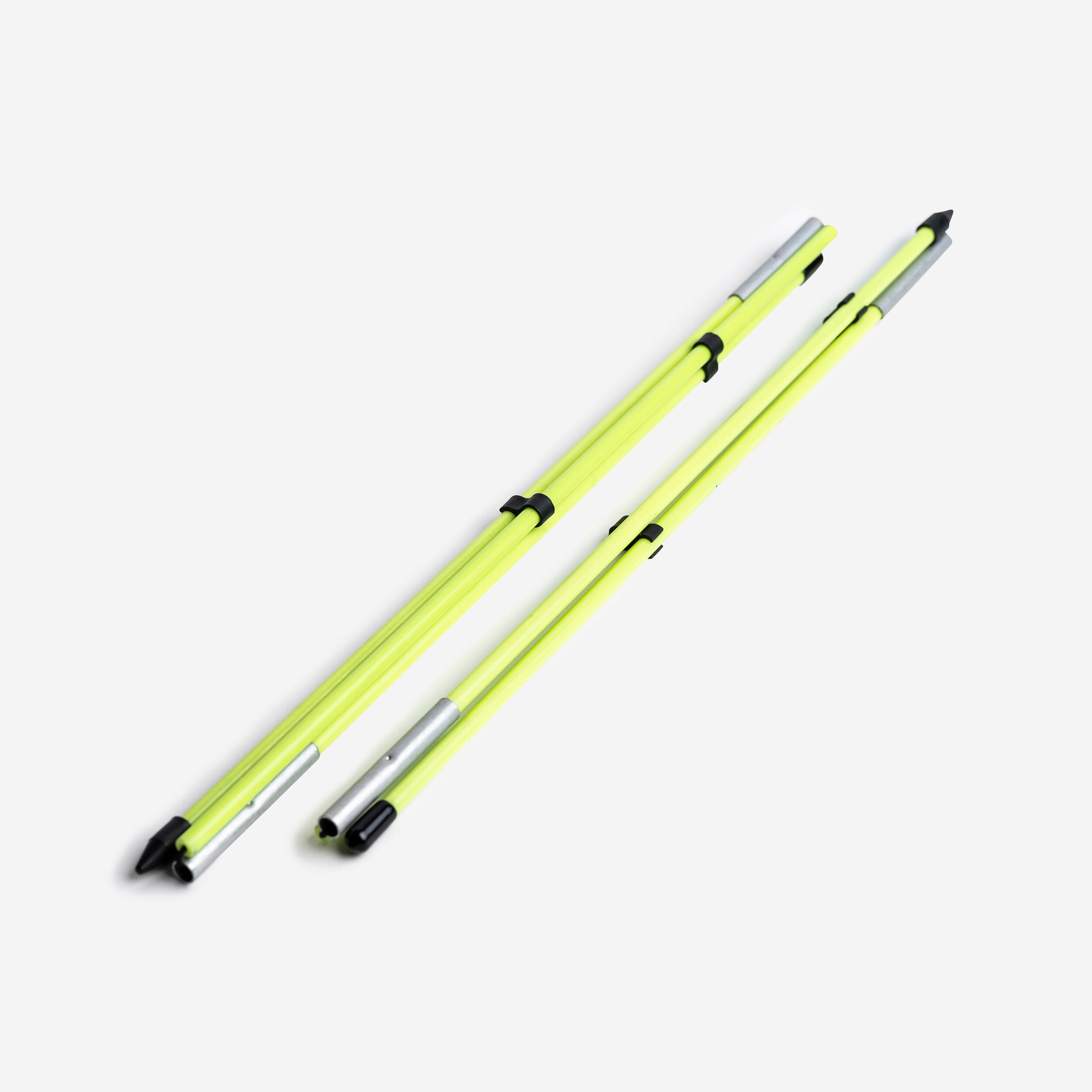
The right setup depends on whether you want to improve alignment, putting, approach accuracy or full-swing contact. Compact tools can turn a garden, garage or suitable indoor area into a more structured practice space. Golf alignment sticks help create visible references for stance, target direction and club path, while foam balls reduce flight distance when space is limited. Mats protect flooring and provide a more consistent strike surface, and nets give each shot a defined target. Match every accessory to the available area and the type of ball being used. Clear away breakable objects, allow enough room for the complete swing and never practise towards people, windows or unprotected property.

When are foam golf balls useful for young players?

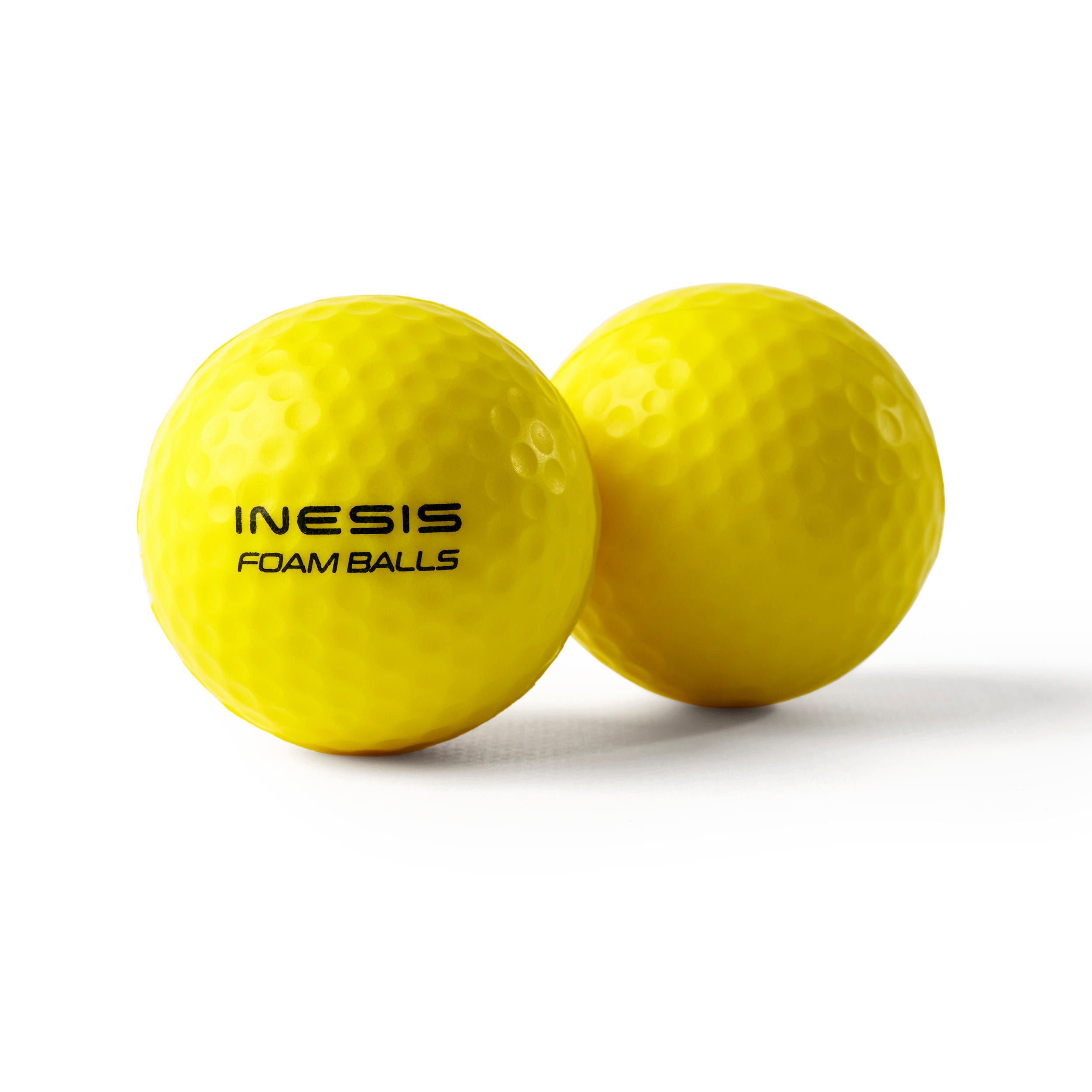
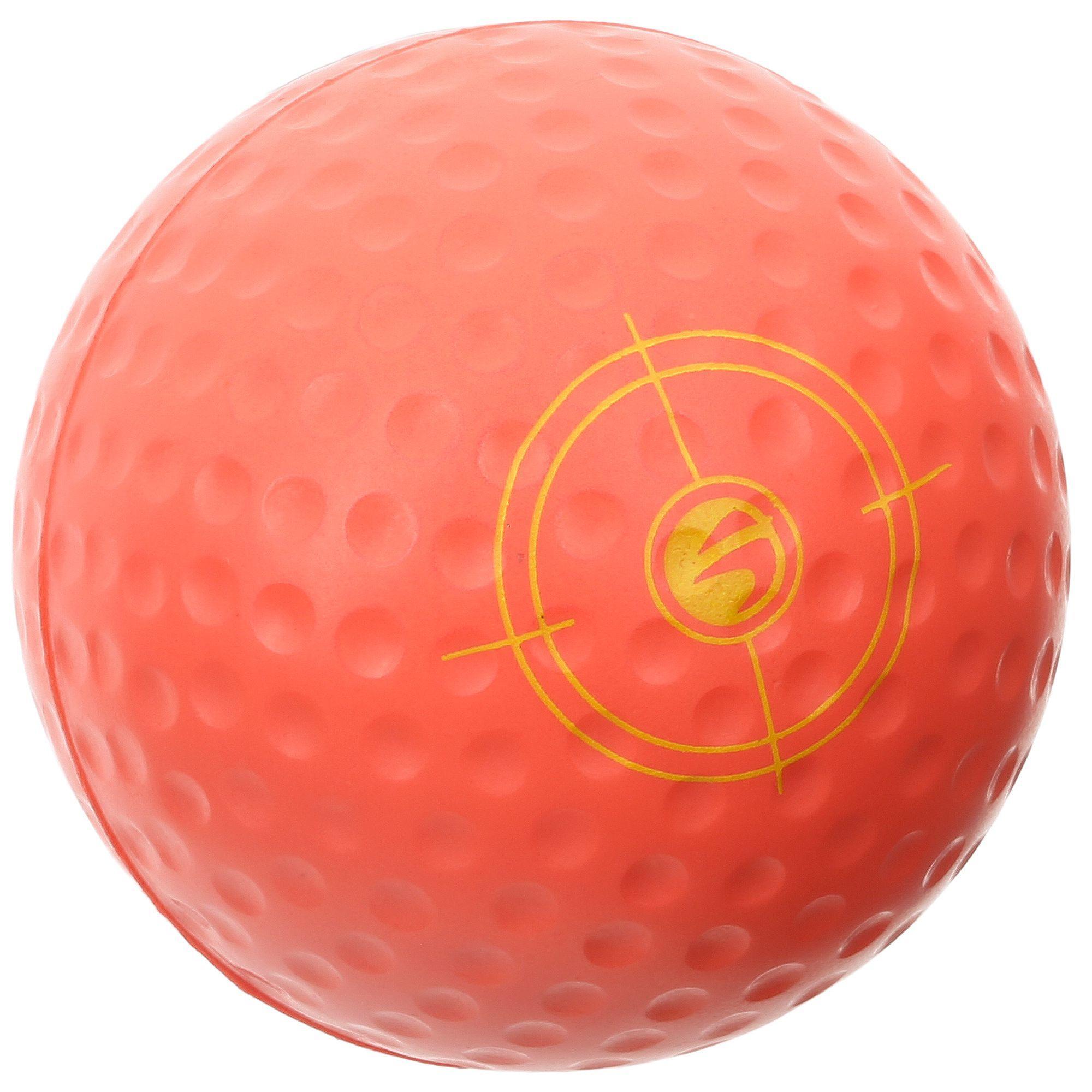
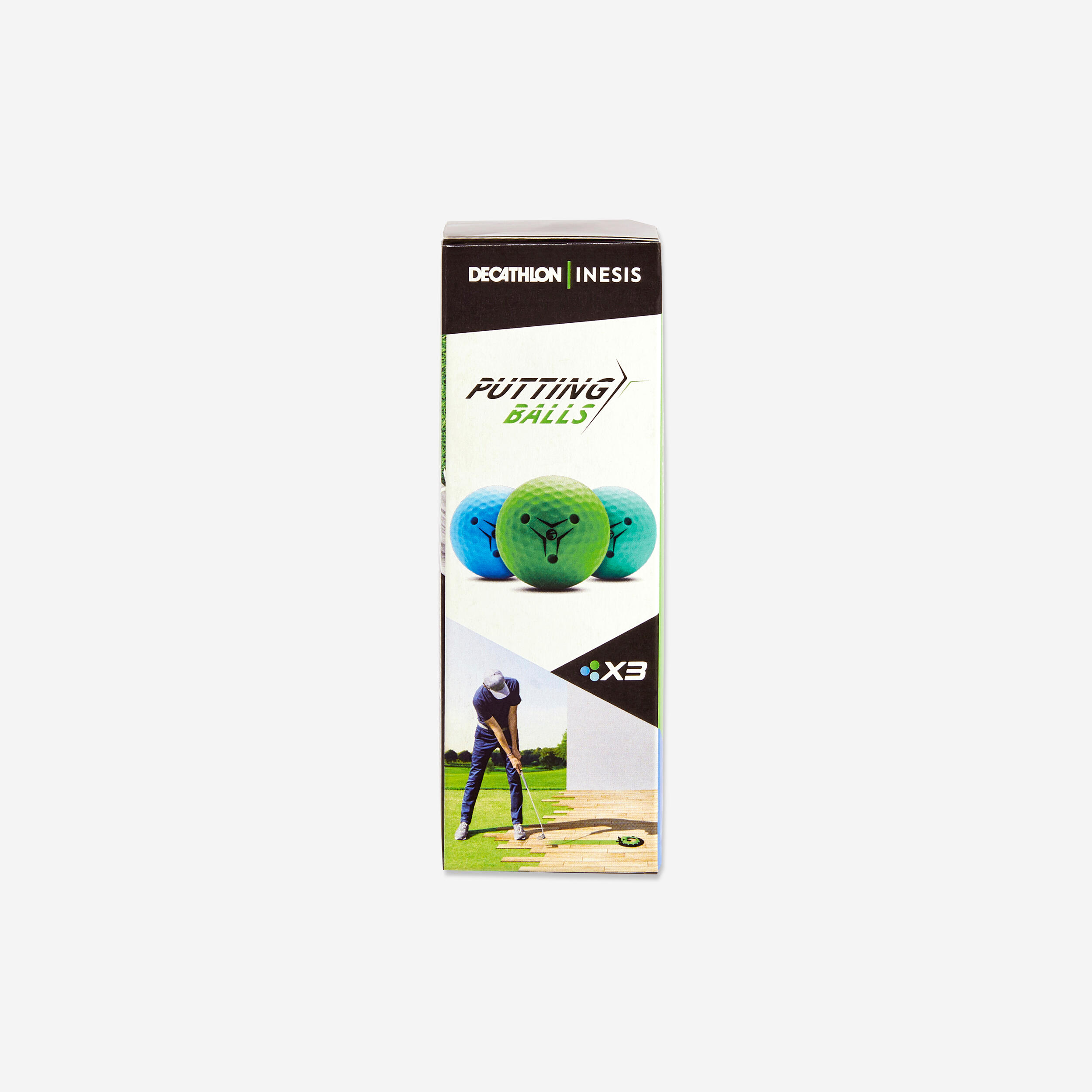
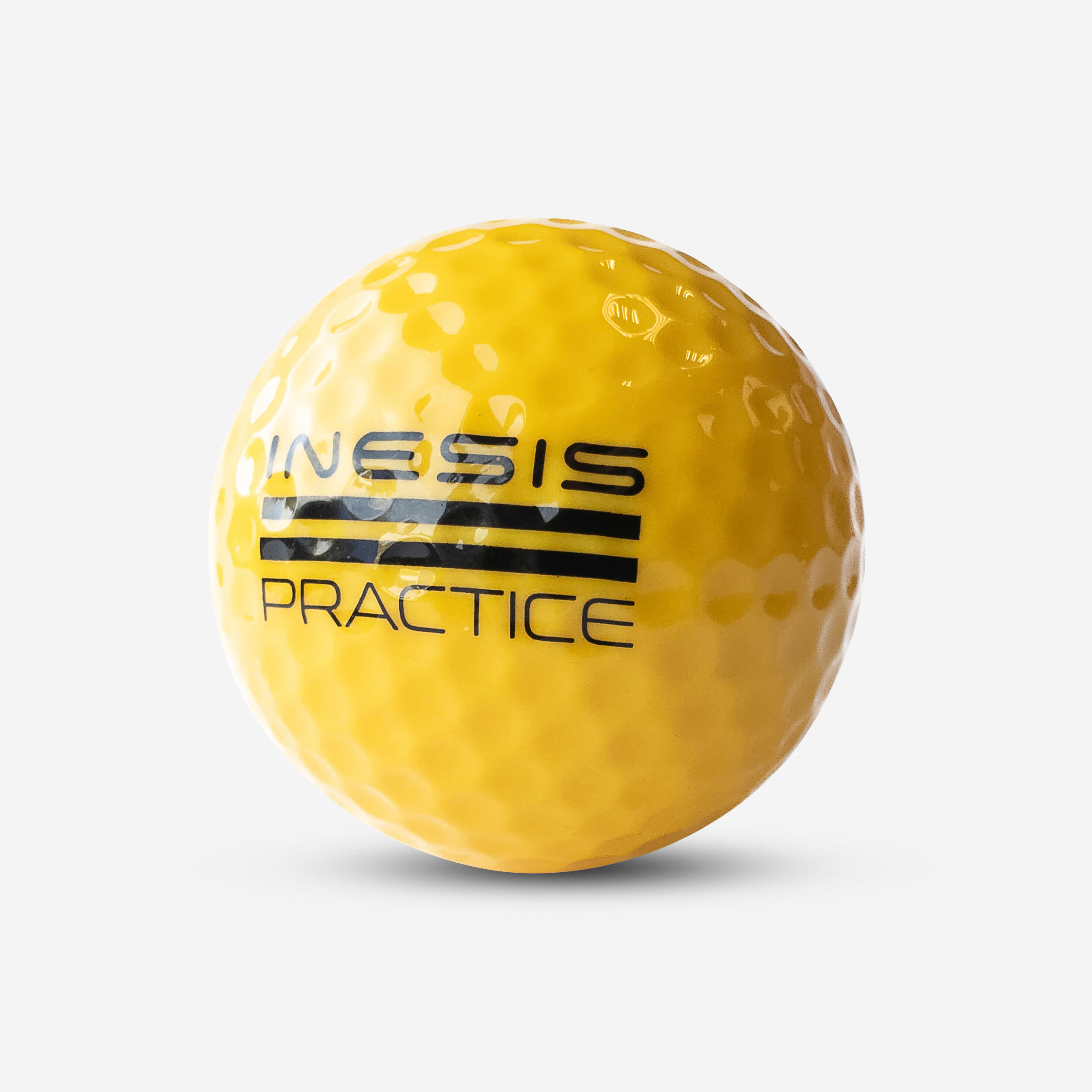
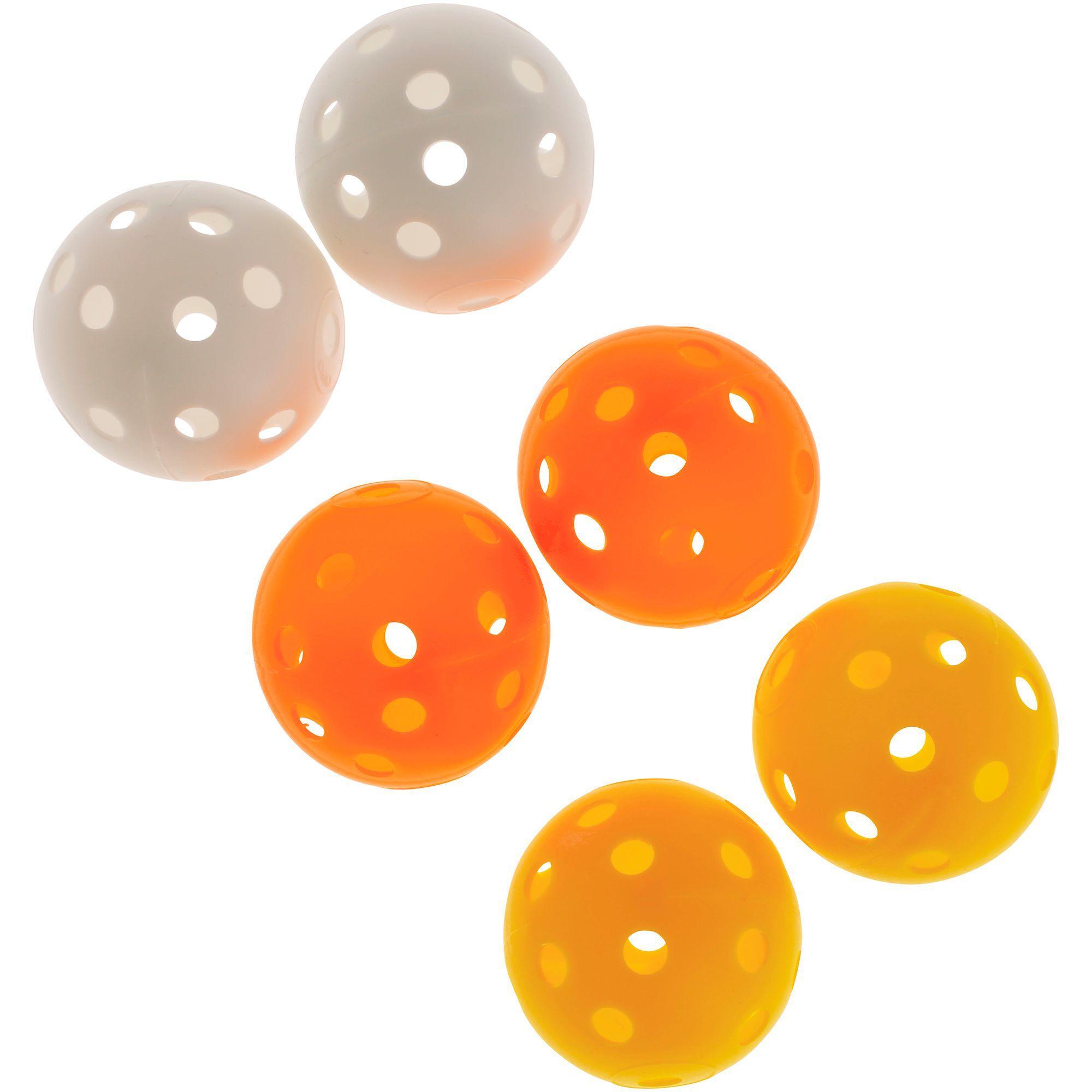
Soft practice balls are useful when a conventional golf ball would travel too far or create an unnecessary risk of damage. The kids golf foam ball measures 60 mm in diameter and uses a light polyurethane construction, helping younger players launch it more easily. It can be used on grass, sand, tarmac or snow and may also suit carefully prepared indoor games. Its larger size makes contact easier to see, while the softer material reduces impact compared with a standard ball. Adult supervision remains important. Set a clear hitting direction, use a suitable junior club and keep the practice distance manageable rather than encouraging powerful swings in a confined area.
Can an approach net improve short-game accuracy?

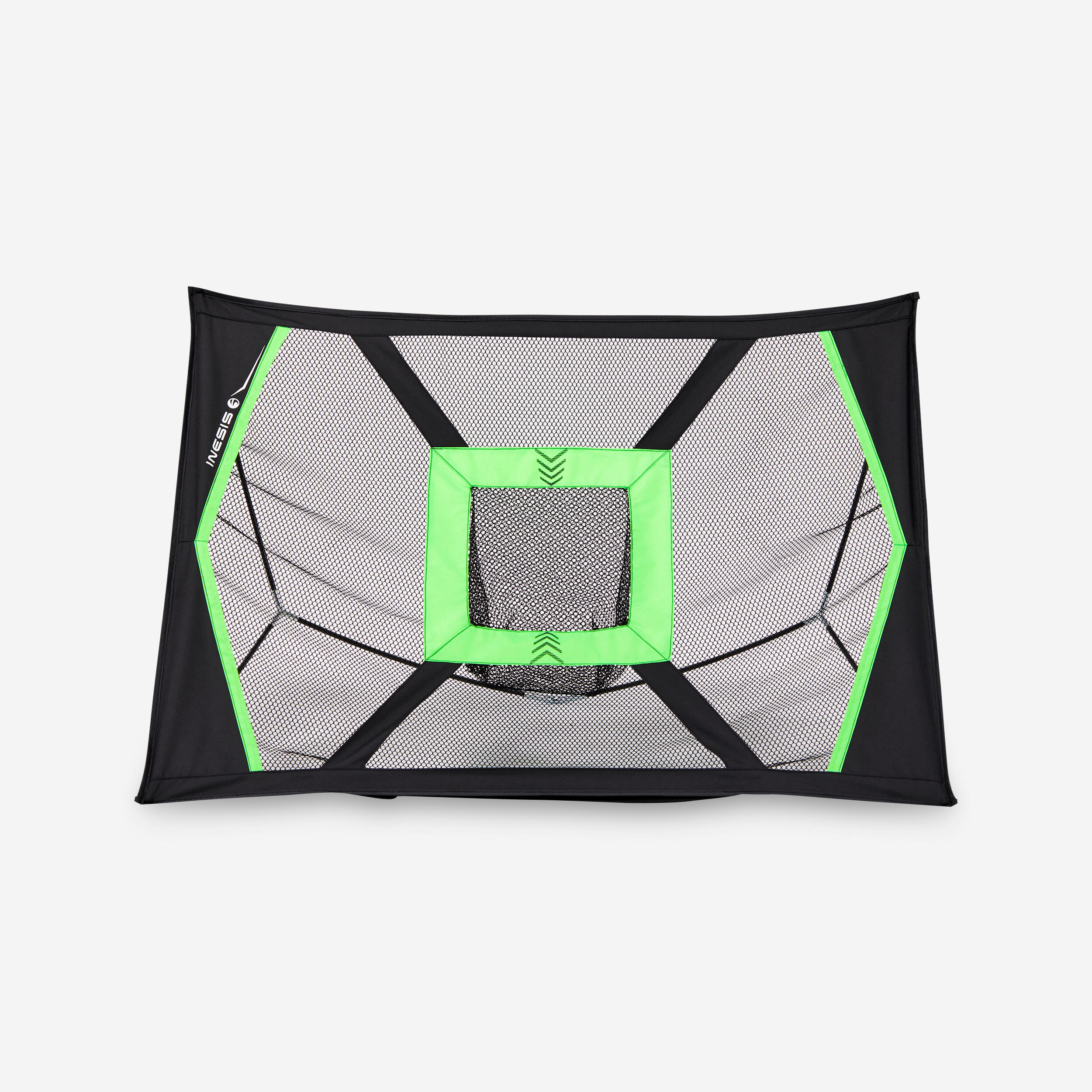
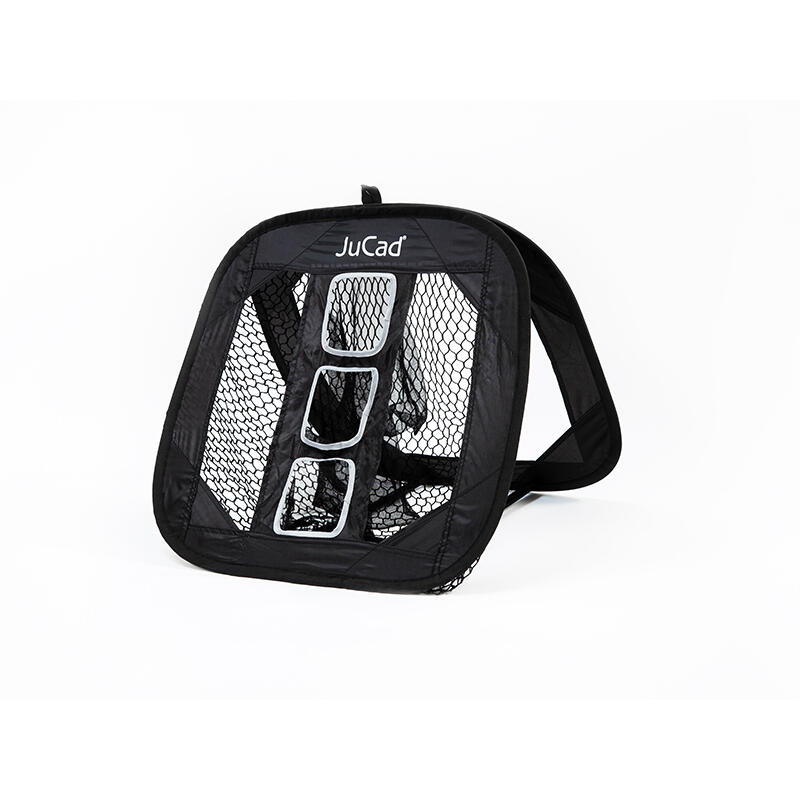
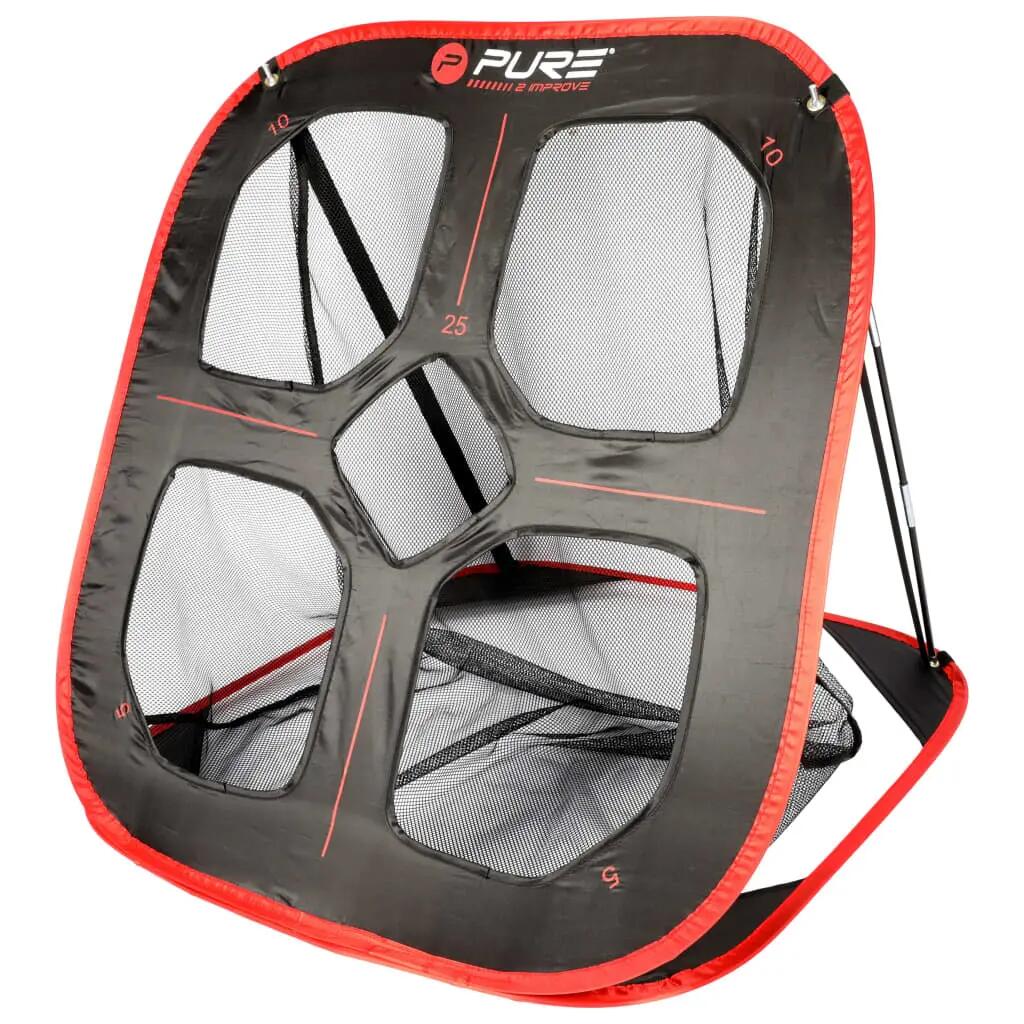
A target net gives approach practice a clear purpose by showing whether each shot finishes inside the intended zone. Several target areas in the golf approach practice net allow you to create scoring games or work on different landing points. Its fibreglass frame connects with elastic bands for simpler assembly and folds from an open size of 115 x 70 x 70 cm to approximately 56 x 15 x 15 cm. Use foam balls when practising indoors or where space is restricted. Place the net against a safe background and begin with short, controlled swings. Changing the distance gradually can make accuracy practice more demanding without encouraging poor technique or excessive force.

Why use a practice mat instead of striking from the floor?

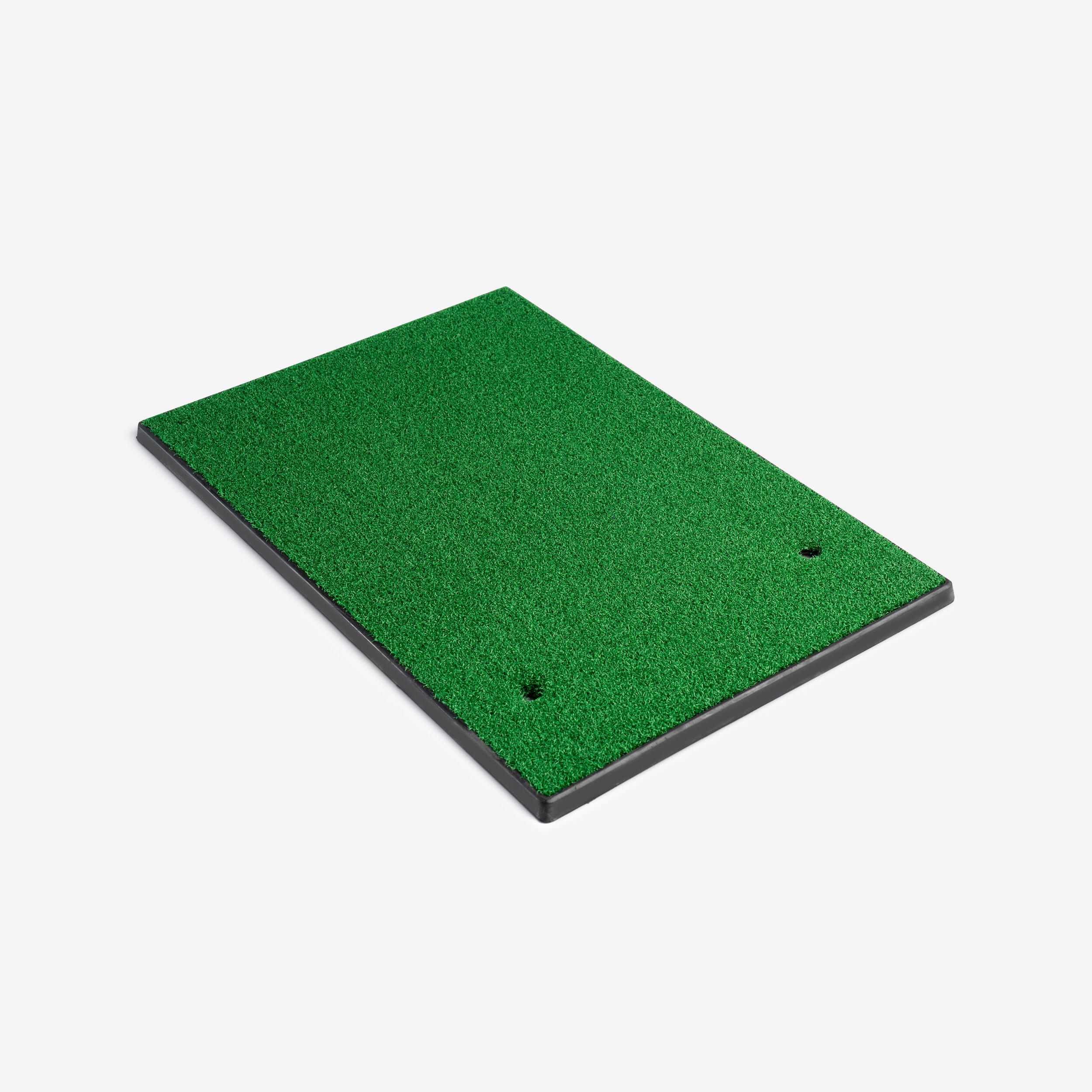
A mat creates a defined hitting area while helping protect floors and ground surfaces from repeated club contact. The golf practice range mat measures 58 x 38 x 2 cm and uses synthetic turf to provide a fairway-like strike surface. Separate tee positions support both right-handed and left-handed golfers. Four anchoring points allow the mat to be secured on soft ground with ordinary golf tees, although the anchoring tees and rubber driver tee are not included. Place the mat on a level surface and confirm that it cannot slide before swinging. It is intended for home sessions rather than intensive daily commercial use, so inspect the turf and base regularly for lifting, splitting or uneven wear.

Which training tools help build a repeatable routine?

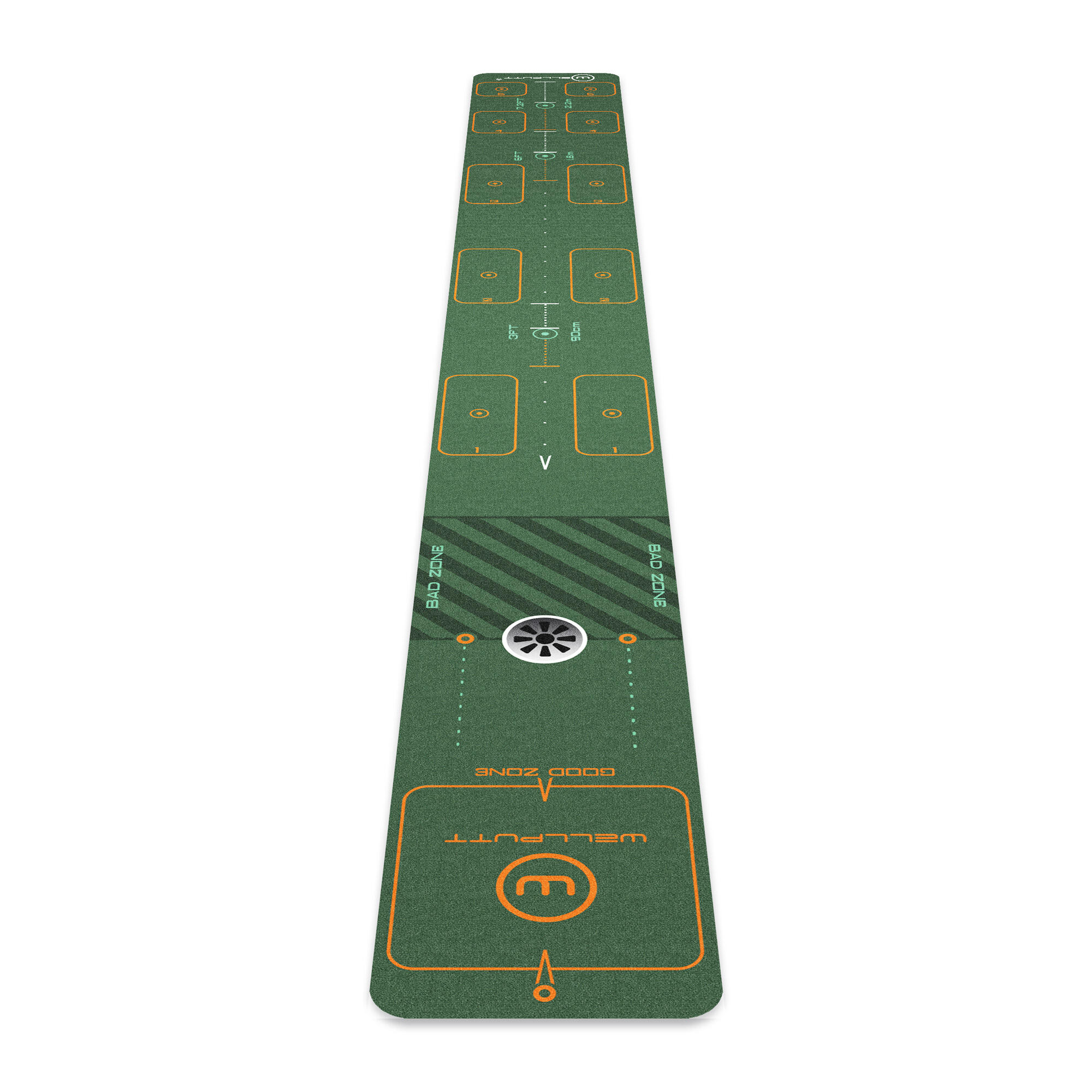
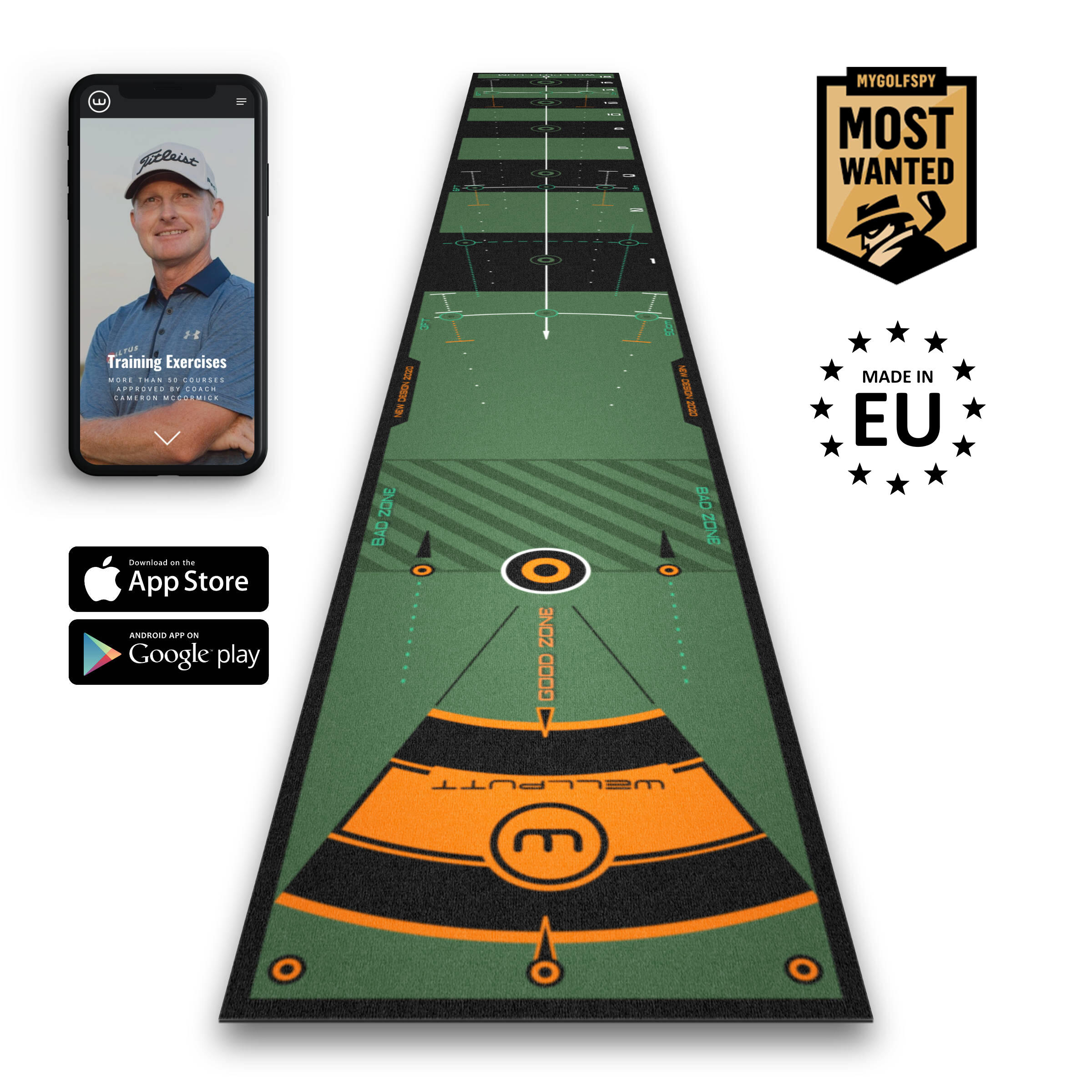
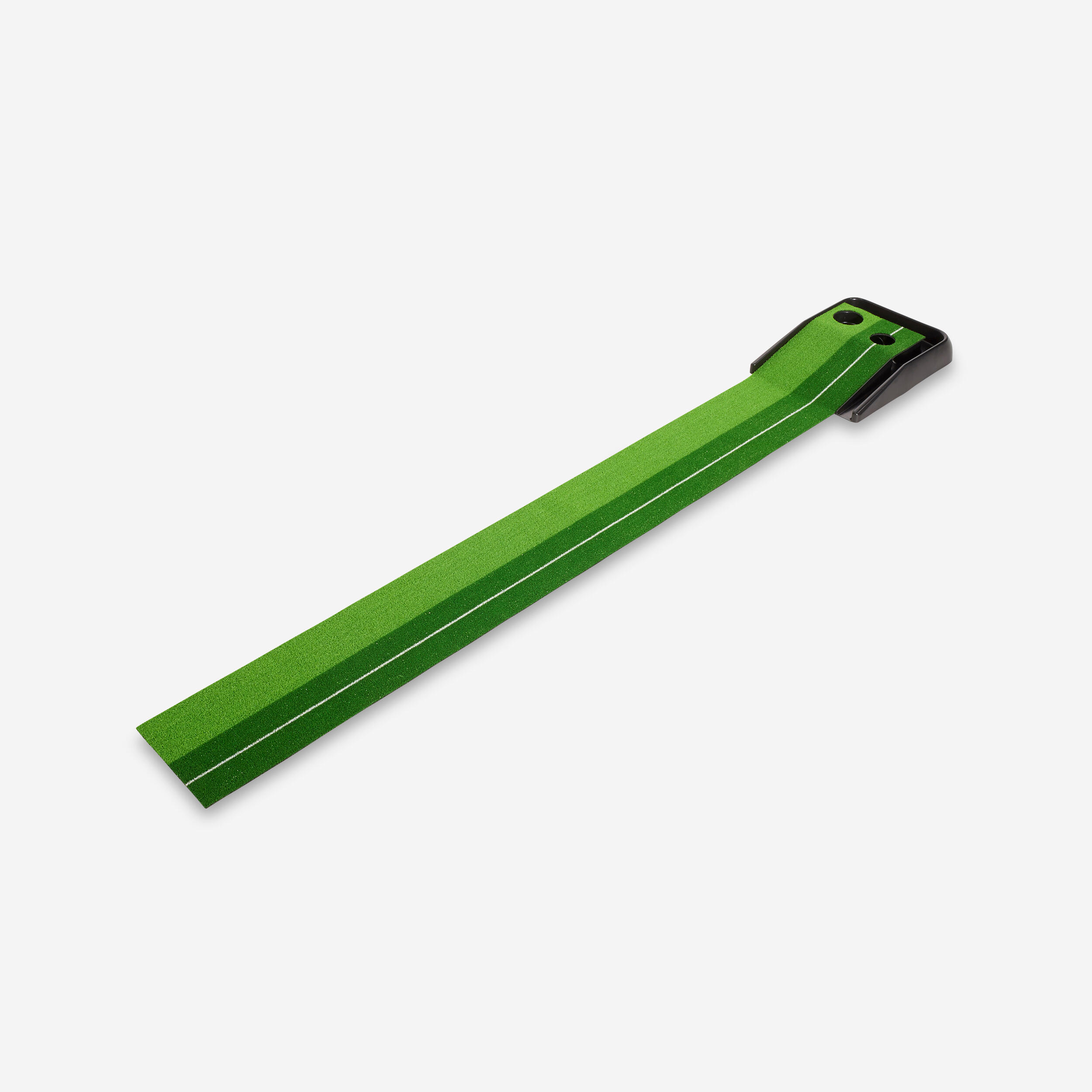
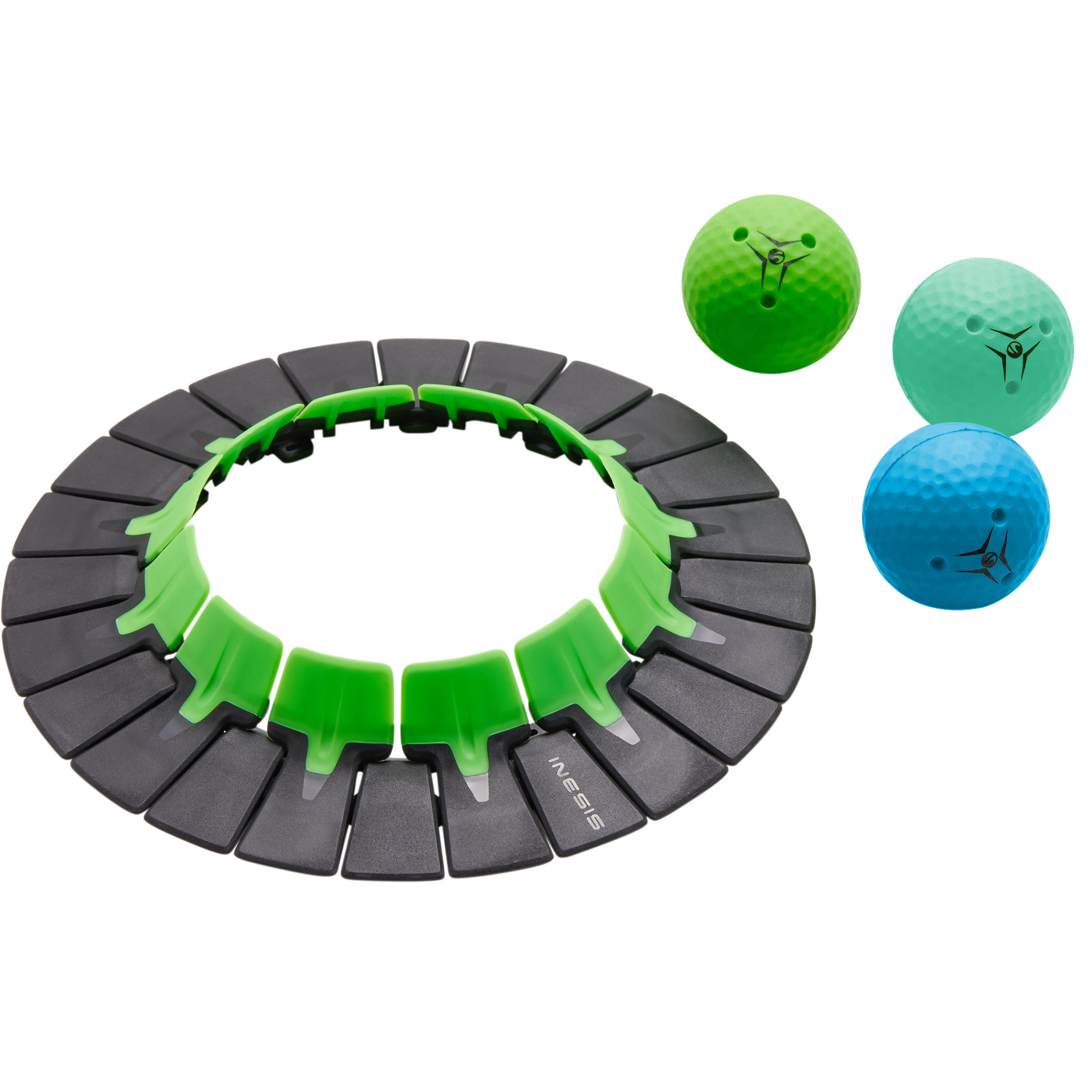
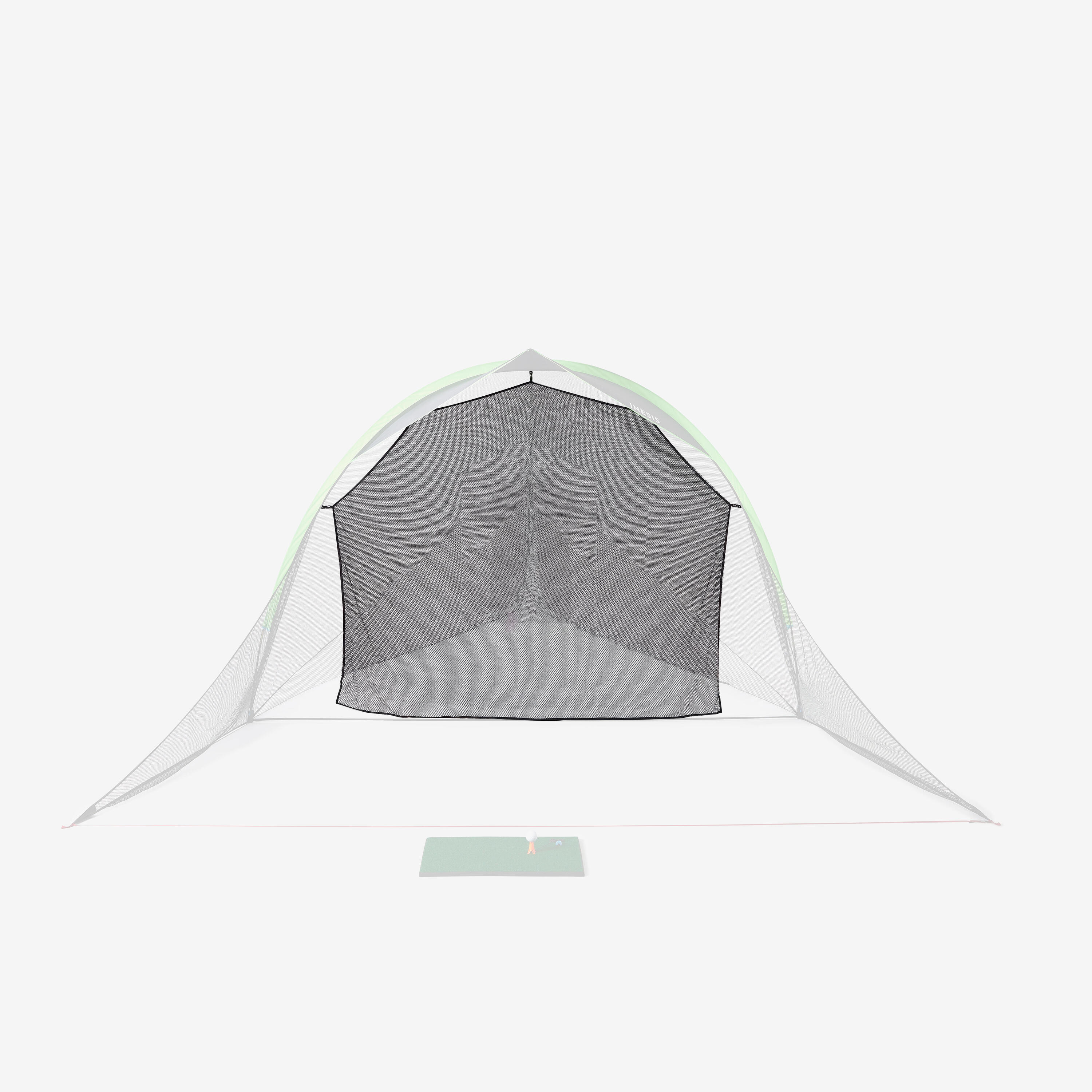
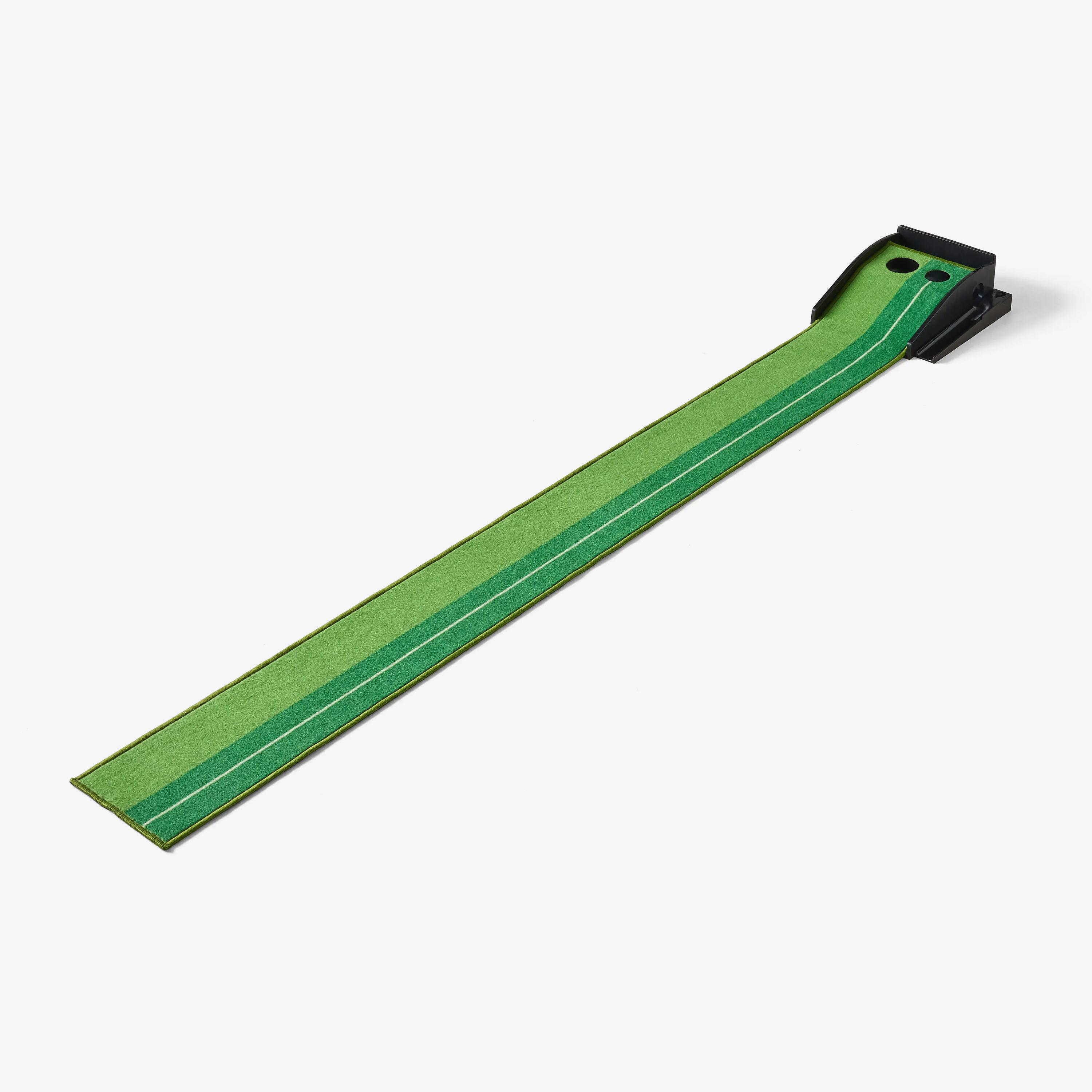
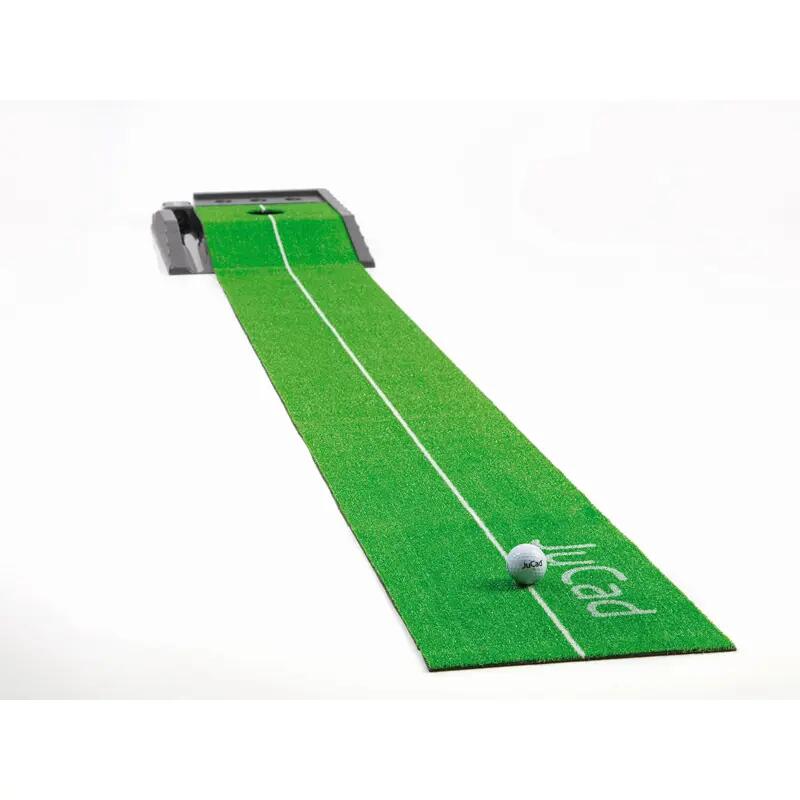
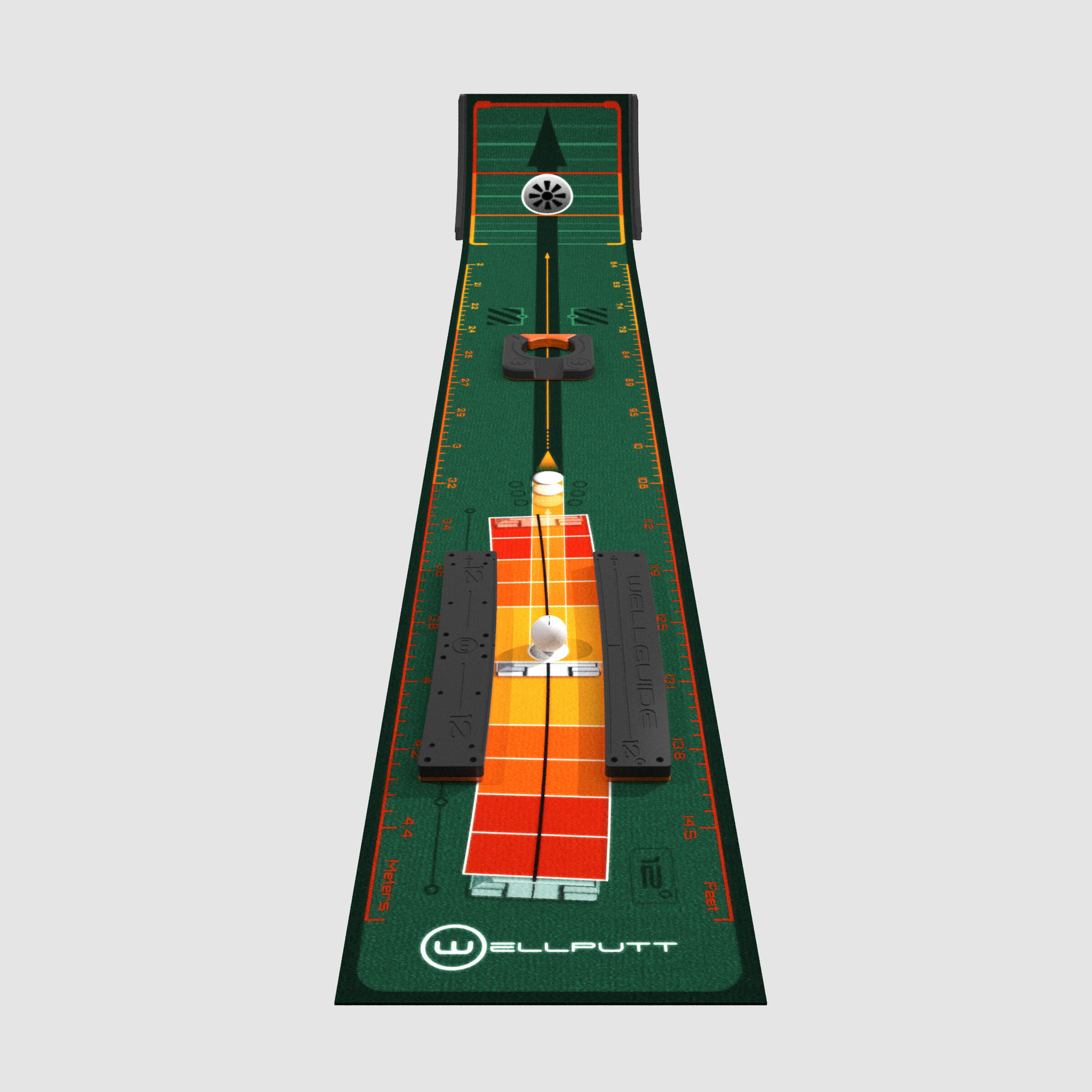
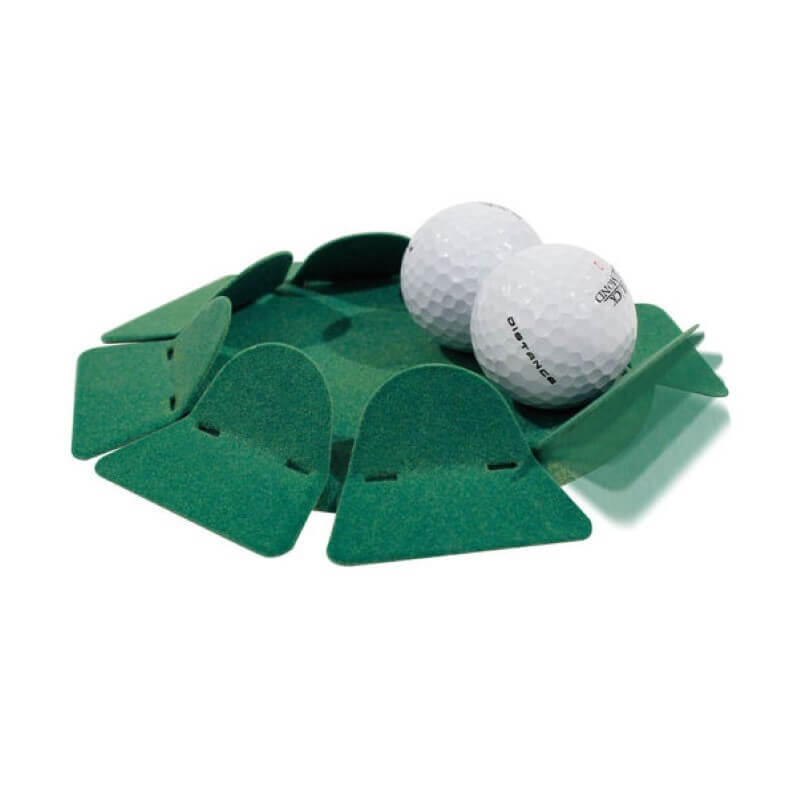
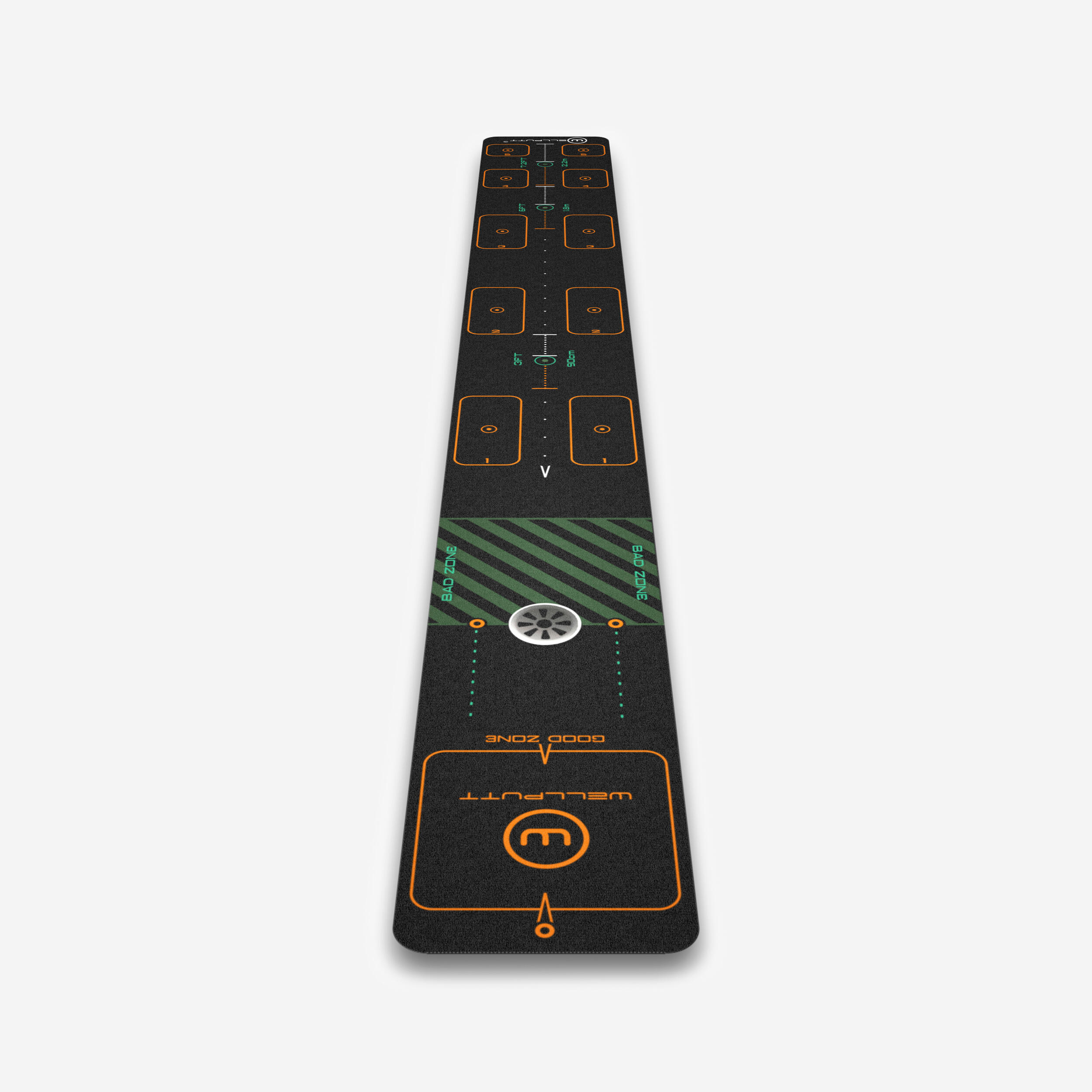
Useful practice combines clear feedback with a simple goal for each session. Alignment sticks can guide stance and target line, while a putting cup or mat can develop pace control. Foam balls and nets support safer work in reduced spaces, and replacement net components can extend the life of compatible equipment after wear or damage. Keep these items organised with other golf accessories so the practice area can be prepared without searching for missing parts. Work on one skill at a time and record a small result, such as successful putts, centred strikes or shots landing in the target zone. This creates more useful feedback than repeatedly hitting balls without a defined aim.