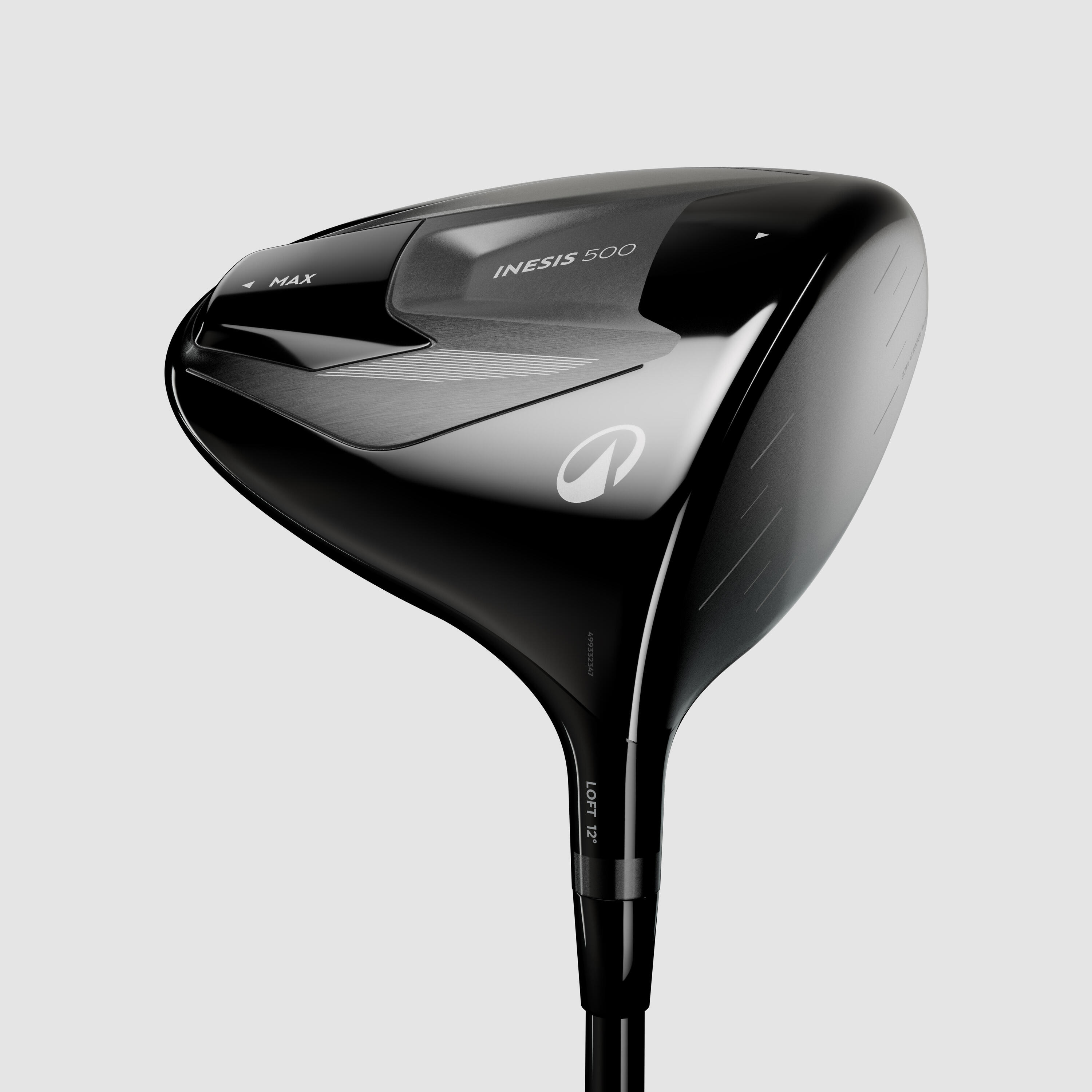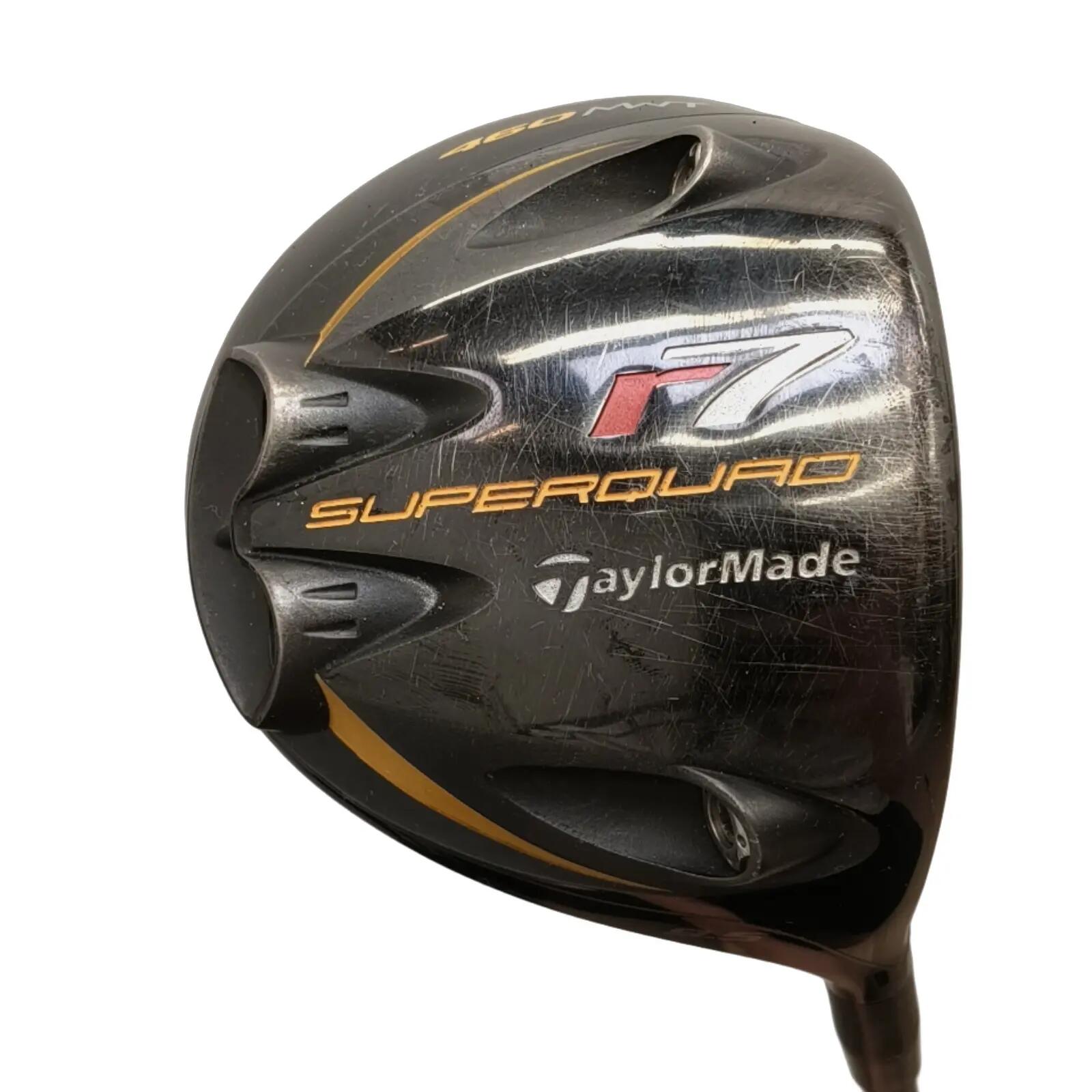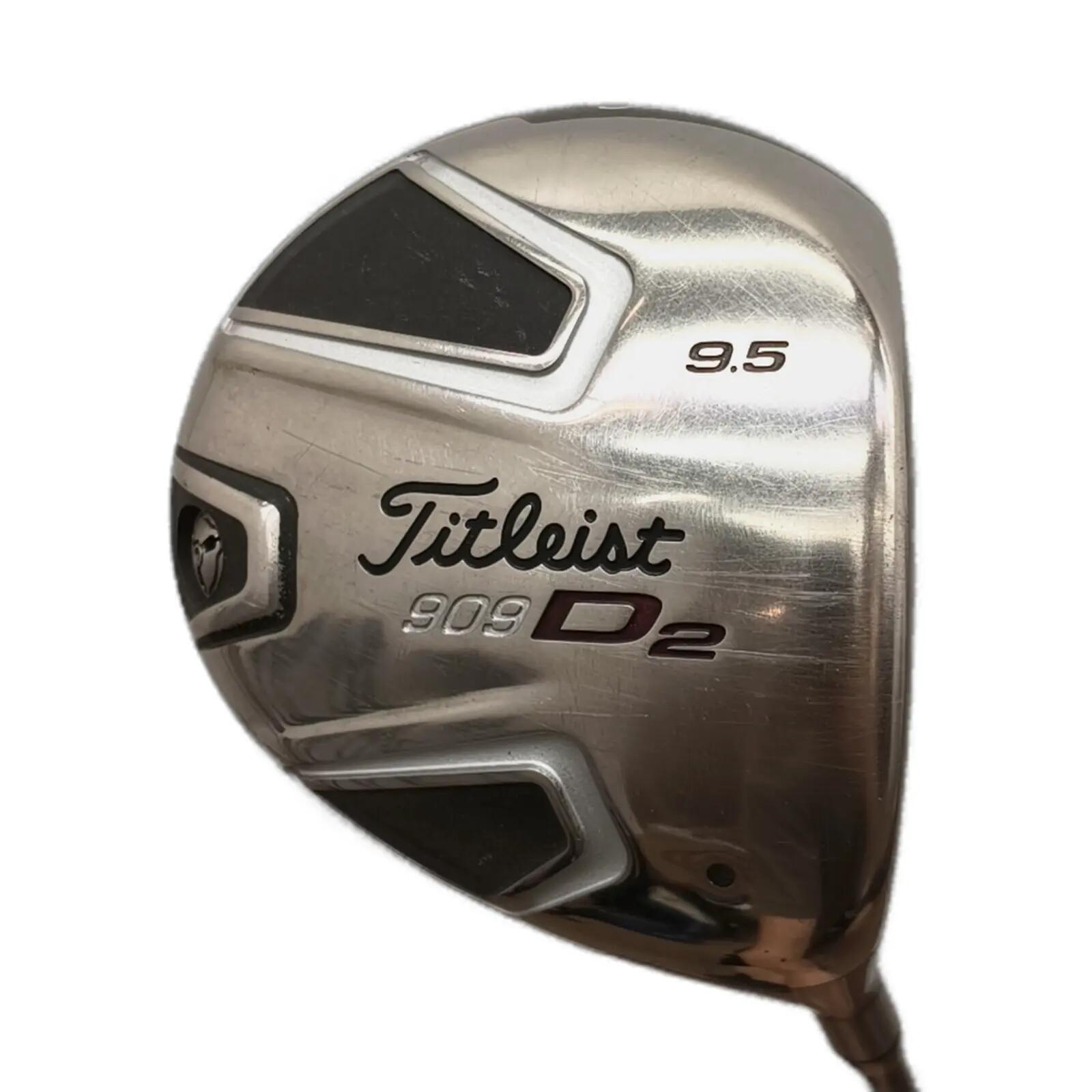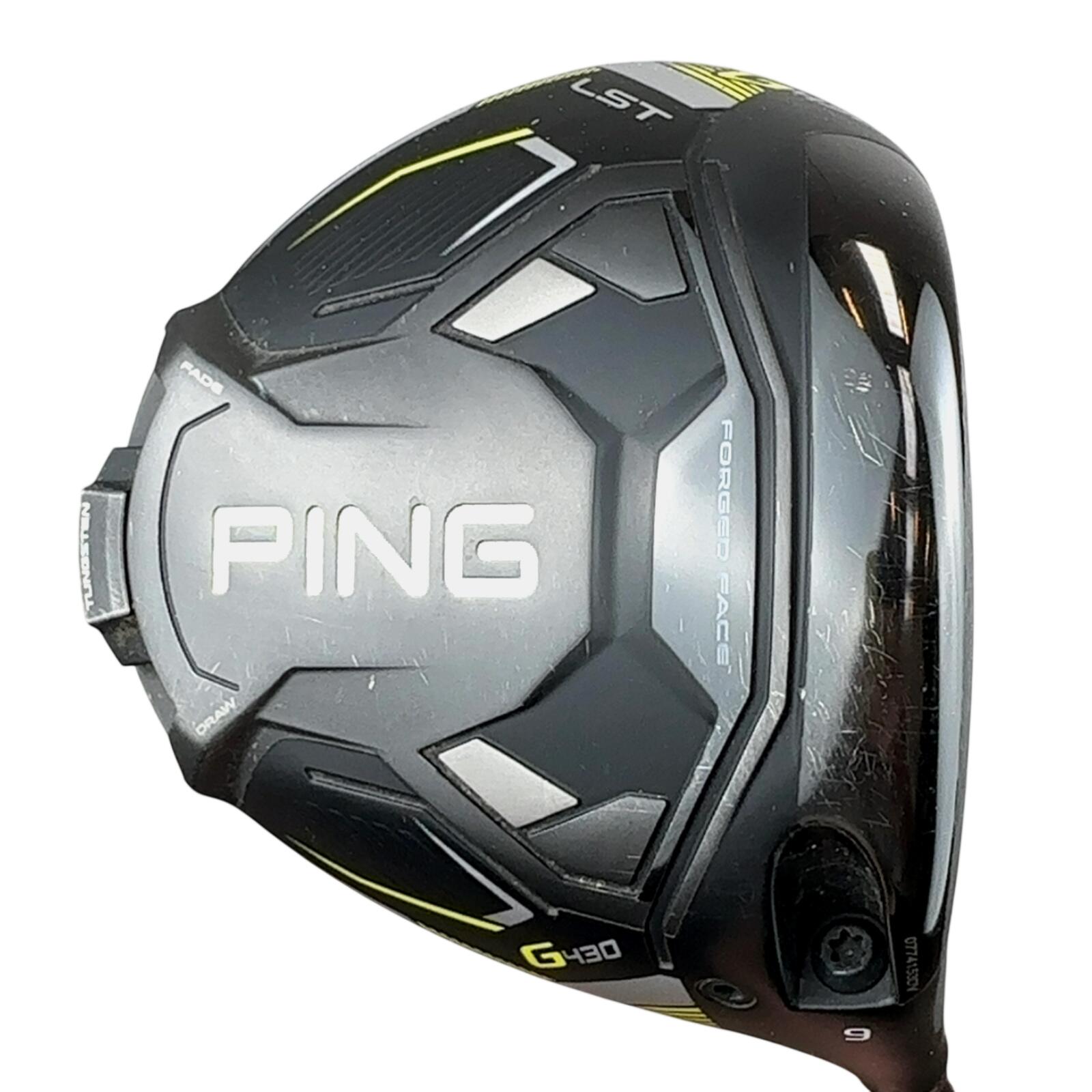
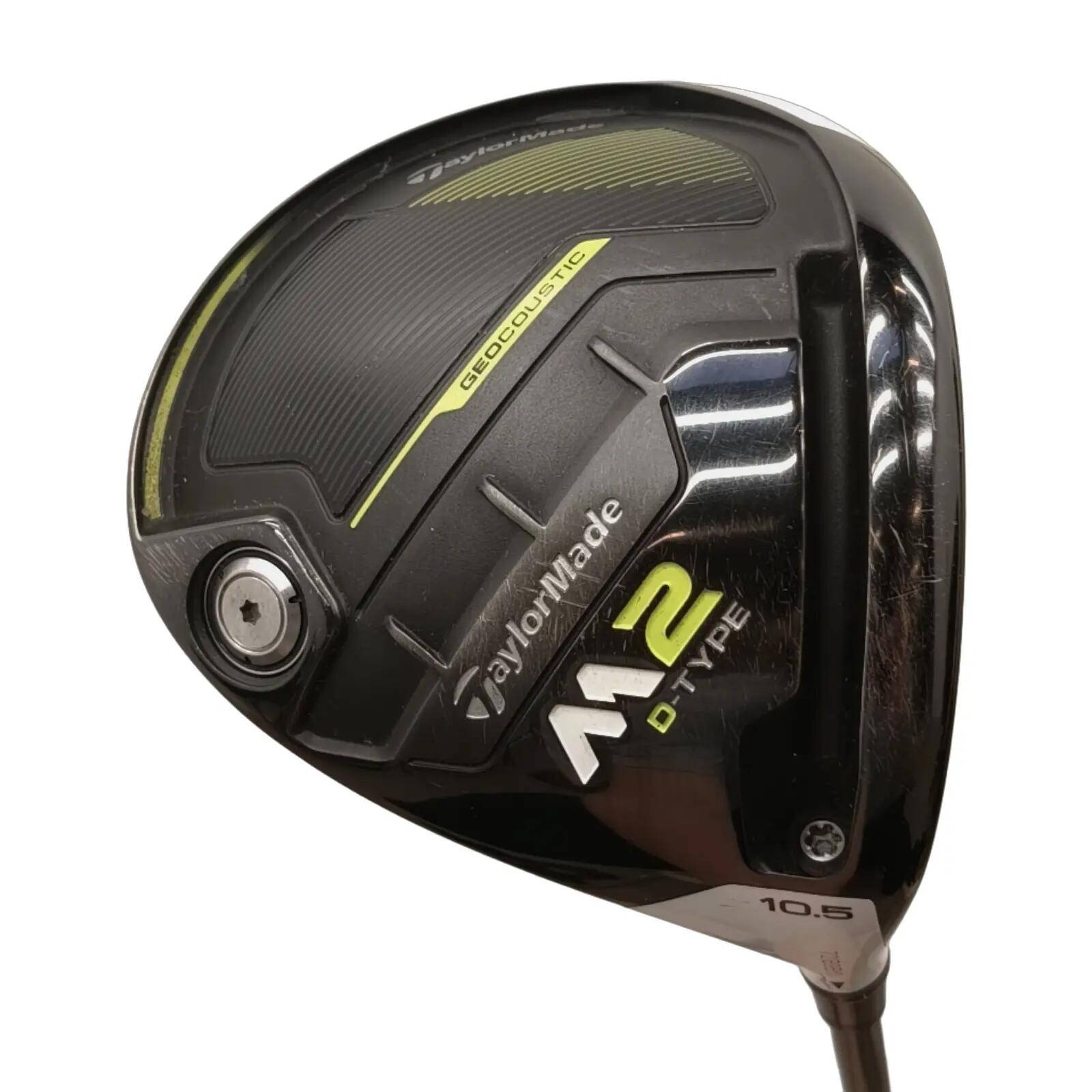
864 items
4.2/5 based on 190 reviews collected online and in stores

Golf Drivers FAQs

Which golf driver matches your playing level?

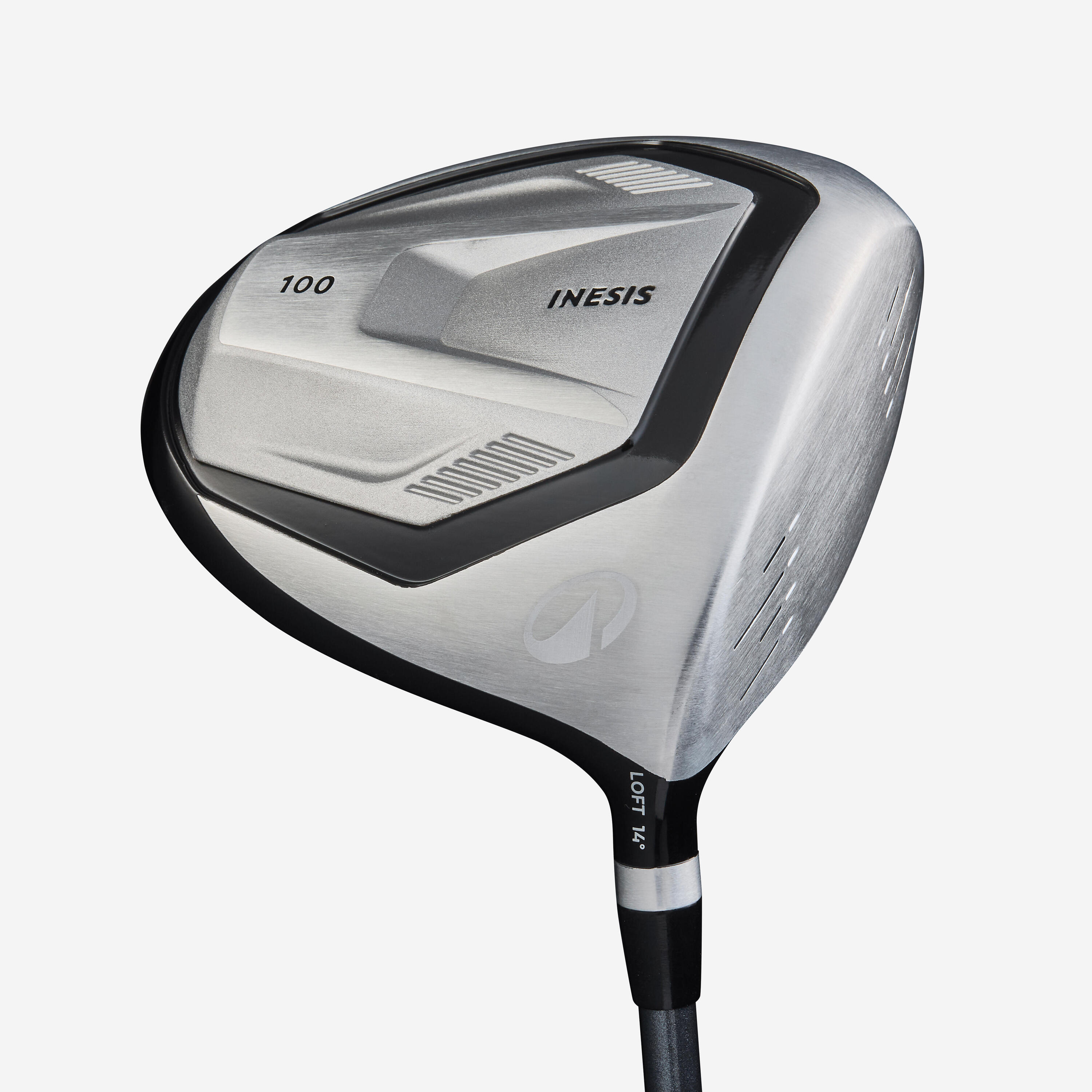
A suitable driver needs to match your strike consistency, swing speed and preferred level of adjustability. Beginner models use larger 460 cm3 heads, higher lofts and slightly shorter shafts to make centred contact and higher launch more manageable. Intermediate drivers add variable-thickness titanium faces and different shaft options, while advanced models provide greater flight adjustment. A graphite golf driver with a 14-degree loft and low-bend-point shaft can give a newer golfer a more accessible starting setup. Skill labels remain a guide rather than a substitute for testing. Pay attention to strike location, starting direction and whether the shaft feels controllable throughout the swing.

Which shaft suits a faster golf swing?

Higher-speed golfers often need a firmer and heavier shaft to control how the club loads and returns through impact. The advanced high-speed golf driver uses a 60 g stiff shaft, while lower and medium-speed versions use lighter profiles. One practical guide is the club you normally use from just under 135 metres: a 5-iron, hybrid or wood can indicate lower speed, a 6-iron or 7-iron medium speed, and an 8-iron or shorter club higher speed. Use this only as an initial reference. A shaft that feels too demanding may reduce centred contact, while one that feels unstable can make direction and face control less consistent.
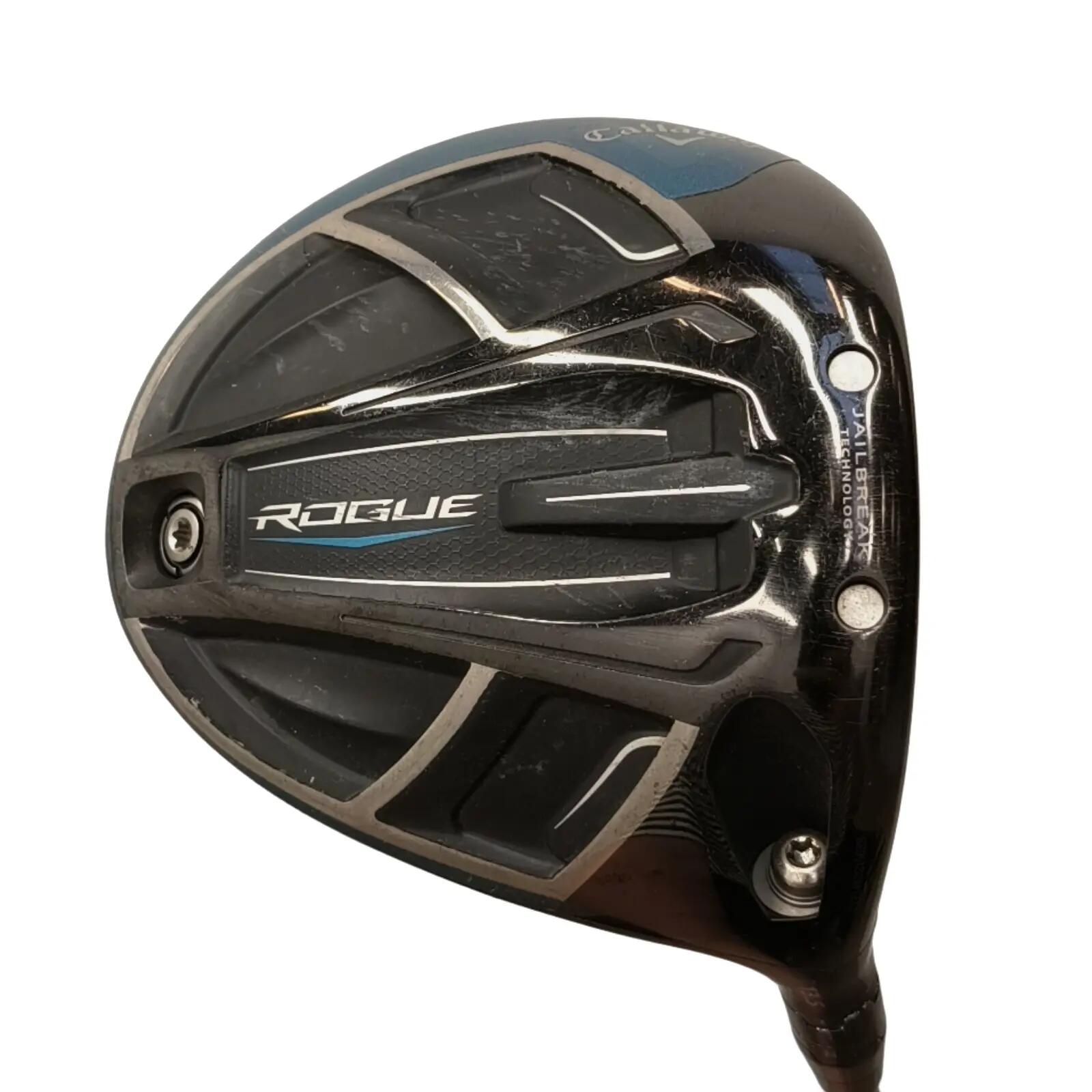
Why do some driver heads use rear or heel weighting?

Moving weight towards the rear increases stability when the ball is struck away from the centre of the face. Selected advanced heads use a 15 g rear weight, while an intermediate model positions its centre of gravity closer to the heel to reduce the effect of a slice. Variable-thickness forged faces also aim to maintain ball speed across a broader impact area. These features can make a driver more forgiving, but they cannot correct every swing fault. Use the wider golf clubs category to build a balanced setup rather than relying on the driver for every long shot. Fairway woods or hybrids may provide a more controlled option from narrow tee boxes or difficult lies.

When is an adjustable driver useful?

An adjustable hosel allows an experienced golfer to alter loft by approximately plus or minus 1 degree, changing launch and ball-flight characteristics without replacing the complete club. Make adjustments one setting at a time and record the resulting launch, direction and strike pattern before moving again. The required adjustment key may be sold separately, so confirm what is included with the chosen model. Drivers also need to fit alongside the irons and wedges in your golf set. Avoid changing loft simply to chase more distance, as a lower setting can make launch less reliable when clubhead speed or impact position does not support it. Return the hosel to a secure position before hitting any balls.

Which driver size works for a junior golfer?

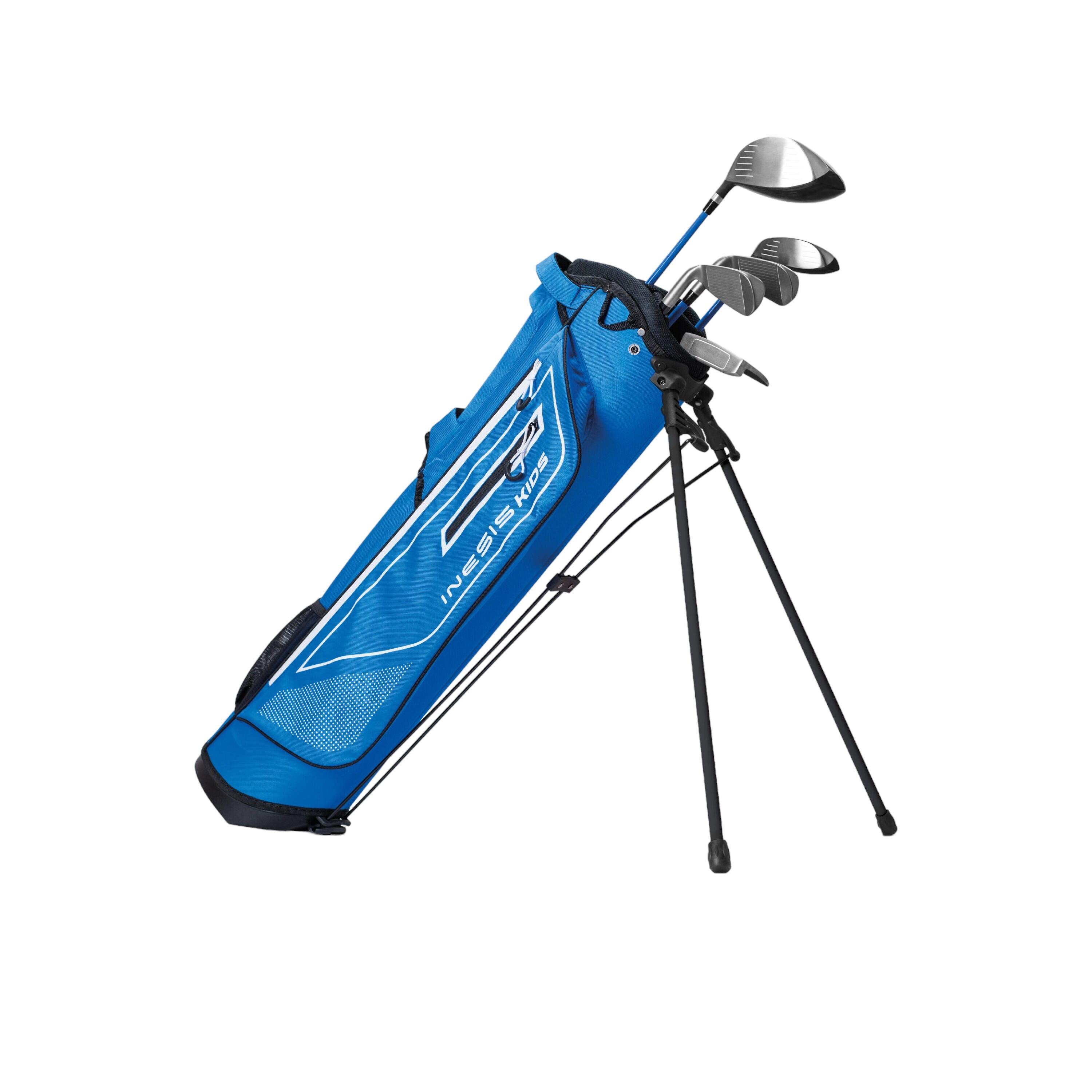
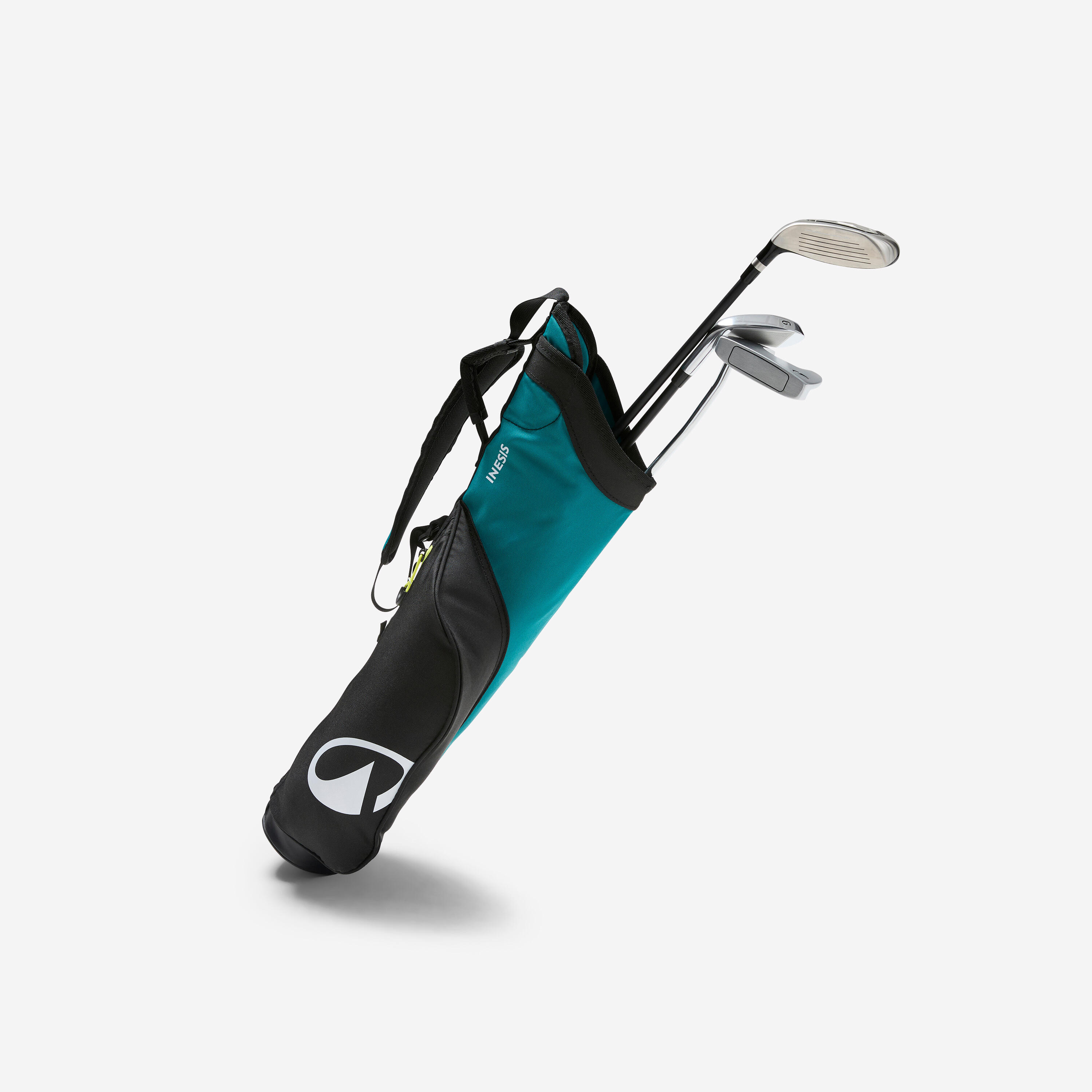
Junior drivers are selected mainly by height rather than age alone. Models for children measuring 130 to 145 cm use a shorter 37-inch shaft, while versions for golfers measuring 145 to 160 cm extend to approximately 40 inches. A lightweight head and shaft make the kids golf driver easier to move and position. Confirm handedness before ordering and ask the child to address the ball naturally without reaching or standing excessively upright. Every tee shot needs a tee, which raises the ball for the larger driver head. Adult supervision and a clear hitting area remain essential during practice.

Which habits help protect a golf driver?

Replace the supplied head cover after each use so the large clubhead does not strike irons, dividers or other equipment inside the bag. Remove grass and soil with a soft cloth, then dry the face and sole before storage. The formal care information marks the reviewed drivers as not washable, so avoid soaking the head, shaft, ferrule or grip. Keep a towel and suitable cleaning items with your golf club accessories for light maintenance after a damp round. Inspect the shaft for dents or cracks and check adjustable connections for movement. Stop using the club and seek repair support if the head, hosel or shaft feels loose.