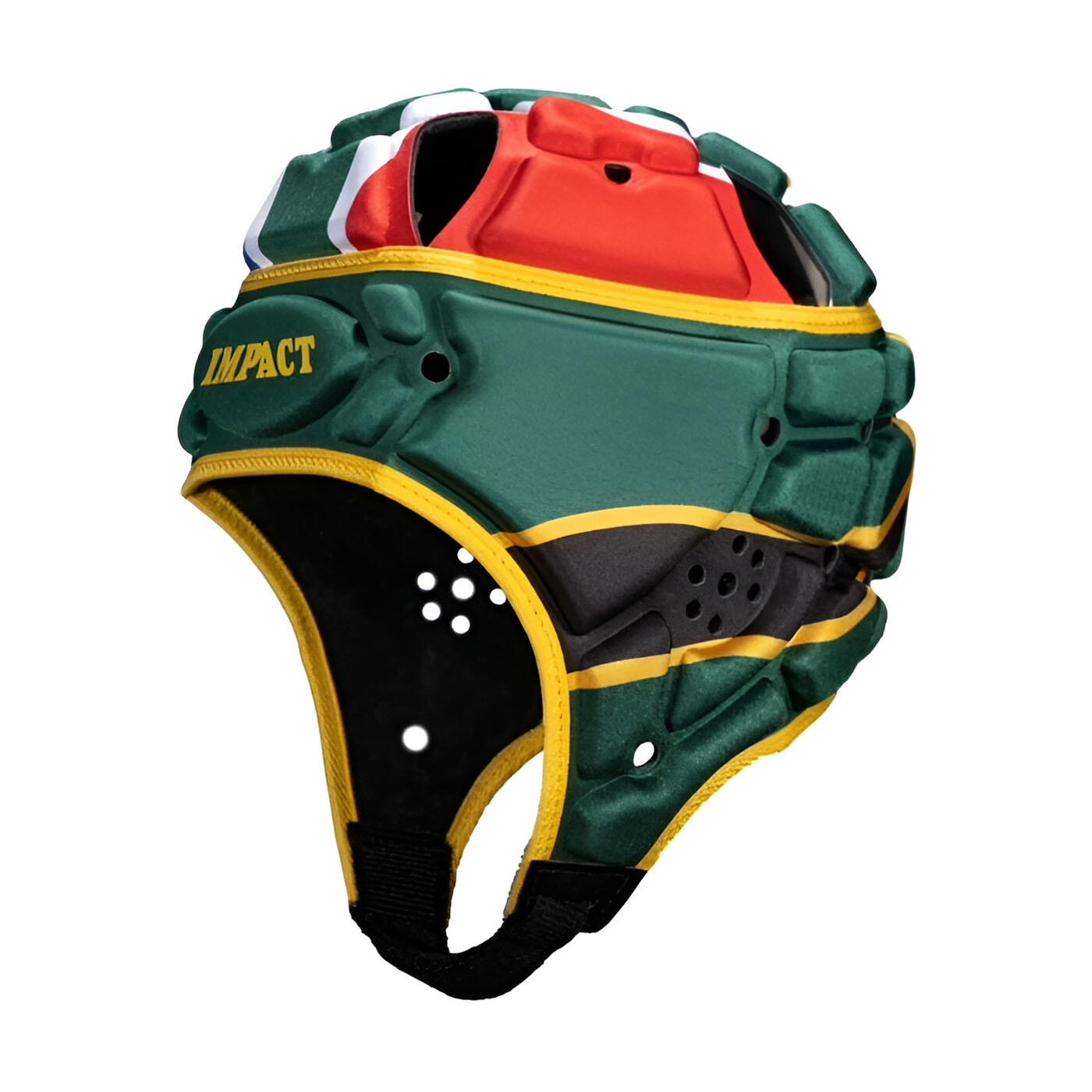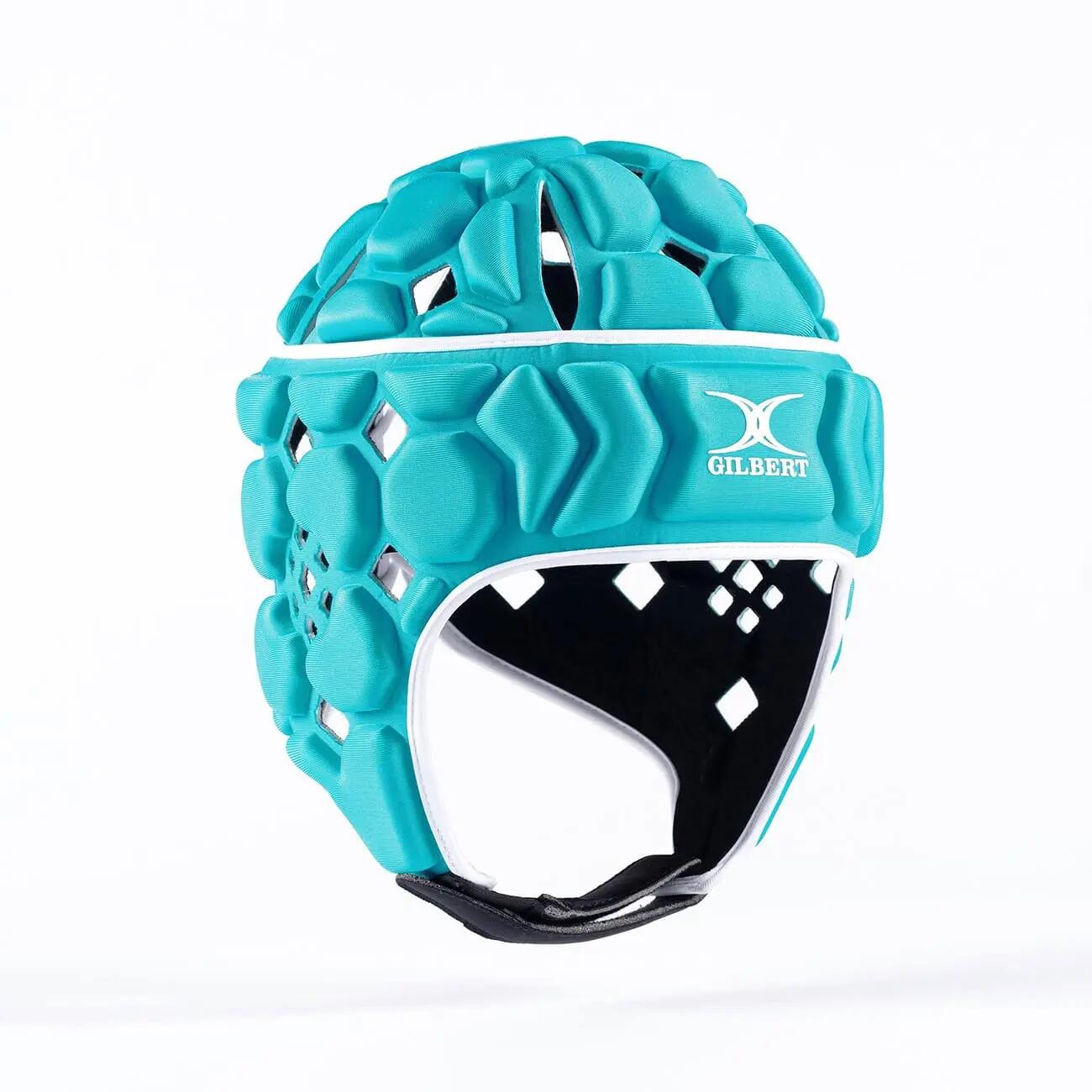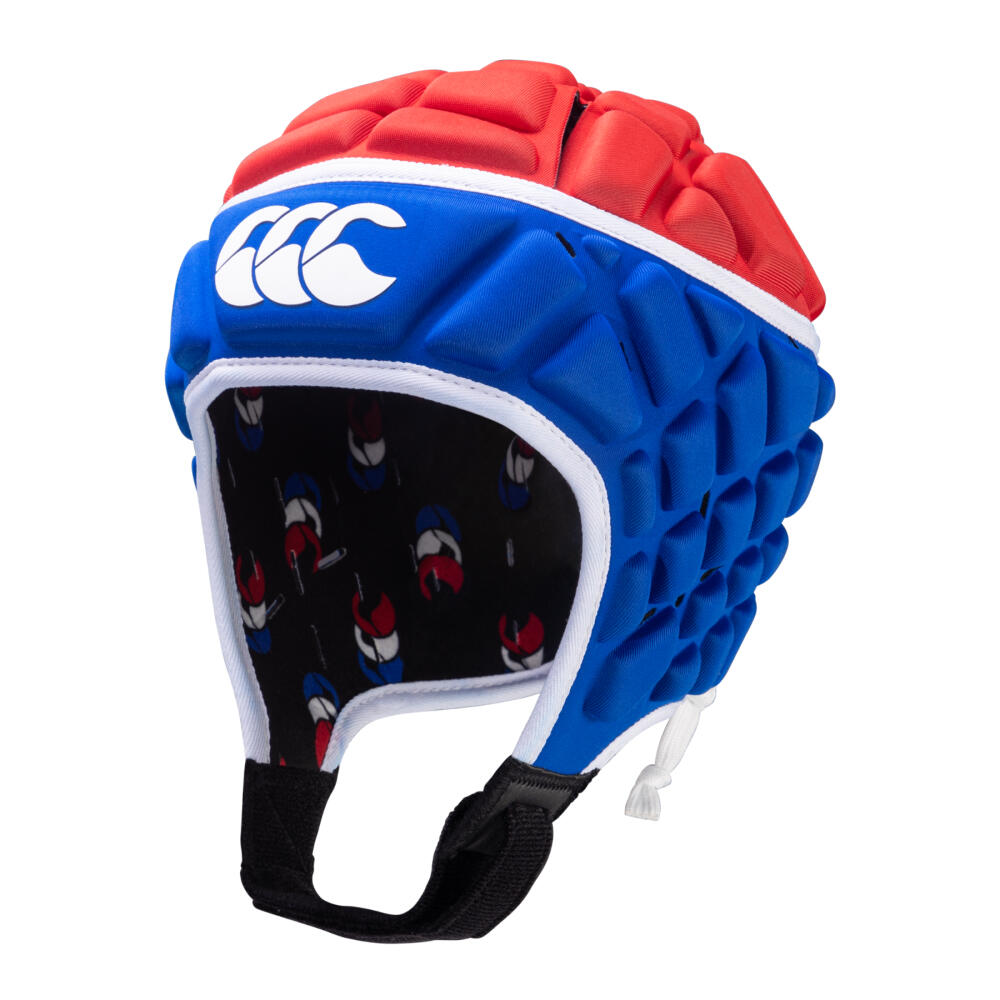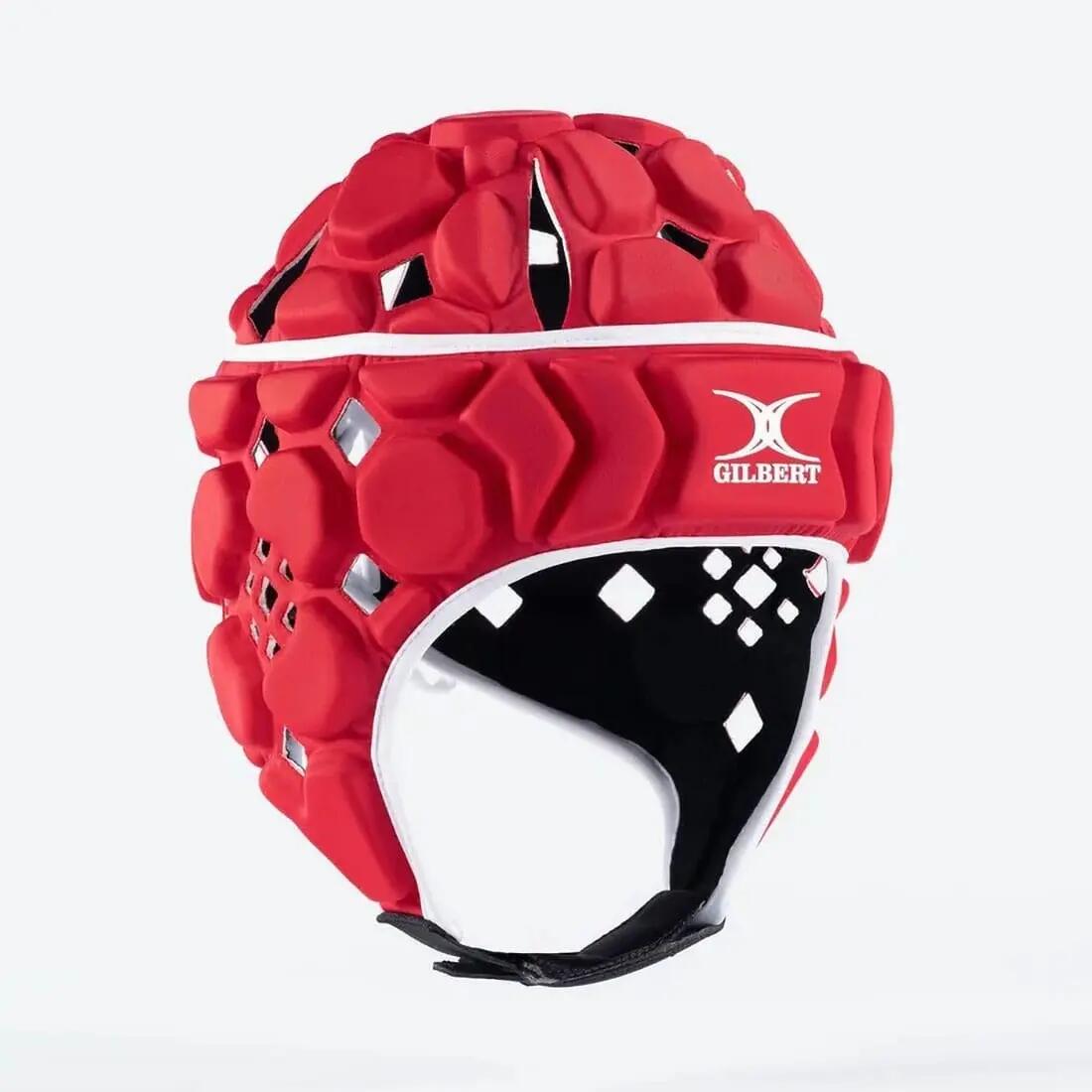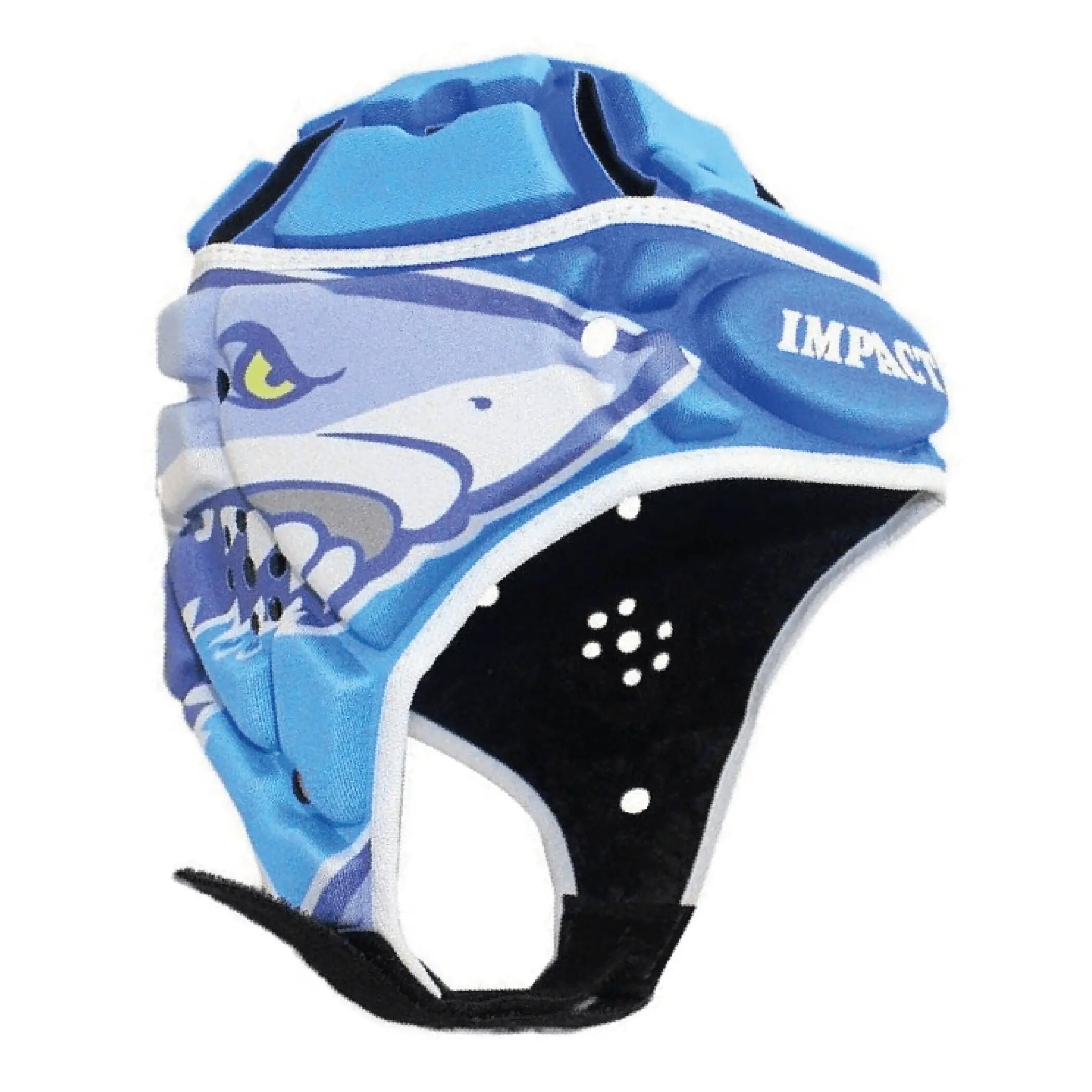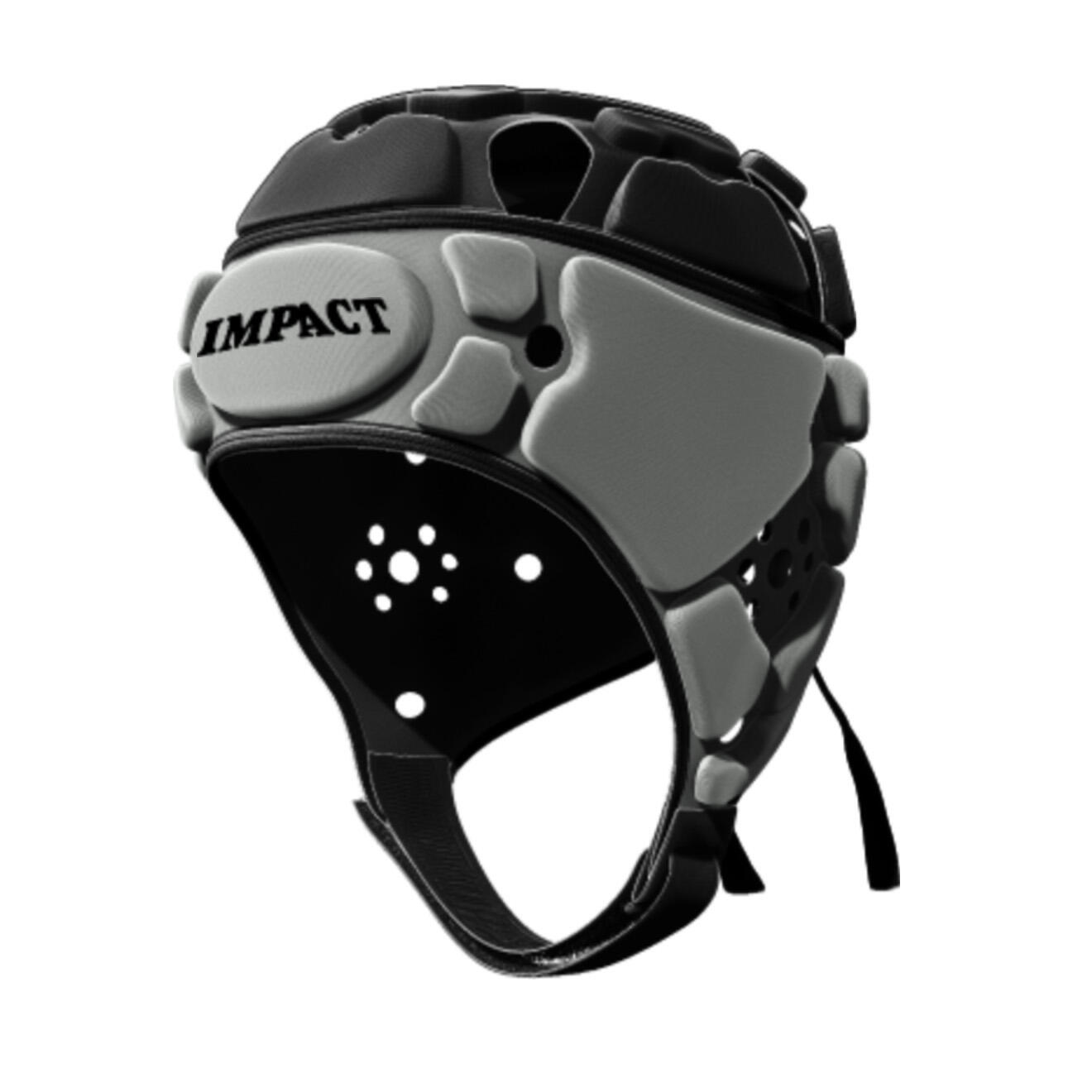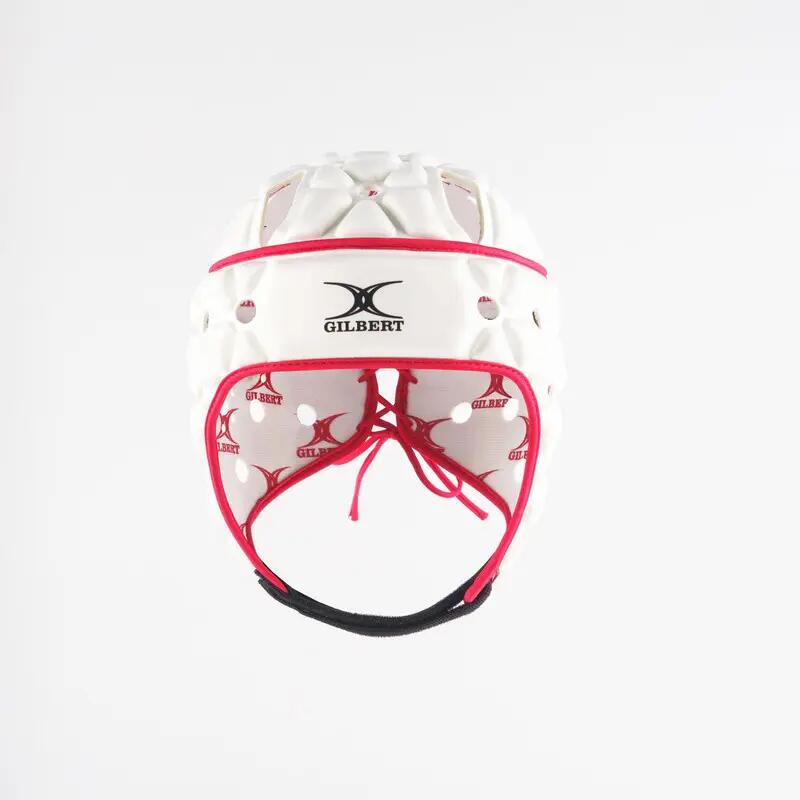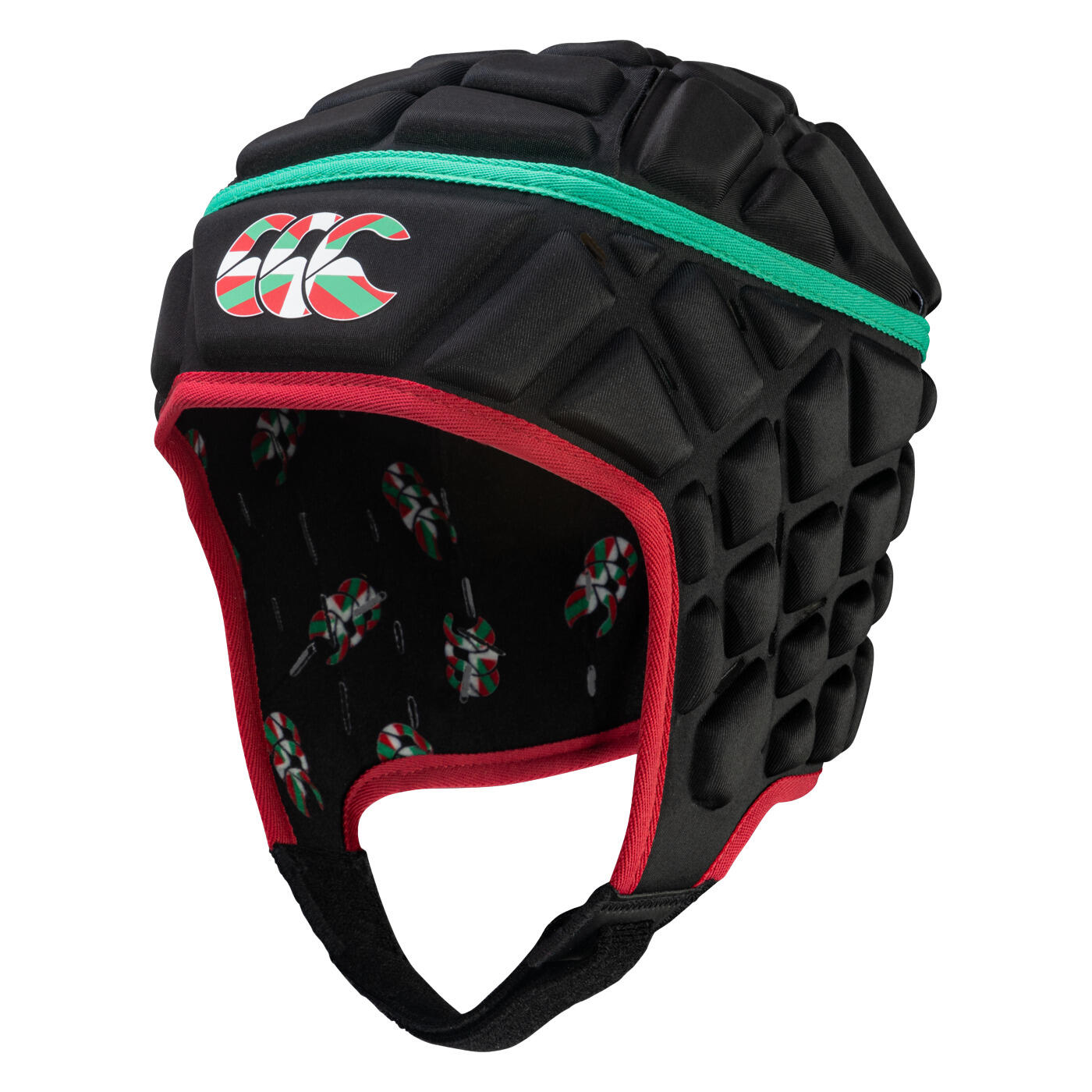
102 items
4.6/5 based on 2543 reviews collected online and in stores

RUGBY HEADGUARDS FAQS

How do I choose the right size rugby headguards?

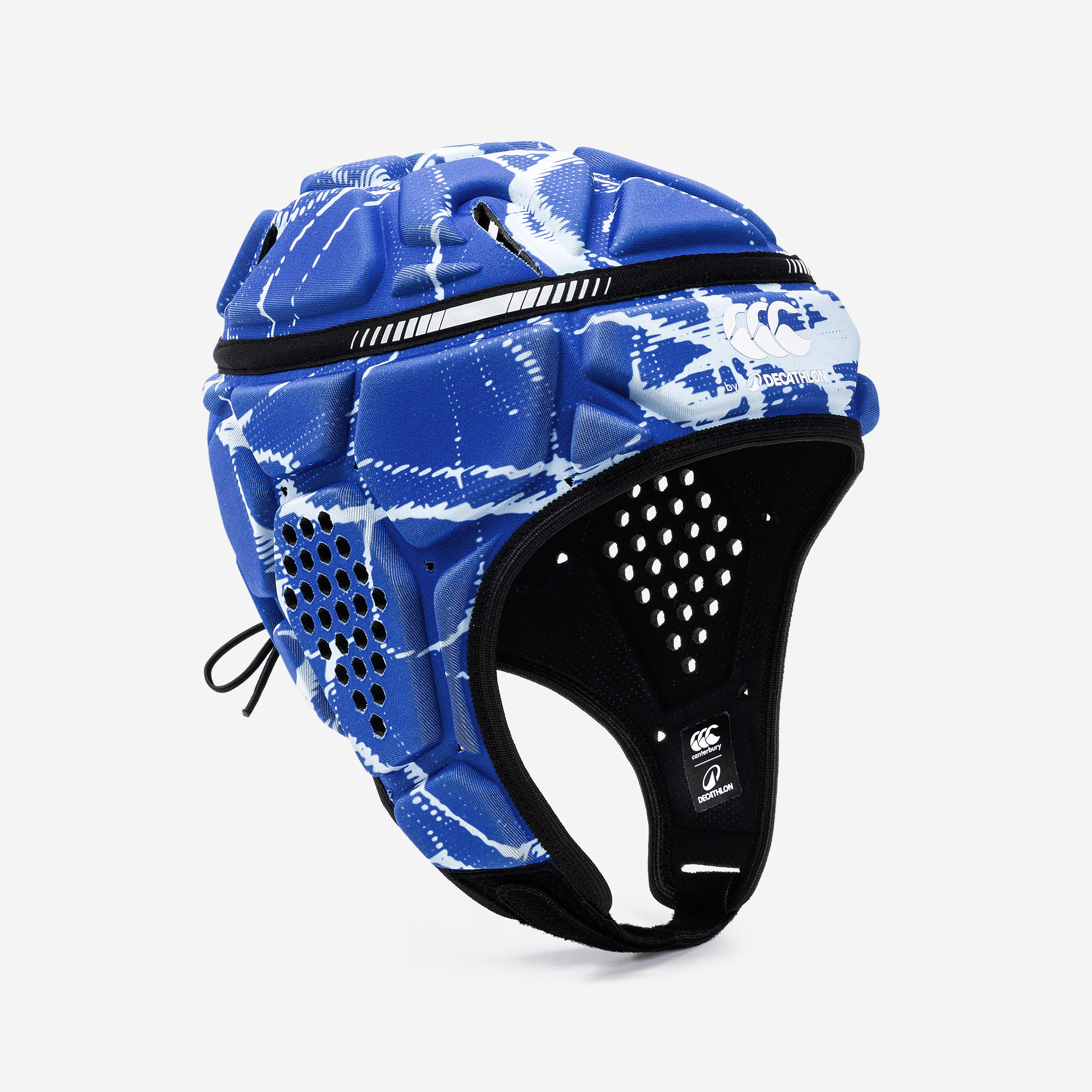
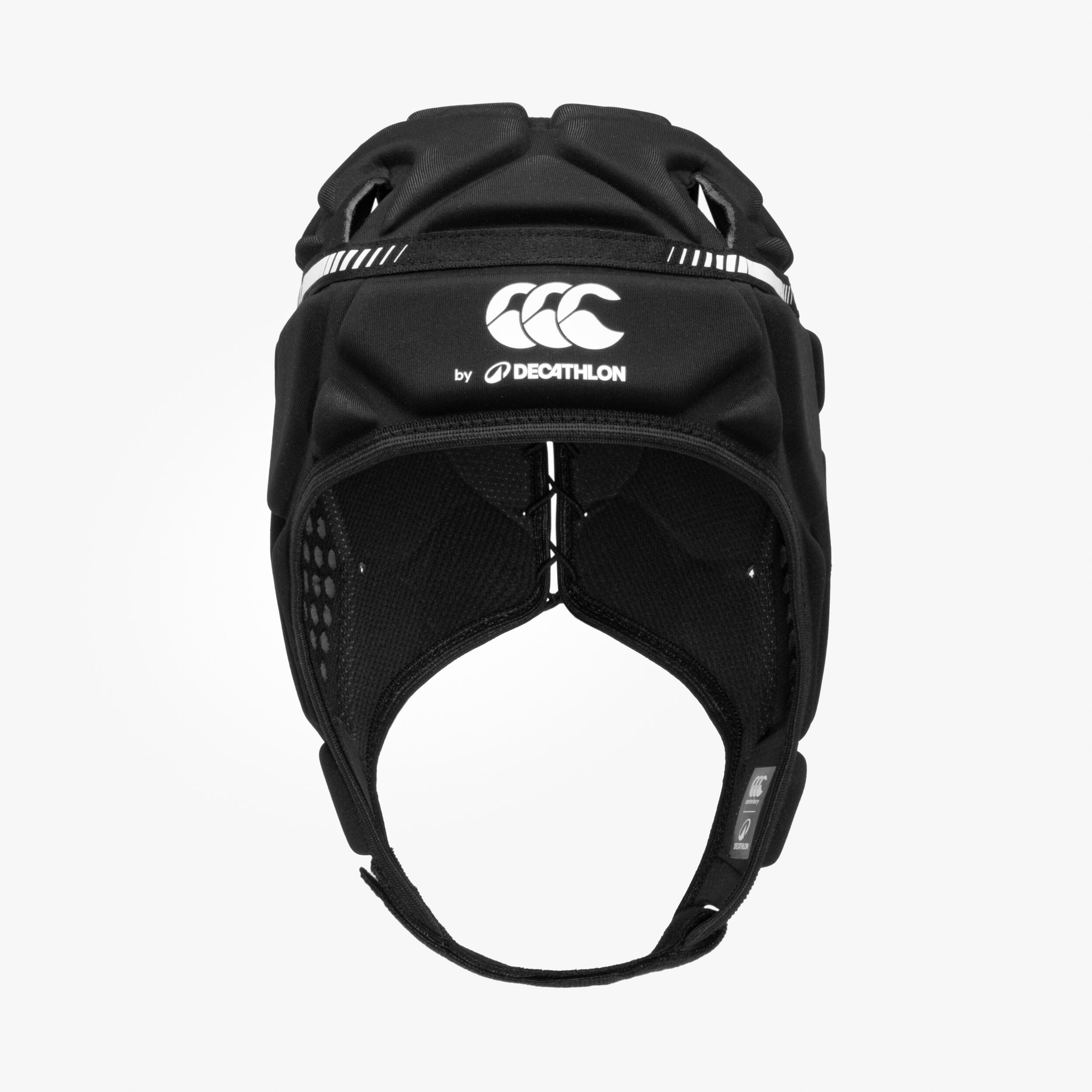
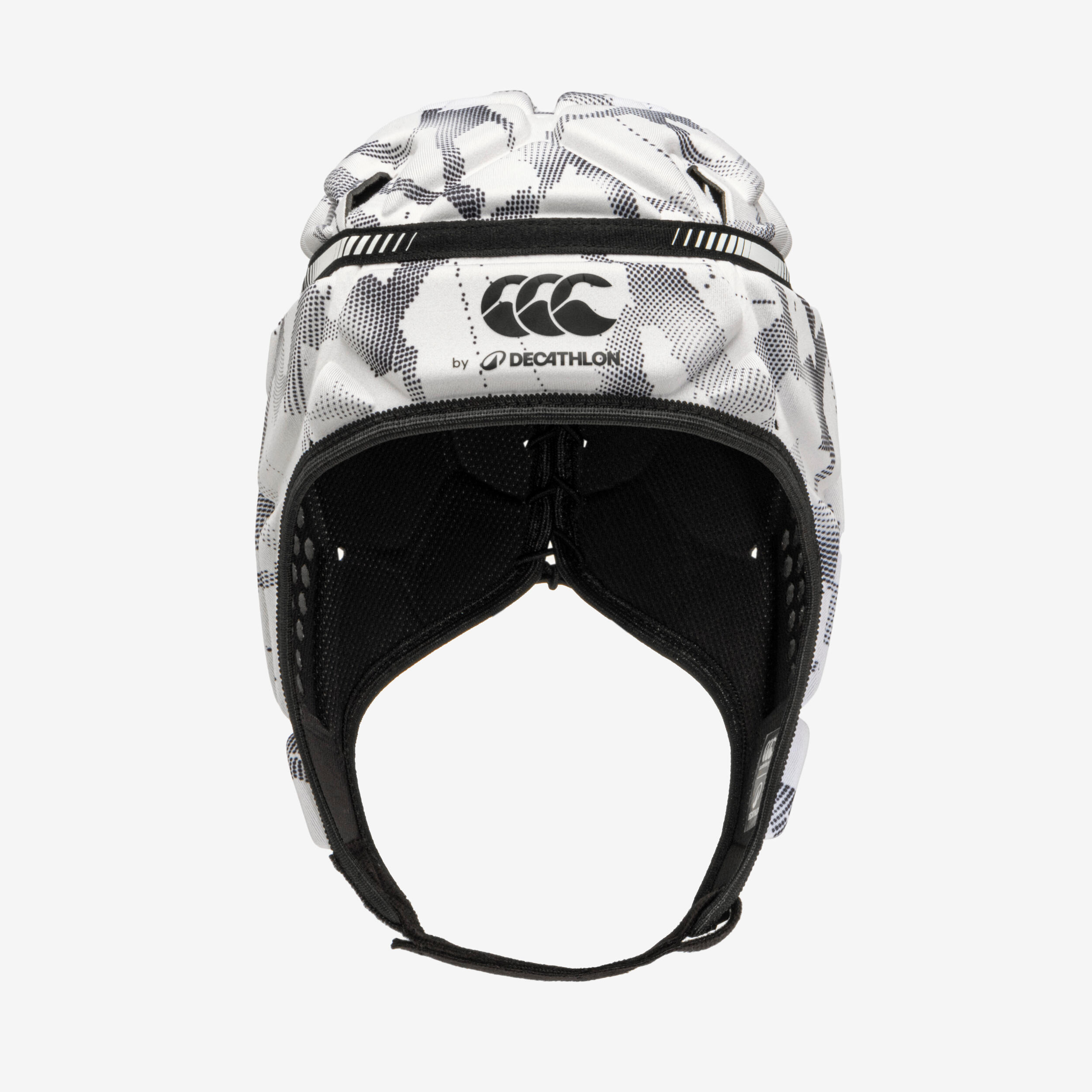
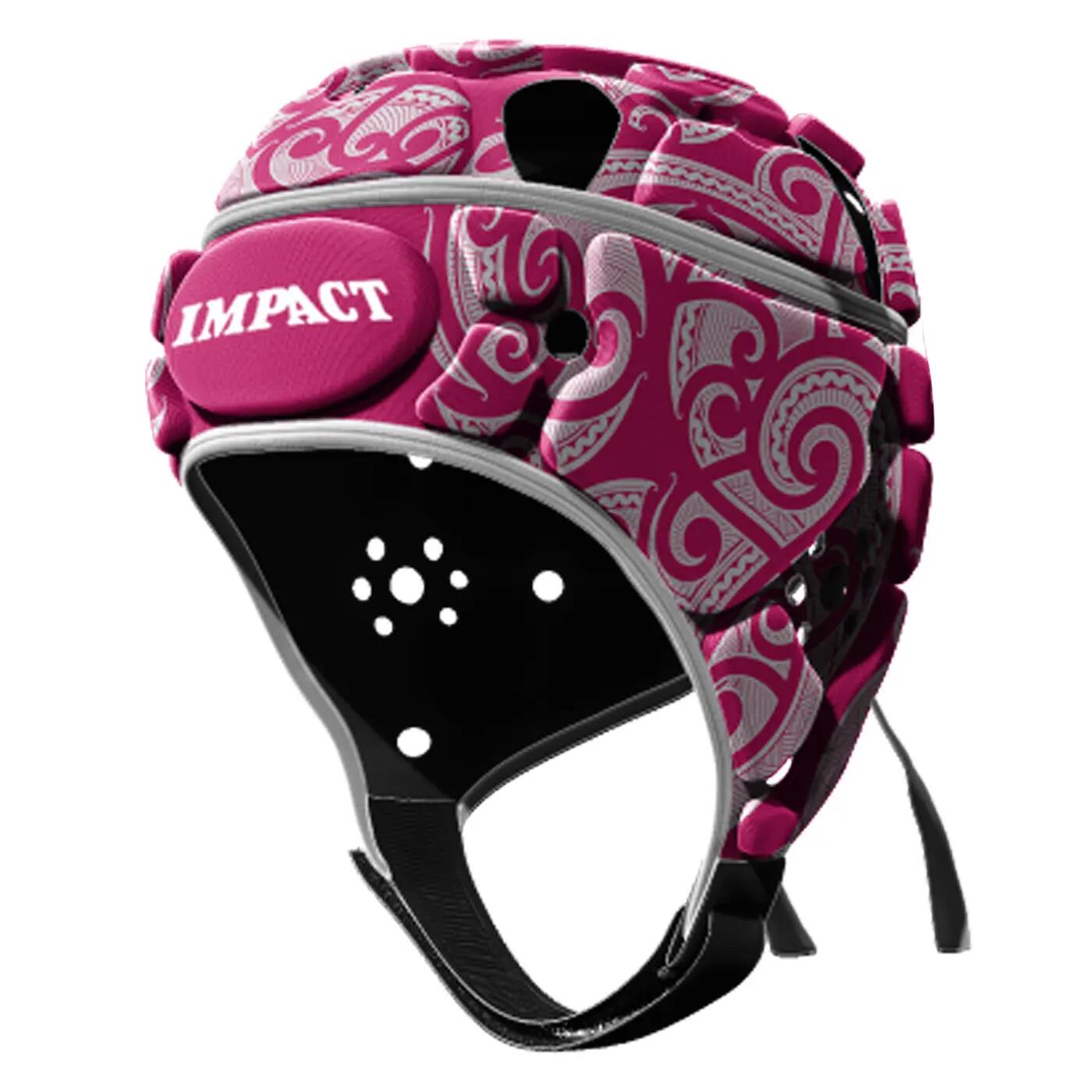
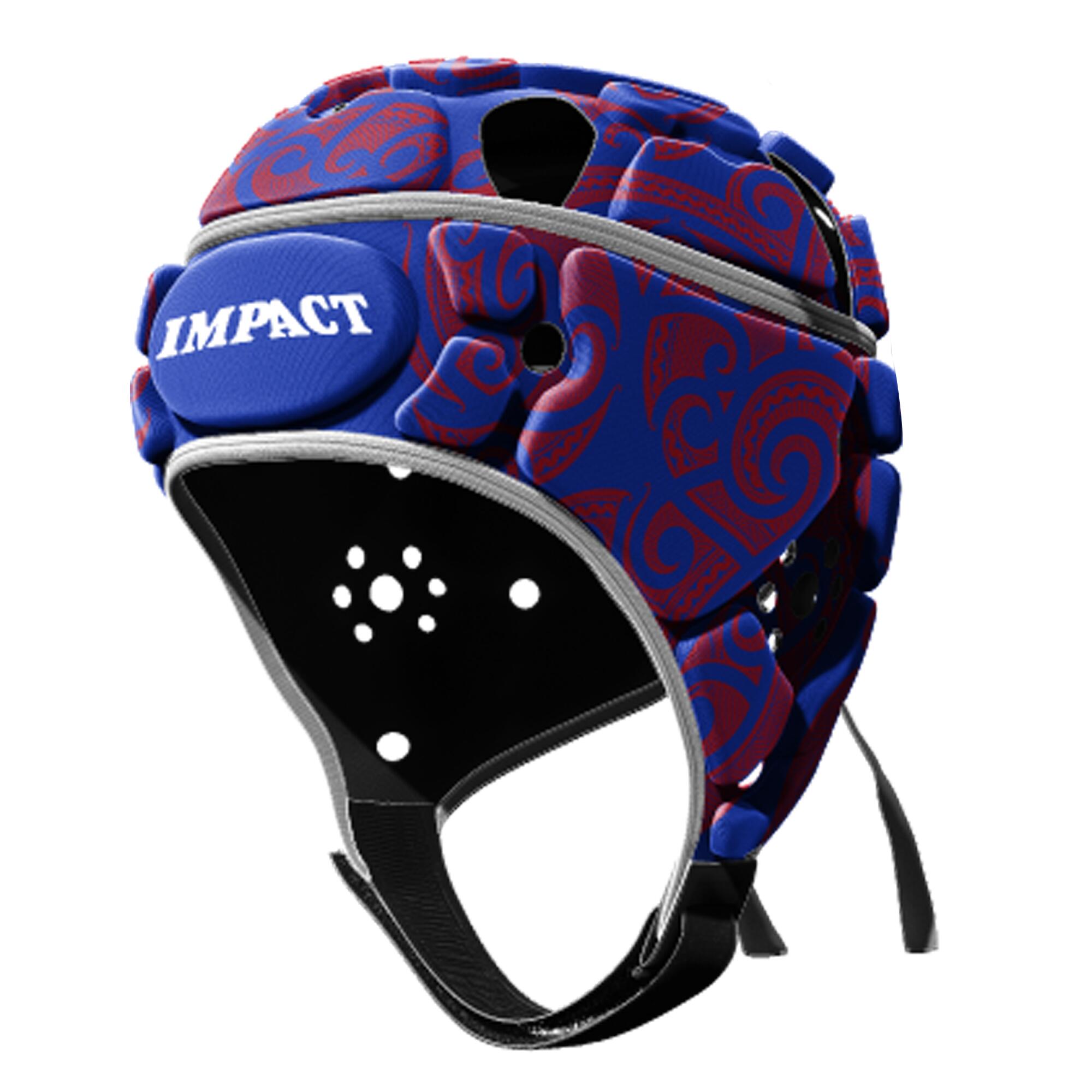
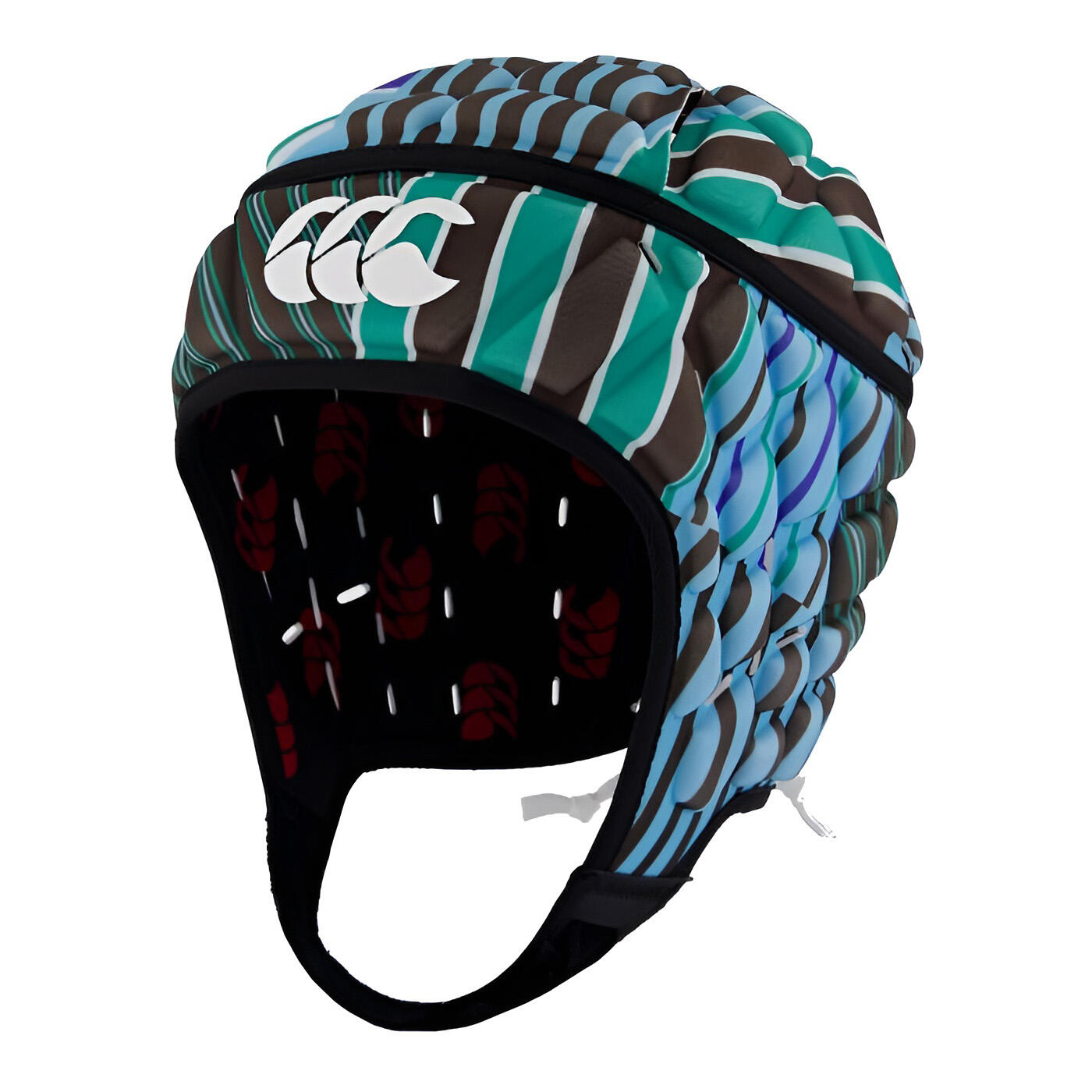
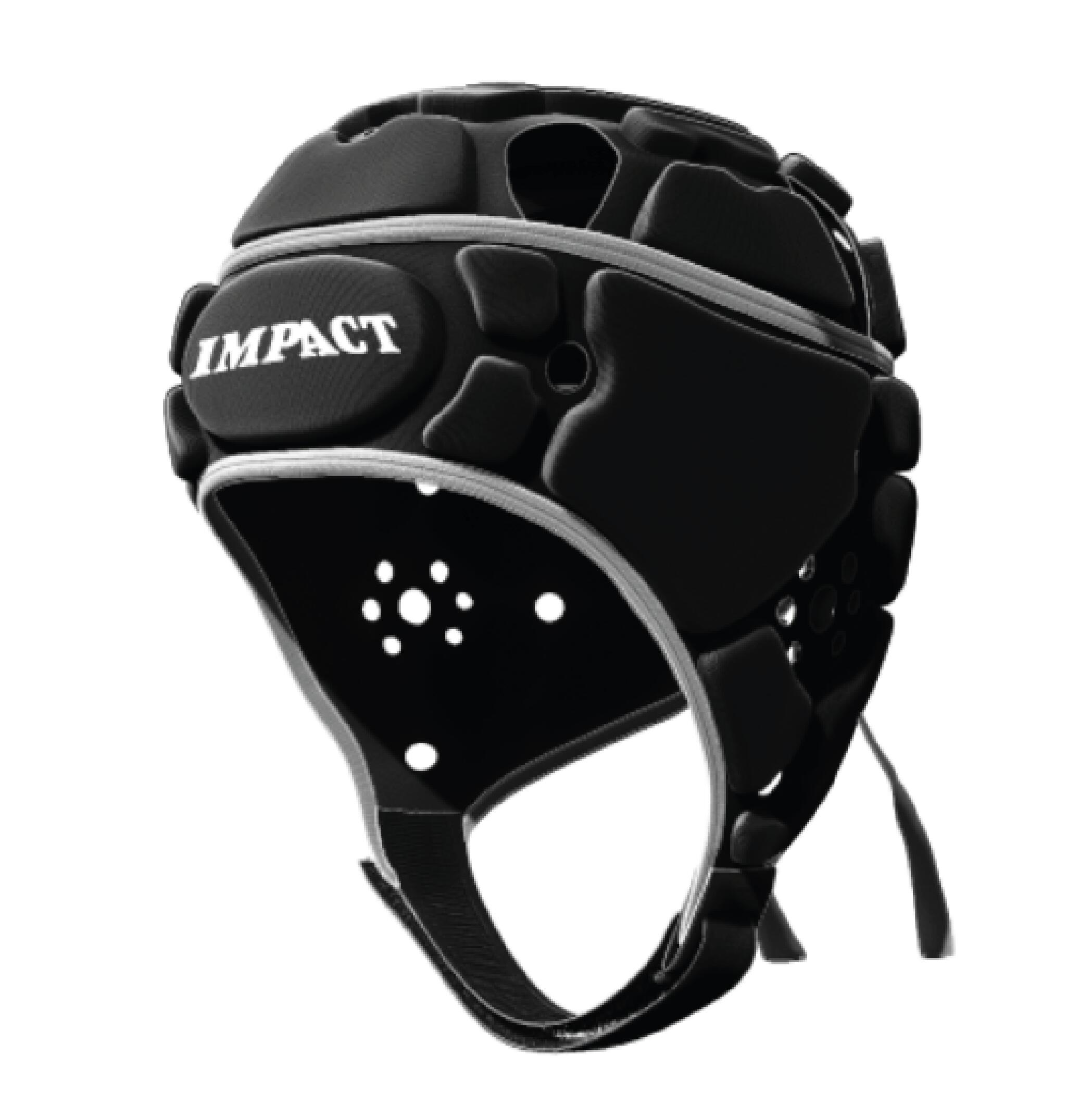
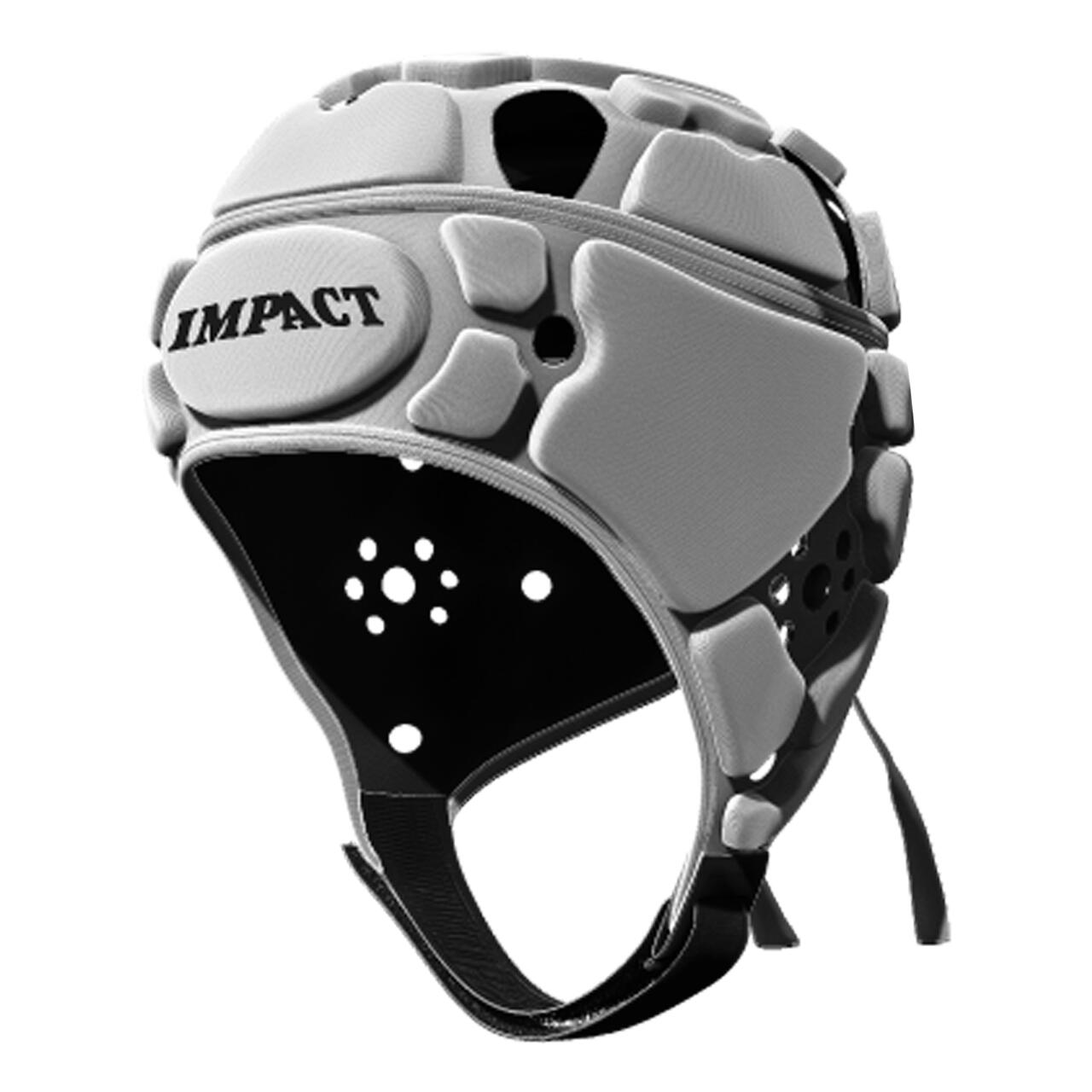
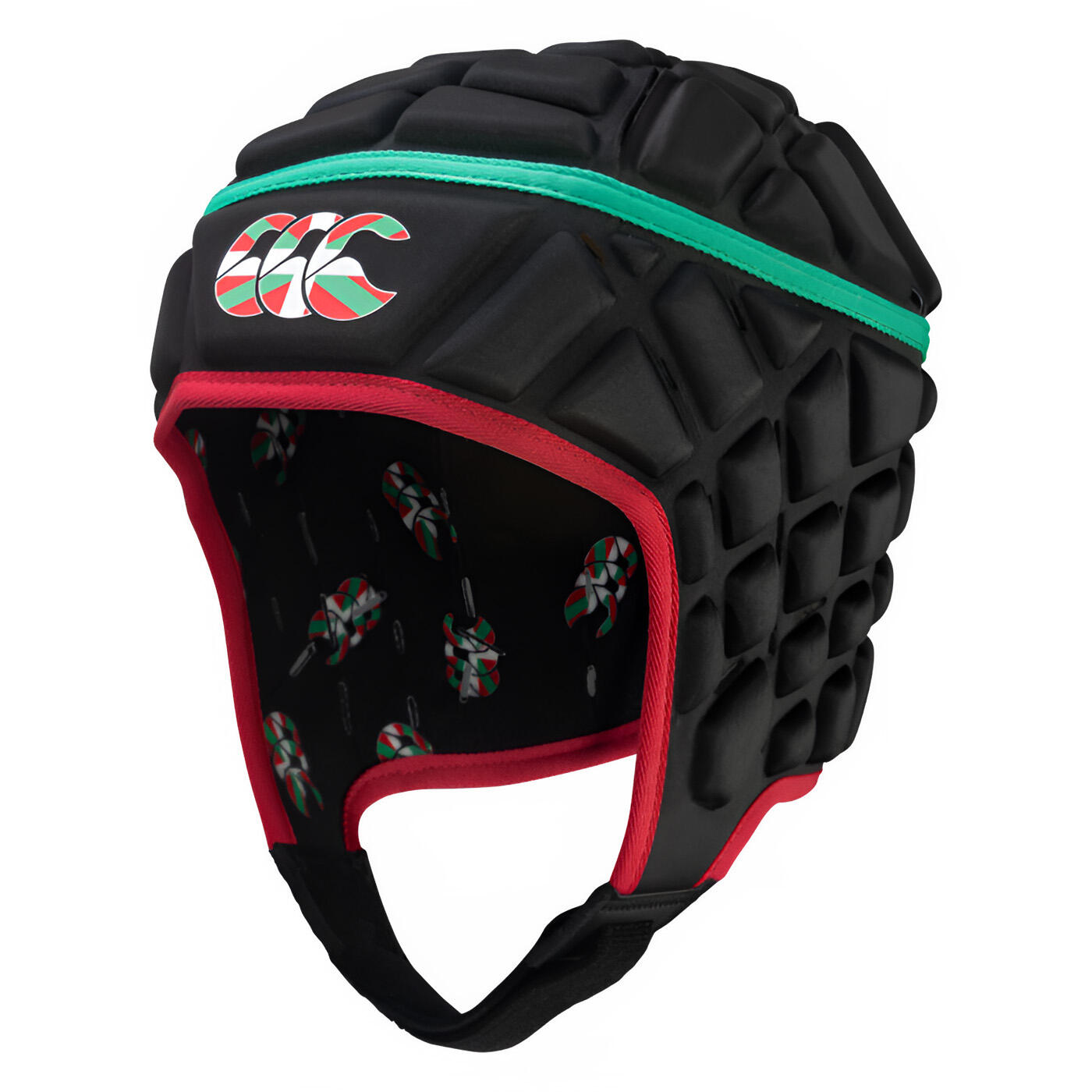
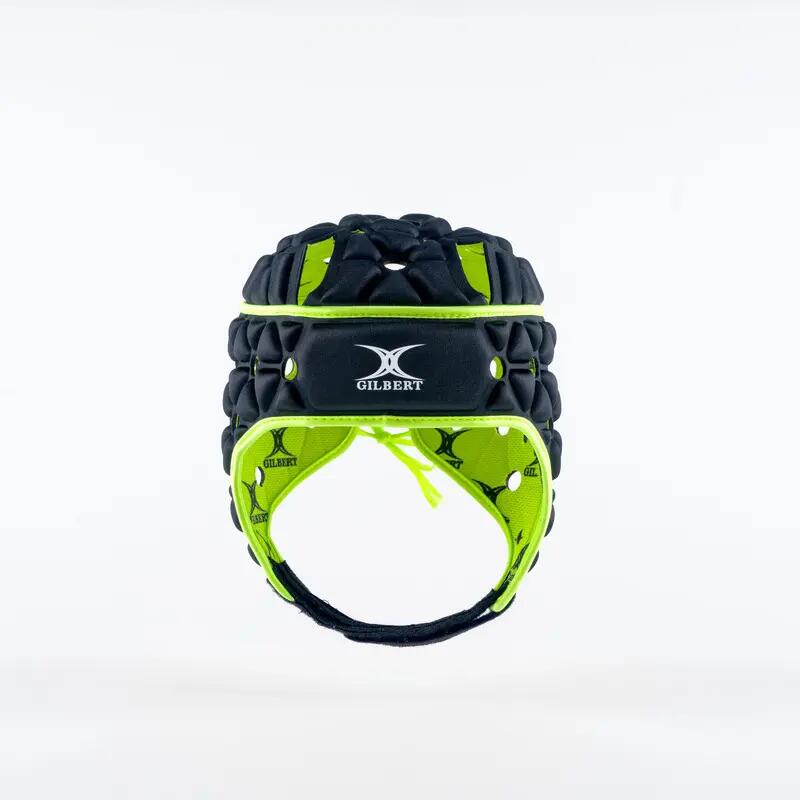
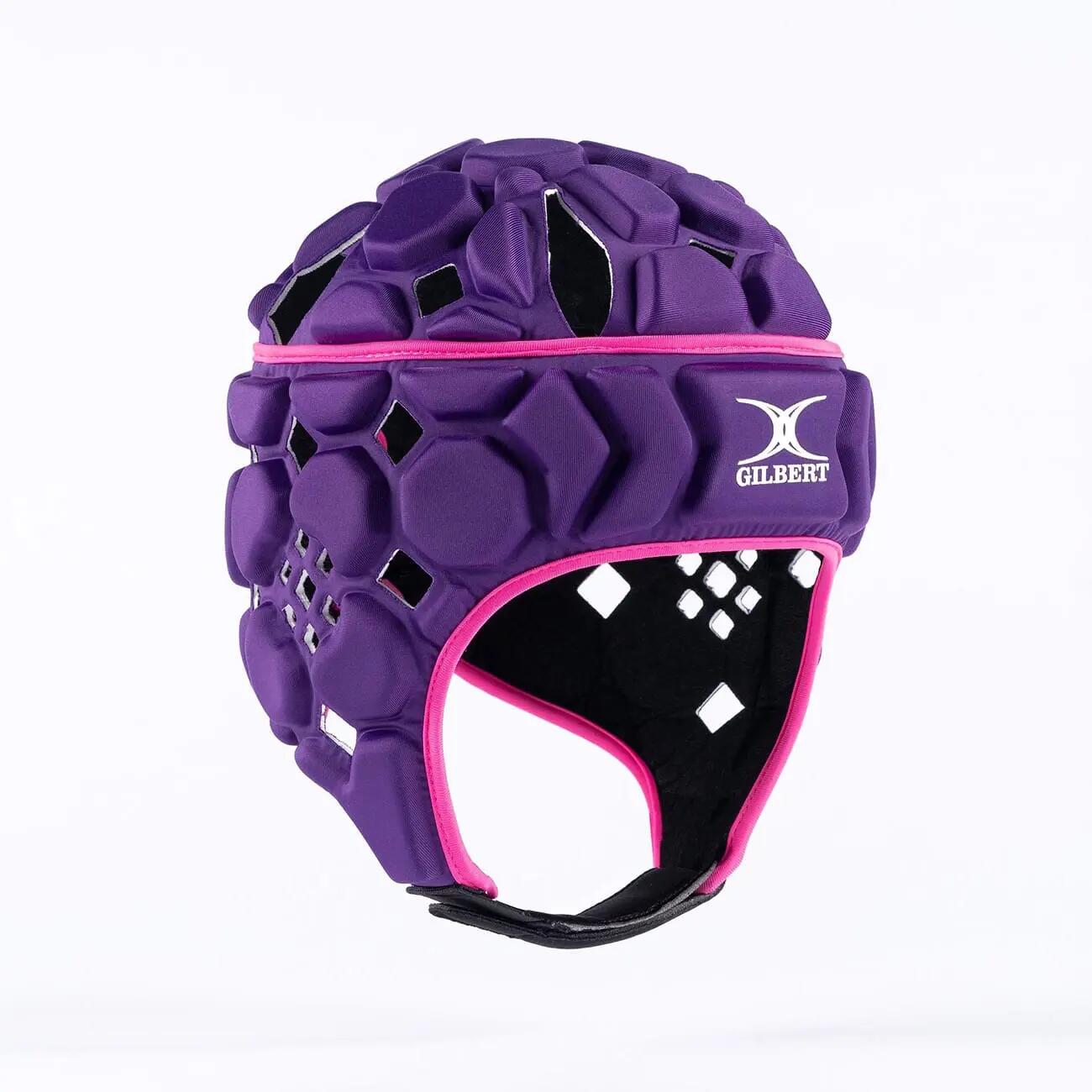
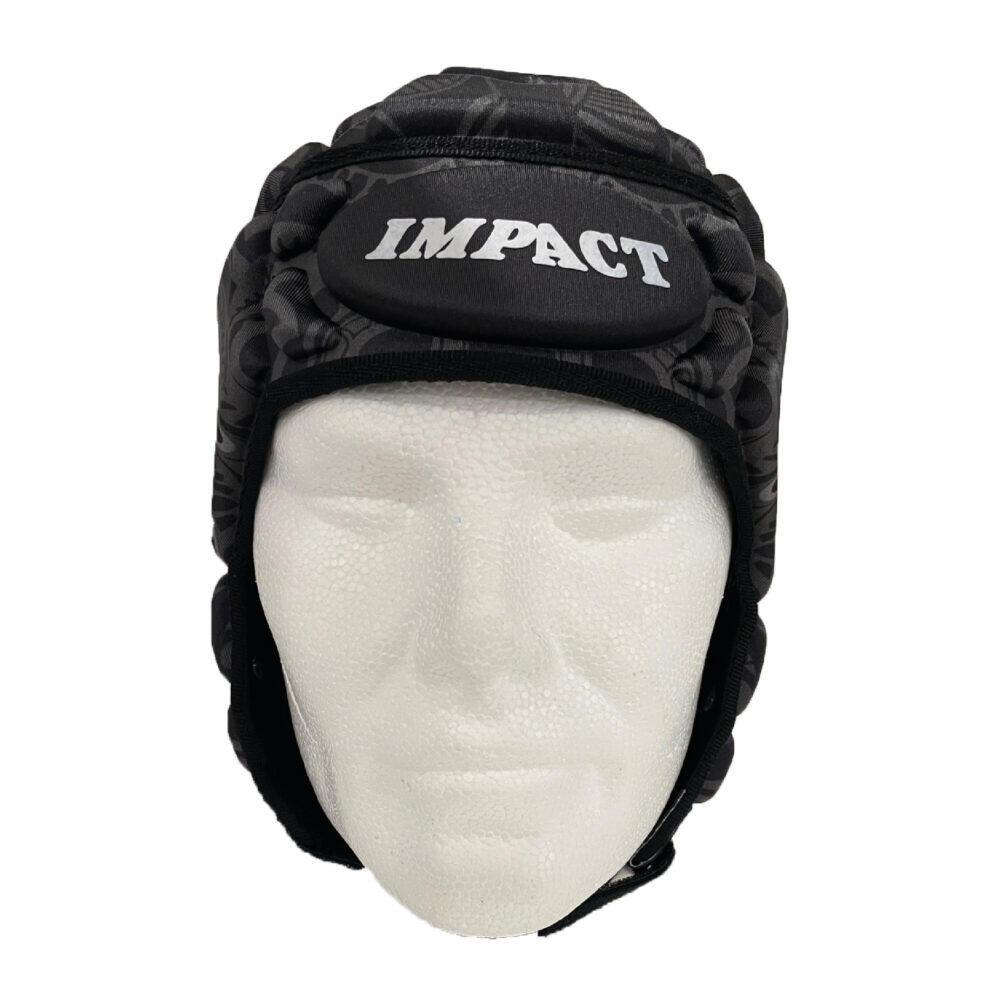
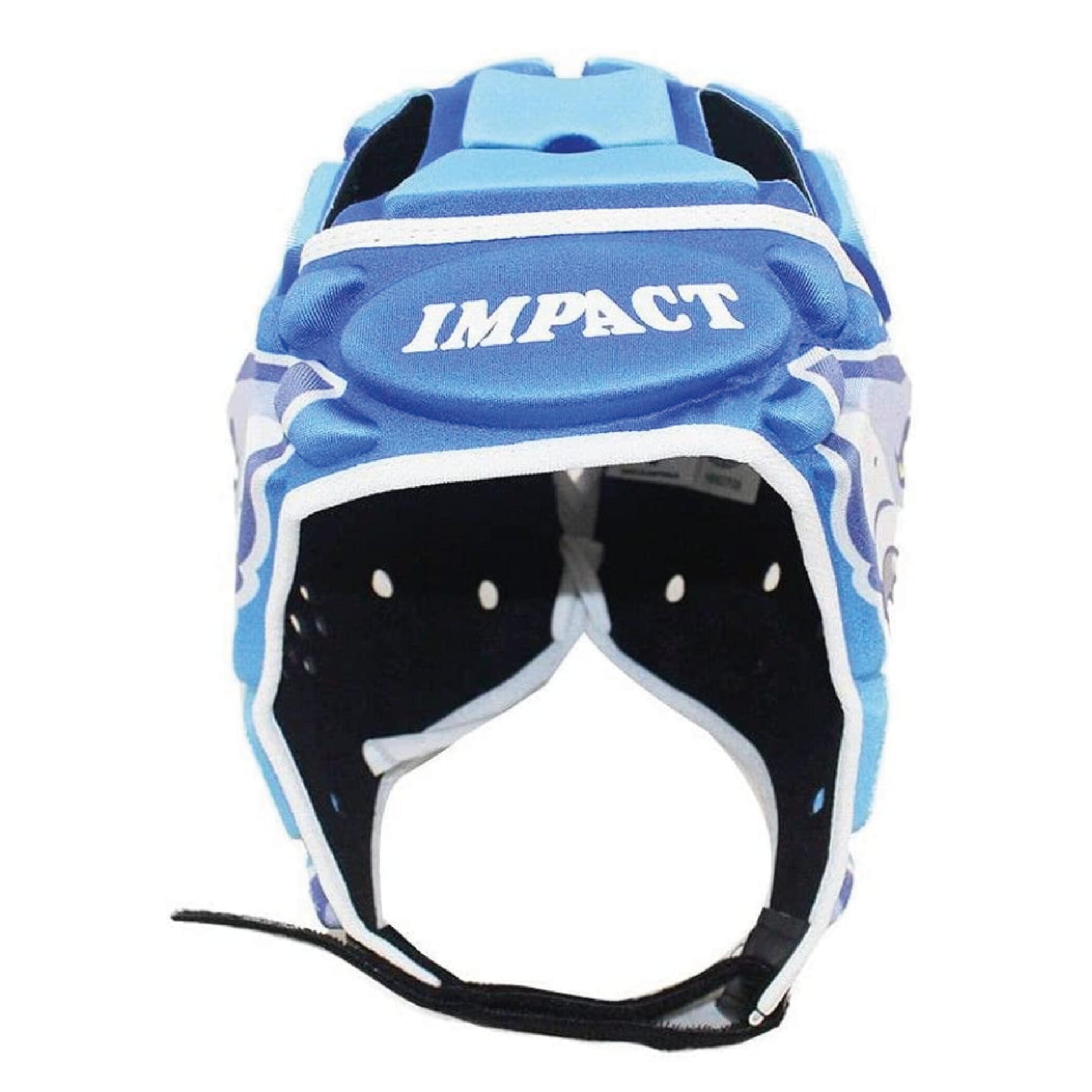
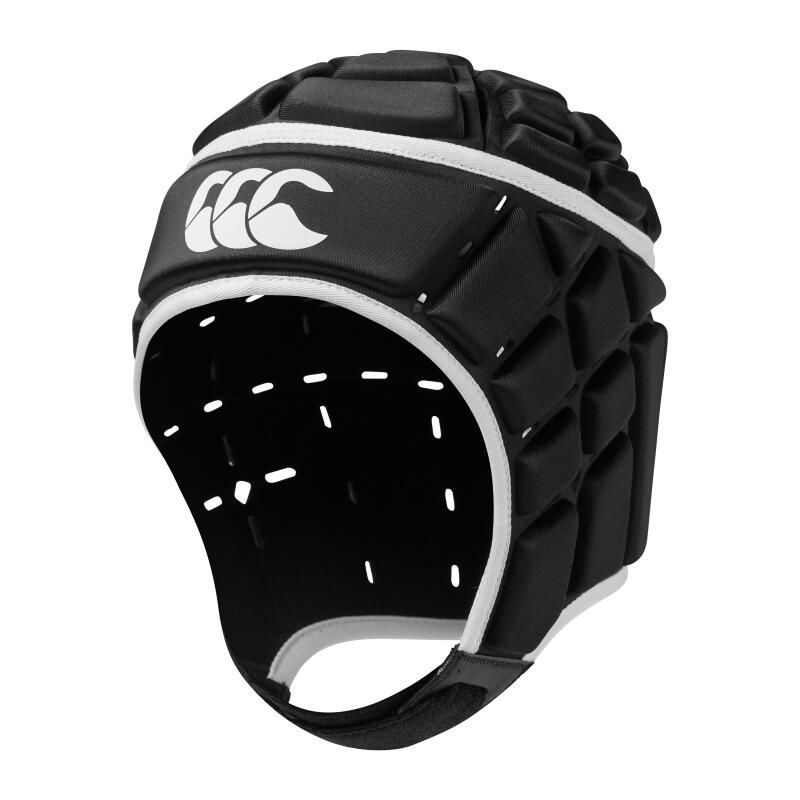
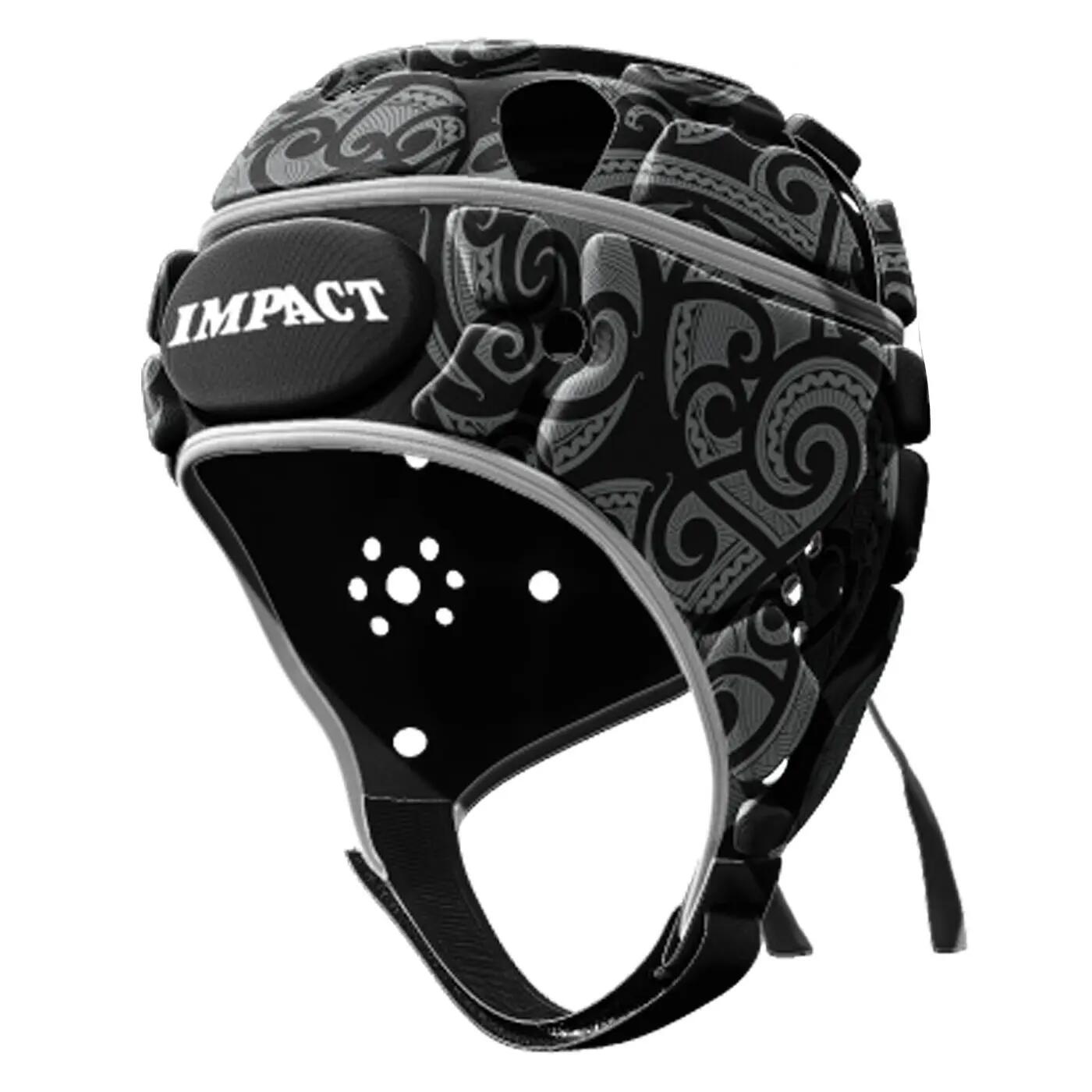
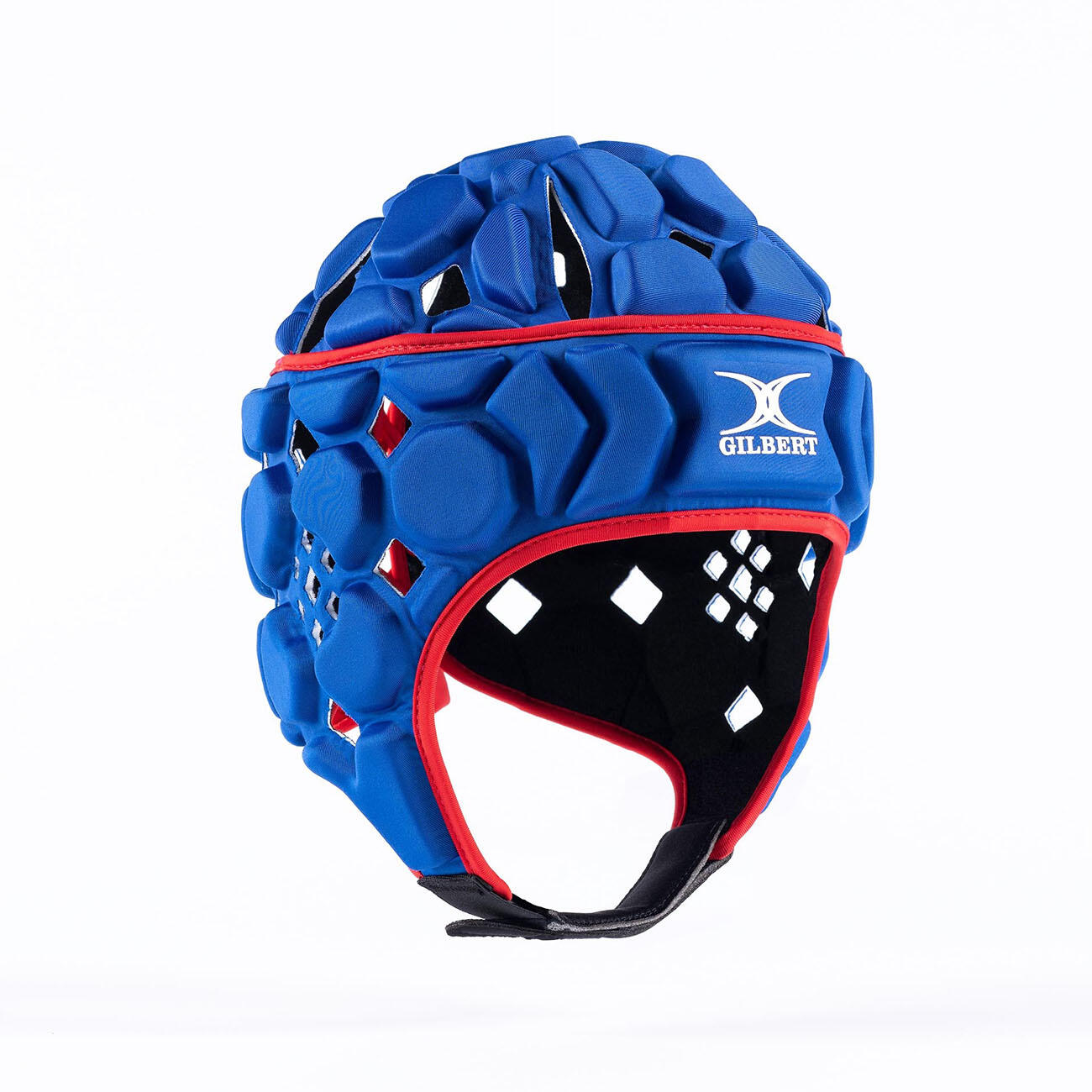
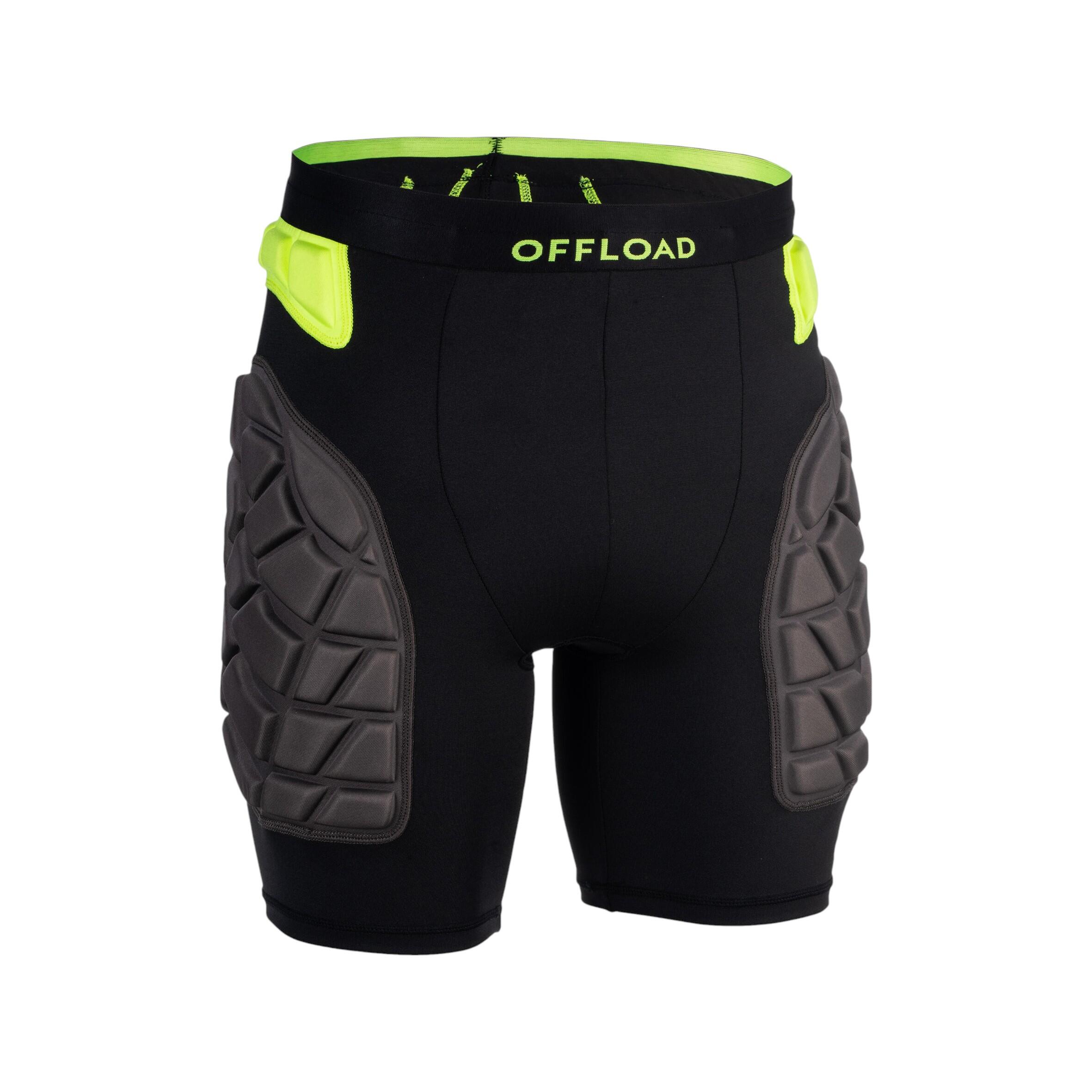
Finding the right fit is essential for on-field safety, as a loose cap can shift focus during a tackle. To select the correct size, use a soft measuring tape to determine the circumference of your head just above the eyebrows. Modern rugby headguards feature an adjustable rear lace system and a chin strap to fine-tune the tension, ensuring the padding remains flush against the temples and forehead. If the cap feels too tight or leaves deep indentations on your skin, it may impede blood flow; conversely, any gaps between the foam and your skull indicate the gear is too large. When preparing for a match, forwards often prioritise thicker density padding to withstand the repetitive pressure of the set piece. For total kit readiness, players should pair their protective gear with supportive rugby padded shorts designed to absorb impact and enhance confidence during high-contact phases of play. This synergy between protective equipment allows athletes to focus entirely on the ball without worrying about equipment failure or slipping on soft ground.

What are the technical benefits of wearing rugby scrum caps?

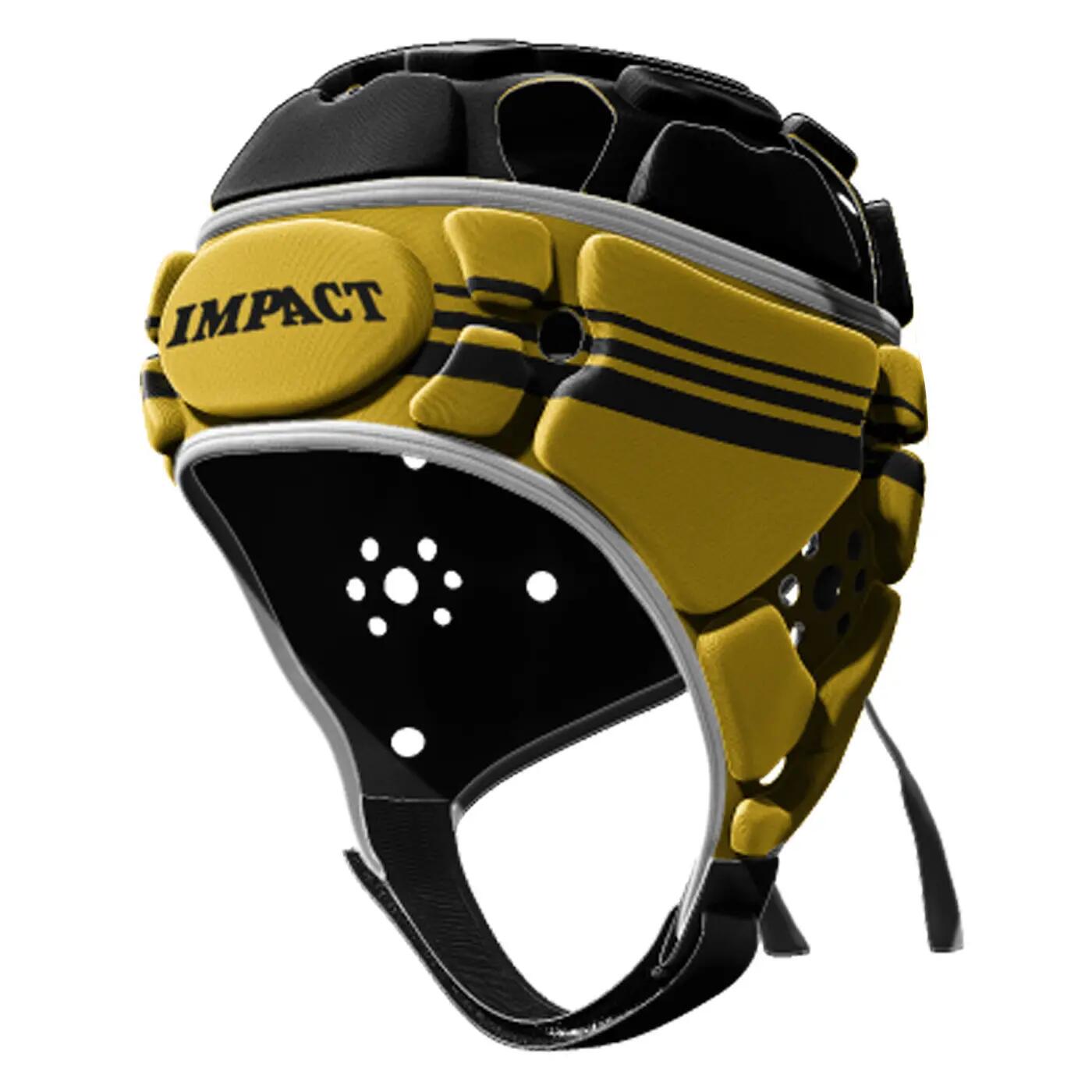
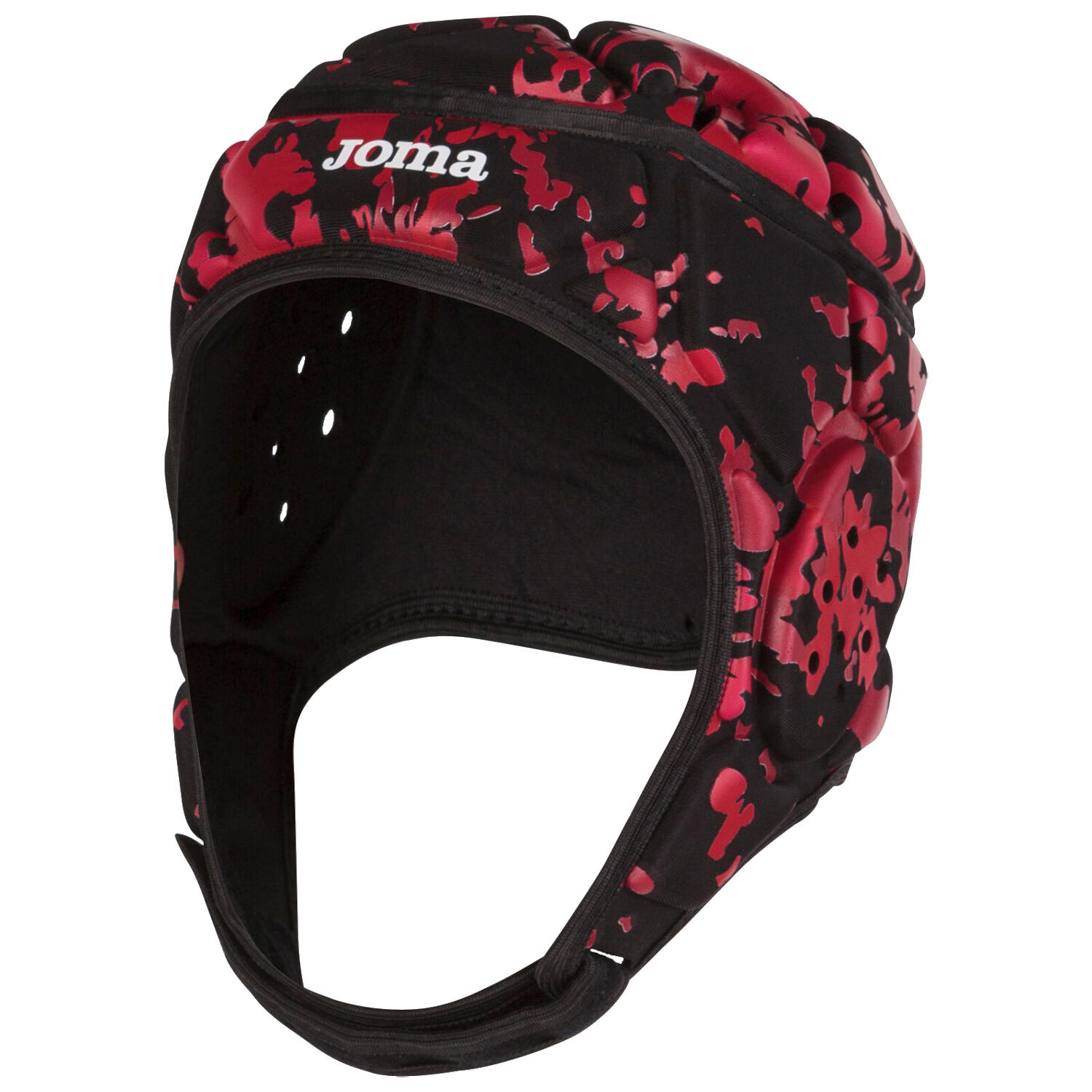
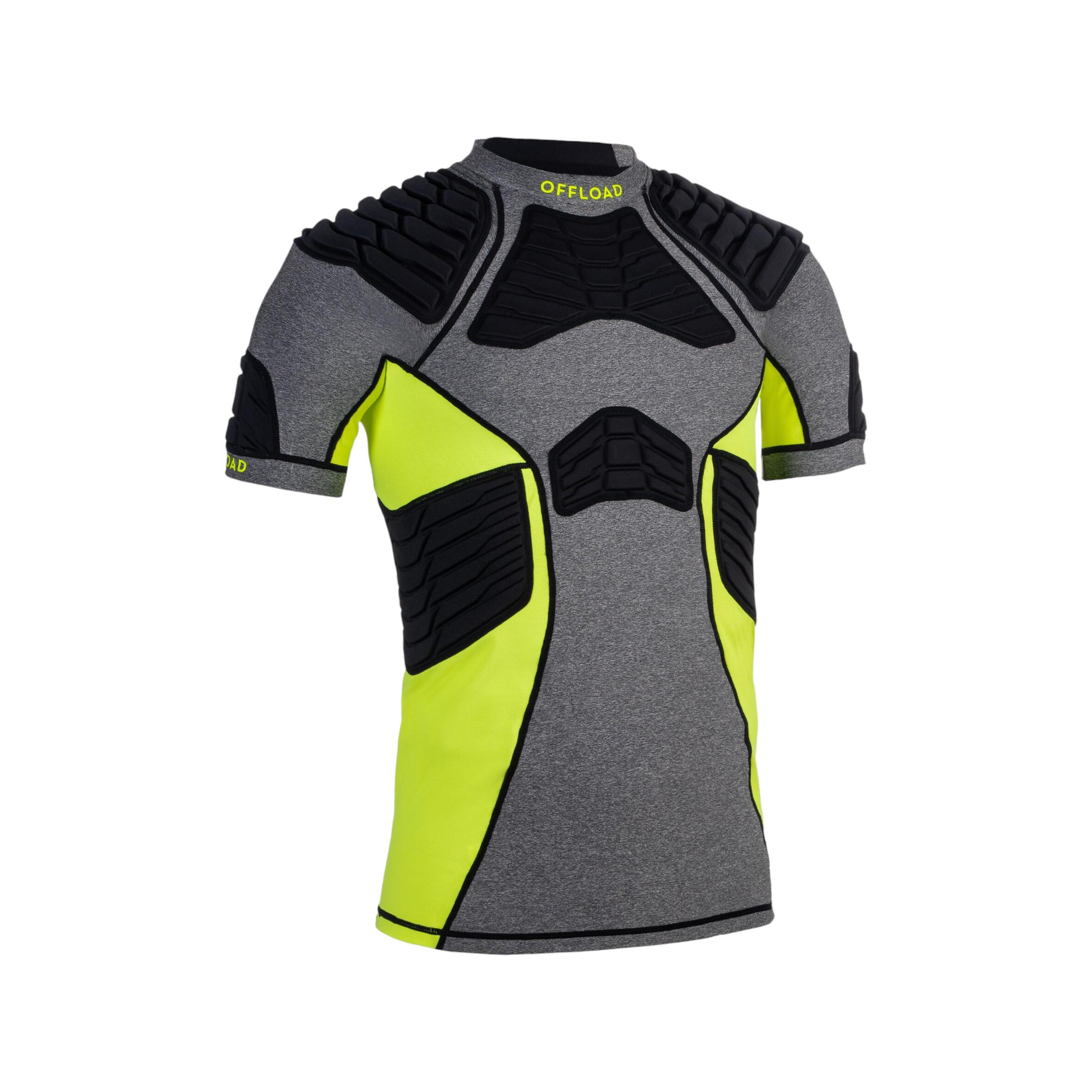
The primary function of these wearables is to mitigate the risk of superficial injuries like lacerations and the development of haematomas, commonly known as cauliflower ear. In the tight confines of a ruck or scrum, friction against opponent jerseys or boots can cause significant skin damage. World Rugby approved rugby scrum caps utilise dual-density foam that absorbs energy while remaining flexible enough to contour to the head. The technical reason behind creating perforated ear sections is to help players hear referee instructions and teammate calls clearly, even with the padding in place. Furthermore, the lightweight synthetic fabrics are moisture-wicking to prevent sweat from stinging the eyes. While your head is protected, remember that upper-body protection is equally vital for performance; wearing supportive rugby padded shoulders helps absorb impact and maintain confidence during high-contact phases of play.

Why is breathability important in rugby headgear?

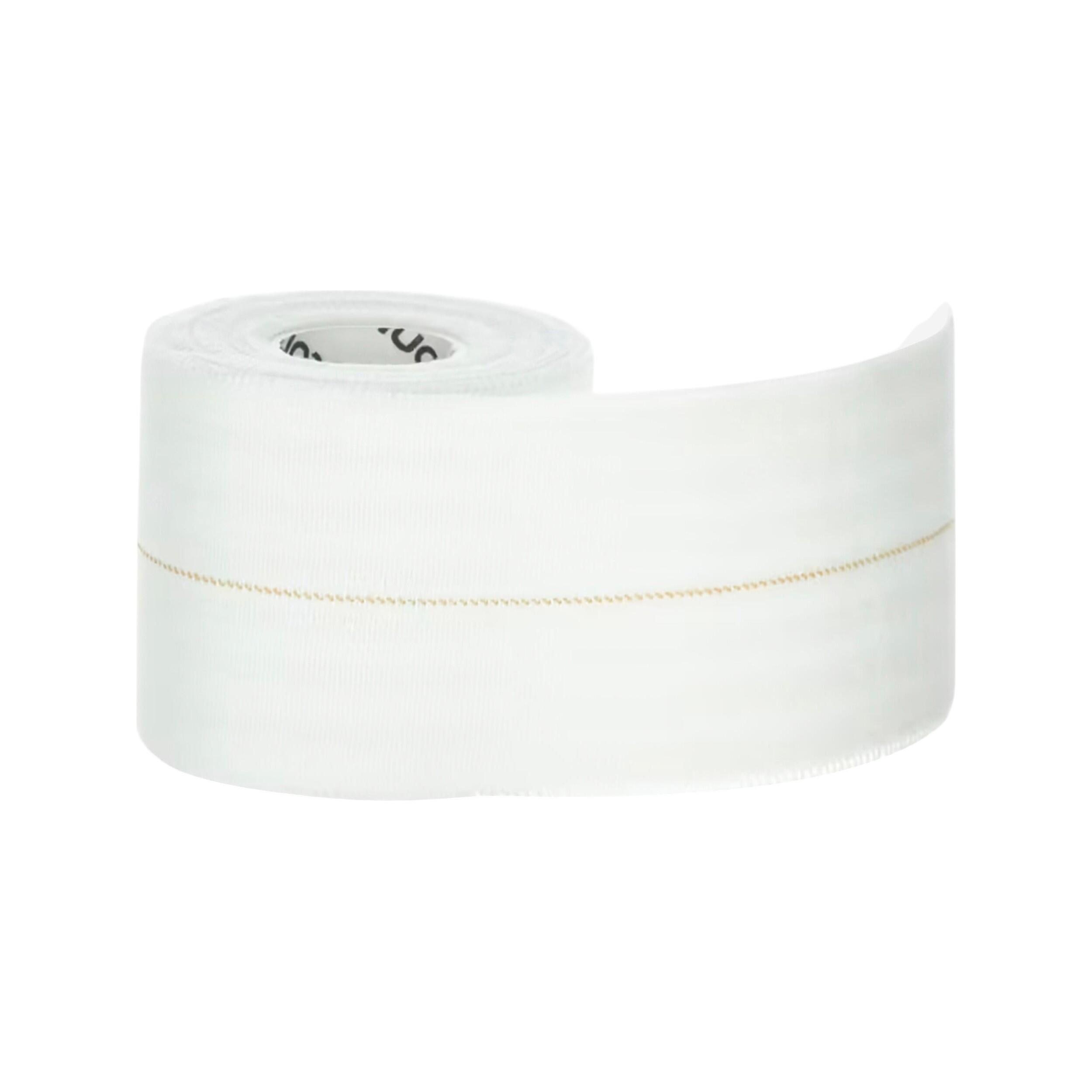
Intense physical exertion generates significant heat, and because a large percentage of body warmth is regulated through the head, ventilation is a critical specification. Technical rugby headgear features numerous air vents and cooling channels that facilitate airflow, reducing the risk of overheating during the second half of a match. This helps you stay sharp and react quickly as you get tired. The materials are also chosen to reduce bacteria buildup and help in keeping your head feeling fresh. When considering your overall temperature management, securing vulnerable joints with reliable rugby protection tape can provide additional support and stability during intense tackles and scrums. Smart tip: Always ensure your chin strap is fastened securely but allows for full jaw movement, as being able to communicate effectively with your fly-half is just as important as the physical protection the cap provides.
What is the difference between various rugby headguard models?

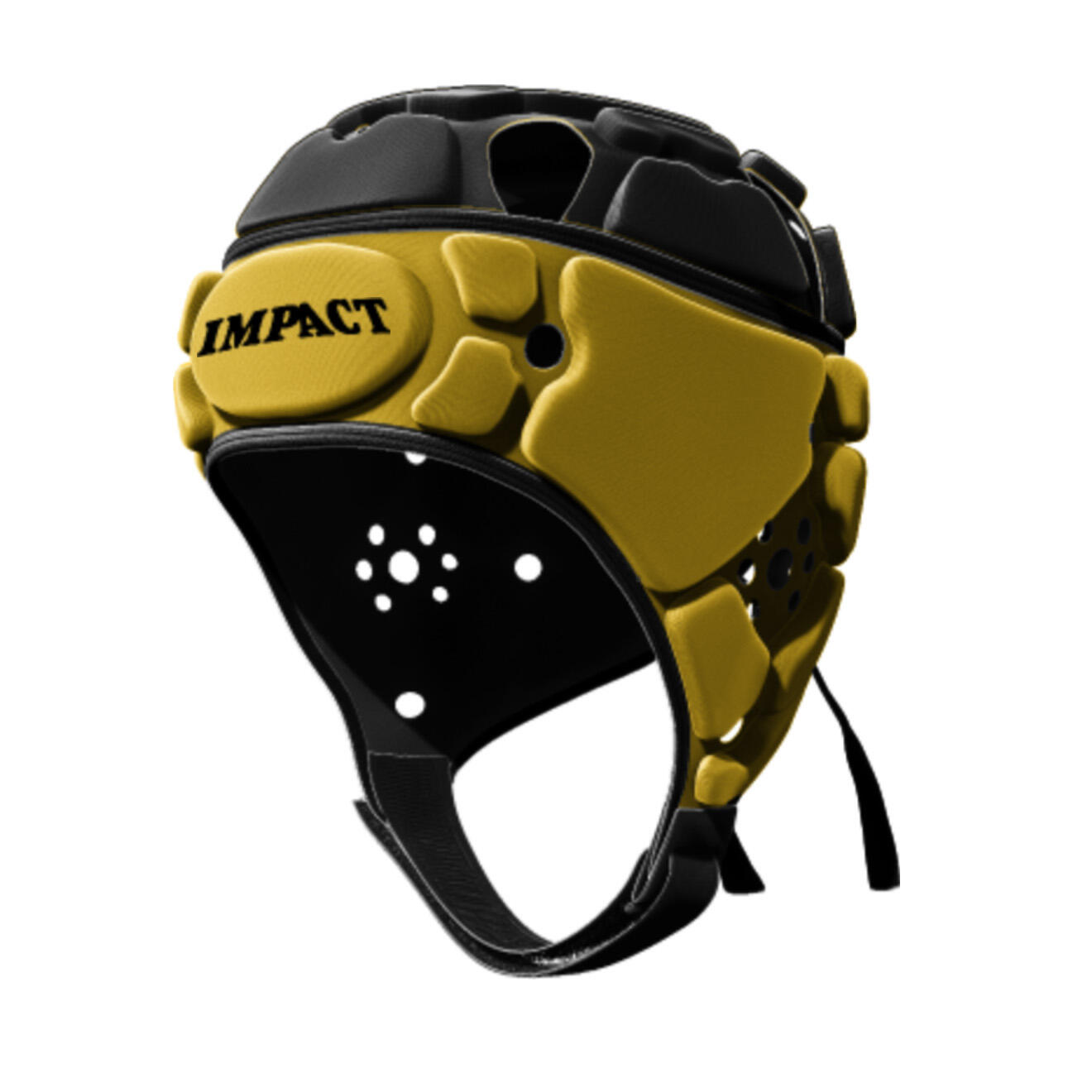
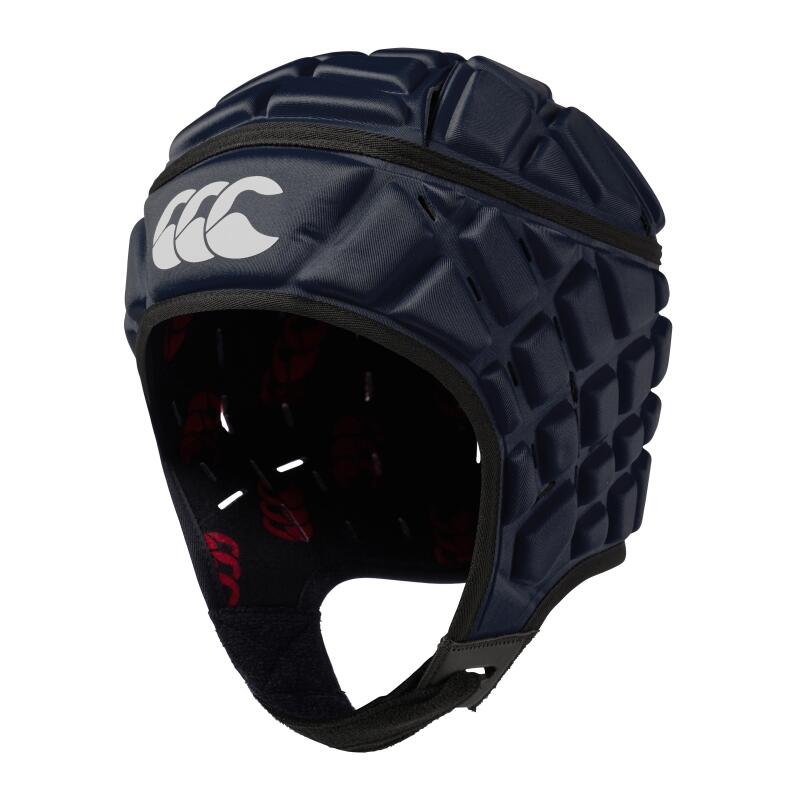
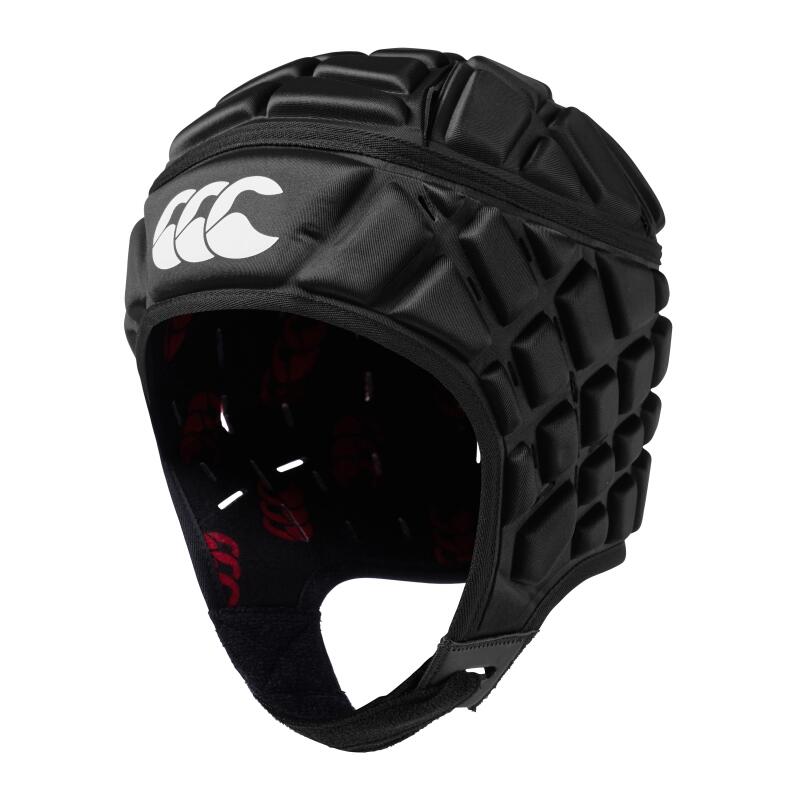
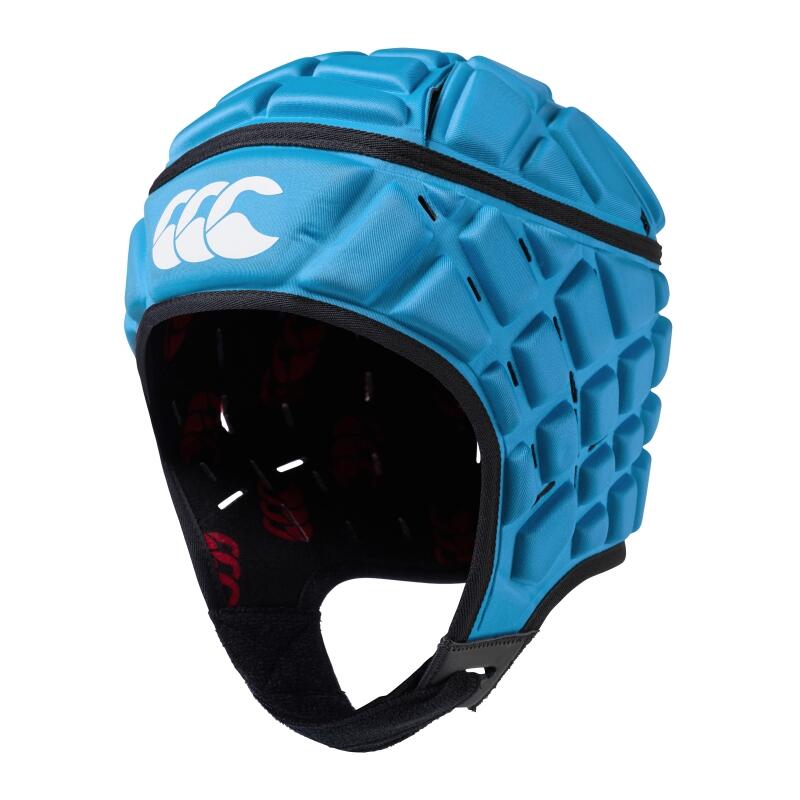
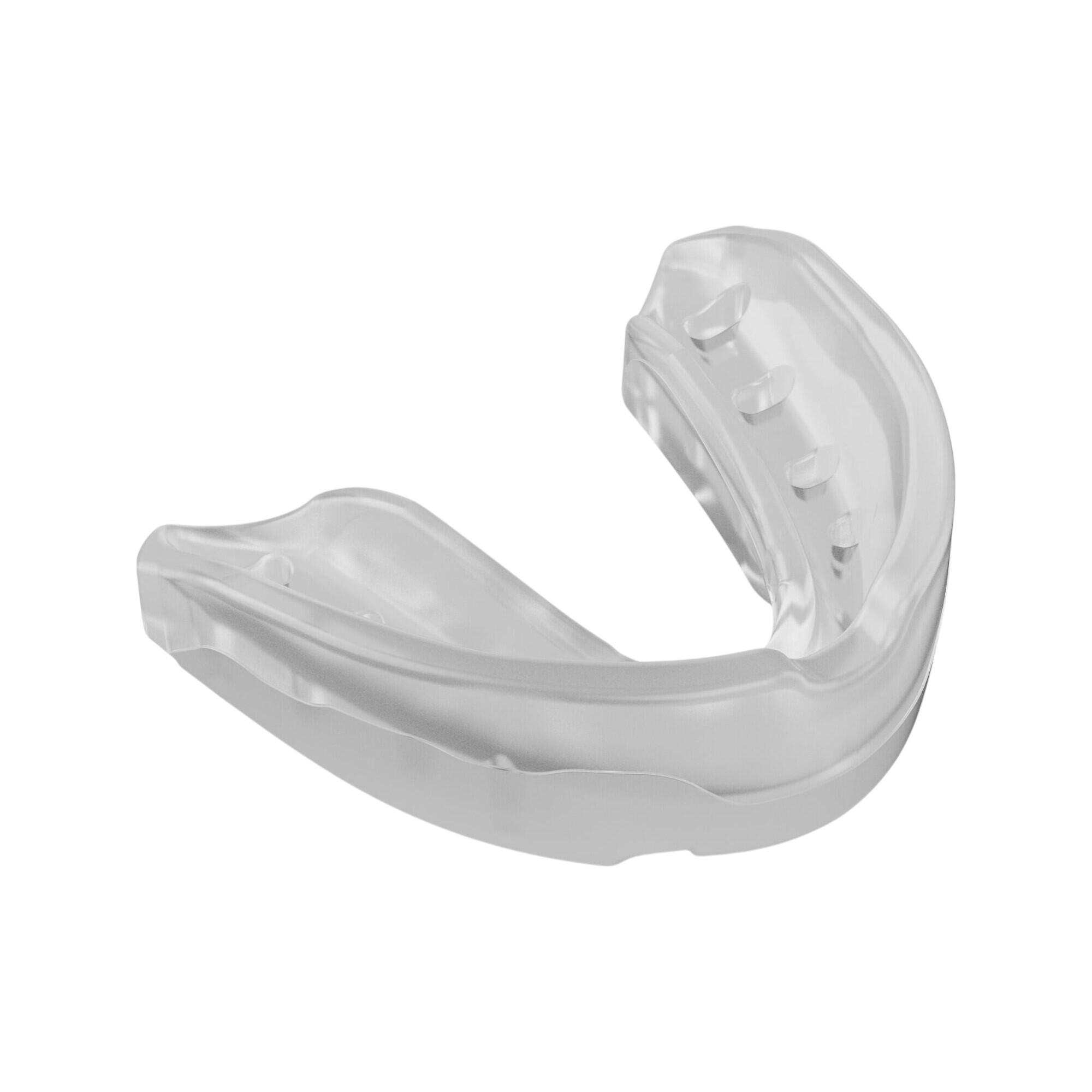
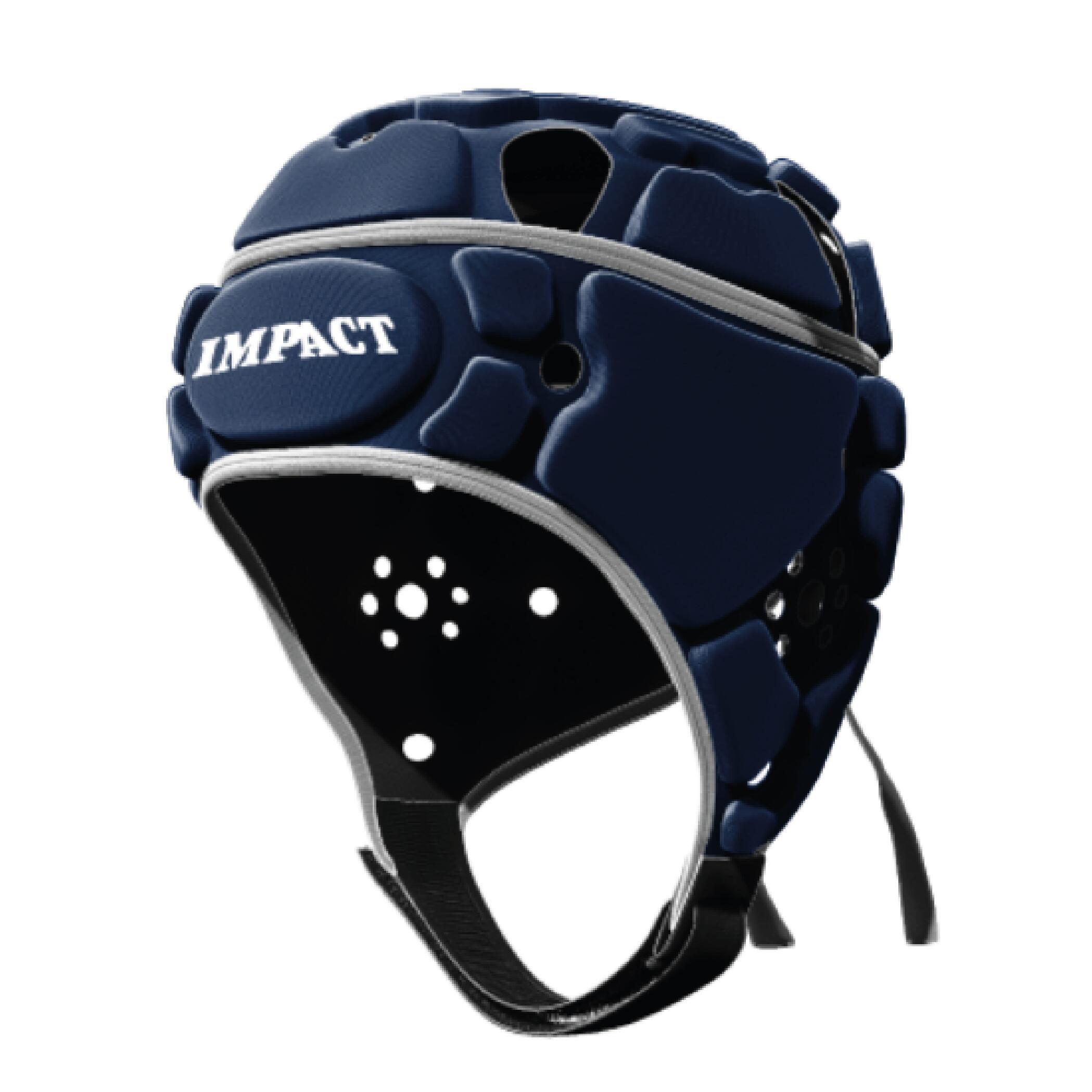
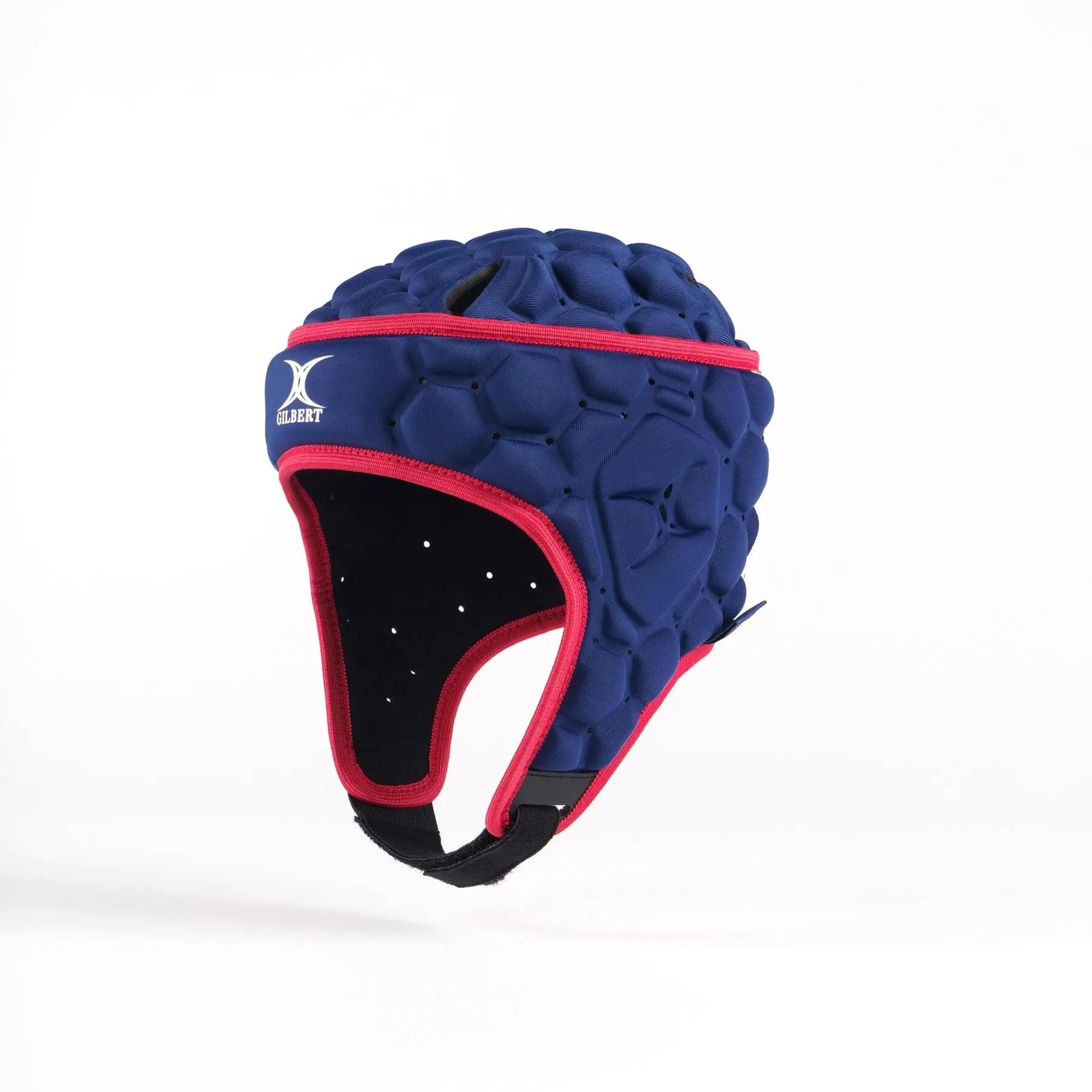
The variation in models typically relates to the density of the foam and the coverage area provided around the occipital bone and jawline. Elite-level rugby headguard offer reinforced padding zones in high-impact areas identified by biomechanical testing. Entry-level versions provide basic abrasion protection suitable for youth players or non-contact training drills. The reason for the 10mm foam thickness limit in most competitions is to provide a protective barrier without allowing the headguard to be used as a weapon against opponents. Expert players often look for a low-profile silhouette to ensure the gear does not snag on jerseys during bind-ups. For complete on-field protection, athletes should also consider wearing properly fitted rugby mouthguards to safeguard teeth and reduce the risk of jaw injuries during high-impact collisions. Also check for the World Rugby certification mark on the internal label before purchasing; this guarantees the equipment has passed rigorous impact and snagging tests required for competitive play at all levels of the game.