185 items
4.2/5 based on 239 reviews collected online and in stores

RUGBY JACKETS & HOODIES FAQS

How do I choose the right rugby jackets & hoodies for winter training?

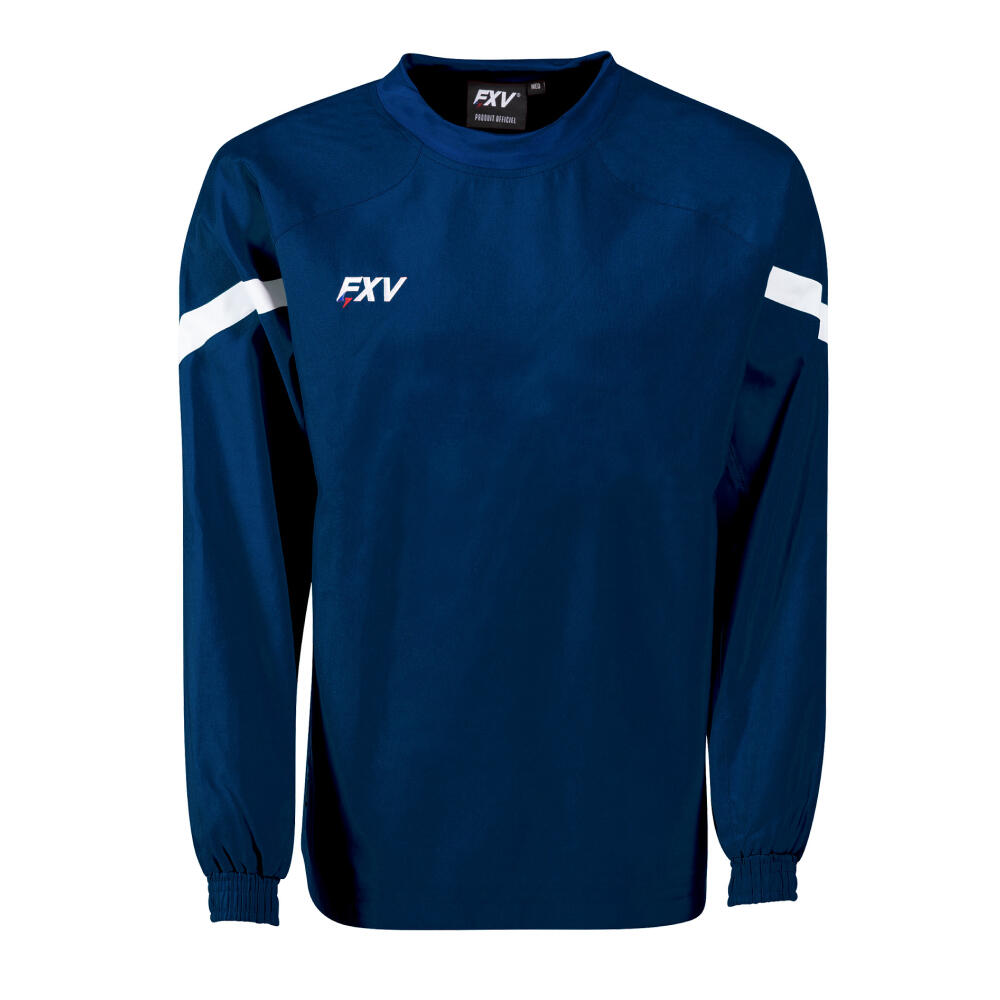
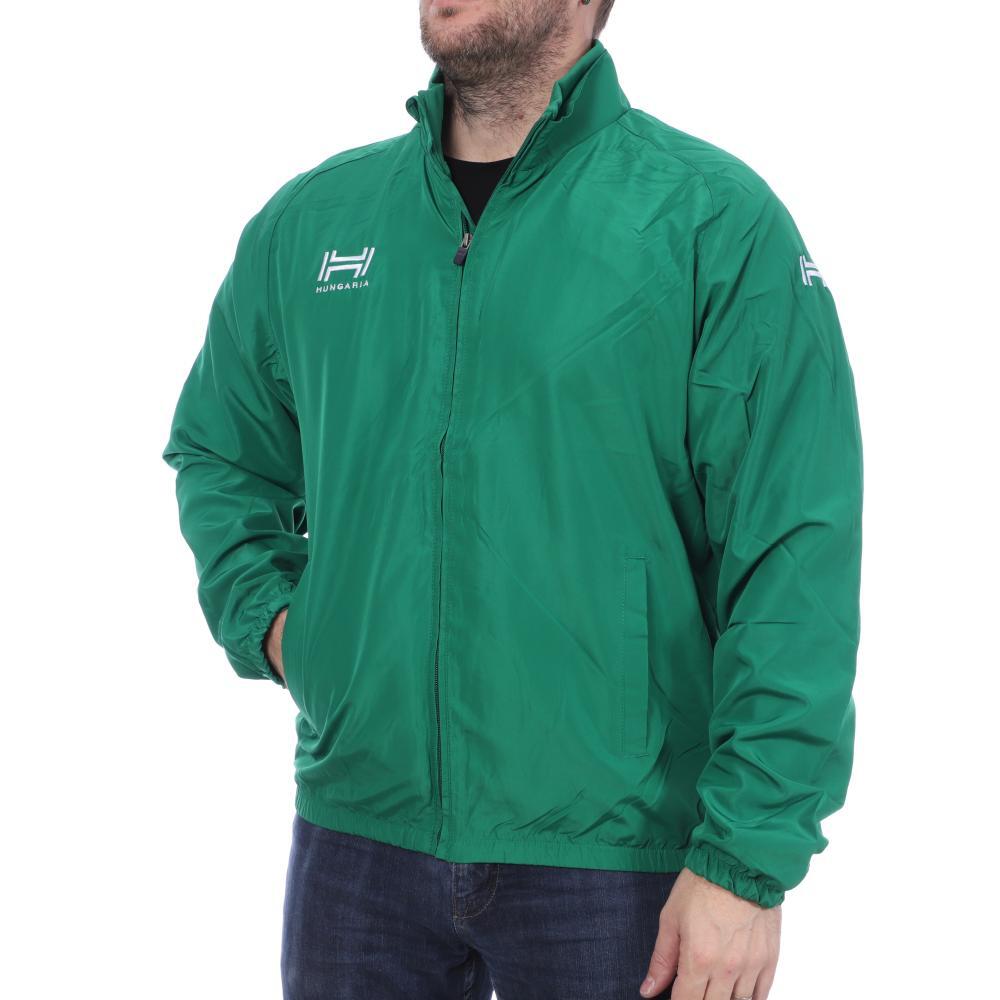
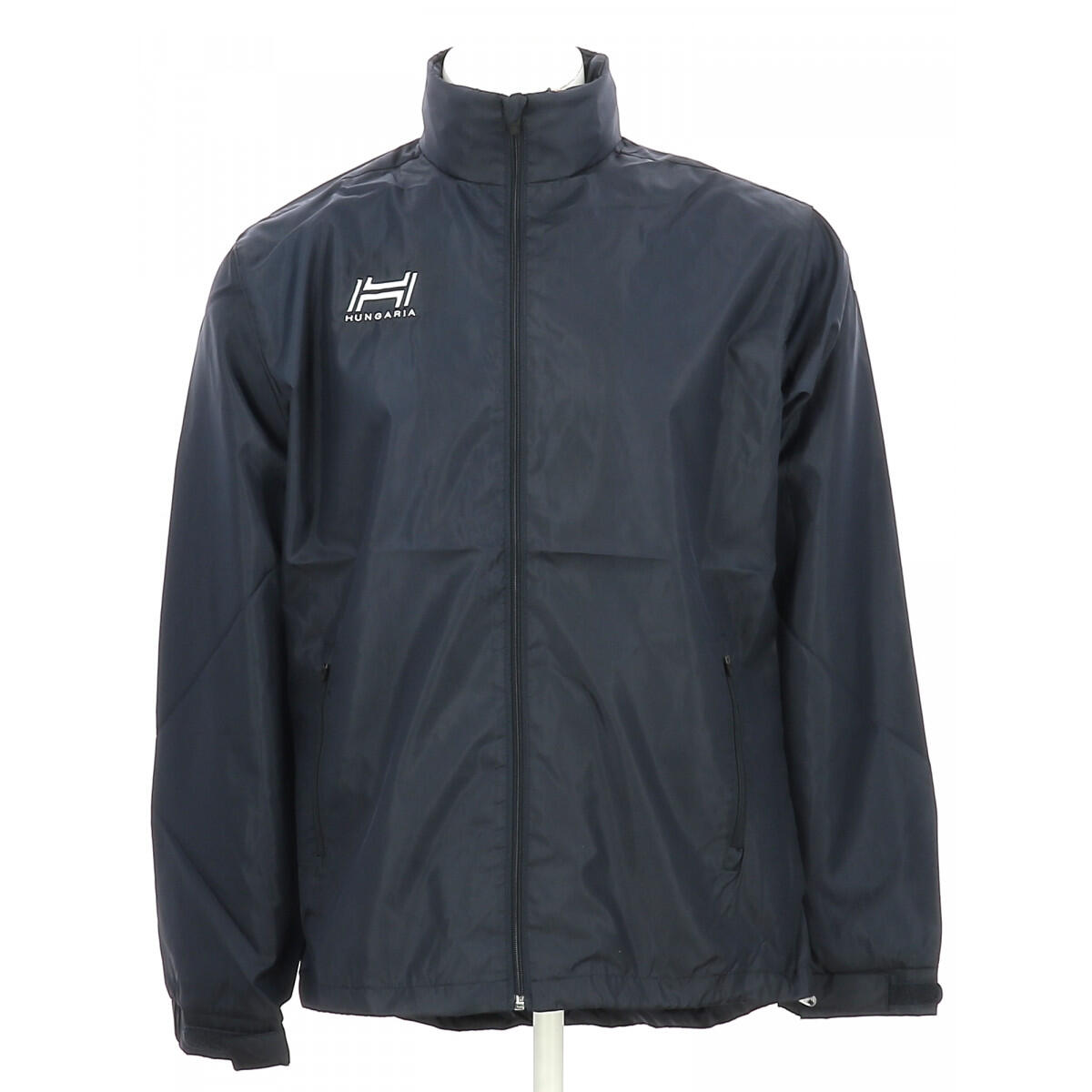
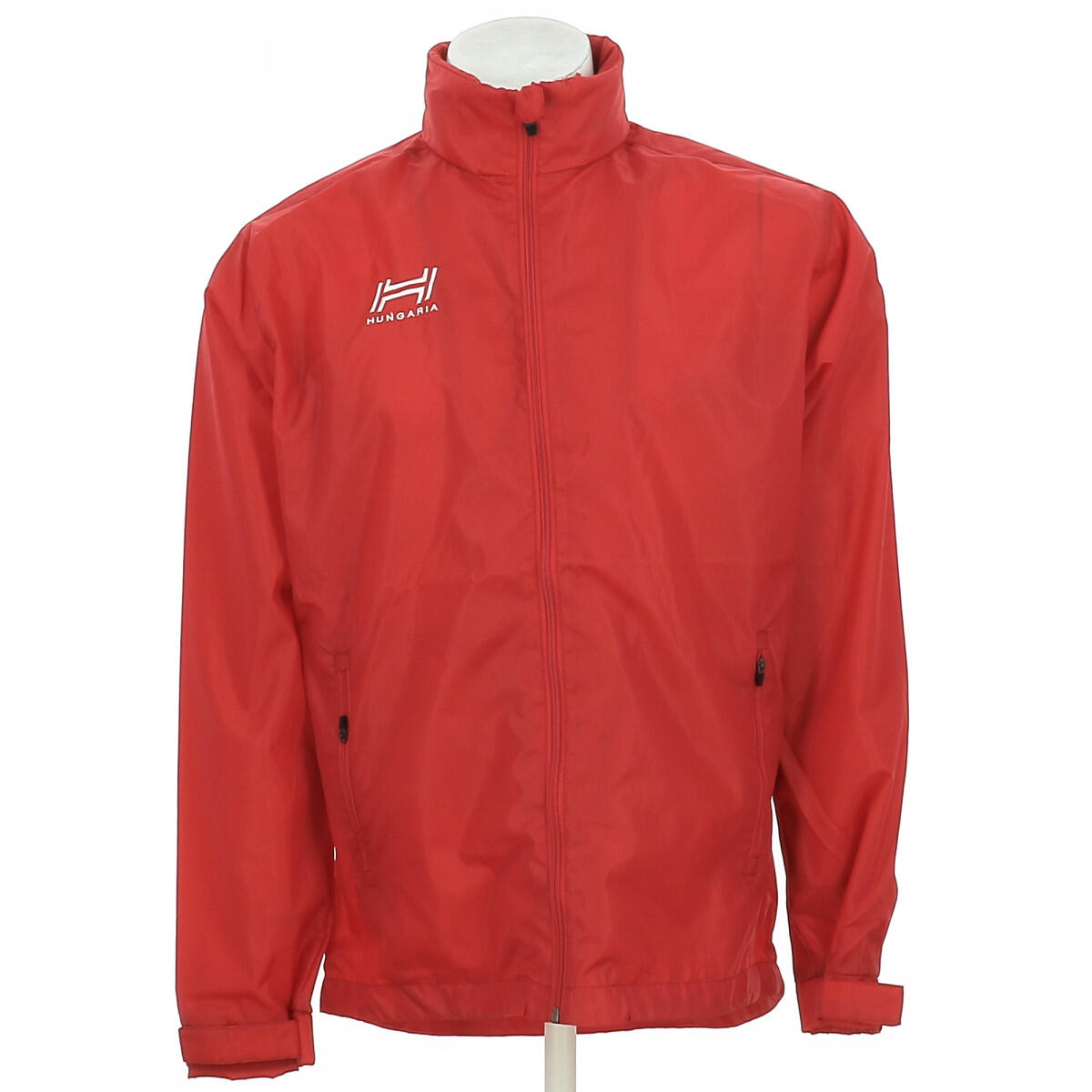
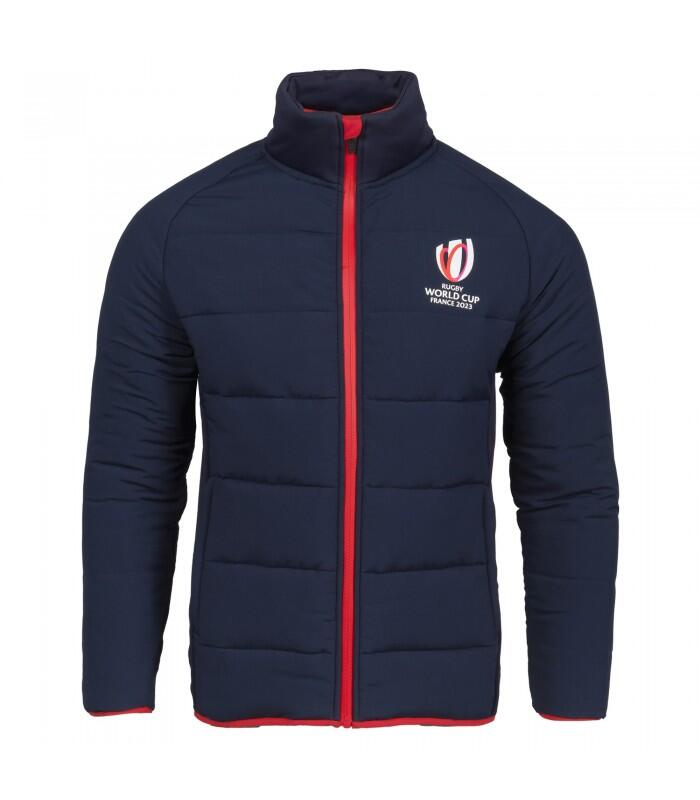
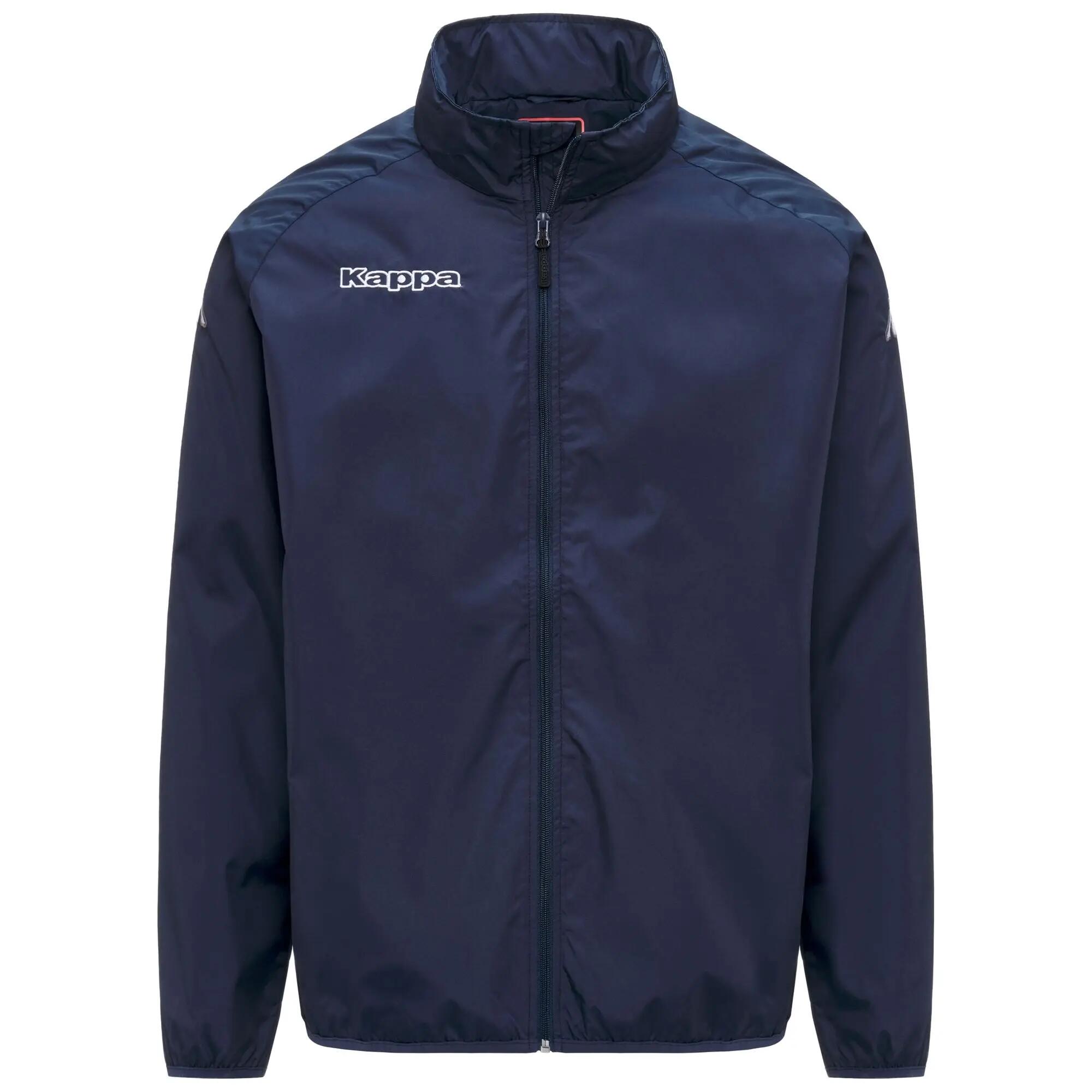
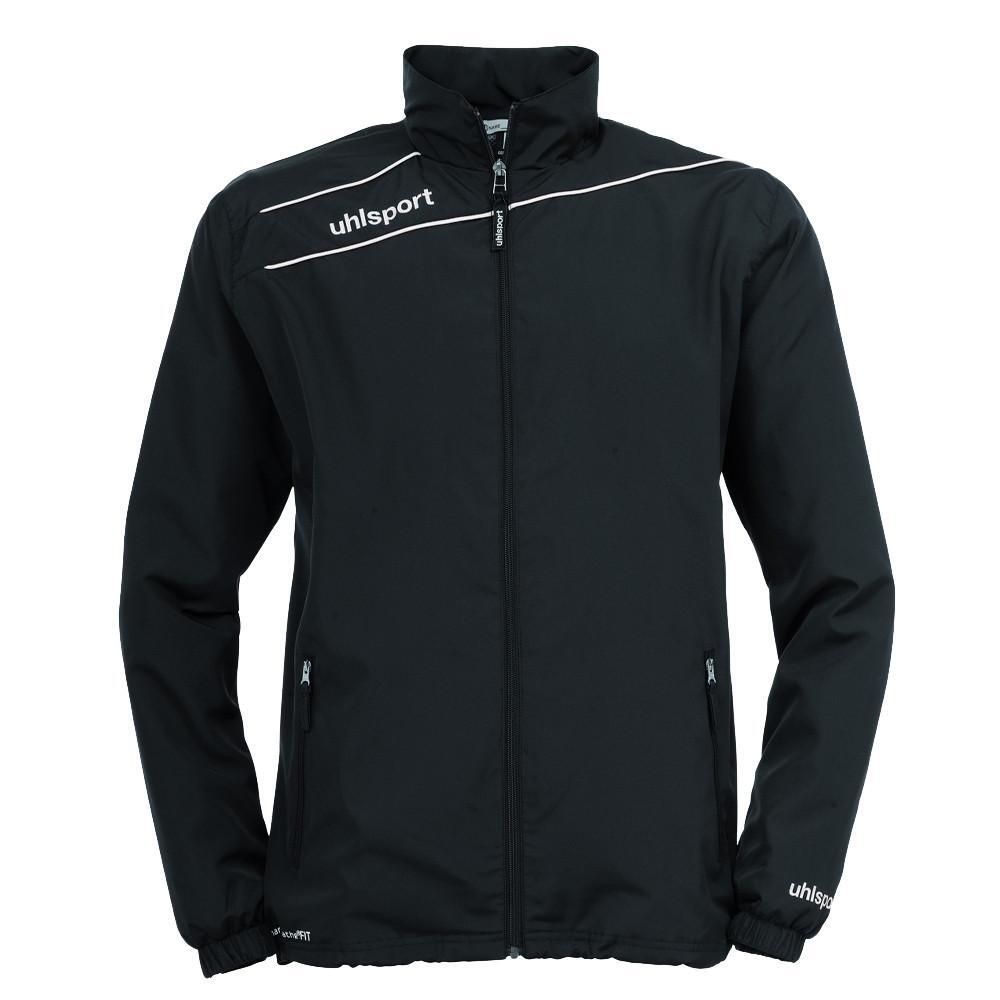
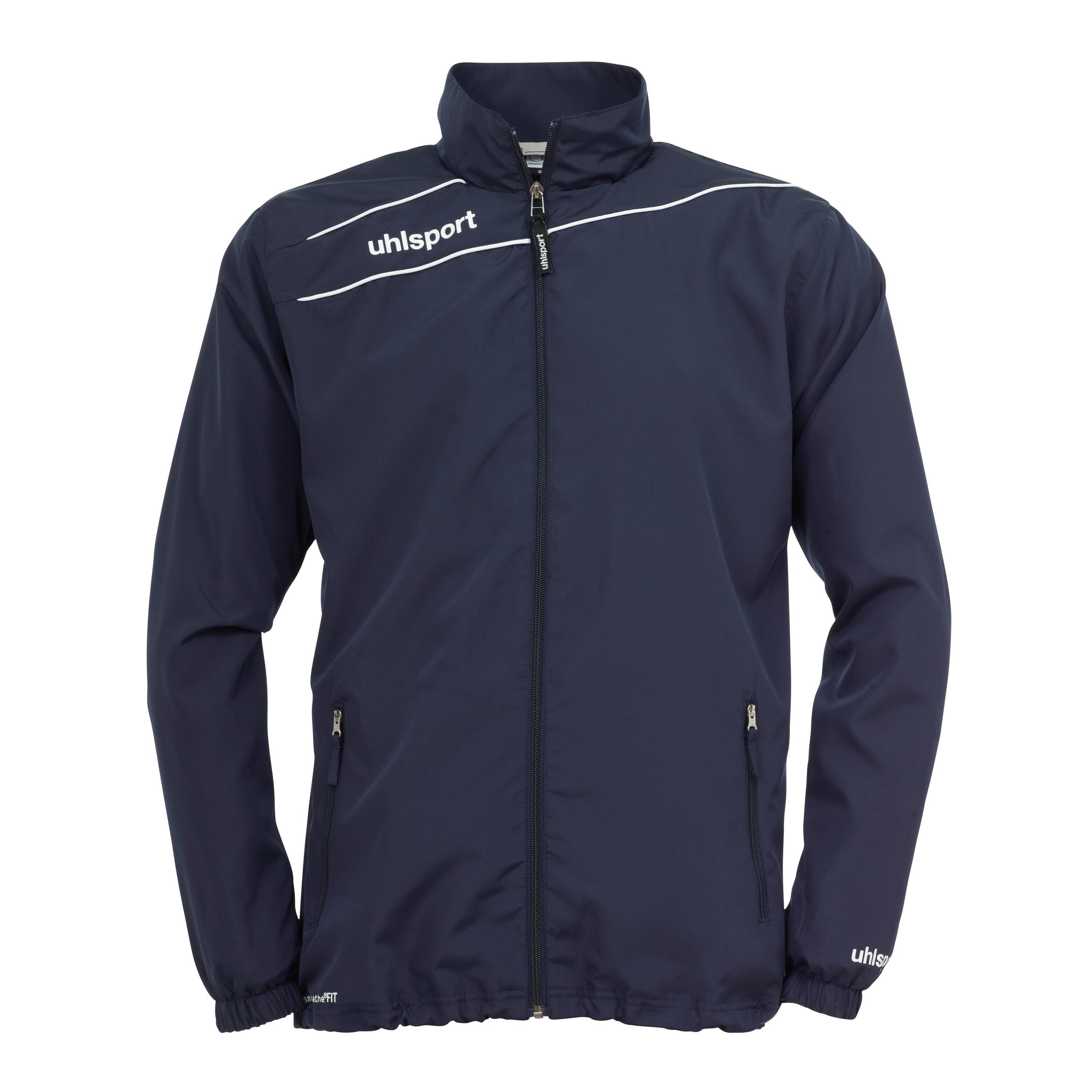
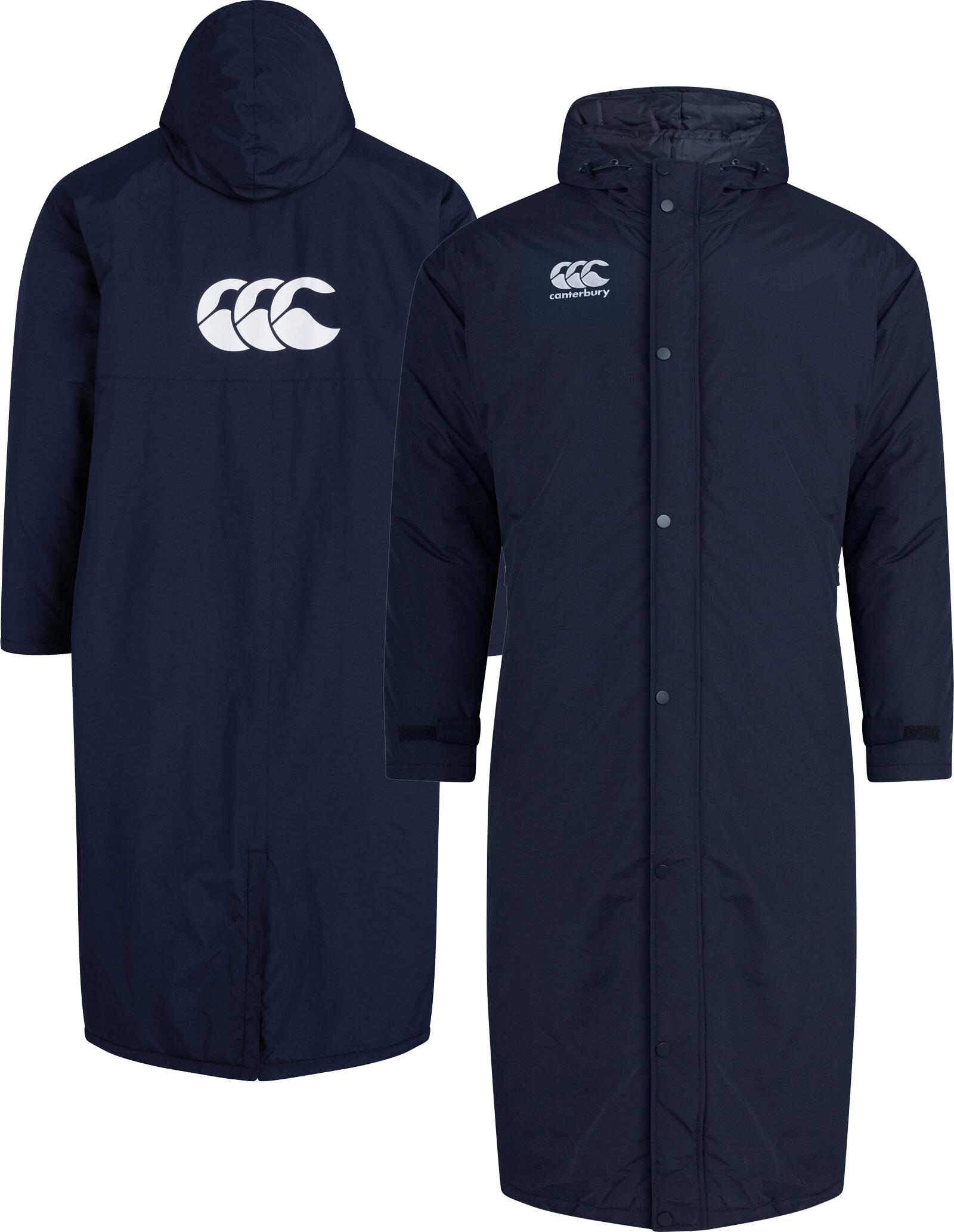
The right outerwear comes down to how hard you’re training and the conditions on the pitch. For high-intensity drills where agility is paramount, lightweight rugby training jackets provide a barrier against wind while allowing excess body heat to escape through breathable mesh panels. The technical reason behind this selection is the balance between thermal retention and moisture transport; a heavy coat might cause overheating during sprints, leading to dampness from sweat. When outfitting younger players who lose heat more rapidly during static coaching segments, selecting specific kids rugby jackets & hoodies ensures they remain warm enough to stay focused on skill development. For optimal performance, look for garments with reinforced stitching at the shoulders to withstand the pulling forces typical of contact sport.

What are the benefits of using rugby training hoodies over standard sweatshirts?

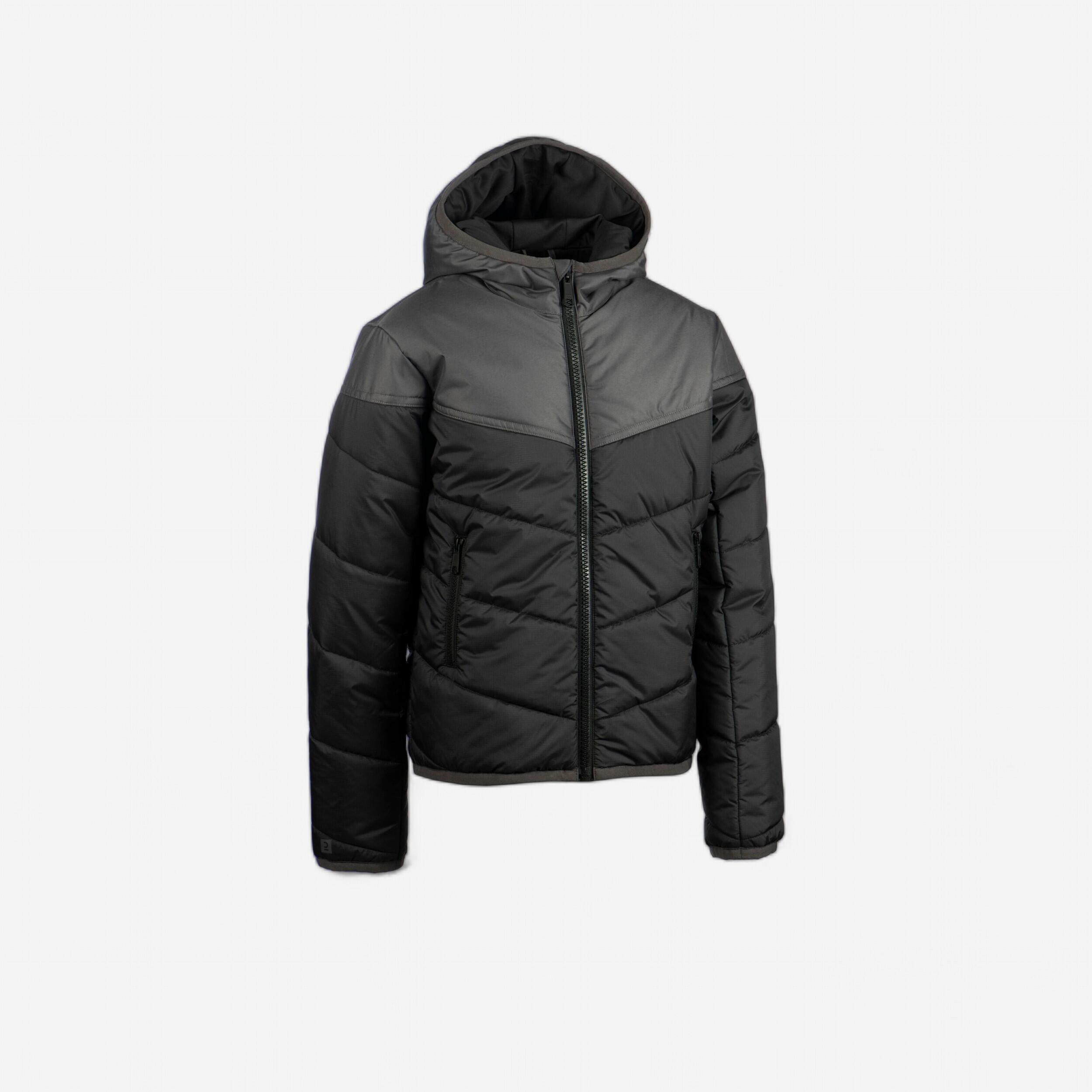
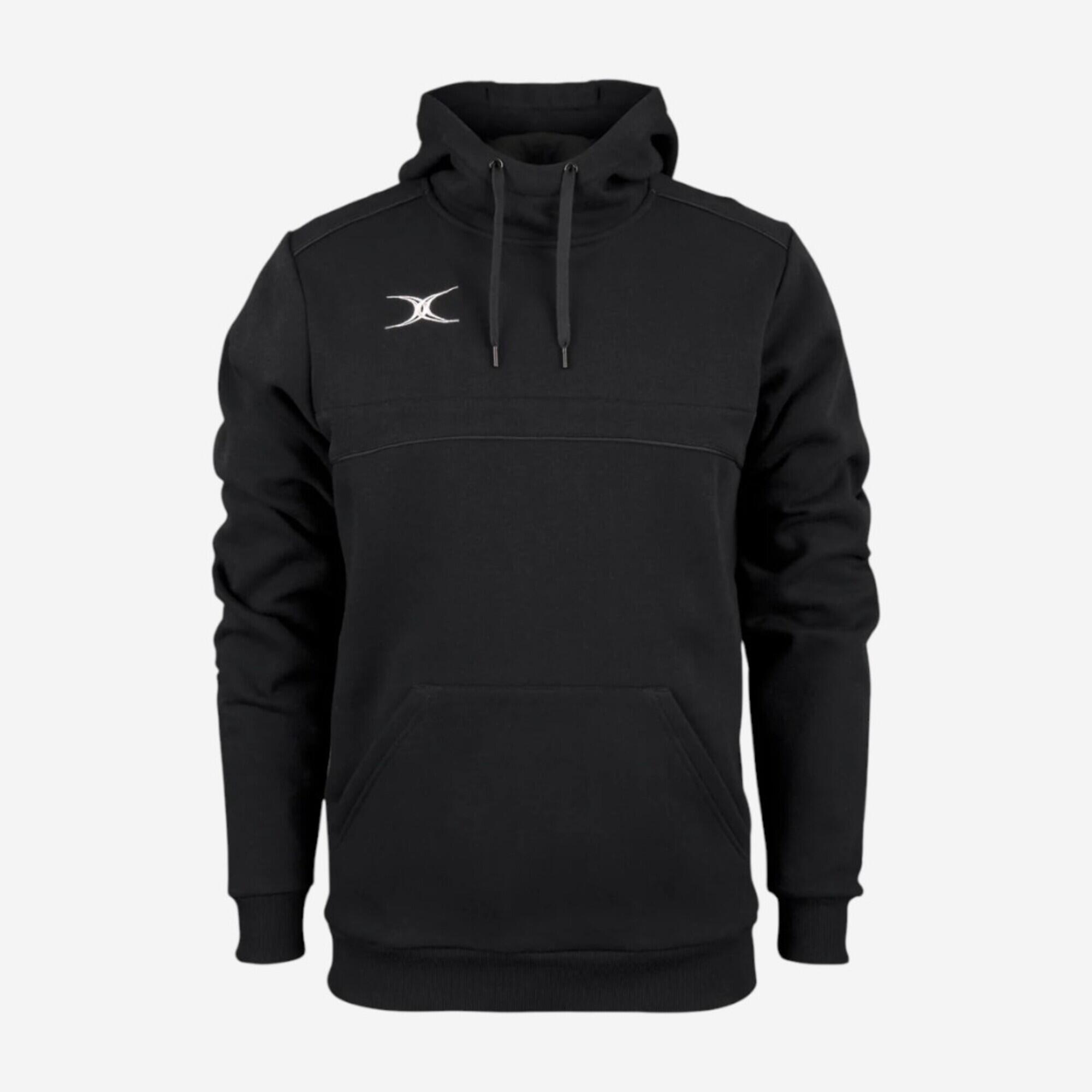
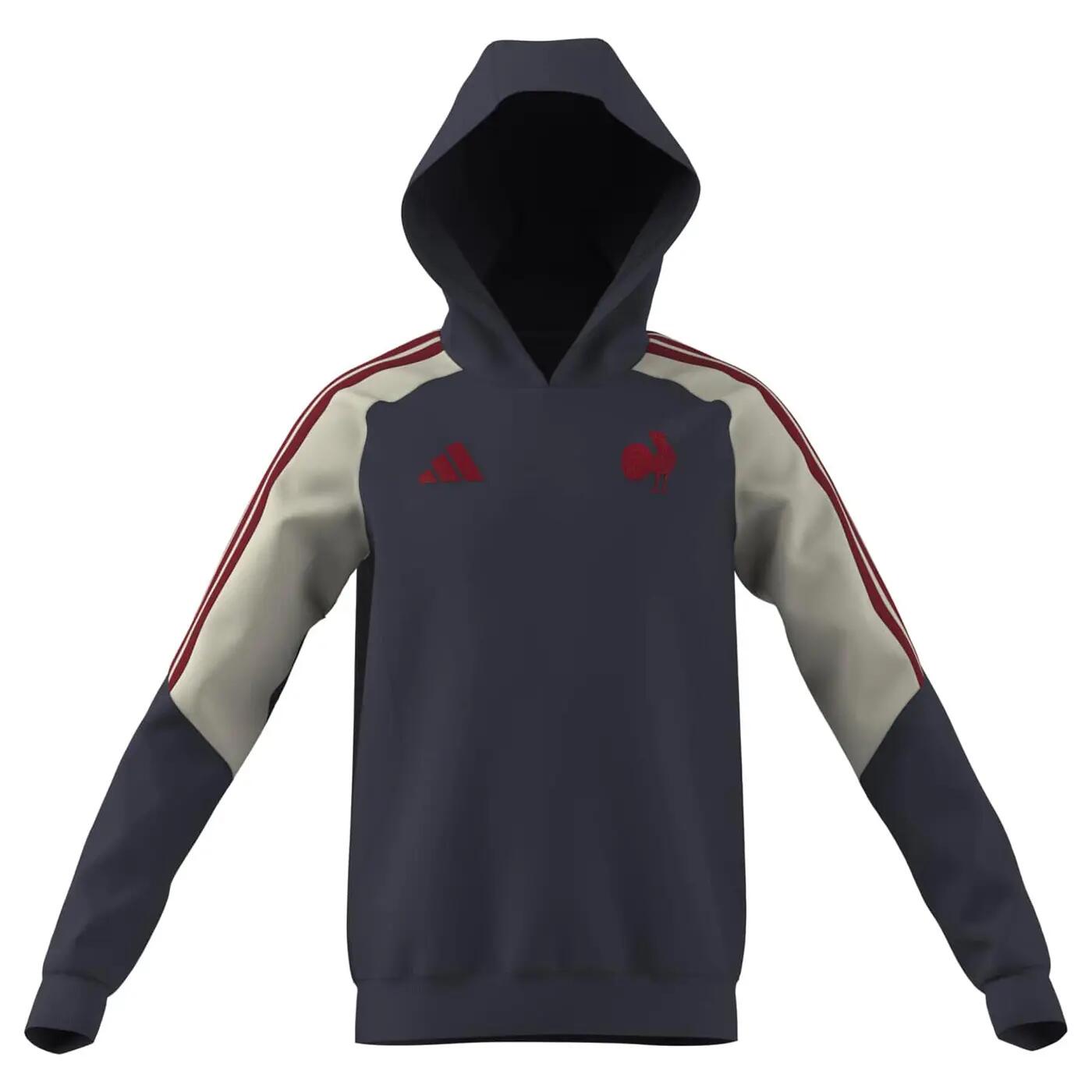
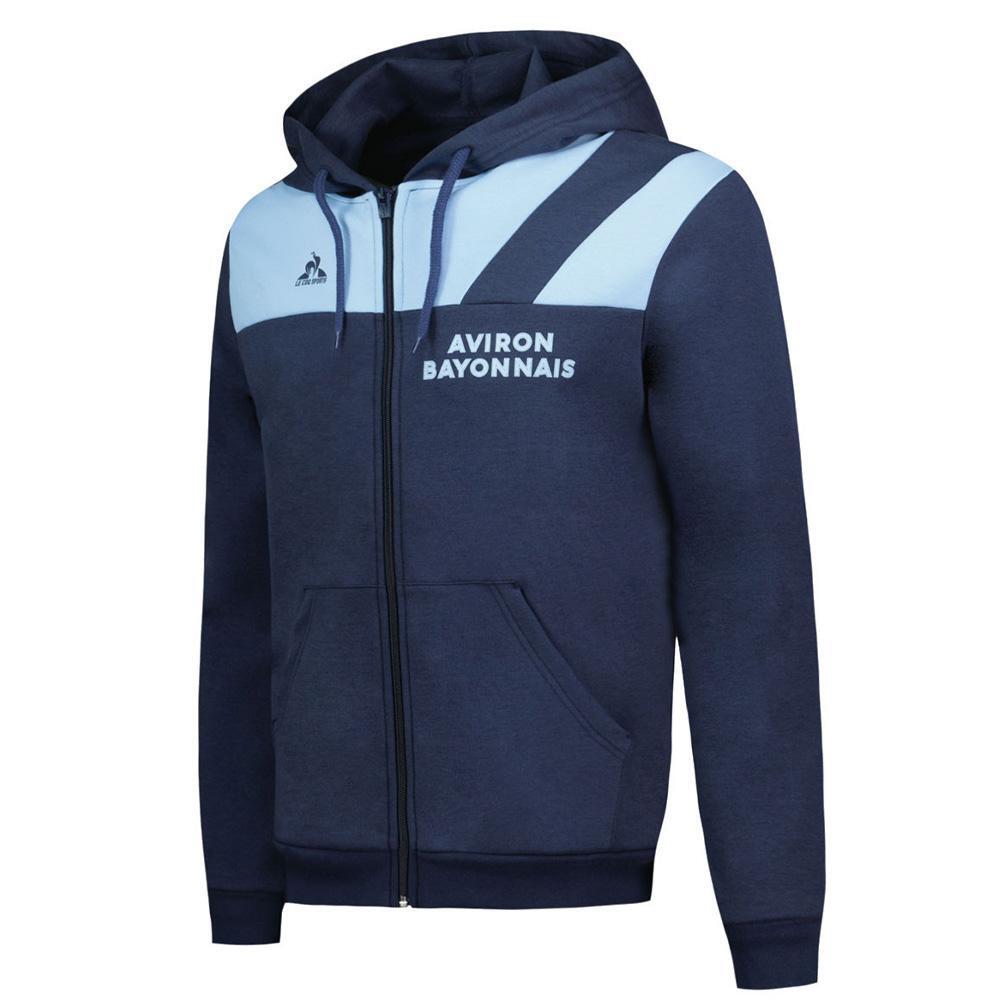
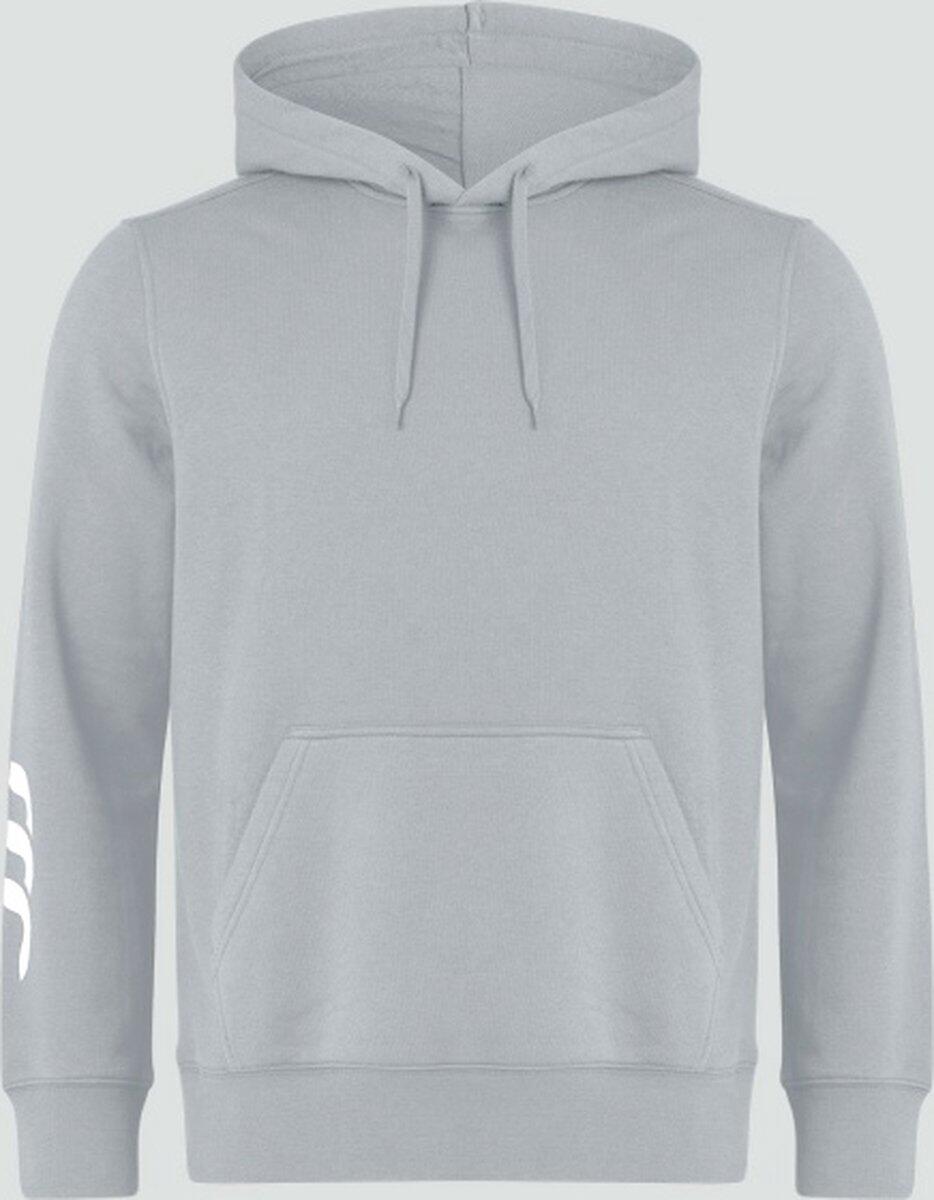
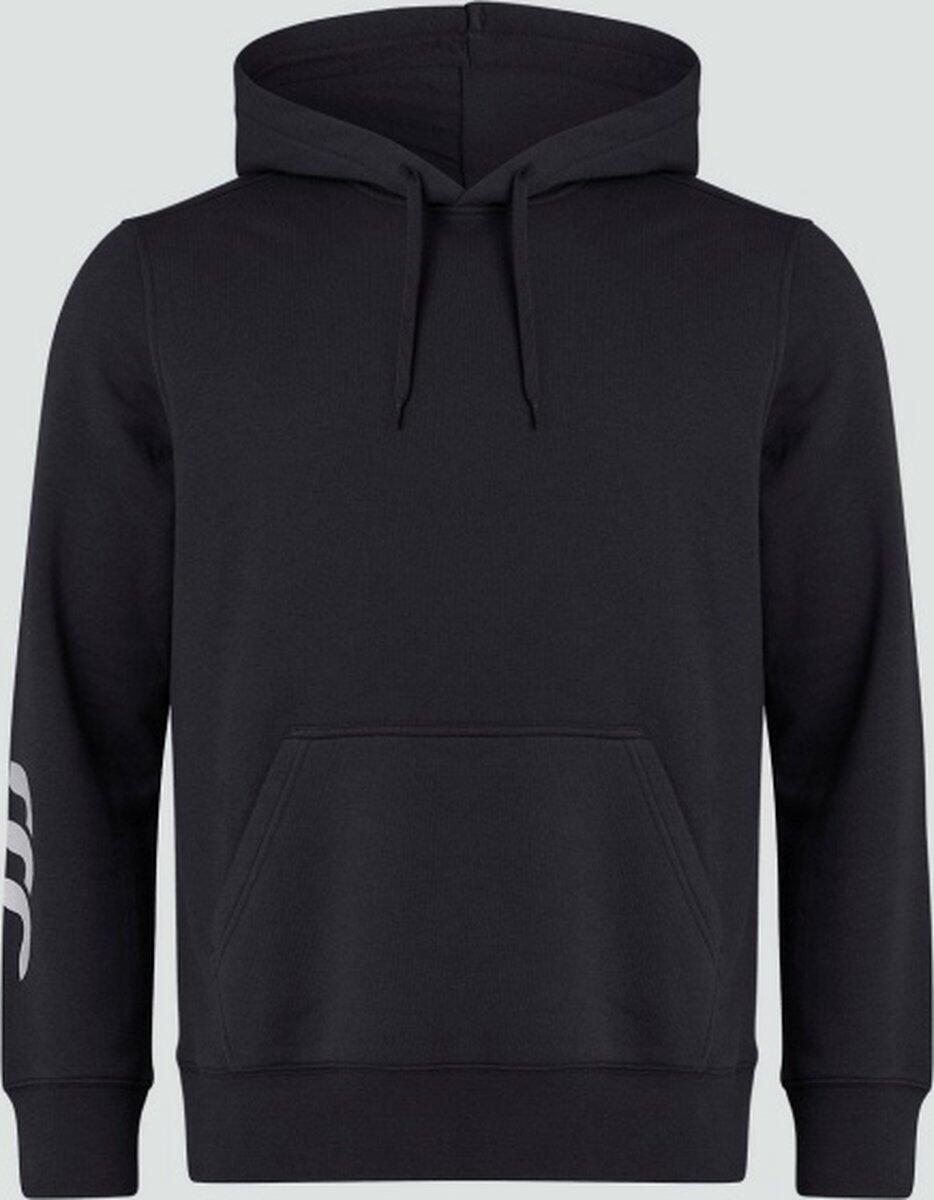
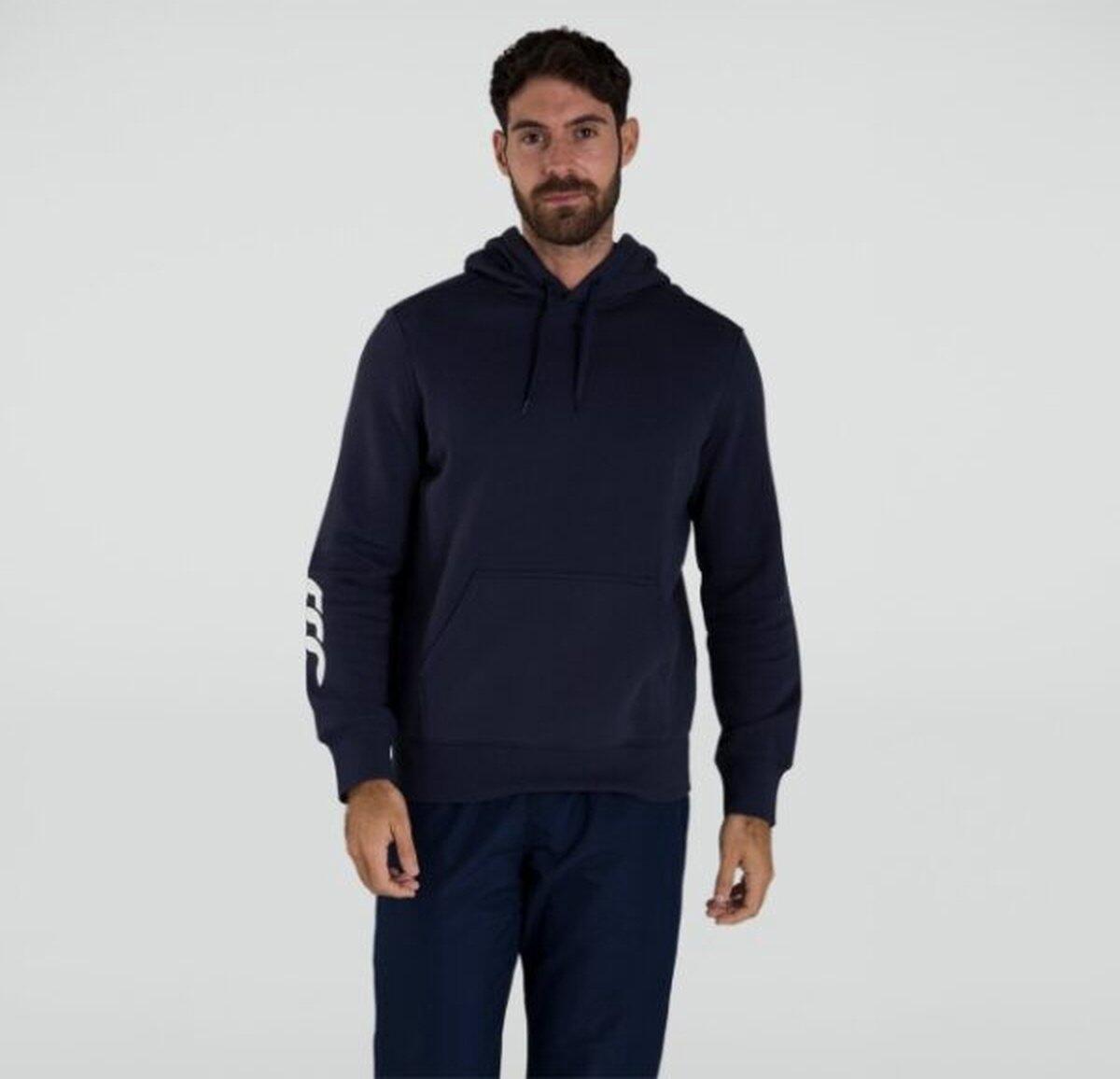
Technical rugby hoodies are specifically constructed with durable, ripstop fabrics that handle the friction and tension of a rugby environment. Unlike standard cotton hoodies, which absorb water and become heavy, these versions use brushed polyester to provide warmth without the weight. Many players prefer mens rugby jackets & hoodies that feature a high collar and an adjustable hood to protect the neck from biting winds during line-out practice. The reason for the elastane content in the cuffs and hem is to keep the garment close to the body, preventing opponents from using excess fabric as a handle during tackle practice.

When should I go for rugby fleece jackets instead of water-repellent shells?

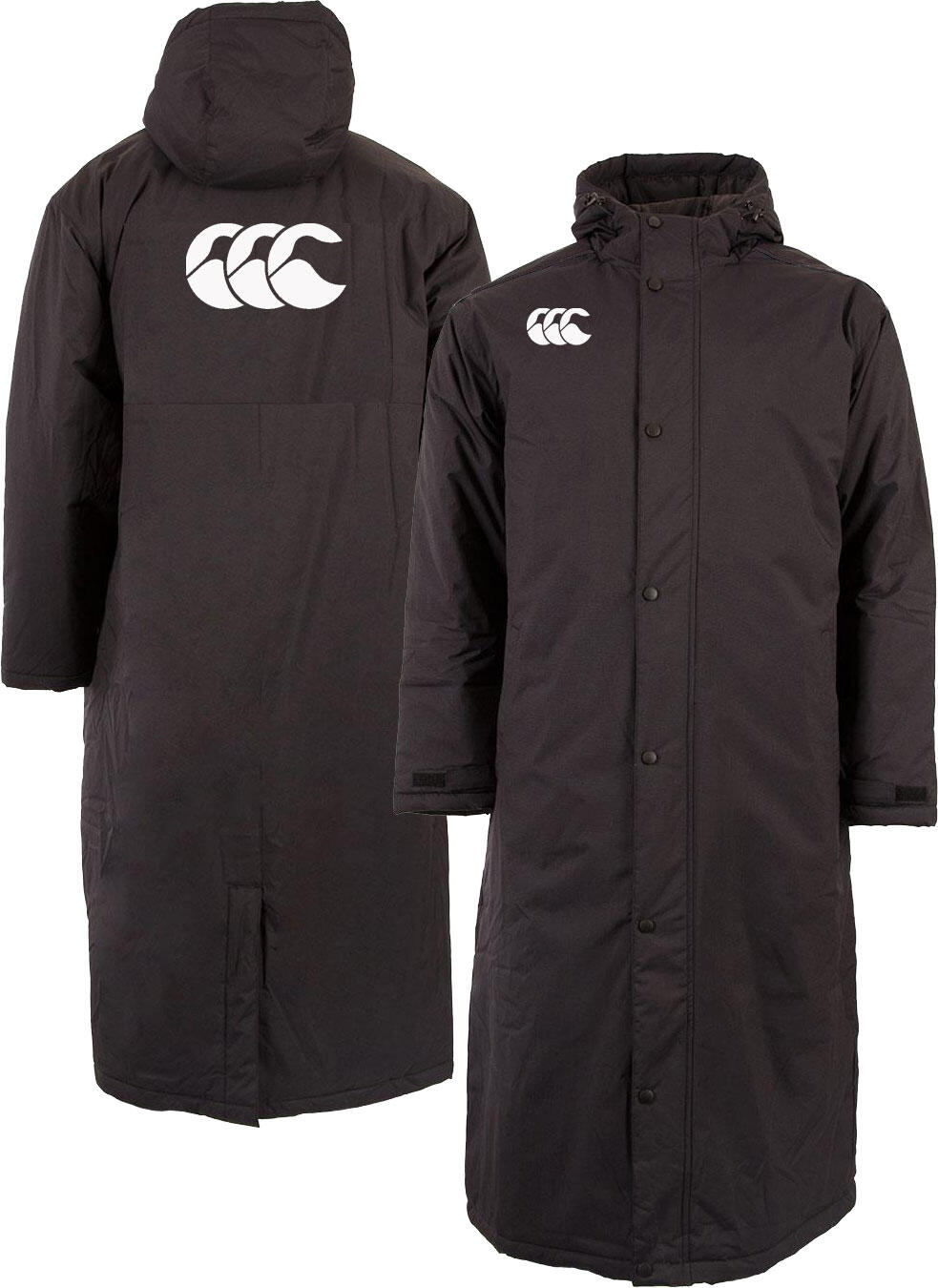
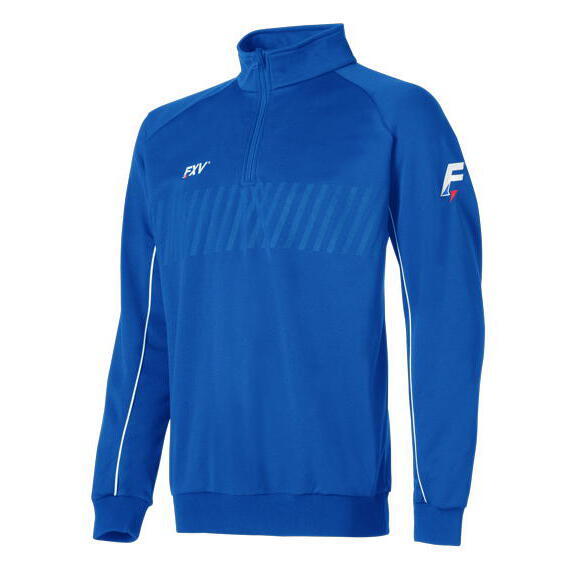
Rugby fleece jackets are superior for dry, cold conditions where insulation is the primary requirement, such as standing on the sidelines or during low-intensity coaching sessions. The technical reason behind fleece is its ability to create a high-loft air gap that traps heat radiated from the skin. However, if rain is expected, a shell-style rugby training hoodie or jacket with a water-repellent coating is necessary to prevent the insulation from becoming saturated. For female athletes looking for a tailored fit that doesn't restrict arm movement during passing, our womens rugby jackets & hoodies offer articulated elbows and stretch side panels. This specific tailoring ensures the garment moves with the player during a full throwing motion or when competing at the breakdown. Smart tip: Check the "denier" rating of the outer fabric; a higher number indicates a tougher weave that can better resist the abrasive nature of rugby pitches.
Are rugby jackets suitable for contact drills?

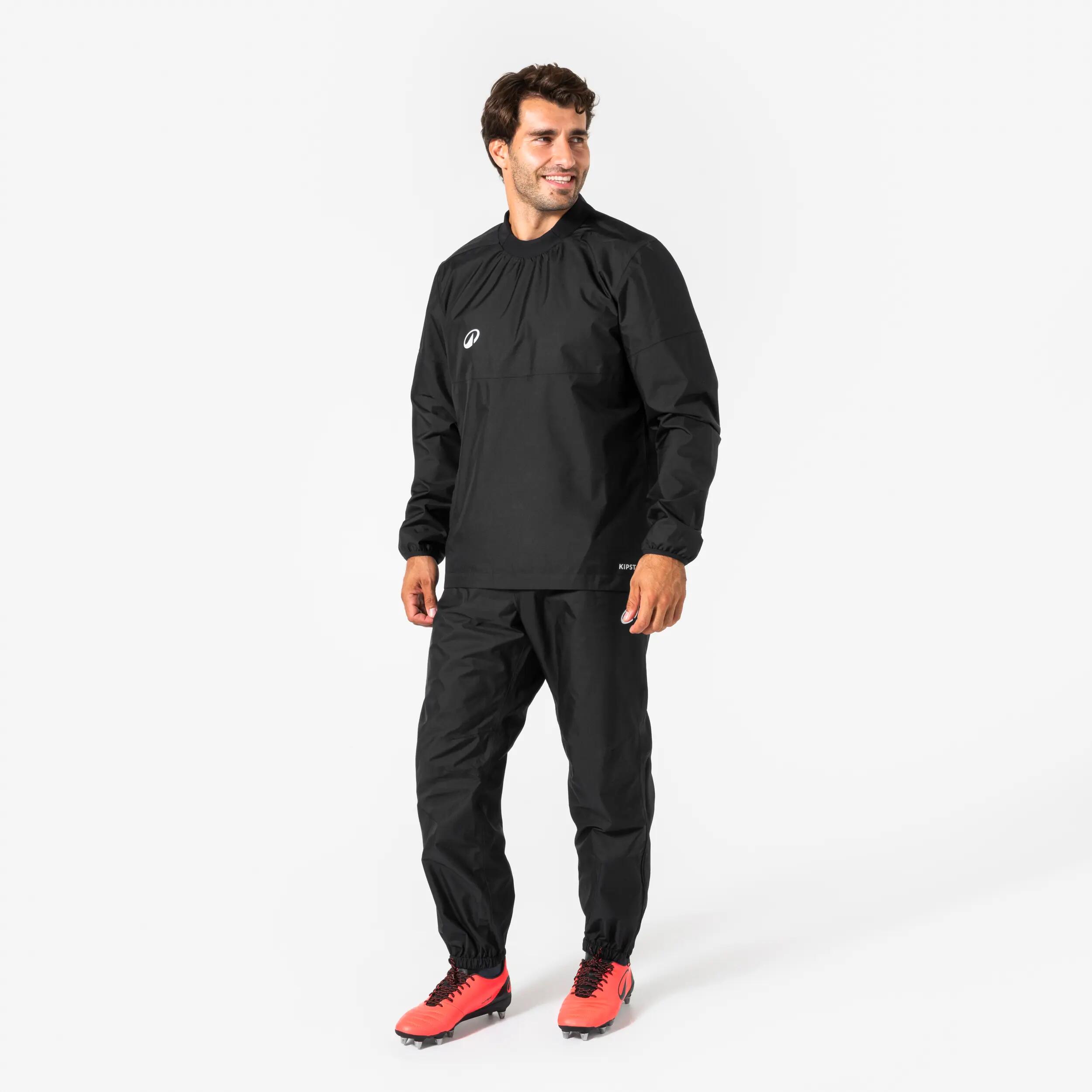
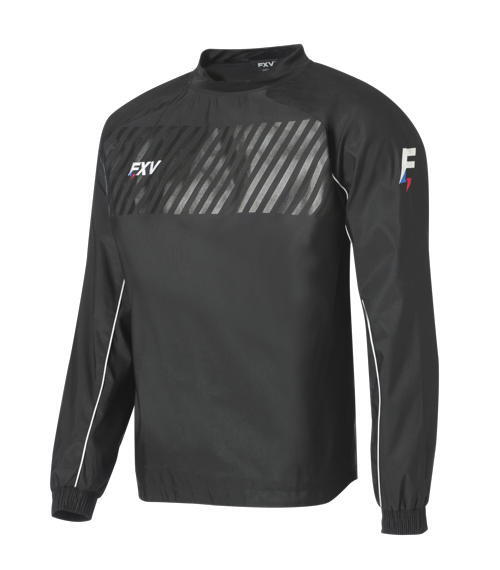
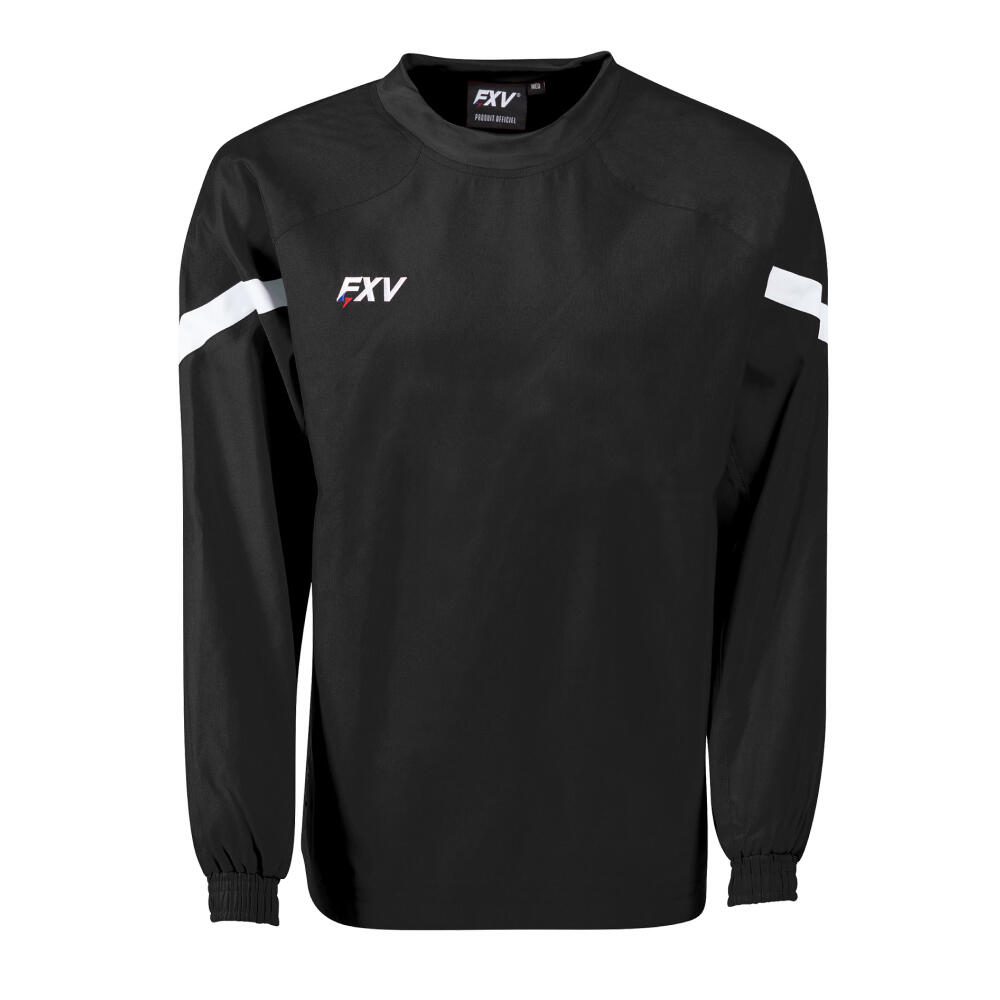
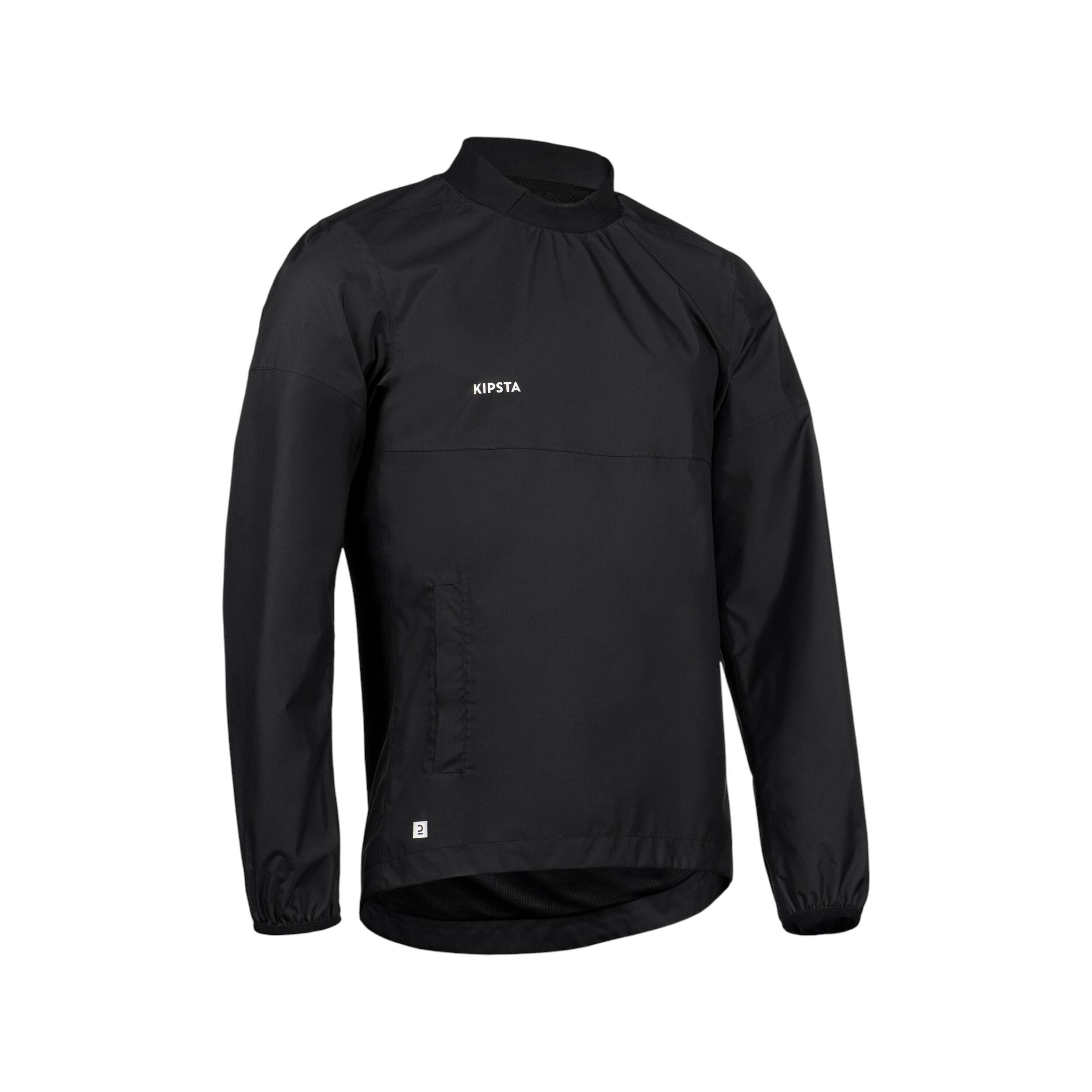
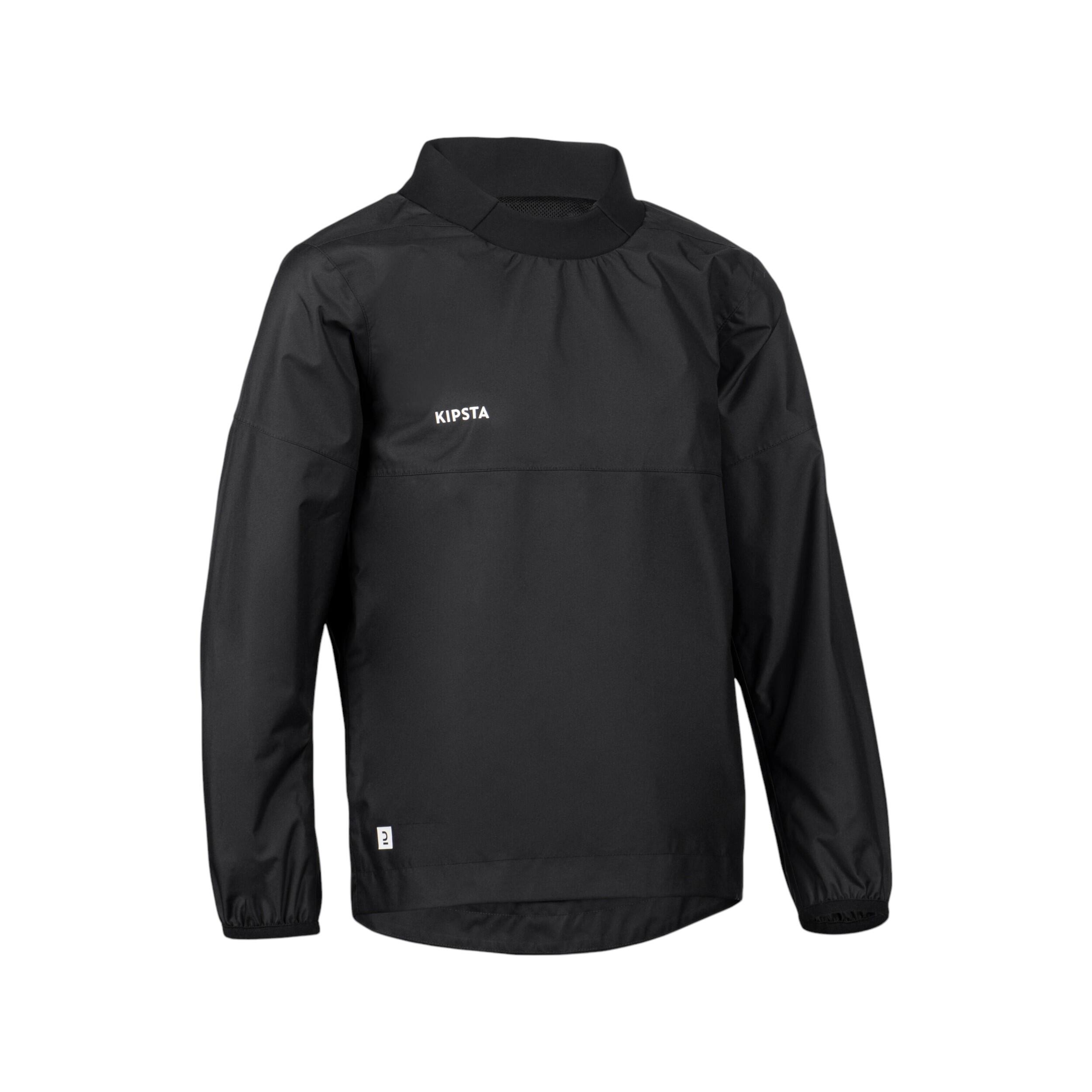
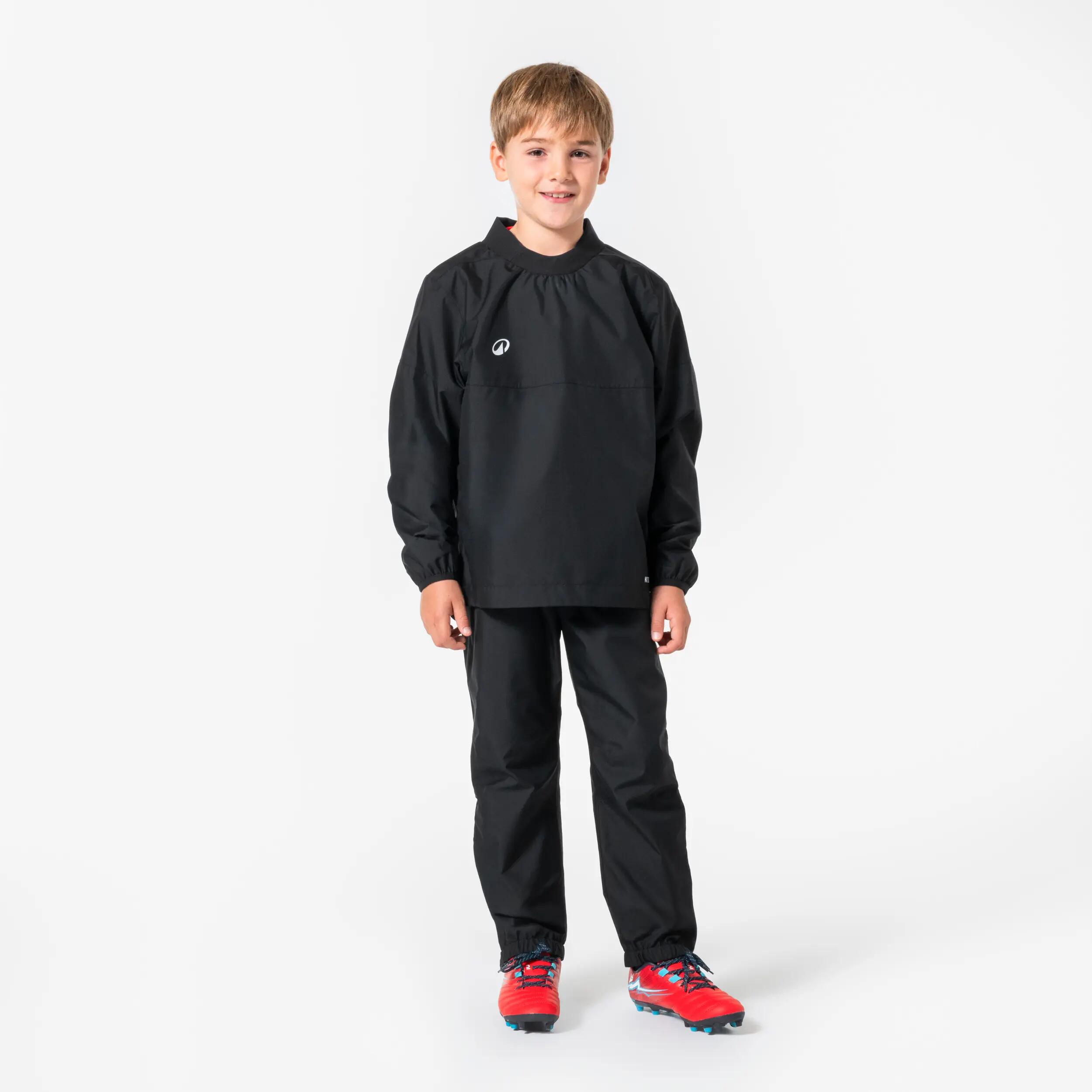
While many rugby jackets are built for warm-ups and sideline use, specific "contact tops" or smock-style jackets are built without zippers or buttons to be safe for live tackling sessions. These specialized rugby training jackets use smooth, reinforced outer layers that allow players to slide off one another safely. The reason for removing external hardware like zips is to prevent injury to both the wearer and the tackler during a collision. Players preparing for intense sessions often pair their gear with supportive rugby under shorts that provide compression and protection during physical contact. If you are participating in full-contact rucking or mauling, ensure your outerwear is purpose-built for the sport rather than general fitness gear, as standard zippers can catch on jerseys or skin. Expert advice: If wearing a hooded garment during contact, ensure the hood is tucked inside or fits tightly to avoid it being grabbed, which can lead to neck strain or accidental high-tackle penalties during training games.