941 items
4.5/5 based on 60925 reviews collected online and in stores

MEN'S RUNNING SHOES FAQS

What are the best running shoes for preventing shin splints for a beginner?

When starting a new training routine, beginners frequently experience shin splints caused by sudden impact stress on the tibia and lower leg muscles. Choosing supportive men’s running shoes with high heel-to-toe drops (around 8mm to 12mm) and structured cushioning helps reduce strain on the calf muscle complex and Achilles tendon. The technical reason behind selecting shoes with targeted medial support and heel impact absorption is force distribution: high-density foam inserts under the inner heel limit excessive inward foot rolling (overpronation), which otherwise pulls sharply on the tibialis anterior muscle. If you are exploring our various styles of running shoes to begin your fitness journey, prioritizing models with plush heel pods dampens harsh pavement impacts and helps protect your bones as you build up distance. Pro-tip: Gradually increase your weekly mileage by no more than 10% per week to give lower leg bones and tendons adequate time to build mechanical strength.
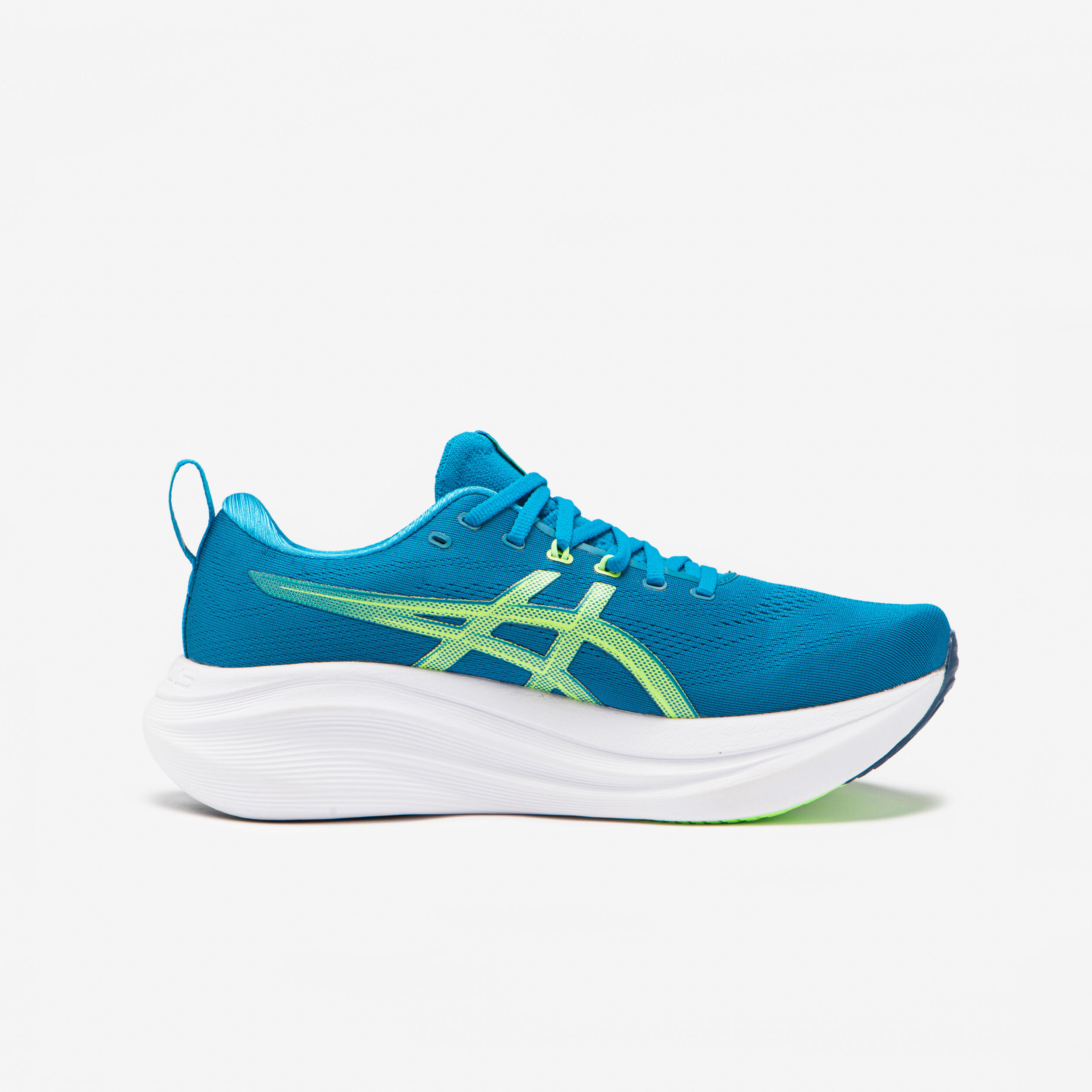
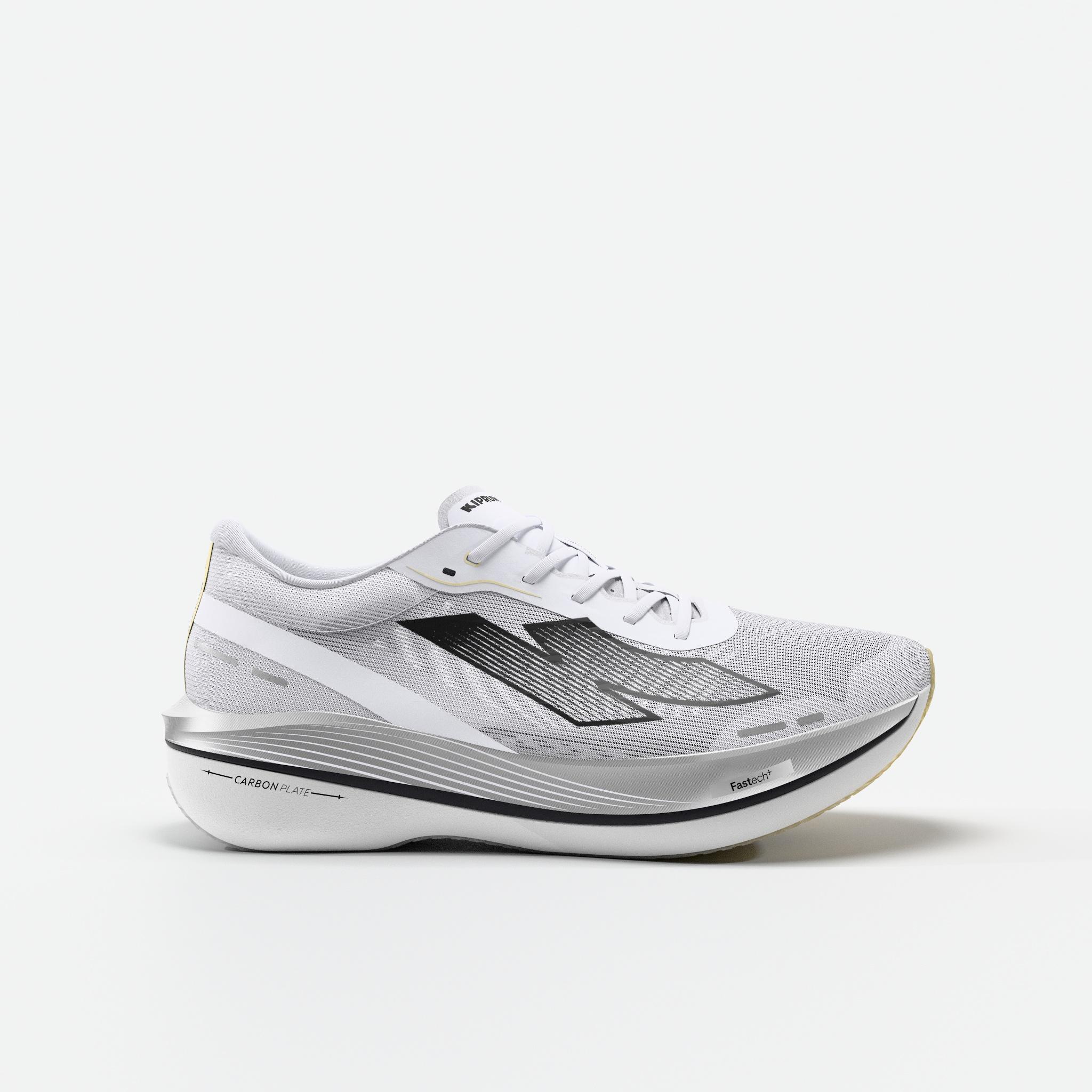
How many miles should a pair of high-quality running shoes last?

A standard pair of high-performance running shoes for men typically lasts between 300 and 500 miles (500 to 800 kilometres), depending on your running style, body weight, and surface type. While the rubber outsole might still look intact, the technical midsole foam—whether constructed from EVA, TPU, or Pebax—gradually loses its ability to rebound after hundreds of thousands of compression cycles. The technical reason behind replacing footwear regularly is midsole fatigue: as foam compacts over time, shock absorption efficiency drops significantly, transferring impact forces directly into your ankles, shins, and knees. Shoppers searching for the best budget running shoes for men or best affordable men's running shoes will find that high-density EVA foam compounds offer exceptional long-lasting resilience for daily training. Adding supportive replacement insoles or other running shoes accessories can refresh step-in comfort, but once the primary midsole loses structural integrity, replacing the shoe is vital to stay injury-free. Pro-tip: Keep track of your total mileage using a GPS running app or logbook, and rotate between two pairs of shoes if you run on consecutive days so the foam has 24 to 48 hours to fully decompress.

What are the best running shoes for a heavy runner to avoid knee pain?

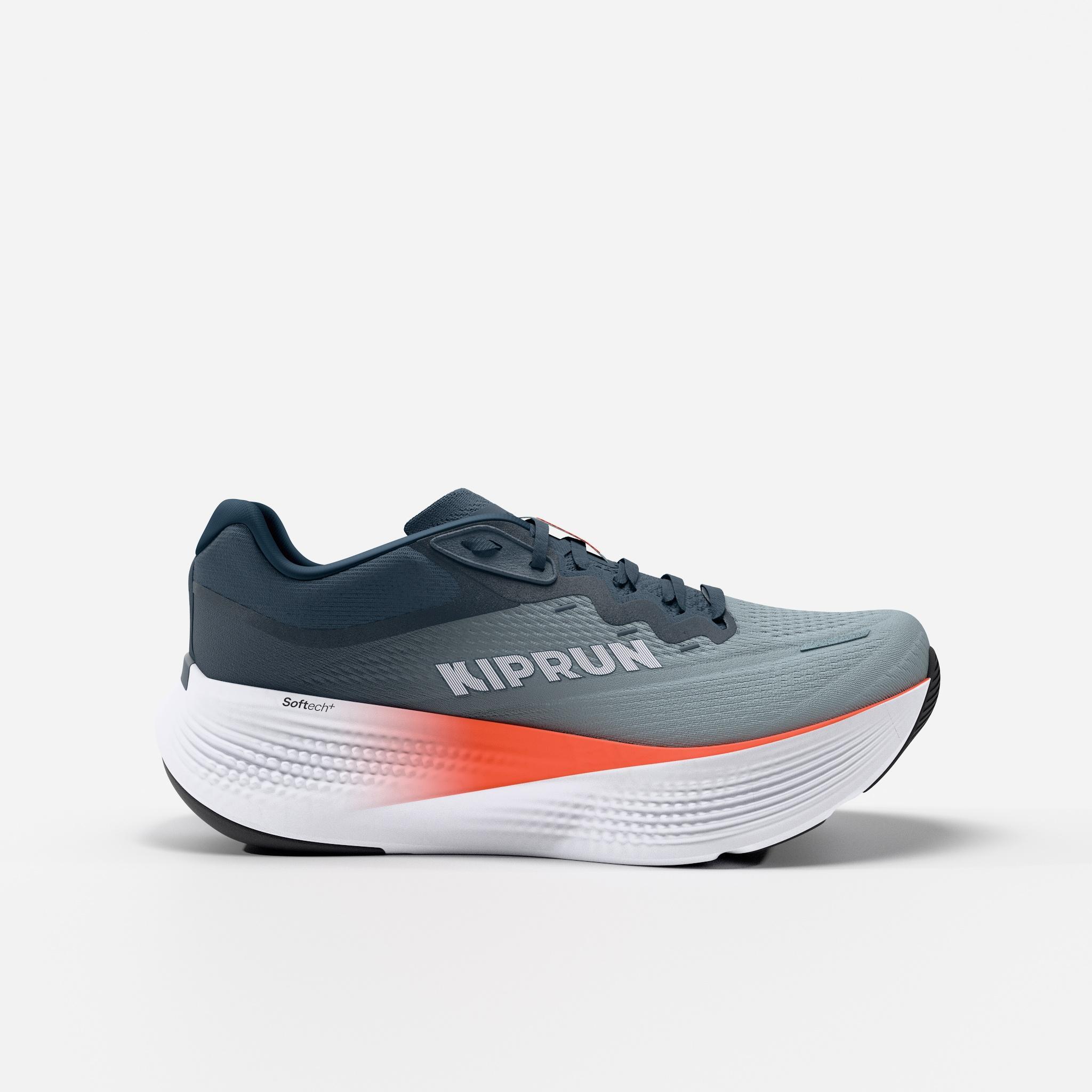
Heavy runners require specialized impact protection to safeguard the knee joint and patellar tendon against high peak forces, which can reach up to four times your body weight with every stride. The best men’s cushioned running shoes for heavier frames feature wide base platforms, high stack heights, and firm, high-density foam midsoles. The technical "why" behind choosing a wider, firmer stack base is structural stability: ultra-soft foams tend to collapse unevenly under heavier loads, causing the ankle to wobble and sending harmful rotational forces straight up to the knee joint. Premium training models, such as high-cushion designs from Kiprun, combine wide contact areas with deep heel cups to keep your gait neutral and stable. Pairing these cushioned platforms with breathable running socks helps reduce friction and keeps your feet locked in place. Pro-tip: Maintain a higher cadence (around 160 to 170 steps per minute) to shorten your stride, which reduces the braking force on your knees and keeps your feet landing directly under your body.

What is the difference between road shoes and men’s trail running shoes?

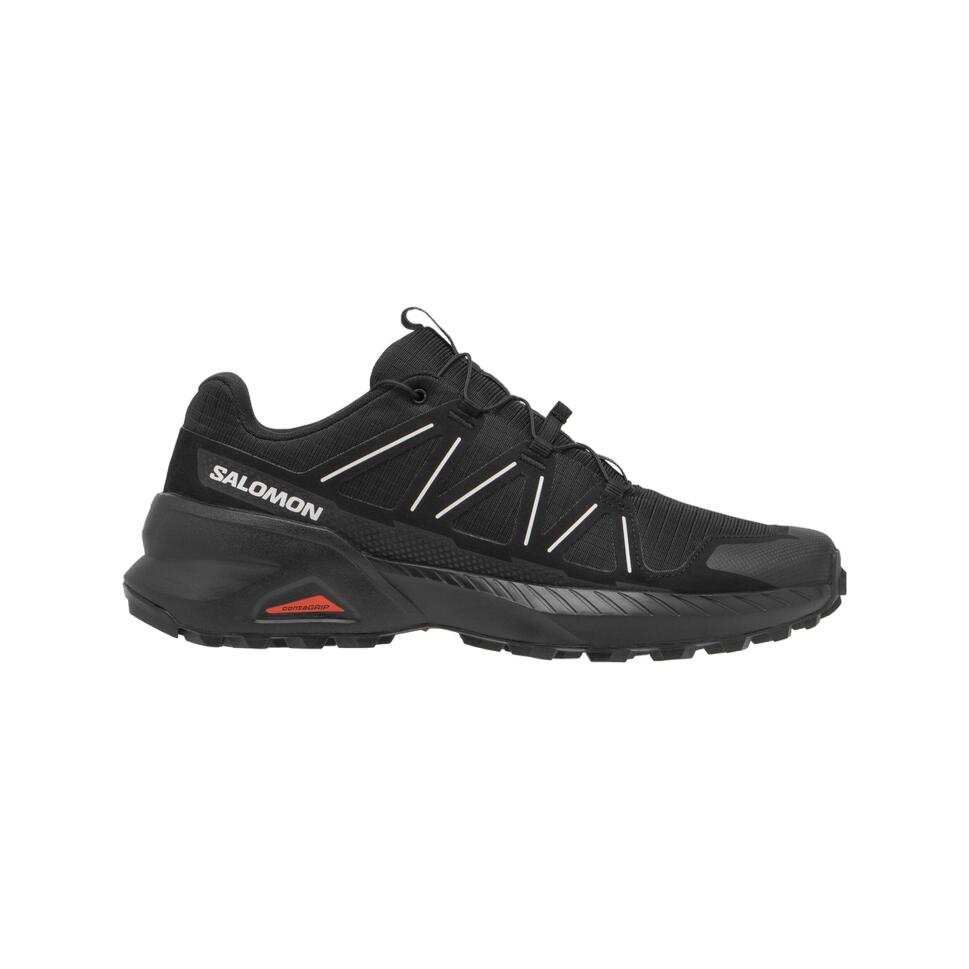
Selecting between road and off-road models comes down to traction, upper protection, and surface flexibility. Dedicated men’s trail running shoes feature aggressive rubber outsoles with 4mm to 5mm multidirectional lugs engineered to dig into loose mud, wet grass, and slick gravel. They also incorporate stiff rock plates inside the midsole to prevent sharp stones from bruising the sole of your foot. Conversely, road models use flatter rubber treads designed specifically for friction on smooth pavement, allowing for a supple, uninterrupted heel-to-toe transition. The technical reason you should avoid wearing trail shoes on hard pavement is rubber wear: soft, high-grip trail lugs abrade rapidly on abrasive asphalt, drastically shortening the lifespan of the outsole. Pro-tip: Rinse trail mud off your shoes using lukewarm water and a soft brush after every dirty run, as dried mud strips moisture from the upper mesh and speeds up material cracking.