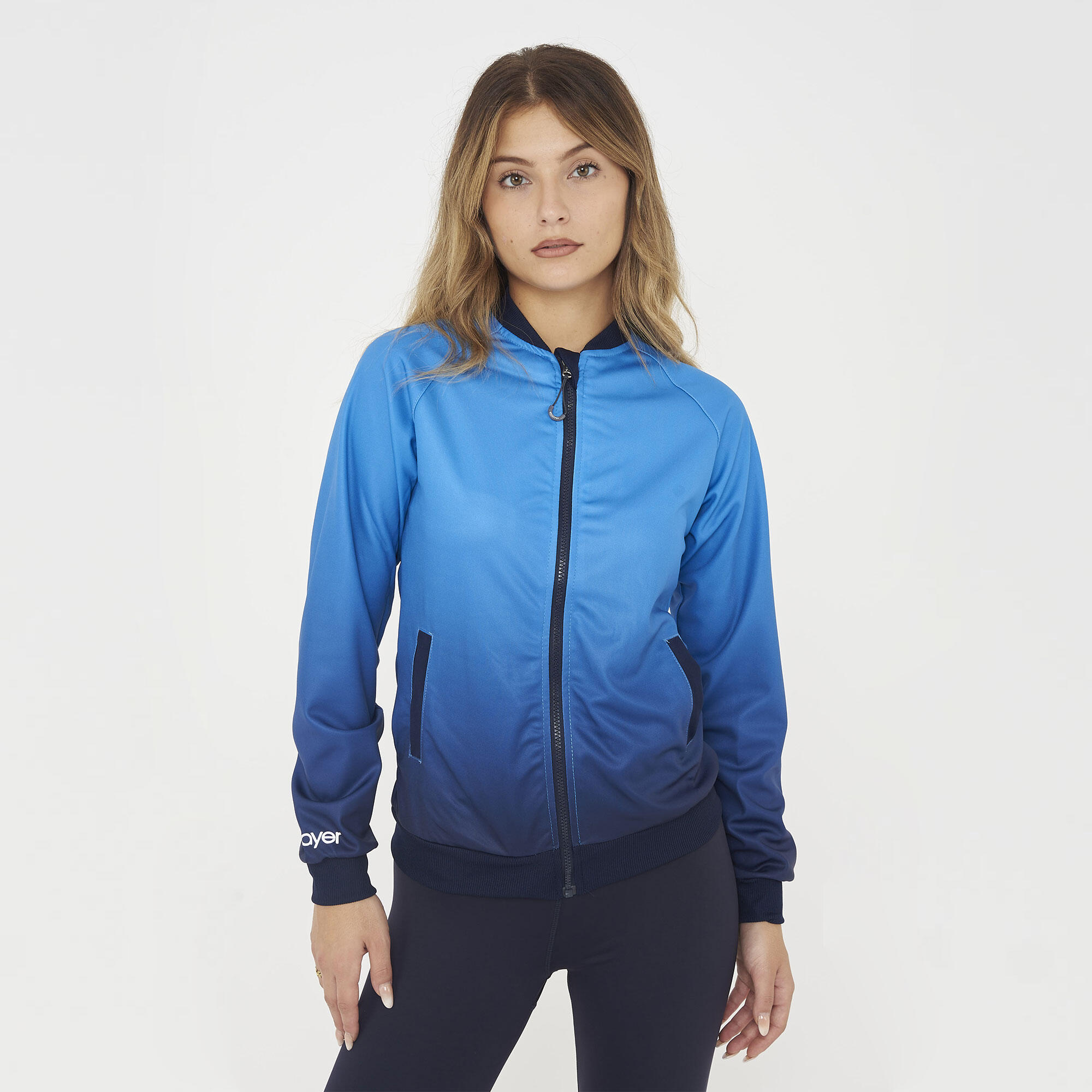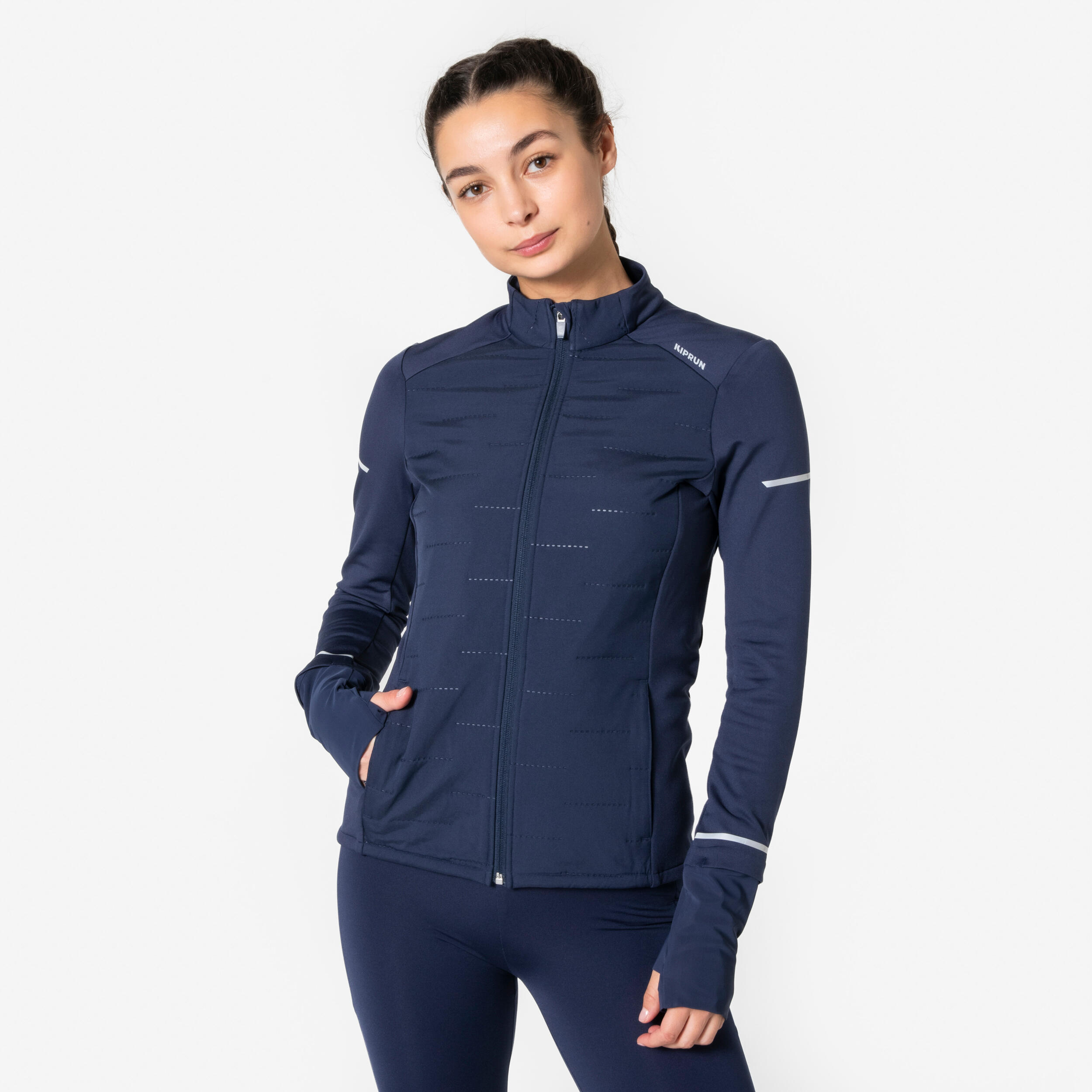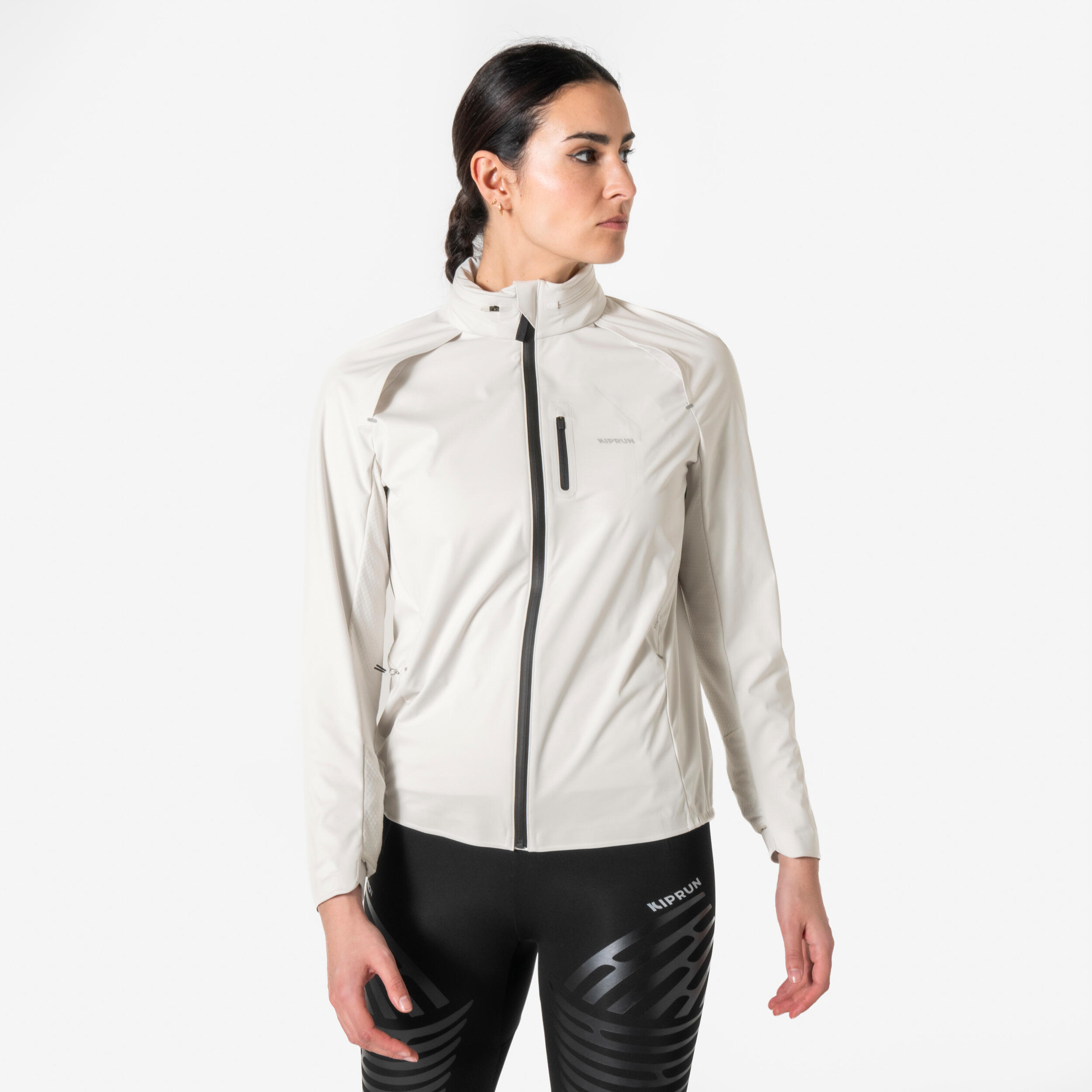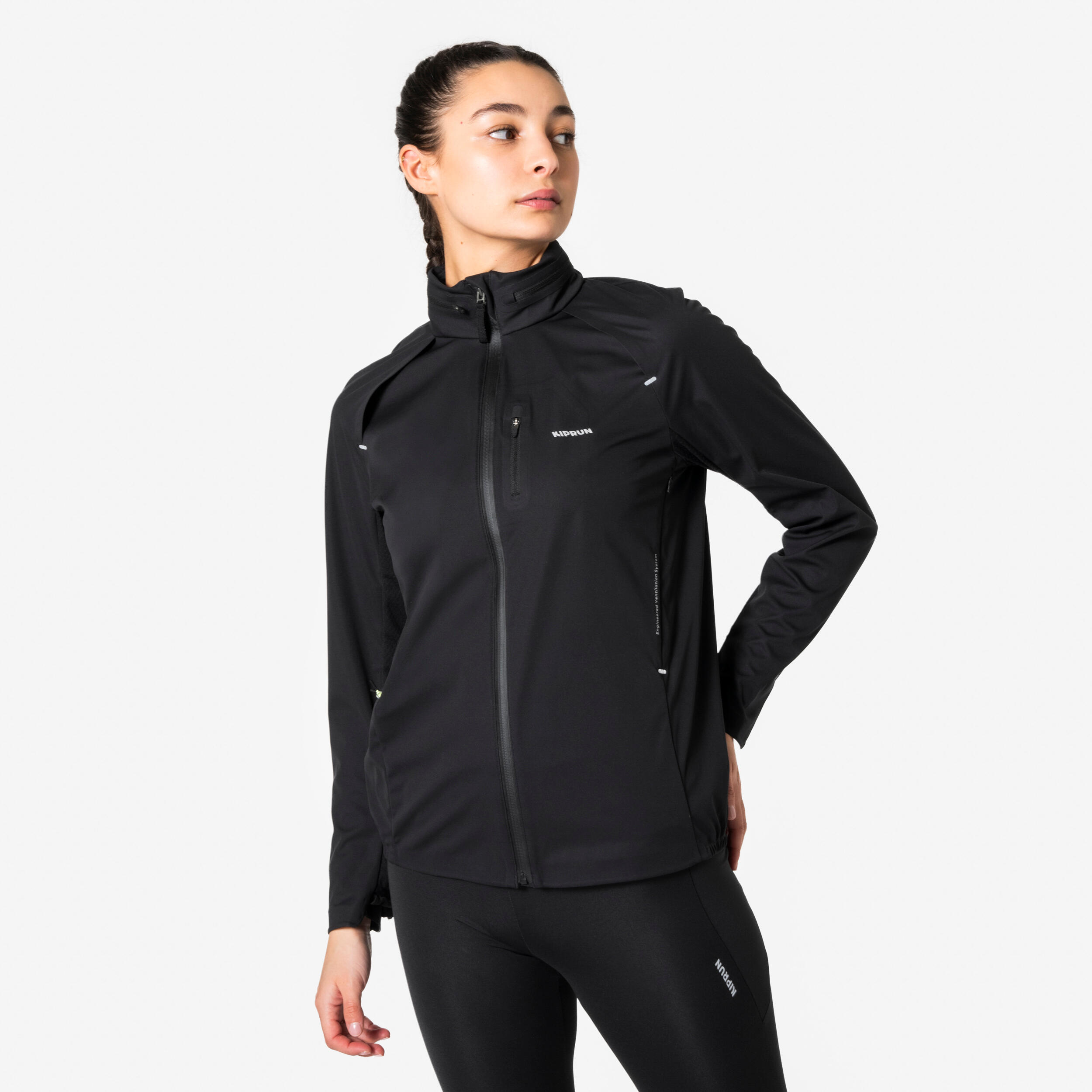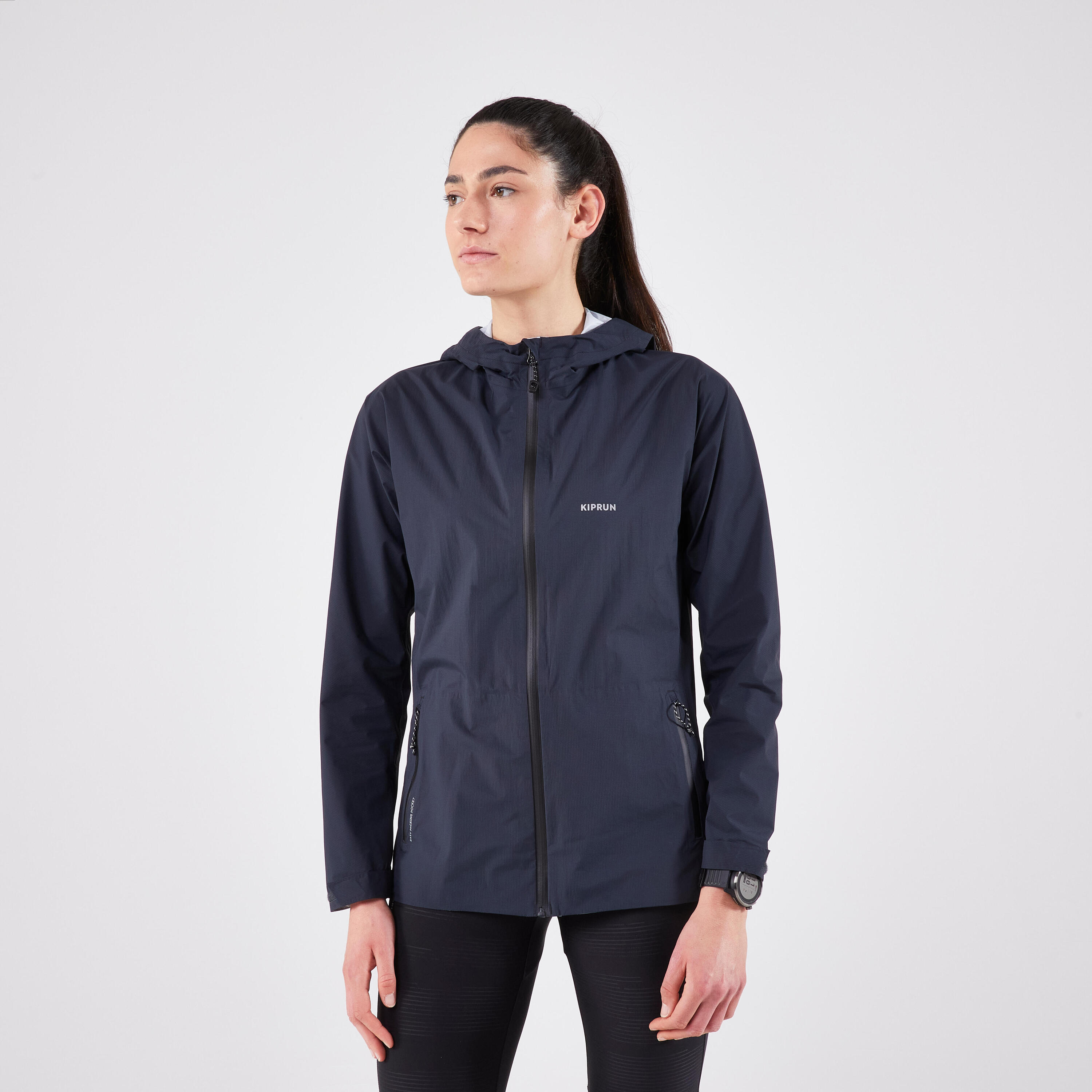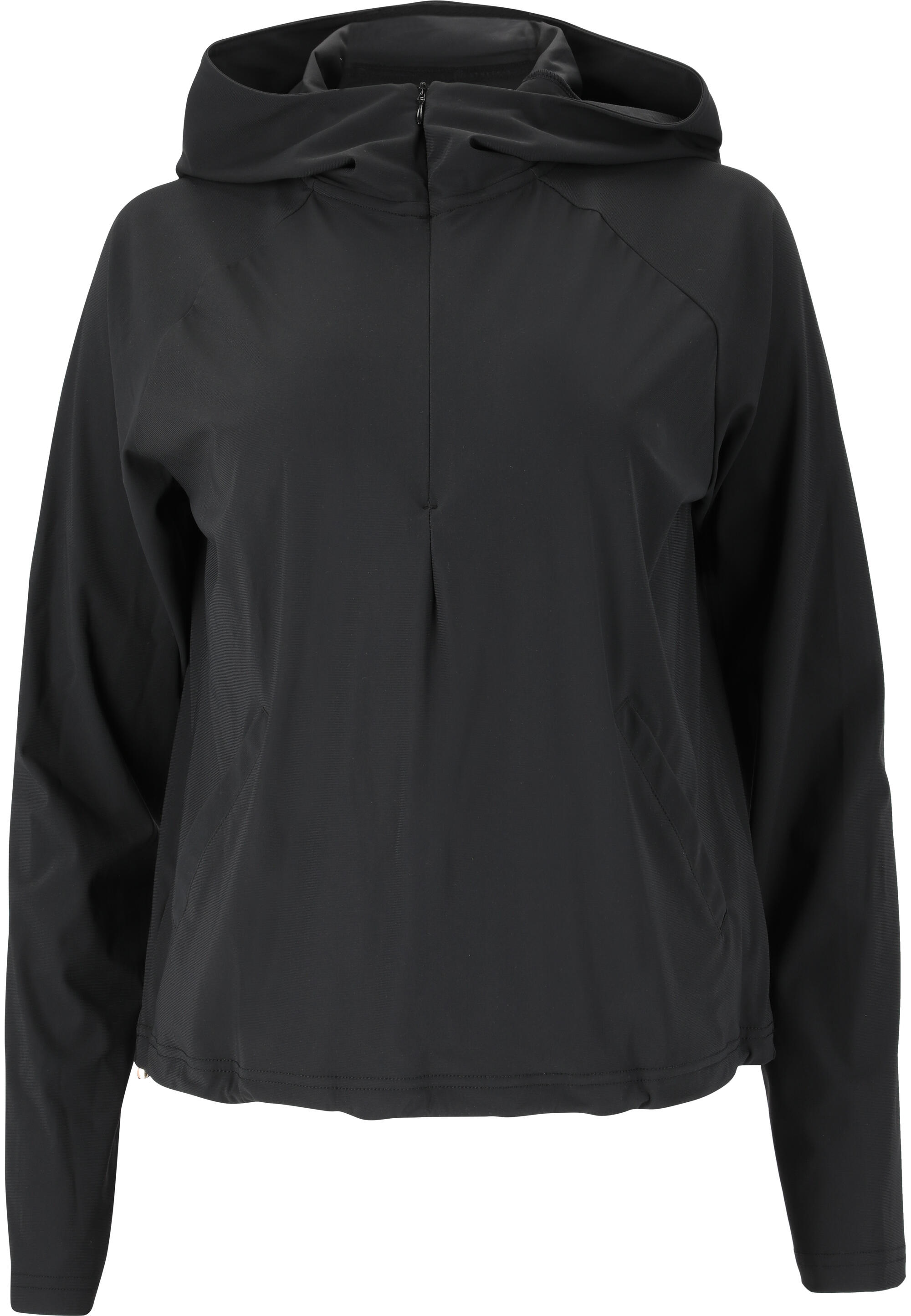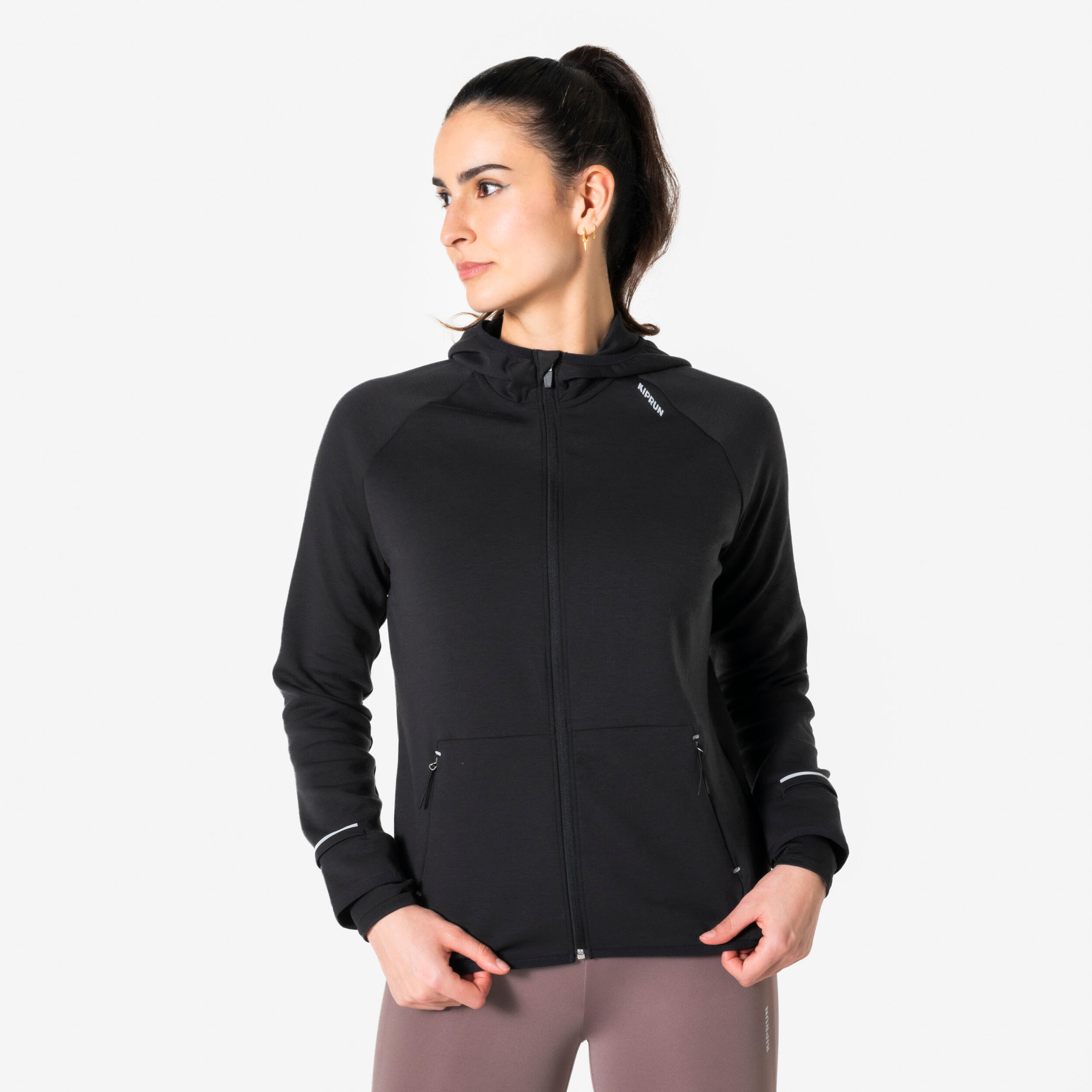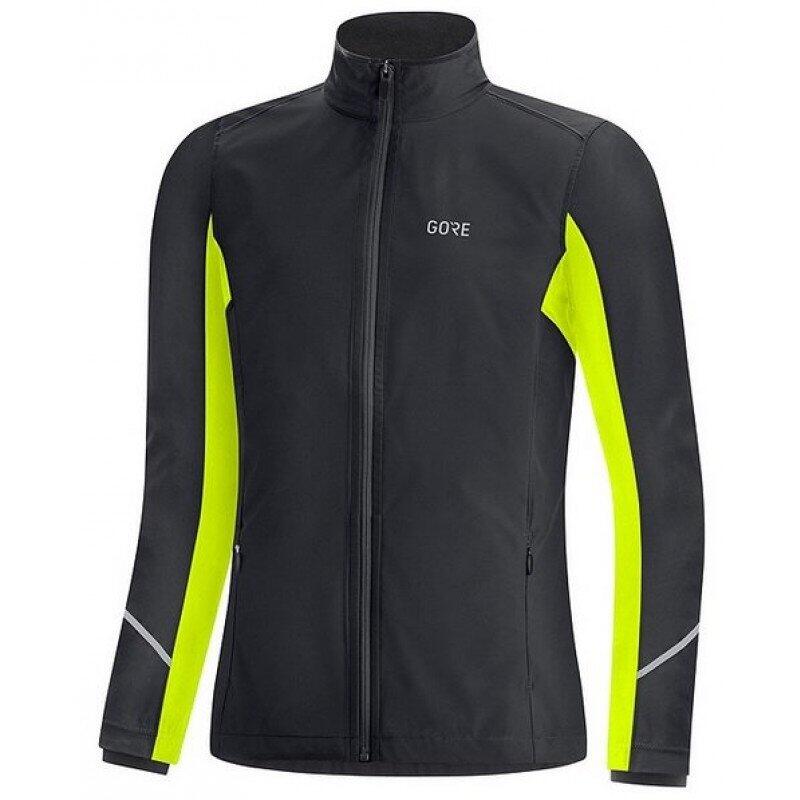
521 items
4.5/5 based on 13373 reviews collected online and in stores

Women's Running Warm Jackets and Sweatshirts FAQs

Should you choose a warm running jacket or a sweatshirt?

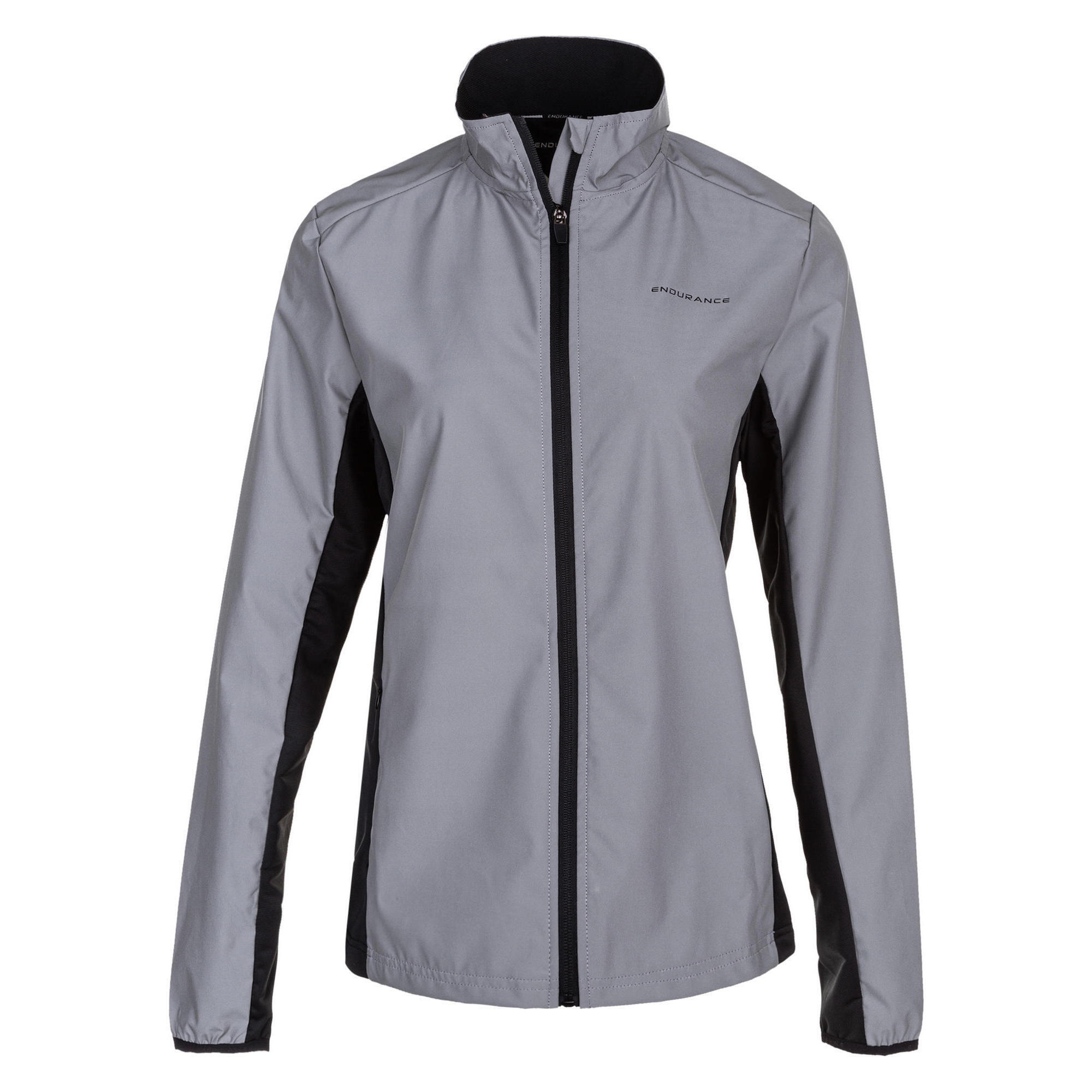
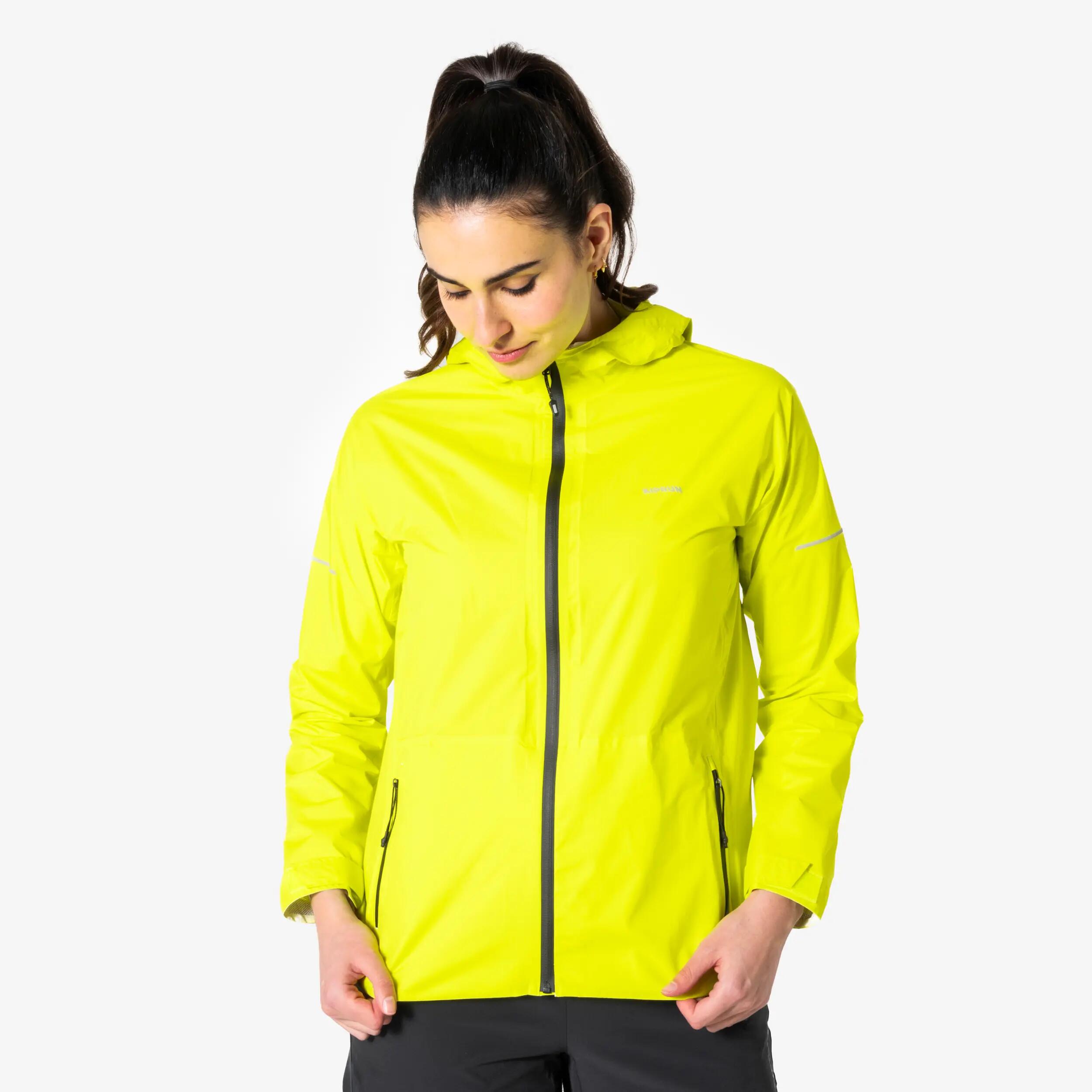
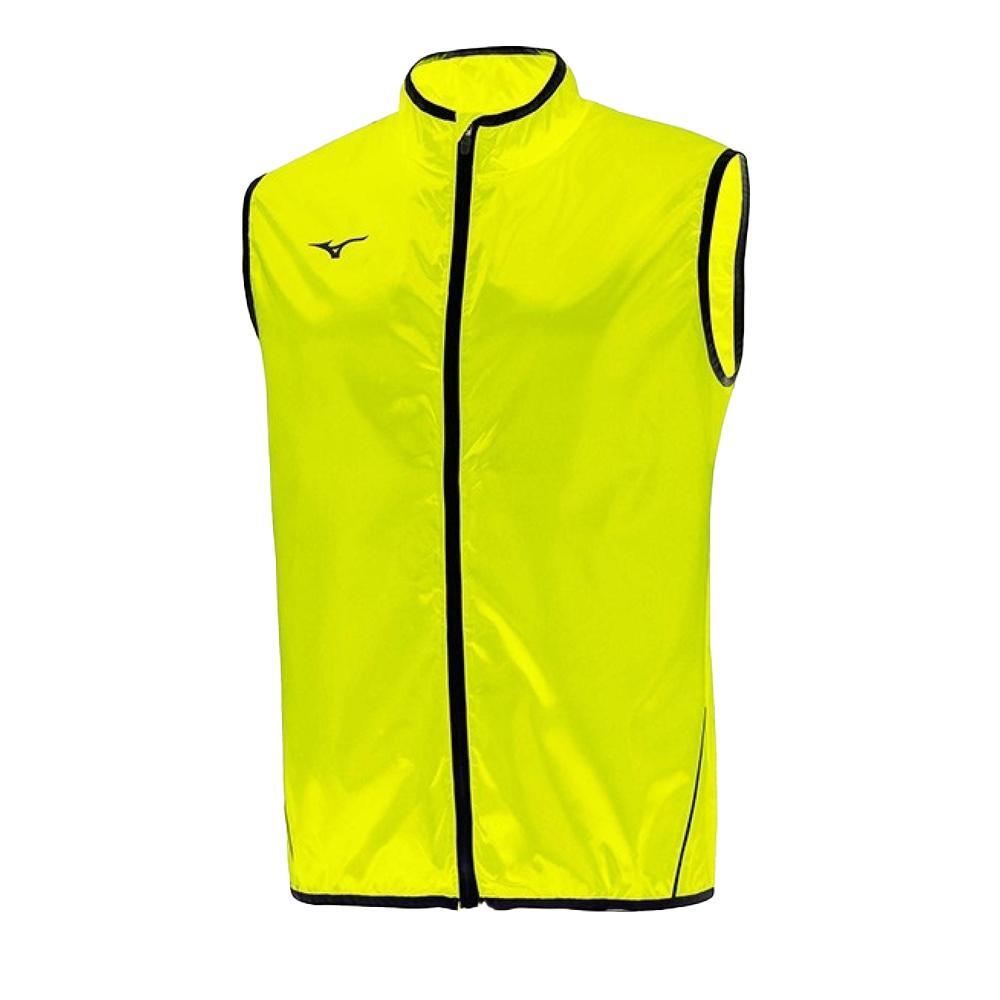
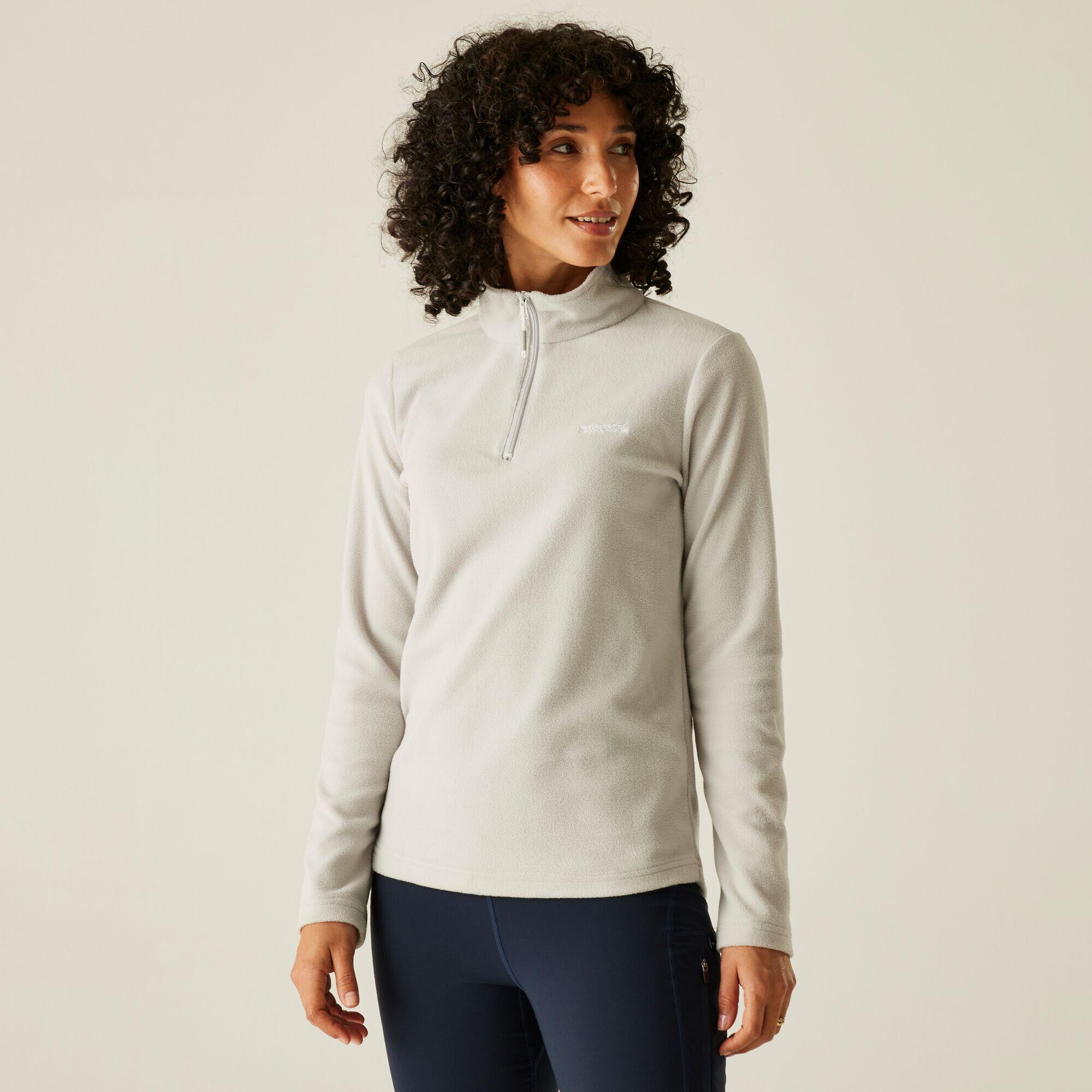
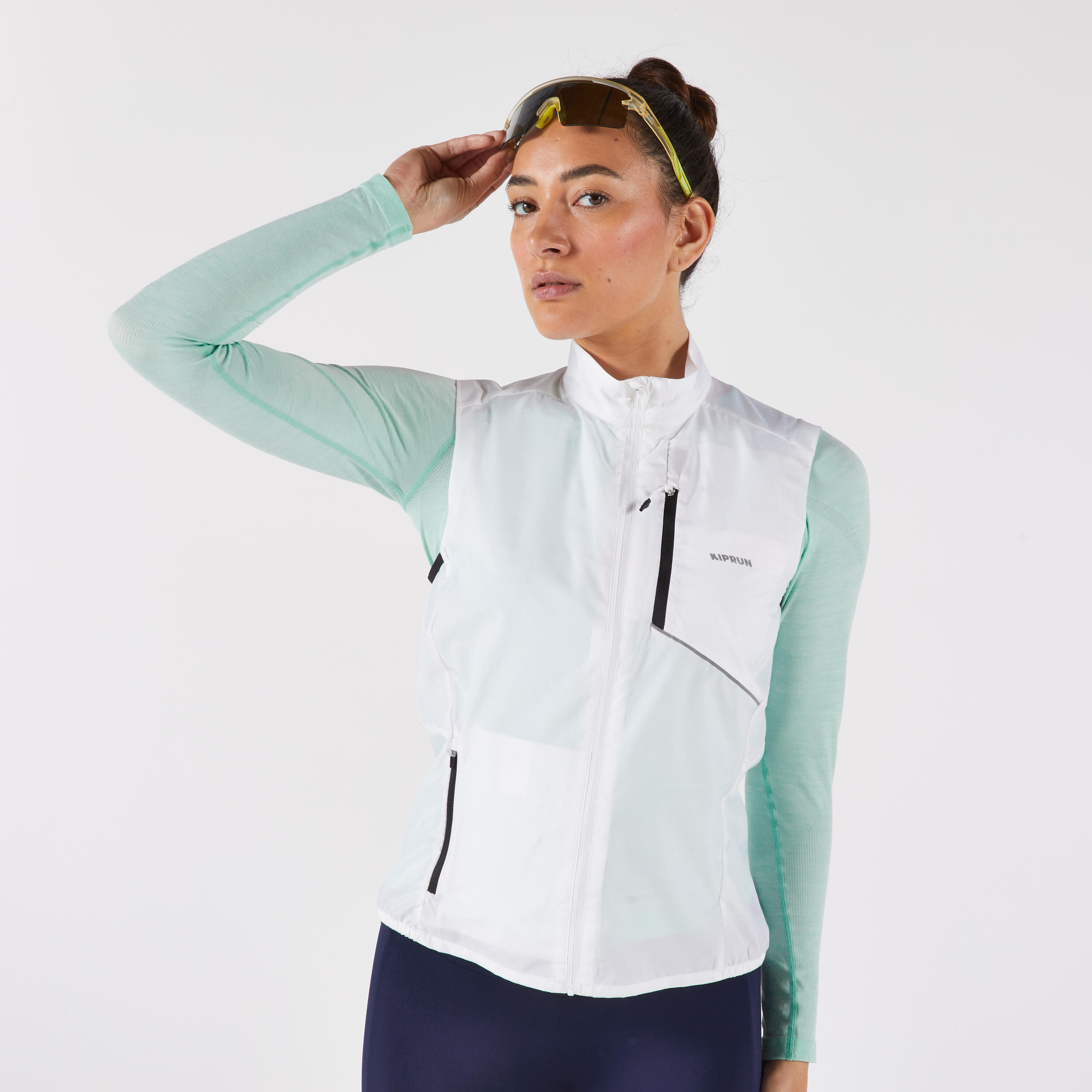
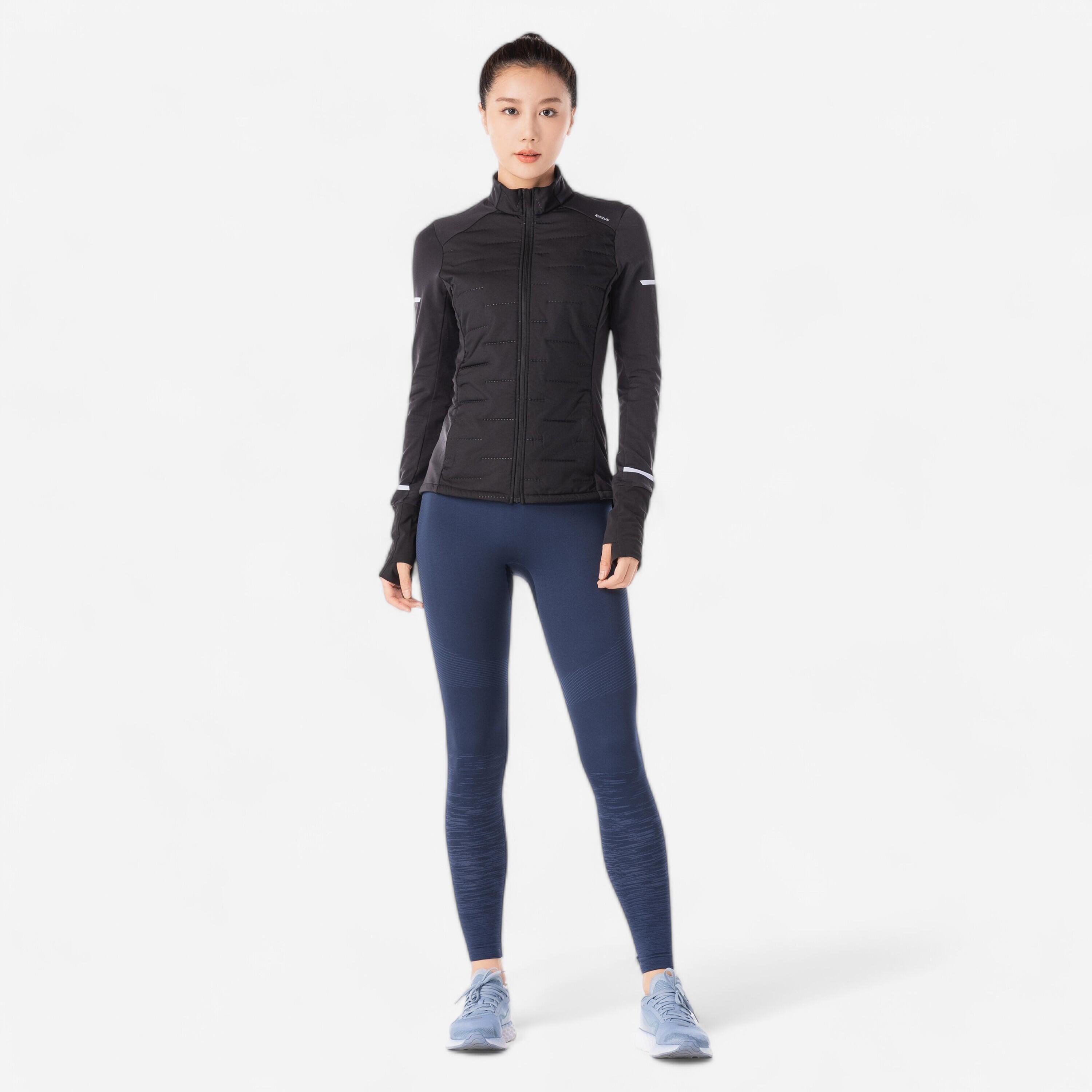
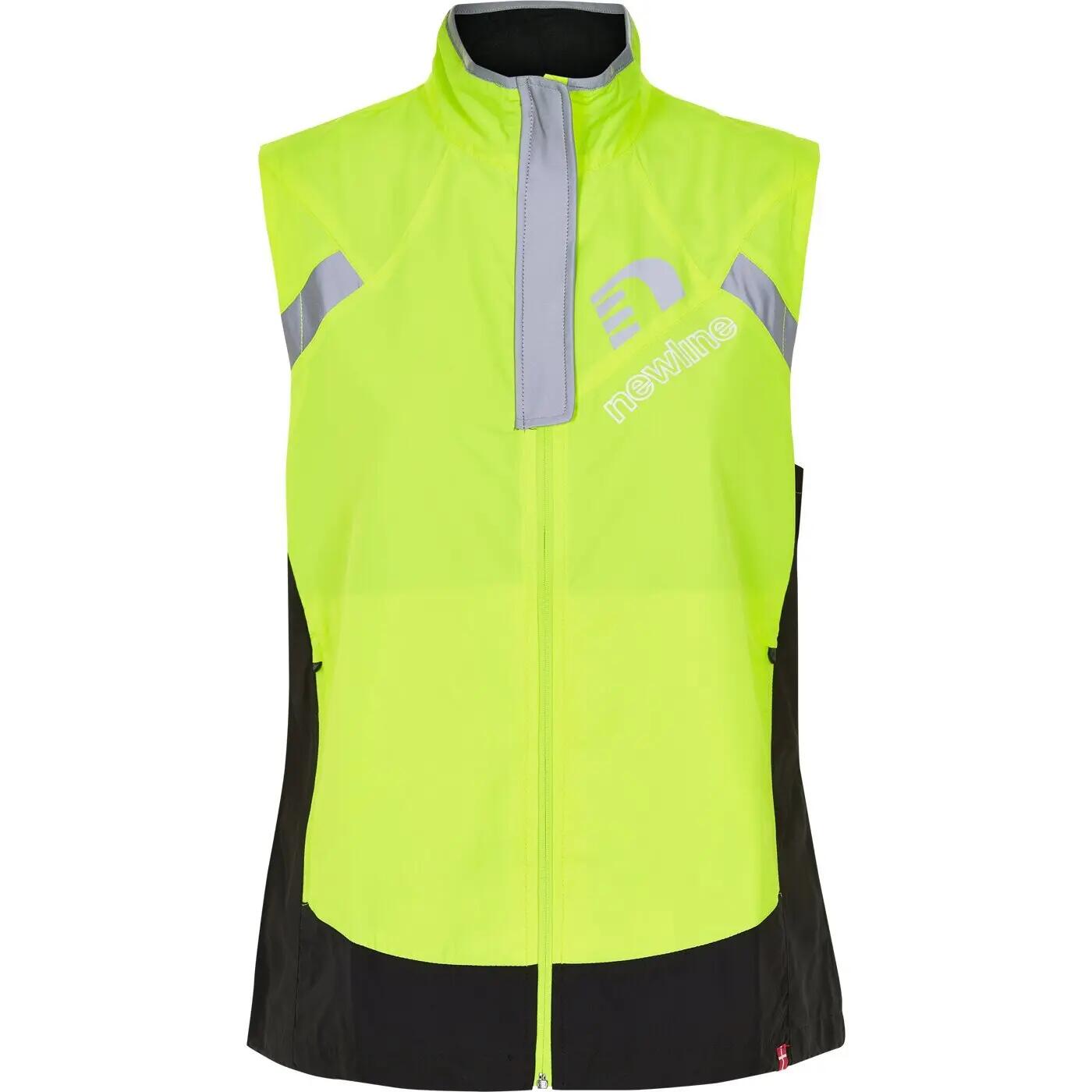
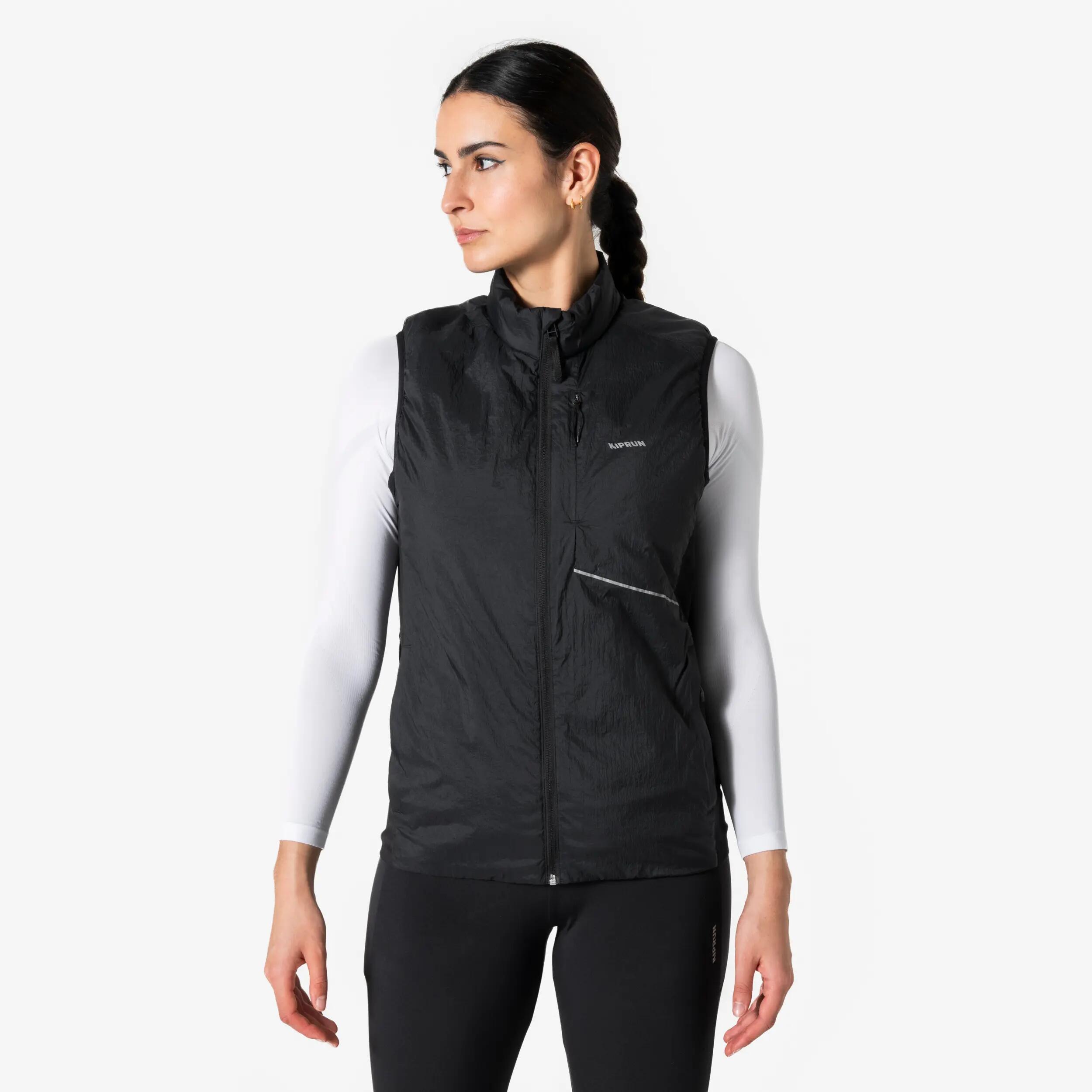
Choose according to the temperature, wind exposure and intensity of your run. A technical sweatshirt provides breathable warmth for cool, sheltered conditions, while a warm running jacket adds greater protection across exposed areas of the body. KIPRUN warm layers use different constructions rather than applying the same fabric throughout. Some models place wind-blocking insulation across the front and more breathable material across the back, where heat and perspiration build during exercise. A sleeveless gilet can protect your torso when full sleeves would feel too warm. Compare the broader selection of women's running jackets when you need to balance insulation, weather protection and freedom of movement. Pro tip: start your run feeling slightly cool, as your body temperature will rise once your pace settles.

How warm should a women's running jacket be?

The right warmth depends on the specific jacket, your pace and the layers underneath it. KIPRUN's quilted winter jacket is intended for running below 5 degrees Celsius, while the Run 900 Warm Regul has been laboratory assessed across approximately -9 to 13 degrees Celsius. These figures are model-specific rather than a guide for every garment on the page. Slower runners may need more insulation than runners completing hard intervals at the same temperature. Wear a breathable layer from the women's running tops category beneath your jacket so perspiration can move away from your skin. Avoid heavy cotton sweatshirts, which may hold moisture and become cold when your effort drops.

How do warm running jackets prevent overheating?

Effective winter clothing protects the areas facing cold air while releasing heat from high-perspiration zones. KIPRUN uses body-mapped fabrics, underarm mesh and openings across the arms or back to create this balance. The Run 900 Warm Regul also allows you to adjust ventilation through its zip and hood, helping you respond to climbs, faster sections and changing wind. Its updated airflow system provides 6% more ventilation than the previous version. Match the upper layer with breathable women's running trousers so your lower body can move freely without trapping unnecessary heat. Pro tip: open the front zip before a steep climb rather than waiting until sweat has already built inside the jacket.

Are warm running jackets waterproof?

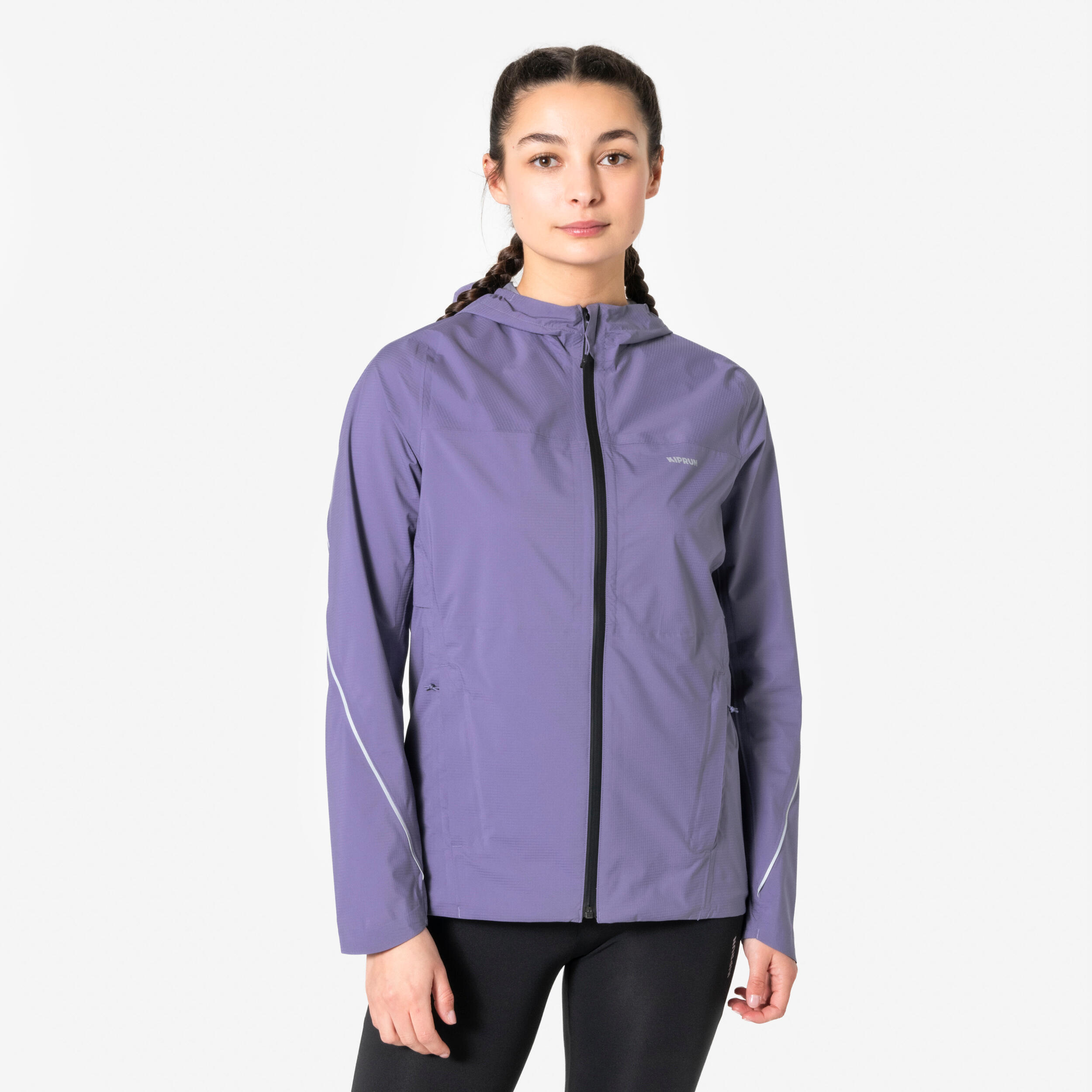
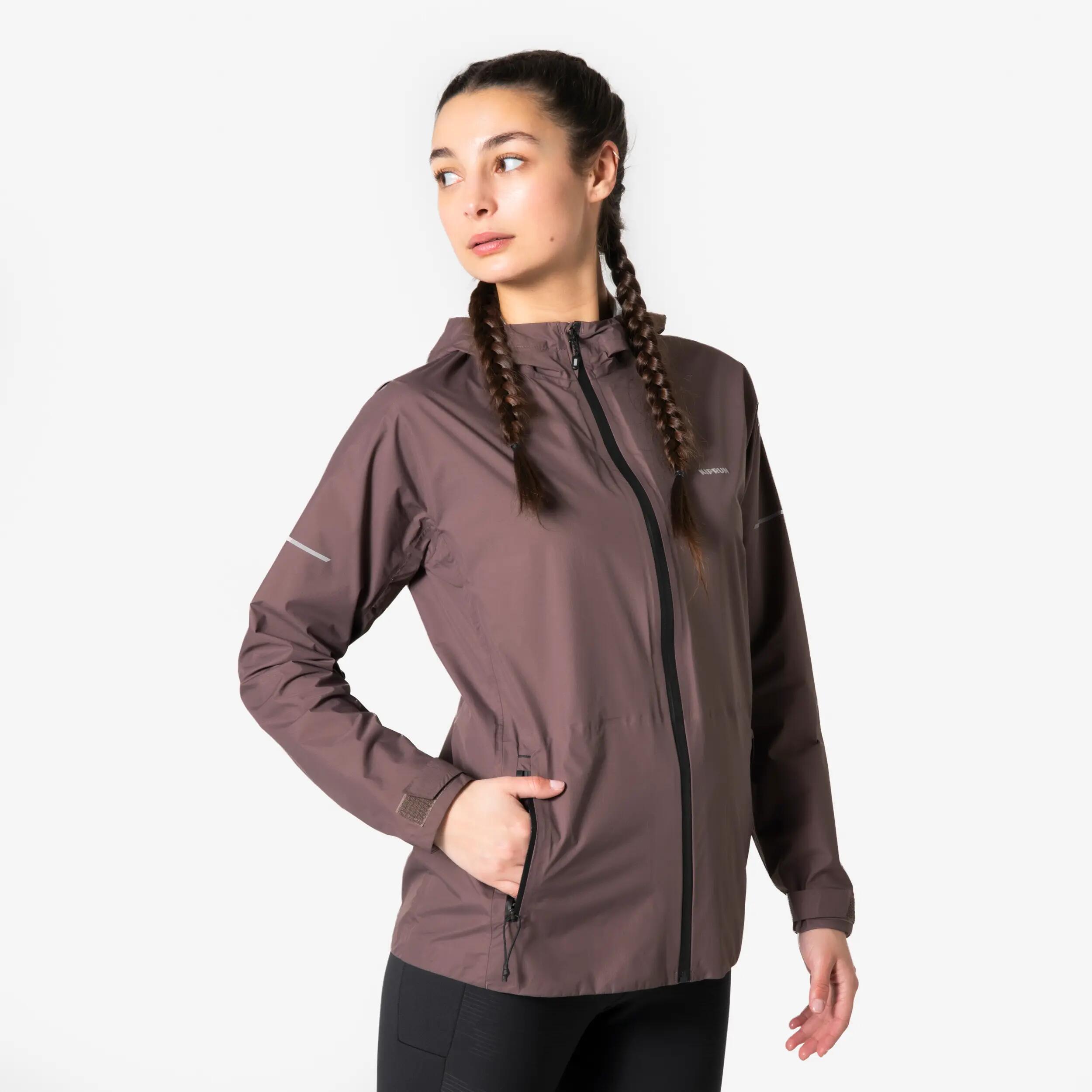
Warmth, water repellency and waterproofness are separate qualities. A softshell jacket may block wind and shed light rain, but it will not necessarily keep you dry during prolonged or heavy rainfall. The Run 900 Warm Regul is water repellent, yet its seams are not sealed, so it should not be treated as a fully waterproof shell. Choose one of the women's running waterproof jackets when sustained rain protection is the main requirement. During dry but exposed conditions, a warm jacket may provide the better balance of insulation and breathability. Check the forecast, route exposure and expected run duration before choosing your outer layer, particularly when stopping far from shelter could leave you cooling quickly.

What fit and features help on cold-weather runs?

Your jacket should leave space for a breathable base layer without pulling across the shoulders, chest or upper back. Move your arms, reach forwards and check that the hem remains secure while running. Thumb loops extend wrist coverage, while dual watch openings let you view data without repeatedly pulling back the cuff. Some KIPRUN jackets include foldaway mittens, reflective details and secured pockets that limit phone movement. A stable hood should move with your head without blocking side vision. During milder, breezy sessions, lighter women's running windbreakers may provide enough protection without added insulation. Wash warm technical layers according to the label, avoid fabric softener and air dry them to protect stretch, ventilation and insulated panels.