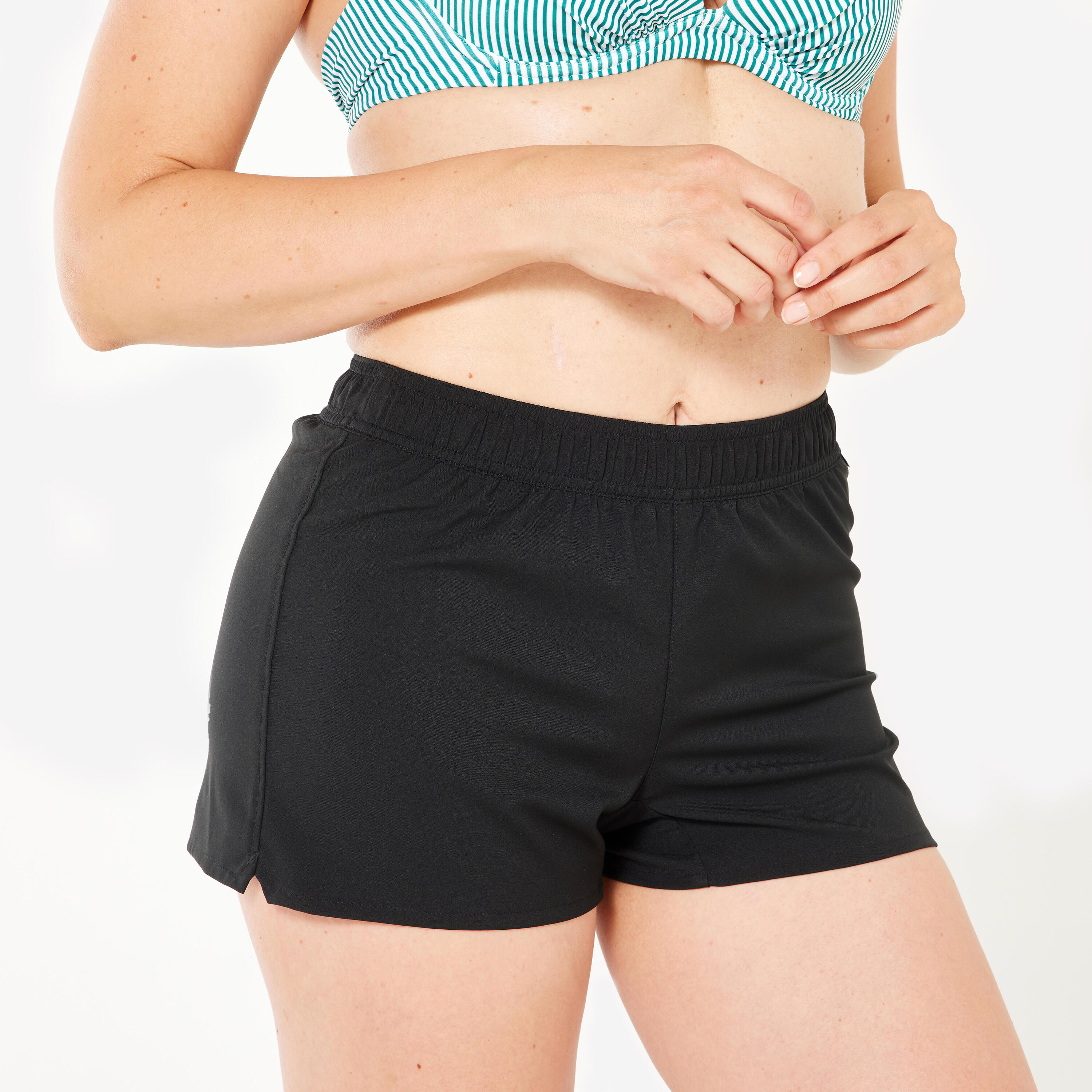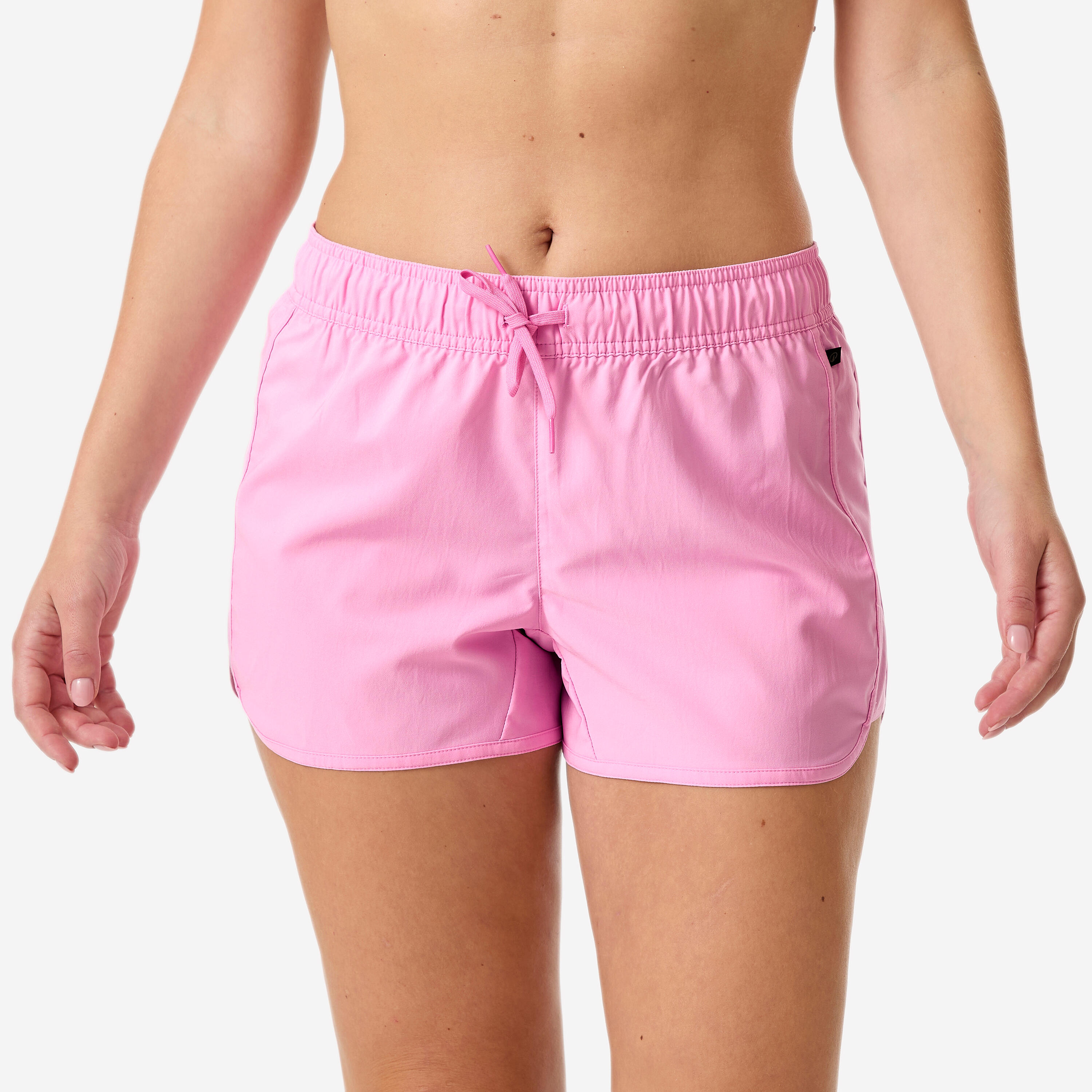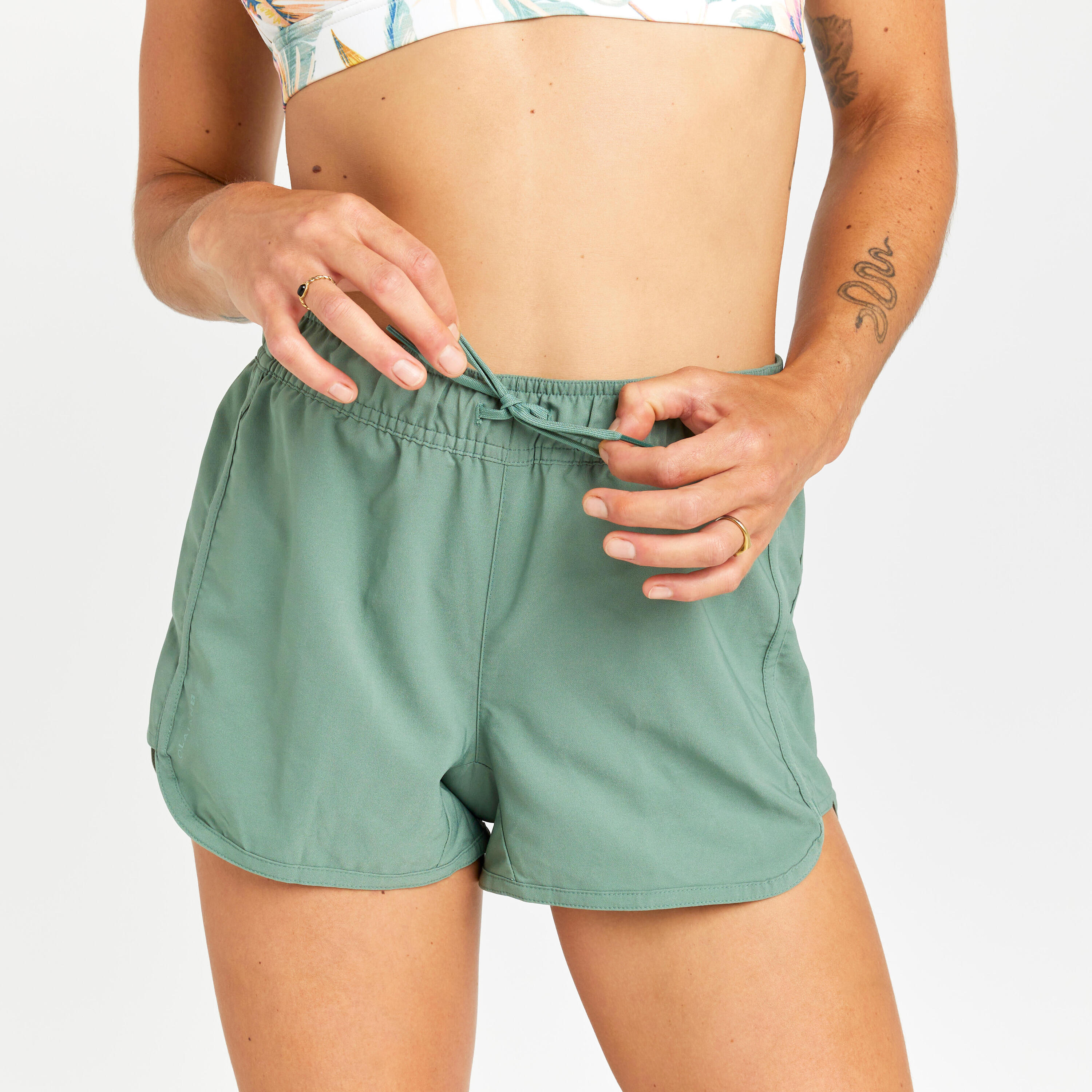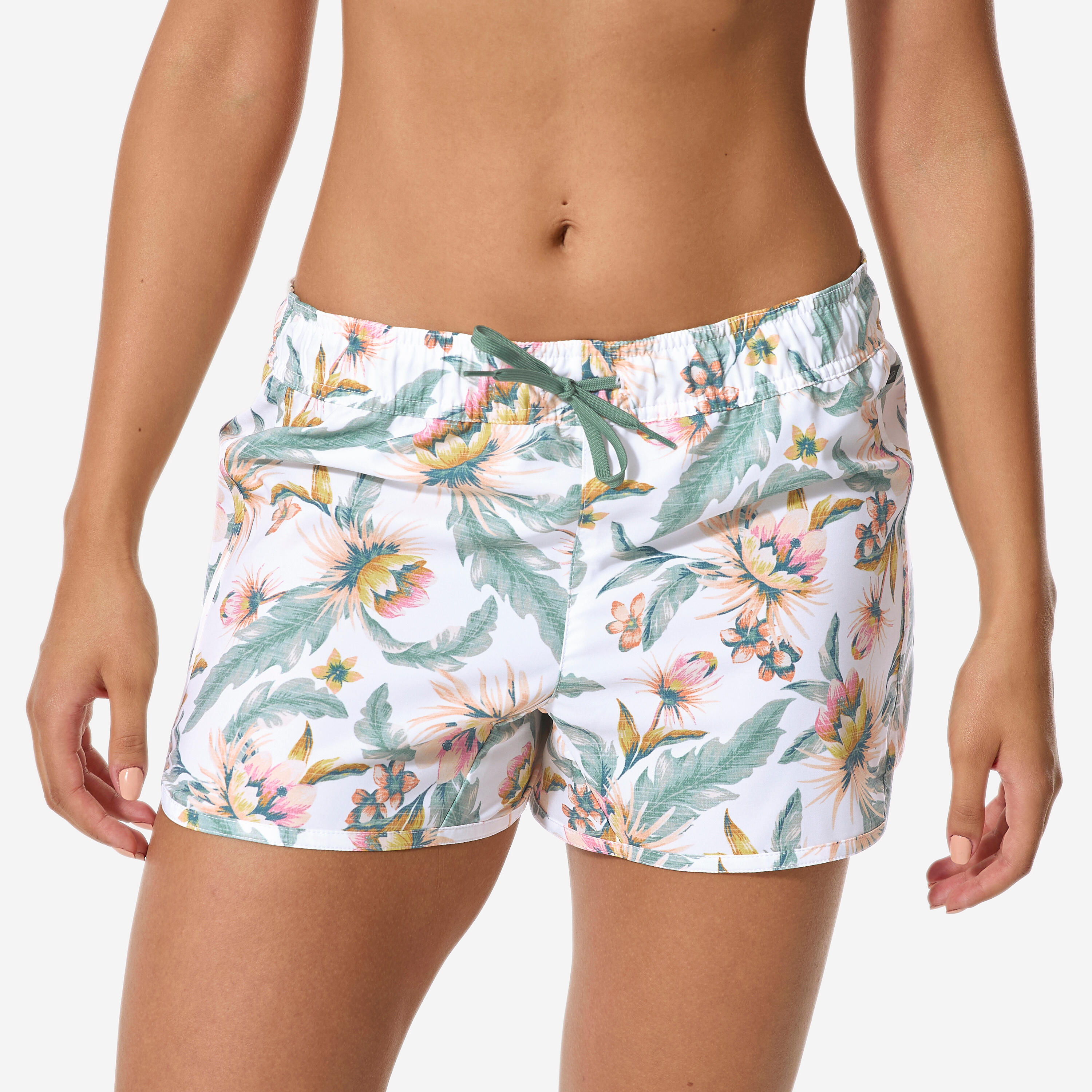
36 items
4.6/5 based on 24961 reviews collected online and in stores

Women's Boardshorts FAQs

What should you look for in women's surfing boardshorts?

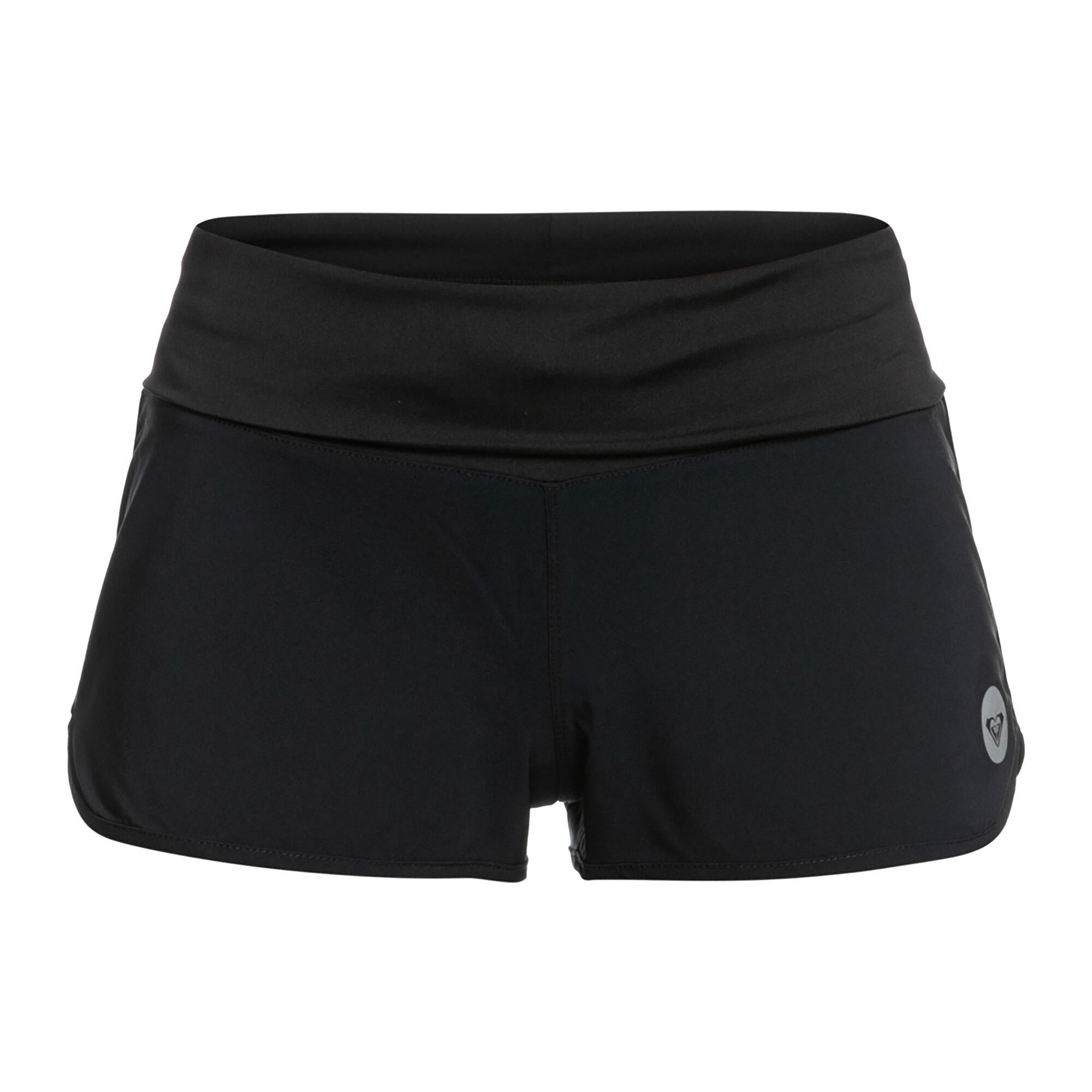
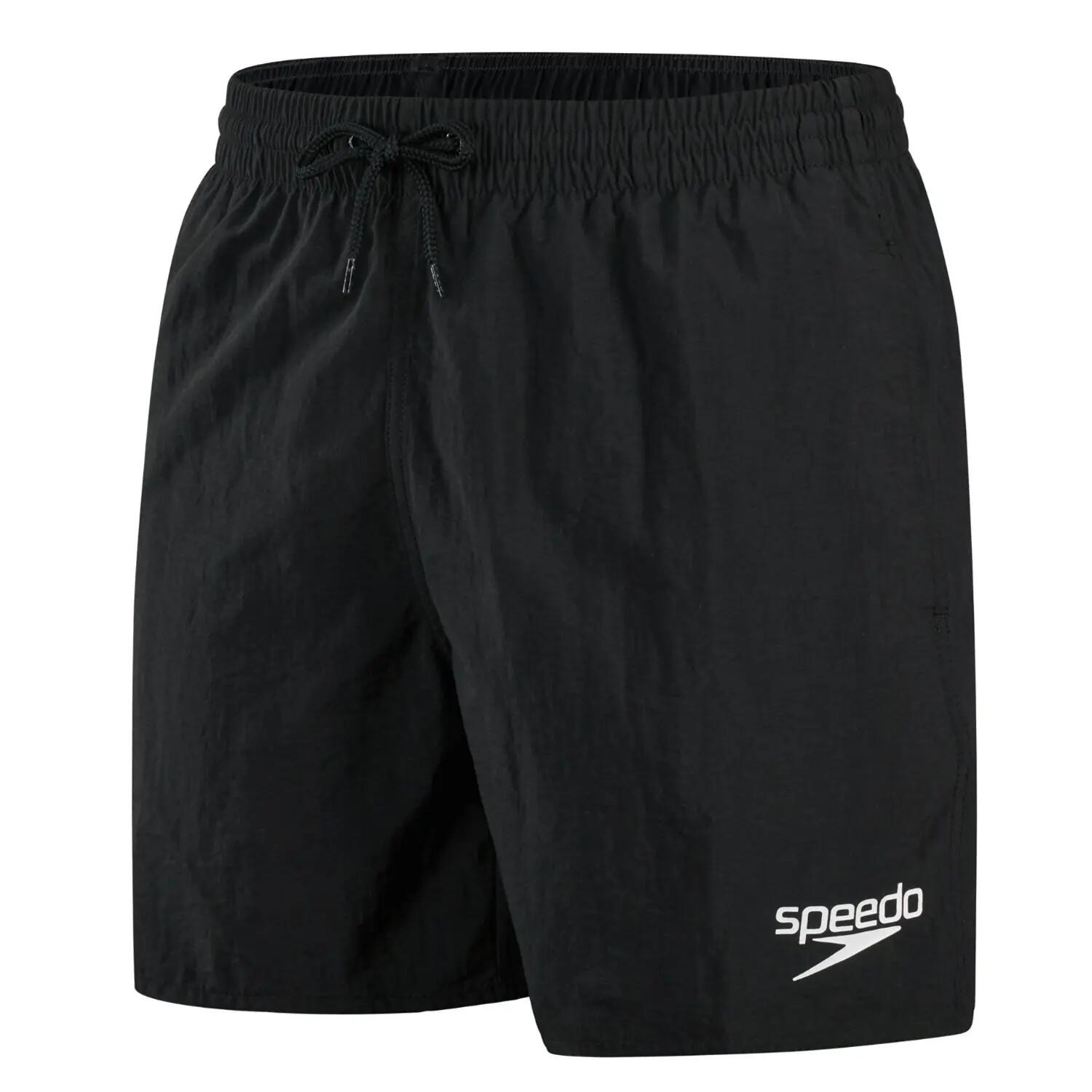
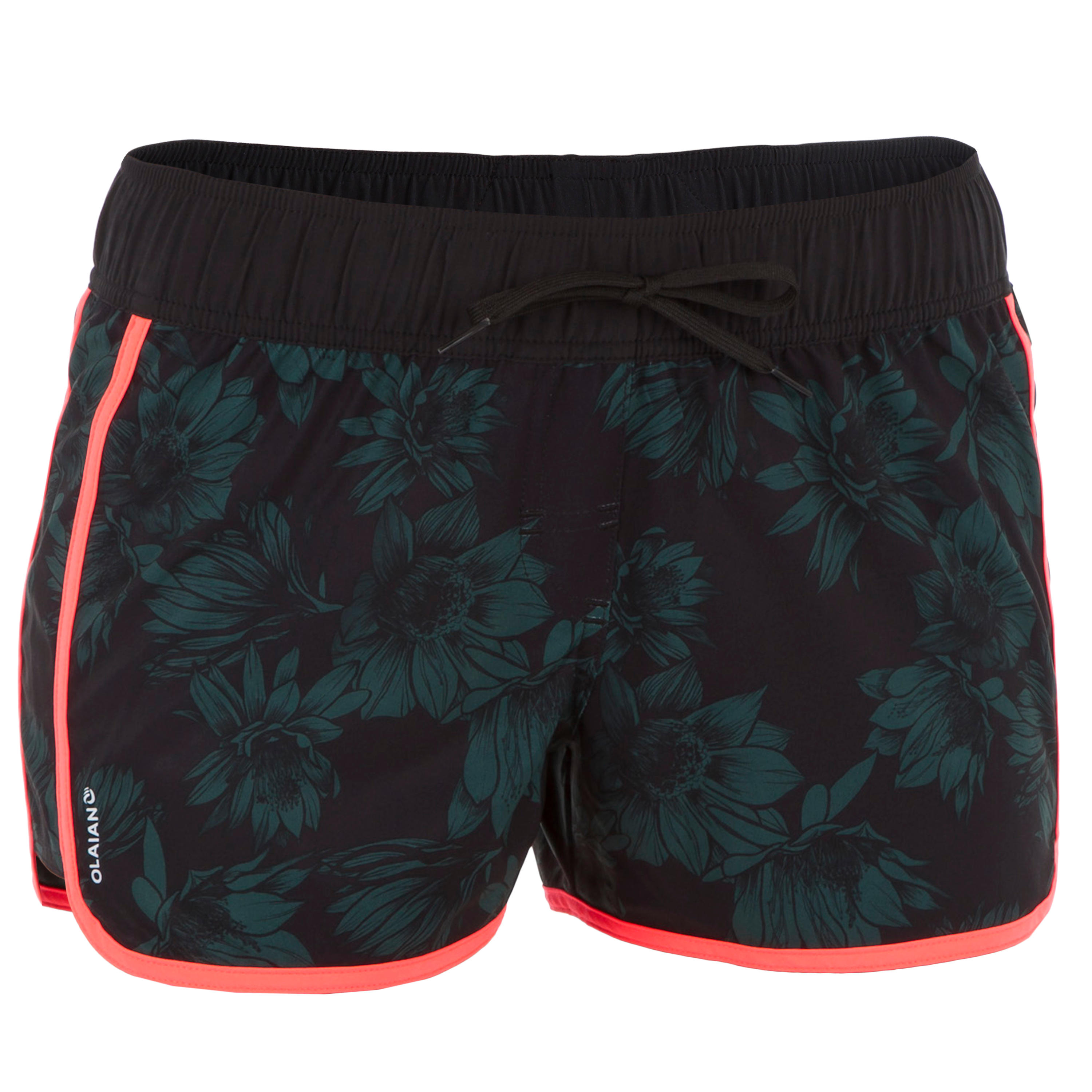
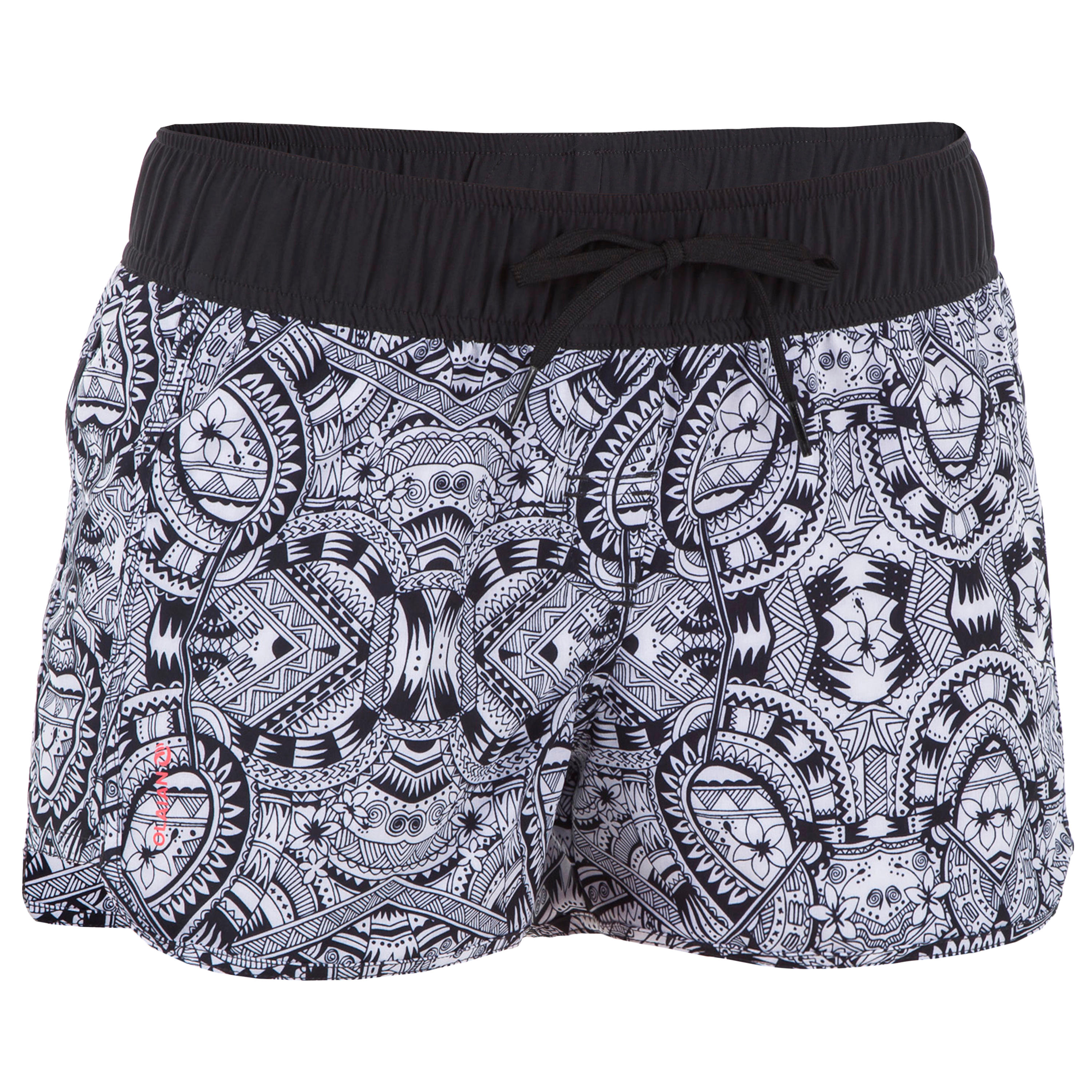
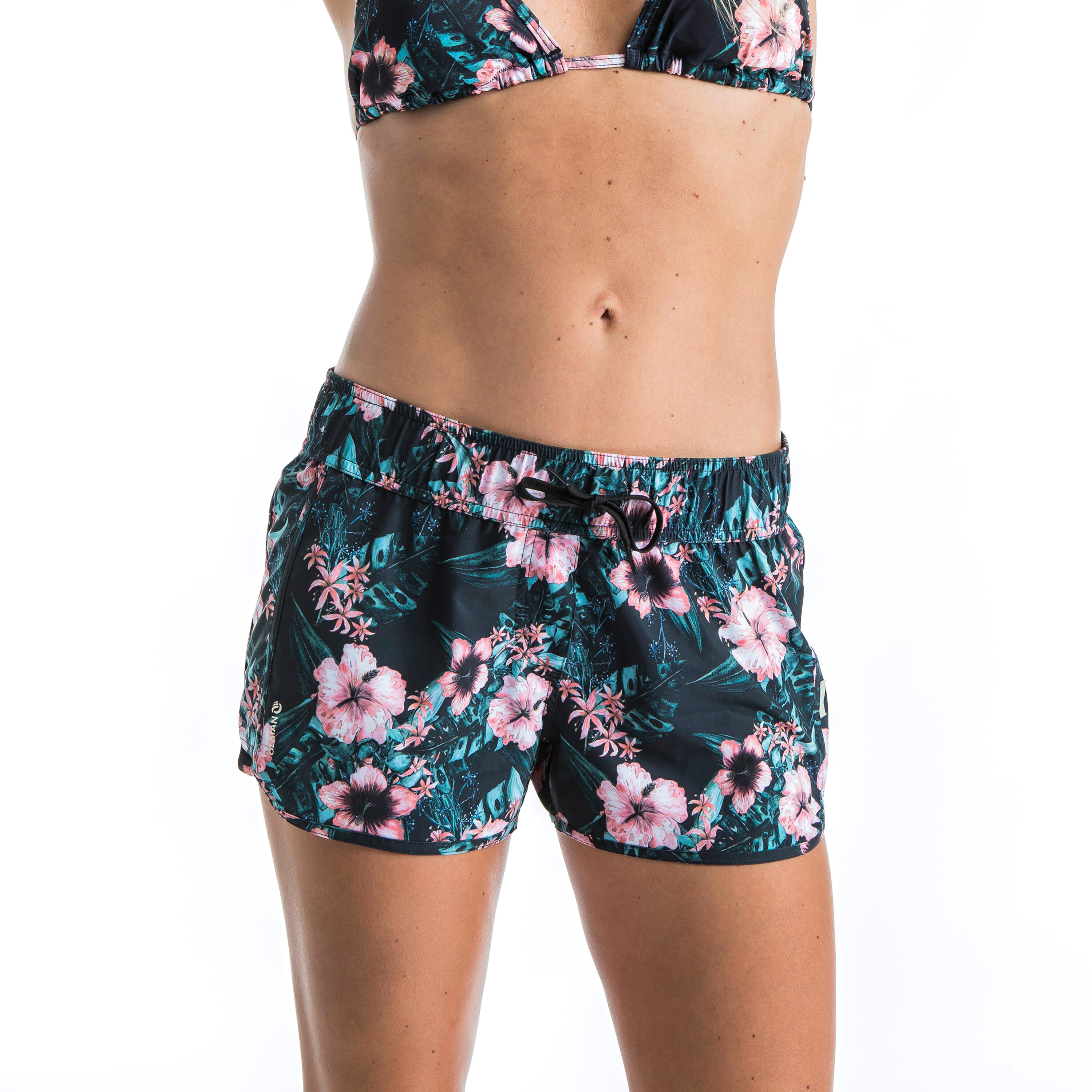
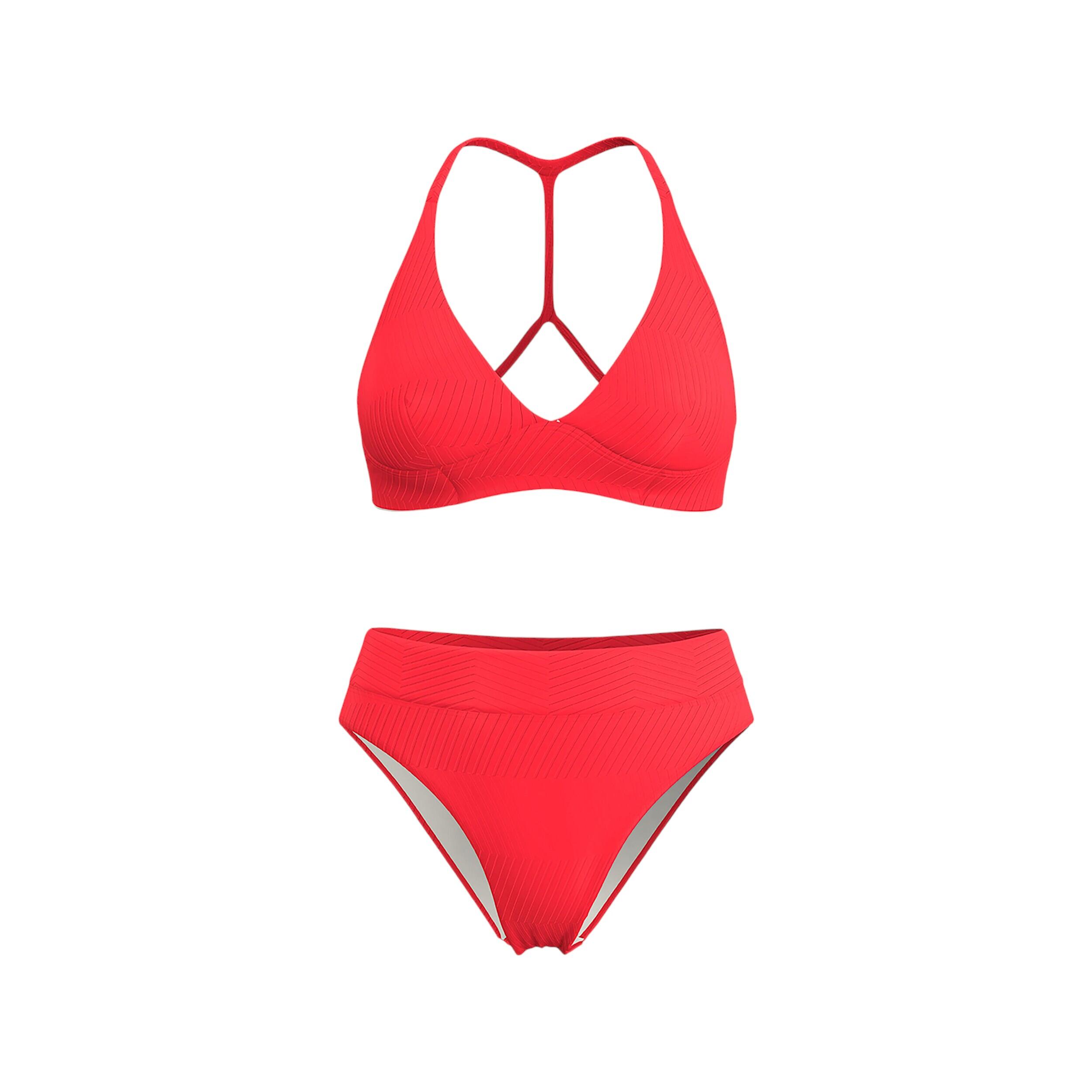
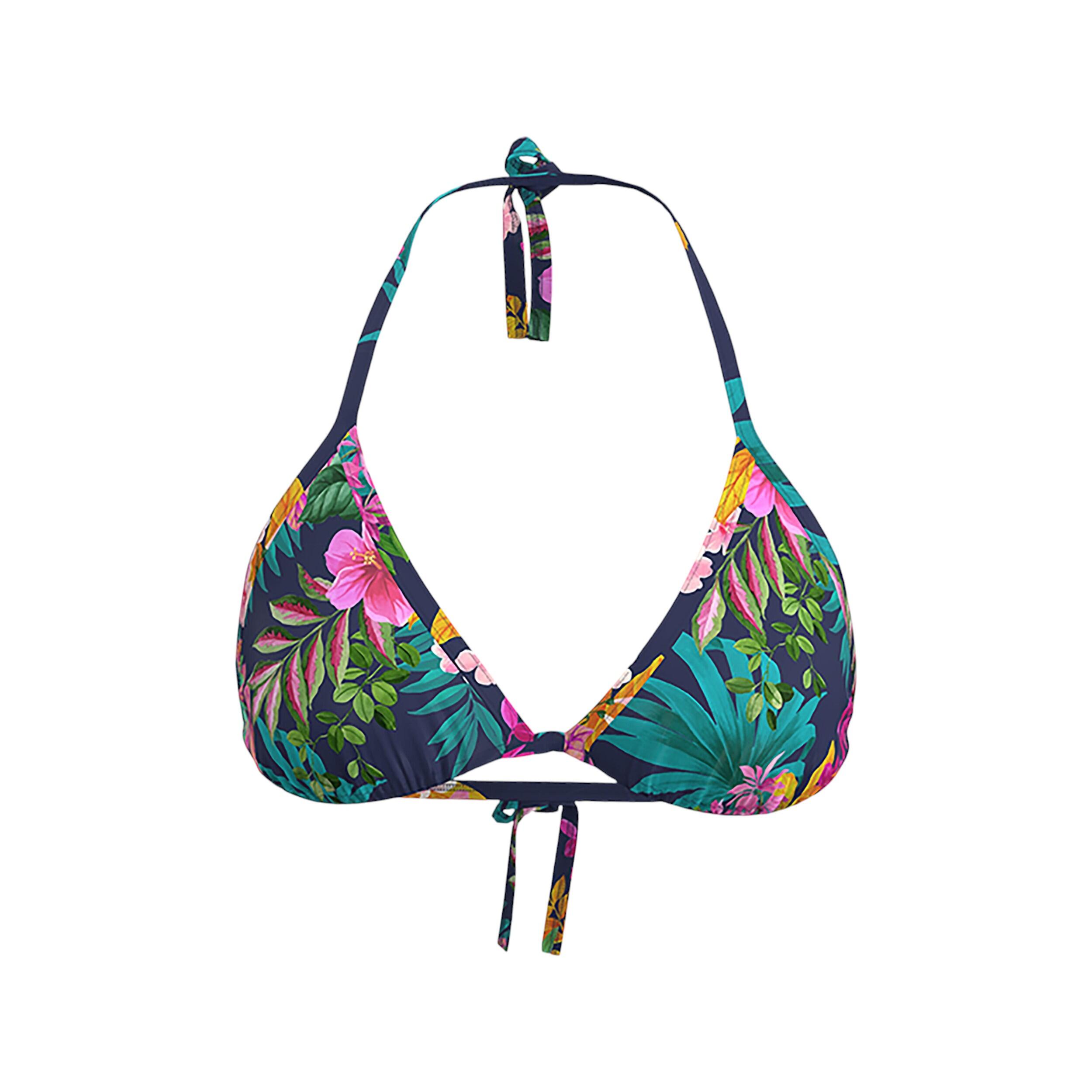
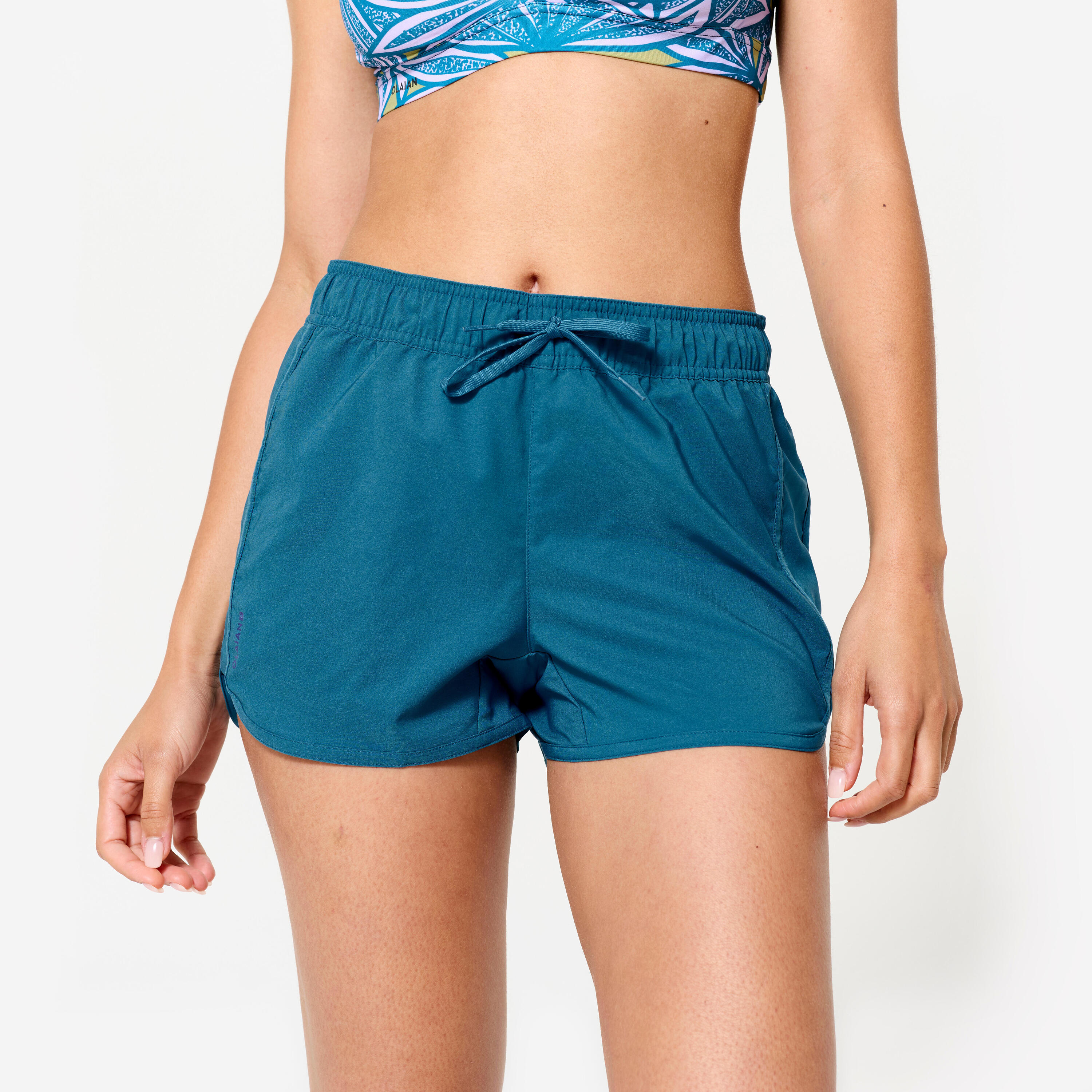
The fit around the waist is the first thing to get right. A boardshort that sits too low shifts position during duck-dives and paddle-outs, creating drag and exposing the lower back to cold water and board wax. Women's-cut boardshorts use a higher rise and a narrower hip-to-waist ratio than unisex styles, which keeps them locked in place through wipeouts without needing a tight drawcord that digs in during longer sessions. Fabric weight matters too. A lighter 100% recycled polyester weave moves freely during pop-ups, while a heavier four-way stretch fabric holds shape better across a full season of regular use. Worn beneath boardshorts, a triangle swimsuit should sit flat against the waistband without gathering at the sides, helping to prevent chafing during repeated paddling movements. Smart tip: check the inseam length before buying. A 13 cm inseam suits most surfing positions, while anything shorter than 10 cm can ride up during bottom turns and expose the inner thigh to board friction.

Can women's boardshorts double as swimming shorts for open-water sessions?

Yes, with some important caveats. A boardshort built for surfing uses a flat internal tie rather than an elasticated waistband, which reduces bulk under a wetsuit but also means less compression when swimming long distances. The loose fit that suits standing on a board creates more water resistance during freestyle swimming than a close-fit swim short would. For casual open-water swimming or snorkelling where performance is secondary to comfort, boardshorts work well. A one-piece swimsuit works well as a base layer beneath boardshorts and a wetsuit, eliminating the waistband bulk that can press uncomfortably against the lower back inside a close-fitting suit.

How do women's classic boardshorts differ from active surf styles?

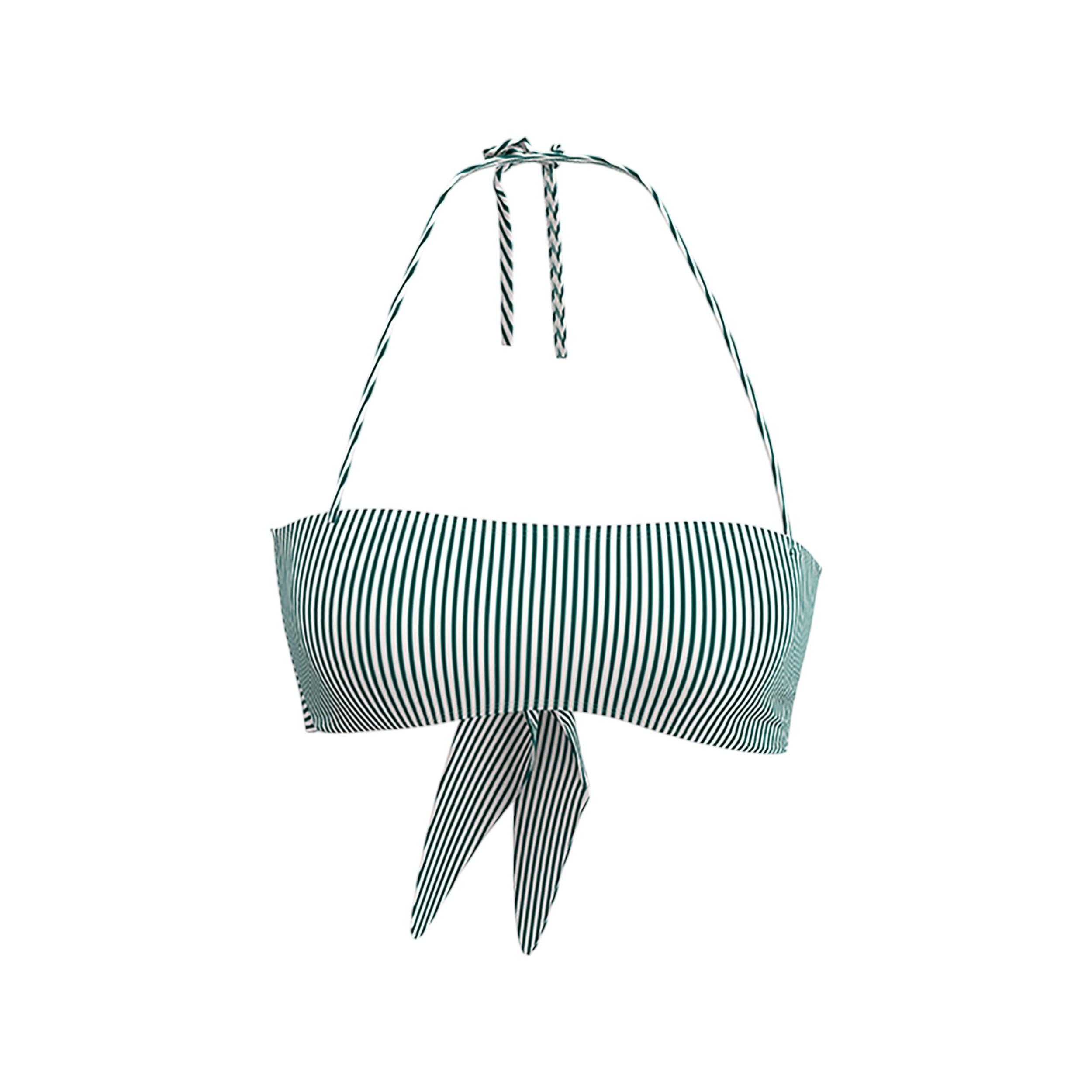
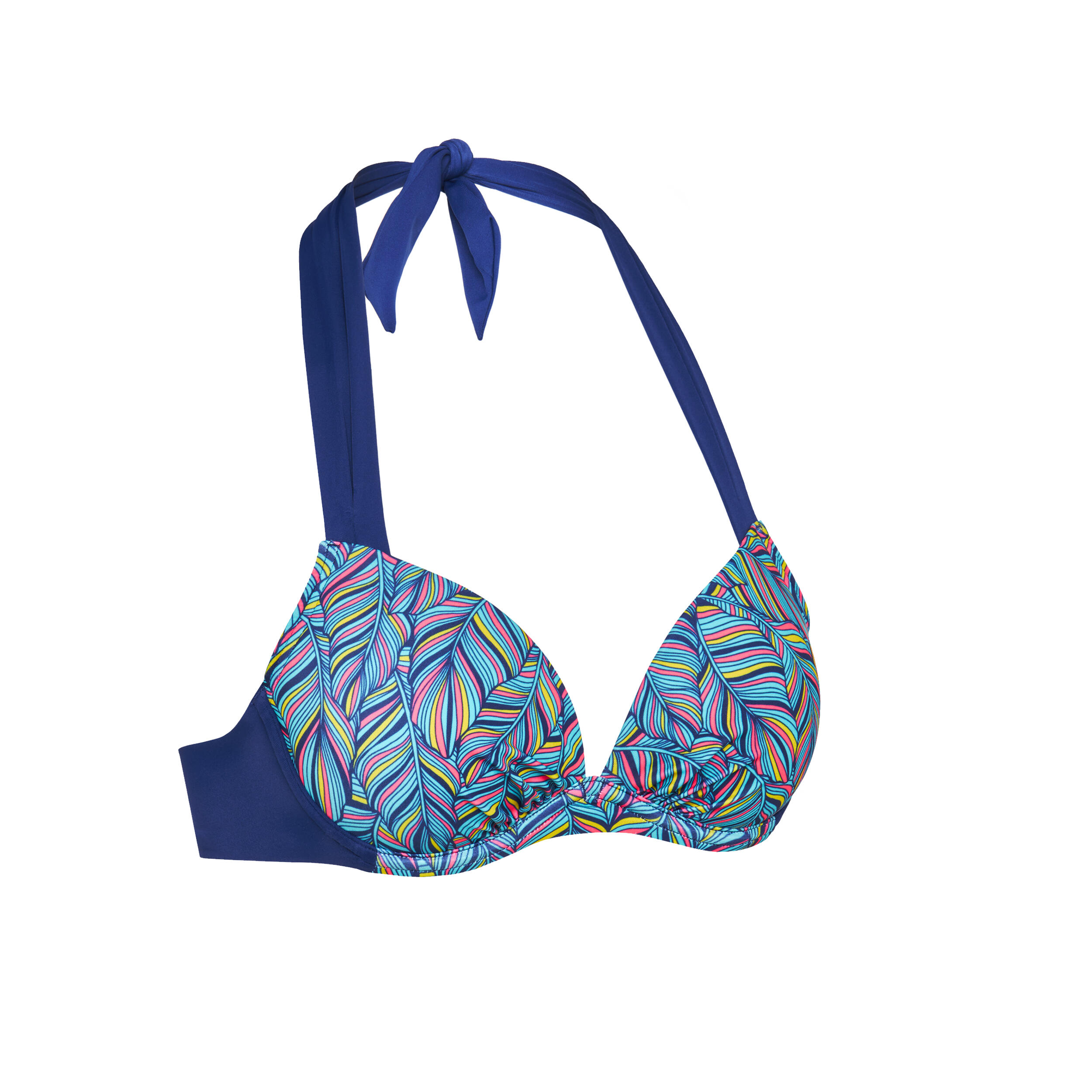
Classic boardshorts prioritise a relaxed silhouette with a straight leg cut and a longer inseam, typically between 17 cm and 21 cm. They sit closer to leisurewear in their bandeau and are well suited to beach days, SUP, and casual coastal walks where full mobility is needed but performance stretch is not. Active surf styles use shorter inseams, four-way stretch fabric, and reinforced seams at the seat and inner thigh to withstand the repeated stress of pop-ups and wipeouts. Women who spend time both in the water and on the beach often choose a classic length for comfort between sessions, then switch to a sport-cut for the water. A push-up swimsuit can provide additional shape and support beneath a rash vest or wetsuit, without adding unnecessary bulk for surfers who prefer a streamlined fit.

What fabric technology makes women's boardshorts quick-drying?

Quick-dry performance in boardshorts comes from two factors: material type and weave density. Polyester inherently absorbs very little water at the yarn level because it holds moisture in the gaps between threads rather than within the fibre itself, which means it releases water rapidly once out of the sea and in moving air. A looser plain weave dries faster than a tight twill because there is more air circulation between threads, but it also offers less abrasion resistance against a waxed deck. Most surf-grade boardshorts balance both with a mid-weight ripstop weave. Bikinis with padded cups typically retain more water than unlined triangle or bandeau styles, so surfers wearing boardshorts over swimwear may notice longer drying times between sessions.

What is UPF rating and does it matter in women's boardshorts?

UPF (ultraviolet protection factor) tells you how much UV radiation a fabric stops before it reaches the skin. A UPF 50+ rating lets less than 2% of UV rays through, which is comparable to SPF 50 sun cream, but works through the fabric rather than being applied to the skin. Standard uncoated polyester boardshorts sit around UPF 15 to 25, which offers moderate cover but isn't enough for long hours on the water, where UV reflected off the sea surface doubles the exposure load. Women surfing at midday or holidaying in warmer climates should prioritise boardshorts carrying a UPF 50+ label. Those putting together a modest-fit swim kit often pair boardshorts with a long-sleeve rash vest and a bandeau swimsuit underneath, covering the midriff and chest without the restriction of a full wetsuit on warmer days.