563 items
4.7/5 based on 134943 reviews collected online and in stores

Women's Surfing Swimwear FAQs

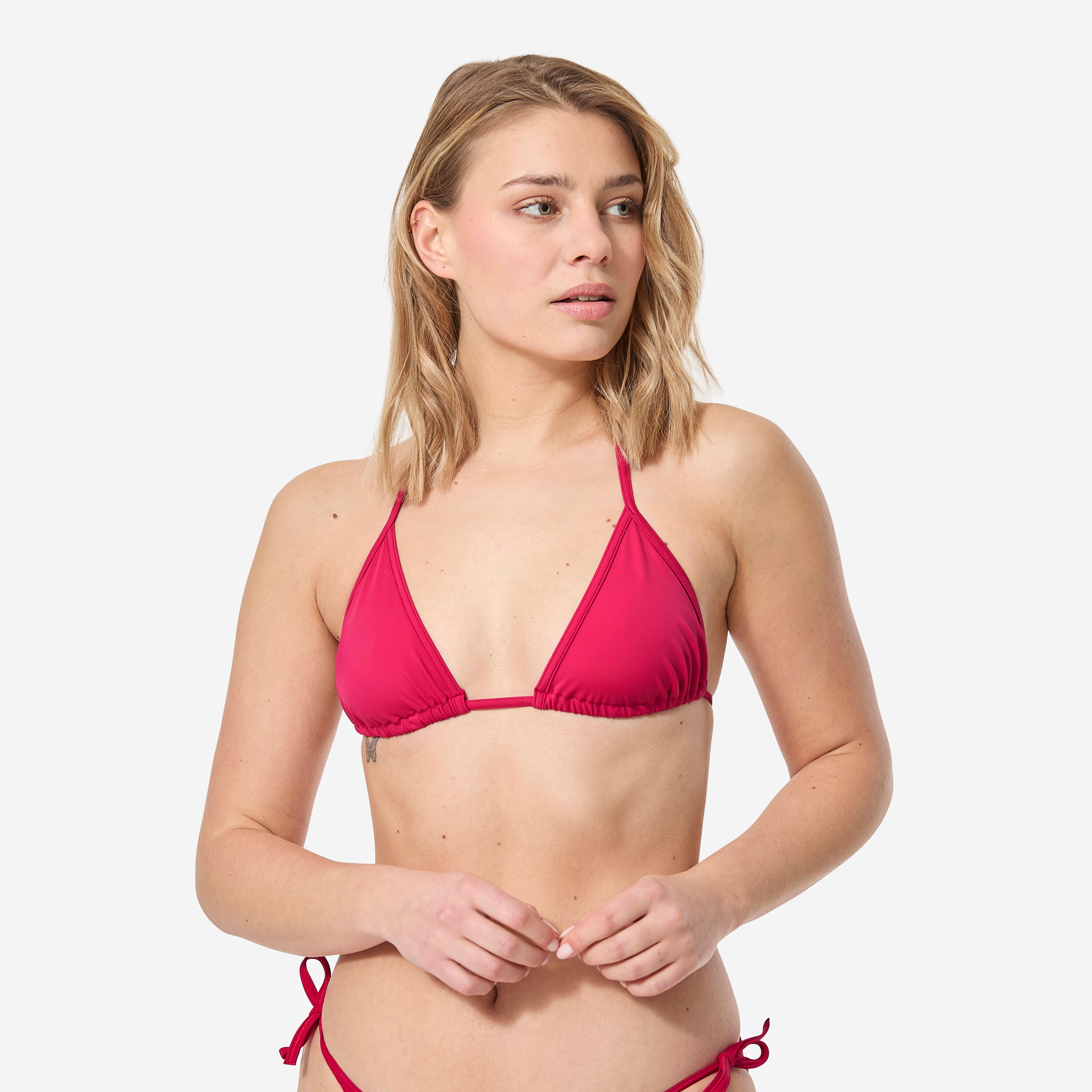
What makes a triangle bikini top suitable for surfing rather than just sunbathing?

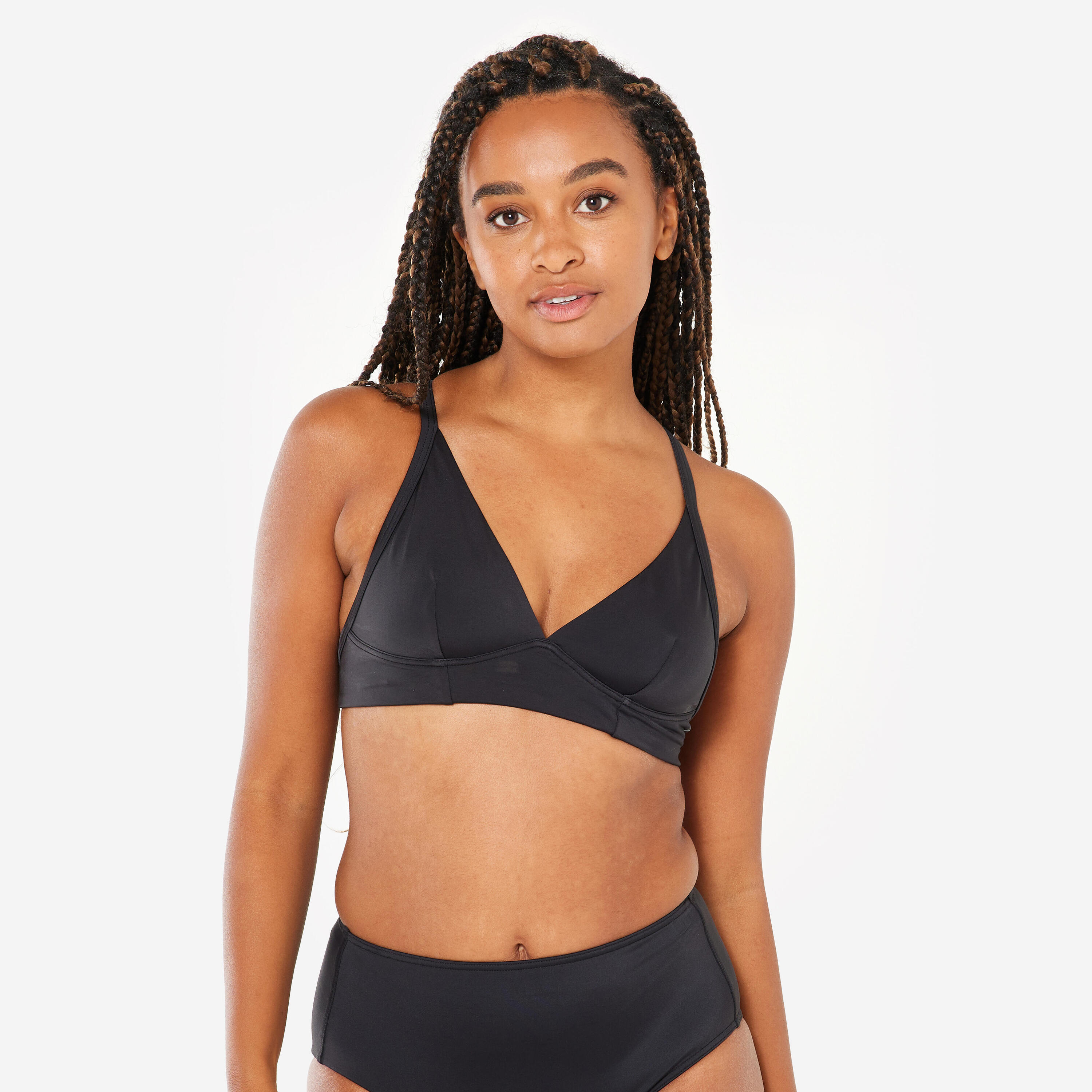
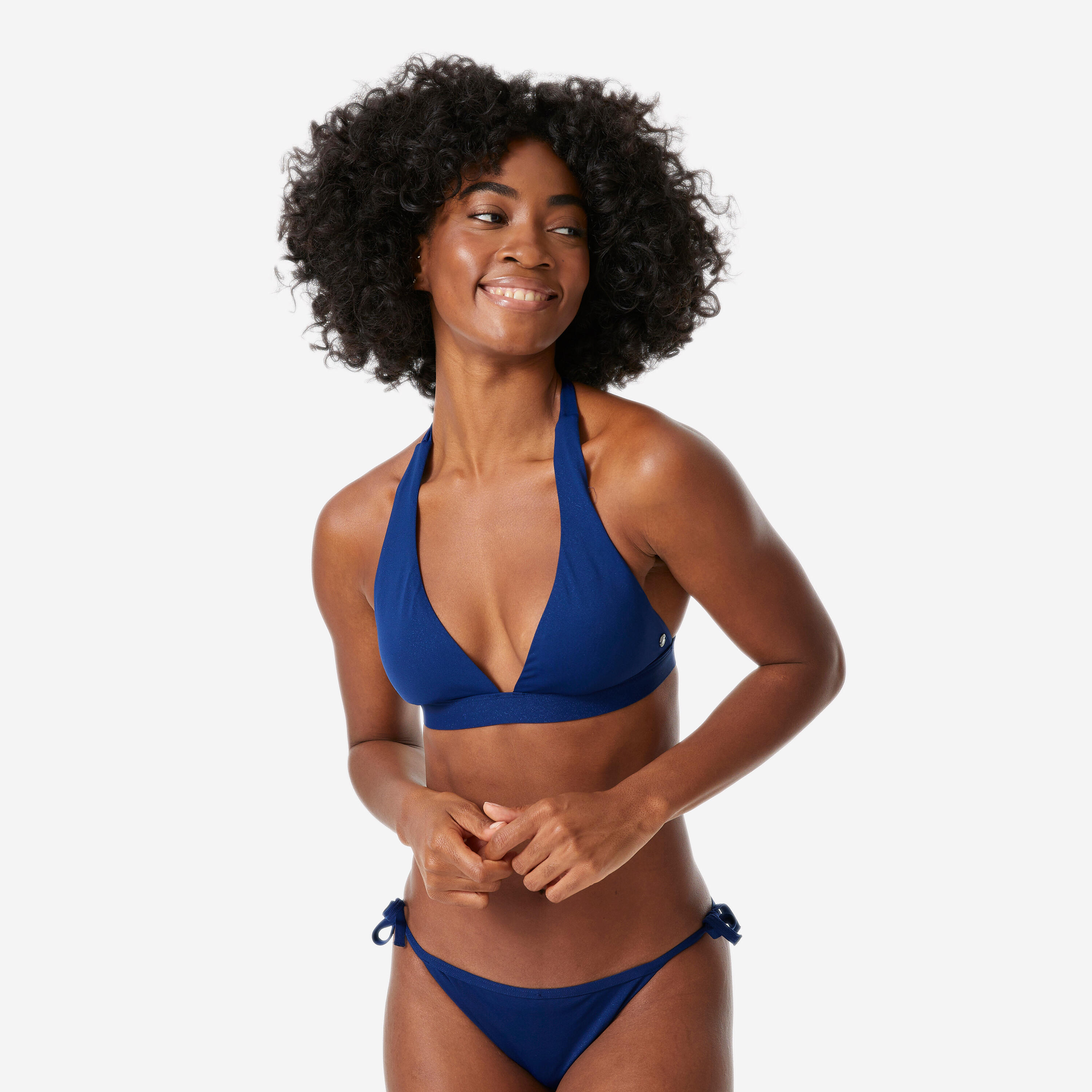
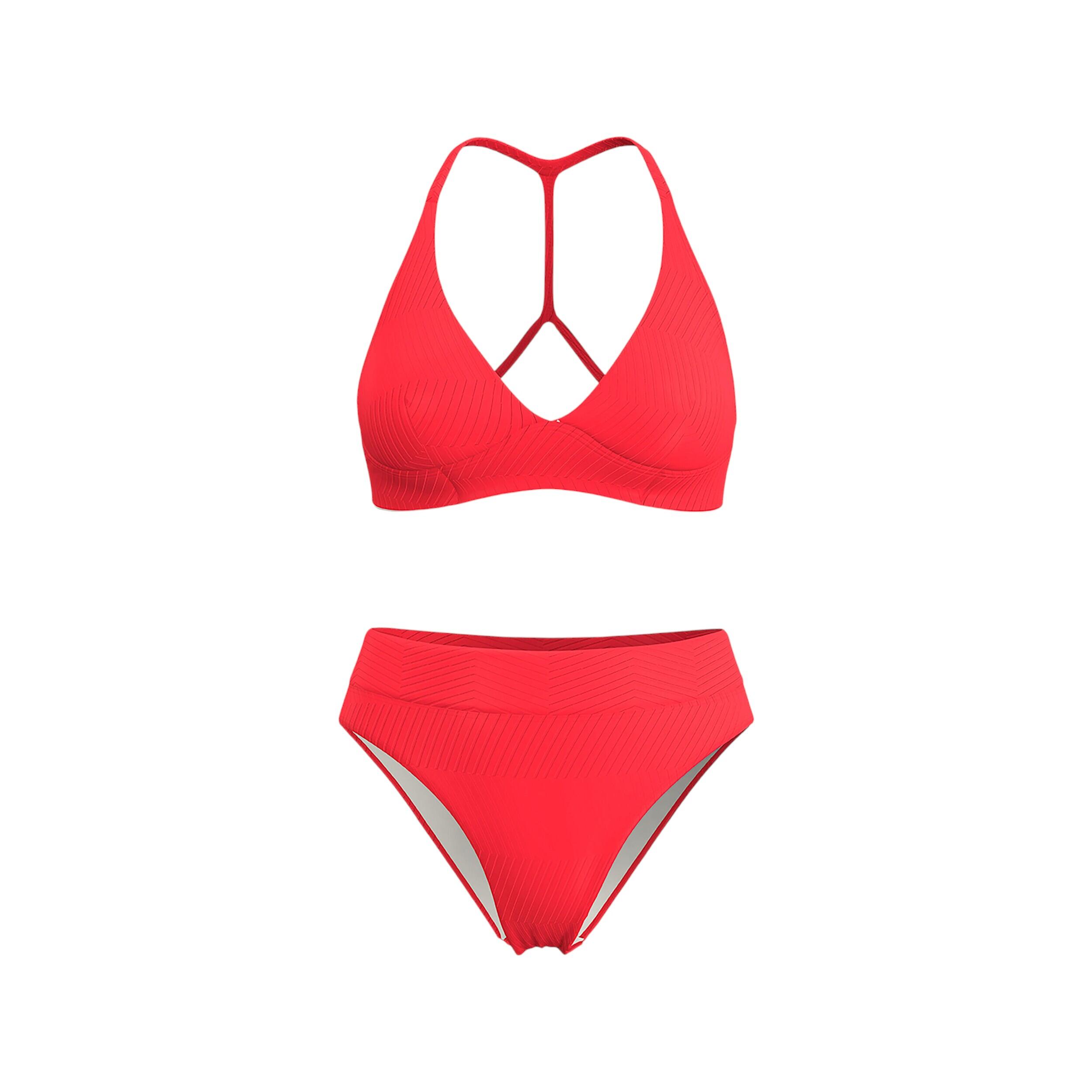
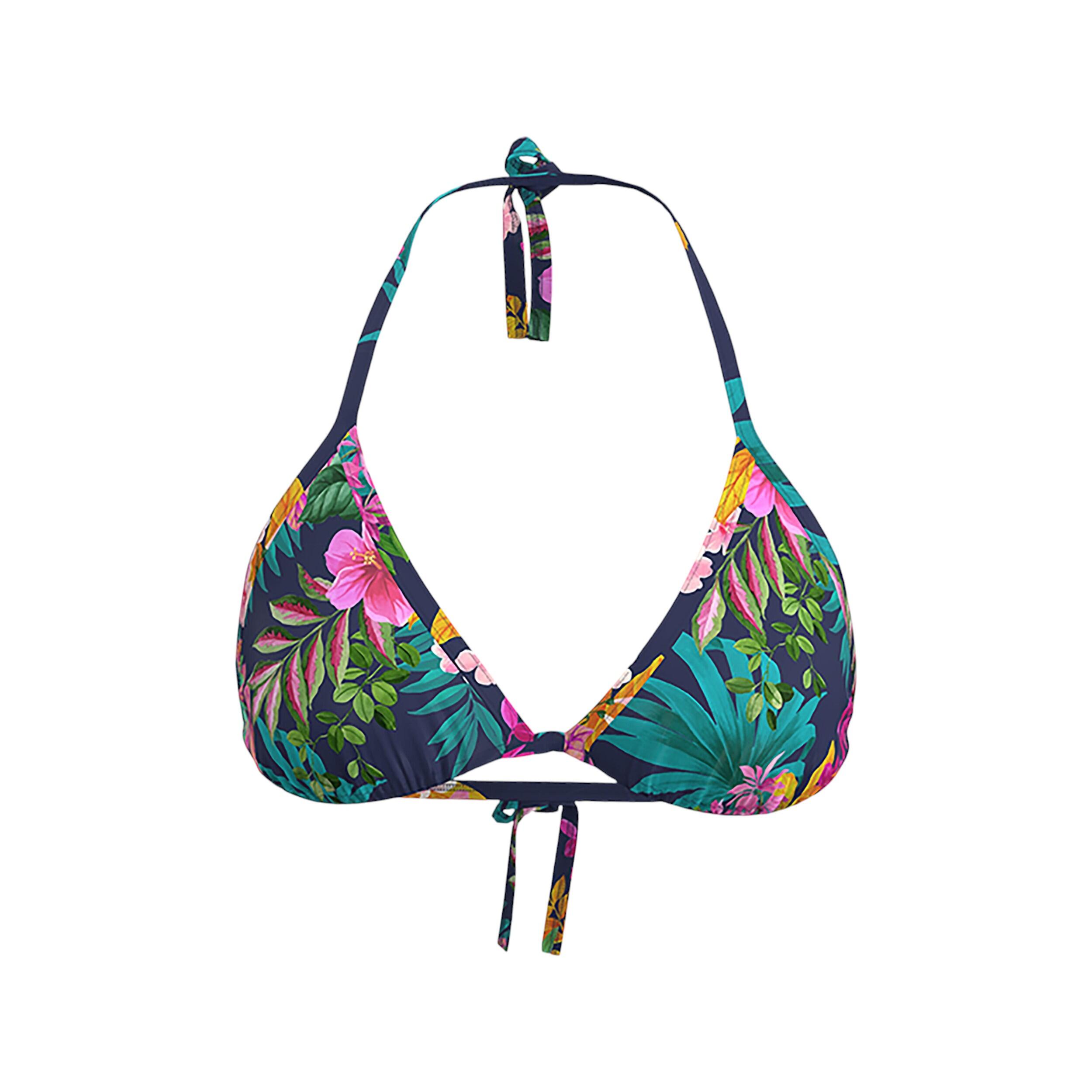
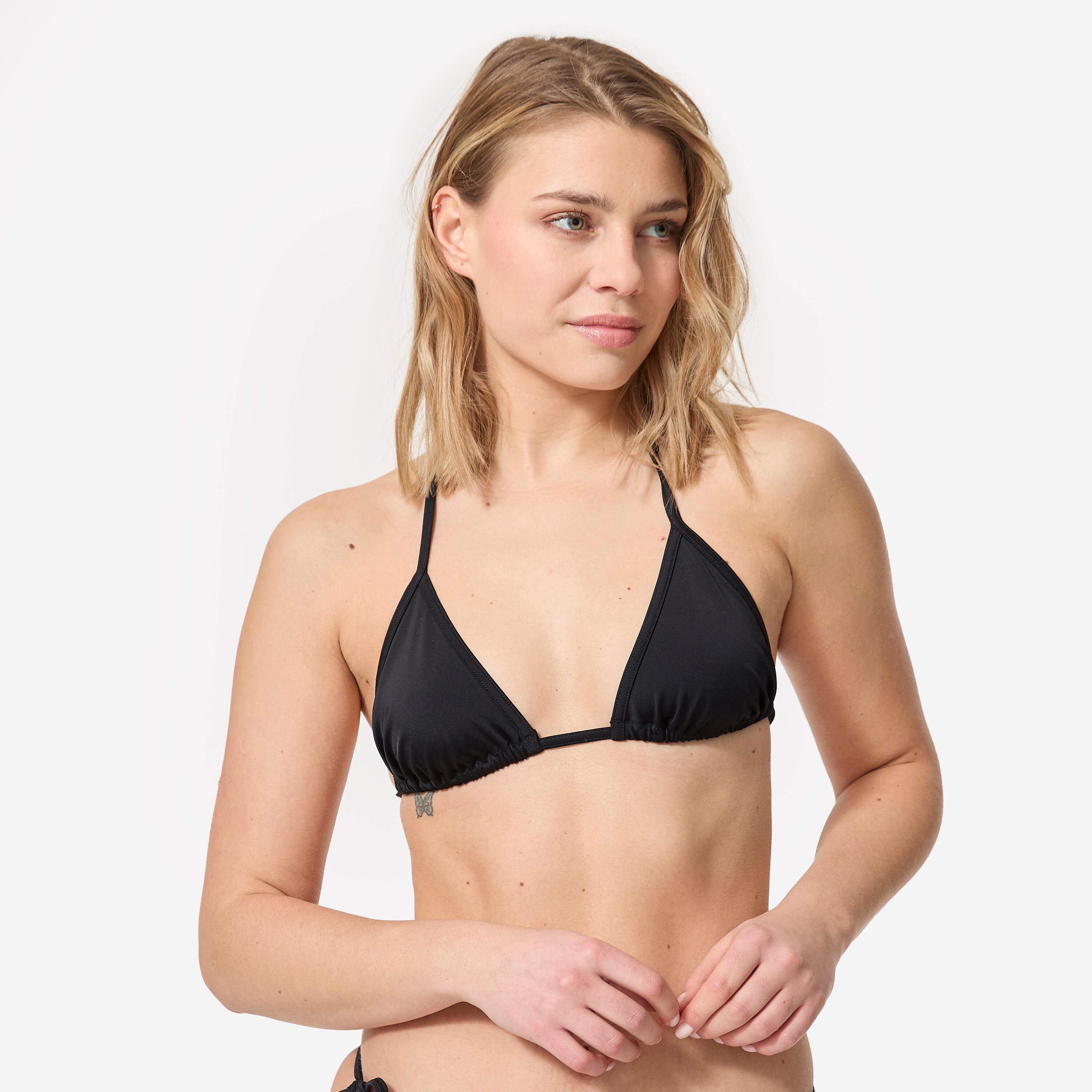
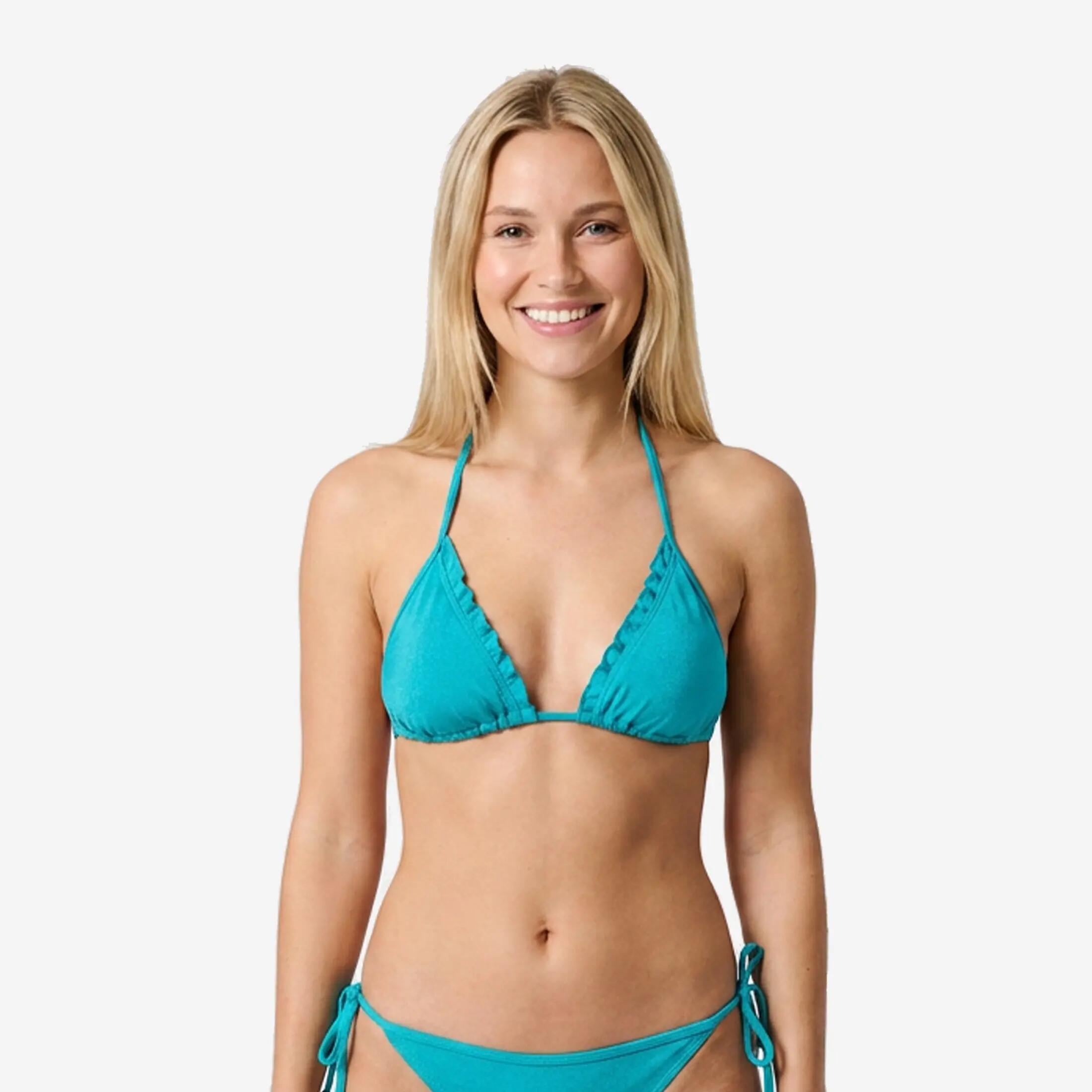
A triangle bikini top constructed for surfing uses a different fabric weight and tie configuration than a purely decorative version. The fabric needs a higher elastane content, typically above 15%, to stretch and return during the repeated arm rotation of paddling without losing its shape or shifting position when the arms pull through the water. Fashion-focused triangle tops often use softer, lighter fabrics that deform under paddling pressure and frequently require adjustment in the line-up. The tie system is the other critical variable: adjustable neck and back ties that lock rather than slip allow the wearer to customise the fit to a specific chest size and padding preference, and a locked tie does not loosen incrementally through a session the way a slip-knot design does. Salt and UV exposure accelerate fabric degradation, so a higher-quality construction retains its elastic properties across a full season of regular use rather than going baggy after a handful of sessions. Surfers who prefer triangle tops generally favour the unrestricted shoulder movement they allow for paddle technique over a structured or underwired alternative. The triangle swimsuits range covers both padded and unpadded configurations across a wide size band. Surfing tip: always rinse swimwear in cold fresh water after a salt session because hot water breaks down elastane fibres faster than salt exposure alone.

What support does a bandeau top provide for active surfing, and who does it suit best?

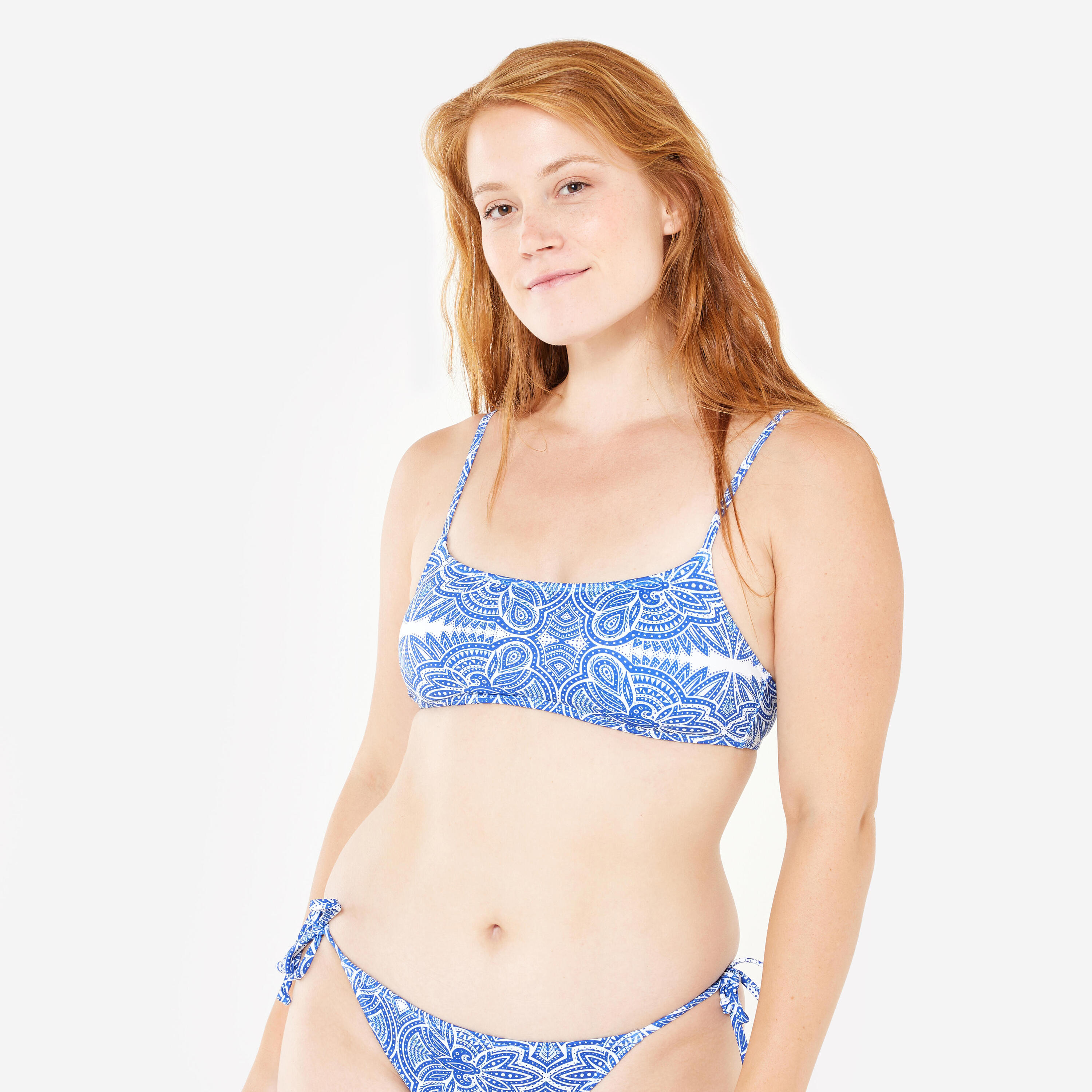
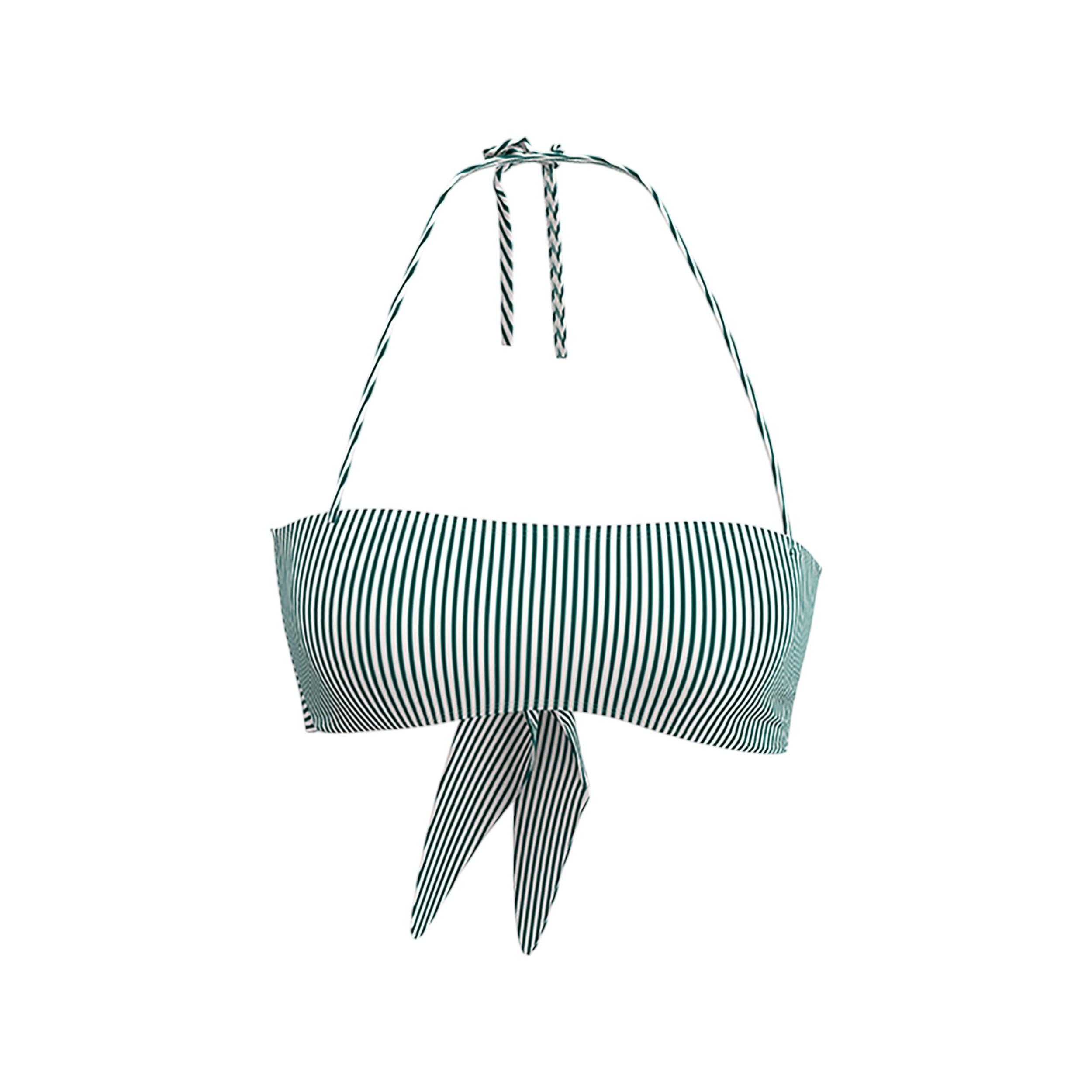
A bandeau top sits across the chest without any shoulder straps, which means all support comes from the band tension alone. For surfing, this makes it better suited to smaller cup sizes, where the band can maintain its position through duck-dives and wipeouts without requiring shoulder straps to prevent the top from shifting. Larger cup sizes generally find a bandeau less stable during the prone paddling position because the upper body weight compresses the band and can cause it to roll or ride up over time. Many surf-specific bandeau tops include silicone grip strips at the inner hem that press against the skin to resist movement during water entry. The construction logic is similar to a strapless sports bra: adequate for low to moderate movement intensity but not the most secure option for high-energy surfing in powerful conditions. The bandeau swimsuits range solves the usual strapless trade-off, offering lightly structured cuts alongside removable-strap versions that keep their hold without visible straps.
When does a one-piece swimsuit outperform a two-piece for surfing?

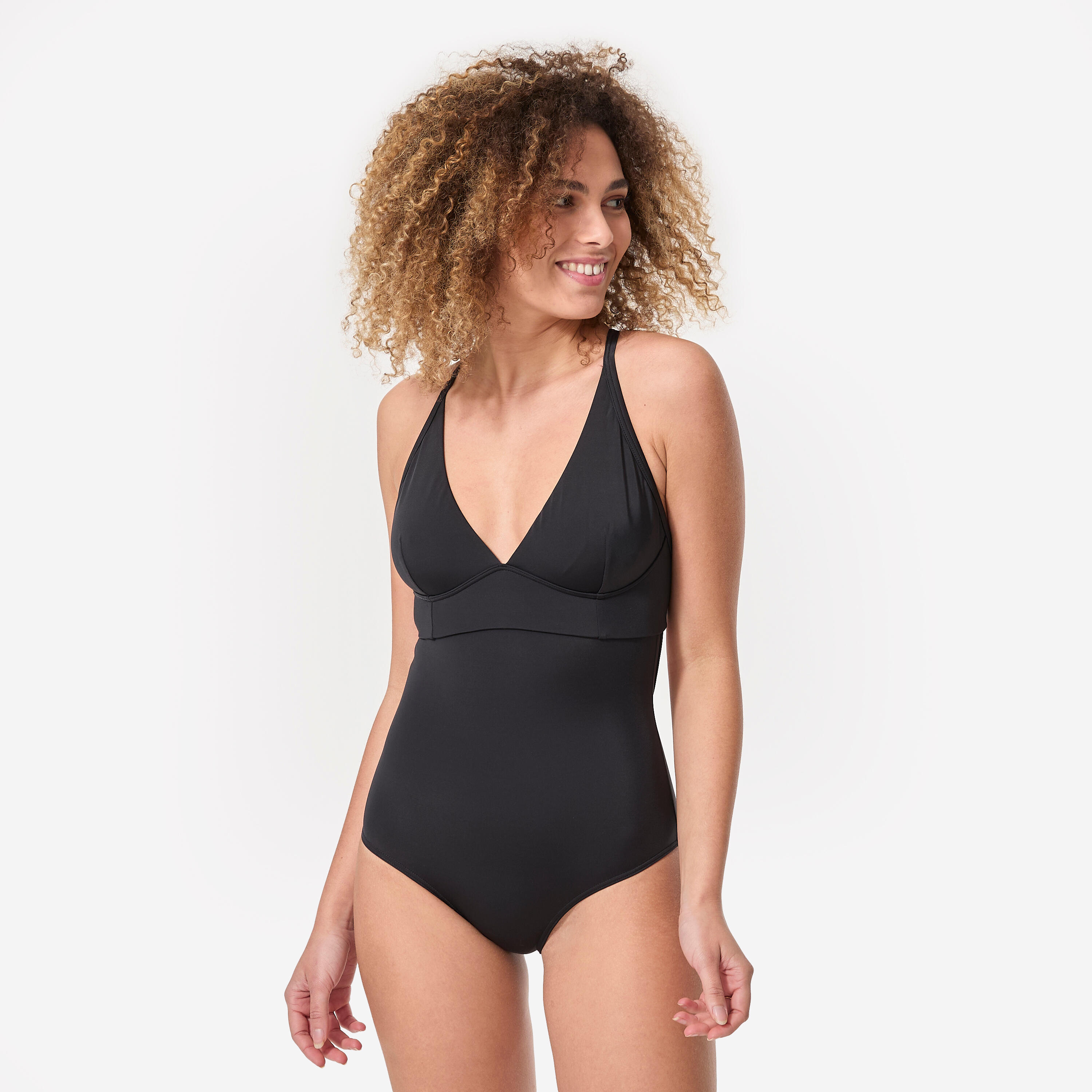
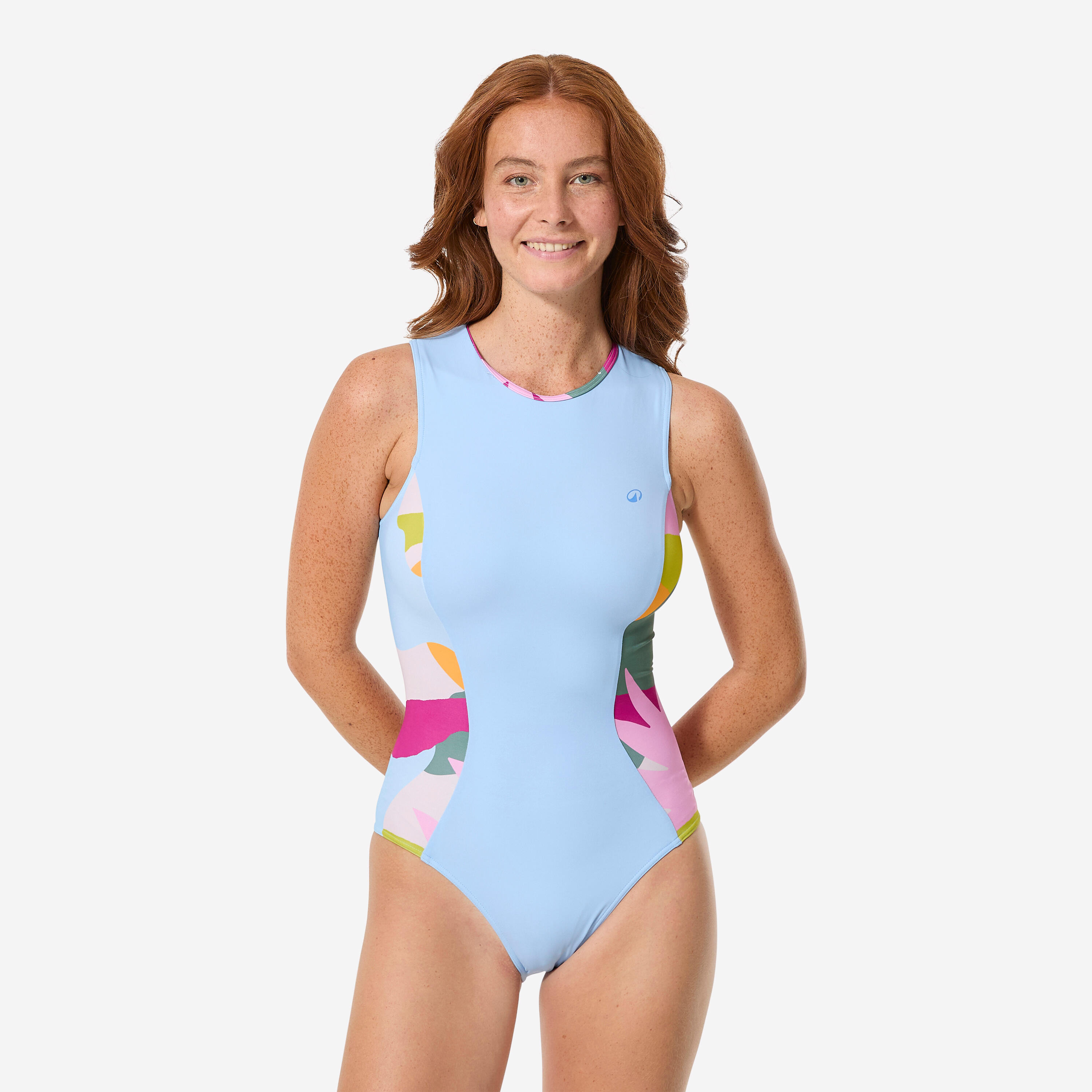
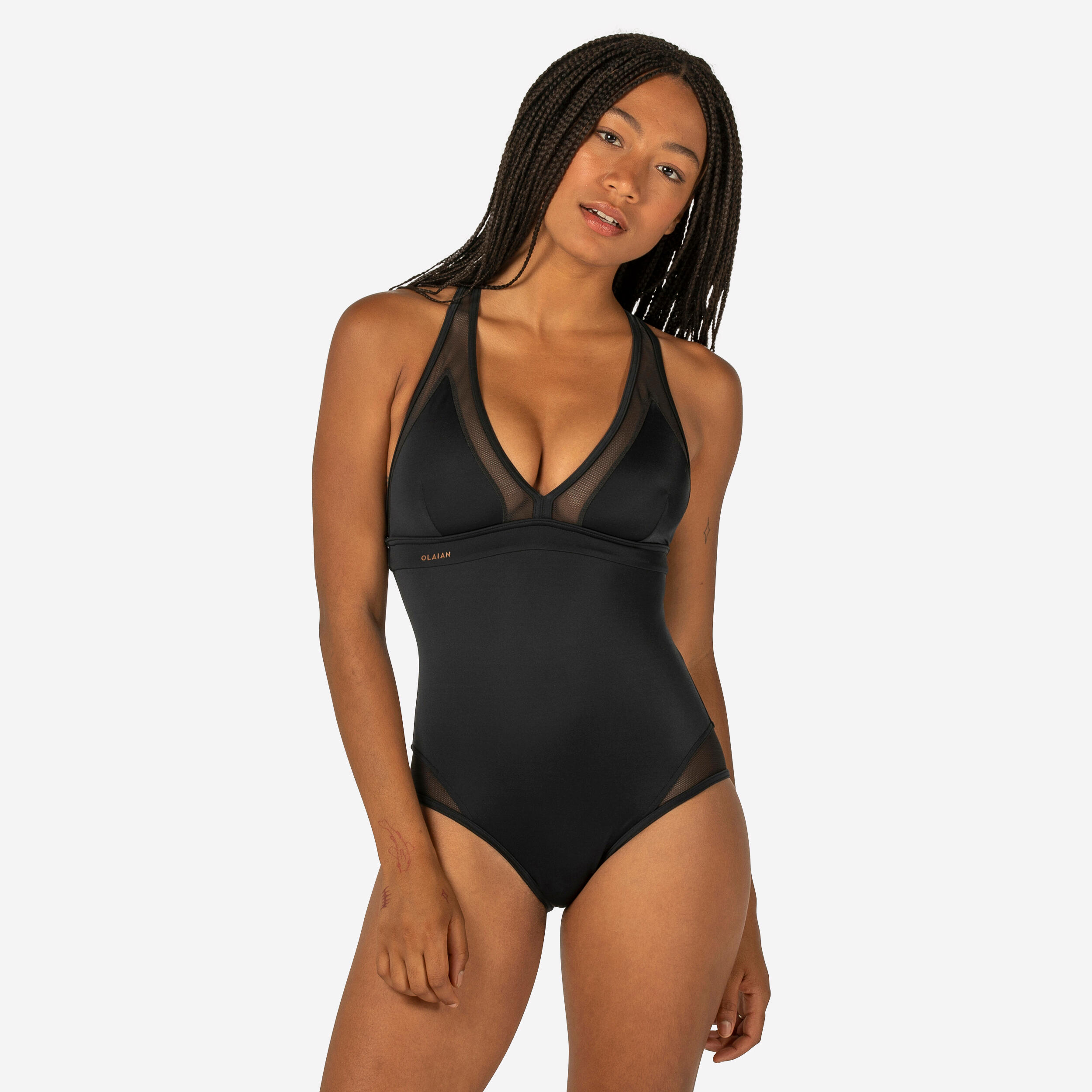
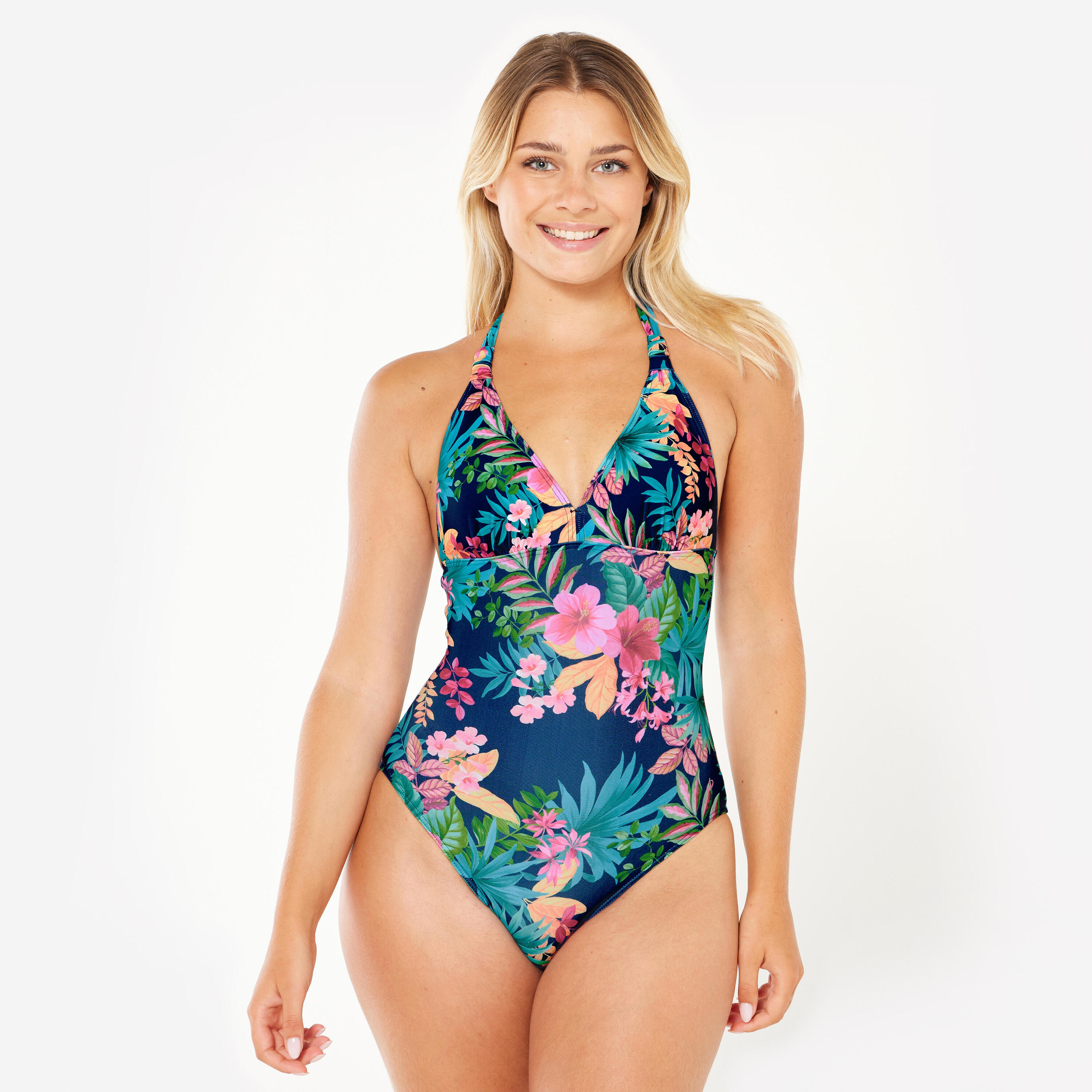
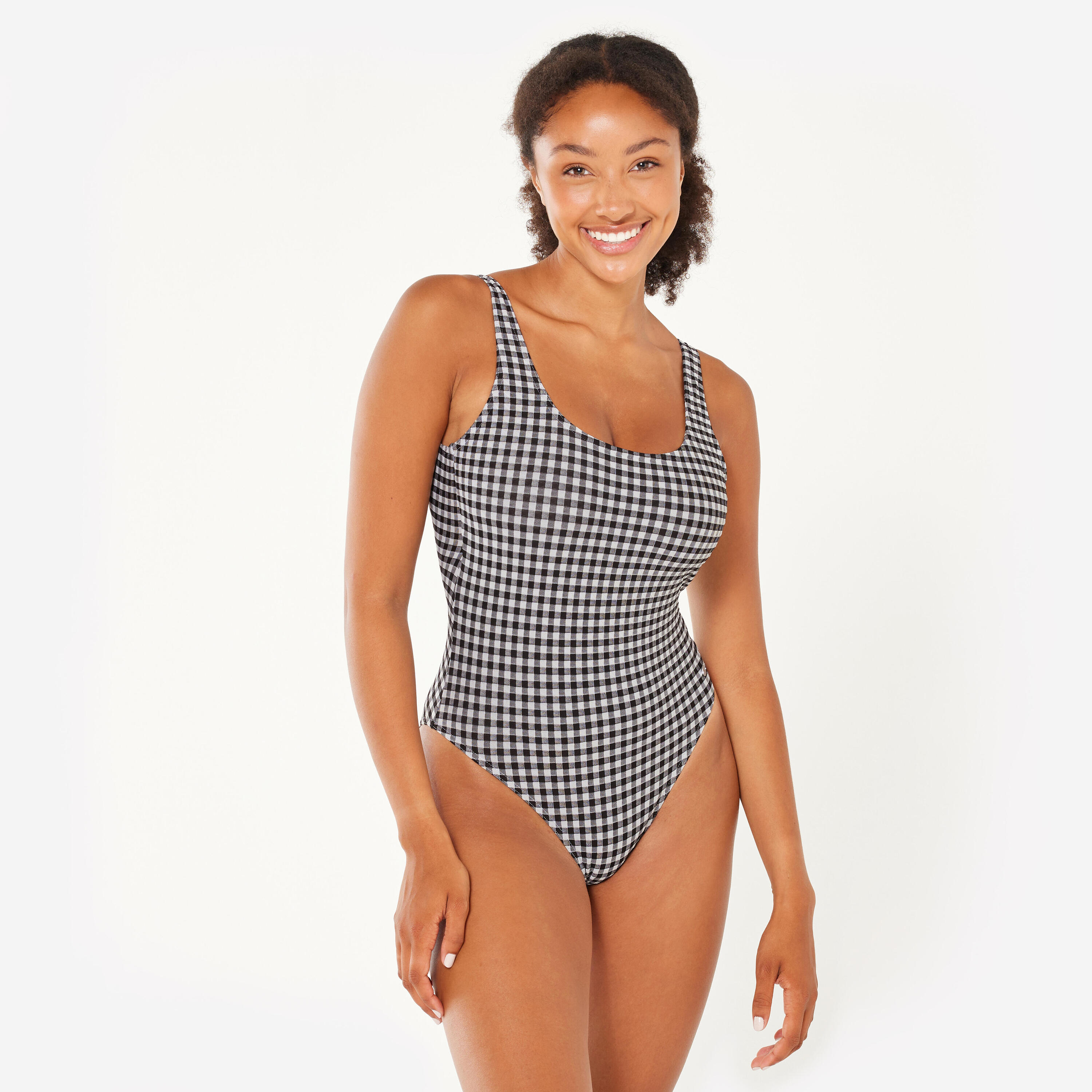
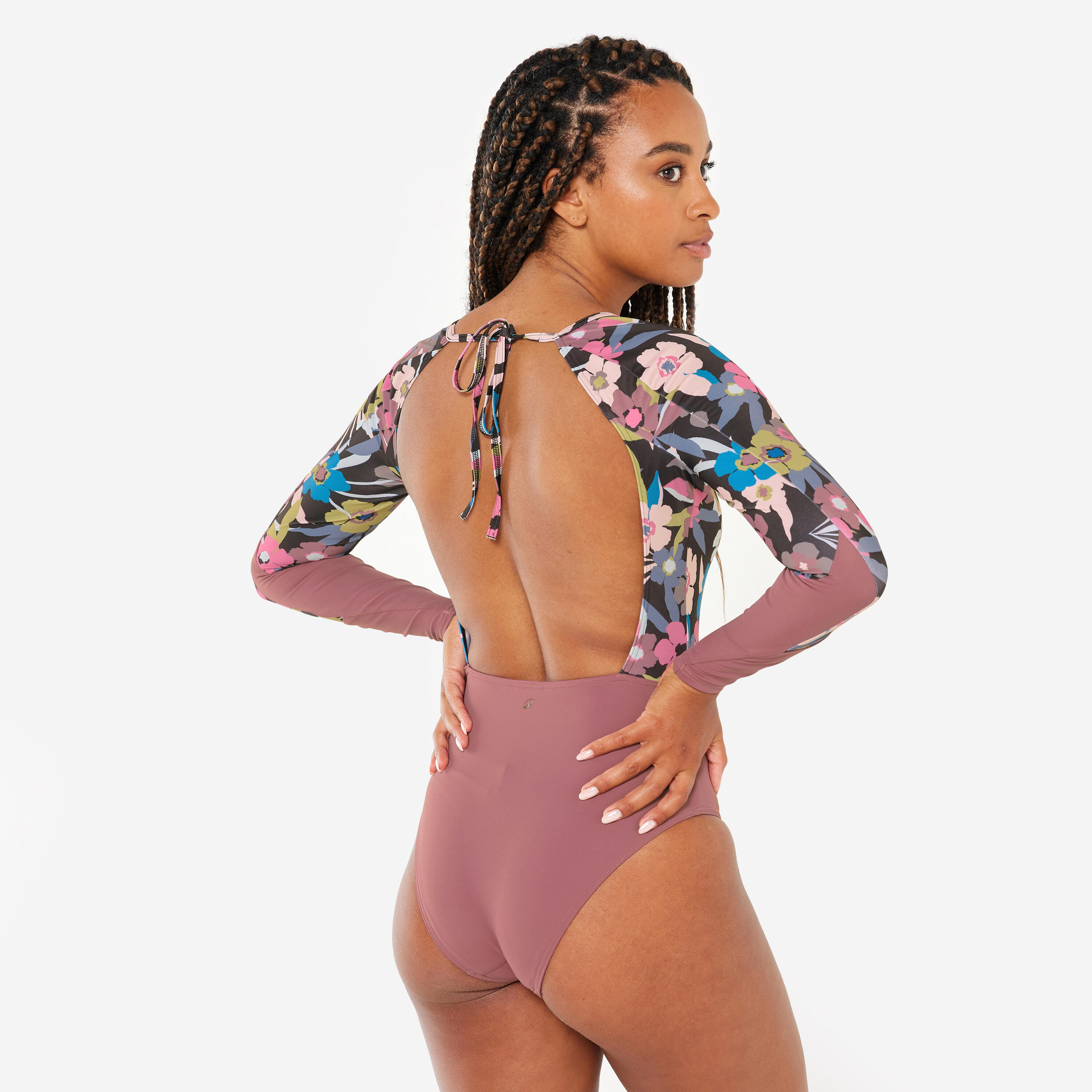
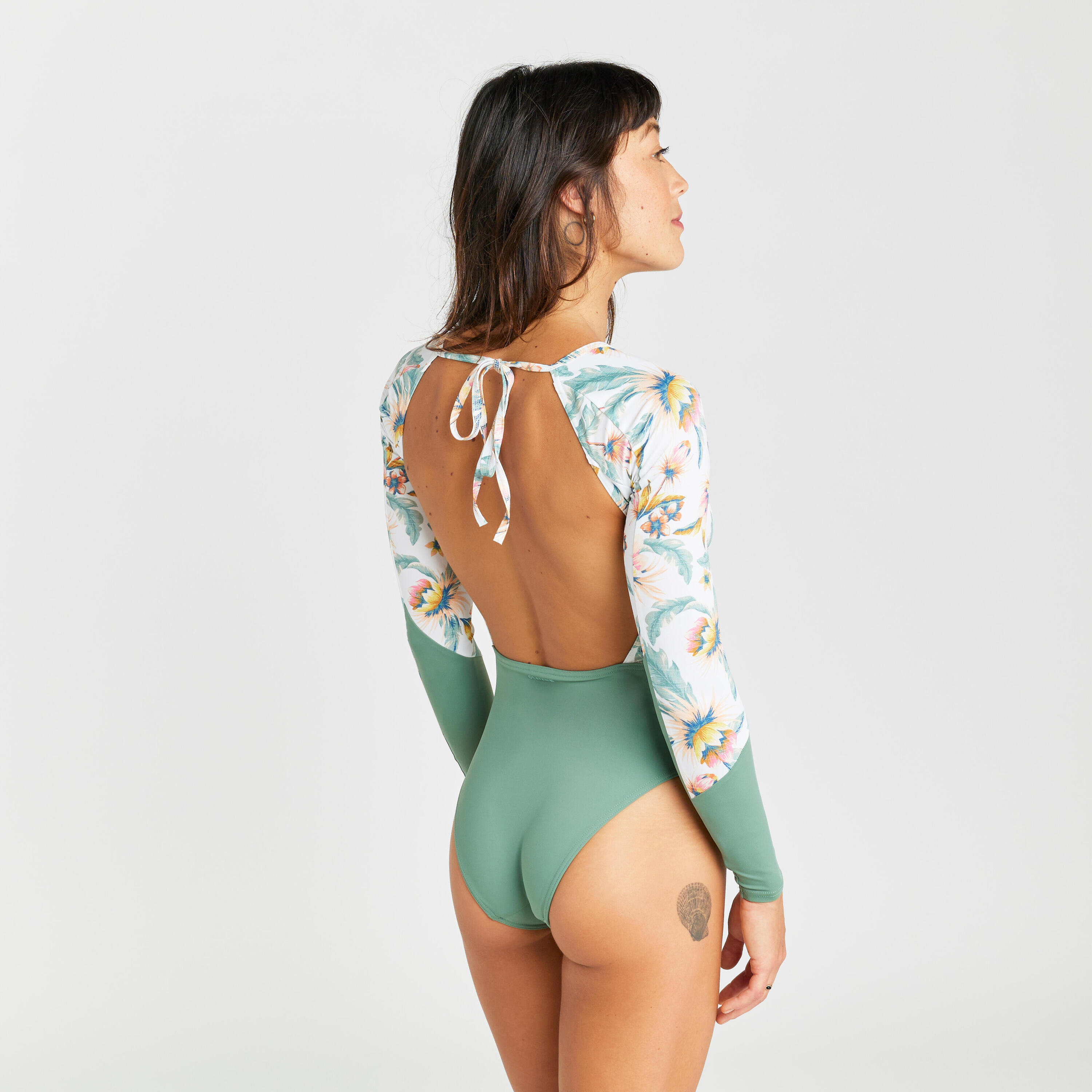
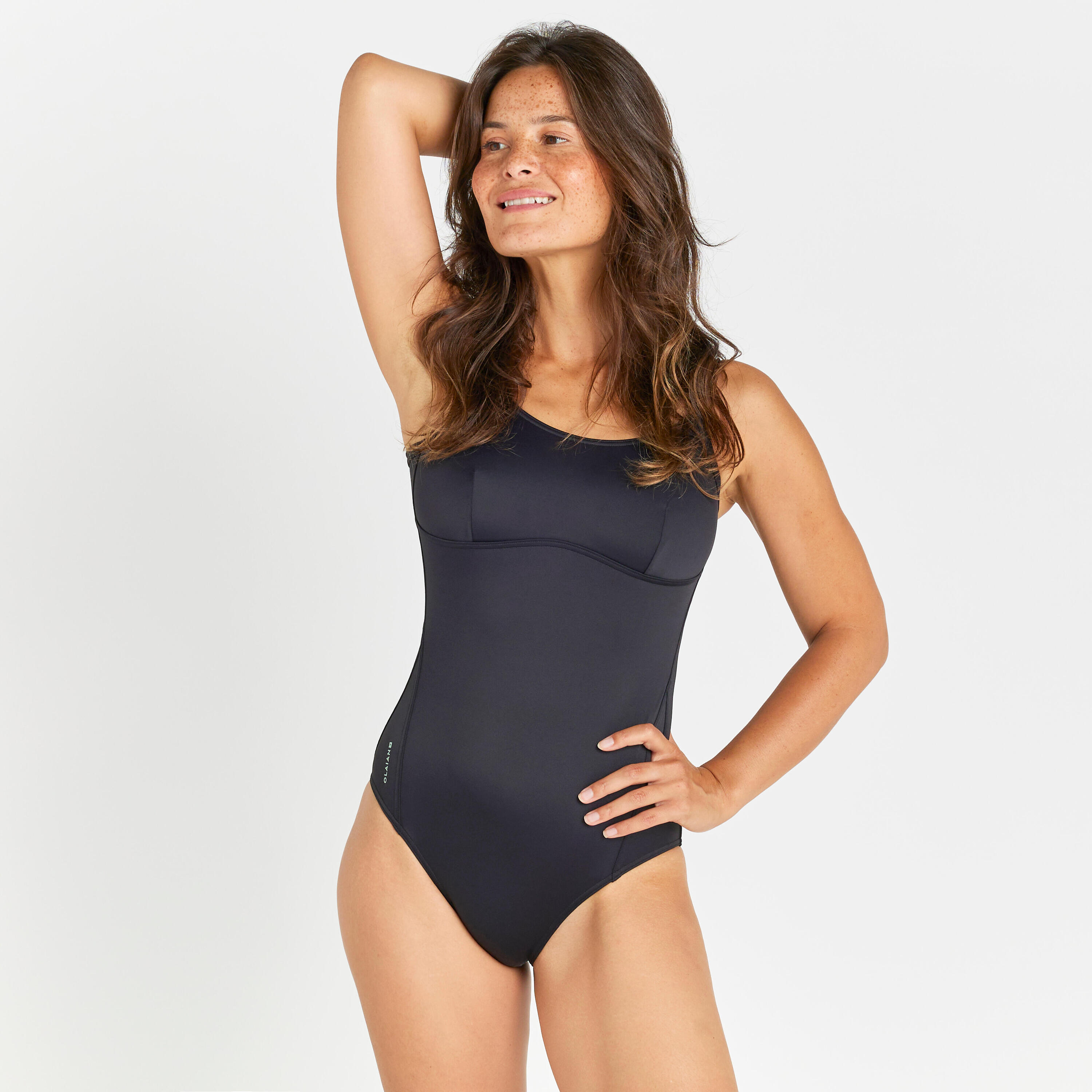
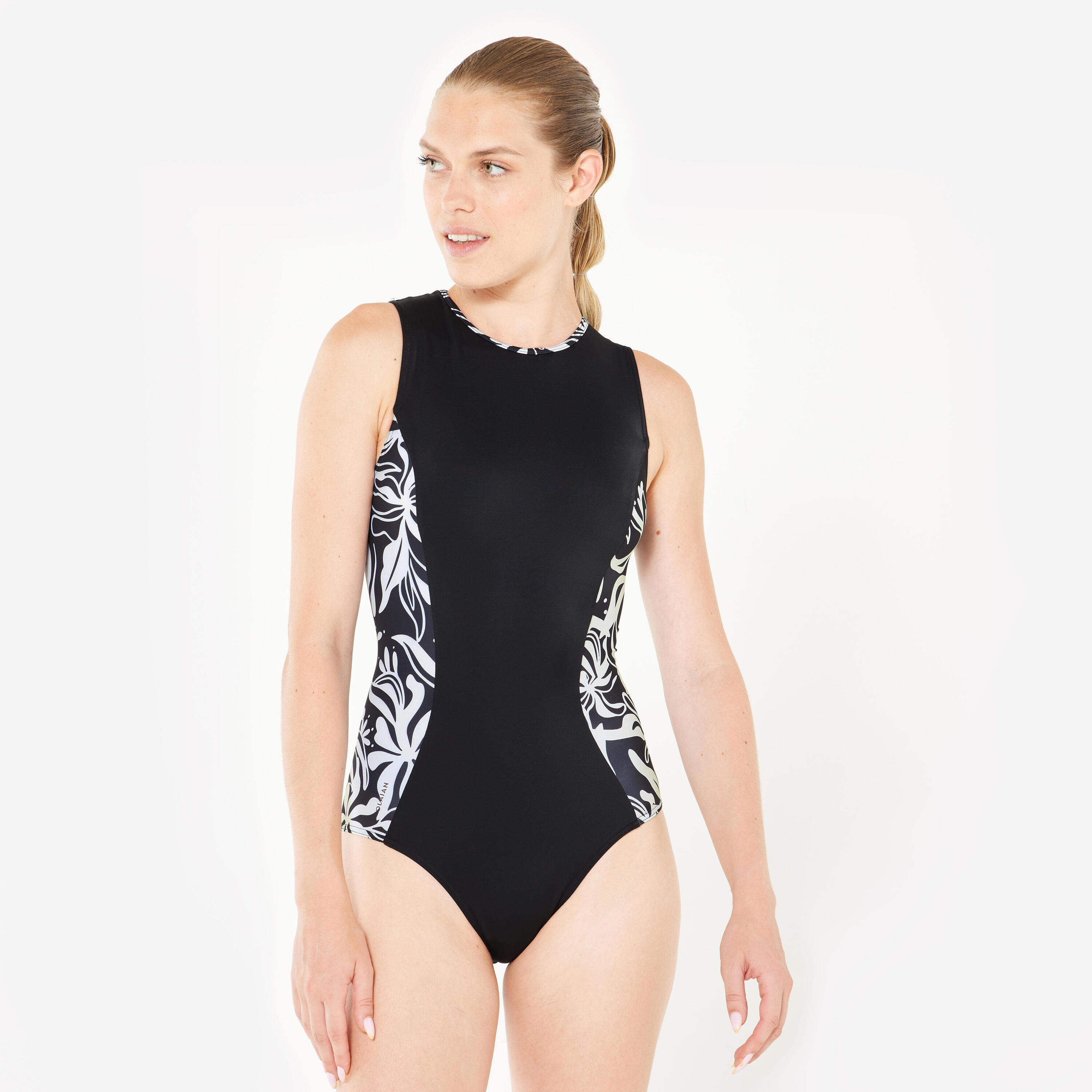
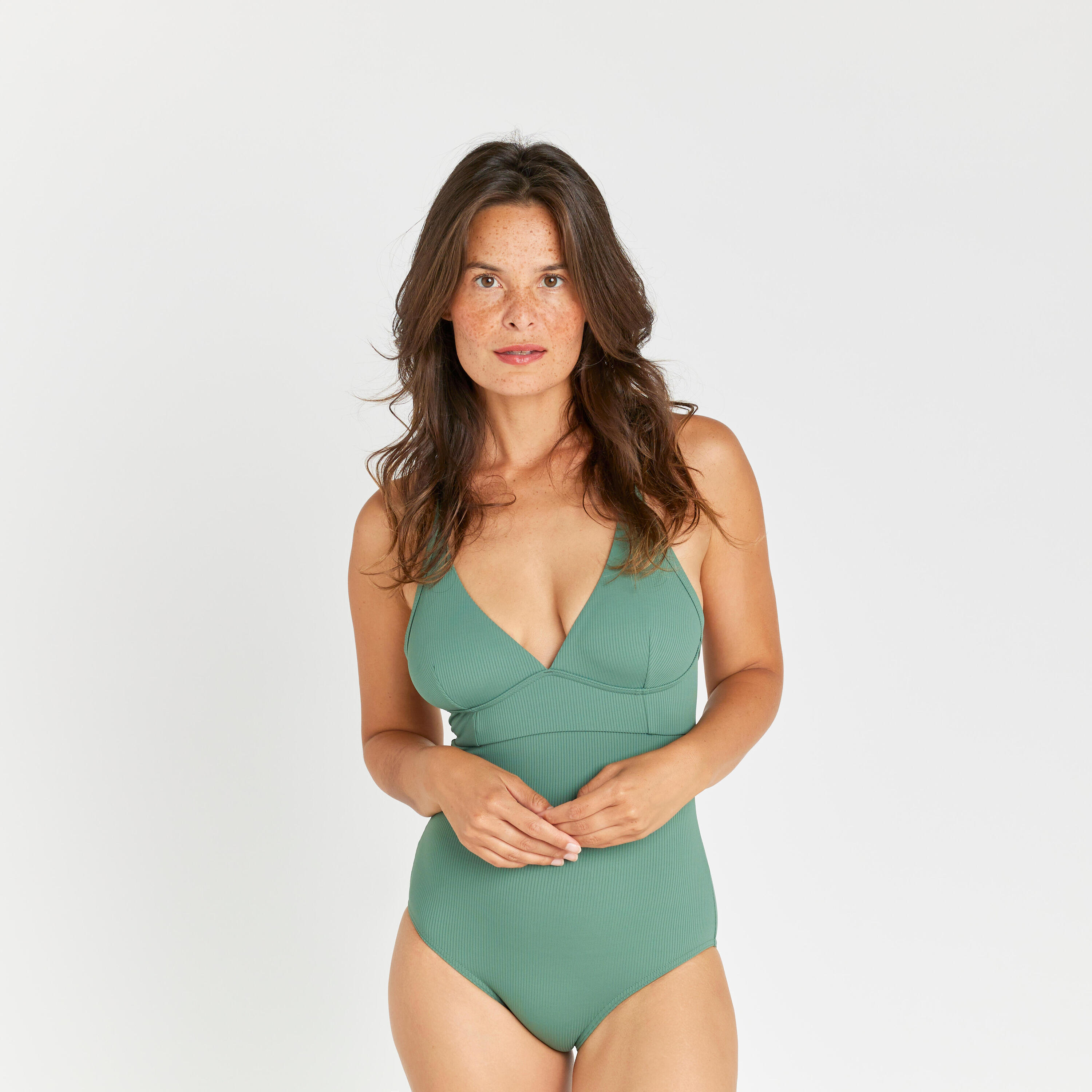
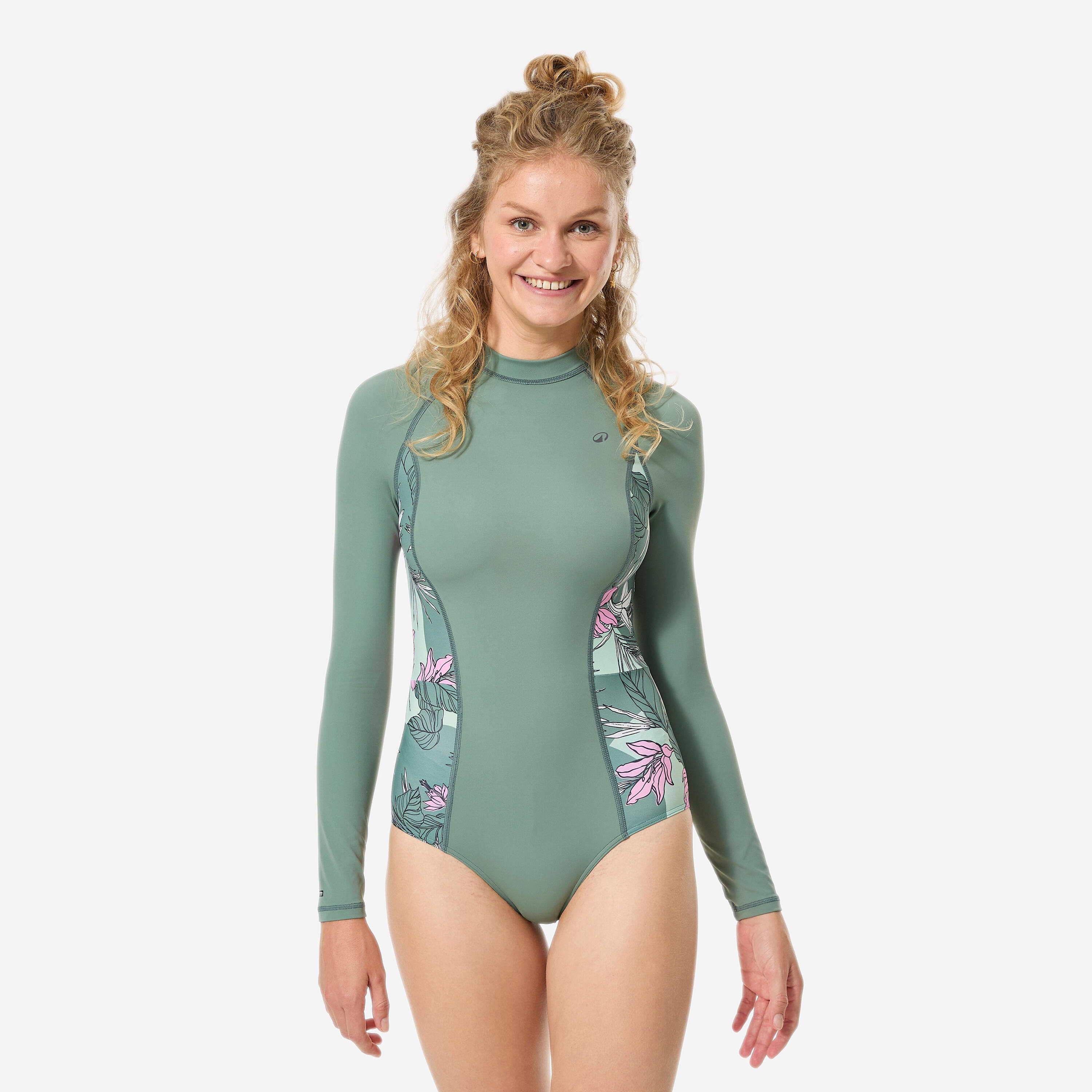
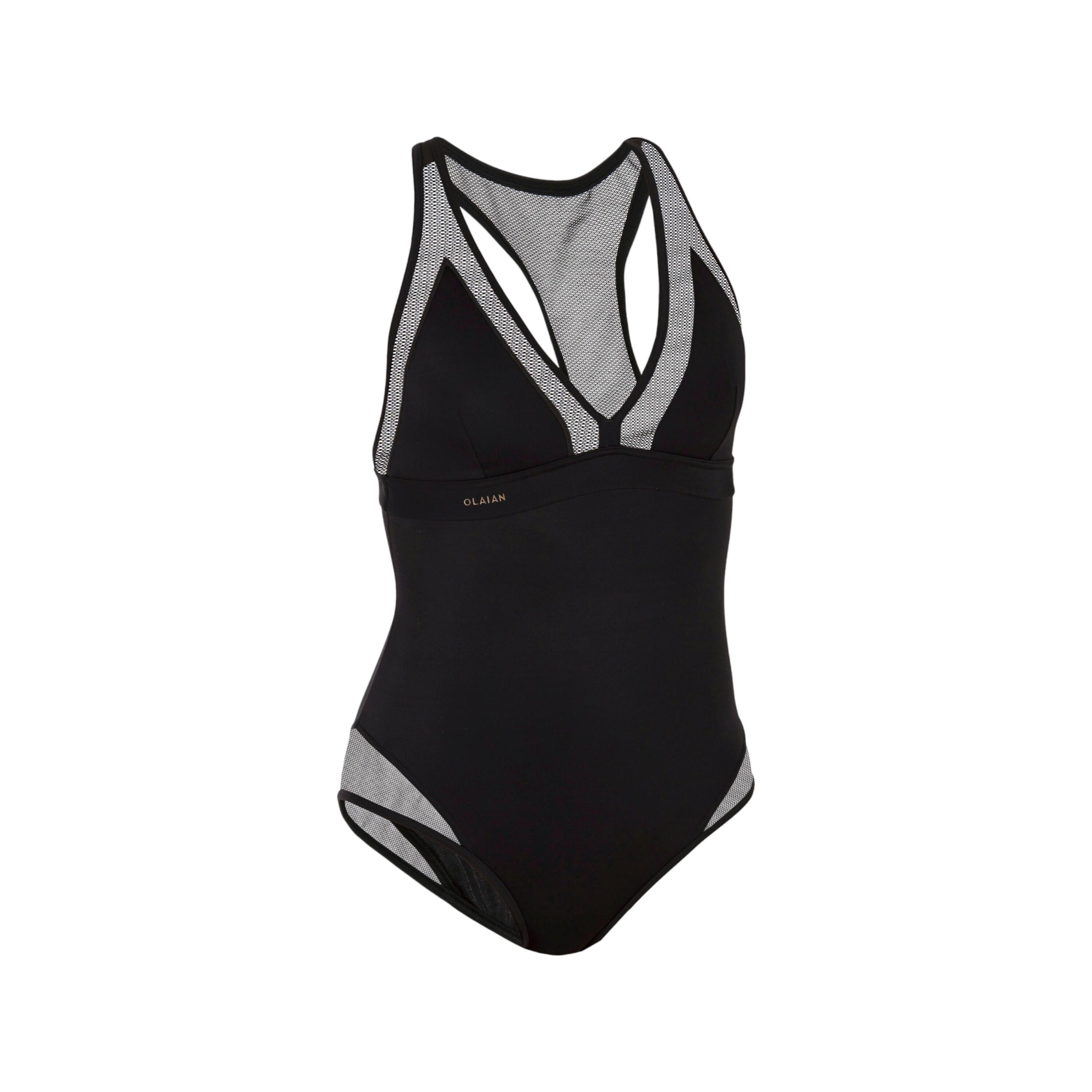
A one-piece eliminates the gap between top and bottom that a bikini leaves exposed, which removes the risk of fabric displacement during wipeouts and reduces the area of skin subject to board rash on the torso. For surfers who spend significant time prone on the board during paddling, the continuous coverage of a one-piece prevents the lower back from being exposed to repeated abrasion against wax and deck grip. The lycra construction also compresses slightly, which some surfers find reduces the sensation of water resistance during pop-up. A one-piece is also a more practical option for surfers who teach or coach and spend extended time in the water, where resetting a two-piece repeatedly becomes a distraction. Sun protection across the back and chest comes built in with UPF-rated one-piece swimsuits provide built-in coverage across the back and chest, making them a practical choice when long sessions in the water or on the sand are planned.

What does a push-up construction offer surfing swimmers beyond aesthetics?

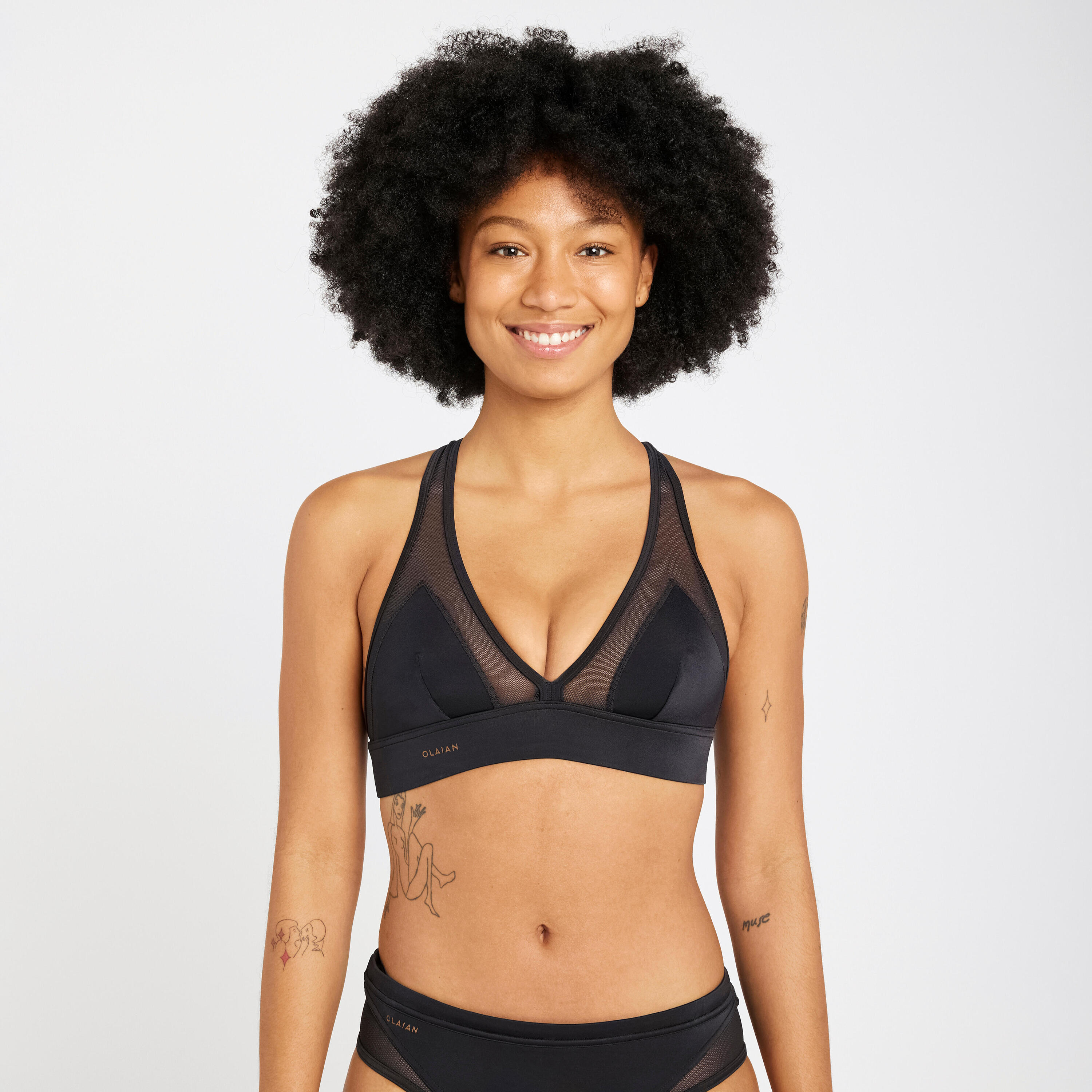
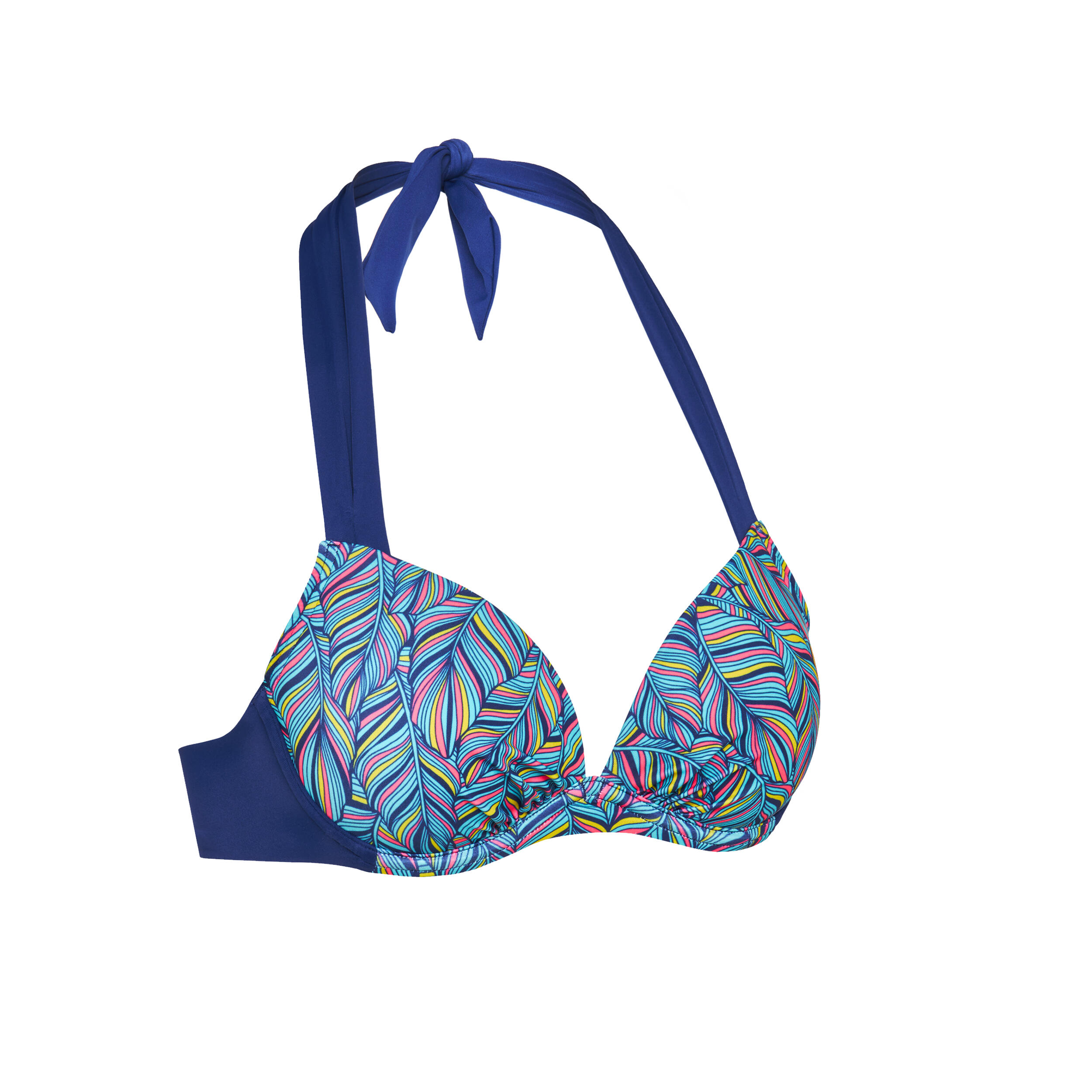
A push-up swimwear top uses moulded or padded cups with an underwire or structured inner cup that lifts the bust from below. For surfing, the practical consideration is whether that structure remains comfortable during the prone paddling position, where the underwire can press against the ribs and sternum under bodyweight. Soft-cup push-up designs that use foam padding without underwire generally handle the prone position better than wired versions. The moulded cup also holds its shape independently of the fabric tension, which means the top retains its position more consistently through vigorous movement than a flat-fabric triangle does. Rather than depending on tight ties for shape, the push-up swimsuits range achieves bust definition and coverage through varying degrees of padding across the cup depth.

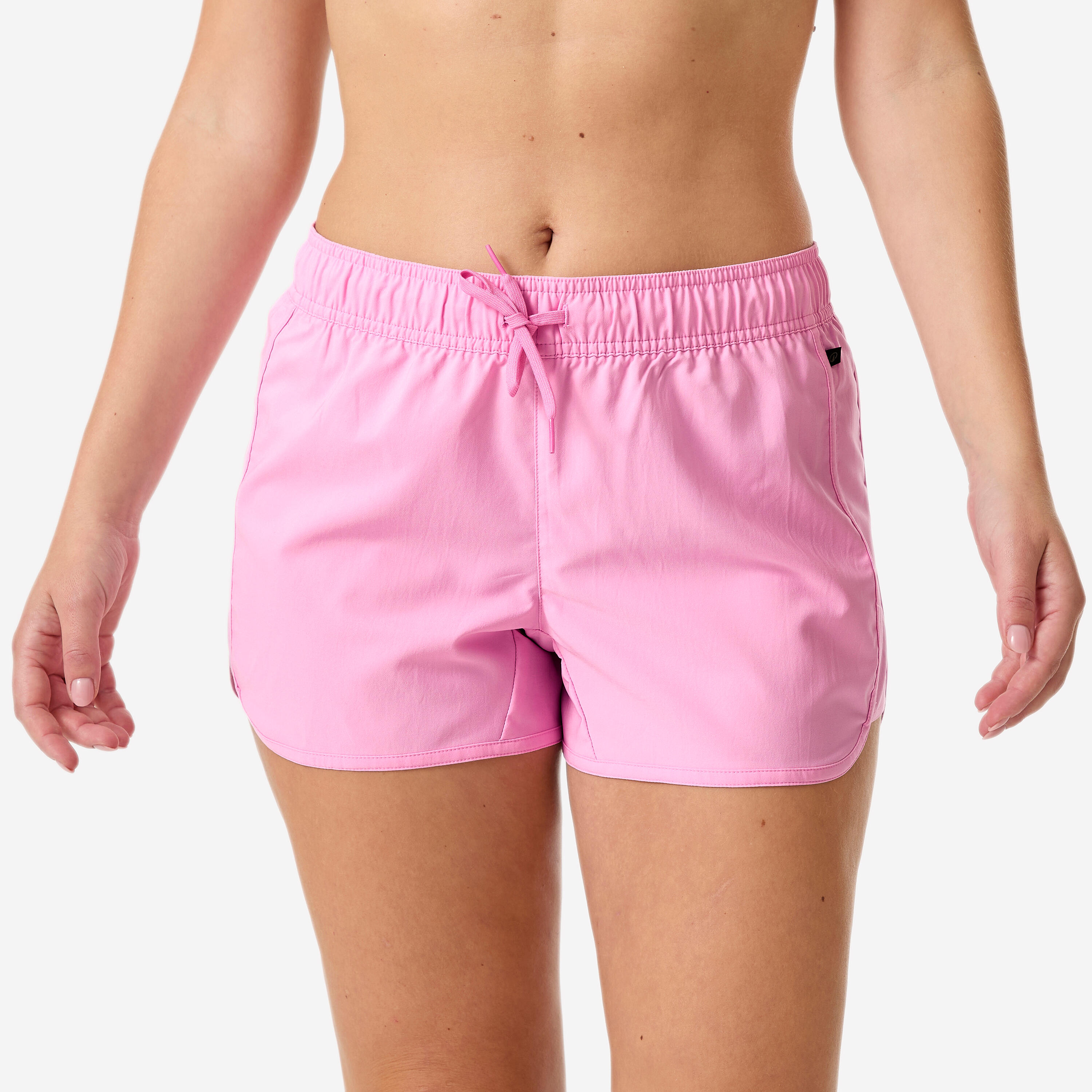
How do women's boardshorts function differently from bikini bottoms for surfing?

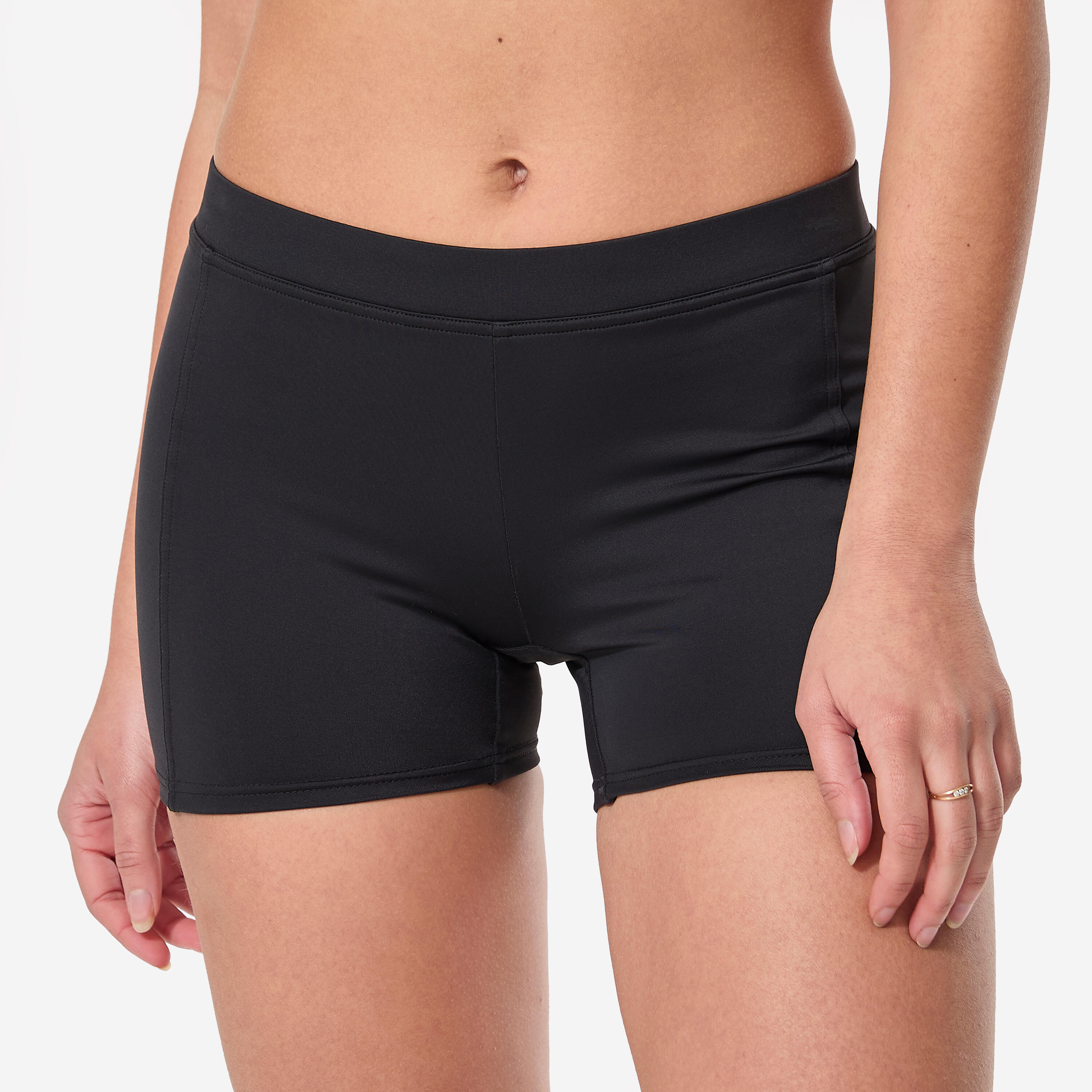
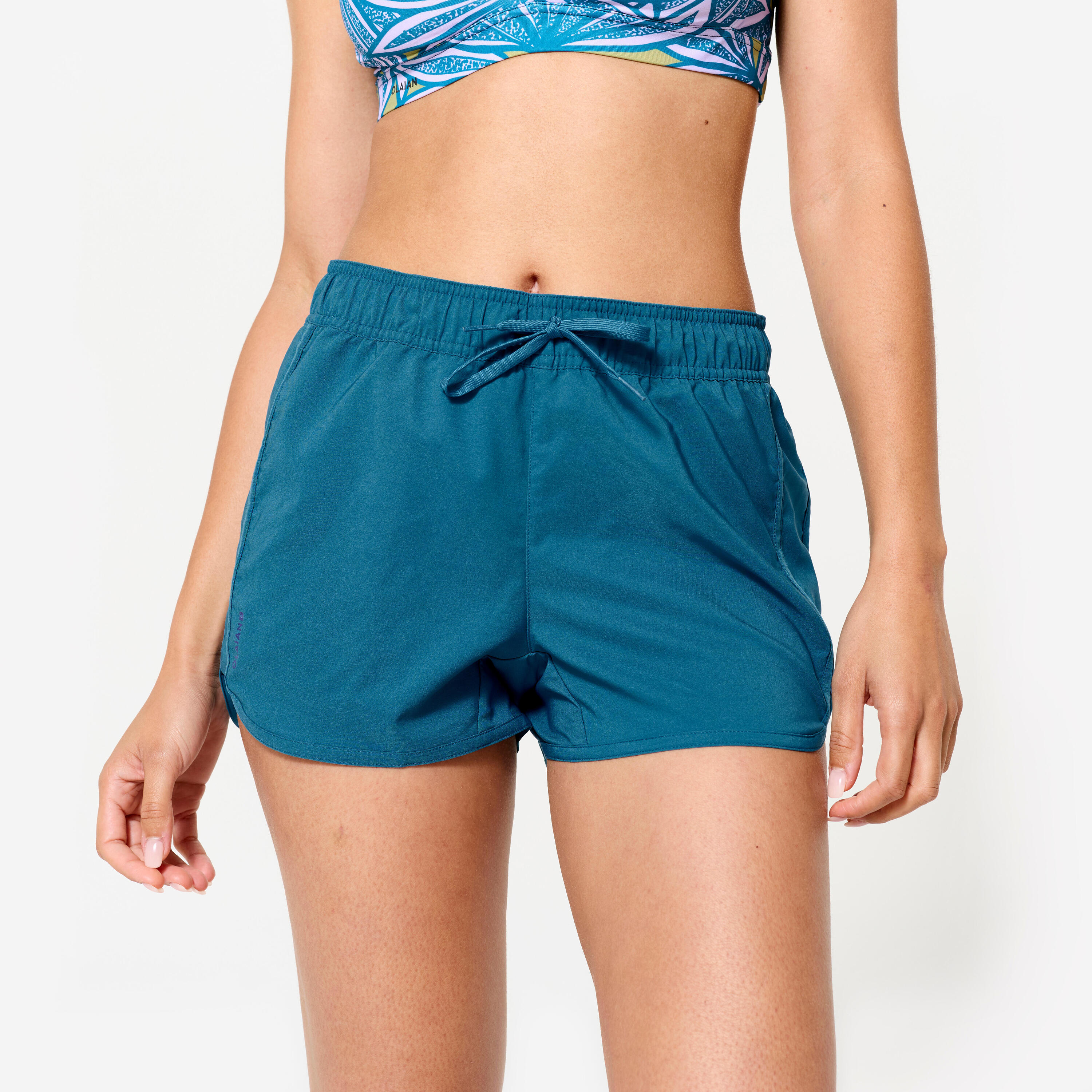
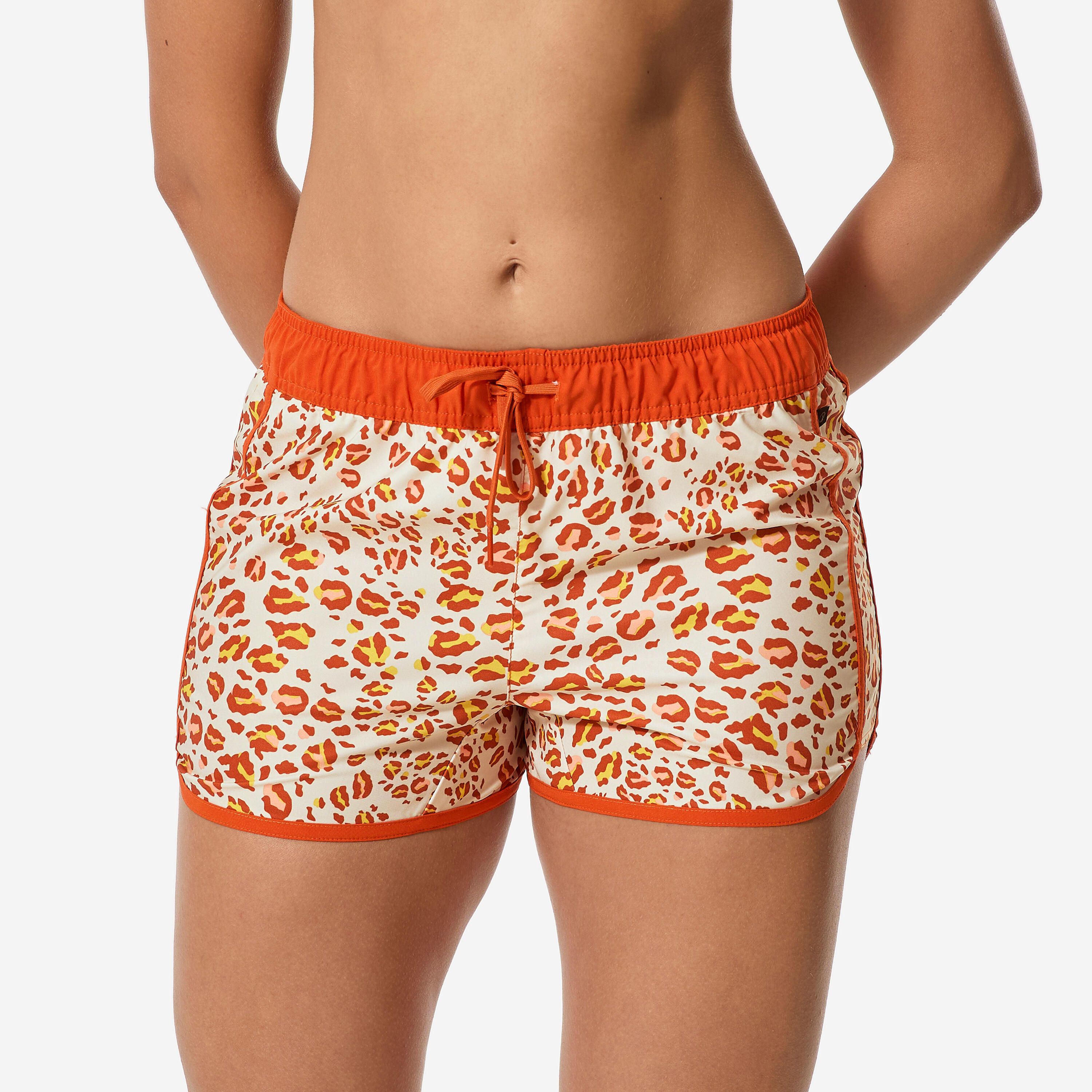
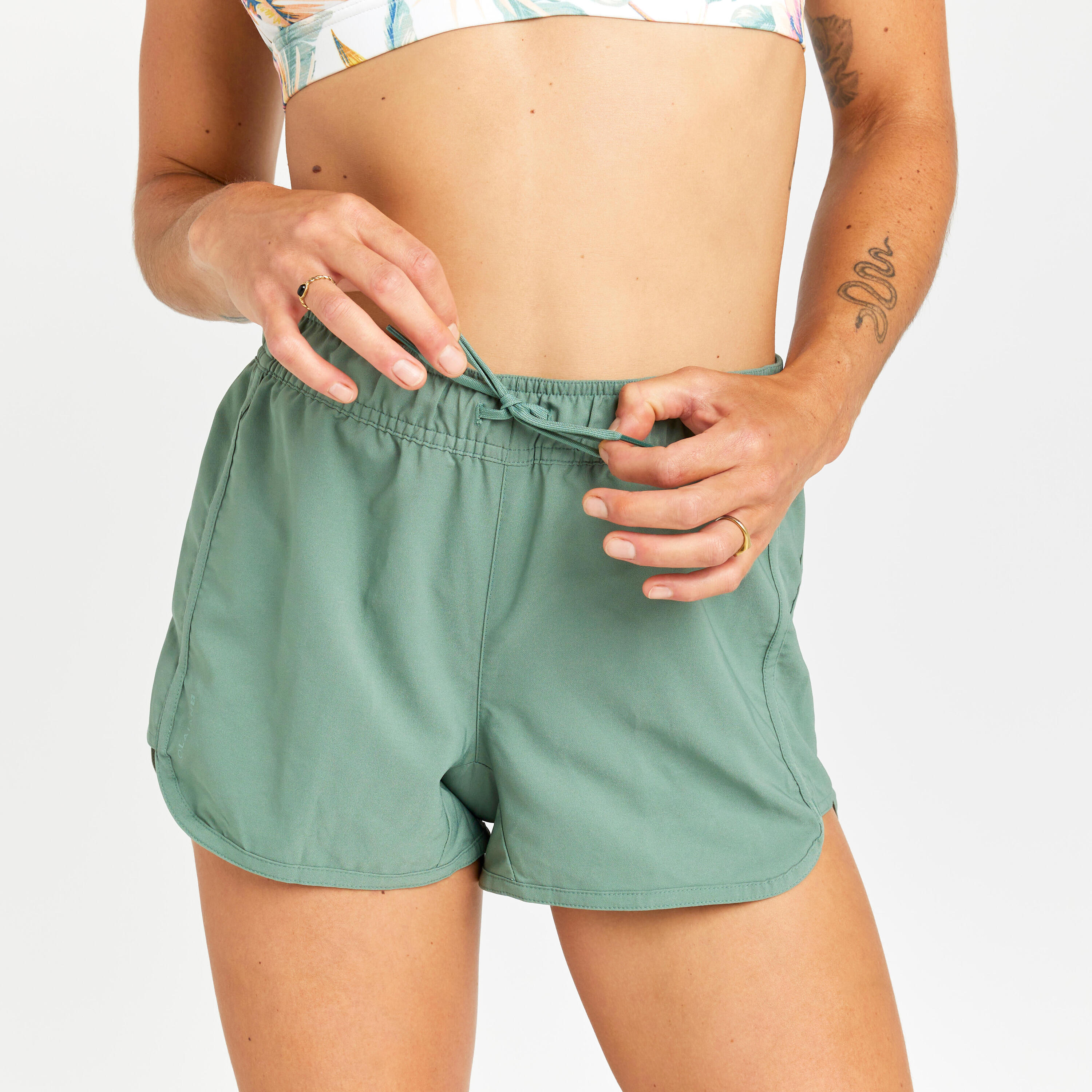
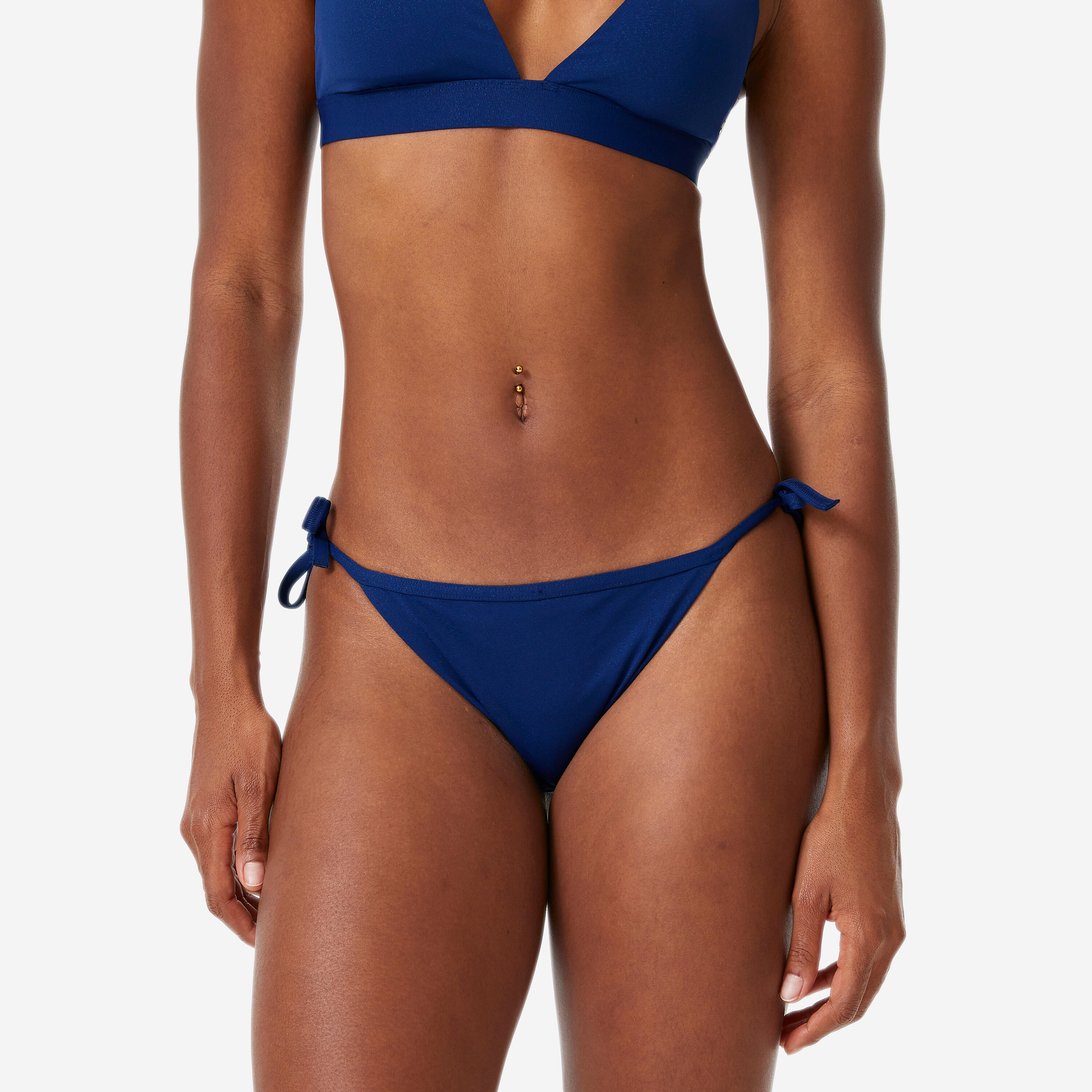
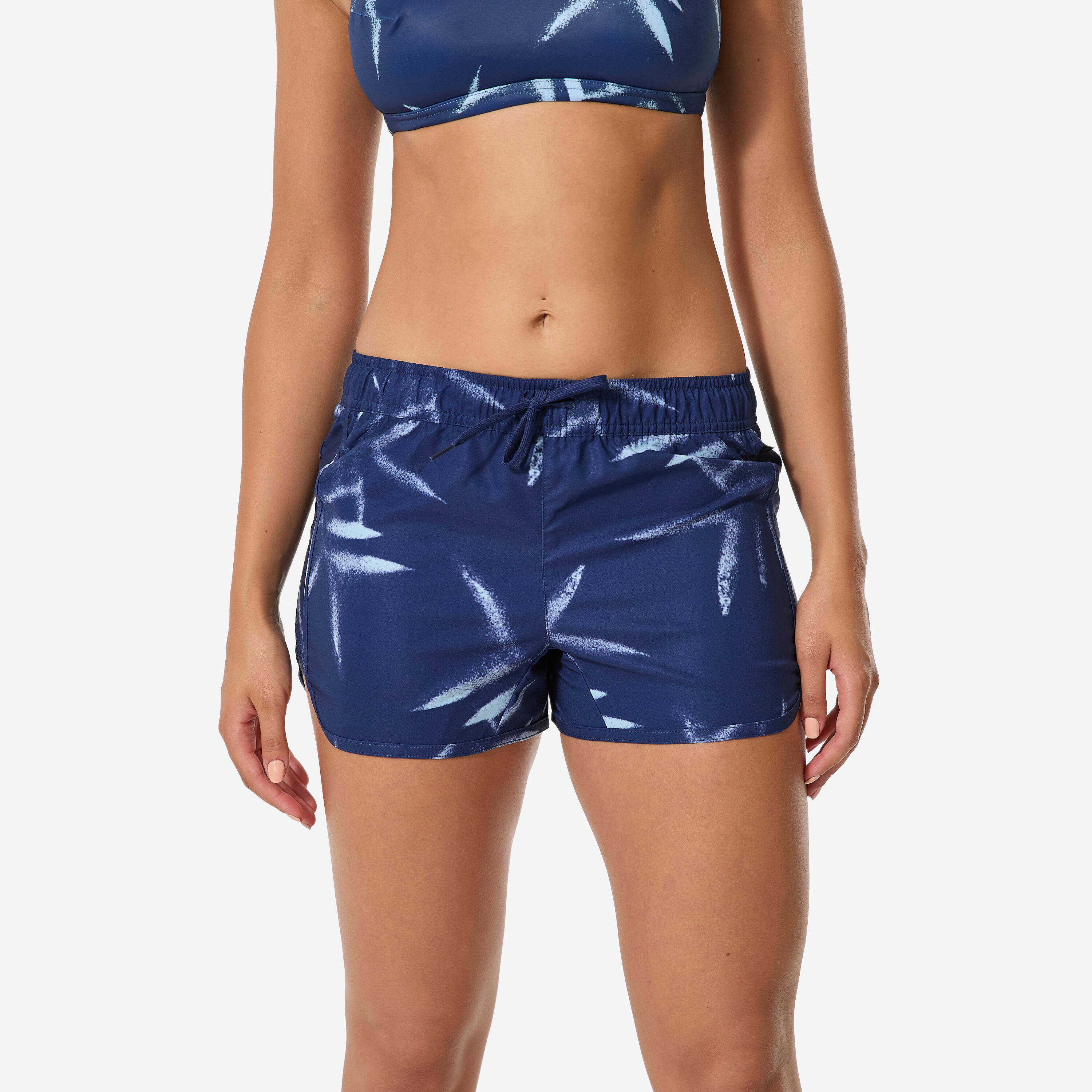
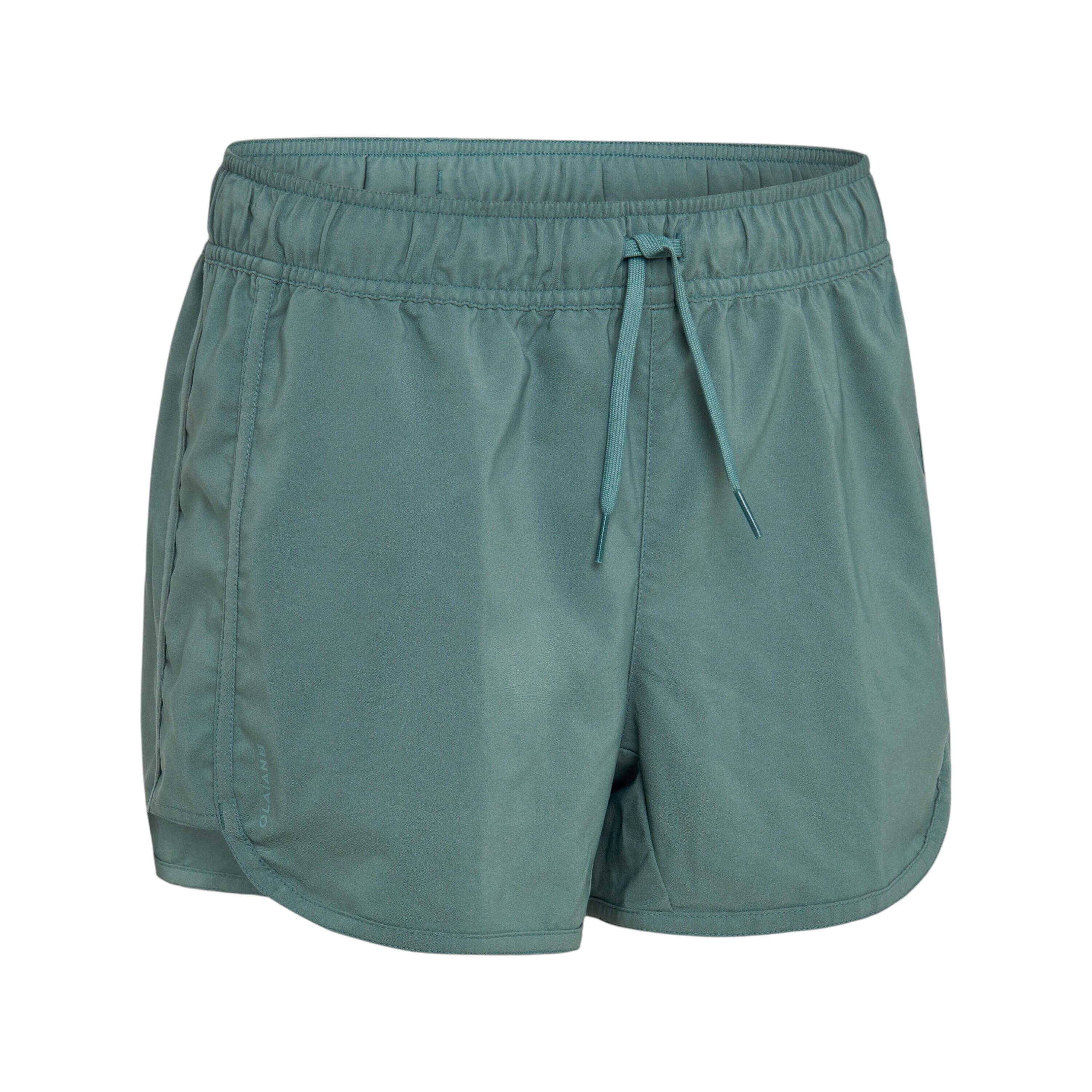
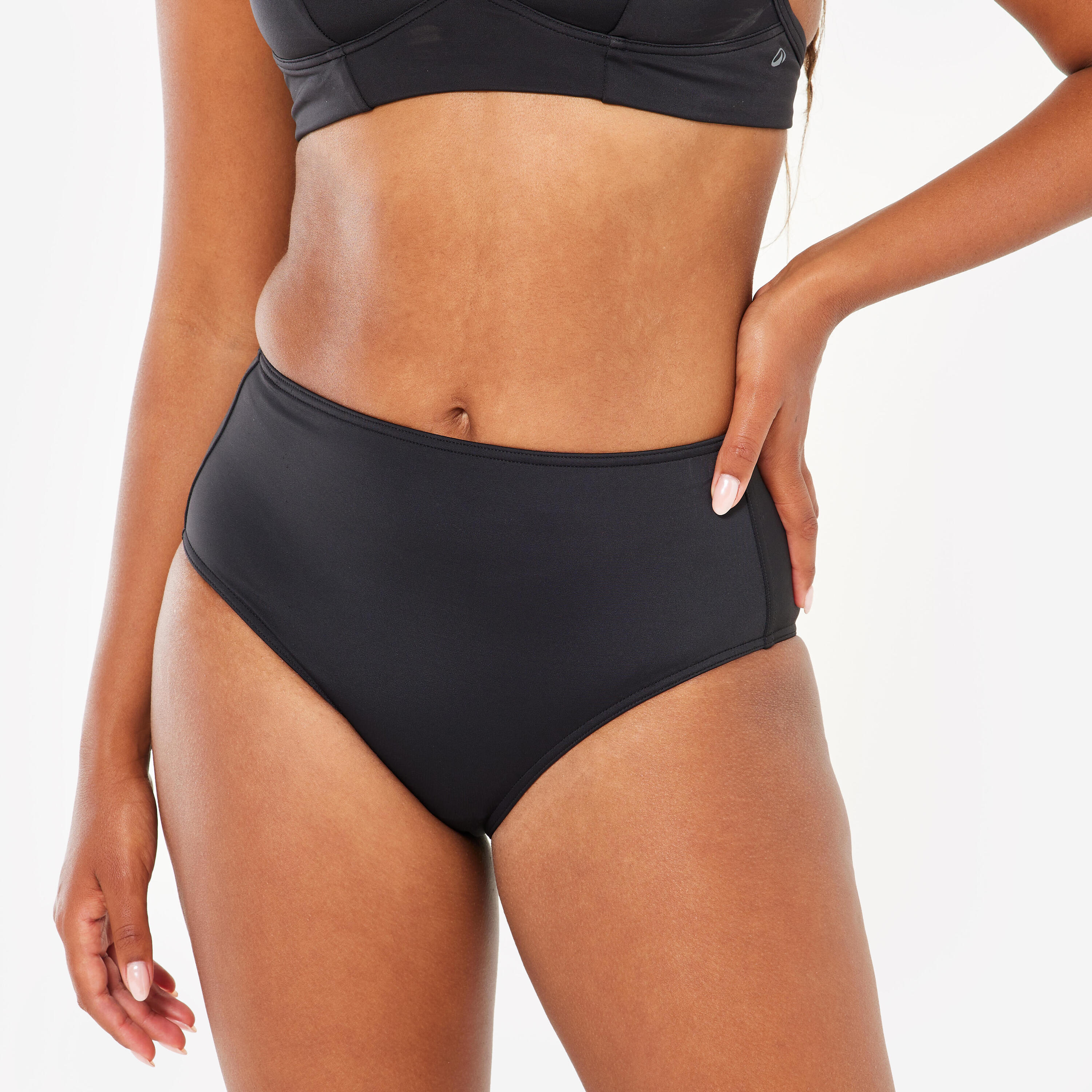
Women's boardshorts cover the upper thigh and add a layer of physical protection against board wax abrasion on the inner leg, a common contact point through paddling and the pop-up. The quick-dry polyester sheds water quickly after duck-dives and wipeouts, helping to prevent excess weight from affecting movement. Boardshorts also provide additional coverage for surfers who prefer not to wear bikini bottoms during coaching sessions, competitions, or in crowded line-ups. Fit security comes down to the waistband: a broad elasticated band, an internal drawcord and a low-profile external closure keep the shorts in place when a wave hits, which a tie-only design struggles to manage. Options within the women's boardshorts collection include varying lengths and fabrics built for repeated saltwater and chlorine exposure.