40 items
4.7/5 based on 10296 reviews collected online and in stores

Bandeau Swimsuits FAQs

What construction features make a bandeau top stay in position during active water use?

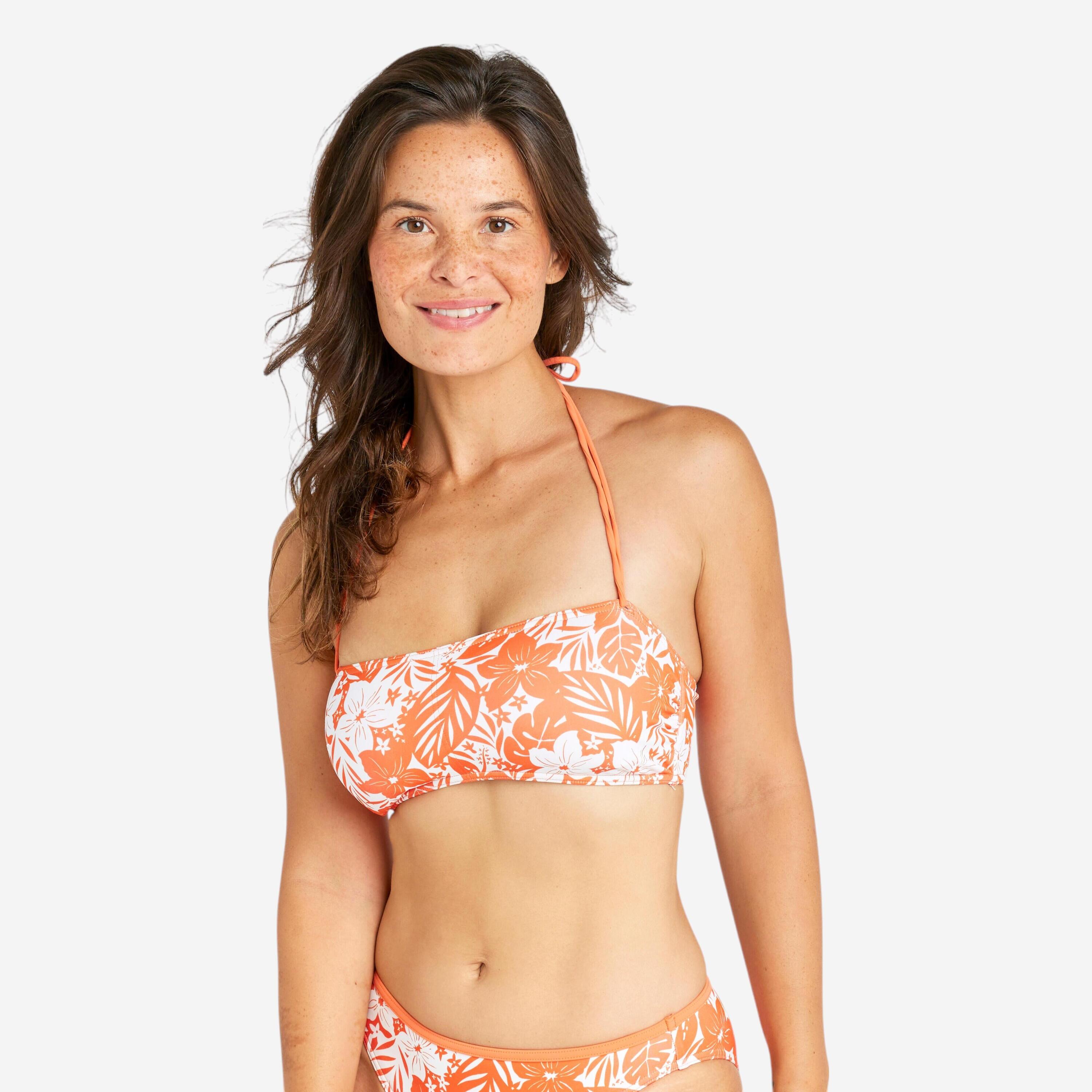
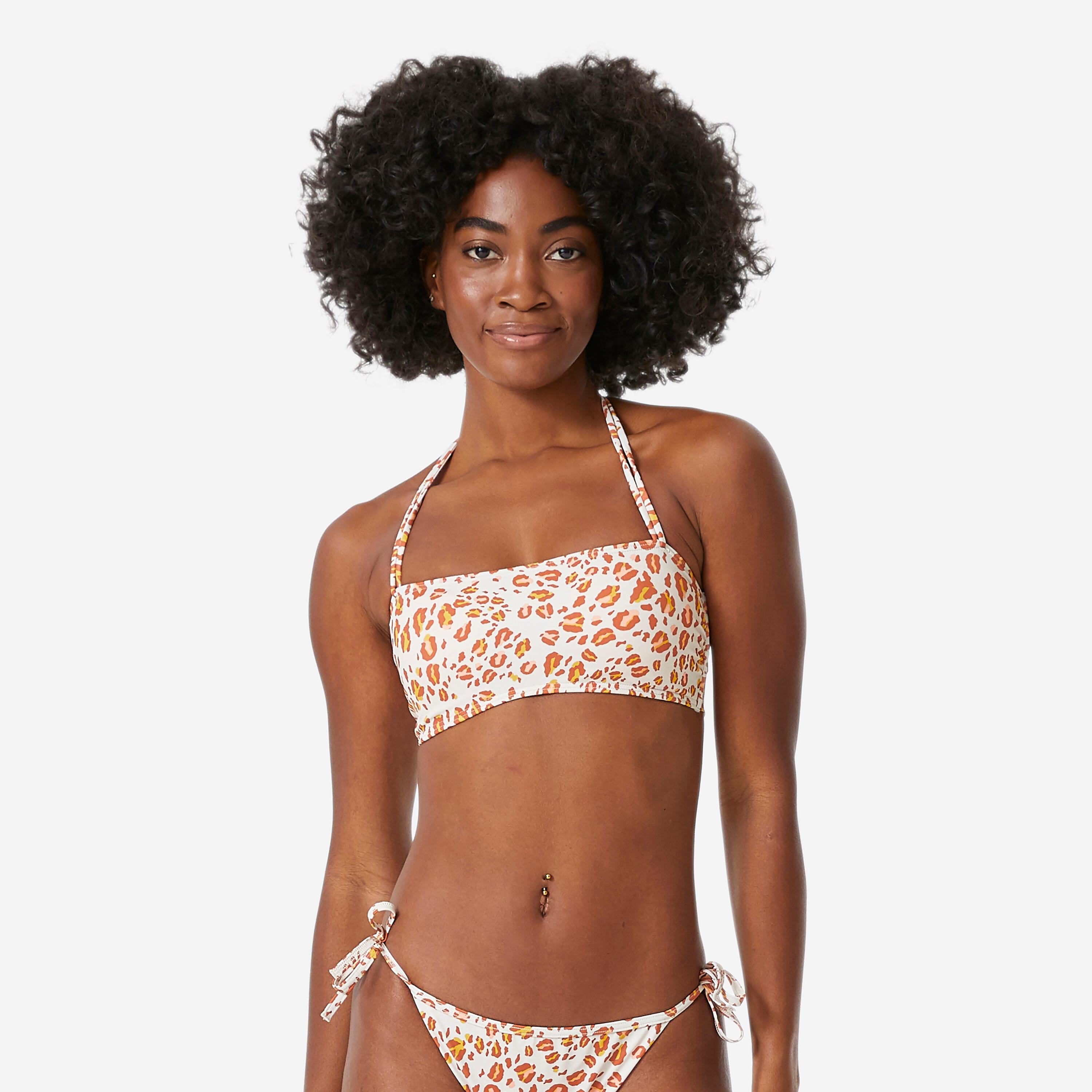
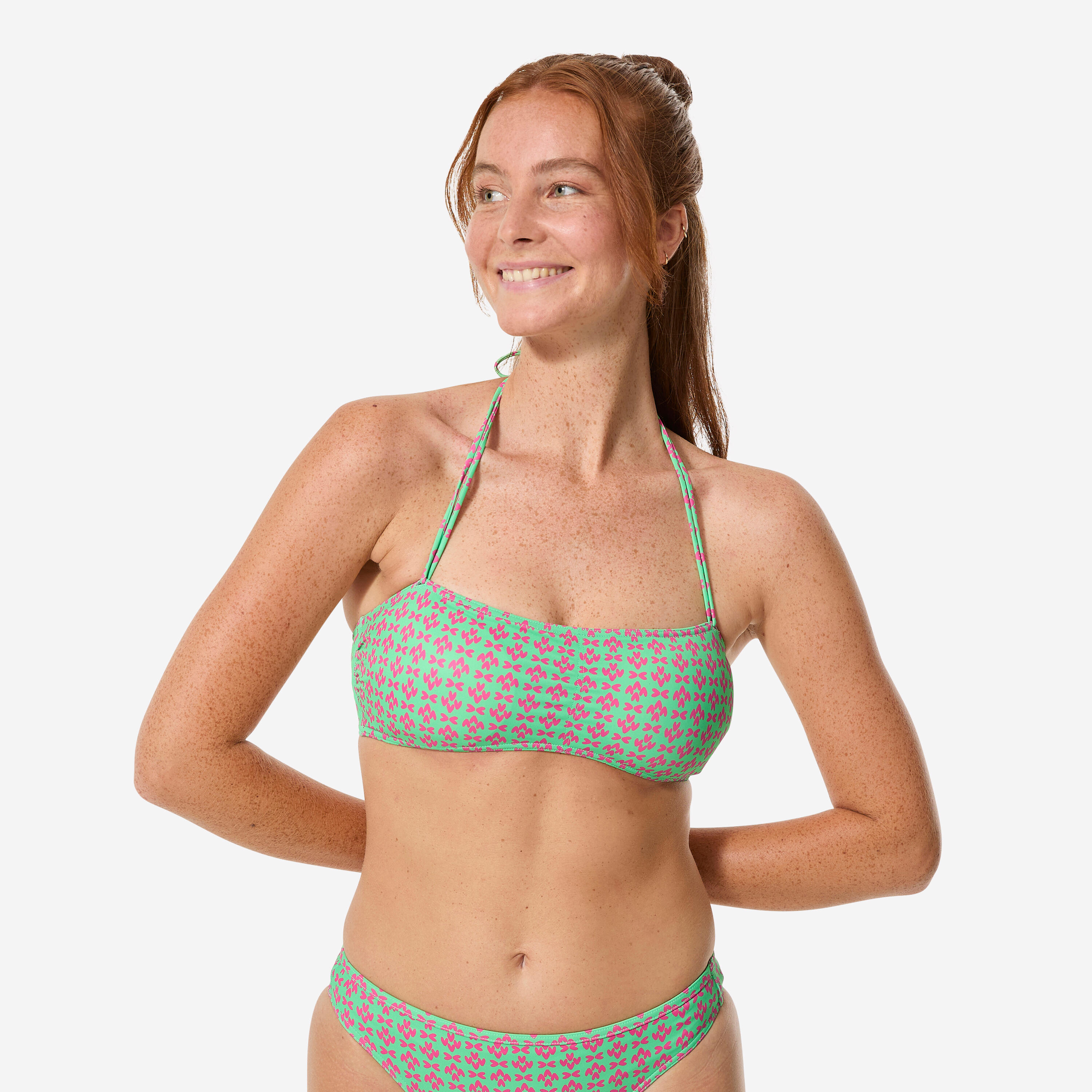
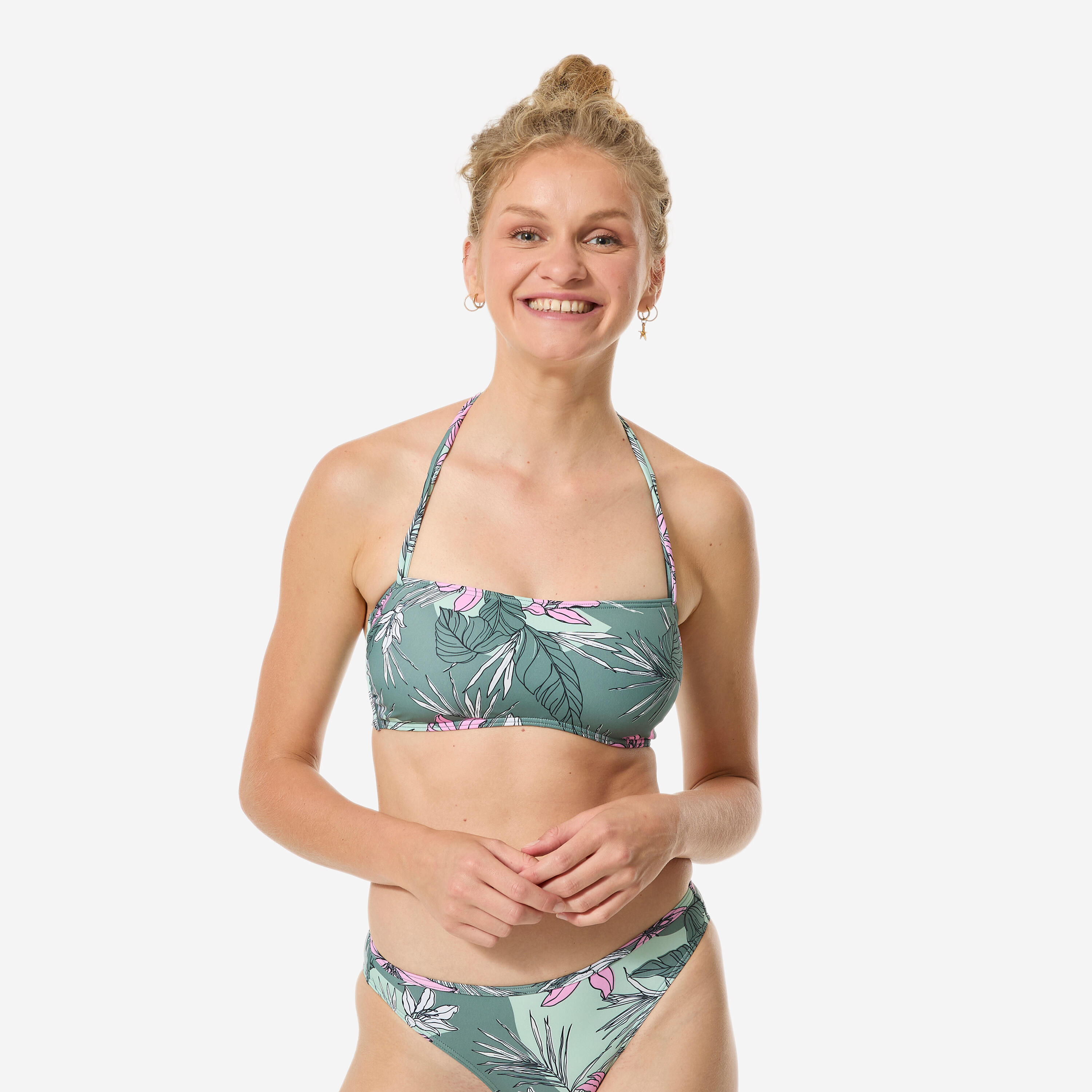
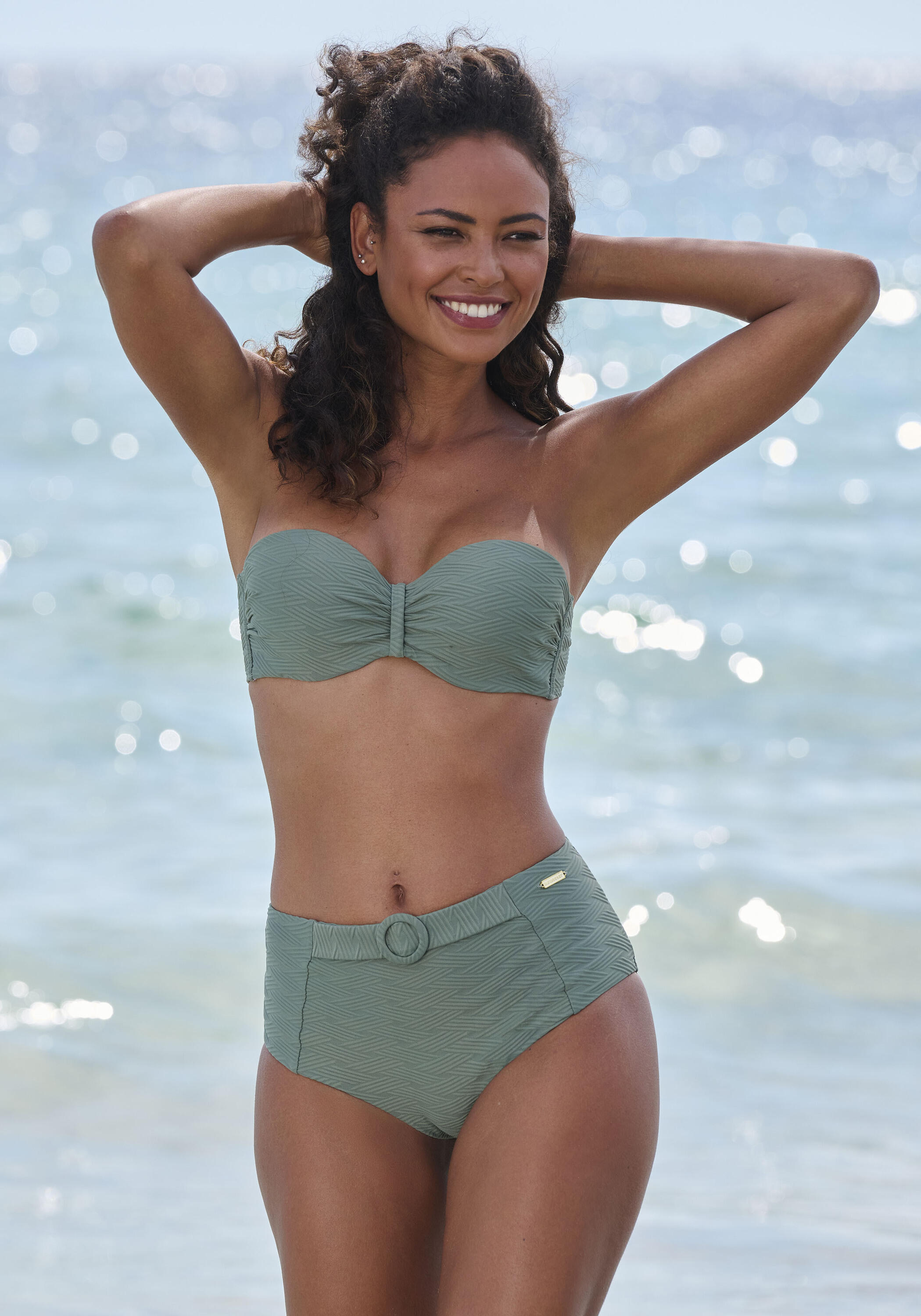
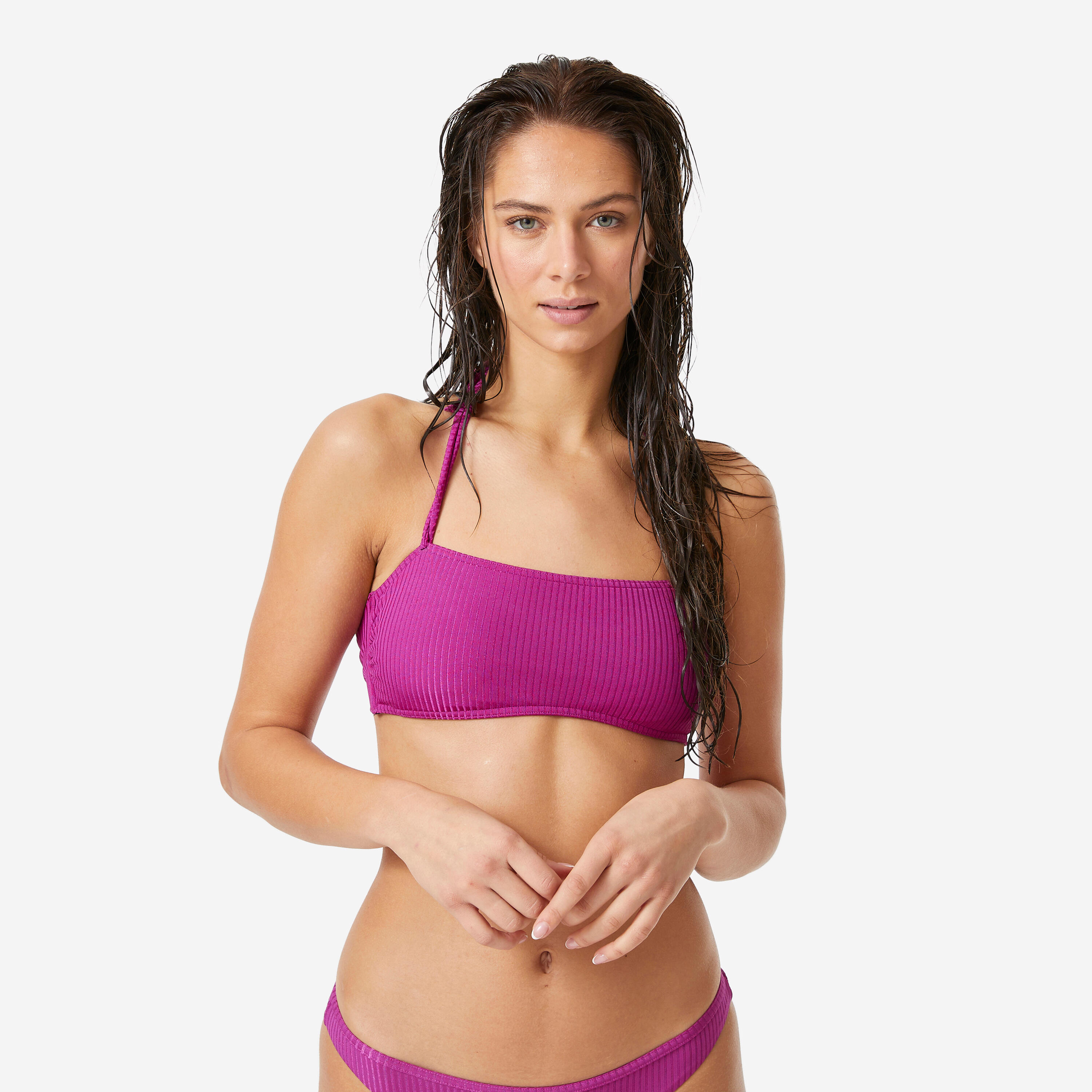
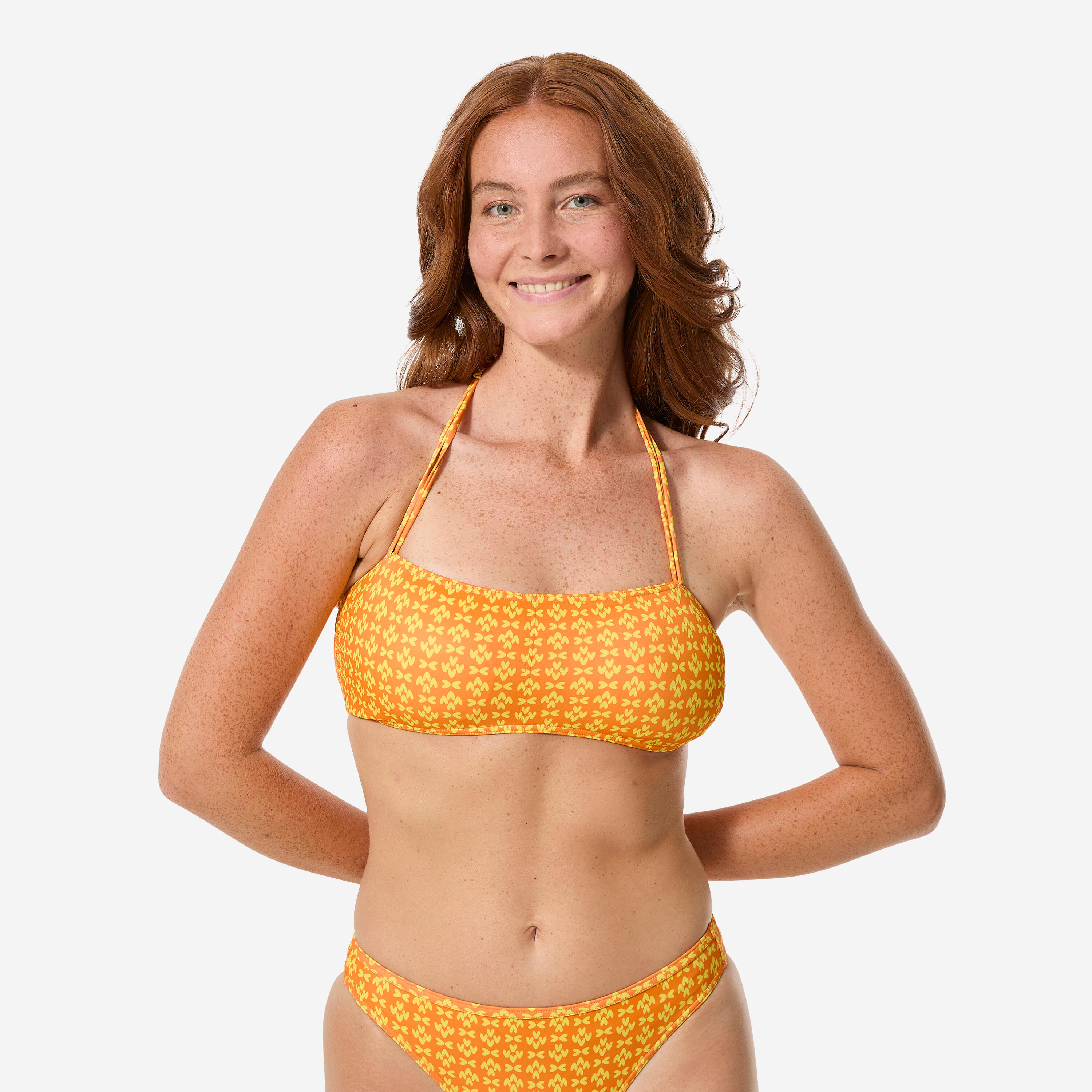
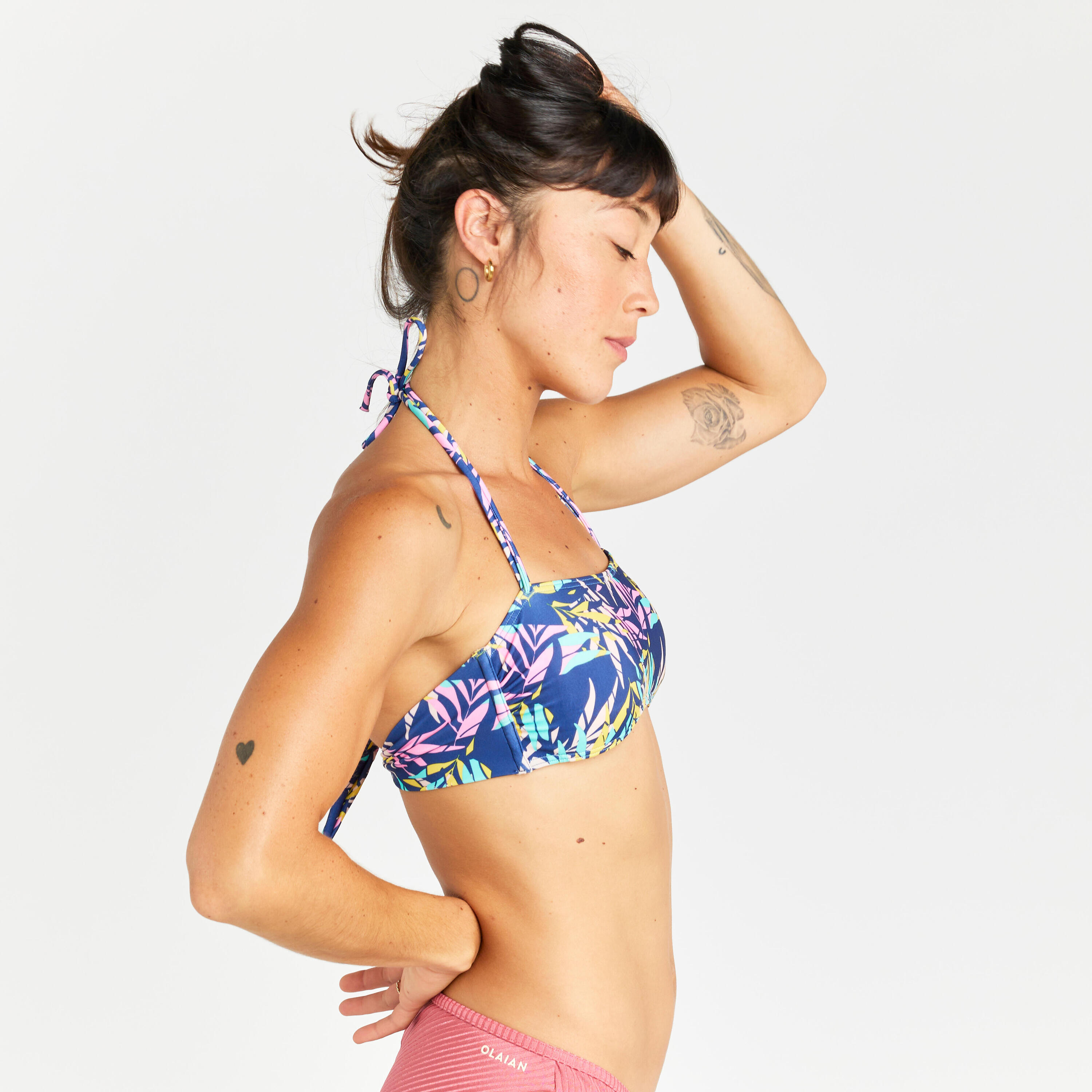
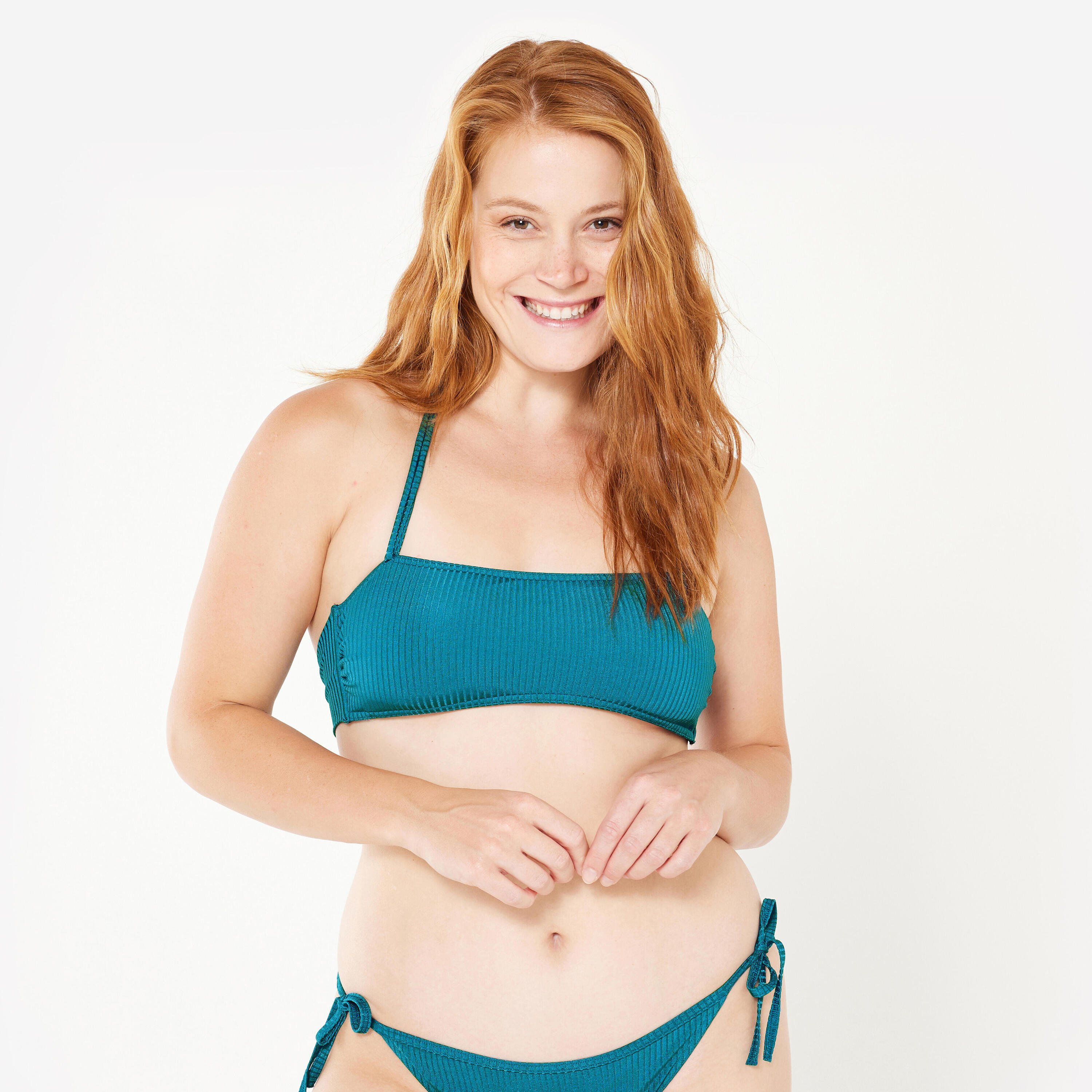
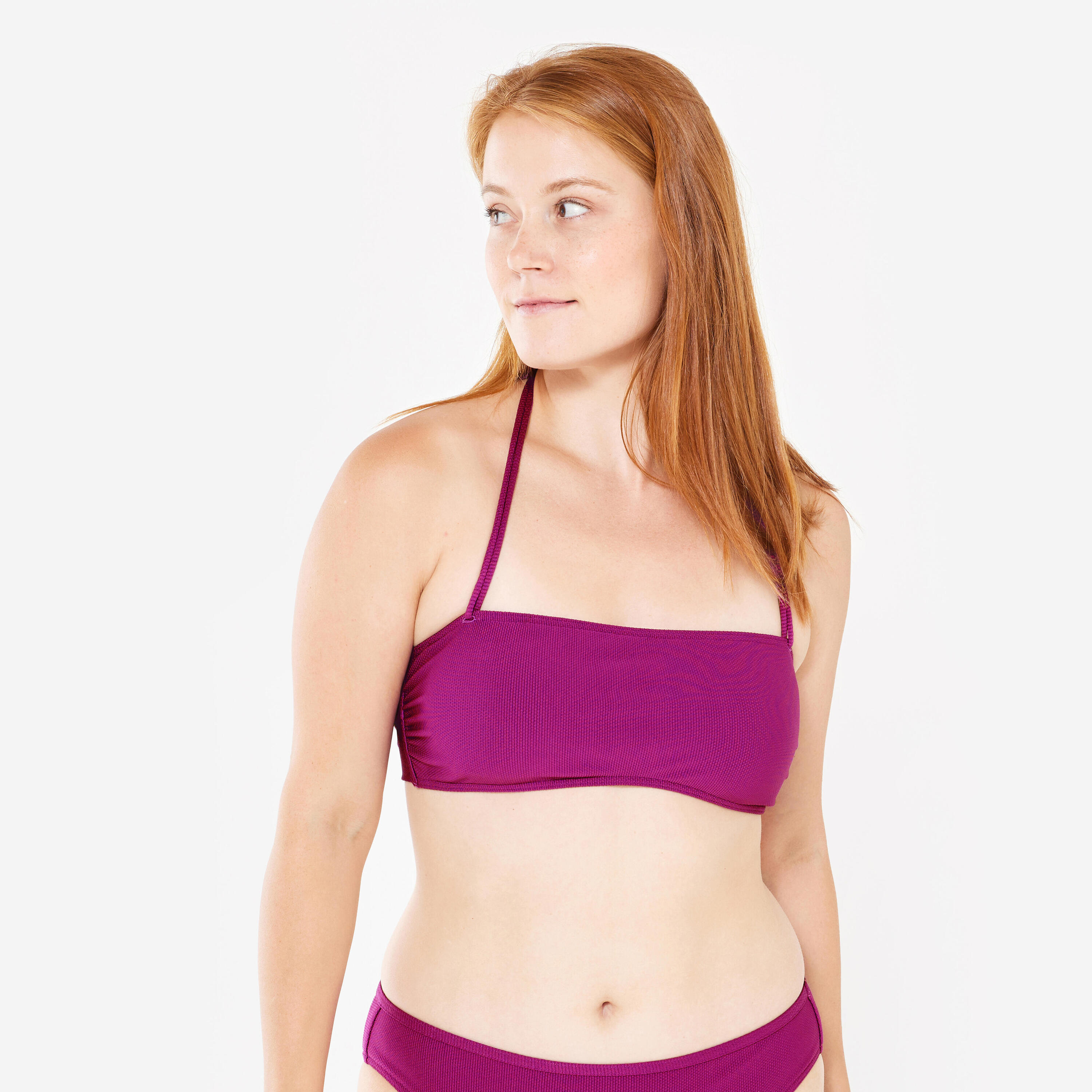
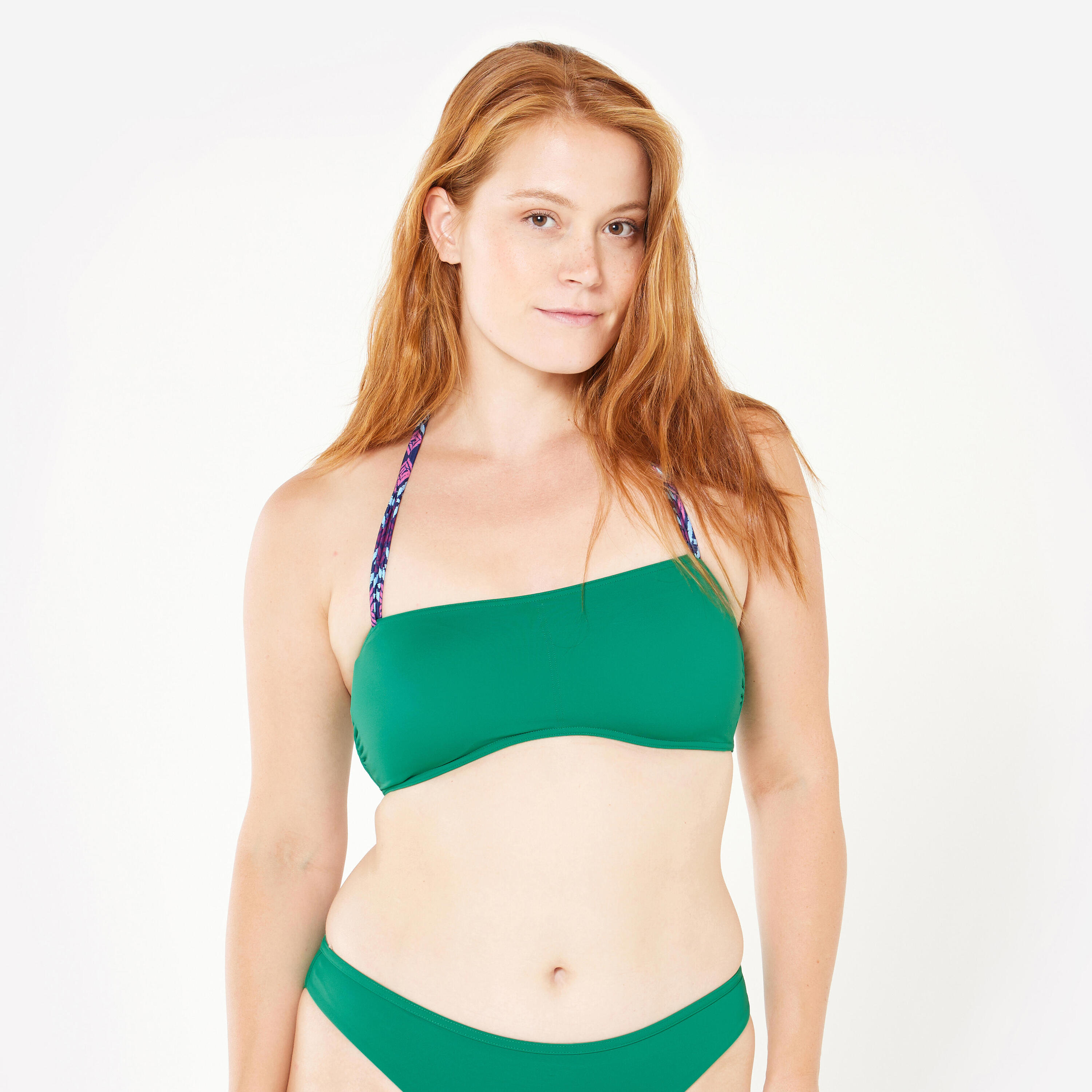
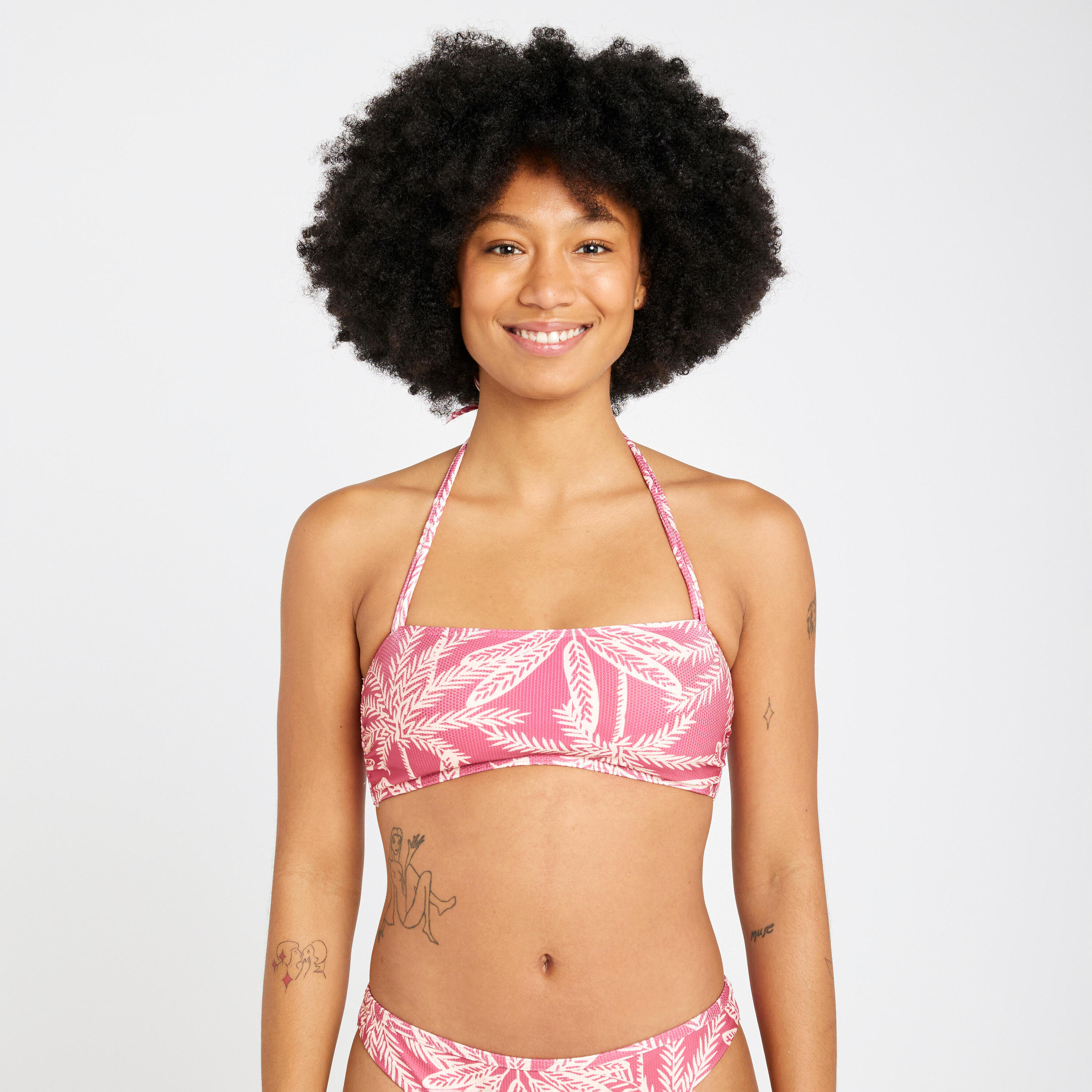
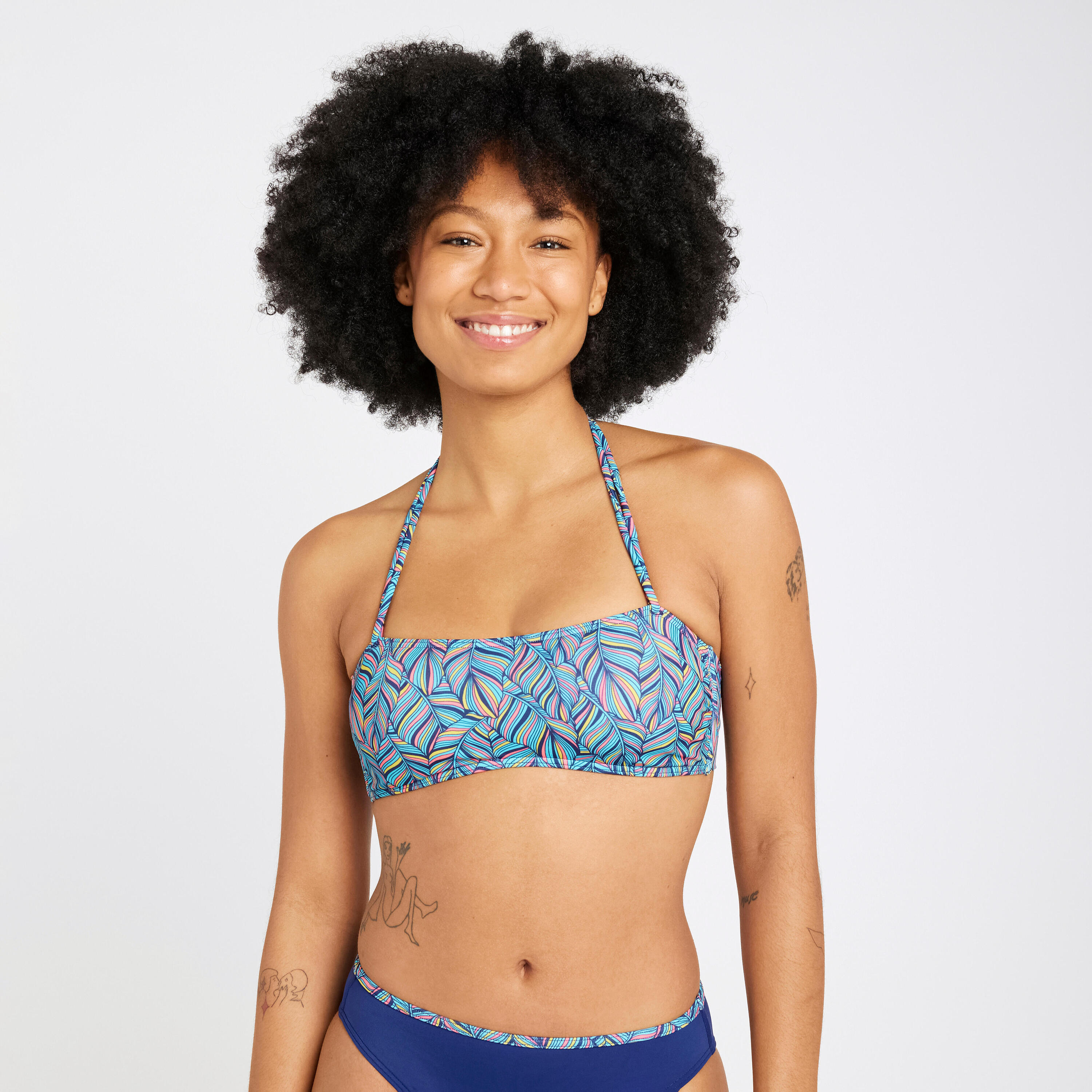
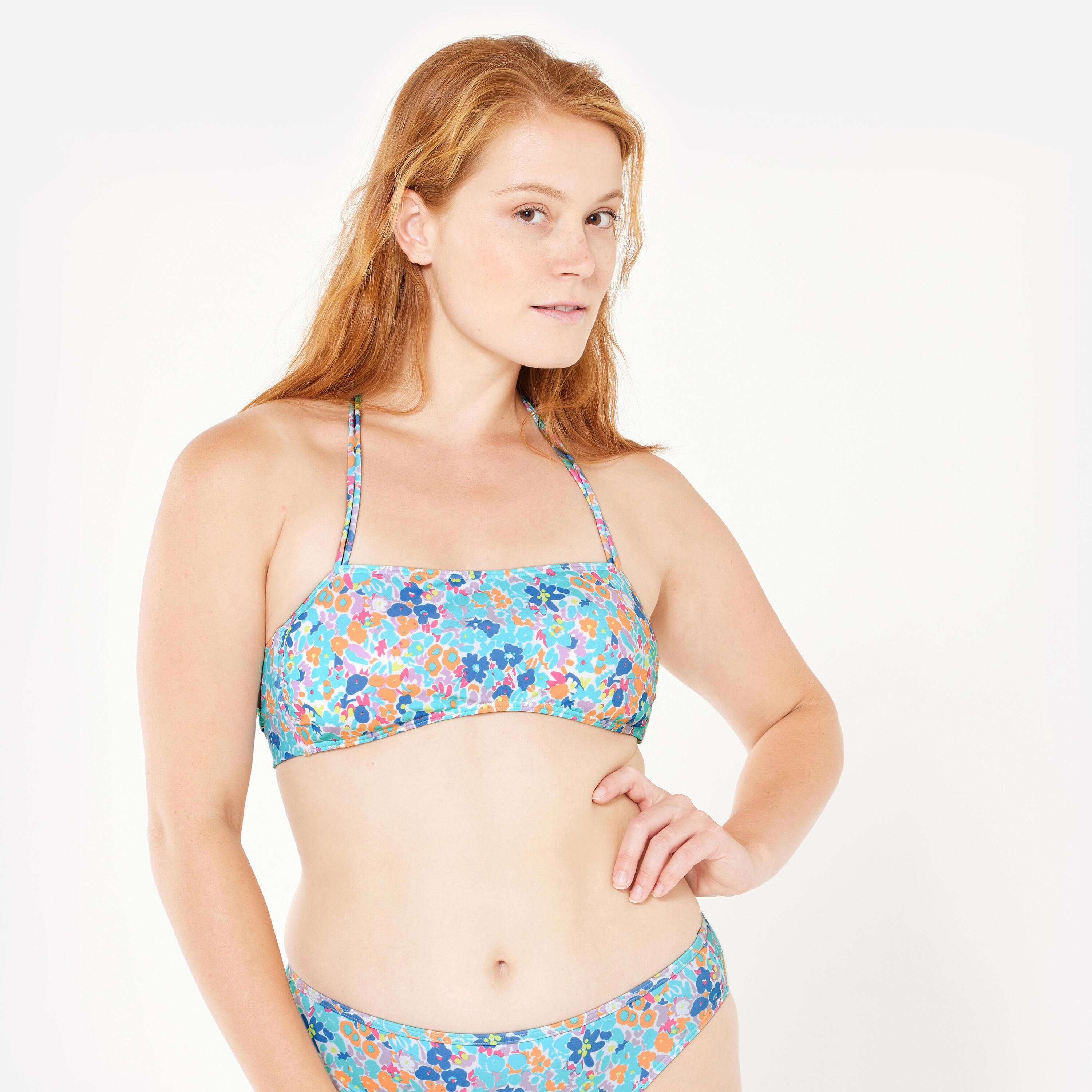
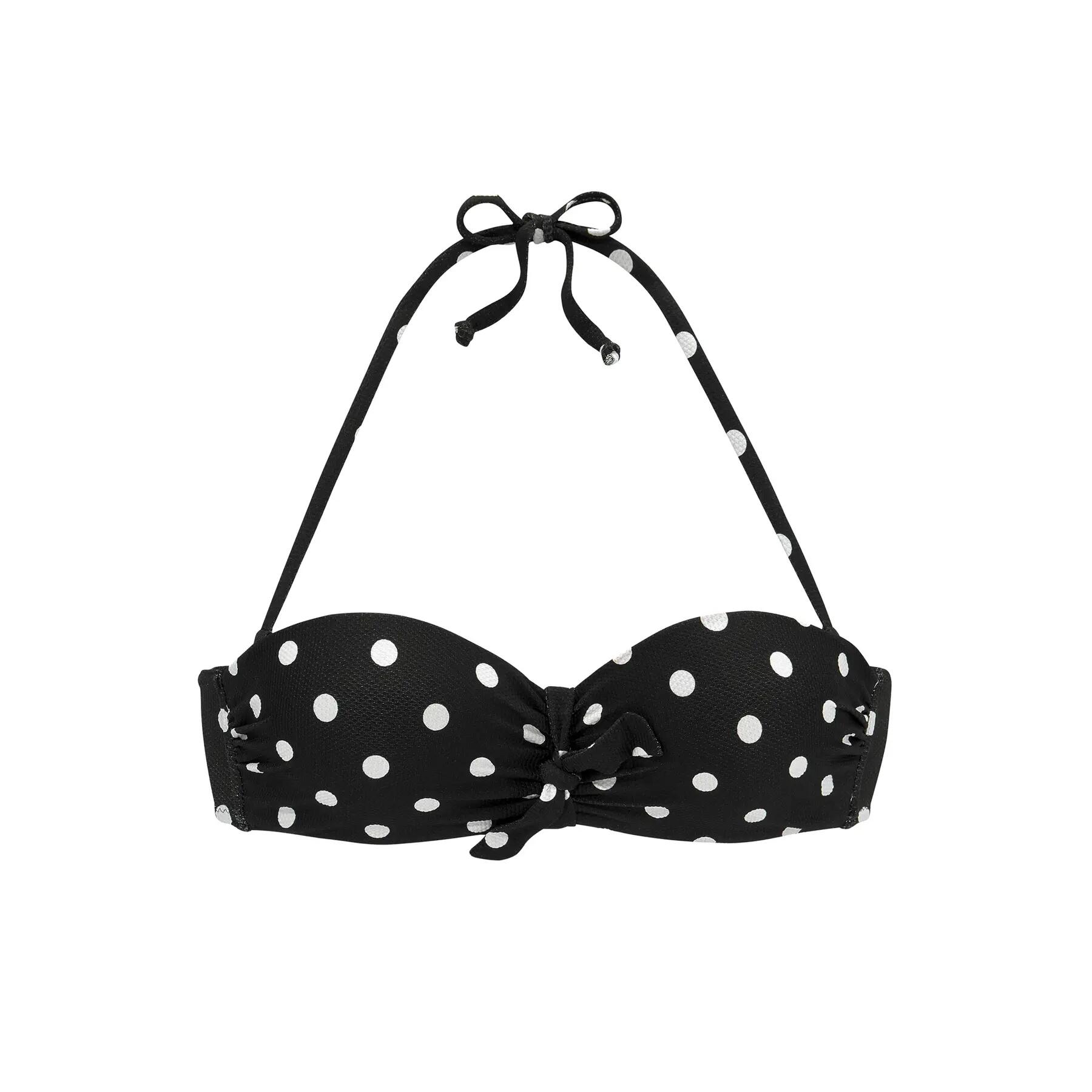
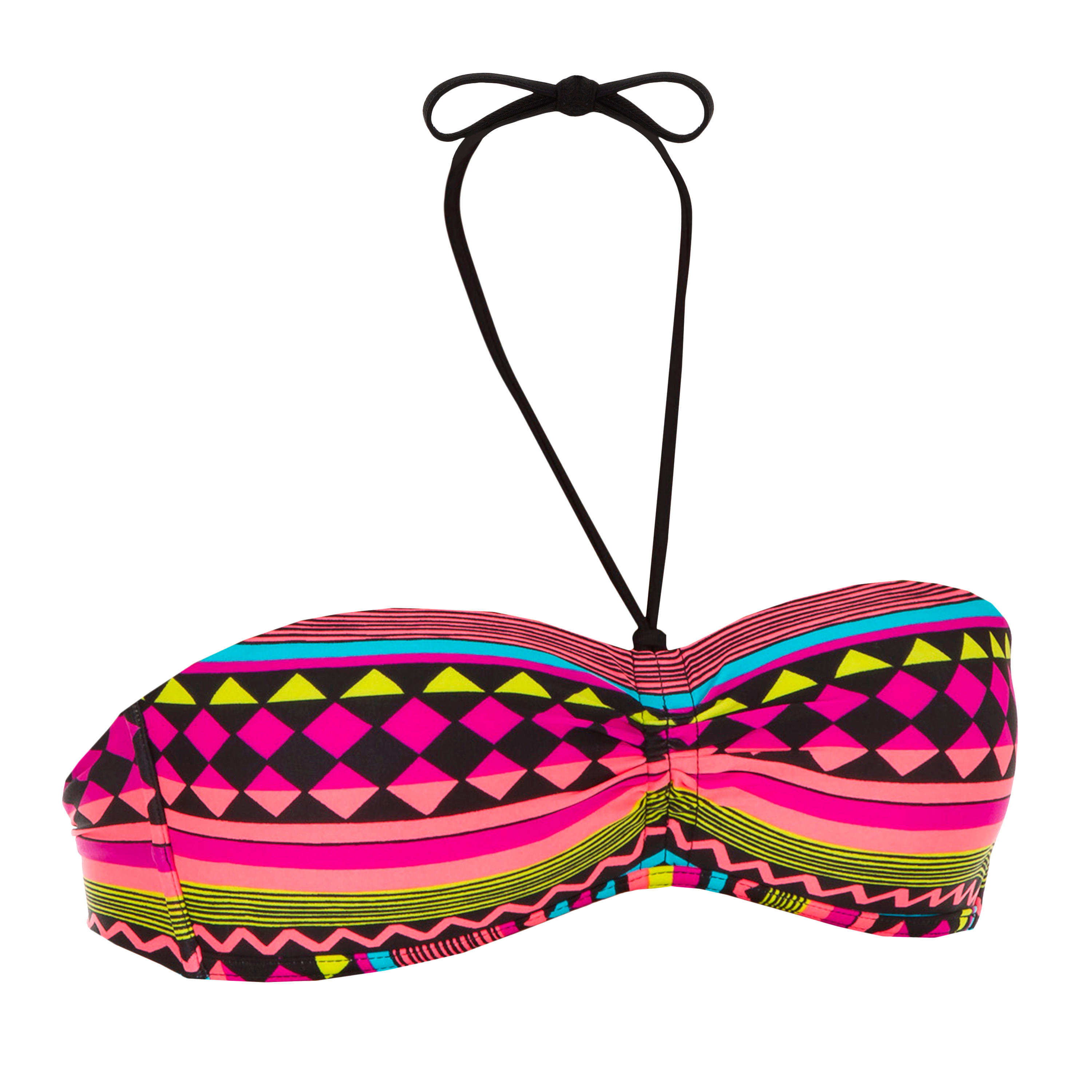
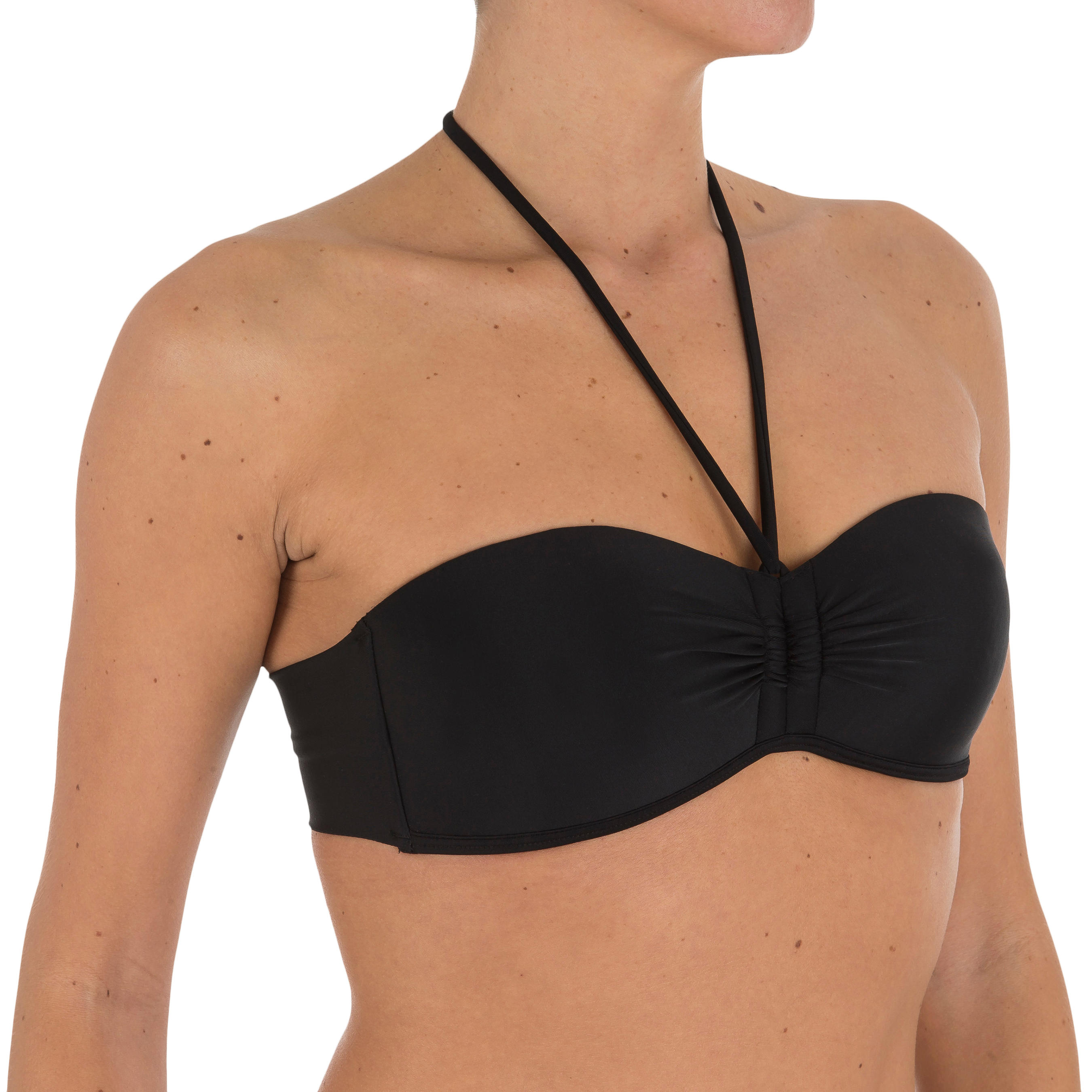
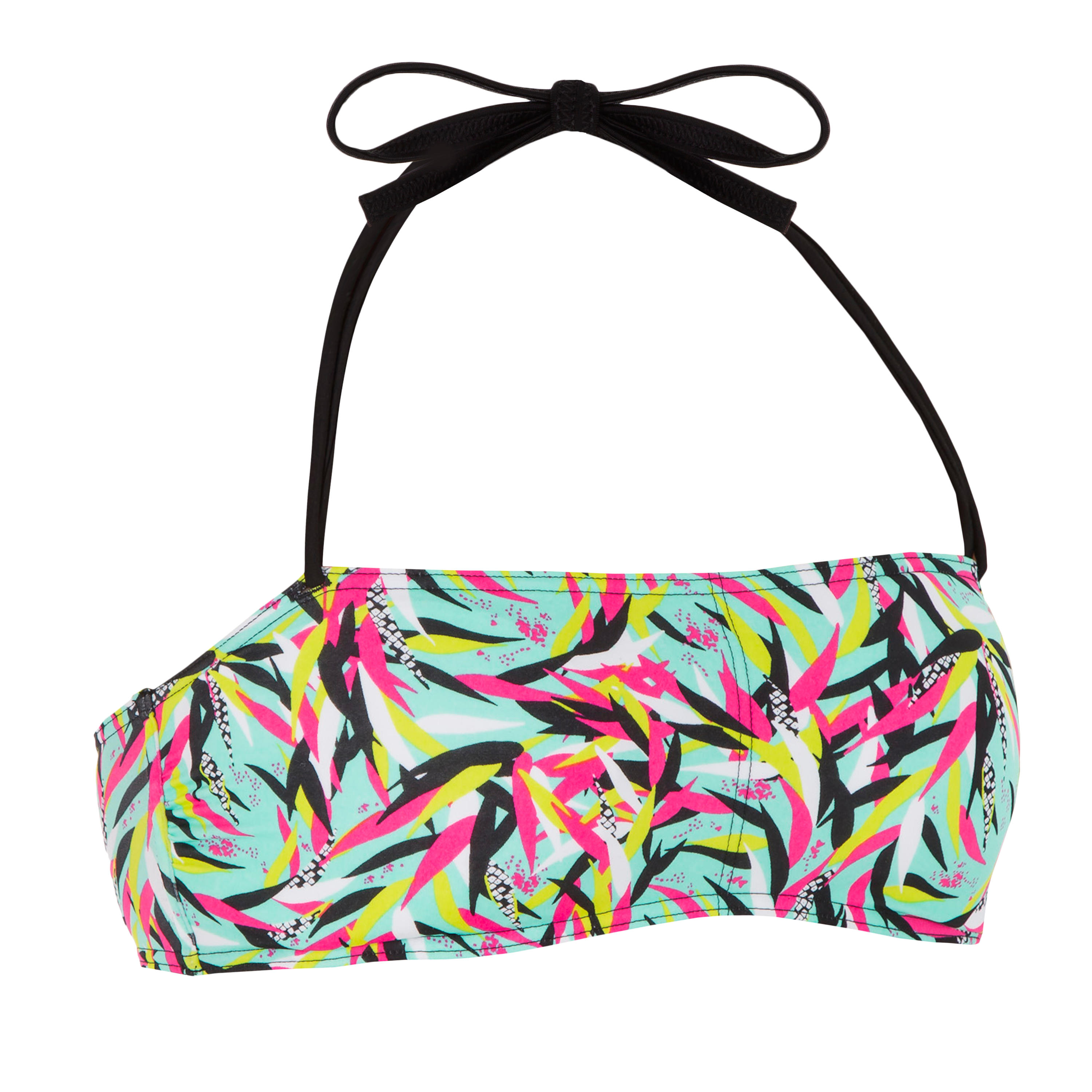
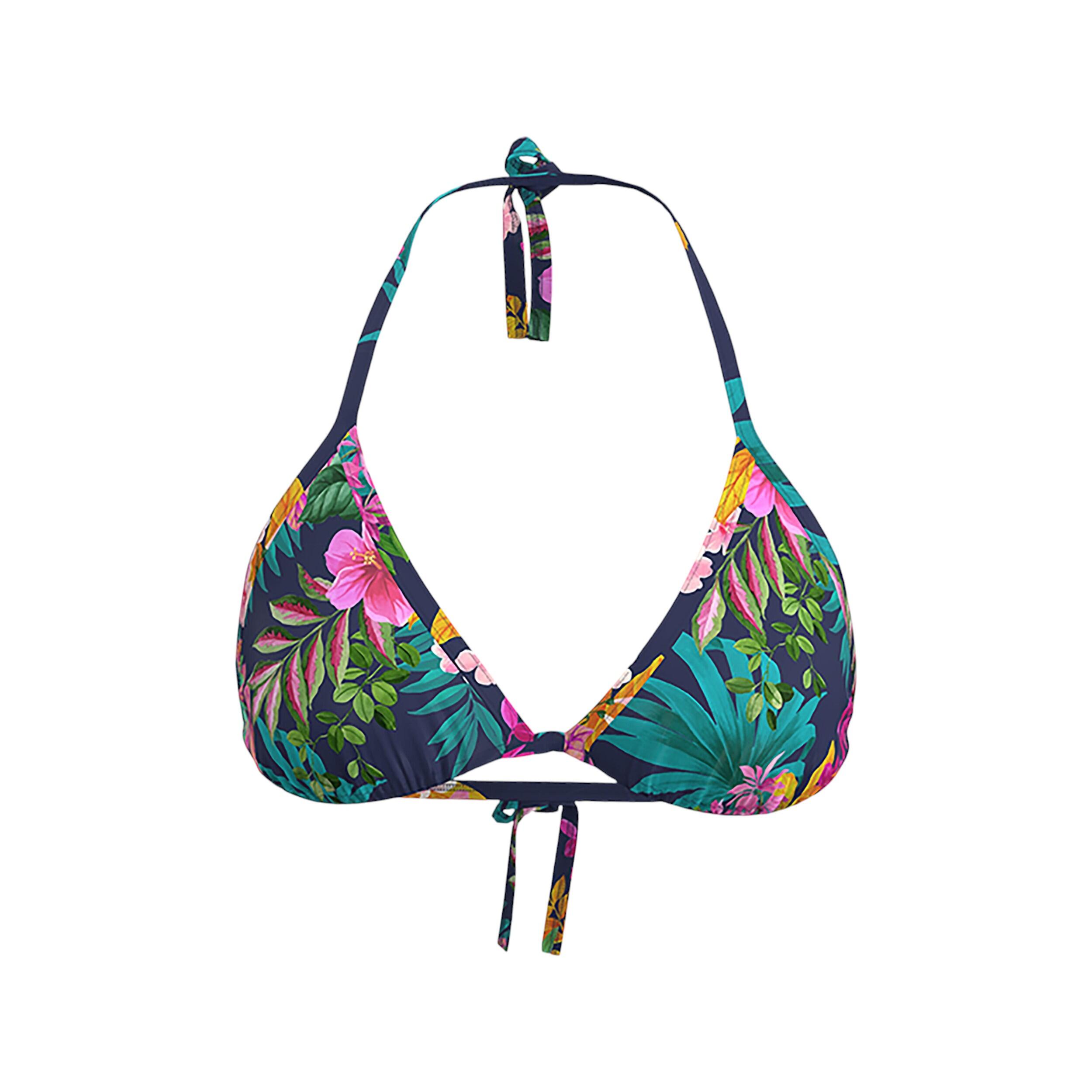
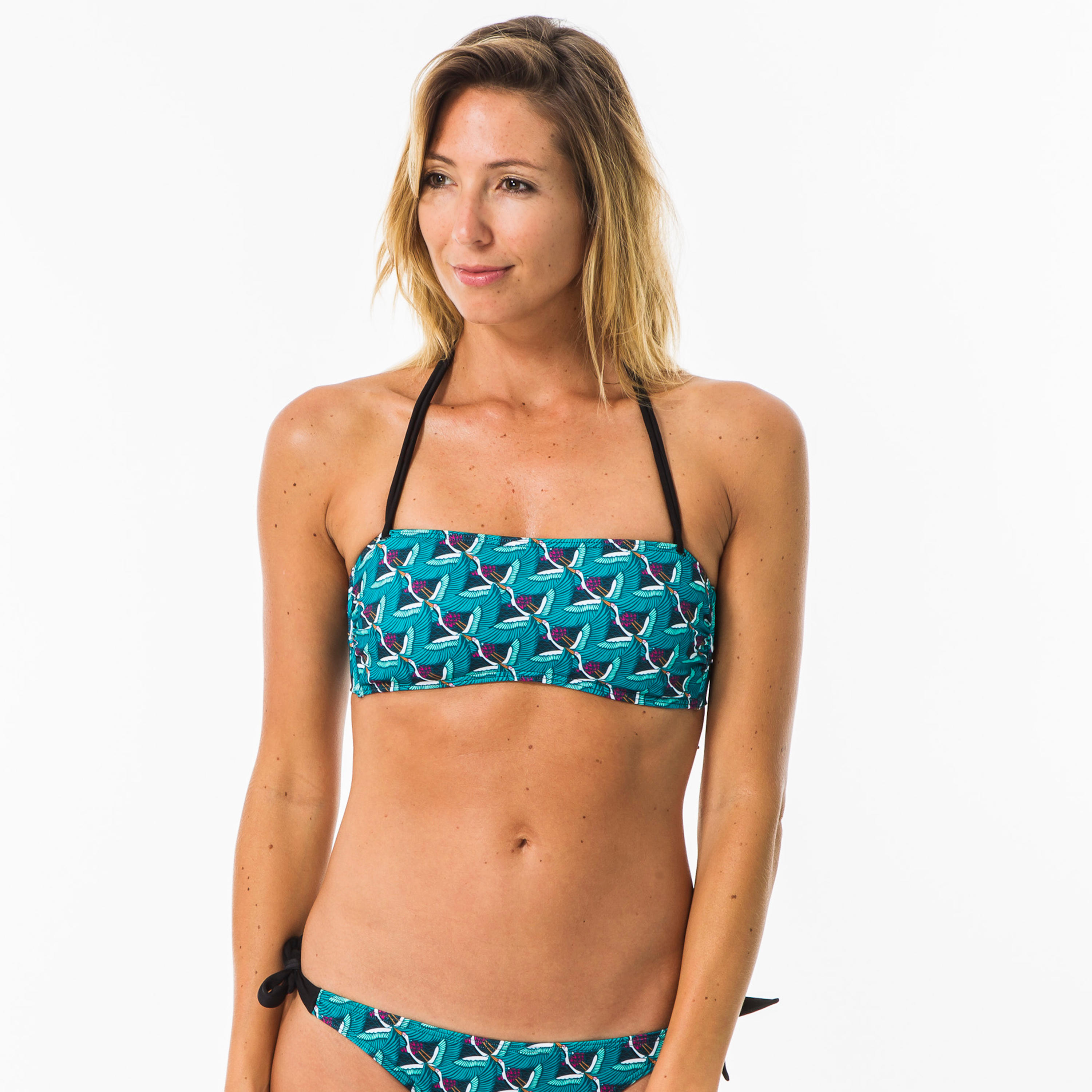
A bandeau top relies entirely on compression from the band around the torso for support, with no shoulder straps to anchor it against upward movement during water entry or wave impact. The band width is the primary stabilising factor; a wider band distributes the grip force across more skin surface, which reduces the tendency for the fabric to roll or ride up under pressure. Narrower bands rely more heavily on elasticity, which fatigues over a season of regular use as the elastic compound degrades in salt and chlorine. Silicone grip strips bonded to the inner hem address the rolling issue directly by creating friction against the skin surface, and these are standard on swim-specific bandeau designs rather than purely decorative versions. A removable halter neck tie converts a standard bandeau into a more secure hybrid when conditions or activity level require it, without permanently altering the strapless silhouette. The amount of support a bandeau provides also depends significantly on cup size. Smaller cup sizes find the band tension sufficient, while larger cup sizes often find the fabric pulls inward at the sides rather than sitting flat. A halter-tie version of the triangle swimsuits style gives swimmers extra adjustable anchor points for paddling or laps, without losing the low-profile fit the cut is known for. Expert tip: always tighten the band to feel firmly secure on dry land; wet neoprene and lycra relax slightly in water, so a snug fit at the beach tends to settle to the correct tension once submerged.
What cup size range suits a bandeau construction and where does it reach its limits?

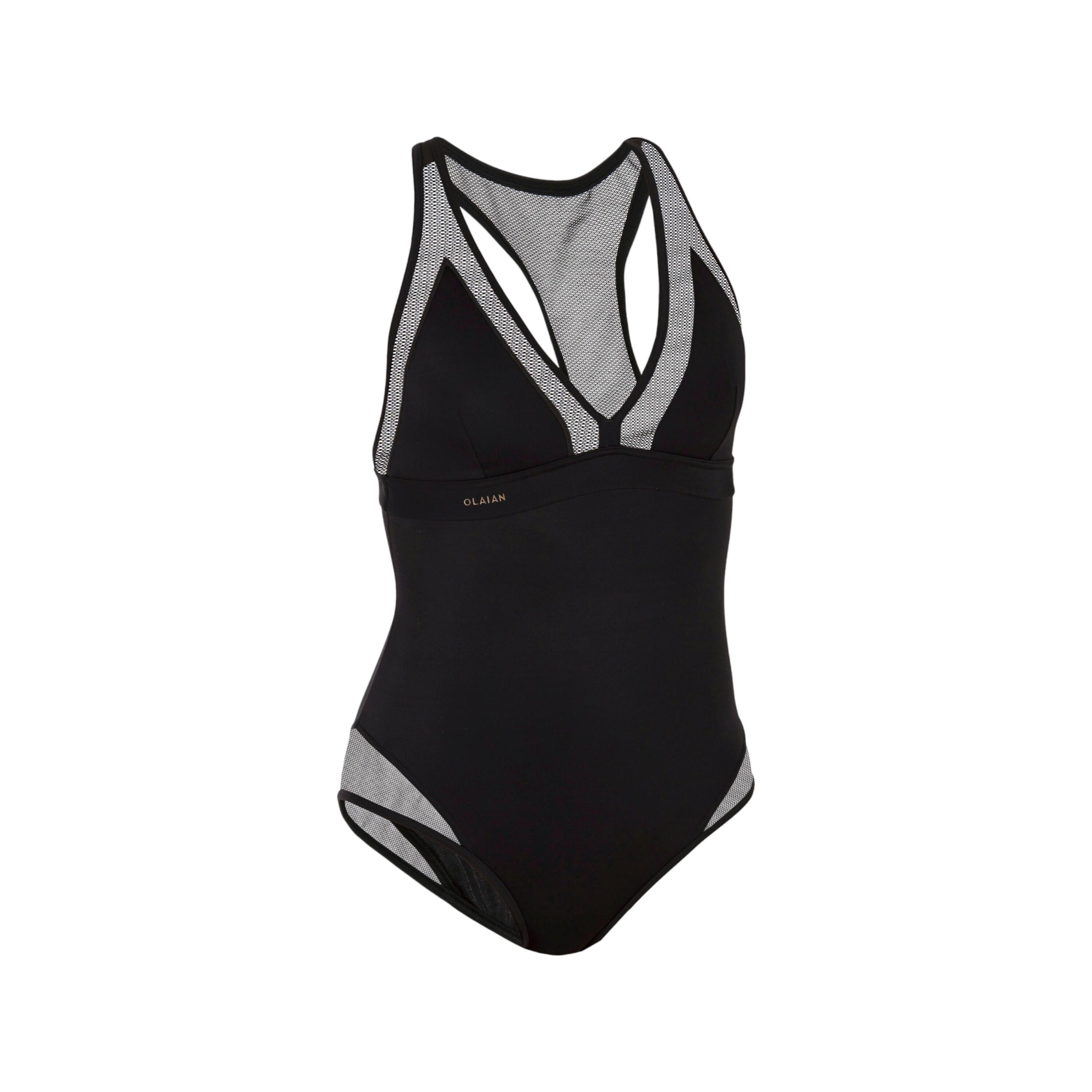
Bandeau designs generally perform best where support demands are lower, as the strapless construction relies entirely on the compression band rather than shoulder straps or structured cups. It works because of load distribution: a smaller bust creates less downward and outward force on the fabric, so the band can resist movement without stretching excessively at the sides. For D cup and above, the outward lateral force tends to cause the fabric to bow away from the chest at the sides, creating gaps rather than a flat surface. Women at the larger end of the size range who still prefer a sleek cut often find that a lightly structured style with a boned inner panel and an internal underwire suits them better than a flat-band version. If bandeau support feels insufficient for your shape, a soft-cup one piece swimsuit with a low back provides the security of a structured top without the bulk of a traditional swimsuit.

How does a bandeau top compare to a push-up construction for beach and water wear?

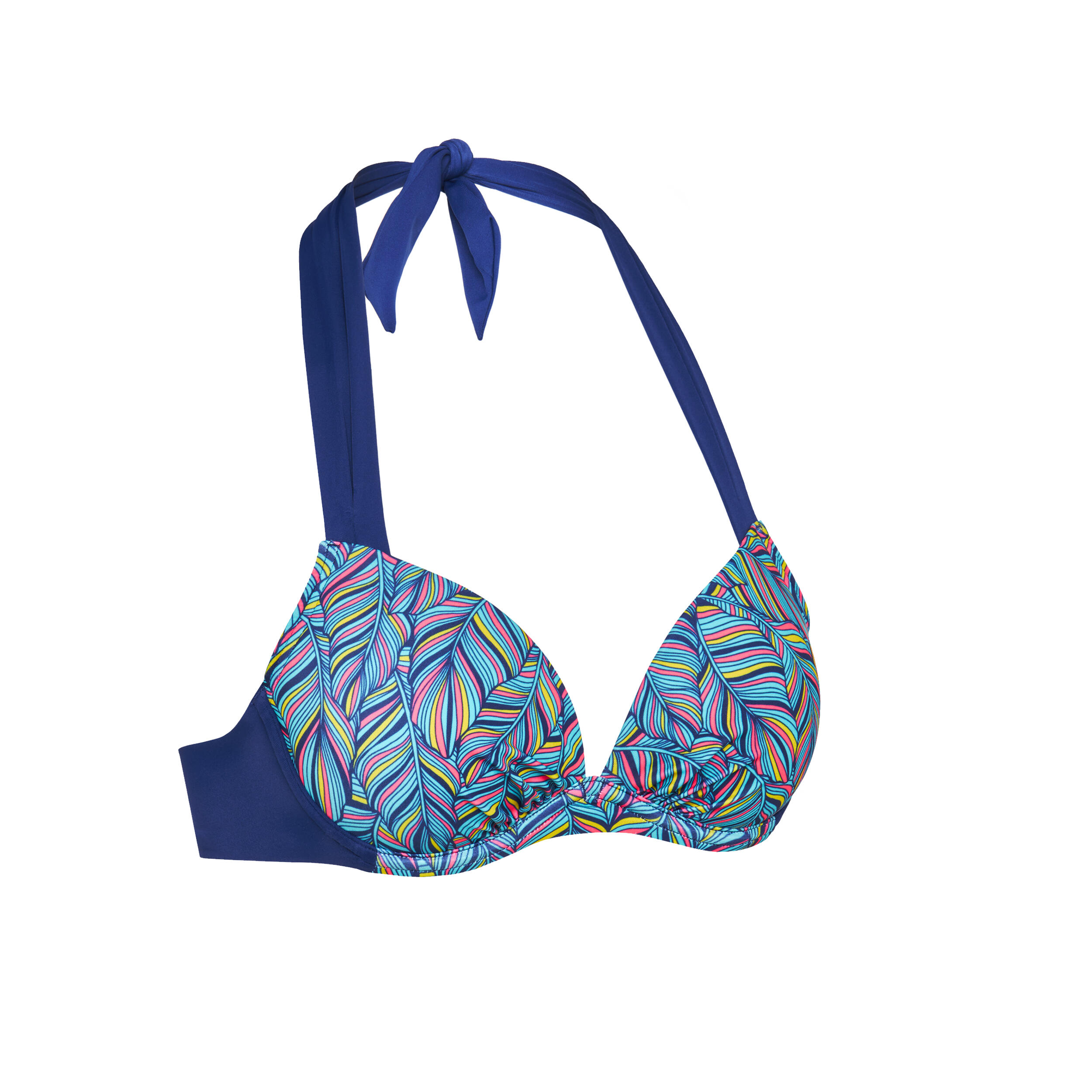
A bandeau and a push-up top sit at opposite ends of the construction spectrum. A bandeau uses flat or lightly padded fabric with no cup shaping, relying on fabric tension to maintain position. A push-up top uses moulded foam cups with underwire or structured inner panels that create shape independently of the wearer's body, lifting the bust from below and pressing it inward. For beach swimming and active water use, the push-up construction creates a potential comfort issue in the prone paddling position, where the underwire or stiff cup edges press against the sternum and ribs under bodyweight. Soft-foam push-up versions without rigid underwire handle the prone position considerably better than wired alternatives. Removable padding gives push-up swimsuits a useful middle ground between minimal bandeau styles and fully sculpted cuts, allowing support levels to be adjusted depending on the activity.

What bottom styles pair practically with a bandeau top for surfing and beach sports?

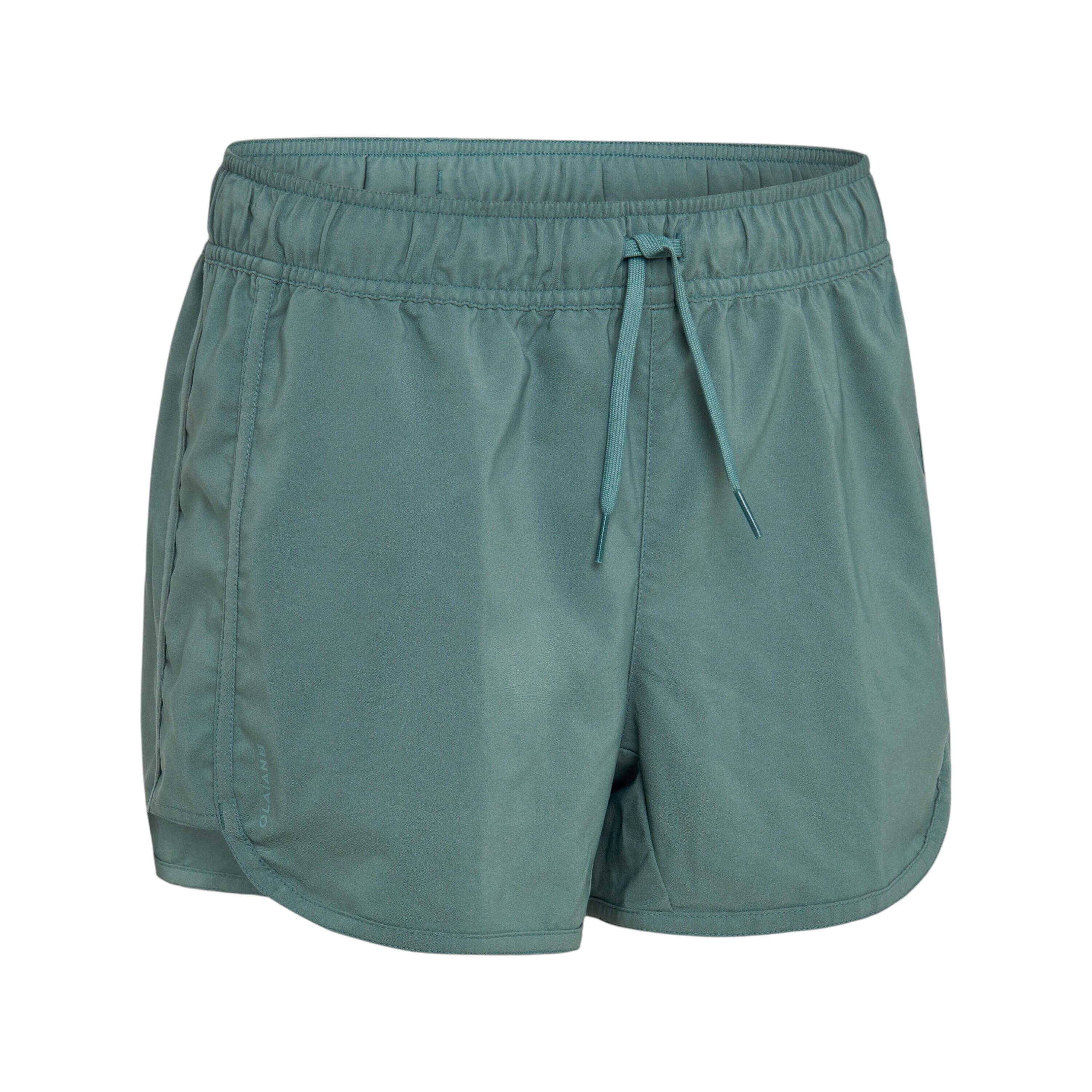
A bandeau top pairs with most bottom styles, but the activity level determines which combination works best in practice. For surfing and paddling, a brief with wider side panels sits more stably than a string-side version because the additional contact area prevents the fabric from rotating during duck-dives and wipeouts. Boardshorts provide the most security for high-movement water sports, covering the upper thigh and reducing the board rash that repeated contact with waxed deck surfaces causes on bare skin. A boardshort length above the knee reduces paddle drag while maintaining silhouette through the session. For higher-movement sessions, many surfers pair a bandeau top with women's surfing boardshorts, switching to a matching brief when relaxing on the beach afterwards.

How does a bandeau swimsuit fit into the broader spectrum of women's bikini styles?

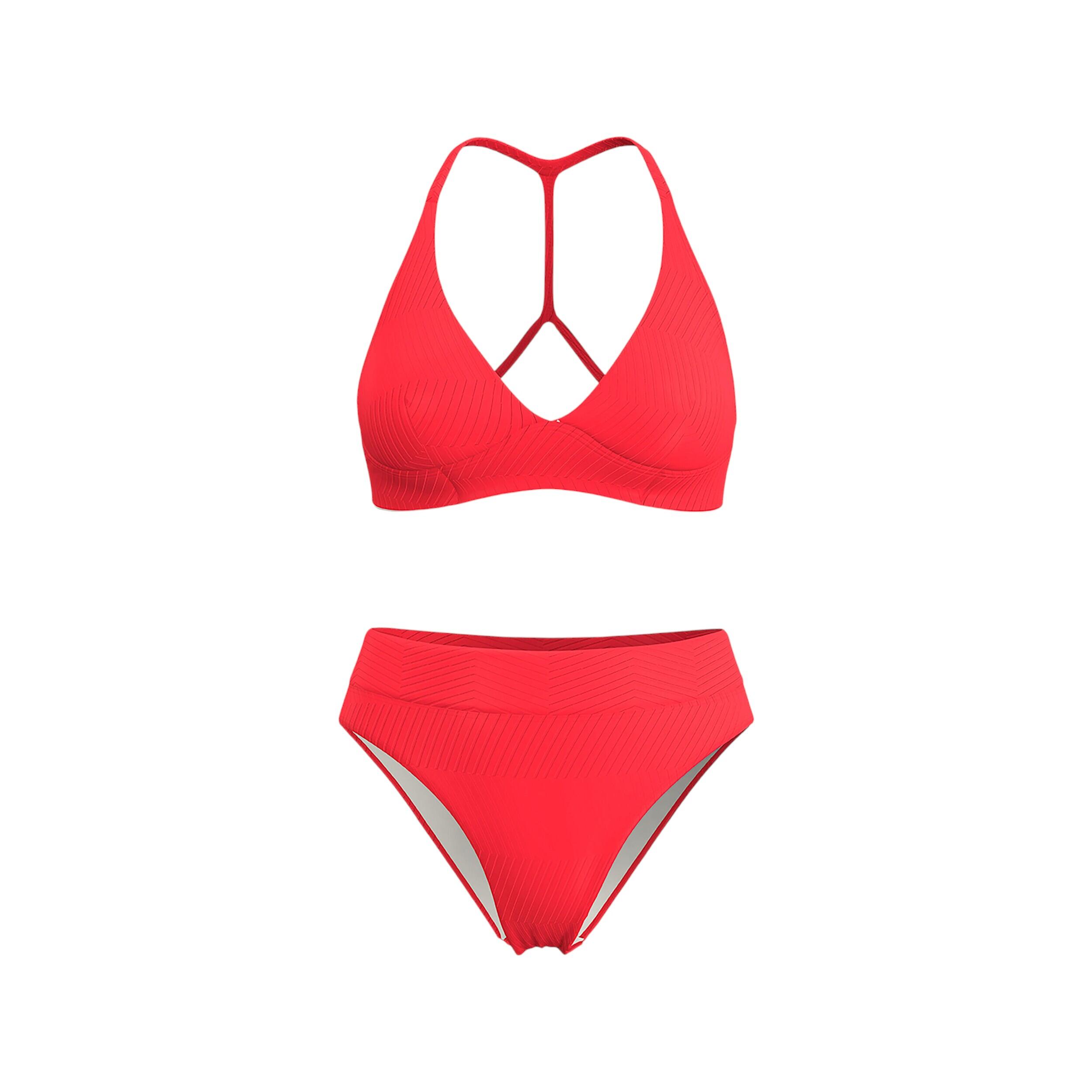
Women's bikini tops span a wide construction range from fully structured underwired cups through to minimal fabric tie styles, and a bandeau sits roughly in the middle of that spectrum. It offers more secure fit and structure than a string triangle, since the continuous band of fabric across the chest encloses more surface area, but less shaping and support than a moulded underwired cup. The defining characteristic of a bandeau is the strapless silhouette, which suits sunbathing, casual swimming, and low-to-moderate activity water use. The bikinis collection includes everything from minimal triangle tops to more structured designs, making it easier to choose styles that suit different activities.