18 items
4.7/5 based on 11610 reviews collected online and in stores

Push-Up Swimsuits FAQs

What makes a push-up swimsuit top different from other bikini styles?

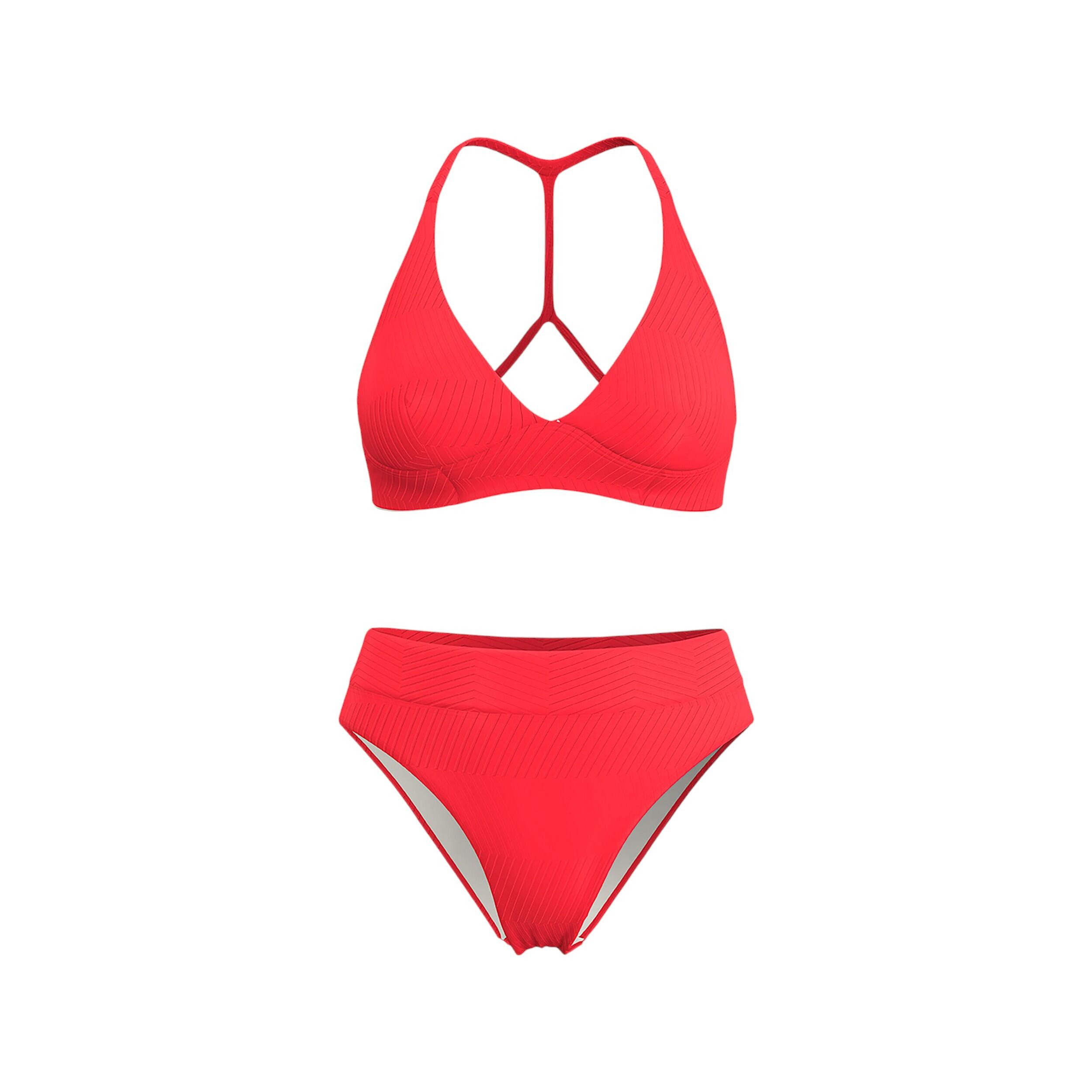
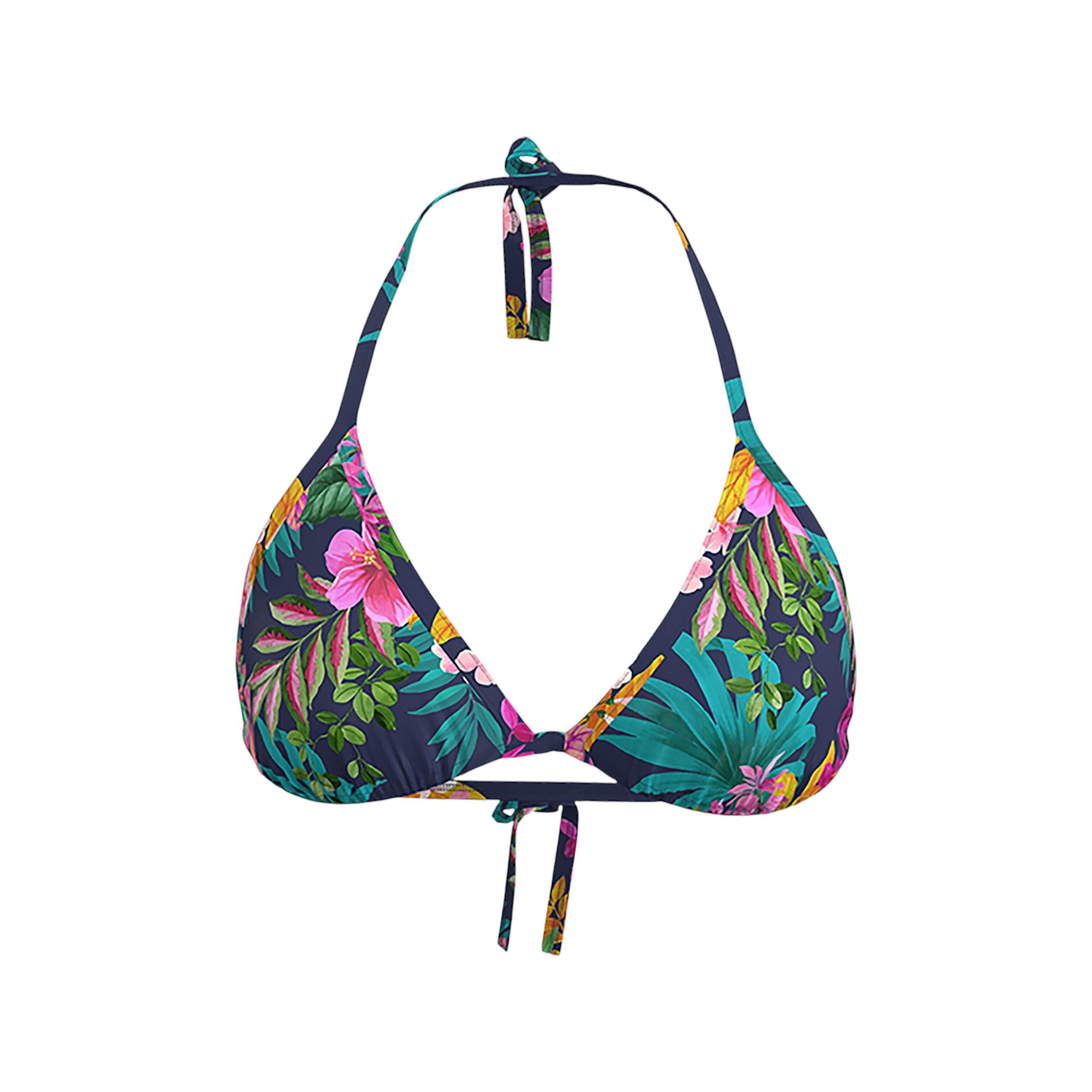
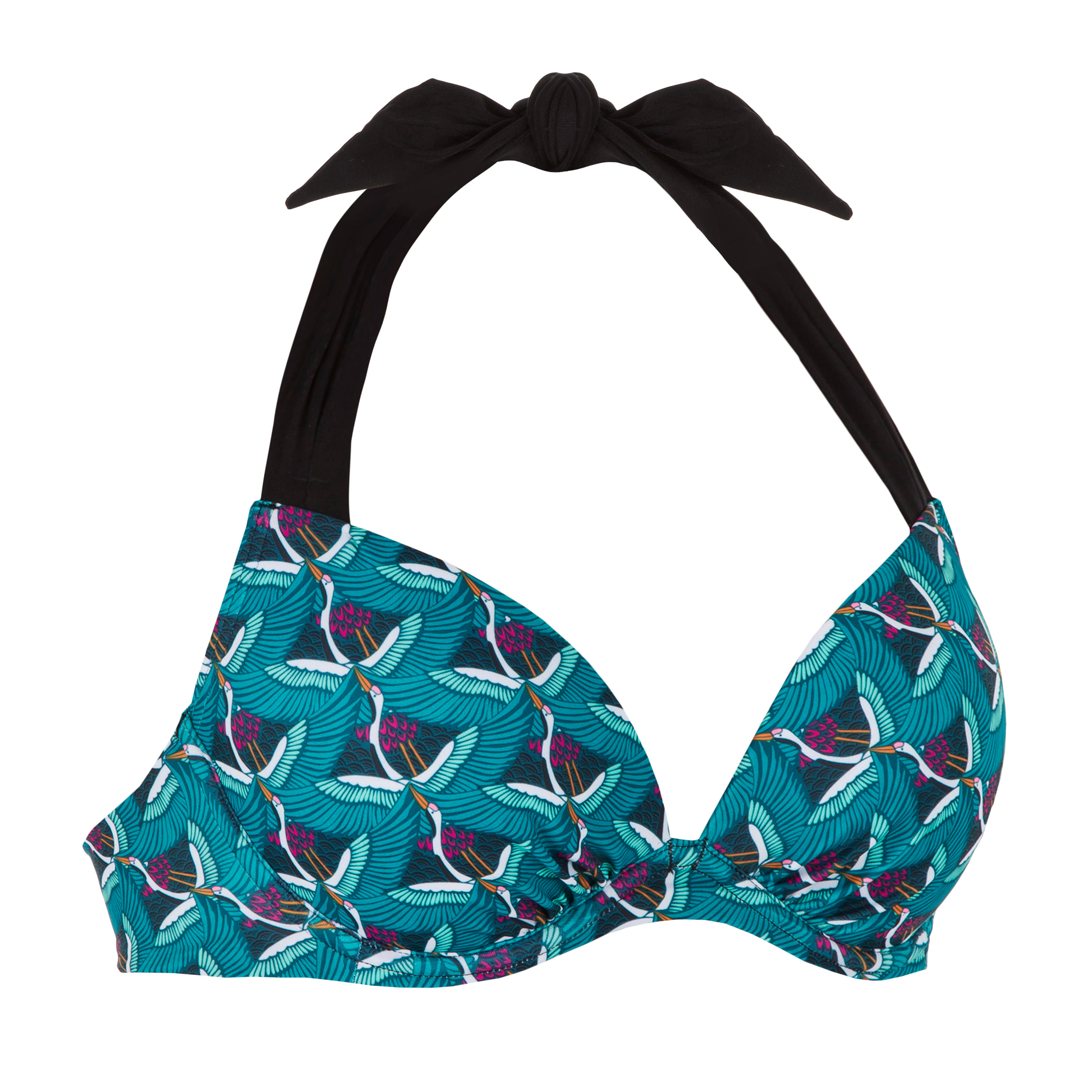
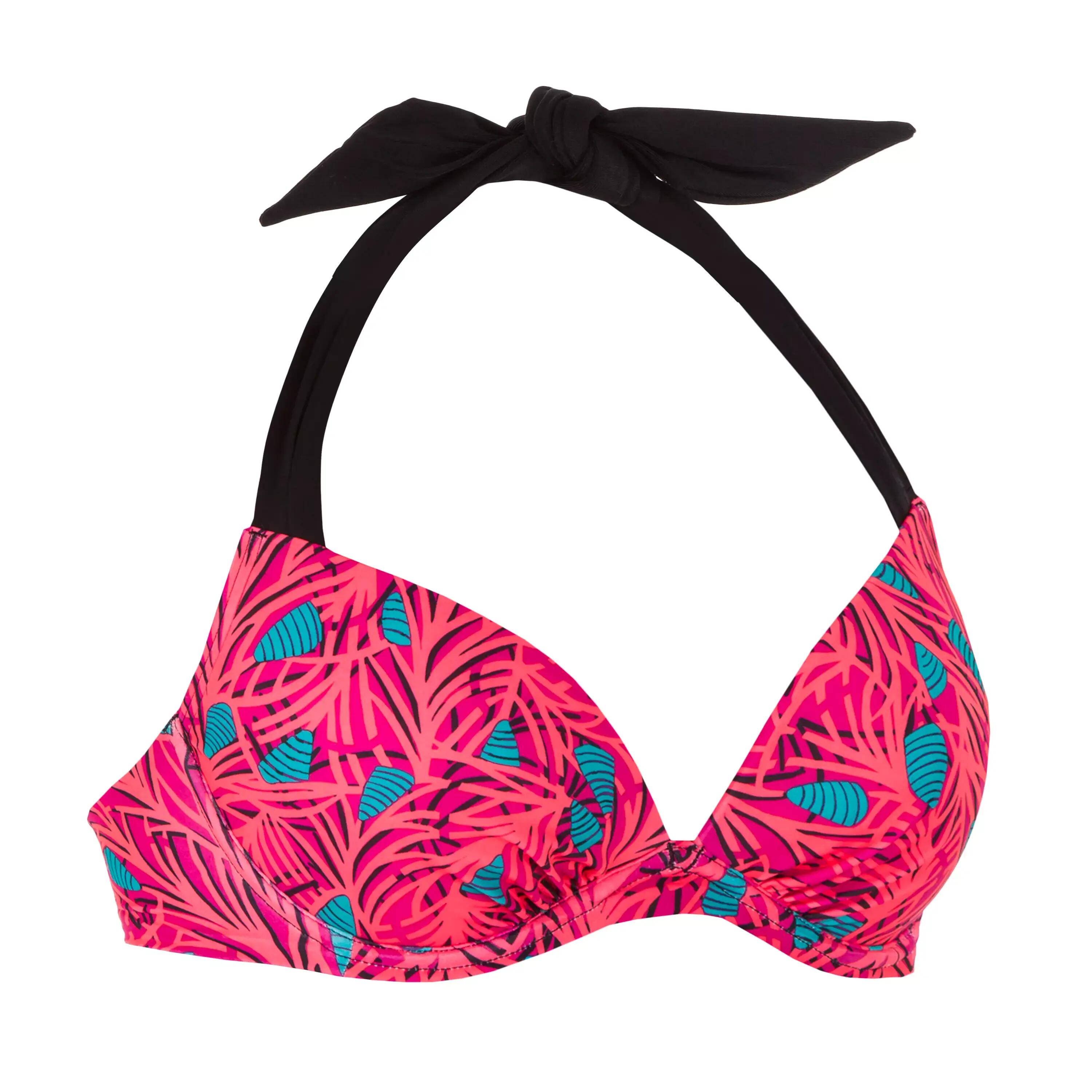
A push-up top uses structured padding, either fixed foam cups or removable inserts, positioned at the lower and outer edges of each cup to lift and centralise the bust. The padding is not there to add volume so much as to create shape and prevent the top from gaping away from the chest, which is a common problem with unstructured triangle styles in the water. The underwire on some models reinforces this further by holding the cup shape rigid even when the fabric is wet and heavy. For women who find that softer, unlined tops shift position during swimming or active beach use, the structured cup of a push-up style stays put through movement. Push-up styles aren't the only route to lift without underwire and triangle swimsuits with removable padding offer a softer cup, while the tie straps at the neck and back allow the fit to be customised. Pro tip: when trying a push-up top for the first time, check that the underwire, if present, sits flat against the ribcage at the centre front. If it lifts away from the sternum, the cup size is too small and the wire will dig in with movement.

How does a push-up top perform during surfing or active water sports?

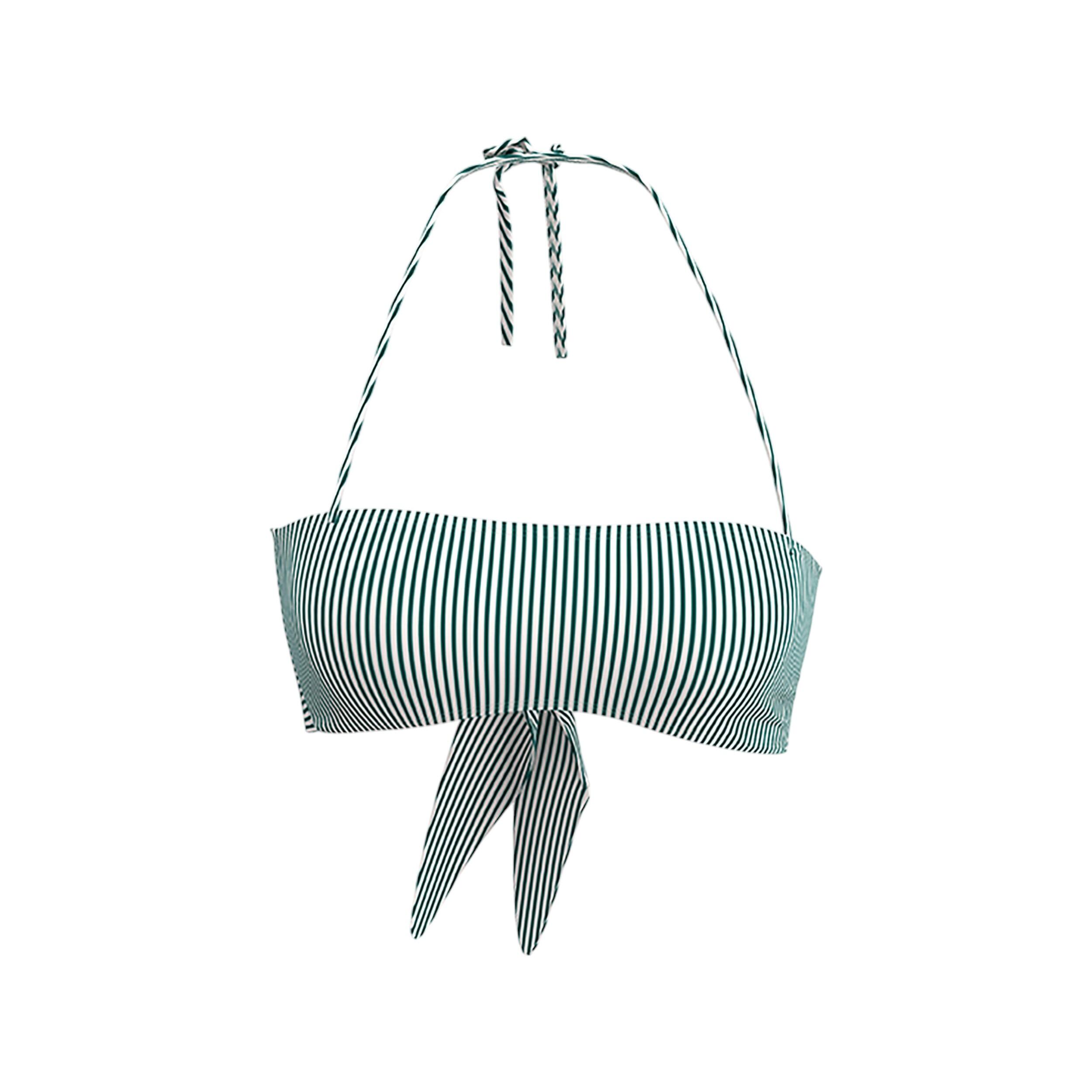
Push-up tops with fixed padding and a secure back clasp perform reasonably well for light surf and bodyboarding, but the structured cup can become a limiting factor during repeated paddle movements that require full shoulder rotation. The foam inserts also absorb water, adding weight to the top that unpadded styles avoid. For surfers who want defined shape without the bulk of foam padding, a firm-knit fabric with a moulded cup, which holds shape through the weave structure rather than added material, is a better technical choice. Because its flat chest profile cuts down on bulk and pressure points inside a neoprene chest panel, a bandeau swimsuit makes an ideal base layer under a wetsuit.

Can a push-up bikini top be worn with boardshorts for surfing?

Yes, and it is a practical combination for warmer conditions where a full wetsuit is unnecessary but some protection is still preferable to a bikini alone. A push-up top paired with boardshorts gives wind and UV protection across the lower body while keeping the upper body light and free for paddle movements. The key is choosing a top with a secure back fastening because a standard hook-and-eye clasp can come undone during wipeouts, so a cross-back or sports-style tie is more reliable in the water. A push-up top with longer-cut boardshorts is a pairing that works both in and out of the water, the longer cut adding leg coverage and UV protection during extended time on the board between waves.

How does a push-up swimsuit compare to a one-piece for beach and pool use?

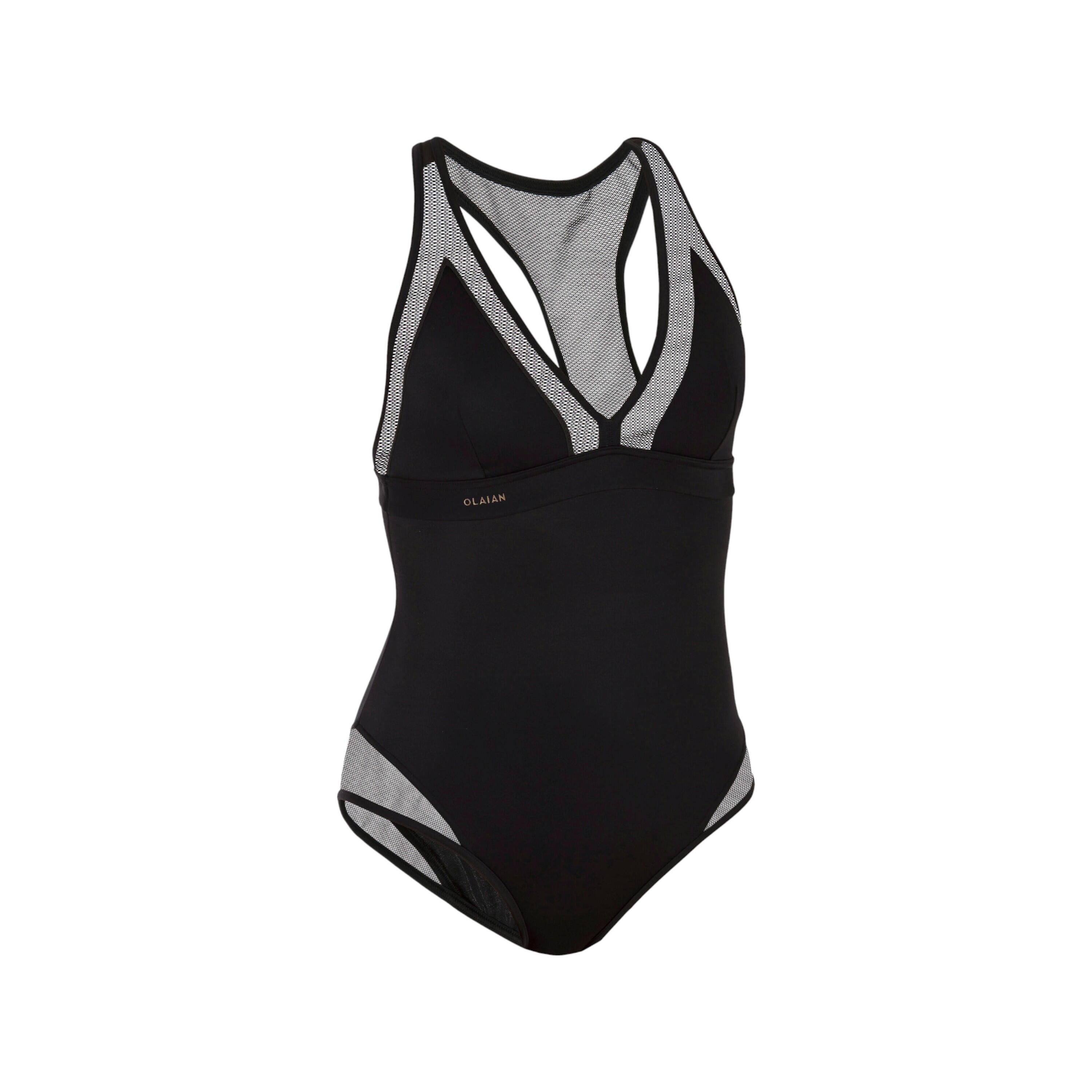
A push-up top as part of a two-piece gives independent adjustment at the bust and hips, which is a significant advantage for women whose top and bottom sizes differ. This is a common fit challenge that a one-piece cannot accommodate without compromise at one end or the other. A one-piece offers a more secure fit and eliminates the gap at the midriff, which some swimmers prefer for laps or open-water use where the suit needs to stay fully in position without any fit changes. For pool swimming specifically, the two-piece can create slightly more drag at the waist gap, which matters in competitive contexts but is negligible for recreational use. There's a case for owning both: the two-piece push-up earns its place on the beach, while a one-piece swimsuit takes over for dedicated water sessions where supportive fit and streamlining matter most.

What does UPF 50+ mean on a push-up swimsuit, and does the rating apply to padded sections?

UPF, short for ultraviolet protection factor, indicates how effectively a fabric helps protect the skin from UV radiation. A UPF 50+ rating blocks at least 98% of UV, far more than most everyday beachwear fabrics manage. The rating applies to the swimsuit's outer fabric shell, not the foam padding in the cup, which the outer layer already covers and which never sits directly exposed. Tightly woven synthetics such as polyamide and polyester score higher UPF ratings than loose-knit or natural-fibre alternatives, because the smaller gaps between threads stop more radiation. Extra cover can come from UPF-rated bikinis or a long-sleeve rash vest worn through peak UV hours.