2,893 items
4.7/5 based on 690109 reviews collected online and in stores

Surfing FAQs

What factors determine the right surfboard shape for different wave types?

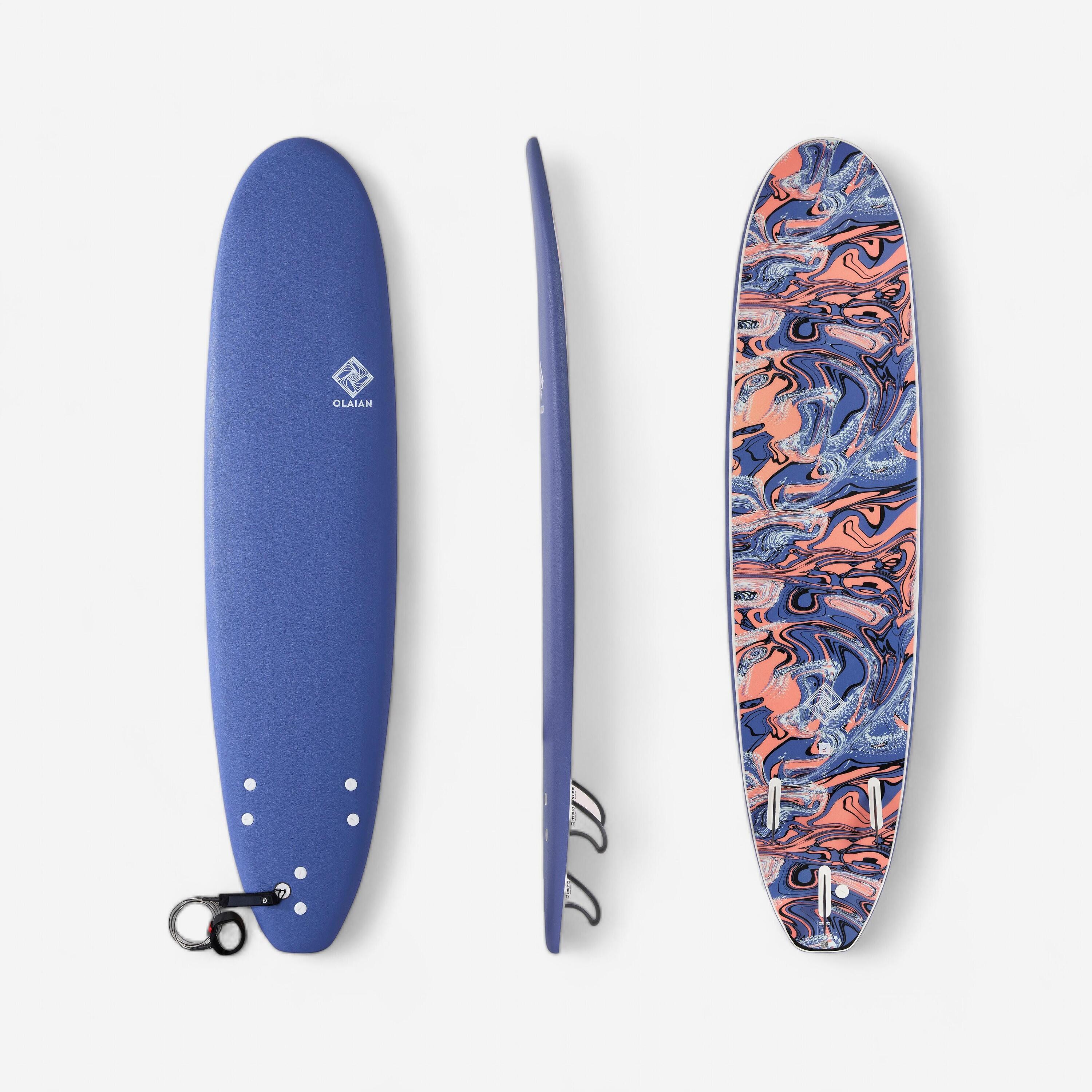
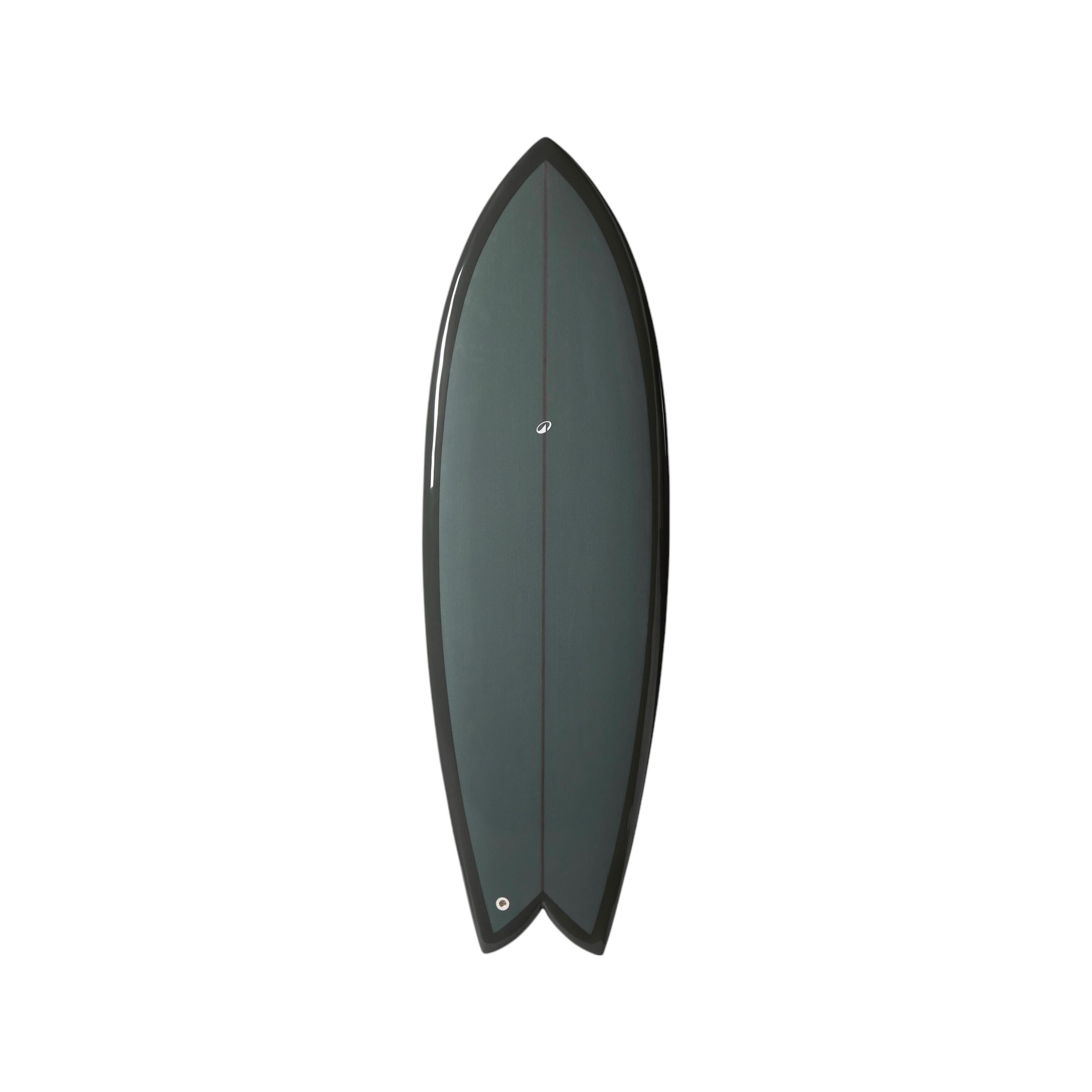
Board shape, total volume, and the rocker profile directly dictate how you perform on a given swell, meaning that matching these distinct specifications to your local break will transform your total wave count. Volume, measured in litres, governs buoyancy and paddling speed; higher numbers assist on weaker, slower waves, where getting up momentum requires heavy arm power. Rocker, which is the curve running from nose to tail, controls your overall speed; a flatter profile flies across fat conditions while a pronounced curve handles steep drops without nose-diving. Tail setups add precise control, as rounded pins hold firm in heavy barrels while a wide squash releases easily for snappy turns on softer peaks. Soft-top builds suit high-volume beginner templates because the foam cushions heavy impacts. In contrast, crisp epoxy rails suit intermediate surfers who demand sharp, instant feedback. Finding a great match across our extensive rack of high-performance surfboards allows you to filter options easily by construction type, skill level, and typical wave heights. Practical tip: Prioritise the bottom contours over length alone, as two identical lengths can behave completely differently out back.

What footwear is suited to surfing at reef breaks and rocky beach entries?

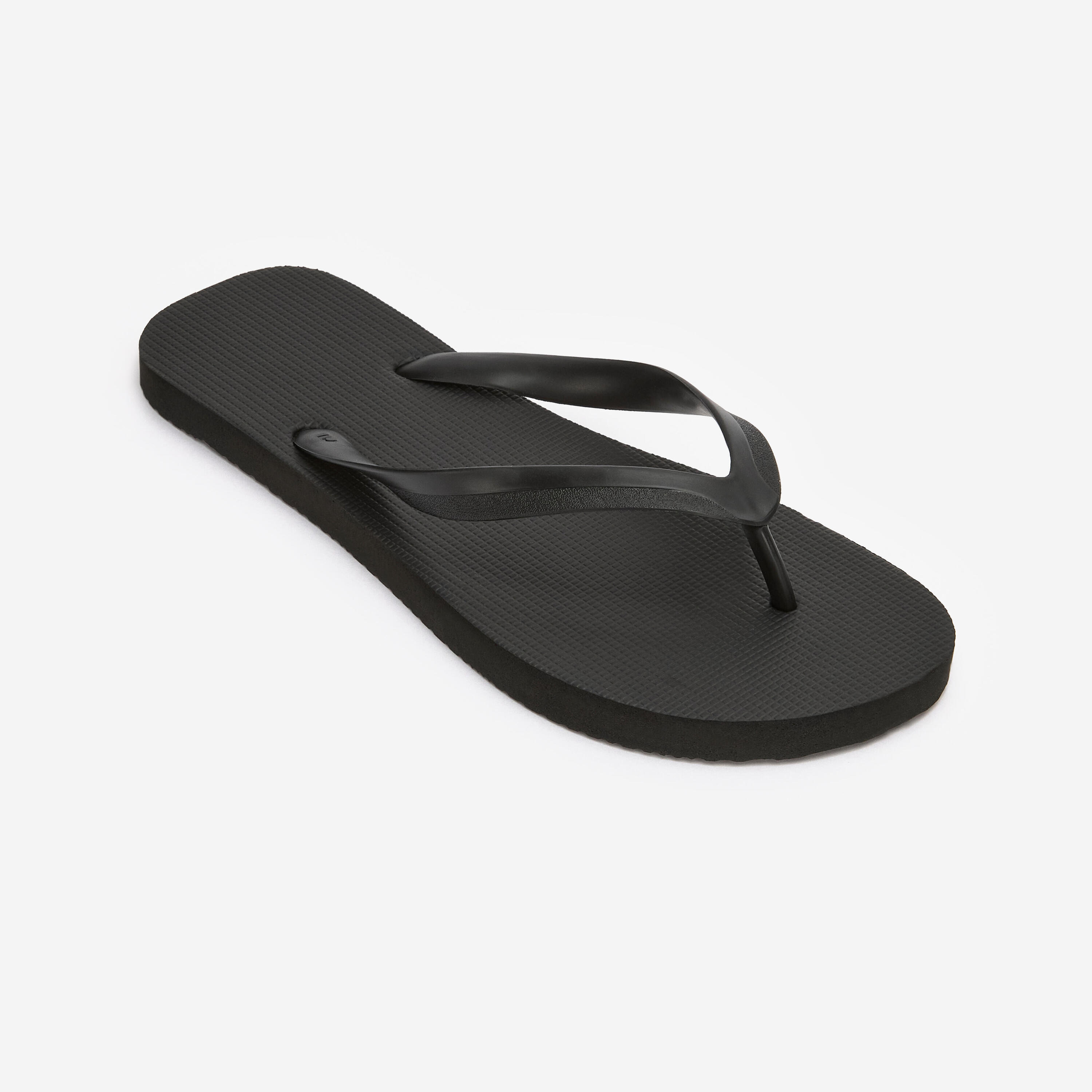
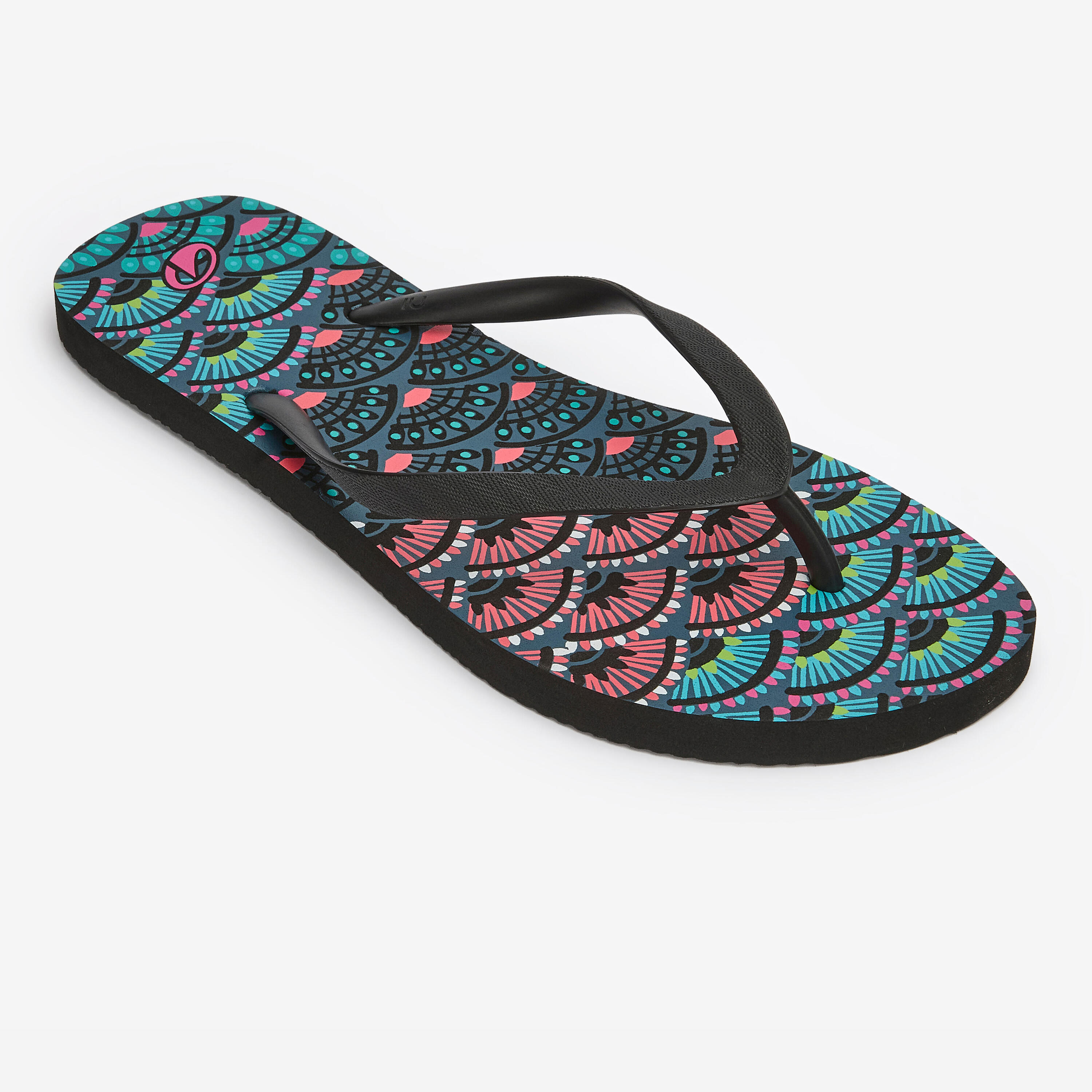
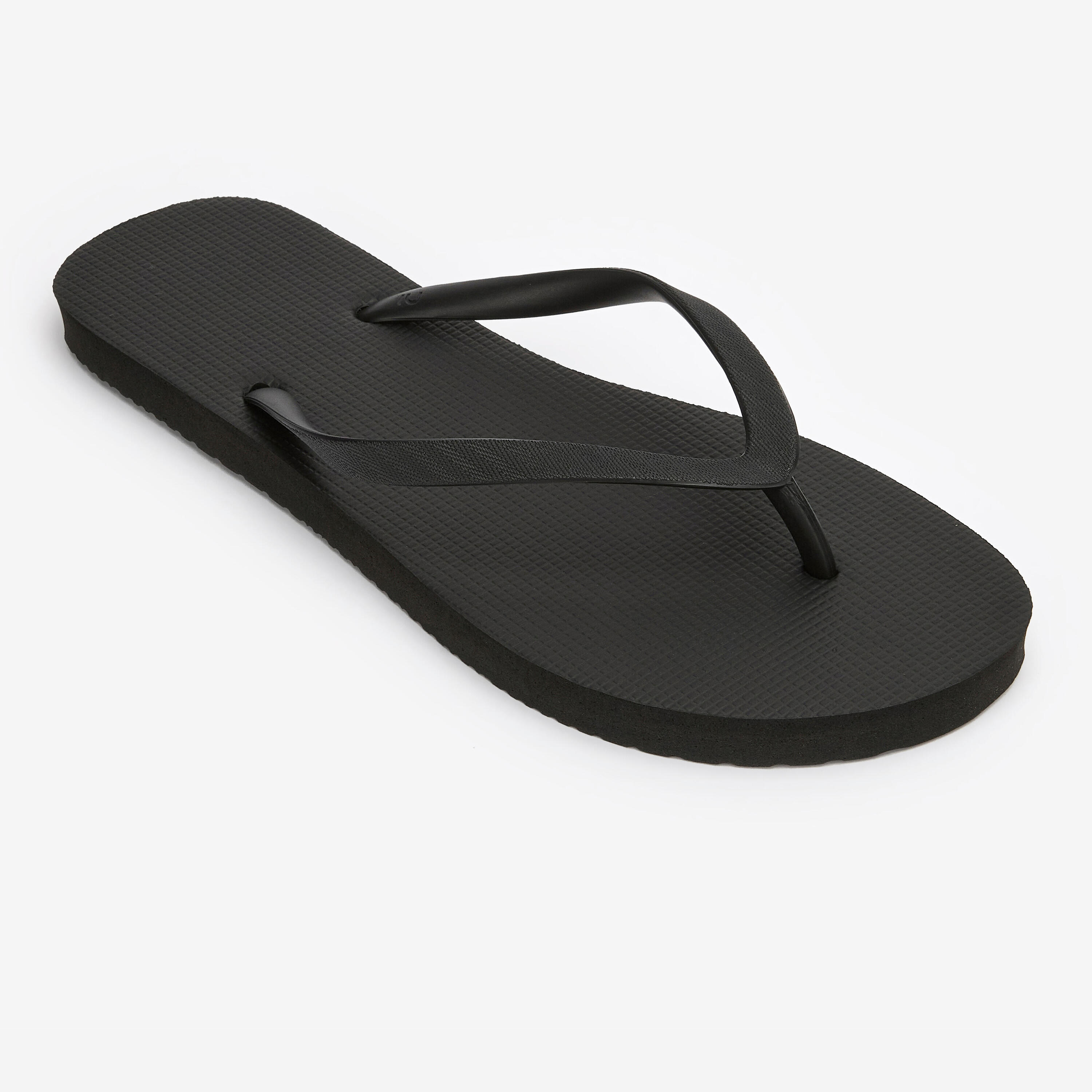
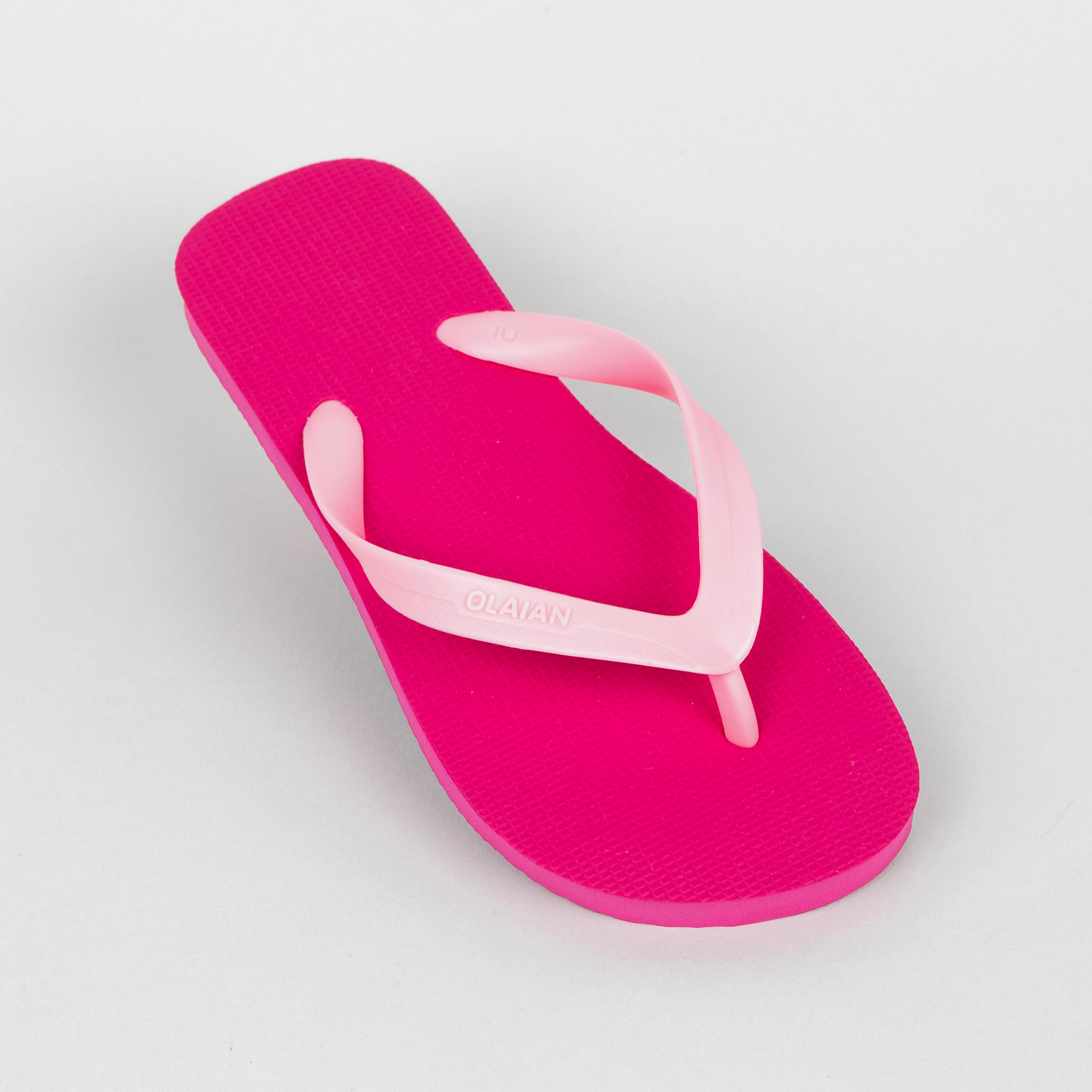
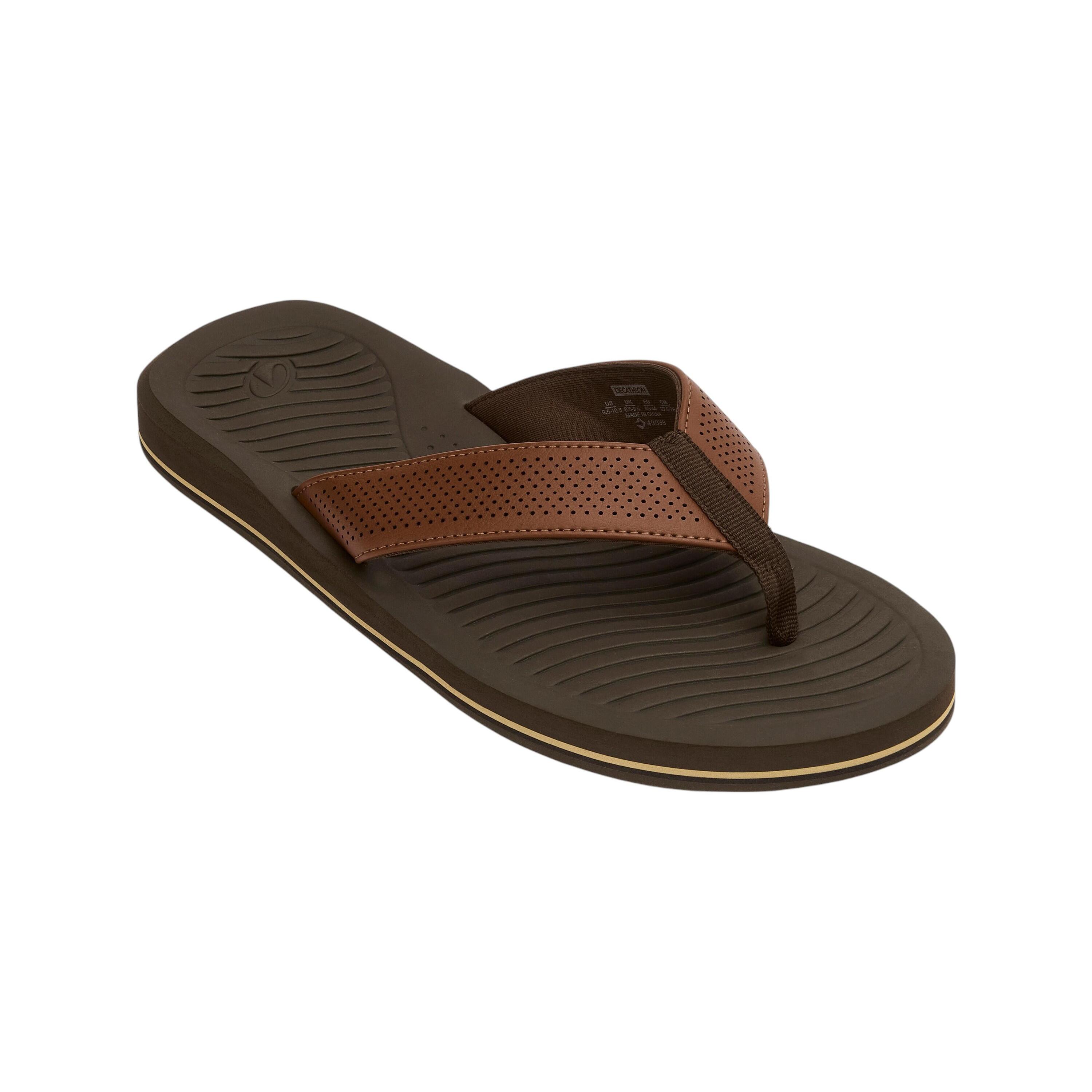
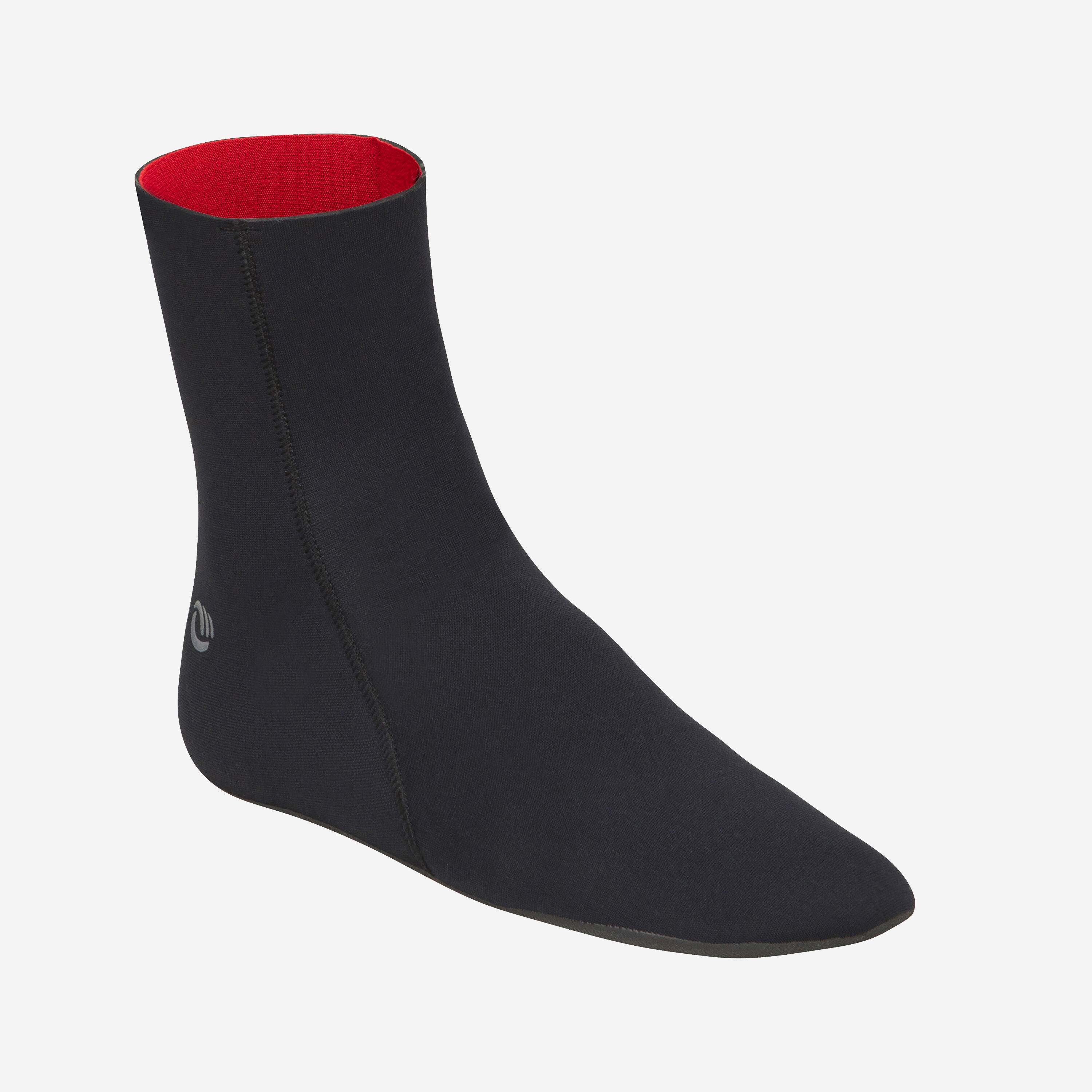
Sandy beach setups require zero foot protection, but jagged reefs and rocky slipways present a dangerous challenge to bare skin. Barnacles, sea urchins, and submerged ledges cause nasty cuts that heal slowly in saltwater, making an unprotected paddle-out an unnecessary risk. Heavy-duty neoprene boots with reinforced rubber soles are ideal for shallow spots, offering puncture resistance while keeping the base pliable enough to maintain excellent deck feel. When the sun comes out and heavy boots feel restrictive, pulling on a sleek surf shoe keeps you safe on the rocks while shedding the thick insulation built for deep winter sessions.
What accessories complete a functional surfing kit beyond the board and wetsuit?

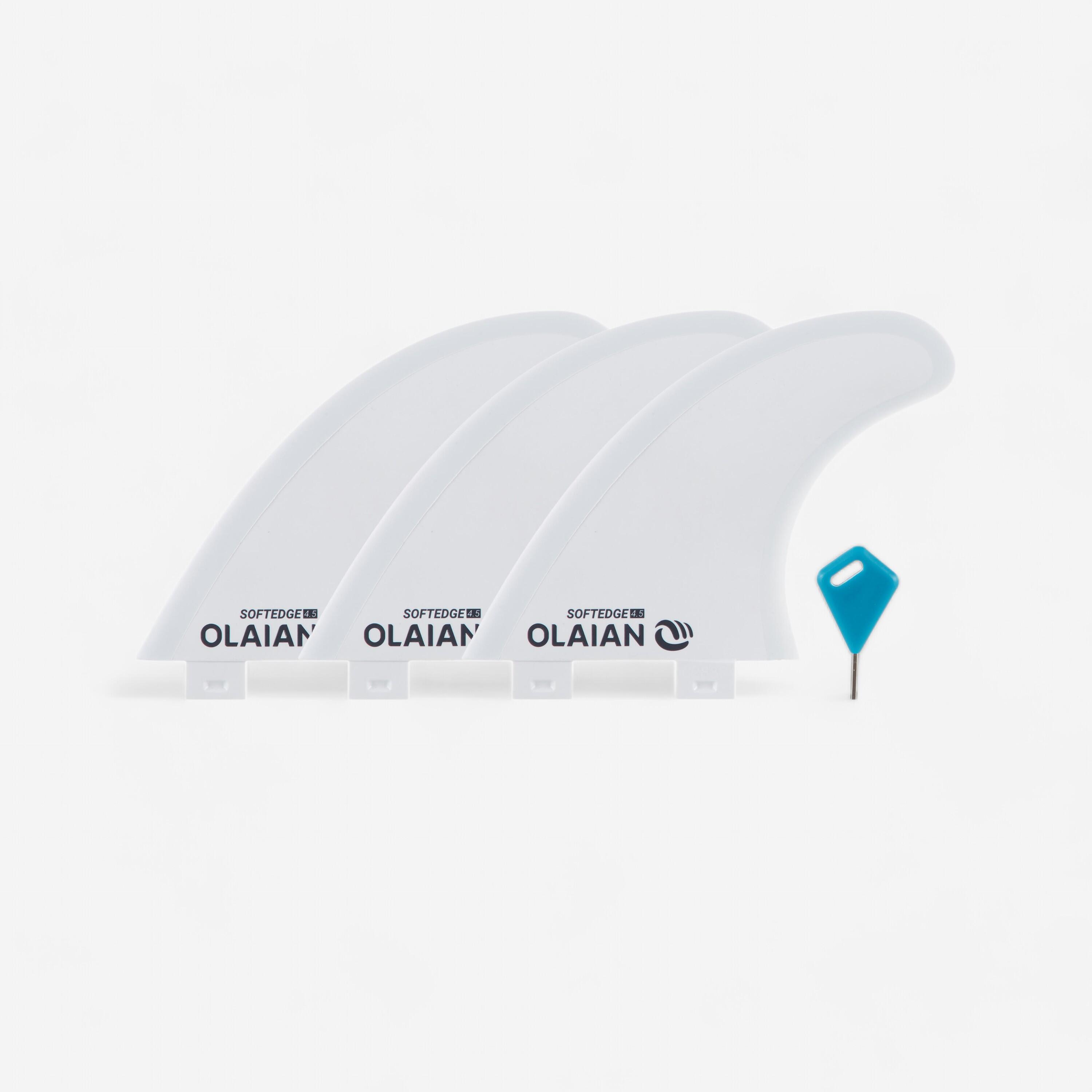
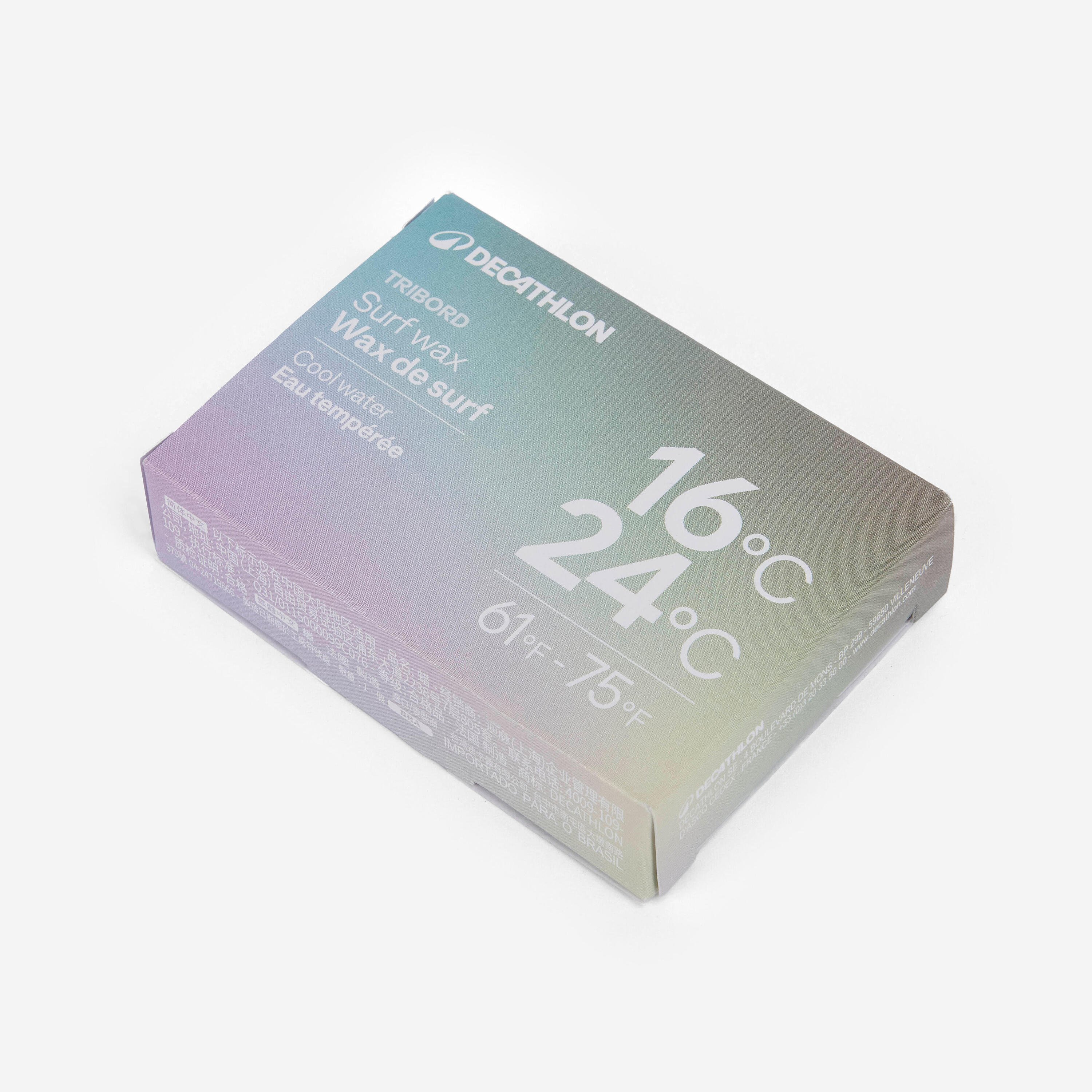
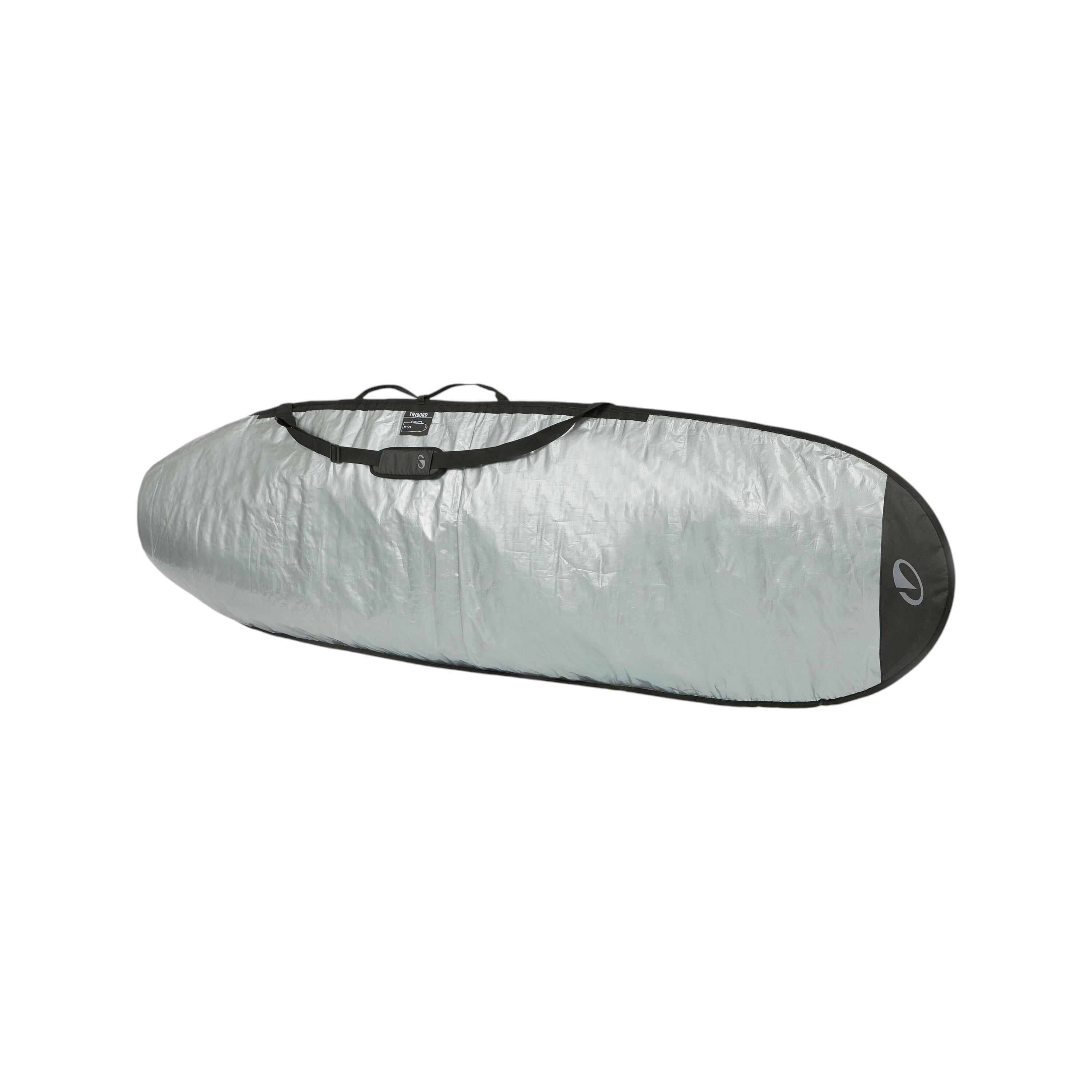
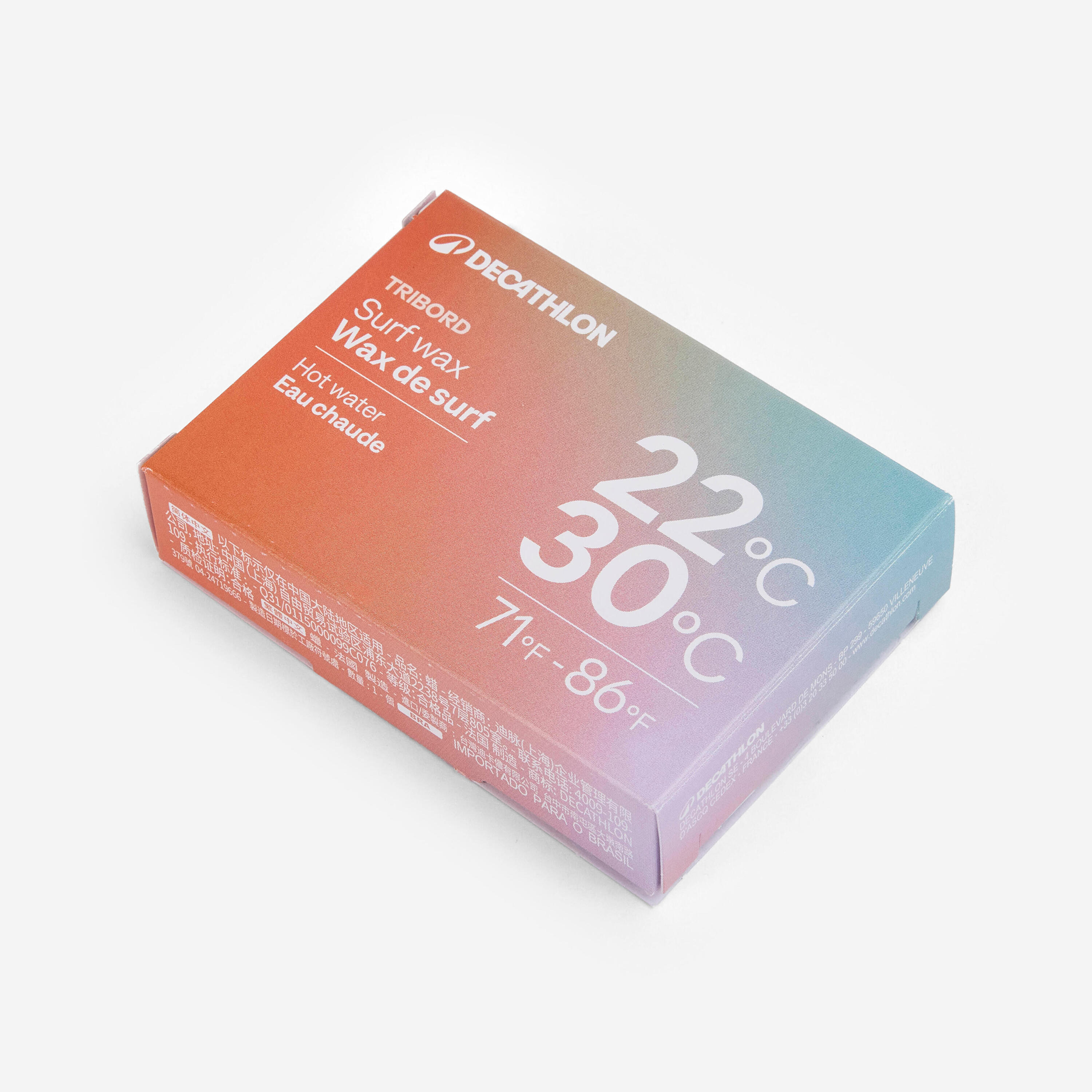
A high-strength leash is the most critical item in your gear bag, anchoring the deck to your ankle so you never lose your ride during a heavy cleanup set. Always match the cord length to your board size; a nine-foot shape needs a nine-foot cord to prevent the fibreglass from snapping back into your face. Reliable foot traction requires high-performance deck wax, with hard bars tailored for chilly winter swells and softer options meant for summer trips. Upgrading your kit with durable fins and padded travel bags keeps your hardware secure, and our complete range of surf accessories gathers all your essential waxes, fin keys, and protective gear in one handy place.

What clothing is appropriate for surfing across different water temperatures?

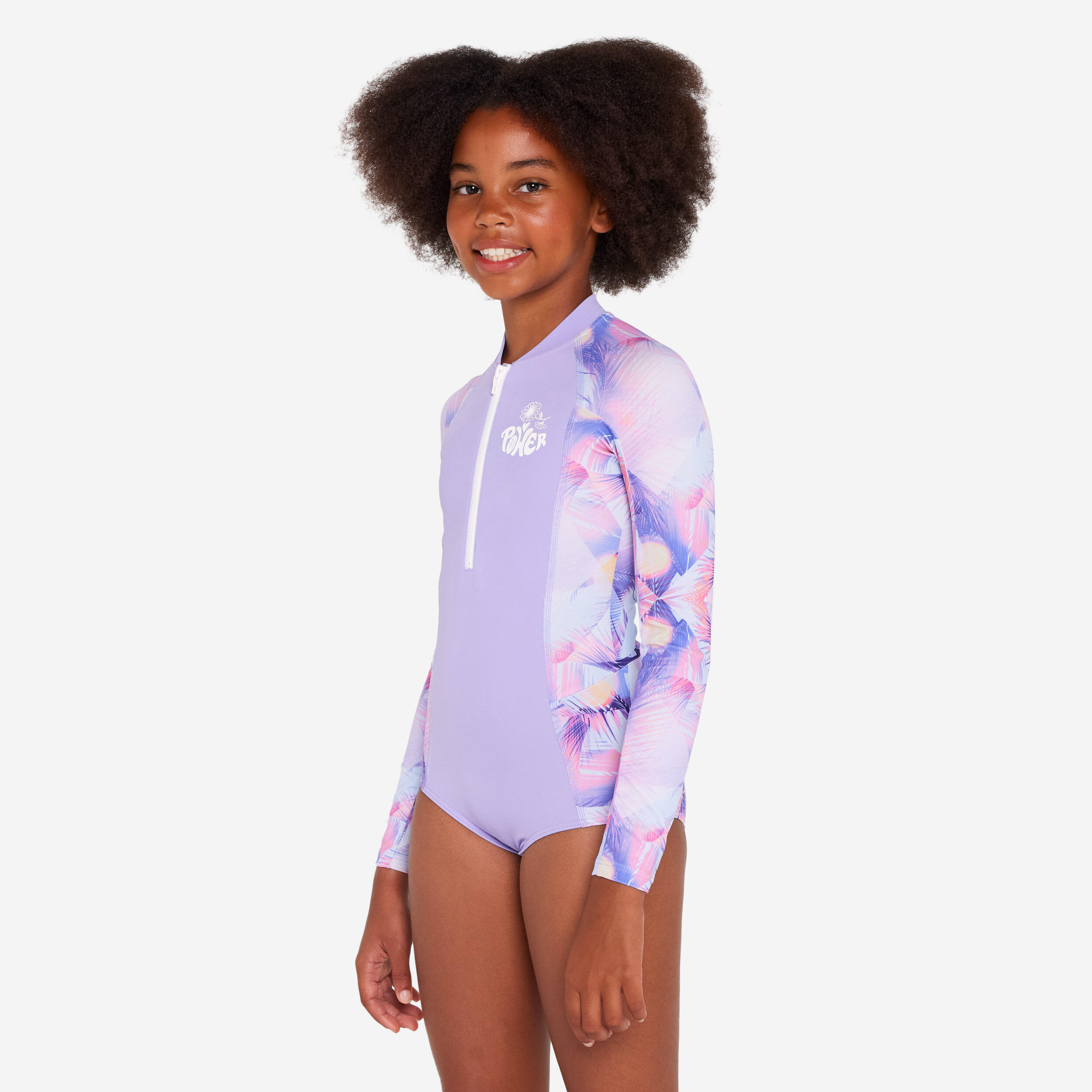
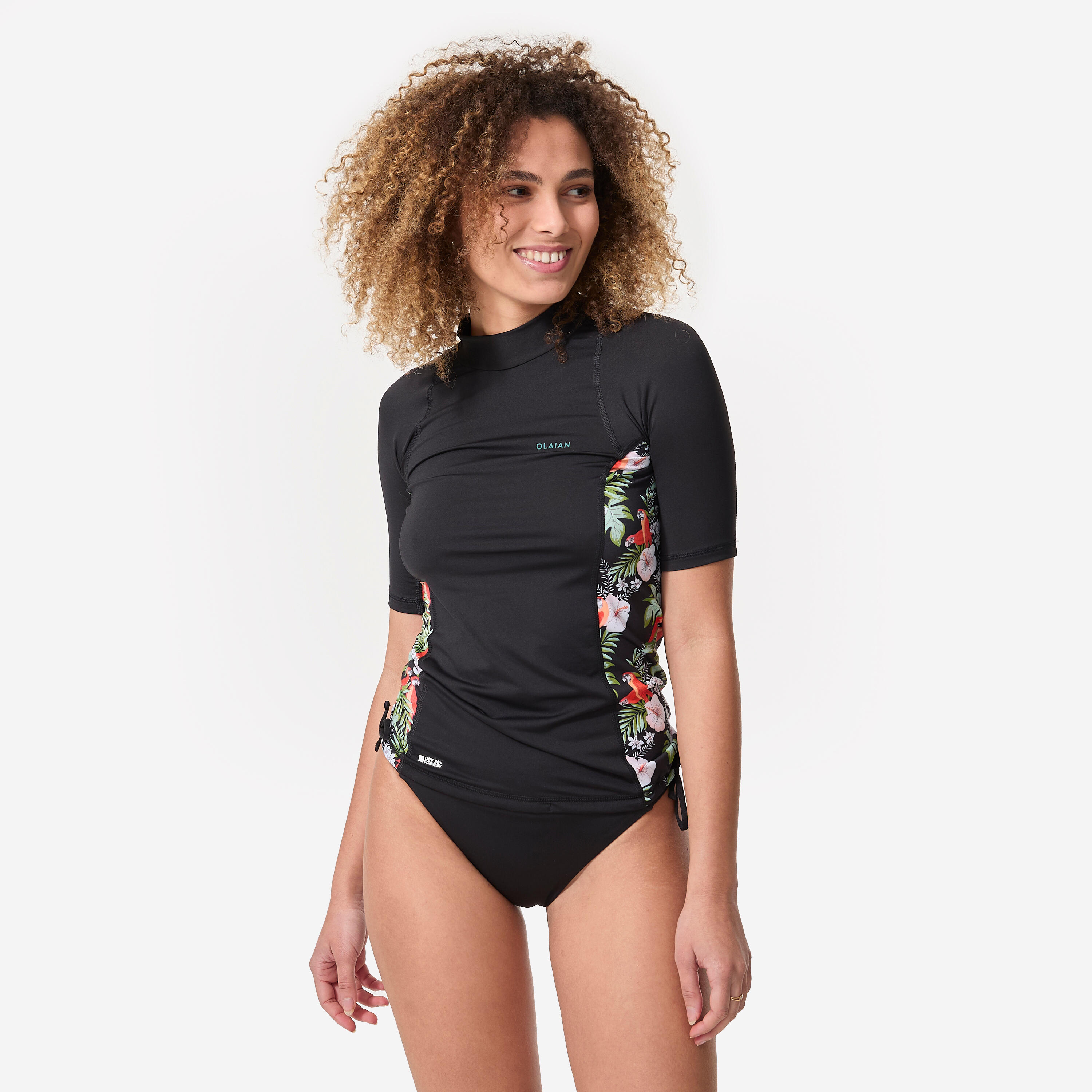
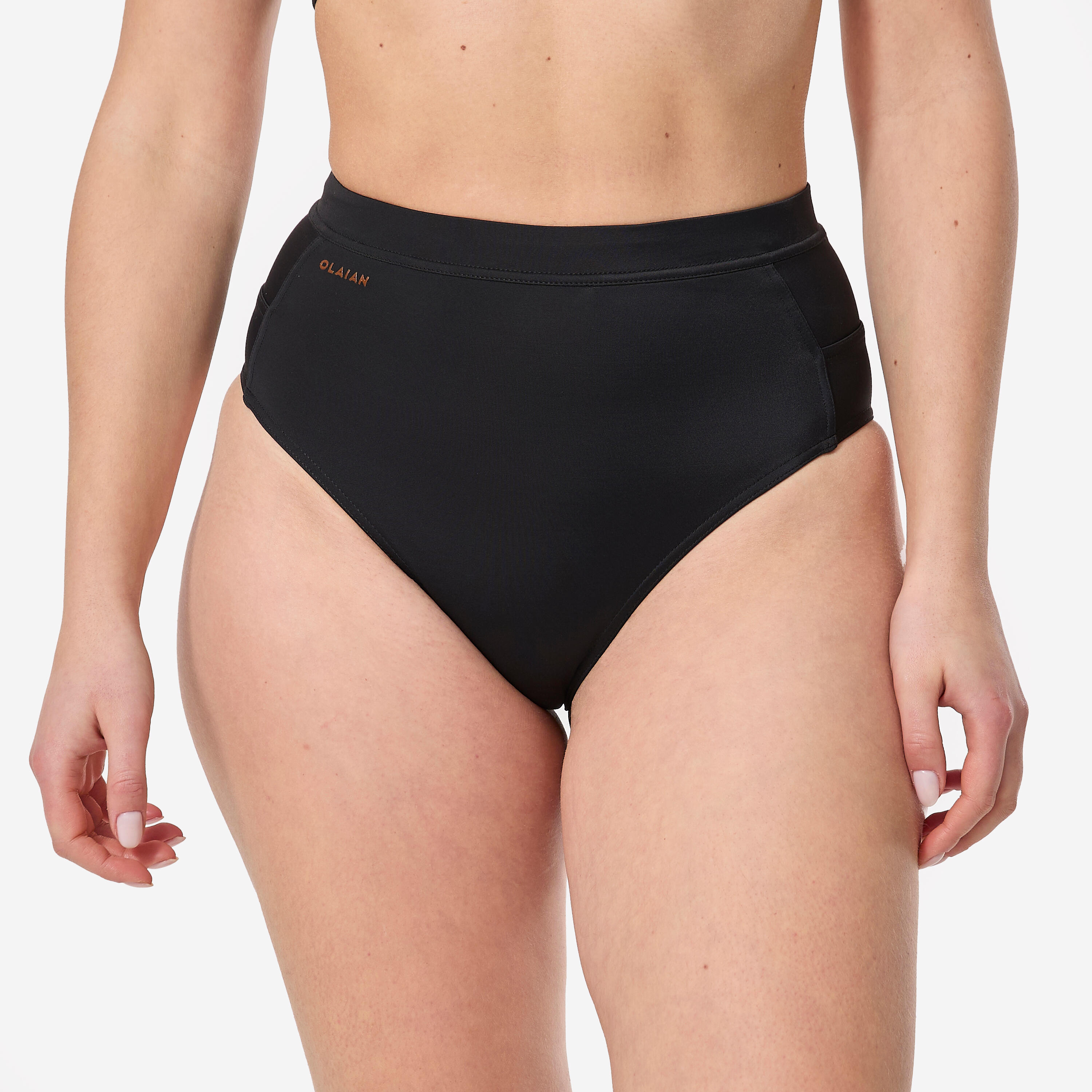
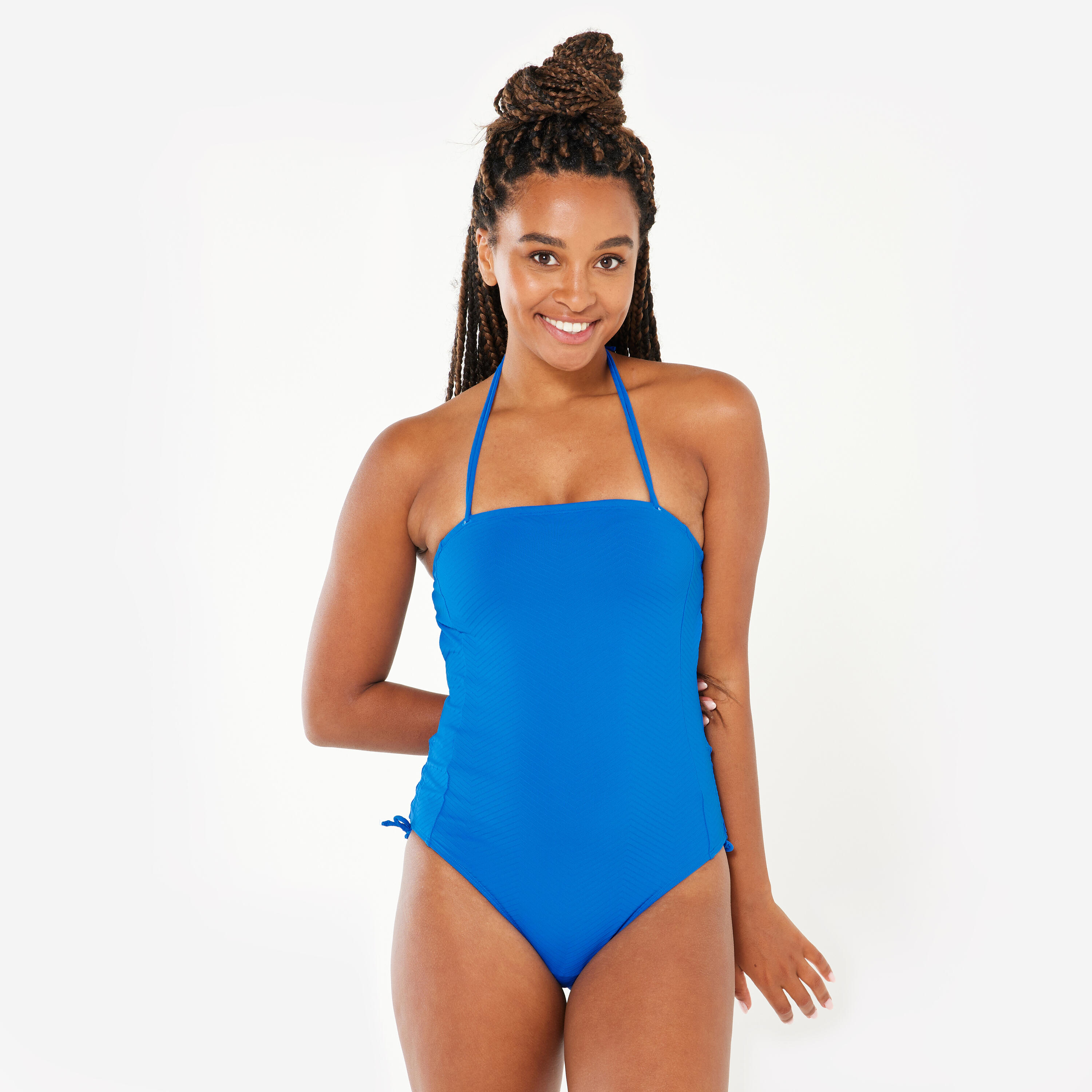
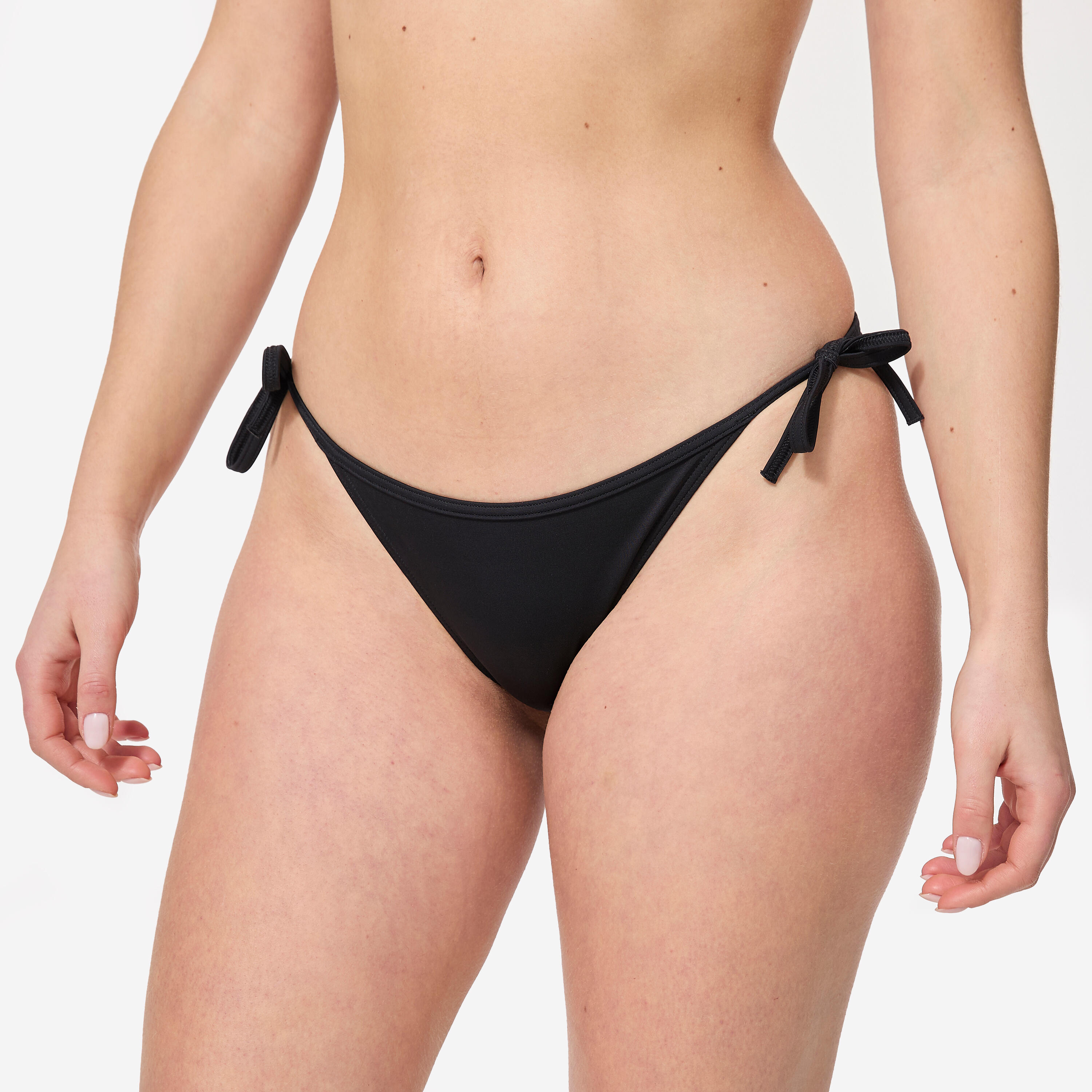
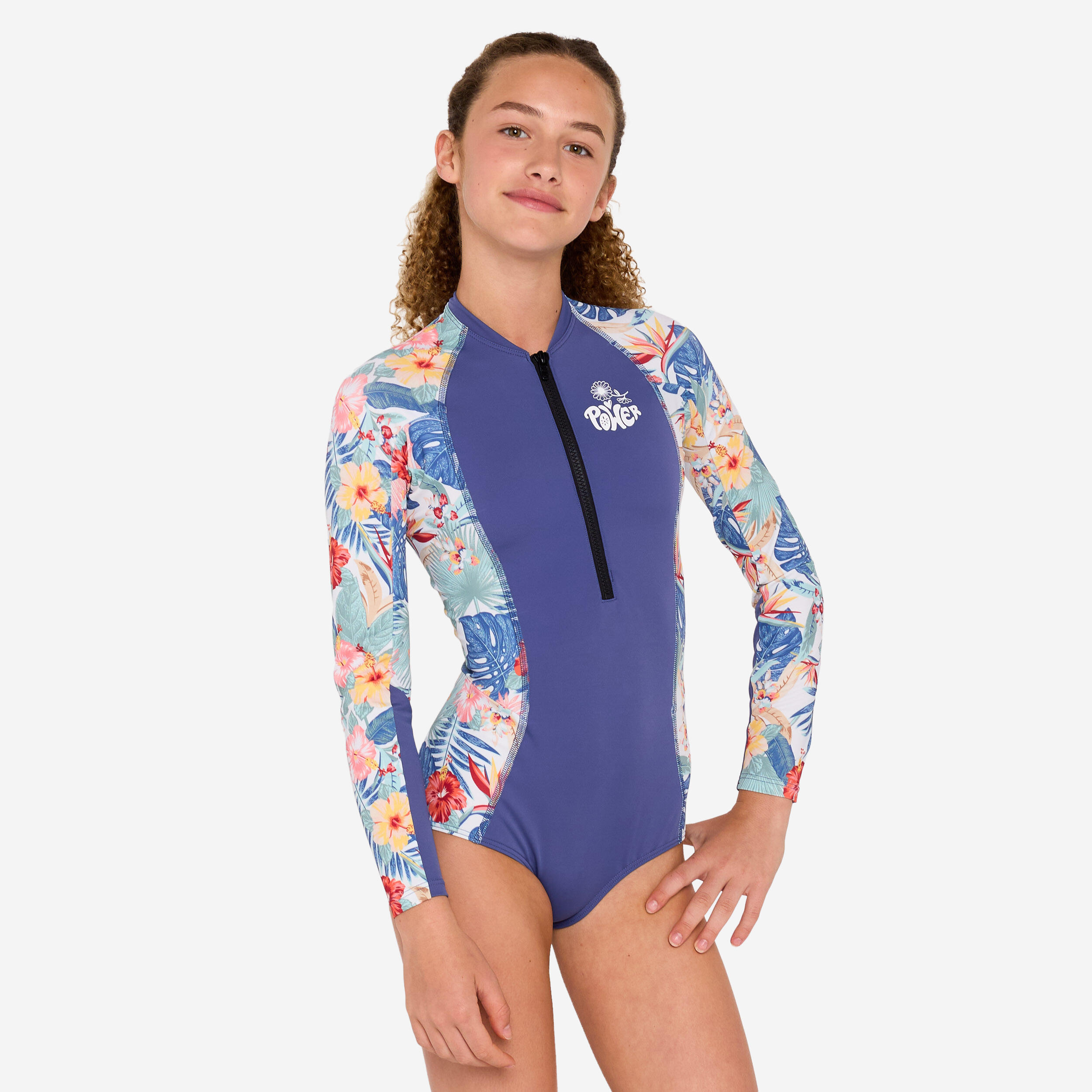
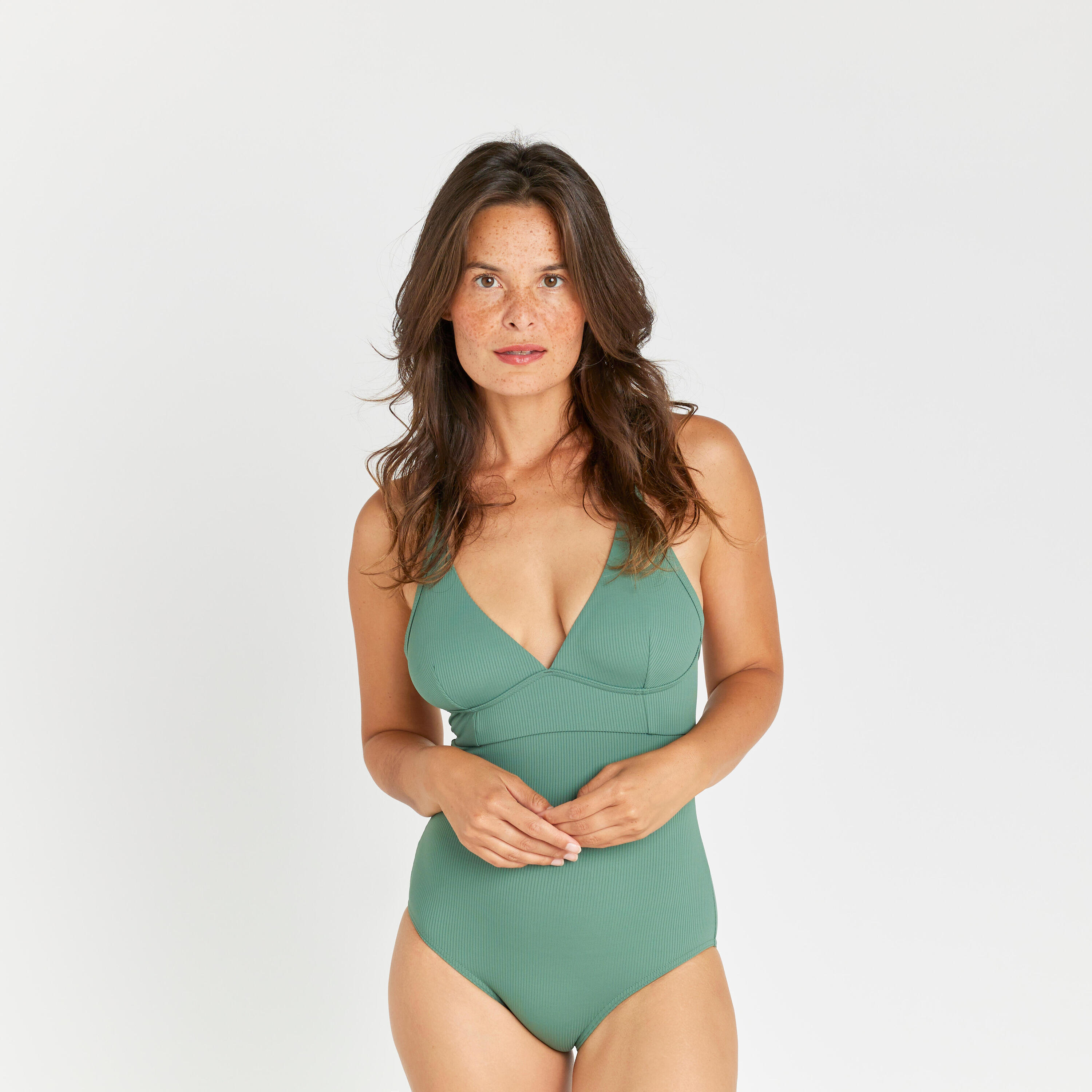
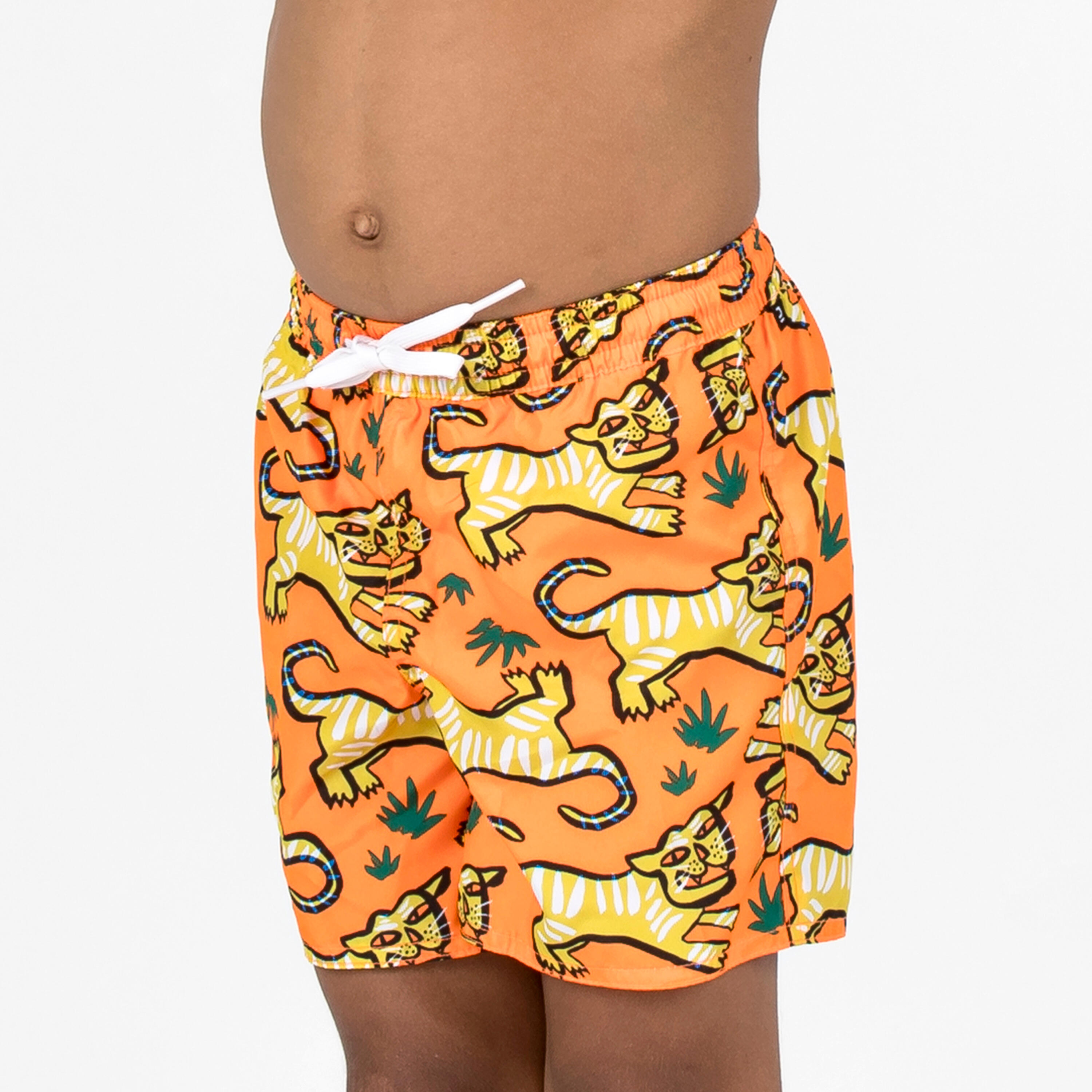
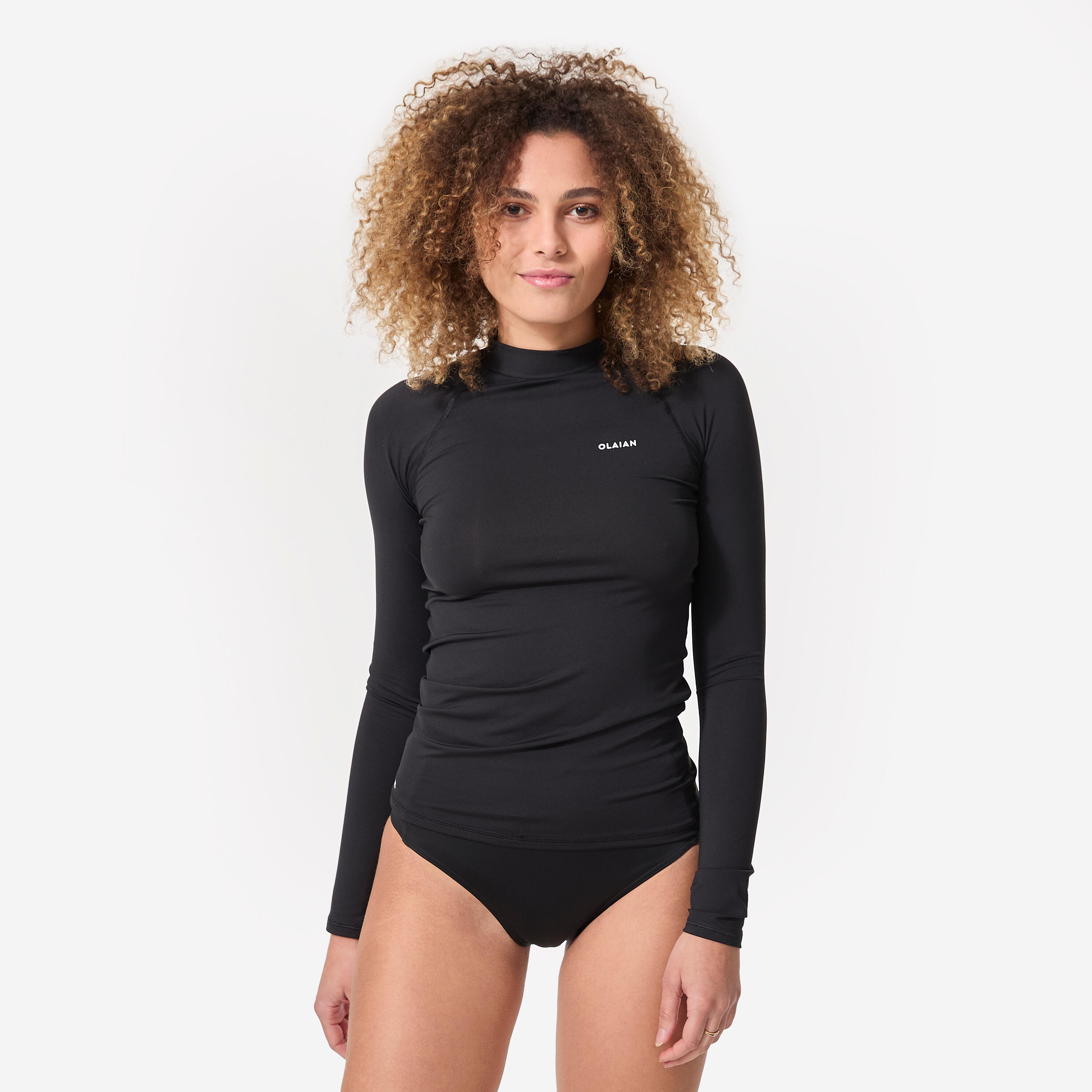
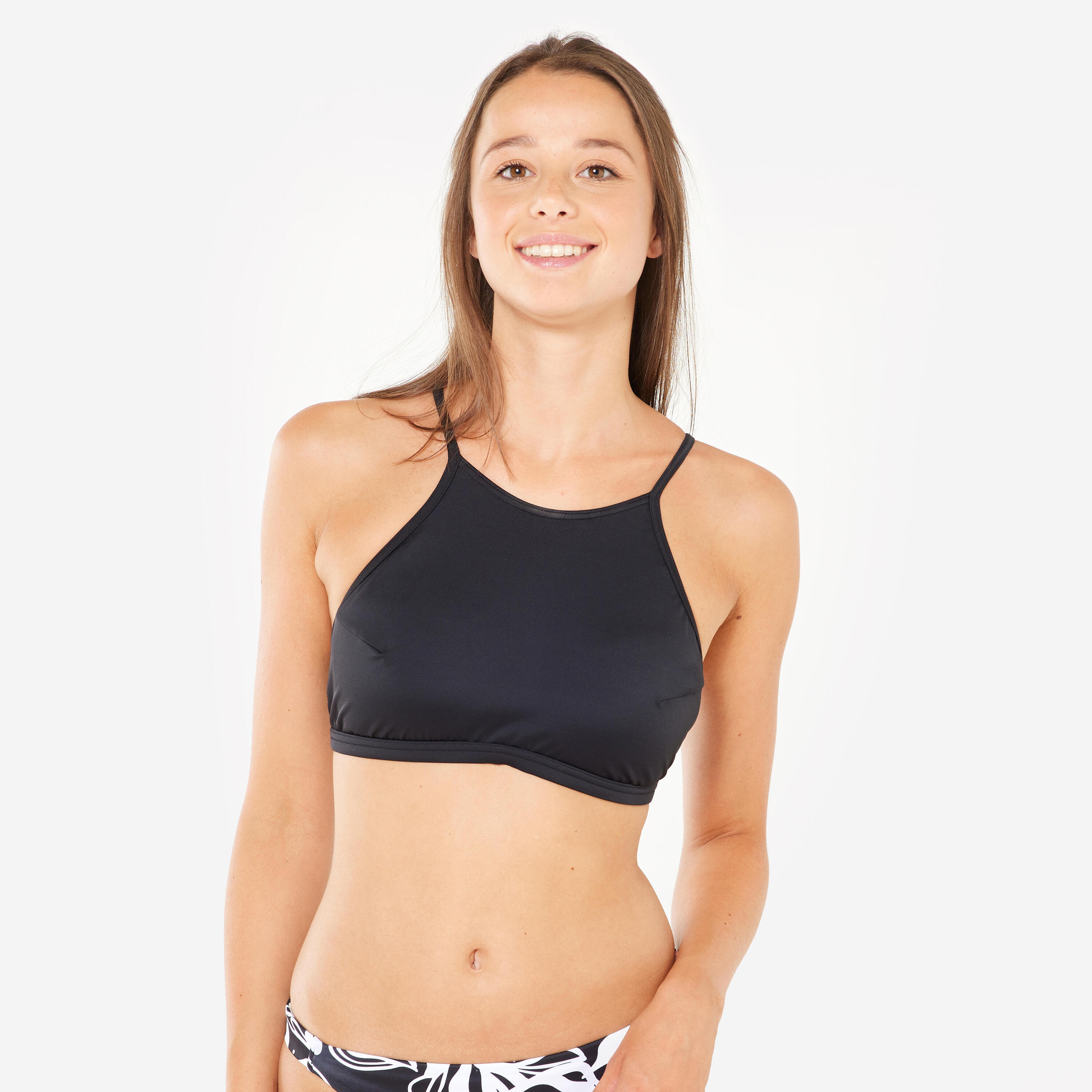
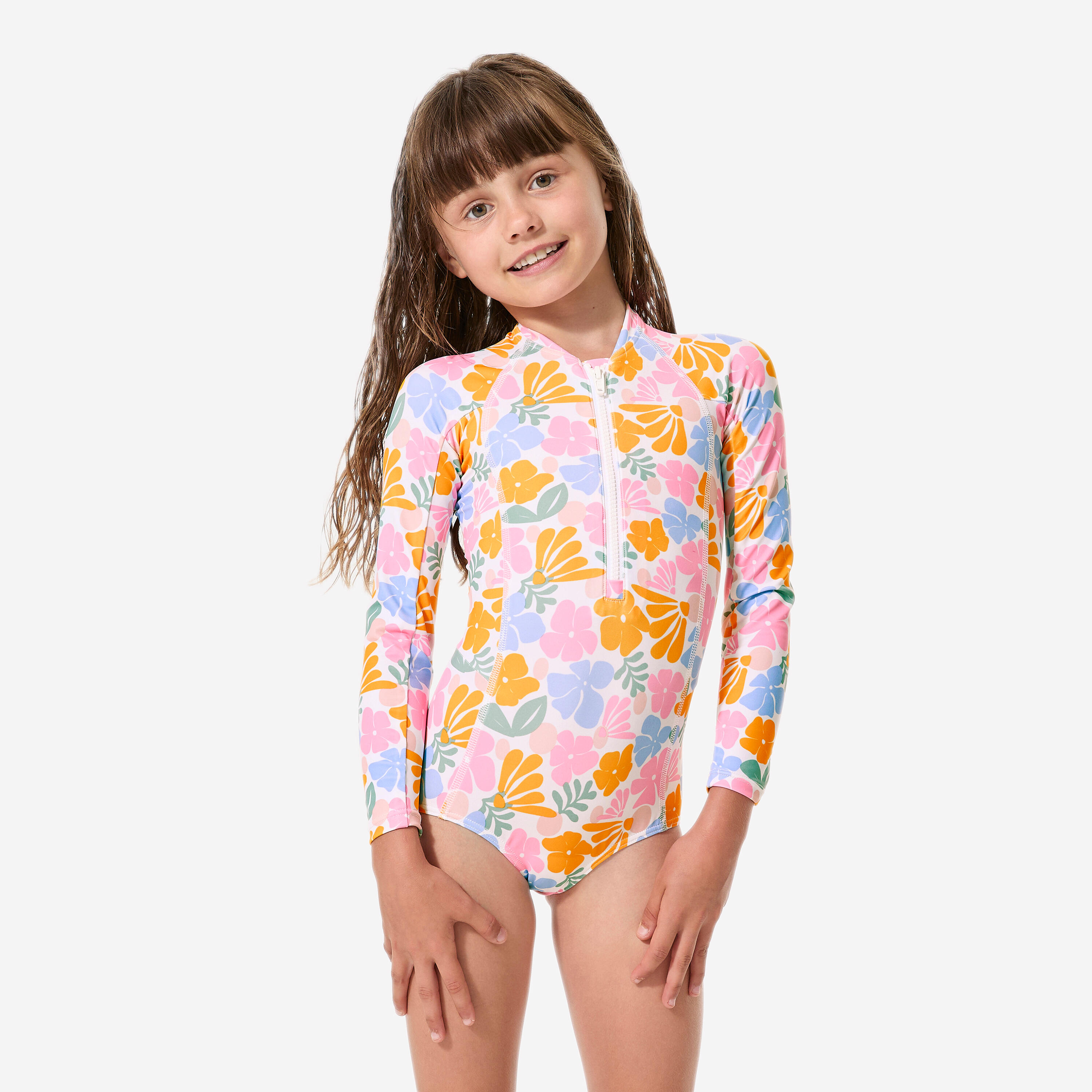
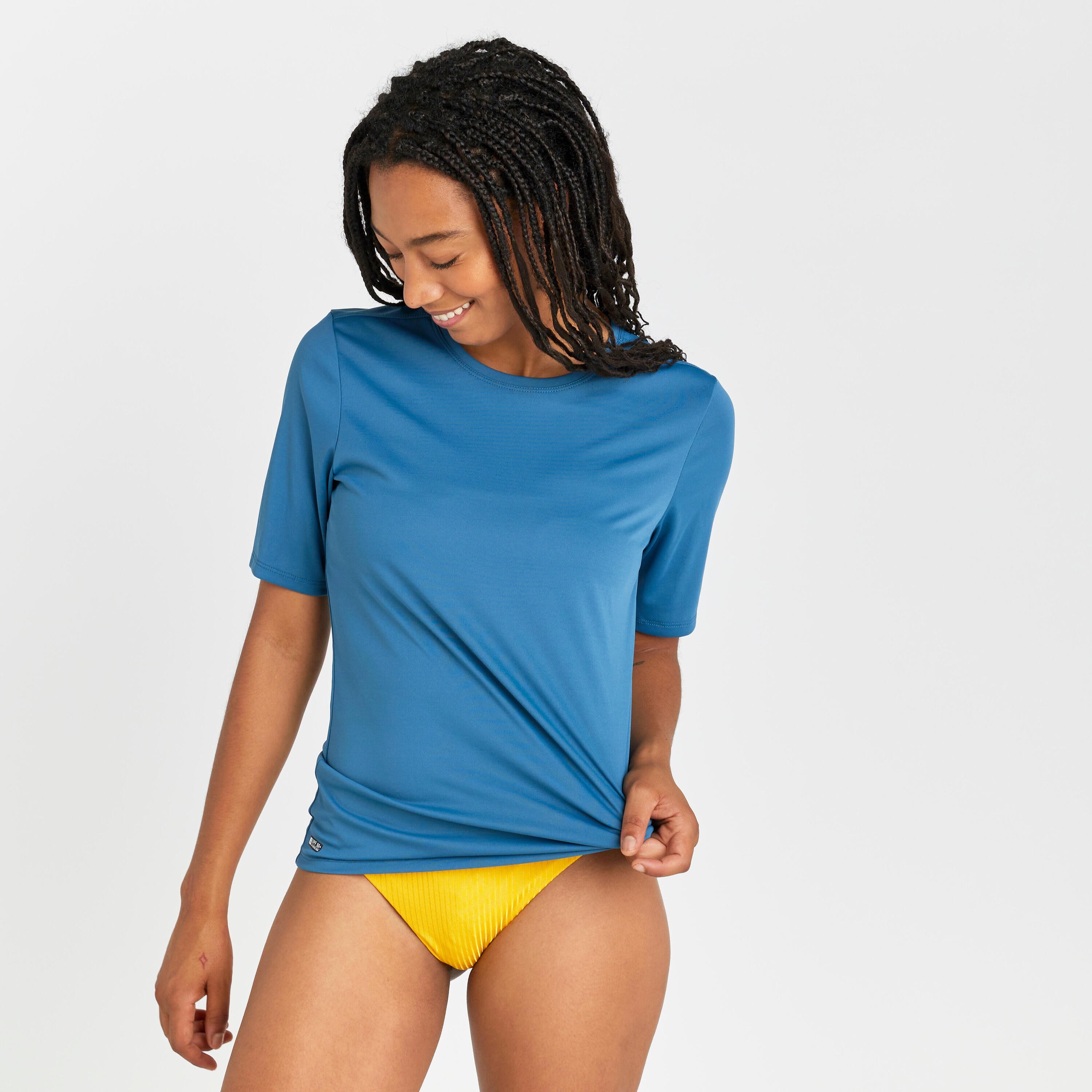
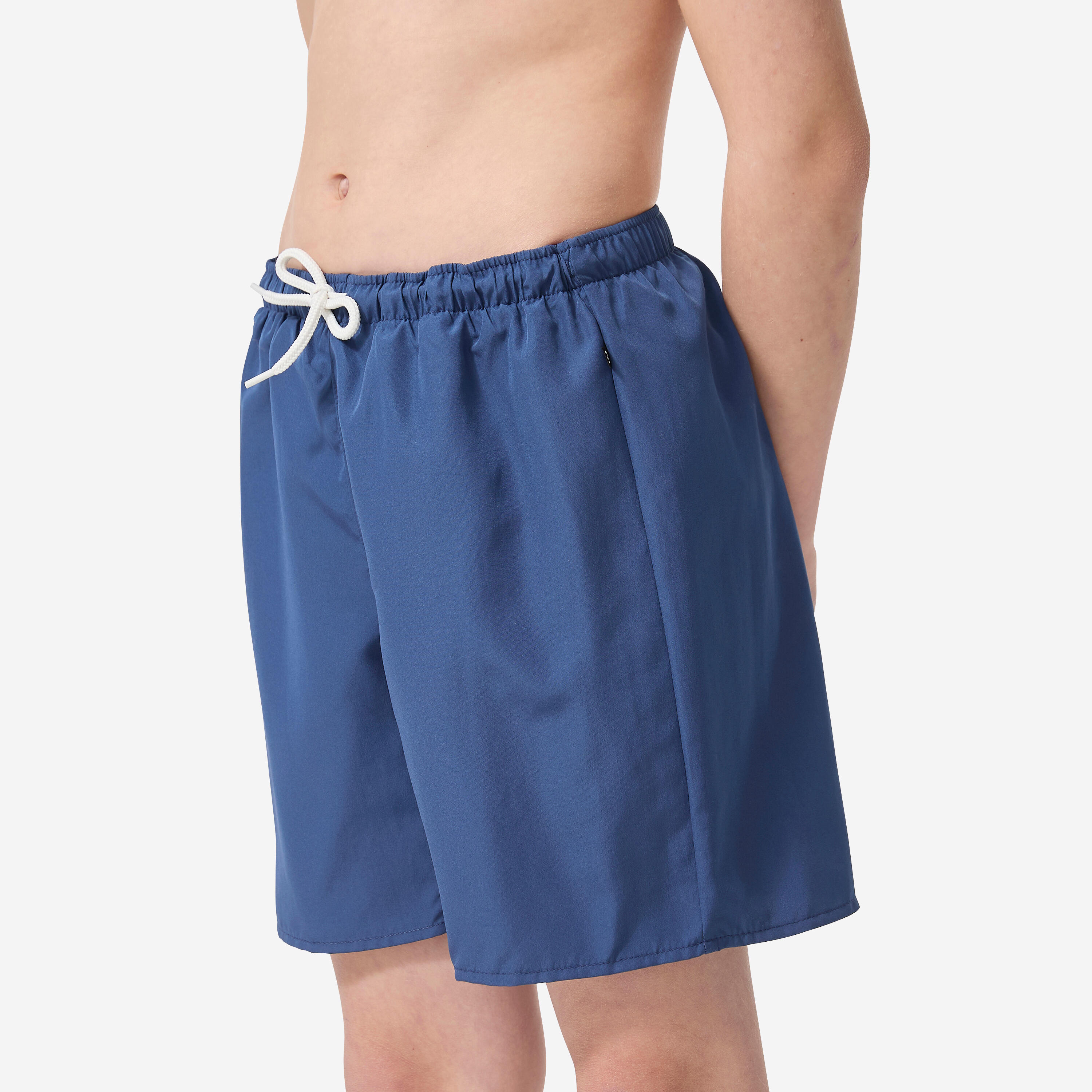
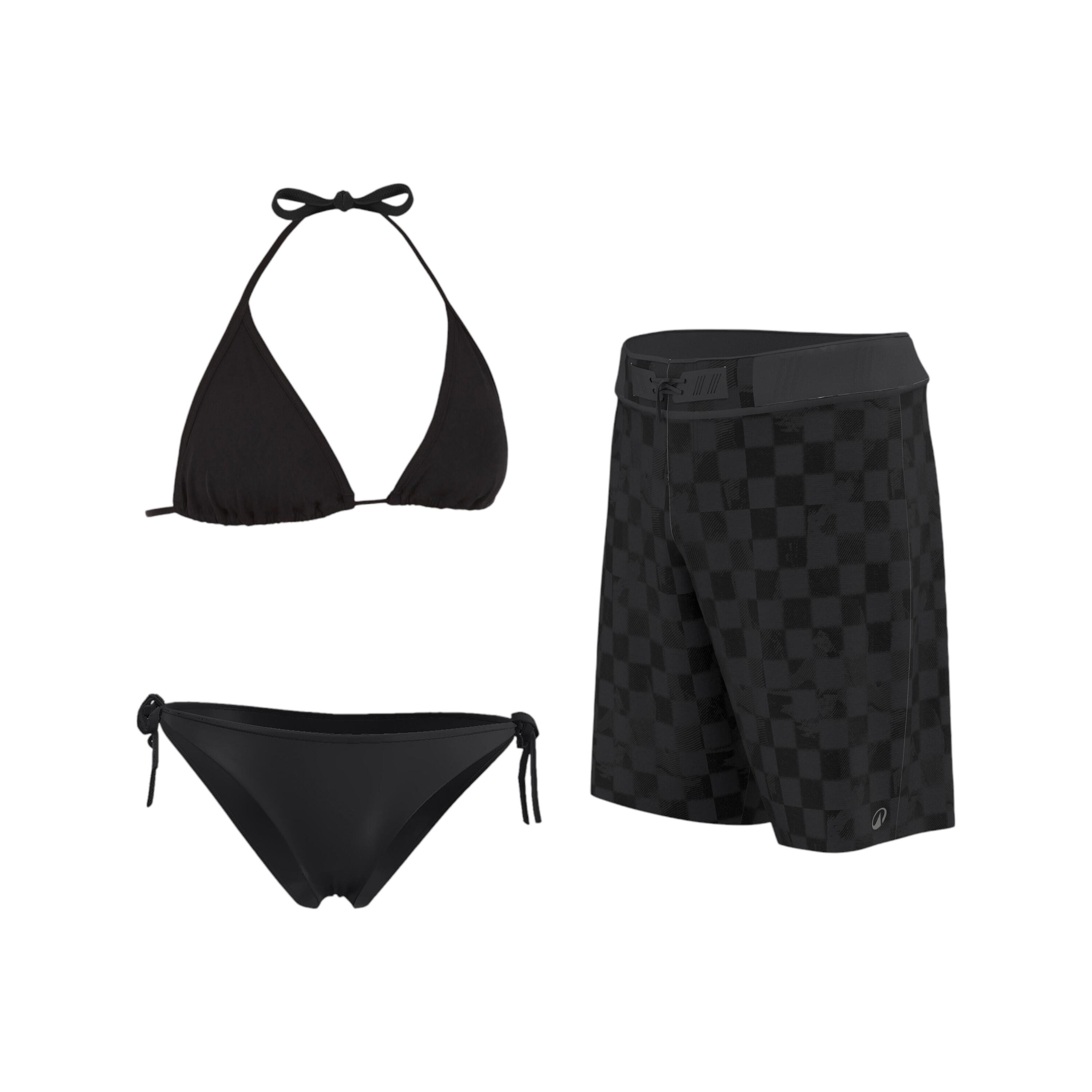
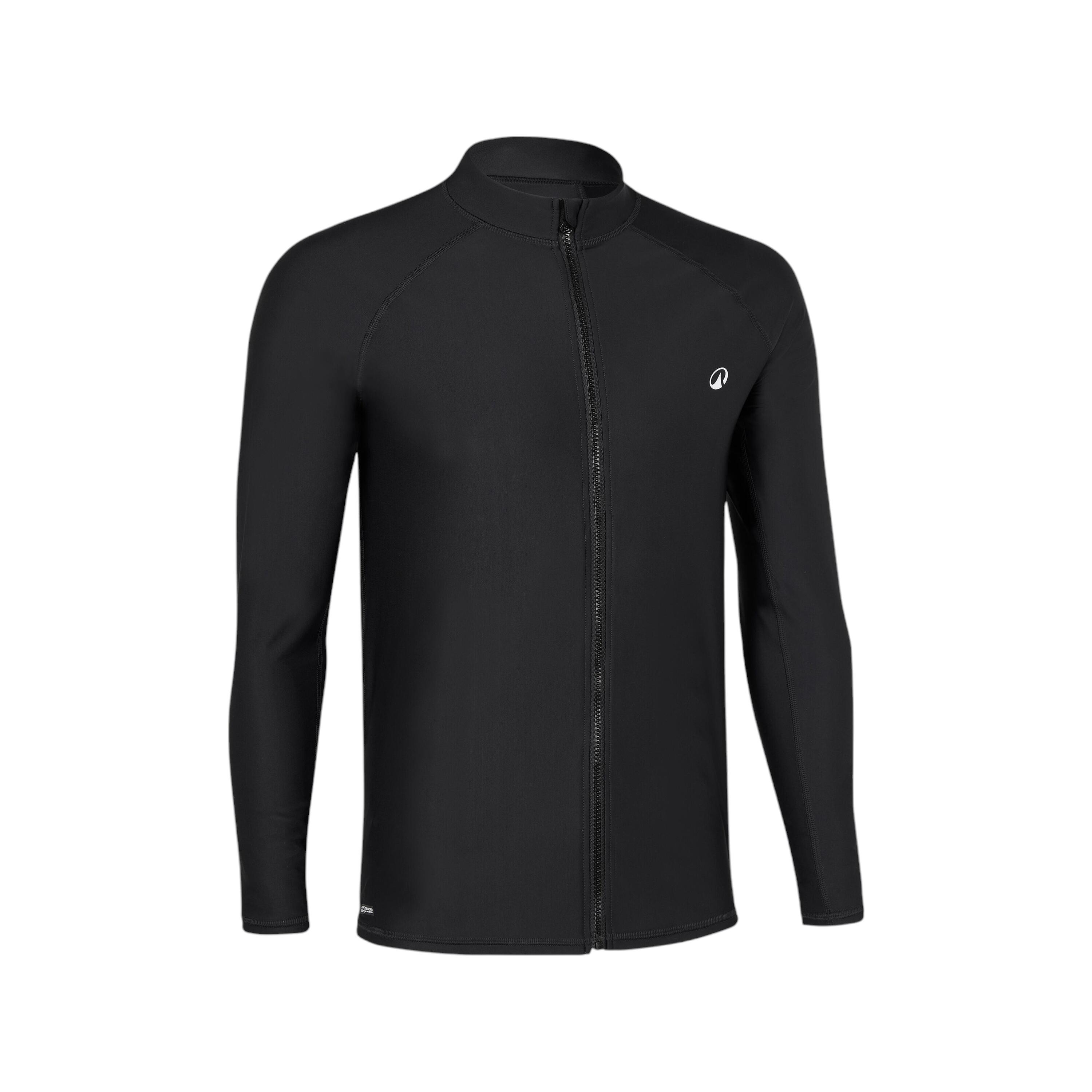
Water temperature dictates your seasonal clothing choices, though wind chill and personal fitness levels also play major parts in staying comfortable. In warm waters above 20 degrees, a lightweight UV top offers brilliant protection against sunburn and chest chafing without adding weight. Long-sleeve options protect your arms from raw wax friction during marathon paddling sessions. Going for a specialised swimwear and boardshorts that is made from fast-drying, anti-chafing fabrics ensures total freedom of movement when the weather warms up, and thick rubber isn't necessary.
How does neoprene thickness determine wetsuit suitability for different surfing conditions?

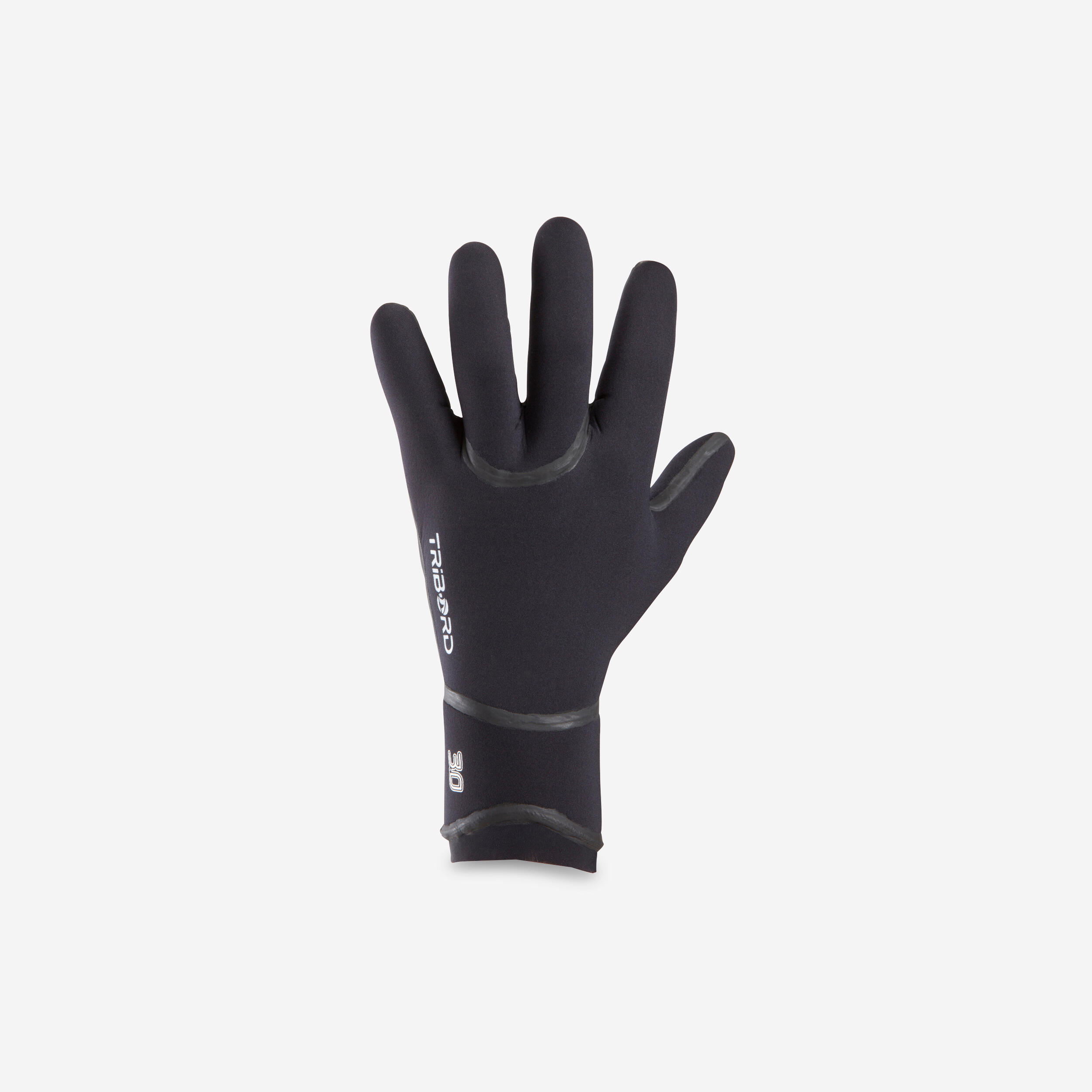
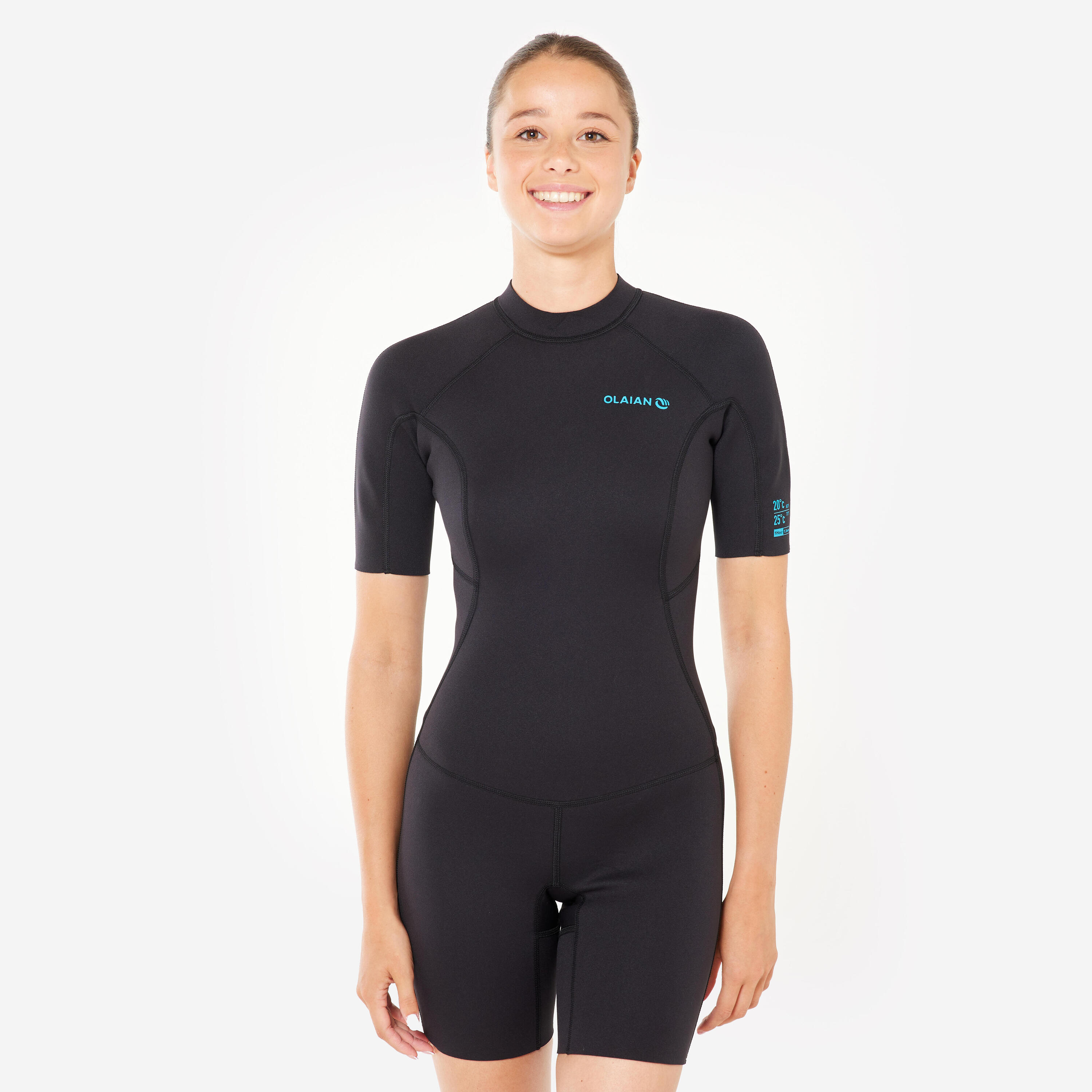
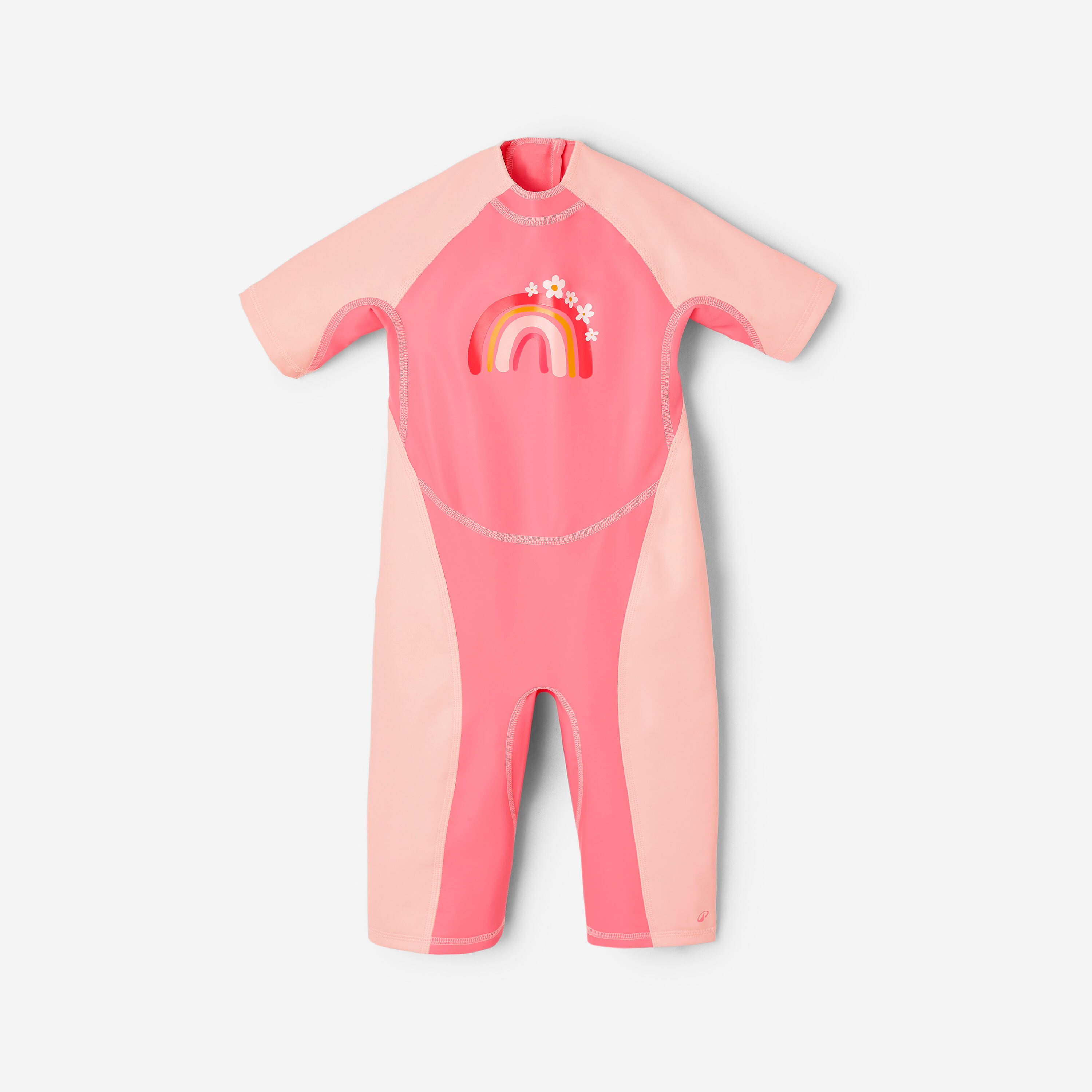
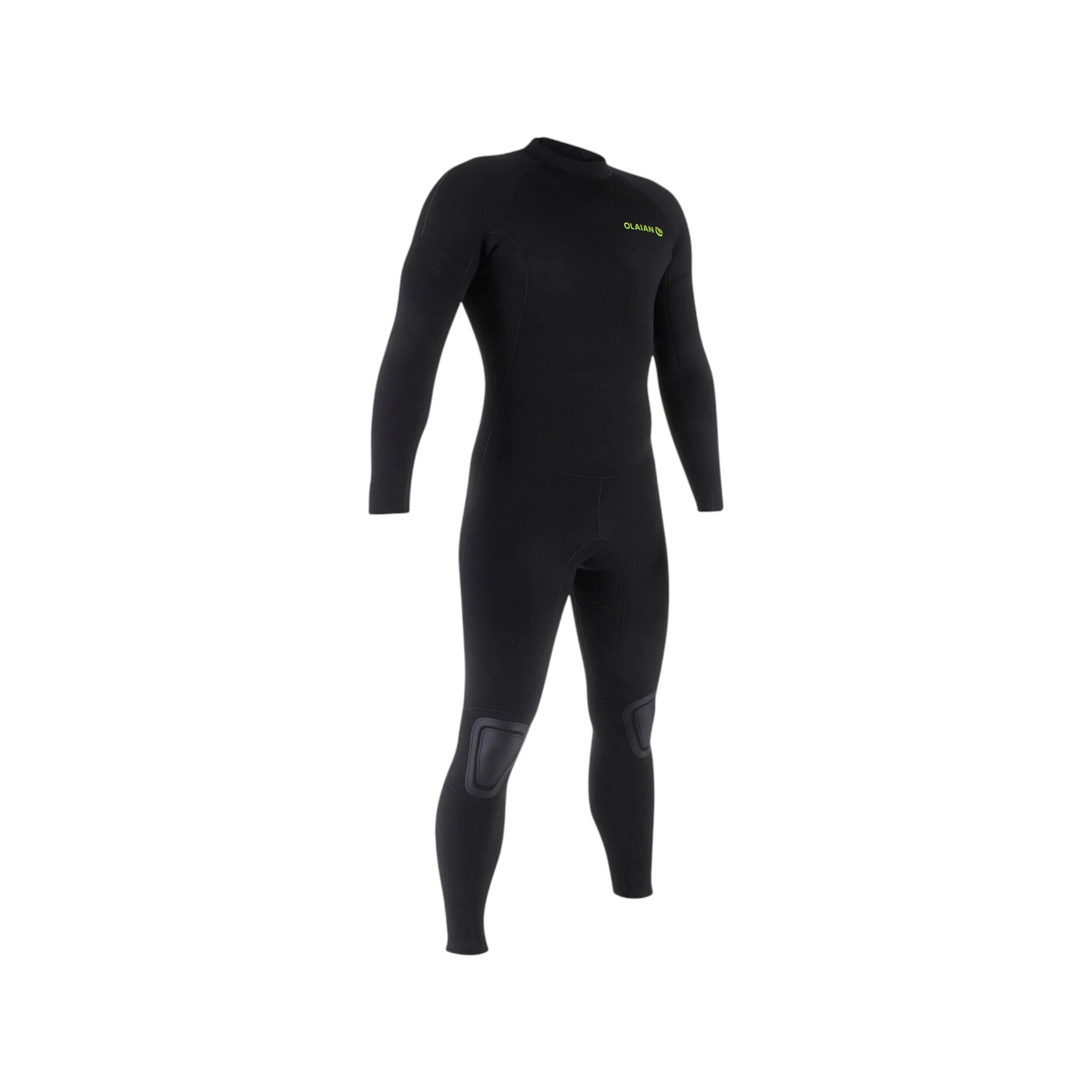
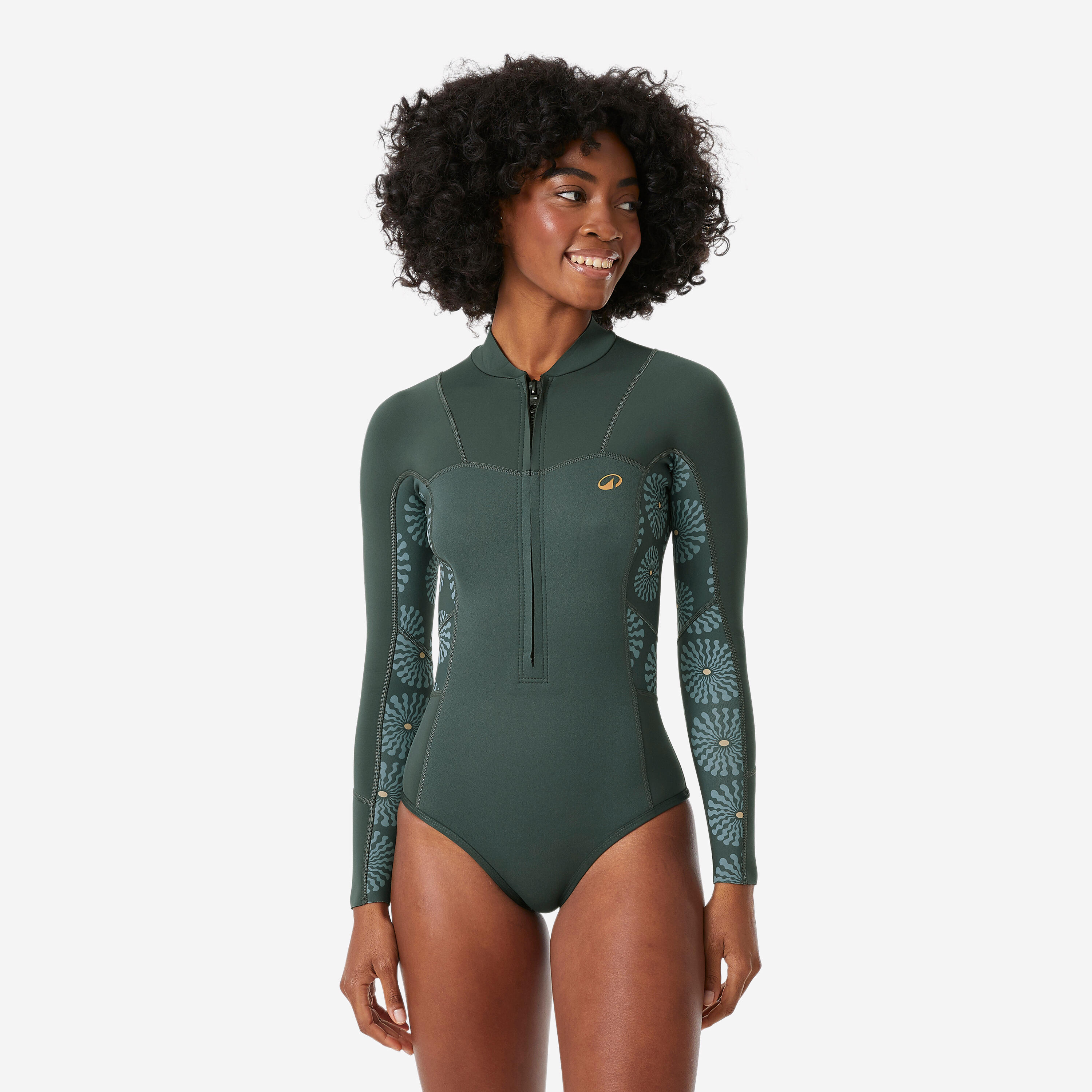
Neoprene thickness is measured in millimetres to define insulation levels, with a thicker chest panel keeping your core warm while thinner limbs allow unrestricted shoulder movement. A standard 3/2mm suit covers local waters from late spring to autumn, balancing flexibility and warmth beautifully. True winter conditions require shifting into a heavy-duty 4/3mm or 5/4mm suit to prevent fast body numbing when the Atlantic drops below twelve degrees. Sealed, blindstitched seams prevent cold water from flushing through the suit, and our dedicated neoprene selection is fully categorised by thickness ratings to keep you comfortable in the lineup all year round.