1,637 items
4.4/5 based on 134997 reviews collected online and in stores

Tennis Clothing FAQs

What should I wear for a match in tennis clothing?

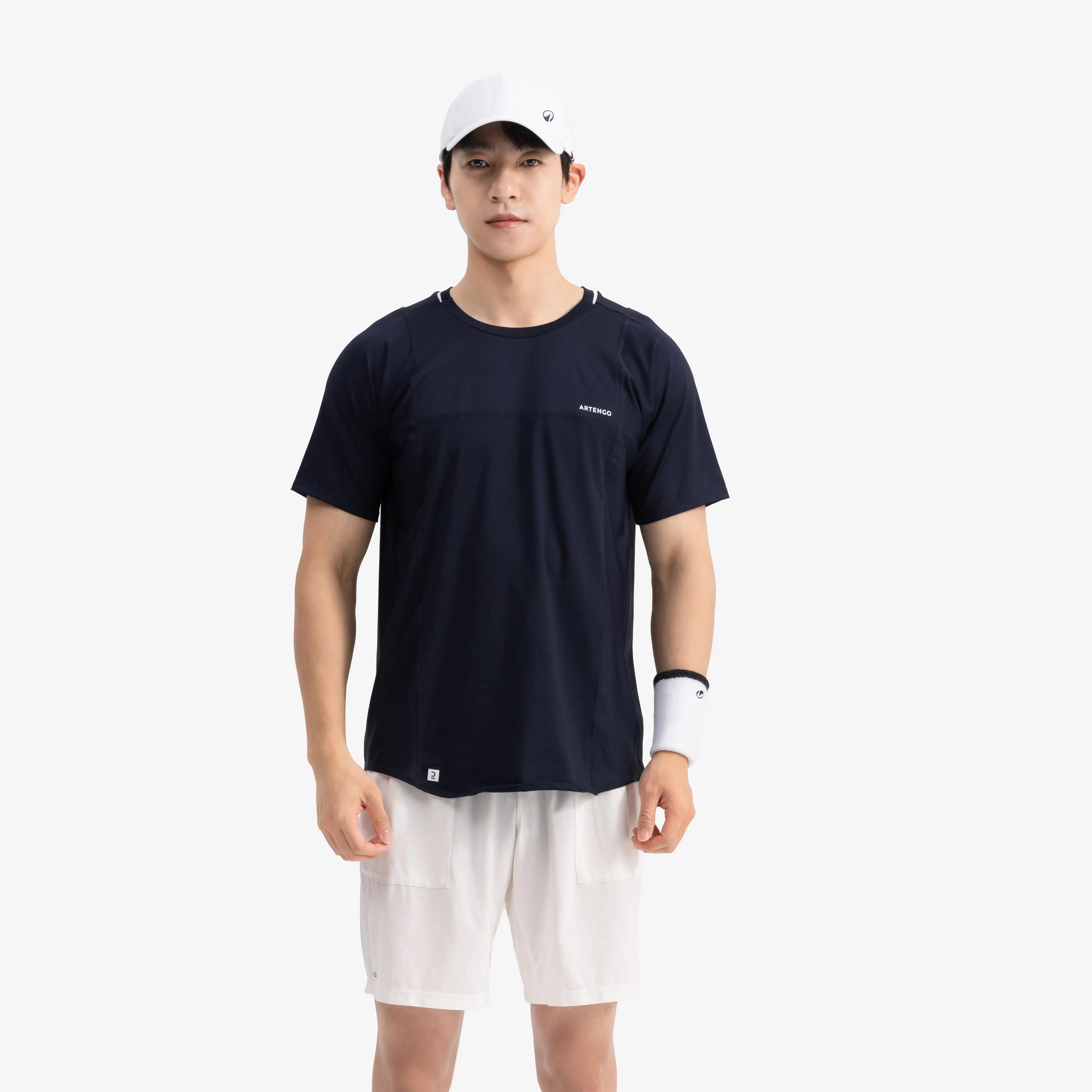
Choose tennis clothing that is breathable, stretchy, and light enough to let you sprint, twist, and change direction without restriction. In warm conditions, most players reach for quick-drying tops paired with shorts or skirts, while cooler sessions call for a mid-layer or full-length trousers to keep muscles warm between points. Fabrics matter more than cut at the start: polyester-elastane blends and recycled-fibre weaves wick sweat off the skin and dry within minutes, while pure cotton holds moisture, sags, and chafes by the second set. The technical reason matters here: a heavy top adds an extra 200 to 300 g of trapped sweat across an hour, which slows reaction time on the return. To build the foundation of any kit, start with our range of tennis T-shirts covering crew-neck and V-neck cuts in moisture-wicking technical fabrics, with options across the in-house Artengo and Kuikma labels.

What makes tennis shorts different from regular sports shorts?

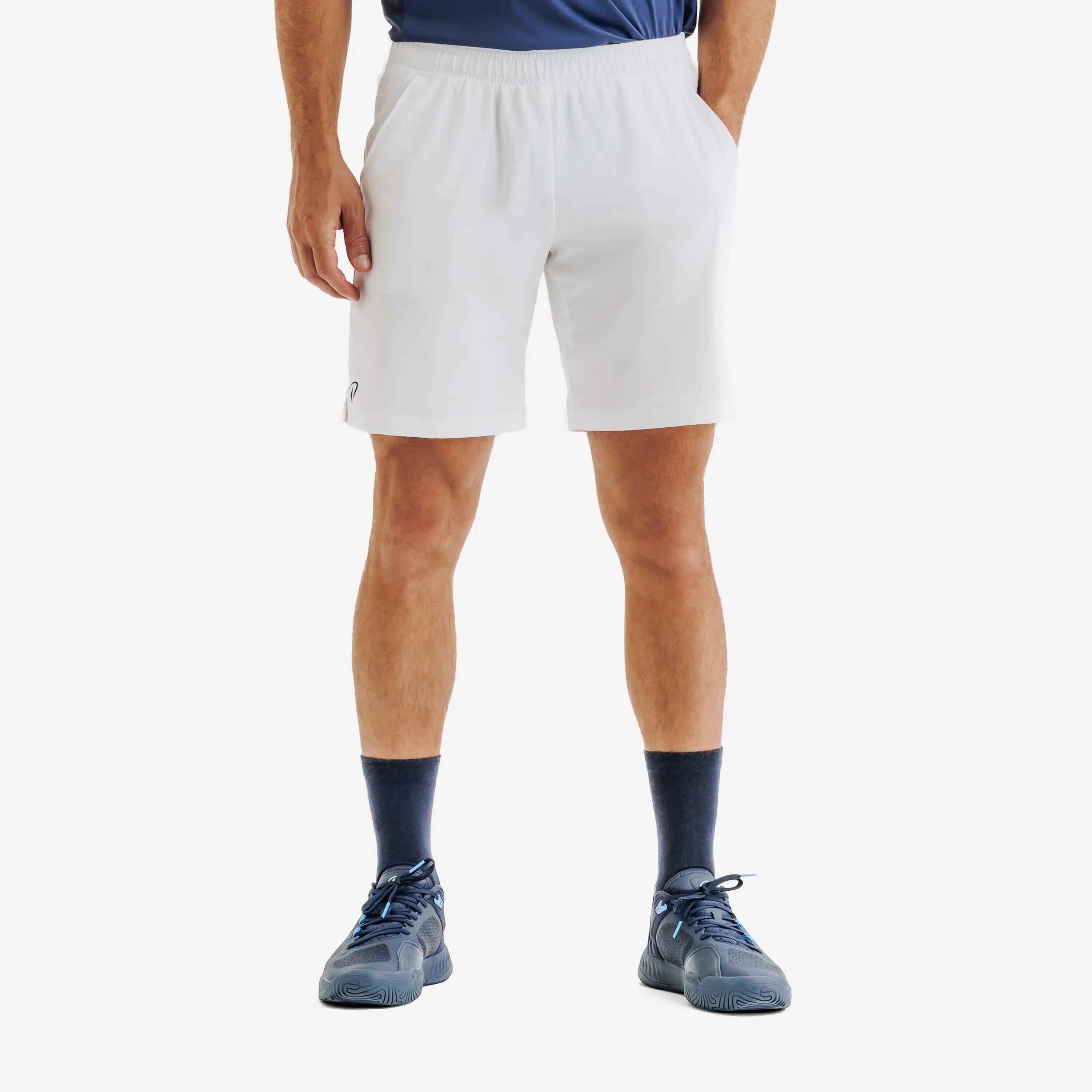
Tennis shorts are cut differently from standard gym or running shorts, with the design tuned around the lateral demands of the sport. The most obvious feature is the deep ball pocket, sized to hold a second ball securely without bouncing during a serve sequence. Inseams typically run from 7 to 10 inches on adult cuts, giving full thigh coverage on a deep lunge while keeping the leg free for the recovery split-step. Stretch panels at the side seams allow the wide reach common on wide-court returns. Smart advice: choose a slightly looser fit if you favour a one-handed backhand, since the rotation pulls fabric tighter across the hip. Browse our range of tennis shorts for adults across the Artengo and Kuikma labels in various inseam lengths.

When should I switch to tennis pants and leggings instead of shorts?

Switch to tennis pants and leggings instead of shorts when ambient temperatures drop below roughly 12 °C, when you play in draughty indoor halls, or when you need extra muscle compression for recovery between matches in a tournament week. The technical reason that matters is cold muscles fire roughly 10% slower and pull more easily, so keeping the quads and hamstrings warm directly preserves court speed and reduces strain risk. Compression leggings also support venous return between long points, which helps stamina across a three-set match. Our range of tennis pants and leggings includes tapered jogger-style pants, full-length compression leggings, and warmer fleece-lined options for winter resort tennis.

What is the best lower-body option for women playing tennis?

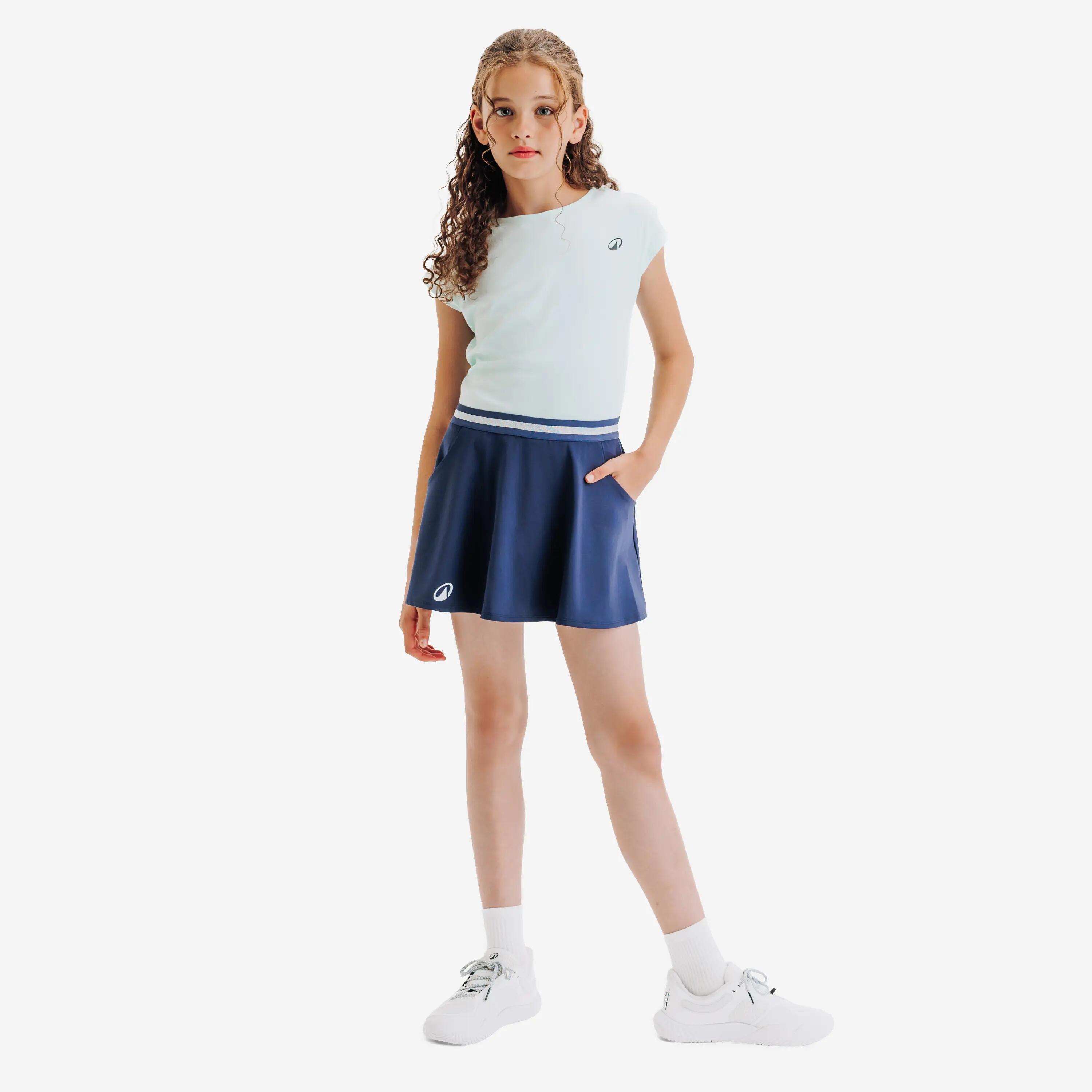
The best lower-body option for women playing tennis depends on personal comfort, climate, and the level of coverage required during a serve or stretch. Skirts and skorts remain the most popular choice because the integrated inner short or built-in pocket layer holds a spare ball at the hip, which speeds up service rhythm and removes the need to interrupt rallies. Practical advice: choose a skort with a 12 to 14 cm hem length for full coverage on the kick-serve toss, since shorter hems can ride up during the leg drive. Our range of tennis skirts and boxers covers pleated, A-line, and box-pleat cuts with built-in inner shorts in moisture-wicking fabrics.

How should I layer a tennis outfit for cold-weather sessions?

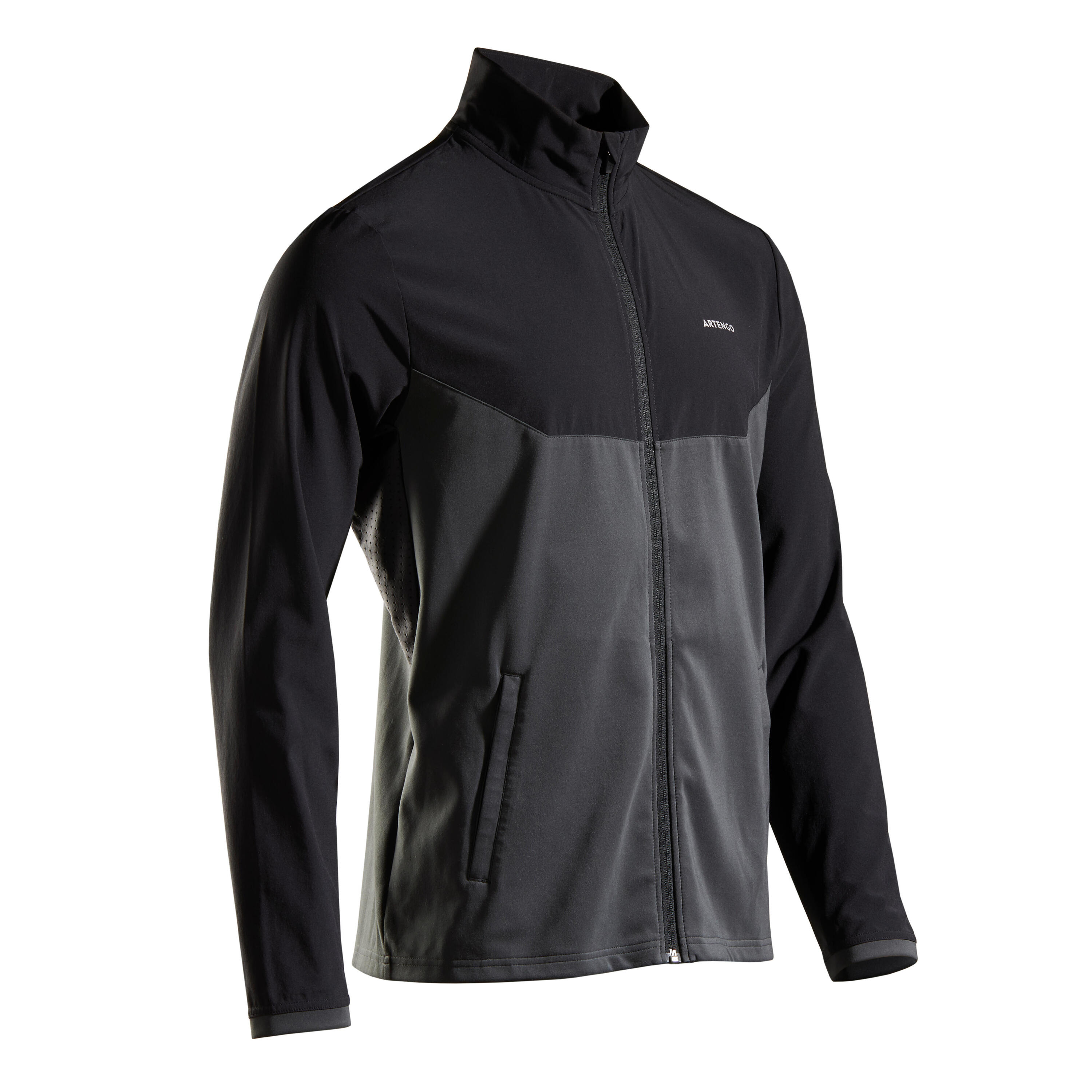
Layering a tennis outfit for cold-weather sessions follows the same three-layer logic used in other outdoor sports: a moisture-wicking base layer against the skin, an insulating mid-layer that traps warm air, and a wind-resistant outer for the early-rally warm-up. The physical reason is conduction: damp skin loses heat 25 times faster than dry skin, so the base layer doing its job protects every layer above it. Remove the outer once your core temperature stabilises, usually after 10 to 15 minutes of rallies. Our range of tennis jackets and jumpers covers lightweight zip-through hoodies, full-zip tracksuit tops, and water-repellent windbreakers cut for full shoulder rotation on the serve.