822 items
4.6/5 based on 84070 reviews collected online and in stores

Tennis Shoes FAQs

What makes tennis shoes different from running shoes?

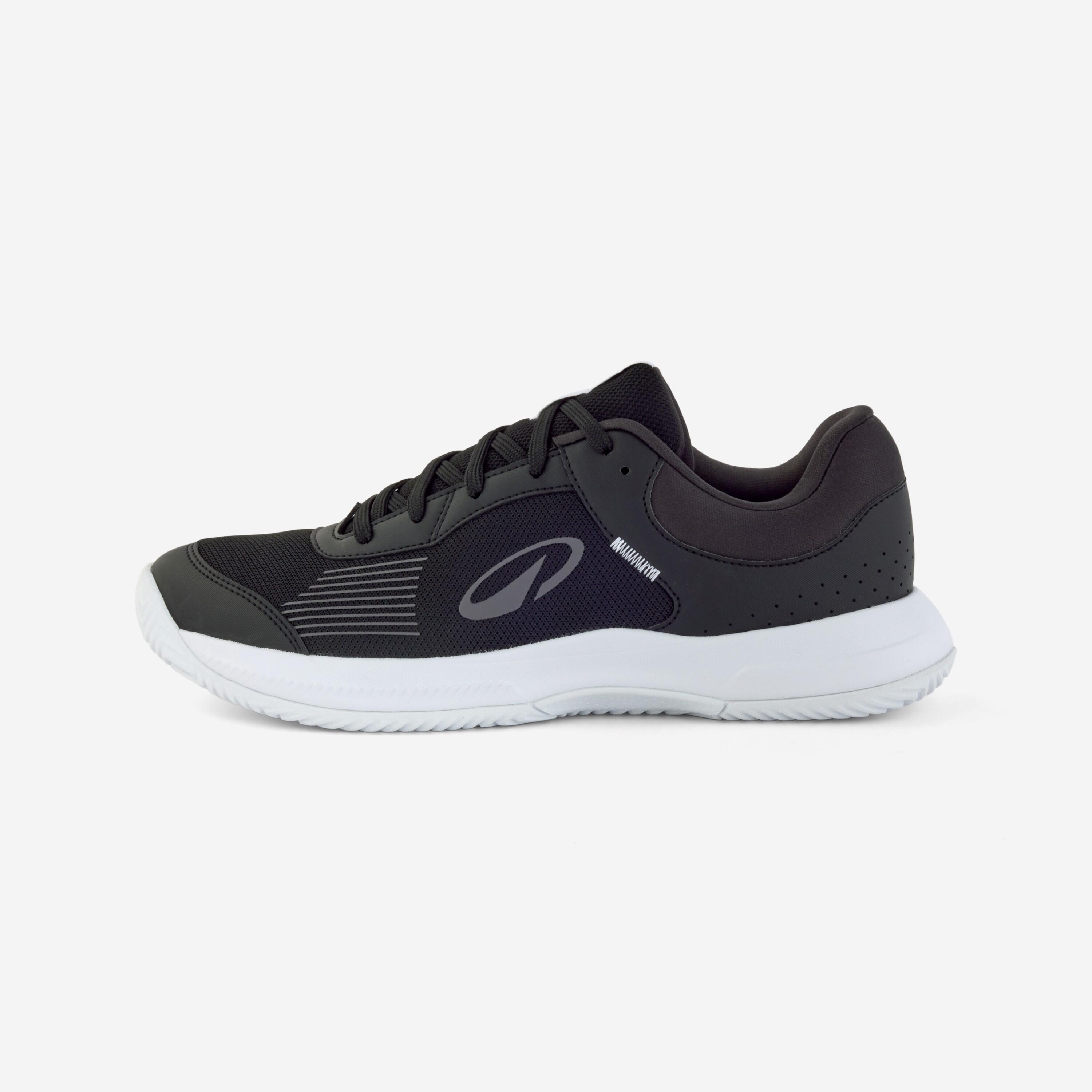
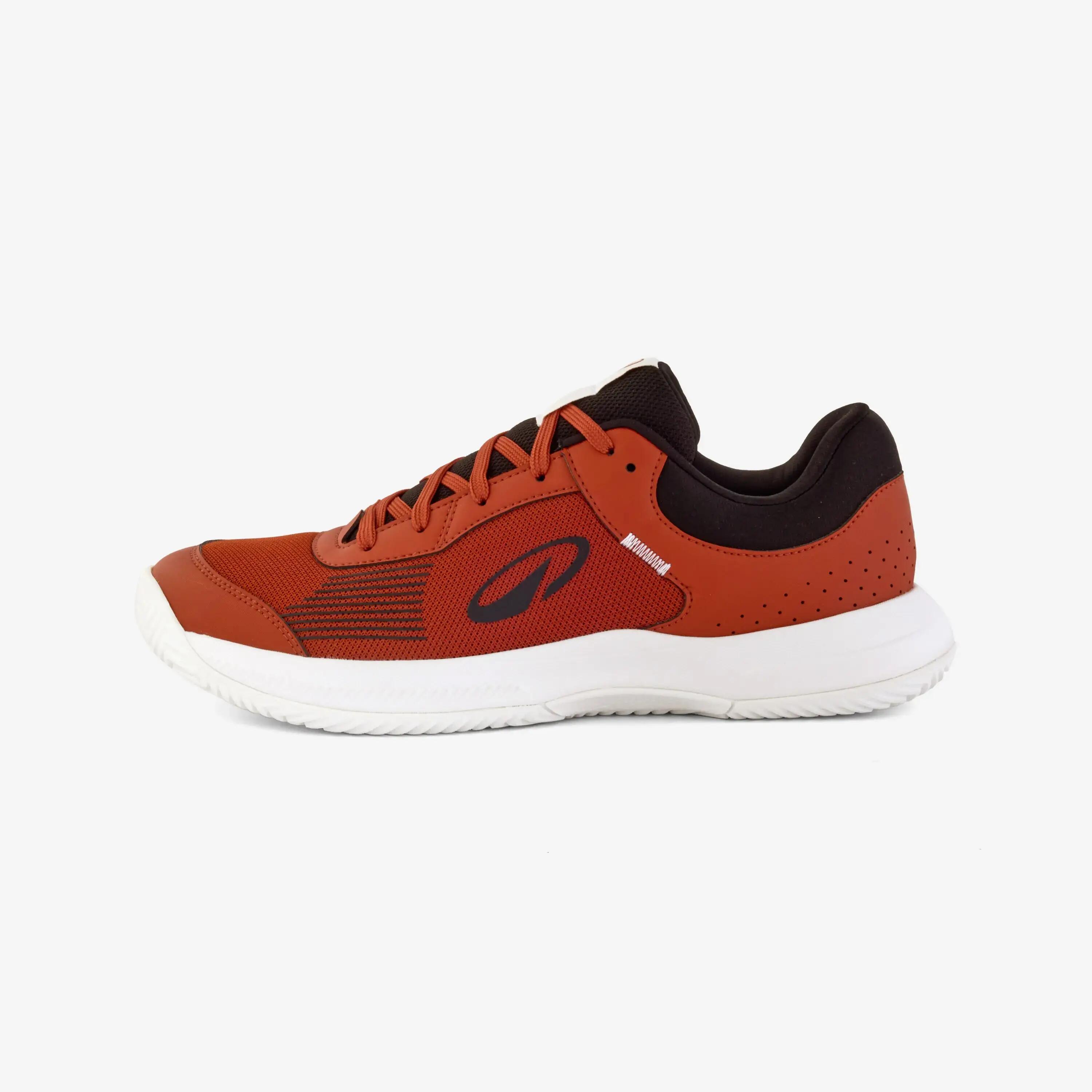
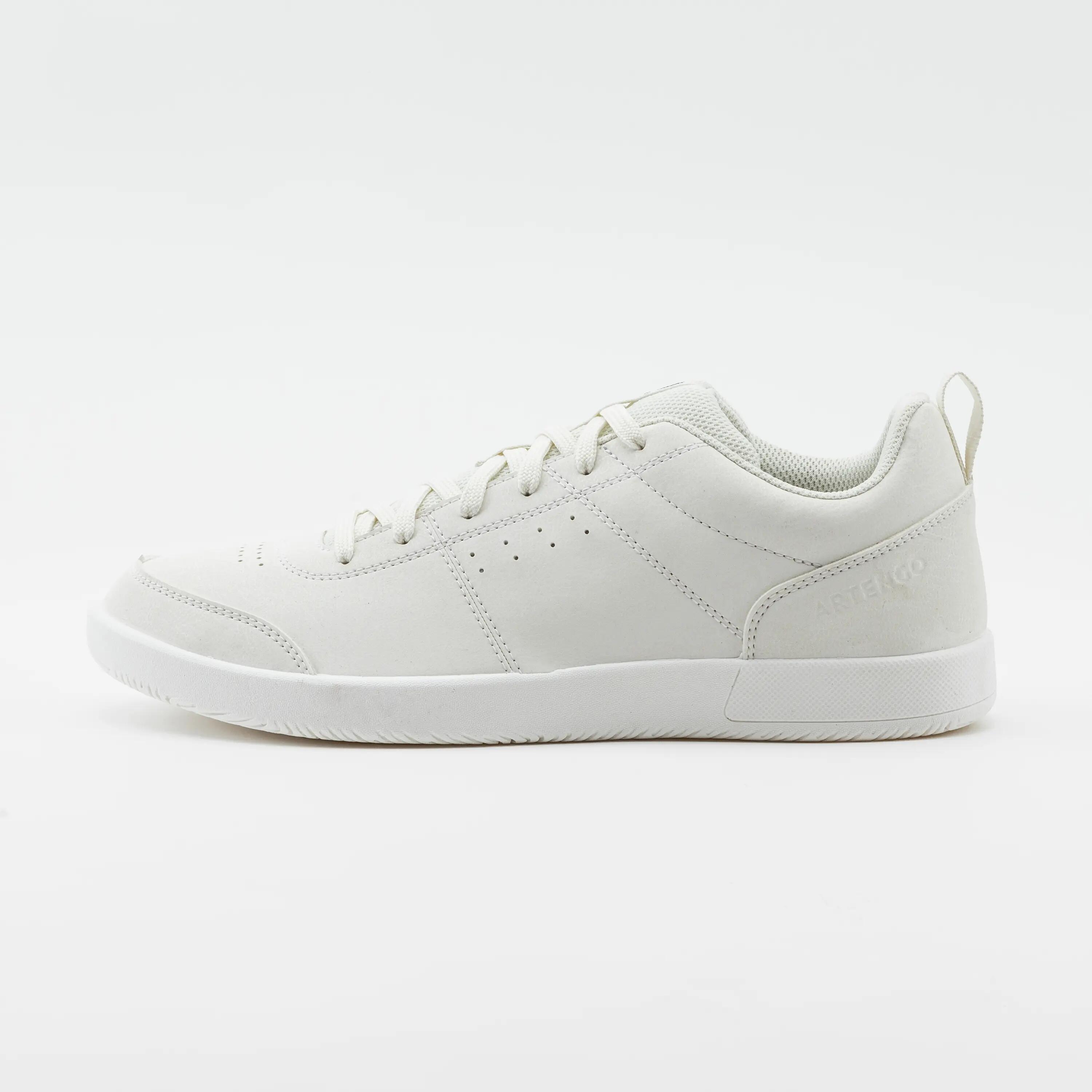
Tennis shoes are built for the lateral demands of the court, while running shoes are tuned for forward-only motion on roads and trails. A tennis shoe sits lower and wider on the ground to support the rapid changes of direction, deep lunges, and recovery split-steps that define a rally, with reinforced toe caps that protect against the toe-drag pattern common to the serve and overhead. Non-marking outsoles keep indoor courts clean and provide the right level of grip on hard, clay, and grass surfaces. The reason this matters is injury risk: running shoes lack the side-to-side stability that prevents rolled ankles during a wide forehand recovery, while a court-specific shoe locks the heel in place through every change of direction. For male players seeking a court-specific fit, browse our range of men's tennis shoes across Artengo, Kuikma, ASICS, adidas, and K-Swiss in cushioned, stability, and speed-focused builds.

How do women's tennis shoes fit and perform differently?

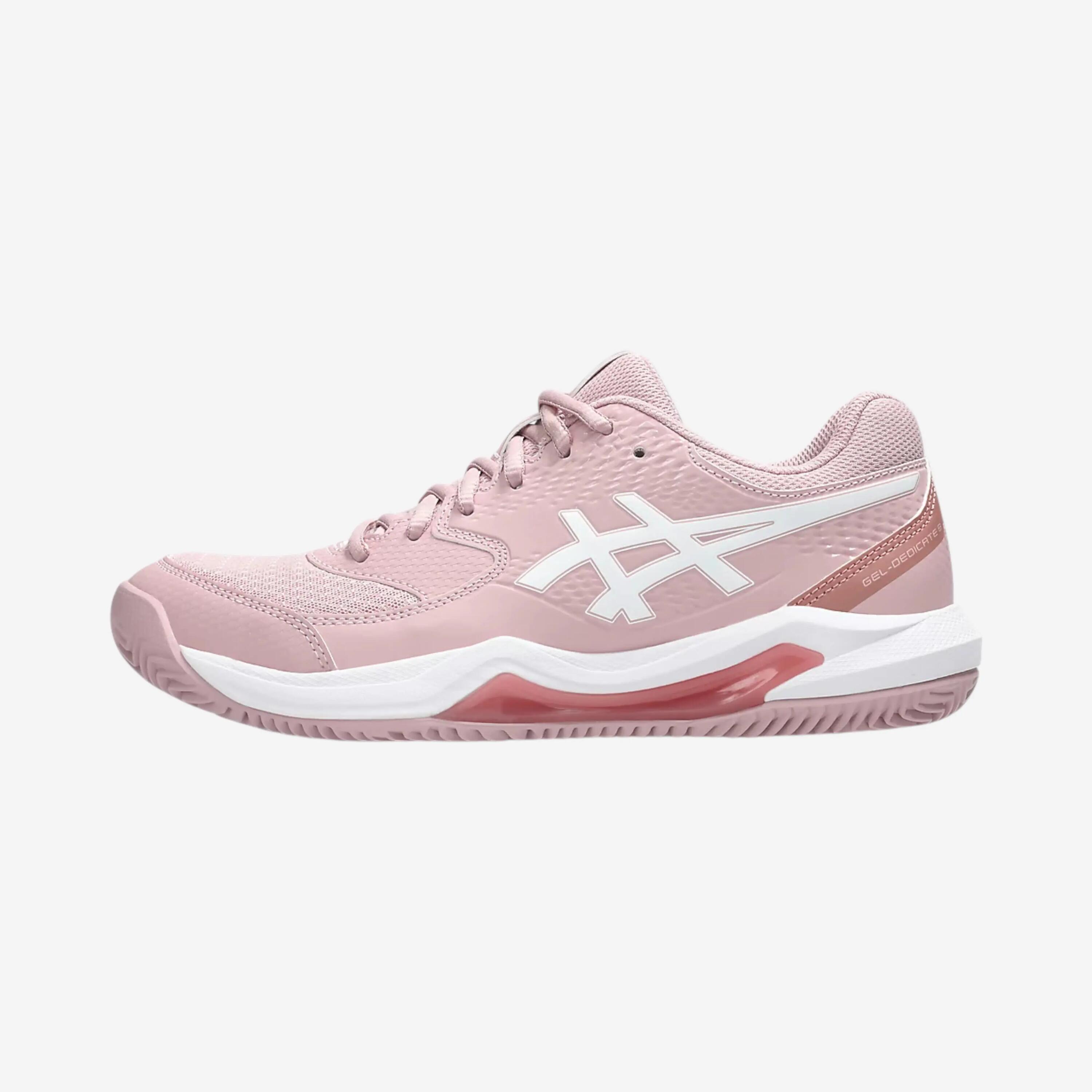
Women's tennis shoes are cut differently rather than simply scaled down from men's versions, with the last shape around a narrower heel, a slightly higher arch, and a softer forefoot landing. The reason the cut matters is heel slip: a poorly held heel pivots inside the shoe during a wide stretch return, which translates directly into hot spots, blisters and lost reaction time at the baseline. Cushioning is also tuned for typical bodyweight distribution, with extra forefoot protection for the high-impact zone during a serve. Our range of women's tennis shoes covers stability, lightweight, and durable builds across Artengo, Kuikma, ASICS, adidas, and Nike for hard, clay and multi-court use.

What features should I look for in children's tennis shoes?

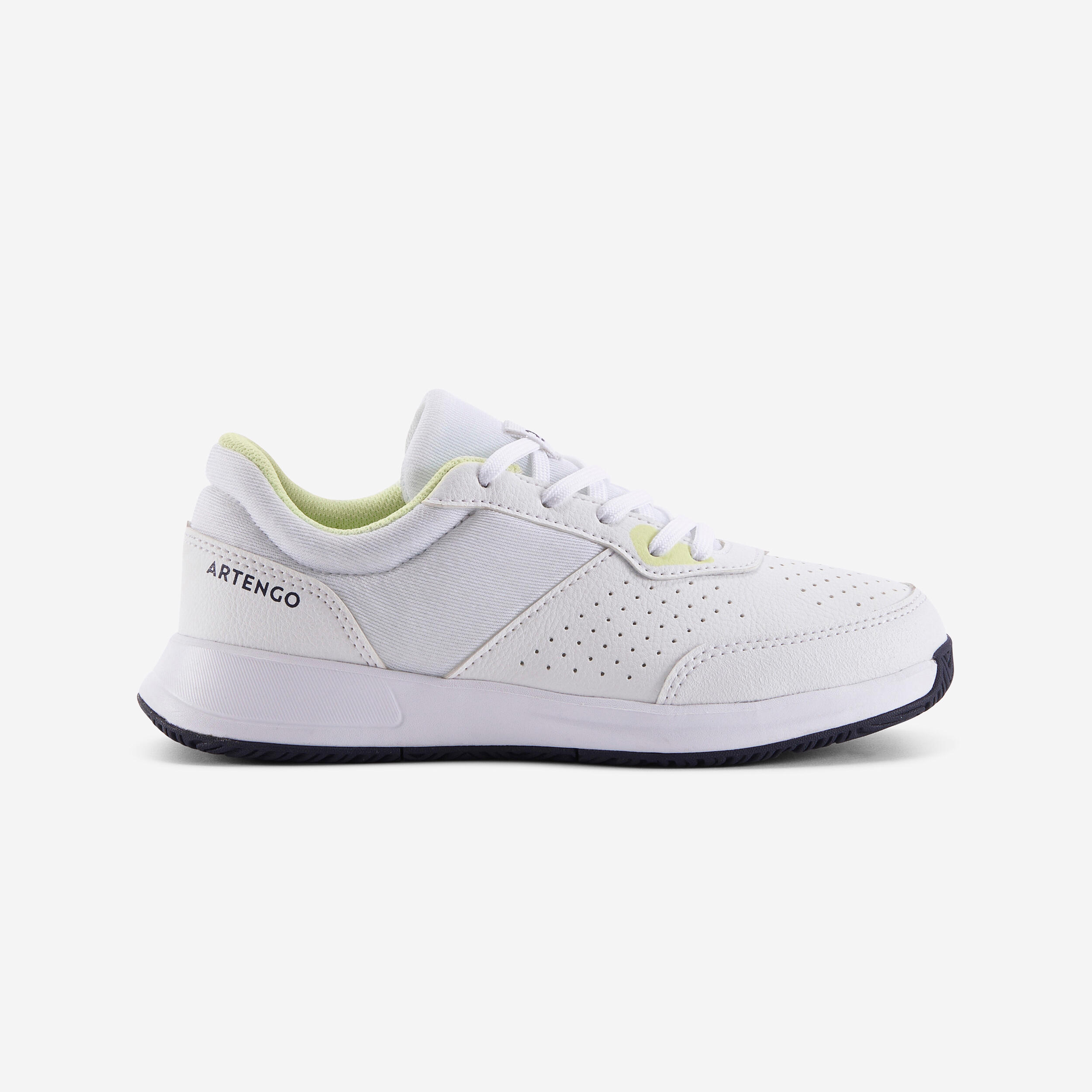
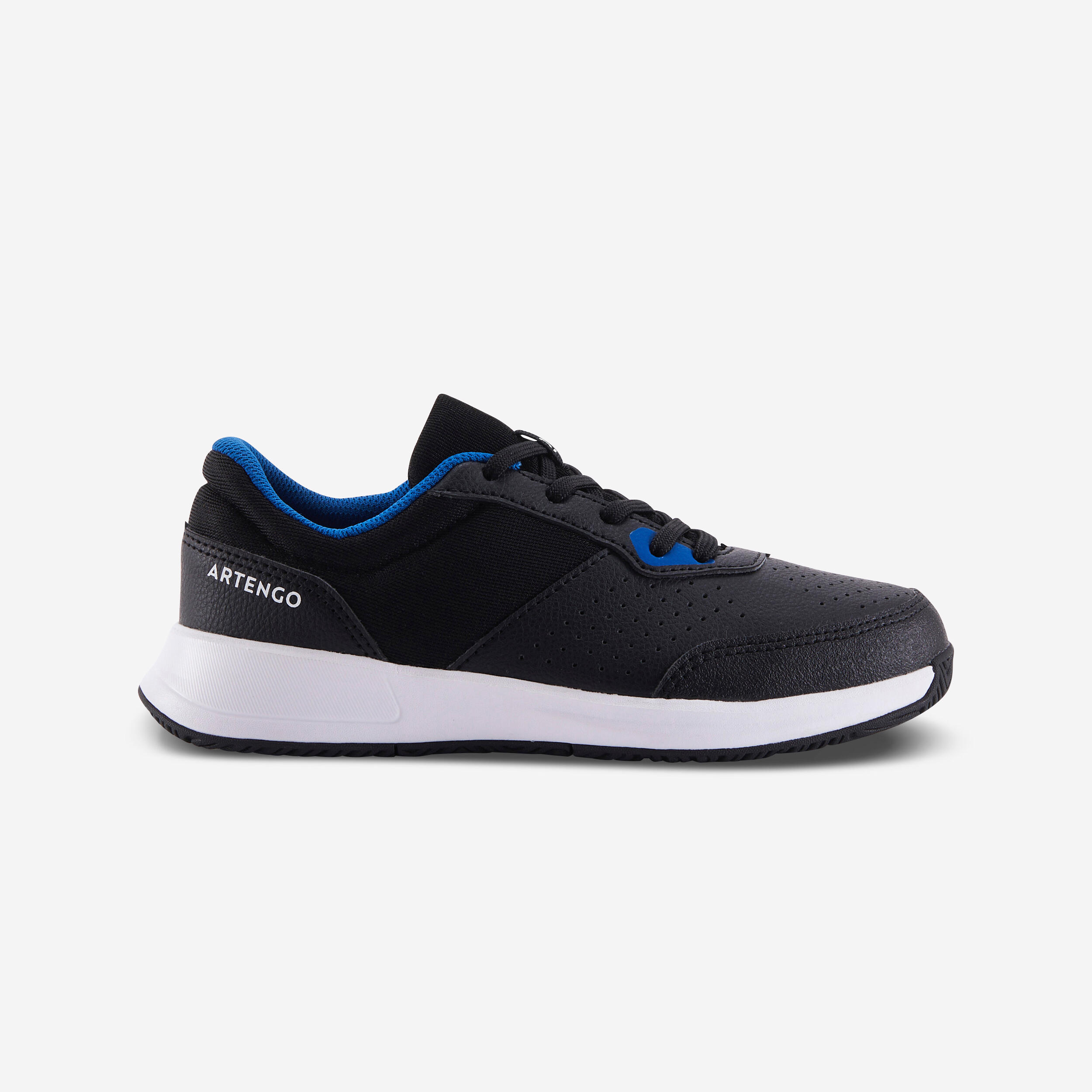
Children's tennis shoes need a forgiving fit, easy closure, and a stable base that supports a developing foot through the first years of court time. Look for hook-and-loop straps rather than long laces, since they allow younger players to lace up themselves and stay tighter through a long session of drills. A reinforced toe box protects against the scrapes and drags common to learners still building their footwork, and a flexible forefoot lets the foot bend naturally during the split-step. Browse our range of children's tennis shoes in junior and youth sizes across Artengo, Kuikma, Adidas, and Asics, with hook-and-loop and lace-up options.

What accessories help my tennis shoes perform and last longer?

The right accessories transform a new pair of tennis shoes from a single-purpose purchase into a properly equipped court kit. Replacement insoles refresh the cushioning long before the outsole wears down, while heel grips lock the foot in place if you sit between sizes or have a narrow heel. Cushioned tennis-specific socks reduce friction at the high-wear zones across the heel, ball, and toes, which is where most blisters originate. Replacement laces in various lengths and quick-pull elastic systems also keep your court setup feeling fresh. Browse our range of tennis footwear accessories covering insoles, socks, laces, and heel grips across the Artengo label.

How do I pick between hard-court, clay, and multi-court tennis shoes?

Court surface drives outsole choice more than any other factor when picking tennis shoes. Hard-court shoes use a durable rubber compound with a herringbone or modified herringbone pattern that resists the abrasive concrete and acrylic top coat found at most clubs. Clay-court shoes feature a deeper, full herringbone tread that bites into the loose granular surface and sheds clay between points to keep grip consistent. Multi-court shoes split the difference with a hybrid tread that works across hard, clay, and synthetic surfaces. Browse our range of all tennis shoes filtered by surface, brand, and audience across Artengo, Kuikma, ASICS, adidas, K-Swiss, and Nike.