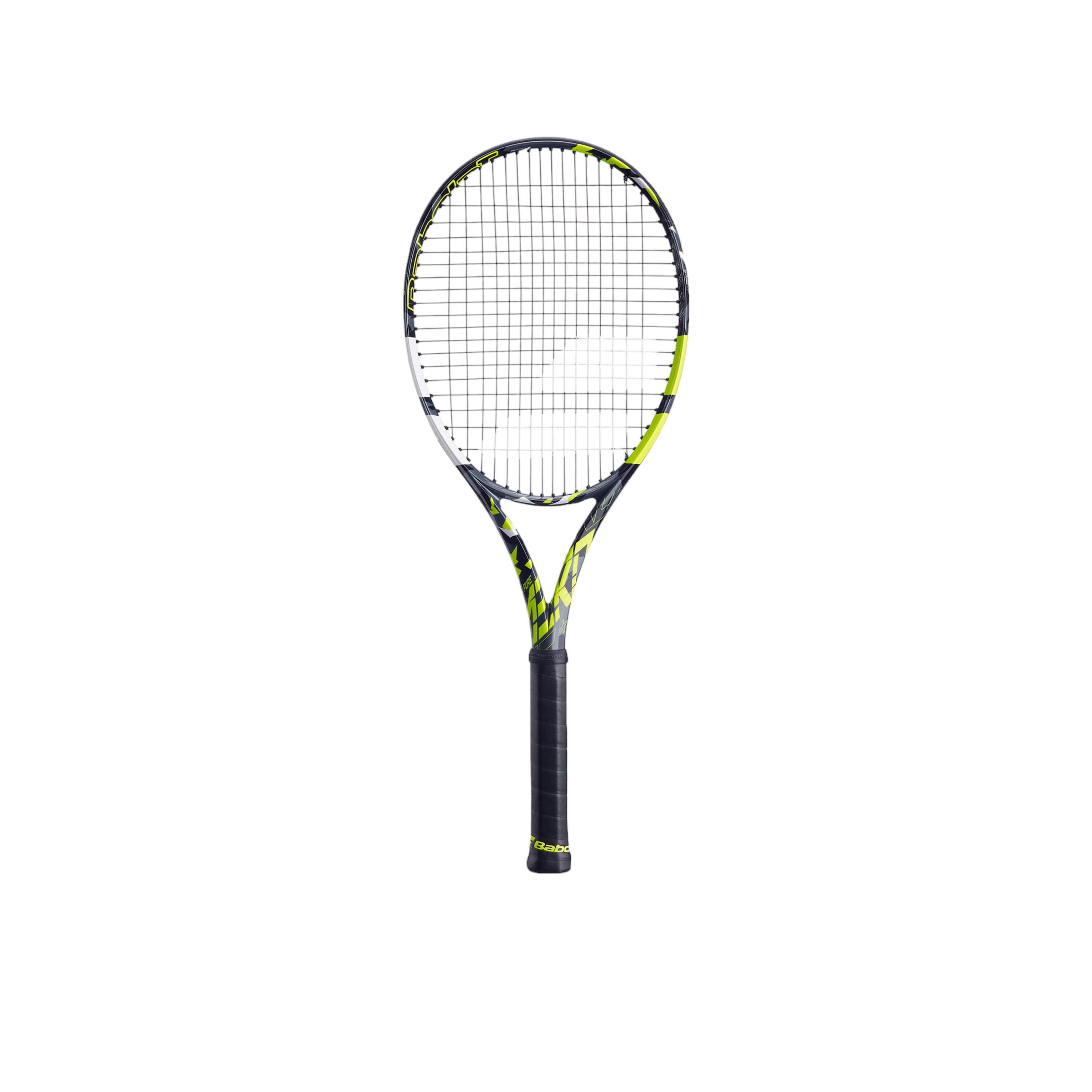
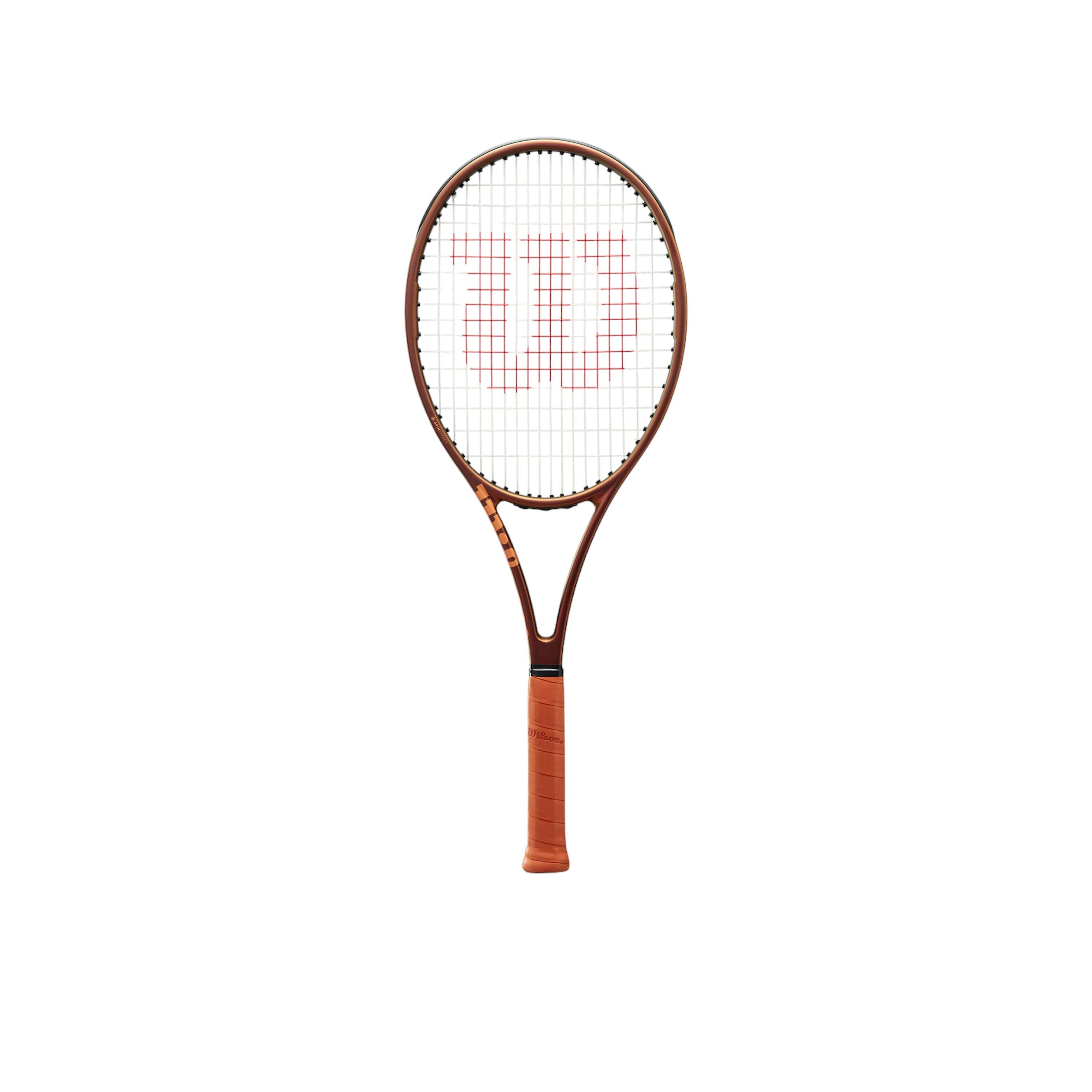
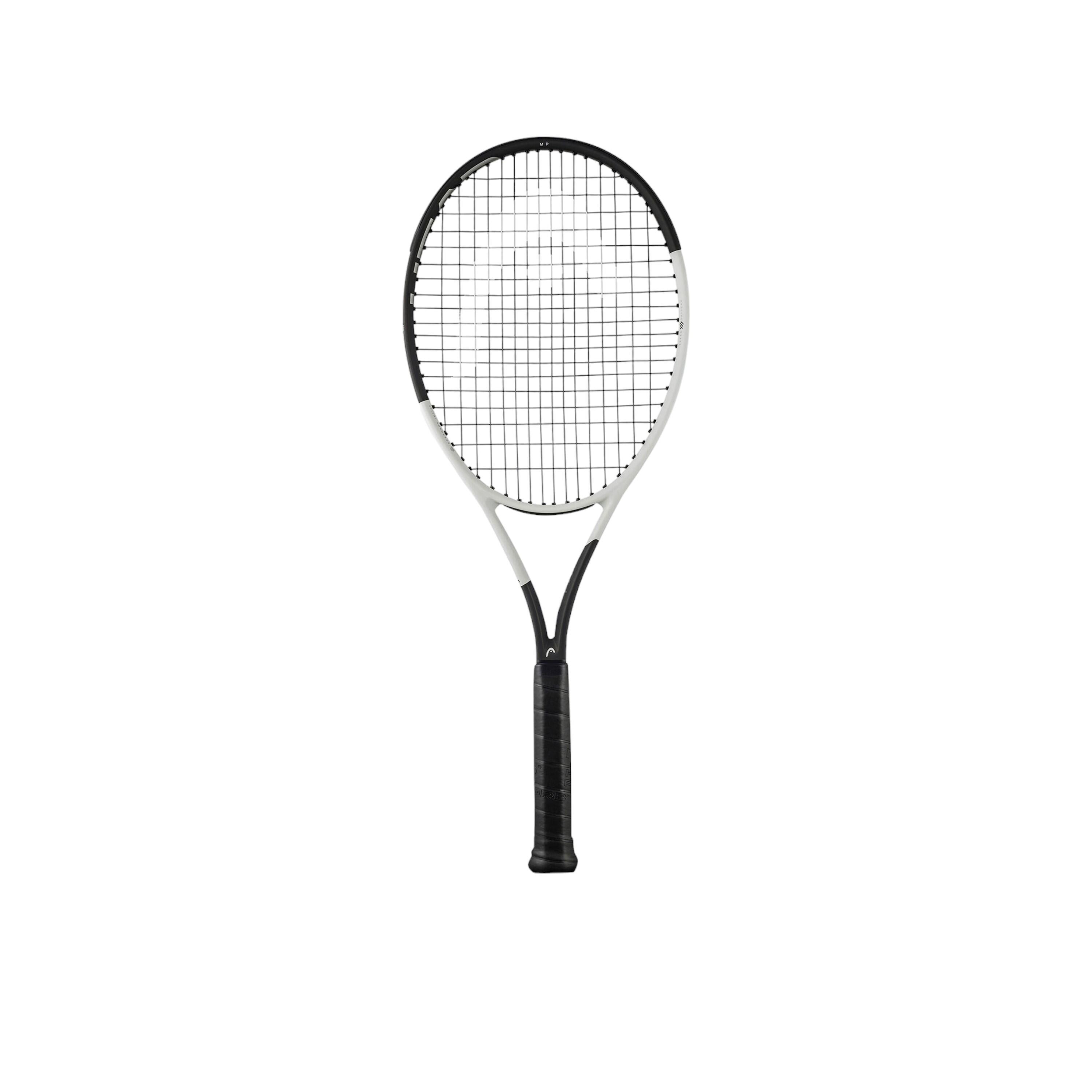
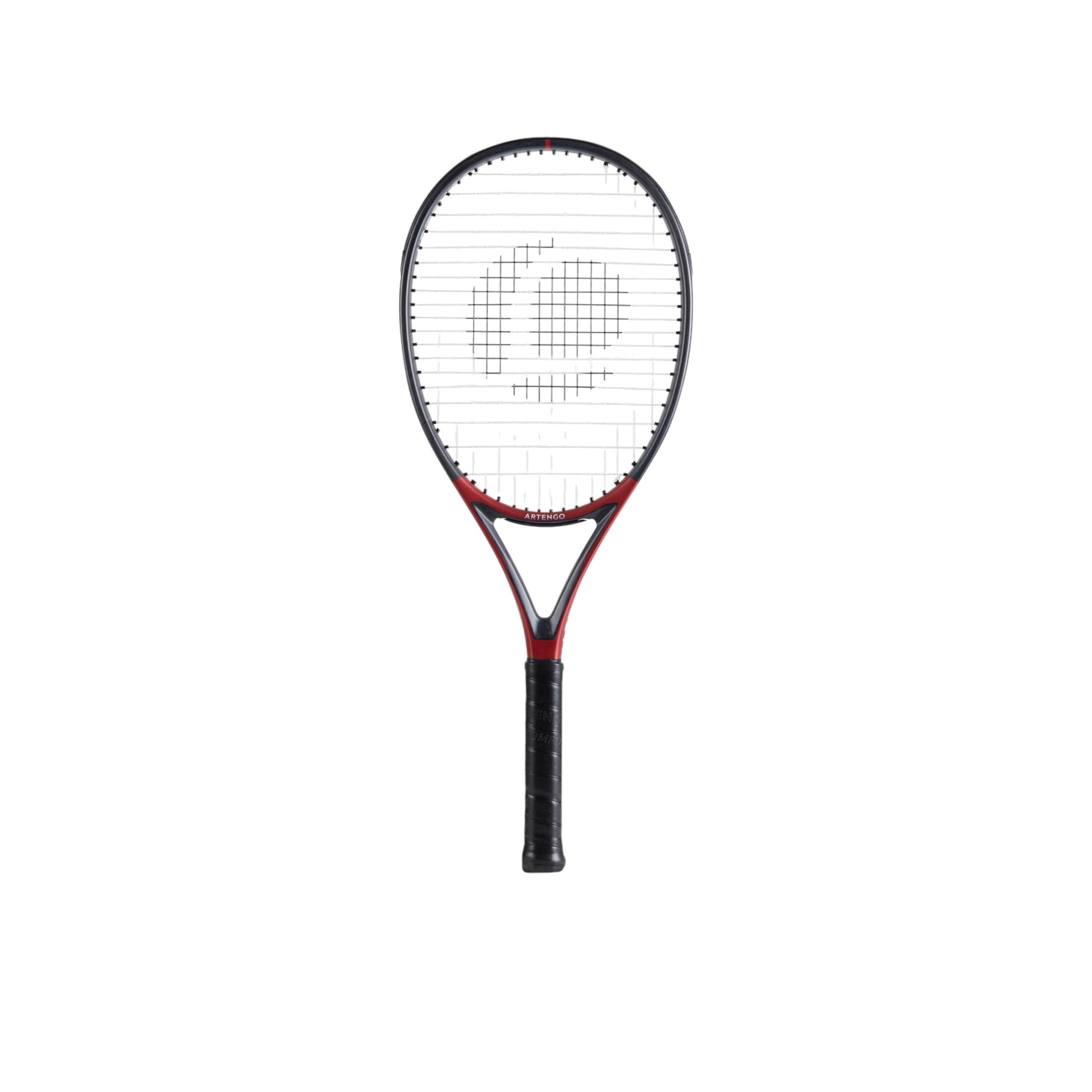
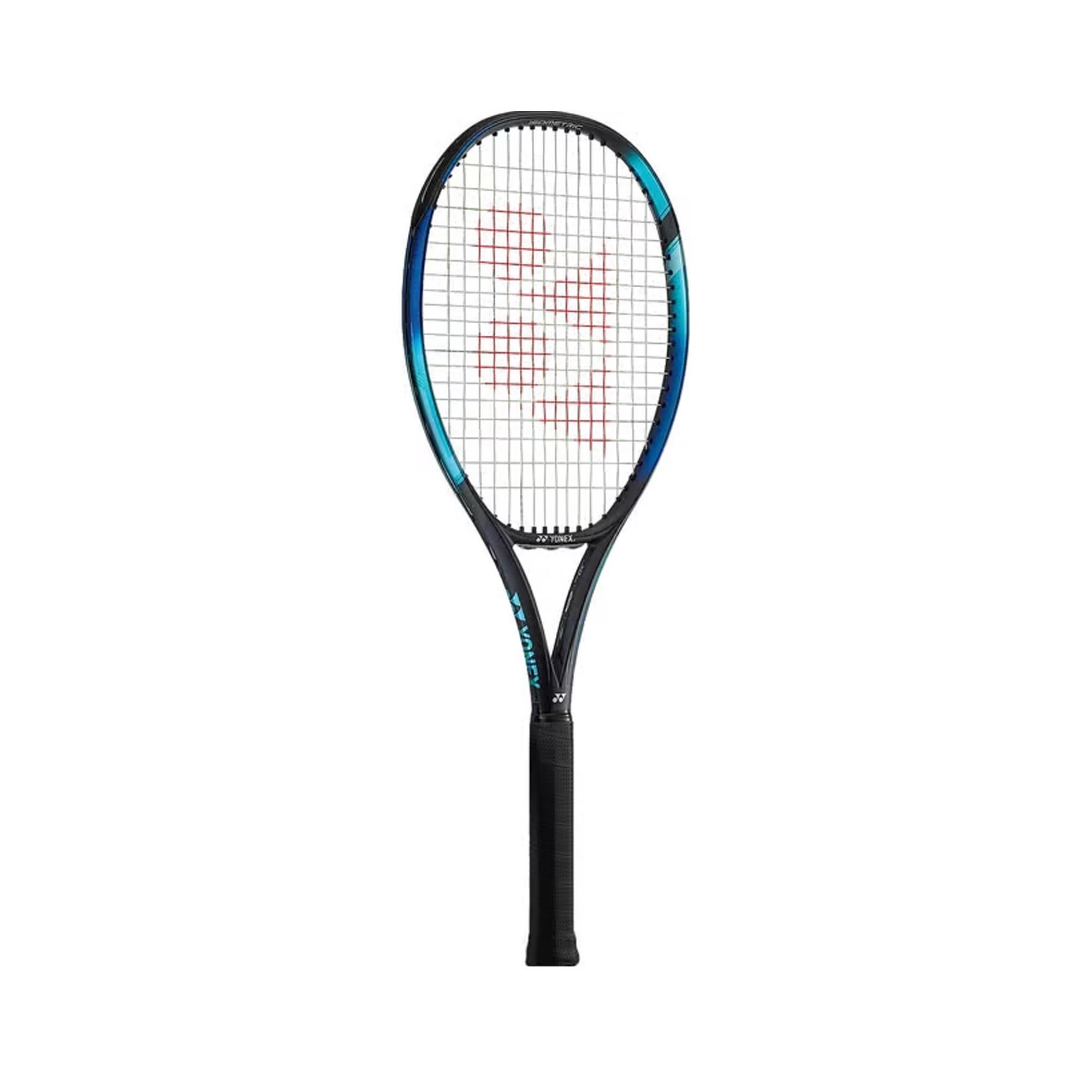
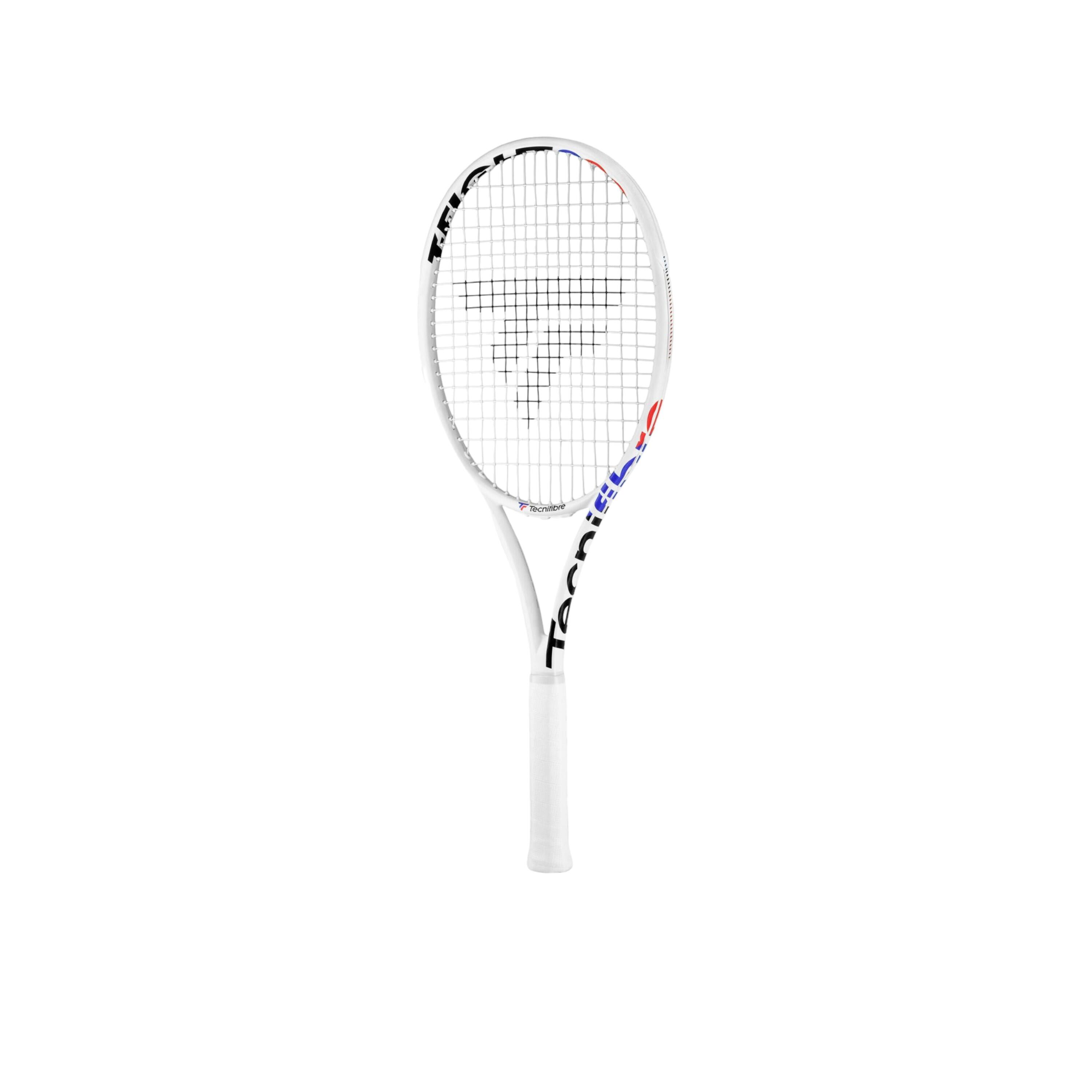
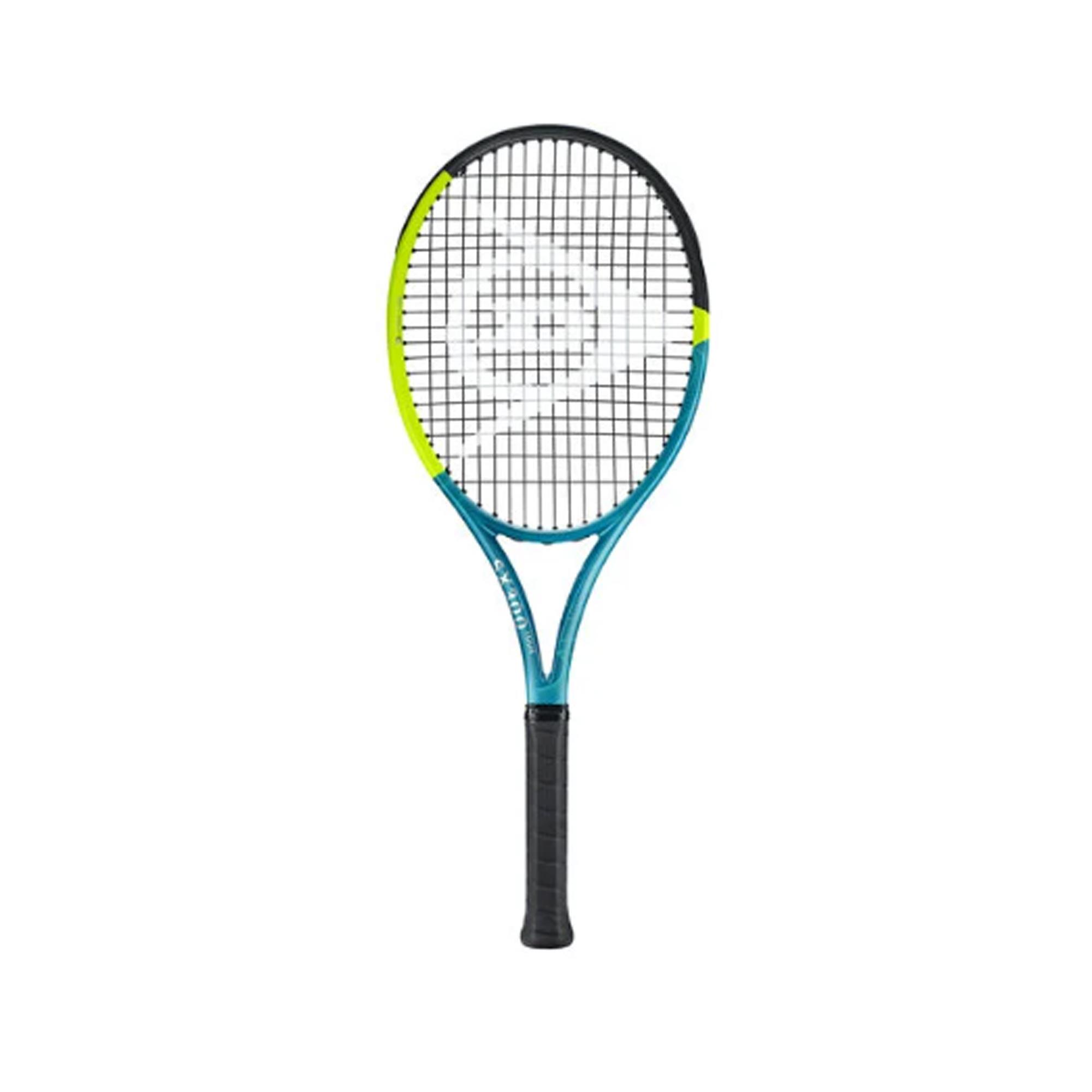
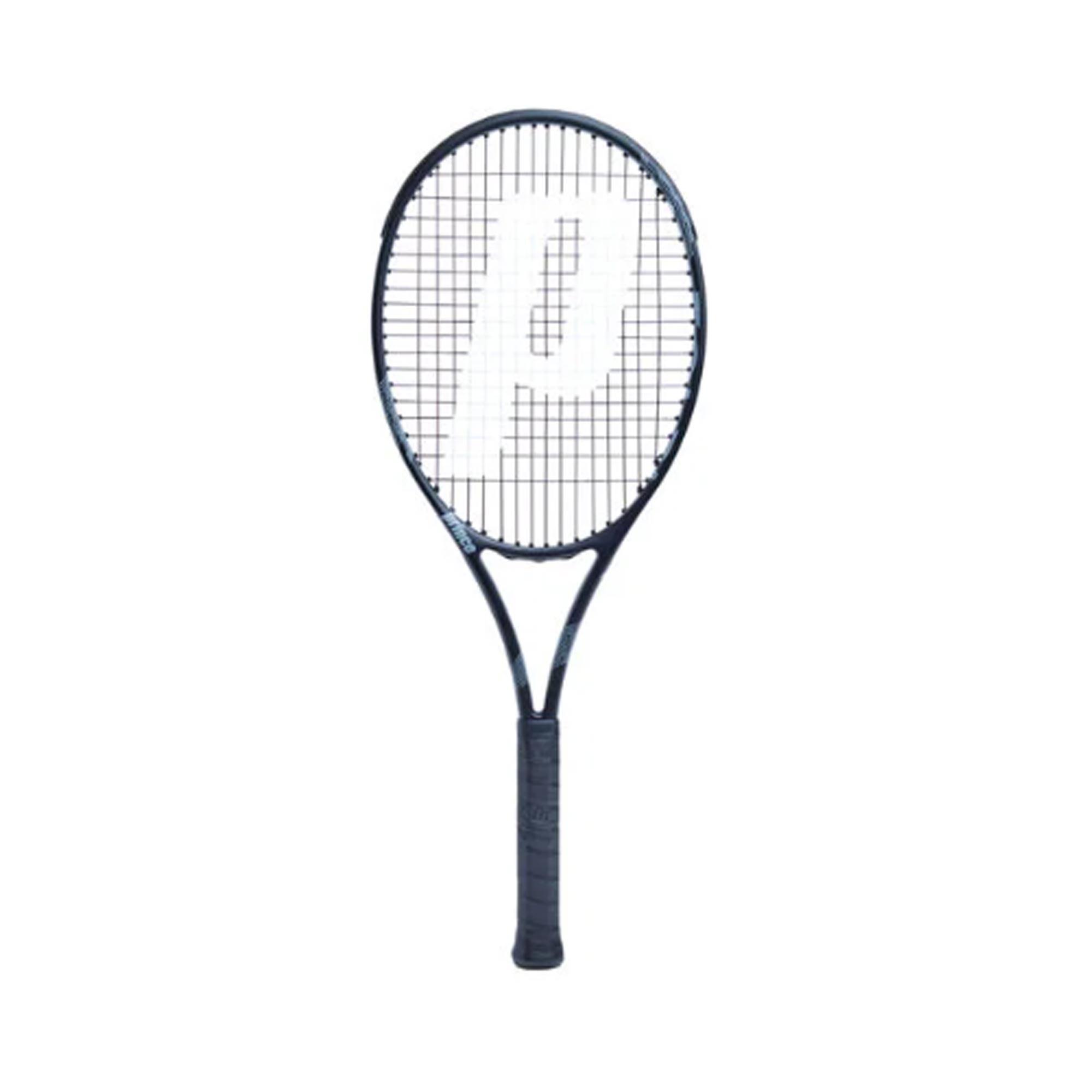
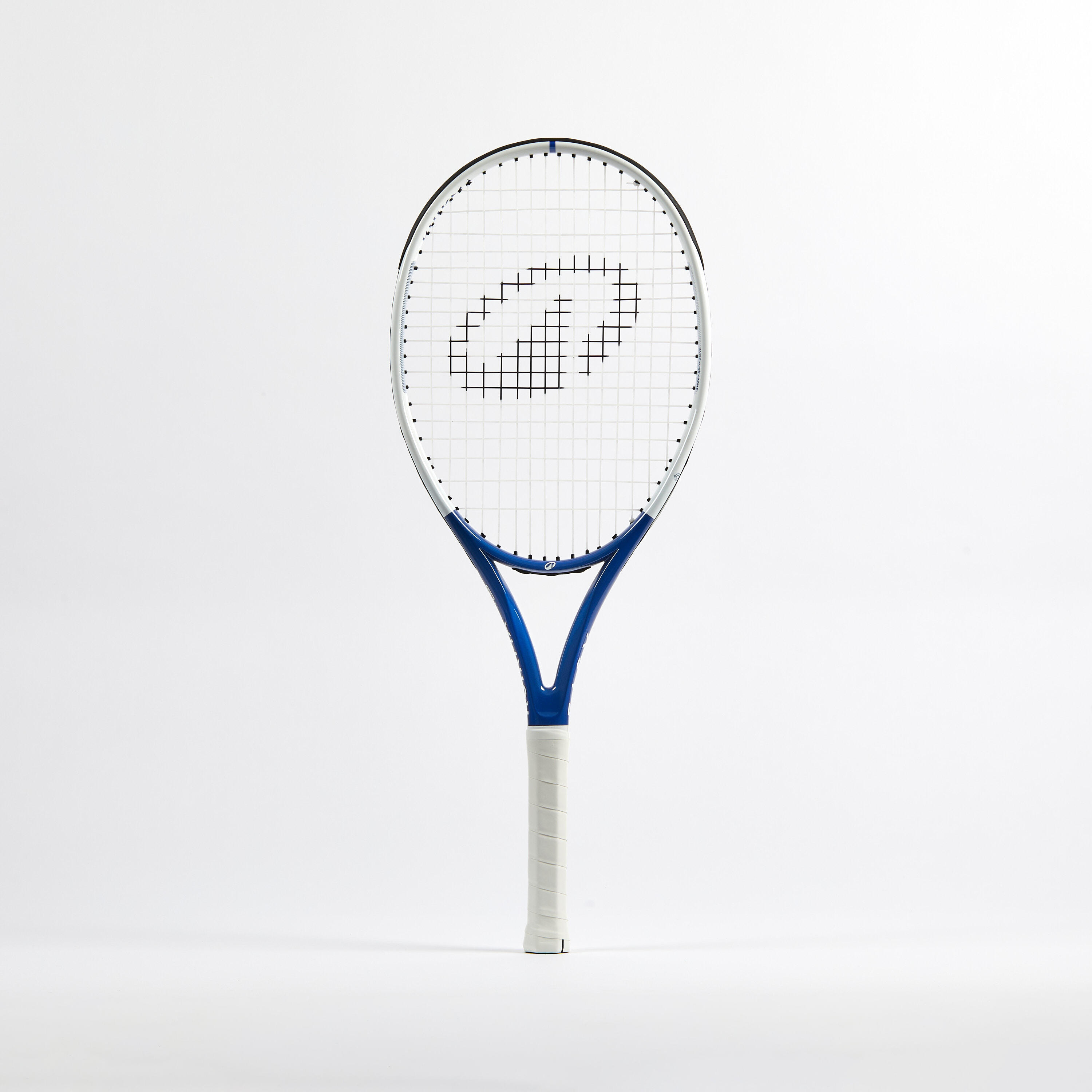
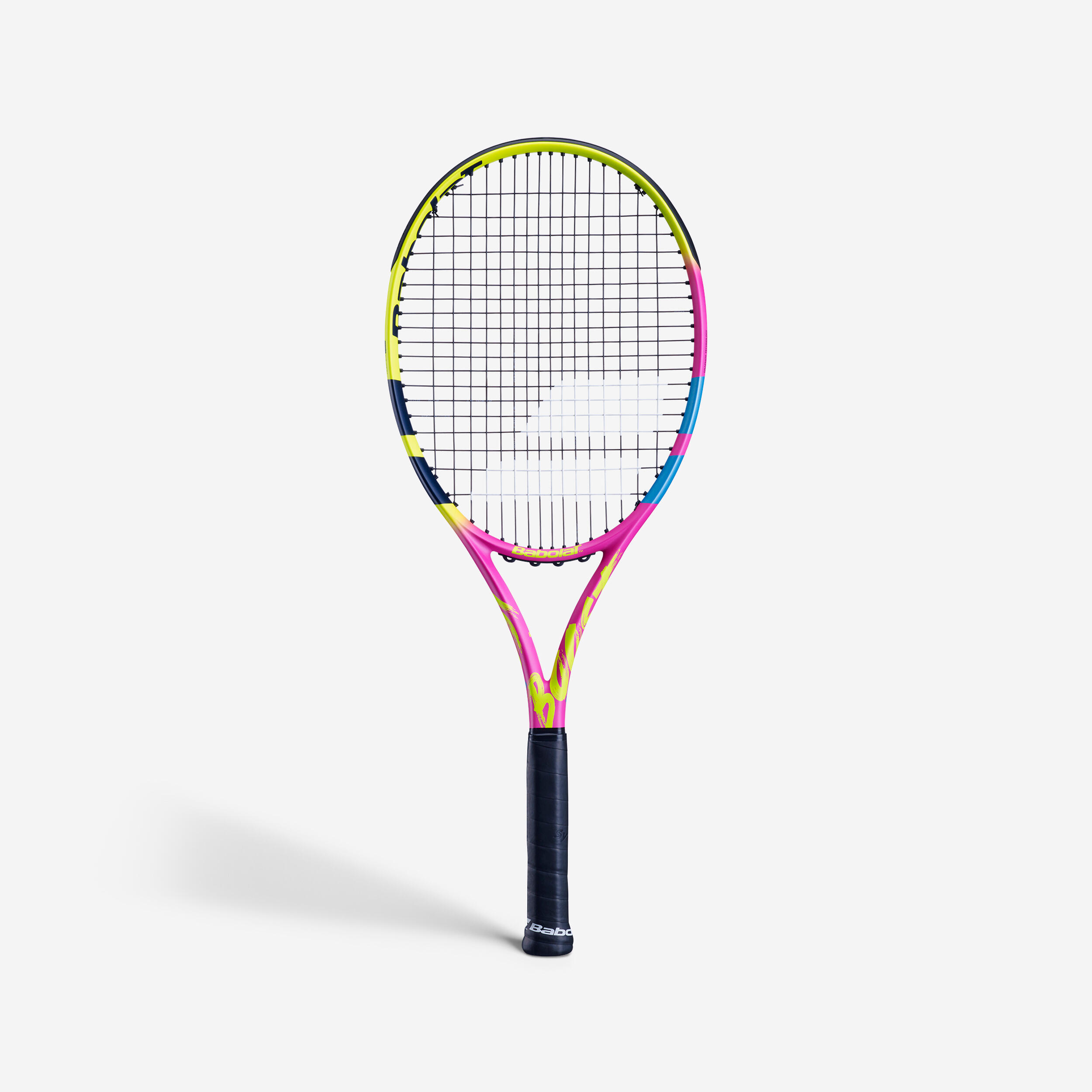
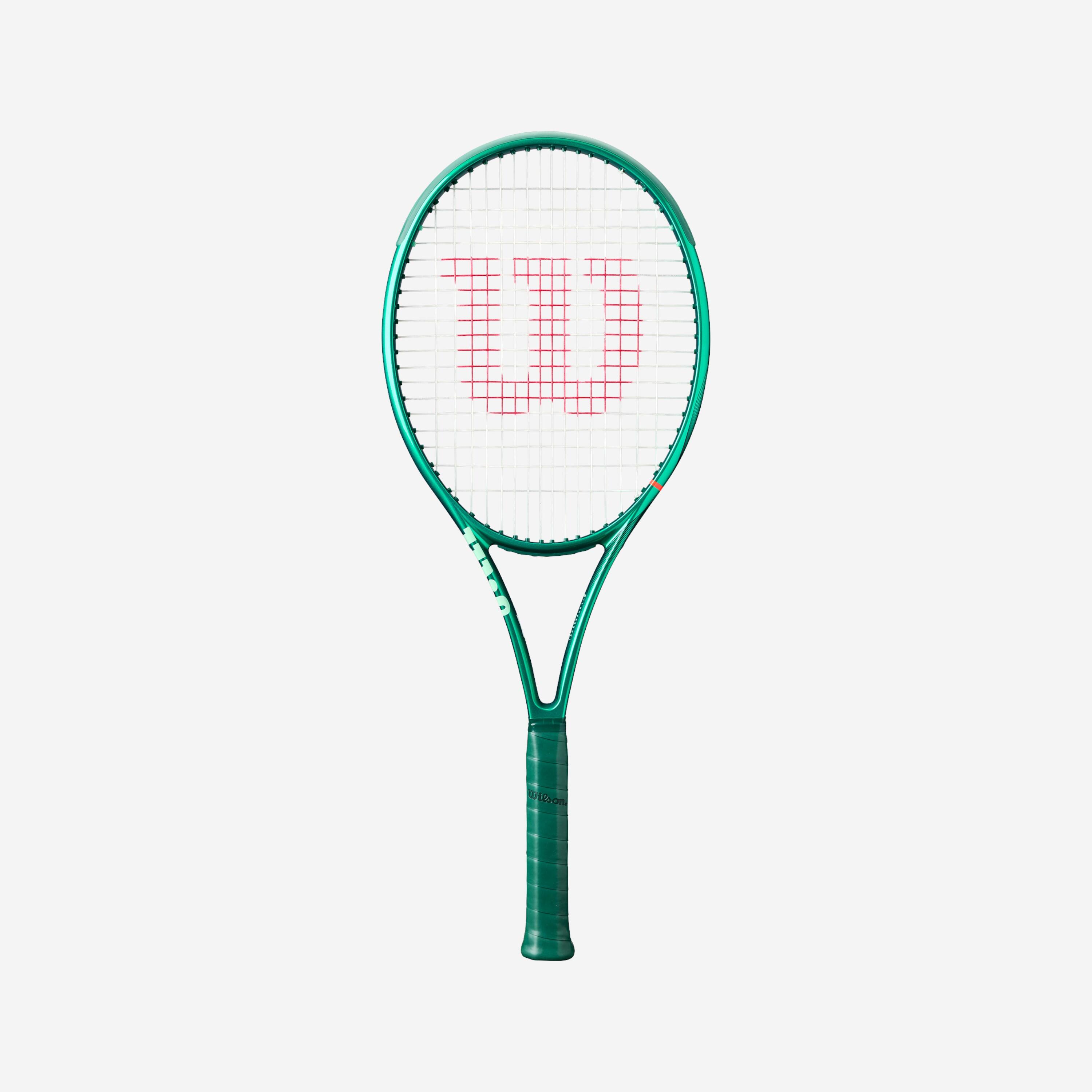
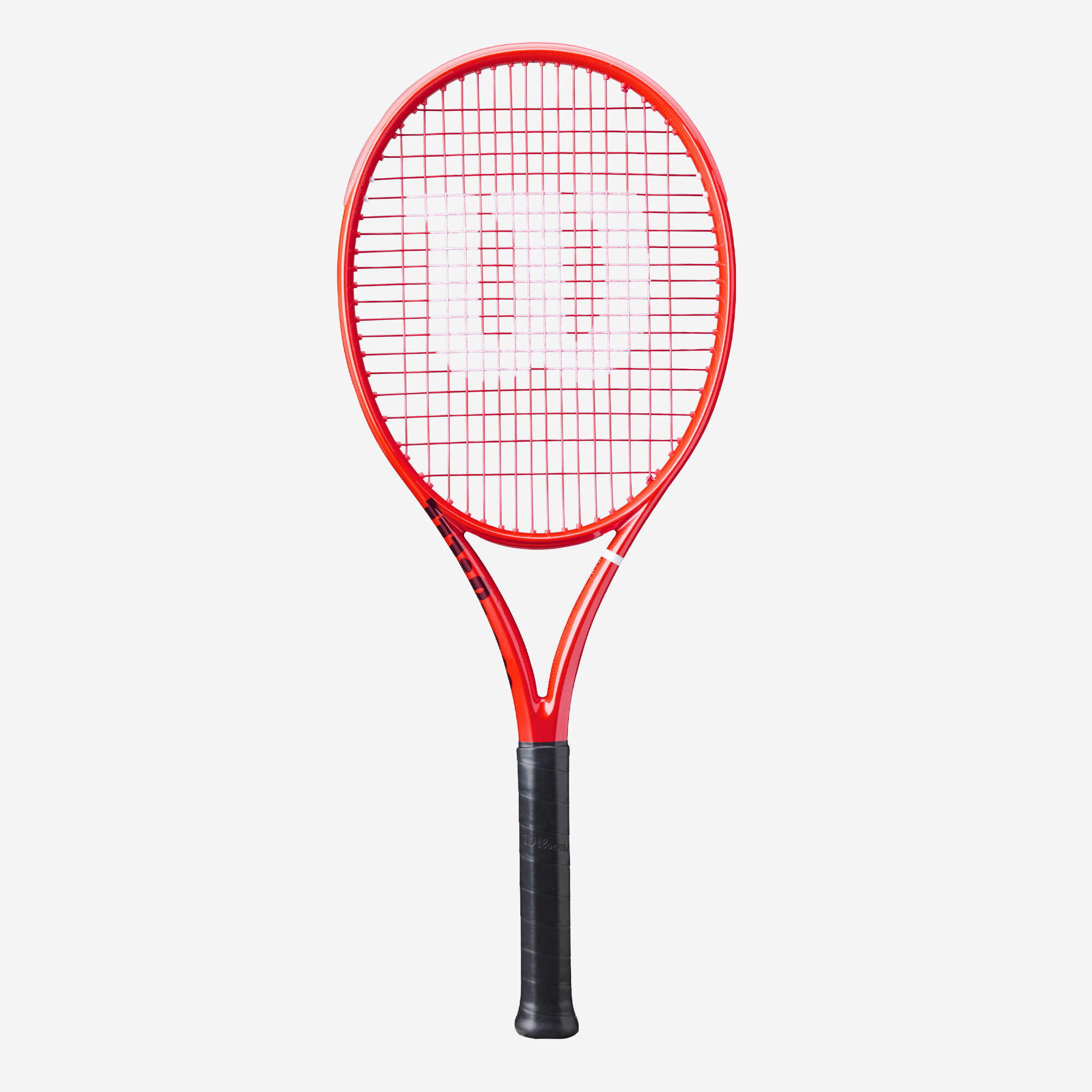
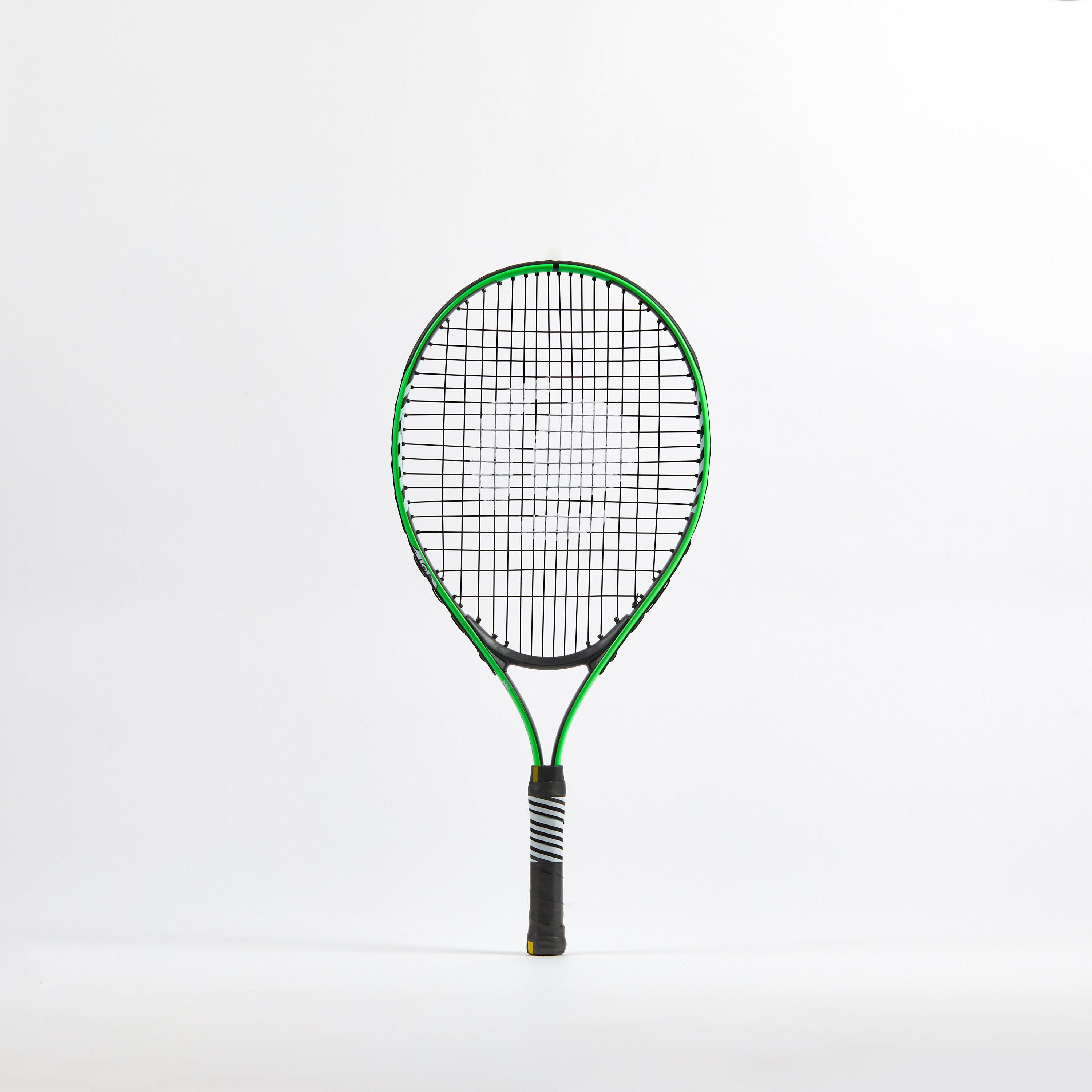
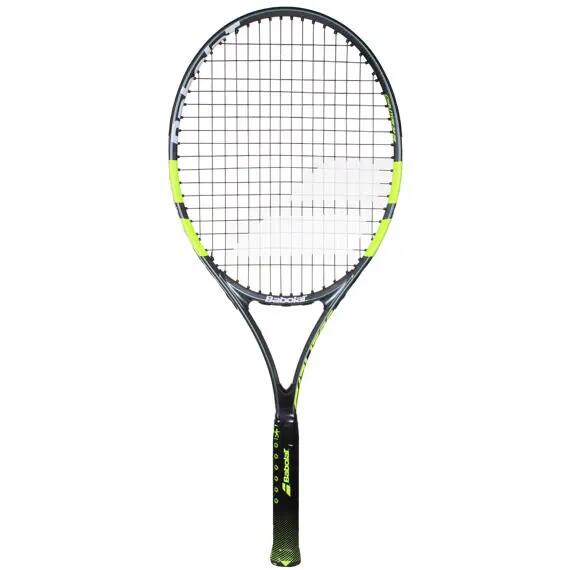
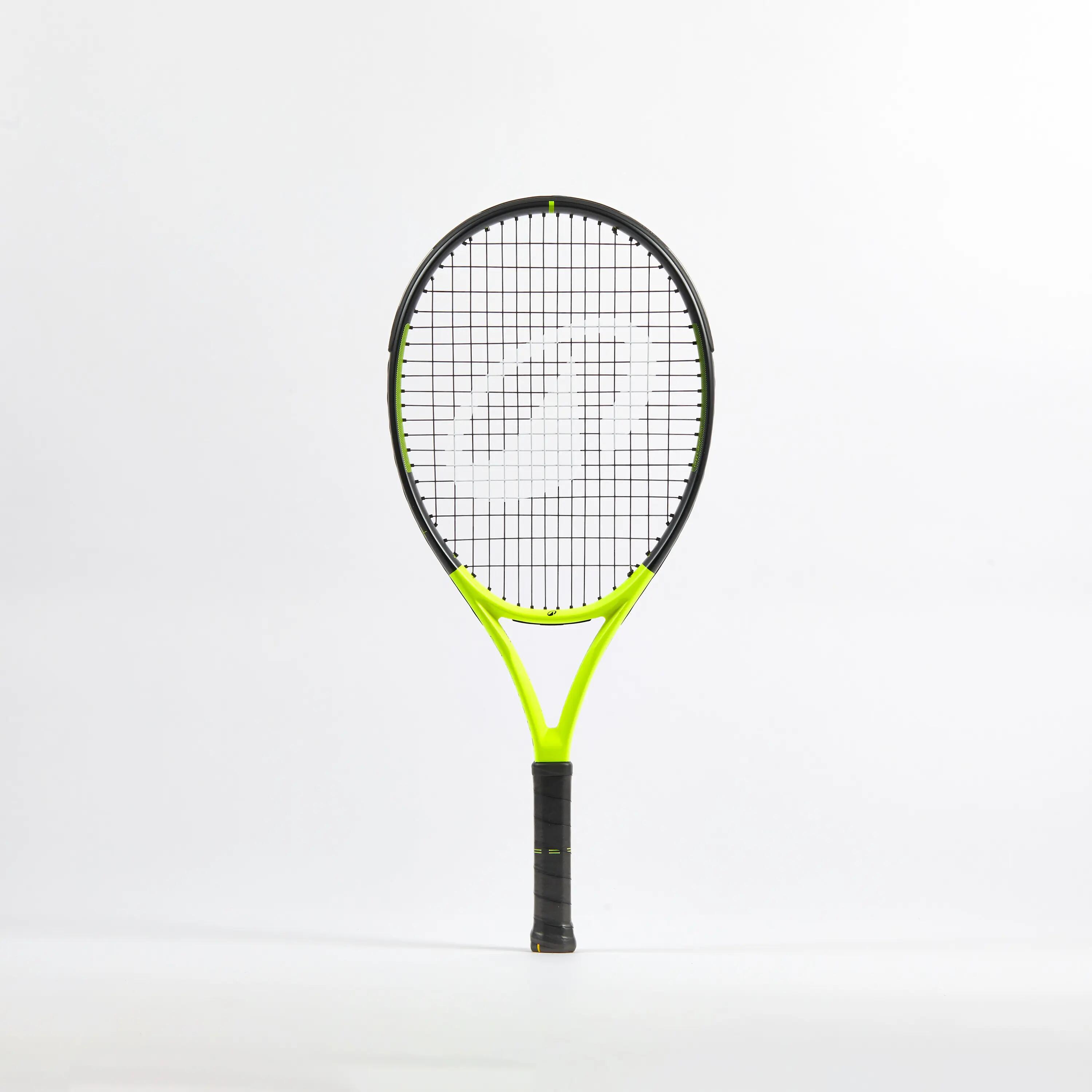
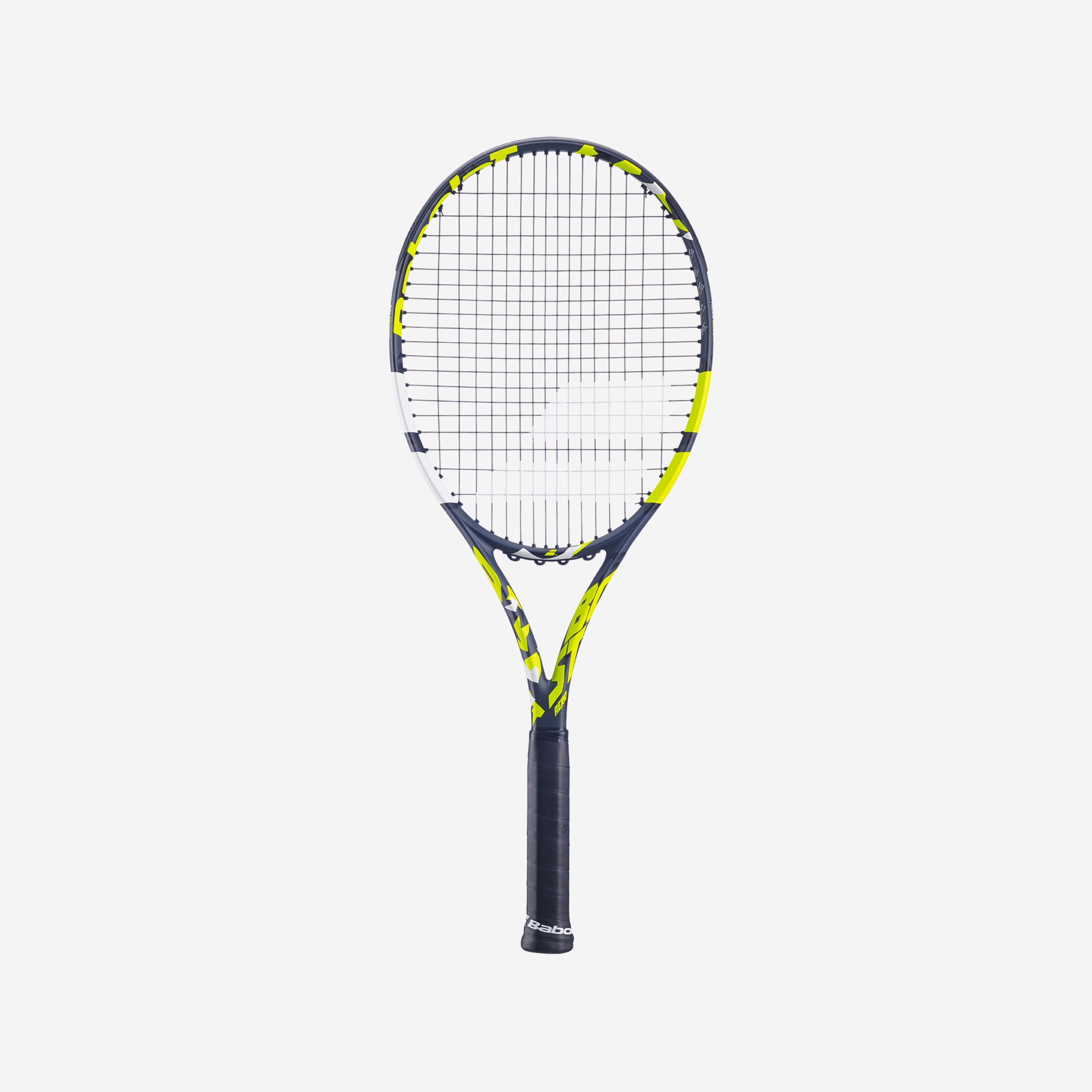
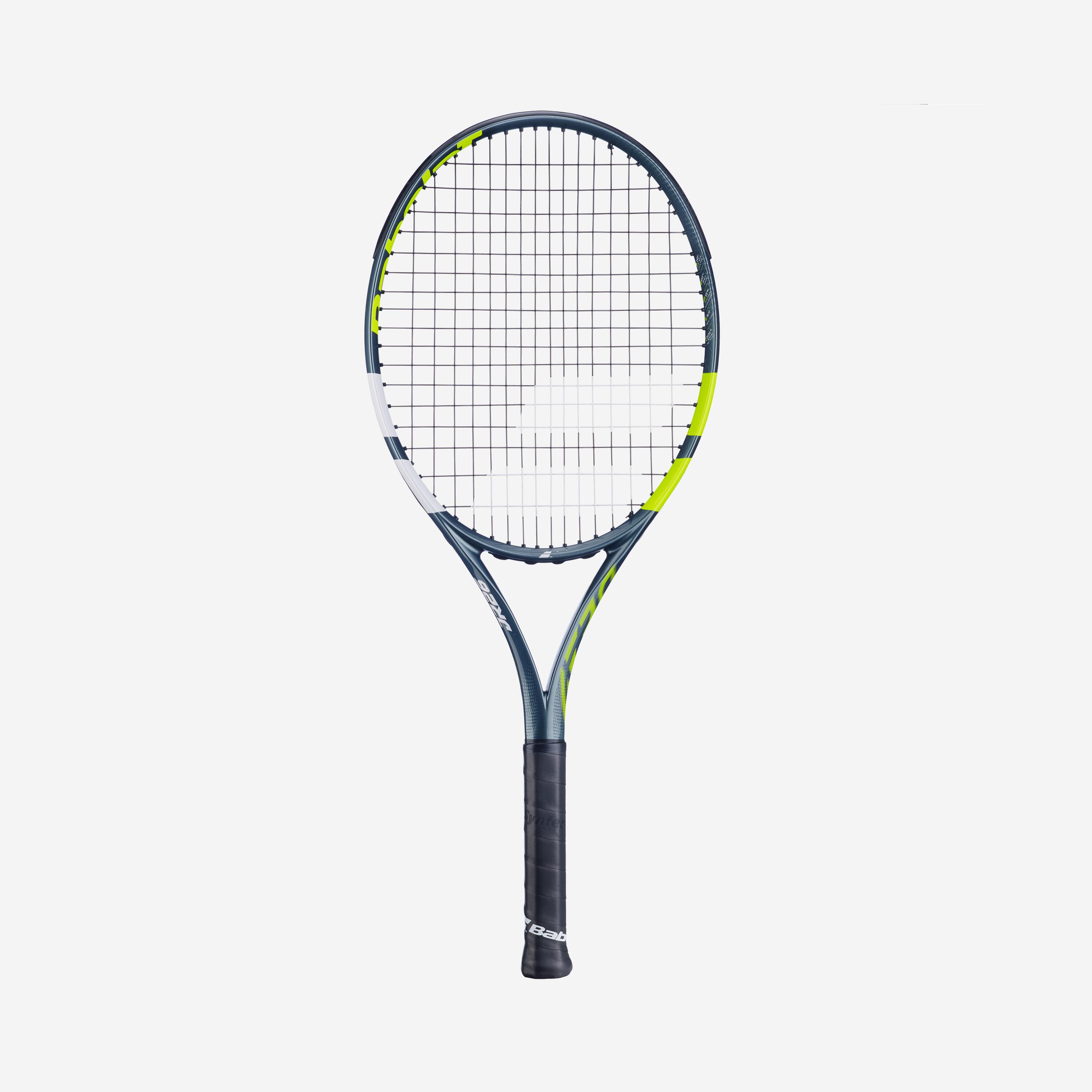
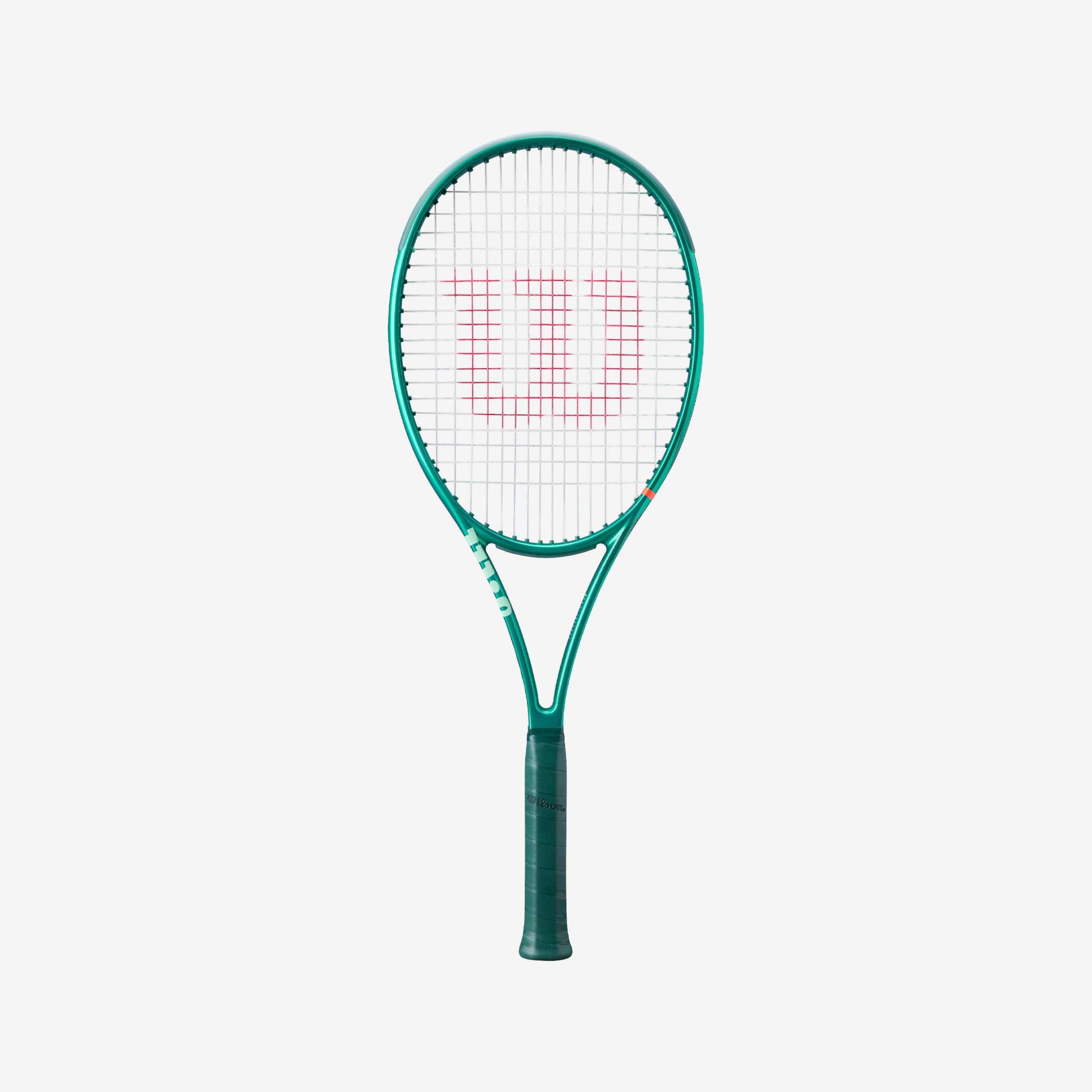
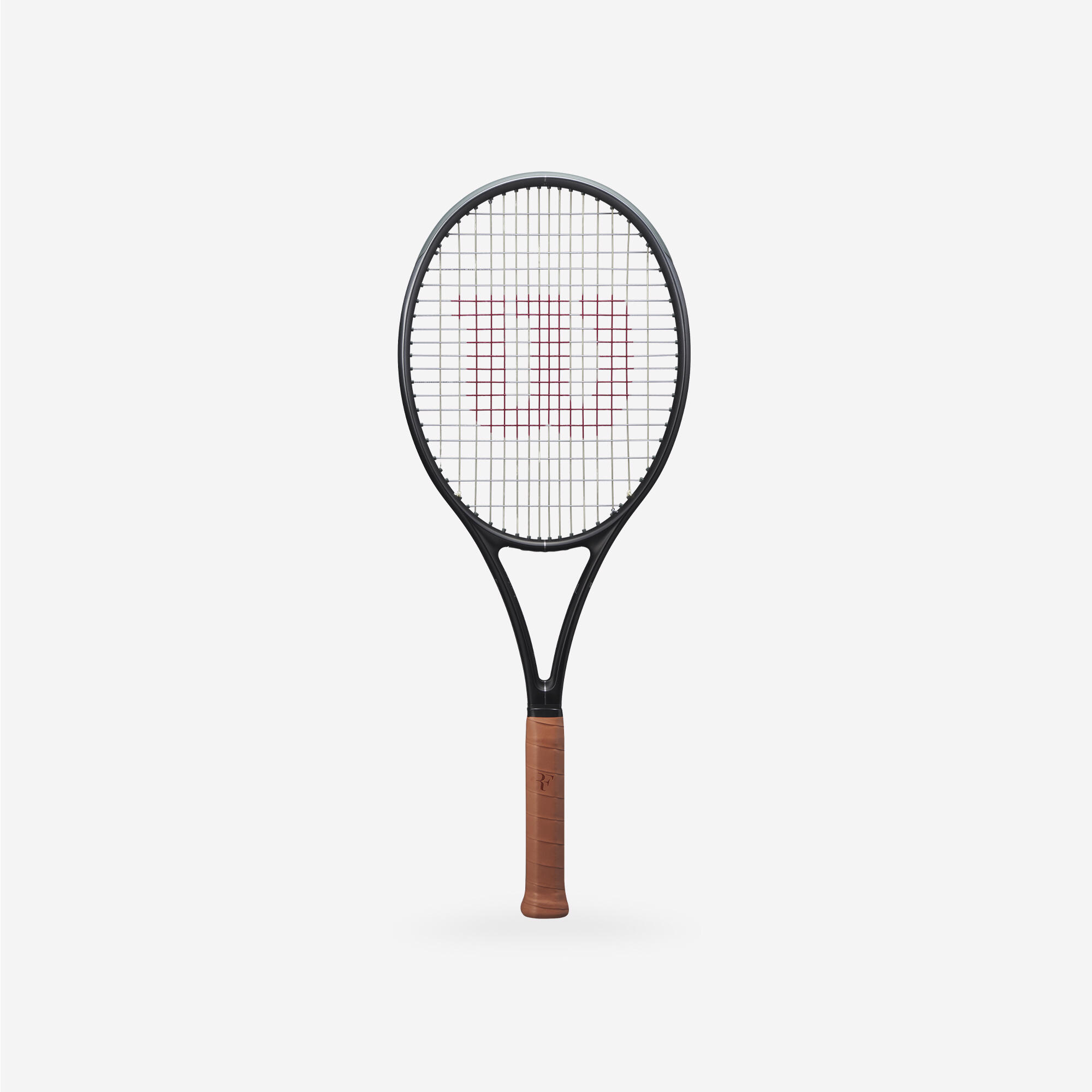
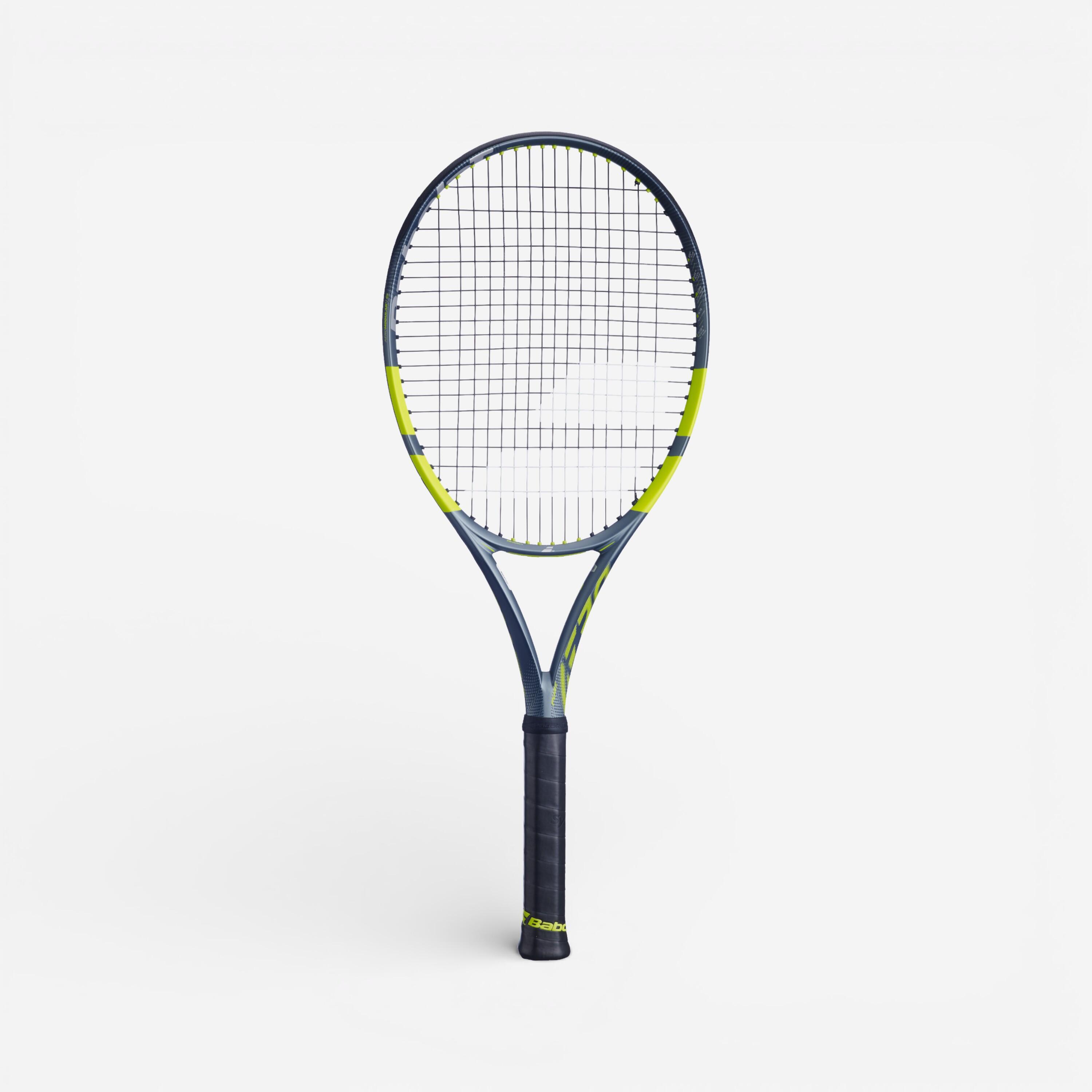
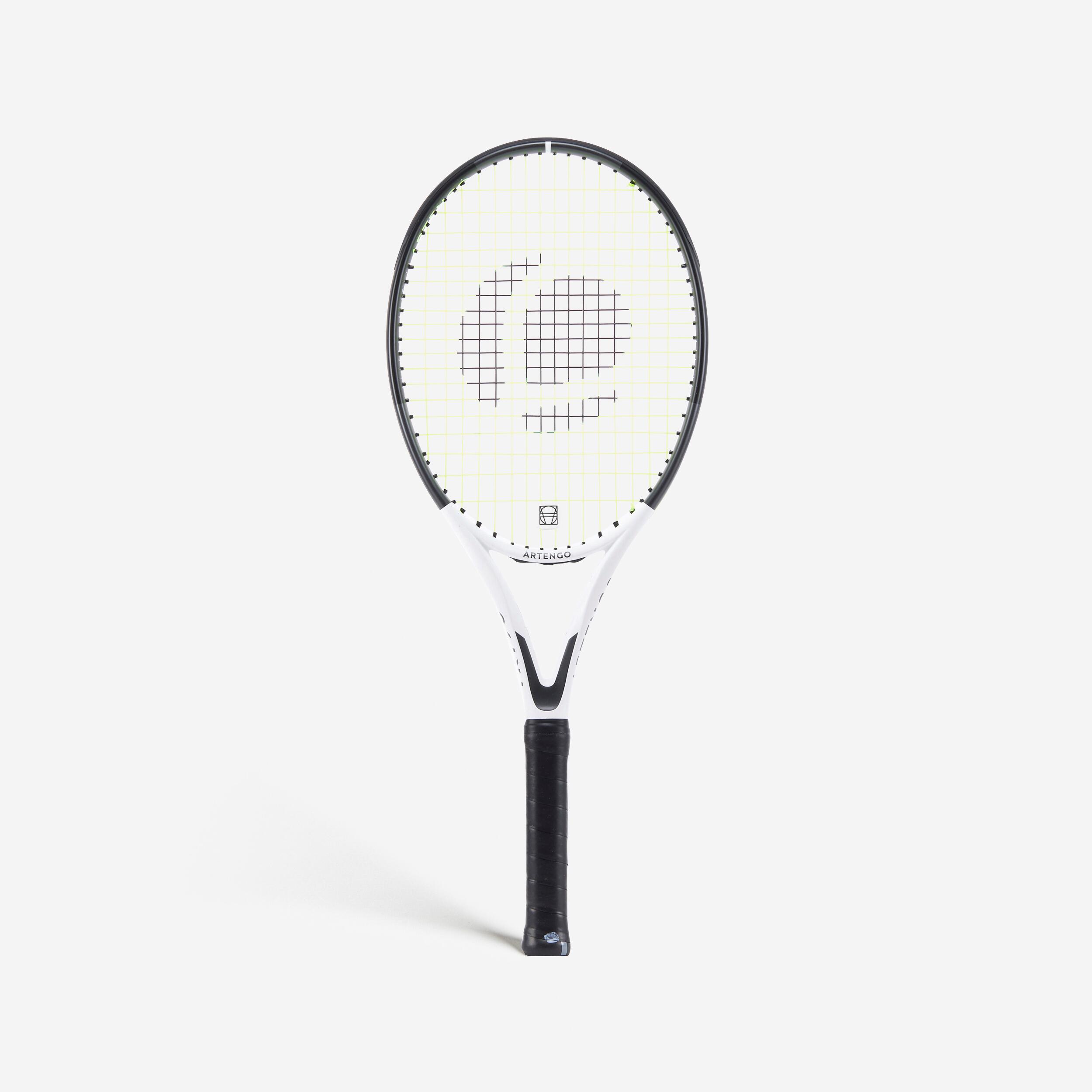
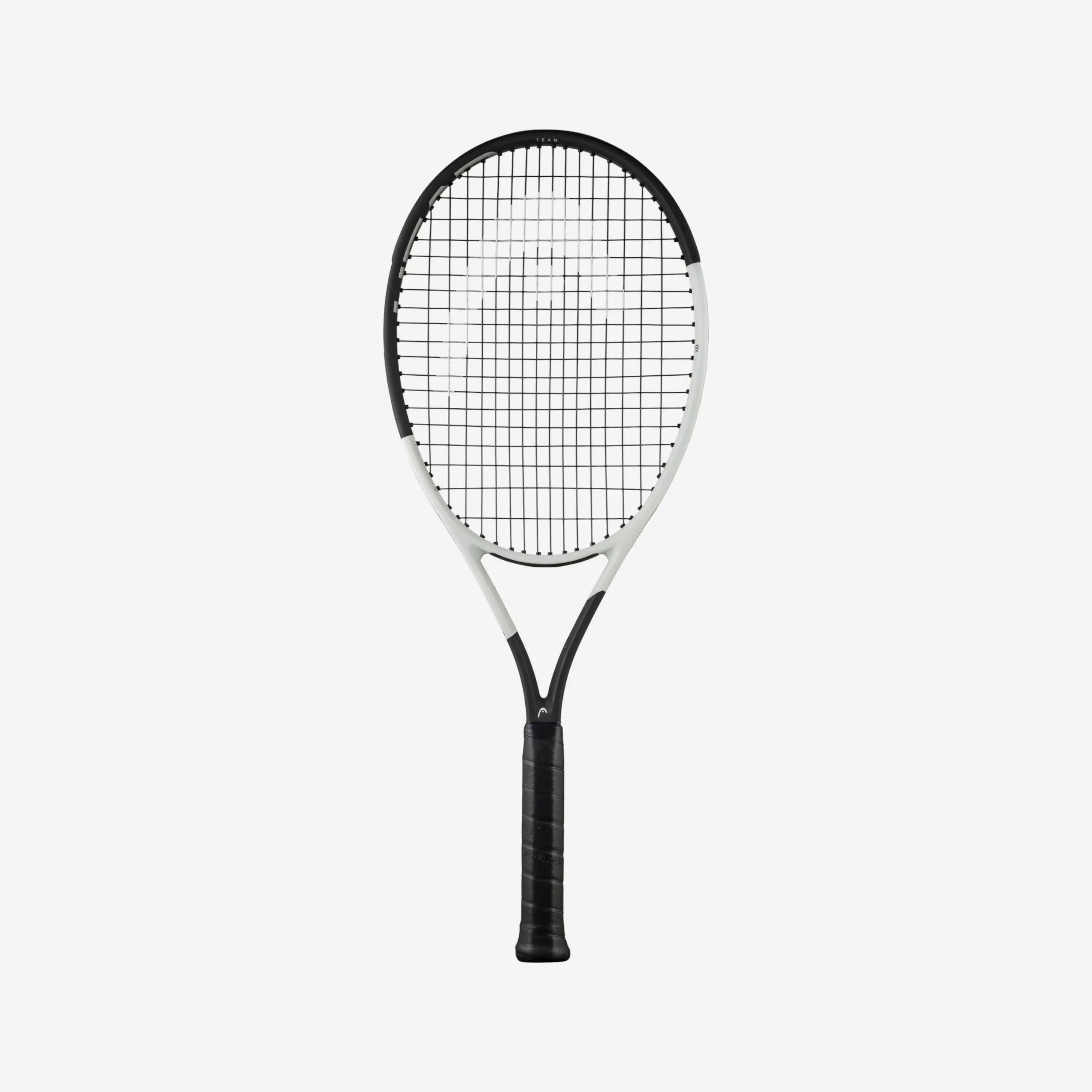
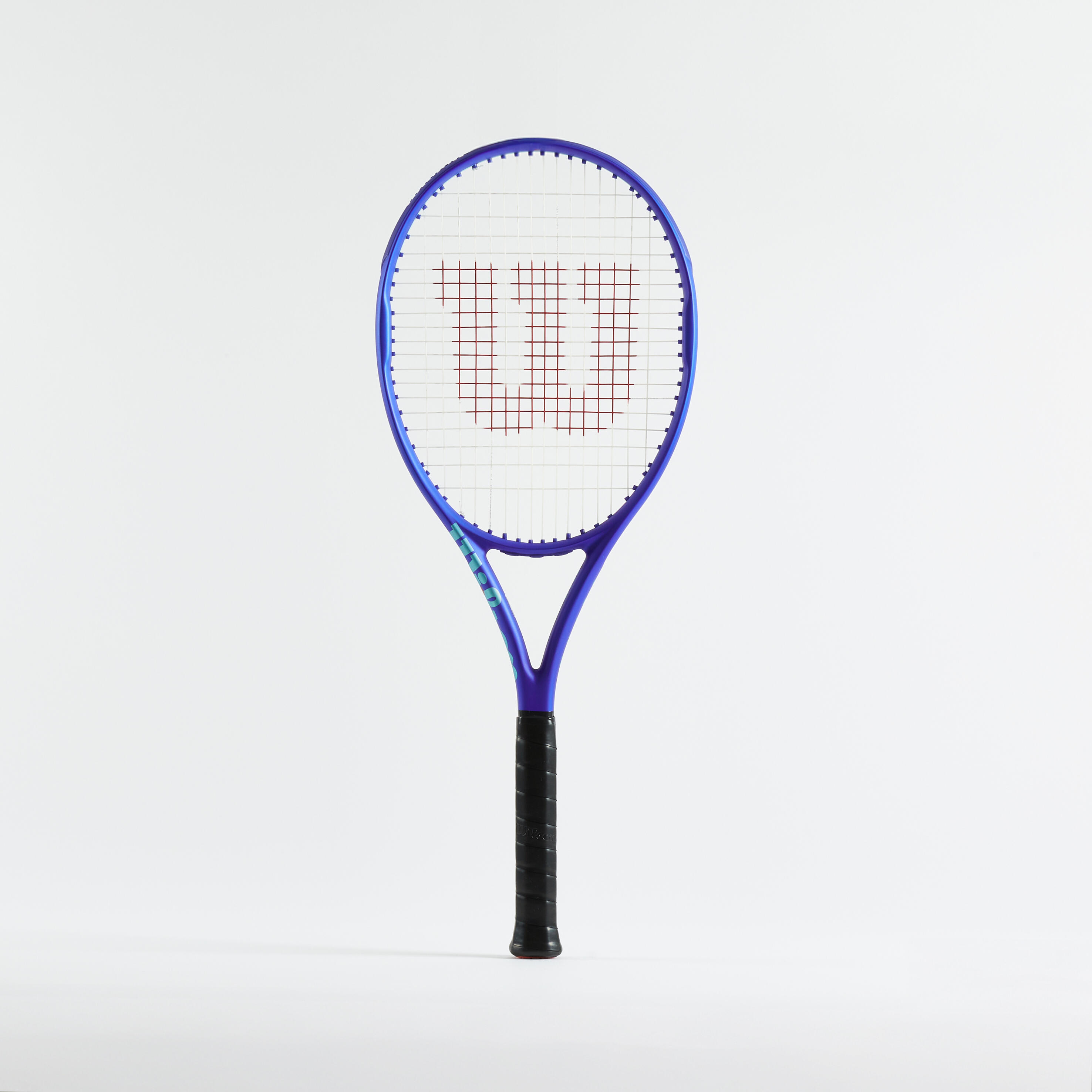
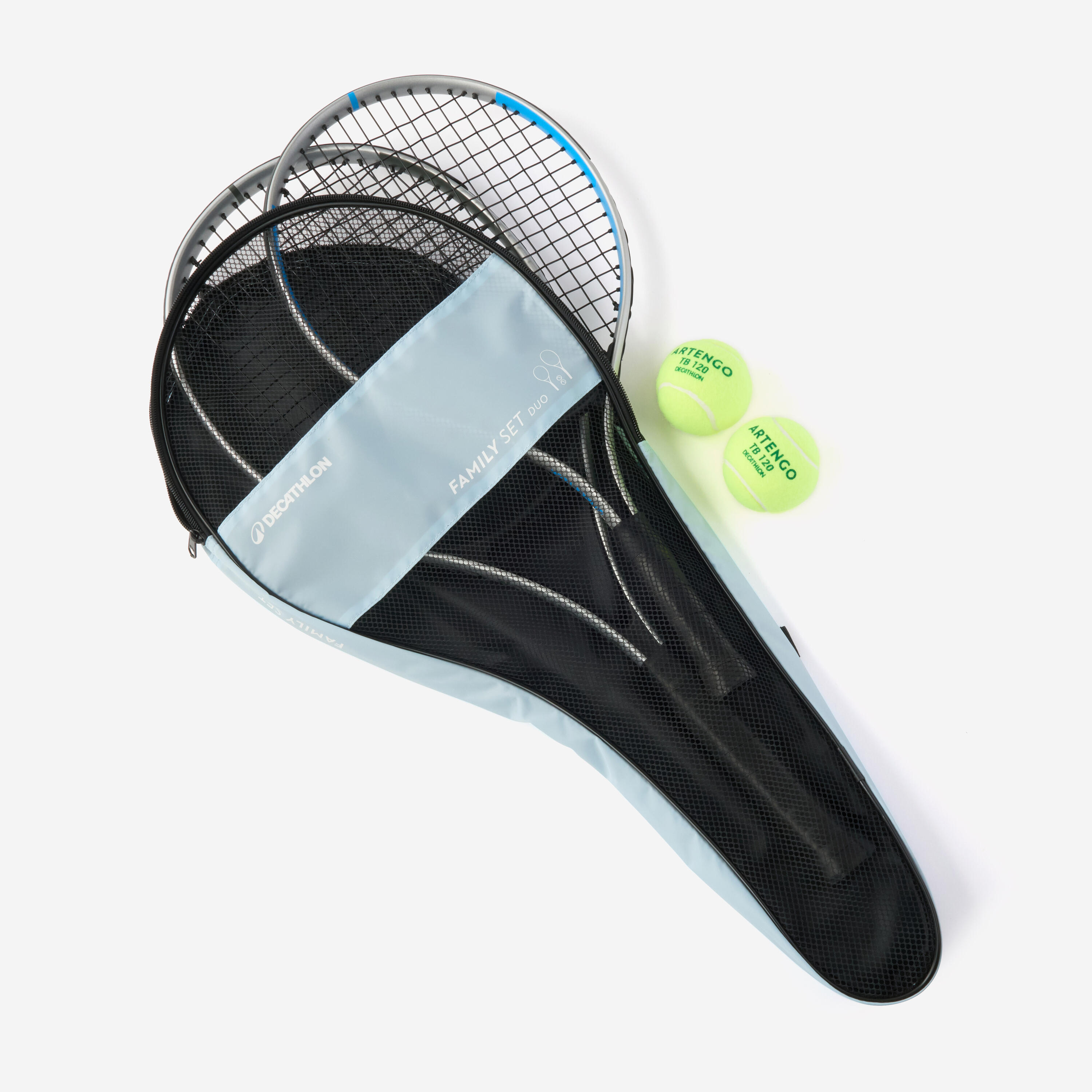
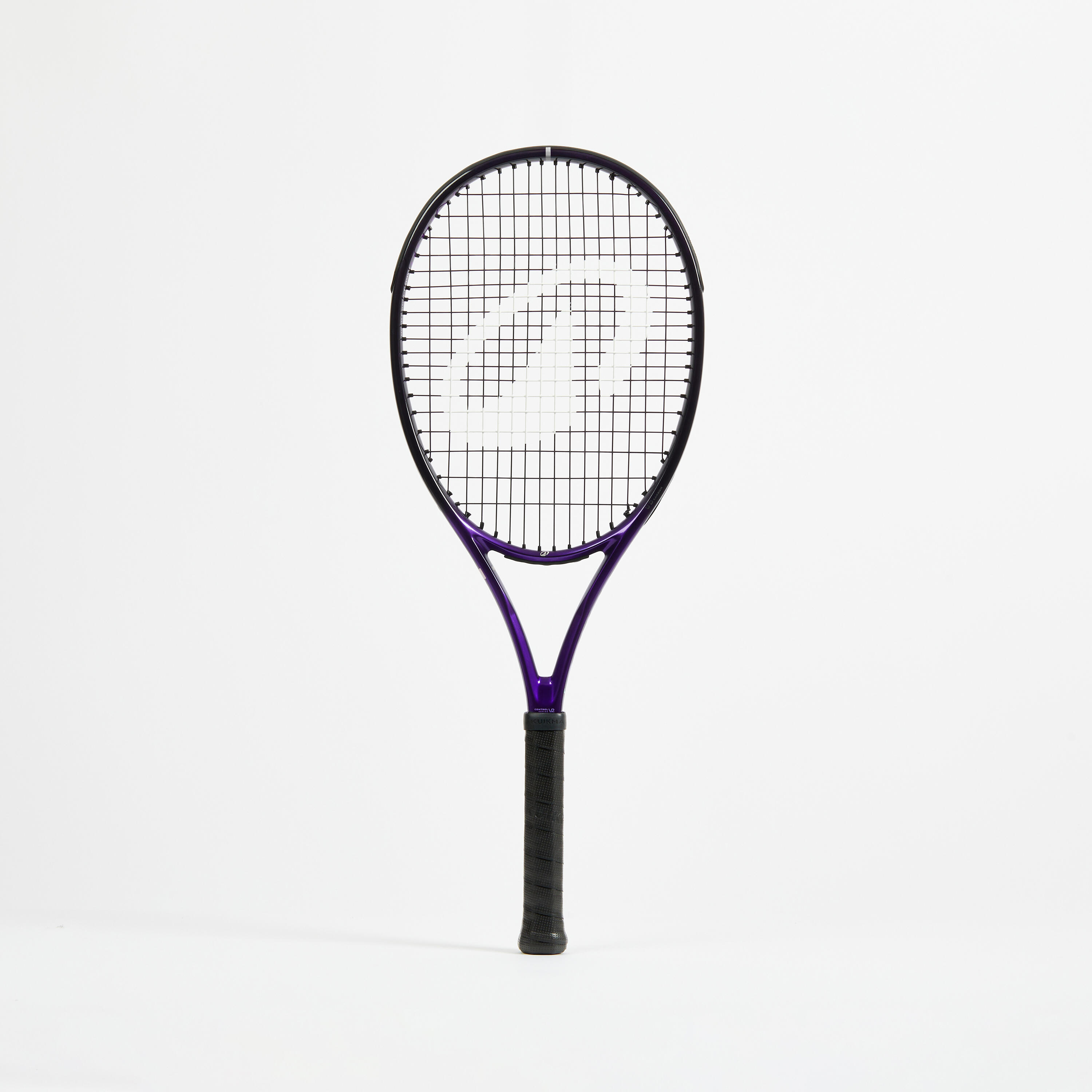
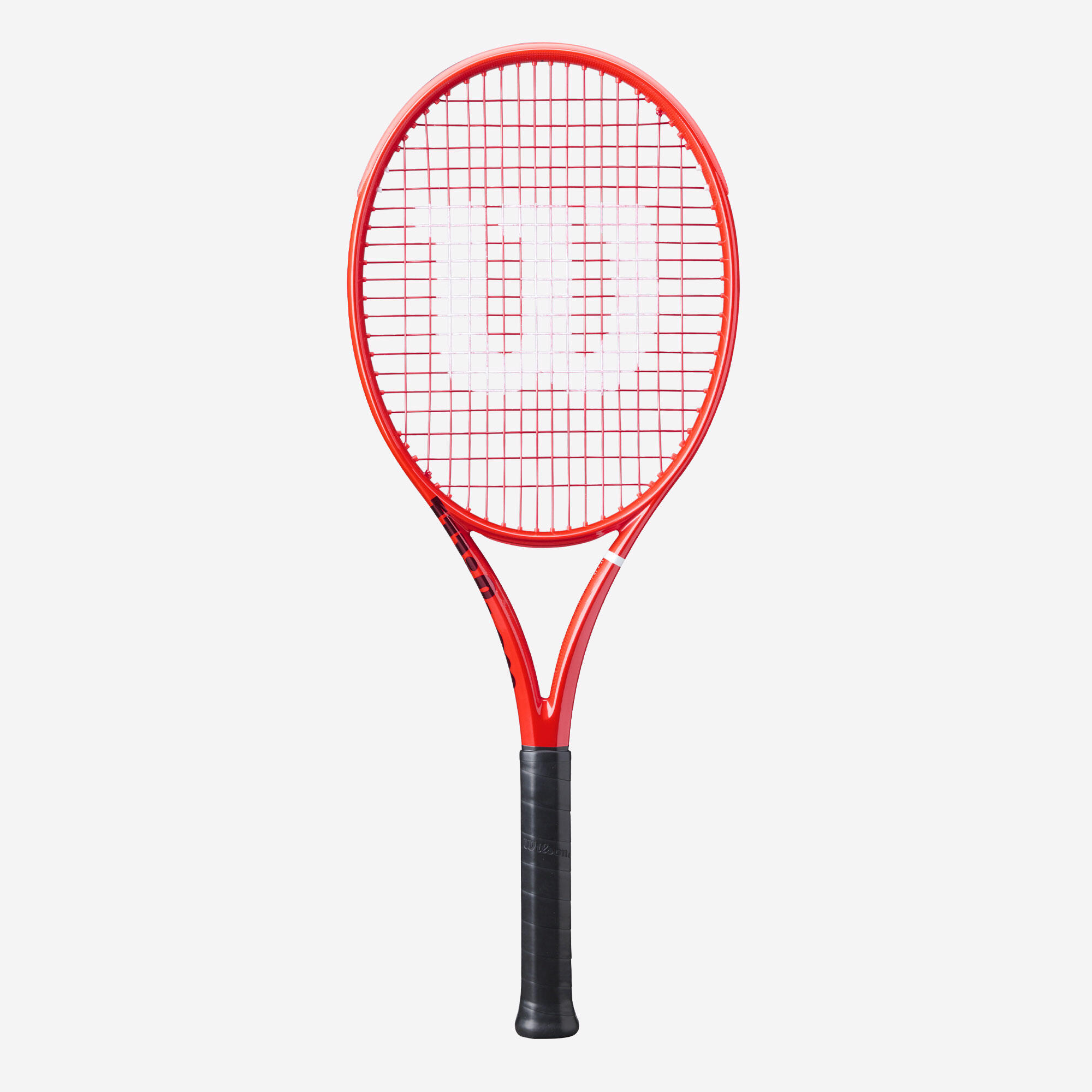
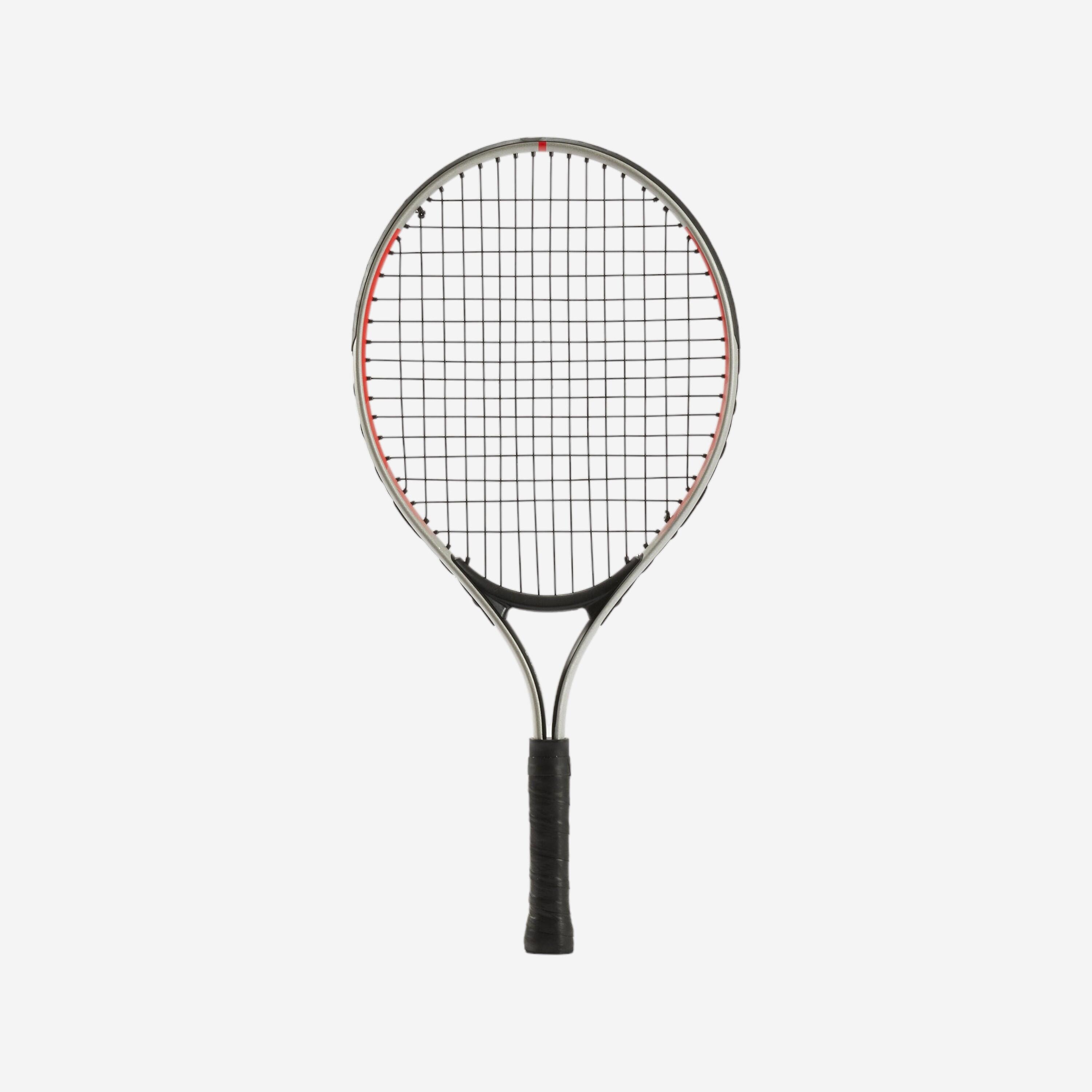
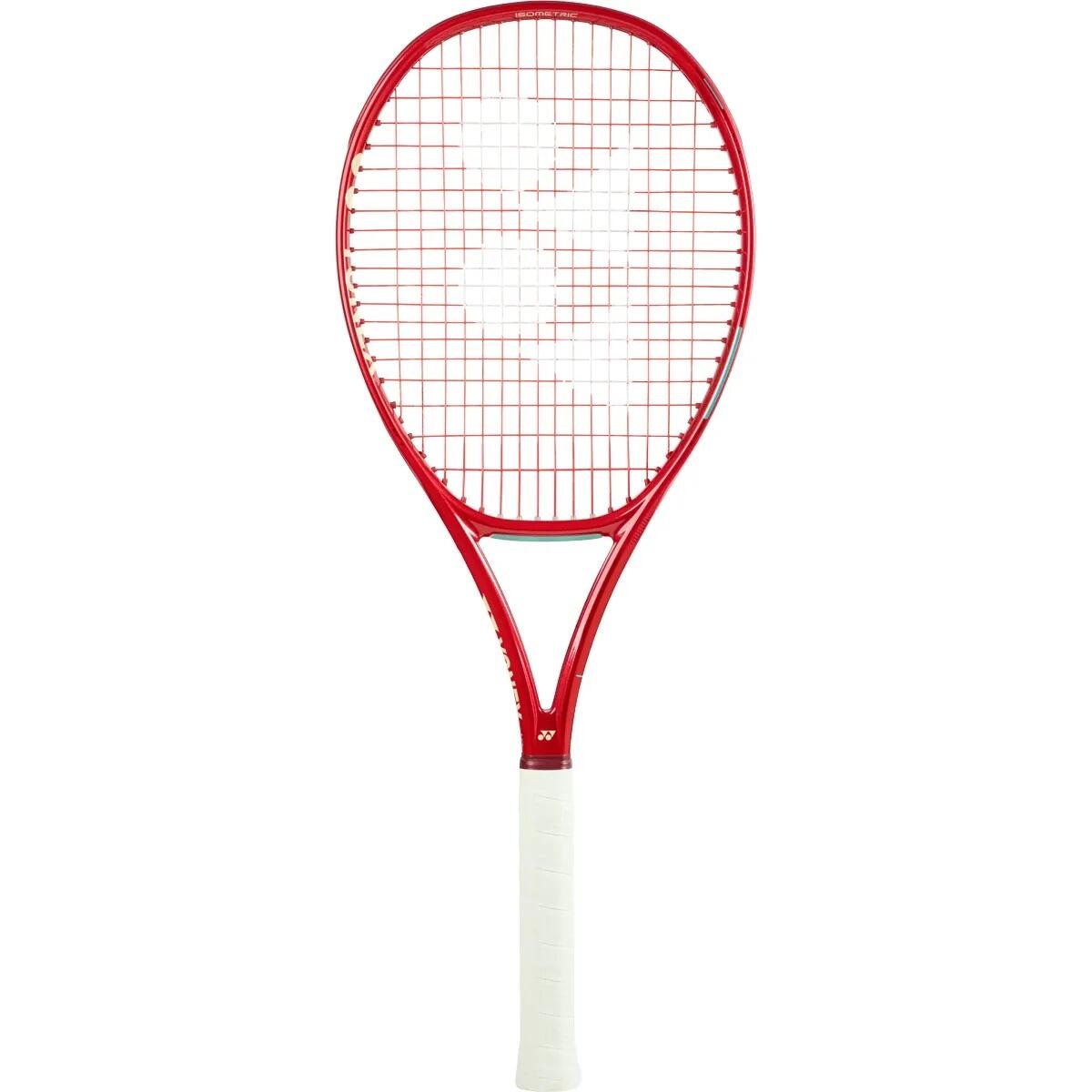
570 items
4.5/5 based on 7582 reviews collected online and in stores

Tennis Rackets FAQs


How do I know what tennis racket to buy?

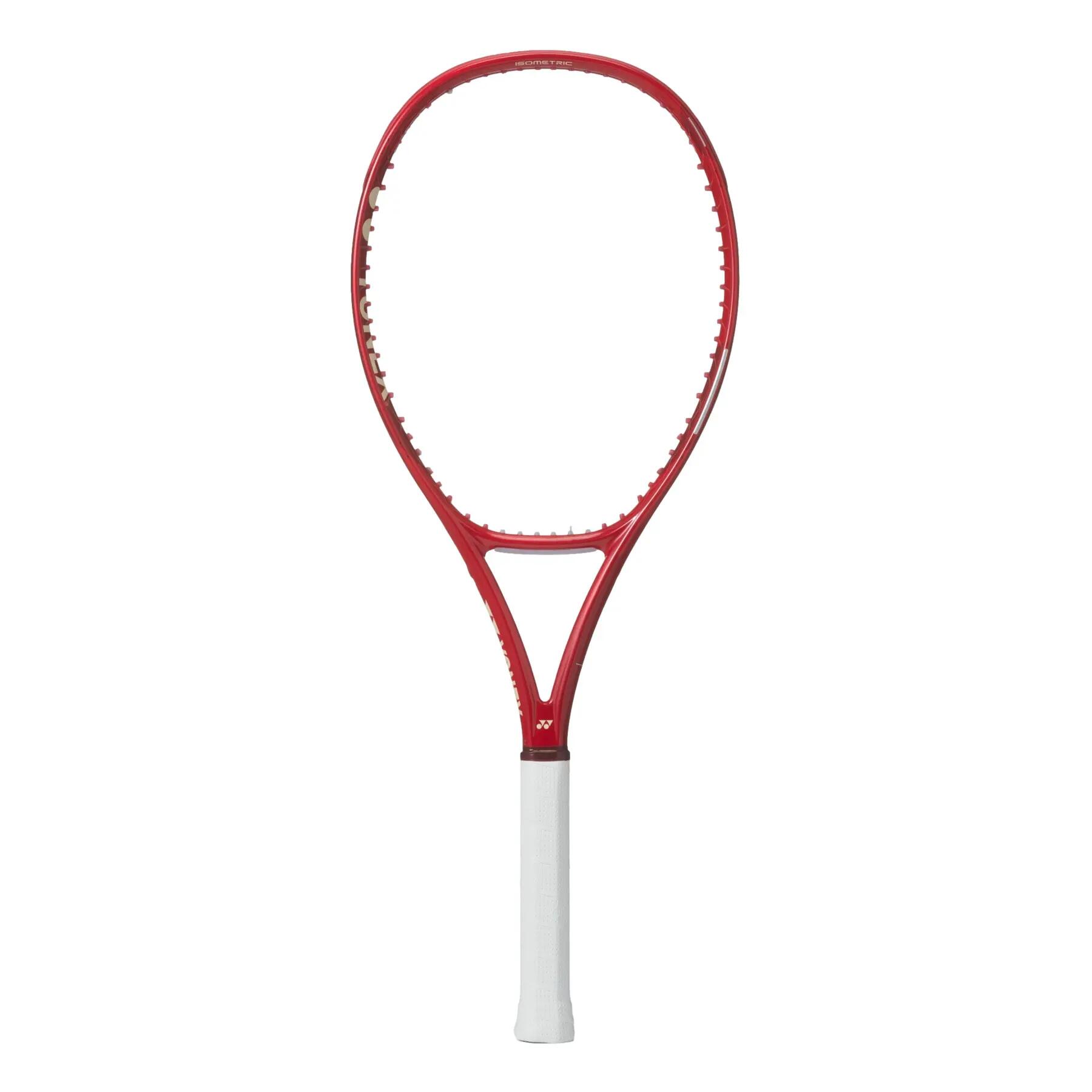
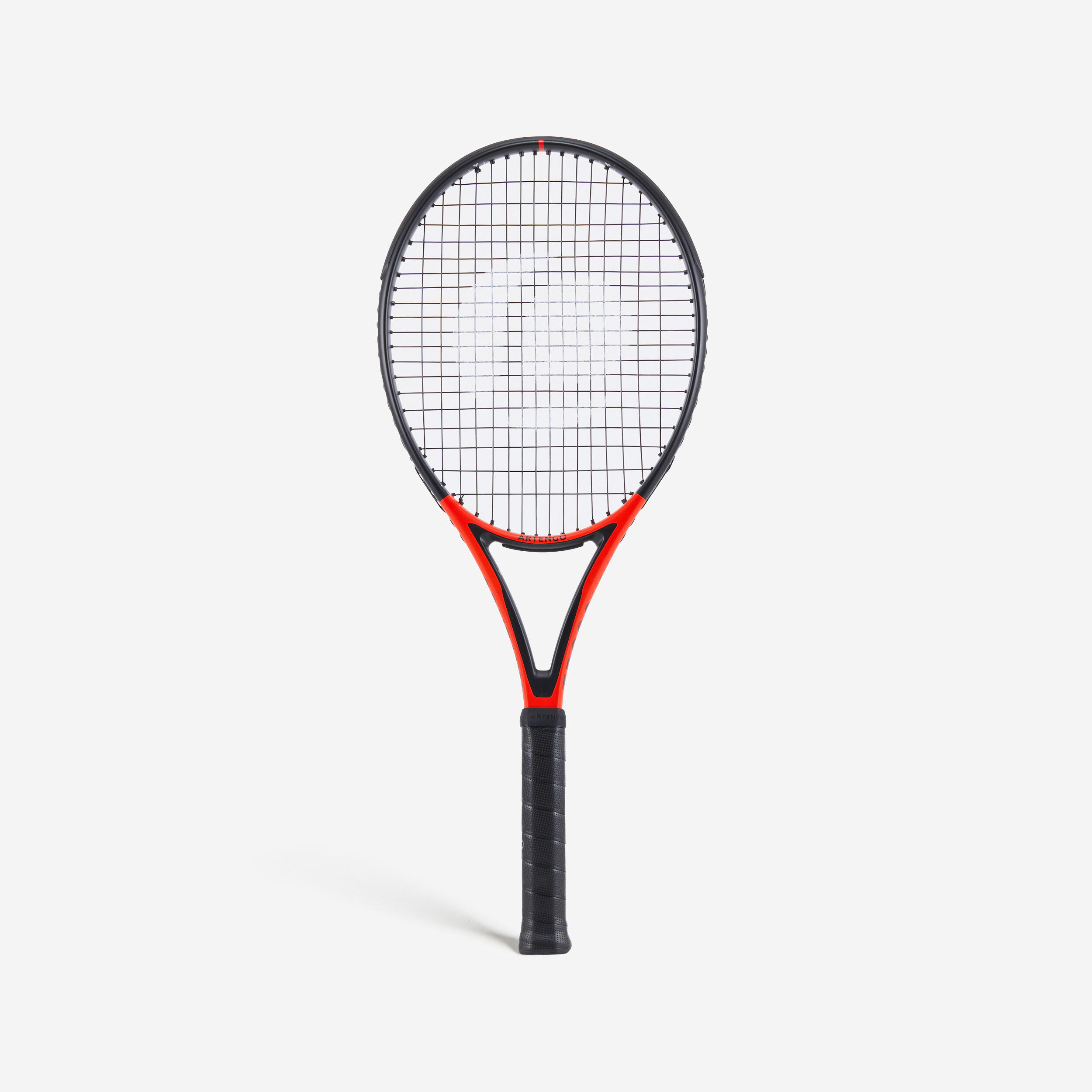
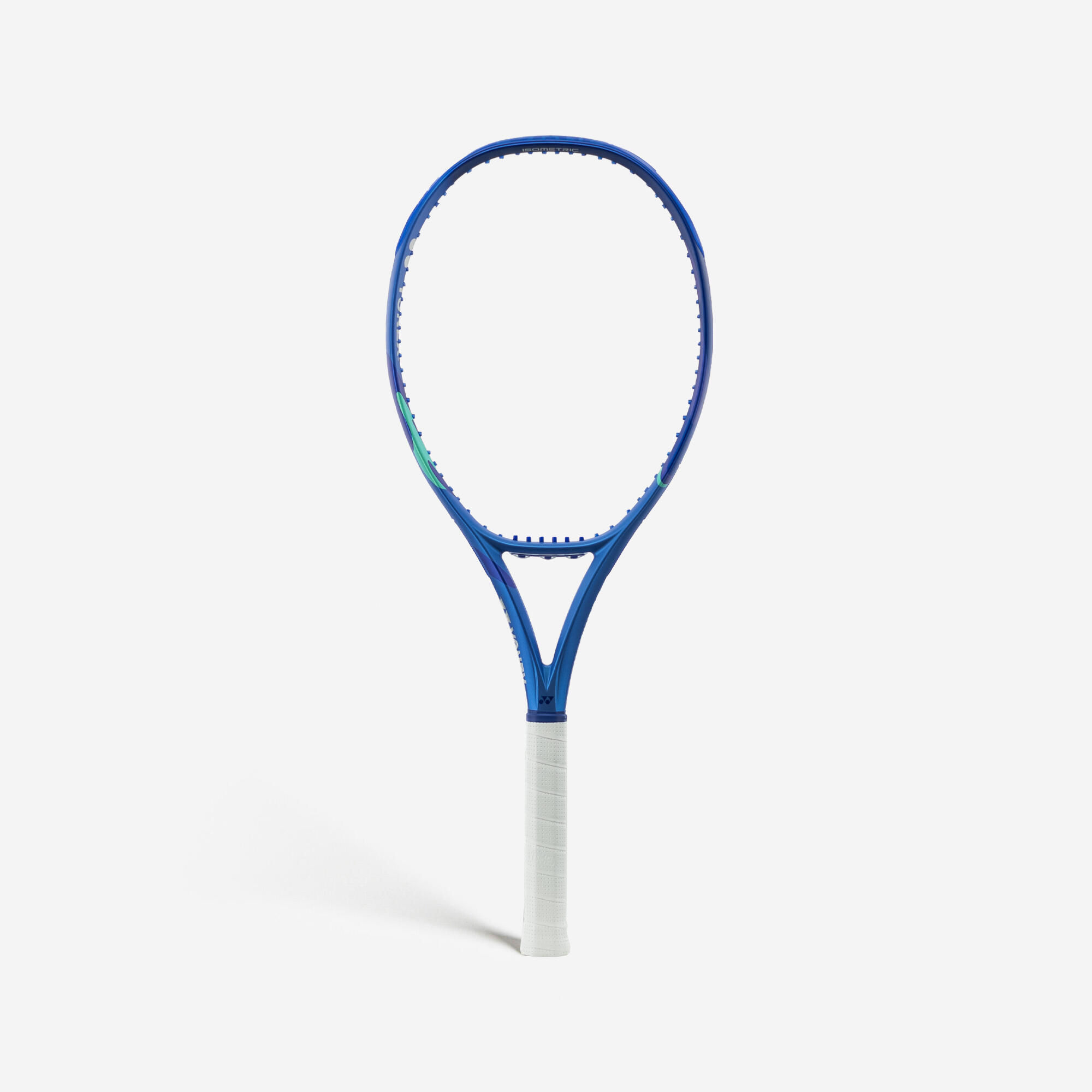
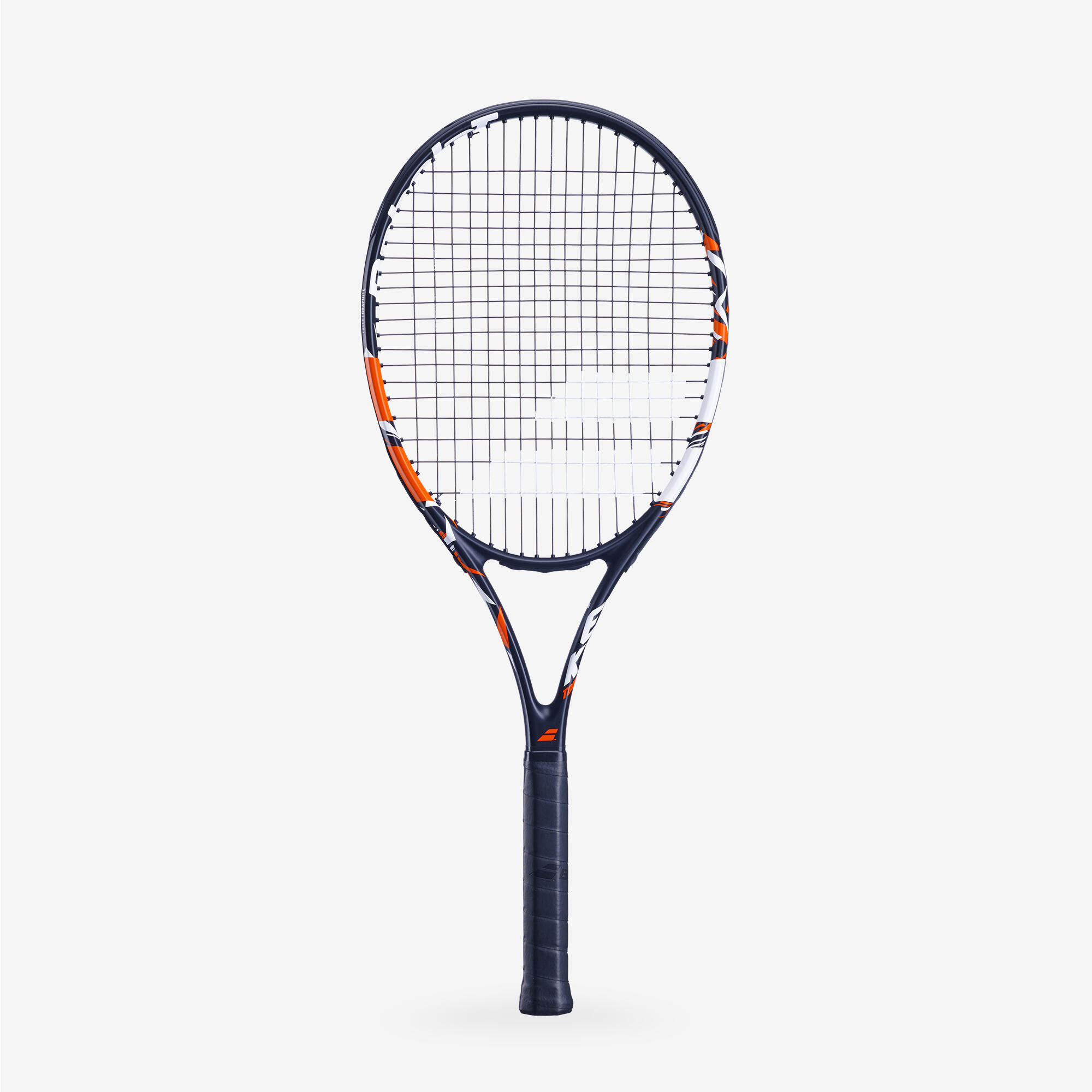
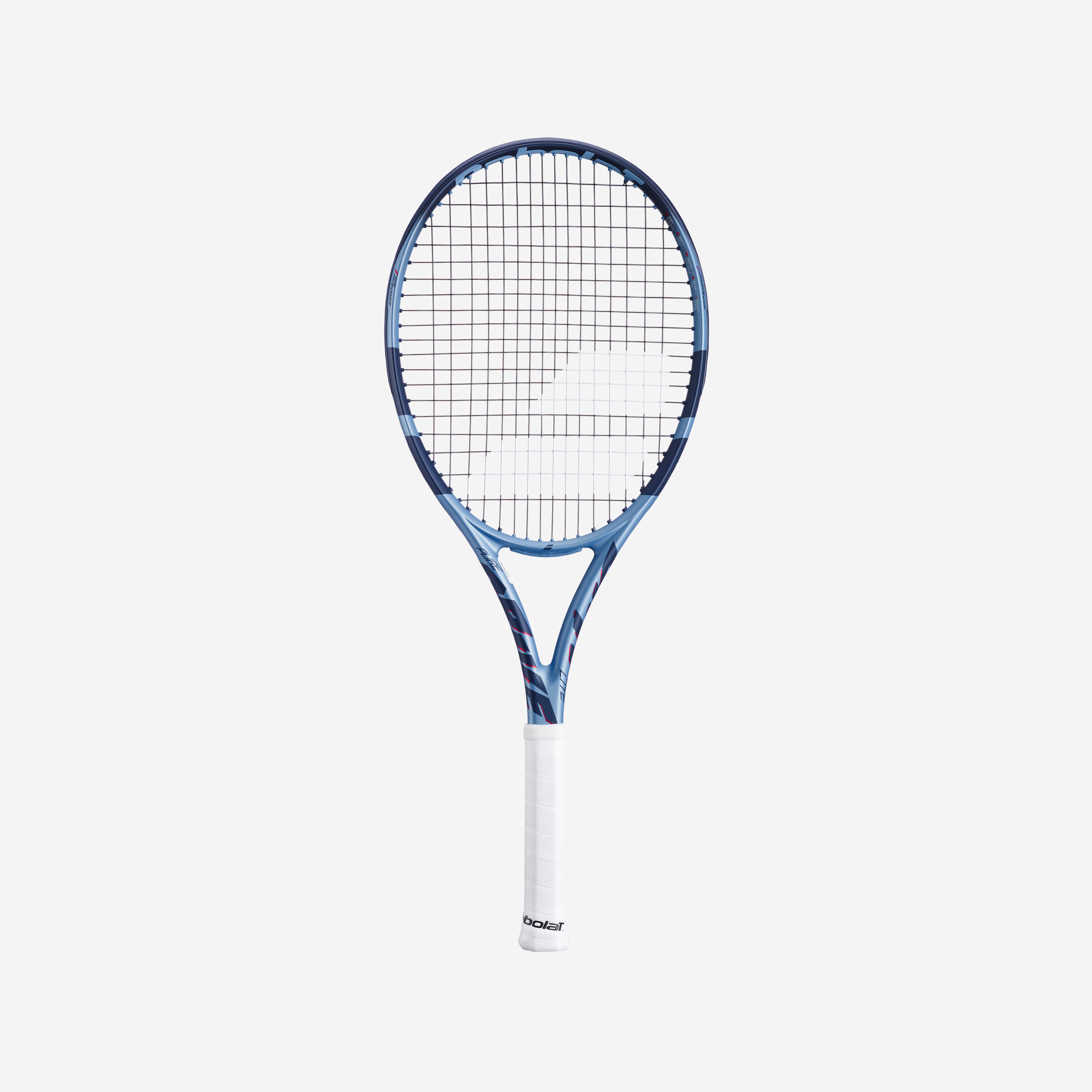
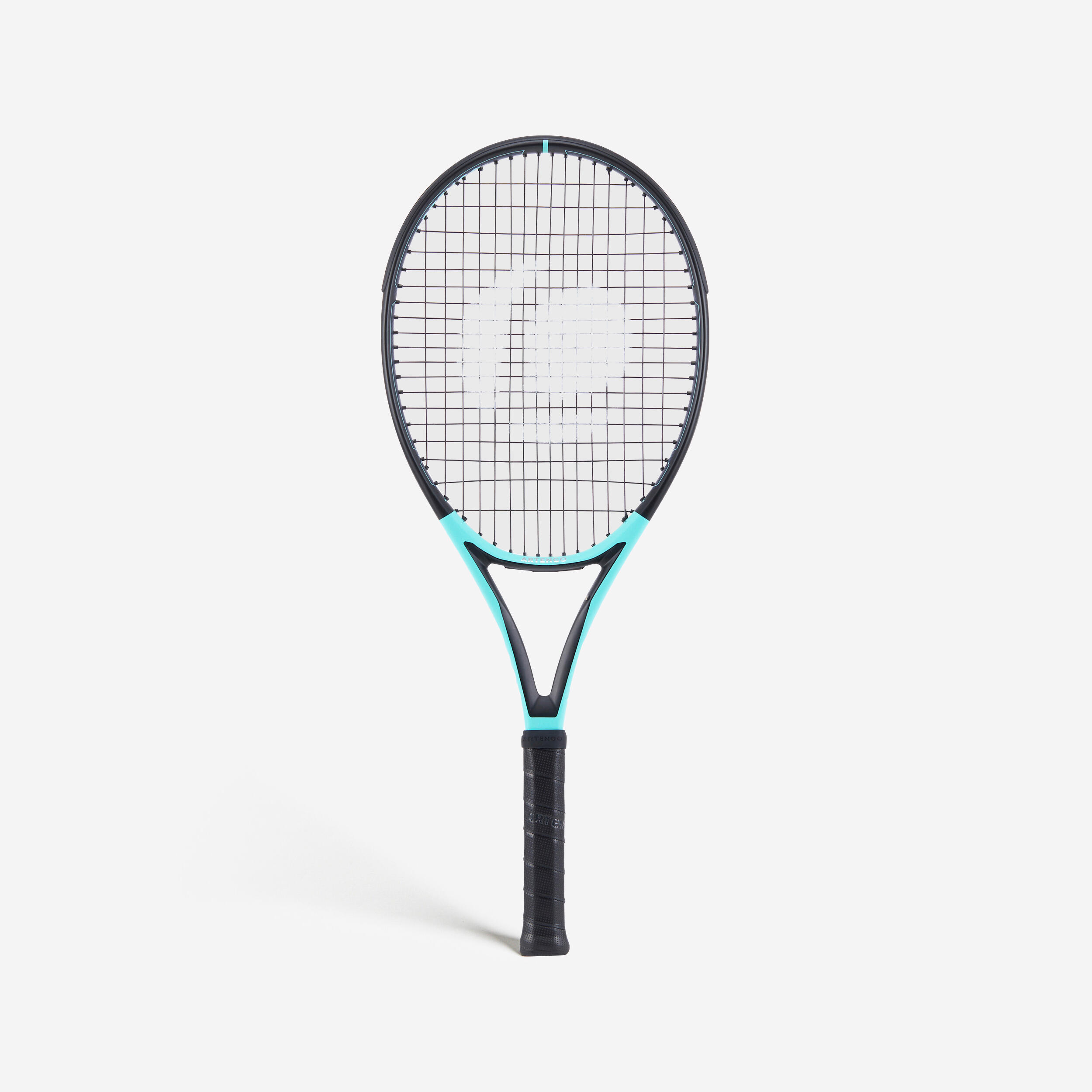
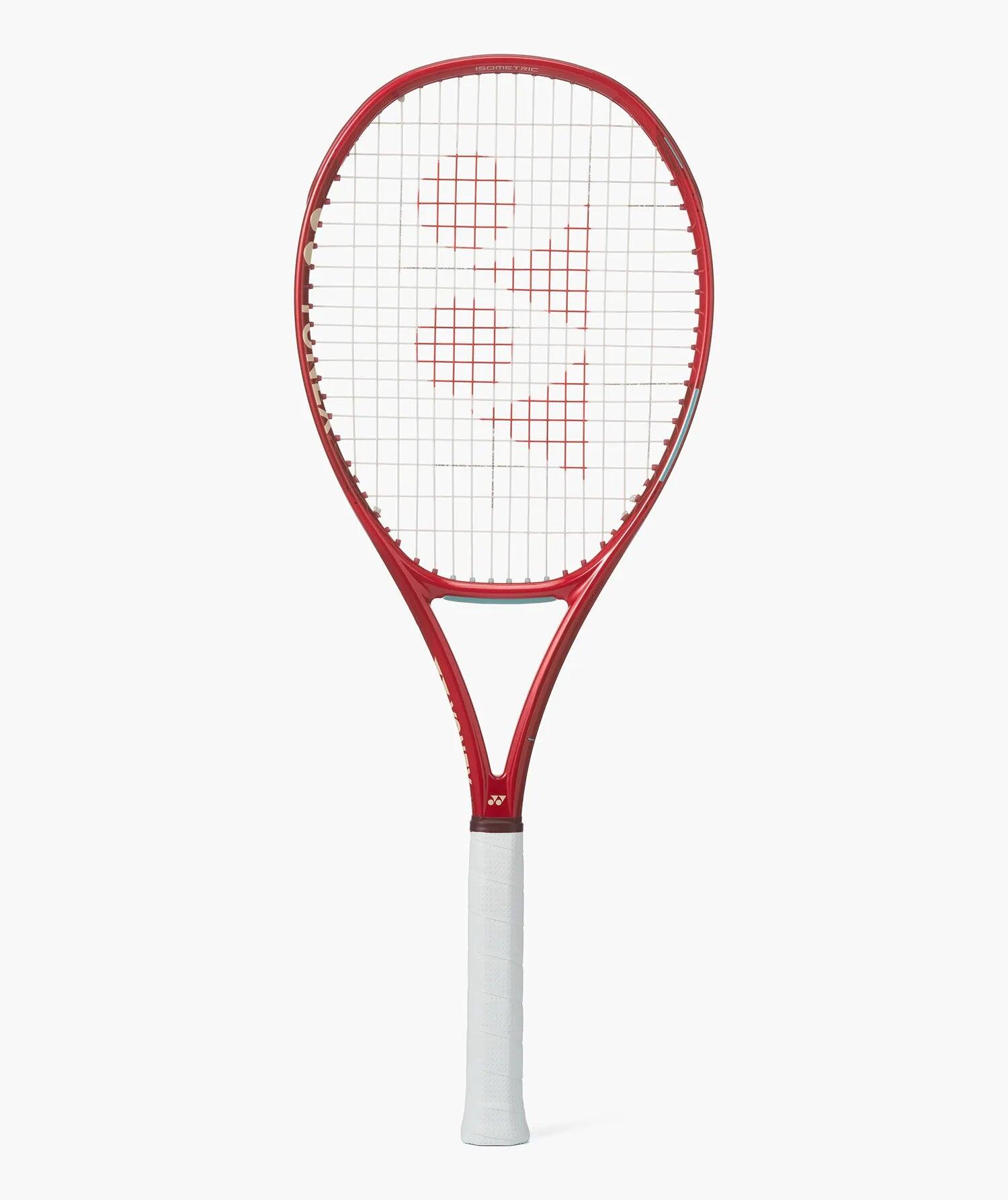
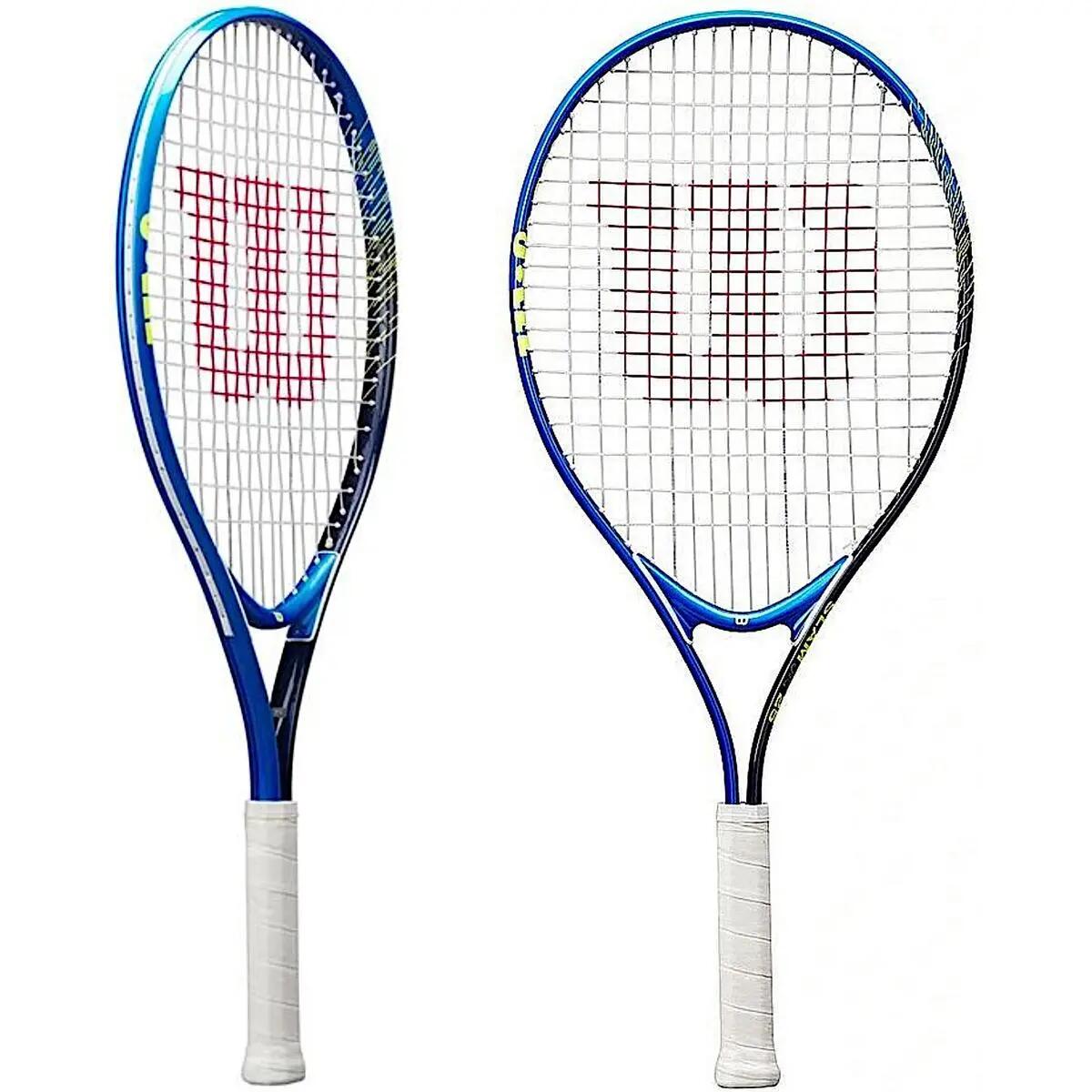
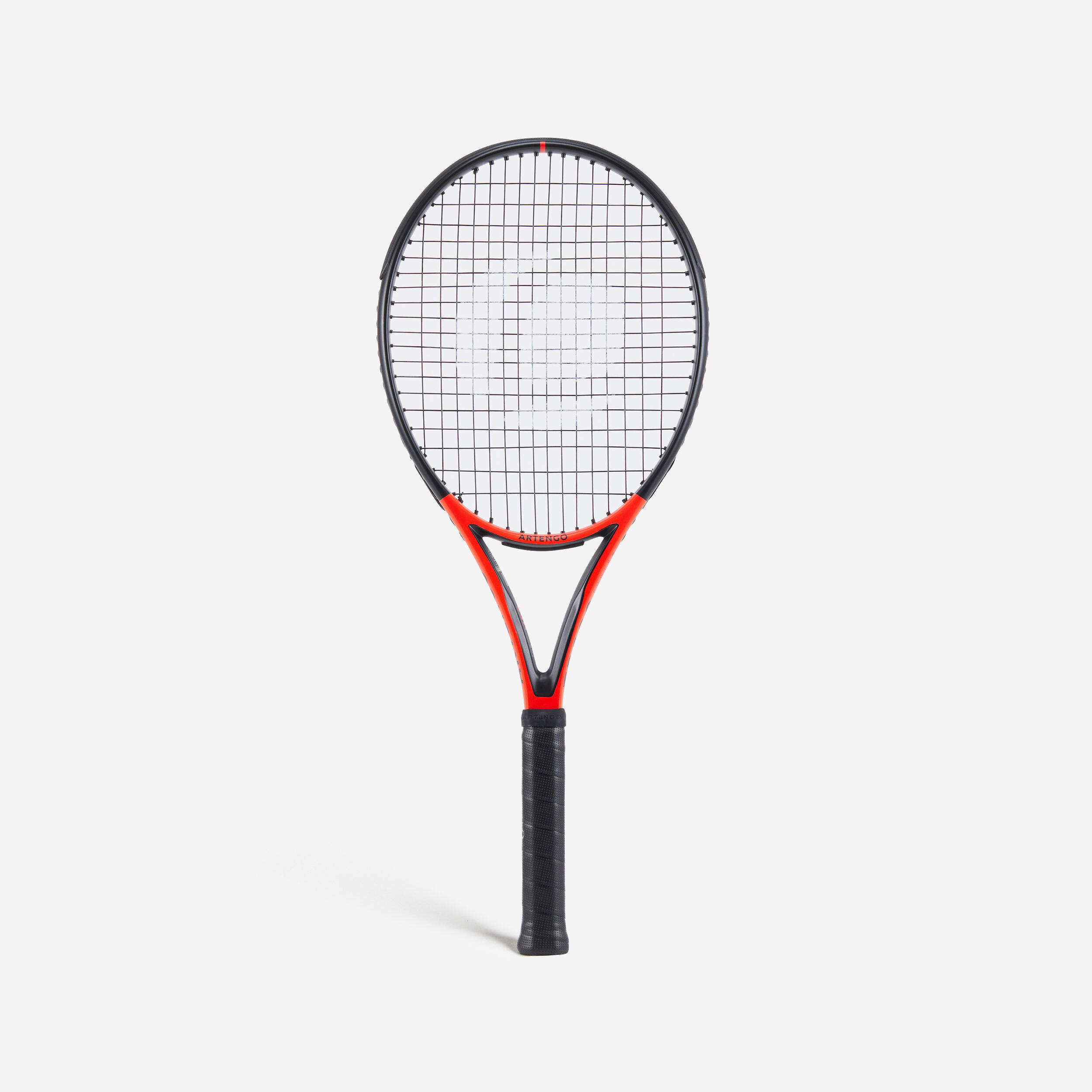
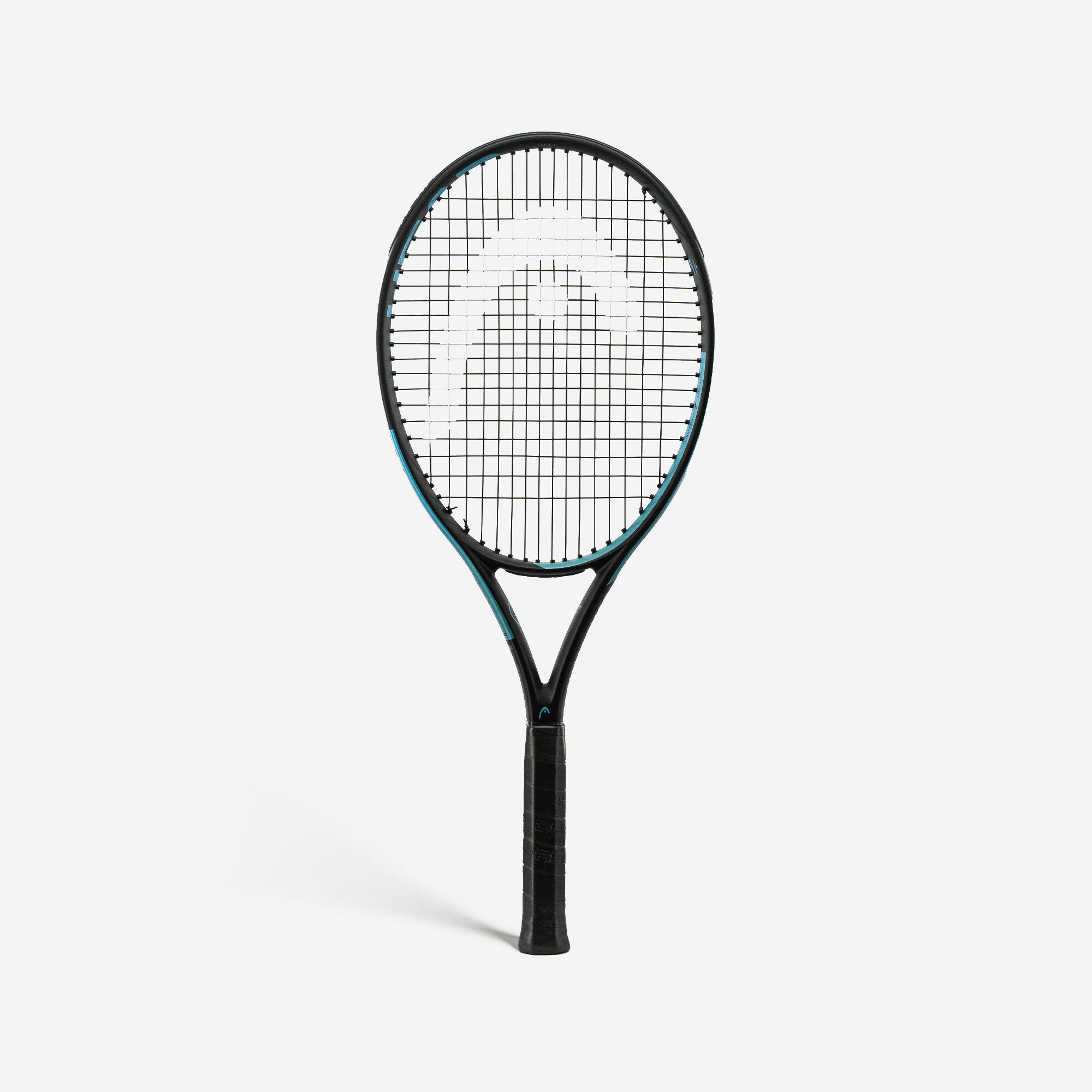
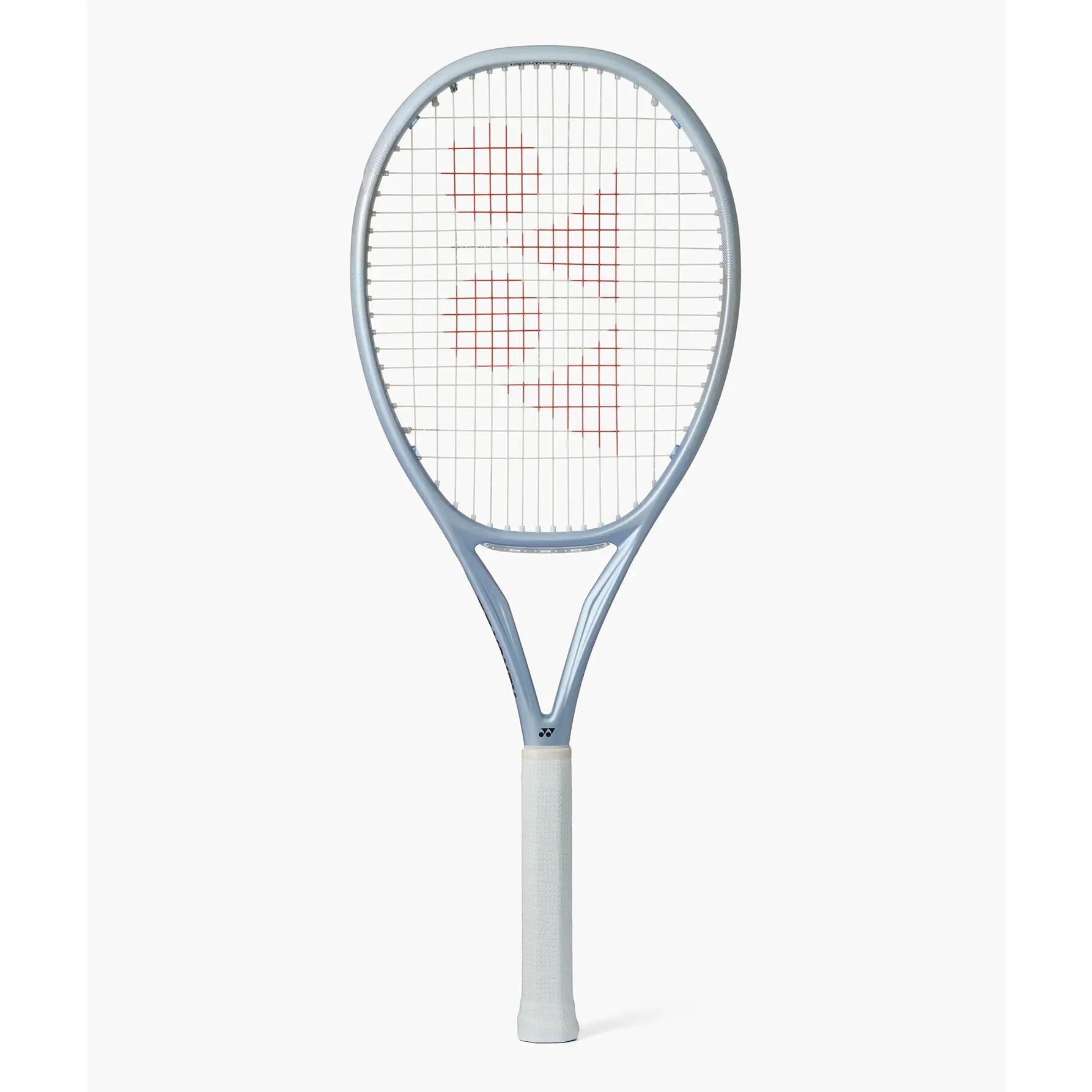
Choosing a tennis racket comes down to your level, physical strength, and playing style. Beginners should usually prefer lighter frames (260 to 280 g unstrung) with a larger head (between 100 and 110 sq in) for a bigger sweet spot and easier power on off-centre shots, while intermediate and advanced players often want heavier frames (300 g and above) for stability and control on faster swings. Comfort and feel matter as much as the spec sheet, so testing a frame for a few rallies is the most reliable way to confirm the right fit. Expert advice: balance is just as important as weight, since a head-heavy racket adds power while a head-light racket adds manoeuvrability at the net. To complete your kit, pair your frame with a tube of tennis balls chosen for your court surface and skill level, with pressureless options for practice and pressurised balls for match play.
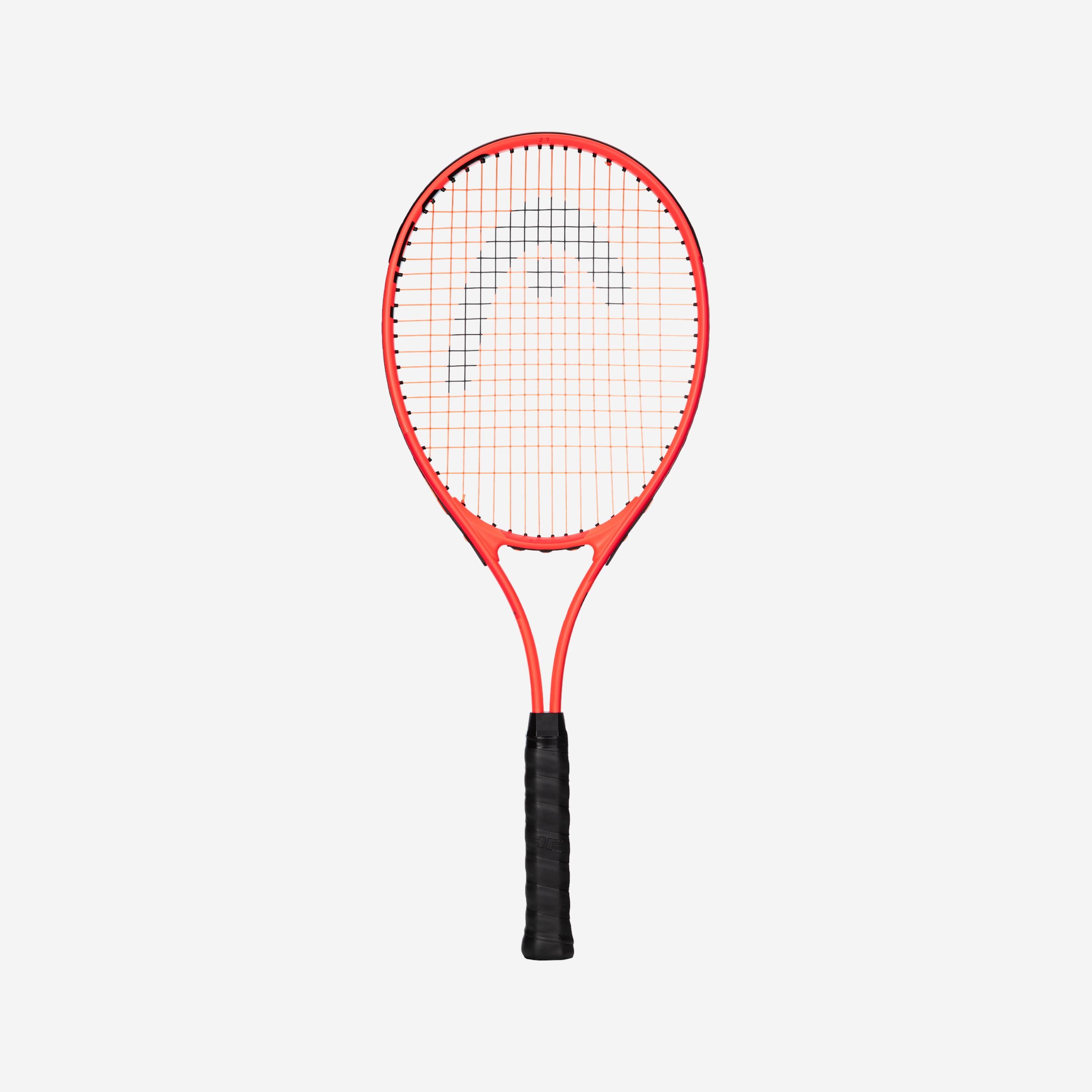

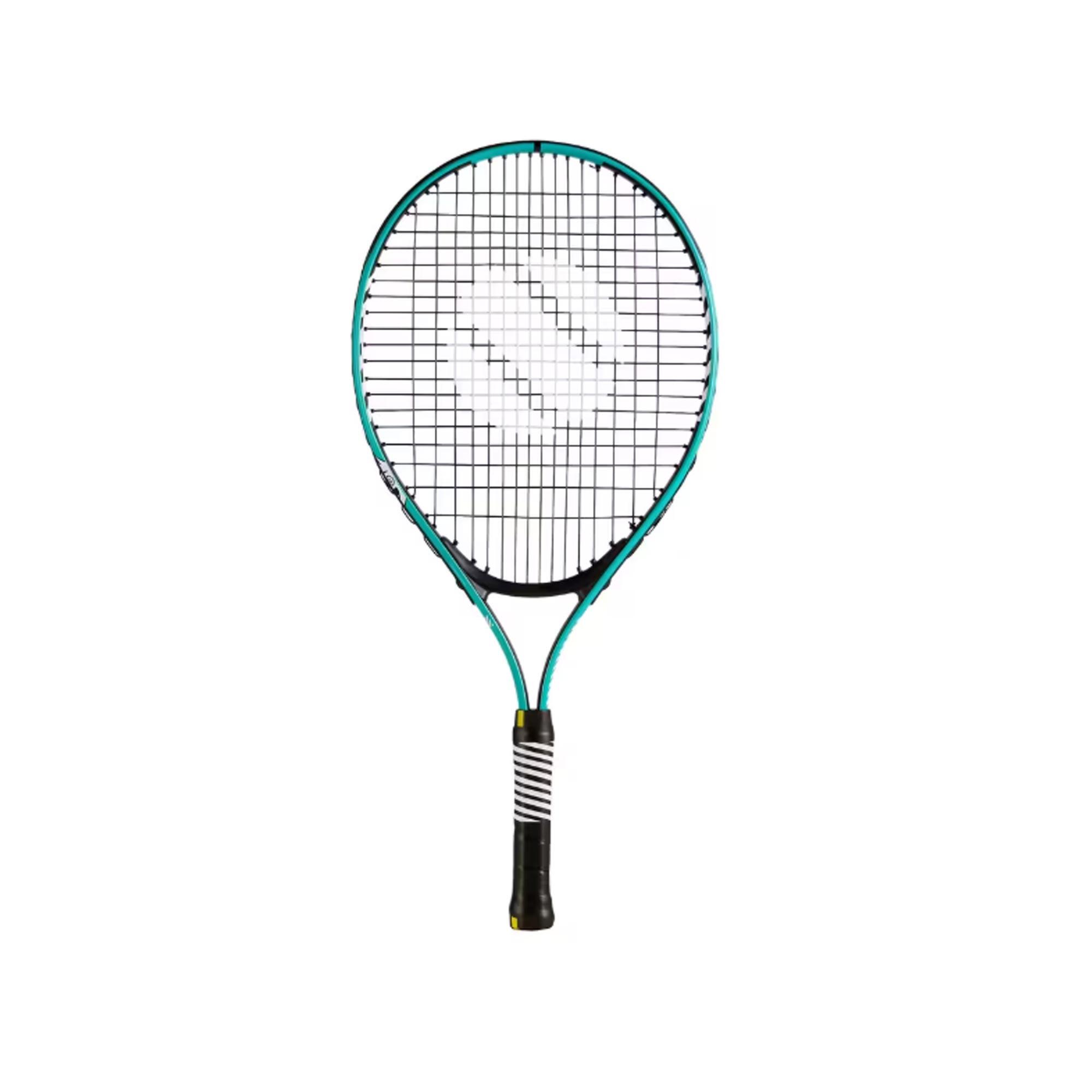
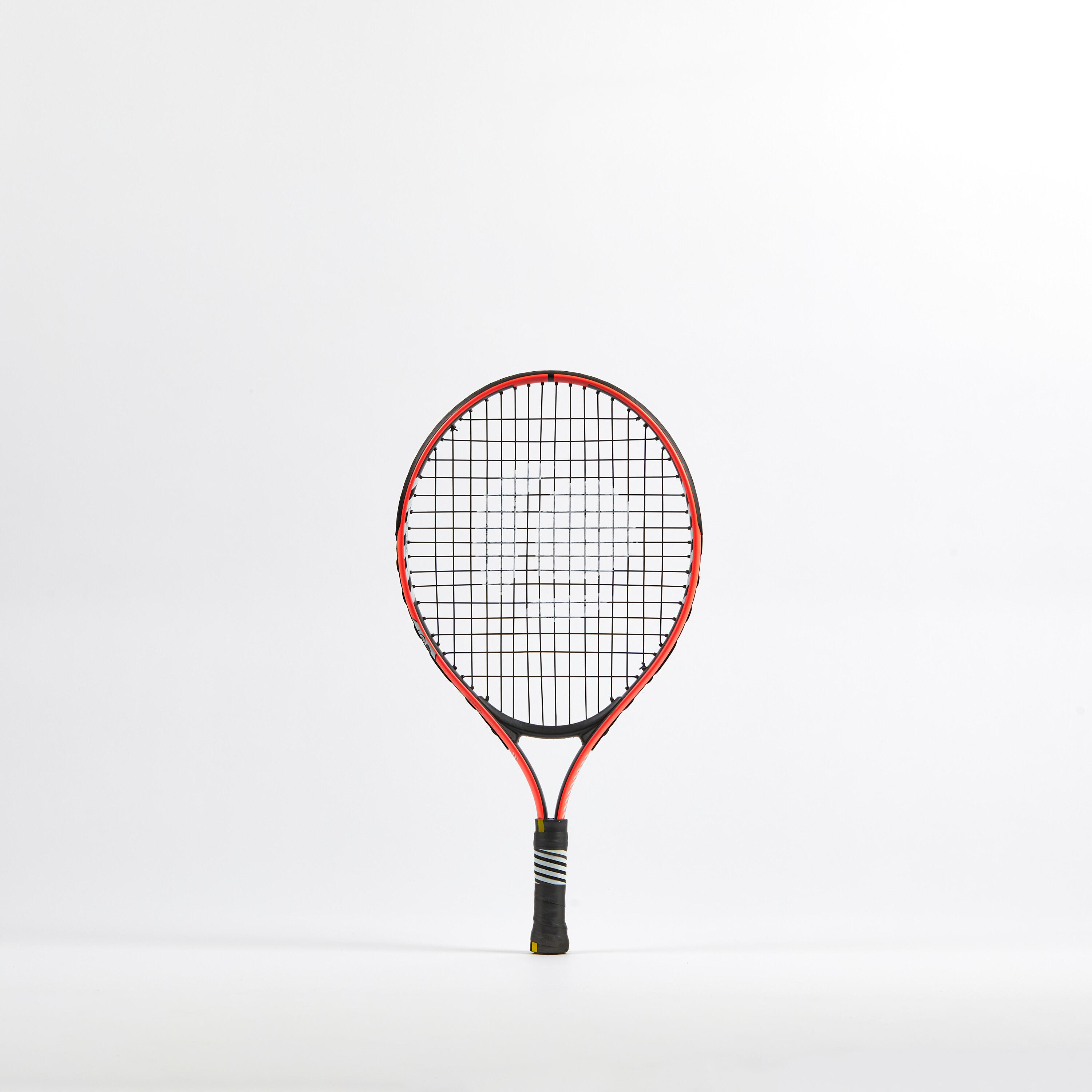
Are adult tennis rackets and junior rackets different sizes?

Yes, adult tennis rackets and junior rackets are different sizes across head area, length, and grip circumference. Junior rackets typically run from 19 to 26 inches in length, sized by player height and age, while adult tennis rackets are usually 27 inches as standard. Head sizes range from midsize (95 to 98 sq in) for precision-focused players to oversized (105 to 115 sq in) for greater forgiveness on mishits. Grip size matters too: too small forces the hand to grip harder and risks tennis elbow, while too large limits wrist snap on the serve. To transport your frame safely between sessions, our range of tennis bags offers padded racket compartments and thermal pockets to protect the graphite from temperature swings.
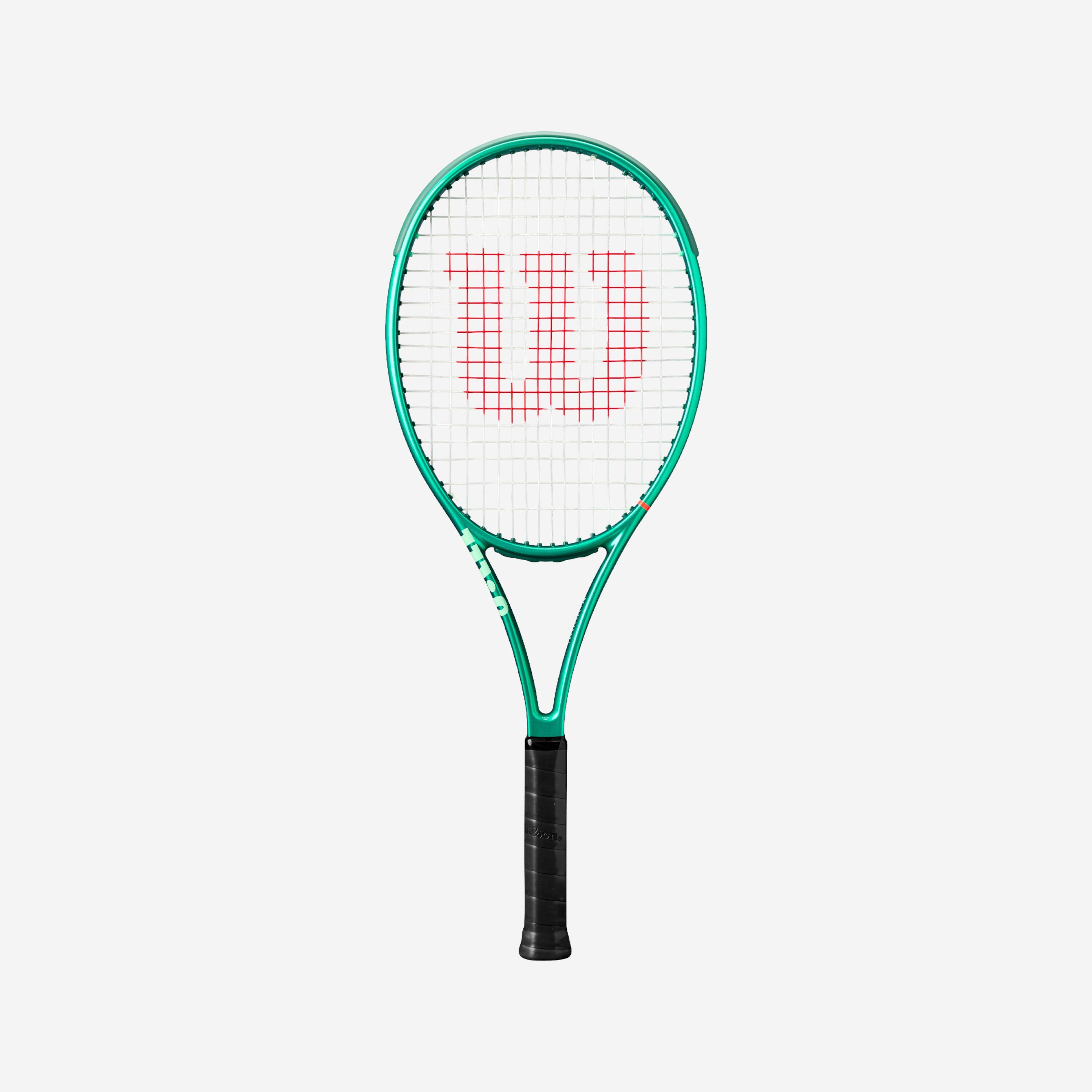

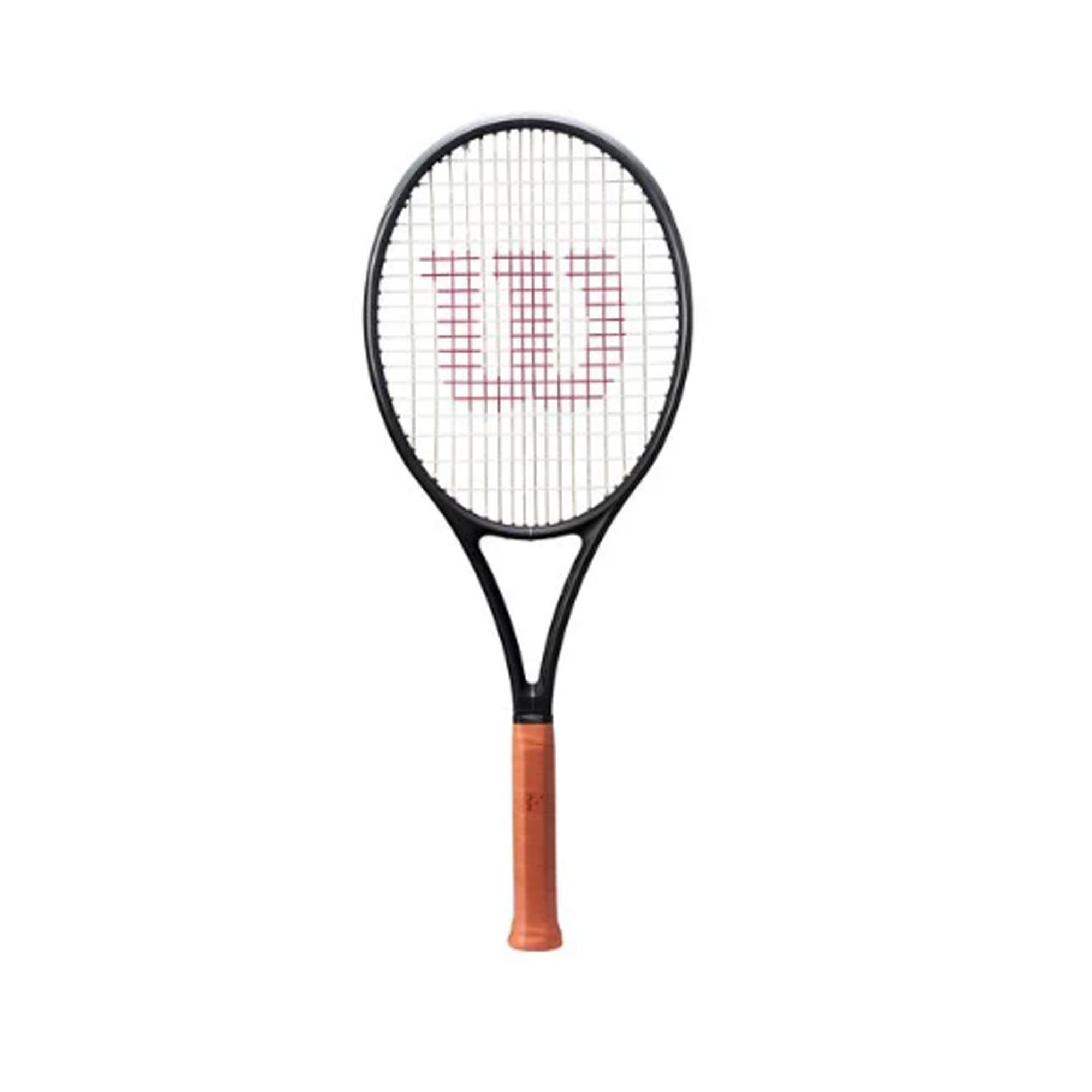
How do better-quality rackets like Tecnifibre or Wilson tennis rackets improve performance?

Higher-quality tennis rackets use premium materials such as high-modulus graphite, basalt fibres, and carbon-fibre layups, which improve durability and shock absorption across long sessions. The technical reason for these materials is dampening: a stiffer graphite layup at the throat reduces vibration on off-centre hits, which protects the elbow while preserving the responsive feel of the stringbed. Premium frames are also tuned with specific balance points and swing weights, so the racket arrives off the production line with consistent behaviour rather than tournament-grade variation. The string job matters as much as the frame, so investing in a quality set from our range of tennis strings can transform an entry-level racket while keeping a competition frame at its best.


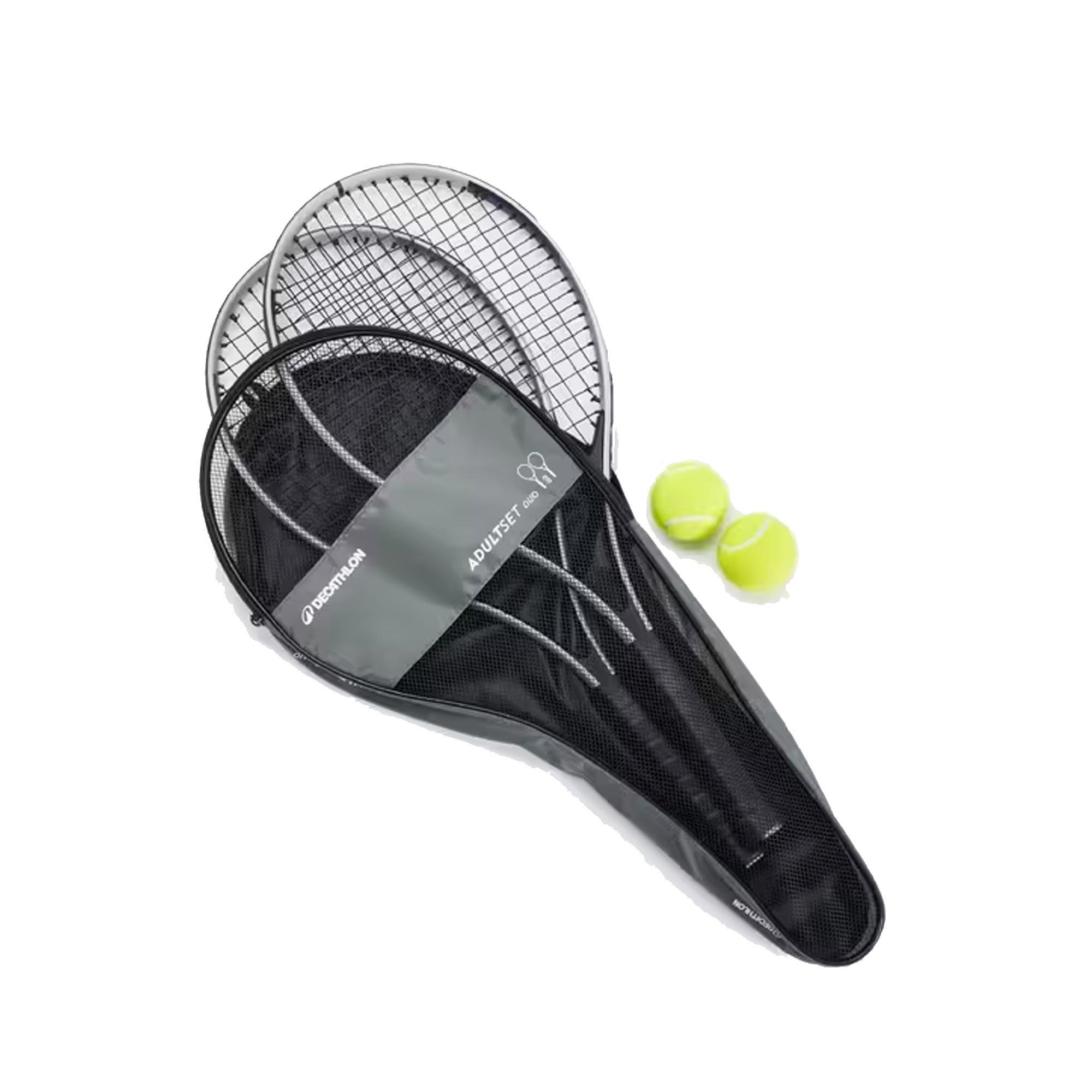
Should I restring my racket or buy a new one from a tennis racket set?

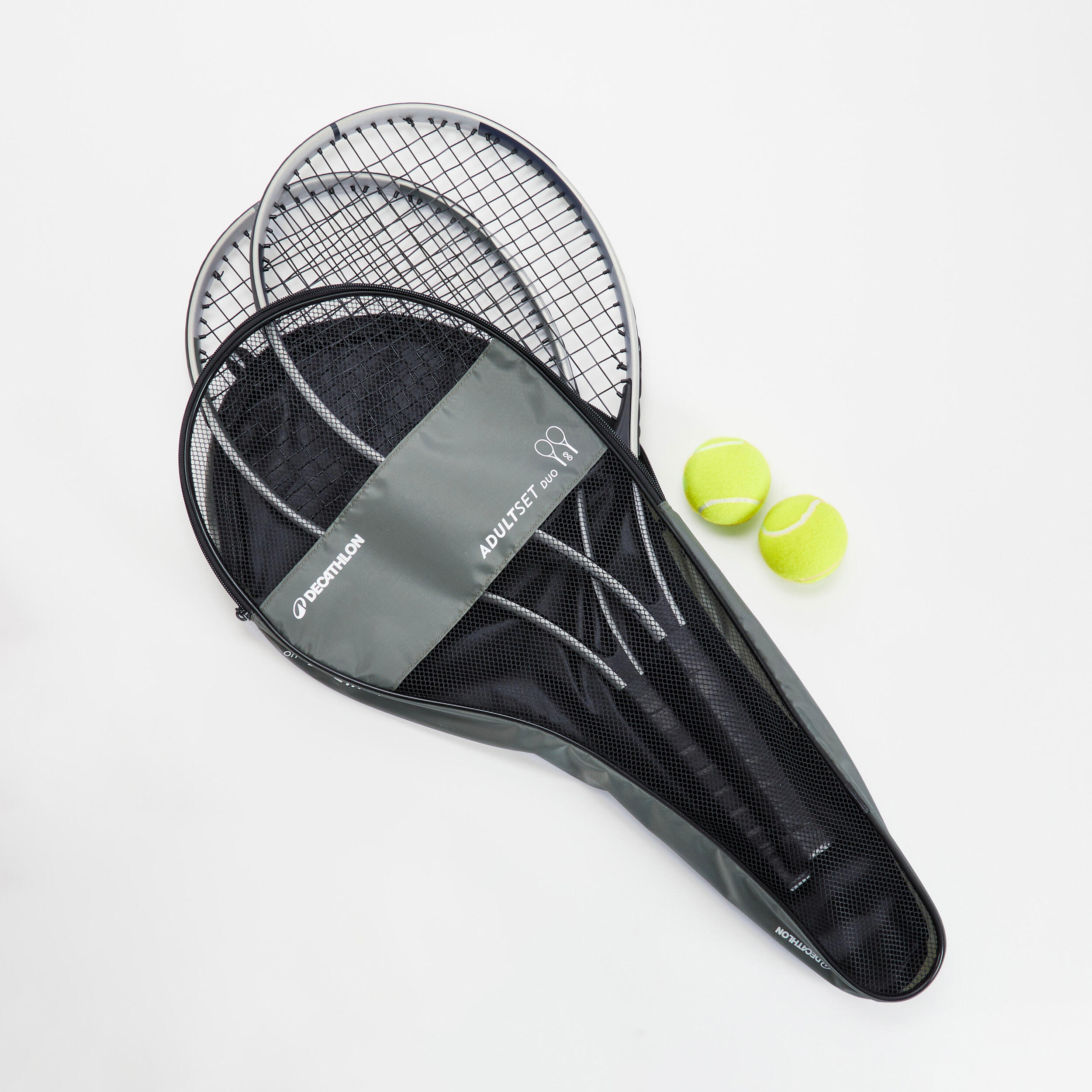
If your frame is in good shape and unwarped, restringing is almost always the smarter move. Strings lose tension within weeks even when they have not broken, and fresh strings restore power, spin potential, and feel without the cost of a new frame. Most of the regular players restring every 6 to 12 months, while a useful rule of thumb is to restring as many times per year as you play per week. However, if the frame is cracked, warped, or simply outdated, upgrading is the right call, and a complete tennis racket set is a strong entry point. Small accessories matter too: a fresh overgrip and a vibration dampener from our range of tennis grips and dampeners can extend the life of a restrung racket and reduce shock on impact.


What are the official rules for tennis rackets in competitive play?

Tennis rackets must meet International Tennis Federation rules on size and string pattern to be legal in competitive play. The frame cannot exceed 73.7 cm (29 inches) in length or 31.7 cm (12.5 inches) in width, and the hitting surface must remain flat with uniform stringing in a crossed pattern. Most off-the-shelf rackets, including frames marketed for beginners, comply by default, but it is worth checking the spec sheet if you are entering club tournaments or county-level events. For coaches, schools, and clubs setting up a full court, our range of tennis club equipment covers nets, posts, ball machines, and storage carts that meet the same governing body standards.