565 items
4.4/5 based on 88960 reviews collected online and in stores

Mid-Distance Trail Accessories FAQs

Which accessories do you need for a mid-distance trail run?

Choose equipment according to your expected running time, route exposure, weather and access to support. A mid-distance trail may require hydration, nutrition storage, weather protection and a reliable way to track time or effort. You may also need poles, lighting or emergency items when the route includes steep ground, poor visibility or remote sections. Avoid carrying equipment without a clear purpose because additional weight and movement can become tiring over several hours. Organise trail running accessories by capacity, fit and ease of access rather than trying to follow one fixed packing list. Pro tip: load your full setup before a training run and remove anything that bounces, rubs or remains unused.

How much water should you carry on a mid-distance trail?

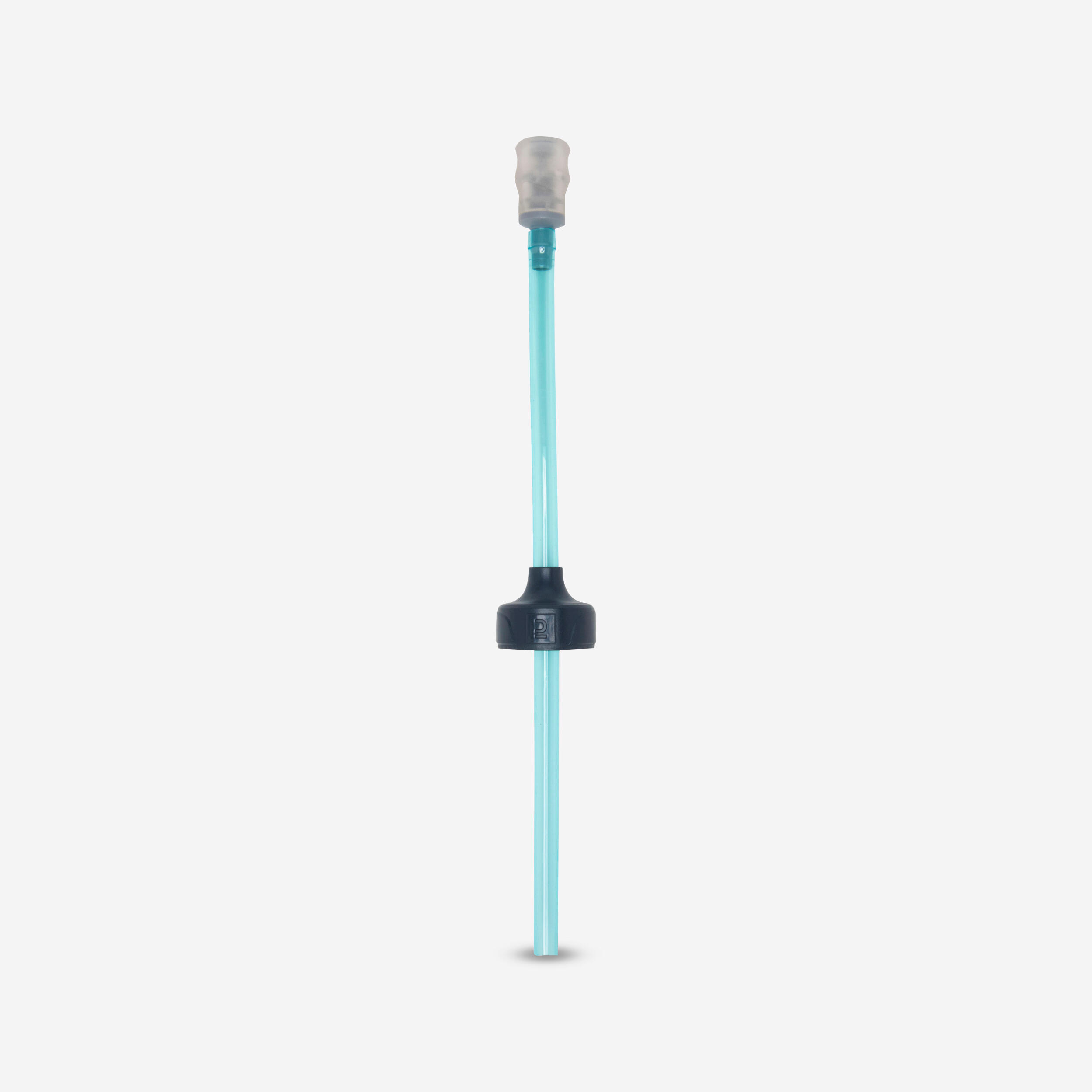
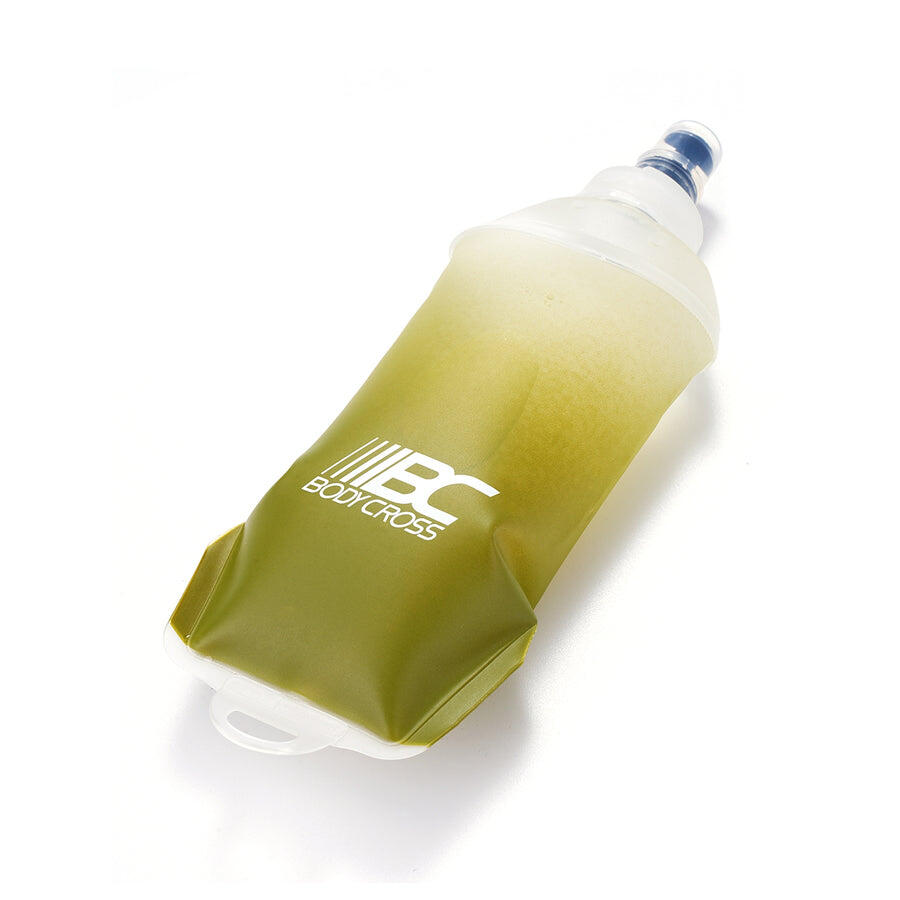
Your capacity should reflect the temperature, route duration, sweat rate and availability of safe refill points. A 250 ml soft flask can hold a compact drink portion, while a 500 ml option gives you more fluid for longer gaps between water sources. Flexible bottles compress as you drink, reducing empty space and limiting the sloshing caused by air inside a rigid bottle. A KIPRUN flexible running water bottle also uses an elastic hand loop and lockable bite valve for controlled drinking while moving. Remove excess air before closing it, and clean the mouthpiece carefully after carrying sugary or isotonic drinks.
When are trail running poles useful over a mid-distance route?

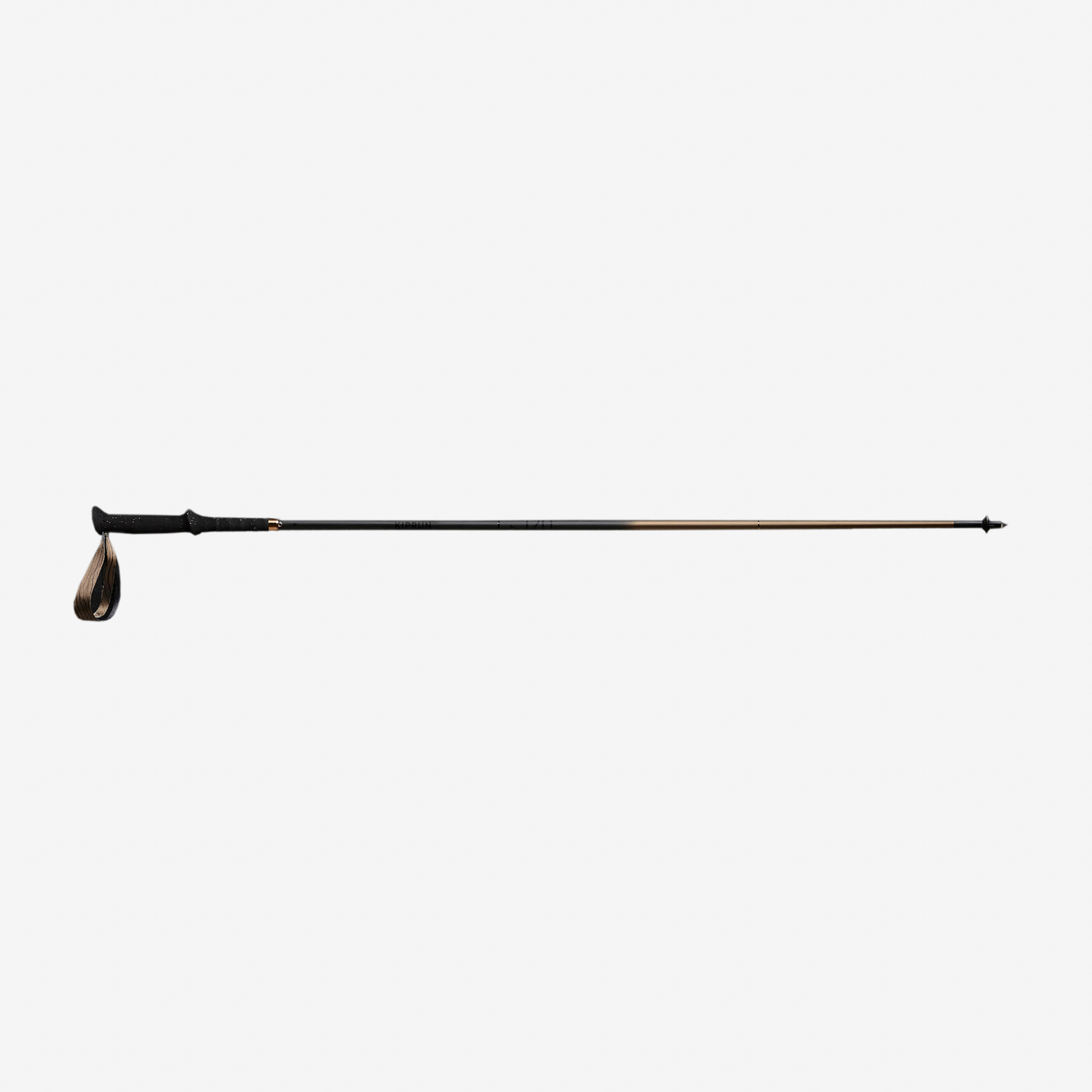
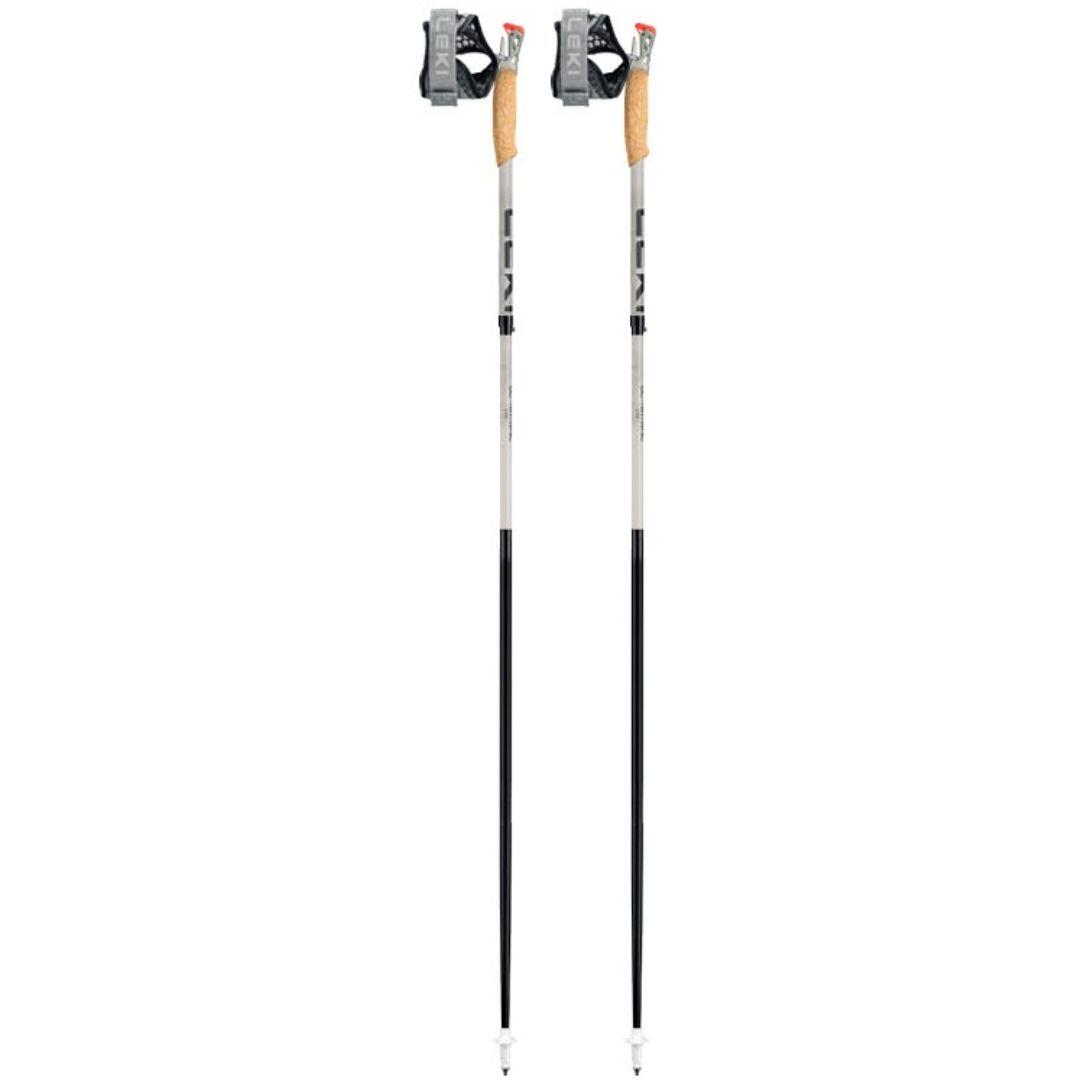
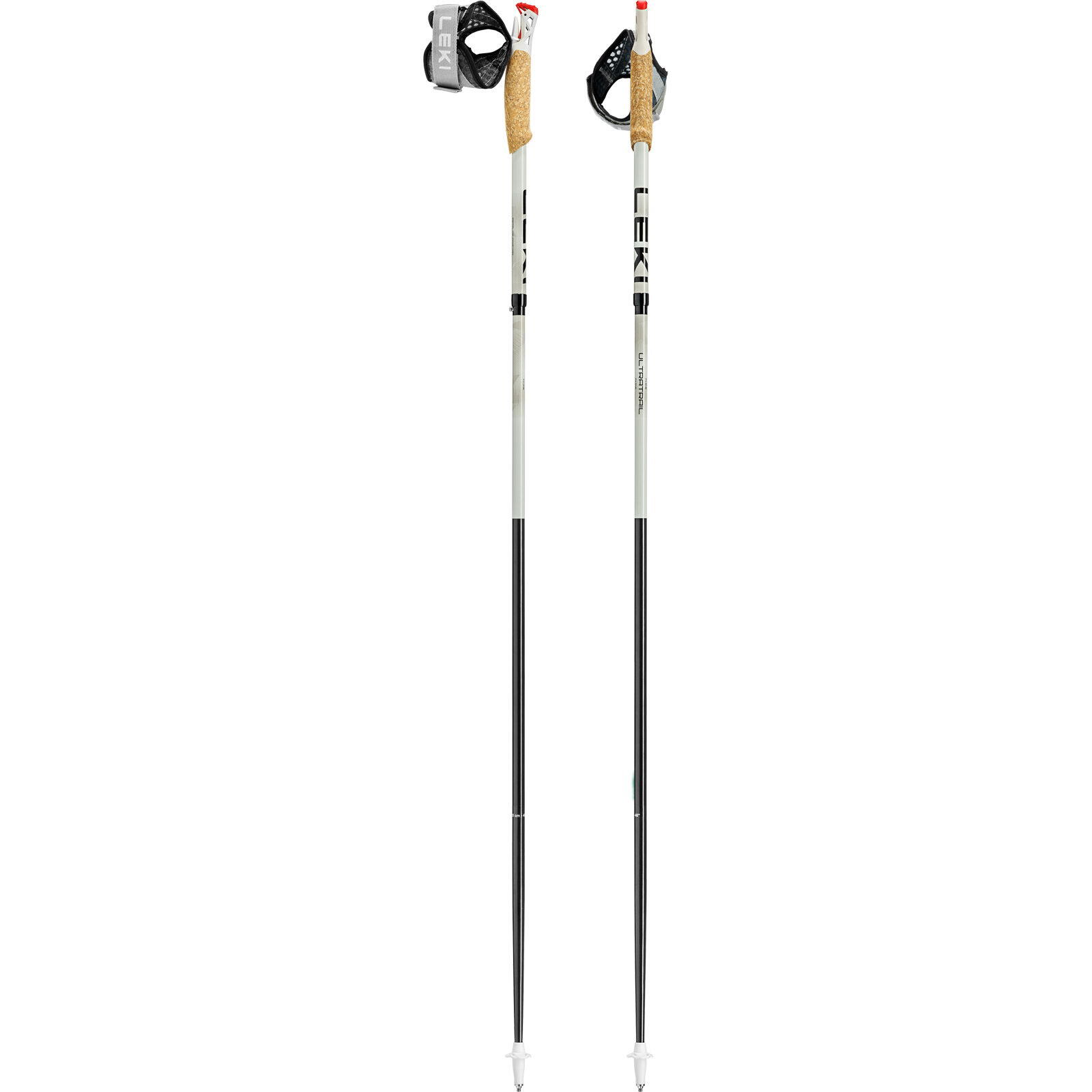
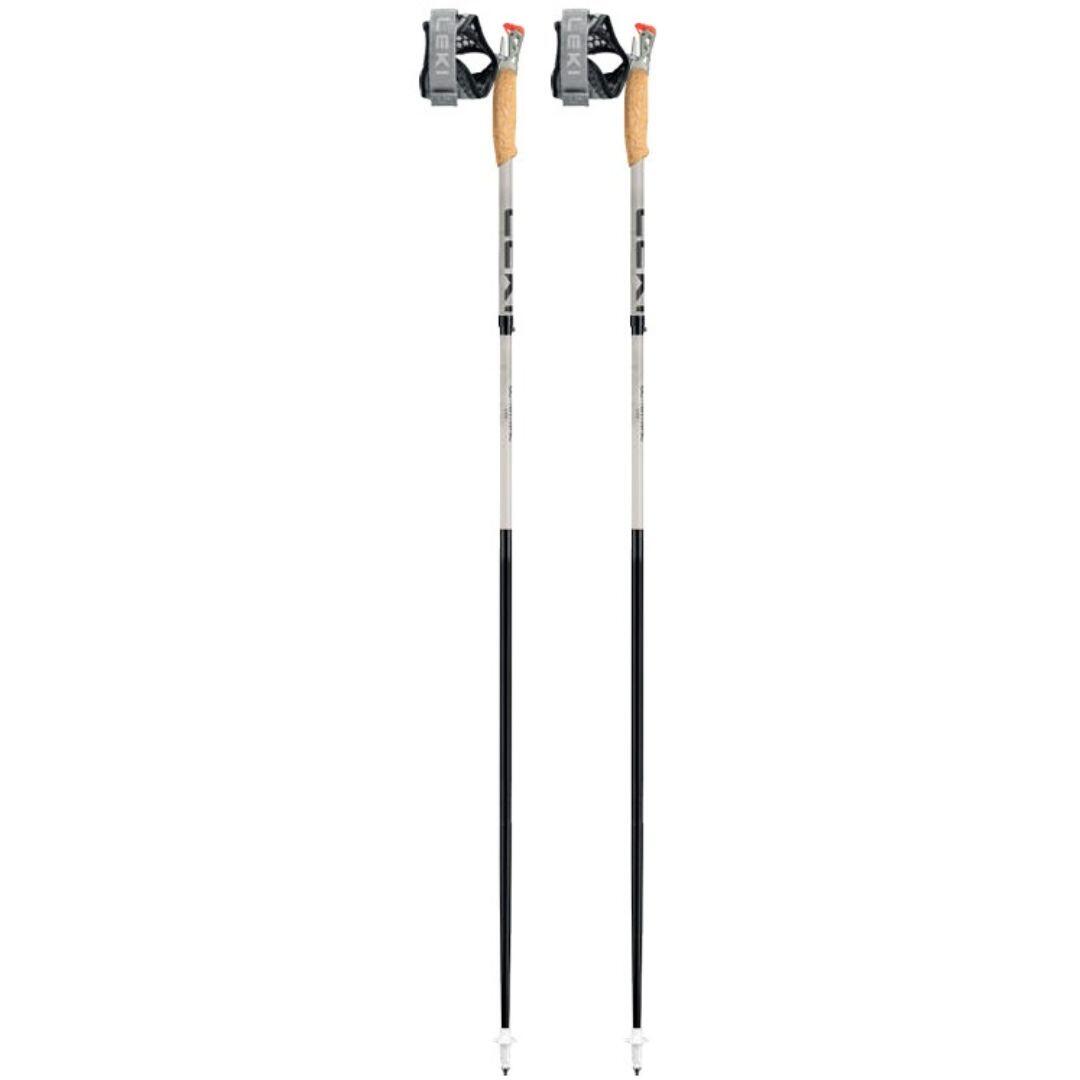
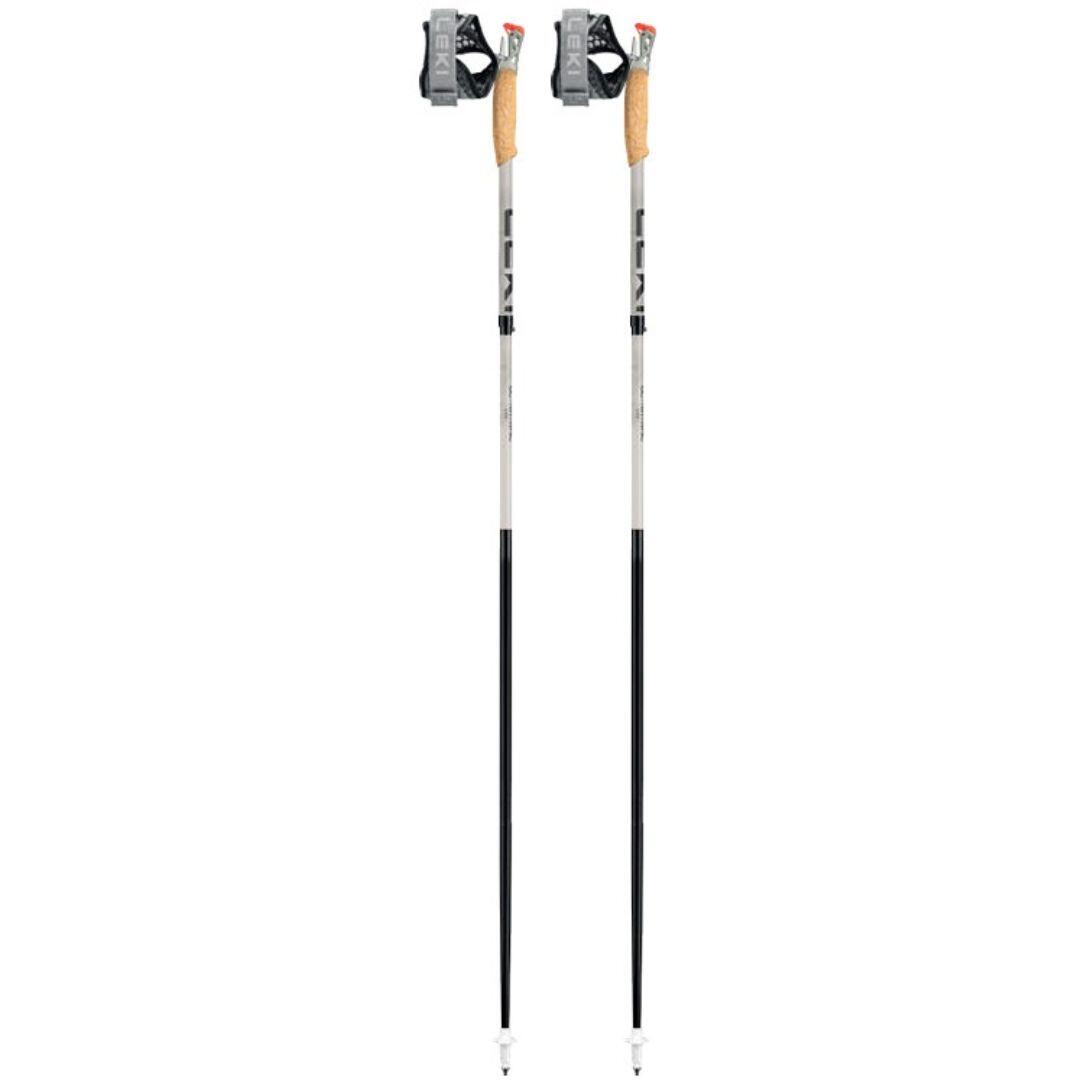
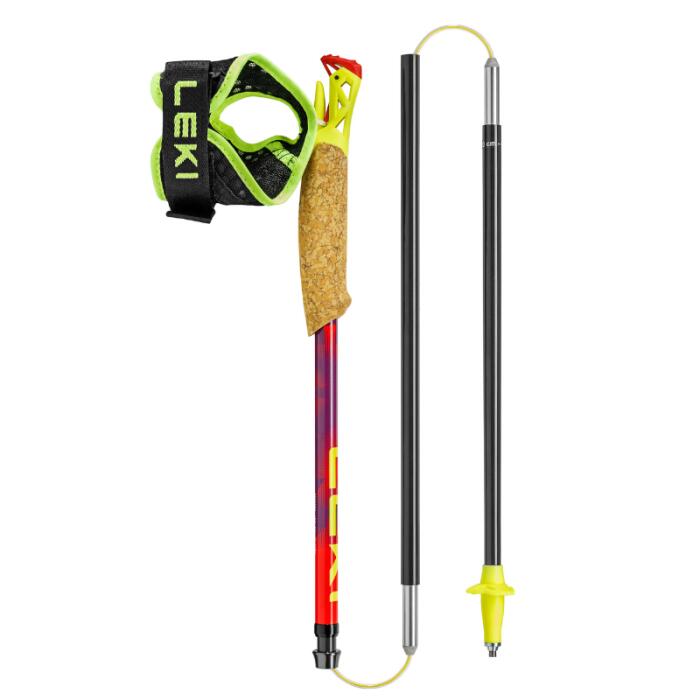
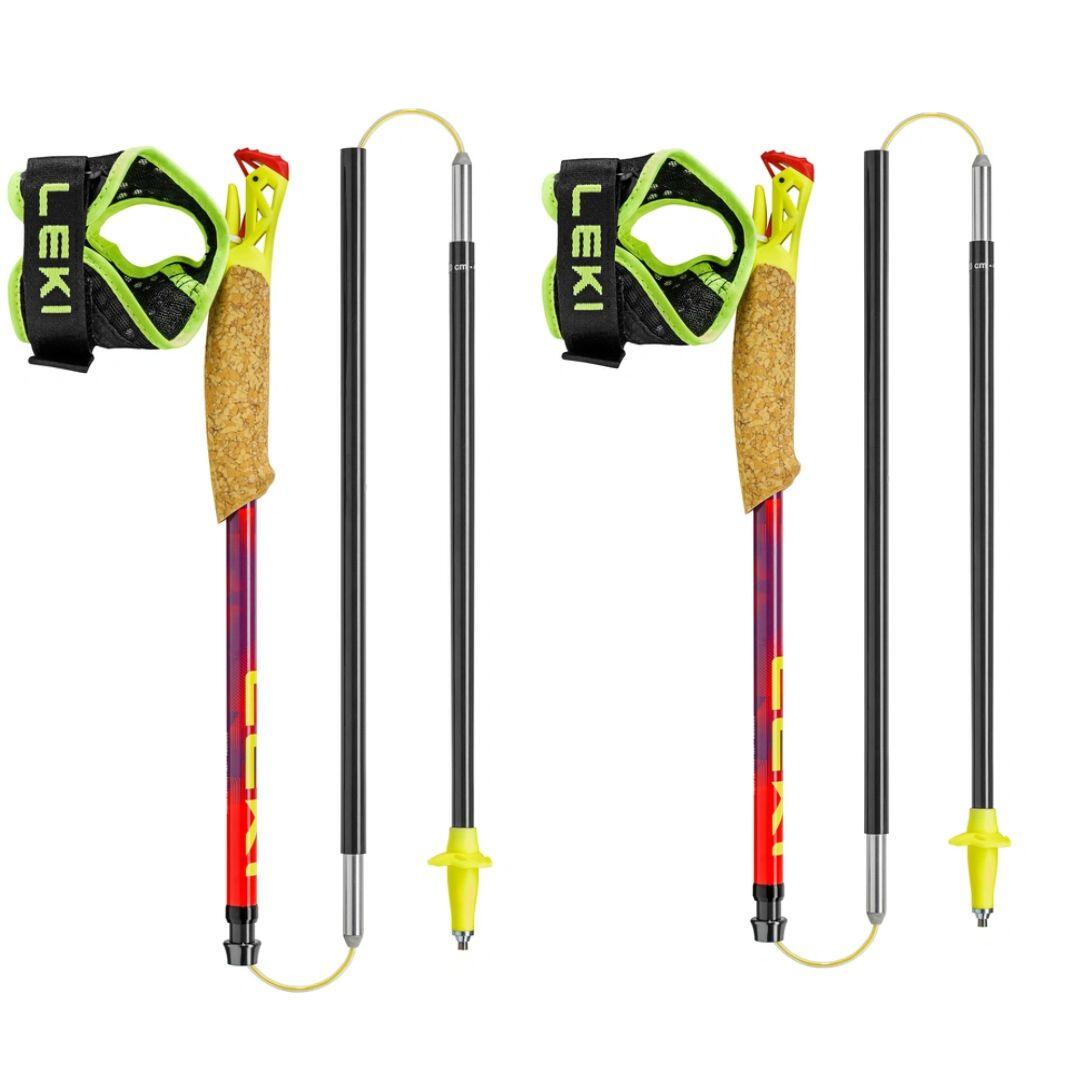
Poles can help on sustained climbs, steep descents and unstable ground by creating extra contact points with the surface. On climbs, they allow your upper body to share some of the workload; on descents, careful placement can improve balance and reduce sudden sideways movement. They are less useful on flat, narrow or crowded sections where carrying and deploying them may interrupt your rhythm. Lightweight three-piece carbon folding trail running poles can be collapsed when the terrain becomes easier. Practise the correct pole length, hand position and folding system before an event, and check whether the race or route permits their use.
Should you use a heart-rate monitor for mid-distance trail running?

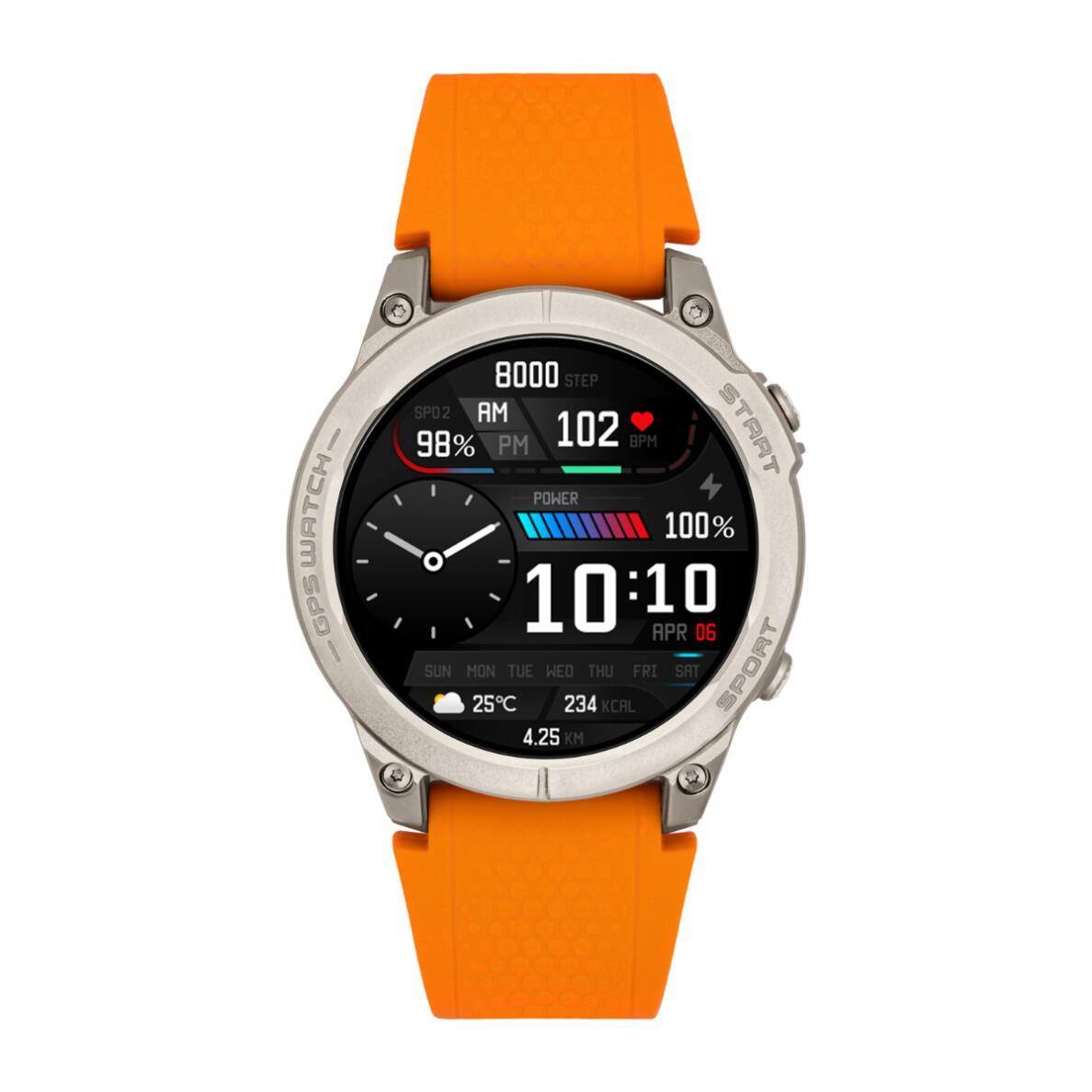
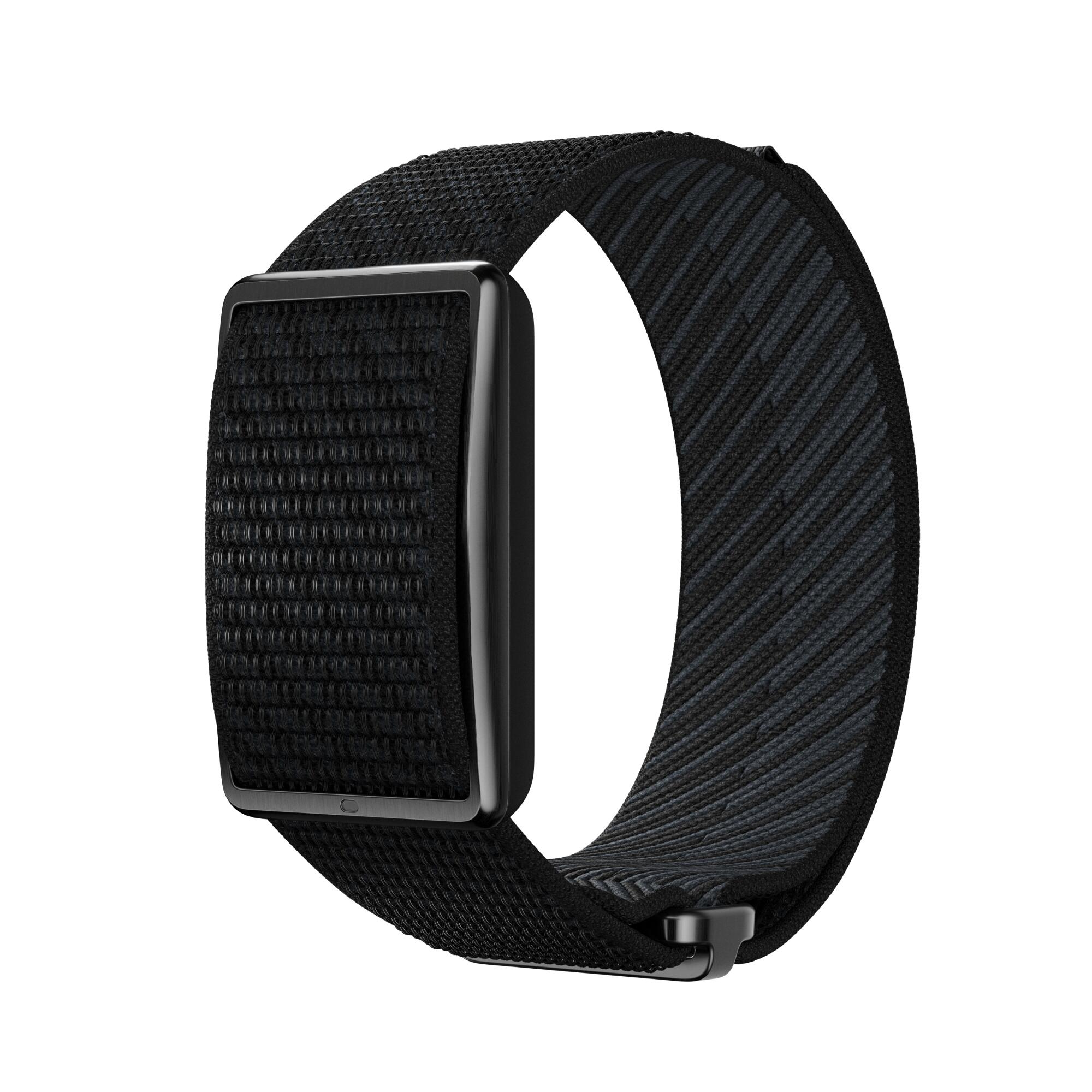
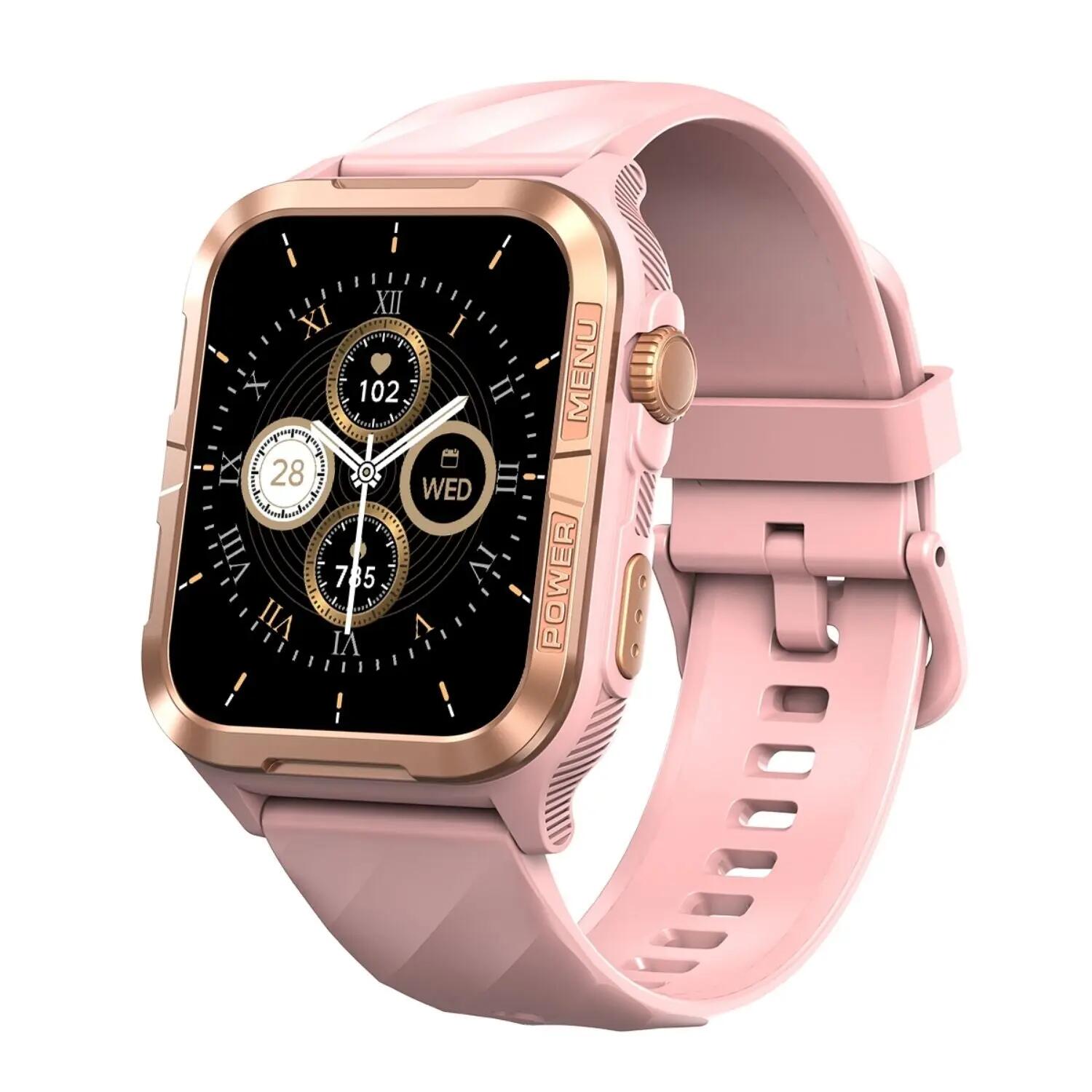
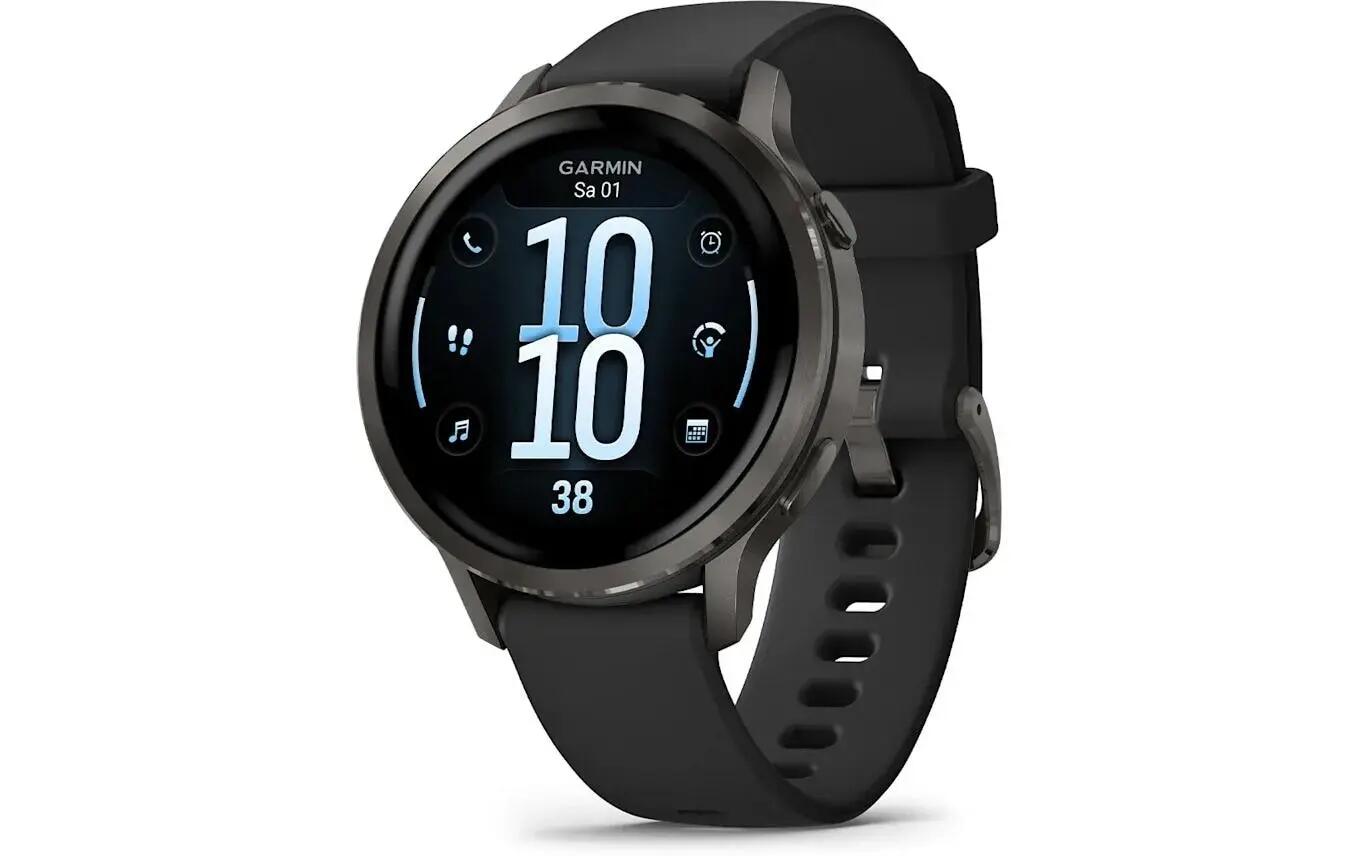
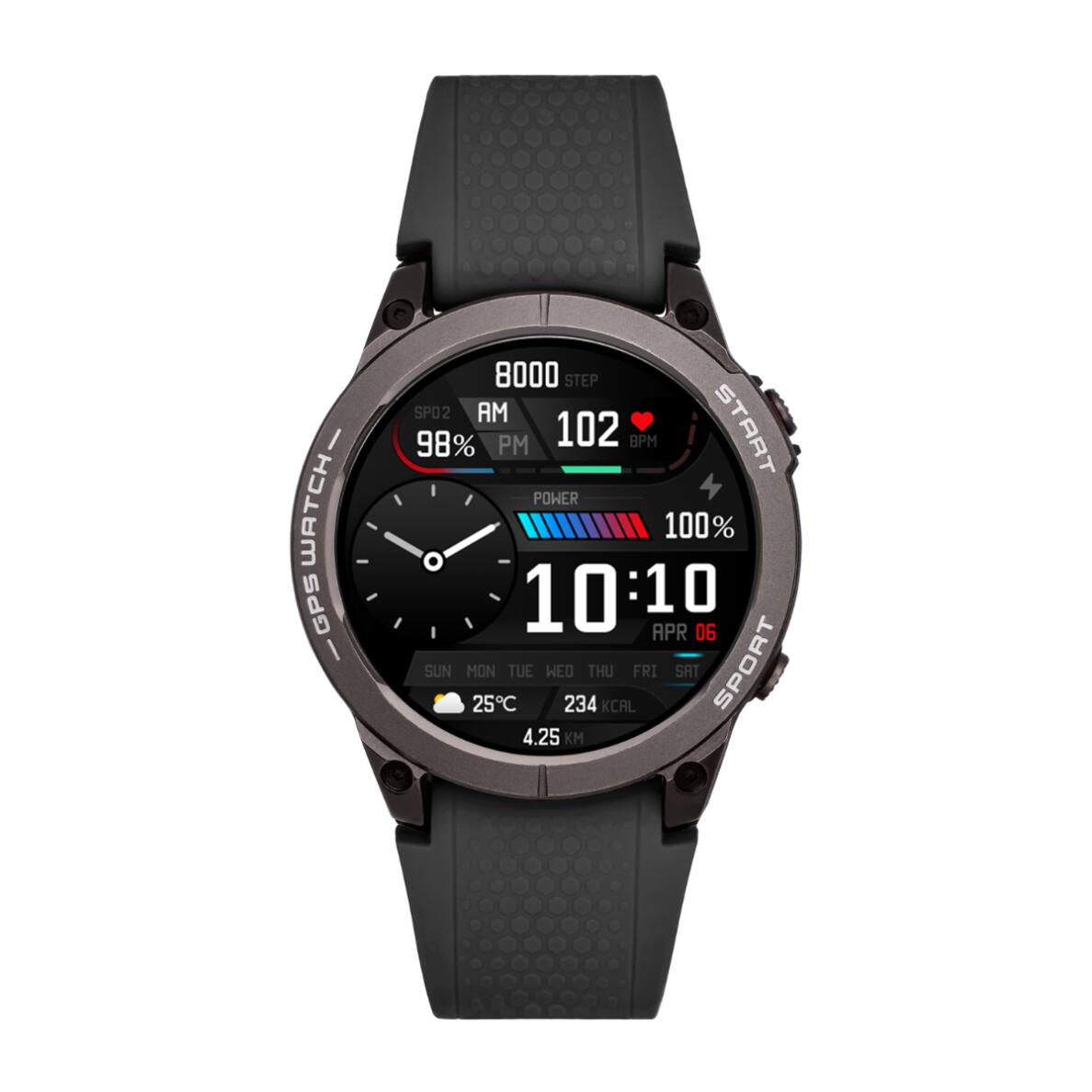
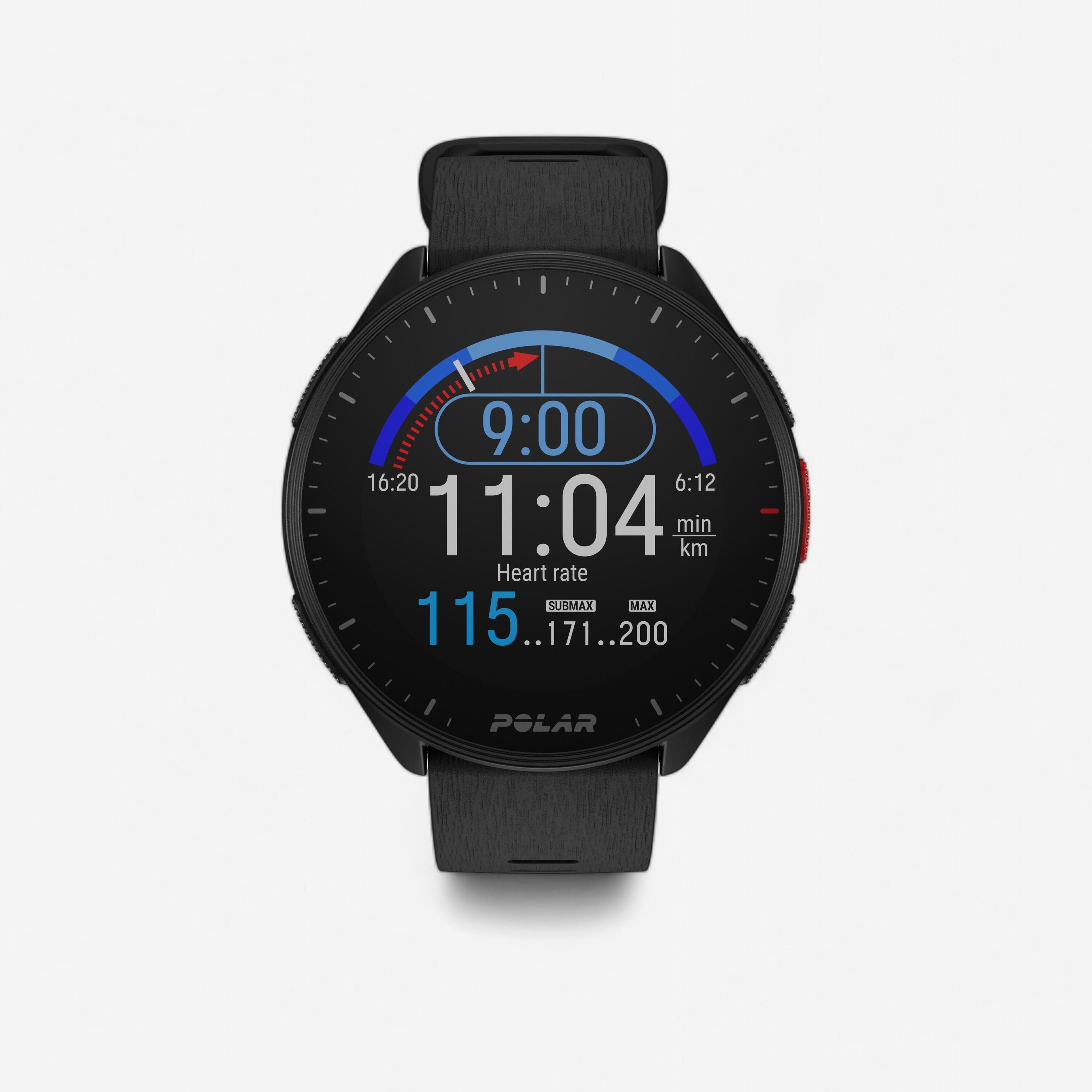
A heart-rate monitor can help you control effort when changing gradients make pace difficult to interpret. Your speed may fall sharply on a climb even while your cardiovascular effort rises, so heart-rate data can provide additional context alongside breathing and perceived exertion. A chest sensor generally stays more stable than wrist measurement during pole use, rough descents or repeated arm movement. An HRM band compatible with Bluetooth and ANT+ can connect with suitable watches, phones and training applications across different brands. Treat the figures as sports data rather than medical information, and avoid chasing one target when heat, fatigue or dehydration changes how your body responds.

How should you prepare for changing temperatures on the trail?

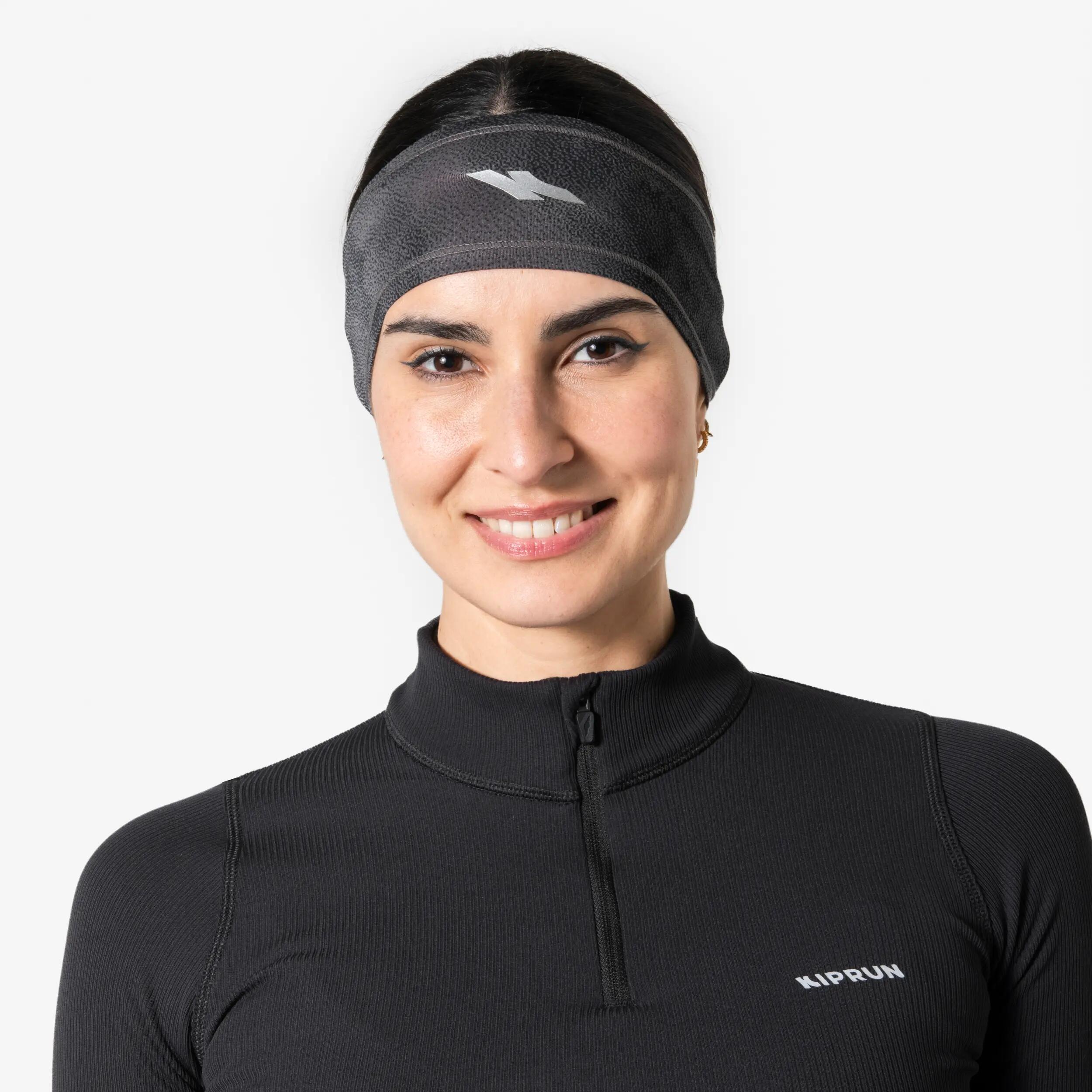
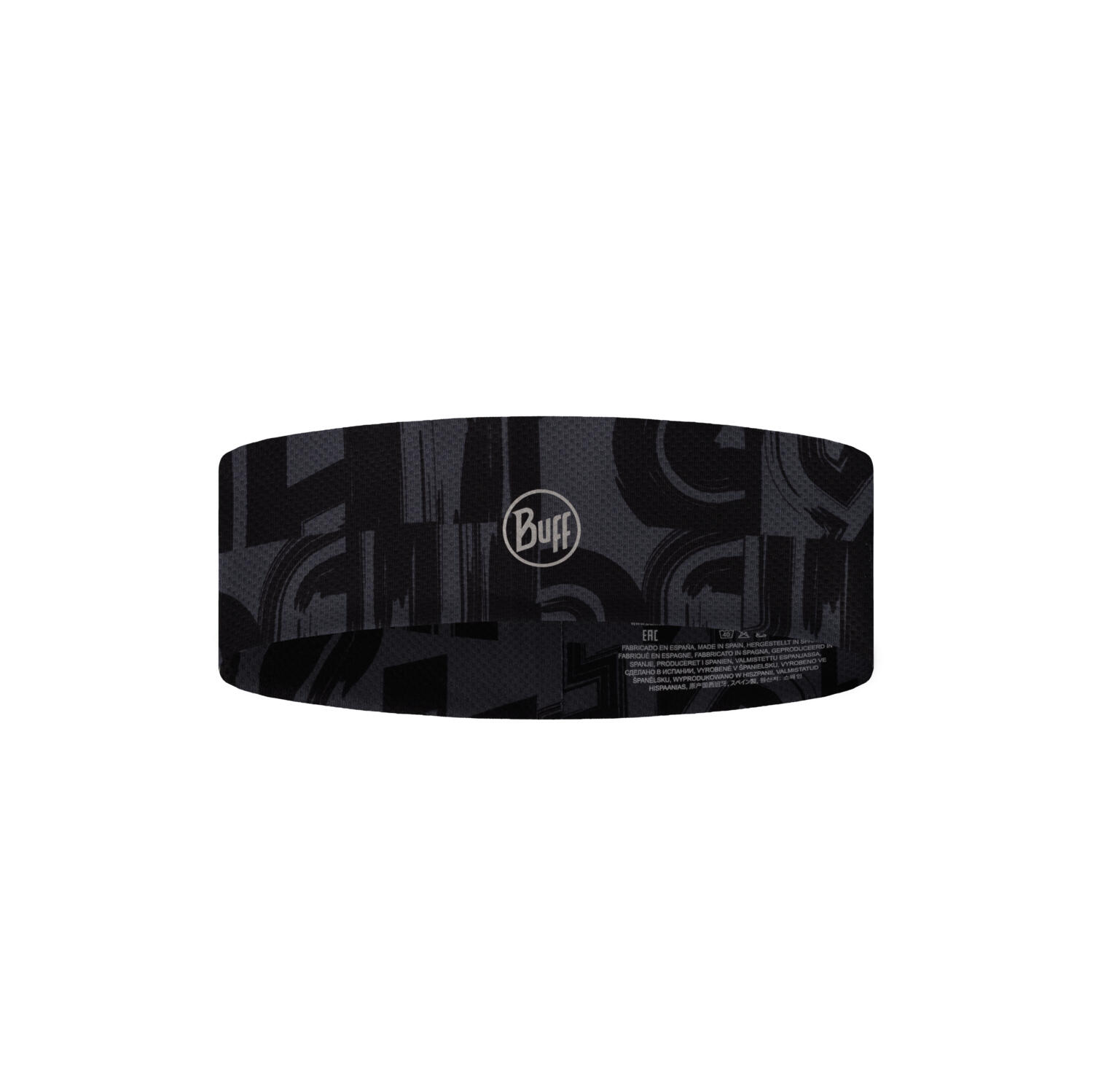
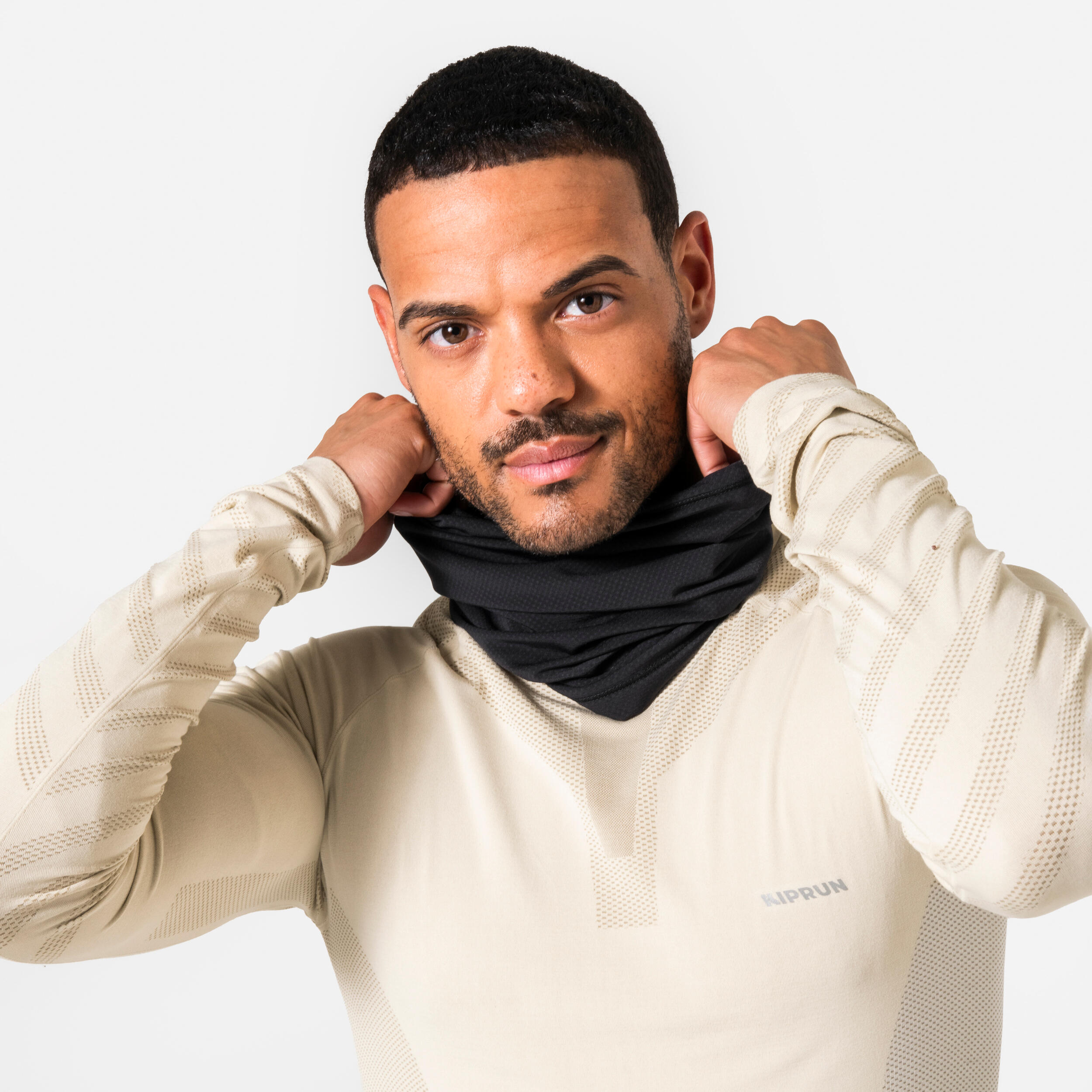
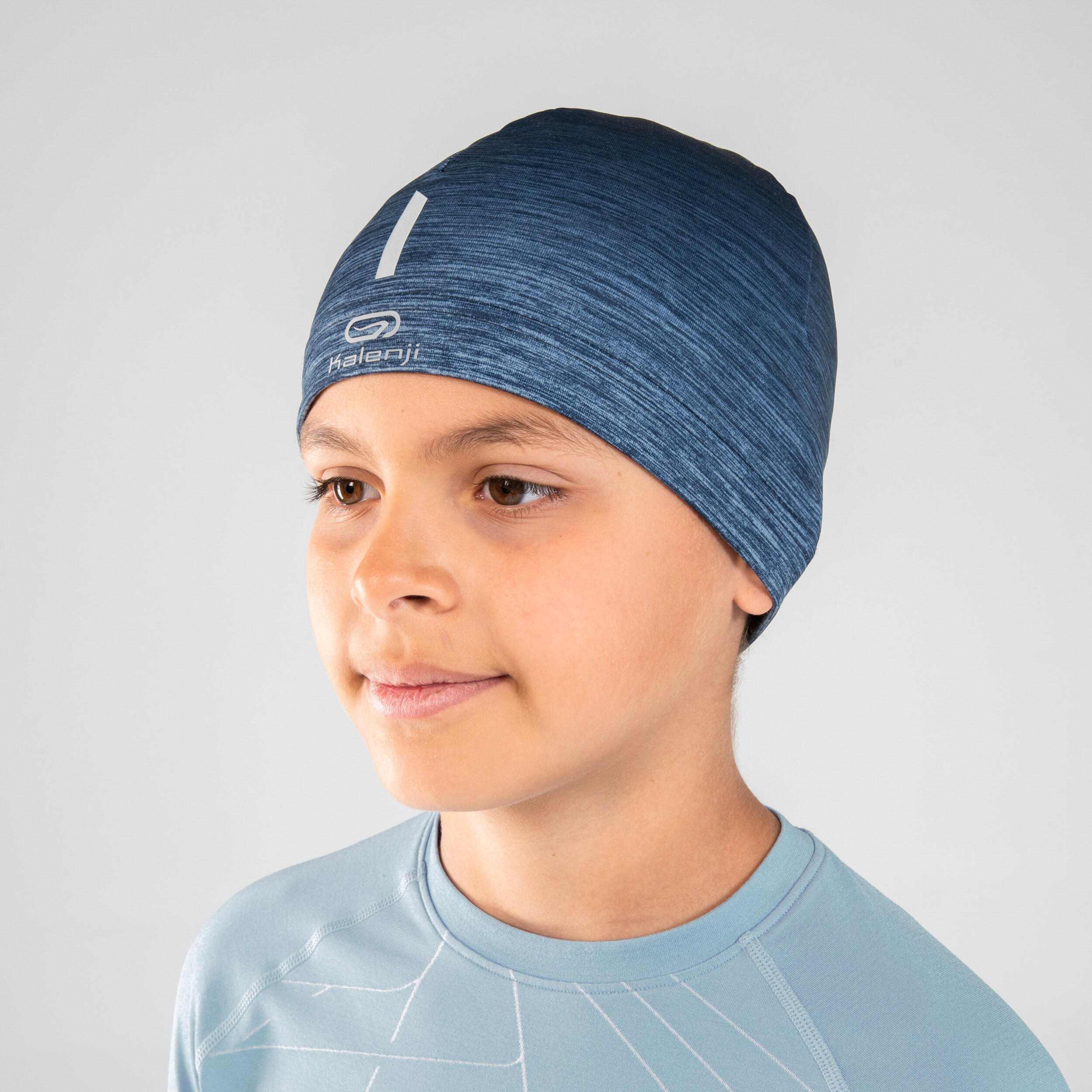
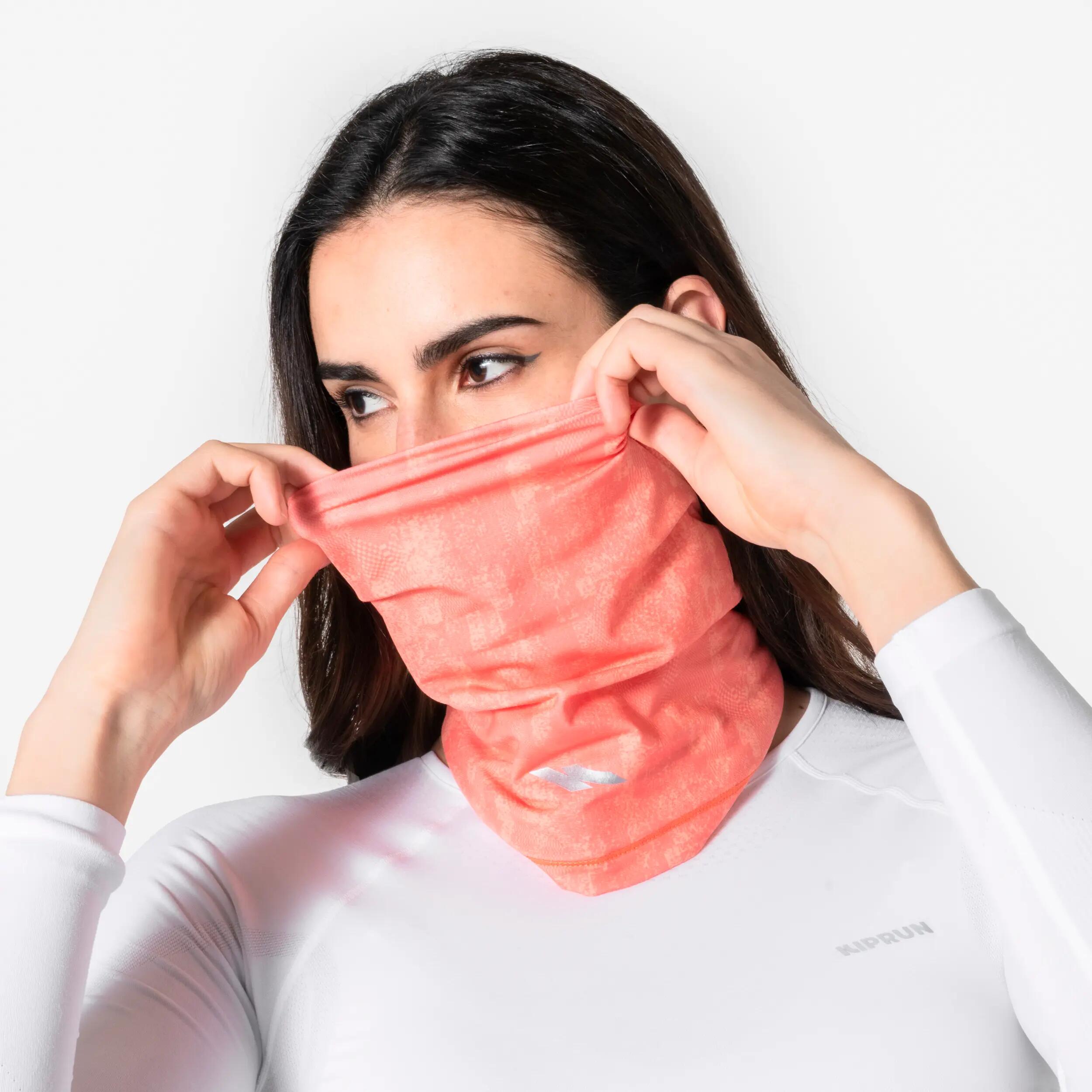
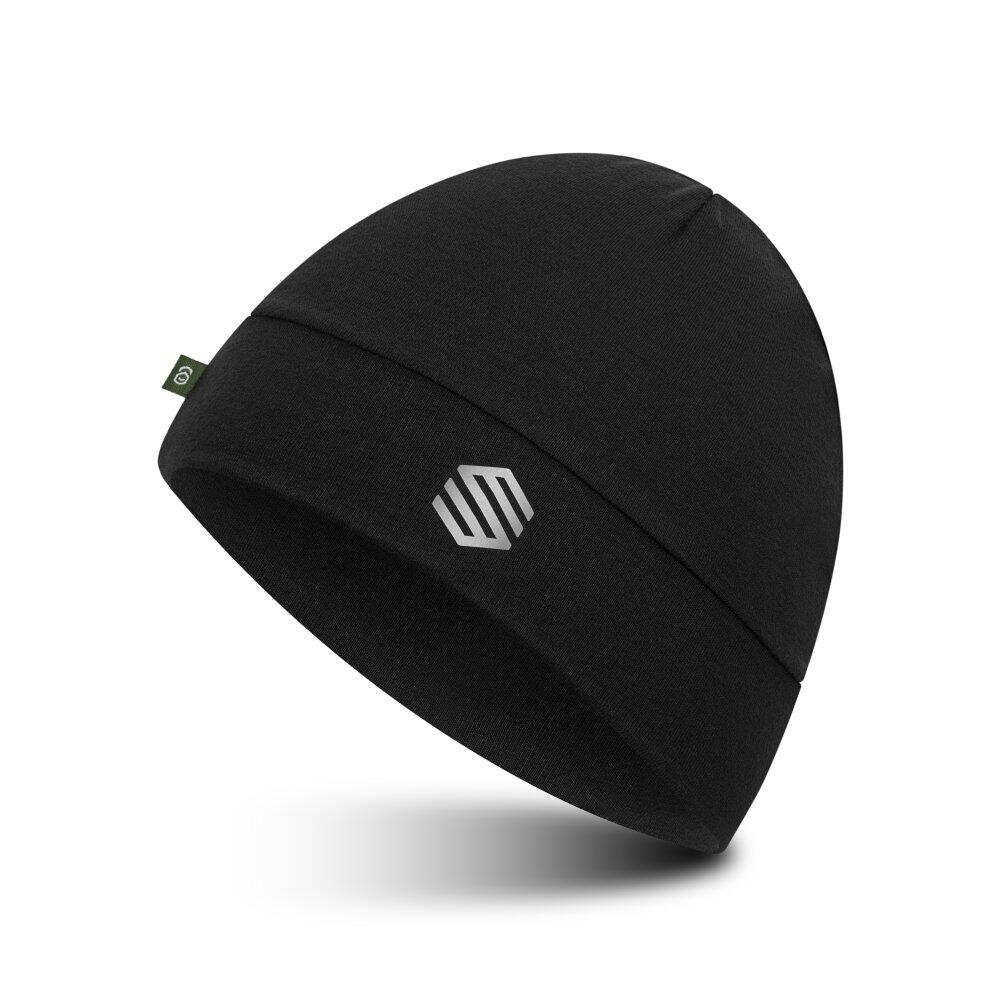
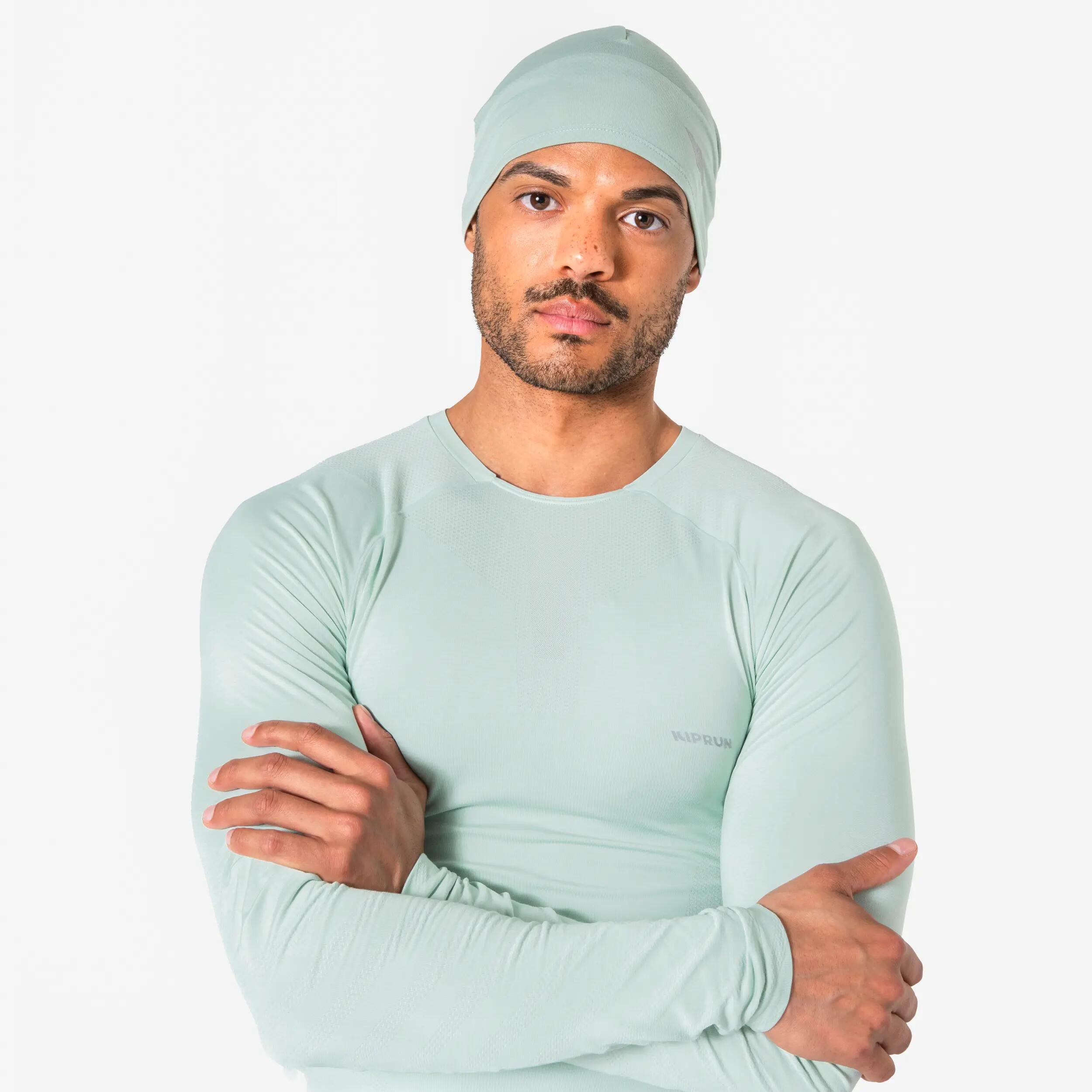
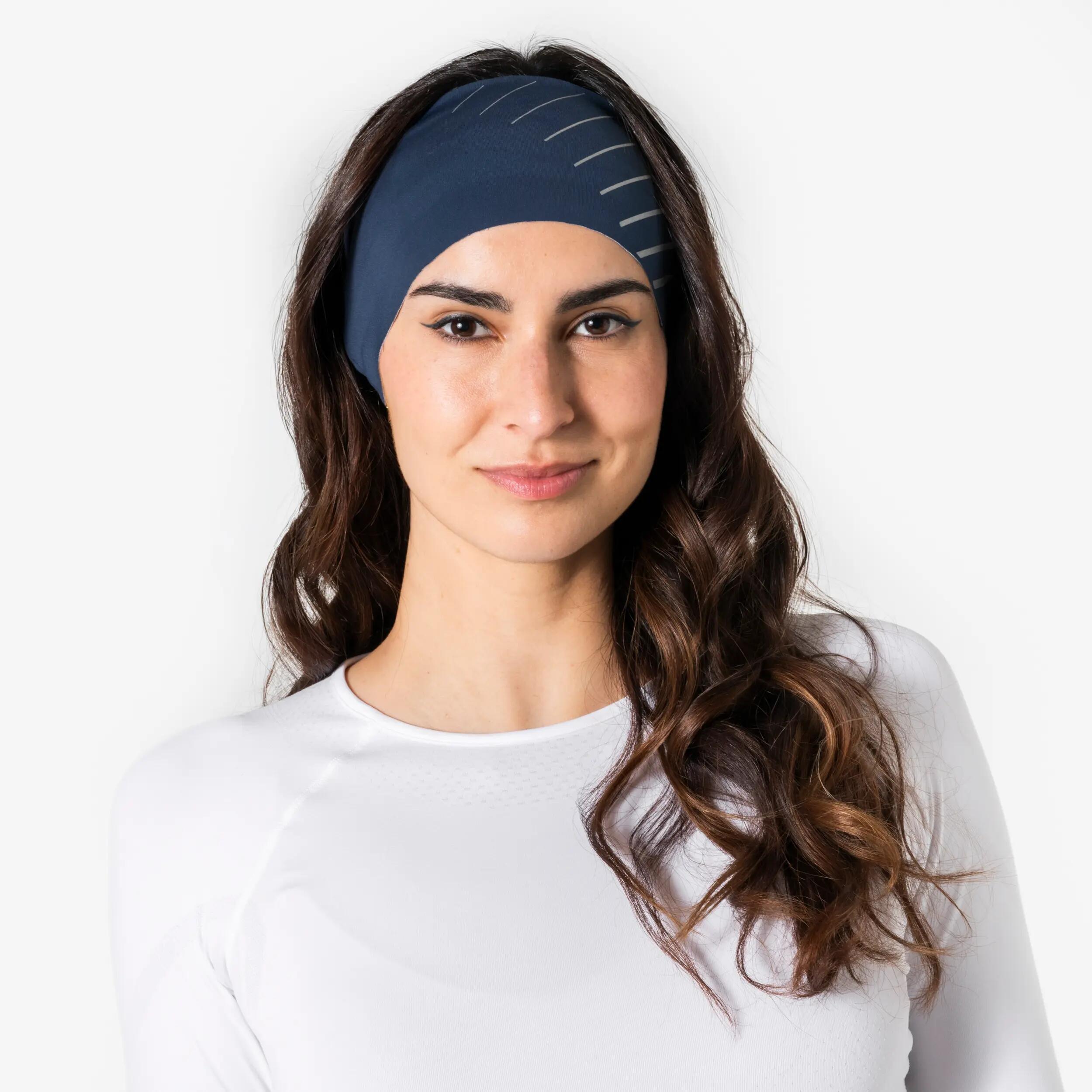
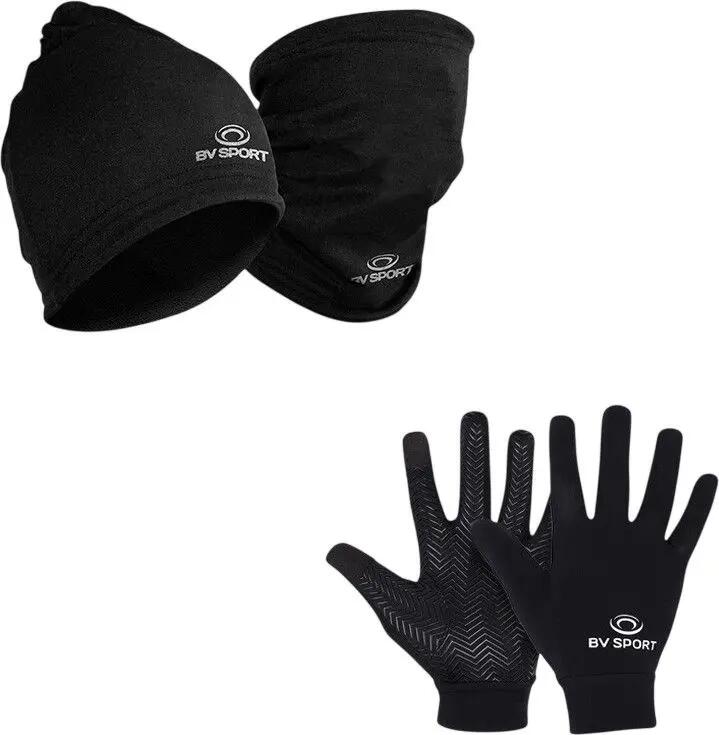
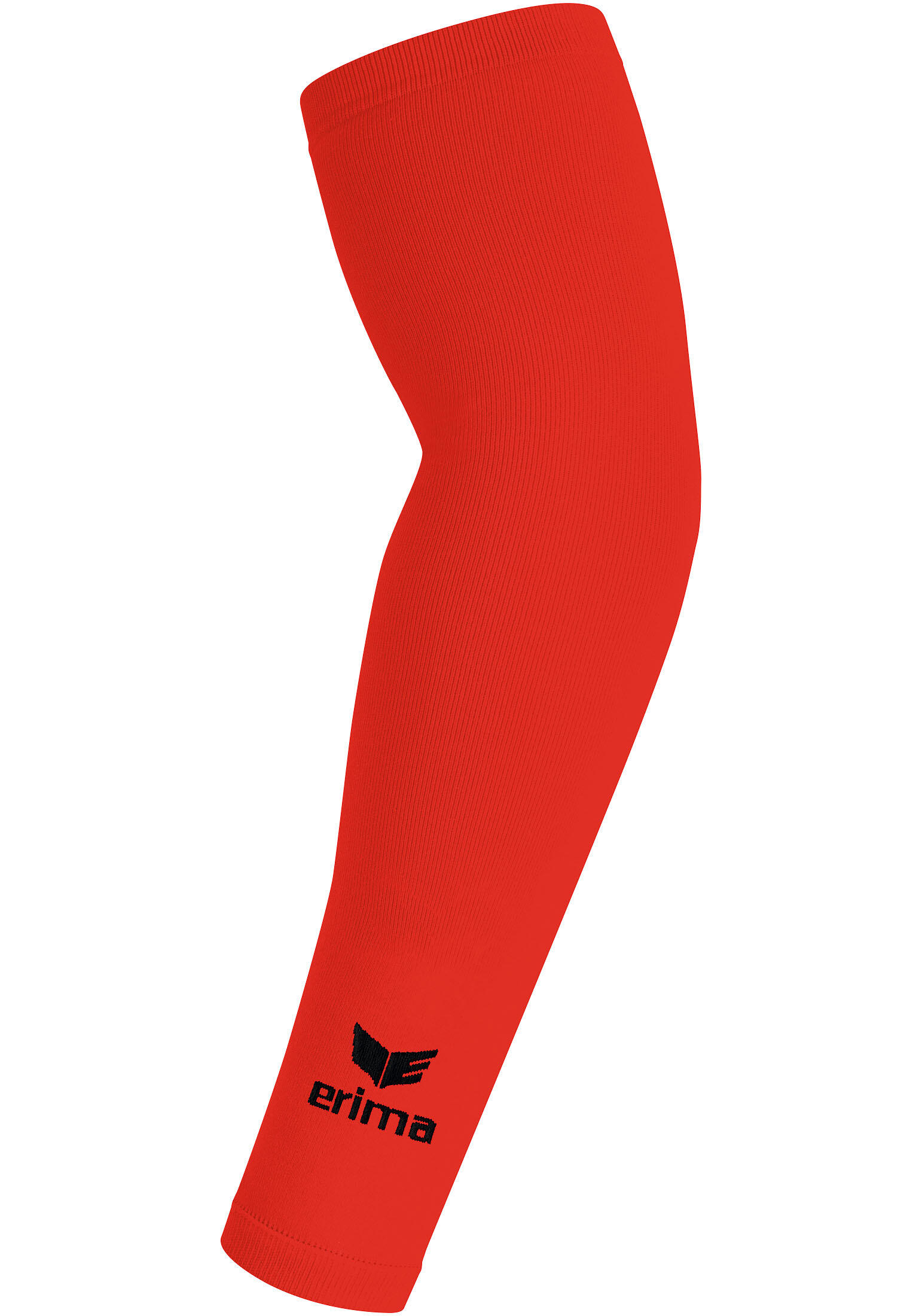
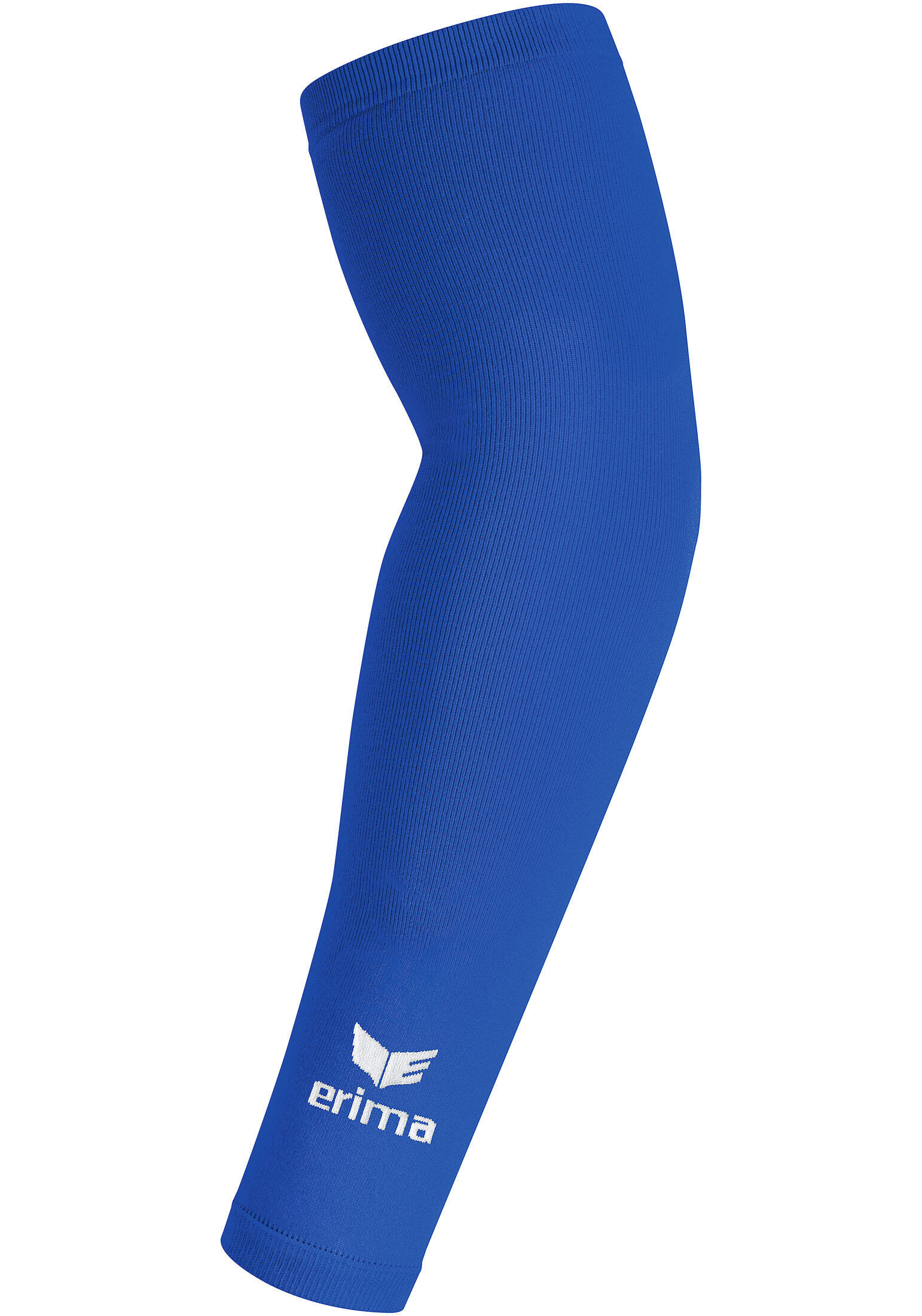
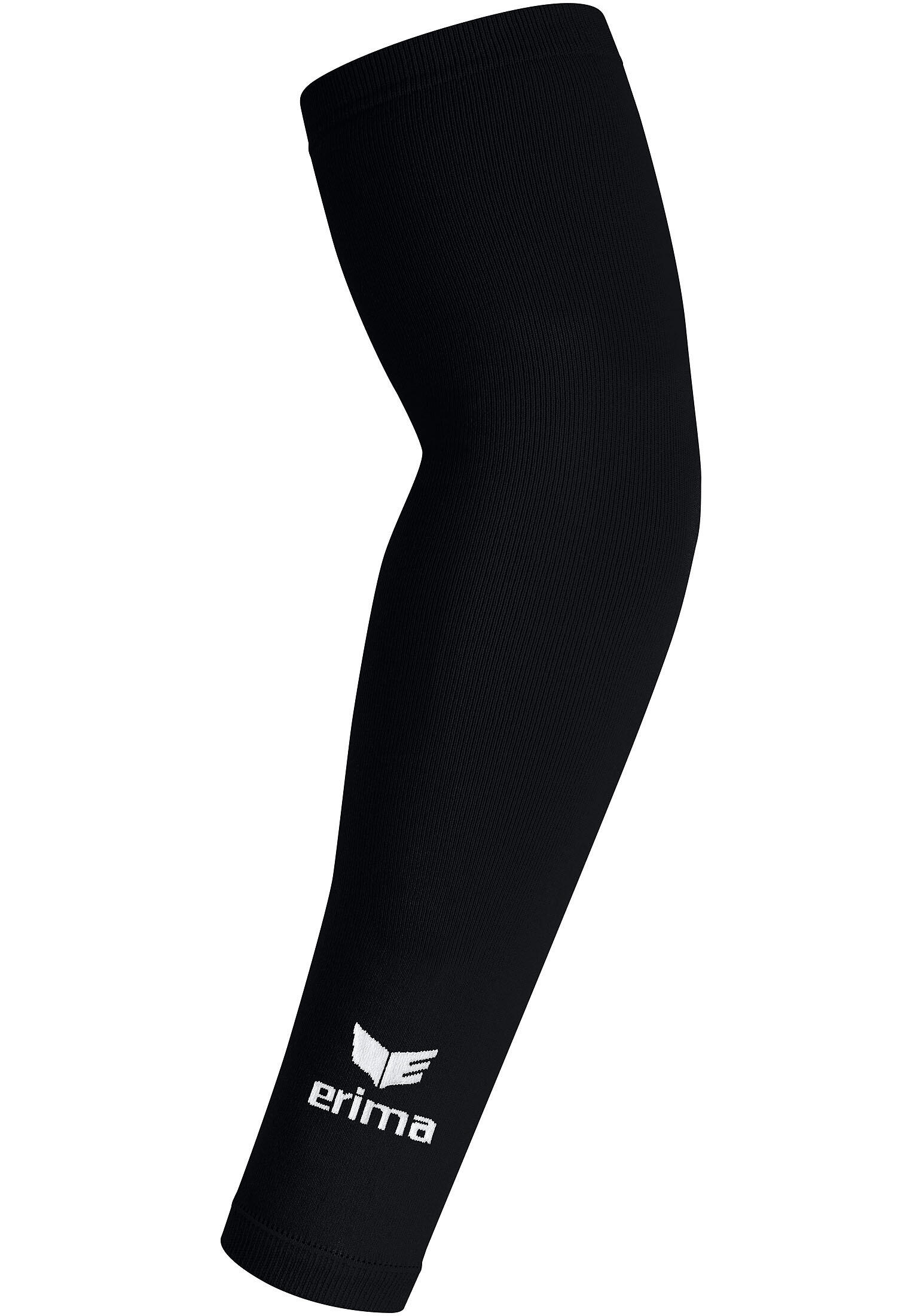
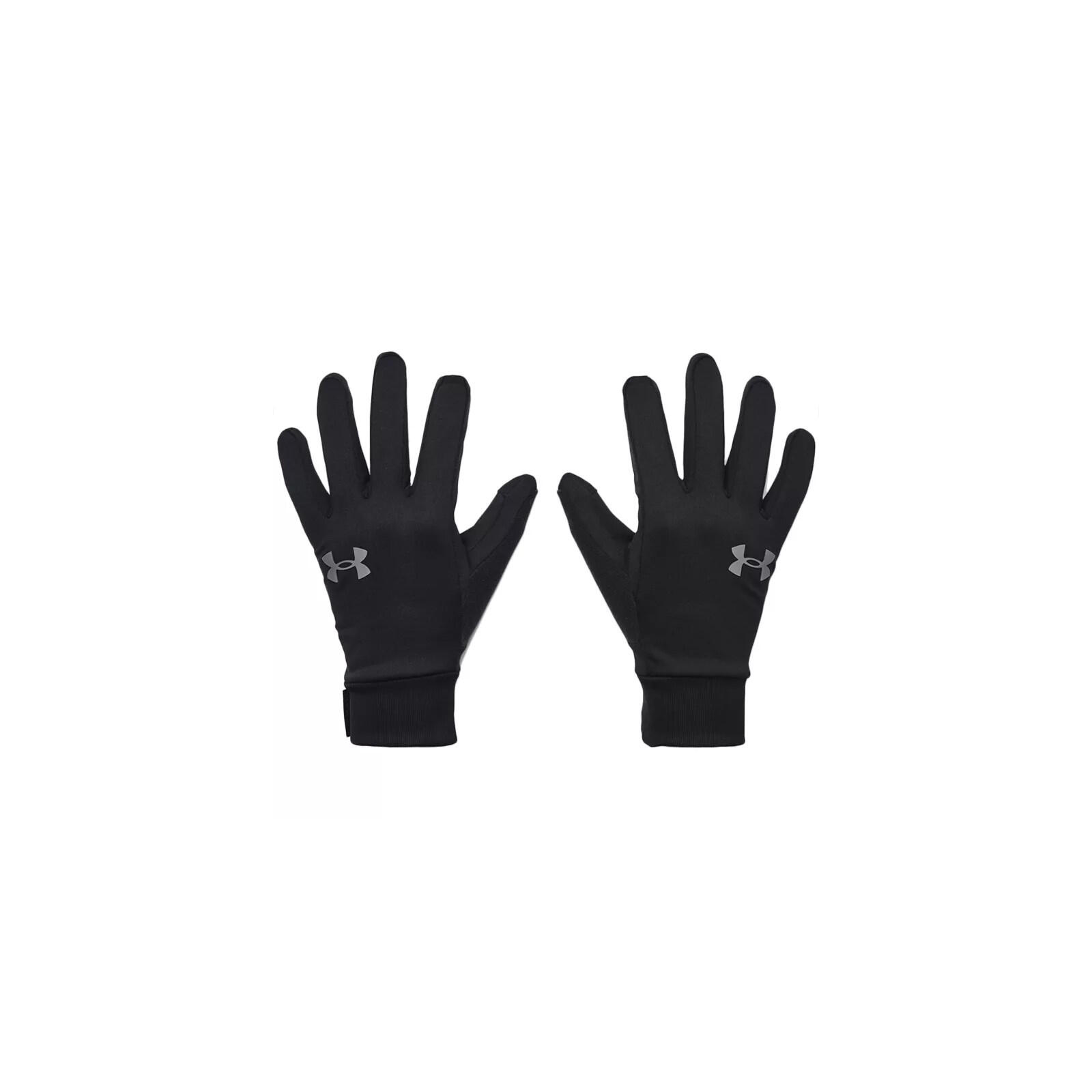
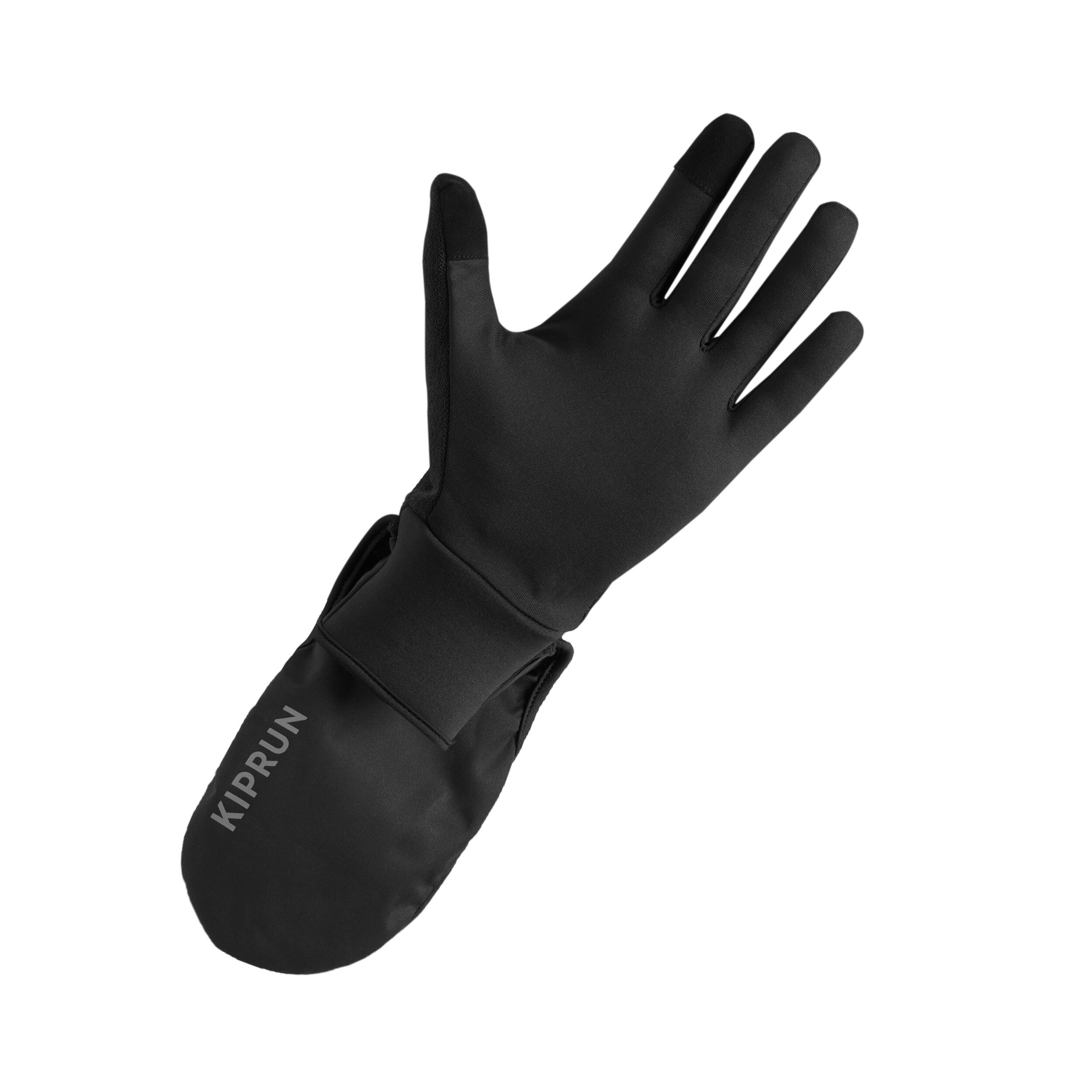
Use removable accessories that let you adjust coverage without changing your complete outfit. Arm warmers can be rolled down as your body heats up, while lightweight gloves protect exposed fingers during cool starts, high ground and windy sections. The Run 100 adult running gloves are intended for relatively cool running conditions rather than severe winter weather, so match them to the forecast and route elevation. Check that glove sizing keeps touchscreen panels aligned with your fingertips. Store removed layers in a secure pocket instead of tying them loosely around your waist, where they may catch vegetation or alter your stride. Pack for the coldest exposed section, not only the sheltered conditions at the starting point.