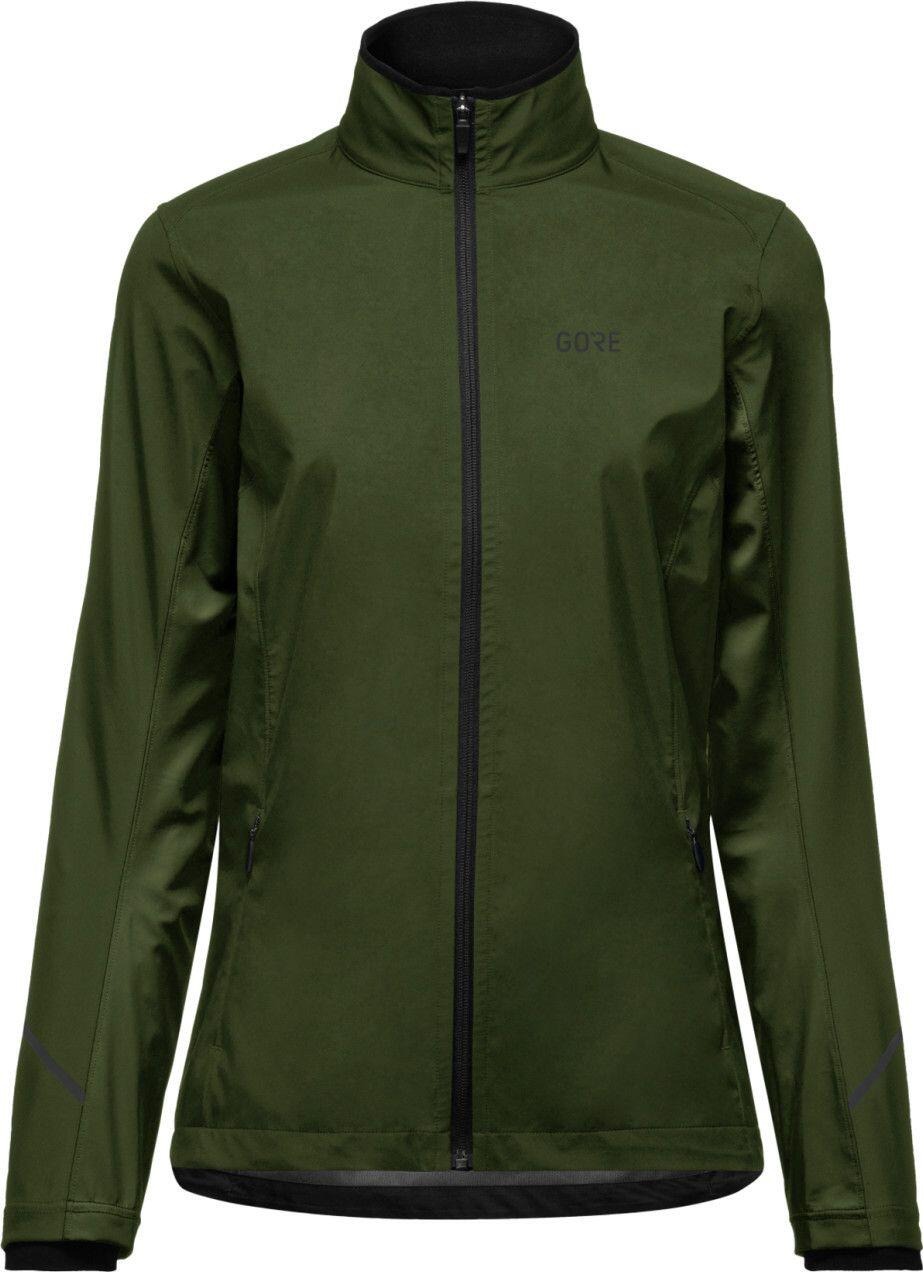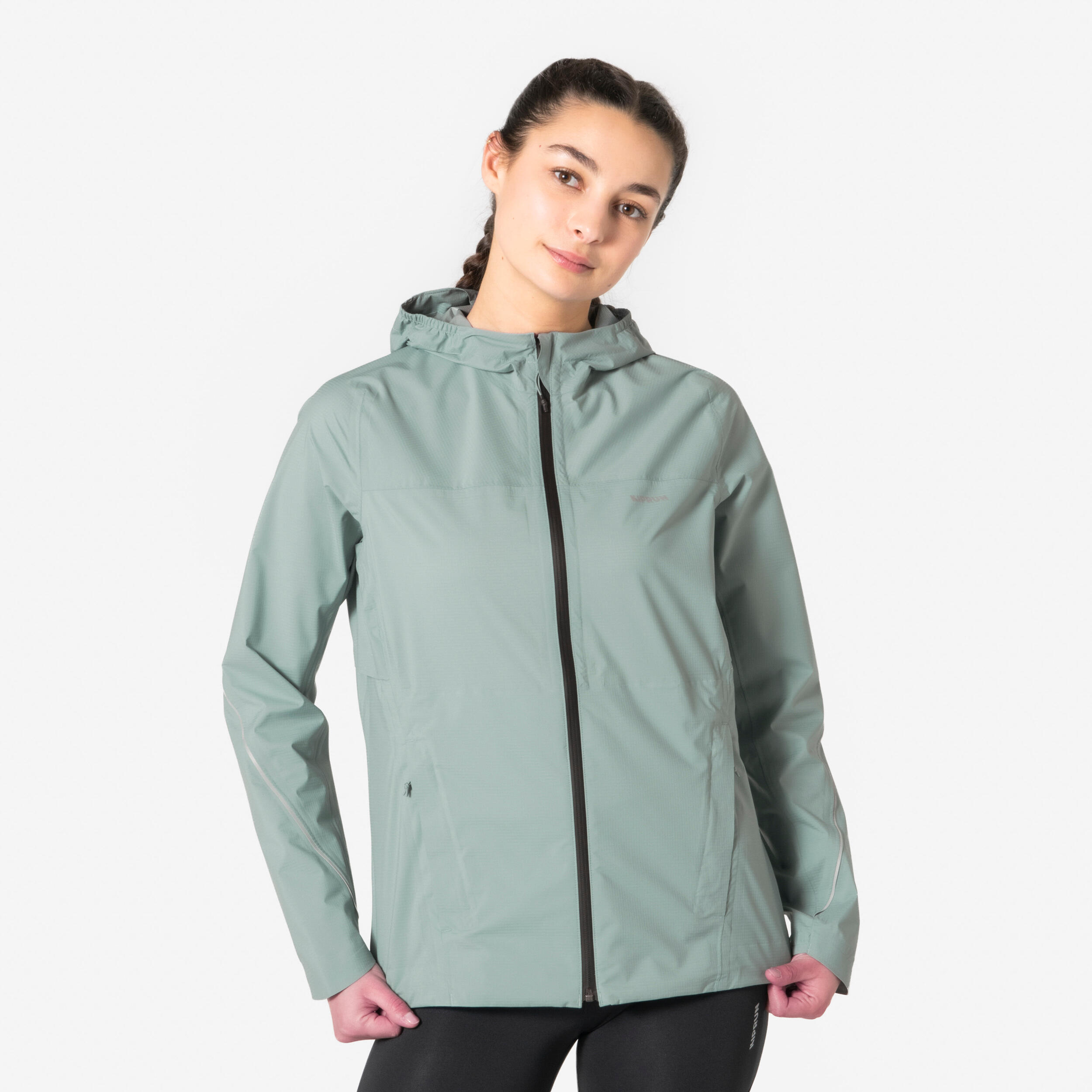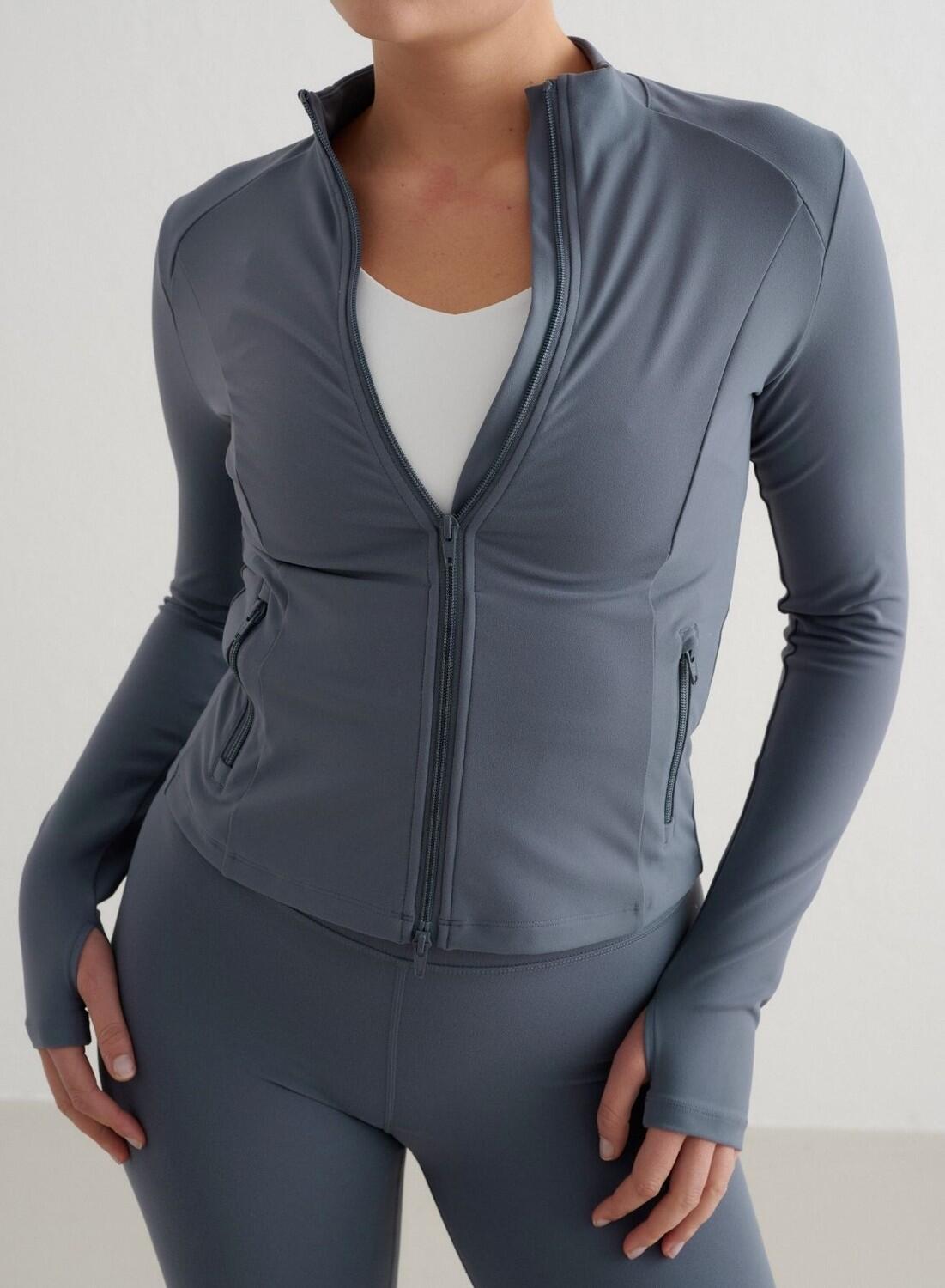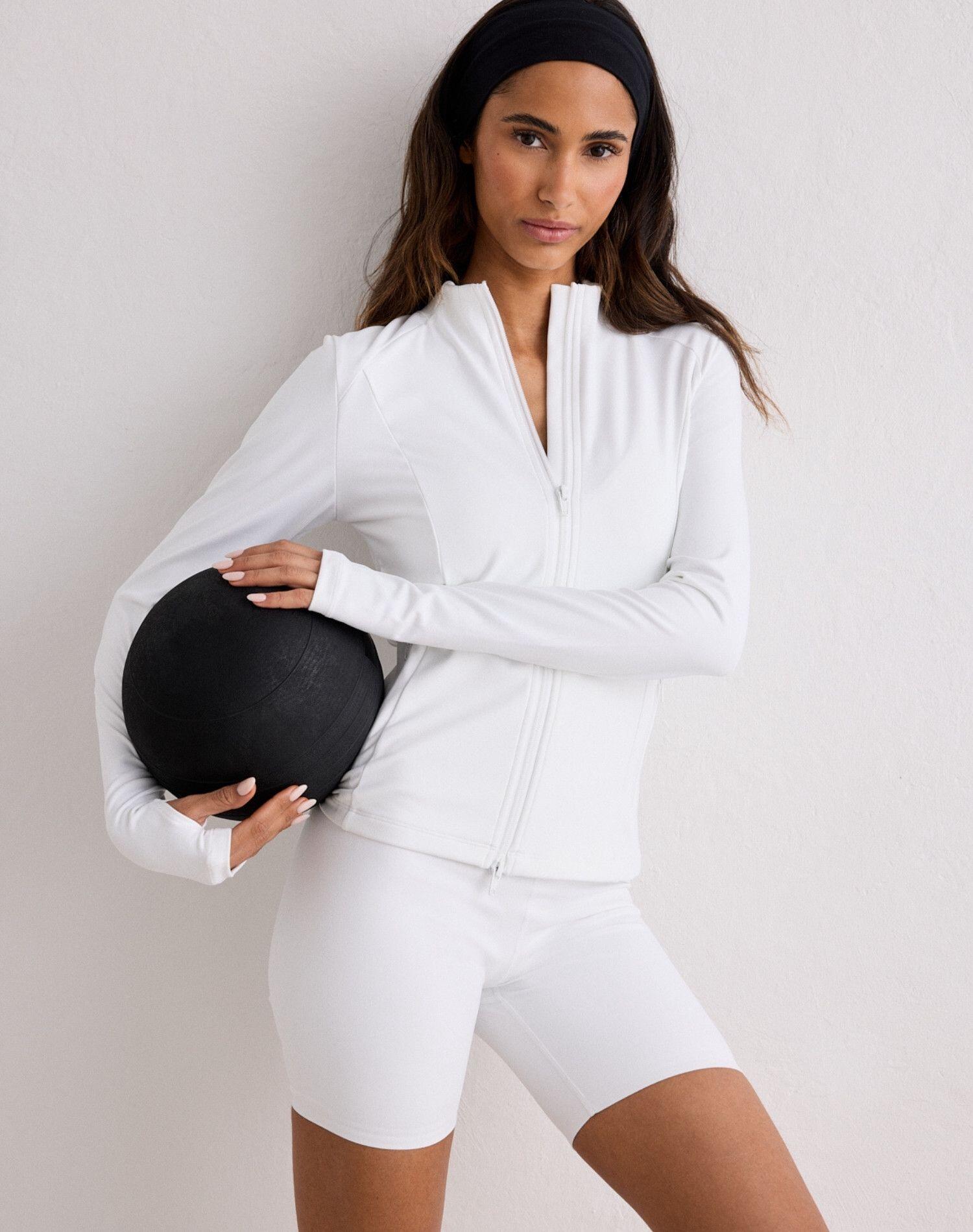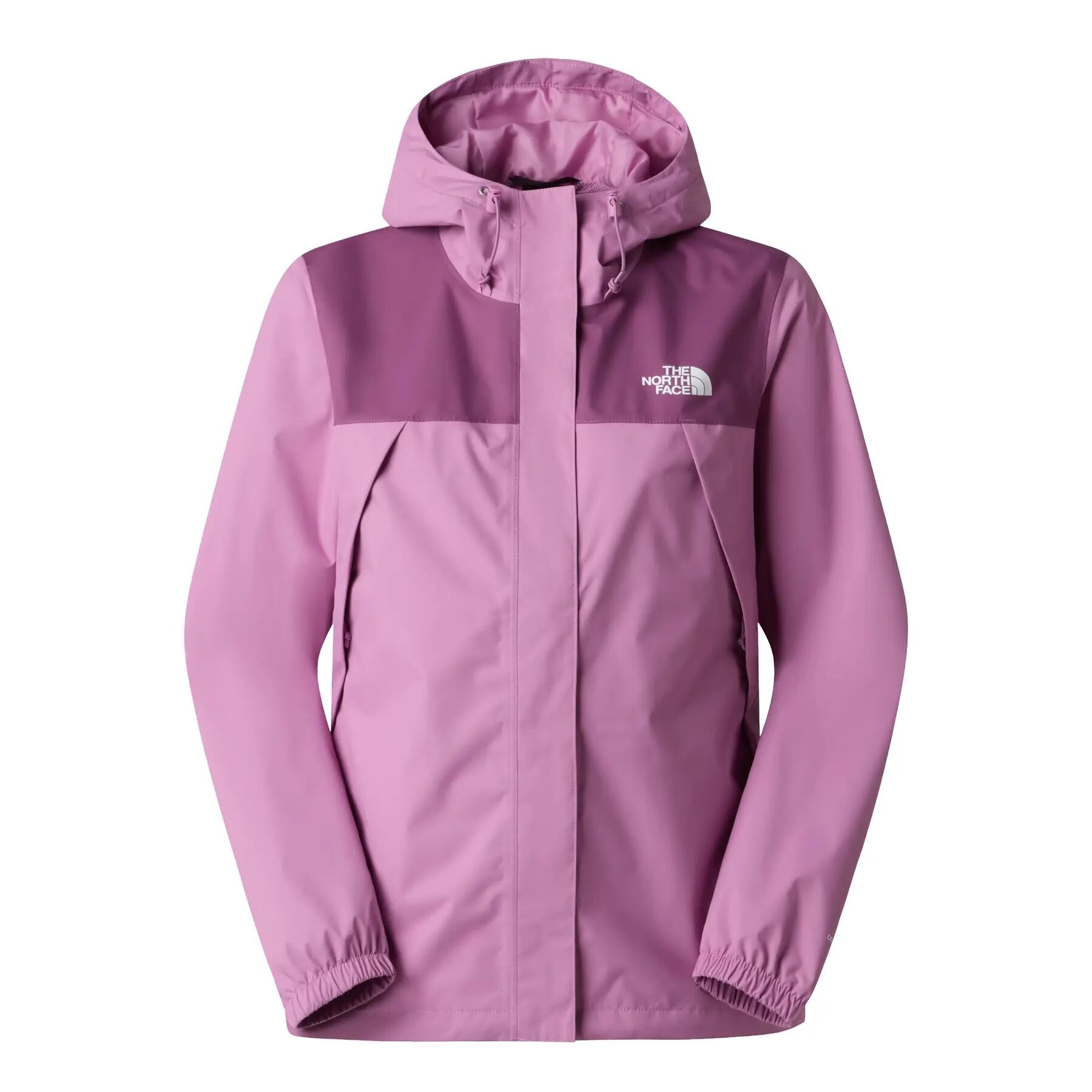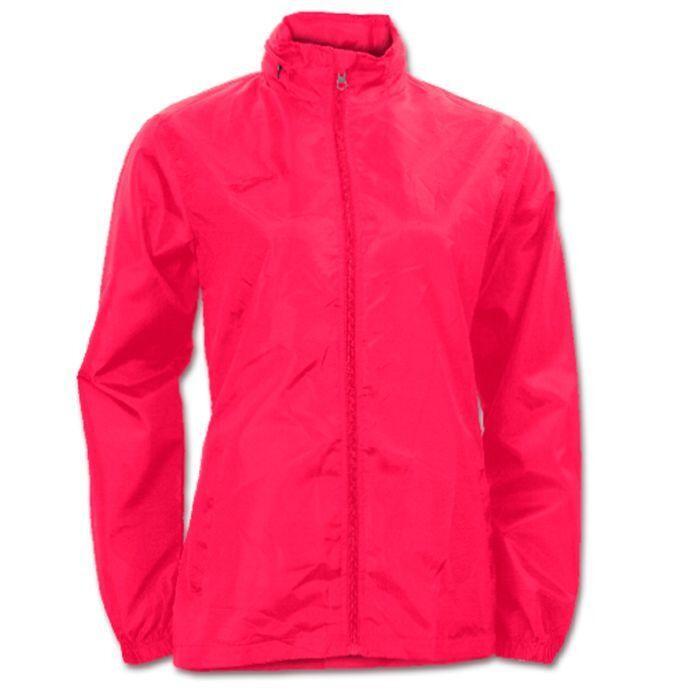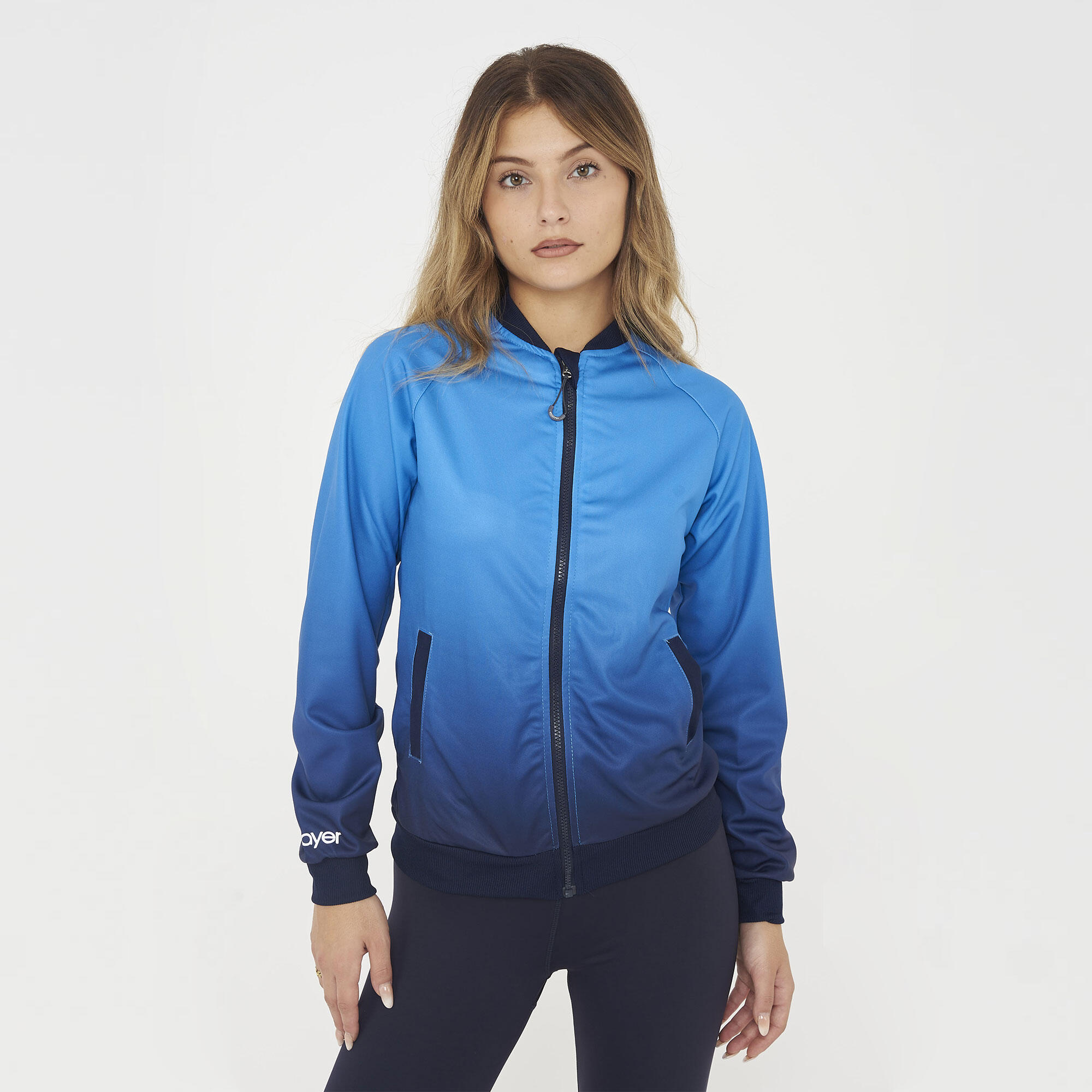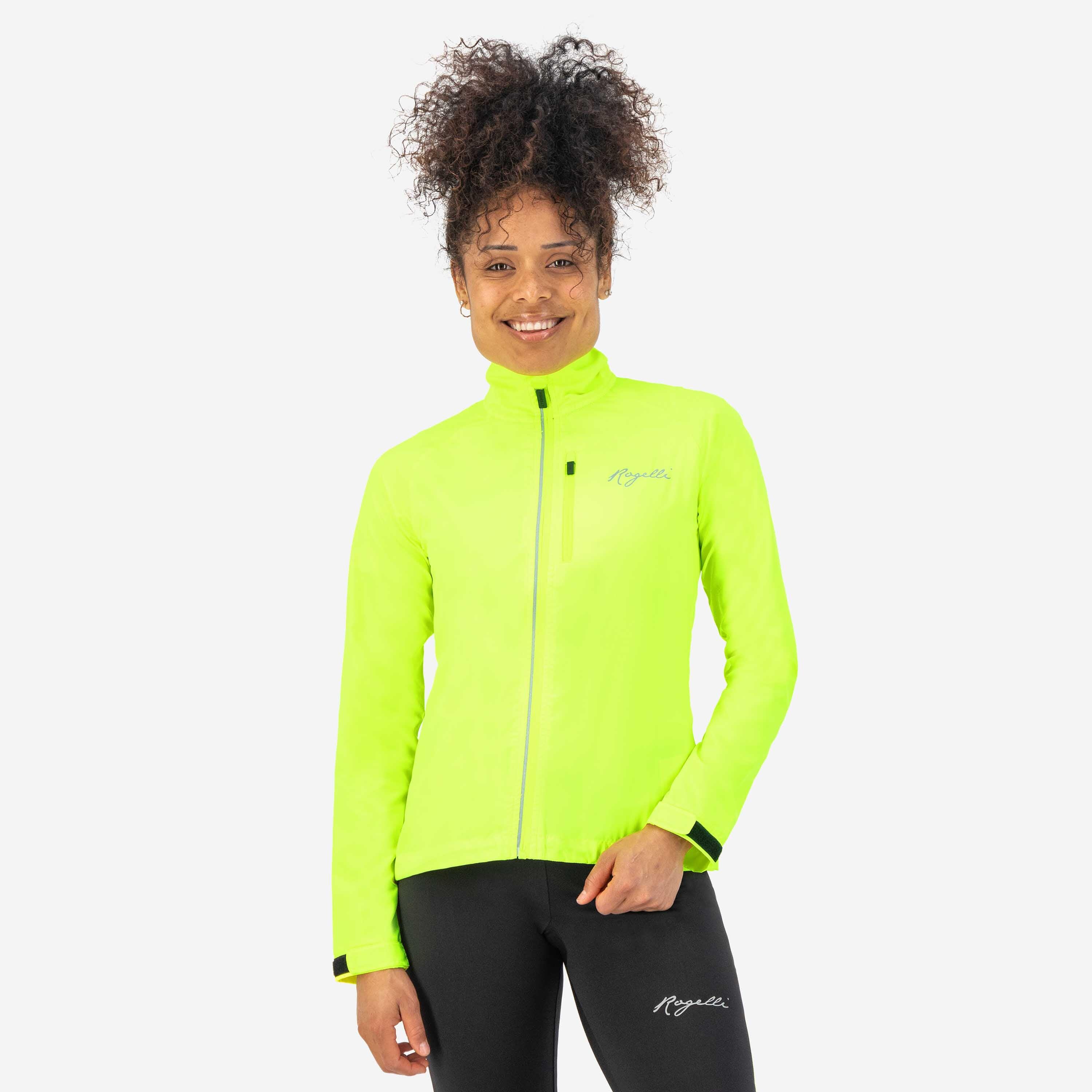
469 items
4.6/5 based on 18941 reviews collected online and in stores

Women's Trail Running Jackets FAQs

What types of women's trail running jackets are there?

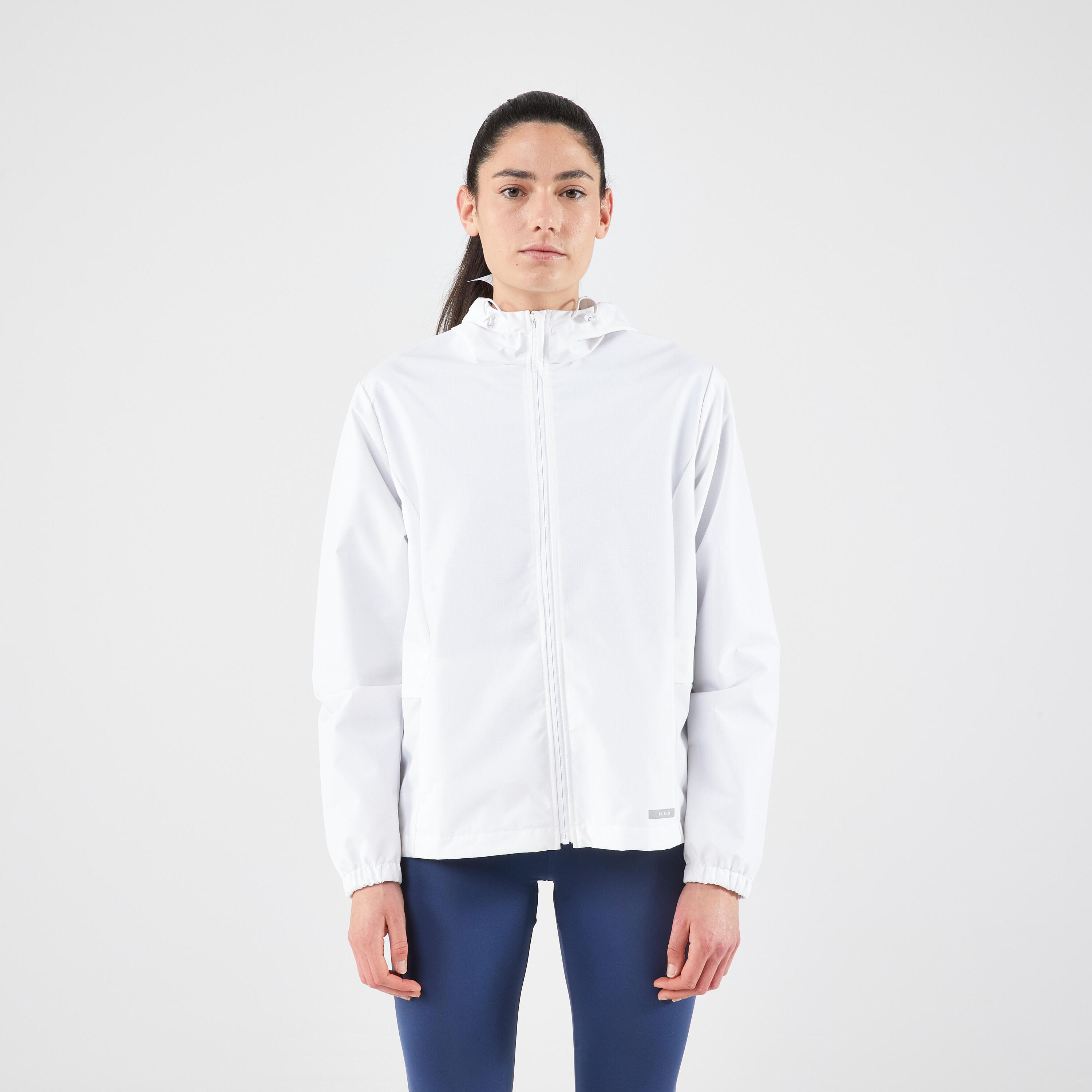
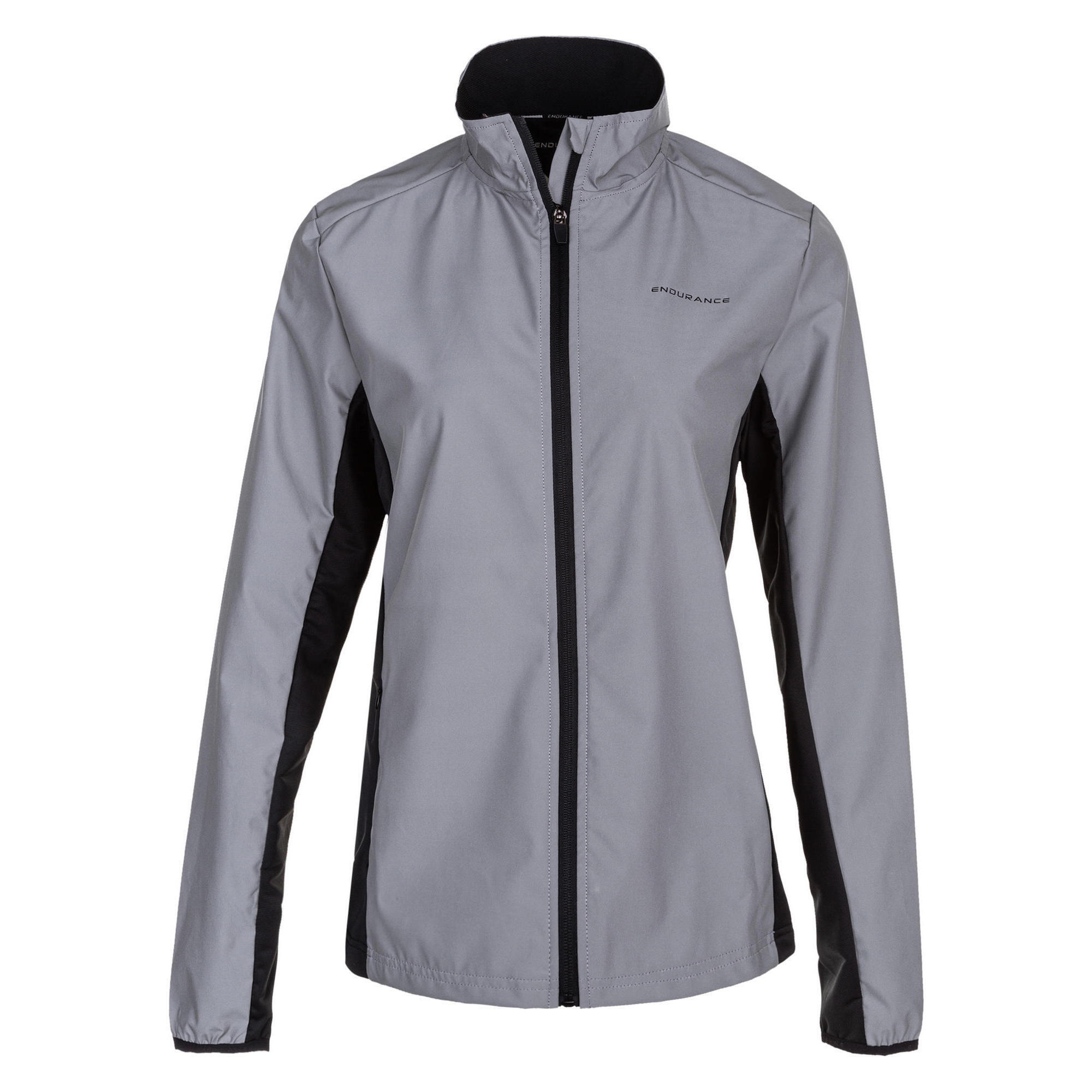
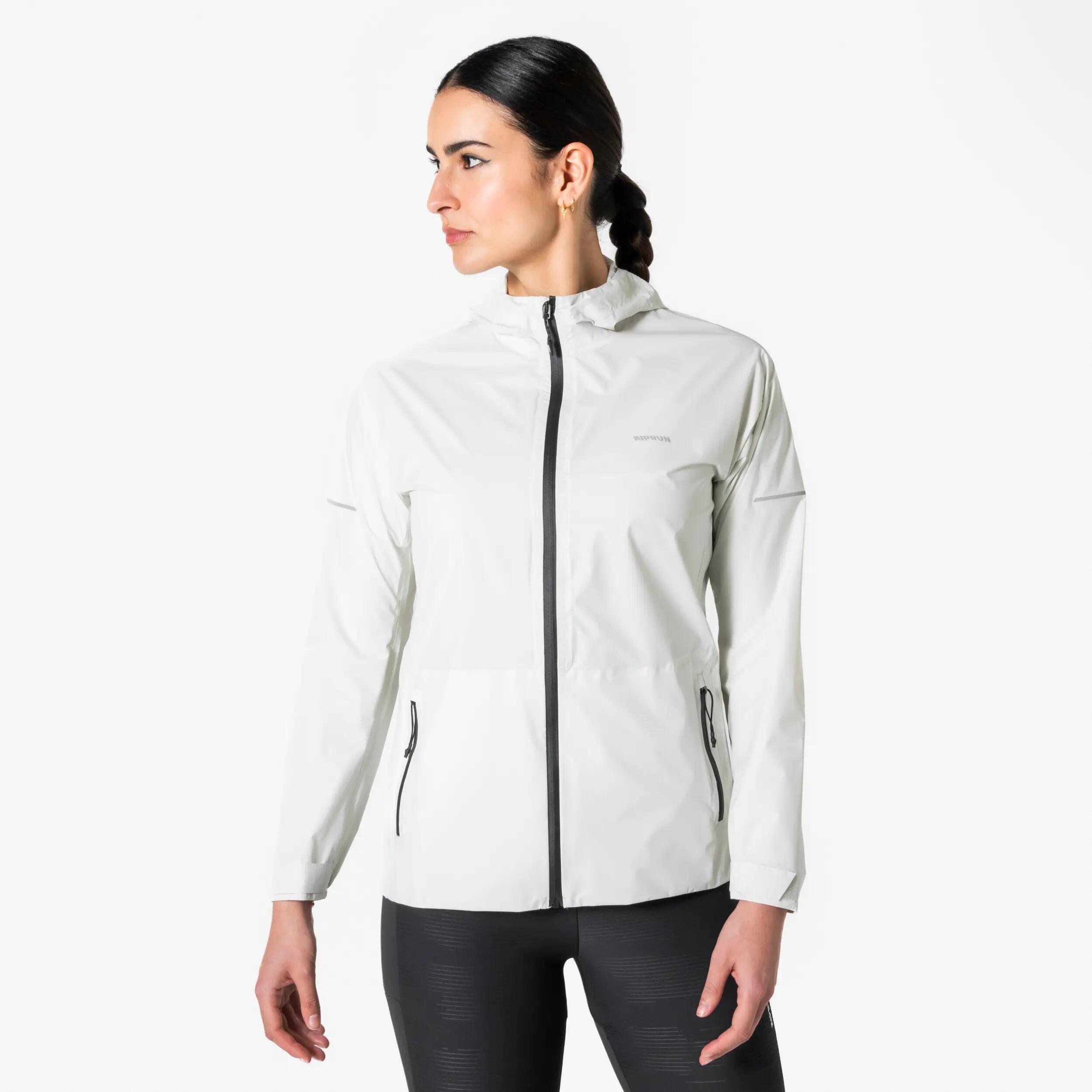
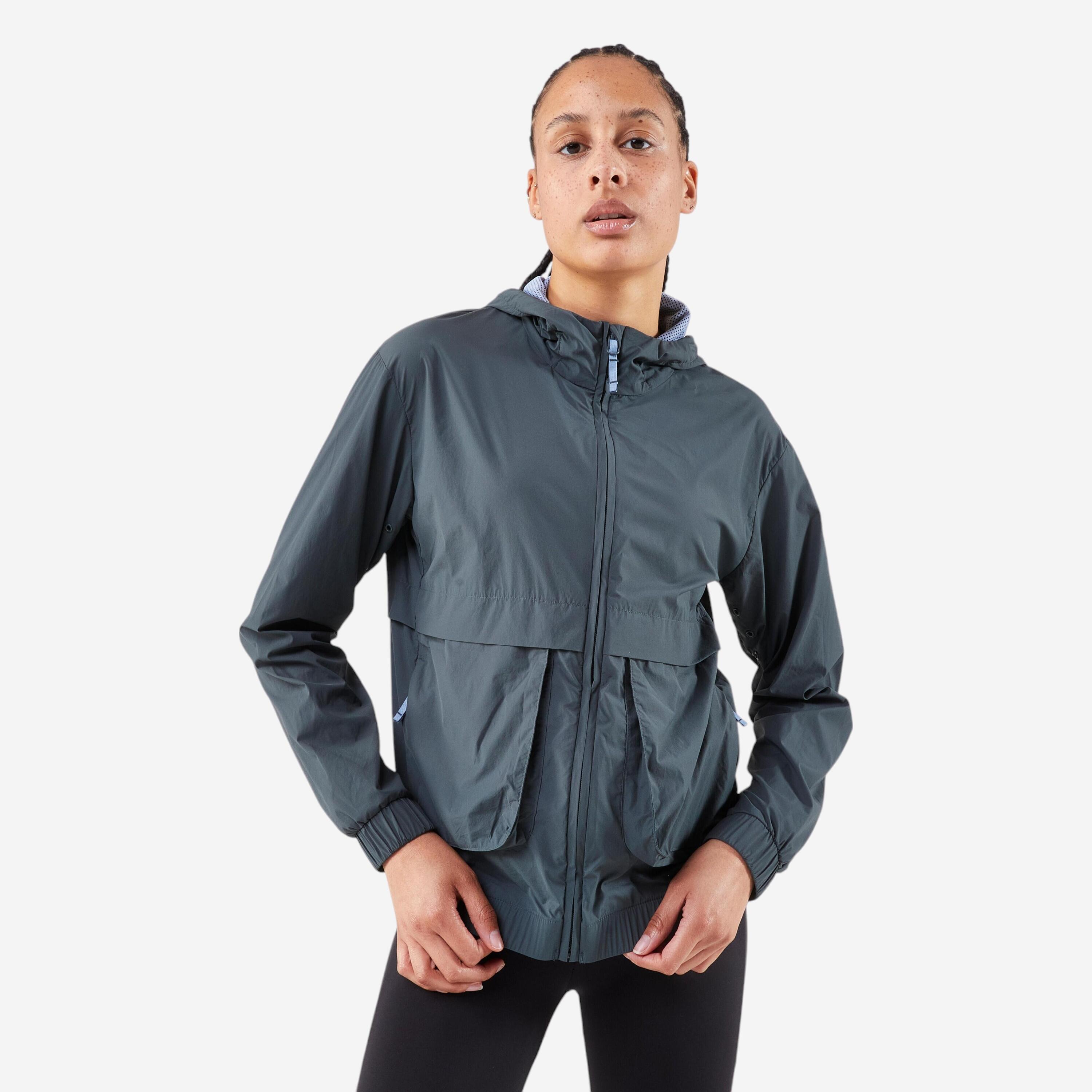
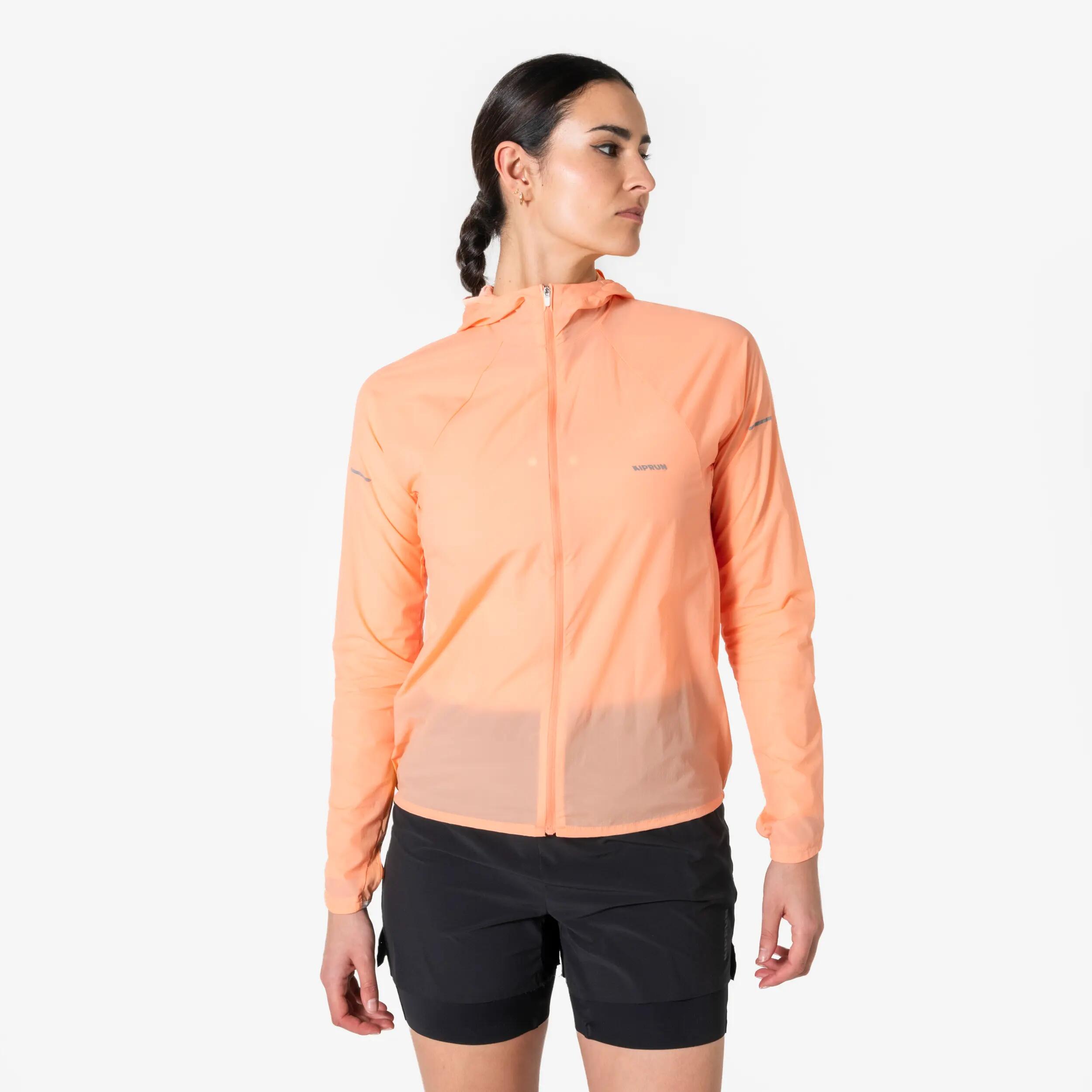
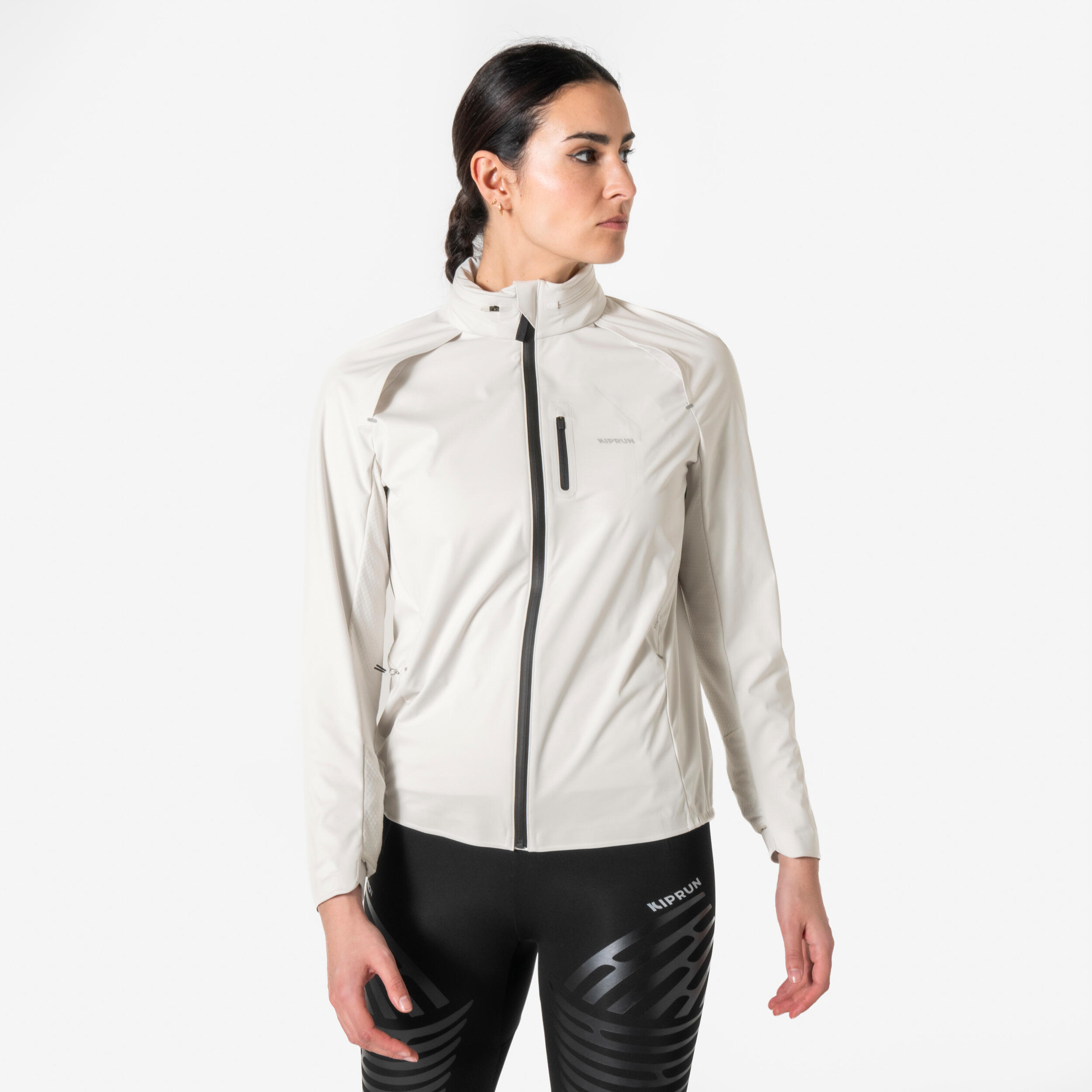
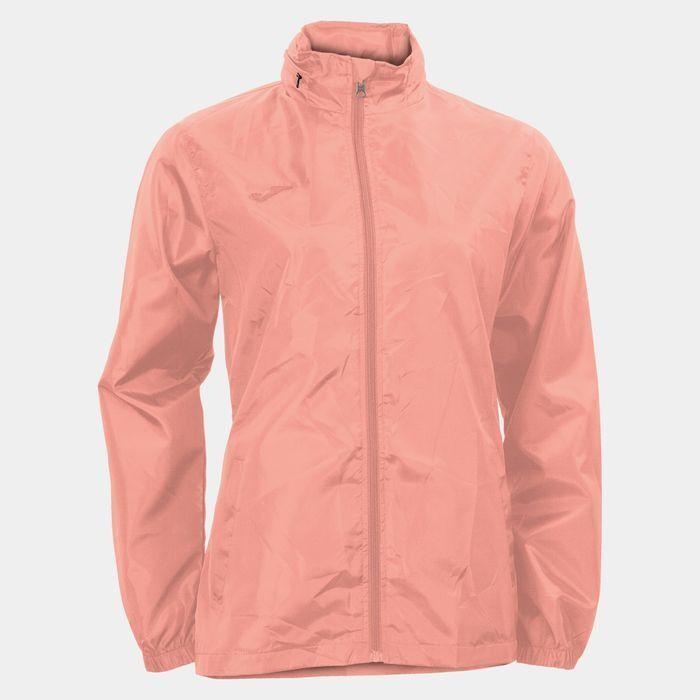
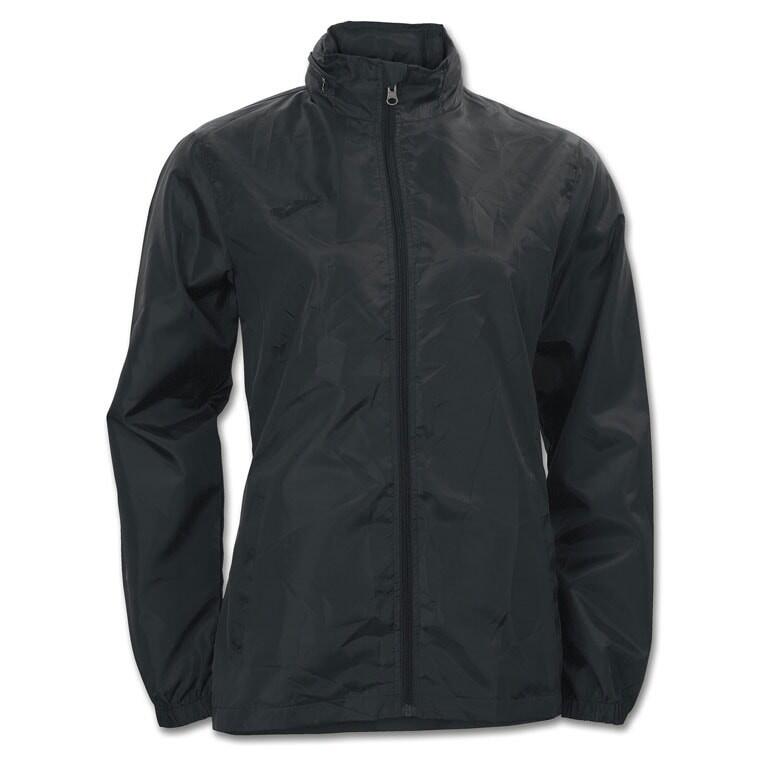
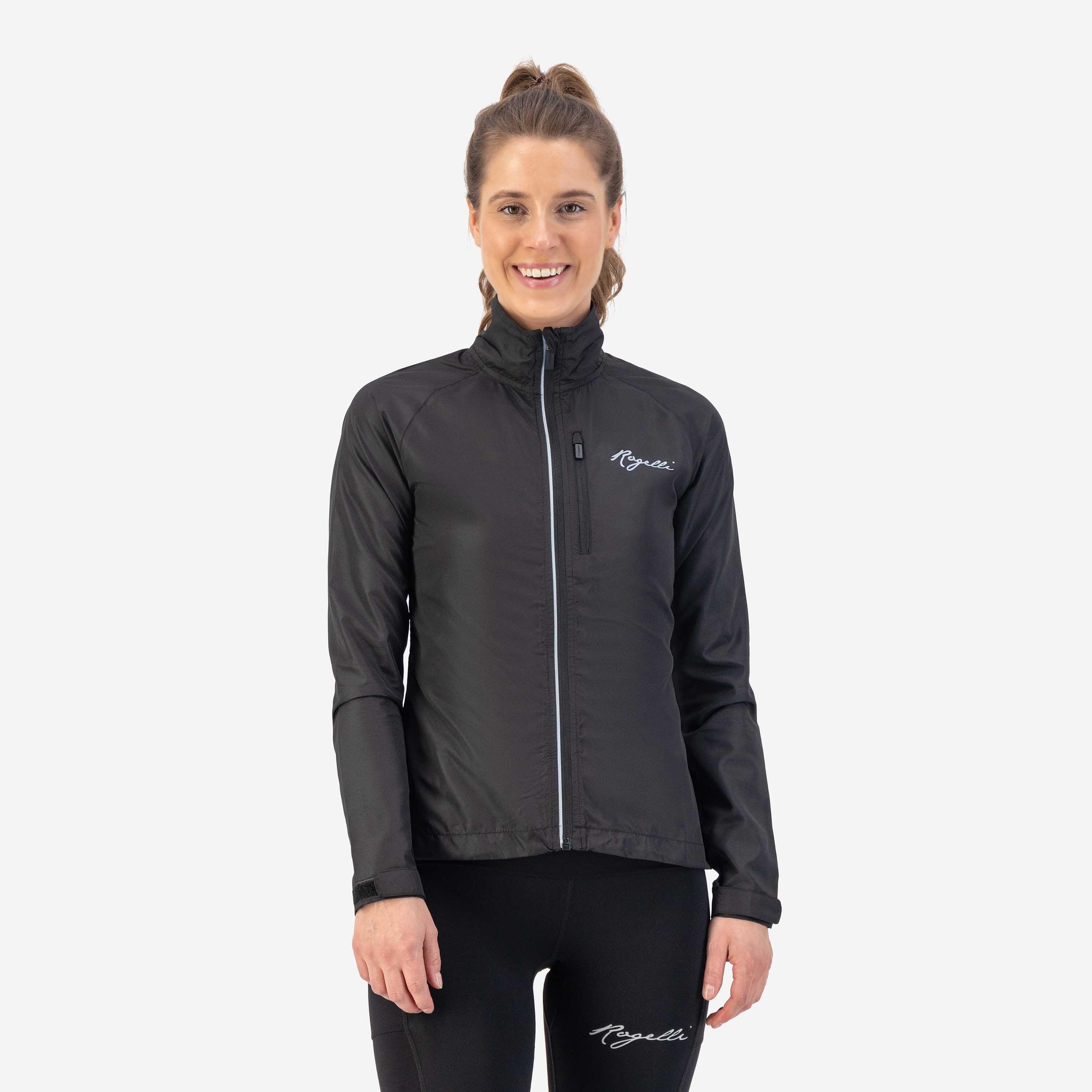
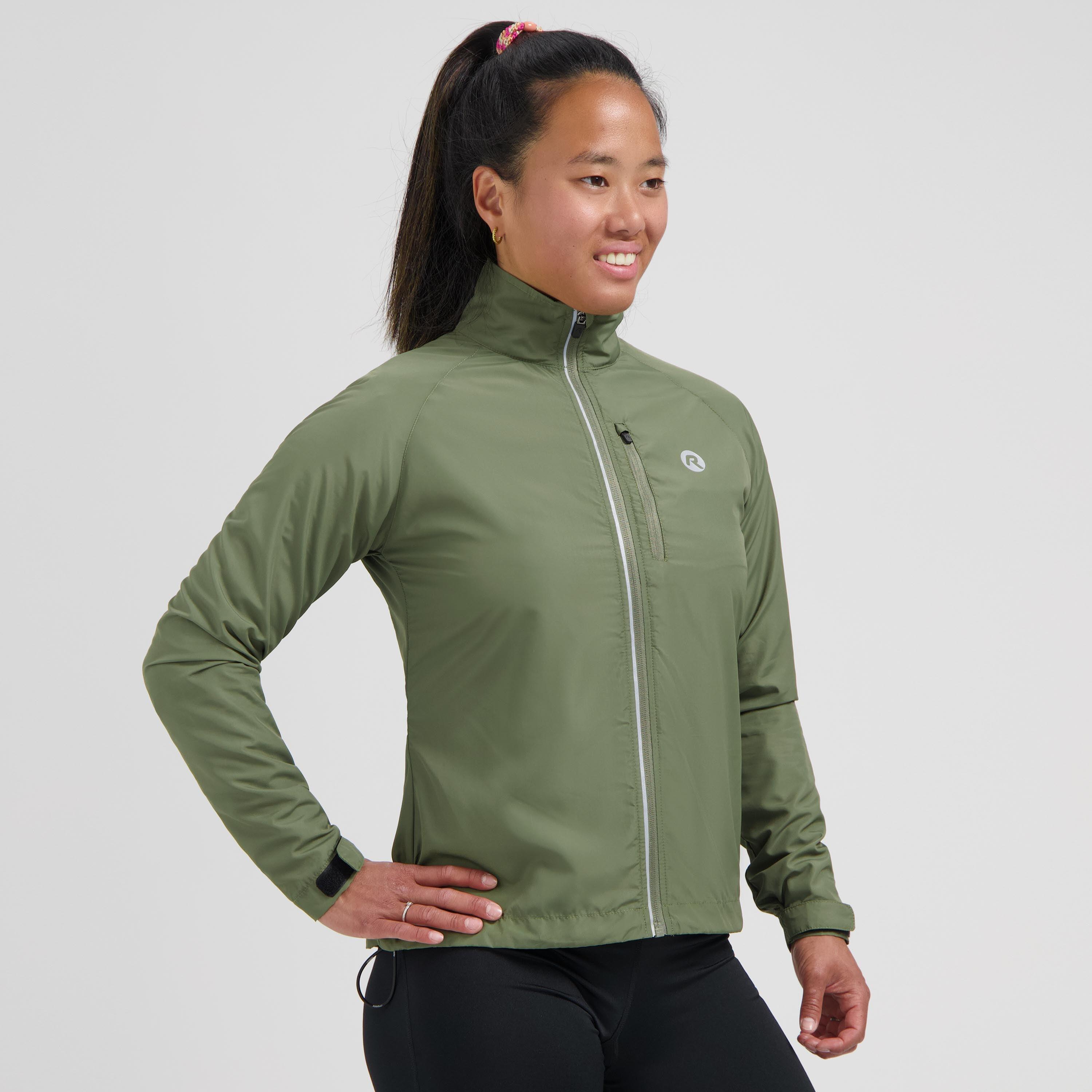
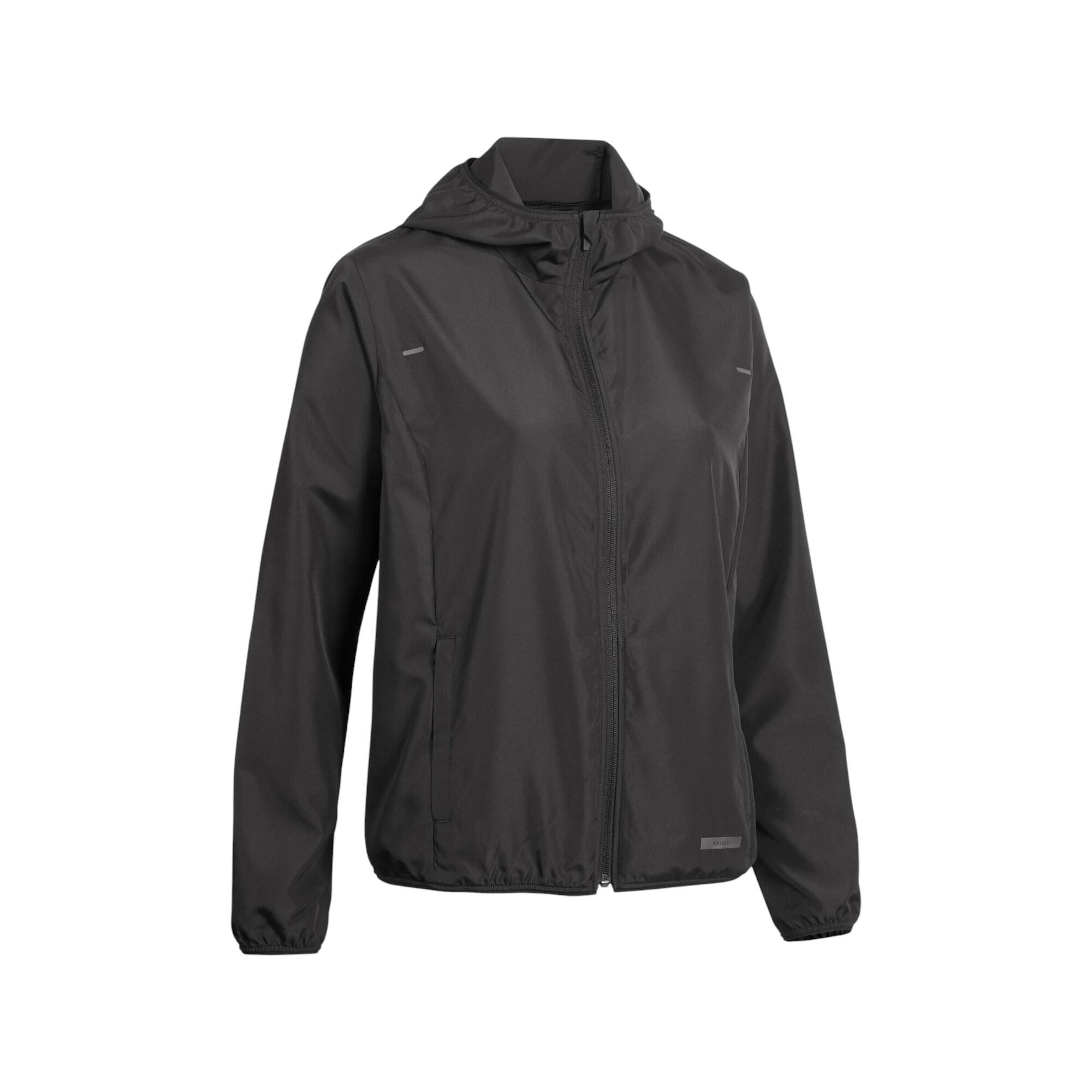
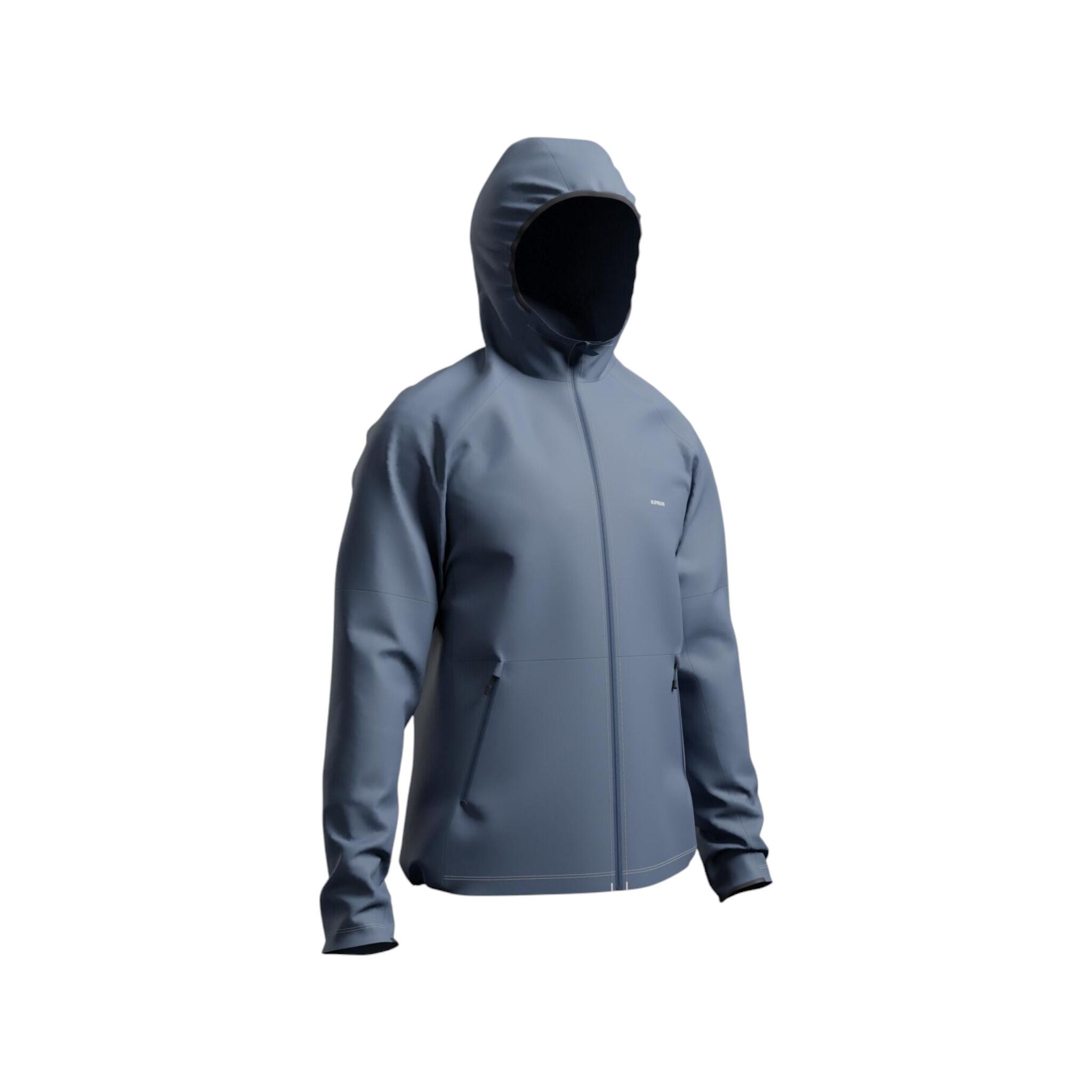
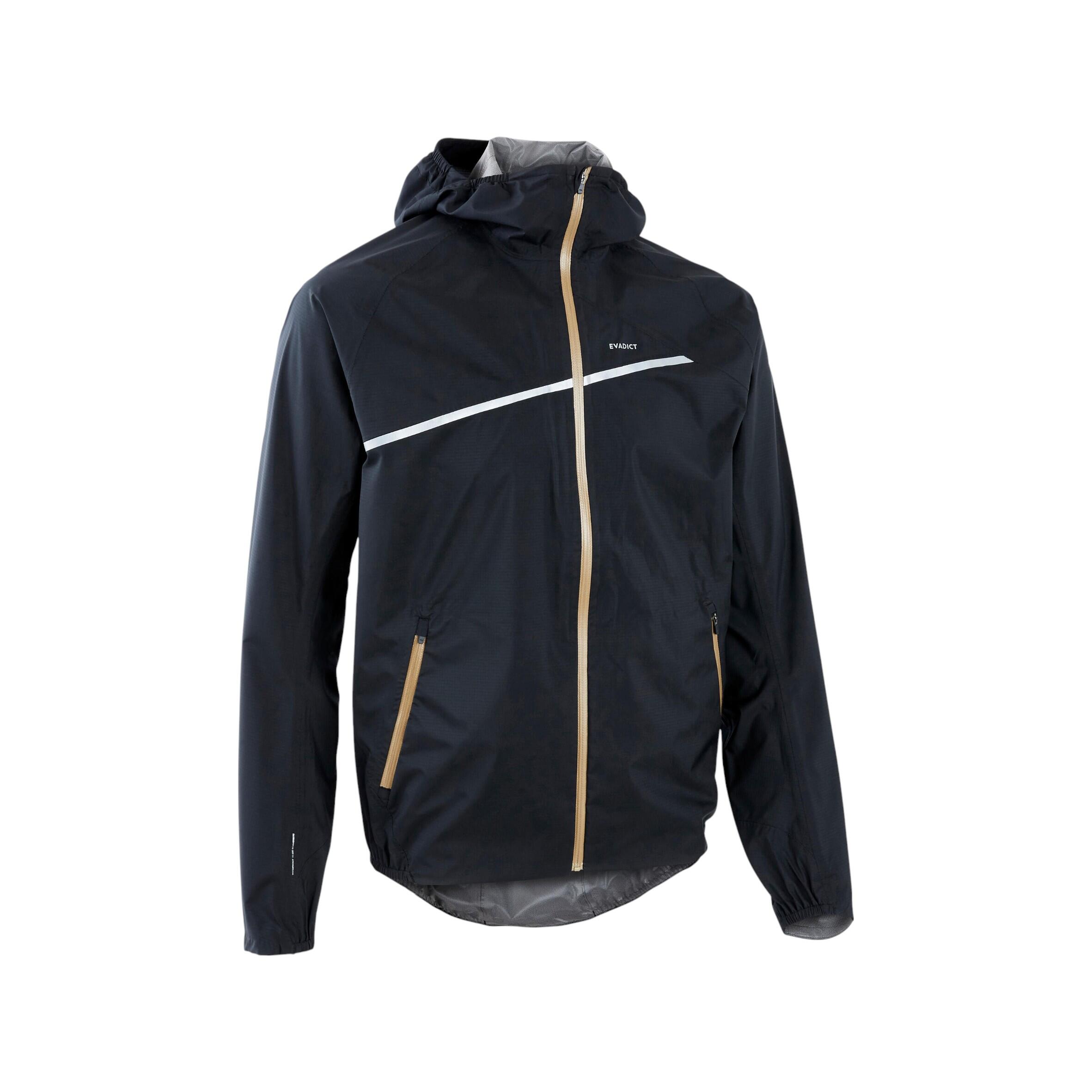
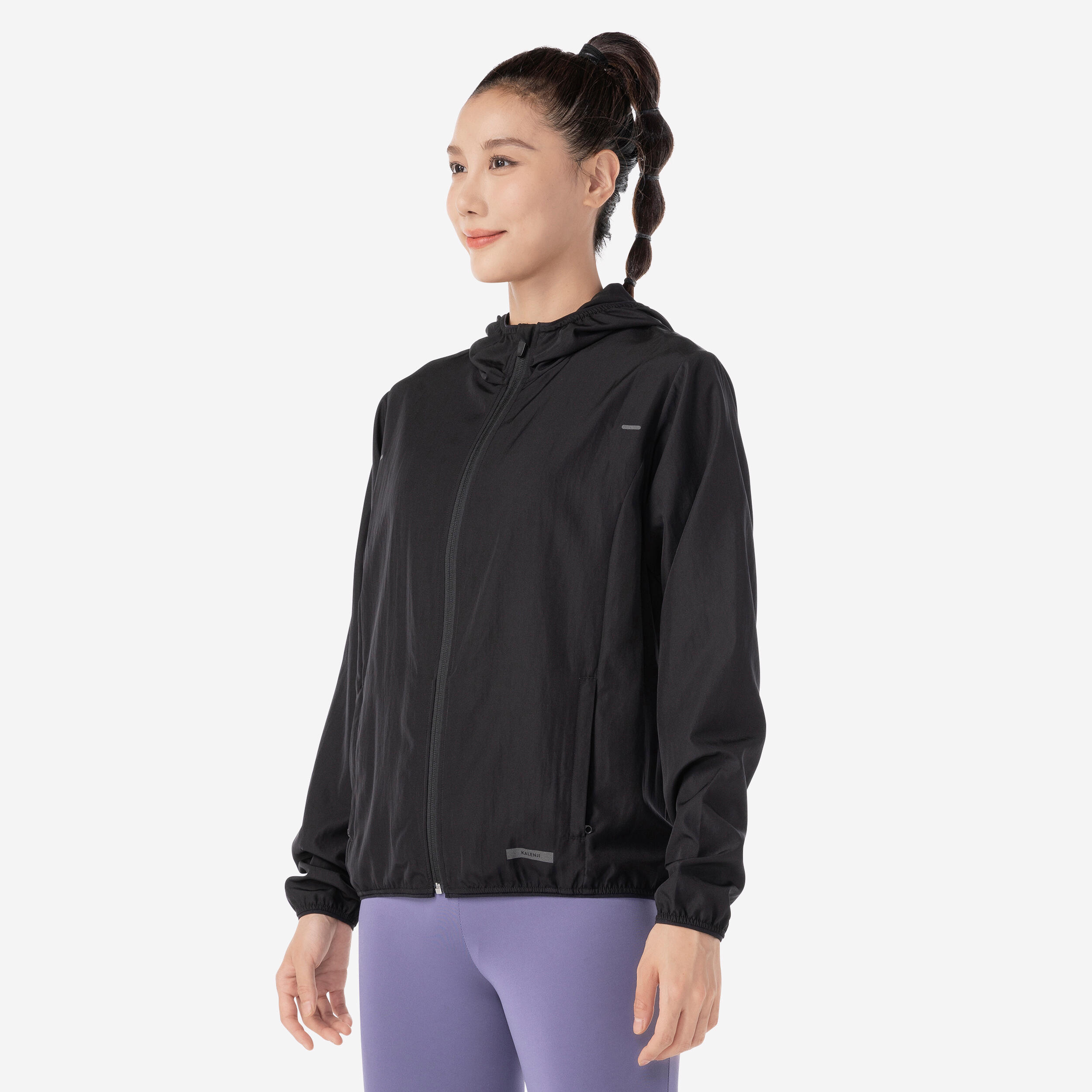
Women's trail running jackets include lightweight windbreakers, waterproof shells, and insulated or brushed layers for colder conditions. A windbreaker reduces heat loss on exposed ridges without providing full rain protection, while a waterproof jacket uses a protective membrane and sealed seams for sustained wet weather. Warmer jackets and sweatshirts add insulation for cold starts, slower outings and time spent waiting before or after a session. Check the jacket's packed size, ventilation and protection level against the route, weather forecast and mandatory race-kit rules. On windy days, try the women's trail running windbreakers.

When do you need a waterproof jacket on the trail?

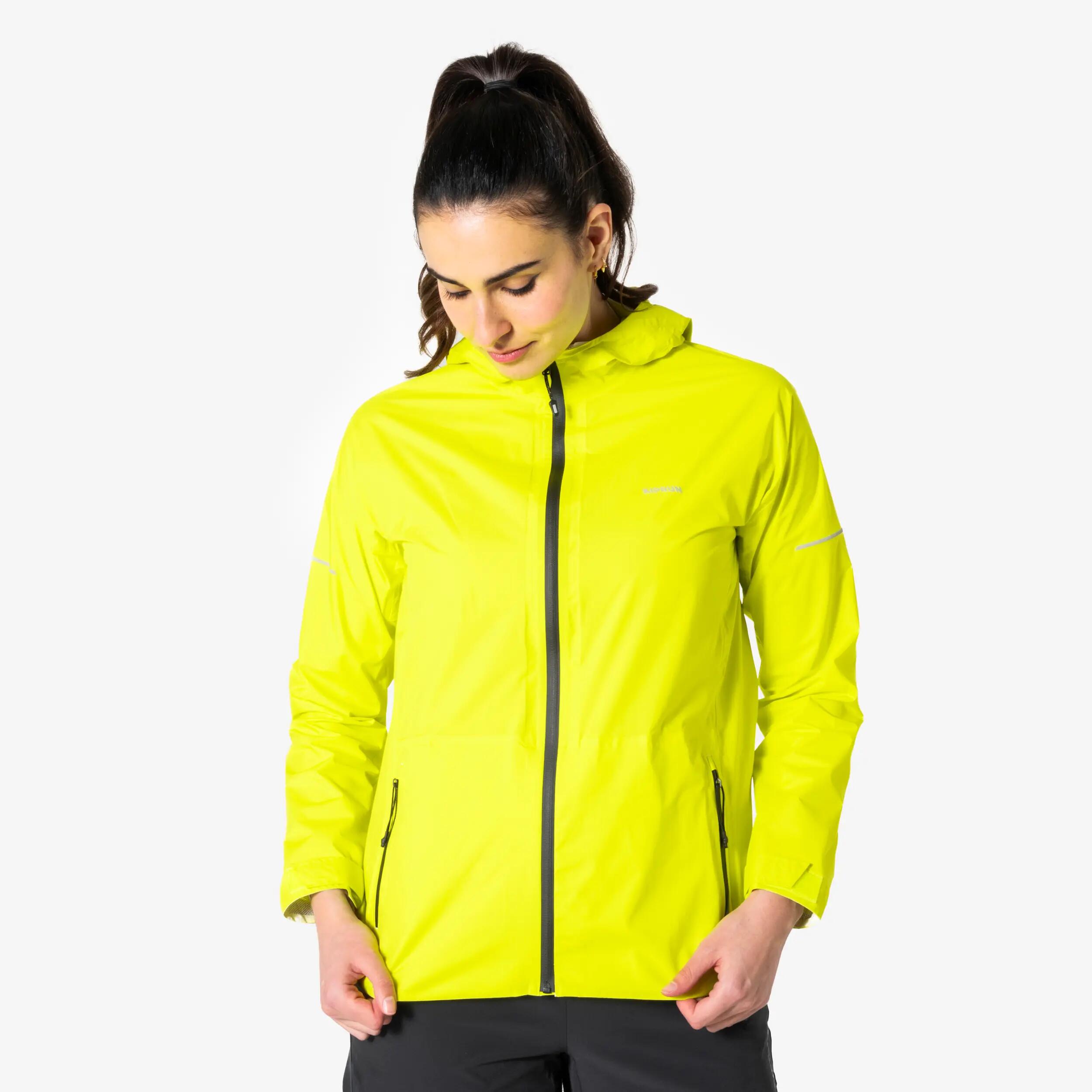
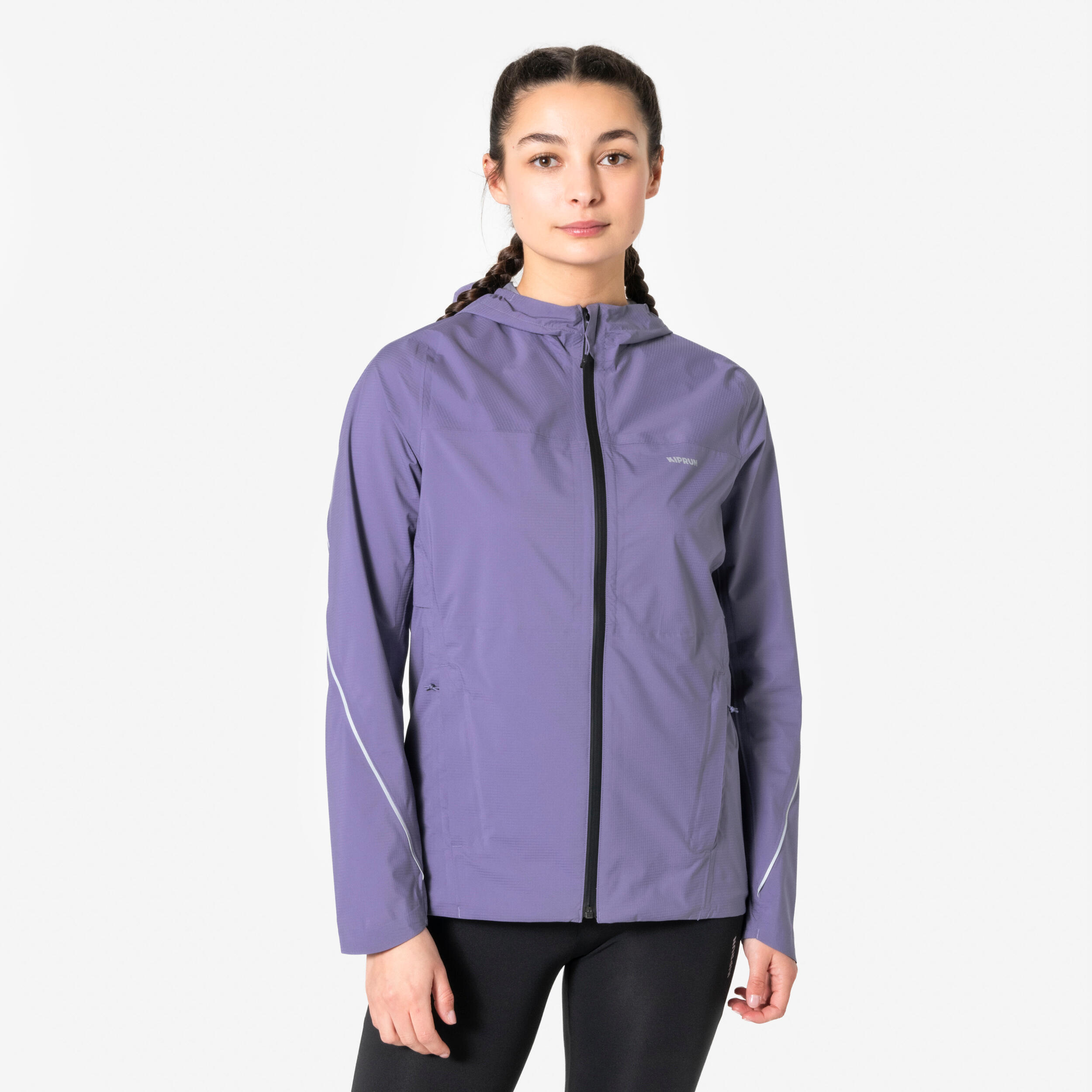
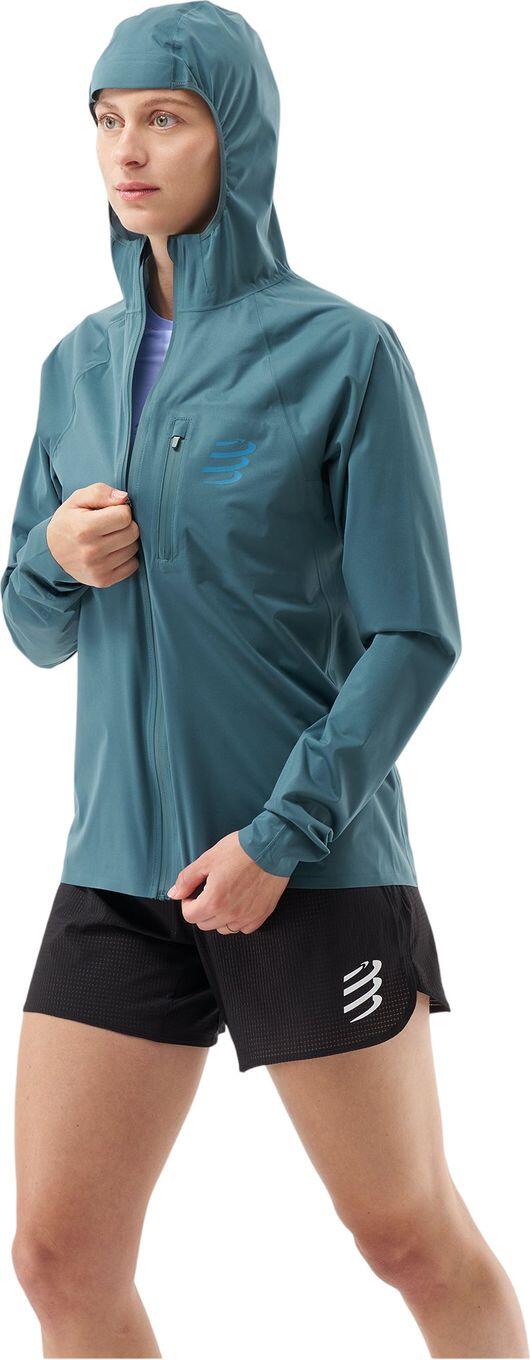
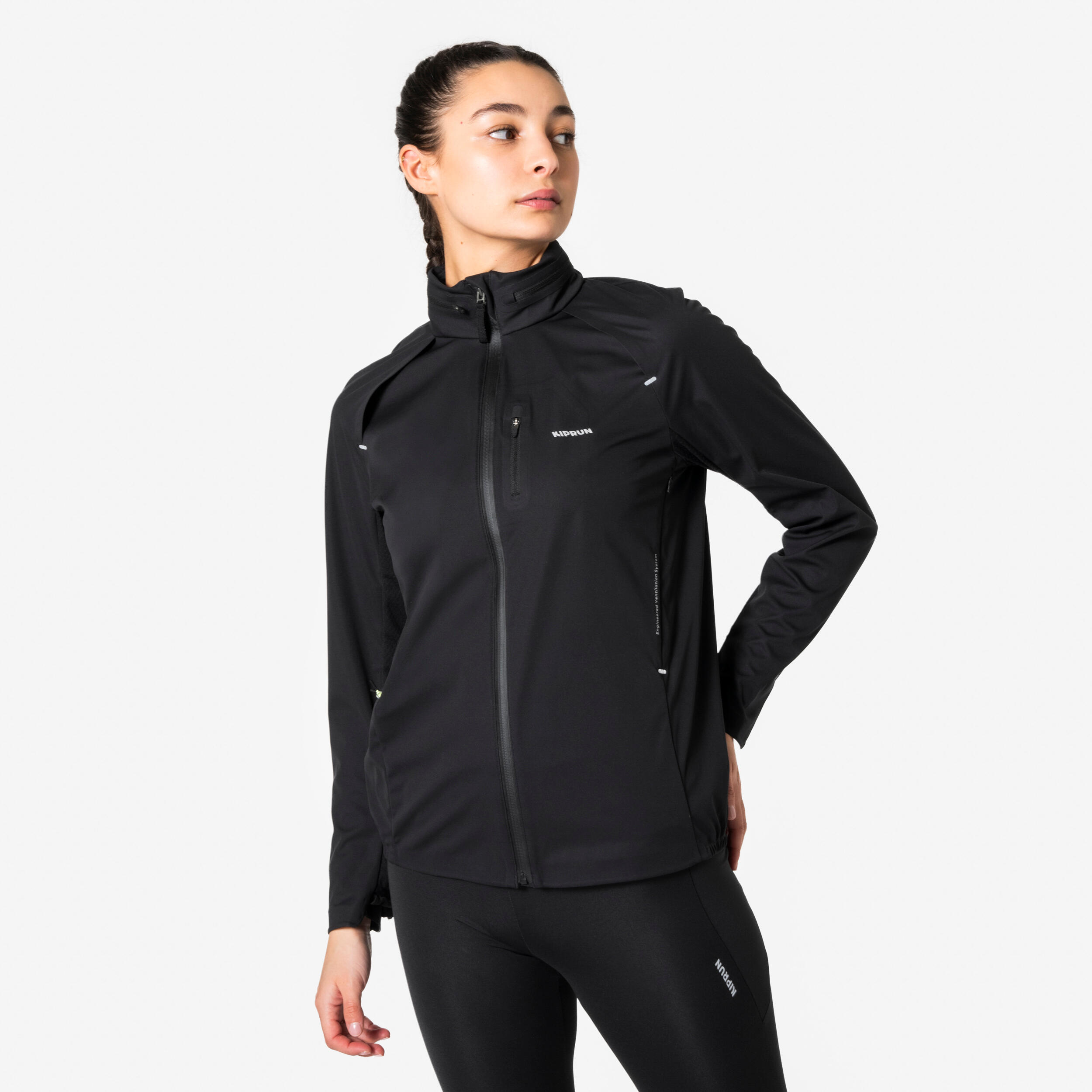
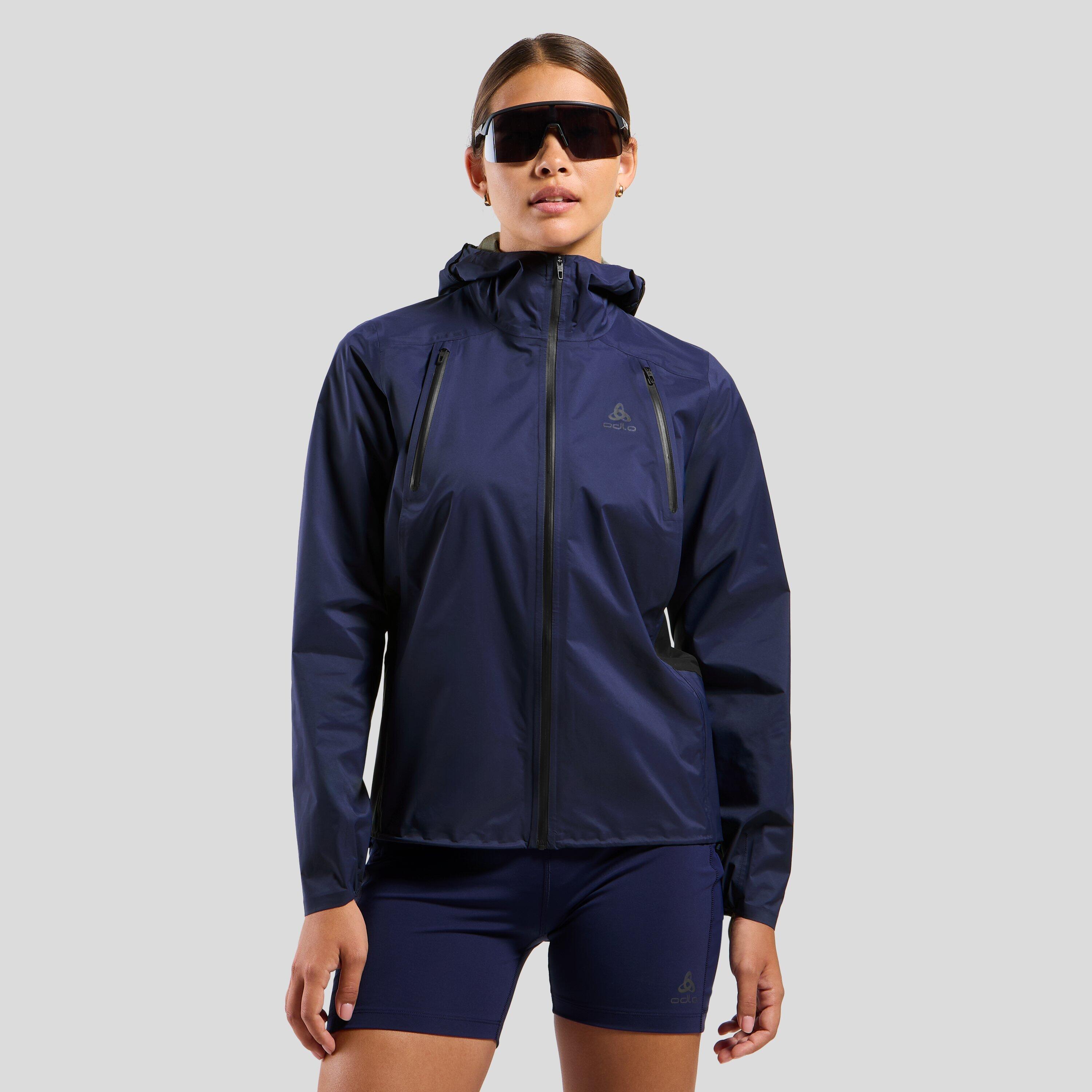
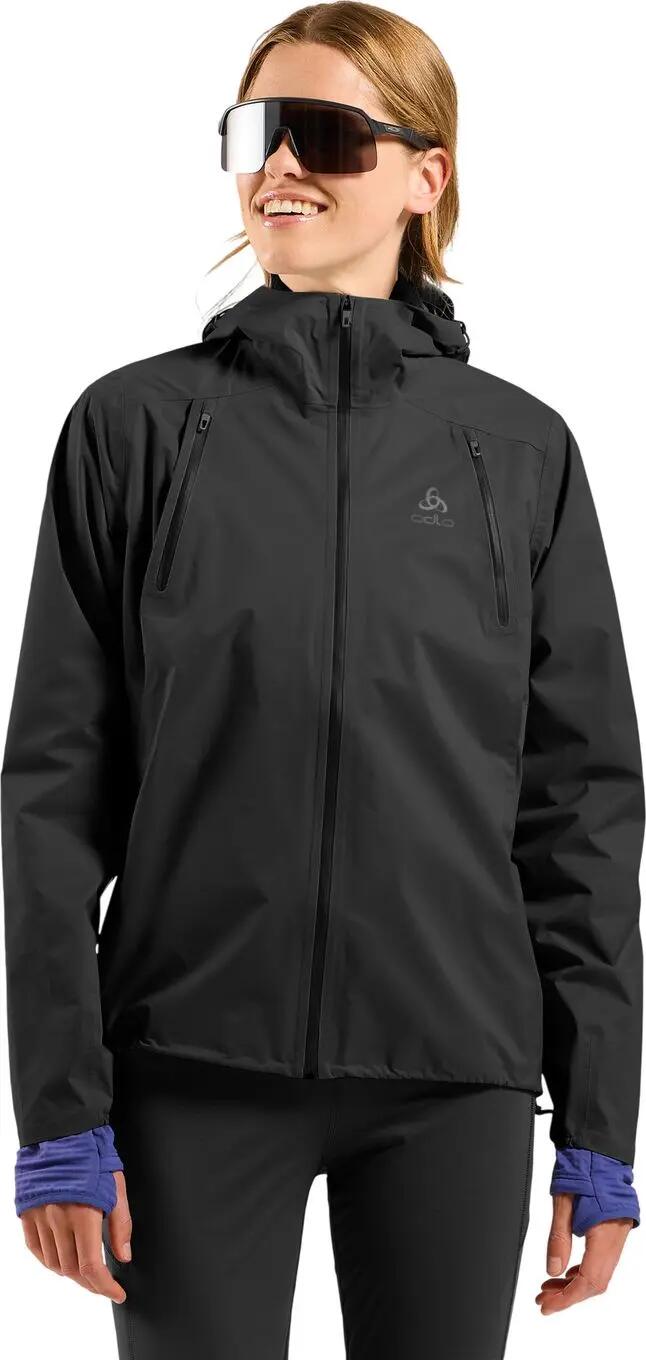
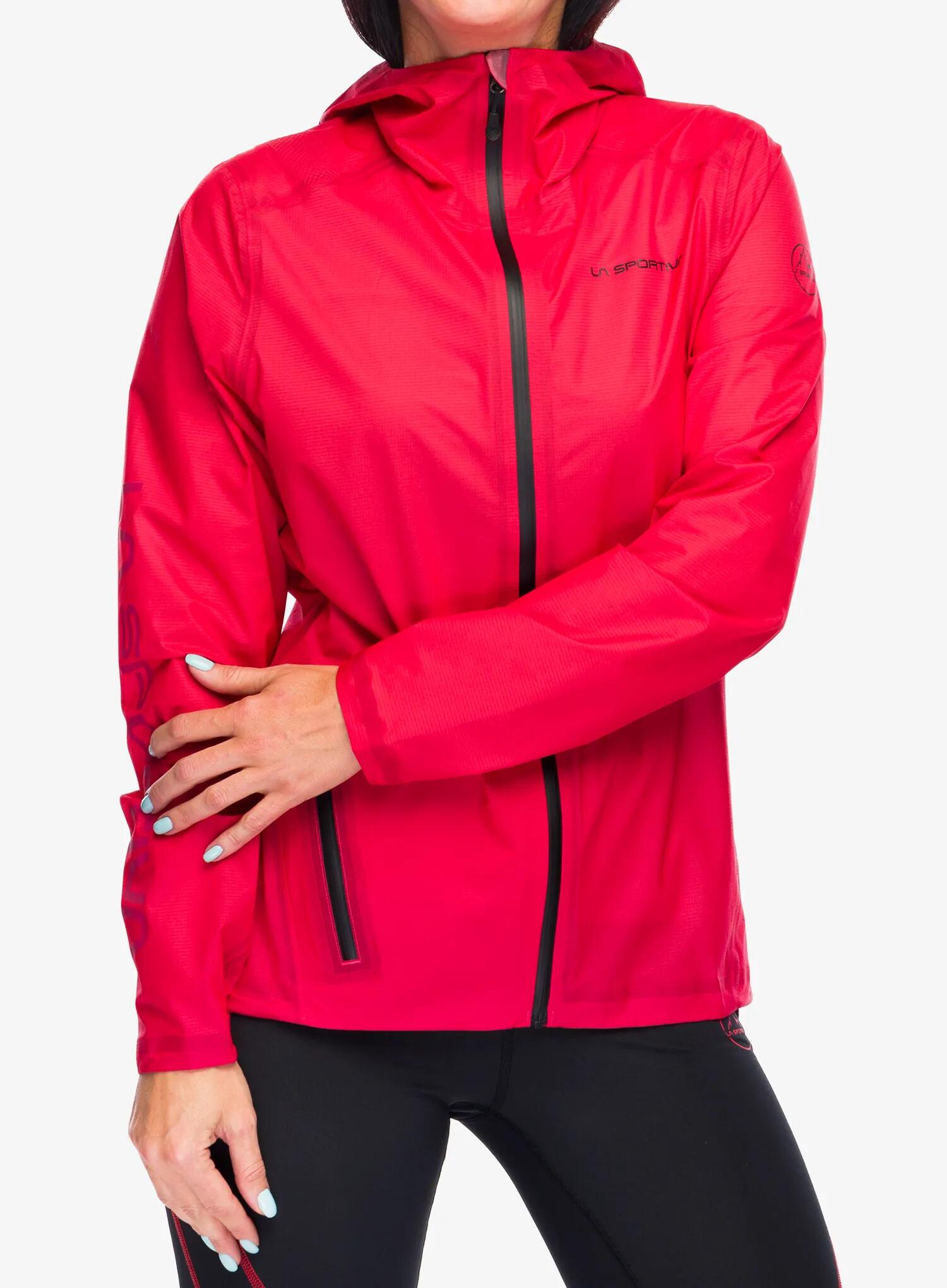
A waterproof jacket is useful during sustained rain, exposed mountain routes and events where one appears on the mandatory equipment list. Look for sealed seams and a protective membrane, as a water-resistant outer treatment alone may only handle brief showers. The hood should adjust around the head without blocking side vision, while close cuffs and a dropped rear hem reduce water entering at exposed edges. Ventilation openings or an accessible front zip help release heat during steep climbs. Wet-weather protection comes from women's trail running waterproof jackets.
What is a trail running sweatshirt good for?

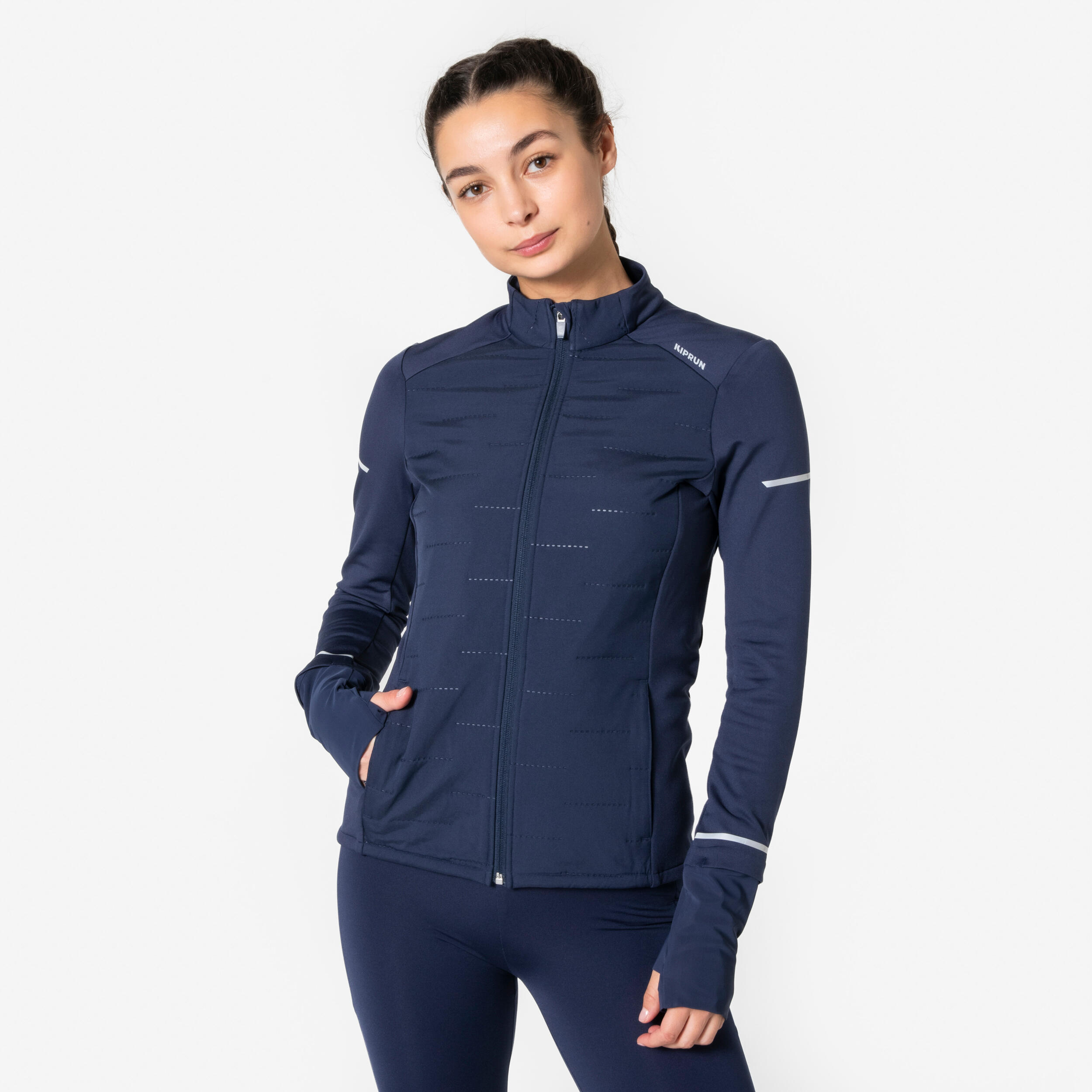
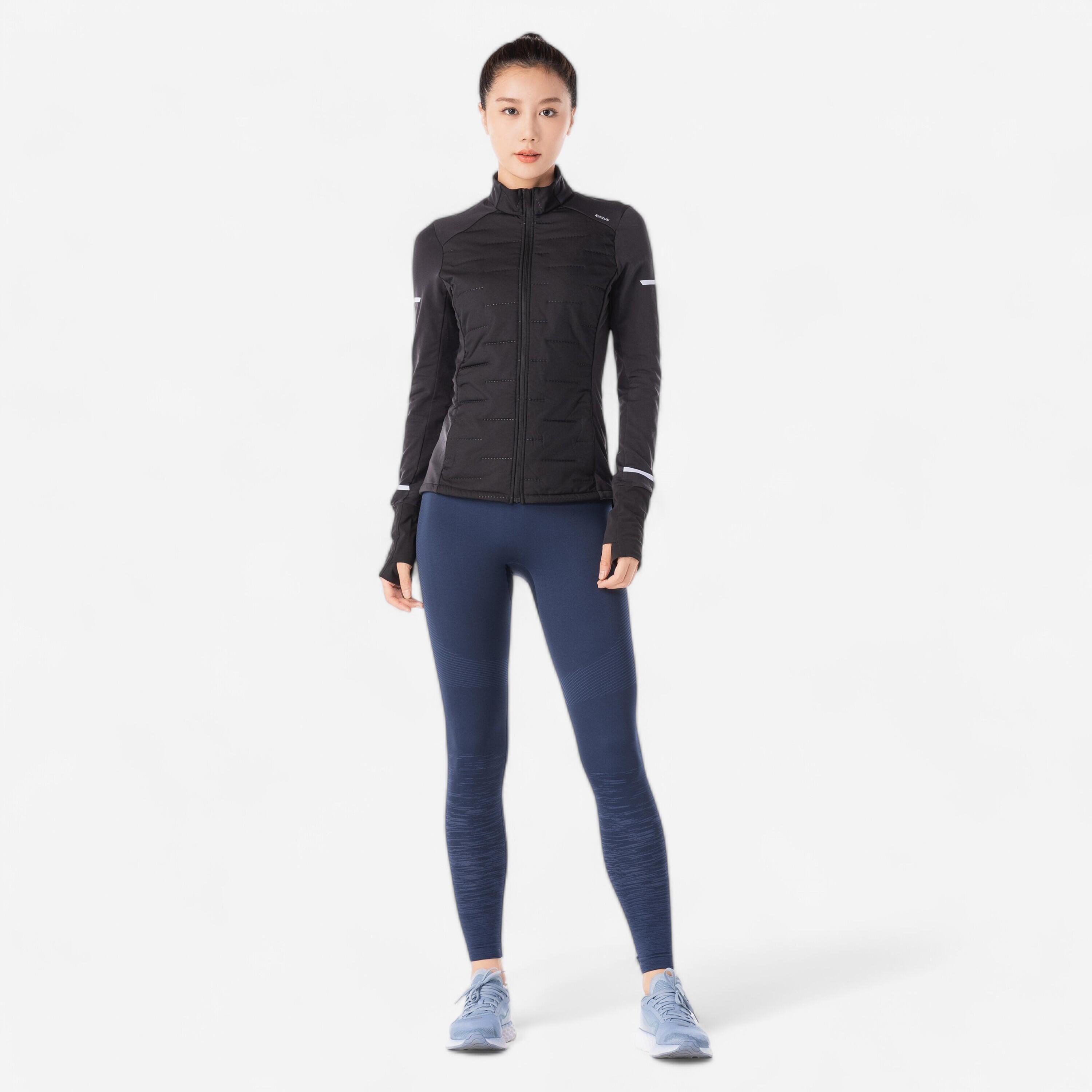
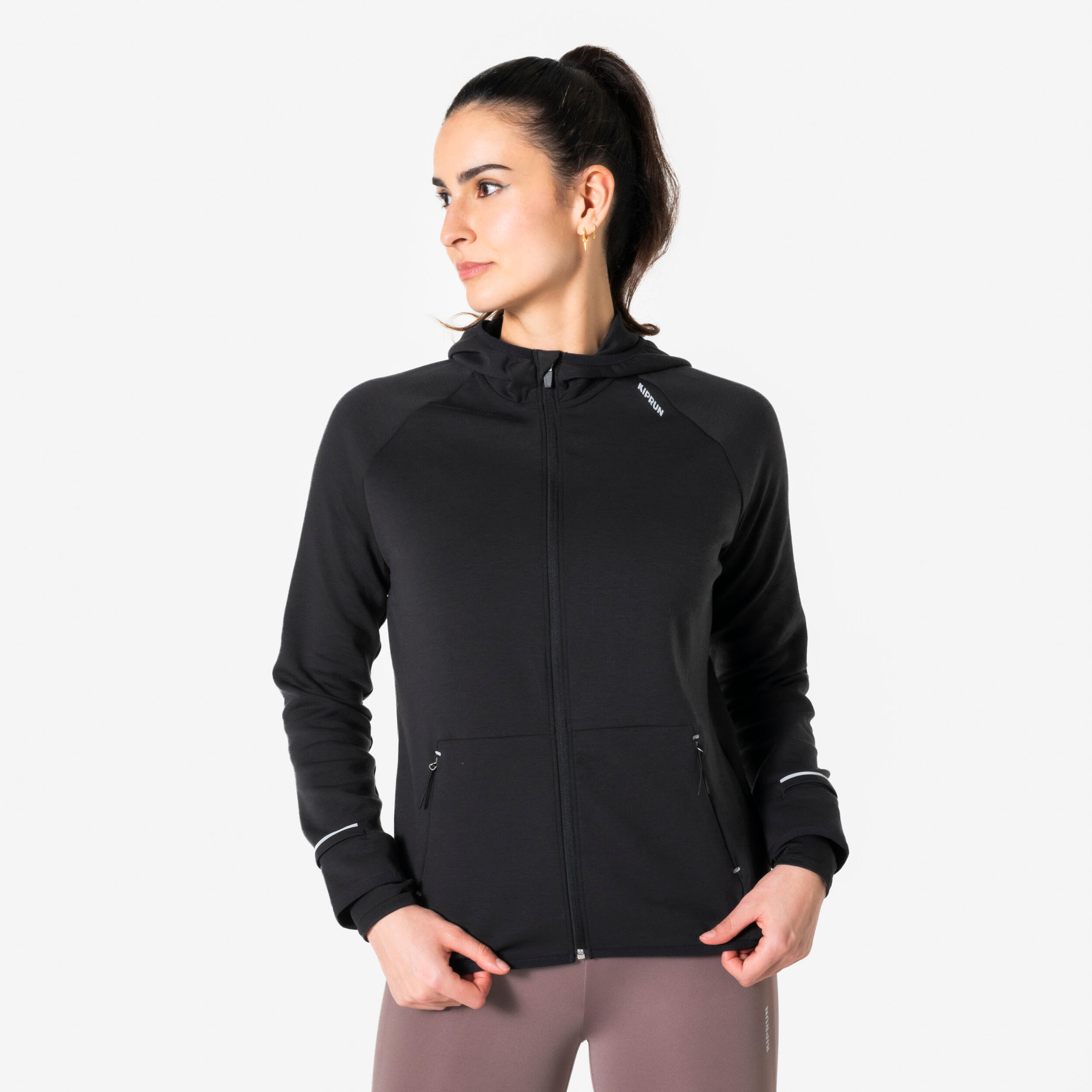
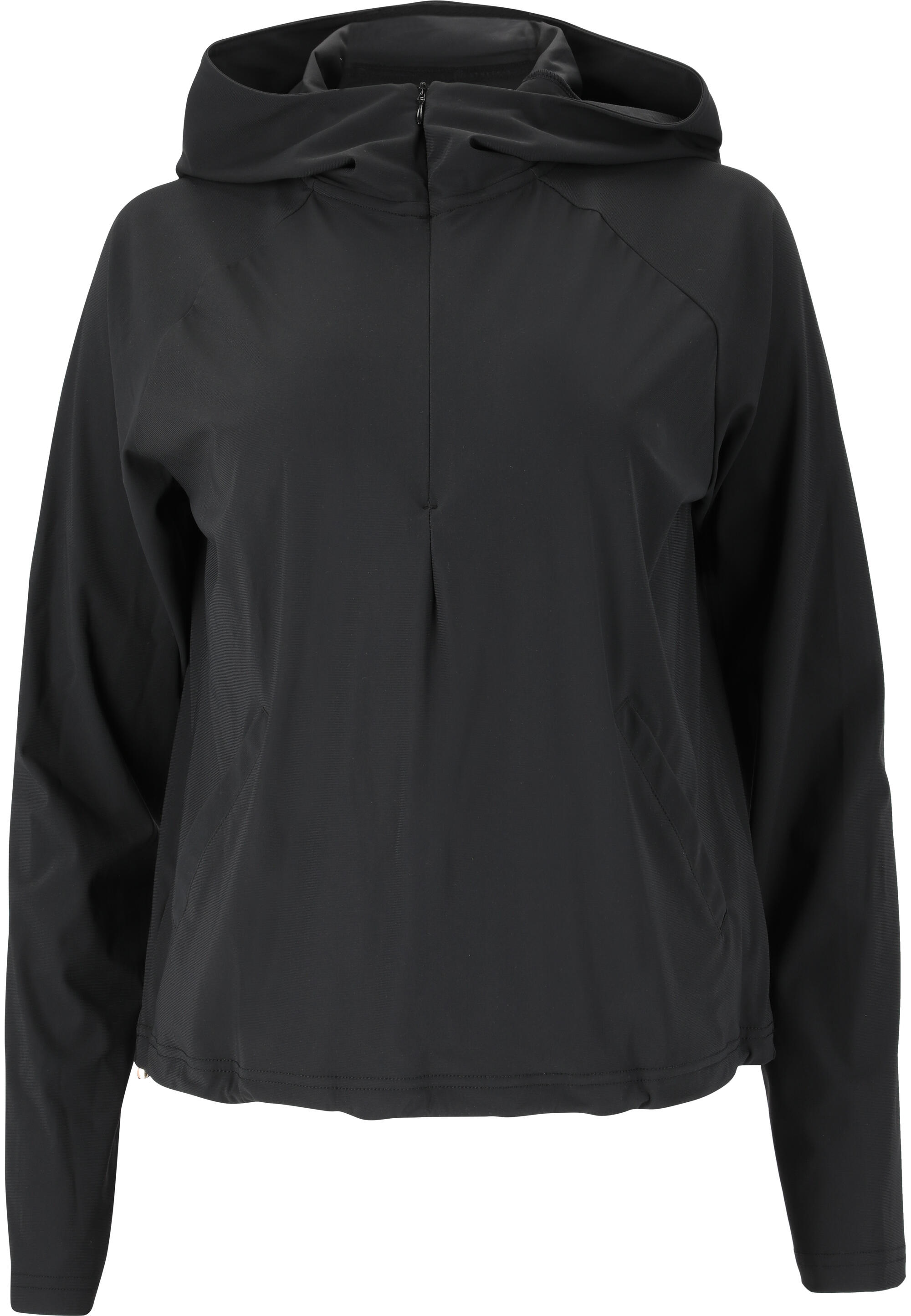
A trail running sweatshirt provides extra insulation for cold training, gentle recovery runs and the periods before or after a harder session. A brushed inner surface traps a thin layer of warm air, while technical fabric helps moisture move away from the body more effectively than a heavy cotton sweatshirt. It can work as an outer layer in dry, calm weather or beneath a windproof shell when conditions are colder. Check that the shoulders and sleeves allow free arm movement and that the fabric does not bunch beneath a hydration vest. Warmer layers sit in the women's trail running jackets & sweatshirts.
How should a trail running jacket fit?

A trail running jacket should fit over the intended base or mid-layer without restricting shoulder movement, arm swing or access to hydration-vest pockets. The hem should remain below the waistband when you lean forwards, while the sleeves should cover the wrists without interfering with your hands or watch. Excess fabric can flap in strong wind, but an overly close fit may pull across the back or compress insulating layers. Test the jacket while jogging, reaching overhead and wearing your usual trail pack. See the women's trail running clothes coverage for more.

How do you keep a trail jacket performing?

Follow the care label because wind-resistant, waterproof and insulated jackets may need different washing and drying methods. Fasten the zips, empty the pockets and use a technical-garment cleaner rather than fabric softener, which can leave residue on moisture-managing fibres and water-repellent finishes. Rinse the jacket thoroughly, then dry it according to the manufacturer's instructions. Check the seam tape, hood adjusters, cuffs and zip after washing, and restore the water-repellent finish only when water stops beading on the outer fabric.