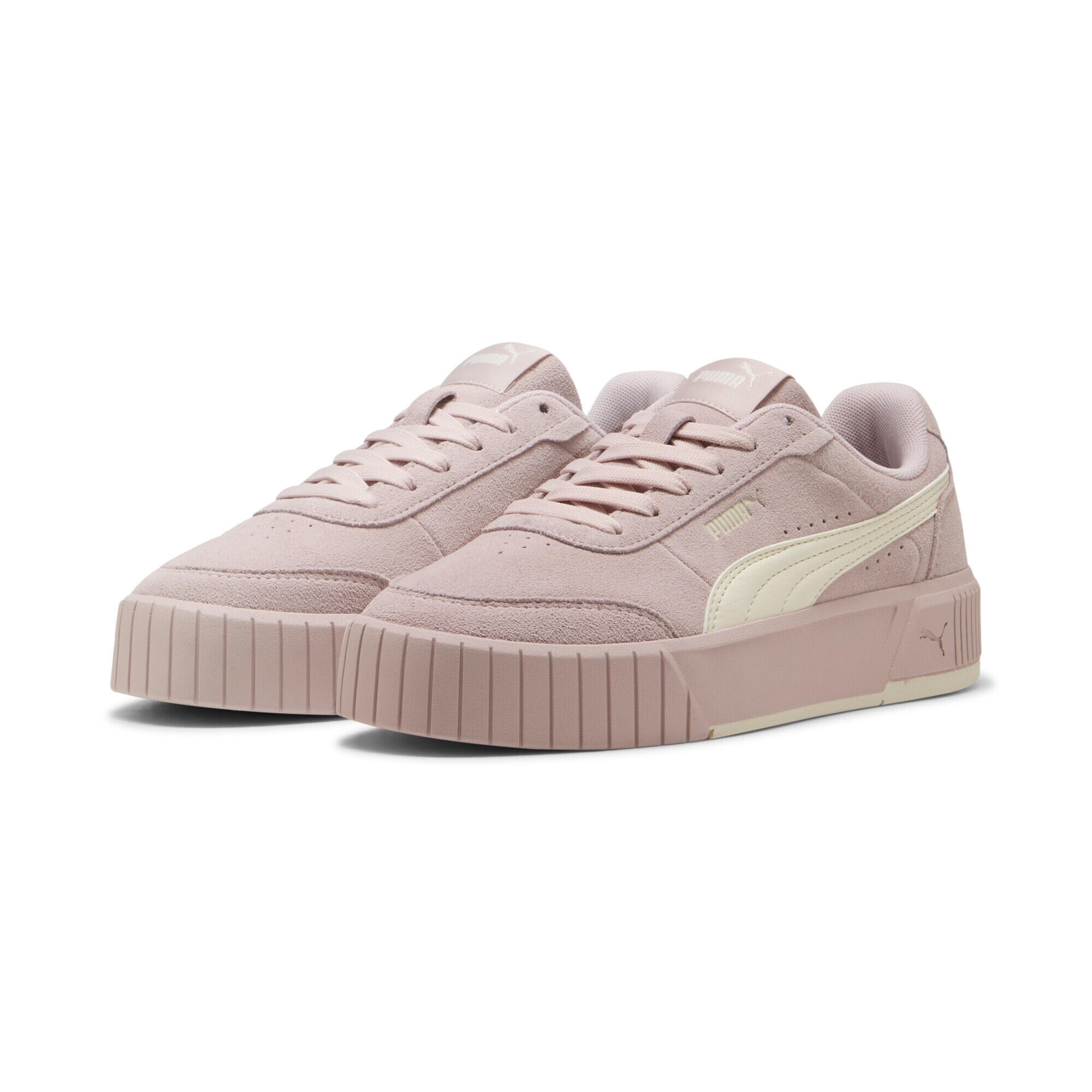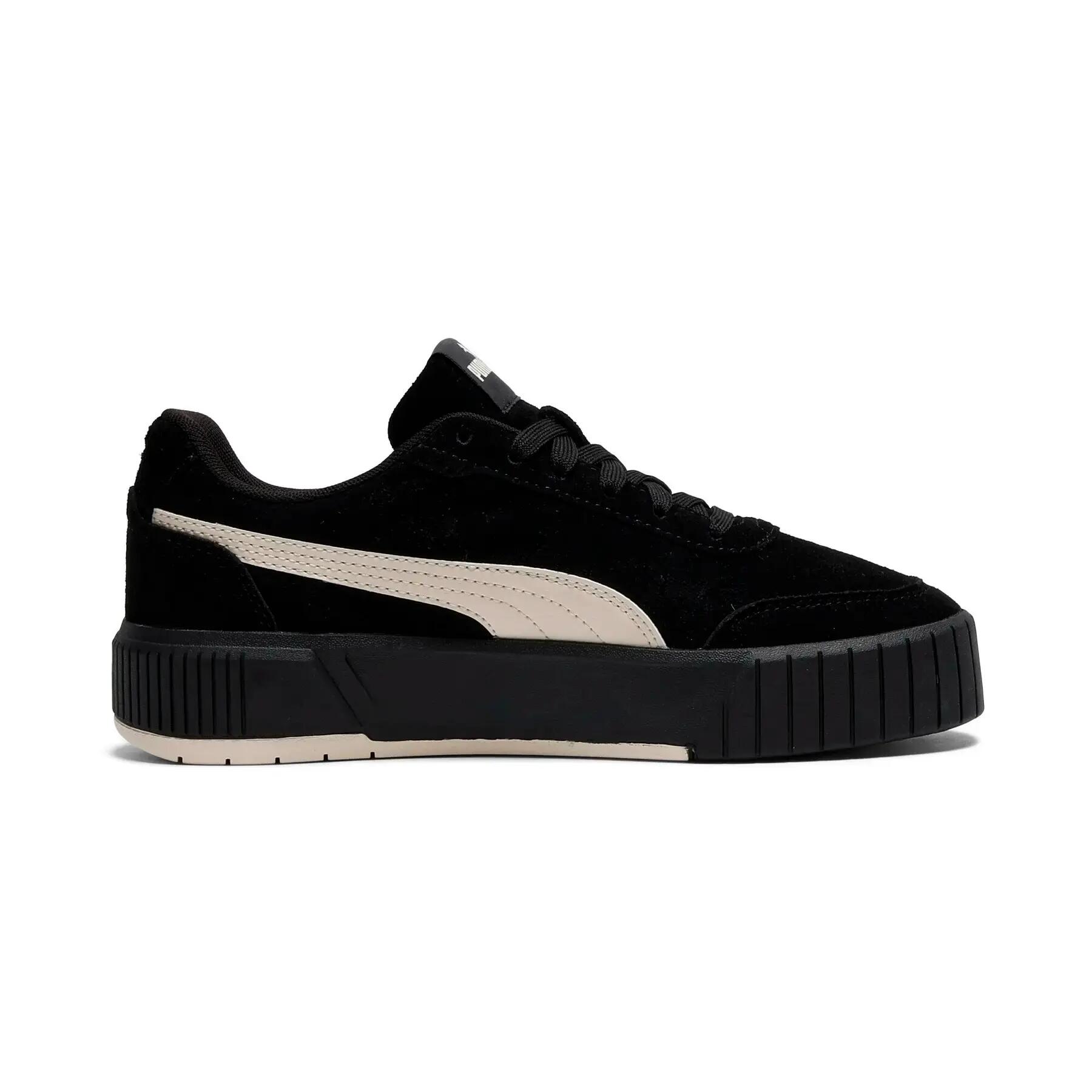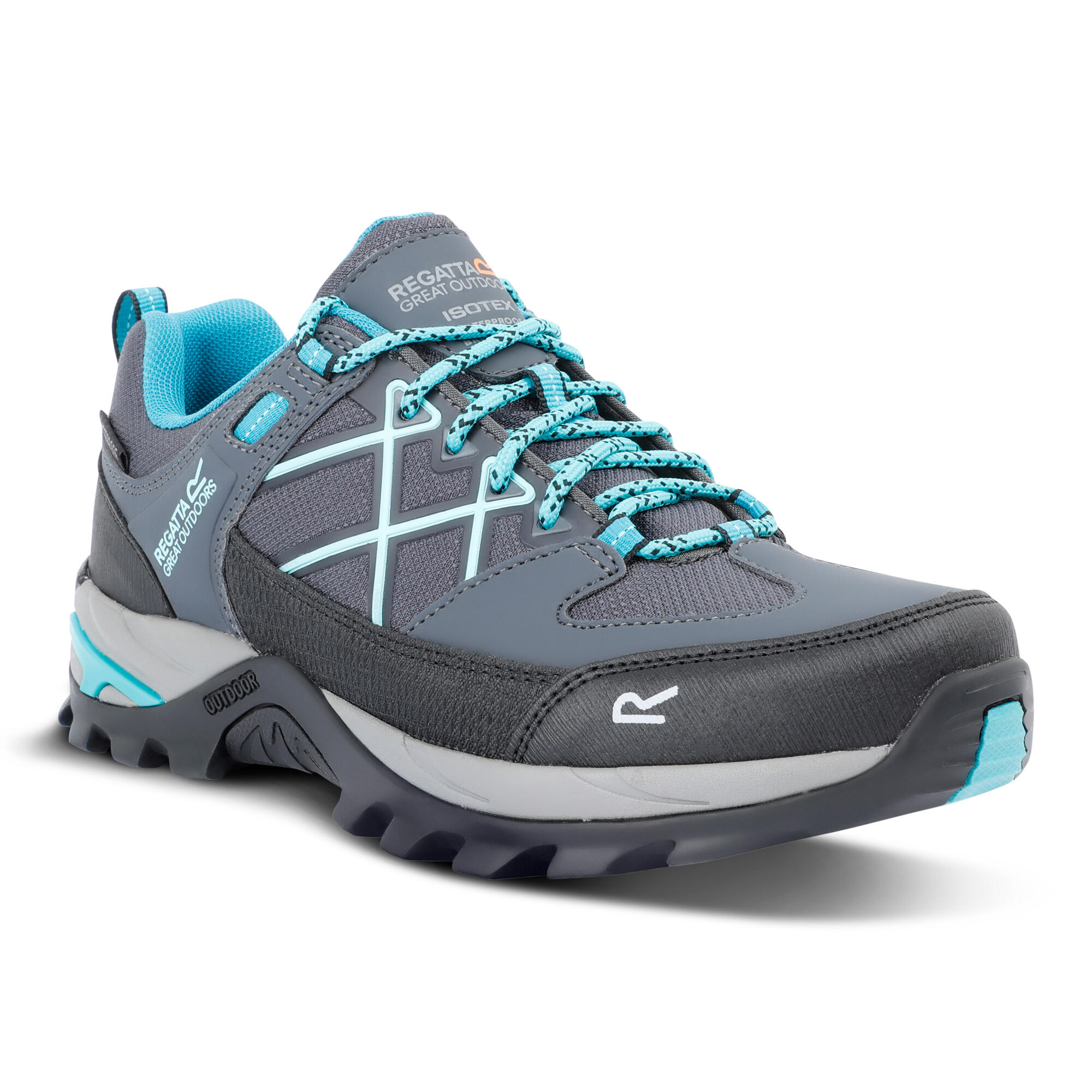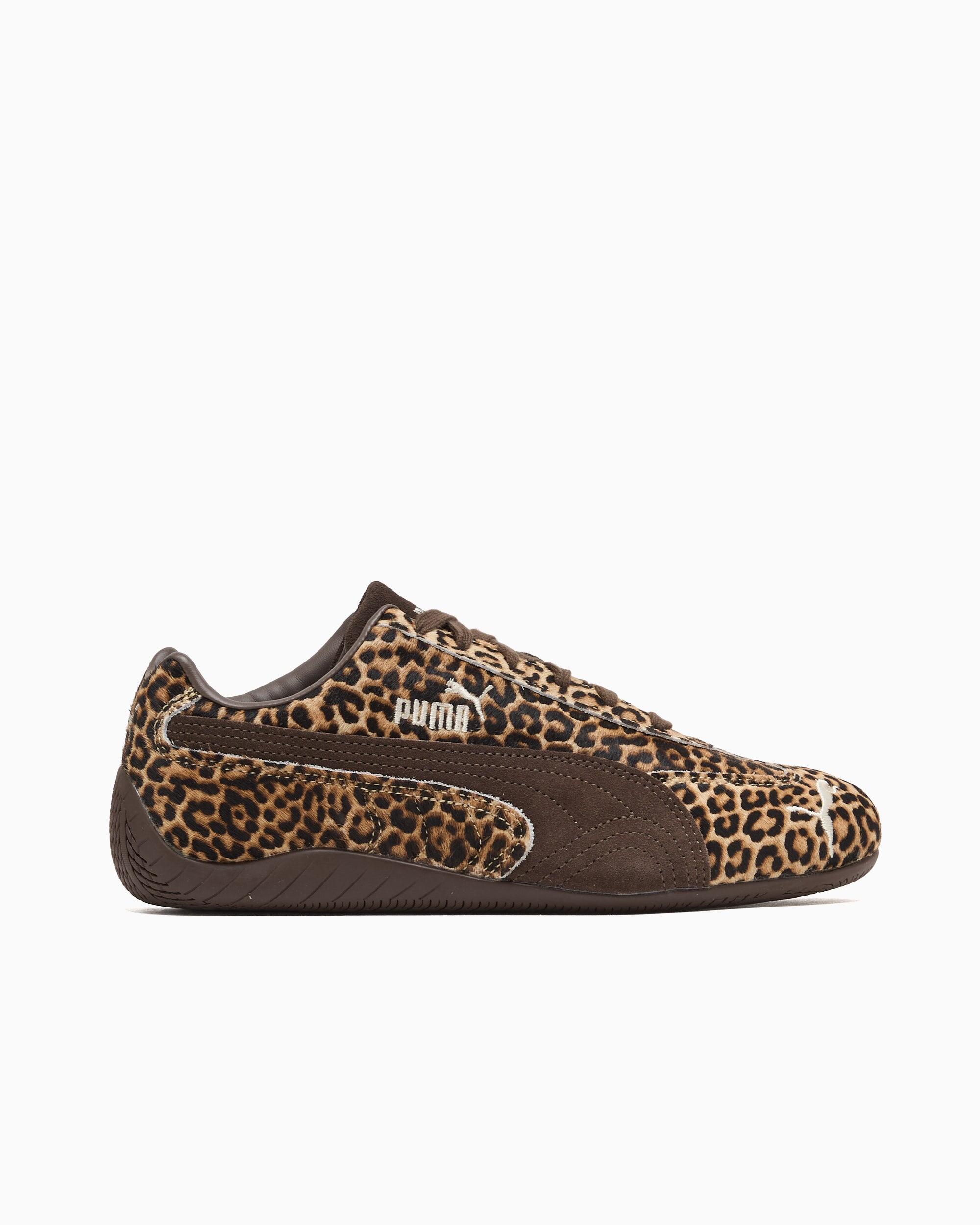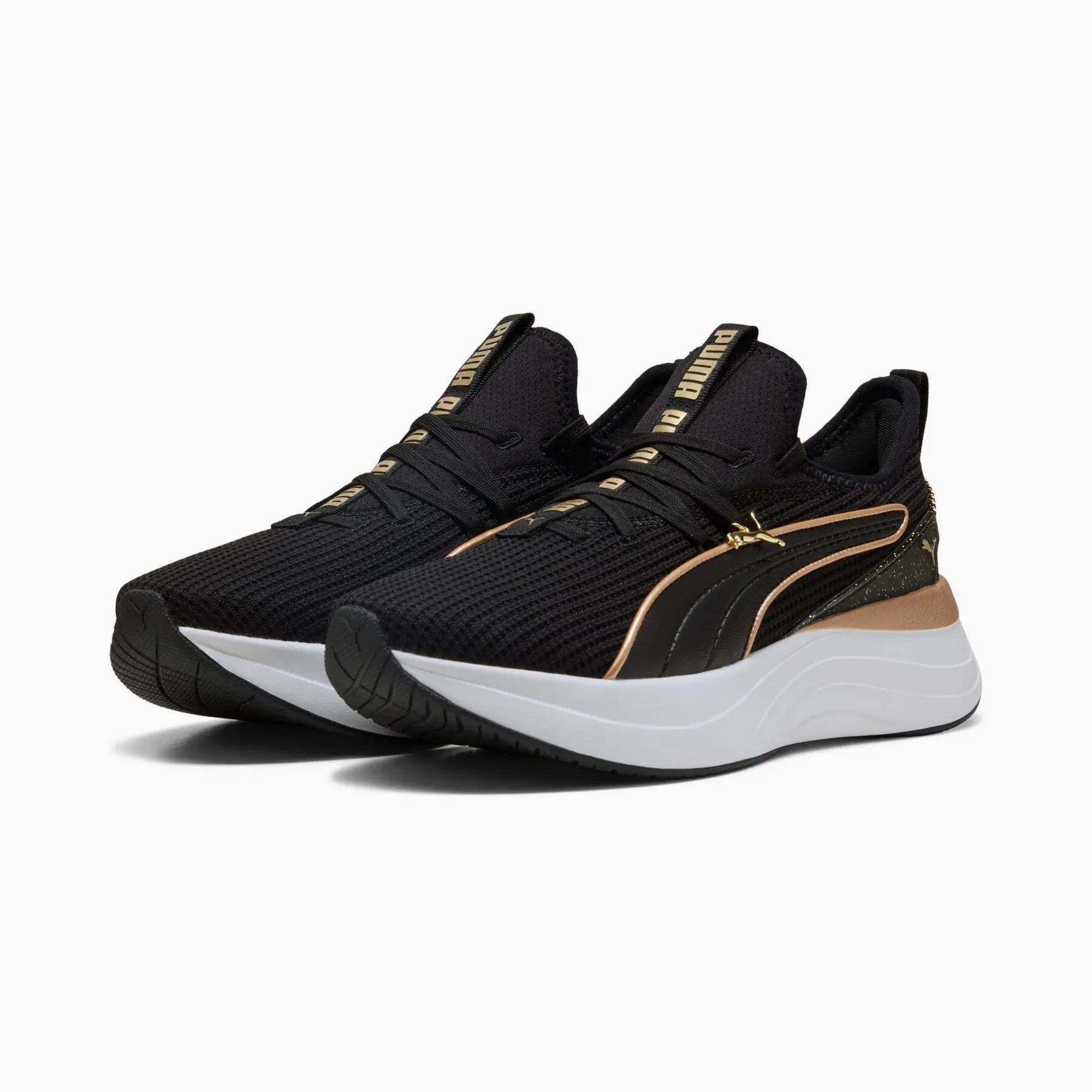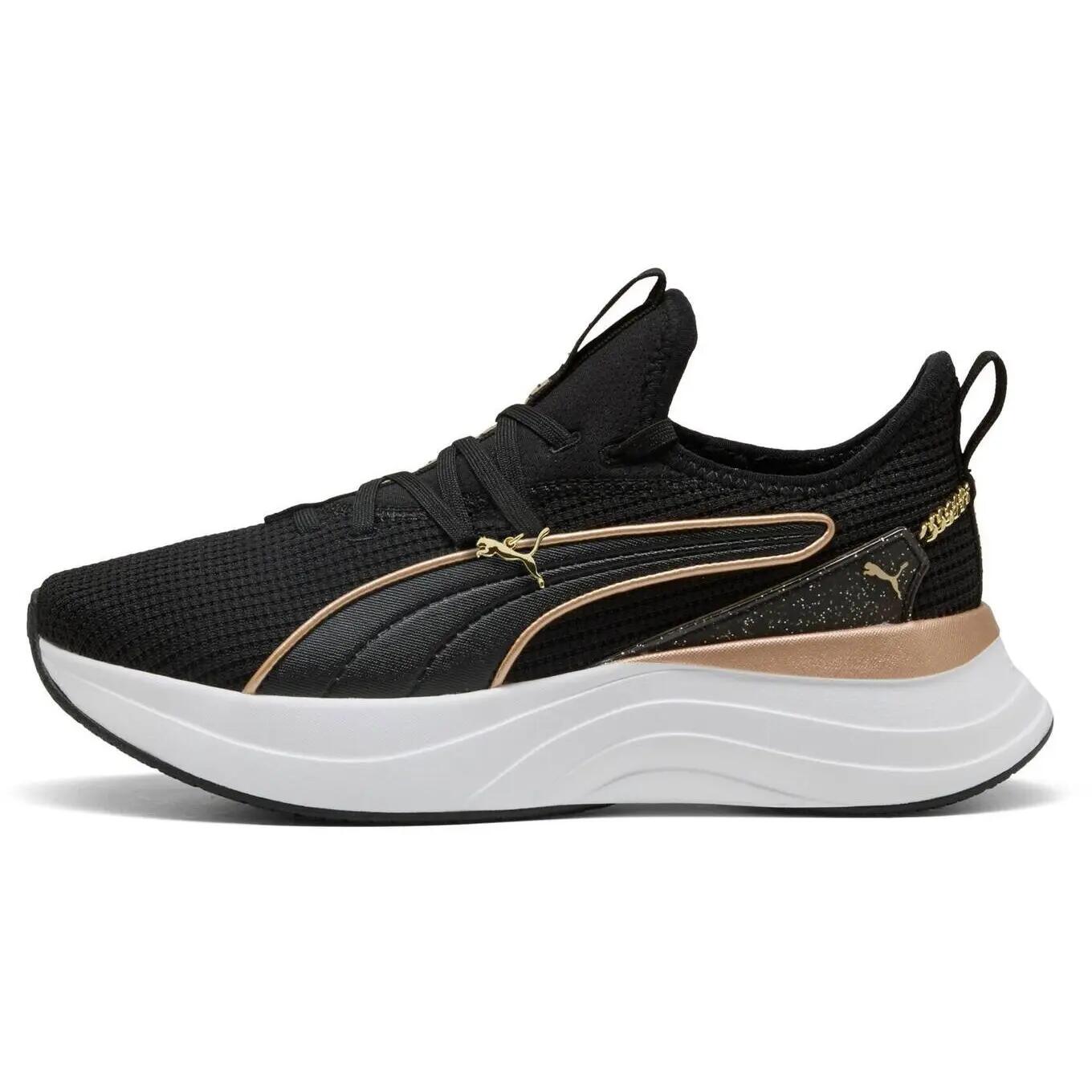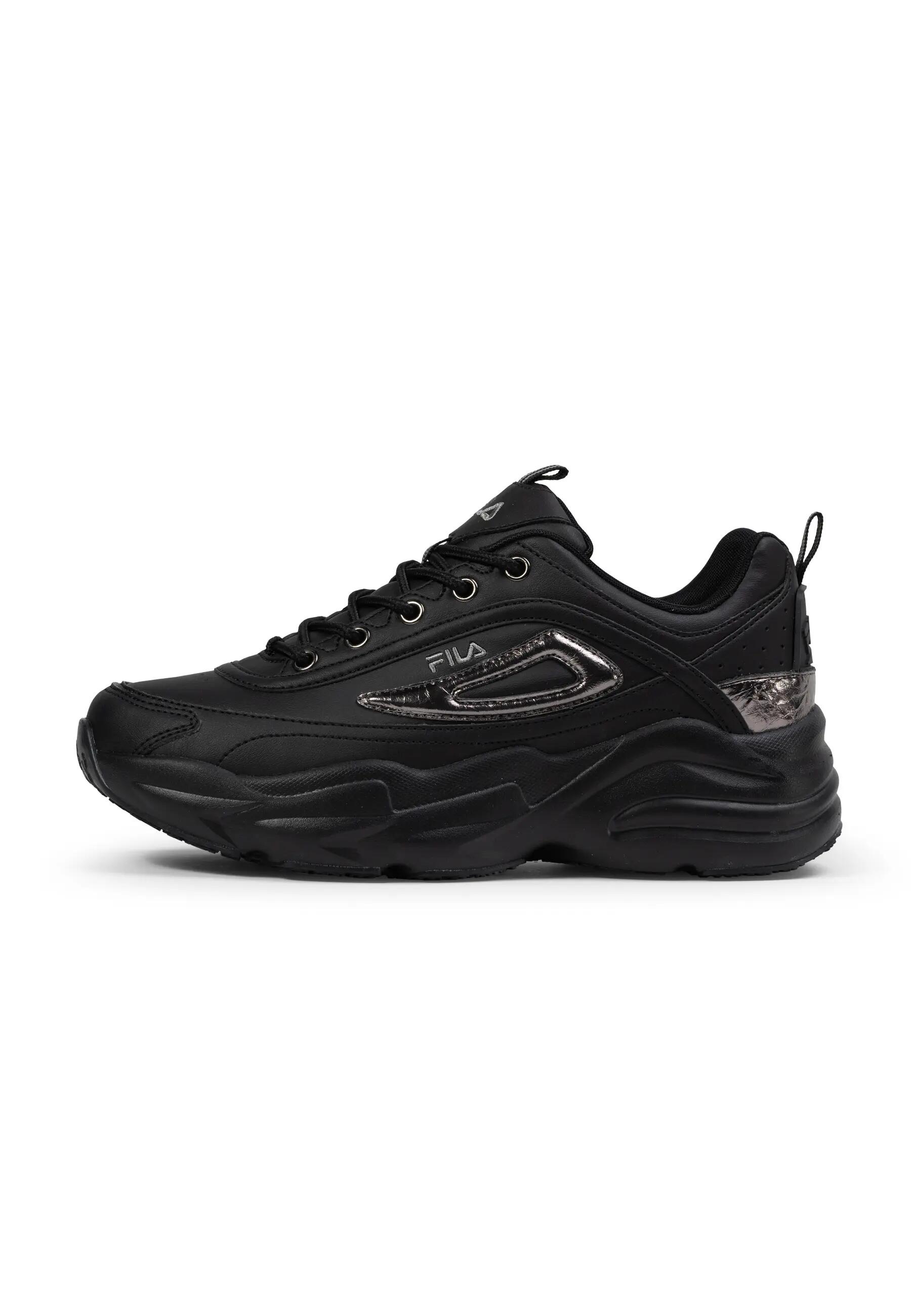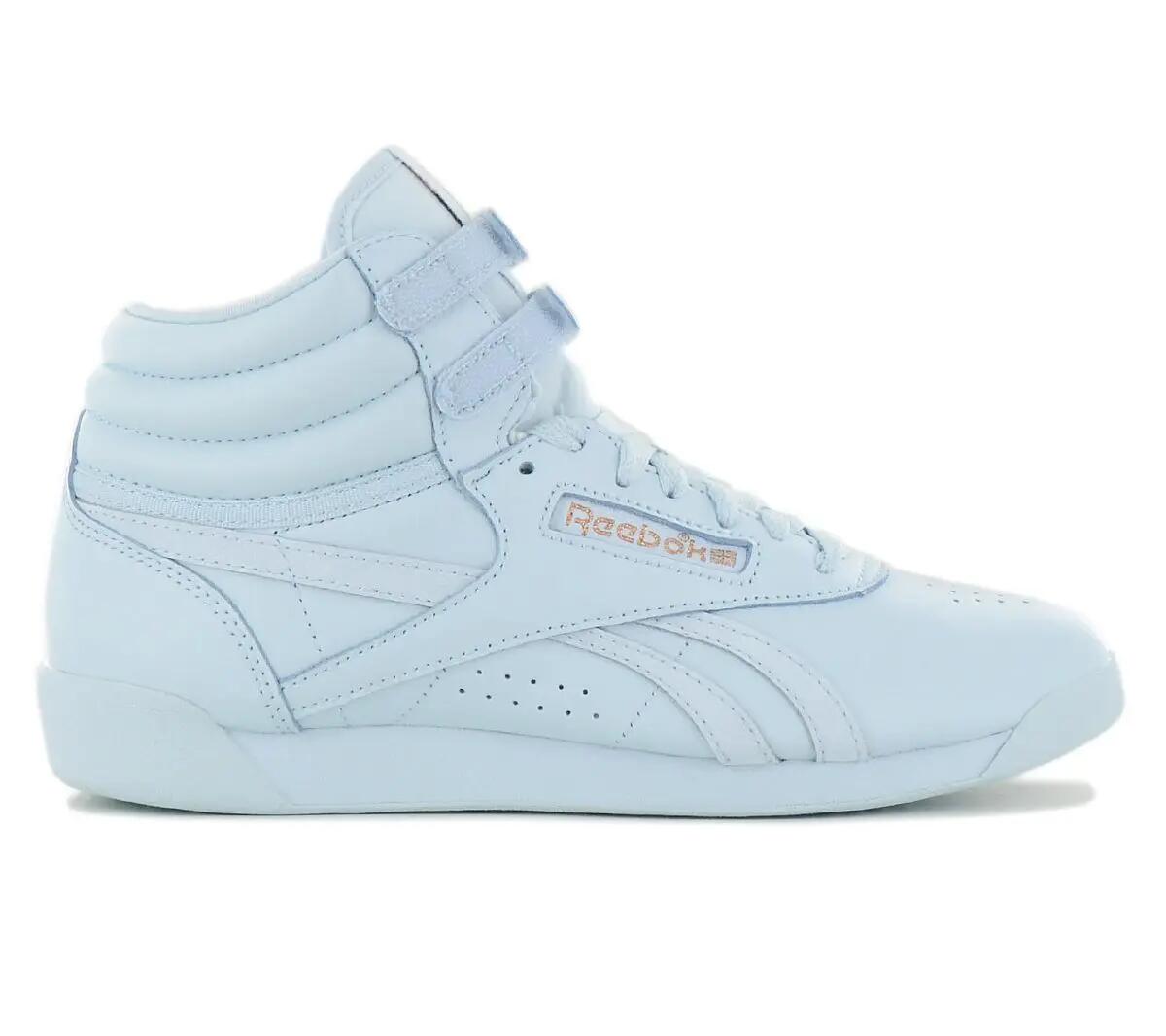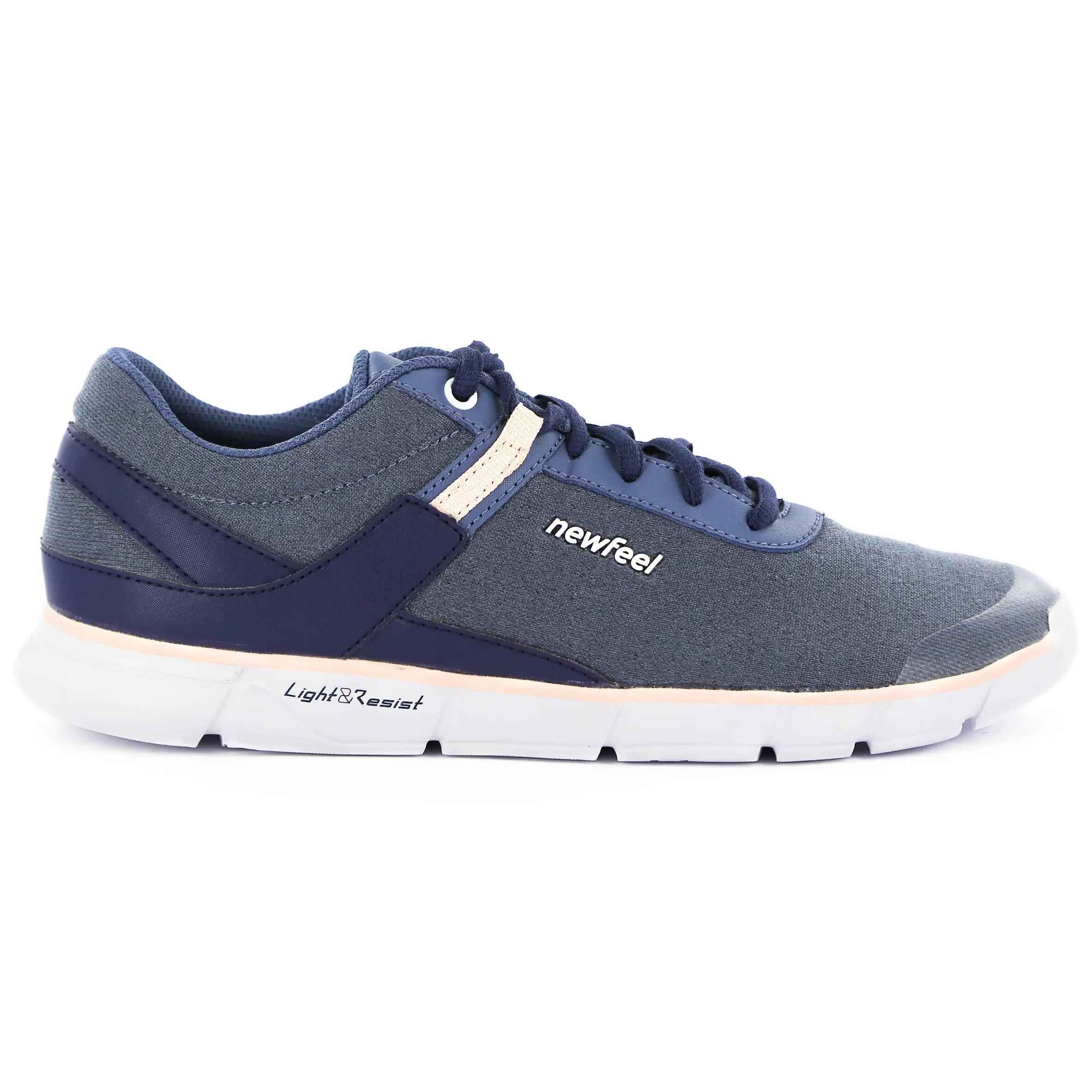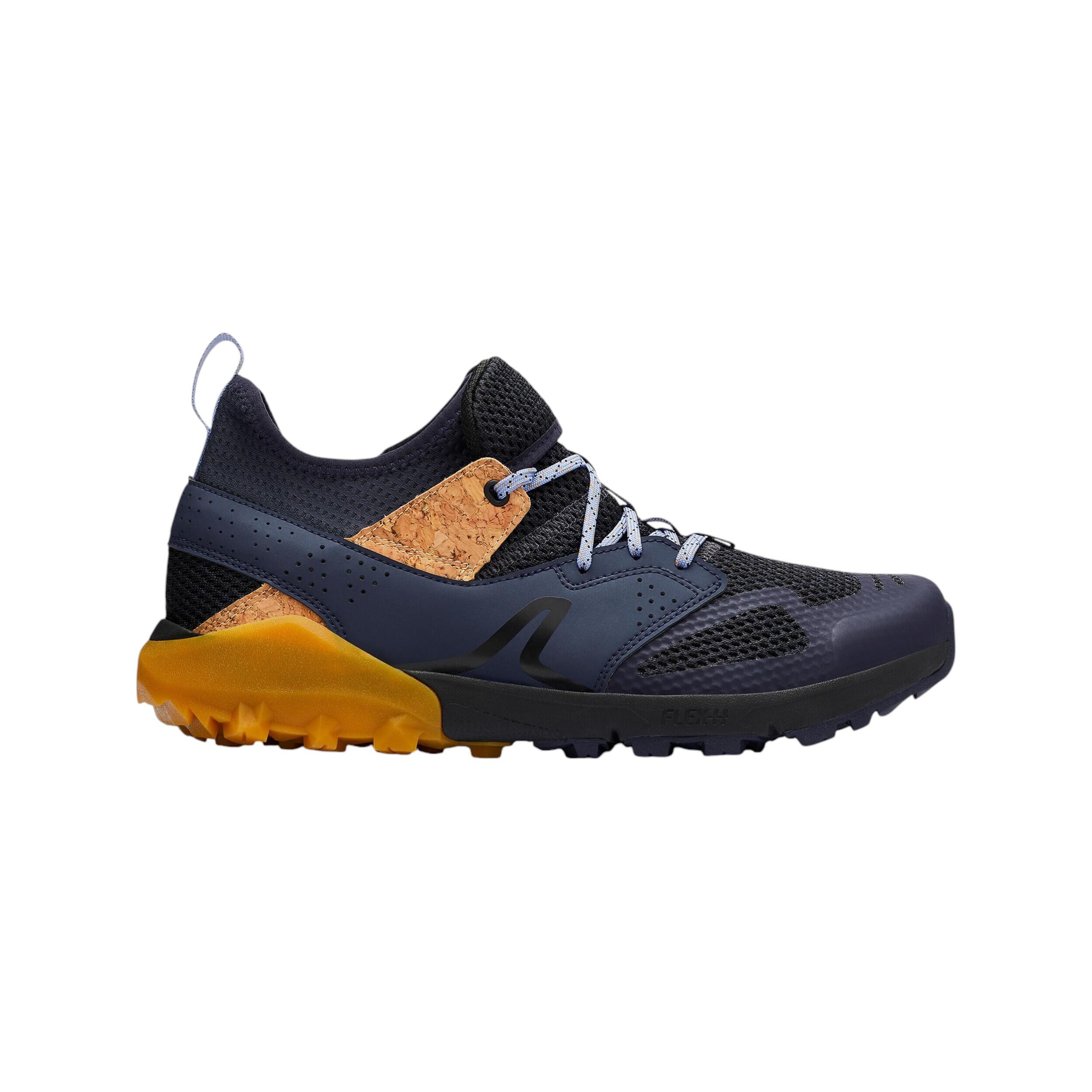
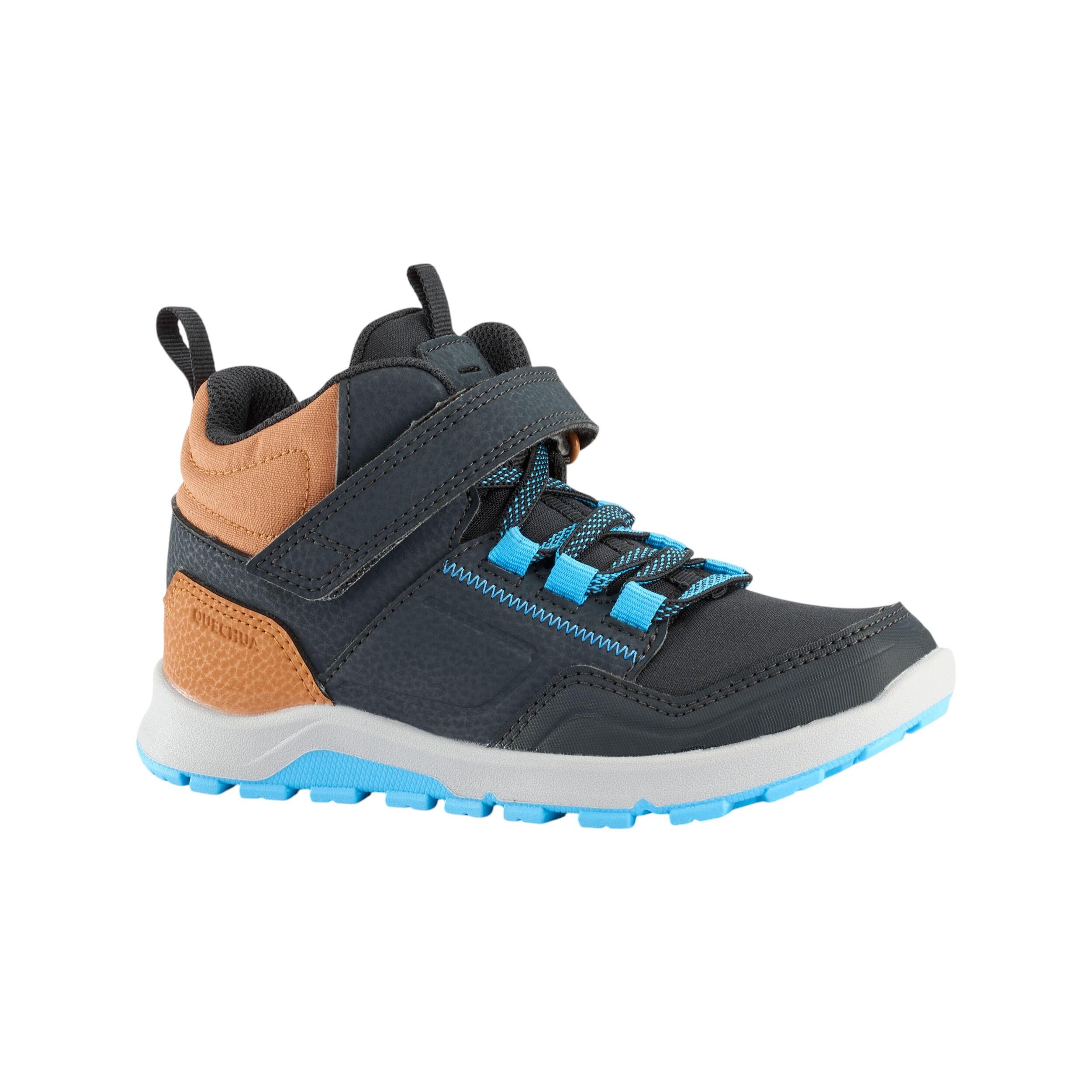
3,016 items
4.6/5 based on 23492 reviews collected online and in stores

Women's Walking Shoes FAQs

Which features matter in women's walking shoes?

Women's walking shoes should feel cushioned, supportive and flexible enough for natural movement. A breathable upper helps keep feet comfortable, while a grippy outsole gives confidence on damp pavements, parks and light trails. Look for a secure heel hold, enough toe room and a stable base that supports longer walks without feeling heavy. With a brisker pace, try these women's fitness walking shoes.

How should women's walking shoes fit?

Women's walking shoes should hold the heel securely while leaving around a thumb's width of space at the toes. This gives your feet room to spread and swell slightly during longer walks. Try shoes later in the day with the socks you normally wear, then walk around to check for rubbing, slipping or pressure points. To facilitate faster walking sessions, adult race walking shoes offer a more pace-focused option.

How do you keep women's walking shoes comfortable for longer?

Keep walking shoes comfortable by letting them dry fully after wet walks, cleaning away mud and replacing worn insoles when support starts to fade. Rotating two pairs can also help if you walk every day, as the cushioning has time to recover between outings. Re-lacing can fine-tune the hold for different routes. Spare insoles, shoe fresheners and cleaning kits are available through walking accessories.

Can women's walking shoes be worn every day?

Women's walking shoes can work well for daily wear when they offer enough cushioning, grip and support for regular pavement miles. Neutral colours and lightweight builds make them easy to use for commuting, errands and casual walks, while a durable outsole helps them cope with repeated use. If you want more everyday footwear options, start with walking shoes.

How do you choose women's walking shoes for different terrain?

Choose women's walking shoes based on where you walk most often. Pavements and parks suit cushioned, flexible shoes, while light trails need more grip and a slightly more protective sole. Wet grass, puddles and uneven paths may also call for water-resistant materials and better traction. On longer routes, daypacks and other walking essentials sit under walking gear.