607 items
4.6/5 based on 325 reviews collected online and in stores

Golf Putters FAQs

Which putter balance matches your stroke?

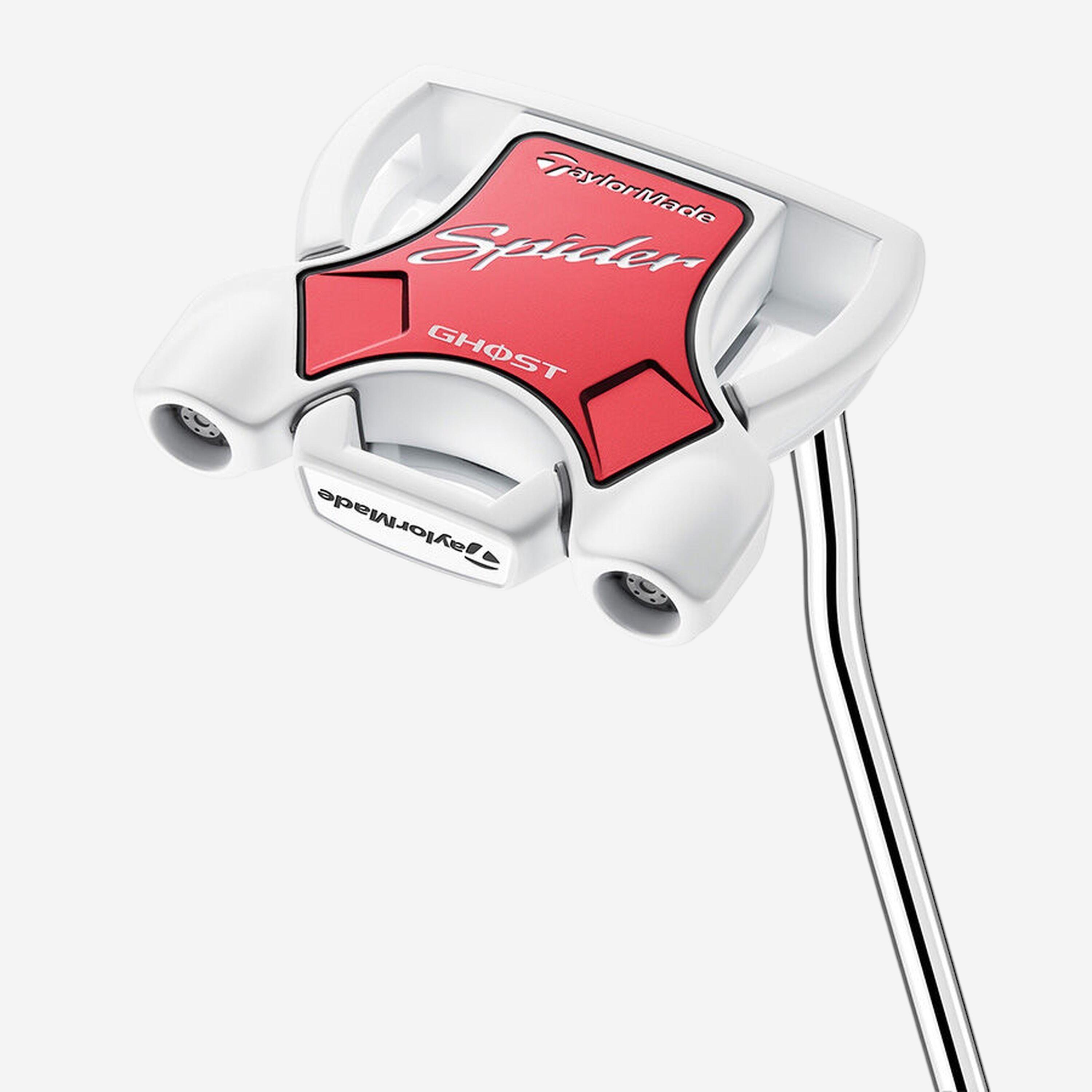
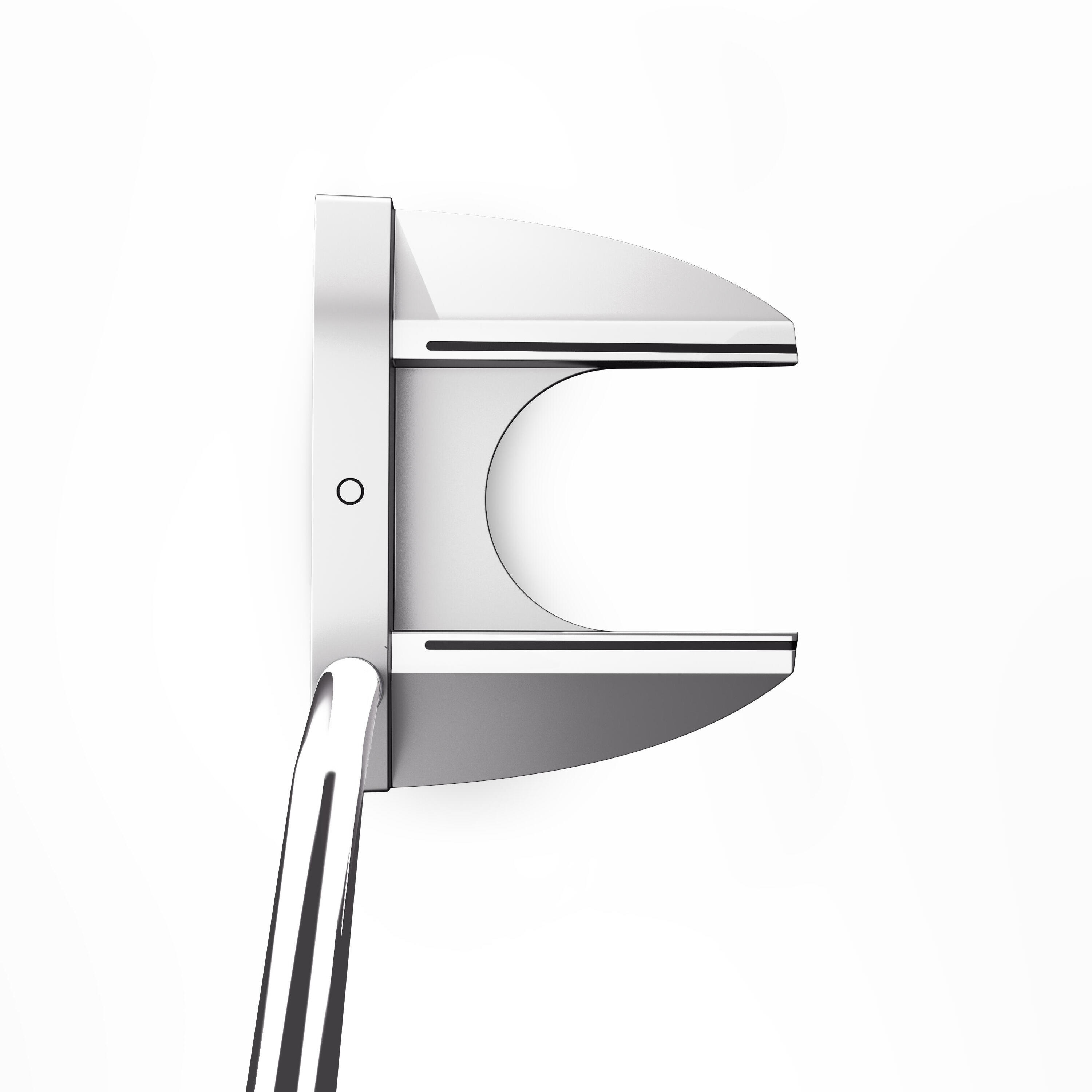
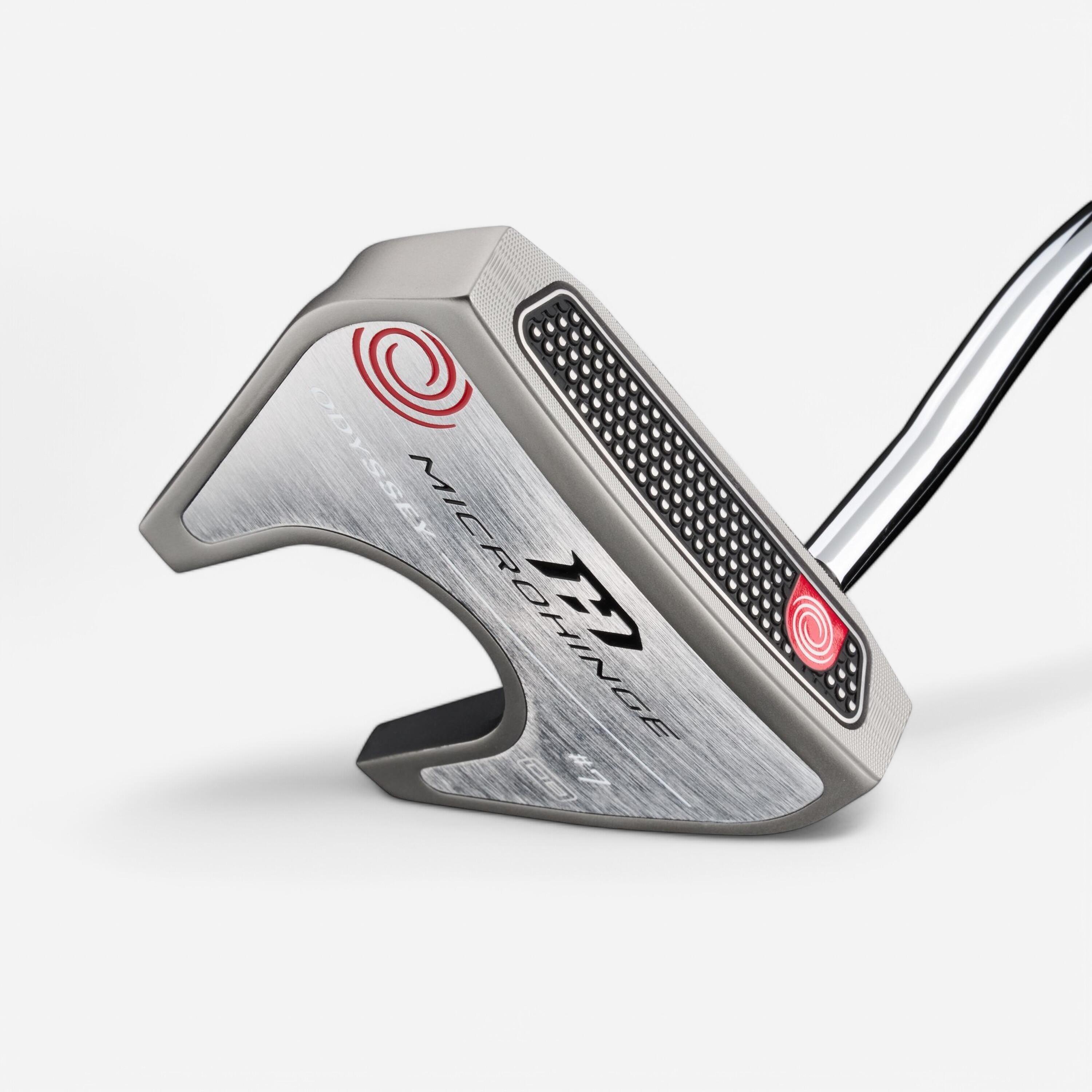
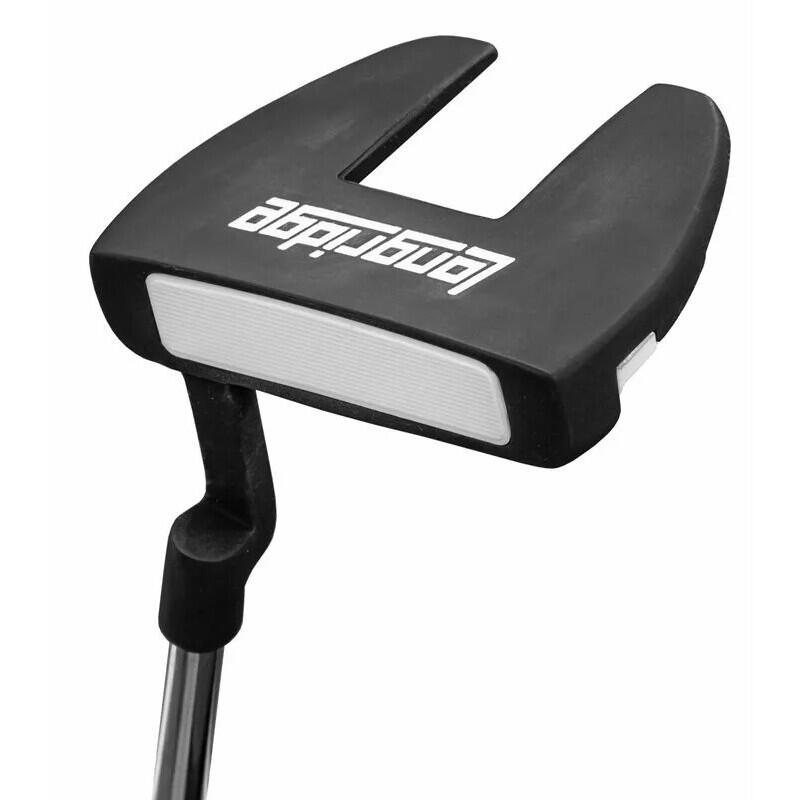
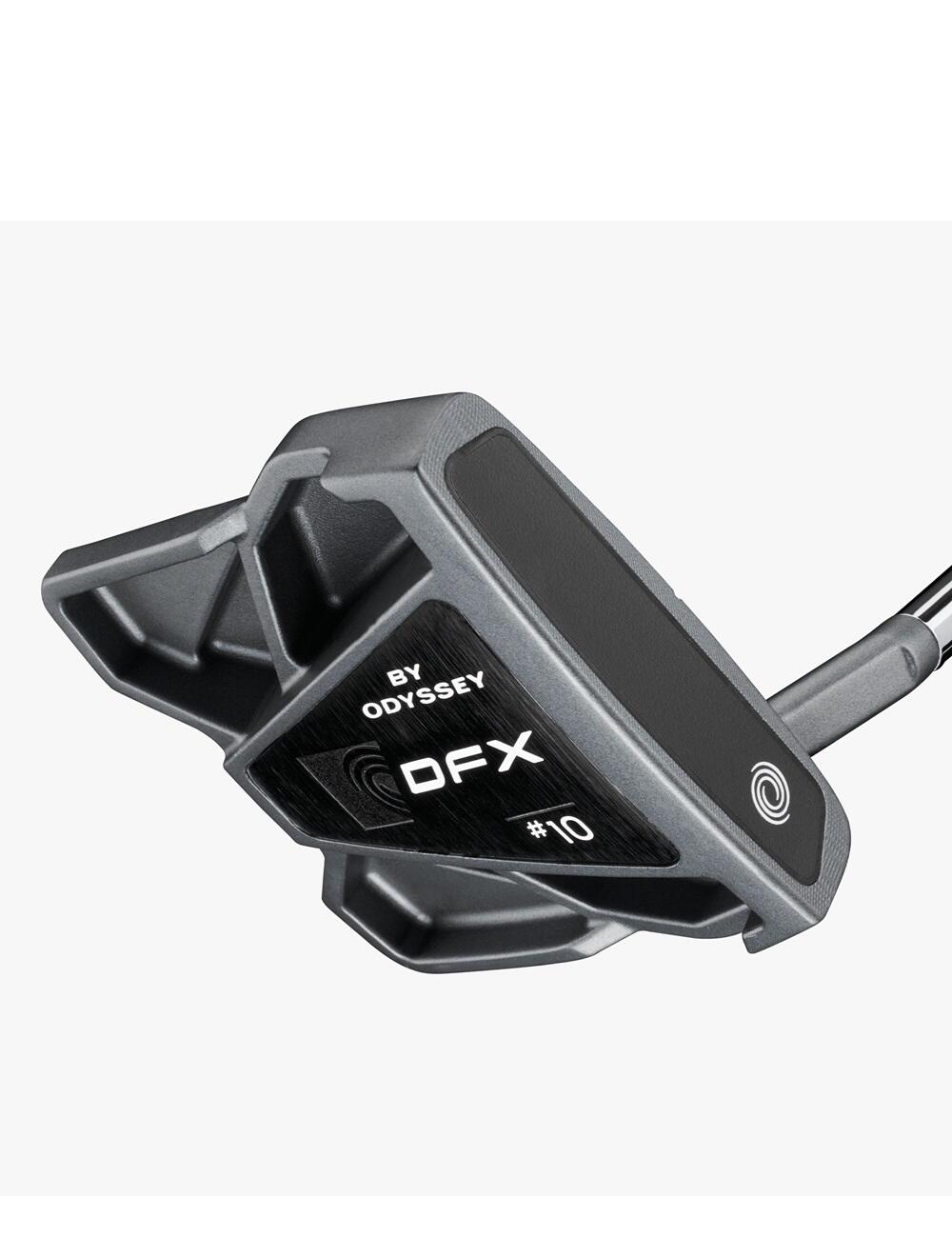
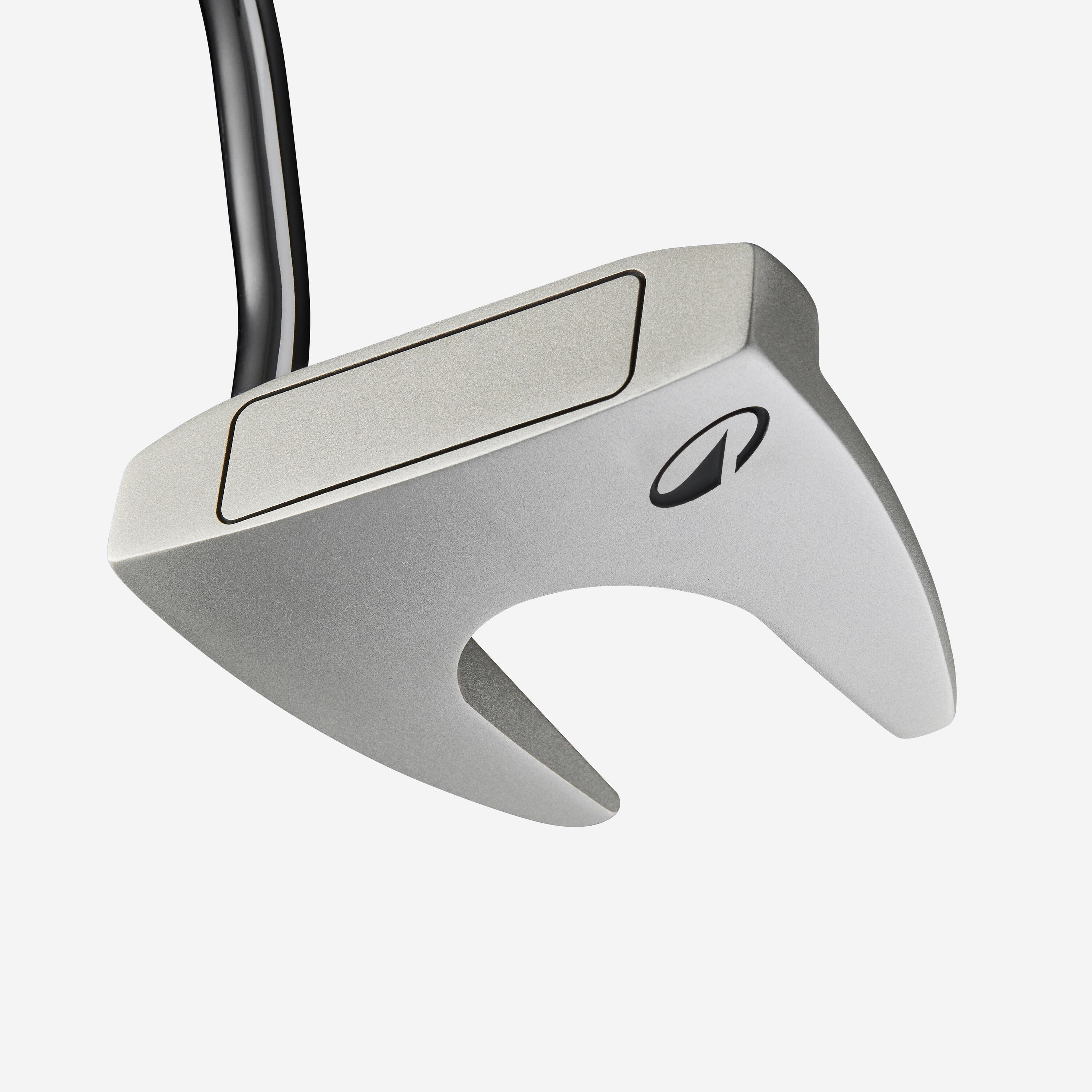
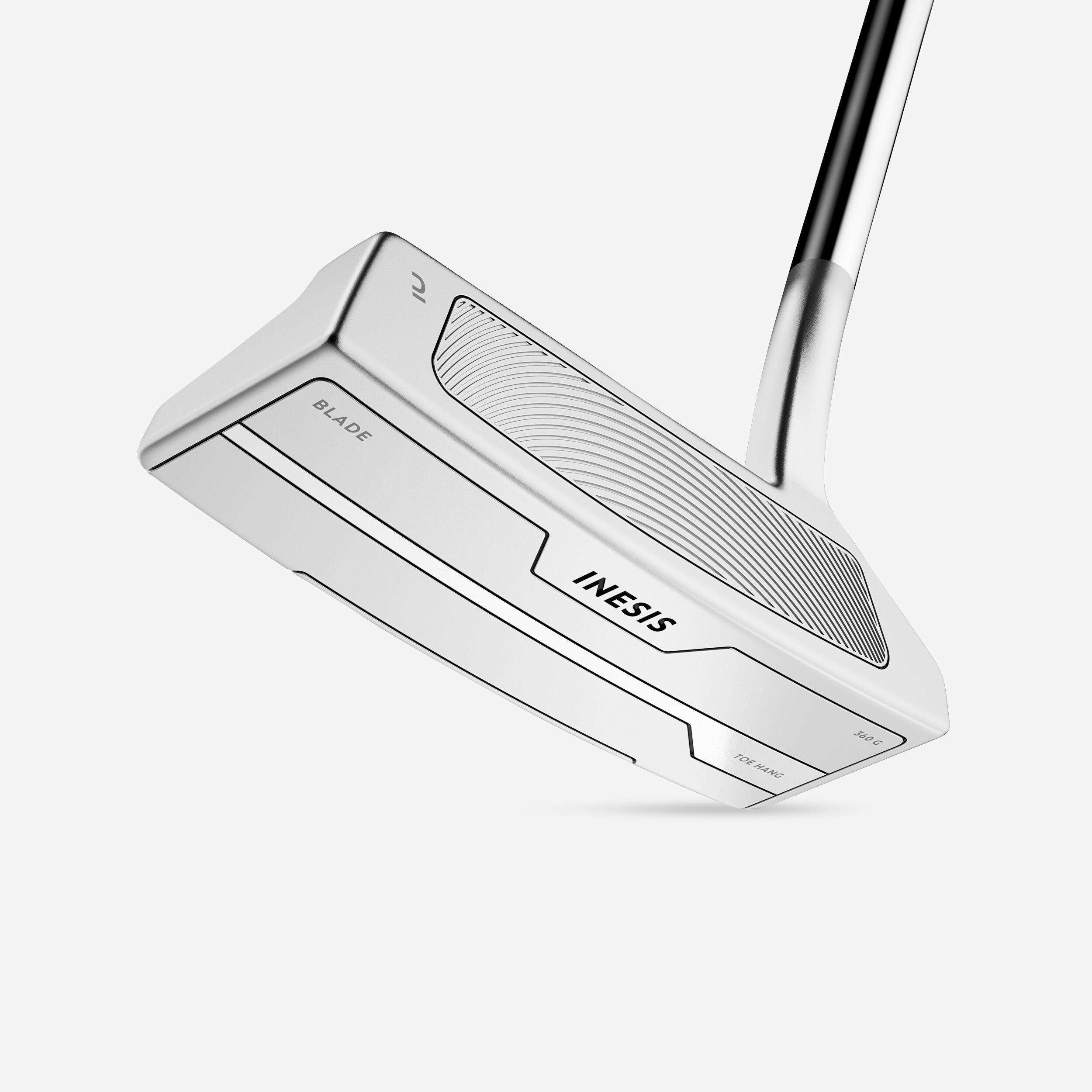
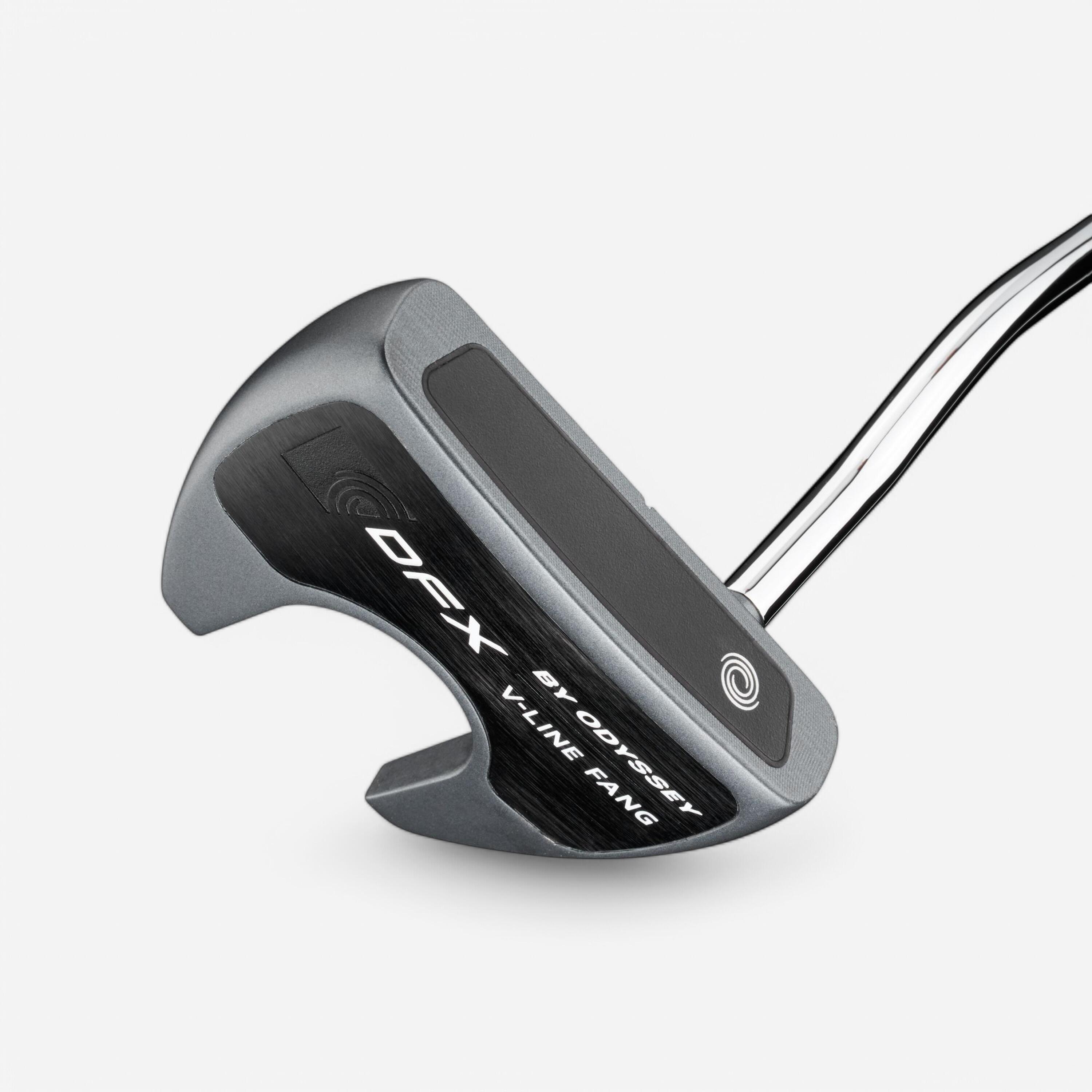
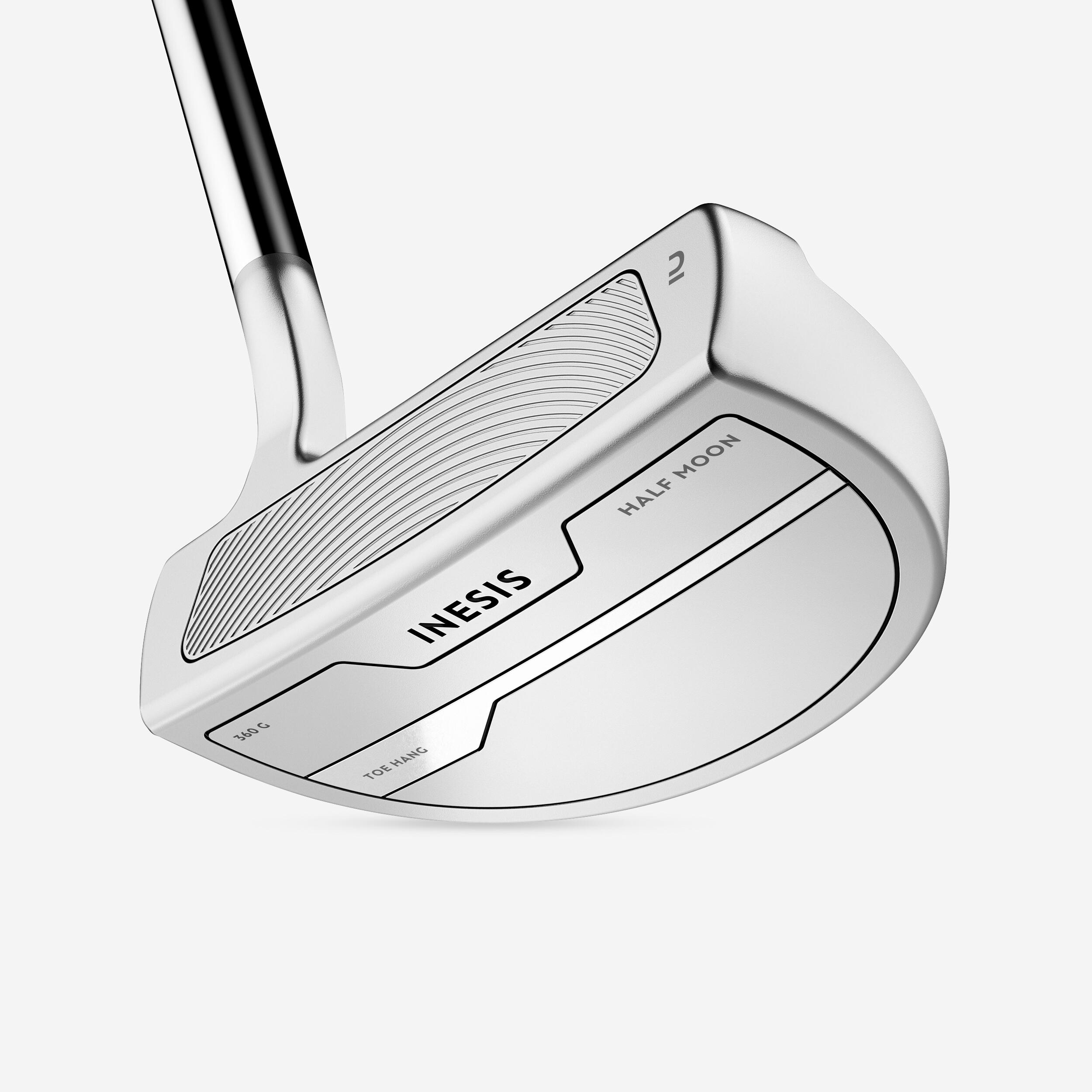
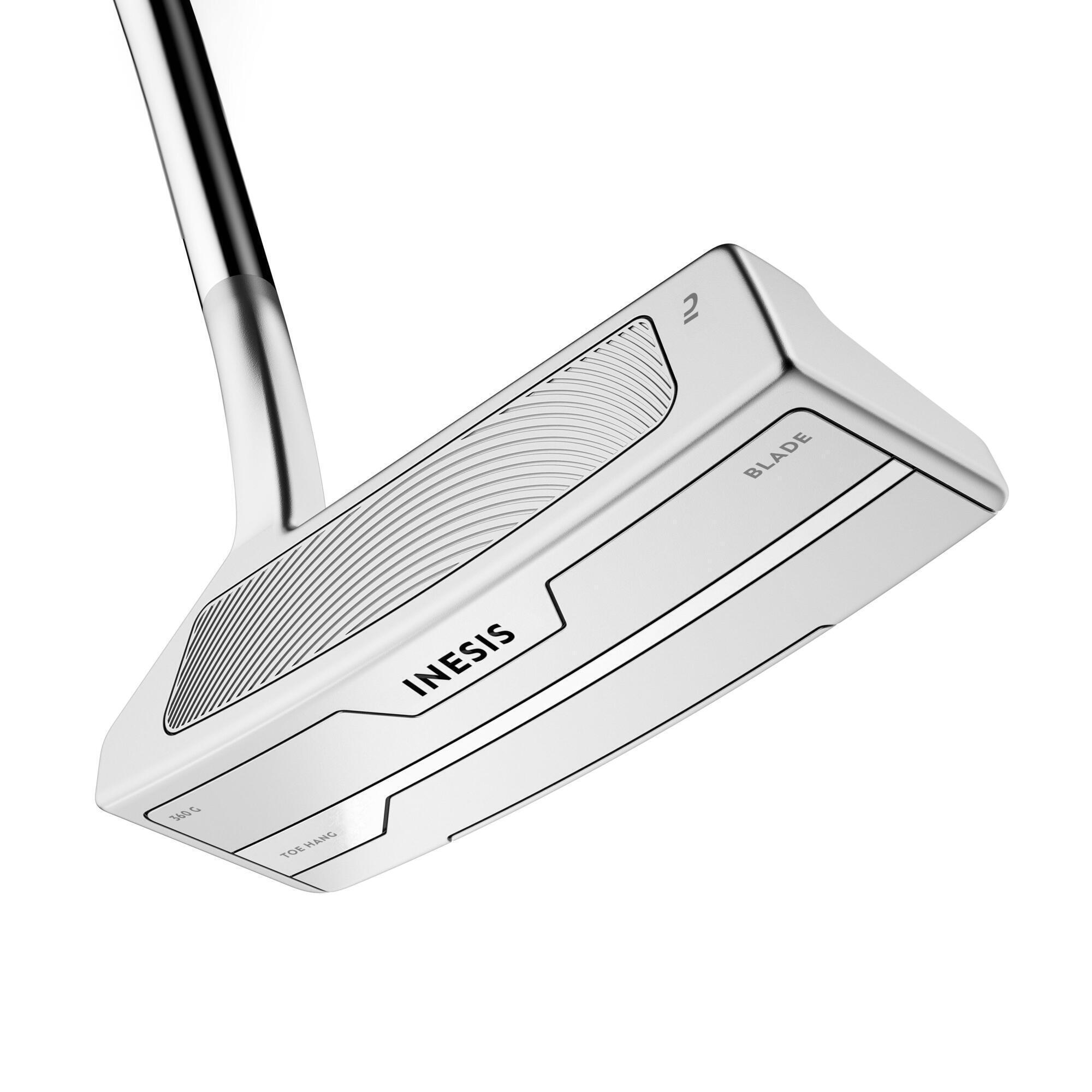
Putter balance needs to suit the way the clubhead moves during your stroke. A face-balanced model generally works with a straighter path, while a toe-hang putter can suit a stroke that moves on a gentle arc. Head shape also affects the view at address. Wider mallets provide a stable outline and prominent alignment references, while blade-style heads offer a more traditional appearance. On the adult mallet golf putter, two large black lines provide a clear reference for the intended starting direction. Test several controlled putts and notice whether the face returns naturally towards the target without requiring extra hand manipulation.

When can a face-balanced mallet improve stability?

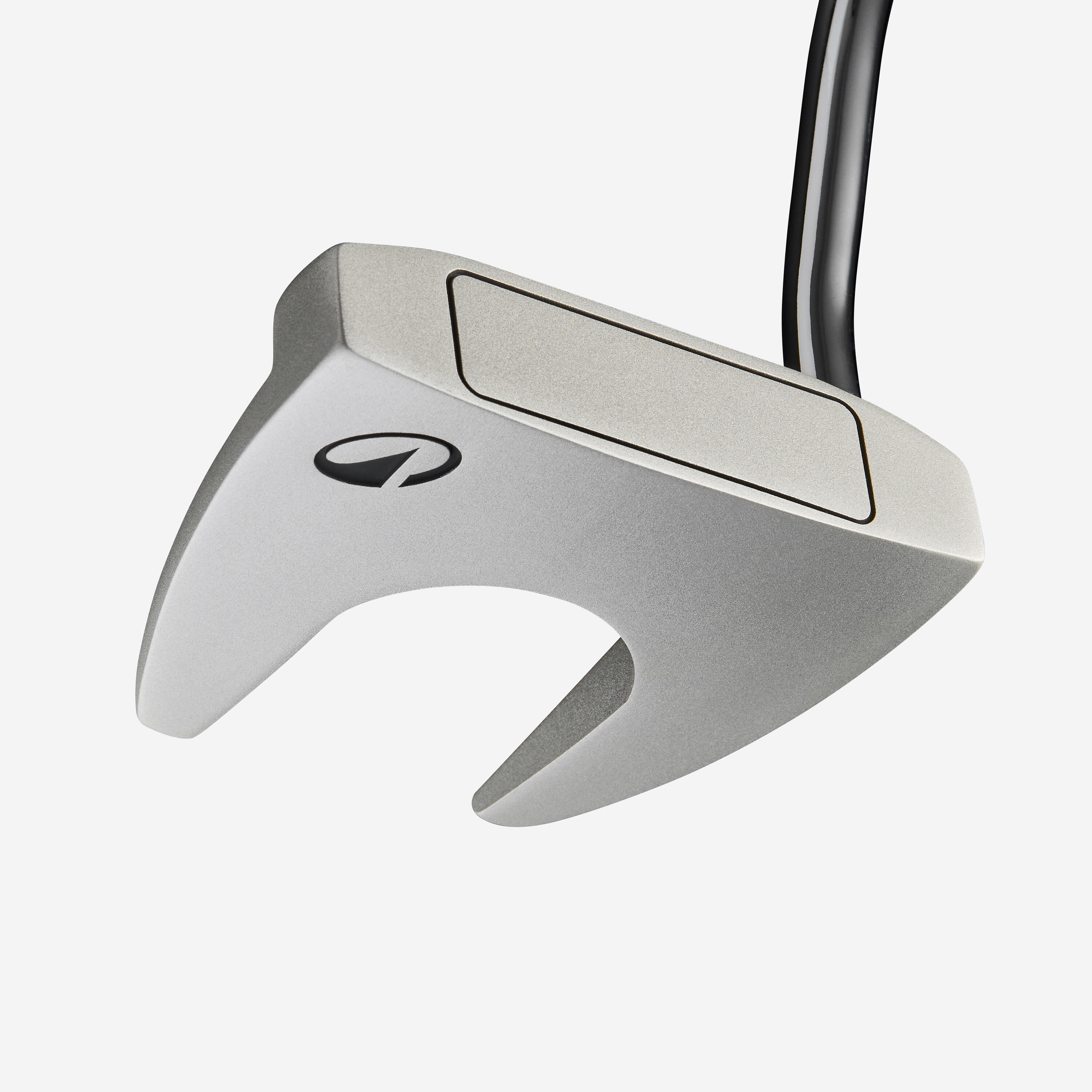
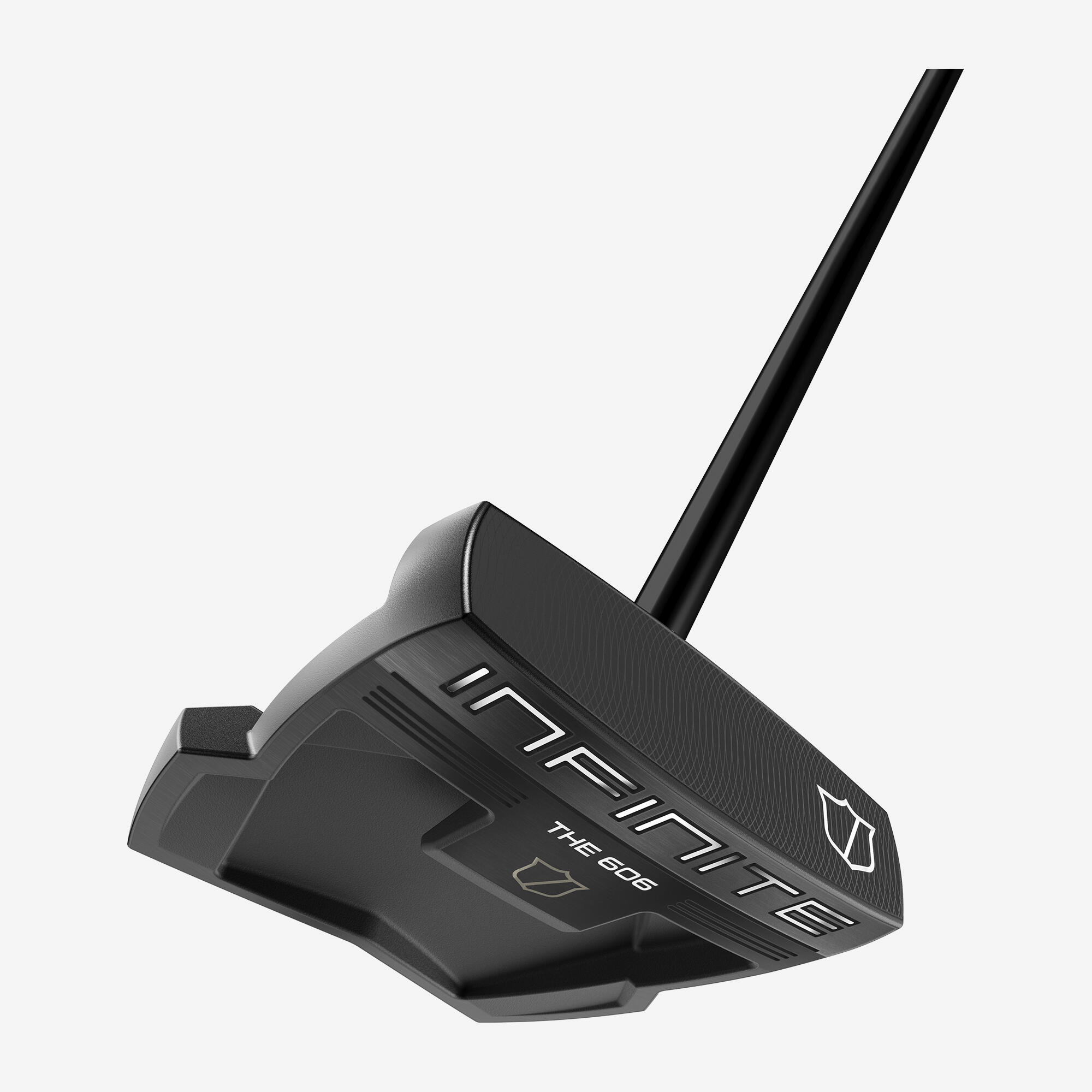
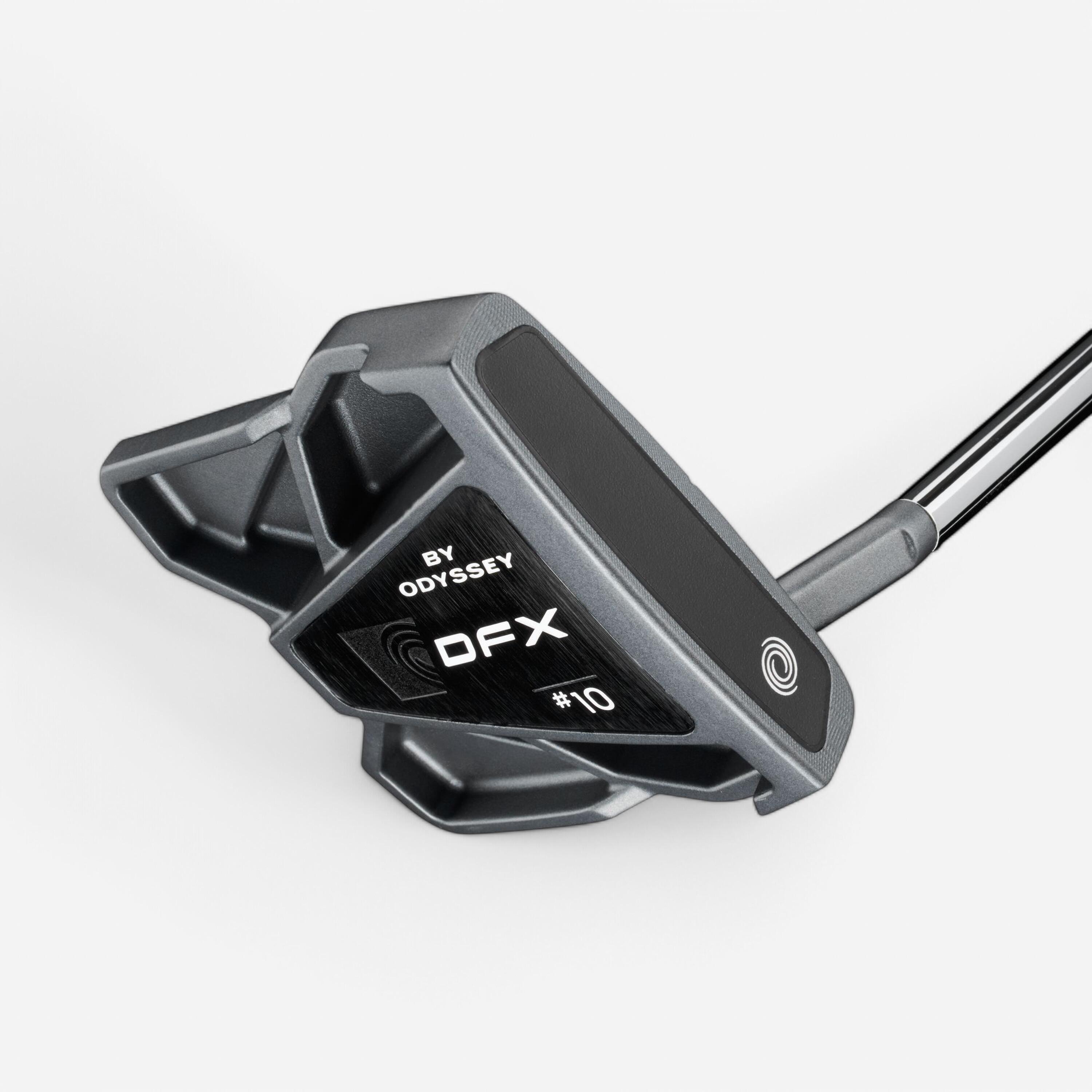
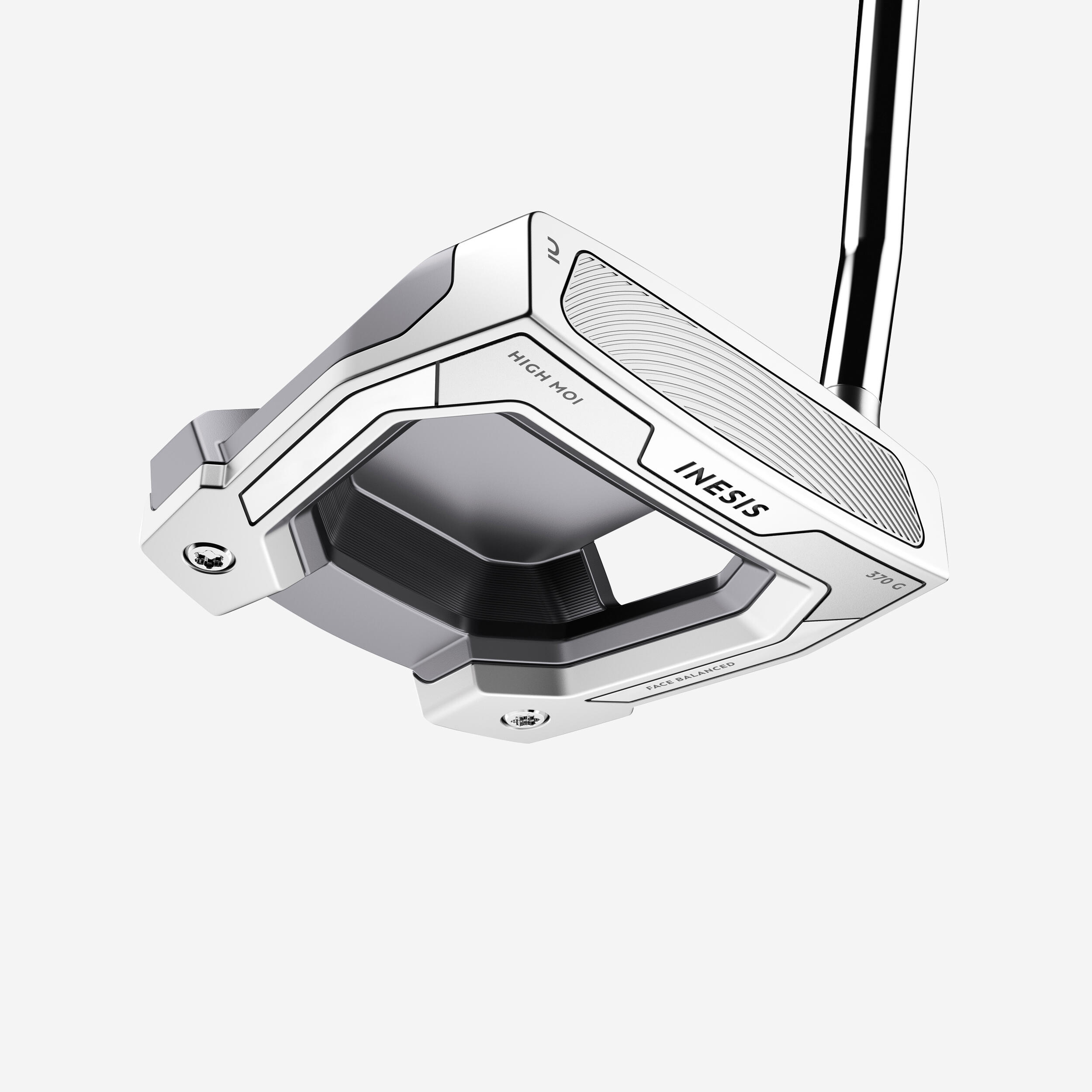
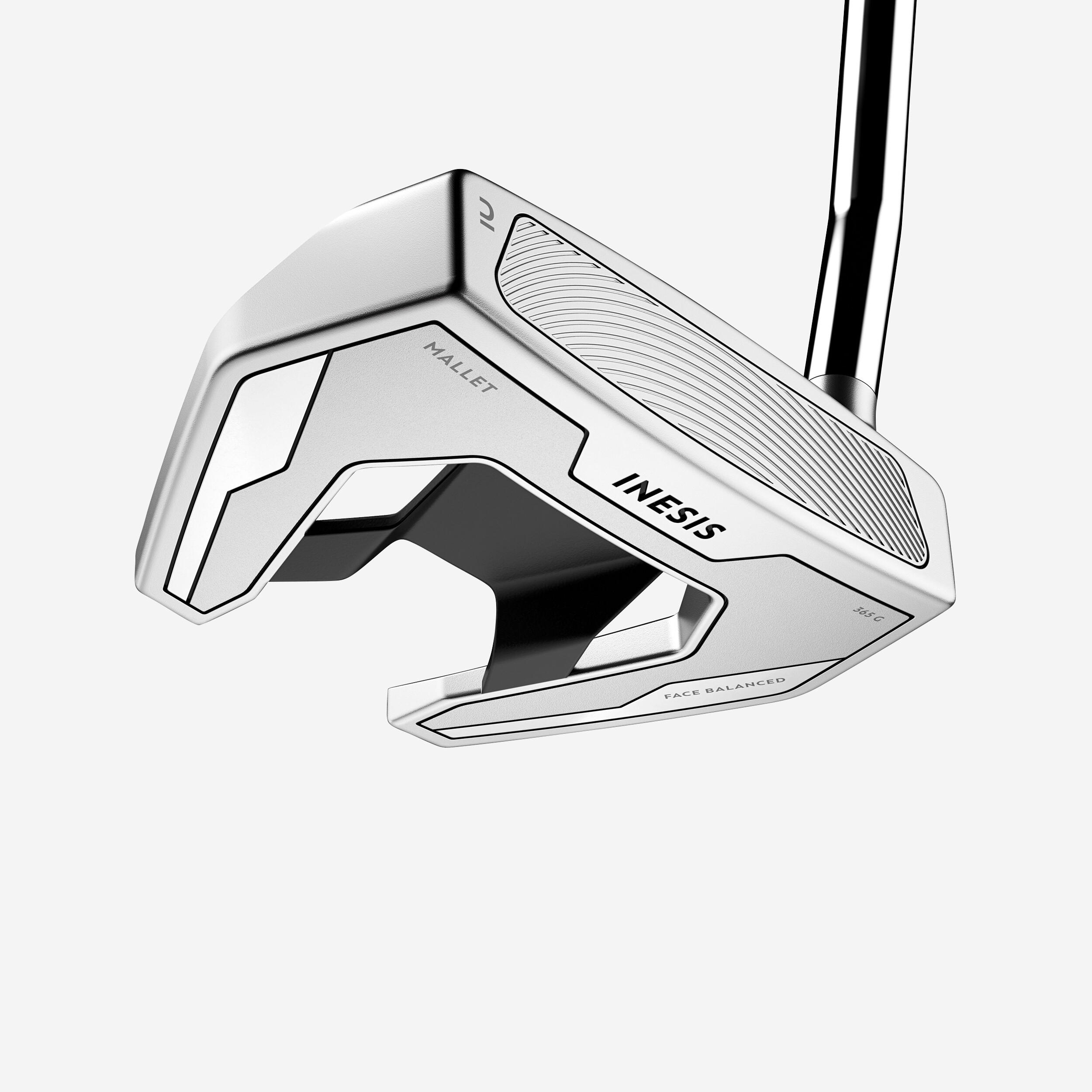
A face-balanced head keeps the face pointing upwards when the shaft is balanced horizontally, indicating that the centre of gravity sits beneath the shaft axis. This configuration can help the face remain steadier during a mostly straight-back-and-through stroke. The reviewed face-balanced golf putter uses a 365 g head, a TPU insert and a thin machined-steel face plate. The insert softens the impact sensation, while the metal plate retains sound and contact feedback. Stability can reduce the effect of small off-centre strikes, but it cannot correct poor aim or inconsistent pace. Practise from a fixed distance and monitor starting direction before changing your technique or equipment.

Why does putter length affect your setup?

Putter length influences posture, hand position and where your eyes sit relative to the ball. A ground-to-wrist measurement below 78.5 cm corresponds to the shorter size 1 option, while a measurement of 78.5 cm or more corresponds to size 2. The reviewed adult models use 33-inch and 34-inch lengths rather than separating fit only by gender. Stand naturally with the sole resting flat instead of lifting the heel or toe to accommodate an unsuitable shaft. When comparing putters with other golf clubs, remember that putting posture differs from a full swing. The correct length allows your arms to hang comfortably and helps you see the alignment markings without forcing your head into an awkward position.

Which putter features help junior golfers?

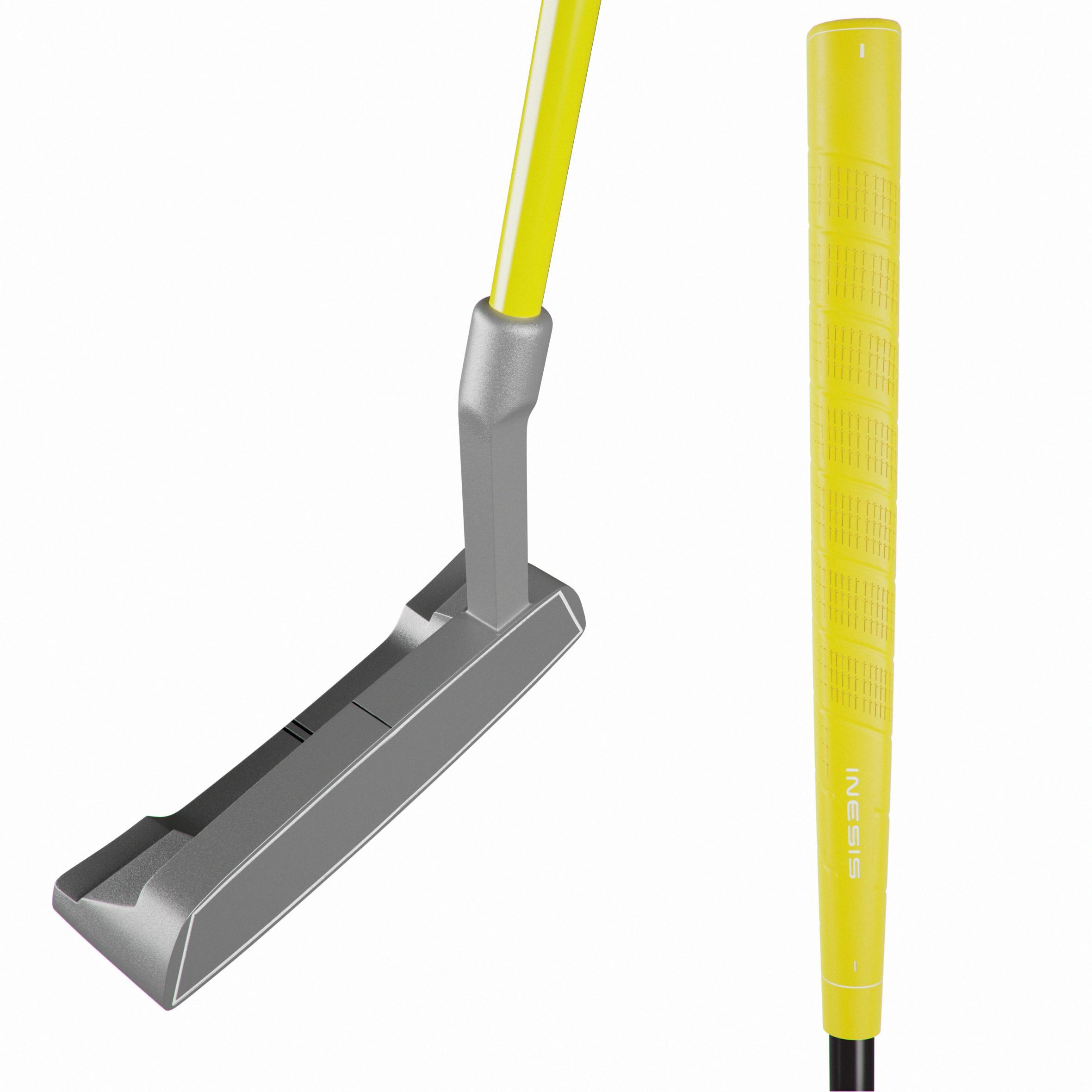
Young players benefit from a suitable shaft length, manageable head weight and clear aiming references. Junior models are selected mainly by height, with age acting only as an approximate guide. Two large alignment lines on the kids' golf putter make face direction easier to judge, while its size suits children measuring approximately 130 to 145 cm. Its forgiving head shape can also provide steadier results when contact misses the exact centre. Confirm handedness before ordering and ask the child to stand naturally over the ball. Avoid buying excessive extra length for future growth, as a putter that is too long can force the hands outwards and make distance control harder.

When does a putter need cleaning or protection?

Grass, sand and moisture can collect around the face, grooves and sole, affecting contact and marking the finish over time. Wipe the head with a soft cloth after each round and use a gentle brush for debris trapped around the face pattern. The reviewed putters are marked as not washable, so avoid soaking the head, shaft, grip or insert. A suitable cover stored with other golf club accessories helps prevent the putter striking irons or bag dividers during transport. Keep the club in a dry place and inspect the grip, shaft and head connection periodically. Stop using it if the head feels loose or the shaft shows visible damage, as continued impacts may make the fault worse.