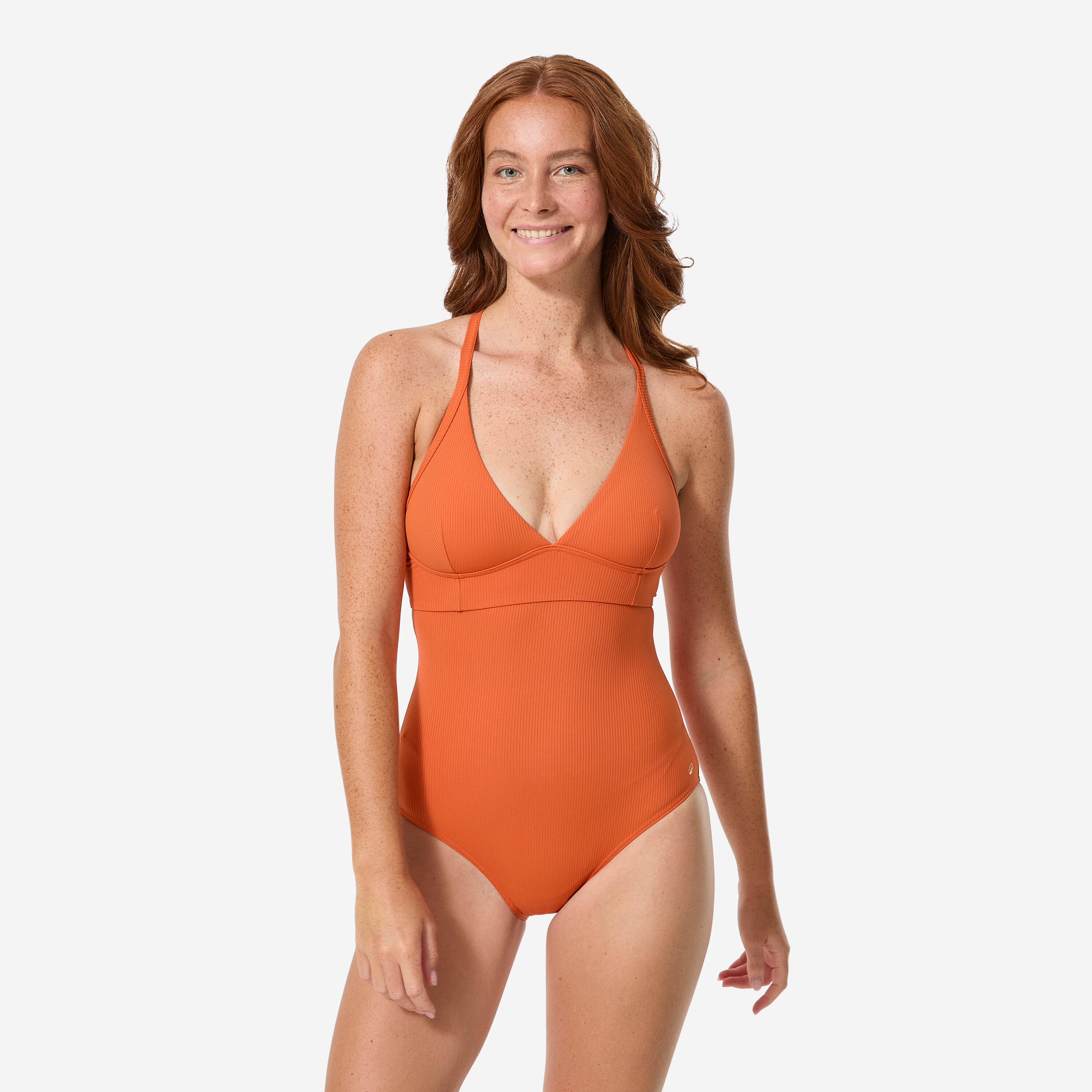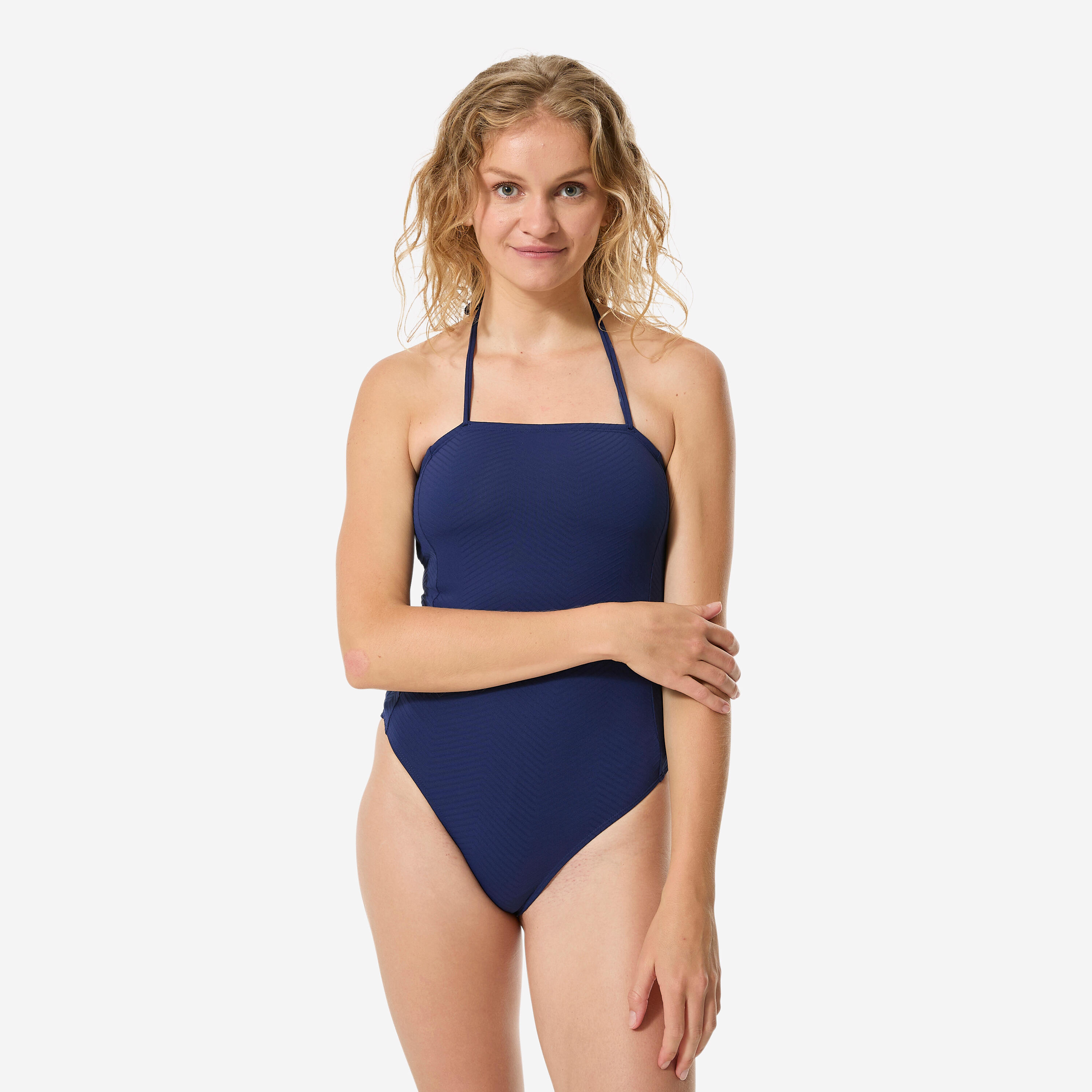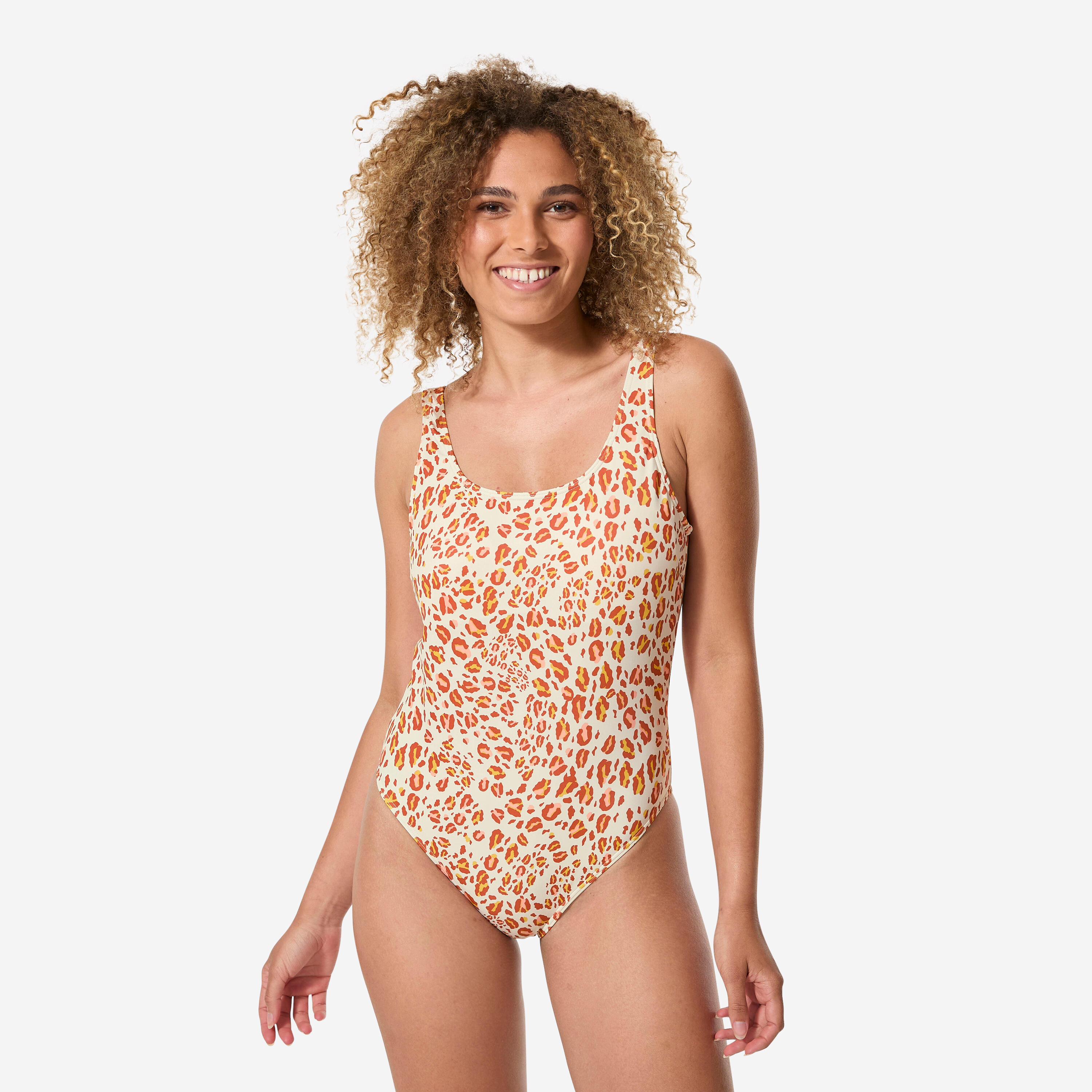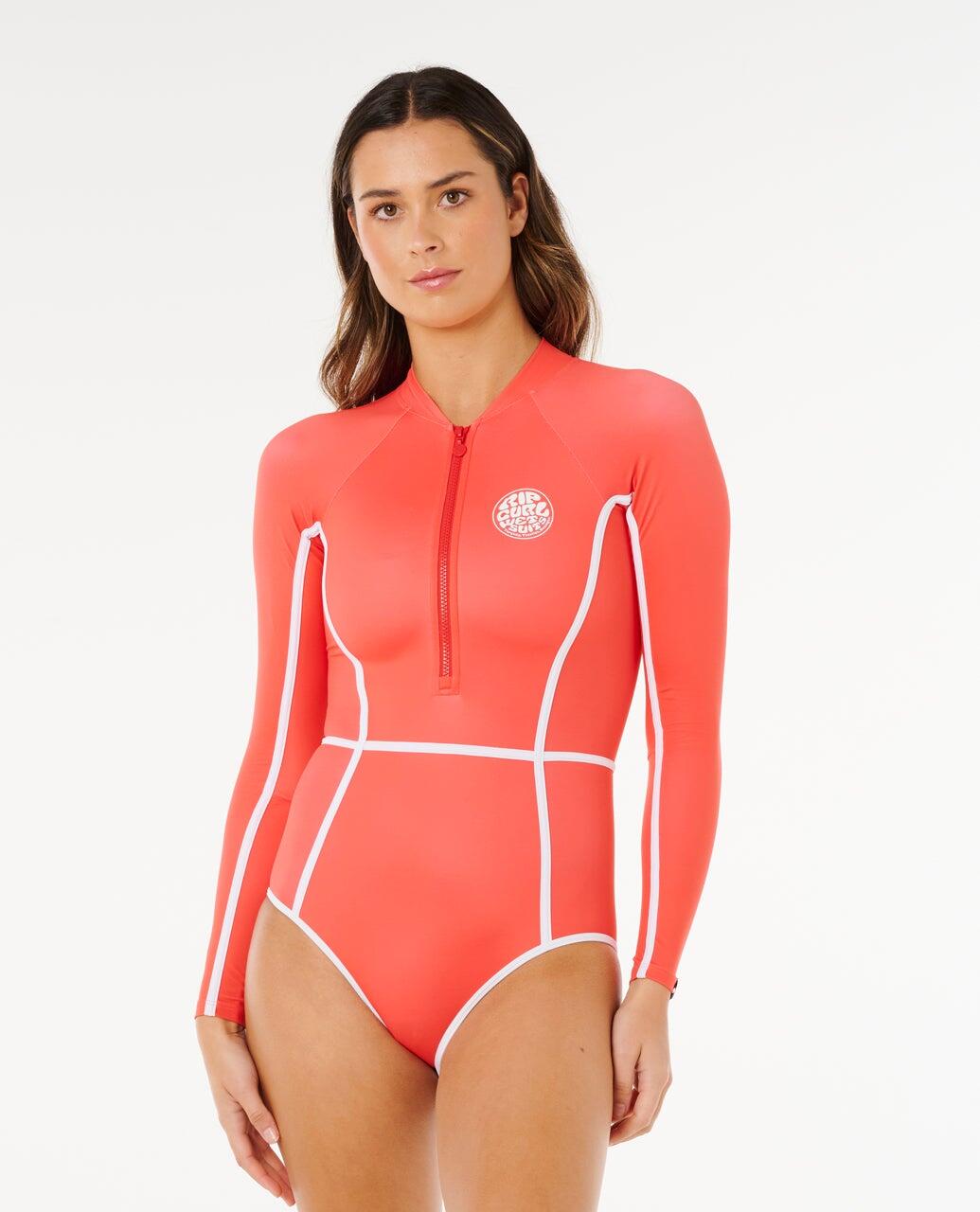
99 items
4.6/5 based on 15600 reviews collected online and in stores

Women's One-Piece Swimsuits FAQs

What sets a surfing one-piece apart from an everyday pool swimsuit?

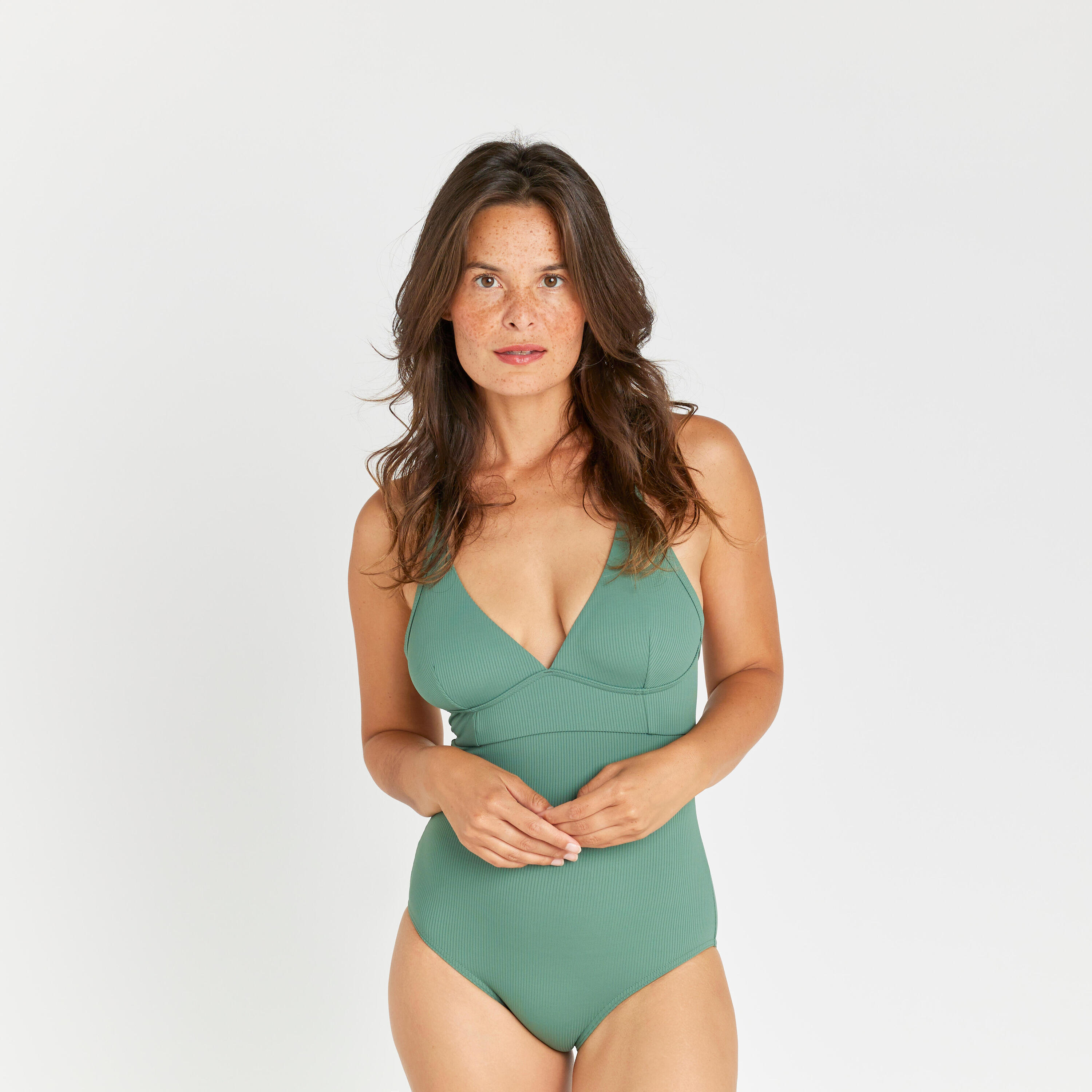
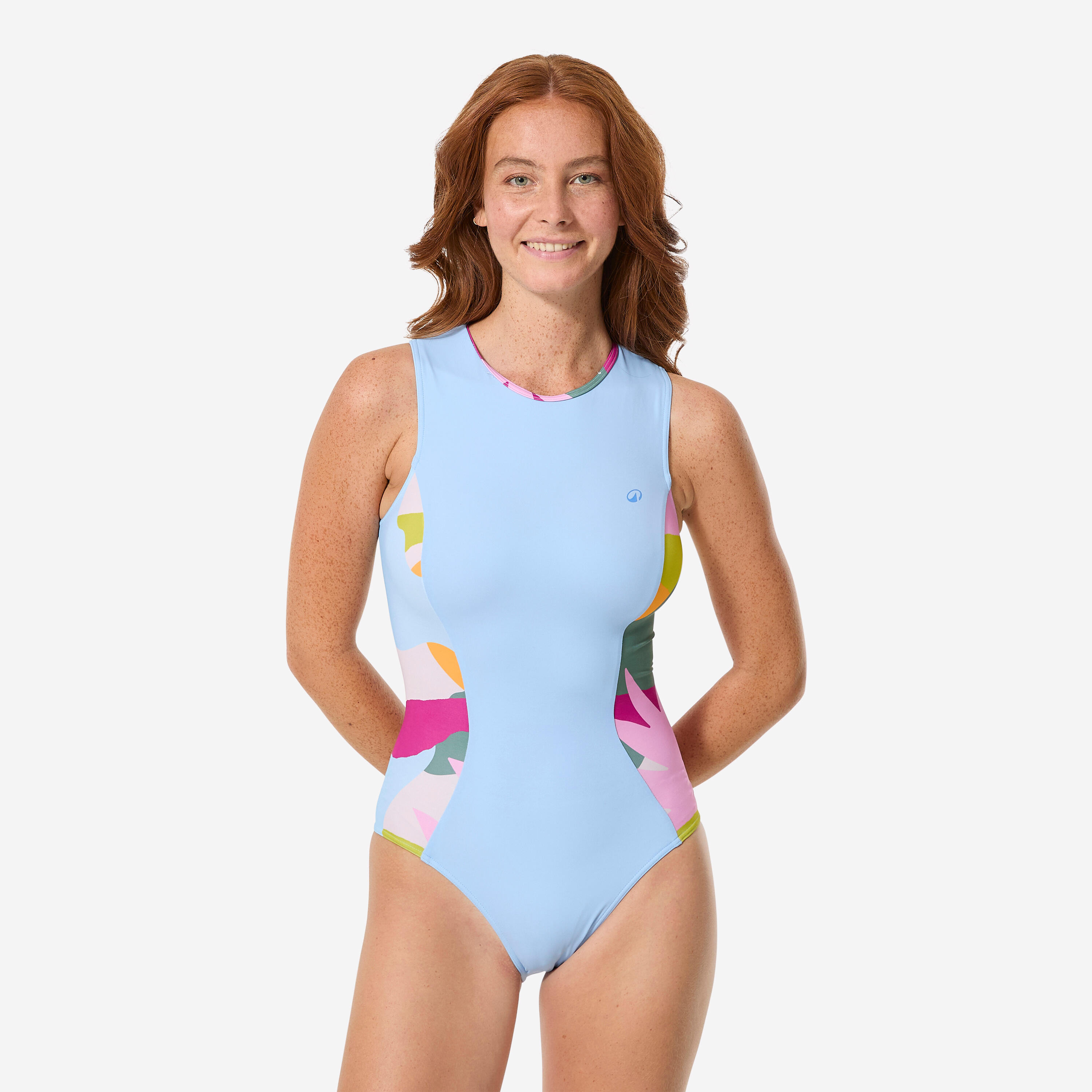
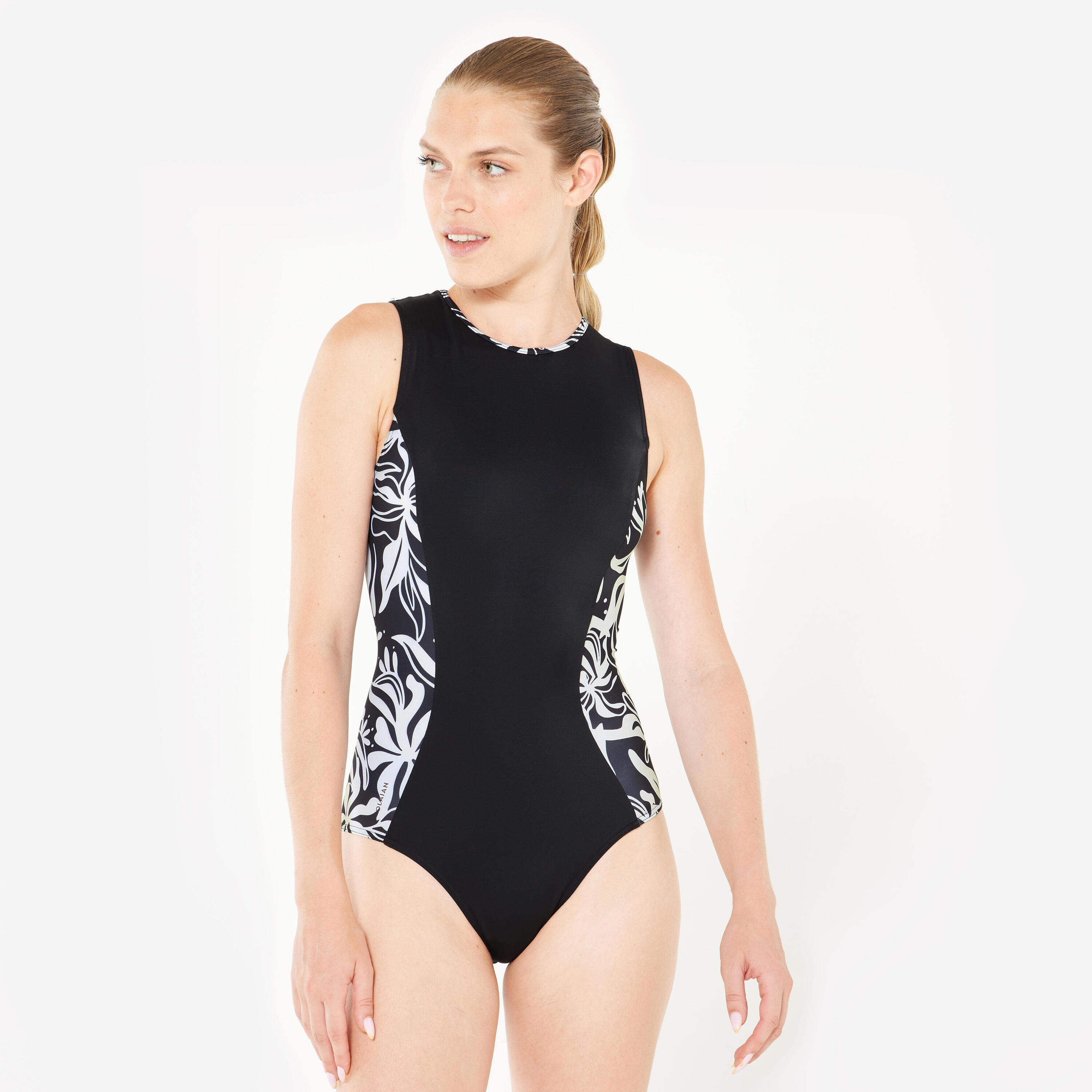
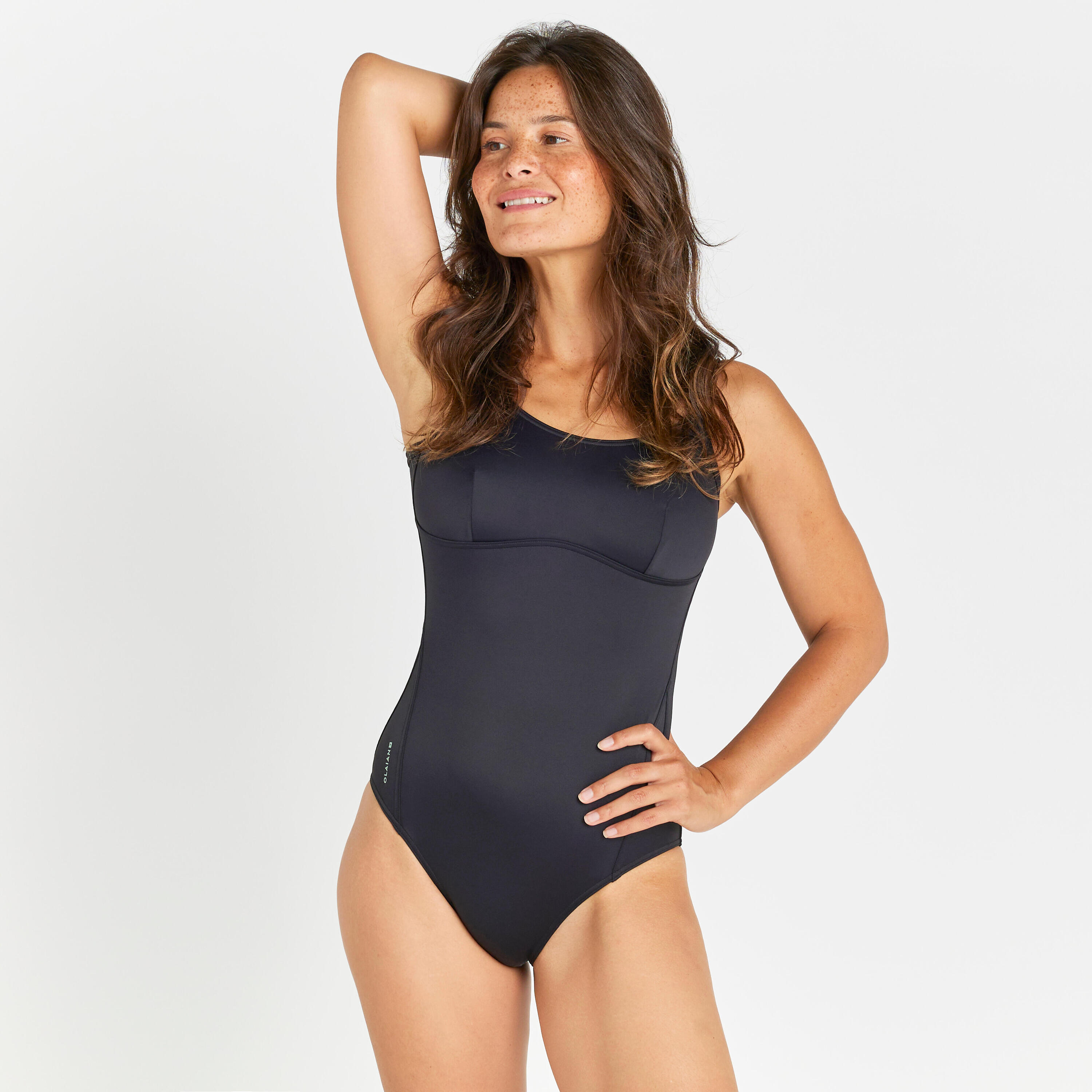
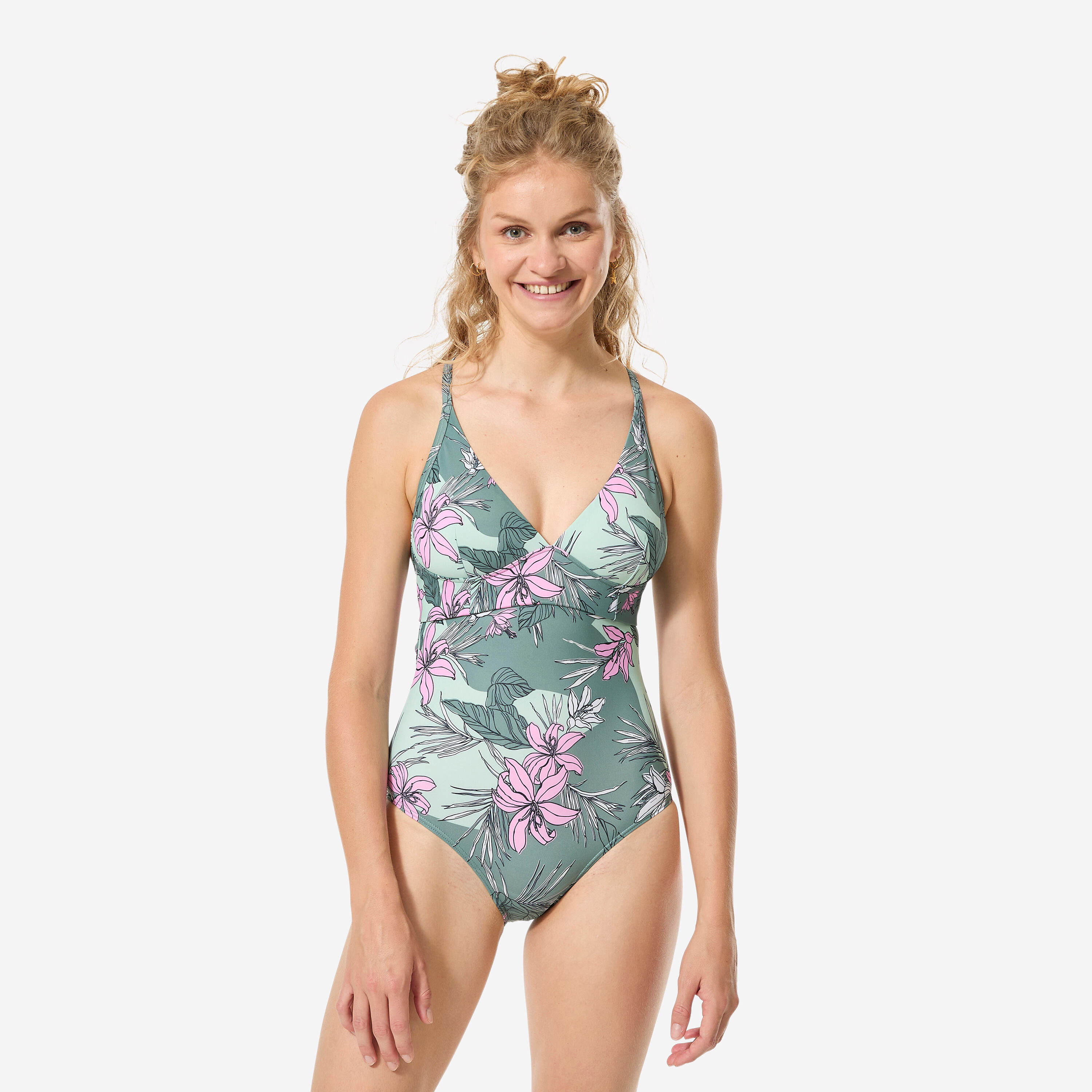
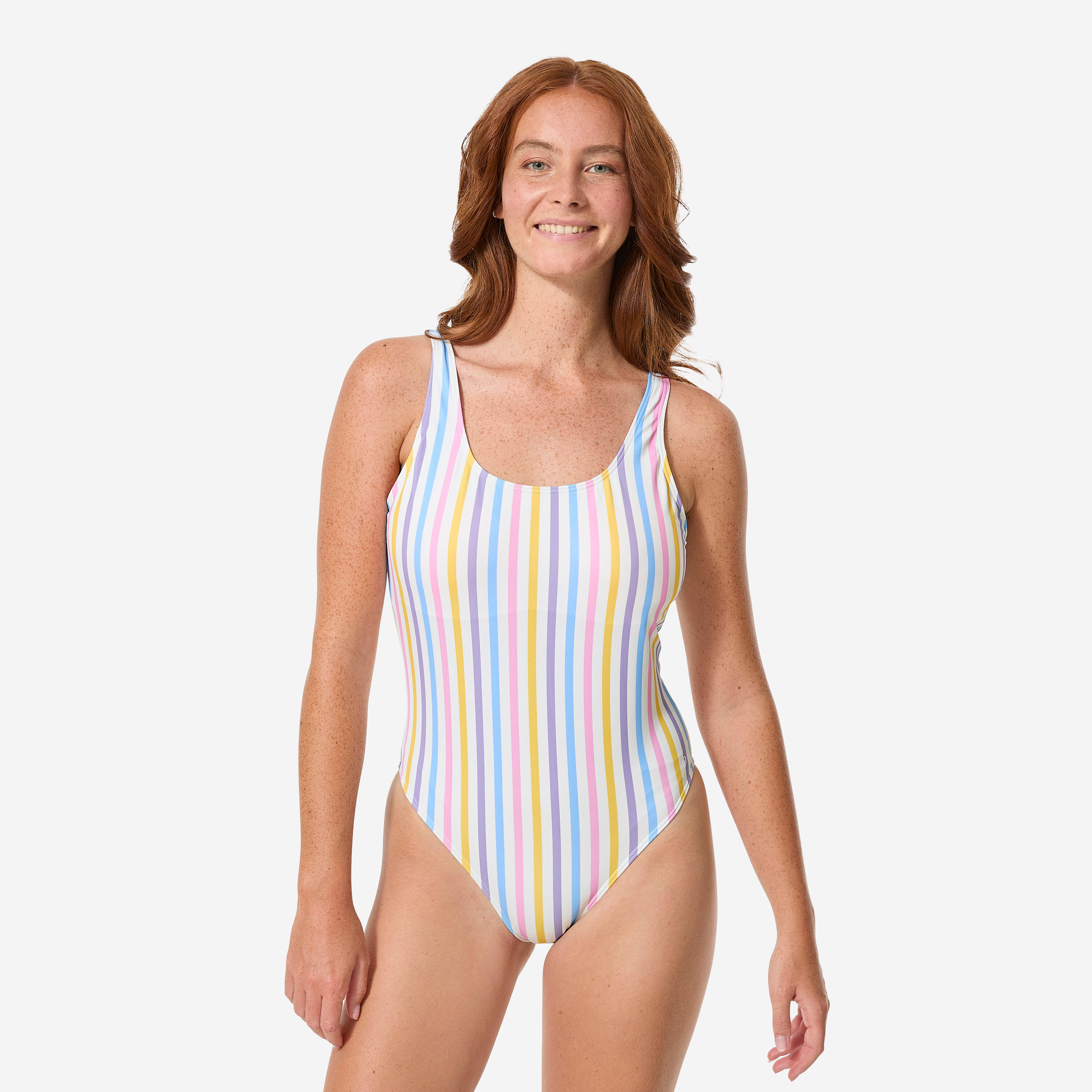
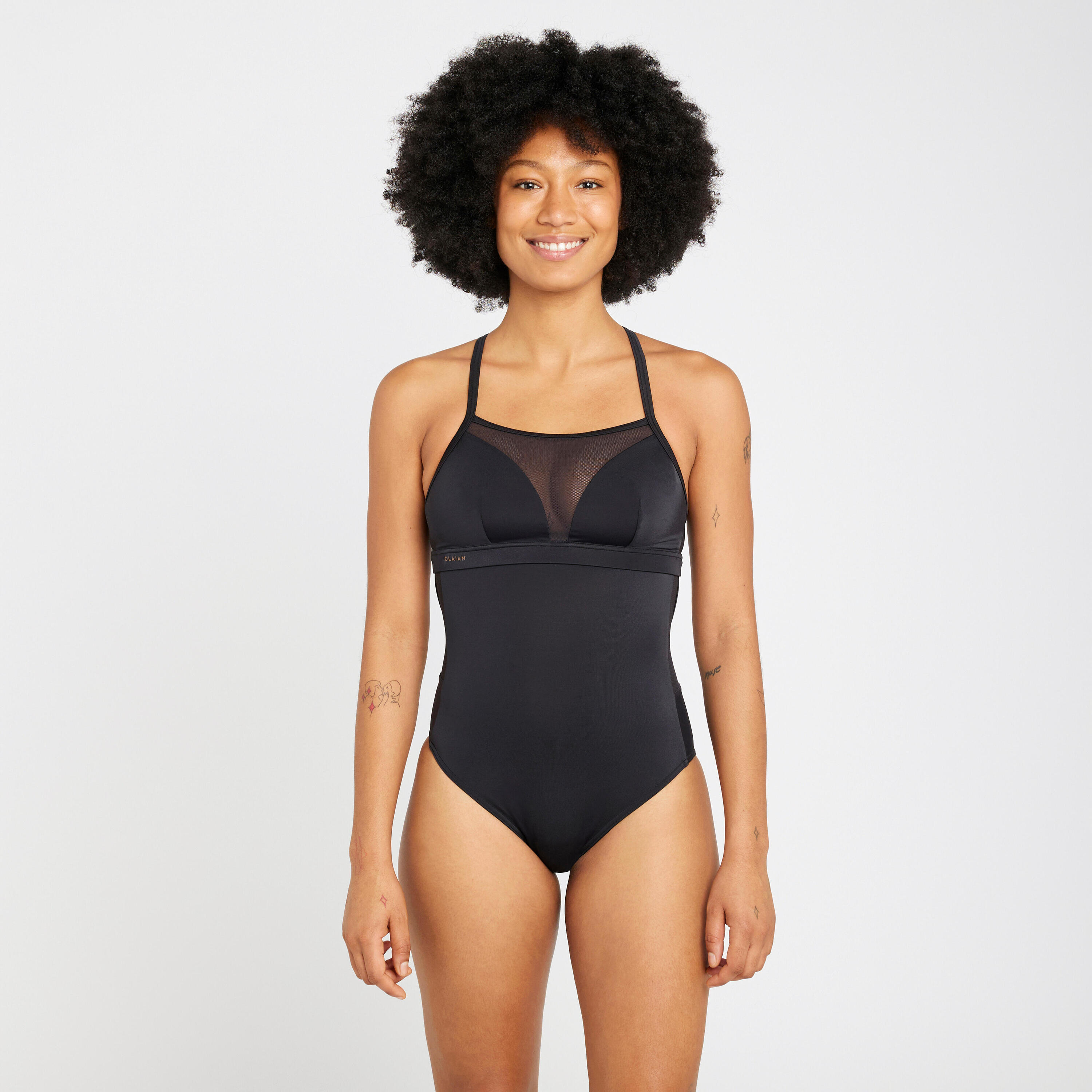
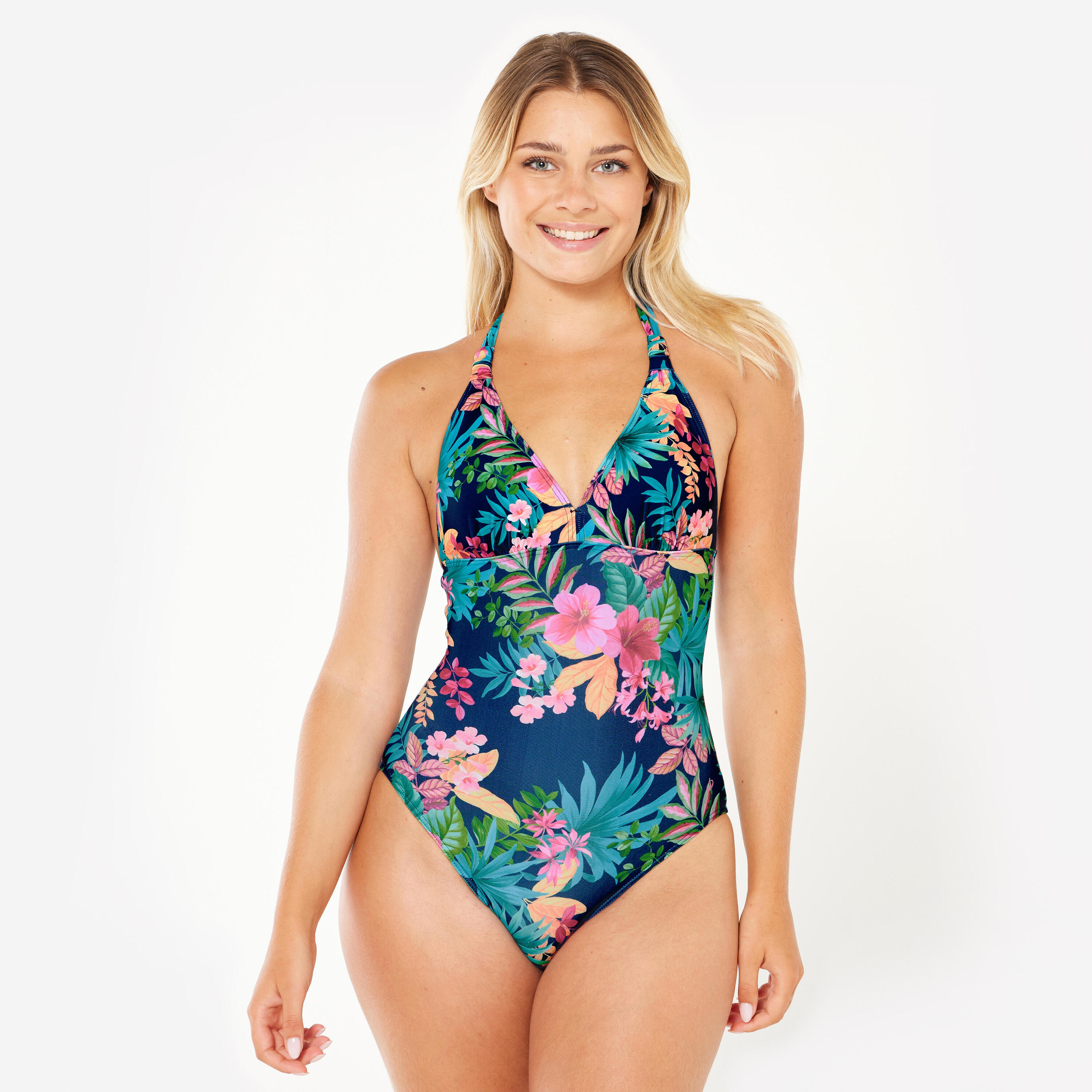
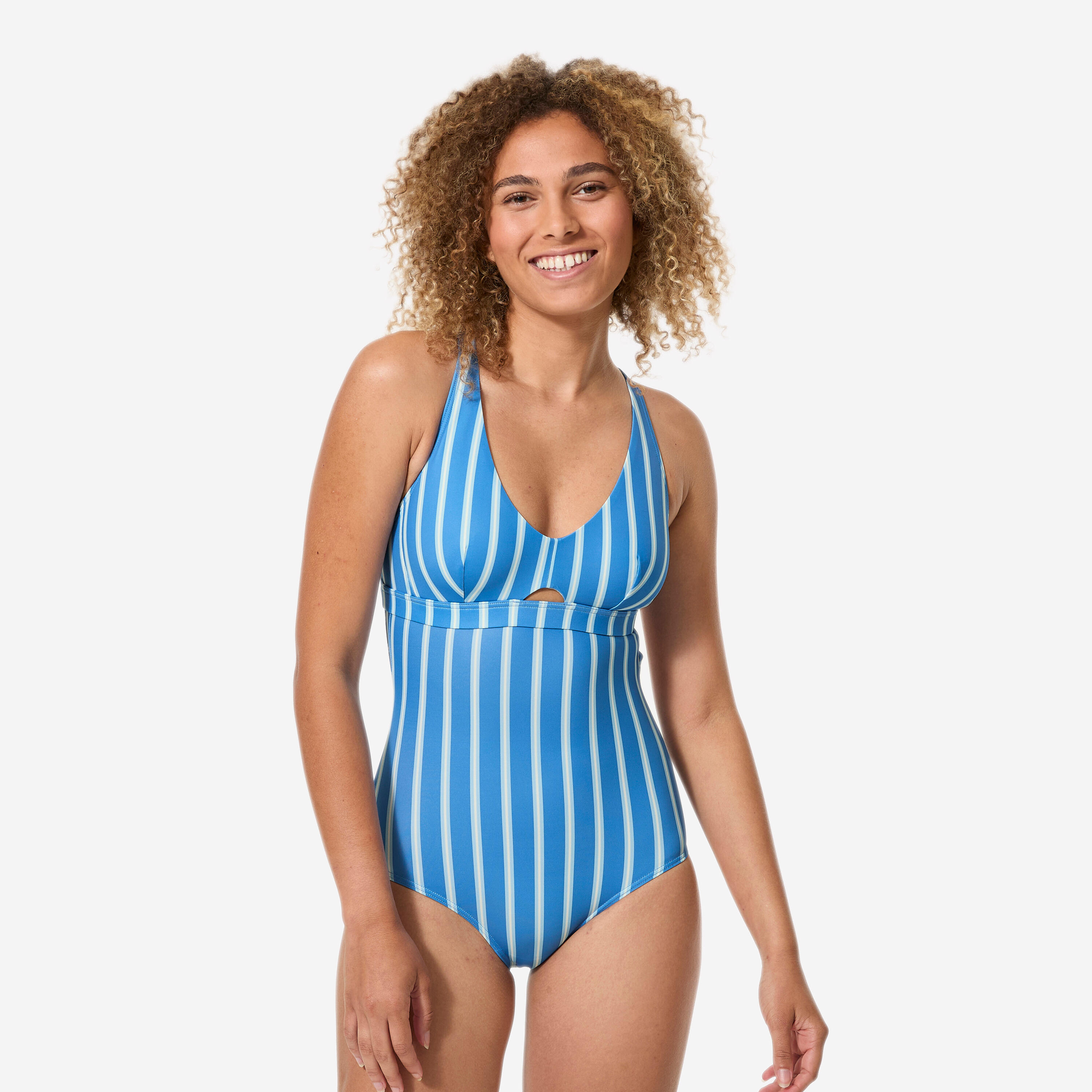
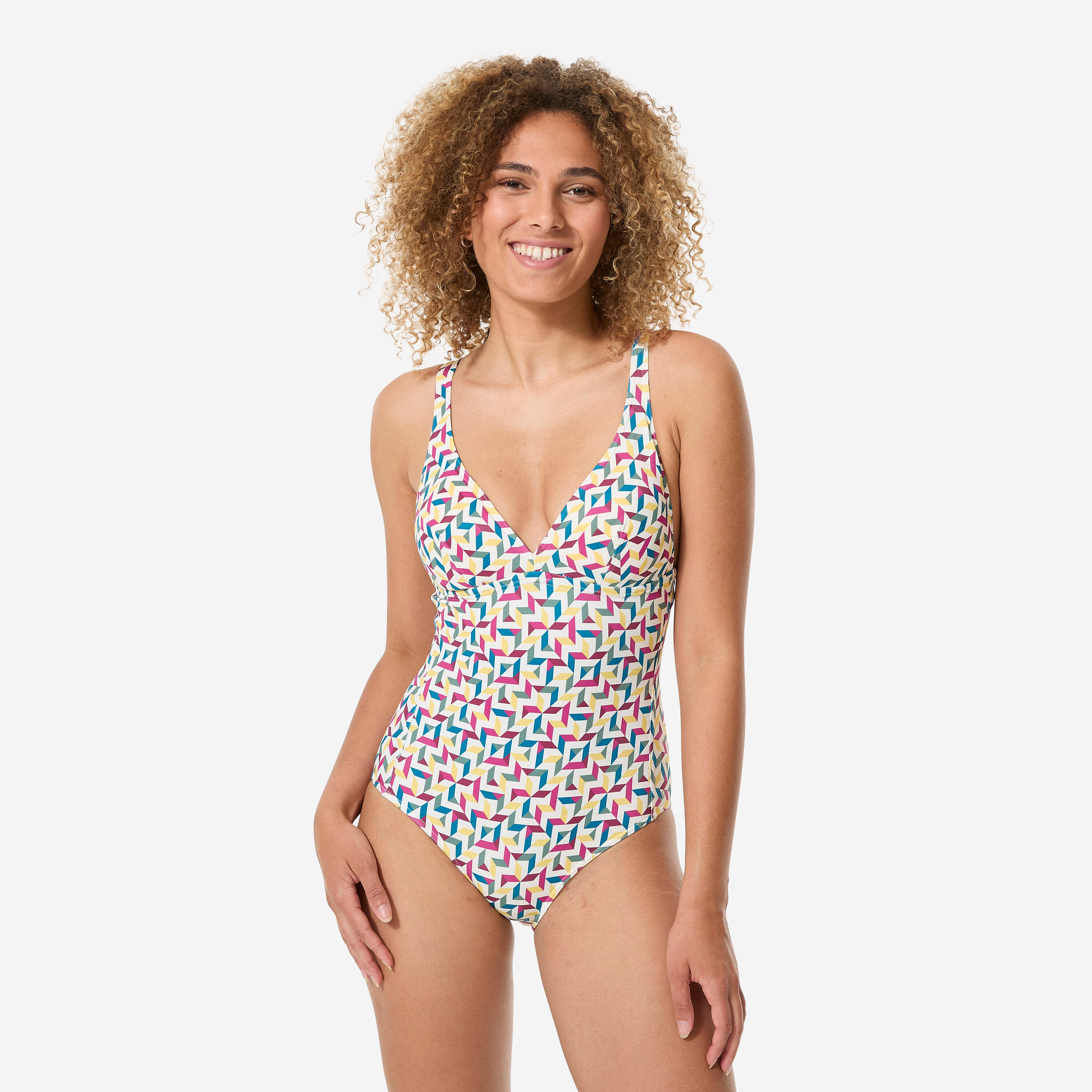
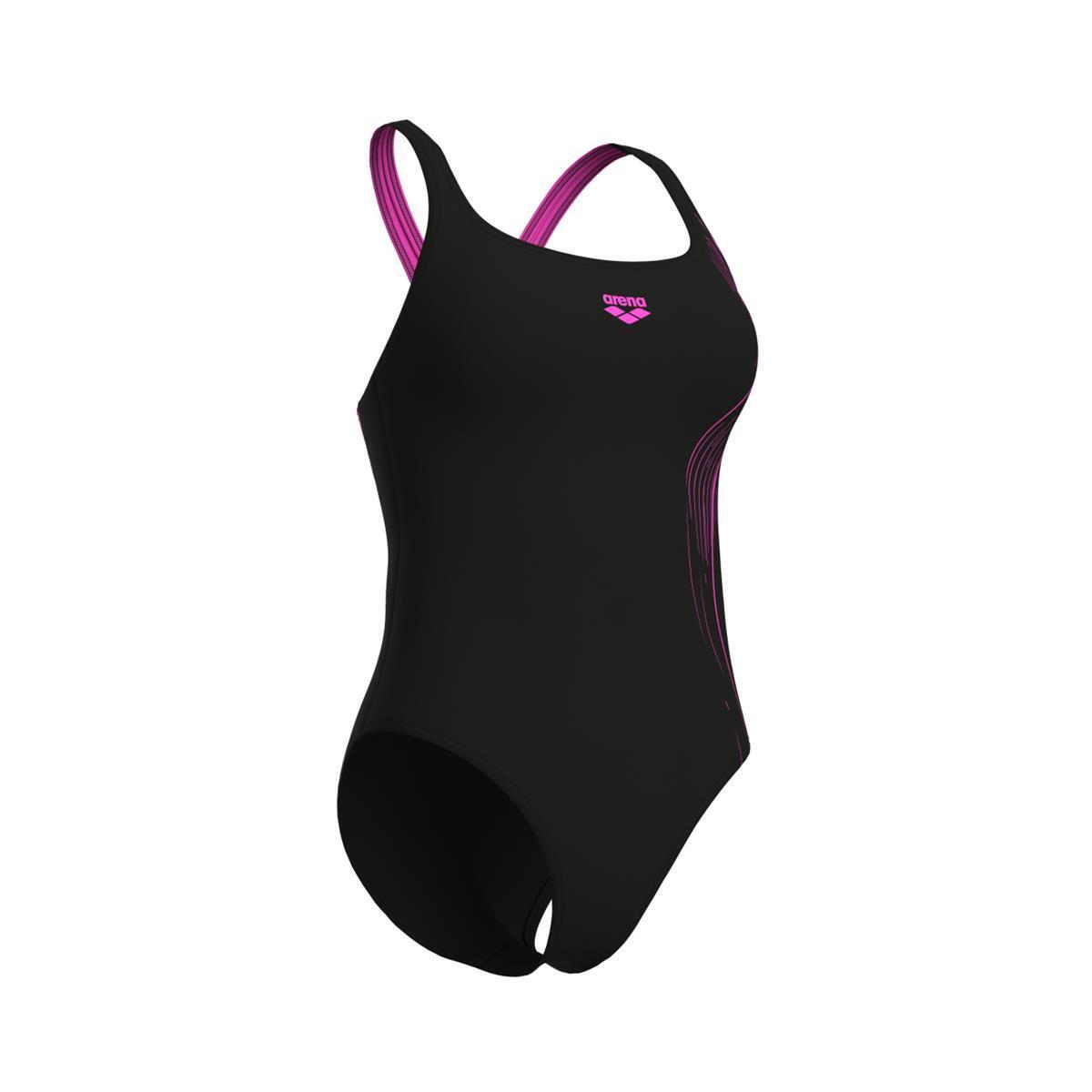
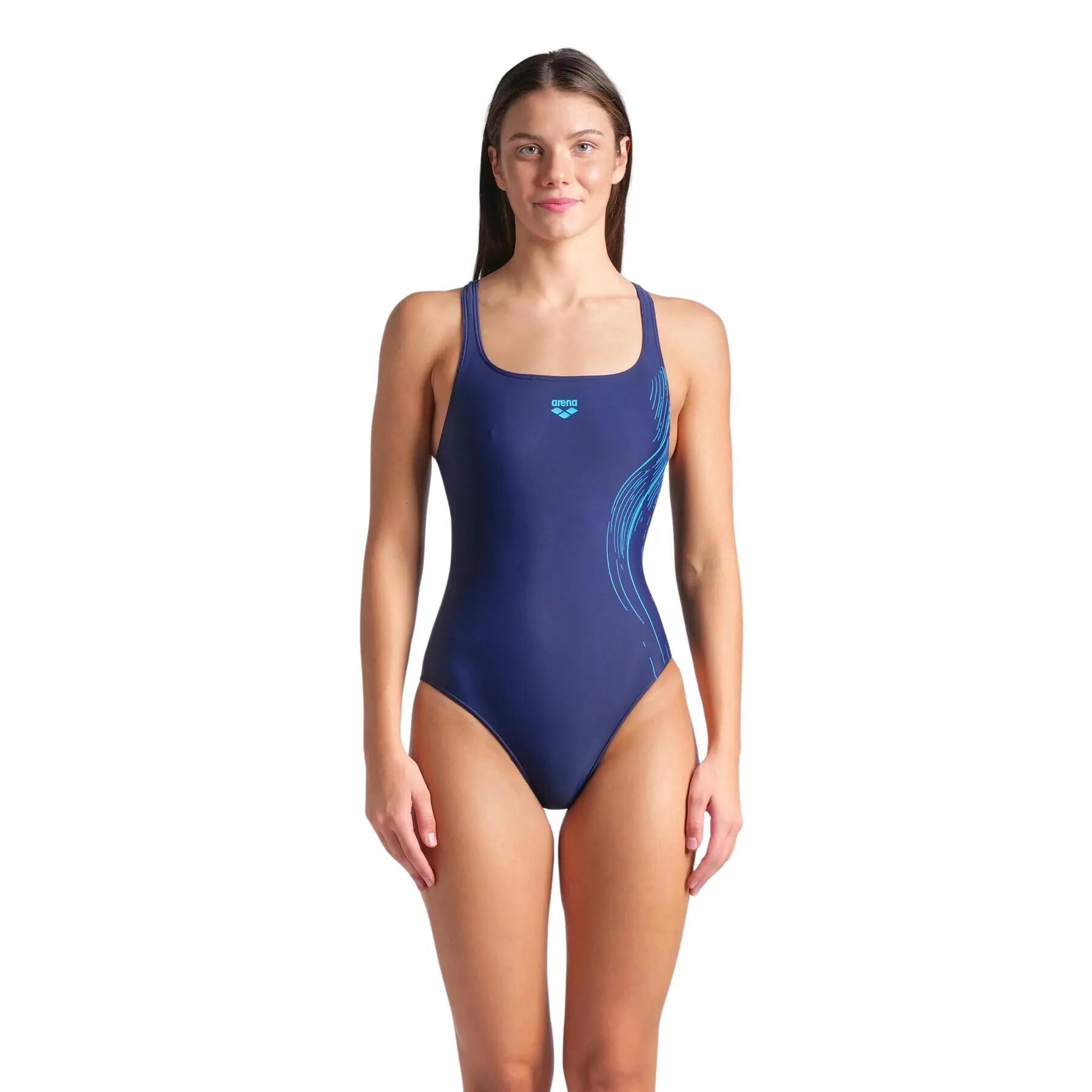
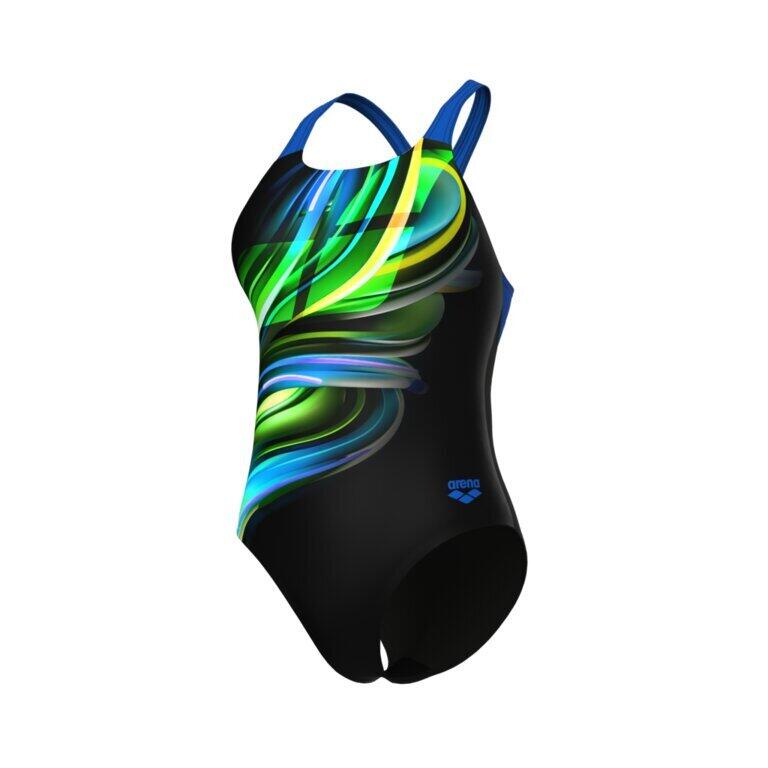
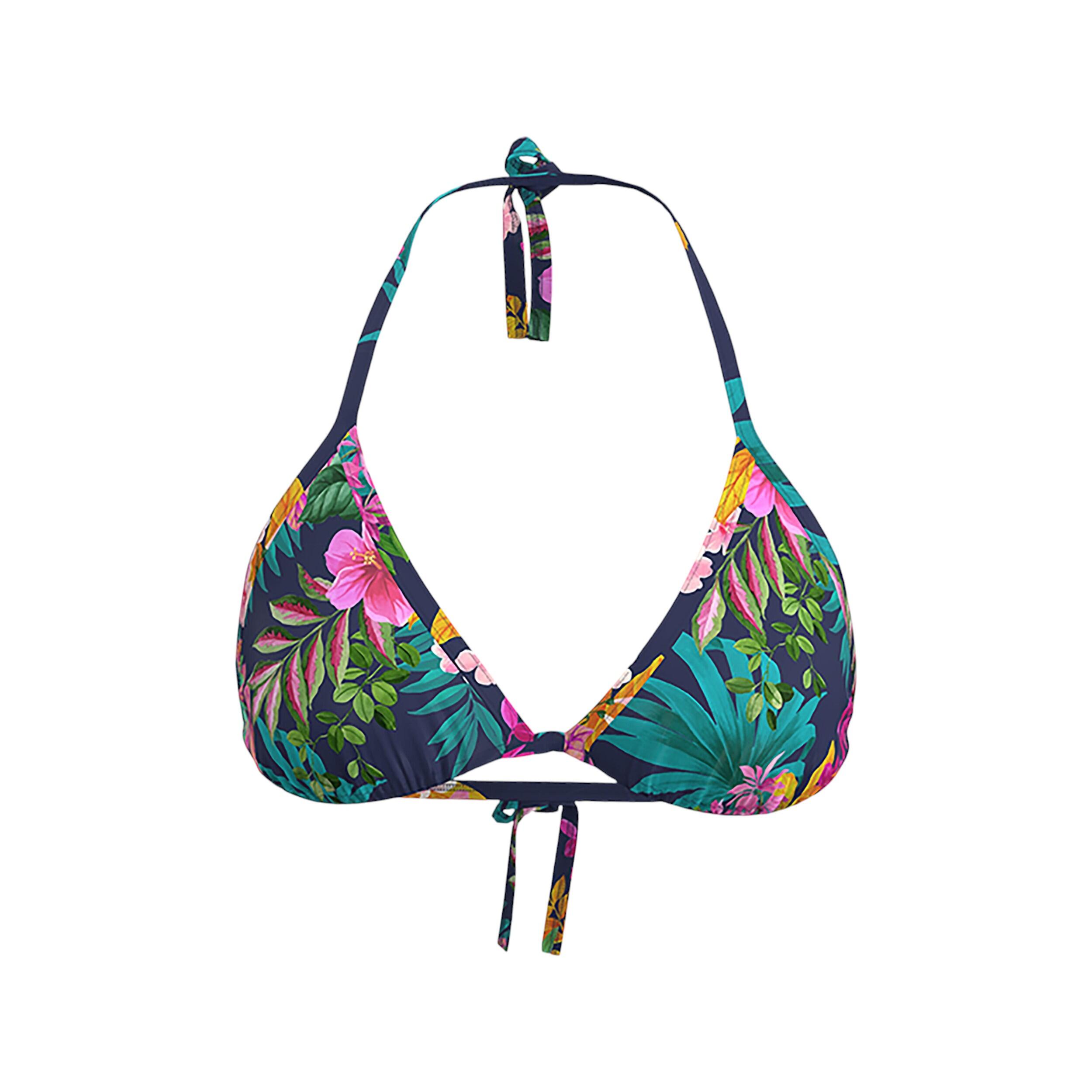
A surfing one-piece needs to stay put through duck-dives, wipeouts, and pop-ups, movements that a standard pool swimsuit is never tested against. The key construction differences are reinforced shoulder straps with a wider base to prevent rolling, a higher neckline at the back to avoid gaping when paddling flat, and a longer torso cut that keeps the suit anchored at the hips rather than riding up during pop-ups. Fabric matters too: chlorine-resistant polyester holds its shape over a pool season, but a suit intended for regular sea use benefits from a polyamide and elastane blend that retains stretch after prolonged salt water exposure. Some surfers prefer a triangle swimsuit beneath a wetsuit, as the flatter construction reduces bulk across the chest. Expert tip: adjust the shoulder straps for a snug fit before entering the water. Neoprene and Lycra both stretch when wet, so a suit that feels snug on land will loosen slightly in the sea, and starting with the straps at full length prevents them from drooping mid-session.

How does a long-sleeve one-piece swimsuit perform for cold-water sessions?

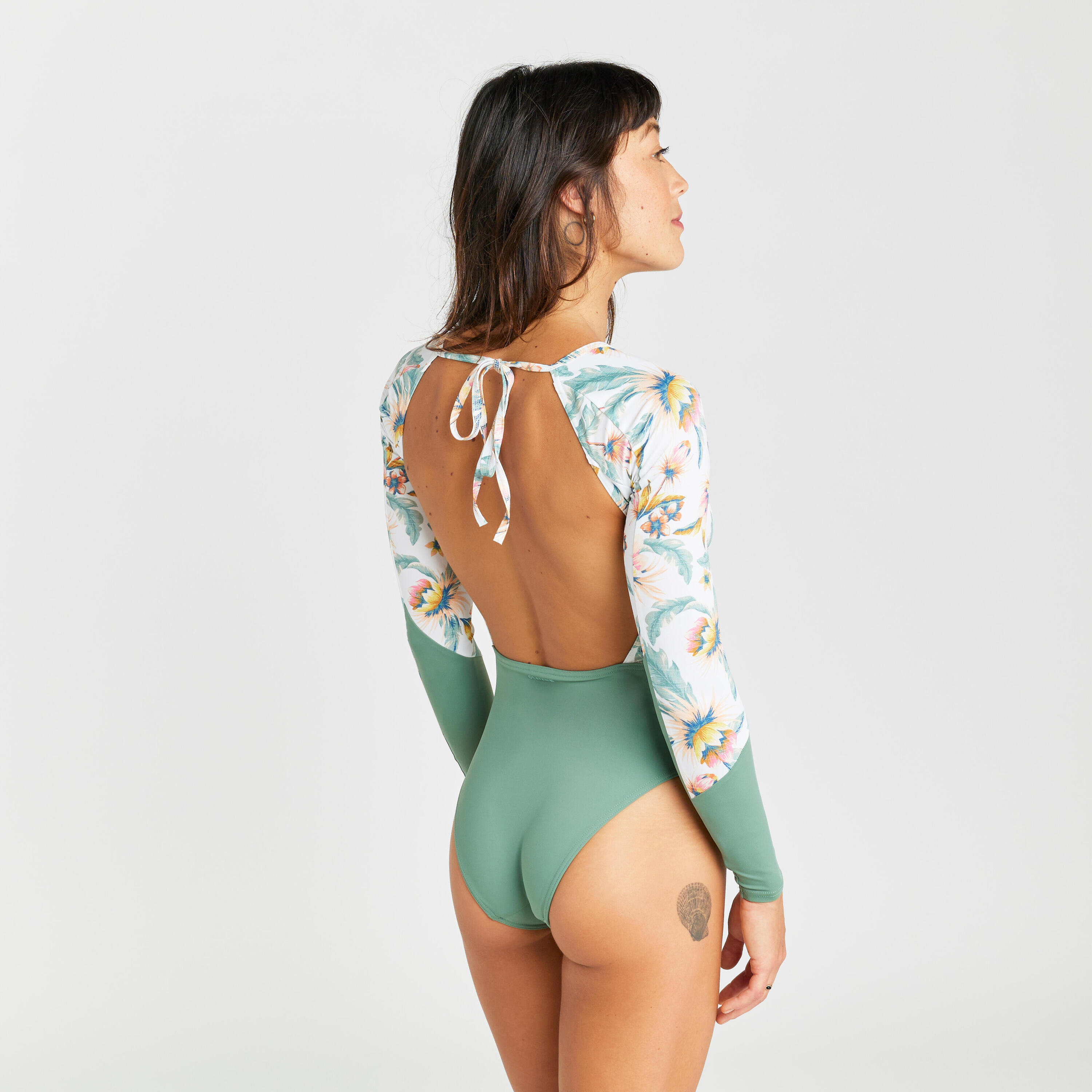
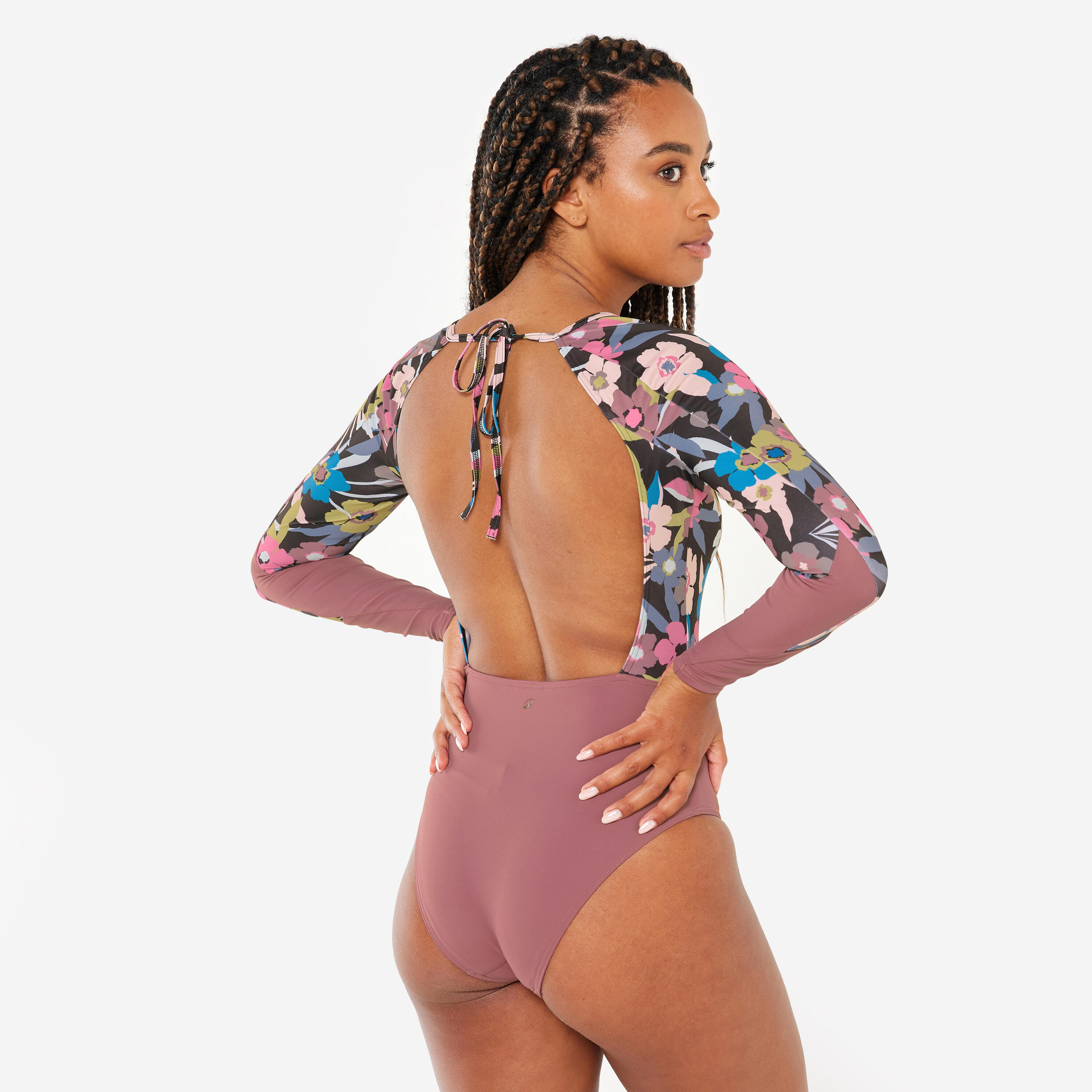
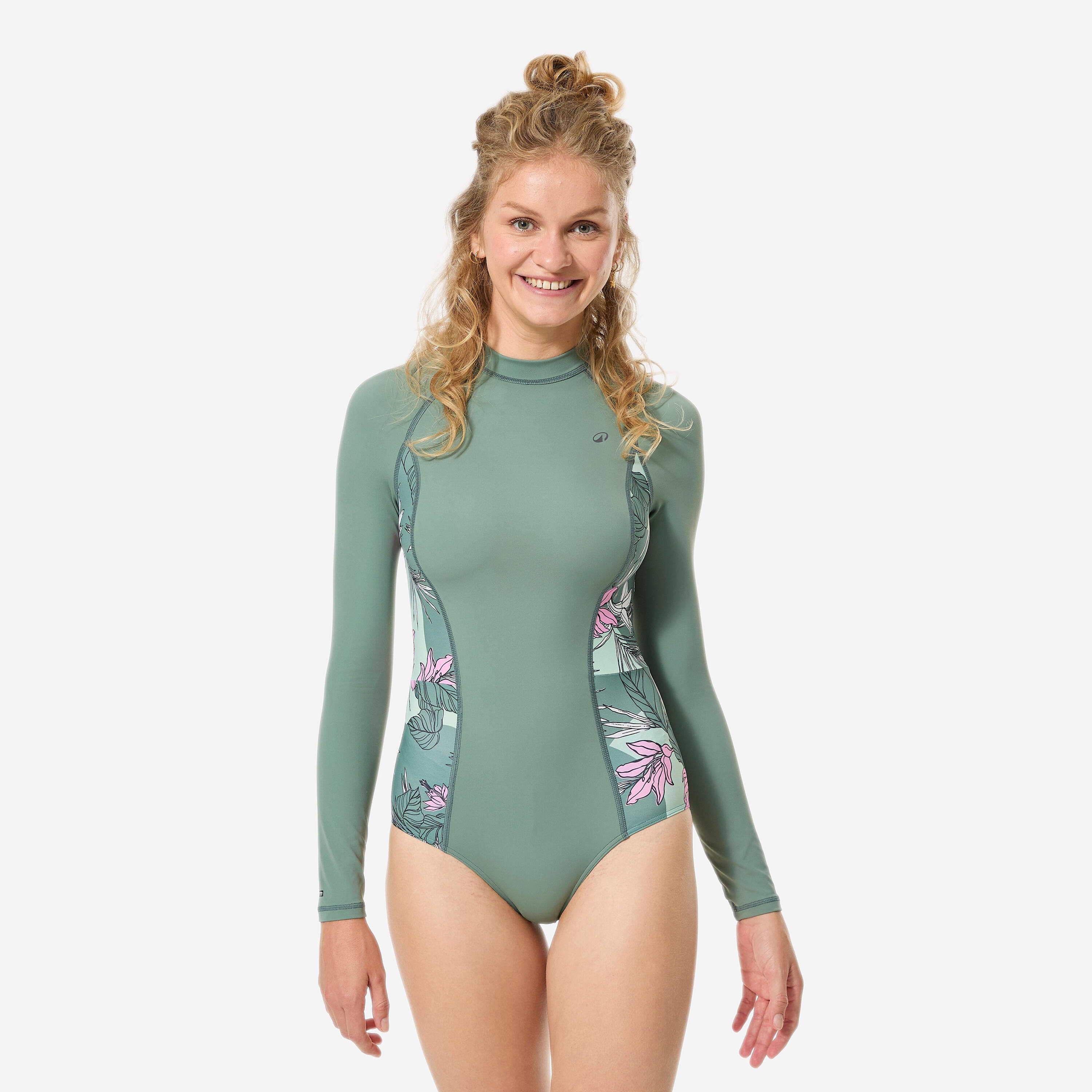
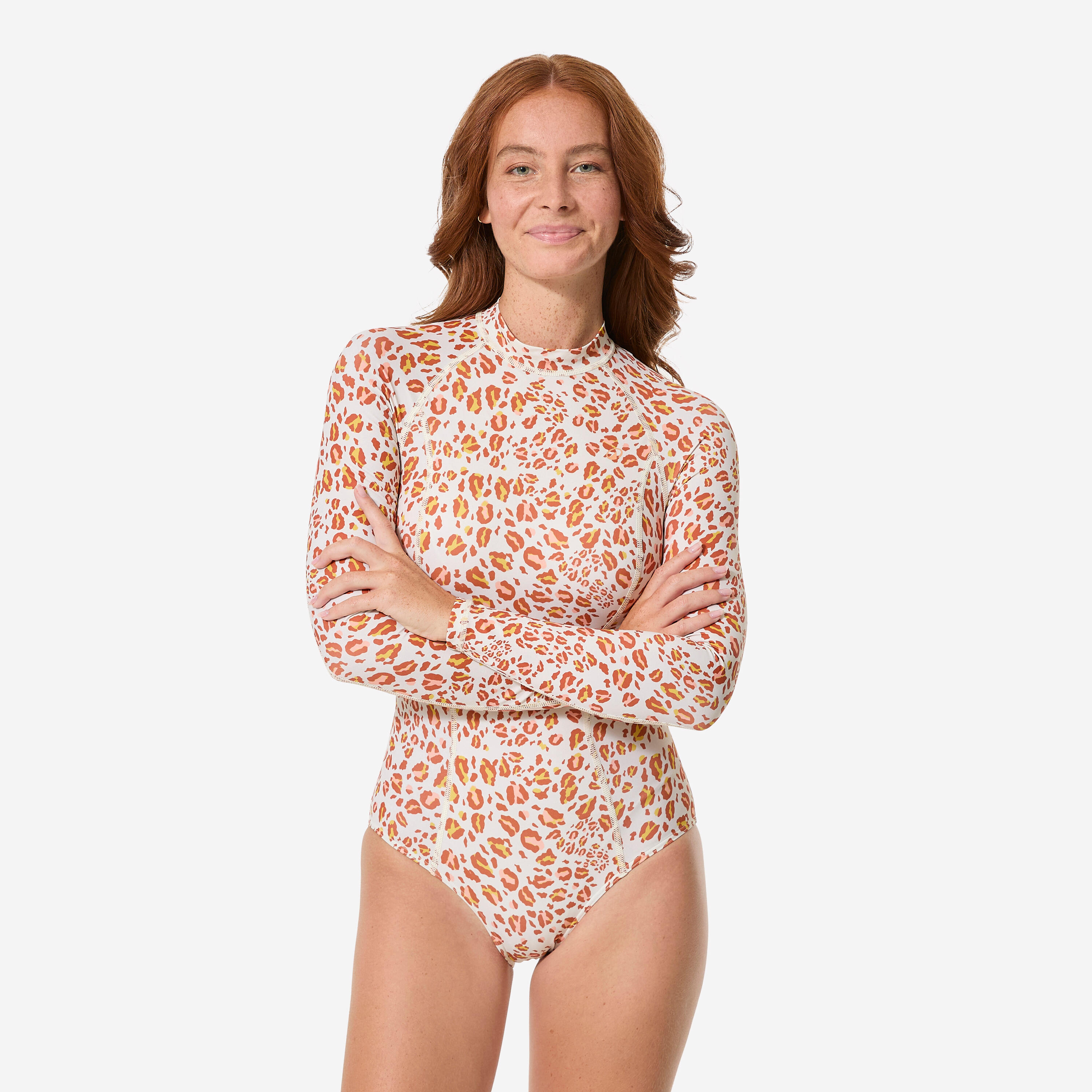
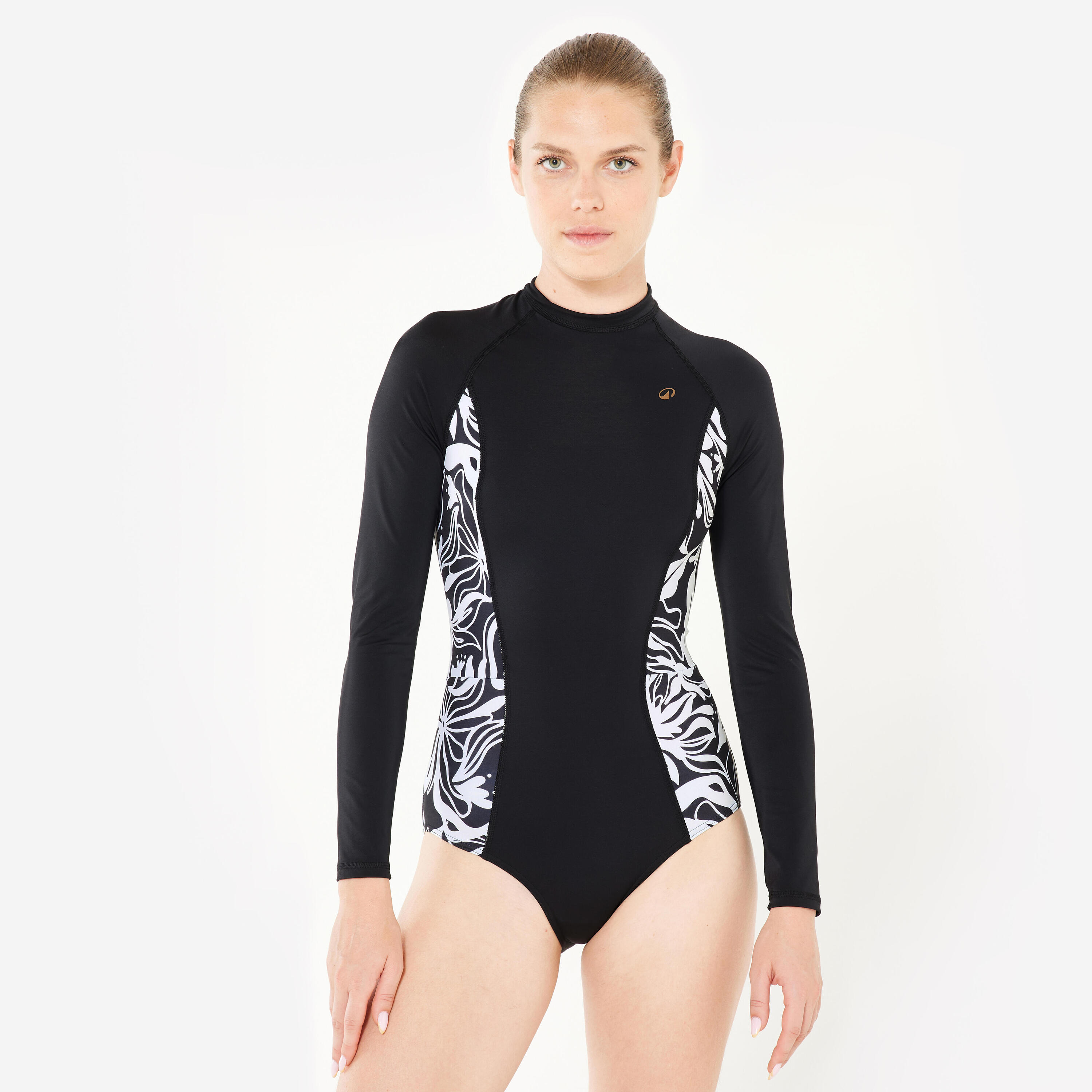
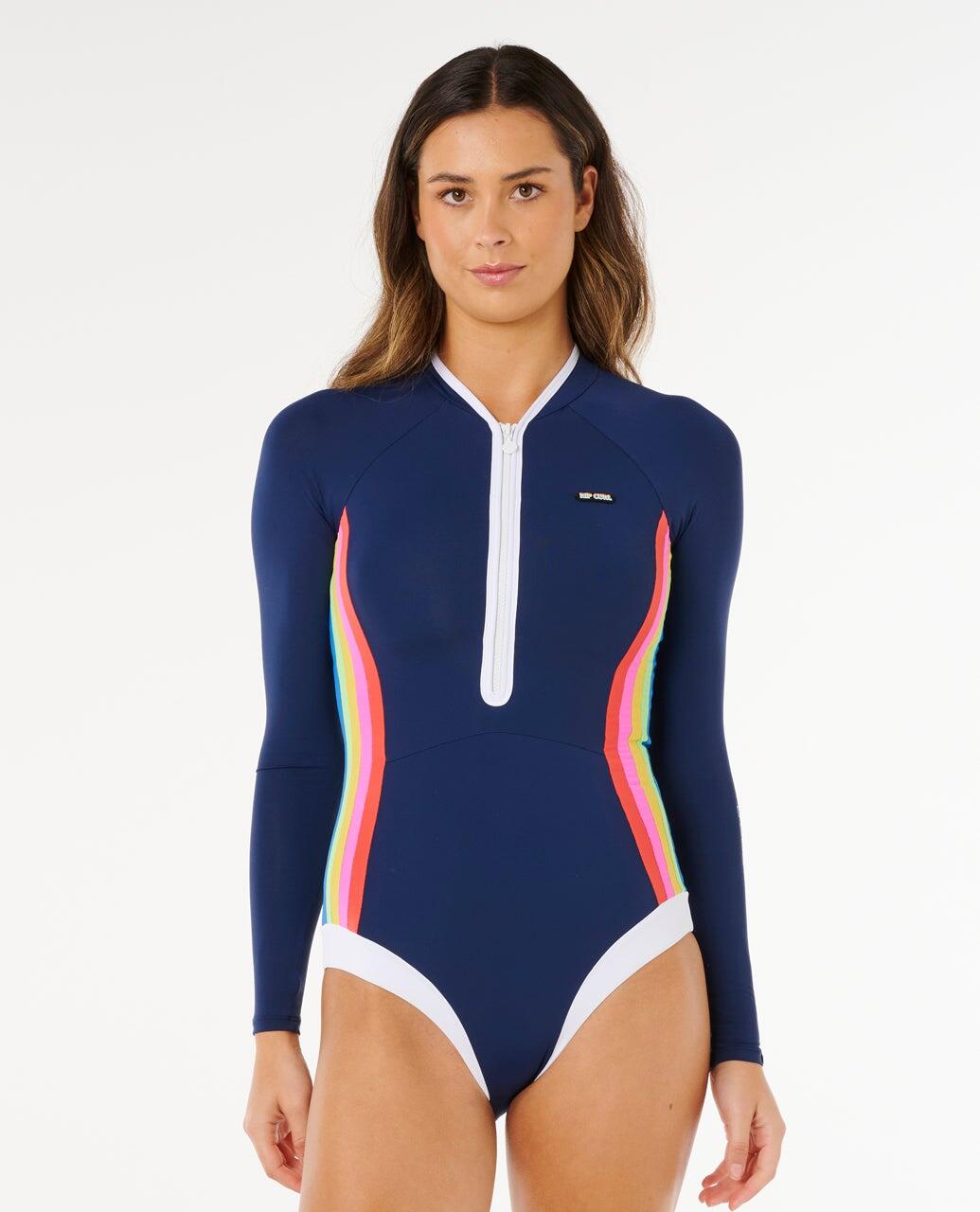
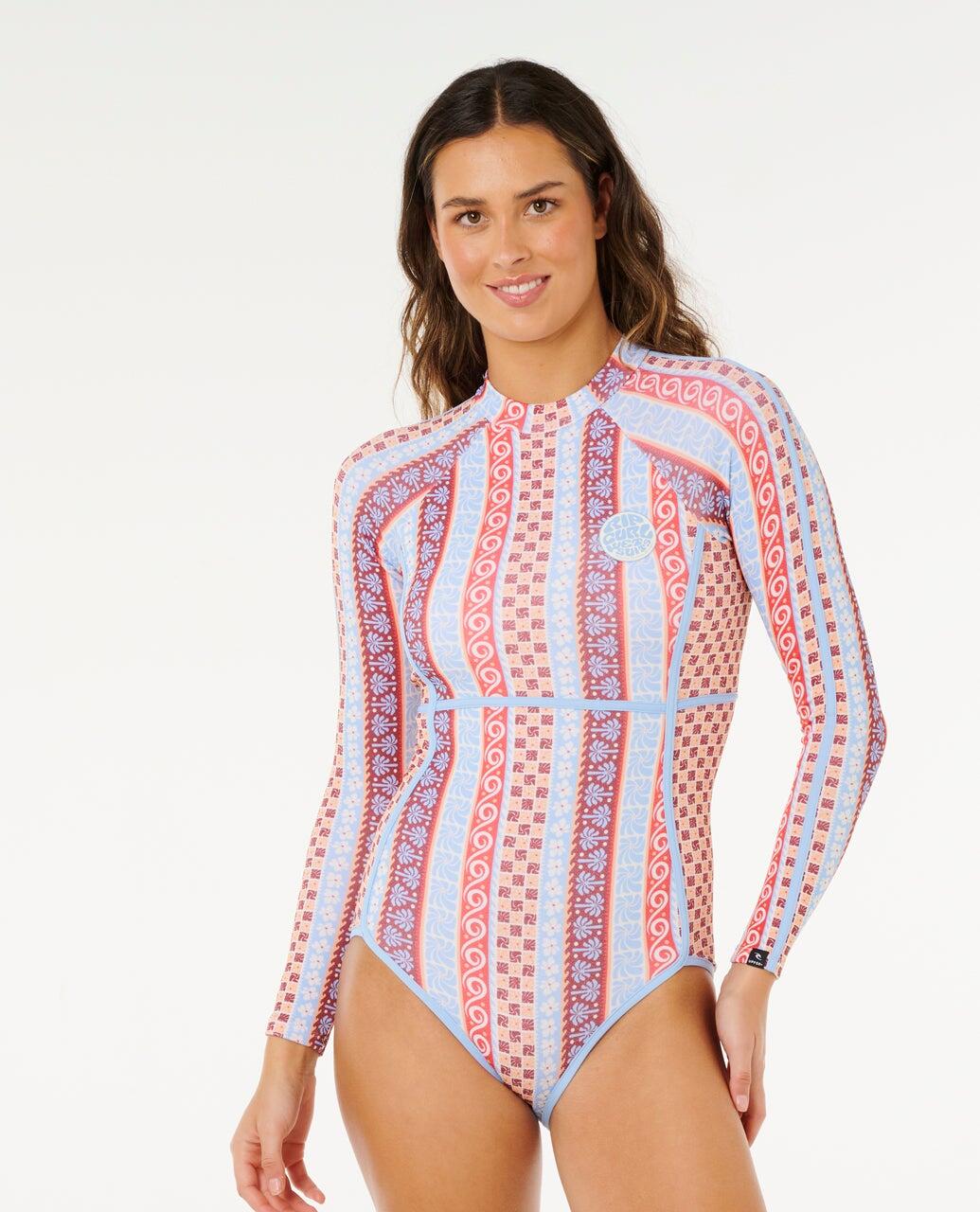
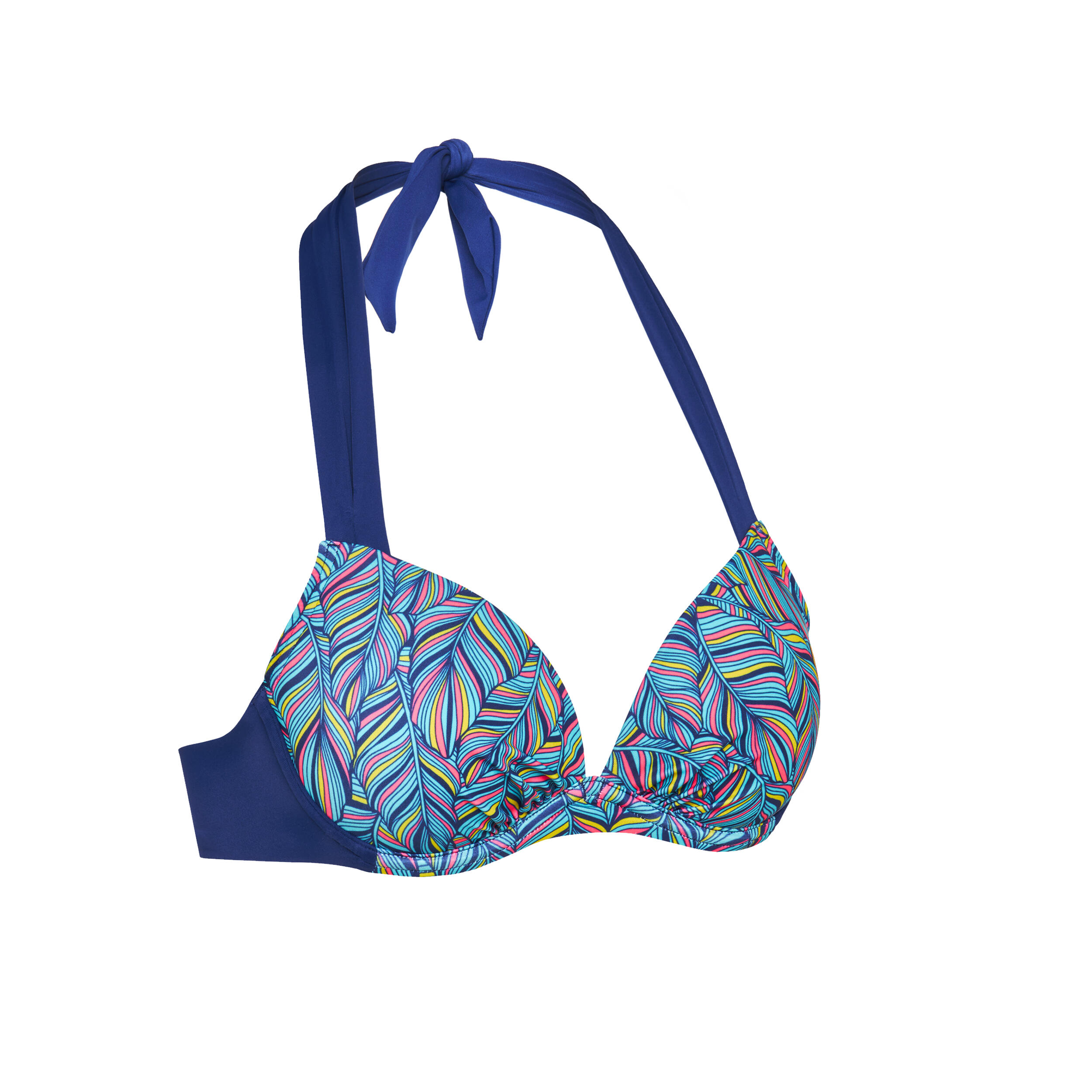
A long-sleeve one-piece adds a layer of thermal protection across the arms without the weight or restriction of a full wetsuit, making it a practical choice for those shoulder seasons when the water is cool but not cold enough to justify full neoprene. The UPF rating is an added benefit for most long-sleeve surf swimsuits carrying UPF 50+, which blocks over 98% of UV radiation through the fabric. This matters specifically for surfing because the paddling position exposes the tops of the arms and the back of the neck to reflect UV from the water surface for extended periods. For extra shaping beneath a long-sleeve suit, some surfers choose a push-up swimsuit as a base layer.

Can a one-piece swimsuit be worn under a wetsuit comfortably?

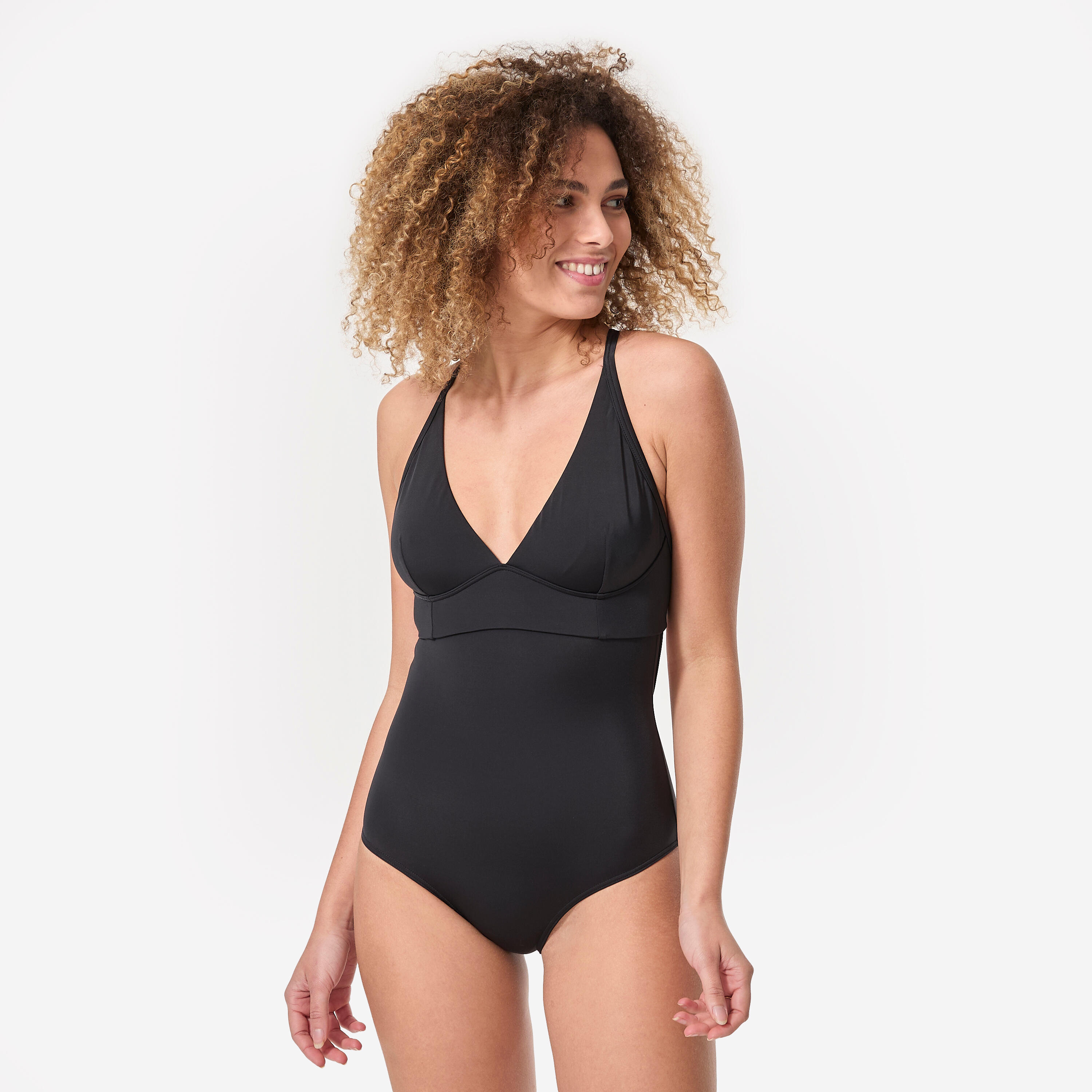
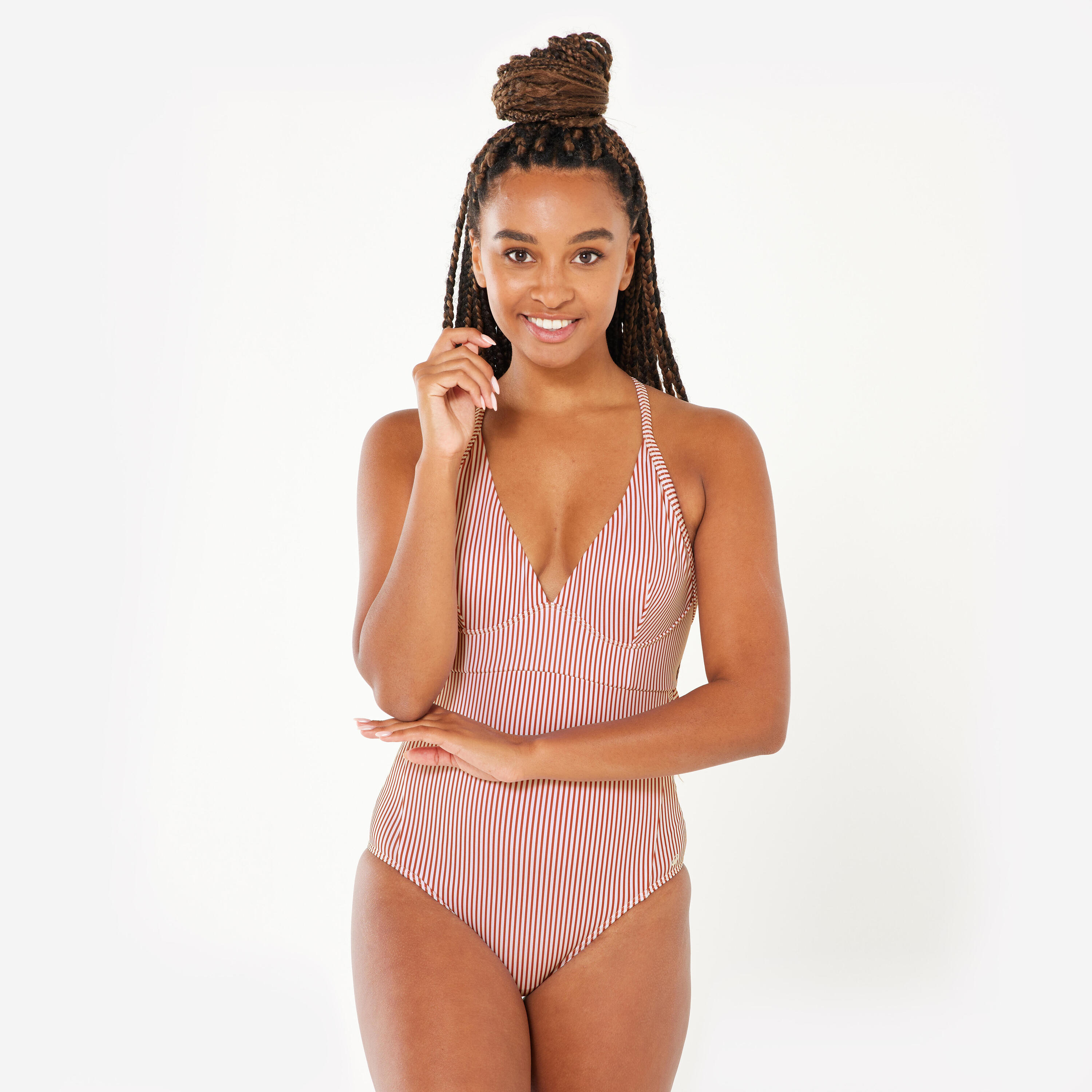
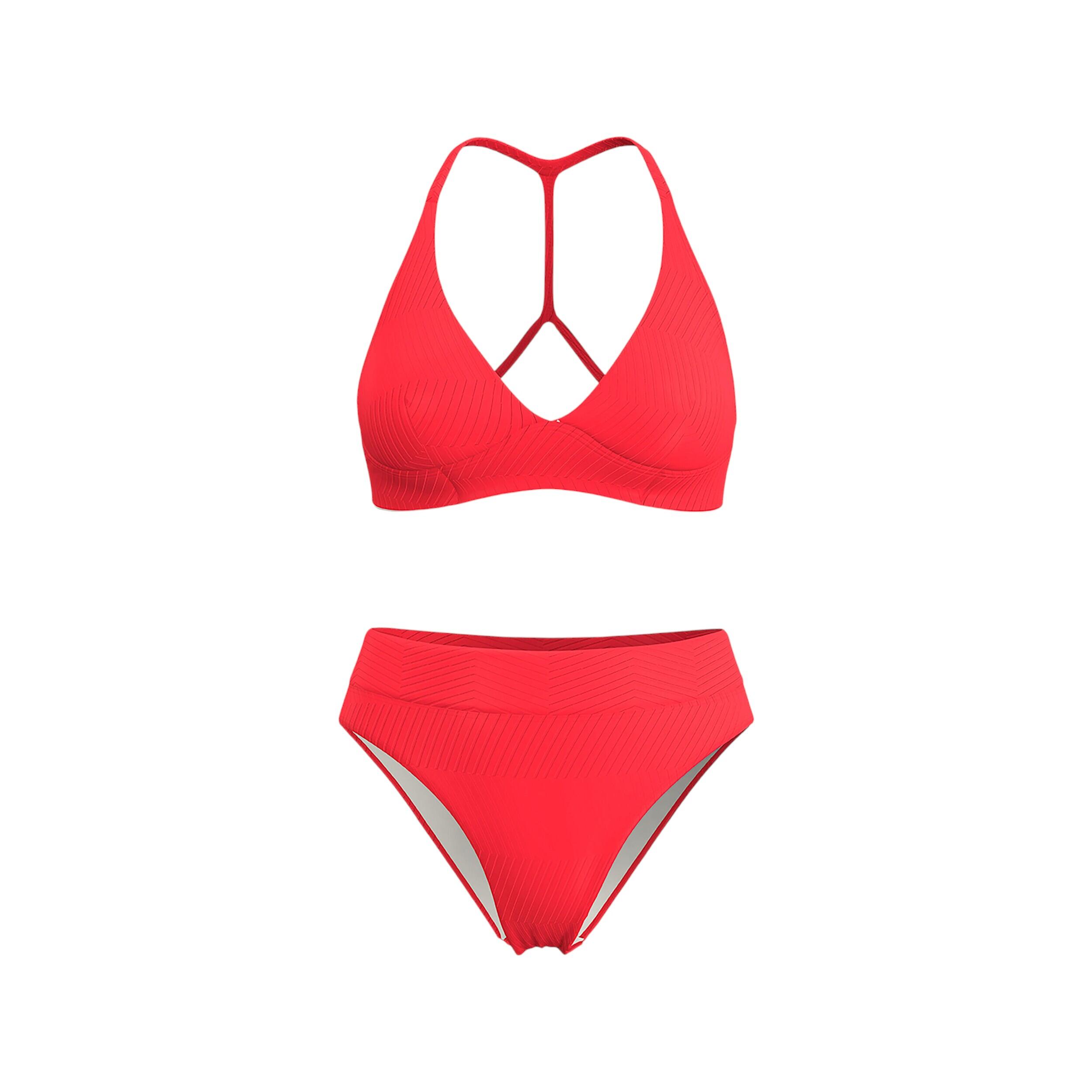
Yes, provided you choose the right cut. A racerback or cross-back one-piece sits flat between the shoulder blades, which is the area where a wetsuit zip sits and where bunched fabric creates the most pressure discomfort. Avoid suits with thick decorative panels or padded cups if wetsuit use is the primary goal. Padding compresses unevenly under neoprene and can shift during paddling, creating an uncomfortable ridge across the chest. A thin, unlined suit in a matte finish also reduces friction against the wetsuit lining, making it easier to pull the wetsuit on and off over wet skin. A clasp-back two-piece from the bikinis range often works better under a wetsuit than a one-piece, if the fit moves during a session, each part adjusts independently.
What is the difference between a one-piece and a bandeau swimsuit for active water sports?

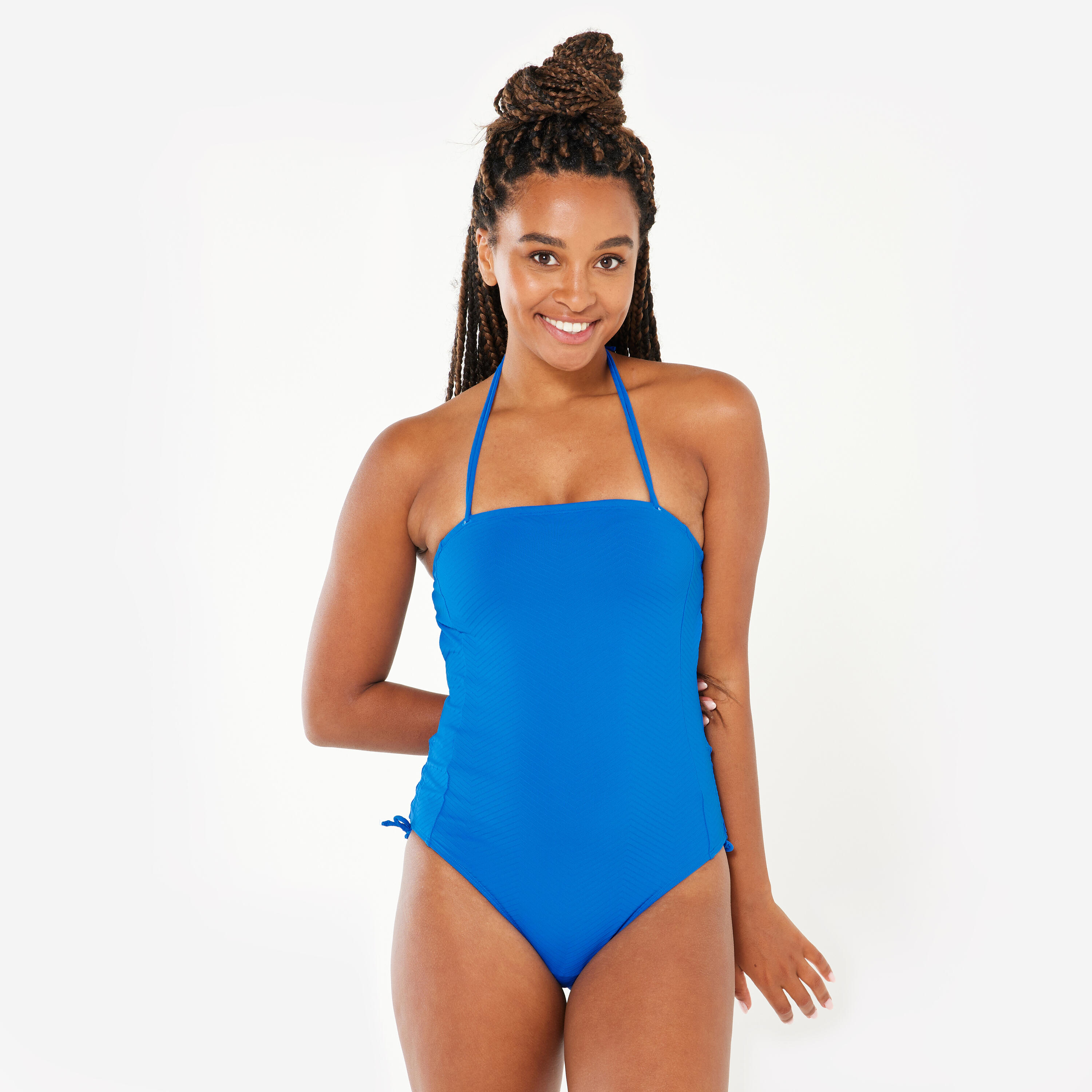
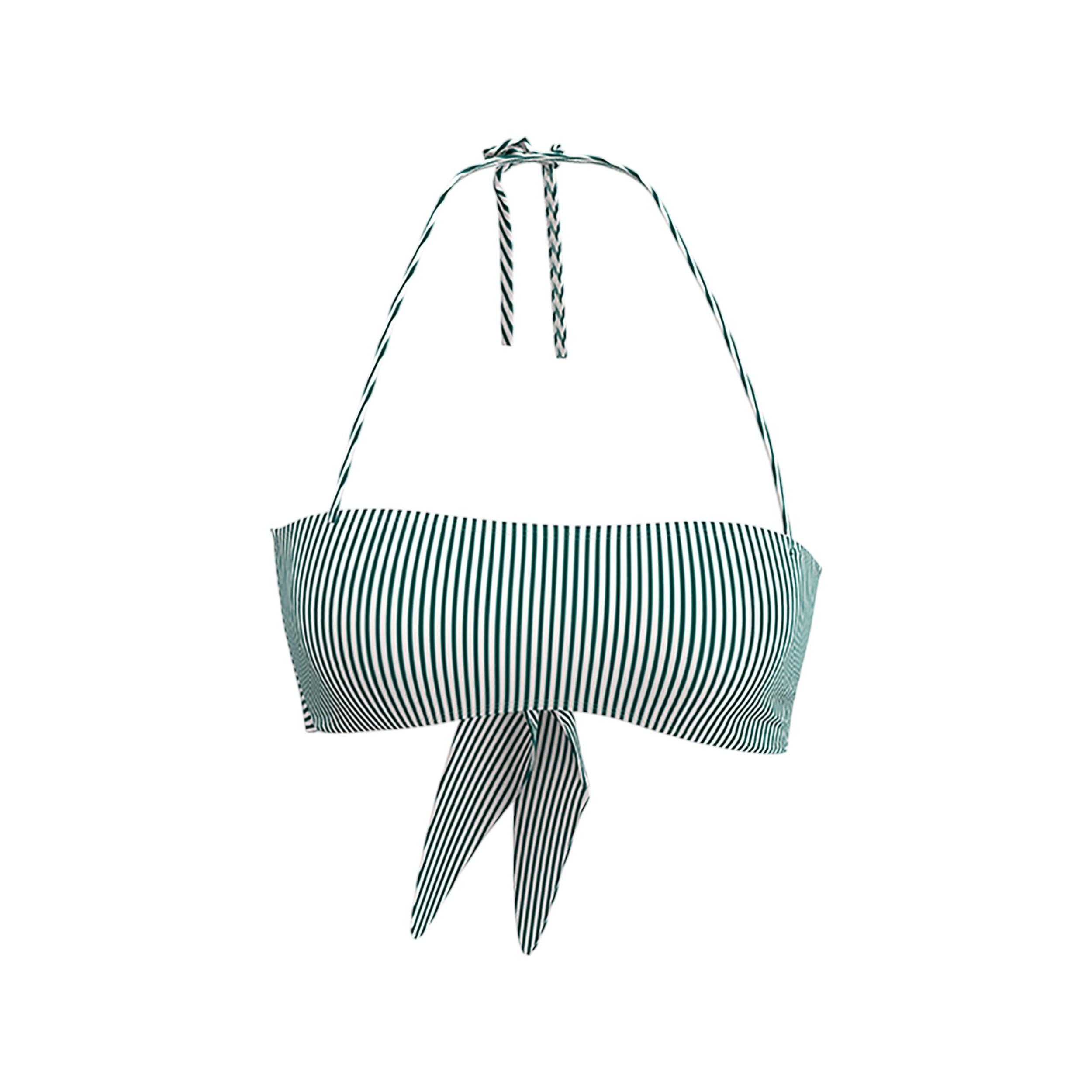
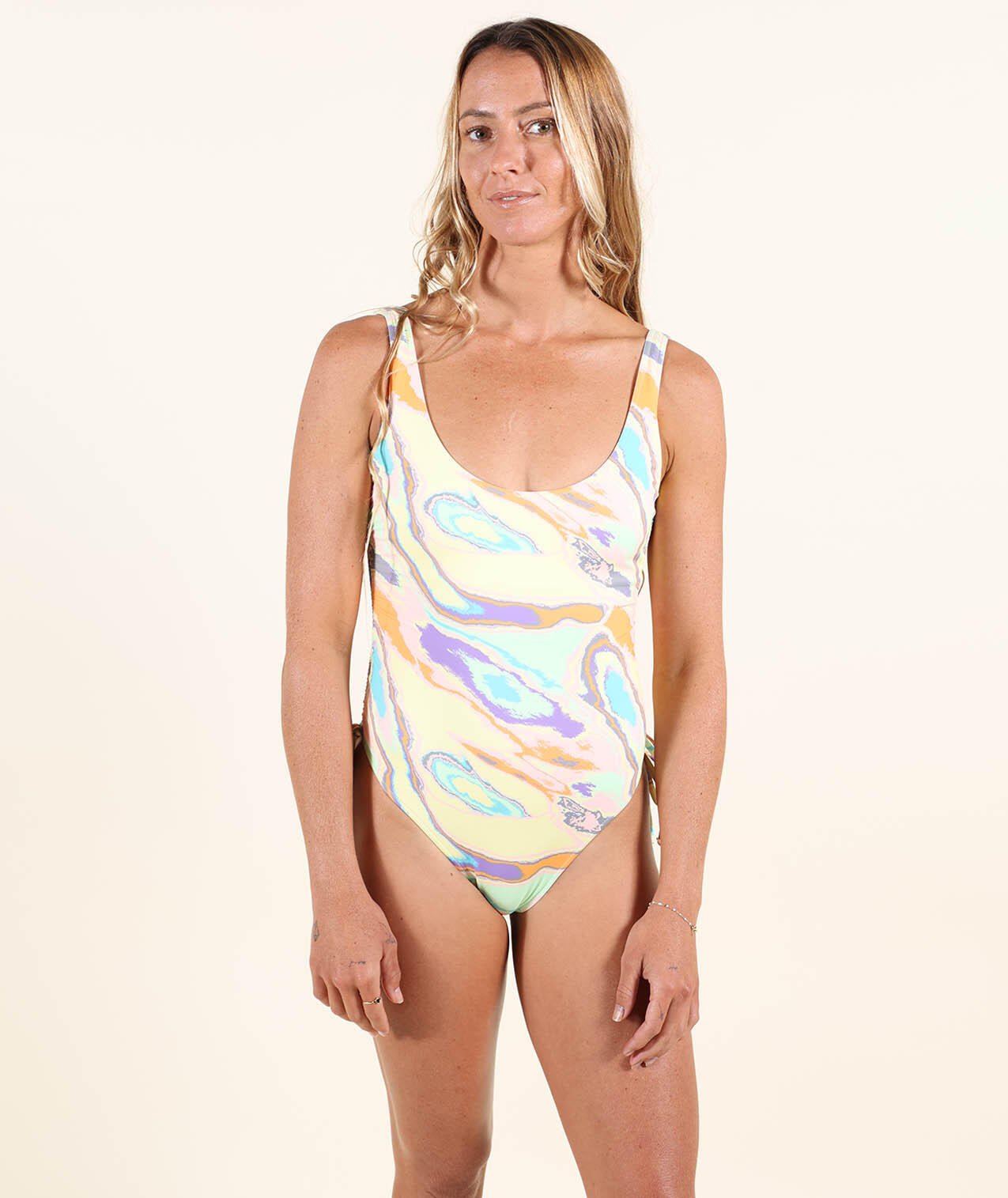
A bandeau sits across the chest without shoulder straps, relying on a strapless band and internal boning or elastic to stay in place. For low-movement activities like sunbathing or casual swimming, this works well, but the lack of straps means it has very limited security during surfing or bodyboarding, where repeated arm extension and wave impact can displace the top. A one-piece distributes tension across the shoulders and back simultaneously, which is why it remains the preferred choice for active water sports over strapless styles. The bandeau look and in-water security don't have to compete: a common approach is wearing a bandeau swimsuit for time on the sand, then switching to a strapped one-piece before paddling out.
What fabric properties should you prioritise in a black one-piece swimsuit for surfing?

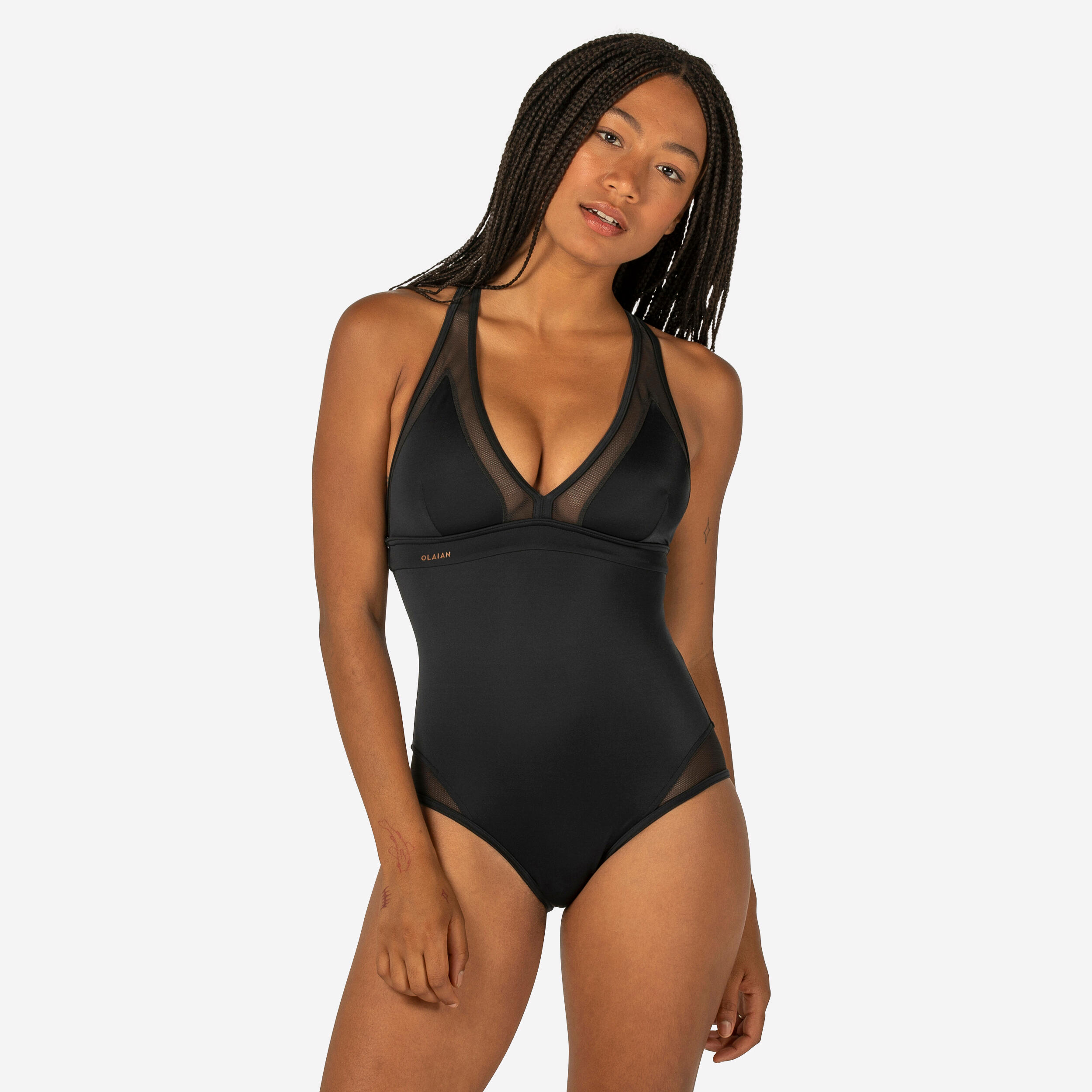
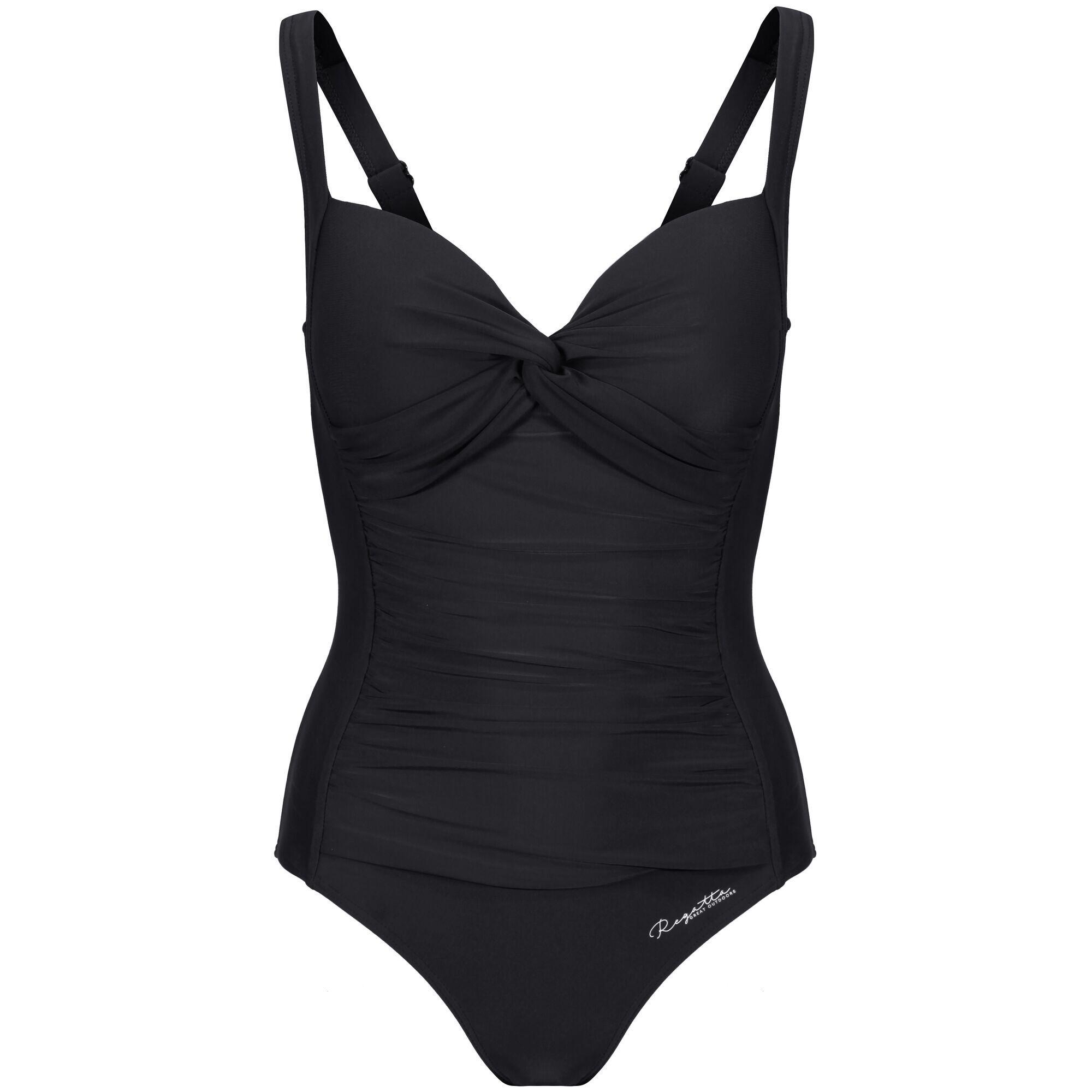
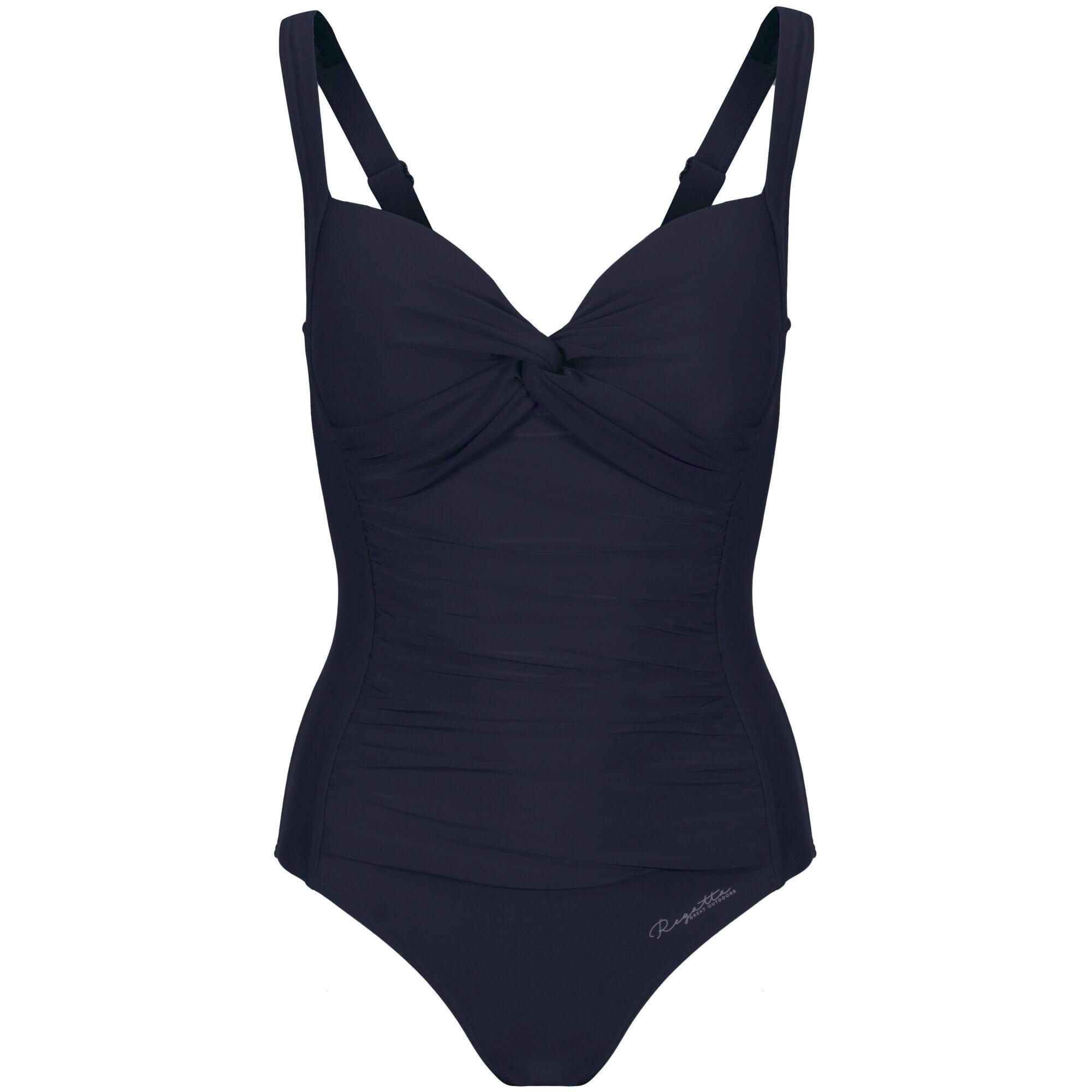
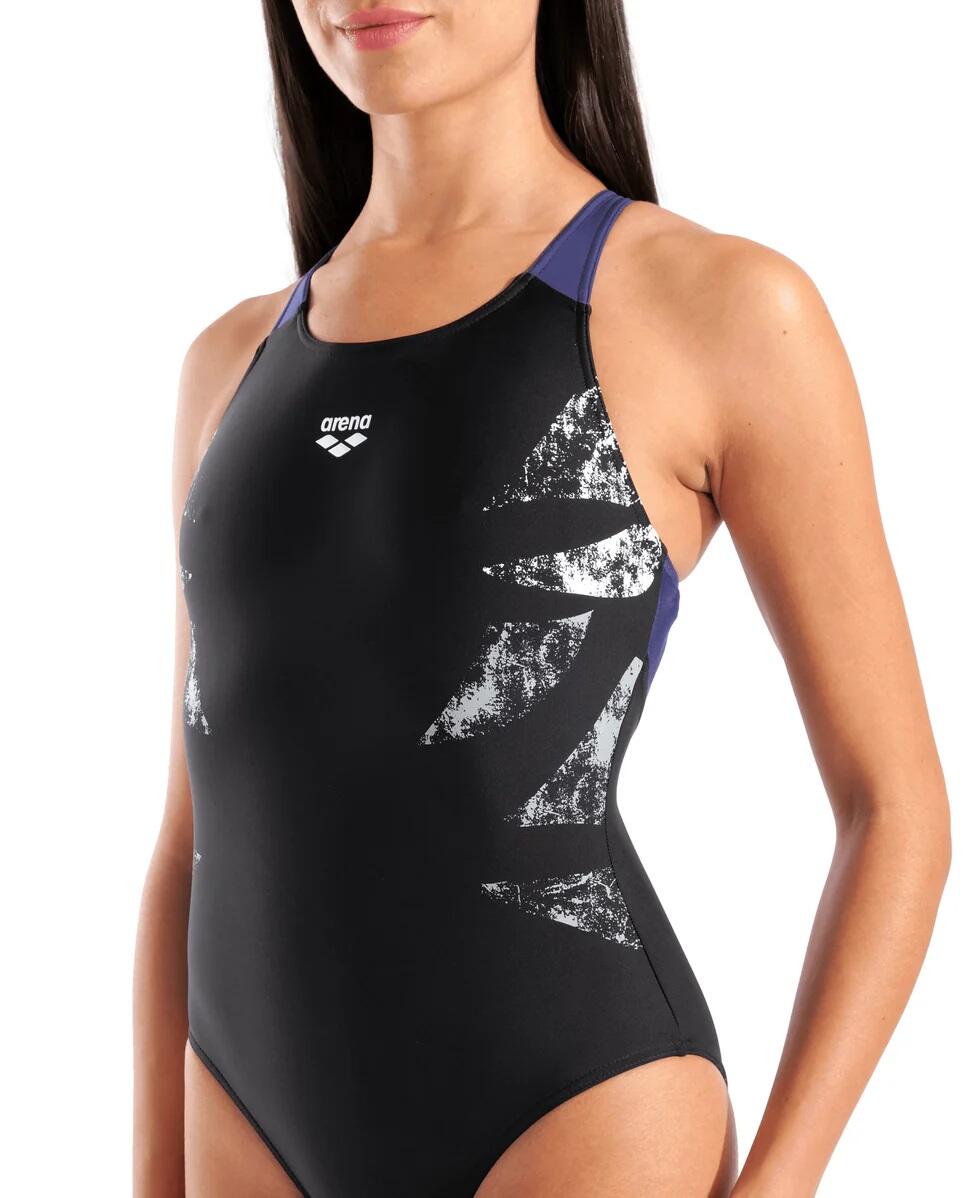
Black swimsuits absorb significantly more solar radiation than lighter colours, which means the fabric heats up faster on the surface, a minor benefit in cold water, but something to factor in on a warm day when overheating between sessions is a concern. From a material standpoint, the key properties for a surfing one-piece are elastane content of at least 15% to allow four-way stretch through pop-ups, colourfast dye fixation to prevent fading from UV and salt water exposure, and a tight weave that resists snagging on wax or board rails. A one-piece topped with women's surfing boardshorts transitions smoothly between surf and sand, giving extra leg coverage without swapping the whole outfit each time.