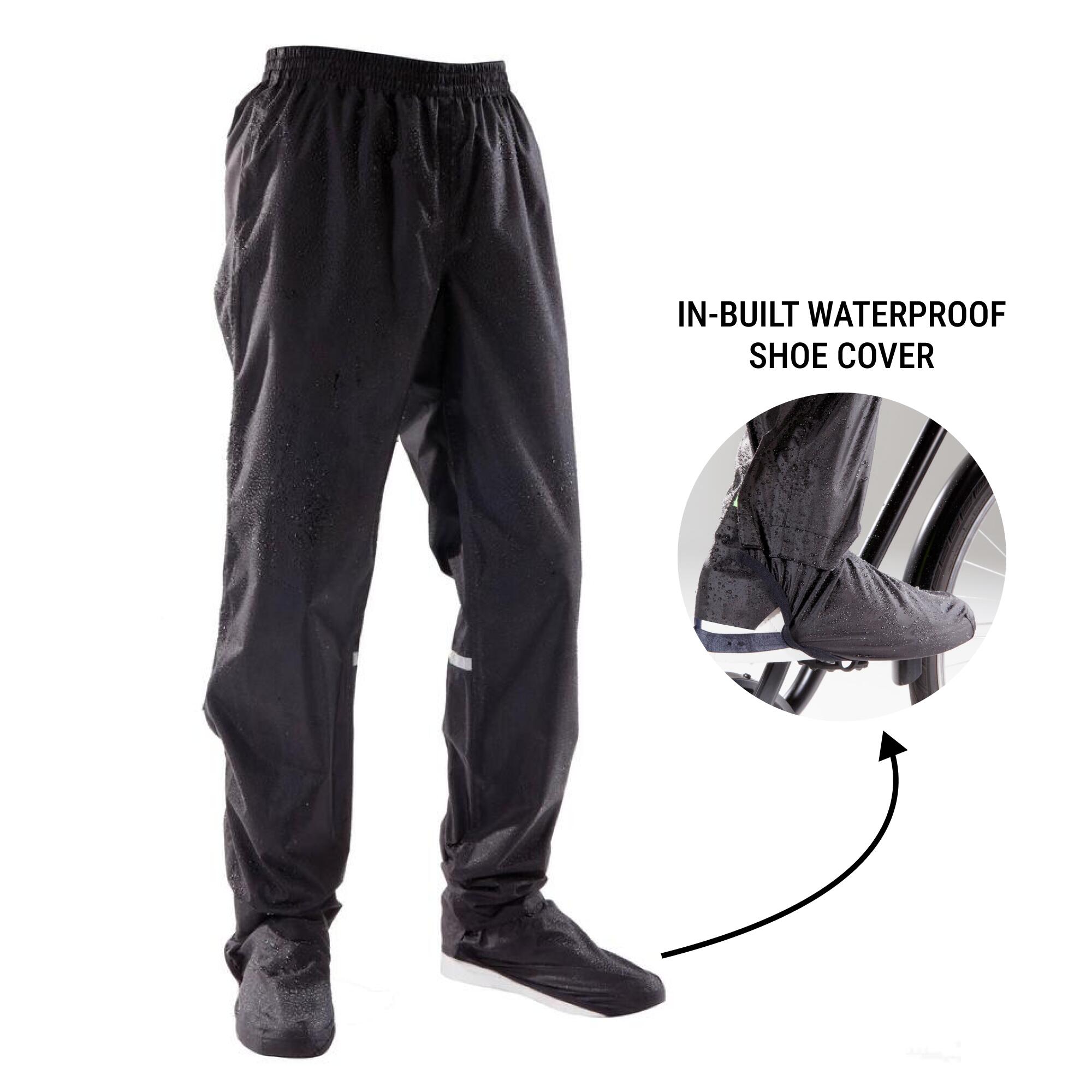
New Lower Price New Lower PriceNew Lower PriceBTWIN 100 City Cycling Rain Overtrousers with Built-In Shoe Covers - Black4.6(2,922)Reviews.votesAriaCurrent price {{currentPrice}} €20.00 Former price Was €25.00Lowest price: €25.00
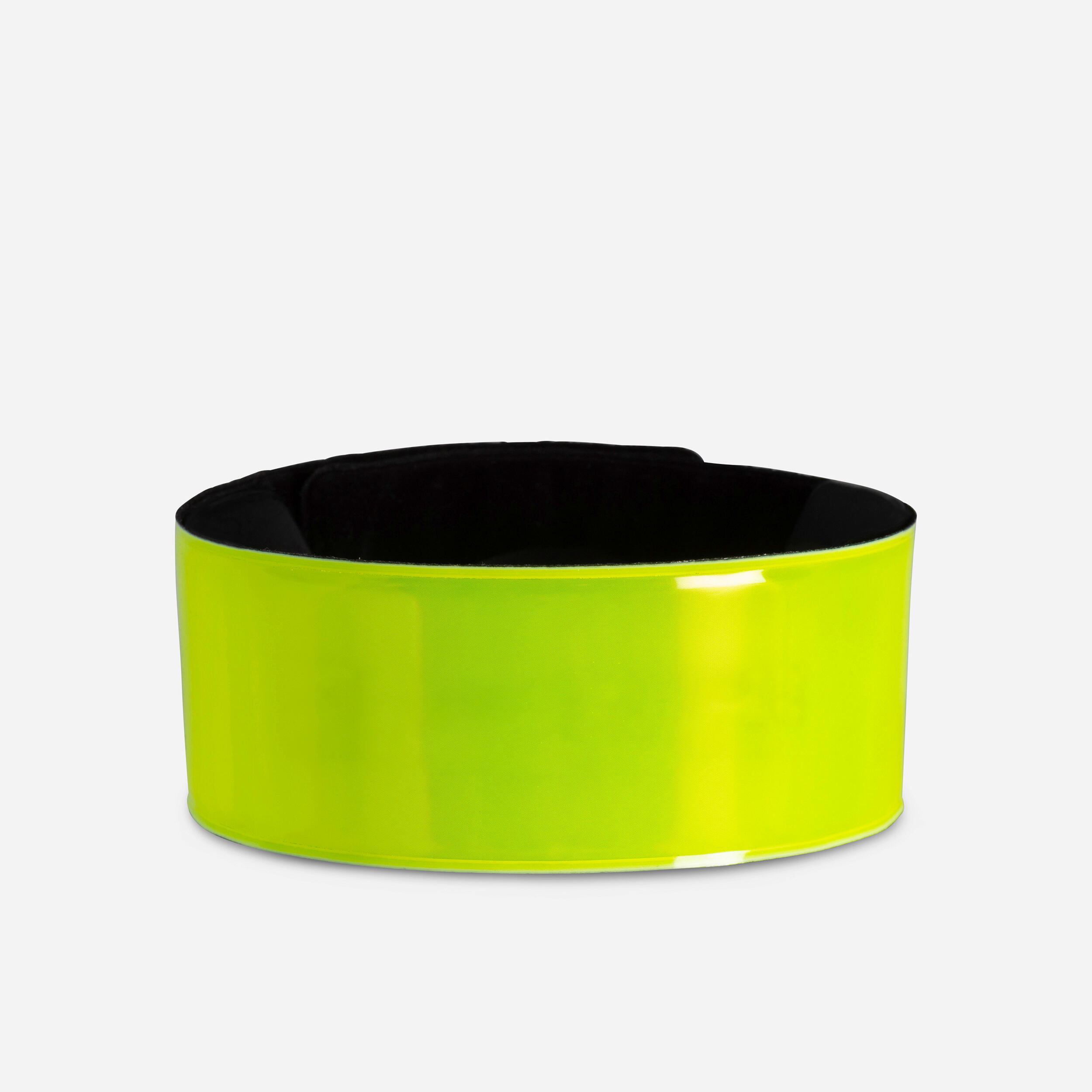
BTWIN Cycling Hi-Vis Armband - Neon Yellow4.7(883)Reviews.votesAriaCurrent price {{currentPrice}} €5.00
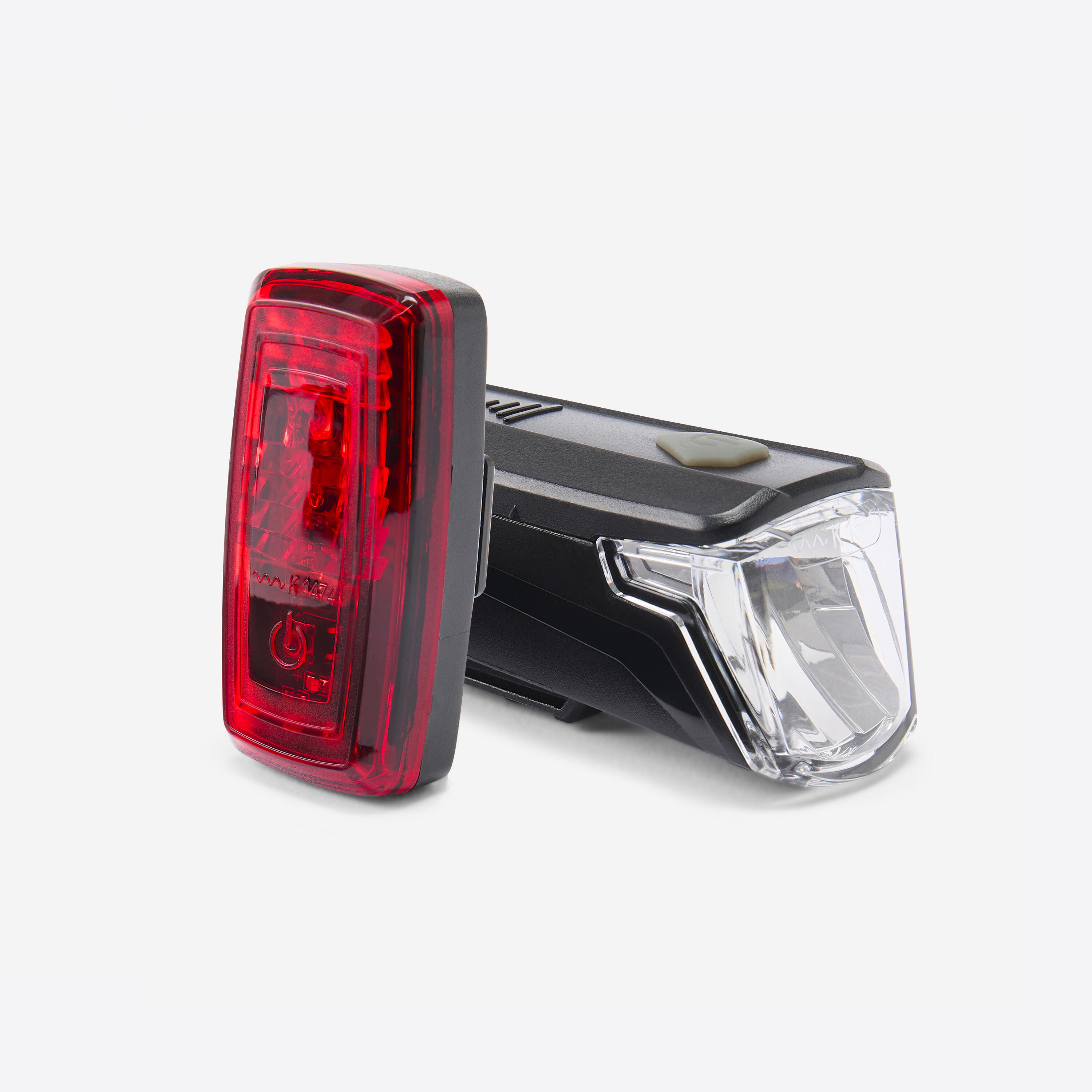
New Lower Price New Lower PriceNew Lower PriceDECATHLON Waterproof front and rear battery-powered LED bike light set4.5(2,534)Reviews.votesAriaCurrent price {{currentPrice}} €10.00 Former price Was €13.00Lowest price: €13.00
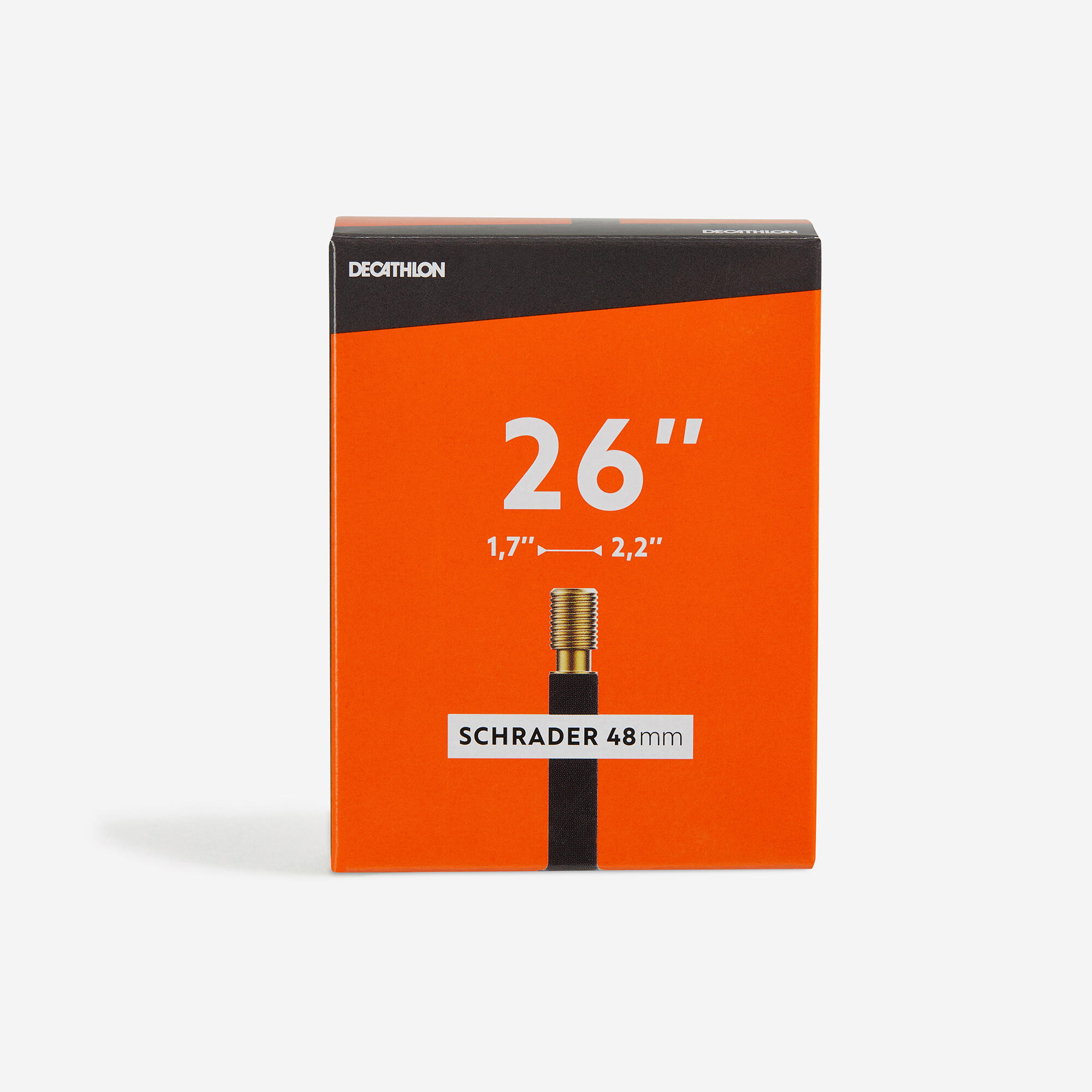
DECATHLON 26x1.7/2.2 48 mm Schrader Valve Inner Tube4.7(4,162)Reviews.votesAriaCurrent price {{currentPrice}} €3.00
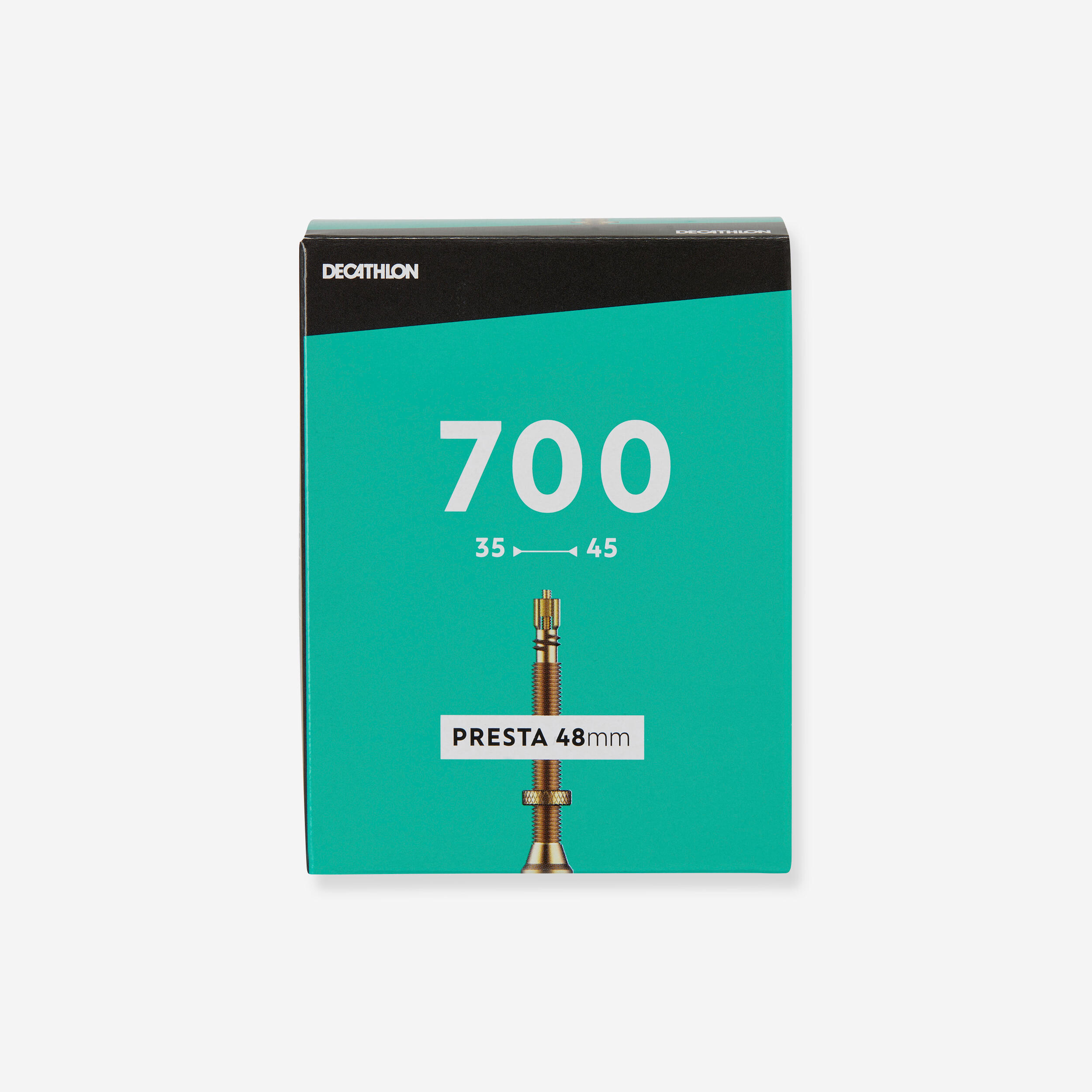
DECATHLON 700x35/45 inner tube with 48mm Presta valve4.7(2,714)Reviews.votesAriaCurrent price {{currentPrice}} €3.00
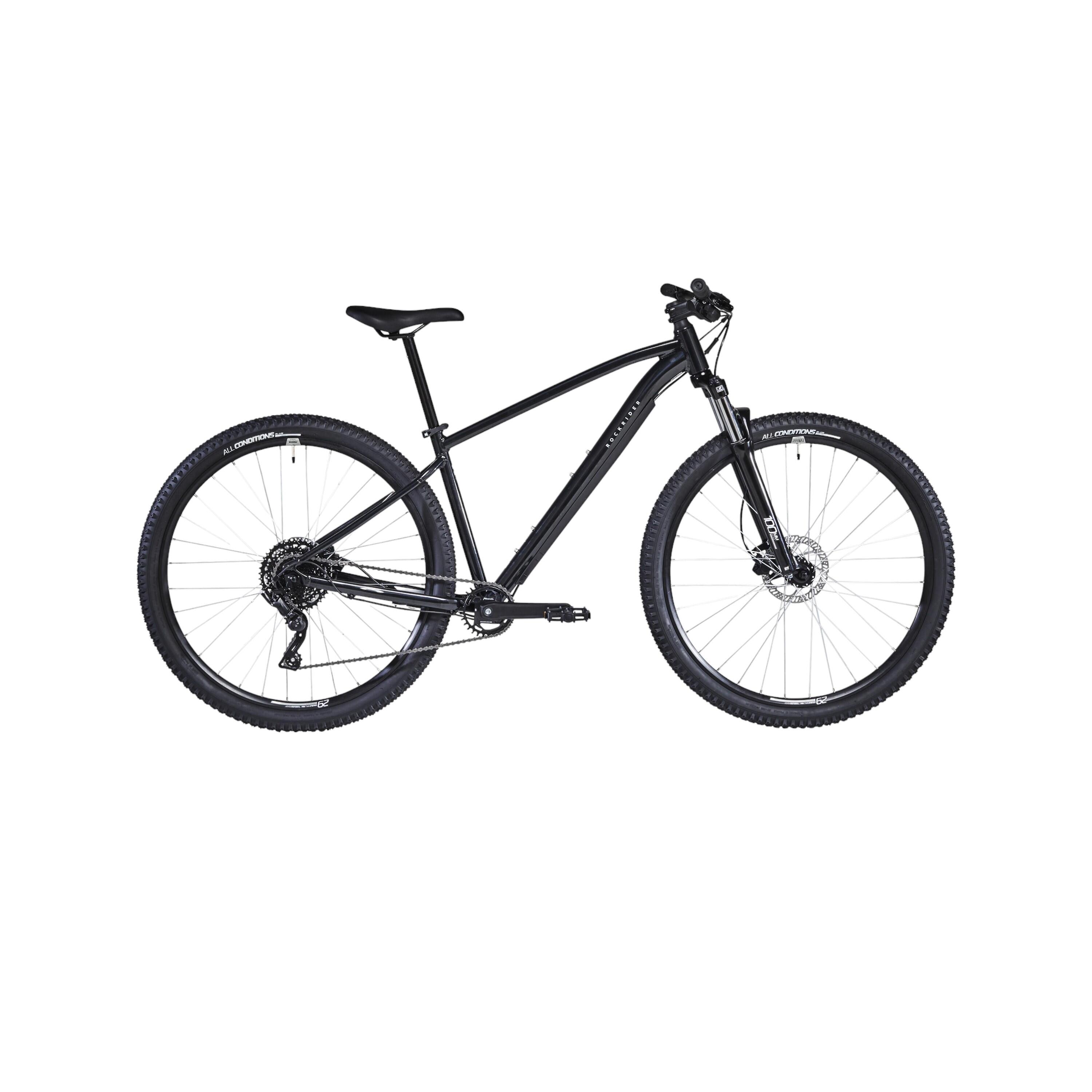
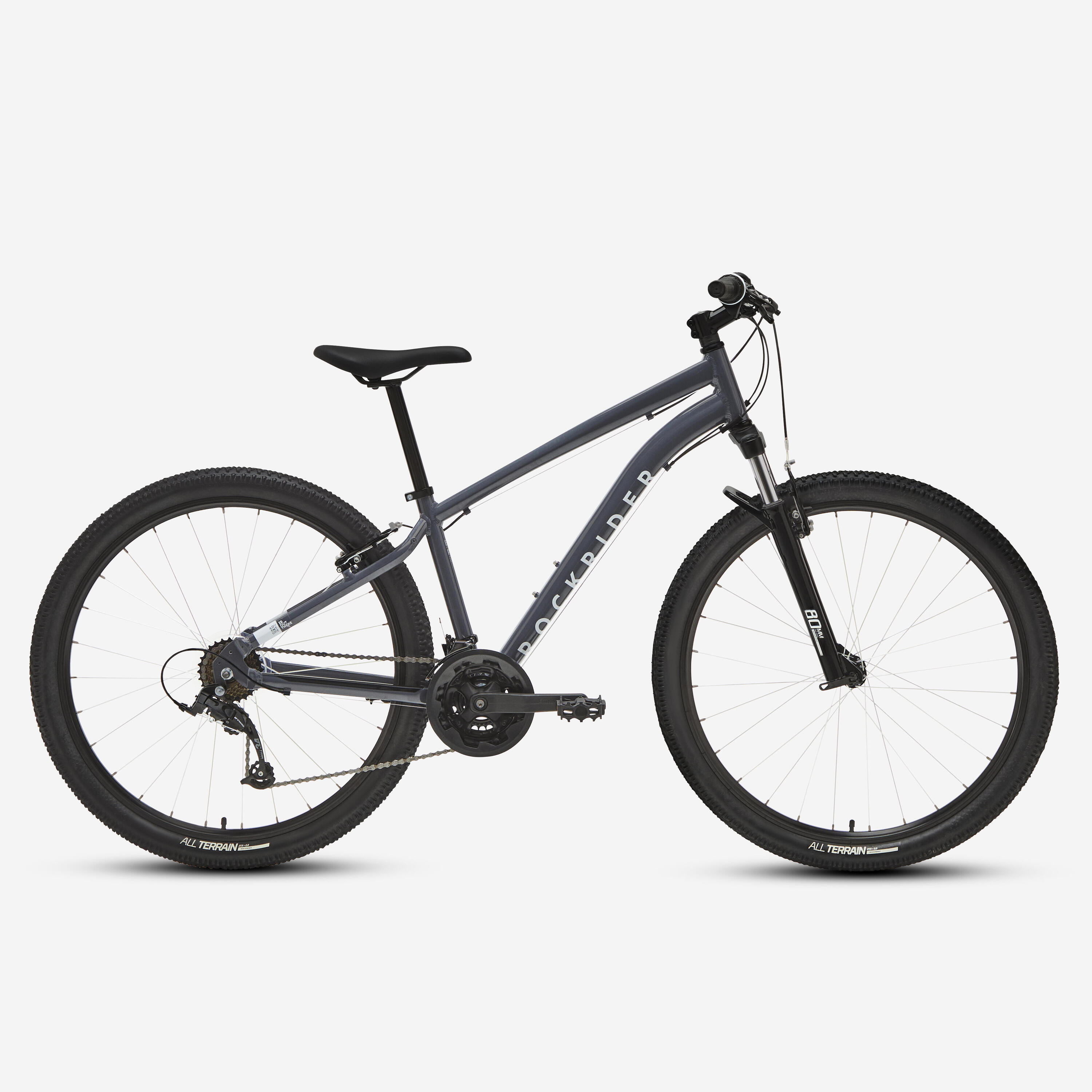
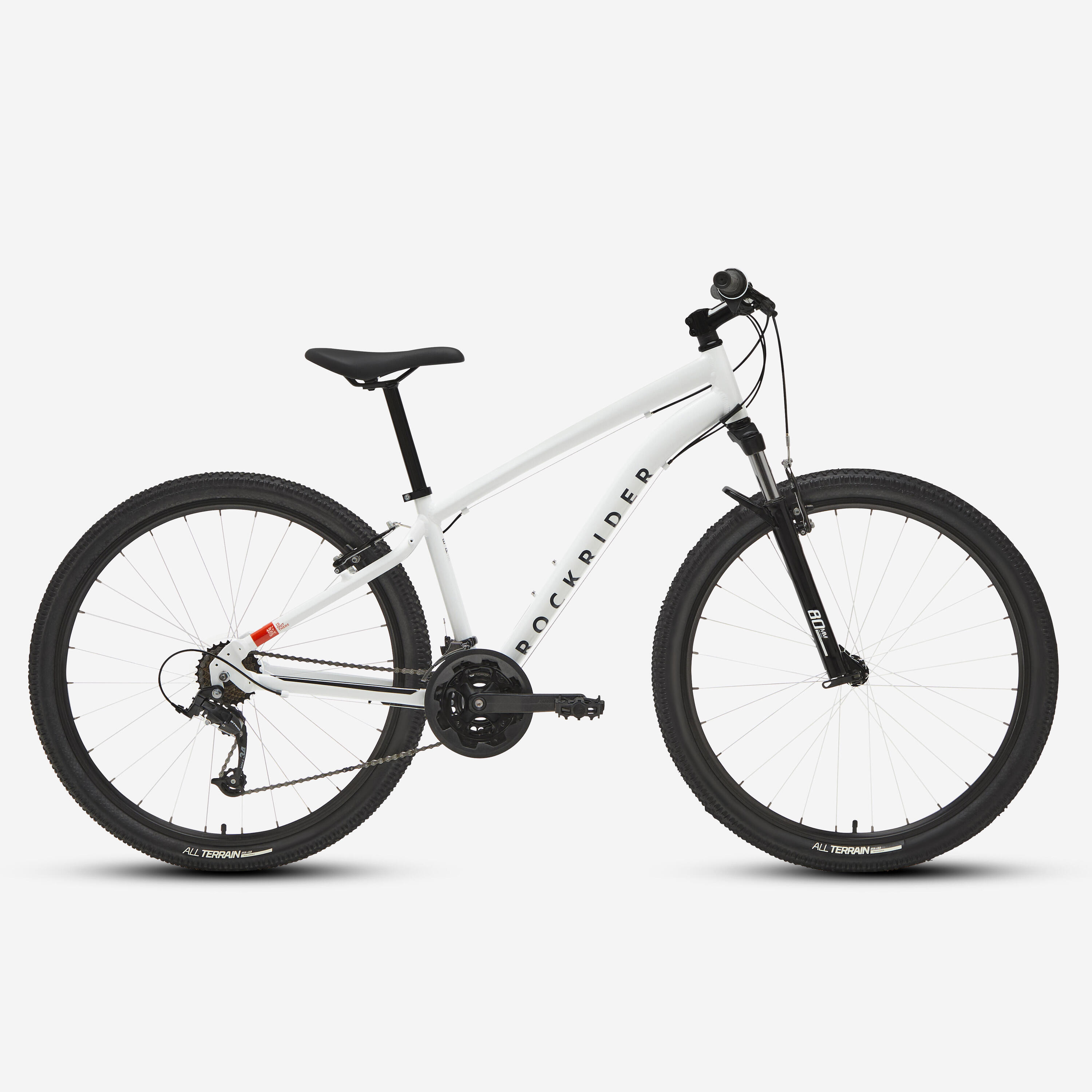
3 coloursROCKRIDER Touring Mountain Bike Expl 50 - Dark Grey4.6(2,626)Reviews.votesAria3 coloursCurrent price {{currentPrice}} €260.00
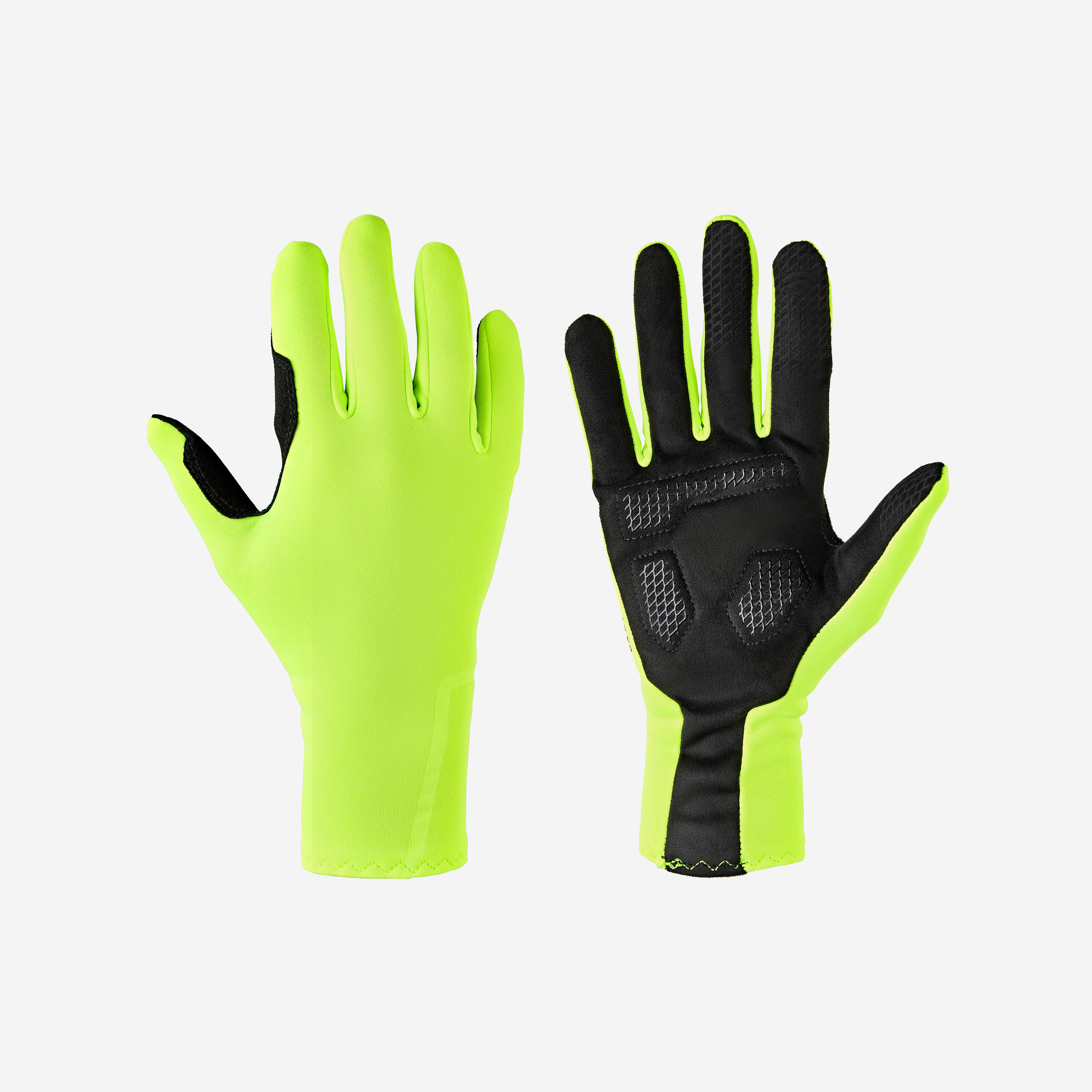
2 coloursVAN RYSEL EDR mid-season cycling gloves - fluorescent yellow4.7(2,868)Reviews.votesAria2 coloursCurrent price {{currentPrice}} €16.00
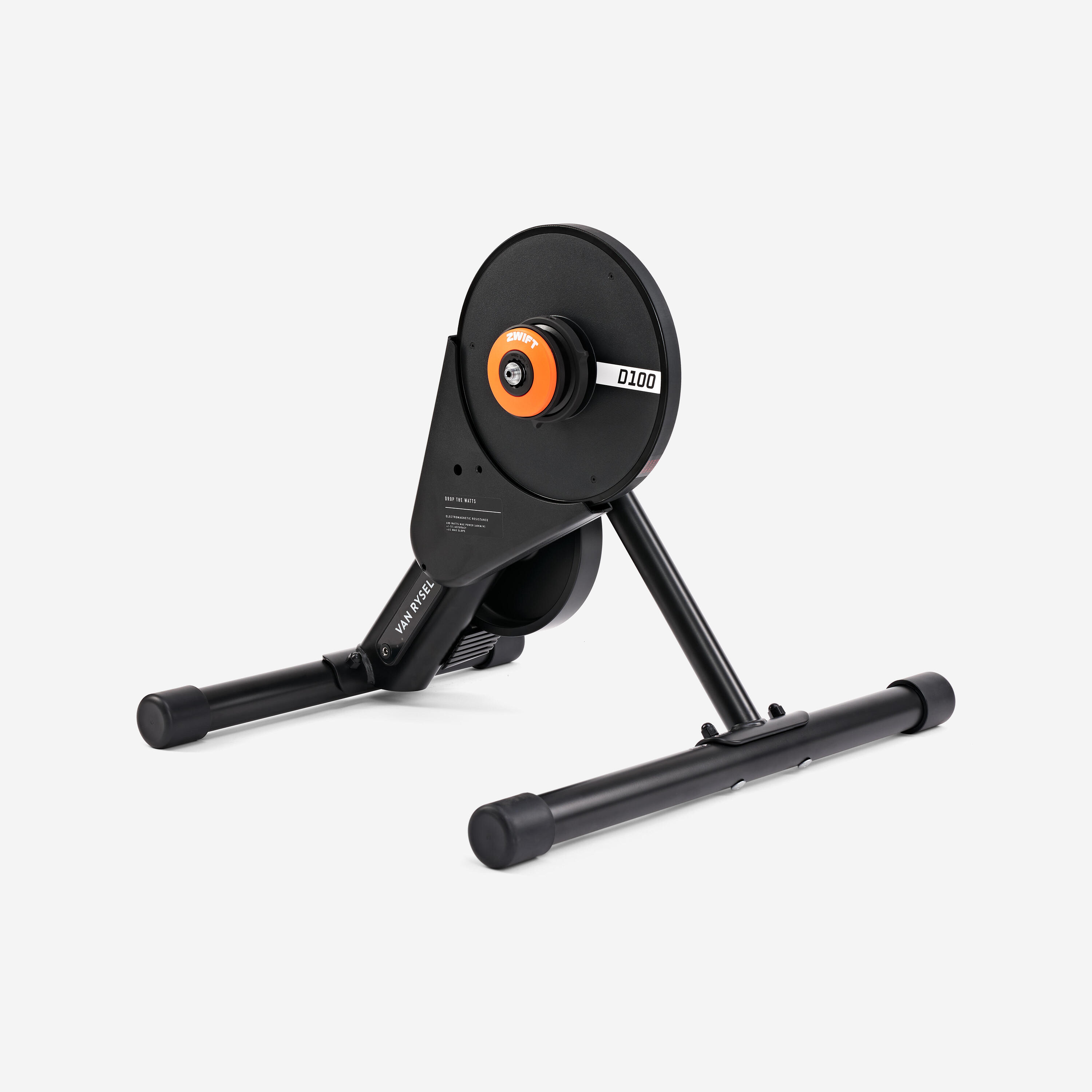
VAN RYSEL D100 Home Trainer with "Zwift Cog and Click"4.4(674)Reviews.votesAriaCurrent price {{currentPrice}} €270.00
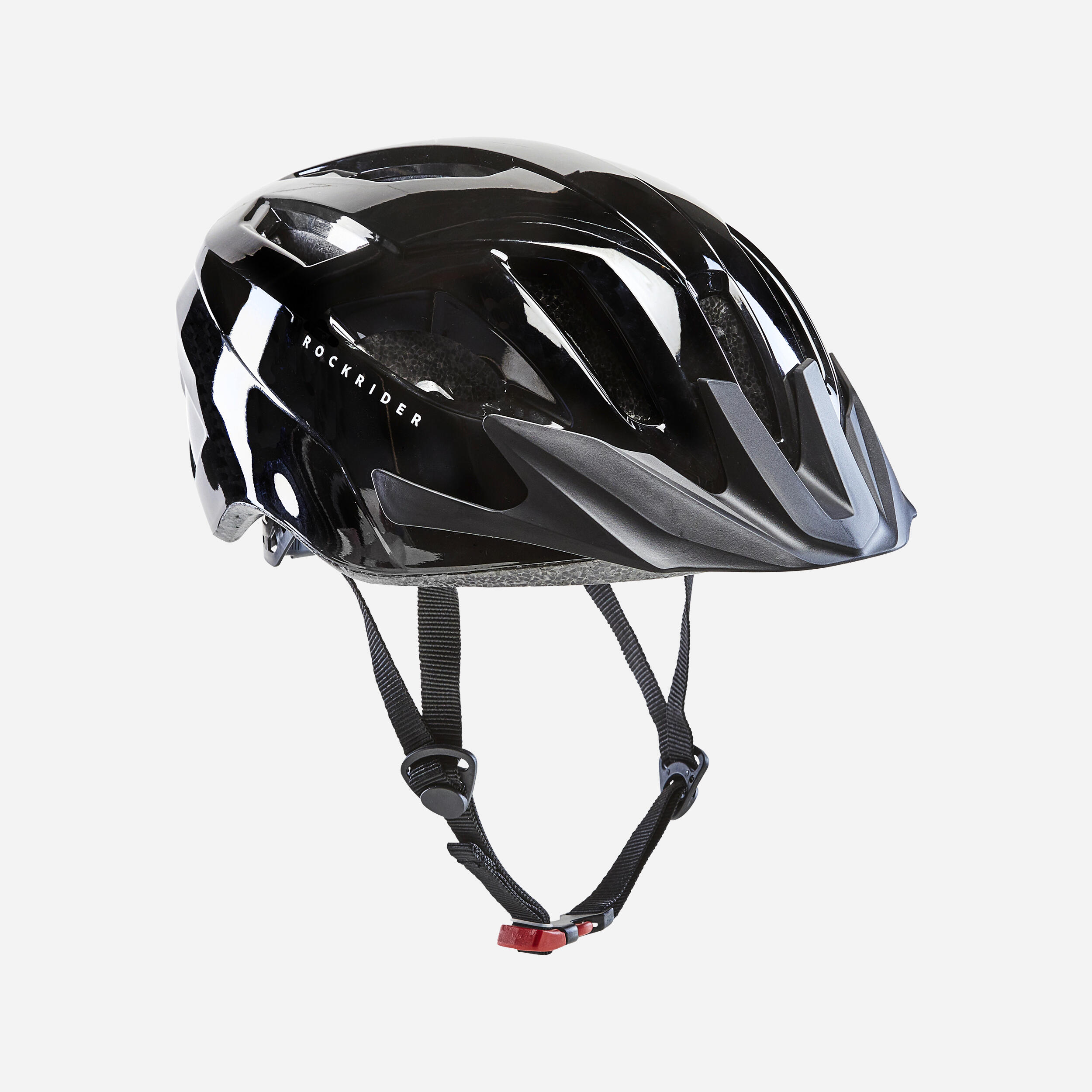
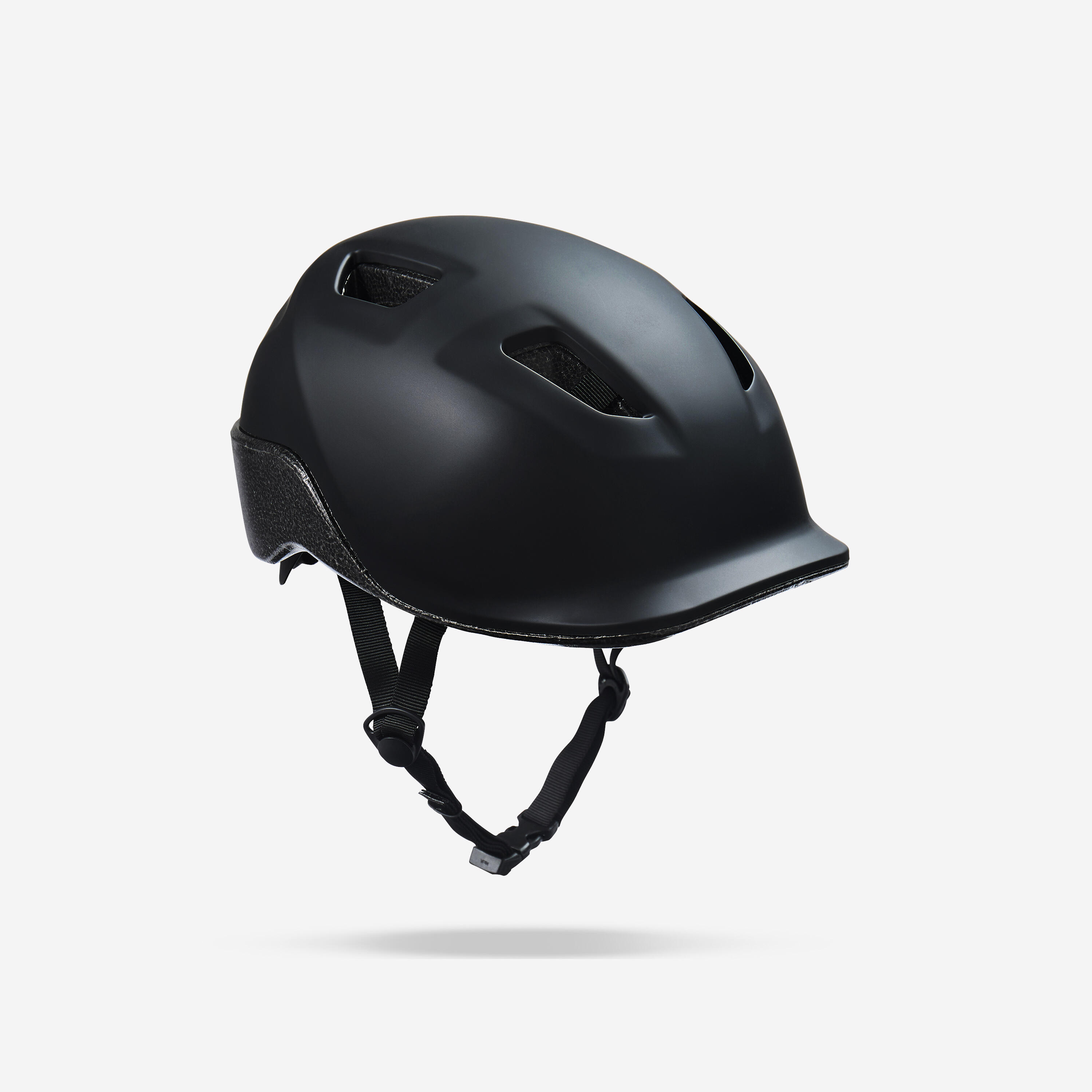
New Lower Price New Lower PriceNew Lower PriceROCKRIDER Mountain Bike Helmet Black - Expl 504.6(1,639)Reviews.votesAriaCurrent price {{currentPrice}} €12.00 Former price Was €16.00Lowest price: €16.00
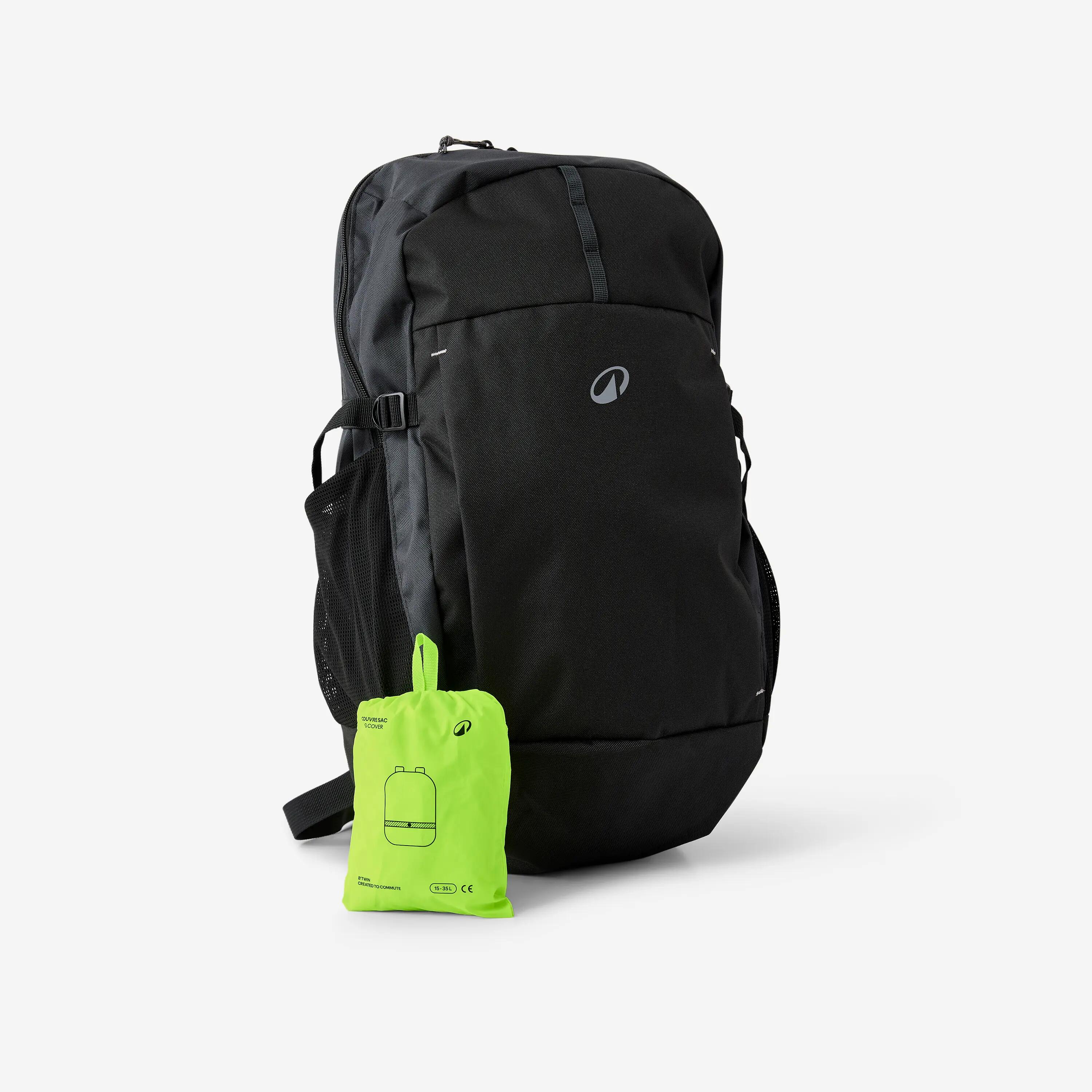
BTWIN Rain cover for bags and panniers – day/night visibility neon yellow4.7(610)Reviews.votesAriaCurrent price {{currentPrice}} €11.00
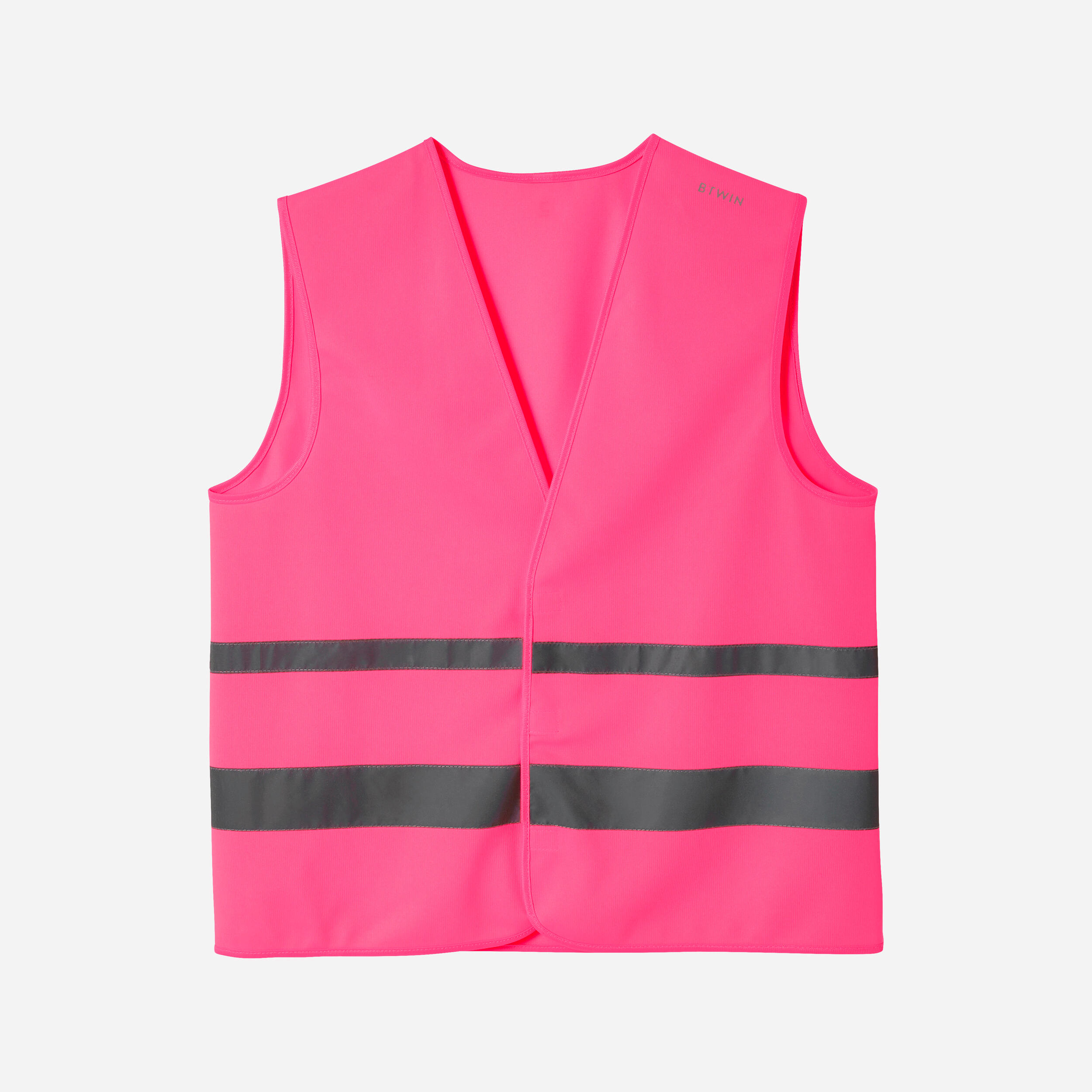
2 coloursBTWIN Adult High Visibility Cycling Safety Vest - Neon Pink4.8(755)Reviews.votesAria2 coloursCurrent price {{currentPrice}} €8.00
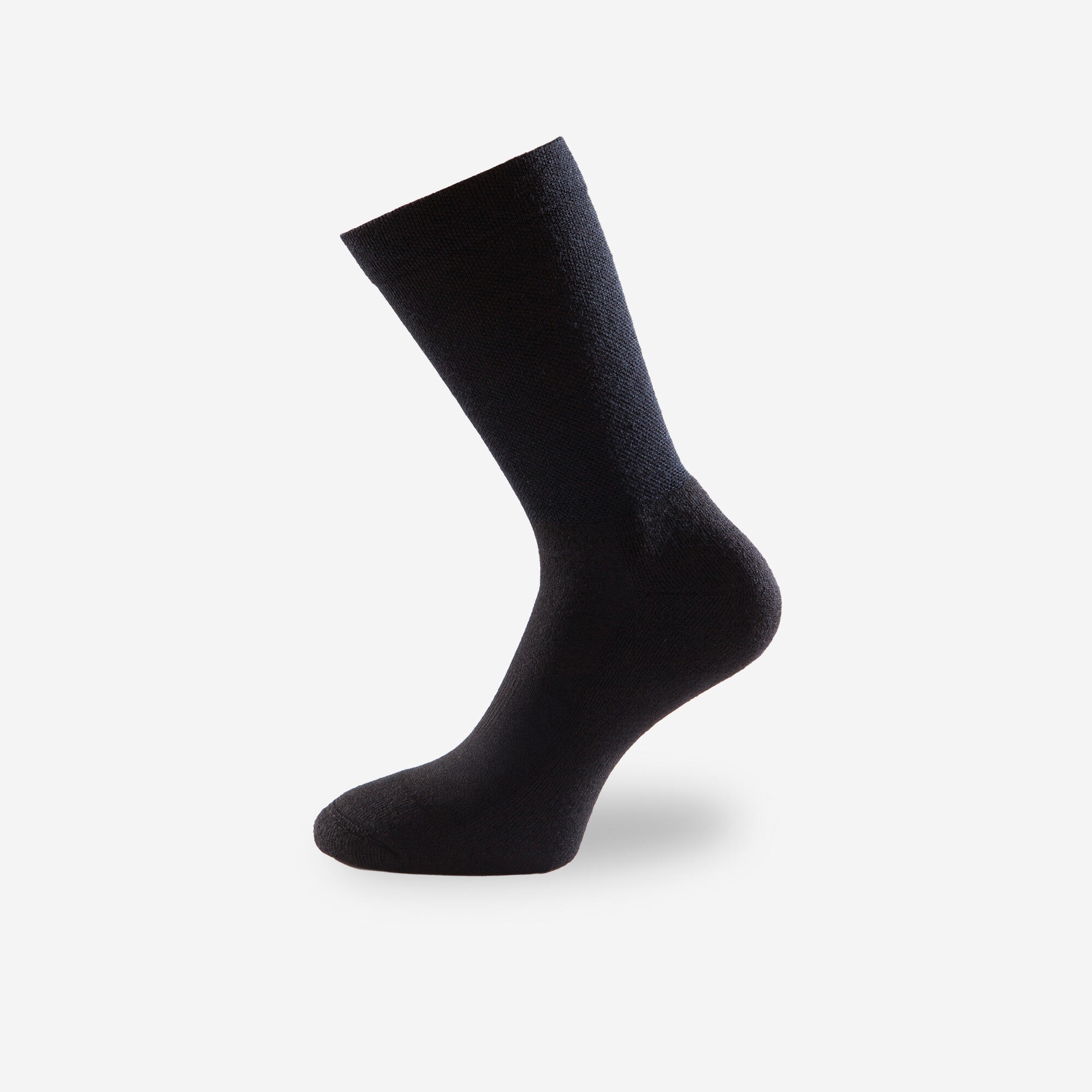
VAN RYSEL 500 Winter Cycling Socks - Black4.7(951)Reviews.votesAriaCurrent price {{currentPrice}} €9.00
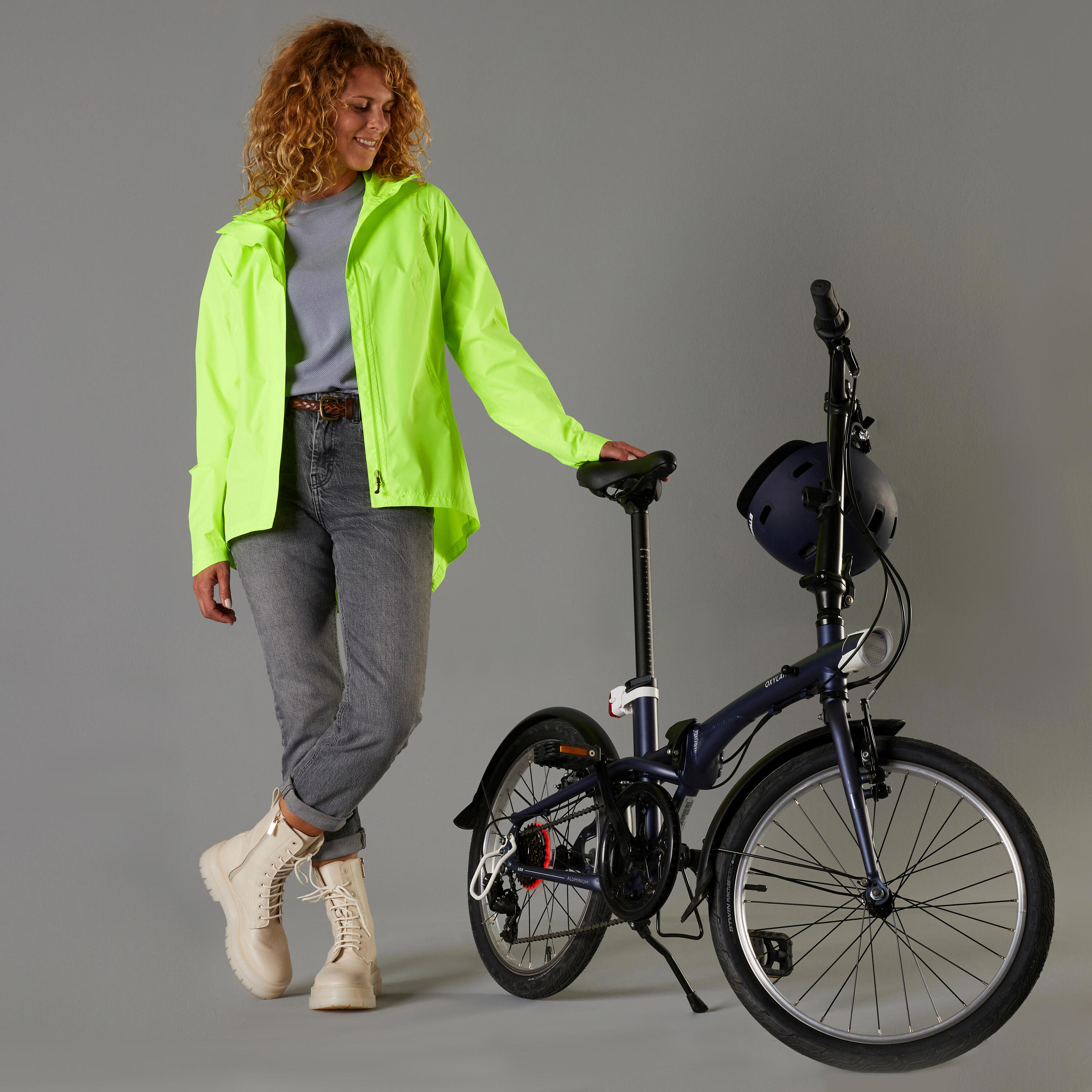
BTWIN Women's Cycling Jacket Neon Yellow - Waterproof Coat4.6(325)Reviews.votesAriaCurrent price {{currentPrice}} €25.00
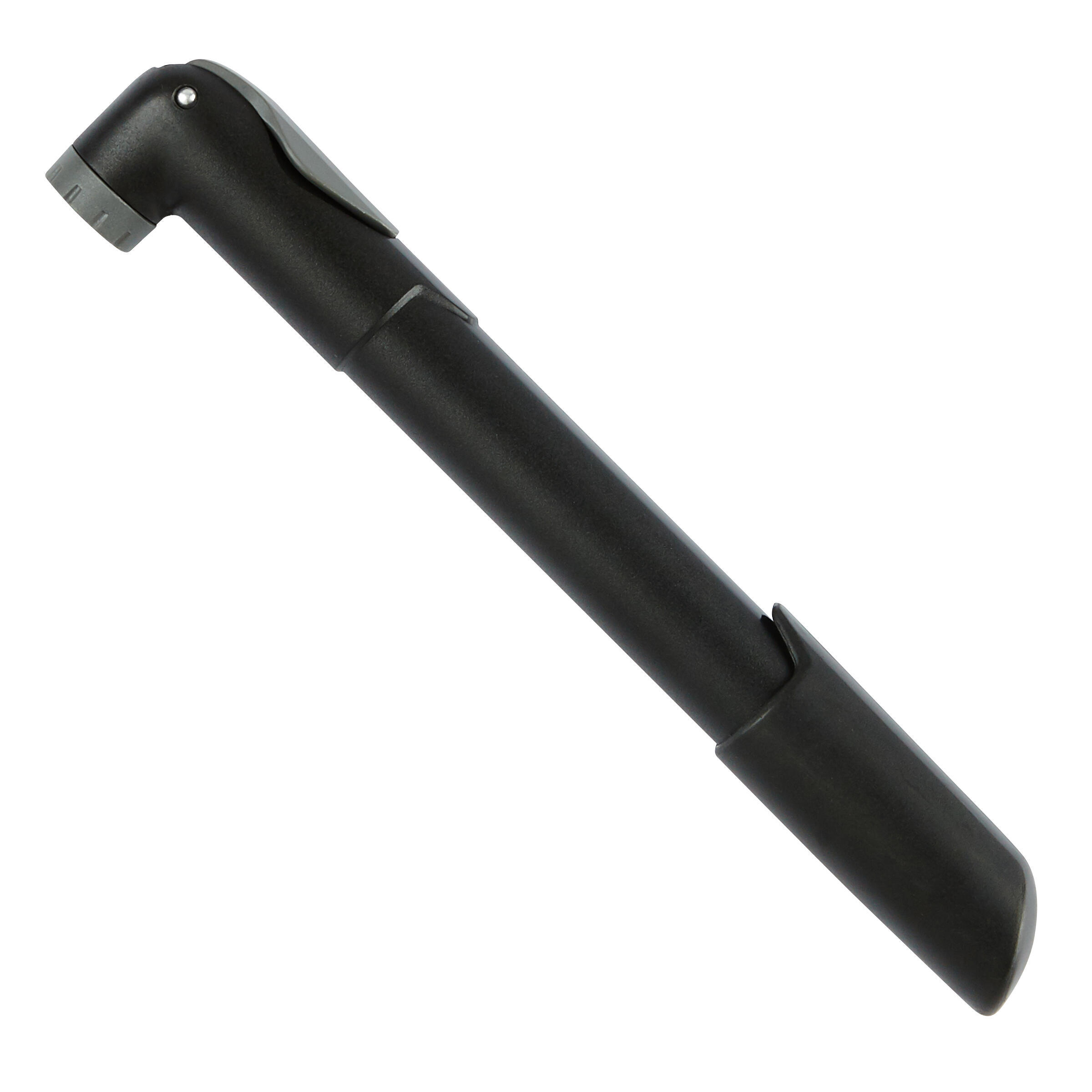
DECATHLON Bike Pump - Hand Pump One Size4.7(5,685)Reviews.votesAriaCurrent price {{currentPrice}} €5.00
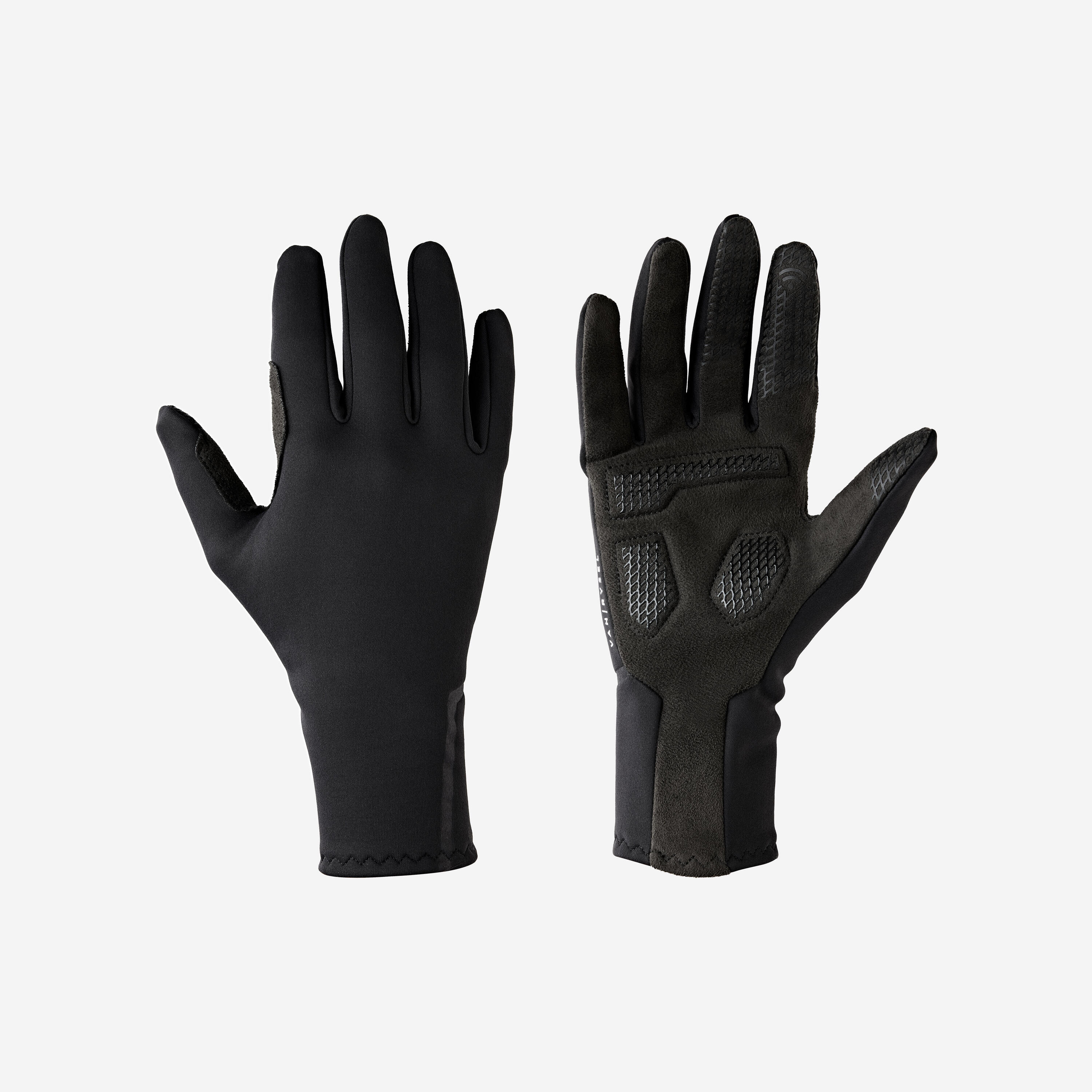
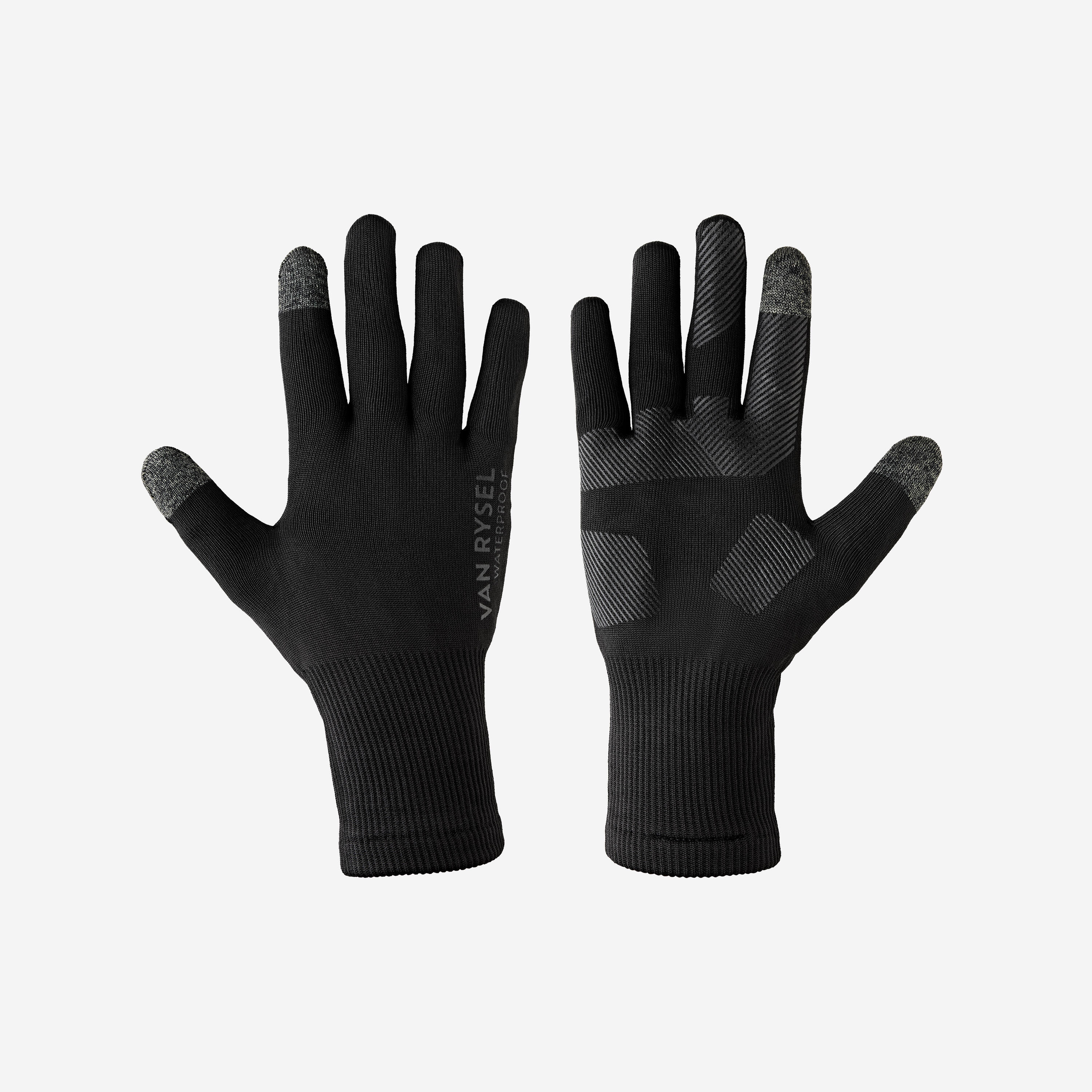
2 coloursVAN RYSEL EDR mid-season cycling gloves - black4.7(2,868)Reviews.votesAria2 coloursCurrent price {{currentPrice}} €16.00
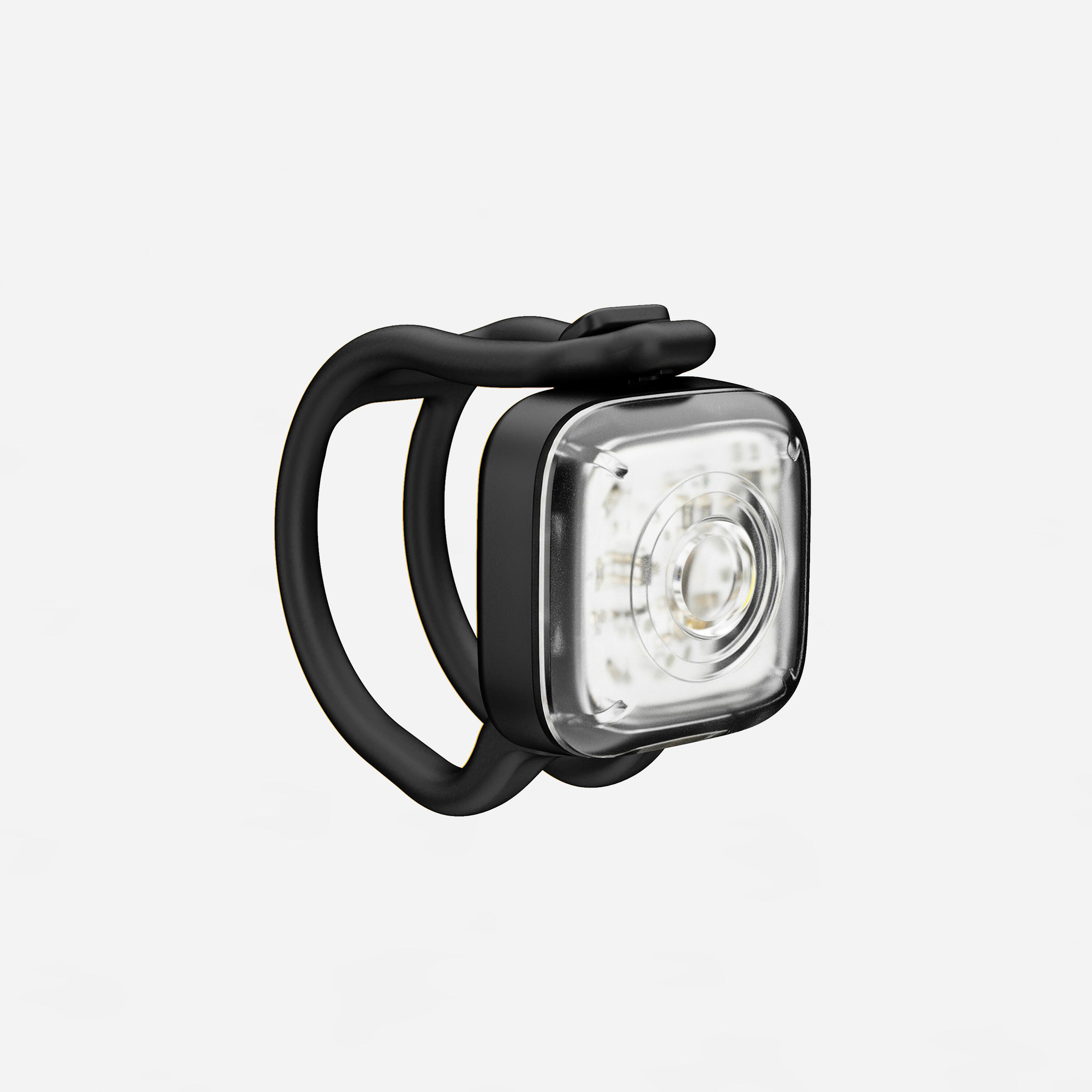
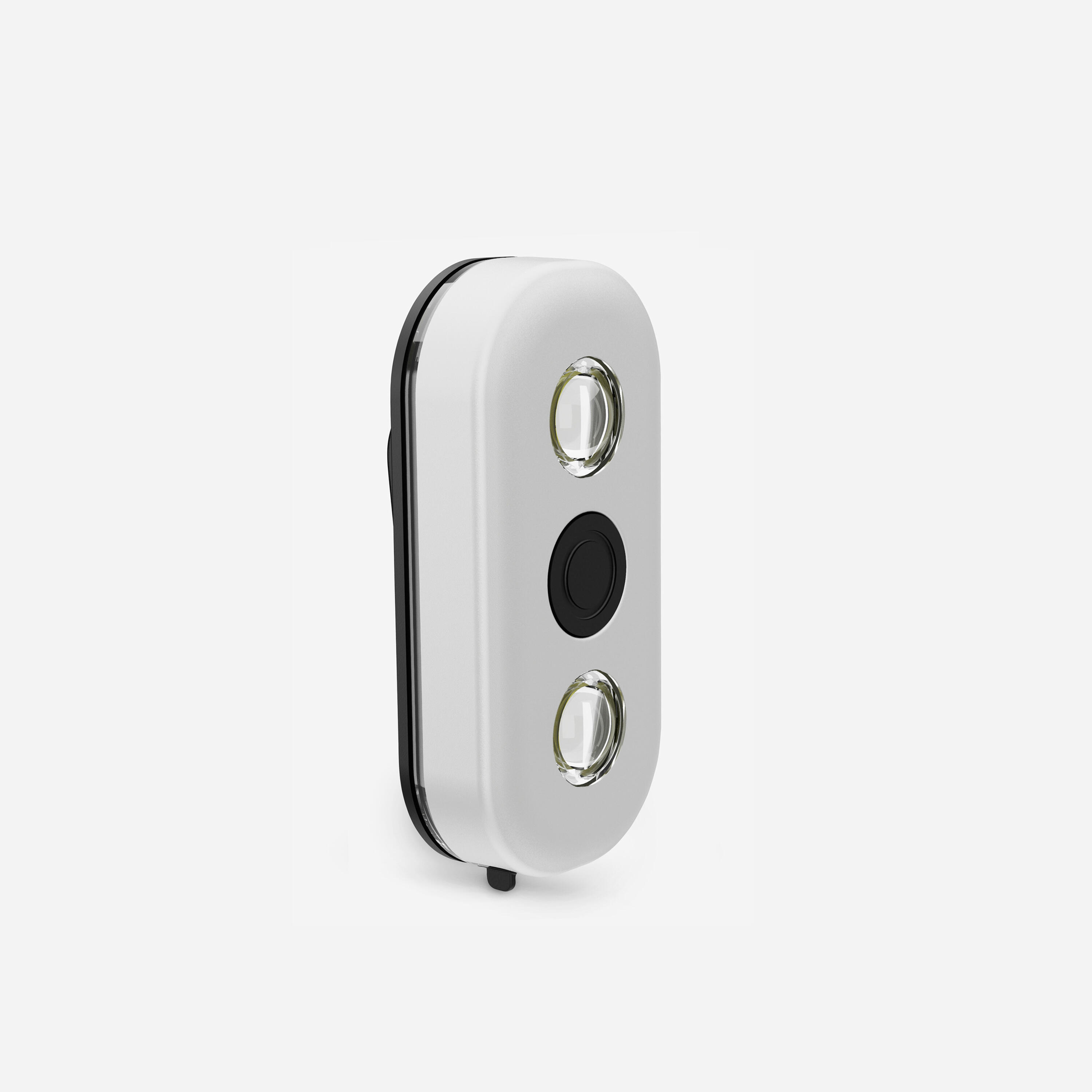
2 coloursDECATHLON Bike Light Black - Battery Powered Front/Rear4.7(3,522)Reviews.votesAria2 coloursCurrent price {{currentPrice}} €4.00
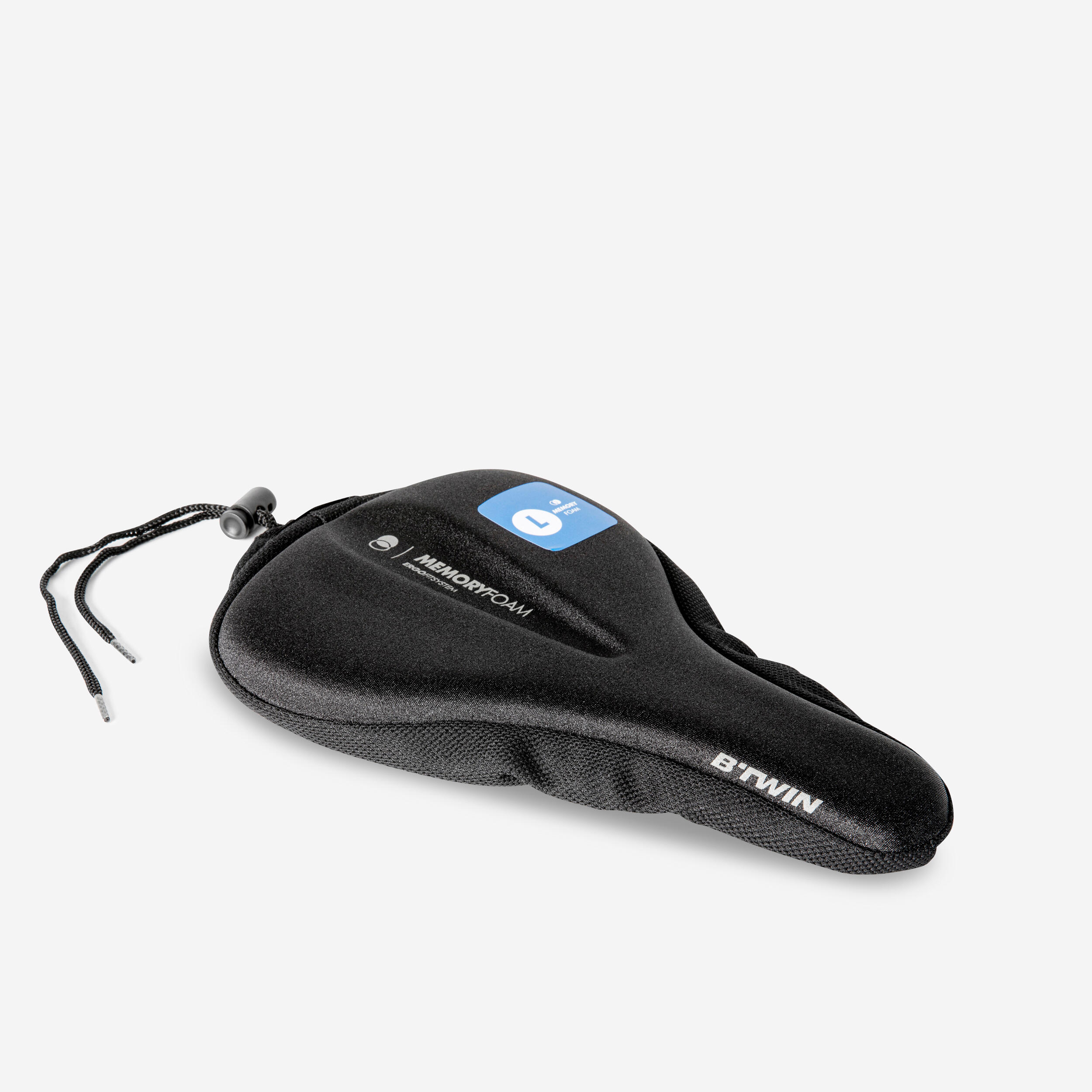
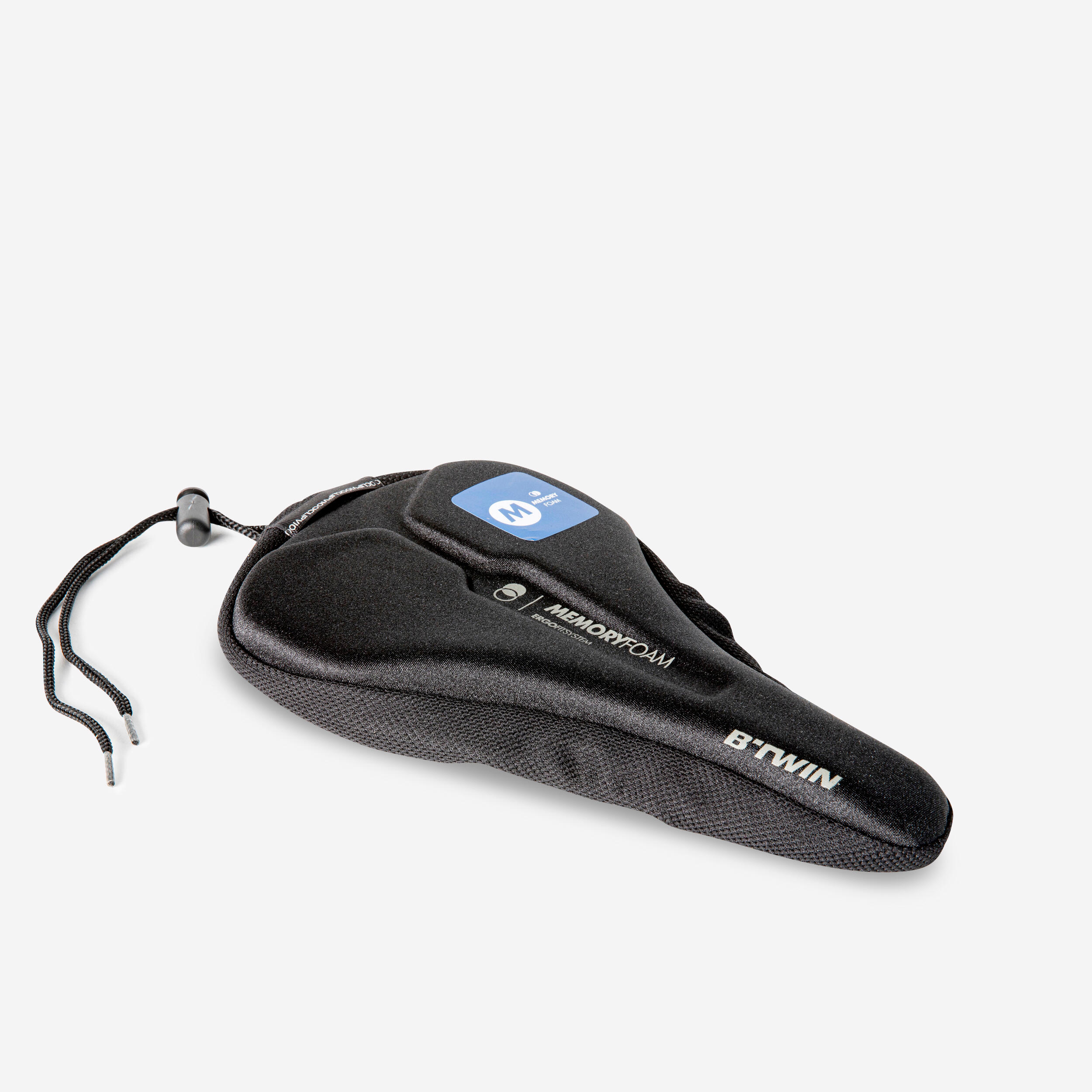
DECATHLON 500 Saddle Cover MemoryFoam - Size L - Black4.7(3,058)Reviews.votesAriaCurrent price {{currentPrice}} €10.00
2 coloursVAN RYSEL Cycling Neck Warmer RoadR 100 - Yellow4.7(4,318)Reviews.votesAria2 coloursCurrent price {{currentPrice}} €5.00
3 coloursROCKRIDER Touring Mountain Bike Expl 50 - Light Grey4.6(2,626)Reviews.votesAria3 coloursCurrent price {{currentPrice}} €260.00
2 coloursBTWIN 500 Memory Foam Saddle Cover Size M - Black4.8(7,225)Reviews.votesAria2 coloursCurrent price {{currentPrice}} €10.00
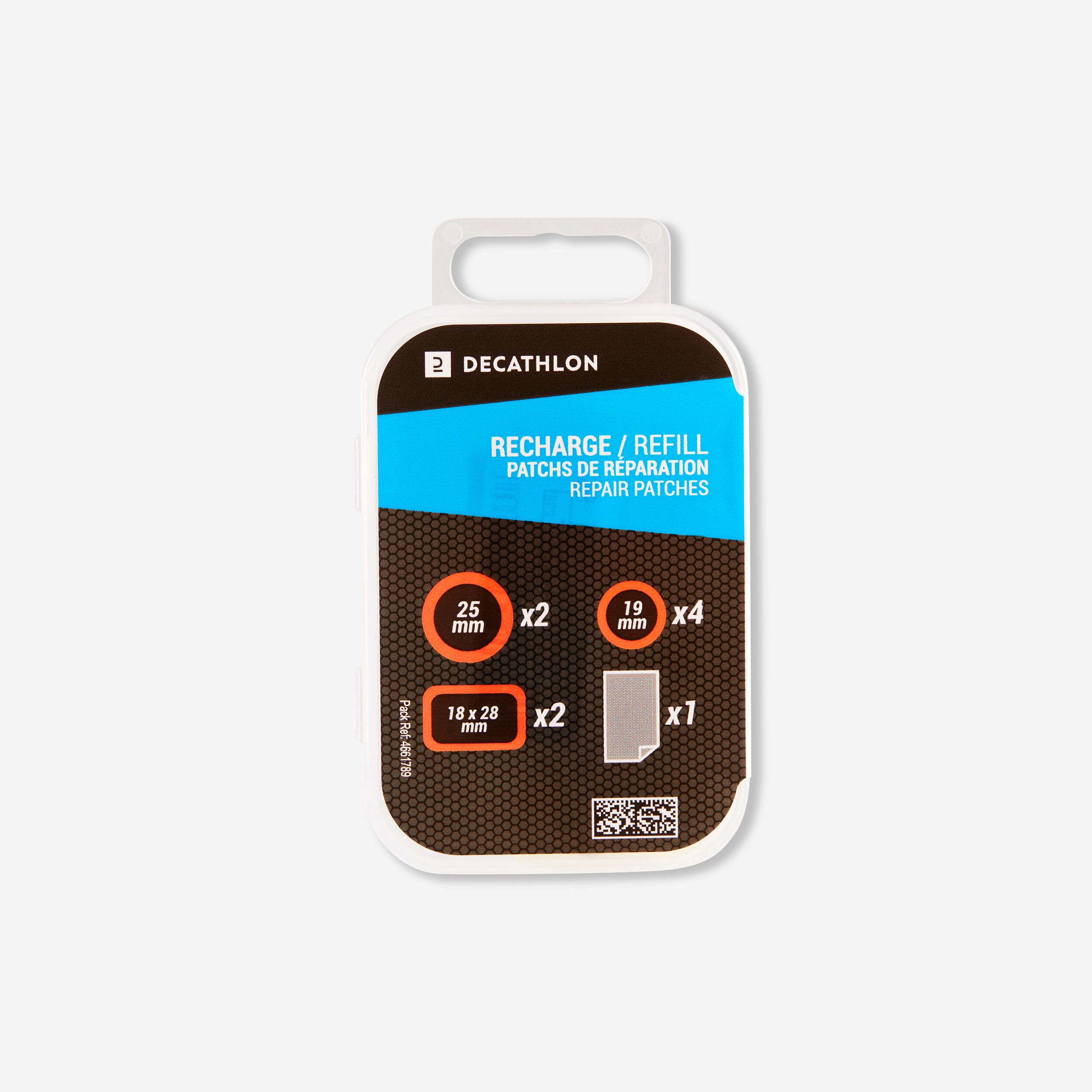
DECATHLON Large inner tube repair patch replacement kit4.7(974)Reviews.votesAriaCurrent price {{currentPrice}} €2.00€0.25/unit
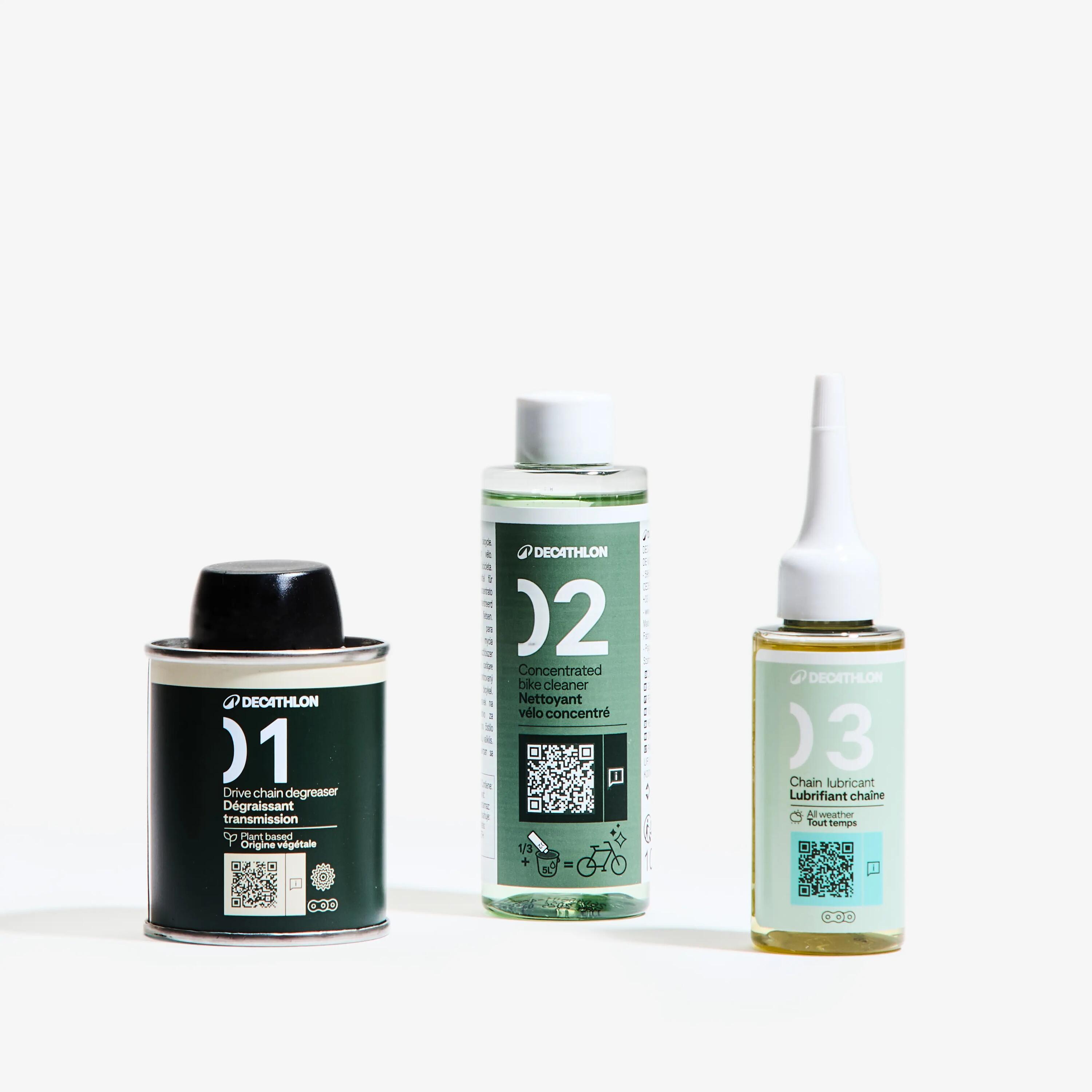
DECATHLON Bike Maintenance and Cleaning Kit4.7(1,304)Reviews.votesAriaCurrent price {{currentPrice}} €10.00
VAN RYSEL Fleece cycling neck warmer 100, black4.8(2,574)Reviews.votesAriaCurrent price {{currentPrice}} €5.00
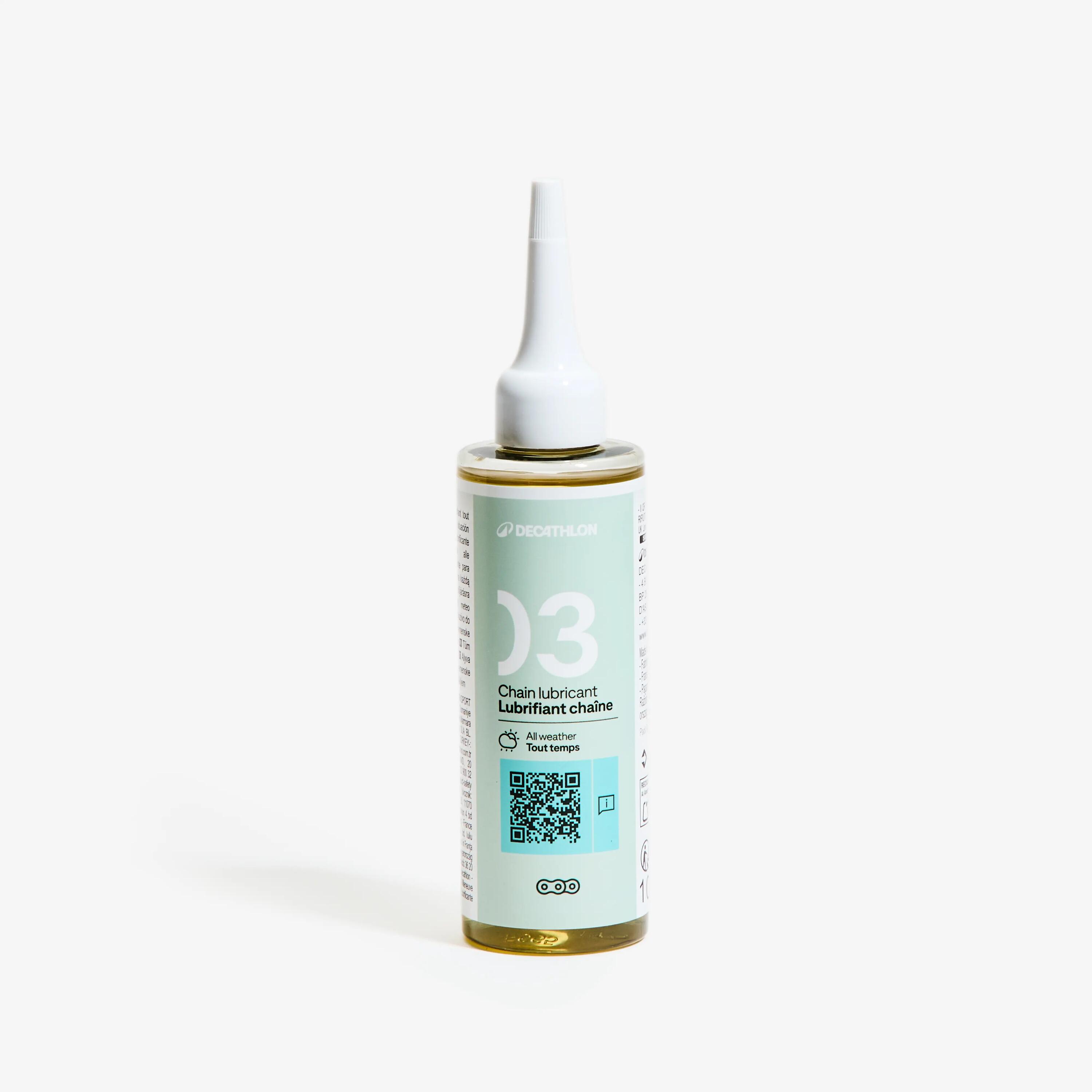
DECATHLON All-Weather Bike Chain Lube - 100 ml4.7(1,749)Reviews.votesAriaCurrent price {{currentPrice}} €6.00€60.00/l
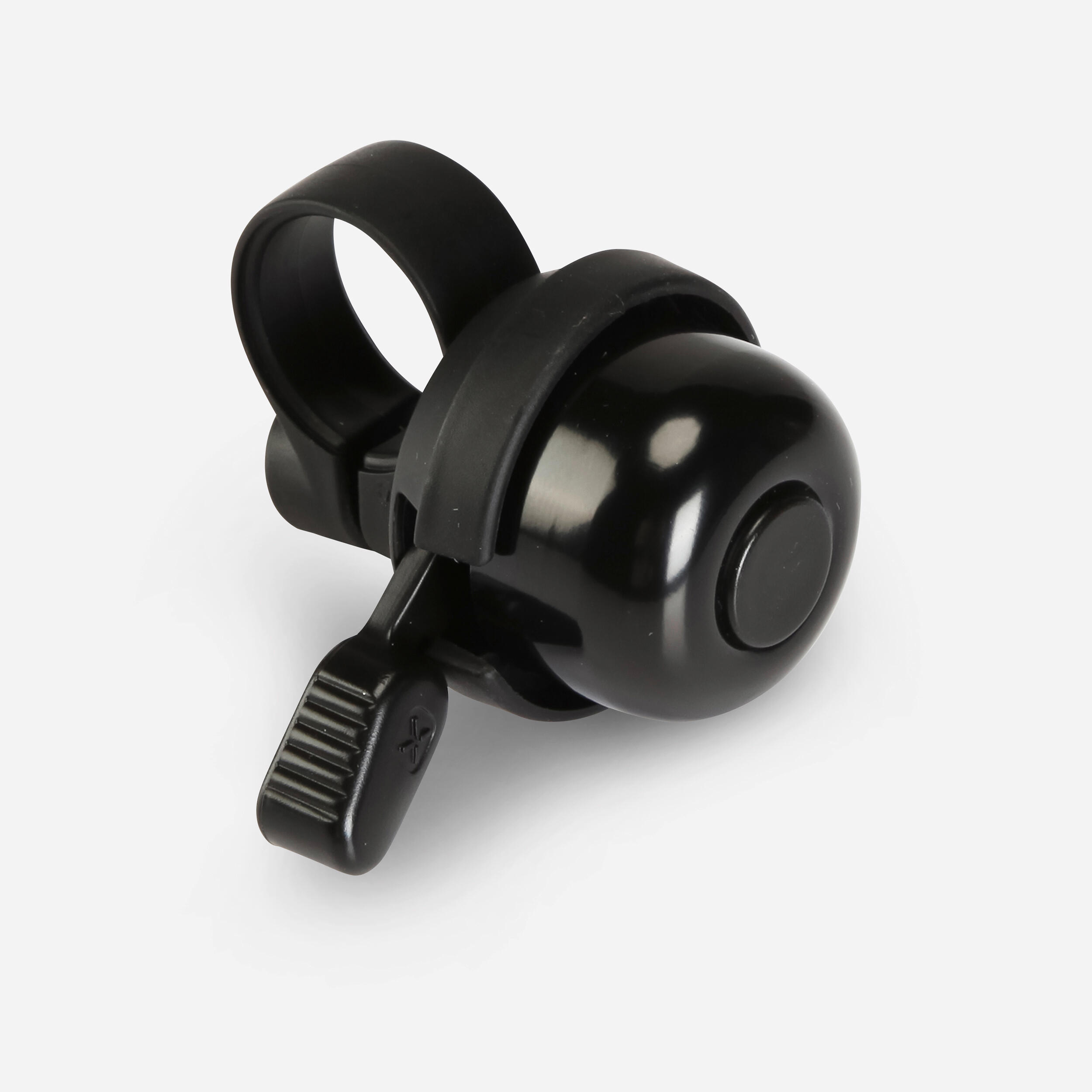
7 coloursDECATHLON 120 Bike Bell - Black4.8(6,237)Reviews.votesAria7 coloursCurrent price {{currentPrice}} €5.00
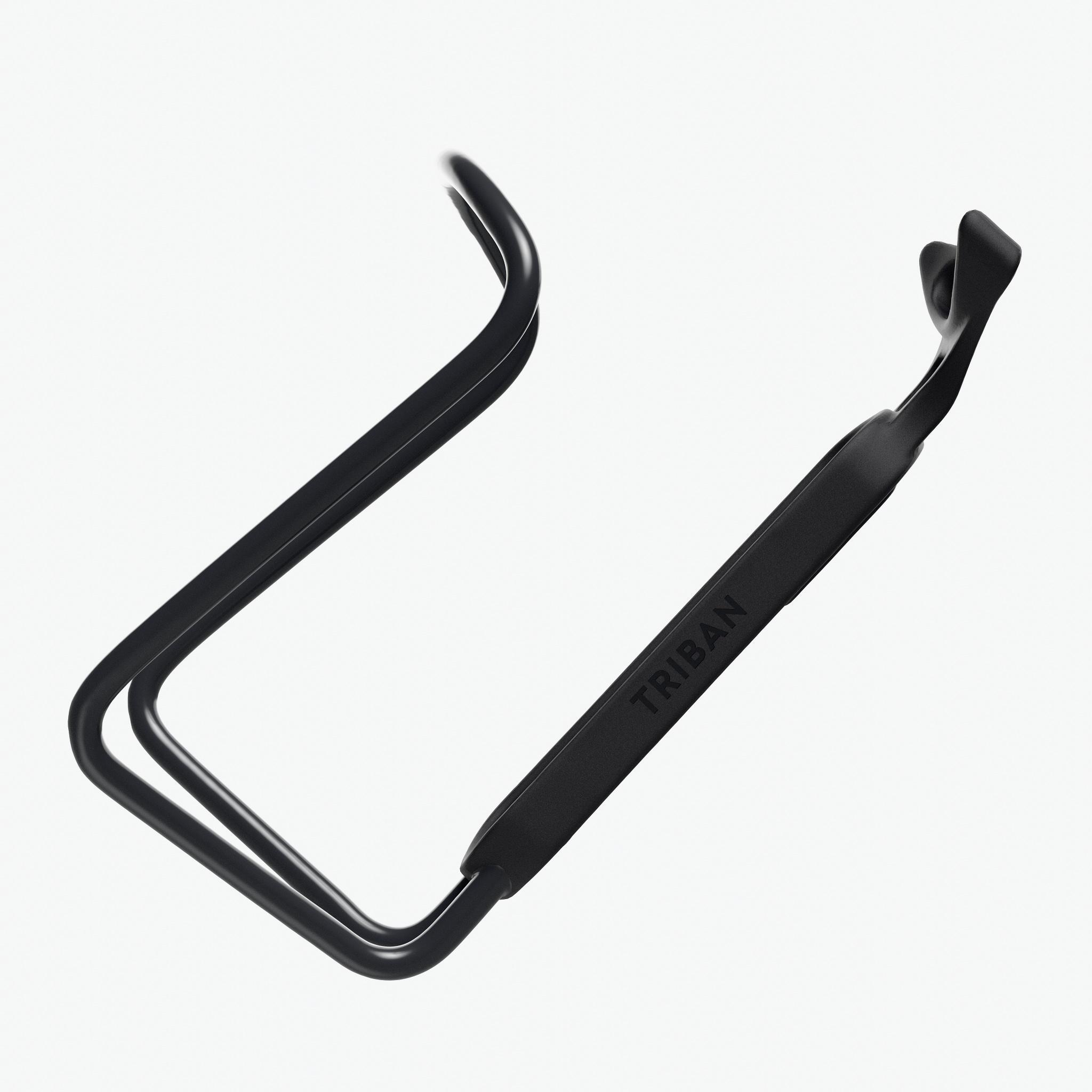
TRIBAN 100 Bike Metal Bottle Cage - Black4.8(4,243)Reviews.votesAriaCurrent price {{currentPrice}} €4.00
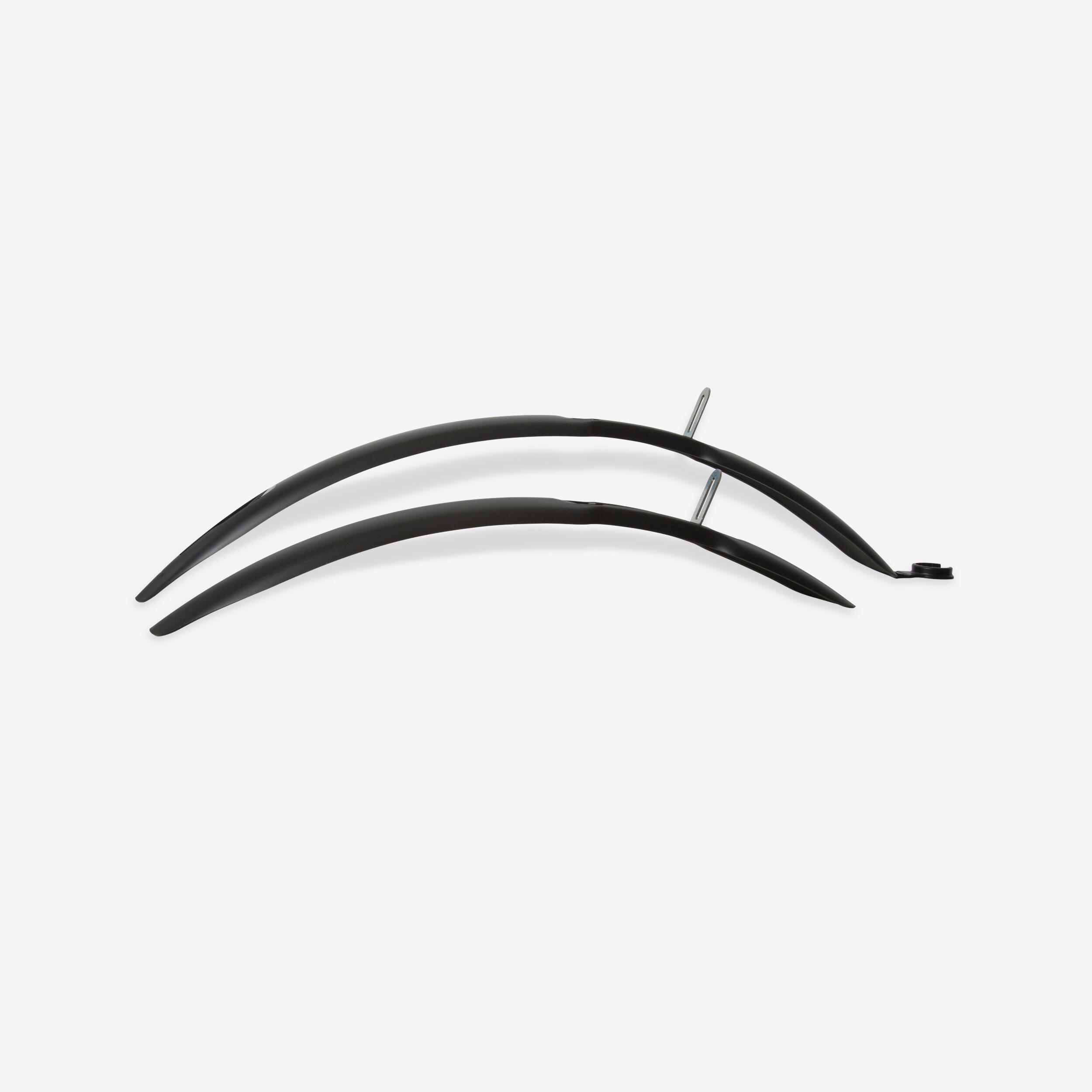
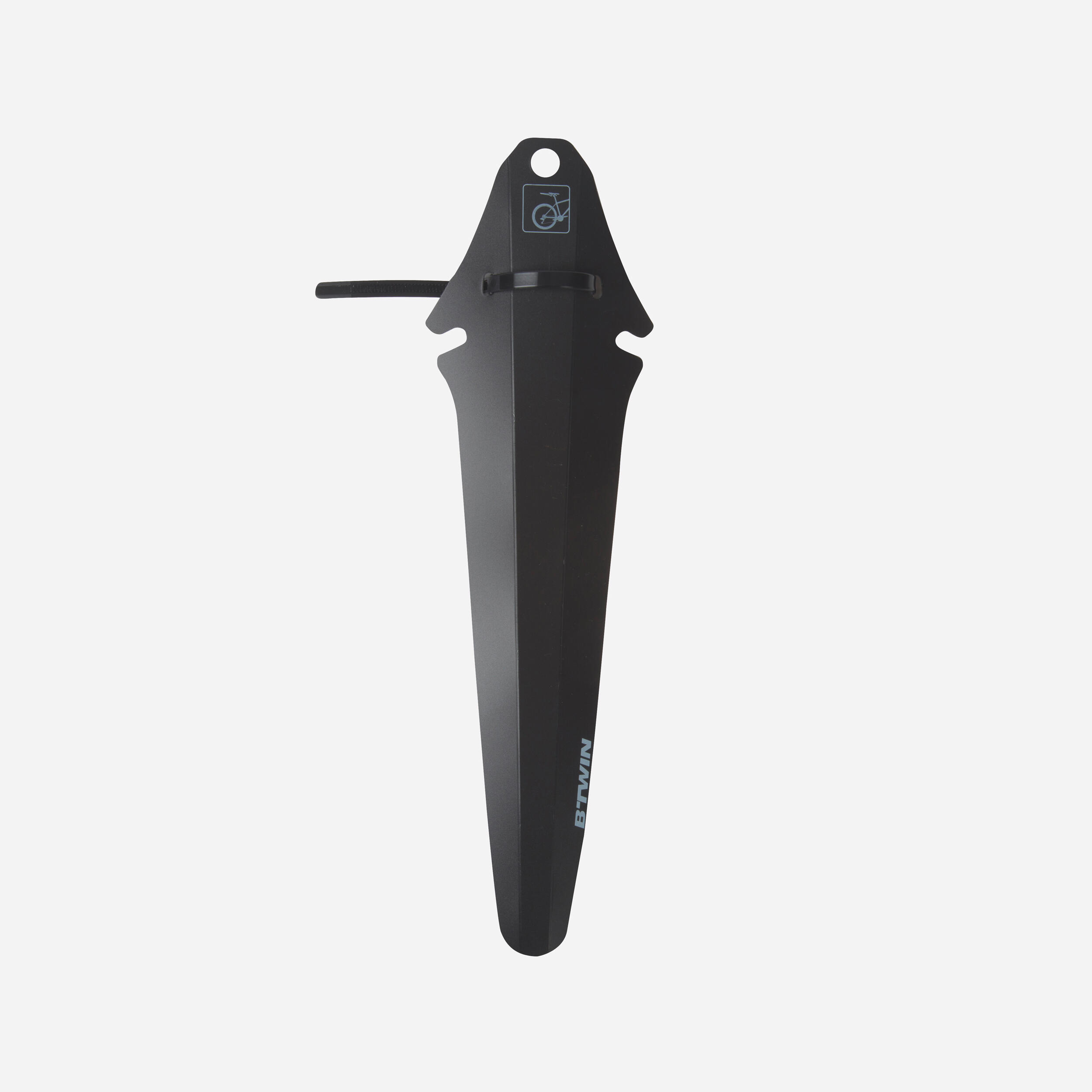
BTWIN Flash Road Bike Saddle Mudguard - Black4.4(489)Reviews.votesAriaCurrent price {{currentPrice}} €5.00
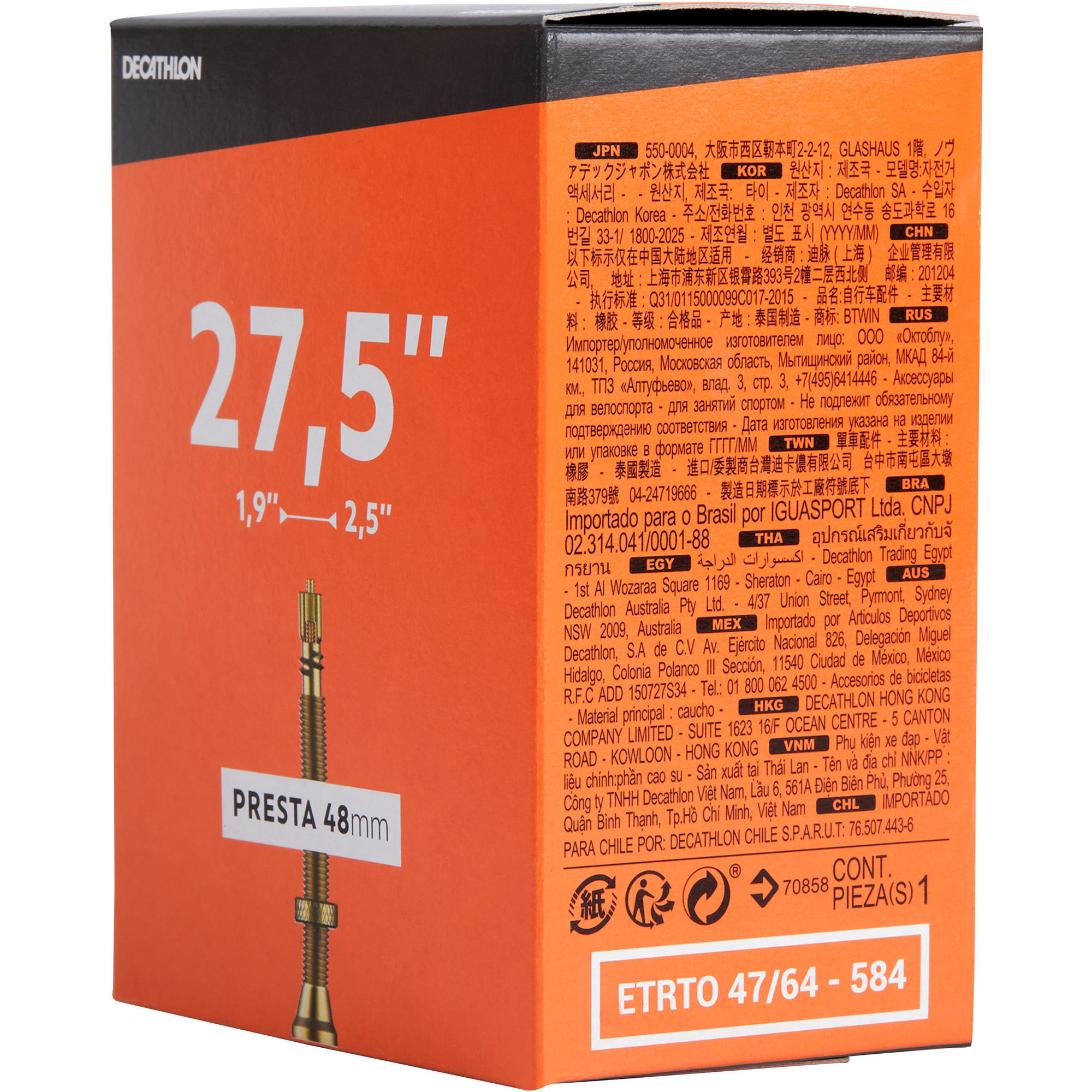
DECATHLON 27.5x1.9-2.5 Bike Inner Tube - Presta4.7(1,073)Reviews.votesAriaCurrent price {{currentPrice}} €3.00
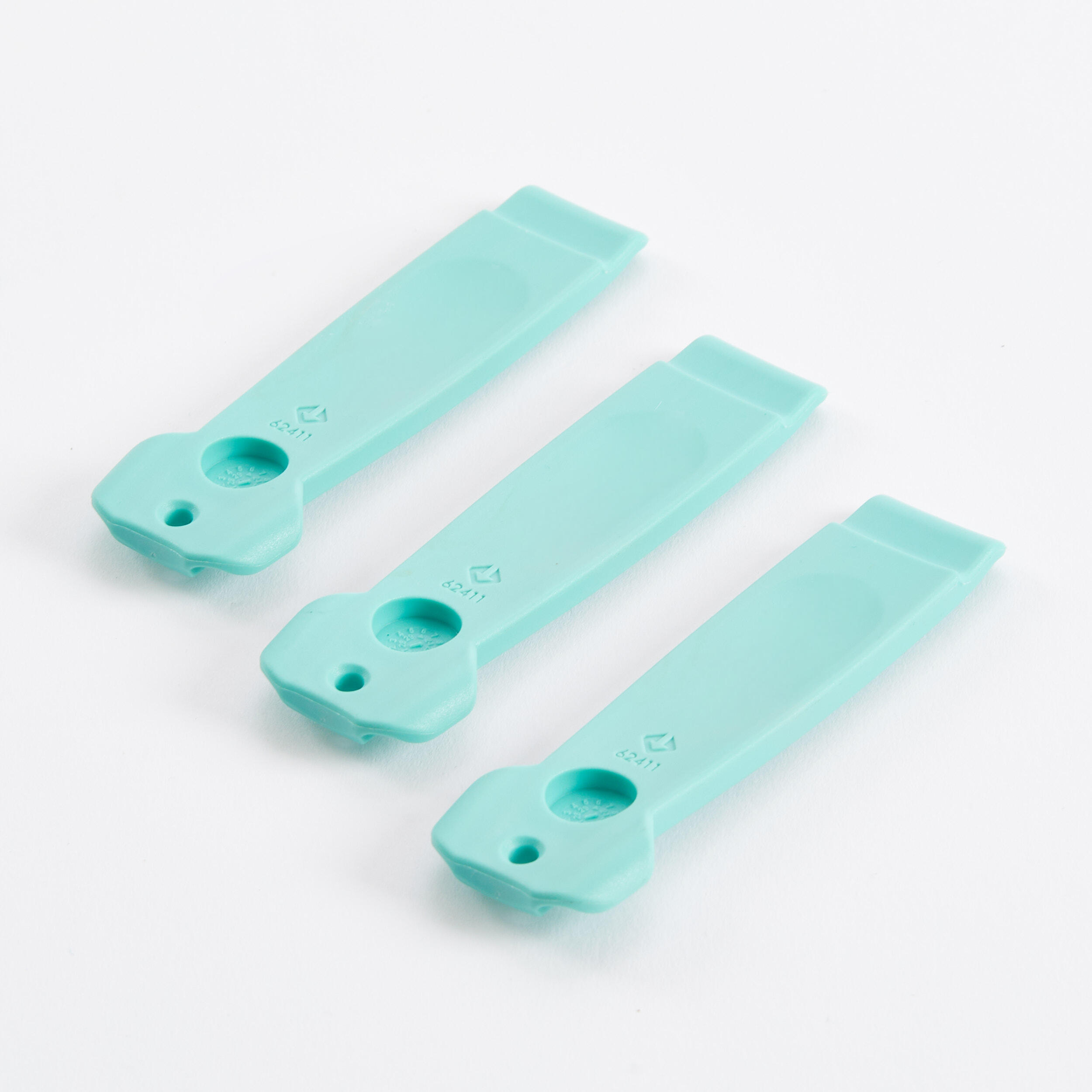
DECATHLON PACK OF 3 TYRE LEVERS - GREEN4.8(4,122)Reviews.votesAriaCurrent price {{currentPrice}} €3.00€1.00/unit
VAN RYSEL Waterproof cycling gloves, EDR Waterproof Mid-Season4.3(306)Reviews.votesAriaCurrent price {{currentPrice}} €32.00
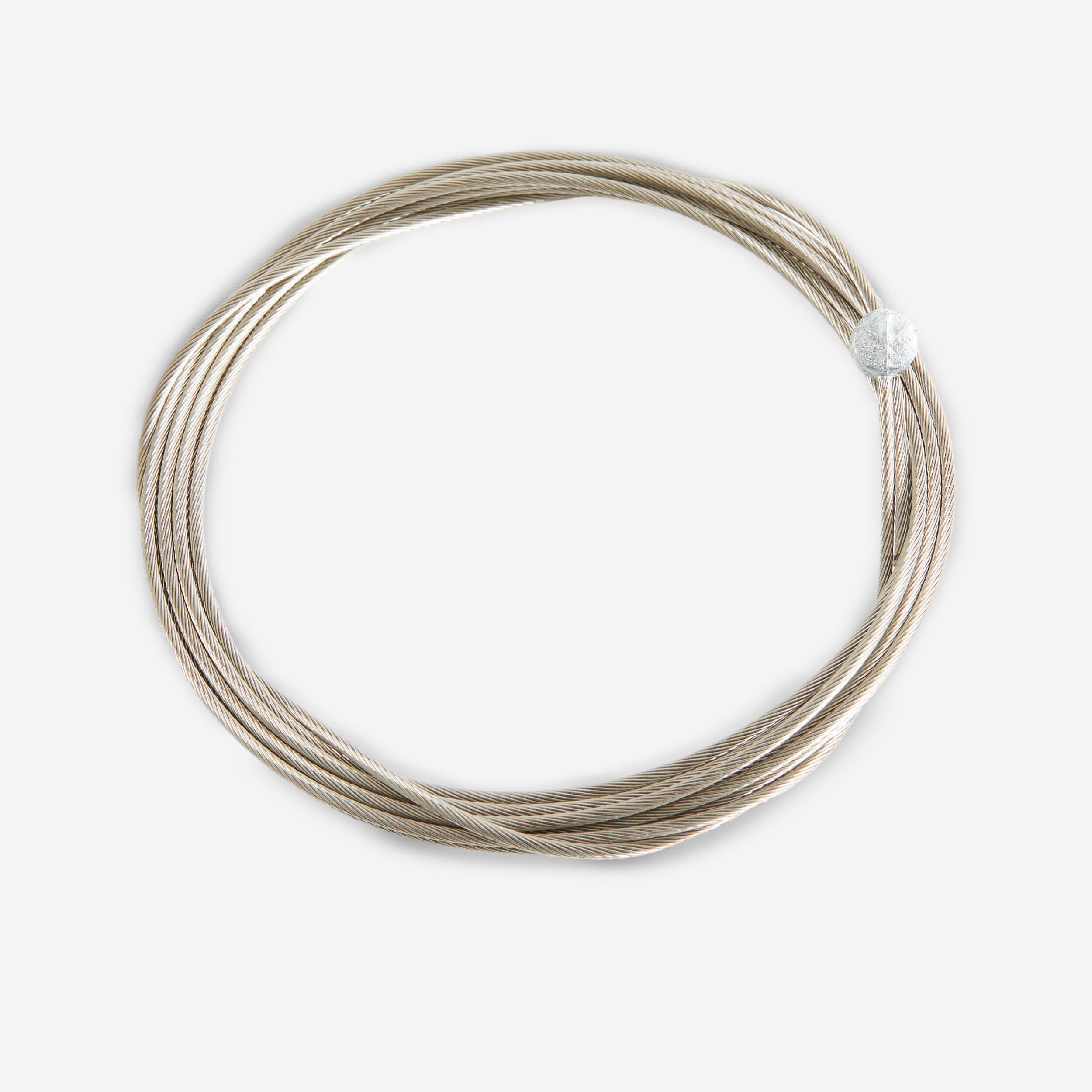
DECATHLON MTB/City Bike Universal Brake Cable - Stainless Steel4.7(1,316)Reviews.votesAriaCurrent price {{currentPrice}} €4.00
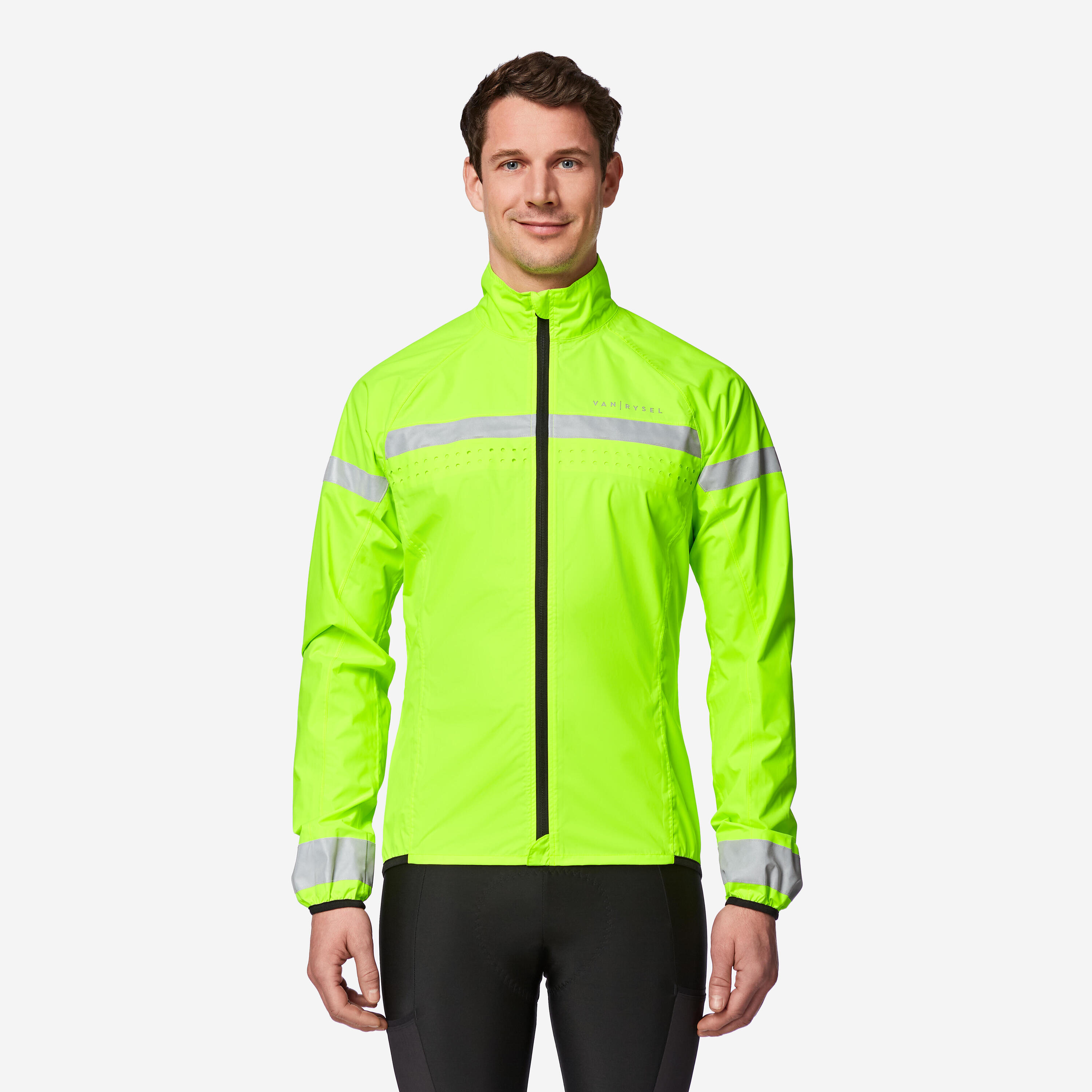
VAN RYSEL Men's Long-Sleeved Showerproof Road Cycling Jacket RC 120 Visible EN173534.7(666)Reviews.votesAriaCurrent price {{currentPrice}} €30.00
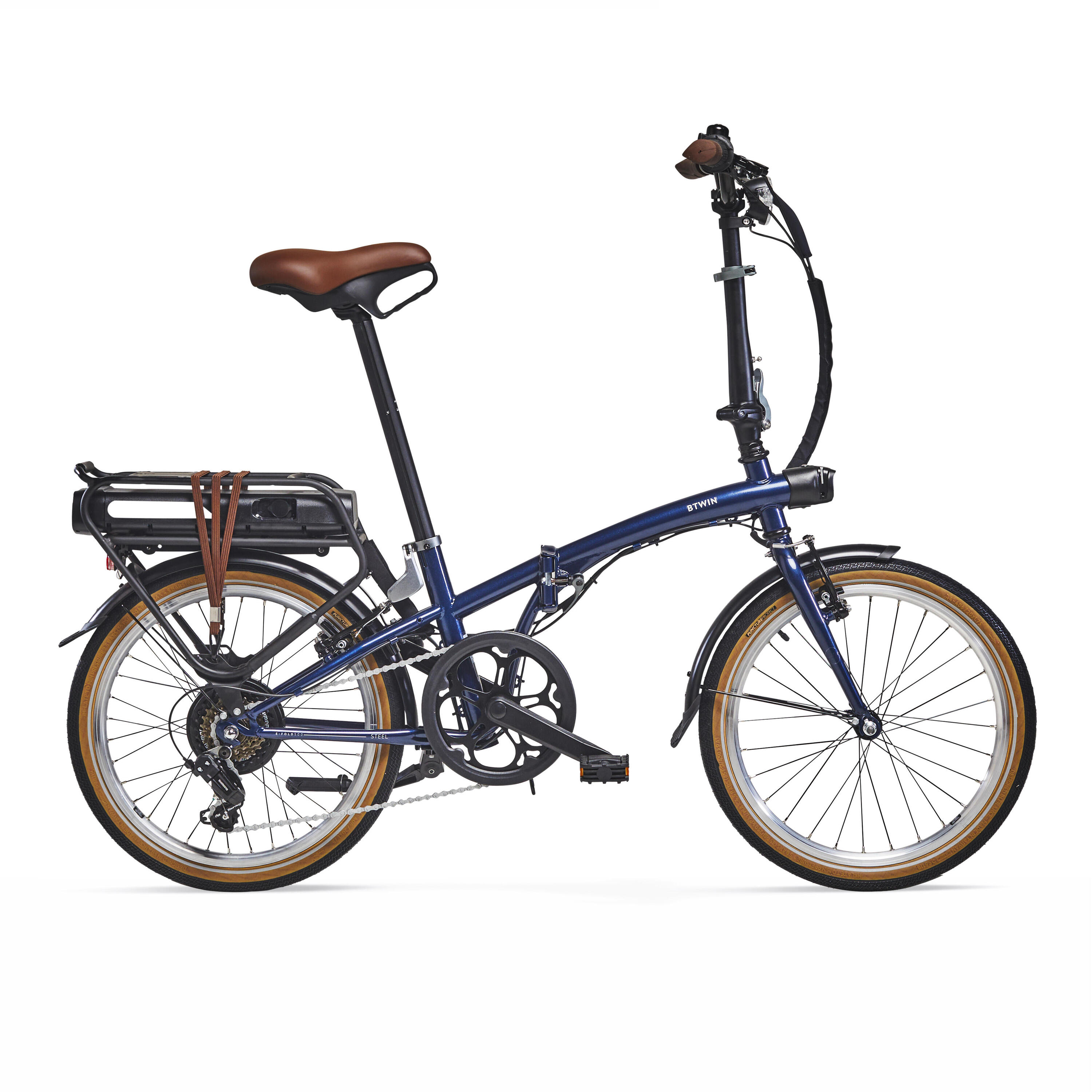
New Lower Price New Lower Price3 coloursNew Lower PriceBTWIN Electric Folding Bike E-Fold 500 - Blue4.4(624)Reviews.votesAria3 coloursCurrent price {{currentPrice}} €900.00 Former price Was €1,000.00Lowest price: €1,000.00
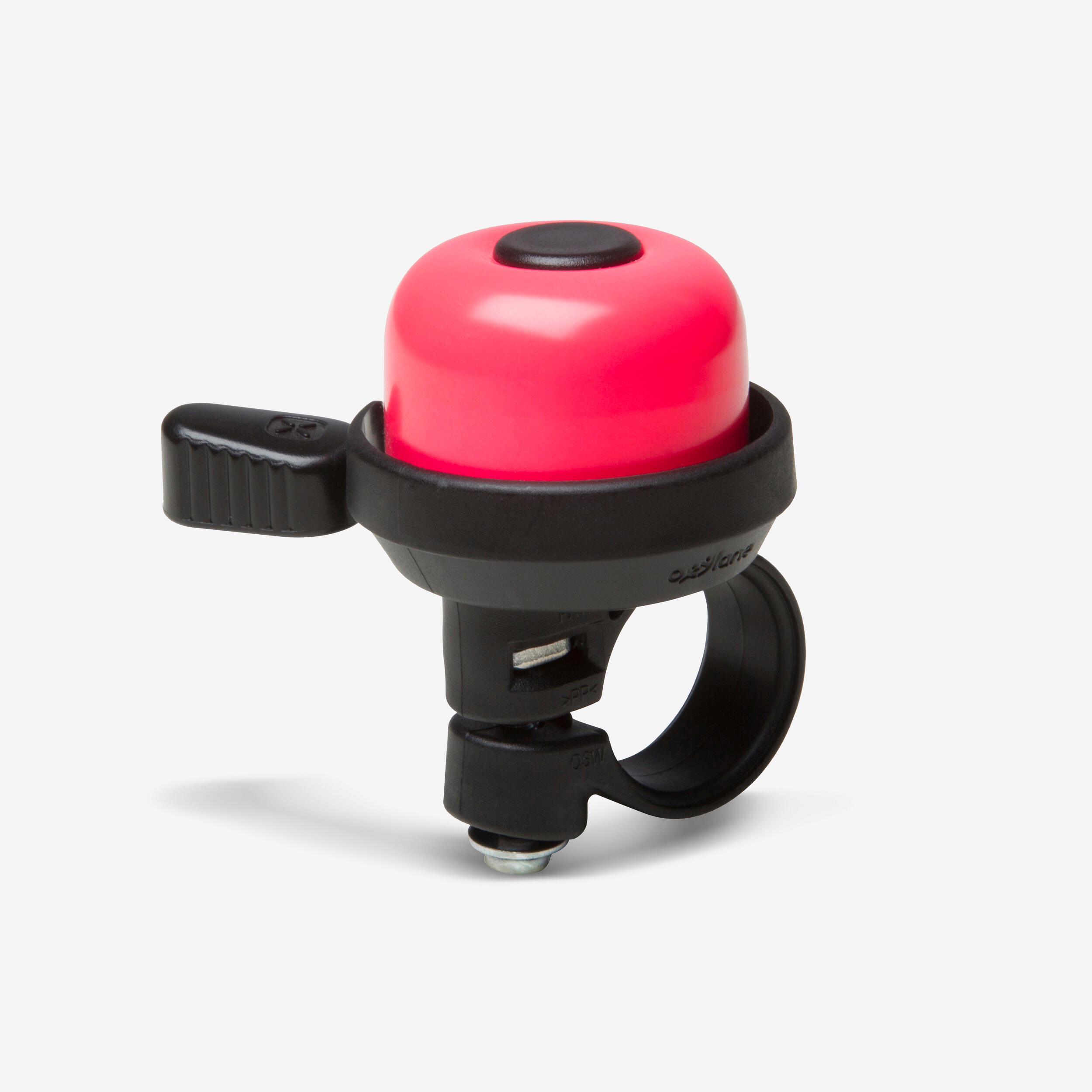
7 coloursDECATHLON 120 Bike Bell - Pink4.8(6,237)Reviews.votesAria7 coloursCurrent price {{currentPrice}} €5.00
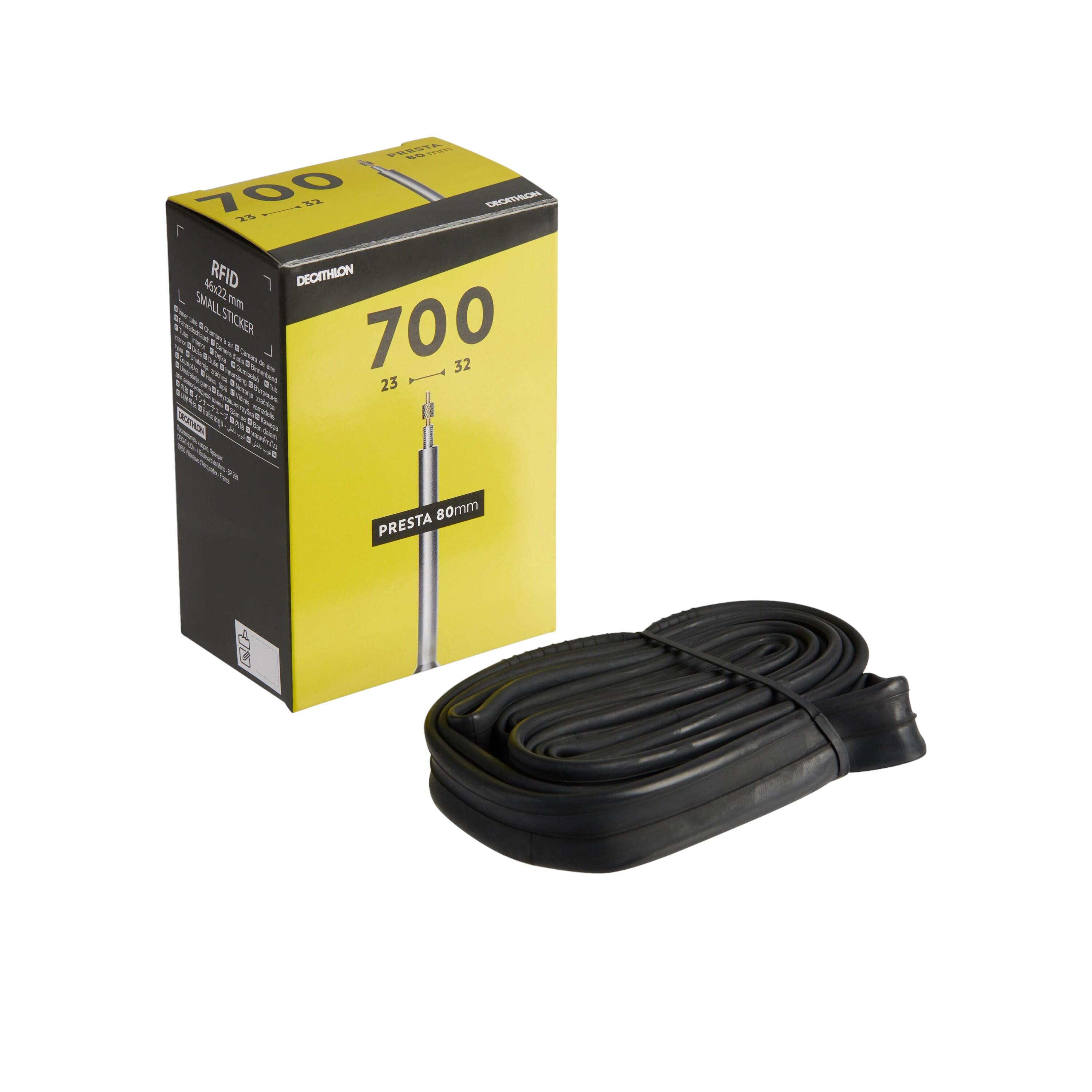
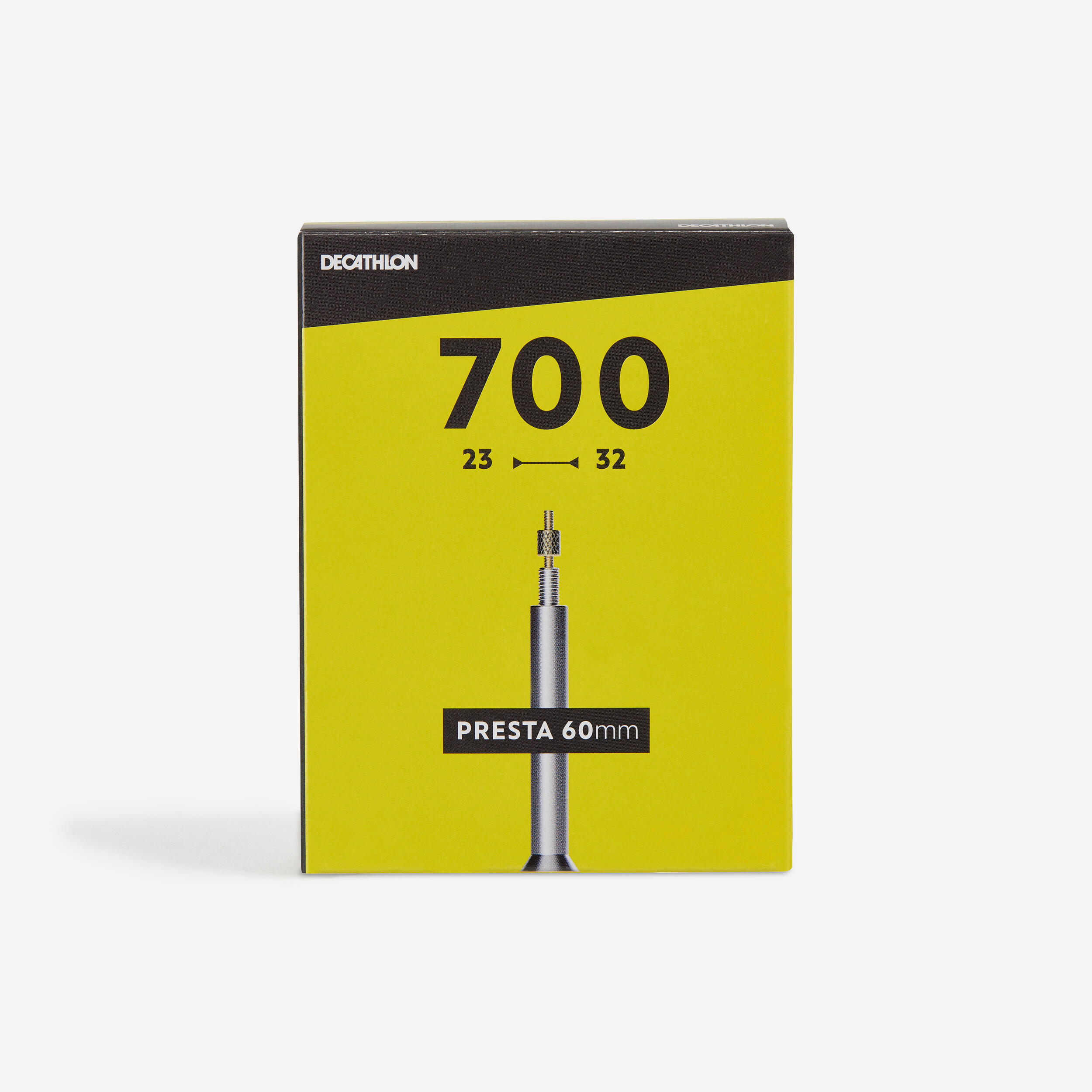
DECATHLON 700x23/32 presta valve 60mm inner tube4.7(2,964)Reviews.votesAriaCurrent price {{currentPrice}} €3.00
DECATHLON LED Front/Rear USB Bike Light CL 900 50 Lumens4.5(1,212)Reviews.votesAriaCurrent price {{currentPrice}} €21.00