12,778 items
4.3/5 based on 7105 reviews collected online and in stores

Bike Storage & Transport FAQs

What type of bike carrier suits your car and bike setup?

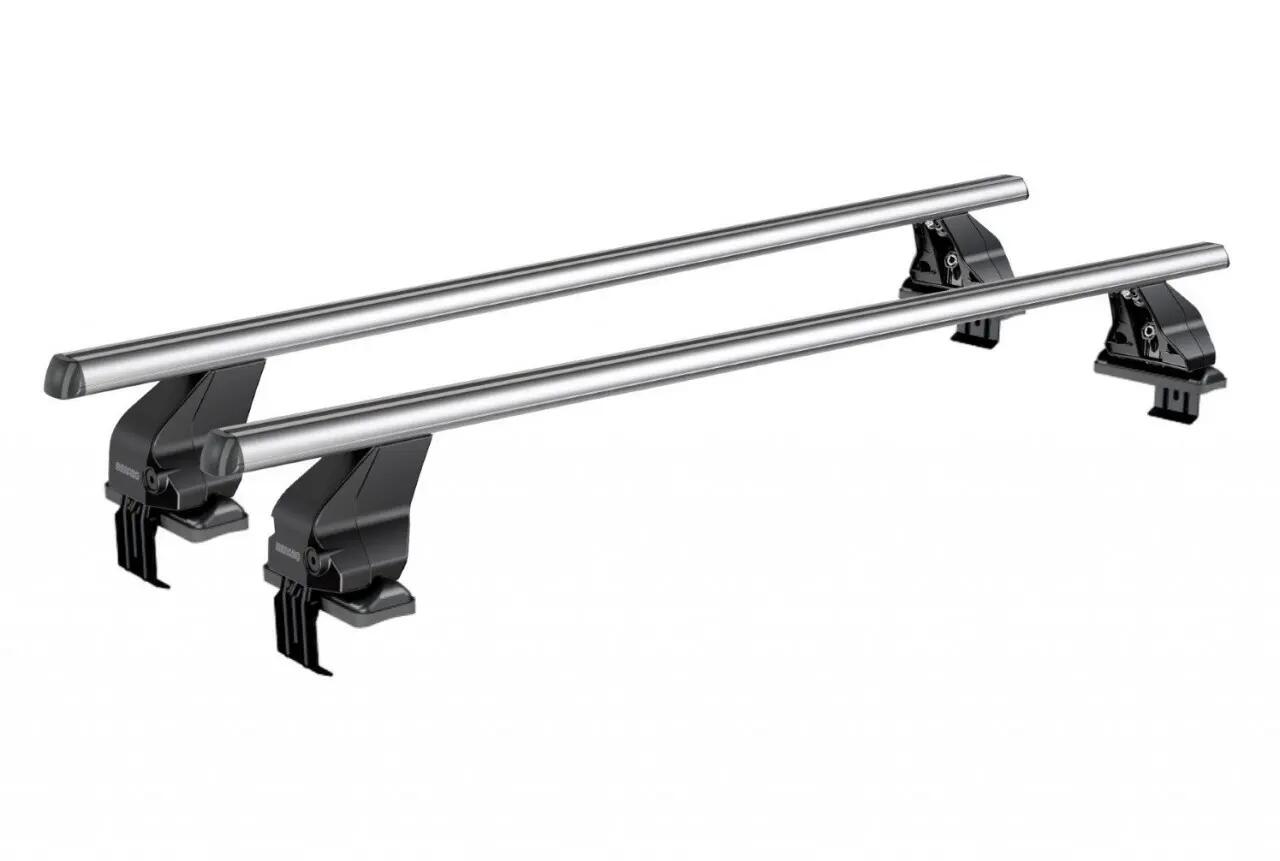
Start by checking your vehicle, bike weight and the number of bikes you need to carry. The bike carriers range includes different mounting formats, so compatibility matters before load capacity or convenience. Check whether the carrier fits your vehicle and whether its maximum permitted weight covers the combined weight of all bikes. This becomes particularly important with heavier electric bikes. Frame shape can also affect how securely a bike sits on some carriers, and non-standard frames may require a suitable adaptor. Once loaded, prevent handlebars, pedals and frames from knocking together during the journey. Pro tip: tighten every clamp and wheel restraint, then gently move each bike before driving. Recheck the fittings after the first part of a longer trip because road vibration can reveal movement that was not obvious when stationary.

What type of bike rack works well for home storage?

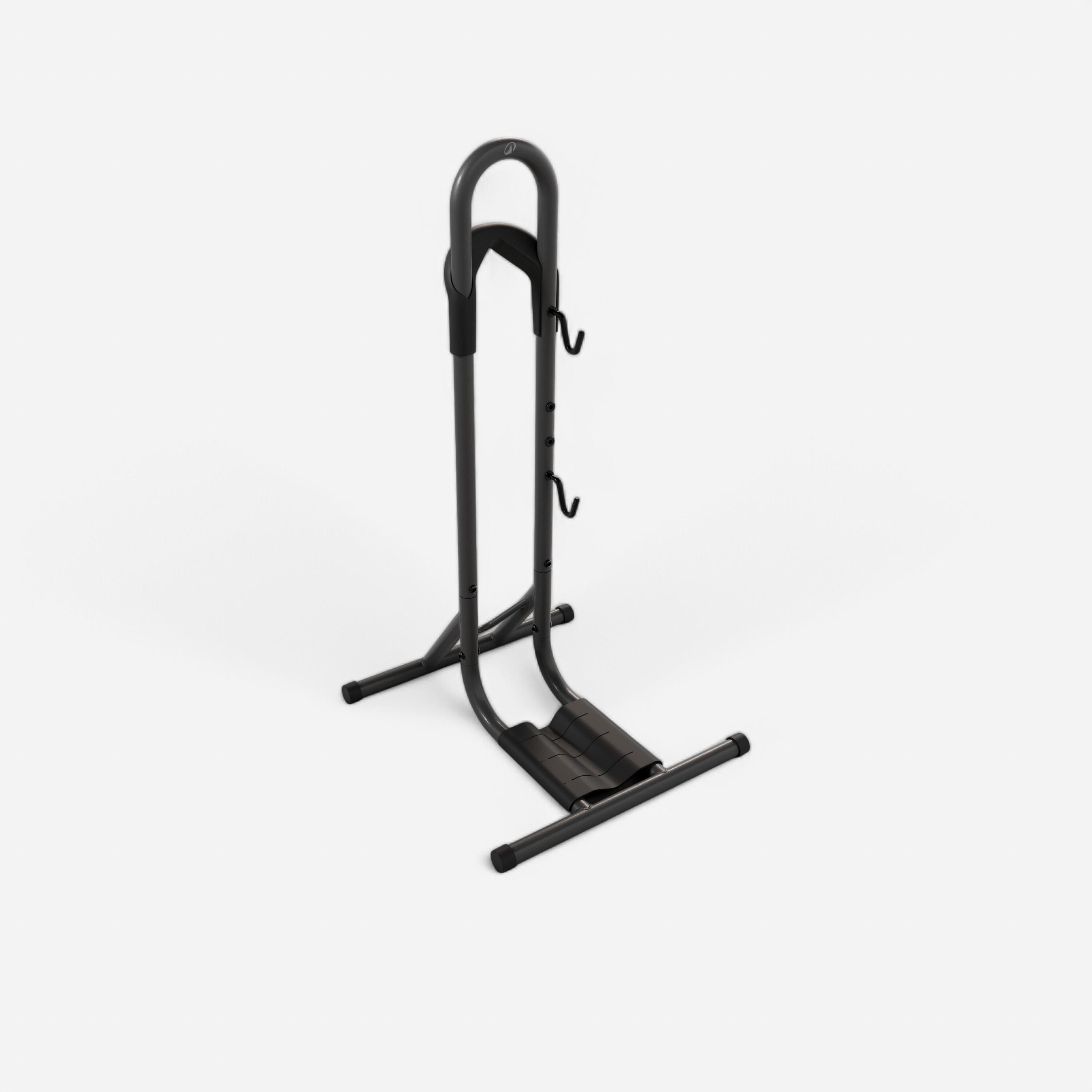
Your available floor and wall space should guide the storage method. The bike racks range includes floor-standing and wall-mounted options for storing one or several bikes. Floor racks can suit garages and sheds where you want quick access without lifting the bike, while wall systems can free up floor space in smaller storage areas. Check tyre-width limits, because storage racks aren't automatically suitable for every mountain bike or wide tyre. Some Decathlon racks can hold the front or rear wheel and can be arranged so several bikes sit head-to-tail, helping reduce contact between handlebars and frames. Pro tip: when fitting a wall rack, choose fixings suited to the wall material and position the rack low enough to avoid unnecessary lifting while still giving the wheels enough clearance.

What needs to be checked before choosing a bike trailer?

Think about what you plan to carry, the permitted load and how the trailer connects to your bike. The bike trailers category covers options for carrying children, pets or equipment, so one trailer type should not be assumed to suit every purpose. Check attachment compatibility carefully, especially around the rear axle, and follow the stated weight and passenger limits. A loaded trailer changes the combined length and weight of your cycling setup, so acceleration, turning, and braking can feel different from riding the bike alone. Allow additional stopping distance and take corners more steadily until you are familiar with the handling. Pro tip: before each ride, check the coupling, safety retention system, tyres and wheels, then make a short low-speed test with the trailer loaded before joining busier routes.

How might you protect a bike during storage?

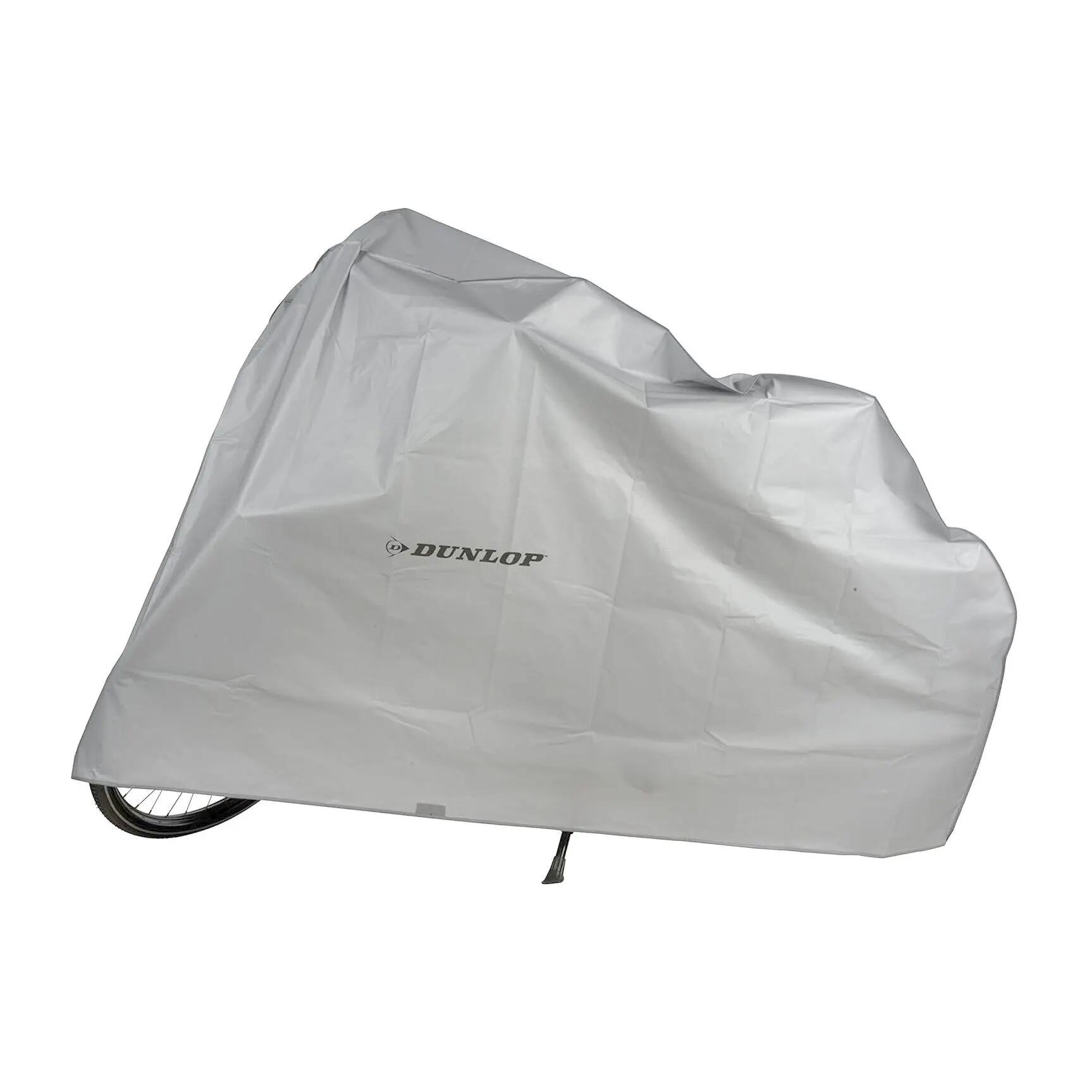
Keep the bike dry, clean and protected from unnecessary contact with dust and moisture, particularly if it will not be ridden for several weeks. The bike covers range can help protect stored bicycles, including models with everyday equipment such as mudguards or pannier racks. Check the stated capacity and compatibility because a cover for one bike will fit differently from a two-bike model, and accessories such as child seats can affect overall dimensions. Elasticated sections and fastening straps can help reduce movement when the cover is exposed to light wind. A standard storage cover should not be assumed suitable for a bike carried on a moving vehicle, where airflow creates much greater forces. Pro tip: let the bicycle and cover dry fully before long-term storage so trapped moisture does not remain around the frame, drivetrain or textile cover.

Which child bike seat is appropriate for your bike setup?

Check the child's permitted weight range, the bike's compatibility and the seat mounting system before choosing. The child bike seats range includes different fitting formats, and the correct choice depends on factors such as frame construction, carrier compatibility and available mounting space. A secure child seat should remain stable without interfering with steering, braking or the moving wheel. Foot supports and restraint systems also need to be adjusted as the child grows so feet remain contained and the harness sits correctly. Remember that carrying a passenger raises the total weight and changes the bike's centre of gravity, particularly when stopping or starting. Pro tip: practise mounting, dismounting and low-speed handling without traffic before taking a child on a normal route, and check all seat fastenings before every journey.