60 items
4.8/5 based on 5486 reviews collected online and in stores

Carp Weights FAQs

How does sinker shape affect long-distance carp casting?

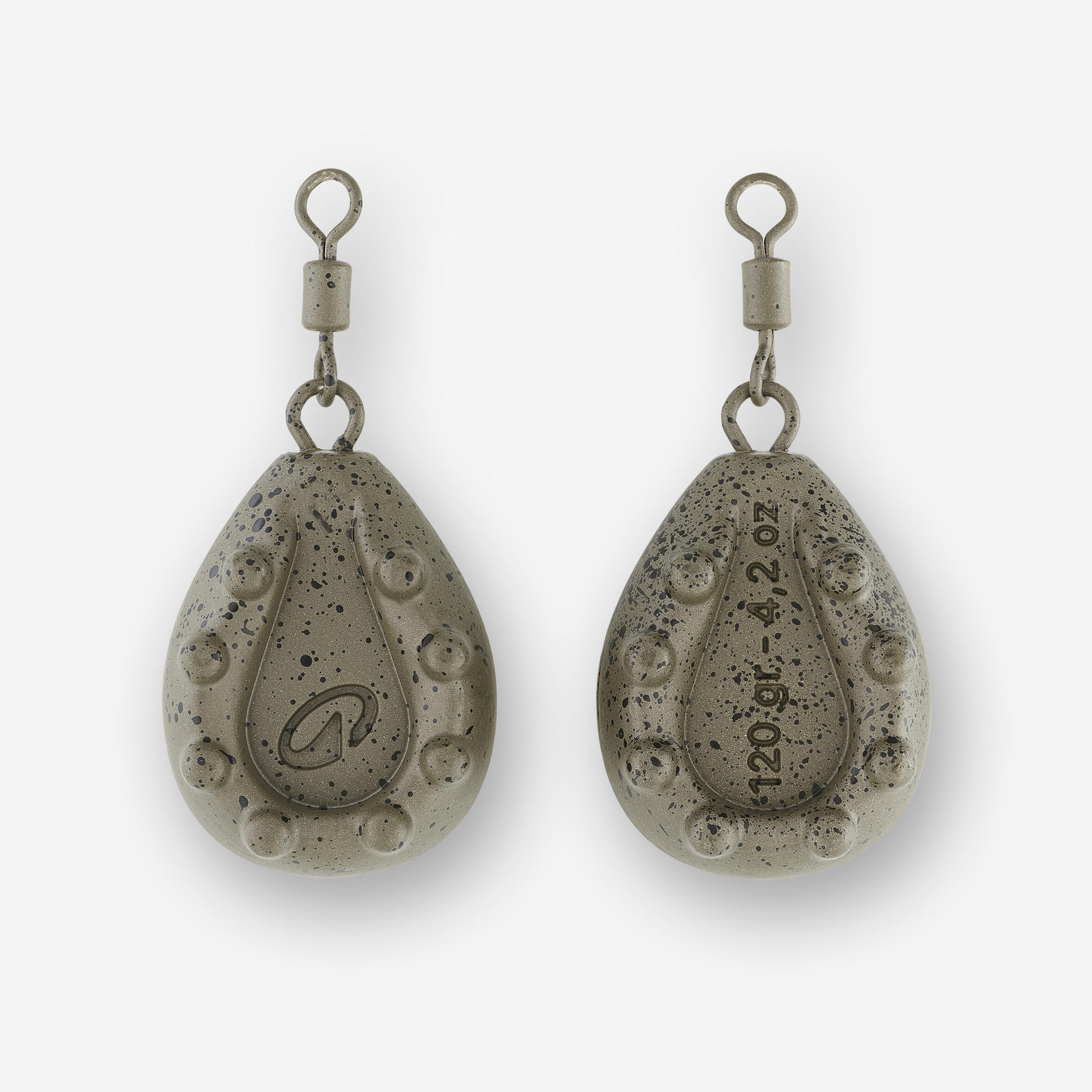
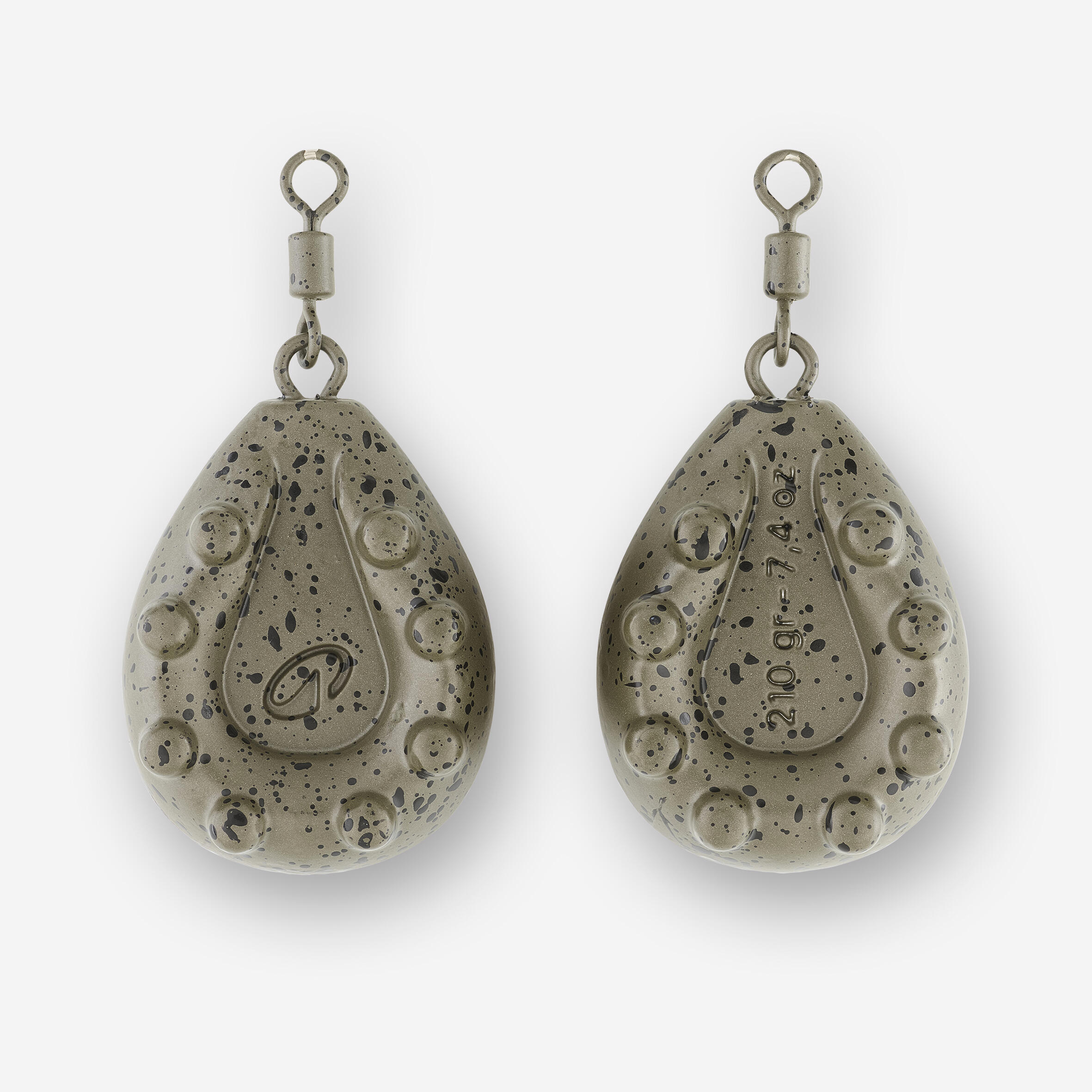
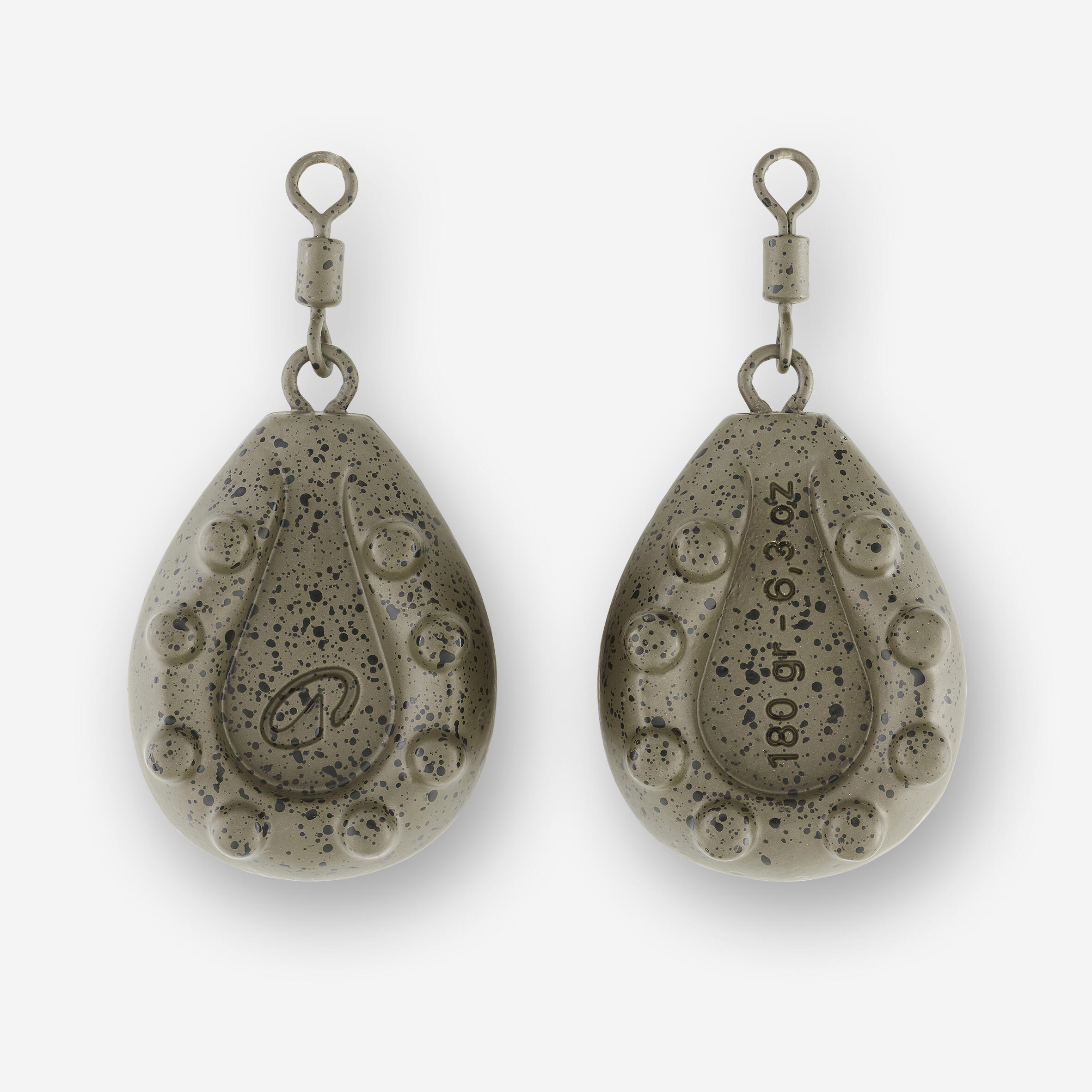
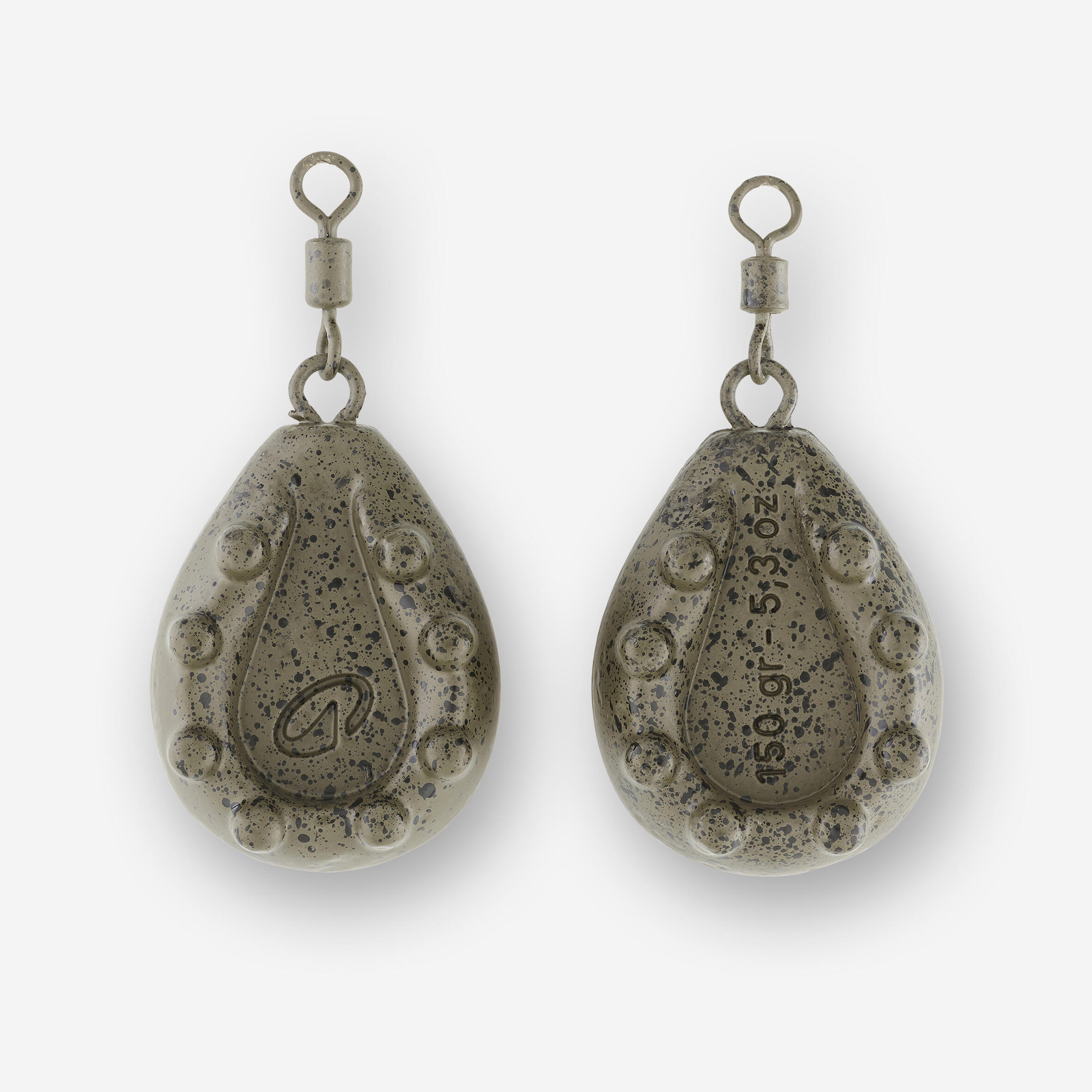
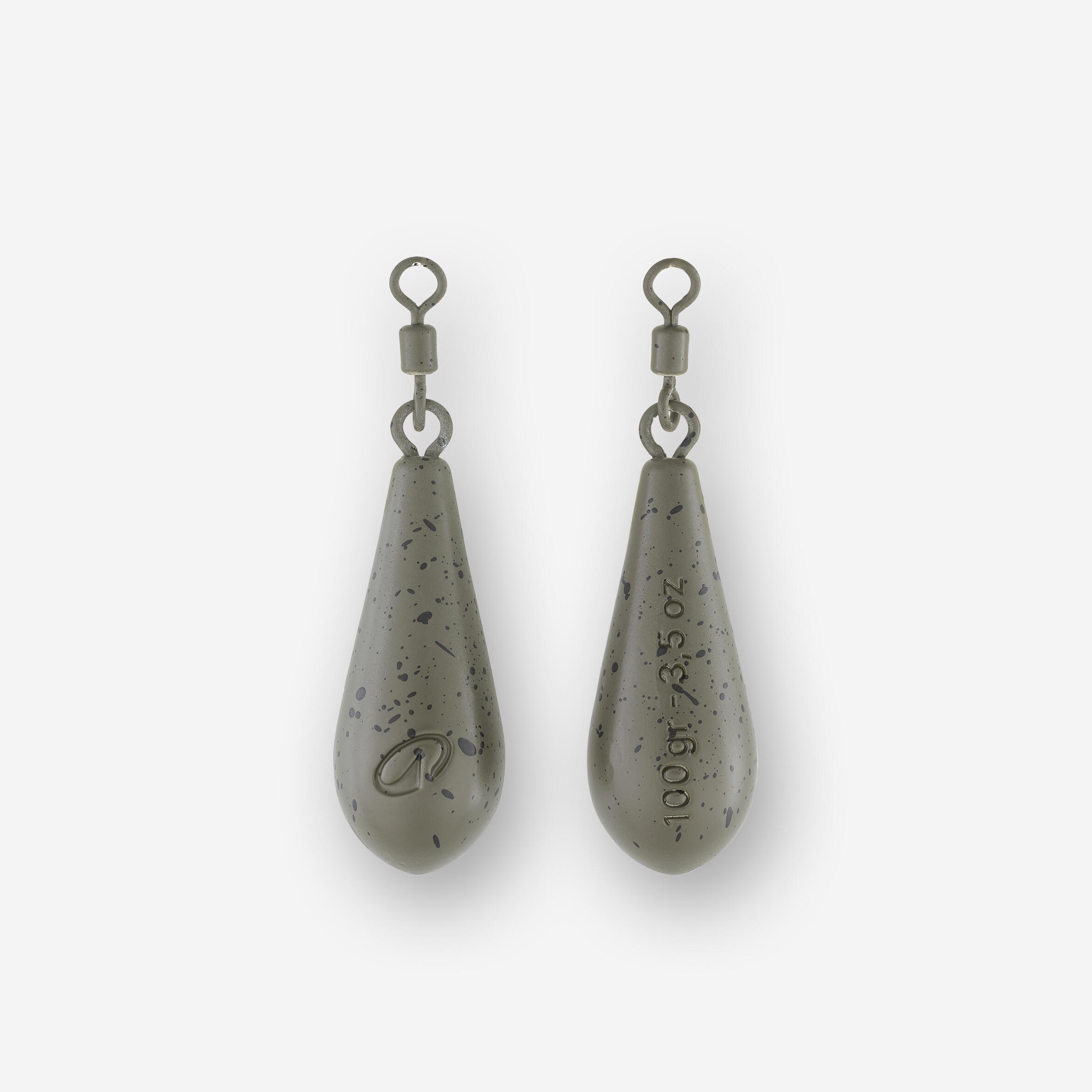
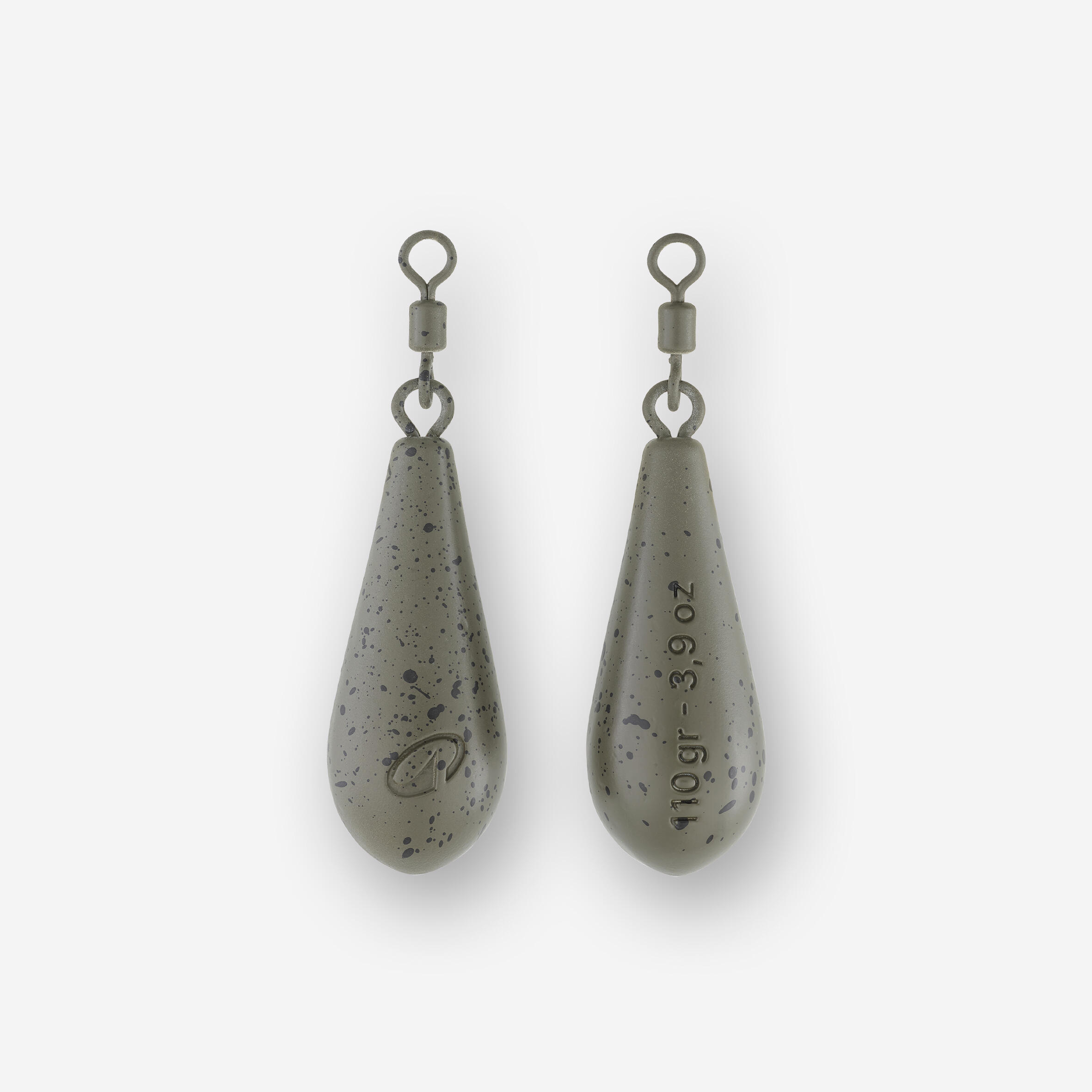
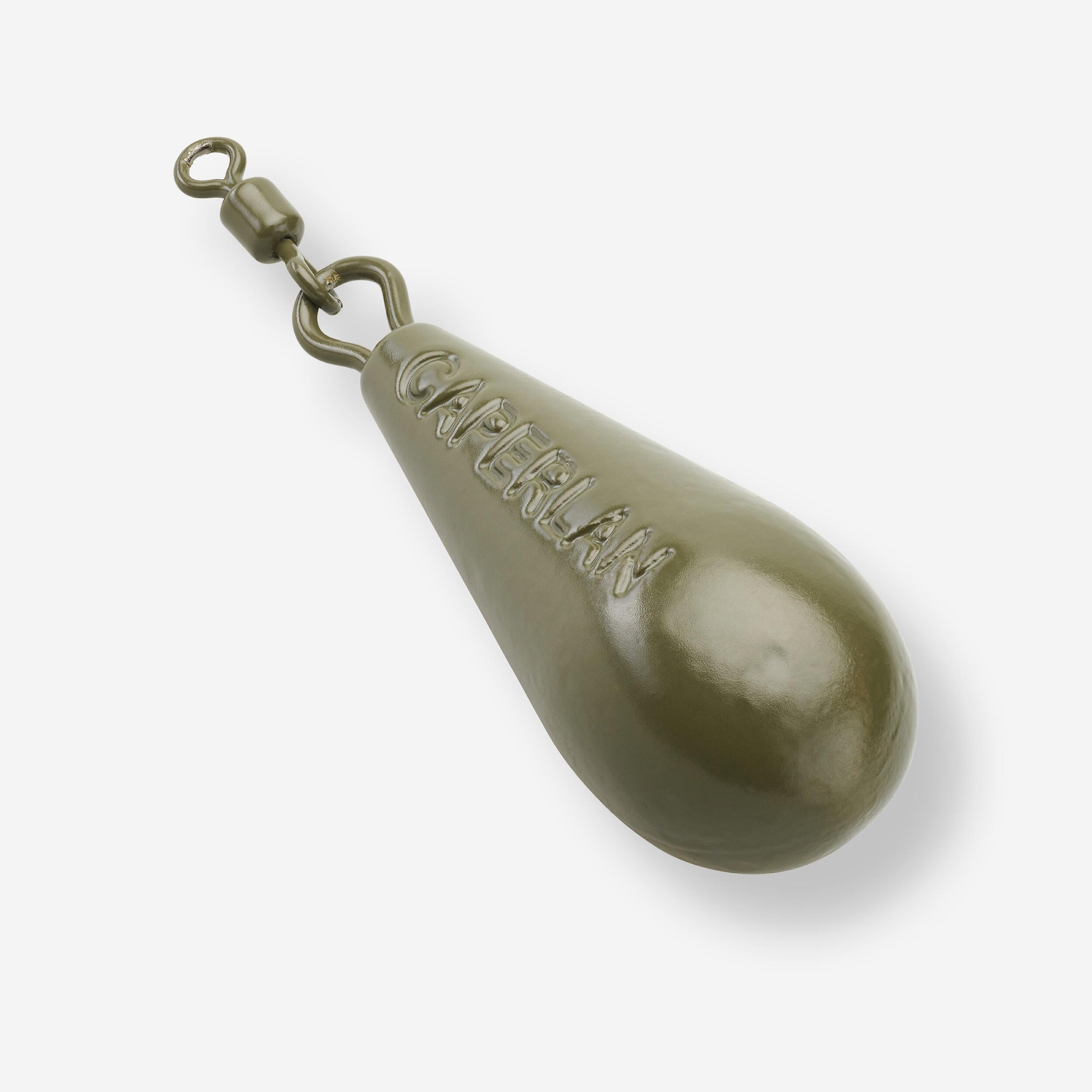
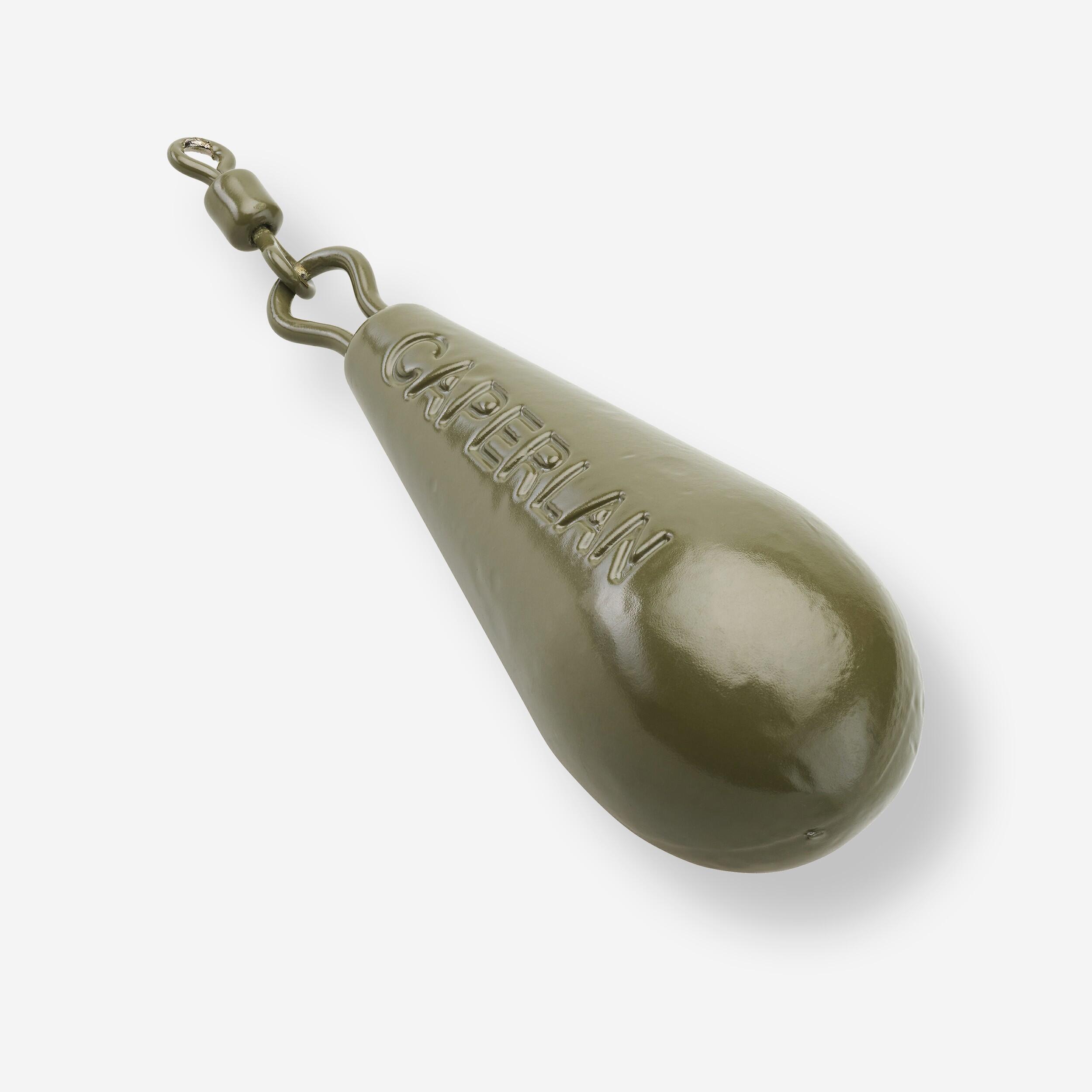
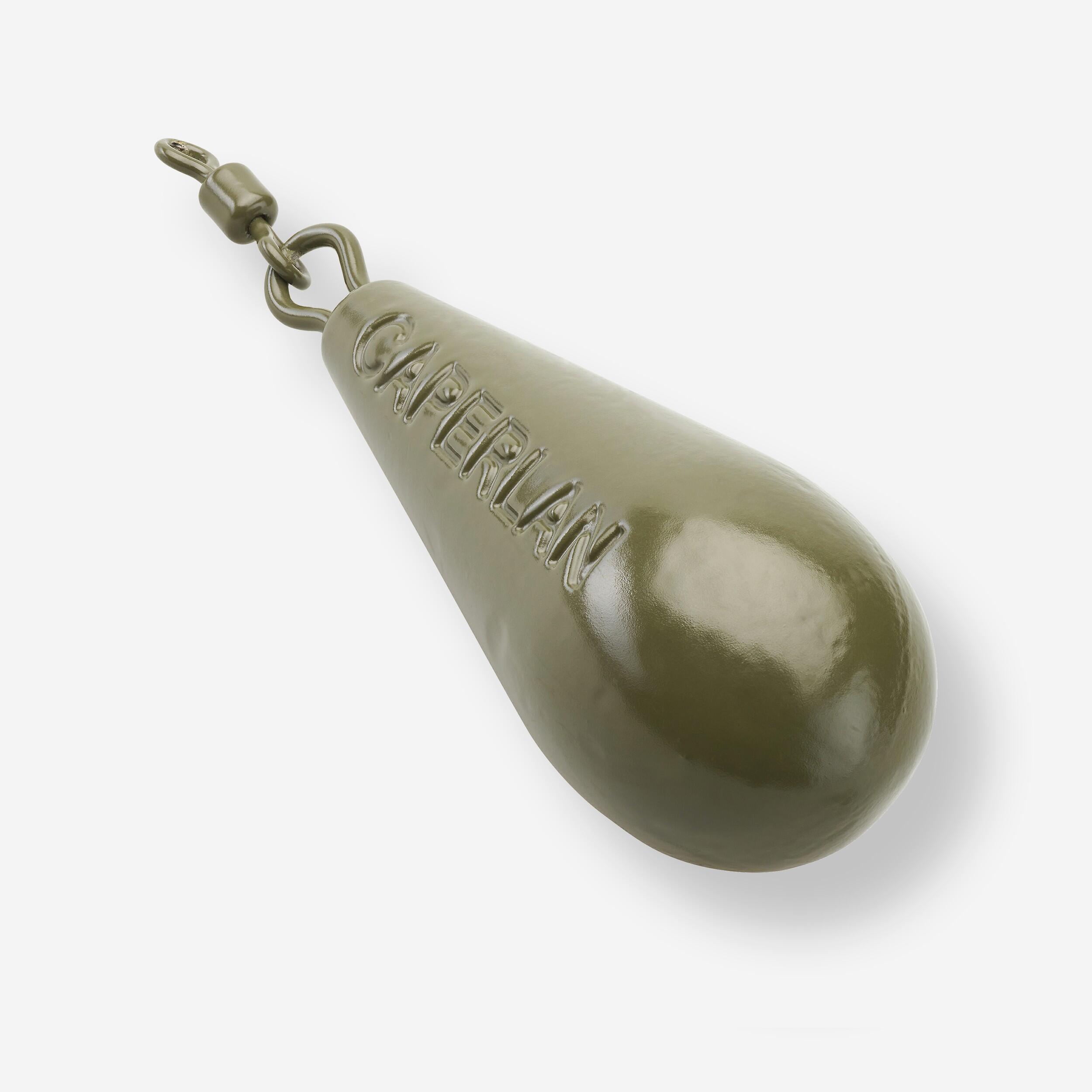
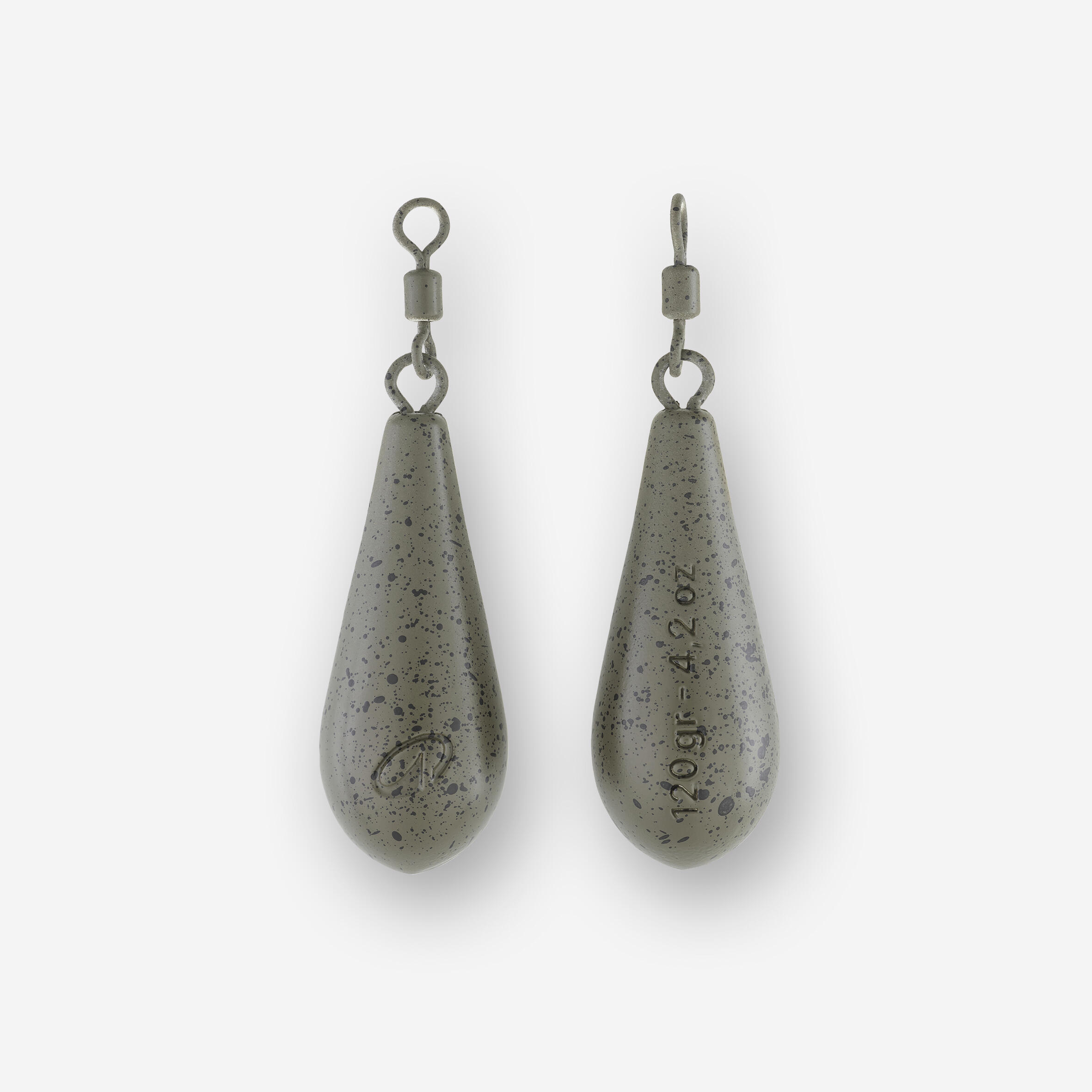
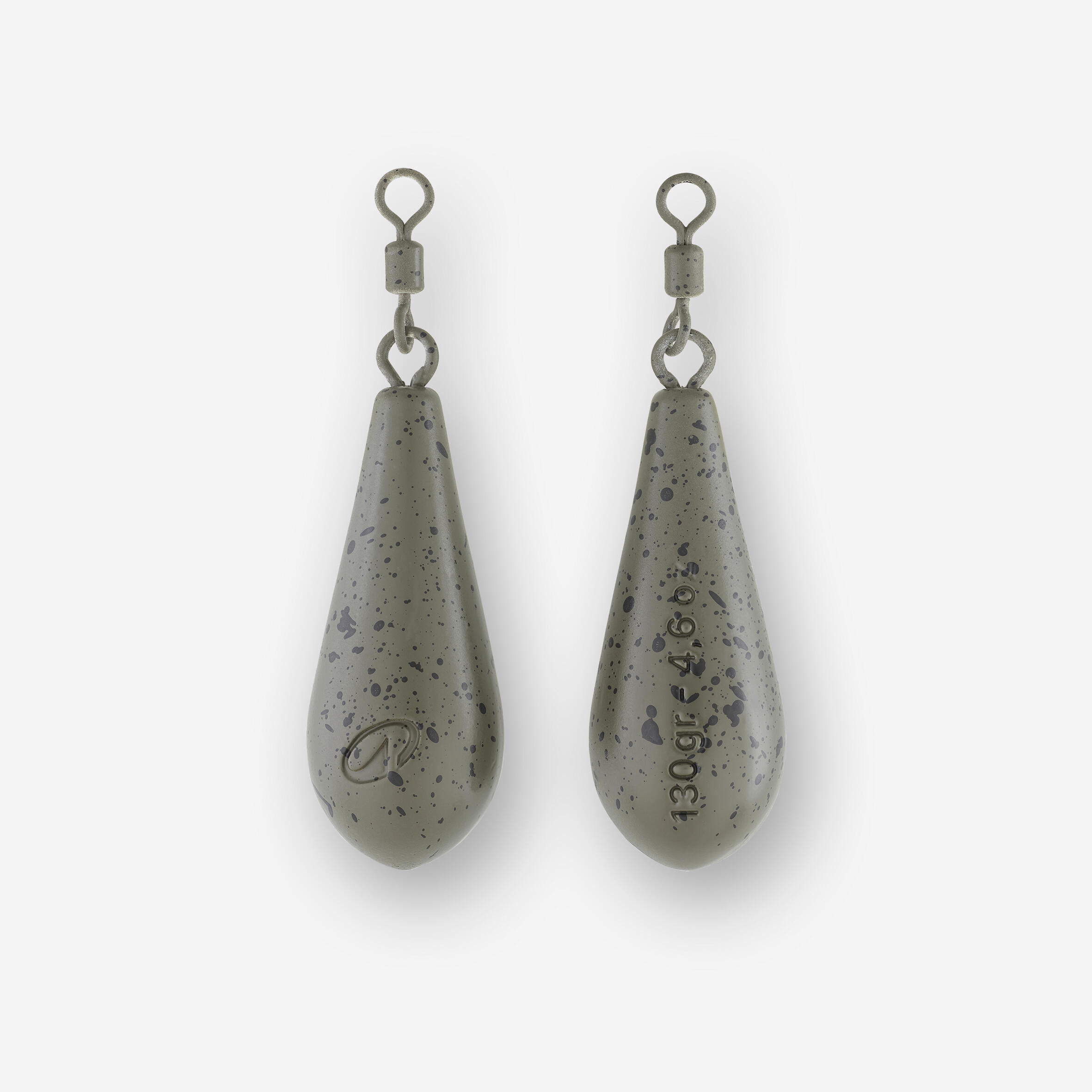
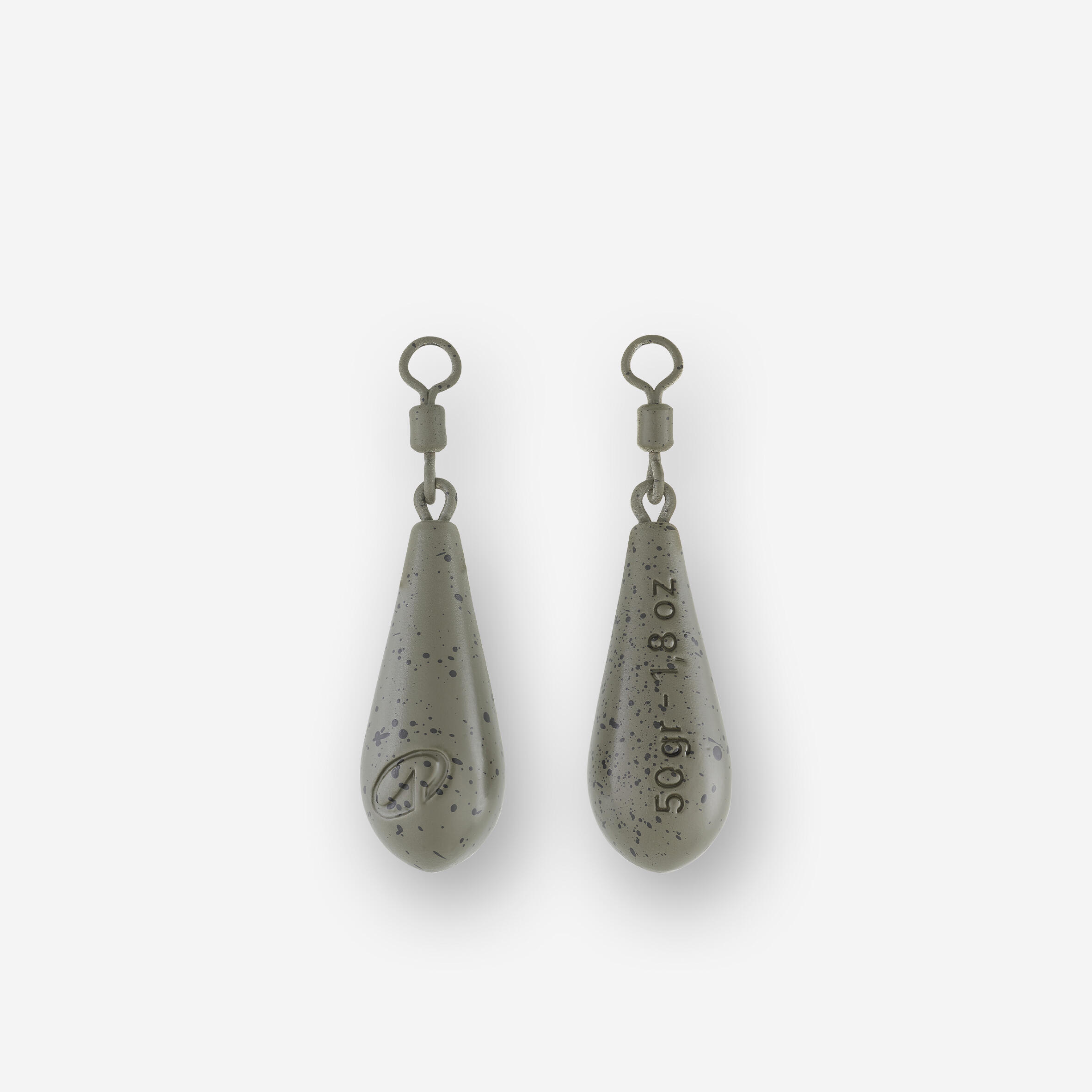
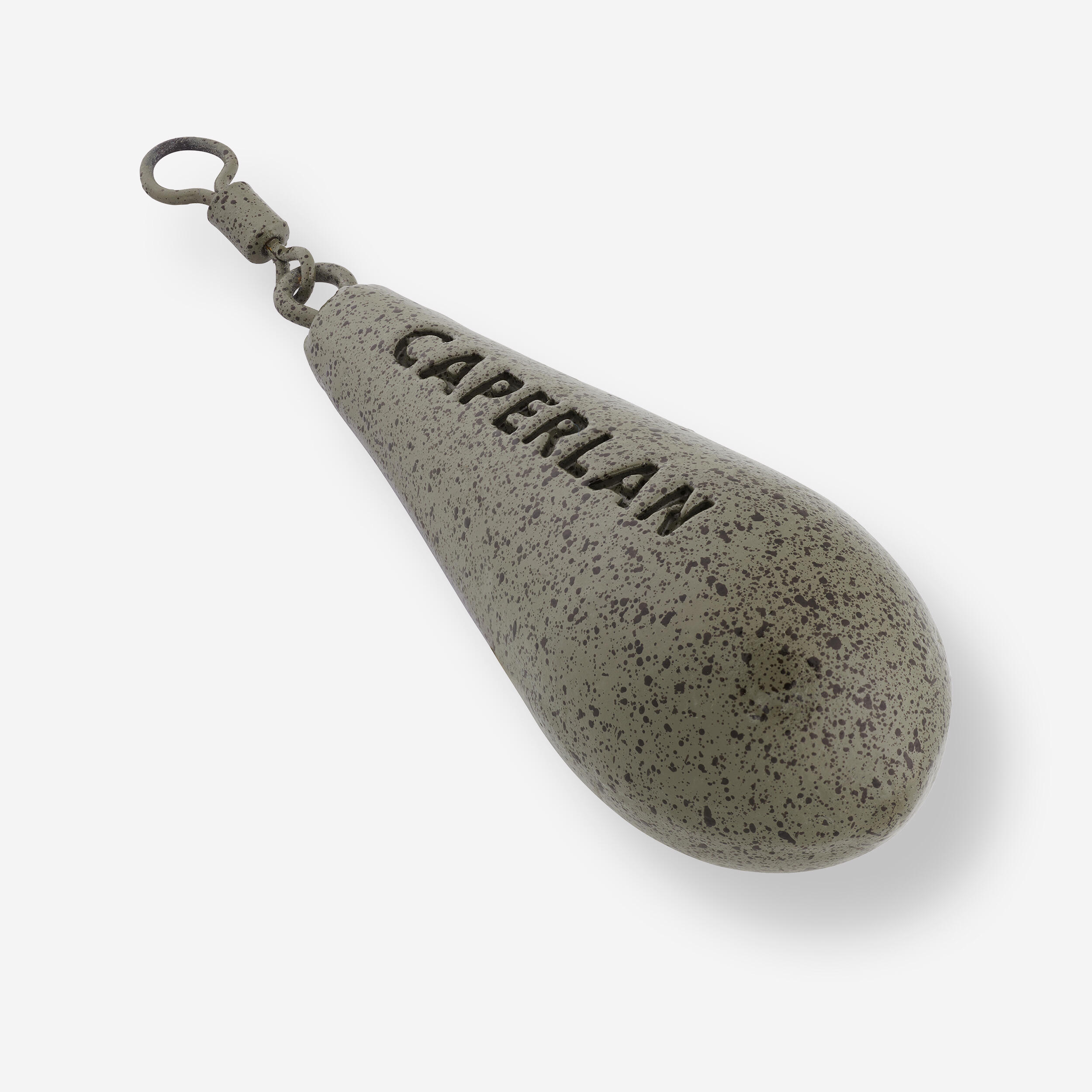
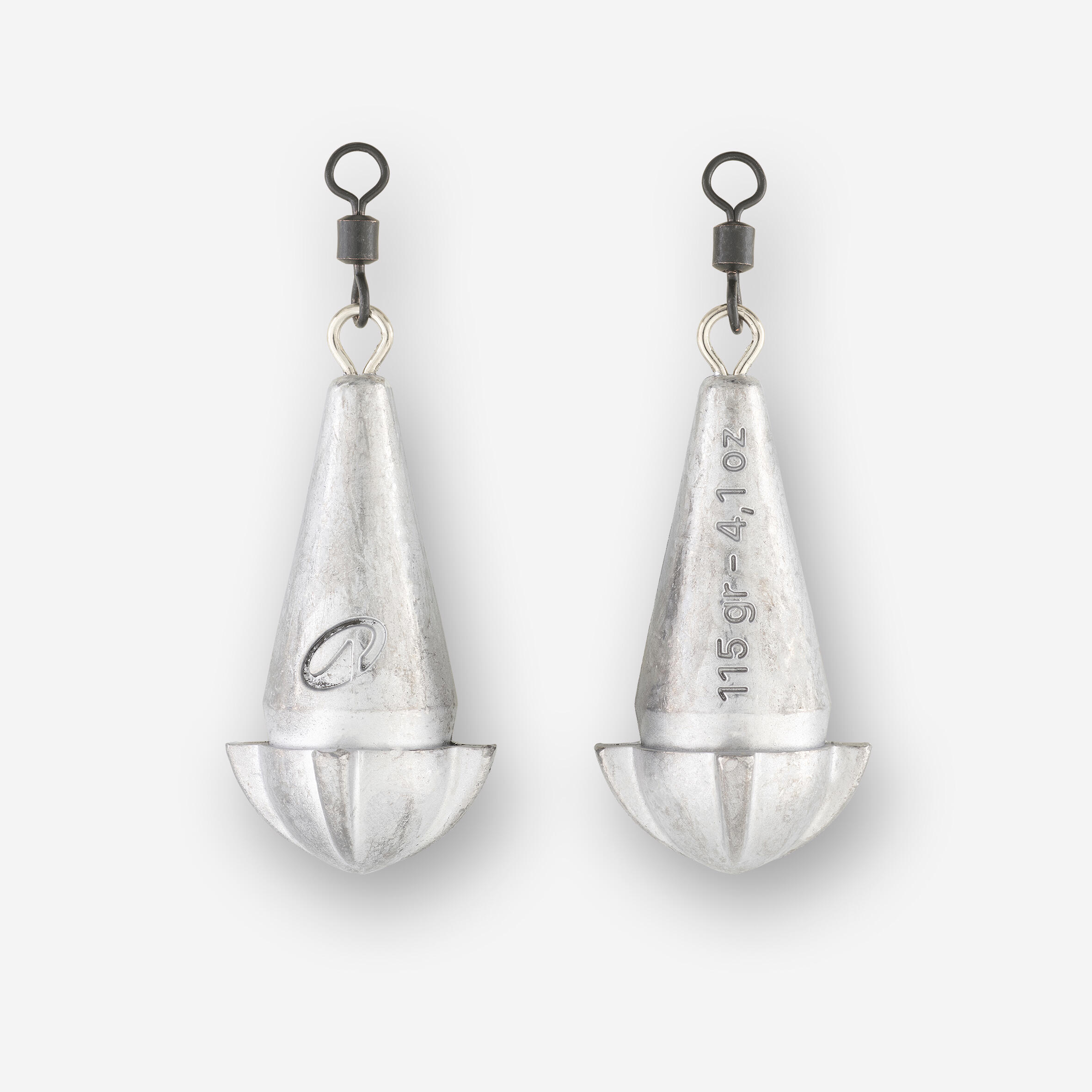
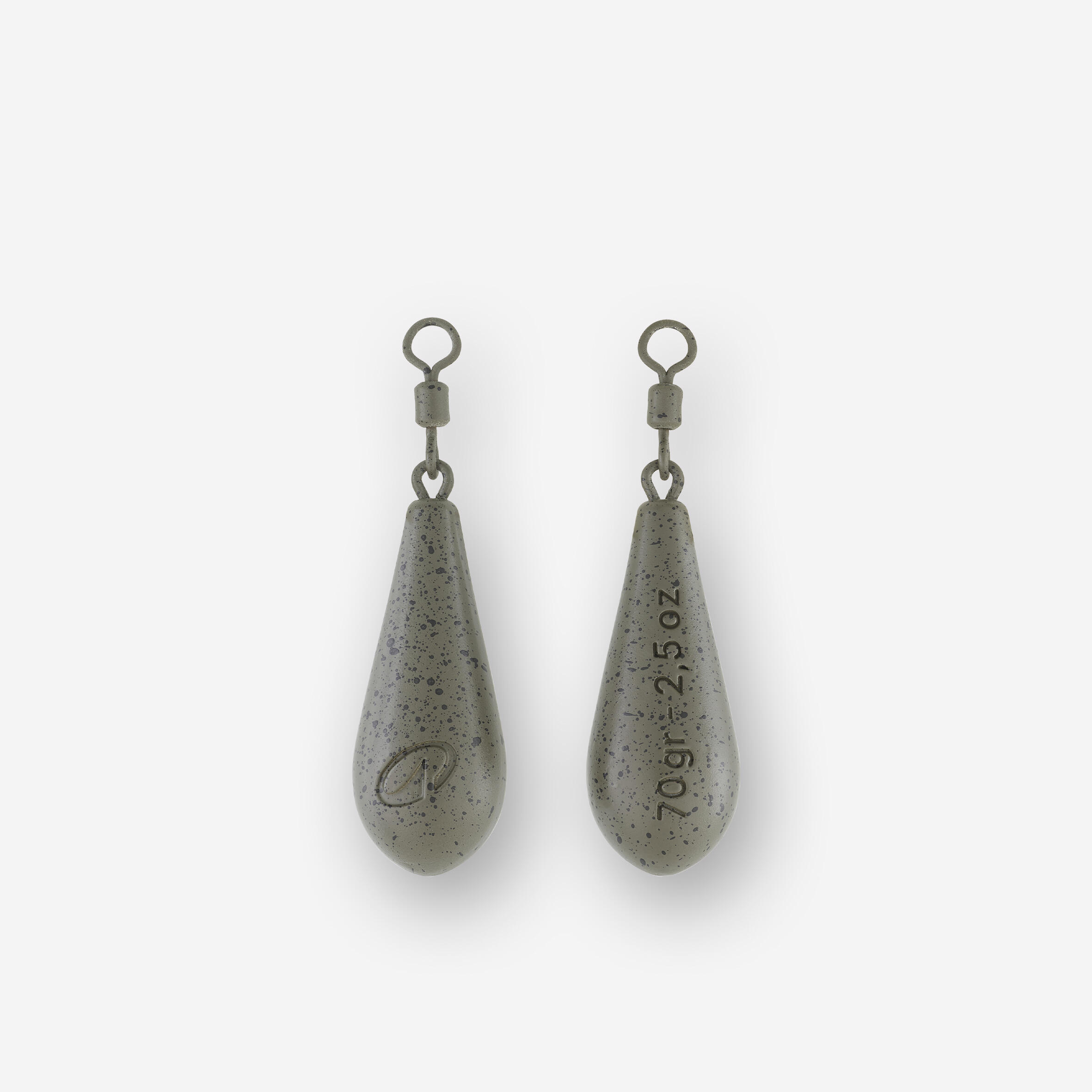
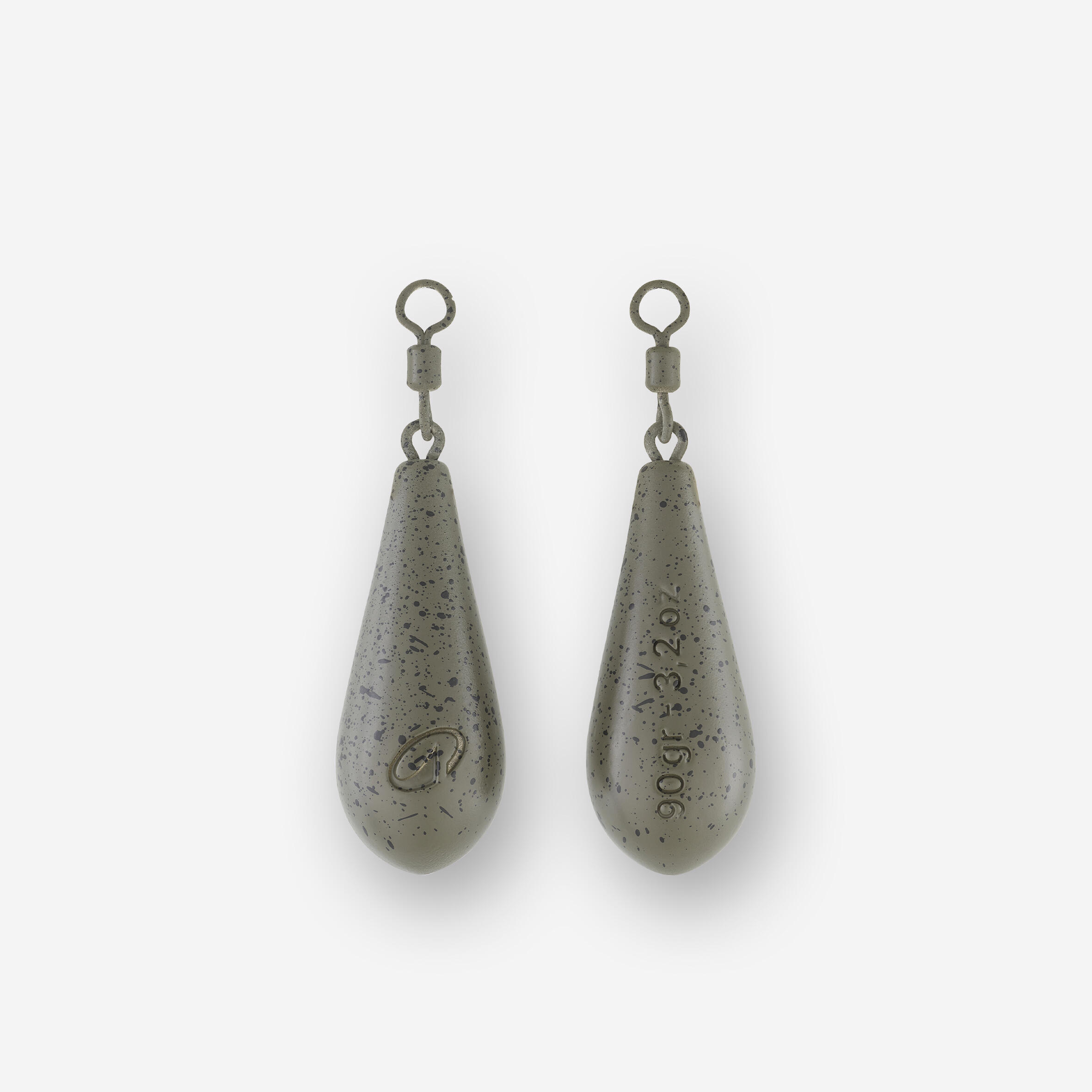
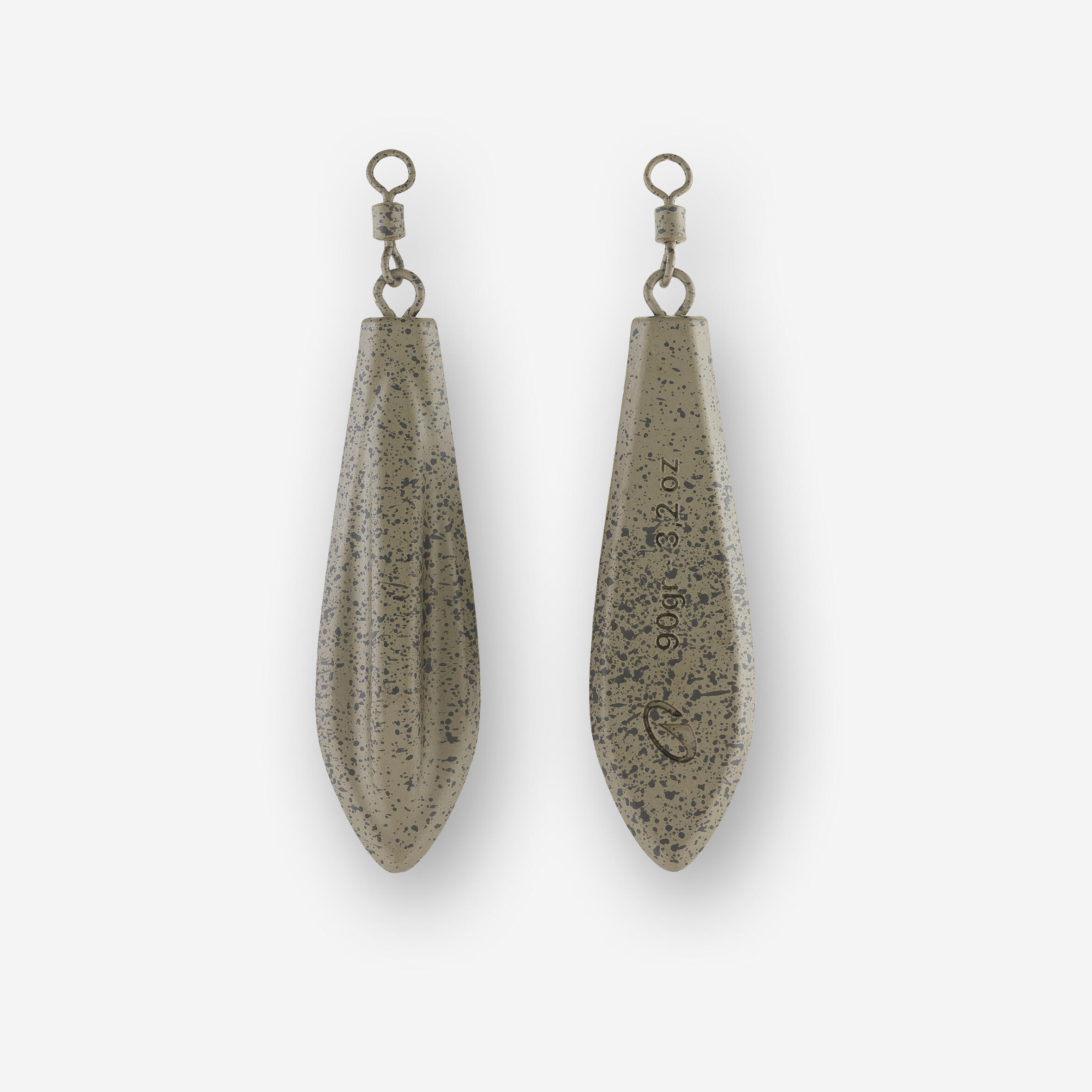
The position of the weight and the outline of the sinker both influence how it travels through the air. Caperlan gives its carp fishing distance sinkers an offset centre of gravity and aerodynamic profile to support long, accurate casts. The same basic shape is available across several weights, from roughly 50 g to 150 g, so you can alter the load without moving to a completely different sinker design. Caperlan also uses centrifugal moulding to distribute the material, with a stated manufacturing tolerance of -5% to +10%. Match the nominal weight to the rod's casting limits and the distance you actually need rather than selecting the heaviest option automatically.

Why can a trilobe or stable sinker shape have an effect on the lakebed?

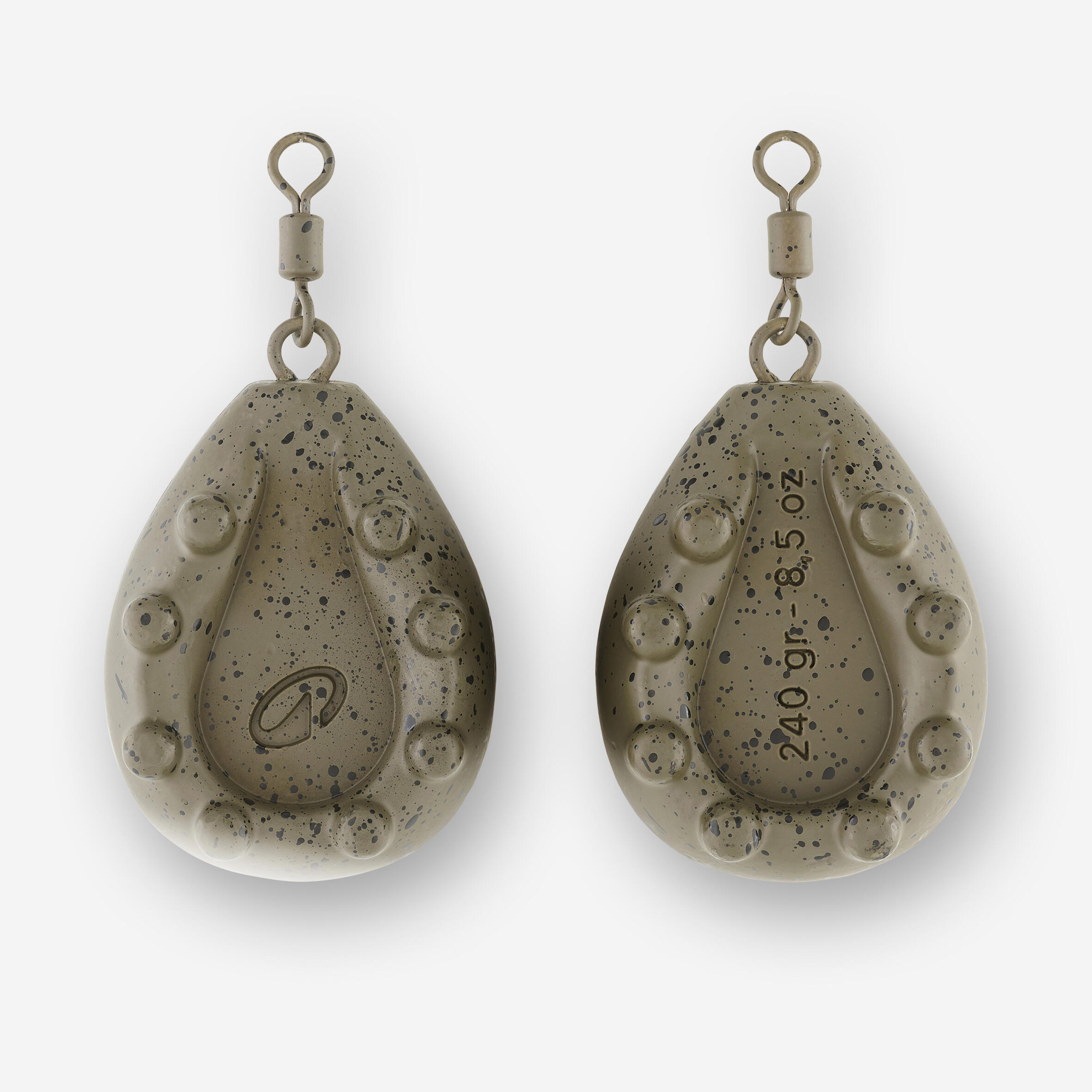
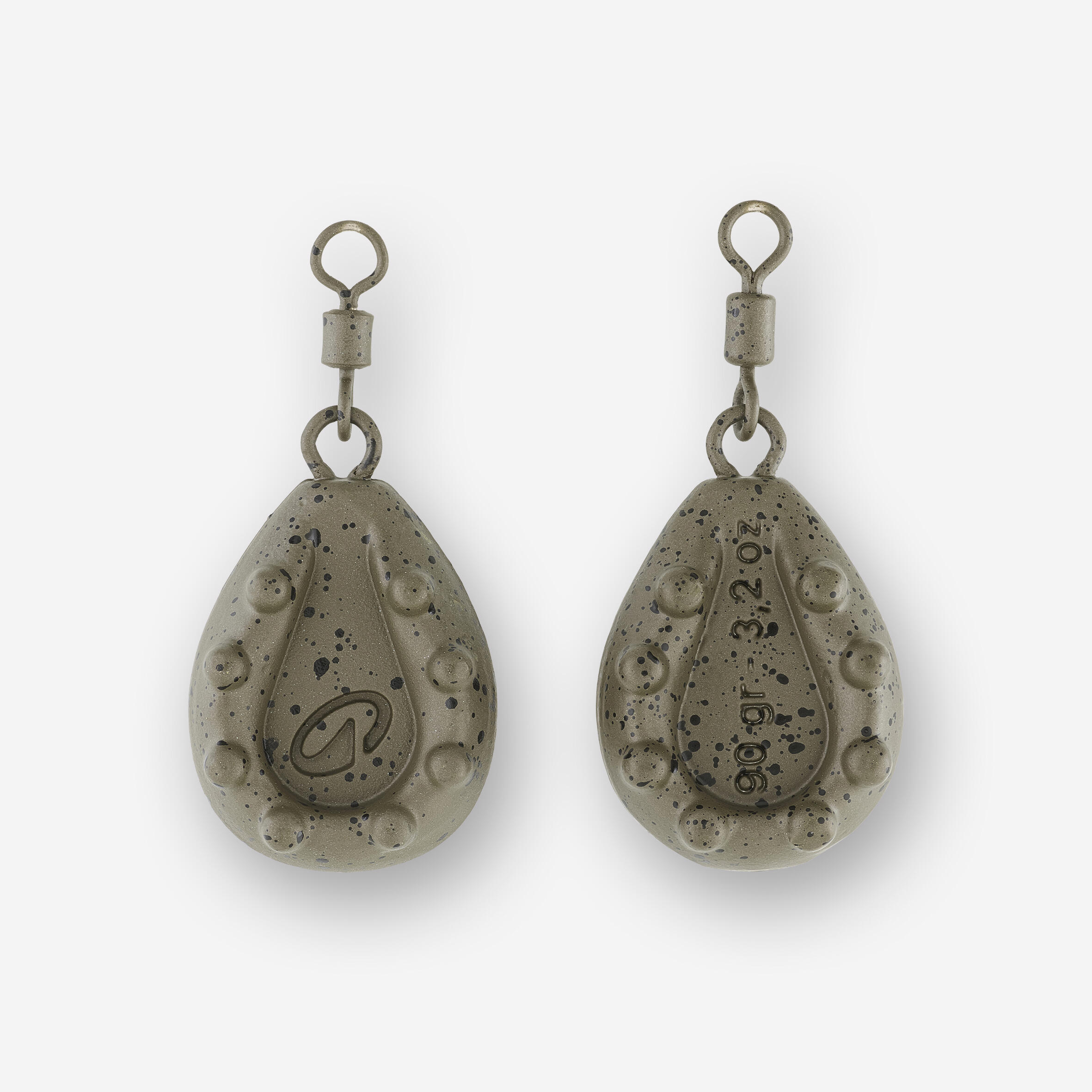
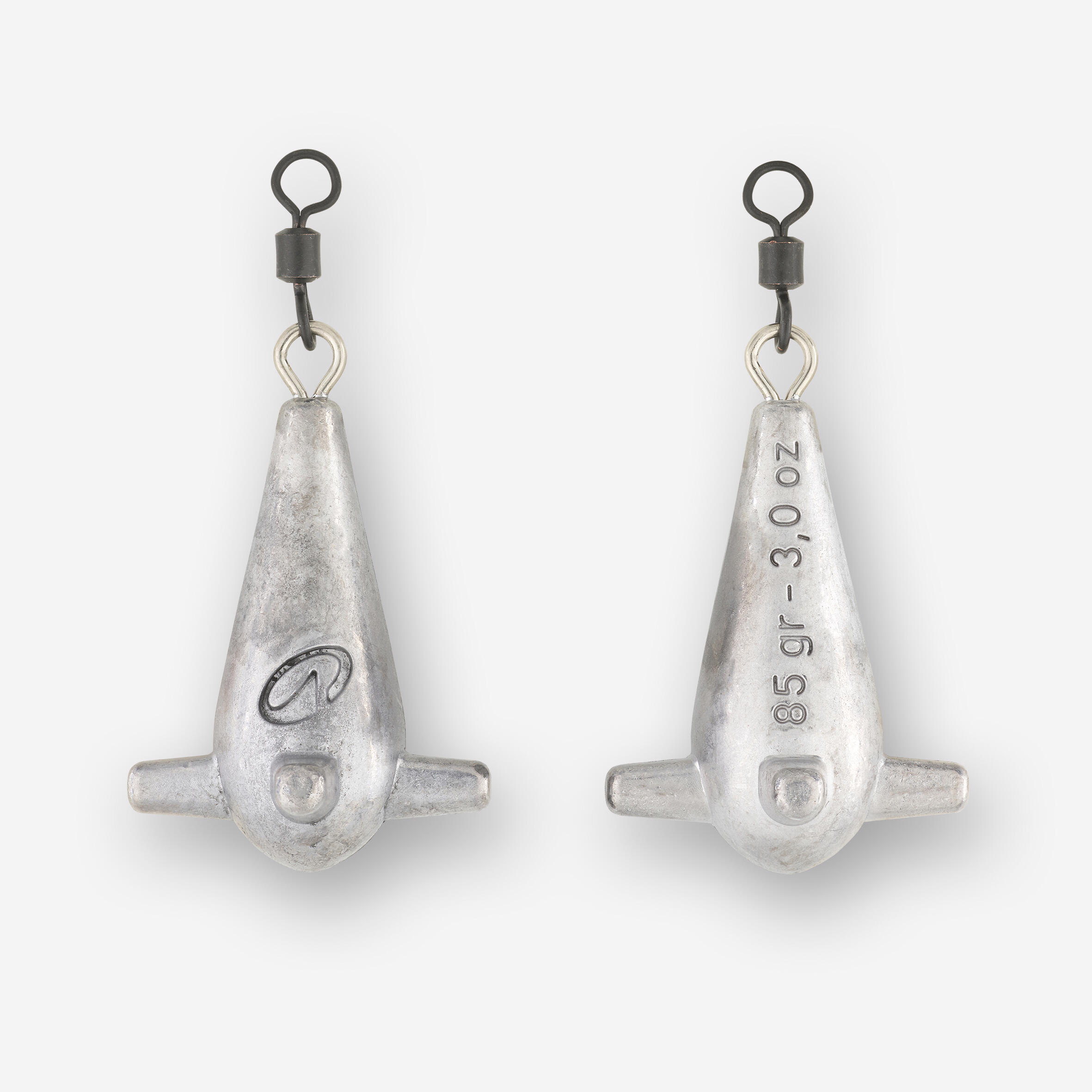
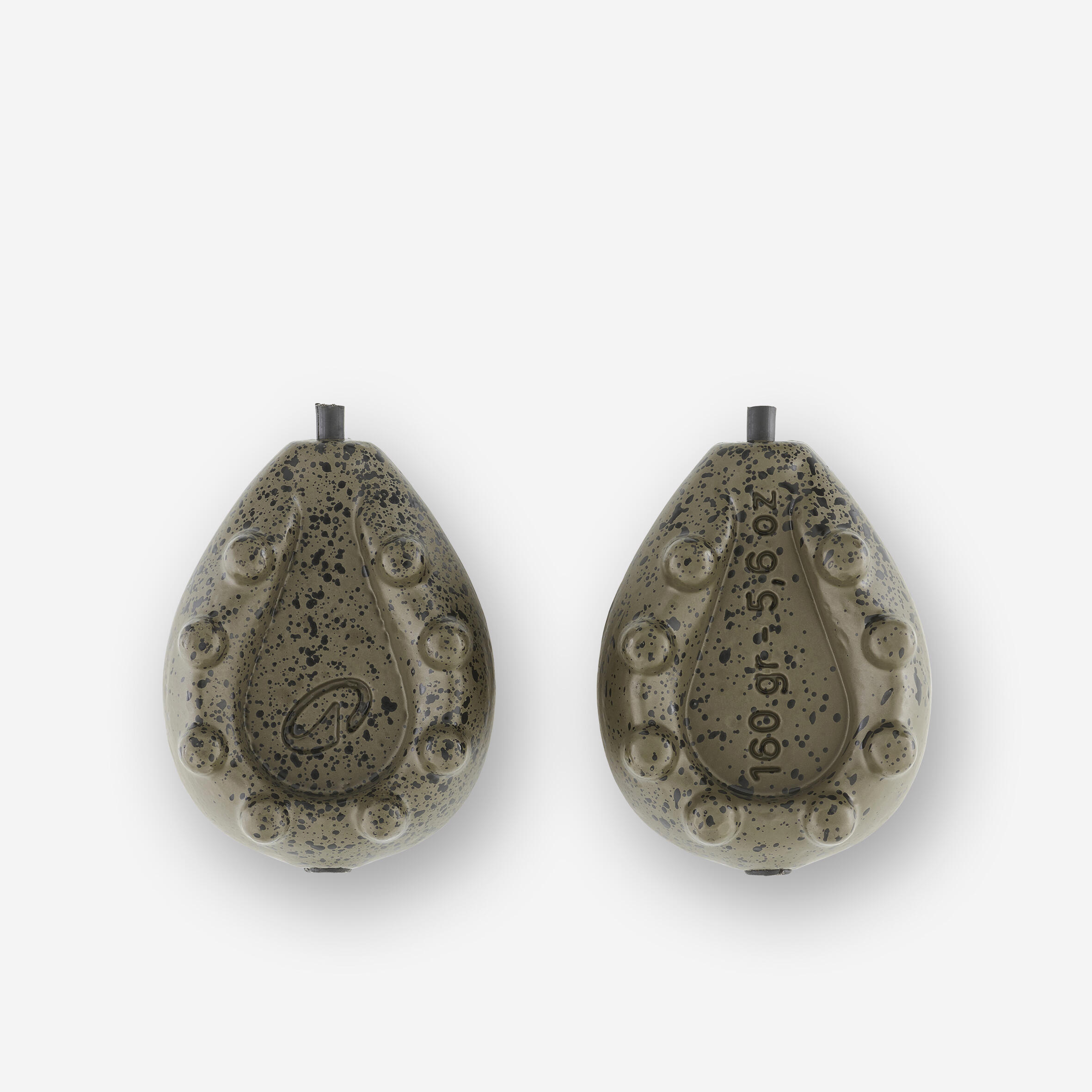
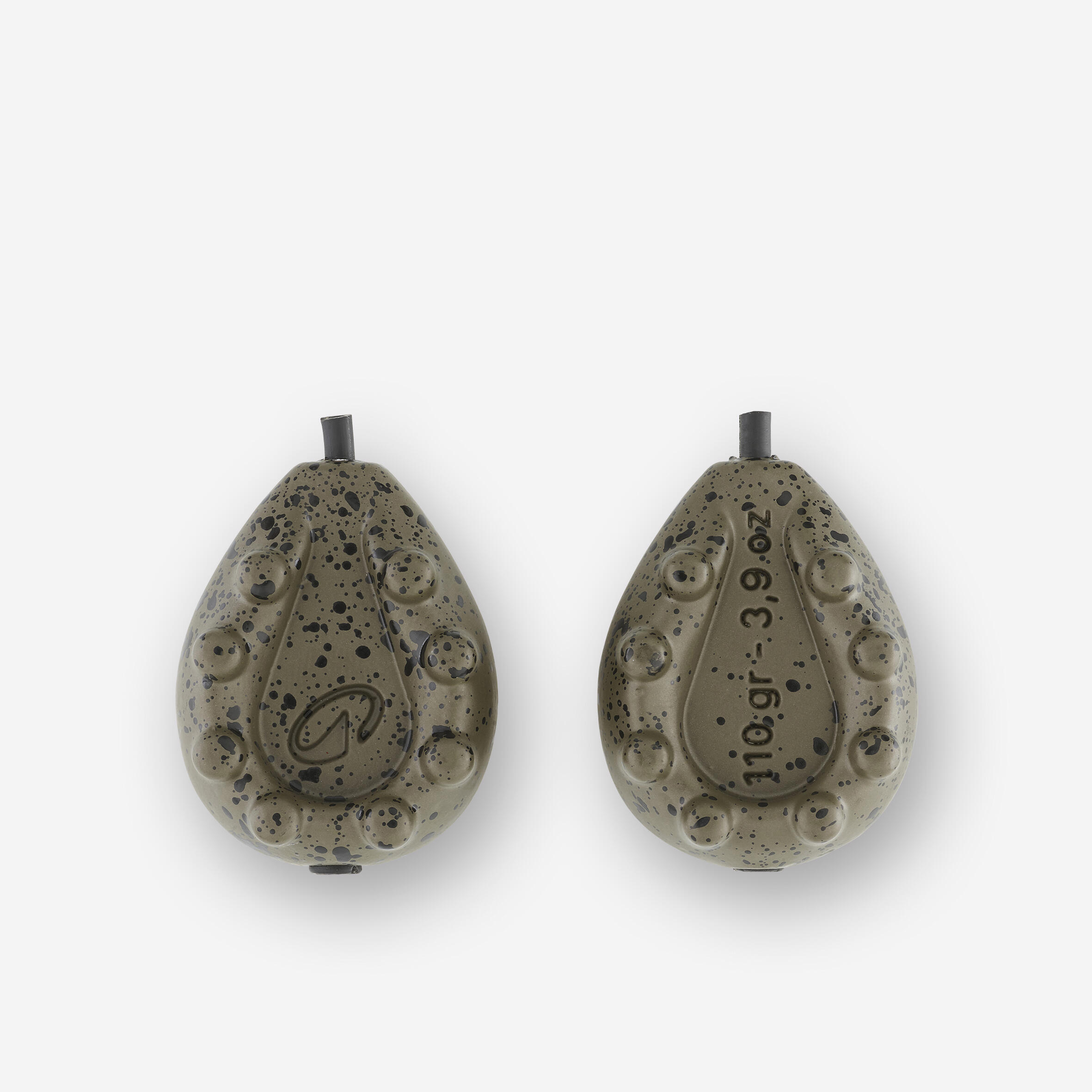
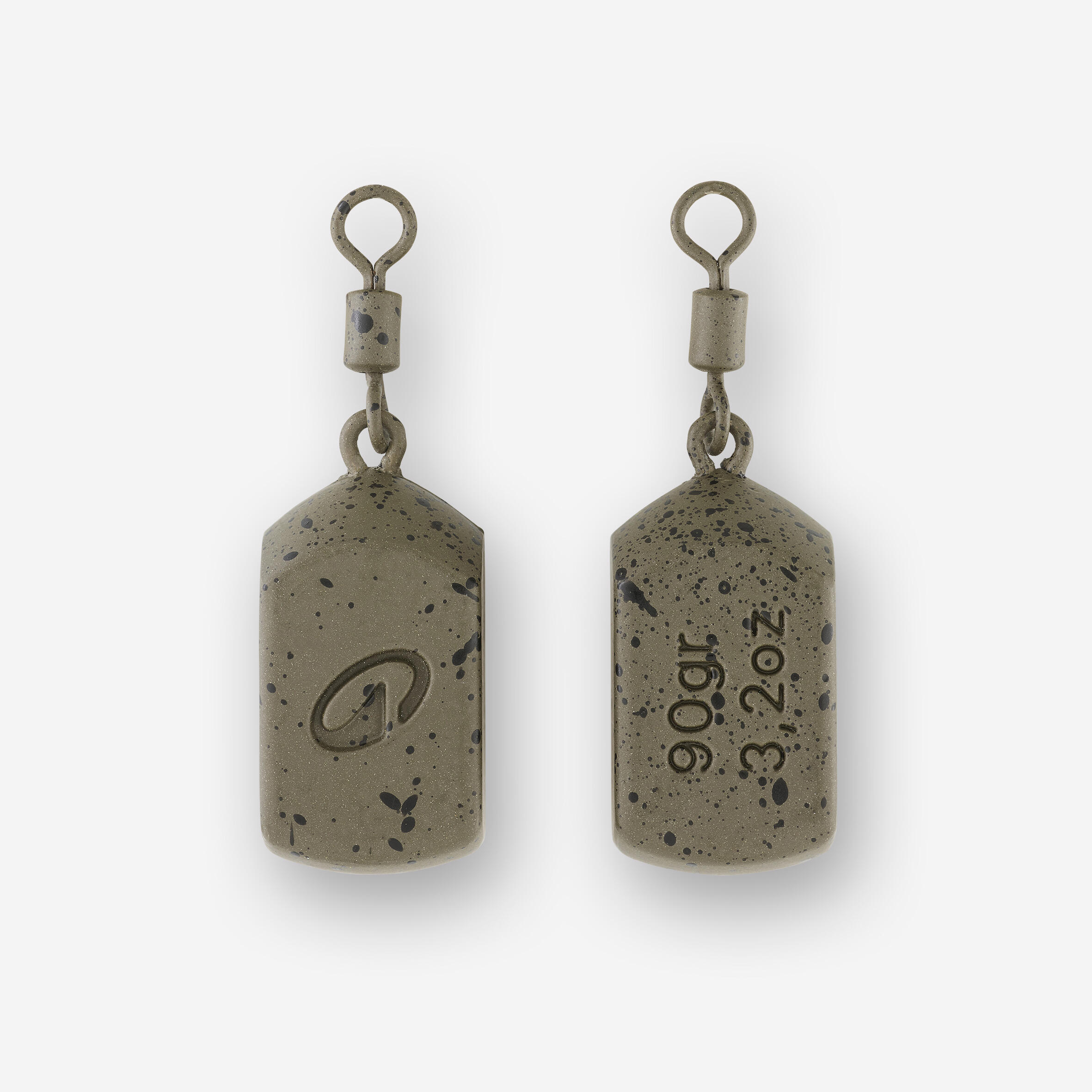
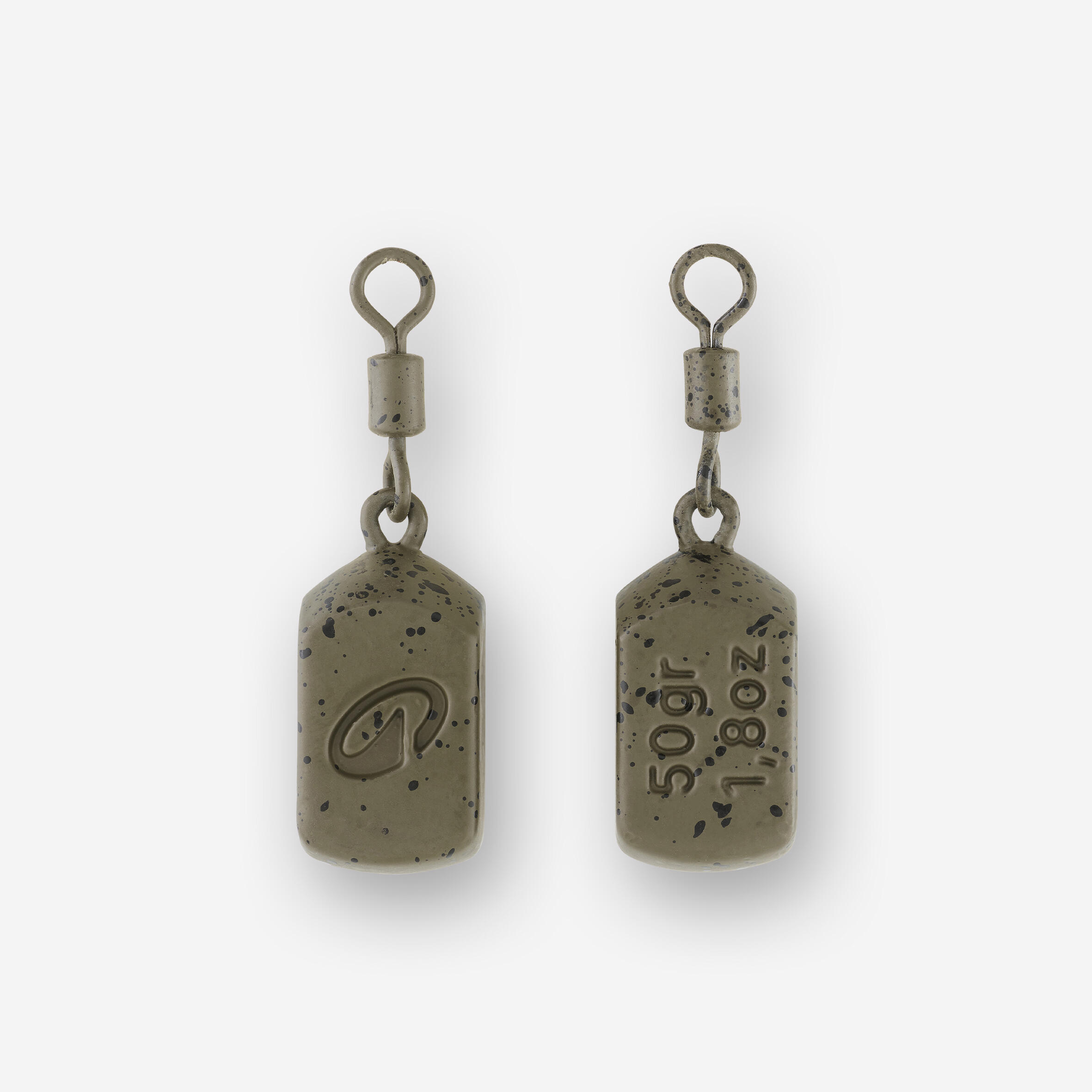
Once the cast is complete, stability becomes more important than aerodynamics alone. A flatter or more structured shape can help limit unwanted movement after the rig reaches the bottom. Caperlan develops different profiles for this reason, and carp fishing trilobe weight sinkers give you another option when lakebed behaviour matters alongside casting. The broader Caperlan weight family also includes Square sinkers, whose flat sides create a stable centre of gravity and support self-hooking by keeping the lead more firmly positioned. Consider the bottom type, rig mechanics and required casting distance together rather than assuming every sinker shape performs the same job after landing.

What is different about an inline carp weight?

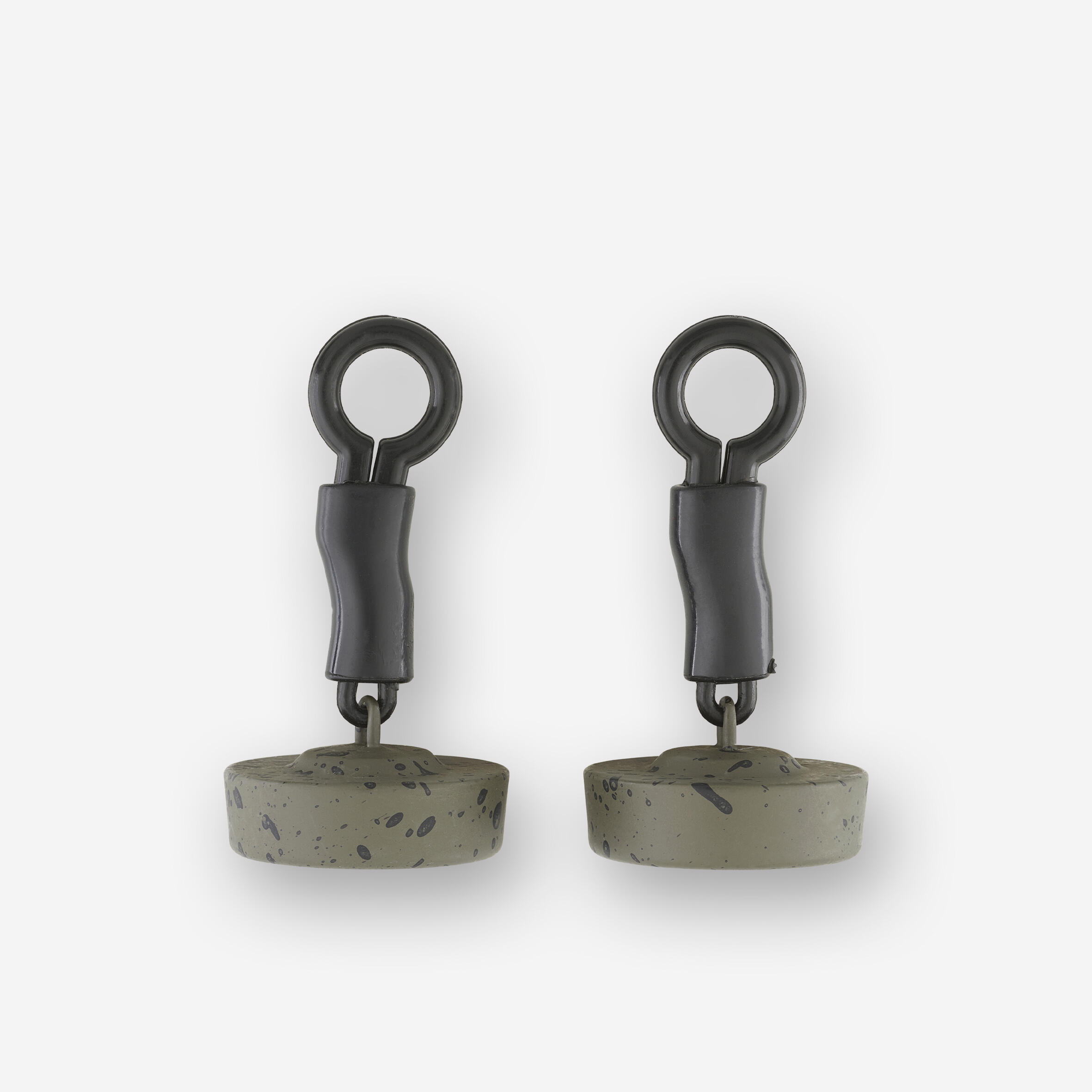
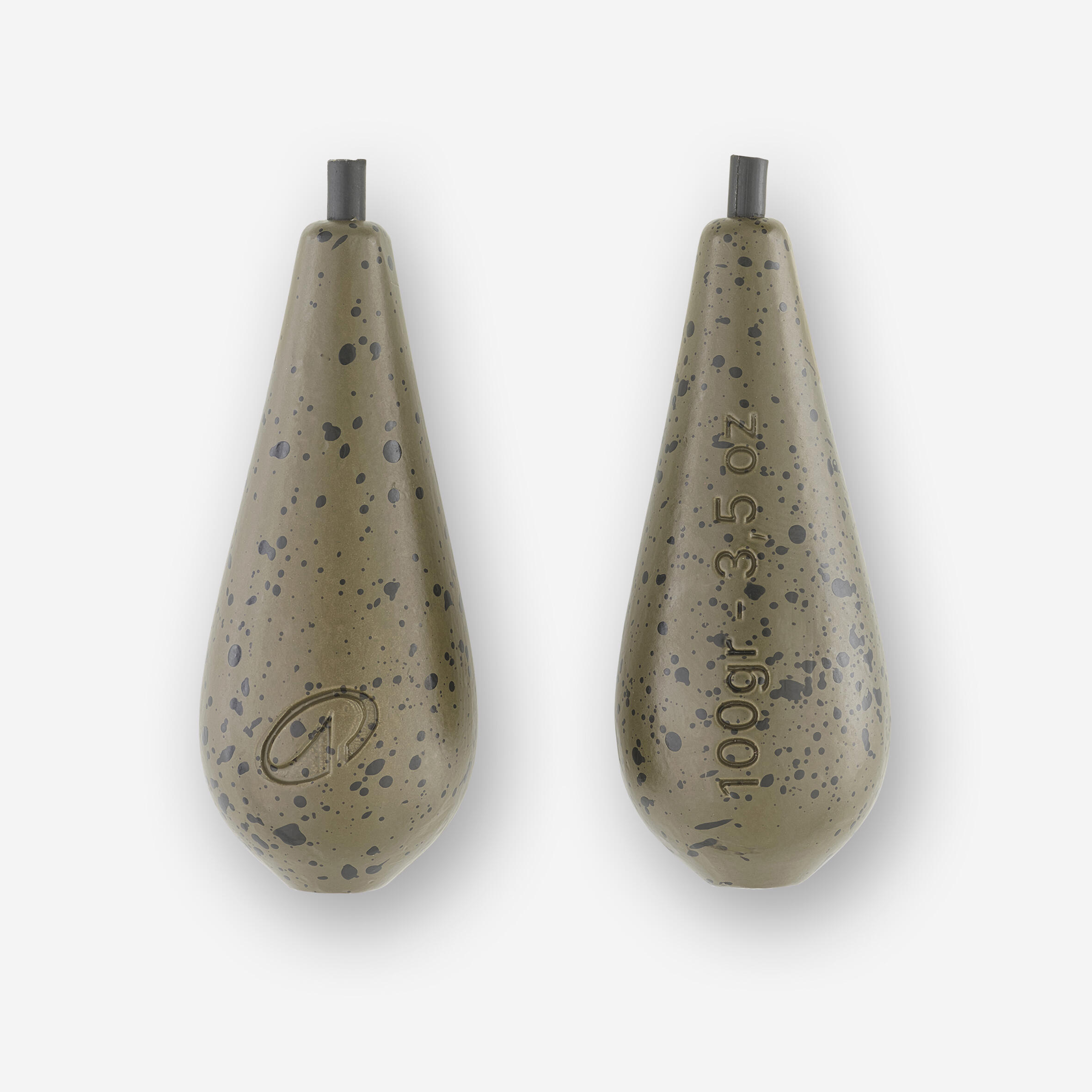
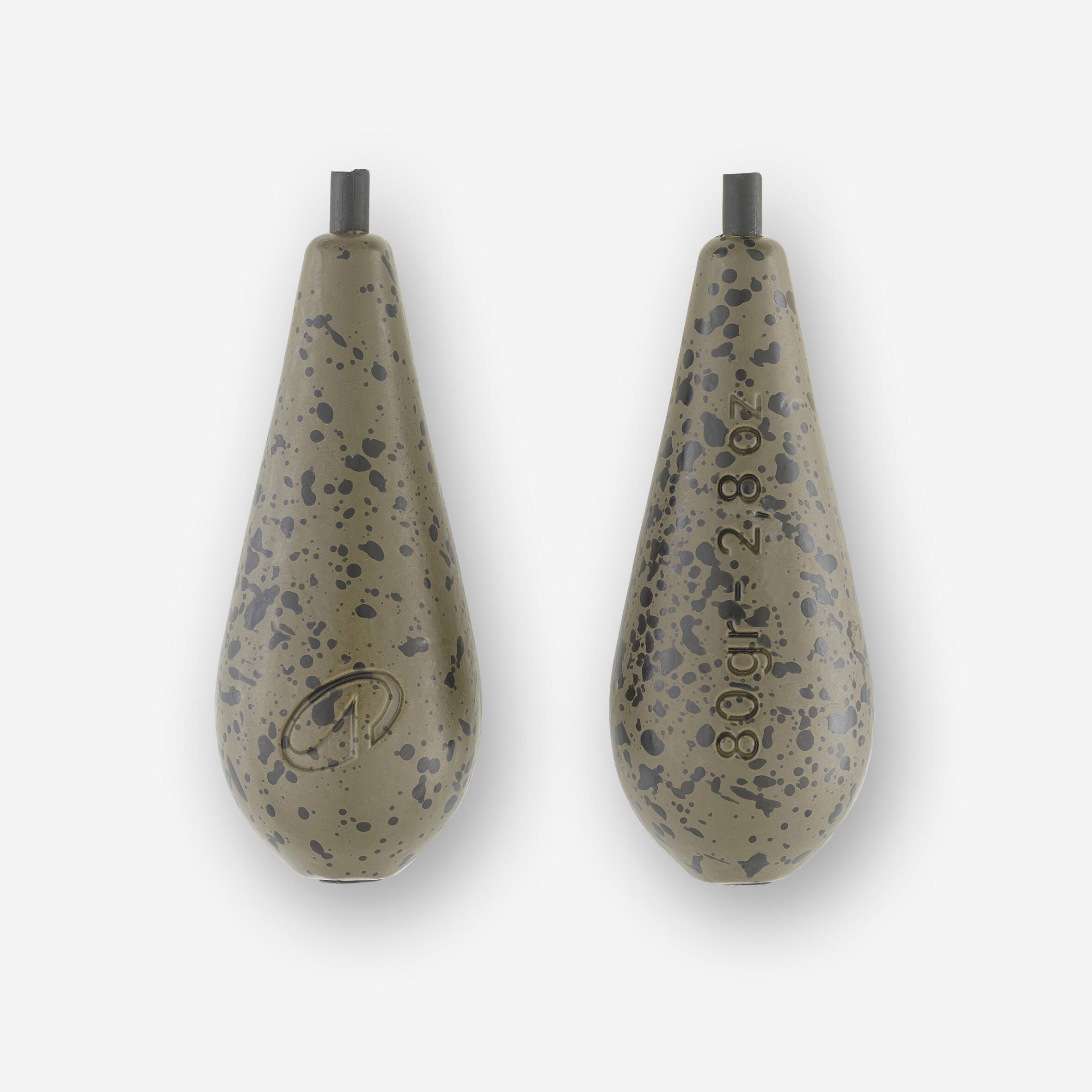
Inline designs place the rig connection through the sinker system rather than hanging the lead externally from a conventional clip. Caperlan's Inline Distance weights combine this rig arrangement with an aerodynamic profile, so the sinker's mass can contribute directly to self-hooking while still supporting distance casting. Current options include approximately 80 g, 100 g and 120 g, and the internal connection is compatible with standard size 8 swivels. This gives you another way to build the terminal end of a carp fishing system when you want the weight and rig mechanics to work together. Check every swivel and connection before casting, especially after a lead has struck hard ground or been pulled through obstacles.

How does camouflage extend beyond the sinker itself?

Caperlan treats the full terminal assembly as part of the presentation rather than colouring only the main lead body. Selected Distance and Square weights carry camouflage across the sinker, swivel and clip, reducing the contrast of bright metal close to the rig. The coating process can involve sanding for grip, black primer for adhesion, a khaki base and black sprayed markings to break up the final appearance. Other carp fishing accessories also use discreet finishes, making it easier to build a more visually consistent terminal structure. Paint durability still needs checking after repeated contact with gravel, stones or harder lakebeds because abrasion can gradually expose the material beneath the coating.

Which storage method keeps carp weights secure between sessions?

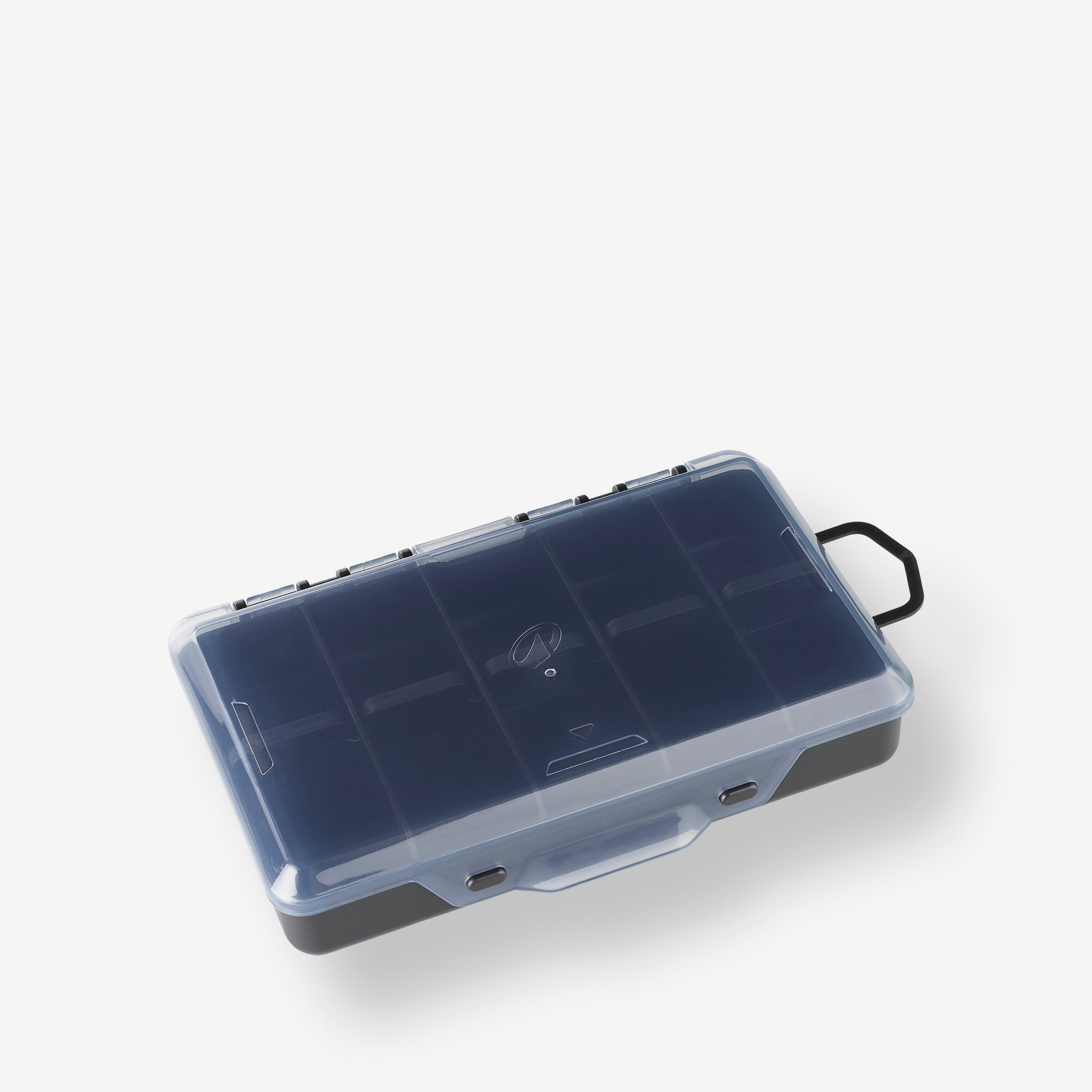
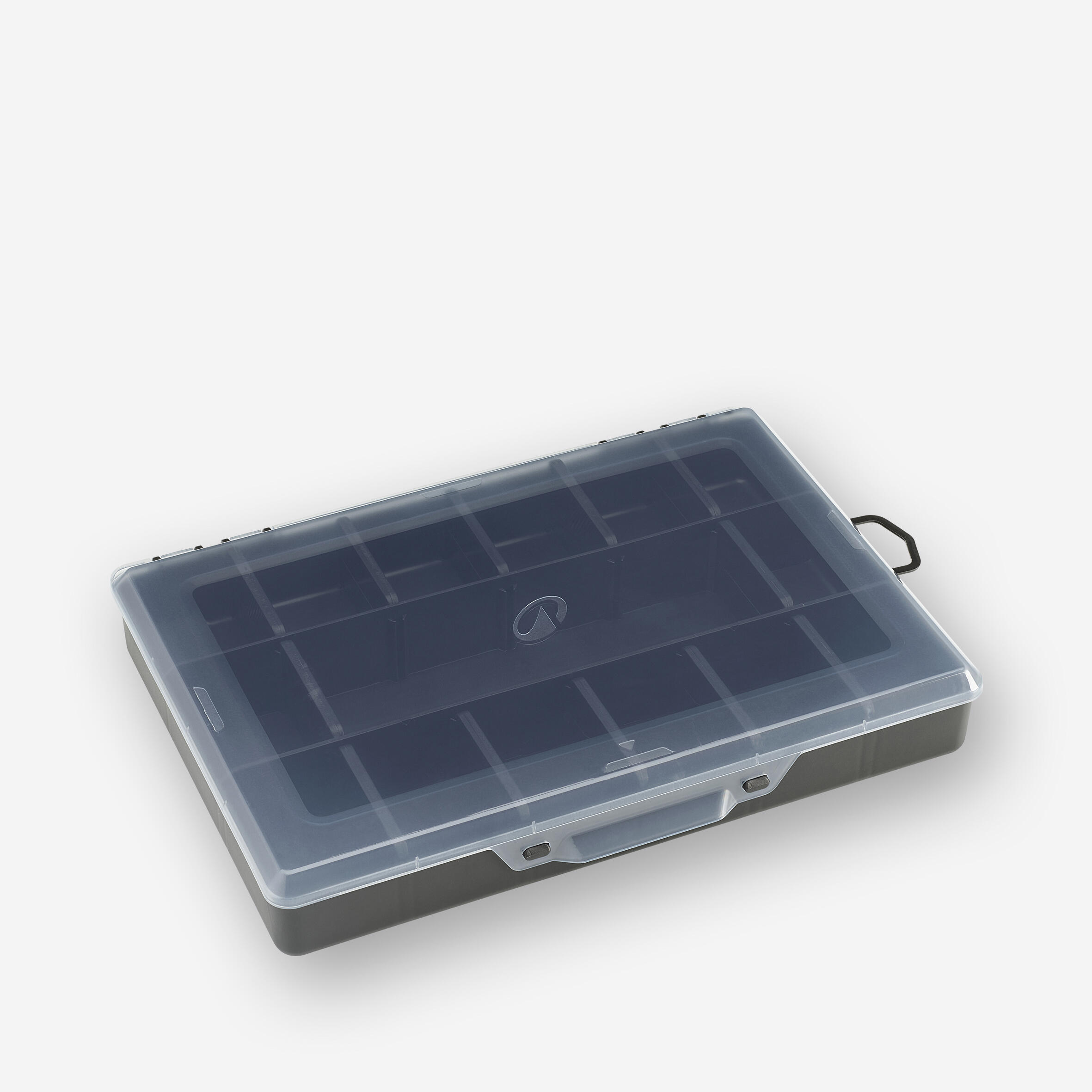
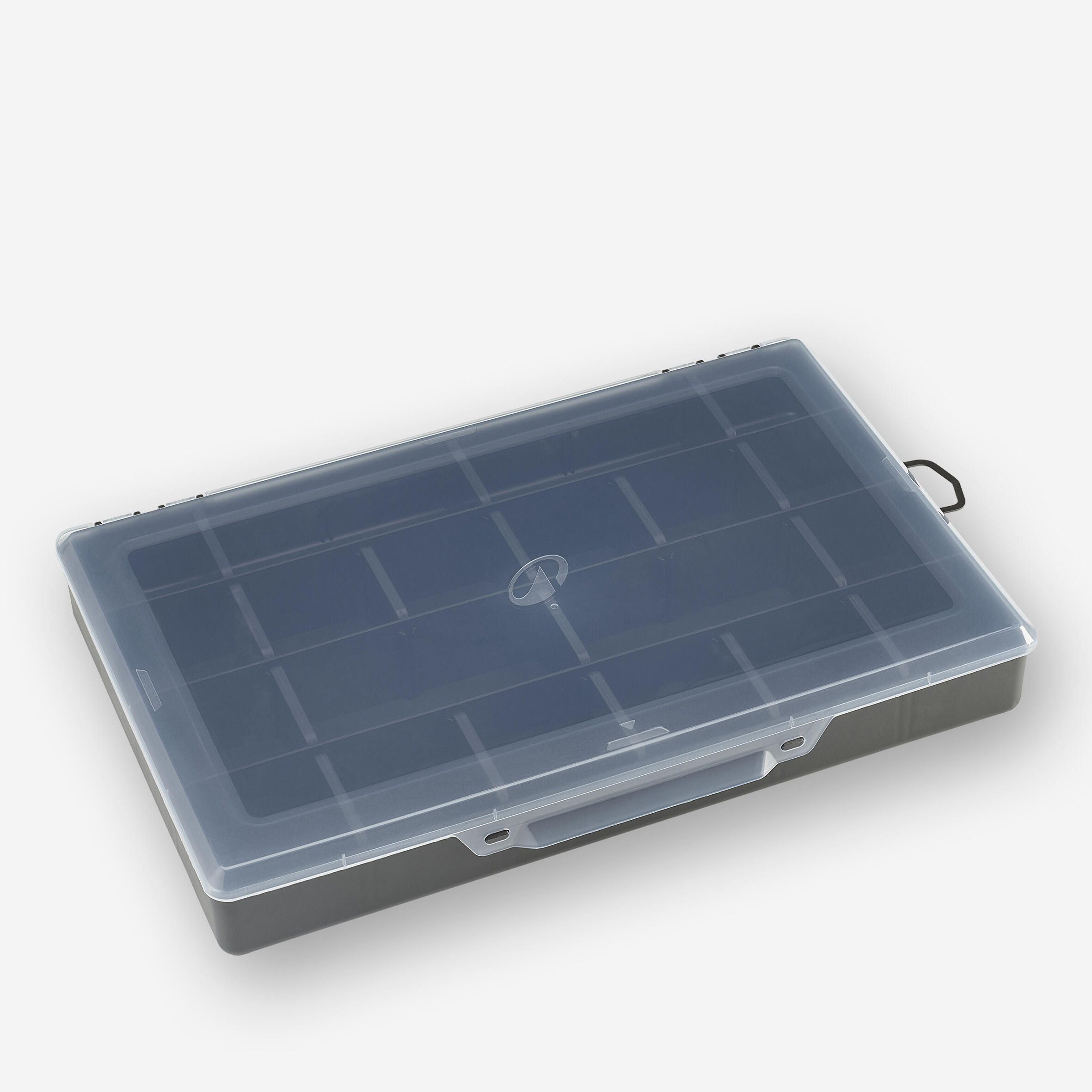
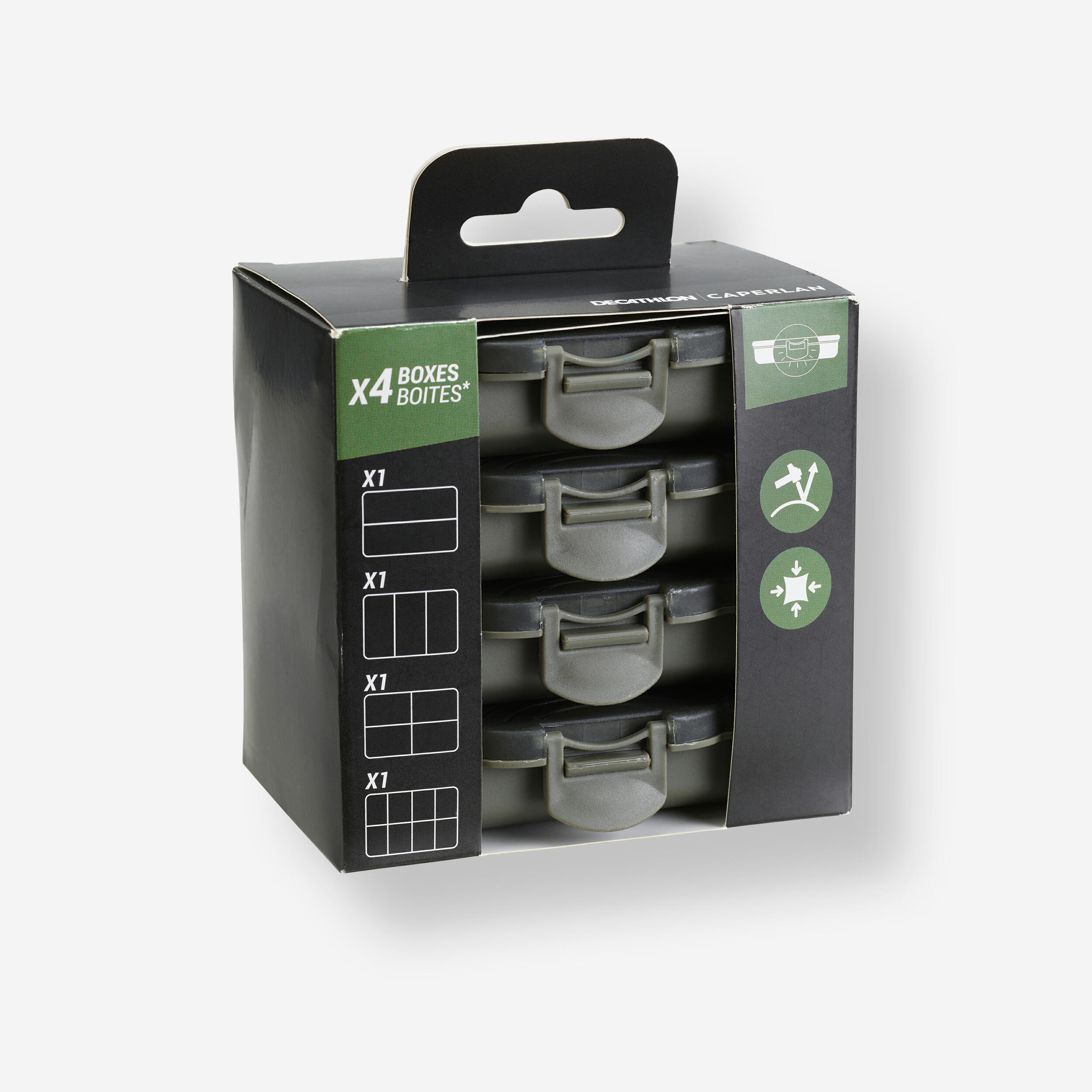
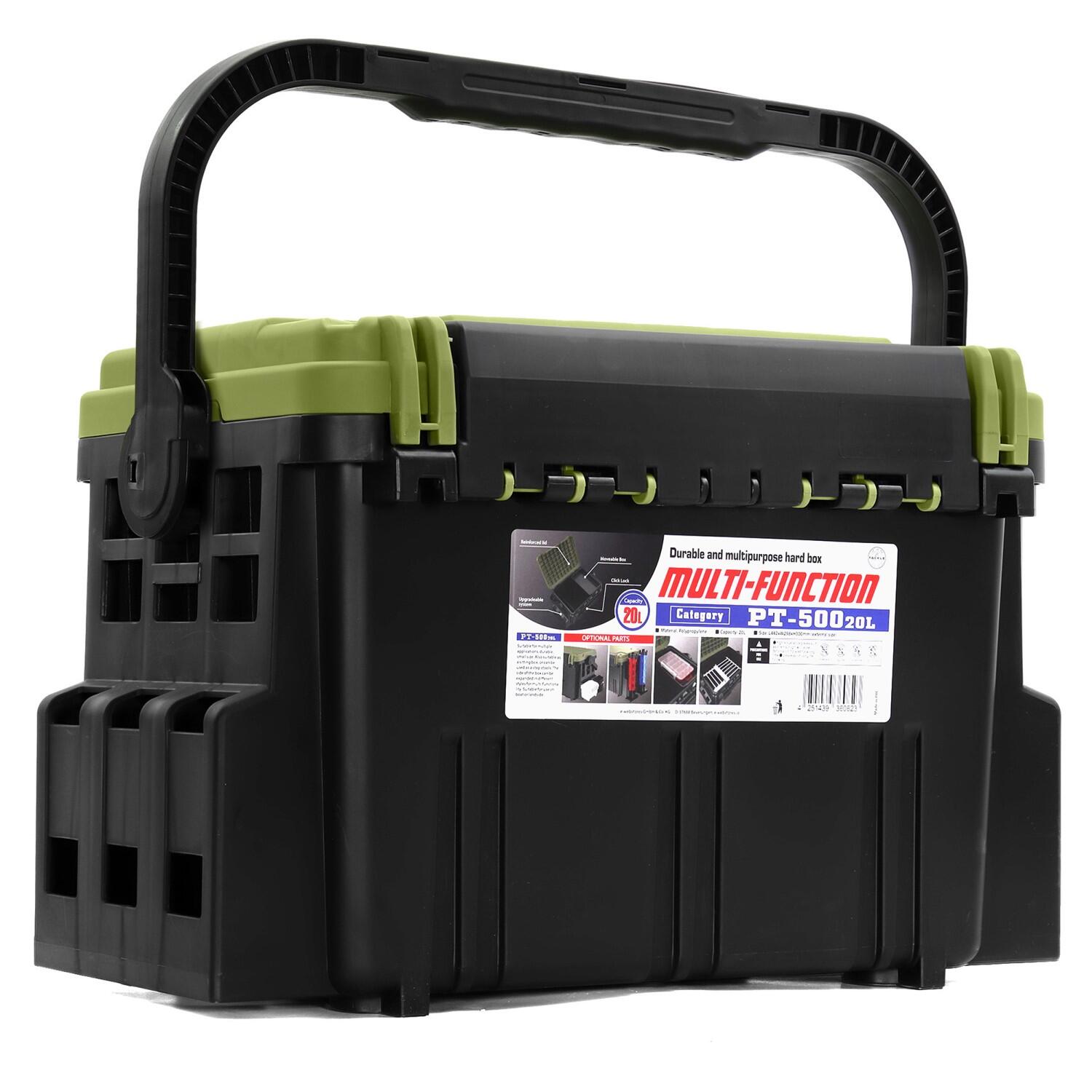
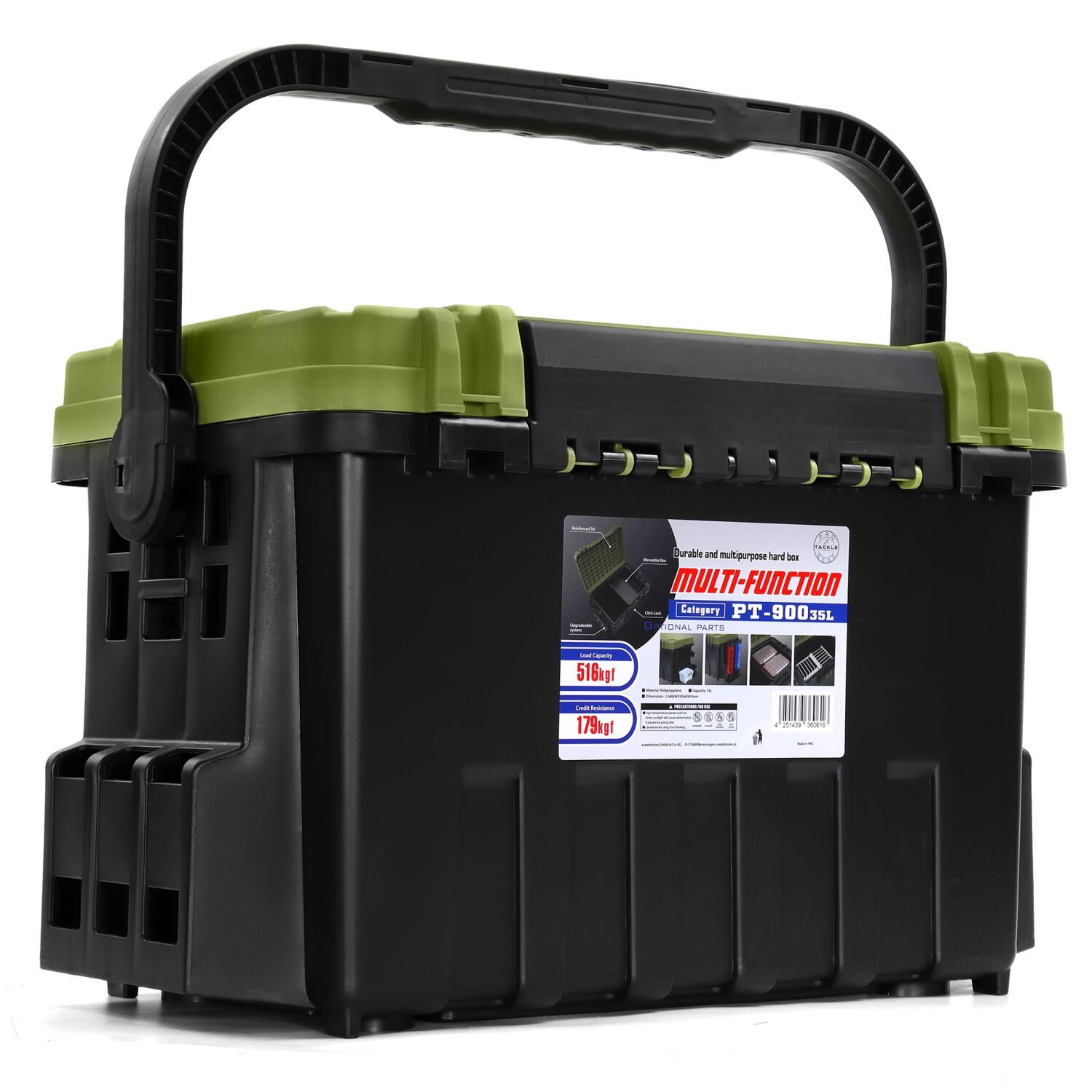
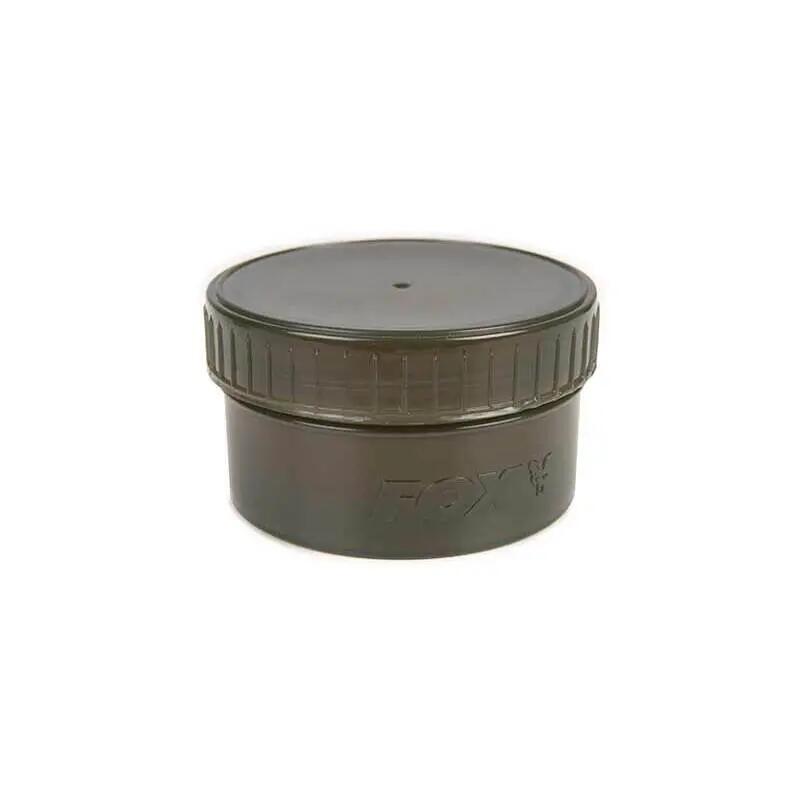
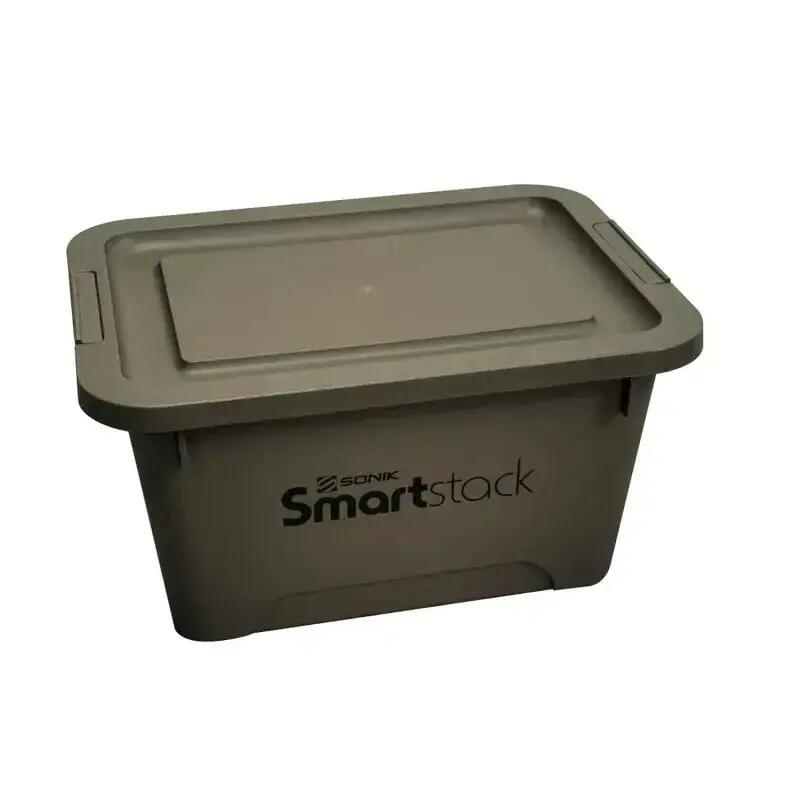
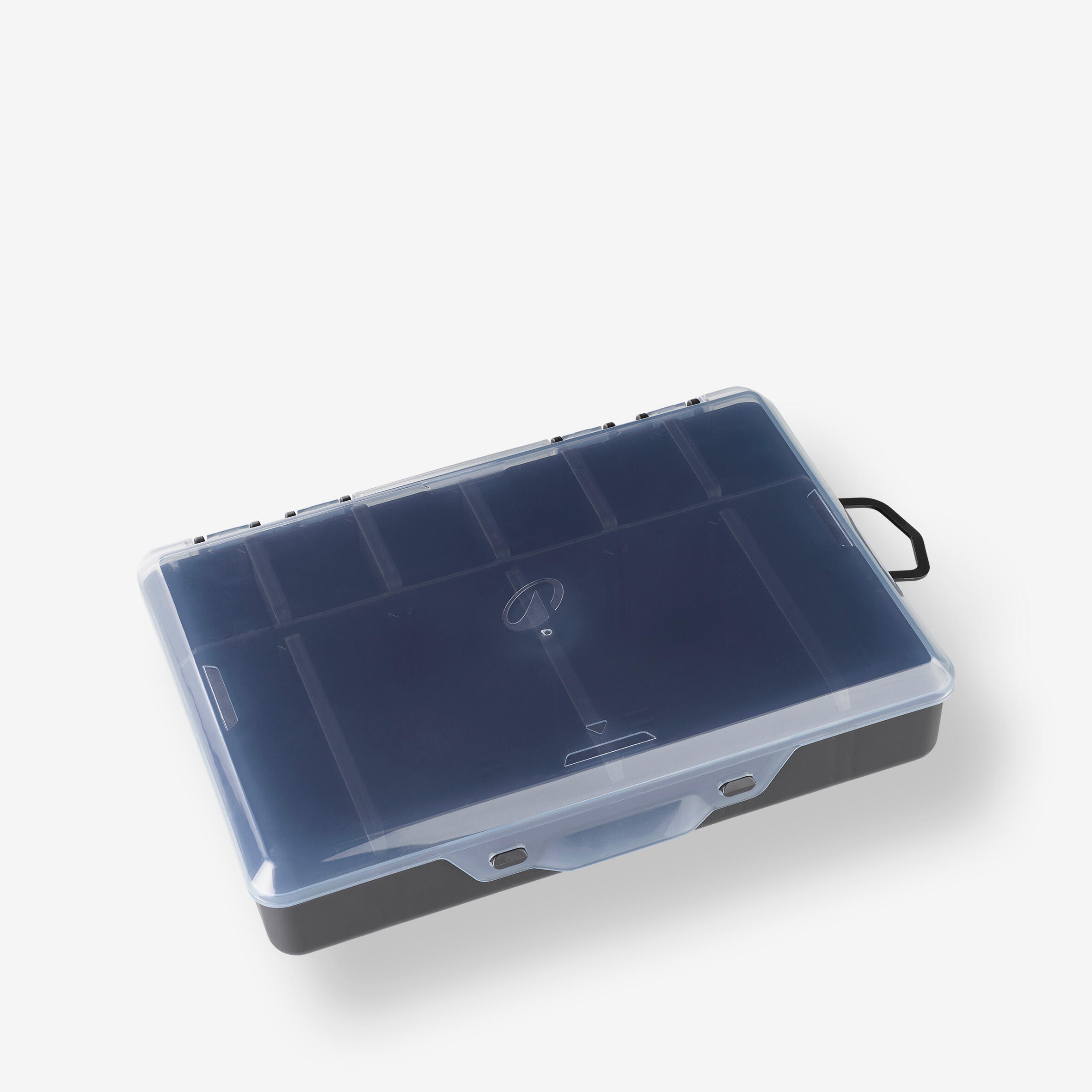
Lead weights need practical handling and dry storage between sessions. Keep them in a dedicated box so they do not repeatedly strike hooks, line or lighter terminal components during transport, and wash your hands after handling lead. Caperlan also advises storing drilled weights dry rather than leaving them damp inside closed tackle. The same care applies when packing carp fishing back leads alongside other lead components. Before the next trip, inspect attachment rings, swivels, clips and coated surfaces for damage. Keeping weights separated by size and type also makes it quicker to select the correct load without repeatedly sorting through mixed leads once you are already setting up at the bank.