10 items
4.6/5 based on 617 reviews collected online and in stores

Carp Lines and Braids FAQs

Which line diameter suits your casting distance and strength needs?

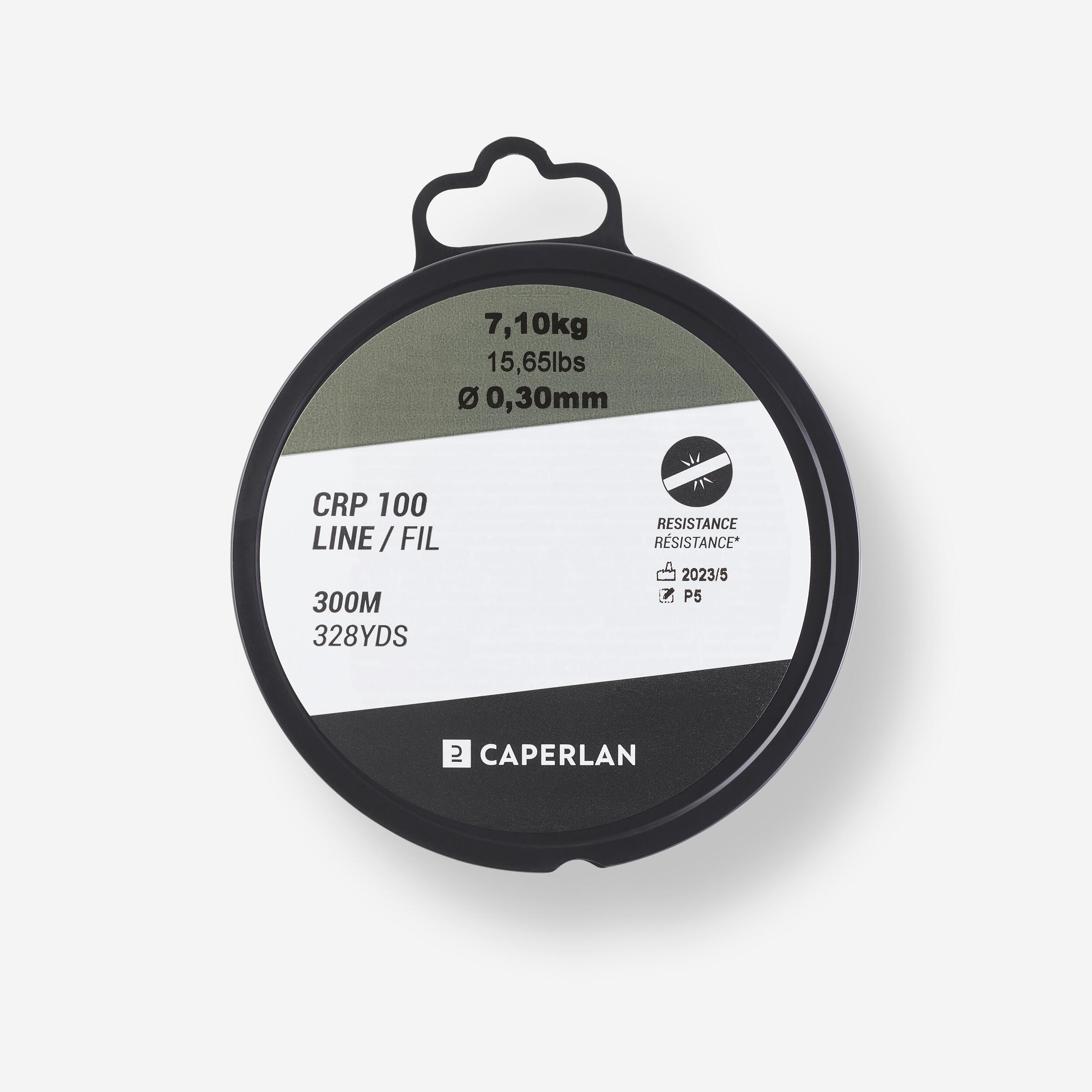
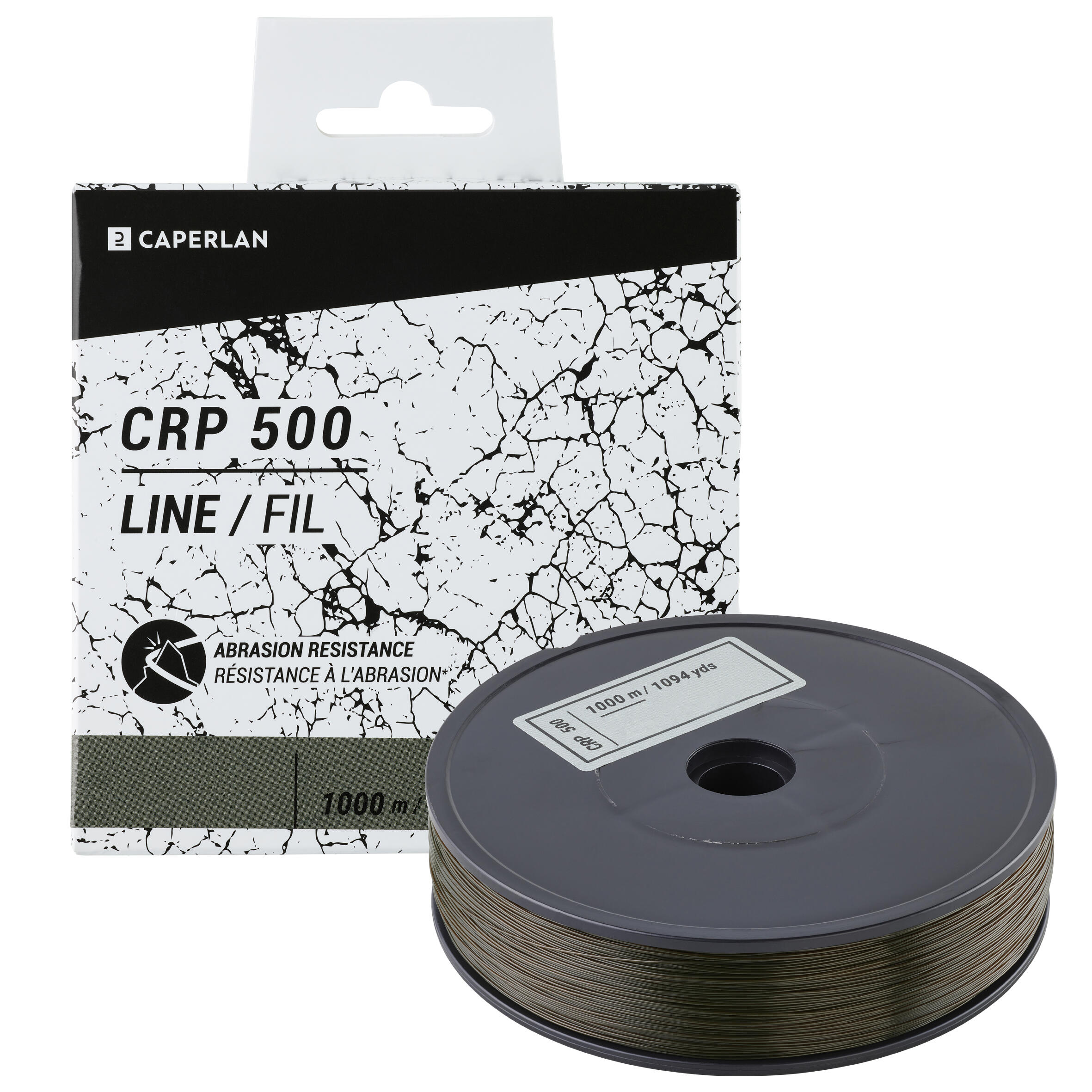
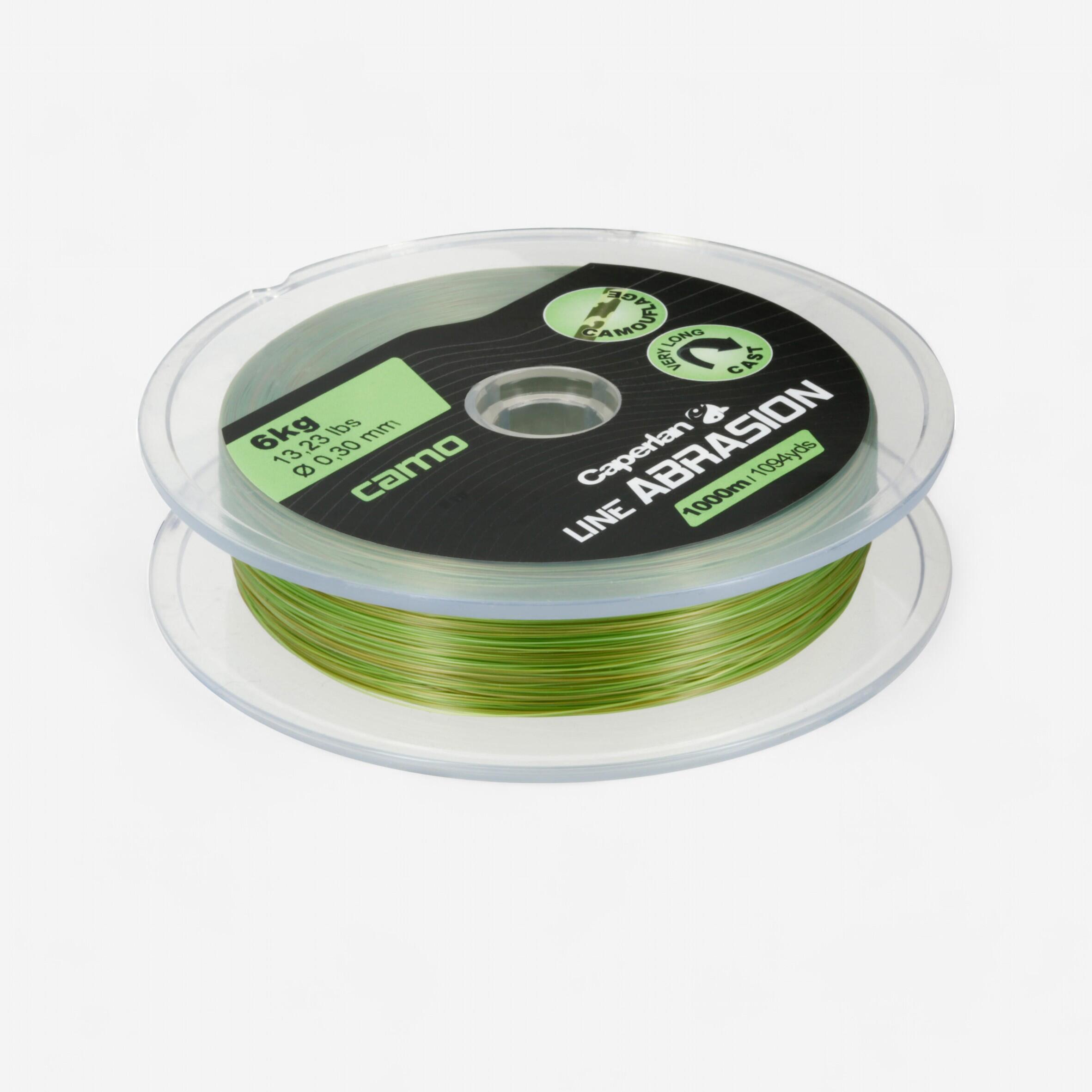
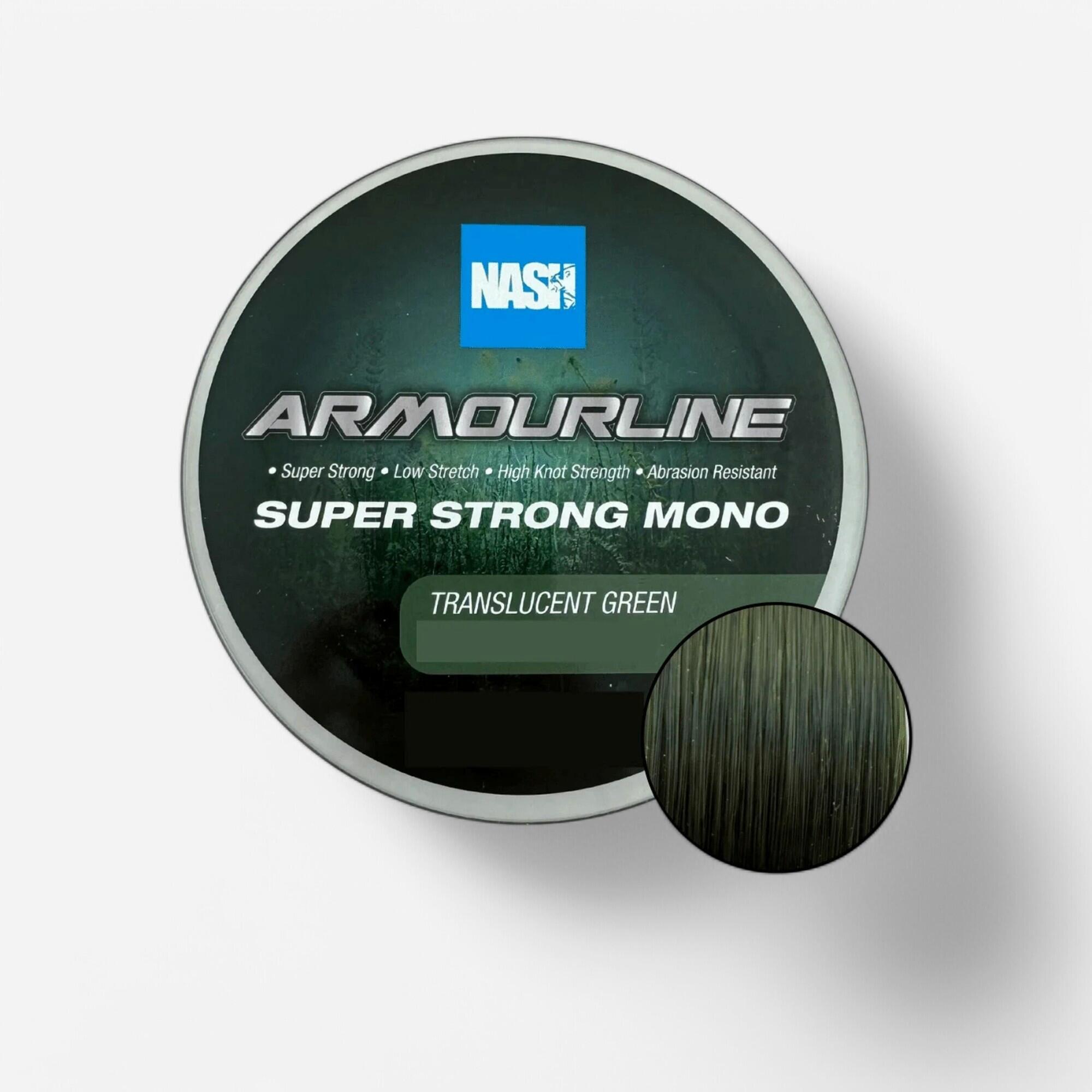
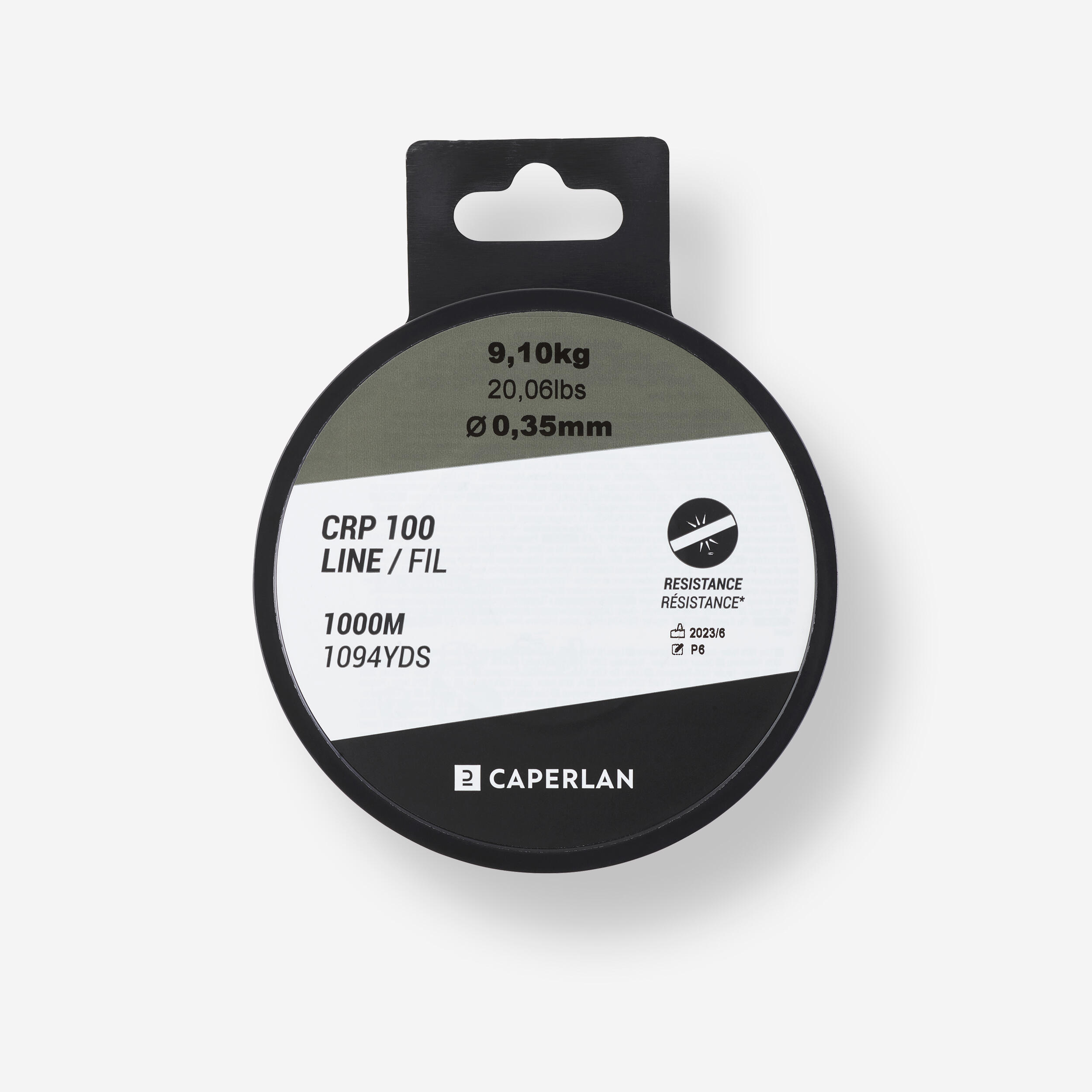
Line diameter changes how much line fits on the spool, how easily it leaves the reel and how much resistance it provides around obstacles. Caperlan separates its carp fishing lines by fishing situation rather than relying on one nylon for every venue. CRP 500 uses khaki colouring, medium stretch and high abrasion resistance for snag-filled areas, with diameters from 28/100 to 42/100 and stated strengths from about 5.5 kg to 12.7 kg. Finer line can support longer casting and greater spool capacity, whereas thicker nylon adds resistance but becomes less flexible and discreet. Match the diameter to the obstacles, distance and reel capacity you actually face.

What causes a sinking braid useful for carp fishing?

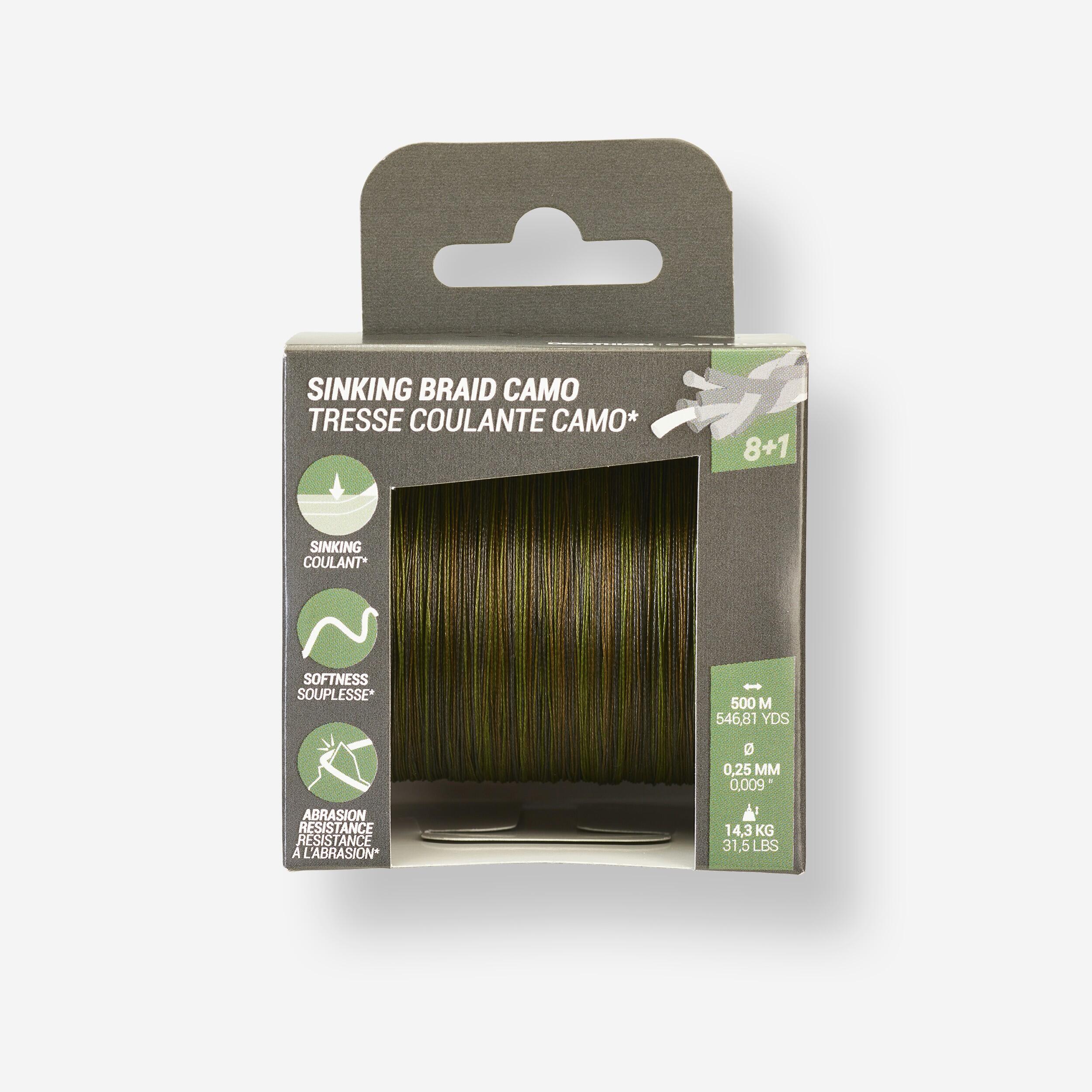
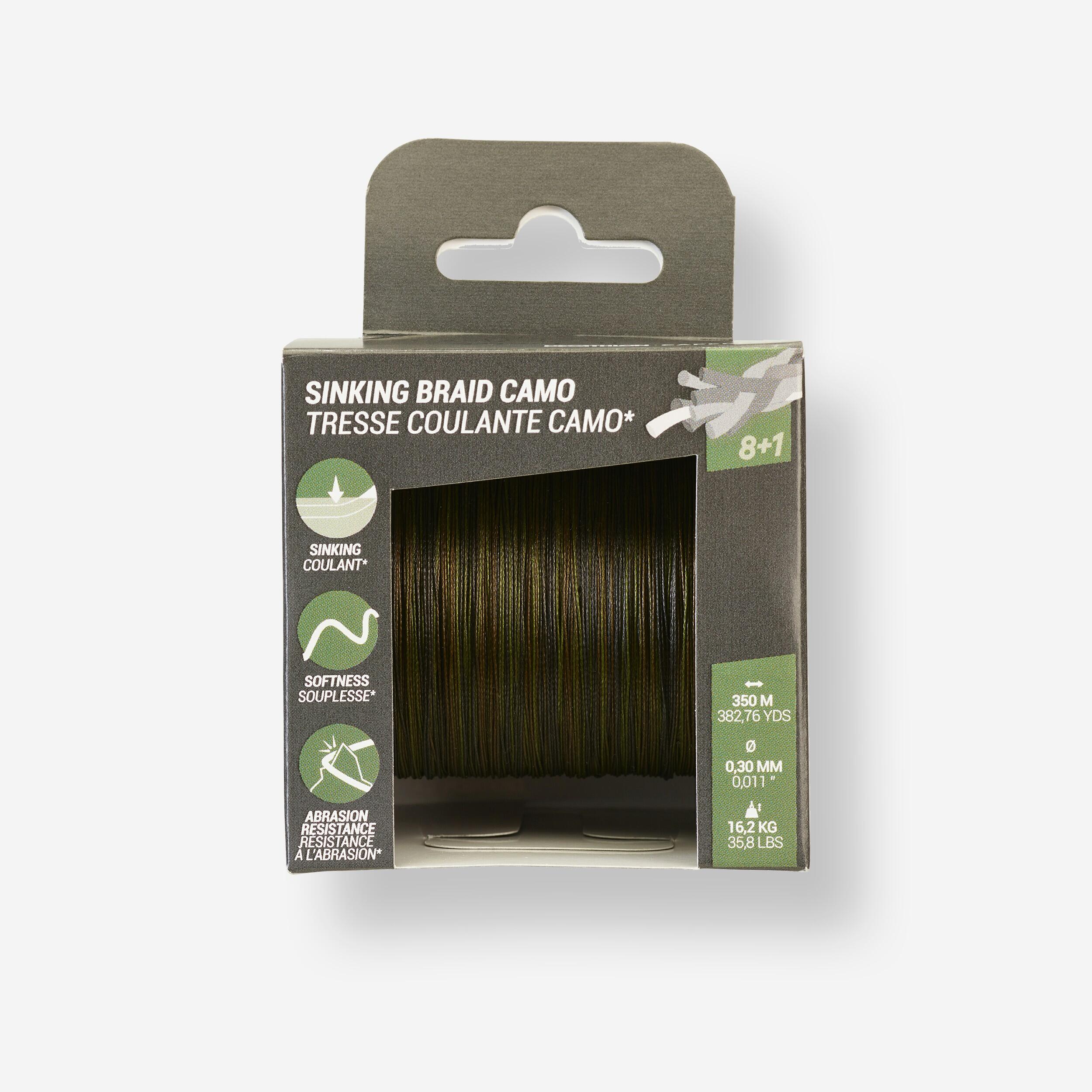
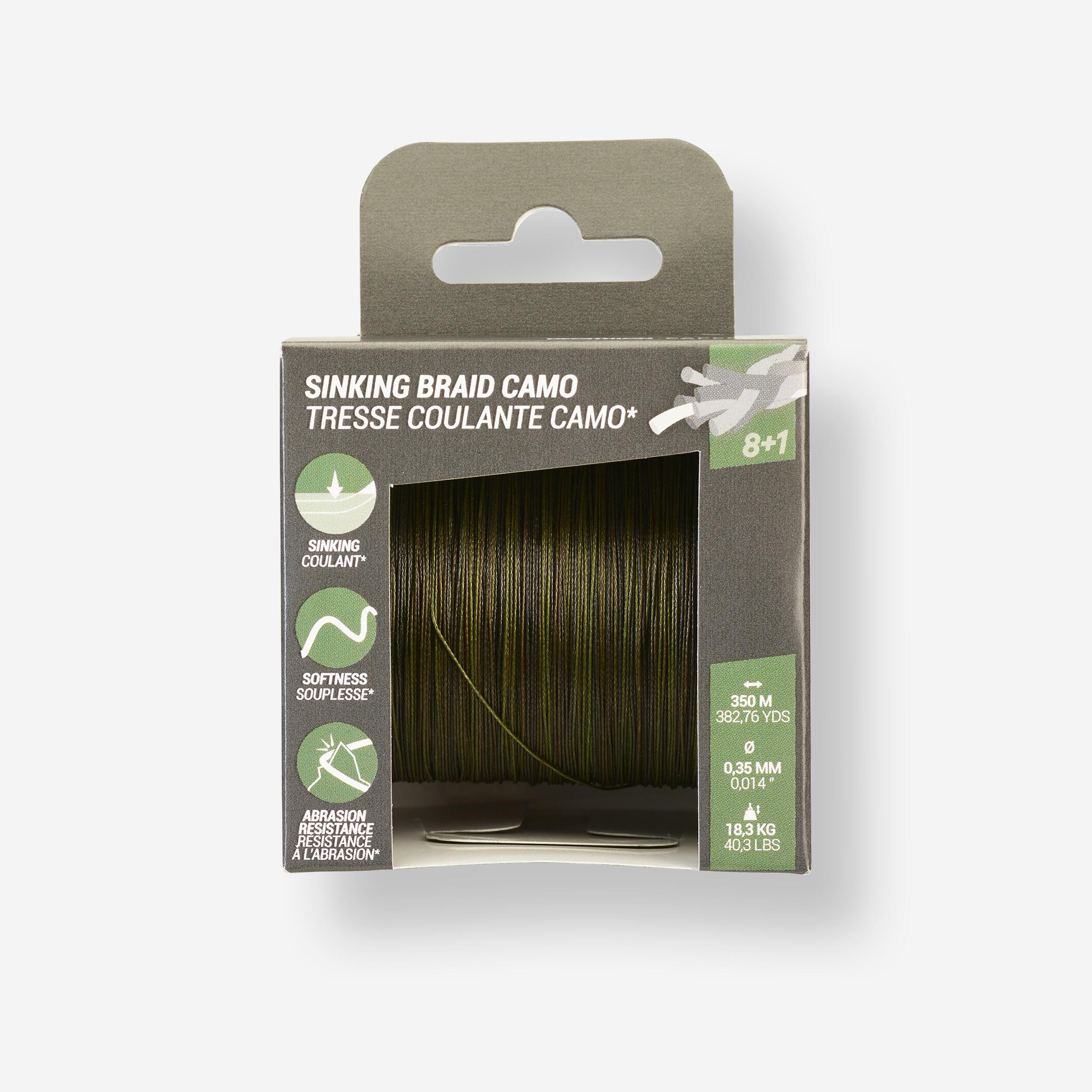
A sinking main line can help keep more of the system lower in the water once the rig has settled. Caperlan gives its carp fishing sinking braids a two-part construction: a high-density PTFE inner section creates the sinking behaviour, while an eight-strand PE outer braid adds abrasion resistance. Black, brown and green colouring helps the line blend across different underwater backgrounds. The compact braid structure also supports smoother passage through rod guides. Sizes run from 20/100 to 35/100, with stated strengths from around 10.6 kg to 18.3 kg. Consider abrasion, casting distance and how much line your spool needs before settling on a diameter.

When does a shock leader become useful on a carp rig?

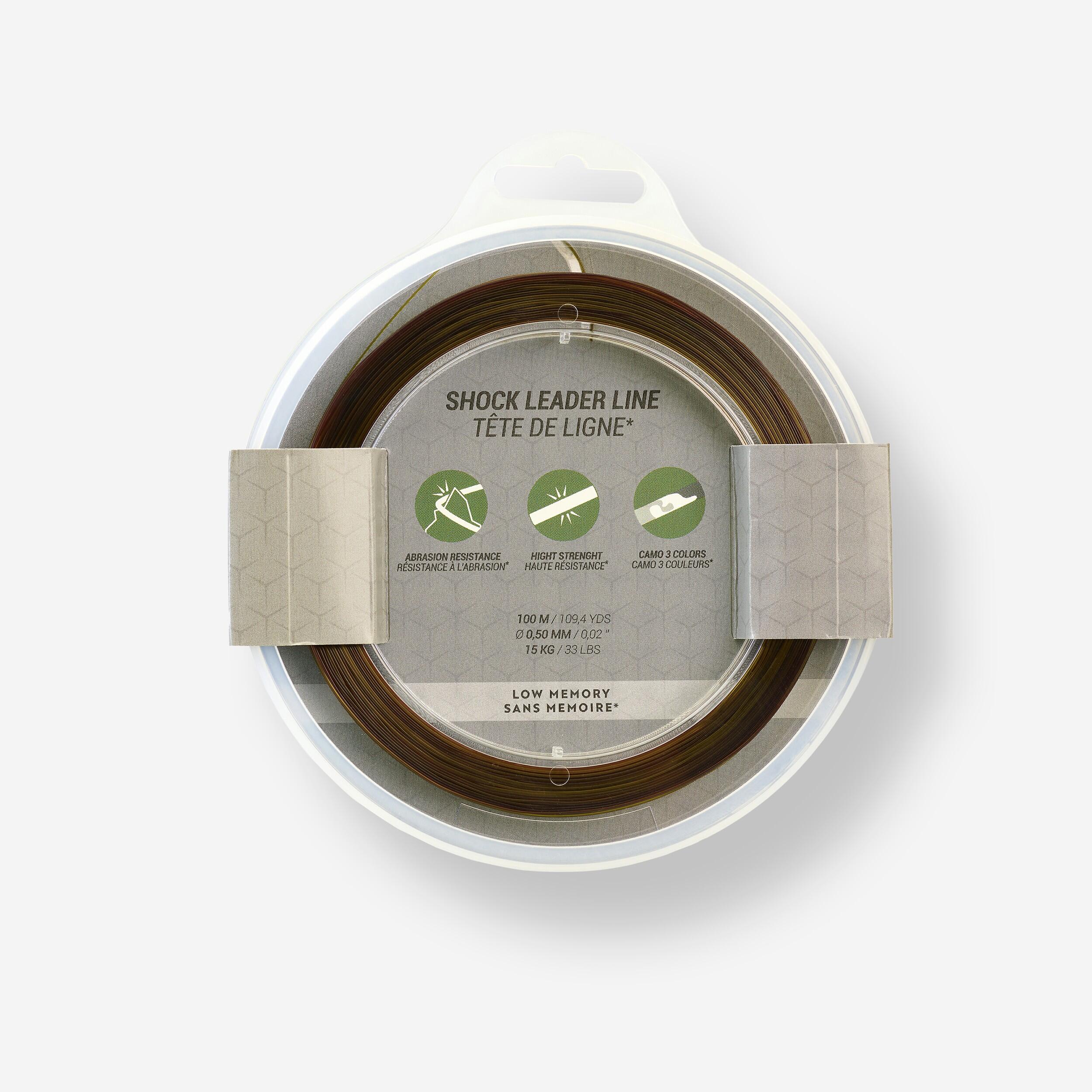
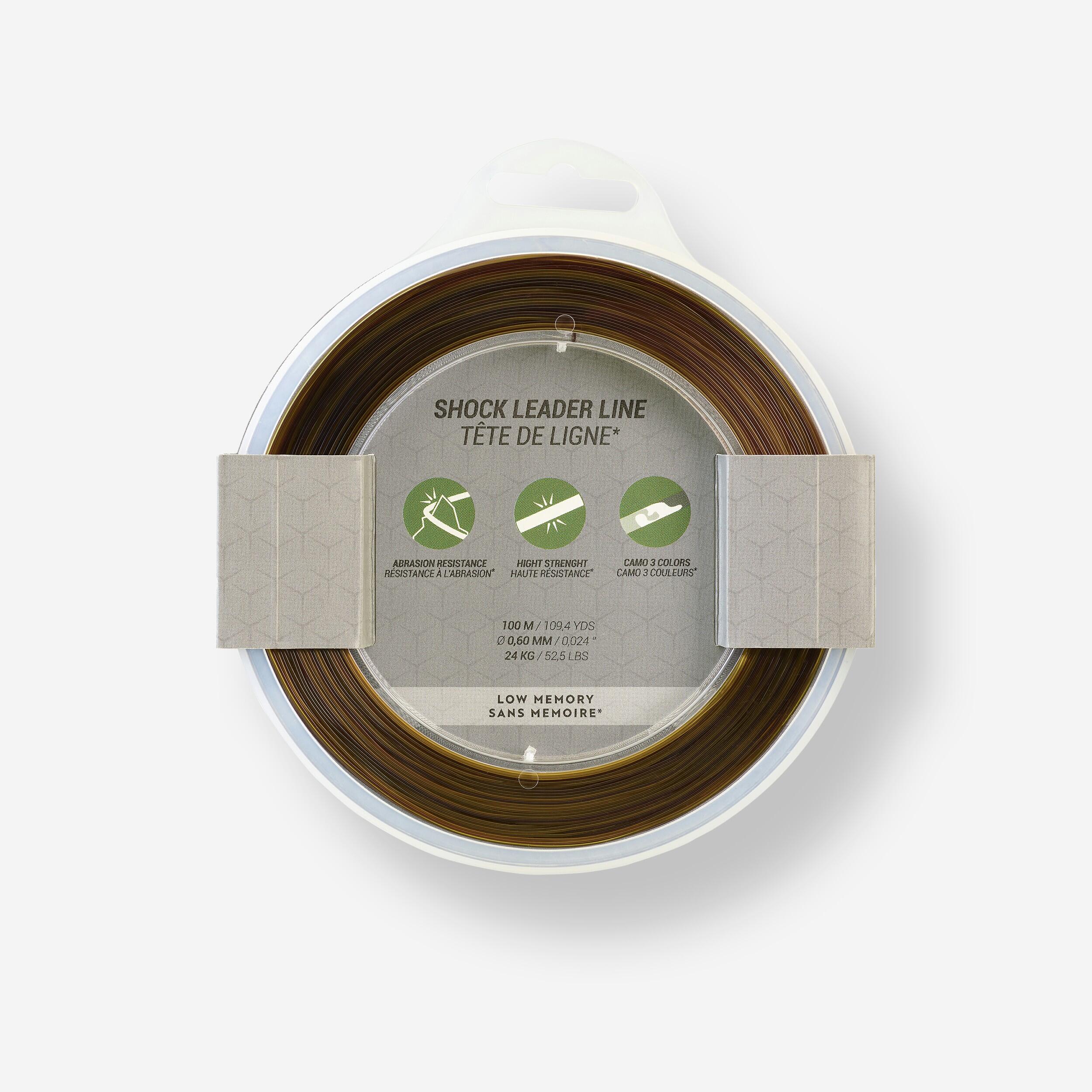
Powerful casts and rough margins can place more stress on the final section of line than the main line alone needs to handle. A thicker carp fishing shock leader gives that working section greater abrasion resistance and load capacity, while Caperlan's low-memory construction keeps it flexible enough for joining knots. The brown, yellow and green camouflage also adapts to varied lakebed colours. Three diameters provide clear strength steps: roughly 0.50 mm at 15.4 kg, 0.60 mm at 24 kg and 0.70 mm at 32.7 kg. The broader contact surface can also spread pressure more gently than a very thin main line when a fish is being controlled close to obstacles.

What keeps line sitting correctly on the spool?

Good line can still twist or sit poorly if it goes onto the spool without enough tension. Caperlan recommends placing a nylon spool in water during loading, keeping light pressure on the line with a cloth and leaving about 1-2 mm below the reel-spool edge. Braid benefits from a different approach: a nylon backing section can fill unused spool depth, reduce the amount of braid required and help prevent the braid rotating around the spool. These loading steps fit naturally into preparing other carp fishing accessories, because swivels, leaders and terminal components all work more reliably when the main line leaves the reel cleanly. Check line lay as you fill rather than correcting a loose or uneven spool only after fishing begins.

How often do carp lines and braids need checking?

Sunlight, repeated casting, knots and contact with snags can gradually reduce line condition even when no obvious break has occurred. Caperlan advises checking nylon at the end of the fishing season, with particular attention to abrasion, flattening and weakened areas near terminal tackle. Store spare nylon away from light and moisture, and inspect braid for damaged fibres or uneven sections before loading it again. Making this part of your wider carp fishing routine can prevent an old main line from becoming the weakest part of an otherwise sound system. Laboratory figures give a useful reference for original strength, but real condition after months of use matters more when deciding whether a line remains suitable for another session.