12 items
4.5/5 based on 528 reviews collected online and in stores

Carp Hooks FAQs

How does hook shape affect a carp rig?

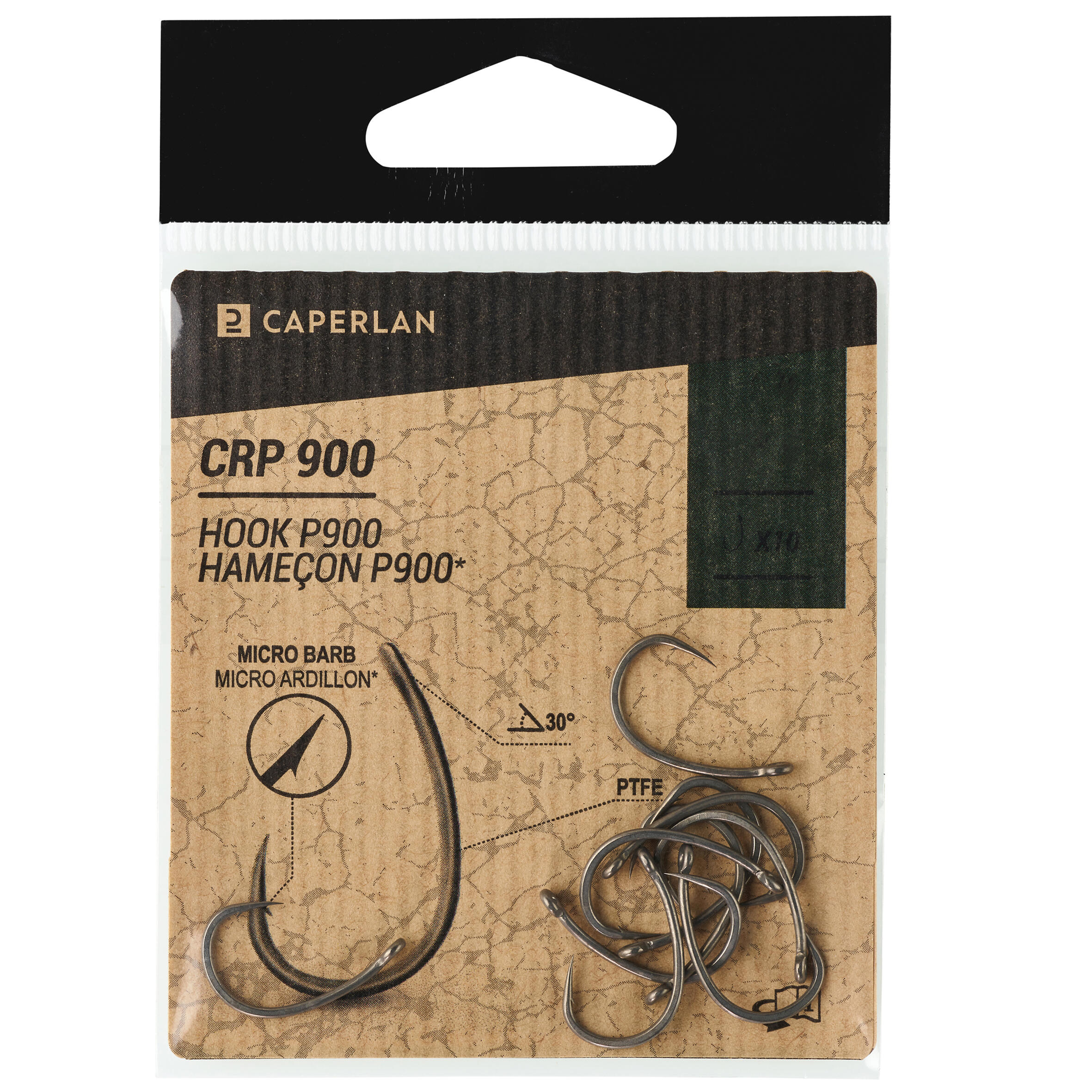
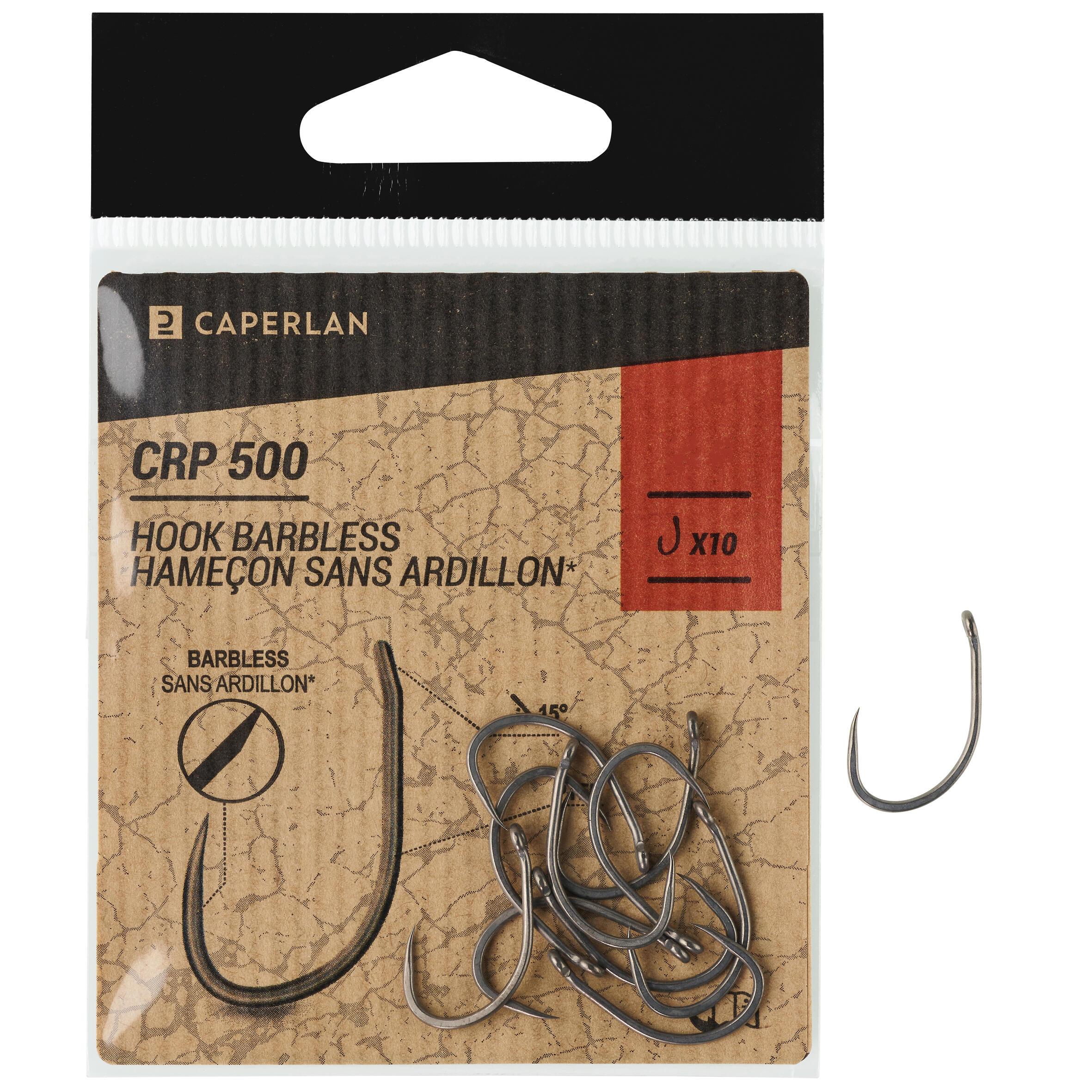
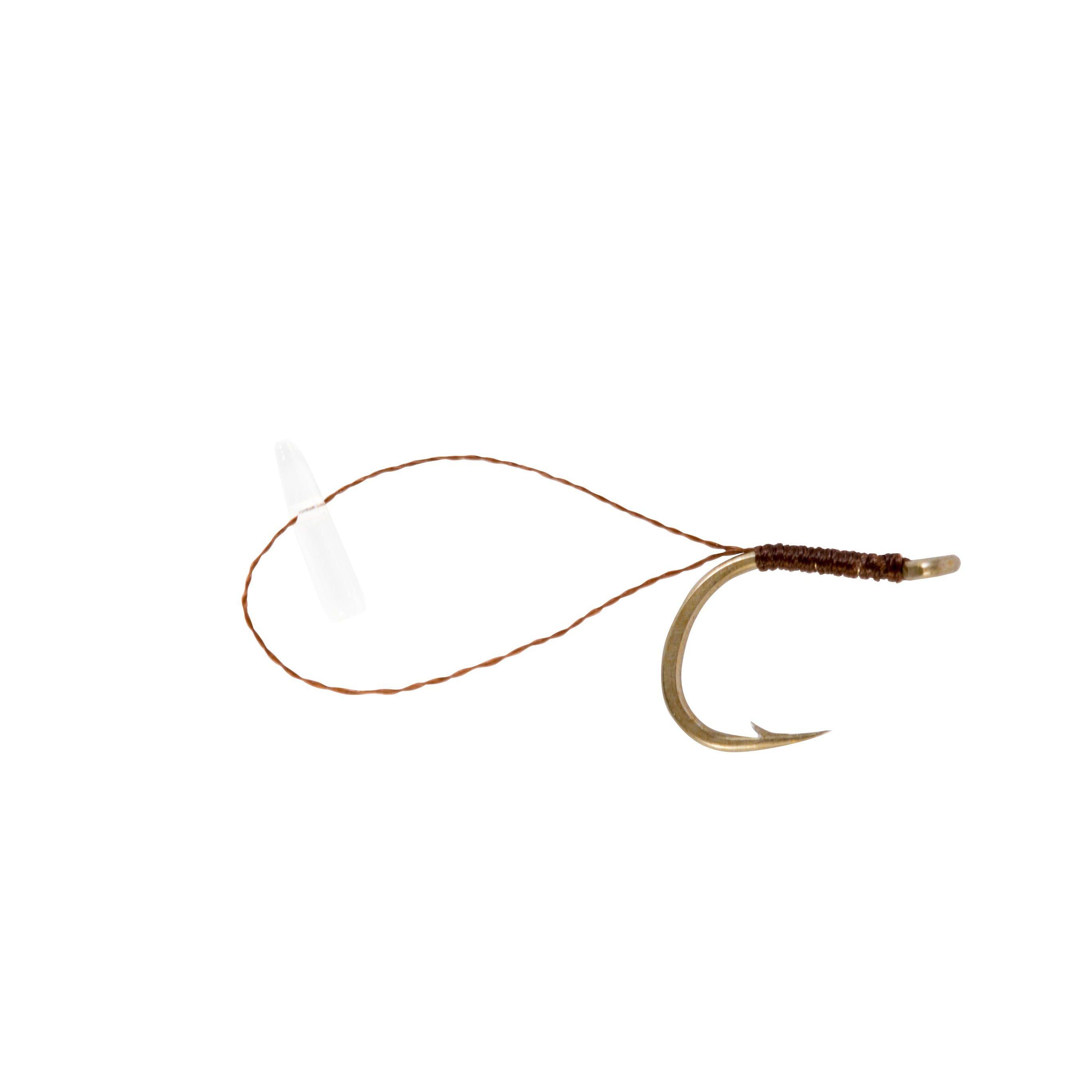
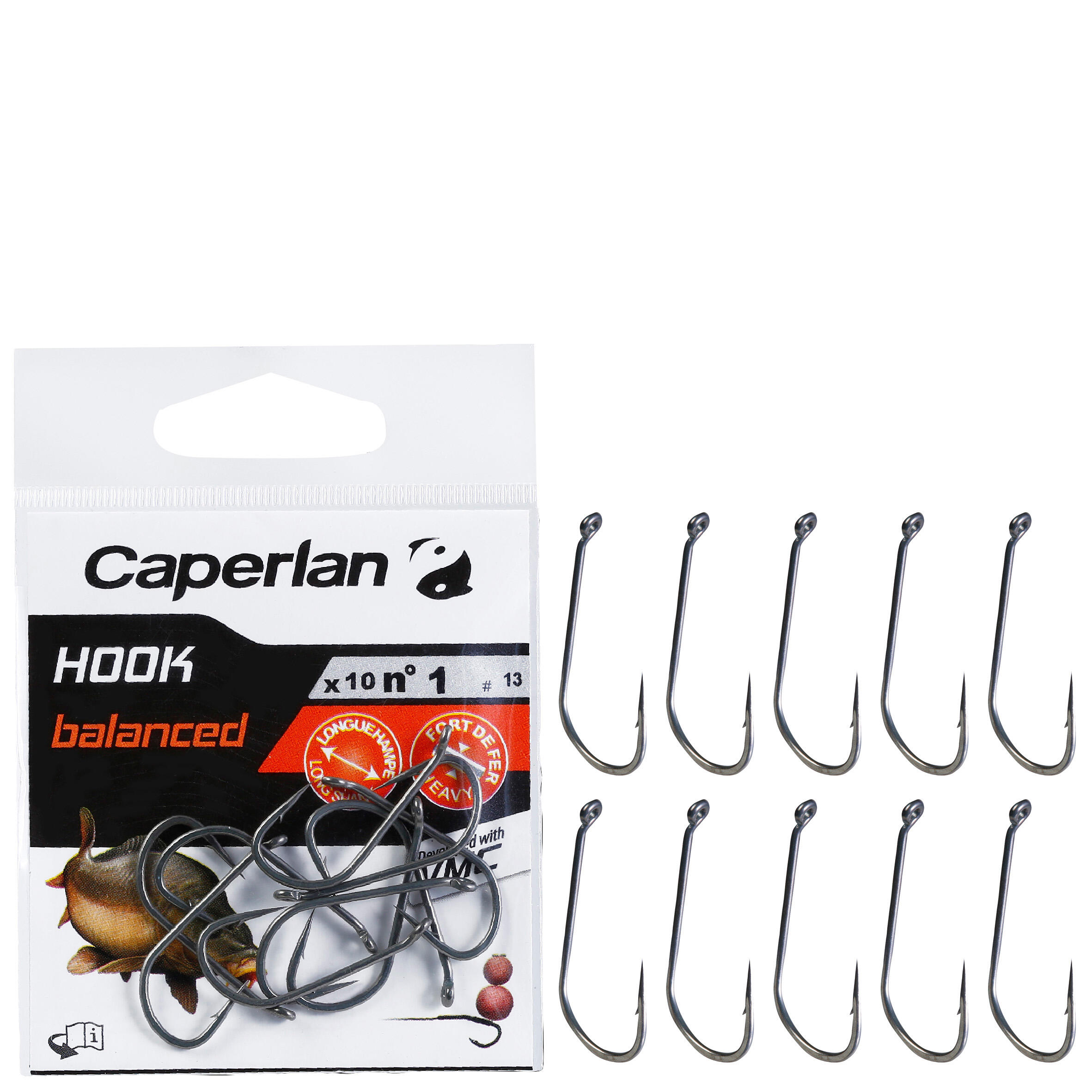
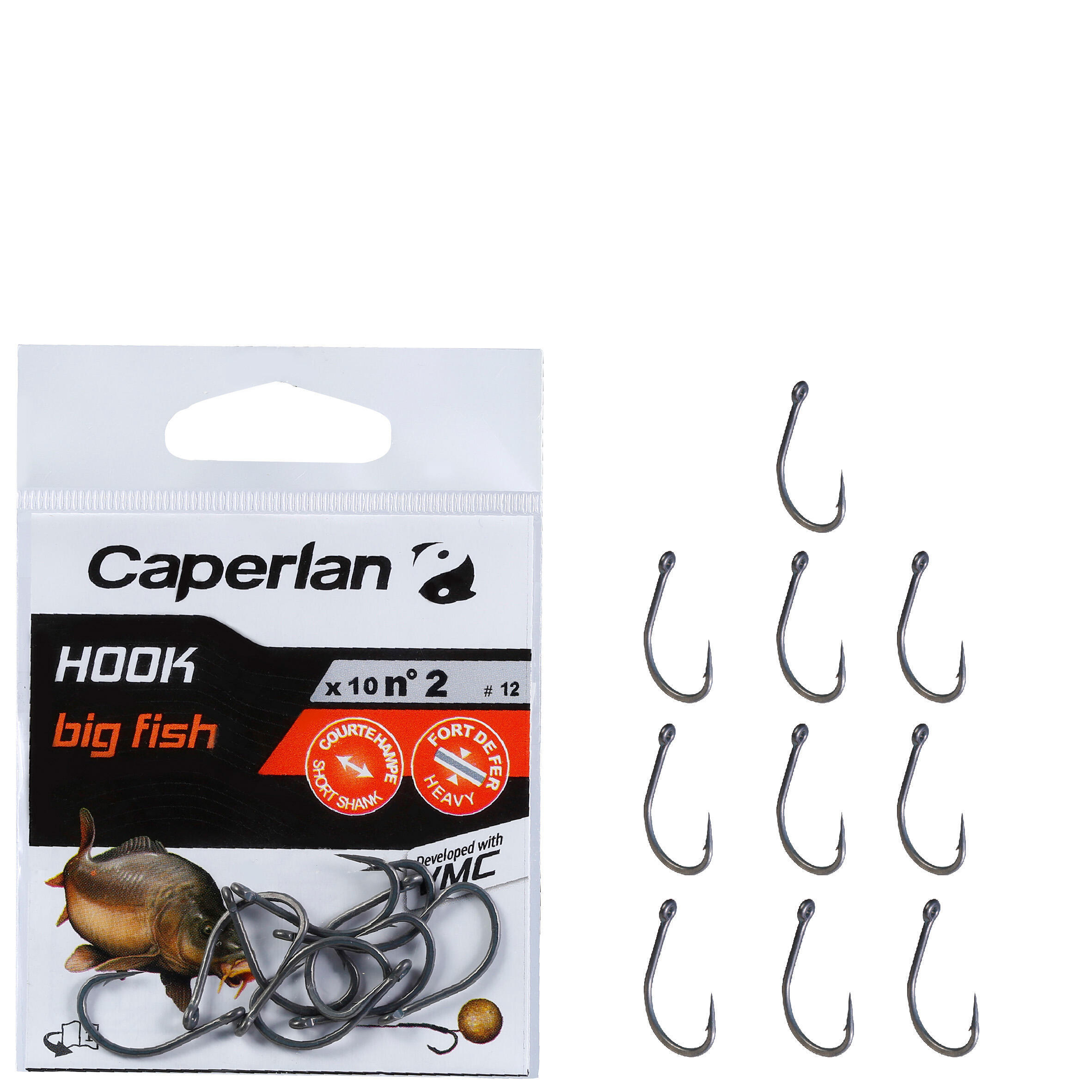
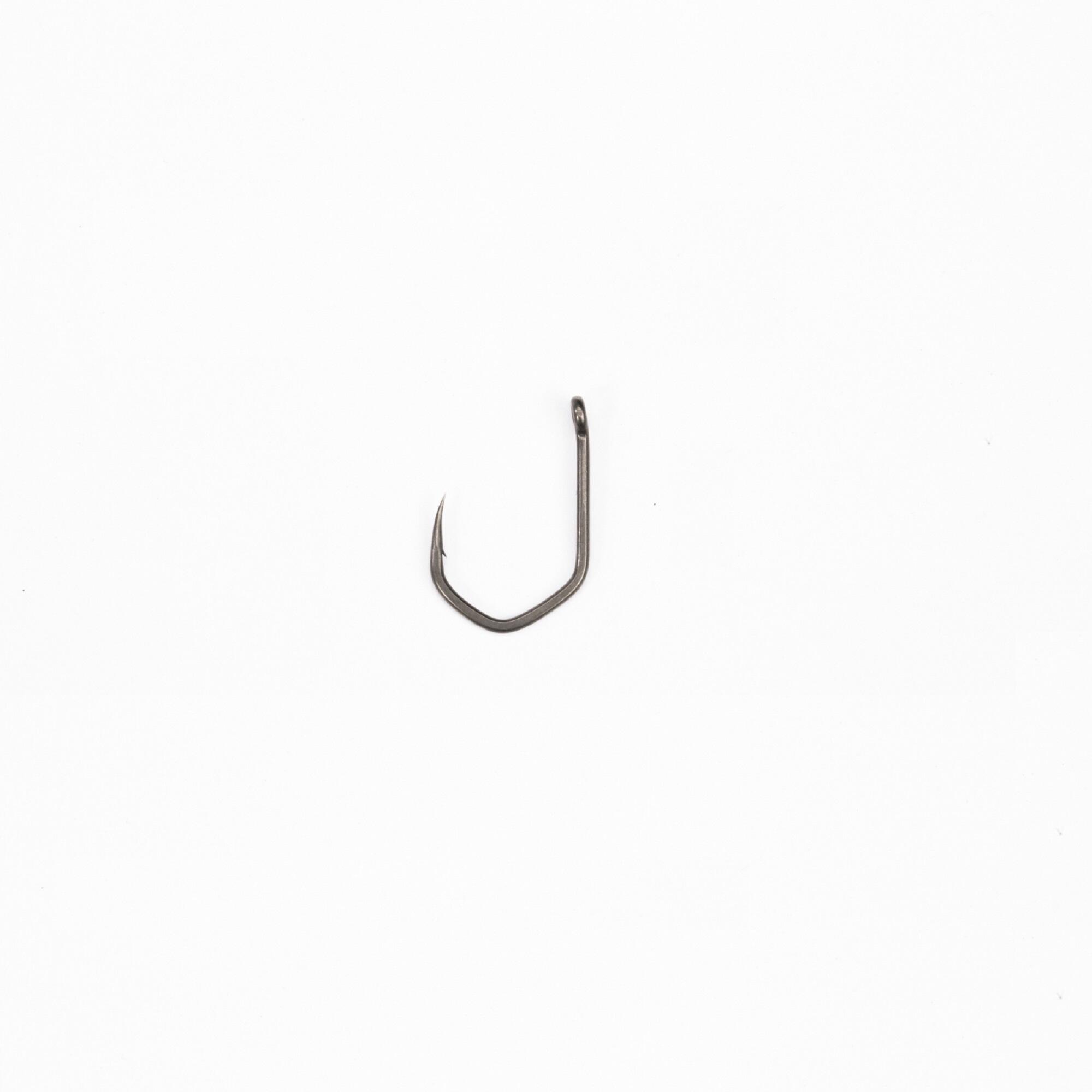
Hook geometry changes how the point, eye and wire sit in relation to the hookbait, so different patterns suit different rig styles. Caperlan uses several distinct profiles rather than one general hook shape. The carp hook Pinpoint Claw gives you one example of a more specialised pattern, while other Caperlan hooks use long reversed, long straight, short straight or inward-facing points. Wire thickness also changes between models, with heavier constructions intended for more demanding situations. Look at the complete geometry rather than hook size alone, as point direction, gape, eye position and wire gauge all influence how the hook behaves once a carp takes the bait.

What sets a Chod hook different from a general carp hook?

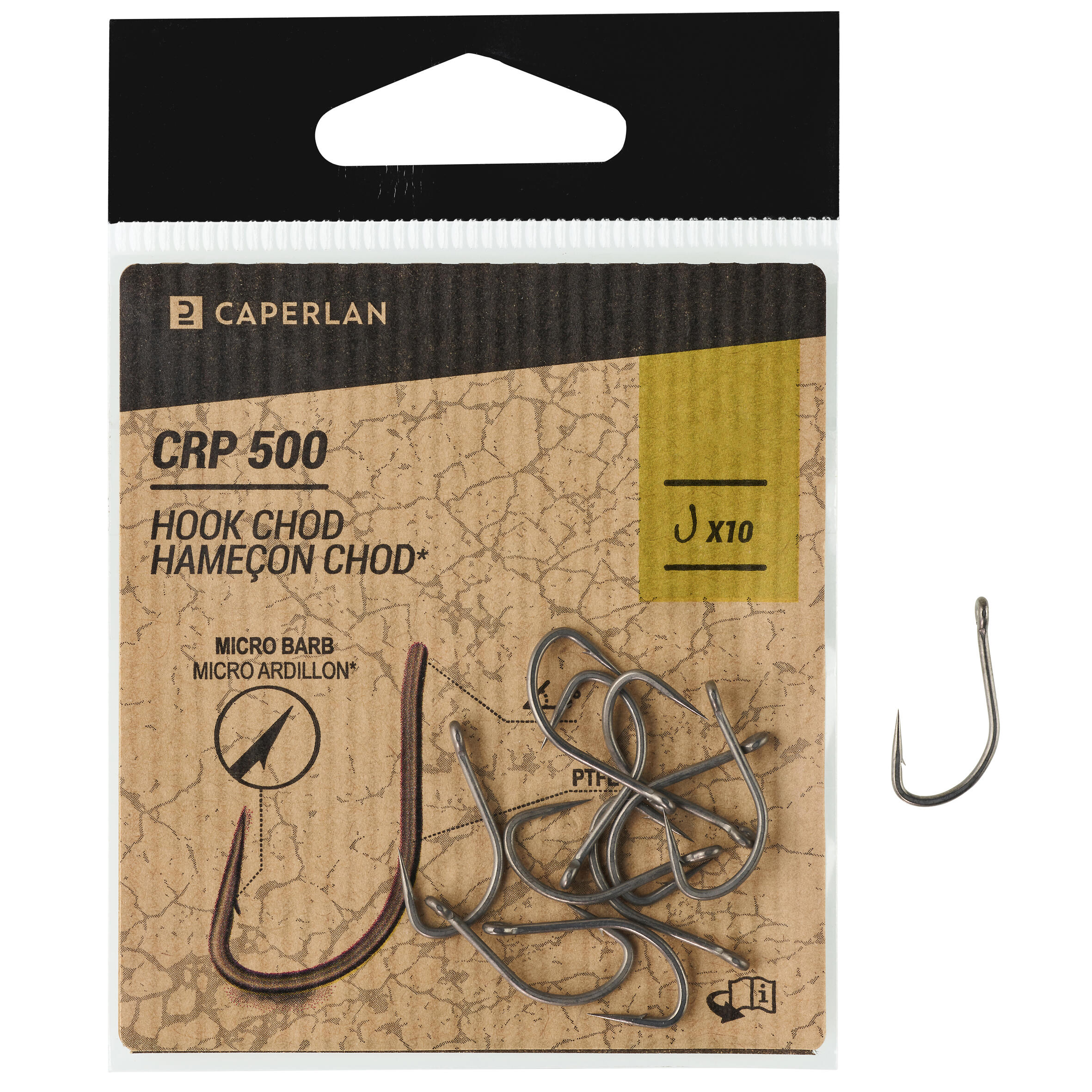
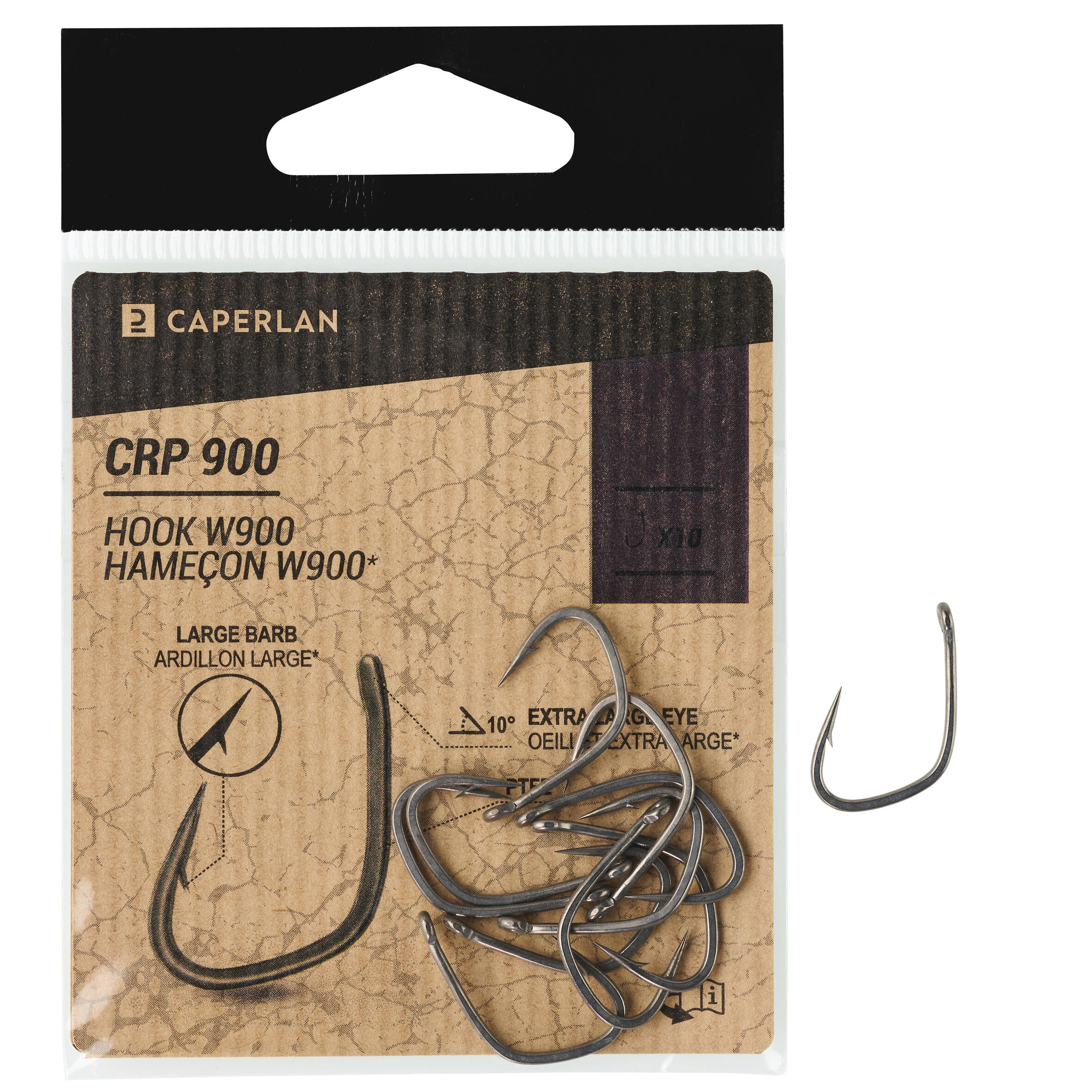
A chod presentation needs a hook that works neatly with a stiff or elevated hookbait section rather than sitting like a conventional bottom-bait rig. Caperlan gives the carp fishing hook Chod a turned-up eye, long straight needle point and XC-80 steel construction. The turned-up eye helps the hook sit more naturally on chod and zig-style presentations, while the straight point creates a different hooking angle from a reversed or inward-pointing pattern. PTFE coating also reduces reflections underwater. This makes the Chod 500 a rig-specific option rather than simply another size of general-purpose carp hook.

When can a ready-tied Ronnie rig save preparation time?

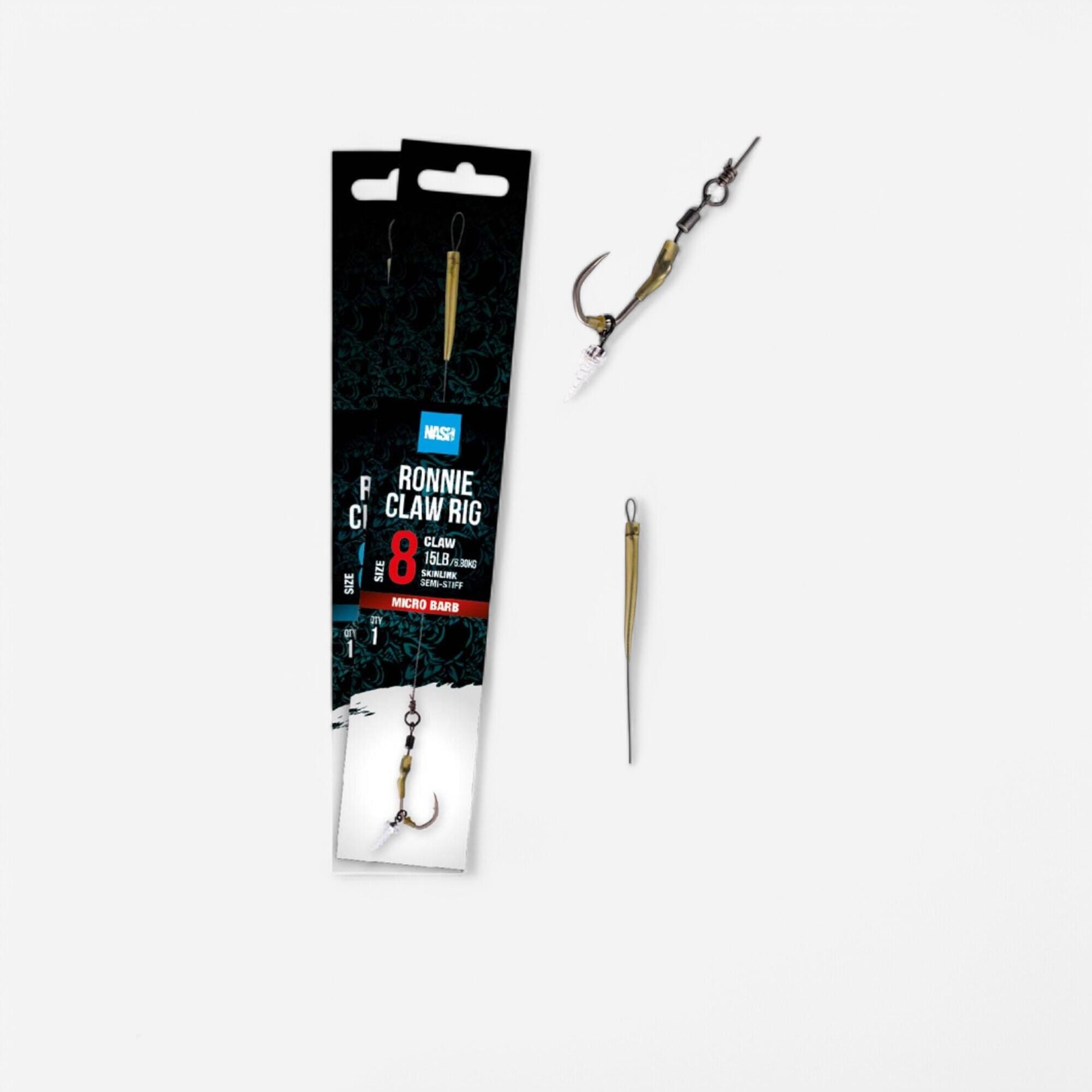
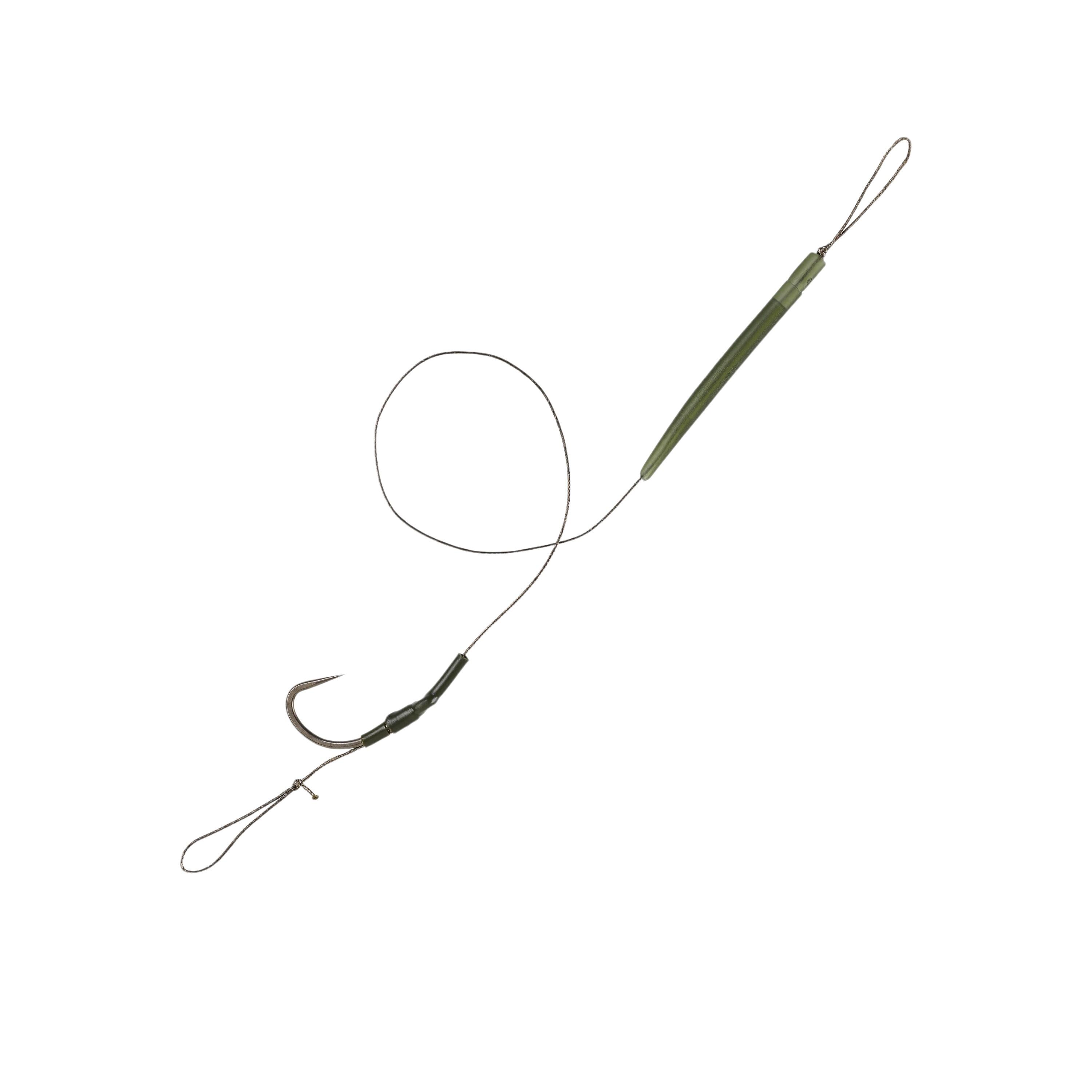
Building a Ronnie rig involves several small terminal components, so a prepared leader can reduce assembly time when you want a consistent pop-up presentation. One option is the carp fishing leader Ronnie Claw rig, which combines the hook and leader elements into a ready-made setup. This can be useful when you want to replace a damaged rig quickly or keep several identical presentations prepared before a session. Inspect the hook point and connection after every fish or snag, as a pre-tied rig still needs the same checks as one tied by hand. Replace it if the point becomes blunt, the leader shows abrasion or any metal component has deformed.

Why do carp hooks use non-reflective coatings?

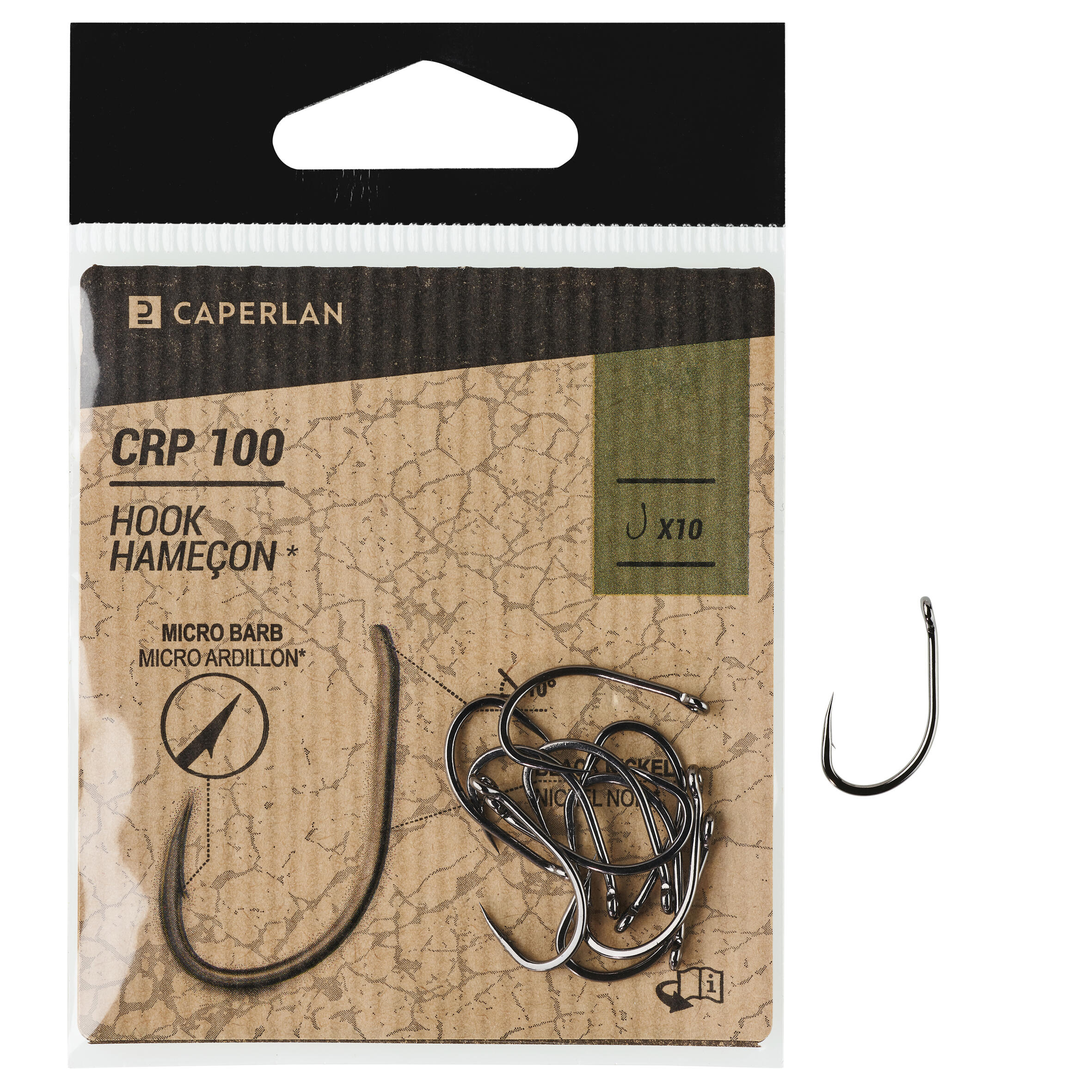
Bright metal can stand out around a discreet hookbait, especially in clearer water, so Caperlan uses dark finishes to reduce unwanted reflections. PTFE appears across several technical hook patterns, while selected entry models also use a black-nickel finish. The coating works alongside the physical hook design rather than replacing it, so steel grade, point shape and wire thickness still matter. Other carp fishing accessories such as swivels and terminal components also use matte finishes, letting you build a more visually consistent rig instead of mixing dark hooks with highly reflective connectors. Check coated surfaces for damage during routine rig inspections and replace hooks that have become rusty, bent or visibly worn.

Why does hook choice matter in different carp fishing conditions?

Start with the rig you plan to use, then consider fish size, obstacles and how much pressure the hook may face. A broad all-round pattern can cover many conventional presentations, while a turned-up eye suits chod or zig rigs more specifically. Very heavy-wire constructions such as Caperlan's Wild X target larger carp and demanding situations, whereas other profiles alter point length and direction for different hooking behaviour. Keeping several patterns organised with your carp fishing tackle lets you adapt the hook to the presentation instead of forcing one model into every rig. Whatever the pattern, inspect the needle point before casting and replace any hook that has dulled after contact with gravel, snags or fish.