25 items
4.5/5 based on 45 reviews collected online and in stores

Match Fishing Rods and Combos FAQs

What does a complete match fishing combo give you?

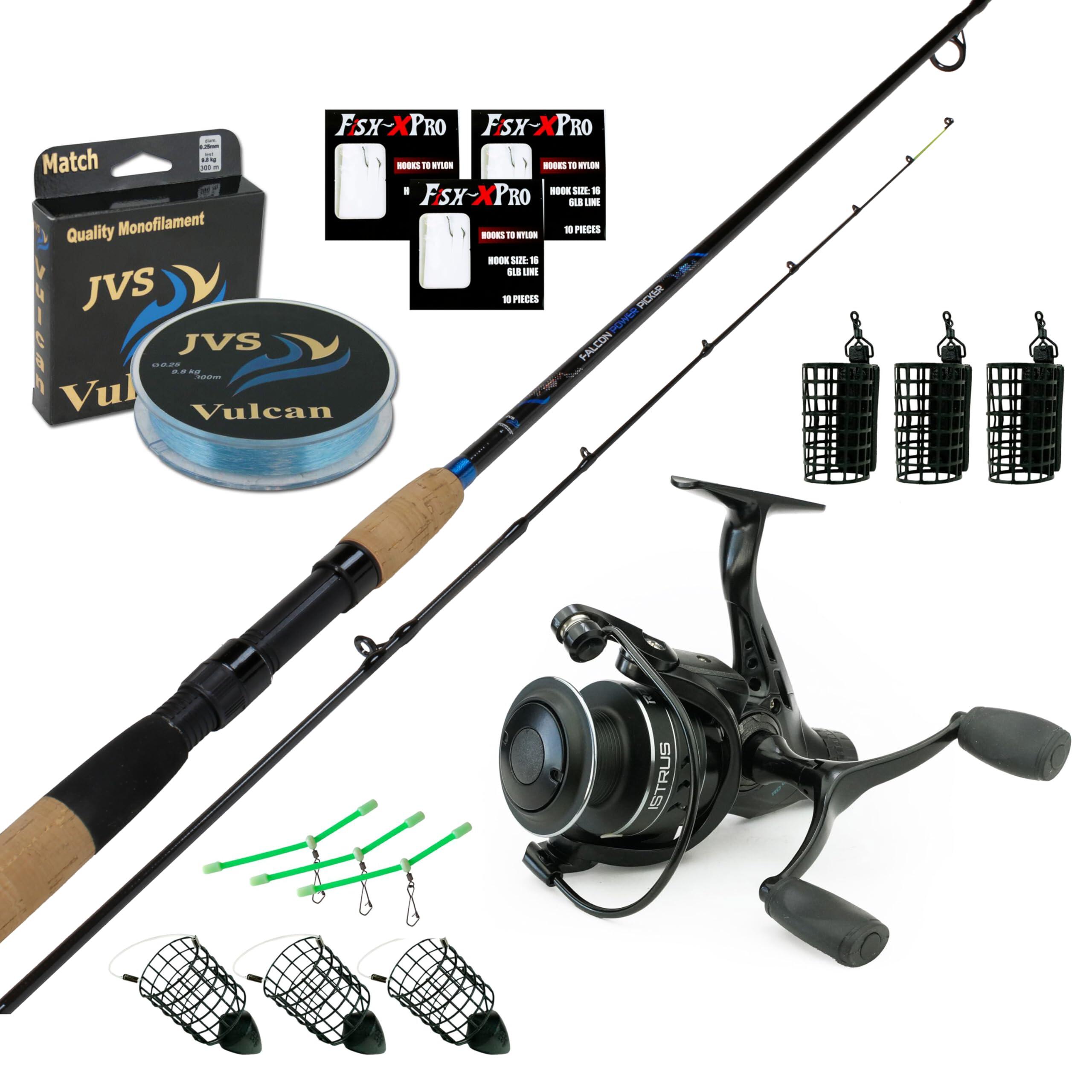
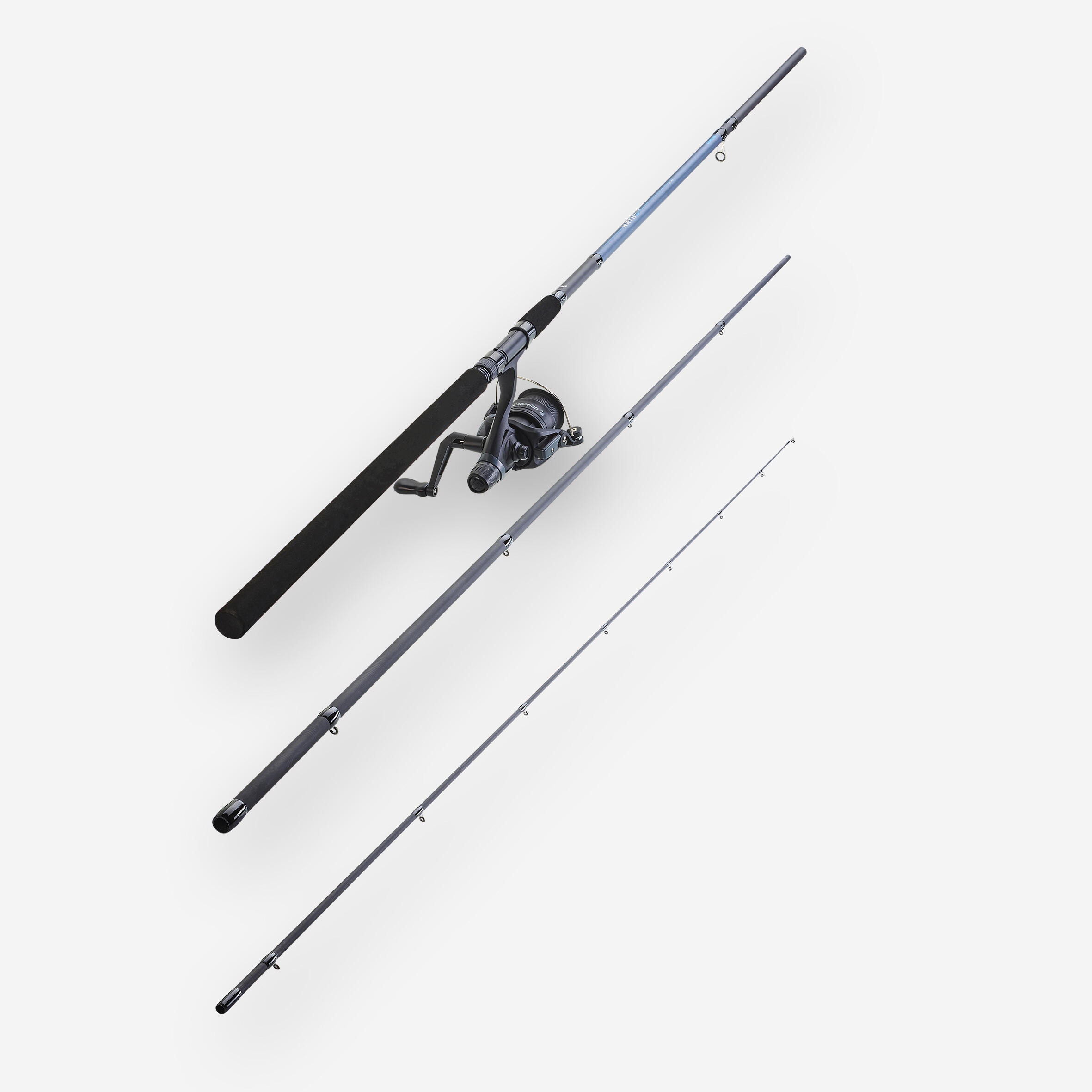
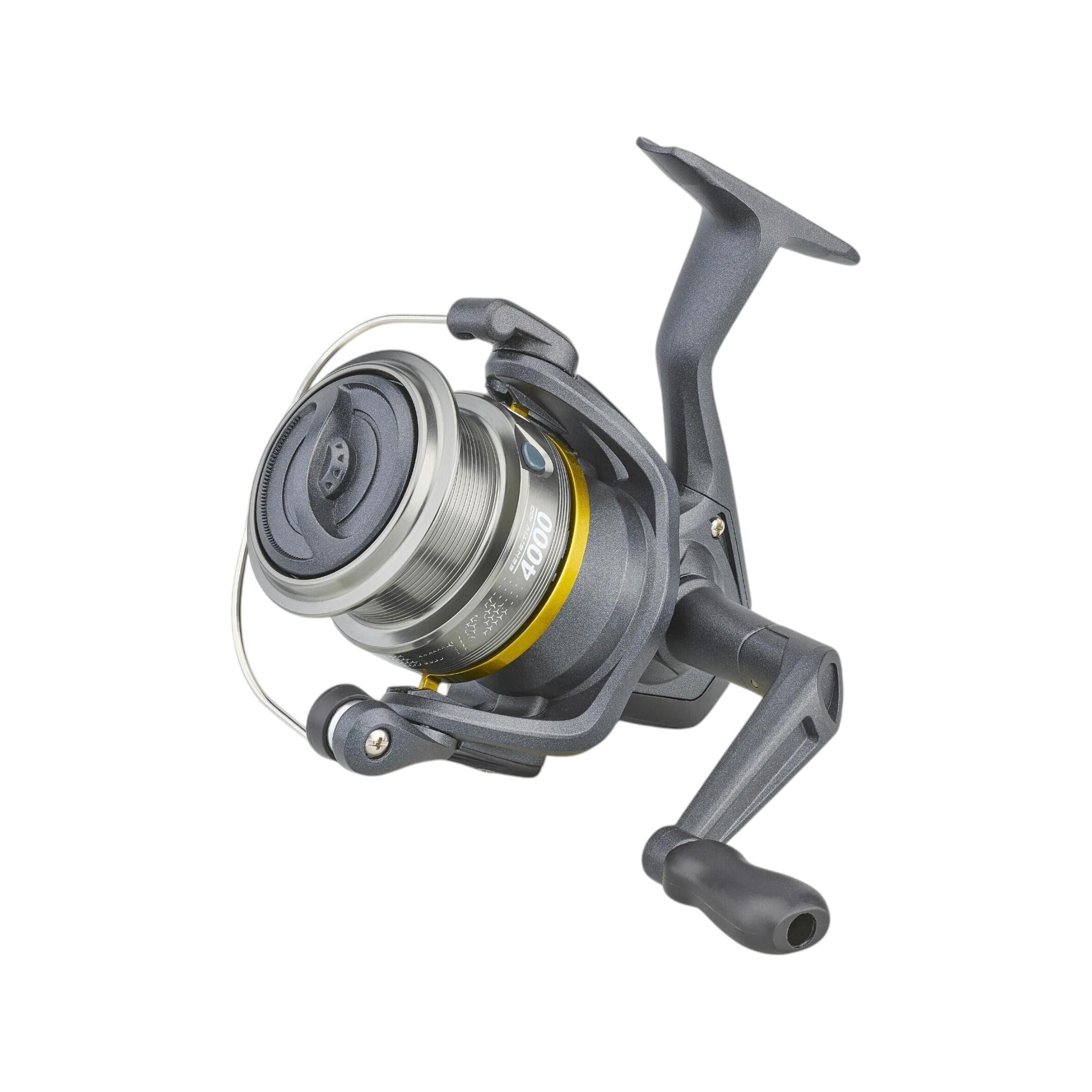
A coordinated rod-and-reel setup can simplify the first stages of float fishing because the main components already suit the same type of casting. The multi-purpose combo set for match fishing pairs a 3.90 m carbon rod with a size-3000 rear-drag reel and an oversized spool holding about 190 m of 20/100 line. Its 4-16 g casting weight suits lighter float rigs, while a dedicated hook attachment keeps the terminal setup secured when moving between swims. Caperlan also tests the reel through 500,000 crank rotations and tests the rod with loads 50% above its normal recommended casting weight, while advising anglers to fish within the stated 4-16 g specification.

Why does rod action count when casting and playing fish?

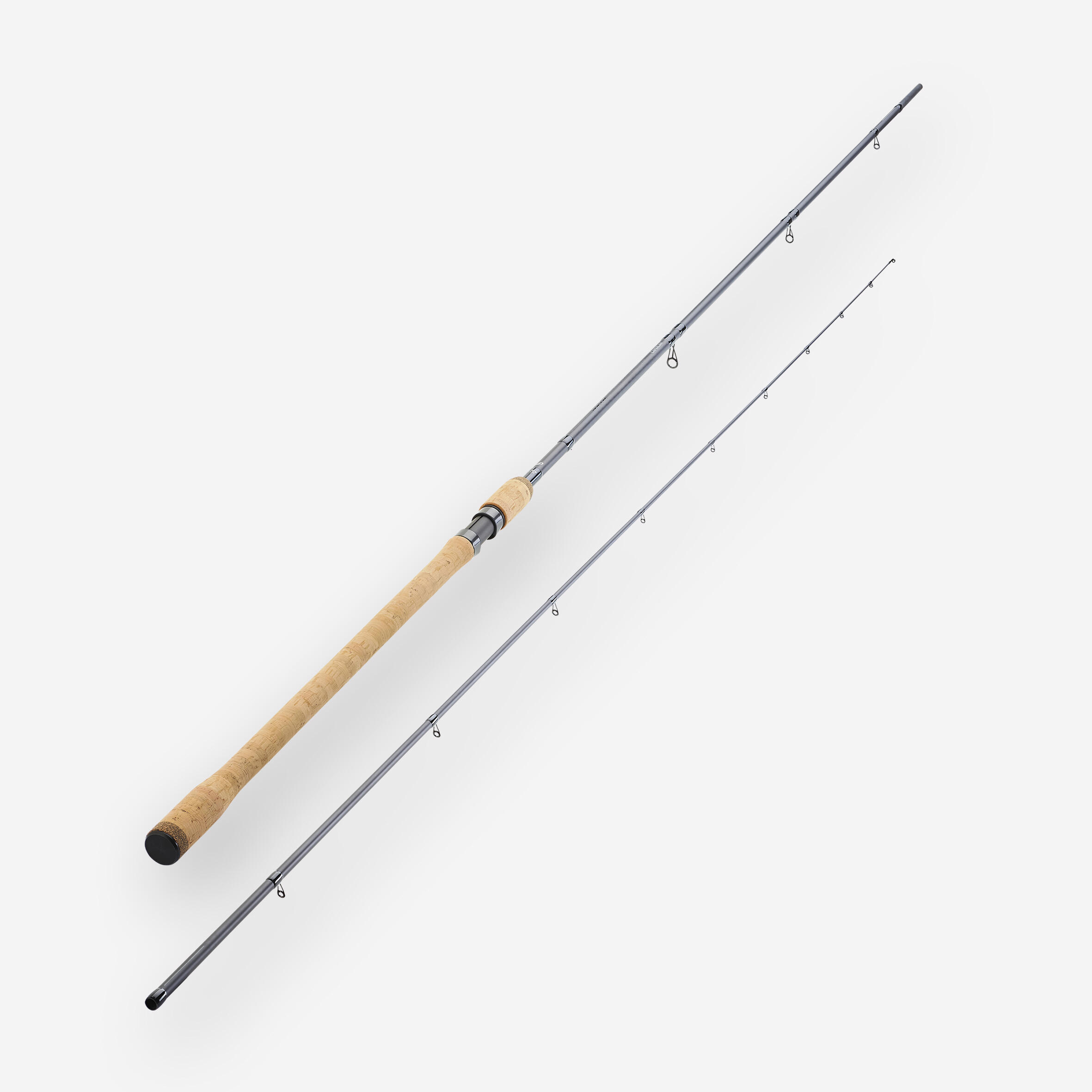
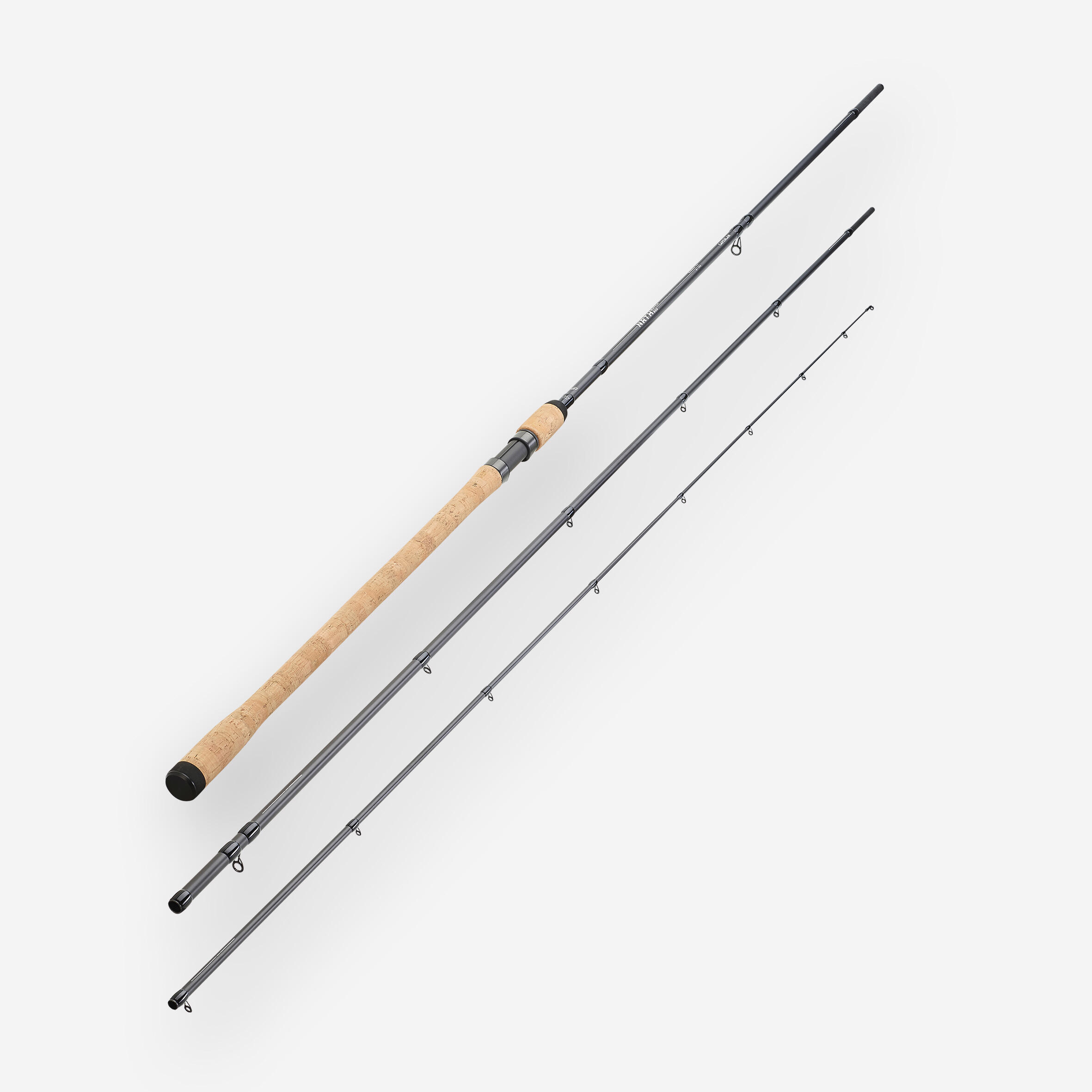
A progressive or semi-parabolic blank bends through more of the rod rather than concentrating all movement near the tip. This can help load the rod smoothly during a cast and absorb sudden pulls once a fish is hooked. Caperlan uses this type of action across its match fishing rod Match NRTH 500, a 3.90 m high-modulus carbon model weighing about 170 g. Fifteen guides help manage fine line during casting, while the Fuji reel seat and enlarged cork/EVA butt give the hand a more secure position. The extra flex can also reduce sudden shock on lighter line when a fish changes direction close to the net.

How do match rods support repeated long-distance float casting?

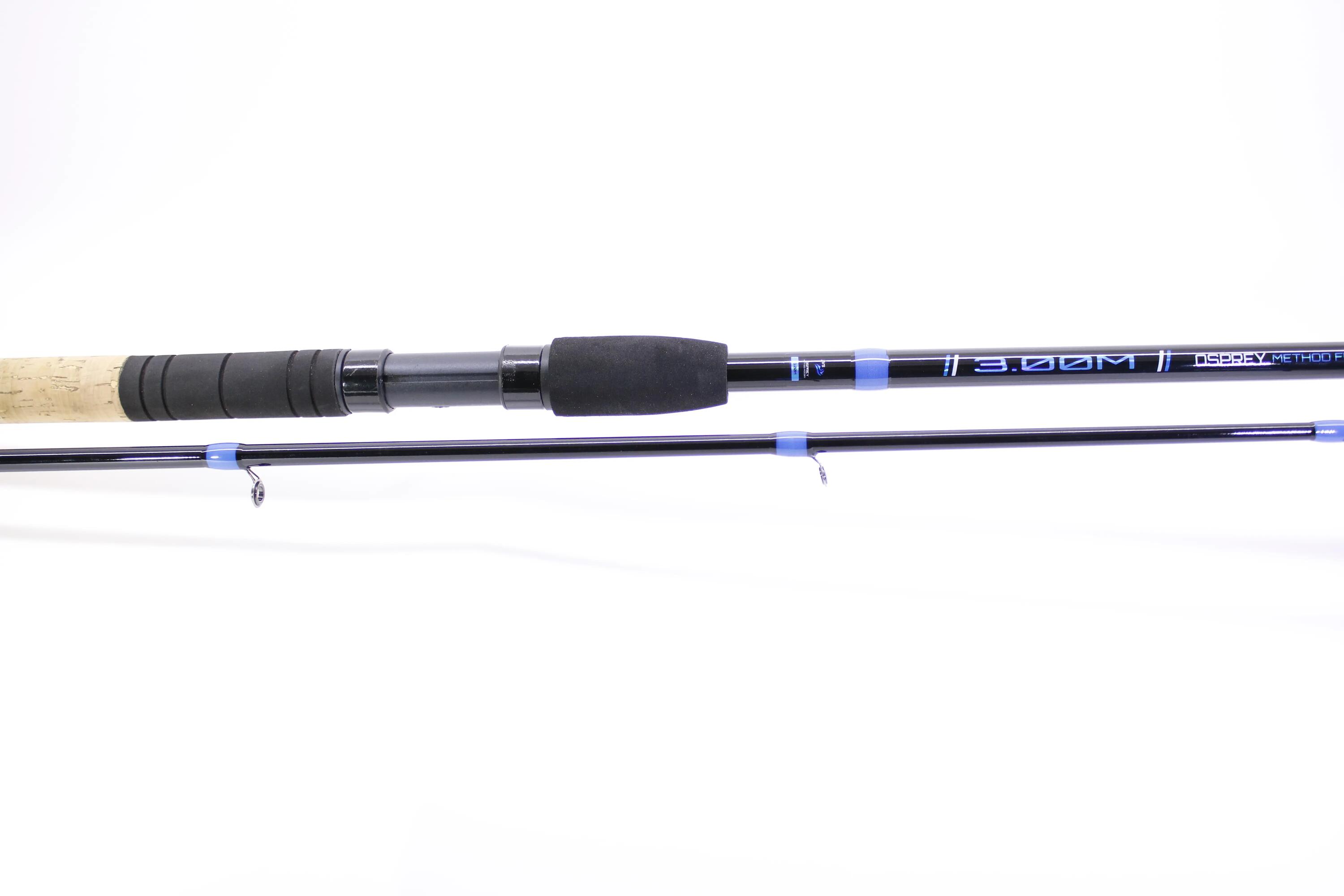
Repeated casting depends on more than rod length alone. Blank weight, guide layout, grip shape and the way the rod loads all affect how comfortably a float rig travels. Caperlan keeps its current rods at a 4-16 g casting weight and uses carbon construction to control overall mass, including a 158 g pellet-waggler model and a 170 g 3.90 m match rod. These technical choices fit the casting-led approach found across match fishing, where floats may need to reach the same feeding area accurately several times during a session. Staying within the stated casting weight also helps preserve predictable rod behaviour rather than forcing the blank with unnecessarily heavy terminal tackle.

What sets a pellet-waggler rod different from a general match rod?

Pellet-waggler fishing often involves frequent casts and carp that can pull strongly once hooked, so low rod weight needs to be balanced with enough reserve power for fish control. Caperlan's 3.30 m NRTH 500 Pellet Waggler weighs about 158 g and uses high-modulus carbon with a semi-parabolic action. Decathlon links its power reserve to guiding carp towards the landing net, while the rod can also work with slider-style float fishing. This gives it a more specialised role within coarse fishing than a longer general match rod. A Fuji reel seat and enlarged cork butt also support secure handling when casts are repeated throughout the session.

How can repairable rod sections extend the life of a match setup?

A damaged tip or second section does not always mean the complete rod needs replacing. Caperlan provides separate replacement tips across the current match rods, with second sections also available for the NRTH 500 Match and MTCH 100. Decathlon states that the NRTH 500 Match can be repaired in more than 80% of breakdown cases, making component replacement a notable part of the product approach. Keep the rod dry between sessions, inspect guides for cracks and avoid storing sections where heavier fishing equipment can press against them. Power lines and thunderstorms also present serious risks with long carbon rods, so keep clear of overhead electrical infrastructure and stop using the rod when storms approach.