439 items
4.7/5 based on 87 reviews collected online and in stores

Fairway Woods FAQs

Which fairway wood suits your playing level?

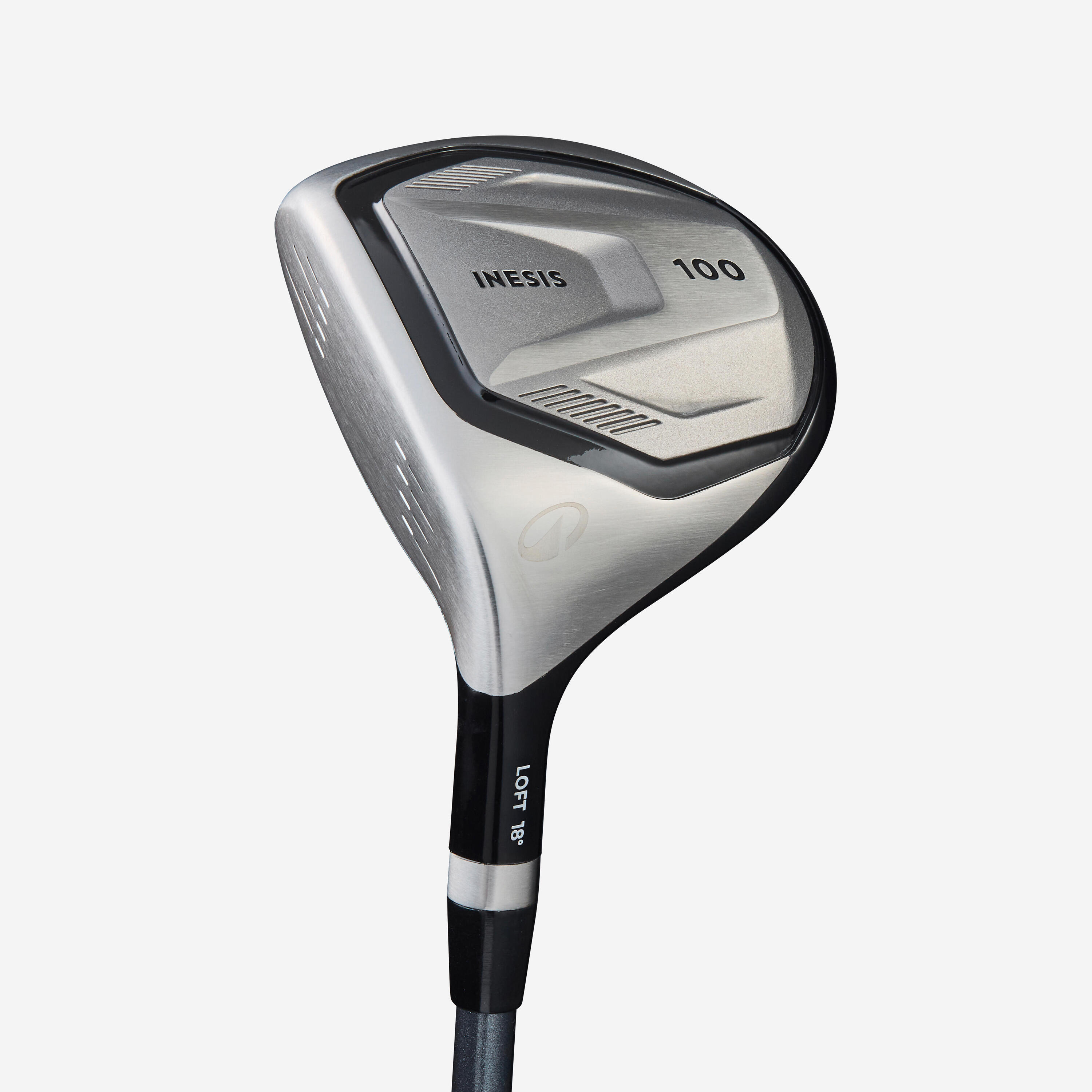
A suitable fairway wood needs to match your strike consistency, swing speed and preferred level of control. Beginner models place the centre of gravity low and back to support a higher launch, while a wide face provides more assistance when contact misses the exact centre. The 18-degree graphite golf wood uses a lightweight, low-bend-point shaft. This combination can make launching the ball from the ground more manageable for newer golfers. Intermediate models add thinner variable-thickness faces and heel-biased weighting, while advanced versions include adjustable hosels. Focus on launch, strike position and direction rather than selecting a club only by its stated player level.

Why does swing speed affect shaft selection?

Shaft weight and flex influence how the club loads during the backswing and returns towards the ball. Lower-speed golfers may benefit from a lighter shaft that requires less effort to move, while faster swings often need a firmer and heavier construction for control. The reviewed golf wood for seniors uses a lightweight shaft suited to the lower-speed category. A practical starting guide is the club normally used from just under 135 metres: a 5-iron, hybrid or wood suggests lower speed, a 6-iron or 7-iron suggests medium speed, and an 8-iron or shorter club suggests higher speed. Treat this as guidance rather than a guaranteed fitting result.

When can a 5-wood feel easier than a 3-wood?

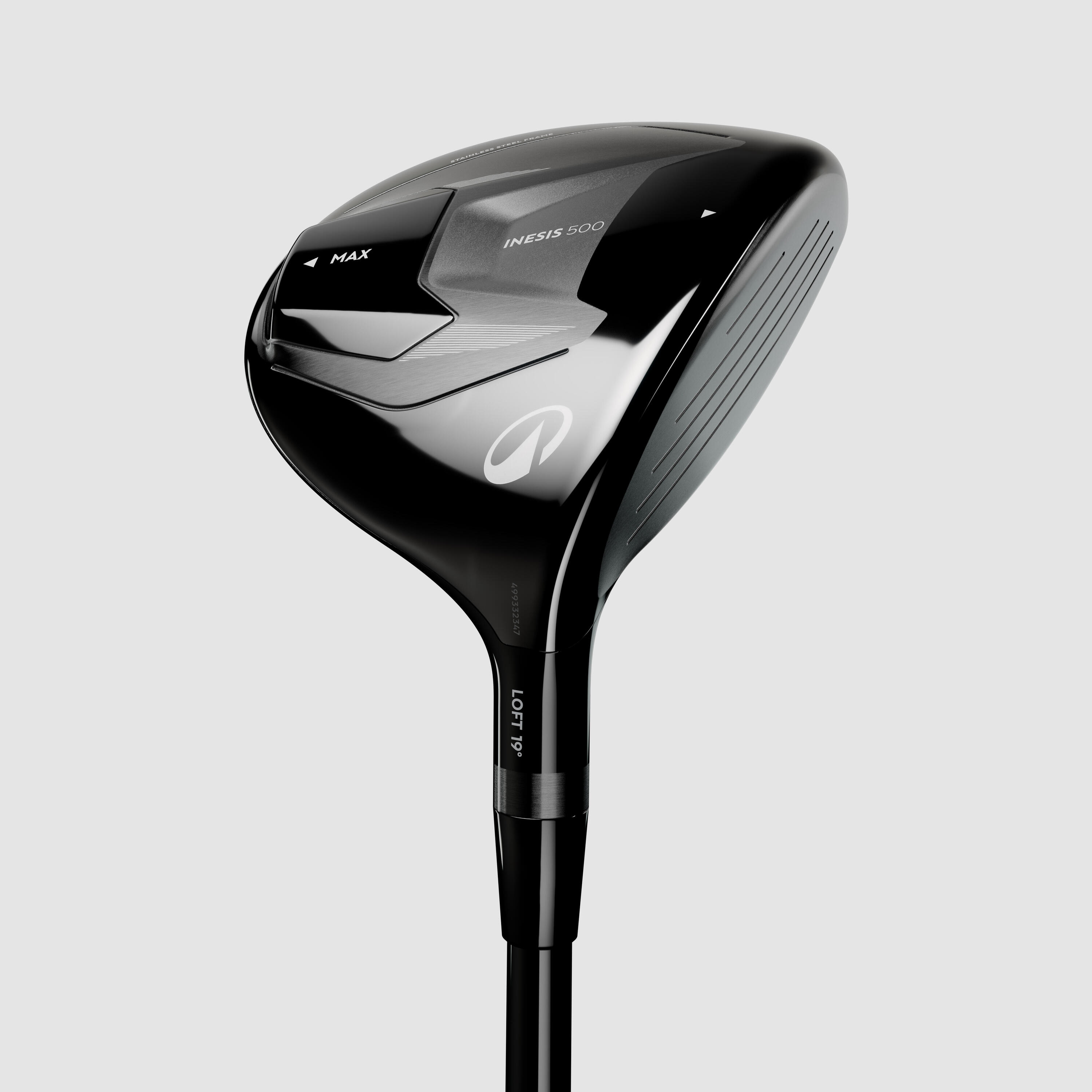
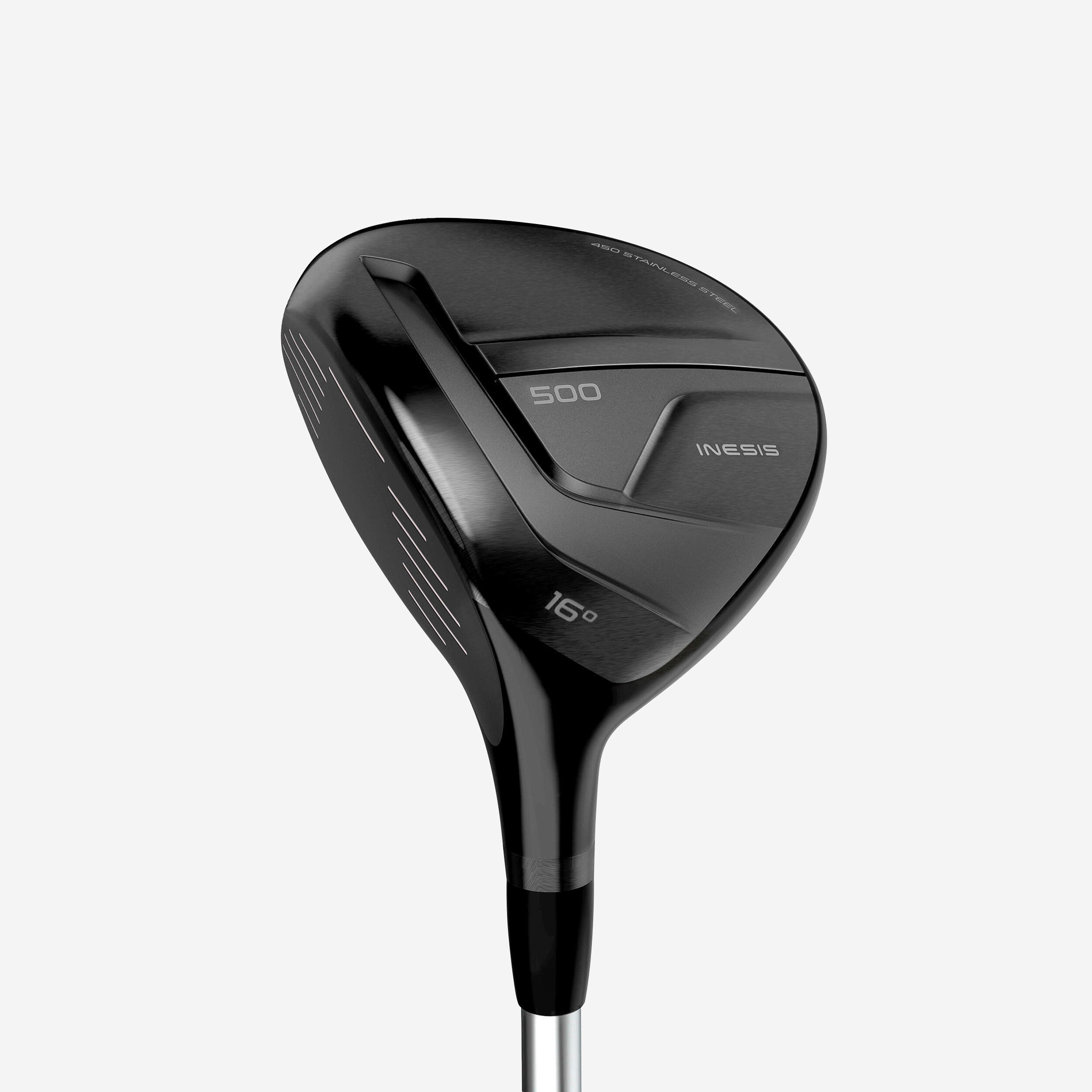
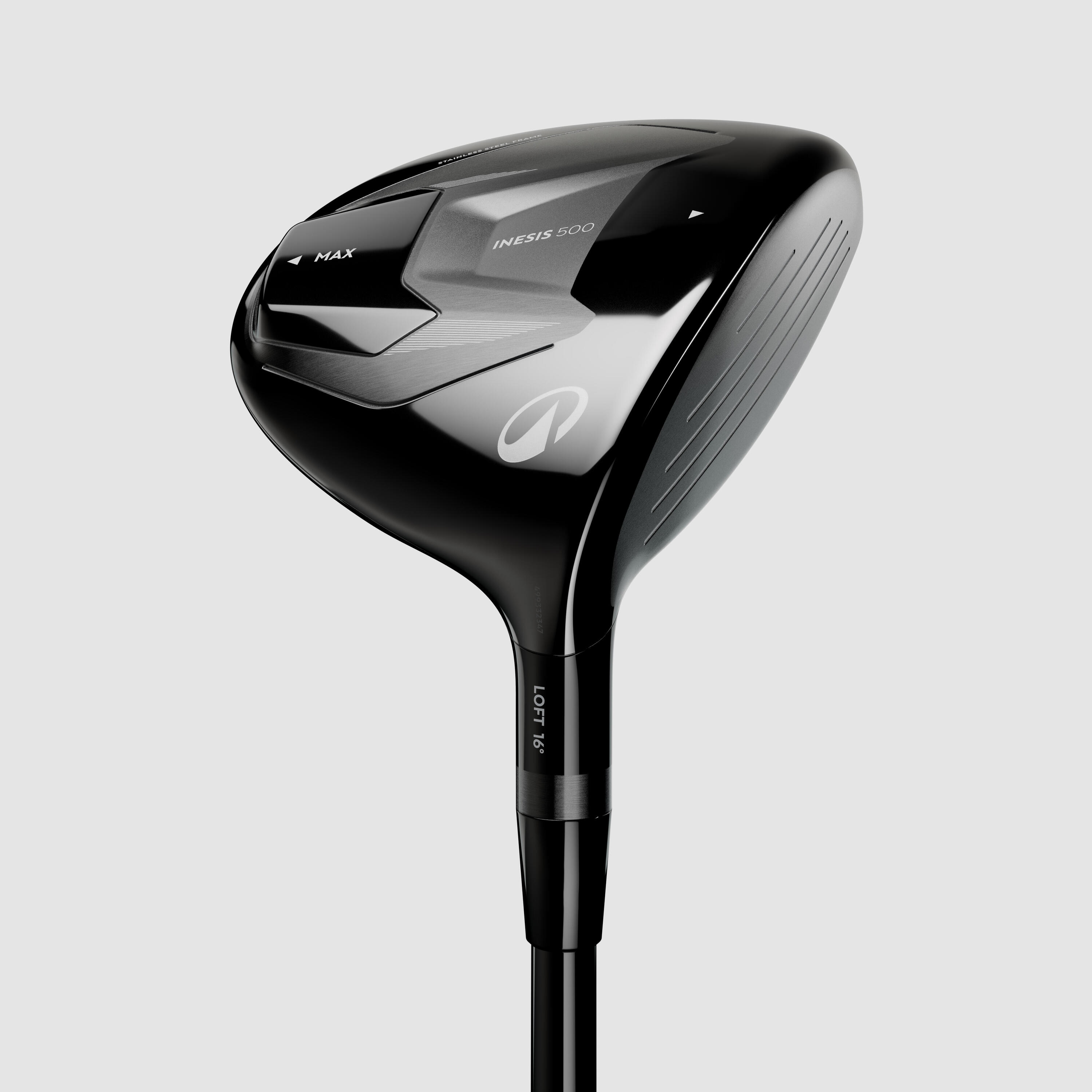
A 5-wood usually has more loft and a shorter shaft, which can make higher launch and centred contact easier from the fairway. Within the MAX 500 models, the 3-wood has a 16-degree loft, while the 5-wood uses 19 degrees and is approximately one inch shorter. The linked right-handed golf wood is intended for higher swing speeds and uses a heavier stiff shaft. A 3-wood may provide more distance when struck well, but the lower loft can make it more demanding from tight or uneven lies. Test both from realistic positions rather than judging performance only from a tee or perfect practice mat.

Which club length fits your address position?

Ground-to-wrist distance provides a more useful fitting reference than height or gender alone. A measurement below 78.5 cm corresponds to size 1, while 78.5 cm or more corresponds to size 2. The longer option is approximately 1.25 inches greater in length, with grip diameter and club balance also adjusted to keep the setup proportionate. Stand naturally in flat footwear when measuring and let your arms hang without reaching towards the floor. Review the wider golf clubs category when matching fairway woods with drivers, hybrids and irons. Advanced woods may also provide loft adjustment of plus or minus 1 degree, but length and posture need to feel suitable before changing the hosel setting.

Which care habits protect fairway woods?

Replace the supplied head cover after every shot or practice session so the clubhead does not strike irons, bag dividers or other equipment during transport. Remove grass and soil from the face and sole with a soft cloth, then dry the club before returning it to the bag. The beginner model is marked as not washable, so avoid soaking the head, shaft, ferrule or grip. Keep a towel and suitable cleaning items with your golf club accessories for light maintenance after damp rounds. Inspect the carbon-fibre shaft for cracks, the grip for smooth areas and the head connection for movement. Stop using the club and seek repair advice when any component feels loose or visibly damaged.