9 items
4.8/5 based on 12482 reviews collected online and in stores

Athletics Gloves FAQs

What is the best fit for athletics gloves?

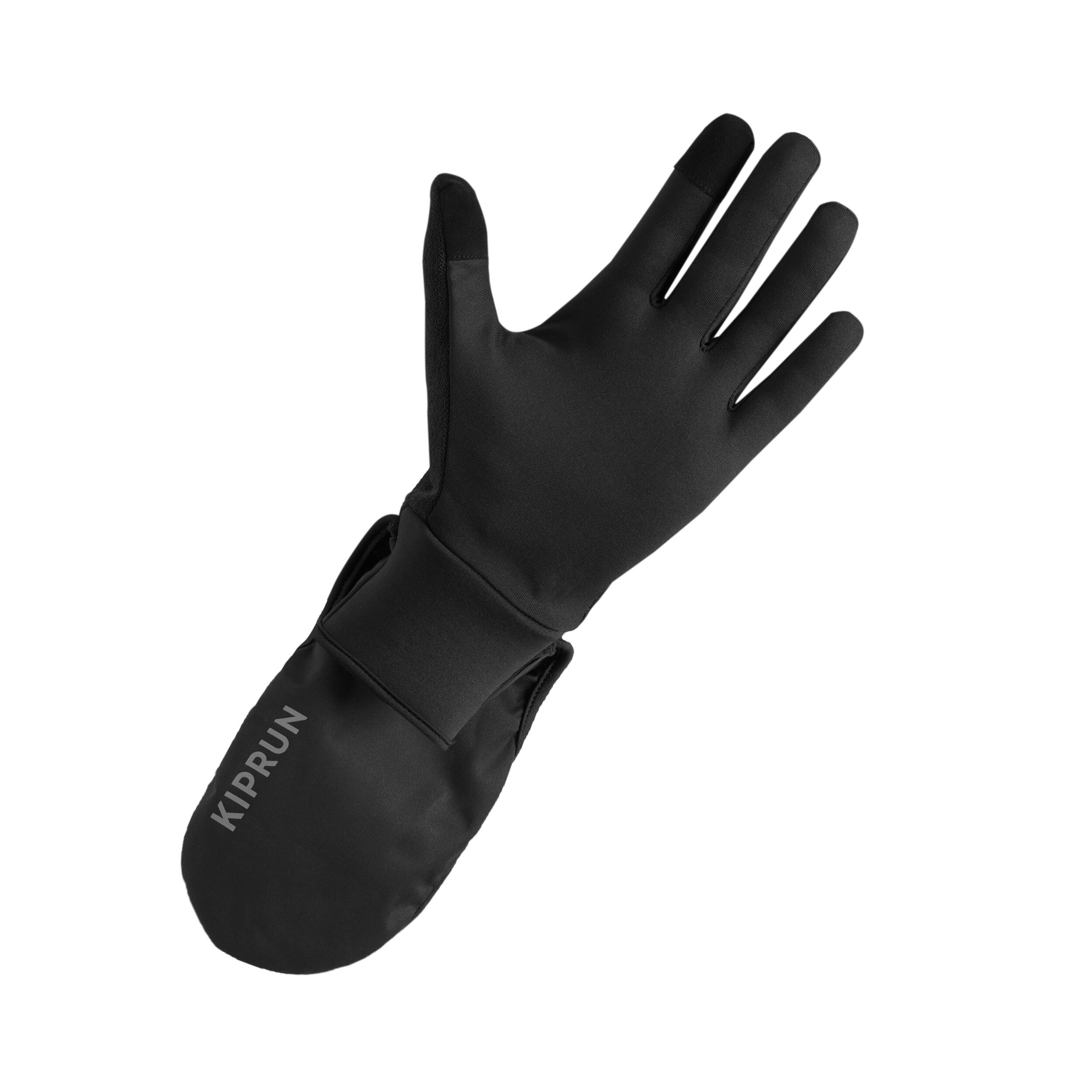
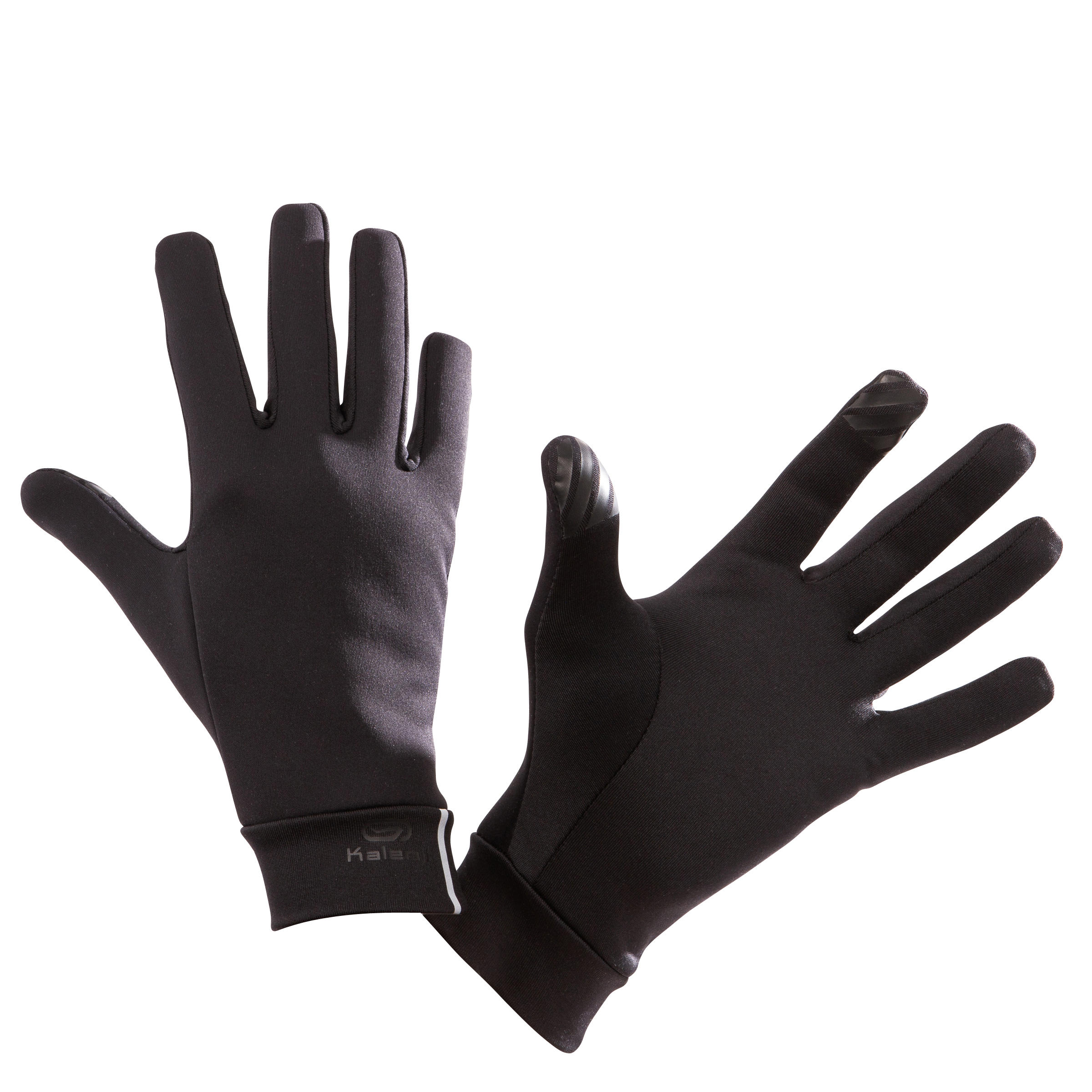
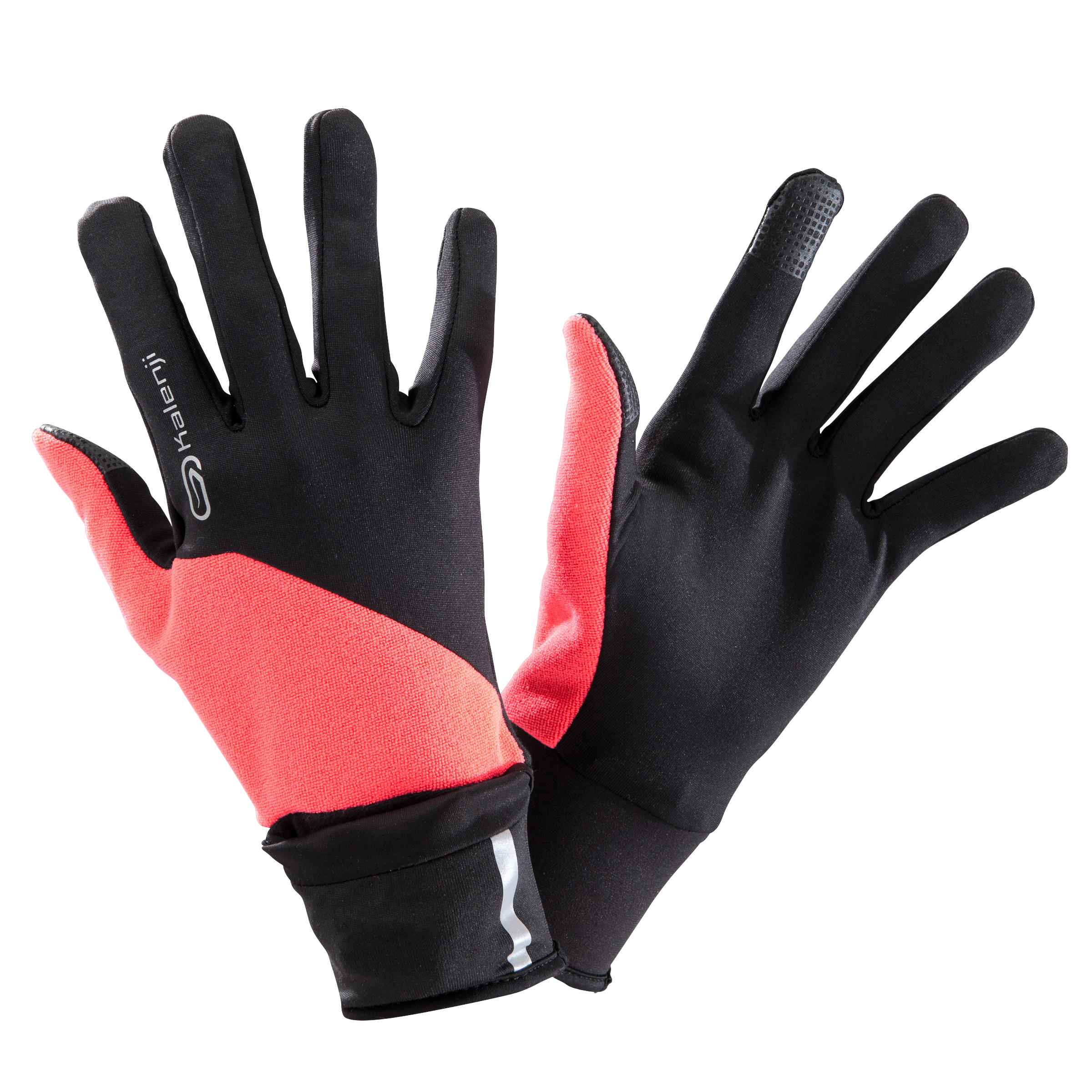
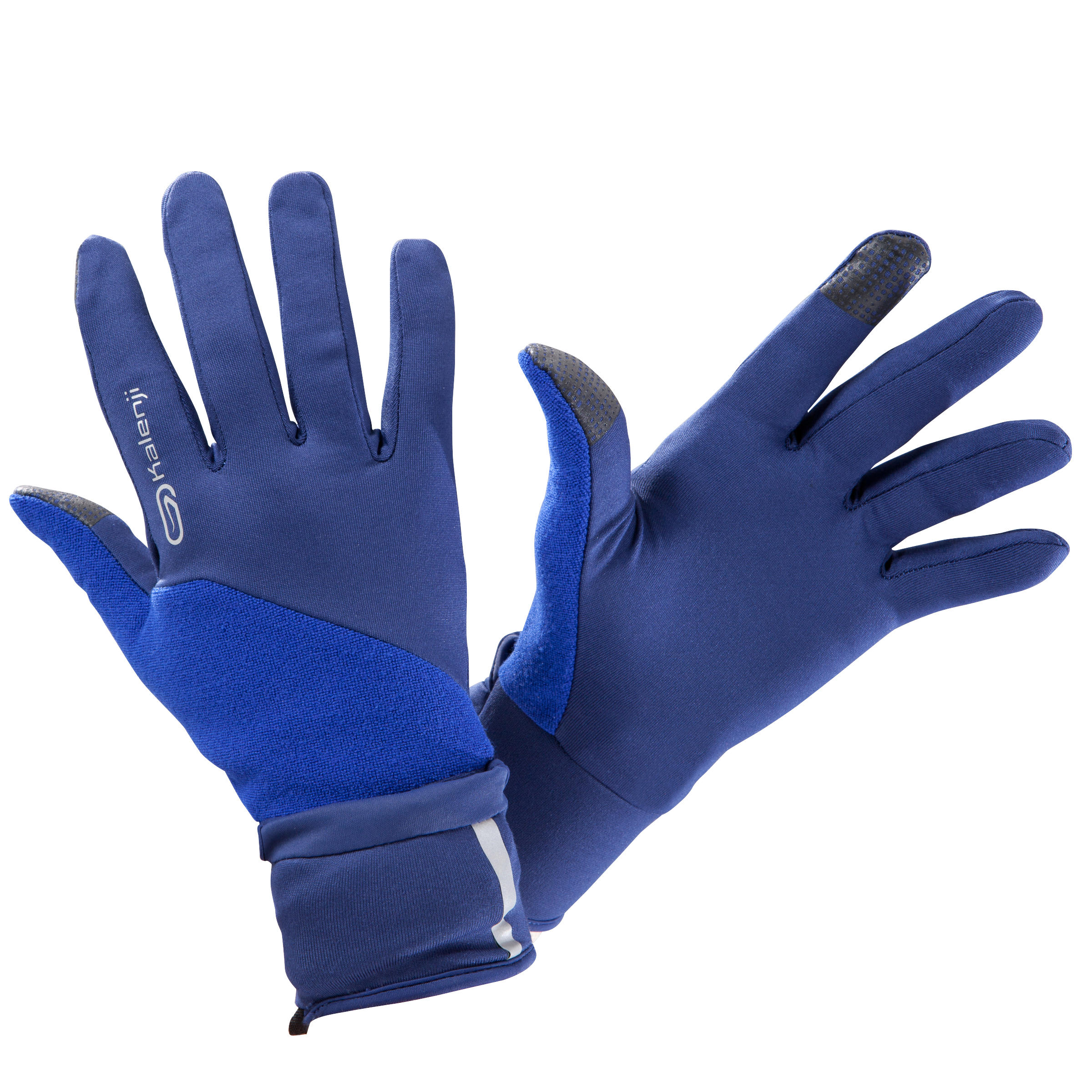
Athletics gloves should sit close to your hands without restricting finger movement, circulation or your natural running posture. Check both palm width and finger length because loose fabric at the fingertips can affect grip and touchscreen use, while an overly tight fit may feel uncomfortable as your hands warm up. The cuffs should cover your wrists without pressing beneath a watch or jacket sleeve. Lightweight adult running gloves can suit cool sessions where you need warmth without thick insulation. A practical pro tip is to bend every finger, make a relaxed fist and operate your phone before training, as small folds can reduce touchscreen accuracy.

How warm should athletics running gloves be?

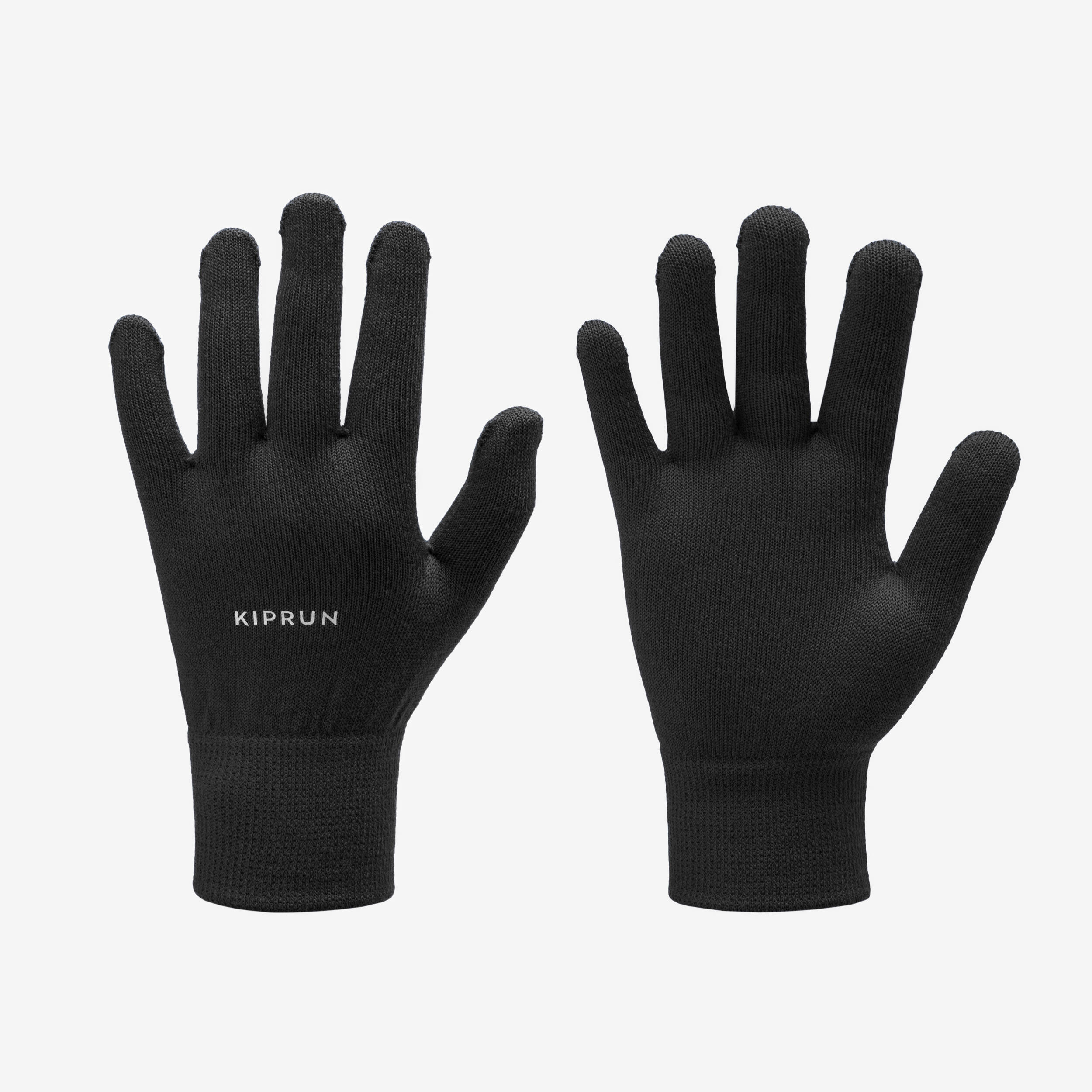
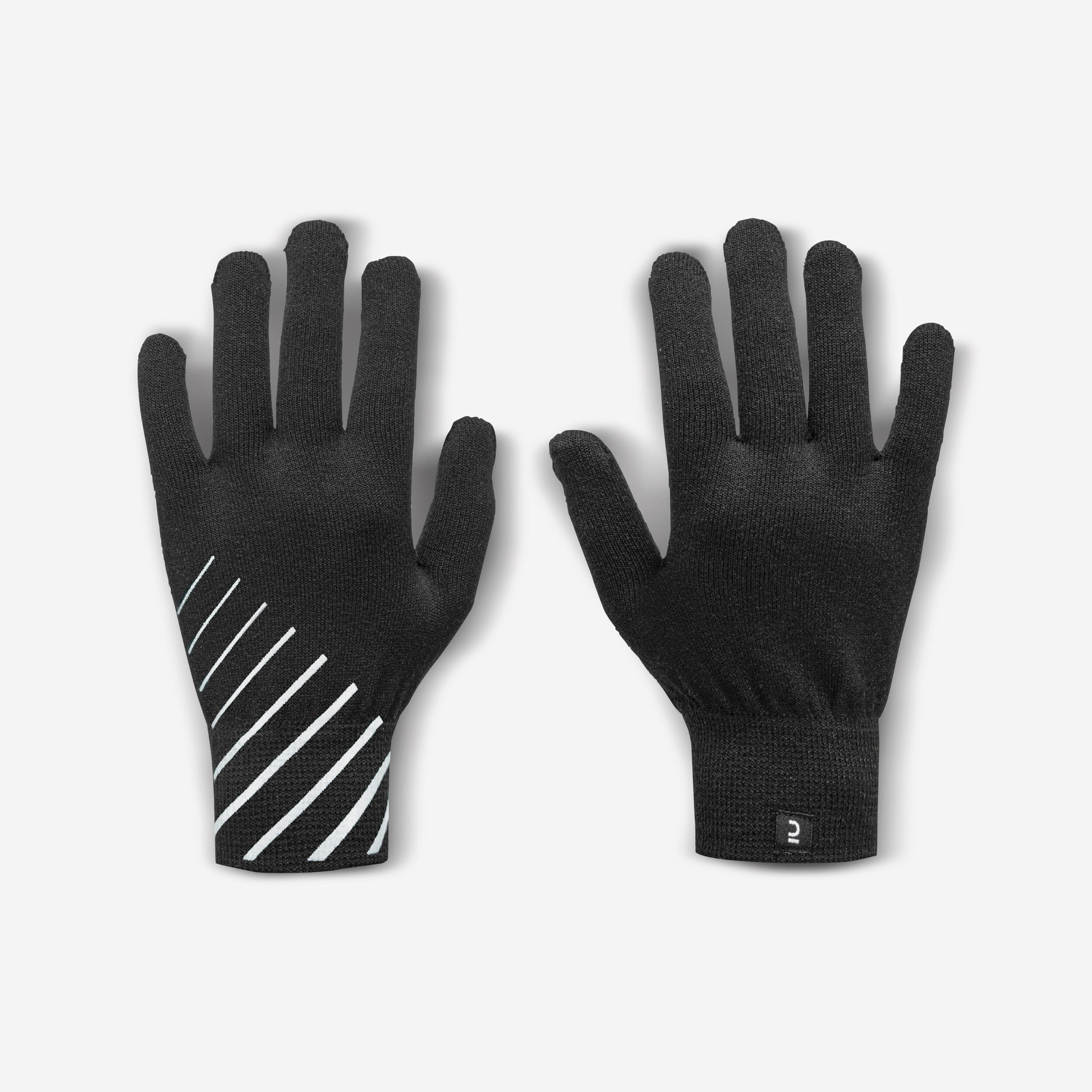
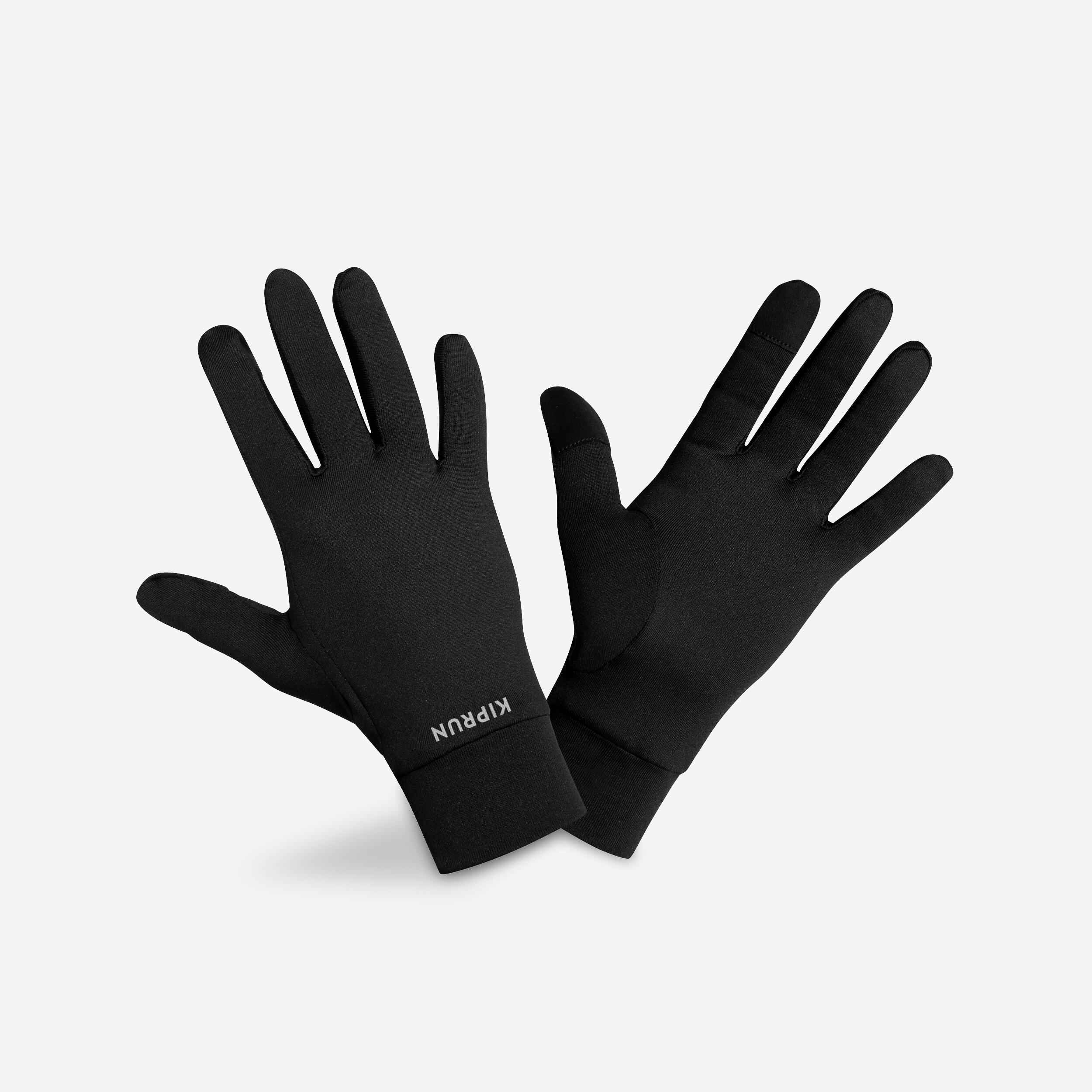
Choose warmth according to the temperature, wind exposure, session intensity and how quickly your hands usually become cold. Thin KIPRUN adult gloves are intended for running at roughly 6 to 11 degrees Celsius, with around 11 degrees Celsius given as their ideal comfort temperature. Children may need a warmer knitted construction during colder school or club sessions. Warm kids' running gloves use seamless, stretchy fabric and are intended for temperatures down to approximately 0 degree Celsius during active use. Temperature guides are starting points rather than guarantees, so consider wind, rain and personal cold sensitivity before leaving home.

Are touchscreen athletics gloves useful during training?

Touchscreen fingertips can help you check a route, change audio or operate a training app without exposing your hands to cold air. The adult Run 100 model places conductive material on the thumbs and index fingers, and runner feedback led Decathlon to revise the fingertip construction for better accuracy and durability. Correct fit remains essential because folds between your finger and the conductive area can interrupt contact with the screen. Touchscreen function should remain a secondary feature when comparing athletics accessories. Prioritise comfortable warmth, unrestricted finger movement and secure cuffs first. Stop safely before using a phone rather than looking at the screen while running through traffic or a busy training area.

Do beginners need athletics gloves for every session?

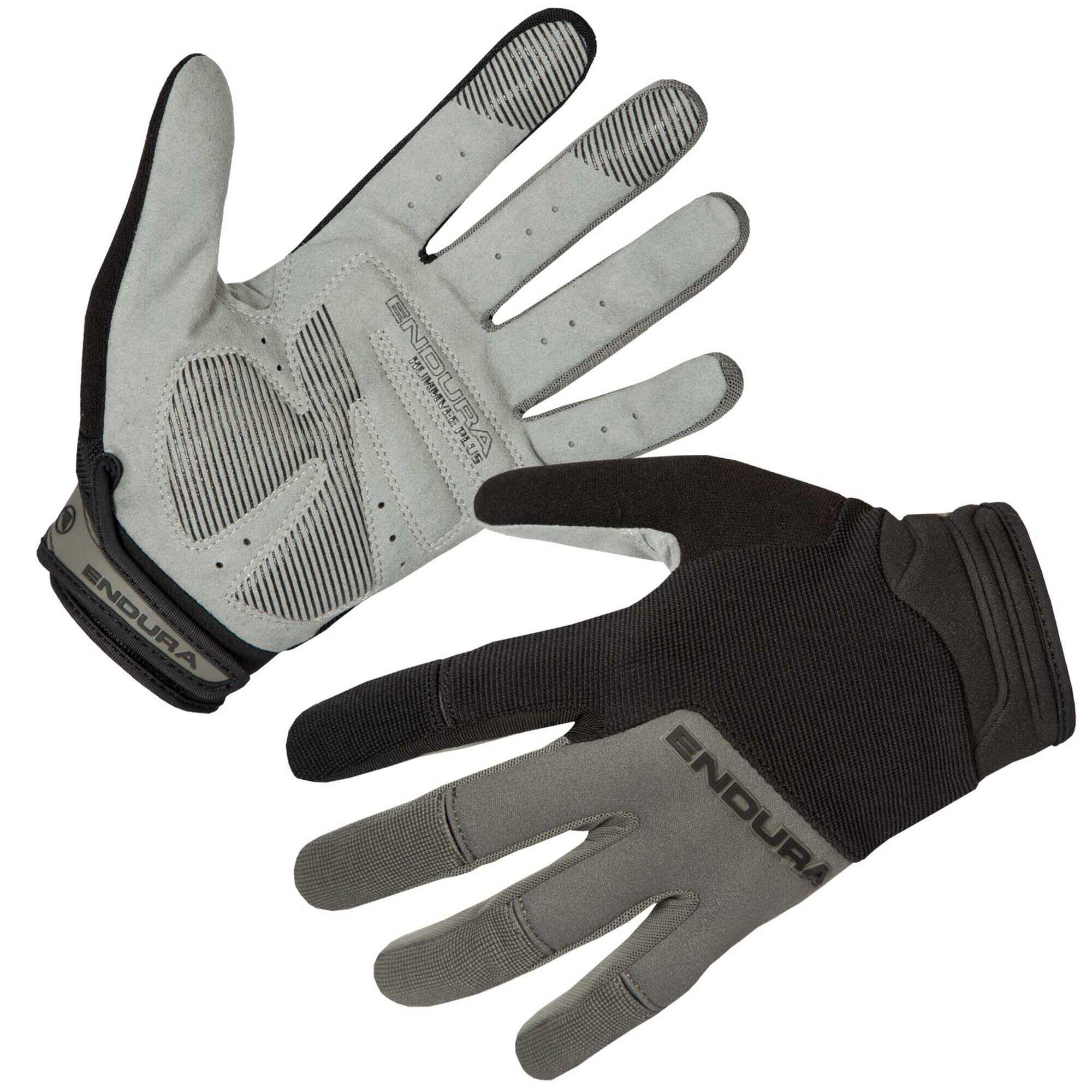
No. Gloves are mainly useful when cold air makes your hands uncomfortable, reduces finger movement or distracts you during an outdoor warm-up. A beginner training indoors or in mild weather may not need them, while winter road, track or cross-country sessions can justify a lightweight pair. When organising a beginner's athletics starter kit, prioritise suitable shoes and clothing before adding weather accessories. Pack gloves where they remain easy to reach, then remove them if your hands become excessively warm or damp. Running gloves are not protective cycling or handling gloves, so do not rely on a thin athletics construction for impact protection, abrasive equipment or tasks requiring reinforced palms.

How should you wear and care for warm athletics gloves?

Tuck the cuffs beneath or over your jacket sleeves according to which arrangement blocks cold air without creating pressure around your wrists. Avoid forcing thick cuffs beneath a tight watch strap, as this can affect comfort and access to the controls. Wear the gloves with breathable men's athletics clothes or equivalent women's and children's layers so your overall outfit matches the conditions. Wash the KIPRUN gloves at no more than 30 degrees Celsius and avoid tumble drying, ironing, bleaching or dry cleaning. Air-dry them fully before storage, keep adult gloves somewhere dark and dry, and check the fingertips, seams and cuffs regularly for wear that could affect warmth or touchscreen use.