44 items
4.2/5 based on 10949 reviews collected online and in stores

Athletics Flasks and Bottles FAQs

Which athletics flask capacity should you carry?

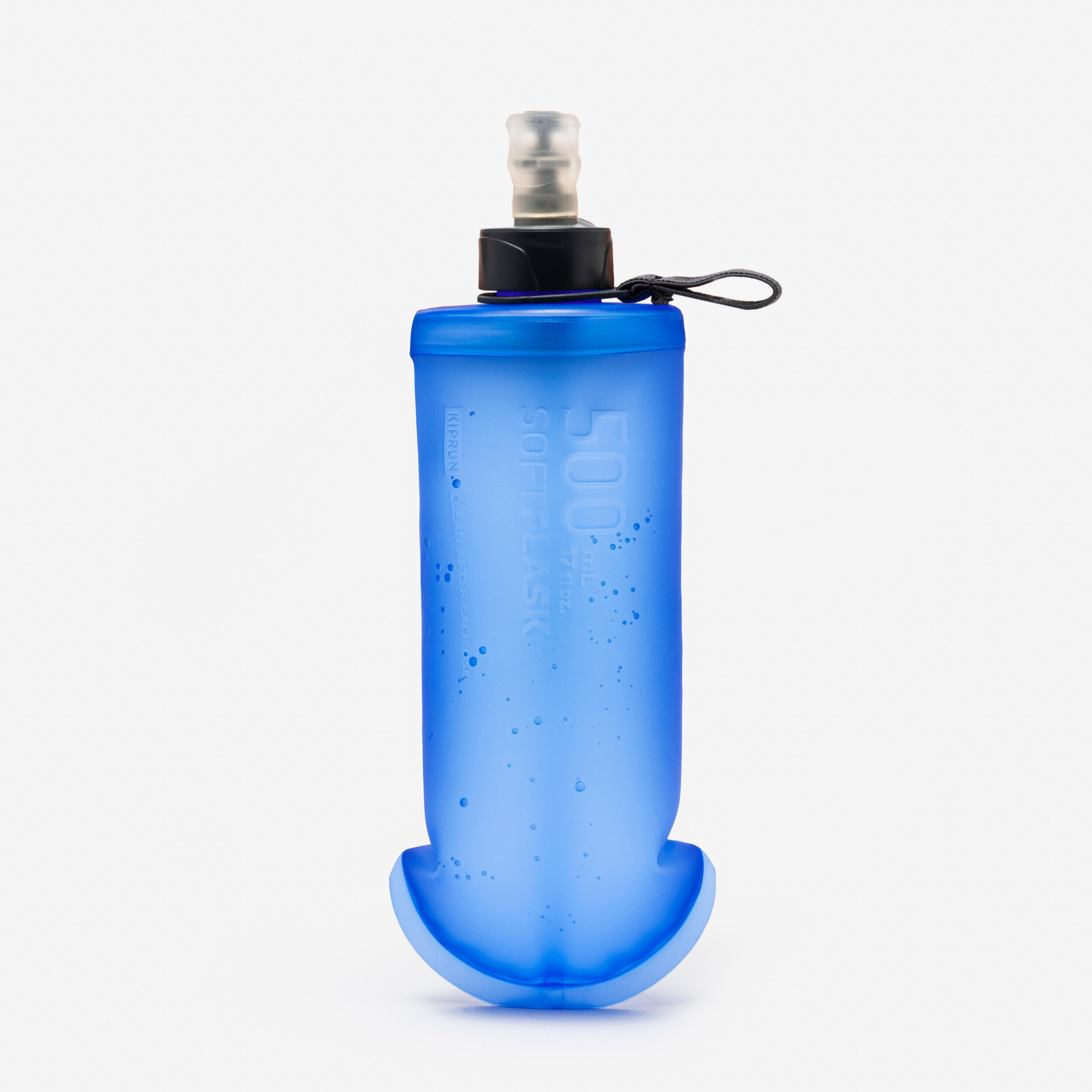
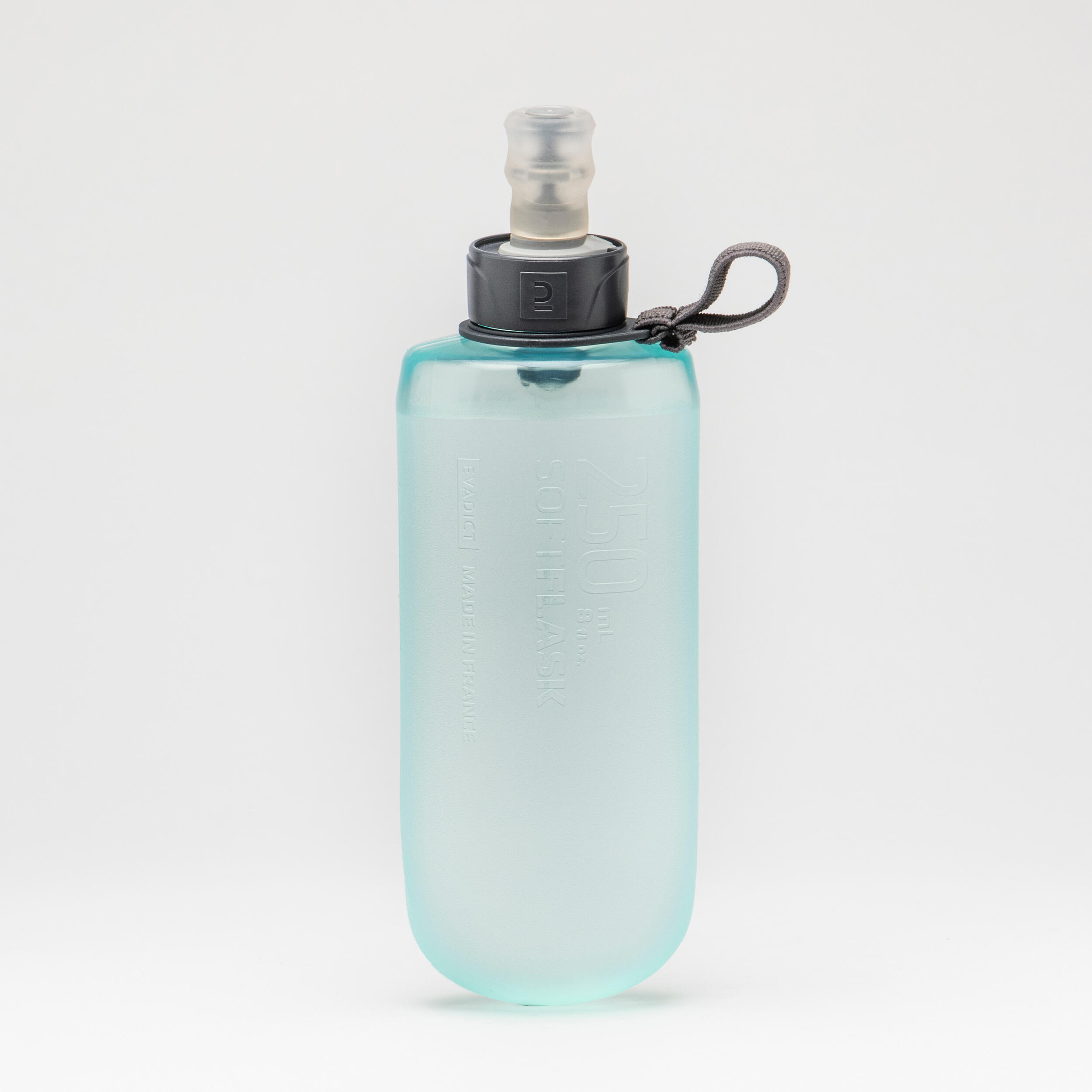
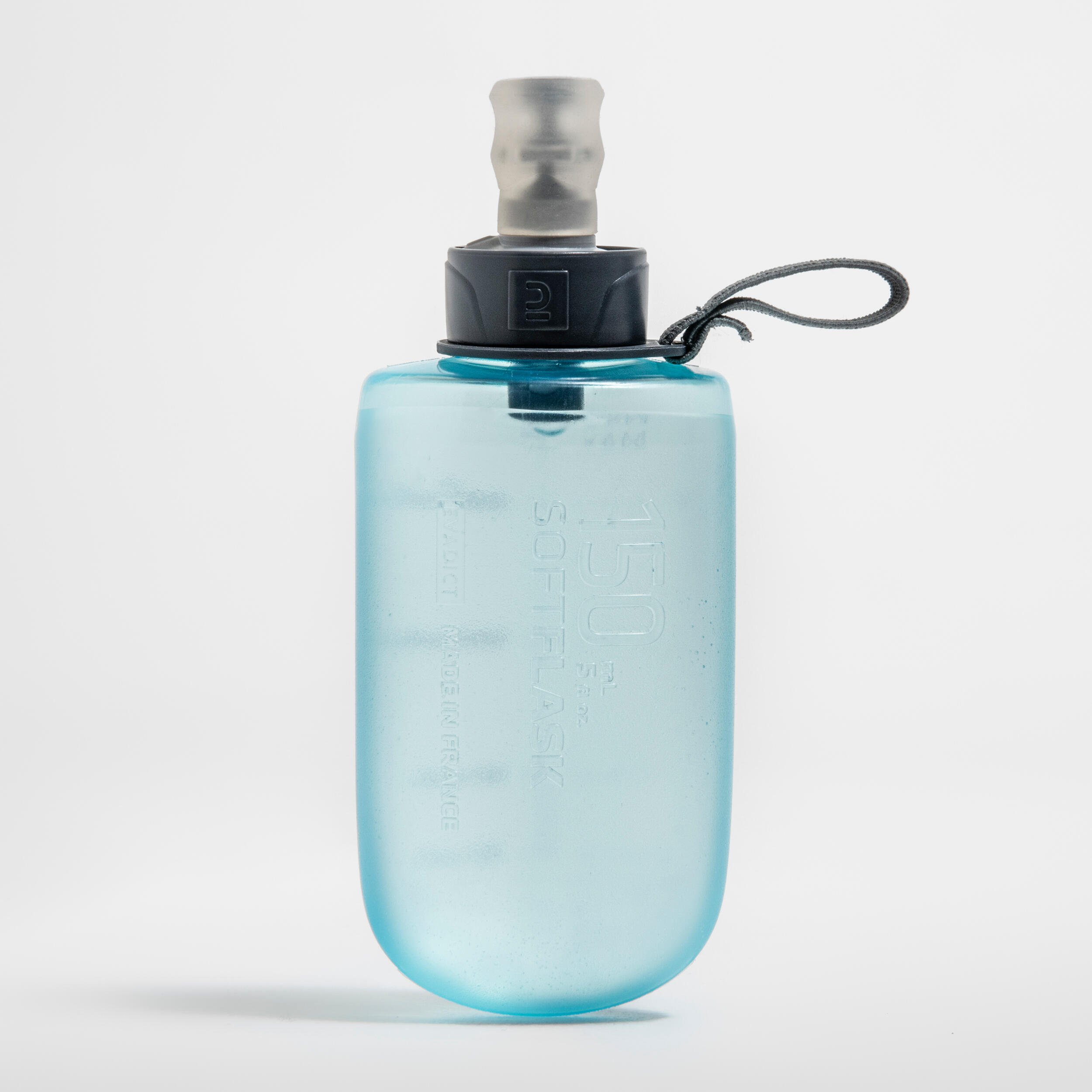
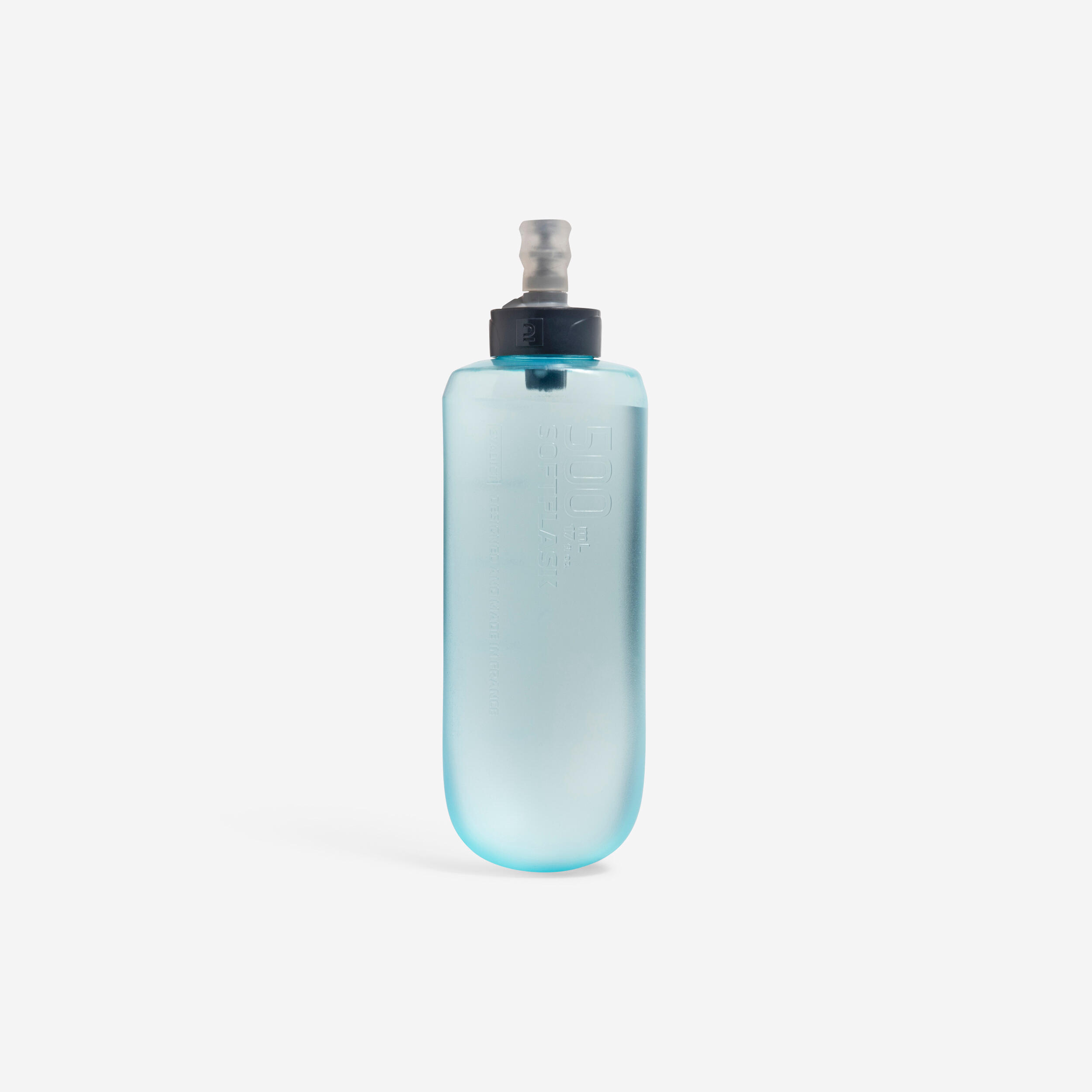
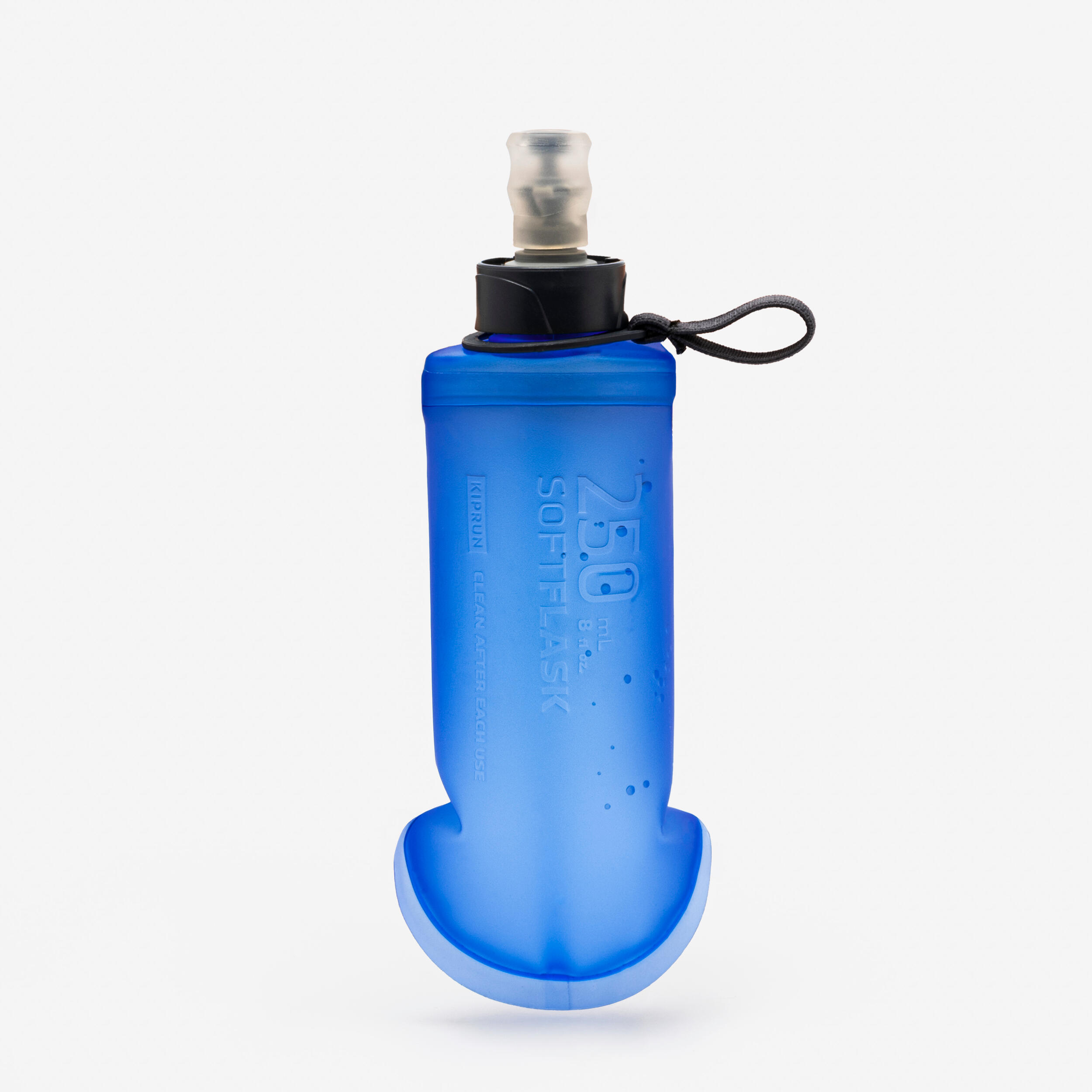
Match the capacity to your session length, weather and access to water. A 150 ml soft flask works well for short track sessions, warm-ups or a measured serving of isotonic drink. A 250 ml option gives you more fluid without adding much bulk, while a 500 ml KIPRUN flask can support longer runs or roughly an hour of steady exercise for many athletes. Your needs may rise in warm weather or during hard intervals. Smaller flasks also let you carry water and sports drink separately. Keep spare drinks, gels and other athletics accessories organised so you can refill without interrupting the whole session. Pro tip: weigh yourself before and after a familiar workout to estimate how much fluid you typically lose.
Why choose a flexible athletics flask instead of a rigid bottle?

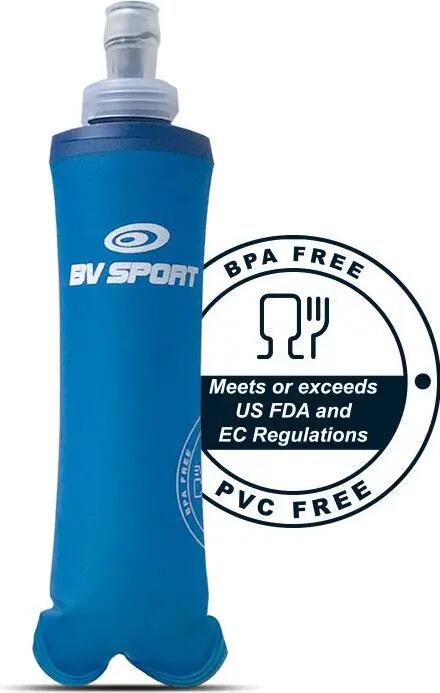
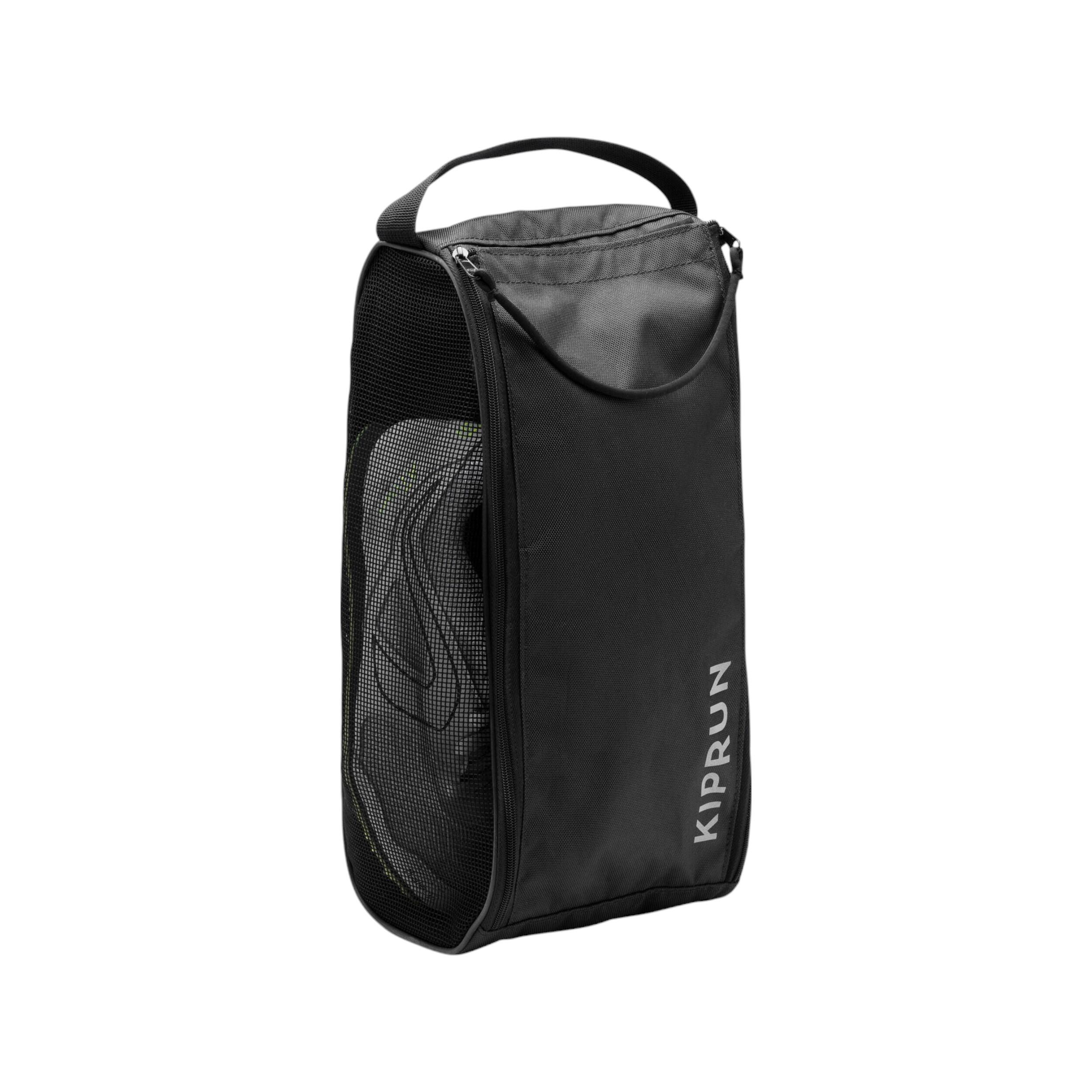
A soft flask compresses as you drink, so there is less empty space for water to move around. This reduces sloshing and helps the bottle sit more securely against your body in a belt, vest or hand. Flexible walls can also create fewer pressure points than a hard bottle during repeated arm movement. KIPRUN models use bite valves, allowing you to drink while moving without unscrewing a cap, while finger or thumb loops reduce the gripping force needed late in a session. Carrying flasks inside suitable athletics bags also keeps valves and soft bottle walls away from sharp items during travel.

How do you stop a soft flask leaking while you run?

First, check that the mouthpiece is fully fitted and turn the on-off valve to its locked position before placing the flask in a pocket. Once you start running, unlock it and bite or pinch the valve while drawing water through it. Remove excess air before closing the flask, as this limits movement and pressure changes inside. Do not overfill beyond the marked capacity, and keep keys, spike pins or other pointed objects in a separate compartment. On sunny outdoor sessions, suitable athletics headwear can reduce direct sun exposure, but you should still adjust your drinking plan to the temperature and effort.

How should you clean an athletics flask after a sports drink?

Rinse the flask promptly because sugar and flavouring can settle around the bite valve, affecting flow, taste and hygiene. Remove the mouthpiece where the model allows, wash each part with clean water and leave everything open to dry upside down. Before first use, KIPRUN advises rinsing flexible flasks several times. Do not leave water sealed inside for more than 24 hours. A wider opening makes it easier to add powder or tablets without spilling and also helps you reach the inner surface during cleaning. In cold conditions, keep athletics gloves dry by storing the flask upright and checking that the valve is locked before packing.

When should you drink during athletics training?

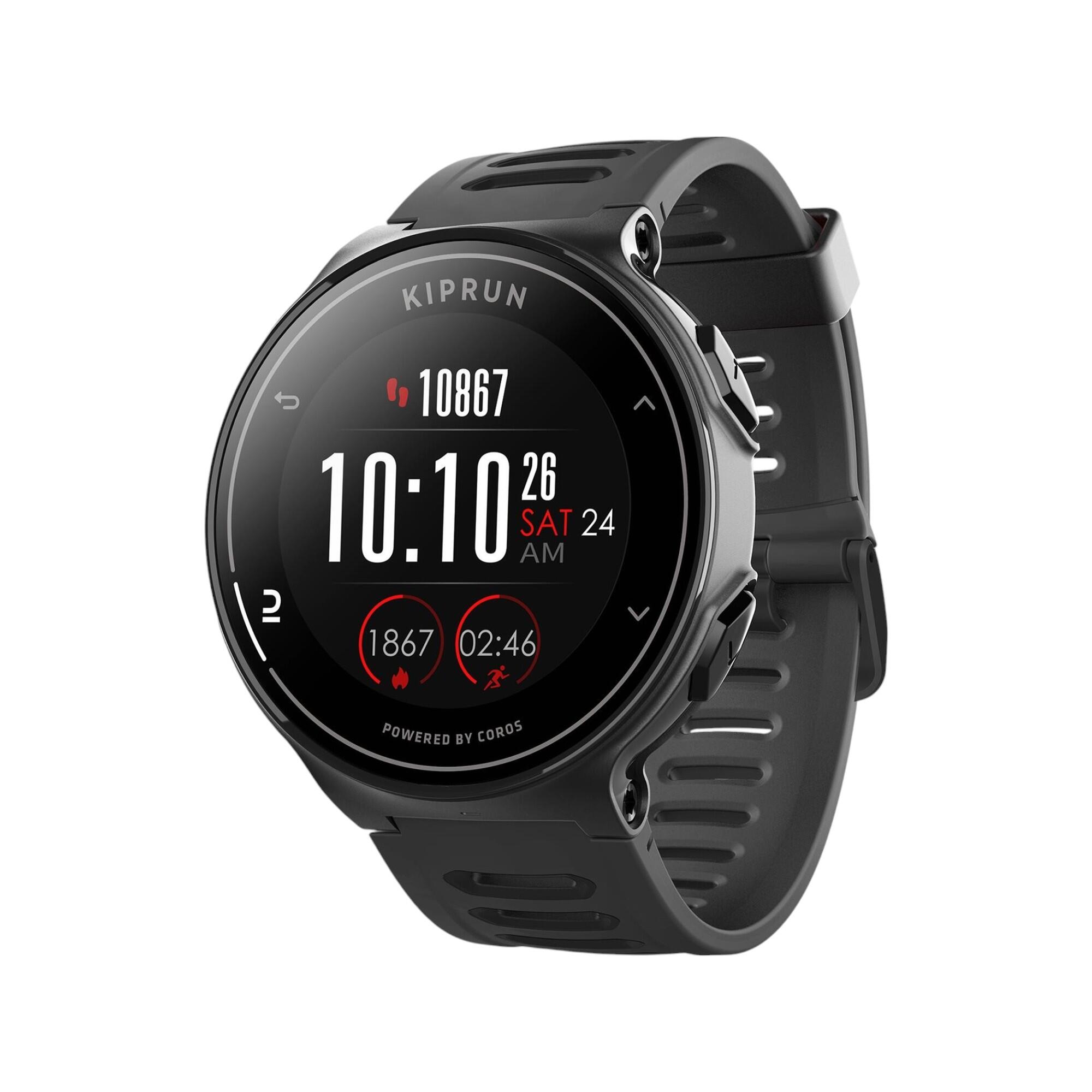
Start the session normally hydrated rather than trying to drink a large amount immediately before exercise. During short track work in mild conditions, regular small sips between repetitions may feel more comfortable than drinking heavily at once. Longer endurance sessions, hot weather and high sweat rates usually require a more deliberate plan. Use time or lap prompts from athletics watches and timers as reminders when concentration on pace makes it easy to forget. Test your flask, drink choice and timing in training before competition. Your stomach needs practice as well as your legs, especially when you use carbohydrate drinks during longer efforts.