354 items
4.4/5 based on 51761 reviews collected online and in stores

Athletics Watches and Timers FAQs

How do athletics watches and timers support training and competition?

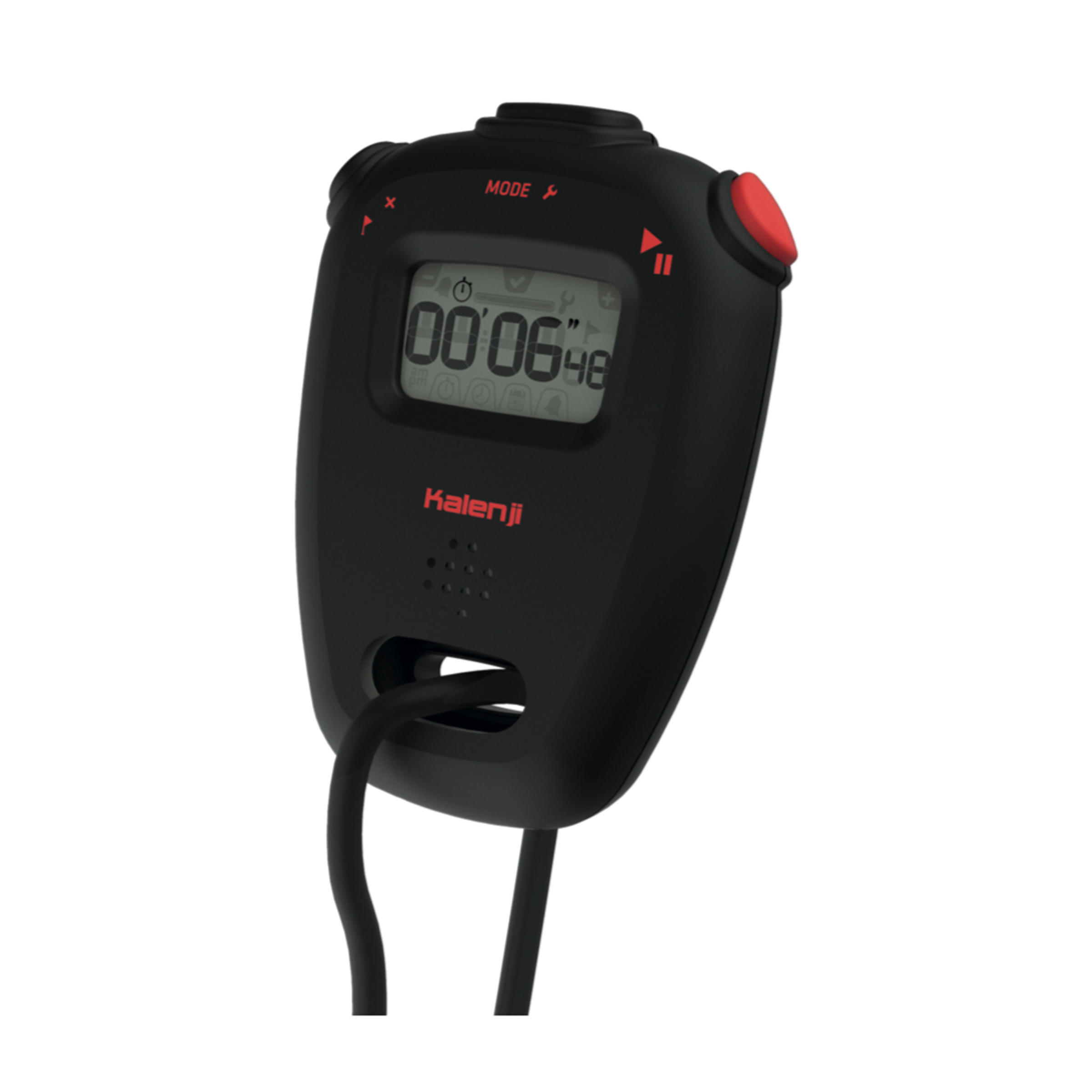
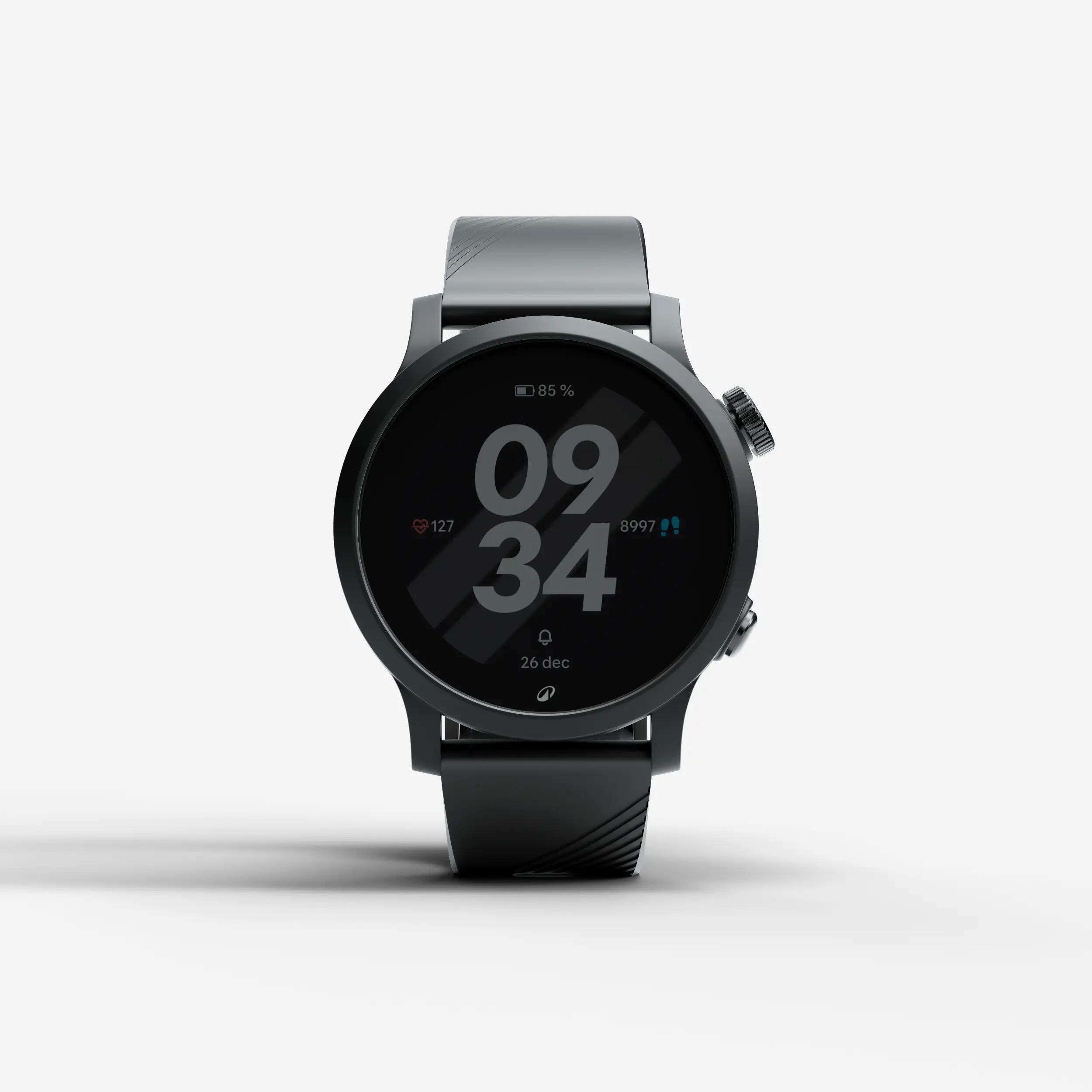
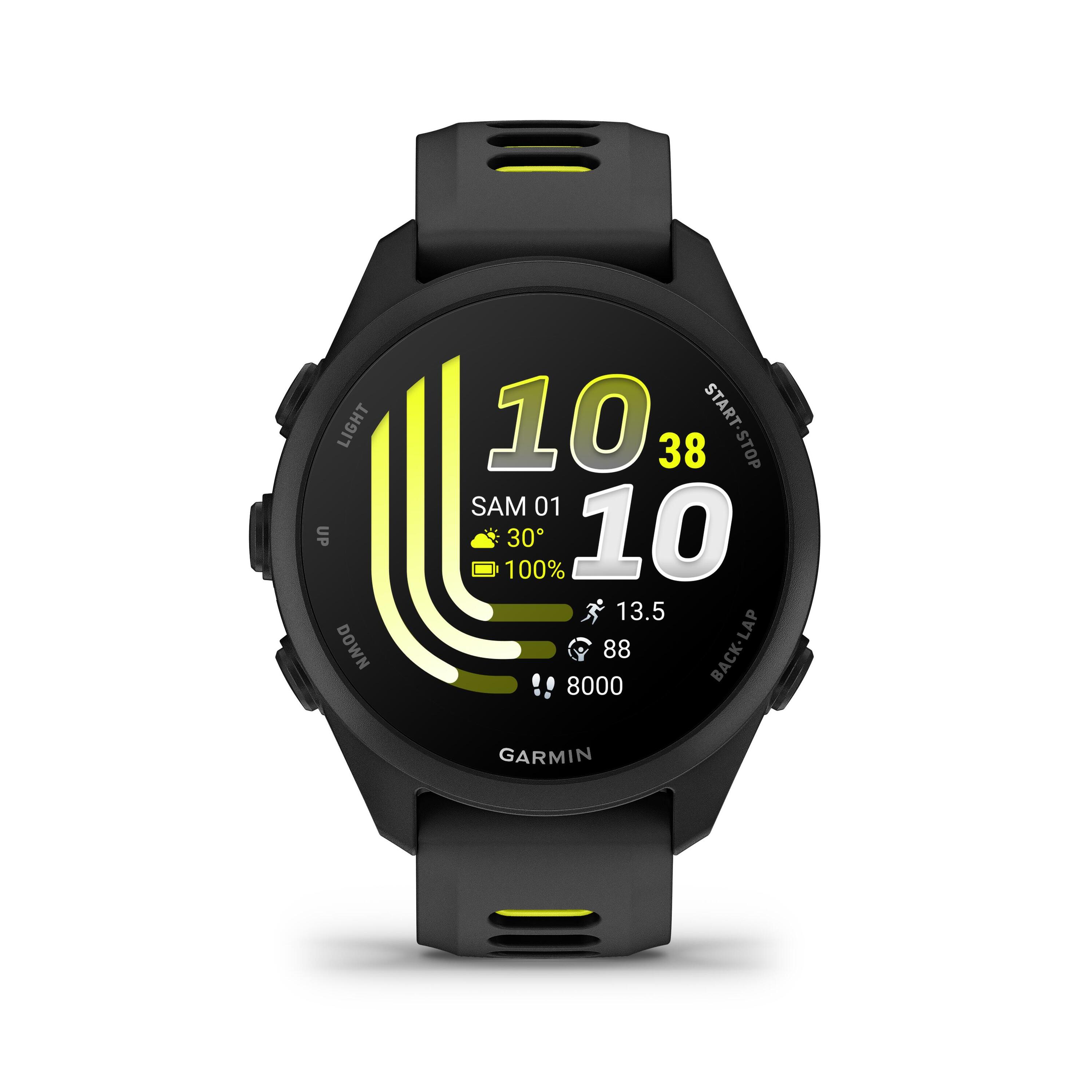
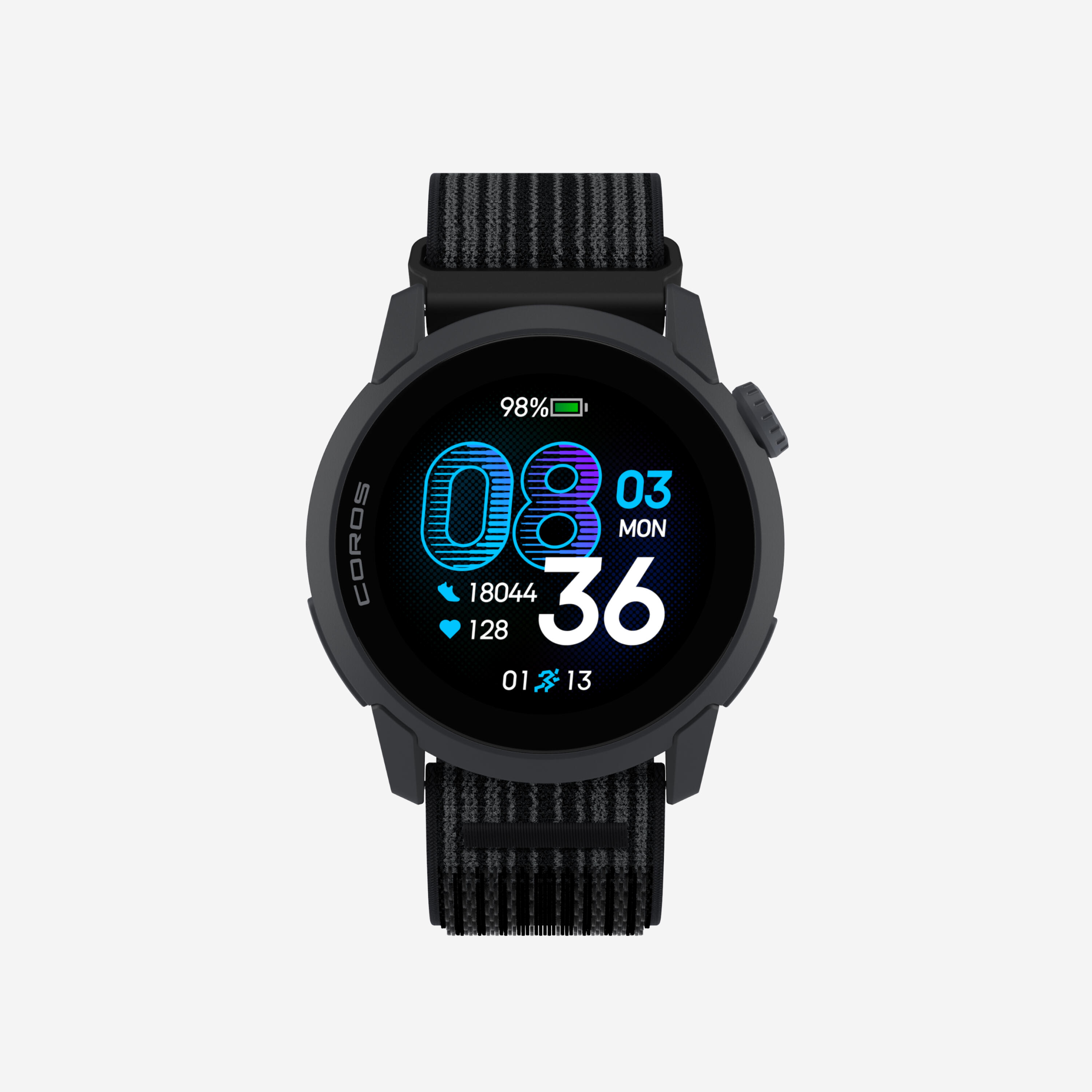
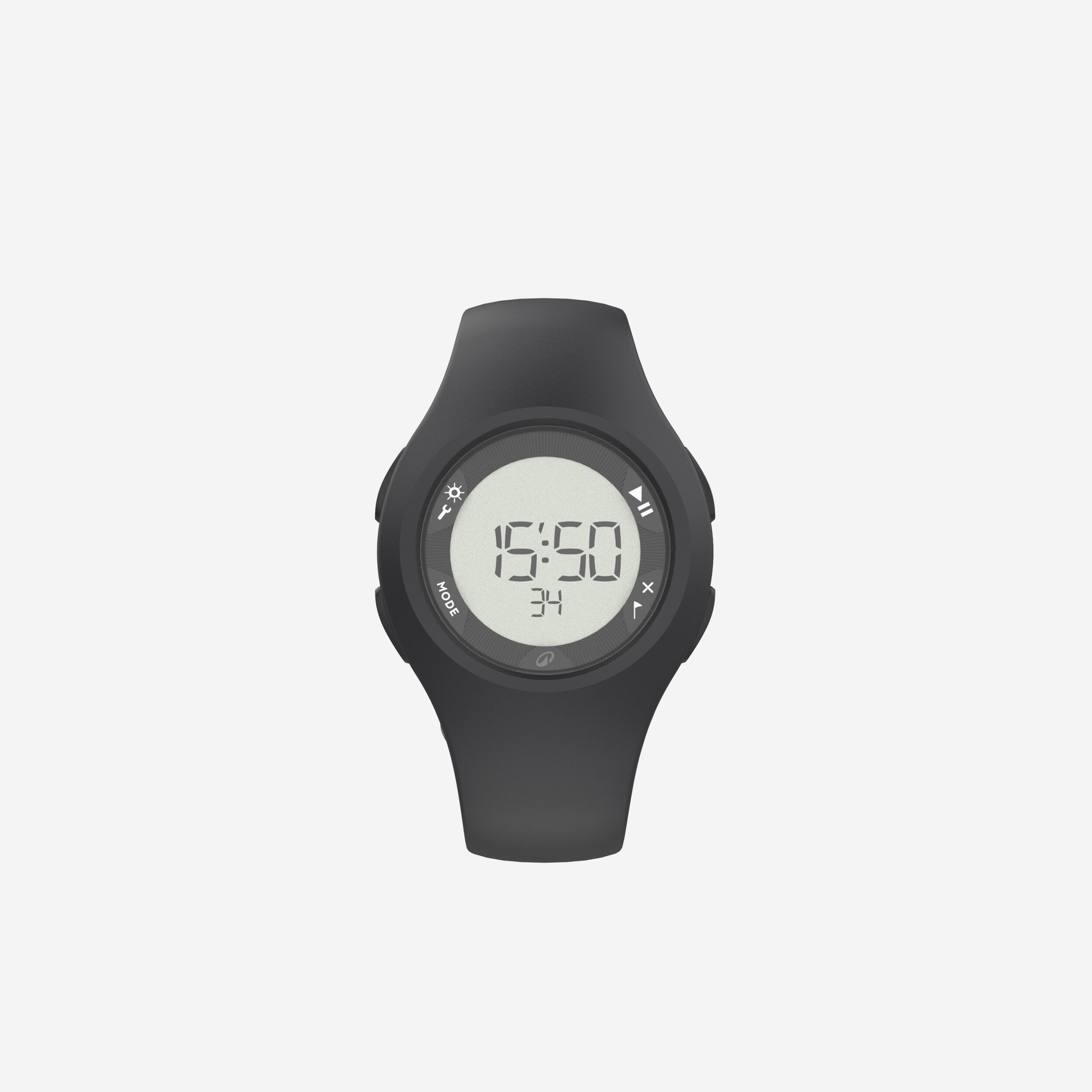
They record elapsed time, splits and laps so you can measure progress precisely across a session. Simple models focus on timing, while fuller devices add pacing, intervals and effort data. Clear displays and easy controls matter when you are moving. A robust build survives daily trackside use. A backlit screen reads in any light. A memory bank stores a full session. Reliable timing underpins good training. Basic lap timing is easy with athletics stopwatches.
How do you time intervals on the track?

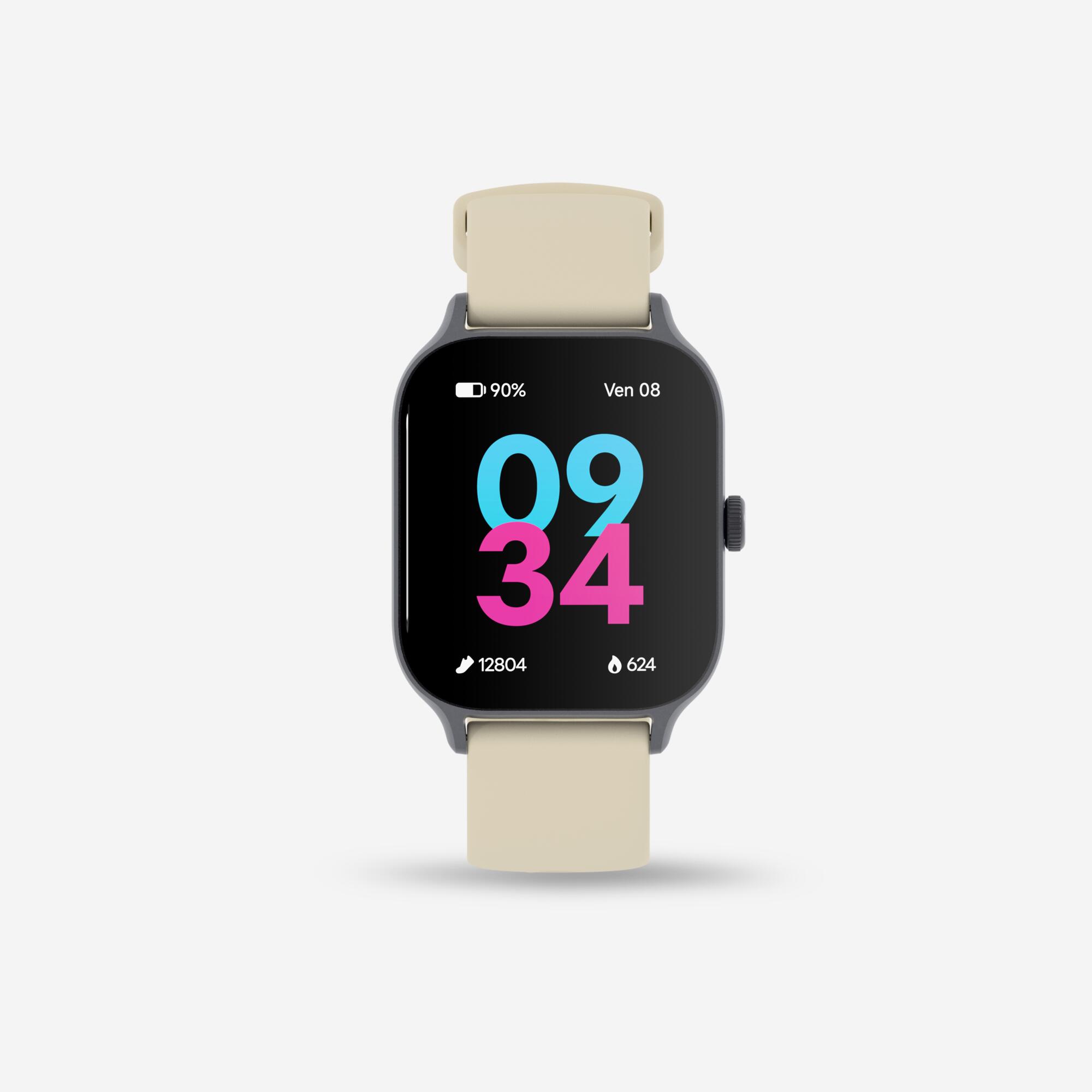
Set the device to lap mode, then press at the start and end of each rep to capture the split. Programmable interval timers count work and rest for you, beeping at each change. This keeps a session flowing without watching the clock. Reviewing the splits afterwards shows how you held up. Preset workouts save fiddling mid-session. It clips to a belt or lanyard easily. Reviewing splits guides your pacing. Measure every split with confidence using the running stopwatch.

How do sports watches estimate training effort?

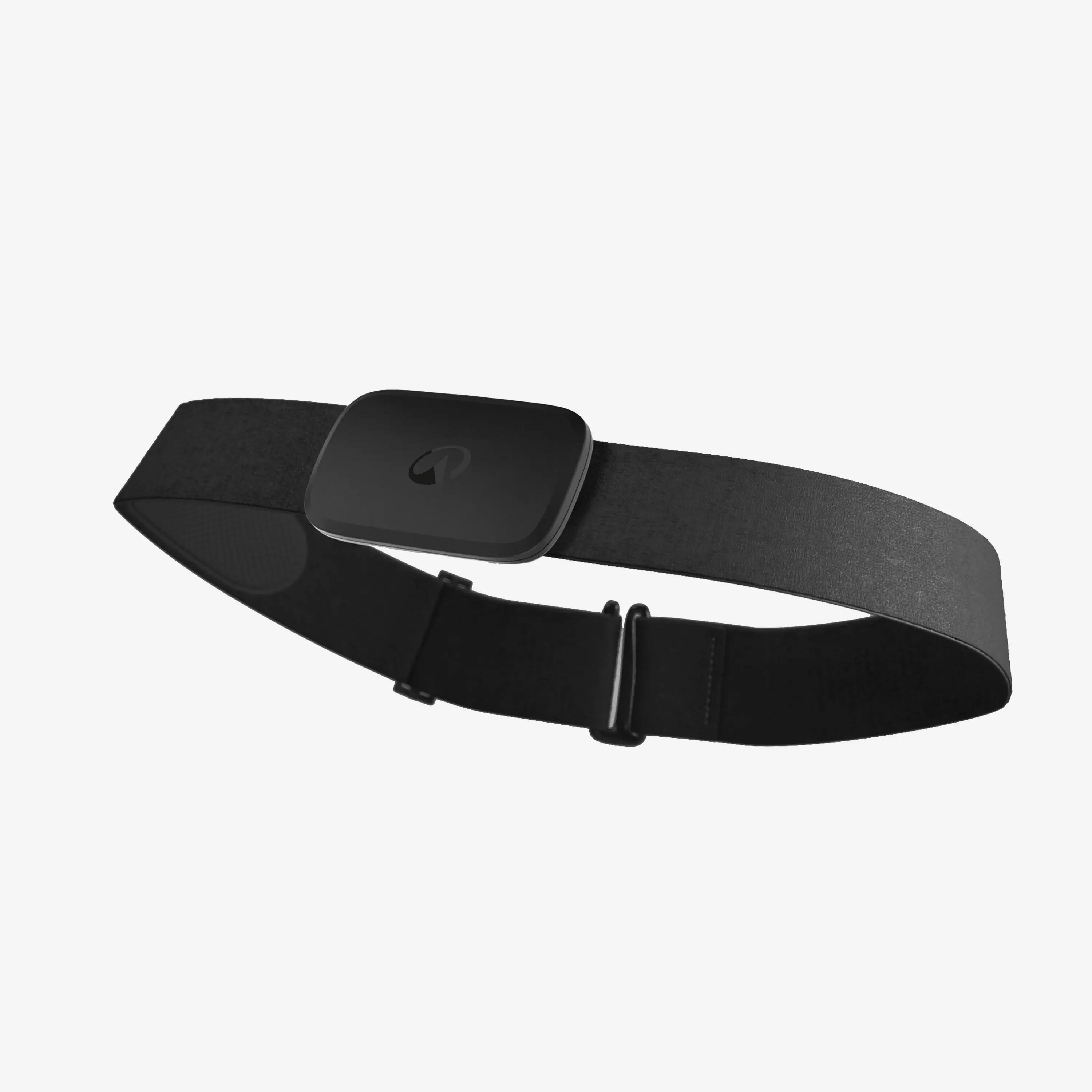
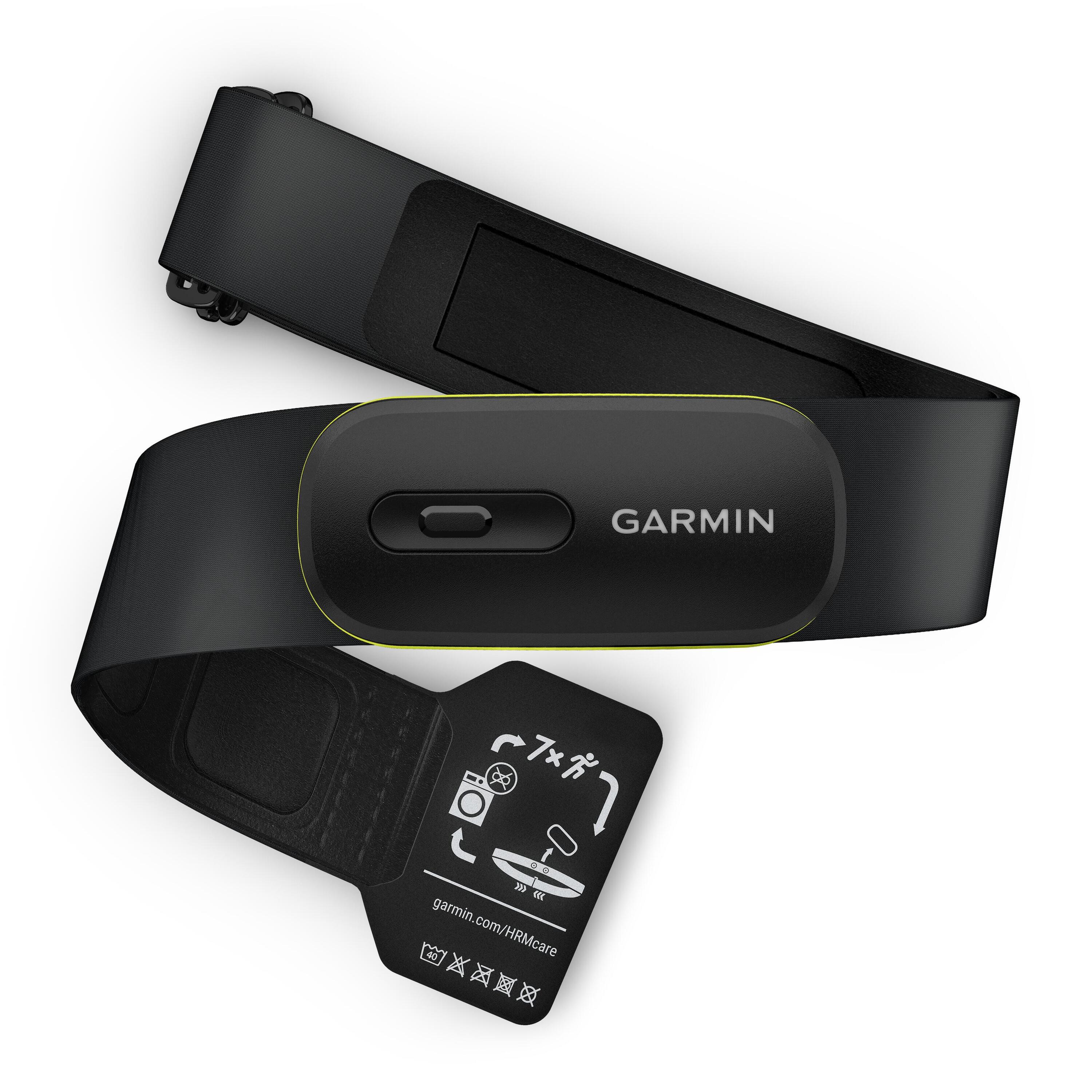
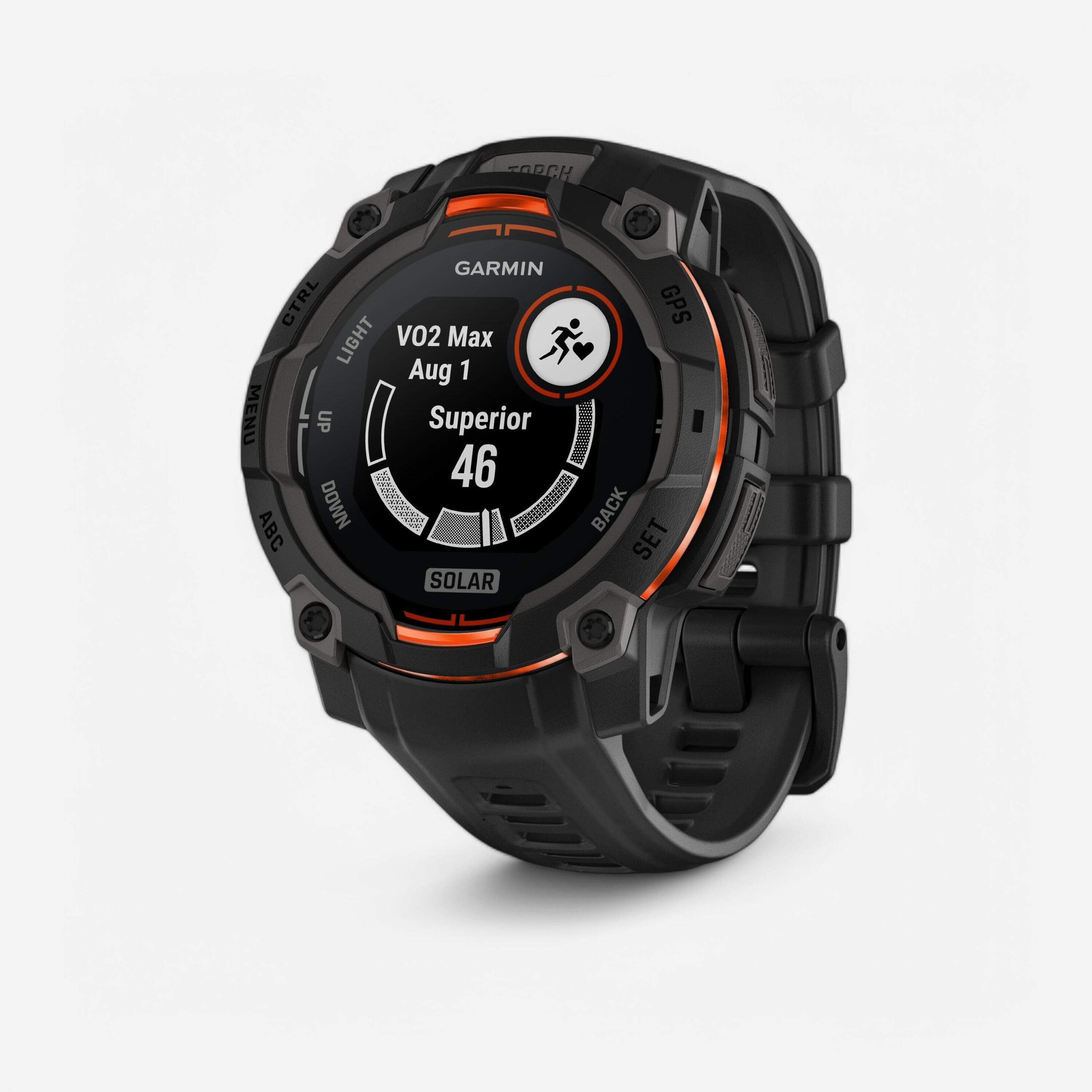
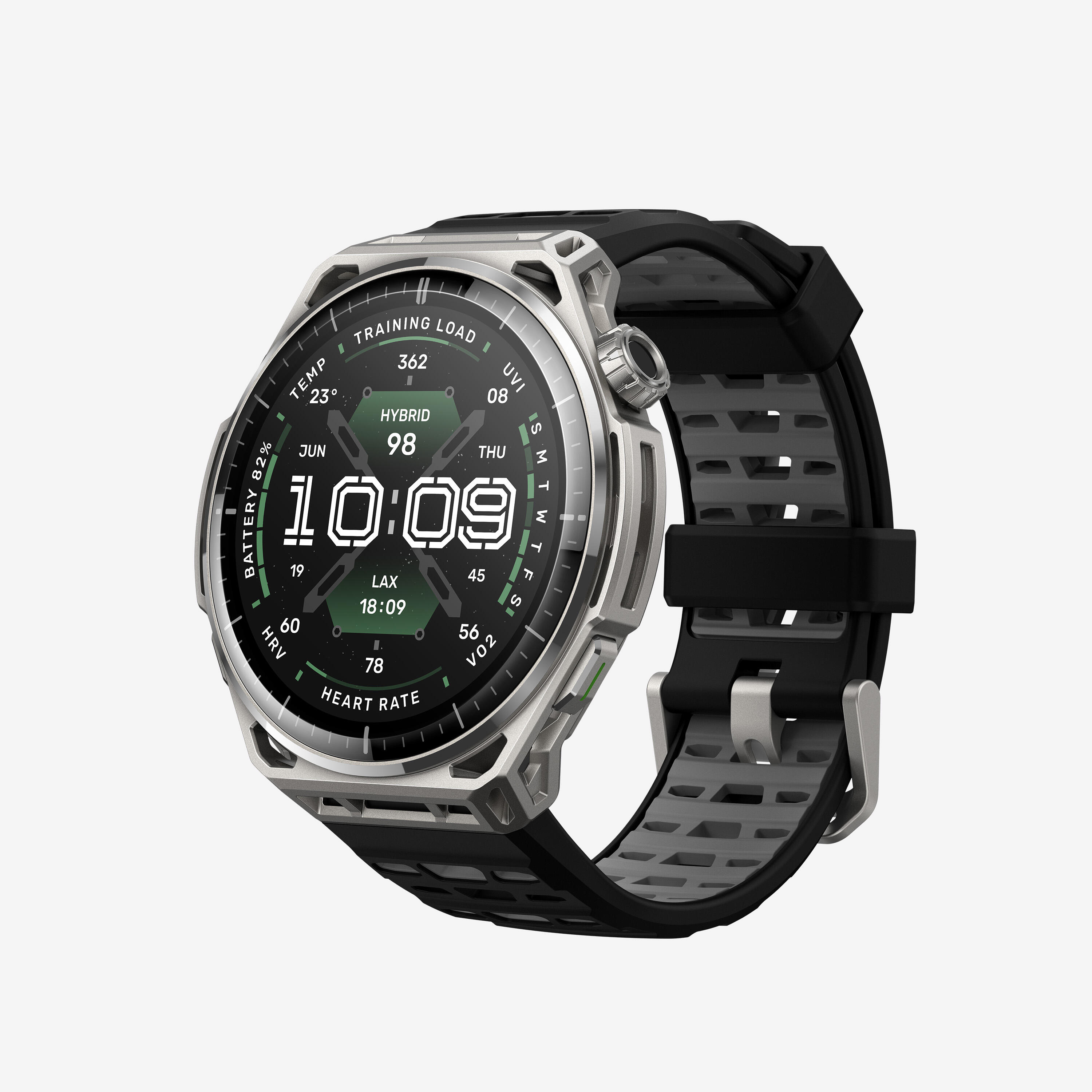
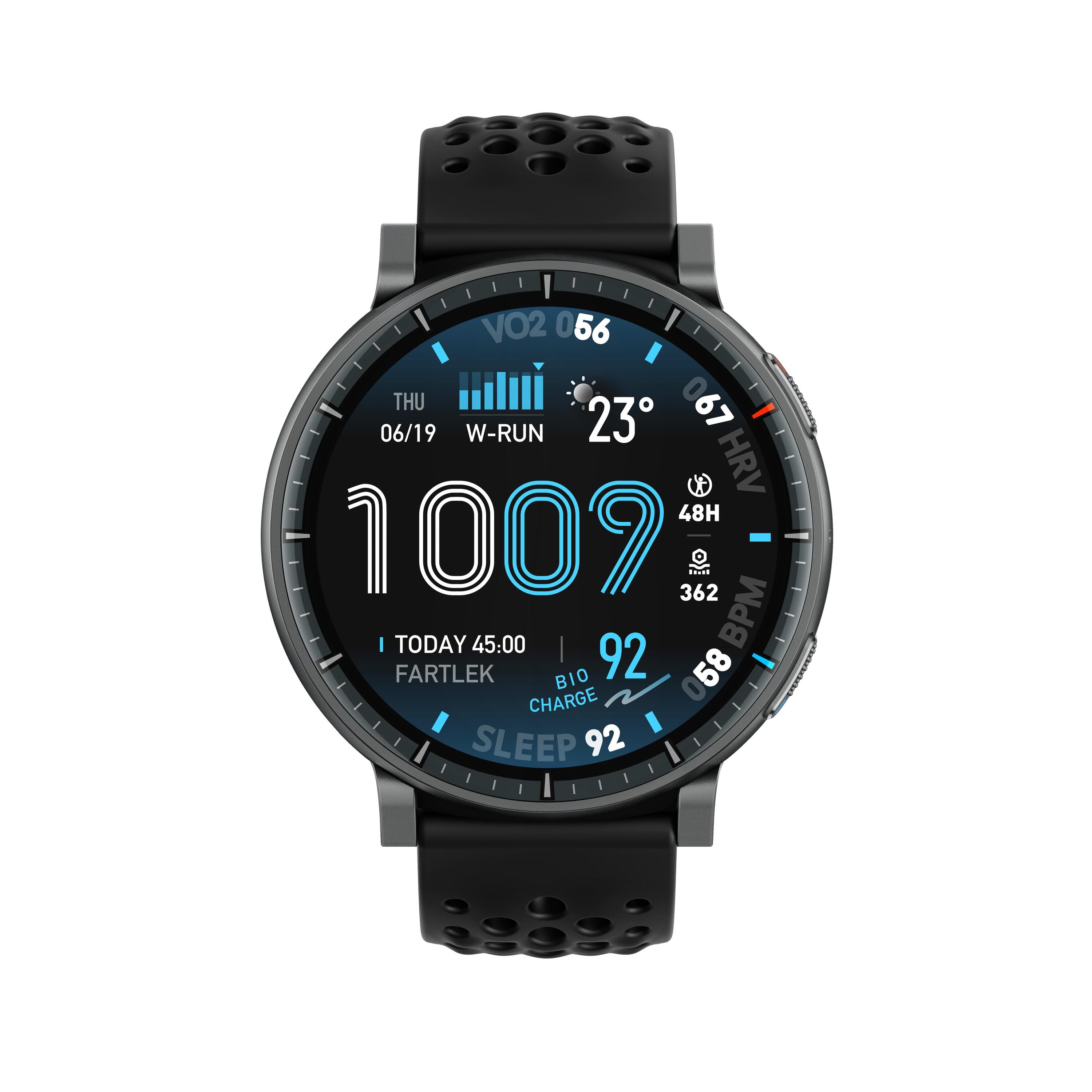
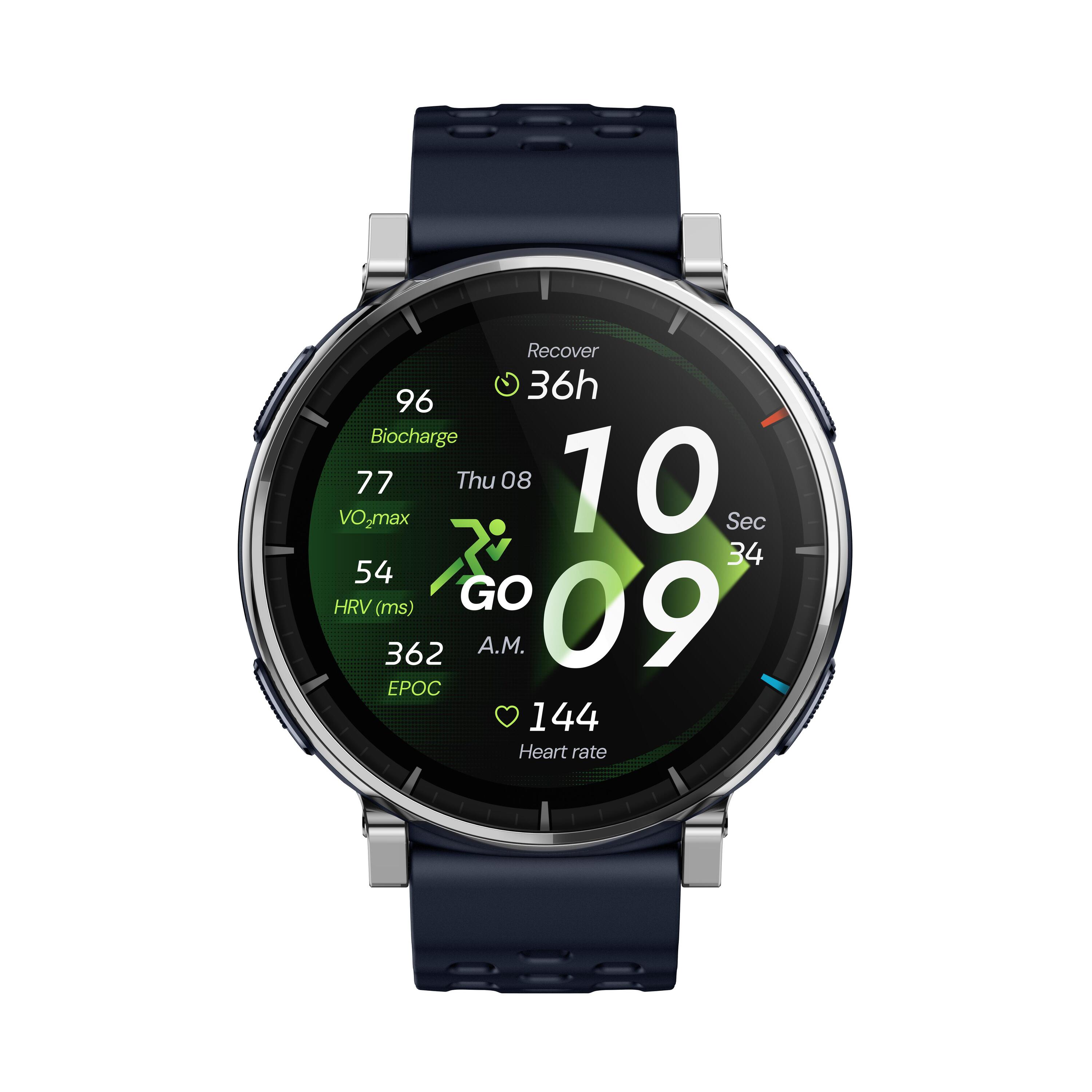
Yes, paired with a sensor, many devices show how hard you are working rather than just how fast. Training by effort helps you hit the right intensity for each session. A chest sensor tends to be the most accurate for this. Reviewing the numbers guides your pacing over time. A vibrating alert suits noisy tracks. A quick reset gets you ready for the next rep. A clear readout saves squinting. Chest-strap accuracy comes from the athletic heart rate monitor.

Do you need GPS for track training?

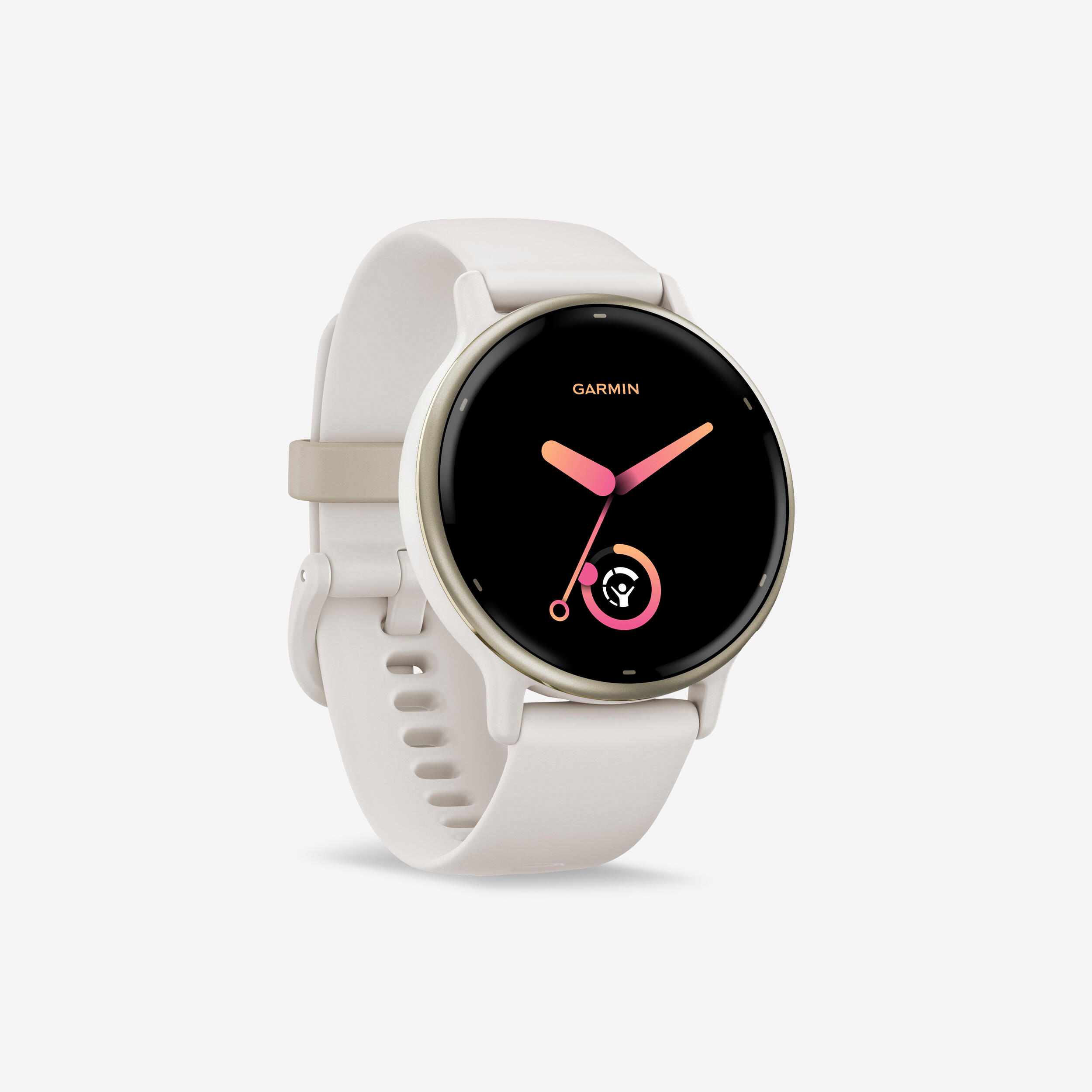
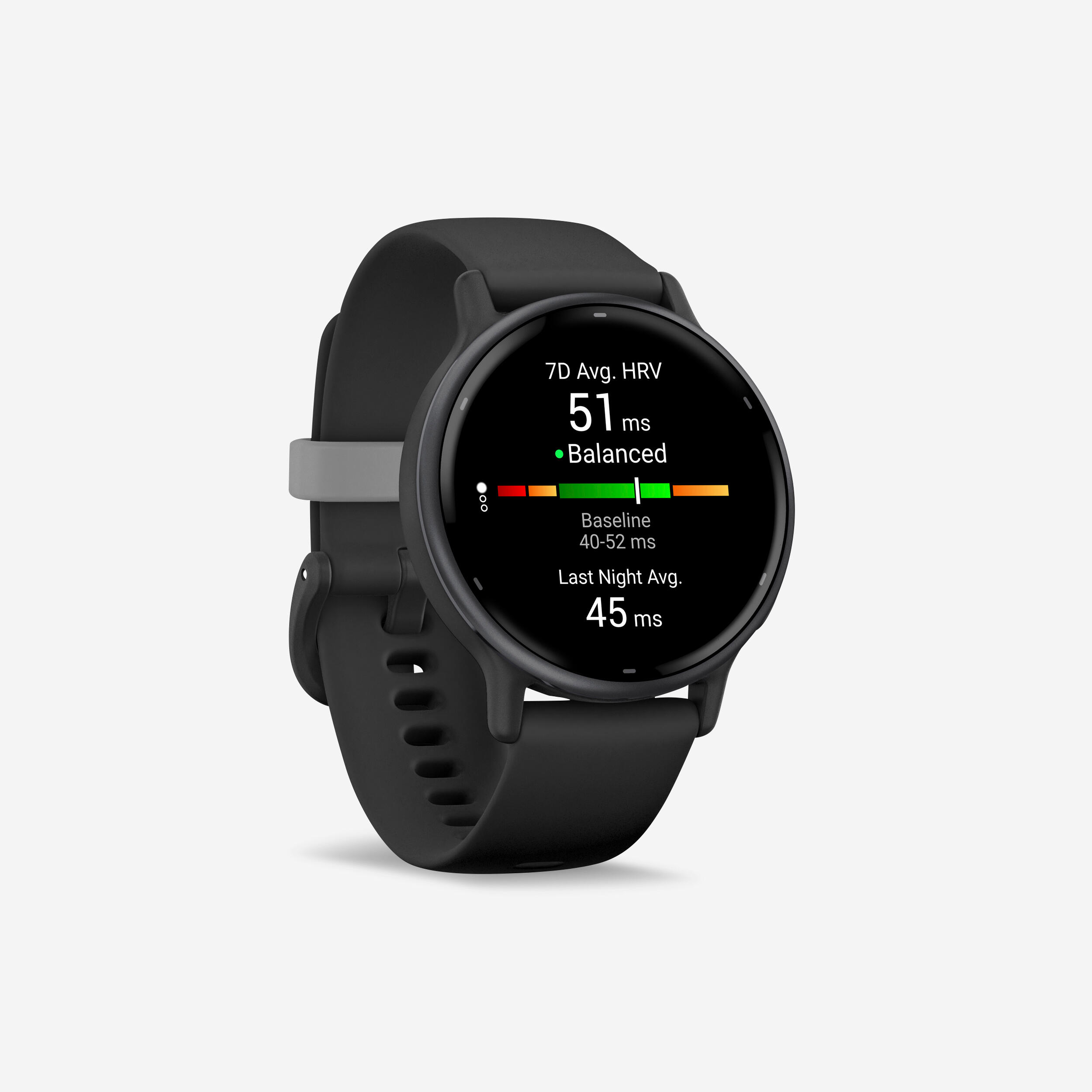
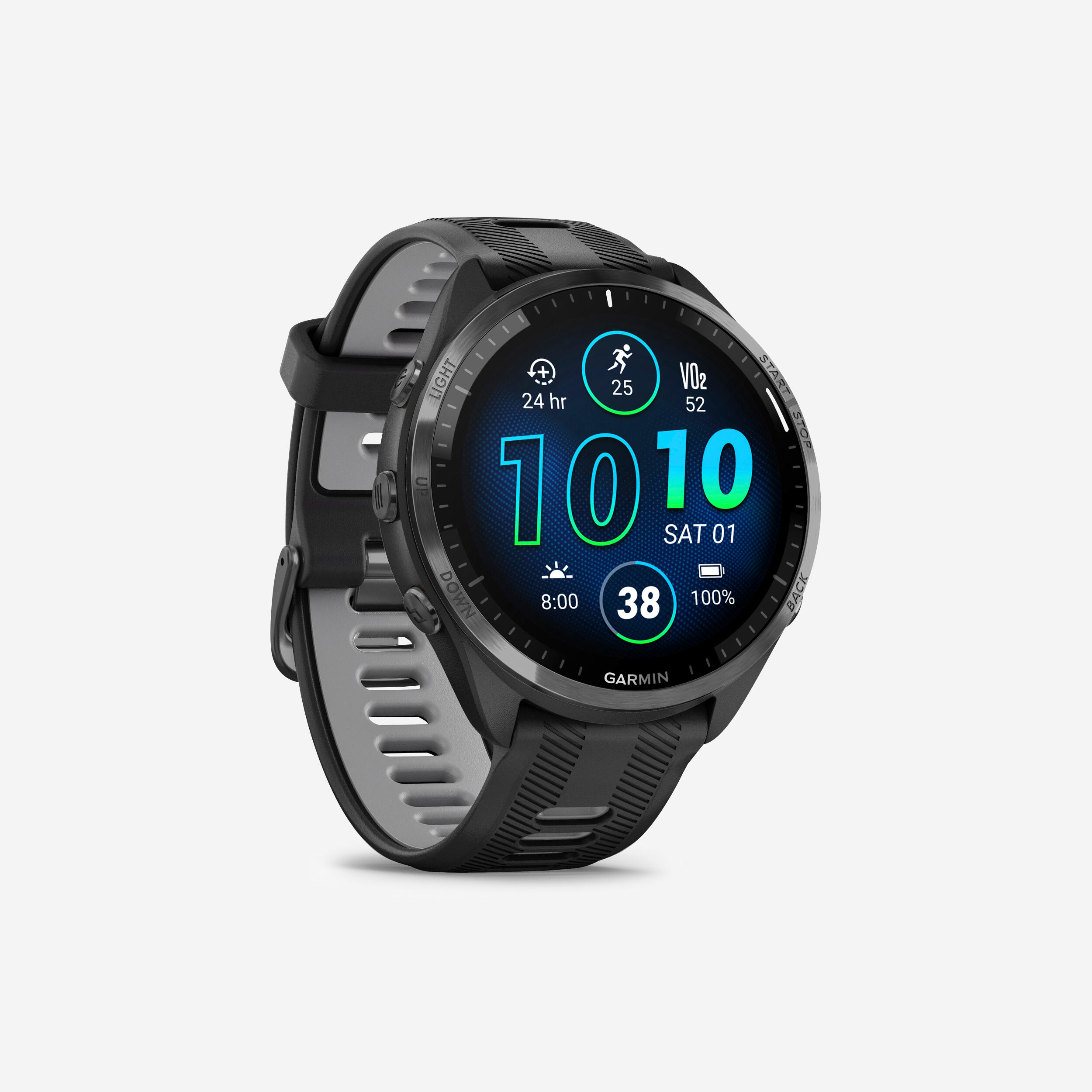
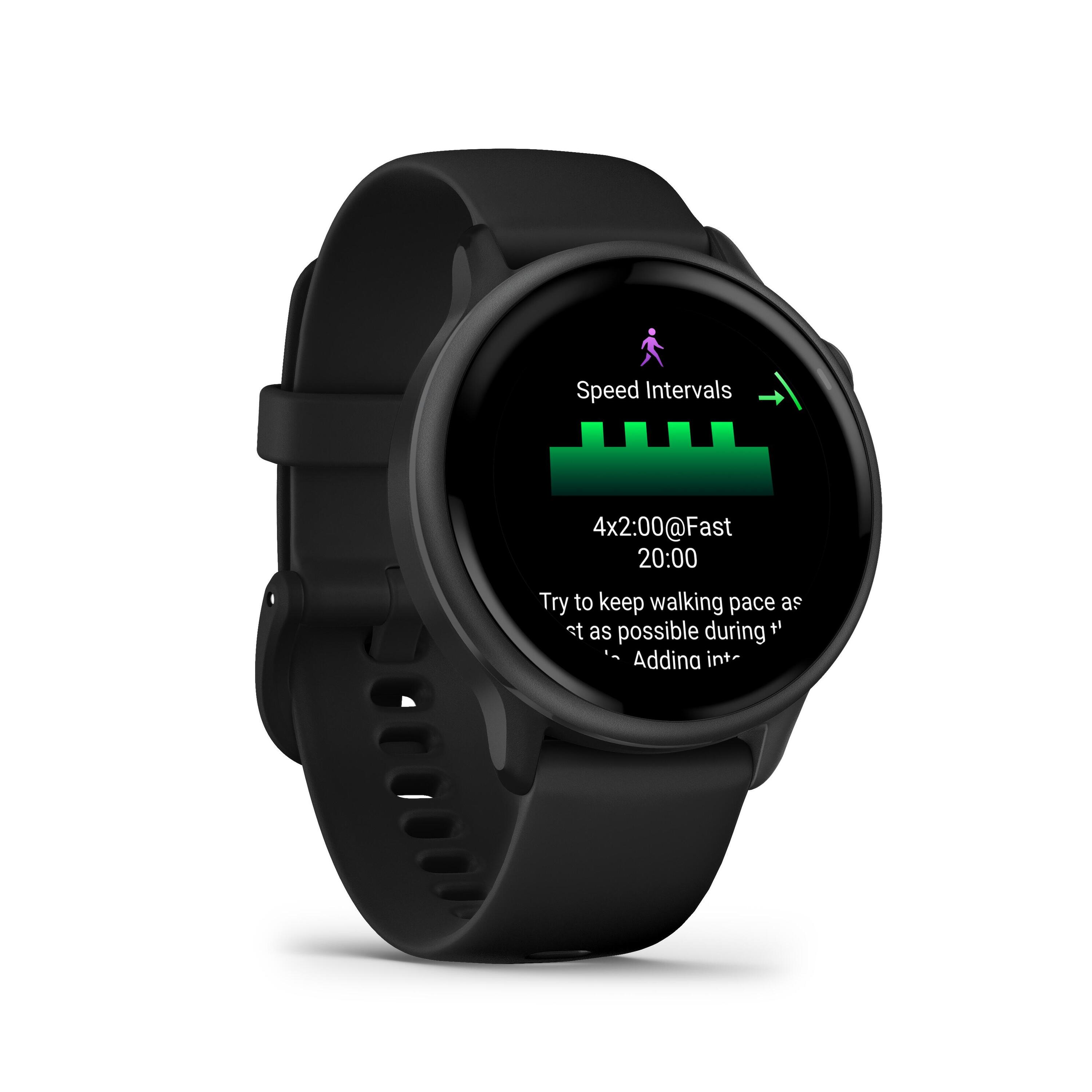
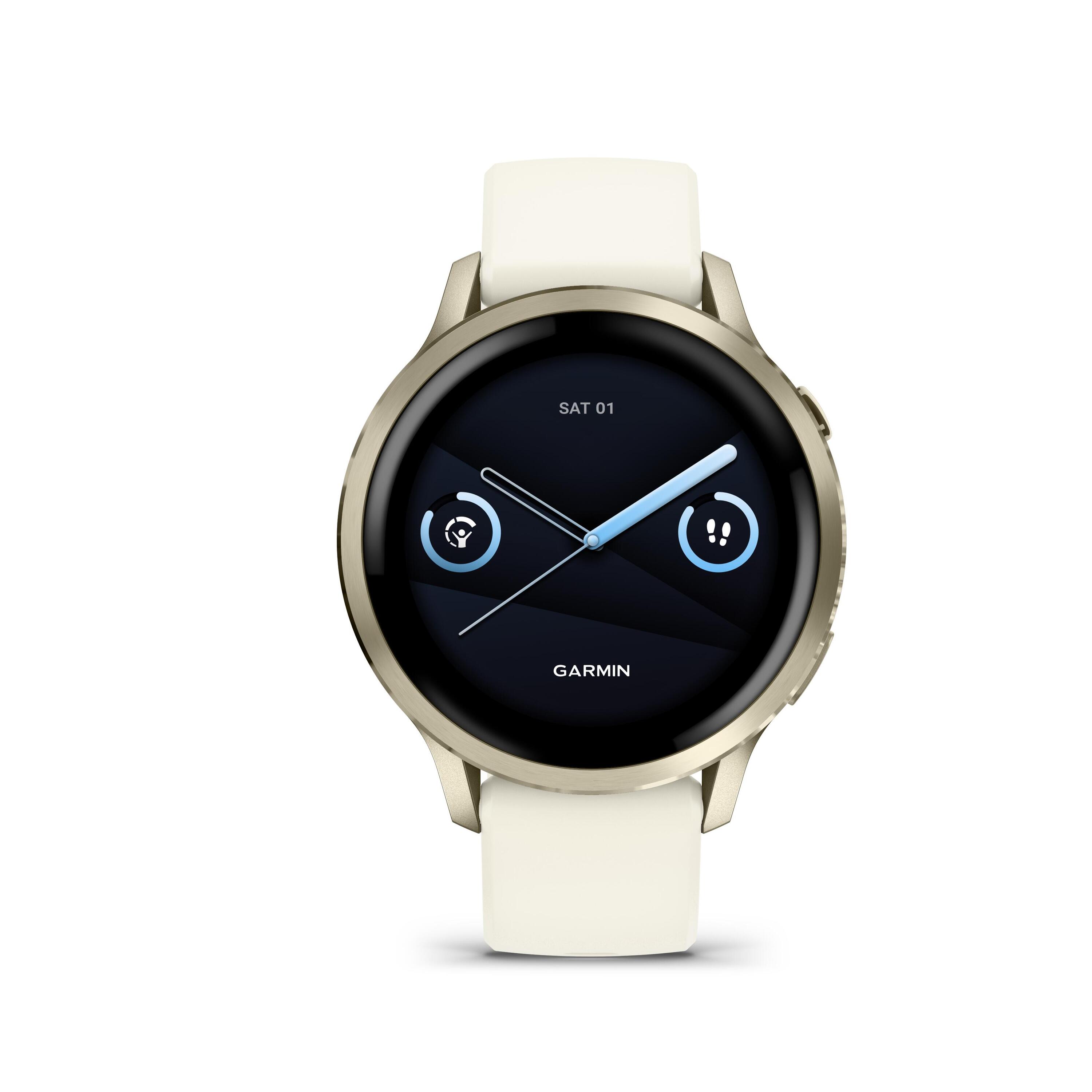
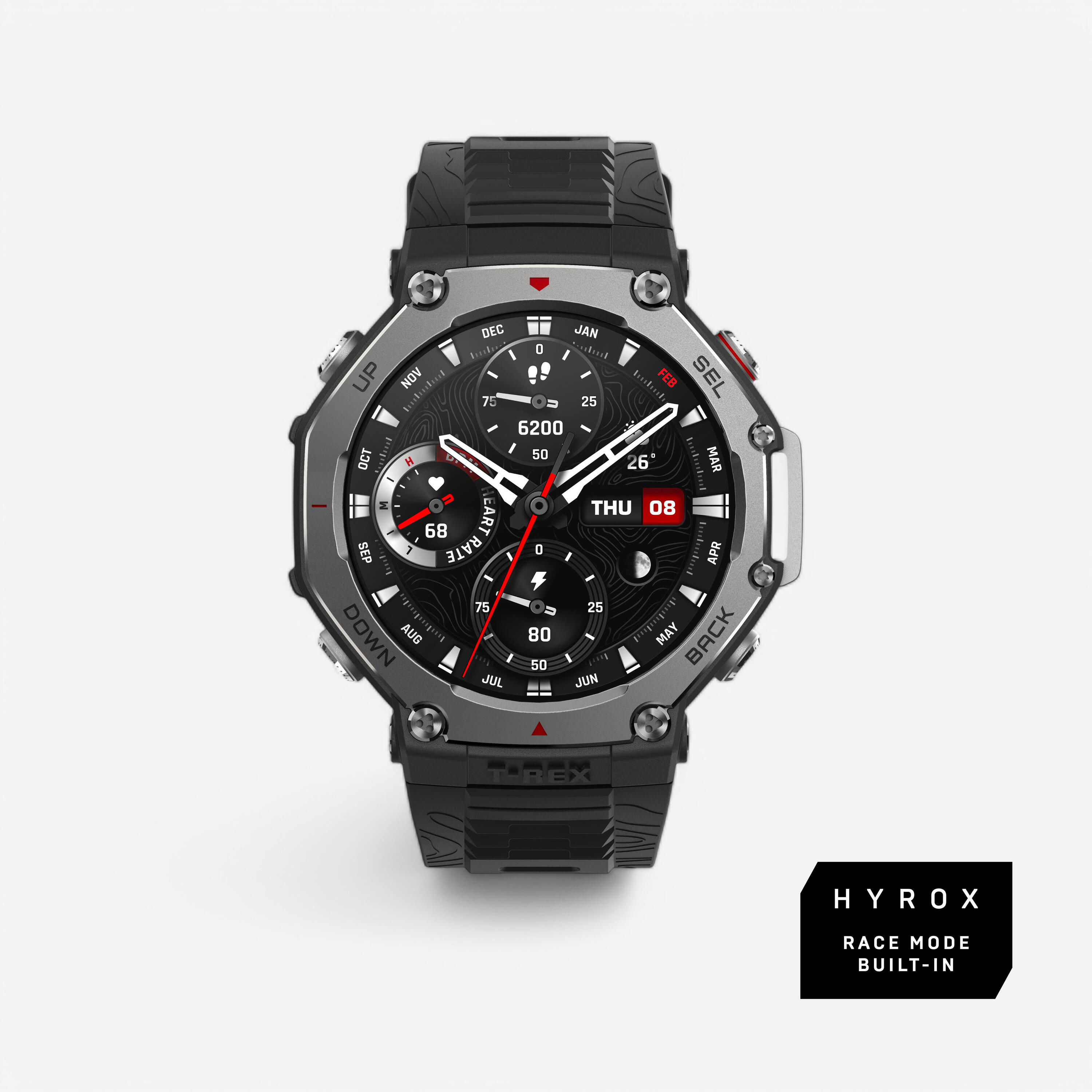
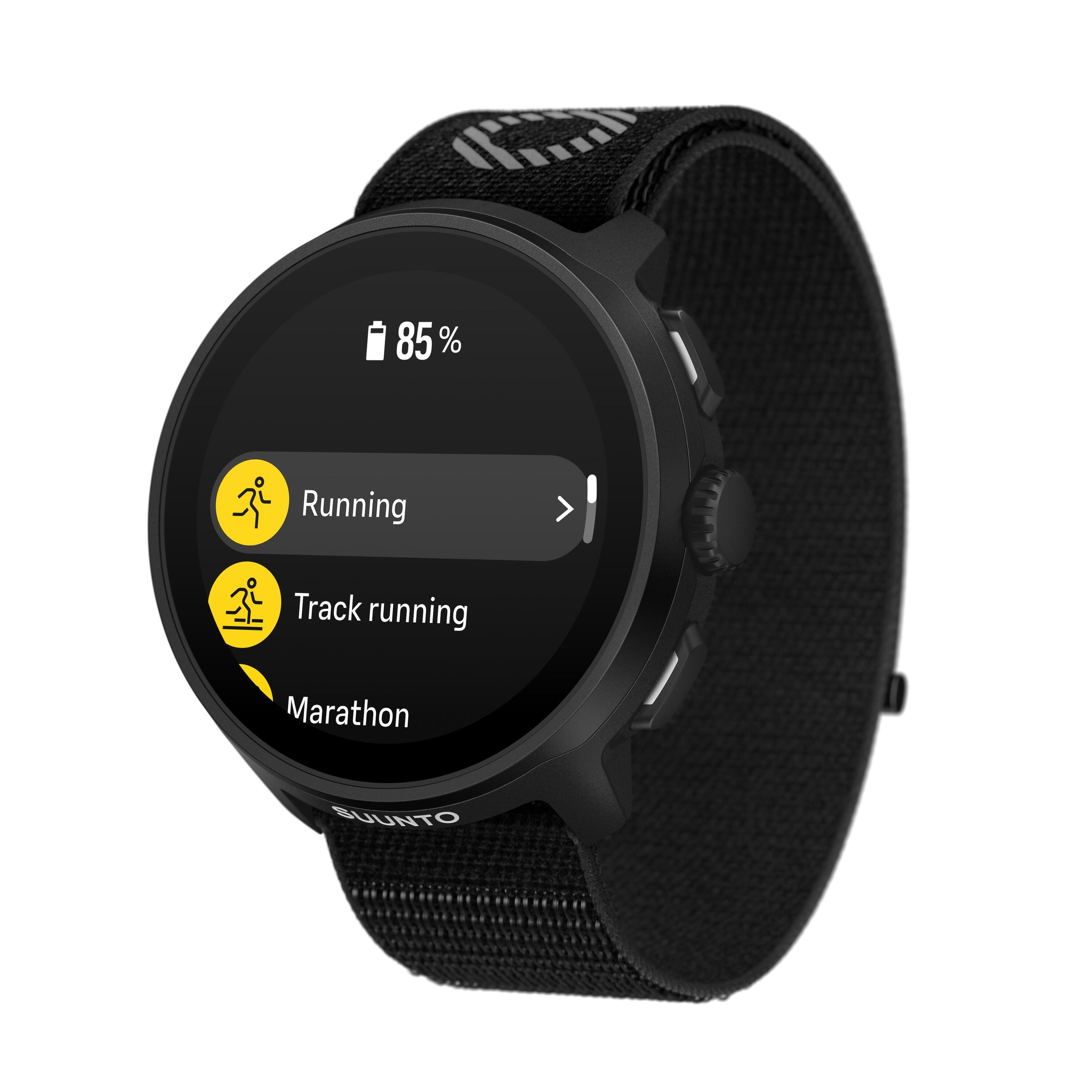
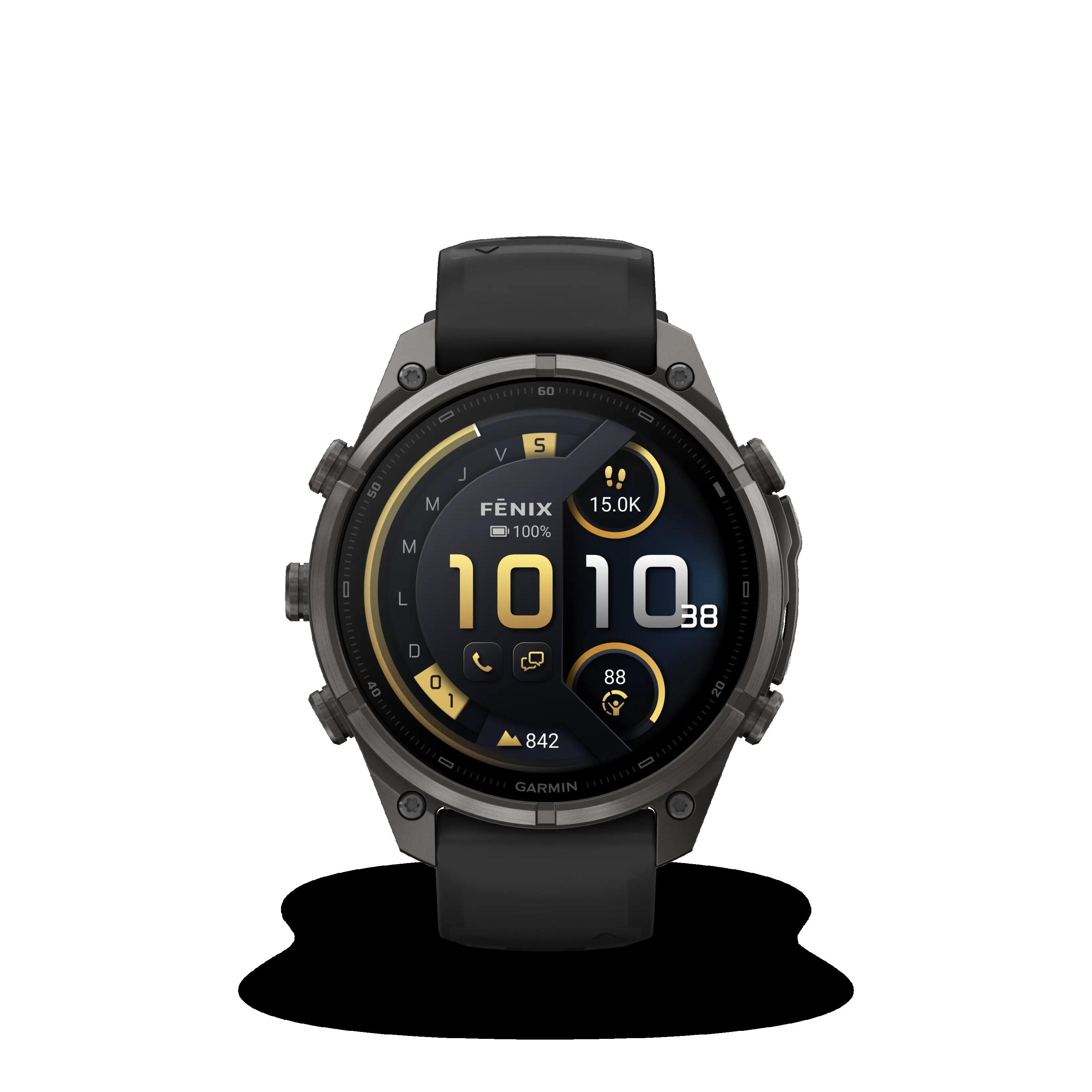
On a measured track you do not, since every lap is a known distance. Off the track, satellite positioning adds pace and distance for road and trail runs. Many athletes use a simple timer on the track and a satellite device elsewhere. Choose to match where you train most. Long battery life means fewer charges. It handles rain, sweat and cold. Off the track, the athletic GPS watches adds distance.

How do you track effort without a chest strap?

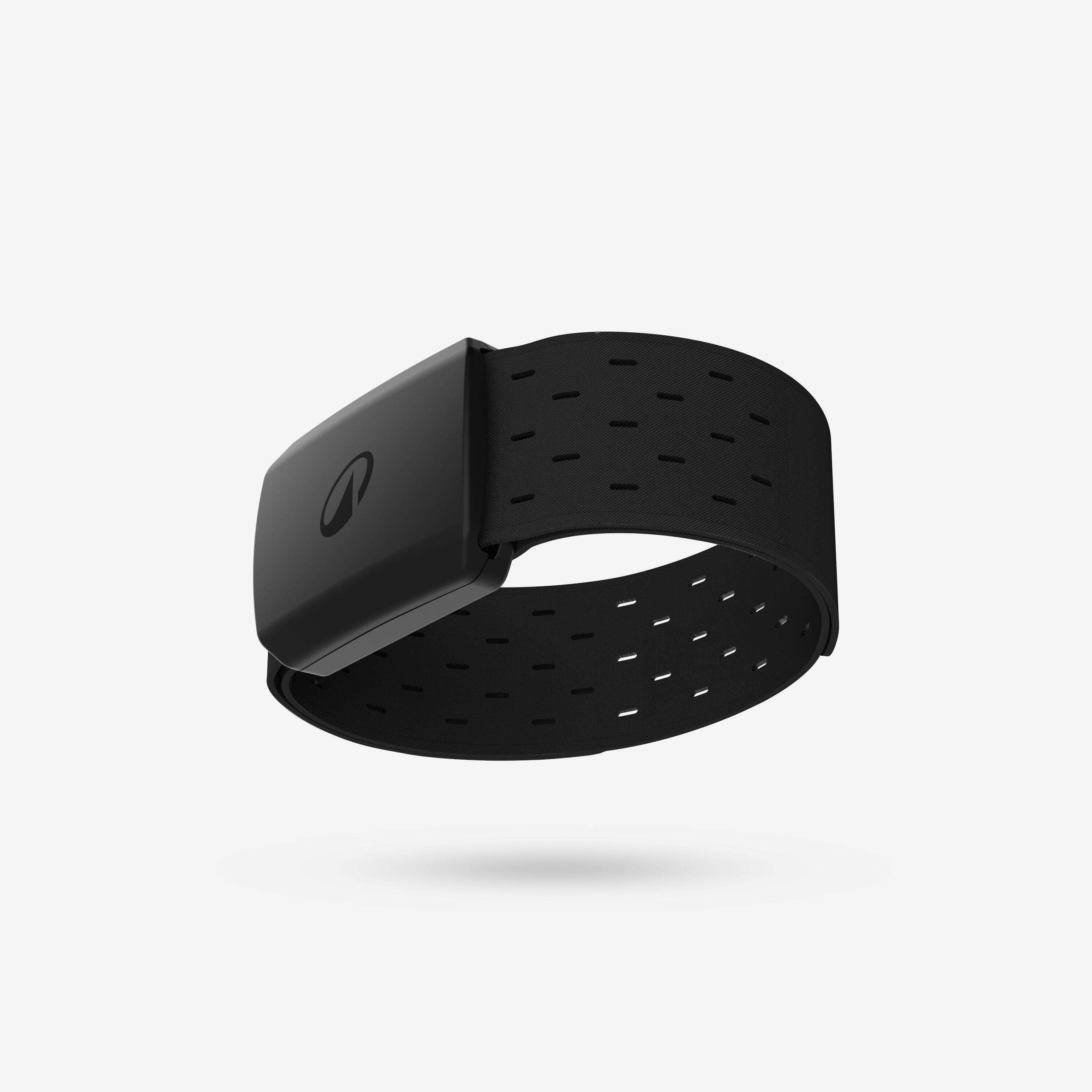
An arm-worn sensor reads your pulse from the forearm, freeing you from a chest strap some find uncomfortable. It pairs with your device to show intensity in real time. A snug, comfortable fit keeps the reading steady. It suits longer sessions where comfort matters. Simple menus keep it quick to use. Consistent data shows real progress. Arm-worn comfort comes from the HRM band.