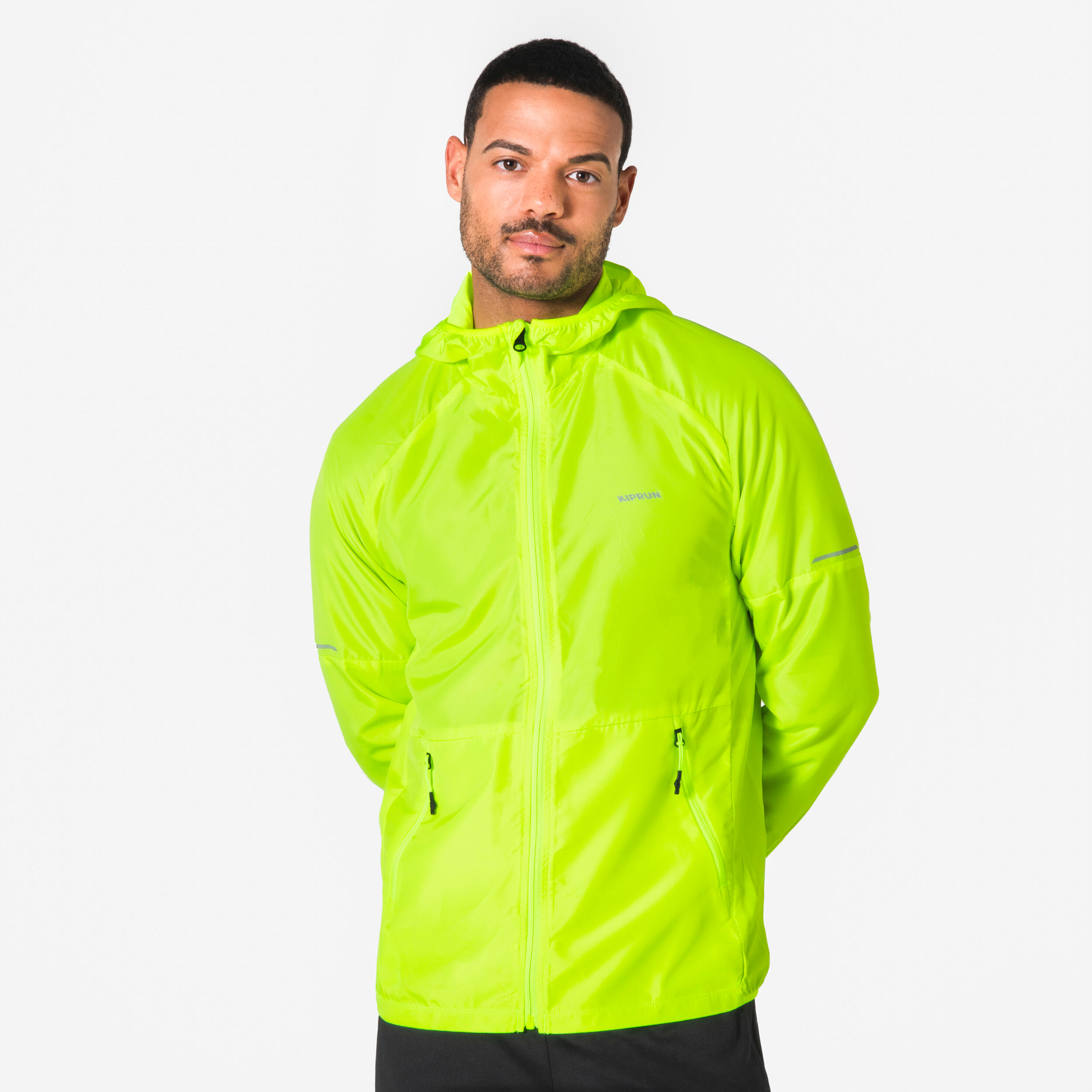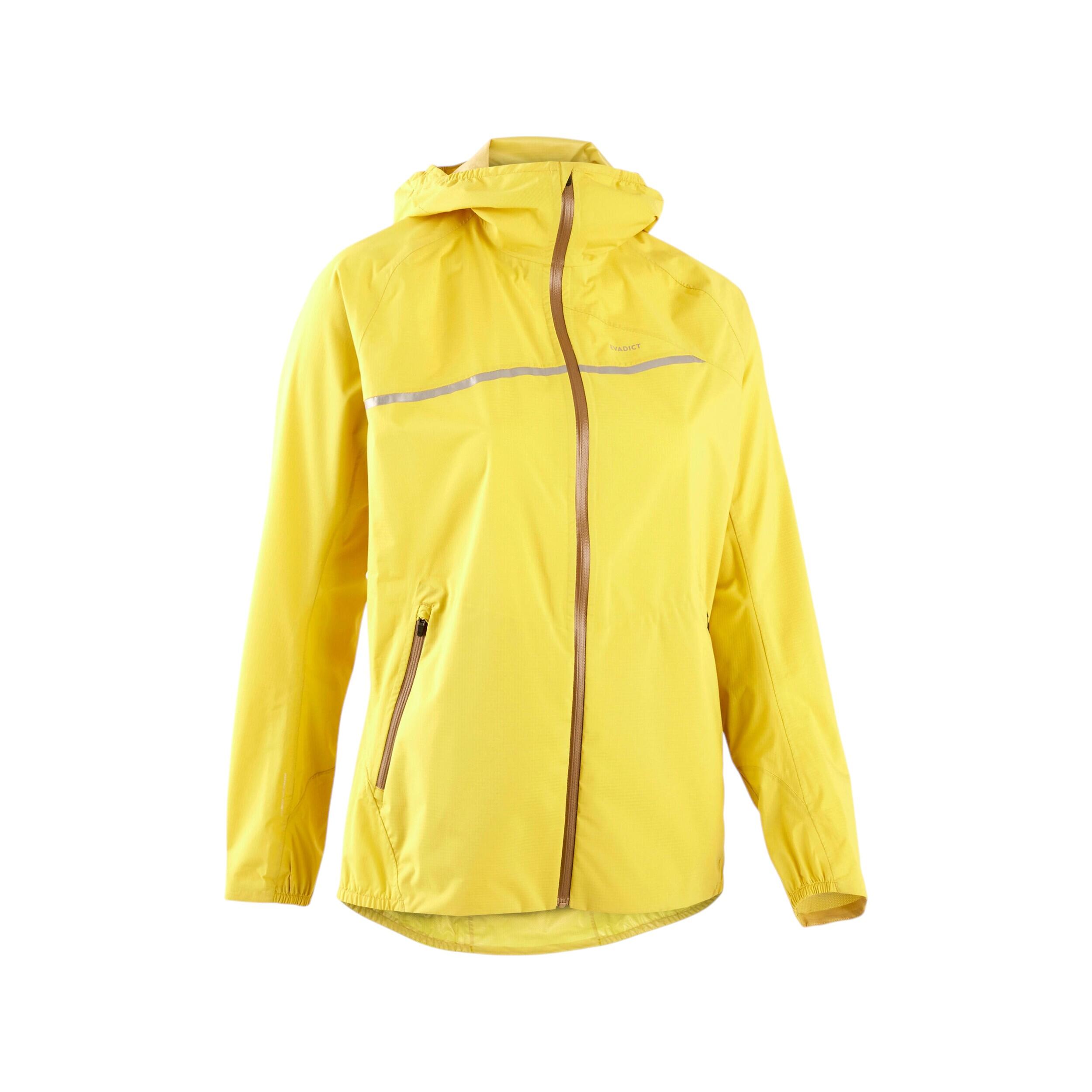
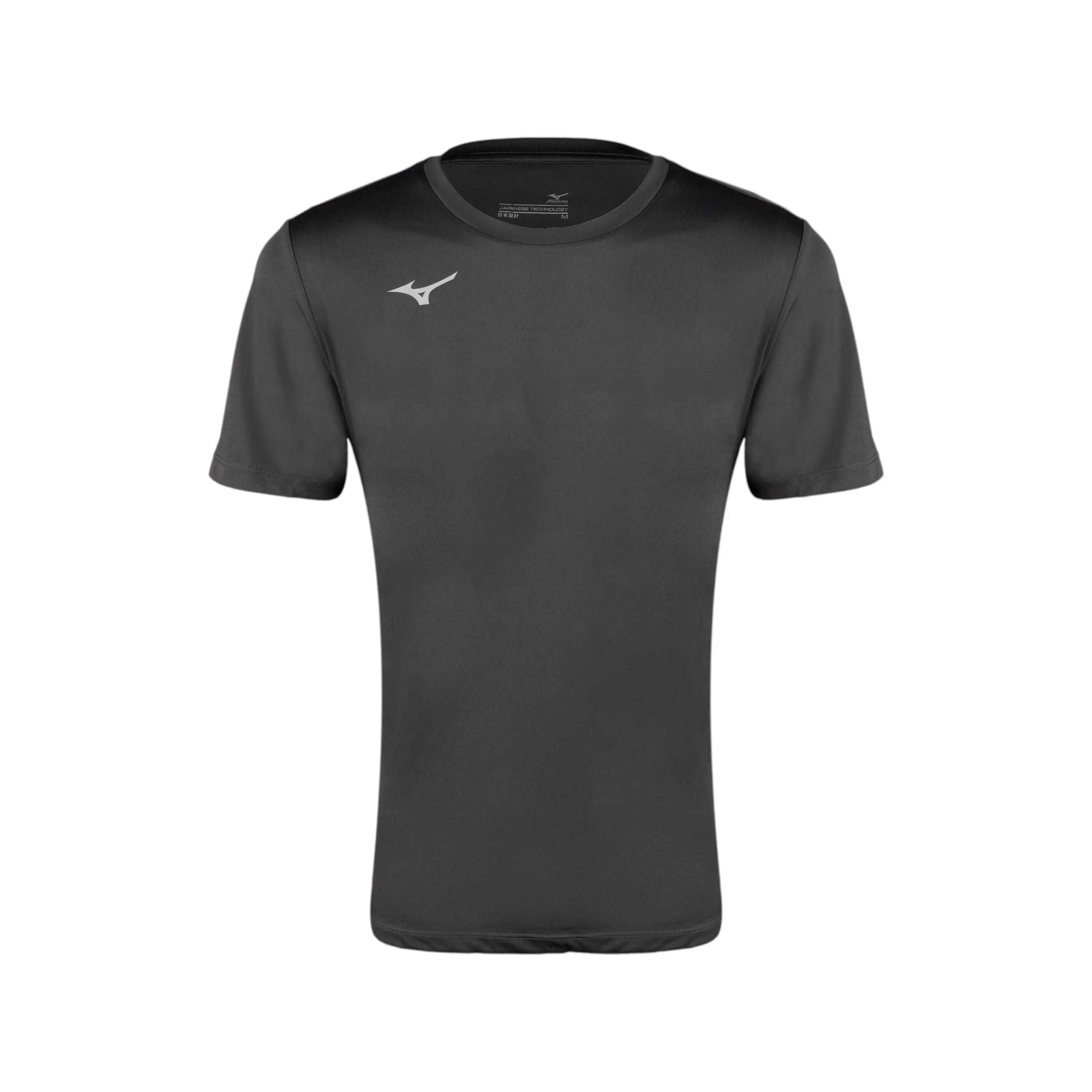
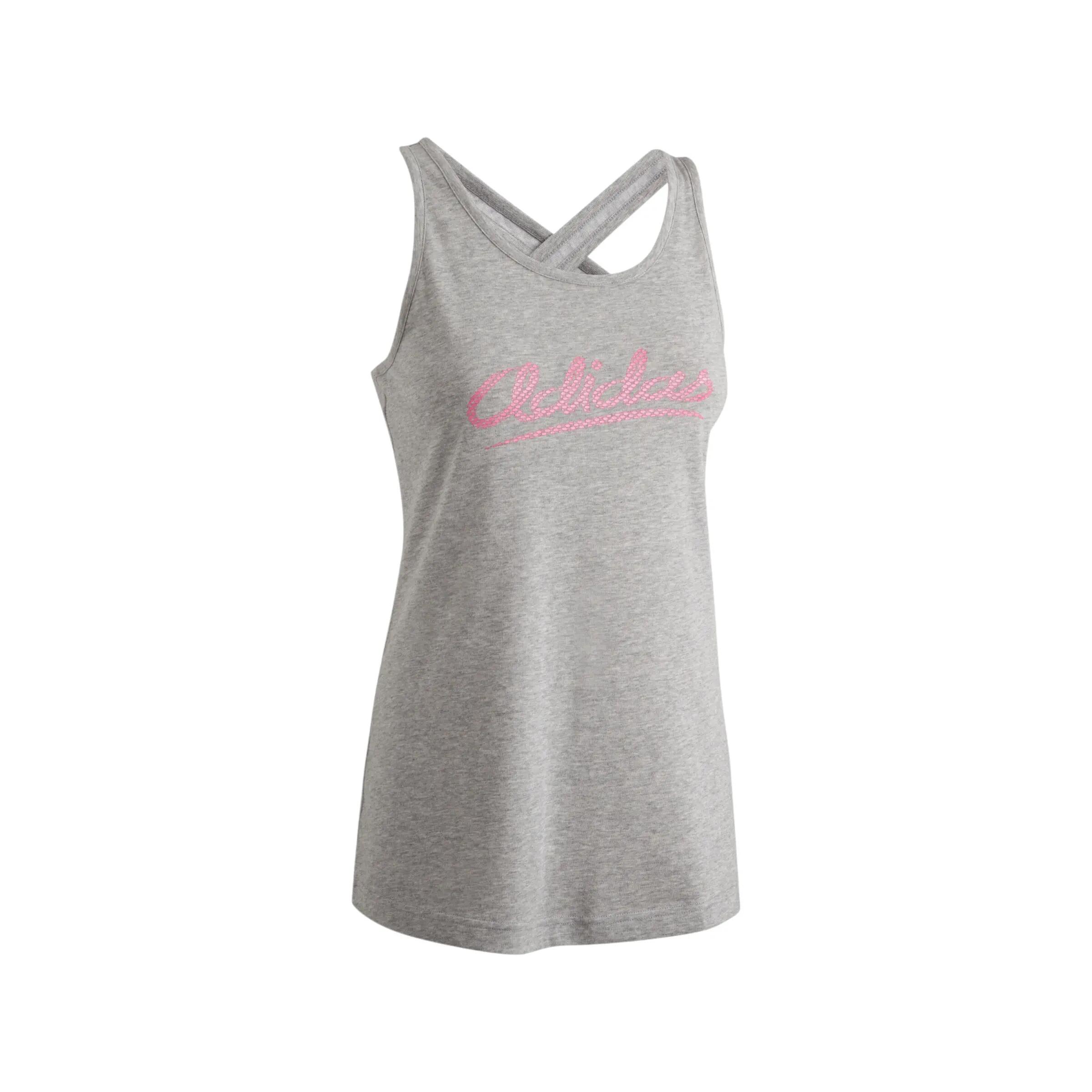
2,480 items
4.4/5 based on 864395 reviews collected online and in stores

Men's Athletics Clothes FAQs

What should men's athletics clothes include?

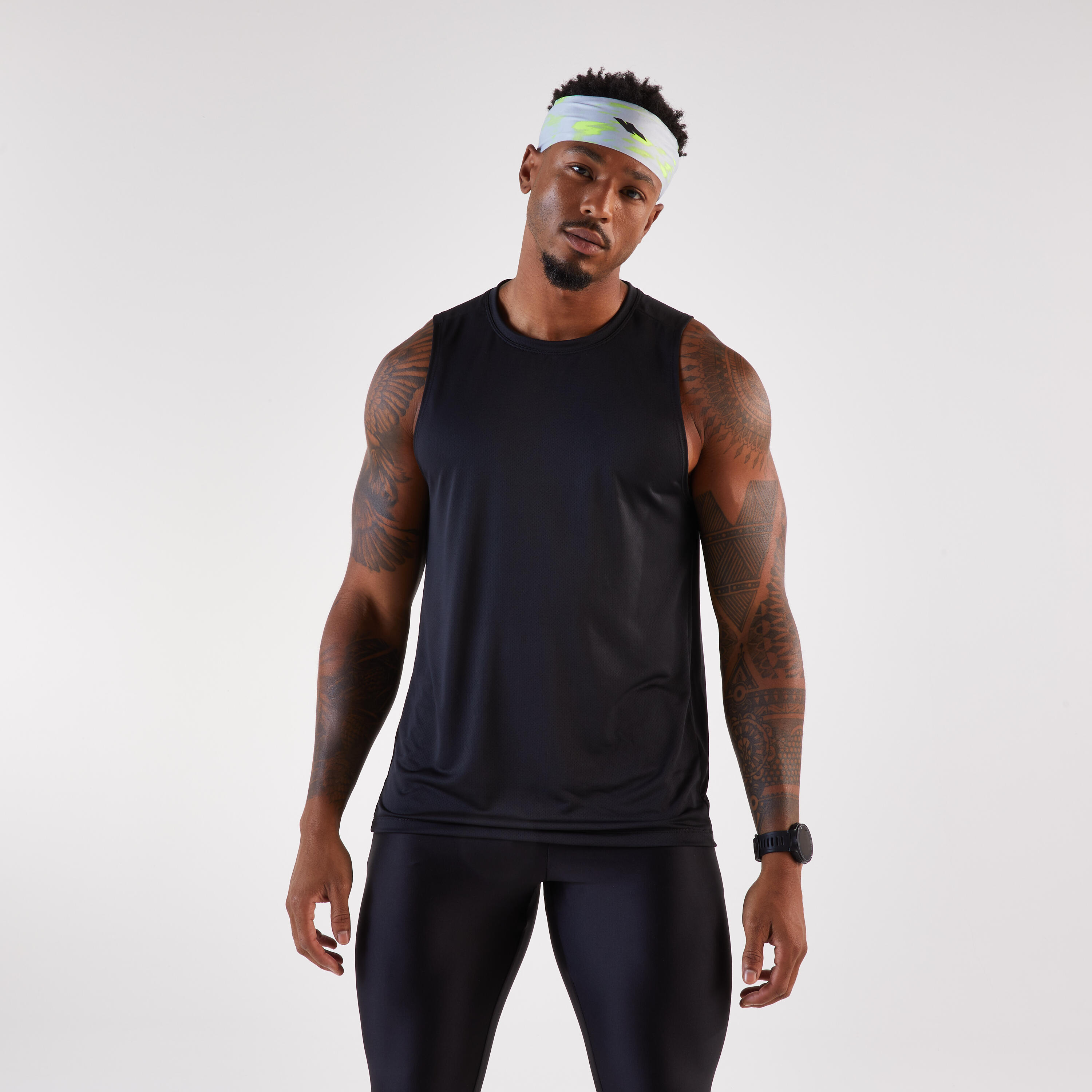
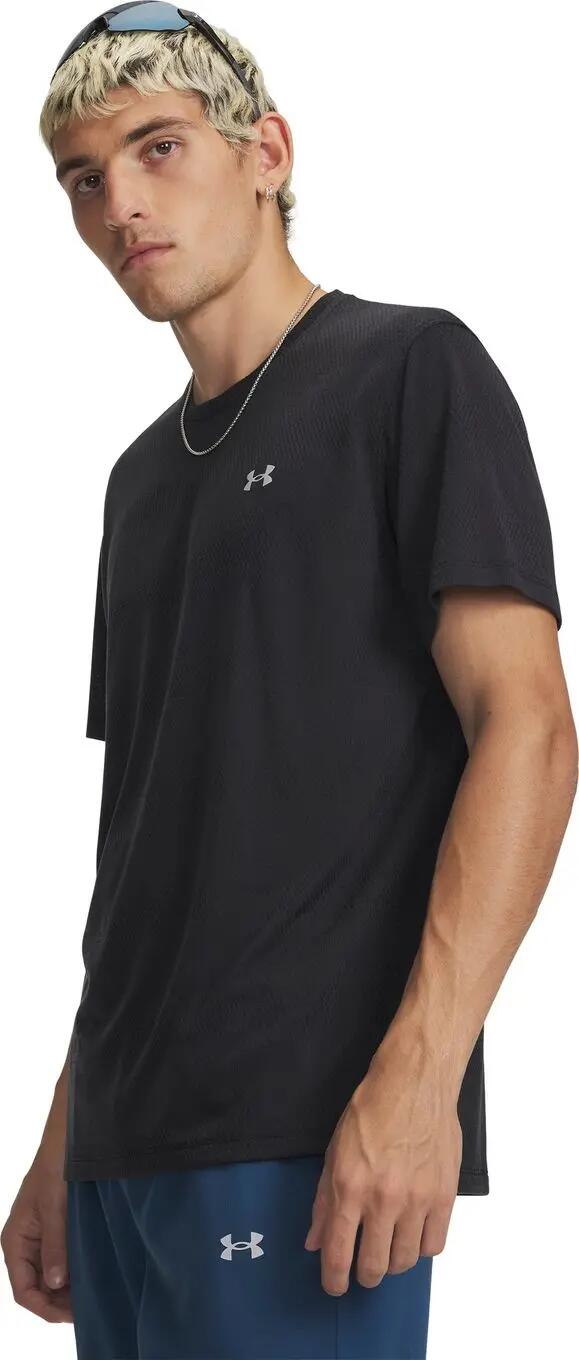
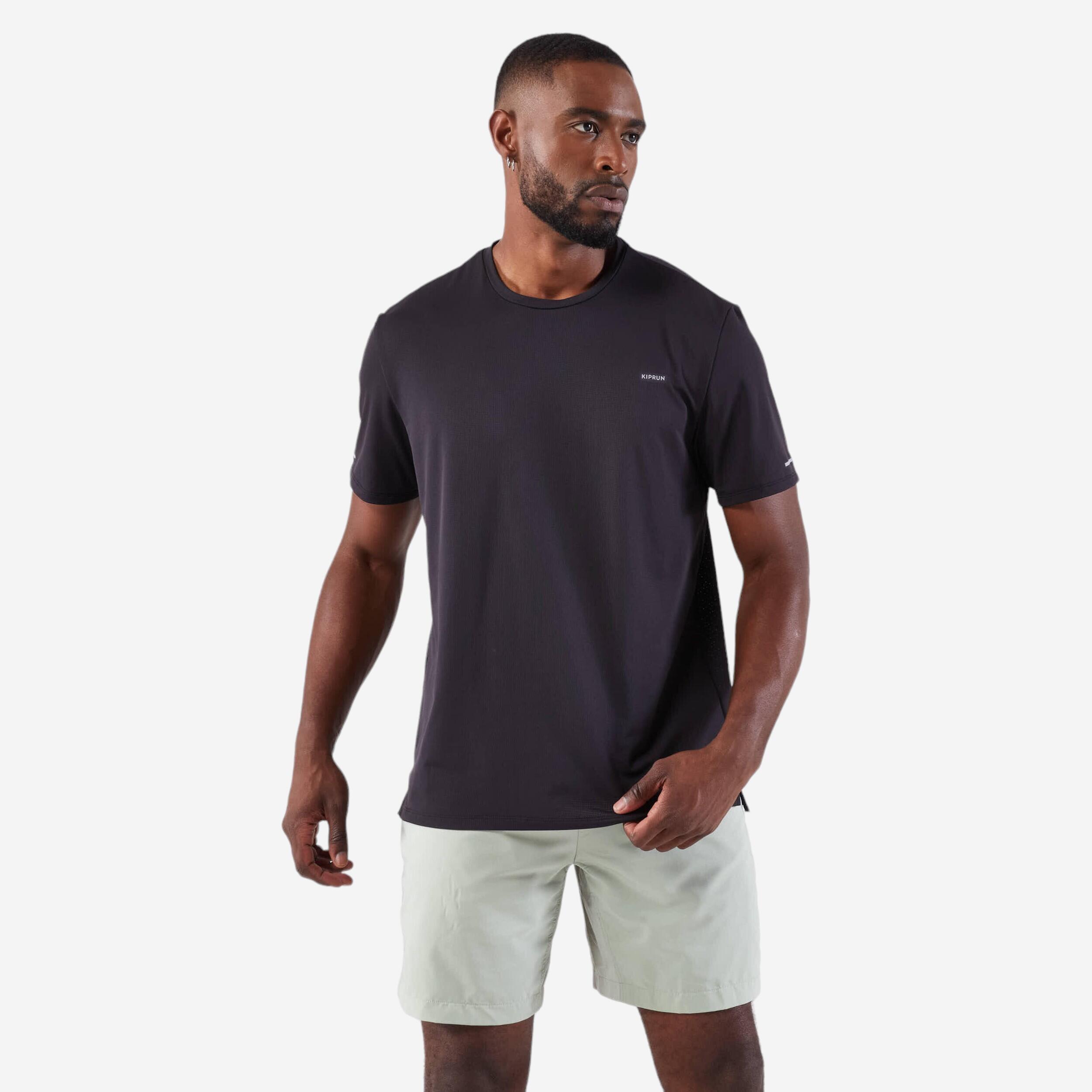
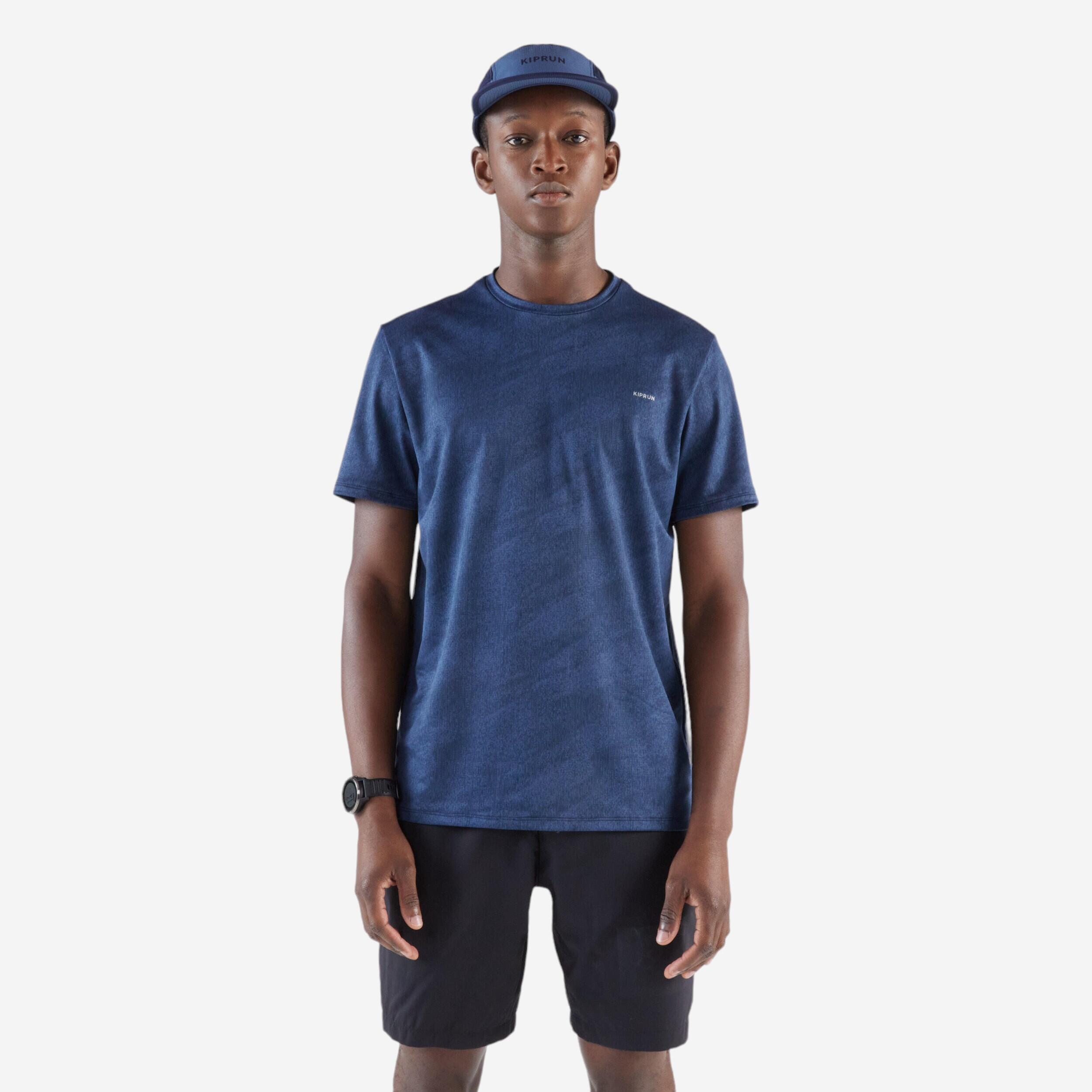
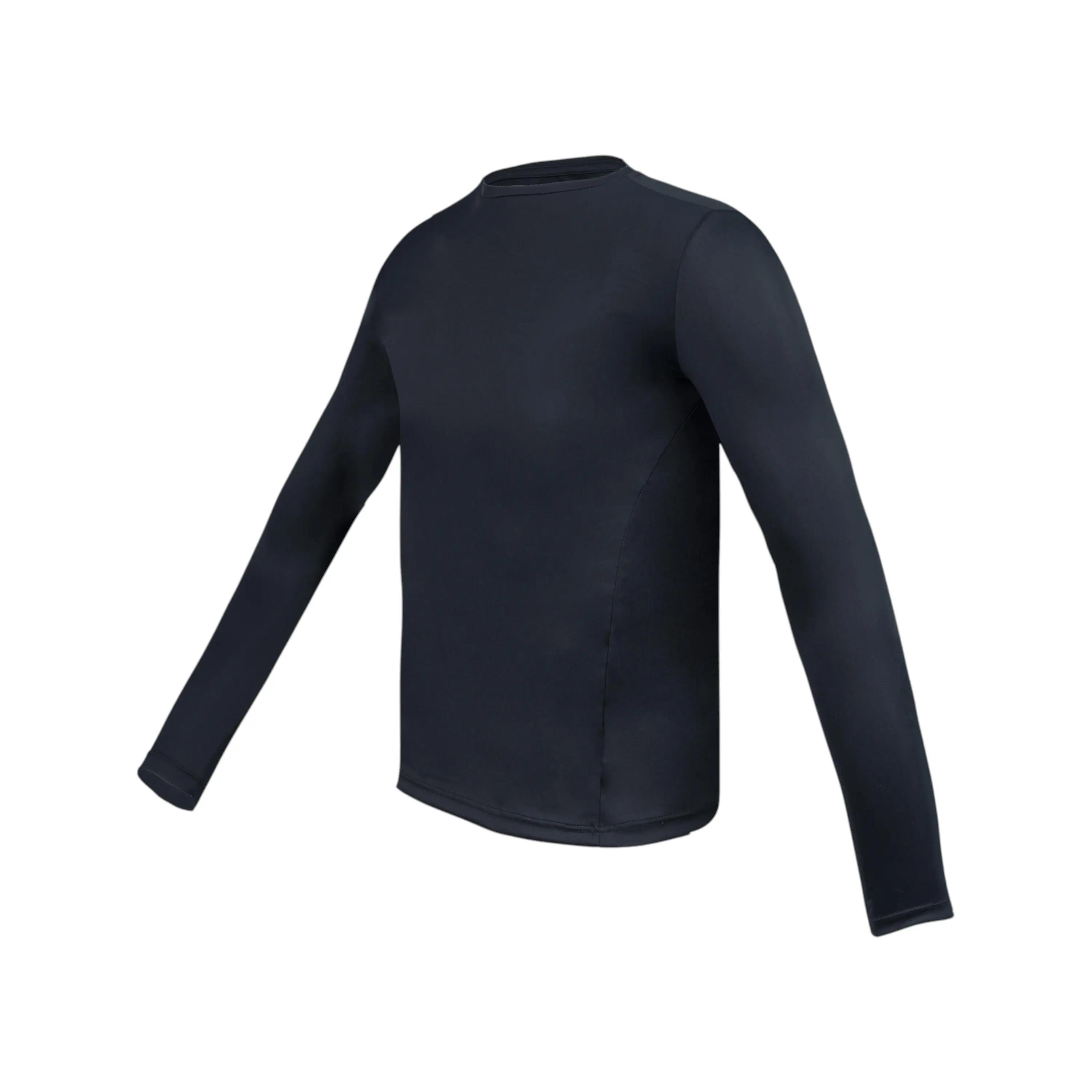
Build your athletics outfit around the event, training intensity, weather and amount of time spent waiting between efforts. A practical setup normally starts with a breathable top, supportive bottoms, suitable underwear and socks that remain comfortable inside your shoes. Choose each garment by its function rather than wearing the same kit for sprint drills, endurance work and cold outdoor sessions. Lightweight men's athletics T-shirts can manage perspiration during harder practice, while seamless or micro-perforated constructions may reduce rubbing and improve airflow. A useful pro tip is to test the full outfit during training, including every waistband, pocket and base layer, before relying on it for an athletics meeting.

What fit works best for men's athletics bottoms?

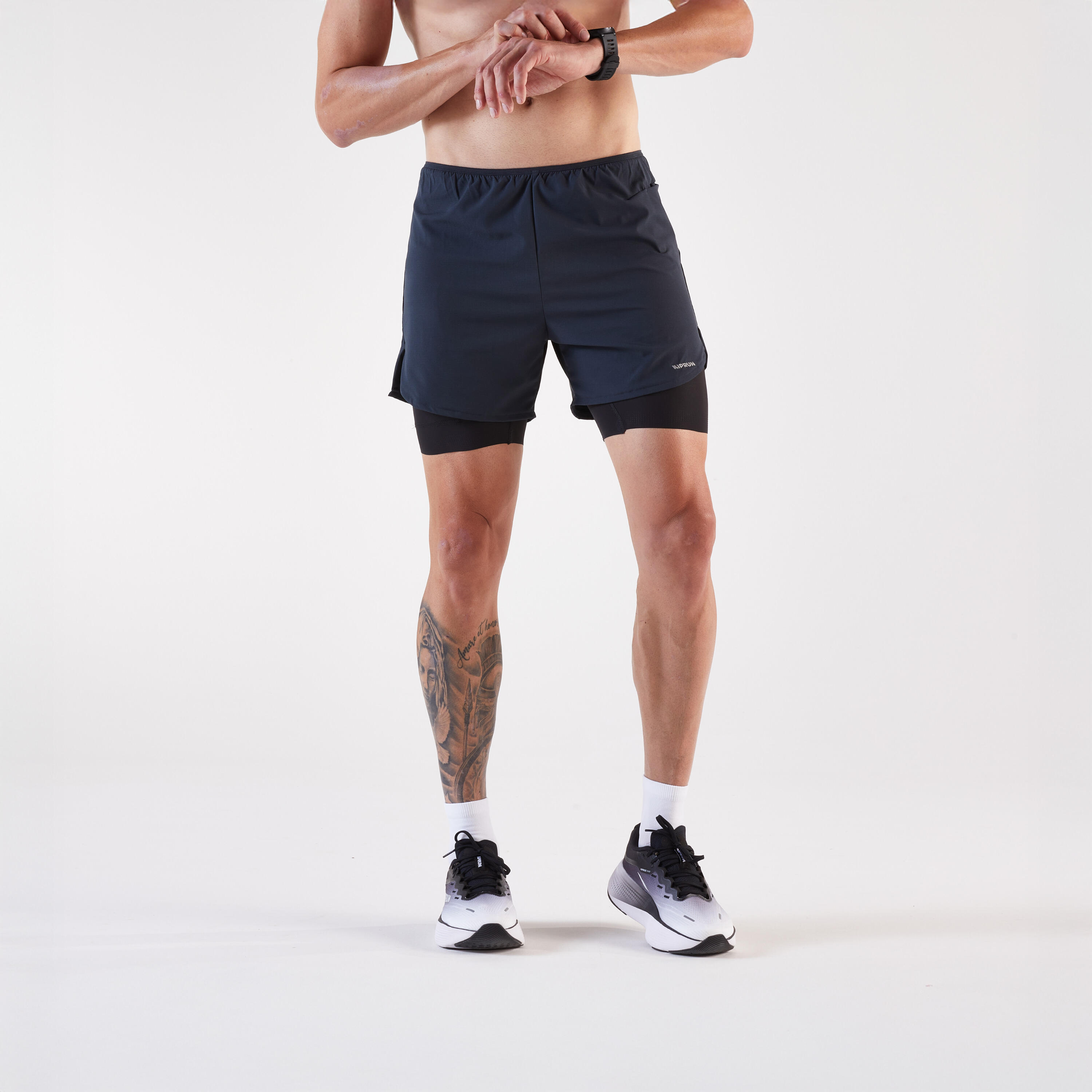
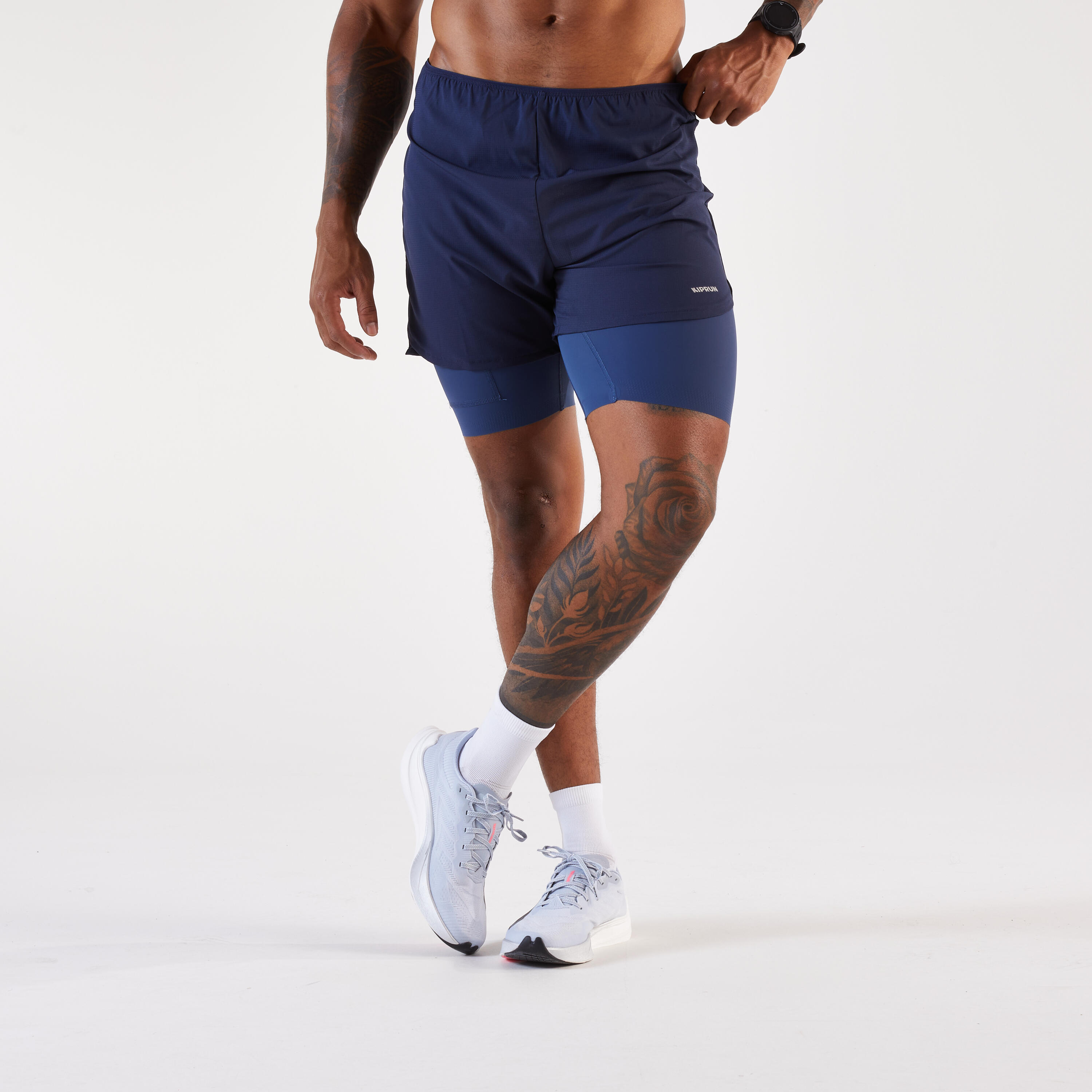
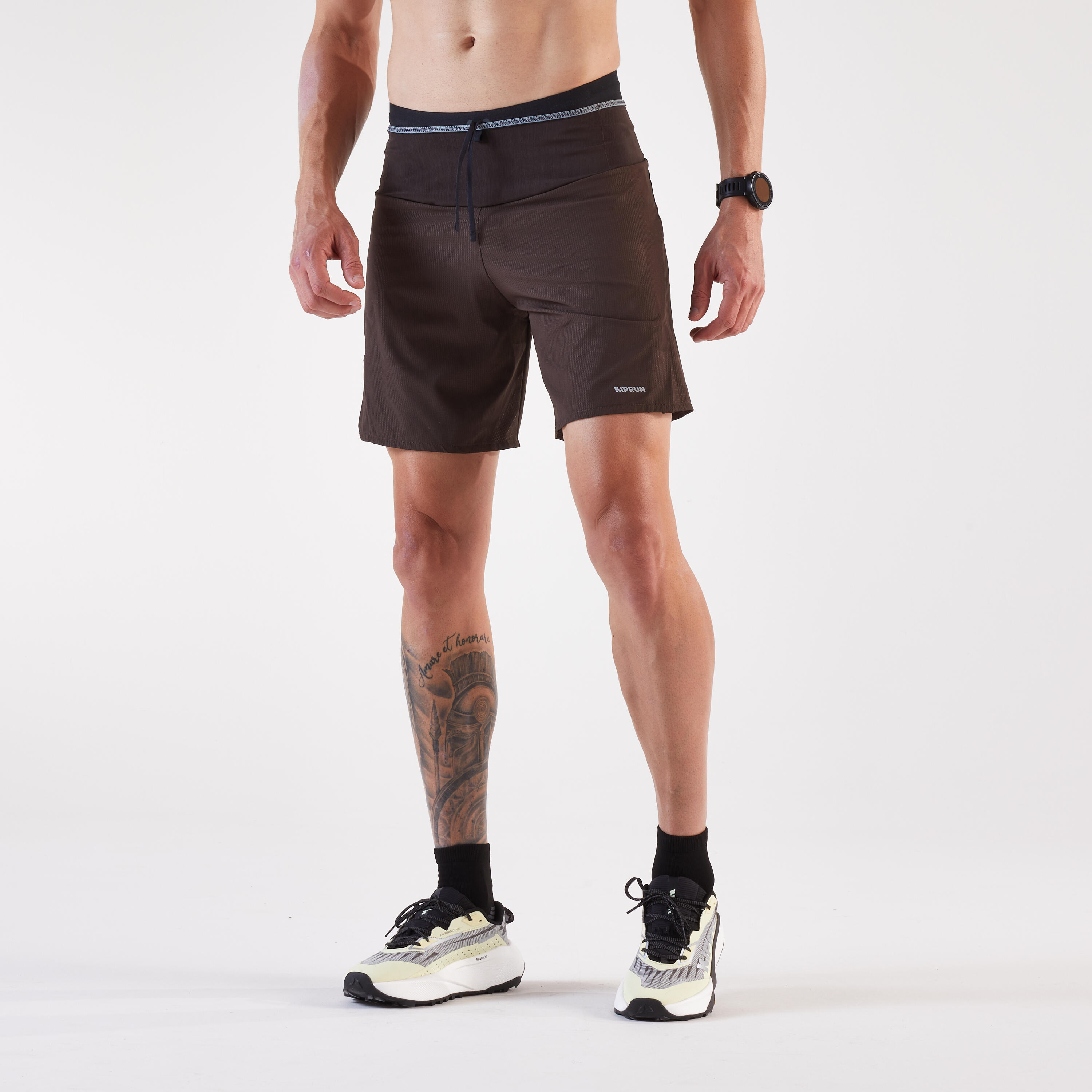
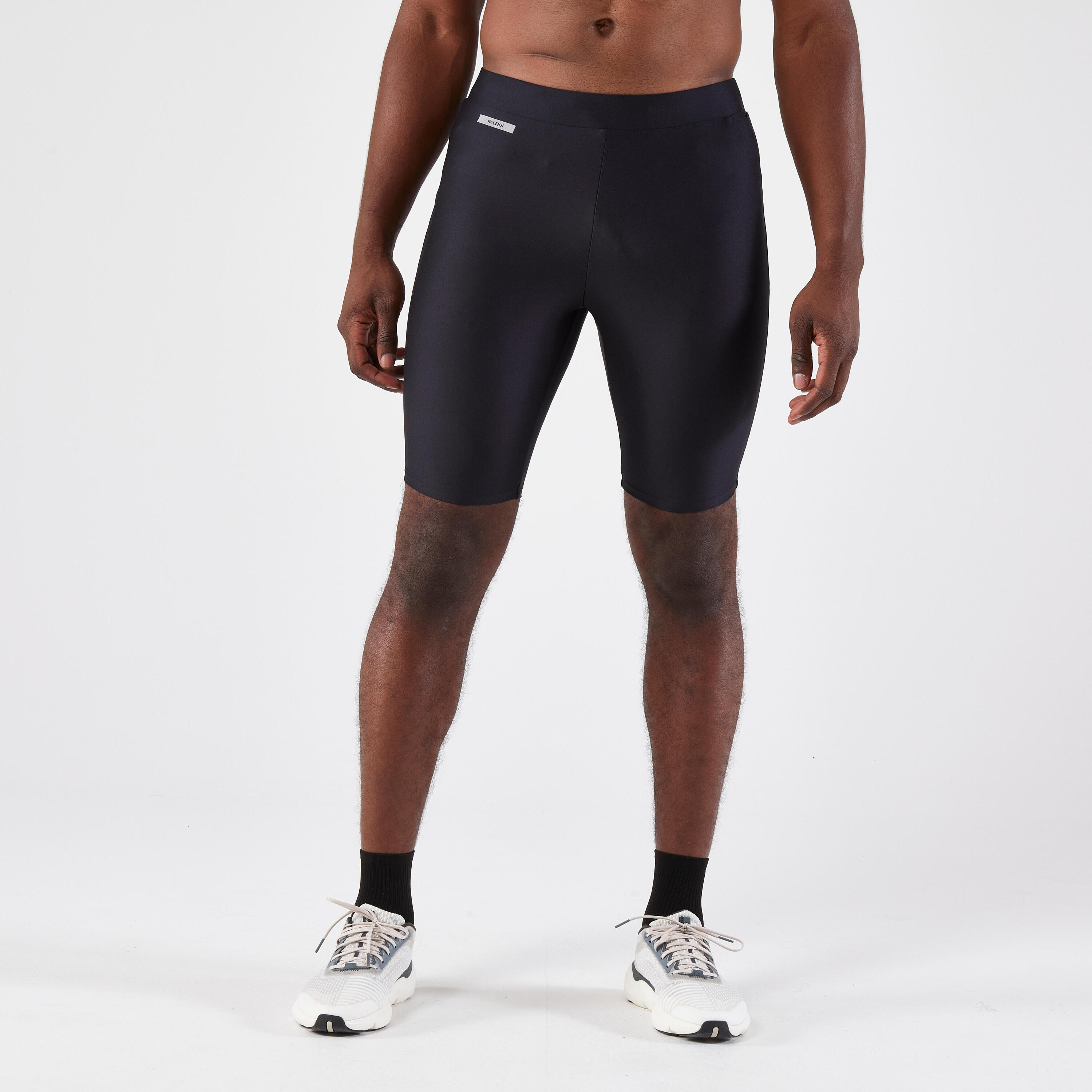
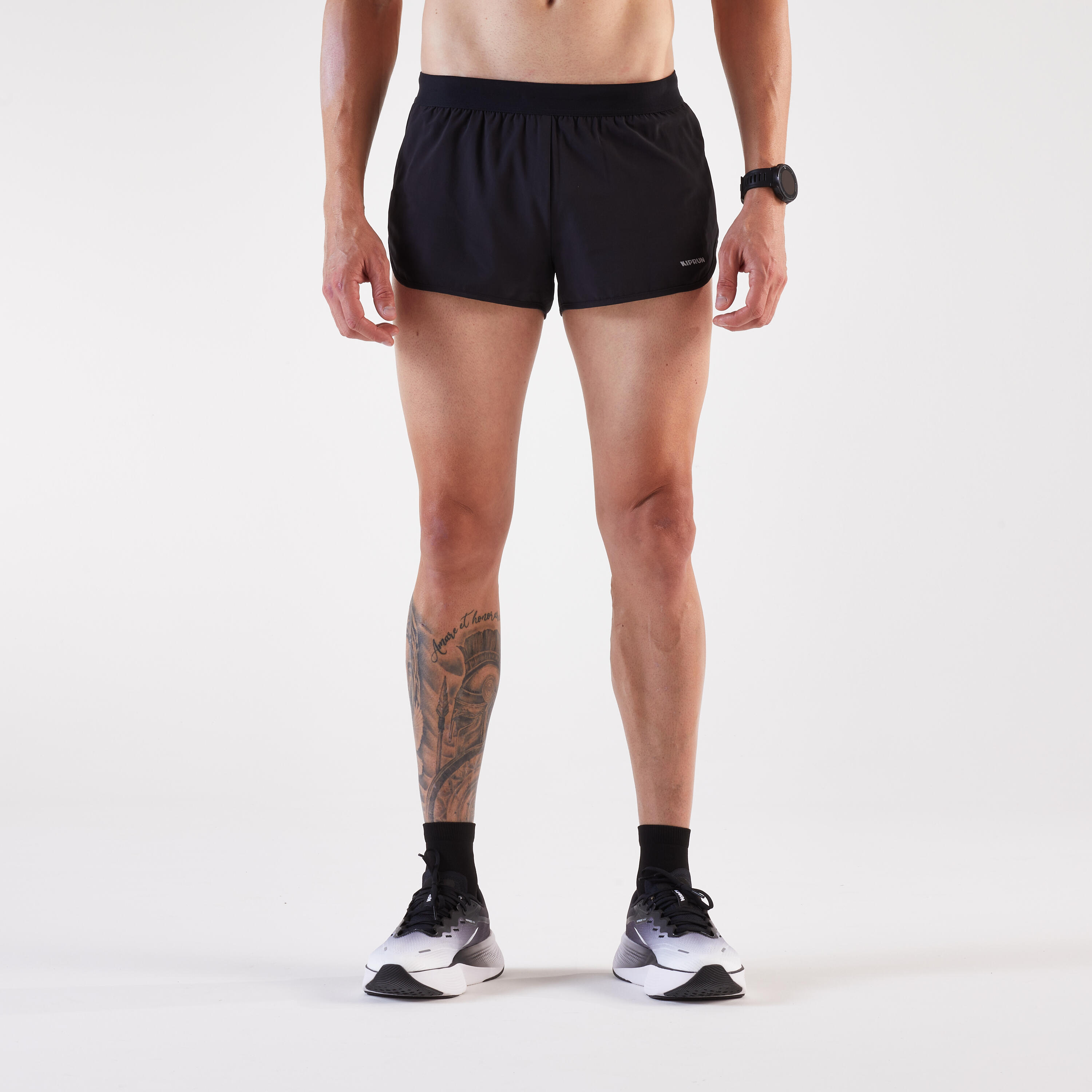
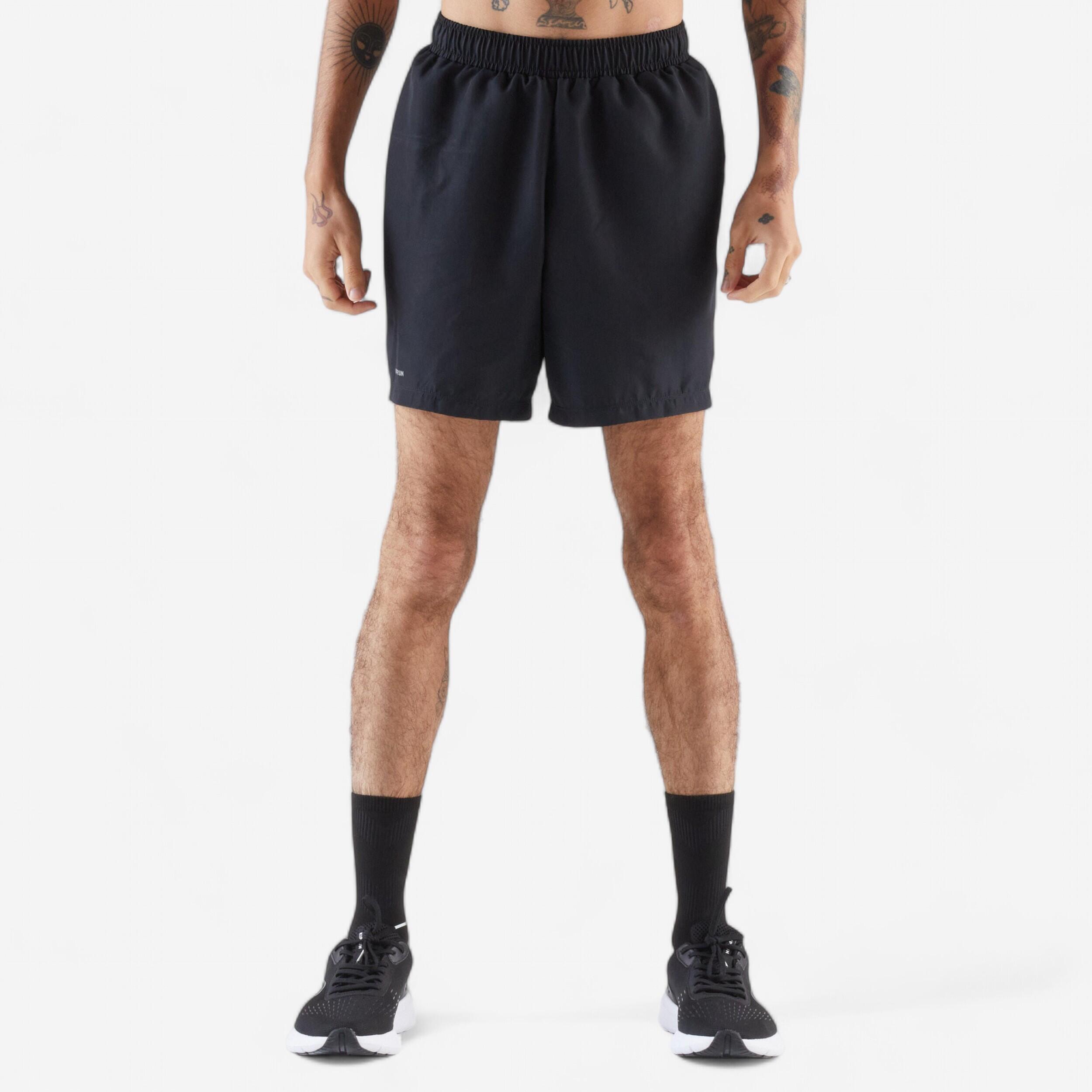
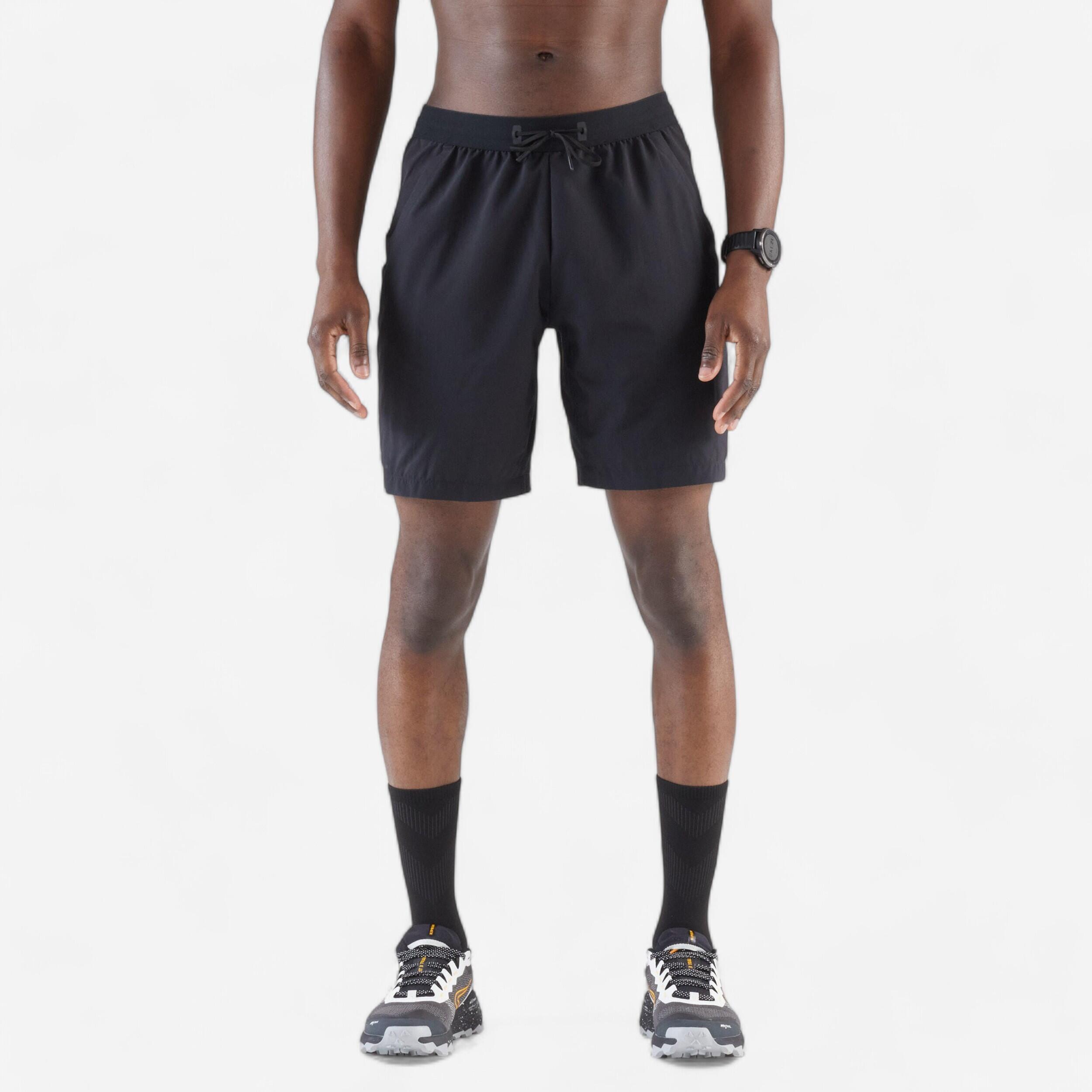
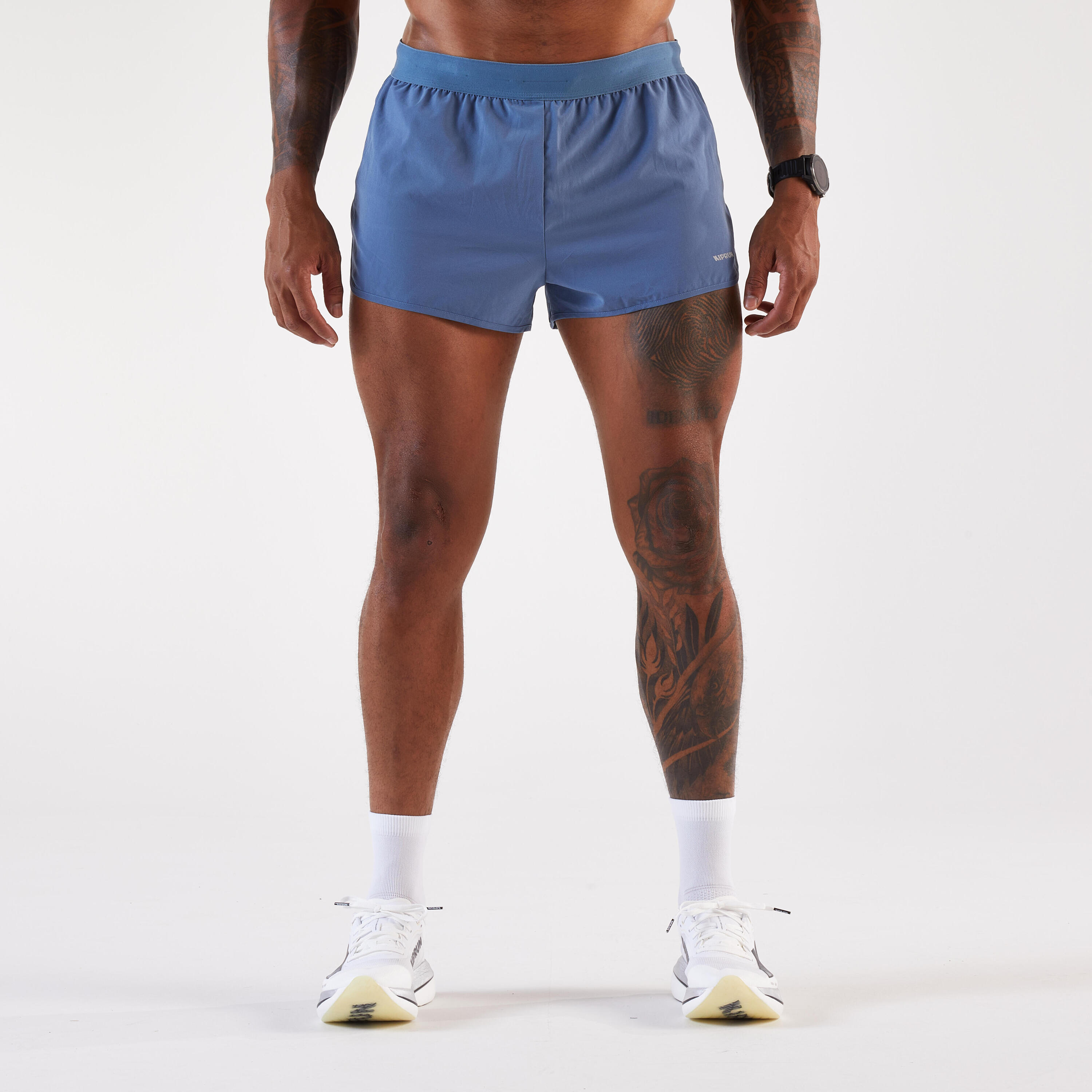
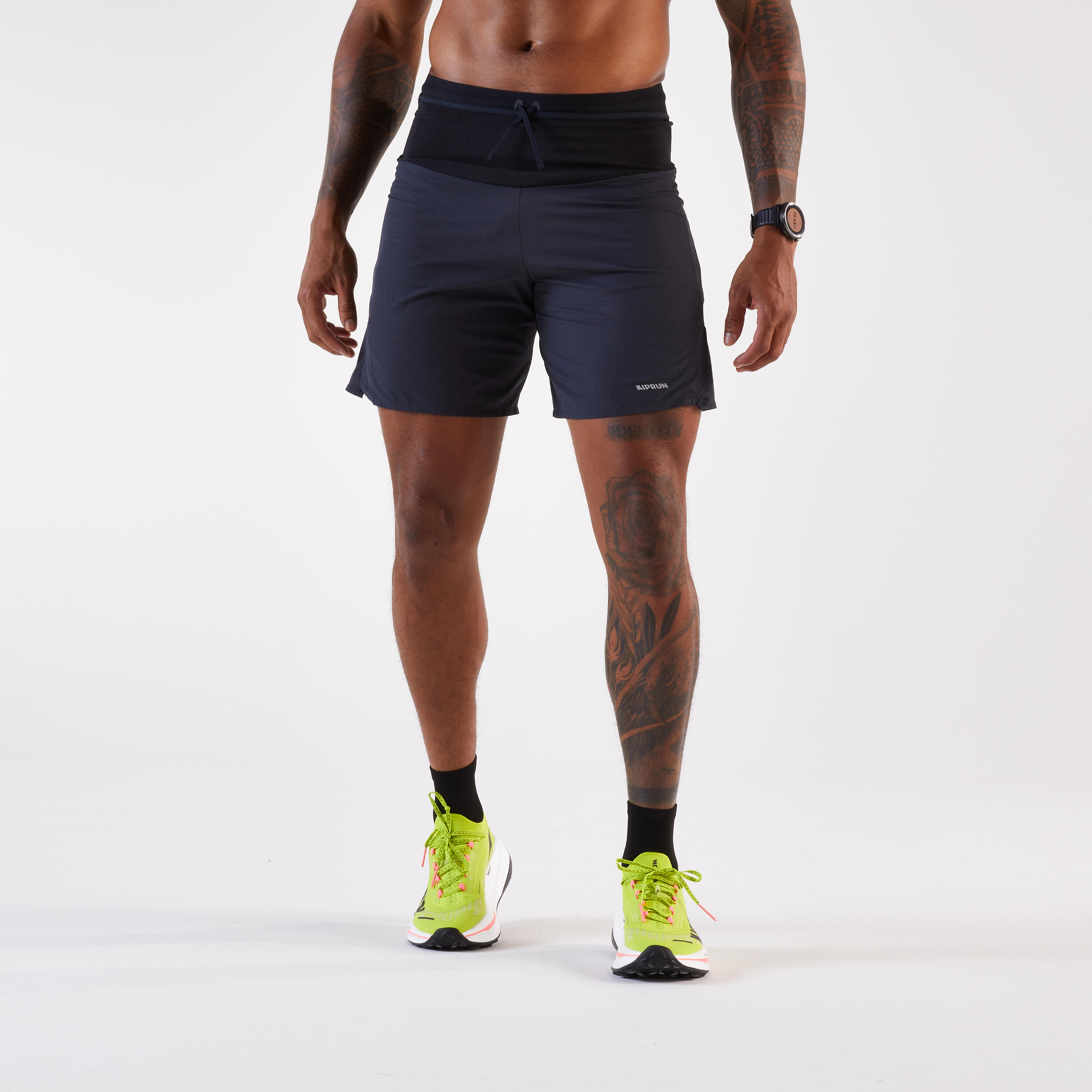
Men's athletics bottoms should stay secure at the waist without restricting your hips, knees or stride. Loose men's athletics shorts can provide airflow and freedom during warm-weather practice, while two-in-one constructions add fitted inner support that may reduce thigh rubbing. Check the fit by running, lunging, lifting your knees and bending into a starting position. The waistband should remain level when pockets are loaded, and the fabric should not catch around your thighs. Empty unnecessary items before sprinting or competing because a heavy phone or keys can bounce, pull the waistband down and disrupt your movement.
Which training conditions suit men's athletics tights?

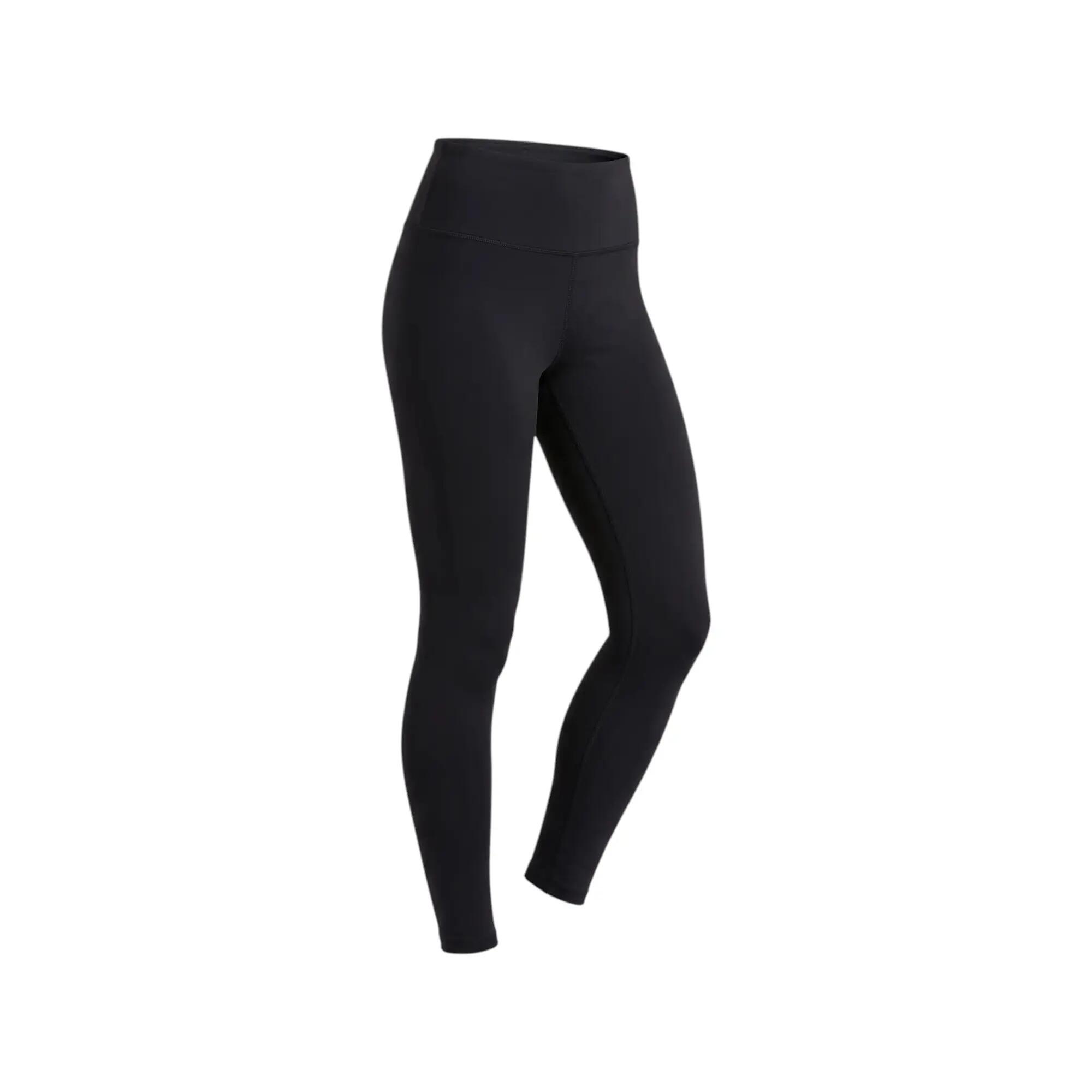
Tights can suit cool-weather training, faster sessions and athletes who prefer a close fit with little loose fabric around the legs. Choose men's athletics tights that stretch smoothly across your hips and knees without becoming transparent or gathering behind the joints. A close construction can reduce fabric movement in windy conditions, but it should not compress your waist or limit normal circulation. Check the ankle length with your athletics shoes and make sure zips or hems do not press against the shoe collar. During colder weather, add removable trousers over the tights rather than starting the active session in several restrictive layers.

What role does men's athletics underwear play during training?

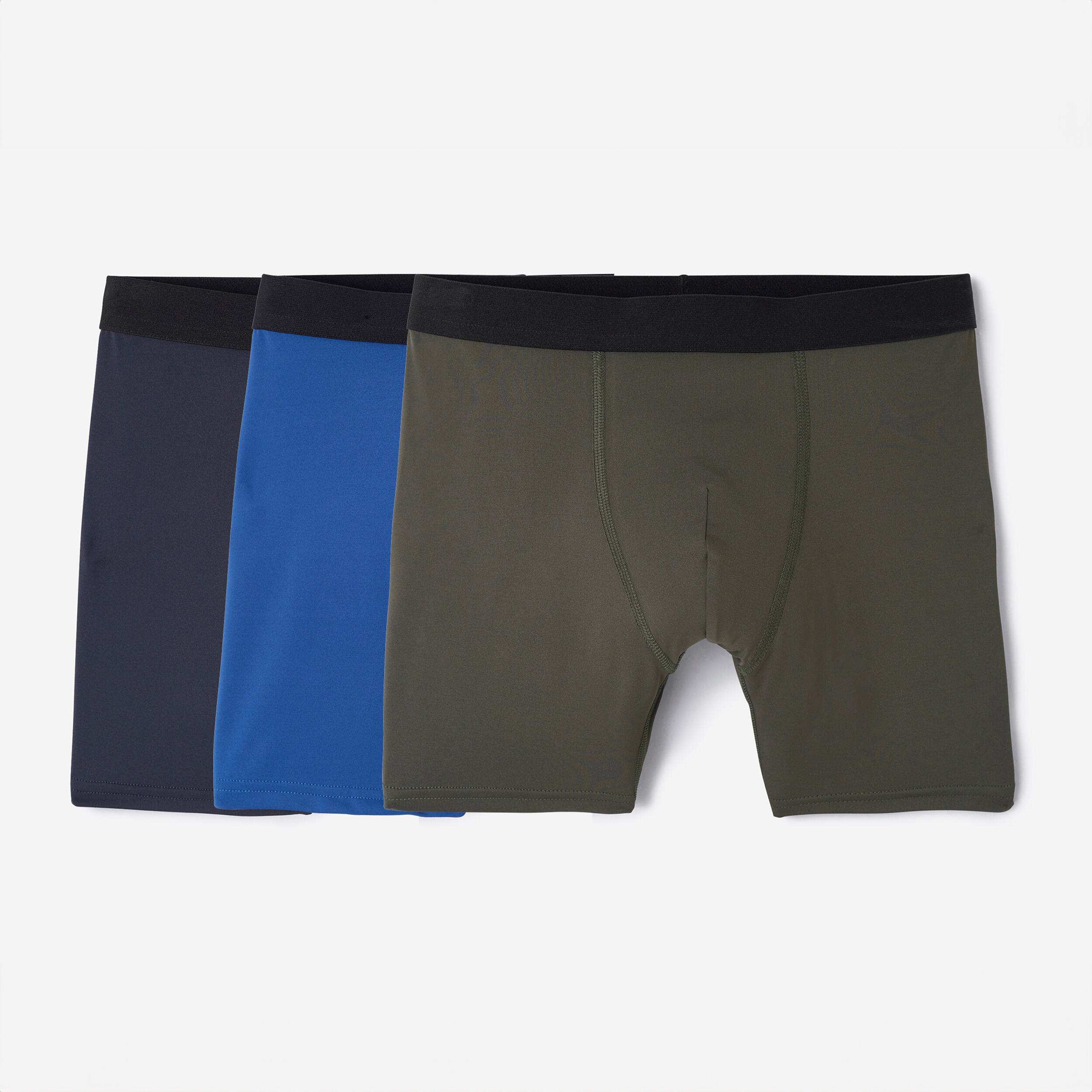
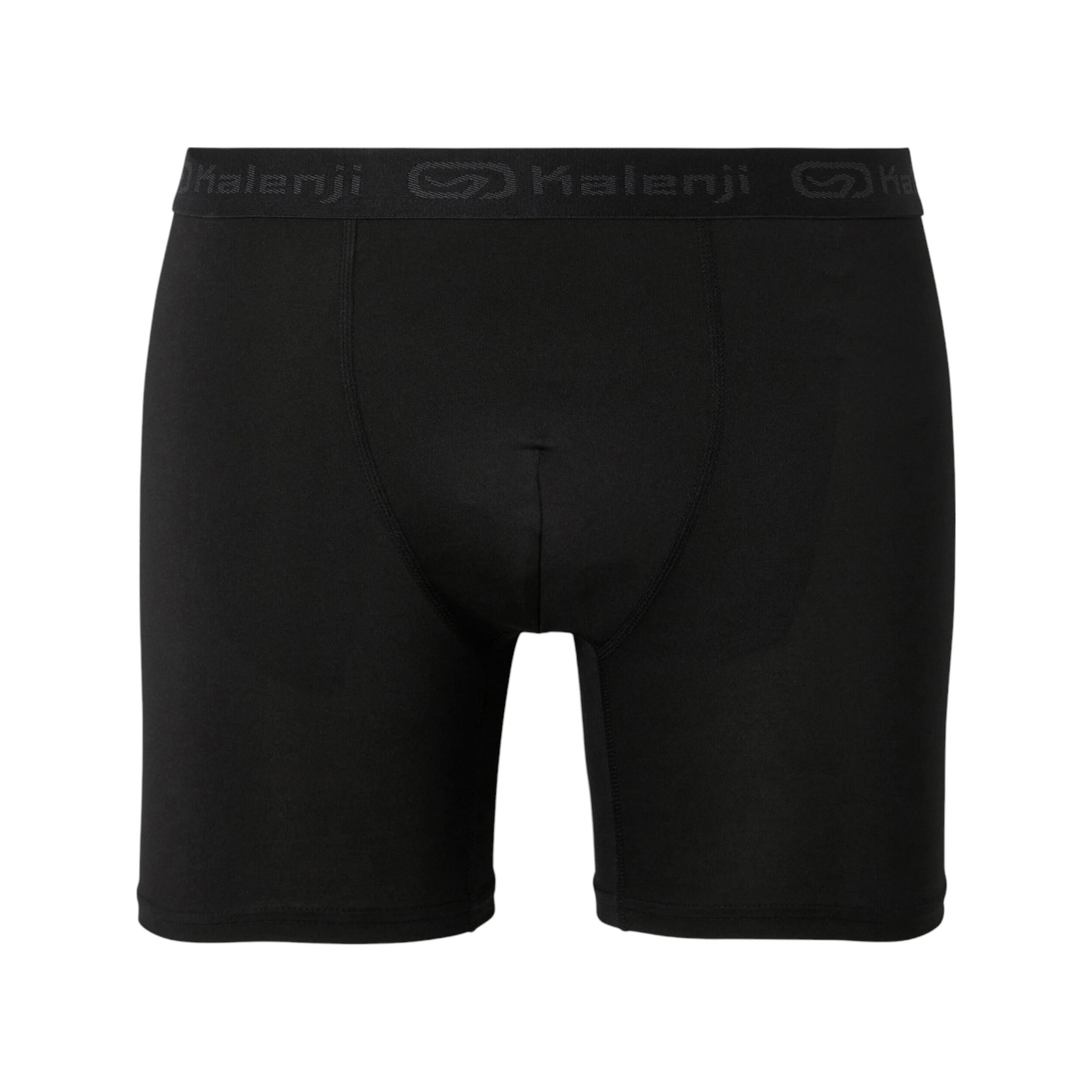
A suitable base layer helps manage moisture and reduces loose fabric beneath your shorts or tights. The specialised men's athletics underwear commonly uses quick-drying synthetic fibres and stretch so it can follow repeated running, jumping and throwing movements. Boxers with longer legs may help limit thigh rubbing, while briefs provide less fabric beneath fitted bottoms. Whichever cut you choose, the waistband and leg openings should remain flat without digging in or riding upwards. Avoid wearing two underwear layers, as extra fabric can retain heat and create more friction. Change promptly after practice rather than remaining in a damp base layer during the journey home.

What selection and care tips apply to men's athletics socks?

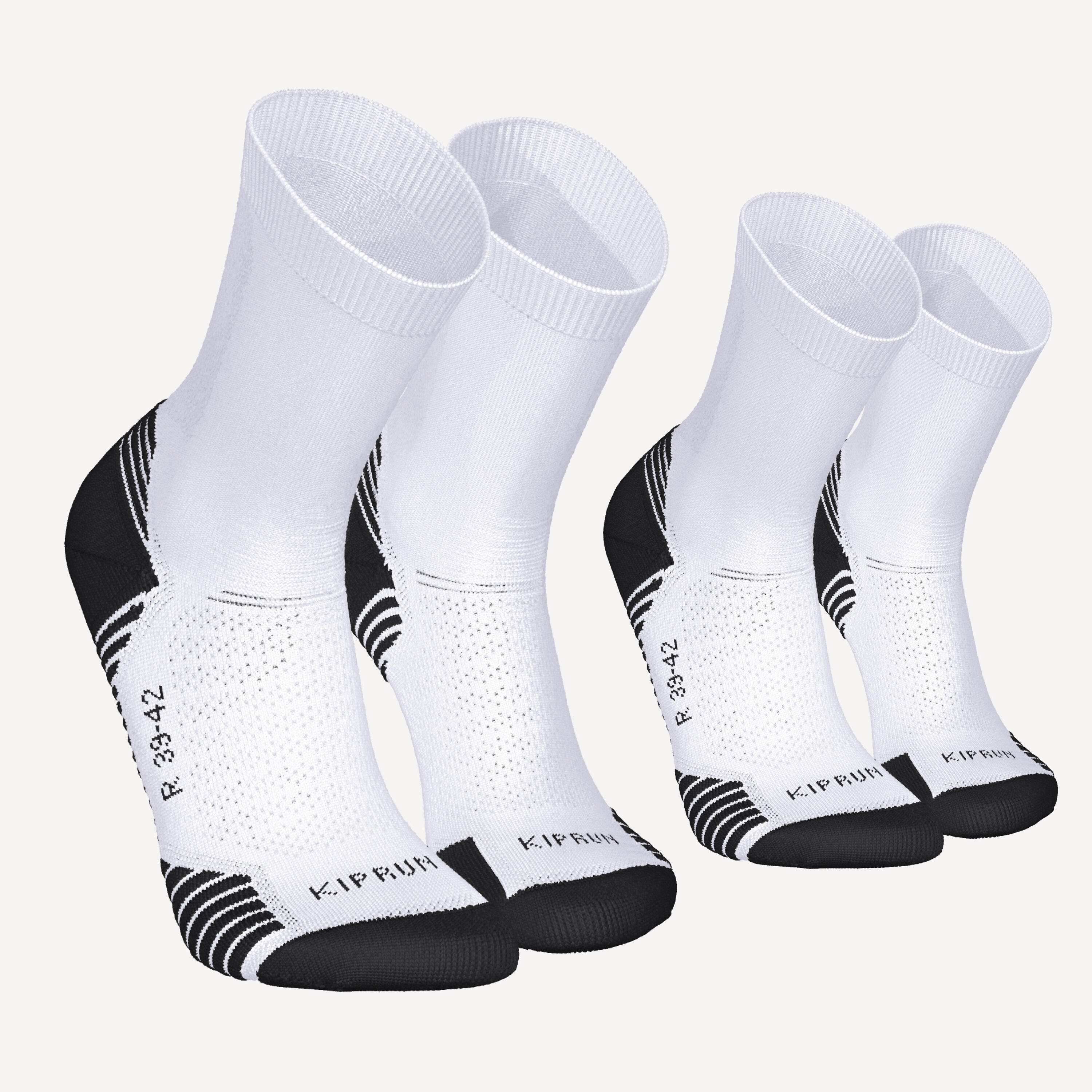
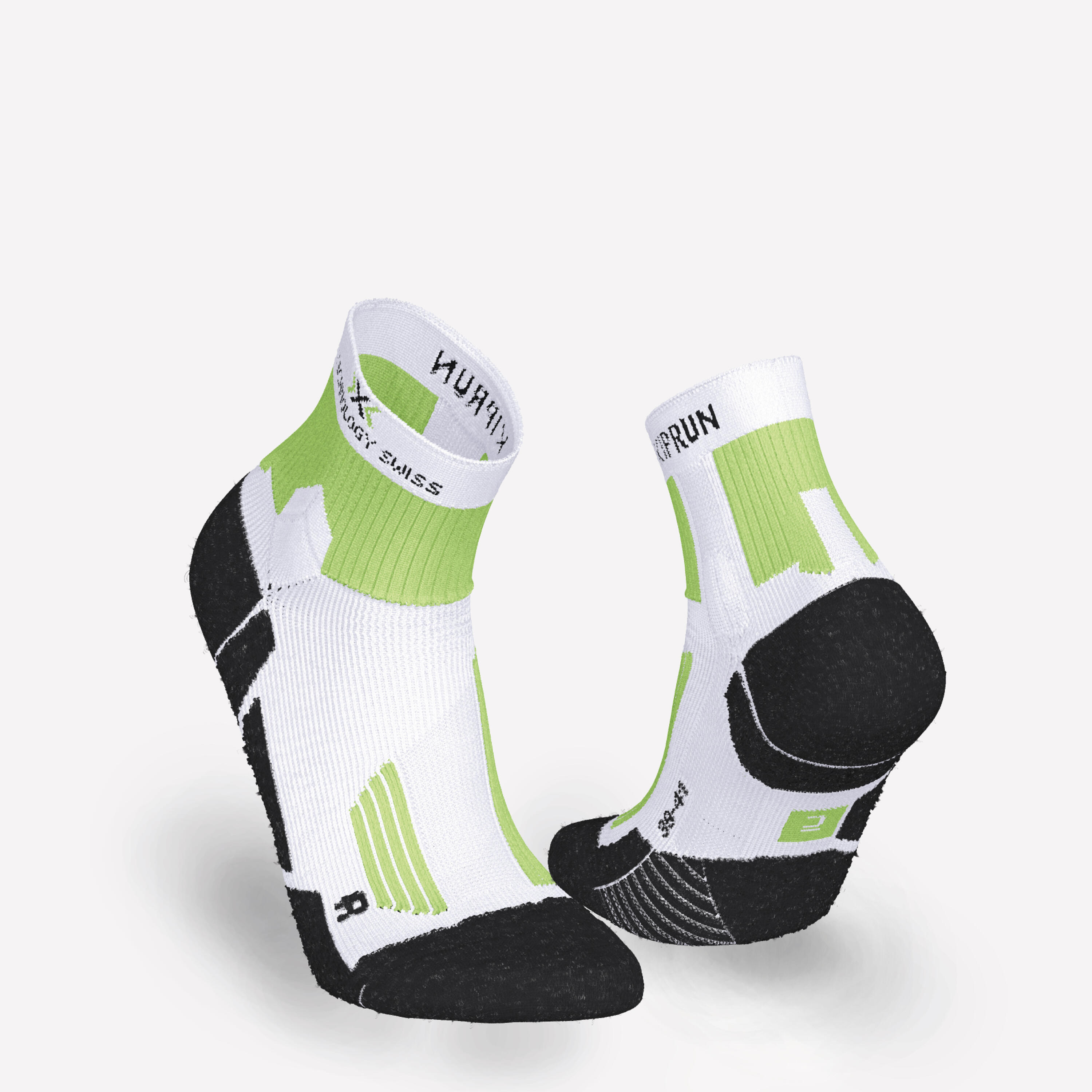
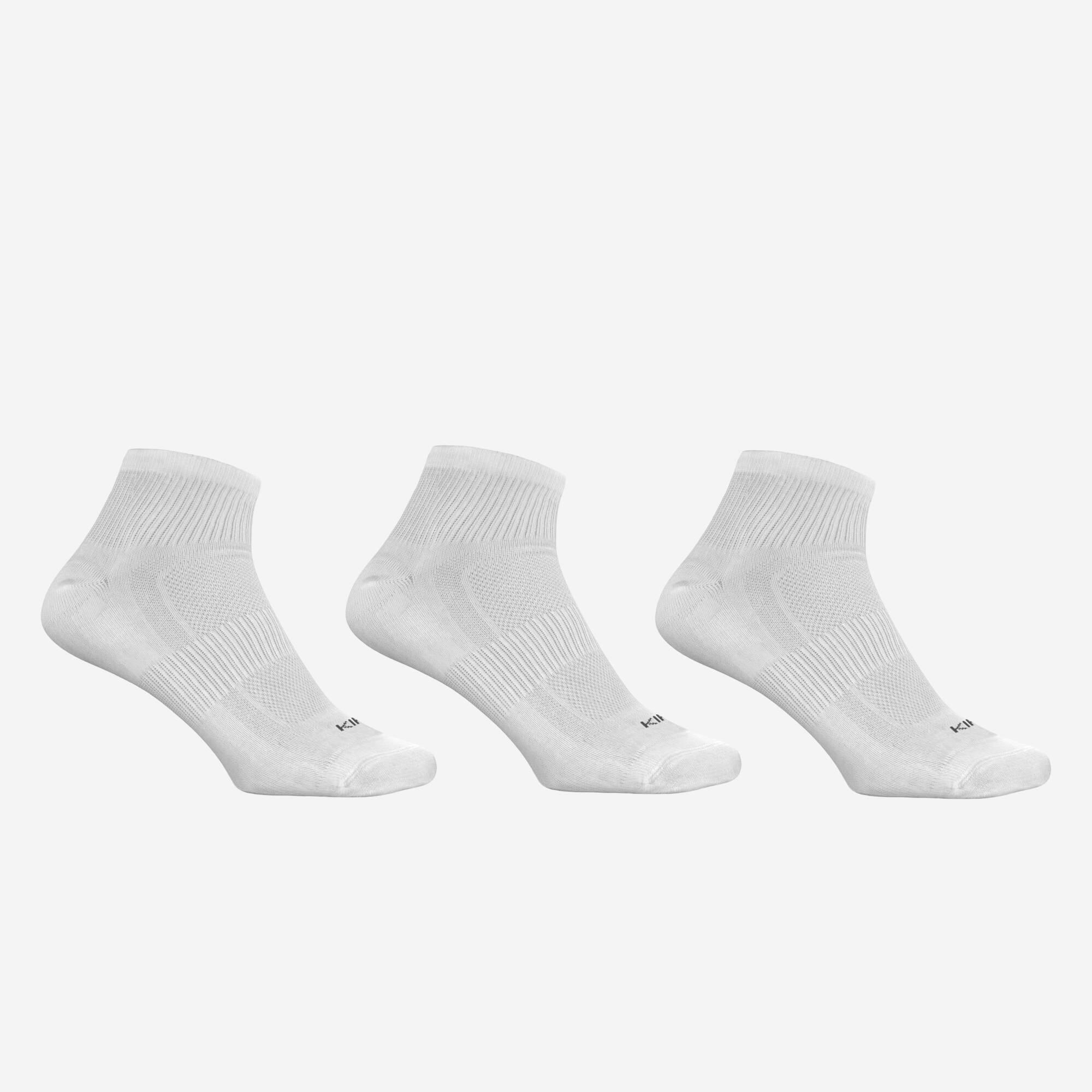
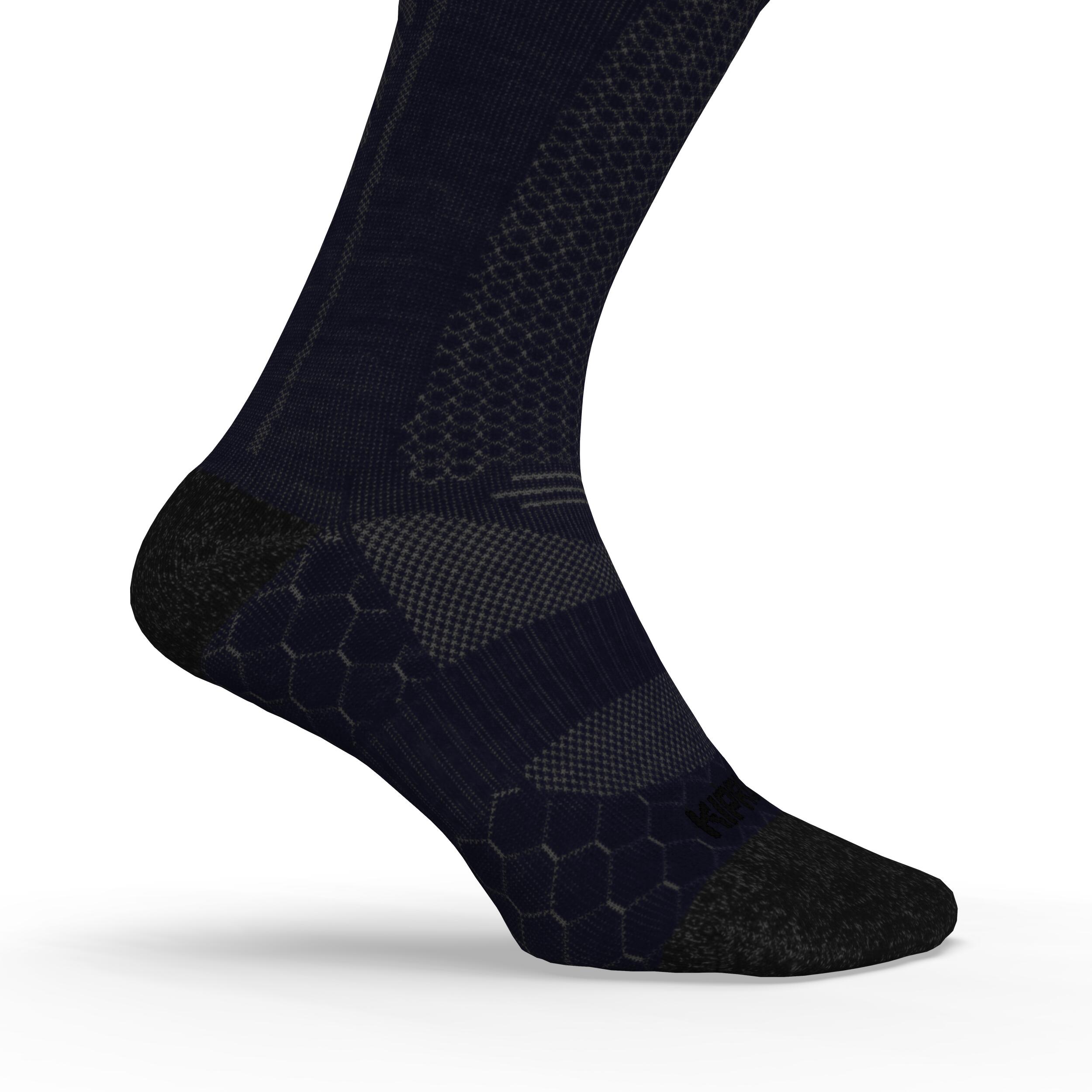
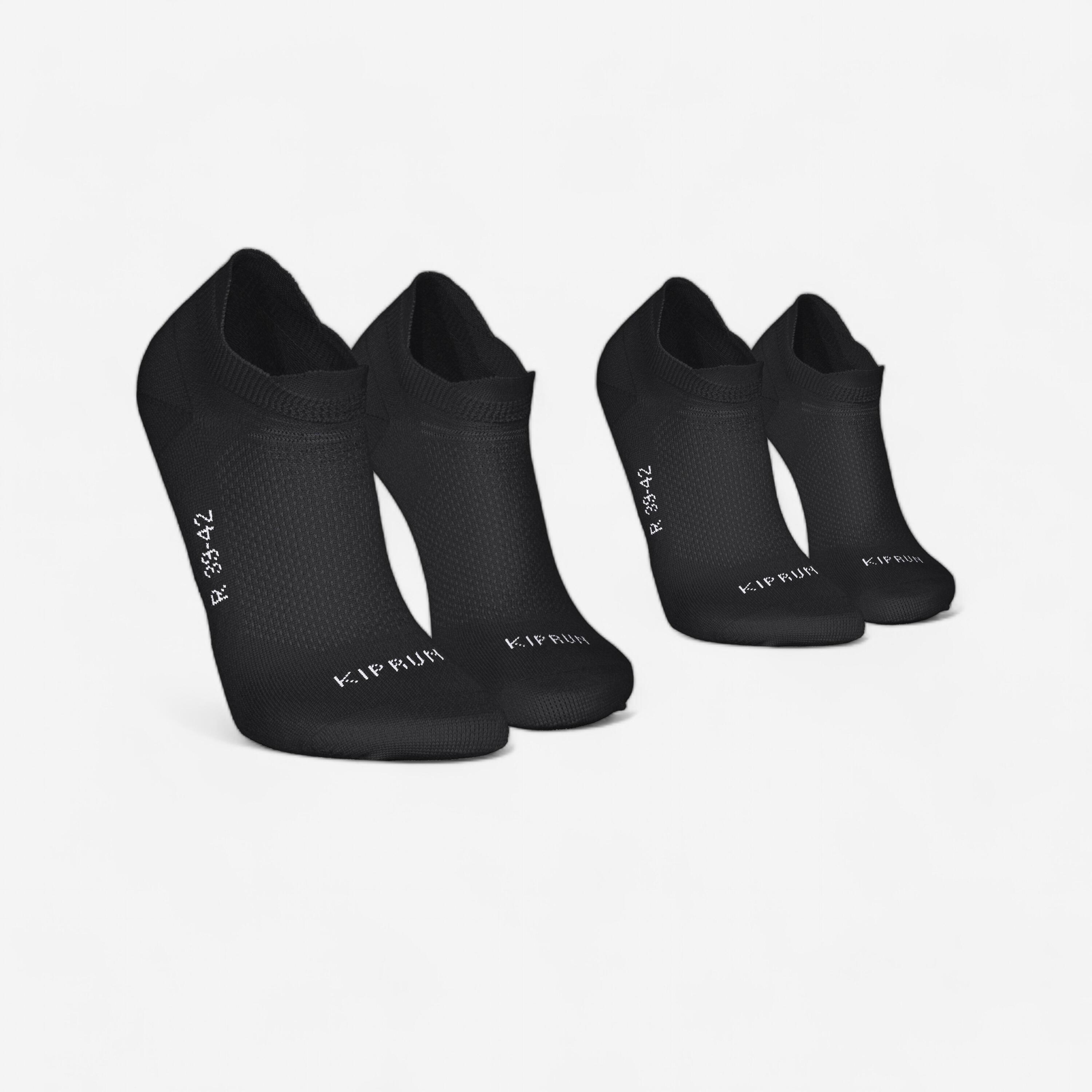
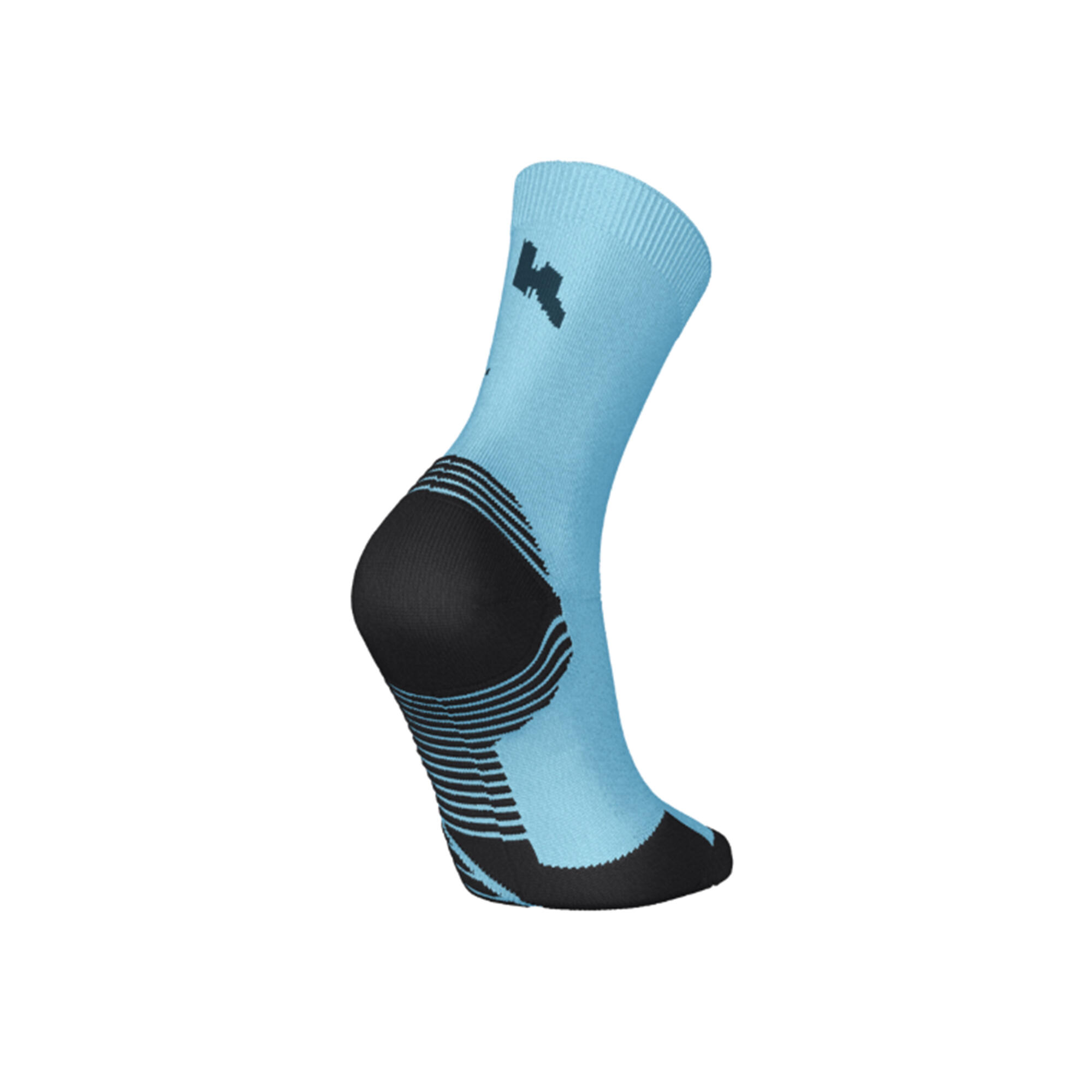
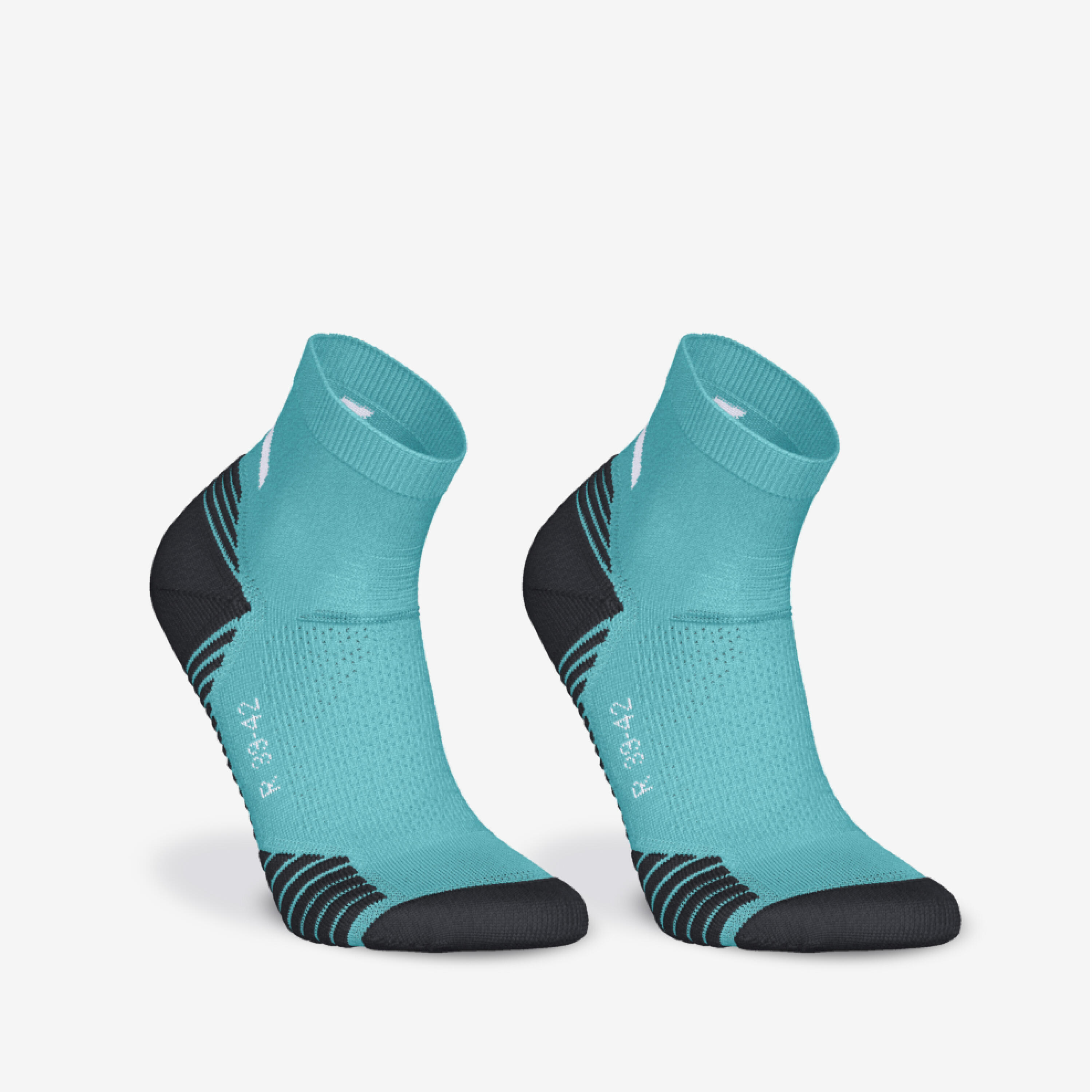
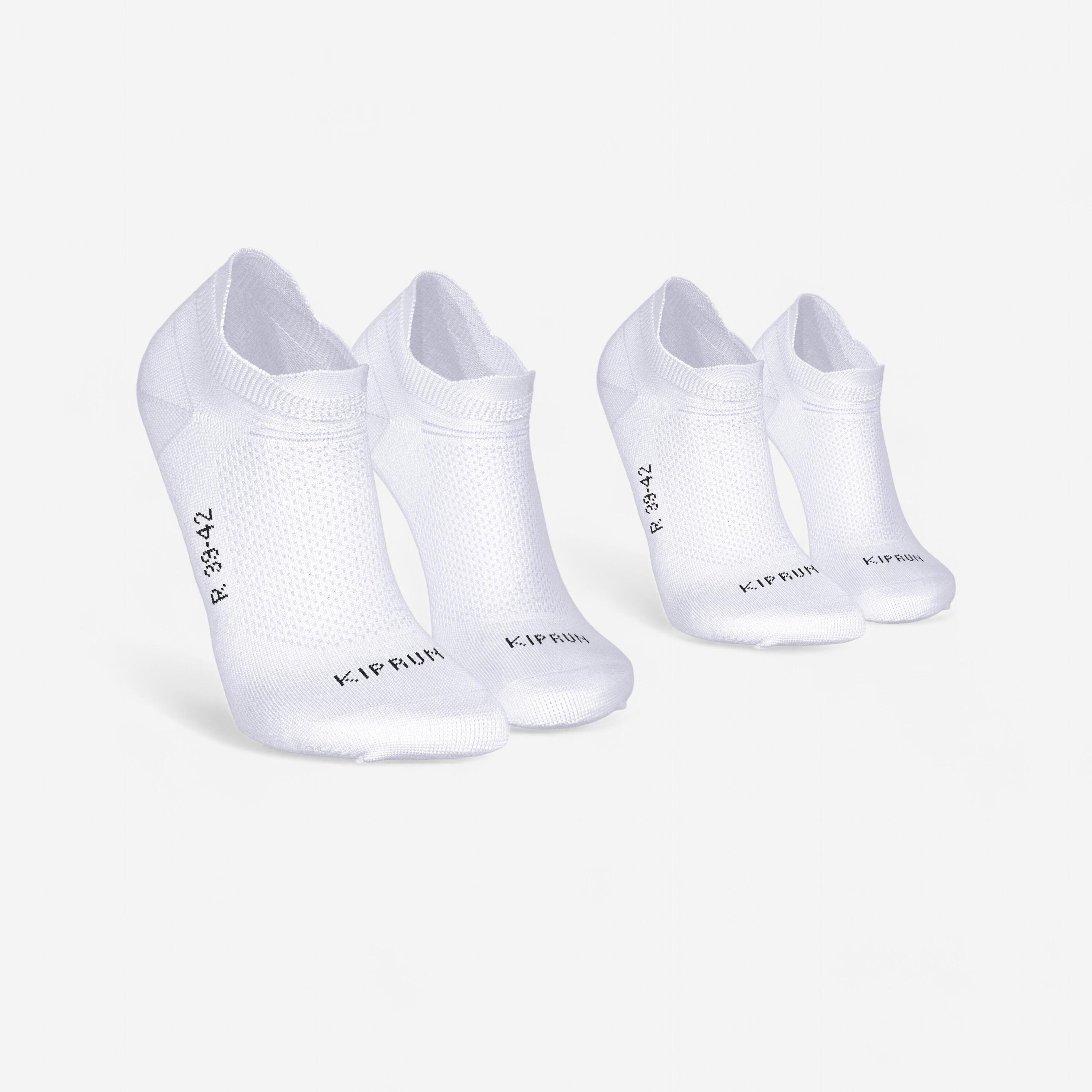
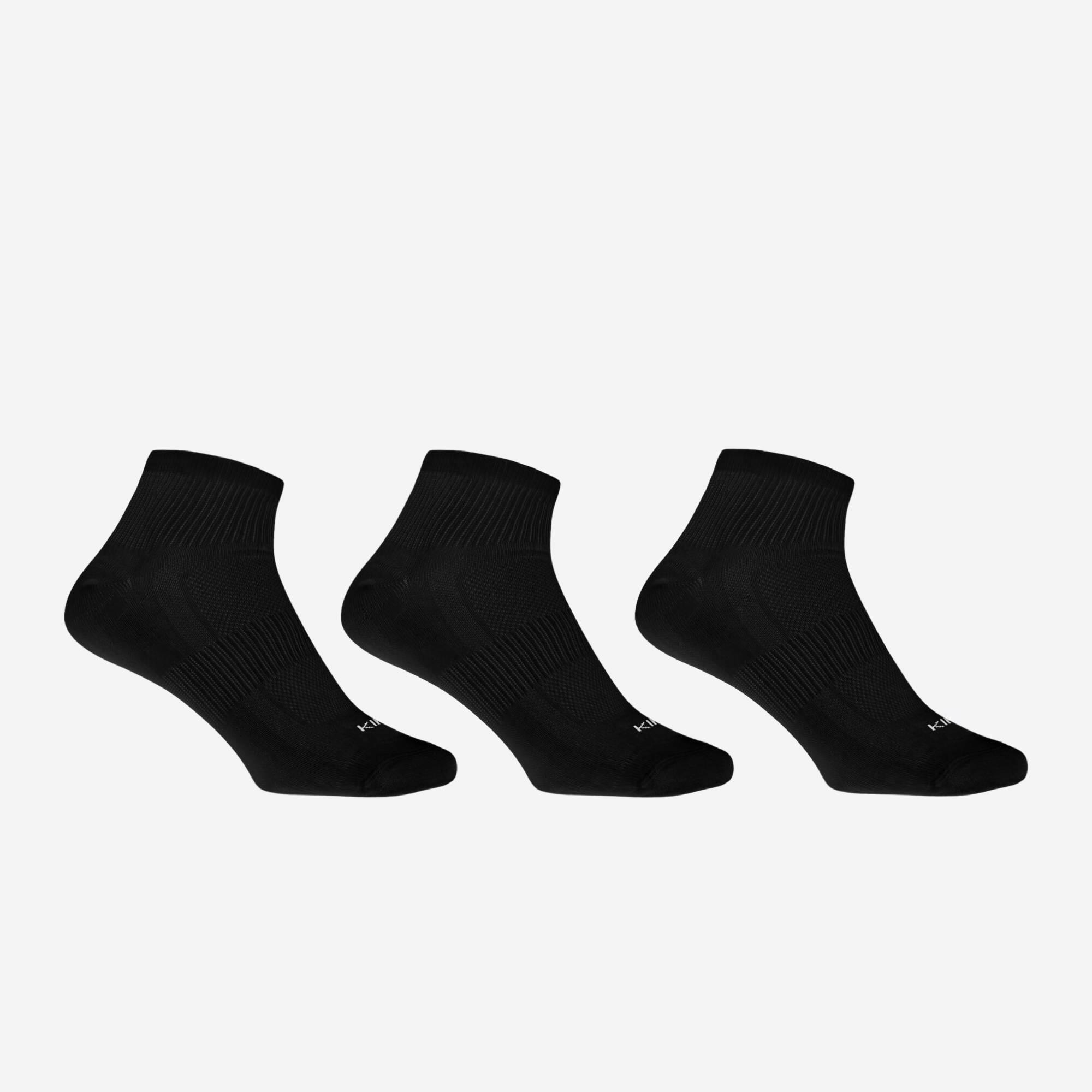
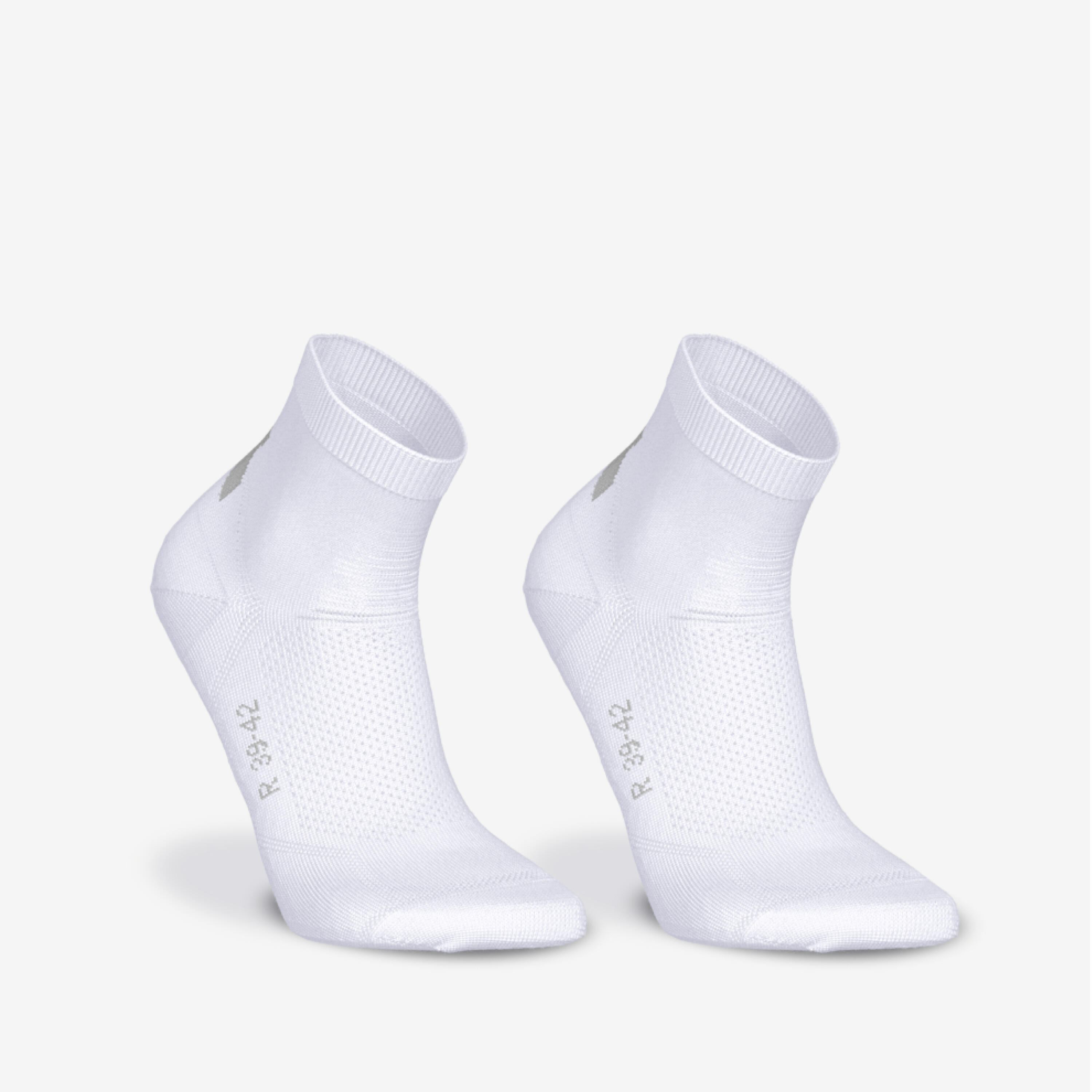
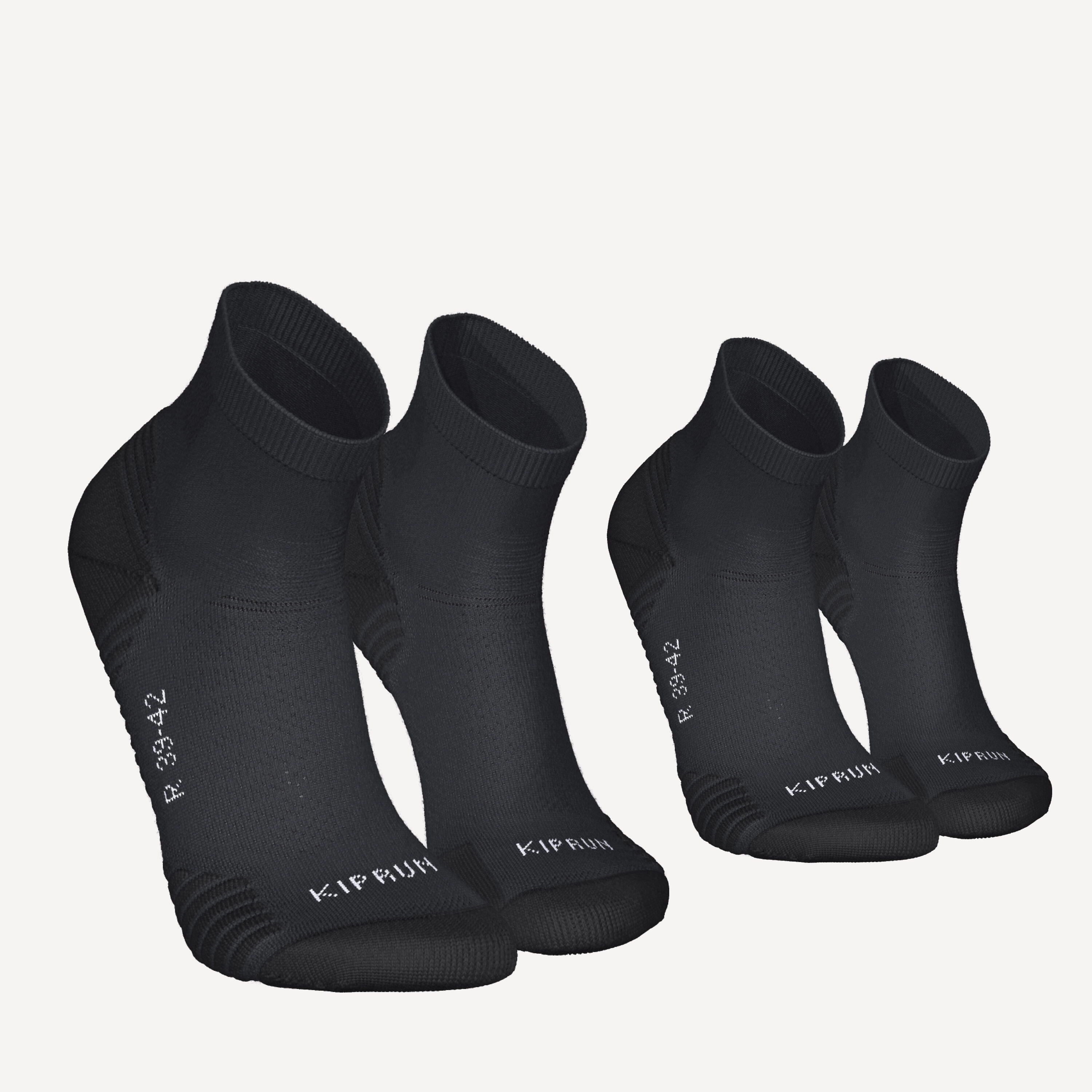
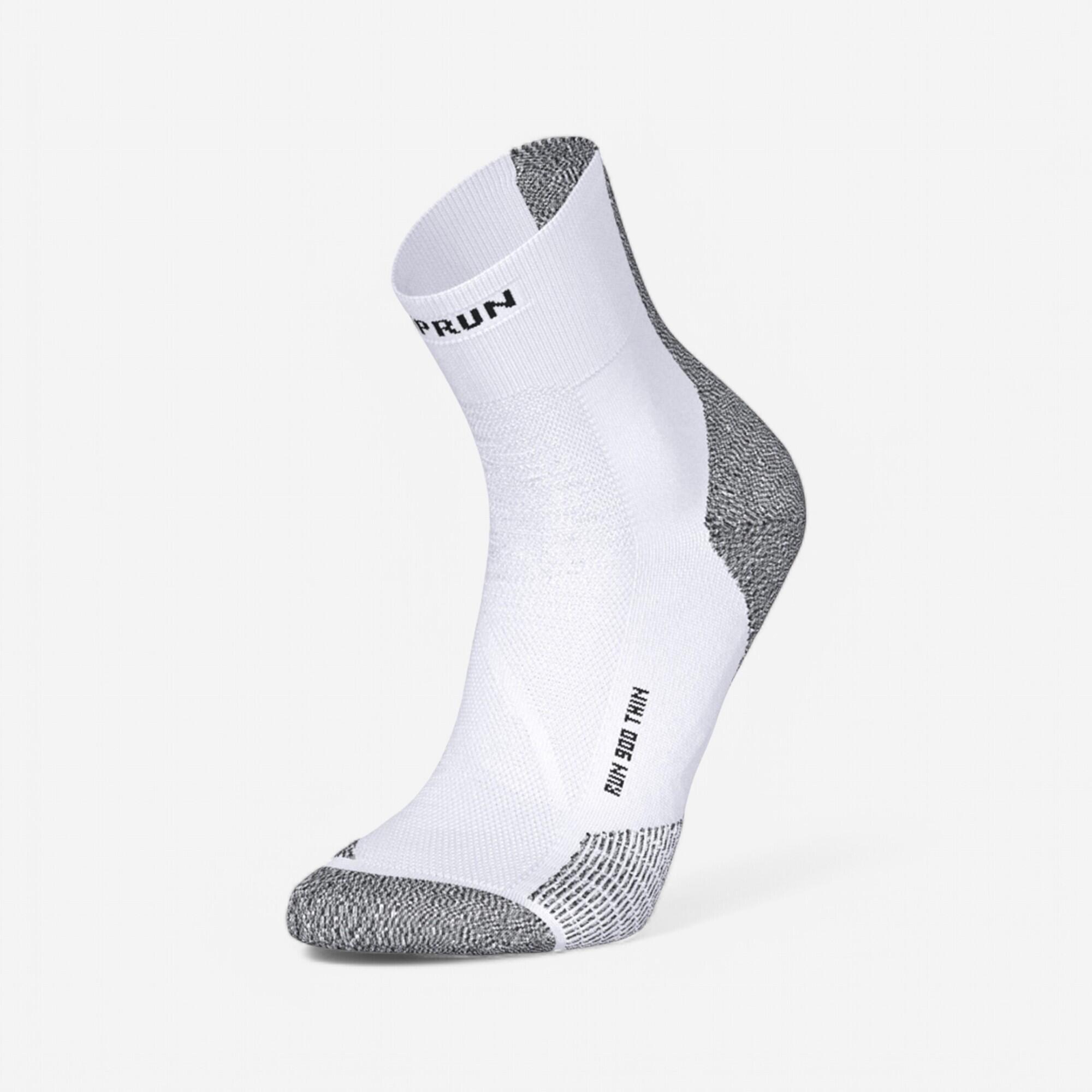
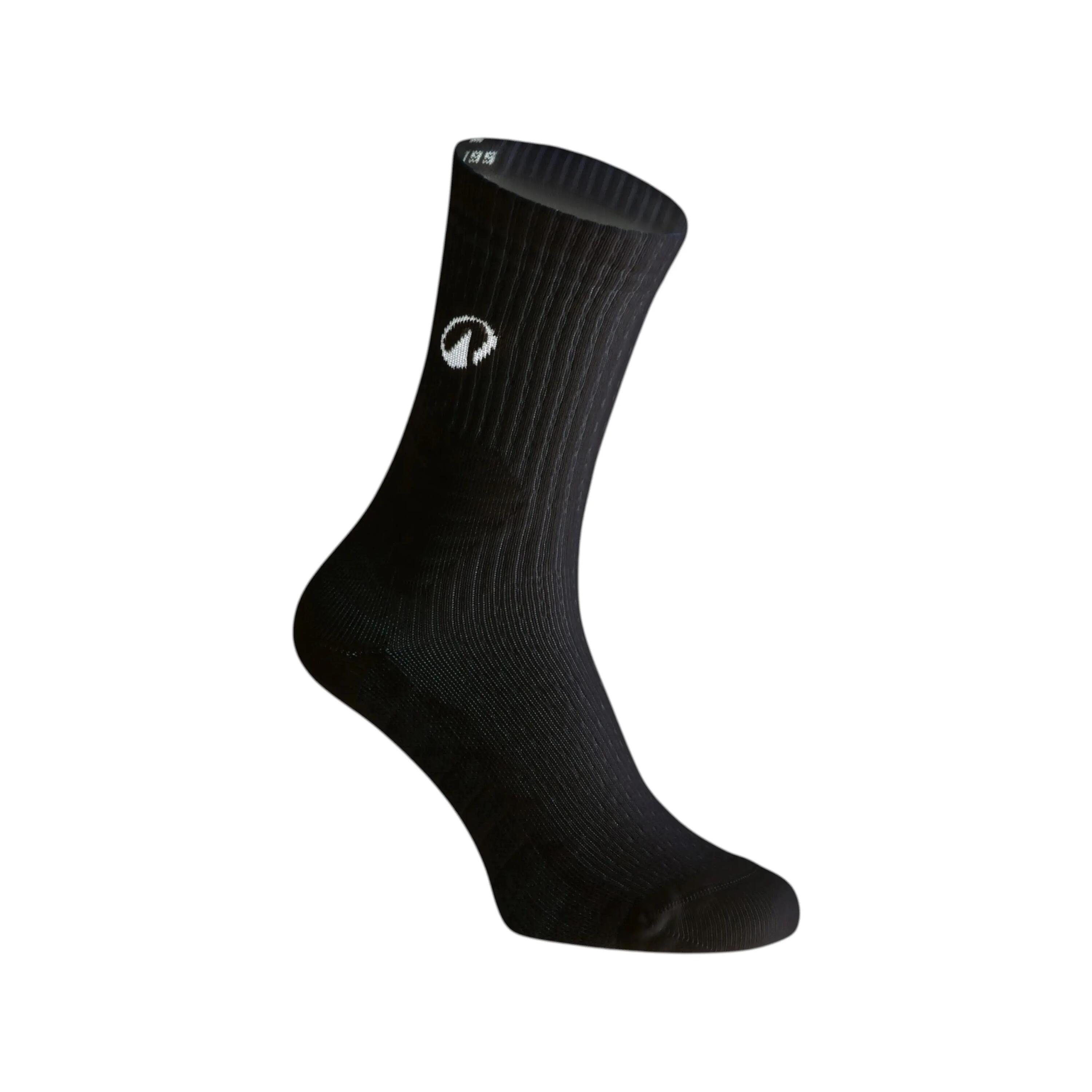
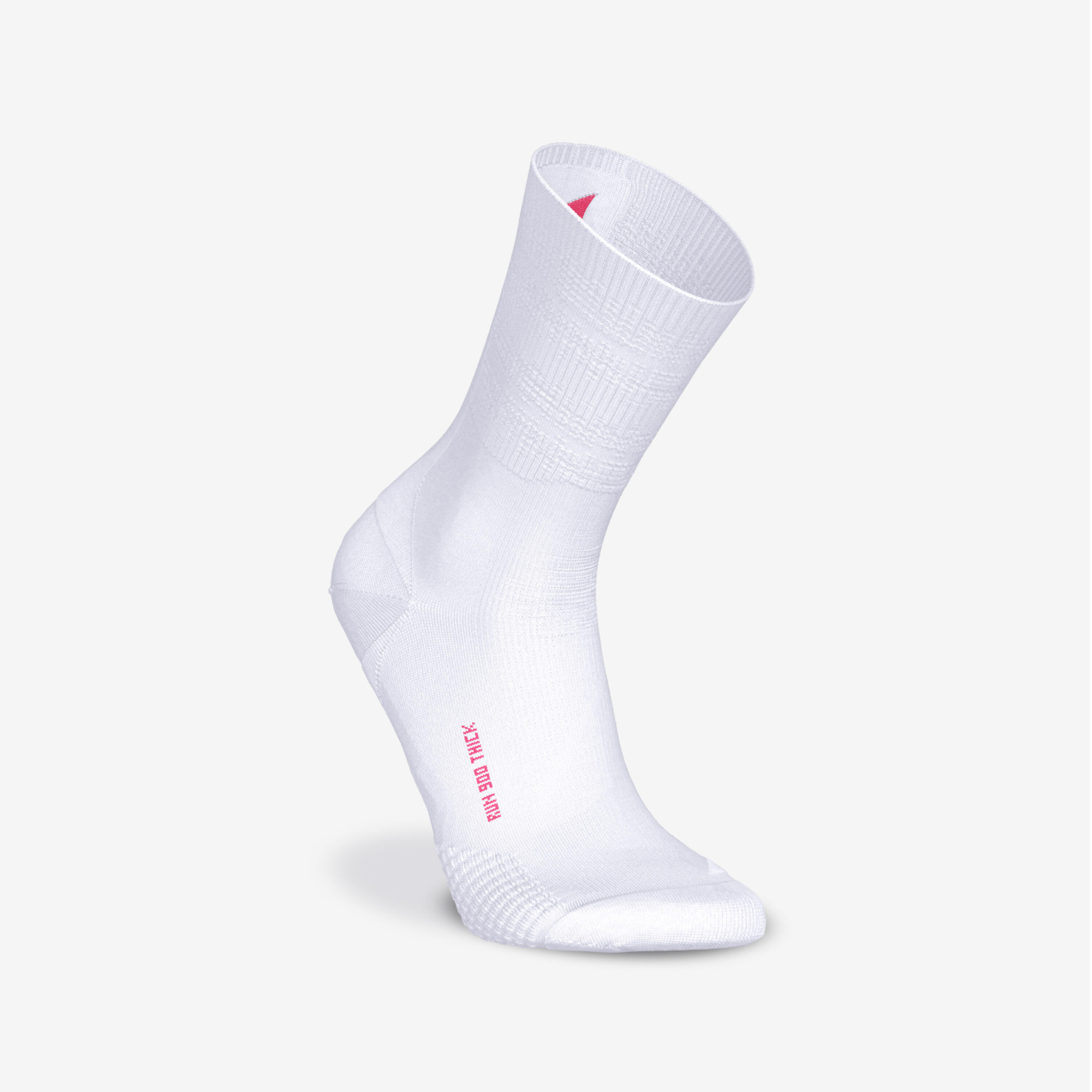
Select socks according to shoe fit, session distance, cushioning preference and temperature. Fine men's athletics socks can suit warm or faster sessions, while lightly padded constructions add protection around areas such as the heel and toes. The sock should fit smoothly without folds, and the cuff should remain secure without restricting the lower leg. Test new socks before competition and wash them once, as fresh yarn can sometimes feel more slippery inside the shoe. Follow the care label, keep technical clothing away from bleach and fabric softener, and air-dry garments fully before storage. Regularly inspect inner-thigh fabric, waistbands, sock heels and seams so worn pieces can be replaced before they cause discomfort.