366 items
4.6/5 based on 281604 reviews collected online and in stores

Men's Athletics Socks FAQs

How should men's athletics socks fit?

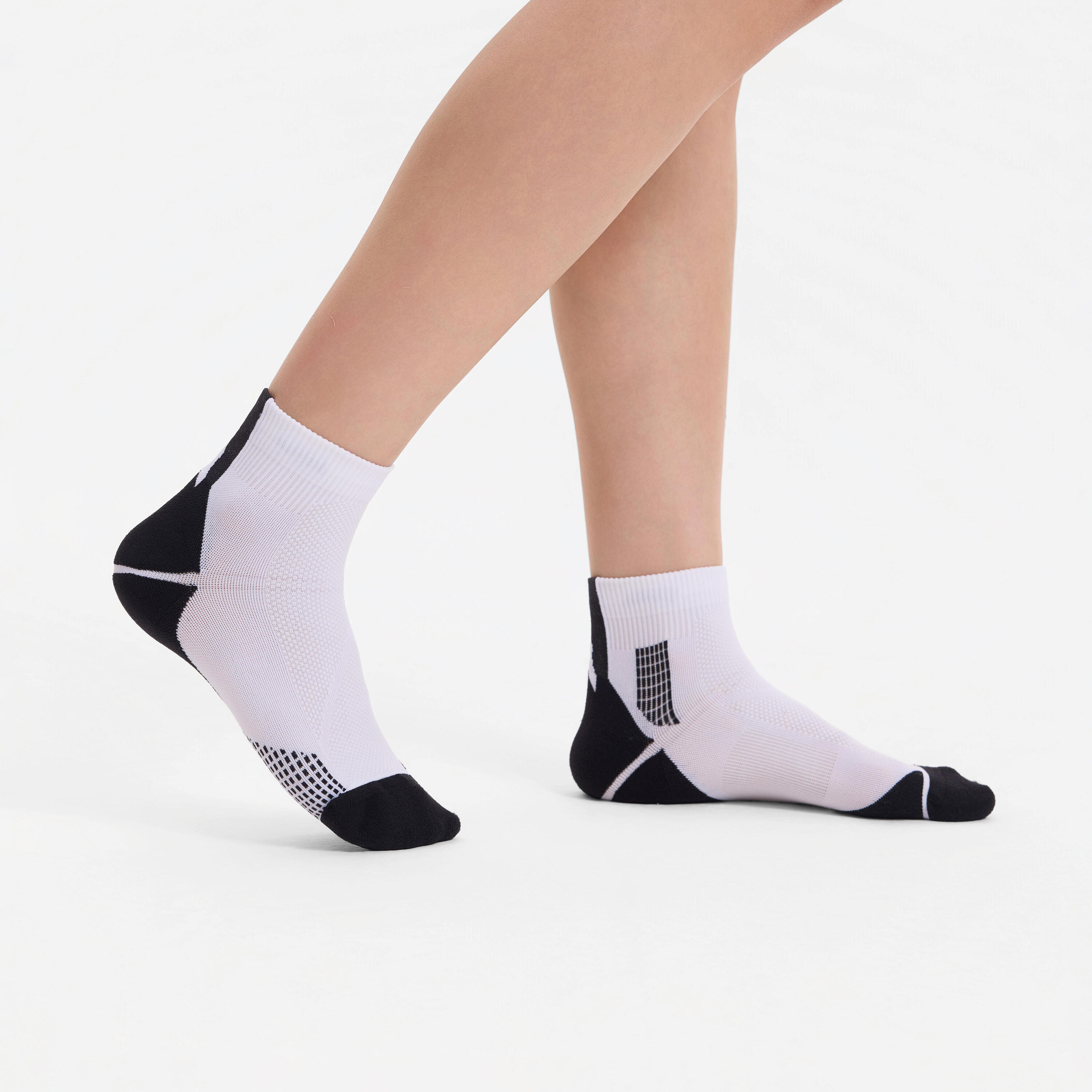
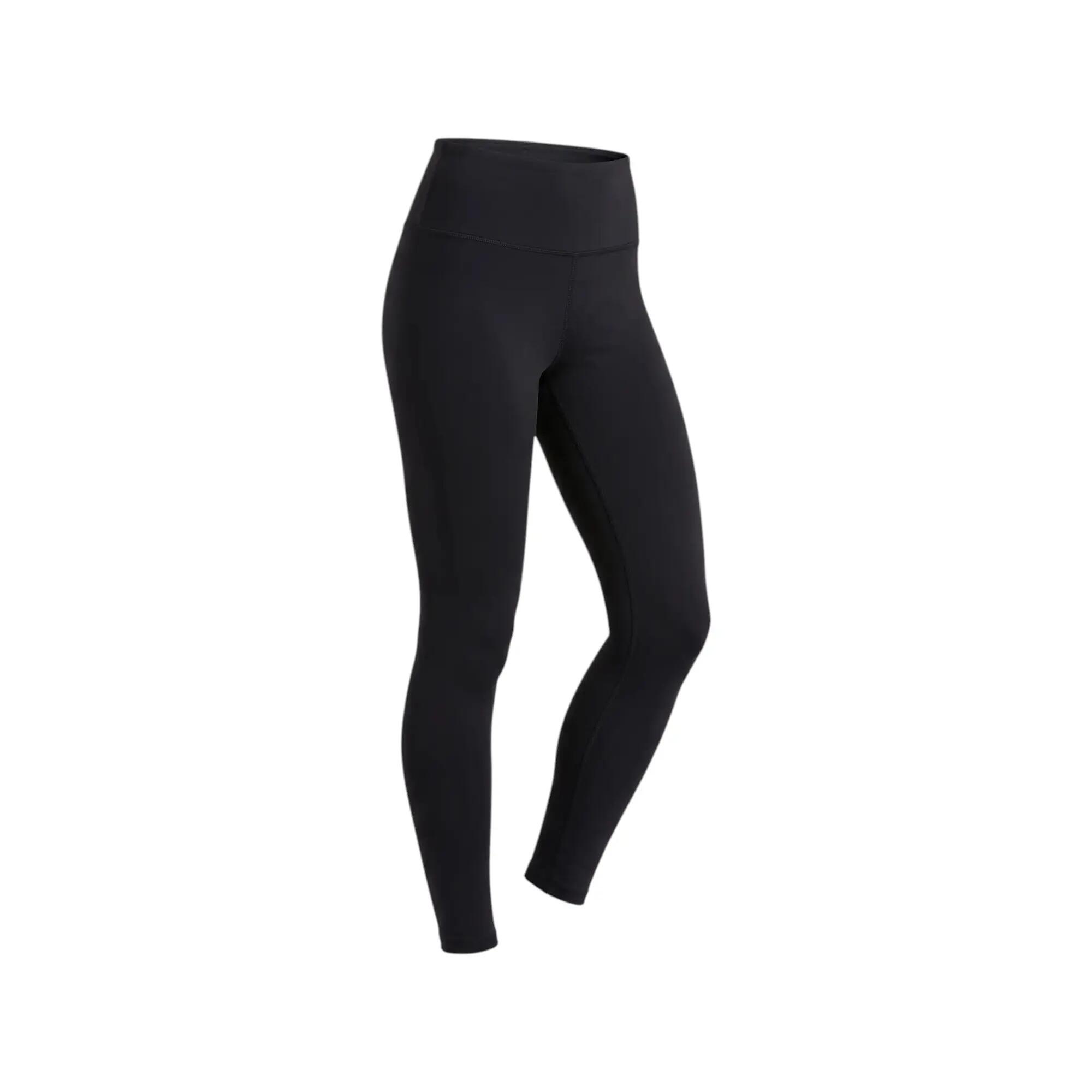
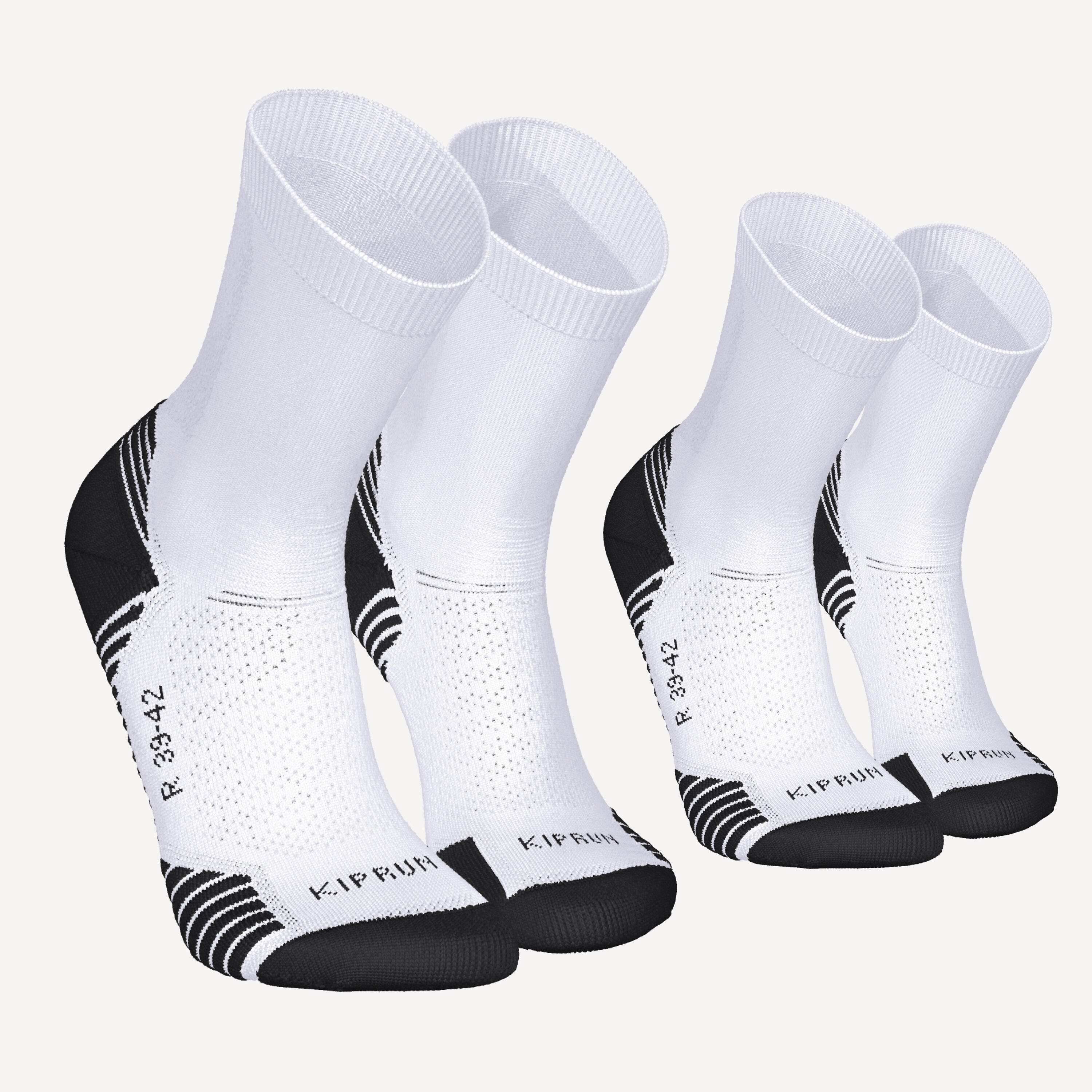
Men's athletics socks should follow the shape of your feet without folding, sliding or restricting circulation around your ankles. The heel section should align with your heel, the toe area should leave enough room for natural movement, and the arch band should feel secure without excessive compression. Test the socks inside your athletics shoes because a comfortable pair may feel too thick once footwear volume is limited. Mid-calf socks should also sit smoothly beneath men's athletics tights without the hems pressing together. A practical pro tip is to walk, jog and complete several quick direction changes before training, as movement can reveal loose fabric that may later cause rubbing.
Should you choose thin or thick men's athletics socks?

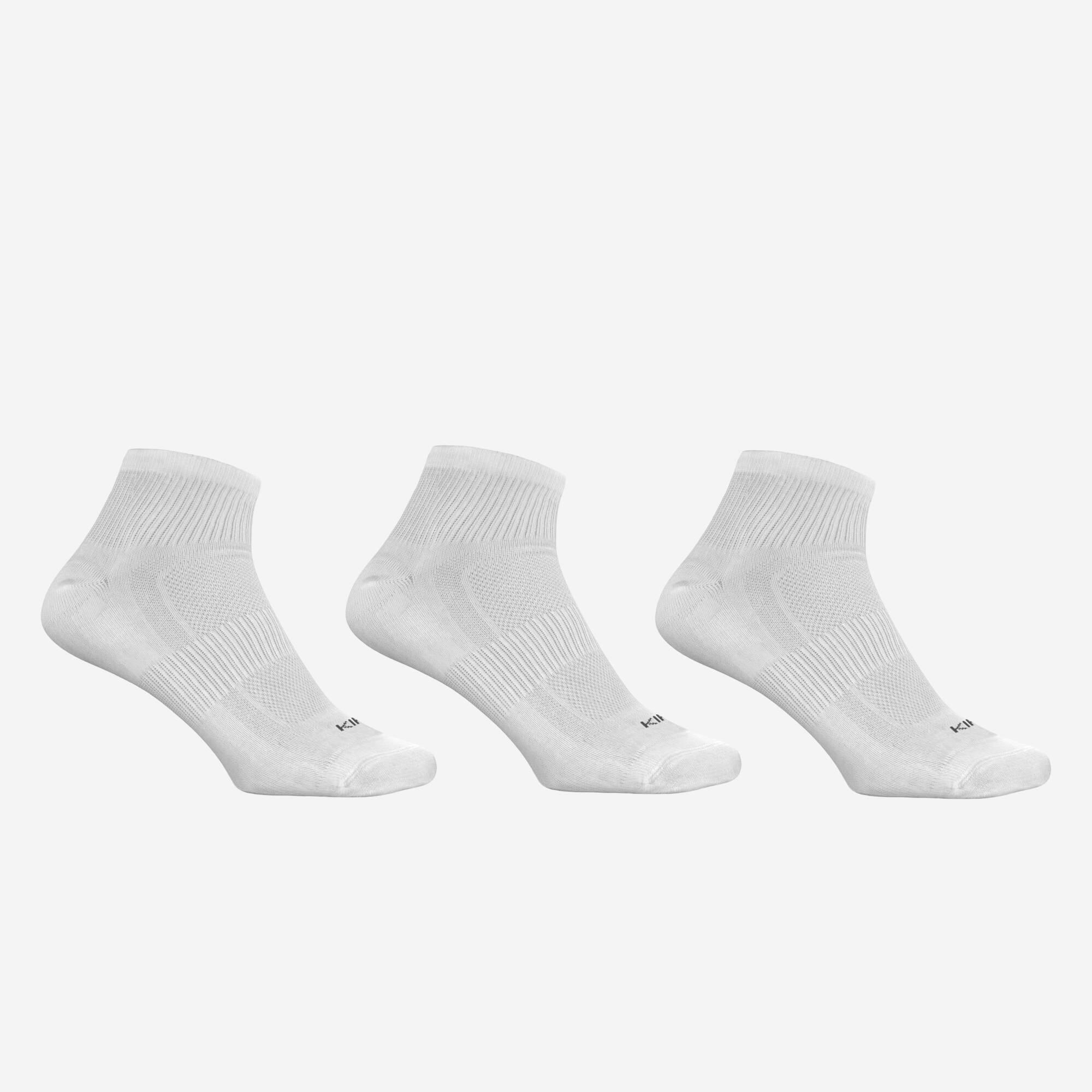
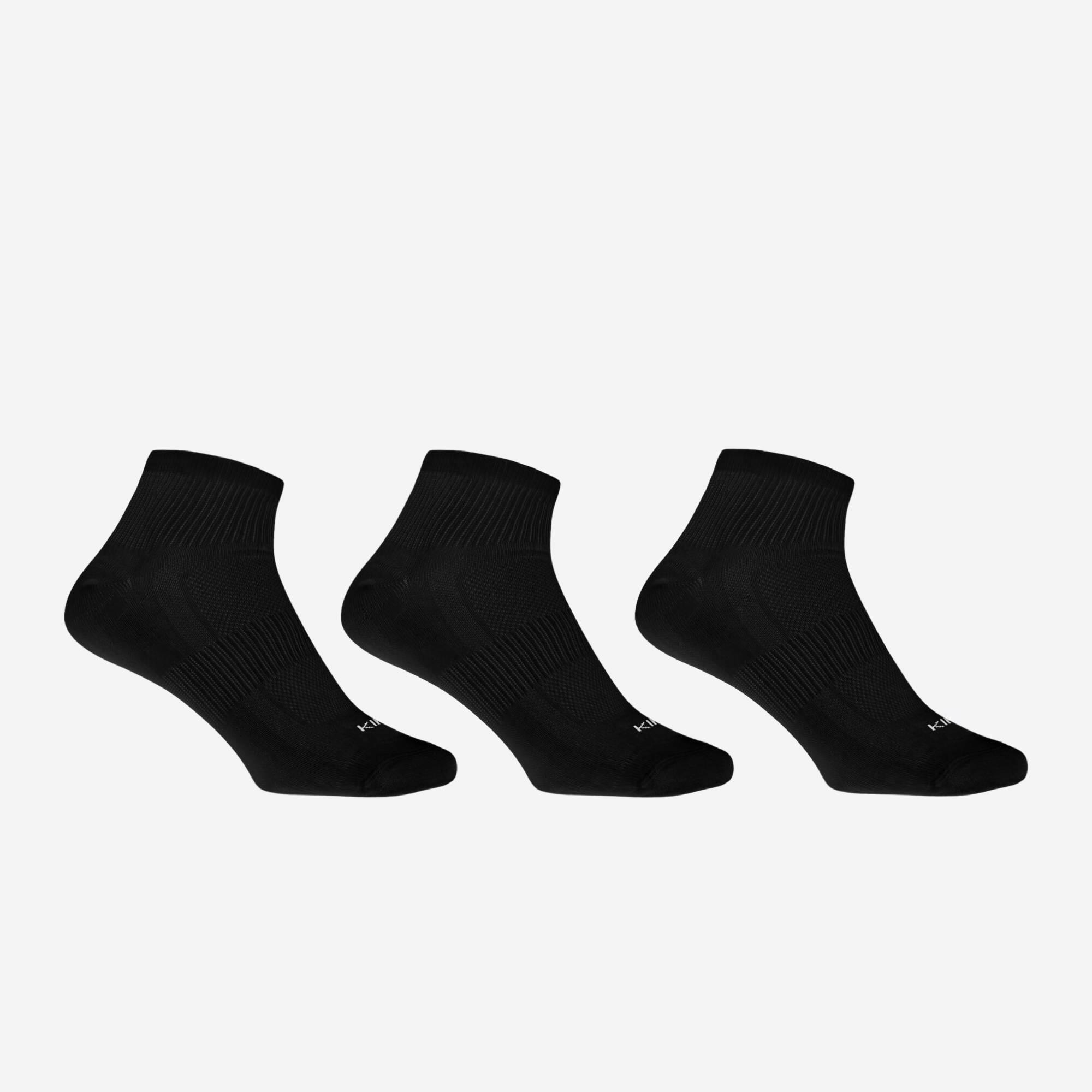
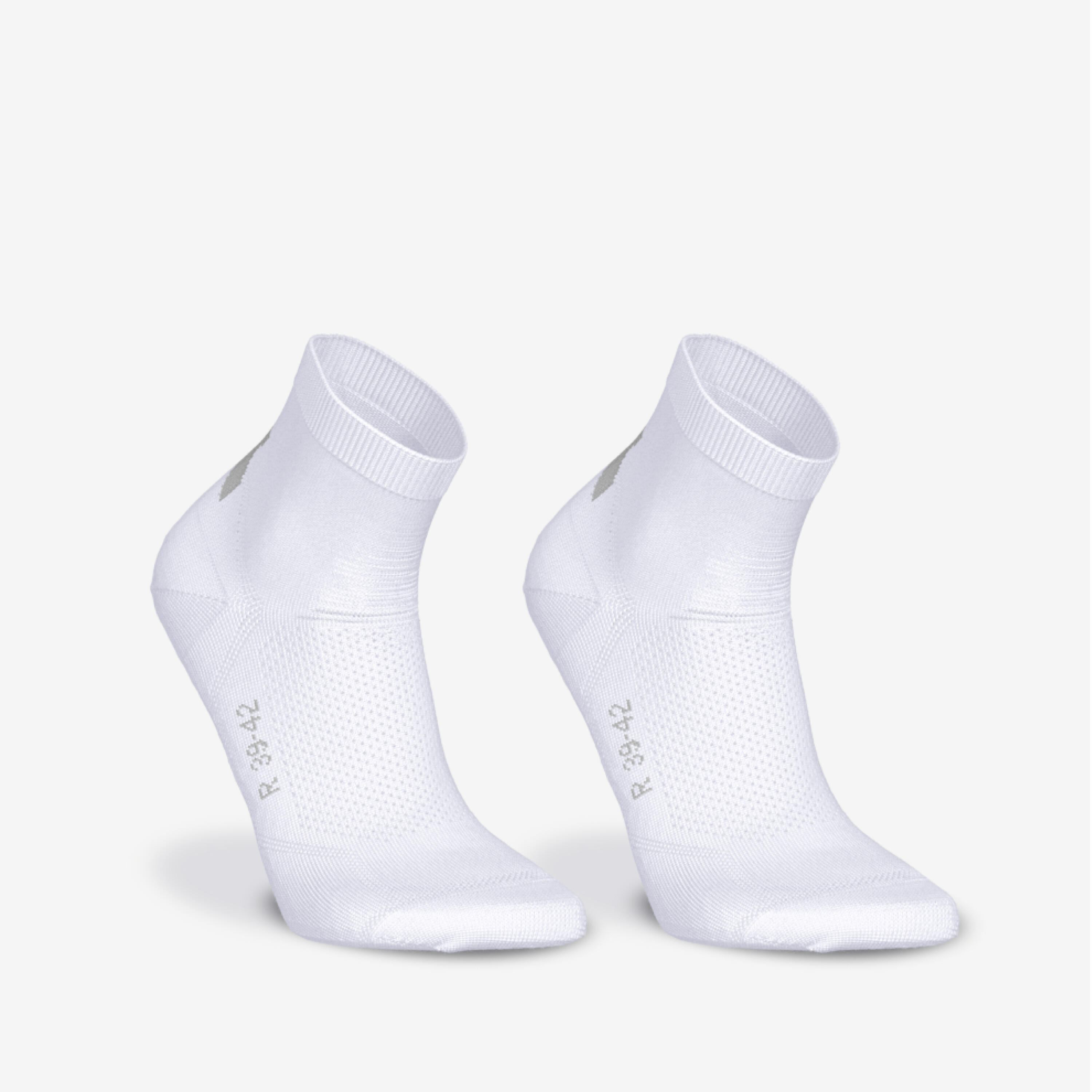
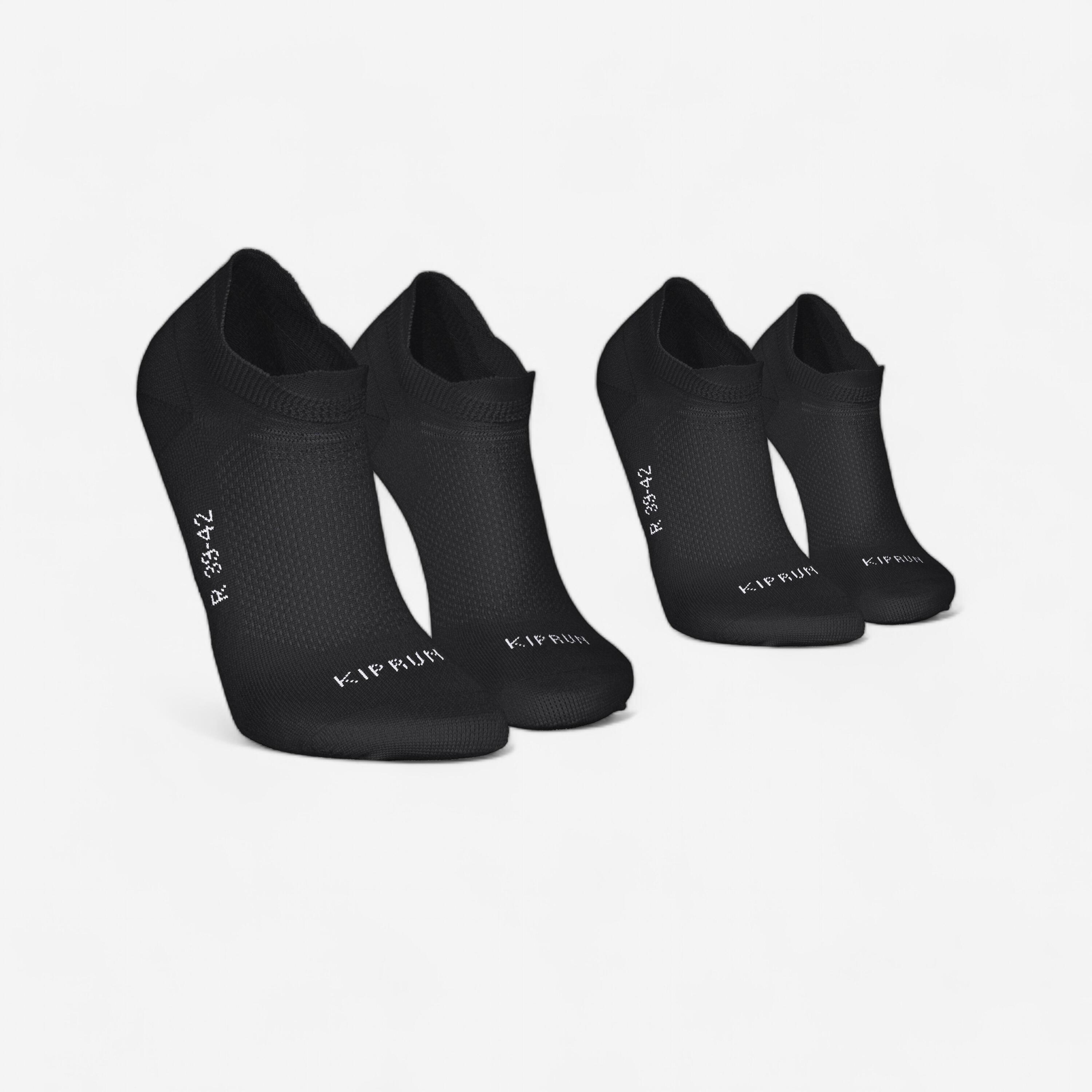
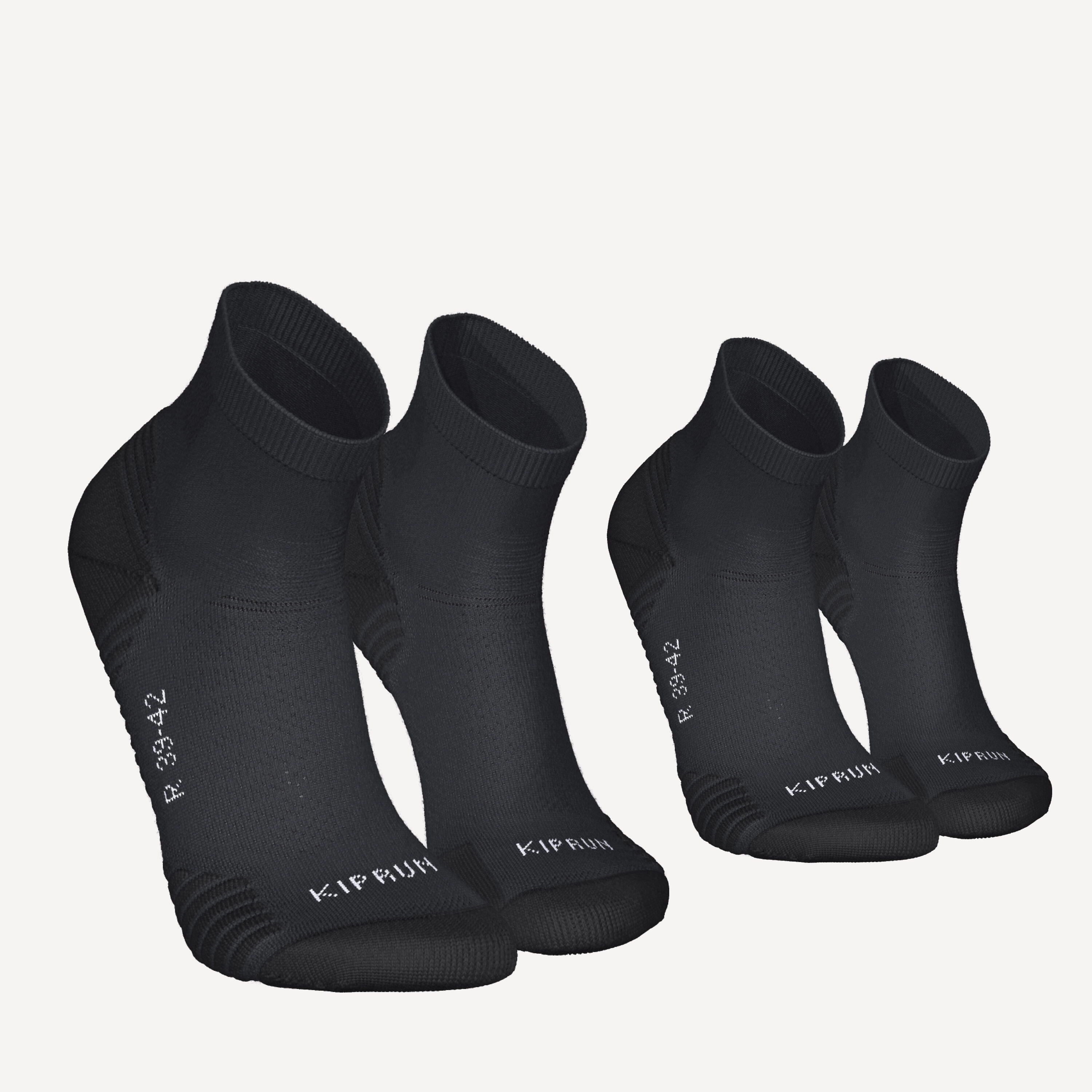
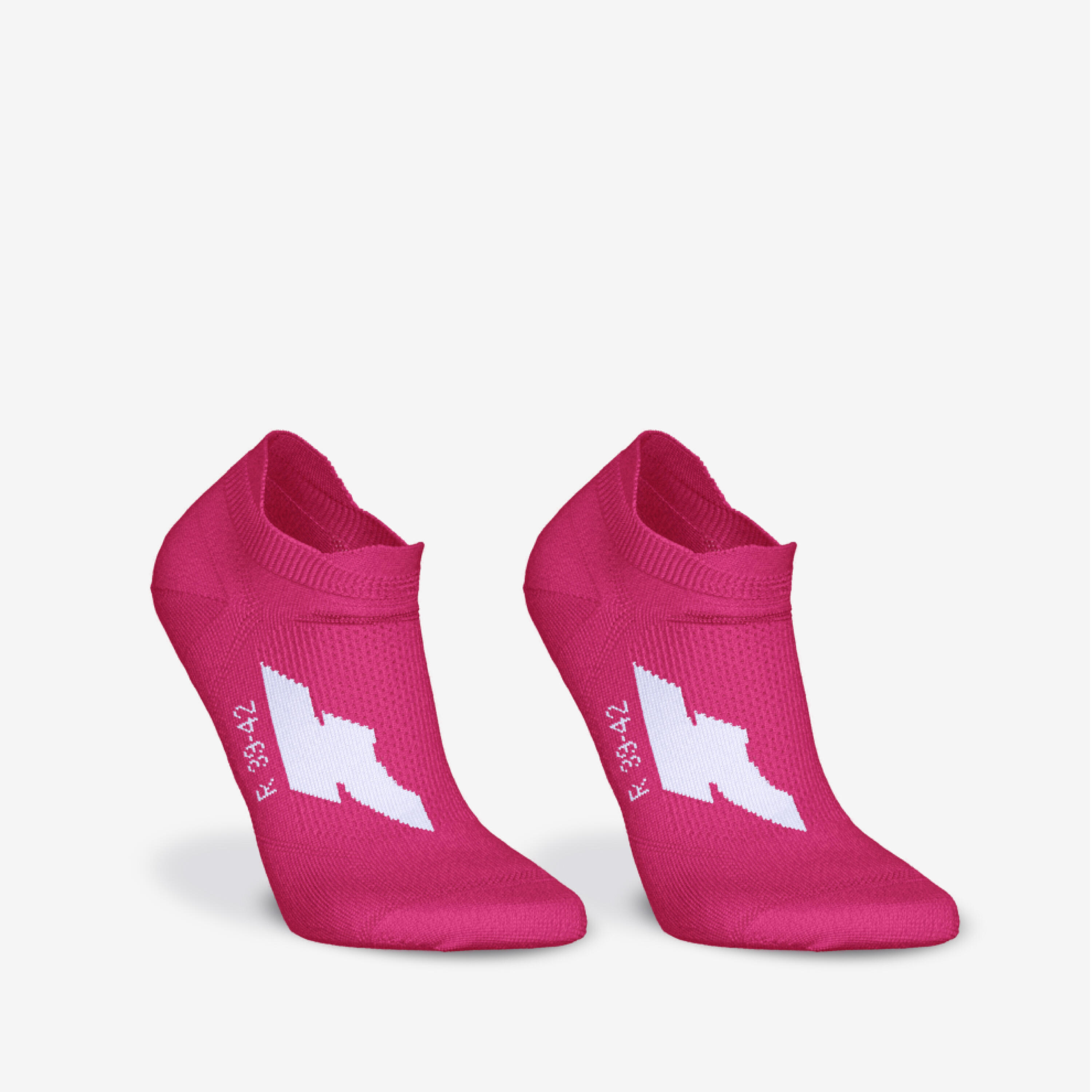
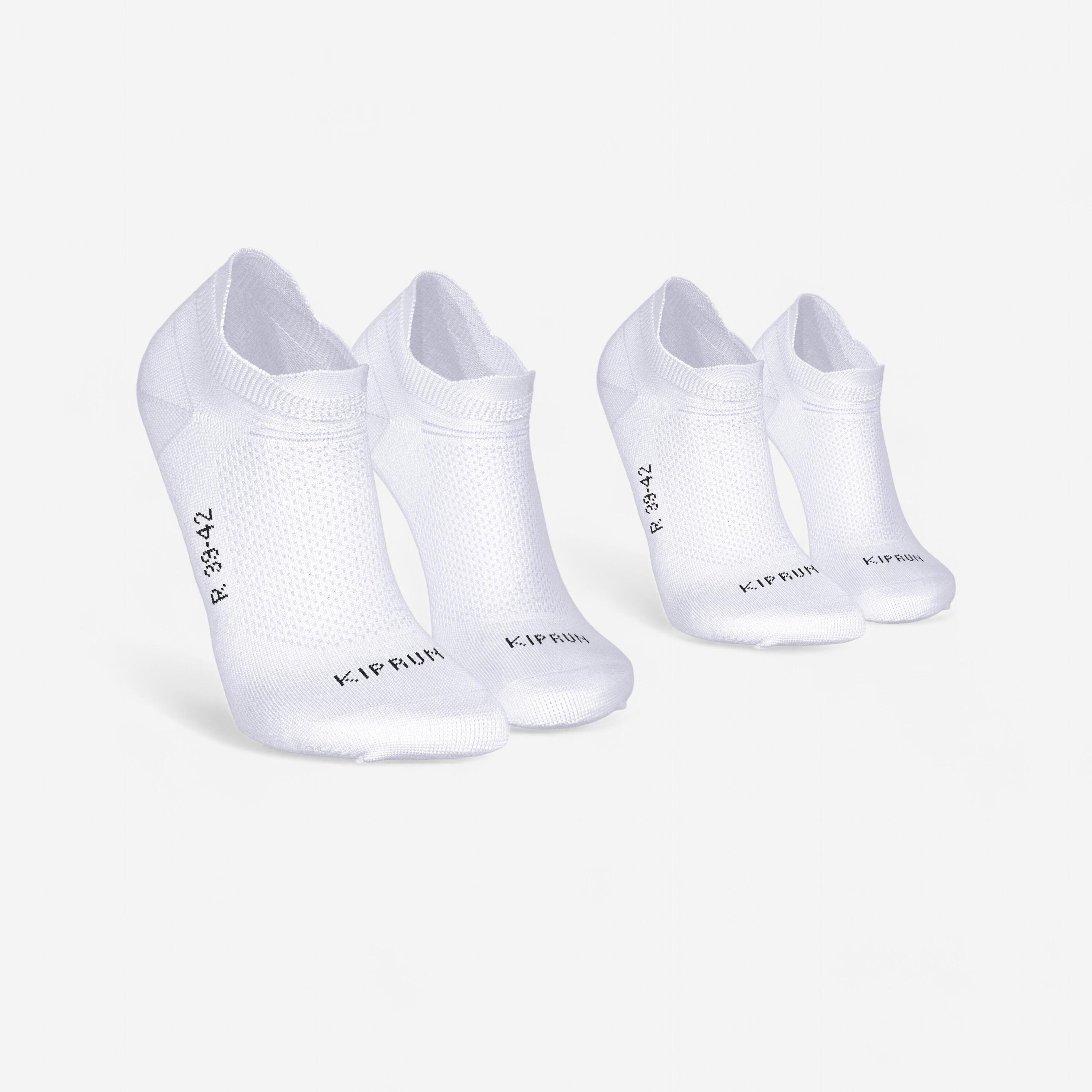
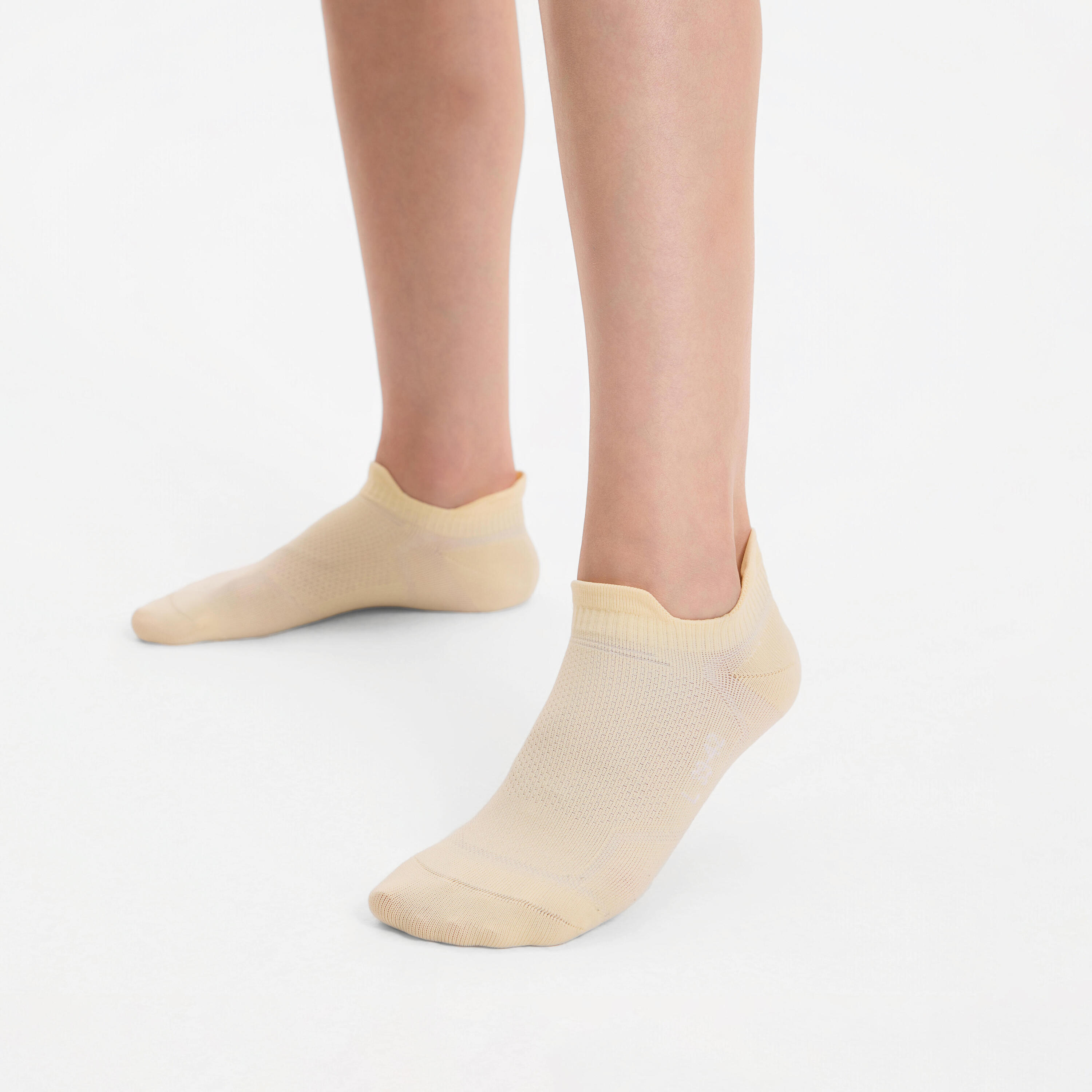
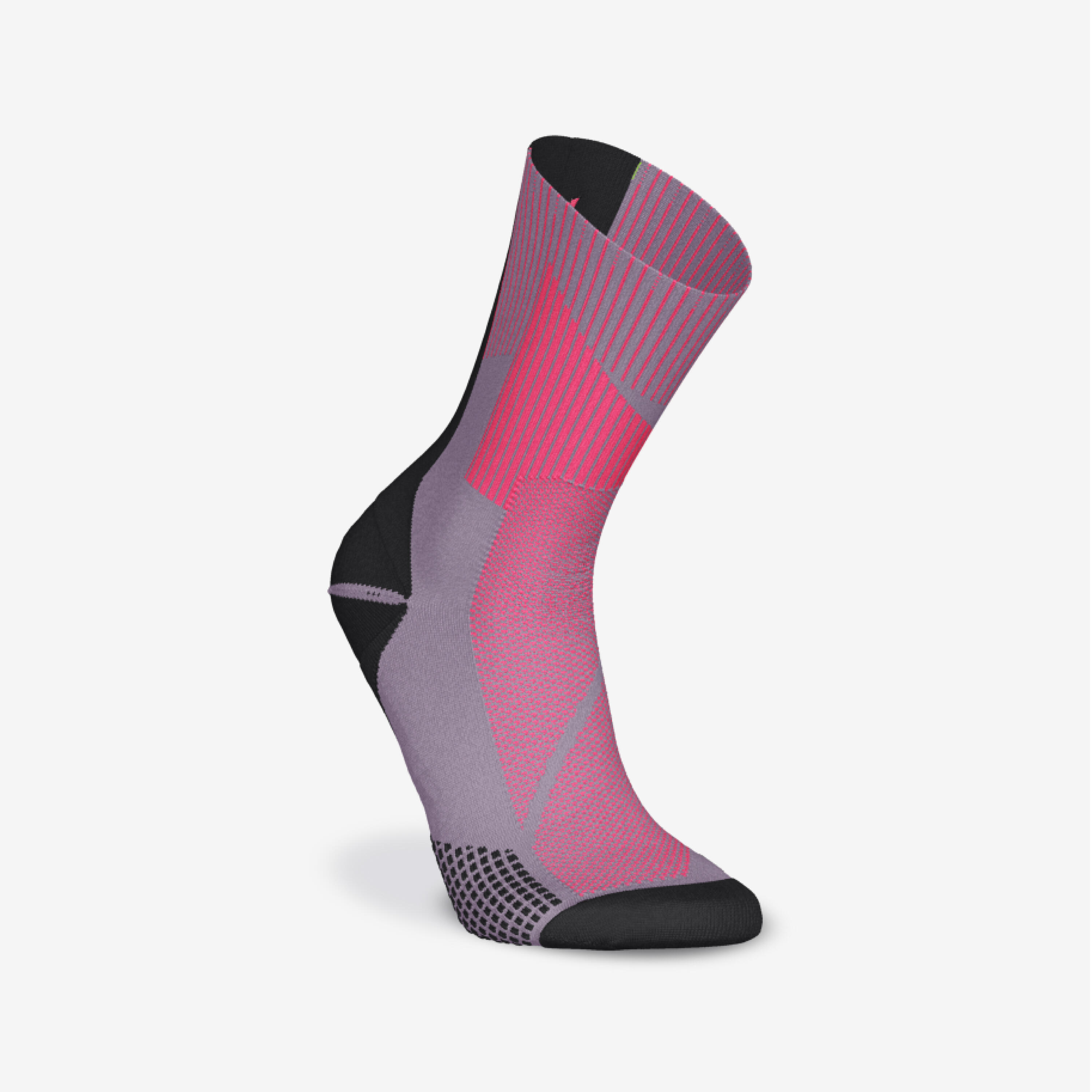
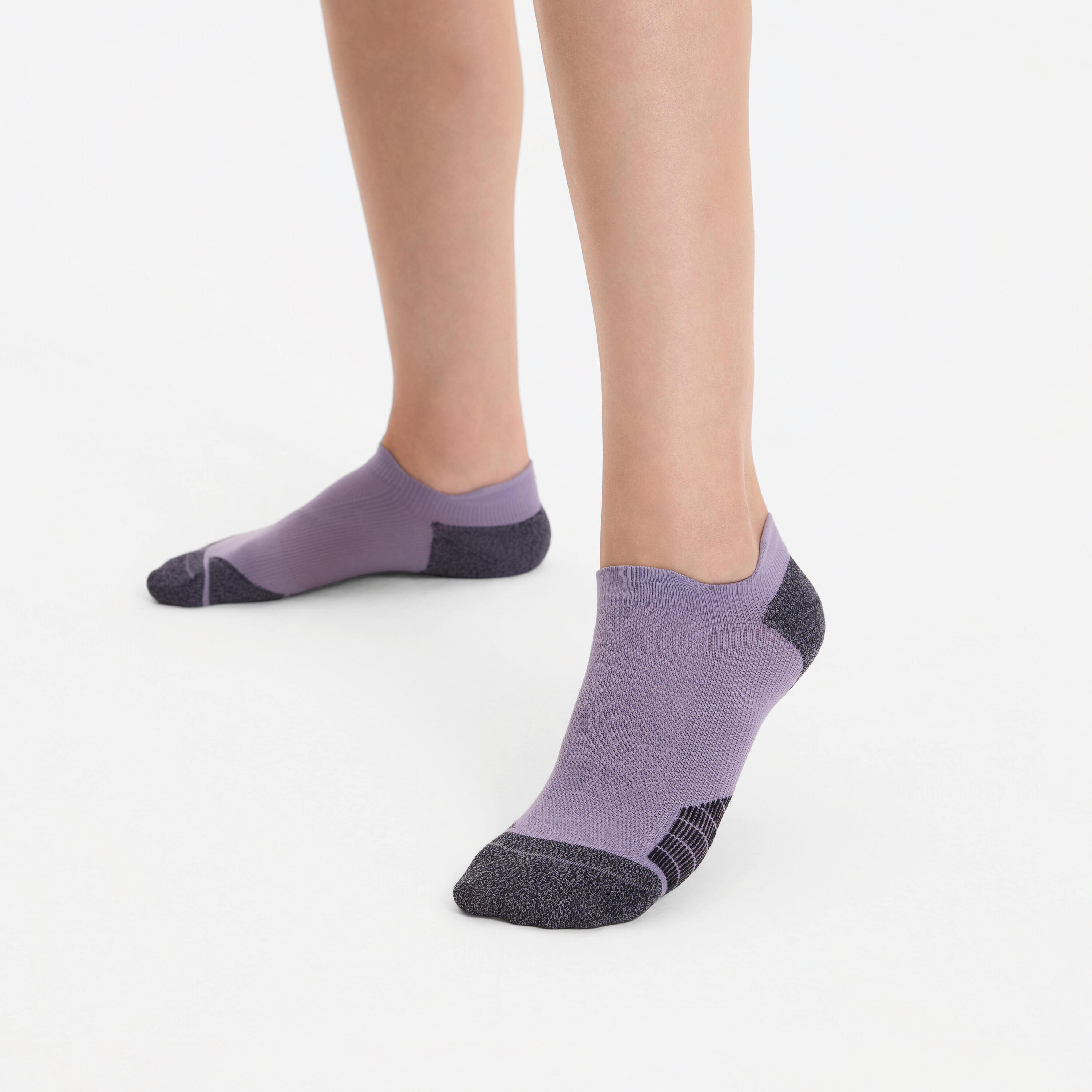
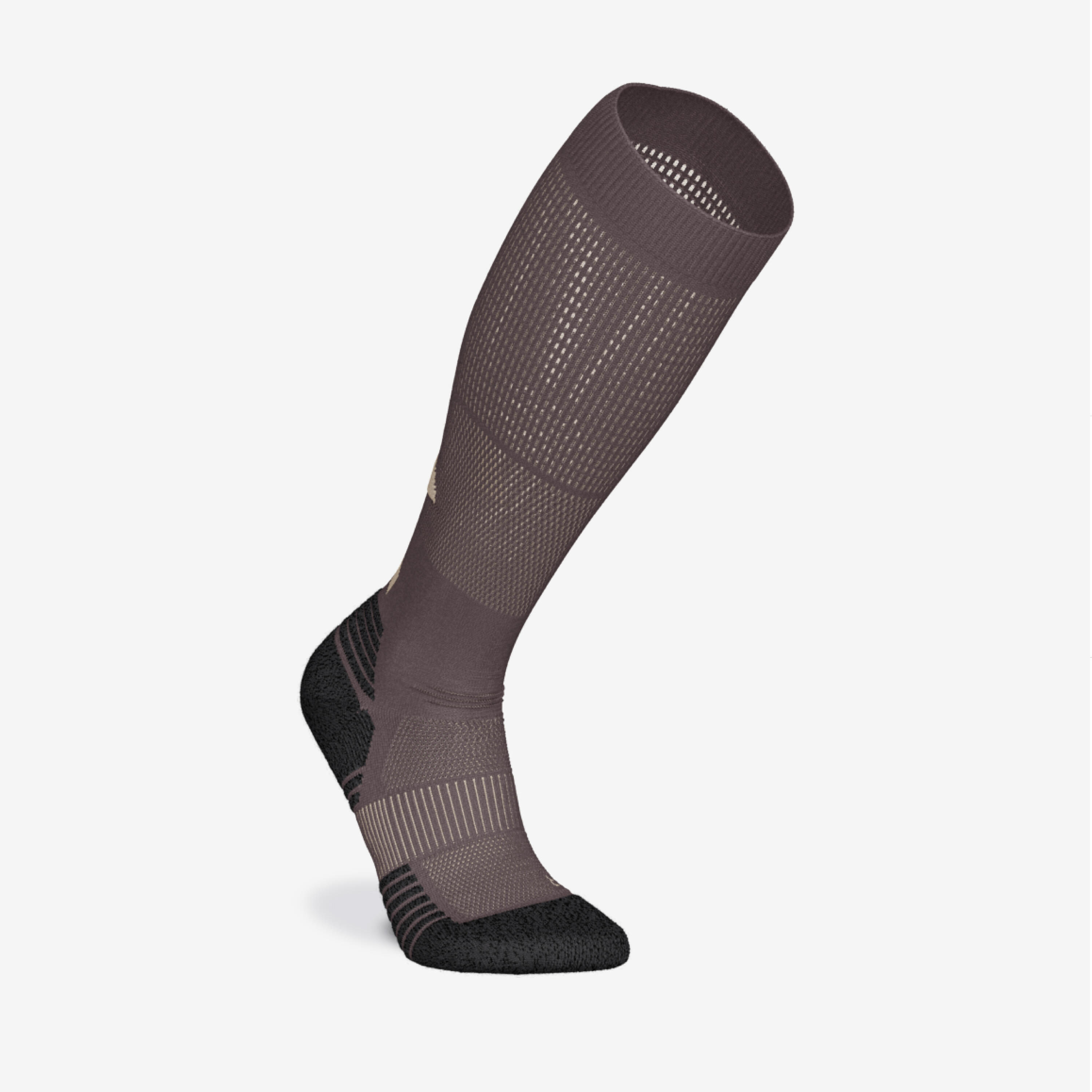
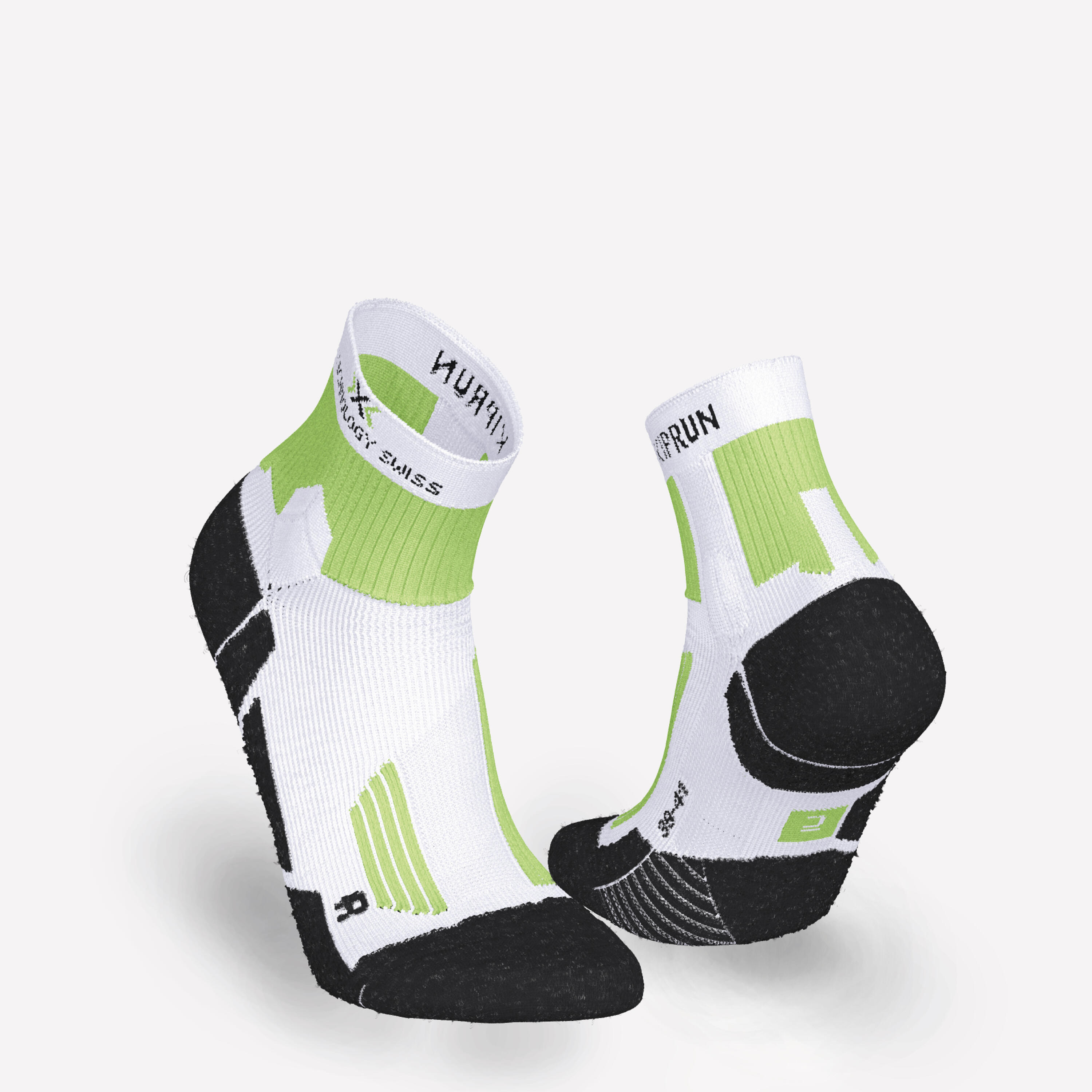
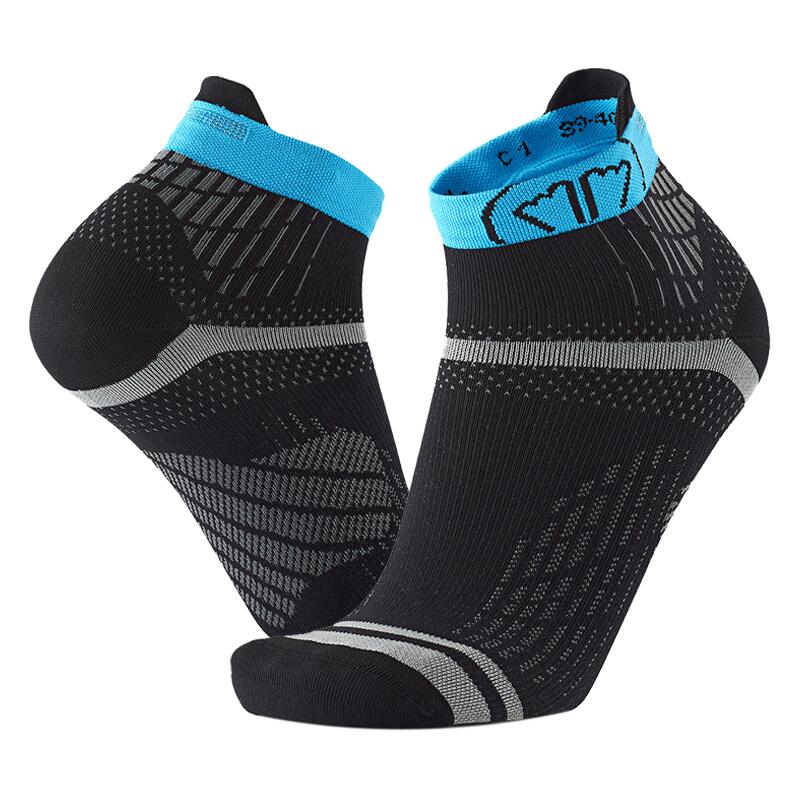
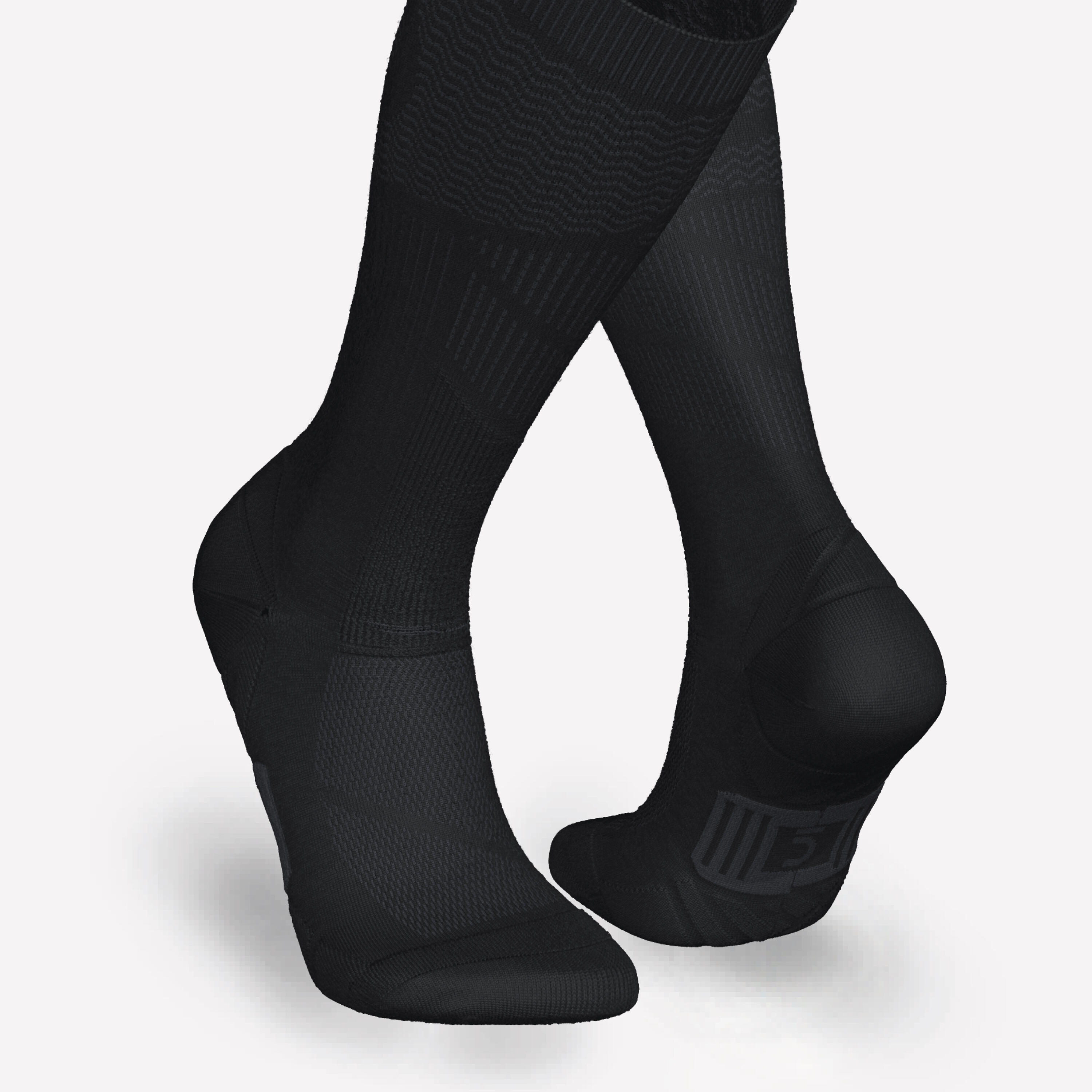
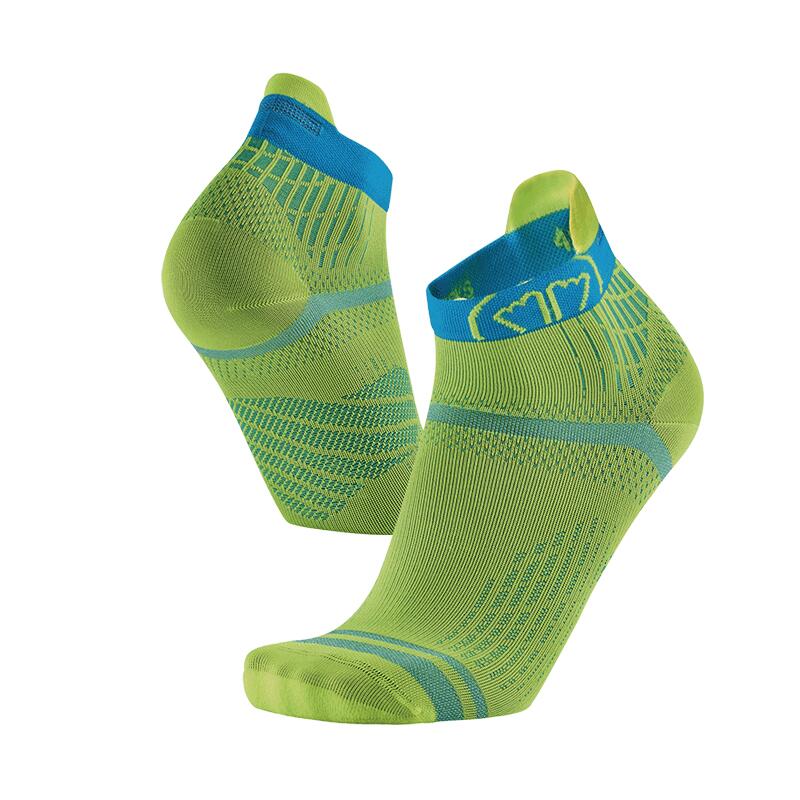
Thin socks can suit warm-weather practice, faster running and close-fitting shoes where extra cushioning would reduce toe space. KIPRUN Run 500 Fine socks remove plush loop padding and use a ventilated instep to improve airflow. Thick versions place light cushioning around areas such as the heel and toes rather than making the entire sock bulky. This can add comfort during longer sessions while retaining ventilation across the upper foot. Pair thinner socks with lightweight men's athletics shorts when heat management matters, but choose by shoe fit and personal comfort rather than temperature alone. Too much thickness can compress the toes and increase pressure inside a snug shoe.

When are men's mid-calf athletics socks useful?

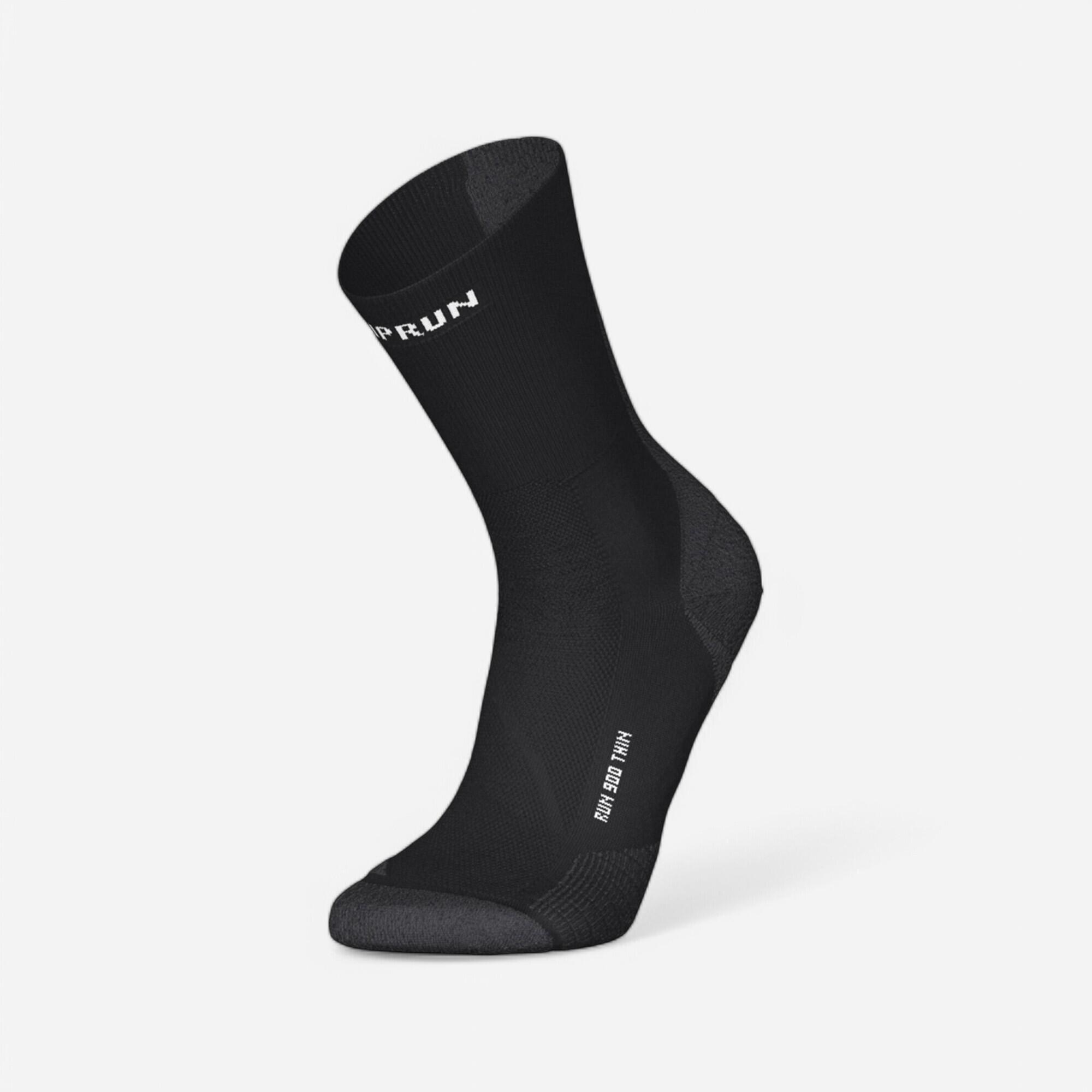
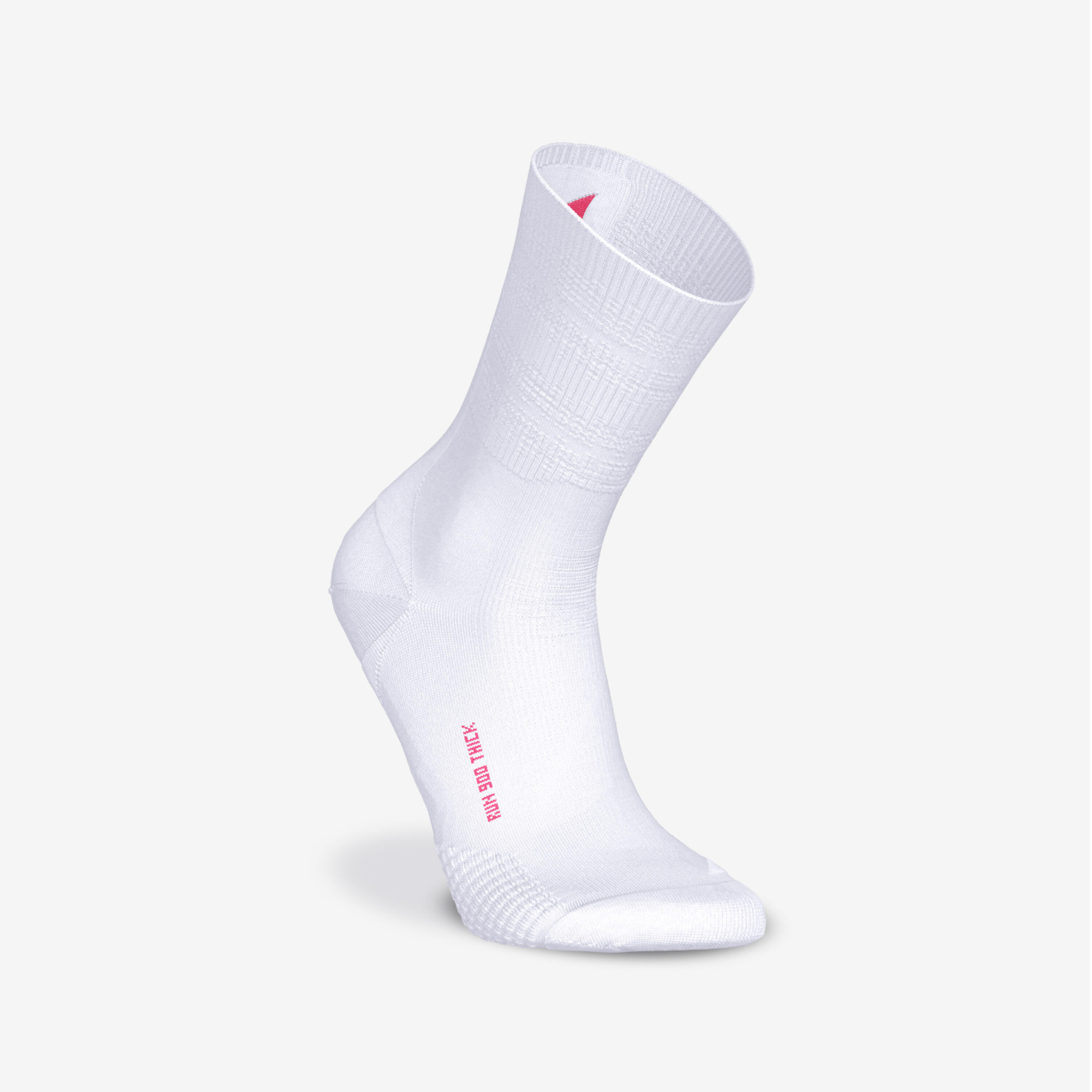
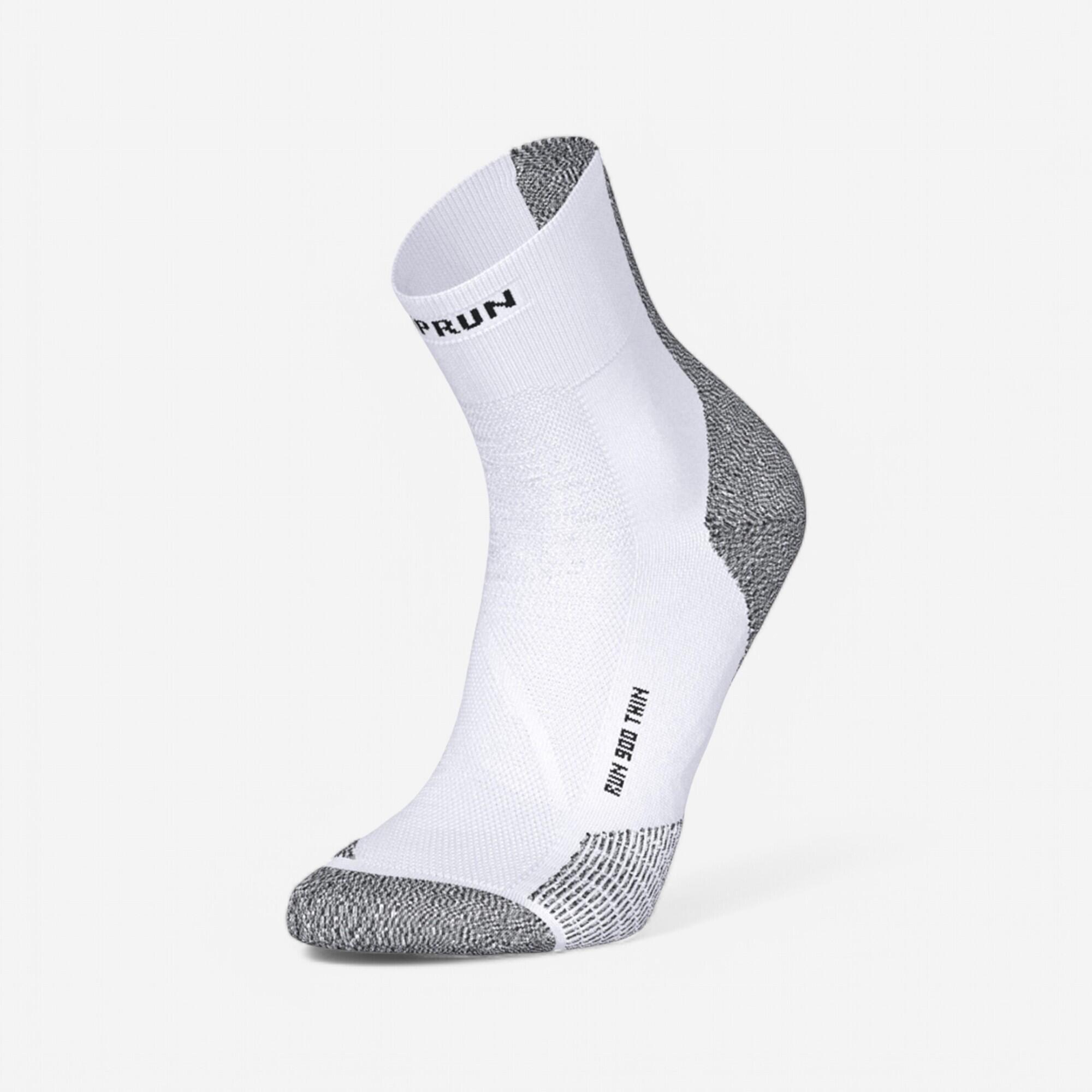
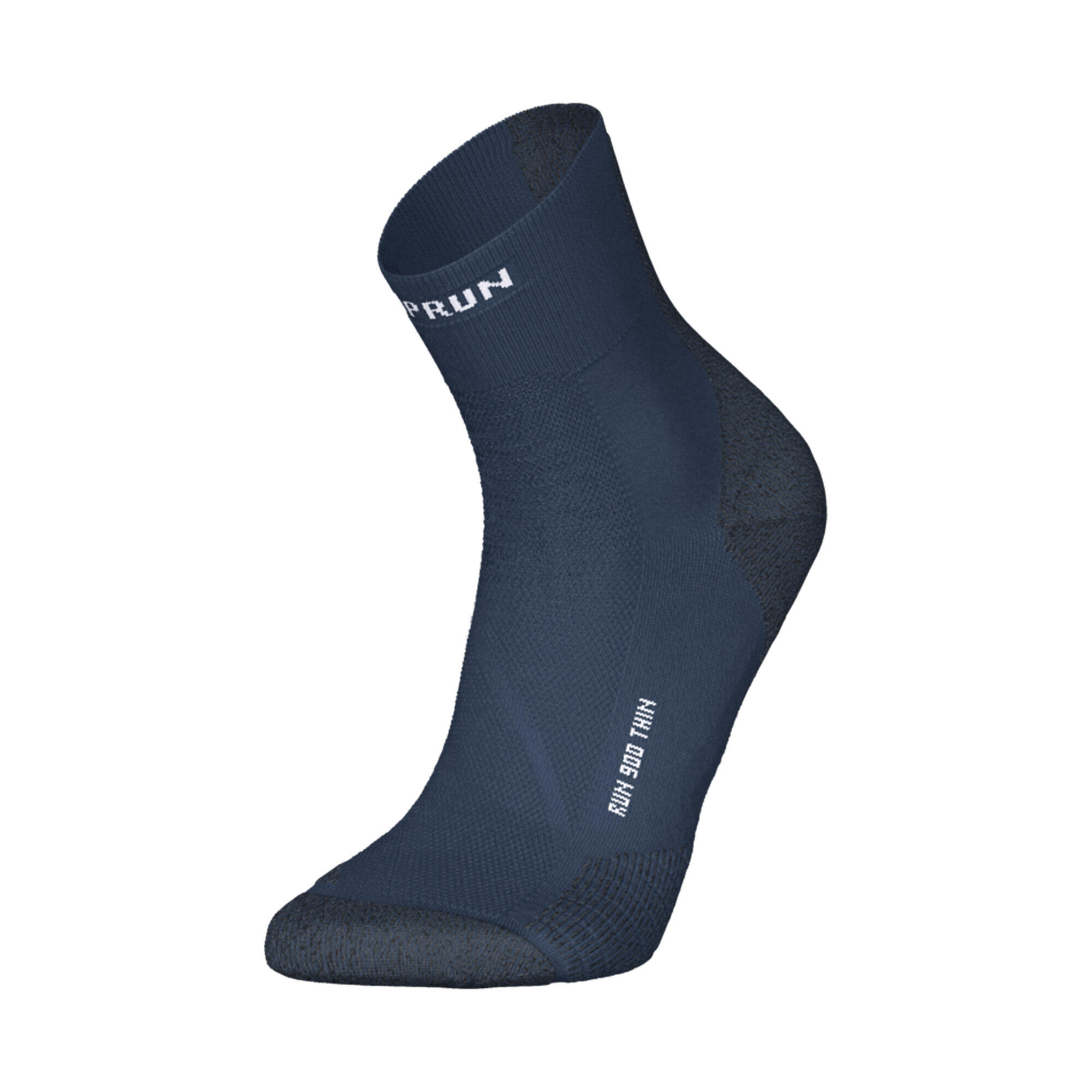
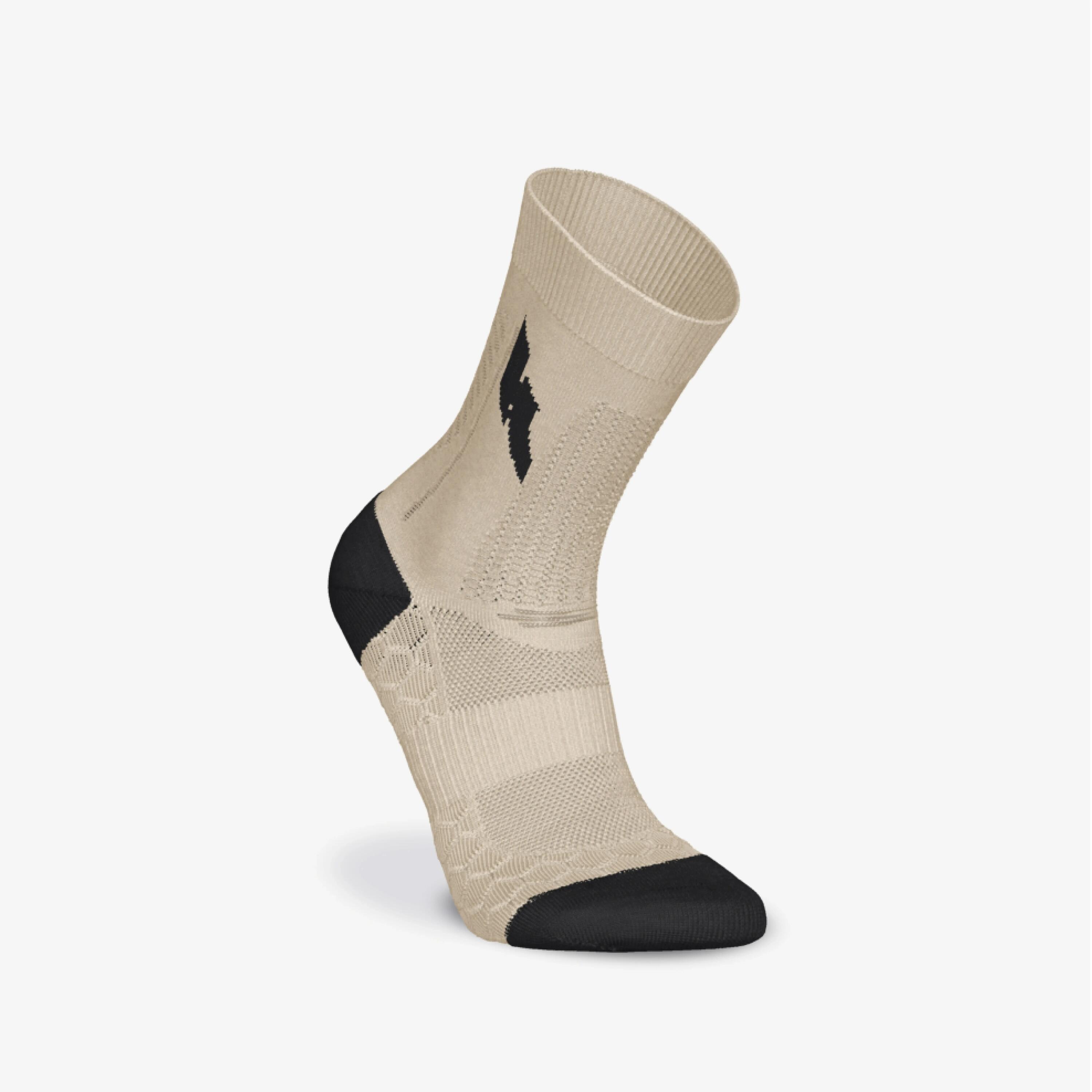
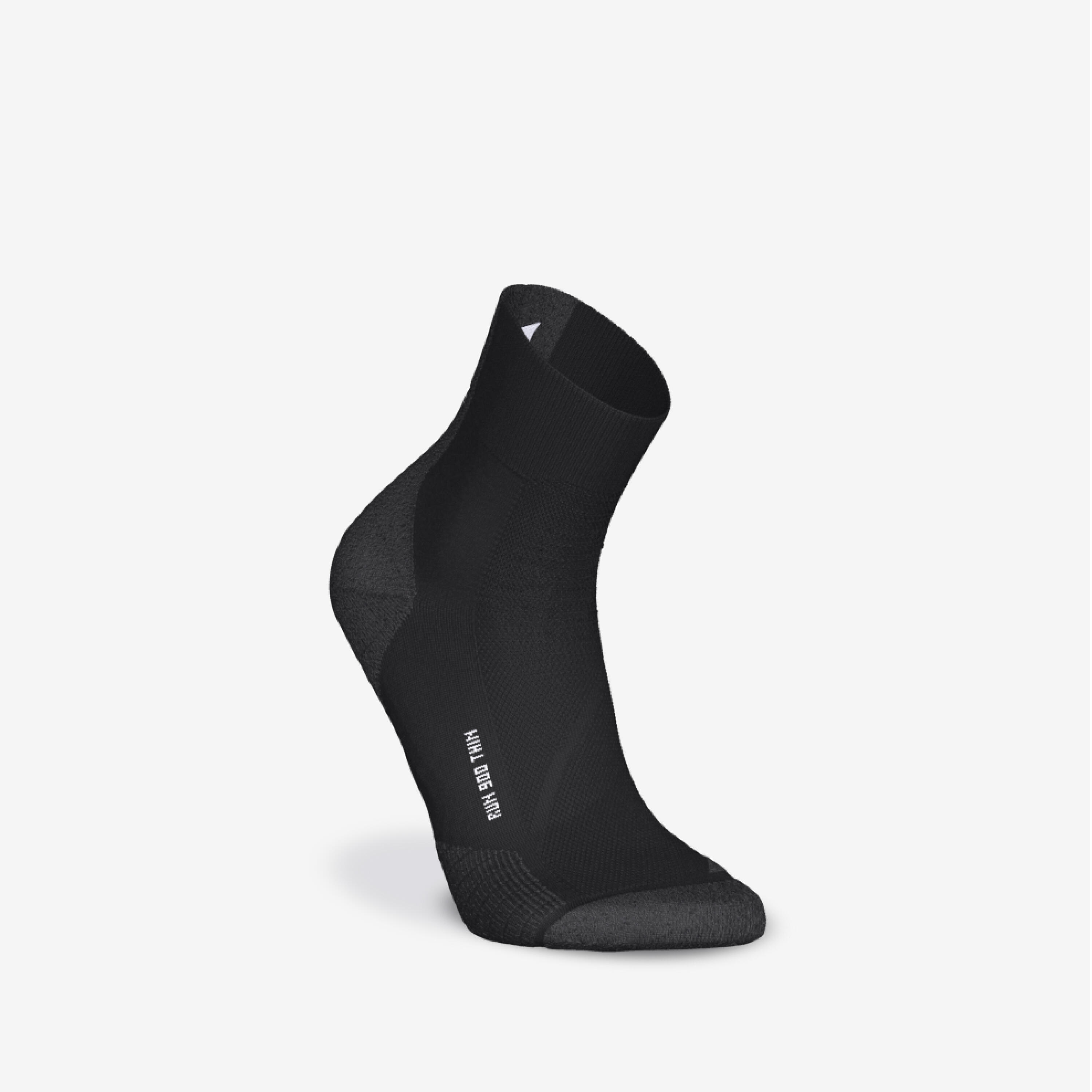
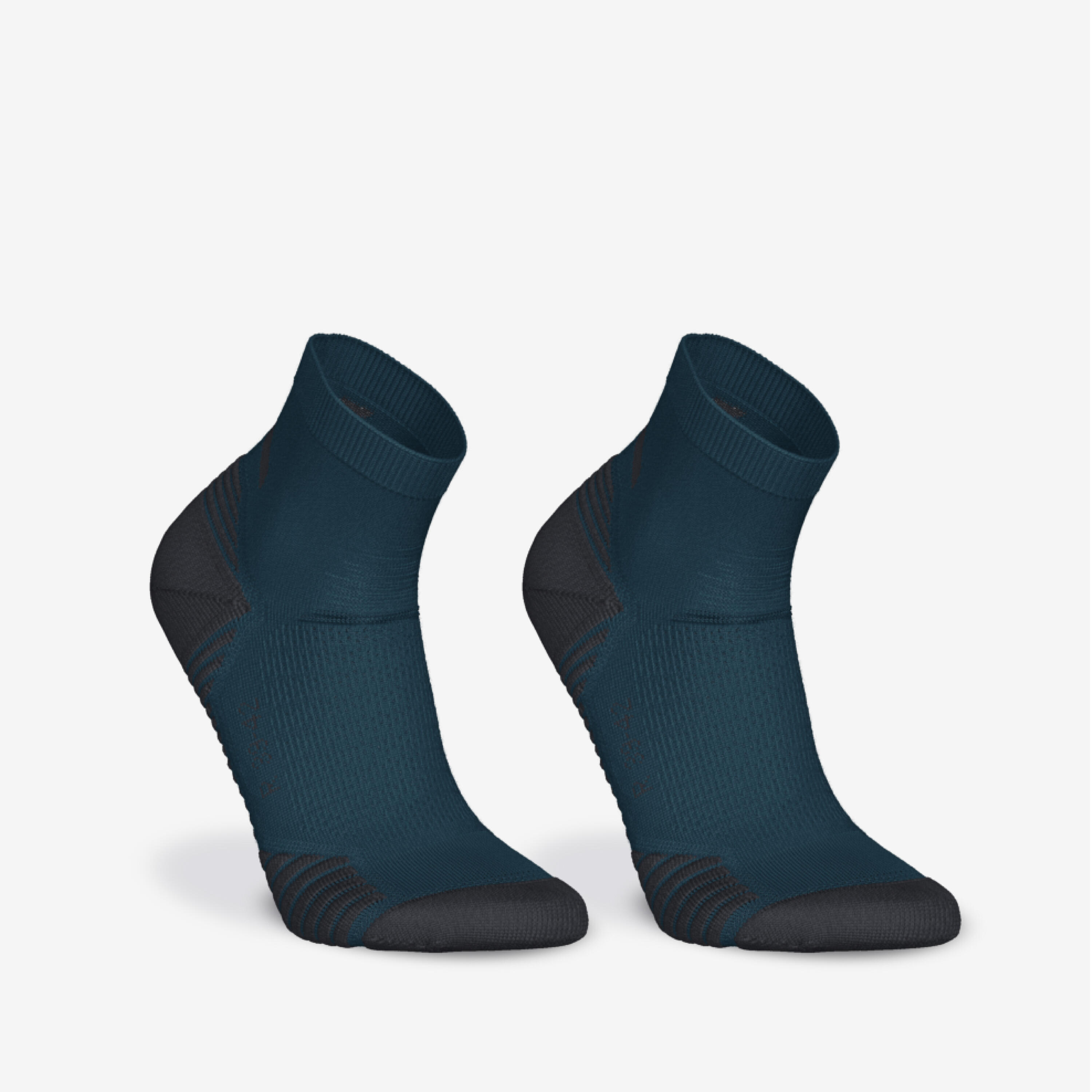
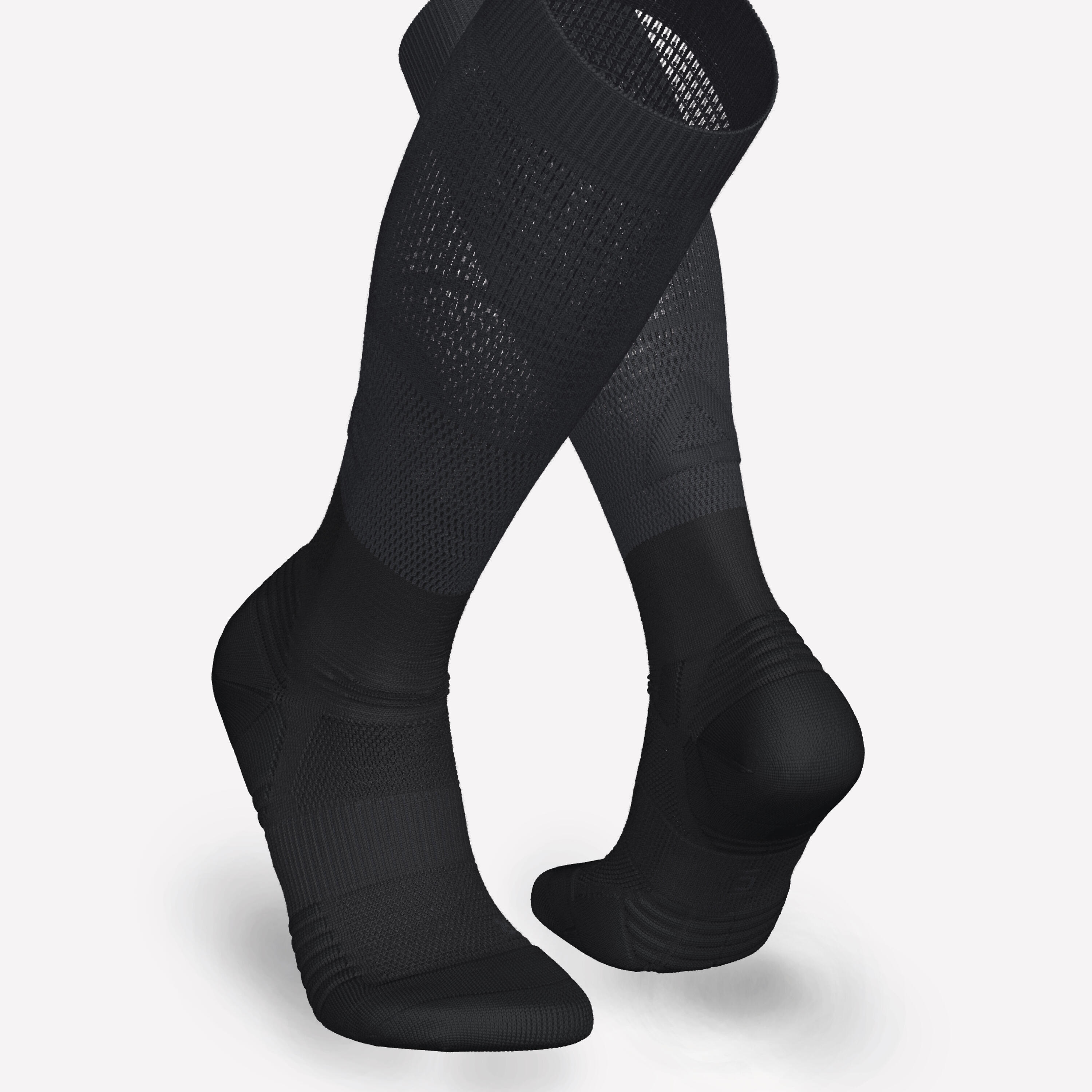
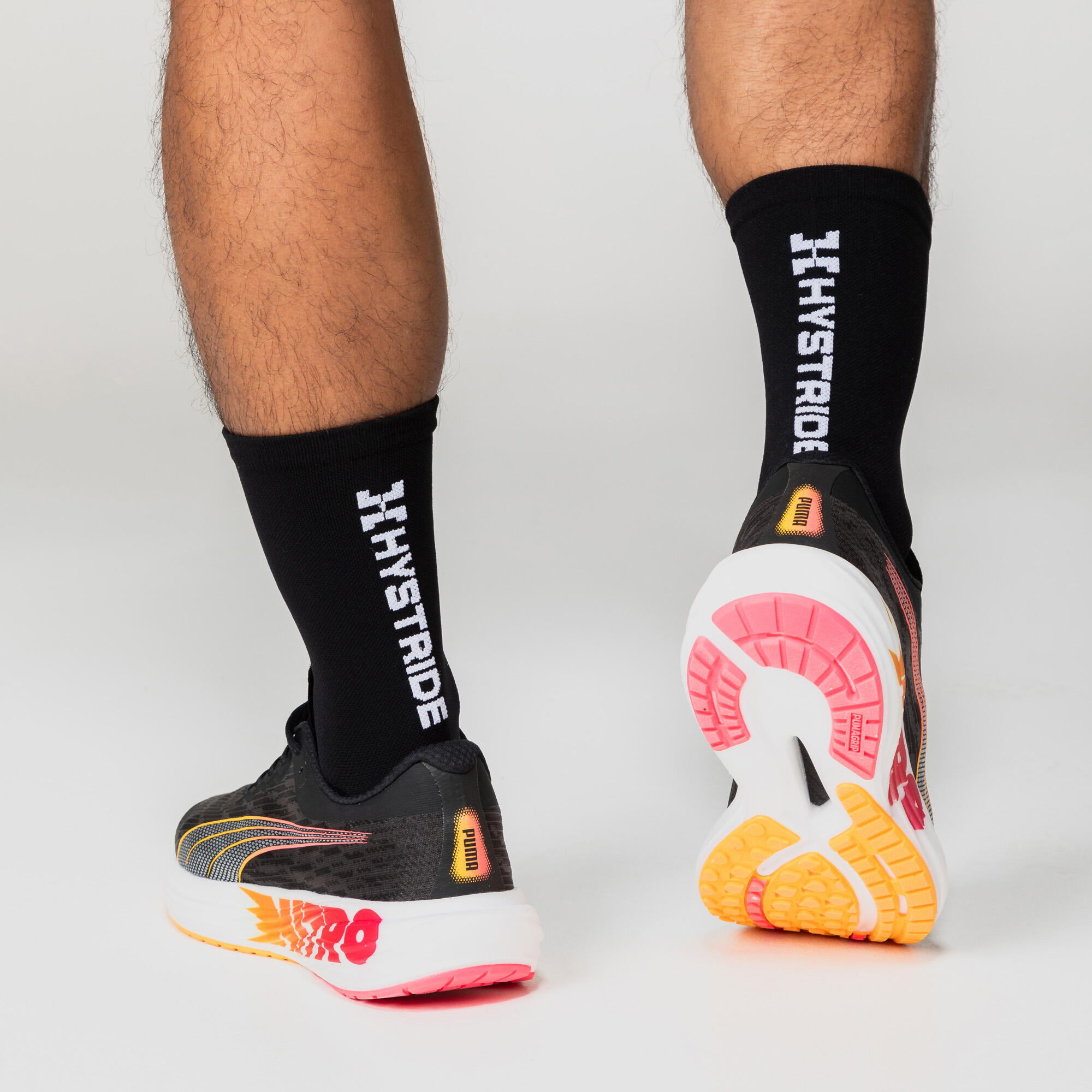
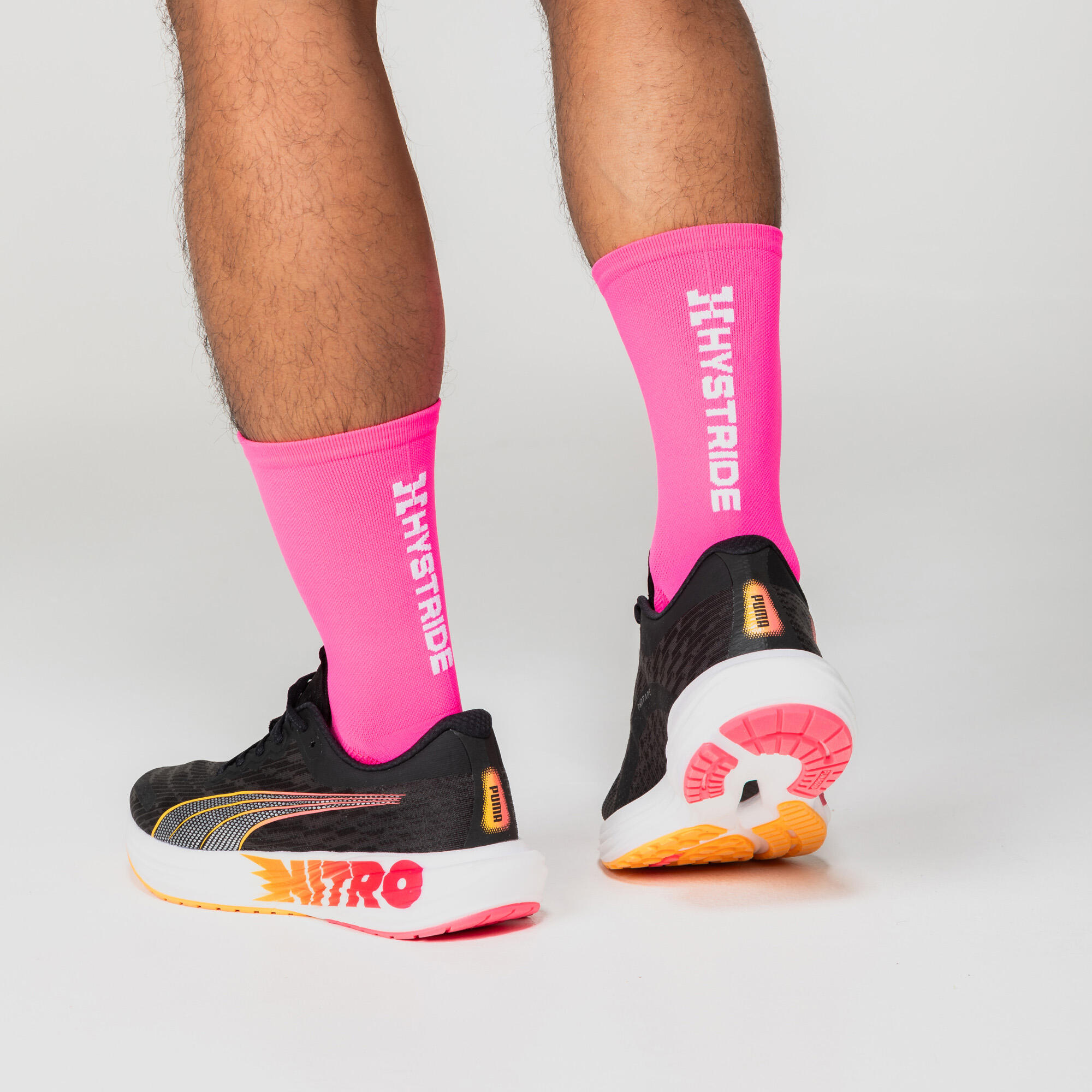
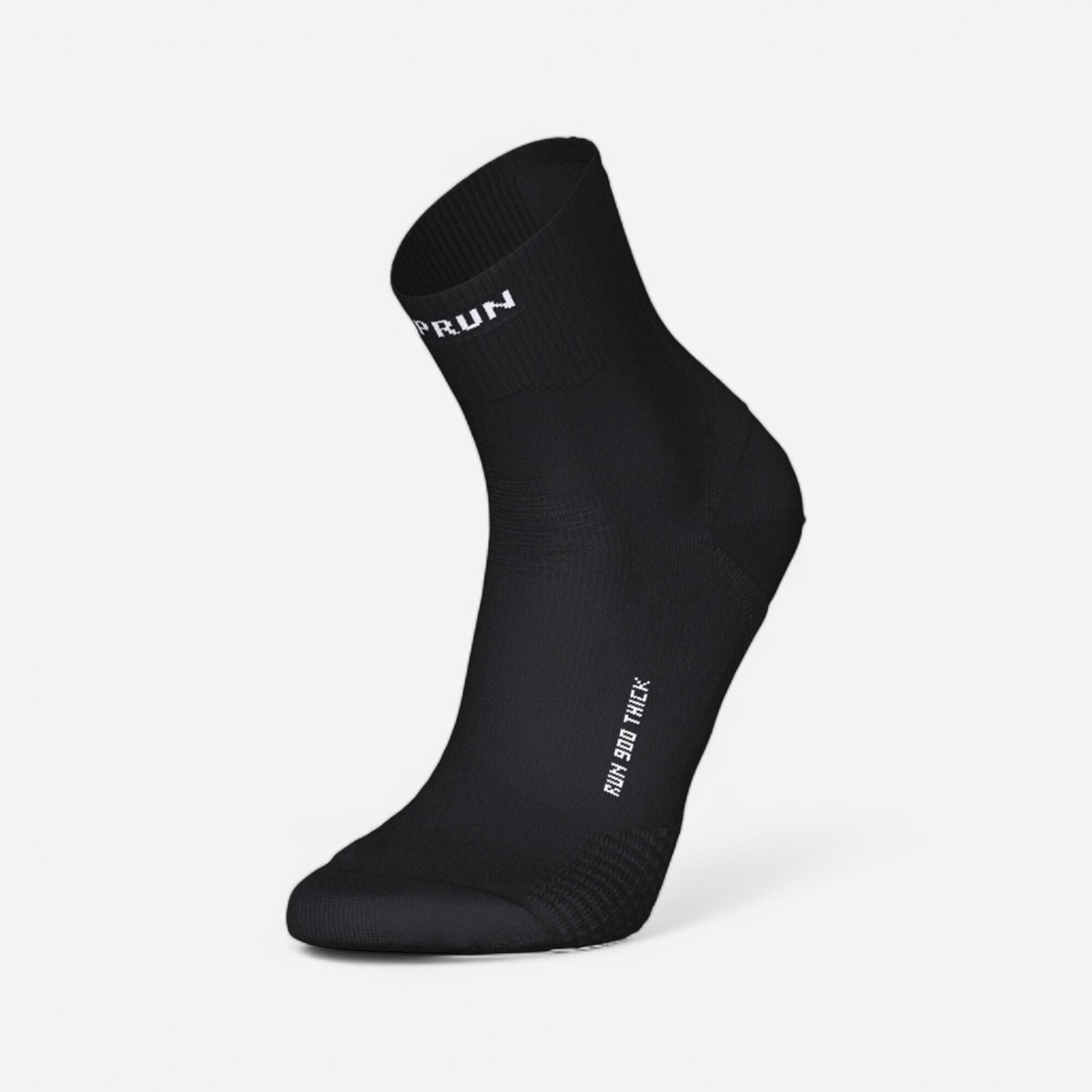
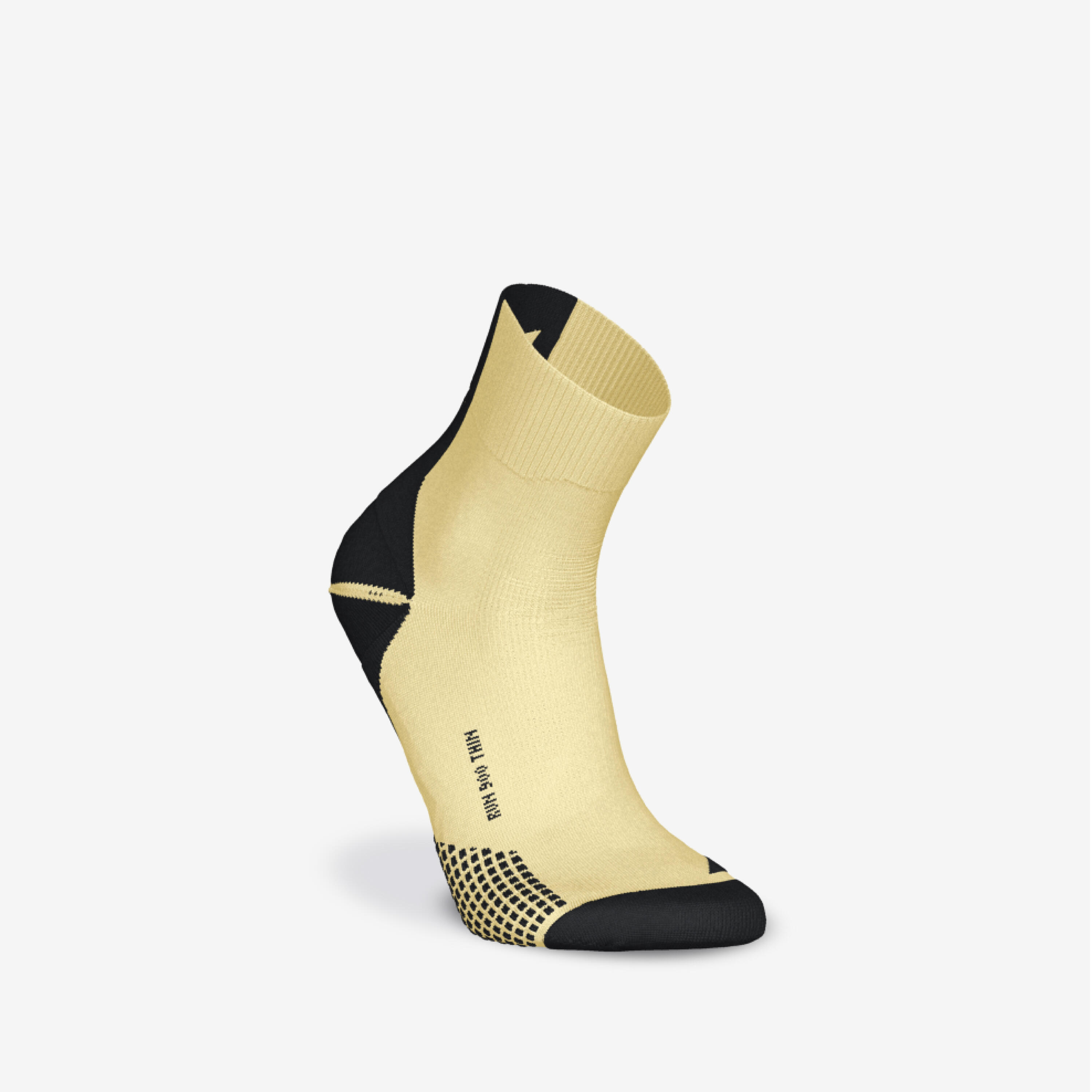
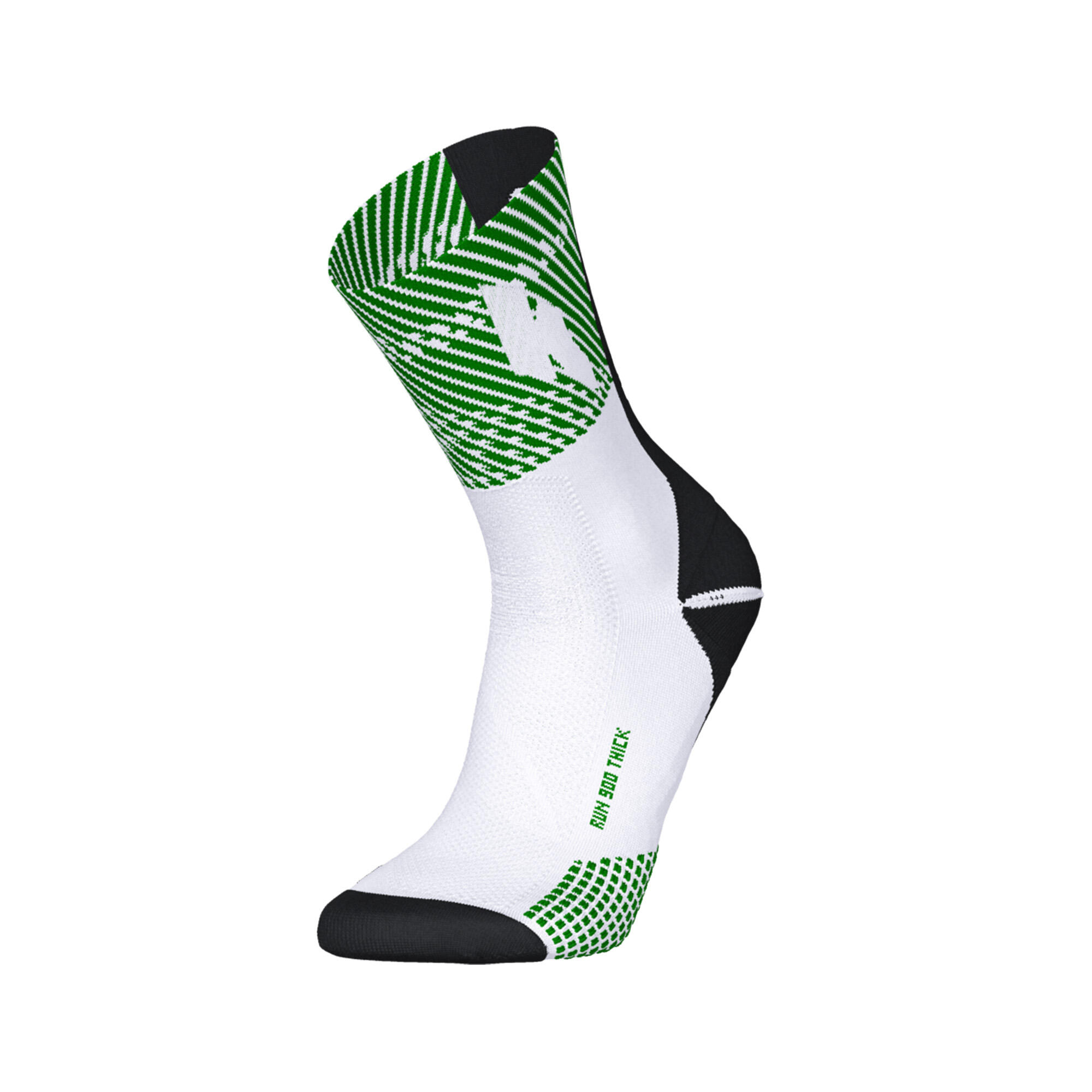
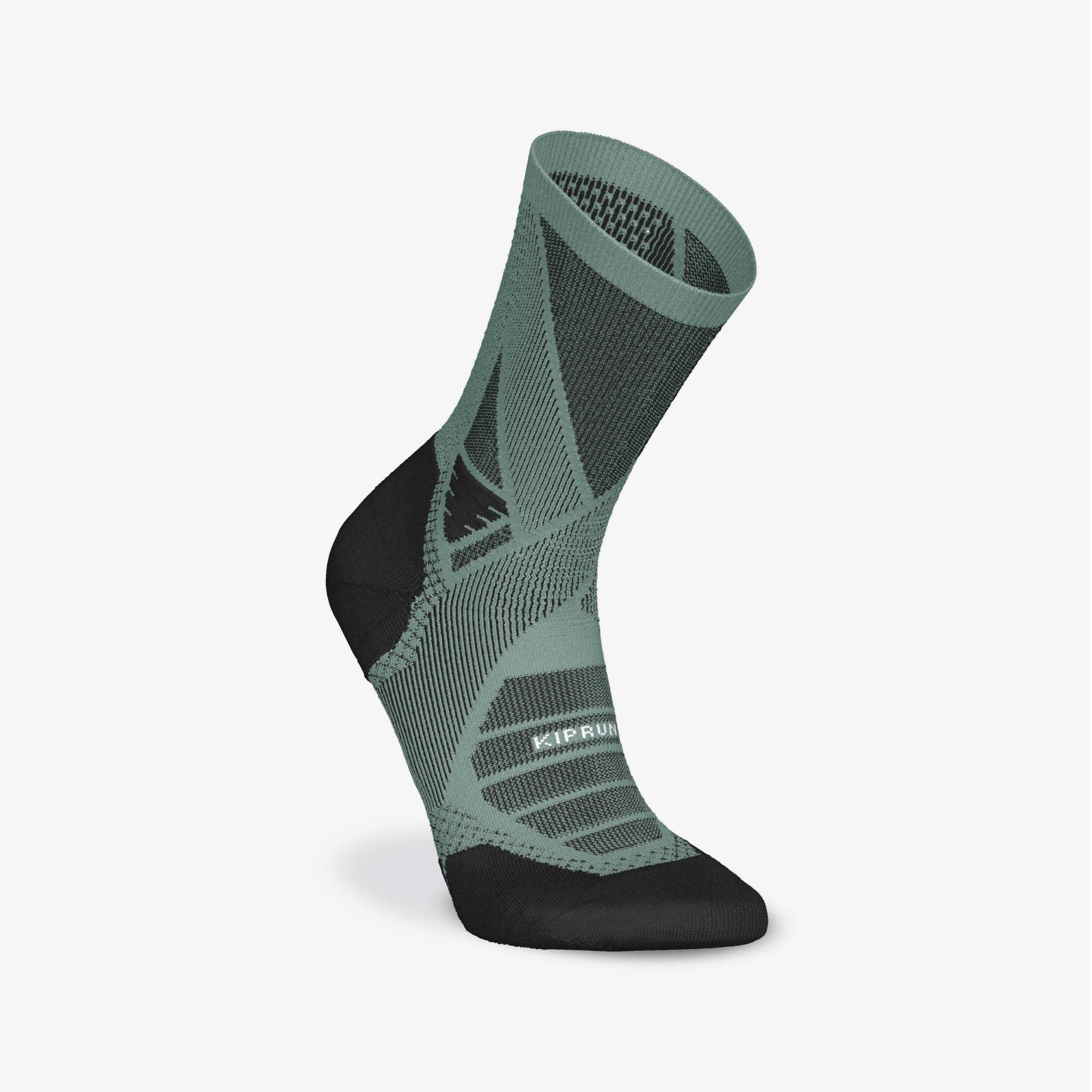
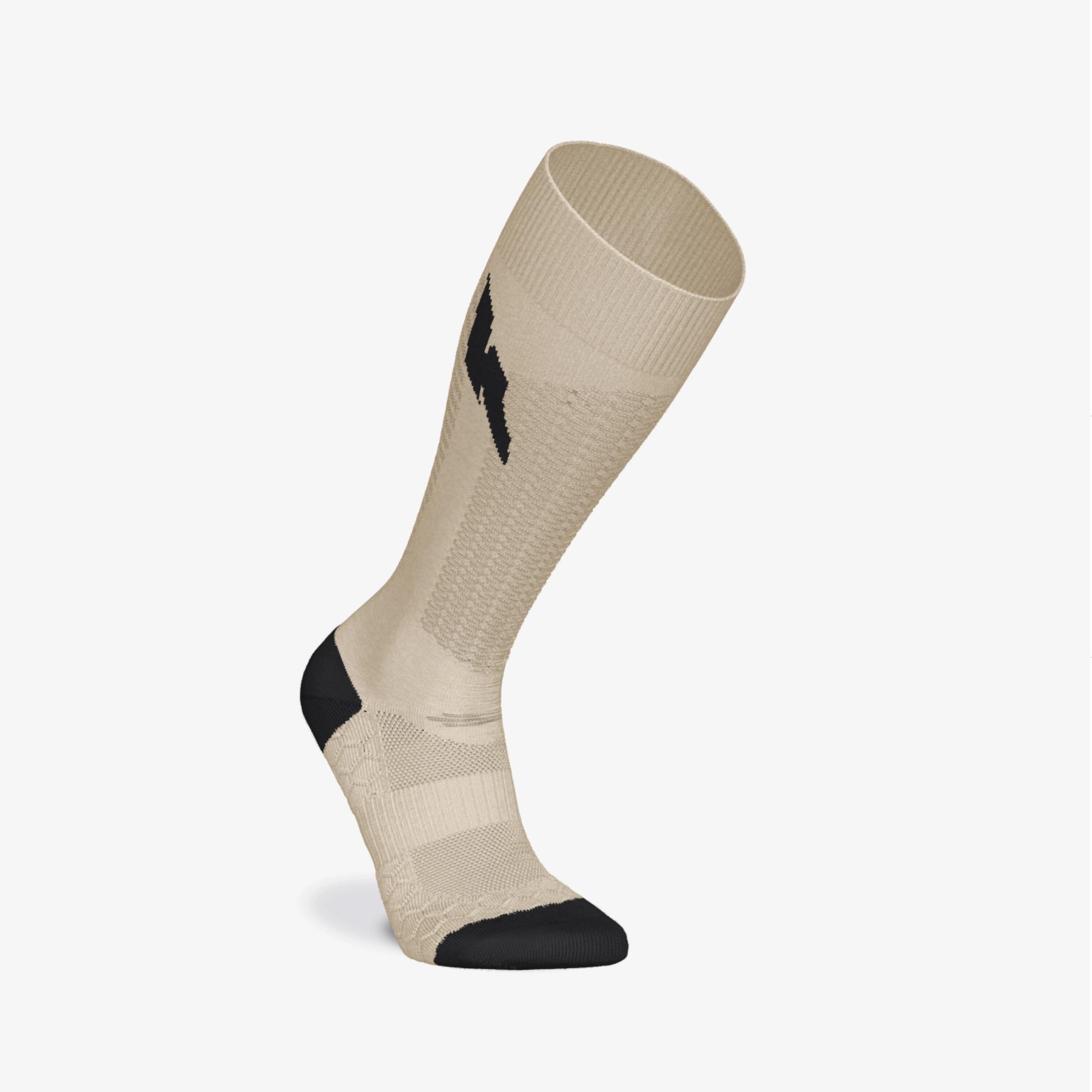
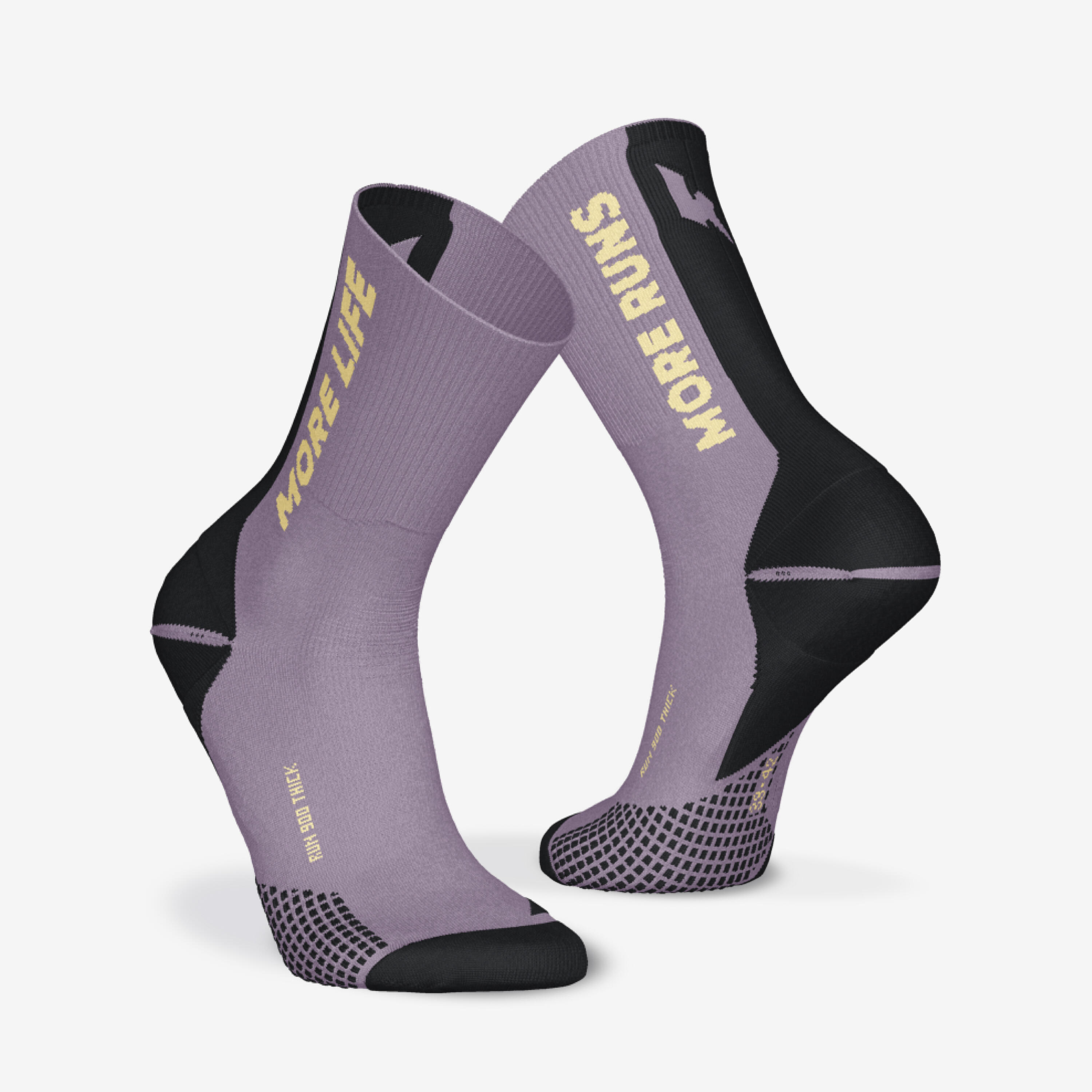
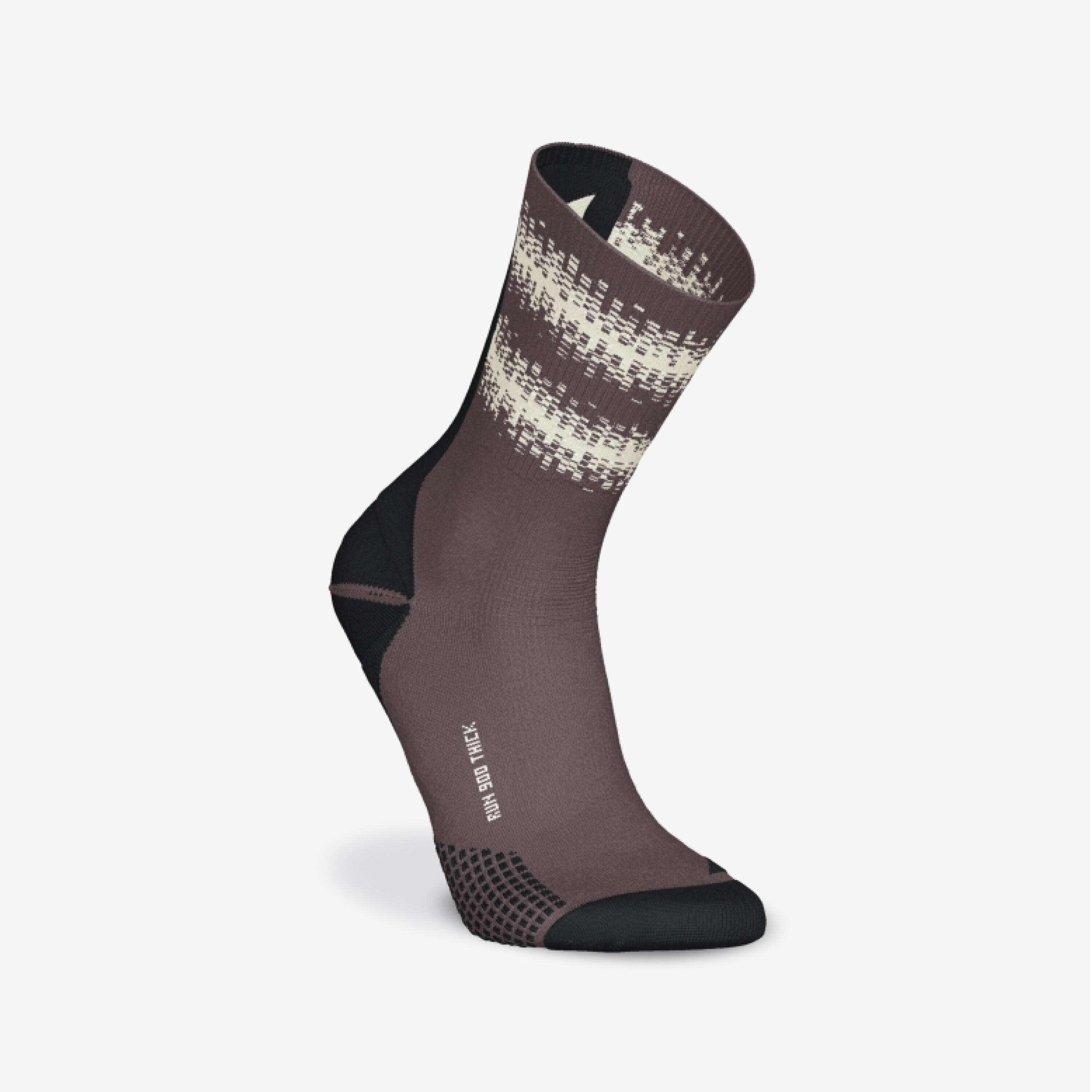
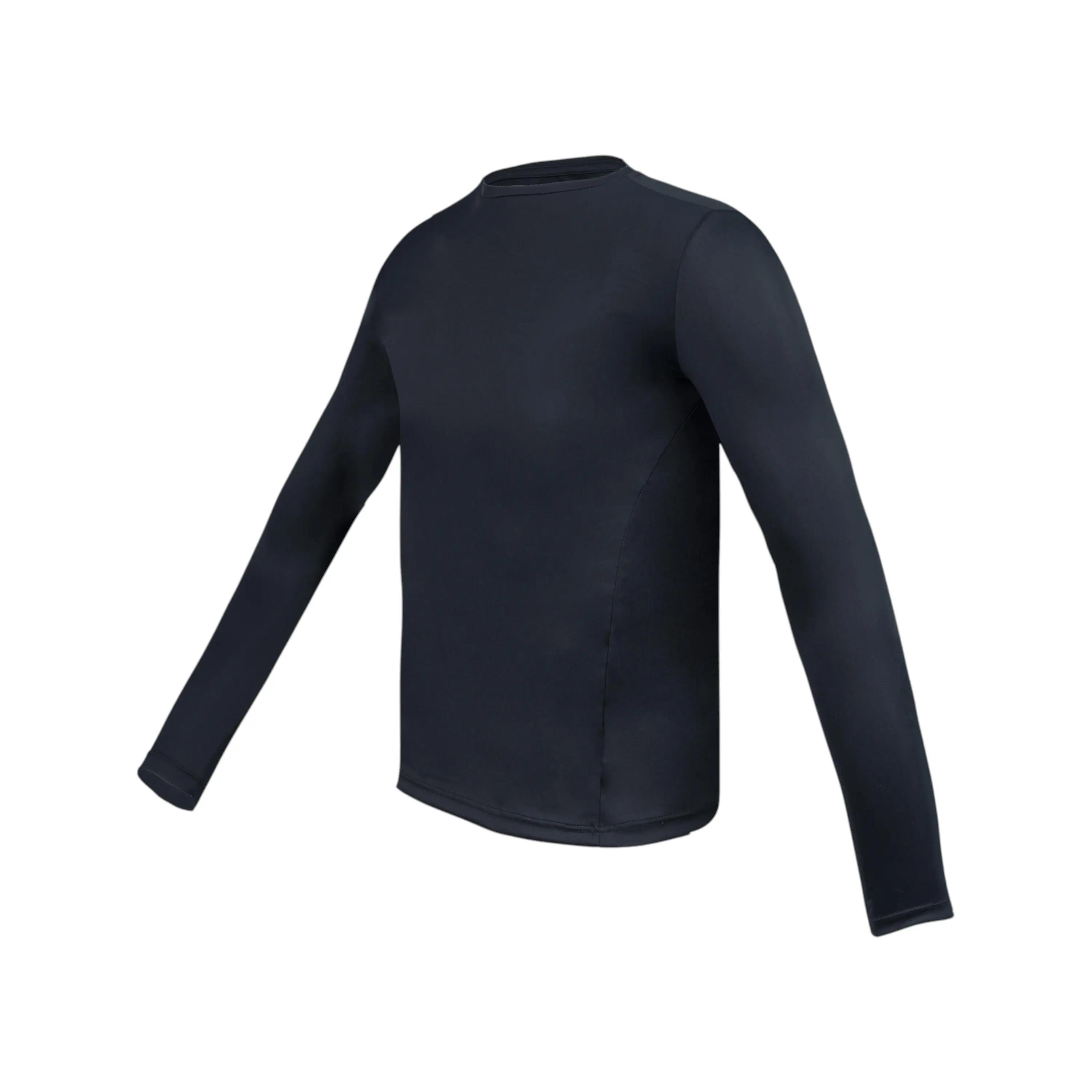
Mid-calf socks provide more lower-leg coverage than invisible or ankle-length styles and can help prevent a shoe collar, tight hem or light trail debris from contacting bare skin. They may also feel more comfortable during cooler outdoor sessions when worn with men's athletics long-sleeve T-shirts and other seasonal layers. Run 900 constructions add precise sizing, targeted anti-friction yarn and elastic support intended to limit unwanted movement. A higher cuff should remain flat without slipping or leaving deep marks. Mid-calf height does not automatically make a sock warm, so check the knit thickness, cushioning and ventilation rather than judging insulation by length alone.

How can athletics socks help reduce rubbing and blisters?

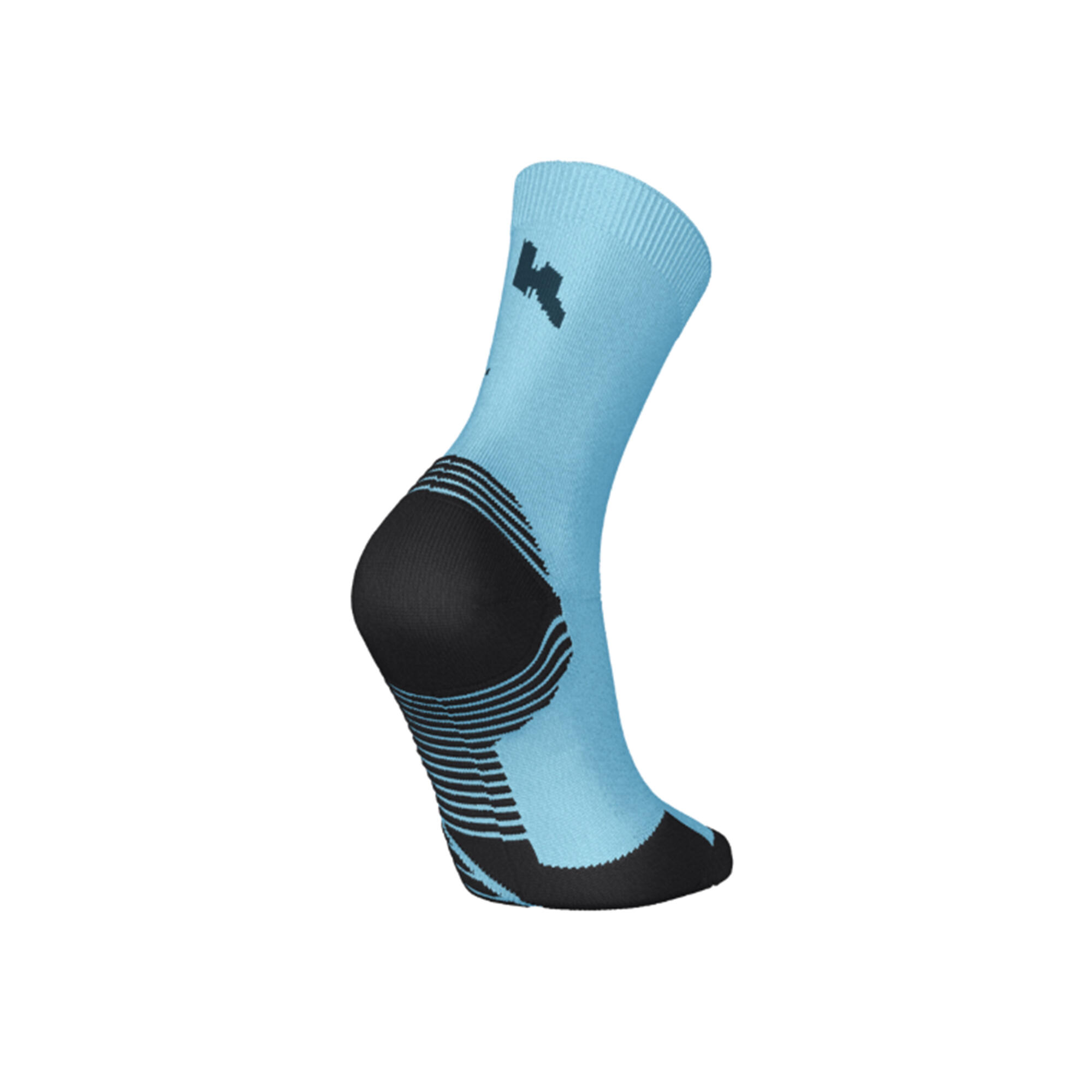
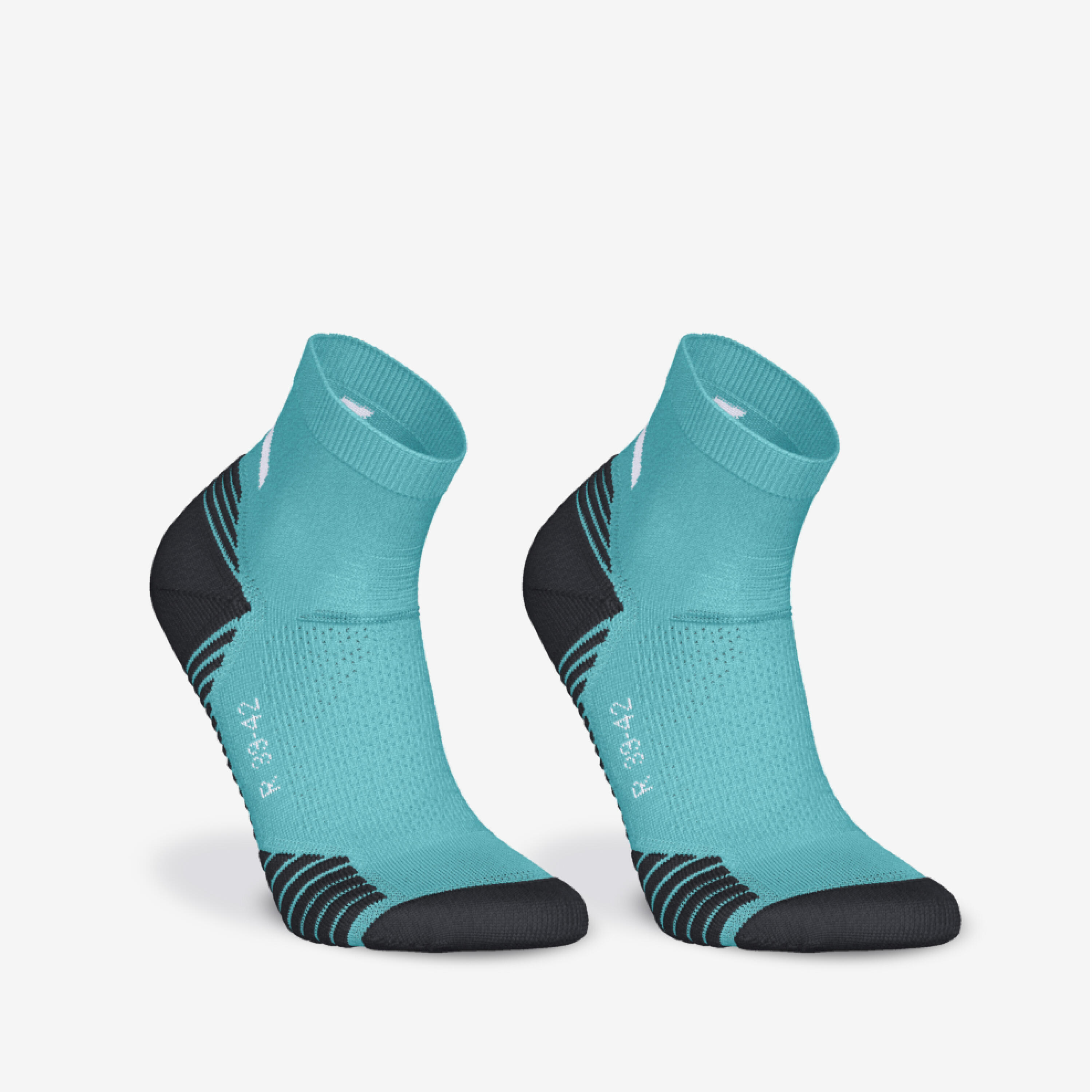
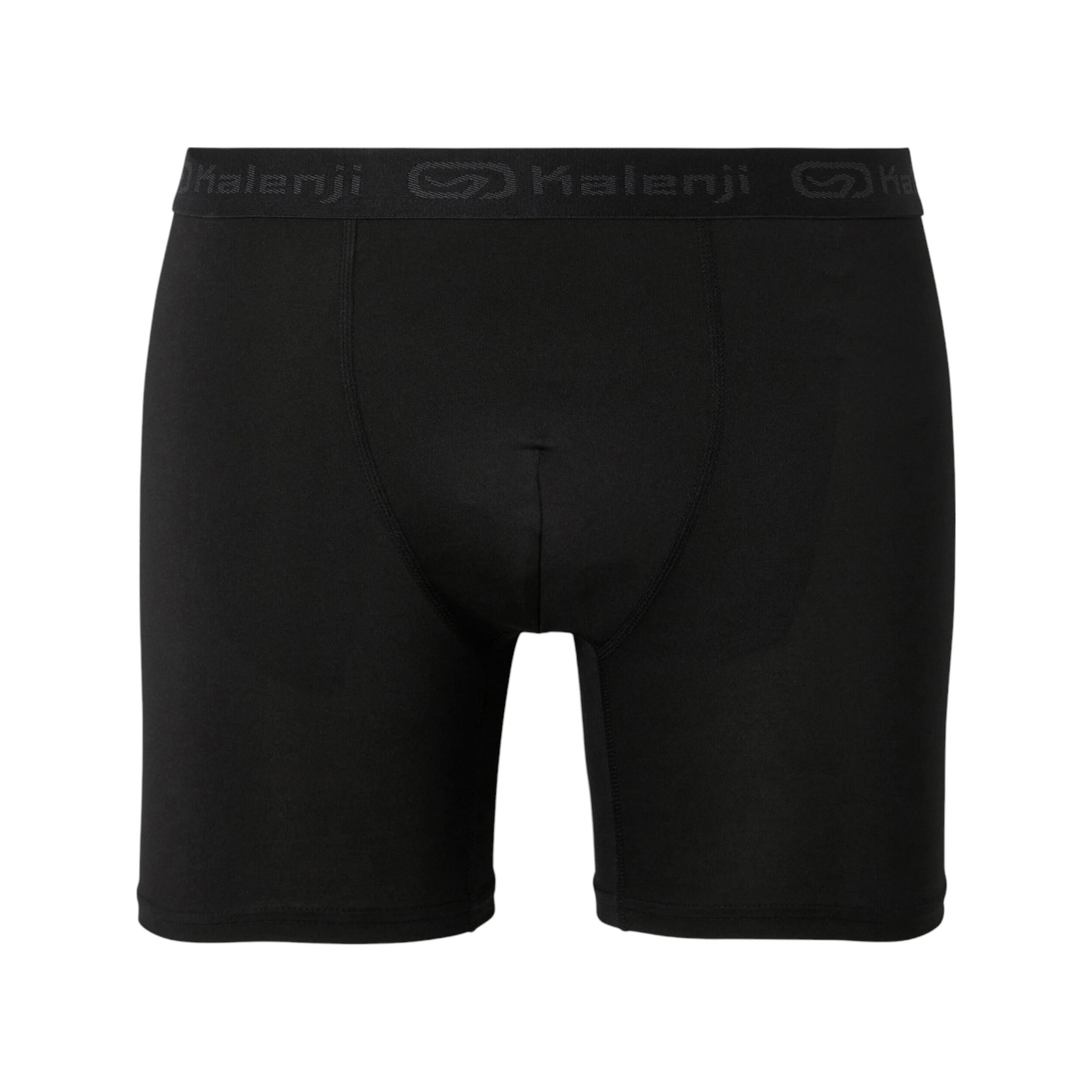
Start with the correct size and keep the sock smooth inside the shoe. KIPRUN places the toe-enclosure seam beneath the toes on selected Run 500 socks, moving it away from the upper-foot area where a conventional seam may rub. Higher-spec Run 900 models use targeted yarn and cushioning around friction-prone areas, while the KIPRUN and X-TECHNOLOGIES collaboration adds anatomically positioned protection around the heel, ankle and Achilles region. Moisture management also matters because damp skin becomes more vulnerable to friction. Wear dry socks with clean men's athletics underwear and clothing, and stop to correct folds or debris before a small irritation develops into a blister.

How should you prepare and wash men's athletics socks?

Wash new technical socks before an important session or competition. Decathlon notes that the initially silky surface of selected KIPRUN yarn becomes less slippery after washing, which can help the foot remain steadier inside the shoe. Test the socks over a realistic distance before race day rather than relying on an unworn pair. Wash most KIPRUN running socks at no more than 40 degrees Celsius and avoid tumble drying, ironing, bleach or dry cleaning. Let them air-dry completely and keep pairs together so the cushioning and sizing remain consistent. During cold meetings, pack a dry spare pair inside your bag with your men's athletics jacket and other warm layers in case the first pair becomes wet.