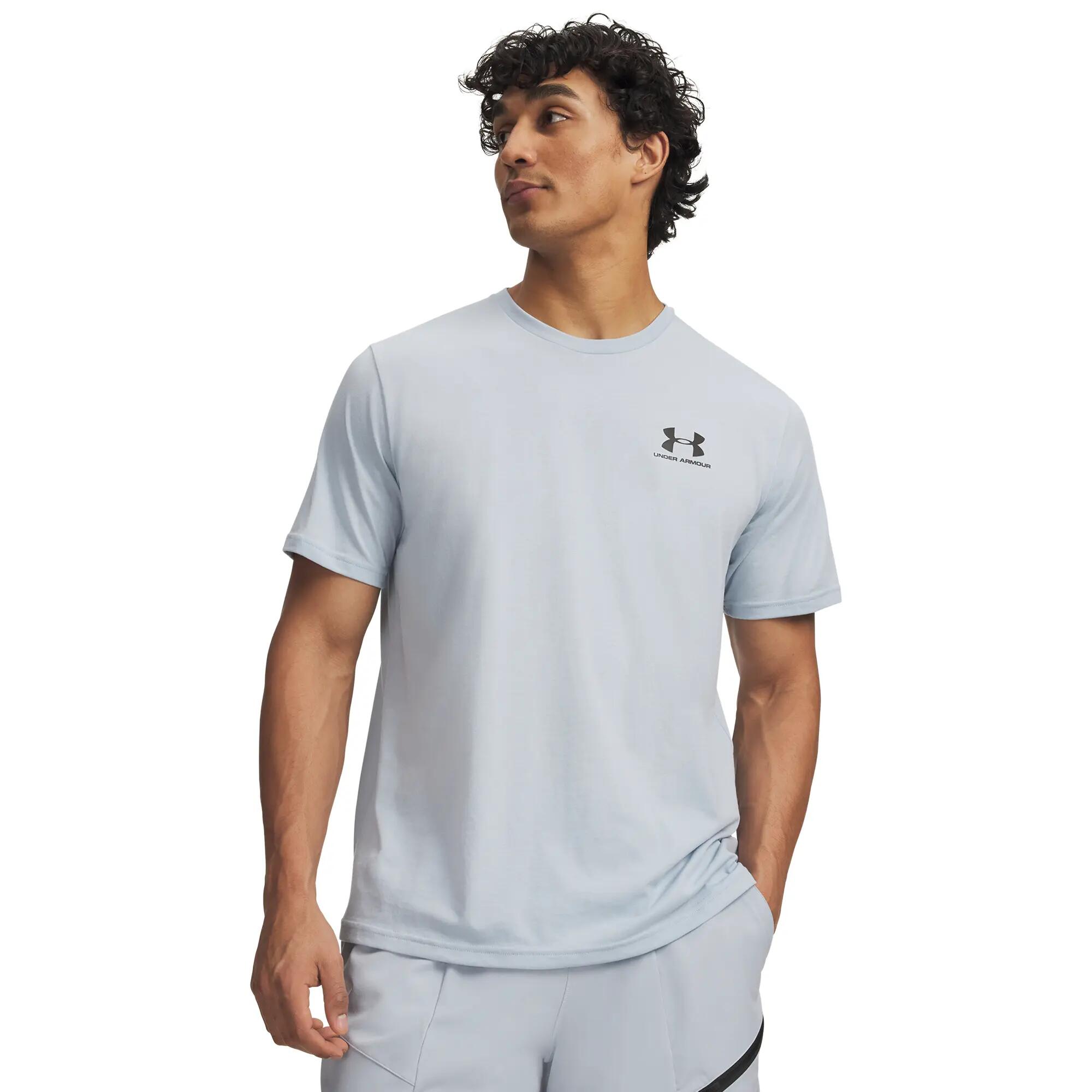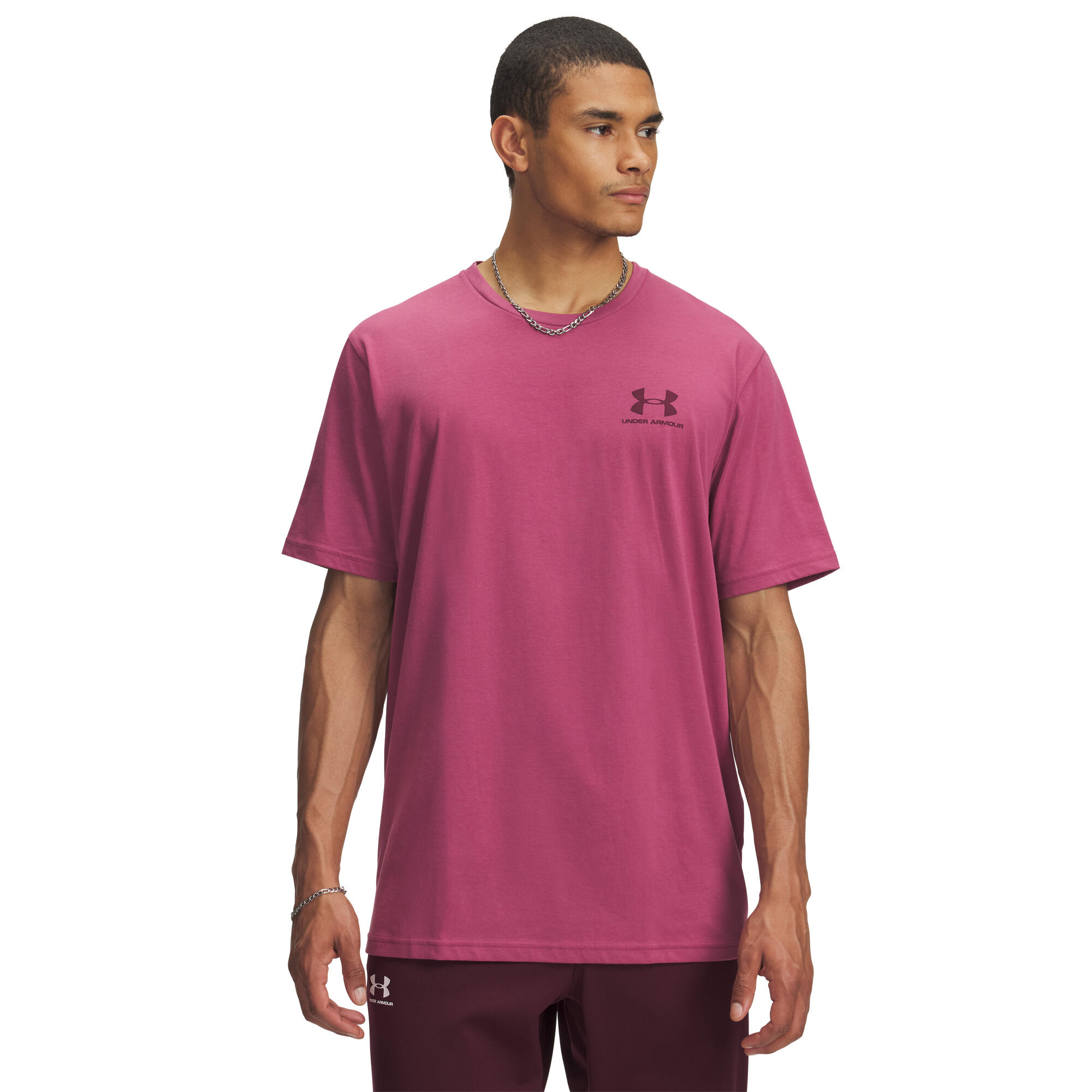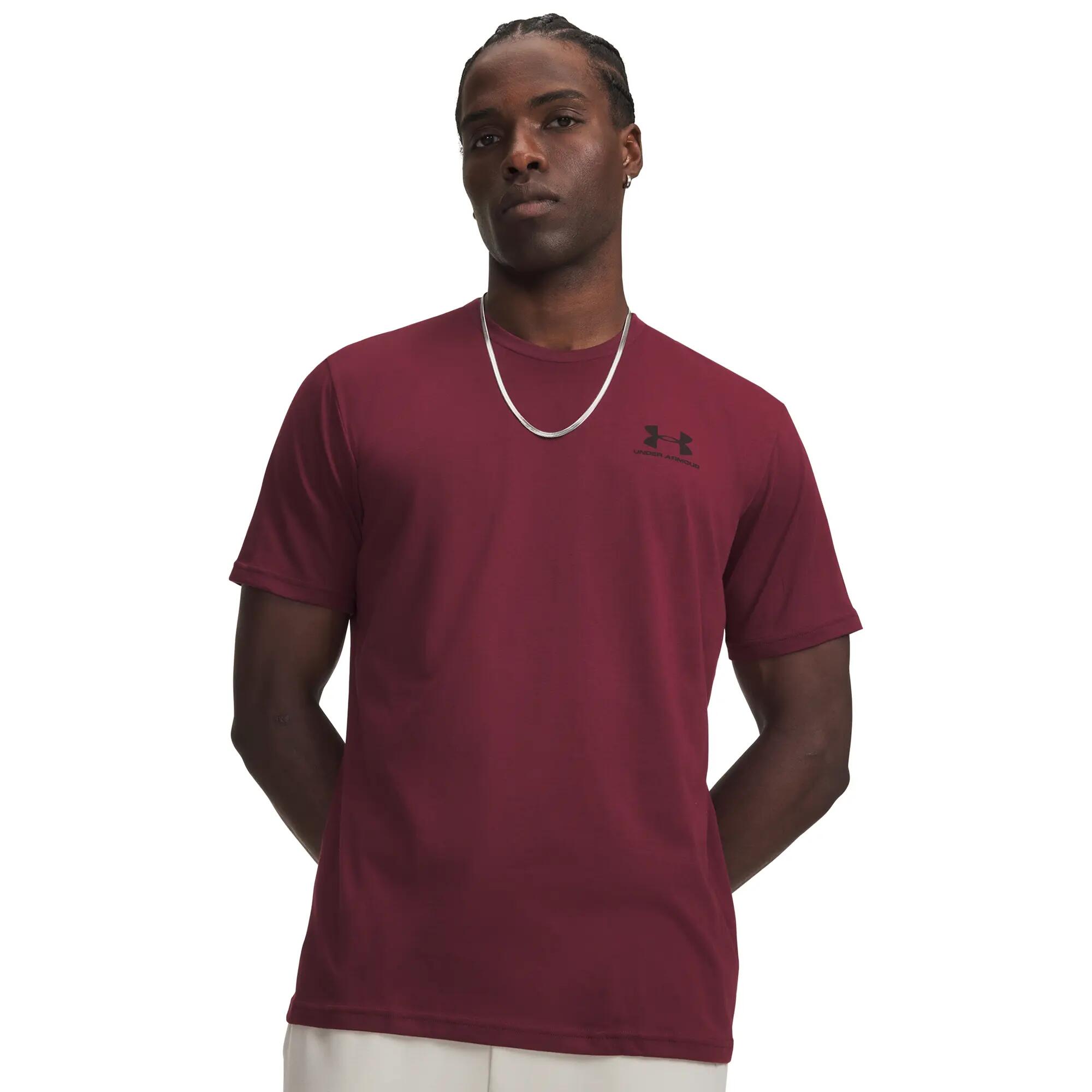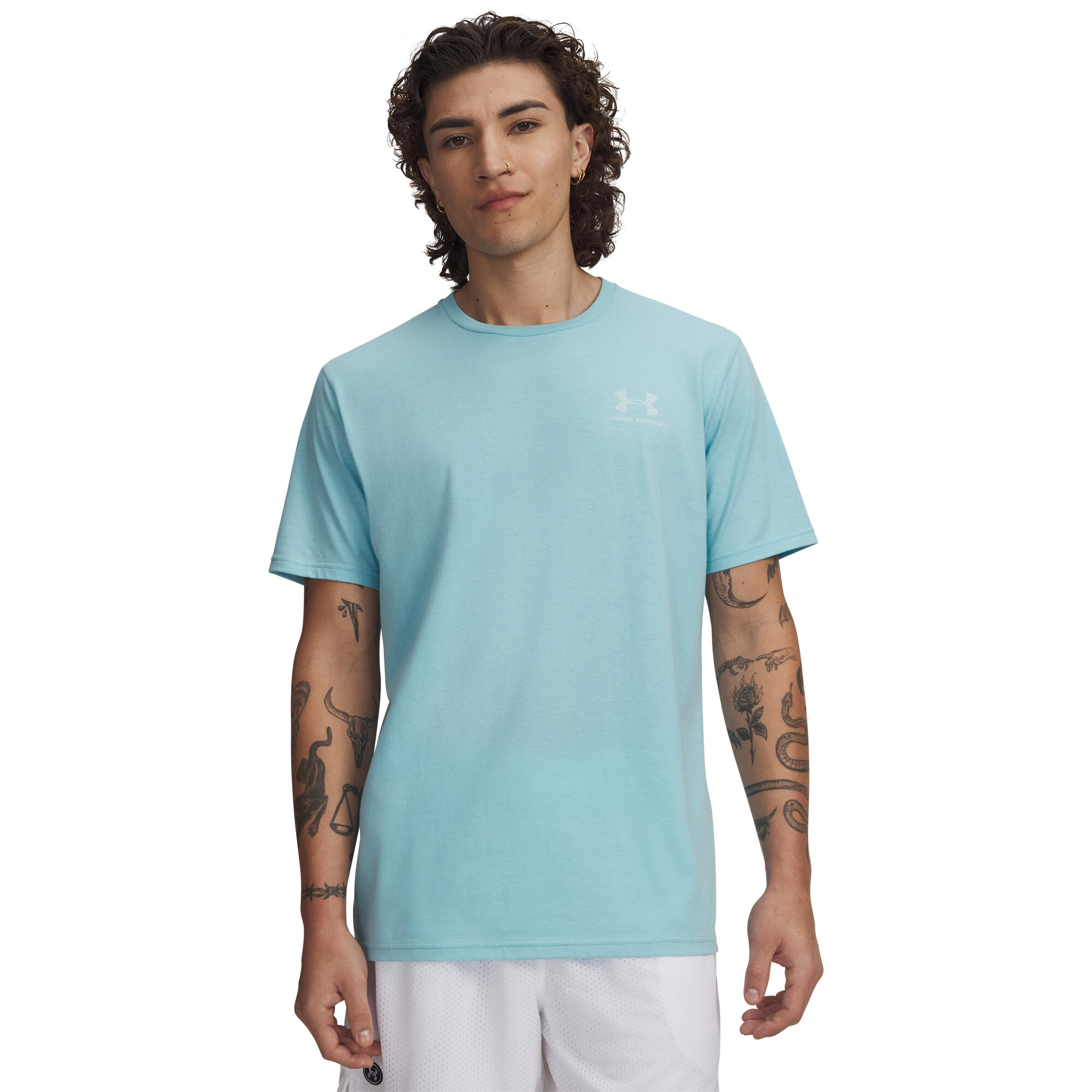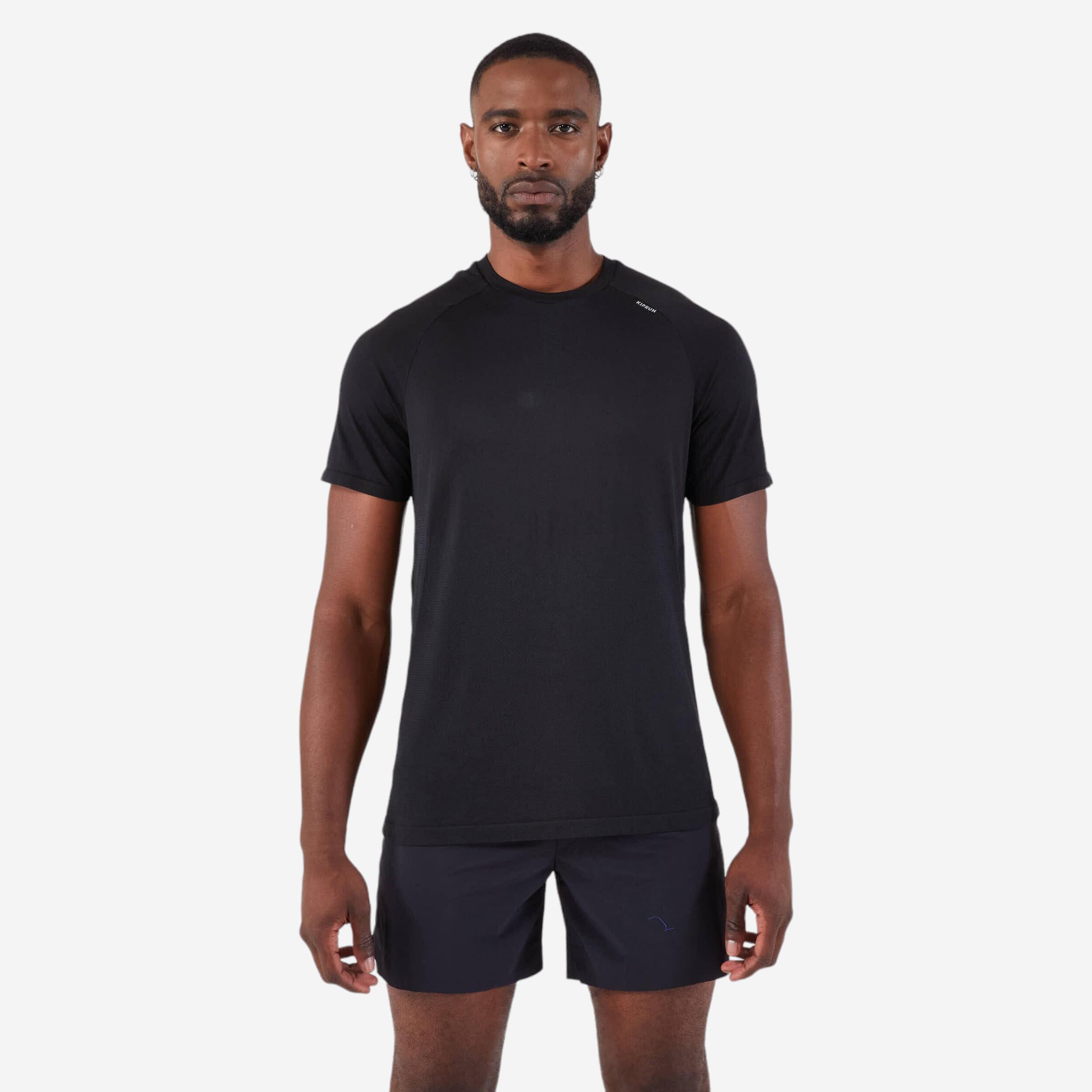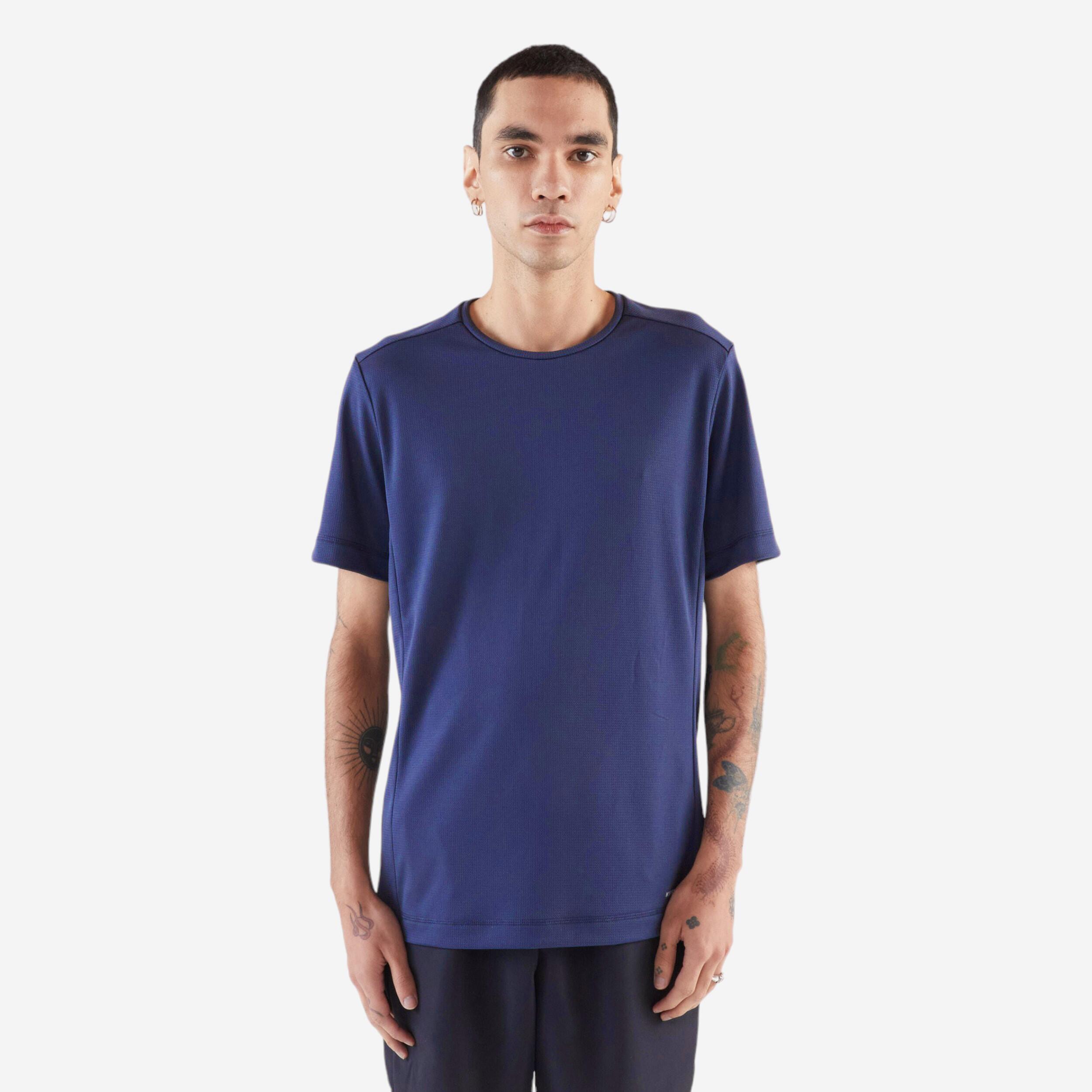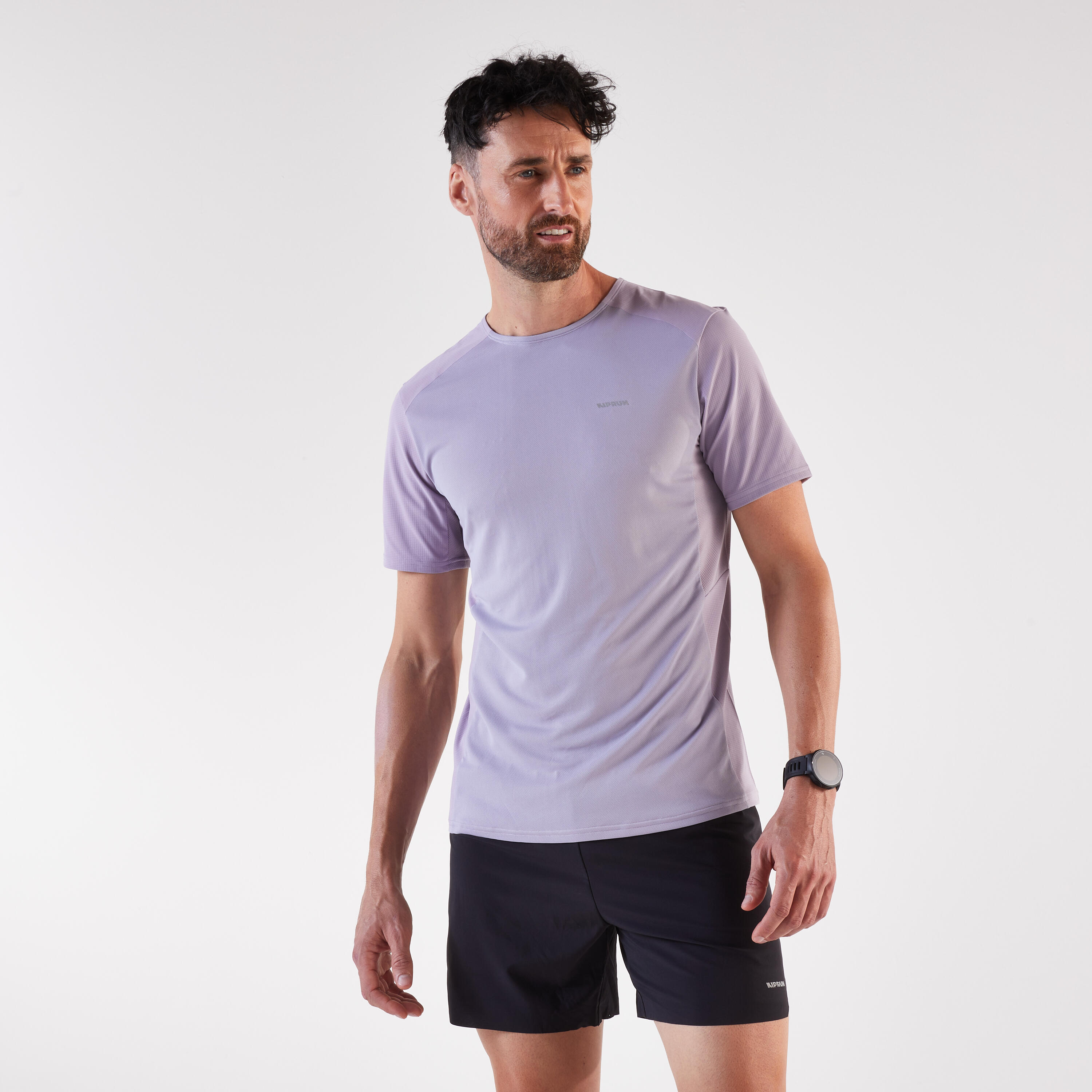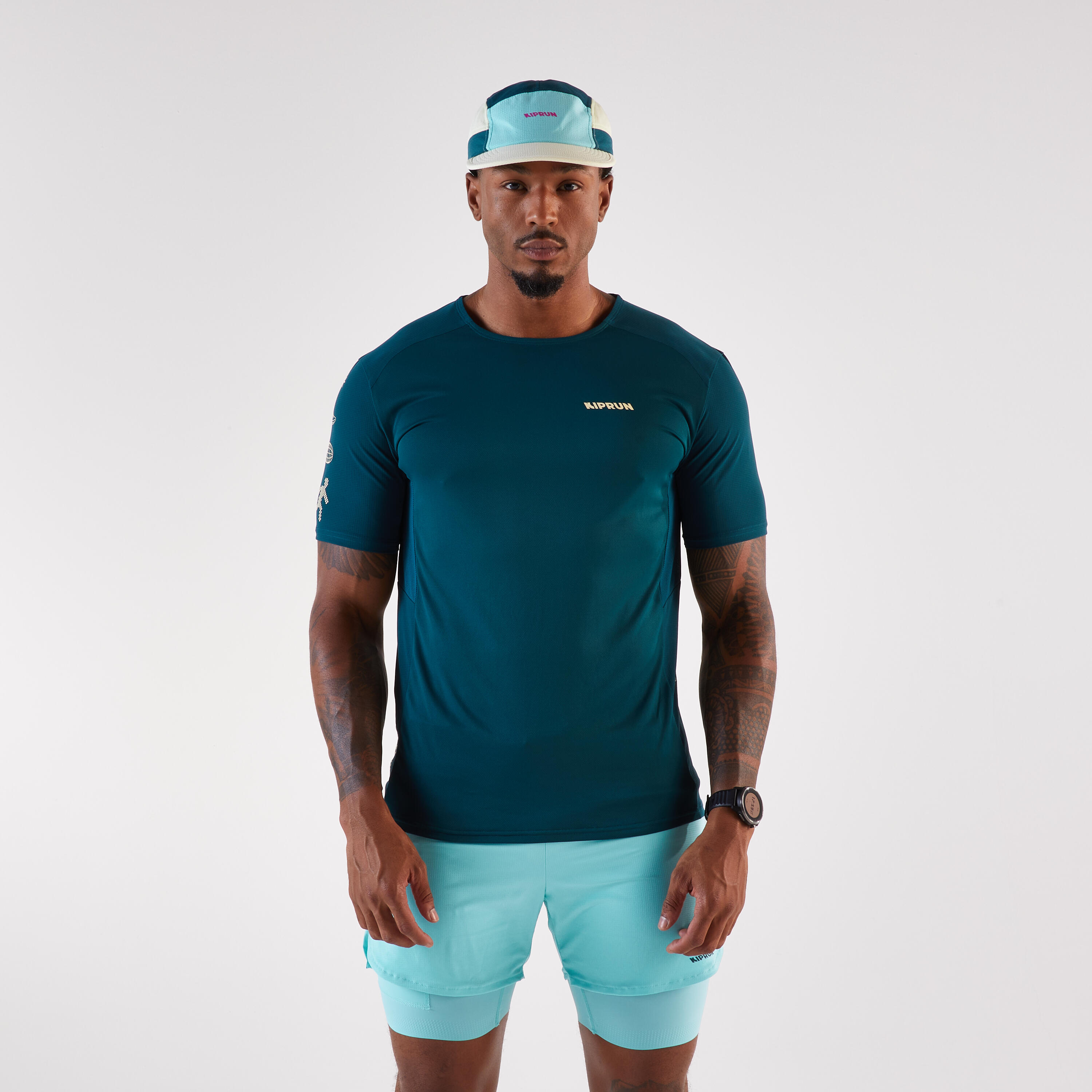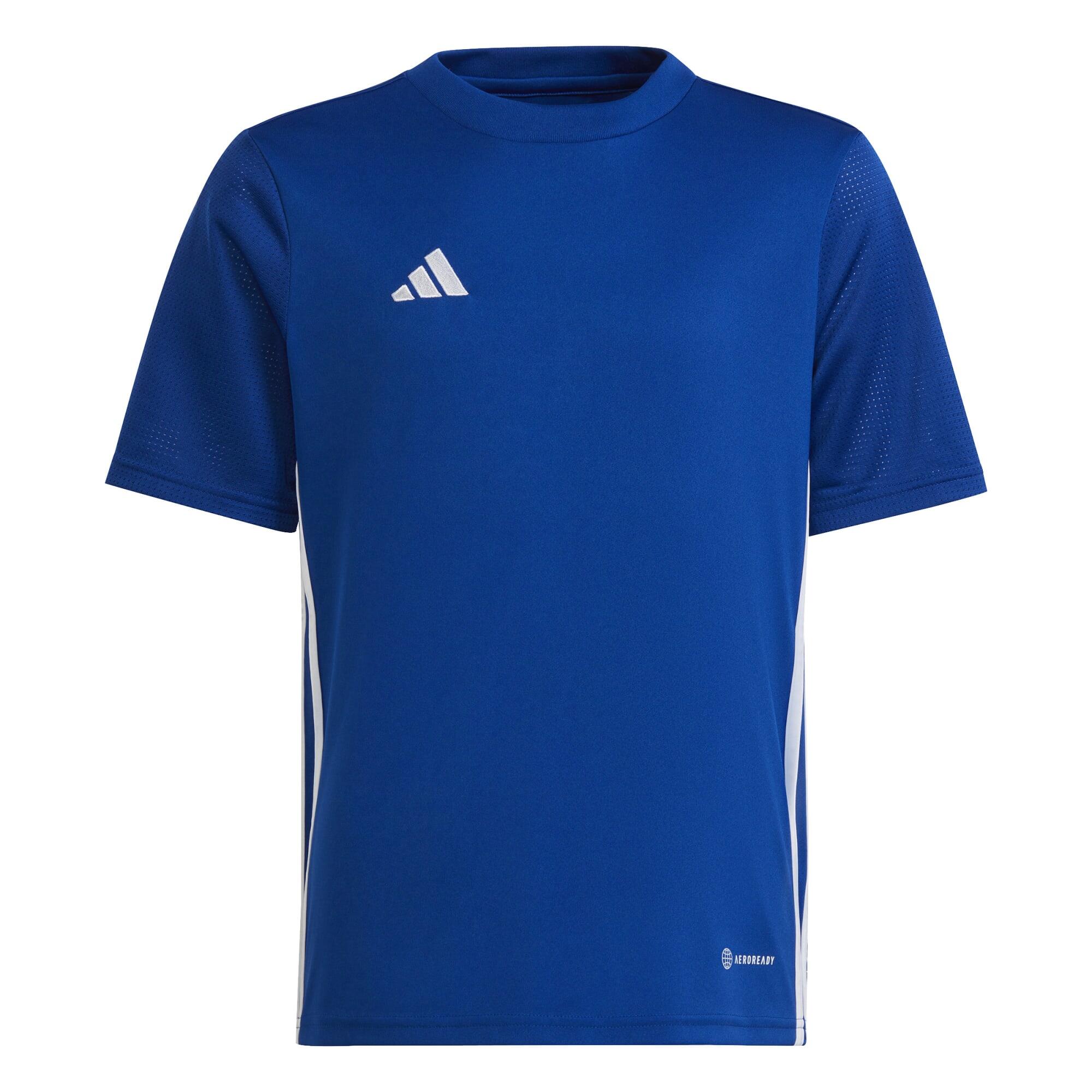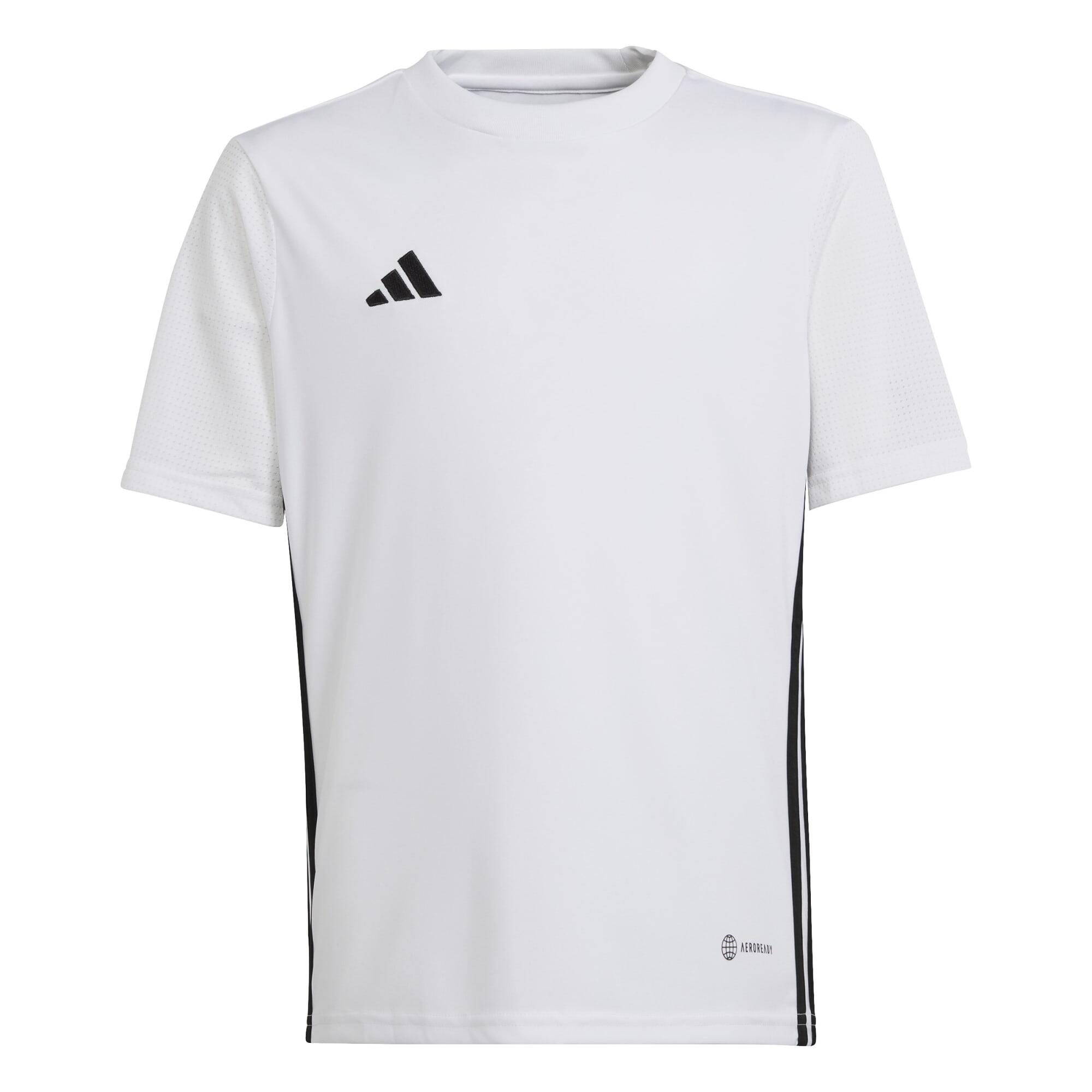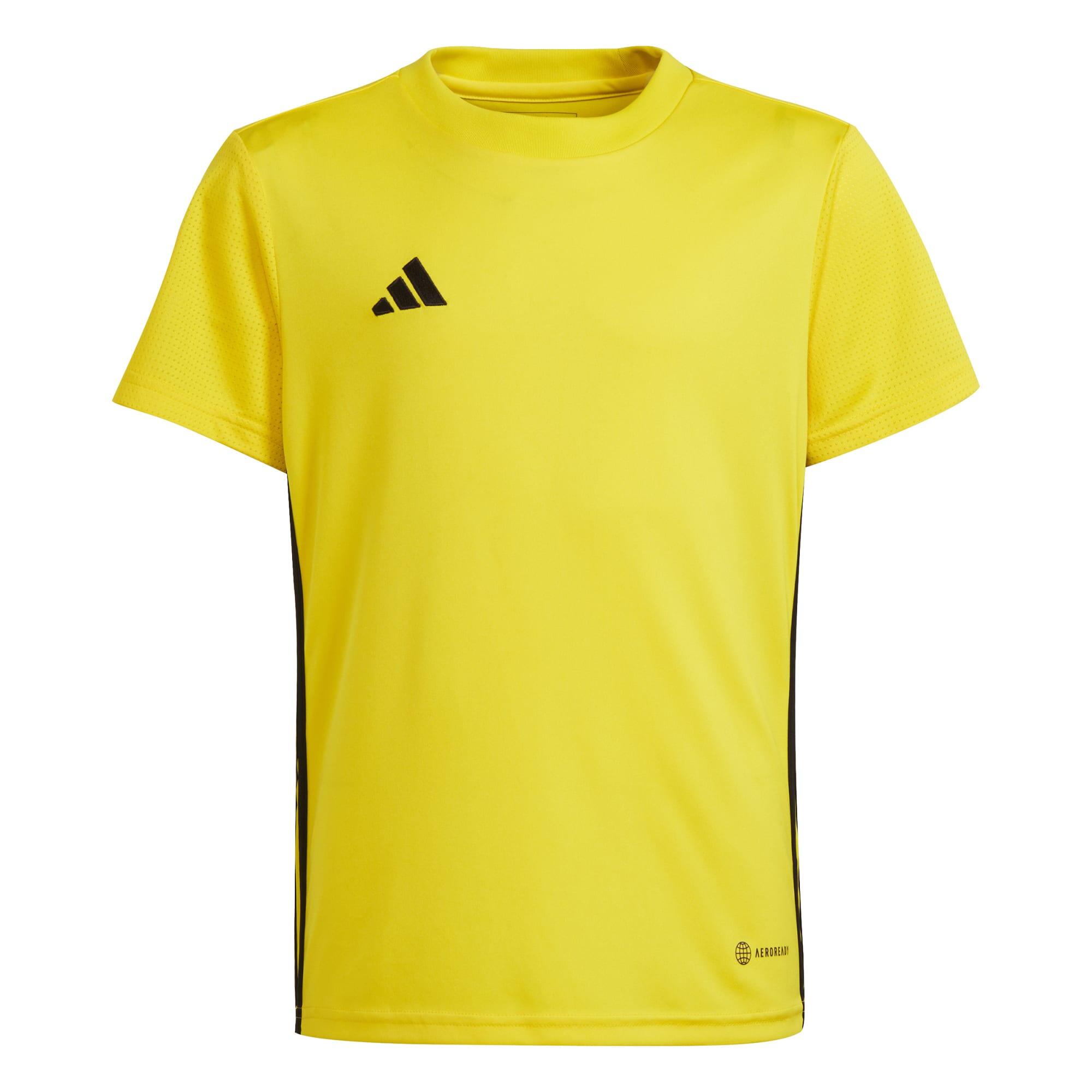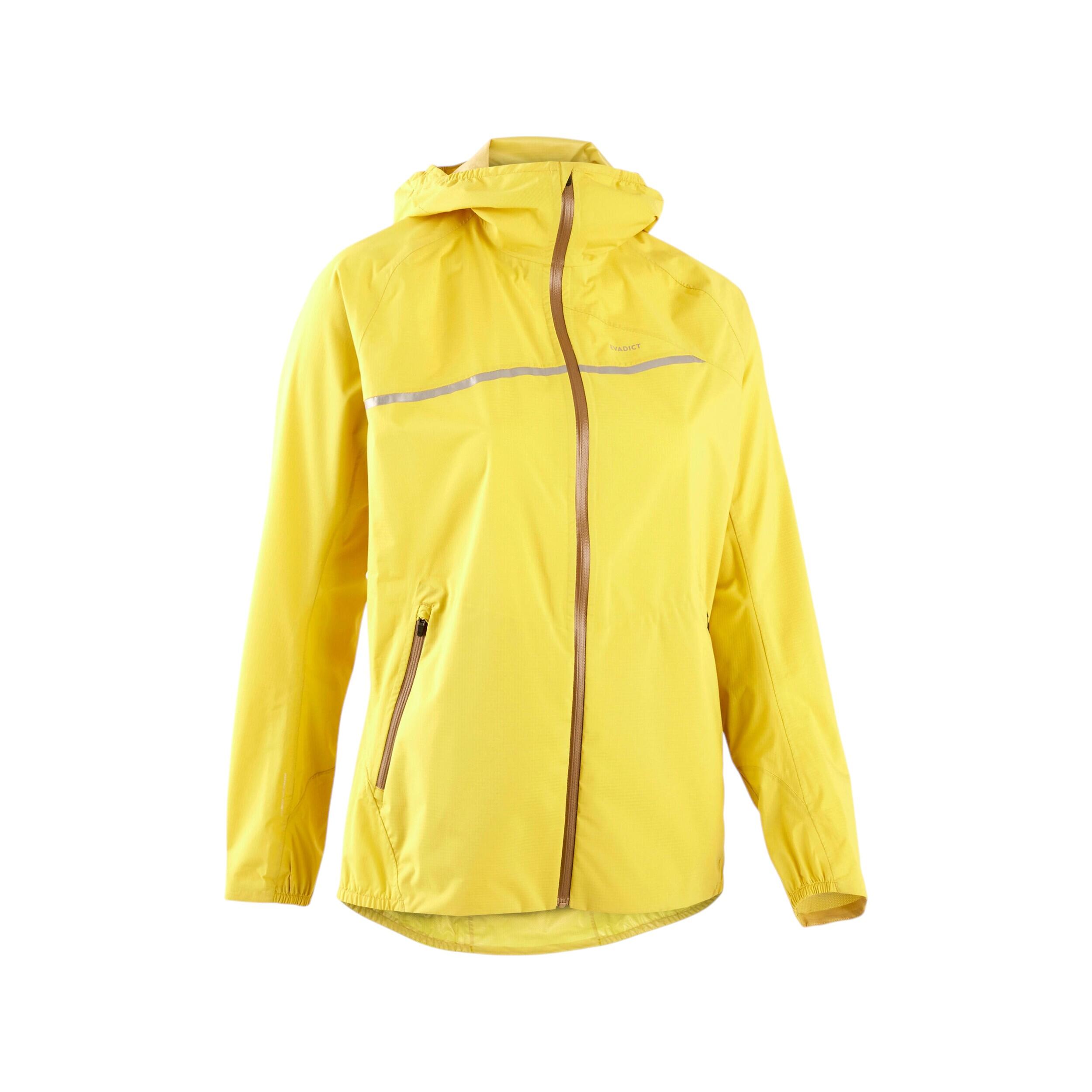
656 items
4.2/5 based on 238554 reviews collected online and in stores

Men's Athletics T-shirts FAQs

How do you choose men's athletics T-shirts?

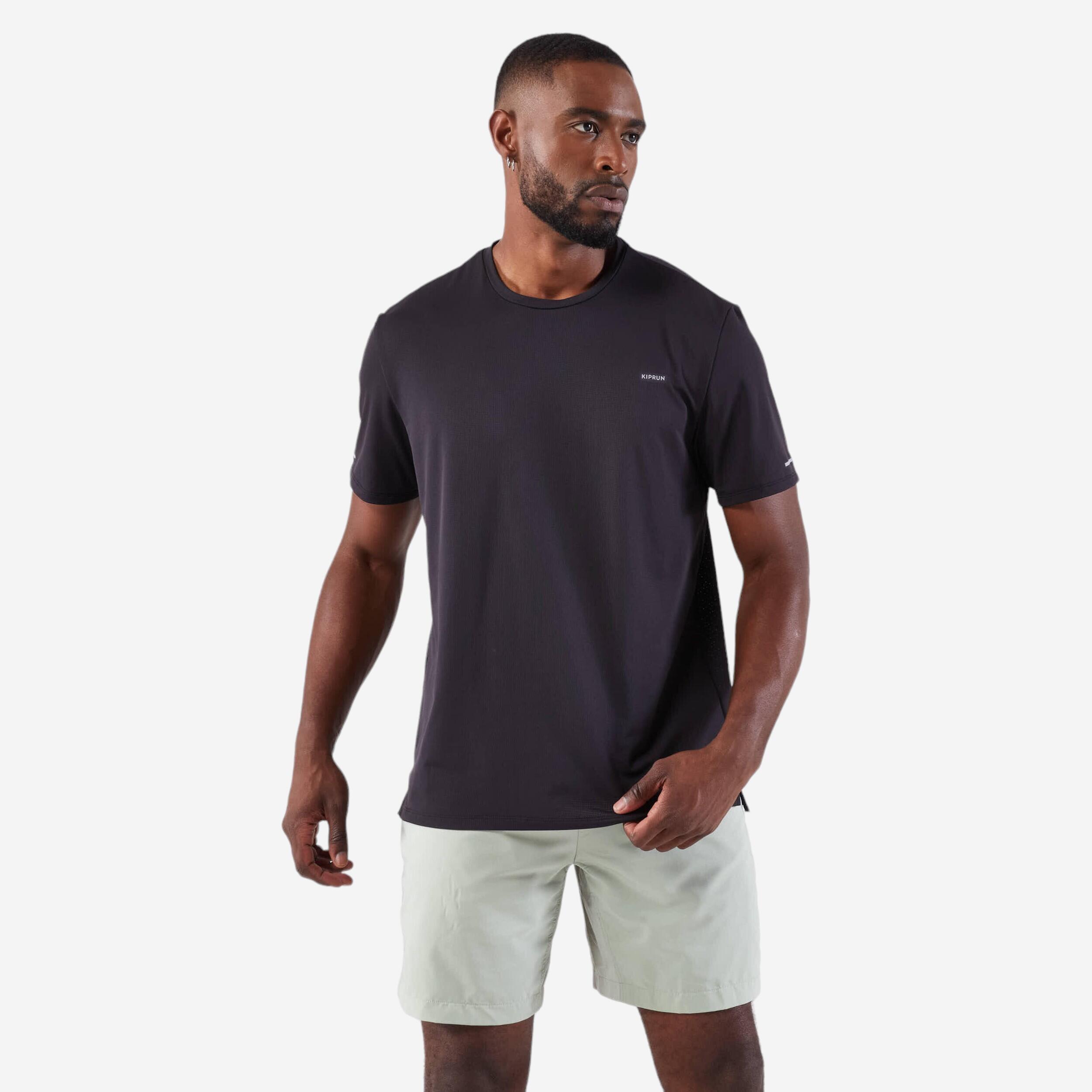
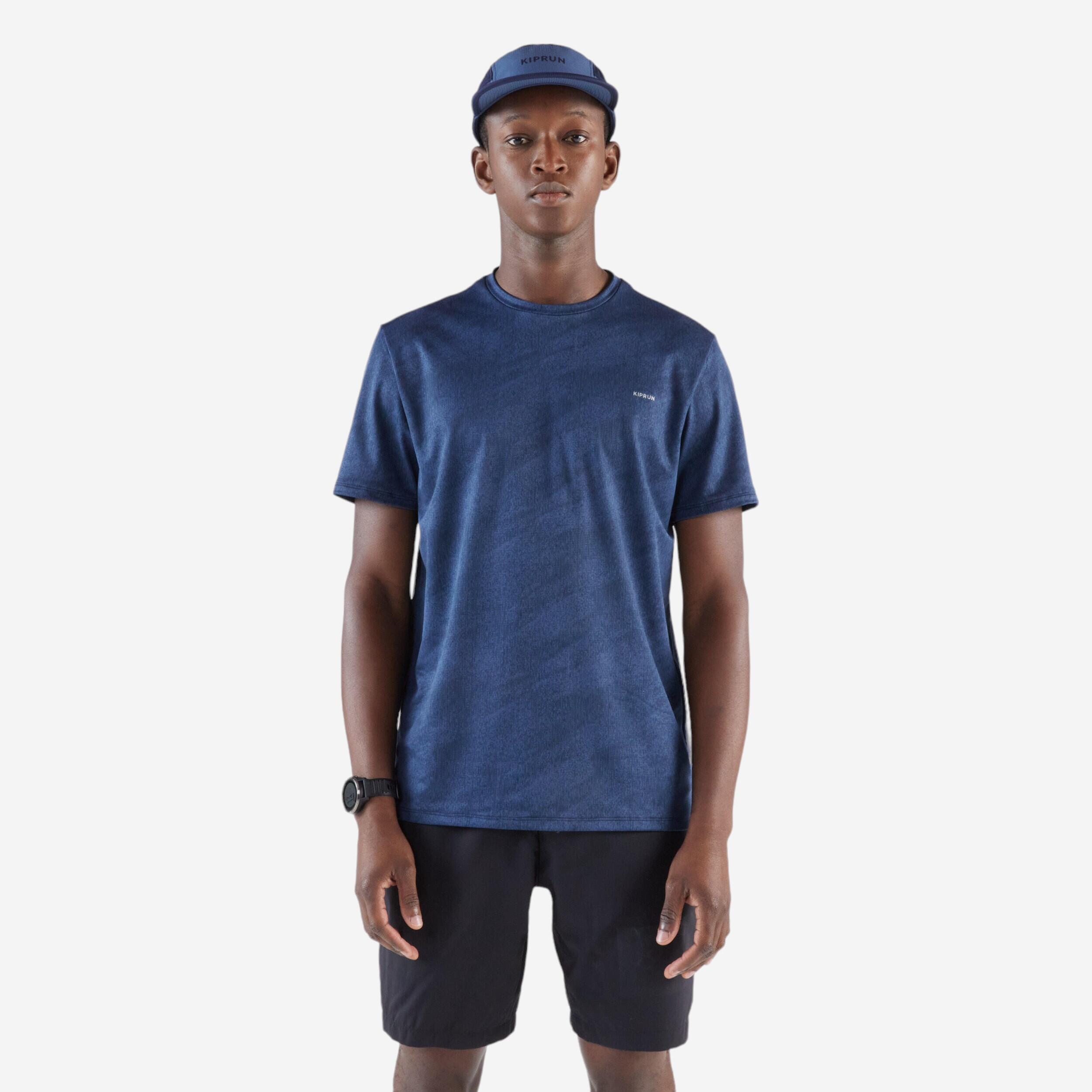
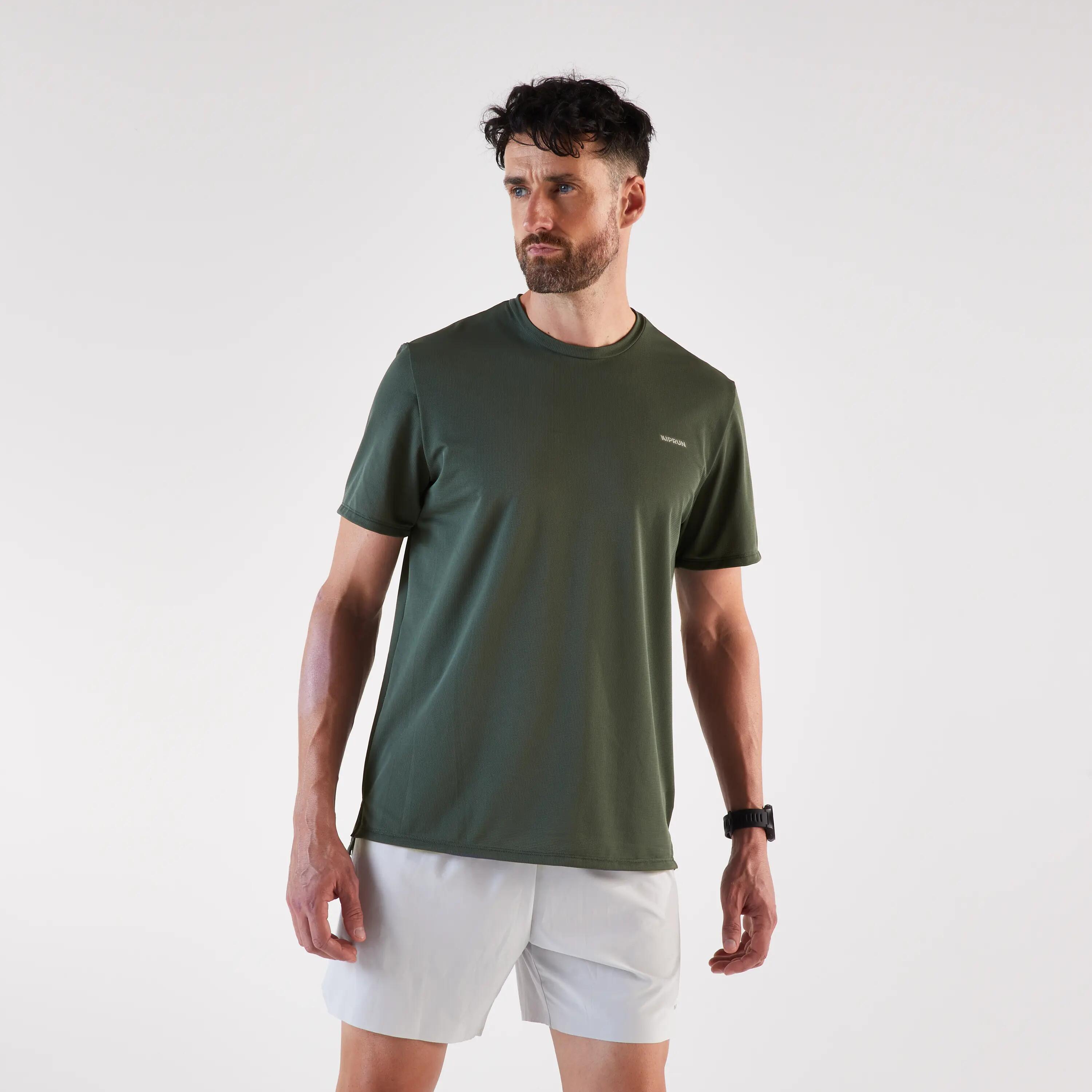
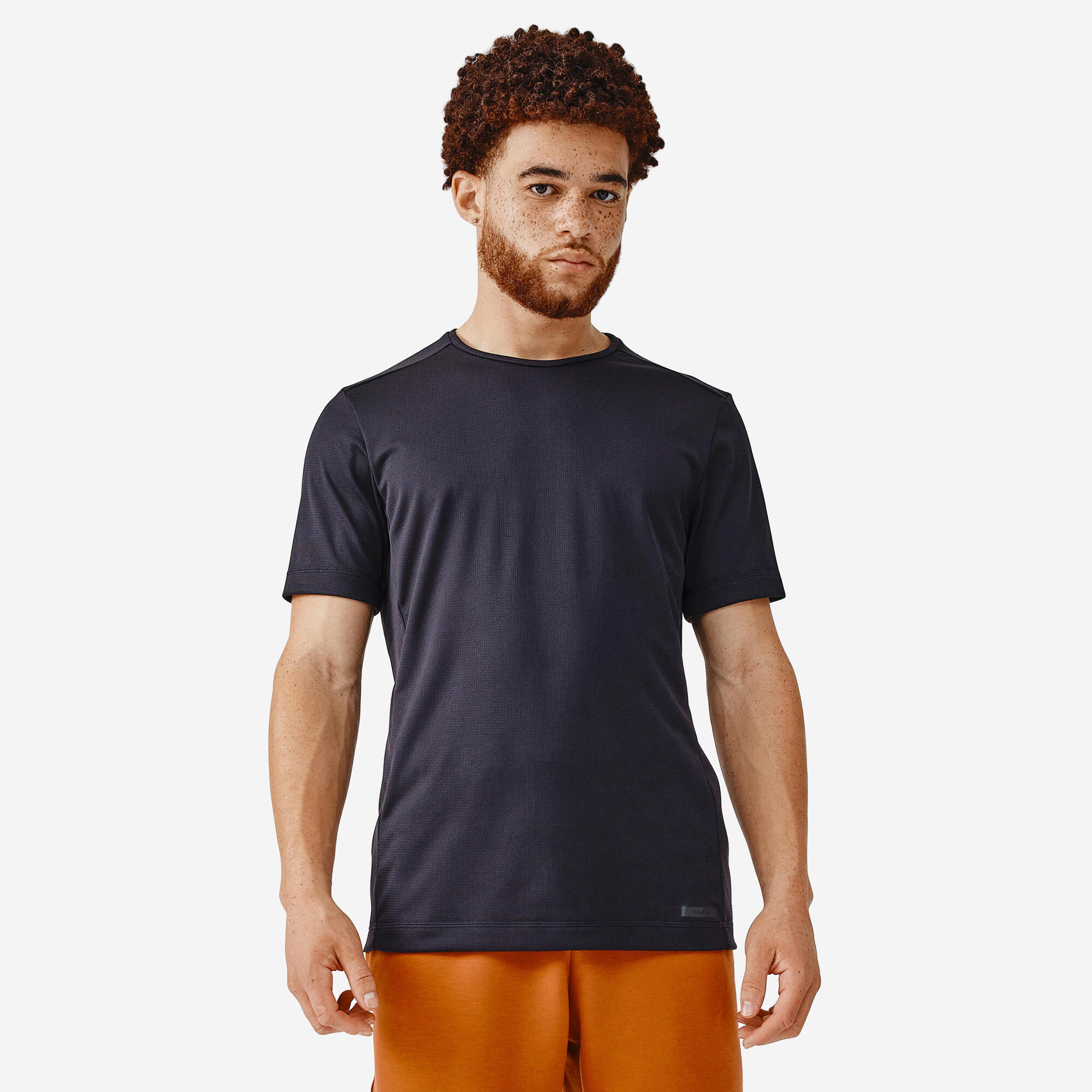
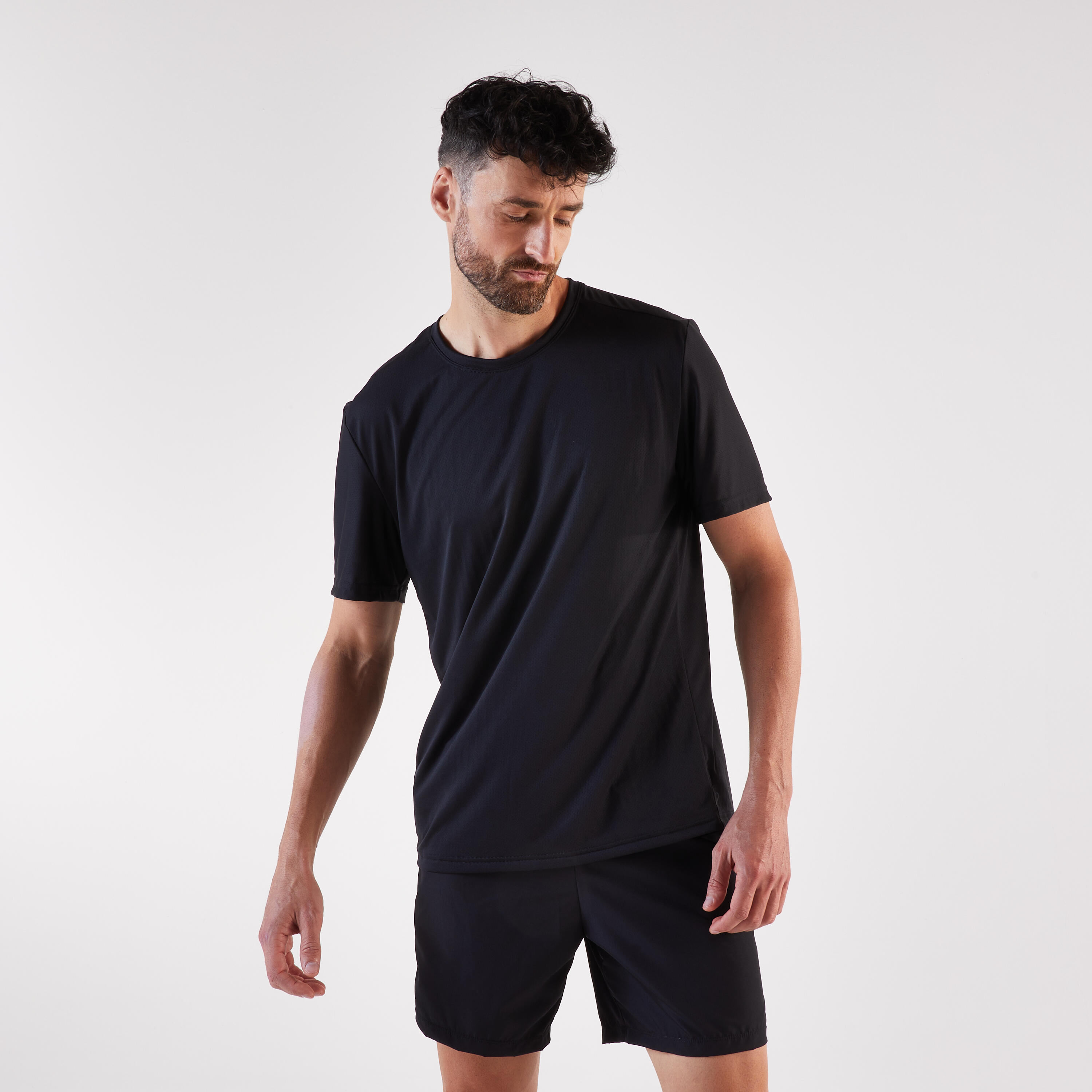
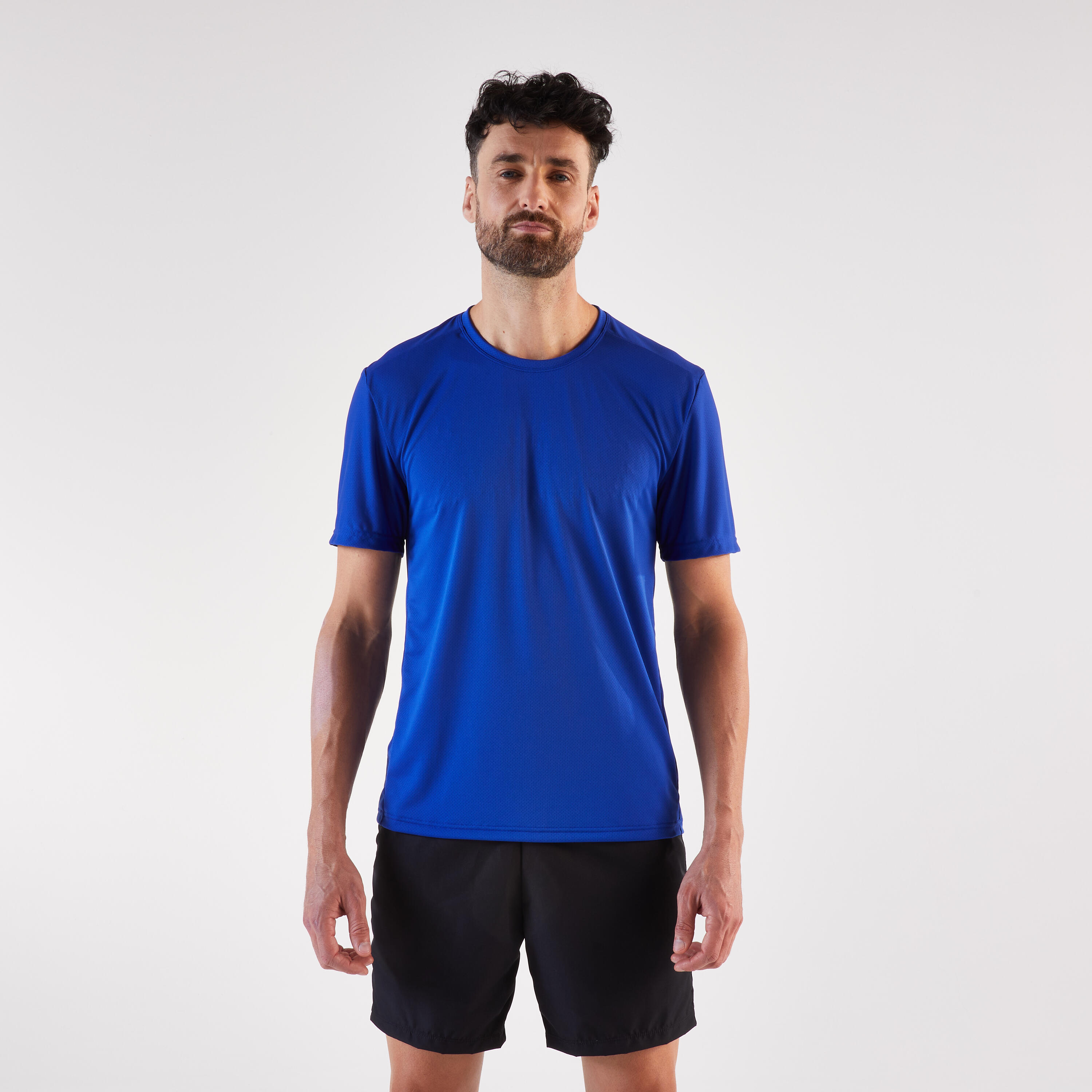
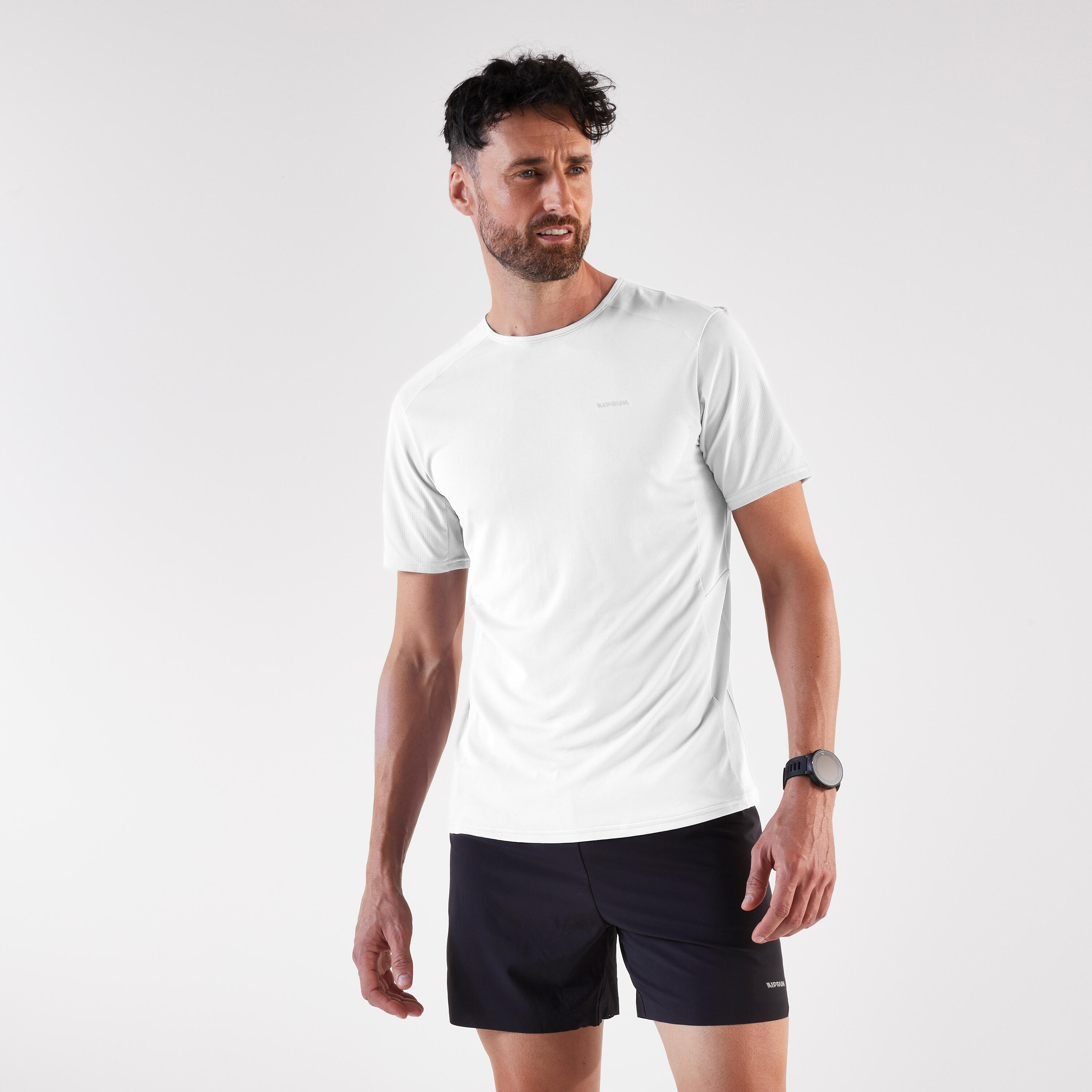
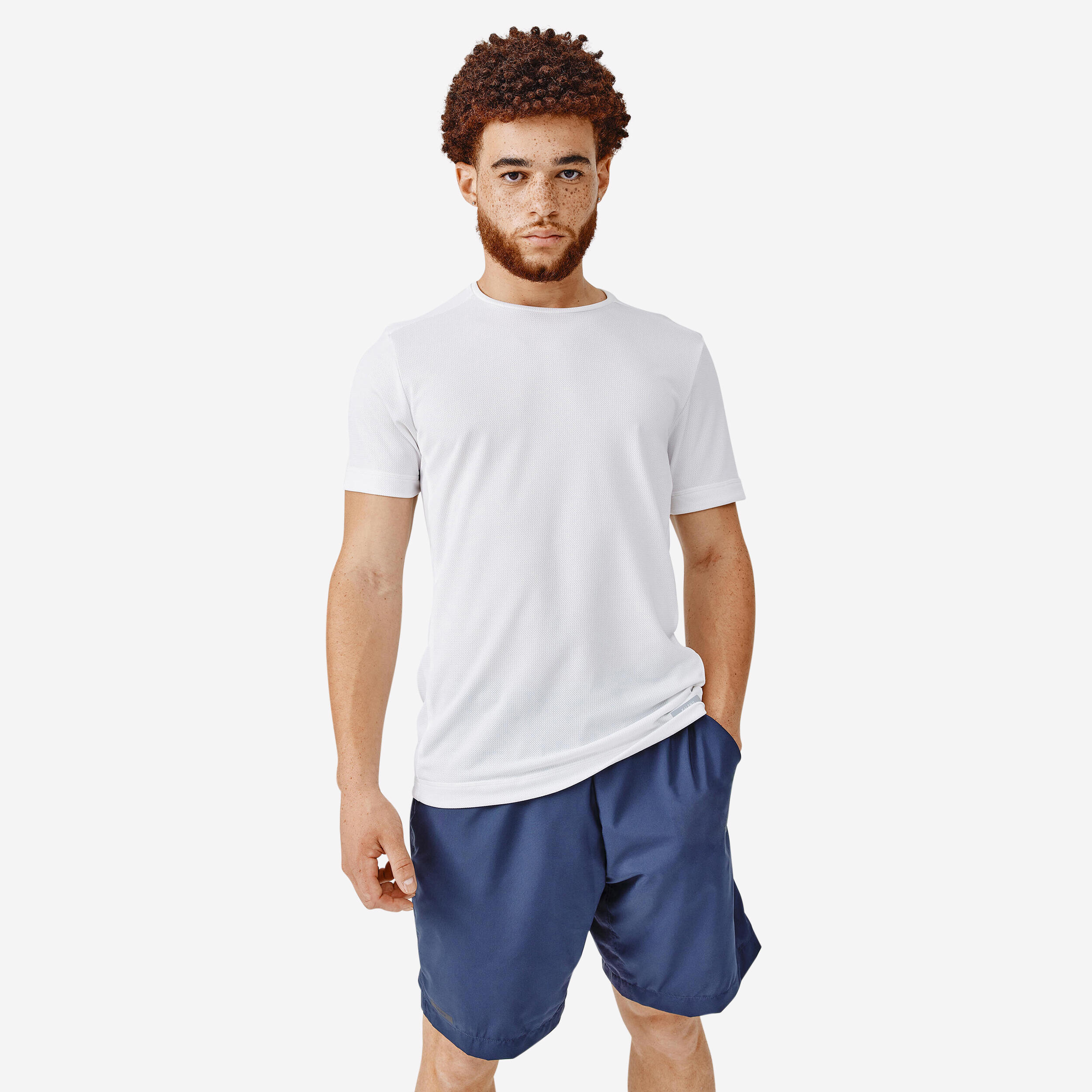
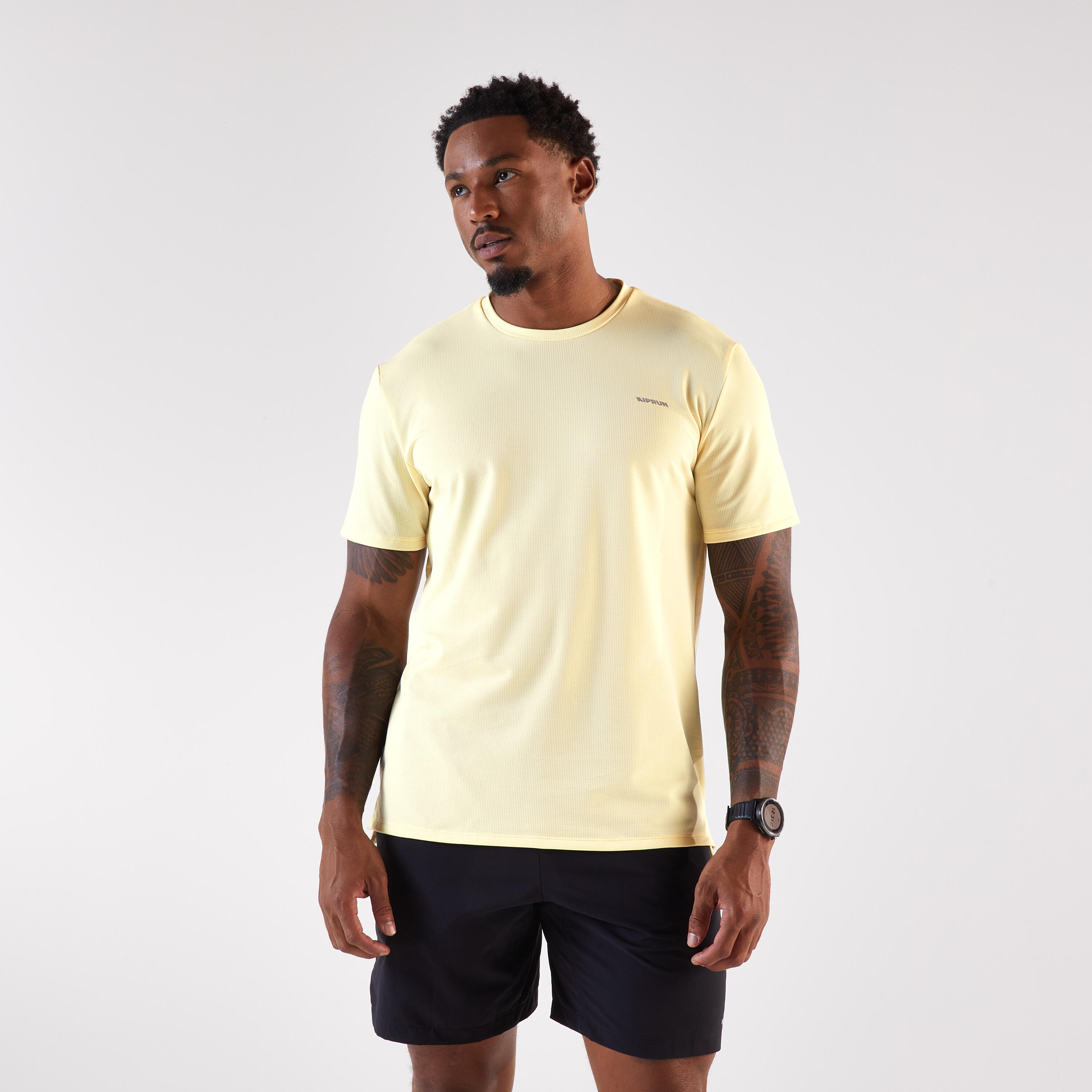
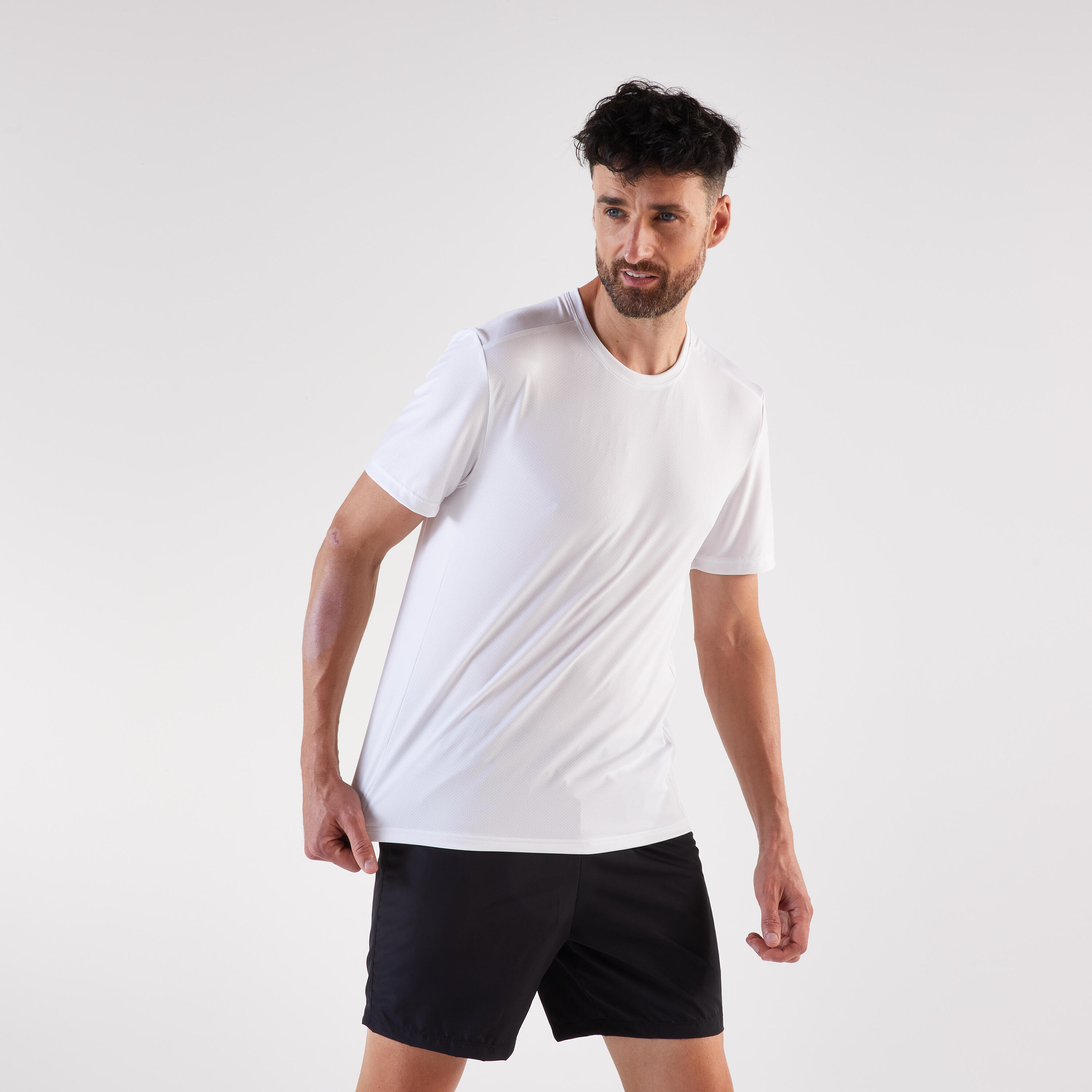
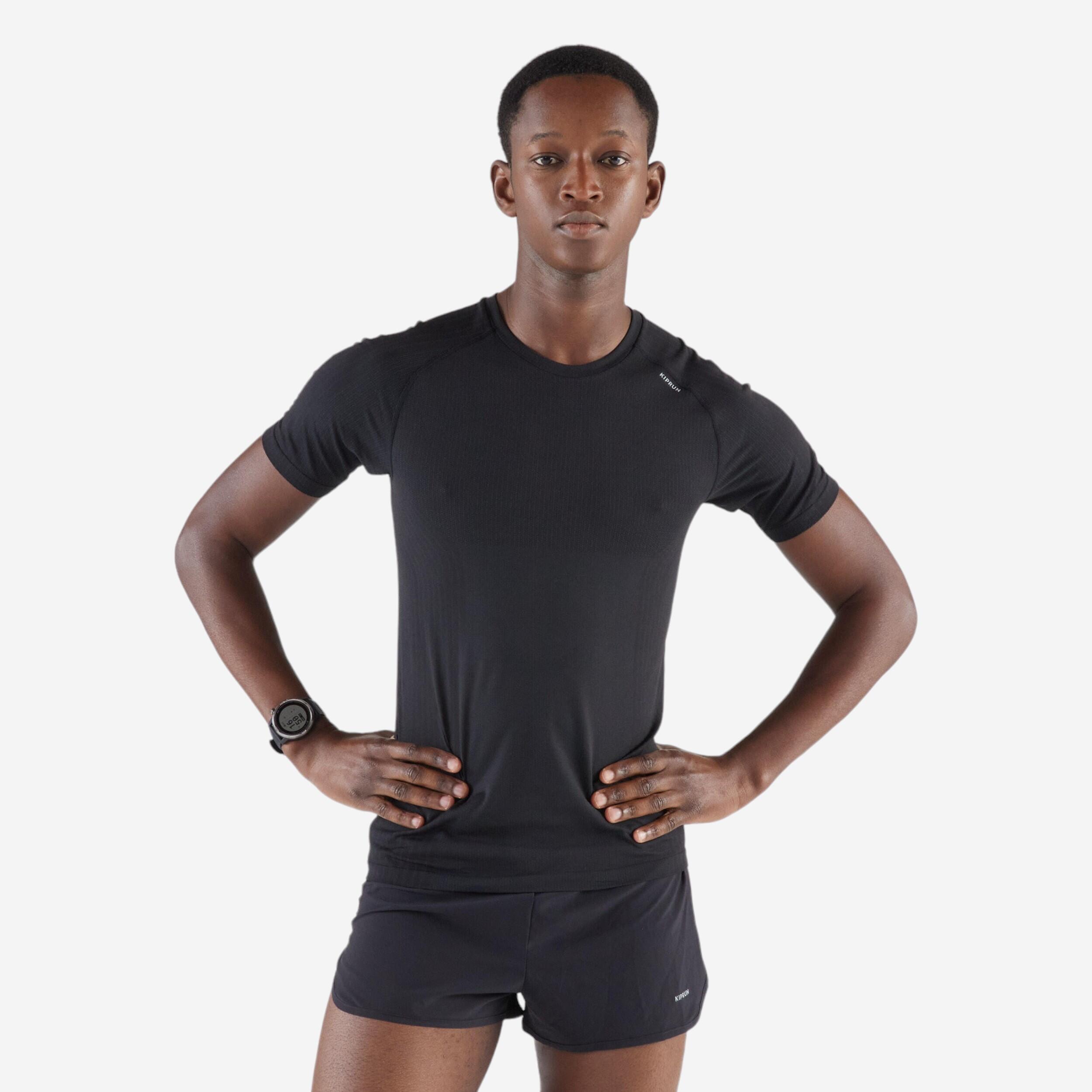
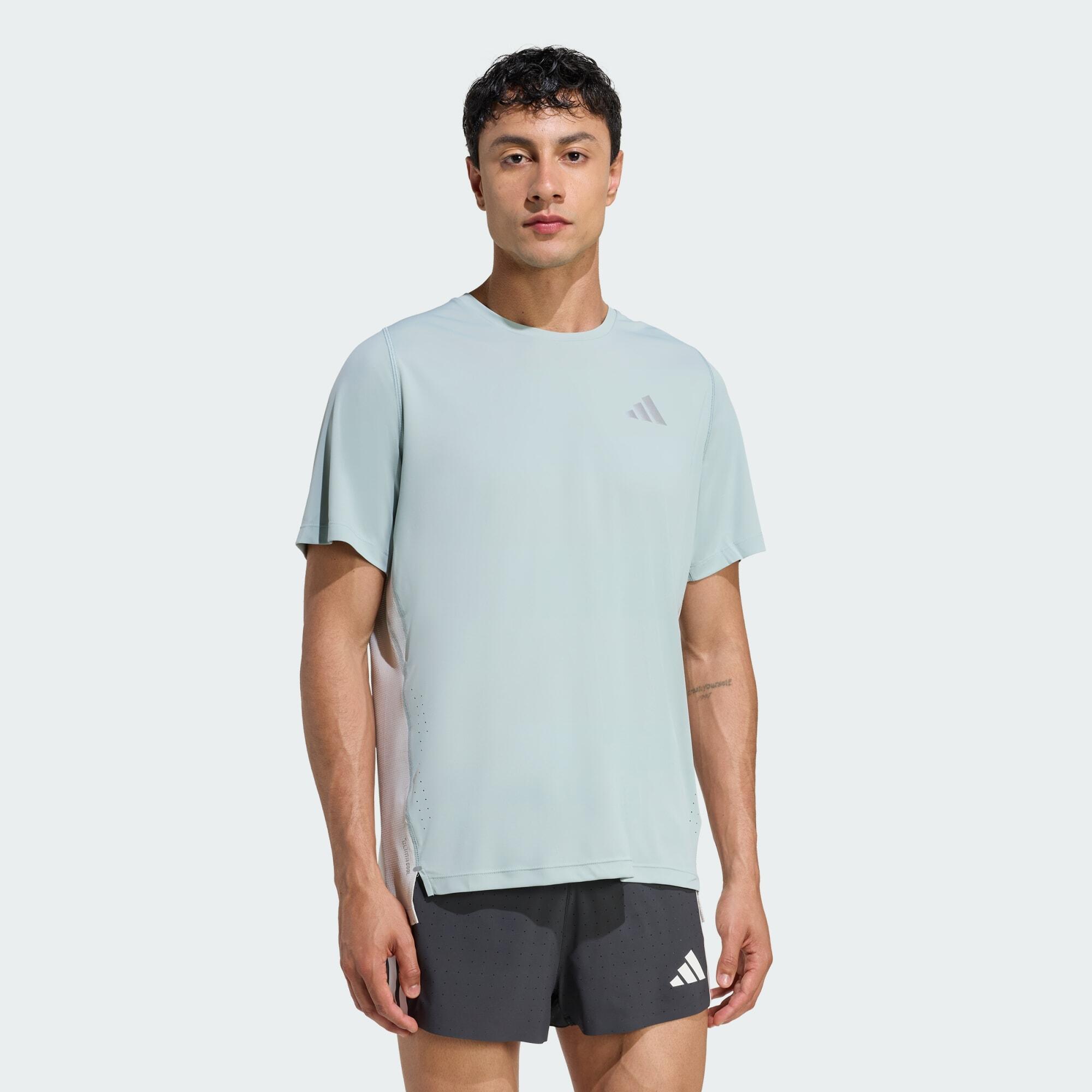
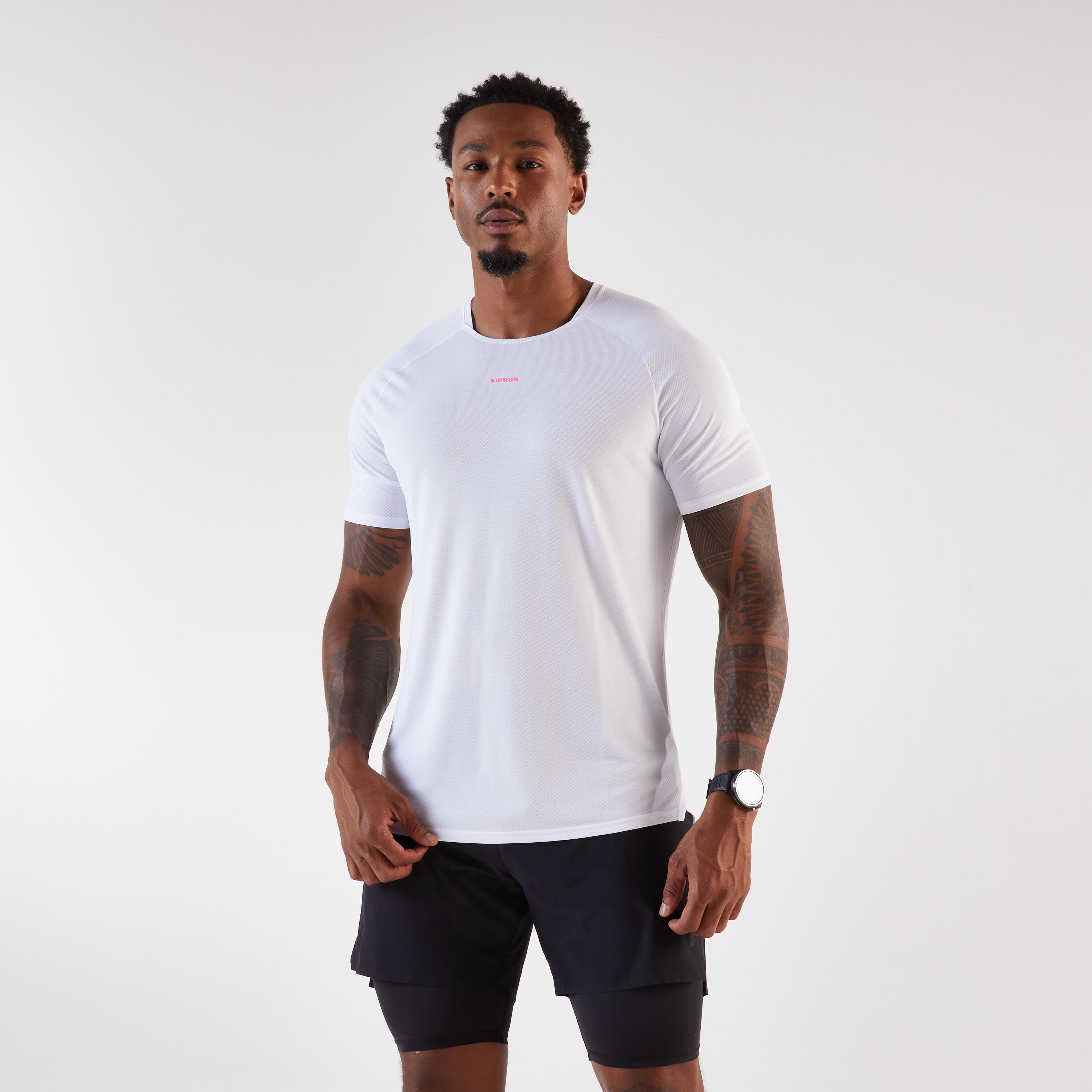
Choose the fabric and cut according to your session intensity, temperature and preferred fit. A lightweight polyester top suits warm-ups and regular track sessions because it moves perspiration away from the skin and dries faster than cotton. Higher-intensity training may call for micro-perforated fabric and added elastane, which allow more airflow and freedom through the shoulders during sprint drills, jumps and interval work. A close fit should not pull across your upper back when you drive your arms. In cooler or windy weather, carry one of the men's athletics jackets so you can protect warm muscles between repetitions without wearing a heavy layer throughout the session.
Why are breathable men's athletics T-shirts useful during hard sessions?

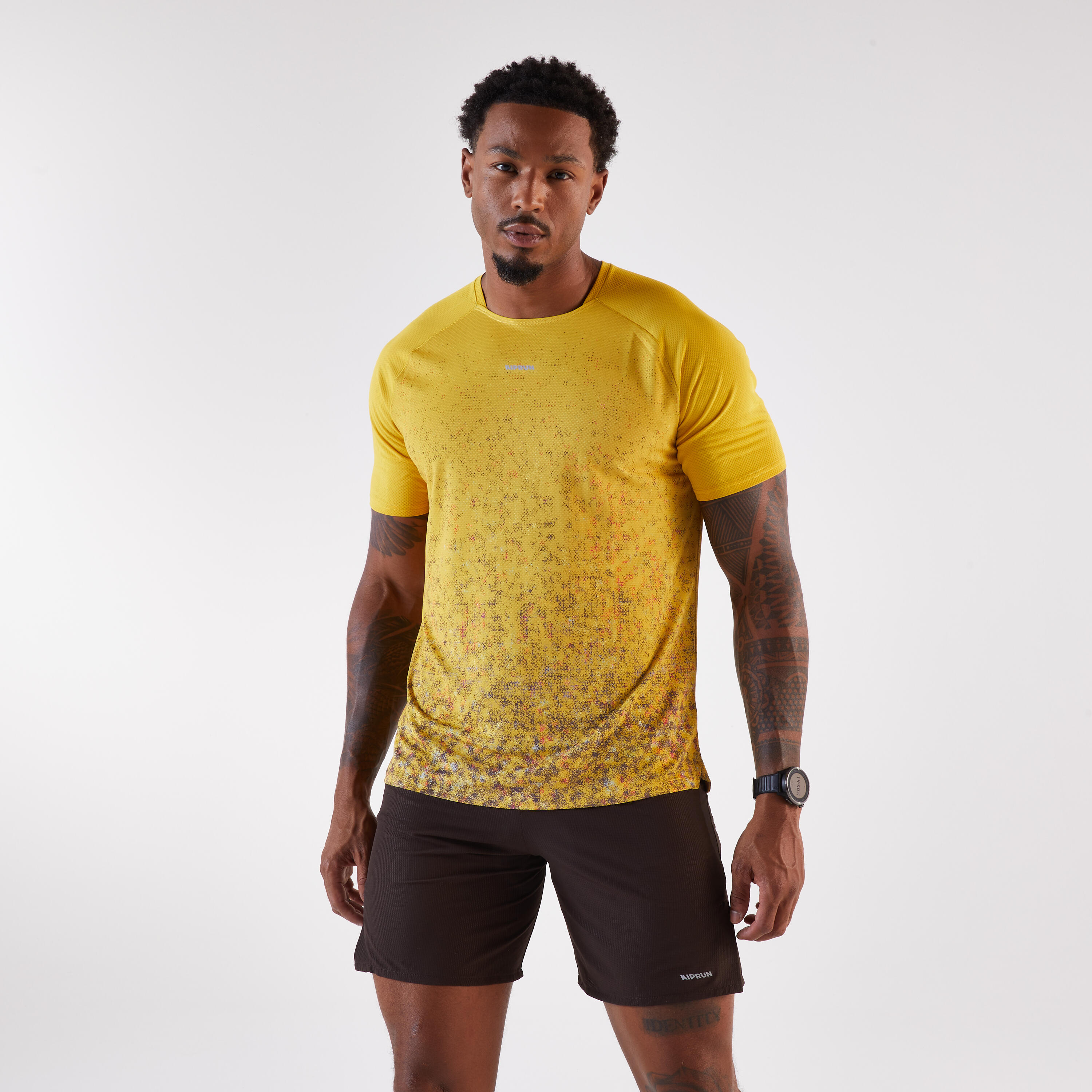
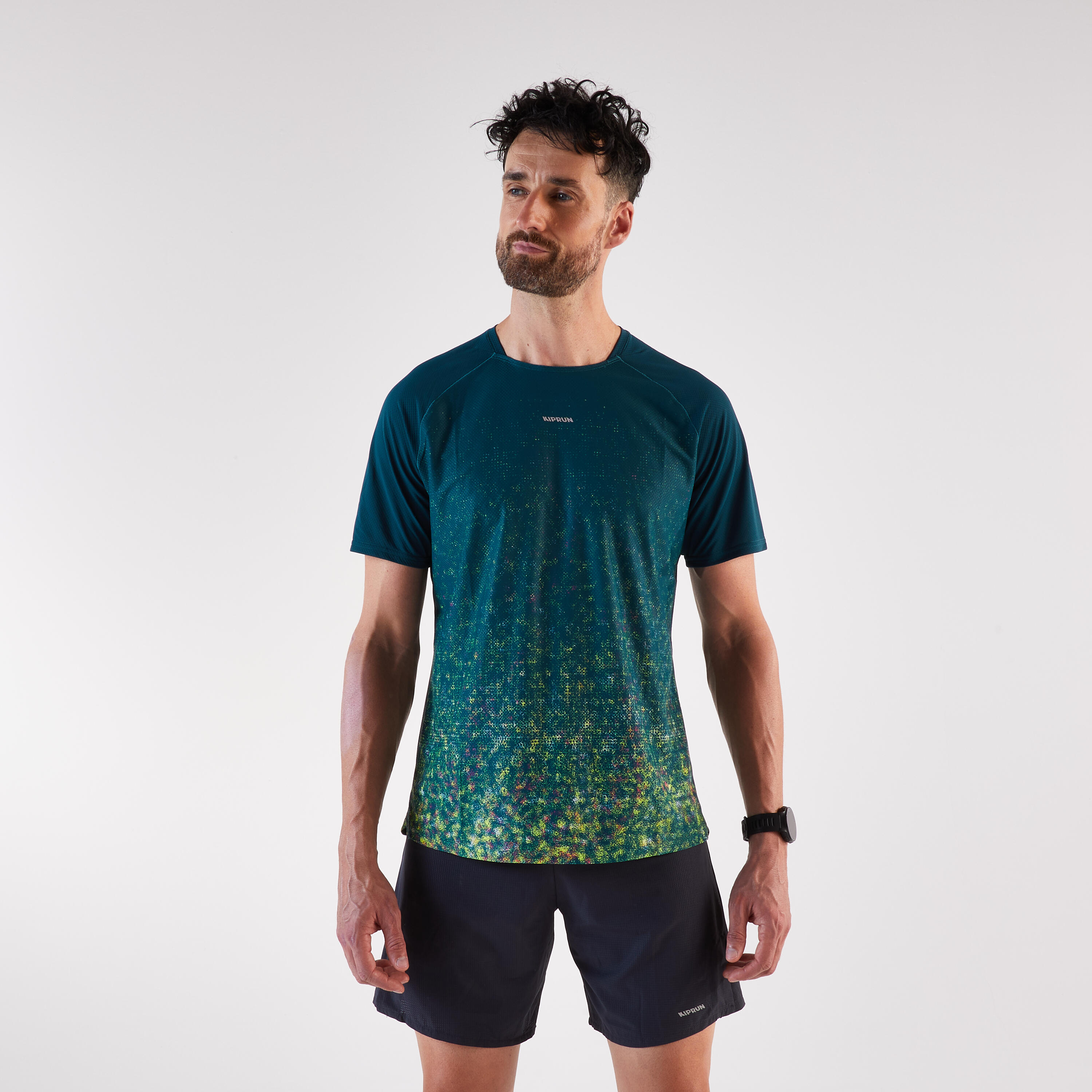
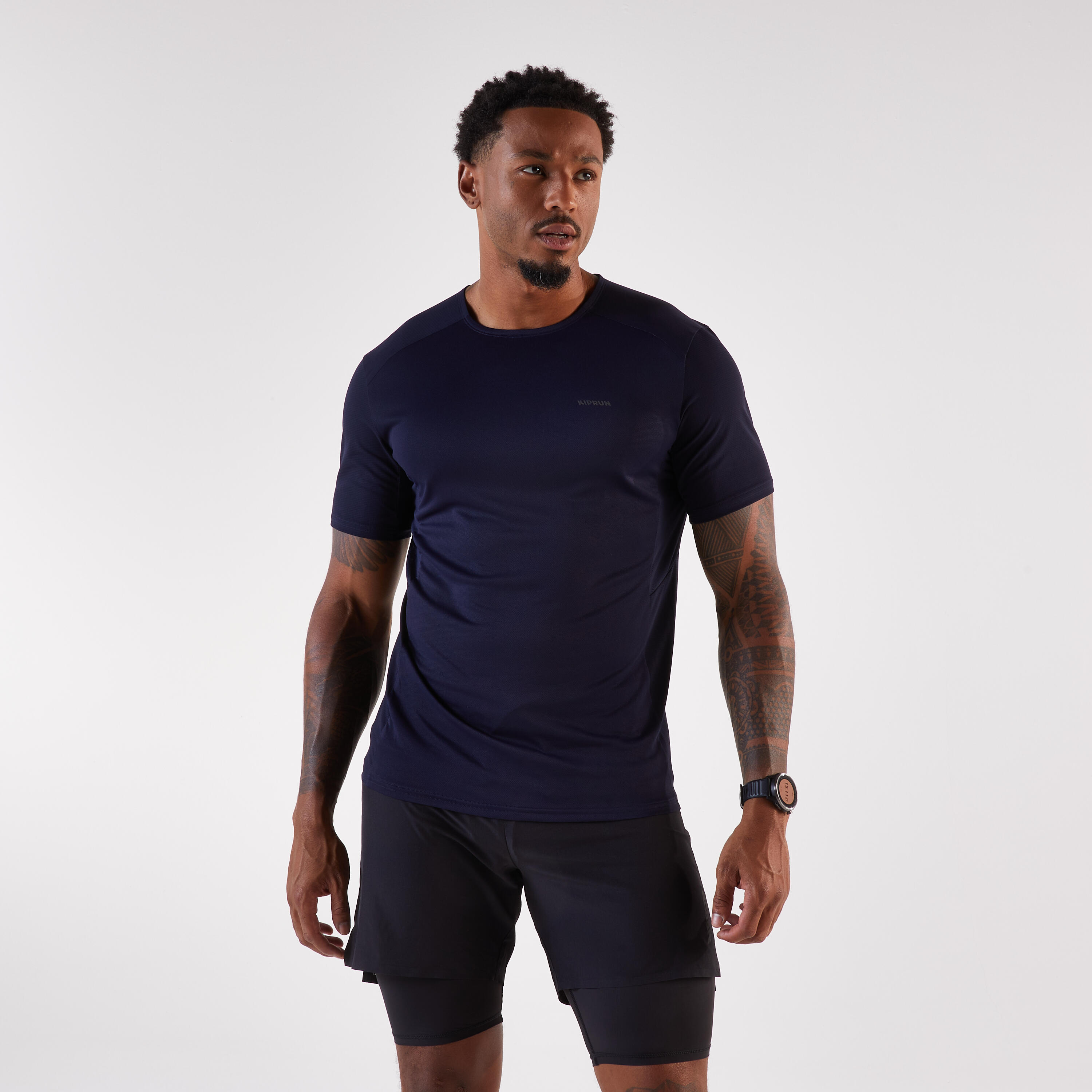
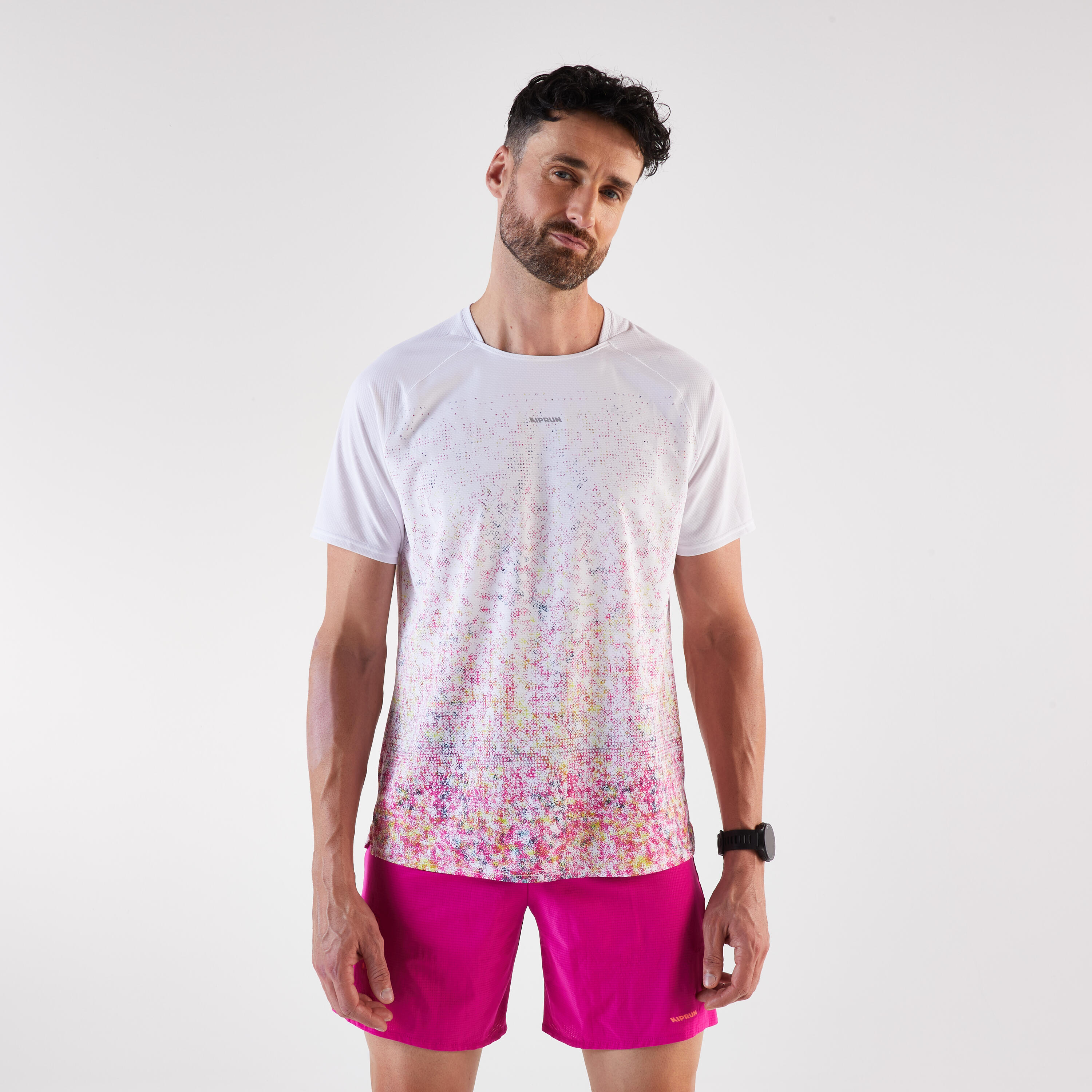
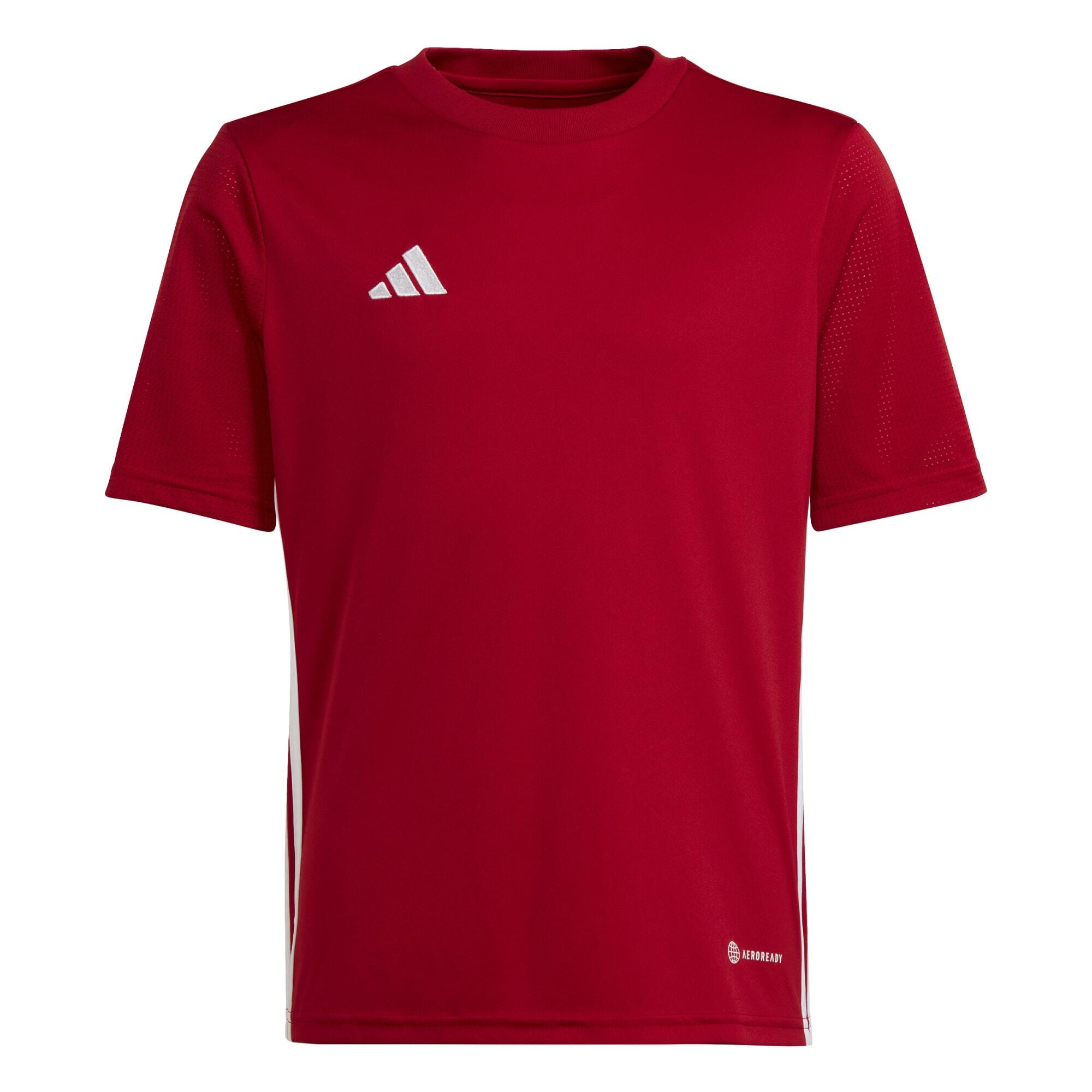
Breathable men's athletics T-shirts help manage the heat and moisture produced as your effort rises. Synthetic fibres absorb little water, spreading perspiration across the fabric so it can evaporate more efficiently. KIPRUN Run 500 Dry tops use micro-perforations throughout the garment rather than relying on one small ventilation panel. Their structured mesh also sits away from wet skin, helping air continue to circulate when sweating increases. This reduces the heavy, clingy feeling that can distract you during intervals. In very warm conditions, men's athletics tank tops leave more of the shoulders and upper arms uncovered, although a T-shirt provides greater sun coverage and protection from rubbing.

Are men's seamless athletics T-shirts better for longer training?

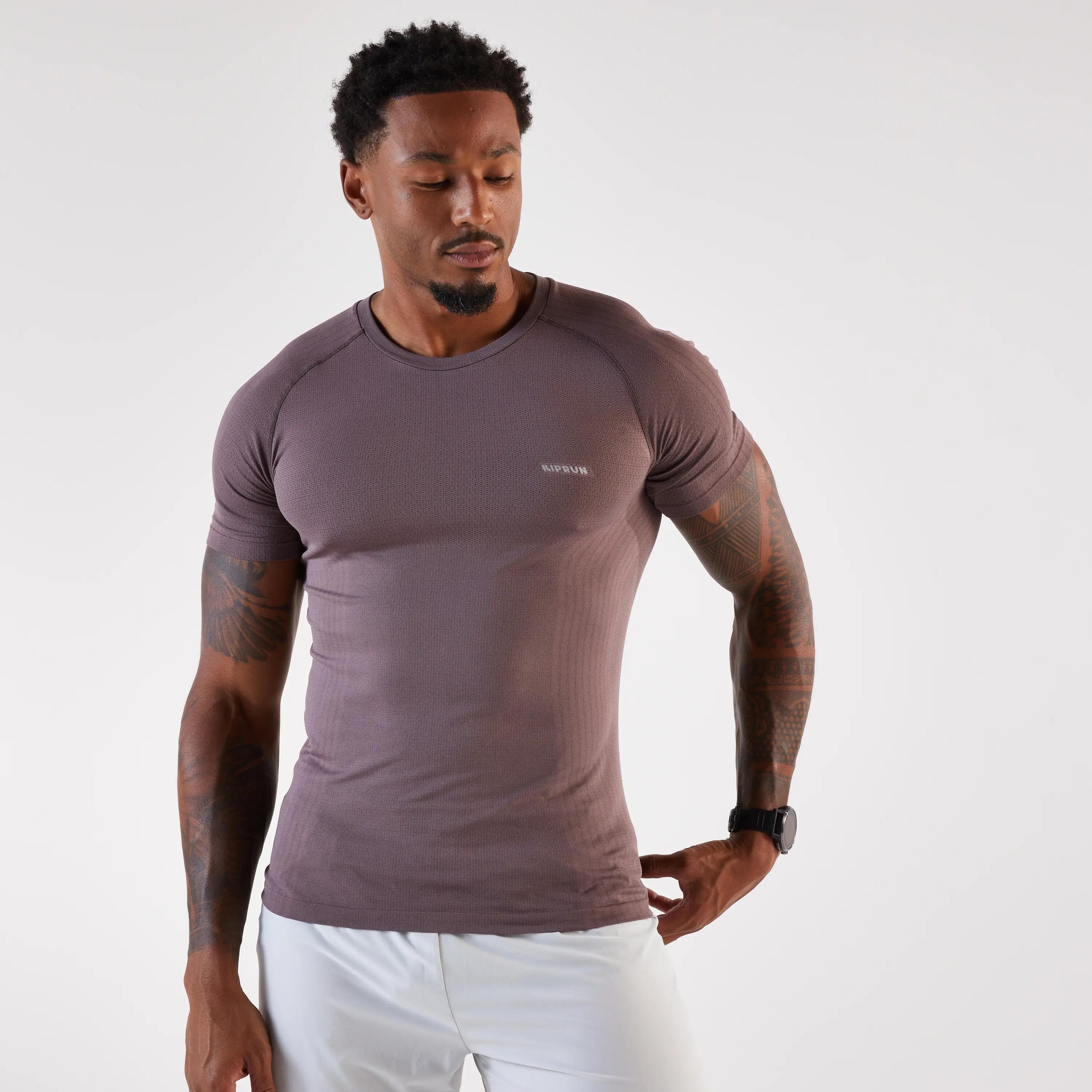
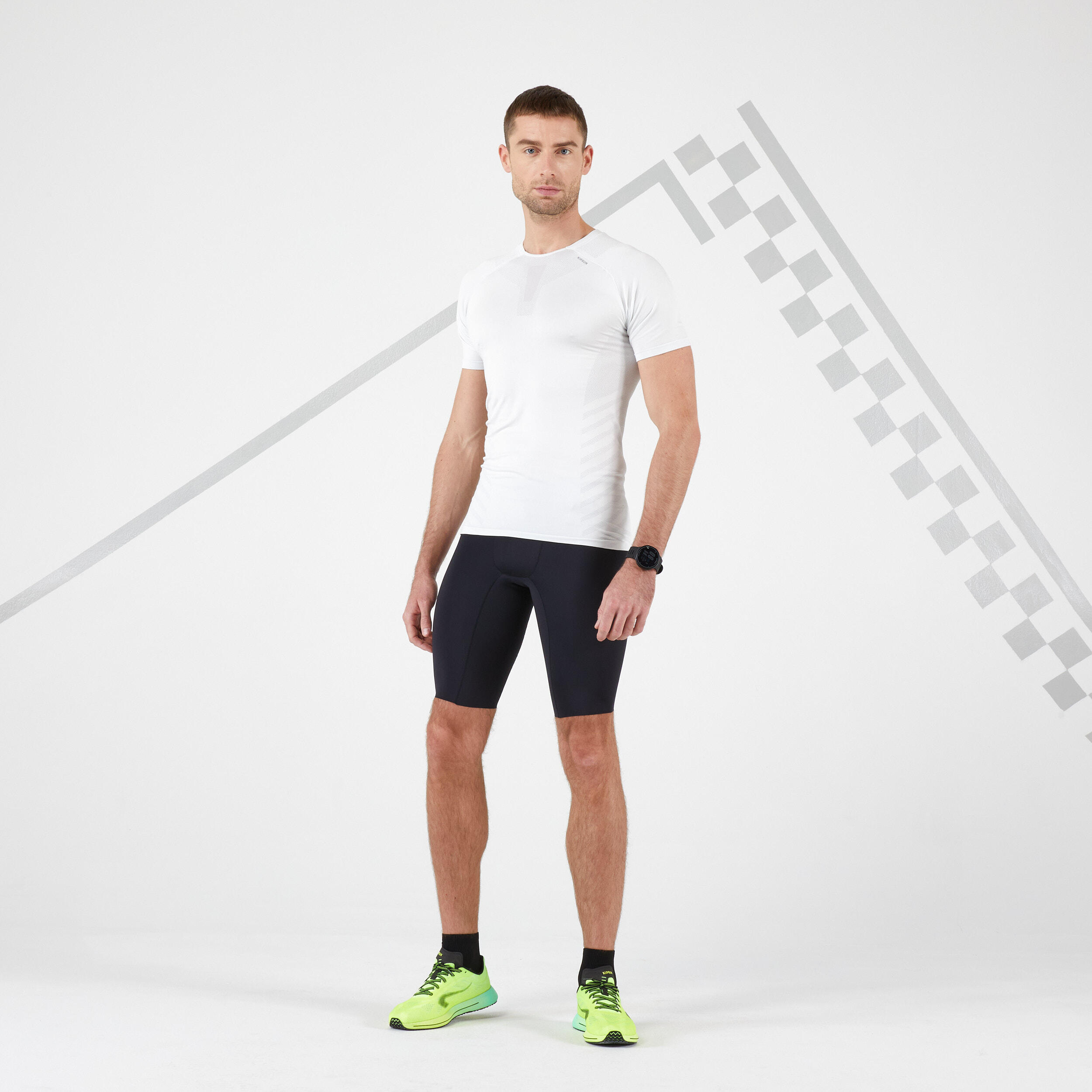
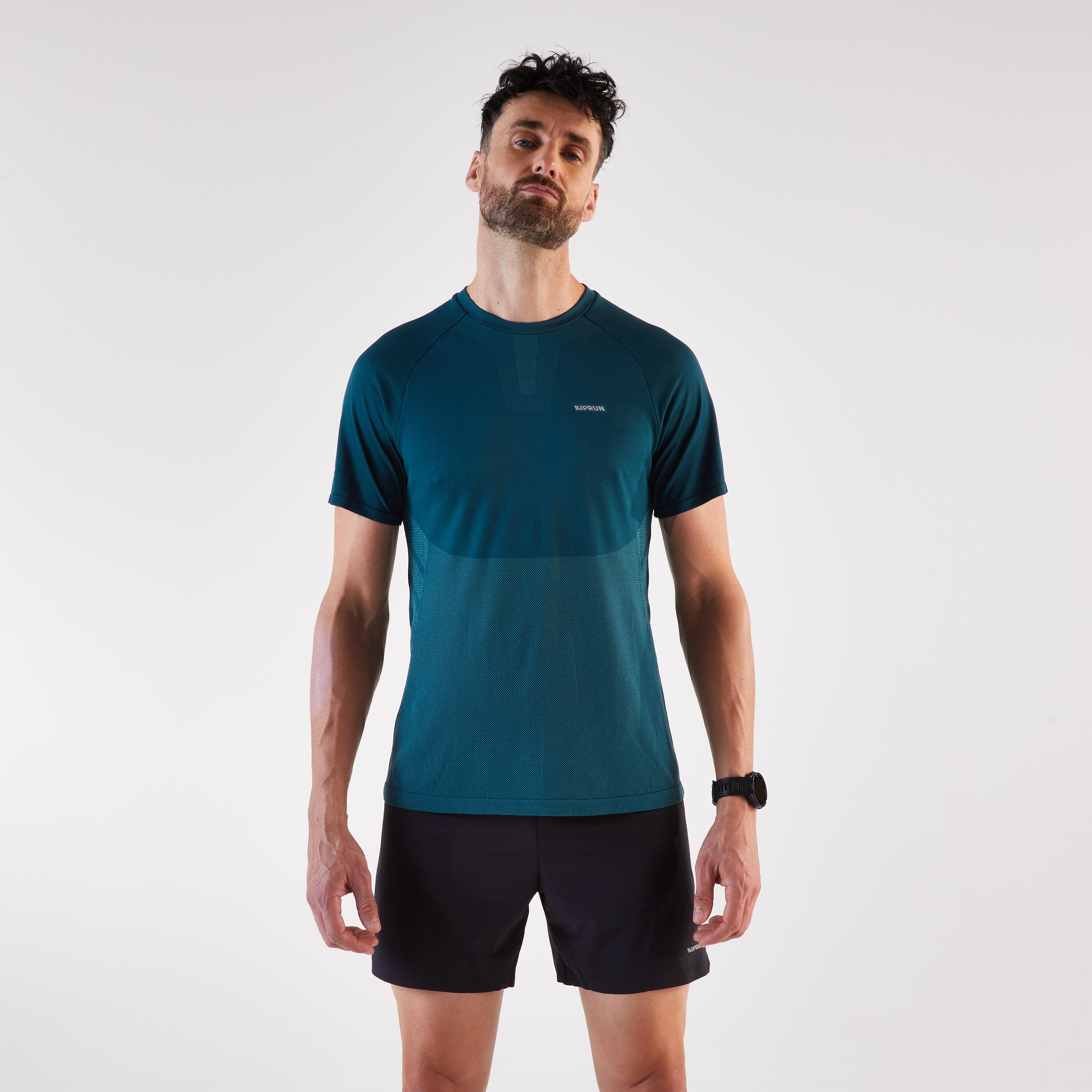
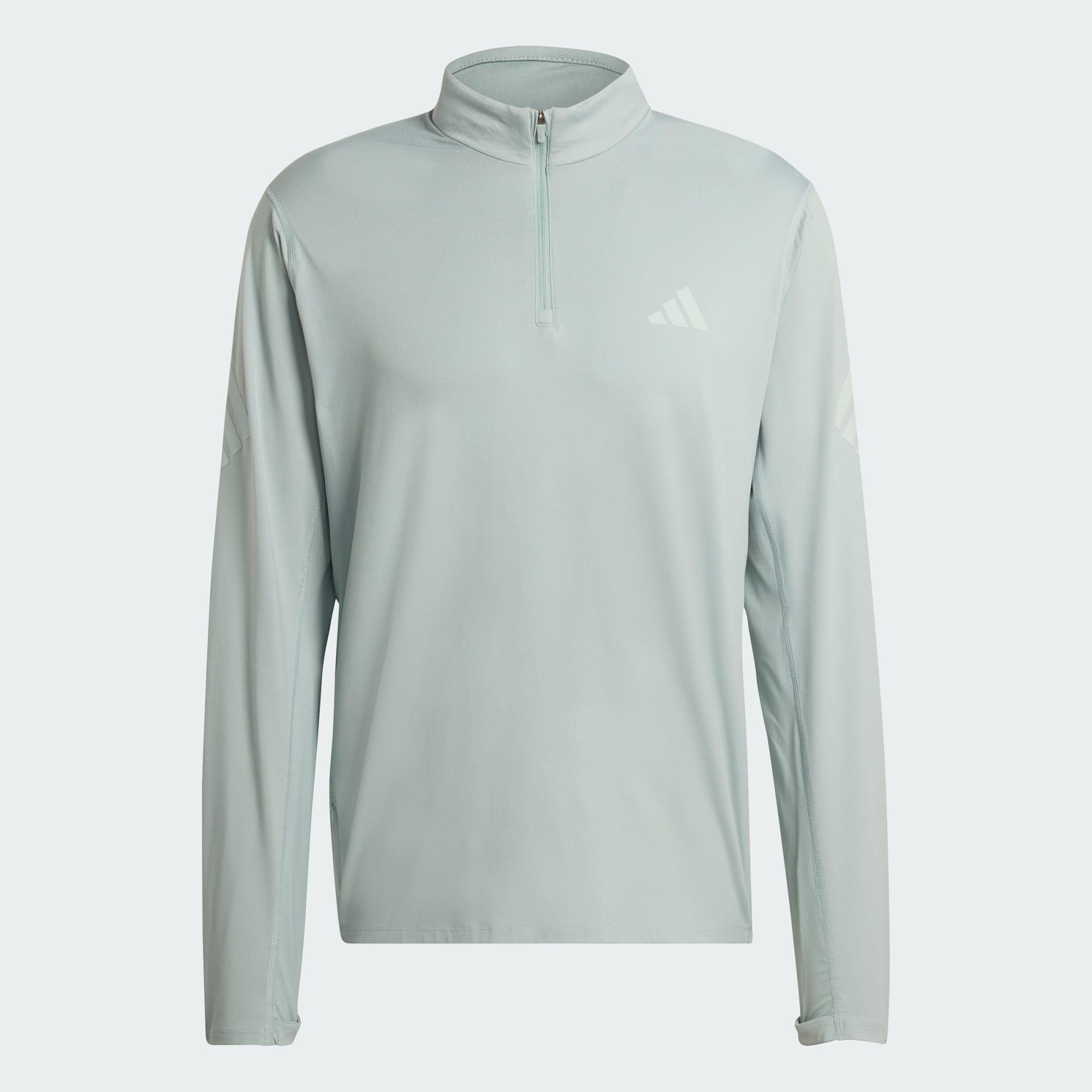
A seamless construction can reduce friction where stitched joins would normally rub against the chest, sides or shoulders. This becomes more useful during longer sessions because thousands of repeated arm movements can turn a small rough area into skin irritation. Seamless does not mean completely free from joins, so check the garment internally and test it while moving rather than judging the label alone. The material should stretch without riding up or becoming tight across the upper body. On cooler days, men's athletics long-sleeve T-shirts add arm coverage while retaining the moisture management needed for active training. Pro tip: avoid wearing a new top for the first time at an important competition.

How should men's athletics T-shirts fit during training?

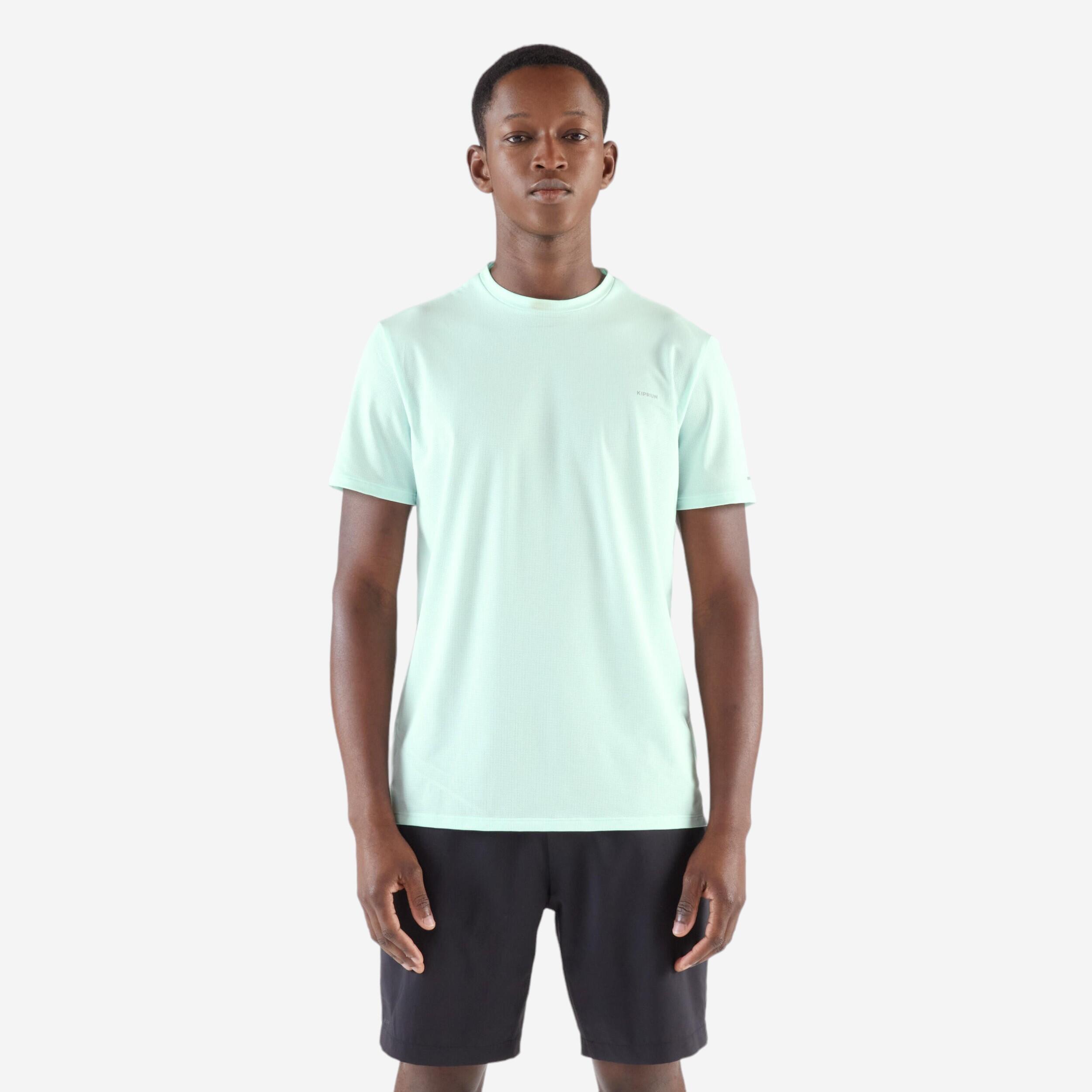
Choose a T-shirt that follows your upper body without restricting your shoulders, arms or torso. Lightweight fabric can help heat escape during track sessions, warm-ups and jumping drills, while a slightly relaxed cut supports airflow in warmer conditions. Check that the hem stays in place when you raise your arms, rotate your upper body or accelerate, without riding up or gathering around your waist. Flat seams and soft fabric can also reduce rubbing during longer sessions or repeated movements. Wear the T-shirt with men's athletics shorts, making sure the top does not overlap the waistband excessively or restrict knee lift, bending and technical athletics movements.

How do you compare KIPRUN and Kalenji men's athletics T-shirts?

Kalenji tops provide straightforward quick drying for regular training, while KIPRUN models add options such as stretch fabric, full micro-perforation, seamless comfort or abrasion resistance for wearing beneath a trail vest. Men's athletics T-shirts may use different fabrics and fits, so read the individual specifications instead of assuming all brands offer the same moisture management or testing. Choose according to the session rather than the logo. In cold weather, men's athletics tights can add leg coverage without the loose fabric of jogging bottoms. Wash technical tops at no more than 30 degrees Celsius, avoid tumble drying and fabric softener, and let them air dry to help preserve stretch, shape and moisture movement.