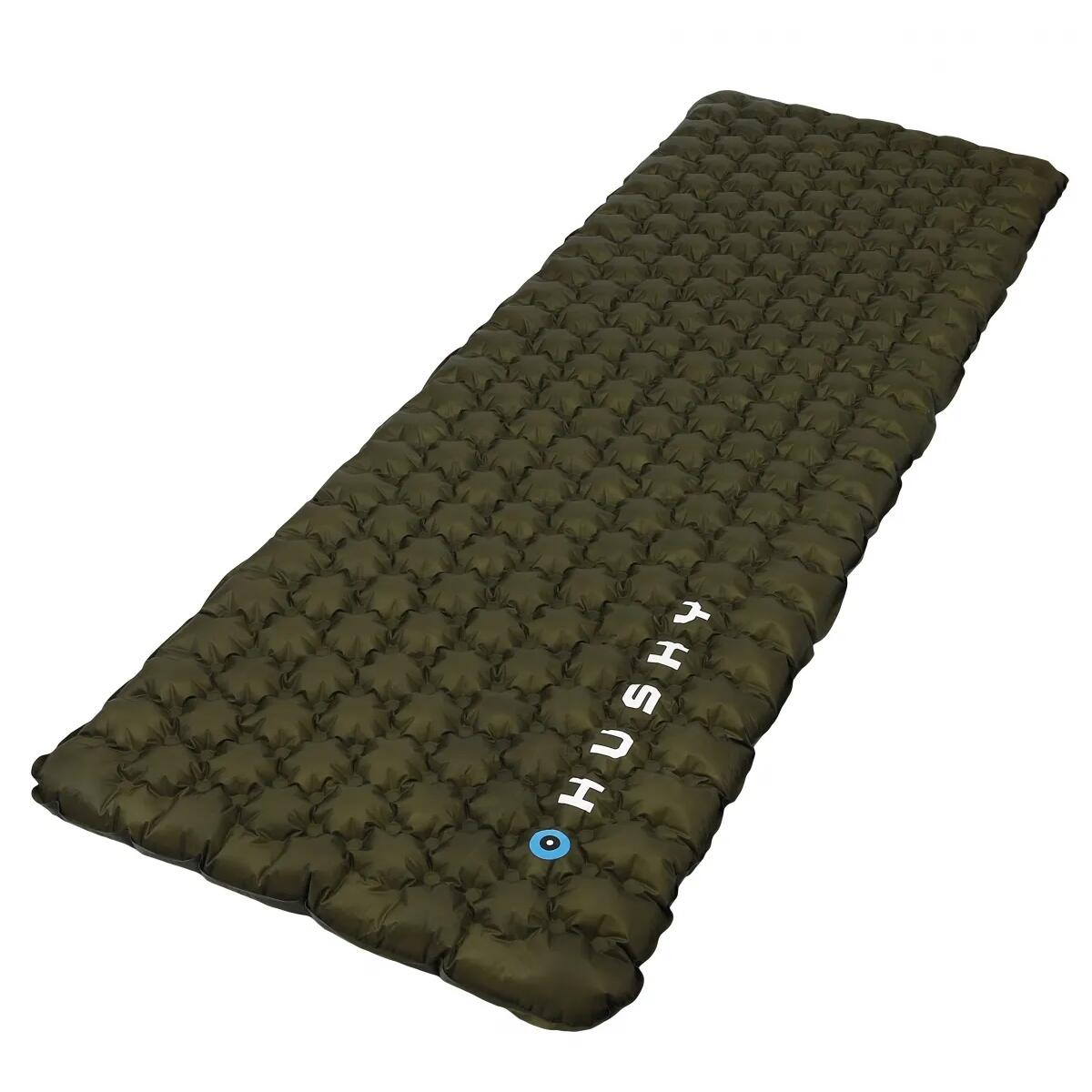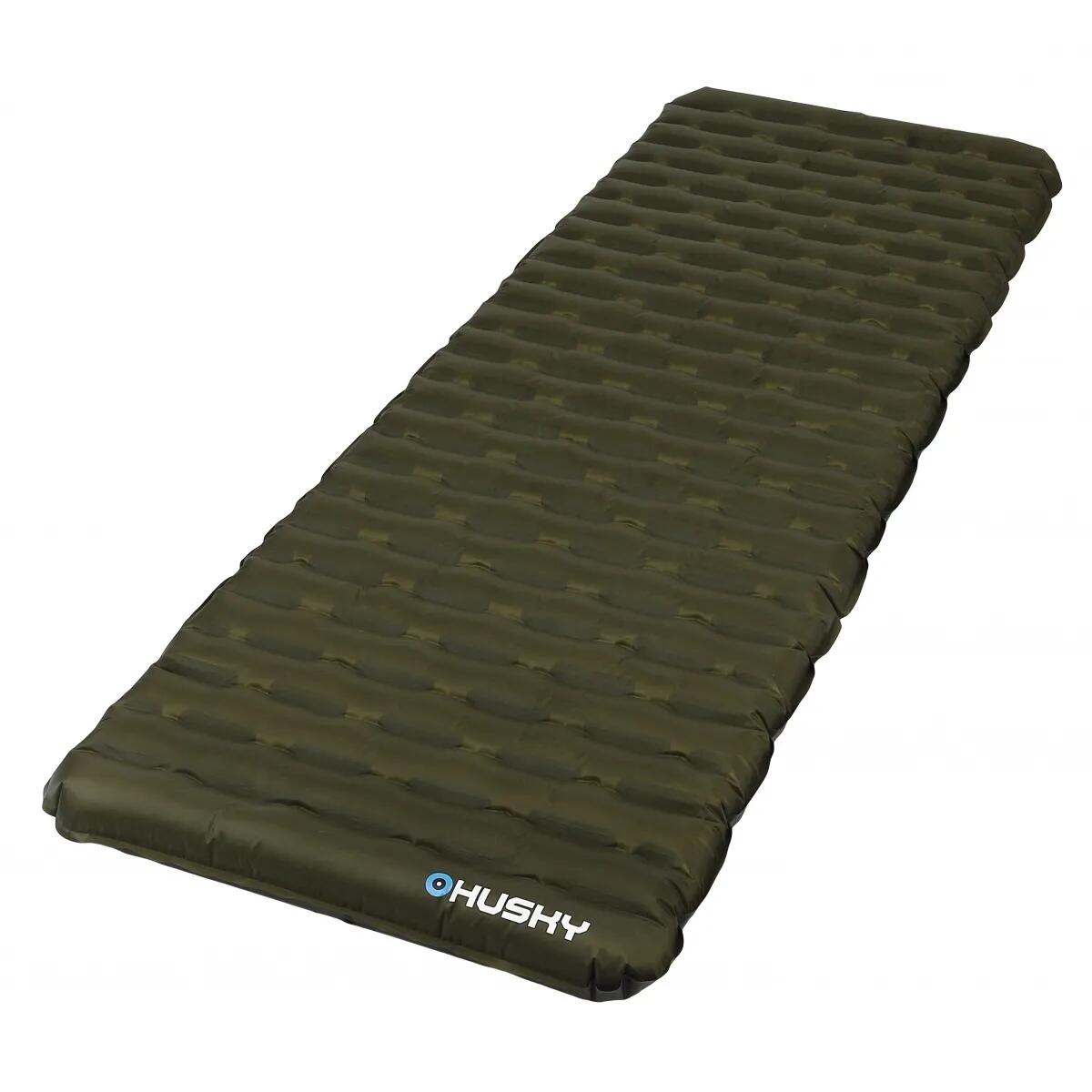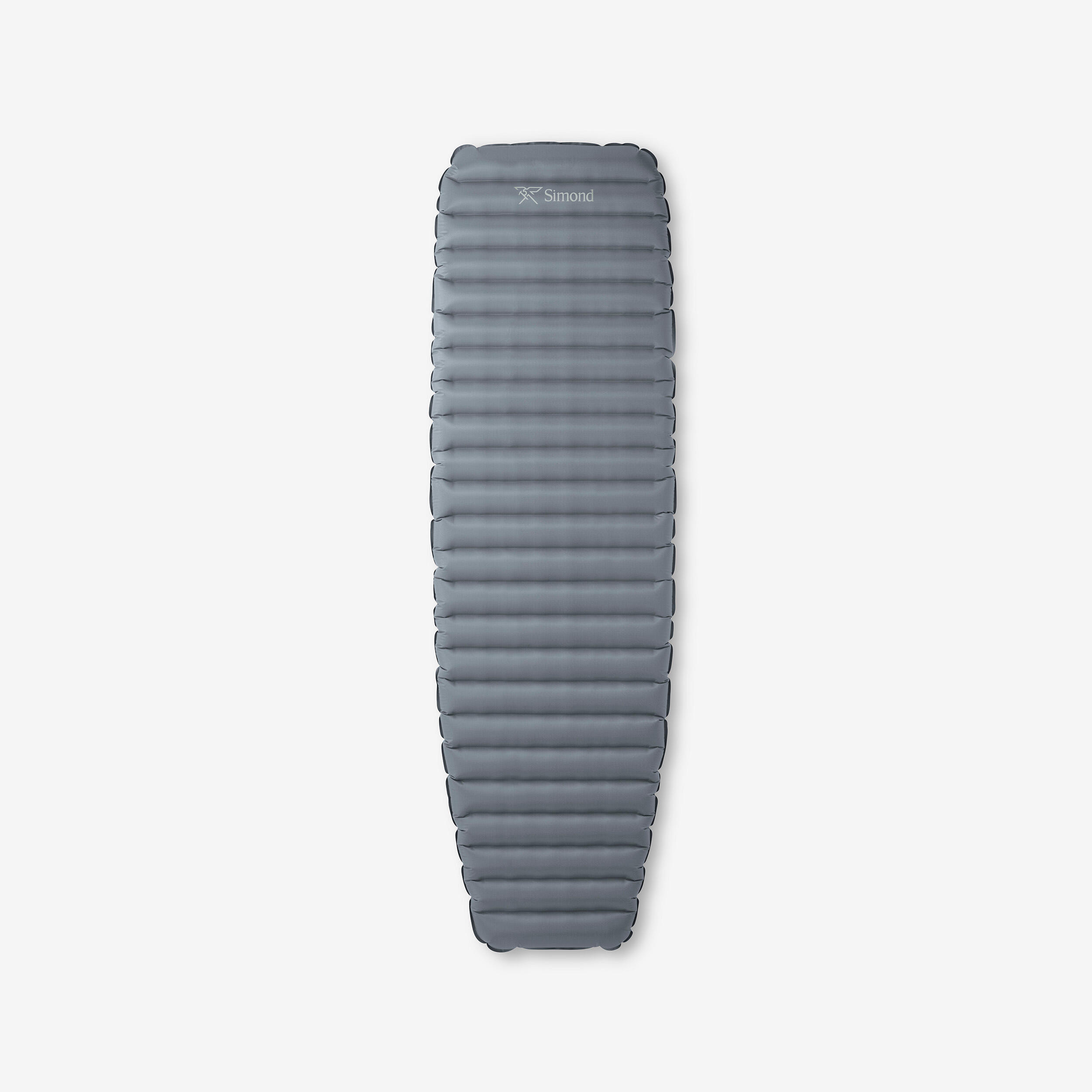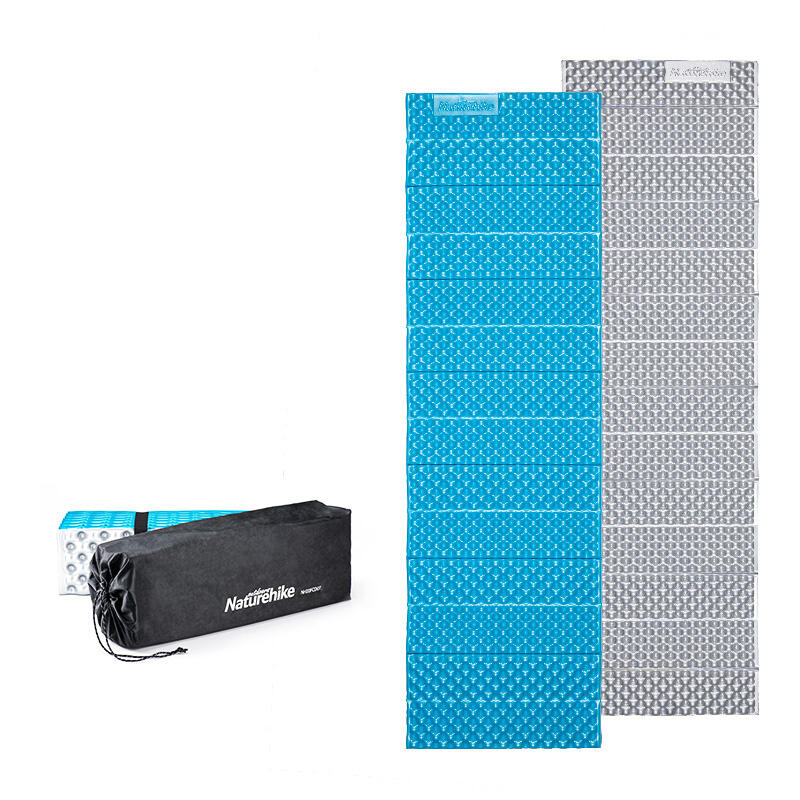
69 items
4.3/5 based on 8658 reviews collected online and in stores

Trekking Mattresses FAQs

How do I choose the right trekking mattress for my hike?

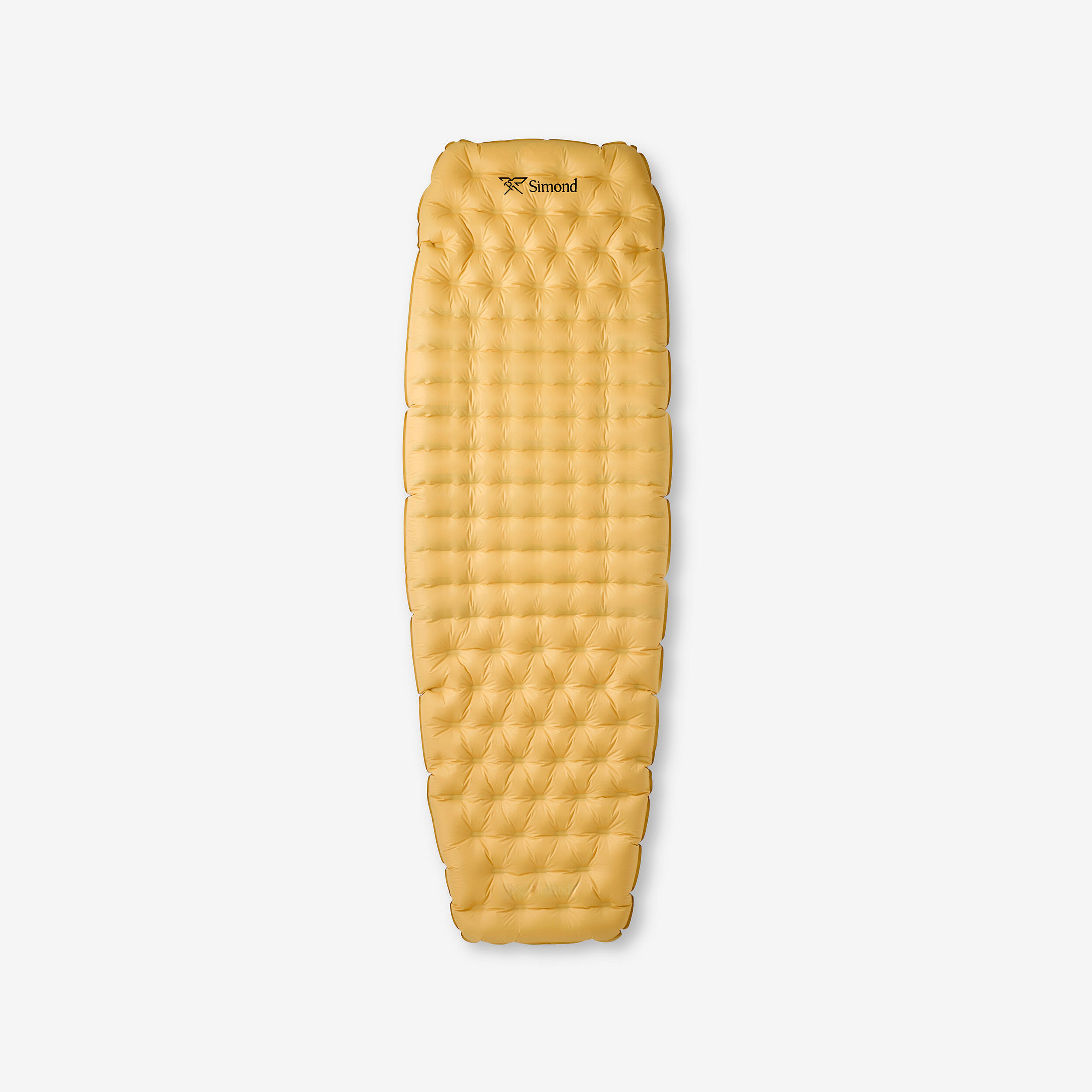
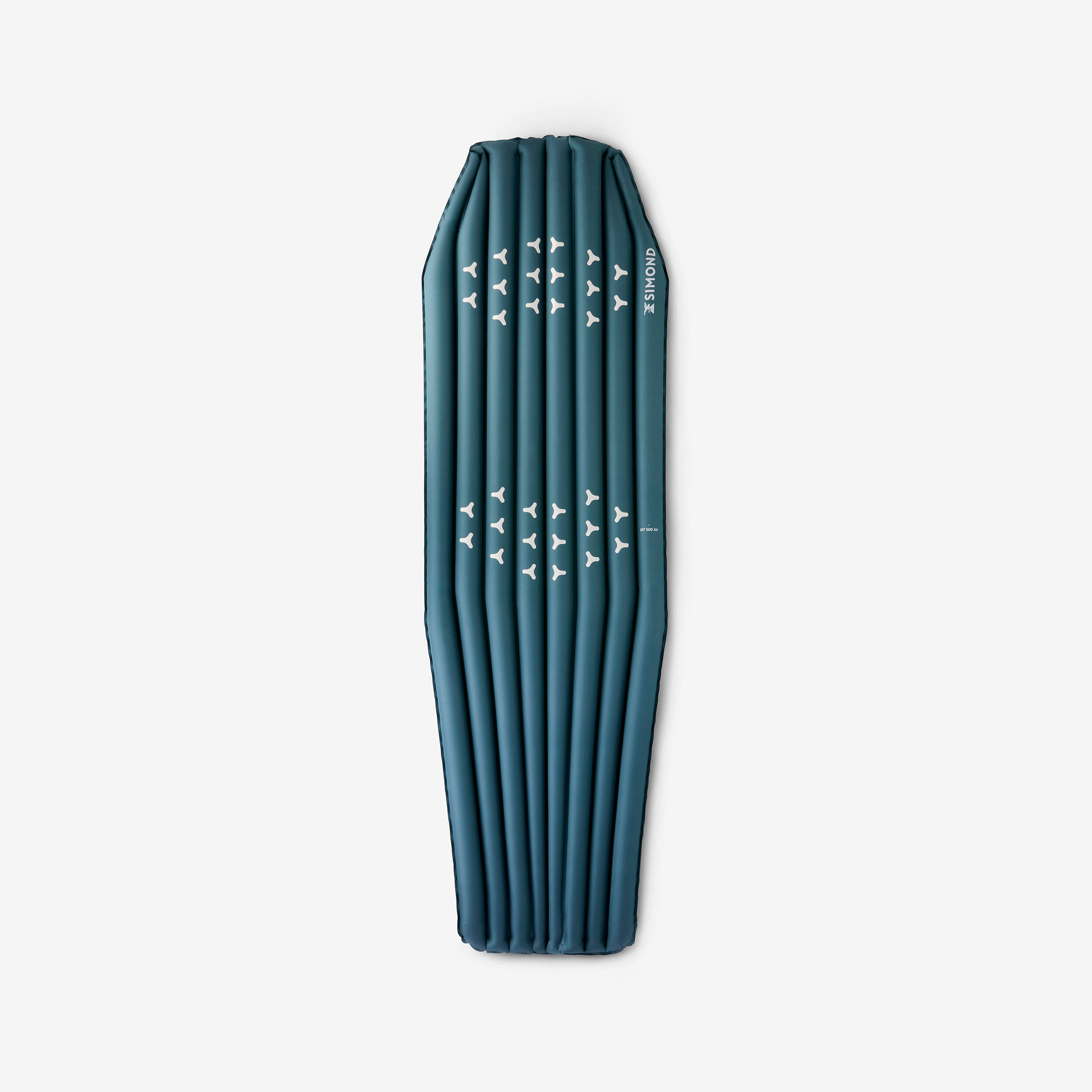
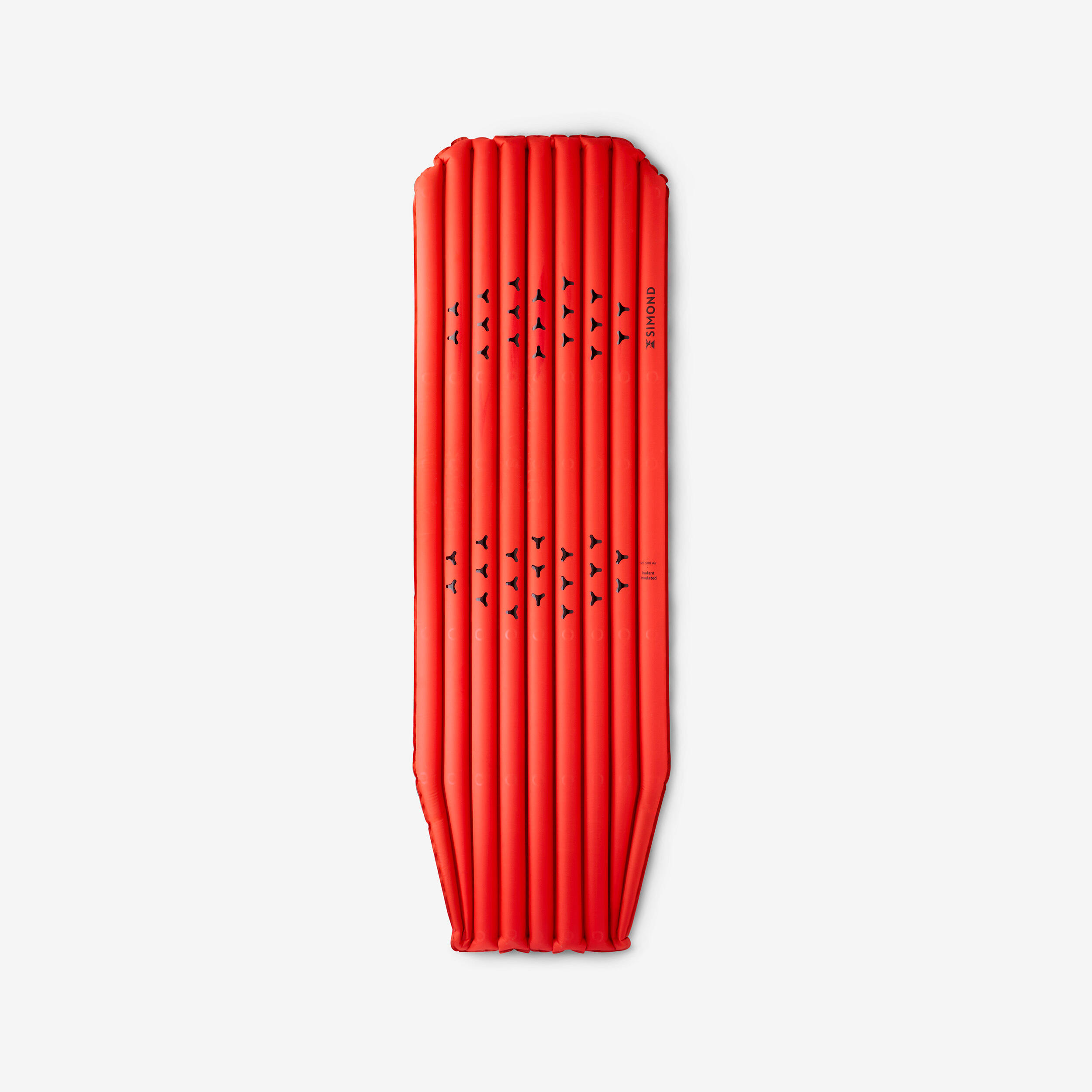
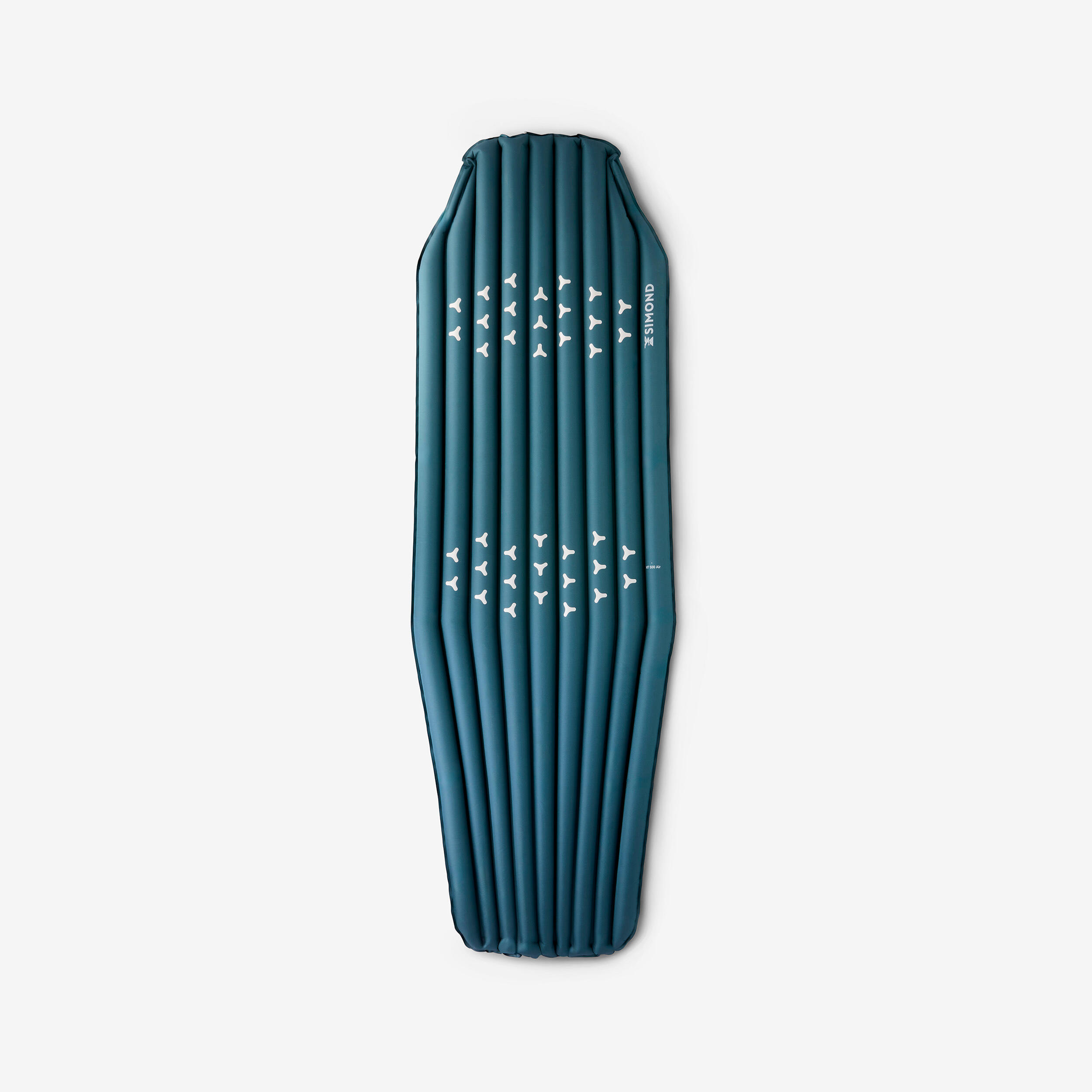
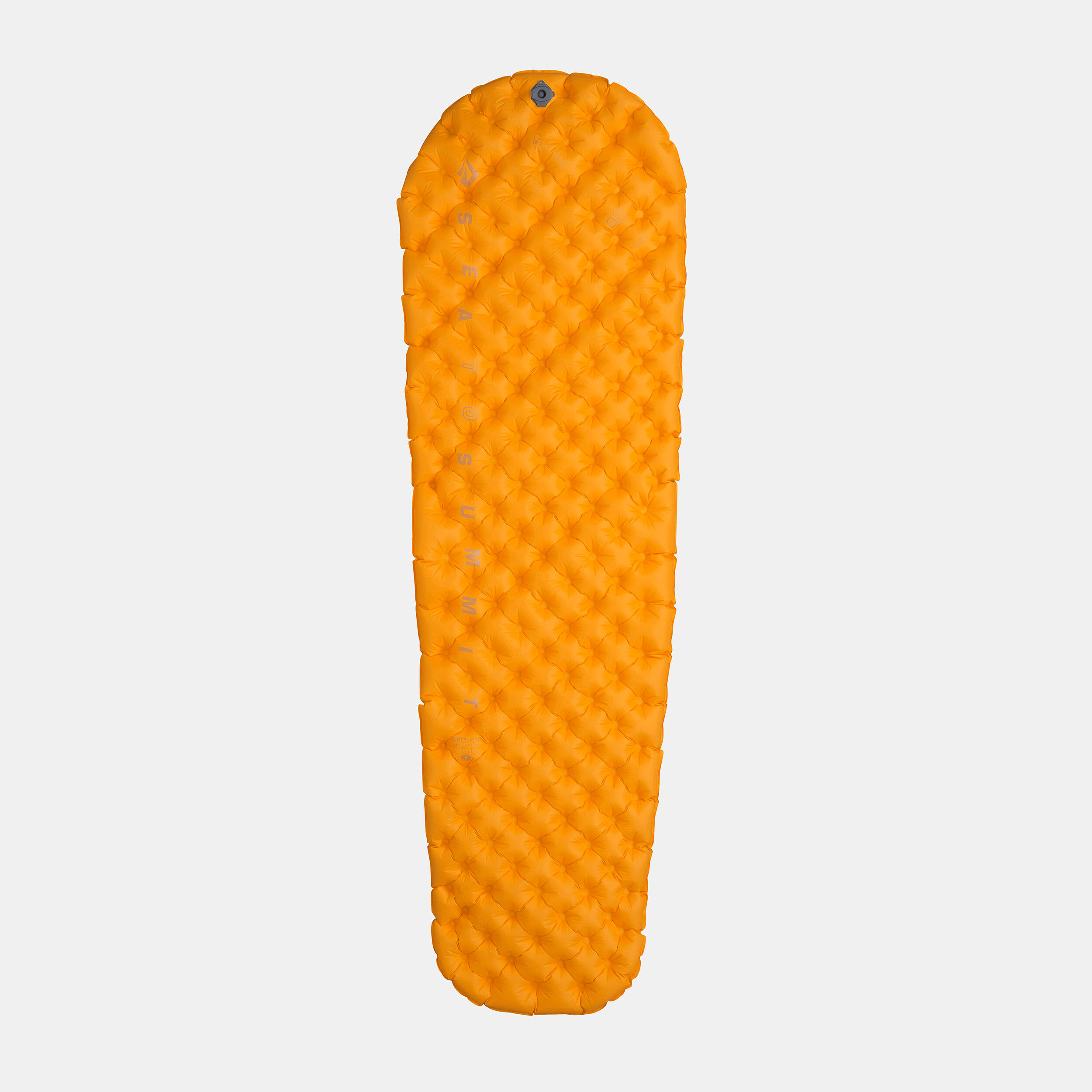
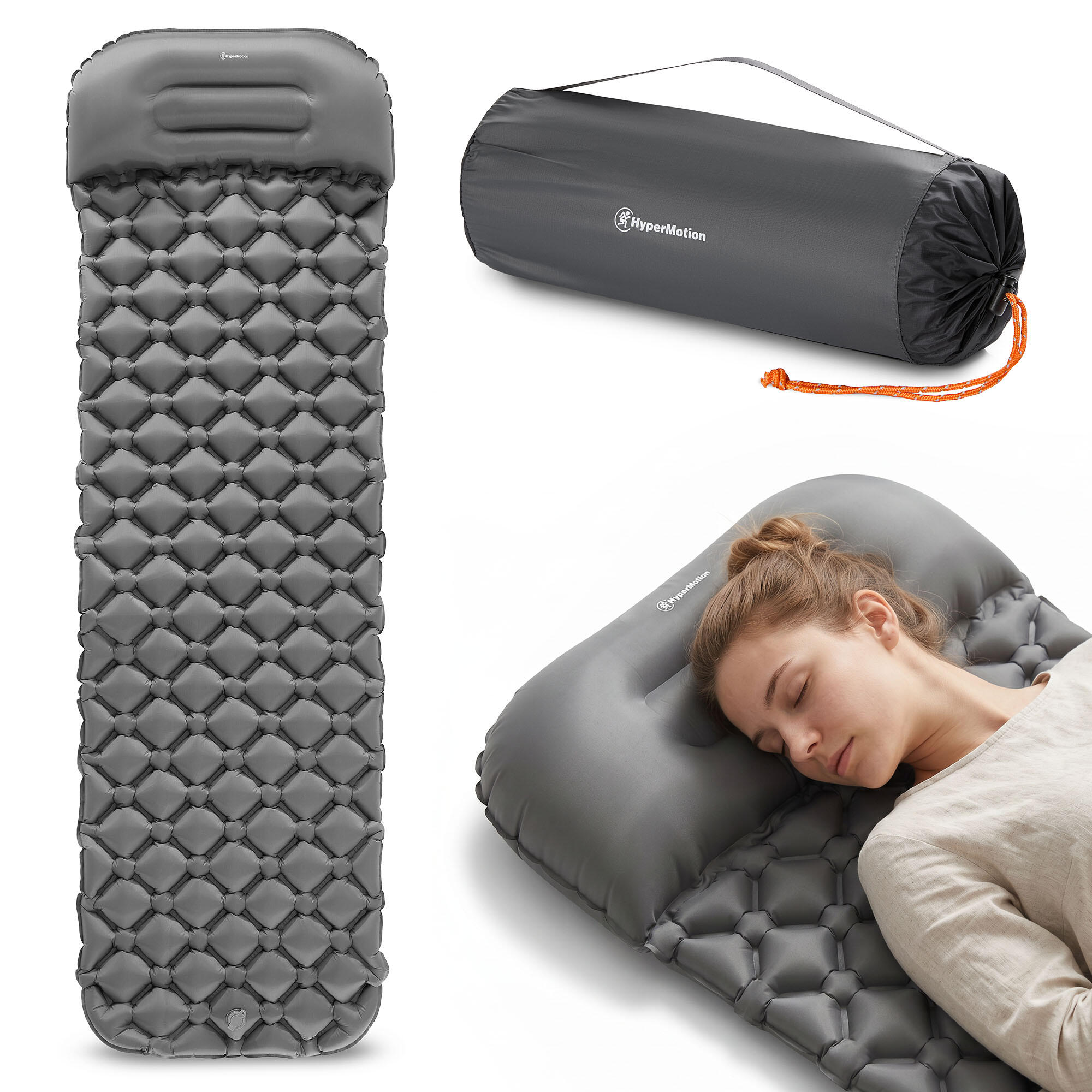
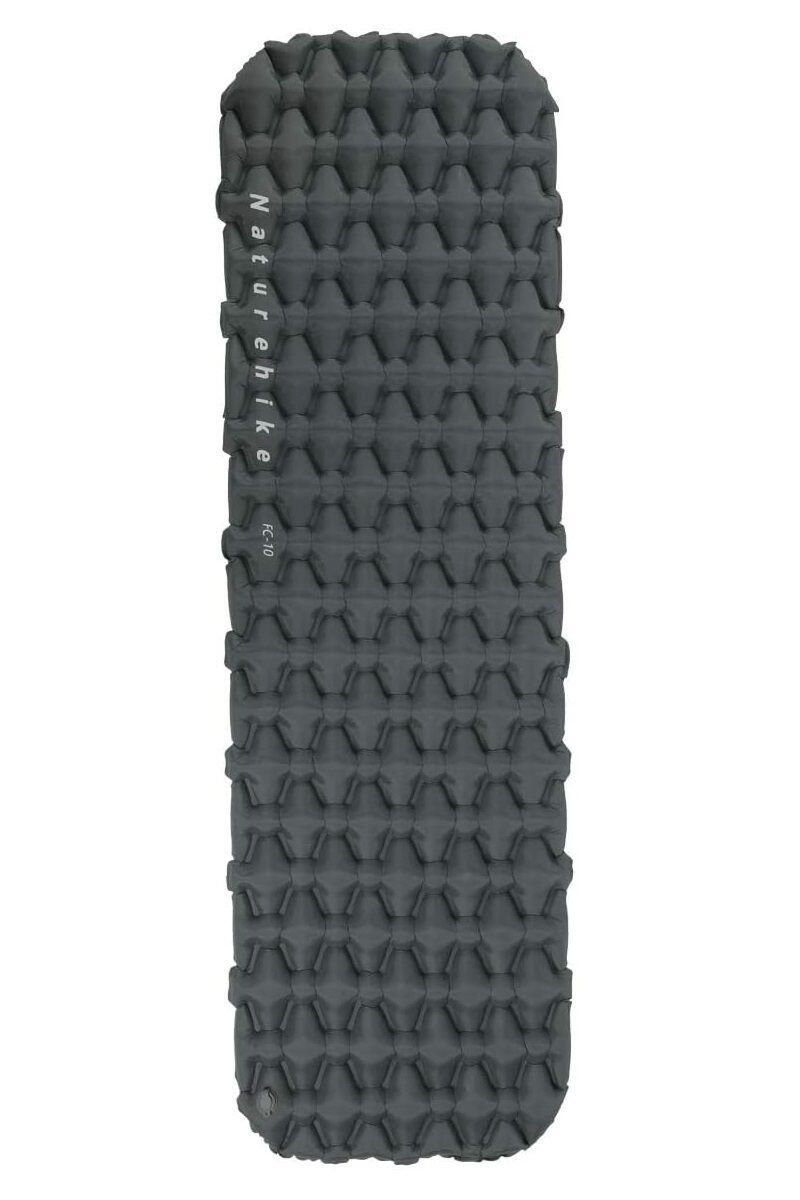
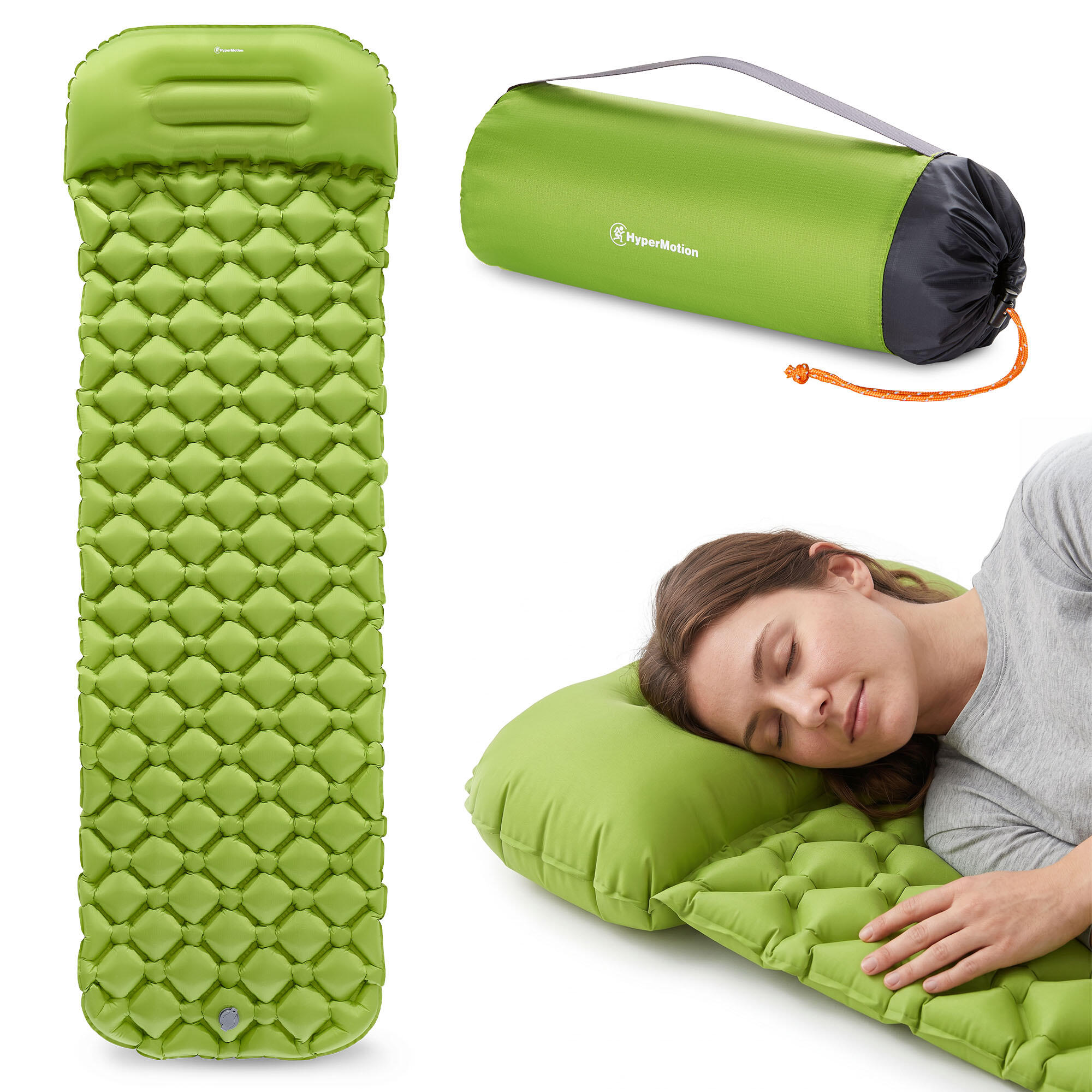
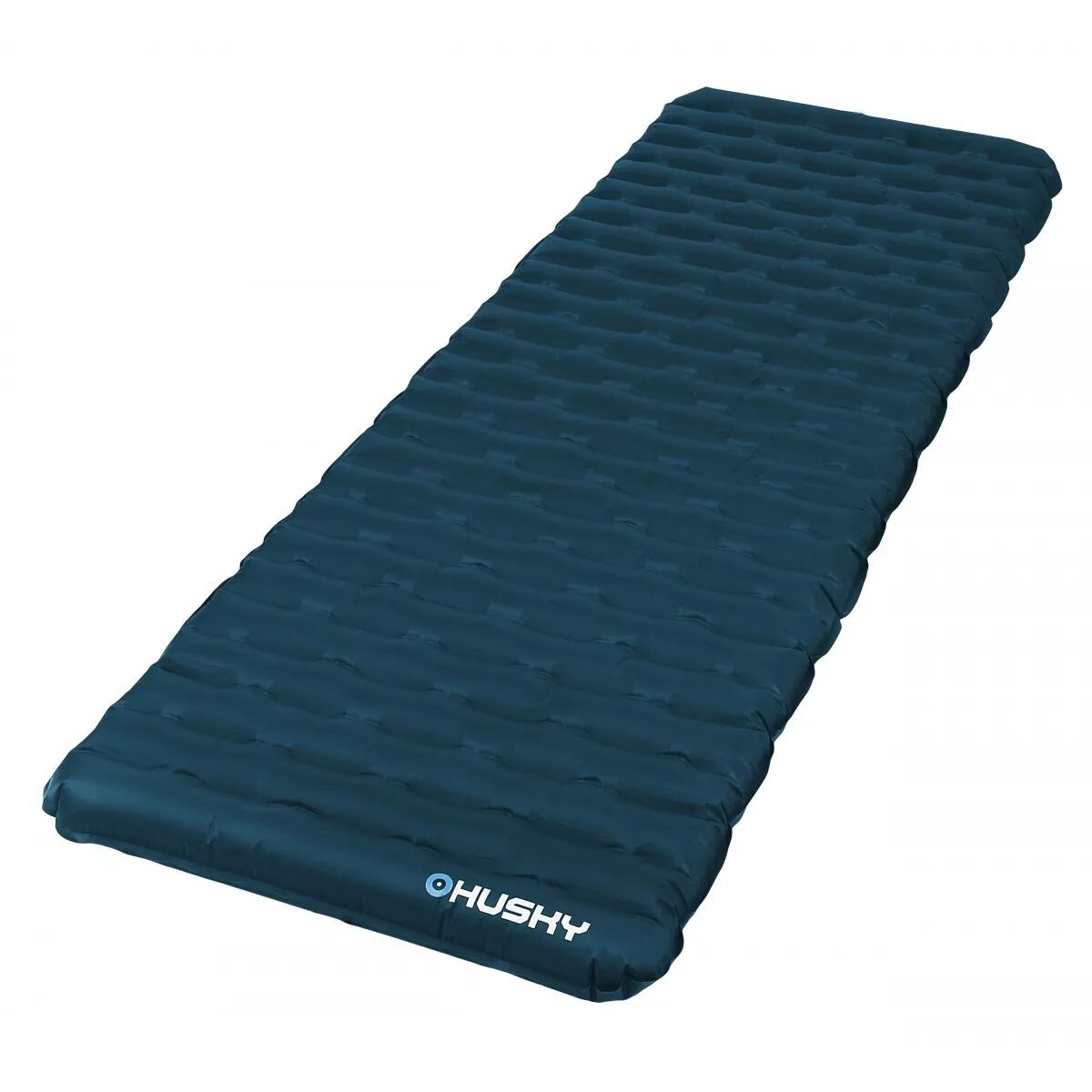
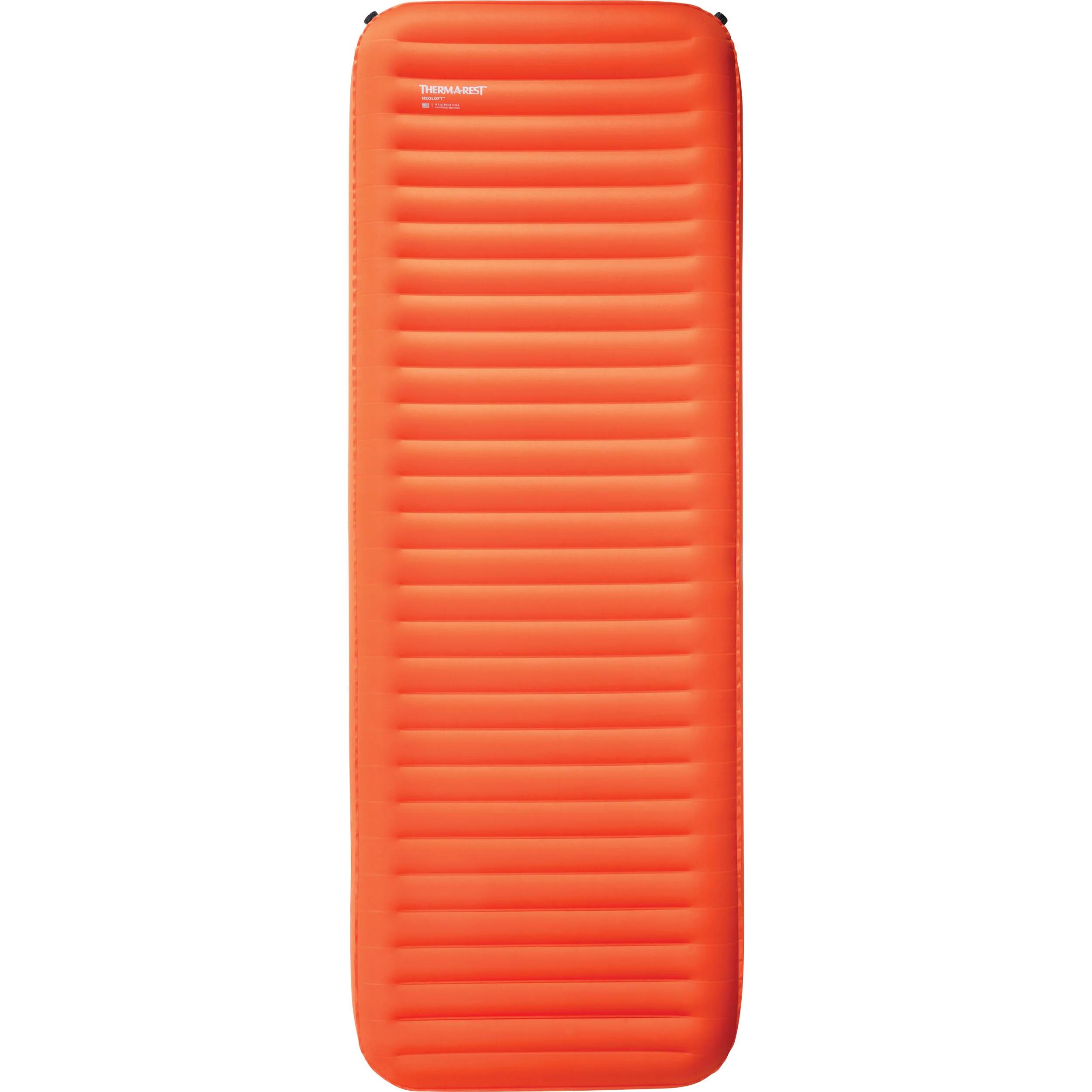
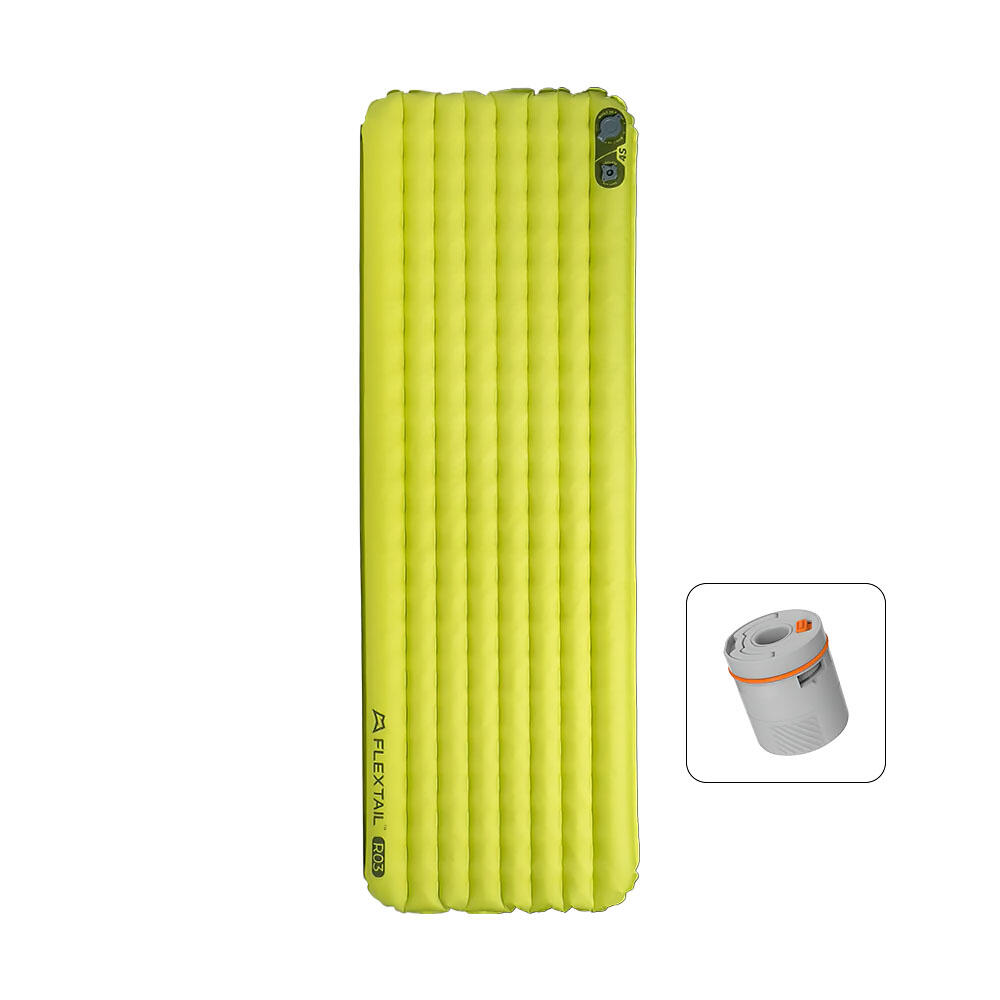
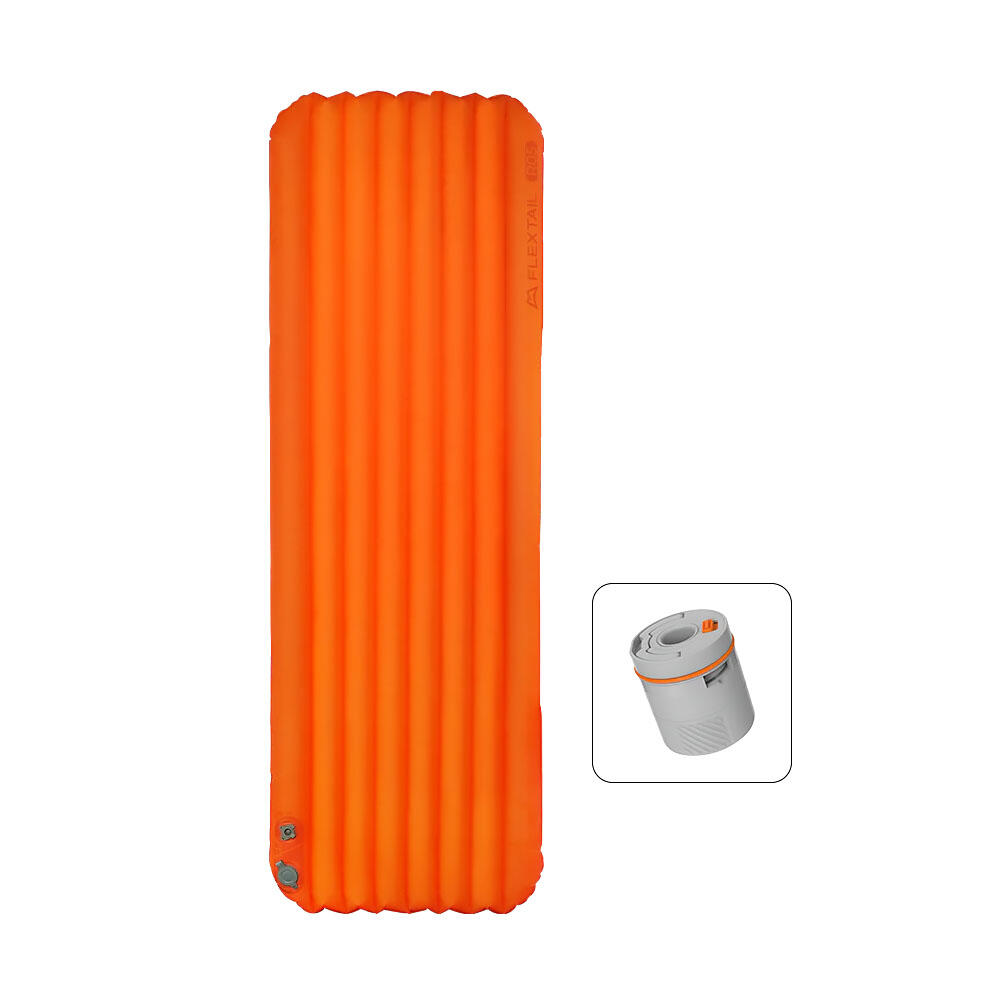
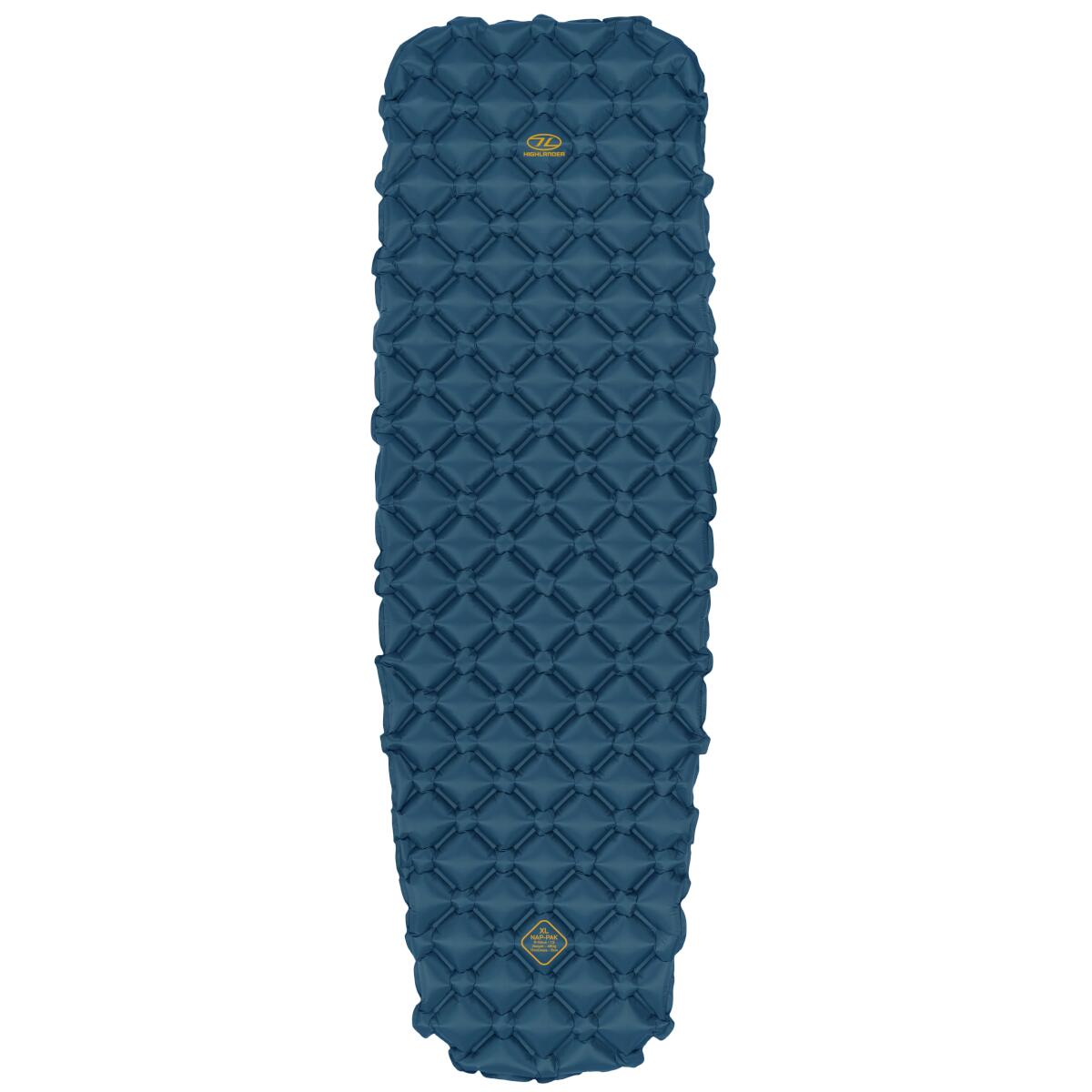
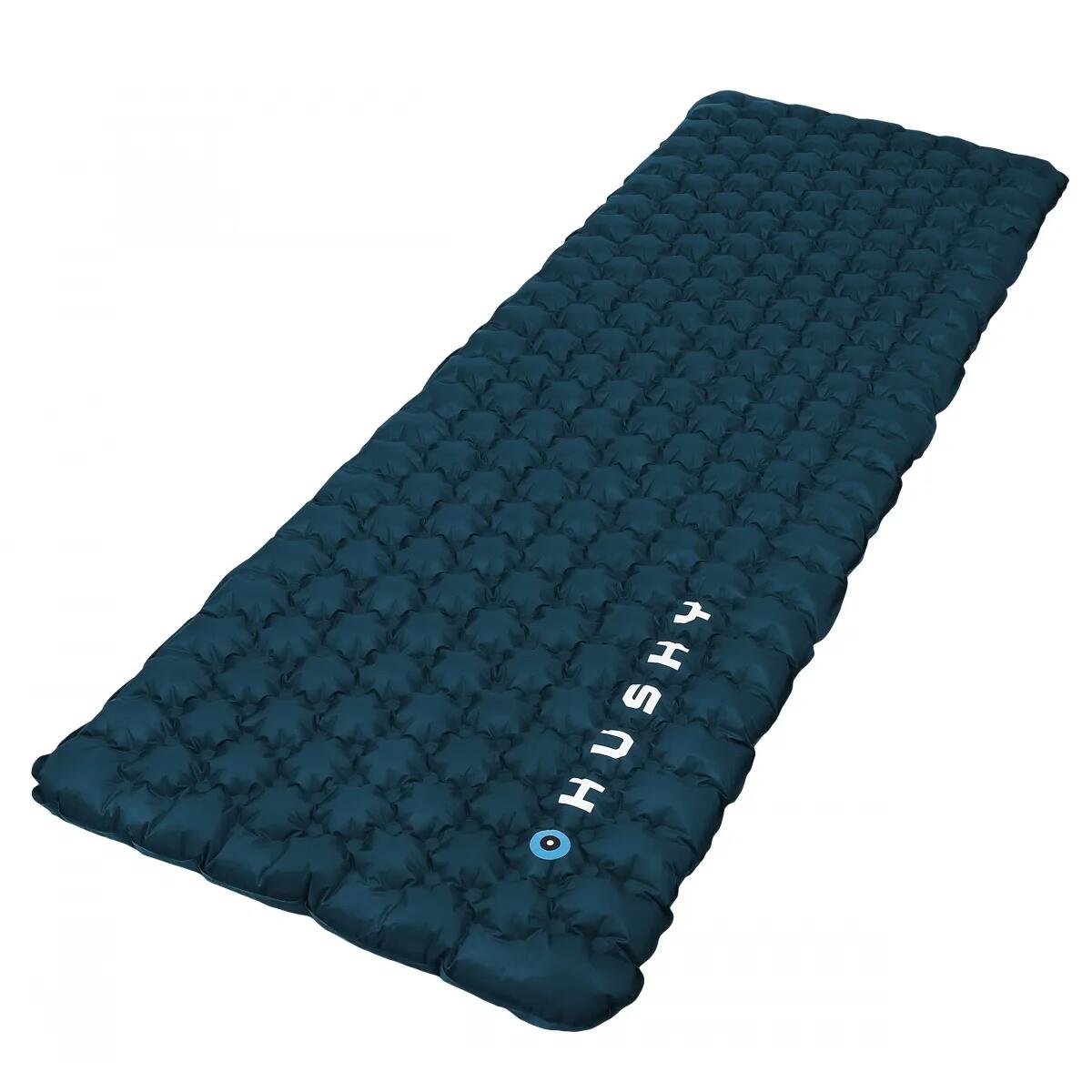
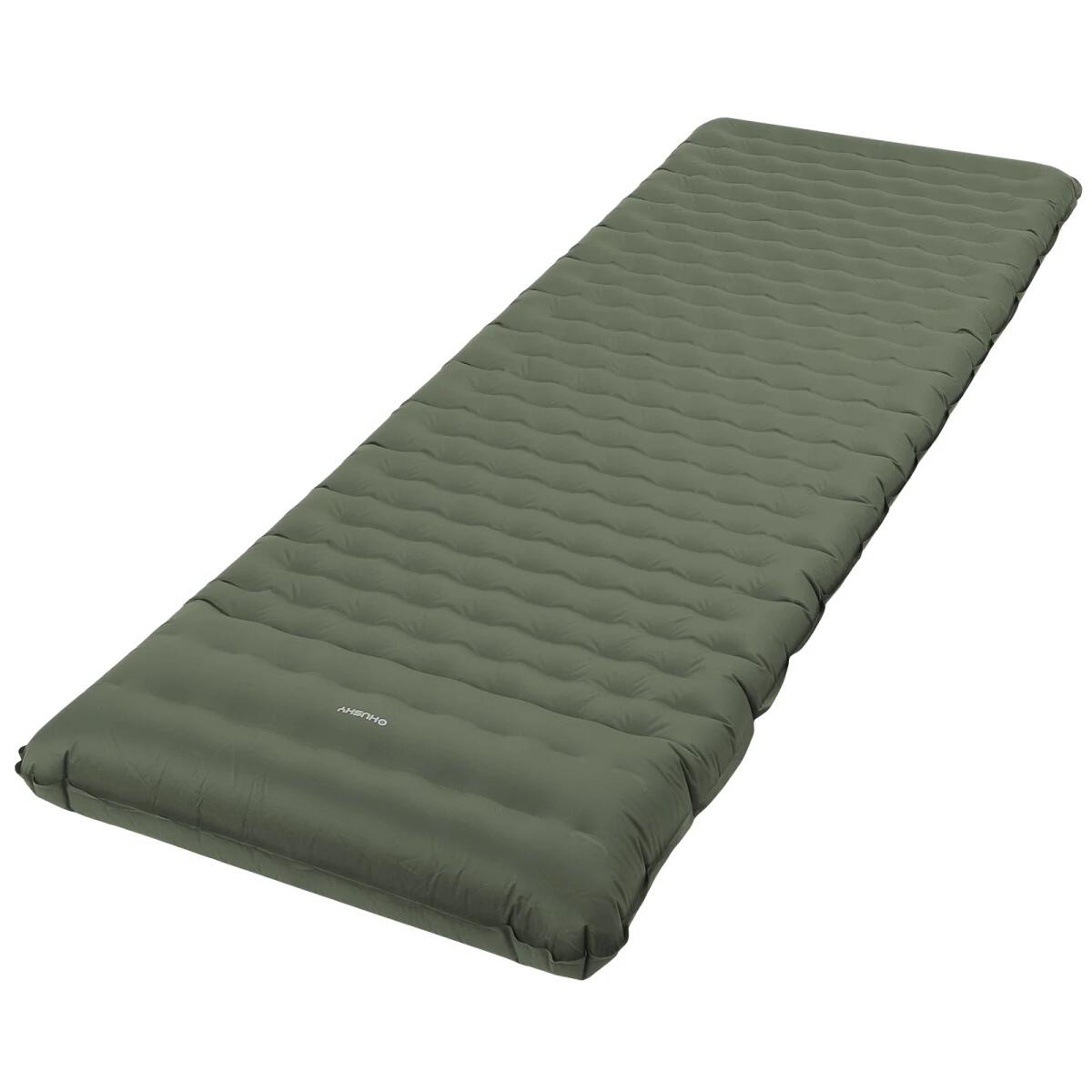
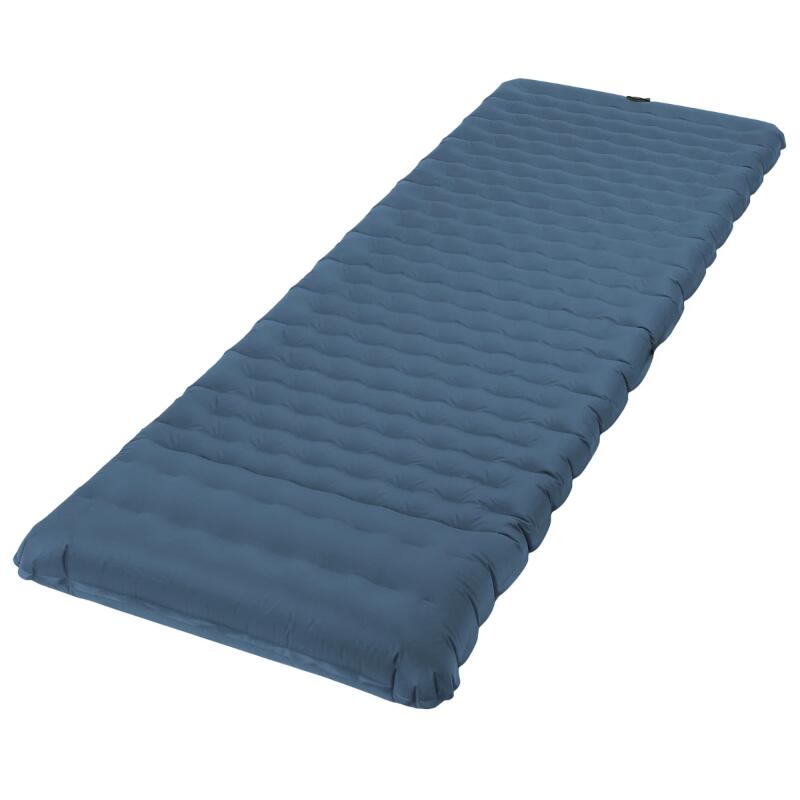
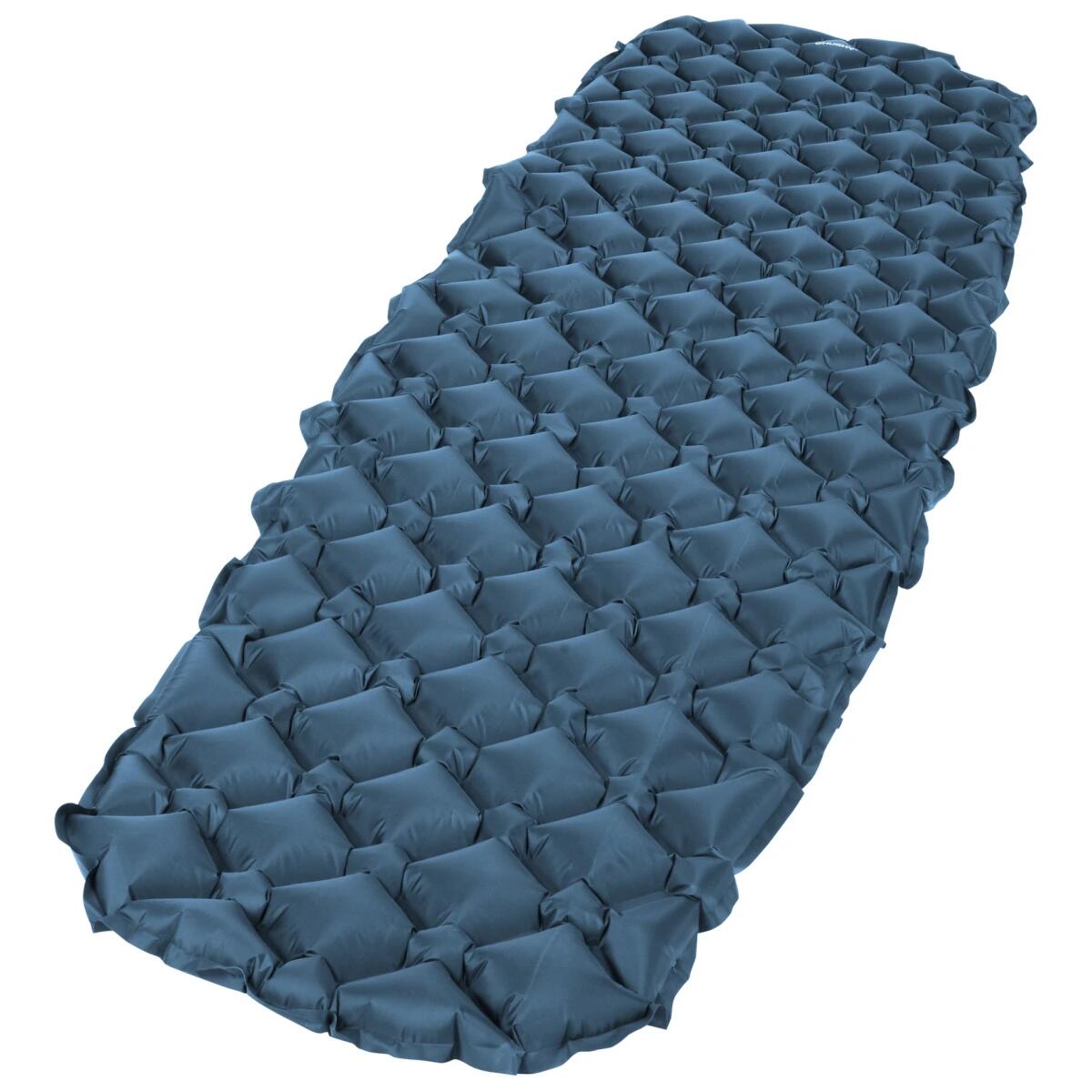
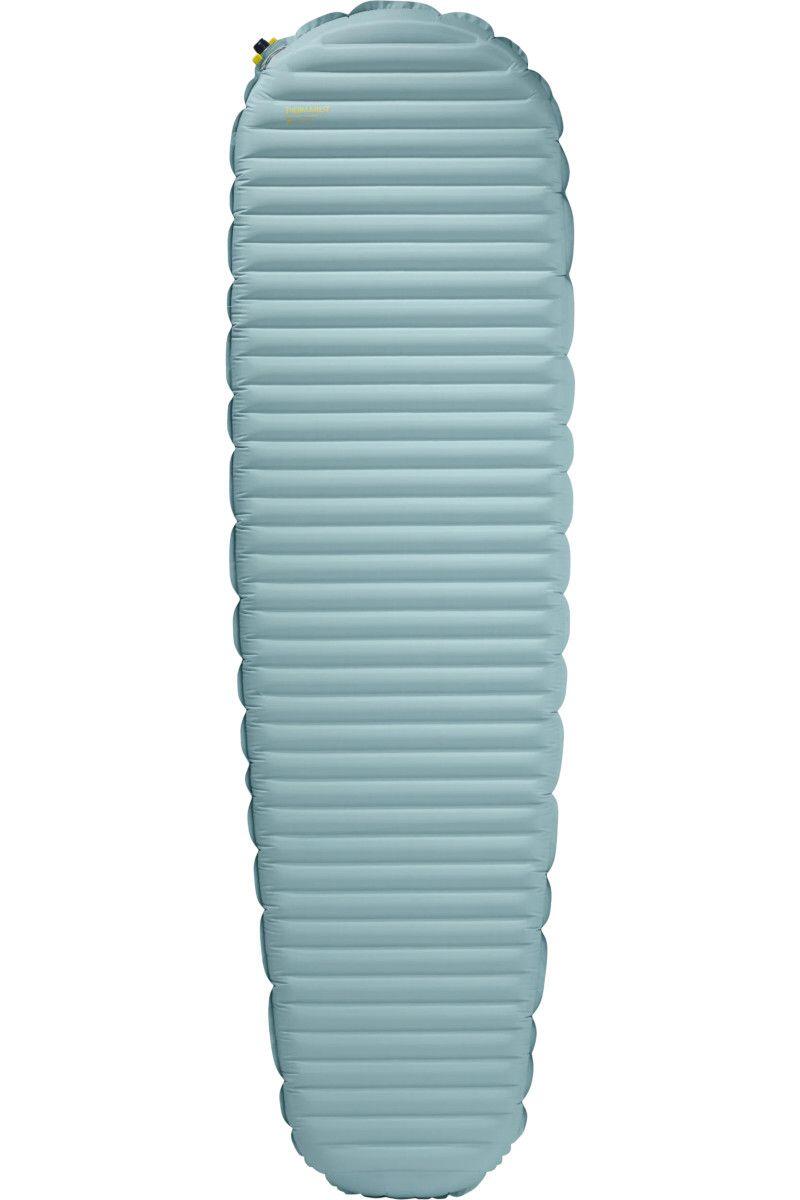
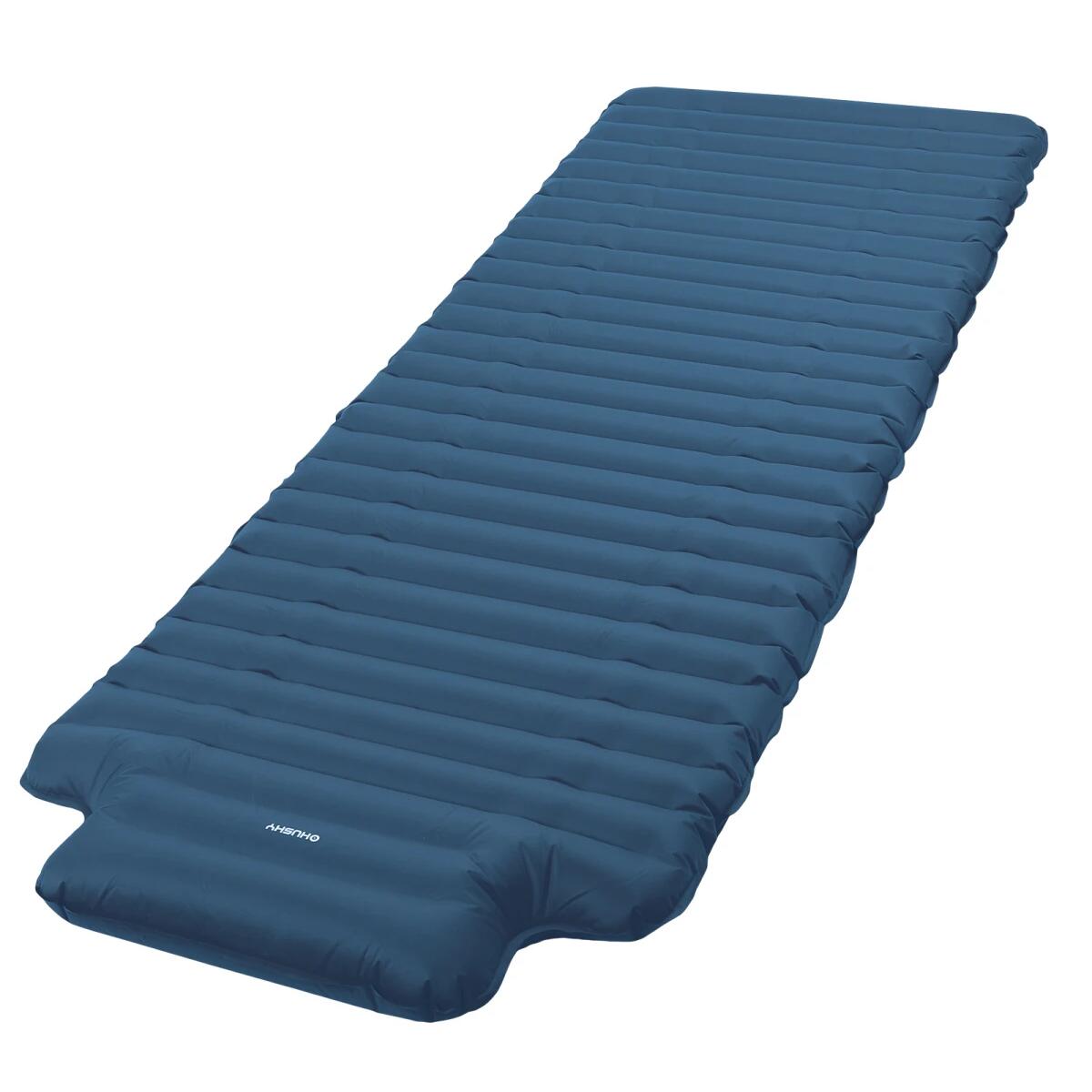
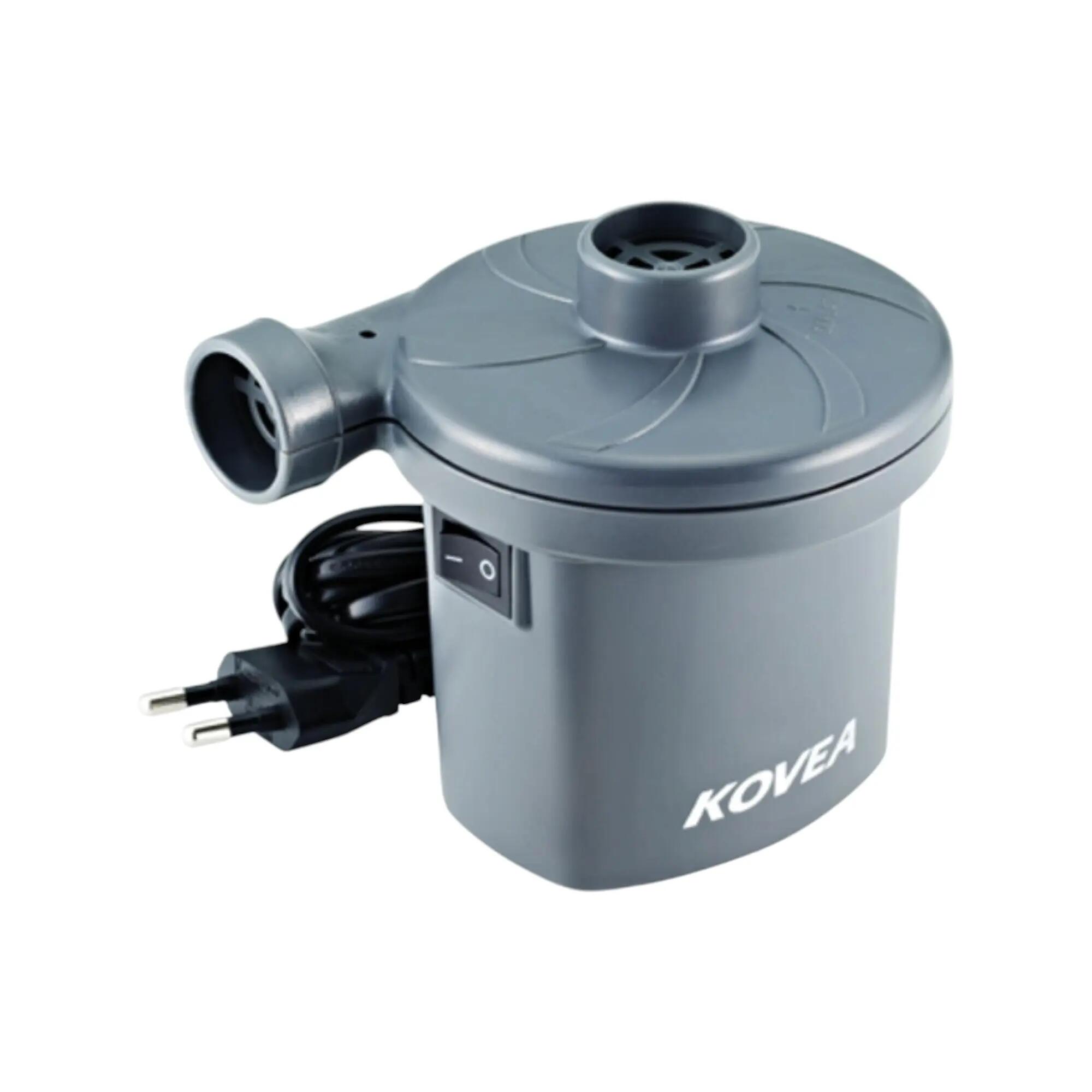
Choosing the right trekking mattress comes down to the length of the trip, the surface you sleep on, and the weight you're willing to carry in the rucksack over long days on the trail. Lightweight inflatable trekking mattresses pack down small for wild camping and multi-day routes, while folding foam mattresses stay simple, robust, and immune to punctures on rough terrain. On a cold mountain night, the mattress sits between the sleeper and the cold ground, and a thicker insulating layer slows the heat loss that would otherwise leave the hiker shivering by morning. Inflatable mattresses adjust firmness to taste, while foam mattresses insulate consistently at every pitch. Small advice: pack the mattress closest to the back inside the rucksack so the weight stays high and centred against the spine for a balanced carry. To inflate quickly once you reach the pitch, pick up the air bed pumps in compact, lightweight, and rechargeable designs.

How do trekking mattresses compare with standard inflatable mattresses for camping?

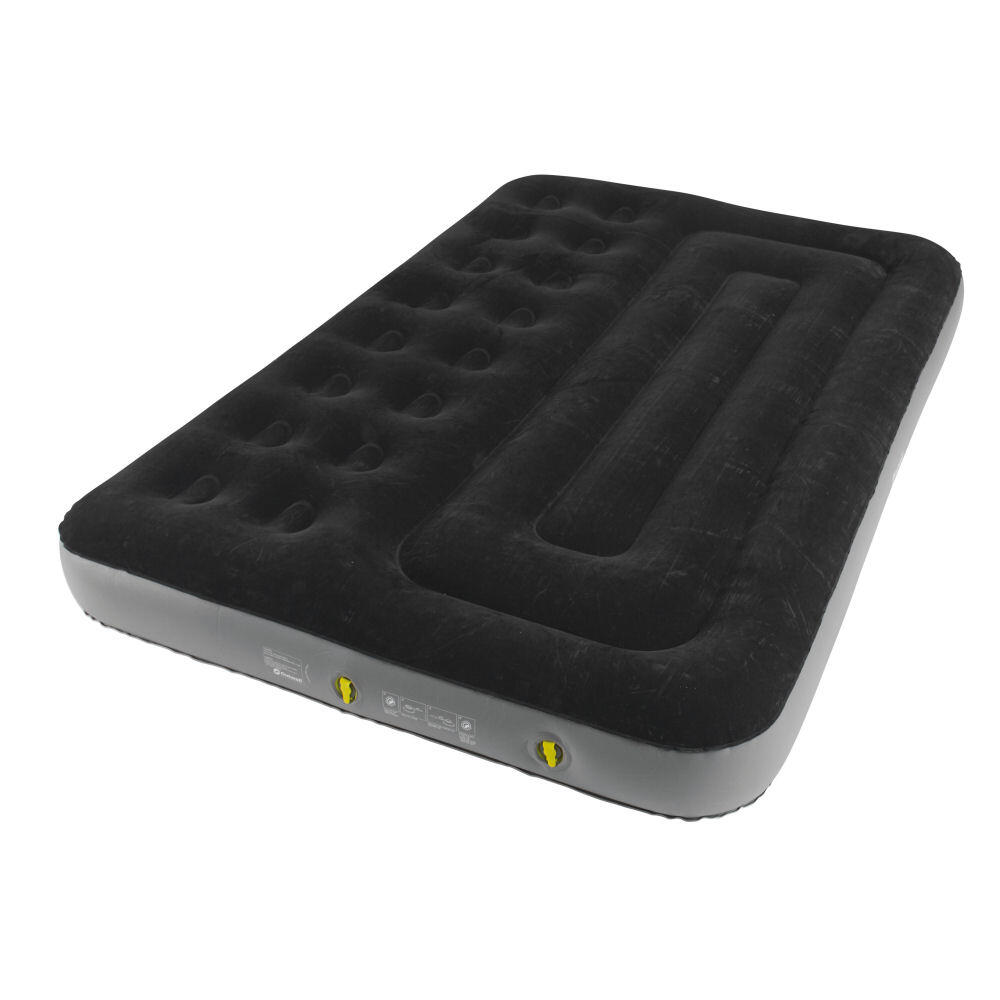
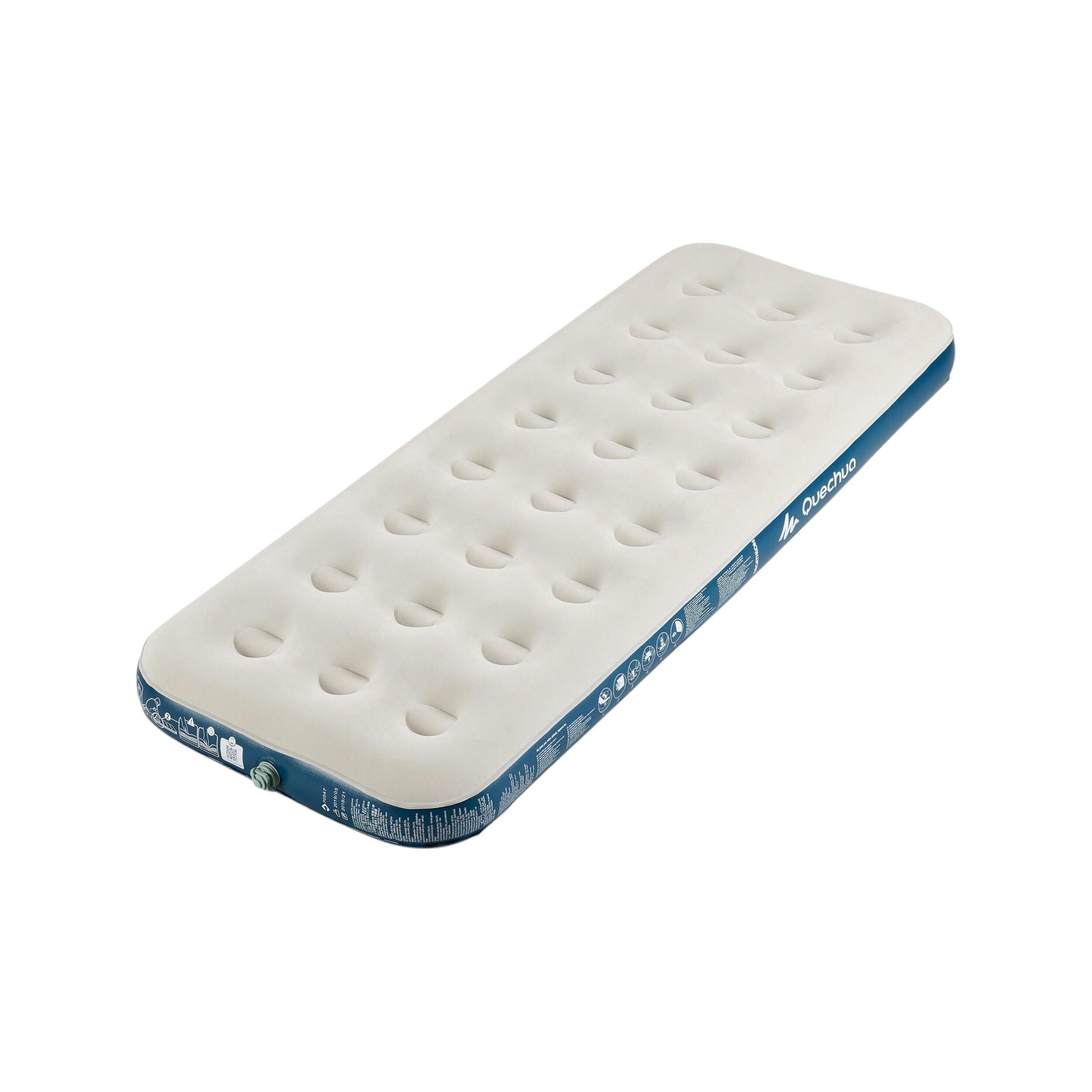
Trekking mattresses and standard inflatable mattresses both deliver air-cushioned comfort under the sleeper, but they differ in weight, pack size, and the conditions they handle best on the trip. Trekking mattresses prioritise low weight and small pack size for hikers, climbers, and backpackers who carry everything on their back over long routes. Standard inflatable mattresses, by contrast, sit far thicker, larger, and more comfortable for family camping where pack size stops mattering once the car reaches the pitch. The right call is to match the mat to the journey rather than expect one mat to do everything. The inflatable mattresses range includes standard, raised, and family-sized options.

Are self-inflating mattresses a good choice for trekking trips?

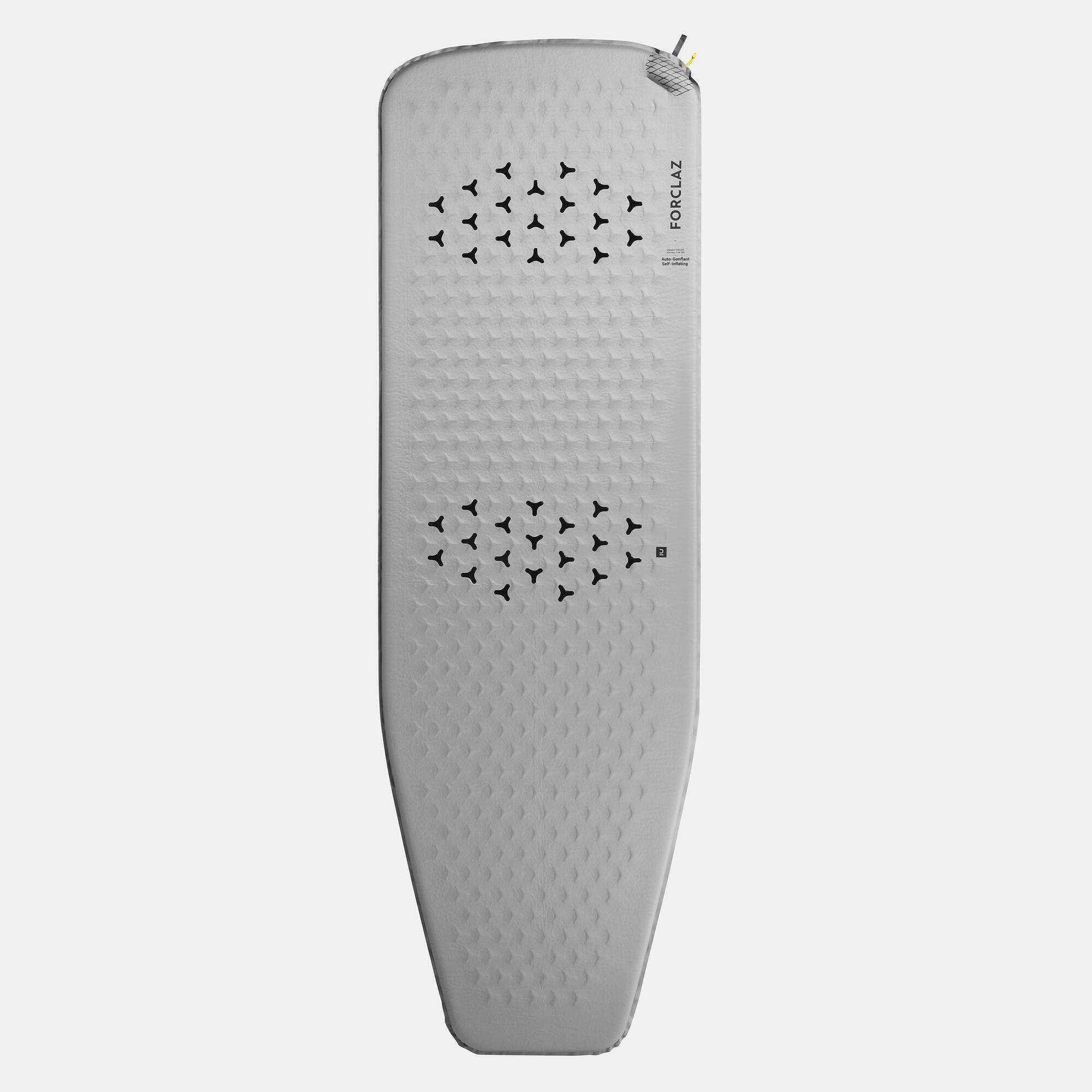
Self-inflating mattresses are an excellent choice for trekking trips that fall in the gap between ultra-light inflatable mats and bulky foam mats, since the open-cell foam inside the mat draws in air automatically once the valve opens. On an evening camp, you can pitch the tent and get cooking rather than spending the first half-hour blowing up a mat by mouth after a long day on the trail. They also hold their insulating performance even with a slow leak, because the foam keeps doing its job. For a middle ground between ultra-light and bulky, the self-inflating mattresses from Quechua and Forclaz come in trekking, three-season, and compact cuts.

Are double inflatable mattresses worth considering for trekking trips?

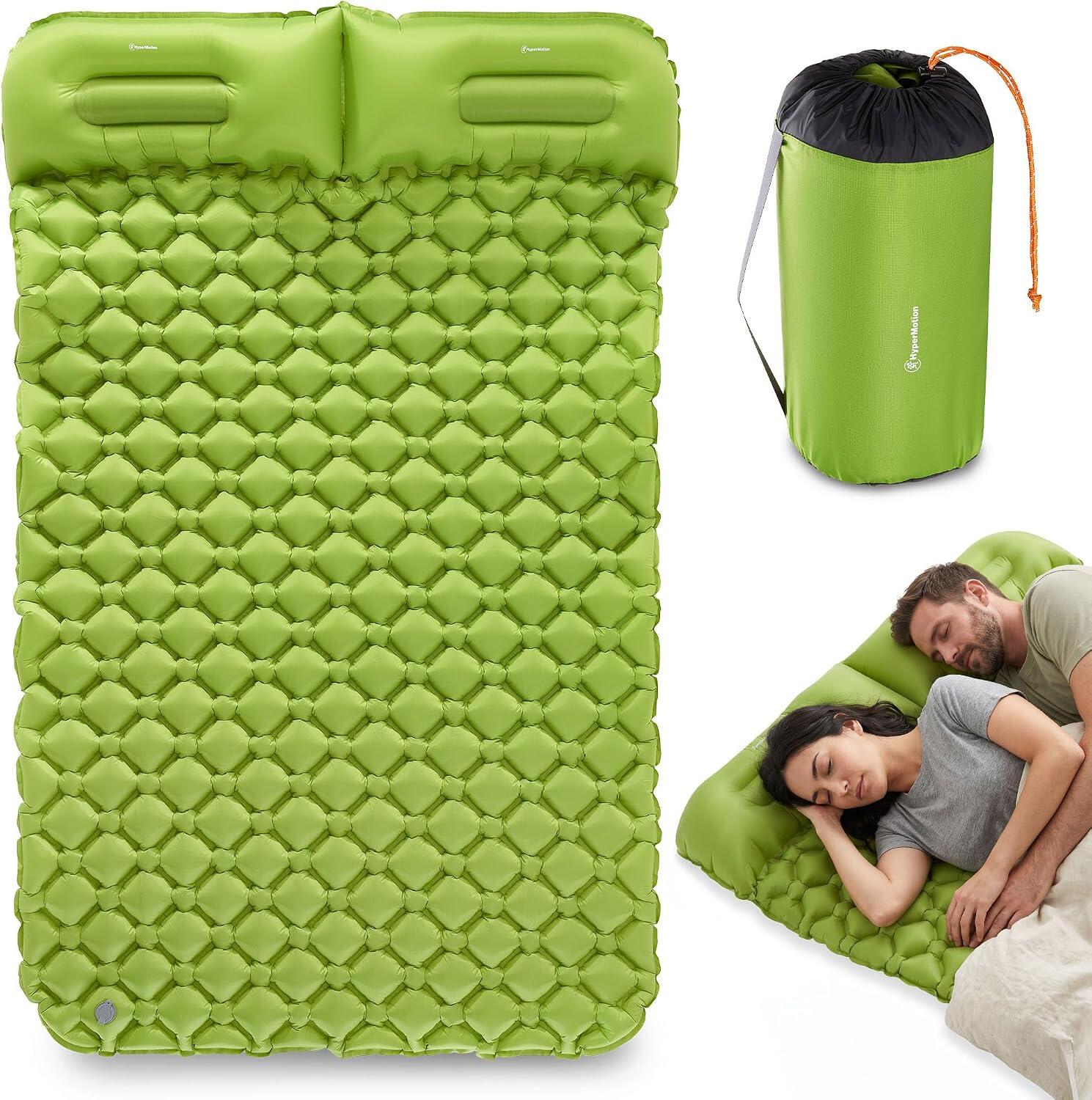
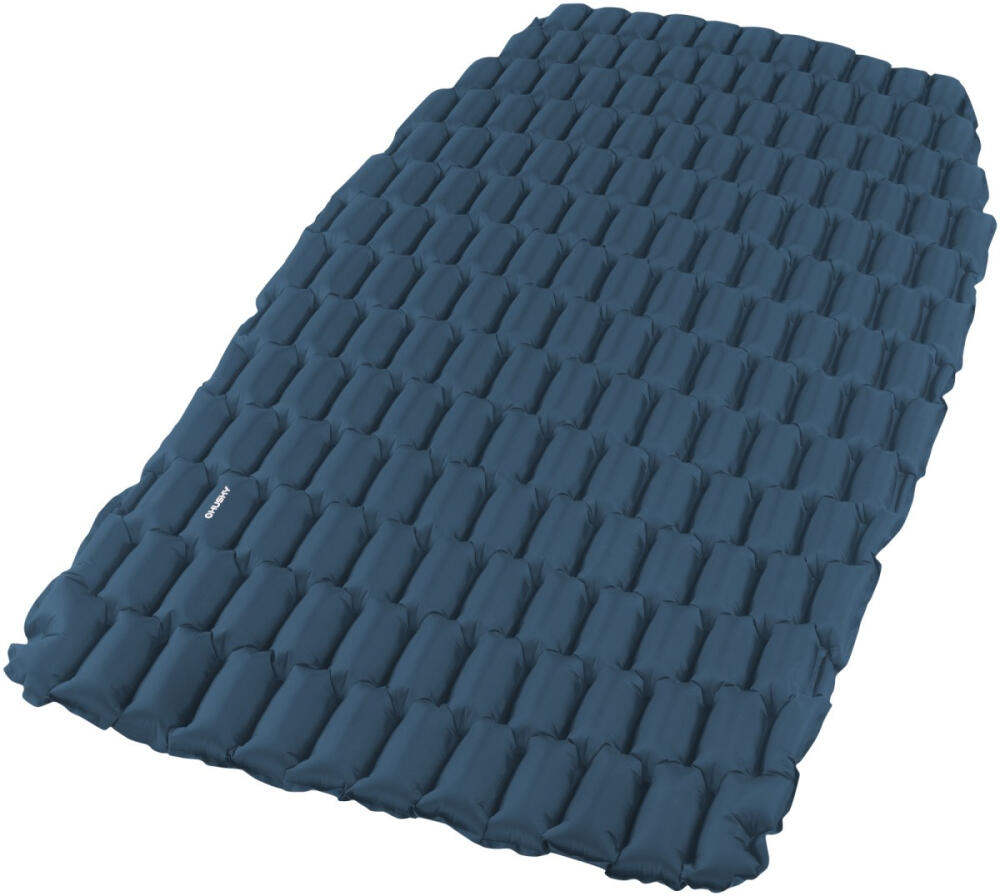
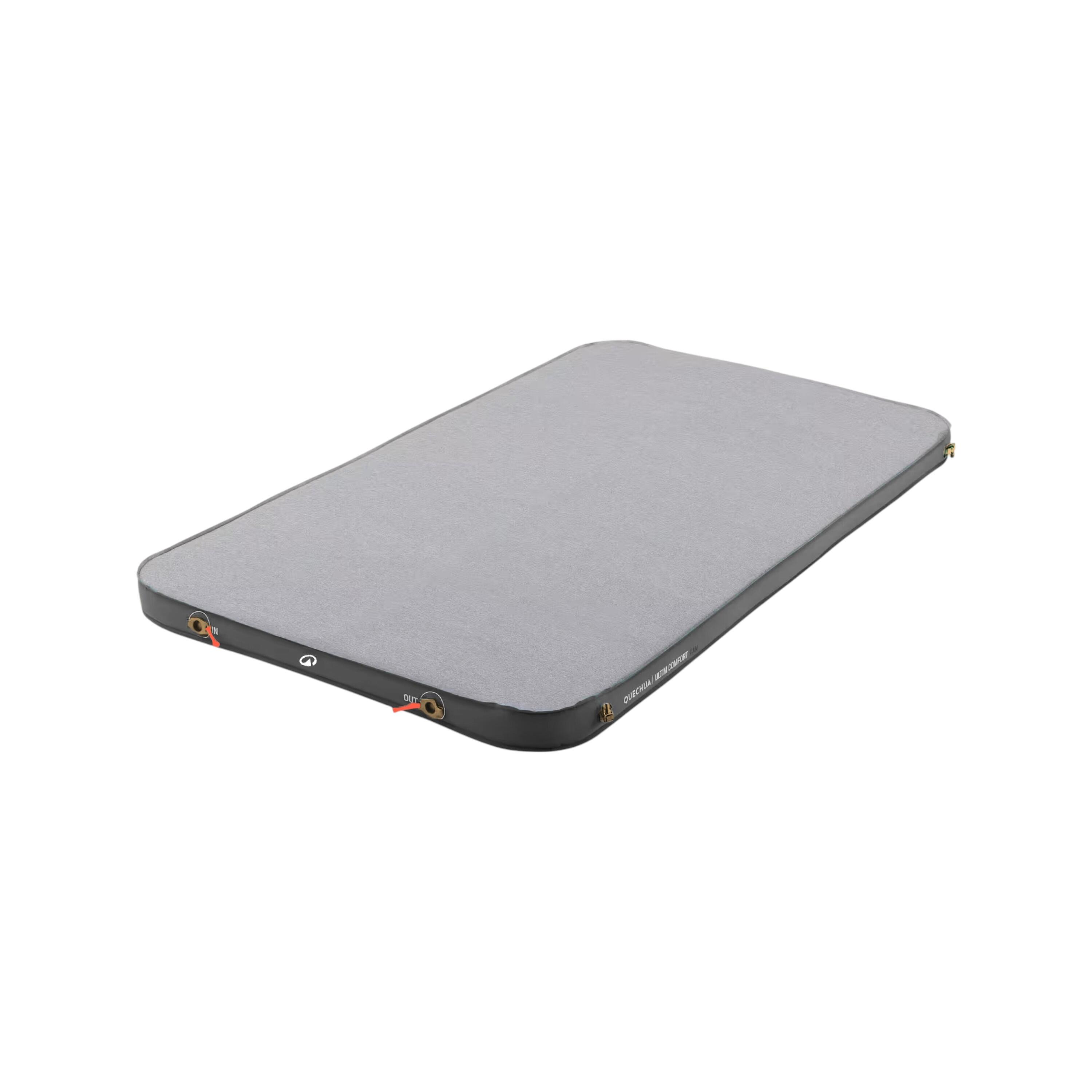
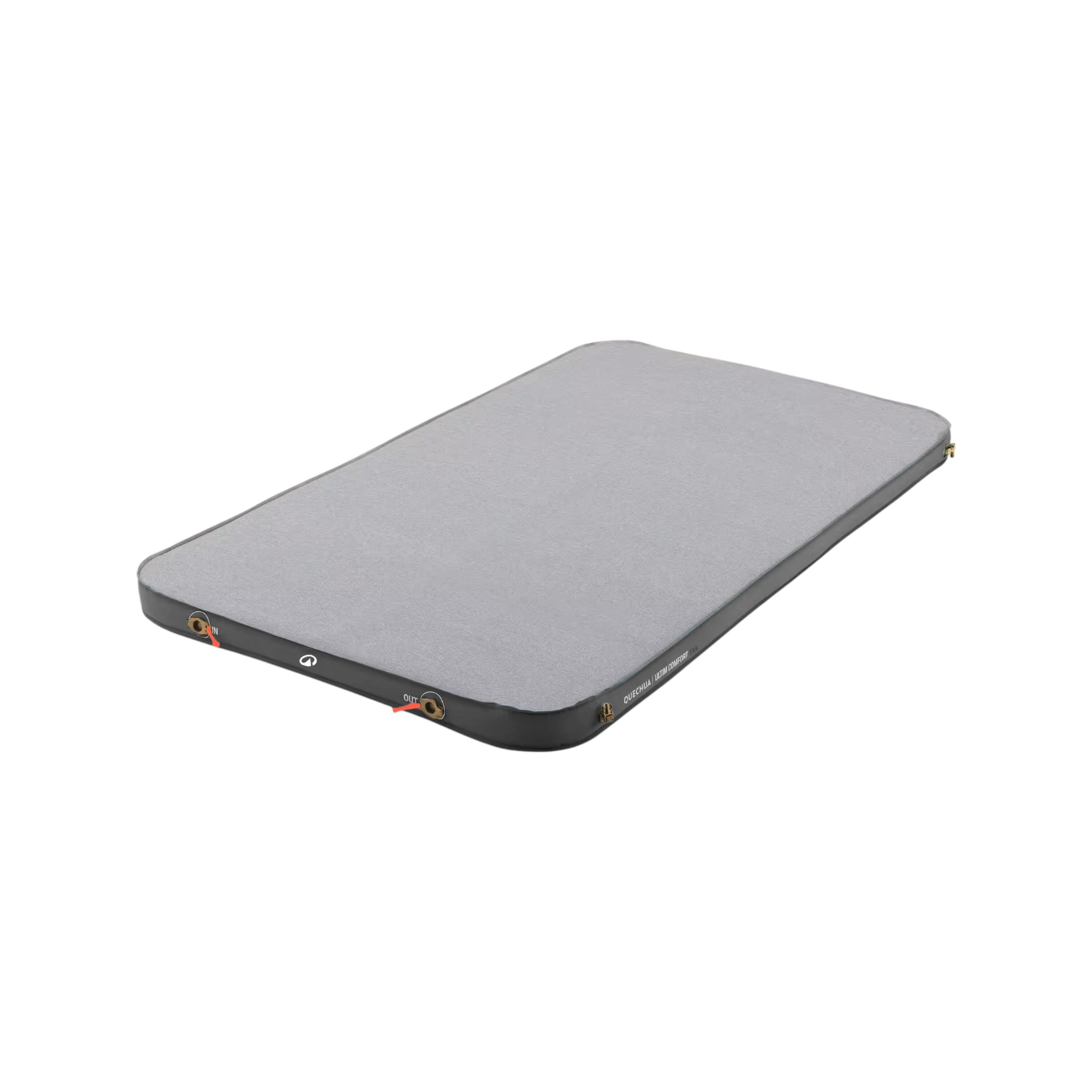
Double inflatable mattresses are worth considering for trekking trips taken as a couple, since the wider sleeping surface gives two people the room they need for a proper night's rest without one sleeper disturbing the other at every turn. The trade-off is weight and pack size, with double mats taking up far more space in the rucksack than two single trekking mattresses split between two carriers. On longer trips, a single shared double mat keeps packing simpler than coordinating two singles. If you're choosing for two, double inflatable mattresses are available in standard-height, raised, and lightweight builds.

How do trekking mattresses fit alongside foam sleeping mats?

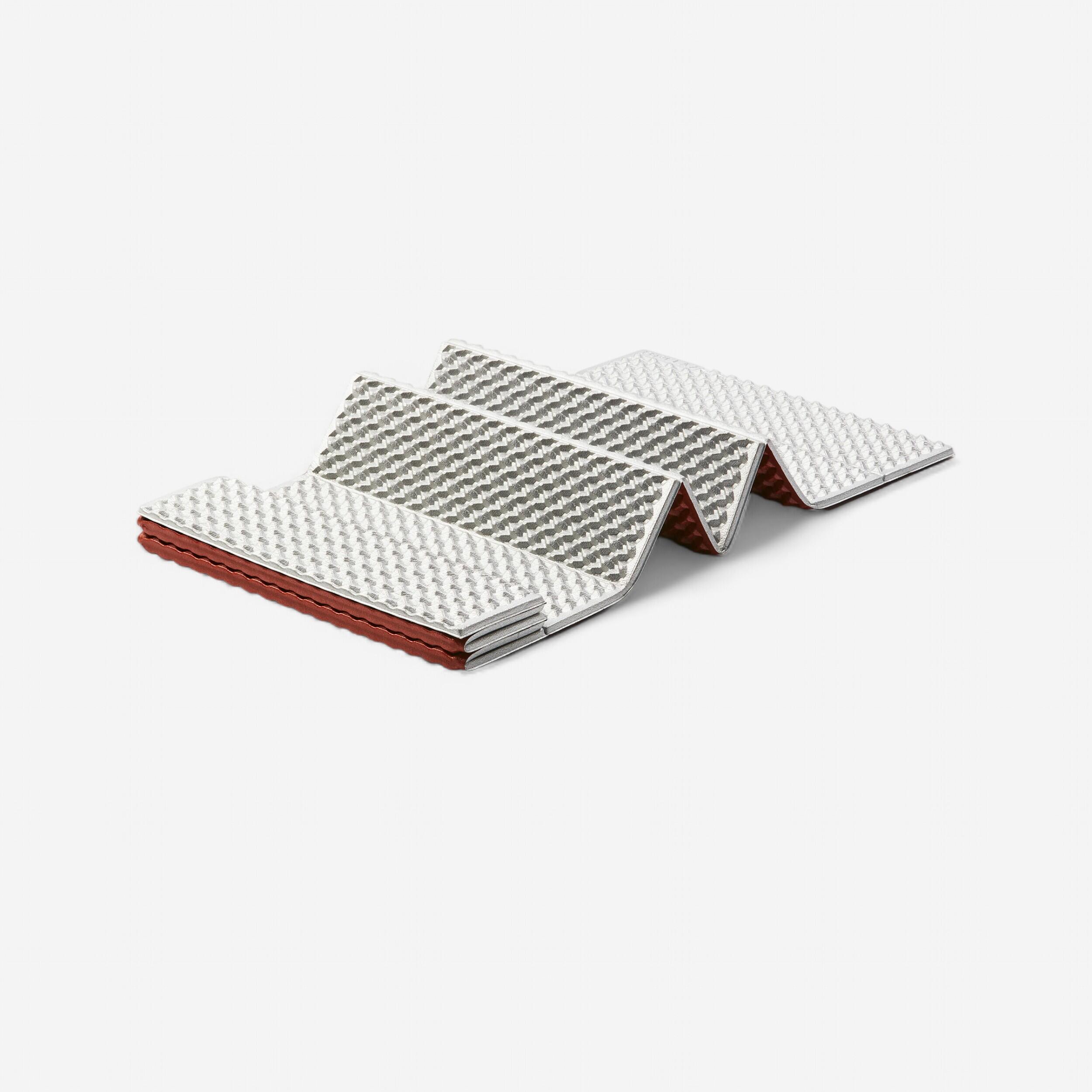
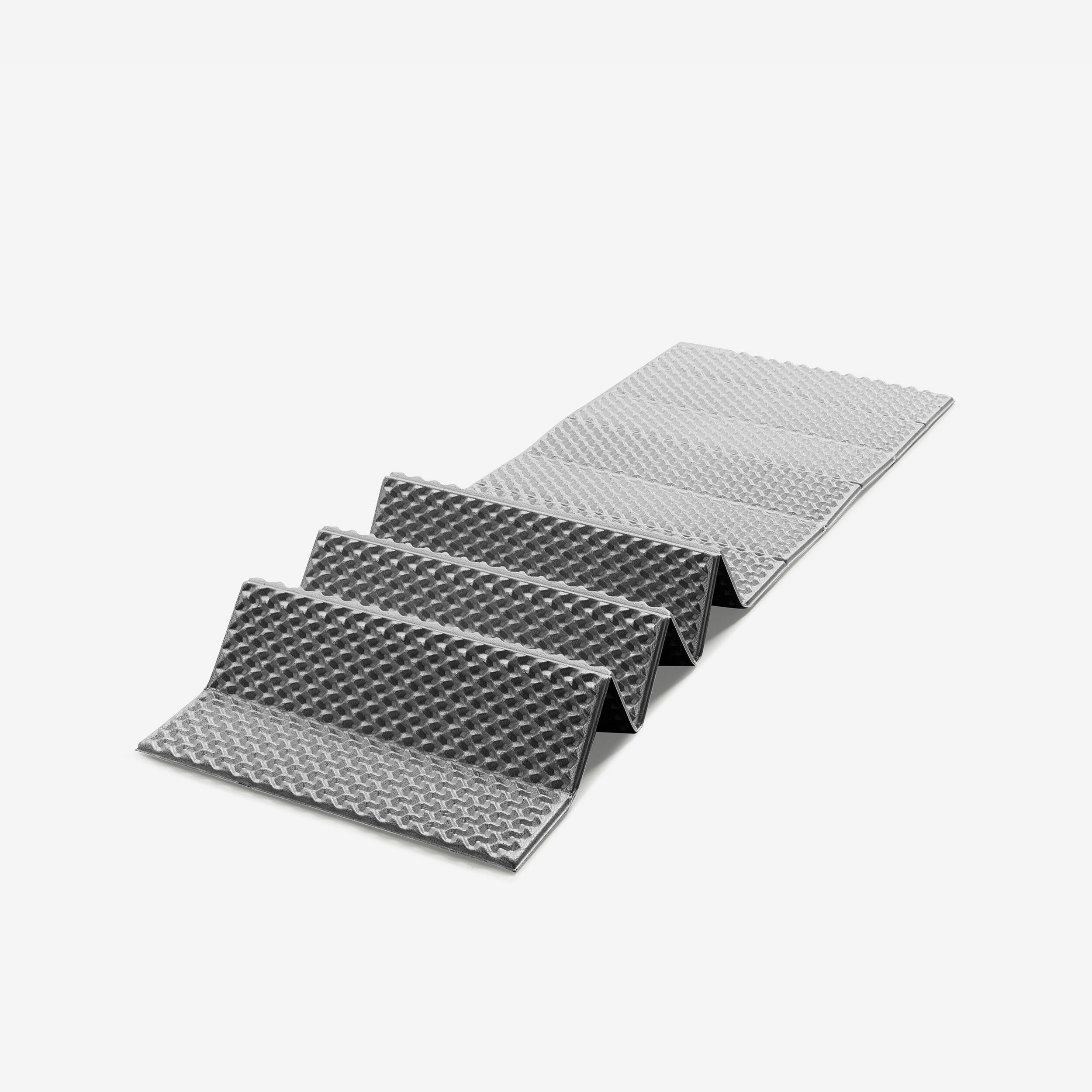
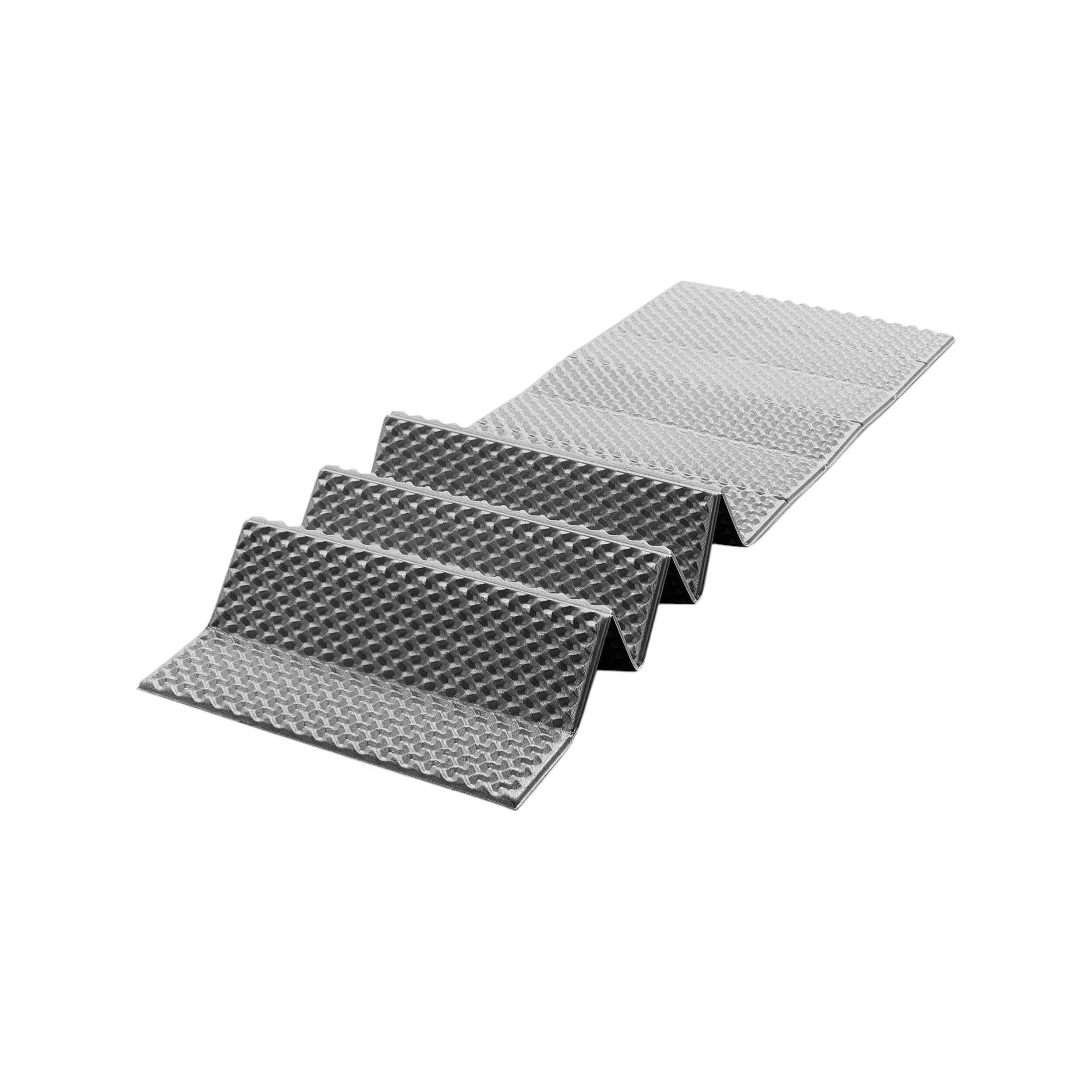
Trekking mattresses fit alongside foam sleeping mats by covering the comfort end of the spectrum, while foam mats handle the rugged, no-fuss, puncture-proof end. Foam sleeping mats stay solid, never deflate, and roll out instantly at any pitch, which suits scout camps, summer hikes, festival overnighters, and any trip where speed and simplicity beat thick cushioning. Trekking mattresses sit thicker, lighter, and more comfortable for longer trips and colder nights. More often than not, a well-judged kit list carries both rather than picking just one. To round out your kit, spanning both the Quechua and Forclaz collections, see our sleeping mats in foam, closed-cell, and budget options.