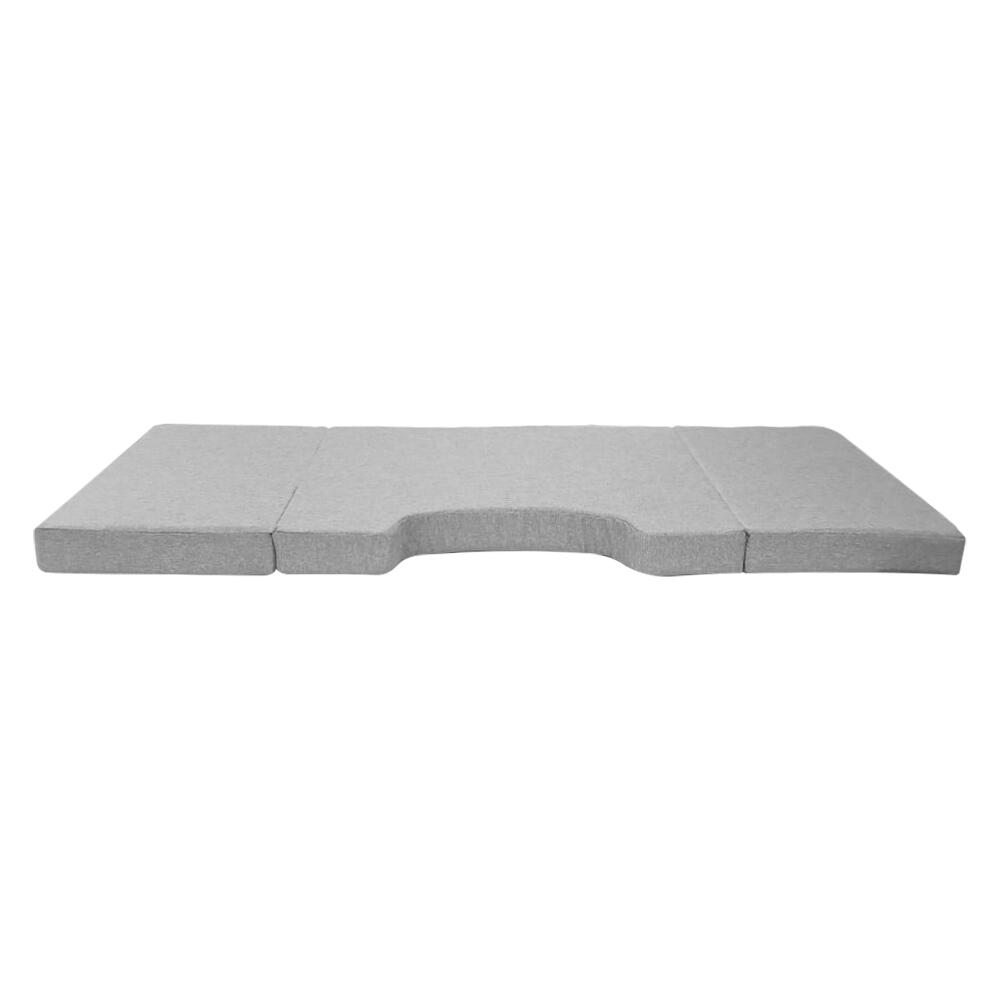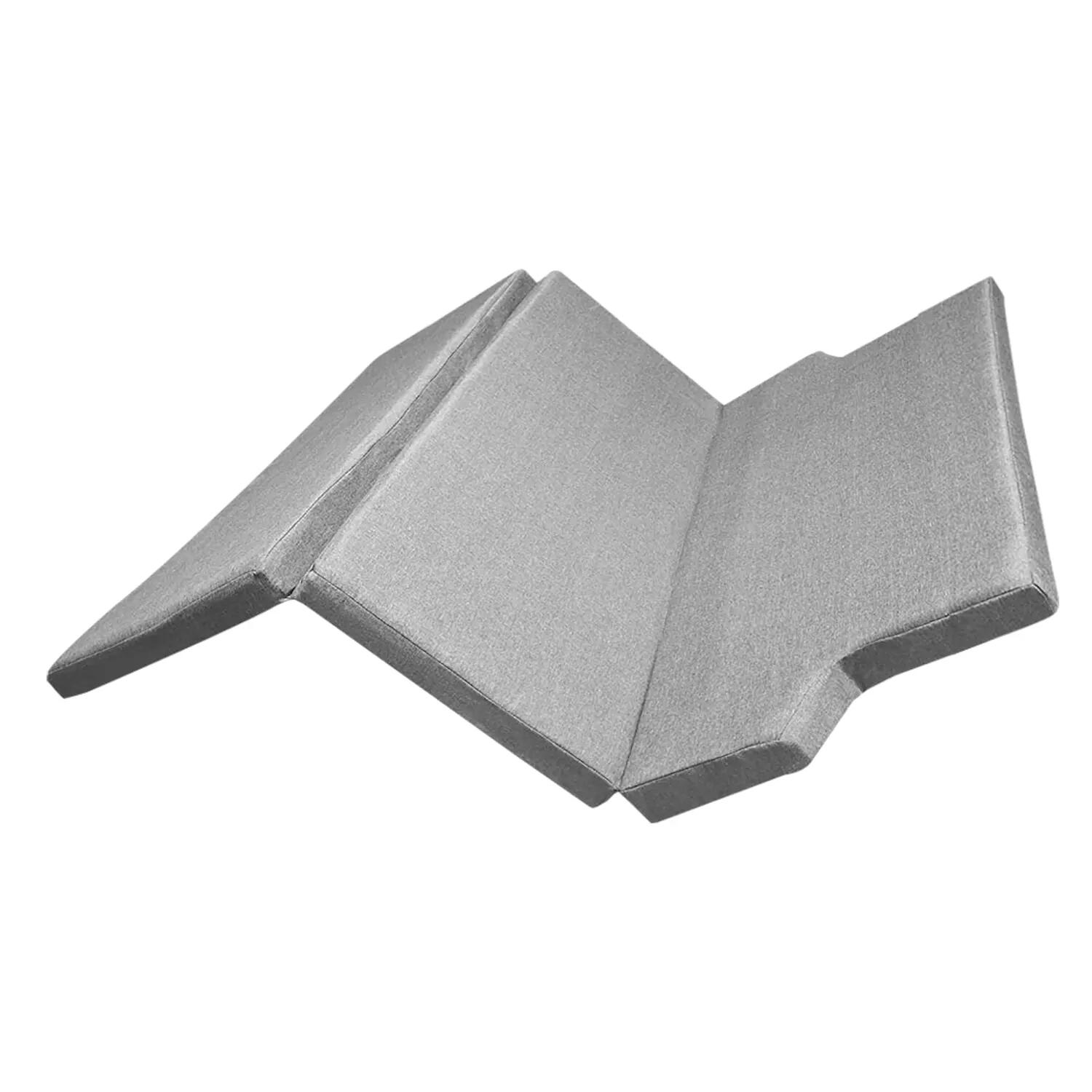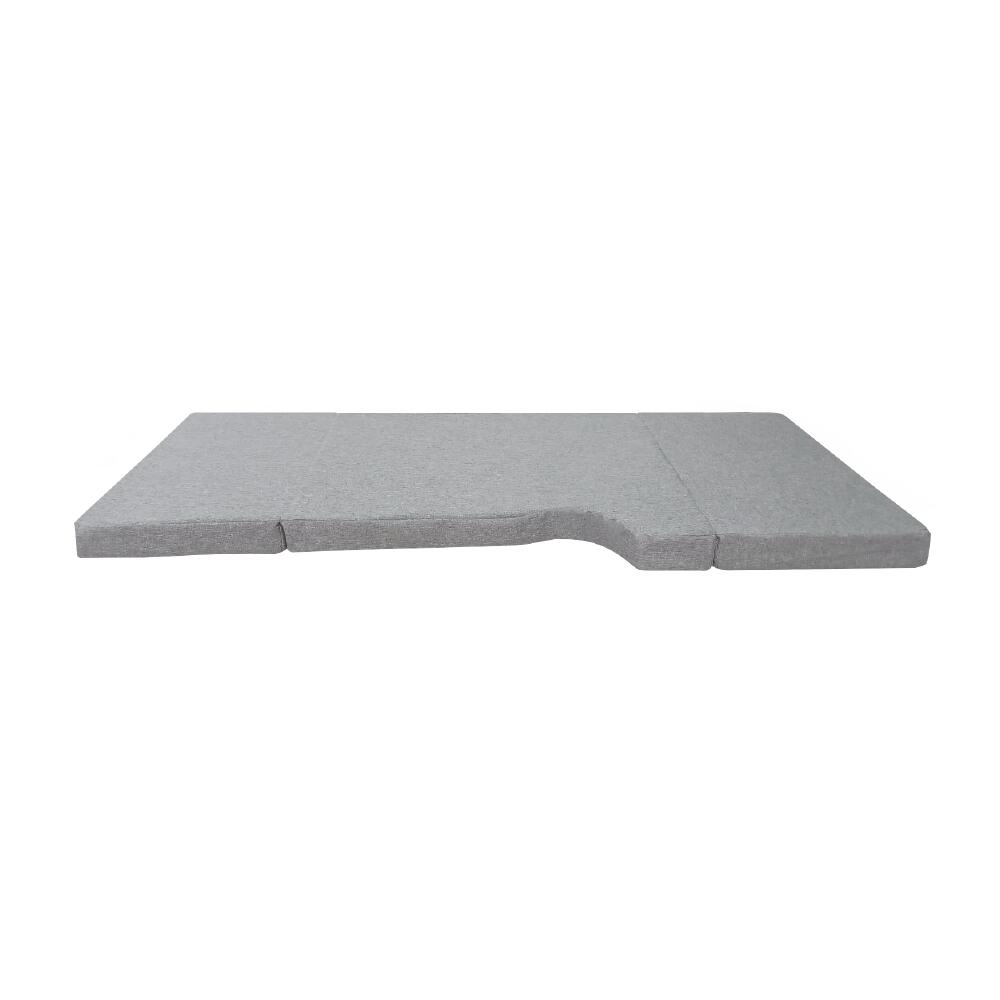
24 items
4.7/5 based on 3866 reviews collected online and in stores

Sleeping Mats FAQs

How do I choose the right sleeping mat for camping?

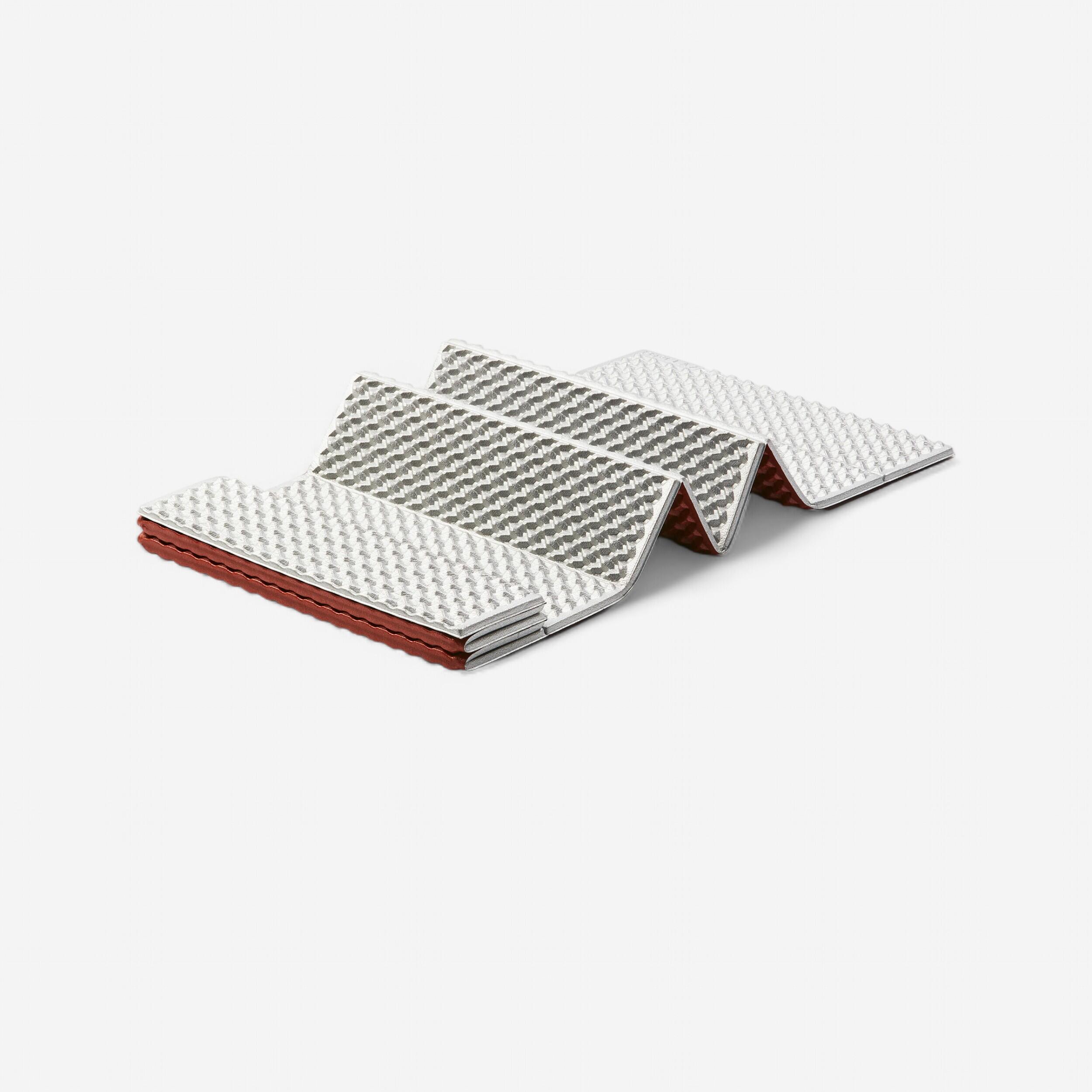
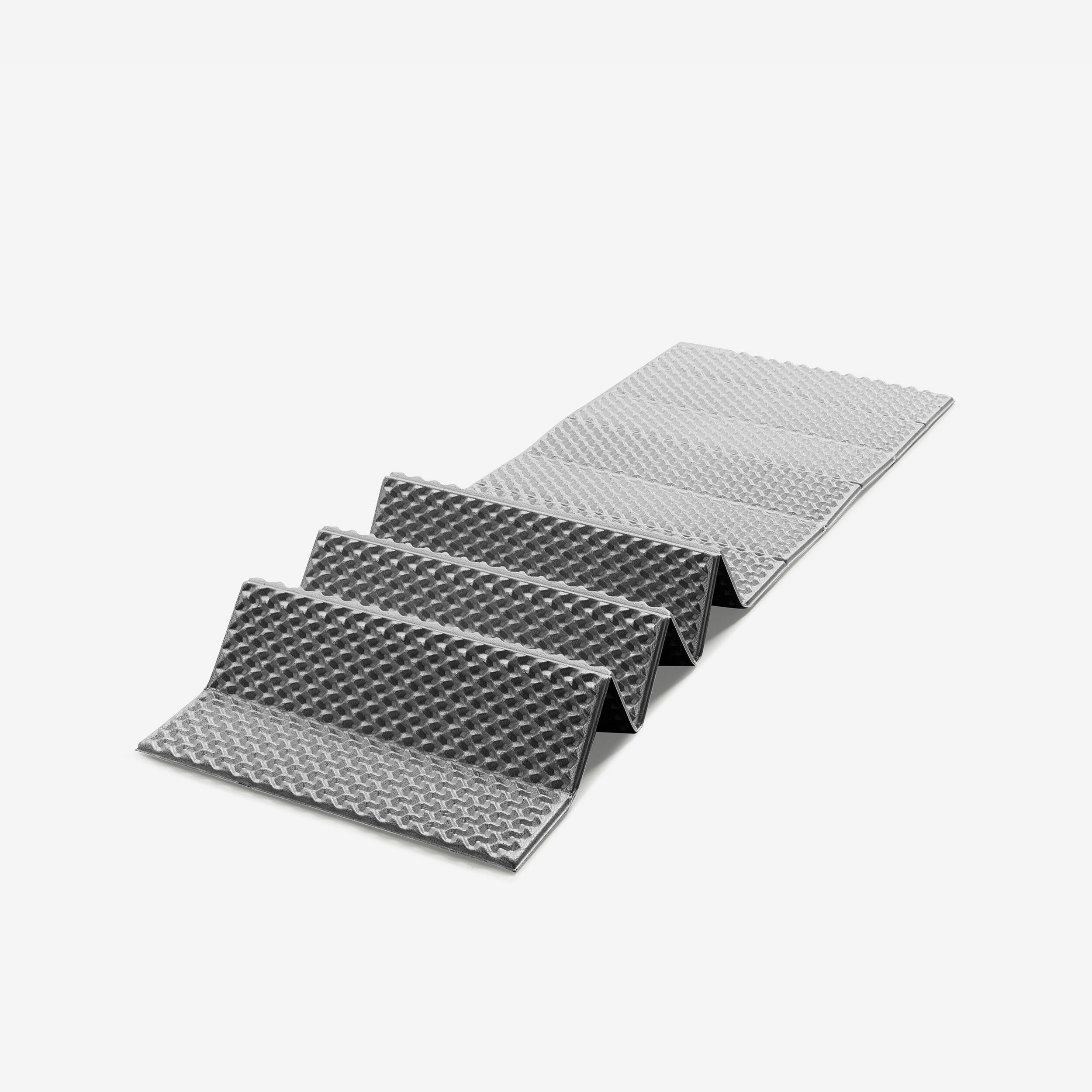
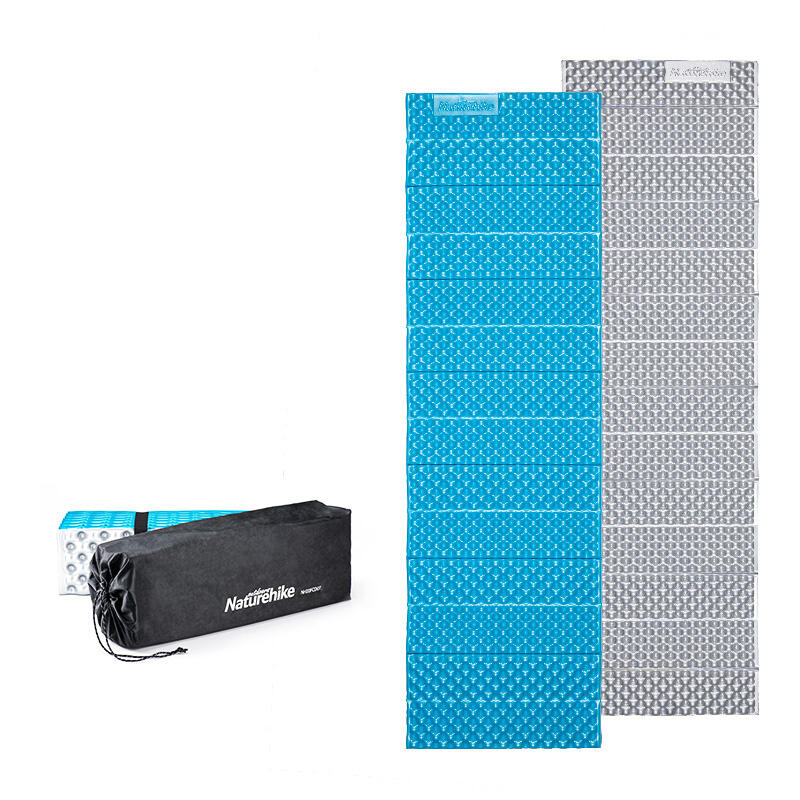
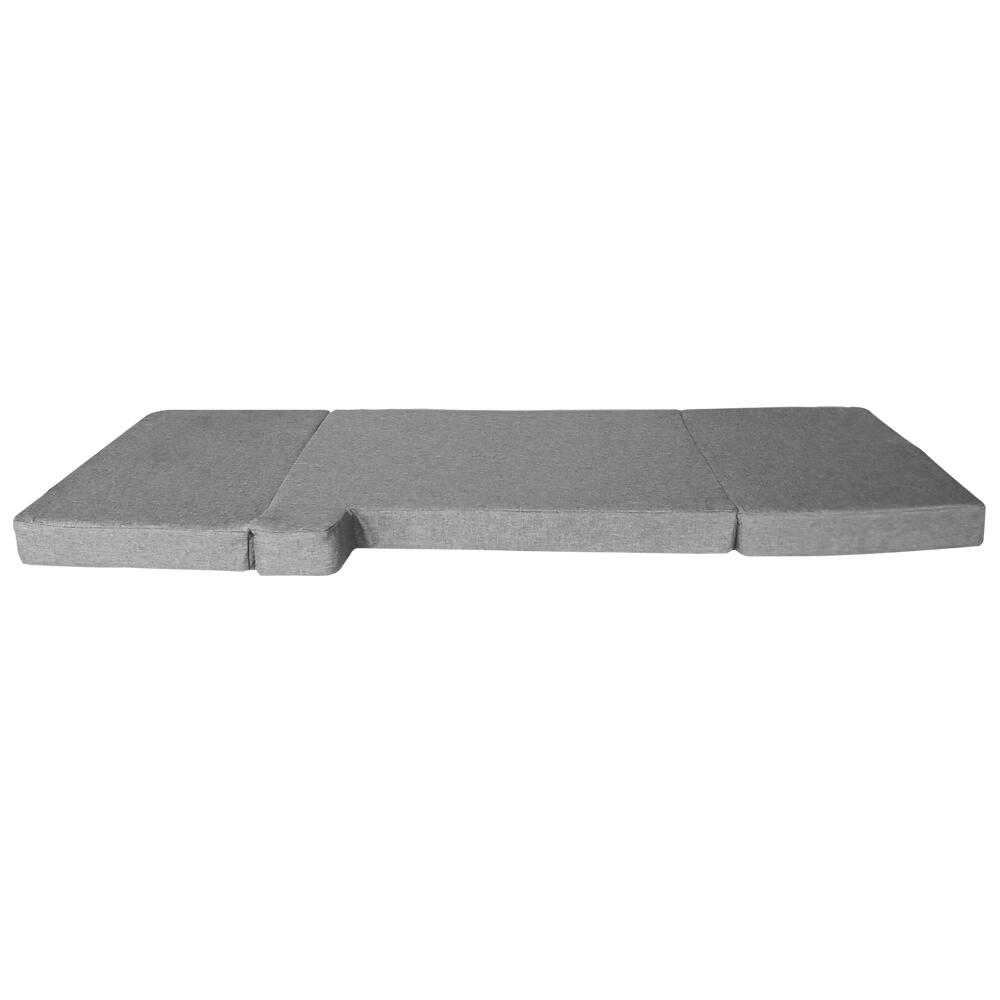
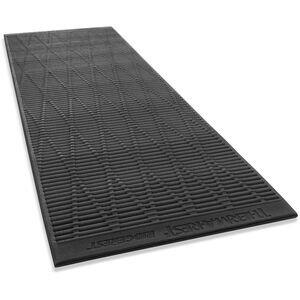
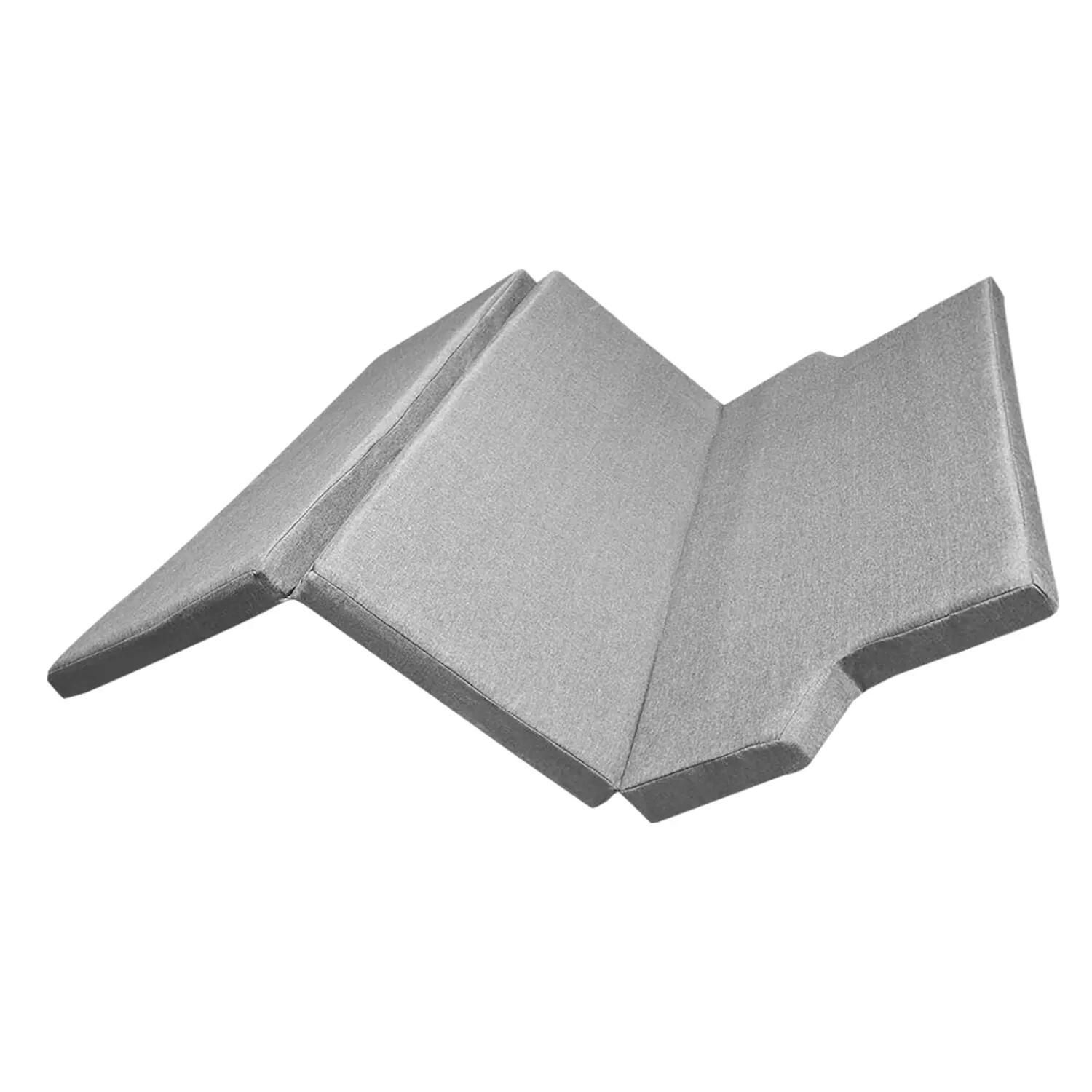
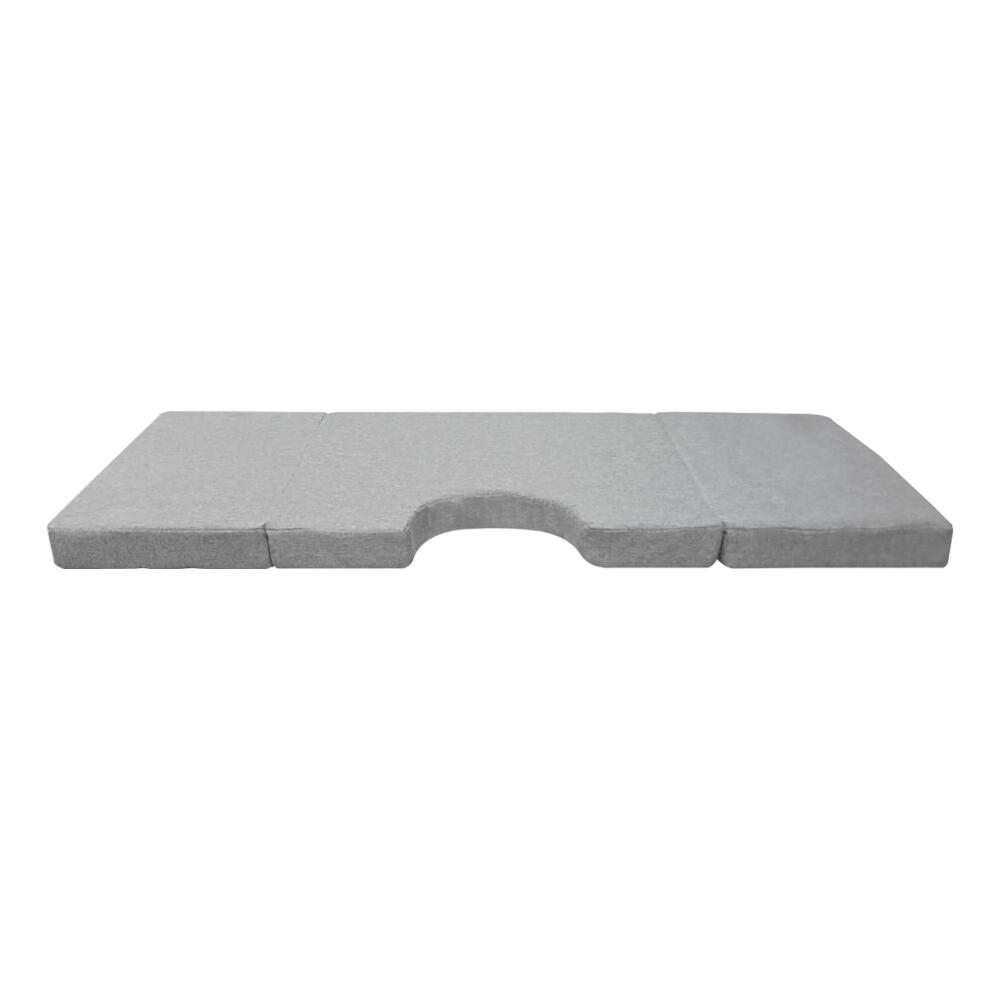
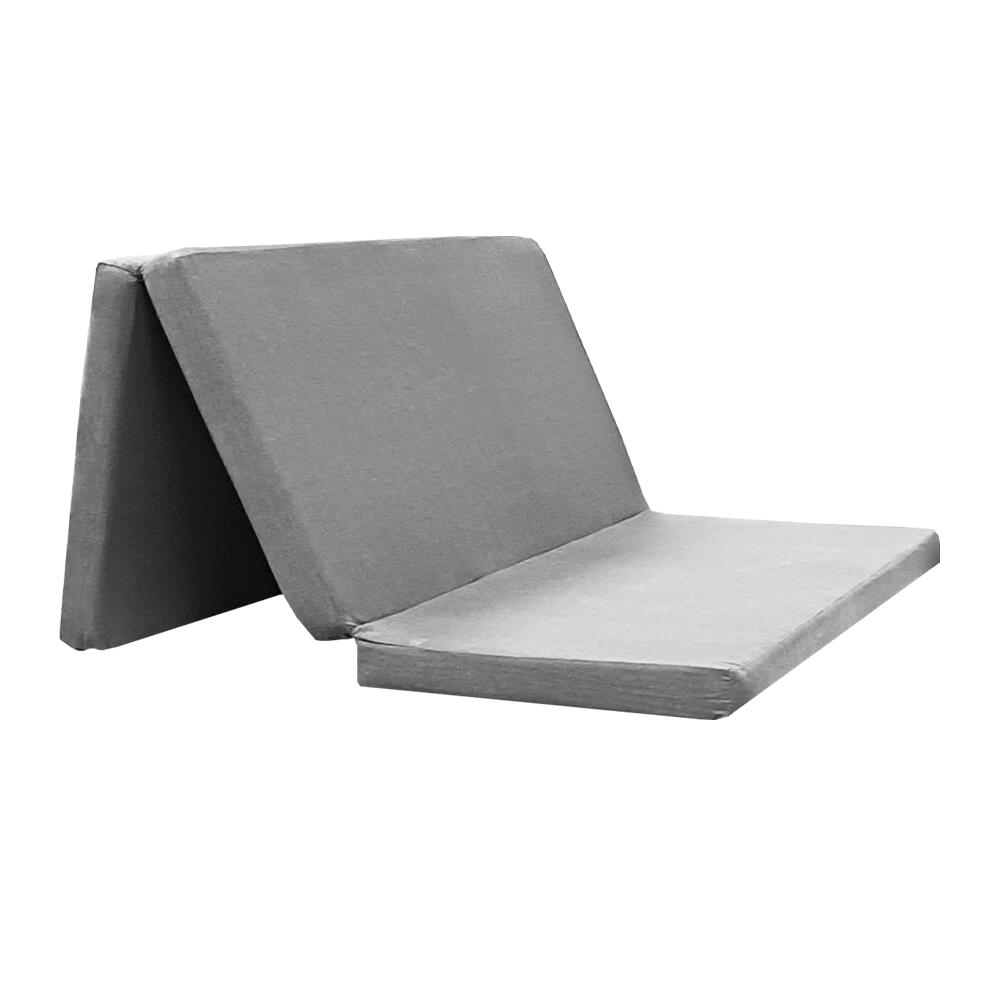
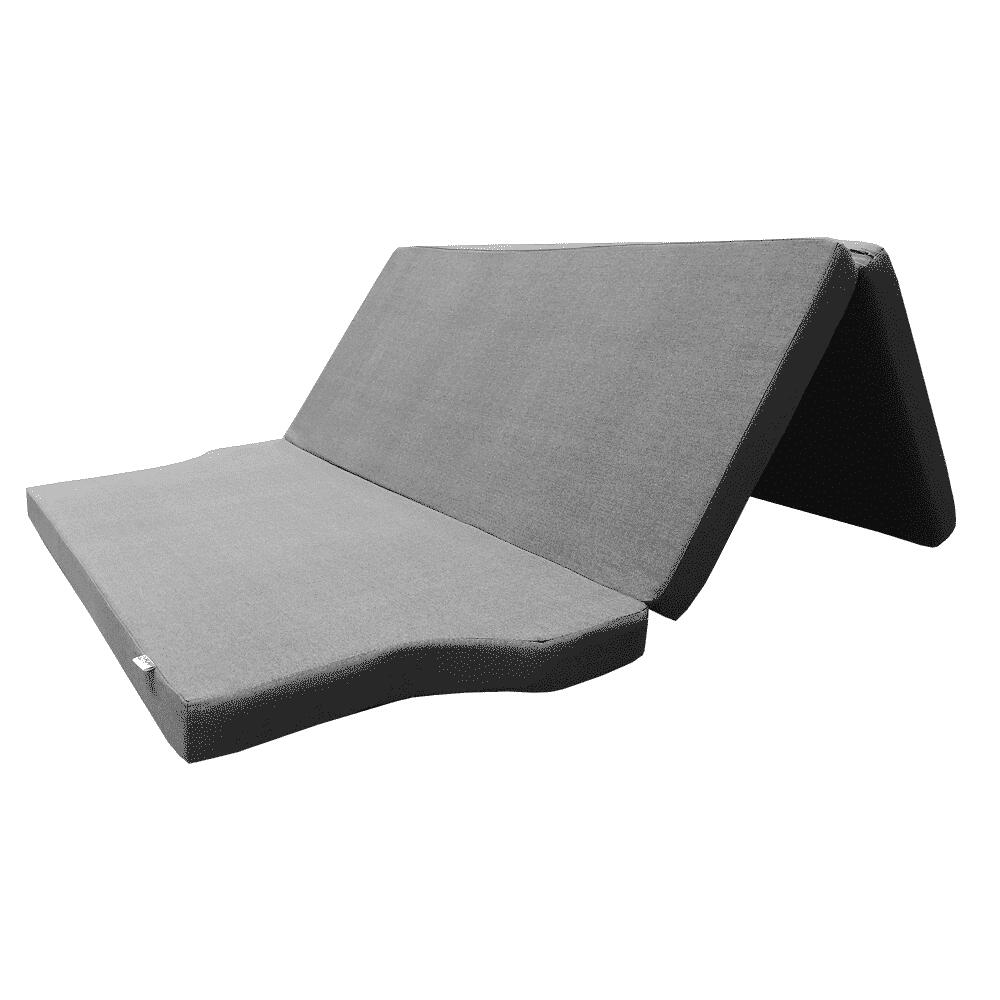
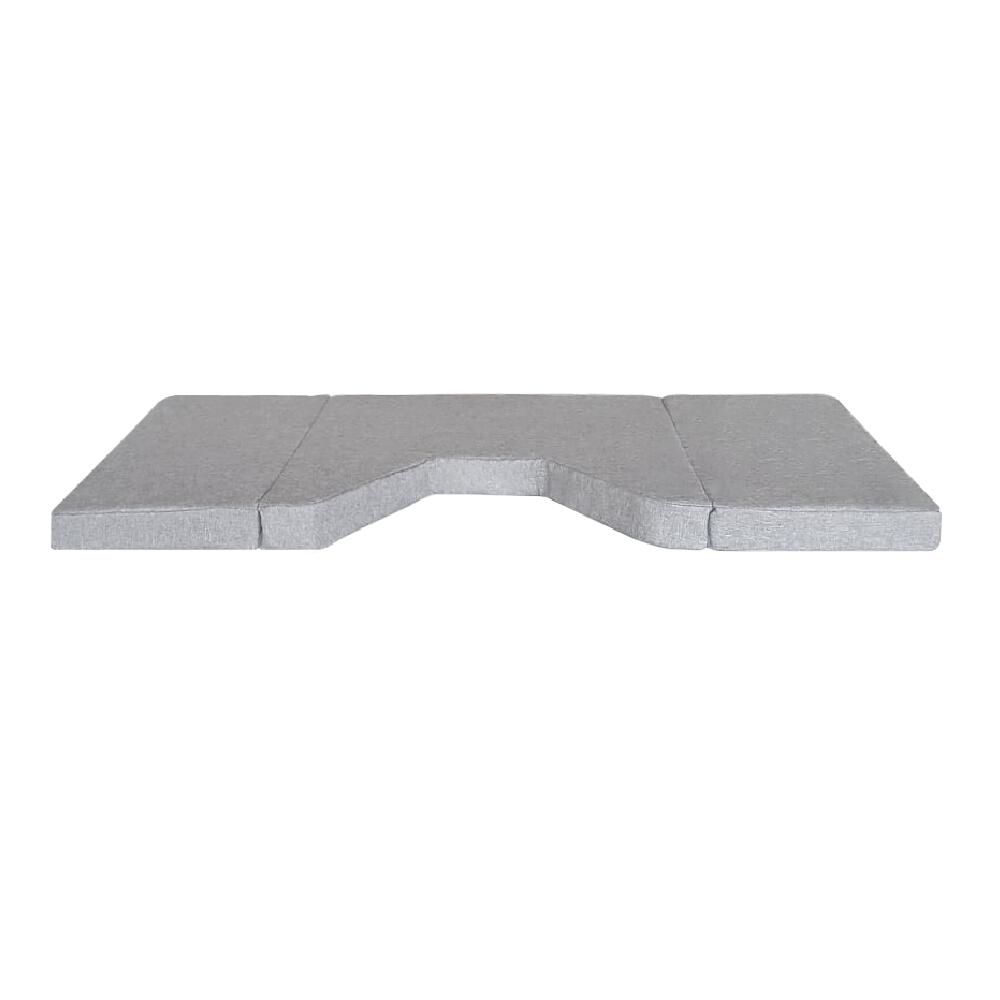
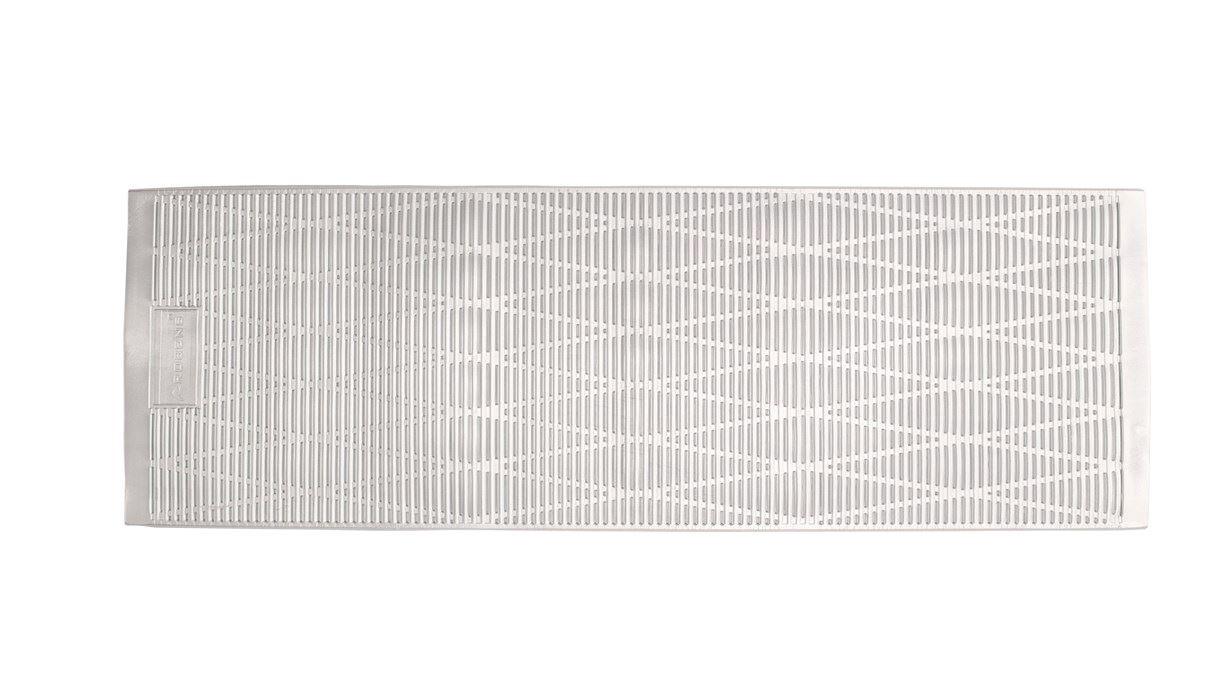
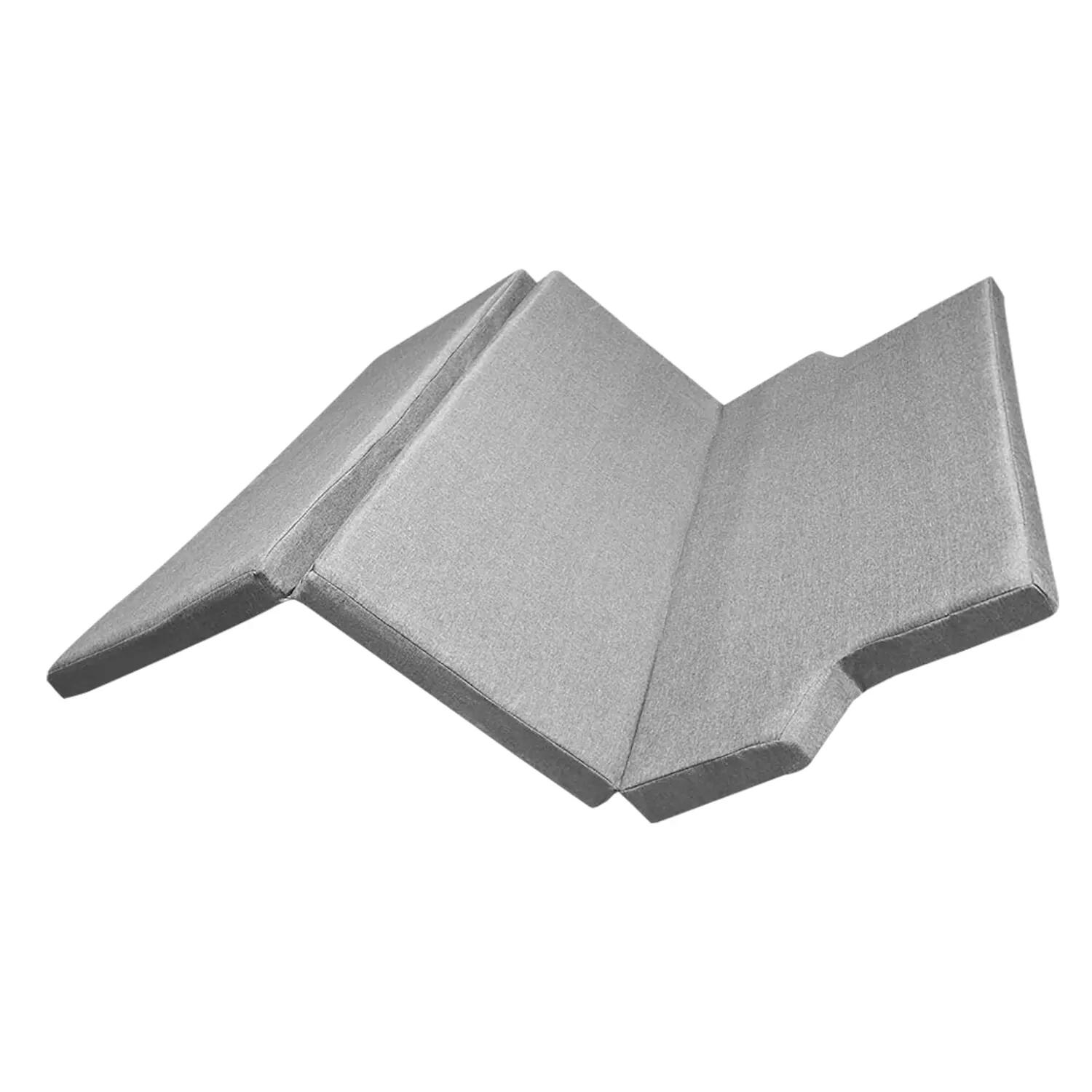
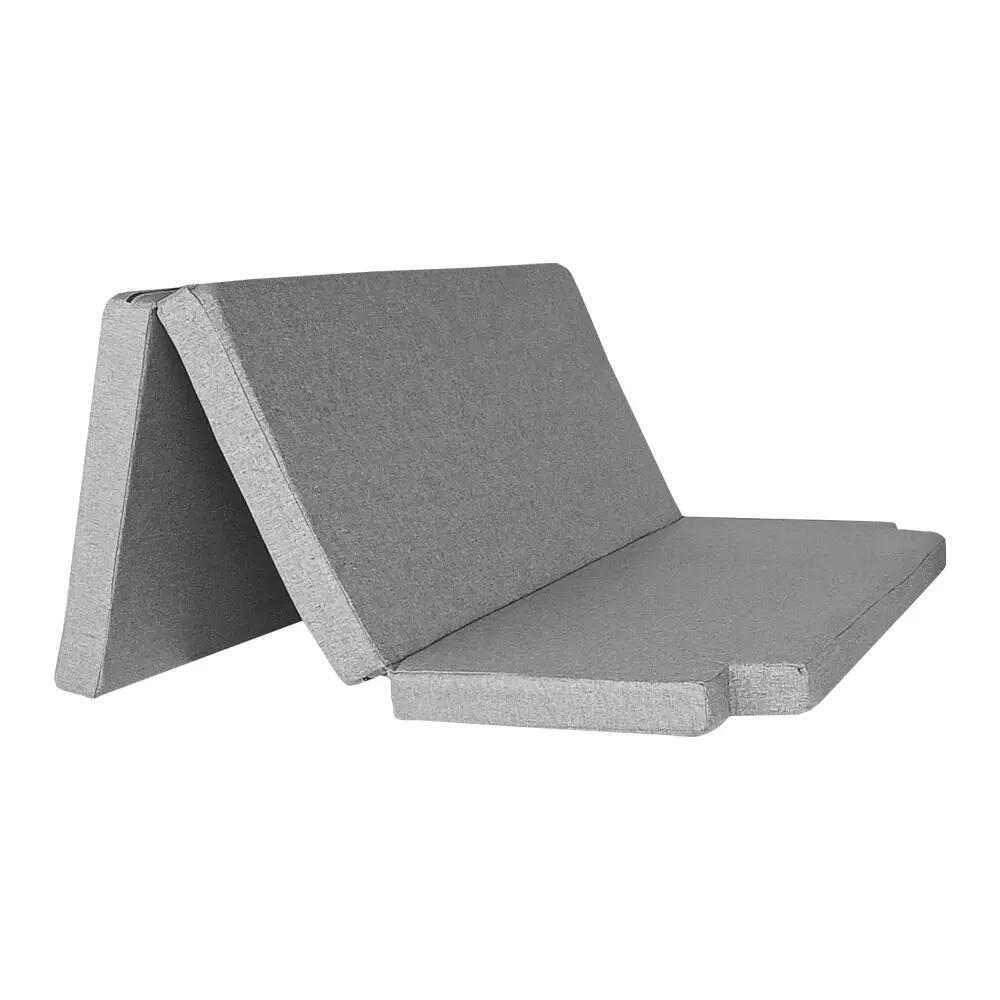
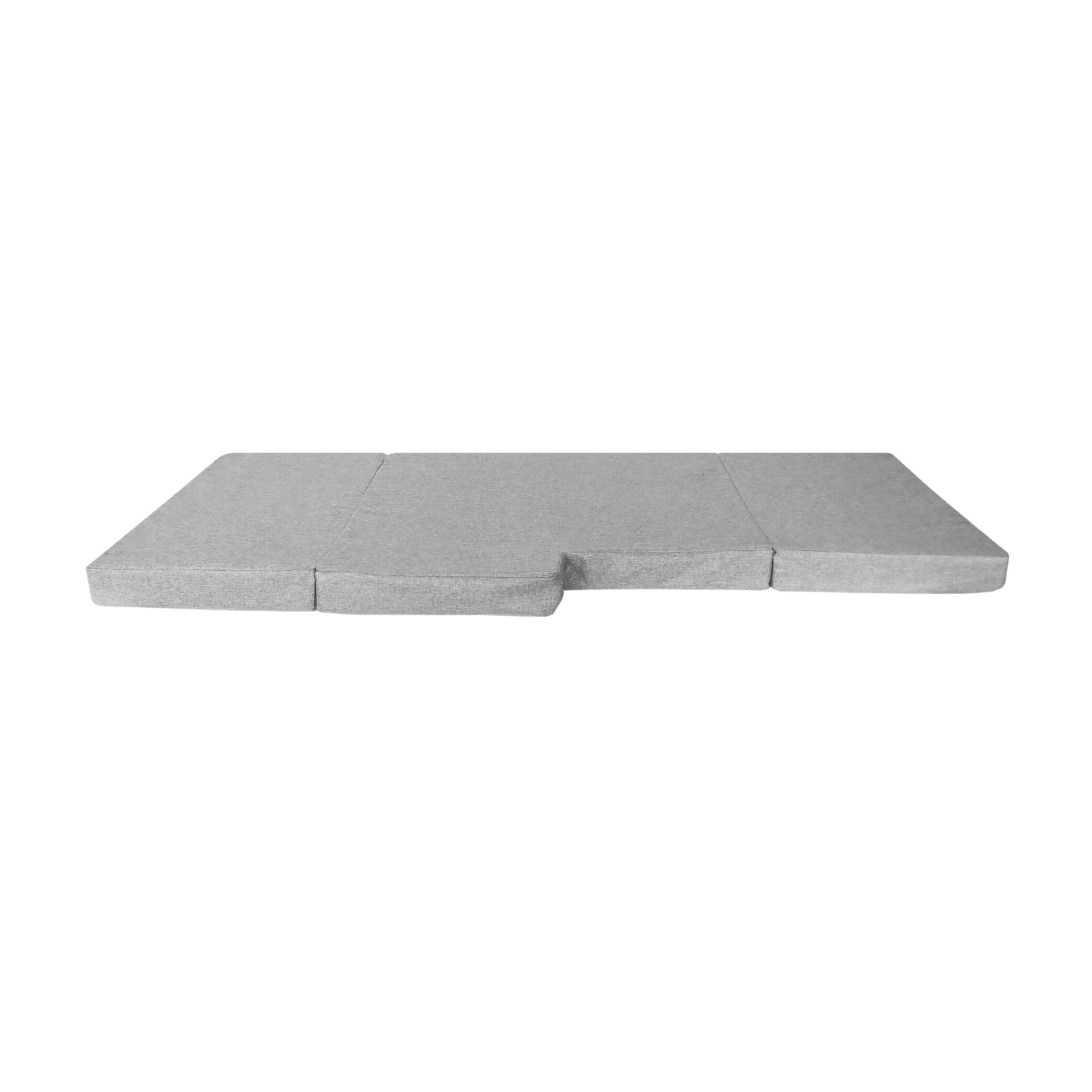
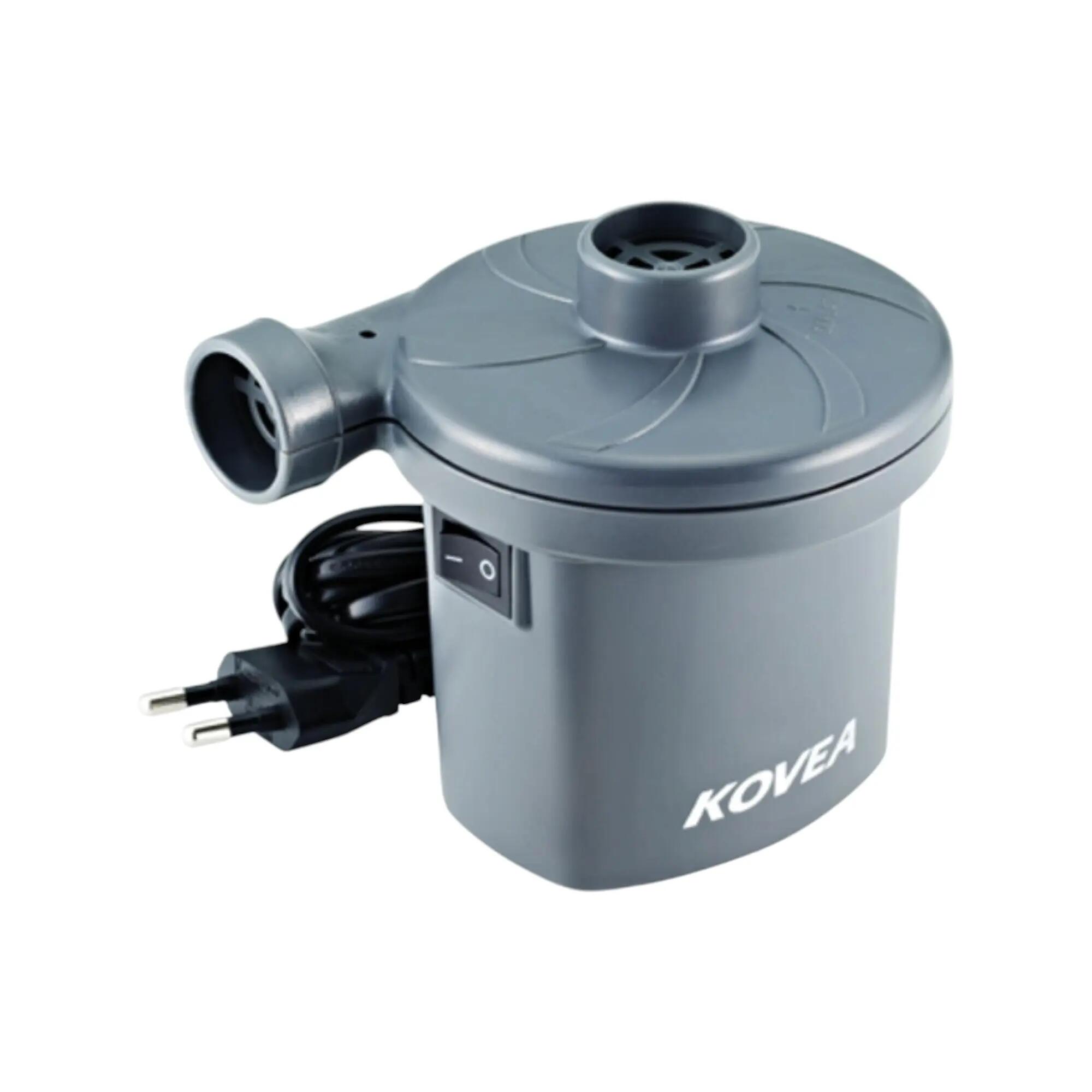
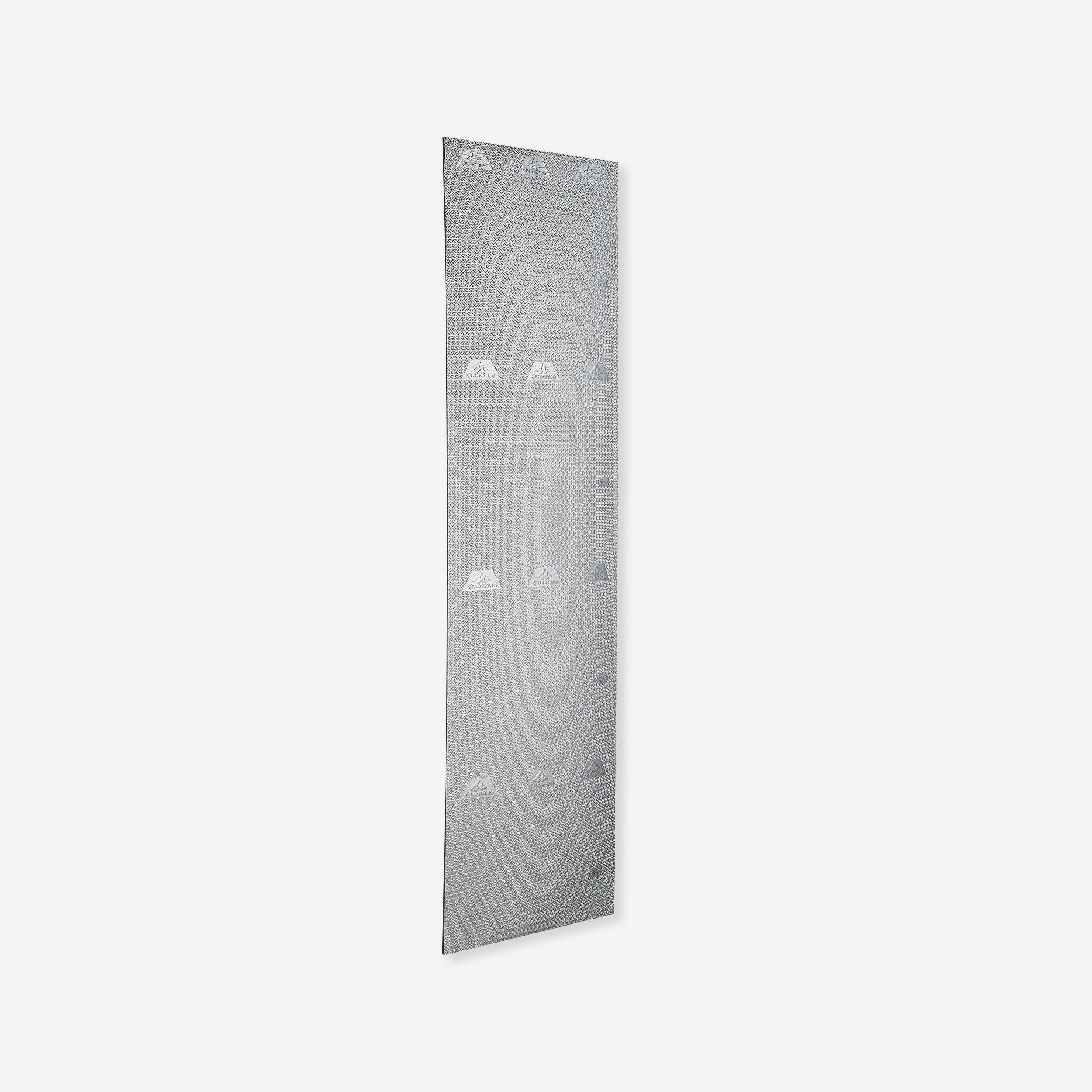
Picking the right sleeping mat comes down to where you camp, how rough the ground is, and how much warmth you'll want once the temperature drops at night. Foam mats give simple, robust, puncture-proof comfort for festival weekends, summer camping, and emergency kits, while foldable versions pack small enough to strap to a rucksack for hiking, scout camps, and bivouacs. On cooler nights, a closed-cell foam mat traps a thin layer of warm air against the body and stops the ground from drawing heat away, which is its main job alongside basic cushioning. Mats with reflective coatings bounce body heat back upwards on colder pitches. One handy trick: stack a thin foam mat beneath a thicker one on freezing nights to double the insulation without paying for a single high-rated mat. And if you ever pair a mat with inflatable gear, reaching for one of our air bed pumps in compact, lightweight, electric, or rechargeable form saves all the lung work.

How do foam sleeping mats compare with inflatable mattresses for camping?

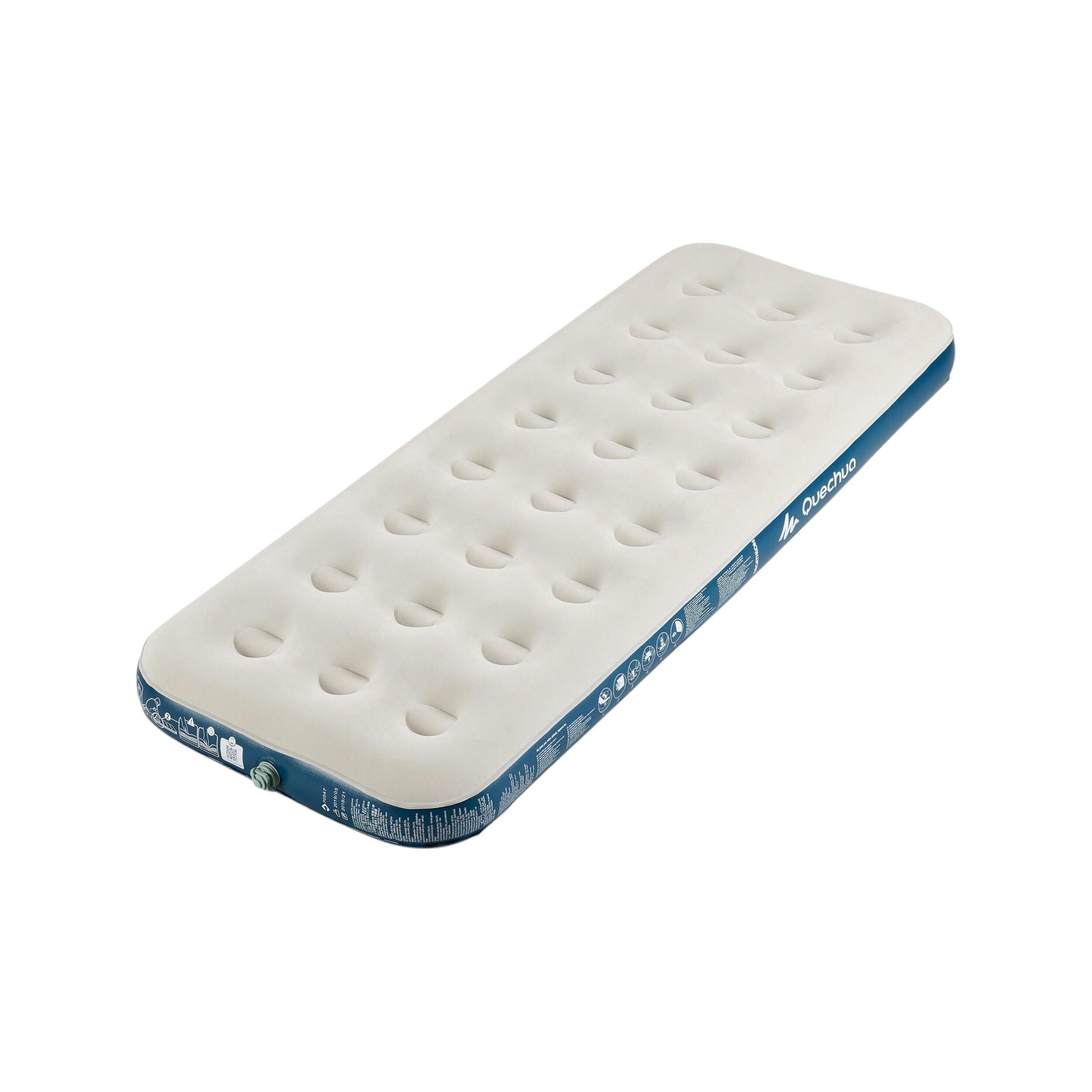
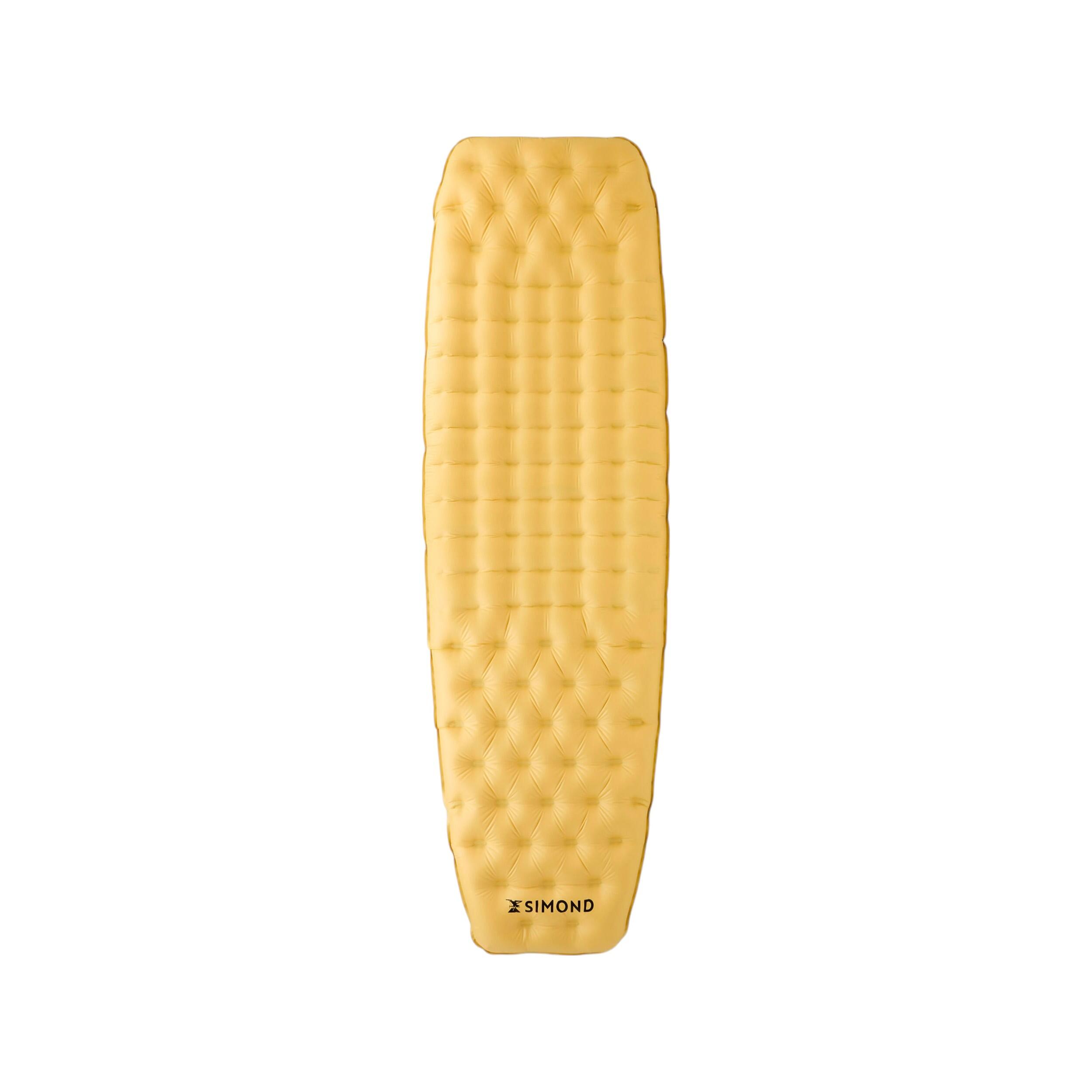
Foam mats and inflatable mattresses both keep the cold ground at bay, but they differ in build, comfort, and how they handle the night. Foam stays solid, never punctures, and rolls out instantly without pumping, which suits festivals, summer trips, scout camps, and bivouacs where speed and simplicity win. By contrast, the deeper padding of our inflatable mattresses in standard, raised, and family sizes cushions the hips and shoulders and lets you tune firmness with a pump. Choosing by trip type, rather than buying one mat for everything, is what keeps you rested.

Should I consider a self-inflating mattress instead of a foam sleeping mat?

A self-inflating mattress earns its place over a foam mat when comfort and insulation matter more than weight, simplicity, and instant rollout. The open-cell foam inside our self-inflating mattresses across the Quechua and Forclaz ranges draws in air the moment you open the valve, so there's no pump or lung work to reach a usable firmness. That extra depth supports the hips and shoulders on longer trips, and the foam core continues to insulate even if a slow leak develops overnight.

When does a double inflatable mattress make more sense than two single sleeping mats?

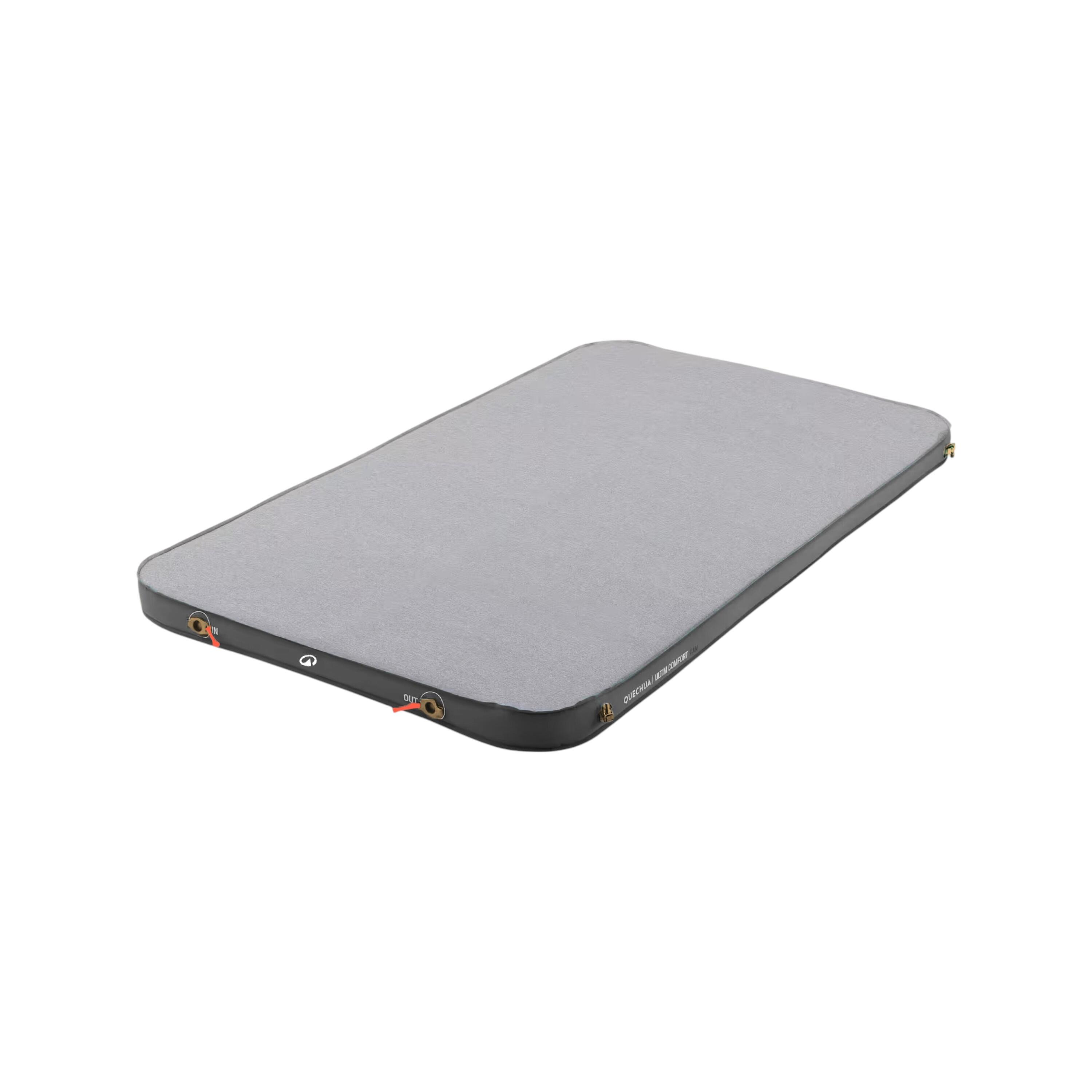
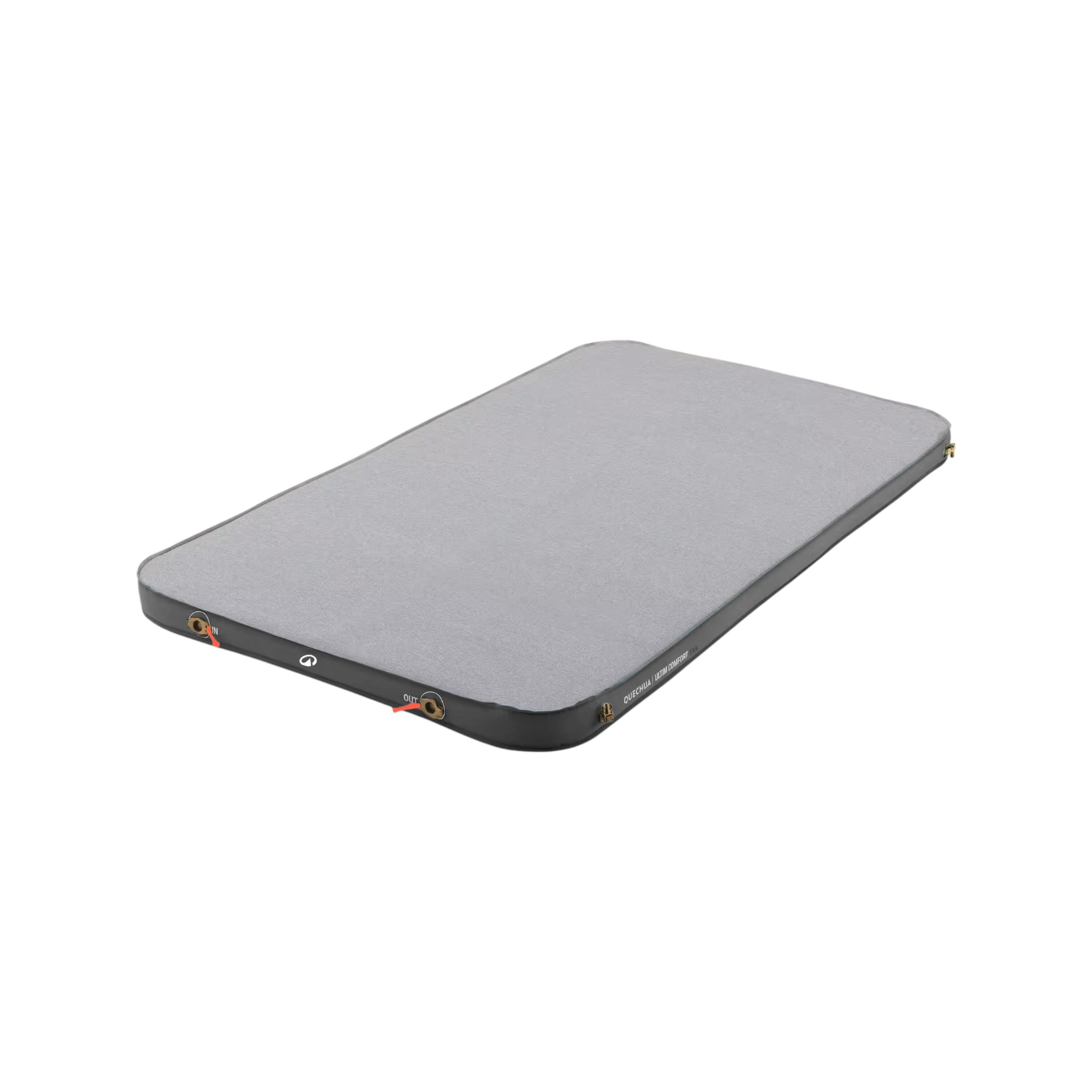
Two single mats laid side by side tend to drift apart on slippery tent floors, leaving a cold gap down the middle by morning. That is where a double inflatable mattress in a standard-height, raised, or lightweight build earns its keep, holding both sleepers on one joined surface all night. A double also frees up tent floor space compared with two separate mats, leaving more room for bags, boots, and the morning stretch.

How do sleeping mats compare with trekking mattresses for multi-day hikes?

Both insulate you from cold ground, but they suit very different sorts of hikes. Foam mats stay solid, never puncture, and roll out at every pitch in seconds, making them a reliable choice for hut-to-hut routes, scout treks, and trips where simplicity matters most. Longer distances and lower temperatures often call for extra cushioning and insulation, which is where trekking mattresses come into their own. Available in three-season, four-season and ultra-light options, they offer greater comfort while keeping pack weight to a minimum. Match the mat to the hike, and every camp feels better.