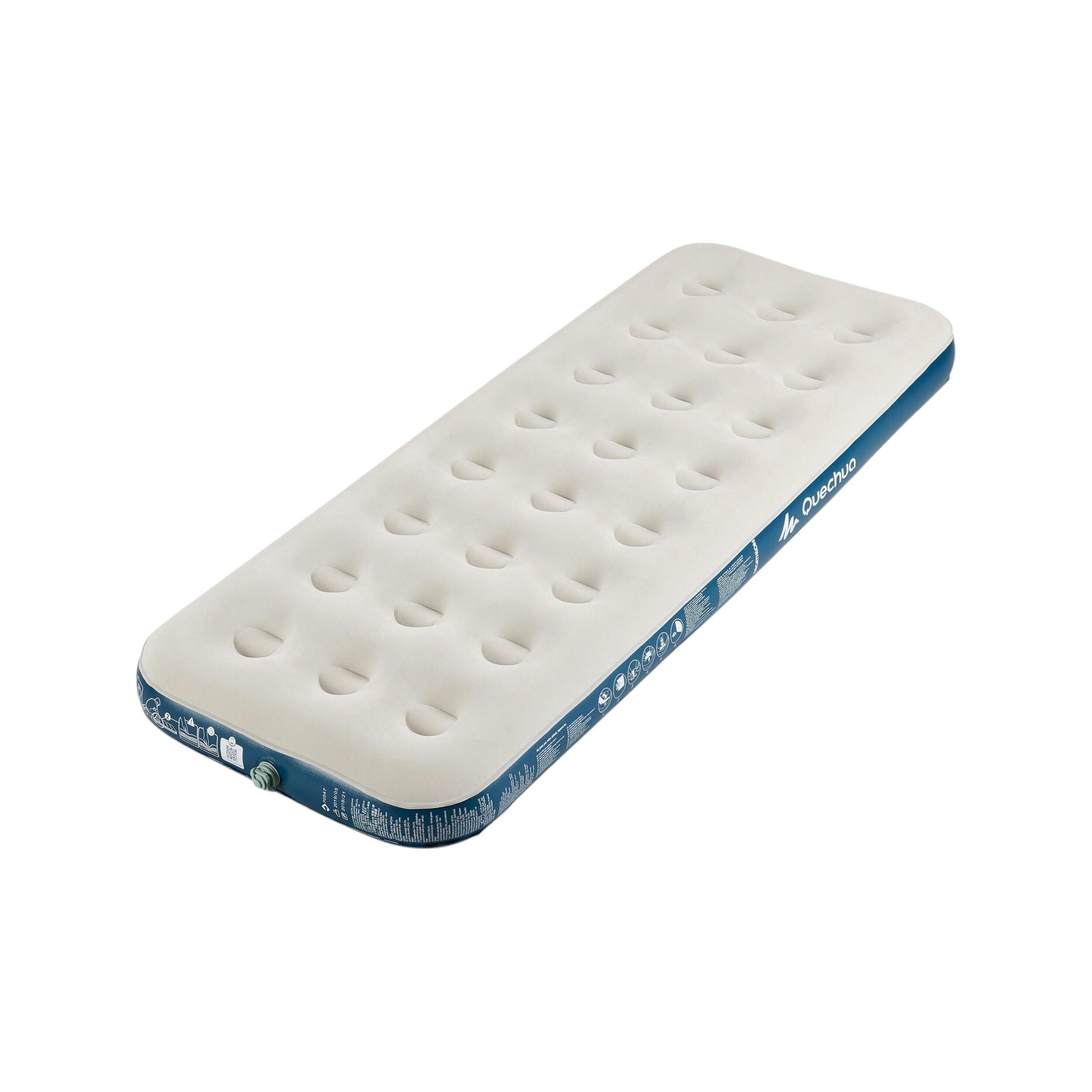
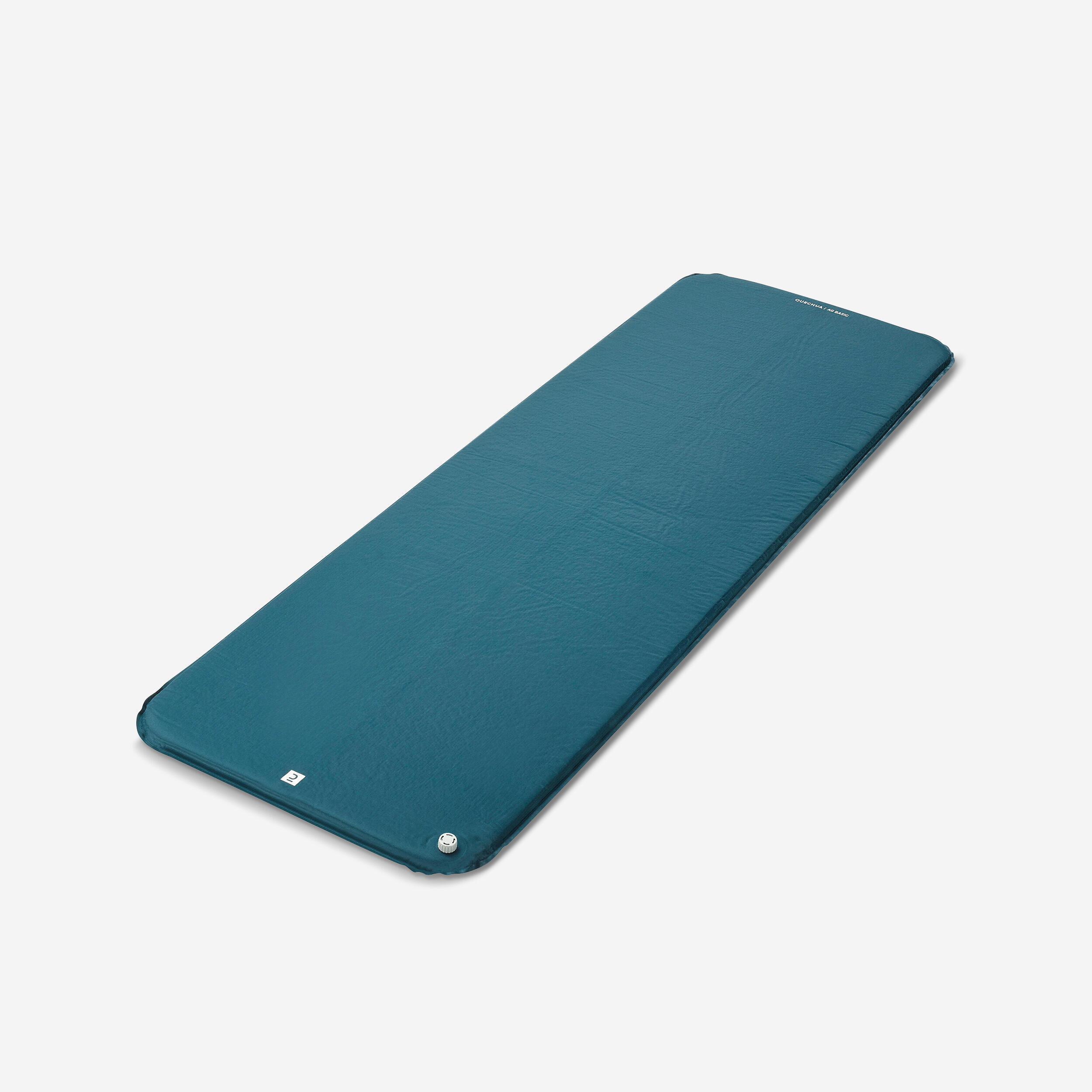
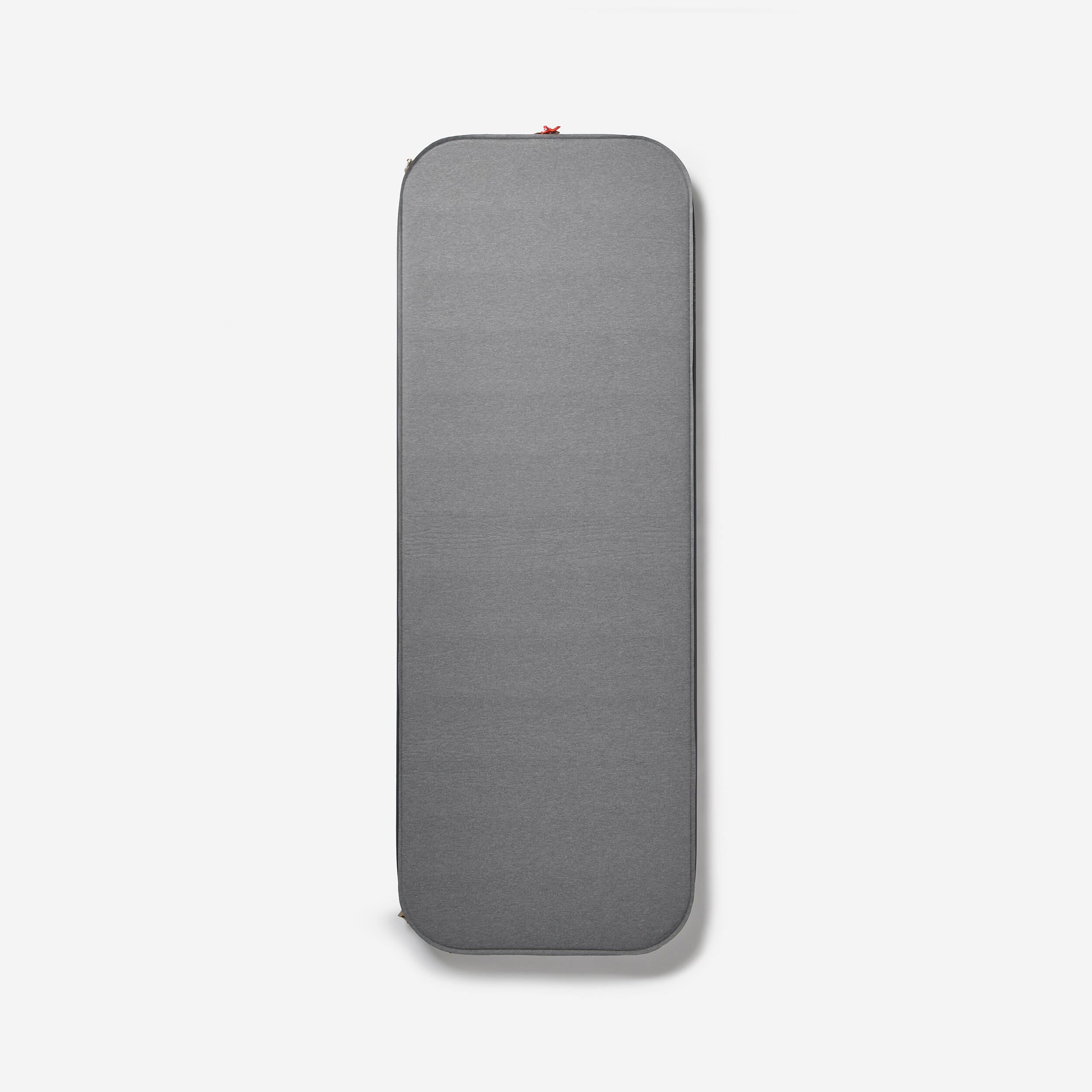
QUECHUA Self-inflating, 1-person camping mattress - Basic, 185 x 60 cm4.4(1,731)Reviews.votesAriaCurrent price {{currentPrice}} €26.00
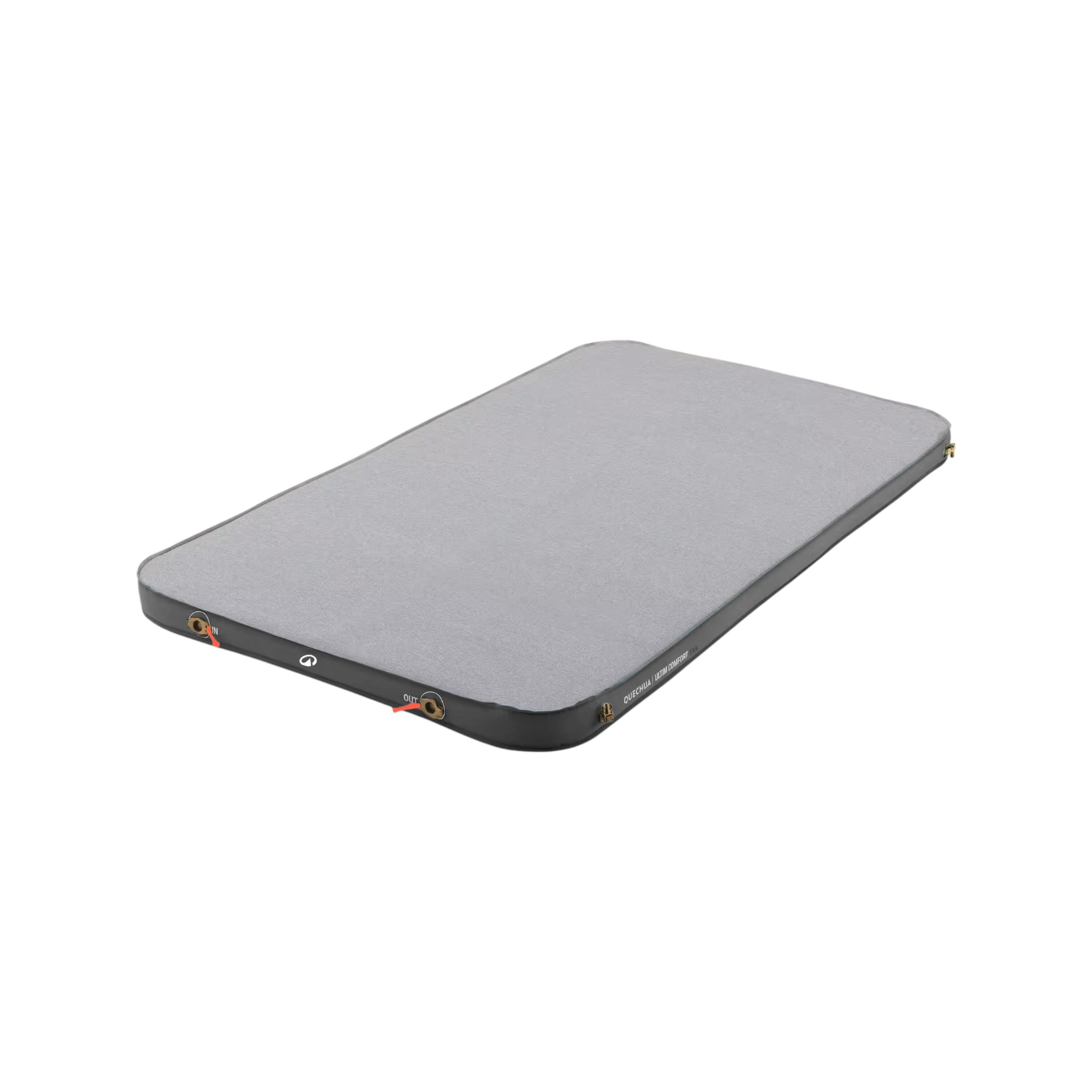
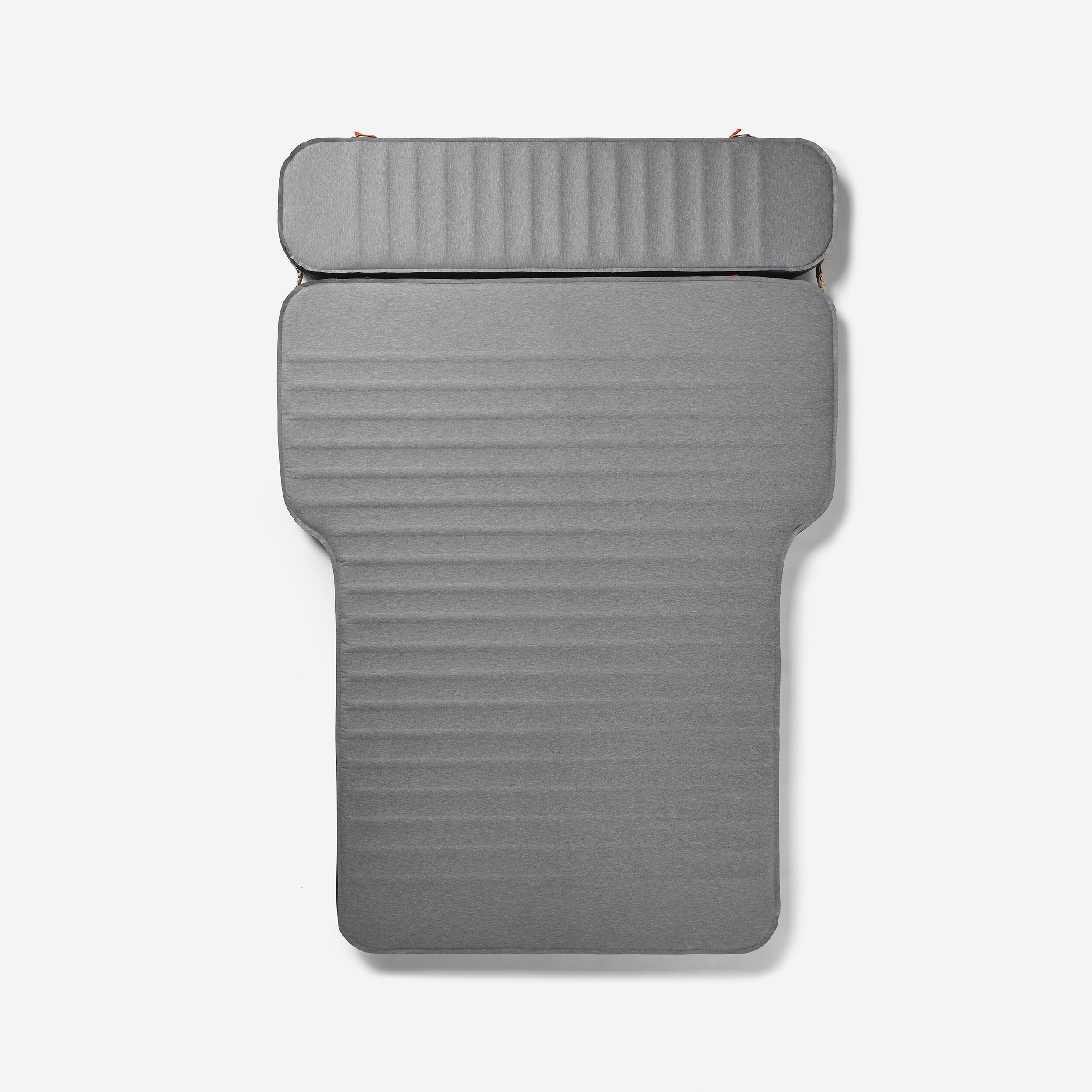
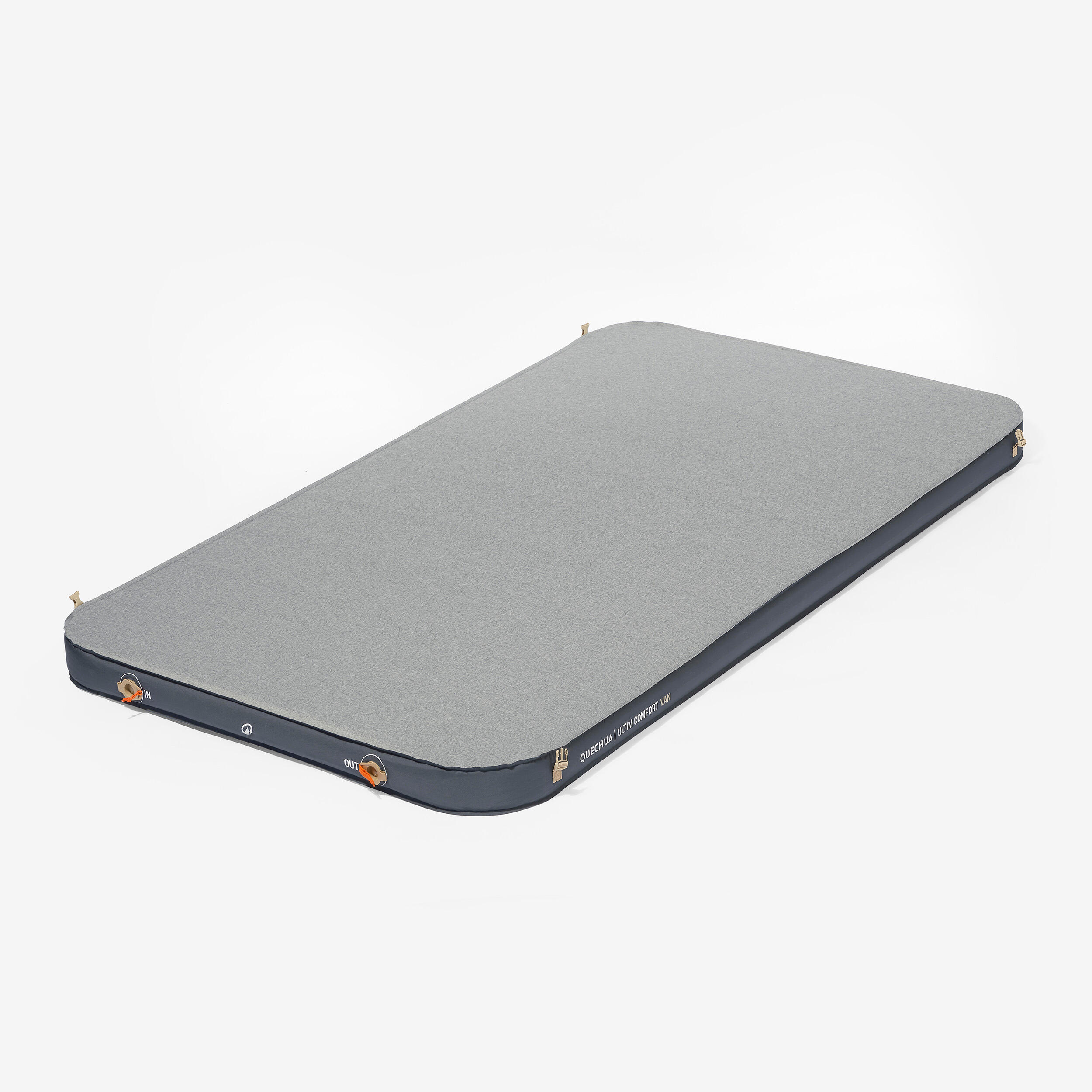
QUECHUA 2-person self-inflating car mattress, adjustable length, Ultim Comfort4.8(251)Reviews.votesAriaCurrent price {{currentPrice}} €150.00
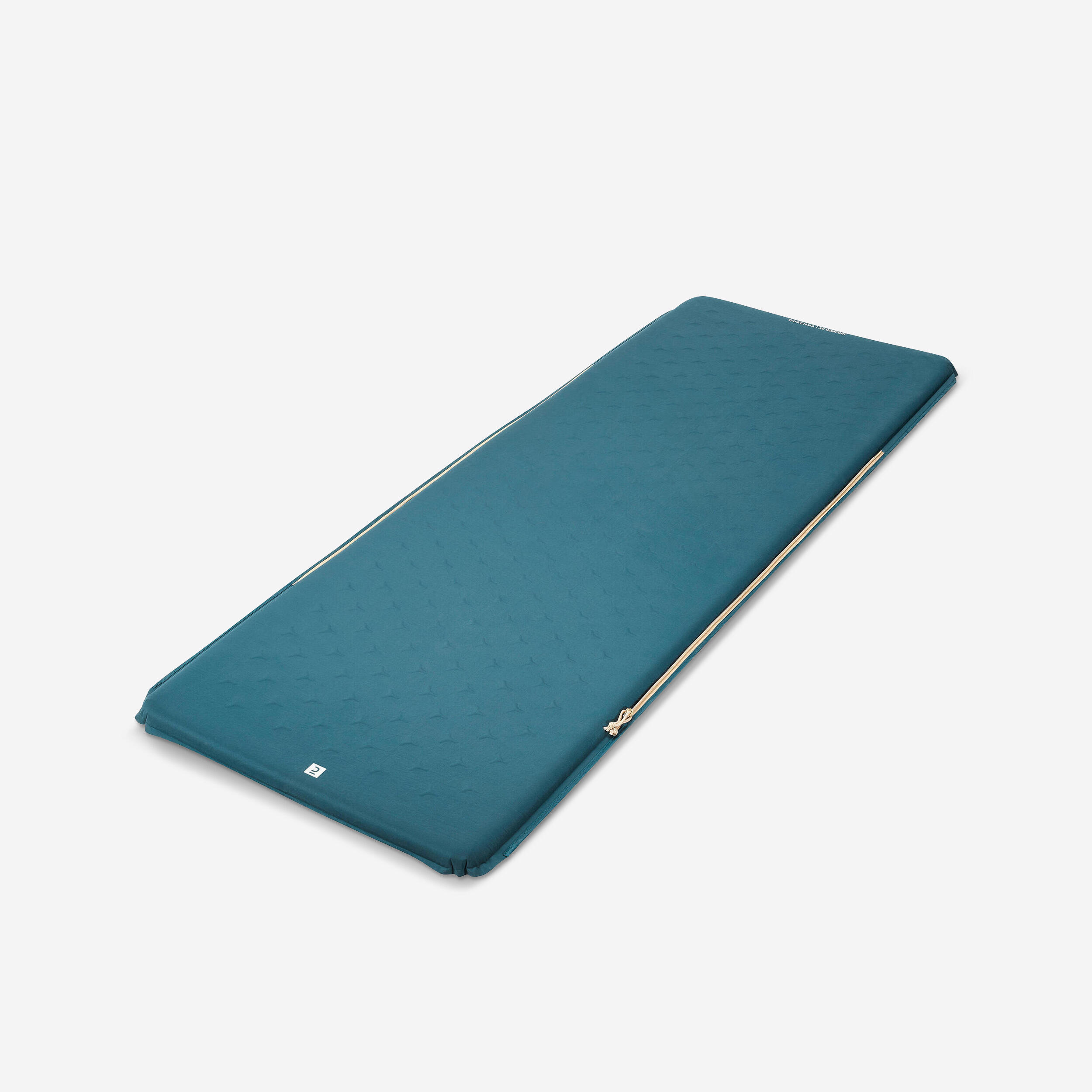
New Lower Price New Lower Price2 coloursNew Lower PriceQUECHUA Self-inflating, 1-person camping mattress - Comfort, 190 x 65 cm - Blue4.5(2,181)Reviews.votesAria2 coloursCurrent price {{currentPrice}} €46.00 Former price Was €50.00Lowest price: €50.00
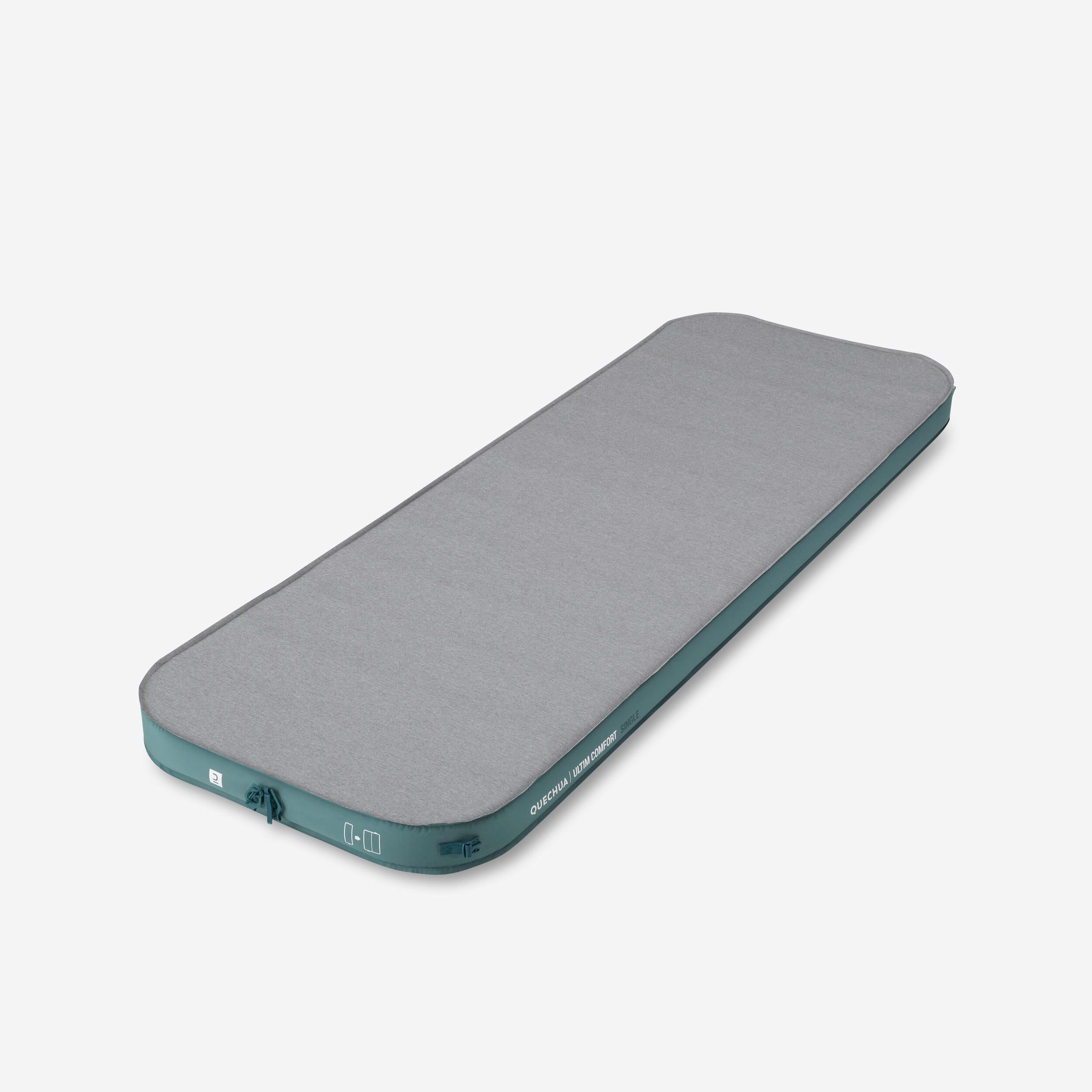
2 coloursQUECHUA Self-inflating, 1-person camping mattress - Ultim Comfort, 200 x 70 cm - Grey4.6(1,891)Reviews.votesAria2 coloursCurrent price {{currentPrice}} €105.00
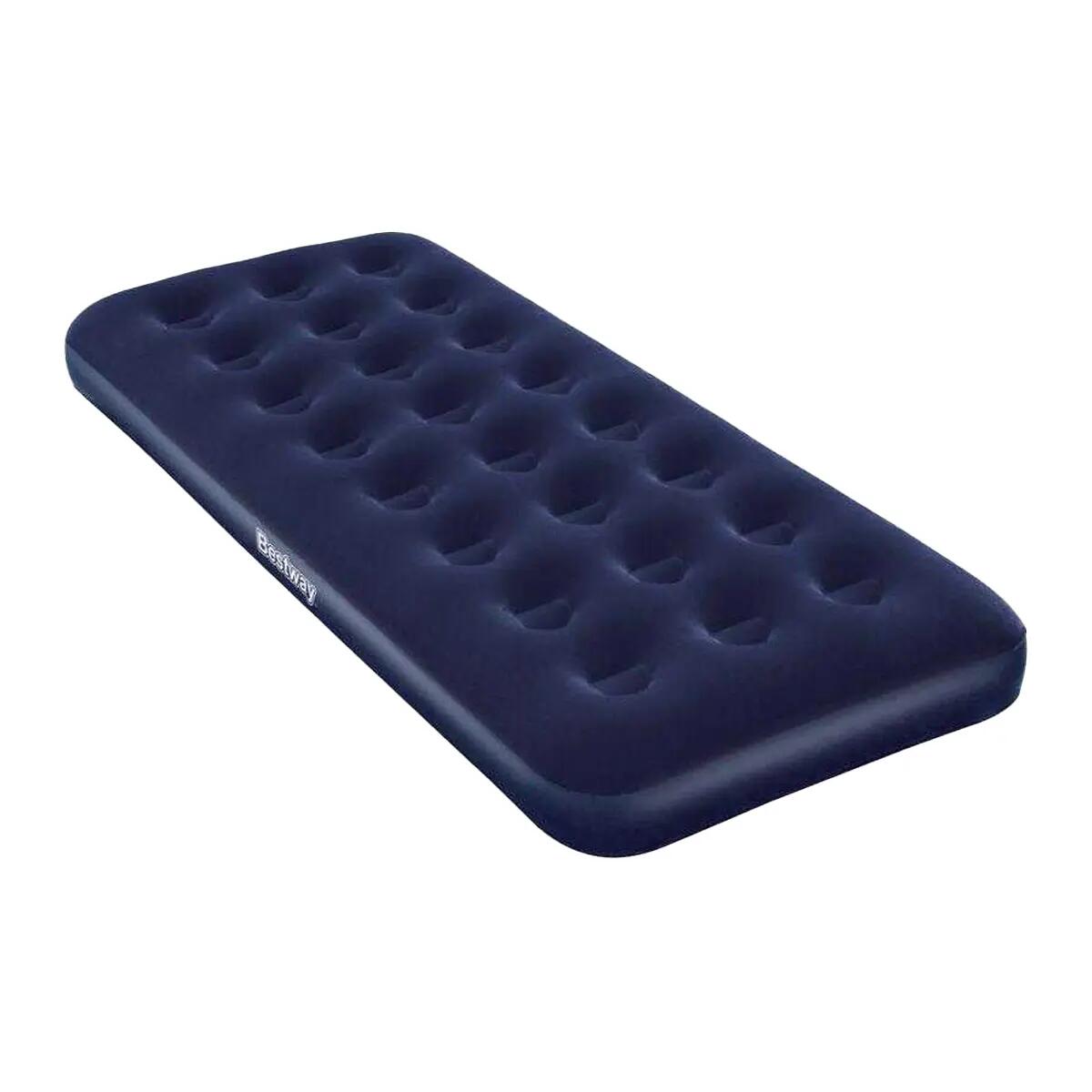
Marketplace -Online Only Marketplace -Online OnlyMarketplace -Online OnlyBESTWAY Single Velvet Air Bed (Navy Blue)Current price {{currentPrice}} €34.19Sold and shipped by Pertemba IE
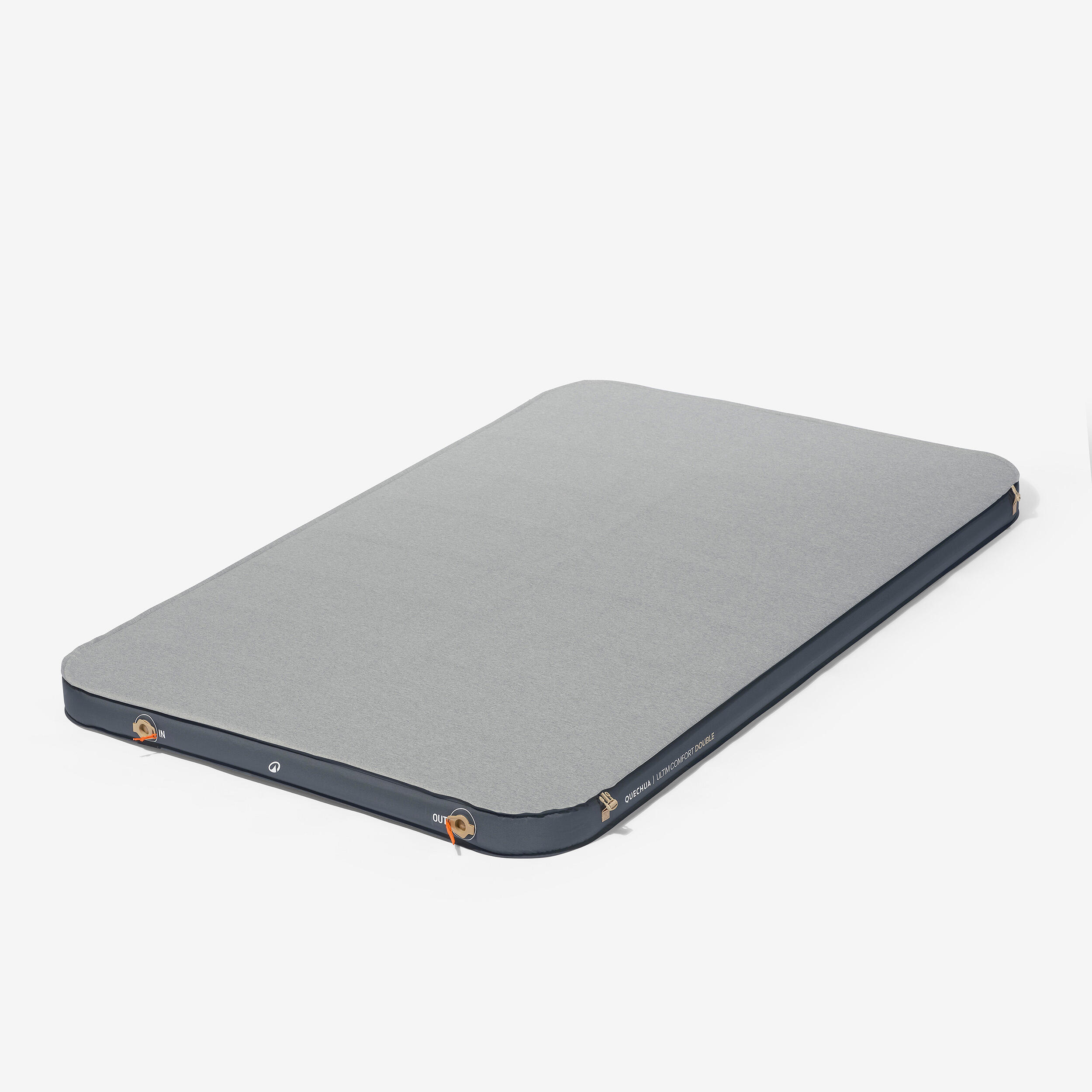
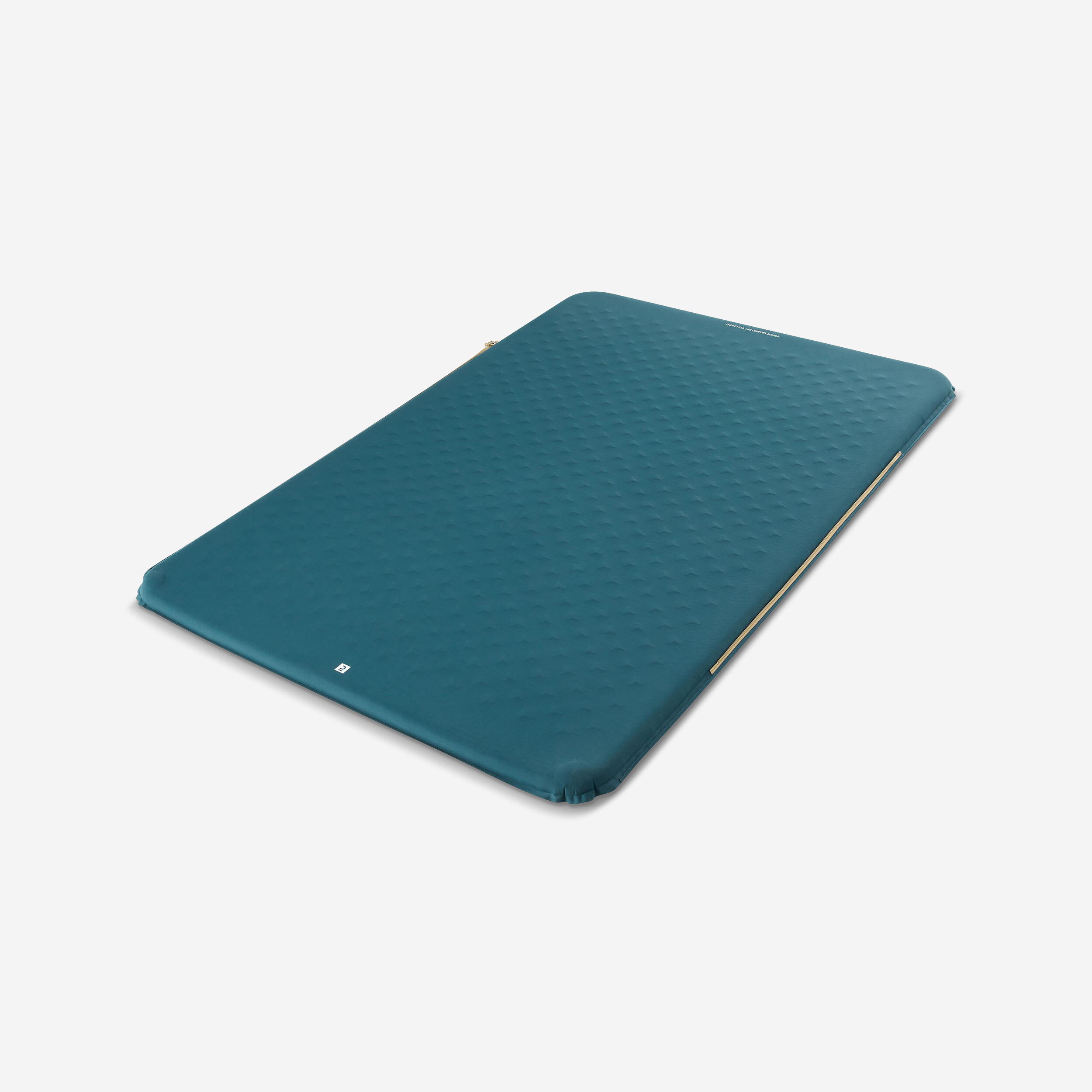
2 coloursQUECHUA Self-inflating, 2-person camping mattress - Ultim Double Comfort, 200 x 136 cm4.5(1,238)Reviews.votesAria2 coloursCurrent price {{currentPrice}} €170.00
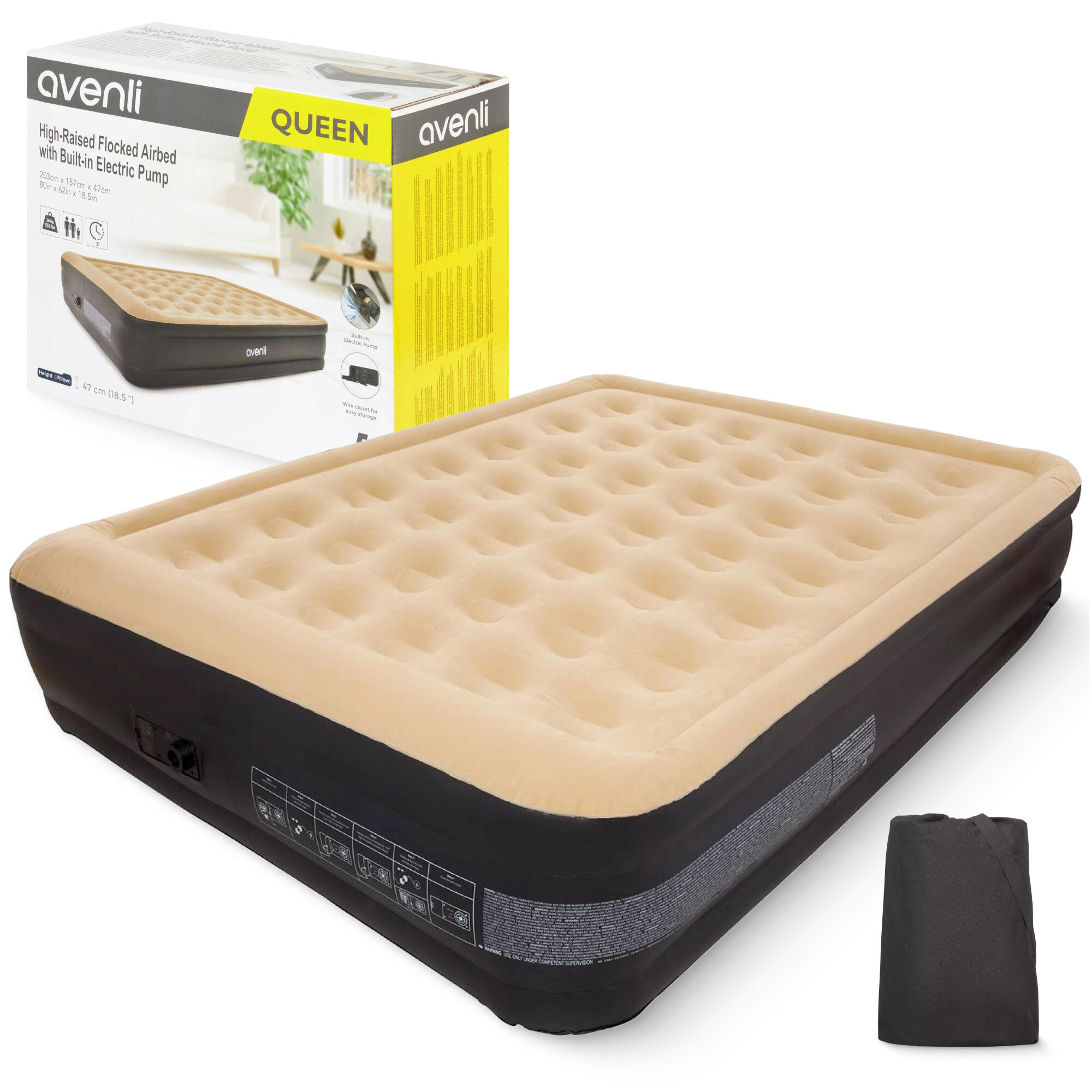
Marketplace -Online Only Marketplace -Online OnlyMarketplace -Online OnlyAVENLI Queen Raised Air MattressCurrent price {{currentPrice}} €86.80€86.80/unitSold and shipped by Super Merchant EUR
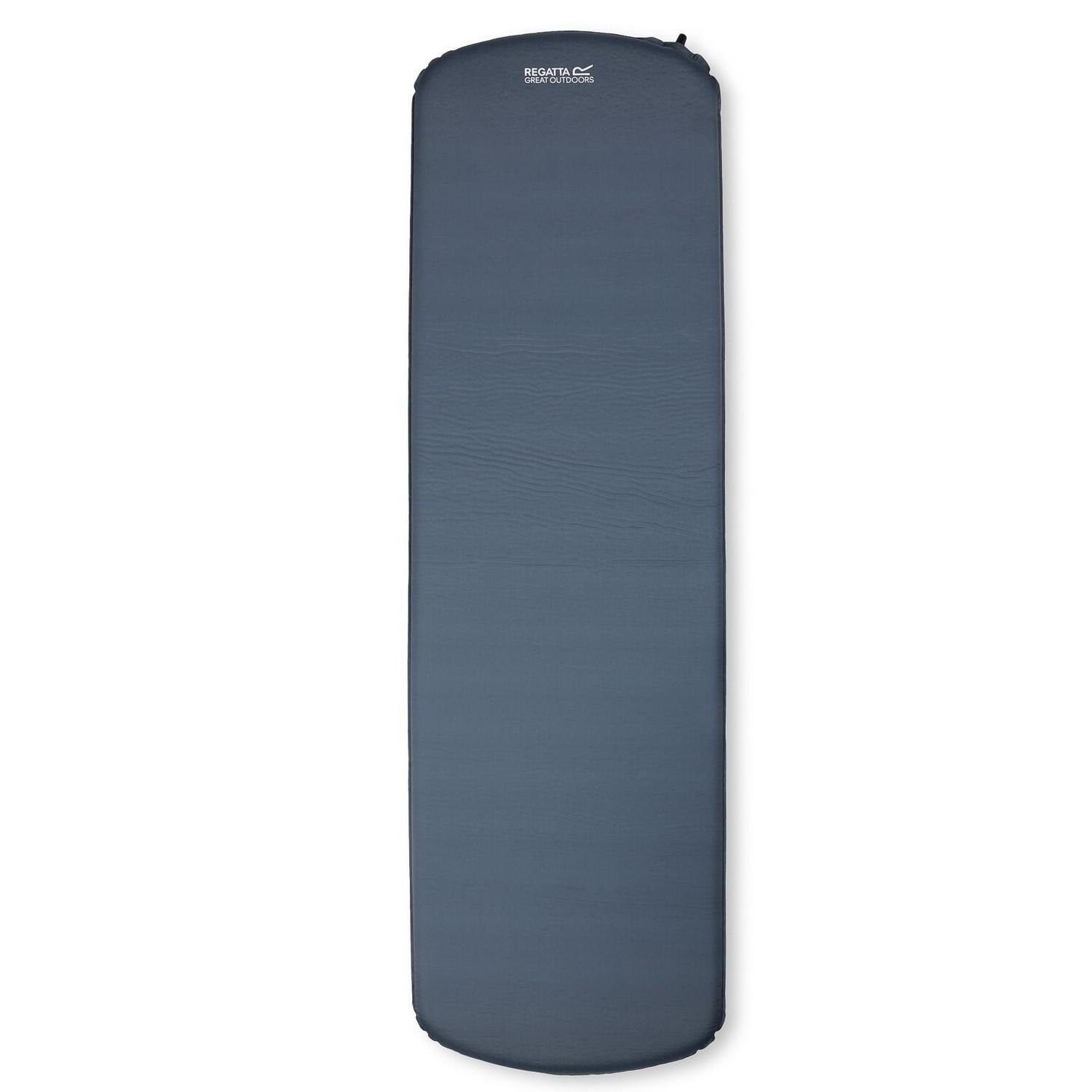
Marketplace -Online Only Marketplace -Online OnlyMarketplace -Online OnlyREGATTA Inflatable mattress Regatta Dax UltraliteCurrent price {{currentPrice}} €36.01 Former price €36.91 2% offLowest price: €36.91Starting on 6/10/2026 and valid for the entire duration of the promoSold and shipped by Sport & Go EU
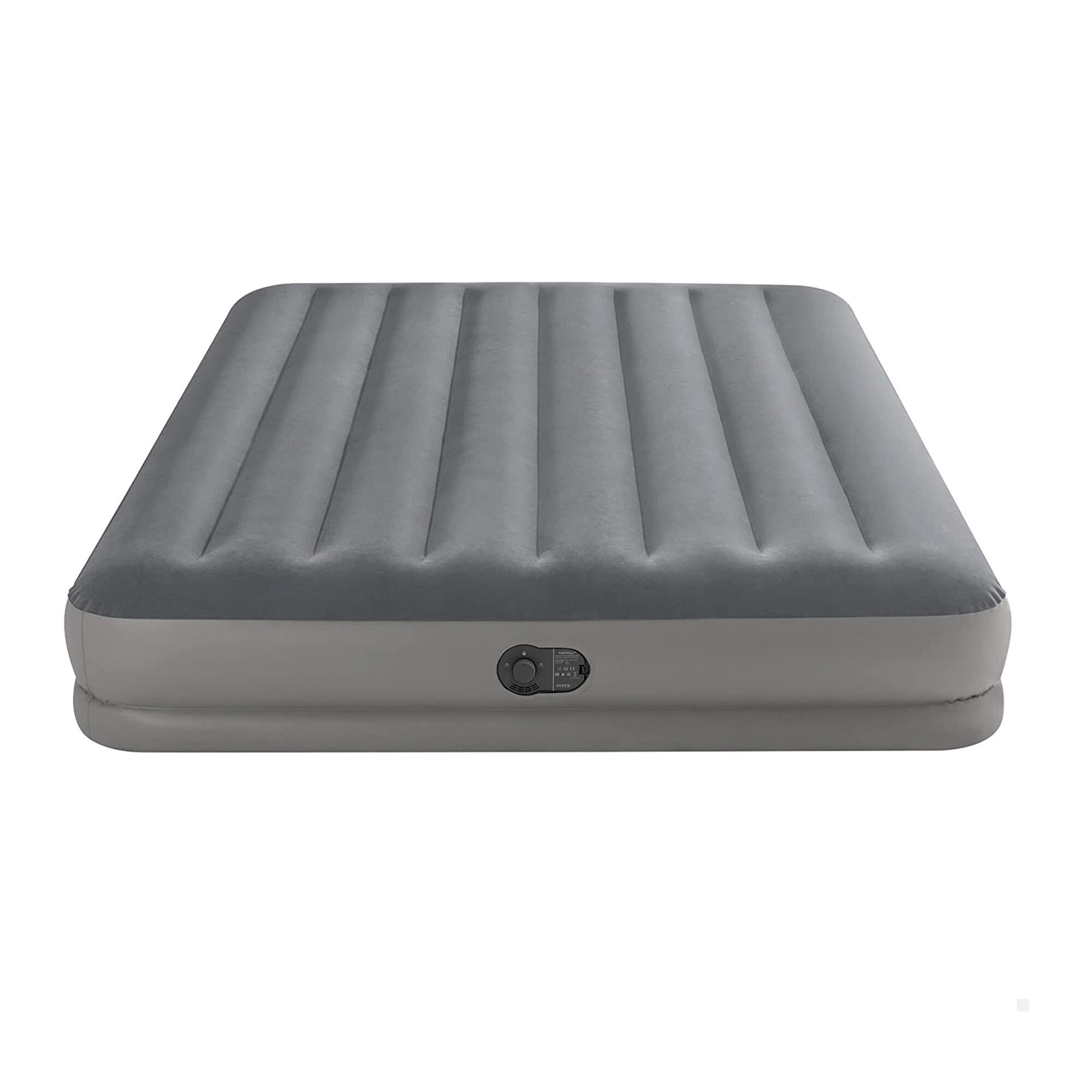
Marketplace -Online Only Marketplace -Online OnlyMarketplace -Online OnlyINTEX Intex Dura-Beam Prestige Queen Air Bed with USB Fast FillCurrent price {{currentPrice}} €60.93Sold and shipped by Super Merchant EUR
QUECHUA Self-inflating, 2-person camping mattress - Comfort, 200 x 132 cm4.5(368)Reviews.votesAriaCurrent price {{currentPrice}} €95.00
Last chance Last chance2 coloursLast chanceQUECHUA Self-inflating, 1-person camping mattress - Ultim Comfort, 200 x 70 cm - Grey4.6(1,891)Reviews.votesAria2 coloursCurrent price {{currentPrice}} €105.00
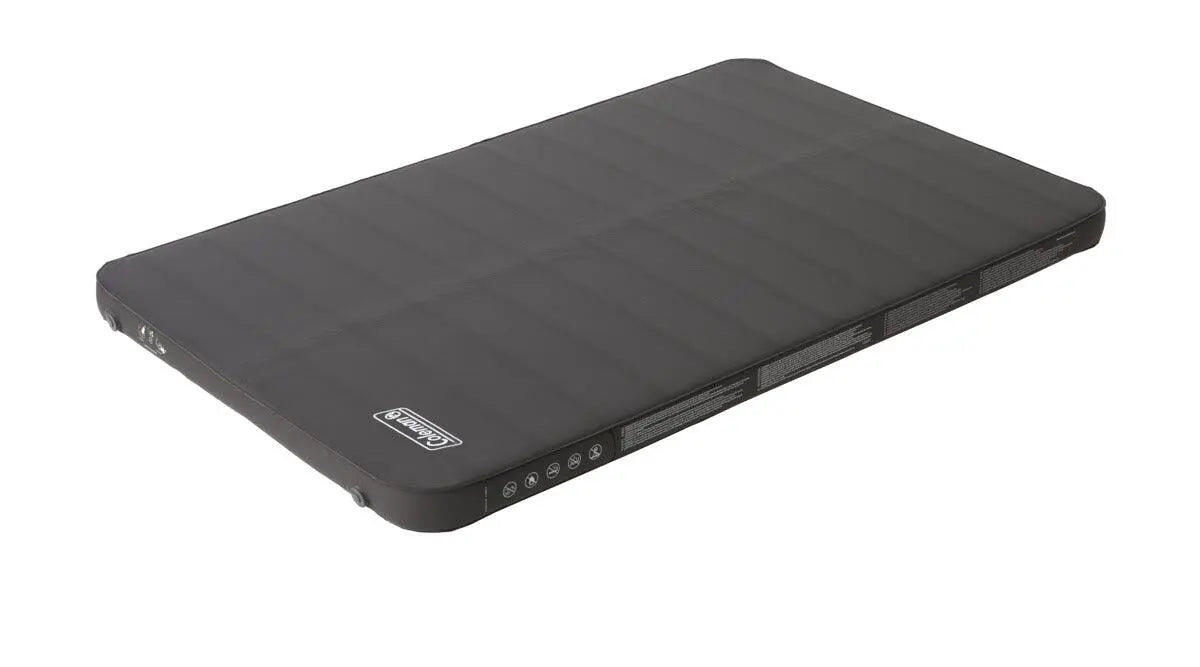
Marketplace -Online Only Marketplace -Online OnlyMarketplace -Online OnlyCOLEMAN Coleman Supercomfort Sleeping Mat Double 7.5Current price {{currentPrice}} €387.81Sold and shipped by Solution 4YOU
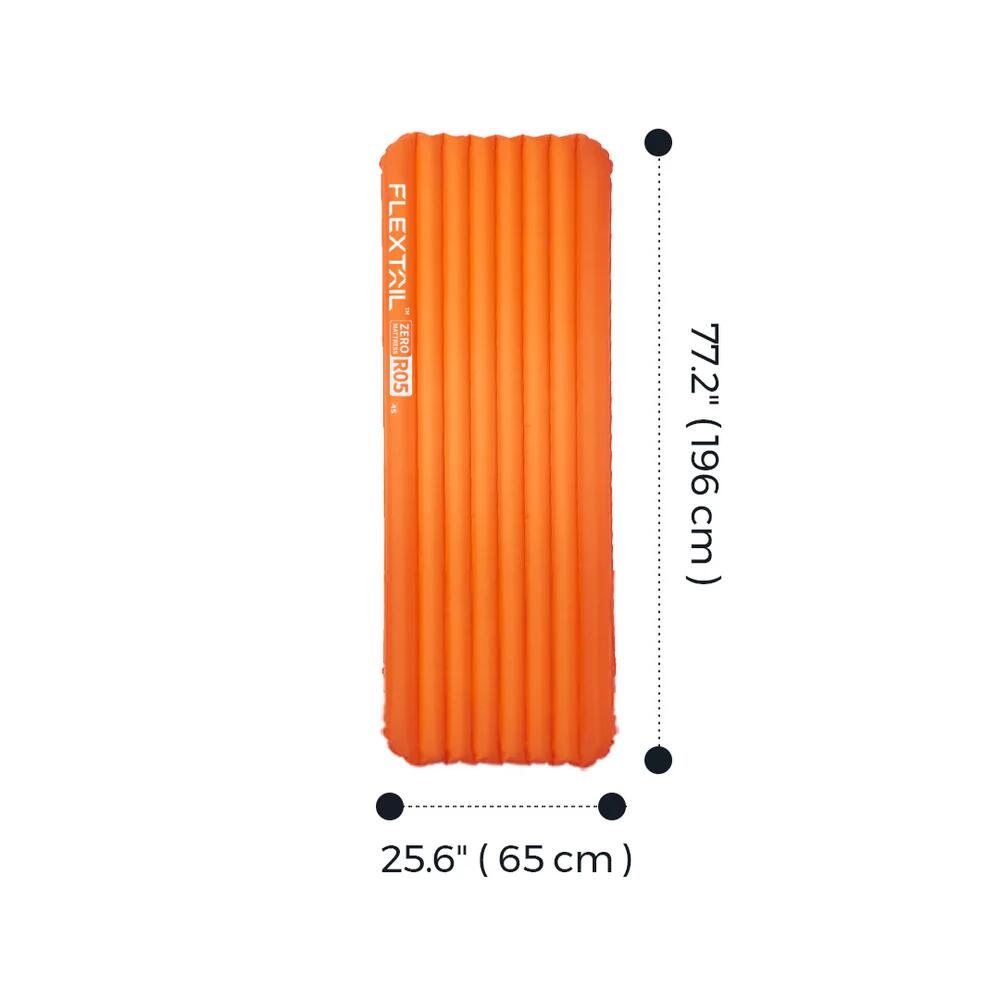
Marketplace -Online Only Marketplace -Online OnlyMarketplace -Online OnlyFLEXTAIL ZERO R05 Regular L Mat – self-inflating, insulated, largeCurrent price {{currentPrice}} €176.88Sold and shipped by Solution 4YOU
QUECHUA Self-inflating, 2-person camping mattress - AG Ultim Comfort, 200 x 115 cm4.5(258)Reviews.votesAriaCurrent price {{currentPrice}} €145.00
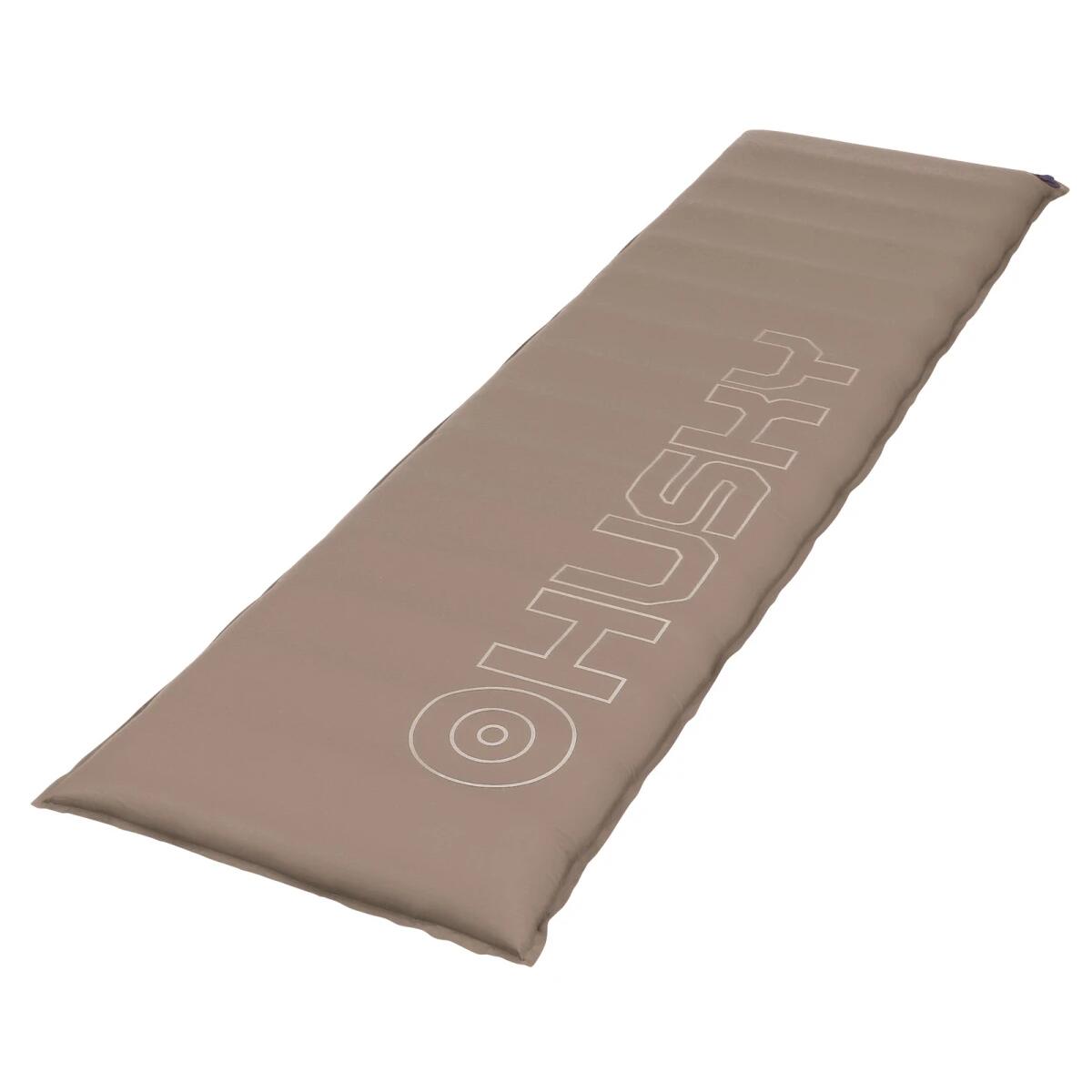
Marketplace -Online Only Marketplace -Online OnlyMarketplace -Online OnlyHUSKY Self-inflating sleeping mat Flopy 8 - R-value 4.7 - GrayCurrent price {{currentPrice}} €139.05Sold and shipped by CheapOutdoor
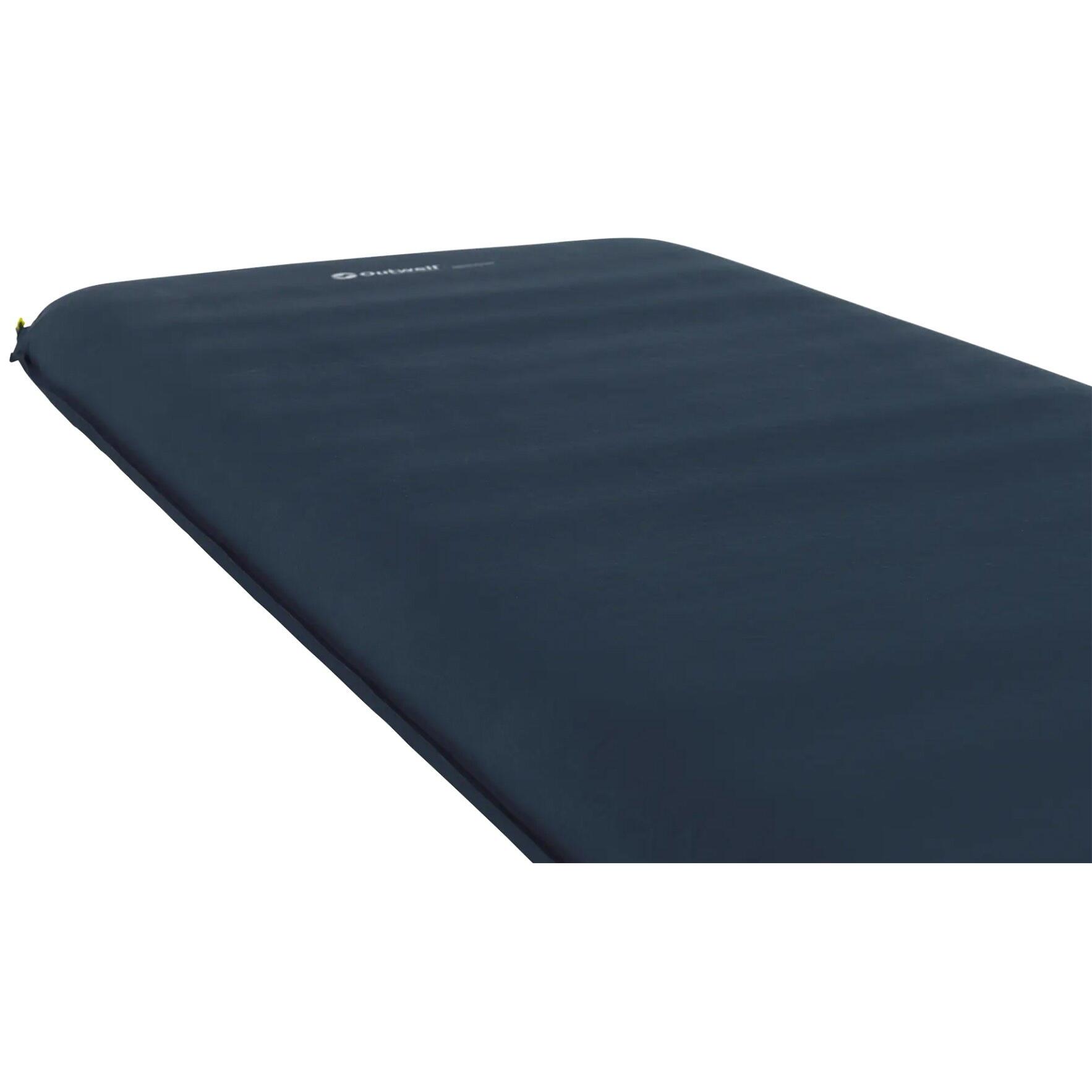
Marketplace -Online Only Marketplace -Online OnlyMarketplace -Online OnlyOUTWELL Dreamcatcher Single 12cm Self-inflating Mat (Blue)Current price {{currentPrice}} €213.87Sold and shipped by Solution 4YOU
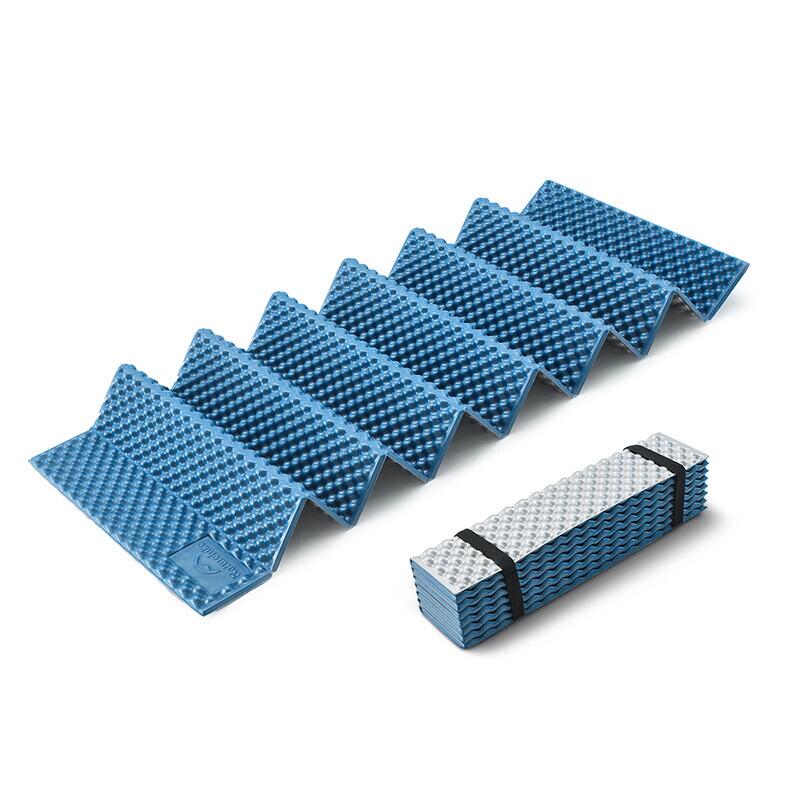
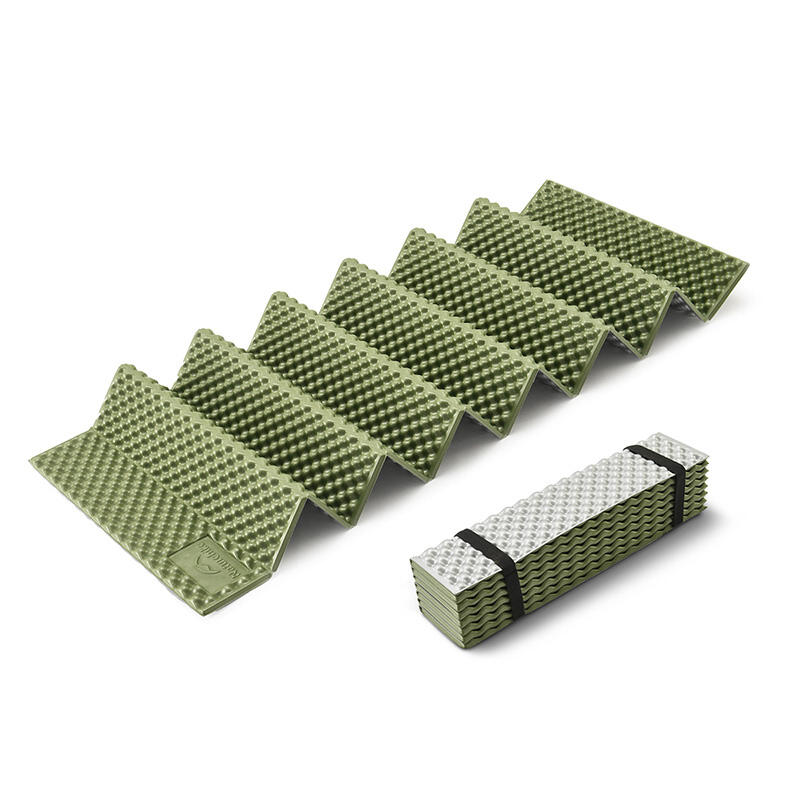
Marketplace -Online Only Marketplace -Online Only2 coloursMarketplace -Online OnlyNATUREHIKE Naturehike Egg nest folding mat2 coloursCurrent price {{currentPrice}} €44.95Sold and shipped by For outdoor
Marketplace -Online Only Marketplace -Online Only2 coloursMarketplace -Online OnlyNATUREHIKE Naturehike Egg nest folding mat2 coloursCurrent price {{currentPrice}} €44.95Sold and shipped by For outdoor
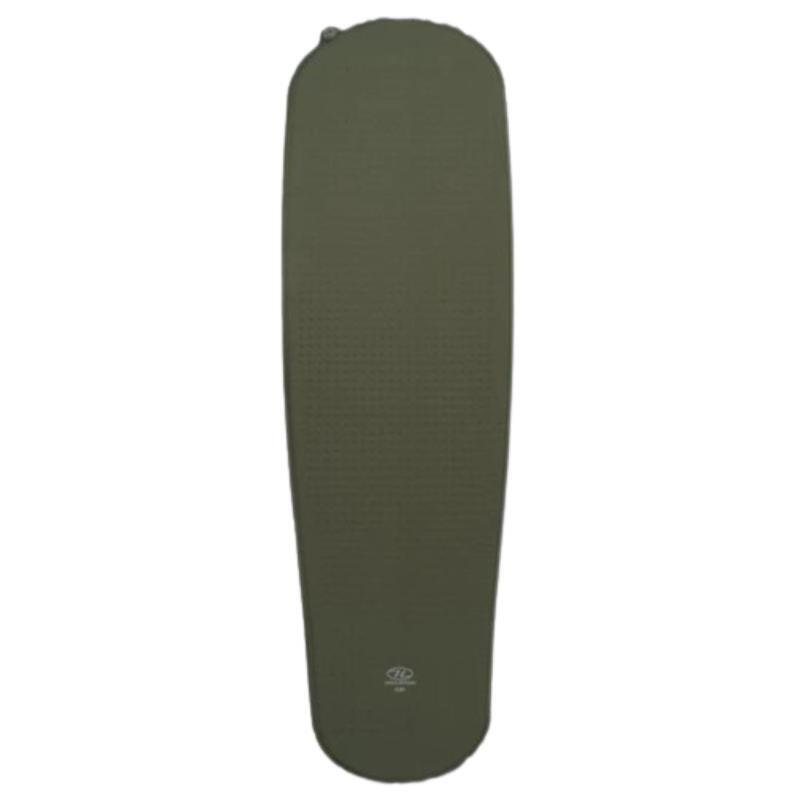
Marketplace -Online Only Marketplace -Online OnlyMarketplace -Online OnlyHIGHLANDER Matelas de couchage autogonflant Highlander Kip Mat - Valeur R 3.2 - Vert oliveCurrent price {{currentPrice}} €49.99 Former price €52.49 4% offLowest price: €52.49Starting on 3/10/2026 and valid for the entire duration of the promoSold and shipped by Bikexperience
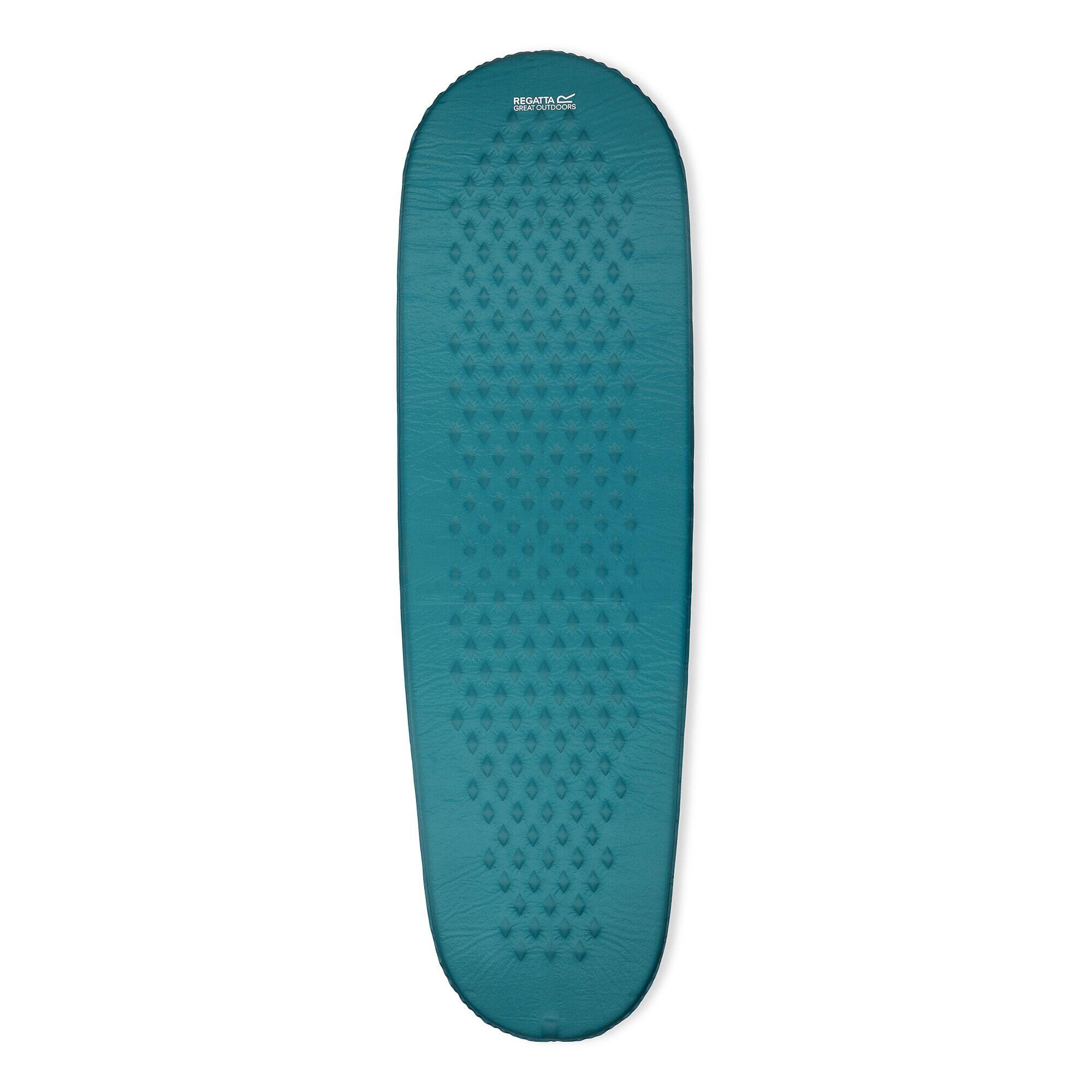
Marketplace -Online Only Marketplace -Online OnlyMarketplace -Online OnlyREGATTA Inflatable mattress RegattaCurrent price {{currentPrice}} €43.52 Former price €45.24 3% offLowest price: €45.24Starting on 6/10/2026 and valid for the entire duration of the promoSold and shipped by Sport & Go EU
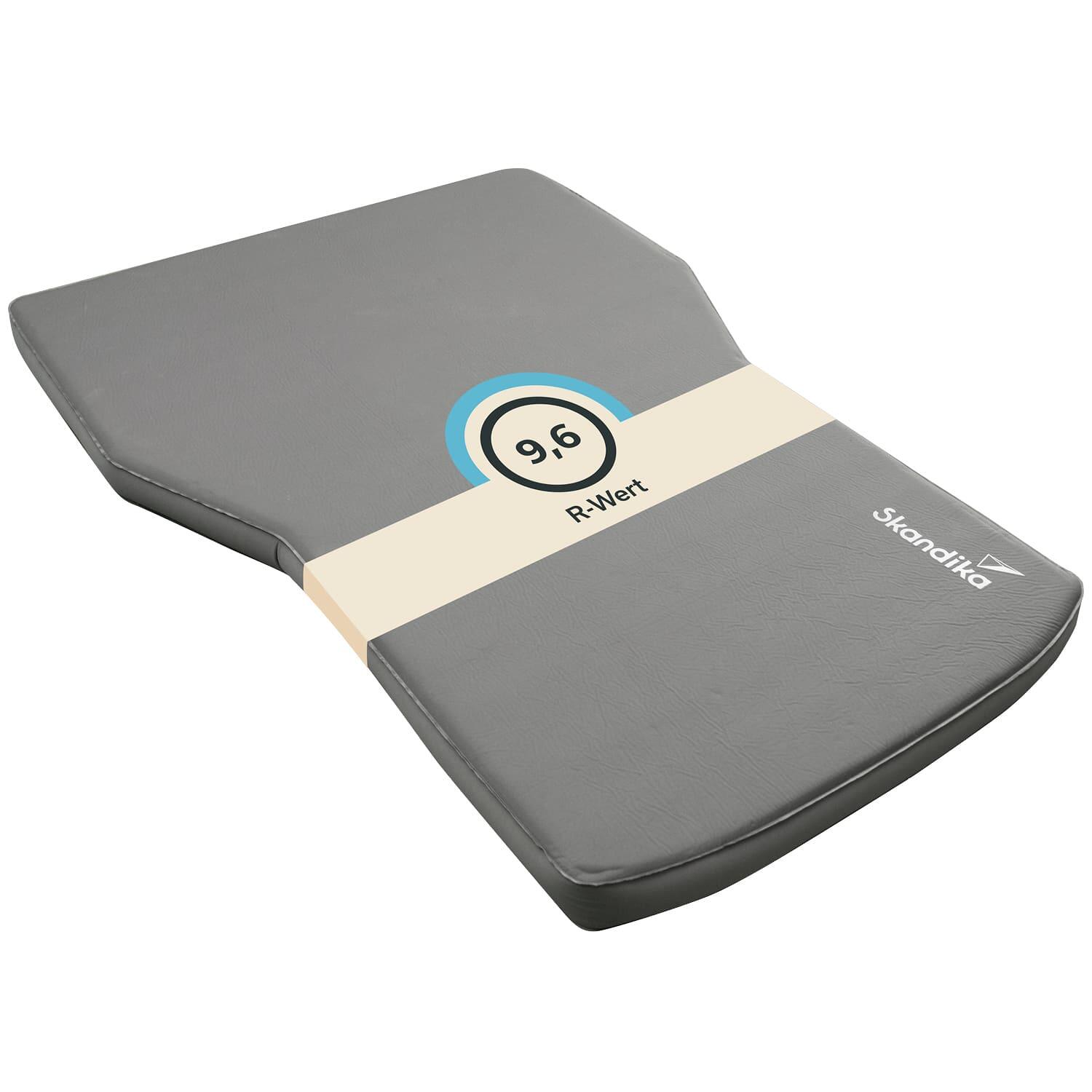
Marketplace -Online Only Marketplace -Online OnlyMarketplace -Online OnlySKANDIKA Premium Easy Car 3D Sleeping Mat – 10 cm Self‑Inflating Car MattressCurrent price {{currentPrice}} €259.00Sold and shipped by Max Trader GmbH
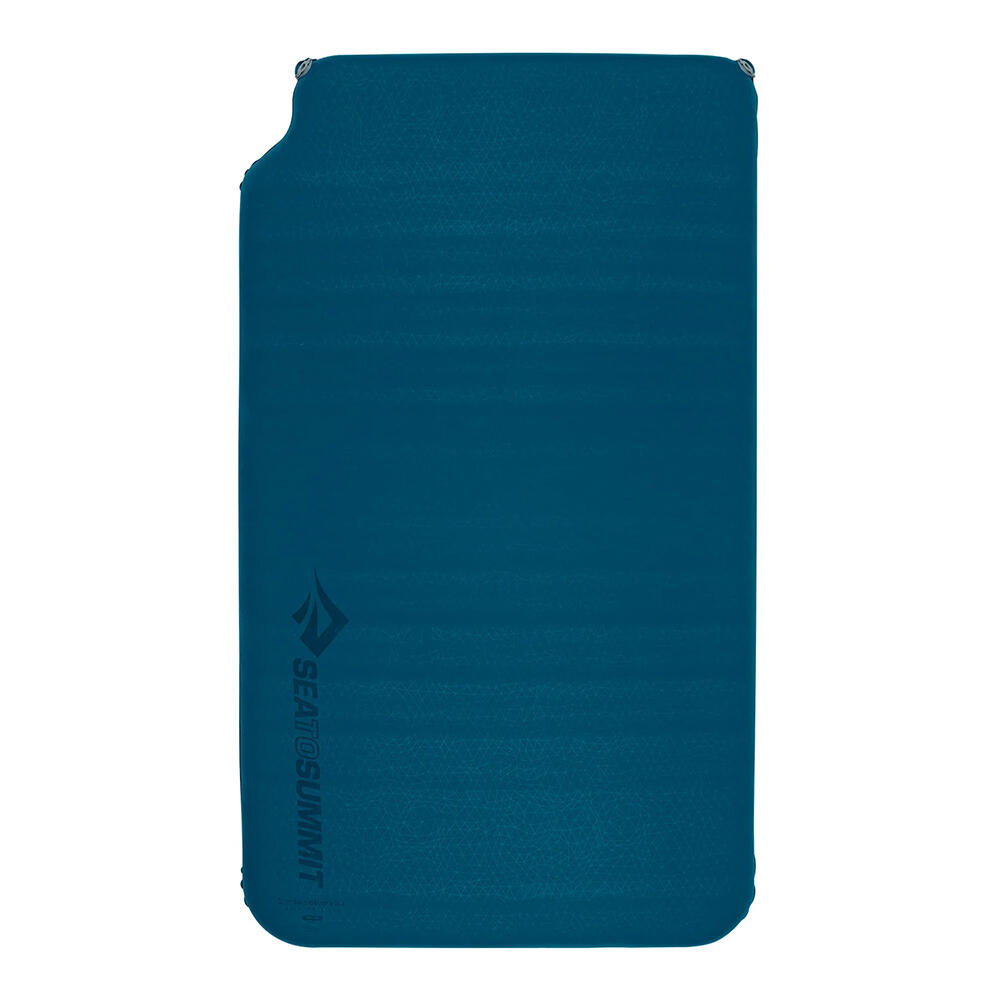
Marketplace -Online Only Marketplace -Online OnlyMarketplace -Online OnlySEA TO SUMMIT Comfort Deluxe S.I. Mat Camper VanCurrent price {{currentPrice}} €369.63Sold and shipped by Solution 4YOU
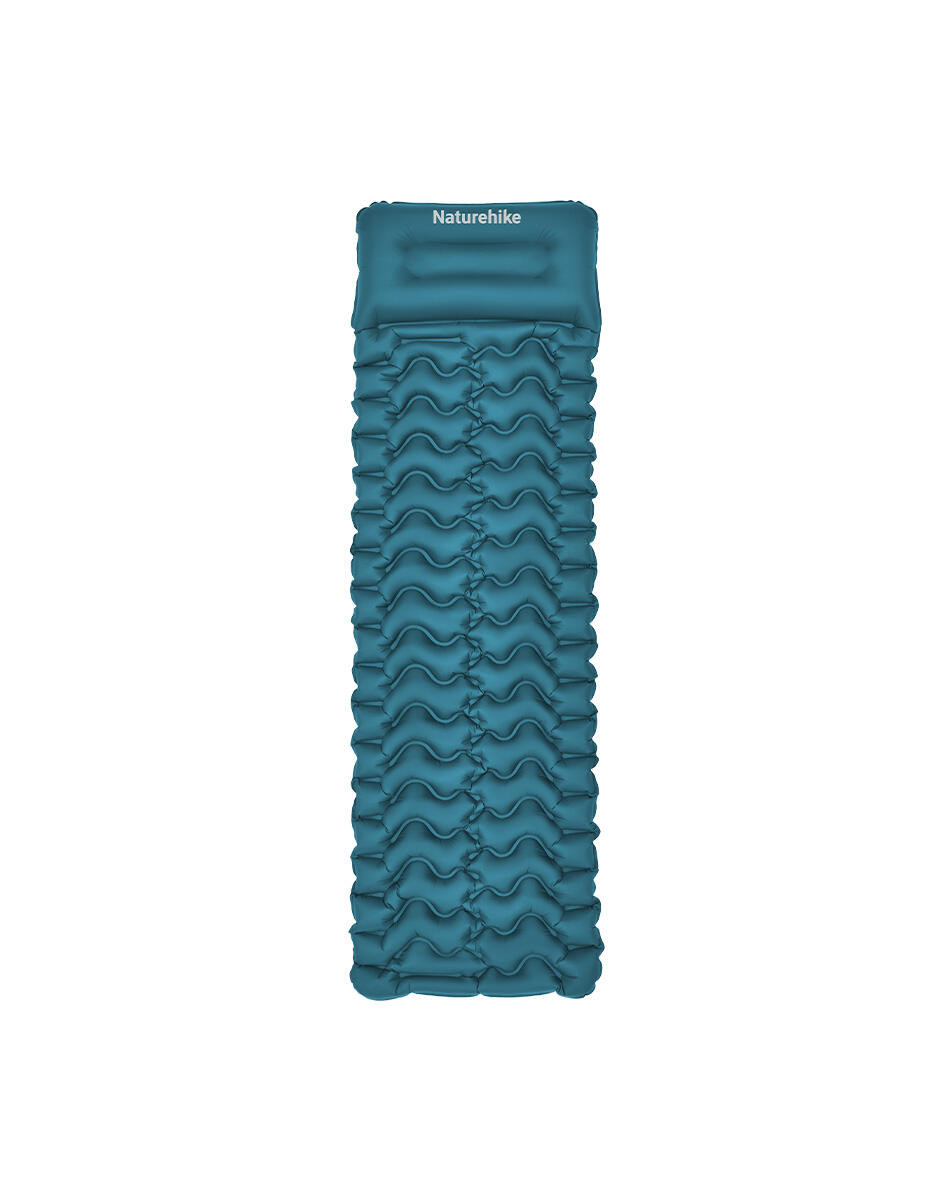
Marketplace -Online Only Marketplace -Online OnlyMarketplace -Online OnlyNATUREHIKE Naturehike Inflatable camping mattress - Ultralight 540 gCurrent price {{currentPrice}} €78.99Sold and shipped by Sportano EU
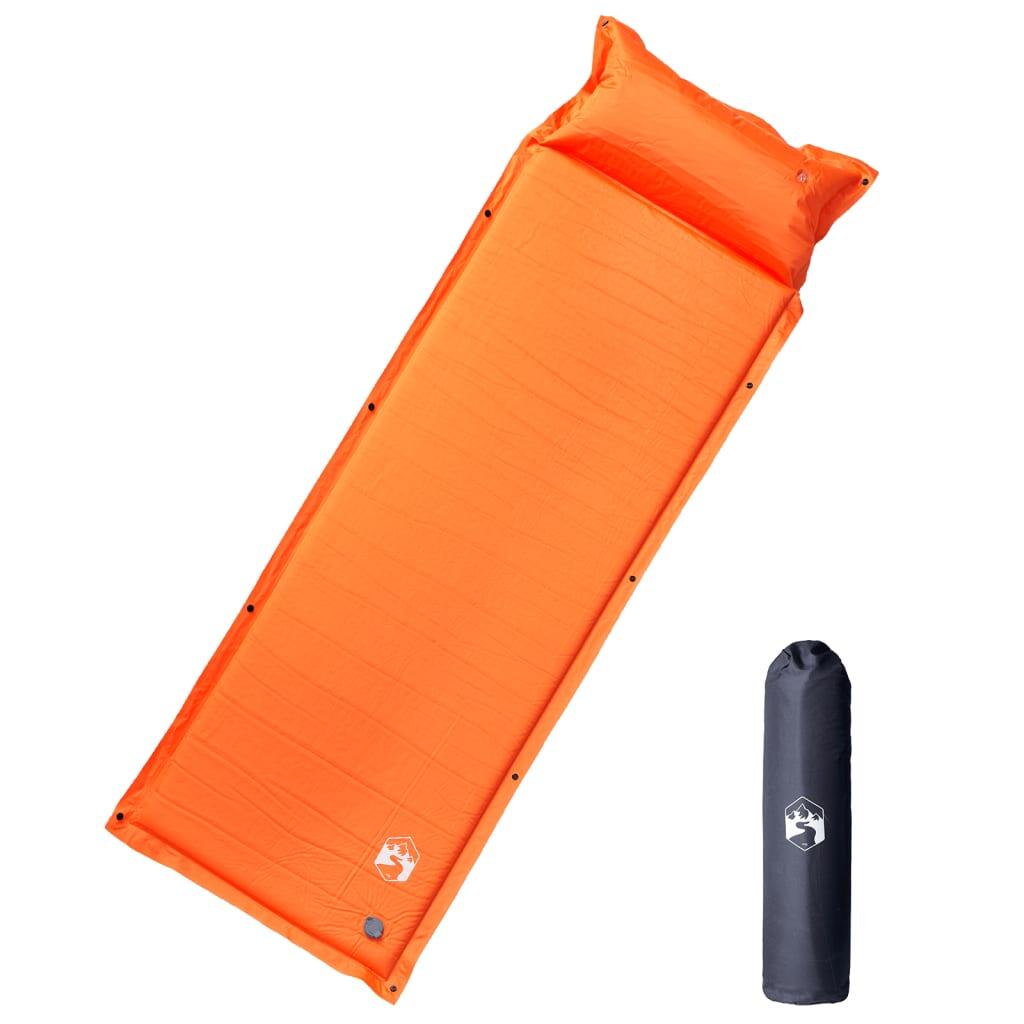
Marketplace -Online Only Marketplace -Online OnlyMarketplace -Online OnlyVIDAXL Vidaxl Self-Inflating Camping Mattress with Pillow - Orange SingleCurrent price {{currentPrice}} €114.95€114.95/unitSold and shipped by Tormino IE
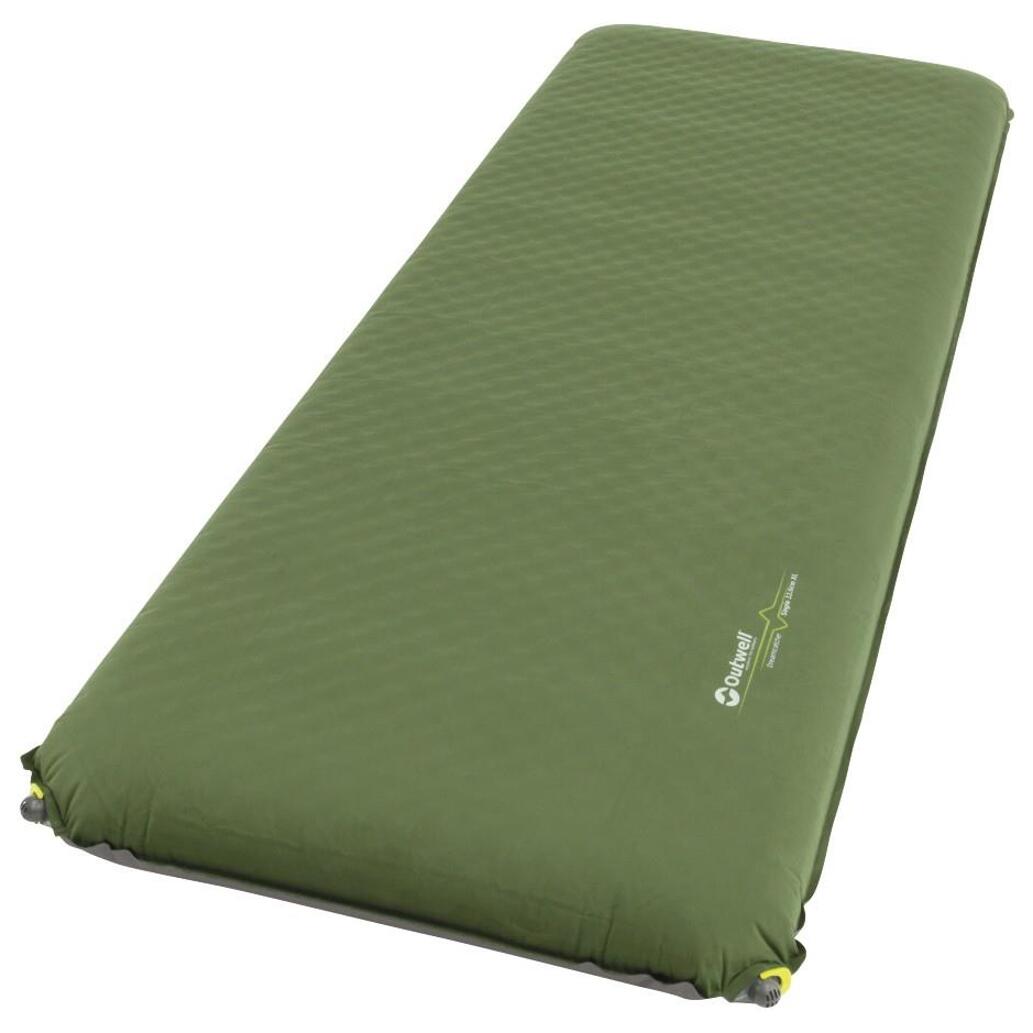
Marketplace -Online Only Marketplace -Online OnlyMarketplace -Online OnlyOUTWELL Dreamcatcher Single 12cm XL Self-inflating MatCurrent price {{currentPrice}} €160.00Sold and shipped by Sports Lab IE
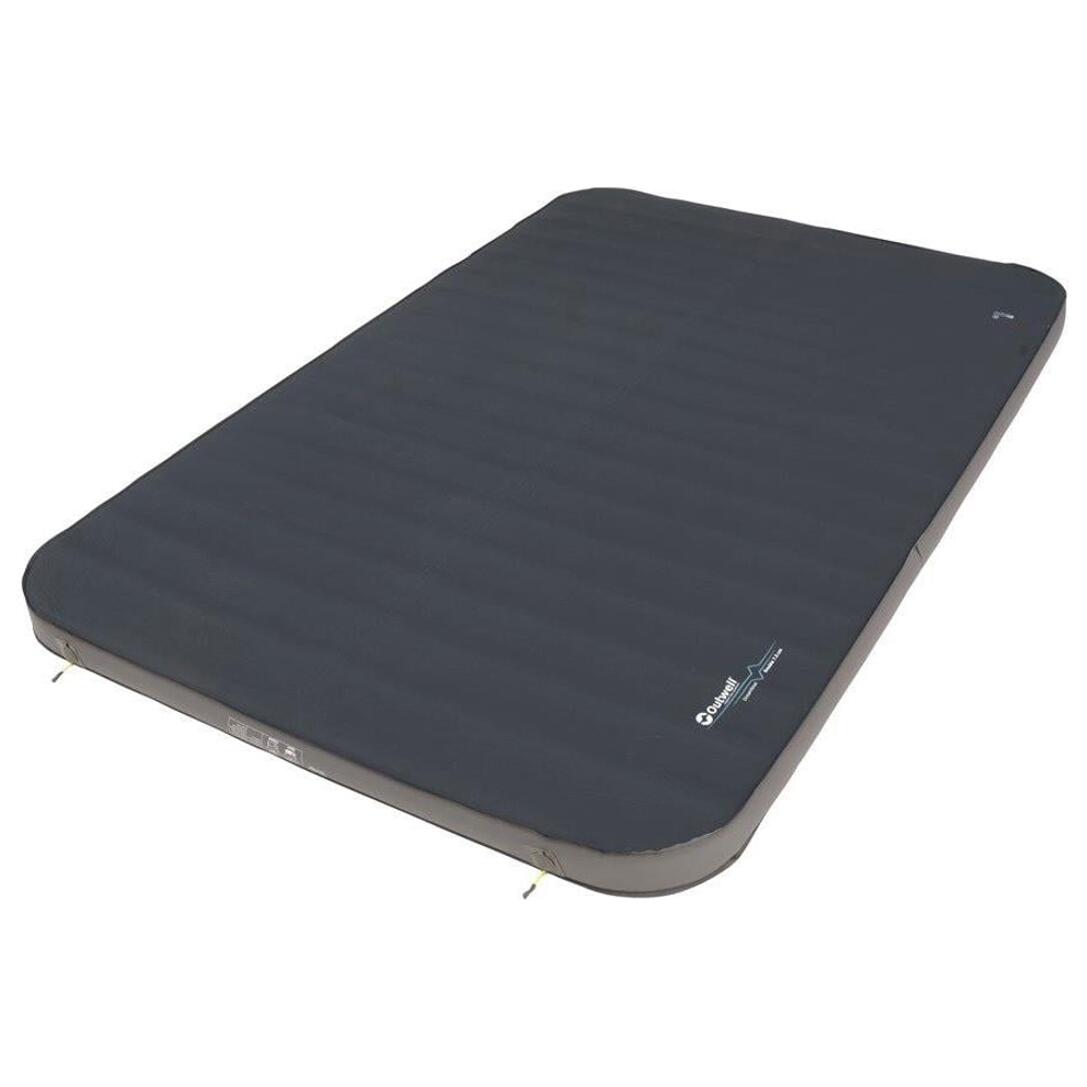
Marketplace -Online Only Marketplace -Online OnlyMarketplace -Online OnlyOUTWELL Dreamboat Self Inflating Mat - Double 7.5cmCurrent price {{currentPrice}} €370.10Sold and shipped by Sports Lab IE
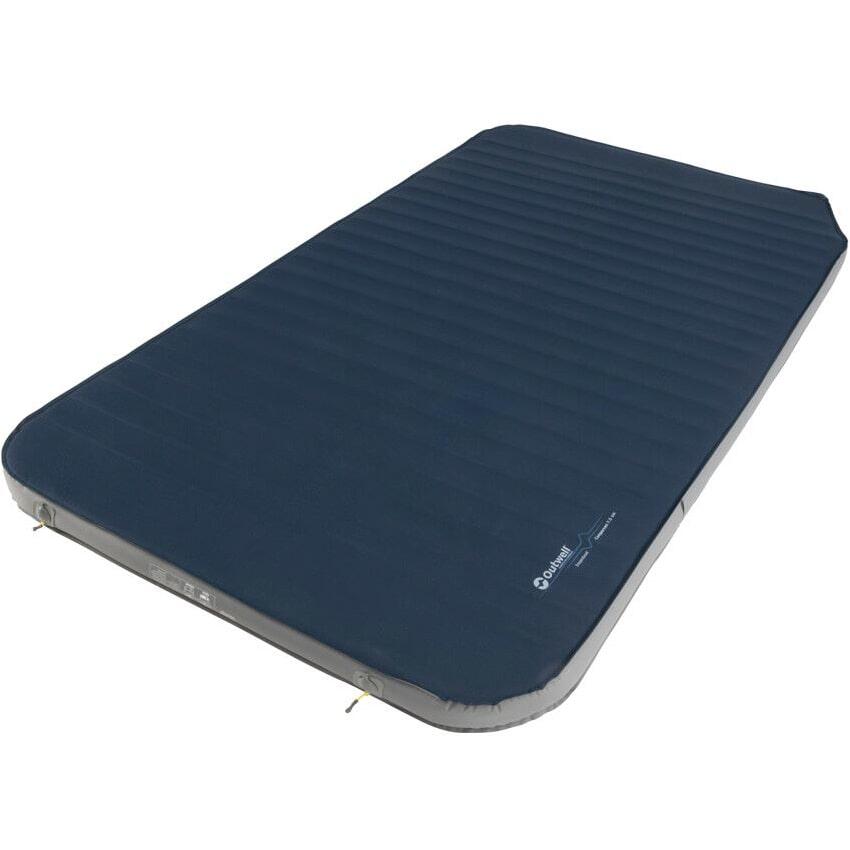
Marketplace -Online Only Marketplace -Online OnlyMarketplace -Online OnlyOUTWELL Outwell Dreamboat Campervan Self-Inflating MattressCurrent price {{currentPrice}} €325.30Sold and shipped by Sports Lab IE
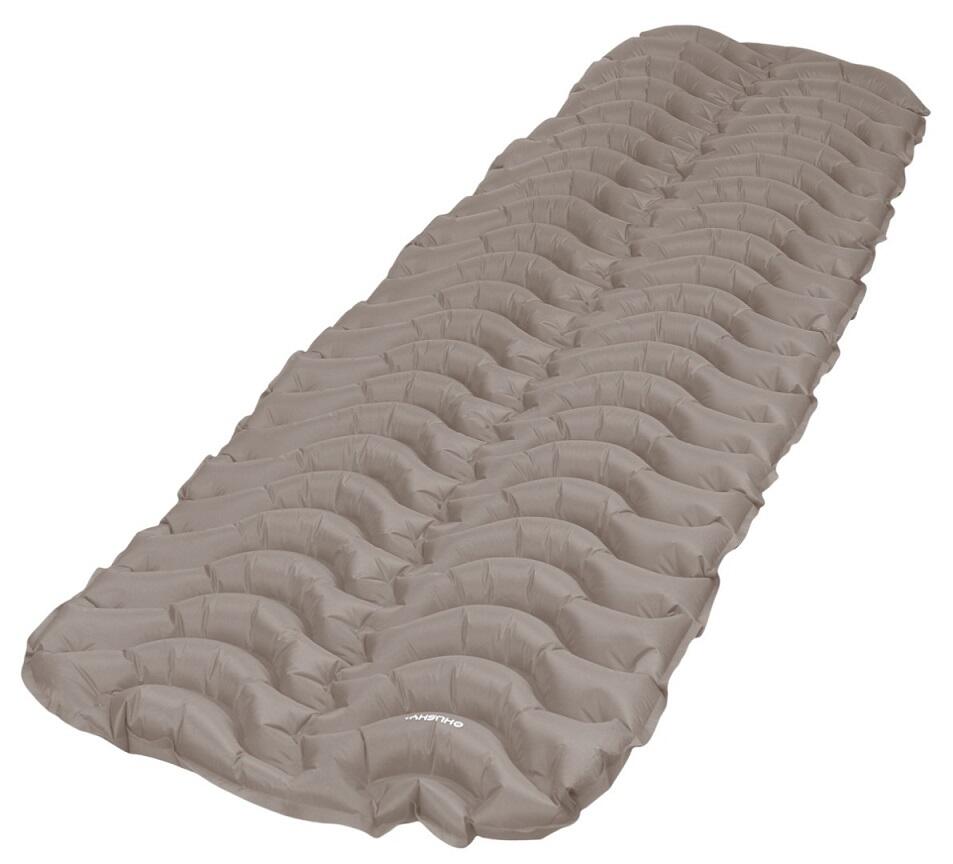
Marketplace -Online Only Marketplace -Online OnlyMarketplace -Online OnlyHUSKY Inflatable sleeping mat Feezy 6 2024 - R-value 1.8 - GrayCurrent price {{currentPrice}} €100.55Sold and shipped by CheapOutdoor
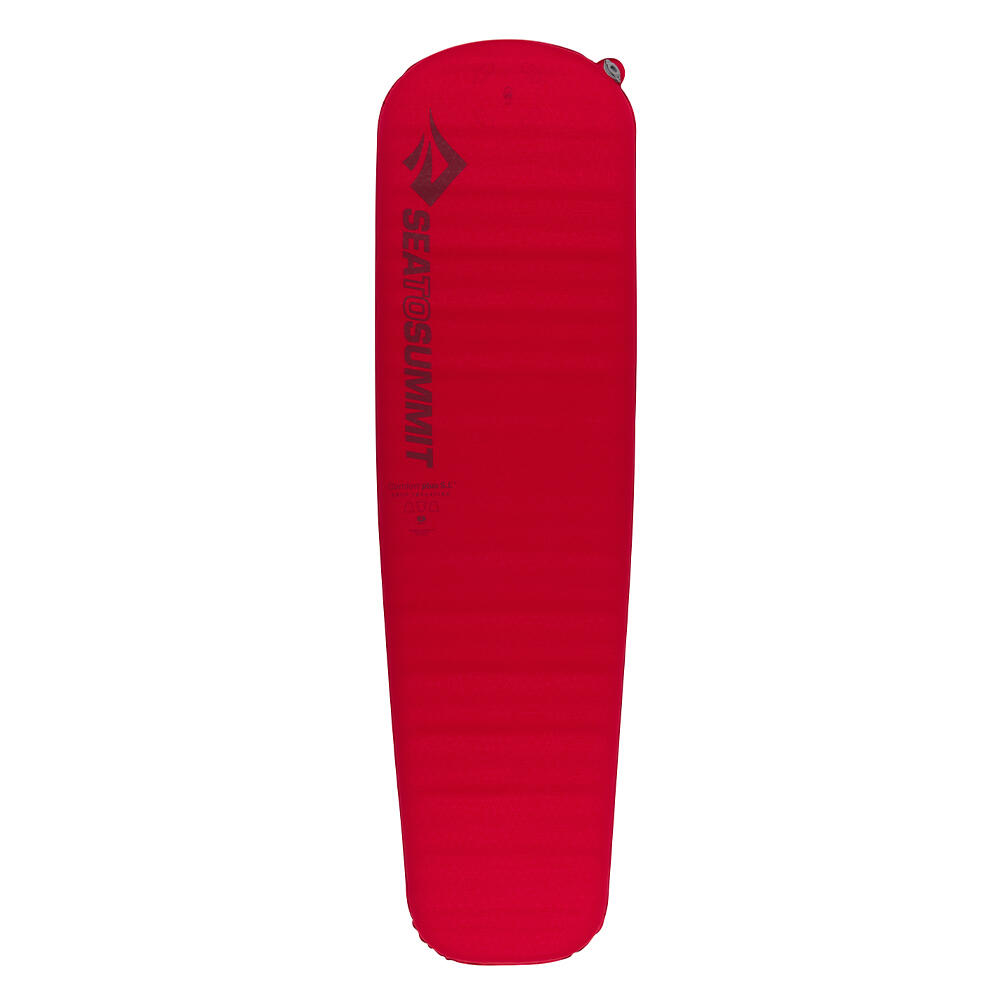
Marketplace -Online Only Marketplace -Online OnlyMarketplace -Online OnlySEA TO SUMMIT Sea to Summit Comfort Plus Camping Mattress RedCurrent price {{currentPrice}} €169.95Sold and shipped by Sports Lab IE
Marketplace -Online Only Marketplace -Online Only2 coloursMarketplace -Online OnlyNATUREHIKE Kempingmatrac FC01 Pillow Single CNK2550WS0202 coloursCurrent price {{currentPrice}} €72.99Sold and shipped by Sportano EU
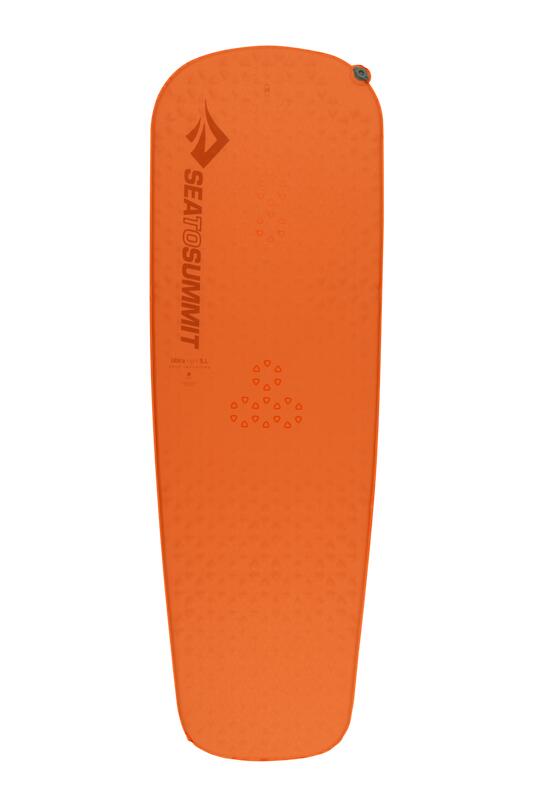
Marketplace -Online Only Marketplace -Online OnlyMarketplace -Online OnlySEA TO SUMMIT Self-inflating mat Sea to Summit ultralight si OrangeCurrent price {{currentPrice}} €107.40Sold and shipped by Sports Lab IE
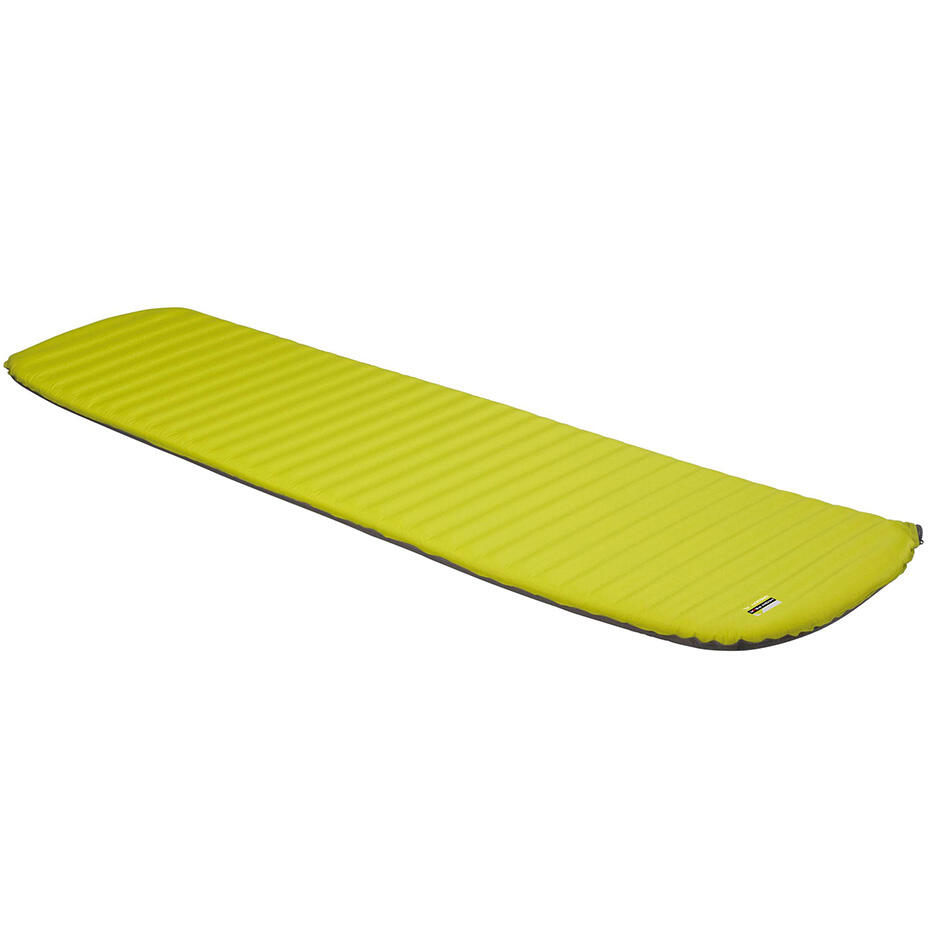
Marketplace -Online Only Marketplace -Online OnlyMarketplace -Online OnlyHIGH PEAK High Peak Oregon L, self-inflating thermal matCurrent price {{currentPrice}} €116.47€116.47/unitSold and shipped by Pertemba IE
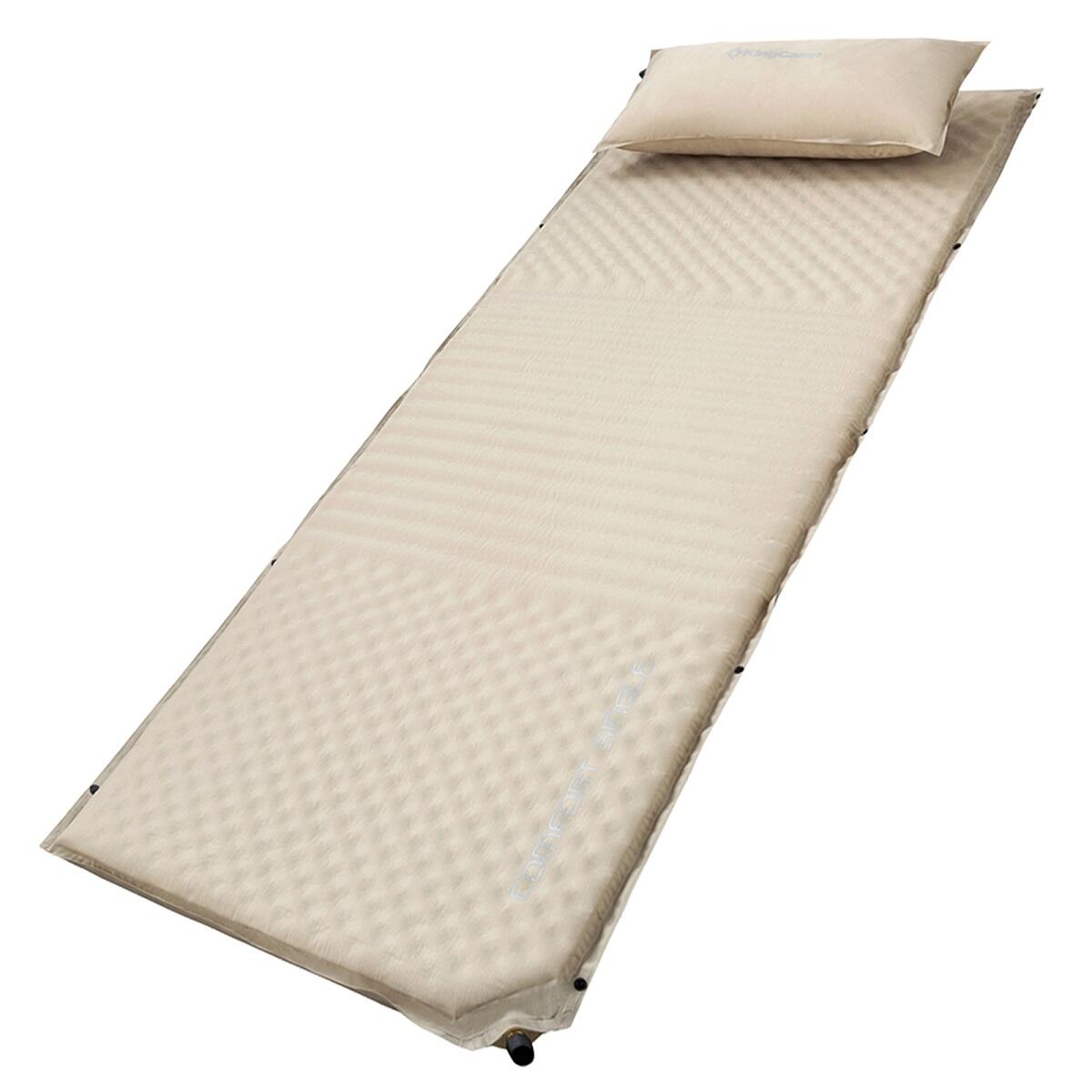
Marketplace -Online Only Marketplace -Online OnlyMarketplace -Online OnlyKINGCAMP KING CAMP Comfort Single self-inflating mattressCurrent price {{currentPrice}} €71.91Sold and shipped by Super Merchant EUR
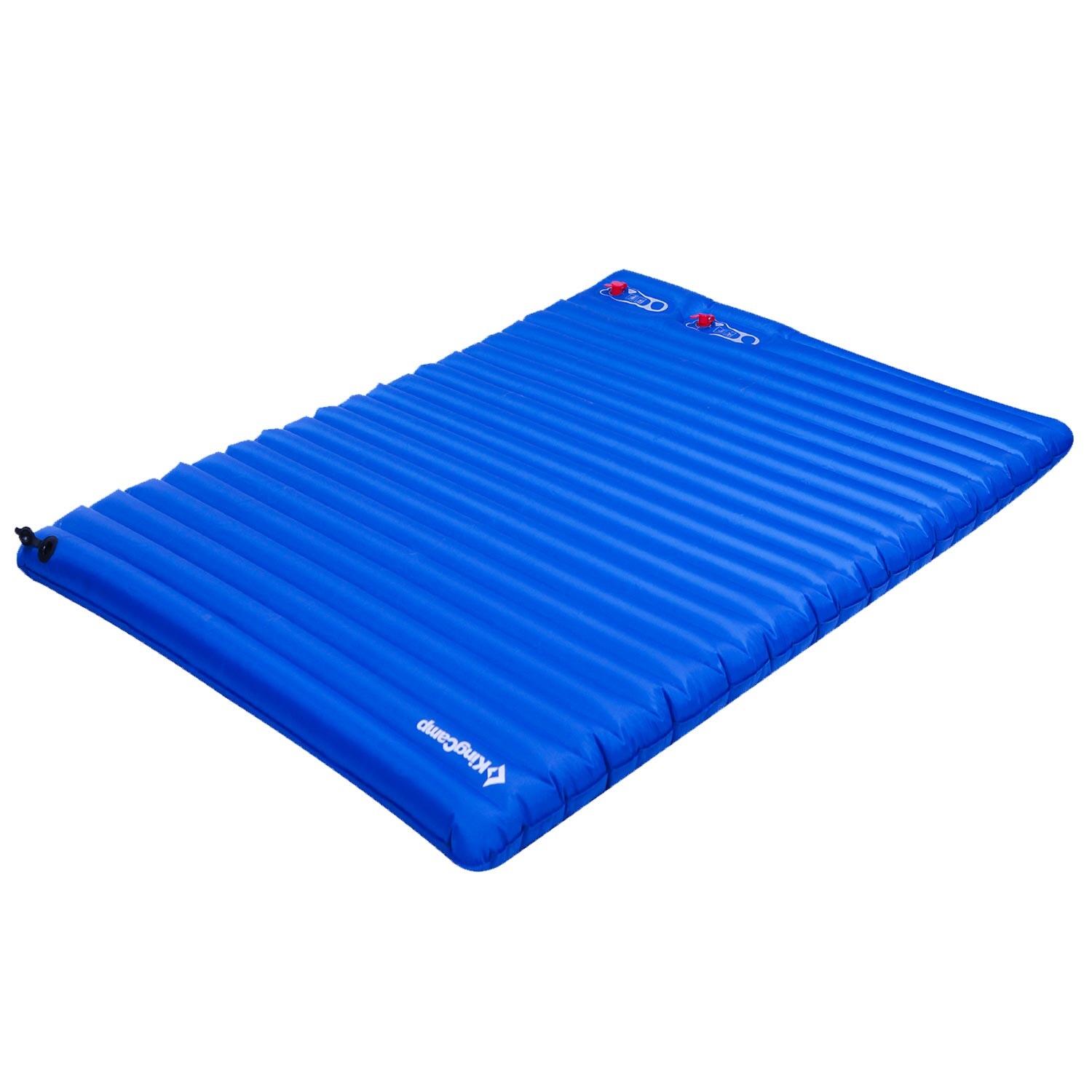
Marketplace -Online Only Marketplace -Online OnlyMarketplace -Online OnlyKINGCAMP KingCamp Double Camping MattressCurrent price {{currentPrice}} €95.91Sold and shipped by Super Merchant EUR
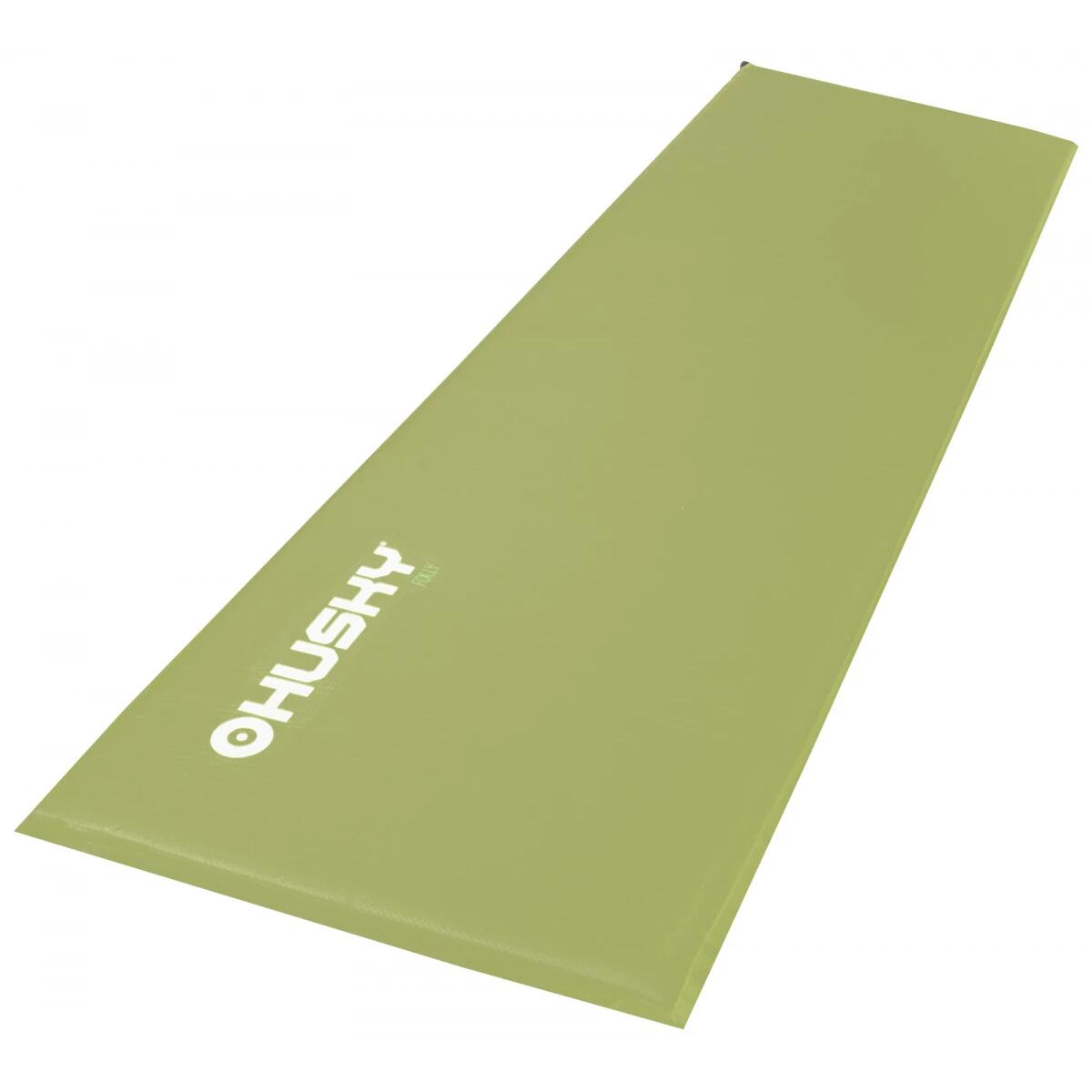
Marketplace -Online Only Marketplace -Online OnlyMarketplace -Online OnlyHUSKY Self-inflating sleeping mat Folly 2.5 - R-value 3.4 - Light GreenCurrent price {{currentPrice}} €103.80Sold and shipped by CheapOutdoor
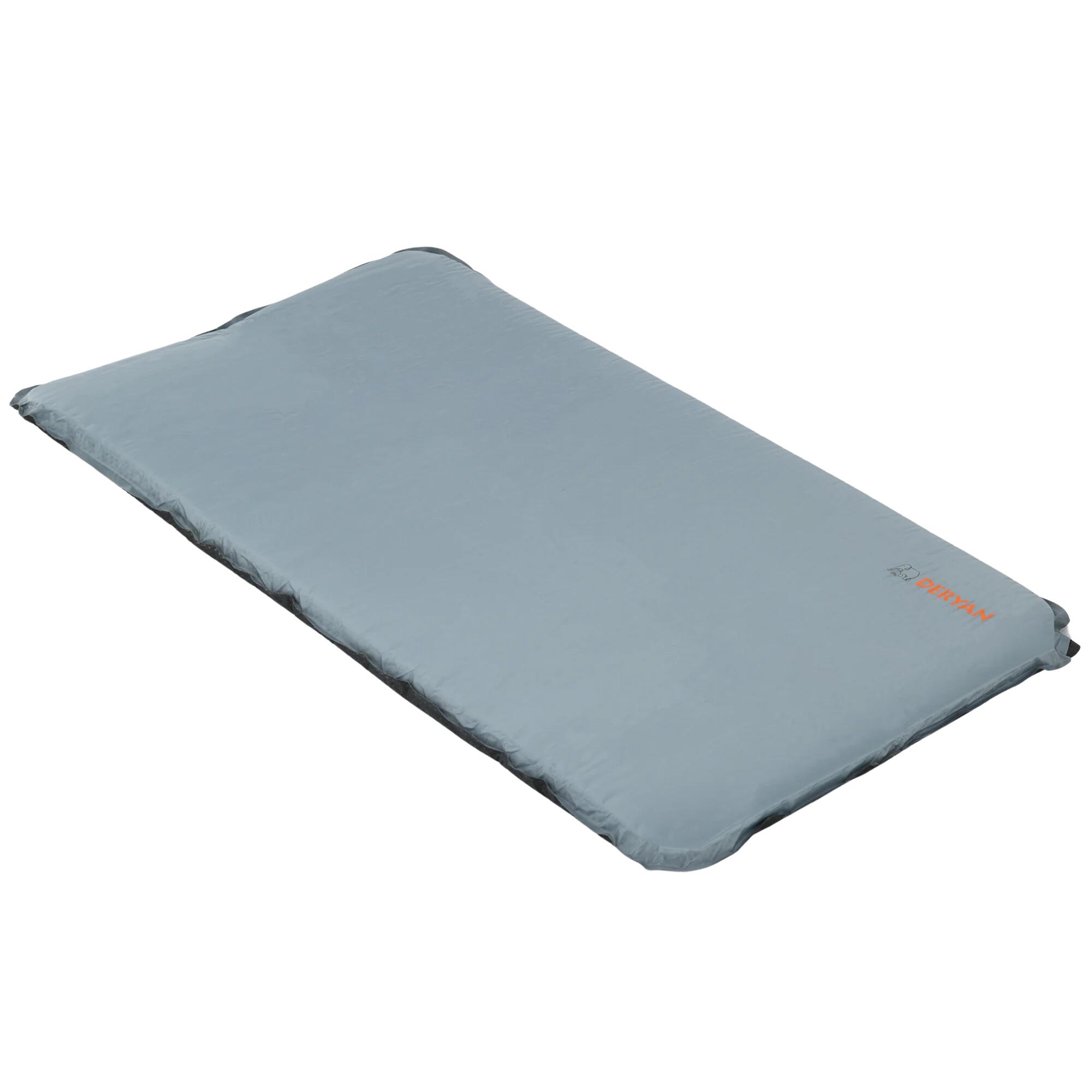
Marketplace -Online Only Marketplace -Online OnlyMarketplace -Online OnlyDERYAN Travel Cot Mattress - Foldable Baby Mattress - Self-Inflating - 120x60x6 cmCurrent price {{currentPrice}} €59.95Sold and shipped by DERYAN EU
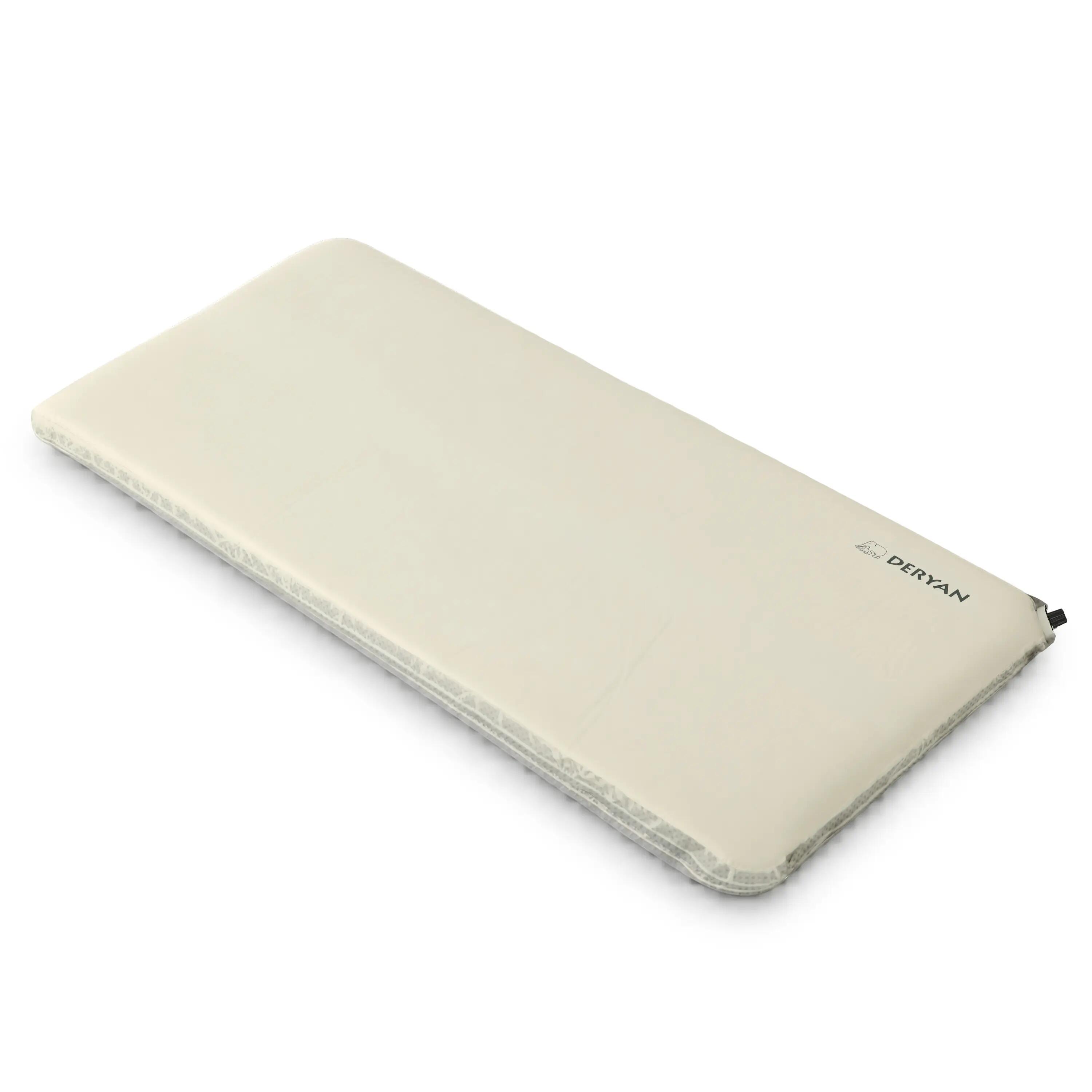
Marketplace -Online Only Marketplace -Online OnlyMarketplace -Online OnlyDERYAN Travel Cot Mattress - Self-Inflating Mattress - 60x120 - CreamCurrent price {{currentPrice}} €59.95Sold and shipped by DERYAN EU
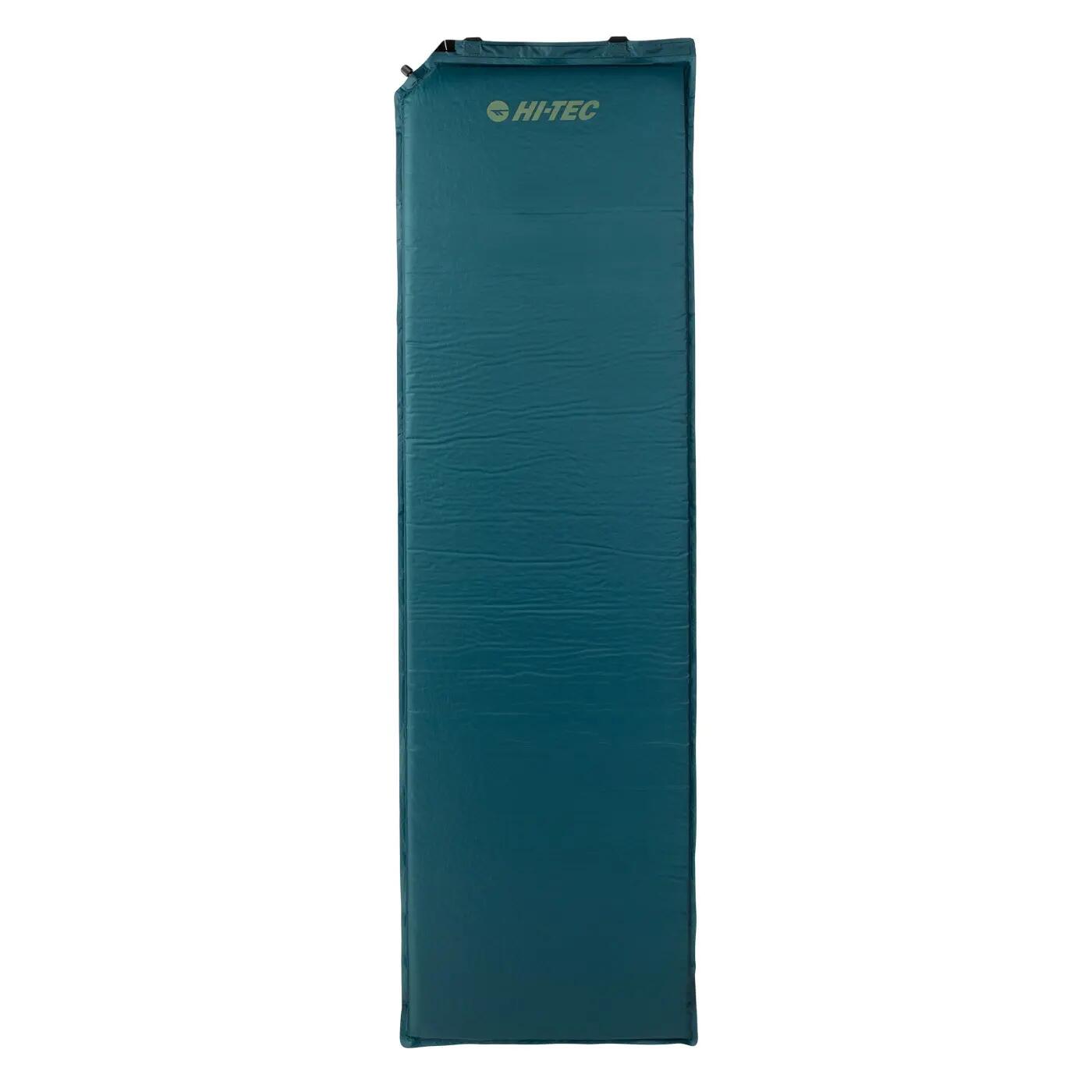
Marketplace -Online Only Marketplace -Online OnlyMarketplace -Online OnlyHI-TEC Inflatable mattress Hi-Tec NasosmatCurrent price {{currentPrice}} €44.65Sold and shipped by Sports Lab IE
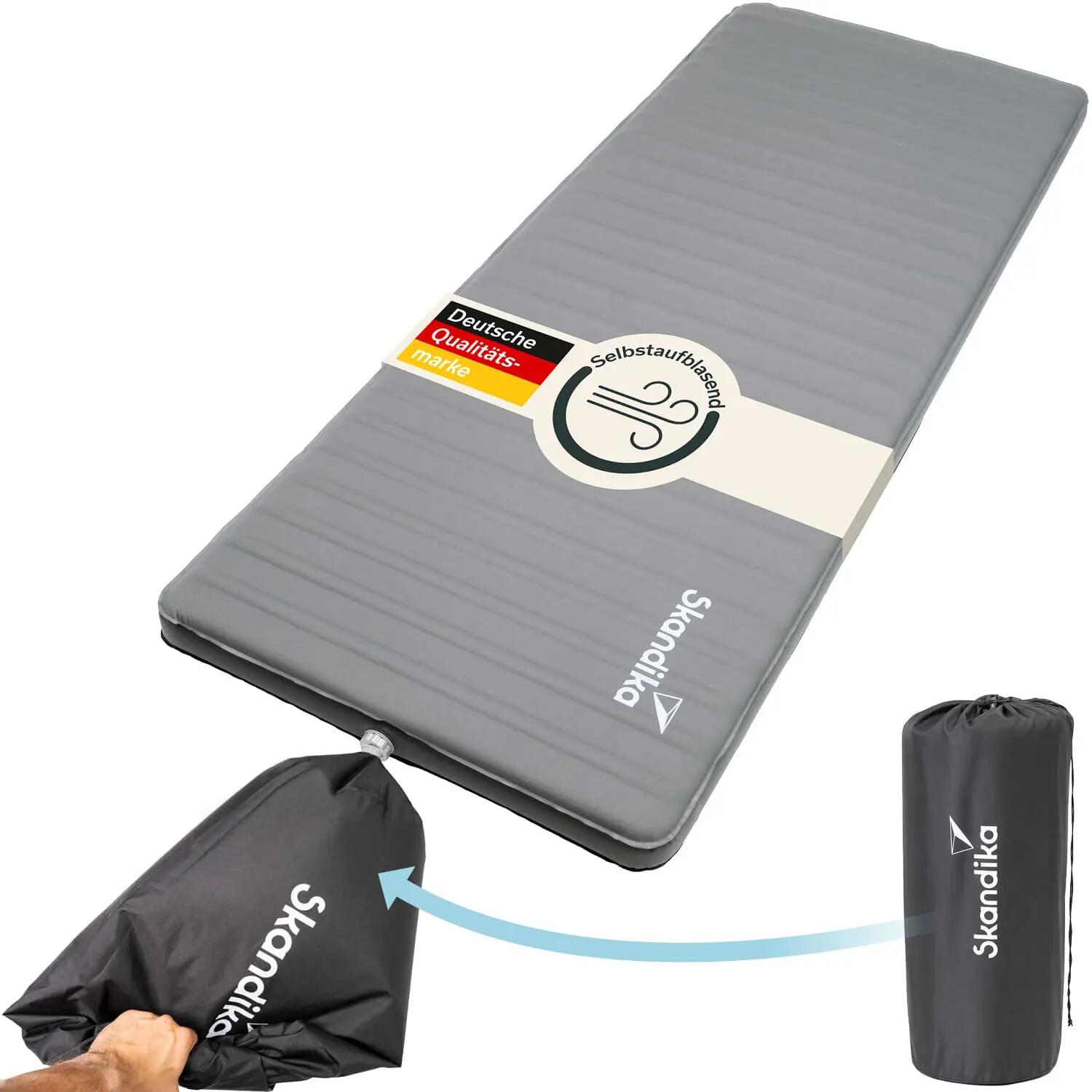
Marketplace -Online Only Marketplace -Online OnlyMarketplace -Online OnlySKANDIKA Easy 3D Premium Compact Self-Inflating Mat – 1 PersonCurrent price {{currentPrice}} €149.00Sold and shipped by Max Trader GmbH
Marketplace -Online Only Marketplace -Online OnlyMarketplace -Online OnlySALEWA Floor mats Salewa Diadem LightCurrent price {{currentPrice}} €65.00Sold and shipped by Sports Lab IE