36 items
3.6/5 based on 9 reviews collected online and in stores

Teepee Tent FAQs

How do I choose the right teepee tent for camping?

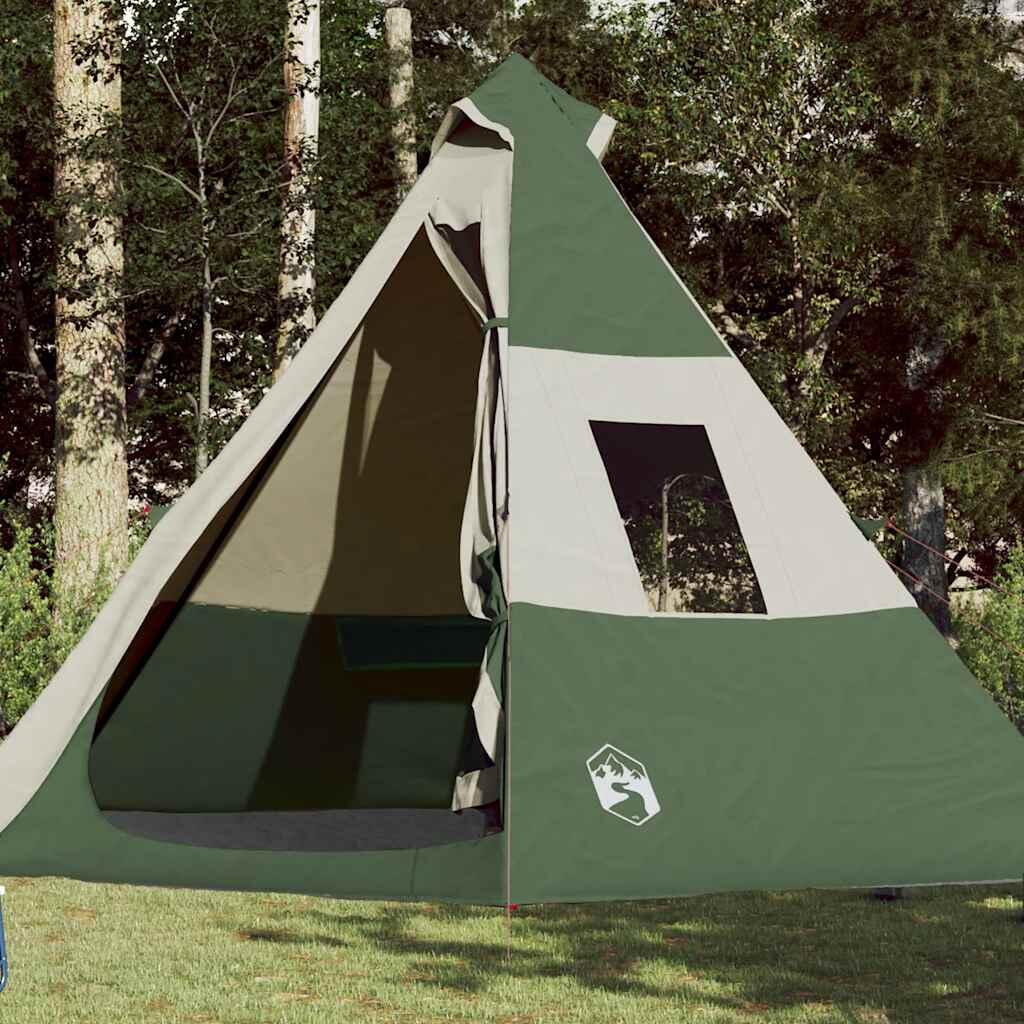
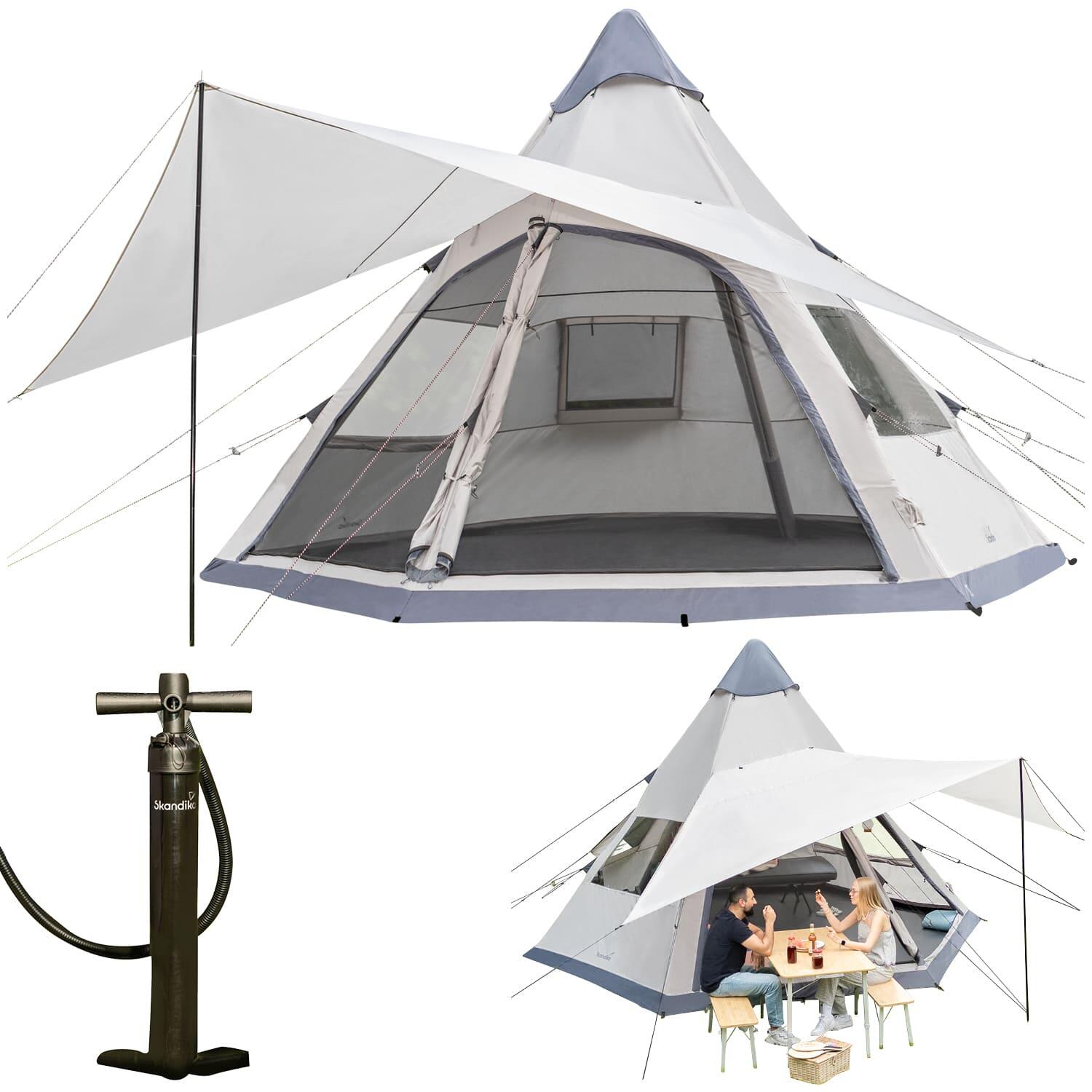
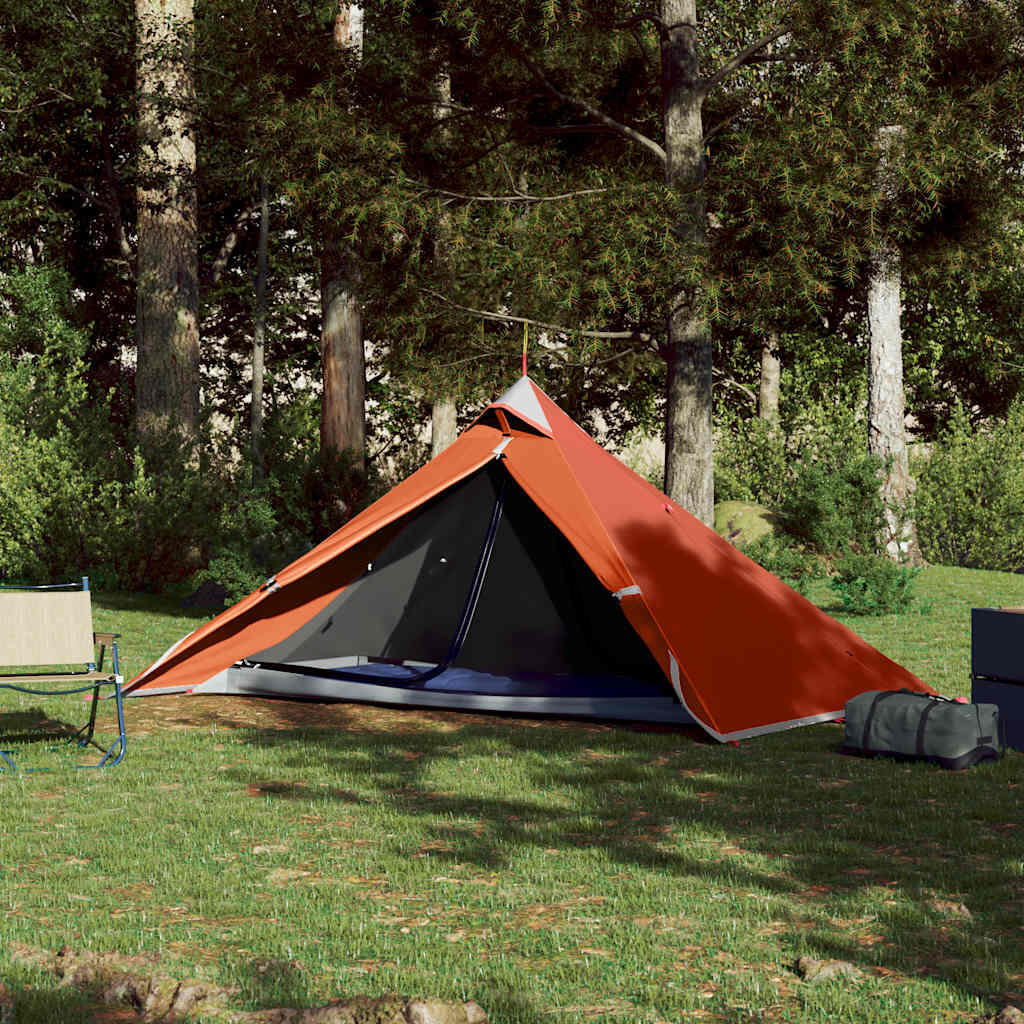
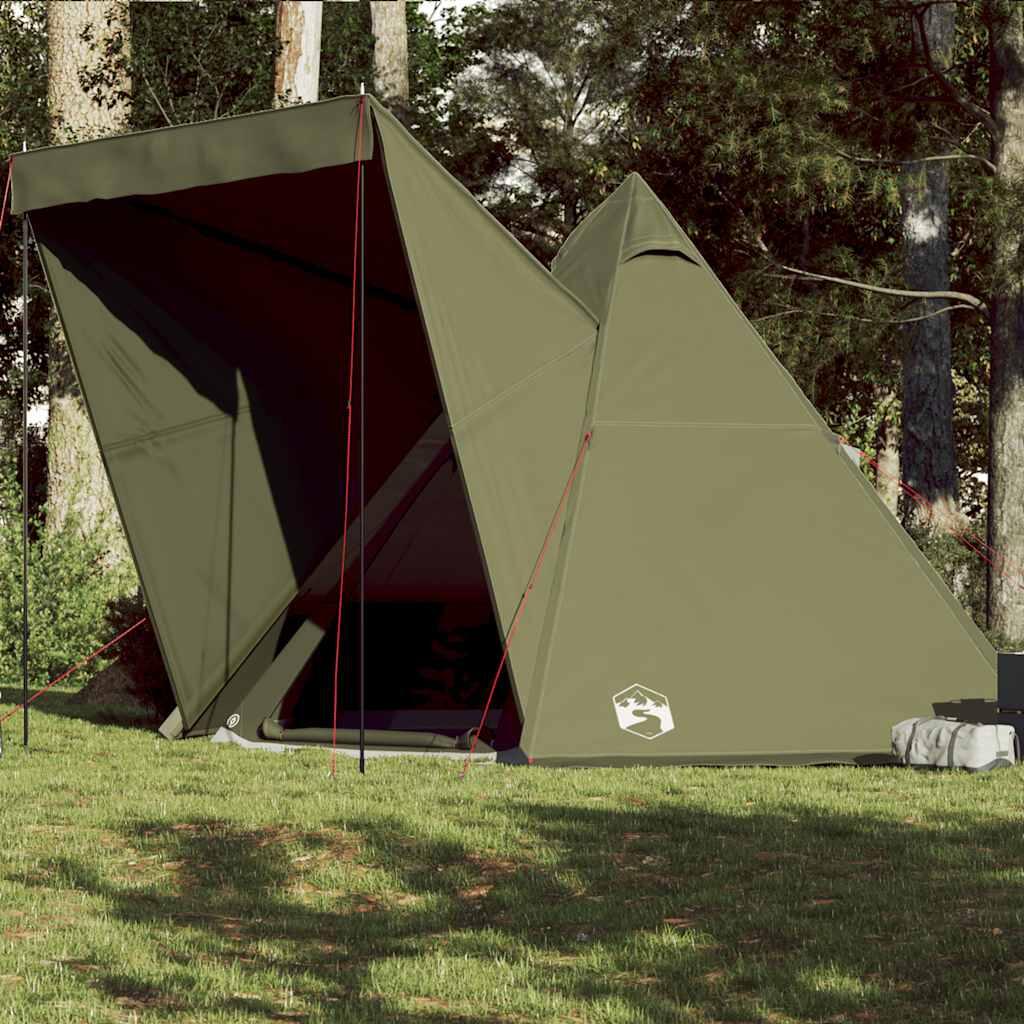
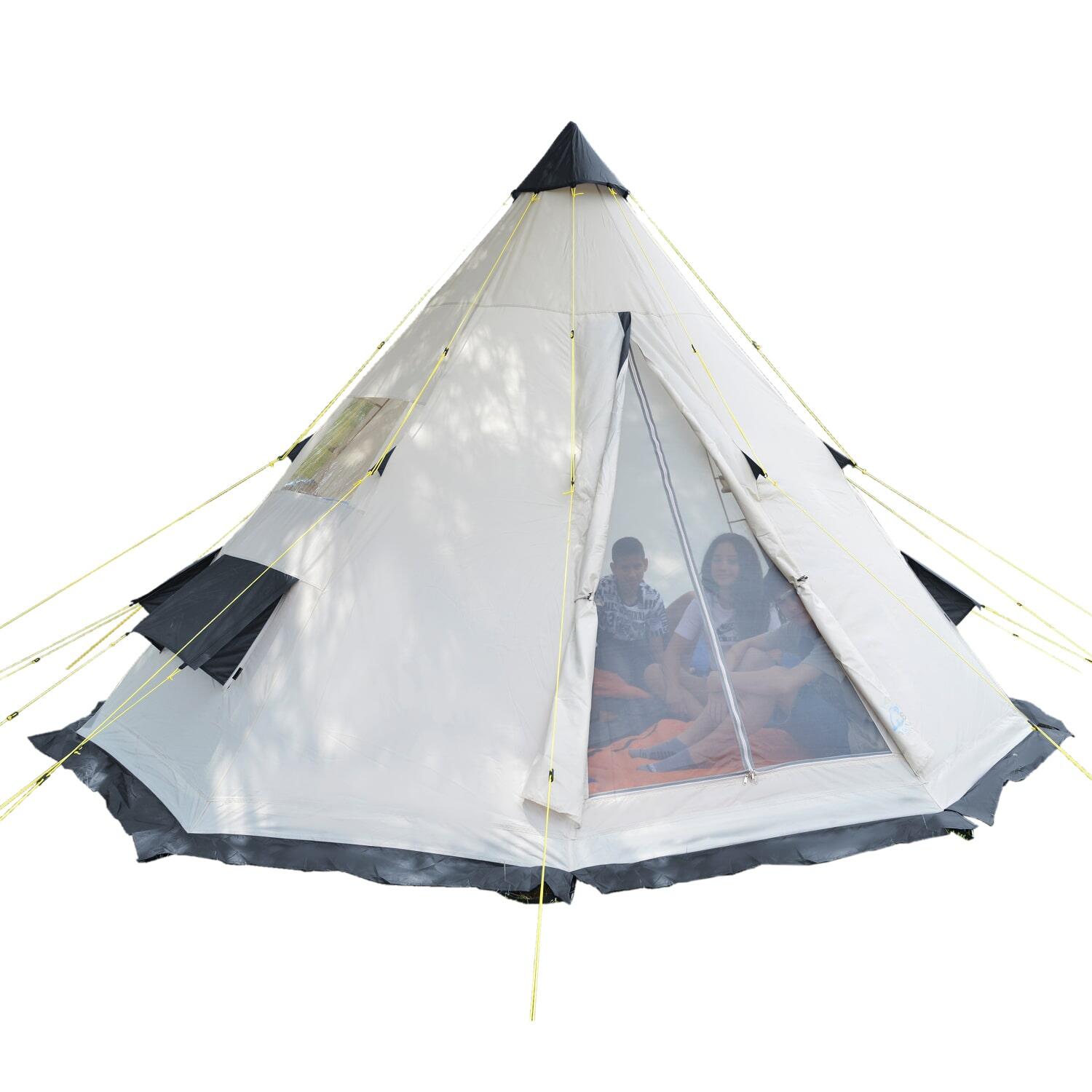
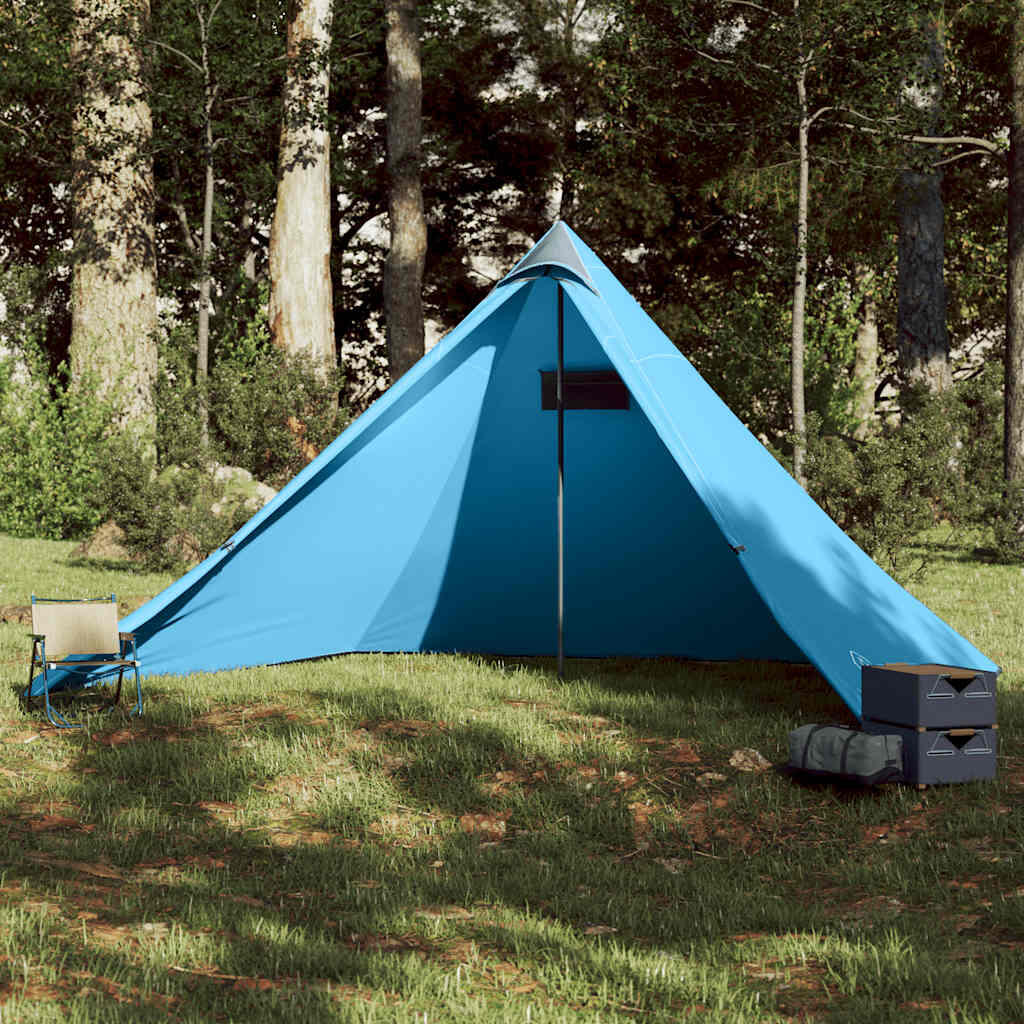
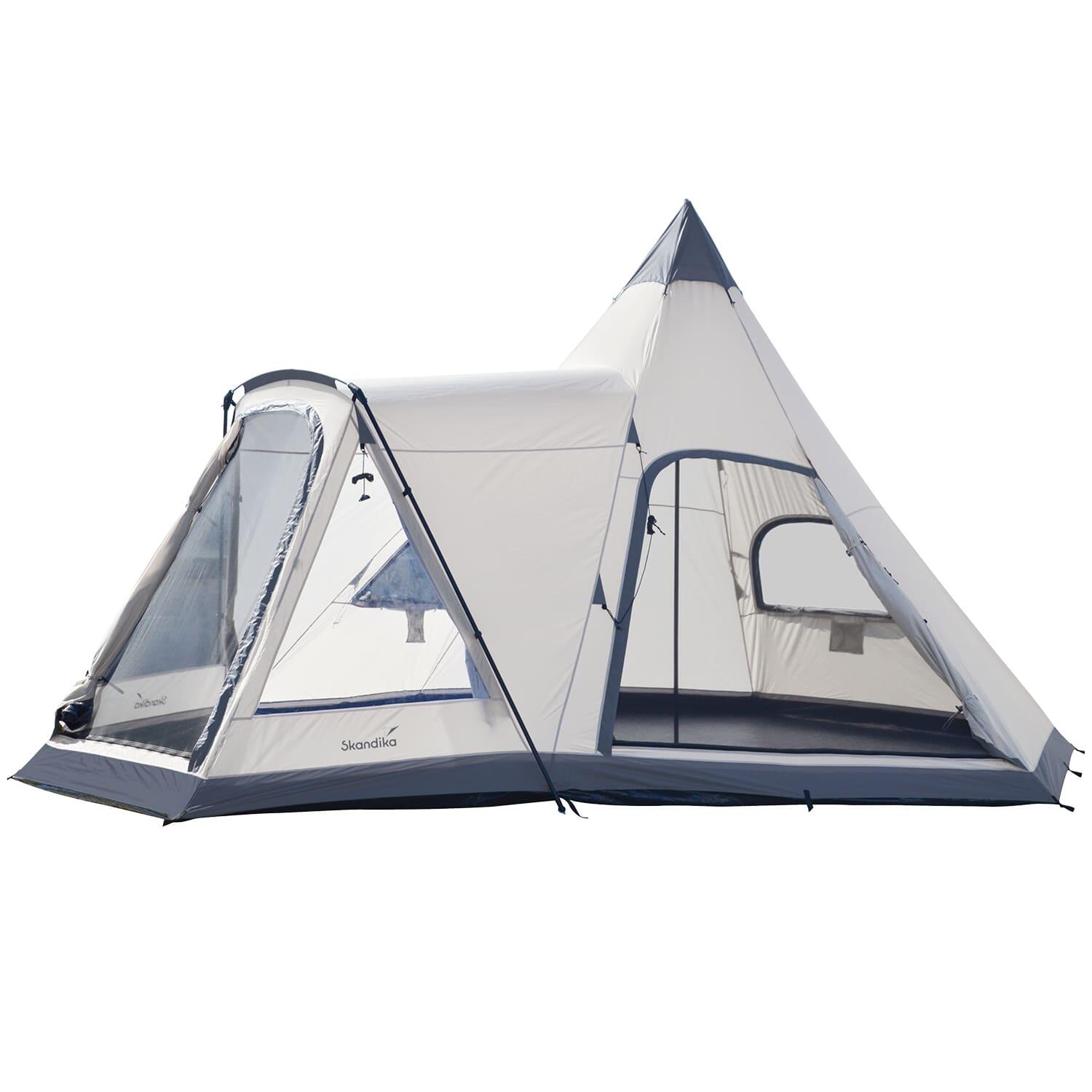
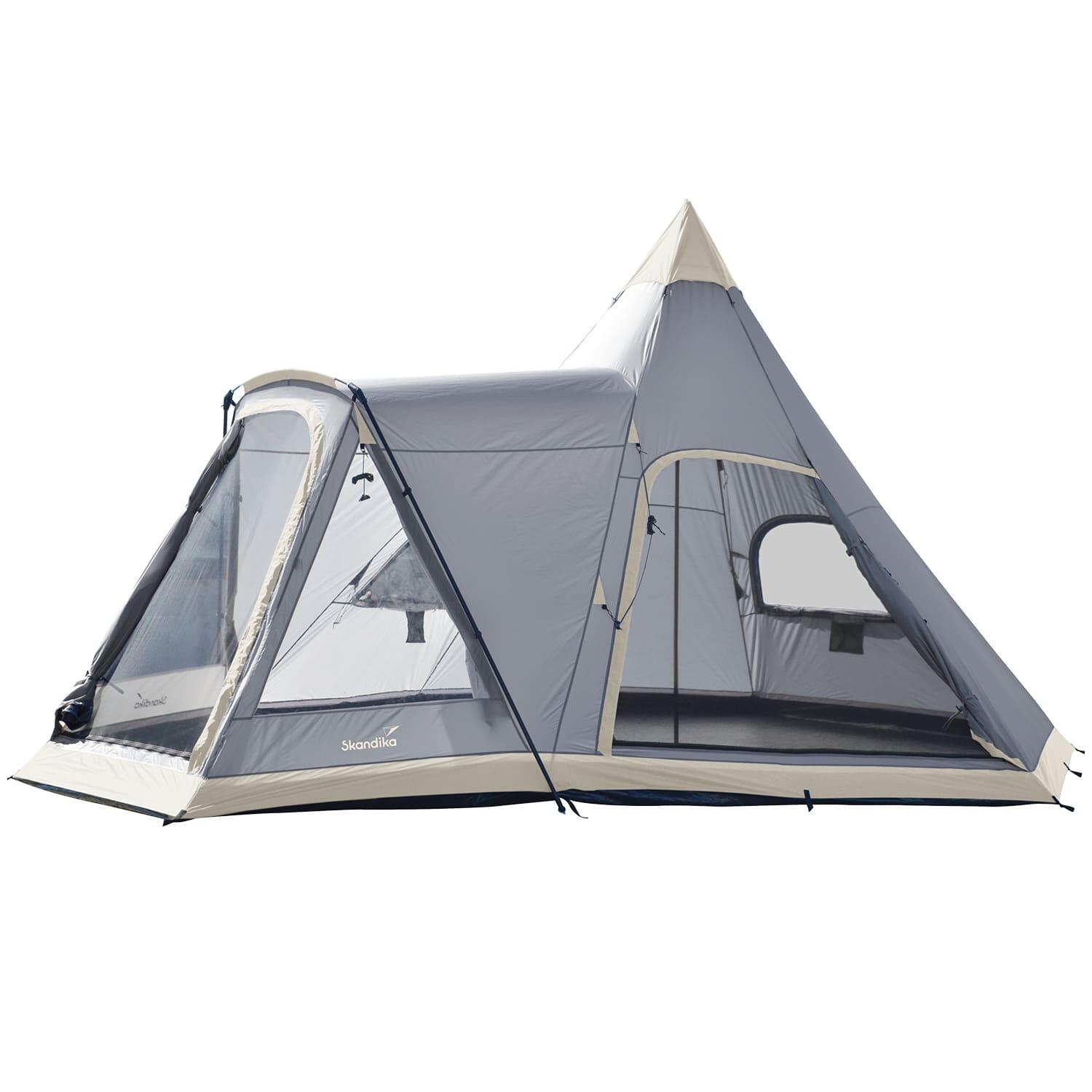
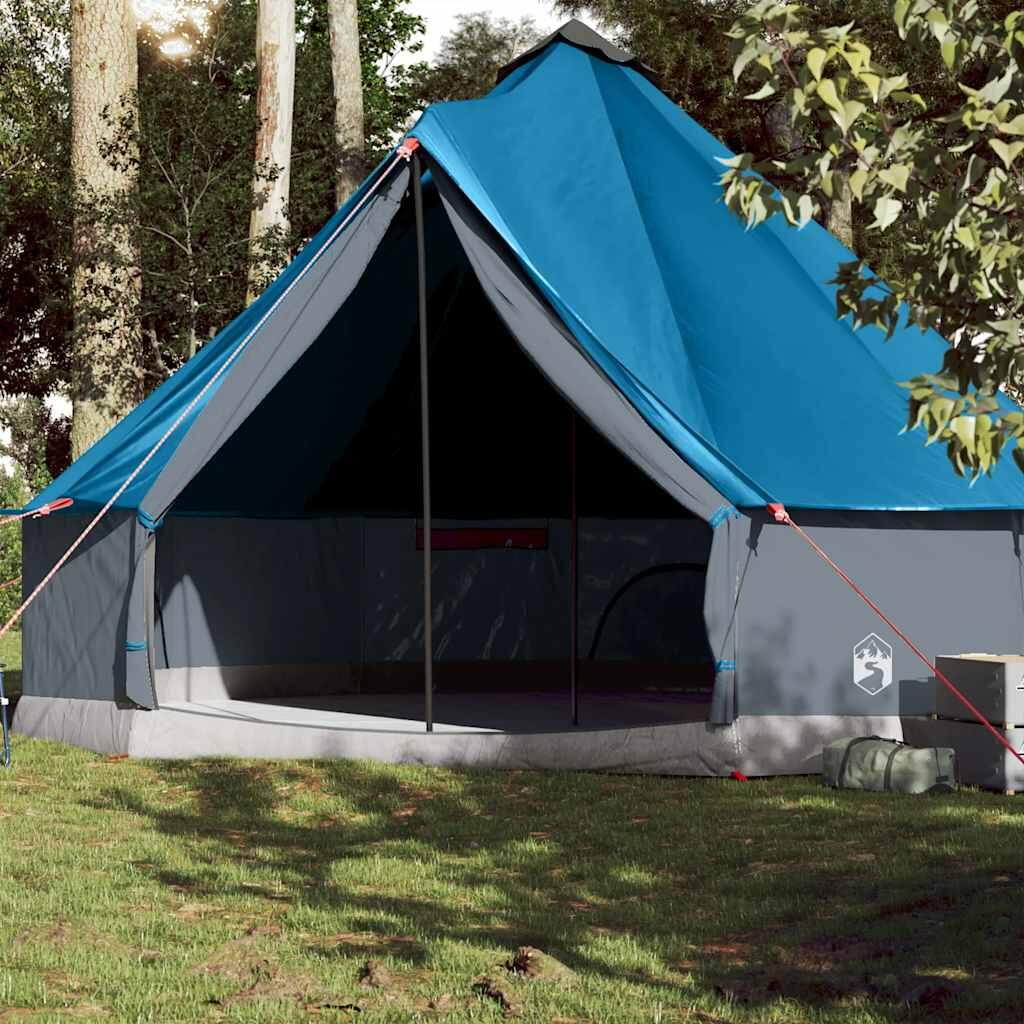
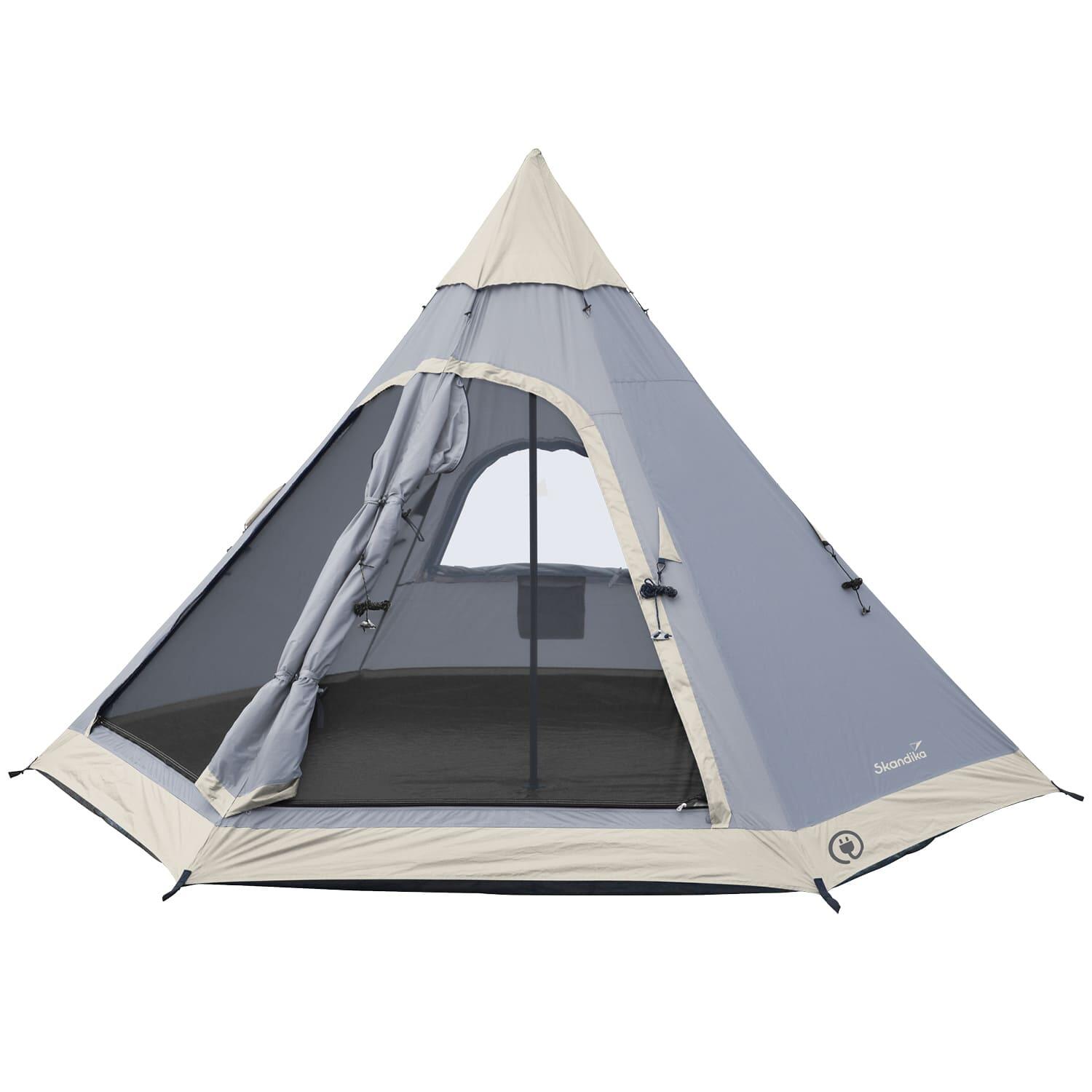
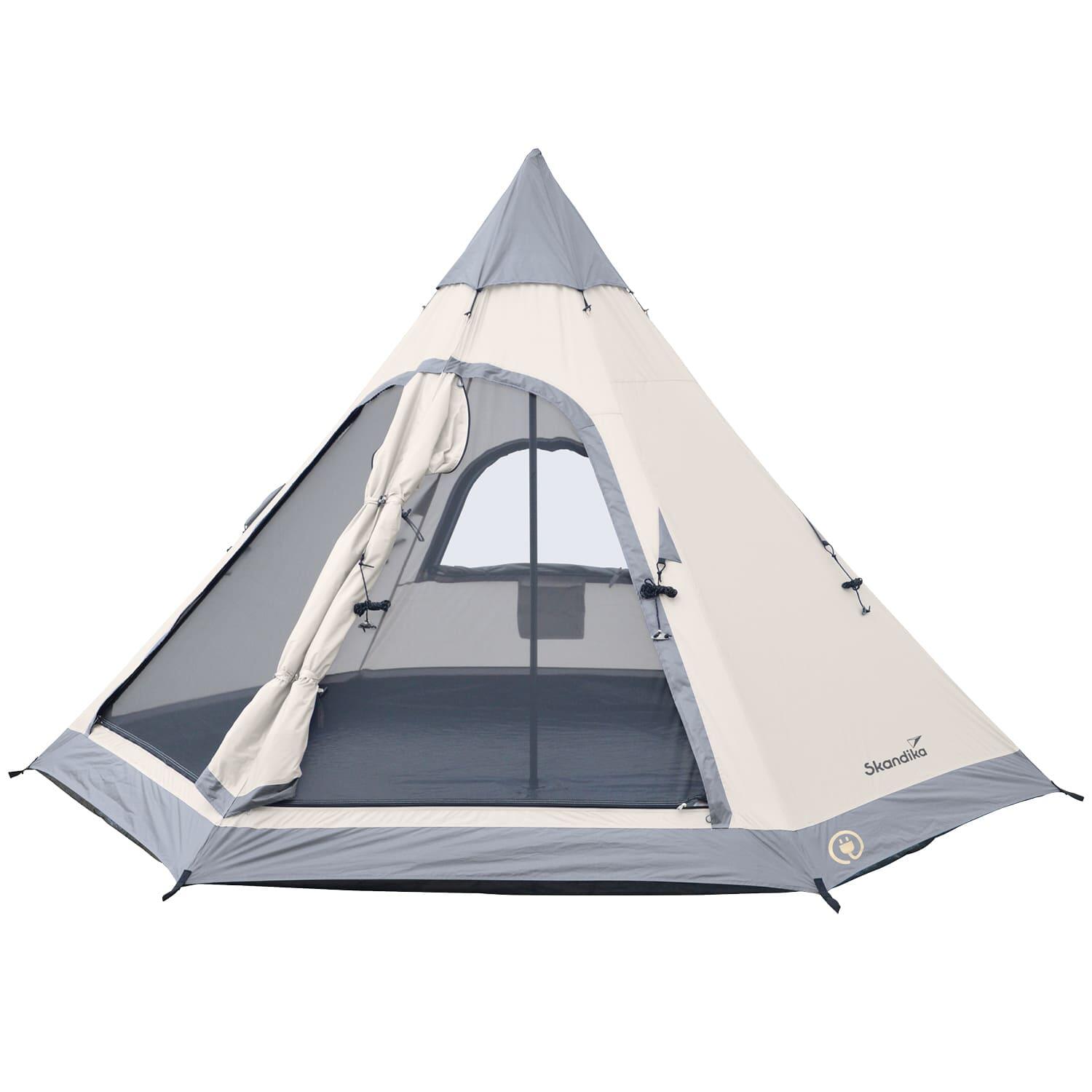
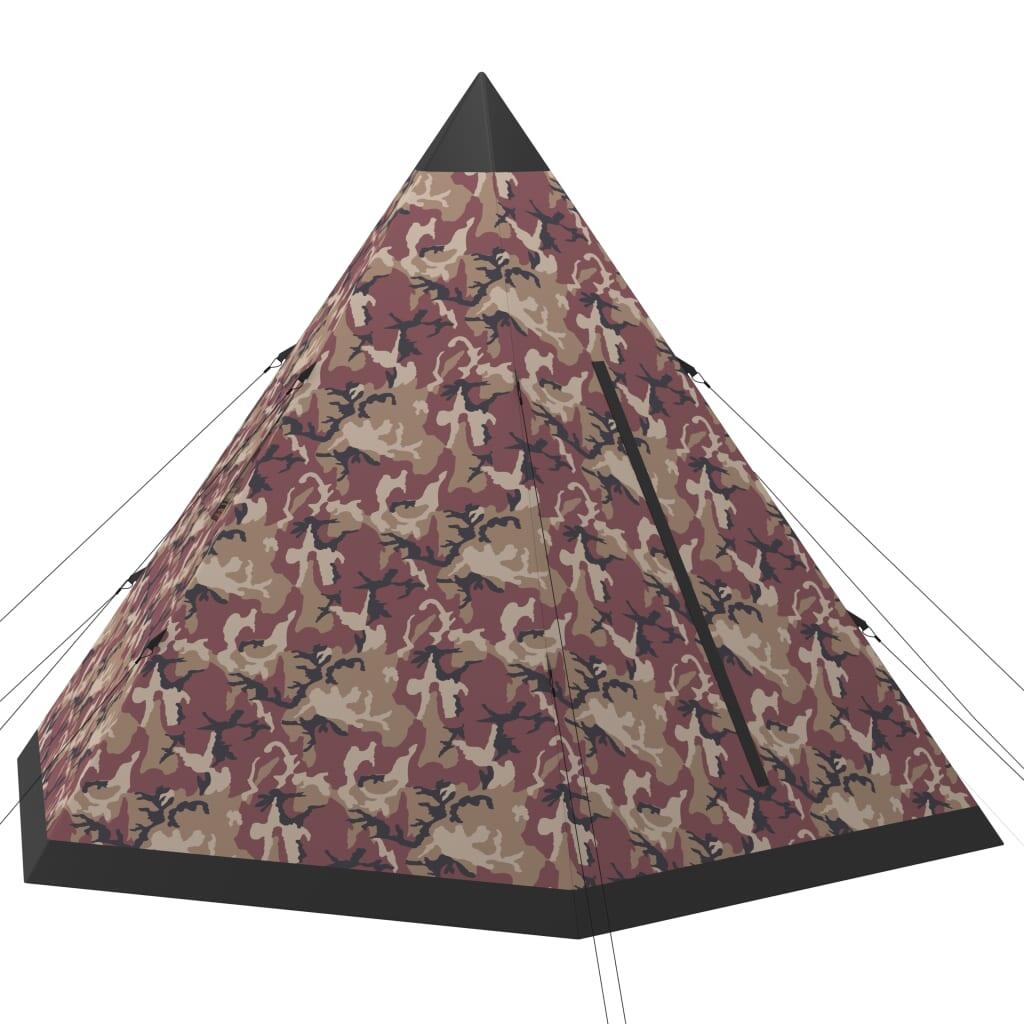
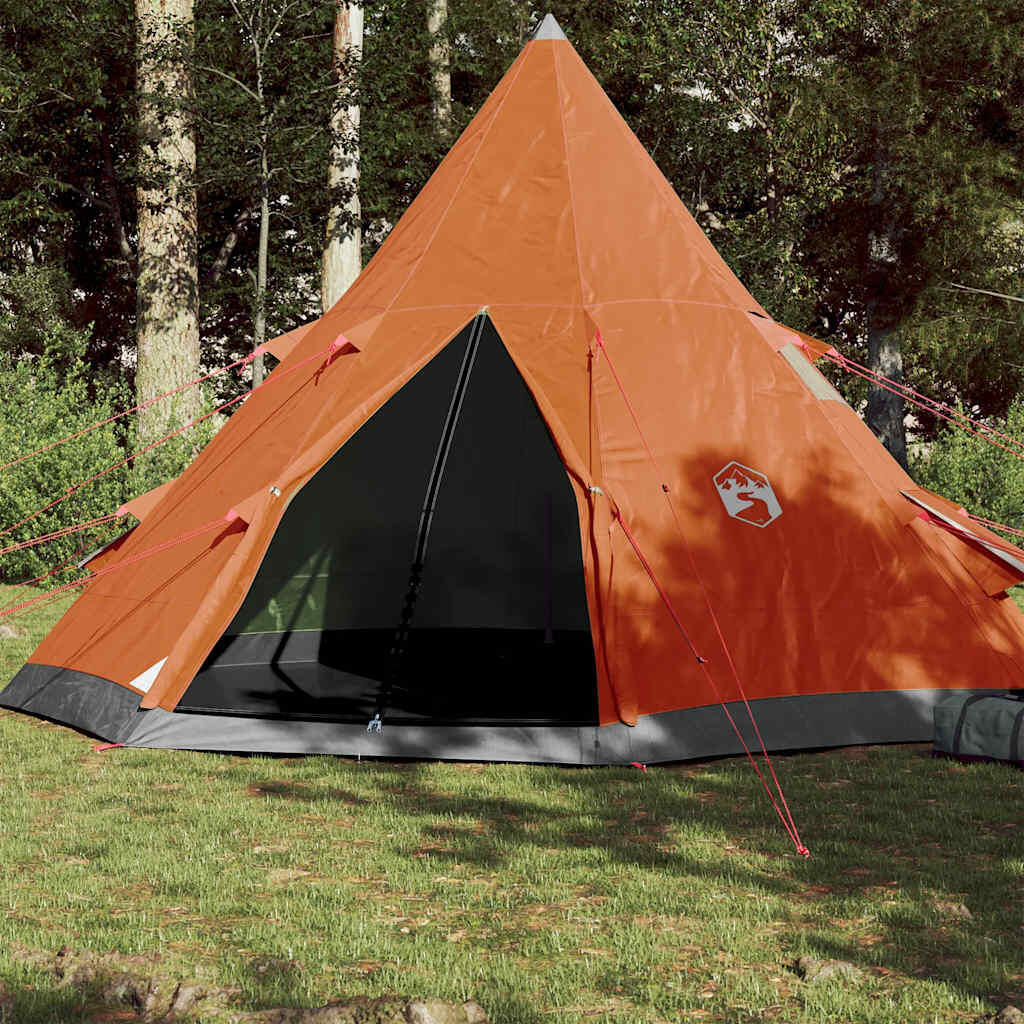
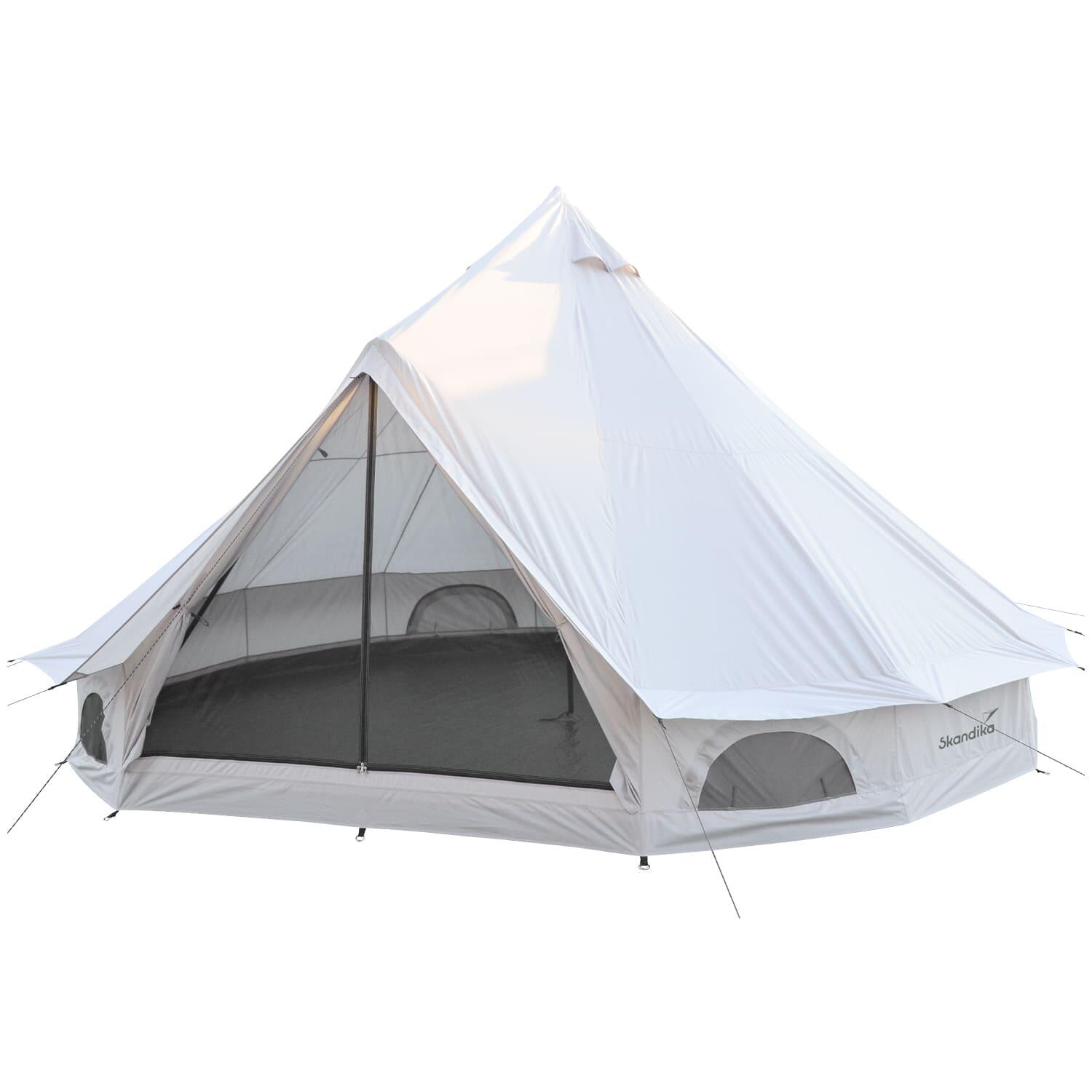
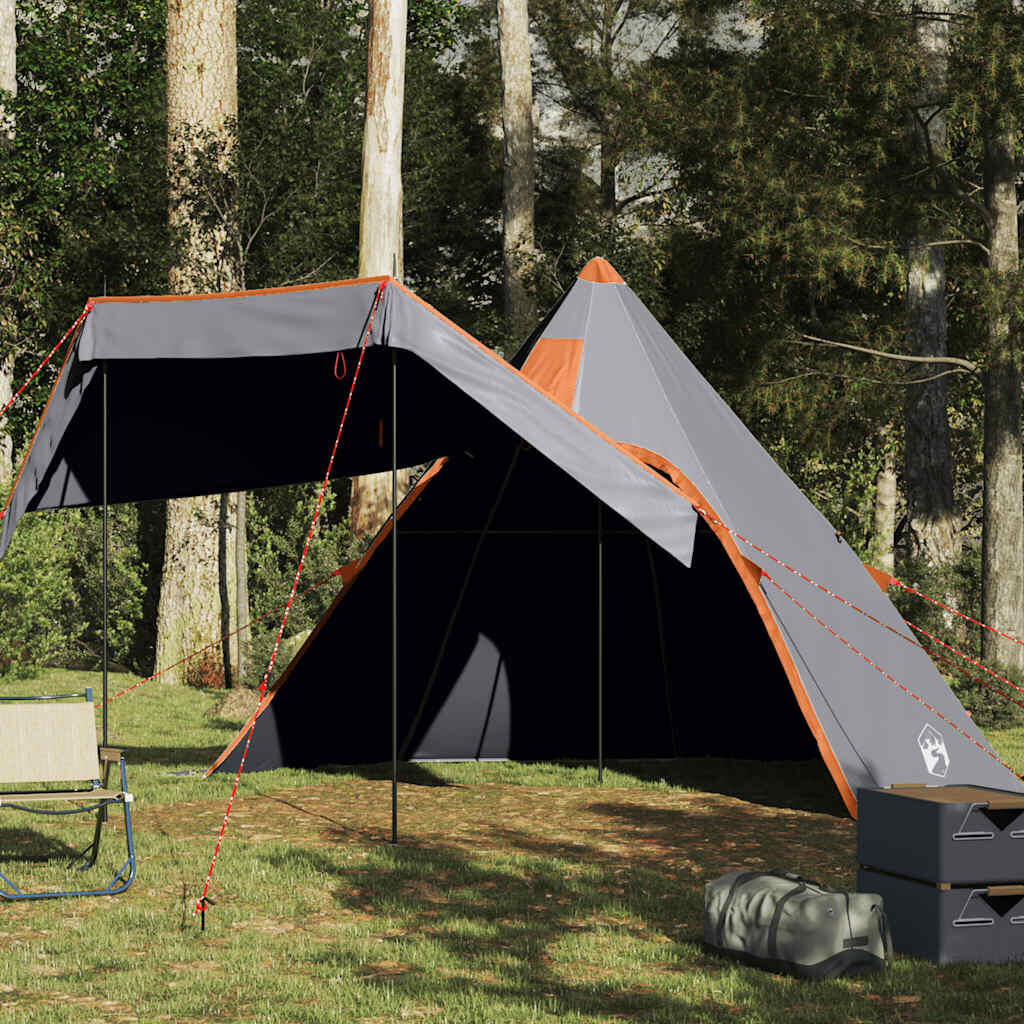
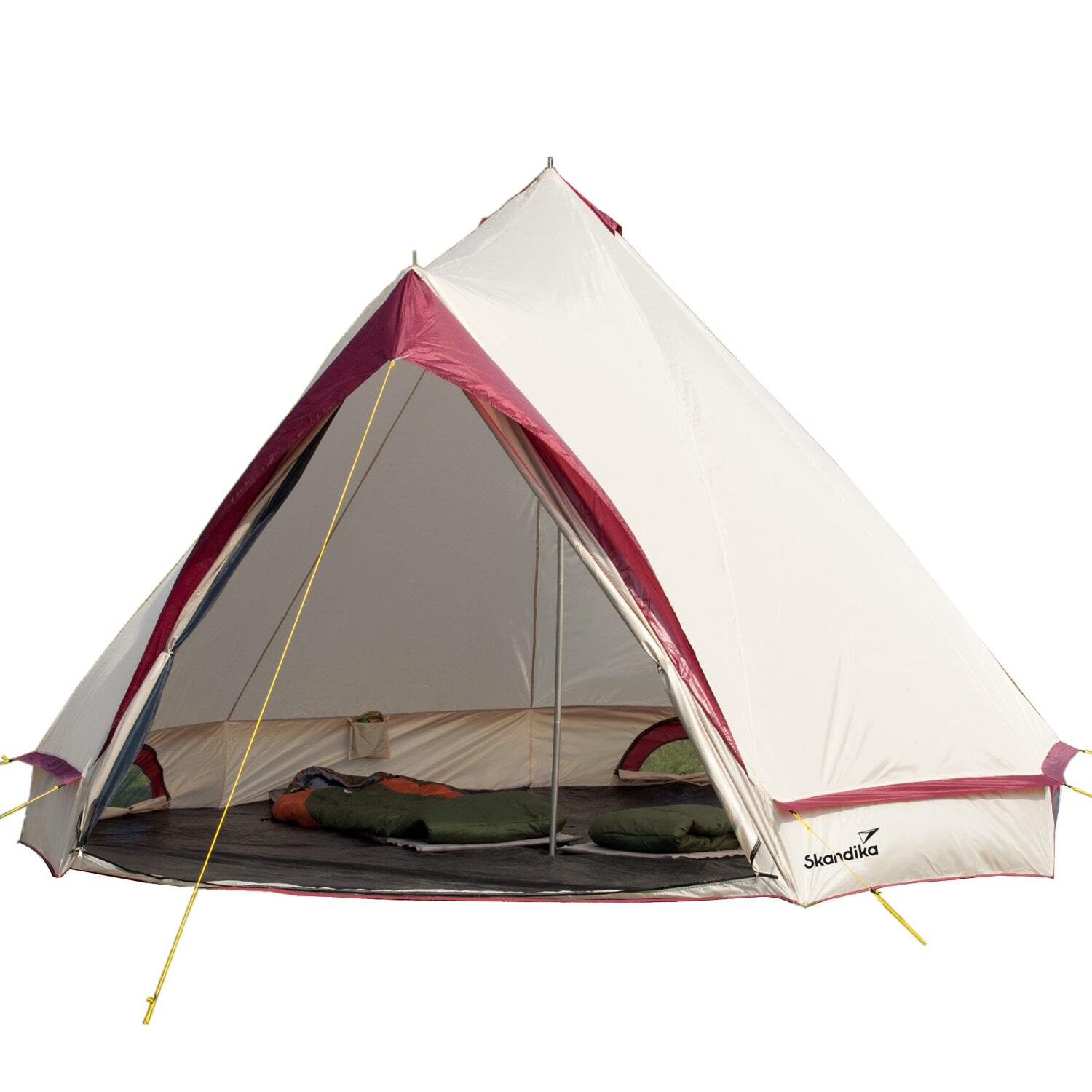
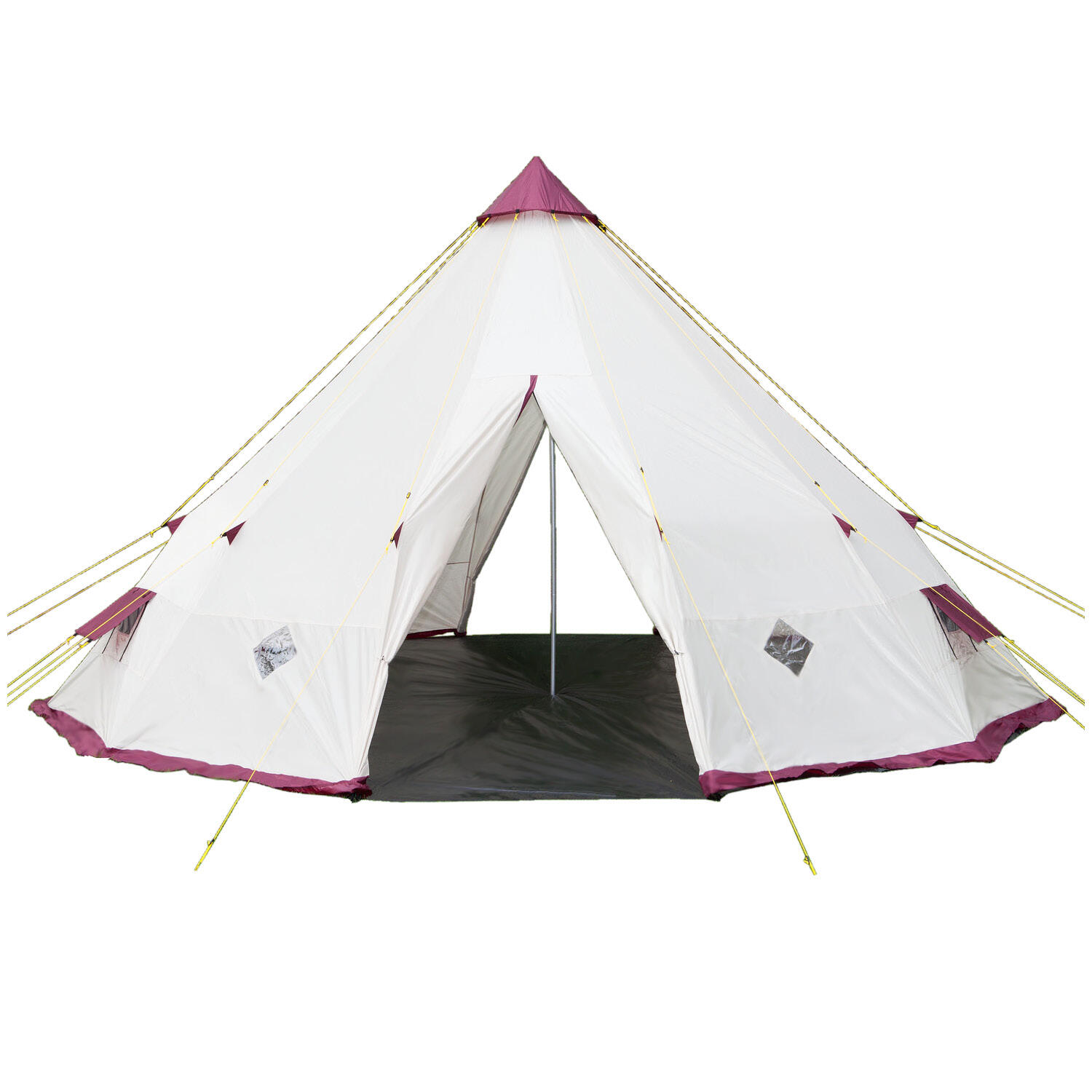
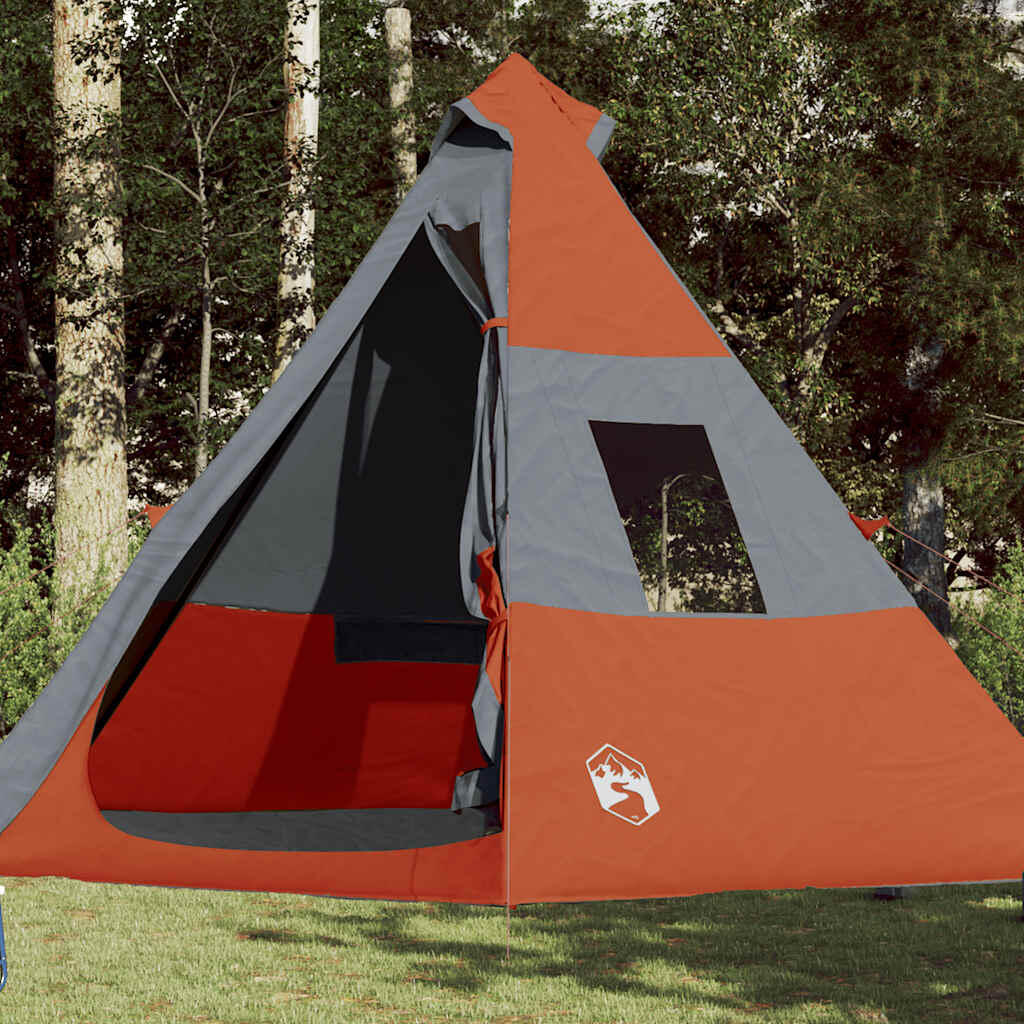
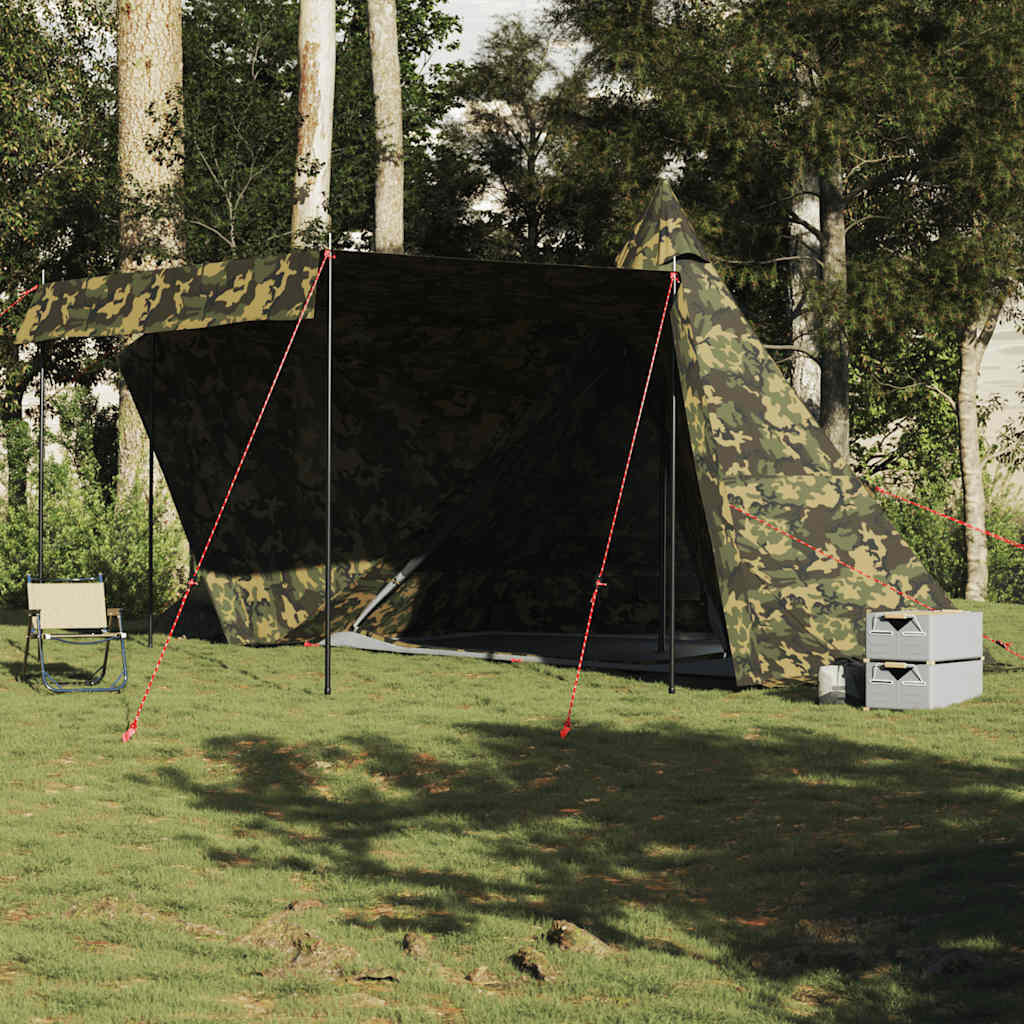
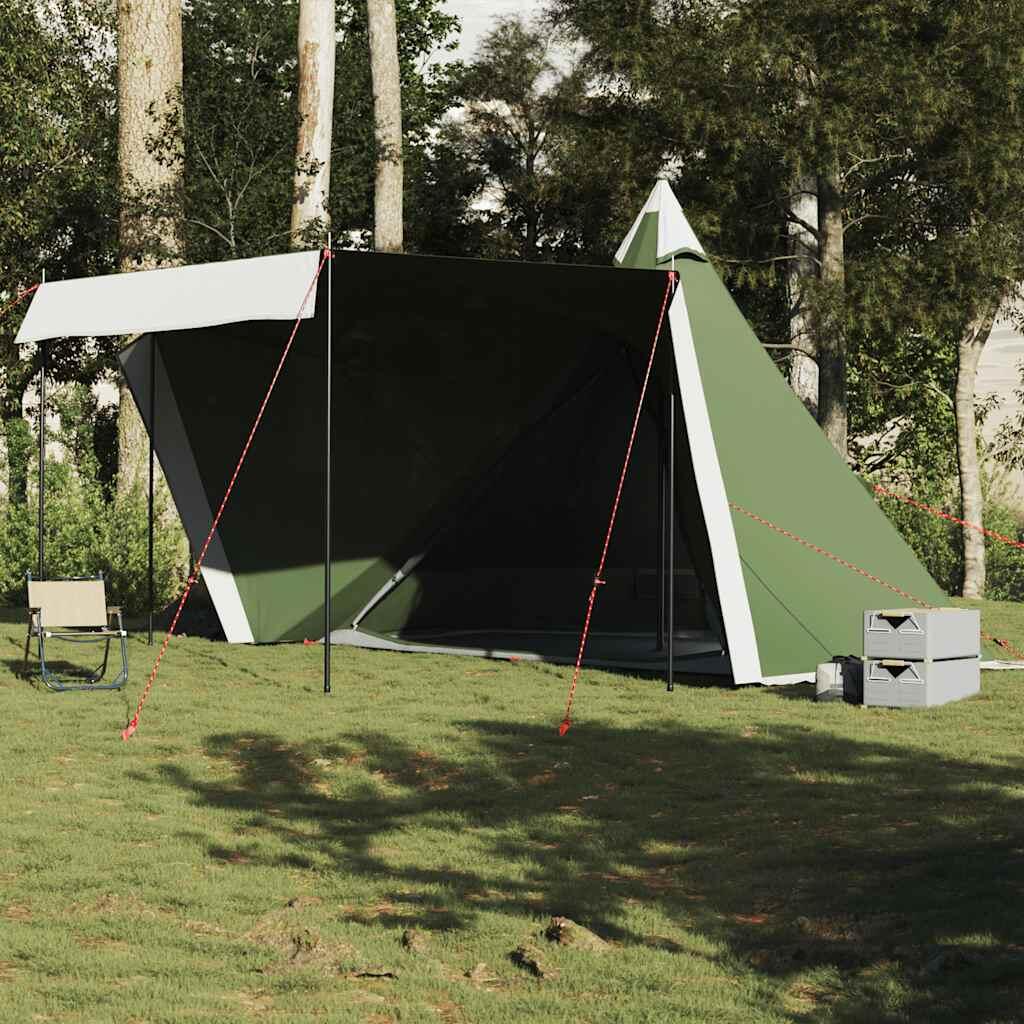
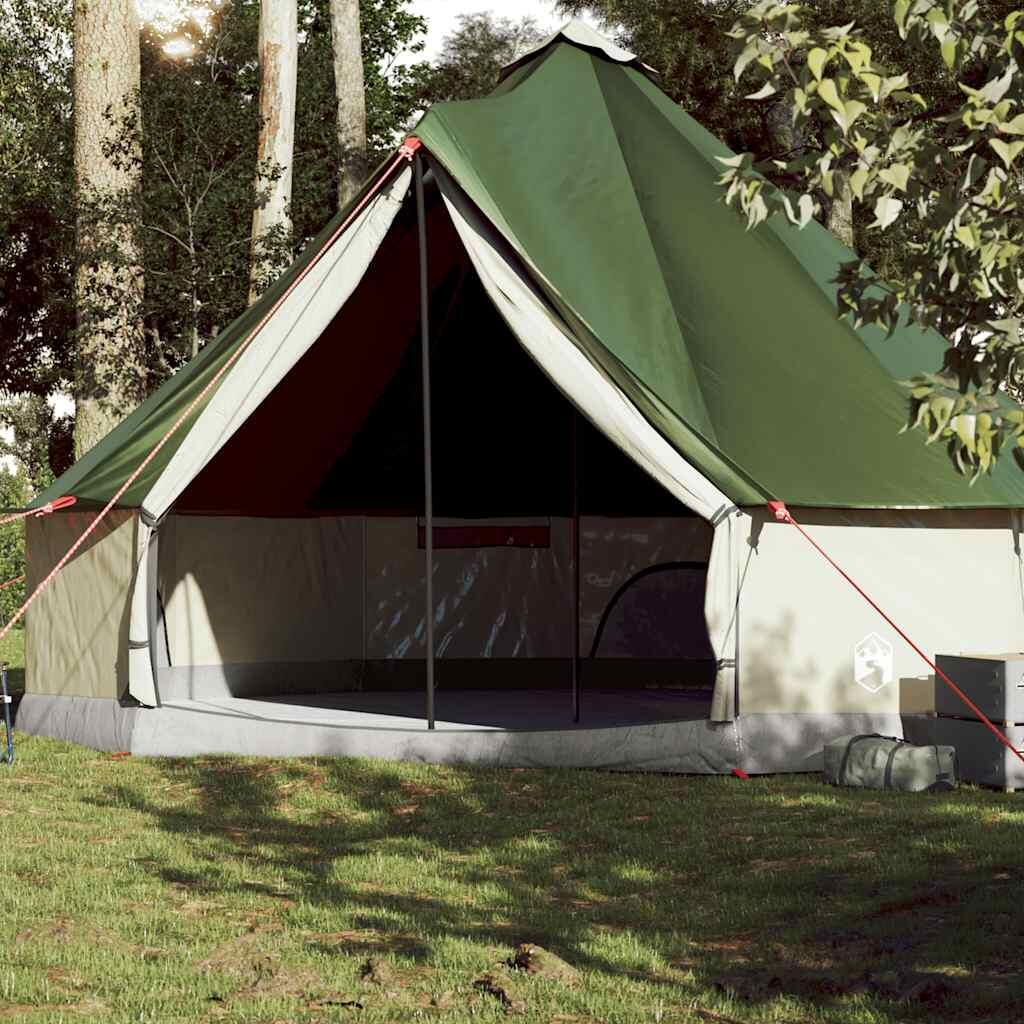
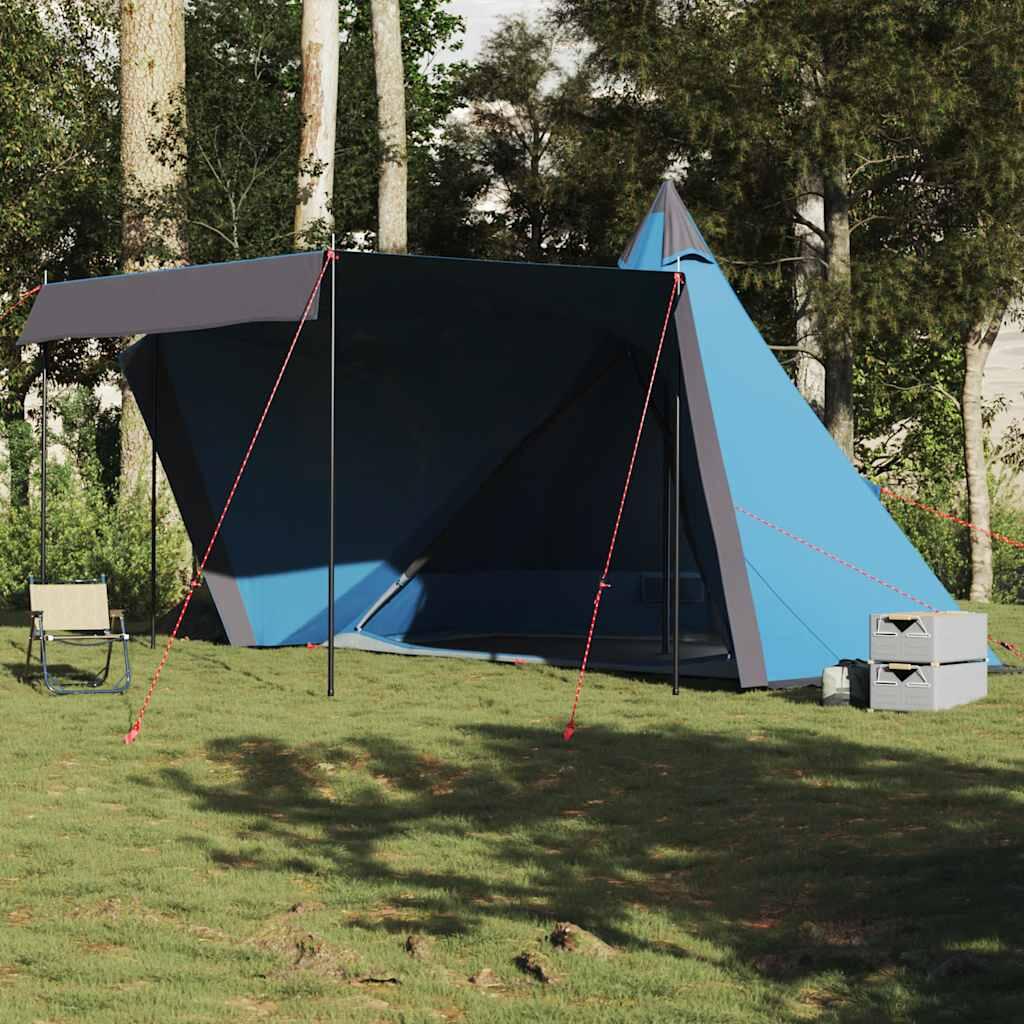
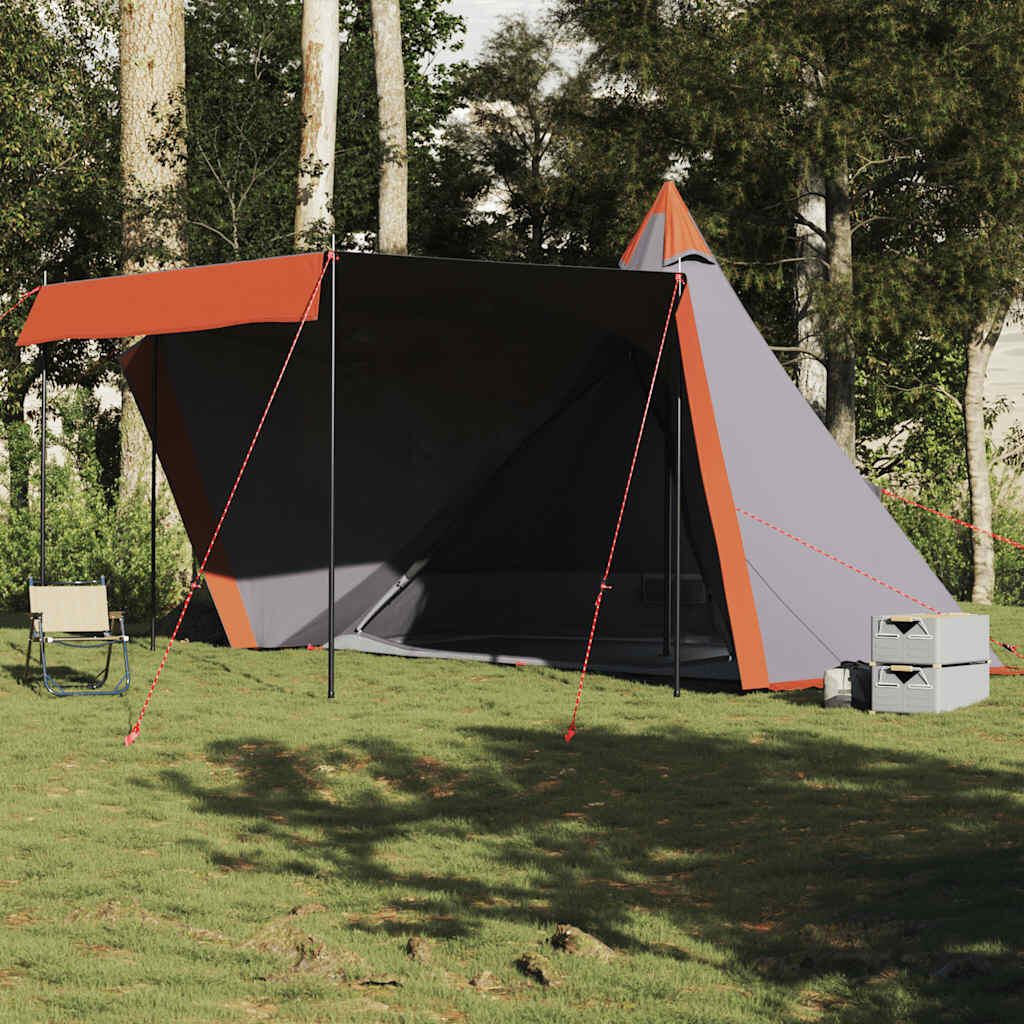
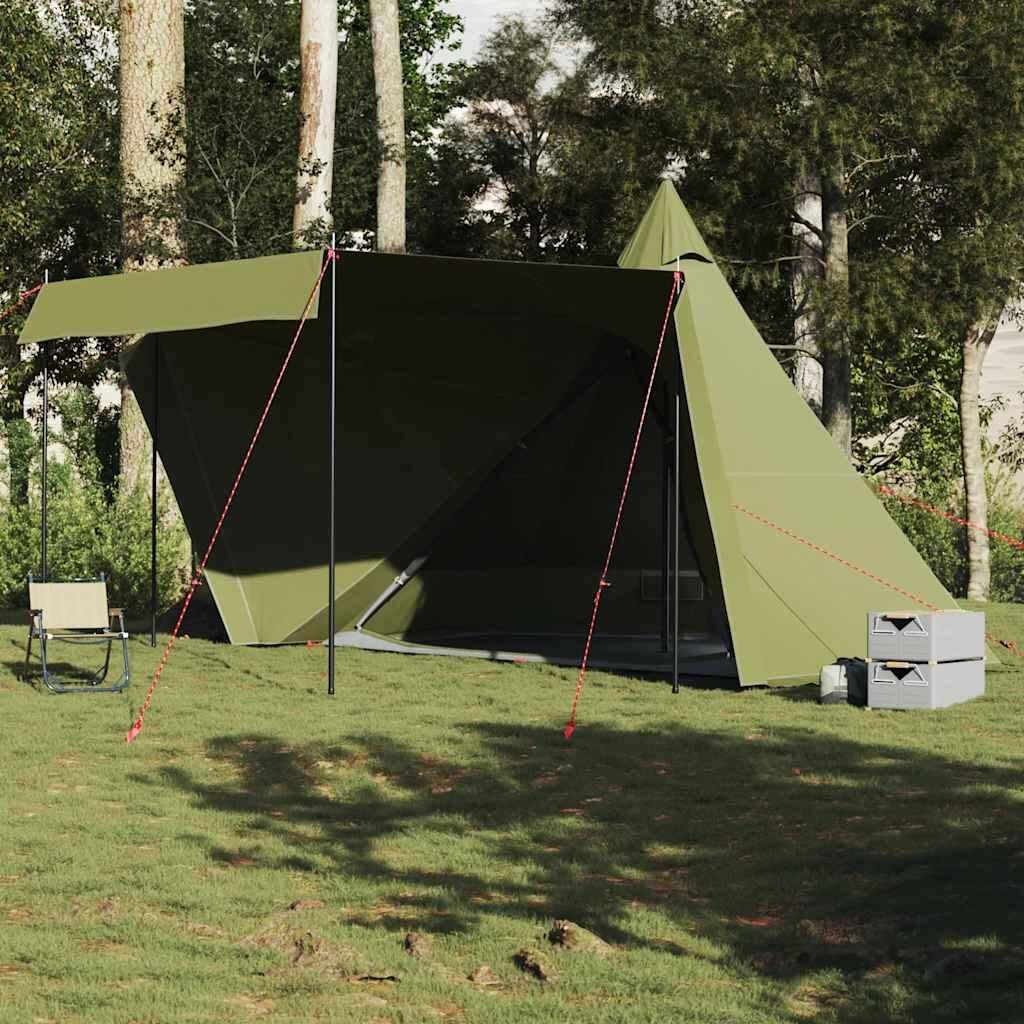
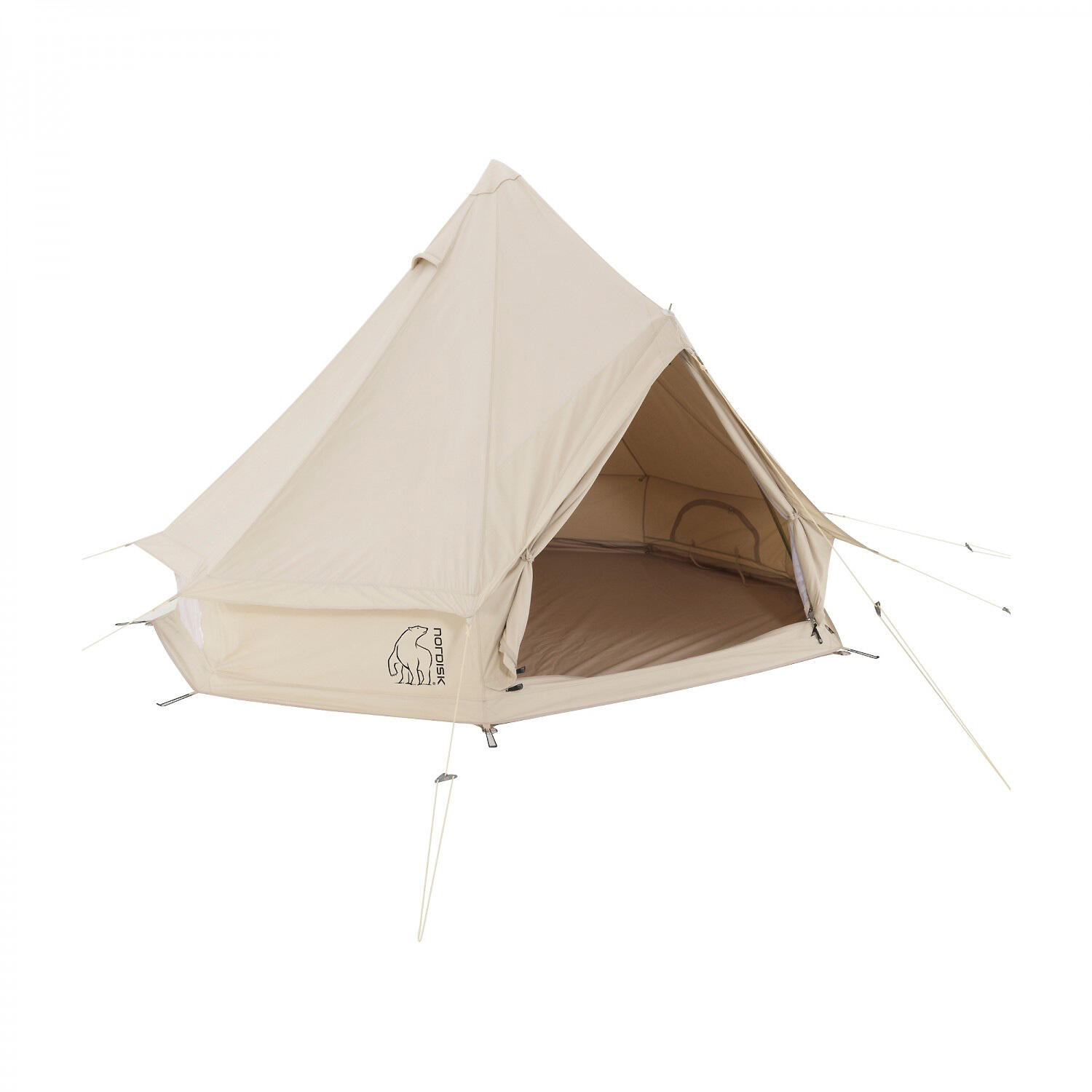
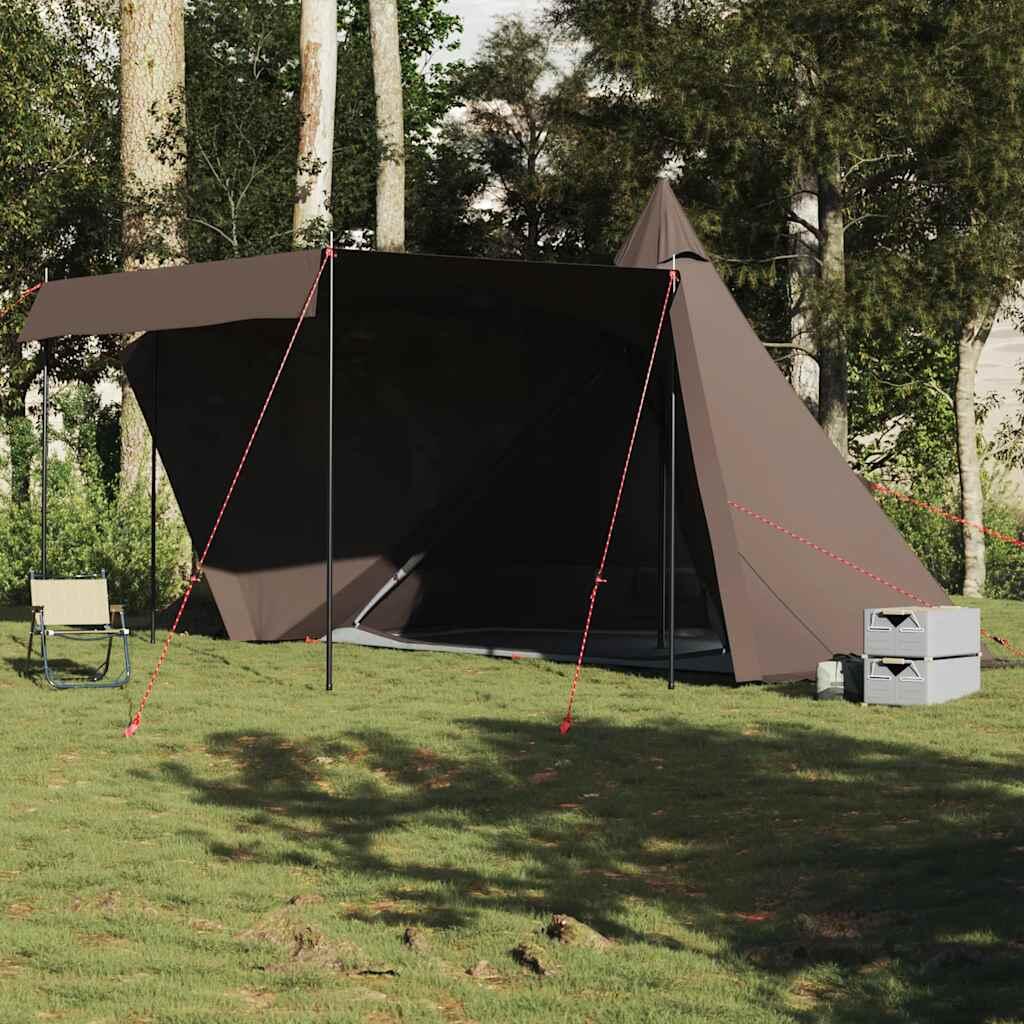
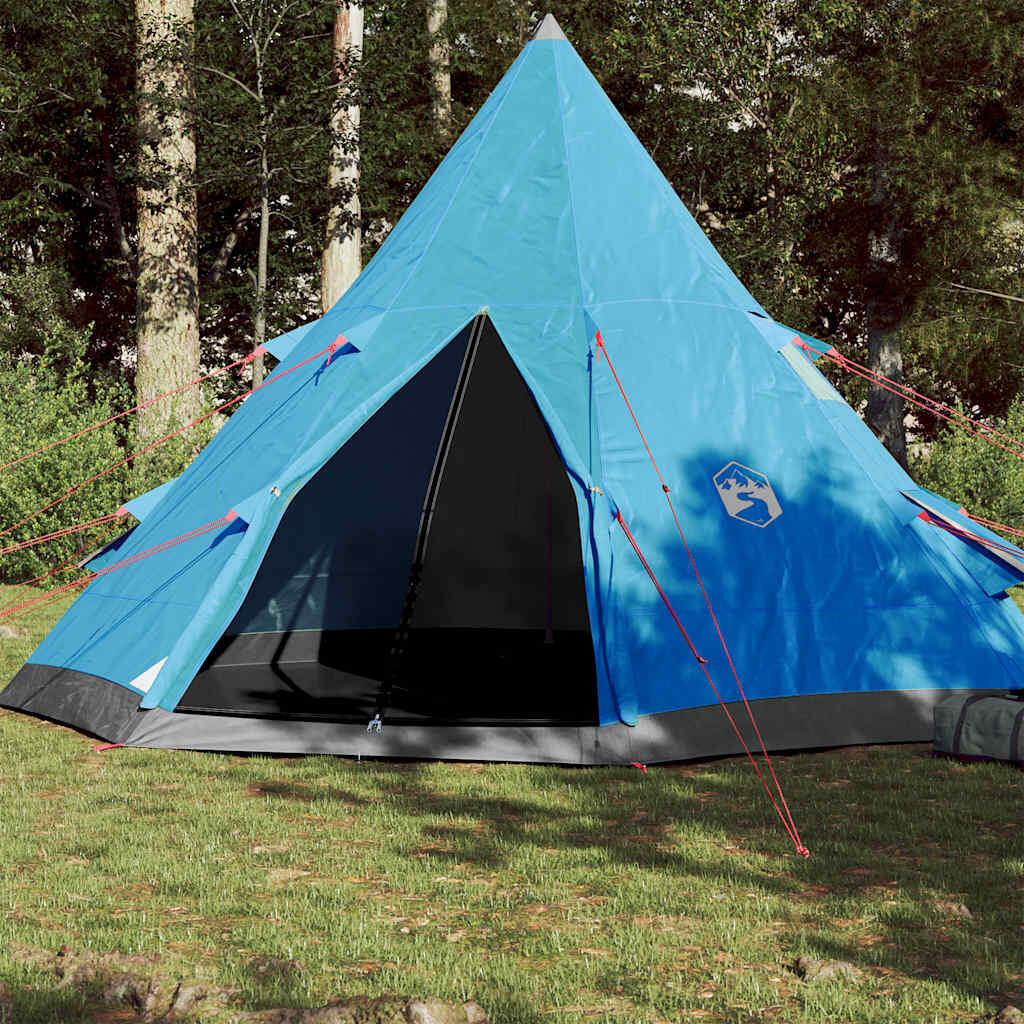
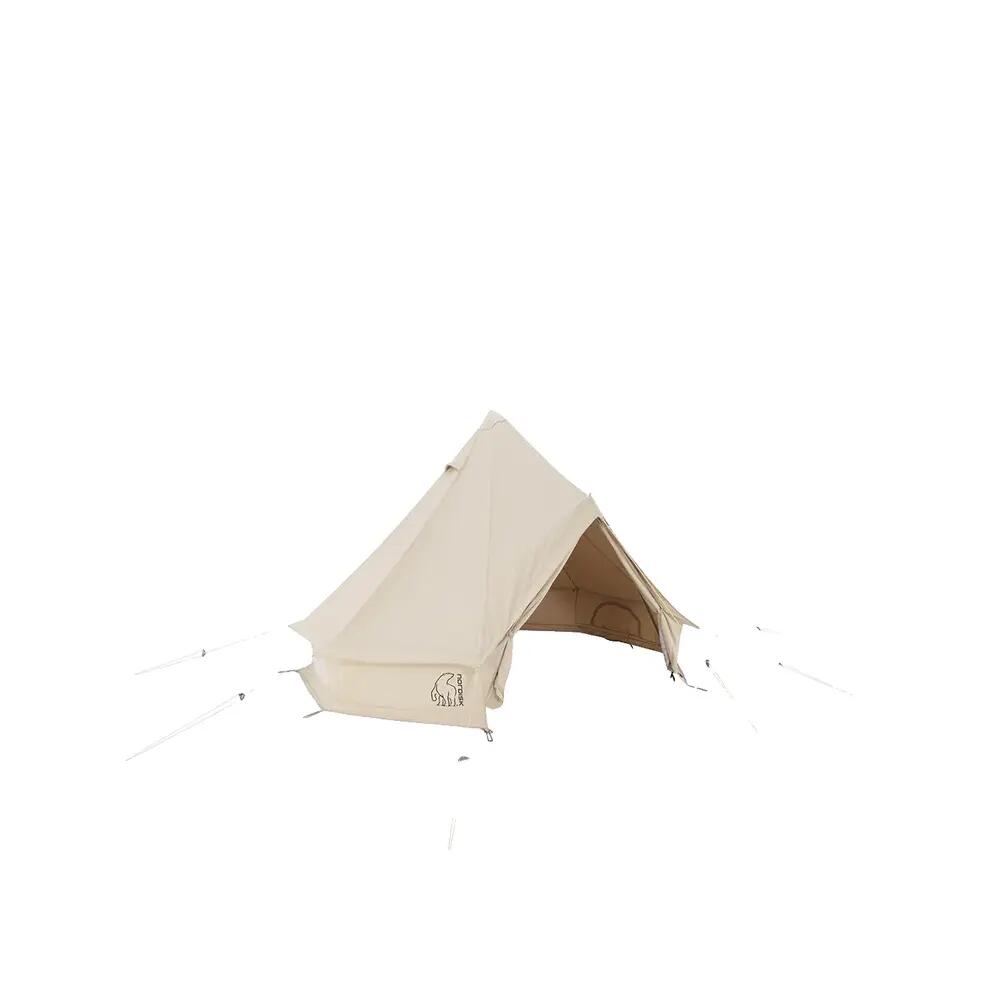
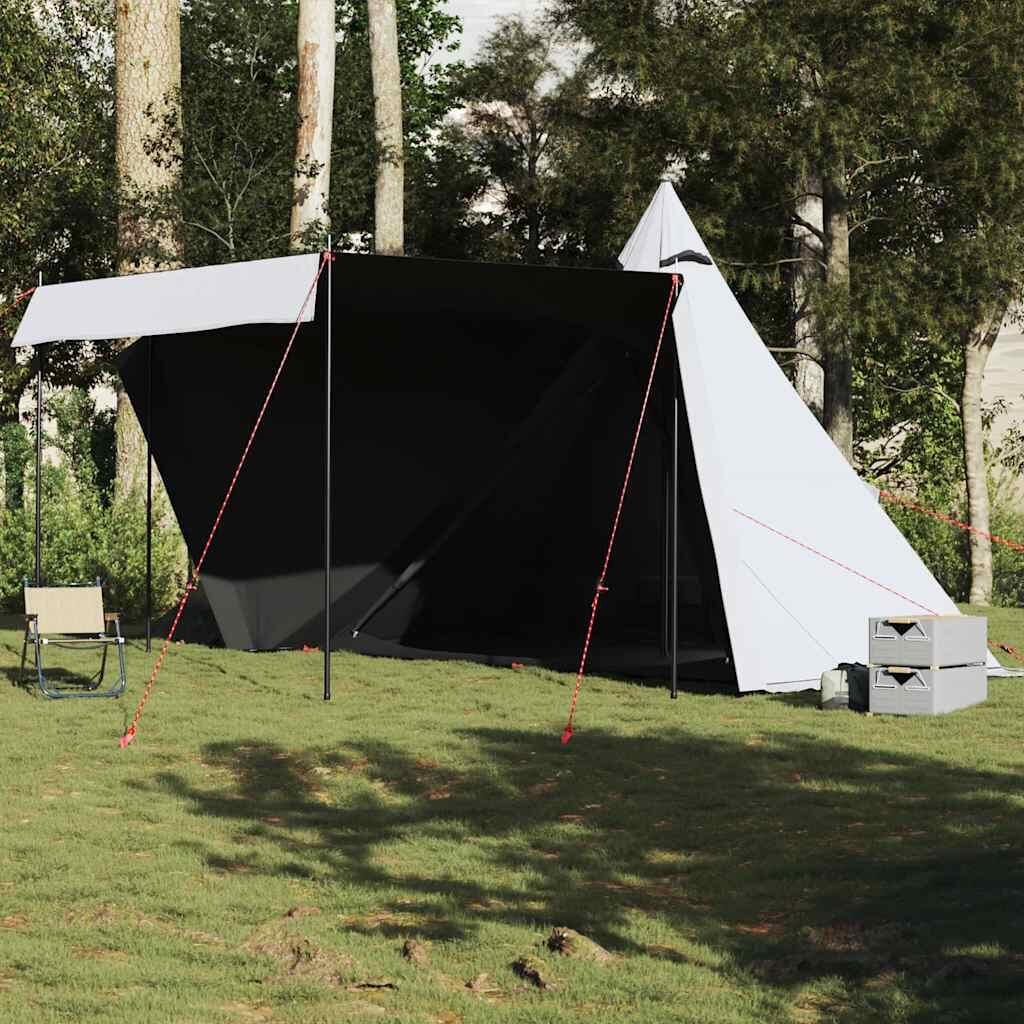
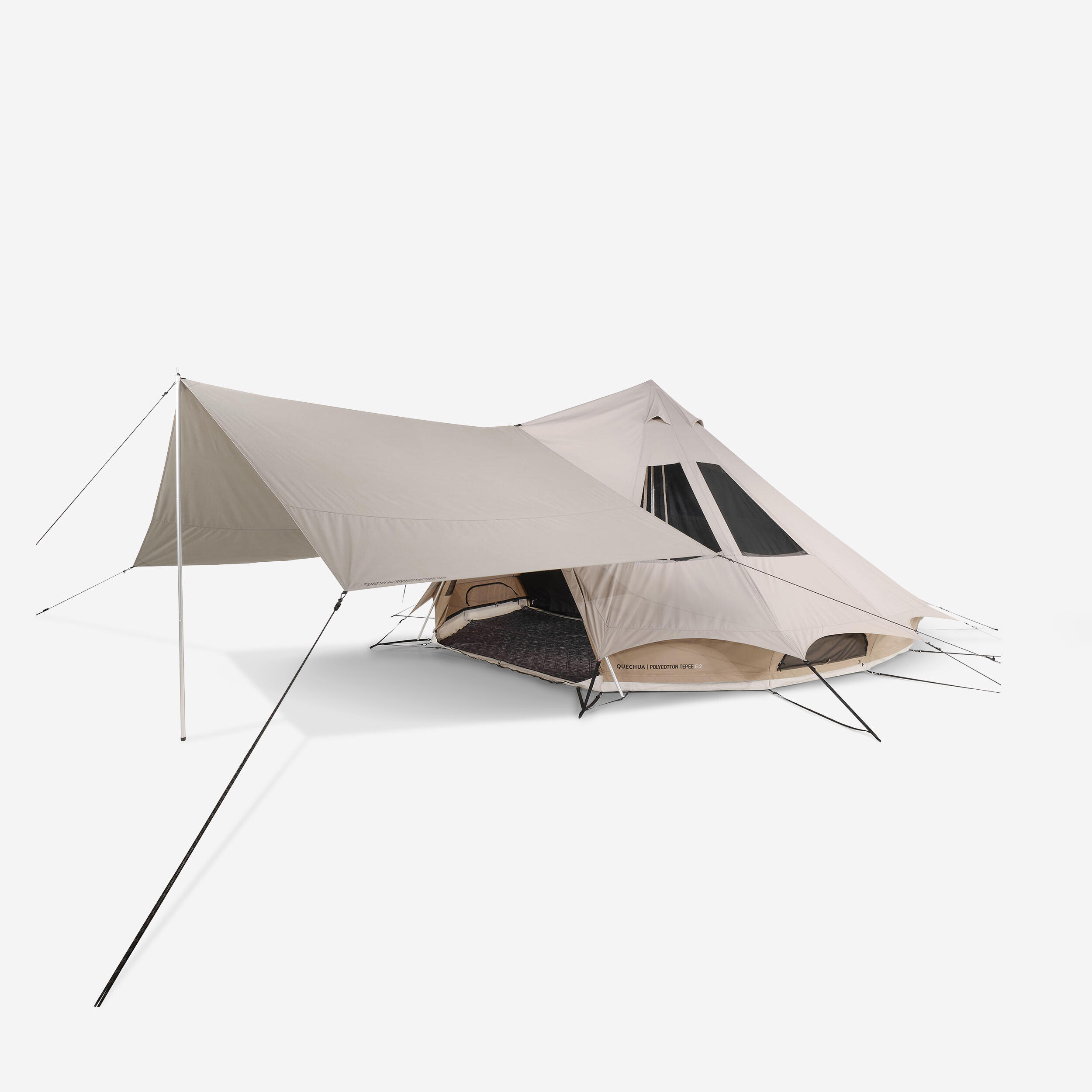
Selecting the right teepee tent comes down to the size of your group, the type of trip, and the conditions you expect through the camping season. Teepee tents (also called tipi tents) use a single central pole and a sloped, conical wall to deliver impressive standing-height headroom, which sets them apart from low-profile dome and tunnel tents that force occupants to crouch inside. On a longer trip, the steep walls shed rain quickly, the central peak vents hot air efficiently, and the wide base footprint suits family camping, glamping breaks, and groups who want a proper communal space under one roof. Waterproof flysheets, sewn-in groundsheets, and hard-wearing finishes all add to the practical side of the experience. Smart tip: pitch the teepee with the door facing away from the prevailing wind to keep the entrance dry and stop draughts blowing through overnight. For solo trips and lighter loads where a teepee feels oversized, the small tents from Quechua and Forclaz are worth a look.

How does a teepee tent compare with a family tent for group camping?

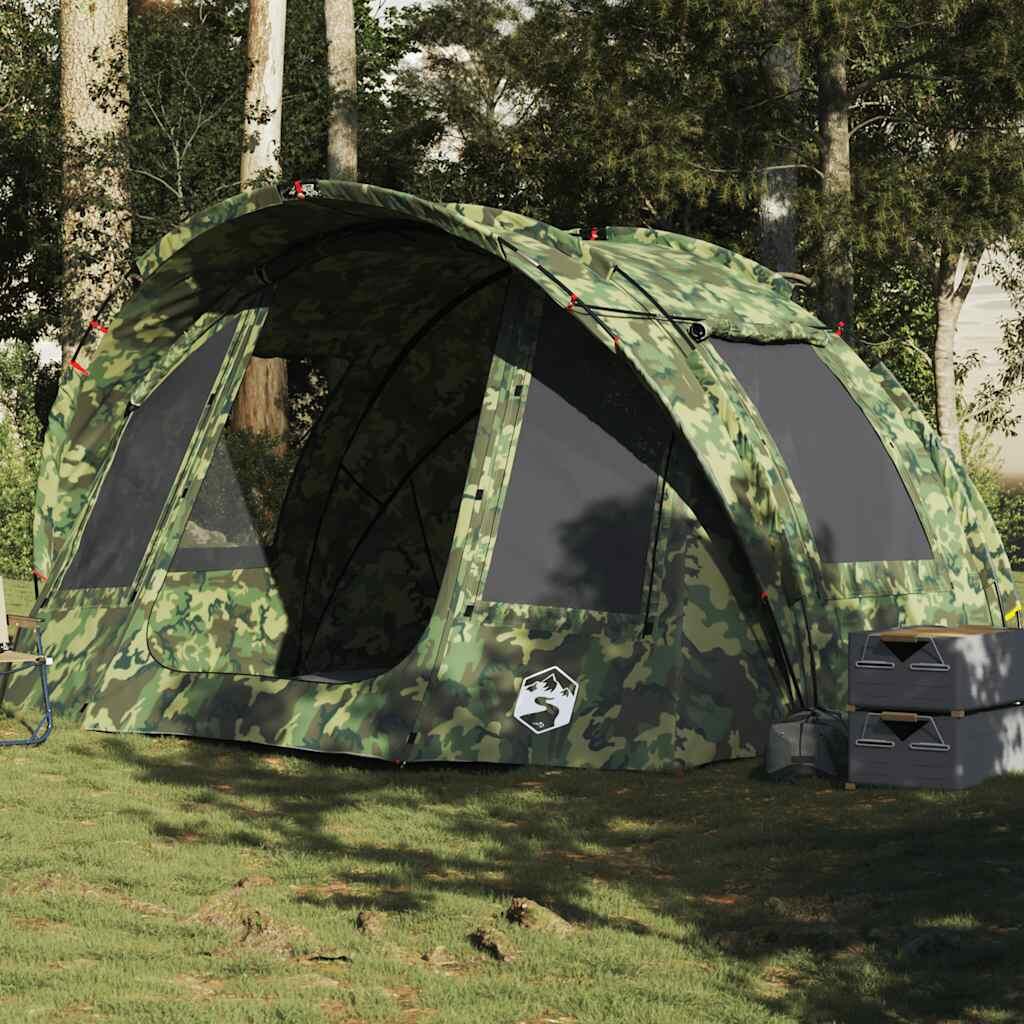
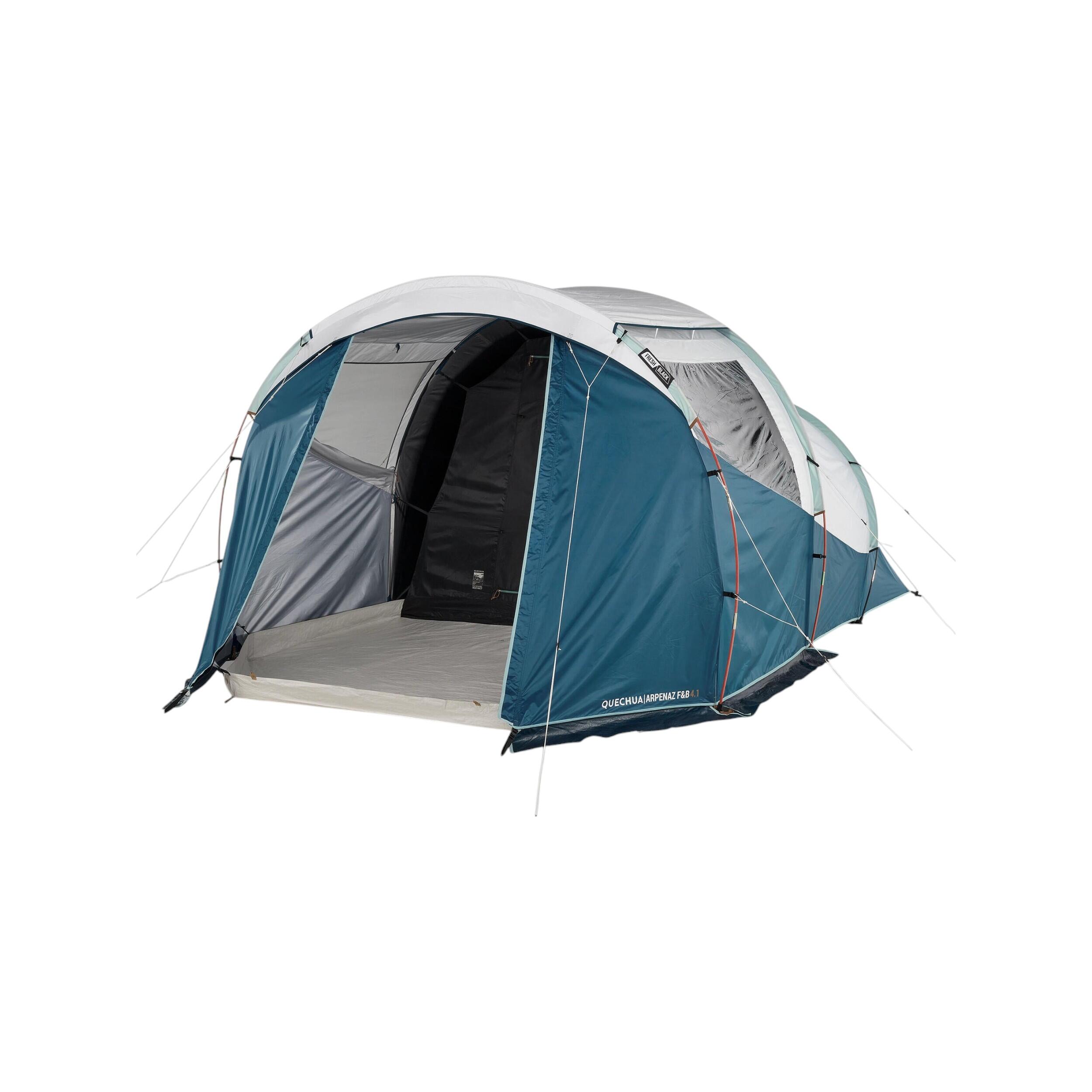
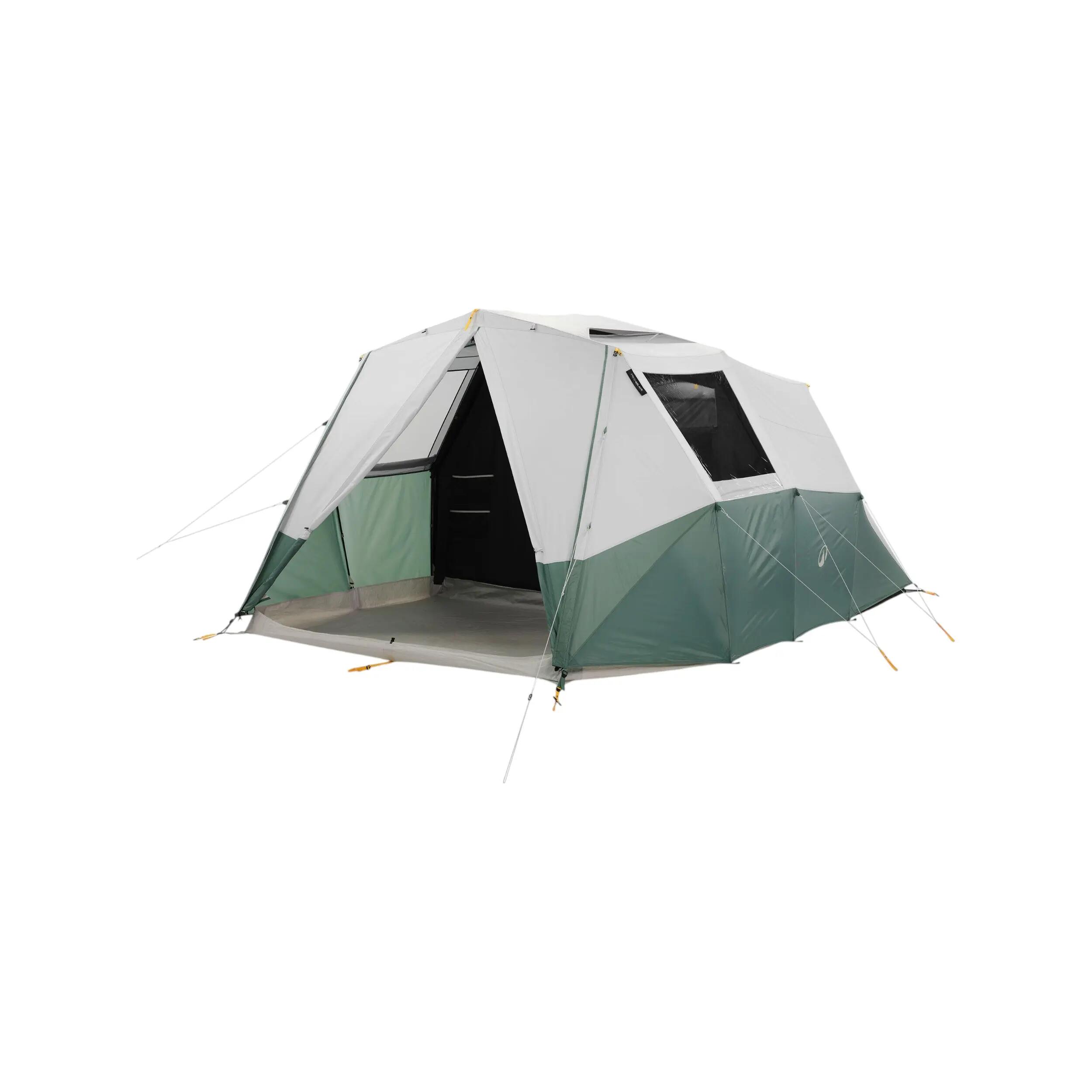
A teepee tent and a family tent both deliver group-sized sleeping and living space, but they differ in shape, layout, and the way they handle a typical week on the campsite. Teepee tents use the tall central pole to create a circular, open living space that's ideal for sitting, eating, and socialising together in one shared room. Family tents, by contrast, often split the interior into separate sleeping pods plus a central living area, which suits families needing privacy between adults, teens, and younger children. Choosing the layout that matches how your group actually spends its days is what lifts the holiday and, family tents, are a great choice for larger groups of people.

Should I consider an inflatable tent instead of a teepee tent?

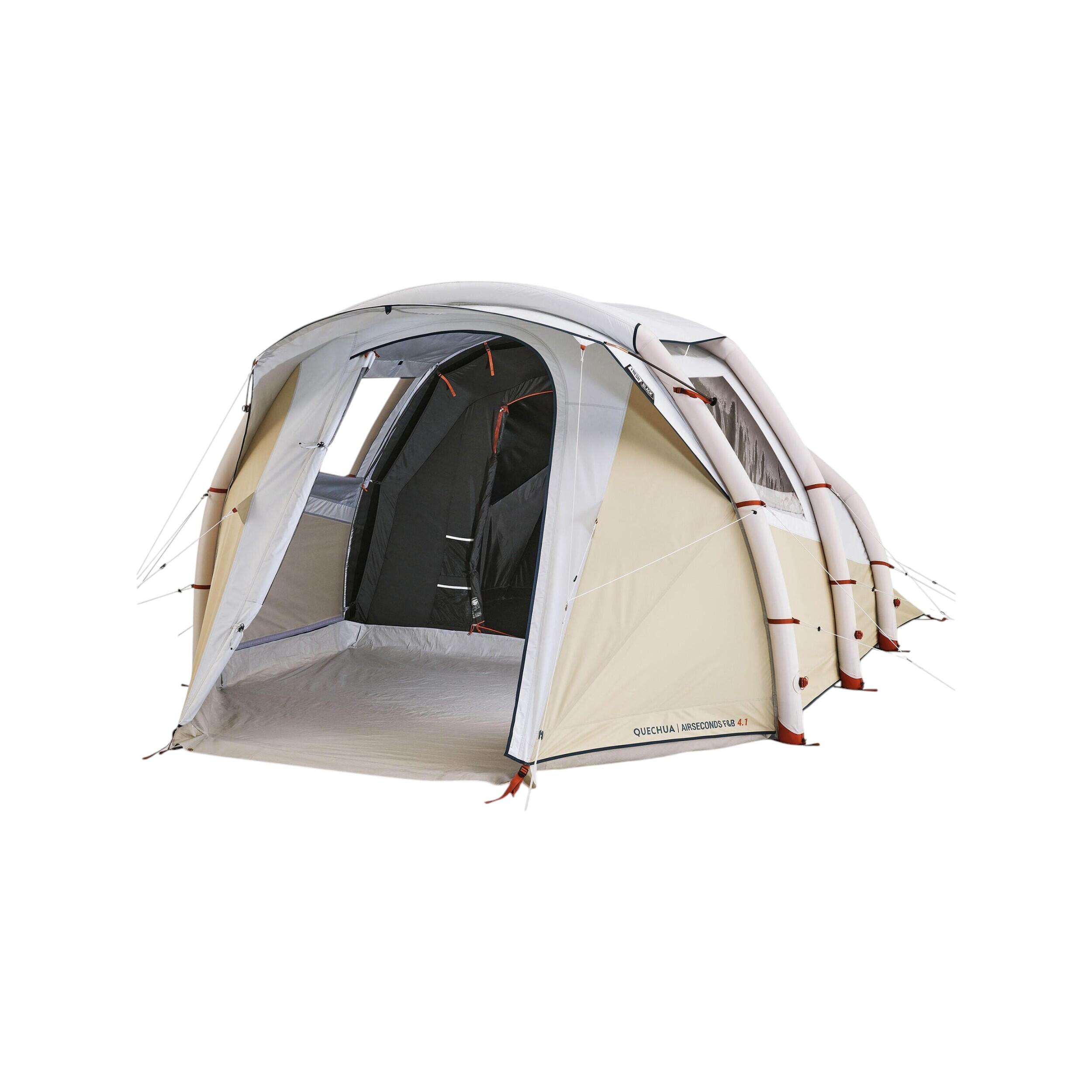
An inflatable tent makes sense instead of a teepee tent whenever quick pitching, easy setup, and a more traditional rectangular layout matter more than the tall, conical shape and shared living space a teepee delivers. Inflatable tents replace fibreglass or steel poles with air-filled beams that inflate in minutes using a pump, removing any need to thread poles through sleeves and letting one person pitch the whole tent alone. When you arrive on a busy holiday, a faster pitch leaves more time to set up the rest of the camp. The inflatable tents in Quechua's range cover 2-person, family, and large-group builds, all using air beams in place of poles.

How do pop-up tents compare with teepee tents for weekend trips?

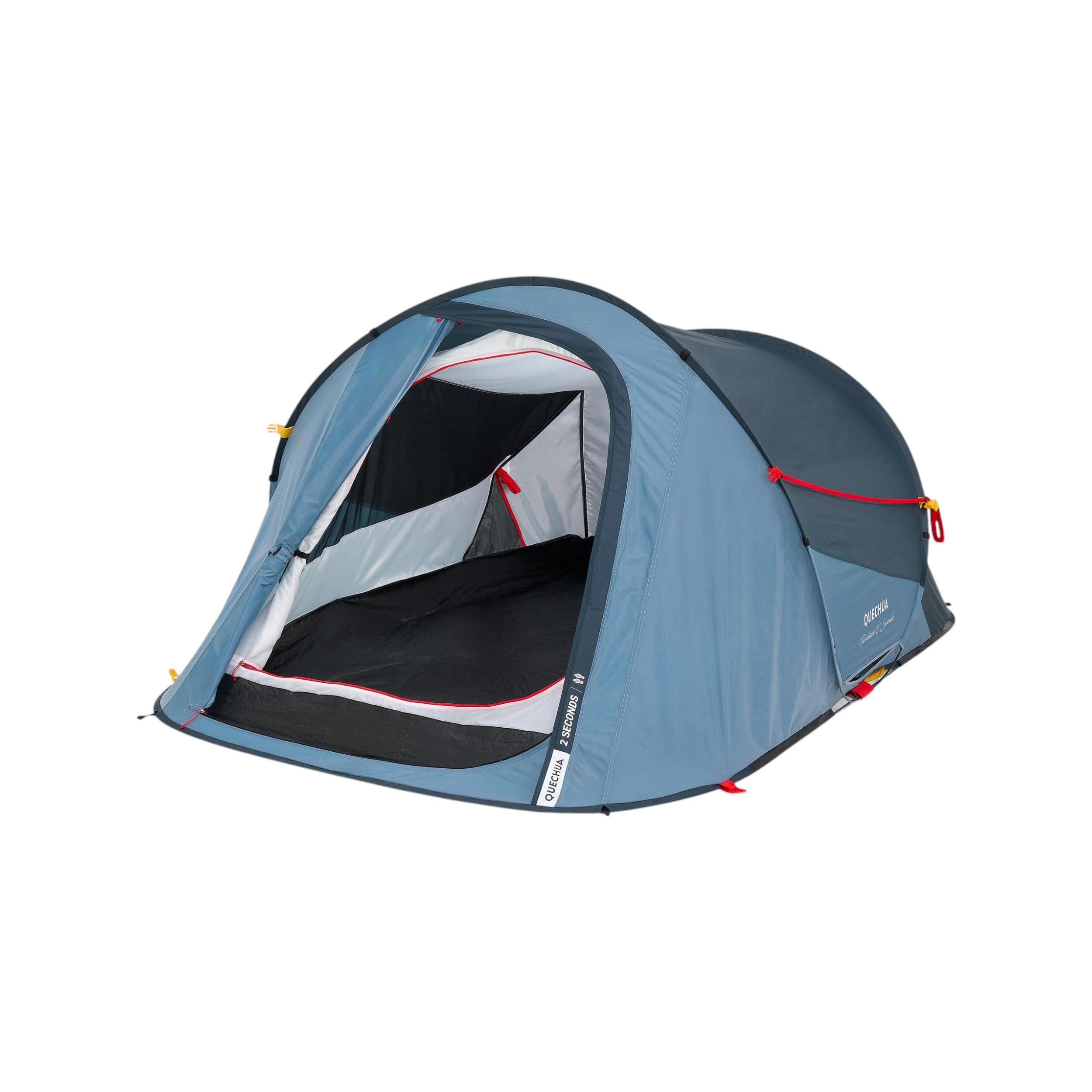
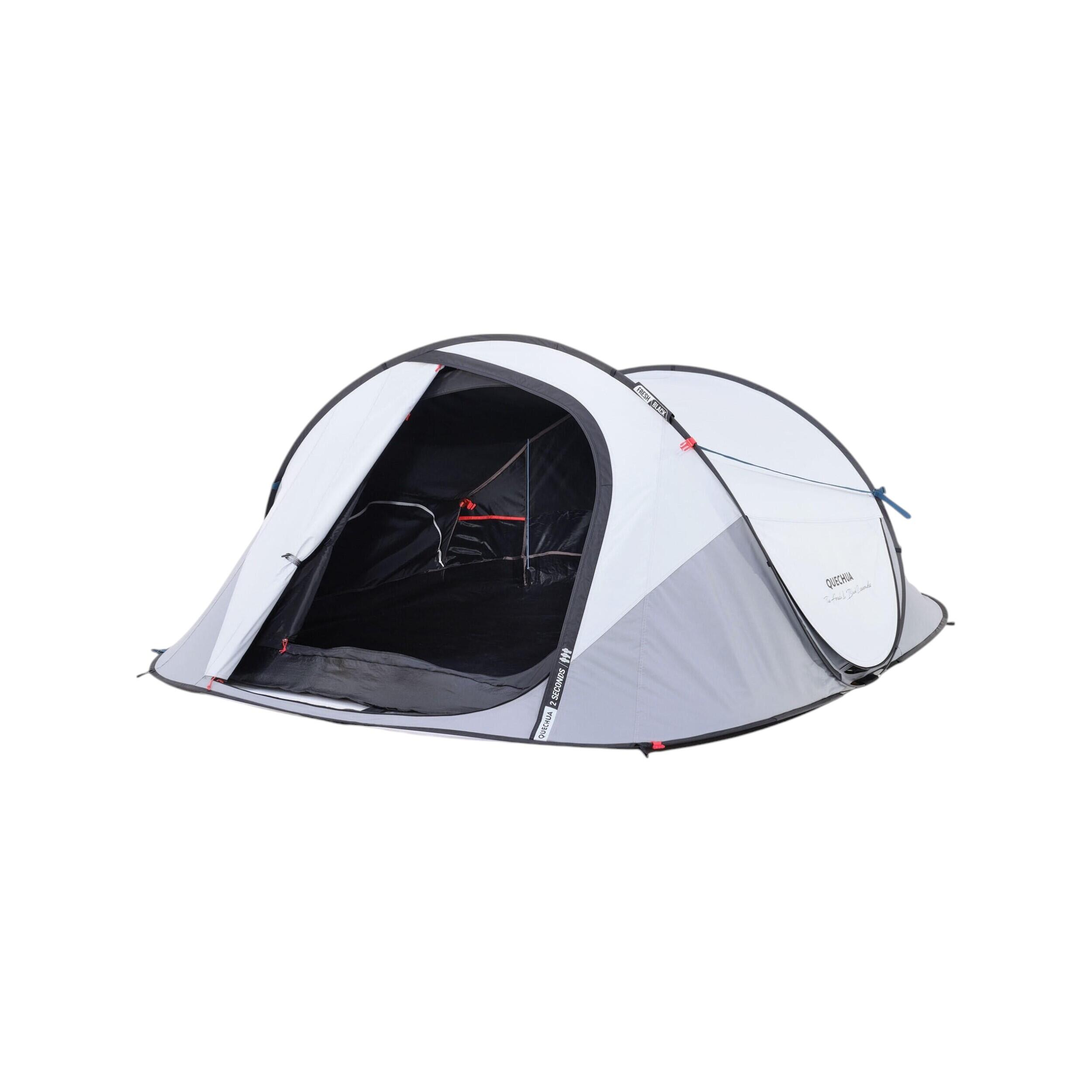
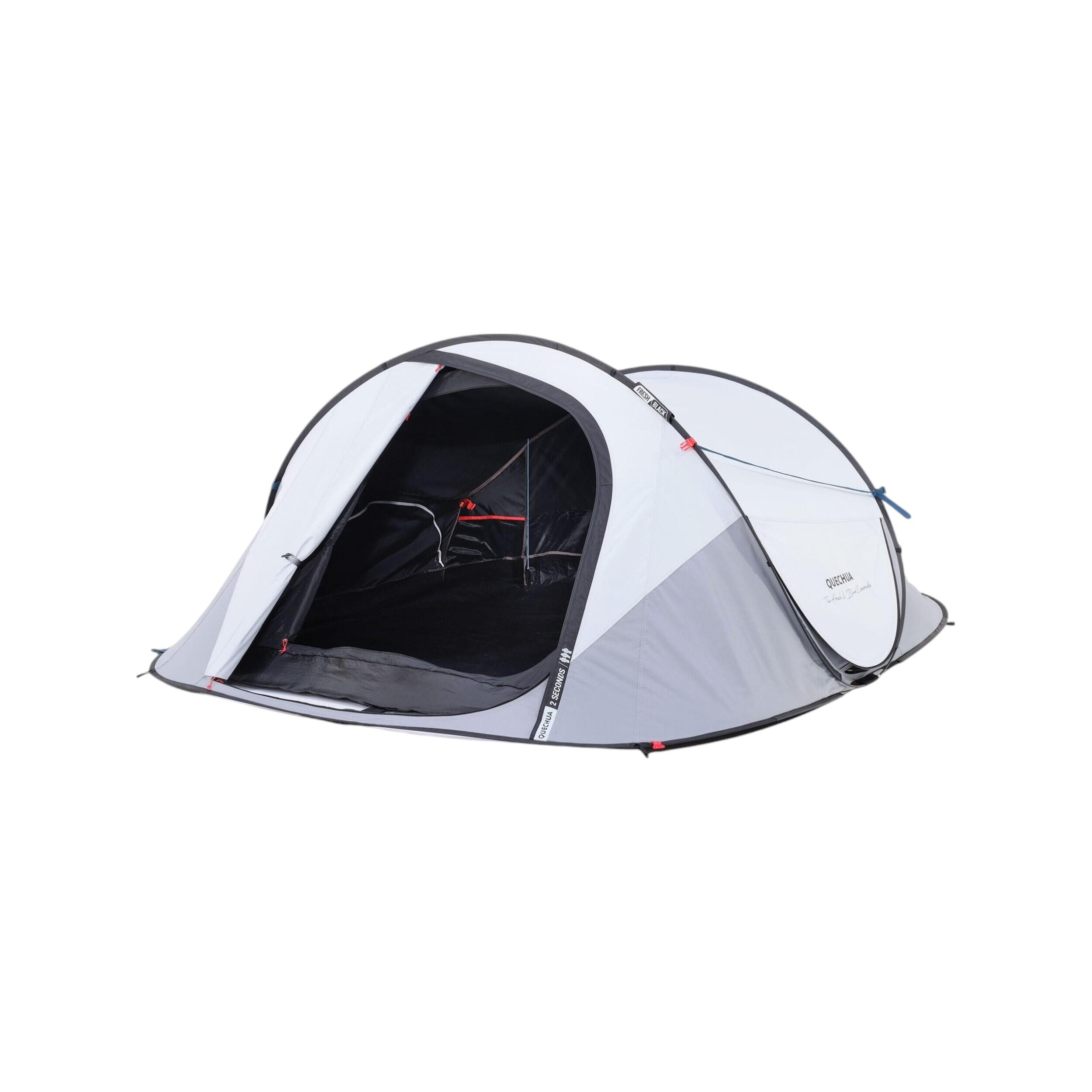
Pop-up tents and teepee tents both have their place over a camping season, but they handle very different jobs. Pop-up tents shine when you want the quickest possible pitch, since the pre-tensioned frame springs open the moment the bag is unzipped, perfect for festival trips, beach days, and overnight stays where speed beats every other consideration. Teepee tents pitch more slowly but reward you with far more living space, standing-height comfort, and weather resistance for proper camping holidays of several nights. The trick is to pick the tent that suits the trip rather than ask one tent to do everything. For more options, view the complete series of pop-up tents made in 2-person, 3-person, and family sizes.

How do teepee tents fit into a broader range of tent options across the season?

Teepee tents sit within a wider line-up of tents that covers every camping use case through the year, from quick festival weekends to extended family holidays outdoors. Festival tents earn their place at the lighter, faster-pitching end, where setup speed, pack size, and price count for more than long-term durability over many seasons. Teepees, family tents, and inflatable tents sit further up the scale for proper holiday camping. If you're buying for the long haul, think about the trips ahead rather than settling for a one-size-fits-all option. Get a closer look at the festival tents line from Quechua, which includes pop-up, dome, and lightweight builds.