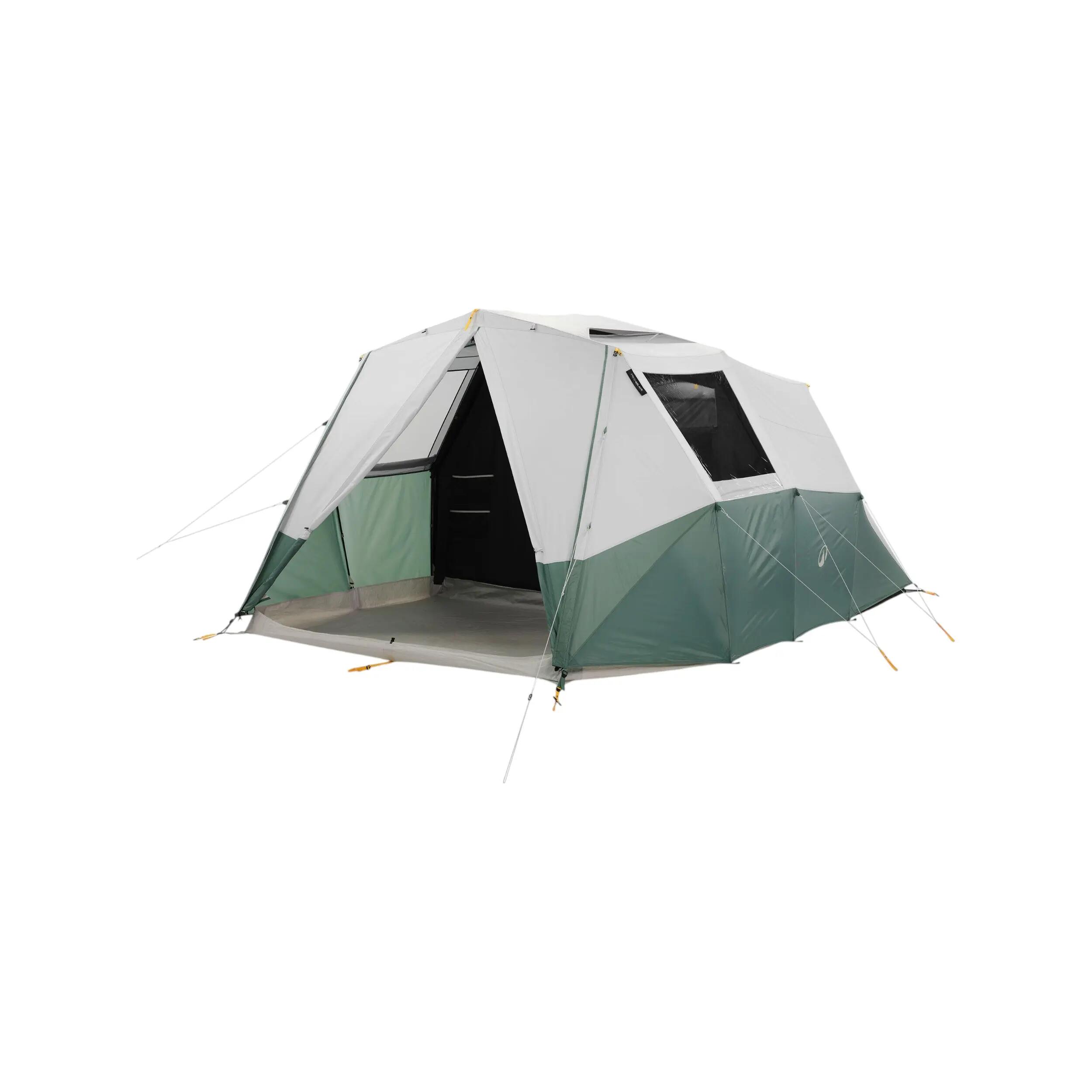
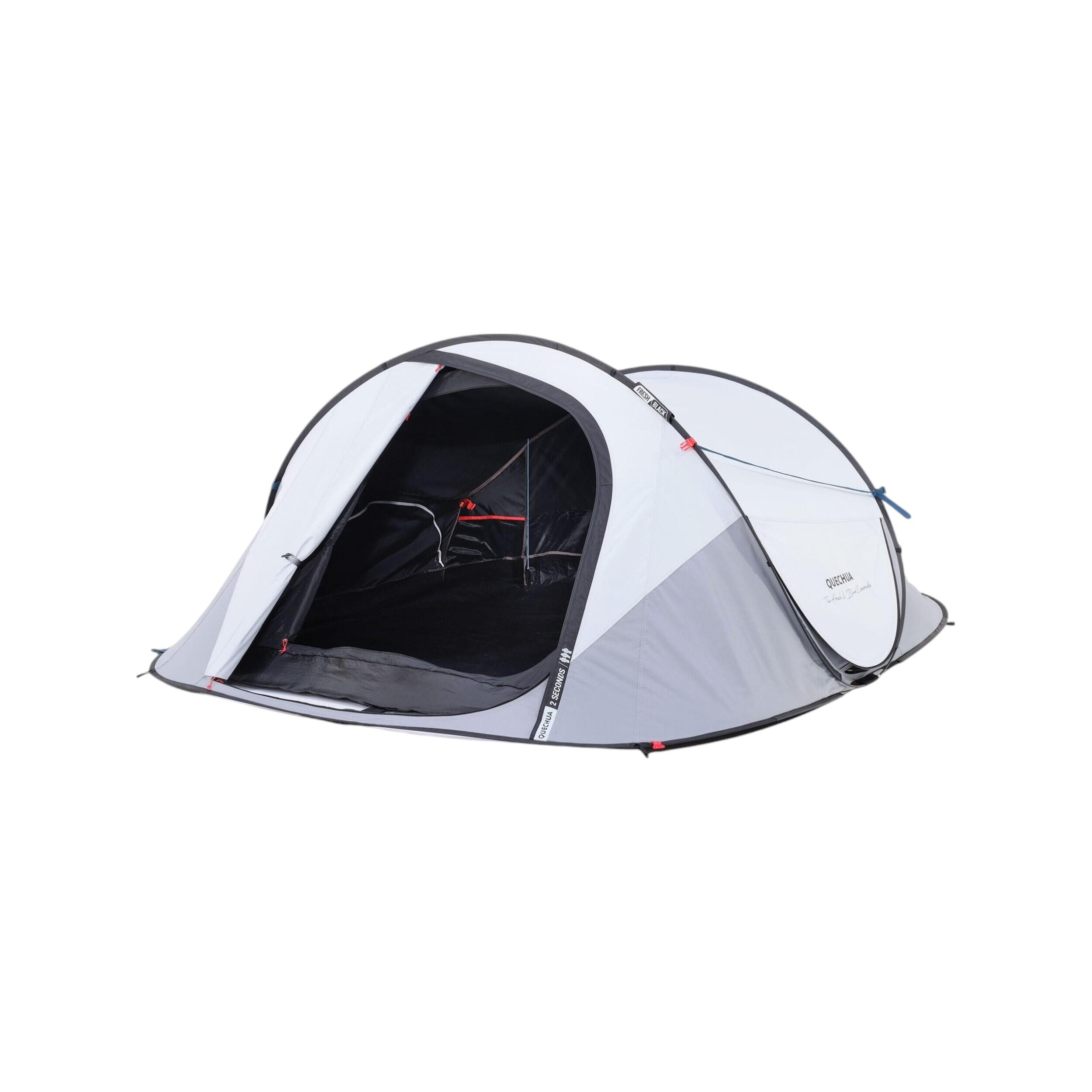
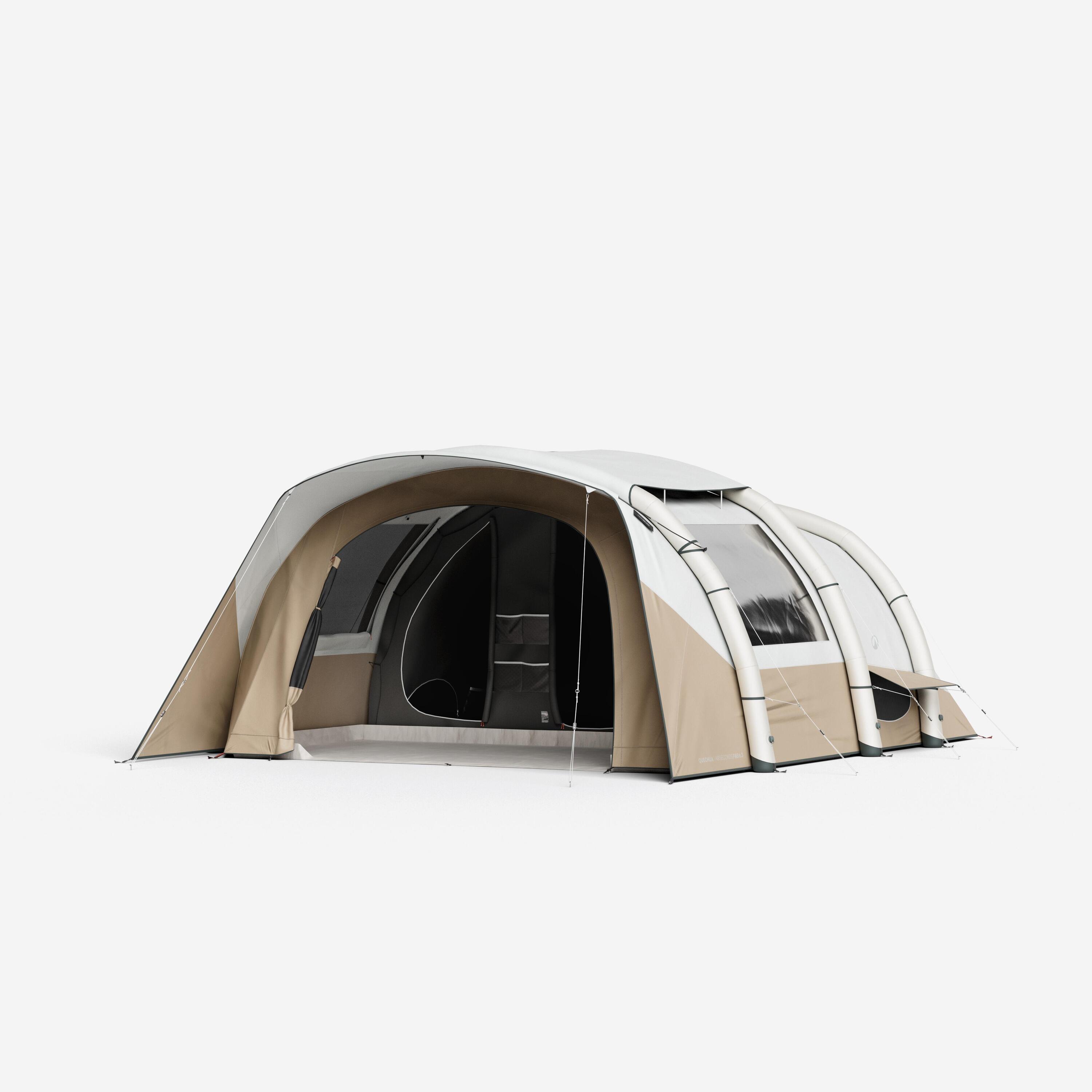
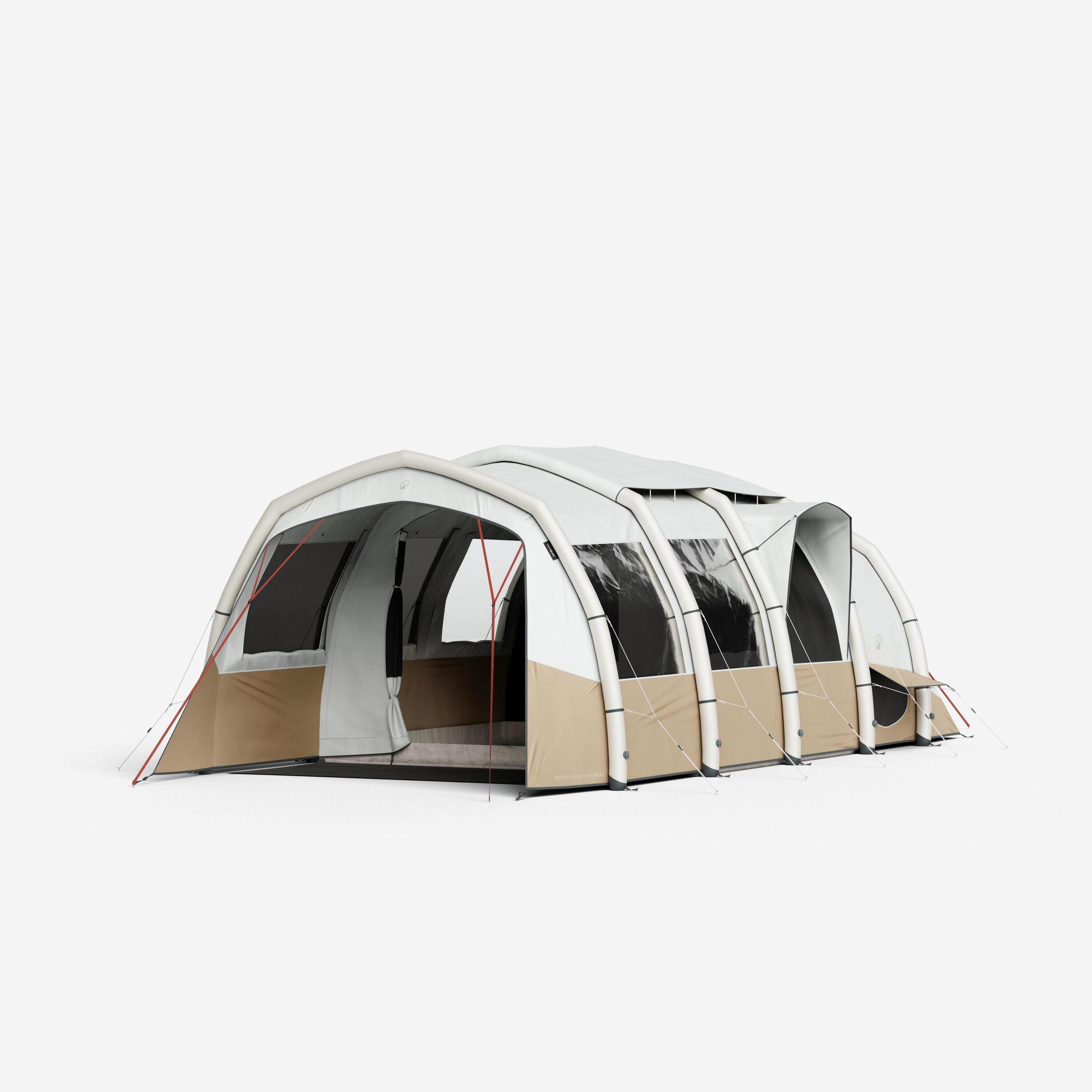
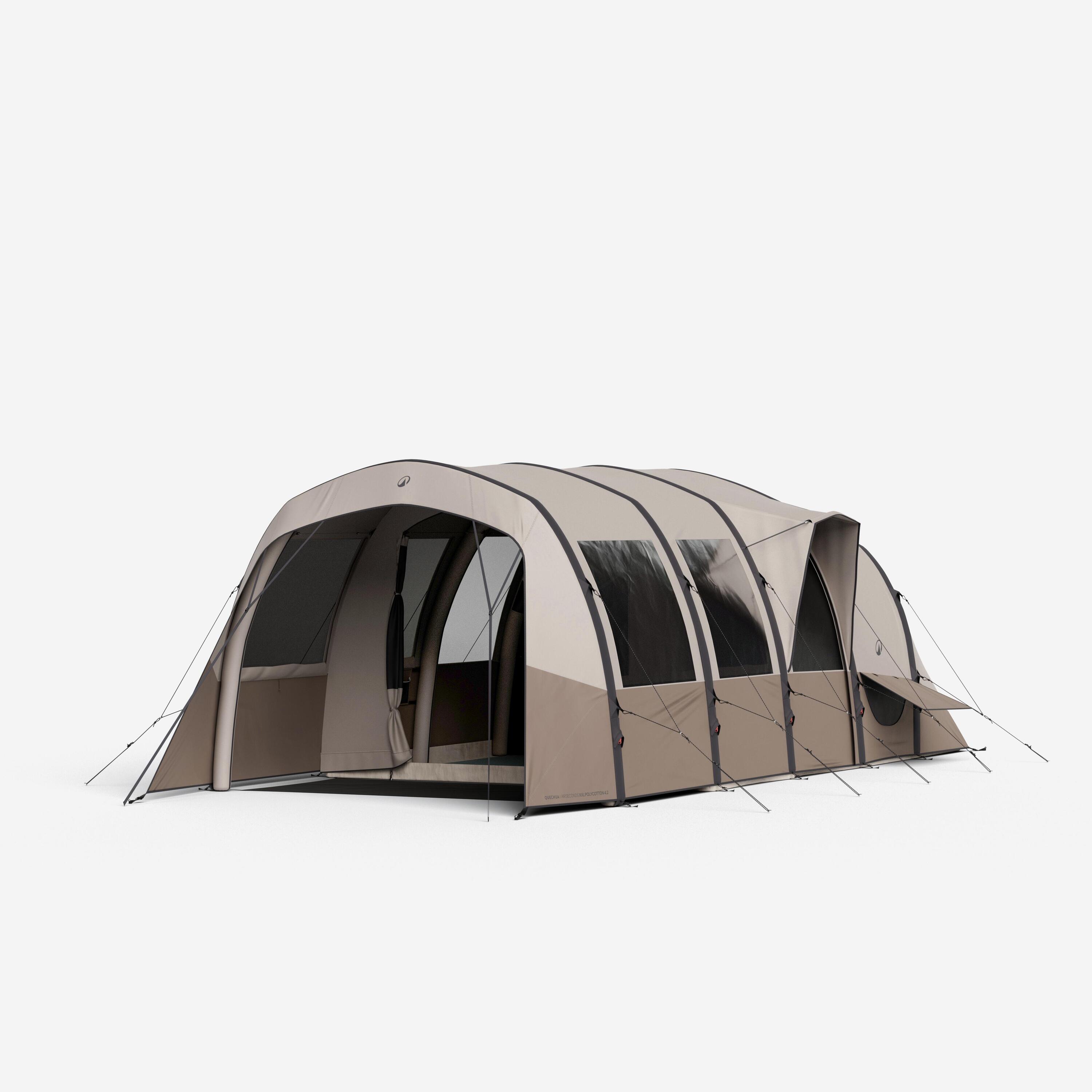
QUECHUA 6-person, 3-bedroom inflatable camping tent, Air Seconds 6.3, Fresh & Black4.8(88)Reviews.votesAriaCurrent price {{currentPrice}} €670.00
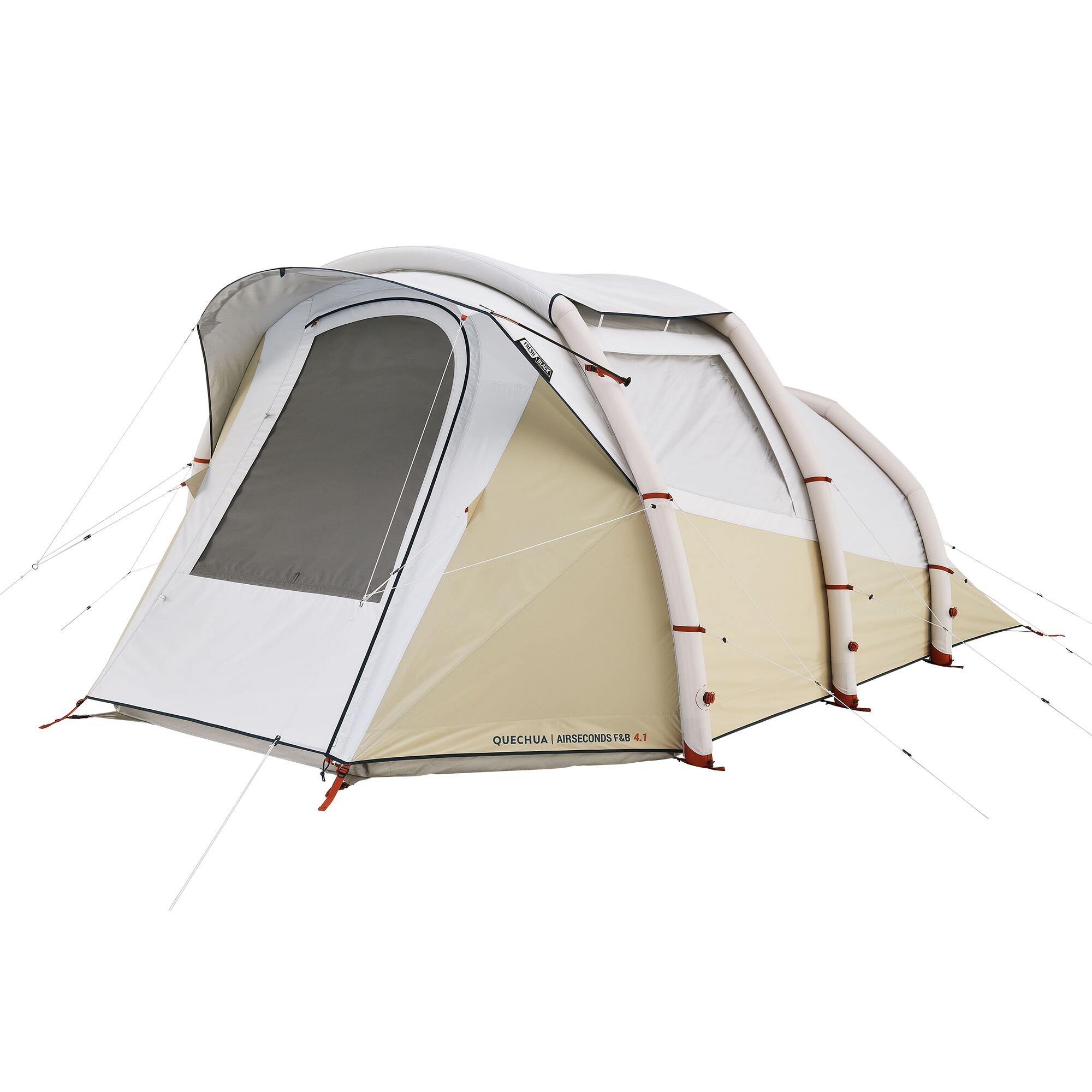
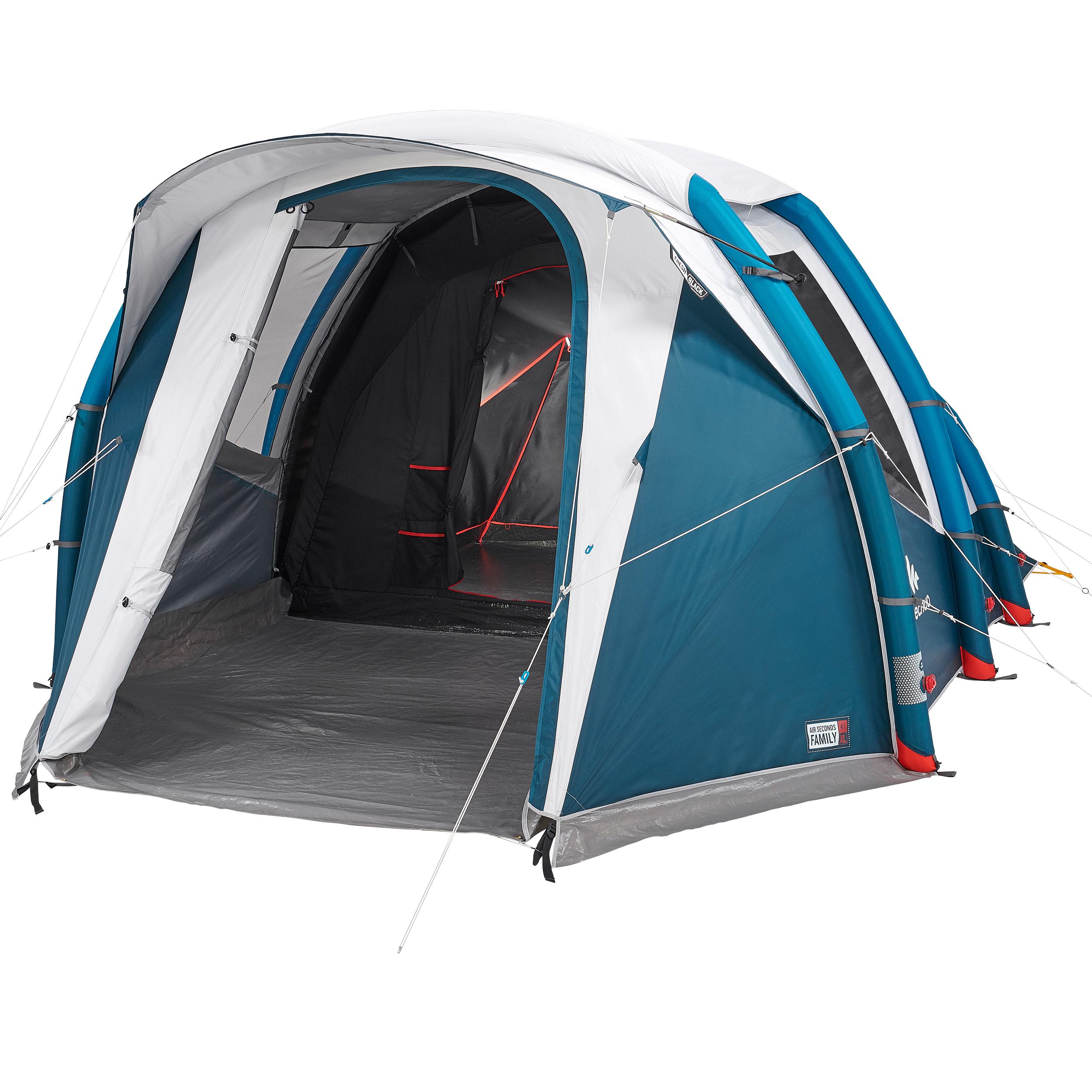
QUECHUA Inflatable 4-person camping tent, Air Seconds 4.1 Fresh & Black - Beige4.7(1,250)Reviews.votesAriaCurrent price {{currentPrice}} €360.00
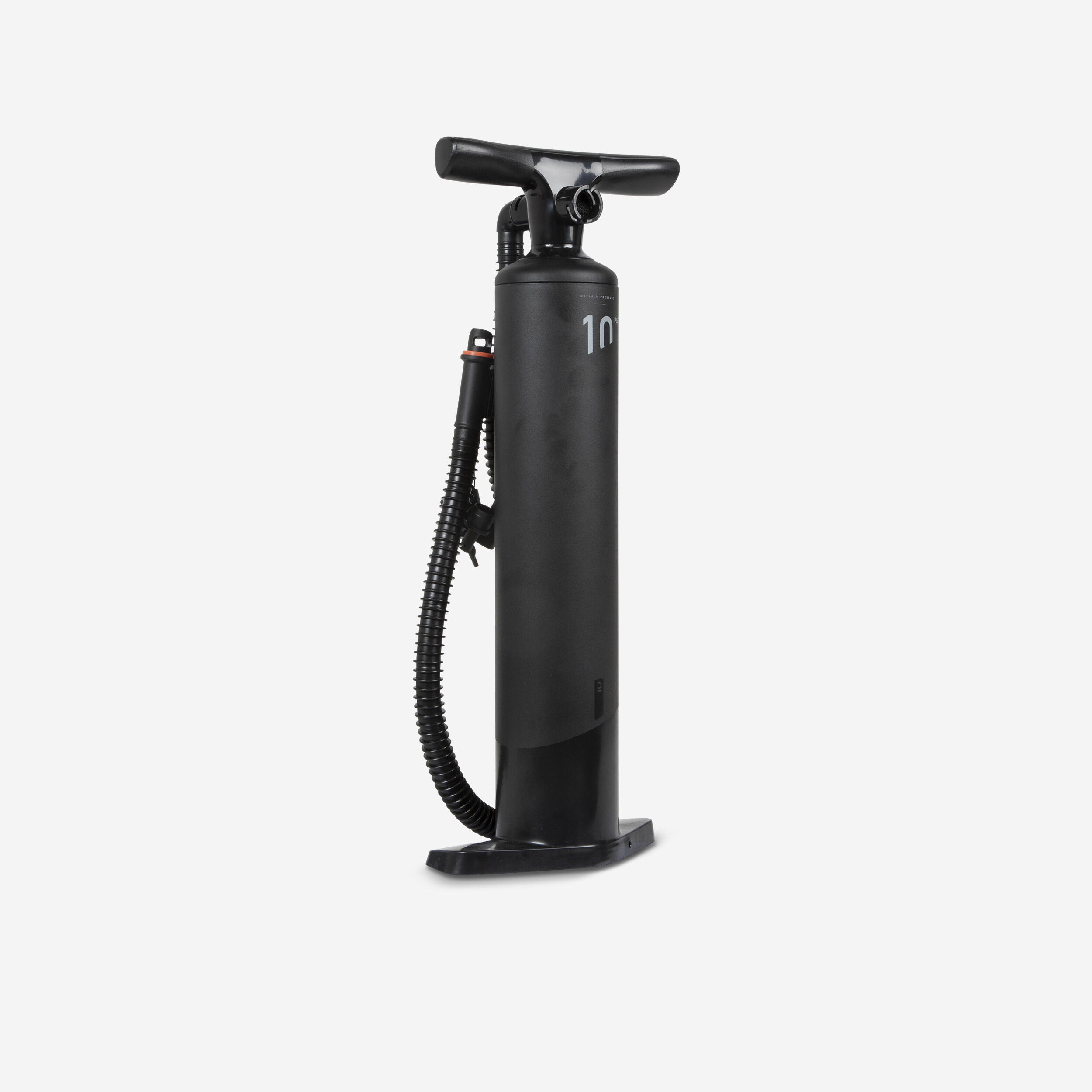
QUECHUA CAMPING HAND PUMP - ULTIM COMFORT 10 PSI - RECOMMENDED FOR INFLATABLE TENT4.7(1,346)Reviews.votesAriaCurrent price {{currentPrice}} €26.00
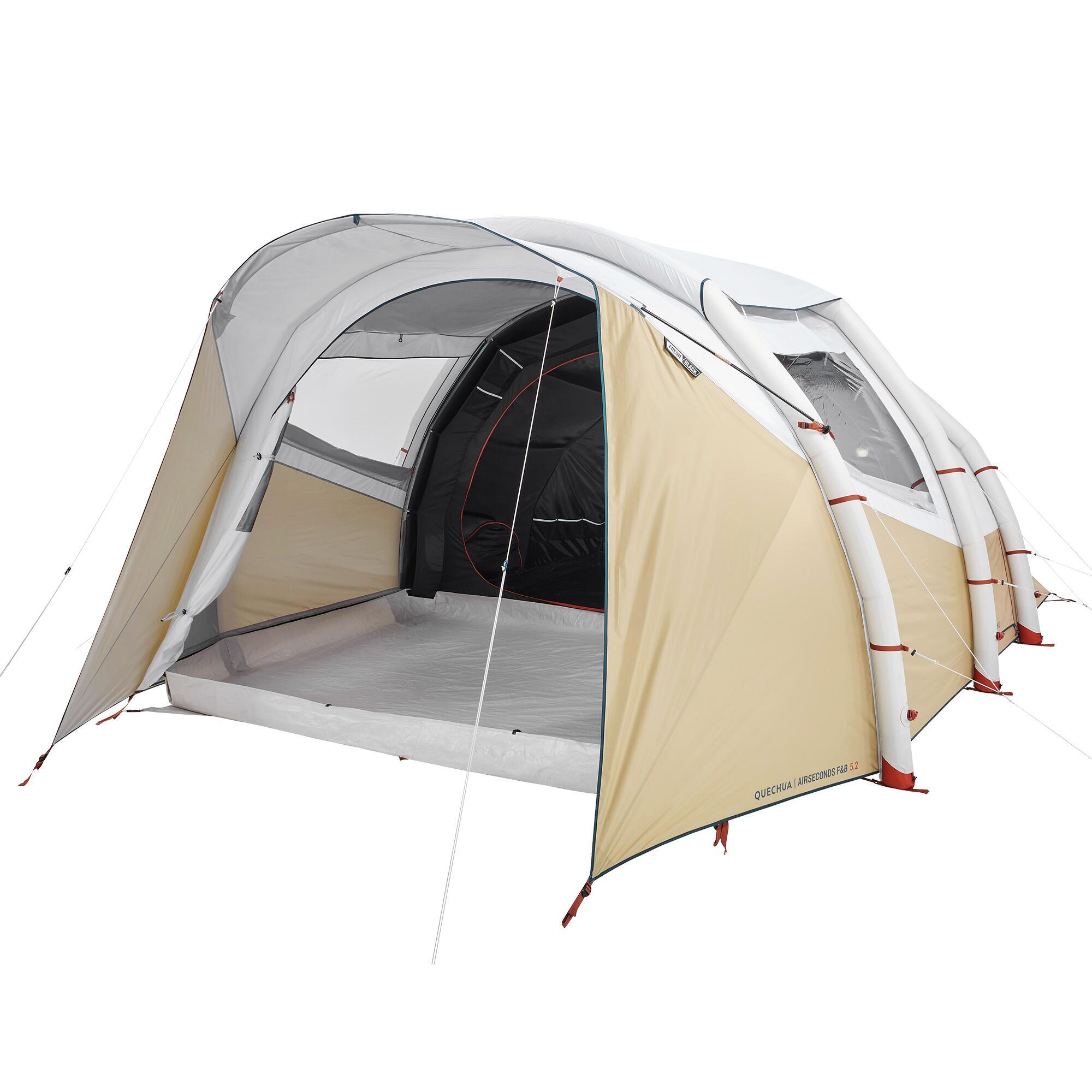
QUECHUA 5-person, 2-bedroom inflatable camping tent Air Seconds 5.2, Fresh & Black4.6(380)Reviews.votesAriaCurrent price {{currentPrice}} €560.00
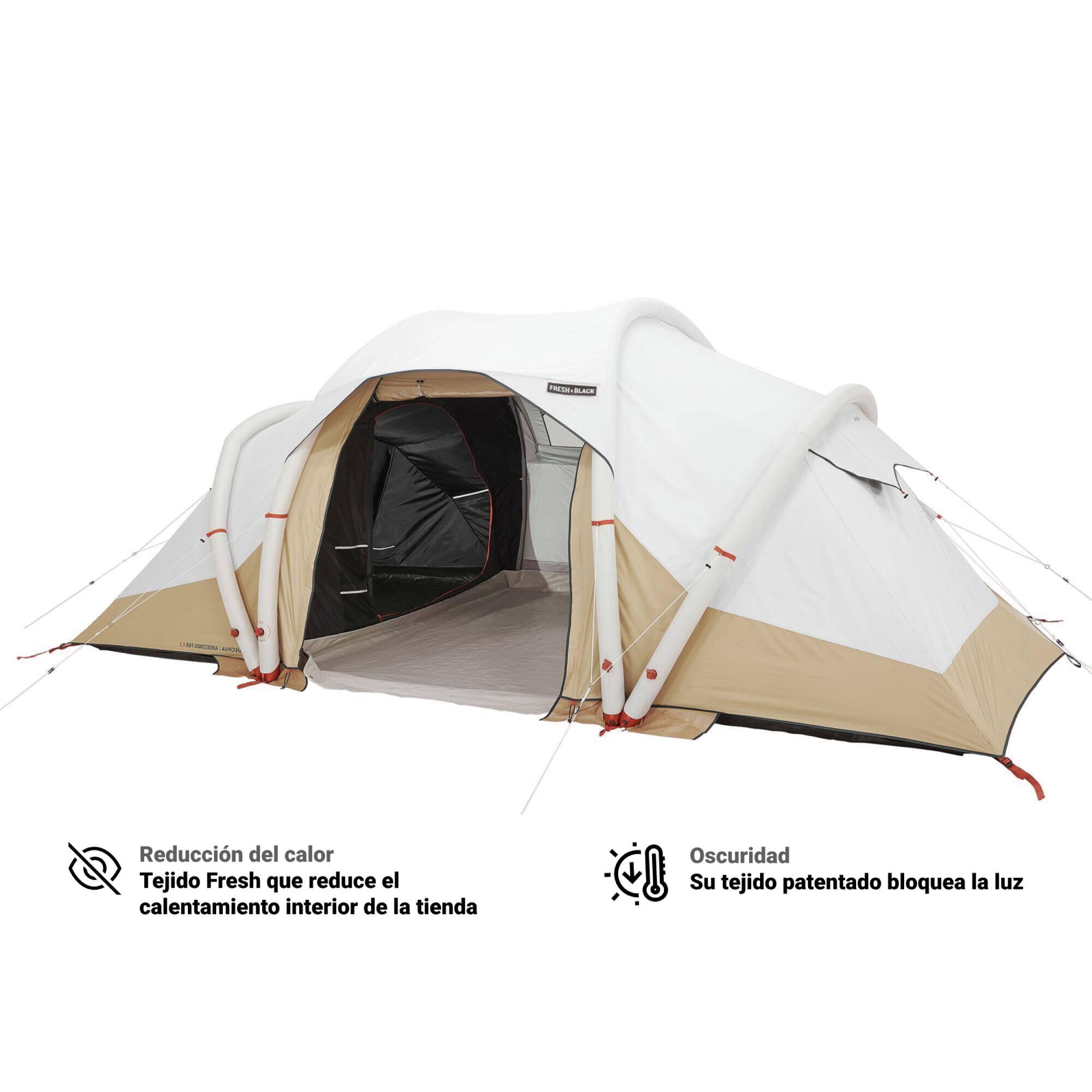
BF Early Access €360 BF Early Access €360BF Early Access €360QUECHUA 4-person, 2-bedroom inflatable camping tent, Air Seconds 4.2, Fresh & Black4.7(365)Reviews.votesAriaCurrent price {{currentPrice}} €460.00
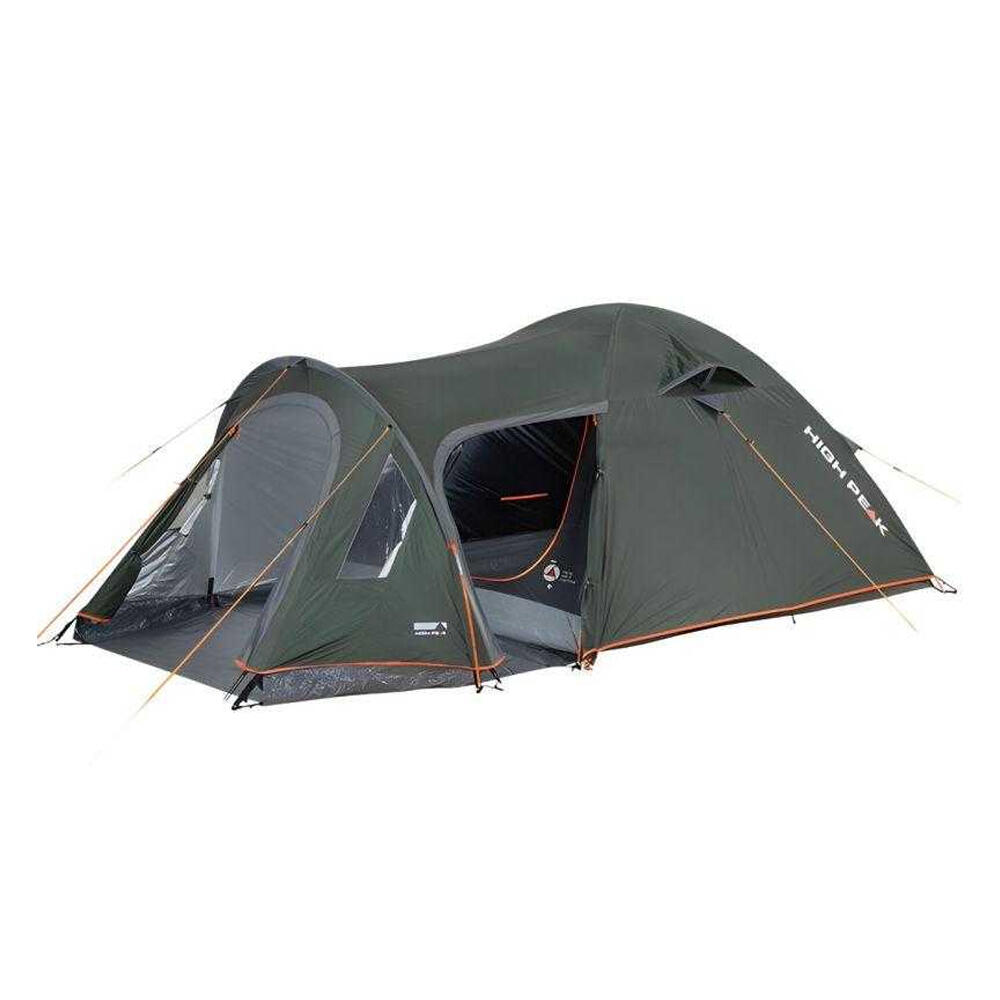
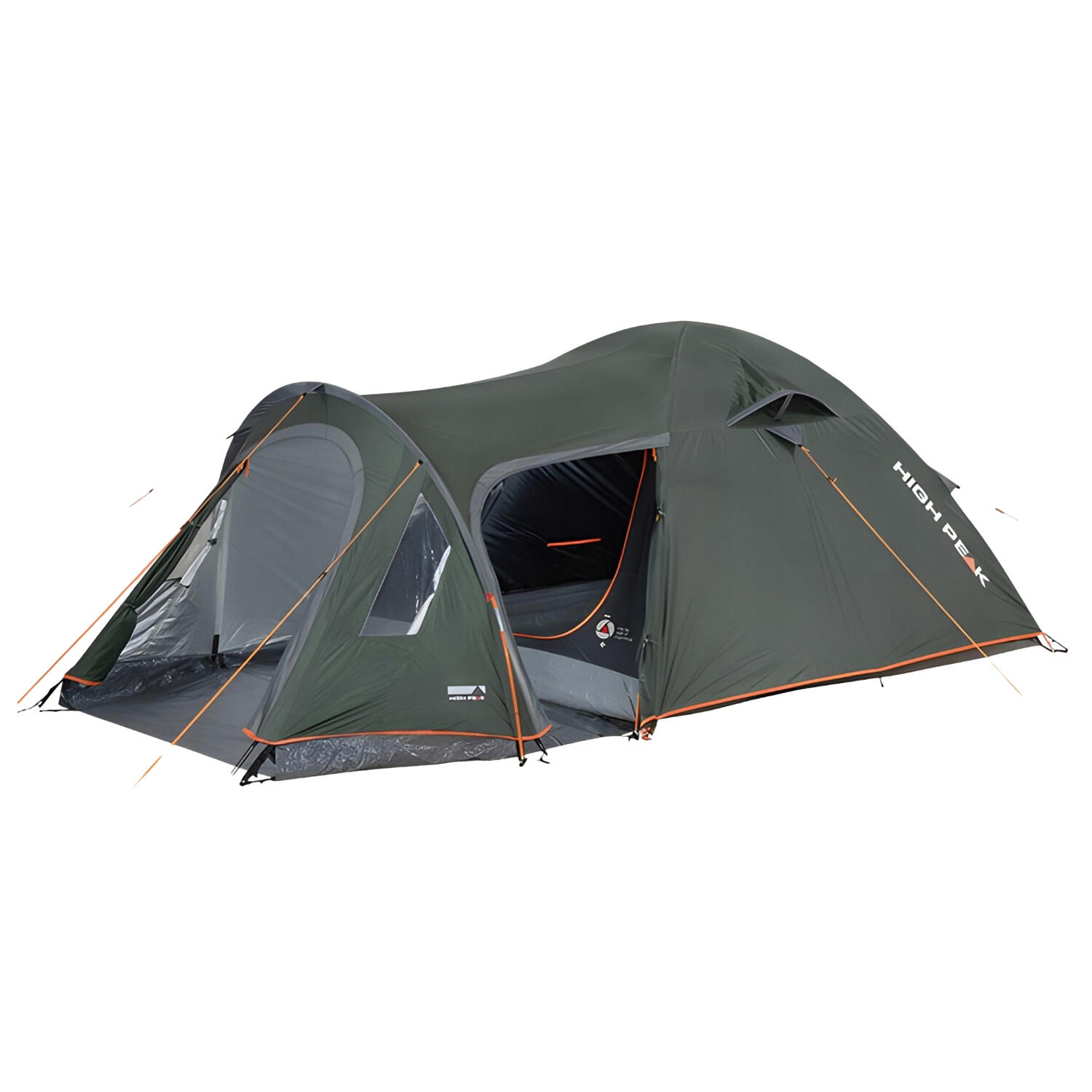
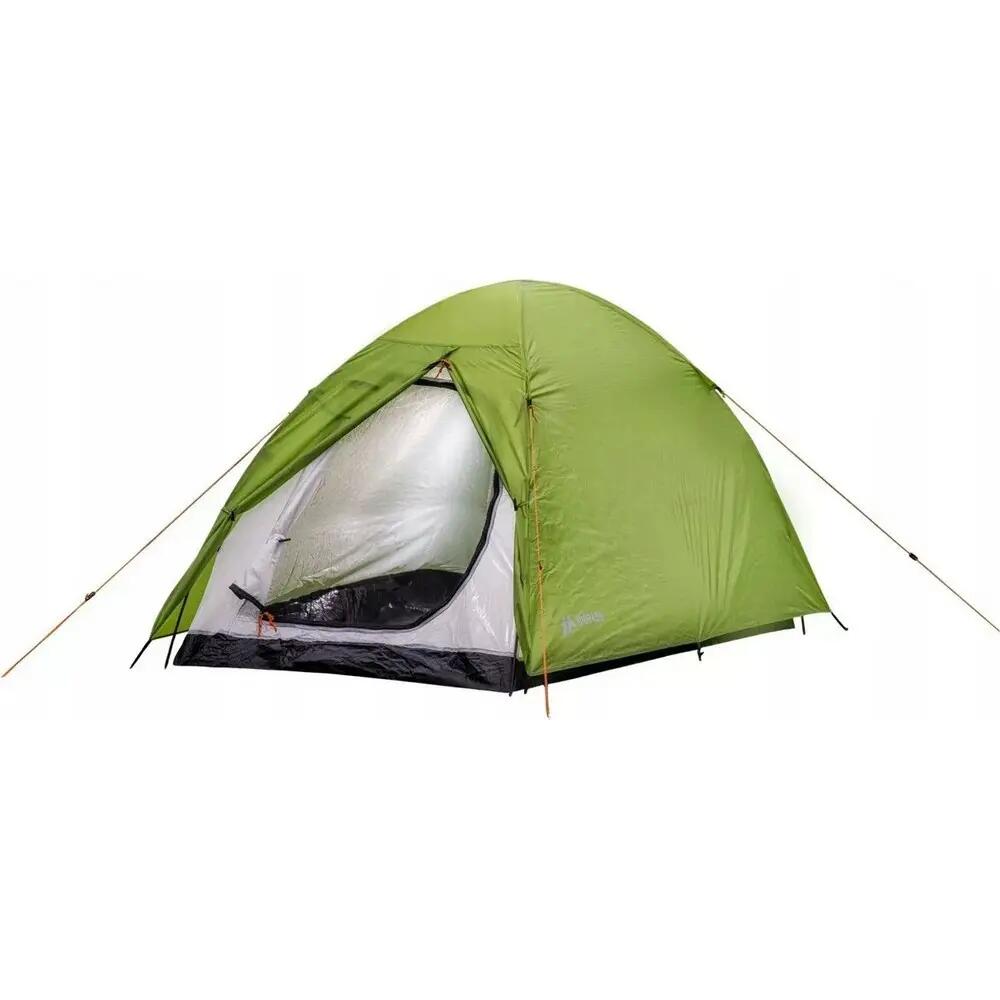
Marketplace -Online Only Marketplace -Online OnlyMarketplace -Online OnlyHIGH PEAK Kira 3.1 Dome Tent (Green)Current price {{currentPrice}} €166.15€166.15/unitSold and shipped by Sports Lab IE
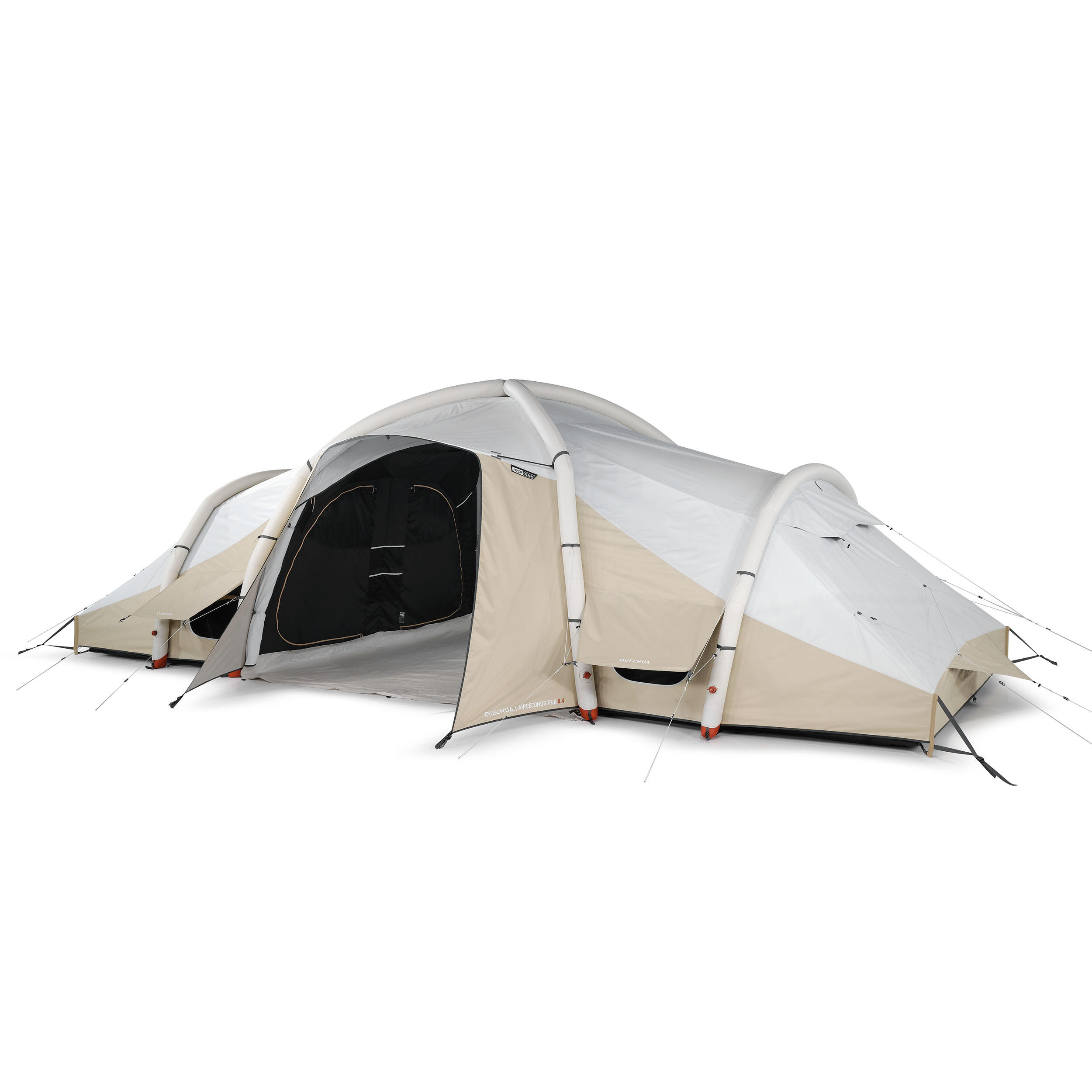
New Lower Price New Lower PriceNew Lower PriceQUECHUA 8-person, 4-bedroom inflatable camping tent, Air Seconds 8.4, Fresh & Black4.5(100)Reviews.votesAriaCurrent price {{currentPrice}} €890.00 Former price Was €910.00Lowest price: €910.00
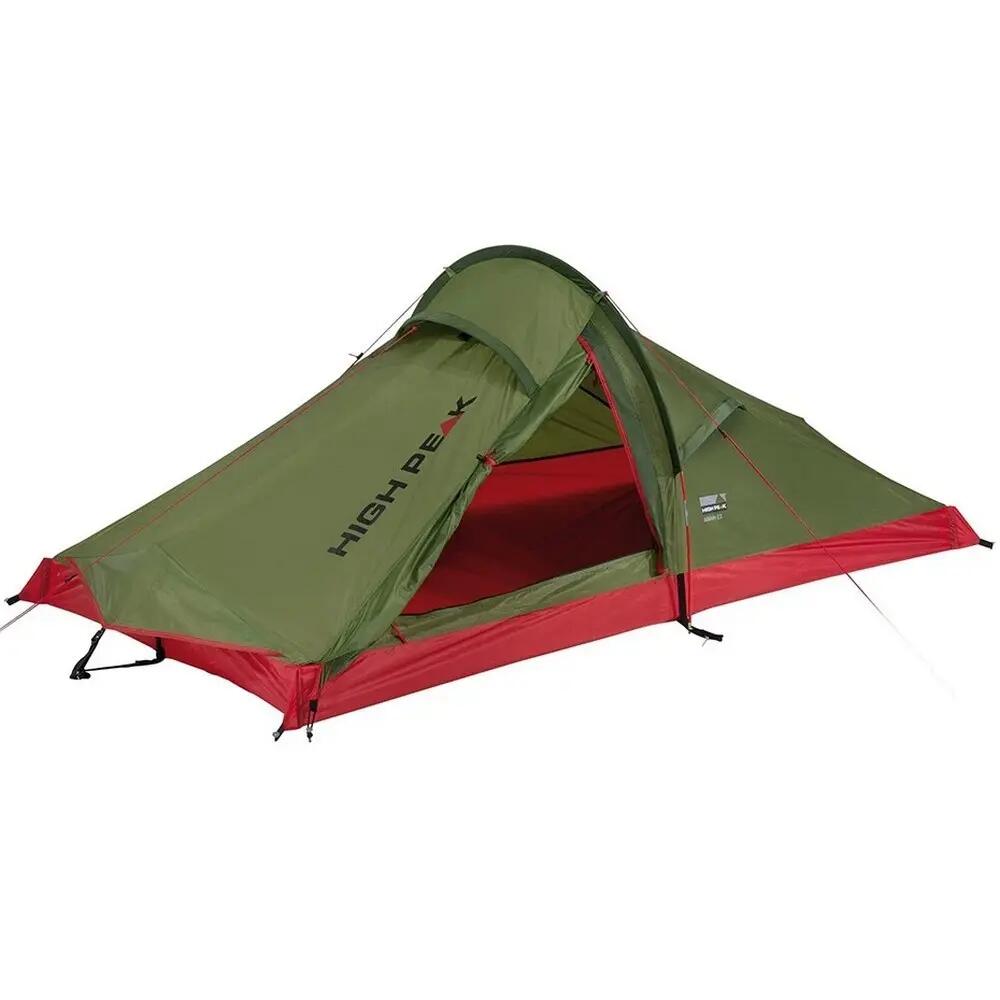
Marketplace -Online Only Marketplace -Online OnlyMarketplace -Online OnlyHIGH PEAK Siskin 2.0 2 Person Tent (Green)2.9(9)Reviews.votesAriaCurrent price {{currentPrice}} €126.75€126.75/unitSold and shipped by Sports Lab IE
QUECHUA 4-person, 2-bedroom inflatable camping tent, Air Seconds 4.2 XXL, Fresh & Black4.8(30)Reviews.votesAriaCurrent price {{currentPrice}} €810.00
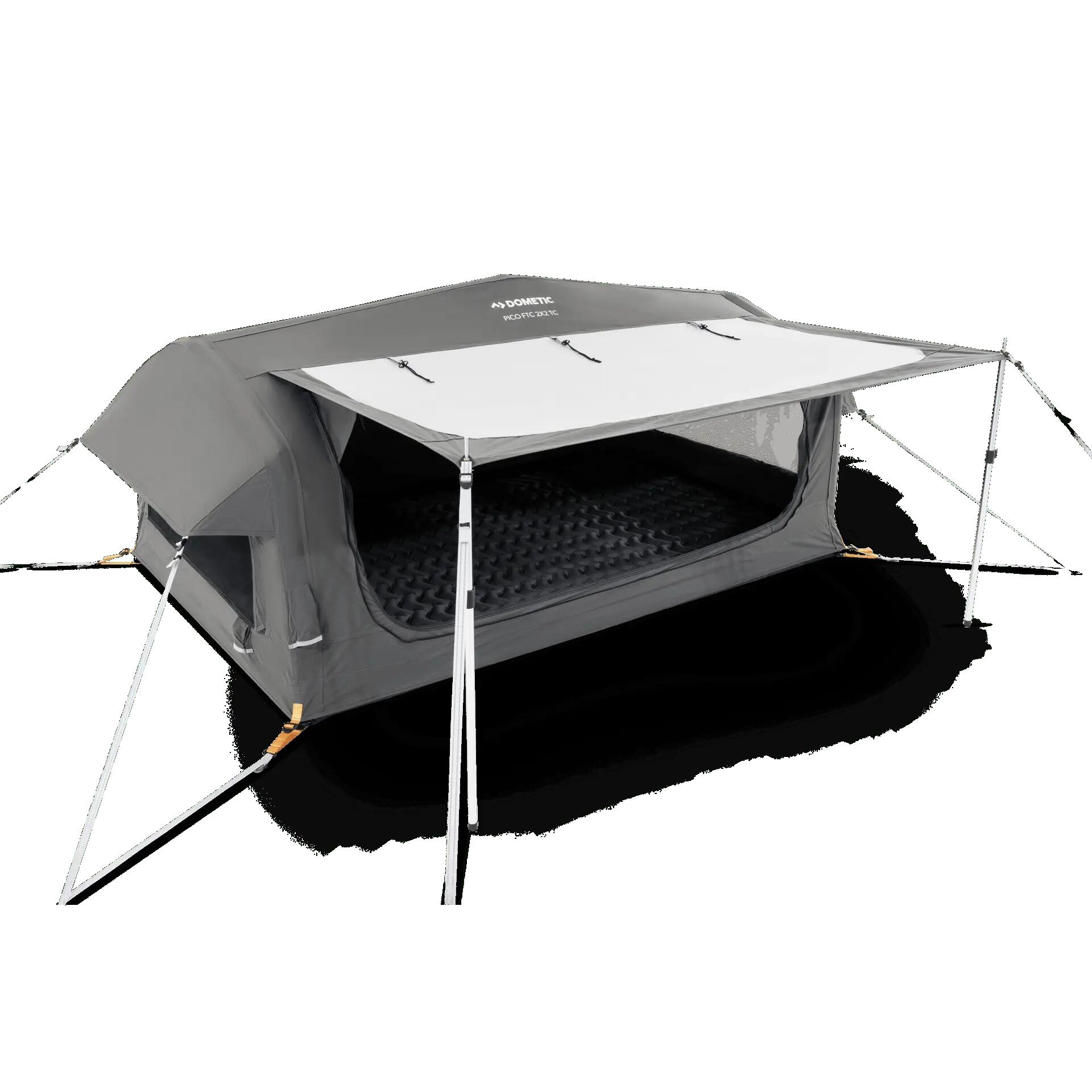
Marketplace -Online Only Marketplace -Online OnlyMarketplace -Online OnlyDOMETIC Dometic Pico FTC 2X2 TC Inflatable Camping Tent, 2-PersonCurrent price {{currentPrice}} €578.99Sold and shipped by Sportano EU
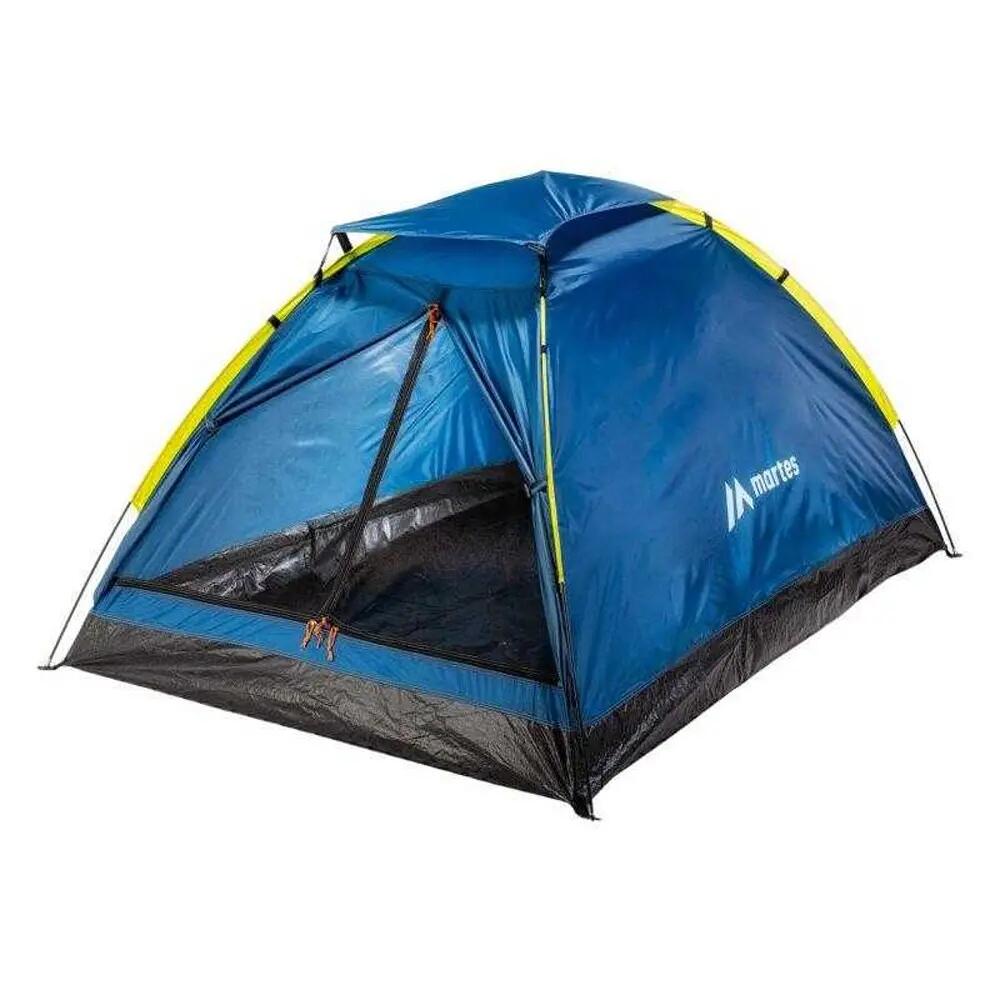
Marketplace -Online Only Marketplace -Online OnlyMarketplace -Online OnlyMARTES Tentino II 2 Person Tent (Navy Blue)Current price {{currentPrice}} €44.15Sold and shipped by Sports Lab IE
QUECHUA Inflatable 4-person, 2-bedroom camping tent, Air Seconds 4.2 XXL, Polycotton5(1)Reviews.votesAriaCurrent price {{currentPrice}} €1,650.00
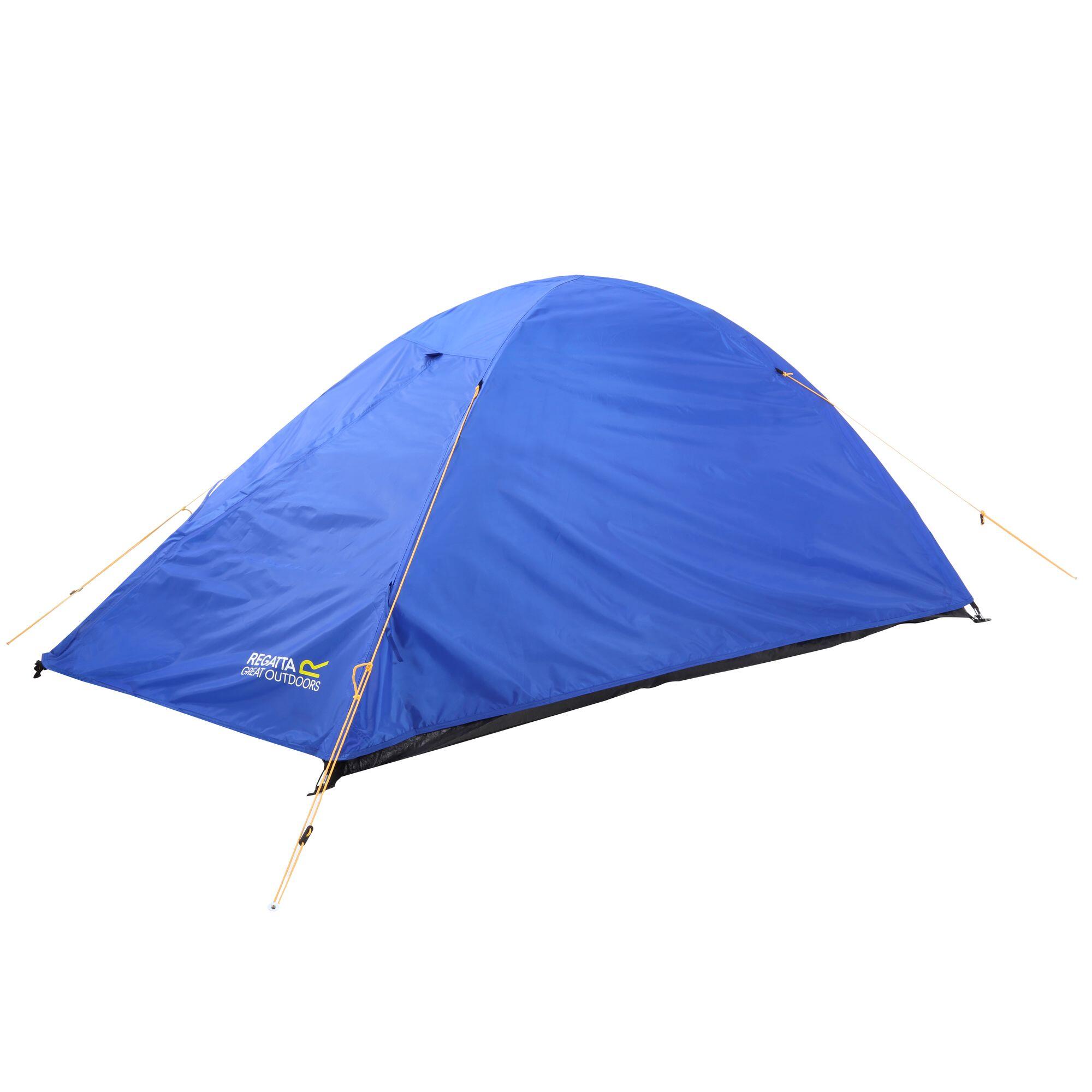
Marketplace -Online Only Marketplace -Online OnlyMarketplace -Online OnlyREGATTA Great Outdoors Zeefast 2 Man Festival Tent (Oxford Blue)Current price {{currentPrice}} €66.93Sold and shipped by Pertemba IE
Marketplace -Online Only Marketplace -Online OnlyMarketplace -Online OnlyHIGH PEAK Kira 4.1 Dome Tent (Green)3(3)Reviews.votesAriaCurrent price {{currentPrice}} €224.82€224.82/unitSold and shipped by Pertemba IE
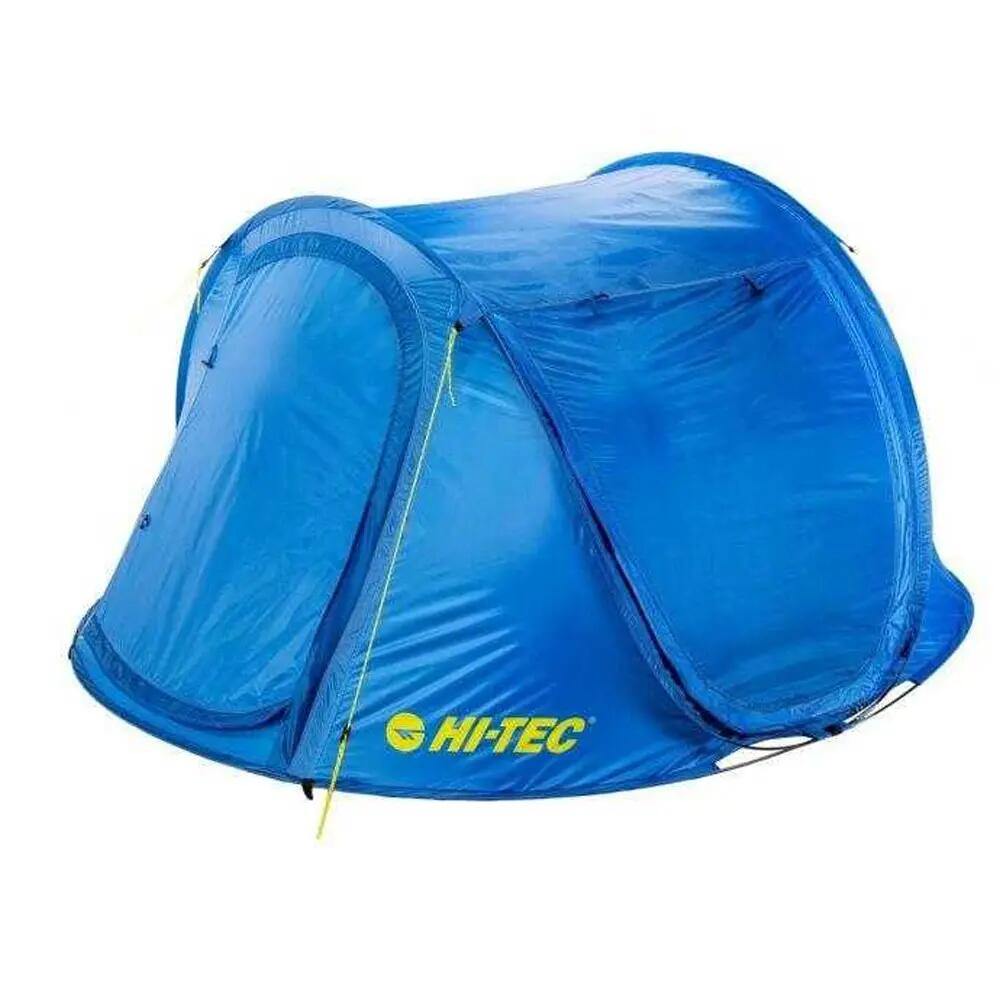
Marketplace -Online Only Marketplace -Online OnlyMarketplace -Online OnlyHI-TEC Gloi 3 Person PopUp Tent (Blue)Current price {{currentPrice}} €114.50Sold and shipped by Sports Lab IE
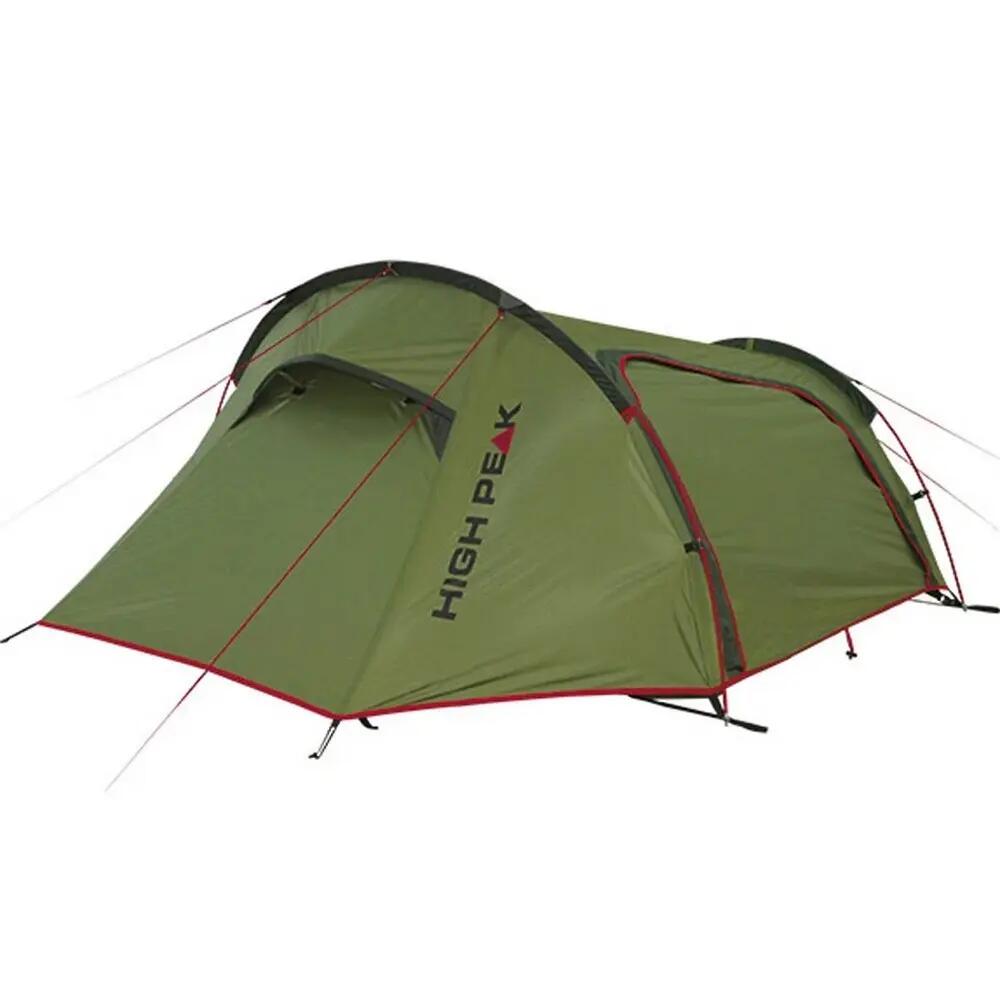
Marketplace -Online Only Marketplace -Online OnlyMarketplace -Online OnlyHIGH PEAK Sparrow 2 Person Tent (Green)3.3(3)Reviews.votesAriaCurrent price {{currentPrice}} €153.95€153.95/unitSold and shipped by Sports Lab IE
Marketplace -Online Only Marketplace -Online OnlyMarketplace -Online OnlyMARTES Bivak 2 Person Dome Tent (Green)Current price {{currentPrice}} €61.75Sold and shipped by Sports Lab IE
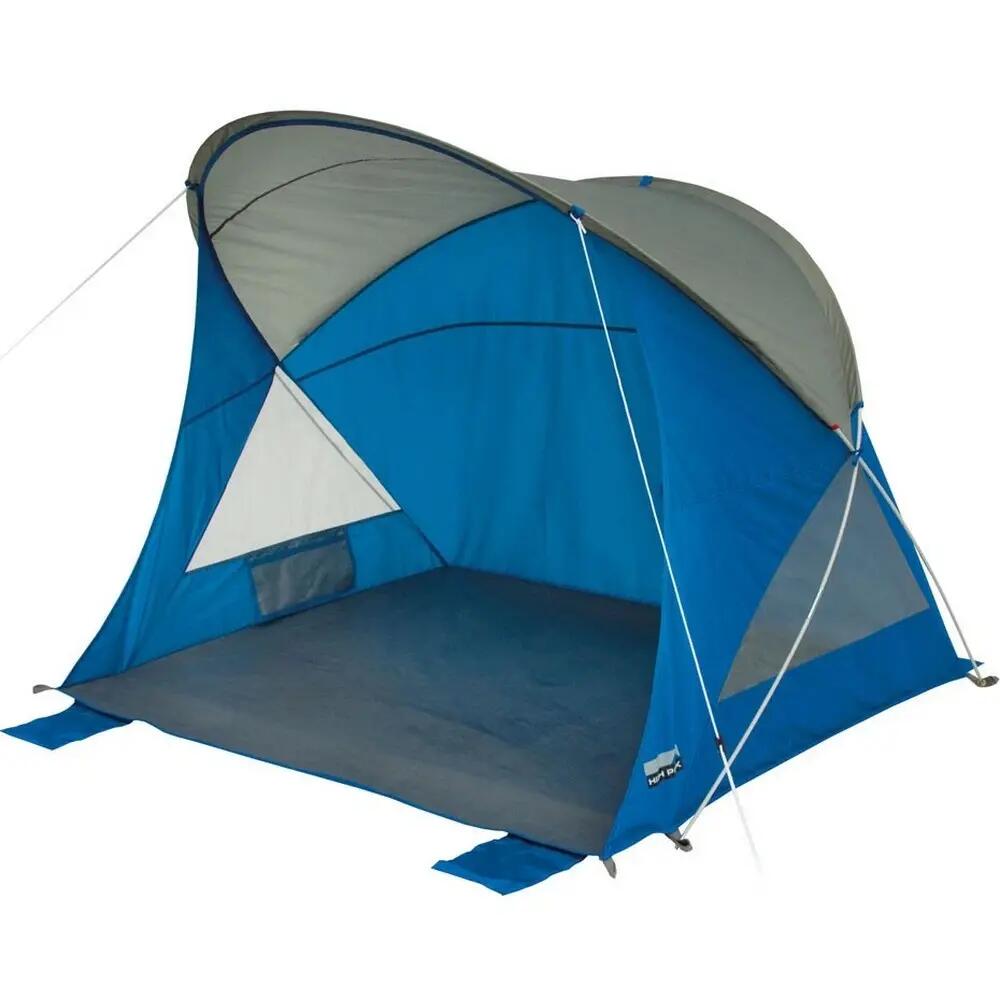
Marketplace -Online Only Marketplace -Online OnlyMarketplace -Online OnlyHIGH PEAK Sevilla Beach Tent (Blue/Grey)Current price {{currentPrice}} €81.39Sold and shipped by Pertemba IE
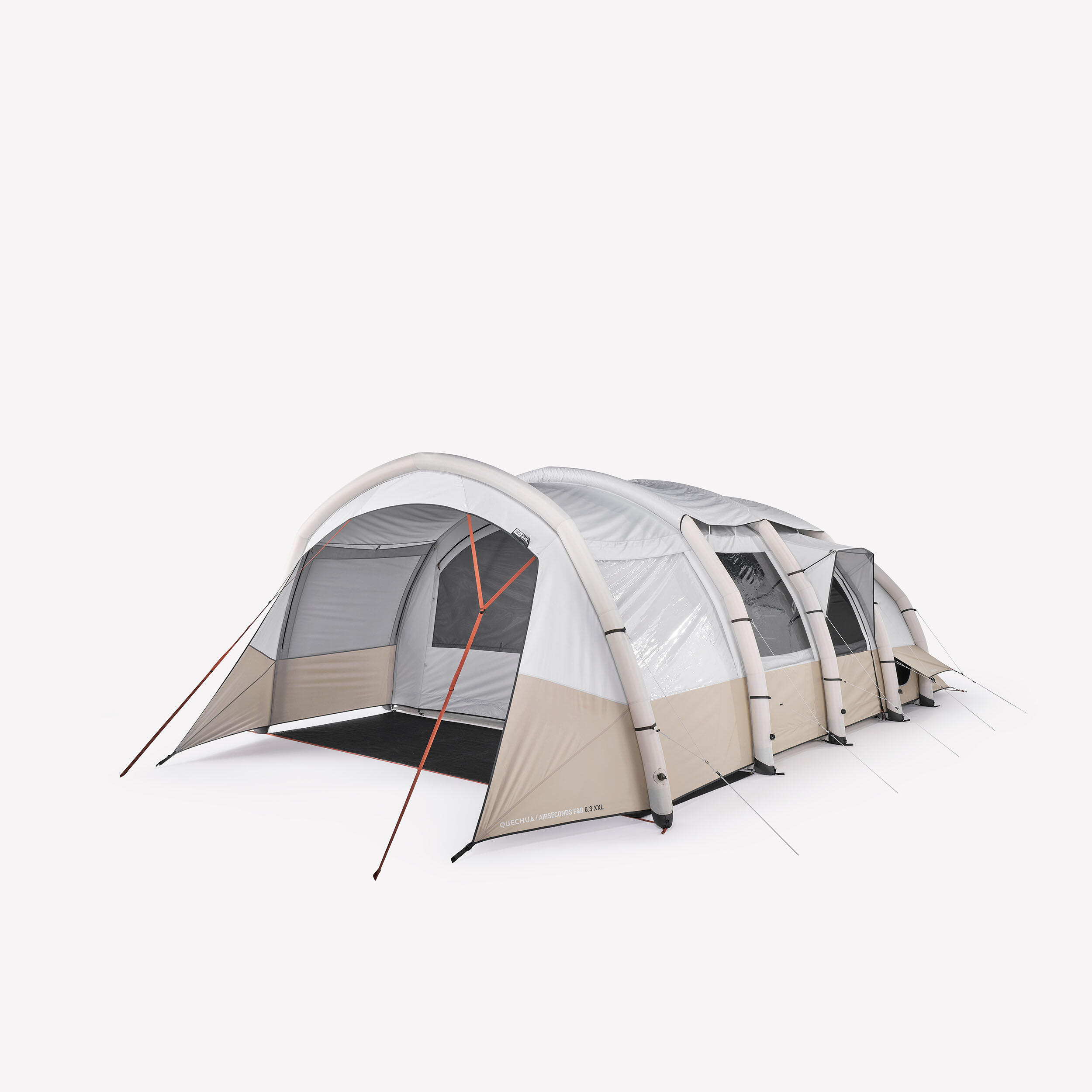
QUECHUA 6-person, 3-bedroom inflatable camping tent, Air Seconds 6.3 XXL, Fresh & Black4.5(74)Reviews.votesAriaCurrent price {{currentPrice}} €1,280.00Out of stock
QUECHUA Inflatable camping tent - US Air Seconds 4.1 F&B - 4 Person - 1 Bedroom4.3(6)Reviews.votesAriaCurrent price {{currentPrice}} €400.00Out of stock
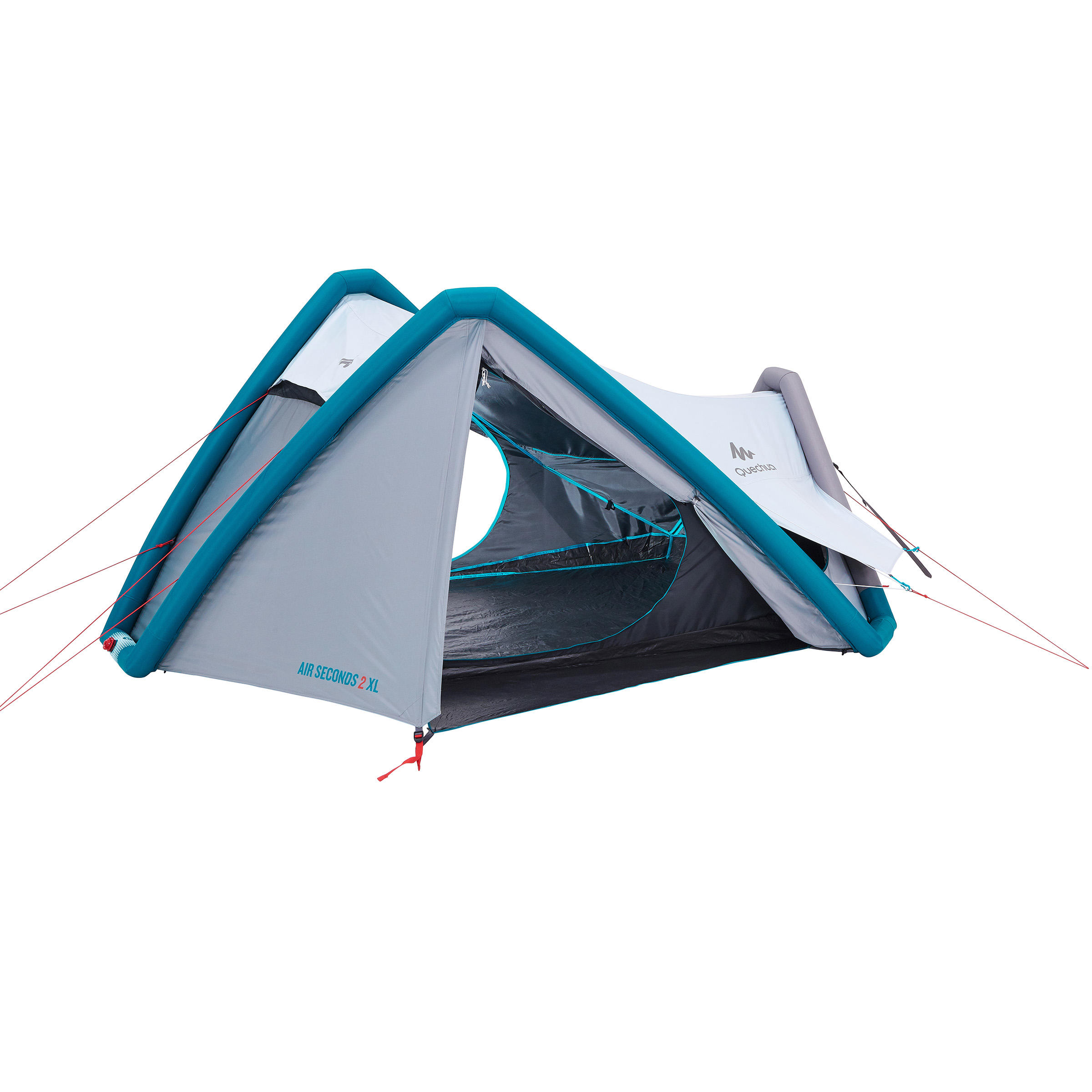
QUECHUA AIR SECONDS 2 XL FRESH&BLACK Camping Tent | 2 People - WhiteCurrent price {{currentPrice}} €145.00Out of stock
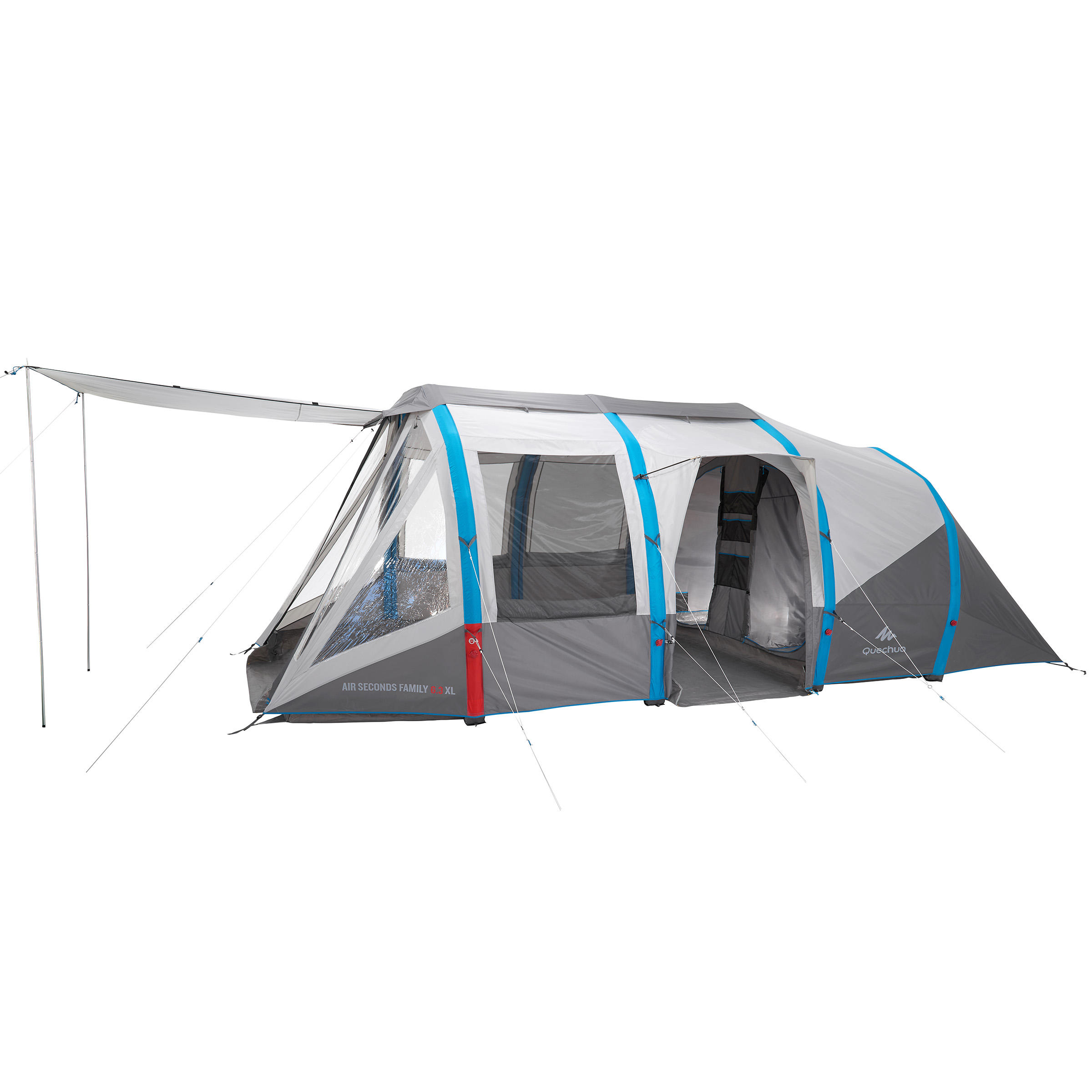
QUECHUA Air seconds family tent 6.3xl | 6 people greyCurrent price {{currentPrice}} €560.00€560.00/unitOut of stock
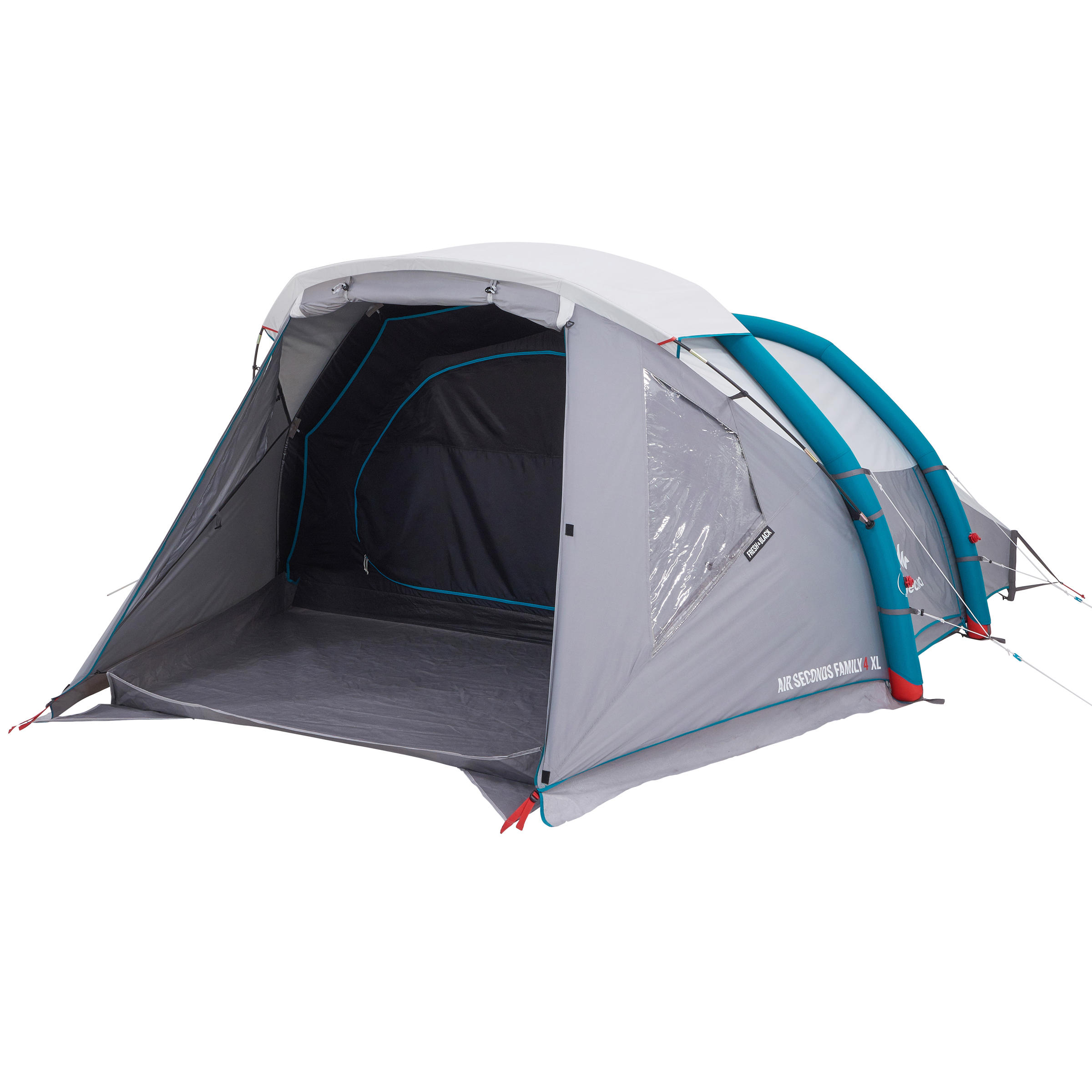
QUECHUA Inflatable Camping Tent Air Seconds 4 Fresh&Black | 4 People 1 Bedroom2(1)Reviews.votesAriaCurrent price {{currentPrice}} €265.00Out of stock