21 items
4.6/5 based on 172 reviews collected online and in stores

DIVING REGULATORS and OCTOPUS FAQS

How do balanced diaphragm assemblies handle high-pressure delivery at deep recreational limits?

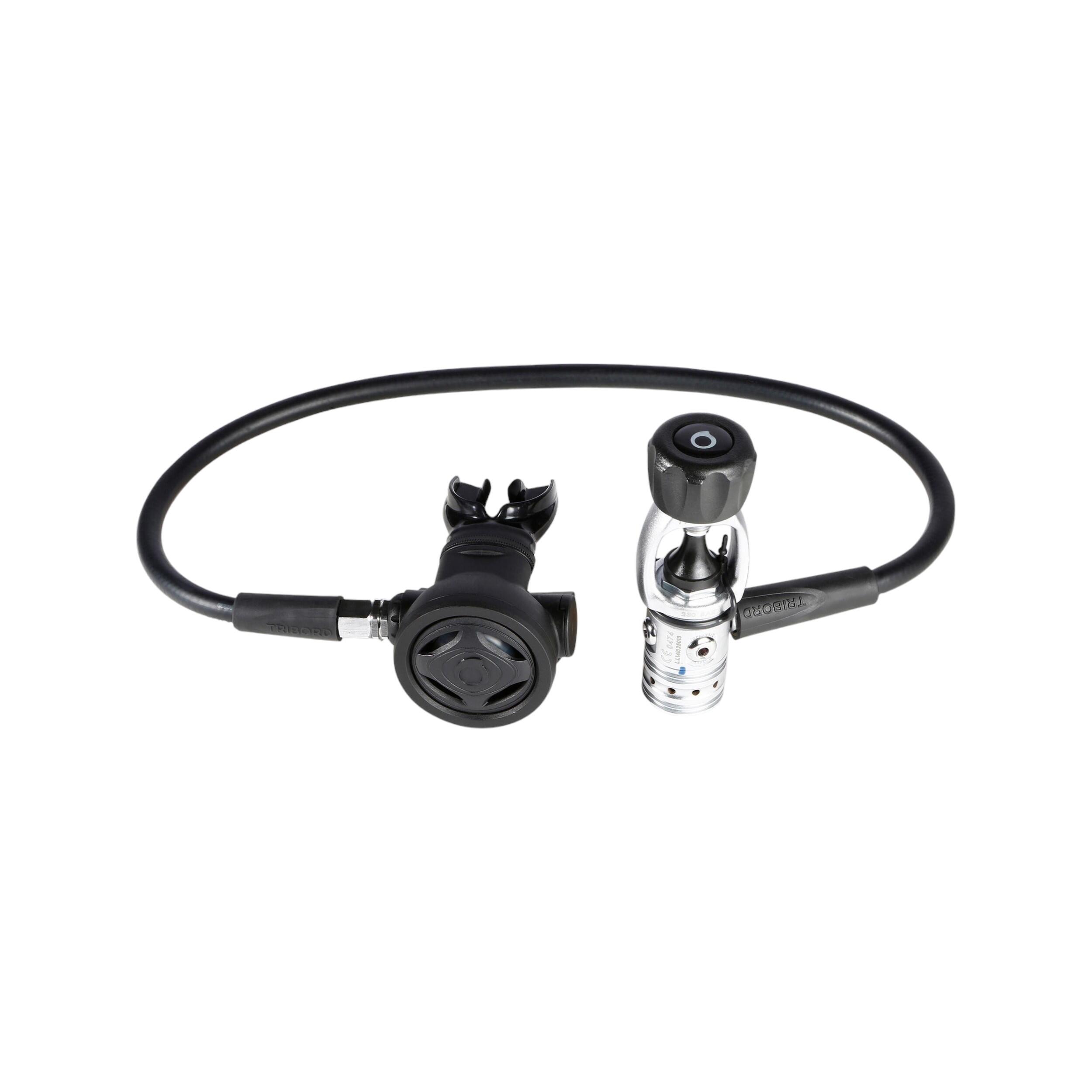
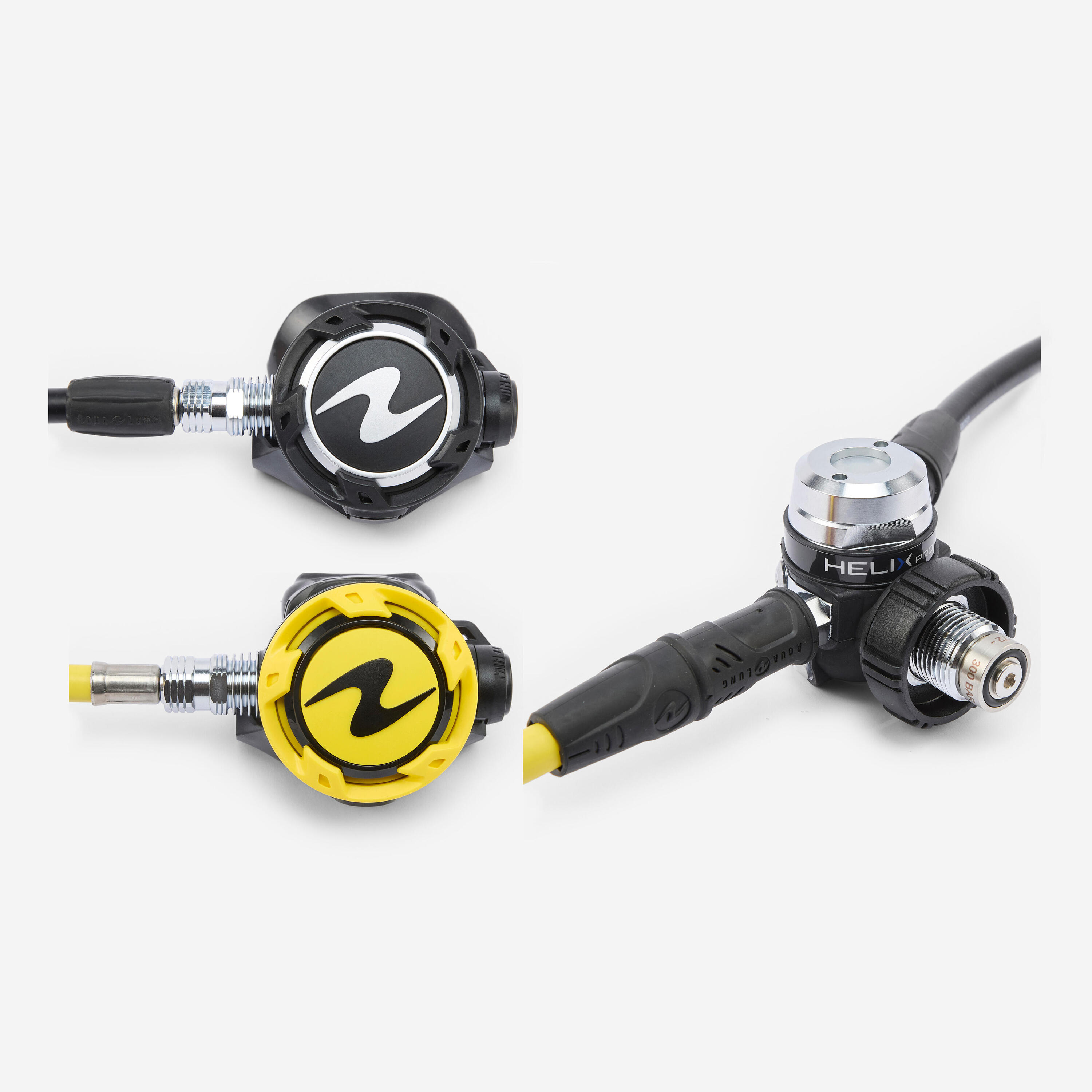
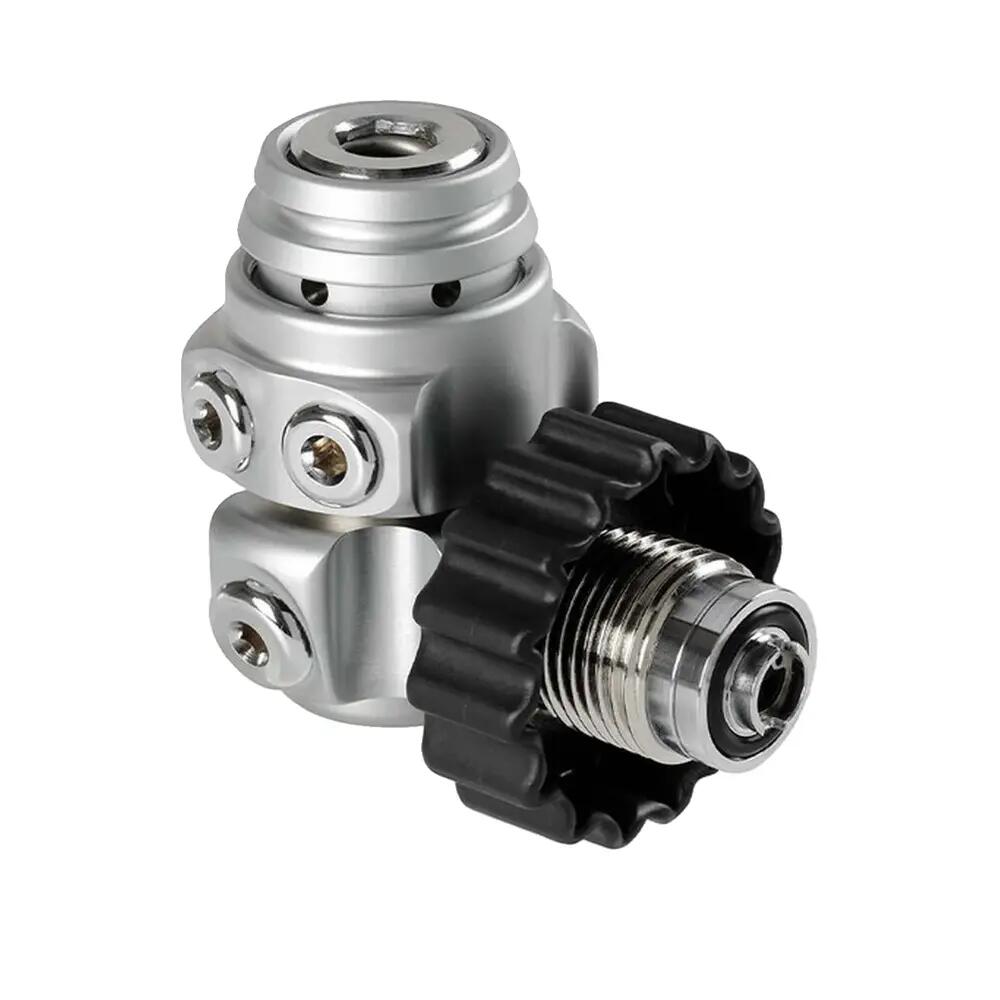
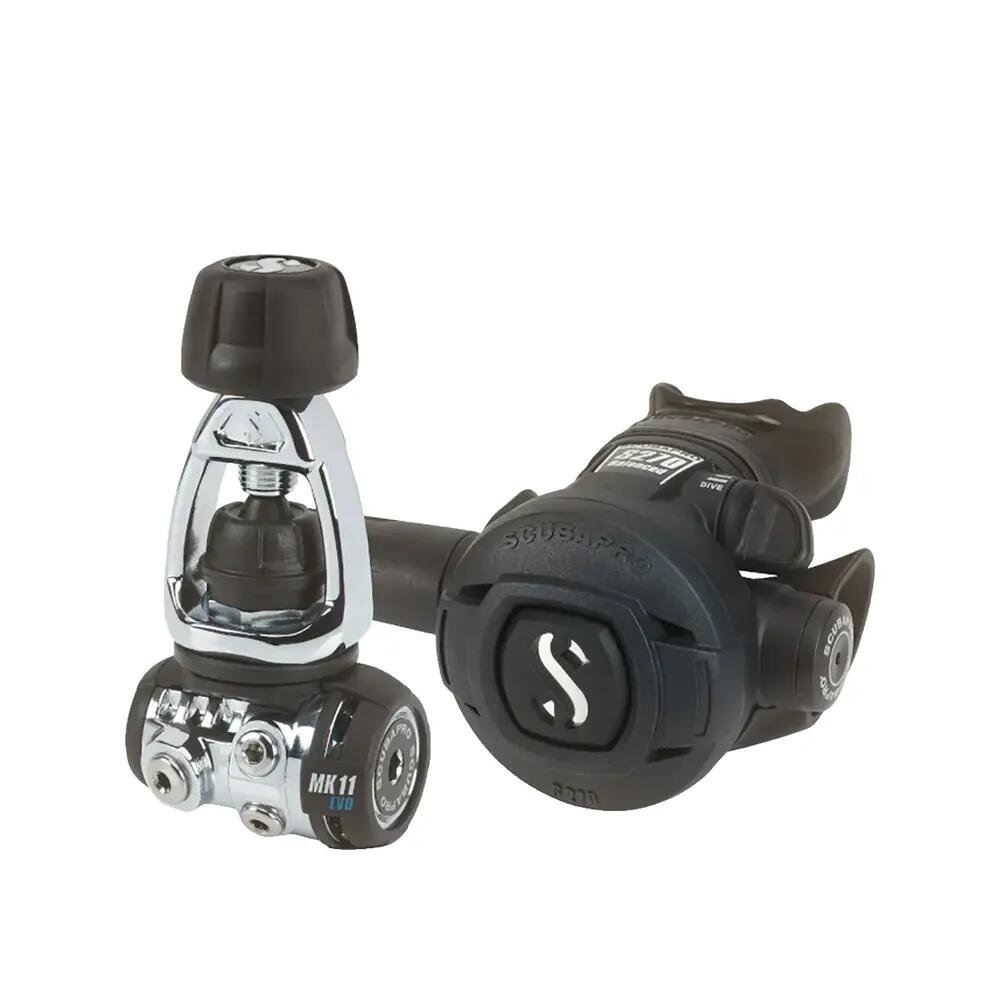
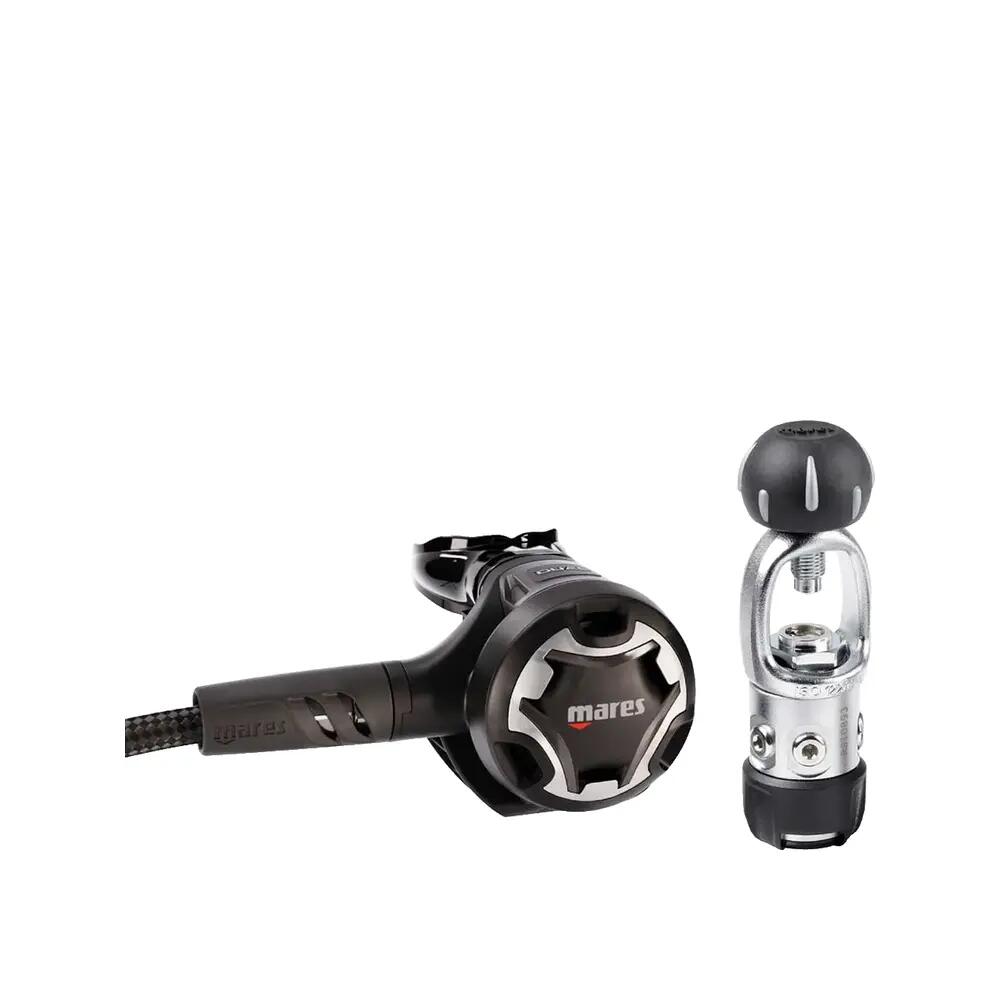
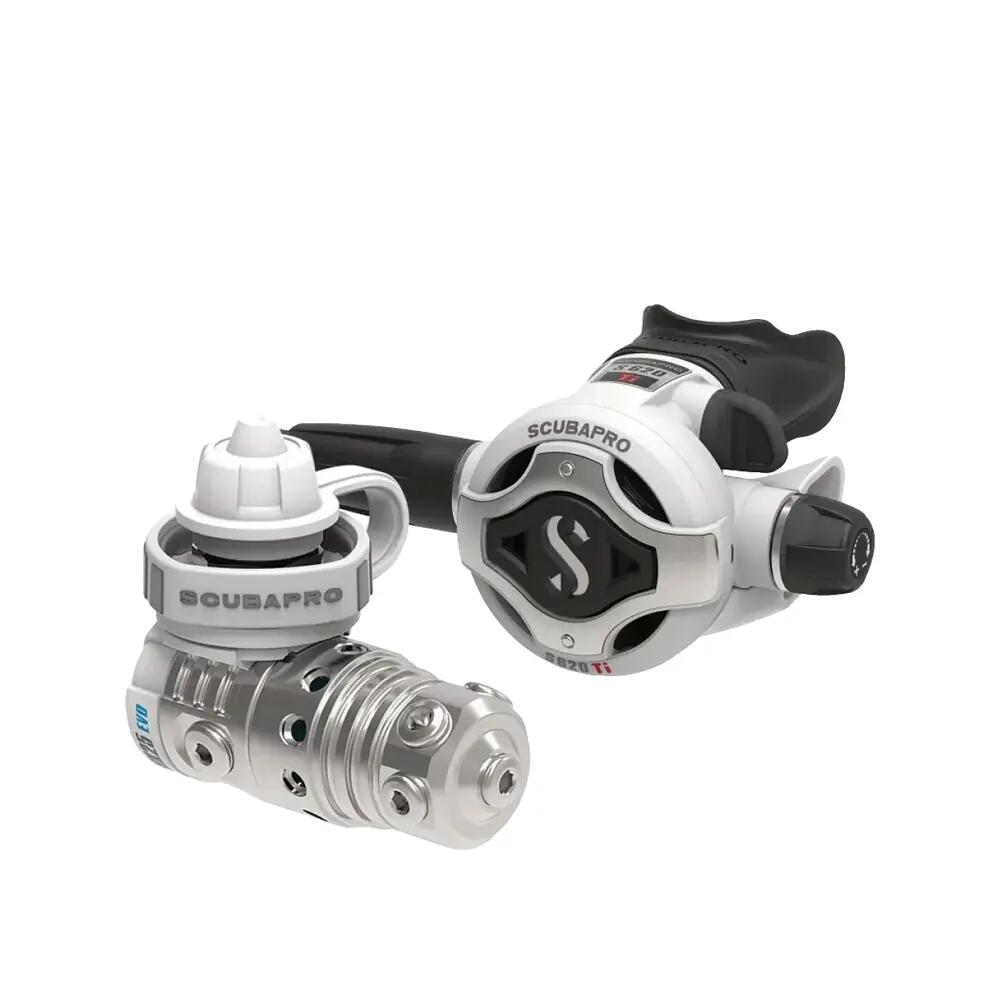
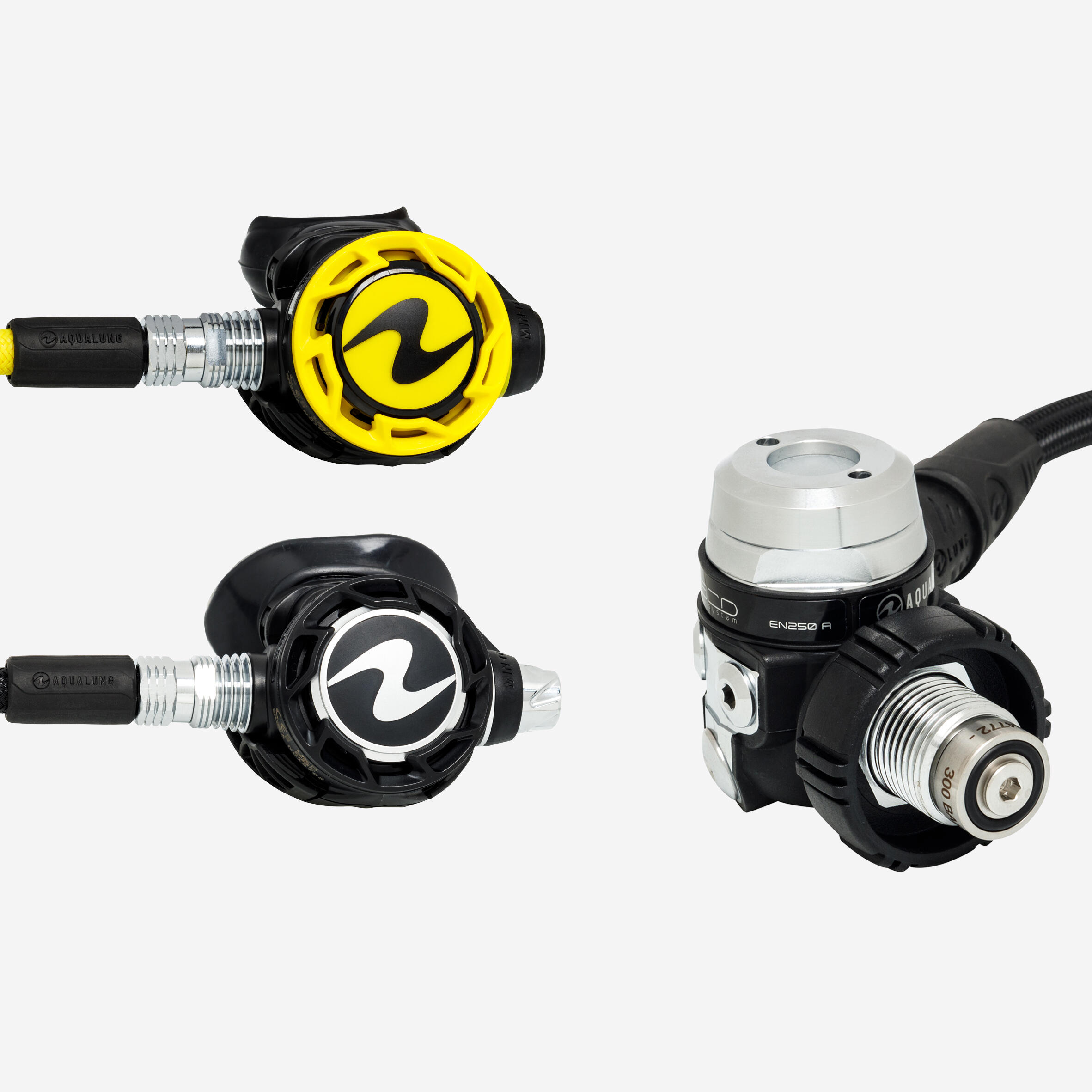
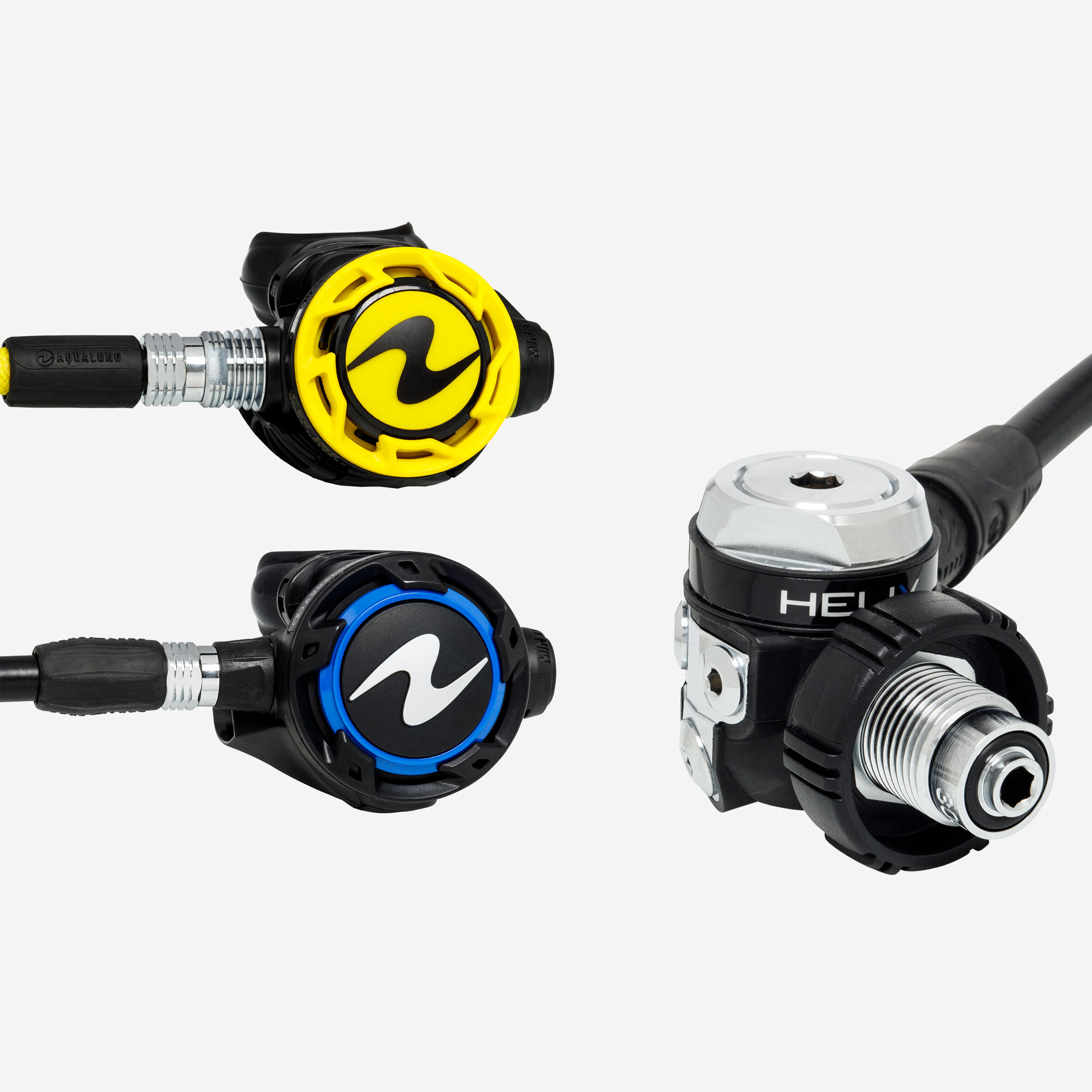
Deploying a premium life-support setup ensures smooth breathing delivery as ambient pressure increases significantly with depth. Balanced diving regulators counteract the changing cylinder pressure, keeping your intermediate air supply perfectly uniform whether the cylinder is fully packed or reaching reserve levels. This specific mechanical performance relies on an isolated spring chamber that seals internal moving components against saltwater contamination. An environmentally sealed first stage remains paramount for sub-surface activities because it prevents internal icing during cold-water submersions, ensuring uncompromised air volume under heavy workloads.

Why is port orientation crucial when installing critical submersible instruments?

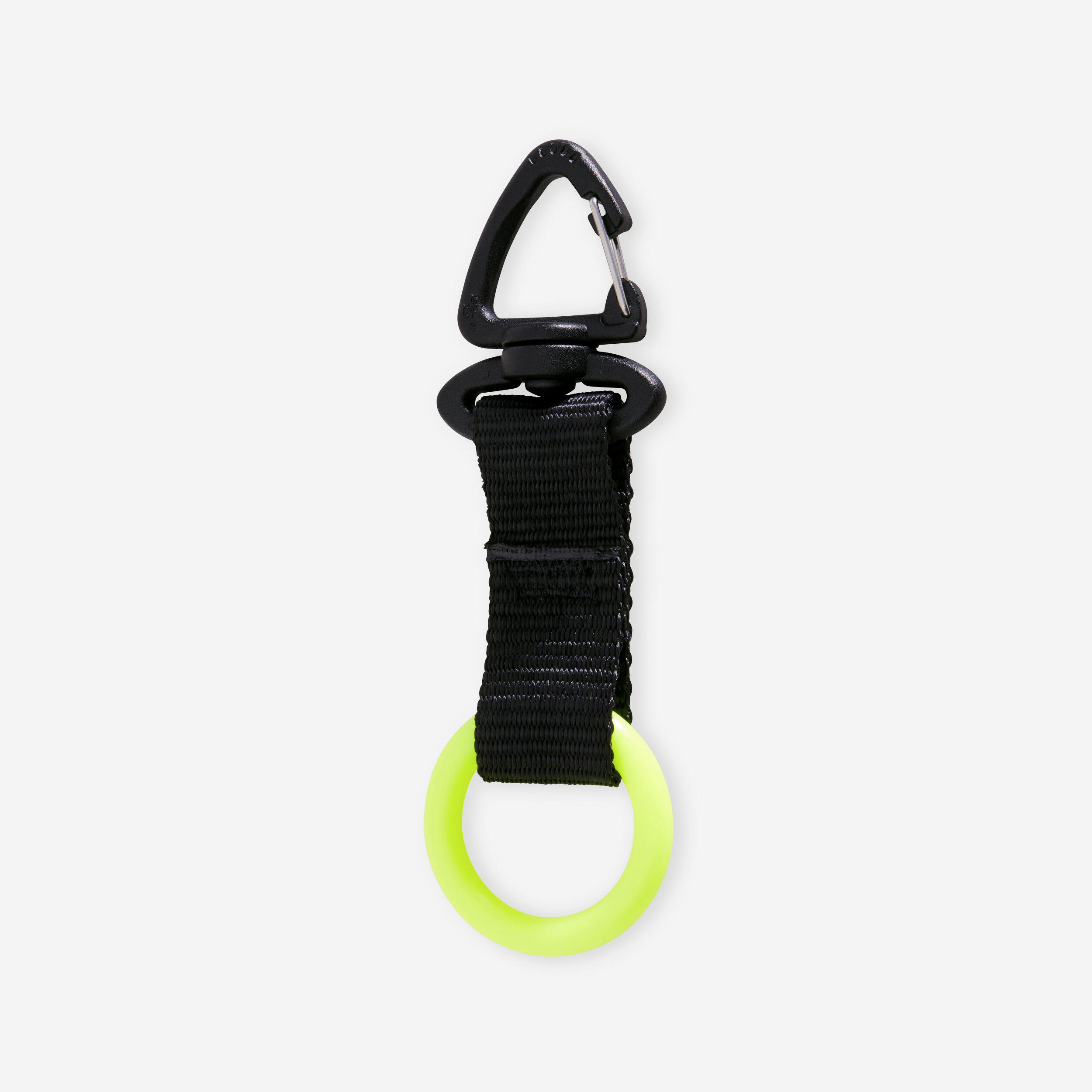
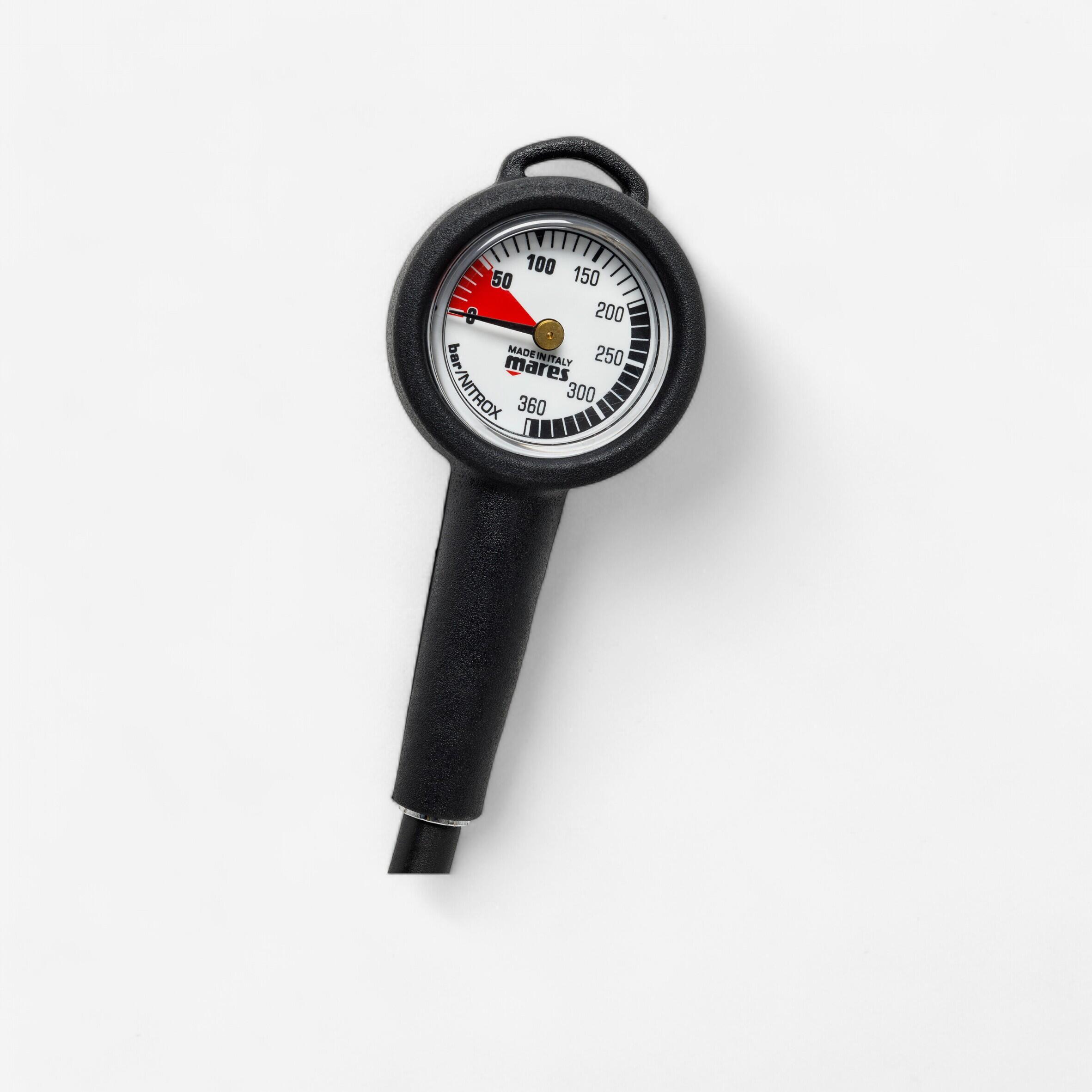
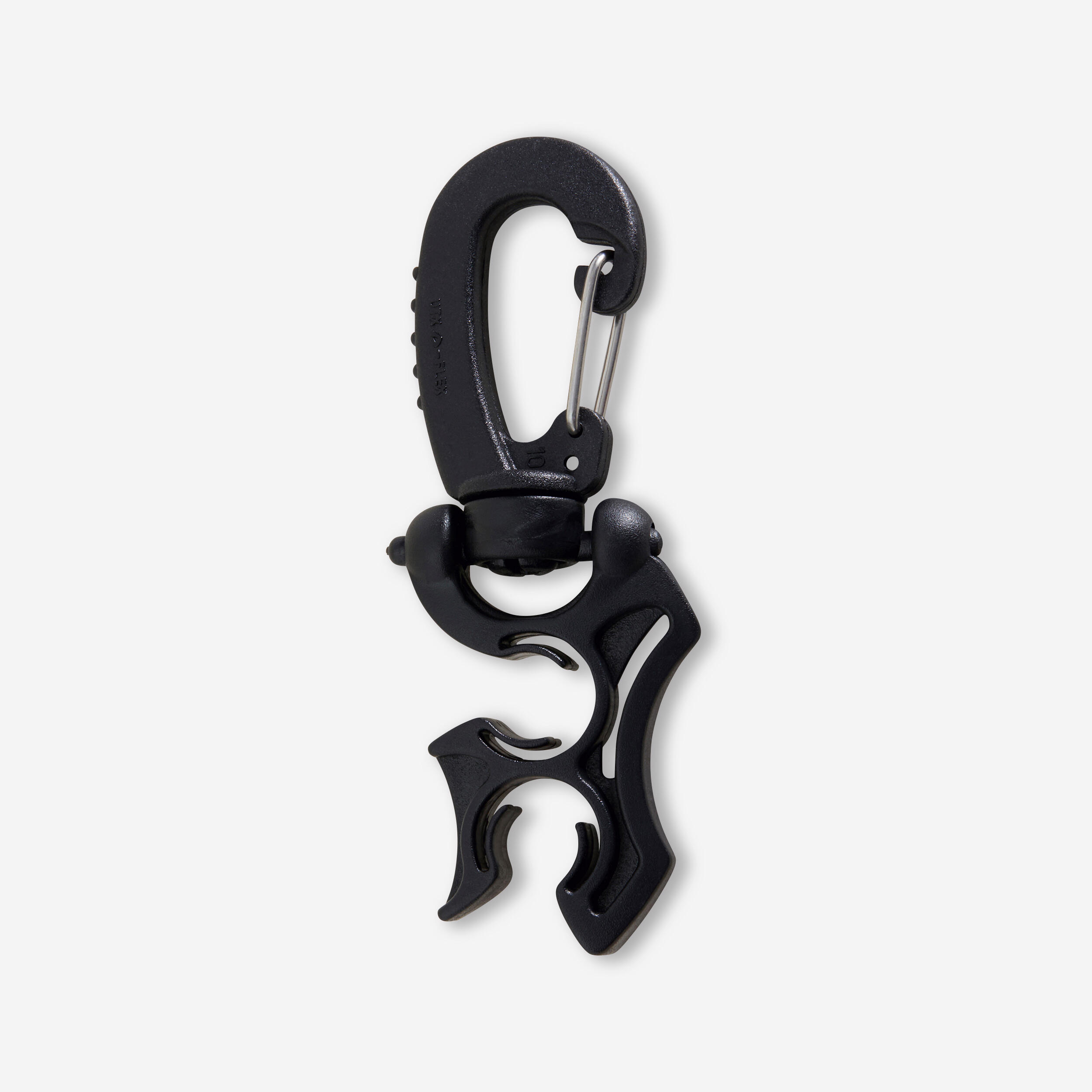
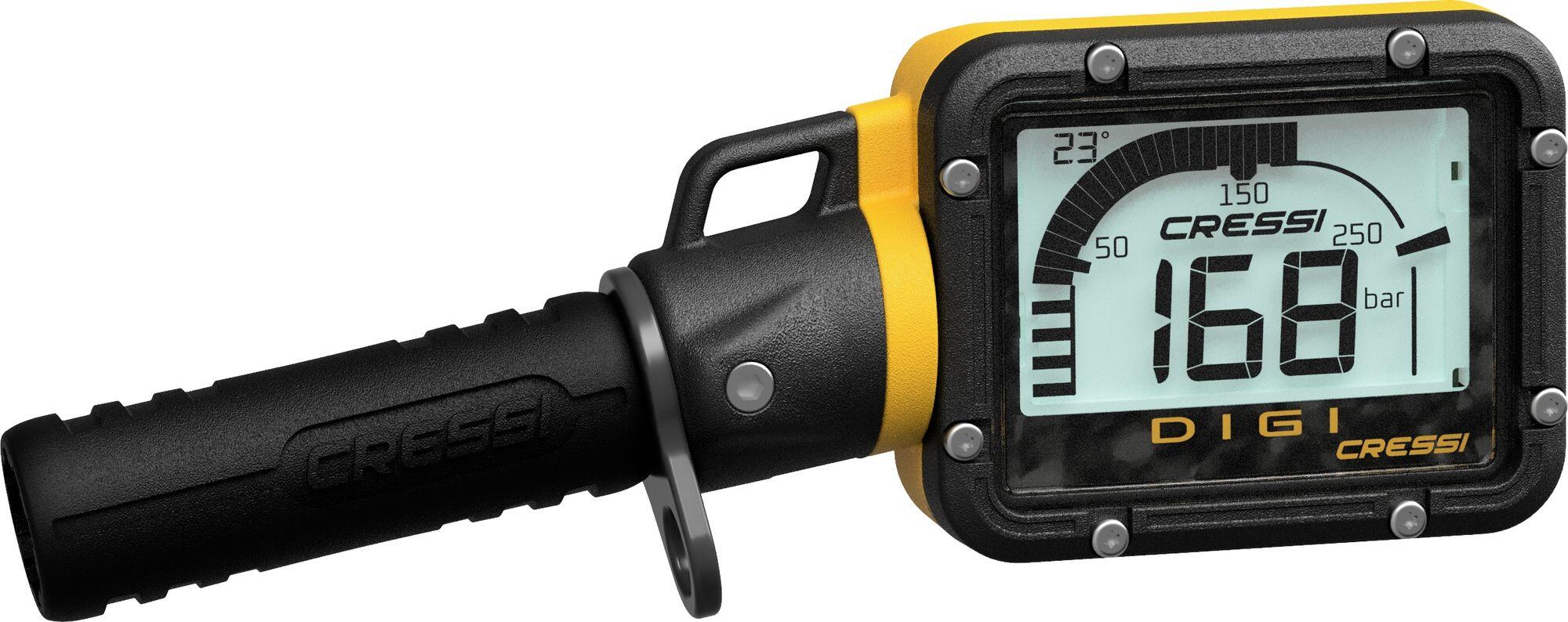
Configuring your first stage requires strategic routing of low and high-pressure supply lines to optimise your underwater profile and streamline movement. Attaching your primary pressure gauge to a dedicated elevated pressure hole ensures accurate, direct cylinder pressure readings from the core high-pressure chamber. For clean routing, managing auxiliary lines with a durable SCD holder for diving hoses prevents unwanted dangling, keeping your pressure metrics accessible. Maintaining this compact alignment reduces hydrodynamic drag, letting you glide easily through restricted areas without snagging your essential equipment layout.

How do you switch between different cylinder valve configurations?

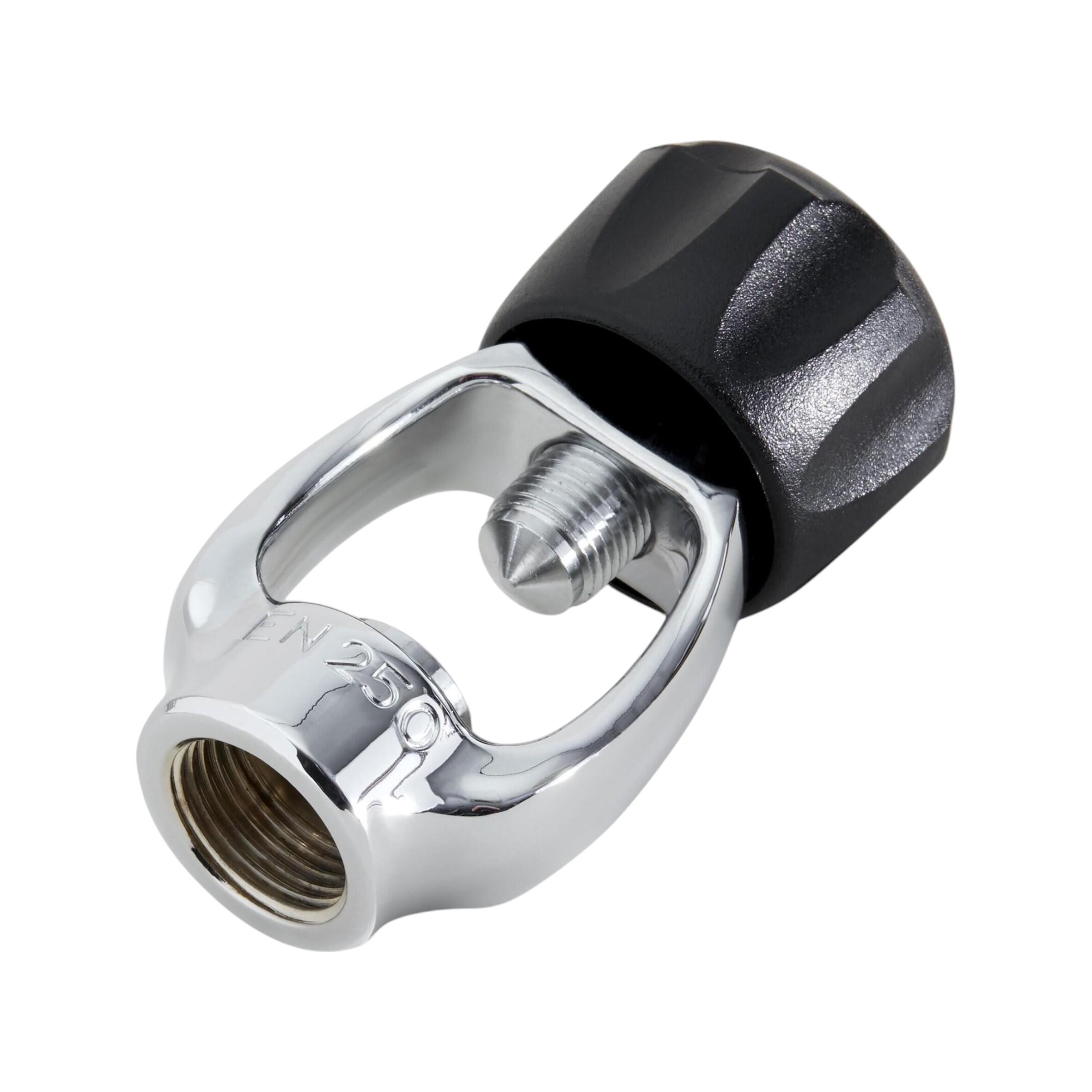
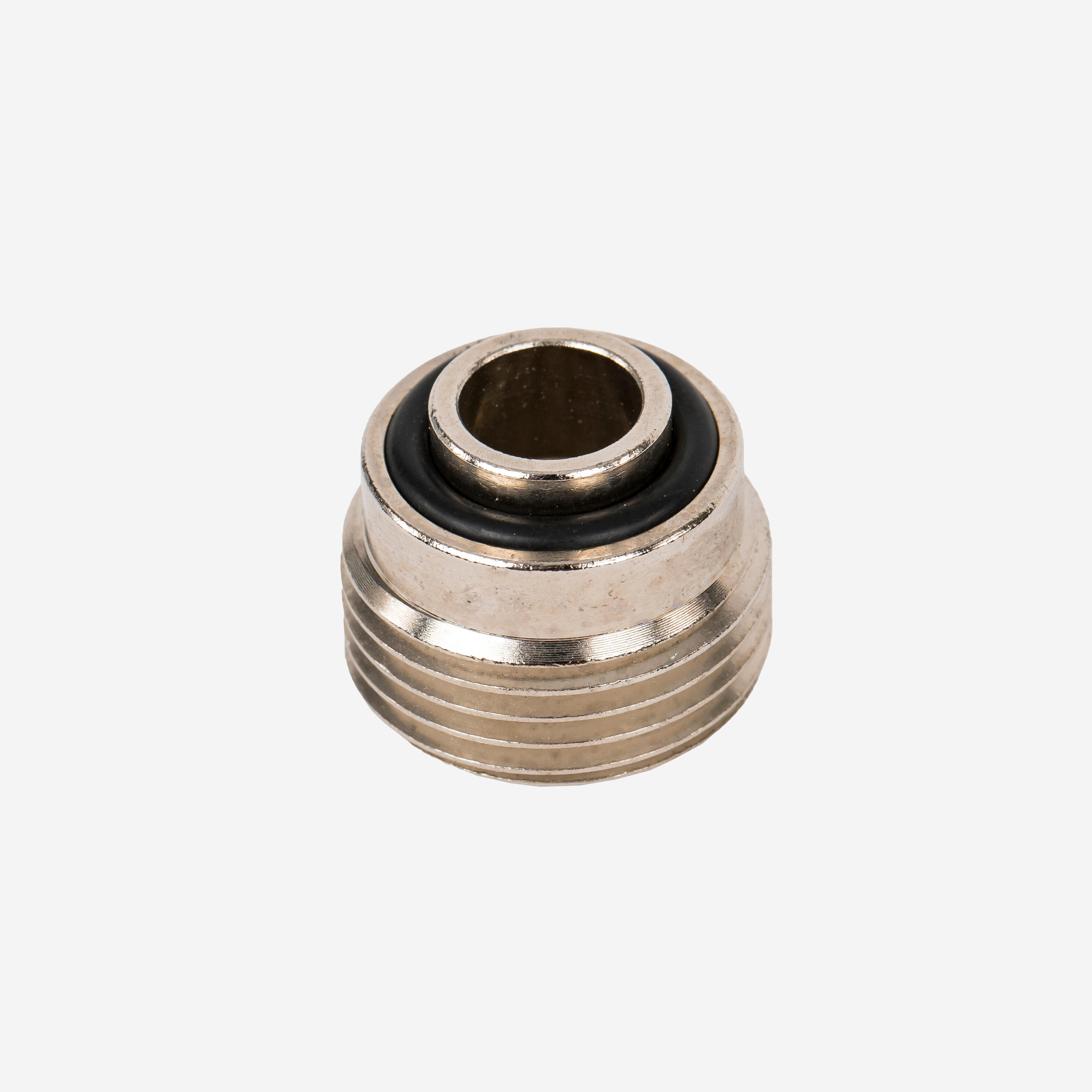
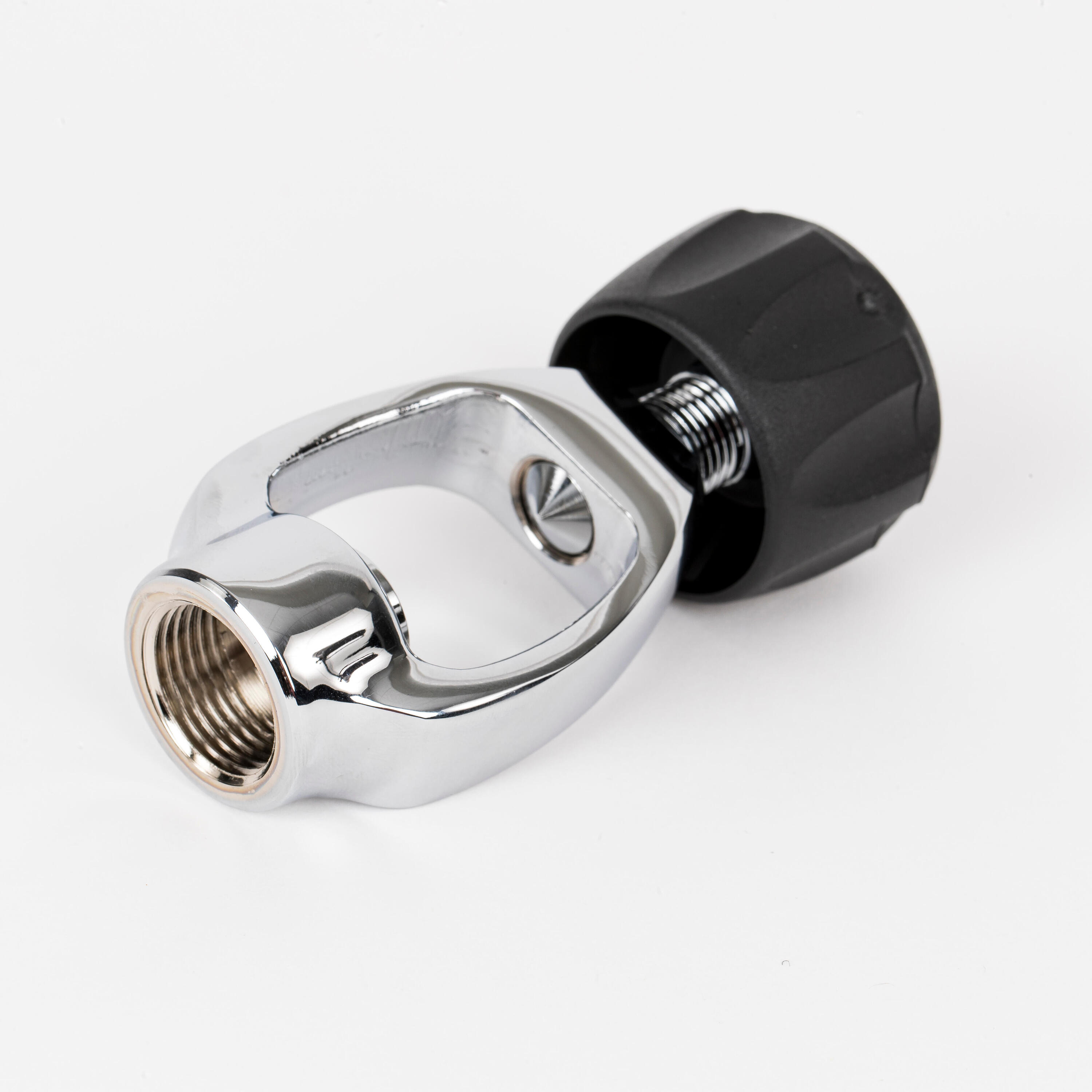
Sub-surface teams frequently encounter varying tank connections, moving between specialised heavy-duty DIN fittings and standard A-clamp systems depending on the global location or vessel provider. Stowing universal dive tank adaptors in your personal kit allows rapid conversion of a threaded DIN first stage to fit standard yoke cylinder valves securely on a rolling boat deck. Using robust metallic adaptors prevents gas bypass leaks at high pressure, keeping your complete life-support assembly tightly sealed and compatible with any standard marine supply infrastructure.

Which specific hose configurations optimise jacket inflation and auxiliary gas delivery?

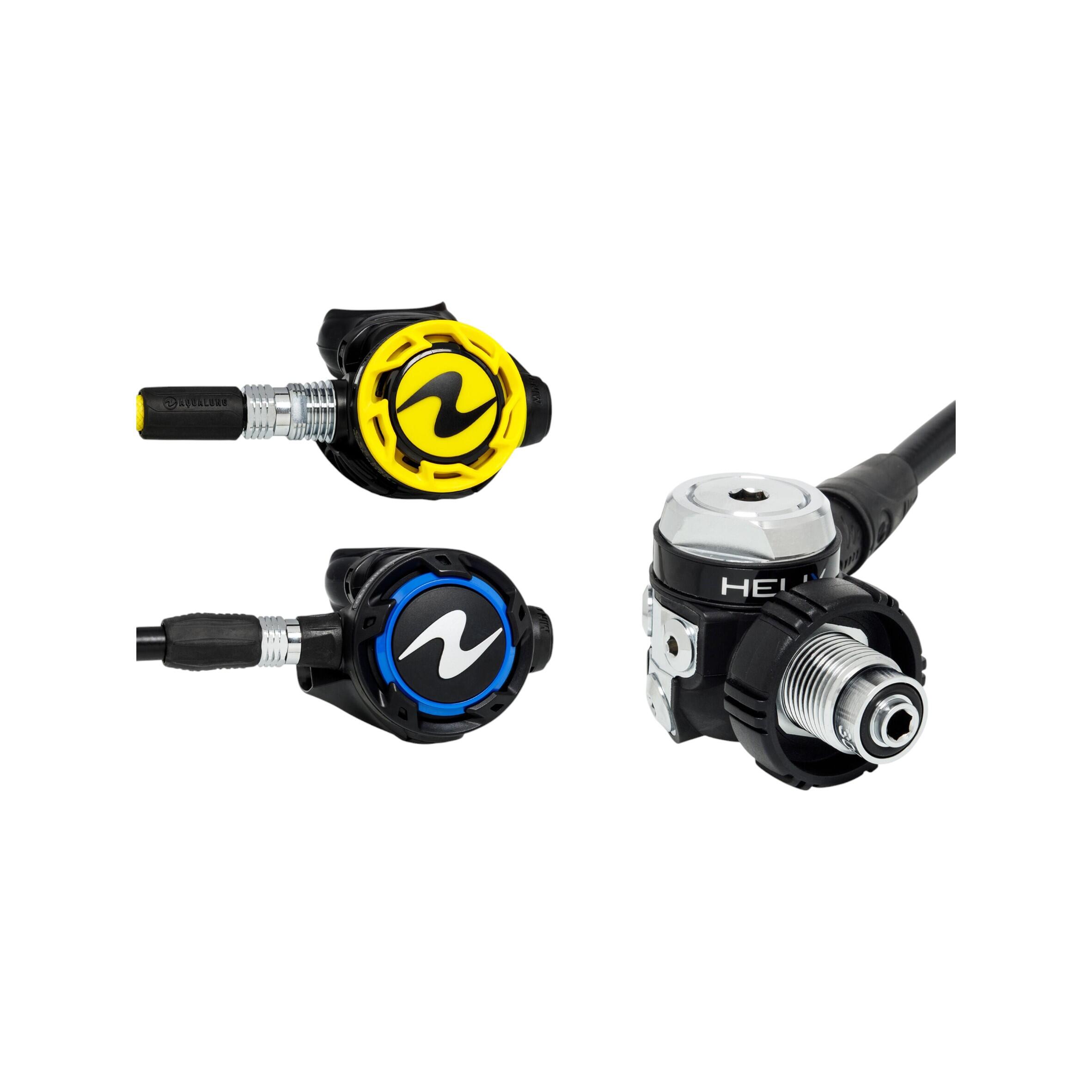
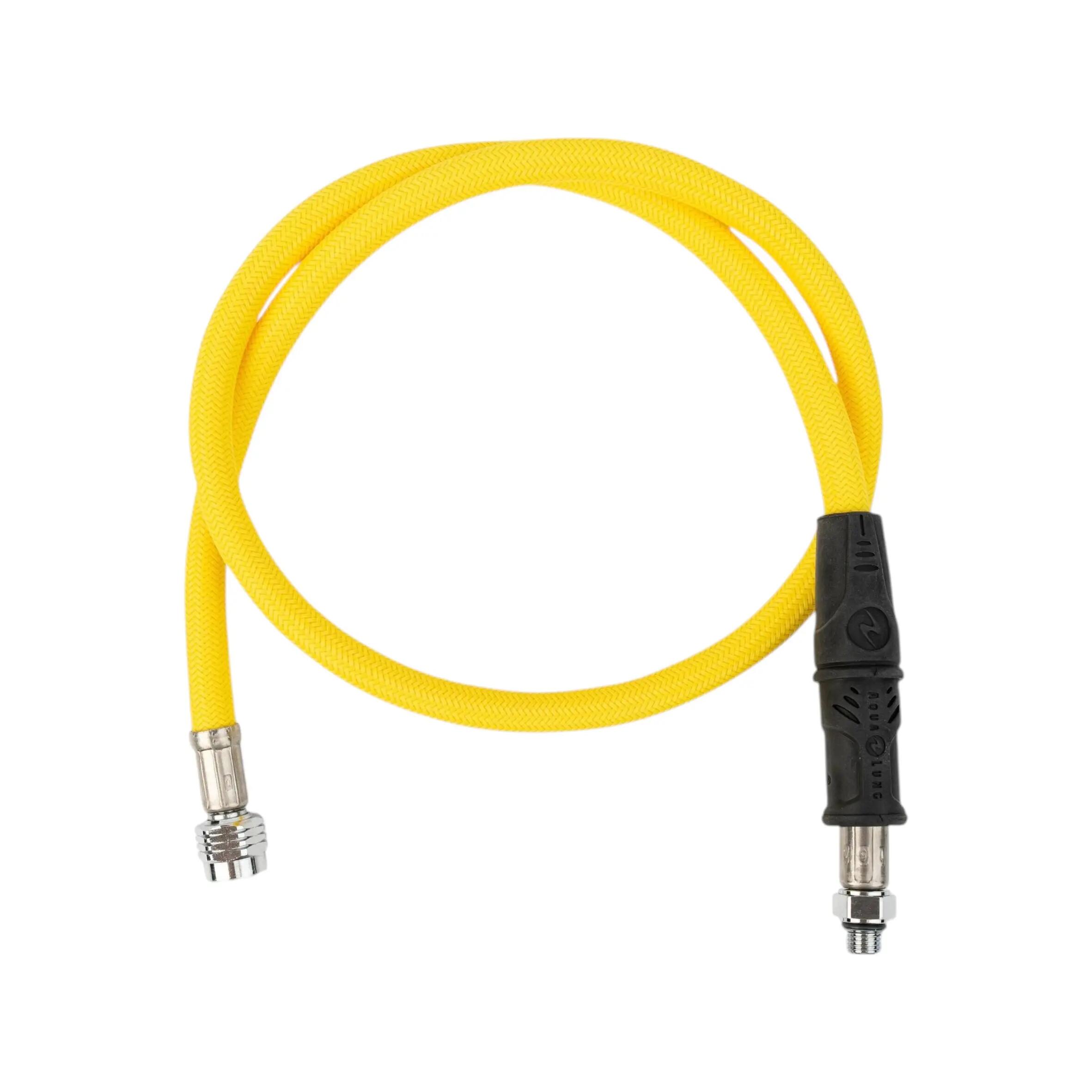
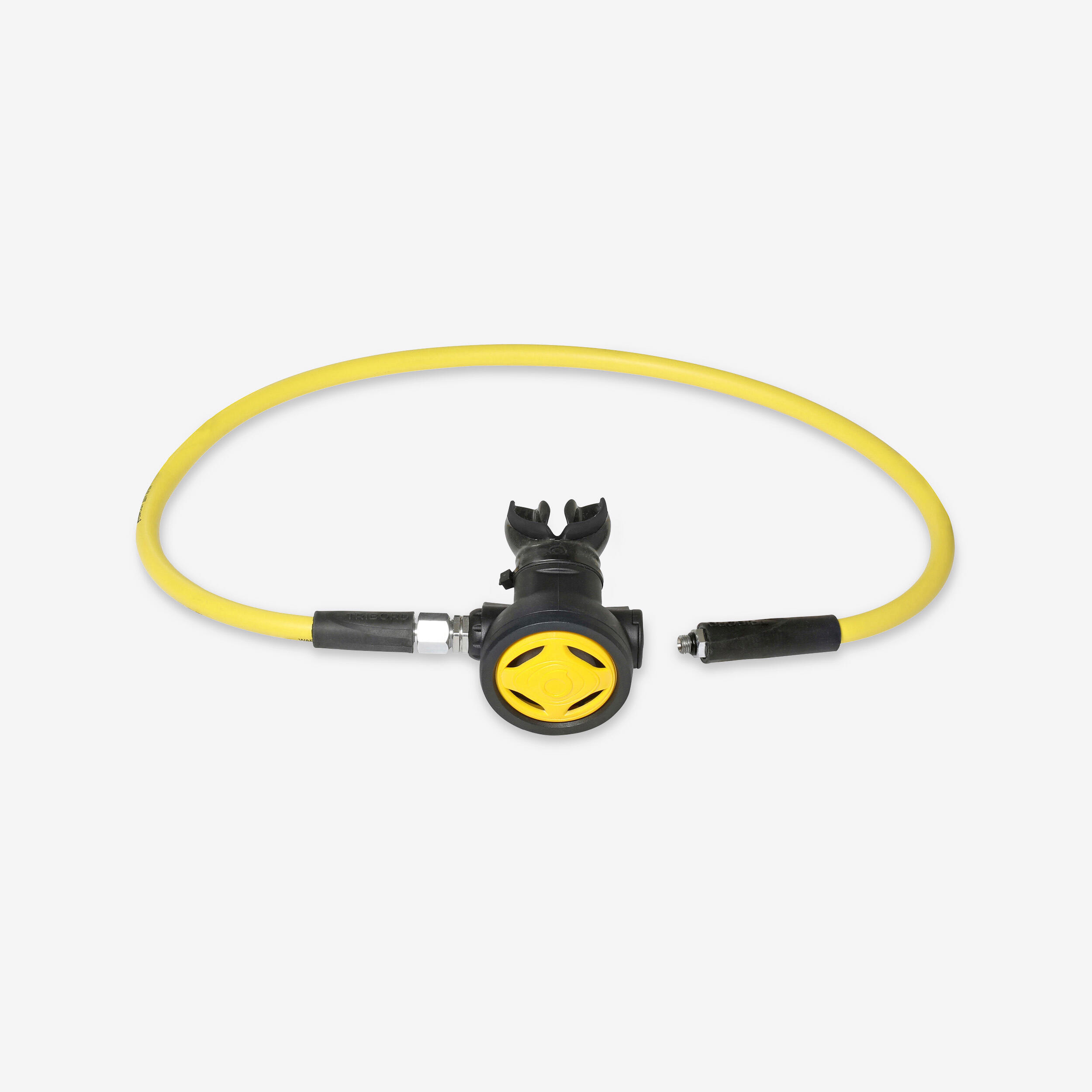
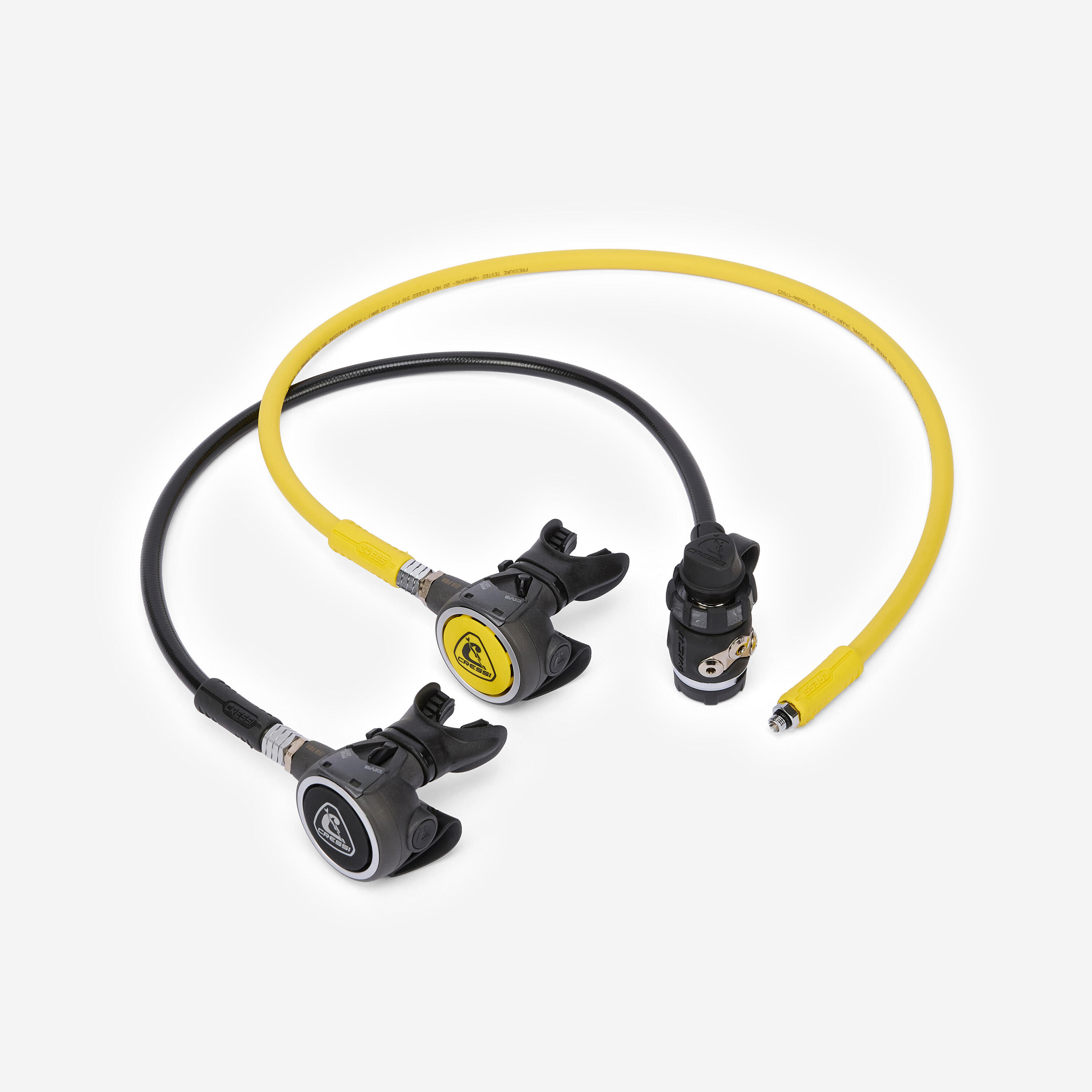
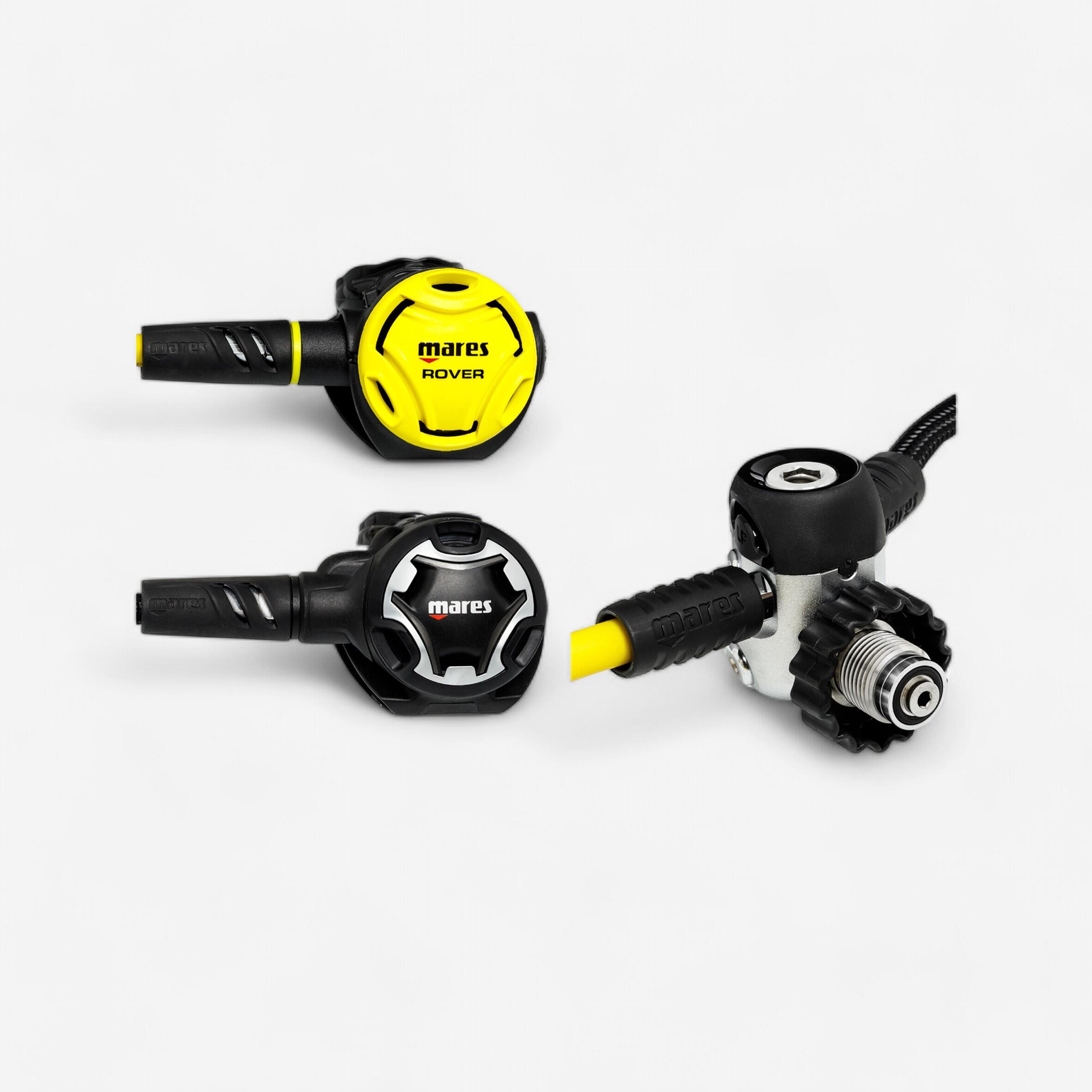
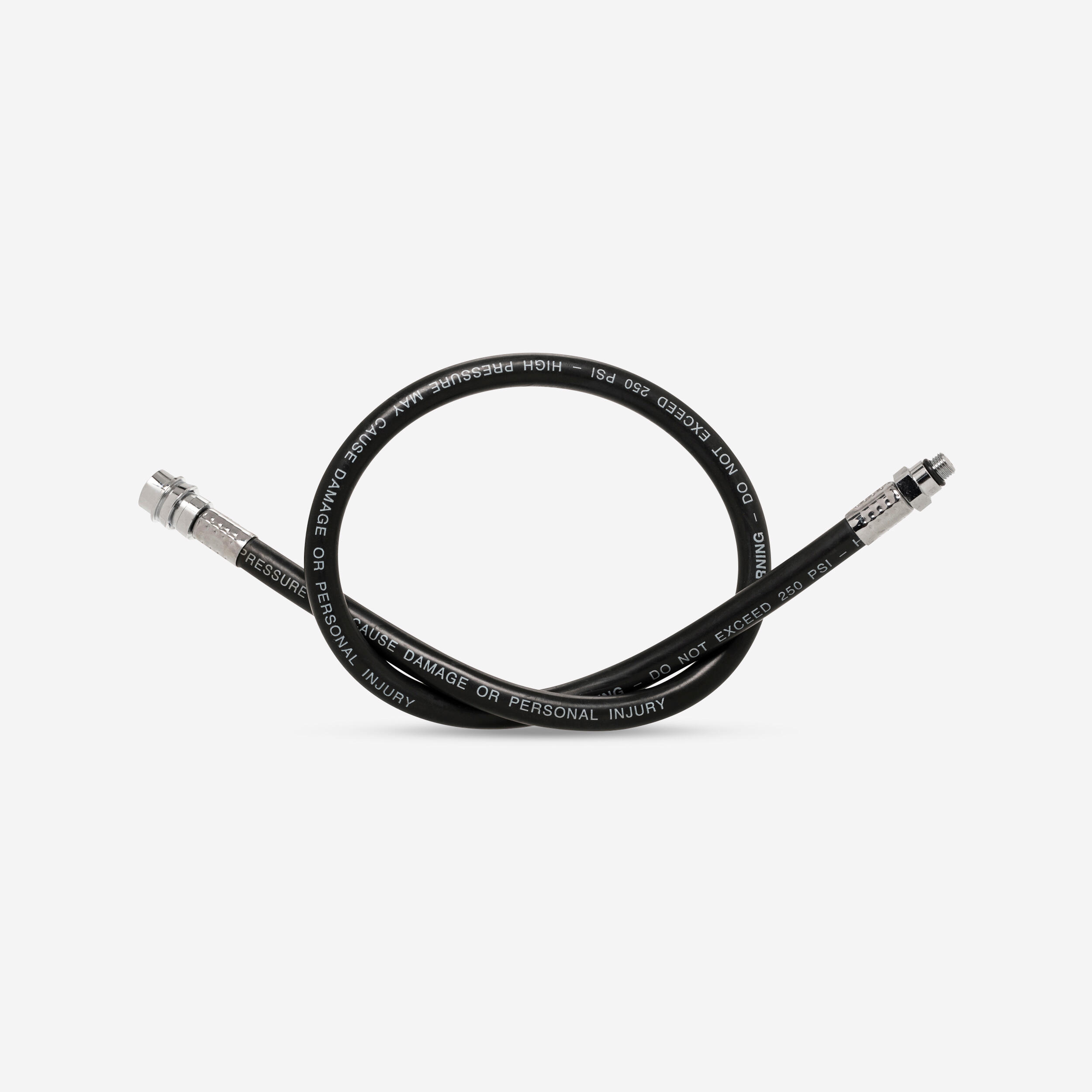
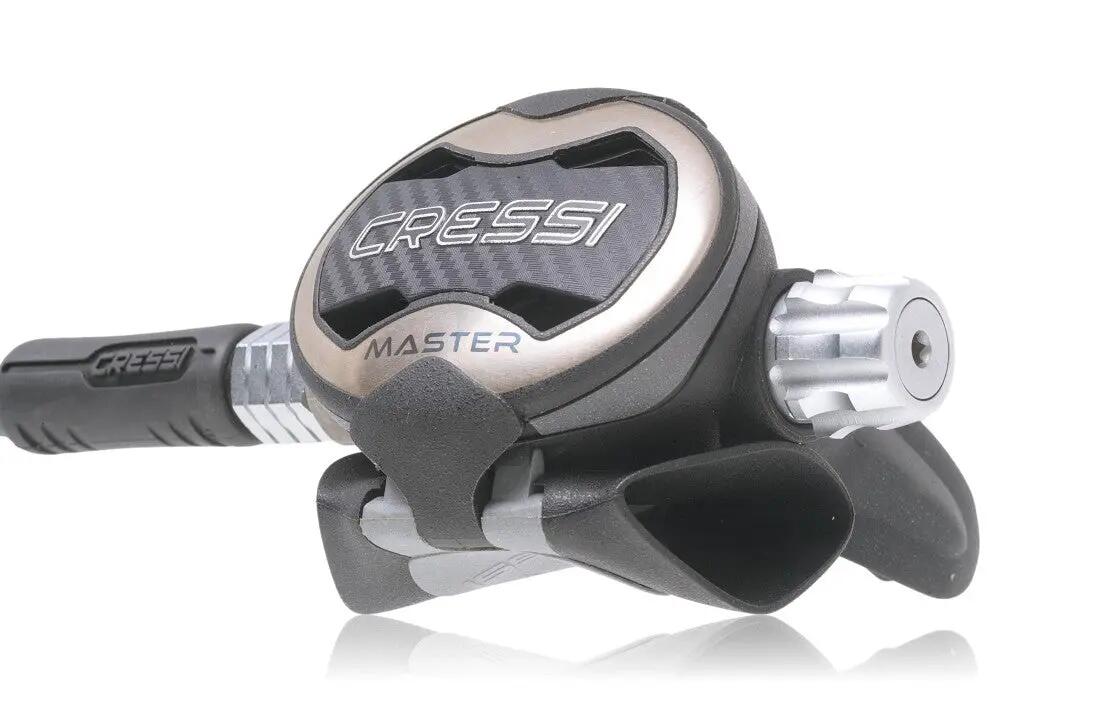
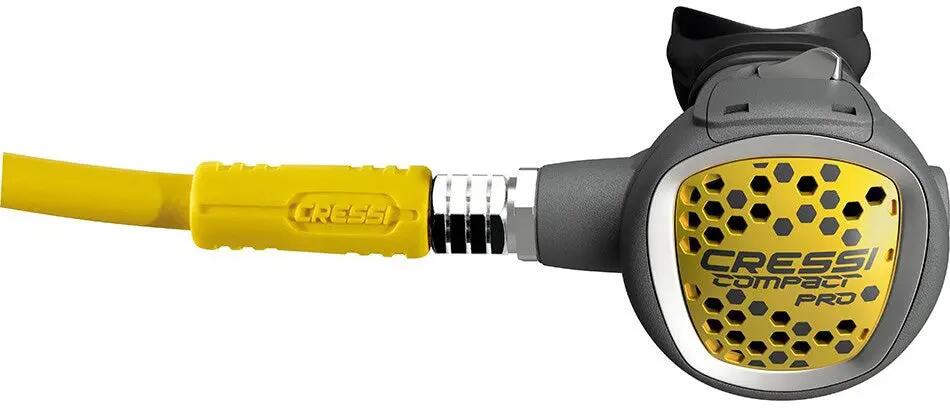
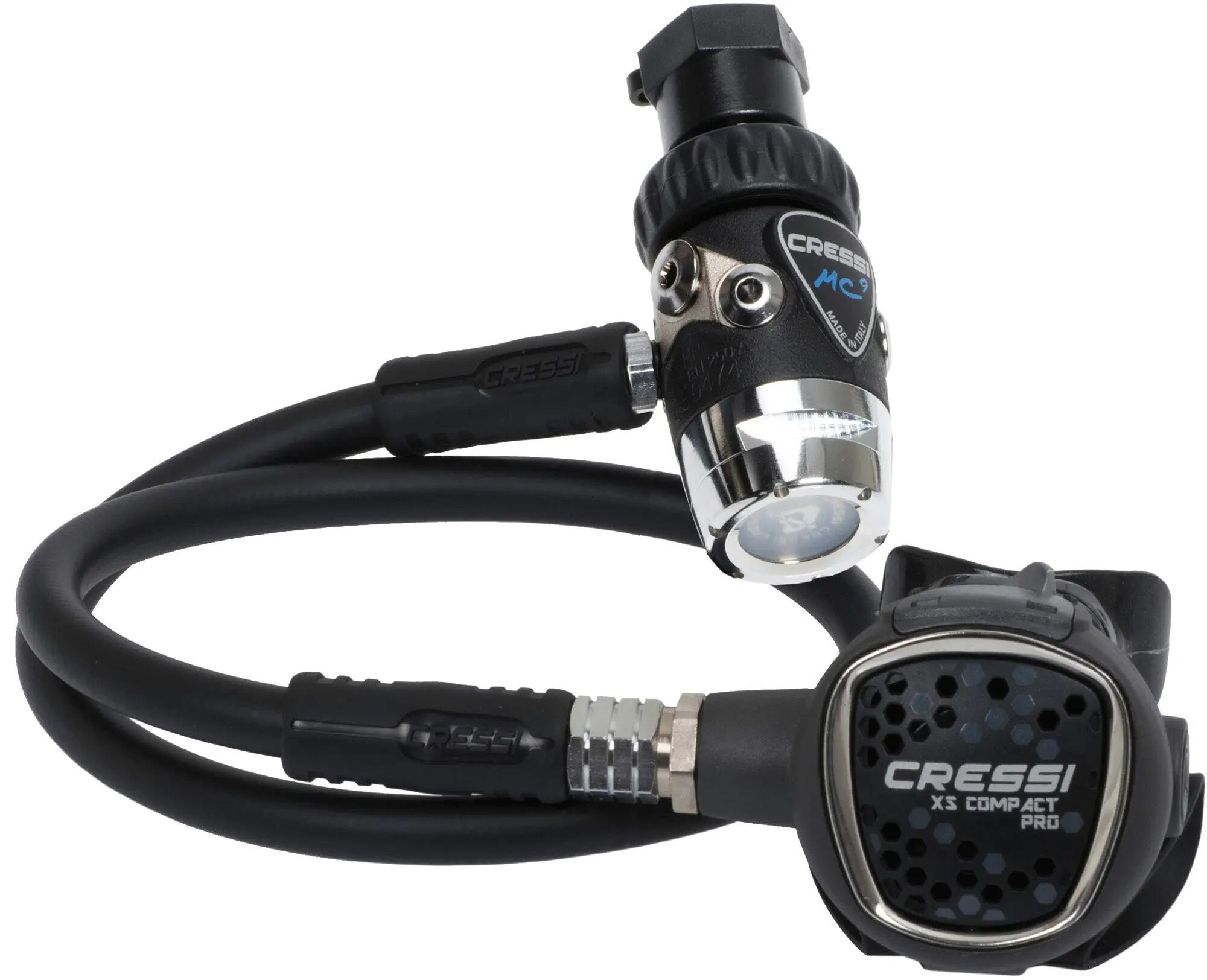
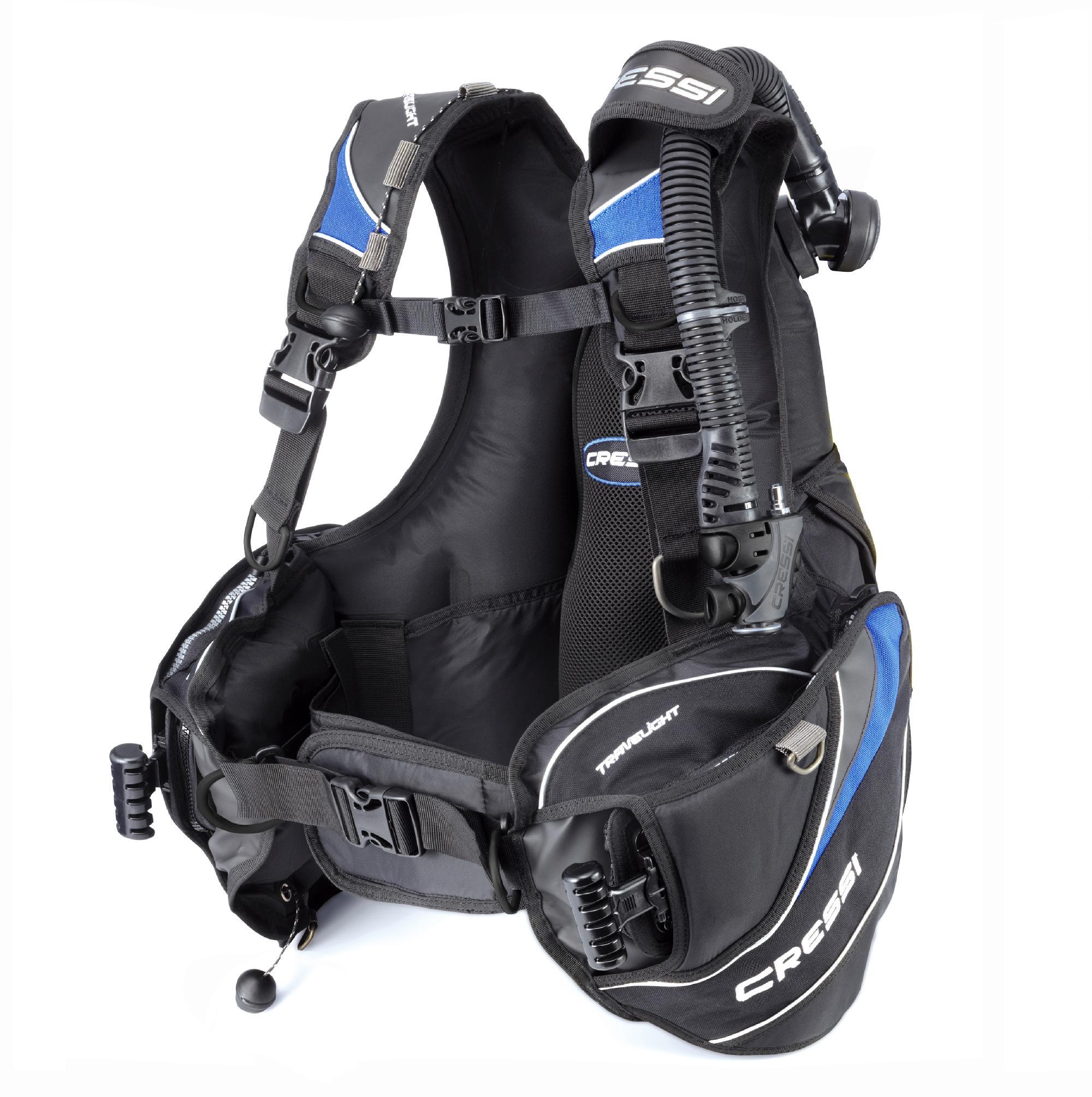
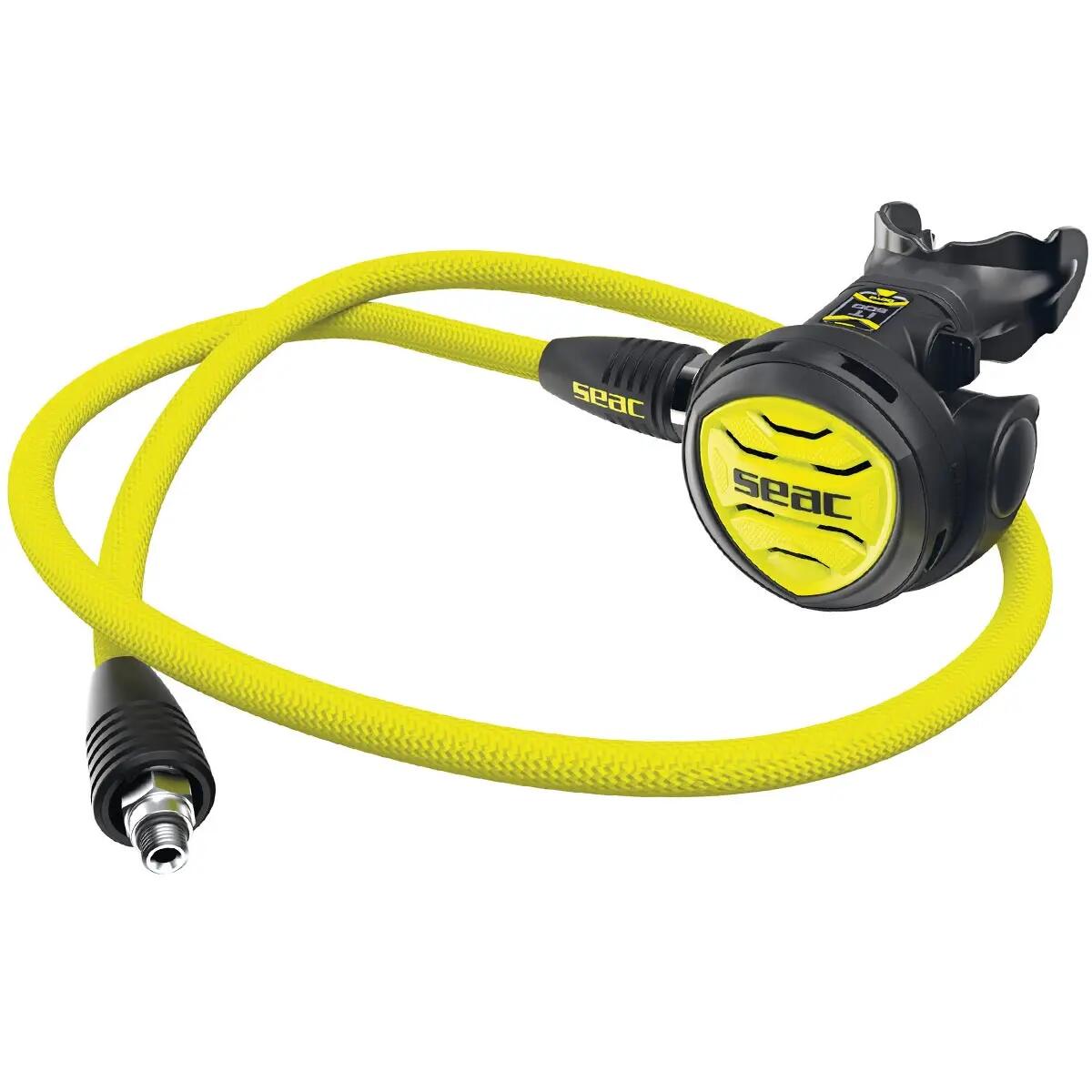
Providing rapid gas routing to your buoyancy vest requires specialised low-pressure connections capable of handling instant high-volume air delivery. Fitting an authentic SCD direct system hose directly into your inflator mechanism provides immediate structural volume adjustments during deep ascents and descents. This flexible, braided line setup must be paired with a reliable alternate octopus assembly to secure complete backup breathing safety. Ensuring these high-flow components match your overall system framework prevents intermediate pressure drops when manipulating buoyancy controls simultaneously.

How does deep water density affect real-time gas volume monitoring requirements?

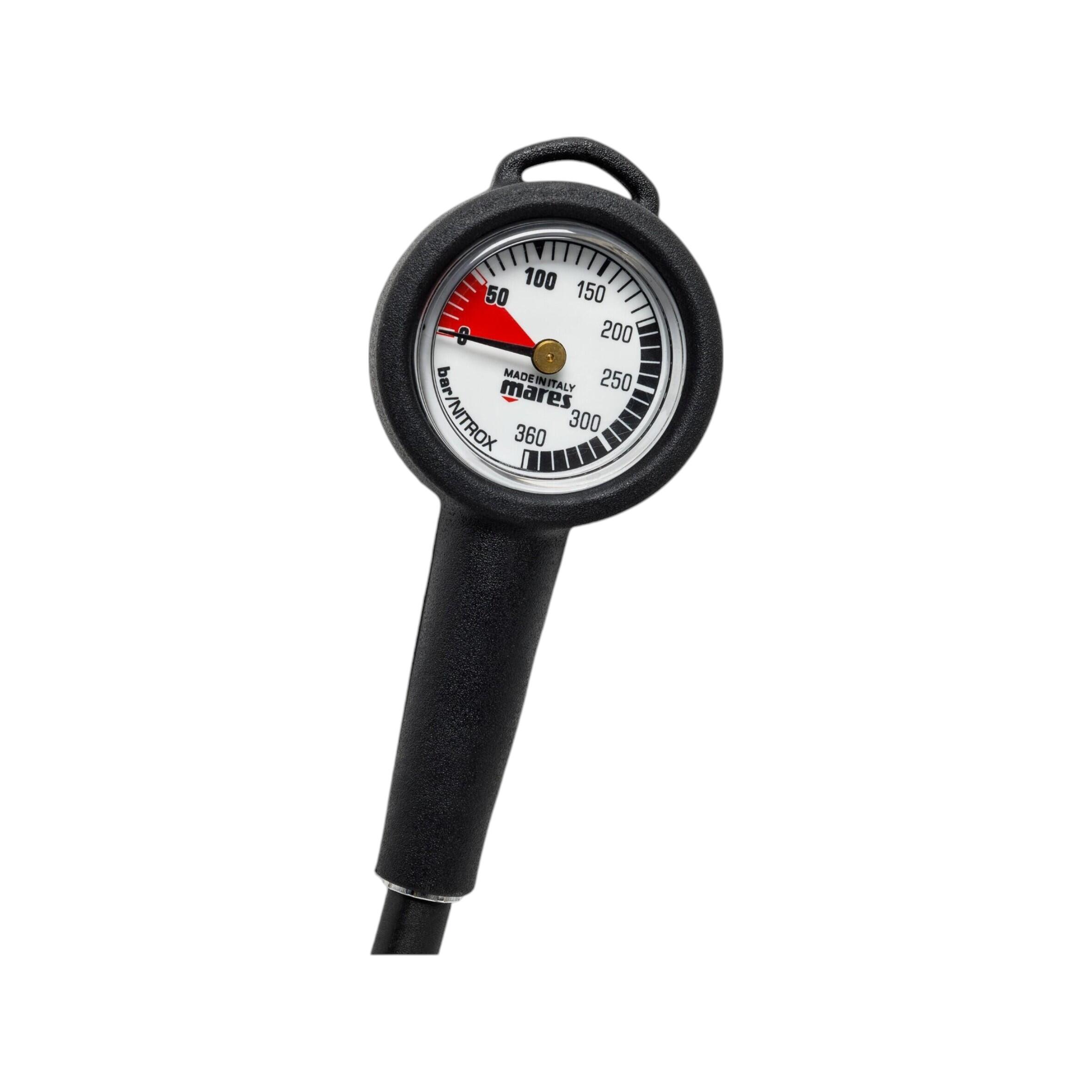
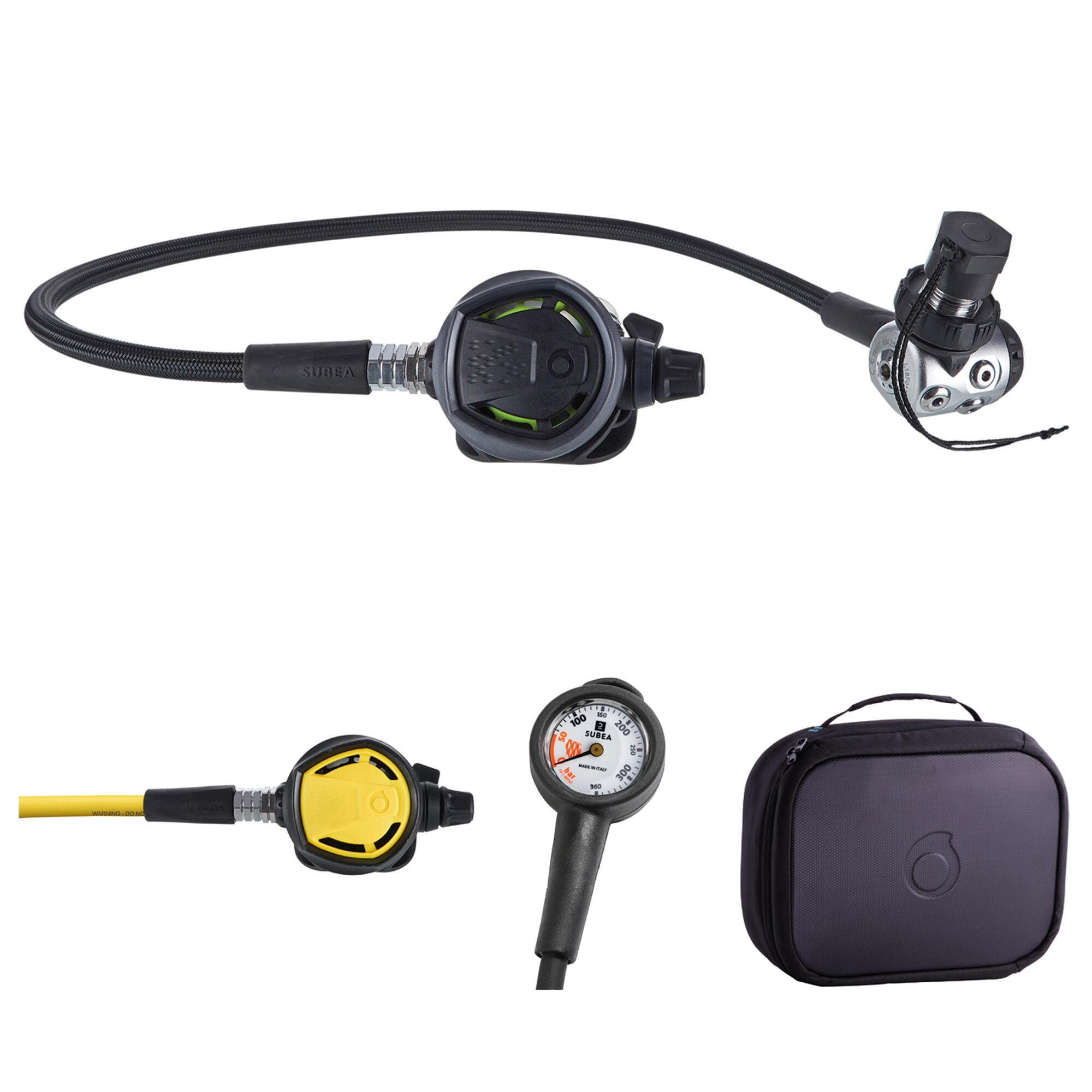
Descending below 30 metres changes gas density considerably, causing the lungs to require greater physical effort and increased air consumption per minute. Monitoring these changes requires checking a robust mechanical diving manometer continuously to track remaining pressure variations against your planned decompression limits. Higher air density means your reserve gas depletes faster at depth than near the surface swell. Understanding this direct physical reaction allows you to plan conservative ascent profiles, ensuring complete team security across complex marine thermal layers.